Blog

  • What Is Bystolic? Nebivolol Safety, Uses, and Warnings

    What Is Bystolic? Nebivolol Safety, Uses, and Warnings

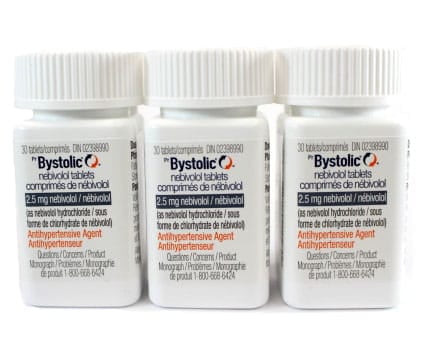
    What is Bystolic? It is the brand name for nebivolol, a beta blocker used to treat high blood pressure in adults. For most readers, the real issue is safety: how it works, who may need extra caution, and which symptoms should never be ignored. That matters because nebivolol can lower both blood pressure and heart rate, so the right fit depends on your health history, other medicines, and how you feel after you start it.

    When people ask what is Bystolic, they often also mean, Is it safe and how does it compare with other heart medicines? For many adults, nebivolol can be used safely under medical supervision. But it is not a casual medication. It should not be started, stopped, or changed without guidance. If you are comparing cardiovascular medicines more broadly, the Cardiovascular Hub can help you place it in the bigger picture.

    Key Takeaways

    • Bystolic is the brand name for nebivolol, a beta blocker used for hypertension.
    • Its main safety issues involve slow heart rate, low blood pressure, interactions, and sudden stopping.
    • Common side effects may include tiredness, dizziness, headache, nausea, and a slower pulse.
    • Bystolic and nebivolol refer to the same active medicine, not two competing drugs.
    • People with heart rhythm problems, lung disease, diabetes, or multiple heart medicines need closer review.

    What Is Bystolic and How Does It Work?

    Bystolic is the brand name. Nebivolol is the generic name. They point to the same active ingredient. So if you are wondering whether Bystolic is different from nebivolol, the first answer is simple: one is the brand label, and the other is the medication name clinicians use more broadly.

    Nebivolol belongs to a class called beta blockers. These medicines reduce the effect of stress hormones on the heart and circulation. In practical terms, that can slow the heart rate and help lower blood pressure. Some people notice less pounding or racing. Others mainly notice quieter readings on a blood pressure monitor.

    It is most often used for hypertension. It may be one part of a bigger plan that also includes home monitoring, lifestyle changes, and sometimes other medicines. Knowing what is Bystolic is only step one. The more important question is how the drug behaves alongside your own heart rate, symptoms, and other prescriptions.

    Not every beta blocker feels the same in real life. Even within the same class, drugs can differ in how strongly they affect pulse, blood vessels, and day-to-day tolerability. That is why one person may do well on nebivolol while another needs a different approach. The name matters less than the full clinical picture.

    Another common point of confusion is whether a beta blocker is automatically the right choice for every person with high blood pressure. It is not. Some people need a different class because of asthma, slow pulse, or another medical issue. That is why the same blood pressure number can lead to different medication choices in different patients.

    When Nebivolol Safety Needs Closer Review

    Nebivolol safety deserves a closer look when you already have a low resting pulse, fainting episodes, certain heart rhythm problems, or current symptoms of unstable heart failure. People with severe liver disease may also need extra review. These issues matter because the drug can slow the heart and change circulation in ways that are helpful for one person but risky for another.

    Some people should not use nebivolol at all without specialist direction. That may include people with a very slow resting heartbeat, certain conduction problems such as heart block, or heart failure that is not stable. Others may still be candidates, but only with closer follow-up. The line between those groups depends on medical history, exam findings, and other drugs in the plan.

    People with asthma, COPD, diabetes, thyroid disease, or poor circulation should also make sure the full history is reviewed. Beta blockers can sometimes affect breathing in sensitive patients and may hide warning signs like a racing heartbeat during low blood sugar. Older adults may be more likely to notice fatigue, dizziness, or falls if blood pressure drops too much.

    People sometimes ask whether nebivolol is a high-risk medication. It is not usually discussed in the same way as classic high-alert drugs, but it still deserves respect. Small changes in pulse, blood pressure, or drug combinations can matter, especially if you already take several cardiovascular medicines.

    Who May Need Extra Caution

    • Very slow pulse or fainting history.
    • Certain heart rhythm or conduction problems.
    • Current wheezing, asthma, or COPD symptoms.
    • Diabetes with concern about masked low blood sugar signs.
    • Older age with dizziness, falls, or many heart medicines.

    Common Side Effects and Serious Warning Signs

    The most common side effects of nebivolol are usually not dramatic, but they can still affect daily life. Tiredness, dizziness, headache, nausea, and a slower pulse are often the complaints people notice first. These symptoms can be easy to dismiss if your blood pressure is improving, yet they still deserve tracking if they linger, worsen, or limit normal activities.

    When people search for the most common side effect of nebivolol, the answer is often some mix of tiredness or dizziness. Those effects do not always mean the drug is wrong for you, but they should be discussed if they affect driving, work, sleep, or exercise. Home blood pressure and pulse readings can add useful context, but symptom changes matter too.

    More serious issues are less common but more important. Very slow heartbeat, fainting, worsening shortness of breath, chest pain, swelling in the legs, or signs of an allergic reaction should not be brushed off. These symptoms can point to too much heart-rate slowing, fluid problems, breathing trouble, or another condition that needs prompt review.

    Symptom pattern Examples Why it matters
    Often milder Tiredness, mild dizziness, headache, nausea Worth tracking, especially if symptoms persist or affect daily function.
    Needs prompt review Feeling faint, very slow pulse, worse shortness of breath, leg swelling May suggest the medicine is suppressing heart rate too much or another problem is developing.
    Needs urgent care Chest pain, fainting, severe breathing trouble, lip or tongue swelling Could reflect a medical emergency or a serious reaction.

    Why it matters: Side effects from beta blockers can look like ordinary fatigue, but fainting or breathing changes deserve prompt attention.

    If you want a deeper look at symptom patterns, our Bystolic Side Effects page breaks down common reactions and red flags in more detail.

    Interactions, Stopping Concerns, and Daily Use

    Many nebivolol problems start with combinations, not the medicine alone. Other drugs that can slow the heart or lower blood pressure may intensify its effects. That can include some rhythm medicines, some calcium channel blockers, and other hypertension treatments. Over-the-counter cold products, supplements, and alcohol can also complicate how you feel or how your readings look.

    Interactions are not always dramatic. Sometimes one medicine hides the side effects of another. Beta blockers, for example, can blunt a racing pulse that would otherwise warn you about low blood sugar, overexertion, or an interaction. That is one reason people with diabetes, heavy exercise routines, or several heart medicines need clear monitoring plans.

    This is also why people are told not to stop beta blockers suddenly. Abruptly stopping can cause rebound heart-related symptoms, especially in people with underlying heart disease. If you miss doses, feel worse, or think the medicine is causing a problem, the safest next step is to contact the prescriber or pharmacist rather than doubling, skipping, or stopping on your own.

    Quick tip: Bring a full medication list to every visit, including supplements, cold remedies, and inhalers.

    Useful Details to Review at a Visit

    • Home blood pressure and pulse readings.
    • Any dizziness, fainting, or unusual fatigue.
    • Shortness of breath, wheezing, or swelling.
    • Recent medication, supplement, or alcohol changes.
    • Questions about missed doses or exercise tolerance.

    Some prescriptions are verified with the prescriber before the pharmacy dispenses them.

    Brand, Generic, and Where It Fits in Blood Pressure Care

    Bystolic and nebivolol are not two different active drugs. Bystolic is the brand name, and nebivolol is the generic name. So when readers ask whether Bystolic or nebivolol is better, the more accurate question is whether the product contains the same active ingredient and whether it fits the rest of the treatment plan. The safety discussion does not change just because the label does.

    Nebivolol is also only one part of blood pressure care. Some people are prescribed another beta blocker, while others do better with a different class entirely. For comparison, you can review related safety patterns in Atenolol Side Effects, Ramipril Basics, and Verapamil Side Effects. Those guides show why side effects, interactions, and monitoring plans vary by class.

    Many people with high blood pressure also take cholesterol or blood-thinning medicines. That makes it easier to confuse one drug’s side effects with another’s. Reading Atorvastatin Basics or Apixaban Side Effects can help you separate muscle symptoms, bleeding risks, and pulse-related problems when several medicines are involved.

    BorderFreeHealth works with licensed Canadian partner pharmacies.

    Monitoring, Access, and Questions to Bring to a Visit

    If nebivolol is part of your ongoing care, monitoring matters more than memorizing brand names. Keep a record of blood pressure readings, resting pulse, new fatigue, dizziness, breathing changes, or limits on exercise. Those details help a clinician decide whether the medicine is working as intended or whether the plan needs review.

    It also helps to ask a few practical questions before starting or refilling: Why this beta blocker instead of another class? What symptoms should prompt a call? How low is too low for your pulse or blood pressure? What other medicines or supplements deserve an interaction check? These are not small questions. They are the difference between simply taking a pill and understanding how it fits into your care.

    If you are older, have more than one heart condition, or take several daily medicines, bring that full context to each visit. What looks like a simple side effect can actually reflect dehydration, another drug, or an underlying rhythm problem. Clear notes about when symptoms happen can make the review far more useful.

    Some people compare cash-pay or cross-border options when filling long-term prescriptions. Cash-pay cross-border options may help some patients without insurance, depending on eligibility and location. If you are browsing rather than making a clinical decision, the Cardiovascular Products hub is a neutral place to view cardiovascular medications in one list.

    Authoritative Sources

    If you started by asking what is Bystolic, the short answer is simple: it is nebivolol, a beta blocker used for high blood pressure. The more useful answer is that safety depends on your heart rate, other conditions, and the medicines around it. Further reading through the cardiovascular links above can help you prepare better questions for your next visit.

    This content is for informational purposes only and is not a substitute for professional medical advice.

  • Bupropion Overdose: Symptoms, Time Course, and Emergency Care

    Bupropion Overdose: Symptoms, Time Course, and Emergency Care

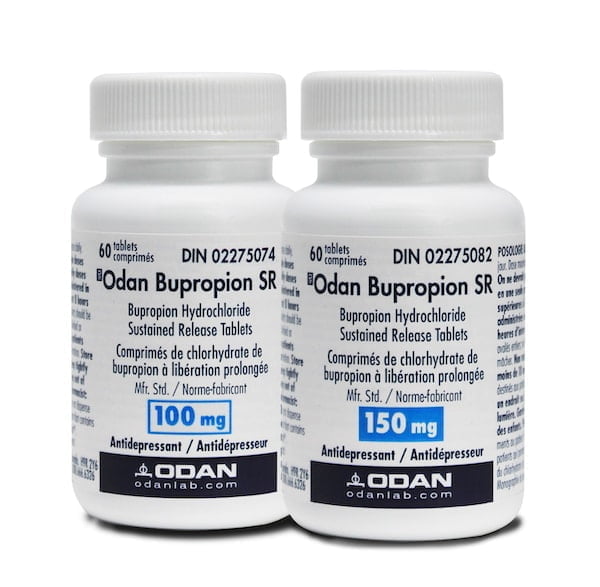
    Bupropion Overdose: Symptoms, Time Course, and Safer Management starts with one urgent fact: taking too much bupropion can cause agitation, tremor, a fast heartbeat, hallucinations, and seizures, and some serious effects may appear late, especially with sustained-release or extended-release tablets. That is why a possible overdose needs same-day guidance from Poison Control or emergency evaluation rather than watchful waiting. Even when symptoms seem mild at first, the pattern can change over hours.

    Key Takeaways

    • Bupropion overdose can affect the brain and heart, not just the stomach.
    • Common warning signs include agitation, tremor, confusion, hallucinations, fast heart rate, and seizures.
    • XL and SR products can cause delayed symptoms, including seizures many hours later.
    • There is no single home rule for a toxic level; formulation, amount, co-ingestants, and symptoms all matter.
    • Safer management means early expert help, close observation, and attention to mental health as well as medication safety.

    Why it matters: A calm early period does not always mean the danger has passed.

    BorderFreeHealth connects eligible U.S. patients with licensed Canadian partner pharmacies.

    Bupropion Overdose Symptoms: What They Often Look Like

    Bupropion toxicity, sometimes searched as Wellbutrin overdose, often looks like overstimulation of the nervous system. People may become restless, shaky, anxious, sweaty, nauseated, or unusually keyed up. A fast heart rate is common. As toxicity worsens, symptoms can move toward confusion, severe agitation, visual disturbance, hallucinations, muscle jerks, and seizures.

    The brain and the heart are the main organs clinicians watch. Severe cases can include status epilepticus (continuous or repeated seizures), coma, or arrhythmias (abnormal heart rhythms). Those are medical emergencies. Not everyone with an overdose develops the worst effects, but the symptom pattern can change quickly enough that early assessment matters.

    It also helps to separate overdose from routine side effects. Mild insomnia, dry mouth, or reduced appetite can happen with normal treatment. Overdose is different. The combination of marked tremor, agitation, altered thinking, hallucinations, or seizure-like activity points to a higher-risk problem.

    Children, older adults, and people with other medical conditions may need especially careful assessment. Emergency teams also ask about seizure history, eating disorders, stimulant use, and other medicines that can lower seizure threshold or affect the heart.

    For broader mental health background, the Mental Health Hub, Depression Symptoms And Treatment, and Anxiety And Depression And Medicines pages explain how these medicines fit into care. That background can be useful, but overdose questions need a separate, more urgent lens.

    Why the time course can be delayed

    Time course means when symptoms start, how fast they build, and how long monitoring may be needed. With bupropion overdose, that timeline can be misleading. Immediate-release products often cause symptoms sooner. Sustained-release and extended-release forms can produce delayed toxicity because the medication keeps releasing over time.

    That delay is one of the most important facts for patients and families. A person can look fairly stable early on and still worsen later. Delayed seizures after bupropion overdose are a known risk, especially with XL products. That is why clinicians may recommend longer observation when the amount is unclear, the product is SR or XL, or symptoms are already evolving.

    Situation Typical pattern Why it changes management
    Immediate-release ingestion Symptoms often appear earlier, sometimes within a few hours Early improvement does not rule out later complications
    SR or XL ingestion Symptoms may be delayed for many hours, including delayed seizures Observation may last longer because the drug keeps releasing
    Unknown amount or mixed ingestion The course is less predictable Alcohol and other drugs can change mental status and heart risk

    People often search for a toxic level of bupropion, hoping for one reassuring number. There is no simple home cutoff that reliably predicts safety. The formulation, the amount, the person’s size and health, other substances, and the current symptoms all affect risk. That is why poison specialists and emergency clinicians focus on the whole picture rather than a single dose estimate or internet threshold.

    Quick tip: Keep the bottle or blister pack nearby before calling for help.

    What safer management means in real life

    Safer management starts with real-time expert guidance. In the U.S., that usually means calling Poison Control right away or seeking emergency care if the amount was large, the amount is unknown, symptoms are present, or there is any concern about self-harm. The goal is early assessment, not panic. Because bupropion can cause delayed seizures, waiting for symptoms to become obvious can be risky.

    Home fixes are not the answer. Do not try to make the person vomit. Do not assume that staying awake or talking normally means the event is minor. If the person is confused, very agitated, having abnormal movements, or seems unwell in any serious way, emergency services are appropriate. If a child was exposed or the tablets belong to someone else, treat the situation as urgent even if you cannot estimate the exact amount.

    The most useful details to share are simple:

    • Product name and form
    • IR, SR, or XL
    • Estimated amount taken
    • Time of ingestion
    • Other drugs or alcohol
    • Current symptoms

    Those details help determine the likely bupropion overdose time course and whether observation needs to be prolonged. An accidental double dose may still deserve same-day review. A deliberate ingestion needs emergency care and mental health support even if symptoms seem limited at first.

    When verification is required, the pharmacy may confirm prescription details with the prescriber.

    What emergency care may involve

    Emergency care focuses on stabilization and observation. Clinicians start with airway, breathing, circulation, temperature, mental status, and seizure risk. They may use continuous heart monitoring, repeated vital signs, blood glucose checks, and an electrocardiogram, or ECG, to look for conduction problems and rhythm changes.

    One term people see online is QTc. QTc is an ECG measurement that reflects how long the heart takes to reset between beats. In bupropion overdose, a QTc change can matter, but it is not interpreted alone. The whole ECG pattern, the person’s symptoms, and any co-ingestants help determine how serious the finding is.

    Treatment is usually supportive. That may include IV fluids, oxygen, medication for seizures or severe agitation, correction of low blood sugar if present, and close neurologic and cardiac monitoring. Hospital teams may also decide whether decontamination steps are appropriate, but those decisions depend on timing, symptoms, and airway safety. They are not home remedies.

    There is also no single observation period that fits every case. Longer monitoring is more likely when the product is extended-release, when the timing is uncertain, when symptoms are progressing, or when seizures or ECG changes have already appeared. In severe cases, intensive care may be needed for recurrent seizures, shock, or dangerous rhythm problems.

    People sometimes look for advice on how to treat a Wellbutrin overdose a few days later. By that stage, the key question is whether symptoms are still happening. Ongoing confusion, chest symptoms, fainting, hallucinations, recurrent vomiting, or abnormal movements still warrant medical assessment. If the acute toxic effects have passed, follow-up usually shifts toward medication review, safer storage, and mental health support.

    How overdose differs from routine side effects

    Routine side effects and overdose are not the same event. Many antidepressants can cause temporary nausea, headache, dry mouth, or sleep changes when treatment begins. Bupropion overdose raises a different level of concern because it can produce marked stimulation of the nervous system and, in some cases, cardiac effects.

    If you are sorting through medication symptoms more generally, Side Effects And Management offers a broad framework. For comparison with other common mental health medicines, you can also review Depression Medication Options, Anxiety And Depression Medications, and Anxiety Medication Options.

    That comparison matters because people sometimes think taking too much of a medicine will simply produce stronger versions of ordinary side effects. With bupropion toxicity, that shortcut can be unsafe. Tremor, hallucinations, seizure risk, and delayed progression do not behave like routine startup effects.

    Questions that shape risk and recovery

    Three questions often shape the next steps: which formulation was taken, were other substances involved, and what symptoms are happening now? Those answers help clinicians predict whether the main concern is delayed neurologic toxicity, a mixed overdose, or a lower-risk exposure that still needs observation.

    Immediate-release vs. XL products

    Extended-release bupropion deserves extra caution because serious effects may appear later. That is why bupropion XL overdose symptoms can seem out of proportion to an initially reassuring exam. Immediate-release products often declare themselves sooner, but they can still cause major toxicity.

    Hallucinations and agitation

    Bupropion overdose hallucinations, severe restlessness, and worsening tremor are important warning signs. They are not just unpleasant side effects. In some cases, they can appear before seizures or alongside a rising heart rate.

    Heart rhythm changes

    Fast heart rate is common. More serious heart rhythm changes are less common, but they matter because they can change monitoring, treatment intensity, and the need for higher-acuity care. When alcohol, stimulants, or other antidepressants are part of the picture, the course becomes harder to predict.

    Cash-pay cross-border options depend on eligibility and jurisdiction, including some patients without insurance.

    Planning the next conversation after the emergency

    Once the urgent phase is over, the next step is usually prevention. Was this a dosing mix-up, a confusing label, a duplicate prescription, or a mental health crisis? Each answer points to a different kind of follow-up.

    For accidental ingestions, practical changes may include using a pill organizer, separating old and new bottles, keeping IR and XL products clearly labeled, and reviewing the full medication list with a clinician or pharmacist. For intentional ingestions, follow-up should include crisis support and a careful review of the treatment plan.

    That follow-up review matters because prevention is rarely just about willpower. Sometimes the problem is packaging, a recent dose change, two similar bottles in one cabinet, or several prescribers using separate medication lists. Fixing the system around the medicine can be as important as discussing the medicine itself.

    If you are looking at broader treatment context after an emergency, the Mental Health Treatments hub can help you browse related categories. Pages such as Zoloft Side Effects and Escitalopram Side Effects also show how side-effect patterns differ across medicines, though overdose questions should always be handled as a separate, higher-risk issue.

    Authoritative Sources

    Bupropion overdose can look mild early and still become serious later, especially with extended-release forms. Early expert input, careful monitoring, and thoughtful follow-up are the safest way to approach the situation.

    This content is for informational purposes only and is not a substitute for professional medical advice.
  • What Is Glaucoma? Signs, Causes, Types, and Care

    What Is Glaucoma? Signs, Causes, Types, and Care

    What is glaucoma? Glaucoma is a group of eye diseases that damage the optic nerve, often gradually and sometimes without obvious early symptoms. It matters because the damage is usually permanent, but early diagnosis and treatment can often slow more vision loss.

    Most people hear glaucoma described as an eye pressure problem. Pressure is important, but it is not the whole story. Some people develop glaucoma with high pressure, while others develop normal-tension glaucoma despite readings that are not clearly elevated. The condition also includes several types, and one form, acute angle-closure glaucoma, can cause sudden severe symptoms and needs urgent care.

    Key Takeaways

    • Glaucoma damages the optic nerve and can slowly reduce vision.
    • Early open-angle glaucoma often causes no noticeable symptoms.
    • High eye pressure is a major risk factor, but not the only one.
    • Treatment aims to protect remaining vision, not restore lost nerve damage.
    • Sudden eye pain, halos, nausea, or fast vision changes need urgent care.

    What Is Glaucoma and Why Does It Threaten Vision?

    Glaucoma is best understood as progressive optic neuropathy (damage to the nerve that carries visual signals from the eye to the brain). When that nerve is injured, the brain receives less visual information, and blind spots can develop. The loss often starts in peripheral vision, so people may not notice a problem until the disease is more advanced.

    Inside the eye, a clear fluid called aqueous humor is constantly produced and drained. If drainage is impaired or the optic nerve is especially vulnerable, the pressure inside the eye, called intraocular pressure, may rise enough to harm the nerve. Still, glaucoma is not defined by pressure alone. That is why a normal pressure reading does not fully rule it out, and a high reading does not automatically mean a person already has glaucoma.

    Glaucoma stages are usually described as early, moderate, or advanced based on optic nerve and visual field damage, not on how the eye looks from the outside. Early disease may leave central vision intact, while advanced disease can narrow the visual field and affect reading, mobility, and driving.

    Why it matters: Lost vision from glaucoma is often permanent, so timing changes the outcome.

    Another common question is whether glaucoma can be cured. In most cases, no. Existing optic nerve damage usually cannot be reversed. The goal of care is to protect the vision that remains, lower the chance of progression, and monitor changes over time.

    Signs and Symptoms That Need Attention

    Many people with the most common form, open-angle glaucoma, have no symptoms early on. That is why regular eye exams matter, especially when risk is higher. By the time noticeable changes appear, some vision may already be lost.

    There is no single official 8-sign checklist, but these are common glaucoma warning signs across different types and stages:

    • Gradual loss of side vision
    • Patchy blind spots
    • Tunnel vision in later disease
    • Sudden blurred vision
    • Halos around lights
    • Eye pain or pressure
    • Redness in one eye
    • Headache, nausea, or vomiting with vision change

    Not every person gets the same symptoms. Open-angle disease often progresses quietly. Angle-closure disease can appear suddenly and feel dramatic. Normal-tension glaucoma may also be subtle, with few symptoms until testing finds damage. In infants and young children, excessive tearing, light sensitivity, or a cloudy-looking cornea can be clues to childhood forms.

    When symptoms may be an emergency

    Severe eye pain, a red eye, halos around lights, nausea, vomiting, and rapid blurry vision can point to acute angle-closure glaucoma. This can raise pressure quickly and threatens sight. Same-day emergency evaluation is important.

    Why early signs are easy to miss

    Your brain is good at compensating for slow, uneven vision changes. One eye may also cover for the other. That is why saying you can still see fine does not reliably rule out glaucoma.

    Common Types of Glaucoma

    Glaucoma is not one single condition. The type helps explain how symptoms start, how urgently it needs attention, and how clinicians think about treatment.

    Type Typical pattern Why it matters
    Primary open-angle glaucoma Slow, often silent progression Most common adult form; routine exams are crucial
    Angle-closure glaucoma May be sudden or slowly developing A sudden attack is an emergency
    Normal-tension glaucoma Optic nerve damage despite pressure not clearly high Shows that pressure is not the whole story
    Secondary glaucoma Linked to another eye or health problem The cause can shape treatment choices
    Congenital or childhood glaucoma Begins early in life Needs prompt specialist evaluation

    Primary open-angle glaucoma is the type many adults hear about first. It usually develops slowly and silently. Angle-closure glaucoma is less common but more dramatic when it occurs suddenly. Secondary glaucoma means another issue, such as inflammation, injury, or medication effects, contributes to the problem.

    Some people also hear about chronic angle-closure glaucoma. Unlike an acute attack, it may develop more slowly, but the drainage angle is still crowded or blocked. That is why an eye exam that looks at the angle directly is important.

    Congenital glaucoma is rare and involves abnormal eye drainage present at birth or early in childhood. It is a different situation from typical adult glaucoma and needs specialist care.

    What Causes It and Who Is at Higher Risk?

    The main cause of glaucoma is not one single trigger. In many people, the problem involves reduced drainage of eye fluid, rising intraocular pressure, and gradual optic nerve injury. In others, blood flow, nerve sensitivity, anatomy, or another eye condition may also play a role.

    Risk tends to rise with a mix of factors, not just one. Commonly discussed risk factors include:

    • Older age
    • Family history of glaucoma
    • Higher eye pressure
    • Long-term corticosteroid use
    • Diabetes or other health conditions
    • Prior eye injury or eye surgery
    • Severe nearsightedness or farsightedness
    • Certain racial or ethnic backgrounds

    A clinician may also look at corneal thickness, optic nerve appearance, and the shape of the drainage angle. These details help explain why two people with similar pressure readings can have different risk. Risk patterns also vary across populations, so family history and ancestry can influence who needs closer follow-up.

    Angle-closure glaucoma has a different mechanical setup. A naturally narrow drainage angle can become blocked more easily, which is why anatomy matters. In susceptible people, certain medicines that widen the pupil or shift eye structures may be discussed as possible triggers, but that risk depends on the person and the type of glaucoma.

    Because early open-angle glaucoma can be silent, glaucoma screening usually means regular comprehensive eye exams rather than waiting for symptoms. The best interval depends on age, family history, previous findings, and whether high pressure or optic nerve changes have already been seen.

    Ocular Hypertension vs Glaucoma

    Ocular hypertension means eye pressure is higher than expected, but there is no clear evidence of optic nerve damage or vision loss yet. Glaucoma means the nerve or visual field already shows damage. The distinction matters because not everyone with ocular hypertension will develop glaucoma, but the risk can be high enough to justify closer monitoring or treatment.

    How Glaucoma Is Diagnosed, Treated, and Monitored

    Glaucoma is diagnosed with a comprehensive eye exam, not one test alone. Clinicians often combine pressure measurement, a dilated optic nerve exam, visual field testing, and imaging such as optical coherence tomography, or OCT, which maps the nerve fiber layer. Gonioscopy, a close look at the drainage angle, helps identify whether the angle is open or narrow.

    Glaucoma treatment usually aims to lower eye pressure and slow progression. Depending on the type and severity, care may include prescription eye drops, laser procedures, surgery, or a combination. The right plan depends on how advanced the disease is, how fast it seems to be changing, and how well a person can stay consistent with treatment.

    What treatment is trying to do

    Eye drops may reduce fluid production or improve drainage. Laser treatment may help fluid leave the eye more effectively or reduce fluid made inside the eye, depending on the situation. Surgery is considered when the nerve is at risk, pressure goals are not met, or the disease continues to progress despite other measures.

    Follow-up matters because glaucoma stages are defined by the amount of optic nerve and visual field damage, and those changes can be gradual. A person may feel stable even while tests show progression. Many people retain useful vision for years when the condition is found early and followed closely, but that usually requires ongoing monitoring rather than a one-time fix.

    Daily treatment can be hard to sustain, especially when symptoms are absent. Dryness, redness, cost, hand dexterity, and confusion about timing can all get in the way. Raising those barriers early can help the care team adjust the plan before adherence slips.

    Quick tip: Bring a current medication list, including steroids and eye drops, to every eye visit.

    • Ask what type you have
    • Ask whether vision loss is present
    • Ask which tests will track change
    • Ask how often follow-up matters
    • Ask what side effects to report
    • Ask which symptoms need urgent review

    When required, the dispensing pharmacy may confirm prescription details with the original prescriber.

    Living With Glaucoma and Related Questions

    Living with glaucoma often means building habits around drops, appointments, and routine testing. That can feel frustrating because glaucoma may not cause daily symptoms, yet the condition still needs attention. A refill plan, reminder system, and clear understanding of your follow-up schedule can make long-term care easier to sustain.

    People also ask whether certain foods trigger glaucoma or whether diet can fix it. There is no single food known to cause glaucoma in everyone, and diet is not a substitute for treatment. A generally healthy eating pattern supports overall health, but glaucoma management still depends on monitoring and pressure control. If supplements, caffeine, or other habits are a concern, they are best discussed in the context of the specific glaucoma type and the rest of a person’s health history.

    Daily life considerations can include lighting, contrast, fall prevention, and asking whether driving is still safe if visual field loss has progressed. Some people also benefit from low-vision services, especially when glaucoma is advanced. These supports do not treat the disease, but they can help preserve independence.

    Glaucoma vs Cataracts

    These conditions both affect vision, but they are not the same. Cataracts cloud the eye’s natural lens and often cause blurry or dim vision that can usually be treated with surgery. Glaucoma damages the optic nerve. The vision loss from glaucoma is often permanent, which is why early detection matters so much.

    For broader eye-health reading, visit our Ophthalmology hub. If you are reviewing prescribed eye therapies, the Ophthalmology Products section groups eye-care products by category.

    BorderFreeHealth works with licensed Canadian partner pharmacies for eligible U.S. patients.

    Further reading can help, but glaucoma care still depends on individual findings such as eye pressure, optic nerve changes, visual field results, and symptom pattern. If the diagnosis is new, the most useful next step is often understanding the type of glaucoma involved, the goal of treatment, and which warning symptoms should never wait.

    Authoritative Sources

    Glaucoma can be quiet, but it is not harmless. Knowing the type, the warning signs, and the purpose of treatment can make follow-up feel less overwhelming.

    This content is for informational purposes only and is not a substitute for professional medical advice.
  • Male Pattern Baldness: Genetics, Stages, and Treatment

    Male Pattern Baldness: Genetics, Stages, and Treatment

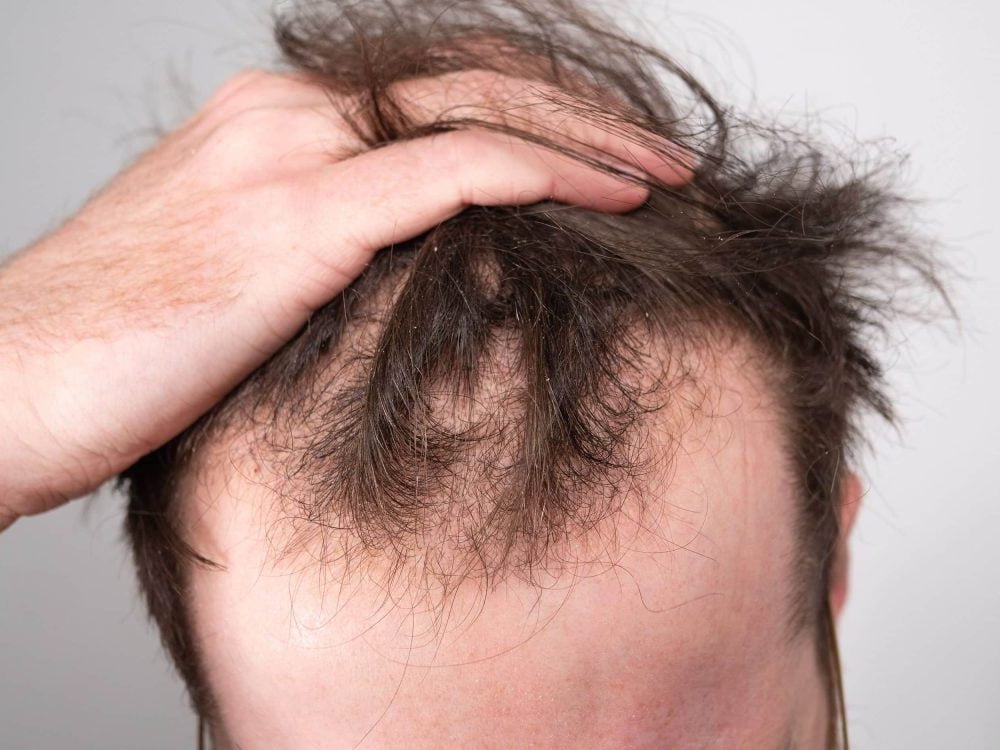
    Male pattern baldness is hereditary, hormone-linked hair thinning that usually starts at the temples, crown, or both. It can begin any time after puberty, often progresses slowly, and may respond better when addressed early. The key is to confirm the pattern, rule out other causes, and choose a realistic plan you can maintain.

    Hair loss can feel deeply personal. It can affect confidence, identity, dating, work, and how comfortable you feel in photos. Understanding what is happening gives you more control, even when the condition cannot be fully reversed.

    Key Takeaways

    • Genes and hormones drive most cases.
    • Early signs often appear at the temples or crown.
    • Treatment may slow loss or improve density.
    • Natural steps support hair health but rarely replace therapy.
    • Sudden, painful, or patchy loss needs medical review.

    What Male Pattern Baldness Means

    Male pattern baldness is the common name for androgenetic alopecia, a hereditary form of patterned hair loss. In men, it often causes a receding hairline, thinning at the crown, or a larger area where both changes meet.

    The process happens inside the follicle. Follicles in certain scalp areas become sensitive to androgens, especially dihydrotestosterone, usually called DHT. Over time, susceptible follicles spend less time in the growth phase. New hairs become shorter, finer, and less visible. This is called miniaturization.

    That distinction matters. A person may still have follicles in a thinning area, but the hairs may be too fine to create coverage. This is one reason treatment aims to slow miniaturization, support active growth, or preserve remaining density rather than simply “wake up” completely inactive follicles.

    Male pattern baldness is common, but it is not the only explanation for hair loss. Thyroid disease, iron deficiency, certain medicines, severe stress, scalp inflammation, autoimmune alopecia, and infections can also cause shedding or thinning. Pattern, speed, symptoms, and scalp appearance help clinicians decide what is most likely.

    Why it matters: A typical pattern can often be managed differently than sudden shedding or scarring hair loss.

    Early Signs, Stages, and How to Track Change

    Early male pattern baldness usually shows as temple recession, crown thinning, or a hairline that looks less dense in bright light. Some men first notice more scalp after a haircut, wet hair, or overhead lighting.

    Shedding can be confusing. Everyone sheds hairs daily, and short-term shedding does not always mean permanent loss. What matters more is a consistent pattern over months. Look for repeated changes in the same areas rather than one stressful week of extra hair in the shower.

    Clinicians often describe male pattern baldness stages with the Norwood scale. It is a visual staging system, not a perfect prediction tool. Stage 2 often reflects a more mature hairline. Stage 3 usually shows deeper recession at the temples. Crown thinning may appear separately or alongside frontal loss. More advanced stages involve larger connected areas of thinning.

    You do not need to memorize every stage to take useful action. A simple tracking routine can help you prepare for a dermatology visit or compare changes over time.

    • Same lighting: Use bright, consistent light.
    • Same angles: Capture hairline, temples, crown, and part line.
    • Dry hair: Wet hair can exaggerate scalp show.
    • Monthly timing: Avoid checking daily.
    • Symptom notes: Record itching, scaling, pain, or sudden shedding.

    People searching for signs of balding at 20 or losing hair at 25 male often worry that any recession means rapid future loss. Age can influence concern, but it does not predict the exact course. Some men progress quickly. Others plateau for years. Family history, stage, scalp health, and treatment consistency all influence the picture.

    Seek medical evaluation sooner if hair loss is patchy, painful, sudden, associated with redness or scale, or follows a major illness or medication change. These patterns may point away from androgenetic alopecia and toward conditions that need different care.

    Genetics, DHT, and the Mother-or-Father Question

    Male pattern baldness genetics involve many genes from both sides of the family. The common idea that baldness comes only from the mother’s side is too simple.

    Some inherited risk is linked to androgen receptor biology, which is why people ask whether male pattern baldness is X linked. The X chromosome can contribute, but it is not the whole story. Many genetic regions appear to influence risk, timing, and pattern. Both parents can pass on variants that matter.

    DHT also plays a central role. Testosterone can be converted into DHT by an enzyme called 5-alpha-reductase. In genetically susceptible follicles, DHT signaling can shorten the growth phase and increase miniaturization. This does not mean testosterone levels are necessarily “too high.” Often, follicle sensitivity matters more than hormone level alone.

    Family history still helps. If several close relatives developed early crown thinning or a receding hairline, your risk may be higher. But family history is not destiny. Two brothers can have different patterns. A father with a full head of hair does not guarantee the same outcome for a son.

    Other factors can make thinning look worse or speed visible change. These include scalp inflammation, smoking, crash dieting, low protein intake, iron deficiency, major stress, and harsh hair practices. Addressing these factors may improve overall hair quality, but it usually does not remove the inherited driver.

    Treatment Options and Decision Factors

    Male pattern baldness treatment usually focuses on slowing progression, improving visible density, or supporting hair that remains. The best option depends on the stage, goals, medical history, tolerance for side effects, and whether the plan is realistic long term.

    Topical minoxidil

    Topical minoxidil is a widely used non-prescription treatment for hereditary hair loss. It may help prolong the growth phase and support thicker-looking hair over time. It does not address DHT directly, so some people use it as part of a broader plan after discussing options with a clinician.

    Application consistency matters. Stopping a helpful treatment can lead to loss of maintained gains. Scalp irritation can happen for some users, especially with certain formulations. If irritation, rash, dizziness, or unexpected symptoms occur, seek medical guidance.

    For readers comparing topical formats, Rogaine Solution provides product-specific context for a minoxidil option. Some readers also look at preparation ingredients; Minoxidil Powder Micronized is relevant when researching compounding-related materials rather than ready-to-use routines.

    Prescription 5-alpha-reductase inhibitors

    Finasteride is a prescription 5-alpha-reductase inhibitor. It lowers DHT activity and may help some men slow patterned hair loss. It is not appropriate for everyone, and it has important safety considerations, including sexual side effects in some users and pregnancy-related handling precautions for certain forms.

    If you are researching male pattern baldness medication, review prescription options with a qualified clinician. Ask about your pattern, expected monitoring, side effects, fertility concerns if relevant, and what to do if symptoms occur. Do not start, stop, or change prescription medicine based only on general reading.

    For product-specific navigation, Finasteride, Propecia, and Finpecia 1mg can help readers compare labeled product pages and terminology. Where prescription access is involved, BorderFreeHealth connects U.S. patients with licensed Canadian partner pharmacies, and prescription details may be verified with the prescriber when required before dispensing.

    Procedures and devices

    Low-level light devices, platelet-rich plasma, and hair transplant surgery may be considered in selected cases. These options vary in cost, evidence strength, access, and maintenance needs. A transplant can move hair into thinning areas, but it does not stop ongoing genetic hair loss in untreated follicles.

    Procedures require realistic planning. Ask whether your donor area is strong enough, whether medication might help preserve native hair, and how future thinning could affect the result. A conservative clinician should discuss limitations as clearly as benefits.

    Can Male Pattern Baldness Be Stopped or Reversed?

    Male pattern baldness can sometimes be slowed, and some people see improved thickness with treatment. Complete reversal is less predictable, especially when follicles have been miniaturized for a long time.

    The phrase “reverse balding naturally” is popular, but it can set unrealistic expectations. Natural measures may support scalp and hair fiber health. They generally do not block the inherited DHT-sensitive pathway strongly enough to replace evidence-based treatment in established androgenetic alopecia.

    Still, the basics matter. A practical routine can reduce breakage, improve scalp comfort, and make thinning easier to monitor.

    • Gentle cleansing: Treat oil and flakes without harsh scrubbing.
    • Protein adequacy: Support normal hair production when intake is low.
    • Iron and zinc: Correct deficiencies only with appropriate testing.
    • Sleep consistency: Reduce stress-related shedding triggers.
    • Heat limits: Avoid frequent high-heat styling.
    • Scalp symptoms: Address itching, scale, or inflammation early.

    Supplements deserve caution. More is not always better, and excess intake of some nutrients can cause harm. Botanicals such as saw palmetto are marketed for hair, but evidence is mixed and interactions are possible. Discuss supplements if you take medicines, have liver disease, or are planning surgery.

    Quick tip: Use photos, not daily mirror checks, to judge gradual change.

    How It Compares With Other Hair Loss Conditions

    Patterned hair loss usually develops gradually and follows a recognizable distribution. Other conditions can look different and may require faster medical attention.

    Alopecia areata often causes round or oval patches. Telogen effluvium usually causes diffuse shedding after a trigger such as illness, major stress, childbirth, or a medication change. Scarring alopecias may cause burning, tenderness, scale, pustules, or shiny areas where follicles are lost. These need prompt evaluation because some can cause permanent loss.

    Central centrifugal cicatricial alopecia, often shortened to CCCA, is a scarring form of hair loss that has a different pattern and treatment approach. For a related research discussion, see CCCA Hair Loss Research. It is not the same condition as male pattern baldness, but the contrast shows why accurate diagnosis matters.

    Hair changes can also overlap with hormone-related conditions in other populations. For example, What Is Hirsutism explains excess hair growth in a different clinical context. Hair loss and hair growth concerns may both involve hormones, but they are evaluated differently.

    If you want broader browsing by topic, the Dermatology category groups skin and hair education, while Men’s Health includes related wellness topics. Product category pages such as Dermatology Products can help with navigation, but they should not replace medical evaluation.

    What to Discuss With a Clinician

    A focused visit can clarify whether the pattern fits androgenetic alopecia and whether testing is needed. Bring photos if possible. Mention family history, timing, scalp symptoms, major stressors, medications, supplements, and recent illnesses.

    Useful questions include what diagnosis is most likely, whether the scalp shows inflammation, and which treatments fit your goals. Ask what side effects should prompt a call, how progress will be judged, and what expectations are realistic for your stage.

    A clinician may examine the scalp, perform a pull test, use magnification, or order labs if the story suggests another cause. Tests are not always needed for classic male pattern baldness, but they can be useful when shedding is diffuse, sudden, or accompanied by fatigue, weight changes, or other symptoms.

    Emotional support also counts. Hair loss can affect mood and social confidence. If distress feels persistent, therapy, peer support, or a trusted barber or stylist can help you adapt while medical decisions unfold. Choosing a shorter style, changing product use, or using cosmetic fibers may improve appearance without changing the underlying biology.

    Authoritative Sources

    For a plain-language medical encyclopedia summary, see the MedlinePlus male pattern baldness entry. It explains the typical pattern, genetic links, and general treatment categories.

    For hereditary and genetic context, review the MedlinePlus Genetics androgenetic alopecia page. It describes why inheritance is more complex than one parent’s side.

    For broader hair loss symptoms and causes, the Mayo Clinic hair loss overview outlines common patterns and when other causes may be involved.

    Recap

    Male pattern baldness is common, genetic, and often gradual. It usually reflects follicle sensitivity to androgen signaling rather than poor hygiene or a personal failing. Early recognition can help you compare options before more density is lost.

    Treatment choices range from topical products and prescription medication to devices or procedures. Natural habits can support scalp health, but they rarely reverse the inherited process on their own. If the pattern is sudden, patchy, painful, scaly, or emotionally overwhelming, seek professional care.

    This content is for informational purposes only and is not a substitute for professional medical advice.
  • Hair Loss Treatment: Causes, Medications, and Next Steps

    Hair Loss Treatment: Causes, Medications, and Next Steps

    Hair loss treatment works best when it matches the cause of shedding, thinning, or patchy loss. Some people need scalp care and time. Others may benefit from medication, lab testing, or a dermatologist’s exam. The first step is not choosing the “strongest” product. It is figuring out why the hair is changing, because pattern hair loss, stress shedding, autoimmune alopecia, thyroid disease, low iron, and styling damage need different plans.

    Thinning hair can affect confidence, identity, and mood. That emotional weight is real. A practical plan can still feel manageable when it starts with clear observation, a focused medical review, and realistic expectations about the hair growth cycle.

    Key Takeaways

    • Start with the cause: diagnosis guides safer choices.
    • Act early when possible: long-standing thinning can be harder to reverse.
    • Expect gradual change: hair cycles move slowly.
    • Combine approaches carefully: scalp care, nutrition, and medication may overlap.
    • Seek help for red flags: patchy, painful, sudden, or scarring loss needs review.

    Why Hair Loss Happens

    Hair loss usually reflects a change in the follicle, the scalp, the hair shaft, or the body’s internal signals. Androgenetic alopecia (hereditary pattern thinning) is common in adults. It often causes a widening part, crown thinning, or a receding hairline. Telogen effluvium (stress-related shedding) can happen after illness, surgery, childbirth, major weight change, or emotional strain. Alopecia areata is an autoimmune condition that can cause smooth patches of hair loss.

    Other contributors include low iron, thyroid imbalance, scalp inflammation, some medicines, tight hairstyles, and breakage from heat or chemical processing. These causes can overlap. For example, a person may have inherited thinning and then notice heavier shedding after a major illness.

    Why it matters: Treating the wrong cause can waste months and increase frustration.

    You can start by noting where hair is changing. Diffuse shedding from the whole scalp often suggests a different process than a slowly widening part. Round patches, scalp scaling, redness, pain, or loss of eyebrows or eyelashes should prompt medical review. If you want more context on inherited male-pattern changes, see Male Pattern Baldness.

    How Clinicians Evaluate Thinning Hair

    A good evaluation asks three questions: what pattern is visible, what changed recently, and whether the scalp looks healthy. Your clinician may ask about family history, pregnancy, menstrual changes, weight change, recent infection, new medications, diet, and hair practices. They may examine the scalp closely and gently test how easily hairs shed.

    Photos can help. Take pictures in the same lighting, with the same part line, every four to six weeks. Daily mirror checks can make normal variation feel alarming, but consistent photos reveal broader trends.

    Lab testing is not always needed, but it can help when the story suggests a medical contributor. Common checks may include iron status, thyroid markers, or other tests based on symptoms. A clinician may also consider scalp conditions such as psoriasis, seborrheic dermatitis, or scarring alopecia. Scarring forms can permanently damage follicles, so early assessment matters.

    Young adults sometimes assume hair loss is too early to be “real.” It can still happen. Shifts in stress, hormones, medications, nutrition, and genetics may all play a role. For a broader look at age trends, read Hair Loss in Young Adults.

    Hair Loss Treatment Options That May Be Discussed

    The most effective hair loss treatment depends on the diagnosis, the stage of loss, and personal safety factors. No single option is best for everyone. Many plans use layers: gentle hair care, treatment of scalp inflammation, correction of deficiencies when present, and medication when appropriate.

    Topical and oral medicines

    Minoxidil is a common nonprescription option used for certain forms of pattern thinning. It may help support hair cycling and reduce ongoing thinning for some people. It needs consistent use, and early shedding can occur in some users as follicles shift phases. People with heart conditions, scalp irritation, pregnancy considerations, or complex medication histories should discuss use with a clinician.

    Some readers compare product forms before speaking with a clinician. For neutral product-page context, see Minoxidil, Rogaine Foam, or Rogaine Solution. These links are for navigation and product identification, not proof that one option fits your situation.

    Finasteride is a prescription medicine sometimes used for male pattern hair loss in selected adults. It affects the conversion of testosterone to dihydrotestosterone, often called DHT. DHT can shrink susceptible follicles in androgenetic alopecia. Finasteride is not appropriate for everyone, and pregnancy-related exposure precautions are important. Discuss benefits, risks, sexual side effects, mood concerns, fertility questions, and monitoring with a healthcare professional.

    When prescription access is relevant, BorderFreeHealth connects U.S. patients with licensed Canadian partner pharmacies, and prescription details are verified with the prescriber when required before dispensing. Product pages such as Finasteride and Propecia can help readers identify medication names, but treatment decisions should stay with a qualified clinician.

    Procedures and devices

    Dermatology clinics may discuss platelet-rich plasma, microneedling, low-level light devices, or hair transplantation for selected people. These options depend on diagnosis, donor hair, budget, medical history, and expectations. They are not simple substitutes for diagnosis. Procedures may work best when the underlying condition is stable and the scalp is healthy.

    Ask who performs the procedure, how candidacy is assessed, what complications can occur, and whether ongoing maintenance is expected. Be cautious with claims that promise fast regrowth or permanent correction for every type of hair loss.

    Hair Loss Treatment for Women

    Hair loss treatment for women often starts with pattern recognition and safety questions. Female pattern hair loss may appear as a wider part, reduced ponytail thickness, or diffuse thinning over the top of the scalp. Shedding after childbirth, iron deficiency, thyroid disease, polycystic ovary syndrome, and perimenopause can also contribute.

    Hormones matter, but there is rarely one single hormone responsible for every case. Androgens can affect follicles in people who are genetically sensitive. Thyroid hormones also influence hair cycling. Estrogen shifts after childbirth or during menopause can change shedding patterns. If cycles are irregular, acne has changed, facial hair has increased, or weight has shifted unexpectedly, a clinician may consider endocrine causes. For related background, see PCOS Symptoms or Hypothyroidism Symptoms.

    Pregnancy plans, breastfeeding, contraception, and menopause status affect which options are reasonable. Some medicines are not suitable during pregnancy or when pregnancy is possible. This is one reason self-treating with leftover prescriptions or online advice can be risky.

    At-home support still matters. Gentle detangling, lower heat, looser hairstyles, and avoiding traction can reduce breakage. Protein intake and iron-rich foods may help if intake is low, but supplements should be guided by testing when deficiency is possible. More is not always better, and excess supplementation can cause harm.

    Hair Loss Treatment for Men

    Hair loss treatment for men often focuses on androgenetic alopecia, but not every receding hairline or thinning crown has the same cause. Stress shedding, scalp disease, medication effects, and alopecia areata can also affect men. The pattern, speed, and scalp symptoms help separate these possibilities.

    Men may discuss topical minoxidil, prescription finasteride, or procedural options with a clinician. The right approach depends on goals, side effect concerns, age, reproductive questions, and how advanced the thinning is. Some people prefer a low-intervention plan with styling changes and monitoring. Others want to discuss medication early to preserve existing density where possible.

    For men who choose to explore medication, follow-up matters. Ask when to reassess, what side effects should be reported, and how progress will be judged. A clear baseline photo set is often more useful than judging by daily shedding alone.

    What You Can Do at Home Without Chasing Myths

    Hair loss treatment at home should focus on protecting hair, supporting the scalp, and avoiding harmful shortcuts. Claims such as “regrow hair naturally in 3 weeks” or “stop hair fall immediately” are usually unrealistic. Hair grows in cycles, and visible density changes take time. Sudden shedding may slow once the trigger resolves, but that is different from instant regrowth.

    Use a mild shampoo that suits your scalp. Condition the lengths of the hair to reduce friction. Detangle from the ends upward. Limit tight ponytails, heavy extensions, harsh brushing, and repeated high heat. If flakes, itching, burning, or redness are present, scalp inflammation may need medical treatment rather than oils alone.

    Nutrition supports hair production, but no single food stops shedding immediately. Hair follicles need enough protein, energy, iron, zinc, and other nutrients. Restrictive dieting can worsen shedding in some people. If you have heavy periods, a limited diet, gastrointestinal disease, or fatigue, ask whether testing is appropriate before starting supplements.

    Quick tip: Track shedding triggers with a simple calendar, not daily panic counts.

    Cosmetic tools can also help while treatment is being evaluated. Hair fibers, root sprays, part changes, shorter cuts, and toppers can reduce visible contrast. These choices are not “giving up.” They are practical supports while the medical side is sorted out.

    When to See a Dermatologist for Hair Loss

    A dermatologist for hair loss can help when the diagnosis is unclear, shedding is sudden, or the scalp shows warning signs. Seek medical evaluation sooner if hair loss is patchy, painful, scaly, red, or associated with sores. Also get help if you notice rapid loss, eyebrow or eyelash changes, or symptoms such as fatigue, weight change, menstrual disruption, or new skin changes.

    Bring a medication list, supplement list, recent lab results, and photos. Include recent illnesses, surgery, childbirth, weight changes, stressors, and hair treatments. This information can shorten the path to a useful plan.

    During the visit, ask direct questions. What type of hair loss is most likely? Are follicles still active? Are labs needed? Which options fit pregnancy plans or other health conditions? What side effects should be reported? When should progress be reassessed? Clear answers reduce trial-and-error and help you avoid chasing every new product claim.

    How to Compare Options Safely

    Comparing options is easier when you separate evidence, fit, and tolerance. A treatment may have good evidence for one diagnosis but little value for another. It may also be unsuitable because of pregnancy, other medications, skin sensitivity, cost, or personal preference.

    • Confirm the pattern: diffuse, patchy, scarring, or patterned.
    • Check the trigger history: illness, childbirth, stress, diet, or medicine changes.
    • Review safety issues: pregnancy, heart history, mood, sexual side effects, allergies.
    • Set a checkpoint: use photos and planned follow-up.
    • Avoid stacking products: irritation can worsen adherence.
    • Protect the scalp: treat inflammation when present.

    Be careful with “best hair loss treatment” lists that rank products without diagnosis. The better question is, “Best for which cause, for which person, and with what safety limits?” That framing keeps the decision grounded.

    Some people also need emotional support. Hair changes can affect dating, work confidence, cultural identity, and self-image. A therapist, support group, trusted stylist, or dermatologist who listens can make the process less isolating.

    Authoritative Sources

    For a broad medical summary of diagnosis and care, review the Mayo Clinic hair loss treatment overview.

    For public guidance on causes and when to seek help, see the NHS hair loss symptom resource.

    For autoimmune patchy hair loss, the NIH alopecia areata information page explains the condition in patient-friendly terms.

    Recap

    Hair loss can come from genetics, stress, hormones, nutrition, inflammation, autoimmune disease, medication effects, or hair practices. The most useful next step is to identify the pattern and likely cause before choosing treatment. Home care can protect fragile strands, but persistent, sudden, patchy, painful, or scarring loss deserves medical review.

    If medication is considered, discuss risks, reproductive considerations, expected monitoring, and realistic goals. If procedures are discussed, ask about candidacy, maintenance, and complications. You deserve a plan that respects both the science and the emotional impact of hair loss.

    This content is for informational purposes only and is not a substitute for professional medical advice.

  • Buspirone vs Bupropion: Differences That Matter

    Buspirone vs Bupropion: Differences That Matter

    Buspirone and bupropion are not interchangeable medicines. In a buspirone vs bupropion decision, buspirone is usually considered for chronic anxiety symptoms, while bupropion is used for depression, seasonal depression, and smoking cessation support. The right discussion starts with your main symptom pattern, medical history, side-effect concerns, and current medicines.

    This distinction matters because these drugs work through different brain systems. One is aimed at worry and tension. The other may help low mood, energy, motivation, and nicotine cravings. Neither choice should be made from a comparison chart alone.

    Key Takeaways

    • Different roles: Buspirone treats anxiety; bupropion targets depression and nicotine cravings.
    • Different mechanisms: Buspirone affects serotonin signaling; bupropion affects norepinephrine and dopamine.
    • Different cautions: Bupropion has seizure-related warnings; buspirone often causes dizziness or nausea.
    • Different timing: Both usually need steady use and follow-up, not one-time symptom relief.
    • Combination care: Clinicians may use them with other medicines when symptoms overlap.

    How Buspirone vs Bupropion Works in the Body

    Buspirone works mainly as a 5-HT1A receptor partial agonist, which means it influences a serotonin receptor involved in anxiety regulation. In plain language, it can reduce ongoing worry, inner tension, and restlessness without acting like a sedative. It is not designed for instant relief during a sudden panic episode.

    Bupropion is an antidepressant that affects norepinephrine and dopamine, two chemical messengers involved in alertness, reward, focus, and drive. It is often described as more activating than many serotonin-based antidepressants. That can be helpful for some people, but it may worsen insomnia or jitteriness in others.

    For deeper background on buspirone specifically, see Buspirone Uses. If you are learning the broader medication landscape, Anxiety Medication Basics explains common classes and next-step questions.

    Why it matters: Mechanism helps explain why one medicine may fit worry, while the other may fit low energy or cravings.

    Uses and Decision Factors Patients Often Ask About

    The simplest comparison is this: buspirone is an antianxiety medicine, and bupropion is an antidepressant with a smoking-cessation role. That does not mean every person with anxiety needs buspirone or every person with depression needs bupropion. It means the starting point differs.

    Buspirone is approved for anxiety disorders and is commonly discussed when generalized anxiety symptoms dominate. These may include persistent worry, muscle tension, irritability, and feeling keyed up. It may also be considered as an add-on when anxiety persists despite another treatment plan.

    Bupropion is approved for major depressive disorder and seasonal affective disorder. A sustained-release form is also used as part of smoking cessation treatment. Clinicians may consider it when depression includes fatigue, low motivation, poor concentration, or nicotine cravings. It is not usually chosen as a first-line calming medicine for acute anxiety.

    When people ask which is “better,” the safer answer is that they are better for different treatment goals. A person with nonstop worry but normal energy may have a different discussion than a person with low mood, morning inertia, and tobacco dependence. Your clinician will also consider blood pressure, seizure history, eating-disorder history, sleep, substance use, pregnancy considerations, and other prescriptions.

    If bupropion is part of your discussion, Bupropion Uses offers a patient-friendly primer. For a broader comparison of medicine examples, see Medications for Anxiety and Depression.

    How These Medicines Compare With Related Options

    Buspirone vs bupropion is only one comparison. Many patients also hear about SSRIs, benzodiazepines, or brand-name versions of bupropion. Understanding those categories can make your appointment more productive.

    Buspirone versus benzodiazepines

    Buspirone is not a benzodiazepine. It does not work like alprazolam or lorazepam, and it is not used for rapid sedation. Benzodiazepines can reduce acute anxiety quickly, but they carry risks such as sedation, impaired coordination, tolerance, and dependence. Buspirone is generally discussed for steady baseline anxiety rather than immediate rescue use.

    Questions such as “is buspirone a benzo” or “is buspirone a narcotic” are common and important. The answer to both is no. Buspirone is not an opioid, not a narcotic, and not a controlled substance in the way many sedatives are. Still, it is a prescription medicine and should be used only as directed by a licensed clinician.

    Buspirone versus SSRIs

    Buspirone and SSRIs, such as escitalopram, can both appear in anxiety treatment plans, but they are not the same type of medicine. SSRIs affect serotonin reuptake and are often used for depression and several anxiety disorders. Buspirone is narrower and is often discussed for generalized worry or as an add-on when anxiety remains.

    That context helps explain searches like buspirone vs Lexapro or why a doctor might prescribe buspirone with an SSRI. In some cases, clinicians combine medicines to target different symptom clusters. The key is to know what each medicine is supposed to improve and which side effects should be tracked.

    Bupropion, Wellbutrin, SR, and XL

    Bupropion is the generic medication name. Wellbutrin is a brand name used for some bupropion products. SR and XL refer to different release patterns, which can affect how the medicine is scheduled and tolerated. Your prescriber chooses a formulation based on clinical goals, sleep pattern, side effects, and safety factors.

    Bupropion is sometimes discussed off label for attention-related symptoms, but it is not the same as stimulant ADHD treatment. Any use outside labeled indications should be reviewed carefully with a clinician. If anxiety is prominent, it is also worth discussing whether activation, insomnia, or nervousness could become a problem.

    Readers exploring brand and generic terms may find Wellbutrin for Anxiety useful for context.

    Side Effects, Warnings, and When to Be Cautious

    The safety profiles are different enough that side effects should be part of the first conversation, not an afterthought. Bupropion side effects can include dry mouth, headache, insomnia, nausea, constipation, tremor, sweating, and feeling more anxious or activated. It can also raise blood pressure in some people.

    Bupropion has an important seizure warning. Risk can increase with higher exposure, certain medical histories, eating disorders, abrupt alcohol or sedative withdrawal, and some interacting medicines. Tell your prescriber about seizure history, bulimia or anorexia, heavy alcohol use, head injury, and all current prescriptions or supplements.

    Buspirone commonly causes dizziness, lightheadedness, nausea, headache, and nervousness. Some people notice these effects more when starting or when doses change. It can interact with certain medicines and substances, including some strong enzyme inhibitors and monoamine oxidase inhibitors. Grapefruit products may also matter for some buspirone users, so ask your pharmacist or prescriber about food and drug interactions.

    Seek urgent medical help for severe allergic symptoms, fainting, chest pain, seizure, severe confusion, suicidal thoughts, or sudden dangerous behavior changes. New or worsening mood symptoms should be taken seriously, especially early in treatment or after medication changes.

    Quick tip: Bring a current medicine list, including supplements, to every medication visit.

    Weight, Energy, Sleep, and Signs of Progress

    Weight and energy questions often drive interest in buspirone vs bupropion. Bupropion is generally considered less likely to cause weight gain than some antidepressants, and some people may lose weight. That does not make it a weight-loss medicine for everyone. Appetite, sleep, activity, mood, and smoking changes can all affect weight.

    Buspirone is usually considered weight neutral for many people. The question “does buspirone cause weight loss” does not have a simple universal answer. Some people report appetite or weight changes, but those experiences do not prove the medication caused them. Track changes over time and discuss patterns rather than relying on isolated online reviews.

    Signs bupropion is working may include better morning activation, more consistent motivation, improved concentration, less hopelessness, or fewer nicotine cravings when it is used for smoking cessation. Some people first notice side effects before benefits. Others notice sleep changes, appetite shifts, or less emotional slowing.

    Signs buspirone is helping may be quieter worry loops, fewer tension-driven physical symptoms, and less constant restlessness. Because buspirone does not act like a fast sedative, progress may feel subtle. Weekly notes can help you see whether anxiety is truly changing.

    Use a simple tracker with these items: mood, worry, sleep quality, energy, appetite, cravings, dizziness, headaches, and missed doses. Bring it to follow-up appointments. It gives your clinician better data than memory alone.

    Can Buspirone and Bupropion Be Used Together?

    Buspirone and bupropion together may be considered when anxiety and depression symptoms overlap, but the combination should be clinician-directed. The purpose should be clear. For example, one medicine might target chronic worry while the other targets depressive fatigue or smoking-related cravings.

    Combination therapy requires monitoring. Your clinician may ask about sleep, agitation, blood pressure, mood changes, headaches, dizziness, and other side effects. They may also check for interactions with antidepressants, stimulants, migraine medicines, sedatives, alcohol use, or other prescription drugs.

    Avoid making same-day changes on your own, such as stopping one medicine or adding leftover medication from a prior prescription. Sudden changes can confuse the picture and may increase risk. If you feel worse after a change, contact your prescriber promptly and describe what changed, when it changed, and what symptoms appeared.

    Practical Questions to Bring to Your Clinician

    A short question list can turn a rushed visit into a safer medication review. It also helps you avoid focusing only on one appealing feature, such as weight neutrality or fast symptom relief.

    • Primary target: Which symptom are we treating first?
    • Expected benefit: What change would count as meaningful?
    • Safety history: Do any conditions make this option risky?
    • Interaction check: Which medicines or supplements matter?
    • Monitoring plan: What should I track each week?
    • Sleep impact: Could this worsen insomnia or fatigue?
    • Next step: When should we reassess tolerability and fit?

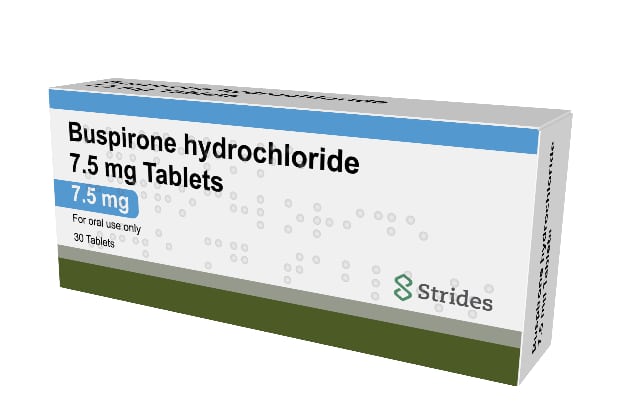
    If access or medication review is part of your planning, BorderFreeHealth connects U.S. patients with licensed Canadian partner pharmacies for eligible prescription options. When required, prescription details are verified with the prescriber before a partner pharmacy dispenses medication. Product pages such as Buspirone and Bupropion XL can help you recognize names and formulations before discussing them with your clinician.

    Authoritative Sources

    For official prescribing details on buspirone, review the DailyMed buspirone labeling records. These labels summarize approved uses, warnings, interactions, and adverse reactions.

    For bupropion safety and labeling information, see the DailyMed bupropion labeling records. Label details vary by formulation, so match the exact product when reviewing risks.

    For patient-centered depression treatment context, the National Institute of Mental Health depression resource explains symptoms, treatment approaches, and when to seek help.

    Recap

    Buspirone and bupropion serve different clinical roles. Buspirone is mainly an anxiety-focused medicine. Bupropion is mainly an antidepressant and smoking-cessation aid. The best option depends on your symptoms, risks, current medicines, and treatment goals.

    Before changing any medication, write down what you want improved, what side effects you most want to avoid, and what medical history your prescriber should know. That preparation supports a safer and more useful shared decision.

    This content is for informational purposes only and is not a substitute for professional medical advice.

  • What Is a Heart Attack? Symptoms, Causes, and Urgent Steps

    What Is a Heart Attack? Symptoms, Causes, and Urgent Steps

    A heart attack happens when blood flow to part of the heart muscle is severely reduced or blocked, usually by a blood clot in a coronary artery. If you are asking what is a heart attack because symptoms are happening now, call emergency services right away. Fast treatment can restore blood flow, limit heart muscle damage, and reduce the risk of dangerous rhythm problems.

    Some heart attacks feel dramatic. Others feel like pressure, breathlessness, nausea, fatigue, or indigestion that does not seem normal. The safest response is to treat possible warning signs as urgent until a clinician rules out a serious cause.

    Key Takeaways

    • Blocked blood flow injures heart muscle.
    • Symptoms can be chest pressure or subtle signs.
    • Call emergency services; do not drive yourself.
    • Fast treatment may limit lasting damage.
    • Recovery often includes medicines, rehab, and risk-factor control.

    What Happens During a Heart Attack

    During a heart attack, oxygen-rich blood cannot reach part of the heart muscle. The clinical term is myocardial infarction, which means heart muscle injury or death caused by lost blood supply. The blockage most often forms when cholesterol-rich plaque inside a coronary artery breaks open and a clot develops on top of it.

    Why this matters: heart muscle needs a steady oxygen supply. When the supply drops, cells become stressed within minutes. If blood flow stays blocked, injury can spread. The damaged area may weaken the heart’s pumping ability or disrupt its electrical signals.

    A heart attack is not the same as sudden cardiac arrest. A heart attack is mainly a circulation problem. Sudden cardiac arrest is an electrical problem where the heart suddenly stops pumping effectively. A heart attack can trigger cardiac arrest, which is one reason immediate care is so important.

    Heart attack symptoms can also overlap with acute coronary syndrome, a broader term for sudden reduced blood flow to the heart. For deeper context on that related diagnosis, see Acute Coronary Syndrome.

    How a Heart Attack Can Feel

    A heart attack often feels like pressure, tightness, heaviness, squeezing, burning, or pain in the center or left side of the chest. The discomfort may last more than a few minutes, ease, and then return. It may spread to the shoulder, arm, back, neck, jaw, or upper stomach.

    Other symptoms can appear with or without chest discomfort. These include shortness of breath, cold sweats, nausea, vomiting, lightheadedness, sudden weakness, or unusual fatigue. Some people describe a strong sense that something is wrong.

    Mini heart attack symptoms is a phrase people often use for milder or shorter symptoms. Clinically, even a smaller heart attack can still cause heart muscle injury. Brief chest pressure, unexplained breathlessness, or unusual fatigue should not be dismissed if it is new, recurring, or linked with exertion.

    Symptoms That May Be Easier to Miss

    Women, older adults, and people with diabetes may have less typical symptoms. They may notice indigestion-like discomfort, upper back pain, jaw pain, sleep disturbance, breathlessness, or fatigue that feels out of proportion. Men can also have subtle symptoms, so no one should rely on chest pain alone.

    It can be hard to tell heart attack or anxiety apart, especially when symptoms include chest tightness, sweating, or a racing heart. Anxiety can cause intense body sensations, but it should not be used to explain new chest discomfort without medical assessment. When symptoms are severe, persistent, or unusual for you, emergency evaluation is the safer path.

    Some medicines and conditions can affect cardiovascular symptoms. People with migraine, for example, may need extra care with vessel-constricting medicines if they have heart disease risk. For medication-specific precautions, review Nitrostat only in the context of clinician-directed angina care, not as a substitute for emergency evaluation.

    Warning Signs Days or Weeks Before

    Some people notice warning patterns before a heart attack, but there is no reliable countdown. The commonly searched phrase 6 signs of heart attack a month before usually refers to fatigue, sleep changes, chest discomfort, shortness of breath, indigestion-like symptoms, and anxiety-like unease. These signs can have many causes, yet new or worsening patterns deserve medical attention.

    Pre heart attack symptoms female and male searches often focus on differences. Women may report fatigue, nausea, back pain, or shortness of breath more often than classic crushing pain. Men may report chest pressure more often, but overlap is large. The more useful question is whether the symptom is new, worsening, exertional, or clearly not normal for that person.

    Warning signs before heart attack or stroke can also overlap with other urgent conditions. Sudden one-sided weakness, facial drooping, trouble speaking, or sudden vision loss points more toward stroke and needs emergency care. Chest pressure, breathlessness, cold sweats, or pain spreading to the arm or jaw may point toward a heart attack. Mixed symptoms should still be treated as urgent.

    Quick tip: Write down symptom timing, triggers, and what relieves it, then bring that record to care visits.

    What Usually Causes a Heart Attack

    The main cause of a heart attack is coronary artery disease, where plaque builds up inside arteries that feed the heart. Plaque contains cholesterol, inflammatory cells, calcium, and other material. If plaque ruptures, the body tries to repair it by forming a clot. That clot can block blood flow.

    Other causes are less common but important. A coronary artery can spasm, tightening enough to reduce blood flow. A spontaneous coronary artery dissection means a tear forms within the artery wall. Very low oxygen levels, severe anemia, or extreme physical stress may also contribute in some situations.

    Common risk factors include high blood pressure, high LDL cholesterol, diabetes, smoking, chronic kidney disease, family history, and older age. Sleep apnea, inflammatory disorders, sedentary habits, and chronic stress can add risk. Diabetes is especially important because it can damage blood vessels and make symptoms less typical; learn more in Diabetes And Heart Attacks.

    High blood pressure silently strains arteries and the heart over time. If you are reviewing prevention steps, What Is Hypertension explains why repeated readings matter and how clinicians interpret them.

    What to Do Immediately

    What stops a heart attack fast is emergency medical treatment, not a home trick. Call emergency services if you suspect a heart attack. Do not wait to see whether symptoms pass. Do not drive yourself unless there is no safer emergency option.

    Sit or lie down while waiting. Keep the door unlocked if possible. Tell the dispatcher your symptoms, age, medical conditions, and current medicines. If a clinician has previously told you to use aspirin or nitroglycerin for chest pain, follow that personal plan. Otherwise, avoid guessing with medications, especially if you have allergies, bleeding risk, low blood pressure, or take medicines that interact.

    Searches like how to stop a heart attack in 30 seconds or 7 second trick to prevent heart attack can be dangerous. Coughing, breath-holding, stretching, or drinking water will not reopen a blocked coronary artery. Delays can cost heart muscle.

    In the ambulance or emergency department, teams can check an electrocardiogram, give appropriate medicines, treat dangerous rhythms, and move quickly toward artery-opening care when needed. For warning signs and emergency action language, see the American Heart Association warning signs.

    Heart Rate, Blood Pressure, and Timing Questions

    Blood pressure during a heart attack can be high, low, or near normal. Heart rate can also vary. Some people have a racing pulse because of pain, fear, rhythm changes, or reduced pumping strength. Others may have a slow pulse, especially when certain heart areas or medicines are involved.

    There is no single highest bpm before heart attack cutoff that predicts safety. A normal heart rate does not rule out a heart attack. A high reading does not prove one. Symptoms, ECG findings, blood tests, and the overall clinical picture matter more than one number.

    Home readings can still help with prevention and follow-up. Averaging several blood pressure readings gives a clearer picture than one isolated value. This calculator can help summarize repeated readings for a discussion with your clinician; it does not diagnose chest pain or replace urgent care.

    [blood-pressure-average-calculator]

    How long heart attack symptoms last before it happens varies widely. Some symptoms start suddenly. Others come and go for hours or days. Untreated heart attacks can be fatal, but no safe timeline exists for waiting. If symptoms suggest a possible heart attack, act now rather than trying to estimate how long it might take to become dangerous.

    Diagnosis and Treatment in the Hospital

    Clinicians diagnose a heart attack using symptoms, a 12-lead electrocardiogram, and blood tests such as cardiac troponin. Troponin is a protein released when heart muscle is injured. Imaging, such as echocardiography, may show how well the heart is pumping or whether complications are present.

    Treatment depends on the type of heart attack, timing, risks, and local resources. Many people need a cardiac catheterization procedure, where a specialist threads a thin tube to the heart arteries. A blocked artery may be opened with a balloon and supported with a stent. Some settings use clot-dissolving medicine when catheter-based treatment is not immediately available and the situation fits strict criteria.

    Hospital medicines may include antiplatelet drugs, anticoagulants, statins, beta-blockers, or blood pressure medicines when appropriate. These decisions depend on the person’s diagnosis, bleeding risk, kidney function, rhythm, blood pressure, and other conditions. For examples of cardiovascular medication categories, you can browse Cardiovascular Products, but urgent symptoms require emergency care rather than product research.

    Some people are prescribed antiplatelet therapy after certain heart events or stent procedures. If you are comparing names mentioned by your care team, Ticagrelor and Brilinta provide product-specific context. Use those pages only for general medication information, and follow your prescriber’s instructions for any therapy.

    Recovery After a Heart Attack

    What happens after a heart attack depends on the amount of heart muscle affected, how quickly blood flow was restored, and whether complications occurred. Many people feel tired, emotional, or unsure about activity at first. Those reactions are common and worth discussing openly with the care team.

    Cardiac rehabilitation is a key part of recovery for many people. It usually combines supervised exercise, education, risk-factor management, and emotional support. Rehab can help people rebuild confidence while staying within safe activity limits set by their clinicians.

    Long-term care often focuses on preventing another event. Follow-up visits may review blood pressure, cholesterol, blood sugar, kidney function, smoking status, medication tolerance, and symptoms. Some people take medicines such as statins or beta-blockers after a heart attack when their clinicians decide the benefits outweigh risks. For general medication context, see Pravastatin Sodium or Metoprolol SR if those drug classes appear in your care plan.

    Life expectancy after a first heart attack varies by age, heart function, other illnesses, and follow-up care. Statistics cannot predict one person’s future. The most practical focus is attending follow-ups, reporting new symptoms, completing rehab when recommended, and taking medicines as directed.

    Prevention and Everyday Risk Reduction

    Learning how to prevent heart attack starts with knowing your numbers and changing the risks you can change. Blood pressure, LDL cholesterol, blood sugar, tobacco exposure, weight patterns, sleep, and activity all matter. Prevention is not about perfection. It is about steady risk reduction.

    Food choices can support heart health when they are realistic and sustainable. Many people benefit from more vegetables, fruits, legumes, whole grains, nuts, fish or lean proteins, and less highly processed food. Omega-3 supplements are often discussed in heart health, but they are not a cure-all; Omega-3 Health Effects explains what they can and cannot do.

    Movement helps blood pressure, glucose control, weight management, and mood. Ask your clinician what activity level is safe if you already have heart disease, symptoms, or a recent event. Smoking or vaping nicotine raises cardiovascular risk, so evidence-based quit support can be one of the most powerful prevention steps.

    Inflammation around the heart is different from a heart attack but can cause chest pain that needs evaluation. If you were told you have pericarditis, Pericarditis Treatment may help you understand that separate condition.

    Authoritative Sources

    Recap

    A heart attack is a medical emergency caused by severely reduced or blocked blood flow to heart muscle. Symptoms may be classic chest pressure or more subtle signs such as breathlessness, nausea, fatigue, back pain, or jaw discomfort. When symptoms are new, severe, persistent, or unusual, emergency care is the right next step.

    After the urgent phase, recovery centers on rehabilitation, follow-up care, medication adherence, and risk-factor control. Small daily actions matter, but they work best when paired with timely medical evaluation and a clear plan from your care team.

    This content is for informational purposes only and is not a substitute for professional medical advice.

  • What Can Cause a Heart Attack? Risks, Signs, Prevention

    What Can Cause a Heart Attack? Risks, Signs, Prevention

    A heart attack can happen when blood flow to heart muscle becomes severely reduced or blocked. The most common reason is plaque buildup in the coronary arteries, but spasm, artery tears, blood clots, and severe strain on the heart can also be involved. Knowing what can cause a heart attack helps you recognize warning signs sooner, reduce modifiable risks, and seek urgent care when symptoms do not feel right.

    This article explains the main heart attack causes in plain language. It also highlights symptoms that are often missed, especially in women and younger adults. The goal is practical: understand the danger signals, know what not to ignore, and build prevention habits that fit real life.

    Key Takeaways

    • Most heart attacks involve coronary artery disease, where plaque narrows or blocks heart arteries.
    • Other causes include coronary spasm, spontaneous artery dissection, clots, and oxygen supply-demand mismatch.
    • Women may have chest pressure, breathlessness, nausea, fatigue, back pain, or jaw discomfort.
    • No home trick can stop a heart attack. Emergency care is the safest next step.
    • Prevention focuses on blood pressure, cholesterol, diabetes, smoking, sleep, activity, and follow-up care.

    What Can Cause a Heart Attack Most Often?

    The most common answer to what can cause a heart attack is coronary artery disease. This means fatty, cholesterol-rich plaque builds up inside the arteries that feed the heart. If a plaque cracks or ruptures, the body may form a clot at that spot. The clot can partly or fully block blood flow, injuring heart muscle.

    Clinicians call this injury a myocardial infarction (heart attack). A STEMI is often linked to a more complete artery blockage. An NSTEMI still involves heart muscle injury, but the pattern on testing differs. Both are urgent and need medical evaluation.

    Several factors make plaque more likely to form or become unstable. These include high blood pressure, high LDL cholesterol, smoking, diabetes, chronic kidney disease, and long-term inflammation. Family history can also matter, especially when close relatives had early heart disease.

    Why this matters: heart attack causes are not always visible from the outside. A person may look fit and still have high inherited cholesterol, untreated high blood pressure, or artery inflammation. For a related clinical overview of unstable heart blood flow, see Acute Coronary Syndrome.

    Other Mechanisms Beyond Plaque

    Not every heart attack starts with classic plaque rupture. Coronary vasospasm is a sudden tightening of a heart artery. It can reduce blood flow, sometimes during rest, cold exposure, stimulant use, or intense stress. Some people have normal-looking arteries between episodes.

    Spontaneous coronary artery dissection, often shortened to SCAD, is another cause. It happens when a tear forms within the wall of a coronary artery. SCAD is an important cause of heart attack in some younger women and people without the usual risk profile.

    A heart attack can also occur when the heart needs more oxygen than the body can supply. Severe anemia, sepsis, very fast heart rhythms, low oxygen levels, or uncontrolled blood pressure can create this mismatch. In these cases, the artery may not be fully blocked, but heart muscle can still be injured.

    Warning Signs That Deserve Urgent Attention

    Heart attack symptoms usually include new, persistent, or recurring discomfort that feels different from normal aches. Chest pressure is common, but symptoms can also involve the arm, shoulder, neck, jaw, back, stomach, breathing, or sudden energy level.

    Many people search for the “6 signs of heart attack a month before.” That phrase can be misleading because warning patterns vary. Some people have symptoms for days or weeks. Others have no clear warning before the event. The safer rule is to pay attention to symptoms that are new, unexplained, worsening, or occurring with less activity than usual.

    • Chest pressure: tightness, heaviness, squeezing, or burning.
    • Breathing change: shortness of breath at rest or with light activity.
    • Upper-body pain: arm, shoulder, jaw, neck, or back discomfort.
    • Stomach symptoms: nausea, indigestion-like pain, or vomiting.
    • Sudden fatigue: unusual weakness or reduced stamina.
    • Cold sweat: clamminess, dizziness, or a sense of doom.

    Symptoms can last minutes, fade, and return. They can also build slowly. If symptoms are severe, sudden, or do not resolve quickly, emergency services are safer than waiting, searching online, or driving yourself.

    Quick tip: If you might be having a heart attack, avoid driving yourself to care.

    Women, Younger Adults, and Missed Risk Patterns

    Heart attack symptoms in women can look less “classic,” which can delay care. Chest discomfort still matters, but women may report shortness of breath, unusual fatigue, nausea, back pain, jaw pain, dizziness, or a burning sensation that feels like indigestion.

    Some risk factors also affect women differently. Pregnancy-related high blood pressure, gestational diabetes, early menopause, polycystic ovary syndrome, and some autoimmune diseases can raise lifetime cardiovascular risk. These histories are worth telling a clinician, even years later.

    Bias can compound the problem. People with vague symptoms may be told they are anxious, tired, or stressed. Anxiety can cause chest tightness and palpitations, but it can also occur alongside a heart problem. New or escalating symptoms deserve assessment, not dismissal.

    Younger adults are not immune. Smoking or vaping, stimulant use, cocaine use, familial hypercholesterolemia, diabetes, untreated blood pressure, kidney disease, and inflammatory disorders can all increase risk. Sudden chest pain during exercise, fainting with exertion, or a family history of sudden cardiac death should be discussed promptly with a healthcare professional.

    For people managing diabetes-related heart risk, the relationship between glucose control, visceral fat, and cardiovascular disease is discussed in Dapagliflozin and Metformin. Heart failure prevention and treatment context is also covered in SGLT2 Inhibitors in Heart Failure.

    What Stops a Heart Attack Fast?

    The safest way to stop a heart attack is emergency medical treatment that restores blood flow and protects heart muscle. There is no reliable 30-second trick, home test, breathing hack, or “emergency tablet” that can confirm or stop a heart attack at home.

    Emergency clinicians use an electrocardiogram, often called an ECG, to check the heart’s electrical pattern. They also use blood tests such as troponin, a protein released when heart muscle is injured. These tests help determine whether symptoms represent a heart attack, another heart condition, or a non-heart cause.

    Treatment may include antiplatelet medicines, anticoagulants, oxygen when needed, rhythm monitoring, procedures to open blocked arteries, or clot-dissolving medicine in certain settings. The right approach depends on the ECG, blood tests, symptoms, timing, and local emergency resources.

    If a clinician prescribes antiplatelet therapy after a heart event or stent, it is usually part of a carefully planned regimen. For neutral medication context, see Ticagrelor. Do not start, stop, or combine heart medicines without professional guidance.

    Why it matters: Fast care can limit heart muscle damage and reduce complications.

    How Daily Risks Add Up Over Time

    Many heart attack causes develop gradually. Blood pressure injures artery walls. LDL cholesterol contributes to plaque. Smoking damages blood vessels and changes clotting. Diabetes affects blood vessels, nerves, inflammation, and kidney function. Poor sleep, untreated sleep apnea, chronic stress, and inactivity can add more strain.

    Prevention works best when it targets several risks together. Small changes can still count. A short walk after meals, consistent medication use when prescribed, lower-sodium meals, more soluble fiber, and tobacco cessation support can all be part of a risk-reduction plan.

    Blood pressure is one of the most useful numbers to track at home. A single reading can be affected by stress, caffeine, exercise, or cuff fit. Averaging several properly taken readings gives a clearer pattern to review with a clinician.

    The calculator below can help average home blood pressure readings. It is a tracking aid only and does not diagnose heart disease or replace clinical judgment.

    [blood-pressure-average-calculator]

    Cholesterol management is another key prevention area. Some people need lifestyle changes only, while others benefit from medication based on overall risk. Prescription heart and blood pressure medicines, including ACE inhibitors and angiotensin receptor blockers, require individualized review. For general medication context, see Lisinopril and Diovan.

    BorderFreeHealth connects U.S. patients with licensed Canadian partner pharmacies for certain prescription options, when eligibility and jurisdiction allow. Prescription details are verified with the prescriber when required before the partner pharmacy dispenses.

    Practical Prevention Steps to Discuss With a Clinician

    Prevention is not about perfection. It is about reducing the pressures that make arteries inflamed, narrowed, or more likely to clot. The best plan depends on age, family history, blood pressure, cholesterol, blood sugar, kidney function, medications, pregnancy history, and symptoms.

    • Know your numbers: blood pressure, cholesterol, A1C, kidney function, and weight pattern.
    • Stop tobacco exposure: ask about counseling, medication, or quit programs.
    • Move consistently: combine aerobic activity with strength training when safe.
    • Build heart-supportive meals: emphasize plants, legumes, fish, nuts, and unsalted foods.
    • Review medicines: ask about side effects, interactions, and blood pressure effects.
    • Prioritize sleep: discuss snoring, daytime sleepiness, or possible sleep apnea.
    • Plan follow-up: repeat labs and readings at intervals your clinician recommends.

    Omega-3 prescription products, blood pressure medicines, and cholesterol therapies may appear in prevention plans for selected people. For product-specific context, see Vascepa. For broader topic navigation, the Cardiovascular collection can help readers find related educational pages.

    Some medications used for other conditions can affect blood pressure, heart rhythm, bleeding risk, or fluid balance. This does not mean they are unsafe for everyone. It means your full medication list matters, including over-the-counter pain relievers, supplements, stimulants, and migraine treatments.

    Testing, Treatment, and Recovery After a Heart Attack

    After urgent assessment, clinicians decide whether symptoms represent a heart attack, unstable angina, heart failure, arrhythmia, lung disease, gastrointestinal disease, anxiety, or another condition. The evaluation may include ECGs, troponin blood tests, chest imaging, echocardiography, stress testing, or coronary CT angiography.

    Recovery usually focuses on preventing another event and helping the heart heal. Many people are referred to cardiac rehabilitation, a structured program that supports safe exercise, education, symptom monitoring, nutrition, and confidence after a cardiac event.

    Long-term treatment may include antiplatelet therapy, cholesterol-lowering therapy, beta blockers, ACE inhibitors, angiotensin receptor blockers, diabetes medicines, or other drugs depending on the situation. The plan should be individualized because not every person needs the same combination.

    Emotional recovery also deserves attention. Fear, low mood, sleep trouble, and worry about activity are common after a heart attack. Cardiac rehab, counseling, peer support, and clear follow-up instructions can make recovery feel less isolating.

    Authoritative Sources

    For a detailed medical overview of symptoms, causes, and risk factors, review the Mayo Clinic heart attack summary.

    For warning signs and emergency symptom recognition, see the American Heart Association warning signs.

    For population-level heart disease risk factor data, use the CDC heart disease facts.

    Recap

    What can cause a heart attack is more than one pathway. Plaque rupture is the most common mechanism, but spasm, artery dissection, blood clots, and severe strain can also injure heart muscle. Symptoms may be obvious or subtle, and women and younger adults can be overlooked.

    The safest response to possible heart attack symptoms is urgent evaluation. Prevention is the long game: control blood pressure, manage cholesterol and diabetes, avoid tobacco, move regularly, sleep well, and review your risks with a clinician.

    This content is for informational purposes only and is not a substitute for professional medical advice.

  • Seizure Medicines for Epilepsy: How Treatment Choices Work

    Seizure Medicines for Epilepsy: How Treatment Choices Work

    Seizure medicines for epilepsy are medicines used to lower the chance of future seizures, but there is no single best option for everyone. Doctors usually choose an anti-seizure medication based on seizure type, age, other health conditions, pregnancy plans, daily routine, and how a medicine’s side effects fit real life.

    That matters because a drug that helps focal seizures may not be the right fit for absence seizures or generalized tonic-clonic seizures, sometimes called grand mal seizures. The safest plan also includes checking interactions, planning follow-up, and knowing what to do if seizures break through.

    Key Takeaways

    • No one medicine fits every seizure type or every person.
    • Seizure type, age, other medicines, and pregnancy plans shape the safest choice.
    • Side effects, interactions, and follow-up monitoring are part of treatment, not extras.
    • Daily prevention medicines and rescue medicines play different roles.
    • Never stop or switch an anti-seizure medicine abruptly without medical supervision.

    What Anti-Seizure Medicines Actually Do

    Anti-seizure medications, often shortened to ASMs, help calm abnormal electrical activity in the brain. You may also hear the older term antiepileptic drugs. Both labels usually refer to the same broad group of medicines.

    These medicines do not work like pain relievers that fix a symptom in a few hours. Instead, they are chosen to reduce how often seizures happen, how severe they are, or both. Some people become seizure-free on one medicine. Others need adjustments, a second medicine, or a different treatment plan.

    The list of ASMs is long because epilepsy is not one condition with one pattern. Commonly used medicines include levetiracetam, lamotrigine, carbamazepine, oxcarbazepine, lacosamide, valproate, topiramate, phenytoin, clobazam, and ethosuximide. Some work across several seizure types, while others fit more specific patterns.

    Not every seizure event leads to the same long-term plan. A seizure related to fever, low blood sugar, alcohol withdrawal, or an acute brain injury is not handled the same way as recurrent unprovoked seizures that meet criteria for epilepsy. That is why diagnosis, testing, and the story around the seizure matter as much as the prescription pad.

    BorderFreeHealth works with licensed Canadian partner pharmacies for eligible U.S. patients.

    How Seizure Medicines for Epilepsy Are Chosen

    Doctors choose seizure medicines for epilepsy by matching the medicine’s seizure coverage to the person in front of them. The most important starting point is seizure type, because a treatment that helps one pattern can be less useful, or sometimes even problematic, for another.

    In practice, seizure medicines for epilepsy are chosen one person at a time, not from a universal ranking. When people search for the best seizure medicine, they are usually asking a fair question with no one-size-fits-all answer: what is the best fit for this seizure pattern, this body, and this stage of life?

    Seizure type comes first

    Focal seizures, generalized seizures, absence seizures, and tonic-clonic seizures often call for different treatment thinking. Doctors also look for an epilepsy syndrome, which is the broader pattern of seizures, test results, and age of onset. That is one reason self-comparing to someone else’s prescription rarely helps.

    Decision factor Why it matters Questions that often come up
    Seizure pattern Some medicines cover focal seizures better, while others are used more broadly. Are the seizures focal, absence, or generalized tonic-clonic?
    Age and life stage Children, older adults, and people planning pregnancy may need different safety priorities. Could sedation, balance problems, or developmental issues matter more here?
    Other health conditions Migraine, kidney disease, liver disease, mood symptoms, and bone health can shape the choice. Would one medicine help one problem but worsen another?
    Other medicines Drug interactions can change seizure control, side effects, or hormone levels. Are there birth control, psychiatric, sleep, or heart medicines in the picture?
    Daily routine A schedule that is too complex can make missed doses more likely. Is once- or twice-daily dosing more realistic for this person?

    Patient factors can change the safest option

    Older adults may be more sensitive to sleepiness, dizziness, memory problems, or falls. People with depression or anxiety may need closer review of mood changes. Someone who drives for work may value a medicine with a lower chance of fogginess. A person who already takes several prescriptions may need a simpler interaction profile.

    Practical issues matter more than many people expect. A medicine that must be taken on a strict schedule may be harder for someone with shift work, memory issues, or multiple caregivers. Cost, refill access, and past reactions to similar medicines can also shape which option is most realistic to stick with safely.

    The point is simple: the best seizure medication is usually the safest effective match, not the drug with the strongest reputation online.

    Common Side Effects and Monitoring Needs

    Most ASMs can cause side effects, especially early on, and the pattern varies by medicine. Safety matters because seizure medicines for epilepsy can affect attention, mood, balance, appetite, skin, sleep, or lab values in different ways.

    Common short-term effects can include drowsiness, dizziness, nausea, slowed thinking, blurred vision, or feeling off balance. These do not always mean a medicine is wrong, but they do matter if they interfere with work, school, driving, or daily routines.

    Side effects also affect adherence, which means whether a person can take a medicine as prescribed. If a drug causes heavy fatigue or concentration problems, people may start missing doses, splitting pills, or skipping work and school. That can make the treatment look ineffective when the real problem is tolerability.

    Some side effects deserve faster review. A new rash, mouth sores, swelling, severe confusion, fainting, or marked worsening of mood should not wait for the next routine visit. Certain medicines may also require blood tests to check things like liver function, blood counts, sodium levels, kidney function, or medication levels.

    Long-term monitoring can matter too. Depending on the drug, a clinician may watch bone health, weight change, menstrual changes, tremor, memory, or coordination. Good follow-up is not a sign that something is wrong. It is part of safer epilepsy care.

    Why it matters: A medicine only helps if its benefits still work in daily life.

    Interactions, Pregnancy, and Birth Control

    Interactions can change how well an ASM works or how safe it feels, so medication review is a key part of every follow-up. That includes prescription drugs, over-the-counter products, alcohol, cannabis products, vitamins, and herbal supplements.

    Some anti-seizure medicines speed up how the body processes other drugs. Others are more affected by changes in liver metabolism or kidney clearance. That is why a new antibiotic, antidepressant, sleep aid, or supplement can matter even if it seems unrelated to seizures.

    Birth control needs special attention. Some ASMs can make hormonal contraception less reliable, and some estrogen-containing birth control can change the level of certain anti-seizure medicines in the blood. This does not mean birth control cannot be used. It means the plan should be reviewed as a pair, not as two separate decisions.

    Pregnancy planning matters as well, even if it is only a possibility. Some ASMs have more pregnancy-related risk than others. Valproate, in particular, has important warnings because of risks during pregnancy. Clinicians may also discuss folate, seizure control before conception, and how to balance medication safety with the very real risk of seizures during pregnancy.

    Life-stage changes can shift medication decisions. Puberty, menopause, planned pregnancy, and the postpartum period can all affect seizure patterns, sleep, hormone exposure, and medicine levels. Even when no change is needed, these are common times for a medication review rather than a wait-and-see approach.

    If you are comparing options, it helps to bring a full medication list and be honest about supplements, sleep habits, and alcohol use. Small details can change a safe plan.

    If a prescription needs confirmation, the pharmacy may verify details with the prescriber.

    When One Medicine Is Not Enough

    Many people do well on one anti-seizure medicine, but some need a careful dose adjustment, a switch, or a second medicine. That does not mean treatment has failed. It usually means the first plan did not balance seizure control and tolerability well enough.

    Taking more than one ASM is sometimes called polytherapy. It can be appropriate, especially when seizure patterns are complex, but it also raises the chance of interaction problems and overlapping side effects. The goal is not to collect medicines. The goal is to use the simplest plan that controls seizures reasonably and safely.

    When doctors add a second medicine, they are trying to combine benefits without stacking too many side effects. That takes patience. The overlap period matters because tiredness, dizziness, brain fog, and interaction concerns can increase while one medicine is being lowered and another is being raised.

    Daily medicines and rescue medicines are not the same

    Daily ASMs are meant to prevent seizures over time. Rescue medications are different. They are used in specific situations, such as a prolonged seizure or a cluster of seizures, based on an individual plan from the care team.

    A seizure action plan can make those moments less chaotic for families, schools, and caregivers. It often includes:

    • Usual seizure pattern and timing
    • When a rescue medicine is used
    • When emergency help is needed
    • Who should be contacted first
    • Recent medicine changes or allergies

    These plans are especially helpful when a child is in school, an older adult relies on caregivers, or a person travels often for work. A clear written plan can reduce confusion during a stressful moment and help everyone respond the same way.

    Quick tip: Keep a simple log of seizures, missed doses, sleep loss, and new medicines.

    What If Seizures Continue Despite Medicine?

    If seizures continue after appropriate medication trials, the next step is usually a deeper epilepsy review, not endless trial and error. Clinicians may use the term drug-resistant epilepsy when seizures persist despite trying suitable medicines at appropriate use.

    At that point, the conversation can widen. A neurologist or epilepsy specialist may revisit the diagnosis, review EEG or brain imaging, look for triggers, and consider options beyond medication alone. Those options can include epilepsy surgery evaluation, implanted or wearable neurostimulation devices, or dietary therapy in selected cases.

    If that discussion sounds bigger than expected, that is because it is. Persistent seizures can affect injury risk, work, mood, and independence. Earlier referral to an epilepsy center can matter because some non-medication options are time-sensitive or only offered after formal evaluation.

    This is also the stage when seizure diaries become especially useful. A pattern of missed doses, sleep deprivation, menstrual timing, alcohol use, or stress may explain more than it first appears. Even a very good medicine can look ineffective if the underlying pattern has not been clarified.

    Switching or Stopping Treatment Safely

    Stopping an anti-seizure medicine suddenly can trigger more seizures, so any change is usually planned and gradual. In some cases, abrupt withdrawal can contribute to prolonged seizures or status epilepticus, a seizure emergency that does not stop on its own.

    People think about stopping treatment for many reasons. Maybe seizures have been controlled for years. Maybe side effects feel too heavy. Maybe a person wants pregnancy planning reviewed or wants to simplify a long medication list. Those are real concerns, but the decision is usually based on seizure type, cause of epilepsy, EEG results, time seizure-free, job demands, driving, and previous relapse history.

    Switching medicines also takes a plan. Often the new medicine is started while the older one is slowly adjusted, so the brain is not left suddenly unprotected. That is one reason medication changes can feel slow. The goal is not speed. The goal is safe transition.

    Before a taper is discussed, many clinicians also review sleep, stress, missed doses, alcohol use, driving rules, and any upcoming life changes. A medication plan that felt reasonable in college may not fit pregnancy planning, retirement, or a job that now involves climbing, childcare, or overnight shifts.

    Some cross-border options are cash-pay and depend on eligibility and jurisdiction.

    Authoritative Sources

    Further reading: for broader nervous-system topics, browse our Neurology Articles. If you are comparing related prescription categories, the Neurology Hub organizes them in one place.

    This content is for informational purposes only and is not a substitute for professional medical advice.

  • What Is Epilepsy? Symptoms, Causes, and Treatment

    What Is Epilepsy? Symptoms, Causes, and Treatment

    Epilepsy is a brain condition that makes someone more likely to have recurrent, unprovoked seizures. This What Is Epilepsy: Definition, Symptoms, and Treatment Guide explains the condition in plain language, because knowing the difference between a seizure and epilepsy can change what care, safety planning, and follow-up may be needed.

    Epilepsy can affect children, adults, and older adults. Some seizures are dramatic. Others are brief, quiet, and easy to miss. For broader brain-health reading, the Neurology hub gathers related educational topics.

    Key Takeaways

    • Epilepsy involves repeated, unprovoked seizures or a high risk of more seizures.
    • Seizure symptoms vary by brain area, seizure type, age, and trigger pattern.
    • A single seizure does not always mean a person has epilepsy.
    • Diagnosis usually combines history, witness details, testing, and specialist review.
    • Treatment plans may include medication, safety planning, lifestyle steps, and sometimes procedures.

    What Is Epilepsy? Definition and Seizure Basics

    Epilepsy means the brain has an ongoing tendency to generate epileptic seizures. Clinicians often define it as two or more unprovoked seizures, or one unprovoked seizure with a meaningful risk of recurrence. Unprovoked means the event is not fully explained by a short-term problem, such as very low blood sugar, alcohol withdrawal, fever, or an acute infection.

    A seizure is the event. Epilepsy is the condition that makes repeated seizures more likely. That distinction matters because seizure-like episodes can have many causes, including fainting, migraine, panic symptoms, sleep disorders, heart rhythm problems, and metabolic changes.

    Term Plain-Language Meaning Why It Matters
    Seizure A sudden burst of abnormal electrical activity in the brain. It may happen once or repeat over time.
    Epilepsy A lasting tendency to have unprovoked seizures. It usually needs a care plan and follow-up.
    Trigger A factor that may make a seizure more likely. Triggers do not always explain the underlying cause.

    Why it matters: Accurate language helps families describe events clearly and avoid assumptions.

    Some people say epilepsy attack, but clinicians usually say seizure. Both descriptions may refer to the same event, yet medical notes often use seizure type, duration, awareness level, and recovery time. Those details help guide diagnosis and treatment choices.

    Symptoms Can Be Subtle, Dramatic, or Easy to Miss

    Epilepsy symptoms depend on where abnormal electrical activity starts and how it spreads. Some people remain aware. Others lose awareness, stare, collapse, or have rhythmic jerking. Symptoms may last seconds or minutes, and recovery can range from immediate to prolonged confusion.

    Common seizure patterns include focal seizures, generalized seizures, and seizures with an unknown start. Focal seizures start in one area of the brain. Generalized seizures involve networks on both sides of the brain from the beginning. Unknown-onset seizures are events where the start is not clear, often because no one saw the first moments.

    • Focal aware seizures: Awareness stays intact, but sensations, emotions, movements, or smells may feel unusual.
    • Focal impaired-awareness seizures: The person may stare, repeat movements, or respond oddly.
    • Absence seizures: Brief staring spells may look like daydreaming, especially in children.
    • Tonic-clonic seizures: Stiffening and rhythmic jerking may occur, often with loss of consciousness.
    • Myoclonic seizures: Sudden brief jerks may affect the arms, shoulders, or body.

    Some people notice an aura, which is a warning sensation before a seizure. An aura can feel like a rising stomach sensation, sudden fear, a strange smell, visual changes, or deja vu. It is often a focal seizure itself, not just a warning sign.

    After a seizure, the postictal period is the recovery phase. A person may feel sleepy, confused, sore, embarrassed, or emotionally drained. Caregivers should note how long recovery takes and whether speech, movement, or awareness returns as expected.

    BorderFreeHealth works with licensed Canadian pharmacy partners for eligible U.S. patients.

    Causes, Risk Factors, and Triggers Are Different

    Epilepsy causes are the underlying reasons the brain becomes prone to seizures, while triggers are factors that may set off an event in someone already susceptible. A person may have clear triggers but still need evaluation for the deeper cause.

    Possible causes include genetic factors, prior brain injury, stroke, brain infections, developmental conditions, tumors, or structural brain changes. In many people, no single cause is found. In adults, new seizures may raise concern for stroke, injury, medication effects, substance withdrawal, tumors, or metabolic problems. In children, developmental history, fever-related seizures, genetic syndromes, and birth history may be part of the review.

    Common seizure triggers can include missed anti-seizure medication, sleep loss, heavy alcohol use, stress, illness, flashing lights in photosensitive epilepsy, and hormonal changes. Triggers vary widely. One person may have predictable patterns, while another has no obvious warning.

    Quick tip: Keep a simple event log with sleep, illness, stress, substances, and missed doses.

    Not every collapse or shaking episode is an epilepsy seizure. Low glucose can mimic or provoke serious symptoms, especially in people using diabetes medications. If that context applies, reading about Low Blood Sugar Symptoms may help you describe events more accurately to a clinician.

    How Clinicians Diagnose Epilepsy

    Clinicians diagnose epilepsy by combining the story of the event with examination findings and targeted tests. The witness account is often one of the most useful pieces. Details such as what happened first, whether awareness changed, how the body moved, and how recovery looked can shape the next steps.

    An electroencephalogram, or EEG, is a brain-wave test that may detect patterns linked with seizure tendency. A normal EEG does not always rule out epilepsy. Imaging, often magnetic resonance imaging, may look for structural changes in the brain. Blood tests can check for infection, electrolyte problems, kidney or liver issues, medication levels when relevant, and metabolic causes.

    Video can help when it is safe and respectful to record. A short recording of the event, breathing pattern, eye position, limb movements, and recovery may clarify what happened. Do not delay first aid to record, and do not record in a way that compromises privacy.

    Medical review is especially important after a first unprovoked seizure, a seizure during pregnancy, a seizure with injury, or events that are changing in pattern. A neurologist may help classify seizure type and decide whether treatment is needed.

    Where Epilepsy Treatment Fits Into Long-Term Care

    Epilepsy treatment aims to reduce seizure risk, protect safety, and support daily life. The right plan depends on seizure type, cause, age, other health conditions, pregnancy goals, side effects, medication interactions, and personal priorities. No single treatment fits everyone.

    Anti-seizure medications are commonly used. They work in different ways, and selection depends on the seizure pattern and the person taking them. The browseable Neurology Medications list can help readers recognize medication names, but treatment choices should stay clinician-led.

    Examples a clinician may discuss include Levetiracetam, Lamotrigine, Topiramate, Carbamazepine, Gabapentin, and older options such as Dilantin when appropriate. These medicines are not interchangeable. Some may suit certain seizure types better than others, and side effect risks differ.

    When required, prescription details are checked with the prescriber before pharmacy dispensing.

    If seizures continue despite medication, a specialist may review other approaches. These may include epilepsy surgery evaluation, neuromodulation devices that send controlled electrical stimulation, or a ketogenic diet, which is a high-fat, low-carbohydrate medical diet used only with professional supervision. These options require careful selection and follow-up.

    Treatment is not only medication. A seizure action plan can explain what a typical seizure looks like, when rescue medicine is prescribed, who to call, and what emergency signs matter. Families, schools, workplaces, and caregivers may need a plain-language version.

    First Aid and Red Flags During a Seizure

    Seizure first aid focuses on preventing injury, timing the event, and knowing when emergency help is needed. Most bystanders do not need special equipment. Calm, simple actions are usually safer than trying to restrain the person.

    Some educators use the 3 C’s as calm, cushion, and call. Stay calm, cushion the head if the person is on the ground, and call emergency services when red flags appear. Other programs may use different wording, so a written seizure action plan is still best.

    • Ease the person away from sharp objects, traffic, stairs, or water.
    • Place the person on their side when safe, especially if breathing or saliva is a concern.
    • Do not hold the person down or put anything in the mouth.
    • Time the seizure from the first clear sign until active movements stop.
    • Stay nearby until the person is alert enough to be safe.

    Seek urgent help for a first seizure, a seizure lasting about five minutes or longer, repeated seizures without recovery, breathing trouble, serious injury, seizure in water, seizure during pregnancy, or seizure in someone with diabetes. Emergency advice may also be needed if recovery is very slow or the episode looks different from the person’s usual pattern.

    Cash-pay prescription options may be available for eligible patients, subject to local rules.

    Living With Epilepsy: Questions That Improve Daily Safety

    Living with epilepsy often means balancing independence with practical safeguards. A good care plan should respect the person’s goals, not only count seizures. Work, school, driving, sports, sleep, relationships, pregnancy planning, and mental health can all matter.

    Useful questions to bring to a clinician include:

    • What seizure type do my symptoms suggest?
    • Which warning signs should my family track?
    • What should I do if I miss a dose?
    • Which activities need extra safety planning?
    • When should rescue medication or emergency care be used?
    • Could another condition be mimicking seizures?

    Driving rules vary by location and seizure history. People with epilepsy should ask their care team about local requirements, workplace accommodations, and activity-specific risks. Swimming, bathing, heights, machinery, and cooking may need extra planning, especially while seizures are not well controlled.

    Emotional health deserves attention too. Anxiety, depression, stigma, and fear of another seizure can affect daily life. Support groups, counseling, school plans, and clear communication with trusted people may reduce isolation.

    Authoritative Sources

    Further Reading and Next Steps

    Use this What Is Epilepsy: Definition, Symptoms, and Treatment Guide as a starting point for clearer conversations. If you or someone you care for has seizure-like events, write down what happened, how long it lasted, what recovery looked like, and any possible triggers. Bring that information to a qualified clinician.

    Epilepsy care works best when people understand the diagnosis, the safety plan, and the reasons behind treatment choices. Clear notes, witness details, and follow-up questions can make the next appointment more useful.

    This content is for informational purposes only and is not a substitute for professional medical advice.