Blog

  • When to Take Celebrex Morning or Night for Pain Coverage

    When to Take Celebrex Morning or Night for Pain Coverage

    For most adults, the best answer to when to take Celebrex morning or night is the time that matches your worst pain window and your prescribed schedule. Morning may fit if stiffness is hardest after waking. Evening may fit if pain builds after activity or interrupts sleep. What matters most is consistency, avoiding extra doses, and checking any timing change with your prescriber when your instructions are unclear.

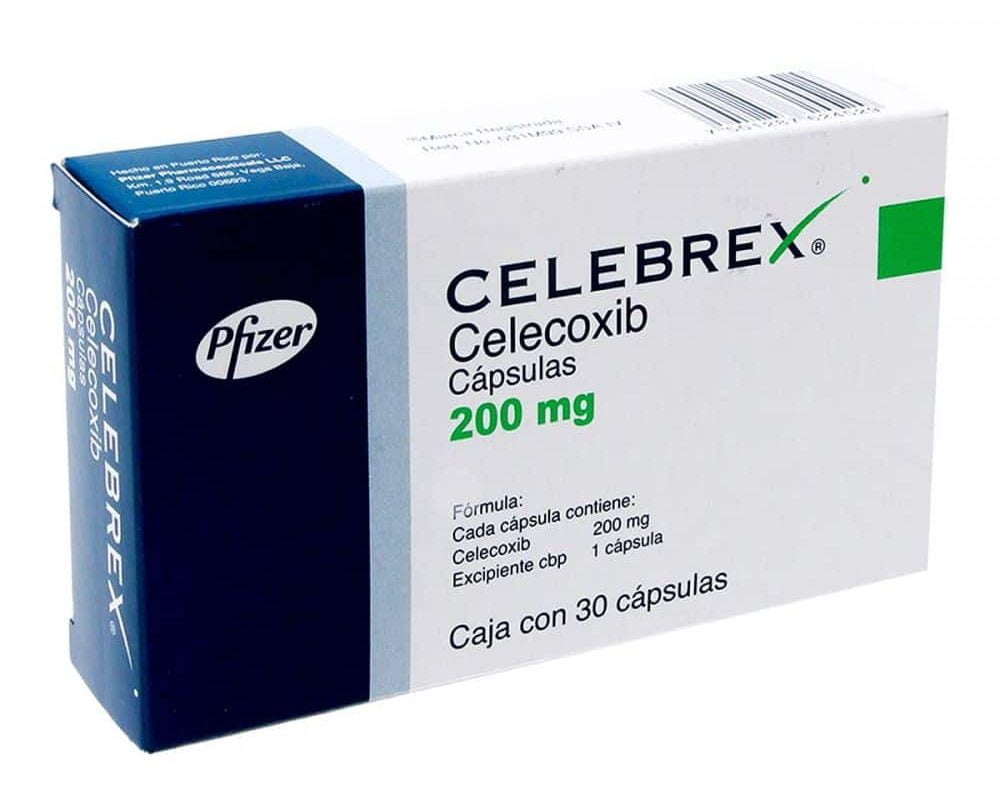
    Celebrex is the brand name for celecoxib, a COX-2 selective nonsteroidal anti-inflammatory drug (NSAID). It can be prescribed once or twice daily, depending on the condition and treatment plan. That flexibility helps, but it also creates practical questions about food, sleep, missed doses, and how long relief may last.

    Key Takeaways

    • Match timing to symptoms, not the clock alone.
    • Morning dosing may suit waking stiffness.
    • Evening dosing may suit late-day pain.
    • Food can help if your stomach feels upset.
    • Safety limits matter more than perfect timing.

    How to Choose Morning or Evening Timing

    The best time to take celecoxib is usually the time you can repeat reliably and that covers the part of the day when symptoms interfere most. If your joints feel locked up in the first few hours after waking, morning timing may make more sense. If your pain rises after work, errands, exercise, or standing, an evening dose may fit better.

    Think of timing as a coverage decision, not a stronger-or-weaker decision. Taking it at night does not automatically make the medicine more powerful. Taking it in the morning does not automatically make it safer. The goal is to align the dose with your daily pattern while staying inside the directions on your label.

    Routine matters because missed and uneven doses can blur the picture. If breakfast happens every day, a morning routine may be easier. If evenings are more predictable, nighttime dosing may reduce missed doses. If your schedule changes often, use one anchor habit, such as brushing your teeth or eating a regular meal.

    Why it matters: A steady routine makes pain relief and side effects easier to judge.

    A short symptom log can help. Track the time you take each dose, when pain peaks, whether food was involved, and whether sleep changes. After several days, patterns often become clearer than memory alone.

    Once-Daily and Twice-Daily Schedules

    If you take celecoxib once daily, choose a consistent time that supports your main symptom period. For many people with morning stiffness, that may be earlier in the day. For people with nighttime pain, evening may be easier to match to symptoms. Do not move a prescribed dose repeatedly from day to day without discussing the pattern with your clinician.

    If you take it once daily

    A once-daily plan works best when it is tied to one dependable habit. Morning dosing can be useful when you need steadier function during work, caregiving, walking, or other daytime tasks. Evening dosing may be more practical if symptoms flare after use and make rest difficult.

    The question is not only when celecoxib is in your system. It is also when you remember it, tolerate it, and notice benefit. If your pain still breaks through despite a consistent schedule, the issue may be dose timing, diagnosis, disease activity, or another part of your treatment plan.

    If you take it twice daily

    If your prescription says twice daily, follow the spacing your prescriber or label gives you. A common pattern is morning and evening, because it keeps doses more evenly separated. Avoid bunching doses together to chase pain that returns early. That can raise side effect risk without giving reliable added benefit.

    People often ask whether twice-daily timing should be exact. In real life, consistency matters more than perfection, unless your prescriber gave specific instructions. If your routine makes even spacing difficult, ask your clinician or pharmacist how much flexibility is acceptable for your situation.

    For more detail on labeled dose ranges and common prescribing patterns, see the related Celebrex Dosage resource. It can help you prepare better questions, but it should not replace the instructions on your own prescription.

    Food, Stomach Comfort, and Sleep

    Celecoxib can often be taken with or without food, but your stomach may decide what works best. Some people tolerate it well on an empty stomach. Others notice nausea, heartburn, or dyspepsia (indigestion) and do better with a small meal or snack.

    Food may slightly change how fast some people feel an effect, but comfort and consistency are usually more important. If taking it with breakfast prevents stomach upset, that can be a reasonable pattern to discuss with your care team. If you take it without food and feel well, that may also be acceptable when it matches your label.

    Sleep is another common concern. Celecoxib is not a sleep medicine and is not intended to sedate you. Some people sleep better when pain is controlled. Others notice headache, dizziness, drowsiness, or a restless feeling that makes nighttime dosing less appealing. Pain itself, caffeine, alcohol, steroids, reflux, and stress can also change sleep quality.

    If you suspect a sleep effect, avoid making several changes at once. Keep the dose time, caffeine intake, bedtime, and other routines as stable as possible for a few nights. Then bring the pattern to your clinician, especially if insomnia, daytime drowsiness, or dizziness affects driving or work.

    Readers comparing timing with expected onset may also find How Long Celebrex Takes to Work helpful. That context can make it easier to separate timing problems from unrealistic expectations.

    How Long Relief May Last

    How long celecoxib lasts can vary by person, condition, dose, and whether it is taken once or twice daily. Some people notice benefit within hours, while inflammatory pain control may feel steadier only after a consistent routine. Your prescriber’s schedule is designed around the condition being treated and your risk profile.

    Do not assume that pain returning means you should add another NSAID. Ibuprofen, naproxen, ketorolac, and similar medicines can overlap with celecoxib’s risk profile. Combining NSAIDs may increase the chance of stomach bleeding, kidney strain, fluid retention, or blood pressure changes.

    Timing also cannot fix every kind of pain. Celecoxib may help inflammatory pain and some activity-related flares, but burning, electric, tingling, or numb pain may point to a nerve-related problem. If symptoms do not behave like inflammation, ask whether the diagnosis or plan needs review.

    For condition-specific context, the Celebrex and Arthritis page discusses how celecoxib may fit into arthritis care. For broader navigation, the Pain Inflammation Hub collects related educational posts.

    Missed Doses and Schedule Changes

    If you miss a dose, follow the directions on your medication label or patient leaflet. In general, many NSAID instructions say to take a missed dose when remembered unless it is close to the next scheduled dose. If the next dose is near, skipping the missed dose is often safer than doubling up.

    Doubling doses can be risky because side effects relate to total exposure. This is especially important for older adults and for people with heart disease, kidney disease, stomach ulcer history, high blood pressure, or swelling. A missed dose is frustrating, but taking extra can create a bigger problem.

    Before changing when to take Celebrex morning or night, prepare a few details for your prescriber or pharmacist:

    • Worst symptom time: note morning, afternoon, or night.
    • Current routine: record dose time and meals.
    • Sleep changes: track insomnia or drowsiness.
    • Stomach symptoms: include heartburn or nausea.
    • Other medicines: list aspirin, steroids, and blood thinners.

    Quick tip: Bring the bottle and a one-week symptom log to visits.

    If a prescription is required, the dispensing pharmacy may need to verify prescription details with the prescriber before dispensing. BorderFreeHealth connects eligible U.S. patients with licensed Canadian partner pharmacies for cash-pay cross-border prescription options, subject to rules that apply to the patient and medication.

    Safety Limits and Warning Signs

    Safety matters more than finding the perfect clock time. Like other NSAIDs, celecoxib can raise the risk of heart attack, stroke, stomach bleeding, ulcers, kidney injury, fluid retention, and higher blood pressure. These risks may increase with higher exposure, longer use, older age, and certain medical conditions.

    People who take aspirin, anticoagulants (blood thinners), corticosteroids, selective serotonin reuptake inhibitors, or medicines that affect kidney function may need closer review. Alcohol can also irritate the stomach and may add to bleeding risk in some situations. If you drink alcohol, ask how it fits with your own risk factors and prescription plan.

    Seek urgent medical attention for chest pain, sudden shortness of breath, weakness on one side, black stools, vomiting blood, severe rash, facial swelling, fainting, or a major drop in urination. New ankle swelling, rapid weight gain, or a sudden rise in blood pressure should also be discussed promptly.

    For a deeper side effect discussion, see Celebrex Side Effects. If alcohol is part of your routine, Celebrex and Alcohol offers related safety context.

    How It Compares With Other Pain Options

    Celecoxib is one NSAID option, not the automatic best fit for every person. Other pain relievers may differ in duration, stomach tolerability, kidney considerations, cardiovascular cautions, and interactions. Switching between NSAIDs should not be casual, because products are not dose-equivalent and risks can overlap.

    Some people use celecoxib for inflammatory joint pain, while others need a different approach. Physical therapy, exercise modification, topical therapies, injections, or condition-specific medicines may be part of a plan. The right mix depends on diagnosis, function, risk factors, and treatment goals.

    If you want product-level background, the site includes pages for Celebrex and Celecoxib Capsules. Use these pages for neutral product context, not as a substitute for medical advice. You can also browse the Pain Inflammation Products collection for related options.

    When to Revisit the Plan

    Revisit the plan if you take celecoxib consistently and still do not get dependable relief. The problem may be timing, but it may also be the condition, the dose instructions, another medication, or side effects. Do not keep shifting the dose later and later to chase pain without guidance.

    It is also worth checking in if your pain pattern changes. New swelling, fever, injury, weakness, numbness, or pain that feels different from usual may need evaluation. Timing advice only helps when the underlying problem is already understood.

    The practical next step is simple. Write down when symptoms peak, when you take each dose, what you eat with it, and what side effects appear. That record can help your clinician decide whether morning dosing, evening dosing, divided dosing, or another treatment direction deserves discussion.

    Authoritative Sources

    Recap

    Most people do not need a special clock time. The better answer to when to take Celebrex morning or night is the schedule that fits your symptom pattern, stays consistent, and respects your prescribed limits. Morning may fit waking stiffness. Evening may fit nighttime pain. Food may help stomach comfort, and even spacing matters if you take it twice daily.

    If pain still breaks through, sleep worsens, or side effects appear, pause before experimenting on your own. A short symptom log and complete medication list can make the next conversation more useful.

    This content is for informational purposes only and is not a substitute for professional medical advice.
  • Celebrex and Alcohol Interaction: Timing, Risks, and Warning Signs

    Celebrex and Alcohol Interaction: Timing, Risks, and Warning Signs

    Celebrex and Alcohol Interaction: Safer Timing is not about finding one magic number of hours. Alcohol can raise the chance of stomach irritation, ulcers, and gastrointestinal bleeding while you take celecoxib, the generic name for Celebrex. A short gap may reduce direct overlap for some people, but it does not make the combination safe for everyone. Your risk depends on your ulcer history, drinking pattern, age, kidney or liver health, and other medicines that affect bleeding.

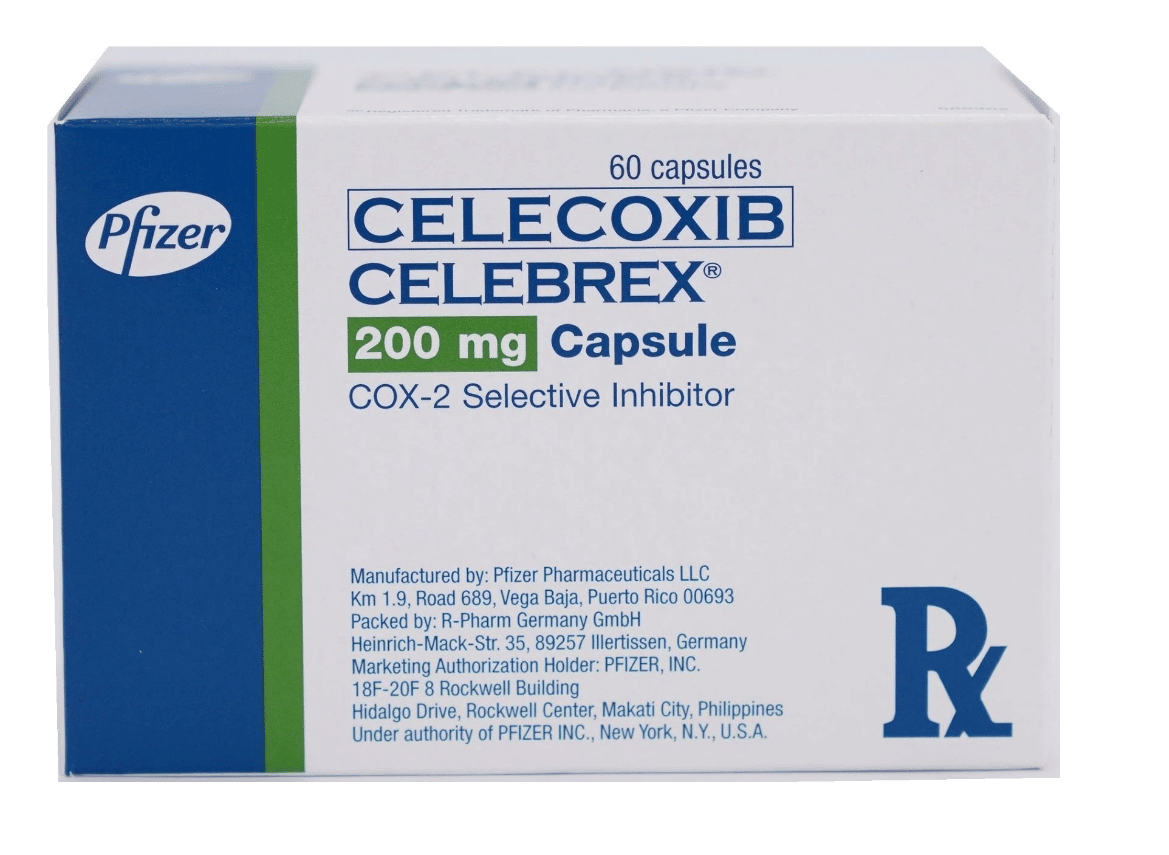
    Celebrex is a prescription nonsteroidal anti-inflammatory drug, or NSAID, used for pain and inflammation. If you are reviewing a Celecoxib prescription or comparing pain treatment options, the safer question is not only when you can drink. It is whether alcohol fits your overall risk profile while this medicine is active in your body.

    Key Takeaways

    • Alcohol may increase stomach irritation and bleeding risk with celecoxib.
    • No proven four-hour rule makes the combination safe for everyone.
    • Risk is higher with ulcers, older age, heavy drinking, or blood thinners.
    • Black stools, vomiting blood, fainting, or severe belly pain need urgent care.
    • Food may ease nausea, but it does not cancel ulcer or bleeding risk.

    Why Alcohol Can Raise Celecoxib Risk

    The main Celebrex and alcohol interaction is not usually a sudden chemical reaction. The concern is additive stress on the gastrointestinal tract, which includes the stomach and intestines. Alcohol can irritate the stomach lining. Celecoxib, like other NSAIDs, can also contribute to irritation, ulcers, and bleeding in some people.

    That overlap matters because early symptoms can look ordinary. Heartburn, nausea, burning pain, or indigestion may seem minor at first. Some people blame alcohol, a heavy meal, or stress. Yet repeated irritation can sometimes progress before warning signs feel dramatic.

    Celecoxib is more COX-2 selective than some older NSAIDs. In plain language, it targets one inflammation pathway more strongly than another. That difference may affect stomach tolerability for some patients, but it does not remove the boxed warnings and precautions linked with NSAIDs. Serious stomach bleeding, kidney problems, and cardiovascular risks can still occur.

    Alcohol can also complicate judgment. Dizziness, nausea, stomach pain, or fatigue may be dismissed as a hangover. Heavy or frequent drinking may add dehydration and liver stress, which can make side effects harder to interpret. This does not mean one drink will harm every person. It means the safety margin can narrow when alcohol enters the picture.

    Why it matters: Mild stomach symptoms can be the first clue of a more serious problem.

    Is There a Safer Wait Time After Celebrex?

    There is no reliable universal wait time for drinking alcohol after celecoxib. A four-hour gap, evening gap, or overnight gap cannot account for every person’s health history or medication list. Celecoxib remains active beyond the moment you swallow it, and alcohol’s stomach effects do not follow a simple timer.

    Timing questions work in both directions. Drinking after a dose can still overlap with the medicine’s effects. Taking Celebrex after drinking alcohol can also matter because alcohol may already be irritating the stomach before the capsule is taken. For many readers, “alcohol after celecoxib” and “celecoxib after alcohol” are the same safety issue from opposite sides.

    It also helps to separate feeling normal from being risk-free. You may no longer feel alcohol’s effects, or your pain medicine may seem to be working. That does not prove the stomach lining, kidneys, or bleeding risk have returned to baseline. This is especially important if you take celecoxib most days, drink regularly, or already have reflux, ulcers, or stomach sensitivity.

    Food may reduce simple nausea or burning for some people. It does not erase the underlying bleeding concern. Online timing rules can sound practical, but they often ignore the biggest risk factors: past ulcers, older age, heavy drinking, kidney disease, liver disease, and other medicines.

    Quick tip: Treat timing rules as incomplete, not as permission to mix alcohol and NSAIDs.

    If alcohol is a routine part of your week, ask a pharmacist or prescriber for individualized guidance. They can review your full medication list and explain whether avoiding alcohol is the safer choice while you use celecoxib.

    When Drinking Is More Concerning

    Alcohol is more concerning when celecoxib is only one part of a larger bleeding-risk picture. The risk can rise when someone has a history of ulcers, prior gastrointestinal bleeding, regular or heavy alcohol use, older age, kidney problems, liver disease, or several medicines with bleeding warnings.

    Other medications deserve special attention. Aspirin, anticoagulants, antiplatelet medicines, corticosteroids, and other NSAIDs can all affect the overall risk picture. Taking more than one NSAID does not spread risk out. It can add to stomach and bleeding concerns.

    Current symptoms matter too. If you already have stomach burning, new nausea, black stools, or unexplained weakness, alcohol should not be treated as a casual add-on. Those symptoms may indicate irritation or bleeding that needs prompt medical review.

    Situation Why It Matters
    Past ulcer or GI bleed Previous injury may return more easily when stomach irritants overlap.
    Regular or heavy alcohol use Repeated exposure may worsen irritation and increase bleeding concerns.
    Aspirin or blood thinners These medicines can add to bleeding risk with NSAIDs.
    Steroids or other NSAIDs Stacking stomach-irritating medicines may increase complications.
    Older age or chronic illness The body may tolerate bleeding, dehydration, or kidney stress less well.
    Current stomach symptoms Ongoing pain, burning, or dark stools should not be ignored.

    Even occasional alcohol deserves extra caution if any of these factors apply. The issue is not only how much you drink once. It is the total pattern of risk your body is carrying before alcohol is added.

    Side Effects and Warning Signs to Watch

    Celebrex and alcohol side effects can range from mild stomach upset to urgent warning signs. Alcohol may blur the picture because nausea, dizziness, and abdominal discomfort can look like a hangover or reflux.

    More Common Symptoms

    • Heartburn or burning stomach pain.
    • Nausea or reduced appetite.
    • Indigestion, bloating, or burping.
    • Stomach tenderness after drinking.
    • Dizziness or feeling unsteady.

    These symptoms do not always mean a serious complication. Still, they deserve attention if they are new, stronger than usual, or repeat whenever alcohol and celecoxib overlap.

    Urgent Warning Signs

    • Black or tarry stools.
    • Vomiting blood or coffee-ground material.
    • Severe or worsening abdominal pain.
    • Fainting, confusion, or unusual weakness.
    • Yellow skin or eyes, or very dark urine.
    • Trouble breathing, swelling, or severe rash.

    Black stools and vomiting blood are classic signs of bleeding higher in the digestive tract. Yellowing of the skin or eyes may point to a liver problem. Trouble breathing, swelling, or a severe rash may suggest a serious allergic reaction. If symptoms feel worse than ordinary indigestion or a typical hangover, seek urgent medical help.

    Bleeding can also begin quietly. Feeling drained, lightheaded, or short of breath after stomach symptoms should not be brushed off, especially when alcohol and an NSAID were both involved.

    How Celecoxib Compares With Other Pain Medicines

    Alcohol-related stomach risk is not unique to Celebrex. Other NSAIDs can carry similar warnings, and switching products does not create an alcohol-safe window. The key issue is the drug class, the person’s risk factors, and whether alcohol adds more irritation or bleeding risk.

    For comparison, Naproxen and Meloxicam are also NSAIDs used for pain and inflammation. They have their own precautions and should not be combined with celecoxib unless a clinician specifically directs it. Over-the-counter pain relievers also matter, because people may accidentally double up on NSAIDs without realizing it.

    If you are comparing medicine classes, this deeper look at Celebrex vs Ibuprofen can help frame why two anti-inflammatory options may share some cautions. For broader browsing, the Pain and Inflammation collection groups related educational content, while the Pain and Inflammation Products category lists relevant medication pages.

    Some people also need practical medication details that are separate from alcohol questions. For example, timing a dose for symptom control is different from timing alcohol around a dose. If that is your concern, see When to Take Celebrex or How Long Celebrex Takes for focused background.

    BorderFreeHealth connects U.S. patients with licensed Canadian partner pharmacies for eligible prescription needs. Where required, prescription details may be verified with the prescriber before the pharmacy dispenses medication.

    Practical Questions to Ask Before Drinking

    Before drinking alcohol while taking celecoxib, review the whole situation rather than only the last dose time. A short self-check can reveal risks that a simple clock rule misses.

    • Medicine check: confirm whether your pain medicine is celecoxib or another NSAID.
    • Bleeding-risk medicines: list aspirin, blood thinners, antiplatelets, and steroids.
    • Health history: consider ulcers, prior bleeding, kidney disease, and liver problems.
    • Symptom review: note heartburn, stomach pain, nausea, or dark stools.
    • Alcohol pattern: separate rare use from regular or heavy drinking.
    • Drink type: remember beer, wine, and liquor all contain alcohol.
    • Food limits: know that meals do not remove bleeding risk.

    If you manage chronic pain, keep a current list of prescriptions, over-the-counter products, and supplements. That list helps a pharmacist or prescriber spot hidden overlaps before a social event or pain flare leads to a rushed decision.

    The same logic applies if pain flares after alcohol. Taking Celebrex after drinking alcohol may still place two stomach stressors close together. If you are unsure, it is safer to ask a healthcare professional than to experiment with timing.

    Authoritative Sources

    In practice, Celebrex and Alcohol Interaction: Safer Timing means looking beyond a fixed hour count. Alcohol may be more risky if you have ulcer history, use other bleeding-risk medicines, drink regularly, or already have stomach symptoms. Personalized guidance is especially important when your risk factors overlap.

    This content is for informational purposes only and is not a substitute for professional medical advice.
  • Celebrex vs Ibuprofen: Safety Differences That Matter

    Celebrex vs Ibuprofen: Safety Differences That Matter

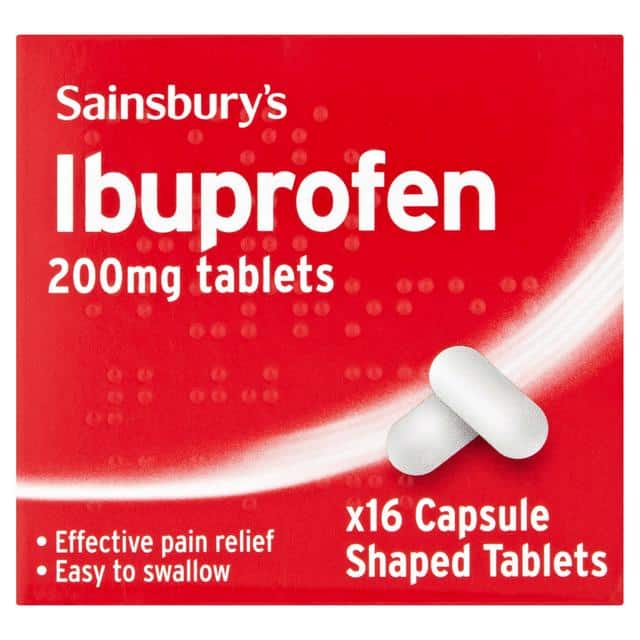
    When comparing Celebrex vs Ibuprofen, the safer choice is not the same for everyone. Both medicines are nonsteroidal anti-inflammatory drugs, or NSAIDs, used for pain and inflammation. Celebrex is the brand name for celecoxib, a prescription COX-2 selective NSAID. Ibuprofen is a nonselective NSAID that is often available over the counter. Celecoxib may be easier on the stomach for some adults, while ibuprofen may be convenient for short-term use. Your ulcer history, kidney function, heart risk, blood pressure, age, and other medicines usually matter more than the name on the bottle.

    If you are trying to make sense of the tradeoffs, start with the risk you most need to protect against: stomach bleeding, kidney strain, high blood pressure, heart problems, or drug interactions. For broader reading, the Pain And Inflammation category can help you explore related pain topics.

    Why it matters: The safest NSAID is usually the one that best fits your health risks and expected duration of use.

    Key Takeaways

    • Both drugs are NSAIDs that can reduce pain, swelling, and stiffness.
    • Celecoxib may cause less upper stomach irritation for some adults, but ulcers and bleeding can still happen.
    • Ibuprofen is familiar and accessible, yet it can still affect kidneys, blood pressure, and the stomach.
    • Taking celecoxib and ibuprofen together usually increases risk without adding a clear safety benefit.
    • The better fit depends on your medical history, other medicines, and whether use is brief or repeated.

    How Celebrex vs Ibuprofen Compares in Plain Language

    Celebrex vs Ibuprofen is mainly a comparison of two NSAIDs with different selectivity. Celecoxib targets cyclooxygenase-2, often called COX-2, more selectively. COX-2 is one pathway involved in pain and inflammation. Ibuprofen blocks both COX-1 and COX-2 more broadly. COX-1 also helps protect the stomach lining and supports platelet function, which is one reason stomach and bleeding risks differ between these medicines.

    That mechanism matters, but it does not create a simple winner. Celecoxib is not automatically safer because it is more selective. Ibuprofen is not automatically safer because it is sold without a prescription. Both can cause serious side effects, especially with frequent use, higher exposure, dehydration, older age, or interacting medicines.

    In real life, the decision often starts with the setting. A generally healthy adult with a short flare may use an over-the-counter NSAID differently than someone with osteoarthritis who needs repeated anti-inflammatory treatment. Prescription celecoxib may appear in products such as Celecoxib, Celebrex, and Cobix. The product name matters less than the class-level safety review.

    When prescription medication is involved, access and documentation also matter. BorderFreeHealth connects U.S. patients with licensed Canadian partner pharmacies, and prescription details may be verified with the prescriber when required before dispensing.

    Stomach, Kidney, Heart, and Blood Pressure Risks

    The main safety differences come down to which organ system is most vulnerable. NSAIDs can affect the digestive tract, kidneys, circulation, and blood pressure. The balance may change if you have a past ulcer, chronic kidney disease, heart disease, swelling, or hard-to-control hypertension.

    Stomach and bleeding risk

    Celecoxib may be easier on the upper gastrointestinal tract than ibuprofen for some adults because it is more COX-2 selective. This does not mean it is gentle on the stomach. Celecoxib can still cause ulcers, bleeding, and serious digestive complications. Ibuprofen can also irritate the stomach, especially when used often, taken with alcohol, used on an empty stomach, or combined with medicines that increase bleeding risk.

    Risk is higher in adults with a history of ulcers or gastrointestinal bleeding. Older age, corticosteroids, blood thinners, certain antidepressants, and heavy alcohol use can also raise concern. If stomach risk is already high, clinicians may consider protective strategies or different pain-control options. The key point is not that one drug removes stomach risk. It is that risk factors can shift the safer choice.

    Kidney strain and fluid balance

    Neither medicine should be treated as kidney-safe. NSAIDs can reduce blood flow through the kidneys, especially when the body is dehydrated or under stress. This can make it harder to manage salt, water, and kidney filtration. The risk may rise for people with kidney disease, heart failure, vomiting, diarrhea, low fluid intake, or older age.

    Some blood pressure medicines and diuretics, sometimes called water pills, can add to kidney concerns when combined with NSAIDs. This does not mean every person must avoid both medicines. It means kidney risk should be part of the decision, especially if the medicine is used more than briefly.

    Heart, circulation, and blood pressure

    All non-aspirin NSAIDs can carry cardiovascular concerns. They may raise the risk of heart attack or stroke, and they can worsen swelling or blood pressure in some people. Celecoxib is not exempt from this warning. Ibuprofen is not a low-risk shortcut just because it is available without a prescription.

    People with prior heart attack, stroke, heart failure, fluid retention, or difficult blood pressure control should be especially cautious. The same applies if an NSAID would be used regularly. In some cases, a clinician may compare other NSAID options, such as Meloxicam or Naproxen, but each option has its own warnings and tradeoffs.

    Which Is Stronger for Pain or Inflammation?

    There is no simple milligram-to-milligram comparison between celecoxib and ibuprofen. They work in related but different ways, have different dosing schedules, and are used in different clinical settings. A common search asks how much ibuprofen equals a certain amount of celecoxib, but there is no safe one-to-one conversion that readers should apply on their own.

    For pain relief, both medicines can help with inflammatory pain. That may include arthritis-related stiffness, some muscle or joint injuries, and other painful inflammatory conditions. The better option depends on the diagnosis, severity, expected duration, and personal risk profile. A medicine that works well for one person’s knee pain may be a poor fit for another person with ulcer history or kidney disease.

    For inflammation, the same caution applies. Celecoxib may be used in longer-term arthritis discussions because it is prescription-based and may have a stomach-tolerance advantage for some adults. Ibuprofen may fit short, self-limited pain for people with lower overall risk. Neither choice should become a daily habit without a clearer plan.

    If arthritis is the main concern, you may find more condition-specific context in Celebrex And Arthritis. For a related NSAID comparison, Meloxicam Vs Ibuprofen covers another common decision point.

    Why Taking Two NSAIDs Together Is Usually Avoided

    Taking celecoxib and ibuprofen together usually stacks risk more than it improves relief. Both belong to the same broad drug class. Combining them can increase overlapping NSAID effects on the stomach, kidneys, blood pressure, and bleeding risk.

    • More stomach irritation: Ulcer and bleeding risk may rise.
    • More kidney stress: Fluid balance can become harder to control.
    • More blood pressure concern: Swelling or higher readings may worsen.
    • More interaction risk: Other medicines can make harms more likely.

    This overlap is easy to miss. Someone may take prescription celecoxib, then reach for an over-the-counter cold, sinus, or headache product that contains ibuprofen. Others may add ibuprofen during a flare because it feels like a different category. It is not. If you already use any NSAID, check labels and ask a clinician or pharmacist before adding another.

    Quick tip: Keep a current list of prescriptions, over-the-counter medicines, and supplements before discussing pain relief.

    When One Option May Fit Better

    The better choice depends on the pattern of pain and the risks sitting in the background. Short-term pain, recurring arthritis, and chronic daily symptoms are different situations. A careful comparison should include why the pain is happening, not only which pill seems stronger.

    Recurring arthritis or joint pain

    For osteoarthritis or repeated joint flares, celecoxib may come up when a prescription plan and stomach-risk discussion are appropriate. This does not make it the best option for every person with arthritis. Some adults use ibuprofen effectively for short periods. Others may need a different NSAID, acetaminophen, physical therapy, injections, topical treatment, or a broader evaluation.

    If you are comparing celecoxib with another prescription NSAID, Celebrex Vs Meloxicam may help clarify how NSAID choices can differ. If side effects are your main concern, Celebrex Side Effects gives more detail on celecoxib-specific warnings.

    Short-term pain or fever

    Ibuprofen is often used for brief pain, fever, headaches, muscle soreness, or minor injuries. Its convenience is useful, but it can make the risk feel smaller than it is. Repeated self-treatment may quietly become frequent NSAID use, especially with back pain, knee pain, or ongoing stiffness.

    Prescription-only status can also cause confusion. Celecoxib is not automatically stronger because it requires a prescription. That status usually reflects the need for a medical review, interaction check, and follow-up when symptoms are recurring or health history is more complex.

    Questions to Ask Before Using Either NSAID

    A safer Celebrex vs Ibuprofen discussion starts before the first tablet. You do not need to know every clinical detail. A few focused questions can reveal whether one medicine deserves more caution than the other.

    • Past bleeding: Have you had an ulcer or gastrointestinal bleed?
    • Kidney concerns: Do you have kidney disease or dehydration?
    • Heart history: Have you had heart disease, stroke, or heart failure?
    • Blood pressure: Are your readings difficult to control?
    • Medicine overlap: Do you take blood thinners, steroids, aspirin, or other NSAIDs?
    • Pregnancy context: Are you pregnant, trying to conceive, or postpartum?
    • Duration: Is this a brief flare or a repeated pattern?

    Label reading matters. Ibuprofen can appear in combination cold, sinus, and headache products. If you also take low-dose aspirin or have been told to avoid NSAIDs, that information should lead the conversation. It is more important than whether a medicine seems familiar.

    If you are browsing the wider category, the Pain And Inflammation Products collection can help you distinguish prescription NSAIDs from other options. Product pages can support navigation, but medical decisions should still be based on your health history and professional guidance.

    For patients without insurance, cash-pay cross-border prescription options may be available through BorderFreeHealth when eligibility and jurisdiction allow. This access context does not change the medical safety questions. It simply makes it more important to confirm prescriptions, interactions, and follow-up needs.

    How to Think About the Safer Choice

    For many adults, celecoxib may offer a stomach-tolerance advantage compared with ibuprofen. For others, ibuprofen may be reasonable for brief, occasional use when overall risk is low. The most important point is that neither medicine is automatically safer in every situation.

    Think of the decision as a matching exercise. Match the medicine to the diagnosis, the expected length of use, and the health risk that needs the most protection. If pain keeps returning, do not simply rotate between NSAIDs. Repeated symptoms may need a clearer diagnosis, a non-NSAID strategy, or monitoring for blood pressure, kidney function, or stomach complications.

    Seek urgent medical help for chest pain, trouble breathing, weakness on one side, black or bloody stools, vomiting blood, severe allergic symptoms, sudden swelling, or a major drop in urination. These symptoms can signal serious complications and should not be managed by comparing pain relievers online.

    Authoritative Sources

    For current safety details and medication-specific warnings, review these sources:

    This content is for informational purposes only and is not a substitute for professional medical advice.
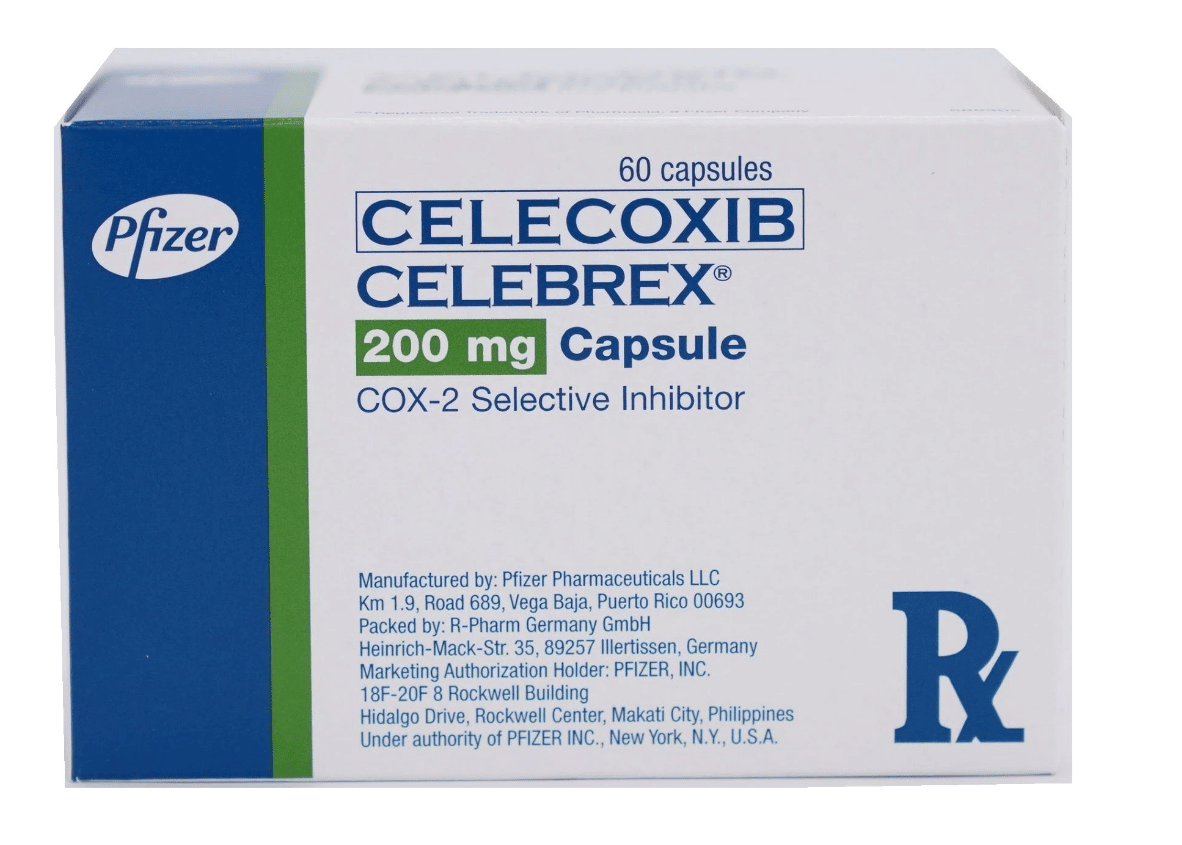
  • Bystolic vs Metoprolol: Key Differences for Safer Switching

    Bystolic vs Metoprolol: Key Differences for Safer Switching

    Bystolic vs metoprolol is a comparison between two beta-blockers that can lower blood pressure and slow heart rate, but they are not identical. Bystolic is the brand name for nebivolol, which has beta-1 blocking effects plus nitric oxide–related blood vessel relaxation. Metoprolol is a beta-1 selective blocker available in different forms, including immediate-release and extended-release versions. The safer choice depends on the reason for treatment, your heart rate, side effects, other conditions, and the prescriber’s switching plan.

    Why this matters: switching beta-blockers can affect pulse, blood pressure, exercise tolerance, dizziness, and rebound symptoms if it is done too abruptly.

    Key Takeaways

    • Different mechanisms: nebivolol adds vasodilating effects through nitric oxide pathways.
    • Formulation matters: metoprolol tartrate and succinate behave differently.
    • Switching needs oversight: dose equivalence is approximate, not automatic.
    • Side effects vary: fatigue, weight changes, and sexual effects differ by person.
    • Home readings help: pulse and blood pressure trends guide follow-up.

    Bystolic vs Metoprolol in Everyday Care

    The core difference is that nebivolol may relax blood vessels while blocking beta-1 receptors, while metoprolol mainly reduces beta-1 stimulation in the heart. Beta-1 receptors influence heart rate and contraction strength. Blocking them can reduce the workload on the heart and help control blood pressure in selected patients.

    Both medicines are often discussed for hypertension and other cardiovascular uses, but the exact reason for treatment matters. A person taking metoprolol after a heart attack may have different priorities than someone taking nebivolol for uncomplicated high blood pressure. Heart rhythm history, angina symptoms, heart failure status, diabetes, lung disease, and other medicines can all change the risk-benefit balance.

    Bystolic is a brand-name form of nebivolol. If you want more background on the brand and generic relationship, see What Is Bystolic and Nebivolol vs Bystolic. These pages can help clarify naming before you discuss options with a clinician.

    How the medicines feel different for some people

    People often notice beta-blocker differences through daily symptoms rather than lab values. One person may feel calmer with fewer palpitations. Another may notice lower stamina, cold hands, vivid dreams, or lightheadedness when standing. These symptoms do not prove that one medicine is universally better. They show why individualized monitoring matters.

    In bystolic vs metoprolol discussions, clinicians often compare resting heart rate, seated and standing blood pressure, exercise tolerance, and side effects over several weeks. A single clinic reading can miss patterns that appear at home, during activity, or after missed meals.

    Switching Between Nebivolol and Metoprolol

    You can sometimes switch from metoprolol to nebivolol, or from nebivolol to metoprolol, but the plan should come from a prescriber. Beta-blockers can cause rebound fast heart rate, chest discomfort, or blood pressure increases when stopped suddenly, especially in people with coronary artery disease or angina.

    Conversion charts can provide rough starting points, but they cannot account for your heart rate response, liver metabolism, other drugs, or the reason you take the beta-blocker. A beta blocker conversion calculator may be useful as an educational tool, but it should not be used to choose your dose or timing. Your prescriber may taper one medicine, start another carefully, or adjust the plan after home readings.

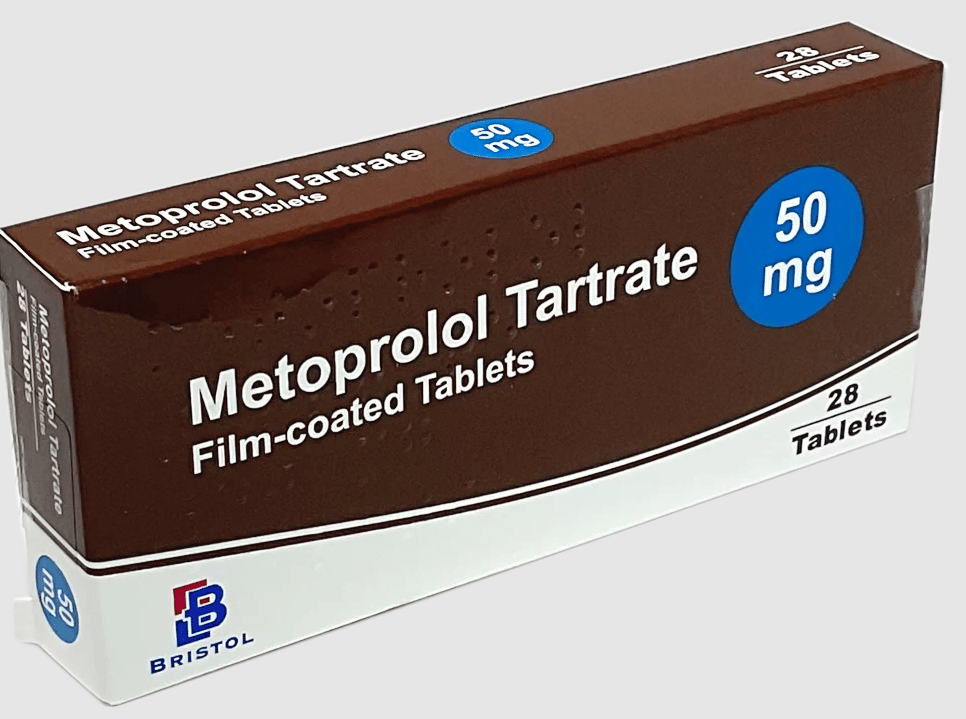
    Metoprolol also adds a formulation issue. Metoprolol tartrate is immediate-release and is often taken more than once daily. Metoprolol succinate is extended-release and is designed for steadier once-daily exposure. These forms are not interchangeable milligram for milligram without clinical judgment. If you are comparing product names, Metoprolol and Metoprolol SR can help you recognize common formulation language.

    Questions to bring to the switching visit

    • Reason for use: blood pressure, rhythm control, angina, or another goal.
    • Target numbers: resting pulse and home blood pressure range.
    • Release form: immediate-release or extended-release metoprolol.
    • Side effects: fatigue, dizziness, sexual concerns, sleep, or mood changes.
    • Follow-up plan: when readings should be reviewed.

    Quick tip: bring the medicine bottle or a photo of the label, including the release type.

    Heart Rate, Blood Pressure, and Home Tracking

    Heart rate and blood pressure trends are more useful than isolated readings when comparing beta-blockers. Nebivolol and metoprolol can both slow the pulse, but the degree of slowing varies. Some people feel well at a lower resting pulse. Others feel weak, dizzy, or short of breath if the pulse falls too much for their situation.

    Home tracking works best when you measure consistently. Sit quietly for five minutes. Keep your feet flat. Use a validated cuff that fits your arm. Record the time, blood pressure, pulse, symptoms, and whether the reading was before or after medication. If your clinician asks for standing readings, measure again after standing safely for one to three minutes.

    The calculator below can help average multiple home blood pressure readings for a clearer discussion. It does not diagnose hypertension, assess medication safety, or replace clinical review.

    [blood-pressure-average-calculator]

    Seek urgent care for severe chest pain, fainting, severe shortness of breath, or symptoms of stroke. If you develop new wheezing, marked dizziness, or a very slow pulse with symptoms, contact a healthcare professional promptly. People with known heart disease should be especially cautious about missed doses or abrupt stopping.

    Side Effects, Weight, and Sexual Health

    Side effects are a common reason people compare bystolic vs metoprolol. Both can cause fatigue, dizziness, slow heart rate, cold extremities, sleep changes, or mood changes in some people. Nebivolol is sometimes discussed for tolerability because of its vasodilating properties, but individual response still matters more than broad class assumptions.

    Weight change can happen with some beta-blockers, though it is usually not the only factor. Lower exercise intensity, fatigue, fluid shifts, appetite changes, sleep disruption, and other medicines can all affect weight. If you are wondering how to lose weight on metoprolol, start by tracking trends rather than blaming one cause immediately. A food log, step count, sleep notes, and symptom diary can reveal patterns to discuss safely.

    Metoprolol belly fat is a common search phrase, but beta-blockers do not target belly fat specifically. Some people gain overall weight after starting a medicine, while others do not. If weight rises quickly, swelling appears, or shortness of breath worsens, contact a clinician because fluid retention or heart-related issues may need assessment.

    Sexual health deserves the same open discussion. Erectile dysfunction, lower libido, or performance anxiety can occur for many reasons, including vascular disease, diabetes, depression, stress, alcohol use, and medicines. Some people report differences between nebivolol and metoprolol, but this is not predictable for everyone. Do not stop a beta-blocker on your own because of sexual side effects. Instead, ask whether timing, dose review, interacting medicines, or another blood pressure strategy might help.

    For broader context on blood pressure drug classes, see Blood Pressure Medications. If your concern is specifically nebivolol or Bystolic tolerability, Bystolic Side Effects may help you prepare better questions.

    Which Option Has the Least Side Effects?

    There is no single beta-blocker with the least side effects for every person. The better-tolerated option depends on the condition being treated, baseline pulse, blood pressure, activity level, other medications, and personal sensitivity. A person with frequent palpitations may value stronger heart rate control, while another may prioritize exercise capacity or fewer sexual side effects.

    Metoprolol has extensive clinical use across cardiovascular care, and its two common release patterns can support different dosing strategies. Nebivolol offers once-daily dosing and vasodilating properties, which may be relevant for some people with hypertension. However, availability, coverage, prior response, and medical history can affect the decision.

    When people ask which is better, the practical answer is usually: better for what goal? For blood pressure alone, many drug classes may be considered. For certain heart rhythm or post-event heart conditions, prescribers may choose based on guideline-supported indications and patient-specific risks. For a wider look at alternatives, Bystolic Alternatives reviews options that may come up in clinician conversations.

    Where carvedilol fits

    Carvedilol enters the conversation because it blocks beta receptors and also has alpha-blocking effects, which can lower vascular resistance. It is not simply a stronger or weaker version of nebivolol or metoprolol. It has different clinical uses and tolerability considerations. Questions such as bystolic vs carvedilol, carvedilol and metoprolol equivalent doses, or nebivolol to carvedilol conversion should be handled as individualized clinical decisions, not simple arithmetic.

    Access and Medication Identification

    Medication names can be confusing during a switch. Bystolic refers to nebivolol as a brand, while nebivolol is the generic name. Metoprolol may appear with salt names such as tartrate or succinate, and those details matter. If your tablet label changes after a refill, confirm the active ingredient and release form with a pharmacist before assuming it is the same schedule.

    BorderFreeHealth connects U.S. patients with licensed Canadian partner pharmacies, and prescription details are verified with the prescriber when required before pharmacy dispensing. For people comparing cash-pay cross-border prescription options without insurance, eligibility and jurisdiction still apply. This access context does not replace medical decision-making, but it may help readers understand why accurate drug names and prescription details matter.

    For product-name navigation, you can review Bystolic, Nebivolol, and Nebistar. Use these pages to identify names and forms, not to self-select or change treatment.

    Authoritative Sources

    Drug labels and medical organizations are the best places to verify indications, warnings, and formulation details. For official U.S. prescribing details, review the DailyMed nebivolol label listings and the DailyMed metoprolol succinate label listings. For patient-friendly blood pressure context, the American Heart Association blood pressure resources explain measurement, risk, and long-term management principles.

    When reading any conversion chart, remember that equivalence is approximate. Labels, guidelines, and clinical judgment still leave room for patient-specific adjustment. Your home readings, side effects, and treatment goal give the prescriber the information needed to choose a safer path.

    Recap

    Bystolic and metoprolol share beta-blocker effects, but they differ in mechanism, formulation choices, and how people may tolerate them. Nebivolol has nitric oxide–related vasodilation, while metoprolol has immediate-release and extended-release options with broad clinical use. Switching should be supervised, especially when heart disease, very low pulse, dizziness, or interacting medicines are present.

    The most helpful next step is simple: record your blood pressure, pulse, symptoms, and exact medication name before your visit. That information turns a broad bystolic vs metoprolol comparison into a safer, more personal clinical discussion.

    This content is for informational purposes only and is not a substitute for professional medical advice.
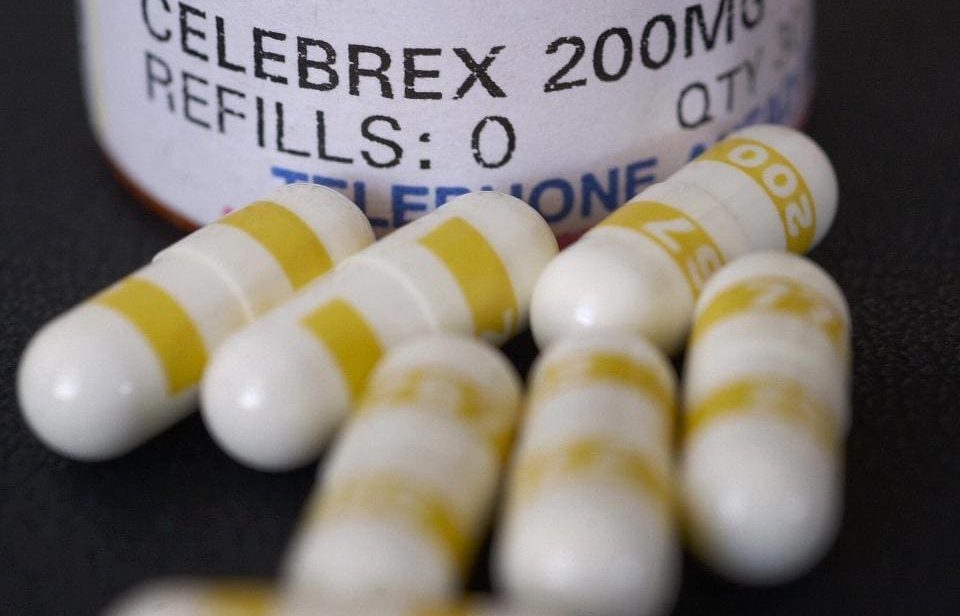
  • Celebrex vs Meloxicam: Safety and Stomach Risk

    Celebrex vs Meloxicam: Safety and Stomach Risk

    Celebrex vs Meloxicam is usually a safety trade-off, not a simple winner. Both are prescription nonsteroidal anti-inflammatory drugs, or NSAIDs, used to reduce pain and inflammation. Celebrex is the brand name for celecoxib, which is more COX-2 selective. Meloxicam is also COX-2 preferential, but less selective. That difference may affect stomach risk, while both medicines can still affect the heart, kidneys, blood pressure, and bleeding risk.

    The safer choice depends on the person taking it. Ulcer history, heart disease, kidney function, age, blood pressure, aspirin use, blood thinners, and steroid medicines can all change the answer. If you are comparing arthritis and inflammation options more broadly, the Pain And Inflammation collection gives wider context.

    Why it matters: Small NSAID differences can become meaningful when treatment is daily or long term.

    Key Takeaways

    • Both are prescription NSAIDs and neither is risk-free.
    • Celecoxib may be easier on the upper stomach for some people.
    • Both can raise concerns for heart, kidney, and blood pressure safety.
    • Neither drug is universally stronger for every pain condition.
    • They should not usually be combined with each other or other NSAIDs.

    BorderFreeHealth connects U.S. patients with licensed Canadian partner pharmacies when eligible prescriptions are used through the service.

    Celebrex vs Meloxicam at a Glance

    The main difference is how selectively each drug blocks cyclooxygenase enzymes. These enzymes help form prostaglandins, chemical messengers involved in pain, inflammation, stomach protection, kidney blood flow, and platelet function. Celecoxib blocks COX-2 more selectively. Meloxicam has some COX-2 preference, but it can affect COX-1 more, especially as exposure increases.

    That does not make one medicine automatically better. COX-2 selectivity can reduce some upper gastrointestinal risk, but it does not erase stomach, heart, kidney, or blood pressure concerns. The best comparison starts with your risk profile, not with the drug name alone.

    Comparison Point Celecoxib Meloxicam
    Drug class Prescription NSAID with stronger COX-2 selectivity Prescription NSAID with partial COX-2 preference
    Common use context Often considered when upper-stomach risk is important Often used as a familiar oral NSAID option
    Stomach considerations May cause fewer upper-GI problems in some people Can still be tolerated, but GI risk remains
    Heart and kidney issues Can raise cardiovascular, kidney, and blood pressure concerns Can raise cardiovascular, kidney, and blood pressure concerns
    How to view strength Response varies by condition and person Response varies by condition and person

    People often search for a fixed dose match, such as comparing one common meloxicam dose with one common celecoxib dose. That framing can mislead. Equivalent relief depends on the condition, the dosing plan chosen by the prescriber, how the person responds, and what side effects appear. A medicine that works well for one person may be a poor fit for another.

    If you want product-level context, the site lists Celebrex Details, Meloxicam Details, and Celecoxib Details. Product pages can help with names and general context, but they do not decide which NSAID is safer for an individual history.

    Which Is Easier on the Stomach?

    Celecoxib is often the more stomach-focused option in Celebrex vs Meloxicam discussions. Its stronger COX-2 selectivity may reduce upper gastrointestinal irritation, ulcers, or bleeding for some people compared with less selective NSAIDs. This is one reason clinicians may consider celecoxib when a person has prior indigestion or ulcer concerns.

    Still, easier on the stomach does not mean safe for everyone. Both medicines can cause dyspepsia, which means indigestion or upper abdominal discomfort. Both can also contribute to ulcers, gastrointestinal bleeding, or perforation. These risks rise with older age, prior ulcer or bleeding history, heavy alcohol use, corticosteroids, blood thinners, and low-dose aspirin.

    Symptoms do not always look dramatic at first. Burning pain, nausea, new reflux, loss of appetite, unexplained tiredness, or anemia may suggest poor NSAID tolerance. More urgent warning signs include black stools, vomiting blood, fainting, or sharp ongoing abdominal pain.

    Meloxicam is not a fully COX-1-focused drug, so the comparison is not a cliff. It is more like a spectrum. Celecoxib sits further toward COX-2 selectivity, while meloxicam sits in the middle. That difference may matter most when stomach protection is a leading concern.

    Heart, Kidney, and Blood Pressure Risks

    Neither option is automatically safer for the heart or kidneys. Celebrex vs Meloxicam safety depends on the whole cardiovascular and kidney picture, including high blood pressure, heart disease, diabetes, smoking history, fluid retention, and chronic kidney disease.

    All non-aspirin NSAIDs can increase the risk of heart attack and stroke. The risk may be higher in people who already have cardiovascular disease or risk factors. NSAIDs can also worsen blood pressure control or contribute to swelling. Celecoxib should not be viewed as heart-safe simply because it may be more stomach-sparing for some people.

    Kidney effects deserve equal attention. NSAIDs can reduce blood flow through the kidneys, especially during dehydration, heart failure, chronic kidney disease, or use of certain blood pressure medicines and diuretics. New swelling, sudden weight gain, much less urination, or a notable rise in blood pressure should prompt medical review.

    The phrase safest anti-inflammatory is often too broad. One person may need the lowest stomach risk. Another may need to avoid fluid retention, kidney strain, or blood pressure changes. The safer drug is the one that matches the person, the goal, and the shortest necessary duration.

    Why Long-Term Use Needs Monitoring

    Long-term NSAID use is usually about accumulating risk, not one predictable event. Clinicians may reassess whether the medicine is still needed, whether the lowest effective plan is being used, and whether blood pressure or kidney blood tests have changed. Follow-up needs vary by age, medical history, and medication burden.

    When prescription details require confirmation, the dispensing pharmacy may verify them with the original prescriber before dispensing.

    Effectiveness for Arthritis, Back Pain, and Inflammation

    Neither drug is universally stronger for arthritis, back pain, or inflammation. Celebrex vs Meloxicam effectiveness depends on the pain source, the degree of inflammation, other treatments, and individual response. Some people notice better relief with one option. Others see little difference or stop because of side effects.

    For osteoarthritis and rheumatoid arthritis, both medicines are common comparison points. They can reduce pain and inflammation, but they do not replace disease-modifying treatment when inflammatory arthritis requires it. If your comparison centers on joint disease, the Rheumatology collection can help frame the broader care picture.

    Back pain needs a more careful lens. If pain is mainly inflammatory, an NSAID may help. If pain is mostly mechanical, muscular, or nerve-related, an NSAID may help only part of the problem. In that situation, asking which drug is stronger may miss the more important question: what is driving the pain?

    For localized pain, an oral NSAID may not be the only path. Some people discuss topical options, such as Vimovo Details for stomach-protection context or other anti-inflammatory approaches, depending on the clinical situation. The right comparison should include risk exposure, symptom pattern, and treatment goals.

    When One May Fit Better Than the Other

    Celecoxib may fit better when upper-stomach risk is central, but that is not automatic. A history of ulcer bleeding, aspirin use, anticoagulants, steroid medicines, or severe reflux can all change the discussion. Some people may need stomach protection strategies, a different pain plan, or avoidance of oral NSAIDs altogether.

    Meloxicam may fit better when a person has already used it successfully, tolerated it well, and has no clear reason to switch. Familiar response matters. So does the rest of the medication list. A drug that looks reasonable alone can become riskier when combined with diuretics, blood pressure medicines, blood thinners, corticosteroids, or certain antidepressants.

    Some people wonder why doctors do not prescribe Celebrex more often. The answer is usually not that celecoxib does not work. Clinicians may avoid it because of cardiovascular history, allergy concerns, other medicines, prior response, formulary issues, or a preference for a different treatment strategy. Celecoxib contains a sulfonamide structure, so allergy history may be part of the conversation.

    Others wonder why doctors do not prescribe meloxicam. Reasons may include kidney disease, uncontrolled blood pressure, swelling, ulcer history, aspirin or blood thinner use, or prior side effects. Sometimes the best answer is not a different NSAID, but a different pain strategy.

    Quick tip: Bring a complete medication list, including over-the-counter pain relievers, to any NSAID review.

    What to Avoid Before Starting or Switching

    Do not take celecoxib and meloxicam together unless a clinician specifically tells you to. Combining NSAIDs usually stacks side effects more than benefits. The same caution applies to adding ibuprofen, naproxen, or other over-the-counter NSAIDs on top of either prescription medicine.

    Low-dose aspirin needs separate review. It may be important for heart or stroke prevention in some people, but it can also increase bleeding risk when combined with NSAIDs. Blood thinners, corticosteroids, some antidepressants, ACE inhibitors, ARBs, and diuretics can also change the safety picture.

    Before starting or switching, it helps to prepare a short decision list:

    • Ulcer history: include bleeding, ulcers, or severe heartburn.
    • Heart risk: note blood pressure, swelling, and cardiac history.
    • Kidney concerns: mention kidney disease or dehydration episodes.
    • Other medicines: list aspirin, blood thinners, steroids, and diuretics.
    • Pain pattern: describe joint, back, injury, or nerve symptoms.
    • Function goals: explain which daily activities matter most.

    Seek urgent care for chest pain, sudden shortness of breath, one-sided weakness, black stools, vomiting blood, fainting, severe allergic symptoms, or major swelling with much less urine. These symptoms are not common, but NSAID complications can be serious when they occur.

    Related Comparisons and Broader Options

    If neither oral NSAID seems like an easy fit, the next step is often a broader comparison. Some people compare celecoxib with ibuprofen, while others compare meloxicam with ibuprofen. These are still NSAID conversations, so the same stomach, heart, kidney, and bleeding themes matter.

    For related reading, see Celebrex vs Ibuprofen or Meloxicam vs Ibuprofen. If your main concern is side effects, Celebrex Side Effects and Meloxicam Side Effects In Elderly may help you prepare better questions.

    The Pain And Inflammation Products category can also be used as a browseable list for related options. It is not a substitute for individualized medical review, especially when multiple risk factors are present. Some cash-pay cross-border prescription options may be available for eligible patients without insurance, depending on jurisdiction and prescription requirements.

    Authoritative Sources

    In short, a good celecoxib vs meloxicam decision starts with the person, not the label alone. Celecoxib may be easier on the stomach for some people, while both medicines can affect cardiovascular, kidney, and blood pressure safety. The best next conversation focuses on your risk factors, your other medicines, and the specific pain problem being treated.

    This content is for informational purposes only and is not a substitute for professional medical advice.
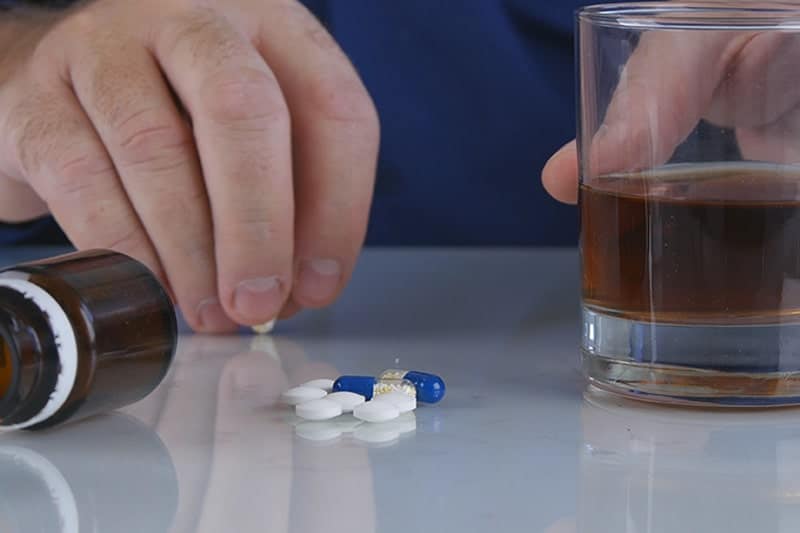
  • Celebrex Side Effects: Risks, Red Flags, and Safer Use

    Celebrex Side Effects: Risks, Red Flags, and Safer Use

    Celebrex side effects can range from mild stomach upset or headache to serious heart, stomach, kidney, liver, or allergic reactions. The goal is not to fear the medicine. It is to know what to watch, which risk factors matter, and when to seek medical help quickly.

    Celebrex is the brand name for celecoxib, a COX-2 selective nonsteroidal anti-inflammatory drug, or NSAID. It may reduce pain and inflammation in certain arthritis and short-term pain conditions. Like all NSAIDs, it needs thoughtful use, especially if you have heart disease, high blood pressure, kidney disease, ulcers, or take medicines that raise bleeding risk.

    Key Takeaways

    • Common effects: Upset stomach, diarrhea, gas, headache, dizziness, and swelling can occur.
    • Serious warnings: Chest pain, stroke symptoms, black stools, low urination, jaundice, or severe rash need urgent care.
    • Risk factors matter: Age, dose, treatment length, alcohol, ulcers, heart disease, kidney disease, and other medicines can change safety.
    • Dosing is individual: Do not adjust celecoxib or combine NSAIDs without clinical guidance.
    • Monitoring helps: Blood pressure, swelling, stomach symptoms, and lab checks may catch problems earlier.

    Celebrex Side Effects: Common Versus Serious Symptoms

    The most common celecoxib side effects are usually digestive or general comfort issues. People may notice dyspepsia (indigestion), nausea, diarrhea, gas, abdominal discomfort, headache, dizziness, or mild fluid retention. These effects may be manageable, but they still deserve attention if they persist or affect daily life.

    Some symptoms are more concerning because NSAIDs can affect blood vessels, the stomach lining, the kidneys, and fluid balance. Seek urgent medical help for chest pain, sudden shortness of breath, weakness on one side, slurred speech, fainting, black or bloody stools, vomiting blood, severe abdominal pain, severe skin blistering, or swelling of the face or throat.

    Why it matters: Serious NSAID reactions can happen without much warning, including in people who previously tolerated the medicine.

    Stomach symptoms deserve special caution. Celecoxib may have a lower ulcer risk than some nonselective NSAIDs for certain patients, but it can still cause bleeding, ulcers, or holes in the stomach or intestine. Risk may rise with older age, past ulcers, blood thinners, corticosteroids, heavy alcohol use, or longer treatment duration.

    What Celecoxib Does and When It May Be Used

    Celecoxib is both a pain reliever and an anti-inflammatory medicine. It blocks COX-2, an enzyme involved in making prostaglandins, which are chemical signals that contribute to pain and inflammation. This explains why it may help with pain, stiffness, and swelling in selected conditions.

    People often ask what is Celebrex used for. It is used for conditions such as osteoarthritis, rheumatoid arthritis, ankylosing spondylitis, acute pain, and menstrual cramps, depending on the person and the prescriber’s assessment. The specific reason for use affects the dose, length of treatment, and monitoring plan.

    If arthritis is the main reason for treatment, our overview of Celebrex and Arthritis explains how this medicine can fit into broader arthritis care. If you are comparing options, Celebrex vs Ibuprofen and Celebrex vs Meloxicam can help frame questions for a clinician.

    Who Has a Higher Risk of Problems?

    Some people need extra caution before using celecoxib. Higher-risk groups include older adults, people with heart disease or stroke history, people with high blood pressure, those with kidney or liver disease, and anyone with a history of stomach ulcers or gastrointestinal bleeding.

    Side effects of Celebrex in the elderly can be harder to spot at first. Dizziness may raise fall risk. Fluid retention may worsen swelling or heart failure symptoms. Kidney strain may show up as less urination, sudden weight gain, confusion, or unusual fatigue rather than obvious pain.

    Celebrex side effects in females are not completely separate from general NSAID risks, but life stage matters. Celecoxib may affect ovulation in some people, and NSAID use later in pregnancy can harm the fetus. People who are pregnant, trying to conceive, or breastfeeding should discuss risks and alternatives with a clinician before using it.

    Medication combinations also matter. Blood thinners, aspirin, corticosteroids, selective serotonin reuptake inhibitors, ACE inhibitors, ARBs, diuretics, lithium, methotrexate, and other NSAIDs may raise the chance of bleeding, kidney strain, blood pressure changes, or toxicity. Always share prescription drugs, over-the-counter products, and supplements at each visit.

    Dosage Questions, Missed Assumptions, and NSAID Comparisons

    Celebrex dosage depends on the condition being treated, medical history, kidney and liver considerations, and other medicines. Many people search for specific strengths such as Celebrex 100 mg or Celebrex 200 mg, but dose decisions should come from the label and the prescriber’s plan, not from online comparisons.

    Questions such as “can you take Celebrex 200 mg twice a day” or “what is the max dose in 24 hours” need individualized answers. The official label includes indication-specific dose ranges and warnings. A clinician may choose a lower effective dose or shorter duration when risks are higher.

    Do not try to convert between NSAIDs by asking how many ibuprofen equal one Celebrex. These medicines differ in dosing, half-life, COX selectivity, interaction profile, and personal risk factors. Taking more than one NSAID at the same time can raise the chance of stomach bleeding, kidney injury, and blood pressure problems.

    For a deeper dose-focused discussion, see Celebrex Dosage. If you are reviewing specific medication pages for context, Celecoxib and Celebrex provide product-level navigation without replacing clinical advice.

    What to Avoid or Discuss Before Taking It

    The safest plan starts before the first dose. Tell a clinician if you have a history of heart attack, stroke, heart failure, uncontrolled blood pressure, stomach bleeding, kidney disease, liver disease, asthma triggered by aspirin or NSAIDs, or allergy to sulfonamide medicines.

    Alcohol deserves a separate conversation because it can irritate the stomach and may increase bleeding risk when combined with NSAIDs. If you drink, ask what level is considered safe for your situation. Our focused article on Celebrex and Alcohol covers the interaction in more detail.

    • Other NSAIDs: Avoid stacking unless directed.
    • Dehydration: Vomiting or diarrhea can raise kidney risk.
    • Blood pressure changes: Check readings if advised.
    • New swelling: Report ankles, hands, or rapid weight gain.
    • Stomach bleeding signs: Treat black stools as urgent.
    • Skin reactions: Get help for blistering or mouth sores.

    Quick tip: Keep a simple symptom and blood pressure log if monitoring is part of your care plan.

    If you monitor home blood pressure, averaging several readings can show trends more clearly than one isolated number. This calculator supports general tracking and does not provide medical advice.

    [blood-pressure-average-calculator]

    Stopping, Switching, and Long-Term Use

    Stopping celecoxib usually does not cause withdrawal in the way some medicines can. The more common issue is a return of the underlying pain, stiffness, swelling, or menstrual cramps that the medicine was helping manage.

    What are the side effects of stopping Celebrex? Some people notice rebound discomfort, reduced mobility, sleep disruption from pain, or headaches related to routine changes. These are not usually considered withdrawal effects, but they can still interfere with function.

    Long-term use needs periodic review. A clinician may reassess blood pressure, kidney function, liver markers, anemia risk, stomach symptoms, and whether the medicine is still needed. If inflammation is driven by an autoimmune condition, disease-modifying therapy may reduce reliance on NSAIDs over time.

    Alternatives depend on the diagnosis and risk profile. Some people may use acetaminophen, topical NSAIDs, physical therapy, injections, disease-modifying medicines, or non-drug strategies. Others may still be appropriate candidates for celecoxib with monitoring. For broader browsing, the Pain and Inflammation collection gathers related educational content.

    Is Celecoxib Banned or Unsafe?

    Celecoxib is not banned in the United States. It remains available with boxed warnings and precautions because NSAIDs can increase the risk of serious cardiovascular and gastrointestinal events in some people.

    The confusion often comes from the history of another COX-2 inhibitor, rofecoxib, which was withdrawn from the market. Celecoxib was not handled the same way. Instead, regulators kept it available with warnings, dosing precautions, contraindications, and safety information that clinicians should consider.

    So, is Celebrex safe? The better question is whether it is appropriate for a specific person at a specific dose and duration. Safety depends on age, diagnosis, cardiovascular risk, ulcer history, kidney function, pregnancy status, interacting medicines, and treatment goals.

    BorderFreeHealth’s medication content is educational and should not replace prescriber review. When prescription access is relevant, prescription details may need verification with the prescriber before a partner pharmacy dispenses medication.

    Authoritative Sources

    For label-backed information on indications, warnings, dosing ranges, contraindications, and adverse reactions, review the official Celebrex prescribing information.

    For patient-facing medication safety language, the MedlinePlus celecoxib drug information summarizes major warnings and precautions.

    For a clinical overview of uses and side effects, see the Cleveland Clinic celecoxib capsule resource.

    Recap

    Celebrex side effects are best understood in two groups: common tolerability issues and serious warning signs. Stomach upset, headache, dizziness, and swelling may occur. Chest pain, stroke-like symptoms, black stools, severe abdominal pain, low urination, jaundice, facial swelling, or blistering rash need urgent evaluation.

    If celecoxib is part of your care, use follow-up visits to ask about dose, duration, monitoring, interactions, alcohol, and what to do if pain returns after stopping. A clear plan can help balance pain relief with safety.

    This content is for informational purposes only and is not a substitute for professional medical advice.

  • Bystolic and Alcohol: Risks, Timing, and Safer Habits

    Bystolic and Alcohol: Risks, Timing, and Safer Habits

    If you landed here from a search for Bystolic and Alcohol: A Practical Guide to Safer Use, the short answer is this: mixing Bystolic, also called nebivolol, with alcohol may increase dizziness, lightheadedness, low blood pressure, and fainting risk. Both can affect blood pressure and alertness. For some people, even a small amount of alcohol can hit harder when they are starting treatment, dehydrated, older, or taking other medicines that also lower blood pressure. That is why timing, symptoms, and your overall health matter more than a one-size-fits-all rule.

    Key Takeaways

    • Alcohol may add to Bystolic’s blood-pressure-lowering effects.
    • Dizziness, lightheadedness, and fainting are the main concerns.
    • There is no universal number of hours that makes the mix safe for everyone.
    • Risk may be higher after dose changes, dehydration, or with other sedating medicines.
    • Passing out, chest pain, or severe weakness deserves prompt medical attention.

    Bystolic and Alcohol: Why the Mix Can Be Risky

    Bystolic is a beta blocker commonly used to help manage high blood pressure. It works in part by lowering blood pressure and reducing strain on the heart. Alcohol can also relax blood vessels and impair balance and judgment. When those effects overlap, you may feel more lightheaded than expected.

    This does not mean every person will react the same way. Some people notice only mild fatigue or flushing. Others develop marked dizziness when they stand up, a drop in blood pressure, or a sense that they may pass out. The risk may be more noticeable when you first start nebivolol, after a dose change, or after drinking on an empty stomach.

    Another problem is confusion. If you feel tired, flushed, or unsteady, it can be hard to tell whether the cause is alcohol, the beta blocker, dehydration, or another medicine. That can delay the right response and make routine activities like driving or climbing stairs less safe.

    Why it matters: Even a brief dizzy spell can lead to a fall, injury, or missed warning signs.

    BorderFreeHealth works with licensed Canadian partner pharmacies.

    What You May Notice After Drinking on Bystolic

    The most common concern is a bigger-than-expected drop in blood pressure. In plain language, that can feel like dizziness, lightheadedness, or a shaky, washed-out feeling when you stand. Some people also notice headache, fatigue, blurred vision, or nausea. Alcohol can also make you less steady on your feet, which adds to fall risk.

    Pay close attention to context. Symptoms after one drink at home may be very different from symptoms after several drinks, poor sleep, hot weather, exercise, or not enough food and water. If you already tend to feel faint after standing up quickly, mixing the two may worsen that pattern.

    Possible effect How it may feel Why it matters
    Lower blood pressure Dizziness or near-fainting Falls and injuries become more likely
    More sedation Fatigue, poor focus, slower reactions Driving and routine tasks may be less safe
    Harder symptom tracking Unclear whether alcohol, dehydration, or medicine is responsible You may miss when a clinician should be called

    Symptoms that deserve urgent attention include passing out, severe shortness of breath, chest pain, a head injury after a fall, new confusion, or trouble staying awake. Those signs should not be written off as just the alcohol. If you want broader reading on heart-related medication topics, the Cardiovascular Hub is a helpful place to start.

    Can You Separate Bystolic and Alcohol by a Few Hours?

    Usually, there is no universal clock-based rule. People often ask how long after taking Bystolic they can drink, or how long after drinking they can take their next dose. The honest answer is that the safer interval depends on your usual response, your dose schedule, how much alcohol you drank, your age, hydration, and other medicines. A prescriber or pharmacist can give guidance that fits your situation.

    You may also see a ‘2-2-2 rule’ mentioned online. That is not a standard medical rule for Bystolic or other beta blockers. It should not replace individualized advice, especially if you have already felt faint, fallen, or had very low blood pressure readings.

    The concern is similar with other beta blockers, including metoprolol, propranolol, and bisoprolol. The exact experience varies from person to person, but the class-level issue is the same: alcohol can amplify side effects that affect blood pressure, balance, and alertness.

    If you are comparing interaction patterns across medicines, our page on Alcohol With Wellbutrin shows why alcohol questions need to be asked medication by medication.

    Who Should Be Extra Cautious

    Some people need a lower threshold for concern. That includes older adults, people who already have low blood pressure, anyone who has fainted before, and people taking other medicines that can cause drowsiness or lower blood pressure. The same is true if you are ill, dehydrated, recovering from vomiting or diarrhea, or drinking in hot weather.

    Extra caution also matters if you have more than one cardiovascular medicine in your routine. In those cases, the combination effect may be harder to predict. If you are browsing related treatment categories, the Cardiovascular Products hub can help you compare options at a high level.

    • Starting treatment: your body is still adjusting.
    • Recent dose change: side effects may be more noticeable.
    • Empty stomach: alcohol may feel stronger.
    • Poor hydration: low blood pressure risk can rise.
    • History of falls: even mild dizziness matters more.

    Heavy drinking adds another layer. Even when a single drink seems manageable, larger amounts can worsen judgment and make it easier to miss early warning signs. Alcohol does not reliably cancel out Bystolic, but heavier drinking can complicate blood pressure control and make it harder to judge how well treatment is working.

    When required, pharmacies verify prescription details with the prescriber before dispensing.

    What to Do If You Already Mixed Them

    If you already drank while taking nebivolol, do not panic. Start by stopping additional alcohol, sitting or lying down if you feel faint, and standing up slowly. Drink water if you can safely do so, and avoid driving, ladders, or anything else where a brief loss of balance could cause harm.

    If you use a home blood pressure cuff and know how to use it correctly, checking your reading may help you describe what is happening to a clinician. But numbers are only part of the picture. Symptoms matter more than chasing a perfect reading, especially if you feel weak, confused, or close to passing out.

    Call a clinician, pharmacist, or local medical service if symptoms are persistent or getting worse. Seek urgent care right away for passing out, chest pain, trouble breathing, a head injury after a fall, or symptoms that are severe enough that you cannot stay safely upright.

    Quick tip: Write down what you drank, when you took the dose, and what symptoms followed.

    For another example of how alcohol can shift medication safety questions, see Abilify And Alcohol. The details differ, but the lesson is familiar: alcohol can change side-effect risk in ways that are easy to underestimate.

    Questions to Ask Before Drinking Again

    Before trying Bystolic and alcohol together again, it helps to slow the decision down. A few practical questions can make the conversation with a clinician or pharmacist much more useful.

    1. Have I ever felt dizzy or faint on this medicine alone?
    2. Am I taking other drugs that affect blood pressure, heart rate, sleep, or anxiety?
    3. Was I planning to drink on an empty stomach or after exercise?
    4. Do I have a history of falls, blackouts, or dehydration?
    5. Would I be driving, caring for someone else, or doing anything risky afterward?
    6. Do I know what symptoms would mean I should stop and get help?

    These questions matter most when you are newly diagnosed with high blood pressure or still learning how your medicine affects you day to day. Some eligible patients look at cash-pay cross-border prescription options when they are not using insurance, subject to local rules. That access question is separate from the safety question. Even if a medicine feels familiar, alcohol interaction risks still deserve a careful review.

    Authoritative Sources

    In short, the safest way to think about Bystolic and alcohol is not as a fixed rule, but as a personal risk question. The more dizziness, low blood pressure, falls, or mixed medications are part of your story, the less room there is for guesswork. Further reading and a medication review can help clarify the next step.

    This content is for informational purposes only and is not a substitute for professional medical advice.

  • Bystolic Side Effects: Symptoms, Risks, and Warning Signs

    Bystolic Side Effects: Symptoms, Risks, and Warning Signs

    Bystolic side effects can include headache, fatigue, dizziness, nausea, and diarrhea. More serious symptoms, such as fainting, chest pain, a very slow heartbeat, new wheezing, or trouble breathing, need prompt medical attention. This matters because Bystolic is the brand name for nebivolol, a beta blocker that lowers heart rate and blood pressure. Knowing what is common, what may settle, and what should never be ignored can make symptoms easier to discuss and safer to manage.

    Key Takeaways

    • Common symptoms may include headache, fatigue, dizziness, nausea, and diarrhea.
    • Warning signs include fainting, chest pain, trouble breathing, or a very slow pulse.
    • Mild symptoms may improve, but there is no single adjustment timeline.
    • People with diabetes, lung disease, slow pulse, or prior fainting may need closer monitoring.
    • Do not stop nebivolol suddenly without guidance from the prescriber.

    Why Nebivolol Can Cause Symptoms

    Nebivolol can cause symptoms because its intended effects also change how your body feels. It slows the heart and helps blood vessels relax, which can lower blood pressure. For some people, that feels like better control. For others, especially early in treatment or after a change, it can feel like tiredness, lightheadedness, or reduced stamina.

    Bystolic belongs to a group called beta blockers. These medicines reduce the effect of certain stress hormones on the heart. That can be useful in blood pressure care, but it also means the heart may not speed up as strongly during exertion, stress, or a drop in blood sugar. That is why fatigue and dizziness often appear before more specific symptoms.

    Headache can also occur, especially when the body is adjusting. The medicine is not a sedative, but lower pressure or a slower pulse can still leave you feeling washed out. If you already tend to have a low resting heart rate, feel dizzy when standing, or have a history of fainting, the same effect may feel stronger.

    Some readers also ask whether Bystolic is a high-risk medication. The better answer is more specific: risk depends on the person, the dose prescribed, other medicines, and underlying conditions. Many people take nebivolol without major problems, but some need closer review because they have less room to tolerate a lower heart rate or blood pressure.

    For background on the medication itself, see What Is Bystolic. If you are comparing brand and generic terminology, Nebivolol Vs Bystolic explains how the names relate.

    Common Bystolic Side Effects and How They May Feel

    Common Bystolic side effects are usually symptoms that feel uncomfortable but are not immediately dangerous. Headache and fatigue are often reported. Dizziness, nausea, diarrhea, and a general sense of feeling “off” can also happen. Some people describe heavy legs, brain fog, or low motivation rather than a clear illness.

    These symptoms often stand out during position changes, hot showers, exercise, alcohol use, missed meals, or dehydration. A mild blood pressure drop can feel like weakness, blurry focus, or reduced endurance. If a symptom settles quickly and does not return, it may simply be worth noting. If it keeps interfering with normal activity, it deserves a call to the prescriber.

    Headache, fatigue, and low energy

    Headache and fatigue can appear when blood pressure patterns change. Fatigue may feel like sleepiness, but it can also feel like your body has less “reserve” for stairs, errands, or workouts. That difference matters. New limits in daily function can be more useful to report than vague statements like “I feel tired.”

    If fatigue becomes severe, comes with confusion, or appears with a very slow pulse, it should be reviewed promptly. A home pulse reading can help the conversation, but symptoms matter more than the number alone. Someone may feel unwell even if one reading looks only mildly different from usual.

    Dizziness, faintness, and low blood pressure clues

    Dizziness is one of the most important symptoms to describe clearly. Lightheadedness means you may feel faint or weak. Vertigo means the room feels like it is spinning. Both can happen for many reasons, but lightheadedness after standing can fit with lower blood pressure.

    Low blood pressure symptoms may include blurry vision, clammy skin, shakiness, weakness, or a sudden need to sit down. If you are falling, nearly fainting, or avoiding walking because you feel unsafe, do not treat that as routine. Falls can be serious, especially for older adults or people taking blood thinners.

    Nausea, diarrhea, and hydration

    Nausea and diarrhea can be harder to interpret because they are common with viruses, food changes, and other medicines. Timing helps. Symptoms that begin soon after starting or changing nebivolol should be mentioned, especially if they persist or worsen.

    Diarrhea can also make dizziness worse by reducing fluids. That creates a loop: stomach upset leads to dehydration, and dehydration makes blood pressure symptoms sharper. If you cannot keep fluids down, feel faint, or have severe weakness, seek medical advice promptly.

    Warning Signs That Need Medical Review

    Serious Bystolic side effects are less common, but they matter because this medicine acts directly on the cardiovascular system. Seek urgent or emergency care for fainting, chest pain, severe shortness of breath, or a sudden feeling that you may pass out. Call a clinician promptly for symptoms that are new, worsening, unusual for you, or making daily activity unsafe.

    Often monitored Needs prompt medical review
    Mild headache or manageable fatigue Very slow pulse with weakness or confusion
    Brief lightheadedness when standing Fainting, near-fainting, or falls
    Mild nausea or diarrhea Chest pain, chest tightness, or severe breathlessness
    Low energy that stays stable New wheezing, swelling, or sudden exercise intolerance

    Why it matters: Low blood pressure can look like stress, dehydration, or a virus.

    Bradycardia (a slow heart rate) may feel like unusual exhaustion, dizziness, shortness of breath with light activity, or a body that cannot “speed up.” Hypotension (low blood pressure) may cause faintness, blurry vision, clammy skin, or a spinning feeling after standing. The pattern matters, especially if symptoms repeat.

    Chest pain is not something to watch casually at home. It may not be a medication side effect at all. Trouble breathing also needs prompt review, especially if it comes with wheezing, swelling, chest tightness, or blue-looking lips or fingers. Nebivolol is often described as more heart-selective than some older beta blockers, but breathing symptoms still deserve attention.

    People with heart failure symptoms should be especially careful about new swelling, sudden weight gain, worsening breathlessness, or needing extra pillows to breathe comfortably. These symptoms can have many causes, but they should not be dismissed as ordinary tiredness.

    Do Bystolic Side Effects Go Away?

    Some mild symptoms may improve as the body adjusts, but there is no reliable timeline for everyone. A person may feel better after an early adjustment period. Another may continue to notice fatigue, dizziness, or a slower pulse as long as the medicine remains part of the regimen.

    Instead of waiting for a perfect answer, track the pattern. Did the symptom start soon after the medicine was added? Is it improving, staying flat, or getting worse? Does it happen after standing, hot weather, exercise, alcohol, diarrhea, or missed meals? These details help the prescriber decide whether symptoms fit the medicine, another condition, or the combination of several factors.

    Long-term Bystolic side effects may look less dramatic than a single emergency symptom. They may show up as ongoing low energy, reduced exercise tolerance, repeated lightheadedness, a very slow pulse, or masked signs of low blood sugar. In other words, the concern may be gradual functional decline.

    Do not stop Bystolic on your own because a side effect feels frustrating. Beta blockers are often tapered rather than stopped suddenly, since abrupt changes can cause rebound problems in some people, including worsening heart-related symptoms. If side effects are hard to tolerate, ask the prescriber how to handle them safely.

    If alcohol seems to worsen dizziness or fatigue, Bystolic And Alcohol covers the issue in more detail. For broader context on other options your clinician may discuss, see Bystolic Alternatives.

    Who May Need Closer Monitoring?

    Closer monitoring may be needed when someone already has less room to tolerate a slower heart rate or lower blood pressure. This can include people with a slow resting pulse, prior fainting, certain heart conduction problems, or symptoms of heart failure. Older adults may feel the same blood pressure change more strongly because dizziness can raise fall risk.

    Diabetes adds another layer. Beta blockers may reduce the fast heartbeat that often warns of low blood sugar. Other clues, such as sweating, hunger, shakiness, sudden confusion, or unusual weakness, may become more important. Anyone with repeated low blood sugar episodes should discuss symptom patterns with a clinician.

    Lung disease also matters. Nebivolol is considered more cardioselective than some beta blockers, meaning it has more activity at heart beta receptors than airway receptors. Still, new wheezing, tight breathing, or shortness of breath should be reviewed. This is especially important for people with asthma, chronic obstructive pulmonary disease, or a history of severe breathing reactions.

    Other medicines can add to symptoms. Drugs that slow the heart, lower blood pressure, affect rhythm, or cause sedation may increase fatigue or faintness. This does not mean a combination is wrong. It means the full medication list matters, including supplements and over-the-counter products.

    BorderFreeHealth connects U.S. patients with licensed Canadian partner pharmacies, and prescription details may be checked with the prescriber when required before dispensing. If you are reviewing therapy options, the Cardiovascular Hub and Cardiovascular Products collections can help you browse related heart-health content and listings.

    What Can Make Symptoms Worse?

    Symptoms can feel worse when the body is stressed by dehydration, heat, illness, alcohol, skipped meals, vomiting, or diarrhea. These factors can lower blood pressure or reduce your ability to compensate. A day when you are not eating or drinking normally can make the same medication routine feel much stronger.

    Standing up quickly is another common trigger. Moving from lying to standing gives the circulatory system less time to adjust. If dizziness happens often after standing, note the situation rather than assuming it is harmless. The pattern can help your clinician decide what to review.

    Exercise can also reveal symptoms. A slower pulse may be expected with beta blockers, but sudden exercise intolerance, chest discomfort, or breathlessness that is new for you should be reported. Do not push through symptoms that feel unsafe or unusual.

    Quick tip: Write down the trigger, symptom, pulse, and blood pressure if you have them.

    What to Track Before You Call

    A short symptom log can make a medical review more useful. You do not need a complex spreadsheet. Clear notes about timing, severity, and context often help more than memory alone.

    • Symptom timing — when it started and how often it happens.
    • Body position — sitting, standing, walking, or exercising.
    • Home readings — pulse and blood pressure, if you track them.
    • Associated signs — chest pressure, wheezing, swelling, confusion, or falls.
    • Food and fluids — missed meals, alcohol, diarrhea, or dehydration.
    • Medication context — new medicines, dose changes, or missed doses.

    Home readings can be useful when they are taken consistently. A single number may be misleading, but several readings can show a pattern. The calculator below can help average blood pressure values for a cleaner discussion. It does not interpret results or replace clinical guidance.

    [blood-pressure-average-calculator]

    Also note what did not happen. If there was no chest pain, no wheezing, no fainting, or no swelling, say that too. Clear negatives can help narrow the picture.

    If your prescriber compares beta blockers, Bystolic Vs Metoprolol offers context on how these medicines differ. Product pages such as Bystolic and Nebivolol can also help readers identify medication names when reviewing prescriptions, but clinical decisions should stay with the prescriber.

    Authoritative Sources

    For label-backed and major medical references, start with these sources:

    The main goal is not to memorize every possible reaction. It is to recognize the pattern: common symptoms may be mild and monitorable, while fainting, chest pain, breathing trouble, and marked slowing of the pulse need prompt care.

    This content is for informational purposes only and is not a substitute for professional medical advice.
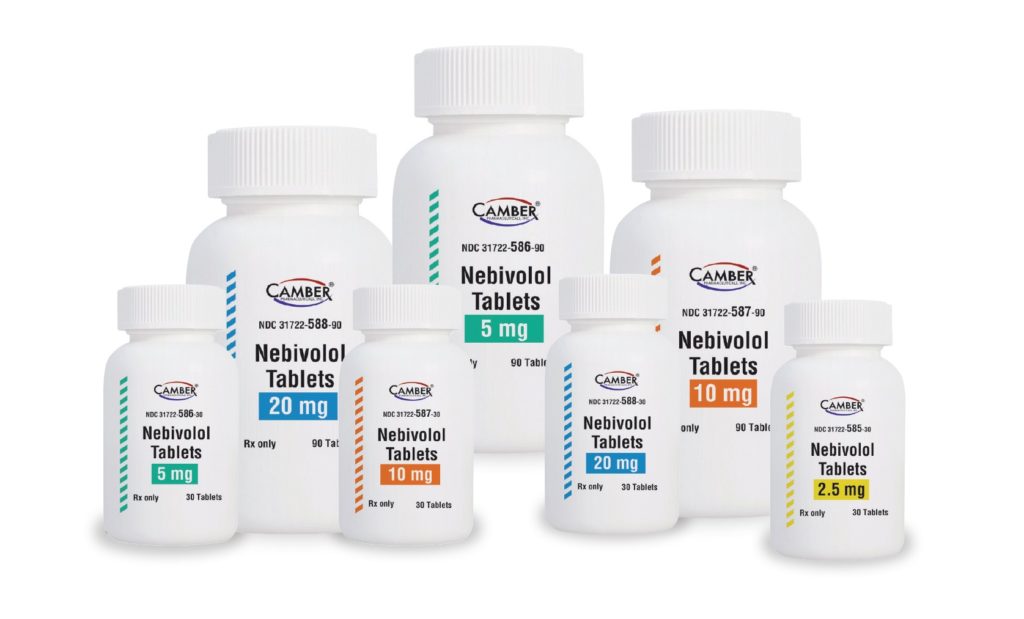
  • Bystolic Alternatives and Beta-Blocker Options Compared

    Bystolic Alternatives and Beta-Blocker Options Compared

    Bystolic alternatives usually mean one of two things: generic nebivolol, which contains the same active ingredient, or a different beta blocker such as metoprolol, bisoprolol, carvedilol, or atenolol. The best substitute depends on why the medicine was prescribed, which side effects matter most, and whether heart rate, rhythm, or another heart condition is part of the picture.

    That distinction matters. A brand-to-generic change is very different from a class change, and there is no single safest beta blocker for every person. Understanding the differences can help you ask clearer questions during a medication review.

    Key Takeaways

    • Generic nebivolol is the closest like-for-like version of Bystolic.
    • Other beta blockers differ in selectivity, blood-vessel effects, and common clinical roles.
    • Metoprolol, bisoprolol, carvedilol, and atenolol are frequent comparison points.
    • Side-effect risk depends on the person, especially with asthma, diabetes, or a slow pulse.
    • Beta blockers are not always interchangeable, so switches need careful review.

    BorderFreeHealth connects eligible U.S. patients with licensed Canadian partner pharmacies.

    How Bystolic Alternatives Are Usually Chosen

    Clinicians usually sort Bystolic alternatives into two buckets: same-ingredient options and different beta blockers. Generic nebivolol is the closest match because Bystolic is the brand name for nebivolol.

    If the main issue is brand access, the conversation may stay within nebivolol. If the issue is fatigue, a slow pulse, blood pressure control, or another heart problem, the discussion often widens to other drugs in the class. In other words, a substitute can mean a nearly identical version or a medicine with a different receptor profile.

    Why it matters: Mixing up a generic substitute with a different beta blocker can lead to the wrong comparison.

    Example: if someone has done well on Bystolic and wants the same active ingredient, generic nebivolol is usually the closest comparison. If that person is trying to avoid a side effect or meet a different treatment goal, metoprolol, bisoprolol, carvedilol, or another agent may be the more useful discussion.

    The first decision point is the treatment goal. A beta blocker may be used for high blood pressure, heart rate control, chest pain, arrhythmia, heart failure, or more than one of these at once.

    That is why there is no single answer to what is a good substitute for Bystolic. A medicine that works well when the main issue is heart rate may not be the first choice when the bigger issue is heart failure, lung disease, or troublesome fatigue. There is also no miracle pill for high blood pressure. The best option is the one that fits the full health picture.

    Features That Often Change the Comparison

    • Reason for treatment — the original goal often matters more than the brand name.
    • Receptor selectivity — cardioselective drugs are mostly heart-targeted, while nonselective drugs affect a wider range of receptors.
    • Blood-vessel effects — some agents have vasodilating, or blood-vessel relaxing, activity.
    • Other conditions — asthma, COPD, diabetes, and a very low resting pulse can change the risk-benefit balance.
    • Formulation details — some drugs come in multiple formulations, and those are not always interchangeable.

    Nebivolol may stand out because it is beta-1 selective and has vasodilating properties. That can be one reason a prescriber uses Bystolic instead of an older beta blocker. It does not make it universally better. Another drug may fit better when a separate heart diagnosis, a familiar formulation, or a different side-effect pattern is steering the choice.

    Common Options at a Glance

    Most Bystolic alternatives discussed in practice stay within the beta-blocker class, but they are not all alike. The chart below simplifies common comparison points so the differences are easier to see.

    Option General profile Why it may come up Key reminder
    Nebivolol Beta-1 selective with vasodilating activity Closest like-for-like option when the goal is the same active ingredient This is the generic form of the Bystolic ingredient
    Metoprolol Beta-1 selective Common comparison when heart rate control is part of the picture The exact metoprolol formulation matters
    Bisoprolol Beta-1 selective Another heart-focused option often discussed in cardiovascular care Tolerance and monitoring still vary by person
    Carvedilol Nonselective with added alpha-blocking effects Often reviewed when broader cardiovascular goals matter It can feel different from a heart-selective drug
    Atenolol Beta-1 selective Older comparison point many patients already recognize Older familiarity does not mean it is the best fit

    Metoprolol is often the best-known comparison, but the name alone is not always enough. Different metoprolol formulations exist, so the exact product matters when a switch is being discussed. Carvedilol stands out because it also blocks alpha receptors, which may change how blood pressure responds and how some people feel on it.

    Cardioselective beta blockers mainly target beta-1 receptors in the heart. Nonselective drugs also affect beta-2 receptors, which can matter more when breathing symptoms are part of the story. Selectivity is helpful, but it is not absolute, so the full medical context still matters.

    How to Read Head-to-Head Comparisons

    Most head-to-head comparisons come down to four questions: how heart-selective the drug is, whether it also relaxes blood vessels, what other heart condition is being treated, and which side effects matter most.

    Metoprolol and bisoprolol are often grouped with nebivolol as more heart-selective options, but they are not the same medicine. Metoprolol also brings formulation questions that can change the conversation. Bisoprolol may enter the discussion when prescribers want another selective option, but it still needs the same person-specific review.

    Carvedilol sits apart because of its broader receptor effects. Atenolol is familiar to many patients, yet familiarity alone does not mean it is the best modern fit. A familiar name can feel simpler, but the simpler choice is not always the better match.

    If the goal is minimal change, generic nebivolol is the narrowest switch. If the goal is a different class profile, the comparison broadens. That is why people looking at Bystolic alternatives often land on different answers. They are usually asking different questions.

    When required, the pharmacy verifies prescription details with the prescriber before dispensing.

    Side Effects and Safety Questions That Matter Most

    The biggest safety questions are usually slow heart rate, low blood pressure, dizziness, fatigue, and whether the drug could worsen breathing or hide low-blood-sugar warning signs. These risks overlap across the class, but they do not show up the same way in every person.

    Many people search for the safest beta blocker with the least side effects. In practice, the safest option depends more on medical history than on the drug name alone. A person with asthma may care more about bronchospasm risk. A person with diabetes may care more about masked hypoglycemia symptoms. Someone with a low resting pulse may need extra attention to bradycardia, or slow heart rate.

    Side effects can also vary within the same class. One person may feel washed out on one agent and better on another, while someone else has the opposite experience. That is one reason online rankings and anecdotal reports are less useful than a review of your own symptoms, heart rate, and blood pressure pattern.

    Who May Need Extra Caution

    • Asthma or COPD — nonselective agents may be harder to tolerate.
    • Diabetes — beta blockers can mask some low-blood-sugar warnings.
    • Very low pulse — bradycardia deserves close review.
    • Circulation issues — cold hands, fatigue, or dizziness may matter more.
    • Conduction problems — people already told about heart rhythm slowing need individualized review.
    • Stopping suddenly — abrupt discontinuation can be risky.

    If a change is being considered, it is also worth asking what symptoms should prompt follow-up. New wheezing, fainting, chest pain, severe dizziness, or a pulse that drops well below your usual baseline deserve prompt medical attention.

    Where Beta Blockers Fit in Blood Pressure Care

    Beta blockers can help with high blood pressure, but they are not a miracle pill and they are not the only option. They are one part of a much larger treatment toolbox.

    They often enter the conversation when blood pressure overlaps with another cardiac reason for treatment, or when a prescriber thinks a beta blocker is the best overall fit. If blood pressure is the only issue, clinicians may also compare medicines outside the beta-blocker class. That means Bystolic alternatives are not always other beta blockers; sometimes the larger treatment plan changes.

    For some people, staying within the same class makes sense because heart rate or another cardiac issue is still driving the choice. For others, the better question is whether a beta blocker is still the right class at all. That is why a medication review should start with the reason for treatment, not just the current brand name.

    For broader background, the site’s Cardiovascular Hub collects condition-focused reading, and the Cardiovascular Catalog provides a browseable list of related therapies.

    Some cross-border cash-pay options may be available for patients without insurance, subject to eligibility.

    Questions to Bring to a Medication Review

    The most helpful questions clarify the goal of treatment, the type of switch being discussed, and the risks that matter in your case. A short checklist can make that conversation much clearer.

    • Am I comparing Bystolic with generic nebivolol or with a different beta blocker?
    • Why was this medicine chosen in the first place?
    • Is the main goal blood pressure control, heart rate control, or another cardiac issue?
    • Do asthma, COPD, diabetes, or a low resting pulse affect the choice?
    • If metoprolol is mentioned, which formulation is actually being considered?
    • Which symptoms after a switch would mean I should call promptly?
    • What home blood pressure or pulse readings would be most useful to track?

    Quick tip: Bring your current medication list and a few recent home readings to the discussion.

    It also helps to note whether symptoms began after starting the current medicine or after another change, such as illness, weight change, or a new prescription. That context can keep the conversation from turning into a brand-only debate.

    If the goal is to stay as close as possible to the original medicine, ask whether generic nebivolol answers the real question. If the goal is better tolerability or a better fit for another heart condition, ask how the proposed option differs in selectivity, blood-vessel effects, and expected monitoring.

    Authoritative Sources

    For an overview of the class, see the Mayo Clinic beta blockers page.

    For consumer drug details, read the MedlinePlus nebivolol monograph.

    In short, Bystolic alternatives range from generic nebivolol to other beta blockers with different receptor profiles and different roles in care. The most useful comparison starts with the original reason for treatment, then moves to safety, tolerability, and the specific product being considered.

    This content is for informational purposes only and is not a substitute for professional medical advice.

  • Nebivolol vs Bystolic: Differences That Matter

    Nebivolol vs Bystolic: Differences That Matter

    Nebivolol vs Bystolic is mainly a brand-versus-generic question, not a comparison between two unrelated medicines. Bystolic is the brand name, and nebivolol is the active ingredient. Both refer to a beta blocker used for high blood pressure. The practical differences usually involve the label, manufacturer, inactive ingredients, insurance or pharmacy substitution, and how your body responds after a refill change.

    That distinction matters because many people worry they received a weaker or stronger drug when the bottle changes. In most cases, the active medicine is the same. The safer next step is to compare the generic name, strength, tablet appearance, and refill history before assuming the treatment plan changed.

    Key Takeaways

    • Bystolic is the brand name for nebivolol.
    • Generic nebivolol and Bystolic contain the same active ingredient.
    • Side effects and major warnings are broadly similar.
    • Tablet appearance and inactive ingredients can differ between manufacturers.
    • Beta blockers should not usually be stopped suddenly without prescriber guidance.

    Is Nebivolol the Same as Bystolic?

    Yes, nebivolol is the generic name for the active ingredient in Bystolic. If your prescription bottle says nebivolol after previously saying Bystolic, the pharmacy may have dispensed the generic version of the same medication. This can feel surprising, especially if the pill looks different from your last refill.

    Generic medicines approved by regulators are expected to contain the same active ingredient and meet standards for quality, strength, and performance. That does not mean every tablet is visually identical. Color, shape, markings, fillers, dyes, and the company making the tablet may vary.

    For most people, those differences do not change the expected treatment effect. For some, inactive ingredients or a change in tablet appearance can still matter. A person may notice new symptoms, worry about a different-looking pill, or have allergies or sensitivities to certain excipients (inactive ingredients). If that happens, the refill label and manufacturer name can help a pharmacist or clinician review the change.

    Why it matters: A different-looking tablet may still contain the same active medicine.

    Brand, Generic, and Refill Differences at a Glance

    The difference between nebivolol and Bystolic is easiest to understand by separating active-drug issues from pharmacy-label issues. The active ingredient is the same. The surrounding details may differ.

    Comparison Point Nebivolol Bystolic What It Means
    Name on label Generic name Brand name The label may change even when the active medicine does not
    Active ingredient Nebivolol Nebivolol Same drug substance
    Drug class Beta blocker Beta blocker Both reduce beta-receptor stimulation
    Common use High blood pressure High blood pressure Same general role in hypertension care
    What may vary Manufacturer, tablet look, inactive ingredients Brand formulation and labeling These details can affect recognition or tolerability

    So, which is better, Bystolic or nebivolol? The name alone usually does not decide that. A better question is whether the same active ingredient and strength were dispensed, whether you tolerated one manufacturer better, and whether your prescriber requested a specific version for a documented reason.

    For readers who want a brand-focused backgrounder, our What Is Bystolic page explains the brand name in more detail. If you are comparing refill options, the Nebivolol and Bystolic pages can help you recognize how product listings separate generic and brand names.

    BorderFreeHealth connects U.S. patients with licensed Canadian partner pharmacies, which can be relevant when people are comparing how a prescription is listed or dispensed.

    How Nebivolol Works in Blood Pressure Care

    Nebivolol is a beta blocker, a medicine class that reduces the effect of adrenaline-like signals on the heart. It is often described as beta-1 selective, meaning it mainly targets beta-1 receptors in the heart at usual therapeutic use. This can slow heart rate and reduce how hard the heart has to pump.

    Nebivolol may also help blood vessels relax through effects related to nitric oxide, a signaling molecule involved in vessel widening. The practical goal is lower blood pressure and less strain on the cardiovascular system. That said, blood pressure care is rarely about one medicine in isolation.

    A clinician may choose a beta blocker when slowing the heart rate is part of the treatment goal. In other situations, another blood pressure medicine class may be preferred first, depending on age, kidney health, other conditions, and the wider cardiovascular plan. That is one reason people sometimes hear that nebivolol is less preferred for uncomplicated hypertension. It is not necessarily a judgment that the drug is poor. It may reflect guideline priorities, the reason for treatment, or the evidence base for other beta blockers in certain heart conditions.

    Home blood pressure readings can make follow-up discussions more concrete. This calculator can help average multiple readings for a general trend, but it does not diagnose a condition or replace clinical judgment.

    [blood-pressure-average-calculator]

    Where This Medicine Fits

    Nebivolol for high blood pressure may be used alone or with other medicines, depending on the treatment plan. Some people take a beta blocker because of heart rate concerns, prior cardiovascular history, or intolerance to other options. Others may be better served by a different class.

    If the main question is Nebivolol vs Bystolic, the first answer is about naming. If the deeper question is whether a beta blocker is the right medication, the answer depends on your diagnosis, pulse, blood pressure pattern, other prescriptions, and health history.

    Side Effects and Safety Questions

    Nebivolol vs Bystolic side effects are expected to be similar because the active ingredient is the same. Commonly discussed effects include fatigue, dizziness, headache, nausea, diarrhea, lightheadedness, cold hands or feet, and a slower-than-usual pulse. Some people also report sleep changes or sexual side effects, though individual experiences vary.

    More serious symptoms need prompt attention. Fainting, chest pain, severe shortness of breath, new wheezing, sudden swelling, or symptoms of a very slow heartbeat should not be treated as a routine refill concern. People with diabetes should also know that beta blockers can mask some warning signs of low blood sugar, such as a racing heartbeat.

    There is no single safest beta blocker for everyone. Safety depends on the condition being treated, baseline heart rate, blood pressure, lung disease, diabetes, circulation problems, liver function, and the rest of the medication list. A medication that fits one person well may be a poor fit for another.

    For a deeper look at brand-specific tolerability questions, see Bystolic Side Effects. If alcohol is part of your routine, Bystolic and Alcohol explains why dizziness and blood pressure effects can become harder to interpret.

    Warnings That Deserve Extra Caution

    Nebivolol warnings commonly focus on heart rate, blood pressure, breathing symptoms, diabetes monitoring, and abrupt discontinuation. Beta blockers should not usually be stopped suddenly unless a clinician directs the change. Sudden withdrawal can worsen heart-related symptoms in some people.

    Extra caution may be needed with asthma or chronic obstructive pulmonary disease, certain heart conduction problems, severe circulation issues, diabetes, liver disease, or a history of very slow pulse. These conditions do not automatically rule out nebivolol, but they do change the monitoring conversation.

    Quick tip: Keep a dated list of refills, manufacturers, symptoms, and home readings.

    Interactions, Contraindications, and Refill Checks

    Nebivolol can interact with other medicines that lower blood pressure, slow heart rate, or affect how the body processes the drug. Examples may include certain calcium channel blockers, heart-rhythm medicines, and some antidepressants. Over-the-counter cold remedies, stimulant-like products, and alcohol may also complicate dizziness or blood pressure symptoms.

    Contraindications (situations where a drug should not be used) and precautions depend on the official label and a person’s medical history. This is why a complete medication review matters. A prescriber or pharmacist needs to know about prescription medicines, supplements, nonprescription products, and recent changes.

    When prescription details require clarification, partner pharmacies may verify information with the prescriber before dispensing. That verification step is about accuracy, not choosing a medication for you.

    • Label check: compare generic name and strength.
    • Manufacturer check: note the company on the bottle.
    • Pulse pattern: record unusually slow readings.
    • Symptom timing: note when dizziness appears.
    • Medication list: include supplements and cold remedies.
    • Breathing history: mention asthma, COPD, or wheezing.

    If a refill feels different, timing matters. New symptoms may relate to the refill, but they may also reflect dehydration, illness, missed doses, new medicines, alcohol use, or changing blood pressure patterns. Documenting the timeline helps your care team sort out the likely cause.

    How It Compares With Other Heart and Blood Pressure Medicines

    Nebivolol and Bystolic should not be grouped with every cardiovascular medicine as if they all do the same job. Beta blockers affect heart rate and the heart’s response to stress hormones. Anticoagulants and antiplatelet medicines, by contrast, focus on clot-related risk. Cholesterol medicines target lipids. Each class has a different purpose.

    Other beta blockers can also differ from nebivolol. For example, metoprolol, bisoprolol, atenolol, and carvedilol have different selectivity profiles, approved uses, and evidence histories for particular heart conditions. That does not make one universally stronger or safer. It means the best comparison depends on why the medicine was prescribed.

    If you are comparing beta blocker options, Bystolic vs Metoprolol explains a common same-class comparison. For a broader discussion of possible substitutes or different classes, Bystolic Alternatives may help you frame questions for a clinician.

    Why Nebivolol May Seem Less Preferred

    Nebivolol may seem less preferred because beta blockers are not always the first medication class chosen for uncomplicated high blood pressure. Many treatment plans start with other classes, depending on patient factors and guideline priorities. In some heart conditions, clinicians may also choose beta blockers with more established evidence for that specific use.

    This does not mean nebivolol is ineffective. It means medication choice depends on the diagnosis, heart rate goals, side effect concerns, other illnesses, and what outcomes the clinician is targeting. Nebivolol generic vs Bystolic is a naming and access question; nebivolol vs another beta blocker is a clinical-fit question.

    Practical Questions Before a Switch

    A switch from Bystolic to nebivolol often happens because a generic version is available, a plan or pharmacy substitutes it, or the prescriber allows generic dispensing. If the switch is unexpected, start with the label. Confirm the active ingredient, strength, prescriber name, and directions.

    Then look at your own pattern. Did symptoms start after the refill, or were they present before? Did another medicine change? Were there missed doses, dehydration, illness, or alcohol use? Did blood pressure readings trend lower or higher? These details make the conversation safer and more useful.

    People without insurance may also ask about cash-pay, cross-border prescription options, subject to eligibility and jurisdiction. That access question is separate from whether brand or generic nebivolol is clinically appropriate.

    If you use category pages for navigation, the Cardiovascular Hub collects related educational content. The Cardiovascular Products category can help you browse medication listings by class or condition area without treating those listings as personal recommendations.

    The clearest takeaway is simple: Bystolic is branded nebivolol, and generic nebivolol contains the same active ingredient. The decision that matters most is whether nebivolol itself fits your treatment goal, safety profile, and medication plan.

    Authoritative Sources

    This content is for informational purposes only and is not a substitute for professional medical advice.