Blog

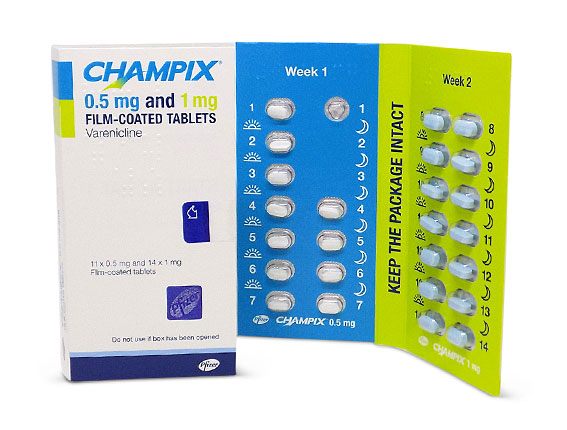
  • Champix Side Effects: Risks, Warnings, and Safer Use

    Champix Side Effects: Risks, Warnings, and Safer Use

    Champix side effects are usually manageable, but some symptoms need prompt medical attention. Nausea, vivid dreams, headache, and insomnia are among the most common reactions. Mood changes, severe allergic symptoms, chest pain, fainting, or suicidal thoughts are warning signs that should not be ignored.

    Champix is a brand name for varenicline, a prescription medicine used to support smoking cessation. It can reduce cravings and make smoking feel less rewarding. That benefit matters, but so does knowing what to expect before symptoms appear.

    Key Takeaways

    • Common effects: Nausea, sleep disruption, headache, and vivid dreams often appear early.
    • Serious warnings: New depression, aggression, suicidal thoughts, chest symptoms, or swelling need urgent advice.
    • Timing matters: Side effects often start during dose increases and may settle with routine.
    • Alcohol caution: Drinking may worsen dizziness, unusual behaviour, or sleep problems.
    • Safer use: Food, water, symptom tracking, and follow-up can improve tolerability.

    What Champix Is and Why Side Effects Happen

    Champix contains varenicline, a medicine that acts on nicotine receptors in the brain. It is called a partial agonist, which means it partly stimulates those receptors while also blocking nicotine’s stronger effect. In plain language, it can soften withdrawal and reduce the reward from cigarettes.

    That brain-receptor activity also explains why varenicline side effects can involve sleep, mood, concentration, and nausea. The same medicine that helps reduce cravings may also affect appetite, dreams, and how alert you feel. Most effects are not dangerous, but they can still disrupt daily life.

    People may also know this medicine by another brand name. If you are comparing labels or pharmacy records, our Champix vs. Chantix resource explains the naming differences in more detail.

    Why it matters: Knowing the generic name helps prevent confusion when reading labels, warnings, or pharmacy instructions.

    Common Champix Side Effects to Expect Early

    The most common Champix side effects usually affect the stomach, sleep, or nervous system. Nausea is often the symptom people notice first. Some people also report constipation, gas, dry mouth, headache, dizziness, fatigue, or changes in appetite.

    Sleep effects can feel surprising. Vivid dreams, unusual dreams, nightmares, and insomnia can occur during treatment. These symptoms may be more noticeable after evening doses or during the first weeks, when your body is still adjusting.

    Common does not mean harmless for everyone. A mild headache that fades is different from severe dizziness that affects driving, work, or balance. Track severity, timing, and whether symptoms interfere with your normal routine.

    Common effects by body system

    Area affected Possible symptoms What to watch
    Stomach and digestion Nausea, gas, constipation, indigestion Symptoms after dosing or on an empty stomach
    Sleep Insomnia, vivid dreams, nightmares Disrupted rest or distressing dreams
    Nervous system Headache, dizziness, tiredness Problems driving, working, or concentrating
    Mood and behaviour Irritability, anxiety, low mood New, worsening, or unusual changes

    Warning Signs That Need Medical Advice

    The most serious varenicline warnings involve mood, behaviour, allergic reactions, and possible cardiovascular symptoms. Seek urgent care if you have suicidal thoughts, severe agitation, aggressive behaviour, chest pain, fainting, or swelling of the face, lips, tongue, or throat.

    Contact a clinician promptly if you or people close to you notice new depression, hostility, confusion, panic, or major personality changes. These symptoms can happen in people with or without a previous mental health condition. Quitting nicotine can also affect mood, so a clinician may need to sort out the cause.

    Allergic reactions are less common but important. Rash, hives, blistering skin, or swelling should be treated as warning signs. Breathing trouble, throat tightness, or facial swelling require emergency attention.

    Heart-related symptoms also deserve caution. Palpitations, chest pressure, shortness of breath, or fainting should be assessed promptly, especially in people with known heart disease or recent cardiovascular events.

    Do Champix Side Effects Go Away?

    Many Champix side effects improve after the first one to two weeks, especially once the starting period passes. Nausea, dizziness, and sleep disruption may ease as your body adapts. Still, symptoms that persist, worsen, or feel unsafe should be discussed with a healthcare professional.

    The early phase often includes gradual dose changes. Side effects may appear or intensify when the dose increases. This does not mean you must tolerate severe symptoms. It means timing can help your prescriber decide what to review.

    Side effects after stopping Champix usually settle as the medicine clears from the body. Some people notice temporary irritability, cravings, or sleep changes after stopping. Those symptoms can overlap with nicotine withdrawal, so it helps to keep notes rather than guessing.

    If you keep smoking while taking varenicline, the medicine may reduce how satisfying cigarettes feel. However, smoking while trying to quit can complicate symptoms and cravings. Follow the quit plan your clinician provided, and ask for help if the plan no longer feels workable.

    Using Varenicline More Safely

    Safer use starts with a clear medication review. Tell your prescriber about kidney disease, mental health history, seizures, heart disease, pregnancy plans, alcohol use, and all prescription or non-prescription products you take.

    Kidney function matters because varenicline leaves the body largely through the kidneys. People with reduced kidney function may need closer review. Do not adjust your dose on your own, and do not restart old tablets without checking whether they remain appropriate.

    Alcohol deserves extra caution. Some people report stronger intoxication, unusual behaviour, blackouts, or mood changes while taking varenicline. A conservative approach is to limit alcohol at the start and monitor how you respond.

    Taking tablets with food and a full glass of water may reduce nausea. A consistent routine also helps you identify patterns. If vivid dreams or insomnia become disruptive, ask whether timing changes are appropriate for your situation.

    • Track timing: Note dose times, meals, sleep, and symptoms.
    • Use food: A small meal may reduce queasiness.
    • Hydrate steadily: Water can help with dry mouth and nausea.
    • Limit alcohol: Watch for stronger or unusual reactions.
    • Ask early: Report mood, chest, or allergy symptoms promptly.

    Quick tip: Bring a two-week symptom log to follow-up visits.

    Interactions, Health History, and Alternatives

    Champix drug interactions are not limited to medicine-to-medicine effects. Alcohol, nicotine withdrawal, sleep loss, and other quit-smoking treatments can all influence how you feel. Bupropion, nicotine replacement therapy, and other mental health medicines should be reviewed by your clinician before combining treatments.

    Some people need an alternative approach. Nicotine patches, gum, lozenges, inhalers, bupropion, counselling, digital supports, or combination plans may be considered depending on your history. A good plan balances craving control, safety, preference, and follow-up support.

    For broader smoking-related reading, the Addictions collection covers related topics. If your clinician discusses bupropion as an option, Wellbutrin XL Side Effects explains common tolerability issues for that medicine.

    Some readers also compare prescription cessation aids with nicotine replacement products. The Nicorette Inhaler Mouth Piece Refill page may help with product context, while Varenicline Tablets provides medication-specific navigation for discussions with a prescriber.

    BorderFreeHealth connects U.S. patients with licensed Canadian partner pharmacies, and prescription details may be verified with the prescriber when required before dispensing. This access context is separate from clinical decision-making, which should remain with your healthcare professional.

    Practical Questions to Ask Before and During Treatment

    Clear questions can make follow-up safer and less stressful. Before starting, ask what side effects are expected, which warning signs require urgent care, and how your kidney function or health history affects monitoring.

    During treatment, focus on patterns. Did nausea start after a dose increase? Are dreams disturbing enough to affect mood? Did alcohol trigger unusual behaviour? These details help your clinician decide whether the plan needs review.

    People who have a history of depression, anxiety, bipolar disorder, psychosis, seizures, or cardiovascular disease should ask about monitoring before starting. This does not automatically rule out varenicline. It means the risk-benefit conversation should be individualized.

    If you are reading about broader medication tolerability, Side Effects offers a general framework for separating expected reactions from red flags.

    Authoritative Sources

    The NHS side effects page for varenicline lists common effects and urgent warning symptoms in patient-friendly language.

    The Medsafe consumer medicine information for Champix provides label-based details on precautions, side effects, and when to seek help.

    The CDC quit-smoking guidance offers practical support strategies that can be combined with clinician-directed treatment.

    Putting the Risks in Context

    Champix side effects can be frustrating, but planning helps. Most people watch for stomach upset, sleep changes, headache, and vivid dreams. The symptoms that matter most are new mood changes, suicidal thoughts, allergic reactions, fainting, or chest symptoms.

    Use this information to prepare for a safer conversation, not to self-manage serious symptoms. If something feels severe, unusual, or rapidly worsening, seek professional advice promptly.

    This content is for informational purposes only and is not a substitute for professional medical advice.
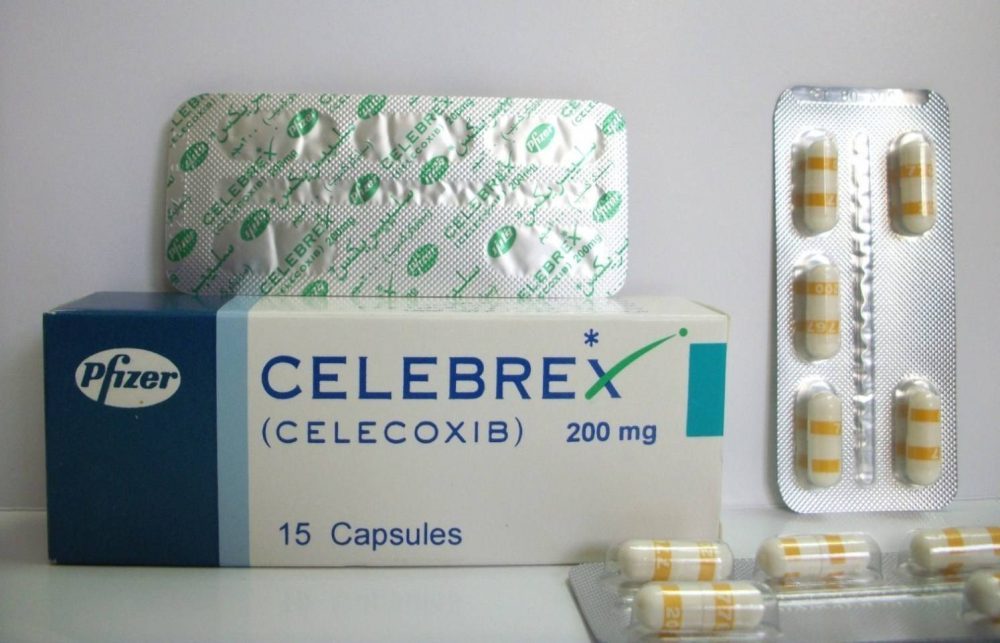

  • Celebrex Dosage: A Practical Guide for Safe Adult Use

    Celebrex Dosage: A Practical Guide for Safe Adult Use

    Getting celebrex dosage right matters for pain relief and safety. This guide explains how celecoxib (a COX-2 inhibitor that eases inflammation) is commonly prescribed, what affects dose choices, and how to reduce risks. We also highlight when alternatives may serve you better, and what questions to ask your clinician next.

    Key Takeaways

    • Start low, go slow: aim for the lowest effective dose and shortest duration.
    • Medical history matters: heart, kidney, stomach, and liver risks shape dosing.
    • Capsules vary by strength: do not substitute or split without advice.
    • Watch for red flags: chest pain, severe stomach pain, or black stools.

    Celebrex Dosage: How It’s Typically Prescribed

    Celecoxib is a COX-2 selective nonsteroidal anti-inflammatory drug (NSAID). Clinicians use it for osteoarthritis, rheumatoid arthritis, ankylosing spondylitis, primary dysmenorrhea, and certain acute pain states. Capsules come in multiple strengths, including 50 mg, 100 mg, 200 mg, and 400 mg. Plans may differ by condition, symptom severity, and individual risk factors like cardiovascular history or prior gastrointestinal bleeding.

    Typical approaches balance benefits with safety. Many adults start at modest doses, then adjust only if pain control proves inadequate. Taking with food may reduce stomach upset for some people, though celecoxib can be taken with or without meals. For detailed labeling on strengths, contraindications, and boxed warnings, see the FDA drug label (opens in new tab) for official prescribing information.

    What Celecoxib Treats and When It’s Appropriate

    Celecoxib may help reduce joint stiffness, swelling, and pain in osteoarthritis and rheumatoid arthritis. Many people also receive it for ankylosing spondylitis or painful menstrual cramps. Beyond chronic conditions, prescribers sometimes use it for acute pain episodes after minor procedures. Decisions weigh symptom patterns, comorbidities, age, and prior response to other NSAIDs.

    Some readers ask, what is celebrex used for. In practice, clinicians aim to match the medicine to your specific pain source and risk profile. If joint injections are under consideration for knee osteoarthritis, you can review Orthovisc for hyaluronic acid support by visiting Orthovisc, which we mention here to compare non-oral options. In autoimmune conditions, disease-modifying agents like Arava may address the underlying process, which helps explain why NSAIDs alone are sometimes not enough.

    Adult Dosing Ranges, Maximums, and Adjustments

    Adult dosing varies by condition and clinical judgment. Osteoarthritis commonly uses a once-daily or divided schedule, while rheumatoid arthritis and acute pain regimens may differ. The dose selected should reflect the least amount needed to control symptoms. When pain recedes, tapering back toward the minimal effective level is a standard safety move.

    Labeling also sets clear ceilings. The max dose of celebrex in 24 hours is generally 400 mg for adults, based on current U.S. labeling. People with moderate hepatic impairment often need a lower dose, while those with severe hepatic disease may need to avoid celecoxib. Renal concerns, hypertension, and anticoagulation therapy add further complexity. For comprehensive safety parameters in clinical language, consult the MedlinePlus drug overview, which explains risks and interactions in plain terms.

    Timing, Duration, and Missed Doses

    Your daily routine can shape how you schedule doses. Some people take it with breakfast to build a habit; others choose evening dosing to match symptom flares. A steady schedule may help keep inflammation under control. If a dose is missed, many clinicians suggest taking it when remembered unless it is close to the next scheduled time; doubling up should be avoided unless a clinician advises otherwise.

    Many patients wonder when to take celebrex morning or night. In reality, the best time is the one you can reliably follow and that aligns with symptom peaks. Duration should be as short as possible to achieve goals, with periodic attempts to step down or pause. For autoimmune disease control, your prescriber may combine celecoxib with a disease-modifying drug; for context, see Plaquenil In‑Depth Look for how hydroxychloroquine supports long-term management, providing a contrast to NSAID roles.

    Tip: Keep a pain and function log for two weeks. Simple 0–10 pain scores and activity notes help your clinician tailor dosing and timing.

    Special Populations: Older Adults, Heart, Kidney, and Liver

    Risk increases with age, prior ulcers or bleeding, heart disease, hypertension, kidney impairment, and liver disease. Non-aspirin NSAIDs, including celecoxib, carry a boxed warning for cardiovascular thrombotic events and gastrointestinal bleeding. People with heart failure or recent cardiovascular events often need added caution, or an alternative therapy. For a deeper look at managing heart risks alongside medications, the overview at Jardiance for Heart Failure shows how cardiometabolic care intersects with pain control strategies.

    Clinicians pay particular attention to side effects of celebrex in the elderly. Falls, fluid retention, blood pressure changes, and kidney strain can quietly accumulate. Monitoring may include blood pressure checks and periodic kidney and liver labs, especially during dose changes. If you have complex rheumatic disease, background therapies such as Arava may allow lower NSAID exposure; this link is included to illustrate how disease-modifying strategies reduce reliance on pain relievers.

    Side Effects, Risks, and Interactions

    Common reactions include dyspepsia, nausea, diarrhea, headache, dizziness, and edema (fluid buildup). Serious reactions can involve chest pain, shortness of breath, sudden weakness, black or bloody stools, or severe stomach pain. Allergic reactions are possible; because celecoxib includes a sulfonamide group, people with prior serious sulfa reactions should discuss risks in detail. Interactions may occur with blood thinners, antiplatelet agents, SSRIs/SNRIs, ACE inhibitors, ARBs, diuretics, and lithium.

    Understanding celebrex side effects helps you act early if warning signs appear. Combined use with low-dose aspirin may increase GI risk; clinicians often consider gastroprotection in higher-risk patients. For dosing guidance and safety constraints, the FDA medication guide provides practical counsel; see the patient medication guide for the latest consumer-focused safety language. For broader thinking on adverse effect vigilance, see our overview on Lamictal Side Effects, which illustrates principles for monitoring any long-term therapy.

    Condition-Specific Dosing: Arthritis and Back Pain

    For osteoarthritis and rheumatoid arthritis, clinicians typically individualize a plan, monitor function, and titrate cautiously. Aiming for the lowest effective exposure reduces risks over time. When symptoms are seasonal or activity-related, some people use intermittent courses under medical guidance. If knees are the main problem and oral NSAIDs are poorly tolerated, hyaluronic acid injections may be discussed; Durolane and Orthovisc are examples we reference here to compare non-oral approaches.

    Questions often focus on celebrex dosage for arthritis, since pain and stiffness vary day to day. In back pain, short-term use may help during flares, while core exercises and physical therapy address the root mechanics. If an alternative NSAID is considered, reviewing Meloxicam 15 Mg Uses can clarify similarities and differences in dosing and safety, giving useful contrast for shared decision-making.

    Comparisons and Alternatives

    Different NSAIDs have distinct cardiovascular and gastrointestinal profiles. Some people respond better to nonselective NSAIDs, while others prefer a COX-2 selective option due to stomach history. It is reasonable to switch within the class if one agent is ineffective or poorly tolerated, provided your clinician agrees. Non-NSAID pathways—including injections, physical therapy, and disease-modifying antirheumatics—can reduce reliance on pain pills.

    If you and your clinician are weighing another NSAID, visit Naprosyn to compare a traditional option’s role and cautions. For non-oral knee osteoarthritis alternatives, our notes on Orthovisc and Durolane provide context on viscosupplementation. Pet owners should know human-directed celecoxib is not for animals; veterinary NSAIDs such as Previcox exist for canine use, which we mention to underscore species-specific safety.

    Practical Scenarios and Case Examples

    Imagine a 62-year-old with knee osteoarthritis, high blood pressure, and chronic reflux. A clinician might prioritize gastroprotection, careful blood pressure monitoring, and short courses around activity spikes. If oral NSAIDs are poorly tolerated, conversations may turn to injections or disease-modifying strategies to curb inflammation at its source. Shared decision-making—anchored in your goals—keeps the plan patient-centered.

    Many people ask, can you take celebrex 200 mg twice a day. The answer depends on diagnosis, overall risk, other medicines, and your clinician’s direction. A history of ulcers, heart disease, or kidney problems may push plans toward lower exposures or non-NSAID options. To compare NSAIDs and DMARDs conceptually in rheumatoid conditions, see the earlier reference to Plaquenil In‑Depth Look, which we include to illustrate complementary roles.

    Note: Equivalency charts between different NSAIDs can be misleading. Potency, half-life, and risk profiles differ, so dose swaps require clinical oversight.

    Recap

    Celecoxib can help many adults function better with less pain. Successful plans use the lowest effective dose for the shortest realistic time, tailored to your health history. Watch for red flags, keep track of symptoms, and revisit goals regularly. If you do not reach comfort targets, consider alternatives—non-oral injections, physical therapy, or disease-modifying agents—with your clinician.

    For cross-medicine context beyond NSAIDs, our overview of Jardiance for Heart Failure shows how cardiovascular care choices can intersect with arthritis management, offered here to broaden your research path.

    This content is for informational purposes only and is not a substitute for professional medical advice.

  • Celexa vs Prozac: Side Effects, Safety, and Key Differences

    Celexa vs Prozac: Side Effects, Safety, and Key Differences

    When people look up Celexa vs Prozac: Differences, Side Effects, and Uses, they are usually comparing two SSRIs that can both treat depression but differ in approved uses, interaction risk, side-effect patterns, and how long they stay in the body. Celexa is the brand name for citalopram. Prozac is the brand name for fluoxetine. Fluoxetine has a broader set of FDA-approved uses, while citalopram has a narrower label and a more specific heart-rhythm caution. Neither medicine is universally better. The real question is which one fits the diagnosis, your other medications, and the side effects that matter most.

    Key Takeaways

    • Celexa and Prozac are both selective serotonin reuptake inhibitors, or SSRIs.
    • Fluoxetine has more FDA-approved uses than citalopram.
    • Common side effects overlap, but sleep and energy effects may differ.
    • Citalopram has a notable QT interval caution, while fluoxetine has more interaction concerns.
    • Missed doses, withdrawal, and switching plans are not the same for both medicines.

    Celexa vs Prozac at a glance

    Celexa and Prozac belong to the same drug class: selective serotonin reuptake inhibitors, or SSRIs. Both work by increasing serotonin signaling in the brain, which can help improve mood and reduce some anxiety symptoms. If you want label-style product context, see Celexa and Fluoxetine. For broader condition education, the Mental Health Hub covers related topics.

    Where they differ is often more important than where they match. Fluoxetine stays in the body much longer, which may matter for missed doses, switching plans, and interaction checks. Citalopram has a shorter half-life, meaning it leaves the body faster, but that can make discontinuation symptoms more noticeable if it is stopped suddenly. If you are browsing the class rather than one medicine, the Mental Health Products hub shows how these treatments fit into a wider category.

    Topic Celexa Prozac
    Generic name Citalopram Fluoxetine
    Drug class SSRI antidepressant SSRI antidepressant
    FDA-approved U.S. uses Major depressive disorder Depression plus several other approved uses
    Common day-to-day pattern May feel more calming or tiring for some people May feel more activating for some people
    Key caution that stands out QT interval risk in certain situations More interaction concerns and longer persistence

    This is why a comparison works best as a set of tradeoffs, not a winner-take-all contest. Two medicines can share a class and still differ in how often they disturb sleep, how much interaction checking they need, and what happens if a dose is missed. Those practical issues often matter more than broad claims that one drug is simply stronger.

    BorderFreeHealth works with licensed Canadian partner pharmacies for eligible U.S. patients.

    Uses: where the labels differ

    The clearest label difference is that fluoxetine is approved for more conditions. In the U.S., citalopram is primarily approved for major depressive disorder. Fluoxetine is approved for major depressive disorder and several other conditions, including obsessive-compulsive disorder, panic disorder, and bulimia nervosa, with some uses depending on age or combination therapy. That broader label does not automatically make Prozac a better antidepressant. It simply means more diagnoses have formal FDA approval behind them.

    For depression, both medicines are established SSRI options. The difference becomes more meaningful when the diagnosis is not straightforward or when symptoms point toward another condition, such as obsessive thoughts, panic attacks, or binge-purge behaviors. In those cases, the label-supported uses of fluoxetine may shape the starting conversation even if another medicine is ultimately chosen.

    Depression is not the only question

    People often compare Celexa vs Prozac for anxiety, but approval status and real-world use are not the same thing. Both medicines may be prescribed for anxiety-related conditions, yet the strength of label support differs by diagnosis. If anxiety is the main issue, clinicians also may compare fluoxetine or citalopram with other SSRIs such as Escitalopram and Sertraline.

    That wider comparison matters because symptom patterns differ. Someone with low energy and oversleeping may react differently than someone whose main problem is panic, insomnia, or gastrointestinal tension. Other SSRIs, including Paxil and Luvox, sit in the same family but bring their own tradeoffs in sedation, interactions, and approved uses.

    Off-label prescribing can be appropriate, but it works best when the reason is clear and the benefit is being tracked. That is especially important when an antidepressant is being used for symptoms that can overlap with other conditions.

    Why it matters: Approved uses show where label-backed evidence is strongest.

    Side effects people often notice first

    Most Celexa vs Prozac side effects overlap because both raise serotonin. Early effects can include nausea, headache, dry mouth, sweating, stomach upset, sleep changes, and sexual side effects. Many of these symptoms are most noticeable in the first few weeks, then may ease as the body adjusts. Still, some people need a different plan if side effects remain disruptive.

    The daily-life difference many people notice is activation versus sedation. Fluoxetine can feel more activating for some people, with more insomnia, jitteriness, or a wired feeling. Citalopram may feel more neutral or somewhat calming, but it can also cause fatigue or daytime sleepiness in some people. These are patterns, not rules. The same medicine that causes restlessness in one person may feel steady in another.

    Sexual side effects deserve their own mention because they are common reasons people stop SSRIs early. Either medicine can affect libido, arousal, or orgasm. Appetite changes can also cut both ways. Some people eat less when nausea or activation is prominent. Others eat more once depression improves. That is why short-term online anecdotes rarely predict what will happen over months.

    • Nausea early on: common with both medicines.
    • Sleep changes: insomnia may stand out more with fluoxetine.
    • Fatigue or drowsiness: some people notice this more with citalopram.
    • Sexual side effects: possible with either option.
    • Appetite and weight: changes vary over time.

    Weight is one of the most searched comparison points, but there is no predictable winner. Some people notice reduced appetite early with fluoxetine. Others notice little difference, or they see weight changes later that are tied to mood recovery, sleep, appetite, and time on treatment. If that issue matters to you, our page on Antidepressants And Weight offers more context without promising a simple ranking.

    Some prescriptions require the pharmacy to confirm details with the original prescriber before dispensing.

    Safety issues that matter more than minor side effects

    The biggest clinical differences are citalopram’s QT interval prolongation, a heart-rhythm change seen on an ECG, and fluoxetine’s broader interaction footprint. Both medicines also share important class warnings, including a boxed warning about suicidal thoughts and behaviors in children, adolescents, and young adults. That does not mean everyone will feel worse, but it does mean mood changes, agitation, or new self-harm thoughts deserve prompt attention.

    Interaction and heart-rhythm concerns

    Citalopram may need extra caution in people with certain heart-rhythm risks or in those taking other medicines that can affect the QT interval. Low potassium or magnesium can also matter. Fluoxetine, by contrast, often raises more interaction questions because it affects liver enzymes that process many other medicines. Its long half-life can keep those interaction effects in play even after it is stopped.

    Shared SSRI risks matter too. Both can contribute to serotonin syndrome, a potentially dangerous buildup of serotonin, especially when combined with other serotonergic medicines or supplements. Both can increase bleeding risk when taken with drugs such as NSAIDs, aspirin, or anticoagulants. Both can also worsen mania in people with bipolar disorder and can rarely contribute to hyponatremia, or low sodium, especially in older adults.

    Celexa vs Prozac safety also depends on the full health picture. Older age, a history of fainting, bipolar symptoms, alcohol use, or multiple prescriptions can change the balance. Even common over-the-counter products matter. Cough medicines, migraine drugs, and herbal supplements like St. John’s wort can all affect serotonin or interaction risk.

    If a new antidepressant causes severe agitation, fainting, confusion, fever, muscle rigidity, rapidly worsening depression, or suicidal thinking, do not wait it out. Those are reasons to seek urgent medical help.

    Withdrawal, missed doses, and switching questions

    One of the most practical citalopram vs fluoxetine differences is how long the drug remains in the body. Fluoxetine has a long half-life and active metabolites, so blood levels fall slowly. Because of that, some people notice fewer abrupt discontinuation symptoms after a missed dose or after stopping, though symptoms can still occur. Citalopram clears faster, so stopping suddenly may be more likely to bring on discontinuation syndrome, or withdrawal-like symptoms after stopping, such as dizziness, irritability, sleep disturbance, or flu-like feelings.

    That same long persistence makes fluoxetine distinct when a switch is being planned. Even after the last dose, it can stay in the system long enough to affect the timing of another antidepressant or interacting medicine. This is one reason switching between SSRIs or to another class is not a do-it-yourself decision.

    People sometimes see Prozac’s long half-life as an automatic advantage. It can help with abrupt stopping symptoms, but it is not a free pass. A medicine that lasts longer can also take longer to fully clear if side effects or interactions become a problem. In other words, persistence can help in one situation and complicate another.

    For some people, the real question is not Celexa vs Prozac but SSRI vs another antidepressant class. In that setting, a clinician may also compare options such as Wellbutrin XL when side-effect priorities differ.

    Cash-pay cross-border options may exist for some eligible people without insurance.

    How to compare them in real life

    The best choice usually comes down to three things: the diagnosis, the side effects you can tolerate, and the rest of your medication list. A person with depression alone may weigh the options differently from someone who also has OCD, panic disorder, or a complicated interaction profile. A person who already struggles with insomnia may view fluoxetine differently than someone who fights daytime fatigue.

    Past experience matters more than internet rankings. If you have previously responded well or poorly to a certain SSRI, or if close relatives have had marked side effects with one, that history can inform a future discussion. It does not decide the answer on its own, but it is more useful than crowd-sourced claims that one medicine always gives more energy or always causes less weight change.

    Quick tip: Bring a full medication and supplement list to any antidepressant review.

    If you are sorting through Celexa vs Prozac differences before an appointment, these are practical questions to bring up:

    • Main diagnosis and goal: what symptom are we treating first?
    • Past response: have you or close family members done well or poorly on a similar drug?
    • Sleep and energy pattern: would a more activating or more calming medicine be harder to tolerate?
    • Interaction check: do current prescriptions, over-the-counter drugs, or supplements raise safety concerns?
    • Heart-rhythm history: is QT risk part of the decision?
    • Stopping plan: what happens if a dose is missed or a switch becomes necessary?

    What to do next is simple: use the comparison to sharpen the conversation, not to self-select a winner. Celexa and Prozac overlap in many ways, but their labels, interaction burden, and stopping profiles are not identical. That is why two people with the same diagnosis may land on different choices.

    Authoritative Sources

    Further reading: if you are still comparing SSRIs, focus on approved use, sleep effects, interaction risk, and how easy the medicine is to stop or switch. Those details usually matter more than broad claims that one drug is simply better than the other.

    This content is for informational purposes only and is not a substitute for professional medical advice.

  • Celebrex and Arthritis: Safer Use, Risks, and Relief

    Celebrex and Arthritis: Safer Use, Risks, and Relief

    Celebrex and arthritis treatment often come together when joint pain, swelling, or stiffness needs prescription anti-inflammatory support. Celebrex is the brand name for celecoxib, a nonsteroidal anti-inflammatory drug (NSAID) that targets inflammation through COX-2 inhibition. It may help symptoms in osteoarthritis, rheumatoid arthritis, and ankylosing spondylitis, but it does not cure arthritis or replace disease-modifying care when that is needed.

    The practical question is not only whether it can reduce pain. It is whether celecoxib fits your heart, kidney, stomach, blood pressure, bleeding, pregnancy, and medication-interaction profile. That safety match matters as much as symptom relief.

    Key Takeaways

    • Targeted NSAID: Celecoxib blocks COX-2 to reduce inflammatory pain signals.
    • Symptom relief: It may help stiffness, swelling, and joint pain in selected arthritis types.
    • Not disease control: It does not slow rheumatoid arthritis progression.
    • Risk review: Heart, kidney, blood pressure, and stomach history matter.
    • Use carefully: Labels emphasize the lowest effective dose for the shortest needed time.

    How Celebrex and Arthritis Relief Fit Together

    Celecoxib can reduce arthritis pain by lowering prostaglandins, which are chemical messengers involved in inflammation and pain. It belongs to the NSAID family, but it is more selective for cyclooxygenase-2, often called COX-2. COX-2 tends to rise during inflammation, while COX-1 helps protect the stomach lining and supports platelet function.

    This selectivity is why celecoxib is often discussed differently from older NSAIDs such as ibuprofen, naproxen, or diclofenac. It may still irritate the stomach or raise bleeding risk, especially when combined with aspirin, anticoagulants, or certain antidepressants. The difference is a risk pattern, not a guarantee of safety.

    In arthritis care, celecoxib usually works as a symptom-control medicine. It may make movement easier, reduce morning stiffness, and support daily function during painful periods. It does not rebuild cartilage, reverse joint damage, or treat the immune process behind rheumatoid arthritis. If inflammatory arthritis is active, disease-modifying treatment remains a separate discussion with a clinician.

    For a focused look at product-level information, see Celebrex or the generic Celecoxib reference pages. Use those pages for navigation, not as a substitute for prescribing guidance.

    Who May Be Considered for Celecoxib in Arthritis Care

    People may be considered for celecoxib when arthritis symptoms are painful enough to justify an NSAID and personal risk factors allow it. This includes some adults with osteoarthritis, rheumatoid arthritis, or ankylosing spondylitis. The decision depends on the diagnosis, symptom pattern, other treatments, and safety history.

    Osteoarthritis

    In osteoarthritis, pain often comes from joint wear, mechanical load, local inflammation, and changes around cartilage and bone. Celebrex for osteoarthritis may be used when pain limits walking, sleep, work, or self-care despite non-drug measures. Movement, strengthening, pacing, assistive supports, and weight management when relevant remain important parts of care.

    Rheumatoid arthritis

    In rheumatoid arthritis, celecoxib may help pain and stiffness, but it does not control the underlying autoimmune disease. Disease-modifying antirheumatic drugs, often called DMARDs, are used to reduce disease activity and protect joints. Celebrex for rheumatoid arthritis is therefore best viewed as supportive symptom relief, not the main disease-control strategy.

    Ankylosing spondylitis and axial disease

    In ankylosing spondylitis, an inflammatory arthritis that mainly affects the spine and sacroiliac joints, NSAIDs are commonly used to reduce pain and stiffness. Celebrex for ankylosing spondylitis may be one option when a clinician judges that the benefits outweigh the risks. Exercise, posture work, and specialist follow-up often matter as much as medication choice.

    For broader reading by topic area, the Rheumatology, Bone and Joint Health, and Pain and Inflammation collections can help you explore related condition and symptom information.

    Onset, Duration, and Realistic Expectations

    Some people notice pain relief after early doses, while others need several days of consistent use before judging the response. The exact timing depends on the condition, symptom severity, dose schedule, and whether inflammation is the main driver of pain. If pain is mostly mechanical, nerve-related, or due to another condition, response may be limited.

    The Celebrex onset of action for arthritis is often discussed because people want quick relief during flares. A practical approach is to track pain, stiffness, function, and side effects in a simple log. Note what time symptoms are worst, what activities trigger pain, and whether swelling changes. This helps your prescriber interpret whether celecoxib is helping enough to continue.

    Quick tip: Bring a short symptom diary to appointments instead of relying on memory.

    How long to take Celebrex for arthritis depends on the reason it was prescribed and your risk profile. Some people use an NSAID for shorter flare periods. Others need longer symptom control, but long-term use requires more careful monitoring. Do not change frequency, combine NSAIDs, or stop prescribed medicines without discussing the plan with your clinician.

    For more detail on timing, the related page How Long Celebrex Takes explains what can influence early response. For dose-related background, see Celebrex Dosage and use it as a discussion aid, not as a self-adjustment tool.

    Safety Checks Before and During Use

    The main safety issues with celebrex and arthritis treatment involve the heart, stomach, kidneys, blood pressure, and bleeding risk. These risks can rise with higher exposure, longer duration, older age, dehydration, kidney disease, heart disease, or interacting medicines. A careful medication review can prevent avoidable harm.

    Heart and stroke risk

    All NSAIDs can increase the risk of serious cardiovascular events, including heart attack and stroke. This is especially important for people with known heart disease, prior stroke, high blood pressure, diabetes, high cholesterol, or smoking history. Celebrex cardiovascular risk in arthritis should be weighed against pain severity and other options.

    Seek urgent medical care for chest pain, shortness of breath, sudden weakness, face drooping, severe new headache, confusion, or slurred speech. These symptoms need emergency evaluation, whether or not you think they relate to medication.

    Blood pressure and fluid retention

    NSAIDs can raise blood pressure or make some blood pressure medicines work less effectively. They can also contribute to swelling or fluid retention in susceptible people. Home readings can help your care team see patterns rather than isolated clinic numbers.

    The calculator below can help average multiple home blood pressure readings for a clearer discussion. It does not diagnose hypertension or replace clinical review.

    [blood-pressure-average-calculator]

    Kidney function

    Celecoxib and other NSAIDs can reduce kidney blood flow, particularly during dehydration, illness, or use with certain blood pressure medicines. People with chronic kidney disease, heart failure, older age, or diuretic use may need closer monitoring. Ask whether kidney blood tests, such as creatinine and estimated glomerular filtration rate (eGFR), are appropriate for your situation.

    Stomach and bleeding concerns

    Celecoxib may have a different gastrointestinal risk pattern than some nonselective NSAIDs, but ulcers and bleeding can still occur. Risk rises with a history of ulcers, older age, alcohol overuse, corticosteroids, anticoagulants, aspirin, or certain antidepressants. Warning signs include black stools, vomiting blood, severe abdominal pain, fainting, or unexplained weakness.

    For a deeper side-effect review, see Celebrex Side Effects. Product and safety details can also be checked against official labeling and regulator-backed references.

    Interactions, Contraindications, and Special Situations

    Celecoxib is not appropriate for everyone, and interactions can change the risk-benefit balance. Share all prescriptions, over-the-counter medicines, supplements, and recent medication changes with your care team. This is especially important if more than one clinician prescribes your treatments.

    People are often told not to combine multiple NSAIDs unless a clinician specifically instructs them. Taking celecoxib with ibuprofen, naproxen, or similar medicines can increase side-effect risk without necessarily improving relief. If you need to compare options, Celebrex vs Ibuprofen and Celebrex vs Meloxicam explain key differences in plain language.

    Celebrex and aspirin interaction deserves careful review. Low-dose aspirin may be prescribed for cardiovascular protection, but combining it with NSAIDs can raise stomach bleeding risk. Your clinician may discuss timing, stomach protection, or alternatives based on your cardiac and gastrointestinal history.

    Other important interaction categories include anticoagulants, antiplatelet drugs, corticosteroids, selective serotonin reuptake inhibitors, serotonin-norepinephrine reuptake inhibitors, lithium, some blood pressure medicines, and diuretics. People using methotrexate for inflammatory arthritis should ask specifically about lab monitoring and combined-use safety. Do not assume that a familiar medicine is low risk just because you have taken it before.

    Pregnancy and breastfeeding also require individualized guidance. NSAIDs can pose fetal risks during parts of pregnancy, and celecoxib should only be considered when a qualified clinician judges that benefits outweigh risks. If pregnancy is possible, planned, or confirmed, raise this before starting or continuing treatment.

    Why it matters: The safest NSAID choice can change when your medicines or health conditions change.

    How It Compares With Other NSAID Options

    Celecoxib, naproxen, meloxicam, ibuprofen, and diclofenac all belong to the NSAID family, but they are not interchangeable for every person. They differ in dosing schedules, COX selectivity, gastrointestinal considerations, cardiovascular cautions, and personal response. The best fit depends on your medical history, not just pain intensity.

    Celebrex vs naproxen for arthritis is a common comparison. Naproxen is widely used and may be preferred in some situations, while celecoxib may be considered when COX-2 selectivity is relevant. Neither choice is automatically safer for everyone. Personal cardiovascular, gastrointestinal, kidney, and blood pressure factors should guide the discussion.

    Meloxicam is another prescription NSAID sometimes used for arthritis symptoms. It is not the same as celecoxib, although both are used for pain and inflammation. For product-level context, see Meloxicam or Naproxen. These pages can help you identify medication names before a clinician visit.

    When comparing options, ask practical questions. Have you had ulcers or bleeding? Do you take aspirin or anticoagulants? Is blood pressure controlled? Do you have kidney disease, heart failure, or prior stroke? Are you using an NSAID often enough that monitoring is needed? These questions usually matter more than brand preference.

    Practical Ways to Use the Conversation With Your Clinician

    A safer plan starts with a clear picture of your symptoms and risks. Before an appointment, list your pain pattern, current medicines, allergies, past NSAID reactions, stomach history, heart history, kidney results if known, and pregnancy or breastfeeding considerations. Include over-the-counter pain relievers, cold medicines, and supplements.

    • Symptom pattern: Note morning stiffness, swelling, and activity limits.
    • Medication list: Include aspirin, blood thinners, and antidepressants.
    • Risk history: Mention ulcers, kidney disease, stroke, or heart disease.
    • Monitoring plan: Ask about blood pressure and kidney checks.
    • Stop signs: Clarify which symptoms need urgent care.

    If access or continuity is part of your planning, BorderFreeHealth connects U.S. patients with licensed Canadian partner pharmacies, and prescription details are verified with the prescriber when required before dispensing. This service context does not replace clinical decision-making, but it can help patients without insurance understand cash-pay, cross-border prescription options subject to eligibility and jurisdiction.

    Authoritative Sources

    For official prescribing details, review the FDA-approved celecoxib label, which covers indications, boxed warnings, contraindications, and safety information.

    For a plain-language medication summary, see the MedlinePlus celecoxib drug information from the U.S. National Library of Medicine.

    For arthritis treatment context beyond NSAIDs, the NIAMS arthritis health topic explains major arthritis types and care approaches.

    Recap

    Celecoxib can be a useful arthritis symptom-relief option when the expected benefit outweighs personal safety risks. It may help pain, swelling, and stiffness, but it does not cure arthritis or replace disease-modifying treatment when inflammatory arthritis needs it. The safest approach uses an individualized plan, careful interaction review, and appropriate monitoring for blood pressure, kidney function, stomach symptoms, and cardiovascular risk.

    Use celebrex and arthritis discussions as a structured conversation with your clinician. Bring your medication list, symptom diary, and main concerns. That makes it easier to choose, adjust, or avoid NSAID therapy for the right reasons.

    This content is for informational purposes only and is not a substitute for professional medical advice.

  • Celexa Uses: Where It Fits in Depression Care

    Celexa Uses: Where It Fits in Depression Care

    Celexa uses center on treating major depressive disorder in adults, with some clinicians also considering citalopram for anxiety symptoms when the full clinical picture supports it. Celexa is the brand name for citalopram, a selective serotonin reuptake inhibitor, or SSRI. Why this matters: understanding where it fits, what to watch for, and which questions to ask can make treatment conversations safer and clearer.

    This article explains approved use, common off-label context, dosing basics, side effects, interactions, and comparison points. It does not tell you whether to start, stop, or change a dose. Those decisions need a prescriber who knows your history, other medicines, and current symptoms.

    Key Takeaways

    • Primary use: Celexa is approved for major depressive disorder in adults.
    • Anxiety context: It may be used off-label for anxiety-related symptoms in selected cases.
    • Dosing caution: Dose changes should be gradual and clinician-directed.
    • Side effects: Nausea, sleep changes, sweating, and sexual side effects are common.
    • Safety focus: Heart rhythm risk, serotonin syndrome, and abrupt stopping need attention.

    Understanding Celexa Uses and What It Treats

    Celexa is best understood as an antidepressant used for depression, not as a quick mood booster. Its approved indication is major depressive disorder, a condition that can affect mood, sleep, appetite, concentration, energy, and daily functioning. It belongs to the SSRI class, which affects serotonin signaling in the brain.

    In practice, celexa uses may also come up when depression and anxiety overlap. Many people with depression experience persistent worry, tension, panic-like sensations, or trouble sleeping. A clinician may consider citalopram when those symptoms sit within a broader depression pattern, or when another SSRI is not a good fit.

    Off-label use means a medicine is prescribed for a condition beyond its formal approval. This is common in medicine, but it still requires careful judgment. Your clinician should weigh symptom history, prior treatment response, side effect risk, pregnancy considerations, age, heart history, and current medications.

    If you are comparing medication paths, a broader overview of Medications for Anxiety and Depression can help you frame the discussion. For general mental health reading, the Mental Health collection may also be useful.

    Why it matters: The diagnosis and treatment goal shape how benefits and risks are judged.

    How Citalopram Works and How It Can Feel at First

    Citalopram works by increasing serotonin availability between nerve cells. Serotonin is a chemical messenger involved in mood, sleep, appetite, and emotional regulation. The effect is gradual, so early changes can feel subtle or uneven.

    People often ask how citalopram makes you feel at first. Some notice stomach upset, mild headache, sweating, dry mouth, sleep changes, or a jittery feeling during the first phase of treatment. Others feel tired or emotionally flatter than expected. These experiences do not always predict the final response, but they deserve tracking.

    Celexa is not usually described as simply energizing or sedating. It can feel activating for one person and calming or sleep-inducing for another. Timing, dose, caffeine intake, anxiety level, and other medicines can all influence that experience.

    Keep a simple log of mood, sleep, appetite, anxiety, and side effects. Bring it to follow-up visits. A short record helps your prescriber see whether symptoms are improving, side effects are fading, or the plan needs review.

    Dosing Basics and Why Maximum Doses Matter

    Citalopram dosage should be individualized, because tolerability and safety vary. Prescribers often start with a lower dose and adjust based on response, side effects, age, liver function, other medicines, and heart rhythm risk. Do not change the dose on your own, even if you feel better or worse.

    Regulators place limits on citalopram dosing because higher exposure can increase the risk of QT prolongation. QT prolongation is a change in the heart’s electrical recovery time that can raise the risk of abnormal rhythms in susceptible people. This is why questions such as whether 40 mg is a high dose, or whether 60 mg is appropriate, should be answered using current labeling and your medical history.

    Older adults, people with certain liver problems, and people taking medicines that affect citalopram levels may need lower maximum limits. A prescriber may also consider an electrocardiogram, often called an ECG or EKG, when risk factors are present. This is especially relevant if you have fainting episodes, known rhythm problems, low potassium or magnesium, or take other QT-affecting medicines.

    For a deeper discussion of labeled ranges and common titration questions, see Celexa Dosage. Use it as a conversation aid, not as a dosing instruction.

    Celexa for Anxiety, Depression, and Daily Function

    Celexa for anxiety is usually discussed when worry, panic symptoms, or physical tension appear alongside depression. It may also be considered off-label for some anxiety disorders, but that decision depends on diagnosis, prior responses, and competing risks.

    Medication is only one part of a care plan. Therapy, sleep routines, activity planning, reduced alcohol use, and stress-management skills can support recovery. If symptoms include trauma, substance use, bipolar disorder, eating disorder behaviors, or thoughts of self-harm, the plan may need a different structure and closer monitoring.

    Decision factors to discuss

    • Symptom pattern: low mood, worry, panic, sleep, or appetite changes.
    • Past response: benefits or side effects from earlier antidepressants.
    • Medical history: heart rhythm issues, seizures, liver disease, or bleeding risk.
    • Medication list: migraine drugs, other antidepressants, blood thinners, or supplements.
    • Life context: pregnancy plans, caregiving needs, work schedule, and alcohol use.

    These details help your clinician decide whether celexa uses match your situation or whether another treatment path may be safer.

    Side Effects: Common, Sex-Specific, and Serious Signals

    Celexa side effects are often manageable, but some require prompt attention. Common effects can include nausea, dry mouth, sleep changes, sweating, tremor, diarrhea, fatigue, and sexual side effects. Some fade as the body adjusts. Others persist and need a treatment review.

    People sometimes search for citalopram side effects in females or males because side effects can feel personal and hard to discuss. Sexual side effects may include lower libido, delayed orgasm, or erectile difficulties. Menstrual changes are not among the most emphasized label effects, but any unexpected bleeding, bruising, or cycle change should be discussed, especially if you use blood thinners or anti-inflammatory pain relievers.

    Serious reactions are less common, but they matter. Seek urgent care for fainting, chest pain, severe dizziness, seizures, sudden confusion, hallucinations, high fever, stiff muscles, severe agitation, or fast heartbeat with sweating and diarrhea. These symptoms can suggest problems such as serotonin syndrome or a heart rhythm issue.

    For more detail on common and uncommon reactions, read Celexa Side Effects. It can help you prepare clearer questions for your prescriber.

    Eye and bleeding symptoms

    Rare eye-related concerns can include angle-closure glaucoma in susceptible people. Get urgent care for sudden eye pain, vision changes, swelling, or redness. SSRIs can also increase bleeding tendency in some situations, particularly with blood thinners, aspirin, or nonsteroidal anti-inflammatory drugs.

    Timing, Sleep, Alcohol, and What to Avoid

    The best time to take citalopram depends on how it affects you. If it makes you sleepy, evening dosing may be discussed. If it feels activating or disrupts sleep, morning dosing may be easier. The benefits of taking citalopram at night are mainly practical: some people sleep through mild nausea or drowsiness.

    Do not switch timing repeatedly without a plan. Consistent timing helps you and your clinician interpret effects more clearly. If you want to change from morning to night, or the reverse, ask how to do it safely.

    Alcohol deserves caution. Drinking can worsen drowsiness, judgment, coordination, and mood symptoms. Heavy alcohol use can also make depression and anxiety harder to assess. Some people can use small amounts safely, while others are advised to avoid it because of symptoms, other medications, or health history.

    Also avoid combining citalopram with other serotonin-raising medicines unless your prescriber is supervising the combination. This can include certain antidepressants, migraine medicines, linezolid, lithium, tramadol, and supplements such as St. John’s wort. Always share your full medication and supplement list.

    Quick tip: Keep one updated medication list on your phone and bring it to appointments.

    Comparing Citalopram With Related Options

    When people compare celexa vs lexapro, they are usually comparing citalopram with escitalopram. Escitalopram is closely related, but they are not identical. Dose ranges, side effect patterns, interactions, and personal response can differ.

    Other SSRIs, such as sertraline or fluoxetine, may be discussed when depression, anxiety, panic symptoms, fatigue, sleep disruption, or side effects shape the choice. No single SSRI is best for everyone. The better question is which option fits your diagnosis, risk profile, prior experience, and preferences.

    If you are weighing other SSRIs, see Celexa vs Zoloft for a focused comparison with sertraline. You can also review Celexa vs Prozac for differences involving fluoxetine, including its longer persistence in the body.

    Some readers also want product-level navigation after learning the basics. The Celexa page and the Mental Health Products category can provide context, but medication choice still belongs in a clinician-led discussion. Where required, prescription details are verified with the prescriber before a partner pharmacy dispenses a prescription.

    Stopping, Missed Doses, and Long-Term Monitoring

    Stopping citalopram suddenly can cause discontinuation symptoms. These may include dizziness, irritability, nausea, electric-shock sensations, sleep disruption, headache, or flu-like feelings. Symptoms can also resemble returning depression or anxiety, which is why supervised tapering matters.

    Long-term monitoring should focus on benefit, function, and burden. Ask whether the medicine is still helping your mood, sleep, anxiety, and daily routines. Also discuss sexual side effects, weight changes, fatigue, emotional blunting, and any new medical issues or medications.

    Some people stay on an antidepressant for extended periods because relapse risk is high. Others taper after a stable period, with clinician support. The right plan depends on the number of past episodes, severity, safety history, therapy support, and current life stress.

    When to contact a clinician promptly

    • Worsening mood: new or escalating depression symptoms.
    • Self-harm thoughts: any thoughts of suicide or unsafe behavior.
    • Heart symptoms: fainting, palpitations, chest pain, or severe dizziness.
    • Serotonin symptoms: fever, confusion, agitation, stiffness, or diarrhea.
    • Allergic signs: swelling, hives, breathing trouble, or severe rash.

    For immediate danger, call emergency services or a local crisis line. Do not wait for a routine medication appointment.

    Authoritative Sources

    The FDA prescribing information for Celexa outlines approved use, dosing limits, contraindications, and key warnings.

    The MedlinePlus citalopram drug information provides patient-friendly details on uses, precautions, side effects, and missed-dose guidance.

    The NAMI citalopram medication resource explains mental health medication context, safety points, and practical treatment questions.

    Recap

    Celexa uses mainly involve treatment of major depressive disorder, with anxiety-related use considered in selected situations. The most useful next step is a clear conversation about diagnosis, goals, side effects, dose limits, and monitoring. Bring your symptom notes, medication list, and safety concerns to each visit.

    Celexa can be helpful for some adults, but it is not a one-size-fits-all medicine. Careful dosing, honest reporting, and regular follow-up make the plan safer and easier to adjust.

    This content is for informational purposes only and is not a substitute for professional medical advice.

  • Celexa vs Zoloft: Differences That Matter in SSRI Care

    Celexa vs Zoloft: Differences That Matter in SSRI Care

    Celexa and Zoloft are both selective serotonin reuptake inhibitors, or SSRIs, but they are not interchangeable for every person. A practical celexa vs zoloft comparison looks at approved uses, side effects, weight changes, dosing approach, interaction risks, and how a clinician might plan a switch. The better fit depends on your symptoms, medical history, past response, and what side effects would disrupt your daily life most.

    Why this matters: SSRI choice is rarely about one headline difference. Two people can take the same medicine and report very different sleep, appetite, stomach, or sexual side effects. A clear comparison helps you bring sharper questions to your prescriber instead of guessing from scattered reviews.

    Key Takeaways

    • Same class, different details: Both medicines raise serotonin signaling, but their approvals and cautions differ.
    • Anxiety context matters: Sertraline has several anxiety-related approvals; citalopram is commonly used for depression.
    • Weight varies widely: Appetite, sleep, activity, and symptom recovery all influence changes.
    • Dose matching is imperfect: Equivalent-dose tables are rough references, not personal instructions.
    • Switching needs supervision: Taper plans reduce withdrawal, overlap risks, and relapse confusion.

    How These SSRIs Compare in Everyday Care

    Both medications can be part of depression treatment, but sertraline and citalopram have different label details and clinical considerations. Celexa is the brand name for citalopram. Zoloft is the brand name for sertraline. Both belong to the SSRI class, which means they affect serotonin, a chemical messenger involved in mood, anxiety, sleep, and appetite.

    The most useful question is not simply which one is stronger. A better question is which medication profile fits your symptoms and risk factors. For example, a person with prominent panic symptoms may have a different discussion than someone whose main concern is low mood with fatigue. Someone with a heart rhythm history also needs a different safety review than someone without cardiac risk factors.

    Sertraline is often discussed when anxiety disorders, panic disorder, obsessive-compulsive disorder, or post-traumatic stress symptoms are part of the picture. Citalopram is often discussed for depression and may be familiar to people who have taken related SSRIs before. Still, these are broad patterns, not rules. Individual response can override expectations.

    If you want more background on one medicine before comparing them, review Uses of Celexa for condition context. For a sertraline-specific anxiety discussion, Zoloft for Anxiety explains where it may fit in care.

    Side Effects: What Usually Drives the Decision

    Side effects often decide whether an SSRI is tolerable, even when mood symptoms improve. Common SSRI effects can include nausea, loose stools, dry mouth, headache, sleep changes, sweating, and sexual side effects. These effects may be mild for one person and disruptive for another.

    In a celexa vs zoloft discussion, stomach effects and activation are common practical topics. Some people describe sertraline as more activating, especially early in treatment. Others feel tired or foggy on either medication. Citalopram may cause fatigue, dry mouth, sweating, or sexual side effects. Sertraline may cause nausea, diarrhea, tremor, sleep disruption, or sexual side effects. These are possible patterns, not guaranteed outcomes.

    Sexual side effects deserve direct discussion. They can include lower libido, delayed orgasm, or erectile difficulty. Many people feel embarrassed to mention them, but clinicians hear these concerns often. Naming the problem helps your prescriber consider timing changes, dose review, switching, or other options when appropriate.

    For deeper reading on citalopram tolerability, see Celexa Side Effects. For sertraline-specific warning signs and management considerations, see Zoloft Side Effects.

    Safety flags that need extra care

    Citalopram has an important dose-related warning about QT prolongation, which means a change in the heart’s electrical recovery time. This does not affect everyone, but it matters more if you have heart rhythm problems, low potassium or magnesium, liver impairment, older age, or other medicines that can also affect rhythm.

    Sertraline also has interaction concerns. SSRIs can increase bleeding risk when combined with certain blood thinners, antiplatelet medicines, or frequent nonsteroidal anti-inflammatory drug use. Any SSRI can also contribute to serotonin syndrome, a rare but serious reaction linked to excessive serotonin activity. Warning symptoms can include agitation, confusion, fever, sweating, diarrhea, tremor, muscle stiffness, or fast heart rate.

    Quick tip: Bring a complete medicine list, including supplements, to every prescribing visit.

    Weight Gain, Appetite, and Daily Function

    Weight change with SSRIs is usually influenced by several factors at once. Appetite may return as depression improves. Sleep may normalize, which can affect cravings and activity. Some people eat more when anxiety eases. Others lose weight early because nausea or reduced appetite appears during startup.

    People often search for celexa vs zoloft weight gain because personal reviews feel more relatable than labels. Reviews can be useful for empathy, but they cannot predict your outcome. A person’s baseline weight, diet pattern, activity, sleep, age, other medicines, and untreated symptoms all shape what happens over months.

    Sertraline weight gain reviews often include mixed stories: some people report stable weight, while others notice gradual increases. Citalopram weight gain reviews are similarly varied. A more useful approach is tracking. Record weight, appetite, sleep hours, cravings, bowel changes, and activity weekly during the first few months. This gives your prescriber better information than memory alone.

    Some readers ask whether Zoloft or Celexa is better for weight loss. Neither should be treated as a weight-loss medicine. If weight is a major concern, discuss your metabolic history, eating patterns, and current medications before choosing or changing therapy. If weight gain is rapid, severe, or linked with swelling, shortness of breath, or major fatigue, seek medical review promptly.

    Dosing and Equivalent-Dose Questions

    SSRI dosing is individualized, and milligram numbers do not compare neatly across drugs. A common question is whether 20mg citalopram is equivalent to sertraline. Clinicians may use antidepressant equivalent dose tables as rough references, but they do not treat them like exact conversion formulas.

    Several reasons make exact matching difficult. Each SSRI has different pharmacology, metabolism, half-life, and tolerability patterns. A dose that feels calming for one person may feel activating for another. Age, liver function, other medications, and sensitivity to side effects can also change the plan.

    This is why an antidepressant equivalent dose calculator, when discussed online, should be viewed with caution. It may help frame a conversation, but it cannot account for your history, diagnosis, adverse effects, or interaction risks. Your prescriber may start lower, hold longer, or adjust more slowly than a chart suggests.

    For citalopram-specific dose concepts, Celexa Dosage offers a closer look at typical prescribing considerations. If you are reviewing medication access pages, product information such as Celexa or Sertraline HCL can help you identify the exact medicine name, but prescribing decisions still belong with a licensed clinician.

    Why 10 mg, 20 mg, or 50 mg comparisons can mislead

    Searches such as 10mg citalopram to 50mg sertraline or 40mg citalopram equivalent to sertraline can make switching sound like simple math. In practice, prescribers also consider how long you have taken the medicine, whether symptoms are controlled, and whether side effects are dose-related. They may also consider whether the goal is switching, tapering, or treating incomplete response.

    Do not split, stop, or combine antidepressants based on an online equivalency table. Abrupt changes can cause dizziness, irritability, flu-like feelings, electric-shock sensations, insomnia, or a return of symptoms. A planned adjustment is safer and usually easier to interpret.

    Switching Between Citalopram and Sertraline

    Switching from citalopram to sertraline, or the reverse, should be planned with the prescriber who knows your history. The plan may involve a gradual taper, a direct switch in selected cases, or a cautious overlap. The right approach depends on dose, duration, withdrawal history, symptom severity, and interaction risk.

    A cross-taper means one medicine is reduced while the other is introduced. This can reduce discontinuation symptoms, but overlap may increase serotonin-related side effects. A direct switch avoids overlap, but it may feel abrupt for some people. There is no single method that fits everyone.

    Withdrawal and relapse can look similar. Withdrawal often appears after dose reductions and may include dizziness, sensory symptoms, nausea, irritability, and sleep disruption. Relapse usually involves a more sustained return of depression or anxiety symptoms. Keeping a simple symptom log can help your clinician tell the difference.

    Switching from citalopram to Wellbutrin, or comparing Zoloft vs Celexa vs Wellbutrin, raises a different issue because bupropion is not an SSRI. It affects different neurotransmitter pathways and has a different side effect profile. That comparison needs separate clinical review, especially if anxiety, seizure risk, eating disorder history, or substance use concerns are present.

    Which One Fits Anxiety, Depression, or Mixed Symptoms?

    No SSRI is universally better, but the symptom pattern can guide the first conversation. In celexa vs zoloft for anxiety, sertraline often gets attention because it has several anxiety-related approvals. Citalopram may still help anxiety symptoms for some people, especially when they occur alongside depression, but the official labeling and individual history matter.

    For depression, both medicines have long clinical use. The best choice may depend on what has worked before, what a close family member tolerated, and what side effects you most want to avoid. If sleep is already fragile, activation may matter. If daytime fatigue is severe, sedation may matter. If sexual side effects have caused past discontinuation, raise that concern early.

    Some people compare Zoloft vs Celexa vs Lexapro because escitalopram is closely related to citalopram. Others compare Zoloft vs Celexa vs Prozac because fluoxetine has a longer half-life and different discontinuation considerations. These comparisons can be useful, but they should not replace a focused medication history. Your prior response is often more informative than broad class averages.

    If you are browsing broader mental health topics, the Mental Health category can help you find related educational pages. Medication product categories, such as Mental Health Products, are best used for navigation rather than clinical decision-making.

    Monitoring and Questions to Bring to Your Prescriber

    A good follow-up plan makes SSRI treatment easier to judge. Before starting or switching, write down your main symptoms, sleep pattern, appetite, weight trend, sexual function, caffeine use, alcohol use, and current medicines. These details help your clinician interpret side effects in context.

    Ask which side effects should improve with time and which should prompt a call. Ask how long to track symptoms before reassessment. Ask what to do if you miss a dose. Ask whether your heart history, bleeding risk, pregnancy plans, breastfeeding, liver disease, or other medications change the plan.

    For citalopram, ask whether QT risk applies to you and whether an electrocardiogram, or ECG, is needed. An ECG measures the heart’s electrical activity. If your clinician gives you a QT interval and heart rate, a calculator can help you understand the general correction concept, but it does not replace clinical interpretation.

    [qtc-calculator]

    The QTc calculator estimates a corrected QT interval from heart-rate-related inputs. It can support a conversation about monitoring, but only a clinician can interpret risk in your medical context.

    Why it matters: Monitoring turns vague side effects into patterns your prescriber can act on.

    Authoritative Sources

    Official labeling is the best place to verify approved uses, boxed warnings, contraindications, and interaction language. The DailyMed citalopram label summarizes dosing limits, QT-related cautions, and safety information.

    For sertraline, the DailyMed sertraline label provides approved indications, warnings, adverse reactions, and interaction details.

    For broader depression-care context, the National Institute of Mental Health explains symptoms, treatment approaches, and when to seek help.

    Recap

    Celexa and Zoloft are both established SSRIs, but their differences matter. Sertraline has broader anxiety-related labeling, while citalopram has a notable QT-related caution at higher-risk doses or in susceptible people. Both can cause stomach, sleep, sexual, and appetite-related effects. Neither has a predictable weight outcome for every person.

    The safest next step is a structured conversation. Bring your symptom history, side effect priorities, current medicines, and past antidepressant experiences. If you are comparing access options, BorderFreeHealth connects U.S. patients with licensed Canadian partner pharmacies, and prescription details are verified with the prescriber where required before dispensing. That access context does not replace medical evaluation or individualized prescribing.

    This content is for informational purposes only and is not a substitute for professional medical advice.
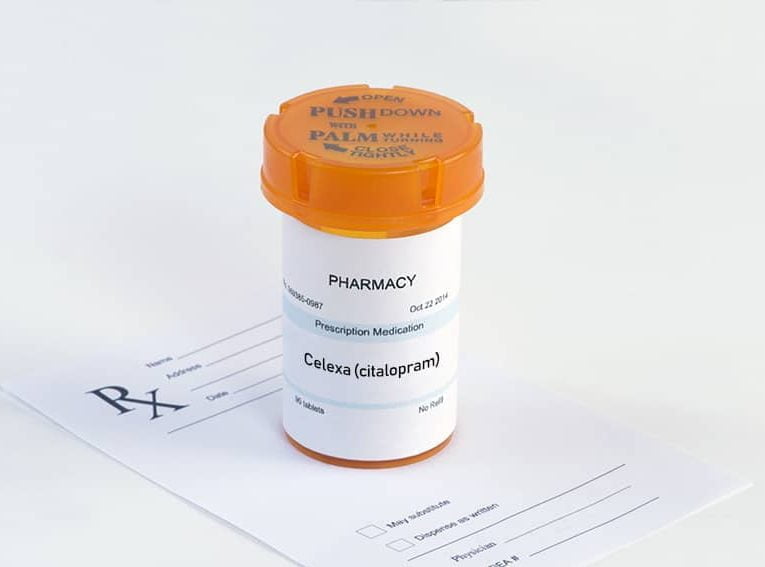
  • Celexa Dosage: Safe Ranges, Titration, and Monitoring

    Celexa Dosage: Safe Ranges, Titration, and Monitoring

    Celexa dosage is usually individualized, but most adult treatment plans use once-daily dosing, careful titration, and clear upper limits to reduce avoidable risks. The main safety issue is dose-related QT prolongation, a change in heart rhythm timing that can matter more in people with certain medical conditions, older age, liver impairment, low potassium or magnesium, or interacting medicines.

    This guide explains how clinicians think about starting amounts, dose changes, timing, and red flags. It does not replace your prescriber’s instructions. If your medication label differs from general information online, ask your pharmacist or prescriber to clarify before making any change.

    Key Takeaways

    • Start conservatively: Lower starting amounts can improve tolerability.
    • Increase carefully: Dose changes should be prescriber-directed.
    • Respect maximums: Higher doses can increase heart rhythm risk.
    • Track patterns: Sleep, mood, and side effects guide follow-up.
    • Act on red flags: Overdose symptoms or severe mood changes need urgent help.

    How Celexa Dosage Is Usually Chosen

    Celexa is the brand name for citalopram, a selective serotonin reuptake inhibitor (SSRI). SSRIs affect serotonin signaling in the brain and are commonly used in depression care. Clinicians choose a dose by balancing symptom severity, tolerability, medical history, age, and other medicines.

    For many adults, prescribers start with a standard once-daily amount and reassess after the body has had time to adjust. Some people start lower, especially if they are sensitive to side effects, older, taking interacting medicines, or have liver concerns. The lowest effective dose of citalopram is not the same for everyone. It means the smallest amount that gives meaningful benefit with acceptable side effects.

    Why this matters: a higher amount is not always better. Citalopram has dose-related safety cautions, especially around QT interval prolongation. The QT interval is a heart electrical timing measure. When it becomes too long, rare but serious rhythm problems may become more likely.

    For broader context on why this medication may be prescribed, see Celexa Uses. If you are comparing SSRI options, Celexa vs Zoloft explains practical differences to discuss with a clinician.

    Starting Amounts, Titration, and Maximum Limits

    Celexa dosage changes should be gradual and supervised. A prescriber may increase the dose when symptoms remain troublesome and early side effects are manageable. They may hold or reduce a dose when side effects, interactions, or cardiac risk factors become more important than expected benefit.

    Many readers search for citalopram dosage 10 mg, citalopram 10mg vs 20mg, or increasing citalopram dose 10 to 20. Those questions are common because the early weeks can feel uncertain. In practice, clinicians often use lower amounts for cautious starts, then adjust only after reviewing response, sleep, appetite, anxiety, stomach symptoms, sexual side effects, and energy levels.

    The citalopram dosage maximum is not simply a preference. Official labeling states that doses above 40 mg per day are not recommended because of QT prolongation risk. Some people have lower recommended maximums, including many older adults, people with hepatic impairment, poor CYP2C19 metabolism, or those taking certain CYP2C19 inhibitors. CYP2C19 is a liver enzyme involved in processing citalopram.

    Questions like “is citalopram 40 mg a high dose” need context. It is the labeled upper daily limit for many adults, not a routine target for everyone. For some patients, 40 mg may be inappropriate because of age, liver function, other medicines, electrolyte problems, or heart history.

    Searches about citalopram dosage 60 mg, citalopram 60 mg, or whether 60 mg of Celexa is too much deserve a clear answer. Current labeling does not recommend doses above 40 mg per day because higher amounts increase QT-related concern without a matching safety margin. Do not raise your dose above the prescribed amount based on past instructions, old online discussions, or someone else’s experience.

    What 10 mg, 20 mg, 30 mg, and 40 mg Can Mean

    Common dose numbers can be confusing because they do not describe the whole treatment plan. A 10 mg amount may be used as a cautious start, a lower maintenance amount, or a step during titration. Some people ask about the lowest effective dose of citalopram 5mg or citalopram 5 mg for anxiety, but very low amounts may involve tablet splitting or special instructions. That should only happen if your prescriber and pharmacist say it is appropriate.

    People often ask, “what does 20 mg of citalopram do?” A 20 mg daily amount is commonly used in adult treatment, but response is judged by changes in daily function, mood, anxiety, sleep, and side effects over time. It is not possible to predict an individual result from the number alone.

    Questions about whether citalopram 30 mg is a high dose also depend on the person. It sits between common mid-range and upper-limit dosing, so clinicians usually consider risk factors carefully. They may review drug interactions, alcohol use, other QT-prolonging medicines, and personal or family heart rhythm history.

    Citalopram dosage 40 mg and citalopram 40 mg used for are common searches because 40 mg is often seen as the highest labeled adult daily amount. It may be considered when lower doses have not provided enough benefit and the person does not have added risk factors. It also requires more caution, especially if side effects appear or another medication is added.

    If side effects are the main concern, Celexa Side Effects covers common and serious reactions in more detail. For a related SSRI dosing comparison, see Escitalopram Dosage.

    Timing Your Dose: Morning or Night

    Celexa is generally taken once daily, and the best time depends on how it affects you. Some people feel sleepy or foggy and prefer evening dosing. Others feel restless, alert, or have insomnia and do better with morning dosing.

    The benefits of taking citalopram at night may include less awareness of nausea, sleepiness, or daytime fatigue. Night dosing is not better for everyone, though. If the medicine seems to disturb sleep or vivid dreams become difficult, morning dosing may be easier to tolerate.

    Consistency matters more than the exact clock time for many people. Try to take it at the same time each day unless your prescriber gives different instructions. If you want to switch from morning to night, or from night to morning, ask how to do it safely rather than doubling up or skipping doses.

    Quick tip: Keep a simple one-week log of dose time, sleep, mood, caffeine, alcohol, and side effects.

    Safety Checks Before and After Dose Changes

    Safety monitoring is most important when the dose rises, risk factors change, or new medicines are added. Your clinician may ask about heart disease, fainting, palpitations, seizures, bipolar disorder, bleeding risk, pregnancy, liver disease, or previous reactions to antidepressants.

    Drug interactions matter. Some medicines can raise citalopram levels, affect serotonin, increase bleeding risk, or also prolong the QT interval. Examples may include certain antiarrhythmics, antipsychotics, antibiotics, migraine medicines, blood thinners, nonsteroidal anti-inflammatory drugs, and other antidepressants. Do not stop or combine medicines without professional guidance.

    Electrolytes also matter. Low potassium or magnesium can increase rhythm risk. This may be more relevant if you take diuretics, have prolonged vomiting or diarrhea, have an eating disorder, or have other conditions affecting fluid balance. In selected cases, prescribers may order blood tests or an electrocardiogram, often called an ECG or EKG.

    The QTc is a corrected QT interval that adjusts heart rhythm timing for heart rate. This calculator can help you understand the general concept if you already have QT and heart-rate values from a clinical report; it does not interpret whether citalopram is safe for you.

    [qtc-calculator]

    If you use BorderFreeHealth to review medication access options, prescription details may need verification with the prescriber before a partner pharmacy dispenses medication. That process is separate from clinical dose selection, which remains a prescriber decision.

    When to Seek Help or Call Poison Control

    Seek urgent medical help for fainting, severe dizziness, chest pain, fast or irregular heartbeat, confusion, seizures, severe agitation, or symptoms of serotonin syndrome. Serotonin syndrome is a potentially serious reaction that can include fever, sweating, diarrhea, tremor, stiffness, confusion, or rapid heart rate, especially when serotonergic medicines are combined.

    Mood changes also need attention. Contact a clinician promptly for worsening depression, new suicidal thoughts, unusual risk-taking, severe restlessness, or behavior that feels out of character. Younger adults and people early in treatment or after dose changes may need closer monitoring.

    If you accidentally took 80 mg citalopram, or you think you took more than prescribed, contact Poison Control or emergency care right away. Do not wait for symptoms to appear. Keep the medication bottle nearby and be ready to share the amount, timing, alcohol use, and any other substances taken.

    Questions about citalopram dosage 80mg or “I accidentally took 80 mg of citalopram” should not be handled through routine messaging. Overdose risk depends on the amount, timing, other medicines, medical history, and symptoms. Same-day professional guidance is the safest next step.

    Practical Questions to Bring to Your Prescriber

    Good follow-up visits make Celexa dosage decisions safer. Bring a current medication list, including supplements and over-the-counter products. Also mention missed doses, alcohol or cannabis use, new medical diagnoses, and any recent emergency visits.

    • Response so far: Which symptoms have changed?
    • Side effects: Which effects affect daily life?
    • Sleep pattern: Is dosing time helping or hurting?
    • Heart risks: Is an ECG needed?
    • Interactions: Did any medicine recently change?
    • Next step: What should trigger a call?

    If anxiety symptoms are part of the discussion, citalopram dosage for anxiety may differ from what another person uses for depression. SSRIs can sometimes feel activating early on, so prescribers may use cautious titration. For condition-specific context, Mental Health Resources can help you find related educational pages.

    Medication access questions should stay separate from dosing decisions. You can review a neutral product listing such as Celexa to understand naming and product context, but your dose and suitability should come from your prescriber. BorderFreeHealth connects U.S. patients with licensed Canadian partner pharmacies for eligible cash-pay prescription options, including some patients without insurance, when jurisdictional requirements are met.

    How This Fits With Other SSRI Options

    Citalopram is one SSRI among several. A clinician may consider another SSRI if side effects, interactions, response, or safety factors make Celexa less suitable. This does not mean one medicine is universally better. It means the best fit depends on the person and the treatment goal.

    Escitalopram is closely related to citalopram, while fluoxetine and sertraline have different pharmacologic profiles. Differences can matter for half-life, interaction potential, side effects, and prior treatment history. If you want a plain-language comparison, Celexa vs Prozac may help frame questions for your appointment.

    Some people also ask whether combining antidepressants is appropriate. Combination therapy can raise interaction and side-effect concerns, so it requires careful supervision. If your clinician mentions adding another medicine, ask what symptom is being targeted, what risks are being monitored, and when follow-up should occur.

    Authoritative Sources

    For current labeling on dose limits, QT prolongation, interactions, and special populations, review the FDA Celexa prescribing information.

    For consumer-friendly medication safety details, MedlinePlus provides citalopram drug information covering precautions, side effects, and overdose concerns.

    For general dosing and administration context, the NHS explains how and when to take citalopram in patient-facing language.

    Celexa dosage is safest when it is individualized, monitored, and kept within current prescribing limits. Bring questions early, report new symptoms promptly, and avoid changing the dose on your own.

    This content is for informational purposes only and is not a substitute for professional medical advice.
  • Celexa Side Effects: Safety, Timing, and Red Flags

    Celexa Side Effects: Safety, Timing, and Red Flags

    Celexa side effects are usually mild at first, but a few symptoms need prompt medical attention. Many people notice nausea, headache, dry mouth, sweating, sleep changes, or sexual side effects while the body adjusts to citalopram. The key is knowing what is common, what is urgent, and what to track before changing anything on your own.

    Celexa is the brand name for citalopram, a selective serotonin reuptake inhibitor (SSRI). It affects serotonin signaling in the brain and body. That can help mood symptoms over time, but it can also cause early physical changes. If you are unsure why it was prescribed, our Uses of Celexa page explains common treatment contexts.

    Key Takeaways

    • Common effects: nausea, dry mouth, headache, sweating, and sleep changes may improve.
    • Early adjustment: anxiety, restlessness, or stomach upset can appear during the first weeks.
    • Serious warnings: fainting, chest symptoms, serotonin syndrome signs, or suicidal thoughts need urgent care.
    • Timing can help: morning or evening dosing may fit different sleep and alertness patterns.
    • Do not stop abruptly: sudden changes can cause withdrawal-like symptoms or symptom rebound.

    Celexa Side Effects: What Is Common Versus Concerning

    Most citalopram side effects are uncomfortable rather than dangerous. Common reactions include nausea, diarrhea, dry mouth, headache, drowsiness, insomnia, sweating, tremor, yawning, fatigue, and sexual problems. These effects can feel discouraging, especially when you started treatment to feel better. Still, many early symptoms lessen as your body adapts.

    What matters most is the pattern. A mild headache after the first dose is different from fainting, severe confusion, or a racing heartbeat. Write down when symptoms started, how strong they feel, and whether they affect driving, work, sleep, eating, or relationships. This helps your prescriber separate expected adjustment from a safety concern.

    The biggest side effect for one person may be nausea. For another, it may be low libido, drowsiness, or worsened anxiety during the first days. There is no single “biggest” side effect for everyone. The most important question is whether the symptom is severe, worsening, or paired with red flags.

    Why it matters: Clear tracking gives your clinician better information than memory alone.

    How Citalopram Can Feel at First

    Citalopram can feel activating, calming, sedating, or physically odd at first. Some people feel more restless before they feel better. Others feel sleepy, foggy, queasy, or emotionally flatter than expected. This early phase can be frustrating because benefits may take time, while side effects can show up sooner.

    SSRIs can temporarily affect serotonin signaling in the gut, sleep-wake pathways, and anxiety circuits. That is one reason early nausea, loose stools, vivid dreams, sweating, or jitteriness can happen. If you were already anxious about starting medication, normal body sensations may also feel more alarming.

    Try to avoid judging the medicine from one difficult day. Instead, track trends across several days. Note sleep, caffeine, alcohol, missed meals, new supplements, and other medications. If symptoms are intense, unsafe, or rapidly worsening, contact your clinician rather than waiting for the next routine appointment.

    First-Week Symptoms Worth Tracking

    • Stomach changes: nausea, diarrhea, appetite shifts, or cramps.
    • Sleep pattern: insomnia, drowsiness, vivid dreams, or waking often.
    • Nervous system signs: tremor, restlessness, sweating, or headache.
    • Mood changes: agitation, irritability, panic, or worsening depression.
    • Function impact: driving concerns, missed work, or unsafe fatigue.

    Questions about starting amounts or dose changes are common. For general context on usual dose discussions, see Celexa Dosage. Do not adjust your dose without prescriber guidance, especially if side effects feel sudden or severe.

    Serious Reactions and When to Seek Care

    The worst side effects of citalopram are uncommon, but they deserve fast action. Seek urgent medical help for fainting, chest pain, irregular heartbeat, severe dizziness, swelling of the face or throat, seizures, severe confusion, or thoughts of self-harm. New or worsening suicidal thoughts require immediate support, especially in children, teens, and young adults.

    Serotonin syndrome is another serious concern. This means too much serotonin activity in the body. Warning signs can include agitation, fever, heavy sweating, diarrhea, tremor, muscle stiffness, fast heartbeat, and confusion. The risk can rise when citalopram is combined with other serotonergic drugs or certain supplements.

    Citalopram also has a dose-related warning for QT interval prolongation, a heart rhythm issue measured on an electrocardiogram (ECG). People with certain heart conditions, low potassium or magnesium, liver problems, older age, or interacting medications may need closer monitoring. Your clinician may review your history before choosing or changing therapy.

    Eye symptoms are less common but still important. Seek urgent care for sudden eye pain, vision changes, swelling, redness, or seeing halos around lights. These symptoms can have several causes, and prompt assessment matters.

    Quick tip: Keep a current medication and supplement list on your phone.

    Timing, Sleep, and Daily Routines

    Morning or night dosing can change how side effects feel during the day. If citalopram makes you sleepy, evening dosing may feel easier for some people. If it causes insomnia or vivid dreams, morning dosing may be more comfortable. The best timing depends on your pattern and your prescriber’s directions.

    People often ask about the benefits of taking citalopram at night. The main possible benefit is reducing daytime drowsiness or grogginess. But night dosing does not help everyone sleep. For some, it may worsen sleep disruption or vivid dreams. A consistent schedule usually matters more than repeatedly switching times.

    Daily habits can also shape tolerability. Take notes on caffeine timing, alcohol intake, skipped meals, hydration, bedtime, and screen use. If dizziness or sleepiness occurs, be careful with driving or tasks that require alertness until you know how the medicine affects you.

    Alcohol deserves special caution. It can worsen sedation, dizziness, coordination problems, and mood symptoms. It may also make it harder to judge whether a symptom is medication-related. If alcohol use is part of your routine, discuss safe limits with your care team.

    Sexual, Weight, and Sex-Specific Concerns

    Sexual side effects can affect women, men, and people of any gender. They may include lower desire, delayed orgasm, difficulty reaching orgasm, erectile problems, or ejaculation changes. These concerns are common enough that you should not feel embarrassed raising them. They can affect relationships, self-esteem, and willingness to continue treatment.

    Citalopram side effects in females may overlap with menstrual cycle changes, pregnancy planning, postpartum mood concerns, or perimenopause symptoms. Some people also report vaginal bleeding or changes in sexual response. These symptoms do not always come from medication, so timing and context help your clinician assess the cause.

    Citalopram side effects in males may include delayed ejaculation, erectile difficulty, or reduced libido. Men may underreport these symptoms, especially if the conversation feels rushed. A direct note such as “sexual function changed after starting treatment” can open a practical discussion.

    Weight changes vary. Some people lose weight early because nausea lowers appetite. Others gain weight later as appetite returns, activity changes, or depression improves. If you are worried about celexa side effects weight gain, track weight weekly rather than daily. Also note hunger, cravings, sleep, movement, and mood.

    Practical Ways to Reduce Weight-Related Stress

    • Set a baseline: record starting weight and waist measurement.
    • Track gently: use weekly trends, not daily fluctuations.
    • Protect meals: include protein and fibre when possible.
    • Move consistently: choose realistic activity you can repeat.
    • Ask early: discuss rapid or distressing changes promptly.

    Some people compare SSRIs when side effects affect daily life. For a broader comparison with another SSRI, see Celexa vs Zoloft. If you want another medication comparison, Celexa vs Prozac covers key differences to discuss with a prescriber.

    Long-Term Use and Monitoring Questions

    Long-term side effects of citalopram can include persistent sexual symptoms, weight changes, sleep disruption, sweating, or emotional blunting in some people. Others tolerate treatment well for extended periods. The right plan depends on symptom control, side effects, other health conditions, and personal goals.

    Monitoring is especially important if you take other medications. Some drugs can increase serotonin-related risks. Others can affect heart rhythm or citalopram levels. Over-the-counter products, migraine medicines, certain pain medicines, antibiotics, antiarrhythmics, and herbal supplements may matter. Bring the full list to every medication review.

    Do not stop citalopram suddenly unless a clinician tells you to do so for safety reasons. Stopping abruptly can cause dizziness, electric-shock sensations, irritability, sleep problems, nausea, or mood changes. A planned taper, when appropriate, is usually safer than an abrupt stop.

    For people reviewing treatment duration or medication burden, our Long-Term Antidepressants Side Effects resource explains broader monitoring issues across antidepressant therapy. You can also browse related mental health topics in the Mental Health collection.

    If access to prescribed medication is part of your planning, BorderFreeHealth connects U.S. patients with licensed Canadian partner pharmacies, where prescription details may be verified when required. This access context should not replace clinical review of side effects, interactions, or monitoring needs.

    What to Avoid or Review Before and During Treatment

    Several avoidable problems can make celexa side effects harder to manage. The most important step is to review other medicines, supplements, alcohol use, and medical history with your clinician or pharmacist. This is especially important if you have heart rhythm issues, electrolyte problems, liver disease, seizure history, bipolar disorder, glaucoma risk, or pregnancy-related questions.

    Use caution with other substances that cause sleepiness. This includes alcohol, sedating antihistamines, sleep aids, and some pain medicines. Also ask before combining citalopram with St. John’s wort, MDMA, certain migraine medicines, linezolid, lithium, tramadol, or other antidepressants, because serotonin-related risk may increase.

    People sometimes ask whether Celexa is “best” for anxiety. That depends on the person, diagnosis, past medication responses, side effects, interactions, and preferences. SSRIs are commonly used in anxiety care, but no single medicine is best for everyone. If anxiety worsens at first, tell your prescriber, especially if restlessness, agitation, or insomnia becomes intense.

    Authoritative Sources

    For official prescribing warnings, dose-related cautions, and adverse reaction details, review the FDA-approved Celexa label. It includes QT interval warnings and other safety information.

    For patient-friendly drug information and urgent symptom guidance, see MedlinePlus citalopram information. It explains common side effects and when to seek help.

    For another regulator-backed medication resource, the DailyMed Celexa medication information provides label-based details for patients and clinicians.

    Recap

    Celexa side effects often involve the stomach, sleep, sweating, headache, energy, or sexual function. Many early effects improve, but serious symptoms need quick evaluation. Track timing, severity, sleep, alcohol, other medicines, and daily function. Then bring those notes to your prescriber.

    Your experience deserves to be taken seriously. Side effects are not a personal failure, and they should not be ignored. A careful review can help you weigh benefits, safety, comfort, and next steps without making rushed changes.

    This content is for informational purposes only and is not a substitute for professional medical advice.
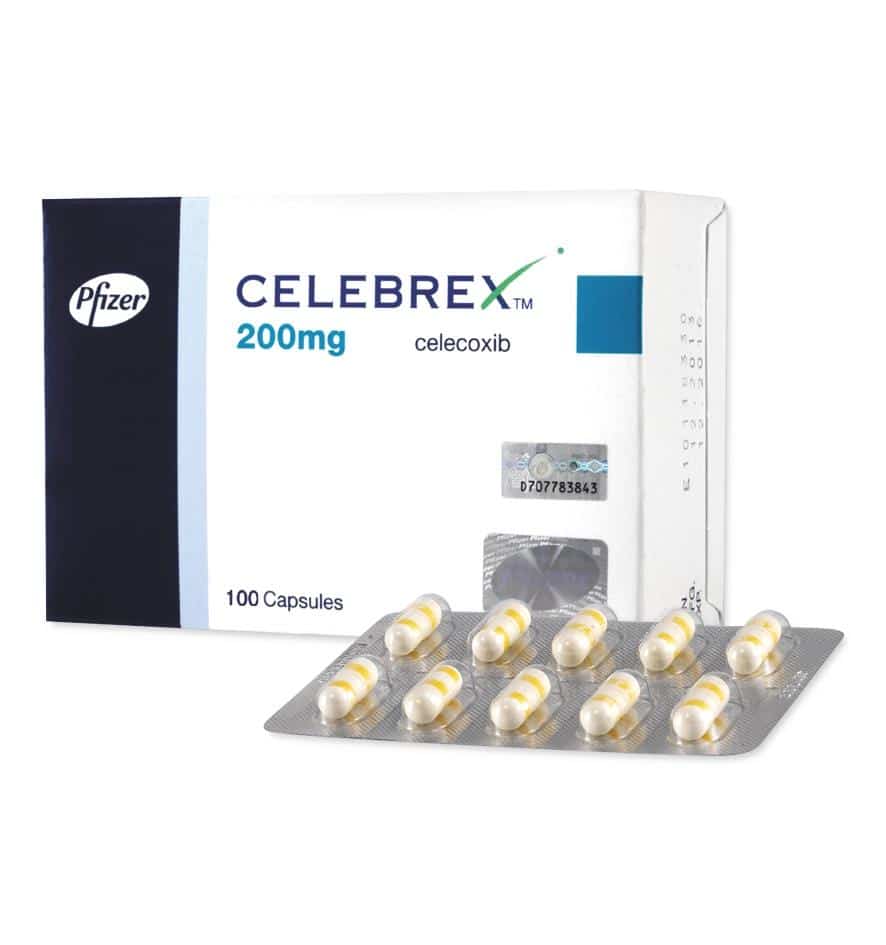
  • How Long Does It Take Celebrex to Work for Pain Relief?

    How Long Does It Take Celebrex to Work for Pain Relief?

    Many people feel some pain relief from Celebrex within a few hours, but steadier anti-inflammatory benefit may take several days of regular use. If you are asking how long does it take celebrex to work, the honest answer depends on the condition, dose, timing, and your personal risk factors. The goal is not just faster relief. It is safe, predictable use that fits your care plan.

    Celebrex is the brand name for celecoxib, a COX-2 selective nonsteroidal anti-inflammatory drug (NSAID). It can reduce pain and inflammation, but it also carries important heart, kidney, stomach, and interaction risks.

    Key Takeaways

    • Early relief: Some people notice improvement within hours.
    • Fuller effect: Arthritis symptoms may improve over several days.
    • Duration varies: Effects often cover the intended dosing interval.
    • Dosing is individual: Do not match doses to ibuprofen by milligrams.
    • Safety matters: Heart, kidney, bleeding, and blood pressure risks need review.

    How Celecoxib Starts Working

    Celecoxib works by blocking cyclooxygenase-2, often shortened to COX-2. This enzyme helps produce prostaglandins, which are chemical signals involved in pain and inflammation. By reducing those signals, celecoxib may ease swelling, stiffness, and pain.

    The pain-relieving effect can begin the same day, especially for short-term pain flares. For inflammatory problems, the change may feel slower. That is because tissue inflammation takes time to settle, even after blood levels of the medicine rise.

    In practical terms, how long does it take celebrex to work has two answers. You may feel early pain relief within hours. You may need several days, and sometimes longer, to judge whether it is helping an ongoing arthritis pattern.

    Why it matters: A delayed fuller effect can lead people to take extra NSAIDs, which can raise safety risks.

    What to Expect: Onset, Peak, and Duration

    Celecoxib reaches peak blood levels in a few hours for many adults, but peak blood level is not always the same as peak symptom relief. Pain signals may ease earlier than stiffness, swelling, or function.

    Think about the timeline in three parts:

    • First dose: Relief may start within several hours.
    • First few days: Anti-inflammatory benefit may become more consistent.
    • Ongoing use: Response should be reassessed with your clinician.

    Some people describe smooth control through the dosing interval. Others notice that symptoms return before the next planned dose. That difference can reflect disease activity, timing, other medicines, sleep, weight-bearing activity, or how your body processes the drug.

    Does celecoxib need to build up in your system? Not exactly like some antidepressants or disease-modifying arthritis medicines. It reaches measurable levels quickly. Still, the anti-inflammatory result can feel cumulative because irritated tissues may need repeated coverage before symptoms calm down.

    If your pain is worsening, new, severe, or linked with fever, trauma, chest pain, weakness, numbness, or loss of bladder or bowel control, do not wait for an NSAID to “kick in.” Seek urgent medical evaluation.

    Arthritis, Back Pain, and Sciatica Timelines

    For arthritis, celecoxib may help pain before it fully improves stiffness or daily function. People with osteoarthritis often judge benefit by walking, stairs, grip, sleep, and morning movement. People with inflammatory arthritis may need a broader plan because NSAIDs do not treat the underlying immune process.

    If you searched how long does it take celebrex to work for arthritis, give your prescriber clear feedback. Describe when symptoms improve, when they return, and what activities still trigger pain. This helps separate a timing issue from an inadequate response or a different diagnosis.

    Back pain and sciatica can be more complicated. Sciatica usually refers to pain that travels along the sciatic nerve pathway, often from nerve irritation. NSAIDs may help when inflammation contributes to the flare, but nerve compression, muscle spasm, and mechanical triggers often need other approaches such as physical therapy, activity modification, or further assessment.

    For readers comparing joint-pain options, Celebrex and Arthritis offers a deeper look at how celecoxib fits into arthritis care. For broader site navigation, the Pain and Inflammation category groups related educational resources.

    When to Take It: Morning, Night, or With Food

    The best time to take celecoxib depends on your symptom pattern and how well you tolerate it. Morning dosing may suit people who wake with stiffness and need daytime mobility. Evening dosing may help people whose pain disrupts sleep or returns overnight.

    Consistency is often more important than the clock. Taking it at the same time each day can make symptom tracking easier. It also reduces the chance of accidental extra doses.

    Food is not always required, but taking NSAIDs with food may reduce stomach upset for some people. If nausea, heartburn, or abdominal pain appears after starting celecoxib, document when it happens and discuss it with a clinician or pharmacist.

    If your main question is when to take it, see When to Take Celebrex for timing considerations you can discuss at your next visit.

    Dose Questions and Daily Limits

    Celecoxib dosing depends on the condition being treated, your medical history, other medicines, and your prescriber’s instructions. The labeled daily amount is not the same for every use, and higher doses can increase adverse-effect risk.

    People often ask whether they can take Celebrex 200 mg twice a day. That may be part of some prescribed regimens for some conditions, but it is not a universal answer. Do not increase frequency because relief is wearing off. Contact your prescriber if the plan is not controlling symptoms.

    Questions about celecoxib dosage per day also need context. Age, liver function, kidney risk, heart history, blood pressure, and bleeding risk can change the benefit-risk balance. Combining celecoxib with other NSAIDs, such as ibuprofen, naproxen, or high-dose aspirin, can also raise the chance of side effects.

    For more detail on label-based dose ranges and practical questions, read Celebrex Dosage. If side effects are part of your decision, Celebrex Side Effects explains common and serious warning signs in more depth.

    How Long It Stays in Your System

    Celecoxib leaves the body gradually over multiple half-lives. A half-life is the time it takes for the amount of a drug in the body to drop by about half. This helps explain why effects can last beyond the first few hours after a dose.

    For many adults, celecoxib has a half-life of about 11 hours, though real-world clearance varies. Liver function matters because celecoxib is metabolized mainly in the liver. Certain medicines can also affect its levels.

    If you are wondering how long does celebrex stay in your system, think in ranges rather than a single exact time. Drug levels decline over several days, but symptom relief may fade sooner as active levels drop. People with liver disease, older adults, and people taking interacting medicines may need more individualized guidance.

    Do not stop or restart celecoxib around procedures, bleeding concerns, or new heart symptoms without medical guidance. Your clinician may give specific instructions based on why you take it and what risk is being managed.

    Celebrex Compared With Ibuprofen and Other NSAIDs

    Celecoxib and ibuprofen are both NSAIDs, but they are not interchangeable milligram for milligram. Celecoxib is more selective for COX-2, while ibuprofen blocks both COX-1 and COX-2. That difference can affect stomach tolerability, platelet effects, and individual risk discussions.

    There is no reliable conversion for “how many ibuprofen equal one Celebrex.” A 200 mg celecoxib capsule and an 800 mg ibuprofen tablet are different drugs with different dosing schedules, durations, and precautions. Matching numbers can lead to under-treatment or unsafe duplication.

    Which is stronger also depends on the person and the pain source. One person may respond well to celecoxib for knee osteoarthritis. Another may do better with a different NSAID, topical therapy, injections, physical therapy, or non-NSAID pain strategies.

    If you are comparing options, avoid taking two NSAIDs together unless a clinician specifically instructs you. For related medication context, you can review Celecoxib, Naproxen, or Meloxicam as separate NSAID options to discuss with a healthcare professional.

    Safety Issues That Should Shape the Plan

    All NSAIDs can cause serious side effects, even when taken as directed. Celecoxib may cause or worsen high blood pressure, fluid retention, kidney problems, stomach bleeding, and cardiovascular events in some people. Risk tends to rise with higher doses, longer use, older age, and certain medical histories.

    Tell your clinician if you have a history of heart attack, stroke, heart failure, kidney disease, stomach ulcers, gastrointestinal bleeding, liver disease, uncontrolled blood pressure, or aspirin-sensitive asthma. Also mention pregnancy, plans for pregnancy, and breastfeeding.

    Medication interactions are a major safety issue. Blood thinners, corticosteroids, selective serotonin reuptake inhibitors (SSRIs), aspirin, ACE inhibitors, ARBs, diuretics, lithium, and methotrexate may require special review. Alcohol can also increase stomach bleeding risk when combined with NSAIDs. See Celebrex and Alcohol for more on that specific concern.

    Some readers ask why celecoxib is banned. In the United States and Canada, celecoxib is not broadly banned; it remains an approved prescription medicine when used appropriately. Confusion often comes from older safety concerns around the COX-2 drug class and the withdrawal of rofecoxib, a different medicine. Celecoxib still carries boxed warnings, so risk screening remains important.

    Quick tip: Keep one medication list with prescriptions, supplements, and over-the-counter pain relievers.

    How Long to Take It for Inflammation

    The safest general principle is to use the lowest effective dose for the shortest appropriate time, as directed by a clinician. That does not mean everyone uses celecoxib briefly. Some people with chronic arthritis use NSAIDs longer, but they usually need periodic reassessment.

    Ask your healthcare professional what success should look like. Clear goals may include less morning stiffness, improved sleep, better walking tolerance, or fewer pain flares. Also ask when to report side effects and whether blood pressure, kidney function, or other labs should be monitored.

    Example: A person with knee osteoarthritis may notice pain relief the first day, but swelling and function may take longer to judge. A person with suspected inflammatory arthritis may need rheumatology review because NSAIDs can ease symptoms while other medicines address the disease process.

    BorderFreeHealth connects U.S. patients with licensed Canadian partner pharmacies for eligible prescriptions, and pharmacy dispensing may require prescriber verification when applicable. That access context does not replace medical review; it makes accurate prescription details and safety screening especially important.

    Authoritative Sources

    For label-backed details on indications, pharmacokinetics, dosing, boxed warnings, and contraindications, review the FDA celecoxib prescribing information.

    For patient-friendly medication safety information, MedlinePlus provides a plain-language overview in its celecoxib drug information page.

    For osteoarthritis treatment context, the American College of Rheumatology and Arthritis Foundation summarize NSAIDs within broader care in the osteoarthritis management guideline.

    Recap

    So, how long does it take celebrex to work? Early pain relief may begin within hours, while more stable anti-inflammatory benefit may take several days of regular prescribed use. Arthritis, sciatica, and back pain can each respond differently.

    Do not compare celecoxib and ibuprofen by milligrams, and do not add extra NSAIDs without guidance. The better question is whether the medicine is helping enough, lasting long enough, and staying safe for your heart, kidneys, stomach, and blood pressure.

    If symptoms change or relief is not matching the plan, bring specific notes to your clinician. Timing, dose schedule, triggers, side effects, and other medicines all help guide the next step.

    This content is for informational purposes only and is not a substitute for professional medical advice.

  • Celebrex and Weight Loss: Risks, Side Effects, and Safety

    Celebrex and Weight Loss: Risks, Side Effects, and Safety

    Celebrex is not a weight-loss medicine. If you are searching for Celebrex and Weight Loss: Evidence, Safety, Practical Guidance, the short answer is that celecoxib is meant to treat pain and inflammation, not reduce body fat. Weight loss is not a typical intended effect. That matters because rapid weight change during NSAID (nonsteroidal anti-inflammatory drug) use can sometimes point to fluid retention or another safety issue. Some people may notice a change on the scale while taking it, but that can reflect swelling from extra fluid, stomach side effects, pain relief changing activity, other medicines, or another health issue rather than a direct weight-loss effect from the drug itself.

    Key Takeaways

    • Celebrex is not designed or approved for weight loss.
    • Weight loss is not a usual expected effect of celecoxib.
    • Rapid weight gain with swelling matters more than small day-to-day shifts.
    • Celecoxib carries boxed NSAID warnings for heart and serious stomach risks.
    • If weight control is the goal, compare treatments made for that purpose.

    Celecoxib and Weight Changes: What the Evidence Shows

    No strong evidence shows celecoxib helps people lose weight. In practice, most discussion around Celebrex and weight loss comes from timing and confusion: a pain medicine may change how you feel, eat, or move, but that is not the same as a proven fat-loss effect. Label-backed safety information focuses much more on swelling, blood pressure, kidney effects, stomach problems, and cardiovascular risk than on intentional weight reduction.

    That distinction matters. When joint pain improves, some people become more active and may slowly lose weight over time. Others eat less because of nausea or stomach upset. A few gain weight because fluid is building up or because they are less active during a painful flare. None of those patterns means celecoxib works as a weight-loss therapy. If your main question is whether a medicine can support obesity treatment, it is more useful to start with an overview of Weight Loss Treatments than to assume an anti-inflammatory drug plays that role.

    Why the scale may move anyway

    People often search this topic because the scale changed after they started the drug. Timing can make a medicine look responsible even when several factors are moving at once. Pain may limit walking, sleep may worsen appetite, and other medicines such as steroids can affect fluid balance or body weight. Celecoxib can sit in the middle of that picture without being the true cause.

    Celecoxib also does not work like weight-loss medicines that change appetite, fullness, or calorie absorption. It is not in the same treatment class, and it is not prescribed as a metabolic therapy. That is why even real weight loss during treatment should be treated as an observation to explain, not as proof that the drug helps with obesity.

    BorderFreeHealth works with licensed Canadian partner pharmacies for eligible U.S. patients.

    Why Some People Notice Weight Gain Instead

    Weight gain is a more useful safety question than weight loss with celecoxib. That is because some people develop edema, meaning swelling caused by extra fluid. Fluid retention can show up as puffier ankles, tighter shoes, rings that suddenly feel snug, or a rapid jump on the scale over a few days. That kind of change is different from slow body-fat gain and deserves more attention.

    Not every increase means danger. A gradual shift can still come from lower activity, improved appetite once pain is controlled, menopause, stress, or another medicine. Still, when readers ask about Celebrex weight gain or celecoxib weight gain, the first step is to separate water weight, true fat gain, and unrelated illness rather than assuming one simple explanation.

    Pattern What it may suggest Why it matters
    Small day-to-day fluctuation Normal hydration changes Often not drug-specific on its own
    Gradual gain over weeks Activity, appetite, or another medicine May be indirect rather than a celecoxib effect
    Rapid gain with ankle swelling Fluid retention Needs prompt review, especially with breathing symptoms
    Unexpected weight loss Less intake, stomach upset, or another illness Not a standard weight-loss effect of Celebrex

    Why it matters: Rapid weight gain with swelling can reflect fluid retention, not true fat gain.

    Swelling can also overlap with heart or kidney problems. That is why sudden weight change, new shortness of breath, or less urine output should not be brushed off as a cosmetic issue. The number on the scale is only useful when you connect it to the rest of the picture.

    Safety Issues That Matter More Than the Scale

    The biggest celecoxib safety concerns are not about losing or gaining weight. They are the same major NSAID concerns clinicians weigh every day: cardiovascular events, serious gastrointestinal problems, kidney injury, fluid retention, and blood pressure effects. Celecoxib is a COX-2 selective NSAID, meaning it targets one inflammation enzyme more than some older NSAIDs, but that does not make it risk-free.

    Cardiovascular and fluid concerns

    Celebrex has a boxed warning, sometimes called a black box warning, about increased risk of serious cardiovascular events such as heart attack and stroke. Risk is not identical in every person. Age, prior heart disease, stroke history, smoking, high blood pressure, kidney disease, and total NSAID exposure can all matter. This is one reason a sudden change in weight plus swelling or shortness of breath is more important than the question of whether the drug causes fat loss.

    Fluid retention can also raise blood pressure or worsen underlying heart failure. Even if symptoms seem mild at first, edema should be viewed as a safety signal rather than a normal part of treatment. This is especially true if the change is fast or paired with fatigue, breathlessness, or tightness in the lower legs.

    Stomach and kidney concerns

    Celecoxib may be easier on the stomach than some older NSAIDs for certain patients, but it can still contribute to ulcers, bleeding, or perforation in the stomach or intestines. The risk can rise with older age, previous ulcer disease, heavy alcohol use, corticosteroids, blood thinners, or using more than one NSAID at the same time. Dark stools, vomiting blood, severe stomach pain, or fainting are red flags.

    Kidney effects also matter. NSAIDs can reduce blood flow to the kidneys in some situations, especially in people who are dehydrated or who already have kidney or heart disease. When celecoxib side effects include swelling, reduced urination, or sudden fatigue, weight change becomes a clue to look at safety first.

    Compared with some nonselective NSAIDs, celecoxib may offer a gastrointestinal advantage for some people, but the tradeoff is never simple. A lower chance of some stomach problems does not erase cardiovascular, kidney, or fluid concerns.

    With celecoxib long-term use, the same core questions stay in view: whether the medicine is still needed, whether swelling or blood pressure has changed, and whether stomach or kidney symptoms have appeared.

    When required, prescription details are confirmed with the prescriber before dispensing.

    What Is the Controversy With Celebrex?

    The controversy around Celebrex is mostly about safety history, not weight loss. Years ago, concern grew around COX-2 inhibitors as a class after cardiovascular risks became a major issue and some related drugs were withdrawn. Celecoxib remained available, but the scrutiny changed how clinicians think about who should use it, for how long, and with what monitoring.

    That also helps answer why some doctors do not prescribe Celebrex for everyone. It can be a reasonable option for some people, especially when stomach risk is a concern, yet it may be a poor fit for others with heart disease, prior stroke, uncontrolled hypertension, kidney problems, a history of ulcers, or medicines that raise bleeding risk. The question is usually not whether celecoxib is a good or bad drug in the abstract. It is whether it fits a person’s total risk profile.

    A clinician may also choose something else when pain is occasional, when non-drug measures are enough, or when another NSAID strategy appears safer or simpler. So the reason some doctors do not prescribe Celebrex is usually clinical fit, not because the drug is mysterious or uniquely controversial in every case.

    • Heart history matters because NSAID risk is not evenly shared.
    • Kidney status matters because fluid balance can change quickly.
    • Bleeding history matters even with a more selective NSAID.
    • Other medicines matter because interactions can raise harm.
    • Reason for use matters because not every pain problem needs an NSAID.

    So if you are asking what is the controversy with Celebrex, the short version is this: the debate is about balancing benefits in pain relief against known cardiovascular, gastrointestinal, and kidney risks, not about any reliable weight-loss benefit.

    If Your Goal Is Weight Loss, Look at Treatments Designed for That Job

    Celecoxib does not belong in the same category as chronic weight-management therapy. If the real question behind Celebrex and weight loss is whether there are medicines intended to support obesity care, browse the Weight Management Hub or compare listings in Weight Management Products. Those resources focus on therapies that are actually used in weight-management care rather than pain control.

    For orientation, you can review Semaglutide Basics, compare newer GLP-1 Drugs, or scan a broader summary of Weight Loss Injections. Those pages help separate anti-obesity treatment from unrelated medicines that may only seem connected because of scale changes.

    Side effects are different too. For example, resources on Ozempic Safety Checklist, Wegovy Side Effects, and Saxenda Side Effects discuss gastrointestinal effects, appetite changes, and treatment-specific concerns that belong to weight-loss drugs, not celecoxib. Keeping those categories separate can prevent a lot of confusion.

    Real weight-management care also goes beyond medication alone. Nutrition, sleep, mobility, Insulin Resistance Treatment, and the emotional side of eating all influence progress. A pain reliever does not replace that broader plan, even if feeling better briefly changes the scale.

    Cash-pay cross-border options may exist for some patients without insurance, depending on eligibility.

    What to Track if You Notice a Weight Change

    If the scale moves after starting celecoxib, context is what makes that information useful. A single number matters much less than the pattern, the timing, and the symptoms around it. Writing down what changed can make the next conversation with a clinician clearer and more accurate.

    • Start date and timeline of the weight change.
    • Swelling in ankles, feet, hands, or around the eyes.
    • Breathing changes, chest discomfort, or unusual fatigue.
    • Stomach pain, black stools, nausea, or poor appetite.
    • Reduced urination or signs of dehydration.
    • Other new medicines or recent illness.

    Prompt review matters when weight gain is fast or when it appears with swelling, shortness of breath, chest pain, very little urine, black stools, fainting, or severe stomach pain. Unexplained weight loss matters too, especially if it keeps going or comes with low appetite and fatigue.

    Quick tip: Note whether the change feels like swelling, appetite loss, or a true body-weight trend.

    Unexpected weight loss deserves attention too. It is not a standard benefit of celecoxib, and it may reflect stomach irritation, poor intake, depression, another illness, or a change in daily function. If weight changes are causing distress, the emotional side of the issue can matter as much as the medical side. Broader context from Emotional Dimensions Of Obesity may help frame why numbers on the scale can carry so much anxiety and confusion.

    In short, celecoxib can affect how you feel, but it is not a shortcut to fat loss. The more important questions are whether a weight change might actually be fluid retention, whether other side effects are appearing, and whether the medicine still fits the reason it was chosen.

    Authoritative Sources

    Further reading should focus on the reason the medicine was prescribed, the side effects you notice, and whether weight change may point to a separate issue rather than a treatment benefit.

    This content is for informational purposes only and is not a substitute for professional medical advice.