
Blog

  • What Is Colchicine Used For in Inflammatory Care?

    What Is Colchicine Used For in Inflammatory Care?

    Colchicine is used to calm specific inflammatory conditions, especially gout flares and familial Mediterranean fever, and clinicians may also use it for pericarditis in selected patients. If you are asking what is colchicine used for, the short answer is that it helps reduce inflammation driven by overactive white blood cells. It is not a general painkiller, antibiotic, NSAID, or steroid. That distinction matters because its benefits and risks depend strongly on timing, kidney function, liver health, and drug interactions.

    This article explains where colchicine fits, why doctors prescribe it, and what safety issues to discuss before taking it. It also clarifies common questions about foods, side effects, dosing principles, and whether colchicine is safe for longer use.

    Key Takeaways

    • Core role: Colchicine treats or helps prevent inflammation in specific conditions.
    • Main uses: Gout flares and familial Mediterranean fever are key labeled uses.
    • Common off-label use: Pericarditis care may include colchicine under clinician guidance.
    • Safety focus: Kidney, liver, and interaction risks need careful review.
    • Not a steroid: It works differently from NSAIDs and corticosteroids.

    What Colchicine Is and Why Doctors Prescribe It

    Colchicine is an anti-inflammatory medicine that affects microtubules, which are tiny structures inside cells. This action reduces neutrophil activity. Neutrophils are white blood cells that rush into inflamed tissue and amplify swelling, redness, and pain.

    Doctors prescribe colchicine when that neutrophil-driven inflammation is part of the problem. In gout, urate crystals irritate a joint and trigger a fast inflammatory reaction. In familial Mediterranean fever, a rare inherited autoinflammatory condition, the body has repeated episodes of fever and inflammation. In pericarditis, the lining around the heart becomes inflamed, and colchicine may help reduce recurrence risk when it is appropriate.

    Why it matters: Colchicine targets inflammation at its source, but it has a narrow safety margin.

    That narrow margin is why people should not treat it like an ordinary pain reliever. Small changes in kidney function, liver function, or other medicines can raise colchicine levels. If you need a deeper look at medicine-specific risks, our Colchicine Side Effects resource covers warning signs and monitoring themes in more detail.

    Common Colchicine Uses in Everyday Care

    The most common answer to what is colchicine used for is gout, but that is not the full picture. Colchicine uses include flare treatment, prevention in selected settings, and longer-term control for certain inherited inflammatory diseases.

    Gout flares and short-term prevention

    Colchicine for gout is used during acute flares and sometimes as flare prevention when urate-lowering therapy begins. A gout flare can feel sudden and severe because urate crystals activate the immune system inside a joint. Colchicine does not remove uric acid. Instead, it helps quiet the inflammatory response caused by the crystals.

    Long-term gout care usually focuses on lowering uric acid when appropriate. Medicines such as Allopurinol or Febuxostat may be considered by clinicians for urate lowering, depending on the person’s history and risk factors. Colchicine may be used alongside that plan for flare prevention, but it is not the medicine that lowers urate.

    Some people wonder how to take colchicine for acute gout or how many days they can take colchicine. Those questions depend on kidney function, liver function, age, current medicines, and the prescriber’s plan. Because excess exposure can be dangerous, your clinician’s written instructions should take priority over general internet dosing examples.

    Familial Mediterranean fever

    Familial Mediterranean fever, often shortened to FMF, is a rare inherited autoinflammatory disorder. It can cause recurrent fever, abdominal pain, chest pain, joint pain, and inflammation. Colchicine can be used long term in FMF to reduce attacks and help lower the risk of inflammatory complications.

    FMF treatment should be supervised by a clinician familiar with the condition. Monitoring matters because long-term use raises practical questions about tolerability, blood counts, kidney function, and muscle symptoms. These checks are especially important if other interacting medicines are added later.

    Pericarditis and heart-lining inflammation

    Colchicine may also be used for pericarditis, which means inflammation of the pericardium, the thin sac around the heart. This use is often described as off-label in some settings, but it is supported by cardiology guidance for selected patients. It is commonly paired with other anti-inflammatory treatment when a clinician decides the benefits outweigh the risks.

    Pericarditis can cause sharp chest pain that may change with position or breathing. Chest pain always deserves careful evaluation, especially when it is new, severe, or associated with shortness of breath, fainting, or sweating. For more focused reading, see Colchicine For Pericarditis and our broader Rheumatology collection for inflammatory-condition context.

    How Colchicine Works, in Plain Language

    Colchicine works by slowing parts of the inflammatory response rather than blocking pain signals directly. It interferes with microtubules inside cells, which can reduce how neutrophils move, attach, and release inflammatory signals. In gout, this helps limit the immune reaction to urate crystals.

    This mechanism explains why colchicine is an anti-inflammatory but not an NSAID. NSAIDs reduce inflammation mainly through cyclooxygenase, often called COX, enzyme pathways. Steroids act through glucocorticoid receptors and affect a wide range of immune signals. Colchicine follows a different route, so clinicians may choose it when NSAIDs or steroids are not ideal, or use it with them in selected cases.

    People often ask whether colchicine and ibuprofen can be taken together. The answer is not one-size-fits-all. Some treatment plans may include both, but kidney disease, stomach bleeding risk, heart conditions, and other medicines can change that decision. Ask your clinician or pharmacist before combining anti-inflammatory medicines.

    Dosing Principles: Timing, Duration, and Written Plans

    Colchicine dosage is individualized because the safe amount varies across patients. Timing often matters for gout flares, since early treatment may work better than delayed treatment. Still, taking extra doses because pain is severe can increase toxicity risk.

    Different countries and products may use different tablet strengths, such as 0.6 mg or 0.5 mg. That can make instructions confusing if a person switches products or reads advice from another region. For general context on schedules and safety checkpoints, see our Colchicine Dosage overview. For product-strength navigation, Colchicine 0.6 mg and Zycolchin 0.5 mg may help readers compare label formats with their prescriber’s instructions.

    Ask for a written plan before a flare begins. It should explain when to start, when to stop, what maximum daily amount applies to you, and what symptoms should prompt a call. This is especially useful during travel, weekends, or after-hours flares.

    Quick tip: Keep your medication list beside your flare plan, including antibiotics and heart medicines.

    Side Effects, Interactions, and Red Flags

    The most common colchicine side effects involve the digestive tract. Nausea, cramping, vomiting, and diarrhea can occur, and diarrhea may be an early sign that the dose is not being tolerated. Do not ignore persistent or severe digestive symptoms, especially if weakness, dehydration, or reduced urination develops.

    Serious reactions are less common but important. Colchicine toxicity can affect muscles, nerves, blood cells, kidneys, liver, and multiple organs. Seek urgent medical help for severe weakness, dark urine, unusual bleeding or bruising, confusion, fainting, severe vomiting, or signs of an allergic reaction. Muscle pain or tenderness deserves attention, particularly when colchicine is combined with statins, fibrates, or other medicines that can affect muscles.

    Interactions are a major safety issue. Certain antibiotics, antifungal medicines, HIV medicines, transplant medicines, and heart medicines can raise colchicine levels by affecting CYP3A4 or P-glycoprotein pathways. These are drug-processing and transport systems in the body. Strong inhibitors can make a usual colchicine amount unsafe, especially in people with kidney or liver impairment.

    Kidney and liver health also shape risk. Colchicine leaves the body through pathways that involve these organs, so impairment can raise exposure. Older adults and people taking several medicines may need more careful review. If a new prescriber adds an antibiotic or antifungal, tell them you take colchicine before starting the new medicine.

    Foods, Alcohol, and Practical Safety Habits

    People often ask about foods to avoid when taking colchicine. Grapefruit and Seville oranges are the main food-related concern because they can affect CYP3A4 activity and may raise colchicine levels. This includes grapefruit juice and marmalade made with Seville oranges.

    Alcohol does not have the same interaction profile as grapefruit, but it can worsen gout risk for some people and contribute to dehydration. During a flare, dehydration can make recovery harder. If you drink alcohol, ask your clinician how it fits with your gout plan, kidney health, and other medicines.

    Diet changes can support gout care, but they do not replace urate-lowering treatment when that treatment is indicated. Many people with gout benefit from reviewing purine-rich foods, sugary drinks, hydration, weight changes, and kidney health with their care team. The goal is not a perfect diet. It is a realistic plan that reduces triggers while keeping nutrition balanced.

    Who Needs Extra Caution Before Taking Colchicine?

    Some people need a closer safety review before using colchicine. This does not always mean colchicine is impossible to use, but it does mean the decision should be individualized.

    • Kidney disease: Reduced clearance can increase drug exposure.
    • Liver disease: Impaired metabolism may raise toxicity risk.
    • Interacting medicines: Some antibiotics and antifungals are high concern.
    • Muscle risk: Statins, fibrates, and muscle disorders need review.
    • Older age: Side effects may be harder to tolerate.
    • Pregnancy or breastfeeding: Discuss condition-specific risks and alternatives.

    Tell your clinician about all prescription medicines, over-the-counter products, supplements, and recent medication changes. Also mention severe diarrhea, vomiting, numbness, tingling, or muscle symptoms from prior colchicine use. These details can change the safety plan.

    If access questions come up, BorderFreeHealth connects U.S. patients with licensed Canadian partner pharmacies for eligible prescriptions. When required, prescription details are verified with the prescriber before the pharmacy dispenses. This service context does not replace clinical decision-making, but it can help readers understand how prescription documentation may be handled.

    Authoritative Sources

    For official patient-facing medication information, review the MedlinePlus colchicine drug information. It summarizes uses, precautions, side effects, and interaction themes in plain language.

    For gout treatment recommendations, the American College of Rheumatology gout guideline outlines evidence-based approaches to flare treatment and prevention.

    For pericarditis context, the European Society of Cardiology pericardial disease guideline discusses colchicine’s role in selected pericarditis care.

    Recap

    So, what is colchicine used for in practical terms? It is mainly used for inflammatory conditions where neutrophils play a key role, especially gout flares and familial Mediterranean fever. It may also be part of pericarditis care when a clinician decides it fits the situation.

    Colchicine can be useful, but it is not casual medicine. Ask about your exact dosing plan, interaction risks, kidney and liver considerations, and warning signs that should prompt urgent care. Clear instructions help you use it more safely when symptoms are stressful.

    This content is for informational purposes only and is not a substitute for professional medical advice.


  • Colchicine Side Effects: Safety Risks and Warning Signs

    Colchicine Side Effects: Safety Risks and Warning Signs

    Colchicine side effects are most often digestive, especially diarrhea, nausea, vomiting, stomach pain, and cramping. These symptoms can be mild, but they matter because colchicine has a narrow safety margin. In some people, severe stomach upset, muscle weakness, numbness, unusual bruising, fever, or black stools can signal toxicity or a serious interaction. Do not treat fast-worsening symptoms as routine discomfort.

    Colchicine is used in gout and some other inflammatory conditions. This page focuses on safety: what is common, what is more concerning, why interactions matter, and what details to share with a clinician or pharmacist. If you compare gout-related treatment topics, the Rheumatology collection can help you browse related care themes.

    Why it matters: Mild stomach symptoms can sometimes be the first sign that colchicine is not being tolerated well.

    Key Takeaways

    • Digestive effects are common, especially diarrhea, nausea, vomiting, and abdominal pain.
    • Severe or persistent stomach symptoms need prompt review, not guesswork.
    • Muscle pain, weakness, numbness, bruising, bleeding, fever, or black stools are warning signs.
    • Kidney disease, liver problems, older age, and interacting medicines can raise risk.
    • Suspected overdose or accidental swallowing is an emergency, even before symptoms escalate.

    Why Colchicine Needs Extra Safety Attention

    Colchicine needs careful use because the helpful dose and harmful exposure can be closer together than with many routine medicines. It reduces inflammation by affecting how certain white blood cells respond to inflammatory signals. That can help in crystal-related inflammation, but it also means higher levels can affect the gut, muscles, nerves, blood cells, kidneys, liver, and other systems.

    The first question many people ask is, “Why is colchicine high risk?” The answer is not that every person will have a serious reaction. The issue is that toxicity can develop when the body cannot clear the medicine well, when doses are taken incorrectly, or when another drug increases colchicine levels. Kidney function, liver function, age, dehydration, and drug interactions can all change risk.

    Past tolerance does not guarantee future tolerance. A person may have taken a short course years ago without trouble, then react differently after kidney function changes or a new prescription is added. That is why medication reviews are especially important when colchicine is started, restarted, or continued long term.

    BorderFreeHealth connects U.S. patients with licensed Canadian partner pharmacies, and prescription details may be confirmed with the prescriber when required before dispensing. That access context does not replace clinical review; it makes accurate prescription and medication-list information even more important.

    Common Colchicine Side Effects in Plain Language

    The most common colchicine side effects involve the stomach and intestines. Diarrhea is the best-known effect. Nausea, vomiting, abdominal pain, cramping, and loss of appetite can also occur. These effects may be short-lived, but they should still be taken seriously if they are severe, repeated, or worsening.

    The biggest side effect for many people is diarrhea. It may feel like loose stools, urgency, or repeated bathroom trips. Some people also feel nauseated or have stomach cramps. When vomiting or diarrhea makes it hard to keep fluids down, dehydration can develop and make weakness, dizziness, or confusion more likely.

    Not every upset stomach comes from colchicine. Infections, food intolerance, other medicines, and gout-related stress can overlap. Timing helps. Symptoms that start soon after colchicine begins, worsen after a dose change, or appear after a new antibiotic, antifungal, antiviral, or heart medicine deserve closer review.

    Symptom What It May Feel Like Why It Matters
    Diarrhea Loose stools, urgency, repeated bathroom trips Can cause dehydration and may be an early intolerance sign
    Nausea or vomiting Upset stomach, gagging, trouble keeping fluids down More concerning when repeated or paired with weakness
    Stomach pain Cramping, aching, or abdominal discomfort Needs review if severe, persistent, or worsening
    Loss of appetite Reduced eating or early fullness Matters more with fatigue, weight loss, or dehydration

    People sometimes try to push through stomach symptoms because colchicine is helping a painful flare. That response is understandable. It is not always safe. With this medicine, digestive symptoms are not only about comfort. They can be part of the safety picture.

    Serious Side Effects and Toxicity Symptoms

    Serious colchicine adverse effects are less common, but they need fast attention. Toxicity can begin with severe gastrointestinal symptoms and then involve other body systems. Warning signs include nonstop vomiting or diarrhea, severe abdominal pain, marked weakness, muscle pain or tenderness, trouble walking, numbness, tingling, dark urine, unusual bruising, bleeding, fever, chills, sore throat, black stools, or blood in the urine or stool.

    These symptoms do not all mean the same thing. Muscle pain, weakness, or dark urine may suggest muscle injury. Fever, sore throat, bruising, or bleeding may point to blood cell problems or infection risk. Black stools or visible blood may suggest bleeding. Any of these changes deserves prompt medical review, especially if they appear with stomach symptoms.

    Colchicine toxicity symptoms can also develop in stages. Early effects often involve nausea, vomiting, diarrhea, and abdominal pain. More serious effects may include confusion, breathing problems, abnormal heart rhythm, kidney or liver problems, or bone marrow suppression, which means reduced production of blood cells. These are urgent medical concerns.

    Example: A person starts a new antibiotic, then develops worsening diarrhea and heavy leg weakness within a few days. It may be tempting to blame the infection or poor eating. The timing could also suggest an interaction that increased colchicine exposure.

    Suspected overdose is different from an ordinary side effect. If someone took too much colchicine, took extra doses by mistake, combined it with a high-risk interacting medicine, or a child swallowed it accidentally, urgent help is warranted even before symptoms fully develop. Poison control services or emergency care are appropriate routes for suspected overdose.

    Interactions, Kidney Disease, and Liver Warnings

    Colchicine drug interactions are one of the most important safety issues. Some medicines can raise colchicine levels or increase the chance of muscle injury. Examples may include certain antibiotics, antifungals, antivirals, heart rhythm or blood pressure medicines, transplant medicines, and cholesterol-lowering drugs. The exact risk depends on the drug, dose, kidney and liver function, and the person’s overall health.

    Kidney disease can make colchicine harder to clear. Liver problems can also affect how the body processes it. When kidney or liver impairment is severe, certain interacting medicines can create a higher-risk situation. Product labels and prescribers may use different wording depending on the formulation and country, so the safest approach is to check every current medicine before starting or continuing colchicine.

    Older adults often have several risk factors at once. Kidney function may be lower than before, the liver may process medicines differently, and the medication list may be longer. This does not mean colchicine cannot be used. It means new weakness, numbness, stomach upset, bruising, or infection-like symptoms should not be dismissed as normal aging.

    What Organs Can Colchicine Affect?

    Colchicine can affect several organ systems when levels become too high or the medicine is not tolerated. The digestive tract is usually where symptoms appear first. Muscles and nerves can be affected, causing pain, weakness, tingling, or trouble walking. Blood cells can be affected, which may show up as infection signs, bruising, bleeding, or unusual fatigue. Kidney and liver problems can also occur or worsen in toxicity.

    Food, Alcohol, and Handling Questions

    There is no universal forbidden-food list for colchicine. Some product information advises avoiding or limiting grapefruit or grapefruit juice because it can affect drug processing. Alcohol is not usually described as a classic direct interaction, but it may worsen dehydration or stomach irritation. If a drink or food reliably worsens symptoms, write it down and mention it during medication review.

    Some readers ask whether colchicine is hazardous to touch. Intact tablets or capsules should be handled as directed on the label, kept in their original container, and stored away from children and pets. Avoid crushing, splitting, or handling damaged tablets unless a pharmacist or prescriber has said it is appropriate for your specific product.

    Quick tip: Keep one updated medicine list and show it before any new prescription is started.

    What to Track Before You Call for Help

    Tracking symptoms can help separate expected stomach upset from a possible safety problem. You do not need a complicated diary. A short note on your phone can capture the most useful details: when colchicine was taken, when symptoms started, what they felt like, and whether any new medicine or supplement was added.

    Follow the prescribed schedule exactly. Do not take extra after a missed or delayed dose unless your clinician or pharmacist specifically told you to. If you were dispensed a specific colchicine product, the product page for Colchicine 0.6 mg may help you confirm the medicine name, but the dispensing label and pharmacist’s instructions should guide daily use.

    • Symptom timing: note start time and pattern.
    • Digestive changes: track diarrhea, vomiting, and fluid intake.
    • Muscle symptoms: record weakness, tenderness, or walking trouble.
    • Nerve symptoms: note numbness, tingling, or burning pain.
    • Bleeding signs: report bruising, black stools, or blood.
    • Medicine changes: include antibiotics, supplements, and over-the-counter products.

    Bring the medication bottle or package if you seek care. Also bring your current medication list and a brief timeline. Knowing whether diarrhea started before or after a new prescription can change the safety conversation.

    Cash-pay cross-border prescription options may be available for some patients without insurance, subject to eligibility and jurisdiction. This access detail does not change the need for individualized medical review when symptoms or interactions are possible.

    How This Fits With Gout and Related Joint Care

    Colchicine is often discussed in gout care, but it is not the same type of medicine as long-term uric-acid-lowering treatments. For example, Allopurinol and Zurig are separate product pages for medicines used in different gout-related contexts. A prescriber decides how these fit into care based on diagnosis, kidney function, other conditions, and current medicines.

    Joint pain can have several causes, and treatment choices vary. Some people compare gout treatment questions with arthritis topics, including anti-inflammatory options described in Celebrex and Arthritis or Meloxicam 15 mg. These comparisons can be useful for general context, but they should not be used to self-switch medicines.

    Inflammatory joint symptoms can also overlap. If swelling, stiffness, or joint pain is new or changing, broader resources such as Early Signs of Rheumatoid Arthritis and the Bone and Joint Health collection may help you frame questions for a clinician.

    When to Seek Urgent Care

    Seek urgent help for severe or nonstop vomiting or diarrhea, severe abdominal pain, fainting, confusion, trouble breathing, chest symptoms, black stools, blood in urine or stool, unusual bleeding, fever with sore throat, or new severe weakness. Also seek urgent guidance if overdose is possible, even when symptoms seem mild at first.

    Call a clinician or pharmacist promptly for new muscle pain, tenderness, tingling, numbness, walking trouble, dark urine, unusual bruising, or symptoms that begin after a new medicine is added. Do not wait for every warning sign to appear. With colchicine, timing and pattern matter.

    If symptoms are mild but concerning, prepare before you call. Write down the colchicine product name, how it is prescribed, when the last dose was taken, and every medicine or supplement used recently. Include non-prescription products, because these are easy to forget during a stressful call.

    Authoritative Sources

    For label-backed and regulator-supported safety information, these sources are useful starting points:

    Most colchicine side effects involve the stomach, but the larger safety question is whether symptoms are severe, persistent, unusual, or tied to a new medicine. When those patterns appear, prompt medical review matters more than waiting it out.

    This content is for informational purposes only and is not a substitute for professional medical advice.
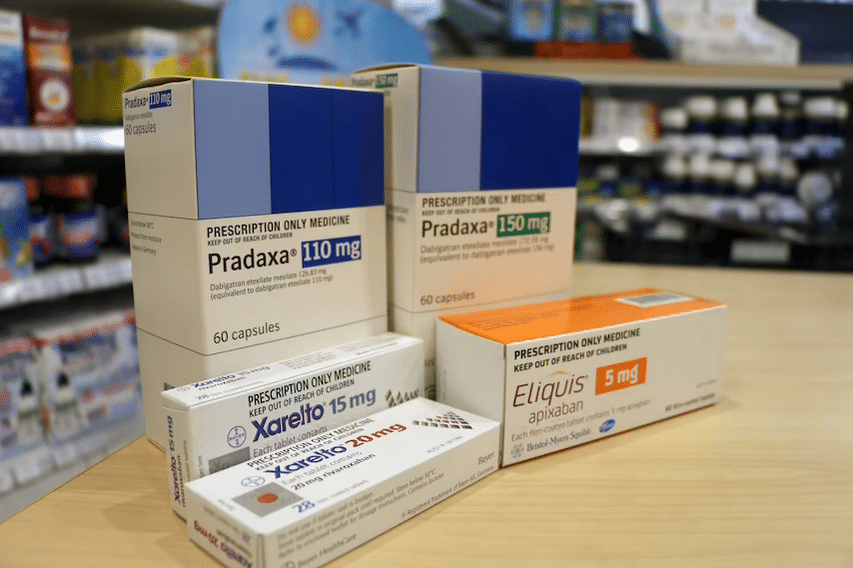
  • Domperidone and Breastfeeding: Safety, Access, and Evidence

    Domperidone and Breastfeeding: Safety, Access, and Evidence

    Domperidone and breastfeeding is not a simple yes-or-no decision. Domperidone may raise prolactin, a hormone involved in milk production, and some clinicians discuss it when low milk supply has not improved with lactation support alone. It also has important safety concerns, especially heart rhythm risk, and access is limited in the United States.

    This matters because low milk supply can feel urgent, emotional, and isolating. Parents deserve clear information without shame, pressure, or internet dosing advice. The safest next step is a skilled lactation review plus medical screening before considering any medication.

    Key Takeaways

    • Not first-line: Feeding assessment usually comes before any milk-supply medicine.
    • Evidence is selective: Some studies show short-term milk-volume gains, especially in certain pumping parents.
    • Infant exposure appears low: Published data are reassuring but still limited.
    • Maternal safety matters: Domperidone can affect heart rhythm in susceptible people.
    • Access varies: U.S. regulatory warnings make access more complex than routine prescribing.

    Where Domperidone Fits in Lactation Care

    Domperidone is a dopamine receptor antagonist, which means it blocks dopamine signals in certain tissues. One effect is increased prolactin. Prolactin helps support milk production after birth, so domperidone is sometimes discussed as a galactagogue, or milk-promoting treatment.

    It was not developed as a breastfeeding medicine. In many countries, domperidone has been used for stomach-motility or nausea-related conditions. When used for lactation, it is generally considered off-label. Off-label use means a clinician uses a medicine for a purpose not specifically approved on that product label.

    Domperidone for lactation should not replace the basics of milk production. Milk supply still depends heavily on effective and frequent milk removal. A medicine cannot fix a shallow latch, weak milk transfer, poor pump fit, long gaps between feeds, retained milk, or an untreated medical cause.

    That is why lactation care often starts with a feeding observation, infant weight review, diaper history, pump check, and parent-centered goals. For broader postpartum and reproductive health reading, the Women’s Health category collects related topics in one place.

    Why it matters: Treating low supply without finding the cause can waste precious time.

    What the Evidence Says About Milk Supply

    The evidence on domperidone and breastfeeding is strongest when read with its limits in mind. Some clinical studies have found increased expressed milk volume in selected parents, especially those pumping for premature infants. That does not mean every parent with low supply will respond.

    The harder question is not only whether milk volume changes. Families usually care about outcomes such as infant growth, less supplementation, less feeding stress, or reaching a personal breastfeeding goal. Research is thinner on those longer-term outcomes.

    Study setting also matters. A parent pumping in a neonatal intensive care unit may have different barriers than a parent nursing a full-term baby with latch pain. A parent recovering from postpartum hemorrhage, thyroid disease, breast surgery, severe illness, or major sleep loss may need a different plan again.

    Example: One parent may pump often for a preterm baby but still see low output. Another may have a full-term baby who latches shallowly and transfers little milk. Both situations feel distressing. They may need very different first steps.

    If domperidone is not working for lactation, it does not mean the parent failed. It may mean milk removal, glandular tissue, hormone balance, timing, infant feeding mechanics, or overall health needs another look. It may also mean the medicine was never the right tool for that situation.

    Safety Questions for Parent and Baby

    The central safety question has two parts. First, what happens to the lactating parent taking domperidone. Second, how much reaches the infant through breast milk, and whether that exposure is likely to cause harm.

    Parent side effects and QT risk

    Some people report dry mouth, headache, stomach cramps, nausea, or mood changes. These are not the main reason regulators worry about domperidone. The larger concern is QT prolongation, a change in the heart’s electrical recovery time that can increase the risk of abnormal rhythms in susceptible people.

    Domperidone breastfeeding risks are not the same for everyone. Risk may be higher in people with known rhythm problems, low potassium or magnesium, liver disease, certain drug interactions, or a personal or family history of sudden cardiac events. Some antibiotics, antifungals, antidepressants, and other medicines can also interact through shared metabolism pathways.

    Severe chest pain, fainting, new severe shortness of breath, sudden weakness, or intense palpitations need urgent medical attention. These symptoms require prompt assessment, regardless of whether they seem related to a medicine.

    Infant exposure through milk

    Published lactation references generally report low transfer of domperidone into breast milk. That is reassuring, but it is not the same as proving zero risk. The number of carefully studied breastfed infants remains limited, and infants differ by age, prematurity, health status, and medication sensitivity.

    Parents and clinicians may watch for unusual sleepiness, feeding changes, vomiting, poor weight gain, or symptoms that feel out of character. These signs are not specific to domperidone. They are reasons to pause and ask for assessment, especially for premature or medically fragile infants.

    Safety decisions also change when several medicines are involved. A breastfeeding parent may already take medication for postpartum depression, high blood pressure, infection, pain, or thyroid disease. A prescriber or pharmacist can review interactions and decide whether domperidone belongs in the discussion.

    Who May Be Considered, and Who Needs Extra Caution

    Domperidone for low milk supply is usually considered only after a careful review shows that supply is truly low and modifiable causes have been addressed. Perceived low supply is common, but it is not always the same as low intake. A baby who feeds often, cluster feeds, or seems unsettled may still be transferring enough milk.

    A clinician may look at infant weight patterns, diaper counts, feeding behavior, milk transfer, pump output, and the parent’s health history. They may also ask about birth complications, retained placenta, heavy bleeding, breast surgery, thyroid disease, diabetes, polycystic ovary syndrome, and medications that can affect lactation.

    Extra caution is especially important when there are heart rhythm concerns, fainting episodes, significant liver disease, electrolyte problems, or medicines that may interact. Premature infants, infants with medical complexity, and babies with poor weight gain also need close clinical review before any medication plan is considered.

    Quick tip: Bring a feeding log, weight notes, and medication list to appointments.

    A Practical Low Milk Supply Review Before Medication

    Before discussing domperidone to increase milk supply, it helps to define the problem clearly. A structured review can reduce guesswork and protect both parent and baby.

    • Infant transfer: Ask whether the baby removes milk effectively.
    • Weight pattern: Review weights, diapers, and growth trends together.
    • Pump setup: Check flange fit, suction comfort, and timing.
    • Feeding frequency: Discuss milk removal across a full day.
    • Birth history: Mention hemorrhage, retained placenta, surgery, or illness.
    • Hormone factors: Ask about thyroid disease, diabetes, or PCOS.
    • Mental health: Share anxiety, depression, sleep loss, or feeding trauma.

    Emotional distress also deserves care. Low milk supply can trigger grief, guilt, anger, and fear, especially when feeding plans change suddenly. Evidence-based care should support the parent-infant pair, not force one narrow outcome.

    For readers who want a more focused discussion of this medication as a milk-supply option, Domperidone for Lactation explains the topic in more detail.

    Access, Prescriptions, and U.S. Regulatory Limits

    Access is one reason domperidone and breastfeeding discussions become confusing quickly. Domperidone is not approved by the U.S. Food and Drug Administration for increasing milk production. The FDA has also warned about serious cardiac risks and about infant exposure through breast milk.

    In other countries, clinicians may prescribe domperidone under local rules. Even then, guidance often emphasizes careful selection, interaction checks, and reassessment. A medicine available in one country may be restricted, discouraged, or handled differently somewhere else.

    For domperidone access in the US, avoid relying on social media groups, shared tablets, or unsupervised import routes. Those paths can bypass screening for heart rhythm risk, drug interactions, pregnancy-related complications, and infant factors. They can also create legal and quality-control problems.

    If a clinician discusses a domperidone prescription for breastfeeding, ask what monitoring is expected, what symptoms should prompt help, and how success will be measured. Also ask what happens if supply does not improve. A clear reassessment plan can reduce confusion later.

    BorderFreeHealth connects U.S. patients with licensed Canadian partner pharmacies for eligible prescriptions. Where required, partner pharmacies verify prescription details with the prescriber before dispensing. Cash-pay cross-border prescription options may help some patients without insurance, subject to eligibility and local rules.

    How Domperidone Compares With Other Galactagogue Options

    Domperidone is only one possible galactagogue, and no option should be treated as a guaranteed milk-supply solution. Some clinicians may discuss metoclopramide, herbal products, feeding-plan changes, or no medication. Each choice has different evidence, risks, and access issues.

    Metoclopramide can also raise prolactin, but it crosses into the brain more readily than domperidone and may have mood or neurologic side effects in some people. Herbal products vary widely in quality, dosing, and contamination risk. They may also interact with medicines or medical conditions.

    Food, hydration, and rest can support general health, but they rarely correct a true supply problem by themselves. More fluids do not fix poor milk transfer. Extra calories do not solve untreated thyroid disease. Pumping more may help some parents, but it can worsen pain, exhaustion, or anxiety if the plan is not realistic.

    Useful comparison questions include:

    • Cause: What is the most likely reason supply is low?
    • Fit: Does this option match the clinical situation?
    • Safety: Are there heart, mood, liver, or interaction concerns?
    • Infant factors: Was the baby premature, ill, or gaining slowly?
    • Monitoring: How will benefit and harm be tracked?

    In real care, the best plan protects the parent’s health, the infant’s growth, and the family’s feeding goals at the same time. That may include exclusive breastfeeding, pumping, donor milk, formula supplementation, comfort nursing, or weaning.

    When to Pause or Seek Help

    Reassessment is appropriate when milk supply does not improve, side effects appear, or the feeding plan becomes emotionally unsustainable. It is also important when a baby has fewer wet diapers, poor weight gain, persistent sleepiness, or worsening feeding difficulty.

    Do not ignore symptoms that could signal a serious reaction. Fainting, severe palpitations, chest pain, sudden weakness, severe headache, or trouble speaking should be treated urgently. Emergency symptoms should not wait for a routine lactation visit.

    A parent may also need permission to redefine success. Combination feeding, donor milk, exclusive pumping, nursing for comfort, or stopping breastfeeding can all be valid choices. A safe feeding plan is one that nourishes the baby and respects the parent’s health.

    Authoritative Sources

    These references can help you review domperidone and breastfeeding safety in more detail:

    Domperidone may be part of a breastfeeding conversation, but it should not be the whole conversation. Low milk supply deserves a careful look at milk removal, infant transfer, parent health, medication interactions, and realistic goals. If you are considering domperidone, use the evidence as a starting point for a qualified clinical discussion.

    This content is for informational purposes only and is not a substitute for professional medical advice.

  • Xarelto vs Eliquis: Safety Differences That Matter

    Xarelto vs Eliquis: Safety Differences That Matter

    Xarelto and Eliquis are both direct oral anticoagulants that help prevent dangerous blood clots, but neither is automatically “better” for everyone. In a Xarelto vs Eliquis decision, the safer fit depends on why you need treatment, your kidney function, bleeding history, age, weight, other medicines, and how reliably you can follow the schedule.

    Both medicines block factor Xa, a clotting protein involved in blood clot formation. Xarelto is the brand name for rivaroxaban. Eliquis is the brand name for apixaban. The comparison matters because small differences in dosing, food instructions, interactions, and bleeding patterns can affect real-world safety.

    Key Takeaways

    • Same class, different fit: both block factor Xa, but personal risk factors guide selection.
    • Bleeding risk matters most: age, kidney function, prior bleeding, and drug interactions can change safety.
    • Dosing routines differ: Xarelto is often once daily, while Eliquis is often twice daily, depending on the condition.
    • Kidney function is central: reduced kidney clearance may affect dose choice and follow-up monitoring.
    • Switching needs a plan: avoid gaps or overlap unless your clinician gives clear instructions.

    How These Blood Thinners Compare Day to Day

    The practical differences between these medicines usually show up in routine use. Both are approved for common anticoagulant needs, including stroke prevention in nonvalvular atrial fibrillation and treatment or prevention of deep vein thrombosis (DVT) and pulmonary embolism (PE). Yet the day-to-day experience can differ.

    Feature Xarelto (rivaroxaban) Eliquis (apixaban)
    Drug class Factor Xa inhibitor Factor Xa inhibitor
    Common uses AFib stroke prevention; DVT/PE treatment and prevention AFib stroke prevention; DVT/PE treatment and prevention
    Typical routine Often once daily for some uses Often twice daily for many uses
    Food instructions Some doses are taken with food Usually taken with or without food
    Kidney considerations Dose and suitability may depend on kidney function Dose and suitability may depend on kidney function
    Monitoring focus Bleeding signs, kidney function, interactions, adherence Bleeding signs, kidney function, interactions, adherence

    For some people, once-daily dosing feels simpler. For others, twice-daily dosing fits better because it becomes part of a morning and evening routine. Food instructions also matter. If a prescribed Xarelto dose must be taken with food, missed meals can create practical problems. If you want a broader medication-class comparison, see our related Eliquis vs Xarelto resource.

    Why it matters: The safest medicine is often the one that fits both your medical risks and your daily routine.

    Which Is Safer: Bleeding, Side Effects, and Risk Factors

    Bleeding is the key safety concern with both medicines. Any anticoagulant can cause minor bleeding, such as easy bruising or nosebleeds, and serious bleeding, such as gastrointestinal bleeding or bleeding in the brain. Studies and real-world analyses often compare apixaban vs rivaroxaban bleeding risk, but your individual profile remains the deciding factor.

    Some observational studies have found lower bleeding rates with apixaban in certain groups, especially older adults or people treated for atrial fibrillation. Those findings can inform clinical conversations, but they do not mean Eliquis is automatically safer for every person. Differences in diagnosis, dose, kidney function, body weight, and other medicines can affect results.

    Side effects may include bleeding, bruising, nausea, anemia, dizziness, or other symptoms. Report unusual bleeding patterns, but treat certain symptoms as urgent. Seek immediate medical help for black or bloody stools, vomiting blood, coughing blood, severe headache, sudden weakness, fainting, or a fall with head injury.

    Drug interactions can also raise bleeding risk. Nonsteroidal anti-inflammatory drugs (NSAIDs), aspirin, antiplatelet drugs, some antidepressants, certain antifungals, some antibiotics, and herbal products may affect bleeding risk or drug levels. Do not stop a prescribed medicine on your own. Instead, ask your care team how to manage the combination safely.

    For deeper safety reading, review Xarelto Side Effects and Eliquis Side Effects and Dosage. These resources can help you prepare better questions for your prescriber.

    Kidney Function, Age, and Frailty

    Kidney function affects how anticoagulants are selected and monitored. The kidneys help clear both medicines, though the degree of kidney involvement differs. Reduced kidney function can increase medication exposure, which may raise bleeding risk in some people.

    Clinicians often review estimated glomerular filtration rate (eGFR), creatinine, age, weight, and interacting medicines before choosing a dose. This is especially important after dehydration, infection, hospitalization, or a new kidney-related diagnosis. If your lab results change, your anticoagulant plan may need review.

    Older adults often need closer follow-up because several risks can overlap. Falls, frailty, lower body weight, kidney changes, anemia, and multiple prescriptions can all influence safety. That does not mean anticoagulants should be avoided solely because of age. It means the decision should be individualized and revisited over time.

    Use this calculator only as a general kidney-function estimate to support discussion of lab results. It does not choose a medicine or dose.

    [egfr-calculator]

    For more context on anticoagulant decisions in later life, see Anticoagulant Therapy in Elderly Patients. Bring your current medication list to every visit, including over-the-counter pain relievers and supplements.

    Uses: AFib, DVT, PE, and Stroke Prevention

    Xarelto vs Eliquis questions often start with the condition being treated. For nonvalvular atrial fibrillation, both medicines help reduce the risk of stroke caused by blood clots. For DVT and PE, both can be used in treatment and prevention plans, depending on the clinical situation.

    Condition details matter. A person with AFib and kidney disease may need a different discussion than someone recovering from a blood clot after surgery. A person with a history of gastrointestinal bleeding may need closer review than someone without prior bleeding. Cancer, recent procedures, pregnancy considerations, liver disease, and antiplatelet therapy can also change the decision.

    Some patients ask why Eliquis is favored over Xarelto in certain conversations. Often, the reason is not popularity alone. Clinicians may consider evidence, bleeding history, twice-daily dosing, kidney function, insurance access, and patient preference. Other clinicians may choose Xarelto when once-daily dosing or indication-specific factors fit better.

    For a wider cardiovascular medication context, you can browse the Cardiovascular Articles collection. If you are comparing medication options more broadly, our Heart Medications Overview explains how several cardiovascular drugs fit into care.

    Switching From One Anticoagulant to Another

    Switching from Xarelto to Eliquis can be appropriate for some people, but it must be timed carefully. The main safety concern is avoiding a gap that leaves you under-protected or an overlap that increases bleeding risk.

    Common reasons for switching include side effects, bleeding concerns, kidney-function changes, adherence problems, new drug interactions, or access barriers. Your prescriber will usually consider the indication, last dose time, kidney function, bleeding risk, and any upcoming procedures before setting a transition plan.

    Do not create your own conversion schedule. There is no simple one-to-one Xarelto to Eliquis dose conversion that works for every condition. The correct plan depends on the reason you take the anticoagulant and your current clinical factors.

    Quick tip: Before any switch, write down your last dose time, tablet strength, and missed doses.

    Cost, Access, and Practical Barriers

    Cost can influence adherence, and missed anticoagulant doses can be risky. If either medicine is hard to afford, tell your clinician or pharmacist before skipping doses. There may be clinically appropriate alternatives, formulary options, or different access pathways to discuss.

    Warfarin is one alternative for some patients, but it requires blood-test monitoring and has more diet and interaction considerations. That trade-off can be acceptable for some people and difficult for others. The right choice depends on your medical needs and your ability to follow monitoring requirements.

    BorderFreeHealth connects U.S. patients with licensed Canadian partner pharmacies, and prescription details are verified with the prescriber when required before pharmacy dispensing. For patients exploring cash-pay prescription options without insurance, eligibility and jurisdiction still apply. Medication-specific navigation pages include Xarelto, Eliquis, Apixaban, and Warfarin.

    Questions to Bring to Your Clinician

    A strong Xarelto and Eliquis comparison should end with practical questions. These prompts can help you discuss safety without trying to self-prescribe.

    • Reason for treatment: which condition is the medicine treating?
    • Bleeding history: do past bleeding events change the choice?
    • Kidney labs: are recent eGFR or creatinine results needed?
    • Other medicines: do pain relievers or supplements increase risk?
    • Dosing routine: would once-daily or twice-daily dosing improve adherence?
    • Food instructions: does the dose need to be taken with food?
    • Missed dose plan: what should happen if a dose is forgotten?
    • Procedure planning: when should surgery or dental work be reported?

    If you notice repeated bleeding, new weakness, sudden severe pain, or symptoms after a fall, seek care promptly. These situations need medical assessment, not watchful waiting.

    Authoritative Sources

    For clinical context on anticoagulant selection in atrial fibrillation, review the 2023 atrial fibrillation guideline from major U.S. cardiovascular societies. It discusses stroke-risk assessment, bleeding-risk review, and follow-up considerations.

    For official apixaban safety details, contraindications, and prescribing information, see the FDA Eliquis prescribing information. Product labels are important sources for warnings, interactions, and use-specific dosing frameworks.

    For official rivaroxaban regulatory information, consult the FDA Xarelto application page. It links to regulatory history and label-related information for rivaroxaban.

    Recap

    Xarelto vs Eliquis is not a one-size-fits-all decision. Both medicines can reduce clot risk, but bleeding history, kidney function, age, interactions, food instructions, dosing routine, and access all shape the safer choice. The best next step is a focused conversation with your clinician using your current labs and medication list.

    This content is for informational purposes only and is not a substitute for professional medical advice.

  • Cialis and Alcohol: Timing, Risks, and Warning Signs

    Cialis and Alcohol: Timing, Risks, and Warning Signs

    Cialis and alcohol can sometimes overlap in small amounts, but heavy drinking is risky. The main concern is blood pressure. Tadalafil, the active ingredient in Cialis, relaxes blood vessels. Alcohol can do the same, while also affecting balance, judgment, arousal, and erection quality.

    The safer question is not whether one drink is always forbidden. It is how much you drink, when you take tadalafil, what dose pattern you use, and whether you have heart, blood pressure, liver, kidney, or medication-related risks. This article gives harm-reduction guidance for real social situations, not judgment.

    Key Takeaways

    • Small amounts differ: One standard drink is not the same as several strong drinks.
    • Overlap can last: Tadalafil may remain active into the next day.
    • Blood pressure matters: Sit down if you feel faint, flushed, or woozy.
    • Heavy alcohol can backfire: Drinking can reduce arousal, firmness, and coordination.
    • Some combinations are unsafe: Nitrates and tadalafil should not be combined.

    How Cialis and Alcohol Affect Blood Pressure and Sex

    Cialis and alcohol can both widen blood vessels, which may lower blood pressure more than either one alone. Tadalafil supports erections by enhancing nitric oxide signaling, a pathway that relaxes smooth muscle and improves blood flow in penile tissue. Alcohol also causes vasodilation, meaning blood-vessel widening, and can make standing or exertion feel harder.

    That overlap may lead to orthostatic hypotension, a blood-pressure drop when you stand. You might feel lightheaded, warm, flushed, nauseated, weak, or unsteady. These symptoms can appear faster if you drink quickly, skip meals, spend time in a hot room, or become dehydrated.

    Alcohol can also work against erectile function. A drink may reduce anxiety for some people. More alcohol can blunt arousal, delay orgasm, impair judgment, and make erections less reliable. In that situation, tadalafil may still be in your system, but alcohol can make sexual performance harder.

    Why it matters: The interaction is not only about side effects; it may also reduce the benefit you wanted.

    Can You Drink a Little Alcohol With Cialis?

    Many adults tolerate a small amount of alcohol while using tadalafil, but that does not make the combination risk-free. The risk changes with your dose pattern, your usual blood pressure, other medicines, hydration, food intake, and how quickly you drink.

    A practical distinction helps. A small, slow drink with food is different from several drinks, shots, strong cocktails, or a long night of drinking. Large pours can be misleading. In the United States, a standard drink is commonly described as 12 ounces of regular beer, 5 ounces of wine, or 1.5 ounces of distilled spirits. Strong craft beer, large wine pours, and mixed drinks may contain more than one standard drink.

    If you are asking, “can you drink alcohol with Cialis,” the safest answer is conditional. Avoid heavy drinking. Be cautious if you have ever felt dizzy, faint, or unusually flushed after tadalafil. Skip alcohol and contact a clinician if you have chest pain, recent heart problems, low blood pressure, or a medication combination that already lowers blood pressure.

    For broader context on tadalafil tolerability, the Cialis Side Effects resource explains common and serious reactions in more detail.

    Timing, Dose Pattern, and Why Overlap Can Last

    Tadalafil lasts long enough that timing deserves attention. Many people notice effects within the first few hours, but response varies. The medication is known for a longer duration than some erectile dysfunction medicines, and its average half-life is about 17.5 hours. That means active drug can remain in the body well into the next day.

    Common prescribed patterns include lower daily dosing and higher as-needed dosing. Daily use creates steadier tadalafil exposure, while as-needed use creates a more noticeable dosing window. Do not change your prescribed dose to make alcohol feel safer. If alcohol repeatedly causes headaches, flushing, dizziness, or poor response, discuss the pattern with a prescriber or pharmacist.

    There is no fixed clock time that makes drinking risk-free after tadalafil. Waiting several hours may reduce overlap with peak effects, but it does not remove the medicine from your body. If you have felt faint, flushed, or unwell in the past, more spacing or a no-alcohol night may be the safer choice.

    If you monitor home blood pressure, averaging several readings can help organize information for a healthcare visit. This calculator supports simple averaging; it does not decide whether mixing Cialis and alcohol is safe for you.

    [blood-pressure-average-calculator]

    For more on duration, see How Long Does Cialis Last. If your main concern is dose timing, Cialis Dosage explains general dosing patterns without replacing prescriber advice.

    Side Effects and Warning Signs to Take Seriously

    Cialis and alcohol side effects often overlap, so symptoms can feel stronger when they happen together. Common issues include headache, flushing, nasal stuffiness, indigestion, dizziness, back discomfort, and nausea. Alcohol can add dehydration and poor sleep, which may make next-day symptoms feel worse.

    Low-blood-pressure symptoms deserve attention. Sit or lie down if you feel faint, blurred, clammy, confused, unusually weak, or unsteady. Avoid driving, stairs, hot tubs, or sex until you feel stable. If symptoms persist, worsen, or include chest discomfort, seek medical care.

    Urgent symptoms need prompt attention. These include chest pain, fainting, severe dizziness, sudden vision or hearing changes, or an erection lasting more than four hours. If you need emergency care, tell the medical team when you last took tadalafil. Nitrate medicines can be dangerous when tadalafil is still in your body.

    Blood pressure effects are a common concern with tadalafil. The related resource Does Cialis Lower Blood Pressure explains why dizziness and faintness can happen in some situations.

    Wine, Beer, Daily Use, and Social Drinking Choices

    Daily Cialis and alcohol overlap differently than occasional dosing. With daily tadalafil, there may be active medicine in your body most of the time. That does not mean every drink is unsafe, but it does mean heavy drinking can collide with steadier vasodilation.

    Beer and wine are not automatically safer than spirits. The alcohol amount matters more than the glass. A large wine pour, high-alcohol beer, or mixed drink may contain more alcohol than you think. If you feel flushed or lightheaded after wine or beer, do not assume the reaction is harmless because the drink seems mild.

    Food and pacing can reduce surprises. Eating before or during drinking slows alcohol absorption. Water helps limit dehydration. Standing slowly gives your body more time to adjust. These steps do not cancel the Cialis alcohol interaction, but they reduce avoidable stress on your blood pressure.

    You may see social rules like the 3-2-1 drinking habit or waiting 20 minutes between drinks. These can help some people slow intake, but they are not tadalafil safety rules. They do not account for your dose, blood pressure, health conditions, or other medicines.

    Quick tip: If you are unsure how strong a drink is, treat it as more than one serving.

    A Practical Safer-Drinking Plan

    If mixing Cialis and alcohol may happen during an occasional social evening, plan before the first drink. A plan is easier to follow than a decision made after alcohol has already affected judgment.

    • Set a limit: Decide your maximum before drinking begins.
    • Count servings: Track standard drinks, not glasses.
    • Eat first: Avoid drinking on an empty stomach.
    • Alternate water: Add water between alcoholic drinks.
    • Stand slowly: Watch for dizziness when changing position.
    • Avoid heat stress: Be careful with saunas, hot tubs, or long dancing.
    • Pause if symptomatic: Sit down and stop drinking if you feel unwell.

    Sexual performance is also affected by sleep, stress, mood, and relationship context. If tadalafil seems less effective only after drinking, more medicine is not usually the answer. It is more useful to review alcohol amount, timing, food intake, and other health factors.

    For practical non-alcohol factors that can affect response, see Maximum Effect From Cialis.

    Medicines and Health Conditions That Raise Risk

    Some combinations are unsafe regardless of how little alcohol you drink. Nitrate medicines for chest pain should not be used with tadalafil. The combination can cause a dangerous blood-pressure drop. Alpha-blockers, some blood pressure medicines, and other vasodilators may also increase dizziness or faintness, especially when alcohol is added.

    Health context matters too. Heart disease, low baseline blood pressure, dehydration, liver impairment, kidney impairment, and older age can raise the chance of side effects. If a clinician has advised you to avoid sexual activity for heart reasons, ask before using erectile dysfunction medication or mixing it with alcohol.

    Nitroglycerin products are a key example of nitrate therapy. If you use or have been prescribed nitrates, review the medication plan with a clinician before using tadalafil; the Nitrostat product page may help you recognize one common brand name, but it is not a substitute for medical advice.

    If you are reviewing prescription-access options, BorderFreeHealth connects U.S. patients with licensed Canadian partner pharmacies. Prescription details may be verified with the prescriber before a partner pharmacy dispenses medication when required.

    How ED Medicines Compare With Alcohol

    There is no alcohol-proof erectile dysfunction medicine. Tadalafil and sildenafil both belong to a class called PDE5 inhibitors, which support erection-related blood flow. Alcohol can still worsen dizziness, lower blood pressure, and reduce erection quality with either medicine.

    The difference is mainly duration. Tadalafil lasts longer, so alcohol may overlap with the medicine later the same day or the next day. Sildenafil usually has a shorter action window, but heavy drinking can still undermine both safety and sexual response.

    The practical lesson is simple: avoid heavy drinking with any PDE5 inhibitor. If alcohol repeatedly causes side effects or poor response, the next step is not usually a higher dose. It is a medication review that includes timing, alcohol amount, other prescriptions, and underlying health factors.

    For related reading across erectile function, medications, and sexual health concerns, browse the Sexual Health collection. The Men’s Health collection can also help organize related topics.

    Authoritative Sources

    Recap: Choosing the Safer Option

    Cialis and alcohol are not always an automatic crisis, but the combination deserves respect. Light drinking is different from heavy drinking. Timing, hydration, food, other medicines, and your health history all influence risk.

    If dizziness, faintness, chest discomfort, or severe headache appears, stop activity and seek help when symptoms are serious. If alcohol regularly interferes with erections or causes side effects, bring that pattern to your prescriber or pharmacist. It may point to timing, dose-pattern, medication, or health factors worth reviewing.

    For neutral access navigation, the Men’s Health Product List is a browseable medication category. Use educational resources to prepare better questions, then rely on your clinician or pharmacist for advice about your own dose, alcohol use, and medical history.

    This content is for informational purposes only and is not a substitute for professional medical advice.

  • Colchicine Dosage and Timing: Limits, Food, and Safety

    Colchicine Dosage and Timing: Limits, Food, and Safety

    Colchicine dosage is safest when it follows the exact schedule on the label or from your prescriber, not a self-adjusted plan. That matters because colchicine has a narrow therapeutic index, meaning the gap between a helpful amount and a harmful amount can be small. In adult gout care, the schedule often differs for an active flare versus flare prevention. Food is optional, grapefruit is usually not, and kidney or liver problems can make the same amount less safe. This page explains timing, maximum limits, food warnings, and the practical checks that help prevent avoidable toxicity.

    Colchicine works by calming the inflammatory response triggered by needle-like uric acid crystals. It is used for more than one condition, but the questions below focus on common adult gout-related use. For broader reading, the Rheumatology and Pain And Inflammation hubs offer related context.

    Many people search for one safe amount, but colchicine is a good example of why context matters. The reason for use, the spacing between doses, and the interaction list all matter as much as the tablet strength itself.

    Key Takeaways

    • Flare treatment and prevention use different schedules.
    • The labeled flare limit should never be exceeded.
    • Food may help nausea, but grapefruit should be avoided.
    • Kidney, liver, and drug interactions can raise toxicity risk.
    • Missed doses should not be doubled.

    How Colchicine Dosage Is Usually Planned

    A colchicine plan is based first on why the medicine is being used. A short course for a gout flare is not the same as a lower, ongoing schedule used to help prevent future flares. The timing also changes if a person has reduced kidney or liver function, takes other interacting medicines, or has had side effects before.

    That is why colchicine dosage cannot be borrowed from a friend, reused from an old flare, or guessed from general pain medicine habits. Unlike many over-the-counter drugs, colchicine has a narrow safety margin. Small changes in dose spacing, repeated redosing, or strong interactions can push drug levels too high.

    Searches about adult dosing or daily amounts sound simple, but the answer is rarely one number. A healthy adult treating a new flare may get a very different plan from an adult taking colchicine to help prevent flares while another gout medicine is being started. That is also why instructions about how long to use it can vary so much.

    It also works differently from NSAIDs and steroids. Colchicine targets the inflammatory cascade around urate crystals instead of acting like a standard pain reliever. This article stays at the educational level: it can help you understand why a plan looks the way it does, but it should not be used to set a personal dose.

    Why it matters: A schedule that seems only slightly higher can carry a much larger safety risk with colchicine.

    BorderFreeHealth works with licensed Canadian partner pharmacies.

    Safe Timing Between Doses

    Timing matters because colchicine toxicity is more likely when doses are taken too close together or repeated sooner than directed. If the medicine is being used daily for prevention, taking it at the same time each day can help with consistency. If it is being used for a flare, follow the specific interval on the label or from the prescriber rather than creating a custom schedule.

    For daily use, consistency is more useful than choosing a perfect morning or night time. Pick a routine you can remember and that fits meals or other medicines if that reduces missed doses. What matters most is not moving doses closer together just because a dose was forgotten earlier or symptoms feel intense.

    If you use a pillbox or phone reminder, set it around the exact interval rather than a rough part of the day. During a painful flare, people sometimes reach for another dose too soon because the first dose has not fully helped yet. That is an easy way to cross a safety line.

    People often ask how long to take colchicine for gout. The answer depends on the goal. Flare treatment is usually short-term, while prevention can continue longer as part of a broader gout plan. The safest rule is simple: do not keep using flare instructions once the flare plan ends, and do not turn a prevention schedule into flare dosing on your own.

    If a dose is missed, most product labeling advises taking it when remembered unless it is nearly time for the next scheduled dose. The next step is not to double up. If a dose causes vomiting or severe stomach upset, do not automatically repeat it unless your instructions clearly address that situation. When a schedule is complicated or the purpose of the prescription is unclear, a pharmacist or prescriber should clarify which directions apply.

    Timing questions come up with other anti-inflammatory medicines too. If you are comparing schedules across drugs, pages such as When To Take Celebrex and Celebrex Dosage can help show why one drug’s routine should not be copied to another.

    Maximum Limits and Why More Is Not Better

    The labeled maximum for treating a gout flare is there to prevent toxicity, not to limit relief unnecessarily. U.S. prescribing information for oral colchicine sets a maximum total dose of 1.8 mg over 1 hour for a flare treatment course. Going above that does not reliably add benefit, but it can sharply increase harm.

    This shift toward lower-dose treatment reflects what clinicians learned from older, higher-dose approaches. The main result of too much colchicine was often more nausea, vomiting, diarrhea, and abdominal pain, not better control. Severe overdose or drug accumulation can be much more serious and may affect muscles, nerves, blood counts, or multiple organs.

    Another reason limits confuse people is that instructions may be written differently across products and countries. Some directions describe the cap for an acute flare, while ongoing prevention schedules have their own separate rules. The safest reference is the label or pharmacist instructions attached to the product you actually received, not a number copied from a generic internet summary.

    A colchicine dosage that causes intense stomach symptoms should not be brushed off as routine. Diarrhea and vomiting are common early warning signs that the medicine may be too much for the body, especially when kidney function is reduced or another interacting drug is on board. Seek urgent medical help for severe or rapidly worsening symptoms, major weakness, numbness, trouble breathing, or signs of infection.

    All dose ceilings serve the same basic purpose: keep benefit and safety in balance. If you are comparing how different anti-inflammatory drugs handle dose limits, related reading on Meloxicam Dose Basics, Celebrex Side Effects, and Meloxicam Vs Ibuprofen shows how safety rules vary by medicine.

    Food, Grapefruit, and Alcohol Warnings

    Colchicine can usually be taken with or without food. Food does not make the drug work better, but it may reduce nausea or stomach upset in some people. If colchicine bothers your stomach on an empty stomach, taking it with a light meal may feel easier, as long as that matches the labeling or pharmacist instructions.

    Should it be taken on an empty stomach? Usually that is not required. The better question is whether taking it with food makes the schedule easier to tolerate. If nausea appears only on an empty stomach, that detail is worth raising before someone decides the medicine is not working or stops it abruptly.

    Grapefruit is the clearest food warning. Grapefruit and grapefruit juice can interfere with CYP3A4, a liver enzyme that helps break down colchicine. They may also affect P-glycoprotein, a transport protein that helps move the drug through the body. When that happens, colchicine levels can rise and the risk of toxicity may increase.

    Alcohol is different. It is not the classic food interaction that grapefruit is, but it can still complicate gout care. Alcohol may trigger or worsen flares in some people, increase dehydration, and add to stomach irritation. If alcohol seems to make symptoms or stomach side effects worse, that pattern is worth discussing during a medication review.

    Quick tip: Keep grapefruit on your medication warning list, not just your grocery list.

    For broader inflammation-related reading, you can also browse the Pain And Inflammation Products category as a list, not as a substitute for individualized dosing advice.

    When Dosing Needs Extra Caution

    Kidney disease, liver disease, and drug interactions are the biggest reasons a usual colchicine dosage may no longer be a safe one. The medicine is cleared through pathways that can be affected by organ impairment and by drugs that block CYP3A4 or P-glycoprotein. That is why the same tablet strength can behave very differently from one person to another.

    Particular caution is needed with some macrolide antibiotics, azole antifungals, certain antivirals, and a few heart medicines. Some cholesterol-lowering medicines may also increase the risk of muscle injury when used with colchicine. Older adults may be more vulnerable to accumulation and side effects, especially if several interacting drugs are involved at once.

    A medication review should include prescription drugs, over-the-counter products, and supplements. Interaction problems are easy to miss when the new medicine was started for an unrelated reason, such as an infection or a heart issue. If anything changed since the last gout flare, the old colchicine instructions may no longer fit.

    Situation Why it matters What to review
    Kidney disease Colchicine can accumulate more easily. Ask whether dose reduction or avoidance is needed.
    Liver disease Drug metabolism may be less predictable. Review the full medication list before starting.
    Strong interacting drugs Blood levels may rise quickly. Check for antibiotic, antifungal, antiviral, and heart-drug interactions.
    Daily prevention use Repeated dosing adds exposure over time. Confirm the schedule and when it should be reassessed.
    Past severe GI side effects Tolerance may already be limited. Report previous nausea, vomiting, or diarrhea early.

    This is also the moment to separate colchicine from other pain medicines in your head. NSAIDs, topical anti-inflammatory products, and corticosteroids each have their own risks and timing rules. Reading a comparison like Celebrex Vs Ibuprofen or an overview such as Celebrex And Arthritis can help frame better questions, but it should not replace a colchicine-specific interaction check.

    When required, the pharmacy confirms prescription details with the prescriber before dispensing.

    Questions to Review Before Following a Colchicine Schedule

    A colchicine dosage checklist can prevent many avoidable problems. Before starting or reusing the medicine, make sure these basics are clear:

    • Reason for use – flare treatment or flare prevention.
    • Exact timing – what interval belongs between doses.
    • Maximum limit – what total amount should never be exceeded.
    • Missed dose plan – what to do and what not to do.
    • Food issues – whether taking it with food helps your stomach.
    • Interaction list – prescriptions, supplements, alcohol, and grapefruit use.
    • Red flags – which symptoms mean urgent medical review.

    It also helps to keep the container or a photo of the label. Colchicine directions often pack important timing rules into a small space, and those details are easy to misremember during a painful flare.

    If any of those points are vague, the safest next step is clarification before the first dose or before another flare is treated. That is especially important if the prescription is old, if another medicine was added recently, or if kidney or liver health has changed since the last time colchicine was used.

    How Colchicine Fits With Other Pain and Inflammation Medicines

    Colchicine is not a general painkiller, and it is not interchangeable with NSAIDs, topical anti-inflammatory gels, or corticosteroids. In gout care, these options may sometimes be discussed together because each can reduce inflammation in a different way. The right choice depends on the flare pattern, kidney and stomach issues, other medicines, and the broader gout plan.

    This distinction matters because gout care often overlaps with arthritis and general pain care. A person may already have an NSAID at home, a topical gel in the cabinet, or an old steroid prescription from another episode. Those products may sound interchangeable in a rush, but colchicine decisions still need their own interaction and timing review.

    NSAIDs such as meloxicam or celecoxib bring their own stomach, kidney, and cardiovascular questions. Steroids bring another set of considerations. Topical products may help some pain problems, but they do not replace gout-specific treatment. That is why people with kidney disease or many interacting drugs often need individualized discussion rather than simple substitution.

    Reading broadly can still help. The goal is not to swap one drug’s instructions onto another, but to see whether you are really comparing inflammation control, pain relief, or dosing convenience. Once that is clear, it is easier to ask focused questions about timing, side effects, and what changed since the last prescription.

    Some cash-pay prescription options may be available for eligible patients without insurance.

    Authoritative Sources

    Colchicine is safest when the schedule, the labeled maximum, and the interaction check all match the same treatment goal. If timing, food tolerance, or another medicine has changed since the prescription was written, a quick review before the next dose can prevent serious problems. Further reading across related rheumatology and pain topics can help you prepare better questions for a pharmacist or prescriber.

    This content is for informational purposes only and is not a substitute for professional medical advice.

  • Does Cialis Lower Blood Pressure? Safety and Heart Effects

    Does Cialis Lower Blood Pressure? Safety and Heart Effects

    Yes, Cialis can lower blood pressure, usually by a small amount when used on its own. The bigger concern is a sudden or unsafe drop when tadalafil, the active ingredient in Cialis, is combined with nitrates, riociguat, some blood pressure medicines, alpha blockers, heavy alcohol use, dehydration, or existing low blood pressure. This matters because erectile dysfunction, high blood pressure, and heart disease often overlap. If you take heart or blood pressure medicine, a medication review is the safest next step before using tadalafil.

    Key Takeaways

    • Mild drops can happen: tadalafil relaxes blood vessels and may reduce pressure.
    • Interactions drive risk: nitrates, riociguat, and alpha blockers need special caution.
    • High blood pressure differs: controlled hypertension is not the same as unstable heart disease.
    • Heart rate is separate: tadalafil mainly affects vessel tone, not pulse control.
    • Symptoms matter: fainting, chest pain, or severe dizziness need urgent care.

    How Cialis Can Lower Blood Pressure

    Cialis may lower blood pressure because tadalafil relaxes smooth muscle in blood vessel walls. This widening of blood vessels is called vasodilation. It can make blood flow more easily, including to erectile tissue, but the effect is not limited to one area of the body.

    For many adults, the blood pressure change is modest and does not cause symptoms. For others, especially people taking medicines that also relax blood vessels, the same effect can become noticeable. Dizziness, lightheadedness, weakness, blurred vision, or fainting can signal that pressure has fallen too low.

    People often ask how much Cialis lowers blood pressure. There is no single number that predicts your response. Research has measured average changes in millimeters of mercury, and some studies have shown reductions after tadalafil use. Averages are useful for context, but your baseline reading, medications, hydration, alcohol intake, and heart history matter more.

    Why it matters: A small average drop can still be unsafe for one person.

    If you track home readings, averaging several values can give your clinician a clearer picture than one isolated number. This calculator can help organize multiple blood pressure readings, but it does not diagnose risk or replace medical judgment.

    [blood-pressure-average-calculator]

    Can You Take Tadalafil With Blood Pressure Medication?

    Some people can use tadalafil while taking blood pressure medicine, but the combination should be reviewed case by case. The key question is not only which medicine you take. It is whether your pressure is controlled, whether you have symptoms when standing, and whether other drugs or alcohol may add to the effect.

    Common hypertension medicines include ACE inhibitors, angiotensin receptor blockers such as losartan, calcium-channel blockers such as amlodipine, beta blockers, and diuretics. Tadalafil is not automatically forbidden with all of these. Still, additive blood-pressure lowering can happen, especially after a dose change, illness, dehydration, or starting another medicine.

    Alpha blockers deserve extra attention because they can lower blood pressure when you stand. They may be used for urinary symptoms or blood pressure. Combining them with tadalafil can increase the chance of orthostatic hypotension, which means a blood pressure drop when rising from sitting or lying down.

    Daily tadalafil also needs the same interaction review. Daily use may provide steadier exposure than occasional dosing, but it does not turn tadalafil into a blood pressure treatment. If your readings change after starting it, report that pattern rather than adjusting medicines on your own.

    For deeper background on how the medicine works, see How Cialis Works. If you are reviewing dosing terms with your prescriber, Cialis Dosage can help you understand common discussion points.

    Combinations That Can Cause Dangerous Drops

    The most important safety rule is to avoid tadalafil with nitrates or riociguat unless a specialist has given explicit, individualized direction. This is the combination most strongly linked with dangerous low blood pressure.

    Nitrates include nitroglycerin and related medicines used for chest pain. Some recreational products called poppers also contain nitrates. Riociguat is used for certain pulmonary hypertension conditions. These drugs also affect blood vessel signaling, so combining them with tadalafil can produce a larger pressure drop than either drug alone.

    Alcohol can also worsen flushing, dizziness, and low blood pressure. Heavy drinking is more concerning than small amounts because it can add dehydration, impaired balance, and delayed response to warning symptoms. If alcohol and tadalafil have caused dizziness before, that history is important to share with a clinician.

    Some medicines may raise tadalafil levels in the body. Strong CYP3A4 inhibitors, a group that includes certain antifungals, antibiotics, and antivirals, can increase exposure. That does not mean every combination is impossible, but it does mean a pharmacist or prescriber should check the full list.

    Situation Why It Matters Practical Next Step
    Tadalafil used alone Blood pressure may fall slightly in some adults. Watch for dizziness, faintness, or unusual weakness.
    Blood pressure medicine Effects may add together, especially with several agents. Ask for a full medication review before use.
    Nitrates or poppers The combination can cause a severe pressure drop. Avoid combining and tell emergency staff about tadalafil.
    Riociguat Blood vessel effects can overlap dangerously. Do not combine without specialist direction.
    Alpha blockers Standing dizziness and fainting risk may increase. Review timing, symptoms, and dose changes.
    Heavy alcohol use Alcohol can worsen flushing and lightheadedness. Discuss safe limits and prior symptoms honestly.

    If chest pain happens after tadalafil use, emergency clinicians need to know when the last dose was taken. That information can change which chest-pain treatments are safest in the moment.

    For related safety detail, see Cialis Side Effects and Cialis and Alcohol.

    High, Low, or Unstable Blood Pressure: Why Context Changes the Answer

    Cialis is not used to treat routine high blood pressure, even though it can lower pressure slightly. Controlled hypertension is different from untreated severe hypertension, recent fainting, unstable angina, chest pain with mild exertion, or shortness of breath at rest.

    If you have high blood pressure, a clinician may consider your recent readings, heart history, kidney function, current medicines, and ability to safely engage in sexual activity. Erectile dysfunction can also be a sign of blood vessel disease. It is reasonable to treat it as a heart-health conversation, not just a sexual function concern.

    Low blood pressure changes the risk calculation. If you already run low, have dizziness when standing, or have a history of falls, tadalafil may be riskier. Heat, dehydration, skipped meals, alcohol, and diuretics can make symptoms more likely.

    Unstable heart symptoms should be evaluated before sexual activity or ED treatment. Chest pain, fainting, new irregular heartbeat, severe shortness of breath, or symptoms with mild activity need prompt medical attention. This is not about embarrassment. It is about preventing an avoidable emergency.

    For broader reading, Cardiovascular Health collects heart and circulation topics. The Men’s Health collection may also help if blood pressure, erections, and urinary symptoms overlap.

    Does Cialis Affect Heart Rate?

    Tadalafil does not mainly work by lowering heart rate. Blood pressure and heart rate are different measurements. Blood pressure measures force against artery walls. Heart rate measures how often the heart beats each minute.

    Because tadalafil relaxes blood vessels, some people may feel flushing, warmth, headache, or a pounding sensation. If blood pressure falls too low, the heart may beat faster to compensate. Anxiety, sexual activity, alcohol, dehydration, caffeine, and other medicines can also make the heartbeat feel more noticeable.

    New or severe palpitations should not be self-diagnosed. Seek urgent care for chest pain, fainting, severe dizziness, shortness of breath, sudden vision loss, sudden hearing loss, or an erection lasting more than 4 hours. These are warning signs, not routine side effects to monitor quietly at home.

    Some people also ask whether Cialis can raise blood pressure. Tadalafil is more commonly discussed for lowering pressure, but a high reading can still occur for other reasons, such as pain, stress, caffeine, missed blood pressure medicine, or recent activity. Repeated high readings or very high values should be reviewed with a clinician.

    Daily Use, 20 mg Questions, and Longer Activity Window

    Daily tadalafil and as-needed tadalafil create different exposure patterns. Daily use may be prescribed for erectile dysfunction, urinary symptoms from benign prostatic hyperplasia, or both. As-needed use is usually timed around sexual activity. Either pattern can matter for blood pressure and interactions.

    Does daily Cialis lower blood pressure more than occasional use? It may contribute to ongoing mild vessel relaxation, but it is not a substitute for prescribed hypertension treatment. If daily therapy seems to change your readings, bring those numbers to the prescriber rather than stopping or changing medication without guidance.

    Questions about tadalafil 20 mg are common because higher as-needed doses may be discussed in care. A higher dose can increase the chance of side effects in some people, including headache, flushing, dizziness, or low-pressure symptoms. Dose decisions should stay with the prescriber who knows your health history and other medicines.

    Tadalafil also has a longer activity window than many shorter-acting erectile dysfunction medicines. This matters if chest pain occurs later, if alcohol is used, or if another medication is added. Keep an updated medication list on your phone or in your wallet so urgent-care teams can act quickly.

    If you want a broader side-effect discussion that includes longer-term concerns, see Tadalafil Side Effects. For sexual function topics beyond one medicine, Sexual Health offers a browseable collection.

    What To Review Before Using Tadalafil

    The practical goal is to spot personal risks before they become problems. A short medication and health summary can make that conversation easier, especially if several prescribers are involved.

    • Recent readings: bring home or clinic blood pressure values.
    • Current medicines: include prescriptions, supplements, and over-the-counter products.
    • Chest pain drugs: mention nitroglycerin, sprays, patches, or poppers.
    • Standing symptoms: note dizziness, falls, or near-fainting episodes.
    • Alcohol pattern: describe usual amounts without minimizing.
    • Heart history: mention heart attack, stroke, angina, or arrhythmia.

    Quick tip: Use the same medication list for your clinician and pharmacist.

    If access planning is part of your discussion, BorderFreeHealth connects U.S. patients with licensed Canadian partner pharmacies. Where required, prescription details are verified with the prescriber before pharmacy dispensing. Eligible patients may also compare cash-pay cross-border prescription options without insurance, subject to local rules and clinical suitability.

    Relevant navigation pages include Tadalafil, Cialis, and the browseable Urology Products category. These pages are for orientation and do not replace a prescriber’s review of heart, blood pressure, and interaction risks.

    Authoritative Sources

    If your main question is does cialis lower blood pressure, remember both parts of the answer. Tadalafil can lower pressure, often modestly by itself, but some combinations can make that effect unsafe. A medication review is the most useful way to reduce avoidable risk.

    This content is for informational purposes only and is not a substitute for professional medical advice.
  • Clobetasol Propionate Side Effects and Safer Use

    Clobetasol Propionate Side Effects and Safer Use

    Clobetasol is a very strong topical corticosteroid (steroid that calms inflammation), so clobetasol propionate side effects can range from brief burning or dryness to more serious problems like skin thinning when it is used too often, too long, or on delicate areas. Most reactions stay local to the treated skin, but the drug’s strength is exactly why careful use matters.

    That matters because the same medicine that can settle stubborn eczema, psoriasis, or scalp inflammation may also irritate thin skin, hide infection, or create extra risk around the eyes and face. Knowing what is expected, what is not, and where not to apply it helps you use the medication more safely and know when to check in with a clinician.

    Key Takeaways

    • Clobetasol is a very high-potency topical steroid.
    • Mild burning, stinging, dryness, and redness can happen early.
    • Risk rises on the face, groin, armpits, eyelids, and broken skin.
    • Longer or heavier use may lead to skin thinning and color changes.
    • New infection, allergy signs, eye symptoms, or worsening rash deserve prompt medical review.

    Clobetasol Propionate Side Effects to Watch For

    Most side effects happen where the medicine is applied. Early reactions often include burning, stinging, itching, dryness, redness, peeling, or a tight feeling in the skin. These can be brief when treatment starts, especially on already inflamed skin. In other cases, they signal that the product is too irritating for that body area or that the diagnosis needs a second look.

    Some people also notice acne-like bumps, inflamed hair follicles, or changes in skin color. On the scalp, tenderness, dryness, or soreness can happen, especially if the skin is cracked from scratching. People searching for clobetasol cream side effects, clobetasol ointment side effects, or clobetasol shampoo side effects are usually seeing this same local pattern first. The active drug is similar across forms, even though the base or vehicle can change how it feels.

    Form Common local reactions What to keep in mind
    Cream or ointment Burning, dryness, redness, peeling Ointments can feel heavier and may trap moisture on irritated skin.
    Lotion or scalp solution Stinging, dryness, tenderness Liquid forms may feel sharper on cracked or scratched areas.
    Shampoo Scalp irritation, soreness, dryness Keep it away from the eyes and follow the body-area instructions closely.

    If you are comparing products such as Clonate Ointment 0.05 and Clonate Scalp Lotion, remember that the formulation changes the feel, not the need for caution. A scalp product is not automatically safer on other areas, and an ointment is not automatically the right choice for thin skin. The safest fit depends on the diagnosis, the body site, and how long the treatment was meant to last.

    Why This Topical Steroid Can Cause Side Effects

    Clobetasol is considered a very potent topical steroid. It works by quieting inflammatory signals in the skin, which can reduce redness, swelling, itching, and scaling. That same anti-inflammatory effect can also lower the skin’s normal repair and defense response. When use becomes too aggressive, the medicine may calm the rash while also making the skin more fragile.

    Several factors change the risk. Thin skin absorbs more medicine than thicker skin. Skin folds hold moisture and friction, which can increase absorption. Large treatment areas raise exposure. Tight dressings and some diapers can act like occlusion, meaning they trap the medicine against the skin and push more of it inward. Broken or infected skin can also behave differently. Children may be more vulnerable because of their body size and skin surface area.

    The form matters too, but only up to a point. Creams, ointments, lotions, foams, and shampoos may feel different and suit different body areas, yet they still carry the same broad steroid warnings. If you are sorting through skin-care options in Dermatology or browsing the Dermatology Treatments hub, it helps to separate moisturizers, antifungals, and strong steroids rather than treating them as interchangeable. The same caution applies when reading the product details for Clobetasol.

    Why it matters: Potent steroids can calm severe inflammation quickly, but delicate skin can absorb more medicine.

    BorderFreeHealth works with licensed Canadian partner pharmacies for eligible U.S. patients.

    When Side Effects Are More Concerning

    More serious clobetasol side effects are less common, but they are the problems people most want to avoid. These issues are more likely after repeated courses, long-term daily use, treatment over large areas, or application to the face, eyelids, genitals, or skin folds. Mild burning may show up quickly. Structural skin changes usually develop more gradually.

    Skin thinning and visible changes

    One of the main long-term concerns is atrophy (skin thinning). The skin may start to look shiny, paper-like, or easier to bruise. Some people develop striae (stretch marks) or telangiectasia (tiny visible blood vessels). Color changes can also happen. The skin may become lighter, darker, or patchy after inflammation settles. These changes can be slow to reverse, and some may persist even after the medicine is stopped.

    This risk matters most on thin or sensitive areas. The face, around the eyes, under the breasts, the groin, and the armpits are less forgiving than elbows, knees, palms, or thick scalp plaques. Using a strong steroid on the wrong site can make a short-term irritation problem turn into a longer-term skin quality problem.

    Infections, allergy, and eye-area risks

    Topical steroids can make infection harder to spot because they reduce redness and itching. That may delay care while a bacterial, fungal, or viral process continues underneath. Warning signs include increasing warmth, swelling, pus, pain, crusting, or a rash that spreads instead of settles. A true allergy to the product is less common, but it can happen. If the treated area becomes much redder, itchier, swollen, or blistered, the medicine itself may be part of the problem.

    Clobetasol should also be kept away from the eyes unless a specialist specifically directed otherwise. Potent steroids used on the eyelids or too close to the eyes may raise the risk of eye complications, including glaucoma or cataracts. Eye pain, blurred vision, halos, or new irritation after facial use are not symptoms to ignore.

    Whole-body exposure is uncommon, but possible

    Systemic absorption (medicine entering the bloodstream) is not the usual outcome, but it can happen when a high-potency steroid is used over large areas, under occlusion, for long periods, or in children. A clinician may become concerned about broader steroid exposure if use has been heavy or prolonged. This is one reason strong topical steroids are usually prescribed with limits on body site and duration, not as open-ended daily maintenance.

    Where Not to Use It and How to Lower Risk

    In general, clobetasol should not be used on delicate or damaged skin unless a clinician specifically told you to do so. That includes the face, eyelids, around the eyes, the groin, genitals, armpits, and other skin folds. It is also usually avoided on untreated infected skin, open wounds, or inside the mouth, nose, or other mucous membranes. Daily use is not usually meant to continue indefinitely. When daily application is prescribed, it is typically for a short, defined plan rather than ongoing routine use.

    • Thin layer only: apply just where it was prescribed.
    • Body site matters: do not move it to new areas on your own.
    • Watch the calendar: old leftover tubes can create new problems.
    • Avoid tight covering: do not seal it under dressings unless directed.
    • Keep it simple: limit extra topicals on the same spot when a reaction appears.
    • Check for warning signs: bruising, thinning, eye symptoms, or worsening rash need review.

    The best way to lower clobetasol propionate side effects is to use the smallest amount on the smallest area for the shortest period your treatment plan intended. If you are unsure whether a patch of skin still needs the medicine, or whether it is safe to keep applying it every day, that uncertainty is a good reason to pause and confirm the plan instead of guessing. Potent steroids work best when the instructions are specific.

    If a rash improves at first and then flares again, resist the urge to keep restarting strong steroid treatment without reassessing the cause. A condition that looks inflamed may actually be infected, irritated by another product, or be a facial disorder that reacts badly to potent steroids.

    If a prescription is required, the dispensing pharmacy may confirm it with the original prescriber.

    When Diagnosis Changes the Safety Picture

    Diagnosis matters because a medicine that helps one inflamed rash can aggravate another. Thick psoriasis plaques on elbows or the scalp are not the same as eczema in skin folds, and neither looks like every facial rash. If you are reading about blistering or itchy hand and foot rashes, these resources on Dyshidrotic Eczema and Stress And Dyshidrotic Eczema show why pattern, triggers, and body site matter before you assume a strong steroid is the answer.

    The same idea applies to psoriasis and scalp disease. Broader context from World Psoriasis Day 2025 can help frame why chronic inflammatory skin disease often needs a plan beyond one tube of medicine. Some scalp conditions may call for non-steroid treatment approaches, with products such as Ketoderm, while some facial redness conditions are approached very differently, with products such as Noritate Cream. That context helps explain why clobetasol propionate side effects are not just about the drug itself; they are also about whether the diagnosis and body site fit the treatment.

    What to Do If a Reaction Starts

    If you think the medicine is irritating your skin, the safest next step is to pause and assess the pattern rather than adding more products on top of it. Note when the reaction started, what form you used, how often you were applying it, and exactly where it went on the body. New redness after the first few uses is different from gradual thinning after weeks of frequent use, and both are different from swelling or blistering that suggests allergy.

    Quick tip: Take a clear photo of the area before washing it off so you can track changes.

    Get prompt medical advice if you develop severe burning, rapid swelling, hives, blistering, pus, fever, eye pain, vision changes, or a rash that spreads beyond the treated site. Seek urgent care for trouble breathing or swelling of the lips, tongue, or throat. Even when the reaction seems mild, it helps to bring the product name, the container, and a list of any other creams or shampoos used on the same area. That makes it easier to sort out irritation, overuse, allergy, or infection.

    Cash-pay cross-border prescription options depend on eligibility and local jurisdiction.

    Authoritative Sources

    Clobetasol can be very useful for short-term control of severe skin inflammation, but its strength is what makes body site, duration, and follow-up so important. The goal is not to fear the medicine. It is to use it with enough respect that common irritation stays manageable and more serious complications stay uncommon.

    This content is for informational purposes only and is not a substitute for professional medical advice.

  • Lexapro vs Cipralex: Differences That Matter in Care

    Lexapro vs Cipralex: Differences That Matter in Care

    Lexapro vs cipralex is mostly a comparison of brand names, not different active medicines. Both contain escitalopram, a selective serotonin reuptake inhibitor (SSRI) used for depression and some anxiety disorders. The differences usually involve country labeling, packaging, tablet appearance, inactive ingredients, and local prescribing guidance. That matters because patients may see different names on pharmacy labels, travel with medication, or compare advice from U.S. and Canadian sources.

    This article explains what is the same, what can vary, and which questions are worth taking to your clinician. It does not replace individualized medical advice.

    Key Takeaways

    • Same active ingredient: Lexapro and Cipralex both contain escitalopram.
    • Brand differences: Labels, packaging, and inactive ingredients may vary by country.
    • Dose decisions: Clinicians adjust treatment based on response, tolerability, age, and other medicines.
    • Timing can help: Morning or evening dosing may suit different side effects.
    • Safety needs planning: Alcohol, missed doses, interactions, and mood changes deserve careful review.

    Are Lexapro and Cipralex the Same Medicine?

    Yes. Lexapro and Cipralex are brand names for escitalopram. Escitalopram belongs to the SSRI class, which affects serotonin signaling in the brain. Serotonin is one chemical messenger involved in mood, anxiety, sleep, and appetite regulation.

    The main distinction is regional. Lexapro is commonly recognized in the United States. Cipralex is commonly recognized in Canada and other markets. A person may also receive generic escitalopram, which contains the same active drug but may come from a different manufacturer.

    That does not mean every tablet looks identical. Non-medicinal ingredients, color, imprint, packaging, and patient leaflets may differ. Some people notice these differences when switching pharmacies or countries. Most differences do not change the core therapeutic action, but they can affect practical details like pill recognition or sensitivity to fillers.

    Why it matters: If your bottle changes name or appearance, confirm the active ingredient before assuming your treatment changed.

    For readers comparing product names, the site also lists Cipralex Lexapro and Escitalopram pages for medication identity and formulation context. These pages should not replace the prescribing information your clinician uses.

    What Actually Differs Between the Two Brands?

    Lexapro vs cipralex becomes more useful when you separate clinical sameness from practical differences. The active ingredient is the same. The surrounding details may vary.

    Labeling and approved uses

    Regulators approve medicines within specific jurisdictions. U.S. and Canadian labels may not use identical wording. They may also organize safety warnings, age groups, or indication language differently. A clinician may still make decisions based on the full medical picture, local standards, and current evidence.

    For example, both labels discuss depression, anxiety-related use, adverse effects, drug interactions, and warnings about worsening mood or suicidal thoughts, especially in younger people. The exact wording and format can differ.

    Inactive ingredients and tablet appearance

    Inactive ingredients help form the tablet, preserve stability, or affect coating. They usually do not drive the medicine’s main effect. Still, they can matter for people with allergies, intolerances, or unusual reactions to dyes or fillers.

    Tablet color, shape, score lines, and imprint can also change. If a tablet looks different, ask the dispensing pharmacy to confirm it before taking it. That is a safety step, not a reason to panic.

    Access and documentation

    Access pathways can also differ. BorderFreeHealth connects U.S. patients with licensed Canadian partner pharmacies, and prescription details are verified with the prescriber when required before pharmacy dispensing. This is a service context, not a clinical reason to choose one brand over another.

    Dosing Context: Why the Number Matters Less Than the Plan

    Escitalopram dosing depends on the person, not the brand name alone. Clinicians consider the diagnosis, previous medication response, age, side effect sensitivity, other health conditions, and interacting medicines. They may start lower for some people and adjust gradually if needed.

    Many readers compare 5 mg, 10 mg, or 20 mg discussions online. Those numbers can appear in real prescribing, but they do not answer what is appropriate for one person. A higher number is not automatically better, and a lower number is not automatically ineffective. The goal is symptom improvement with tolerable adverse effects.

    People searching for 10 vs 20 mg Lexapro anxiety are usually asking whether a dose change will improve anxiety symptoms. That decision needs clinician guidance because benefits and side effects both matter. Anxiety can also shift during the first phase of SSRI treatment, which makes follow-up important.

    If you want more label-based context, review Escitalopram Dosage and Safe Use. For anxiety-specific considerations, Escitalopram for Anxiety discusses common treatment considerations without telling readers how to self-adjust.

    Quick tip: Keep a simple symptom and side effect note before follow-up visits.

    Timing Your Dose: Morning, Evening, and Sleep

    The best time to take escitalopram is usually the time you can take consistently. Some people feel more alert after a dose and prefer mornings. Others feel sleepy, nauseated, or lightheaded and find evenings easier. Your clinician or pharmacist can help you adjust timing safely if side effects interfere with daily life.

    People often ask about the best time to take Lexapro for anxiety or the best time to take Lexapro to avoid insomnia. There is no single schedule that fits everyone. If insomnia appears after starting treatment, morning dosing may be discussed. If daytime drowsiness is the issue, evening dosing may be considered.

    Consistency matters because escitalopram works best as a steady daily medication. Frequent skipped doses can lead to uncomfortable symptoms or make it harder to judge whether the medicine is helping. If you miss a dose, follow the instructions from your prescription label or pharmacist rather than doubling up without advice.

    Side Effects, Safety Signals, and When to Seek Help

    Escitalopram can cause side effects, especially when starting or changing doses. Commonly discussed effects include nausea, headache, dry mouth, sweating, sleep changes, fatigue, and sexual side effects. Many early effects may ease, but persistent or distressing symptoms deserve follow-up.

    Serious reactions are less common but important. Seek urgent medical help for symptoms such as severe allergic reaction, confusion, high fever, muscle rigidity, fainting, seizures, or thoughts of self-harm. Serotonin syndrome is a rare but serious reaction linked to excess serotonin activity, especially when serotonergic medicines are combined.

    Escitalopram may also interact with medicines that affect bleeding risk, heart rhythm, or serotonin. Examples can include some migraine medicines, other antidepressants, certain pain medicines, anticoagulants, and supplements such as St. John’s wort. Bring a full medication list to every visit, including over-the-counter products.

    People sometimes ask what organ Lexapro is hard on. The safer answer is that escitalopram is processed by the body through normal liver and kidney pathways, but it is not usually described as targeting one organ in the way some medicines do. However, liver disease, kidney disease, heart rhythm concerns, low sodium risk, and multiple medications can change monitoring needs. Your prescriber can decide whether extra caution applies.

    For a focused discussion of common and serious adverse effects, see Escitalopram Side Effects. For broader mental health medication topics, the Mental Health category may help you compare related educational resources.

    Alcohol, Missed Doses, and Everyday Risk Decisions

    Skipping escitalopram to drink alcohol is not a reliable safety strategy. It can create uneven medication levels and may worsen dizziness, sedation, judgment, or mood symptoms. Alcohol can also complicate anxiety and depression treatment even when no immediate interaction is obvious.

    The common question, can I skip a dose of Lexapro to drink, deserves a direct answer: do not make that change without medical guidance. If alcohol is part of your social life, be honest with your clinician before and during treatment. That conversation can cover your usual amount, frequency, driving risk, sleep, and mood patterns.

    Missed doses should be handled using label instructions or pharmacy advice. Doubling doses can increase side effects. Repeated missed doses can also lead to discontinuation symptoms, such as dizziness, irritability, flu-like feelings, or sensory disturbances. These symptoms can happen with SSRIs, especially after abrupt changes.

    Travel adds another layer. Keep medication in labeled packaging when possible. If your label says Cipralex in one country and Lexapro in another, the active ingredient name, escitalopram, can help clinicians and pharmacists understand the match.

    How Escitalopram Compares With Related SSRIs

    Lexapro vs cipralex is a same-molecule comparison, while comparisons with Zoloft, Prozac, Celexa, or fluvoxamine involve different medicines. Those differences can affect side effects, interactions, half-life, and individual response. None is universally best for every person.

    Escitalopram and citalopram

    Escitalopram is closely related to citalopram, sold under brand names such as Celexa. Citalopram contains a mixture of mirror-image forms, while escitalopram is the S-enantiomer. An enantiomer is one of two mirror-image molecular forms. This chemistry helps explain why the medicines are related but not identical.

    People asking about the advantage of Lexapro over Celexa or switching from Celexa to Lexapro are usually trying to understand tolerability, response, and side effect differences. These questions are best answered with a prescriber because past response, QT interval concerns, other medicines, and side effects all matter. If you are researching the related product identity, the site includes a Celexa page for basic medication context.

    Escitalopram and sertraline

    Sertraline, commonly known by the brand name Zoloft, is another SSRI. Some people compare Zoloft vs Lexapro for anxiety, depression, weight change, or sexual side effects. These comparisons can be useful, but online reviews often overrepresent strong positive or negative experiences.

    Clinicians may consider sertraline when a different SSRI profile makes sense. They may also consider past family response, interacting medicines, pregnancy-related considerations, or other diagnoses. For medication identity context, see Sertraline HCL.

    Escitalopram and fluvoxamine

    Fluvoxamine is also an SSRI, but it has a different interaction profile and is often discussed in specific anxiety-spectrum contexts. If you are comparing options beyond escitalopram, Fluvoxamine vs Escitalopram can help frame questions for a clinician.

    Questions to Bring to Your Clinician or Pharmacist

    A focused conversation can prevent confusion and unsafe changes. Bring the bottle, your medication list, and a short note about symptoms. If the name changed from Lexapro to Cipralex or generic escitalopram, ask whether the active ingredient and intended dose are the same.

    • Brand confirmation: Is this escitalopram, despite the label name?
    • Side effect pattern: Which effects should improve, and which need a call?
    • Timing plan: Should morning or evening dosing fit my symptoms better?
    • Alcohol guidance: What limits or precautions apply to me?
    • Interaction review: Do my other medicines or supplements raise concerns?
    • Follow-up timing: When should response and tolerability be reassessed?

    If affordability or continuity is part of the discussion, ask about legitimate prescription options and documentation requirements. Some patients without insurance explore cash-pay, cross-border prescription options, subject to eligibility and jurisdiction.

    Authoritative Sources

    For patient-friendly medication information, review MedlinePlus information on escitalopram.

    For Canadian labeling details, consult the Health Canada Cipralex product monograph.

    For antidepressant safety context in younger people, see the FDA discussion of antidepressants and suicidality.

    Recap

    Cipralex and Lexapro contain the same active ingredient: escitalopram. The differences that matter most are usually regional labeling, inactive ingredients, tablet appearance, access pathway, and the guidance attached to your prescription. Dose, timing, and switching decisions should be based on your clinical situation, not the brand name alone.

    If your medication name, tablet appearance, or instructions change, verify the active ingredient with a pharmacist or prescriber. If your mood worsens, side effects feel severe, or self-harm thoughts appear, seek urgent support right away.

    This content is for informational purposes only and is not a substitute for professional medical advice.

  • Cimetidine Dosage: Adult, Child, and Kidney Safety

    Cimetidine Dosage: Adult, Child, and Kidney Safety

    Cimetidine dosing is not one-size-fits-all. It changes with the reason for use, age, formulation, kidney function, and interacting medicines. This Cimetidine Dosage Guide: Safe Adult, Child, and Renal Tips explains the decisions behind dosing, not a personal prescription. Use it to understand what a label or clinician may consider, when to ask questions, and why kidney disease or childhood dosing needs extra care.

    Key Takeaways

    • Adult dosing varies by condition, product form, and symptom pattern.
    • Children need clinician-directed instructions, often based on weight.
    • Kidney disease may require a lower dose or longer dosing interval.
    • Cimetidine has important drug interaction concerns, so medication review matters.
    • Alarm symptoms need medical assessment, not dose changes at home.

    For background on where this medicine fits, see Cimetidine Uses before comparing dosing details. BorderFreeHealth connects U.S. patients with licensed Canadian pharmacy partners.

    Cimetidine Dosage Guide: Safe Adult, Child, and Renal Tips

    Cimetidine is an H2 receptor antagonist, often called an H2 blocker. It reduces stomach acid by blocking histamine signals in acid-producing stomach cells. People may encounter it as an over-the-counter option for occasional heartburn or as a prescription medicine for conditions such as GERD (chronic acid reflux) or ulcers.

    A safe dosing plan starts with the purpose of treatment. Occasional heartburn, diagnosed GERD, and ulcer care are not the same dosing situation. A clinician may also consider whether you use tablets, liquid, or another formulation. The strength printed on the package is only one part of the instruction.

    Why it matters: The same medicine can have different directions for different diagnoses.

    If you are reviewing a product page, Cimetidine Product Details can help you identify the medication name and form. It should not replace the directions on your prescription label or product packaging.

    Decision Point Why It Changes Dosing
    Reason for use Heartburn, GERD, and ulcer care may use different schedules.
    Age and weight Children and some older adults need more individualized review.
    Kidney function Reduced kidney function can change how the body clears cimetidine.
    Medication list Cimetidine can interact with several prescription and nonprescription medicines.
    Product form Tablets and oral liquids can require different measuring and timing steps.

    Adult Dosing Factors for Heartburn, GERD, and Ulcers

    Adult cimetidine dosage usually depends on the condition being treated and whether the medicine is OTC or prescription. OTC directions are generally designed for short-term, label-led heartburn use. Prescription directions may be used for diagnosed acid-related conditions and should follow the prescriber’s instructions.

    If you see 200 mg or 400 mg on a cimetidine package, treat that number as strength information. It is not the full dosing plan. Frequency, timing, maximum daily amount, and duration still matter. A cimetidine maximum dose should come from the product label or prescriber, not from someone else’s instructions.

    Adults may take cimetidine at different times depending on the goal. Some use patterns focus on symptom prevention, while others follow a scheduled course for a diagnosed condition. For example, preventing meal-related heartburn is a different question than managing nighttime reflux or healing an ulcer.

    Before starting or changing an adult dose, review these practical questions:

    • Diagnosis clarity: Is this occasional heartburn or a diagnosed condition?
    • Form check: Is it a tablet, liquid, or another formulation?
    • Strength check: Does the label match the intended product?
    • Maximum limit: What does the label or prescriber allow?
    • Interaction review: Which medicines and supplements are you taking?

    People comparing acid reducers may also find Famotidine Basics helpful. Famotidine is another H2 blocker, but it is not the same drug and should not be swapped without appropriate guidance.

    Children and Teens Need More Individualized Instructions

    Child dosing should be guided by a clinician because pediatric dosing often depends on weight, age, diagnosis, and formulation. A child with reflux symptoms, an ulcer-related diagnosis, or another acid-related concern may need a different plan than an adult with heartburn.

    Do not assume adult OTC directions fit a child or teen. Some products may not be appropriate for younger children without medical supervision. Liquid formulations can also create measuring errors if families use kitchen spoons or unclear devices.

    Caregivers should confirm the exact product, concentration, measuring tool, and dosing schedule. This is especially important when several family members use acid-reducing medicines. A written medication list can help prevent mix-ups between cimetidine, famotidine, proton pump inhibitors, and antacids.

    Children also need prompt assessment for concerning symptoms. These include trouble swallowing, repeated vomiting, blood in vomit, black stools, poor growth, dehydration signs, or severe belly pain. Those symptoms should not be managed by increasing cimetidine at home.

    Kidney Disease, Older Adults, and Dose Adjustment

    Kidney function is one of the most important safety checks for cimetidine dosing. Cimetidine leaves the body partly through the kidneys, so renal impairment (reduced kidney function) can allow higher drug exposure. A clinician may respond by lowering the dose, lengthening the interval, or choosing another option.

    Renal dose adjustment usually depends on kidney function estimates, such as creatinine clearance (an estimate of kidney filtering). The right adjustment is not based only on age. Still, older adults are more likely to have reduced kidney function, multiple medicines, and a higher risk of confusion or dizziness from some drugs.

    Cimetidine may also affect how clinicians interpret certain kidney blood tests. It can raise serum creatinine in some cases without the same meaning as true kidney decline. That nuance is one reason kidney-related dosing should be reviewed by a clinician or pharmacist.

    When needed, pharmacy partners verify prescription details with the prescriber before dispensing.

    Medication interactions matter more when kidney function is reduced. Cimetidine can affect how the body handles certain drugs, including some blood thinners, seizure medicines, heart medicines, and sedatives. This is not a complete list. Use Cimetidine Side Effects as a starting point for safety topics to discuss.

    How to Take Cimetidine More Safely

    Safe use starts with following the exact label or prescription directions. If instructions conflict, clarify them before taking the next dose. This is especially important when a prescription label, OTC package, and verbal instructions do not match.

    Timing and missed doses

    Timing depends on why cimetidine is being used. Some directions may relate to meals, expected symptoms, or bedtime symptoms. If a dose is missed, many medication labels advise taking it when remembered unless it is near the next dose. Do not double up unless a clinician specifically tells you to do so.

    Measuring oral liquid

    Oral solutions need careful measuring. Use the dosing syringe, cup, or device provided by the pharmacy or clinician. Kitchen spoons vary widely and can lead to accidental underdosing or overdosing.

    Interaction review

    Cimetidine has more interaction concerns than some other acid reducers. It can interfere with enzymes and transport systems involved in drug handling. Share prescription medicines, OTC products, vitamins, and supplements with your clinician or pharmacist before starting it.

    Quick tip: Keep one updated medication list on your phone or in your wallet.

    • Read the label: Check the active ingredient and strength.
    • Use one device: Measure liquids with the proper tool.
    • Avoid duplication: Do not stack acid reducers without guidance.
    • Track symptoms: Note triggers, timing, and severity.
    • Ask early: Clarify kidney, pregnancy, or interaction concerns.

    How Cimetidine Compares With Other Acid-Reducing Options

    Cimetidine is one option within a wider group of acid-related treatments. H2 blockers, proton pump inhibitors, antacids, and protective agents work in different ways. The best fit depends on diagnosis, symptom pattern, health history, and medication interactions.

    Famotidine is another H2 blocker. Many people compare the two because both reduce stomach acid, but they differ in interaction profile and dosing details. For a focused comparison, see Cimetidine vs Famotidine.

    Timing can also differ by symptom pattern. Some people ask about nighttime reflux because symptoms may worsen when lying down. The discussion in Famotidine at Night explains one common timing question for another H2 blocker, without making it a substitute for cimetidine directions.

    Proton pump inhibitors, often called PPIs, reduce acid through a different pathway. They may be used for other patterns of GERD or ulcer-related care. Antacids act more locally and quickly, but they do not work the same way as an acid-suppressing medicine. If you are comparing product categories, the Gastrointestinal Products hub is a browseable shopping category, not a diagnosis tool.

    When to Get Medical Help Instead of Changing the Dose

    Some symptoms need medical assessment rather than a higher cimetidine dose. Seek urgent care for chest pain, shortness of breath, fainting, vomiting blood, black or tarry stools, severe abdominal pain, or trouble swallowing. These symptoms can have causes beyond acid reflux.

    Contact a clinician promptly if heartburn is new, worsening, frequent, or paired with unexplained weight loss, persistent vomiting, anemia, or food getting stuck. Also ask for guidance if symptoms continue despite using the medicine as directed.

    Pregnancy, breastfeeding, liver disease, kidney disease, immune suppression, and complex medication lists all deserve extra review. Cimetidine may be appropriate for some people in these groups, but the dosing decision should be individualized.

    Cash-pay cross-border prescription options may be available, subject to eligibility and local rules.

    Practical Questions to Bring to a Clinician or Pharmacist

    A safer cimetidine conversation is specific. Bring the product name, strength, formulation, symptom pattern, and full medication list. If you have kidney disease, ask which kidney number your clinician is using to decide dosing.

    These questions can make the visit more useful:

    • Dose purpose: What condition is this dose meant to treat?
    • Timing plan: Should it relate to meals, bedtime, or symptoms?
    • Duration plan: When should the plan be reassessed?
    • Kidney review: Does my kidney function change the dose?
    • Interaction check: Which medicines should be watched closely?
    • Stop point: Which symptoms mean I should seek care?

    For broader digestive health reading, the Gastrointestinal Articles hub gathers related educational topics. Use it for context, not as a replacement for individualized dosing advice.

    Authoritative Sources

    Further Reading and Recap

    A careful Cimetidine Dosage Guide: Safe Adult, Child, and Renal Tips should help you ask better questions, not self-adjust treatment. Adult dosing depends on diagnosis and product directions. Child dosing needs weight-aware review. Kidney disease and older age can change safety margins. Interactions are a major reason to involve a clinician or pharmacist.

    This content is for informational purposes only and is not a substitute for professional medical advice.