
Blog

  • What Is Hirsutism? Causes, Symptoms, and Treatment Options

    What Is Hirsutism? Causes, Symptoms, and Treatment Options

    Hirsutism is coarse, dark hair growth in areas where androgen-sensitive hair commonly appears, such as the upper lip, chin, chest, abdomen, back, or inner thighs. It is different from having more fine body hair overall. Understanding what is hirsutism matters because the pattern can point to hormone changes, medication effects, genetics, or conditions such as polycystic ovary syndrome.

    The hair itself is not dangerous. The bigger issue is what may be driving it, how quickly it appeared, and how it affects your comfort, skin, and self-image. Many people manage hirsutism with a mix of hair-removal methods, skin care, and medical treatment when appropriate.

    Key Takeaways

    • Pattern matters: Hirsutism means coarse, terminal hair in androgen-sensitive areas.
    • Hormones often contribute: Androgens can increase follicle activity or hair thickness.
    • PCOS is common: It is a frequent cause, but not the only one.
    • Rapid changes need care: Sudden growth or virilizing signs deserve prompt evaluation.
    • Treatment is layered: Hair removal, topical options, and hormonal strategies may be combined.

    What Is Hirsutism in Everyday Terms?

    What is hirsutism in plain language? It is unwanted coarse hair that grows in a pattern more often associated with higher androgen activity. Androgens are hormones, including testosterone, that everyone has in different amounts. Hair follicles in certain areas respond more strongly to them.

    Clinicians usually separate hirsutism from hypertrichosis, which means increased hair growth that does not follow a typical androgen-sensitive pattern. This distinction helps guide testing. Coarse chin hair plus irregular periods suggests a different evaluation than soft, fine hair on the arms or back.

    Hirsutism in women is the most commonly discussed form because new facial or body hair may signal ovarian or adrenal hormone changes. Still, unwanted dense hair can affect people of many genders. Trans and nonbinary people may also seek hair reduction for gender-affirming reasons, and care should be respectful and goal-centered.

    Hirsutism pronunciation is usually “HER-soo-tiz-um” or “HUR-soot-iz-um.” Either pronunciation is commonly understood in clinical settings.

    What It Looks Like and When to Seek Evaluation

    Hirsutism usually looks like terminal hair, meaning darker, thicker, longer hair rather than soft peach fuzz. Common sites include the upper lip, chin, jawline, chest, lower abdomen, back, buttocks, and inner thighs.

    Mild hirsutism may involve a few persistent chin hairs or a small patch on the upper lip. More noticeable patterns may include daily shaving needs, chest or abdominal hair, or hair growth that expands over months. Skin irritation, ingrown hairs, acne, and dark marks after hair removal can add to the burden.

    Seek medical evaluation sooner if hair growth is sudden, rapidly worsening, or accompanied by new symptoms. Warning signs include deepening of the voice, increased muscle bulk, clitoral enlargement, severe acne, scalp hair thinning, or major menstrual changes. These signs can suggest higher androgen levels and need clinician review.

    Why it matters: The speed of change often matters as much as the amount of hair.

    Bring a simple log to appointments if you can. Note when the hair started, where it appears, whether periods changed, and which hair-removal methods irritate your skin. Photos can help show progression, especially when shaving or waxing makes the pattern hard to see during a visit.

    Common Causes: Hormones, Genetics, and Medical Triggers

    The main cause of hirsutism is usually androgen effect at the hair follicle. That can happen because androgen levels are higher, because follicles are more sensitive, or because both factors overlap.

    Polycystic ovary syndrome, often called PCOS, is one of the most common causes. PCOS can involve irregular ovulation, acne, scalp hair thinning, insulin resistance, and higher androgen activity. If this pattern sounds familiar, the deeper overview on PCOS Symptoms explains related reproductive and metabolic features.

    Not every person with facial hair has PCOS. Some people have idiopathic hirsutism, which means persistent male-pattern hair growth with regular cycles and no clear abnormal lab result. Family background, ethnicity, and inherited follicle sensitivity can also shape hair patterns. This is why the question “I don’t have PCOS but I have facial hair” is medically valid.

    Other possible causes include adrenal gland conditions, ovarian disorders, thyroid or prolactin-related menstrual disruption, and some medicines. Medication-related hair changes can occur with certain hormone therapies, anabolic steroids, or drugs that affect hair growth. Your clinician may ask about supplements too, because some products can contain undisclosed hormone-like ingredients.

    People often ask which hormone causes facial hair growth in females. The most important group is androgens, especially testosterone and dihydrotestosterone (DHT). Insulin can also influence androgen activity in some people, particularly in PCOS. That connection is one reason metabolic care may be part of the plan. For more context on metabolic treatment discussions in PCOS, see GLP-1s and Metformin in PCOS.

    How Clinicians Diagnose Hirsutism

    Diagnosis starts with the story, not just a lab result. A clinician may ask about age at onset, menstrual cycle pattern, acne, scalp hair loss, weight changes, pregnancy plans, medications, and family hair patterns.

    A physical exam may use a scoring tool that grades hair growth in several body areas. This can make the pattern easier to track over time, but it is not perfect. Hair-removal habits, skin tone, hair color, and cultural norms can affect how distressing or visible the growth feels.

    Lab testing depends on the situation. Common tests may include total testosterone, free testosterone, DHEA-S, and sometimes 17-hydroxyprogesterone, which can help screen for certain adrenal enzyme conditions. Thyroid-stimulating hormone and prolactin may be considered when periods are irregular or symptoms point in that direction.

    Imaging is not routine for every person. It may be considered when androgen levels are very high, symptoms progress quickly, or an ovarian or adrenal source needs to be ruled out. Your clinician should explain why each test is being ordered and how results may change the plan.

    Treatment Options That May Reduce Growth or Improve Control

    Hirsutism treatment usually combines cosmetic control with care for any underlying driver. Hair that has already become coarse does not disappear overnight, so treatment goals often focus on slowing new growth, reducing thickness, and protecting the skin barrier.

    Hair-removal methods

    Shaving, trimming, threading, waxing, sugaring, epilating, and depilatory creams can remove visible hair. Each method has trade-offs. Shaving is fast but may irritate bumps. Waxing and threading last longer but can trigger inflammation. Depilatories can burn sensitive skin if left on too long.

    Laser hair reduction and intense pulsed light can reduce hair density over time. Results vary by hair color, skin tone, device, settings, and operator skill. Darker hair tends to respond better than light blond, gray, or red hair. People with darker skin tones should ask about devices and settings designed to reduce pigment-related side effects.

    Prescription and hormonal approaches

    Medical options may include hormonal contraceptives, anti-androgen medications, or a topical facial hair growth inhibitor. These choices depend on menstrual history, pregnancy potential, blood pressure, clotting risk, other medications, and personal priorities. Some options are not appropriate during pregnancy or when pregnancy is possible without reliable contraception.

    Some combined hormonal contraceptives are used in broader androgen-related care discussions. Product pages such as Yaz, Yasmin, and Nextstellis can help readers recognize examples, but treatment choice should come from a clinician’s assessment. BorderFreeHealth connects U.S. patients with licensed Canadian partner pharmacies for eligible prescription options; where required, prescription details are verified before dispensing.

    Hirsutism medication can help reduce new hair growth, but it does not instantly remove existing terminal hair. Many people still use shaving, laser, or other removal methods while medical treatment addresses the hormonal signal. Ask what benefit is realistic, what monitoring is needed, and what symptoms should prompt follow-up.

    Natural and At-Home Strategies: What They Can and Cannot Do

    Natural approaches may support overall hormone and skin health, but they cannot reliably and permanently stop androgen-driven facial hair for everyone. Be cautious with claims about how to stop facial hair growth in females naturally permanently, especially when they promise a cure.

    At-home care can still make a real difference. Gentle cleansing, fragrance-free moisturizer, clean razors, and sunscreen may reduce irritation and post-inflammatory hyperpigmentation. Avoid picking ingrown hairs, which can worsen scarring and dark marks. Patch test new waxes, depilatories, acids, or retinoids before using them on the face.

    Nutrition and movement may help some people, especially when insulin resistance or PCOS is part of the picture. A balanced eating pattern, adequate protein, fiber-rich carbohydrates, sleep consistency, and resistance exercise can support metabolic health. These habits are not a stand-alone cure for hirsutism, but they can complement medical care.

    Supplements for hirsutism deserve caution. Some studies have explored spearmint tea, inositol, vitamin D, and other options in specific groups, but evidence is mixed and product quality varies. Supplements can also interact with medicines or affect pregnancy safety. Review them with a clinician, especially if you take hormonal therapy, anticoagulants, or diabetes medications.

    Quick tip: Track hair removal, skin reactions, cycles, acne, and supplements in one short note.

    Living With Hirsutism Without Shame

    Hirsutism can affect time, confidence, intimacy, and daily planning. The emotional load is real, even when lab results look “normal.” You deserve care that treats distress as valid, not cosmetic or trivial.

    It may help to define your own goal before visits. Some people want fewer ingrown hairs. Others want less facial shadow, less shaving, clearer skin, or reassurance that nothing serious is being missed. Clear goals make shared decisions easier.

    Skin care is part of hirsutism self-care. Use sharp, clean blades if shaving. Shave with a lubricating gel, avoid dry shaving, and moisturize afterward. If waxing or threading causes dark marks, ask about lower-irritation methods or a referral to a dermatology professional. The Dermatology collection may help you explore related skin topics.

    If reproductive hormones, contraception, perimenopause, or gynecologic symptoms are also part of your story, broader reading in Women’s Health may be useful. Hormonal changes later in life can also shift hair patterns; the overview on Menopause and Reproductive Health gives additional context.

    Questions to Bring to a Care Visit

    A focused question list can make appointments more productive. It also helps if you have felt dismissed before.

    • Pattern and timing: Does my hair pattern suggest hormone testing?
    • Cycle clues: Do my periods, acne, or scalp changes point toward PCOS?
    • Medication review: Could any prescription, supplement, or hormone product contribute?
    • Skin strategy: Which removal methods fit my skin tone and irritation risk?
    • Treatment fit: What benefits, risks, and monitoring apply to prescription options?
    • Escalation signs: Which symptoms should prompt urgent follow-up?

    If thyroid symptoms overlap, such as fatigue, cold intolerance, constipation, or cycle changes, ask whether thyroid testing makes sense. The article on Hypothyroidism Symptoms explains one related endocrine condition, though thyroid disease is not the usual main driver of hirsutism.

    Authoritative Sources

    For a patient-friendly clinical overview, see the Mayo Clinic hirsutism summary.

    For reproductive-health context on PCOS and excess hair, review the ASRM patient fact sheet.

    For evidence-based evaluation and treatment recommendations, see the Endocrine Society clinical guideline.

    Recap

    What is hirsutism? It is coarse, androgen-pattern hair growth that may reflect hormone levels, follicle sensitivity, genetics, medication effects, or conditions such as PCOS. The pattern, onset, and associated symptoms help determine whether testing is needed.

    Management is personal. Some people focus on skin-friendly hair removal. Others add topical or hormonal treatment under clinician guidance. Rapid changes, virilizing symptoms, or major cycle changes deserve timely medical evaluation.

    This content is for informational purposes only and is not a substitute for professional medical advice.


  • What Is Vertigo? Symptoms, Causes, and Safer Care Steps

    What Is Vertigo? Symptoms, Causes, and Safer Care Steps

    Vertigo is a false sensation of movement, often described as spinning, tilting, rocking, or being pulled to one side. The key point is that what is vertigo does not mean fear of heights. It means your balance system is sending motion signals even when your body or the room is still.

    That distinction matters. Vertigo can come from the inner ear, migraine pathways, medicines, or less commonly the brain. Most cases are manageable, but some symptoms need urgent care.

    Key Takeaways

    • Vertigo means motion illusion — not ordinary faintness or fear of heights.
    • Common causes are inner-ear changes, vestibular migraine, or inflammation.
    • BPPV often improves with targeted repositioning maneuvers.
    • Urgent symptoms include weakness, slurred speech, double vision, or sudden hearing loss.
    • A symptom diary helps clinicians match treatment to the cause.

    Vertigo Meaning and How Balance Signals Go Wrong

    Vertigo is a symptom, not a disease. It happens when your brain receives mismatched information from the inner ears, eyes, muscles, joints, and balance pathways. Your vestibular system (the inner-ear balance network) senses head movement and position. When those signals conflict, your brain may interpret movement that is not happening.

    People often use dizziness as a broad word. Clinicians usually separate it into a few patterns. Lightheadedness feels like you may faint. Disequilibrium feels like unsteadiness while walking. Vertigo feels like motion, especially spinning or swaying. This difference helps narrow the likely cause.

    For example, rolling over in bed and suddenly feeling the room spin for less than a minute may fit benign paroxysmal positional vertigo, or BPPV. A long attack after a viral illness may suggest vestibular neuritis (inflammation affecting the balance nerve). Recurrent dizziness with light sensitivity, sound sensitivity, or headache history can point toward vestibular migraine.

    Why it matters: Naming the pattern clearly can shorten the path to the right evaluation.

    Vertigo Symptoms: What an Attack Can Feel Like

    Vertigo symptoms usually involve a clear sense of motion. You may feel the room spin, the floor tilt, or your body drift sideways. Some people feel pulled backward or rocked like they are on a boat. Nausea, vomiting, sweating, and unsteady walking can happen during stronger episodes.

    Eye movements can also provide clues. Nystagmus (repetitive, involuntary eye movement) may appear during an attack. A clinician may watch the direction and timing of these movements because certain patterns suggest inner-ear causes, while others raise concern for central nervous system causes.

    Common vertigo attack symptoms include:

    • Spinning sensation — the room seems to rotate.
    • Motion-triggered nausea — head turns make symptoms worse.
    • Balance trouble — walking feels unsafe or uneven.
    • Visual disturbance — objects may blur or jump.
    • Ear symptoms — fullness, ringing, or hearing changes.

    Some symptoms continue after the main spin stops. Busy visual environments, such as grocery aisles or traffic, may feel overwhelming. This can happen because the brain is still recalibrating balance signals. If symptoms persist, vestibular rehabilitation may help rebuild motion tolerance and confidence.

    What Causes Vertigo Most Often?

    Vertigo causes range from common inner-ear issues to less common brain-related conditions. The timing, trigger, hearing symptoms, and neurological signs often guide the evaluation.

    BPPV and Positional Spinning

    BPPV is one of the most common causes. Tiny calcium crystals in the inner ear move into a semicircular canal, where they disrupt movement sensing. This often causes brief spinning when you roll over, look up, bend forward, or turn your head quickly. The Epley maneuver and related canalith repositioning techniques may help move the crystals back to a less irritating location.

    Vestibular Neuritis and Labyrinthitis

    Vestibular neuritis can cause sudden, intense vertigo that lasts hours to days, often after a viral illness. Balance may remain off for days or weeks as the brain adapts. Labyrinthitis is similar but may include hearing symptoms because more of the inner-ear structure is involved. For a deeper comparison with other balance disorders, see Vestibular Neuritis vs. Acoustic Neuroma.

    Meniere’s Disease and Ear Pressure

    Meniere’s disease can cause vertigo episodes with fluctuating hearing loss, ear fullness, and roaring tinnitus. Attacks may last longer than BPPV spells and can recur unpredictably. If ear pressure and hearing changes are part of your pattern, Meniere’s Disease Guide offers more context on symptoms and care discussions.

    Vestibular Migraine

    Vestibular migraine can cause vertigo with or without a headache. People may notice light sensitivity, sound sensitivity, visual aura, motion sickness, or a personal or family migraine history. Migraine-related dizziness can overlap with inner-ear disorders, so a careful history matters. For broader migraine context, see Migraine and Headache Awareness.

    Less common causes include stroke, multiple sclerosis, acoustic neuroma, medication effects, low blood pressure, anemia, and heart rhythm problems. Not every dizzy spell is vertigo, and not every vertigo episode is harmless. The pattern matters.

    Is Vertigo Dangerous?

    Vertigo is often not dangerous by itself, but the cause and the fall risk can be serious. A brief positional spell from BPPV is very different from sudden spinning with weakness, slurred speech, double vision, or severe headache.

    Seek urgent medical care if vertigo occurs with any of these warning signs:

    • Face drooping — especially on one side.
    • Arm or leg weakness — sudden or unexplained.
    • Speech changes — slurring or trouble finding words.
    • Double vision — new or persistent.
    • Severe headache — sudden or unusual.
    • Chest pain — especially with faintness or sweating.
    • Sudden hearing loss — especially in one ear.

    These symptoms can point toward stroke, infection, heart problems, or sudden inner-ear injury. Prompt assessment protects your safety. If you are unsure whether symptoms are urgent, it is safer to seek immediate help.

    Vertigo can also be dangerous when it leads to falls. Older adults, people taking sedating medicines, and those with poor vision or neuropathy have higher injury risk. Clear floors, night lighting, supportive footwear, and slow position changes can reduce hazards while you wait for evaluation.

    How Vertigo Is Diagnosed

    Vertigo is diagnosed by matching your story with a focused exam. Clinicians ask when symptoms started, how long attacks last, what triggers them, whether hearing changes occur, and whether neurological symptoms appear.

    Bedside tests may include the Dix-Hallpike maneuver, which can trigger BPPV in a controlled way. The head impulse test checks how the eyes respond to quick head movement. Clinicians may also observe nystagmus, check walking balance, test hearing, measure blood pressure, and review medicines. Imaging is not needed for every case, but it may be considered when symptoms are atypical or neurological signs are present.

    People often ask how to test for vertigo at home. You can track patterns, but self-testing should be cautious. Note which movements trigger symptoms, how long the spinning lasts, whether nausea occurs, and whether one ear feels full or rings. Avoid doing positional maneuvers alone if you are at risk of falling, have severe neck problems, or feel unsafe.

    It can also help to record:

    • Attack length — seconds, minutes, hours, or days.
    • Position trigger — rolling, bending, looking up, or standing.
    • Ear changes — fullness, ringing, or hearing shifts.
    • Migraine clues — light sensitivity, aura, or headache history.
    • Medicine changes — new drugs, dose changes, or combinations.

    Some people wonder how to tell which ear is causing vertigo. In BPPV, the affected side may be suggested by which head position triggers spinning and by the direction of nystagmus. A trained clinician can use these clues to choose the correct maneuver and avoid unnecessary repetition.

    Treatment and Home Care: What Helps Vertigo Go Away?

    Vertigo treatment depends on the cause. There is no single cure that works for every type, and claims about how to cure vertigo permanently should be treated carefully. Many people improve with the right diagnosis, repositioning maneuvers, vestibular rehabilitation, trigger management, or treatment of the underlying condition.

    For BPPV, canalith repositioning maneuvers are often the main treatment. The Epley maneuver is a common example. It uses a sequence of head and body positions to guide displaced crystals out of the canal. A clinician or vestibular therapist can confirm the likely canal and teach safe technique.

    Vestibular rehabilitation therapy uses exercises to train balance and eye control. These may include gaze stabilization, habituation movements, and standing balance tasks. The aim is not to push through severe symptoms. It is to gradually help the brain adapt to movement signals.

    For acute nausea, clinicians may consider short-term medicines in selected cases. These can include anti-nausea medicines or vestibular suppressants, depending on the situation. Long-term or frequent use may not be appropriate for everyone because some medicines can slow balance compensation or cause sedation. Product-specific pages such as Metoclopramide can help readers understand medication names they may encounter, but treatment choices should come from a qualified professional.

    Betahistine is sometimes discussed for Meniere’s-type symptoms in certain care plans. For neutral product context, see Betahistine Side Effects or the Betahistine product page. BorderFreeHealth connects U.S. patients with licensed Canadian partner pharmacies, and prescription details are verified with prescribers when required before dispensing by the pharmacy.

    Home care can support recovery, especially while you arrange evaluation. Hydration, regular meals, sleep consistency, and limiting alcohol may help some people reduce triggers. If ear pressure fluctuates, clinicians may discuss salt intake and other lifestyle factors. Ginger tea, electrolyte drinks, and bland foods may comfort nausea, but vertigo home remedies food choices do not fix every cause.

    Quick tip: During a spell, sit or lie still and avoid walking without support.

    When symptoms settle, gentle movement often matters. Staying completely still for too long can increase motion sensitivity. A therapist can help you restart movement safely, especially if dizziness persists after the initial attack.

    Triggers, Risk Factors, and Patterns in Women and Older Adults

    What triggers vertigo attacks varies by cause. BPPV often follows head position changes. Vestibular migraine may flare with poor sleep, stress, skipped meals, hormonal shifts, certain foods, or sensory overload. Meniere’s-type episodes may involve ear fullness, tinnitus, or hearing changes before the spin starts.

    Causes of vertigo in women can include the same inner-ear conditions seen in men, but migraine patterns and hormonal changes may influence timing. Some people notice attacks around menstruation, pregnancy, perimenopause, or sleep disruption. Iron deficiency, dehydration, and blood pressure changes can also contribute to dizziness, though they may cause lightheadedness rather than true vertigo.

    In older adults, several factors can overlap. Age-related balance decline, vision changes, neuropathy, blood pressure drops, and multiple medicines can all affect steadiness. BPPV is also common in later life. A medication review is important because sedatives, blood pressure medicines, some antibiotics, and other drug classes may worsen dizziness or balance.

    If you are tracking symptoms, look for repeat patterns rather than single coincidences. Note sleep, stress, hydration, alcohol, migraines, ear symptoms, and head positions. Bring the log to your appointment. It can make the visit more productive and reduce guesswork.

    How Long Vertigo Lasts and What Recovery Can Look Like

    How long vertigo lasts depends on the cause. BPPV episodes often last seconds to a minute after a position change, though repeated spells can occur over days or weeks. Vestibular neuritis may cause severe spinning for hours to days, followed by lingering imbalance. Vestibular migraine can last minutes to hours, and sometimes longer.

    Recovery is not always a straight line. You may have a strong first episode, then milder motion sensitivity afterward. Some people feel better in quiet rooms but worse in bright stores, crowds, or moving traffic. This does not always mean damage is worsening. It may reflect the brain’s ongoing adjustment to visual and balance signals.

    Still, reassessment matters if symptoms change. New hearing loss, new neurological symptoms, repeated vomiting, dehydration, severe headache, fainting, or chest pain should not be managed as routine vertigo. Persistent or recurrent episodes deserve a clinical review, especially when they interfere with walking, driving, work, or sleep.

    Authoritative Sources

    For a clear medical overview of dizziness types and balance symptoms, review the NIDCD dizziness and vertigo resource.

    For practical referral and assessment context, the NICE vertigo clinical summary outlines common evaluation pathways.

    For patient-facing information on vertigo symptoms, causes, and care, see the NHS Inform vertigo page.

    Recap

    Vertigo is a motion illusion caused by mismatched balance signals. It often comes from inner-ear conditions or vestibular migraine, but the details of timing, triggers, hearing symptoms, and neurological signs matter. Track your pattern, reduce fall risks, and seek urgent care for red flags. With the right evaluation, many people can find a safer path toward steadier movement.

    This content is for informational purposes only and is not a substitute for professional medical advice.

  • What Is Acute Coronary Syndrome? Symptoms, Types, and Care

    What Is Acute Coronary Syndrome? Symptoms, Types, and Care

    Acute coronary syndrome is a medical emergency caused by a sudden drop in blood flow to the heart. If you are asking what is acute coronary syndrome, the short answer is that it is an umbrella term for urgent heart conditions, including some heart attacks and unstable angina. It matters because fast testing and treatment can limit heart muscle damage.

    Call emergency services right away for chest pressure, shortness of breath, fainting, or pain spreading to the arm, jaw, back, or upper belly. Do not drive yourself if symptoms may be heart-related.

    Key Takeaways

    • ACS is urgent: It means reduced blood flow to heart muscle.
    • Three main types: STEMI, NSTEMI, and unstable angina.
    • Symptoms vary: Chest pressure is common, but breathlessness or nausea can dominate.
    • Testing is time-sensitive: ECGs and troponin blood tests guide diagnosis.
    • Recovery continues: Medicines, rehab, and risk-factor control reduce future risk.

    What Acute Coronary Syndrome Means

    Acute coronary syndrome, often shortened to ACS, describes a group of conditions linked by one problem: the heart muscle is not getting enough oxygen-rich blood. The issue usually starts inside a coronary artery, which is one of the blood vessels that supplies the heart.

    The term includes ST-elevation myocardial infarction (STEMI), non-ST-elevation myocardial infarction (NSTEMI), and unstable angina. Myocardial infarction means heart attack. Angina means chest discomfort or related symptoms from reduced blood flow, but unstable angina does not show the same blood-test evidence of heart muscle cell death.

    Why this matters: ACS is not a “wait and see” diagnosis. Emergency teams use symptoms, an electrocardiogram (ECG), and cardiac biomarkers (blood markers of heart injury) to decide how urgently an artery may need to be opened or how closely a person needs monitoring.

    For related background on how ACS overlaps with heart attack, see What Is a Heart Attack. If your main concern is chest discomfort patterns, Understanding Angina Symptoms adds helpful context.

    Symptoms That Should Not Be Ignored

    Acute coronary syndrome symptoms often include pressure, squeezing, heaviness, burning, or pain in the chest. The feeling may last more than a few minutes, go away, and return. It can spread to the shoulder, arm, neck, jaw, back, or upper abdomen.

    Some people have shortness of breath, sweating, nausea, vomiting, lightheadedness, palpitations, or a sudden sense that something is wrong. Symptoms can be less typical in women, older adults, and people with diabetes. Fatigue, breathlessness, indigestion-like discomfort, or weakness may be more noticeable than chest pain.

    Why it matters: A normal-looking symptom pattern is not required for ACS to be serious.

    Seek emergency care if symptoms are new, severe, worsening, or occur at rest. This is especially important if you have known coronary artery disease, prior heart attack, diabetes, kidney disease, high blood pressure, high cholesterol, or a strong family history of early heart disease.

    What Usually Causes Acute Coronary Syndrome

    The most common cause of acute coronary syndrome is a blood clot forming on a disrupted plaque inside a coronary artery. Plaque is a fatty, inflamed buildup that can narrow an artery over time. If the surface of a plaque ruptures or erodes, platelets may stick to it and form a clot.

    The clot may partially block blood flow, causing NSTEMI or unstable angina. A complete blockage more often causes STEMI, which usually needs immediate reperfusion treatment to restore flow. Reperfusion means reopening or bypassing the blocked blood supply.

    Not every ACS event follows the same pathway. Coronary artery spasm, spontaneous coronary artery dissection, severe anemia, very fast heart rhythm, or major illness can create a supply-demand mismatch. In that situation, the heart needs more oxygen than the blood supply can provide.

    Risk factors make plaque and artery problems more likely. Common acute coronary syndrome risk factors include smoking, high LDL cholesterol, high blood pressure, diabetes, chronic kidney disease, age, family history, and physical inactivity. Inflammatory conditions and sleep apnea may also contribute in some people.

    For a broader look at everyday triggers, see What Can Cause a Heart Attack. The same factors often appear in ACS discussions because heart attack sits within the ACS spectrum.

    The Three Main Types and Why They Matter

    The three main acute coronary syndrome types are STEMI, NSTEMI, and unstable angina. They can feel similar, but the ECG and blood tests help separate them. That classification affects urgency, monitoring, medicines, and procedure planning.

    STEMI

    STEMI usually involves a fully blocked coronary artery. On an ECG, clinicians see ST-segment elevation in related leads. Because a large area of heart muscle may be at risk, care teams usually move quickly toward coronary angiography and percutaneous coronary intervention, often called PCI or stenting, when appropriate.

    NSTEMI

    NSTEMI usually involves reduced blood flow with heart muscle injury but without persistent ST-segment elevation. Troponin blood tests are elevated and often rise or fall over time. Treatment can include antiplatelet medicine, anticoagulation, symptom control, risk assessment, and early invasive evaluation for higher-risk cases.

    Unstable Angina

    Unstable angina causes new, worsening, or rest-related ischemic symptoms without troponin evidence of heart muscle cell death. Ischemia means reduced blood flow and oxygen delivery. Even without a positive troponin, unstable angina still needs urgent evaluation because it can precede a heart attack.

    The phrase acute coronary syndrome vs myocardial infarction can be confusing. Myocardial infarction is a heart attack. ACS is broader and includes heart attacks plus unstable angina.

    How Clinicians Diagnose ACS

    Acute coronary syndrome diagnosis starts with rapid triage, a focused history, vital signs, physical exam, and an ECG. Emergency teams ask when symptoms started, what they feel like, what triggers them, and whether they improve with rest or medicine.

    An ECG can show ST elevation, ST depression, T-wave inversion, new conduction problems, or normal findings early in the event. Because changes may evolve, clinicians often repeat ECGs when symptoms continue or risk remains high.

    Troponin is the key biomarker used to detect heart muscle injury. High-sensitivity troponin tests can detect small changes. A rising or falling pattern supports acute injury, while stable elevation may point to chronic heart strain, kidney disease, or another condition. Clinicians interpret results alongside symptoms and ECG findings.

    Other tests may include chest X-ray, echocardiography, blood counts, kidney function, electrolytes, and lipid or glucose testing. In selected cases, coronary CT angiography, stress testing, or invasive coronary angiography may be used after the initial emergency assessment.

    Doctors also consider an acute coronary syndrome differential diagnosis. Conditions such as pulmonary embolism, aortic dissection, pericarditis, pneumonia, reflux, gallbladder disease, panic attacks, and muscle strain can mimic chest pain. Some of these are also urgent, so careful assessment matters.

    Hospital Treatment and Medicines

    Acute coronary syndrome treatment aims to restore blood flow, reduce clot growth, relieve symptoms, and prevent complications. The exact plan depends on the ACS type, bleeding risk, kidney function, other illnesses, current medicines, and patient preferences when there is time to discuss options.

    Early care may include aspirin, a second antiplatelet medicine, anticoagulation, nitrates for symptom relief, and oxygen if blood oxygen is low. Beta blockers, statins, ACE inhibitors, or related medicines may be considered depending on the situation. These choices require clinician judgment because benefits and risks differ by patient.

    STEMI care usually prioritizes rapid reperfusion. PCI is preferred when available and appropriate. If PCI is not available within the needed window, clot-dissolving medicine may be considered in some settings. NSTEMI and unstable angina care usually focuses on risk stratification, anti-ischemic therapy, and deciding whether early angiography is needed.

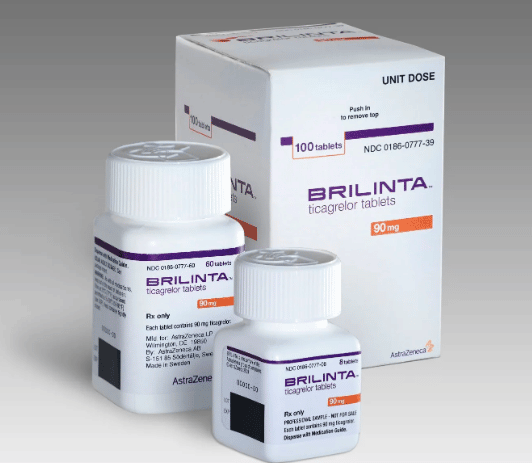
    Antiplatelet therapy is a common part of care after ACS, especially after stenting. For background on two commonly discussed antiplatelet options, see Brilinta vs. Plavix. Anticoagulants may also be used in hospital or in selected follow-up situations; Anticoagulant Therapy explains safety considerations for older adults.

    Medication access can also become part of recovery planning. BorderFreeHealth connects U.S. patients with licensed Canadian partner pharmacies, and prescription details are verified with the prescriber when required before dispensing. This is separate from deciding which medicine is right for you, which should come from your care team.

    Recovery, Follow-Up, and Lowering Future Risk

    Recovery after ACS is possible, but it requires follow-up and long-term prevention. Many people return to daily activities after treatment, cardiac rehabilitation, and medication adjustment. The recovery path depends on heart muscle damage, artery findings, complications, and overall health.

    Cardiac rehabilitation is often recommended after a heart attack or certain procedures. It combines supervised exercise, education, risk-factor support, and confidence building. It can also help people understand warning symptoms and safe activity progression.

    Follow-up visits often review blood pressure, cholesterol, diabetes control, kidney function, symptoms, medication tolerance, and bleeding risk. Bring an updated medicine list, allergies, procedure reports, and discharge instructions to visits. This helps each clinician understand what changed in hospital.

    Home blood pressure tracking can support follow-up conversations when your clinician recommends it. This calculator can average multiple readings, which may be more useful than focusing on one isolated number.

    [blood-pressure-average-calculator]

    Risk reduction usually includes not smoking, taking prescribed medicines as directed, eating in a heart-supportive pattern, moving safely, and managing sleep, stress, blood pressure, cholesterol, and blood glucose. If you smoke, pack-year history can help clinicians understand exposure, but quitting support matters at any level.

    Some people want a broader cardiovascular learning path after ACS. The Cardiovascular collection can help you find related heart-health topics without turning this emergency topic into a product discussion.

    Possible Complications to Watch For

    Acute coronary syndrome complications can occur early or later in recovery. Possible complications include heart failure, irregular heart rhythms, recurrent chest pain, reinfarction, cardiogenic shock, valve problems, stroke, kidney injury, or bleeding from procedures and medicines.

    Emotional health also deserves attention. Anxiety, low mood, sleep trouble, and fear of activity are common after a heart event. These concerns are real and treatable. Tell your clinician if worry or sadness affects sleep, medication use, appetite, or daily function.

    After discharge, seek urgent help for recurrent chest pressure, severe shortness of breath, fainting, new weakness on one side, black or bloody stools, coughing blood, or sudden swelling with trouble breathing. These symptoms may signal recurrent ischemia, bleeding, stroke, heart failure, or another urgent problem.

    Authoritative Sources

    The National Heart, Lung, and Blood Institute explains heart attack symptoms, testing, and emergency care in patient-friendly language.

    The American Heart Association ACS resource provides public education on ACS and its relationship to heart attack.

    The AHA/ACC chest pain guideline outlines evidence-based evaluation pathways used by clinicians.

    Recap

    What is acute coronary syndrome? It is a group of urgent heart conditions caused by reduced blood flow to the heart muscle. STEMI, NSTEMI, and unstable angina are the main forms. Symptoms can be classic chest pressure or less obvious signs such as breathlessness, nausea, fatigue, or sweating.

    Fast evaluation with ECGs and troponin testing helps clinicians choose treatment. Long-term recovery depends on follow-up, cardiac rehabilitation, medication safety, and risk-factor control. If symptoms could be heart-related, treat them as urgent.

    This content is for informational purposes only and is not a substitute for professional medical advice.

  • What Is Gastroesophageal Reflux Disease? Signs, Causes, and Care

    What Is Gastroesophageal Reflux Disease? Signs, Causes, and Care

    Gastroesophageal reflux disease, often called GERD, is a long-term pattern of stomach contents flowing back into the esophagus, the tube that carries food from your mouth to your stomach. That backflow can irritate the lining and cause heartburn, a sour taste, chest discomfort, cough, or trouble swallowing. Why this matters is simple: reflux that keeps coming back can affect sleep, eating, and the health of the esophagus over time.

    Many people use acid reflux, heartburn, and GERD as if they mean the same thing. They overlap, but they are not identical. Heartburn is a symptom. Acid reflux is the event of stomach contents moving upward. GERD usually describes reflux that is frequent, persistent, or troublesome enough to deserve medical attention.

    Key Takeaways

    • GERD is more than occasional heartburn after a heavy meal.
    • Common symptoms include burning, regurgitation, throat irritation, and sometimes trouble swallowing.
    • Triggers vary, but meal timing, certain foods, alcohol, tobacco, and body position often matter.
    • Diagnosis often starts with symptom history, but testing may be needed for persistent or warning signs.
    • Treatment may include lifestyle changes, acid-reducing medicines, and follow-up when symptoms keep returning.

    BorderFreeHealth works with licensed Canadian partner pharmacies for eligible U.S. patients.

    Understanding Gastroesophageal Reflux Disease

    Gastroesophageal reflux disease happens when the barrier between the stomach and the esophagus does not stay closed as well as it should. The key structure is the lower esophageal sphincter, a muscle valve at the bottom of the esophagus. When that valve relaxes at the wrong time or loses strength, acidic stomach contents can move upward.

    Some reflux is normal. A brief episode after a large meal does not automatically mean disease. GERD is the term usually used when reflux happens often, clearly affects daily life, or causes inflammation and other complications. In practice, the difference is not just whether reflux occurs. It is how often it happens, how severe it feels, and whether it is damaging tissue or function.

    GERD also does not always mean the stomach is making too much acid. Often the main problem is location, not amount. Even normal stomach contents can irritate the esophagus because that tissue is not built for repeated exposure.

    Term What it means Why it matters
    Heartburn A burning symptom in the chest or throat. It can happen occasionally and does not always mean chronic disease.
    Acid reflux Backflow of stomach contents into the esophagus. It can trigger heartburn, regurgitation, or throat symptoms.
    GERD Frequent, bothersome, or persistent reflux. It may need medical evaluation and a treatment plan.

    This distinction matters because the next step is different in each case. Occasional symptoms may call for short-term tracking. Frequent reflux with nighttime symptoms, swallowing problems, or weight loss calls for a more careful medical assessment.

    Common Symptoms and Warning Signs

    The classic symptom is heartburn, a burning feeling behind the breastbone that may worsen after meals, when bending over, or when lying down. Many people also notice regurgitation, meaning sour liquid or food coming back into the throat or mouth. Others describe upper chest pressure, bitter taste, or nausea instead of obvious burning.

    Symptoms can also show up outside the chest. Ongoing throat clearing, hoarseness, a chronic cough, bad breath, or a sensation of a lump in the throat can happen in some people. Nighttime reflux may interrupt sleep or leave an acidic taste in the mouth by morning. Heartburn can be mild even when reflux is frequent, which is one reason symptoms are sometimes overlooked.

    People describe reflux in very different ways. One person says burning. Another says fullness, pressure, or repeated sour burps. The pattern over time often matters more than the exact word used to describe it.

    Why it matters: New, severe, or unexplained chest pain needs prompt medical evaluation because heart and lung problems can look similar.

    Warning signs deserve extra attention. Trouble swallowing, pain with swallowing, food sticking, vomiting, unexplained weight loss, black stools, anemia, or signs of bleeding are not routine reflux symptoms. These features may point to inflammation, narrowing, or another condition that needs assessment.

    Why GERD Happens: Causes, Risk Factors, and Triggers

    GERD usually has more than one cause. The most common issue is reduced function of the lower esophageal sphincter. A hiatal hernia, where part of the stomach moves above the diaphragm, can also make reflux more likely. Increased abdominal pressure, delayed stomach emptying, and repeated exposure of the esophagus to stomach contents may all add to the problem.

    Risk factors are not the same as triggers. Risk factors raise the chance that reflux becomes chronic. Triggers are things that make symptoms flare in the moment. Common triggers include large meals, eating close to bedtime, high-fat meals, alcohol, carbonated drinks, chocolate, peppermint, and caffeine. Tobacco use can worsen reflux too. Still, no single GERD diet works for everyone. A food that bothers one person may not bother another.

    Body weight, pregnancy, tight clothing, and certain medications may contribute as well. Some medicines relax the muscle valve, while others can irritate the esophagus directly. That is one reason a full medication and supplement review matters when symptoms keep returning.

    Persistent symptoms can feel random, but patterns often emerge with a short symptom log. Note what you ate, when symptoms started, whether you were lying down, and whether the problem interrupted sleep. Over a week or two, those details may reveal trends you can discuss during a medical visit.

    How GERD Is Diagnosed and Treated

    Doctors often diagnose GERD by looking at the pattern of symptoms, how long they have been happening, and whether warning signs are present. A clear history can be enough for an initial approach, especially when symptoms match classic heartburn or regurgitation. If symptoms are severe, keep returning, or do not fit the usual pattern, more evaluation may be needed to rule out ulcers, swallowing disorders, or heart-related causes of chest discomfort.

    A response to treatment can be part of the picture, but it does not prove the diagnosis by itself. Reflux can overlap with other digestive and throat conditions, which is why the full history still matters.

    Tests that may be used

    An upper endoscopy lets a clinician look directly at the esophagus, stomach, and first part of the small intestine. It may be used when there is trouble swallowing, bleeding, weight loss, long-standing symptoms, or concern about complications. Ambulatory pH monitoring measures how often acid reaches the esophagus over time. Esophageal manometry, a test of muscle movement and pressure, may help when the diagnosis is unclear or before certain procedures are considered.

    What treatment can include

    Treatment usually starts with reducing the things that trigger reflux and protecting the esophagus from repeated acid exposure. Depending on the symptom pattern, a clinician may discuss antacids, H2 blockers, or proton pump inhibitors, often called PPIs. These medicines work in different ways and are used for different goals. Some people need only short-term relief. Others need a more structured plan and follow-up, especially if symptoms return as soon as treatment stops.

    When symptoms continue despite conservative steps, the next question is whether there is another cause, an ongoing trigger, or a complication. In select cases, surgery or endoscopic treatments may be discussed, especially when reflux is tied to anatomy or does not respond well to medication. The best approach depends on the whole picture, not one symptom alone.

    • Track frequency and timing.
    • List foods and late meals.
    • Note medicines and supplements.
    • Ask which tests fit your symptoms.
    • Clarify short-term and long-term goals.
    • Review red flags that need faster follow-up.

    When required, the dispensing pharmacy confirms prescription details with the prescriber.

    When Reflux Needs More Attention

    Gastroesophageal reflux disease is common, but it should not be brushed off when symptoms keep coming back. Ongoing acid exposure can cause esophagitis, or inflammation of the esophagus. Over time, some people develop a stricture, a narrowing that can make swallowing harder. Long-standing reflux may also contribute to Barrett’s esophagus, a change in the lining that can raise cancer risk for a small group of patients.

    Complications are not limited to the esophagus. Sleep disruption, persistent cough, throat irritation, and dental enamel wear may also occur. That is part of why untreated nighttime reflux can be more than a comfort issue.

    People with long-lasting or severe symptoms may need closer follow-up based on age, symptom pattern, and risk factors. The point is not to assume the worst. It is to catch preventable problems before they become harder to manage.

    It makes sense to seek medical evaluation if symptoms happen often, disturb sleep, return despite treatment, or start affecting eating and weight. Prompt care is especially important for chest pain, trouble swallowing, vomiting blood, black stools, fainting, or shortness of breath. Those symptoms need urgent assessment because they can overlap with conditions other than reflux.

    Daily Habits That May Help Reduce Symptoms

    Daily habits do not replace evaluation, but they can make GERD easier to understand and sometimes easier to control. The most useful step is often consistency. Smaller meals, slower eating, and avoiding late-night meals may reduce pressure on the stomach. Staying upright for a few hours after eating can also help limit backflow.

    Nighttime symptoms sometimes improve when the head of the bed is elevated rather than simply adding more pillows. If body weight is part of the picture, even moderate changes may reduce reflux pressure for some people. If tobacco or alcohol seems to trigger symptoms, cutting back may help. The goal is not perfection. It is identifying which changes actually change your pattern.

    A broad elimination diet is not always the best starting point. A simpler approach is to watch for repeat offenders and focus on the timing of meals first. That keeps the plan realistic and makes it easier to tell which change is helping.

    Quick tip: A one-page symptom diary often tells a clearer story than memory alone.

    No single food list works for everyone, so broad restriction is not always useful. A targeted plan based on your own pattern is usually more practical. For broader digestive health reading, the Gastrointestinal Hub collects related condition topics, while the Gastrointestinal Products section is a browseable list of product pages.

    Some eligible patients use cash-pay cross-border options when insurance is not available.

    In plain language, GERD means reflux that is frequent, persistent, or disruptive enough to matter. Knowing the difference between occasional heartburn and a chronic pattern can help you describe symptoms clearly, recognize warning signs, and prepare for a more useful medical conversation.

    Authoritative Sources

    This content is for informational purposes only and is not a substitute for professional medical advice.

  • What Is Angioedema? Symptoms, Triggers, And Treatment

    What Is Angioedema? Symptoms, Triggers, And Treatment

    If you searched ‘What Is Angioedema: Symptoms, Triggers, and Treatment Guide,’ the short answer is this: angioedema is sudden swelling in deeper layers of the skin or lining tissues. It often affects the lips, eyelids, tongue, hands, feet, or genitals. It can appear with hives or happen on its own. Why this matters is simple: the cause changes the best response, and swelling in the tongue or throat can become dangerous fast.

    Most episodes are acute, meaning short-lived, but some people have recurrent swelling over time. Because the pattern can point to allergy, medication effects, or inherited conditions, the first questions are usually what swelled, how fast it happened, whether hives were present, and whether breathing or swallowing changed.

    Key Takeaways

    • Angioedema is deep swelling, not just surface irritation.
    • It may happen with hives, but not always.
    • Common triggers include allergies, medications, infections, and inherited conditions.
    • Throat swelling, breathing trouble, or faintness need emergency care.
    • Treatment depends on the cause and whether histamine is involved.

    What Angioedema Means Beneath The Skin

    Angioedema is swelling caused by fluid leaking from small blood vessels into deeper tissue. Unlike a mild rash, it tends to feel puffy, firm, or tight. The skin may look normal, pink, or slightly red. The swelling often develops over minutes to hours and can take hours or a few days to settle, depending on the trigger.

    Doctors often think about two broad pathways. The first is mast cell-mediated angioedema, meaning histamine and related allergy signals are driving the swelling. This form more often comes with hives, itching, flushing, or an obvious trigger such as a food, sting, or medication reaction. The second is bradykinin-mediated angioedema, which involves a different chemical pathway. It is more likely to cause swelling without hives and may be seen with certain blood pressure medicines, especially ACE inhibitors, or in hereditary angioedema.

    Why The Cause Matters

    The reason angioedema happens affects both risk and treatment. Histamine-driven episodes often respond to common allergy treatments. Bradykinin-driven swelling usually does not follow the same pattern. That is one reason recurrent lip or tongue swelling without hives deserves a careful history rather than guesswork.

    For broader background on related conditions, the Allergy And Immunology hub can help you place angioedema in context.

    BorderFreeHealth works with licensed Canadian partner pharmacies.

    Symptoms And Warning Signs To Watch

    The most common angioedema symptoms are sudden swelling of the lips, eyelids, face, tongue, hands, feet, or genitals. The area may feel stretched, warm, tender, or heavy rather than simply itchy. Some people notice tingling first. Others wake up with swelling that was not there the night before.

    Angioedema can also affect mucous membranes, which are the moist linings inside the body. That means symptoms are not always visible on the skin. Swelling in the mouth or throat can change the voice, make swallowing hard, or create a tight sensation. Swelling in the gut can cause cramping, nausea, vomiting, or belly pain. These internal symptoms are easy to misread if you do not know angioedema can happen there too.

    Why it matters: A swollen tongue or throat can block airflow even when the skin changes look limited.

    Angioedema And Hives Are Related, But Not The Same

    Hives and angioedema often overlap, but they affect different layers of tissue. Hives tend to sit closer to the skin surface and look like raised, itchy welts. Angioedema goes deeper and usually looks more like broad swelling than a cluster of bumps.

    Feature Angioedema Hives
    Depth Deeper tissue swelling Surface skin welts
    Common feel Tight, sore, heavy, or warm Very itchy
    Common sites Lips, eyelids, tongue, hands, feet Anywhere on the skin
    Appearance Diffuse puffiness Raised red or pale patches
    May occur together Yes Yes

    This distinction matters because angioedema without hives can point toward medication effects, hereditary angioedema, or other non-allergic pathways rather than a simple allergic flare.

    When Swelling Needs Urgent Care

    Angioedema becomes an emergency when it affects breathing or raises concern for a severe allergic reaction. Trouble breathing, noisy breathing, sudden voice changes, swelling of the tongue, trouble swallowing saliva, fainting, chest tightness, or rapidly spreading swelling should be treated as urgent. Severe stomach pain with repeated vomiting can also deserve prompt evaluation, especially in people with recurrent unexplained episodes.

    If symptoms start soon after a new medicine, food, sting, or another clear exposure, that timing is important to report. So is a family history of similar swelling. Even when a person has had angioedema before, a new throat symptom should not be treated as routine.

    • Breathing changes — urgent evaluation
    • Tongue or throat swelling — emergency risk
    • Fainting or severe weakness — possible serious reaction
    • Rapid spread — do not wait it out
    • Severe belly pain — consider deeper swelling

    Common Causes, Triggers, And Risk Factors

    Angioedema causes fall into a few major groups. Allergic angioedema may follow foods, insect stings, latex, or medications. Non-allergic angioedema can be triggered by drugs, infections, physical pressure, or temperature changes. Some cases are hereditary, caused by an inherited problem in the C1 inhibitor system, which helps regulate swelling. Others are called idiopathic angioedema, meaning a clear cause is not found even after evaluation.

    One especially important trigger is an ACE inhibitor, a common blood pressure medicine class. ACE inhibitor angioedema may happen without hives and can occur even after someone has taken the medication for a long time. That delayed pattern surprises many people. Other drugs can also cause or worsen swelling, which is why a full medication list matters.

    Risk factors can include a personal or family history of swelling, a history of hives or allergies, certain medications, and prior unexplained episodes of face or lip swelling. In some people, stress, illness, dental work, or minor trauma seem to act more like triggers than root causes. The pattern over time often gives the strongest clues.

    What Causes Angioedema Without Hives?

    Angioedema without hives raises the chance of a non-histamine pattern. Medication effects, especially ACE inhibitors, hereditary angioedema, and some idiopathic cases are common reasons clinicians look more closely. That does not mean every case without hives is inherited or dangerous, but it does mean the workup may go beyond standard allergy questions.

    Food concerns come up often, but there is no single universal list of foods to avoid with angioedema. If a specific food clearly triggered an episode, it makes sense to note that pattern and discuss it during evaluation. Without a clear link, broad food restriction can create confusion more than clarity.

    When required, prescription details are checked with the prescriber before dispensing.

    How Angioedema Is Diagnosed And Treated

    Diagnosis starts with the story. Clinicians usually ask how fast the swelling appeared, whether hives or itching were present, what medicines or foods were involved, whether the belly or throat were affected, and whether relatives have had similar episodes. Photos from a phone can help, especially when the swelling has eased by the appointment.

    Testing is not the same for everyone. A single, obvious allergic episode may need a different workup than recurrent swelling with no rash. In repeat or unexplained cases, especially when hereditary angioedema is a concern, clinicians may order blood tests related to complement proteins such as C4 and C1 inhibitor. The goal is not to test everything at once. It is to match the tests to the pattern.

    Angioedema treatment also depends on the pattern. Histamine-related swelling may improve with antihistamines, corticosteroids, or emergency treatment for anaphylaxis when a severe allergic reaction is involved. Bradykinin-mediated angioedema usually needs a different approach, and specialist-directed therapies may be considered for hereditary angioedema or recurrent non-allergic swelling. If a medication appears to be the trigger, the prescriber may review whether an alternative is needed.

    That is also why there is no single best antihistamine for every case. An antihistamine may help when histamine is driving the swelling, but it does not explain every episode. For recurrent or severe symptoms, the plan is usually built around the likely mechanism, the body areas involved, and how quickly symptoms escalate.

    If a clinician is considering a histamine-blocking approach, some readers also look into options such as Histantil. The best fit still depends on the cause of swelling and the overall treatment plan.

    Quick tip: Keep a simple log with timing, photos, new medicines, foods, infections, and stress around each episode.

    If you are wondering whether swelling could be medication-related, a page like Synthroid Side Effects shows the kind of timing details clinicians use when reviewing possible reactions.

    Living With Recurrent Or Unclear Swelling

    Repeated angioedema can be frustrating because the episodes may look dramatic but still be hard to explain. A useful next step is often pattern recognition rather than panic. The goal is to understand whether the swelling behaves like allergy, medication-related swelling, hereditary angioedema, or an idiopathic pattern that needs ongoing follow-up.

    These questions can make an appointment more productive:

    • Timing — how fast it appeared
    • Location — lips, face, throat, or gut
    • Skin findings — hives, itching, or none
    • Triggers — foods, stings, infections, pressure, medicines
    • Family history — similar swelling in relatives
    • Response pattern — what seemed to help or did not

    That last point is especially useful. Swelling that repeatedly ignores typical allergy treatment may need a different explanation. The same is true for episodes linked to abdominal pain, family history, or ACE inhibitor use. Recurrent angioedema is often managed best with a plan that names likely triggers, lists emergency warning signs, and clarifies when specialist evaluation is worth considering.

    Angioedema prevention is usually practical, not perfect. It may include avoiding confirmed triggers, reviewing medication lists after a reaction, keeping photos and notes from past episodes, and making sure family history is not overlooked. There is no one-size-fits-all prevention plan because angioedema is a pattern, not a single cause.

    Some cross-border prescription options are cash-pay and depend on eligibility and jurisdiction.

    Authoritative Sources

    Further reading can help, but the key point is simple: angioedema is not one thing. The swelling pattern, the trigger, and the presence or absence of hives are what make the condition easier to understand.

    This content is for informational purposes only and is not a substitute for professional medical advice.

  • What Are ACE Inhibitors? Uses, Risks, and Monitoring

    What Are ACE Inhibitors? Uses, Risks, and Monitoring

    ACE inhibitors are medicines that relax blood vessels, lower blood pressure, and reduce strain on the heart and kidneys. If you are asking what are ace inhibitors, the short answer is that they block a body system that can tighten arteries and raise pressure. That matters because high blood pressure, heart failure, diabetes-related kidney stress, and recovery after a heart attack often need long-term risk reduction, not just a lower number on a reading.

    These medicines can be very helpful, but they need thoughtful monitoring. Kidney function, potassium, pregnancy status, swelling reactions, and other medicines all affect whether an ACE inhibitor is a good fit.

    Key Takeaways

    • Core purpose: ACE inhibitors lower blood pressure and reduce heart workload.
    • Kidney role: They may help protect kidney filters in selected patients.
    • Common side effects: Dry cough, dizziness, and high potassium can occur.
    • Serious warning: Face, lip, tongue, or throat swelling needs urgent care.
    • Common alternative: ARBs may be considered when cough limits use.

    What Are ACE Inhibitors and Why Are They Used?

    ACE inhibitors, short for angiotensin-converting enzyme inhibitors, are a class of cardiovascular medicines used for blood pressure, heart, and kidney protection goals. Clinicians commonly use them for hypertension, some forms of heart failure, care after certain heart attacks, and kidney protection in people with diabetes or protein in the urine.

    The name describes the target. Angiotensin-converting enzyme helps produce angiotensin II, a hormone that narrows blood vessels. ACE inhibitors reduce that conversion. When less angiotensin II is available, blood vessels can relax and pressure may fall.

    This is also why ACE medicines can support the kidneys. The kidneys contain tiny filtering units called glomeruli. High pressure inside those filters can worsen damage over time. By changing pressure within the kidney’s blood vessels, ACE inhibitors may reduce stress on those filters in appropriate patients.

    ACE inhibitors are not interchangeable with every blood pressure medicine. They belong to a specific drug class with specific benefits, side effects, and precautions. For broader heart-related reading, the Cardiovascular collection can help you place this class within wider treatment discussions.

    How ACE Inhibitors Work in the Body

    ACE inhibitors work by calming part of the renin-angiotensin-aldosterone system, often shortened to RAAS. This hormone system helps regulate blood pressure, salt balance, and fluid levels. It is useful in emergencies, but overactivity can strain the heart, blood vessels, and kidneys.

    Normally, the body converts angiotensin I into angiotensin II. Angiotensin II tightens blood vessels and encourages aldosterone release. Aldosterone is a hormone that helps the body hold sodium and water. By blocking ACE, these medicines reduce angiotensin II levels and may also reduce aldosterone effects.

    The result is not simply “more urination” or a quick pressure drop. Many ACE inhibitors provide steadier vessel relaxation. The heart may pump against less resistance, and blood pressure may become easier to control when paired with lifestyle changes and other care.

    Why it matters: Understanding the mechanism helps explain both the benefits and the lab monitoring.

    Because RAAS also affects potassium and kidney blood flow, clinicians often check blood tests after starting or adjusting therapy. A mild kidney-function change may be expected in some cases, but larger changes need review. Potassium can rise, especially when ACE inhibitors are combined with certain diuretics, supplements, salt substitutes, or kidney disease.

    ACE Inhibitor Drugs You May Recognize

    Many people want an ace inhibitors list so they can recognize class names on a prescription label. Common examples include lisinopril, ramipril, perindopril, fosinopril, enalapril, benazepril, quinapril, captopril, and trandolapril. Availability can vary by country, pharmacy, and product status.

    Some names appear often in patient education because they are widely prescribed. Lisinopril is commonly used for hypertension and some heart-related indications. Ramipril is often discussed in cardiovascular risk contexts. Perindopril and fosinopril are other examples from the same class. Drug choice depends on your medical history, lab results, other medicines, and clinician preference.

    Medicine Class Common Care Context
    Lisinopril ACE inhibitor Blood pressure, heart failure, post-heart attack care in selected patients
    Ramipril ACE inhibitor Blood pressure and cardiovascular risk reduction contexts
    Perindopril ACE inhibitor Blood pressure and some coronary disease contexts
    Fosinopril ACE inhibitor Blood pressure and heart-related treatment plans
    Losartan ARB ACE alternative in some patients, especially when cough occurs
    Valsartan ARB Blood pressure and selected heart failure contexts
    Amlodipine Calcium channel blocker Blood pressure and angina; not a RAAS blocker

    Several related product pages can help you identify specific medication names before a clinician visit. Examples include Lisinopril, Ramipril, Perindopril, and Fosinopril. Use these pages for orientation only, not for self-selecting a medicine.

    Benefits, Indications, and Decision Factors

    ACE inhibitors are used when their pressure-lowering and organ-protective effects match a person’s risks. Common ace inhibitors indications include hypertension, heart failure with reduced pumping function, kidney protection in some people with diabetes and albumin in the urine, and care after certain heart attacks.

    The benefit is not the same for everyone. A person with high blood pressure but normal kidney function may have different goals than someone with diabetes-related kidney disease. A person recovering from a heart attack may need a plan focused on heart remodeling, symptoms, and long-term event prevention. This is why medication choice should come from a clinician who can review the whole picture.

    Kidney-related context is especially important. Protein or albumin in the urine can signal stress on kidney filters. In selected patients, RAAS-blocking medicines such as ACE inhibitors or ARBs may be part of a kidney-protection plan. If you want more background on kidney complications in diabetes, see Diabetic Kidney Disease.

    People with heart failure may also see ACE inhibitors discussed alongside newer therapies. For related background, you can read about SGLT2 Inhibitors in Heart Failure. These drug classes work differently, and clinicians may use them for different reasons.

    Home Blood Pressure Tracking

    Home readings can help your care team see patterns beyond a single office visit. Use a validated cuff, sit quietly, and record readings as instructed. Do not change doses based on a calculator or one high reading without medical guidance.

    This tool can help average multiple blood pressure readings for discussion with a clinician. It does not diagnose hypertension or replace professional judgment.

    [blood-pressure-average-calculator]

    Side Effects and Safety Warnings

    ACE inhibitors side effects can range from mild to urgent. The best-known side effect is a dry, persistent cough. Some people also notice dizziness, lightheadedness, fatigue, headache, or a lower-than-expected blood pressure, especially when starting therapy or after a dose change.

    High potassium is another important concern. Potassium helps nerves, muscles, and the heart work properly, but too much can be dangerous. The risk may be higher in people with kidney disease, dehydration, potassium supplements, potassium-containing salt substitutes, or potassium-sparing diuretics.

    Kidney function can also shift. This does not always mean the medicine is harmful, but it does mean follow-up labs matter. Clinicians often compare creatinine and estimated glomerular filtration rate, or eGFR, before and after treatment changes. People with chronic kidney disease need individualized monitoring.

    Angioedema is rare but serious. It can cause swelling of the lips, tongue, face, throat, or airway. Seek urgent care if swelling affects breathing, swallowing, or the mouth and throat area. A history of ACE inhibitor-related angioedema usually means the class should be avoided unless a specialist says otherwise.

    Pregnancy is a major safety issue. ACE inhibitors can harm a developing fetus, especially later in pregnancy, and are generally avoided during pregnancy. People who are pregnant, planning pregnancy, or could become pregnant should discuss safer options with a clinician before continuing or starting this class.

    Quick tip: Keep an updated list of prescriptions, supplements, and salt substitutes.

    Who Should Be Cautious or Avoid ACE Inhibitors?

    ACE inhibitors contraindications include pregnancy and prior angioedema linked to an ACE inhibitor. Clinicians are also cautious with bilateral renal artery stenosis, a condition where both kidney arteries are narrowed. In that setting, kidney function may depend more heavily on angiotensin II, so blocking the pathway can be risky.

    High baseline potassium, acute kidney injury, severe dehydration, or a recent illness with vomiting or diarrhea may also change the risk-benefit balance. These situations do not always mean ACE inhibitors can never be used. They do mean a clinician should review timing, labs, and other medications carefully.

    Drug interactions deserve close attention. Nonsteroidal anti-inflammatory drugs, often called NSAIDs, can increase kidney stress in some patients. Potassium supplements, spironolactone-like diuretics, certain heart medicines, lithium, and salt substitutes can also create problems. Always ask before adding over-the-counter medicines.

    BorderFreeHealth connects U.S. patients with licensed Canadian partner pharmacies, and prescription details may be verified with the prescriber when required before dispensing. That access context is separate from clinical decision-making; your prescriber remains the right person to decide whether this class fits your health history.

    ACE Inhibitors and ARBs: Similar Goals, Different Target

    ACE inhibitors and ARBs both act on the RAAS pathway, but they block it at different points. ACE inhibitors reduce the formation of angiotensin II. ARBs, or angiotensin receptor blockers, block angiotensin II from binding to its receptor.

    This difference helps explain why ARBs are often considered when ACE-related cough occurs. Cough is less common with ARBs because they do not affect bradykinin in the same way. Bradykinin is a natural chemical that can contribute to the dry cough some people get with ACE inhibitors.

    Examples of ARB drugs include losartan, valsartan, candesartan, irbesartan, olmesartan, and telmisartan. Valsartan is not an ACE inhibitor. Losartan is also not an ACE inhibitor, even though people often search for “losartan ace inhibitor side effects.” Both are ARBs.

    ARB side effects can still include dizziness, high potassium, and kidney-function changes. Angioedema is less common than with ACE inhibitors, but it can still occur. If you had swelling with an ACE inhibitor, your clinician should guide any switch carefully.

    Questions about switching from lisinopril to losartan, dose conversion, or which drug is stronger should be handled by a prescriber. There is no safe universal conversion that fits everyone. Blood pressure history, kidney labs, potassium, heart conditions, and other medicines all matter.

    Common Medication Mix-Ups

    Medication names can be confusing, especially when several drugs treat blood pressure. Amlodipine is not an ACE inhibitor. It is a calcium channel blocker, which relaxes blood vessels through a different mechanism. Clinicians may pair amlodipine with an ACE inhibitor, but the two classes are distinct.

    Valsartan is not an ACE inhibitor either. It is an ARB. Losartan, candesartan, and irbesartan are also ARBs. These medicines are related to ACE inhibitors because they affect the same RAAS system, but they are not the same class.

    Combination pills can add to the confusion. Some products combine an ACE inhibitor with a diuretic or a calcium channel blocker. The label may list two active ingredients. If you are unsure, ask a pharmacist or clinician to identify each ingredient and its class.

    For browsing class-adjacent options and heart medicines, the Cardiovascular Medicines category may help you recognize names. Product categories should be used as navigation tools, not as substitutes for clinical advice.

    Monitoring, Follow-Up, and Practical Questions to Ask

    Follow-up makes ACE inhibitor therapy safer. Care teams commonly monitor blood pressure, kidney function, and potassium. They may also ask about dizziness, cough, swelling, dehydration, missed doses, and new medicines.

    Before a visit, write down your home blood pressure readings, symptoms, and recent medication changes. Include supplements and salt substitutes. If you recently had vomiting, diarrhea, heavy sweating, or poor fluid intake, mention it. Illness can raise the risk of low blood pressure or kidney stress.

    Useful questions include: What labs should be checked? What symptoms should prompt urgent care? Which over-the-counter pain relievers are safest for my situation? Should I avoid potassium salt substitutes? What should I do if I become pregnant or plan pregnancy?

    Heart and kidney conditions often overlap. If your care plan includes diabetes or kidney protection medicines, related reading on Forxiga Heart and Kidney Health may provide context. For heart-failure transition planning, you may also find Dapagliflozin After Heart Failure useful.

    Authoritative Sources

    For a patient-friendly overview of this class, see the Mayo Clinic ACE inhibitor summary.

    For kidney-focused context on RAAS medicines, review the National Kidney Foundation ACE and ARB resource.

    For official pregnancy and safety labeling language, see the FDA lisinopril prescribing information.

    Recap

    ACE inhibitors are important medicines for blood pressure, heart, and kidney care. They work by reducing angiotensin II, which helps blood vessels relax and may reduce stress on the heart and kidney filters. They can also cause cough, dizziness, high potassium, kidney-function changes, and rare swelling reactions.

    The safest next step is a focused conversation with your clinician. Ask why the medicine was chosen, what monitoring is needed, and which symptoms deserve prompt attention. If cough or side effects occur, ARBs may be one alternative, but switching should be guided by your prescriber.

    This content is for informational purposes only and is not a substitute for professional medical advice.
  • What Causes Hypertension? Risks, Triggers, and Warning Signs

    What Causes Hypertension? Risks, Triggers, and Warning Signs

    For most adults, what causes hypertension is not one single problem. Blood pressure usually rises because arteries stiffen, blood vessels stay narrowed, kidneys hold extra fluid, or hormones and nerves keep the system on high alert. Age, family history, salt intake, sleep apnea, kidney disease, diabetes, some medicines, alcohol, tobacco, stress, and low activity can all contribute. Sudden spikes can also happen from pain, panic, stimulants, missed medicine, or measurement error. Knowing the pattern matters because treatment depends on whether the pressure is persistent, temporary, or linked to another condition.

    Key Takeaways

    • Most adult hypertension is primary, meaning no single cause can be identified.
    • Secondary hypertension can come from kidney, hormonal, sleep, pregnancy, or medicine-related causes.
    • A sudden high reading may reflect stress, pain, stimulants, missed doses, or a cuff error.
    • High blood pressure often has no symptoms, so headaches are not a reliable warning sign.
    • Very high readings with chest pain, weakness, confusion, or vision changes need urgent care.

    What Causes Hypertension Most Often?

    Hypertension means the force of blood pushing against artery walls stays higher than it should. If you want the basic definition first, see What Is Hypertension. Causes are usually grouped into two broad patterns: primary hypertension and secondary hypertension.

    Primary hypertension builds over time

    Primary hypertension, also called essential hypertension, is the most common pattern in adults. It develops gradually and usually reflects many small influences acting together. Genes may affect how your kidneys handle salt, how flexible your arteries remain, and how strongly your nervous system reacts to stress. Daily habits and medical conditions can then add extra pressure on that system.

    This does not mean hypertension is your fault. It means the cause is often a web, not a single switch. A person may have a family history, sit for long hours, eat more sodium than their body handles well, and develop sleep apnea. Each factor may raise pressure a little. Together, they can keep readings high.

    Secondary hypertension has a specific driver

    Secondary hypertension means another condition, medicine, or substance is pushing blood pressure up. Clinicians may look harder for secondary causes when hypertension starts at a young age, appears suddenly, becomes severe, or does not respond as expected to treatment. Common categories include kidney disease, narrowed kidney arteries, adrenal gland disorders, thyroid problems, obstructive sleep apnea, pregnancy-related conditions, and certain medications.

    Medicines and substances can also matter. Some decongestants, stimulant medicines, nonsteroidal anti-inflammatory drugs, corticosteroids, nicotine, heavy alcohol use, and some herbal or supplement products may raise blood pressure in certain people. Do not stop a prescribed medicine on your own. Bring the full list to a clinician or pharmacist and ask whether anything could be contributing.

    How Blood Pressure Rises in the Body

    The physiology of hypertension comes down to pressure, flow, and resistance. Blood pressure rises when the heart pumps more forcefully, blood vessels tighten, arteries become stiffer, or the body holds extra fluid. The kidneys play a central role because they help control salt, water balance, and hormones that affect vessel tone.

    One important system is the renin-angiotensin-aldosterone system, often shortened to RAAS. It is a hormone network that helps regulate blood vessel narrowing and fluid retention. When this system is overactive, the body may keep more sodium and water, while blood vessels stay more constricted. That combination can raise pressure.

    The sympathetic nervous system also matters. This is the fight-or-flight network that raises heart rate and tightens blood vessels during stress or danger. Short bursts are normal. Chronic overactivity, poor sleep, untreated sleep apnea, ongoing pain, or stimulant exposure may keep this system turned up too often.

    Metabolic conditions can add another layer. Insulin resistance, diabetes, and kidney disease can affect blood vessels and fluid balance. For more background, see What Is Insulin Resistance and Diabetic Kidney Disease.

    Ten Common Contributors to High Blood Pressure

    Readers often ask for a list of 10 causes. A safer way to think about it is 10 common contributors, because most people have more than one. Some are changeable. Others are background risks that help guide monitoring.

    • Family history: Inherited traits can affect artery stiffness, salt handling, and long-term risk.
    • Older age: Arteries often stiffen with age, which can raise systolic pressure.
    • Higher sodium intake: Salt can increase fluid retention in people who are sodium sensitive.
    • Low activity: Inactivity can worsen weight, vessel health, insulin sensitivity, and heart workload.
    • Sleep apnea: Repeated breathing pauses can trigger stress hormones and nighttime pressure surges.
    • Kidney problems: Kidney disease can disrupt fluid balance and blood pressure hormones.
    • Diabetes: High glucose and related metabolic changes can damage blood vessels over time.
    • Tobacco or nicotine: Nicotine can narrow blood vessels and raise heart workload.
    • Alcohol use: Heavy or frequent drinking can raise blood pressure in some adults.
    • Medication effects: Decongestants, stimulants, NSAIDs, steroids, and some hormones may contribute.

    Body weight can also play a role, but it should not be discussed with blame. Weight is shaped by biology, medications, sleep, food access, stress, and medical conditions. The useful question is not whether one factor explains everything. It is which factors are realistic, safe, and worth addressing for your situation.

    Sudden Blood Pressure Spikes: Triggers and Red Flags

    A sudden increase in blood pressure can happen even in people who usually have normal or controlled readings. Common triggers include acute pain, anxiety or panic, intense exercise, caffeine, nicotine, stimulant use, alcohol withdrawal, high-sodium meals, missed blood pressure medicine, and some cold or allergy products. A full bladder, talking during the reading, crossed legs, or a cuff that is too small can also make a reading look higher than it is.

    Quick tip: If a reading is high, sit quietly for five minutes, keep both feet flat, and recheck with a proper cuff.

    A single elevated reading does not always mean an emergency. Repeated readings around 140/90 mmHg or higher should be discussed with a healthcare professional, especially if they happen on different days. Readings around or above 180/120 mmHg are more concerning, particularly when they do not come down after rest or occur with symptoms.

    Seek urgent medical help for very high blood pressure with chest pain, shortness of breath, severe headache, confusion, fainting, new weakness, trouble speaking, vision loss, or severe back pain. These symptoms can suggest heart, brain, blood vessel, or kidney strain. The same caution applies during pregnancy or soon after delivery, when high blood pressure can signal a serious pregnancy-related condition.

    Why it matters: The number alone is important, but symptoms and context change the level of risk.

    Why Younger Adults and Women May Need Extra Context

    High blood pressure in young adults deserves careful attention because it is easy to dismiss. In younger people, clinicians may consider family history, kidney disease, sleep apnea, stimulant exposure, thyroid or adrenal disorders, alcohol use, and recreational drugs. Early hypertension also has more years to affect blood vessels if it goes unnoticed.

    Young adults can also face practical barriers. They may not see a clinician often, may not own a home cuff, or may assume high readings are just stress. If hypertension appears before age 30, rises quickly, or is severe, it is reasonable to ask whether a secondary cause should be checked.

    Women can have additional triggers at different life stages. Some hormonal contraceptives may raise blood pressure in susceptible people. Pregnancy and the weeks after delivery require special caution because new high blood pressure can be dangerous for both parent and baby. Menopause can also change cardiovascular risk as hormones, sleep, body composition, and blood vessel function shift.

    Outside pregnancy, a dangerous blood pressure threshold is not separate for women. The same very high readings and emergency symptoms still matter. Younger women with severe headache, chest pain, one-sided weakness, shortness of breath, or vision changes should seek urgent care rather than assuming symptoms are anxiety or migraine. Related risk context is covered in Stroke in Young Adults.

    Headaches, Symptoms, and When High Readings Are Dangerous

    High blood pressure is often called silent because many people feel normal. That is why routine measurement matters. Some people report headaches, pressure in the head, dizziness, nosebleeds, or feeling flushed, but these symptoms do not reliably show whether blood pressure is high. They can come from many other causes.

    Headache deserves extra care when it is sudden, severe, different from usual, or paired with neurologic symptoms. A headache at the back of the head or at night is not specific for hypertension. Still, a severe headache with a very high reading, confusion, weakness, vision changes, chest pain, or shortness of breath should be treated as urgent.

    If you have repeated headaches and elevated readings, track both. Note the time, blood pressure, pulse, symptoms, caffeine or alcohol intake, recent medicines, and stressors. This record can help a clinician decide whether headaches and pressure readings are related or simply occurring together.

    Making Sense of Your Readings at Home

    Understanding what causes hypertension gets easier when you can separate a pattern from a one-off reading. Home blood pressure readings can help, but technique matters. Use a validated upper-arm cuff when possible, sit with your back supported, rest before measuring, and keep the cuff at heart level.

    The calculator below can average several blood pressure readings. It helps you compare a set of home numbers, but it does not diagnose hypertension or replace clinical review.

    [blood-pressure-average-calculator]

    • Measure at rest: Avoid exercise, nicotine, and caffeine shortly before checking.
    • Use the right cuff: A poor fit can distort the result.
    • Record the context: Note stress, pain, sleep, meals, and medicines.
    • Look for patterns: Several readings are more useful than one number.
    • Bring your log: Clinicians can interpret trends with your medical history.

    For a broader explanation of readings and risk, see Understanding High Blood Pressure.

    Treatment Conversations Should Start With Cause Patterns

    When people ask what causes hypertension, they often want to know how to lower it. The answer depends on the cause pattern, the average reading, other health conditions, and the risk of heart, brain, kidney, or eye complications. There is no universal quick fix.

    Lifestyle steps may include reducing sodium, improving sleep, limiting alcohol, stopping tobacco or nicotine exposure, increasing activity, and choosing a heart-supportive eating pattern. These changes sound simple, but they can be hard to sustain. Start with changes you can repeat, then review progress with a healthcare professional.

    Medication may be recommended when readings stay high or cardiovascular risk is elevated. Different medicines work in different ways, such as relaxing blood vessels, reducing fluid, slowing heart workload, or changing hormone signals. For a plain-language overview, see Blood Pressure Medications. If you are worried about tolerability, Long-Term Side Effects explains common concerns to discuss.

    Useful questions for a clinician include whether your readings suggest primary or secondary hypertension, whether sleep apnea or kidney testing is appropriate, which medicines or supplements could raise pressure, and what symptoms should trigger urgent care. If you want more heart-health topics in one place, browse the Cardiovascular hub.

    Authoritative Sources

    A cause-focused view can reduce blame and improve the next conversation. Track patterns, note triggers, and ask about secondary causes when readings are sudden, severe, or unusual for you.

    This content is for informational purposes only and is not a substitute for professional medical advice.
  • Is Brilinta a Blood Thinner? Safety and Clot Prevention

    Is Brilinta a Blood Thinner? Safety and Clot Prevention

    Yes, Brilinta is commonly called a blood thinner, but it is more precisely an antiplatelet medicine. That means it helps stop platelets from sticking together and forming clots. The distinction matters because antiplatelets and anticoagulants have different uses, bleeding risks, and drug interactions. If you have had a heart attack, stroke-related event, or stent procedure, understanding this difference can help you ask clearer questions and notice warning signs sooner.

    Key Takeaways

    • Plain answer: Brilinta is an antiplatelet blood thinner.
    • How it works: It reduces platelet clumping, not blood thickness.
    • Main safety issue: Bleeding and bruising can occur.
    • Common pairing: Low-dose aspirin is often used with it.
    • Stopping matters: Do not stop suddenly without medical guidance.

    Is Brilinta a Blood Thinner or an Antiplatelet?

    Brilinta belongs to a group called antiplatelet medicines, which many people loosely call blood thinners. Its generic name is ticagrelor. Platelets are tiny blood cell fragments that help form clots after an injury. After plaque rupture or stent placement, platelets can also form dangerous clots inside an artery.

    So, is brilinta a blood thinner in everyday language? Yes. In clinical language, it is an antiplatelet, not an anticoagulant. Anticoagulants, such as apixaban, rivaroxaban, or warfarin, work on clotting proteins. Brilinta works on platelet signaling instead.

    Ticagrelor blocks a platelet receptor called P2Y12. This reduces platelet activation and makes platelets less likely to clump. Your blood does not become watery or thinner in texture. It simply becomes less able to form certain platelet-driven clots.

    Why it matters: Knowing the drug class helps you understand bleeding risk and interaction questions.

    For naming context and product navigation, the Ticagrelor page can help you recognize the generic name. If your care team compares antiplatelet choices, you may also see related medicines such as Clopidogrel or Prasugrel.

    Why It Is Prescribed After Heart Events or Stents

    Clinicians prescribe ticagrelor to lower the chance of clot-related heart and vascular events in selected patients. It is often used after an acute coronary syndrome, such as a heart attack or unstable angina, and after certain stent procedures. A stent is a tiny tube that helps keep an artery open.

    After a stent, the artery lining needs time to heal. During that period, platelets may stick to the stent surface and form a clot. That can block blood flow. Brilinta helps reduce this platelet clumping risk while your clinician balances the possible benefit against bleeding risk.

    You may hear about Brilinta 90 mg twice a day early after some heart events. Dosing depends on the condition, timing, other medicines, bleeding history, and your prescriber’s plan. Do not adjust the schedule based on general information online. If instructions are unclear, contact the prescribing clinic or pharmacist.

    For a broader explanation of treatment goals, see What Brilinta Is Used For. For related heart medication topics, the Cardiovascular category collects additional educational resources.

    Side Effects and Bleeding Warnings to Watch For

    The most important Brilinta side effects relate to bleeding. Because platelets help stop bleeding, an antiplatelet can make bleeding easier to start and slower to stop. Easy bruising, nosebleeds, and bleeding from small cuts may happen. Some people also report shortness of breath, called dyspnea.

    Ticagrelor side effects can feel different from person to person. Mild bruising may be manageable, while black stools or coughing up blood need prompt medical attention. Shortness of breath may appear early for some patients. It can be mild, but it should still be discussed with a clinician, especially if it is new, worsening, or occurs at rest.

    Seek urgent care for heavy bleeding that will not stop, vomiting blood, black or tarry stools, sudden weakness on one side, fainting, severe chest pain, or intense shortness of breath. These symptoms may signal a medical emergency. Tell emergency staff that you take an antiplatelet medicine.

    Common versus serious symptoms

    • Bruising: Often visible on arms or legs.
    • Nosebleeds: Report frequent or hard-to-stop episodes.
    • Breathlessness: Ask about new or worsening symptoms.
    • Dark stools: Treat as a possible bleeding warning.
    • Severe headache: Seek prompt evaluation if sudden or unusual.

    For a deeper symptom-focused review, see the Brilinta Side Effects resource. Keep a current medication and allergy list on your phone or in your wallet. That simple habit can help clinicians make safer decisions during urgent care.

    Aspirin, Statins, Alcohol, and Other Medicines

    Brilinta is commonly used with low-dose aspirin in dual antiplatelet therapy. Dual antiplatelet therapy means two platelet-blocking medicines are used together for a period of time. This approach is common after many stent procedures, but the timing and duration depend on personal risk factors.

    People often ask whether they can take Brilinta without aspirin. That decision should come from the prescriber, not from symptoms alone. Stopping aspirin too early may raise clot risk for some patients. Continuing it may raise bleeding risk for others. Your clinician weighs both risks using your heart history, stent details, bleeding history, age, and other conditions.

    Statins, including atorvastatin, are often prescribed alongside antiplatelets to support cholesterol and artery-health goals. If you wonder whether you can take Brilinta and atorvastatin together, bring a complete medication list to each visit. Include prescription drugs, over-the-counter pain relievers, supplements, and herbal products.

    Alcohol deserves caution because it can irritate the stomach and may increase bleeding concerns. Avoid heavy drinking while taking an antiplatelet. If you drink, ask your clinician what limit fits your history, especially if you have ulcers, liver disease, frequent falls, or prior bleeding.

    Quick tip: Ask before using NSAID pain relievers like ibuprofen or naproxen.

    Some combinations require special review. Brilinta and Eliquis dual therapy, for example, may be considered only in selected situations because layered clot-prevention medicines can raise bleeding risk. For a plain-language comparison of these drug classes, see Brilinta and Eliquis.

    How Long It Stays in Your System and Missed Doses

    Ticagrelor leaves the body over time, but its effect on platelet function can last beyond the last tablet. This is why procedures, dental work, and surgeries need advance planning. Your care team may give specific instructions about when to hold or restart therapy. Follow that plan exactly.

    If you missed 2 doses of Brilinta, do not double up unless your prescriber has given that instruction. Contact the clinic or pharmacist for advice on resuming safely. Missed doses matter because protection against platelet clumping can drop when therapy is interrupted.

    How long you take it after a stent varies. Many patients are reassessed around 6 to 12 months, but some stop earlier and others continue longer. The decision depends on bleeding risk, stent history, heart attack risk, and other medical issues. Searches such as stopping Brilinta after 1 year or stopping Brilinta after 2 years reflect real decision points, but the safest answer is individualized.

    Before any planned procedure, tell the surgeon, dentist, or procedural team that you take ticagrelor. Also ask who will coordinate the plan: the cardiologist, surgeon, dentist, or primary care clinician. Clear ownership reduces mixed messages.

    How It Compares With Other Blood Thinners

    Brilinta is not the same type of blood thinner as Eliquis or Xarelto. Brilinta affects platelets. Eliquis and Xarelto affect clotting factors. Both categories can reduce clot risk in the right setting, but they are used for different reasons and carry different interaction concerns.

    Plavix, whose generic name is clopidogrel, is more similar to Brilinta because both are P2Y12 antiplatelets. They still differ in how they are processed in the body, how they are prescribed, and which patients may be better suited to each. There is no universal “best” blood thinner. The better choice depends on the reason for treatment, bleeding risk, other medicines, and prior procedures.

    For a focused antiplatelet comparison, read Brilinta vs Plavix. If your care team is discussing a change, the Brilinta Alternatives page can help you understand the kinds of options that may come up in conversation.

    Questions to ask before switching

    • Reason for change: Is bleeding, cost, or effectiveness the concern?
    • Stent history: Does my procedure affect timing?
    • Other medicines: Which combinations raise bleeding risk?
    • Stop date: When will therapy be reassessed?
    • Warning signs: Which symptoms should prompt urgent care?

    Food, Lifestyle, and Daily Safety Habits

    There is no single food that everyone must avoid while taking ticagrelor. The practical goal is to reduce avoidable bleeding risks and support heart health. Limit heavy alcohol use, avoid starting supplements without review, and ask before using over-the-counter anti-inflammatory pain medicines.

    Good daily habits can prevent confusion later. Use one medication list, carry it to appointments, and update it after every change. Tell dentists and procedural teams about Brilinta before cleanings, extractions, injections, or surgery. If you fall or hit your head, seek medical advice promptly, even if you feel okay at first.

    Heart-healthy eating also supports the larger treatment plan. Emphasize balanced meals, label awareness, and sodium moderation if your clinician recommends it. If you have kidney disease, diabetes, or heart failure, ask whether you need individualized nutrition guidance.

    If you are reviewing access options, BorderFreeHealth connects U.S. patients with licensed Canadian partner pharmacies. When prescription verification is required, details are checked with the prescriber before the pharmacy dispenses. These service details do not replace clinical review, but they may help you understand the role of documentation when comparing cash-pay options without insurance.

    Authoritative Sources

    For official medication details, the DailyMed ticagrelor label listings provide regulator-submitted prescribing information and safety language.

    For patient-focused drug precautions, MedlinePlus information on ticagrelor summarizes warnings, side effects, and interaction considerations.

    For professional context on dual antiplatelet duration, the ACC/AHA focused update on dual antiplatelet therapy discusses clinician decision factors after coronary stenting.

    Recap

    Is brilinta a blood thinner? In everyday terms, yes. More precisely, it is an antiplatelet medicine that helps stop platelets from clumping. That action can reduce certain clot-related risks, especially after heart events or stent procedures, but it can also increase bleeding risk.

    The most useful next step is not to memorize every drug comparison. Instead, know your reason for taking it, your planned reassessment date, your warning signs, and which medicines or procedures require a call to your care team. Bring those questions to visits so decisions stay connected to your personal risk profile.

    This content is for informational purposes only and is not a substitute for professional medical advice.

  • Why Is Azopt So Expensive: A Patient’s Guide to Pricing

    Why Is Azopt So Expensive: A Patient’s Guide to Pricing

    Many patients ask why is azopt so expensive when they refill eye drops. Price pressure feels unfair, especially with chronic glaucoma care. This guide explains the cost drivers, clinical basics, safety issues, and practical alternatives so you can discuss options confidently with your clinician.

    Key Takeaways

    • Cost drivers: small market, complex sterile manufacturing, and rebates
    • Active drug: brinzolamide 1% carbonic anhydrase inhibitor (enzyme blocker)
    • Generics and alternatives: availability varies by region and supply
    • Safety notes: sulfonamide allergy risk, contact lens precautions
    • Work with your clinician: step therapy, combinations, and tier exceptions

    Why Is Azopt So Expensive: Cost Drivers Patients Face

    Several forces keep prices elevated. First, brinzolamide eye drops serve a specific population, so volumes remain modest. Small markets mean fewer competitors and less pricing pressure. Second, sterile ophthalmic suspensions require specialized facilities, rigorous quality controls, and ongoing sterility testing. Those inputs raise per-unit costs.

    Market dynamics matter too. Formularies, pharmacy benefit manager rebates, and tiering can push copays higher. When fewer AB-rated generics are widely distributed, brands hold leverage. Alcon, the original azopt eye drops manufacturer, also invests in stability data, pharmacovigilance, and supply chain safeguards. These real costs, plus distribution markups, roll into the final price patients see at the counter.

    For label-backed information on formulation and use, the U.S. reference remains helpful. You can review the FDA-approved product information via the DailyMed listing to confirm key safety points and ingredients (the U.S. label).

    What Azopt Does: Uses, Mechanism, and Composition

    Azopt is a brand name for brinzolamide, a carbonic anhydrase inhibitor (enzyme blocker) used to lower intraocular pressure (IOP). Lowering IOP helps slow optic nerve damage in open-angle glaucoma and ocular hypertension. Clinicians may use it alone or with other drug classes such as beta-blockers or prostaglandin analogs. In practice, brinzolamide is often chosen when patients need an adjunctive drop to reach target pressure.

    The suspension contains brinzolamide 1% with a preservative and other inactive ingredients that stabilize pH and viscosity. Patients who wear soft contact lenses should note preservatives can bind lenses. Removing lenses before dosing and waiting to reinsert helps reduce irritation. If sensitivity continues, asking about preservative-free options or different classes can be helpful.

    How It Works (Mechanism of Action)

    Brinzolamide reduces aqueous humor production by inhibiting carbonic anhydrase II in the ciliary processes. Less aqueous humor means lower fluid inflow to the anterior chamber, thereby reducing IOP. This mechanism targets production rather than outflow, so many clinicians pair it with agents that increase drainage, like prostaglandin analogs. Patients comparing brinzolamide eye drops to other agents should look at both pressure reduction and tolerability in real-world use. For a reliable overview of ocular drug classes and clinical role, see the American Academy of Ophthalmology’s glaucoma medication guidance (AAO guidance).

    Because Azopt is a suspension, shake the bottle gently before use. Even dispersion helps deliver consistent dosing. If vision blurs temporarily after instillation, avoid driving until it clears.

    Brand, Generic, and Alternatives

    Many patients ask whether an azopt generic is available and reliably stocked. Availability can vary by country, distributor, and time. Even when a generic exists, pharmacies may face intermittent supply or insurance formulary restrictions. When cost is a concern, clinicians sometimes shift patients to another drug class or a fixed combination that reduces bottle count.

    To compare the reference brand with current formulation details, see Azopt Ophthalmic Suspension for label references and ingredients. Some patients do well on prostaglandin/beta-blocker fixed combos; for combination therapy perspectives, see Latanoprost Timolol Solution for cross-class comparisons and practical combinations. Others may benefit from a carbonic anhydrase inhibitor plus beta-blocker; for a paired option, see Dorzolamide Timolol Solution for combination therapy comparisons and practical dosing ranges.

    When CAI drops are not tolerated, alpha-agonists or beta-blockers may help. If you want to understand an alpha-agonist alternative’s positioning, see Alphagan Z Ophthalmic 0.1% for context on side effects and use cases. If your plan prefers timolol-based drops, see Timol Eye Drops for a beta-blocker option frequently paired with other agents. For a broader patient-oriented overview, you can also read Azopt Eye Drops Guide for plain-language background and practical checklists.

    Dosing And Administration Basics

    Labeling outlines typical schedules and instillation technique. Discuss timing with your clinician, especially if you take multiple eye drops. Space drops by at least several minutes to reduce washout. If you use ointments, apply them last so they do not block earlier medications. Store the bottle as directed and avoid touching the dropper tip.

    Clinicians consider patient routines, pressure targets, and tolerance when selecting brinzolamide dosage frequency. Evidence may support different schedules depending on whether it is monotherapy or an add-on. Because adherence drives IOP control, ask for a plan that fits your day. Review any device aids, such as droppers or timers, if dexterity, vision, or memory makes dosing difficult.

    For detailed label parameters and ingredient notes, you can check the NIH-maintained listing for ophthalmic products (NIH drug references) to cross-verify storage and administration basics.

    Drug and Device Interactions

    Most clinically relevant interactions relate to additive carbonic anhydrase effects. Using oral CAIs alongside topical brinzolamide can increase systemic exposure. High-dose salicylates and certain acid-base disorders warrant caution. Patients with severe renal impairment need individualized assessment because carbonic anhydrase inhibitors can alter acid-base balance. Always share a complete medication list with your eye care team.

    Contact lens wearers should watch for preservative-related irritation. Benzalkonium chloride can bind soft lenses and reduce comfort. Remove lenses before dosing and wait an interval before reinsertion, per label directions. If symptoms persist, discuss preservative-free alternatives or a different class. For day-to-day safety planning, clinicians consider azopt interactions when building combination regimens that include beta-blockers, prostaglandins, or alpha-agonists.

    Side Effects, Warnings, and Allergies

    Typical reactions include transient blurred vision, eye discomfort, and a bitter or metallic taste. These usually fade as you continue therapy, though not always. Rarely, systemic sulfonamide-type reactions can occur because brinzolamide is a sulfonamide derivative. Seek care for rashes, breathing difficulty, or marked fatigue. If you have a prior sulfonamide allergy, alert your prescriber before starting. A careful risk–benefit conversation can reduce surprises later.

    Patients often ask about azopt eye drops side effects when comparing options. Taste disturbance (dysgeusia) and temporary blurred vision are common. Conjunctival hyperemia and tearing may appear. To cross-check common reactions and precautions, see the government-curated MedlinePlus overview, which summarizes label information in patient-friendly terms (MedlinePlus overview). Report unusual or persistent effects to your clinician, especially if symptoms disrupt adherence or daily tasks.

    Special Situations: Pregnancy, Breastfeeding, and Pediatrics

    Evidence in pregnancy is limited, and systemic absorption from topical dosing is small but not zero. If therapy is essential, clinicians weigh maternal benefit against potential risks. Techniques like punctal occlusion (gentle pressure at tear duct) can help reduce systemic exposure after instillation. For breastfeeding, transfer into milk is not well defined. Decisions should factor infant health, dosing schedule, and availability of alternatives.

    Families and caregivers often seek practical guidance on azopt pregnancy and breastfeeding safety. A collaborative plan can balance IOP control with developmental considerations. Pediatric use is specialized and may involve off-label decisions guided by subspecialists. When questions arise, ask your ophthalmologist to coordinate with obstetrics or pediatrics so dosing, monitoring, and substitution plans align across teams.

    Comparisons and Combinations

    Brinzolamide and dorzolamide share a mechanism and class but differ in formulation and comfort for some users. A small subset reports less stinging with one suspension over another solution. Real-world response can vary, so clinicians often try the better-covered option first. If target pressures are not reached, a switch or add-on is considered. Fixed combinations can also simplify regimens, reducing bottle burden and exposure to preservatives.

    When a beta-blocker is preferred in combinations, your clinician may suggest timolol-containing regimens. For practical comparisons and dosing perspectives, see Dorzolamide Timolol Solution for dual-mechanism context and real-world use. If a prostaglandin plus beta-blocker fits better, see Latanoprost Timolol Solution to understand how two pathways complement CAIs. If you need a timolol-only option to pair separately, see Timol Eye Drops for beta-blocker background and pairing strategies.

    Access and Practical Cost Tips

    Cost relief usually requires a mix of clinical and administrative steps. Ask your clinician about formulary tiers, step therapy rules, and whether a tier exception could apply. Documented intolerance or treatment failure on a covered alternative sometimes helps. Pharmacy staff can check stock and pricing variability across local locations. Patient assistance programs and coupon programs may help some, though eligibility varies.

    Consider whether a single fixed combination could replace two bottles and reduce copays. If preservatives cause irritation, discuss alternatives that may improve comfort and adherence. Steady use supports IOP control, which protects long-term vision. For a concise plain-language overview that you can share at appointments, see Azopt Eye Drops Guide for patient-friendly summaries and checklists.

    Recap

    Azopt is a branded brinzolamide suspension used to lower intraocular pressure. Prices remain high because of small-market dynamics, sterile manufacturing, and formulary factors. Patients can still find relief by discussing coverage rules, acceptable substitutions, and fixed combinations. When symptoms limit use, ask about alternative classes or preservative differences that may improve comfort. Document responses and share them with your care team.

    Choosing among classes is less about brand loyalty and more about safe, consistent pressure control. Use clinical terms as reference points, but translate them into day-to-day routines you can follow. With aligned goals, patients and clinicians can balance cost, comfort, and effectiveness over time.

    Note: Always follow the label and your clinician’s instructions for use and monitoring.

    This content is for informational purposes only and is not a substitute for professional medical advice.

  • Asacol vs Pentasa Comparison: Release, Use, and Switching

    Asacol vs Pentasa Comparison: Release, Use, and Switching

    Asacol and Pentasa are both mesalamine medicines, but they do not work in exactly the same way. An Asacol vs Pentasa comparison is mainly about delivery: where the drug releases in the gut, when it may fit ulcerative colitis or Crohn’s disease discussions, how dosing schedules are written, and why switching is not a simple mg-for-mg swap. That matters because the same active ingredient can behave differently once the formulation changes.

    For most patients, the practical questions are straightforward. Is one more colon-focused? Does one reach more of the small intestine? Will the pill burden or schedule change? And if symptoms are not controlled, does the problem call for a different mesalamine product, a rectal treatment, or a different drug class entirely? This review walks through those points in plain language.

    Key Takeaways

    • Same drug, different delivery systems.
    • Asacol-type products release later in the bowel; Pentasa releases more gradually.
    • Pentasa is not automatically better than Asacol.
    • Switching products needs a formulation review, not a homemade conversion.
    • Side effects overlap, but worsening symptoms or kidney concerns need prompt attention.

    Asacol vs Pentasa Comparison at a Glance

    The short answer is simple: both products contain mesalamine, also called mesalazine, a 5-aminosalicylic acid (5-ASA) anti-inflammatory used to calm inflammation in the bowel lining. The biggest difference is not the drug itself. It is the release system that decides where the medicine becomes available as it moves through the gut.

    Feature Asacol Pentasa Why It Matters
    Active ingredient Mesalamine Mesalamine The class is the same, but delivery differs.
    Release design pH-dependent delayed release Time-dependent extended release Release timing affects where the drug is most available.
    Usual treatment logic Often discussed for colon-focused inflammation Often discussed when small-bowel reach is part of the conversation Disease location can shape the choice.
    Switching Not automatically interchangeable Not automatically interchangeable Total milligrams alone do not tell the full story.

    That is why comparisons between mesalamine brands can feel confusing. Two products may sound similar, yet they can behave differently after you swallow them. If you want a product-specific explainer, our Pentasa Overview gives more background on that formulation.

    BorderFreeHealth works with licensed Canadian partner pharmacies for eligible U.S. patients.

    How Release Design Changes Where the Drug Works

    Release design is the biggest clinical difference between them. Mesalamine works mainly where it touches the intestinal lining, so the coating or capsule system matters almost as much as the ingredient name on the box.

    Asacol-type delayed release

    Asacol is known for a pH-dependent delayed-release coating. In plain language, the tablet is designed to stay intact until it reaches a less acidic part of the gut. That means more of the medicine is aimed later in the digestive tract, especially around the terminal ileum and colon. This later release is one reason Asacol-type products are often discussed in colon-predominant inflammatory bowel disease care.

    That delayed-release family includes other products that patients often compare side by side. If your real question is whether one delayed-release option may be more similar to another, the differences discussed in Delzicol Vs Asacol and Asacol Vs Lialda can help frame the conversation.

    Pentasa time-release system

    Pentasa uses a different idea. Instead of waiting for a specific pH trigger, it releases mesalamine gradually as the contents move through more of the small intestine and colon. That broader release pattern is why Pentasa often comes up in discussions about disease location. It is less about one product being stronger and more about one product spreading the drug through a different section of the bowel.

    This is also where people can get tripped up. They hear that both drugs are mesalamine and assume the effect should be identical. In real practice, the delivery system can change symptom control, convenience, and the logic behind switching. It can even change whether a clinician thinks oral therapy alone makes sense.

    When Each One May Fit Better

    Neither drug is universally better. The better fit depends on where inflammation sits, how severe it is, and what has or has not worked before.

    For ulcerative colitis, which affects the colon, colon-focused mesalamine often makes intuitive sense in mild disease. That does not mean Pentasa has no role. It means the release pattern becomes part of the decision. For some patients, the discussion centers on colon delivery. For others, pill schedule, past response, or tolerance matters just as much.

    Crohn’s disease makes the comparison more complicated. Pentasa may enter the conversation because its release pattern extends through more of the small intestine. Even so, mesalamine has a limited and debated role in Crohn’s disease overall, and many patients with Crohn’s need other treatment approaches depending on disease location and severity. So the answer to Is Pentasa better than Asacol is usually no, not across the board. The better question is which formulation best matches the treatment plan, if mesalamine is appropriate at all.

    Oral tablets are not the only mesalamine option either. If inflammation is mainly in the rectum or lower colon, clinicians may think beyond oral therapy alone and discuss local treatments such as Pentasa Suppositories, Salofalk Suspension, or Uceris Rectal Foam. That does not make oral drugs irrelevant. It shows why disease location matters so much.

    Why it matters: The same active drug can act very differently when the release system changes.

    Dosing, Adherence, and Why Switching Needs a Plan

    Dosing is where many comparisons go wrong. There is no universal mesalamine conversion chart that safely replaces a review of the actual product, schedule, and reason for treatment.

    This is why an Asacol vs Pentasa comparison should not end with total daily milligrams. Two regimens can list similar milligram amounts and still behave differently in the bowel. The formulation, tablet or capsule design, dosing frequency, and the part of the intestine being targeted all matter. Even small differences in schedule can affect adherence if a regimen feels hard to remember or hard to tolerate.

    Brand names and regional labeling can add another layer of confusion. Some products share the same active ingredient but not the same release mechanics. Before a refill, substitution, or switch, verify the exact product name rather than relying on memory. If you are reviewing a formulation change, compare it with the details listed for Pentasa Details and the prescribing instructions you were given, not just the mesalamine number printed on the label.

    There are also practical issues that rarely show up in short comparison charts. Can the tablet be crushed? Usually not, because doing so may disrupt the release pattern. Does the pill size or number of daily doses affect whether someone actually takes it consistently? Often, yes. If a person misses doses often, the best drug on paper may not be the best real-world fit.

    If a switch is being discussed, these questions usually matter most:

    • Exact product name and formulation.
    • Reason for the switch.
    • Total daily amount and schedule.
    • How the medicine releases.
    • Whether tablets must stay whole.
    • What symptoms to watch after switching.
    • What follow-up or lab monitoring is planned.

    Quick tip: Write down the exact product name and release type before any refill or switch.

    When required, prescription details are checked with the prescriber before dispensing.

    Side Effects and Safety Questions to Raise

    Because both products deliver mesalamine, many side effects overlap. The formulation can influence how the medicine feels for a given person, but the core safety profile comes from the same active drug class.

    Common side effects may include headache, nausea, belly pain, cramping, diarrhea, or indigestion. Some people feel better after the first adjustment period. Others notice that the medicine does not agree with them, even if a related product once did. That can happen because excipients, pill burden, or release pattern differ.

    More serious problems are less common, but they matter. Mesalamine products can occasionally worsen colitis-like symptoms, irritate the pancreas, affect the kidneys, or trigger allergic-type reactions. Chest pain, shortness of breath, a significant rash, severe abdominal pain, reduced urination, or a clear worsening of bloody diarrhea should not be brushed off as routine side effects. Those symptoms need medical review.

    Kidney safety deserves special mention. Mesalamine is not known mainly as a kidney drug, yet clinicians often check renal function before and during treatment because rare kidney injury has been reported across the class. That is one reason medication reviews should include over-the-counter pain relievers and other medicines that may also stress the kidneys.

    If symptoms are not improving, the issue may not be which mesalamine brand is best. The bigger question may be whether mesalamine is still the right tool. Some patients move on to short steroid courses or other therapies when inflammation is more active. That is a separate conversation with a different risk profile, and our Prednisone Explained article outlines why steroids are handled differently from maintenance mesalamine therapy.

    How It Compares With Other Mesalamine and IBD Options

    A good Asacol vs Pentasa comparison also puts both drugs in the wider 5-ASA and inflammatory bowel disease landscape. They are two formulations in a larger group, not the only choices a patient may hear about.

    Within mesalamine itself, the first comparison point is release profile. Some products are delayed-release and more colon-focused. Others are extended-release or designed for once-daily convenience. Some are oral, while others are rectal. That is why the words better, stronger, or equivalent can be misleading. A formulation may fit better because it targets a different bowel segment or because a patient can realistically stay on the schedule.

    Beyond mesalamine, treatment choices widen quickly. Mild ulcerative colitis may still be managed with a 5-ASA approach, sometimes combining oral and rectal therapy. More active disease can bring steroids, immunomodulators, or biologics into the picture. For Crohn’s disease, the conversation often shifts sooner toward therapies outside the mesalamine family. In other words, Asacol and Pentasa sit in one part of the care pathway, not the whole pathway.

    If you want broader context, browse our Gastrointestinal Articles for condition-focused reading or the Gastrointestinal Medications hub to see how digestive treatments are grouped.

    Cash-pay cross-border prescription options may fit some patients without insurance, subject to eligibility and jurisdiction.

    Authoritative Sources

    In the end, Asacol and Pentasa are best understood as different delivery systems for the same anti-inflammatory drug. The useful comparison is not which name sounds stronger. It is which formulation matches the part of the bowel being treated, how realistic the schedule is, and whether mesalamine still fits the bigger treatment plan. Further reading should focus on release type, switching questions, and where each option sits in overall IBD care.

    This content is for informational purposes only and is not a substitute for professional medical advice.