
Blog

  • Zepbound vs Ozempic: Differences That Shape Weight Care

    Zepbound vs Ozempic: Differences That Shape Weight Care

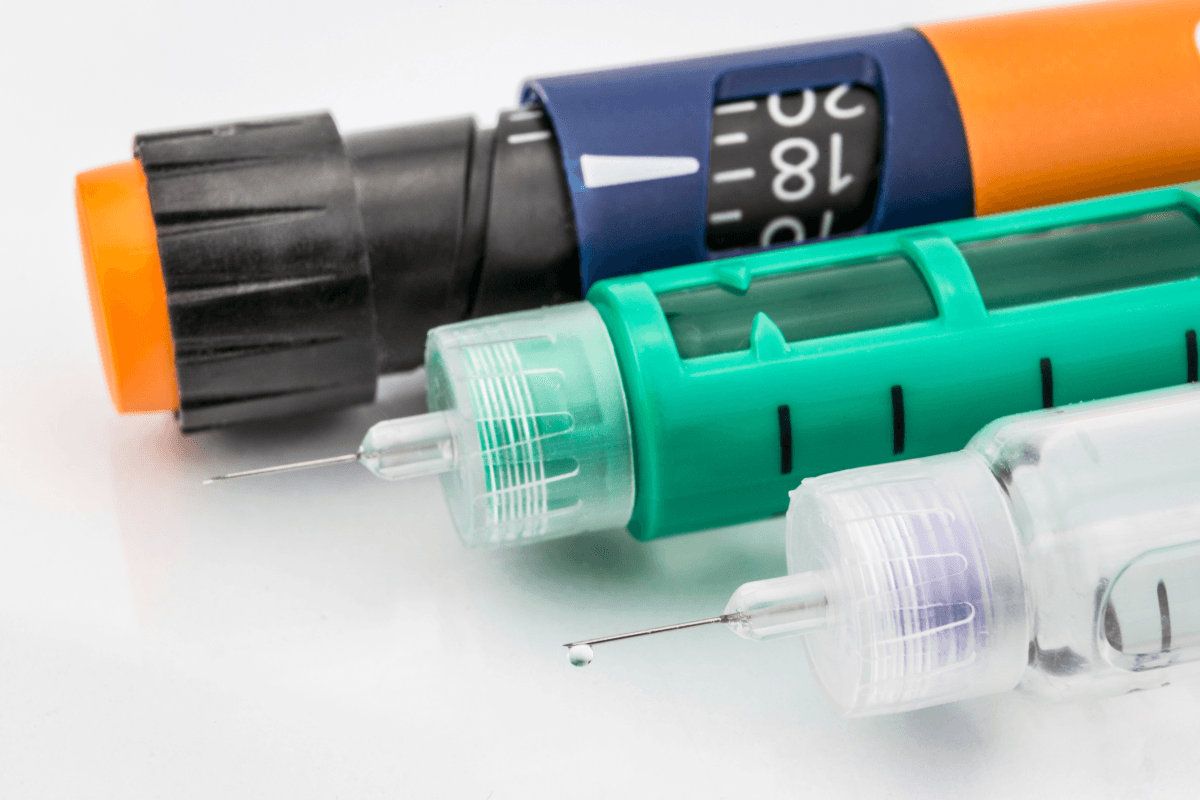
    Zepbound vs Ozempic is not a simple “which is stronger” choice. Zepbound is labeled for chronic weight management in eligible adults, while Ozempic is labeled for type 2 diabetes and certain heart-risk reduction uses in that population. Both can affect appetite, digestion, and blood sugar, but they are different medicines with different active ingredients, approval pathways, and follow-up needs.

    Why this matters: the best fit often depends on your diagnosis, health goals, side effect history, coverage rules, and what your prescriber needs to monitor. Online comparisons can help you prepare, but they cannot replace a medication plan built around your medical history.

    Key Takeaways

    • Different labeled uses: Zepbound is weight-management focused; Ozempic is diabetes focused.
    • Different ingredients: tirzepatide and semaglutide act on related hormone pathways.
    • Similar routine: both are once-weekly injections with gradual titration.
    • Side effects overlap: nausea, constipation, diarrhea, and fullness are common concerns.
    • Choice is personal: goals, safety factors, access, and monitoring drive the decision.

    Zepbound vs Ozempic: The Core Difference

    The main difference is that Zepbound contains tirzepatide, while Ozempic contains semaglutide. Tirzepatide acts on GLP-1 and GIP receptors, two gut-hormone pathways involved in appetite and glucose regulation. Semaglutide acts on GLP-1 receptors, which also influence appetite, stomach emptying, insulin release, and blood sugar after meals.

    People often ask, “Is Zepbound the same as Ozempic?” The answer is no. They can feel similar in daily life because both are weekly injections and both may reduce appetite. Still, they are not interchangeable products, and their labels are not the same.

    The approval difference matters in real appointments. A clinician may consider Zepbound when the main treatment goal is chronic weight management and the label criteria fit. Ozempic is generally discussed in the context of type 2 diabetes care, blood sugar targets, and cardiovascular risk reduction for certain adults with type 2 diabetes.

    If you want to compare tirzepatide with another tirzepatide brand, Zepbound Vs Mounjaro explains how shared ingredients can still have different labeled uses.

    How the Medicines Compare in Real-World Decisions

    The most useful Zepbound vs Ozempic comparison looks at use, monitoring, tolerability, and access together. One factor rarely decides everything.

    Decision Factor Zepbound Ozempic
    Active ingredient Tirzepatide Semaglutide
    Drug pathway GLP-1 and GIP receptor activity GLP-1 receptor activity
    Main labeled use Chronic weight management for eligible adults Type 2 diabetes; certain cardiovascular risk reduction uses
    Injection schedule Once weekly, with stepwise titration Once weekly, with stepwise titration
    Common follow-up focus Weight trend, appetite, nutrition, tolerability, safety warnings A1C, glucose patterns, diabetes medicines, kidney function, safety warnings
    Access considerations Weight-management coverage rules may apply Diabetes coverage rules may apply

    For weight-focused care, your prescriber may look at eligibility, body-weight trend, related conditions, and whether lifestyle support is realistic and sustainable. For diabetes-focused care, the conversation often includes A1C, home glucose patterns, low-blood-sugar risk when combined with other diabetes medicines, and kidney function.

    That is why “Zepbound vs Ozempic which is better” has no universal answer. Better for what? Weight-management labeling, diabetes control, tolerability, access, pregnancy planning, medication interactions, and personal preference can point in different directions.

    Readers comparing semaglutide-based options may also find Wegovy Vs Ozempic useful, because Wegovy and Ozempic share semaglutide but differ in labeled use and dosing context.

    Weight Loss Expectations Without the Hype

    Zepbound vs Ozempic weight loss discussions can become exaggerated online. Both medicines may support weight reduction in some people, but the expected role differs because Zepbound is labeled for chronic weight management and Ozempic is labeled for type 2 diabetes care.

    Clinical trials are not the same as personal predictions. Trial participants follow set protocols, have defined eligibility criteria, and receive scheduled monitoring. In daily life, results can vary with dose tolerance, nutrition, activity, sleep, other medicines, medical conditions, and whether treatment can be continued safely.

    It is reasonable to ask your clinician what marker they will use to judge progress. Some care plans focus on percentage body-weight change, waist measurement, appetite control, mobility, blood pressure, lipids, or glucose patterns. Others may focus first on whether side effects are manageable.

    Quick tip: Track trends, not single weigh-ins, because fluid shifts can blur short-term changes.

    This calculator can help you review general weight-change progress over time. It does not determine eligibility, predict medication response, or replace clinical judgment.

    [weight-loss-progress-calculator]

    For a broader medication landscape, the Weight Management collection can help you compare educational topics before a prescriber visit.

    Dosing and Switching: Why Conversion Charts Are Risky

    Zepbound vs Ozempic dosage questions should be handled by a prescriber, not by a simple online chart. Both medicines use gradual dose increases, often called titration, to help the body adjust and to reduce the chance of disruptive stomach-related side effects.

    A one-to-one conversion is not reliable because tirzepatide and semaglutide are different molecules. They act on overlapping but not identical receptor pathways. Your current dose, side effects, last injection date, diabetes medicines, kidney function, and eating pattern all matter.

    Searches for an Ozempic to Zepbound conversion chart, semaglutide to tirzepatide dose conversion chart, or GLP-1 dose conversion chart usually reflect a practical concern: people want to avoid side effects or treatment gaps. That concern is valid. The safer response is a clinician-led transition plan with monitoring, not self-directed dose matching.

    Questions to bring to your appointment

    • Timing: When should the next injection occur?
    • Starting point: What dose is appropriate after my current medicine?
    • Monitoring: Which symptoms or labs need follow-up?
    • Diabetes medicines: Could any increase low-blood-sugar risk?
    • Tolerability: What should I do if nausea or vomiting starts?

    If you are comparing semaglutide, tirzepatide, and related diabetes brands, Mounjaro Vs Ozempic covers overlapping questions around ingredient, indication, and fit.

    Side Effects, Warnings, and When to Seek Help

    Zepbound vs Ozempic side effects overlap because both affect digestion and appetite signaling. Common issues may include nausea, constipation, diarrhea, stomach pain, heartburn-like symptoms, burping, reduced appetite, and feeling full sooner than expected.

    Side effects often appear during dose changes, after larger meals, or when fluid intake drops. Smaller meals, slower eating, and steady hydration may help some people feel more comfortable. Still, persistent symptoms deserve attention, especially if they affect fluid intake or daily functioning.

    More concerning symptoms include severe or worsening abdominal pain, ongoing vomiting, inability to keep fluids down, signs of dehydration, or symptoms that feel sudden and unusual. Seek medical advice promptly if these occur. Your clinician may want to assess for complications such as pancreatitis, gallbladder disease, kidney stress from dehydration, or other causes.

    Both medicines also carry important label warnings and contraindications. These include a boxed warning about thyroid C-cell tumors seen in rodents, and they should not be used in people with a personal or family history of medullary thyroid carcinoma or multiple endocrine neoplasia syndrome type 2. Labels also describe cautions around pancreatitis, gallbladder disease, kidney injury related to dehydration, and diabetic retinopathy concerns in some people with diabetes.

    Why it matters: Similar side effects do not mean identical safety considerations for every person.

    Injection technique can also affect comfort. If bruising, stinging, or site rotation is a barrier, ask your care team to review technique rather than assuming the medicine is the only problem.

    Cost, Coverage, and Access Factors

    Zepbound vs Ozempic cost is often less about the list price and more about the reason a plan covers the drug. Insurance rules often follow labeled use, so a diabetes prescription may be reviewed differently from a weight-management prescription.

    Prior authorization can also shape access. A plan may ask for diagnosis codes, past treatment history, current health measurements, or documentation that label criteria are met. This process can feel personal, but it is usually an administrative rule rather than a judgment about effort or need.

    People without insurance may also ask about cash-pay routes or cross-border options. BorderFreeHealth connects U.S. patients with licensed Canadian partner pharmacies, and prescription details are verified with the prescriber when required before dispensing. Eligibility and jurisdiction still matter, so access should be discussed as part of a safe care plan.

    The Weight Management Options category can help readers see browseable medication categories without treating any one product as the default choice. Product pages such as Zepbound and Ozempic may also provide product-specific context when a prescriber has already discussed those medicines.

    How Related Options Fit the Conversation

    Many readers compare Zepbound vs Ozempic and quickly end up asking about Wegovy, Mounjaro, or other GLP-1 medicines. That is understandable because brand names, active ingredients, and labeled uses overlap in ways that can be confusing.

    Wegovy contains semaglutide, like Ozempic, but it is labeled for chronic weight management under specific criteria. Mounjaro contains tirzepatide, like Zepbound, but it is labeled for type 2 diabetes. These label differences can affect insurance review, clinical monitoring, and how a prescriber frames the treatment goal.

    If your main question is Zepbound vs Wegovy, Zepbound Vs Wegovy compares two medicines with weight-management labeling. If your clinician has mentioned Ozempic in a weight-related context, Ozempic For Weight Loss explains why indication and off-label use need careful discussion.

    Authoritative Sources

    For official label details, warnings, and approved uses, review the Zepbound prescribing information and the Ozempic prescribing information. These documents are the best sources for current contraindications, warnings, and administration instructions.

    The FDA GLP-1 safety information also gives regulator-level context on this medicine class and safety monitoring.

    Putting the Comparison Into a Care Plan

    Zepbound and Ozempic can look similar from a distance, but the practical differences are meaningful. Zepbound uses tirzepatide and is labeled for chronic weight management in eligible adults. Ozempic uses semaglutide and is labeled for type 2 diabetes care, including certain cardiovascular risk reduction uses.

    The safest next step is not choosing from a chart. It is bringing clear questions to a clinician: What is the main treatment goal? Which label fits my situation? What side effects should I watch for? What monitoring do I need? What happens if access changes?

    This content is for informational purposes only and is not a substitute for professional medical advice.

  • GLP-1 Drugs for Weight Loss: Options, Safety, and Access

    GLP-1 Drugs for Weight Loss: Options, Safety, and Access

    GLP-1 drugs for weight loss are prescription medicines that may help eligible adults manage appetite, fullness, and weight over time. They are not quick fixes, and they are not right for everyone. The safest path starts with a clinician review, a clear diagnosis or eligibility reason, and follow-up for side effects, nutrition, and long-term planning.

    Why this matters: many people hear brand names before they understand the drug class. Semaglutide, tirzepatide, and liraglutide differ in approved uses, dosing schedules, precautions, and coverage rules. Some products are approved for chronic weight management, while others are approved for type 2 diabetes and may be discussed differently.

    Key Takeaways

    • Several options exist: Semaglutide, tirzepatide, and liraglutide are the main injectable medicines people ask about.
    • Labels matter: The same active ingredient may appear under different brand names for different approved uses.
    • Side effects are common: Nausea, constipation, reflux, diarrhea, and early fullness often appear during dose changes.
    • Access requires review: A prescriber should check eligibility, medical history, current medicines, and follow-up needs.
    • OTC claims need caution: Supplements, drops, and patches are not the same as regulated prescription GLP-1 medicines.

    GLP-1 Medicines for Weight Management: The Main Options

    The main prescription options include GLP-1 receptor agonists and related incretin medicines. Incretins are gut hormones that help regulate appetite and blood sugar after meals. For weight management, the practical question is not simply which drug is popular. It is which option fits your diagnosis, risk factors, routine, and monitoring plan.

    Some medicines are FDA-approved for chronic weight management. Others are approved for type 2 diabetes and may be associated with weight loss, but that does not make the labels interchangeable. This distinction can affect prescribing documentation, insurance decisions, pharmacy processing, and safety counseling.

    Active ingredient Common brand examples Typical schedule Main U.S. approved use
    Semaglutide Wegovy, Ozempic Weekly injection Weight management for Wegovy; type 2 diabetes for Ozempic
    Tirzepatide Zepbound, Mounjaro Weekly injection Weight management for Zepbound; type 2 diabetes for Mounjaro
    Liraglutide Saxenda, Victoza Daily injection Weight management for Saxenda; type 2 diabetes for Victoza
    Orlistat Xenical With meals Weight management through reduced fat absorption

    If you want a broader injection comparison, Best Weight Loss Injections reviews how injectable options differ in routine and discussion points.

    How These Medicines Affect Appetite, Fullness, and Blood Sugar

    GLP-1 receptor agonists work by activating receptors involved in appetite and glucose regulation. In plain language, they can help some people feel full earlier, stay full longer, and experience less persistent hunger. They also slow gastric emptying, which means food leaves the stomach more slowly.

    That stomach-slowing effect helps explain both the benefits and some side effects. Smaller meals may feel more satisfying, but larger or greasy meals may worsen nausea or reflux. Constipation can also develop if food intake falls and fluid or fiber intake drops.

    Tirzepatide is slightly different because it acts on both GIP and GLP-1 pathways. GIP is another incretin hormone involved in metabolism. This does not automatically make it the right choice for every person. It simply means the mechanism is not identical to GLP-1-only medicines.

    These drugs usually work best alongside steady habits. Protein-forward meals, resistance training, adequate hydration, sleep, and follow-up visits can help protect muscle, support tolerability, and keep the plan realistic. A medicine can change appetite signals, but daily routines still shape the experience.

    Which GLP-1 Works Best for Weight Loss?

    There is no single best GLP-1 for weight loss for every person. The better question is which option has an approved use that matches your situation, a side-effect profile you can monitor, and a dosing routine you can maintain. Medical history often matters more than online comparisons.

    For example, a person with type 2 diabetes may have different priorities than someone without diabetes who meets weight-management criteria. A person with severe reflux, pancreatitis history, gallbladder disease, pregnancy plans, or complex medication use needs a more careful review. If insulin or sulfonylurea medicines are part of diabetes care, low blood sugar risk should be discussed before starting or adjusting therapy.

    People often compare semaglutide and tirzepatide first. For a focused look at those two weight-management brands, Zepbound and Wegovy explains differences that may come up during a clinician visit. If semaglutide is the main question, Semaglutide Basics gives a broader patient-friendly overview.

    Quick tip: Bring your medication list, supplement list, and weight-history notes to the appointment.

    Brand Names, Approved Uses, and Practical Differences

    Brand names can make GLP-1 conversations confusing because the same active ingredient may appear in different products. Wegovy and Ozempic both contain semaglutide, but Wegovy is approved for chronic weight management in eligible patients, while Ozempic is approved for type 2 diabetes. Zepbound and Mounjaro follow a similar pattern with tirzepatide.

    This matters because prescribing is not only about the molecule. The product label, indication, dose-escalation plan, device, documentation, and payer requirements may differ. A clinician may also choose one pathway over another based on blood sugar goals, cardiovascular risk factors, tolerability, or access constraints.

    Many readers ask, “is Ozempic a GLP-1?” Yes. Ozempic is a semaglutide product in the GLP-1 receptor agonist class, approved for type 2 diabetes. Some people discuss it in weight-related care, but that is not the same as saying every person seeking weight loss should use it.

    For a deeper look at semaglutide in weight-related care, Ozempic for Weight Loss explains common questions around off-label discussions and safety expectations. Product pages such as Wegovy, Zepbound, Ozempic, and Saxenda can also help readers identify medication names and forms, but prescribing decisions should remain clinician-led.

    Who May Be Considered, Including People Without Diabetes

    GLP-1 drugs for weight loss may be considered for adults who meet clinical criteria for chronic weight management. Those criteria often involve body mass index, weight-related health conditions, prior attempts at lifestyle change, and medication safety factors. A prescriber should confirm the details rather than relying on a social media checklist.

    People without diabetes may still be candidates for certain weight-management products if they meet label-based or guideline-based criteria. That is different from using diabetes-labeled medicines without a clear plan. It also means blood sugar monitoring may not be the only follow-up issue. Nutrition, muscle preservation, gastrointestinal tolerance, mood, and other health markers can still matter.

    Pregnancy and pregnancy planning deserve special attention. Weight-management medicines are generally not treated as casual short-term tools around conception. Anyone pregnant, trying to become pregnant, breastfeeding, or planning fertility treatment should discuss medication timing with a qualified clinician.

    A careful review is also important for people with a personal or family history of certain endocrine tumors, pancreatitis history, gallbladder disease, severe gastrointestinal disease, kidney concerns, or eating disorder history. These issues do not all mean the same thing, but they can change the risk-benefit discussion.

    How to Get a Prescription Safely

    Access usually starts with a medical visit, either in person or through an appropriate telehealth pathway. The prescriber typically reviews your weight history, health conditions, medications, allergies, pregnancy plans, and previous treatment attempts. Lab work may include blood sugar markers, kidney function, liver-related markers, and lipids, depending on your situation.

    Most plans include gradual dose increases, often called titration. A glp-1 dosage for weight loss question should be answered from the specific product label and the prescriber’s judgment, not from a copied dosing chart. Moving faster is not always safer. Dose increases can worsen nausea, constipation, vomiting, or dehydration.

    If you are preparing for a visit, it may help to write down three things: your goals, your main safety concerns, and what follow-up you can realistically attend. If semaglutide is being discussed, Prescription Steps for Ozempic outlines common documentation and safety checkpoints.

    BorderFreeHealth connects U.S. patients with licensed Canadian partner pharmacies when a valid prescription pathway applies. Where required, prescription details are checked with the prescriber before pharmacy dispensing. Some patients also explore cash-pay cross-border options without insurance, subject to eligibility and jurisdiction.

    Side Effects, Warning Signs, and Long-Term Questions

    GLP-1 side effects most often involve the stomach and bowel. Nausea, early fullness, constipation, diarrhea, bloating, burping, and reflux are commonly discussed. These symptoms may be more noticeable after starting therapy or increasing a dose.

    Ozempic side effects can overlap with side effects seen with other semaglutide products. The brand name may differ, but the active ingredient still influences appetite, stomach emptying, and glucose regulation. Your clinician can help separate expected symptoms from symptoms that need evaluation.

    Serious problems are less common but important. Seek prompt medical care for severe or persistent abdominal pain, ongoing vomiting, signs of dehydration, fainting, allergic reaction symptoms, or pain that may suggest gallbladder or pancreas problems. People using insulin or sulfonylureas should ask how to recognize and manage low blood sugar.

    Long-term side effects remain an active area of monitoring and research. Known label warnings and post-marketing safety reports guide clinicians, but individual risk still depends on personal history. Regular follow-up helps track weight response, nutrition, labs, tolerability, and whether the medicine still fits your goals.

    Muscle maintenance also deserves attention. When weight changes, people may lose both fat and lean tissue. Protein intake, resistance exercise, and adequate overall nutrition can help support strength, but individual targets should be discussed with a clinician or registered dietitian, especially with kidney disease, diabetes medication use, or eating disorder history.

    Timelines, Plateaus, and Stopping Decisions

    Weight-change timelines vary widely with GLP-1 drugs for weight loss. Some people notice appetite changes early, while weight trends may be slower and uneven. Starting weight, dose progression, side effects, sleep, activity, stress, other medicines, and health conditions can all influence the pace.

    A plateau does not always mean the medicine has failed. Weight regulation adapts over time. Lower intake, reduced body size, lower spontaneous movement, menopause transitions, sleep loss, or missed protein needs can all contribute. A follow-up visit can help check whether the plan needs nutrition support, strength training changes, lab review, or a medication reassessment.

    Stopping should also be planned. Appetite and cravings may return after discontinuation, and people with diabetes may need closer glucose monitoring when therapy changes. Do not stop, restart, or change a dose based only on online stories or before-and-after posts.

    The calculator below can help you estimate a general weight-change timeline from a target and weekly pace. It does not determine eligibility, predict your medical outcome, or replace clinical guidance.

    [weight-loss-timeline-calculator]

    OTC Supplements, Patches, and Non-GLP-1 Alternatives

    Prescription GLP-1 drugs over the counter are not available in the same way regulated prescription medicines are. Supplements that claim to “boost GLP-1” may use appealing language, but they are not equivalent to semaglutide, tirzepatide, or liraglutide. They also are not reviewed to the same standard for safety and effectiveness.

    Products marketed as drops, patches, or “natural GLP-1” options should be approached carefully. Peptide-like medicines are complex to formulate and deliver. A patch claim does not prove that a meaningful medicine dose reaches the bloodstream, and ingredient labels may not tell the full story.

    Non-GLP-1 medications for weight management do exist. Some affect appetite pathways in the brain. Others affect fat absorption in the gut. The right discussion depends on blood pressure, seizure history, mood history, pregnancy plans, gastrointestinal conditions, other medicines, and personal preferences.

    If you want to compare wider categories, browse the Weight Management Articles collection for educational reading. The Weight Management Options category can also help you recognize different medication classes without treating any listing as personal medical advice.

    Authoritative Sources

    For official prescribing details on semaglutide for chronic weight management, review the FDA Wegovy prescribing information.

    For tirzepatide labeling, contraindications, and warnings, see the FDA Zepbound prescribing information.

    For regulator safety concerns about unapproved versions, read the FDA statement on unapproved GLP-1 drugs.

    Putting the Decision in Context

    GLP-1 drugs for weight loss can be useful tools for some people, but the details matter. Approved use, medical history, side effects, access pathway, and follow-up all shape whether treatment is appropriate. A careful plan can also reduce confusion around brand names, dosing charts, supplement claims, and online comparisons.

    Use your appointment to ask practical questions. Which product is being considered, and why? What symptoms should prompt a call? How will progress be monitored? What happens if side effects interfere with meals, hydration, or daily life? Clear answers make the decision safer and less overwhelming.

    This content is for informational purposes only and is not a substitute for professional medical advice.

  • Braftovi 75 mg: Uses, Safety, and Monitoring in Cancer Care

    Braftovi 75 mg: Uses, Safety, and Monitoring in Cancer Care

    Braftovi 75 mg is an oral targeted cancer medicine containing encorafenib. It is used only in certain cancers with specific BRAF gene changes, usually as part of a combination regimen rather than alone. This matters because the right tumor test, partner medicine, and monitoring plan shape how safely the treatment can fit into your care.

    Hearing that you may need a BRAF-targeted therapy can feel like learning a new language overnight. This article explains the main uses, how the medicine works, which safety issues to watch for, and what to ask your oncology team before and during treatment.

    Note: Cancer treatment plans are highly individualized. Use this information to support a focused discussion with your oncology team, not to change your plan on your own.

    Key Takeaways

    • Targeted treatment: Braftovi is used for cancers with certain BRAF mutations.
    • Testing comes first: Tumor testing helps confirm whether the target is present.
    • Combinations matter: It is commonly used with other anti-cancer medicines.
    • Monitoring protects safety: Labs, ECGs, skin checks, and eye symptoms may be reviewed.
    • Interactions are important: Some medicines, supplements, and foods can affect drug levels.

    Where Braftovi 75 mg Fits in Cancer Treatment

    Braftovi 75 mg fits into care when a cancer has a BRAF mutation that the drug is designed to target. BRAF is a gene involved in cell-growth signaling. When certain changes keep that signal switched on, cancer cells may grow more easily.

    The active ingredient is encorafenib. You may see it listed as encorafenib 75 mg on medication records, insurance forms, or pharmacy labels. The strength on the capsule is only one part of the treatment plan. The more important question is whether your tumor has the right molecular feature for this type of therapy.

    Most people do not receive this medicine based on symptoms alone. Your care team usually relies on tumor testing, cancer type, stage, prior treatments, and your overall health. This is why two people with the same cancer name may receive different medicines.

    Why it matters: The target must match the tumor biology for this approach to make sense.

    BRAF V600 mutation testing

    BRAF V600 mutation testing looks for specific changes in the BRAF gene. The exact mutation can influence whether a BRAF inhibitor is appropriate. Your oncology team may order this testing from tissue already collected during biopsy or surgery, or through another approved testing method.

    If the result is positive, it does not mean the cancer is your fault. It means the tumor has a molecular feature that may help guide treatment. If the result is negative, your team may consider other targeted therapies, immunotherapy, chemotherapy, surgery, radiation, or supportive approaches depending on the diagnosis.

    Melanoma, colorectal cancer, and other settings

    Braftovi indications vary by cancer type and approved combination. In melanoma, BRAF-targeted treatment may be used for disease that is unresectable or metastatic, depending on the full clinical picture. It may be paired with a MEK inhibitor, such as binimetinib, because blocking related parts of the pathway can improve treatment strategy and reduce some pathway-related effects.

    In colorectal cancer, BRAF V600E changes can behave differently than they do in melanoma. Treatment often involves Braftovi with medicines that target related growth signaling, such as cetuximab-based regimens. If you need more background on staging and treatment vocabulary, Understanding Colorectal Cancer gives plain-language context.

    Braftovi for NSCLC may also come up in discussions when lung cancer has a BRAF V600E mutation. Because approvals and combinations can differ by country and diagnosis, your oncologist is the best source for whether this applies to your case.

    How Encorafenib Works With Partner Medicines

    Encorafenib works by blocking abnormal BRAF signaling in cancers driven by susceptible BRAF mutations. Think of the pathway as a stuck accelerator. The medicine aims to reduce that signal, but it is often combined with other drugs because cancer pathways can reroute signals.

    This is why people often hear about Braftovi plus Mektovi dosing or Braftovi dosing with cetuximab. Those phrases refer to combination strategies, not interchangeable options. The partner medicine depends on the cancer type and the treatment goal.

    For melanoma, the partner may be a MEK inhibitor. For colorectal cancer, the partner may include an EGFR-targeting medicine such as cetuximab, sometimes within a broader regimen. Your team may also discuss how targeted therapy differs from immunotherapy. For comparison, Opdivo Uses and Keytruda Explained describe immune checkpoint treatments in patient-friendly terms.

    Some targeted therapies aim at different pathways altogether. For example, Afinitor Targeted Therapy explains an mTOR-targeted approach. These comparisons can make oncology vocabulary less overwhelming, but they do not determine which treatment is right for you.

    What to Know About Dosing and Daily Administration

    Braftovi dosage is set by the oncology team and depends on the approved regimen, partner medicines, tolerability, and safety factors. Do not adjust the dose, schedule, or partner therapy without direct medical guidance.

    Many search results show specific doses for certain combinations. Those details can be useful for clinicians, but they can also confuse patients when regimens differ. A person taking encorafenib with binimetinib may not have the same plan as someone receiving it with cetuximab-based therapy. Liver function, side effects, interacting drugs, and missed doses can also affect instructions.

    Follow the pharmacy label and the written plan from your cancer clinic. If the label and clinic instructions appear different, pause and call the clinic or pharmacist before taking the next dose. Oral cancer medicines deserve the same care as infusion medicines, even though they are taken at home.

    Missed doses, vomiting, and routine questions

    Ask your oncology team ahead of time what to do if you miss a dose or vomit after taking it. The answer may depend on timing and your regimen. Writing the instructions down can prevent stressful guessing later.

    A simple daily routine can reduce errors. Use one consistent time, keep an updated medication list, and tell every clinician that you take a BRAF inhibitor. If a caregiver helps, make sure they know whether capsules should stay in the original container and how to avoid accidental exposure.

    Quick tip: Bring your medication list to every oncology, pharmacy, and emergency visit.

    Side Effects and Warnings That Deserve Attention

    Braftovi side effects can range from manageable symptoms to problems that need urgent evaluation. The exact side-effect pattern may depend on the combination regimen, your cancer type, other medicines, and your baseline health.

    Commonly discussed effects include fatigue, nausea, vomiting, diarrhea, abdominal discomfort, reduced appetite, muscle or joint pain, rash, and changes involving the skin or hair. Some people also report headache or dizziness. These symptoms are not always dangerous, but they can affect hydration, nutrition, sleep, and daily functioning.

    Serious risks are less common but important. Official labeling discusses concerns such as new primary skin cancers, heart rhythm changes, bleeding, eye problems, liver test changes, and embryo-fetal harm. Your team may also consider how partner medicines add their own risks. This is one reason combination therapy requires careful counseling.

    Call your oncology team promptly for symptoms that feel severe, sudden, or unusual for you. Examples include fainting, chest discomfort, severe or persistent diarrhea, signs of dehydration, unusual bleeding, new vision changes, severe rash, yellowing of the skin or eyes, or fever with weakness. Seek emergency care if symptoms feel life-threatening.

    Side-effect reporting is not complaining. It gives your care team more room to manage symptoms, check labs, adjust supportive medicines, or decide whether treatment changes are needed.

    Monitoring: Labs, Heart Rhythm, Skin, and Eyes

    Braftovi monitoring helps clinicians find problems early, especially when several cancer medicines are used together. Monitoring is not meant to judge how well you are doing. It is a safety system.

    Your team may order blood tests to check liver enzymes, kidney function, blood counts, and electrolytes such as potassium and magnesium. Electrolytes matter because they can influence heart rhythm. Some people may need an ECG, which is a heart tracing that can measure the QT interval.

    Skin exams may also be part of care. BRAF pathway treatments can be associated with new skin growths, so clinicians may ask about new bumps, sores that do not heal, or changing moles. Report changes rather than trying to decide whether they are important on your own.

    Eye symptoms deserve special attention. Blurry vision, flashes, new floaters, eye pain, or sudden visual changes should be reported quickly. Your team may involve an eye specialist if symptoms suggest inflammation or retinal changes.

    Monitoring can also include pregnancy prevention counseling when relevant. Encorafenib may harm an unborn baby, so people who can become pregnant should discuss testing, contraception, and timing with their clinician. Breastfeeding safety should also be reviewed before treatment starts.

    Interactions, Food, Alcohol, and Storage

    Braftovi drug interactions can raise or lower encorafenib levels in the body. That can increase side effects or reduce how well a regimen works. Interactions can involve prescriptions, over-the-counter medicines, herbal products, and certain foods.

    CYP3A4 is a liver enzyme involved in processing many medicines, including encorafenib. Strong CYP3A4 inhibitors may increase drug exposure, while strong inducers may lower it. Examples of medicines your team may review include some antifungals, antibiotics, seizure medicines, HIV medicines, and heart rhythm drugs. Do not start or stop these without medical guidance.

    Grapefruit products may affect CYP3A4 for some medicines. Ask your pharmacist or oncology team whether grapefruit, grapefruit juice, or related citrus products should be avoided in your specific plan. Supplements also need review. St. John’s wort is a common example of an herbal product that can change drug metabolism for many medications.

    Alcohol is not just a yes-or-no question. It may worsen nausea, dehydration, fatigue, sleep disruption, or liver strain during treatment. Your care team can advise based on your lab results, symptoms, and other medicines.

    Store capsules as directed on the label. Keep them away from children and pets. If your prescription is for a Braftovi 75 mg capsule, do not open, crush, or split capsules unless your pharmacist specifically says it is safe. When traveling, keep your medicine in its labeled container and carry your medication list with you.

    Access Notes and Related Treatment Context

    Medication access questions often come up after a new cancer prescription. For neutral product details, the Braftovi page can help you confirm the medication name and form before speaking with your clinic or pharmacy. BorderFreeHealth connects U.S. patients with licensed Canadian partner pharmacies, and prescription details are verified with the prescriber when required before dispensing.

    If you are comparing names from your treatment plan, product pages such as Mekinist, Stivarga, and Gleevec may help you recognize different targeted or oncology medicines. These pages should not replace oncology counseling, because cancer medicines are not interchangeable.

    For broader browsing, the Cancer Medications collection can help you keep track of medication names you hear in appointments. The Cancer Articles section offers educational reading across cancer-related topics.

    Some patients also ask about cash-pay options without insurance. Eligibility, prescription requirements, and jurisdiction rules can vary, so access planning should stay separate from clinical decisions about whether the medicine is appropriate.

    Questions to Bring to Your Oncology Visit

    The best questions are specific to your diagnosis and regimen. Bring a notebook or ask a caregiver to listen with you. Appointments can move quickly, and it is easy to forget details once new terms appear.

    • Testing result: Which BRAF mutation was found?
    • Treatment goal: What is this regimen intended to do?
    • Partner medicine: Which drug is combined with it, and why?
    • Safety plan: Which symptoms need a same-day call?
    • Monitoring schedule: Which labs, ECGs, skin checks, or eye checks are planned?
    • Interaction review: Which medicines, supplements, or foods should be avoided?
    • Missed-dose plan: What should happen if a dose is missed or vomited?

    If you feel overwhelmed, start with the first three questions. They clarify why Braftovi 75 mg is being used, how it fits with other medicines, and what safety guardrails are in place.

    Authoritative Sources

    For official prescribing details, see the DailyMed Braftovi label, which summarizes approved uses, warnings, interactions, and monitoring topics.

    The U.S. Food and Drug Administration also provides the FDA prescribing information PDF for encorafenib capsules.

    For patient-oriented cancer background, the National Cancer Institute targeted therapy overview explains how targeted cancer treatments differ from other approaches.

    Recap: What This Means in Practice

    Braftovi 75 mg is not a general cancer pill. It is a targeted therapy used when tumor testing and the overall care plan support its role. The combination regimen, dosing instructions, and monitoring plan all matter.

    Ask your oncology team how your BRAF result shaped the recommendation, which partner medicine is involved, and what symptoms should prompt urgent contact. Also review interactions before adding any new medicine or supplement.

    This content is for informational purposes only and is not a substitute for professional medical advice.

  • Mounjaro vs Ozempic Compared for Weight Loss Goals

    Mounjaro vs Ozempic Compared for Weight Loss Goals

    Key Takeaways

    • Different approvals: One is primarily for type 2 diabetes, and weight-loss labeling differs by product.
    • Different biology: Tirzepatide targets two gut hormones; semaglutide targets one.
    • Similar routine: Both are once-weekly injections with dose increases over time.
    • Similar side effects: Stomach symptoms are common, and safety monitoring matters.
    • Switching takes planning: A clinician usually adjusts timing and dose slowly.

    Choosing between weekly injection options can feel overwhelming. You may be balancing weight goals, blood sugar, side effects, and insurance rules. You may also be sorting through strong opinions online.

    This article compares Mounjaro vs Ozempic in practical, everyday terms. You’ll learn how they work, what differences matter most, and what questions to bring to a clinician.

    Why this matters: the “best” choice often depends on your health history. The right plan can also reduce unnecessary side effects and frustration.

    Mounjaro vs Ozempic: Key Differences That Matter

    These medicines can look similar at first glance. Both are weekly injections used in metabolic care, and both can support weight change for some people. But they are not interchangeable in how they are approved and how they act in the body.

    Mounjaro is tirzepatide, and Ozempic is semaglutide. In the U.S., each has specific FDA-approved uses and labeling. For the most current indications and warnings, it helps to review the official prescribing information for Ozempic labeling in context, and the official prescribing information for semaglutide products as a class. You can also confirm details in the FDA label for FDA-approved indications.

    It also helps to separate brand names from the “medicine family.” Both belong to incretin-based therapies, which influence appetite, digestion, and insulin signaling. If you are comparing options beyond these two, browsing Weight Management Options can help you see what types of treatments exist, from injectables to oral medicines.

    What you’re comparing Tirzepatide (Mounjaro) Semaglutide (Ozempic)
    Drug type Dual incretin (GIP/GLP-1) receptor agonist GLP-1 receptor agonist
    Primary U.S. labeled use Type 2 diabetes treatment (label-dependent) Type 2 diabetes treatment (label-dependent)
    Typical routine Once-weekly injection with stepwise dose increases Once-weekly injection with stepwise dose increases
    Common trade-offs GI symptoms, appetite changes, monitoring needs GI symptoms, appetite changes, monitoring needs

    How Tirzepatide and Semaglutide Affect Appetite and Blood Sugar

    The simplest way to think about these medicines is “gut hormones that message the brain and pancreas.” Both can reduce appetite, slow stomach emptying, and help the body release insulin when glucose is high. That combination may improve A1C (a three-month average blood sugar test) and may support weight loss.

    A key difference is the hormone targets. Semaglutide works through the GLP-1 pathway. Tirzepatide works through GLP-1 and GIP (two incretin hormones). This is the core idea behind the mounjaro vs ozempic mechanism of action conversation you may see online.

    Why it matters: different hormone targets can feel different day to day. Some people notice appetite suppression sooner, while others mainly notice digestion changes. Many factors shape that experience, including meal pattern, dose level, and how sensitive your stomach is to slower emptying.

    Weight Loss and Blood Sugar Goals: Setting Realistic Expectations

    It’s normal to want a clear winner. But your “best fit” often depends on your main goal and your health priorities. For someone focused on type 2 diabetes, the plan may center on A1C, time-in-range on a CGM, or cardiovascular risk factors. For someone focused on weight management, the focus may be hunger control, steady routines, and preserving muscle.

    Labeling also shapes the conversation. Some people use semaglutide specifically for weight management under a different brand and dosing range. Others may discuss tirzepatide under different brand names, depending on local approvals and coverage. If you want a clearer picture of diabetes-focused options, the category page for Type 2 Diabetes Options can help you compare medication classes without guessing.

    Tip: Ask your clinician what “success” means for you. It may include labs, energy, sleep apnea symptoms, or fewer cravings. A good plan is usually measurable and flexible, not perfection-based.

    Dosing Schedules, Pens, and Follow-Up Support

    Both medicines are usually taken once weekly, on the same day each week. Many people start at a lower dose and increase slowly. That stepwise approach is meant to improve tolerability, especially nausea and reflux.

    People often look for an ozempic vs mounjaro dosage comparison when they are switching or when side effects show up. Still, “dose equivalence” is not straightforward across different molecules. A clinician usually decides changes based on response, side effects, kidney function, other diabetes medicines, and your risk of low blood sugar.

    Practical details can make the routine easier. Injection technique, site rotation, and needle comfort matter. If injections feel stressful, it can help to review basics like needle length and fit; see Pen Needle Sizes for an overview of common pen-needle formats and what to ask a pharmacist.

    Side Effects and Safety: What’s Common vs What Needs Care

    Most people hear about nausea first, but stomach effects can include fullness, constipation, diarrhea, burping, or heartburn. For many, these symptoms are dose-related and improve with slower eating, smaller meals, and avoiding very fatty foods. Hydration and steady protein can also help when appetite drops sharply.

    When people compare mounjaro vs ozempic side effects, the differences often come down to intensity and timing. One person may tolerate one medicine easily and struggle with the other. That does not mean anything is “wrong” with them. It usually reflects individual digestion, dose changes, and other medicines in the mix.

    There are also less common but important risks that should be discussed with a clinician. GLP-1–based medicines carry warnings about pancreatitis symptoms, gallbladder problems, and dehydration-related kidney stress. They also have labeling cautions related to a personal or family history of certain thyroid tumors. For the most accurate, up-to-date safety details, check the official prescribing information for prescribing information and ask how it applies to your history.

    Note: Seek urgent care for severe, persistent abdominal pain, signs of dehydration, or vomiting that will not stop. Those symptoms can have many causes, and it’s safer to get assessed promptly.

    Considering a Switch: Timing, Monitoring, and Comfort

    Switches happen for many reasons. Side effects may be hard to manage. Blood sugar goals may not be met. Coverage rules may change. Some people also switch after reading switching from ozempic to mounjaro experiences online, but personal stories do not predict your outcome.

    If a switch is on the table, planning matters. A clinician may recommend a gap between injections, a re-start at a lower dose, or a slower increase schedule. People sometimes ask for an “Ozempic to Mounjaro conversion chart,” but conversion is not a simple math problem. It is usually based on tolerability, glucose trends, and what else you take for diabetes.

    What to do next: ask about monitoring during the transition. If you use insulin or a sulfonylurea, the low blood sugar risk may change when appetite drops. If you want a clearer picture of common titration patterns clinicians use, reading Tirzepatide Dosage can help you understand what “start low, go slow” typically means.

    Where Wegovy Fits When You’re Comparing Semaglutide Options

    Many people end up comparing semaglutide products because the names are easy to mix up. Wegovy is a semaglutide product that is labeled for chronic weight management, while Ozempic is labeled for type 2 diabetes. That distinction is why wegovy vs ozempic discussions often focus on labeling, dose ranges, and insurance coverage.

    Another common point of confusion is “off-label use.” Off-label means a medicine is prescribed for a purpose not specifically listed in its FDA approval. Some clinicians prescribe semaglutide for weight loss under diabetes labeling when they believe it is appropriate, but coverage and documentation can be complex. If you want a balanced explanation of that issue, read Off Label Ozempic Use for context about risks, benefits, and why documentation matters.

    If dosing details are part of your decision, it also helps to understand the step-up approach used in weight-management labeling. For practical expectations around titration and missed doses, Semaglutide Weight-Loss Dosing summarizes common patterns to discuss with a clinician.

    Looking Beyond Two Brands: Tirzepatide, Semaglutide, and Alternatives

    Sometimes the real question is not “A versus B.” It’s which medicine family best matches your needs and access. For example, some people do well with a GLP-1 approach but need a different brand due to availability. Others may need a non-injectable option, or a medicine that targets cravings through a different pathway.

    Comparisons like mounjaro vs wegovy come up often because both can be used in weight-management care under appropriate labeling. The differences are not only about the molecule. They include how quickly doses are increased, side-effect patterns, and your other medical conditions. If you are also comparing tirzepatide brand names for different indications, the article Tirzepatide Brand Differences can clarify naming, labeling, and what to ask at your next visit.

    Why this matters: you deserve a plan that is sustainable. That can include nutrition support, resistance training to protect muscle, and follow-up that adjusts the plan without blame. Medication can be one tool, not the whole story.

    Recap

    Both tirzepatide and semaglutide can play a role in diabetes and weight-management care. The best comparison looks at your goal, your side-effect tolerance, and your medical history. It also accounts for practical realities like follow-up access and coverage rules.

    If you’re unsure what to prioritize, bring a short list of questions to your clinician: what outcome matters most, what risks apply to you, and how monitoring will work. A thoughtful plan should feel supportive and adaptable, not rigid.

    This content is for informational purposes only and is not a substitute for professional medical advice for your personal situation.

  • What Is Leukeran? Safety, Uses, and Monitoring Basics

    What Is Leukeran? Safety, Uses, and Monitoring Basics

    Leukeran is the brand name for chlorambucil, an oral chemotherapy medicine used in selected blood cancers. If you are asking what is Leukeran, the simplest answer is this: it is a prescription alkylating agent that can damage cancer-cell DNA, but it can also affect healthy fast-growing cells, especially blood-forming cells in the bone marrow.

    That balance is why Leukeran requires careful monitoring. Treatment happens at home because it is a tablet, but it is still chemotherapy. Your oncology team should guide dosing, lab timing, handling, side-effect management, vaccines, pregnancy planning, and medication interactions.

    Key Takeaways

    • Oral chemotherapy: Leukeran contains chlorambucil and is taken as a tablet.
    • Selected uses: It may be used for chronic lymphocytic leukemia and some lymphomas.
    • Blood counts matter: Bone marrow suppression is a major safety concern.
    • Safety planning helps: Ask about vaccines, pregnancy, fertility, and interactions early.
    • Urgent symptoms count: Fever, bleeding, severe vomiting, or sudden shortness of breath need prompt help.

    What Is Leukeran and Where Does It Fit in Care?

    Leukeran is a prescription cancer medicine that contains chlorambucil. It belongs to a class called alkylating agents, which are traditional chemotherapy drugs. These medicines can interfere with DNA inside cells, making it harder for cancer cells to grow and divide.

    People often ask what is chlorambucil because they see both names on labels or clinic paperwork. Chlorambucil is the generic drug name. Leukeran is the brand name. Your prescription label, oncology notes, or pharmacy information may use either term.

    Leukeran has been used for decades in blood cancer care. Today, it is usually considered in specific situations, not as a universal treatment for every person with leukemia or lymphoma. Your clinician may weigh your diagnosis, prior treatments, blood counts, other health conditions, and treatment goals before recommending it.

    For people comparing cancer medicines, it can help to keep the category clear. Leukeran is chemotherapy. It is not an immune checkpoint inhibitor like some newer cancer medicines. For a different treatment category, see Keytruda Explained, which covers a separate immunotherapy approach.

    Why it matters: Knowing the drug class helps you ask better questions about monitoring and side effects.

    How Chlorambucil Works in Plain Language

    Chlorambucil works by damaging DNA, the instruction material cells need to copy themselves. Cancer cells often divide more quickly than many normal cells, so they can be vulnerable to this kind of damage. However, some healthy cells also divide quickly, especially cells in bone marrow, the digestive tract, hair follicles, and reproductive tissue.

    This is the reason Leukeran side effects often involve blood counts, infection risk, fatigue, nausea, and sometimes fertility concerns. The same mechanism that can slow cancer-cell growth can also suppress normal blood-cell production. Clinicians call this bone marrow suppression.

    When people ask how long Leukeran takes to work, the answer depends on the cancer type, treatment plan, and how response is measured. Your team may track symptoms, physical exam findings, blood tests, or imaging. Do not judge whether it is working from day-to-day symptoms alone, because side effects and cancer response are not the same thing.

    Leukeran also has a half-life, meaning the body clears the drug over time. That number is useful to clinicians and pharmacists, but it usually does not tell a patient when to change a dose or schedule. Your prescription instructions and lab plan are more important than trying to interpret pharmacology details on your own.

    What Is Leukeran Used For?

    Leukeran is mainly associated with certain blood cancers, including chronic lymphocytic leukemia (CLL) and some lymphomas. It may be used alone or as part of a broader plan, depending on the diagnosis and treatment goal. It is not appropriate for every cancer, and it is not a general-purpose cancer tablet.

    In CLL, treatment choices can vary widely. Some people are monitored without immediate treatment. Others may receive targeted therapies, antibody-based treatments, chemotherapy, or combinations. Leukeran may be considered when an oral, lower-intensity chemotherapy approach fits the clinical situation, but your oncologist must decide whether that makes sense for you.

    For lymphoma, the exact subtype matters. Lymphoma is not one disease. Different forms can behave differently and may need different treatment strategies. If Leukeran appears in your plan, ask which diagnosis it is targeting and how your team will measure response.

    If you want broader background on cancer-related education, the Cancer Posts collection can help you explore related treatment and survivorship topics. For medication-specific navigation, Leukeran Product Details may be useful as a basic reference while your prescription label remains the source for instructions.

    Dosage, Tablet Handling, and Missed Doses

    Leukeran dosage is individualized by an oncology clinician. Dosing may depend on diagnosis, body size, lab results, other medicines, organ function, and treatment schedule. Some plans use repeated cycles, while others may use different patterns. Do not copy another person’s dose, even if the diagnosis sounds similar.

    Because this medicine is cytotoxic, meaning harmful to cells, tablets need careful handling. Ask your pharmacist whether caregivers should wear gloves, how to clean spills, and what to do with damaged tablets. Do not crush, split, or dissolve tablets unless your oncology team or pharmacist specifically instructs you to do so.

    Storage instructions can vary by product labeling and pharmacy guidance. Keep tablets in the original container unless your pharmacist advises another safe method. Keep them away from children, pets, and anyone who is pregnant or trying to become pregnant. If you travel, ask how to keep the medicine stored correctly.

    Missed doses should be handled by your oncology clinic or pharmacist. Many chemotherapy medicines should not simply be doubled later. If an accidental extra dose occurs, seek urgent medical advice and bring the medication bottle. Possible overdose concerns can include severe nausea, vomiting, neurological symptoms, unusual bruising, or signs of infection.

    Quick tip: Use one medication log for dose days, lab dates, side effects, and clinic calls.

    Side Effects, Black Box Warnings, and When to Call

    Leukeran side effects can be mild, serious, or delayed. Common issues may include nausea, vomiting, diarrhea, mouth irritation, tiredness, appetite changes, rash, or hair thinning. Your oncology team may suggest supportive treatments, but do not add over-the-counter products or supplements without asking first.

    The most important safety issue is bone marrow suppression. This can lower white blood cells, red blood cells, and platelets. Low white blood cells can raise infection risk. Low red blood cells can cause anemia-related fatigue or shortness of breath. Low platelets can increase bruising or bleeding.

    Leukeran carries serious label warnings. Official labeling notes that chlorambucil can severely suppress bone marrow function and has carcinogenic, mutagenic, and teratogenic concerns. In plain language, that means it can affect blood-cell production, may raise certain long-term cancer-related risks, can damage genetic material, and can harm fetal development.

    Call your care team promptly if you develop fever, chills, sore throat, unusual bleeding, black or bloody stools, severe vomiting, new confusion, seizures, or sudden shortness of breath. Seek urgent care if symptoms feel severe or rapidly worsening. Fever during chemotherapy can be an emergency, even if you do not feel very sick.

    What you notice Why it may matter What to do next
    Fever or chills Possible infection with low white cells Contact oncology care promptly
    Easy bruising or nosebleeds Platelets may be low Ask about urgent blood testing
    Extreme fatigue or dizziness Anemia, dehydration, or infection may be present Call your clinic, especially if sudden
    Persistent vomiting Dehydration and missed absorption may occur Request anti-nausea guidance

    Blood-count language can feel technical. Absolute neutrophil count, or ANC, estimates a key infection-fighting white blood cell group. This calculator can help you understand the general metric used in lab discussions, but it does not interpret your results or replace clinical guidance.

    [anc-calculator]

    Monitoring, Interactions, and Everyday Precautions

    Leukeran monitoring usually includes complete blood counts on a schedule set by your oncology team. A complete blood count, or CBC, measures white blood cells, red blood cells, hemoglobin, and platelets. Your clinician may also monitor liver or kidney function, especially if other medicines or health conditions are involved.

    Bring a current medication list to every visit. Include prescriptions, vitamins, herbal products, pain relievers, sleep aids, and over-the-counter cold medicines. Leukeran drug interactions may involve overlapping effects on blood counts, bleeding risk, infection risk, liver function, or sedation. Your team may adjust monitoring rather than stop a needed medicine.

    Vaccines need planning during chemotherapy. Live vaccines are often avoided during immunosuppression, and other vaccines may need timing adjustments. Ask your oncology team before any vaccine, including travel vaccines. Household members may also need vaccine guidance if you are severely immunosuppressed.

    Day-to-day infection prevention is practical, not perfect. Wash hands often, avoid close contact with people who are sick, and follow your clinic’s food-safety advice if white blood cells are low. Ask whether you should monitor temperature at home and what number should trigger a call.

    Many people also manage other cancer risks or lung symptoms during treatment. For prevention and care context, World Lung Cancer Day offers related education on lung health, screening conversations, and support.

    Pregnancy, Fertility, Breastfeeding, and Pets

    Pregnancy planning should happen before treatment starts whenever possible. Chlorambucil can harm a developing fetus. People who can become pregnant, and people who could father a pregnancy, should ask about contraception, fertility preservation, and timing. Do not assume fertility risk is only relevant to one sex.

    Breastfeeding also needs careful discussion. Many chemotherapy medicines may pass into breast milk or may be unsafe for a nursing infant. Your oncology team and your child’s clinician can help you review safer feeding options.

    Search results sometimes mix human and veterinary uses of chlorambucil. Veterinarians may use chlorambucil for cats or dogs in certain conditions, but pet dosing, compounding, monitoring, and handling are different. This article is about human medical use. Never give a human prescription to a pet, and do not handle pet chemotherapy without veterinary instructions.

    How It Compares With Other Cancer Medicines

    Comparing cancer medicines is useful only when the comparison matches your diagnosis. Chlorambucil, cyclophosphamide, bendamustine, vincristine, and targeted therapies can all appear in blood cancer discussions, but they differ in administration, intensity, monitoring, and side-effect patterns.

    For example, cyclophosphamide is another alkylating chemotherapy medicine, but it is not interchangeable with chlorambucil. Bendamustine is also used in some blood cancers, but it has its own dosing schedules and risks. Vincristine is commonly given by IV in clinic settings and has different side-effect concerns, including nerve-related effects.

    If your clinician mentions other options, ask practical comparison questions. How is it given? How often are labs needed? What side effects require urgent help? How might kidney, liver, heart, or infection history affect the choice? These questions keep the conversation focused on safety and fit, not on general rankings.

    For broad examples of cancer medication categories, you can review Vincristine Medication Details, Imbruvica Product Details, or the Cancer Options product category. Use these pages for orientation, then rely on your oncology team for treatment decisions.

    Access and Cost Context

    Cost questions are common with cancer medicines, but the safest first step is to confirm the exact prescription, dose, schedule, and monitoring plan. Pharmacy access can depend on prescription requirements, jurisdiction, and whether the medicine is appropriate for the person receiving it.

    BorderFreeHealth connects U.S. patients with licensed Canadian partner pharmacies, and prescription details may be verified with the prescriber when required before dispensing. For patients without insurance, cash-pay cross-border prescription options may be available when eligibility and jurisdictional rules allow. This access context does not replace oncology guidance or safety monitoring.

    Authoritative Sources

    For label-backed safety details, review the DailyMed Leukeran label, which includes boxed warning language and prescribing information.

    For patient-friendly medication information, the MedlinePlus chlorambucil summary explains common precautions and when to seek medical help.

    For cancer-drug context from a federal cancer resource, see the National Cancer Institute chlorambucil page.

    Recap for Your Next Oncology Visit

    Leukeran is an oral chemotherapy medicine used in selected blood cancers, including CLL and some lymphomas. Its benefits and risks depend on the diagnosis, treatment goals, lab results, and the rest of your health picture. The main safety themes are blood-count monitoring, infection prevention, careful tablet handling, and early reporting of concerning symptoms.

    Before starting or refilling Leukeran, ask your team about your schedule, lab plan, missed-dose instructions, fertility and pregnancy precautions, vaccine timing, and interaction review. Clear instructions reduce uncertainty and make home treatment safer.

    This content is for informational purposes only and is not a substitute for professional medical advice.

  • How Does Bosulif Work for CML? Safety and Monitoring

    How Does Bosulif Work for CML? Safety and Monitoring

    Bosulif is the brand name for bosutinib, an oral targeted medicine used in certain people with Philadelphia chromosome-positive chronic myeloid leukemia, often shortened to Ph+ CML. The direct answer to how does Bosulif work for CML is that it blocks abnormal tyrosine kinase signals, especially BCR-ABL, a leukemia-driving protein that tells blood-forming cells to keep growing. That mechanism matters because CML is usually driven by a specific molecular change, not by a symptom you can feel.

    This article explains the mechanism, where bosutinib may fit in care, and what safety monitoring often involves. It cannot tell you whether this medicine is right for you. That decision depends on disease phase, lab results, mutation testing, prior treatments, other health conditions, pregnancy plans, and the goals you set with your oncology team.

    Key Takeaways

    • Drug class: Bosutinib is a tyrosine kinase inhibitor, or TKI.
    • Main target: It helps block BCR-ABL, a growth signal in Ph+ CML.
    • Not traditional chemotherapy: It is targeted cancer therapy, but it can still cause serious side effects.
    • Monitoring matters: Care often includes blood counts, liver tests, kidney checks, and BCR-ABL response testing.
    • Personal fit varies: Prior TKI response, side effects, interactions, and pregnancy plans can shape treatment choices.

    How Bosutinib Targets CML Cells

    Bosutinib works by interfering with enzymes called tyrosine kinases, which act like message switches inside cells. In Ph+ CML, one key switch is BCR-ABL. It forms after a chromosome change creates the Philadelphia chromosome and the BCR-ABL fusion gene.

    In plain language, BCR-ABL behaves like a stuck accelerator. It keeps sending growth and survival signals to certain blood-forming cells. Over time, those cells can build up in the blood and bone marrow. Bosutinib helps slow that signal by blocking BCR-ABL activity and related pathways.

    This is why the phrase targeted therapy is often used. The medicine is aimed at a known leukemia driver rather than all rapidly dividing cells. Still, targeted does not mean harmless. Healthy tissues also use kinase signals, which helps explain why side effects and lab changes can happen.

    Why it matters: The mechanism explains the target, but follow-up testing shows whether that target is being controlled in a specific person.

    People often ask whether Bosulif is chemotherapy. It is cancer treatment, and some sources may use broad terms such as oral chemotherapy. More specifically, bosutinib is a targeted tyrosine kinase inhibitor. That distinction helps patients understand why monitoring focuses heavily on molecular response, blood counts, organ function, side effects, and interactions.

    Where This TKI May Fit in CML Care

    Bosutinib is one of several tyrosine kinase inhibitors used for Philadelphia chromosome-positive CML. Depending on the person and the prescribing label, it may be considered in certain newly diagnosed chronic-phase cases or after another TKI was not effective enough or was not tolerated.

    CML care is not one-size-fits-all. Disease phase matters because chronic phase, accelerated phase, and blast phase behave differently. Prior treatment history also matters. Someone who stopped a previous TKI because of side effects may need a different discussion than someone whose leukemia showed signs of resistance.

    Mutation testing may also shape the conversation. Some changes in the leukemia cells can affect how well specific TKIs work. Your oncology team may also consider age, heart history, liver or kidney concerns, fluid retention, digestive tolerance, pregnancy plans, and other medicines you take.

    People sometimes ask whether there is a miracle drug for CML. TKIs changed CML care in a major way, but “miracle” is not a medical category. A better question is whether a specific TKI fits the leukemia biology, treatment goal, safety profile, and daily routine. For some patients, Bosulif for CML may be one option in that discussion. For others, a different TKI, a clinical trial, or another treatment path may make more sense.

    It also helps to separate the brand and generic names. Bosulif is the brand name. Bosutinib is the active ingredient. Your care team may use either name when discussing the same medicine.

    What Treatment Can Mean Day to Day

    Daily treatment with a CML TKI usually requires consistency, symptom tracking, and regular lab follow-up. Bosutinib is taken by mouth as prescribed, and CML TKI therapy is often planned as long-term treatment. The length of therapy depends on response, tolerability, disease status, and the care plan.

    Do not stop or change a cancer medicine without guidance from your oncology team. Some people with CML may eventually discuss treatment-free remission after a deep and sustained molecular response. That is a specialized decision with strict monitoring needs. It is not a step to take independently.

    Practical questions are worth asking early. You may need to know what to do if vomiting occurs, how missed doses should be handled, whether the medicine should be taken with food, and which medicines or supplements should be avoided. Those details should come from the prescriber or pharmacist because they depend on the exact prescription and your full medication list.

    Side effects can also shape daily life. Gastrointestinal effects, such as diarrhea, nausea, vomiting, or abdominal pain, are commonly discussed with bosutinib. Some people also report fatigue, rash, headache, or appetite changes. These symptoms may be manageable for some patients and disruptive for others, so early reporting matters.

    Quick tip: Keep one current medication and supplement list, then bring it to every oncology visit.

    Safety Signals and Monitoring to Discuss

    Safety monitoring is central to bosutinib treatment because problems may appear as symptoms, lab changes, or both. The prescribing team may check blood counts, liver enzymes, kidney function, and signs of treatment response. They may also review heart history, swelling, fluid retention, and other risks when clinically relevant.

    Common side effects are not the only concern. Official safety information for bosutinib includes warnings about gastrointestinal toxicity, low blood counts, liver problems, cardiovascular concerns, fluid retention, kidney effects, and harm to an unborn baby. These warnings do not mean every person will have these problems. They mean the medicine needs careful oversight.

    Monitoring Area Why It Matters Issues to Report
    Blood counts Treatment can affect red cells, white cells, or platelets. Fever, unusual bruising, bleeding, or severe fatigue.
    Liver tests Bosutinib can raise liver enzymes or cause liver injury. Yellow skin, dark urine, right upper belly pain, or severe nausea.
    Digestive symptoms Diarrhea or vomiting can lead to dehydration or treatment disruption. Persistent diarrhea, inability to keep fluids down, dizziness, or weakness.
    Kidney and fluid status Clinicians may watch kidney function and fluid retention. New swelling, shortness of breath, rapid weight change, or reduced urination.
    Medication interactions Some drugs or supplements may change bosutinib levels. New prescriptions, acid reducers, herbal products, or grapefruit use.

    Interaction checks are part of safety, not paperwork. Some strong CYP3A inhibitors or inducers may affect bosutinib levels. Certain acid-reducing medicines may also matter. Tell the prescribing team about prescription medicines, over-the-counter products, supplements, and herbal products, including St. John’s wort.

    Pregnancy and fertility planning need direct medical guidance. Bosutinib may harm an unborn baby, and pregnancy testing or contraception discussions may be part of care for people who can become pregnant. Breastfeeding questions should also go to the oncology team.

    Seek urgent care for severe allergic symptoms, chest pain, trouble breathing, fainting, severe dehydration, sudden swelling, or other symptoms that feel dangerous. For non-urgent but persistent side effects, contact the oncology clinic promptly rather than waiting for the next visit.

    How Response Is Usually Followed

    Response to Bosulif CML treatment is usually followed with both general blood tests and leukemia-specific testing. Early blood count changes may show whether abnormal blood cell levels are improving. Molecular testing, often using BCR-ABL levels, helps show how much of the abnormal signal remains over time.

    Your clinician may talk about hematologic, cytogenetic, or molecular response. In plain language, these terms describe different ways of measuring whether the leukemia is coming under control. The exact targets and timing depend on the treatment plan, disease phase, and current clinical guidance.

    One lab result rarely tells the whole story. Trends matter. A rising BCR-ABL level, persistent side effects, missed doses, or drug interactions can all change the discussion. If bosutinib is not controlling the disease well enough, or if side effects become difficult, the team may consider additional testing, supportive care, a dose-related discussion, or a different treatment strategy.

    This is another reason how does Bosulif work for CML should not be separated from monitoring. The mechanism explains the target. Ongoing follow-up shows whether that target is being suppressed well enough for the person receiving treatment.

    Questions That Can Personalize the Conversation

    Before starting or continuing bosutinib, focused questions can make appointments more useful. These questions do not replace medical judgment. They help you understand the plan and speak up when something changes.

    • Treatment goal: Ask what response the team is watching for.
    • Testing schedule: Clarify which labs need regular follow-up.
    • Side effect plan: Ask which symptoms need same-day contact.
    • Interaction review: Bring an updated medication and supplement list.
    • Pregnancy planning: Discuss pregnancy, contraception, and breastfeeding questions early.
    • Access concerns: Tell the team if refills or costs may affect continuity.

    Access questions should stay connected to the oncology plan. BorderFreeHealth connects U.S. patients with licensed Canadian partner pharmacies, and prescription details are verified with the prescriber when required before pharmacy dispensing. The service may support cash-pay prescription options for eligible patients without insurance, subject to applicable requirements.

    For broader education, the Cancer Resource Hub groups cancer-related reading in one browseable place. For medication-page navigation, the Cancer Medication Category is a browseable list, not a substitute for oncology guidance. If your clinician is discussing other CML TKIs, the Nilotinib product page may help you recognize a related medicine name, but treatment selection must come from your oncology team.

    Authoritative Sources

    Understanding how does Bosulif work for CML is only one part of care. The bigger picture includes response testing, side effect management, interaction checks, and decisions that reflect your goals and medical history.

    This content is for informational purposes only and is not a substitute for professional medical advice.

  • Bavencio Indications, Safety, and Infusion Expectations

    Bavencio Indications, Safety, and Infusion Expectations

    Bavencio indications are the FDA-approved cancer settings where avelumab may be used: metastatic Merkel cell carcinoma, maintenance treatment for certain advanced urothelial cancers after platinum chemotherapy, and first-line advanced renal cell carcinoma when combined with axitinib. Bavencio is an immunotherapy infusion, not traditional chemotherapy. It can also cause immune-related side effects, so dosing, monitoring, and symptom reporting matter from the start.

    This article explains where avelumab fits, how dosing is usually described, and which safety questions deserve careful discussion with an oncology team.

    Key Takeaways

    • Bavencio is a PD-L1 checkpoint inhibitor given by intravenous infusion.
    • Approved uses include Merkel cell carcinoma, urothelial carcinoma maintenance, and advanced kidney cancer with axitinib.
    • The standard adult schedule is commonly every 2 weeks, but oncology teams individualize care.
    • Side effects can involve the immune system, infusion reactions, and routine symptoms such as fatigue.
    • Urgent symptoms should be reported quickly, not saved for the next visit.

    Where Avelumab Fits in Cancer Treatment

    Avelumab is a type of immunotherapy called a PD-L1 inhibitor. PD-L1 is a checkpoint protein that can help some cancer cells avoid immune attack. By blocking PD-L1, avelumab may help immune cells recognize and respond to cancer cells more effectively.

    This is different from traditional chemotherapy. Chemotherapy usually targets rapidly dividing cells. Checkpoint inhibitors work through immune signaling, which is why their side effects can look different. In some people, the immune system may inflame healthy organs as well as target cancer cells.

    Oncologists consider many details before recommending a checkpoint inhibitor. These include the cancer type, stage, prior treatments, scan results, lab values, other health conditions, and the person’s goals of care. For broader oncology reading, the Cancer Articles hub can help you explore related topics.

    Why it matters: The same medicine can have different roles in different cancer settings.

    Bavencio Indications by Cancer Type

    The current Bavencio indications fall into three main treatment settings. Each one has a specific clinical context, so the diagnosis alone is not enough to decide whether avelumab fits.

    Cancer Setting How Bavencio May Be Used Key Context
    Merkel cell carcinoma For metastatic Merkel cell carcinoma in adults and some pediatric patients. Merkel cell carcinoma is a rare, aggressive skin cancer that can spread beyond the skin.
    Urothelial carcinoma As maintenance treatment for certain locally advanced or metastatic urothelial cancers. This use applies after first-line platinum chemotherapy when the cancer has not progressed.
    Renal cell carcinoma With axitinib for first-line treatment of advanced renal cell carcinoma. This combines an immune checkpoint inhibitor with a targeted cancer medicine.

    These Bavencio indications share a common theme: avelumab is used in advanced or metastatic cancer settings, often after a specific treatment step or as part of a planned combination. It is not a general cancer medicine for every tumor type.

    Merkel Cell Carcinoma

    Merkel cell carcinoma is uncommon, so people may first hear about it only after diagnosis. In this setting, avelumab may be discussed when the cancer has metastasized, meaning it has spread to distant parts of the body. Treatment planning usually involves oncology, dermatology, pathology, and imaging results.

    Urothelial Carcinoma Maintenance

    Urothelial carcinoma often starts in the bladder, though it can also affect other parts of the urinary tract. Maintenance treatment means therapy used after an initial treatment has controlled the cancer or kept it stable. For avelumab, this setting is tied to response or stability after platinum-containing chemotherapy.

    Renal Cell Carcinoma With Axitinib

    Renal cell carcinoma is the most common type of kidney cancer. In advanced disease, avelumab may be paired with axitinib, a targeted therapy. The combination matters because side effects, monitoring, and interaction checks may reflect both medicines, not avelumab alone.

    Dosing and Infusion Expectations

    Avelumab is given as an intravenous infusion, usually in an oncology infusion setting. The U.S. label describes a standard adult dose of 800 mg given every 2 weeks, typically infused over about 60 minutes. Your oncology team decides the exact plan and may delay, hold, or stop treatment if safety concerns appear.

    Understanding Bavencio indications is only one part of treatment planning. Dosing also depends on the care setting, combination therapy, body size considerations for some younger patients, lab results, and side effects. Do not change appointment timing or supportive medicines unless your oncology team tells you to do so.

    Infusion visits often include symptom review, vital signs, and lab monitoring. Teams may use premedication before early infusions to reduce the chance of infusion-related reactions. You may be observed during and after the infusion, especially when starting therapy or if you have reacted before.

    If an appointment is missed, call the oncology clinic for instructions. Cancer infusion schedules are coordinated around safety checks and treatment goals, so it is better to reschedule through the care team than to guess.

    Side Effects and Warning Signs to Take Seriously

    Bavencio side effects can range from manageable symptoms to serious immune-related reactions. Some effects happen during or soon after infusion. Others may appear days, weeks, or even later because checkpoint inhibitors can affect immune activity throughout the body.

    Commonly Discussed Side Effects

    Commonly reported avelumab side effects can include fatigue, nausea, diarrhea, constipation, reduced appetite, rash, itching, muscle or joint pain, cough, and infusion-related symptoms. People receiving avelumab with axitinib may also need monitoring for side effects linked to the combination.

    • Fatigue: persistent tiredness or low energy.
    • Digestive symptoms: diarrhea, nausea, or appetite changes.
    • Skin changes: rash, itching, or redness.
    • Body aches: joint, muscle, or back discomfort.
    • Infusion symptoms: fever, chills, flushing, or shortness of breath.

    Not every symptom means treatment must stop. Still, reporting changes early helps the care team decide whether monitoring, testing, supportive care, or a treatment pause is needed.

    Immune-Related Side Effects

    Across Bavencio indications, the most important safety issue is immune-mediated inflammation. This means the immune system may attack healthy tissue. Possible organ areas include the lungs, intestines, liver, hormone glands, kidneys, skin, heart, nervous system, or other organs.

    Clinical terms may sound unfamiliar. Pneumonitis means lung inflammation. Colitis means inflammation of the colon. Hepatitis means liver inflammation. Endocrinopathies are hormone gland problems, such as thyroid, adrenal, or pituitary changes.

    Seek urgent medical help for trouble breathing, chest pain, severe or bloody diarrhea, intense abdominal pain, yellow skin or eyes, severe headache, confusion, fainting, blistering rash, swelling of the face or throat, or high fever with shaking chills. Do not wait for the next scheduled infusion if symptoms feel severe or unusual.

    Interactions, Cautions, and People Who Need Extra Review

    Avelumab interactions are not always like classic pill interactions, but a careful medication and health-history review still matters. The biggest cautions often involve immune safety, organ function, pregnancy considerations, transplant history, autoimmune disease, and combination therapy.

    Tell the oncology team about prescription medicines, over-the-counter products, vitamins, supplements, and recent vaccines. Also mention corticosteroids or other immune-suppressing medicines. These details can affect how clinicians interpret symptoms and plan monitoring.

    People with autoimmune conditions may need extra discussion because immunotherapy can sometimes worsen immune activity. People with an organ transplant also need specialist review because immune activation can create transplant-related risks. Pregnancy and breastfeeding require careful counseling; official labeling warns that avelumab may harm a developing fetus.

    When Bavencio is combined with axitinib, clinicians also consider the safety profile of axitinib. That can include additional blood pressure, liver, bleeding, clotting, or wound-healing considerations, depending on the full treatment plan.

    Quick tip: Bring one updated medication list to every oncology visit.

    How Treatment Decisions Are Usually Framed

    Treatment decisions usually start with the specific cancer setting, then move to risk and monitoring questions. A person with metastatic Merkel cell carcinoma may discuss avelumab differently than someone considering maintenance therapy after chemotherapy for urothelial carcinoma.

    Example: A person whose urothelial cancer stayed stable after platinum chemotherapy may hear the word “maintenance.” In that setting, the question is not whether chemotherapy failed. The question is whether ongoing treatment may fit after the first treatment phase.

    Example: A person with advanced renal cell carcinoma may see avelumab listed with axitinib. That combination means the care plan includes two medicines with different mechanisms. Side effect tracking should cover both.

    If you are reviewing Bavencio indications after a new diagnosis, ask what exact indication applies, what treatment goal is being discussed, how response will be checked, and which symptoms should trigger a same-day call. These questions help turn a complex treatment name into a clearer care conversation.

    Access and Care Coordination Questions

    Access to infused oncology medicines is usually coordinated through oncology clinics, infusion centers, prescriptions, benefits review, and safety documentation. Availability can vary, and not every access pathway fits every cancer medicine or every patient situation.

    The Cancer Medicines category is a browseable shopping hub for related product listings. It should not replace oncology guidance, prescribing information, or infusion-center coordination.

    BorderFreeHealth connects U.S. patients with licensed Canadian partner pharmacies. Prescription details are verified with prescribers when required before pharmacy dispensing. Cash-pay cross-border prescription options for patients without insurance may depend on eligibility and jurisdiction.

    For a medicine like avelumab, your oncology team remains central. They can clarify whether treatment is clinically appropriate, how infusion scheduling works, what monitoring is required, and what documentation may be needed.

    Authoritative Sources

    Official and major medical references can help verify indication, dosing, and safety details. Use them with your oncology team’s instructions.

    Bavencio can be a meaningful topic to understand, but it is also a specialized oncology treatment. The safest next step is to bring your diagnosis, treatment history, medication list, and symptom questions to the clinician managing your cancer care.

    This content is for informational purposes only and is not a substitute for professional medical advice.

  • Independence Day And Affordable Healthcare Rights: What To Know

    Independence Day And Affordable Healthcare Rights: What To Know

    Key Takeaways

    • Freedom includes health: Access depends on coverage, costs, and timing.
    • Costs are not random: Formularies, deductibles, and pharmacy networks matter.
    • Plan for closures: Holiday hours can affect refills and urgent needs.
    • Use your rights: Appeals and assistance programs may help bridge gaps.
    • Ask early: Clinicians and pharmacists can help you plan safely.

    For many people, Independence Day is a time for family and community. It can also be a moment to notice what still feels out of reach. For millions, healthcare is one of those things.

    If you are trying to stretch a budget, manage prescriptions, or keep up with appointments, you are not alone. This article connects the holiday’s values to practical steps that support steady care.

    You will learn what often drives costs, what rights commonly apply, and how to plan around holiday schedules. The goal is confidence, not perfection.

    Independence Day And Affordable Healthcare Rights: What To Know

    National holidays often focus attention on shared ideals. In the U.S., those ideals include representation, fairness, and the ability to build a stable life. Health is part of that stability, because medical bills and gaps in care can limit choices.

    “Rights” in healthcare can mean different things in different settings. It may refer to legal protections, like coverage rules and nondiscrimination standards. It can also mean practical rights, like being able to understand a bill, request records, and get clear explanations of benefits.

    Access is not only about whether care exists. It is also about whether care is reachable on time, in your area, and at a cost you can manage. Many families make careful tradeoffs, especially when rent, food, and transportation are rising too.

    Why this matters: the health system is complex, and complexity can create barriers. A good first step is learning which parts you can influence. That includes timing refills, tracking paperwork, and using appeal pathways when coverage decisions do not fit your situation.

    Prescription Drug Costs And What Drives Them

    Prescription costs can feel confusing because several systems overlap. Your plan’s formulary (covered drug list) may favor one medication over another. Pharmacy networks can change what you pay, even for the same drug. Deductibles and coinsurance can also shift costs across the year.

    There is also a timing effect. A refill at the start of a plan year may cost more if your deductible resets. Mail delays, backorders, and prior authorization requirements can add stress, especially when a medication supports daily function.

    Pop culture sometimes turns big threats into a single dramatic moment. The Independence Day movie is memorable for that reason. Real-life barriers to medicine access are usually quieter, but they add up through small delays, unclear rules, and paperwork.

    What to do next: keep a simple list of your current medicines, doses, and prescriber names. Bring it to appointments and pharmacy calls. For practical routines that reduce missed refills, read Smart Medication Management for refill timing and safe storage reminders.

    Insurance Coverage And Patient Rights Under U.S. Law

    Insurance plans have different rules, but most people interact with a few common tools. These include in-network vs out-of-network coverage, prior authorization, step therapy, and quantity limits. Understanding which tool is being used helps you respond in the right way.

    Many protections people rely on today developed over time, alongside broader public debates about fairness and opportunity. Seeing those debates through the lens of Independence Day USA history can be grounding. It reminds many families that systems can change, but change usually takes persistence.

    If a plan denies coverage for a service or medication, you may be able to appeal. Appeals often work best when they include clear clinical reasoning from a prescriber. For example, a clinician may document side effects, prior treatment failures, or safety concerns with alternatives.

    Protections also vary by plan type and state rules. For a plain-language summary of common coverage protections, review ACA protections with neutral background context on coverage standards. If you have plan-specific questions, a benefits representative can explain your options, and a clinician can clarify the medical details.

    Chronic Condition Care: Diabetes, Heart Disease, And Arthritis

    Chronic conditions do not pause for holidays. Diabetes, heart disease, asthma, autoimmune conditions, and arthritis often require steady routines. When routines break, symptoms may flare, and it can become harder to catch up.

    Try to think in “continuity blocks.” That means making sure you have enough medication, testing supplies, and appointment coverage for the next few weeks. It also means knowing who to contact if a refill is delayed or a symptom changes.

    Holidays are also observed differently across families and cultures. For some households, 15 August Independence Day is a major date, especially for relatives abroad. If you are coordinating care across time zones or travel plans, it helps to confirm clinic hours, pharmacy hours, and insurance rules early.

    If you want condition-specific checklists to discuss with a clinician, these topics can help. Read National Diabetes Month 2025 for routine monitoring and screening reminders. For heart-health basics that pair well with annual planning, see World Heart Day 2025 for prevention-focused talking points.

    For inflammatory joint disease, early evaluation can reduce uncertainty and support better planning. To understand what can be worth mentioning at a visit, learn from Early Signs Of Rheumatoid Arthritis for symptom patterns often discussed in clinic.

    Mental Health Treatment: Therapy, Medications, And Parity

    Mental health care is healthcare. Still, access can be uneven due to network shortages, coverage limits, and the time it takes to find a good fit. These barriers can feel sharper during holidays, when routines shift and stress can rise.

    Medication for mental health conditions may be one part of a larger plan. Therapy, sleep, social support, and treatment for co-existing medical conditions can matter too. When coverage is limited, people may end up spacing visits or delaying care, which can make symptoms harder to manage.

    If you take psychiatric medications, planning ahead is especially important. Some medicines should not be stopped suddenly, and some require monitoring. A pharmacist or prescriber can explain what is safe for your specific situation, including how to handle missed doses or travel days.

    For a calm overview of common medication questions to bring to an appointment, read Anxiety And Depression And Medicines for discussion points about benefits, side effects, and follow-up. If blood pressure or heart symptoms are also in the picture, Managing High Blood Pressure can help you prepare for monitoring and medication reviews.

    Planning Ahead For Holiday Closures, Travel, And Local Events

    Even when coverage is solid, logistics can break down. Pharmacies may have shorter hours, clinics may close, and public transportation schedules can change. If you attend Independence Day United States local events, you may also be away from home longer than expected.

    Start with the calendar basics. The Independence Day date in the United States is July 4, but celebrations can stretch across several days. That extended window is where refill timing and travel planning matter most.

    Tip: A simple “two-week look ahead” can prevent last-minute stress.

    Use the checklist below as a planning tool. It works for chronic medicines, as-needed inhalers, and short-term treatments. If you are managing a time-sensitive antiviral or similar medication, the practical issue is access without delay, not the brand name itself. As one example of a medication people may need quickly, see Paxlovid for general product-page details you can discuss with a clinician.

    Planning Step Why It Helps When To Do It
    Check refill dates Avoids running out during closures 7–14 days ahead
    Confirm pharmacy hours Prevents wasted trips and delays 1 week ahead
    Update a medication list Helps in urgent care or travel Anytime, then review monthly
    Plan for heat and storage Protects medicines sensitive to temperature Before travel or outdoor events
    Know your “who to call” list Reduces panic if symptoms change Before the holiday weekend

    Fireworks and loud events can also affect people with migraines, PTSD, sensory sensitivities, asthma, or heart disease. If that applies to you or a family member, consider quieter viewing spots, hearing protection, and a plan for leaving early. If you are unsure what is safest with your conditions, a clinician can help you personalize the plan.

    Turning Values Into Action: Community Supports And Policy Awareness

    Healthcare affordability is not only an individual problem. It is also shaped by policy, local resources, and workplace rules. That is why many people connect holiday values to practical civic participation, like staying informed and supporting community programs.

    Community health centers, local clinics, and nonprofit programs may help with vaccines, screenings, and sliding-scale visits. Some areas also offer medication assistance navigation through libraries, aging services, or disease-specific organizations. These supports can reduce gaps while longer-term solutions are debated.

    It is also reasonable to track policy changes that could affect coverage or drug costs. Plans can update formularies, states can adjust Medicaid policies, and federal rules can change over time. To keep up with changes that may impact access, browse Health News Updates for neutral summaries of healthcare developments.

    Note: If a bill or denial letter feels confusing, you can ask for an explanation in plain language. A benefits representative can often clarify next steps, and a clinician can provide medical context if an appeal is needed.

    Recap: Keeping Healthcare In Reach Beyond The Fireworks

    Holiday pride and real-life needs can sit side by side. If healthcare feels too expensive or too hard to navigate, that experience is common, and it deserves practical support. Small steps like tracking refills, organizing paperwork, and asking for clear explanations can reduce stress.

    If you are dealing with chronic conditions, mental health needs, or complex medications, planning ahead matters most around closures and travel. For personal decisions about your care, your pharmacist and clinician are the best partners for safe, tailored guidance.

    This content is for informational purposes only and is not a substitute for professional medical advice for your personal situation.

  • Zepbound vs Mounjaro: What’s Different and How Dosing Works

    Zepbound vs Mounjaro: What’s Different and How Dosing Works

    Key Takeaways

    • Same active drug: Both contain tirzepatide, but labels differ.
    • Different FDA uses: One targets diabetes, one weight management.
    • Similar effects: Side effects often depend on dose and titration speed.
    • Coverage varies: Insurance rules commonly drive the real-world choice.
    • Switching needs planning: Talk through timing, monitoring, and goals.

    Trying to compare two similar medicines can feel surprisingly confusing. The names, pens, and insurance rules may all look different.

    Zepbound vs Mounjaro comes up most when people want clarity on use, dosing patterns, and what to expect day to day. The details matter, especially if you’re balancing health goals with coverage limits.

    Below, you’ll find the practical differences, what’s truly the same, and how clinicians often frame the decision. Use it to support a calmer, more informed conversation with your prescriber and pharmacist.

    Zepbound vs Mounjaro: What’s Actually Different

    Zepbound and Mounjaro share the same active ingredient: tirzepatide. Tirzepatide is a dual incretin medicine, meaning it acts on GIP and GLP-1 receptors (gut-hormone pathways that influence appetite and glucose). In everyday terms, the “engine” is the same.

    The meaningful differences are in the FDA-approved indication, the official labeling language, and how payers treat each prescription. Those factors can shape prior authorizations, refill timing, and which clinic documentation you may be asked to provide.

    Both brands are made by Eli Lilly and Company. The injection devices and packaging can also differ by market, which may affect training and comfort. When in doubt, the safest reference is the official labeling your pharmacy dispenses.

    Feature Zepbound Mounjaro
    Active ingredient Tirzepatide Tirzepatide
    Main FDA-approved use Chronic weight management (with criteria) Type 2 diabetes
    How it’s dosed Once-weekly injection Once-weekly injection
    What often drives choice Coverage for weight management, access Diabetes coverage rules, access
    What to double-check Pen instructions, storage, dose strength Pen instructions, storage, dose strength

    Indications and Goals: Diabetes Care vs Chronic Weight Management

    The biggest real-world divider is the “why” documented on the prescription. Mounjaro vs Zepbound decisions often hinge on whether treatment is centered on type 2 diabetes management, chronic weight management, or both.

    Mounjaro is FDA-approved to improve blood sugar control in adults with type 2 diabetes, alongside diet and exercise. Zepbound is FDA-approved for chronic weight management in adults who meet specific criteria, which may include a BMI threshold and certain weight-related conditions. These criteria and documentation needs can vary by insurer, even when the medicine is clinically appropriate.

    If you’re trying to zoom out and understand broader weight management approaches, the Weight Management collection can help, for related nutrition and medication education posts there. It can also be useful to compare common diabetes medication categories in one place, such as Type 2 Diabetes options, to compare common prescription options for diabetes care.

    Why this matters: Coverage is usually tied to the labeled indication. That can affect whether a pharmacy claim goes through, or whether additional forms are required. Clinically, your care team may still focus on the outcomes that matter most to you, like glucose trends, cardiometabolic risk (heart and metabolism risk), and quality of life.

    Dose Forms and Titration Patterns With Tirzepatide

    People often assume dosing differs a lot between brands. In practice, Mounjaro vs Zepbound dosing is usually similar because both contain tirzepatide and are taken once weekly. What tends to feel “different” is the pen design, the labeled indication on the box, and how quickly someone’s dose is increased (titrated).

    Most clinicians aim for a gradual titration to reduce gastrointestinal symptoms like nausea or reflux. Dose changes are typically spaced out over time, and the “right” pace is individualized. Your prescriber may also weigh other medicines you take, especially insulin or sulfonylureas, because combining these with tirzepatide can raise the risk of low blood sugar.

    If you want to review how dose steps are described in plain language, Mounjaro Dosage is a helpful reference, for a label-based overview of titration steps. For the weight-management brand, Zepbound Dosage Guidelines adds extra context, for pen strengths and weekly schedule details.

    Missed doses, travel, and “week-to-week” consistency

    Many people worry that one late injection “ruins” progress. It usually doesn’t, but it can change how you feel for a few days. FDA labeling describes a limited time window for taking a missed weekly dose, and it also gives spacing rules so doses are not taken too close together. Because these rules depend on timing, schedule, and other diabetes medicines, a pharmacist can help you interpret them safely.

    Travel adds another layer. You may need to plan around refrigeration, time zones, and carry-on storage. If your routine is already working, the simplest goal is consistency: same day each week, with clear reminders and a backup plan if a dose is delayed.

    What Side Effects Feel Like and When to Check In

    When people search Zepbound vs Mounjaro side effects, they’re often looking for reassurance. The most common effects tend to be gastrointestinal, such as nausea, diarrhea, constipation, heartburn, or reduced appetite. Many people notice these most after starting or after a dose increase.

    Because the active medicine is the same, side effects are broadly similar across brands. Differences are more often explained by dose level, titration speed, meal size, hydration, alcohol intake, and individual sensitivity. For many, smaller meals and slower eating can help, but persistent symptoms deserve a check-in.

    Some symptoms should prompt faster contact with a clinician. These include severe or persistent abdominal pain, repeated vomiting with dehydration, signs of an allergic reaction, or symptoms of low blood sugar if you use insulin or certain diabetes pills. The most reliable details are in the official labels, such as the Zepbound prescribing information, which summarizes key warnings and precautions. You can also review parallel sections in the Mounjaro prescribing information, for the diabetes-approved product labeling language.

    Tip: If side effects spike after an increase, note timing, foods, and hydration. Those details help your clinician tailor the plan without guesswork.

    Cost, Coverage, and Availability: Why People See Big Swings

    Zepbound vs Mounjaro cost comparisons can be frustrating, because the “price” you hear online may not match your insurance rules. Coverage often depends on the diagnosis tied to the prescription, whether prior authorization is required, and which pharmacy benefit manager (PBM) manages your plan. Even when two products share an ingredient, payers may treat them very differently.

    Weight-management coverage is especially variable. Some plans cover anti-obesity medicines broadly, while others exclude them or require step therapy. Diabetes coverage can also change year to year. A practical step is to ask your insurer which diagnosis codes and documentation are needed, then confirm what your prescriber can provide.

    Availability can also shift, based on publicly available databases at the time of writing. If you’re hearing about delays, the FDA drug shortages database offers official updates and dates for many products. Your pharmacist can also tell you if a specific dose strength is hard to obtain locally.

    For people comparing the broader landscape, Weight Management Products can organize medication types by category, to browse medication types by injection or oral form. If you prefer an editorial overview of injectables, Best Weight Loss Injections is useful context, for a practical comparison of current injectables.

    Switching Between Zepbound and Mounjaro: Practical Conversation Starters

    Switching brands can sound simple because the active ingredient is the same. Still, switching from Mounjaro to Zepbound (or the other direction) deserves a careful plan, especially if you also manage blood sugar with other medicines. The goal is a smooth transition with clear monitoring, not a rushed swap.

    Common reasons to discuss switching include coverage changes, a change in primary treatment goal, supply issues with a specific dose, or tolerability concerns. Helpful questions for your visit include: What is the safest timing for the first dose of the new brand? Should anything change about glucose monitoring? What symptoms should trigger a call? And do you need updated labs, like A1C, kidney function, or lipids?

    If you’re comparing other medicines in the same general category, Top GLP 1 Drugs can clarify class-level differences, for class-level differences across GLP-1 medicines. For readers tracking what may come next in obesity treatment, Retatrutide vs Tirzepatide adds research context, for emerging research context beyond tirzepatide.

    Note: If you’ve had long gaps between doses, your clinician may reassess tolerability and monitoring. That’s not a setback. It’s a safety step.

    How Tirzepatide Compares With Ozempic, Wegovy, and Others

    It’s common to compare tirzepatide with semaglutide brands, especially when coverage or side effects drive a change. Zepbound vs Wegovy comparisons are usually about mechanism, labeled use, and tolerability, not just “which one works.” Wegovy (semaglutide) is approved for chronic weight management, while Ozempic (semaglutide) is approved for type 2 diabetes, with some off-label use in weight care.

    Tirzepatide activates both GIP and GLP-1 pathways, while semaglutide is a GLP-1 receptor agonist. In plain terms, they act on overlapping appetite and glucose signals, but they are not the same medicine. Side effects often overlap too, especially nausea and bowel changes, and both are typically titrated to improve tolerability.

    If you’re weighing semaglutide against tirzepatide because of nausea, refill timing, or insurance rules, it can help to read a focused comparison like Best Choice For Weight Loss, for a deeper semaglutide comparison discussion. For another weight-management comparison that emphasizes practical decision points, Which Weight Loss Drug Works can be a useful next read, for decision factors like nausea and dosing.

    Whatever the brand, follow-up matters. A plan that includes nutrition support, movement that feels sustainable, and monitoring for side effects often improves the overall experience. If you’re living with diabetes, keeping an eye on glucose patterns and hypoglycemia risk remains essential.

    Recap: Putting the Differences Into a Safer, Clearer Choice

    Zepbound and Mounjaro can look like two separate drugs, but they share tirzepatide. The most important differences are the FDA-approved indication, the label language, and how insurance handles coverage. For many people, those system factors shape what’s realistically accessible.

    Side effects and dosing patterns are usually similar, but your experience can still vary. Dose strength, titration pace, and other medicines in your regimen can change how you feel. If switching is on the table, it’s worth slowing down and planning for monitoring, especially if you manage diabetes alongside weight goals.

    Bring your priorities to the visit: symptom control, weight-related health concerns, glucose goals, and affordability. A clinician can help match those priorities to the safest option and a follow-up plan.

    This content is for informational purposes only and is not a substitute for professional medical advice for your personal situation.

  • Healthy Vision Month 2025: Eye Health Awareness Tips for Adults

    Healthy Vision Month 2025: Eye Health Awareness Tips for Adults

    Healthy Vision Month 2025: Eye Health Awareness Tips is a practical reminder to protect eyesight before problems feel urgent. The main message is simple: get regular comprehensive eye exams, reduce preventable eye strain and injury, protect your eyes outdoors, and manage health conditions that can affect vision. These habits matter because many eye diseases can progress quietly at first.

    Key Takeaways

    • Routine exams matter: eye disease can be present before symptoms appear.
    • UV protection helps: choose sunglasses that block UVA and UVB rays.
    • Screen breaks count: the 20-20-20 rule can reduce digital eye strain.
    • Whole-body health helps: blood sugar, blood pressure, movement, and smoking all matter.
    • Red flags need care: sudden vision changes, eye pain, or injury deserve prompt evaluation.

    Healthy Vision Month 2025: Eye Health Awareness Tips at a Glance

    The purpose of this May observance is to make vision care feel routine, not reactive. It gives adults a clear point in the year to check eye exam plans, update daily habits, and talk with family about eye disease risk.

    Good eye health is not only about reading small letters on a chart. A comprehensive eye exam can assess visual clarity, eye pressure, eye alignment, and the health of the retina and optic nerve. A dilated eye exam uses drops to widen the pupils, which helps an eye care professional see more of the back of the eye.

    Why it matters: Some serious eye conditions cause little discomfort until damage has advanced.

    Use this awareness month as a reset, especially if you have delayed care because your vision still seems fine. You can also use it to build shared habits at home, such as wearing protective eyewear, taking screen breaks, and keeping contact lenses clean.

    Why Eye Exams Catch Problems You May Not Feel

    A comprehensive eye exam can find changes that a basic vision check may miss. Vision screenings can be useful, but they are not the same as a full assessment by an optometrist or ophthalmologist. A full exam may include visual acuity testing, refraction, eye pressure checks, pupil response, and a close look at internal eye structures.

    Dilation is especially important when a clinician needs a clearer view of the retina, blood vessels, and optic nerve. This can help detect or monitor conditions such as glaucoma, diabetic eye disease, cataracts, and age-related macular degeneration. Your ideal exam schedule depends on age, symptoms, medical history, family history, and whether you wear glasses or contact lenses.

    If you are unsure where to start, the Ophthalmology hub collects eye-focused resources for deeper reading. Bring your glasses, contact lens details, medication list, and any recent symptom notes to your appointment. Small details can help your clinician understand what has changed.

    Daily Habits That Protect Vision

    Daily choices can reduce avoidable strain, injury, and risk exposure. They do not replace medical care, and they cannot guarantee disease prevention. Still, they create a stronger baseline for long-term eye health.

    Protect Your Eyes From UV Light

    Ultraviolet light can affect eye tissues over time. Choose sunglasses labeled to block 99% to 100% of UVA and UVB rays. Wraparound styles may reduce light entering from the sides. A brimmed hat adds another layer, especially around water, snow, or bright pavement.

    Do not save sunglasses only for summer. UV exposure can happen during cloudy days and colder months too. Children, outdoor workers, drivers, and people who spend long hours outside may need extra attention to protection.

    Reduce Digital Eye Strain

    Screen use can cause tired eyes, dryness, blurred vision, or headaches. The 20-20-20 rule is a simple reset: every 20 minutes, look about 20 feet away for 20 seconds. This gives the focusing muscles a short break.

    You can also improve lighting, increase text size, reduce glare, and position screens slightly below eye level. Blinking matters because people often blink less while using screens. If dryness persists, ask an eye care professional whether lubricating drops or other steps fit your situation.

    Support Your Eyes Through Whole-Body Health

    Your eyes depend on healthy blood vessels, nerves, and immune function. Eating a varied diet with leafy greens, colorful produce, beans, nuts, and fish can support general health. No single food can reverse an eye disease, but balanced nutrition can help protect the systems your eyes rely on.

    Movement also matters. Regular activity can support blood pressure, blood sugar, and circulation. If you smoke, quitting is one of the most important steps for eye and overall health. Smoking is linked with a higher risk of several eye diseases, and your clinician can help you choose a quit plan that fits your needs.

    Contact Lenses, Eye Injuries, and Infection Prevention

    Contact lens hygiene is a major part of preventable eye safety. Wash and dry your hands before handling lenses. Use fresh disinfecting solution, replace lens cases as directed, and avoid topping off old solution. Unless your eye care professional has specifically advised it, do not sleep, swim, or shower in contact lenses.

    Eye infections can become serious quickly, especially for contact lens wearers. Redness with pain, light sensitivity, discharge, or blurred vision should not be covered up with cosmetic drops. Remove lenses and seek professional guidance if symptoms appear.

    Some viral infections can involve the eye, and herpes-related eye symptoms need medical evaluation. If you are learning about broader outbreak symptoms, Herpes Symptoms and How Far Is a Cure for Herpes offer related background. Eye pain, vision change, or light sensitivity should be handled as an eye-care issue, not a self-treatment project.

    Injury prevention deserves the same attention. Wear safety glasses for yard work, home repairs, sports, and tasks that involve chemicals, dust, or flying debris. If a chemical enters the eye, follow emergency directions on the product label and seek urgent care.

    Who Needs Extra Awareness This Year

    Some people need closer attention because their medical history raises eye risk. That includes adults with diabetes, high blood pressure, a family history of glaucoma, previous eye injury, high nearsightedness, or long-term use of certain medications. Your clinician can explain whether your risk profile calls for more frequent monitoring.

    People living with immune-related conditions should also discuss eye symptoms promptly. For broader context, learning the difference between HIV vs AIDS and what HIV Viral Load can show may help frame whole-health conversations. An eye doctor and primary care clinician can work together when medical conditions overlap.

    BorderFreeHealth connects eligible U.S. patients with licensed Canadian partner pharmacies when prescriptions are involved.

    Age can also change the conversation. Presbyopia, the age-related loss of near focusing, often starts in midlife. Cataracts become more common with age. Low vision, which means vision loss that cannot be fully corrected with glasses, contacts, medicine, or surgery, can affect independence and safety. Early planning helps people adapt with support, tools, and referrals.

    A Practical Awareness Checklist for May and Beyond

    A simple checklist can turn awareness into action. You do not need to complete everything at once. Choose the steps that fit your risk, schedule, and current symptoms.

    • Schedule an exam: ask what interval fits your history.
    • Update family history: note glaucoma, macular degeneration, and diabetes.
    • Check sunglasses: look for UVA and UVB protection.
    • Set screen reminders: use breaks before symptoms build.
    • Review contact habits: replace cases and avoid water exposure.
    • Stock safety eyewear: keep protection near tools and chemicals.
    • Track symptoms: write down vision changes, pain, flashes, or floaters.
    • Coordinate chronic care: share eye findings with your primary clinician.

    Health awareness dates can also help families organize preventive care. Broader public health reminders, such as National HIV Testing Day and National Youth HIV and AIDS Awareness Day, can support conversations about testing, risk reduction, and routine follow-up.

    Quick tip: Keep one shared calendar entry for exams, glasses updates, and medication reviews.

    When to See an Eye Doctor Promptly

    Sudden or severe eye symptoms need timely professional care. Seek prompt evaluation for sudden vision loss, new flashes or floaters, a curtain-like shadow, severe eye pain, chemical exposure, eye trauma, new double vision, or redness with light sensitivity. These symptoms can signal conditions that need urgent assessment.

    Contact lens wearers should be especially cautious with pain, redness, or blurred vision. Remove the lenses and avoid putting them back in until an eye care professional advises you. Do not use someone else’s drops or leftover medication from a past infection.

    If your clinician discusses prescription eye medicine, the Ophthalmology Products category is a browseable list for eye-care medication pages. It should not replace diagnosis, monitoring, or instructions from your prescriber.

    When required, prescription details are verified with the prescriber before a pharmacy dispenses medication.

    Community Activities That Keep Eye Health Visible

    Awareness works best when it feels practical and inclusive. Workplaces can remind staff about protective eyewear, screen breaks, and benefits related to eye exams. Schools and families can talk about sports goggles, outdoor sunglasses, and telling an adult about blurry vision or eye pain.

    Community groups can invite local eye care professionals to explain glaucoma, diabetic eye disease, low vision support, and injury prevention. Keep the focus on accessible steps. People are more likely to act when guidance is specific, respectful, and free of shame.

    For caregivers, this can be a good time to check whether older adults have enough lighting, updated glasses, and safe walking paths at home. Low vision does not mean a person has lost independence. It means they may need tools, rehabilitation services, and environmental changes that make daily life safer.

    Authoritative Sources

    For federal prevention guidance, see the National Eye Institute vision resources on healthy habits, exams, and eye protection.

    For lens hygiene basics, review the CDC contact lens safety overview for infection-prevention steps and risk reminders.

    For sun protection details, the American Academy of Ophthalmology sun safety guidance explains UV exposure and protective eyewear.

    Further Reading

    Protecting vision is rarely one dramatic step. It is a pattern of exams, daily protection, symptom awareness, and whole-body care. Start with the part you can do this week, then build from there. If symptoms are new, painful, or sudden, contact an eye care professional rather than waiting for the next awareness month.

    This content is for informational purposes only and is not a substitute for professional medical advice.