
Blog

  • World Lung Cancer Day 2025: Prevention, Screening, and Care

    World Lung Cancer Day 2025: Prevention, Screening, and Care

    World Lung Cancer Day 2025 is a reminder to act on what can be changed: reduce exposure to known risks, know when screening may help, and support people already facing the disease. The day matters because early lung cancer often causes few symptoms, and stigma can keep people from asking for care.

    Use this awareness day as a practical checkpoint. If you smoke, live with smoke exposure, have possible radon exposure, or meet screening criteria, your next conversation with a clinician can be simple, specific, and less overwhelming.

    Key Takeaways

    • Prevention starts with tobacco-free air, radon testing, and safer workplaces.
    • Screening may help higher-risk adults find cancer earlier.
    • Persistent cough, chest pain, breathlessness, or coughing blood need medical attention.
    • Care includes treatment planning, symptom support, and emotional support.
    • Respectful language helps reduce blame and encourages people to seek help.

    World Lung Cancer Day 2025 Starts With Prevention and Care

    World Lung Cancer Day is observed each year on August 1. Its purpose is not only awareness. It also helps people connect prevention, early detection, treatment access, and family support in one conversation.

    This distinction matters. Lung cancer is often discussed as if it only affects people who smoke. Smoking is a major risk factor, but it is not the whole story. People who never smoked can also develop the disease. Radon, secondhand smoke, some workplace exposures, air pollution, family history, and prior chest radiation can also shape risk.

    That broader view helps reduce stigma. Blame does not prevent disease or improve care. Clear information does. Families can use this lung cancer awareness day to ask about screening, check their homes for radon, support smoke-free spaces, and make room for honest conversations about symptoms.

    For broader education, the Cancer hub and Respiratory hub can help you follow related topics without treating one page as a care plan.

    Why it matters: Awareness works best when it leads to one clear next step.

    Practical Prevention Moves That Reduce Exposure

    Prevention focuses on lowering exposure to known or suspected lung irritants and carcinogens. It cannot remove every risk, but it can shift the odds in a healthier direction.

    Tobacco Smoke and Secondhand Smoke

    A smoke-free environment is one of the most important prevention goals. If you smoke, quitting can improve lung and heart health and lower future cancer risk over time. Many people need more than willpower. Counseling, quitlines, nicotine replacement, and prescription options may be part of a plan discussed with a clinician.

    Secondhand smoke also matters. Smoke-free homes, cars, workplaces, and shared spaces protect children, older adults, and people with asthma, chronic obstructive pulmonary disease, or other breathing problems. Avoiding vaping may also support overall lung health, although long-term cancer risks from e-cigarettes are still being studied.

    Radon, Work, and Outdoor Air

    Radon is an invisible, odorless gas that can build up inside homes. Testing is the only way to know whether a home has a high level. If results are elevated, certified mitigation can lower exposure. Renters can ask landlords about testing, while homeowners can use approved home test kits or professional testing services.

    Workplace exposure is another prevention issue. Some jobs may involve asbestos, diesel exhaust, silica, arsenic, or other hazardous substances. Workers can ask about safety data sheets, ventilation, protective equipment, and occupational health guidance. Employers should follow workplace safety rules and exposure controls.

    Outdoor air pollution is harder for one person to control. Still, practical steps can help. Check local air quality reports, limit heavy outdoor activity during poor air days, and use properly fitted masks when smoke or dust exposure is unavoidable. These steps are especially relevant for people with existing respiratory disease.

    Nutrition and movement also support general health. They do not cancel tobacco, radon, or workplace risk, but they can help with stamina, recovery, and other chronic disease risks. For a broader wellness angle, see Senior Health and Fitness. Smoke-free living also protects cardiovascular health, a theme covered in World Heart Day 2025.

    Screening Can Find Some Cancers Earlier

    Screening is meant for people with a higher risk, not for everyone. The main test is low-dose CT, a scan that uses a lower radiation dose than a standard diagnostic CT and can detect small lung nodules.

    Current U.S. Preventive Services Task Force guidance recommends annual low-dose CT screening for adults ages 50 to 80 who have at least a 20 pack-year smoking history and currently smoke or quit within the past 15 years. A pack-year means smoking one pack per day for one year, or an equivalent amount. Screening may stop when a person has not smoked for 15 years, or when health problems would prevent curative treatment.

    On World Lung Cancer Day 2025, a useful screening question is simple: do I meet criteria, and would screening help me? Eligibility can vary by country, health system, and personal history. A clinician can help weigh potential benefit against possible downsides, such as false alarms, anxiety, incidental findings, radiation exposure, and follow-up procedures.

    An abnormal scan does not automatically mean cancer. Many nodules are not cancerous. The next step may be repeat imaging, comparison with older scans, specialist review, or additional testing. Keeping old imaging records can help reduce confusion.

    Before a screening visit, consider bringing:

    • Your age and smoking history.
    • Your quit date, if you stopped smoking.
    • Known radon or workplace exposures.
    • Family history of lung cancer.
    • Past chest imaging reports.
    • Questions about follow-up after abnormal results.

    Preventive care often overlaps across conditions. For a wider screening discussion, the Regular Health Screenings For Men resource may help frame questions to bring to an appointment.

    Symptoms and Changes Worth Checking

    Early lung cancer may cause no symptoms, which is why screening matters for eligible higher-risk adults. When symptoms do appear, they can look like infections, asthma, reflux, or other common problems. That overlap makes persistence important.

    Possible warning signs include a cough that does not go away, a cough that changes, chest pain, shortness of breath, wheezing, hoarseness, repeated pneumonia, coughing up blood, unexplained weight loss, unusual fatigue, or bone pain. These symptoms do not prove cancer, but they should not be ignored when they persist or worsen.

    Seek urgent medical care for coughing up blood, severe trouble breathing, new or crushing chest pain, fainting, confusion, or sudden weakness. These symptoms can signal serious conditions that need prompt evaluation, even when cancer is not the cause.

    Quick tip: Write down when symptoms started and what makes them better or worse.

    People living with chronic lung disease may normalize breathing changes. Caregivers may notice changes first, such as reduced walking distance, more pauses during conversation, or new fatigue after usual activities. Mentioning these details can help a clinician decide what evaluation is appropriate.

    Care Tips After a Diagnosis or Abnormal Result

    Care becomes easier to navigate when information is organized. After an abnormal scan or a diagnosis, people may hear new terms quickly: nodule, biopsy, stage, small cell, non-small cell, mutation, biomarker, targeted therapy, immunotherapy, radiation, surgery, or palliative care.

    Not every person needs every test or treatment. Decisions depend on cancer type, stage, overall health, symptoms, values, and test results. Depending on the situation, clinicians may discuss biopsy, staging scans, lung function testing, biomarker testing, surgery, radiation, chemotherapy, immunotherapy, targeted therapy, symptom-focused care, or clinical trial options.

    Palliative care is often misunderstood. It is not only end-of-life care. It can help manage symptoms, side effects, breathing distress, pain, appetite changes, sleep problems, and emotional strain at many stages of illness.

    Questions That Can Steady the First Visits

    Short questions can make appointments more manageable. You might ask what type of lung cancer is suspected or confirmed, whether the cancer has spread, which tests are still needed, what symptoms require urgent attention, and who to contact between visits. It can also help to ask whether a caregiver can join appointments or receive written summaries.

    Caregivers can support the process by tracking medication lists, allergies, symptoms, appointments, and questions. They can also help with meals, transportation, insurance paperwork, home safety, and rest. Emotional support matters too. Fear, anger, guilt, and uncertainty are common, and people should not have to manage them alone.

    Access planning also matters. For prescribed medicines, BorderFreeHealth can connect eligible U.S. patients with licensed Canadian partner pharmacies. If prescribed medicines become part of your care plan, the Cancer Product Category is a browseable list for product navigation, not treatment advice.

    How to Take Part Without Adding Stigma

    World Lung Cancer Day 2025 can be a day of advocacy, not blame. The most helpful messages are practical, respectful, and specific. They point people toward screening questions, radon testing, smoke-free spaces, symptom awareness, and support for families.

    Language matters. Instead of asking why someone smoked, ask what support would help now. Instead of assuming someone caused their cancer, remember that many risks are environmental, occupational, genetic, or not fully understood. Compassion makes care more likely, not less.

    Simple ways to participate include:

    • Share screening criteria with high-risk loved ones.
    • Test your home for radon.
    • Support smoke-free homes and cars.
    • Ask workplaces about exposure controls.
    • Offer rides or notes for appointments.
    • Use person-first, non-blaming language.

    World Lung Day 2025 is a broader respiratory awareness event, while this lung cancer awareness day focuses on prevention, early detection, treatment support, and survivor advocacy. Both can encourage cleaner air and stronger support for people with breathing-related conditions.

    Authoritative Sources

    Awareness is most useful when it becomes action. Choose one step that fits your situation: ask about screening, test for radon, make your home smoke-free, write down symptoms, or support someone through care.

    This content is for informational purposes only and is not a substitute for professional medical advice.


  • Psoriasis Action Month 2025: Skin Health And Awareness Tips

    Psoriasis Action Month 2025: Skin Health And Awareness Tips

    Key Takeaways

    • Psoriasis is an immune-driven skin condition, not an infection.
    • Awareness efforts work best when they reduce stigma and misinformation.
    • Small actions matter, from sharing facts to joining community events.
    • Care often combines skincare habits, trigger tracking, and medical options.

    Visible skin changes can draw attention you did not ask for. It can also affect comfort, sleep, and confidence. Psoriasis Action Month is a chance to replace myths with facts.

    You will find practical, stigma-free ways to show support. You will also get a clear overview of symptoms, flares, and care options. The goal is to help people feel informed and seen.

    Note: Psoriasis can also affect nails and joints. If joint pain or swelling is present, it deserves attention.

    Psoriasis Action Month: What It Means In 2025

    Action-focused awareness is about more than posting a graphic. It centers real lives, daily challenges, and access to care. It also makes space for the emotional load that visible conditions can bring.

    Psoriasis is a chronic inflammatory disease driven by the immune system. It commonly causes red, scaly plaques, itching, burning, or soreness. It is not contagious, and it is not caused by poor hygiene. For a reliable clinical overview, see the NIAMS psoriasis page with plain-language basics.

    In 2025, the most helpful “action” often looks simple. It can mean correcting a myth in a kind way. It can mean making workplaces and schools more accommodating. It can also mean helping someone prepare questions for a clinician visit.

    Why this matters: misinformation can delay care and increase shame. A calmer, facts-first message supports better conversations. That can help people advocate for needs without pressure to “explain” their skin.

    Psoriasis Awareness Month 2025: Dates, Partners, And Goals

    Many campaigns cluster around spring and fall awareness moments. Some focus on local events, while others run global social campaigns. If you are planning ahead, it helps to look for dates from major advocacy groups.

    A practical goal for any awareness month is consistency, not intensity. Pick one theme for the month, like “psoriasis is not contagious” or “skin and mental health are linked.” Then repeat it across a few channels. If you want more structured ideas, Psoriasis Awareness Month is a helpful read for organizing messages and activities.

    It can also help to widen the lens. Some people relate more to “skin health month” messaging than disease labels. That approach may invite support from people who also follow eczema, acne, or general dermatology awareness.

    For broader skin-condition context and seasonal topics, browse Dermatology Articles for neutral education and comparisons.

    Ribbon Symbols, Colors, And Respectful Visibility

    Symbols can unify people, especially online. But they can also feel performative if they replace real listening. The healthiest approach is to pair symbols with a practical action, like donating time or sharing accurate resources.

    The psoriasis awareness ribbon color is often shown as light blue, though some groups use teal shades. There is not always one universal color across every campaign. When in doubt, follow the color used by the specific organizer you are supporting. Pair the ribbon with a short fact that corrects a common myth.

    Symbol How It’s Often Used A Respectful Add-On
    Ribbon Solidarity and visibility Include one accurate sentence about psoriasis
    Photo prompt Community participation Ask consent before tagging others
    Story share Humanizing lived experience Avoid “before/after” pressure or perfection

    Tip: If you share images, add captions. Captions improve access for more readers.

    Global Advocacy: What IFPA Coordinates

    Psoriasis advocacy is stronger when it is coordinated. Global groups help align messages, share toolkits, and elevate patient voices. They also help spotlight gaps in access to diagnosis and treatment.

    IFPA psoriasis work often connects national organizations and global partners. IFPA stands for the International Federation of Psoriasis Associations. Their materials can help you use consistent language, especially for international events. For updates and official campaign resources, check IFPA resources when planning posts or local activities.

    Why this matters: psoriasis looks different across skin tones and body sites. A global lens reduces “one-size-fits-all” messaging. It can also highlight that stigma and access barriers vary by region.

    If you are sharing resources, consider adding a short line about inclusivity. For example, note that psoriasis may appear violet, brown, or gray on deeper skin tones. That small sentence can help someone feel recognized.

    World Psoriasis Day And Campaign Themes

    World Psoriasis Day is an annual moment for community and education. Many people join a walk, attend a webinar, or share a personal story. Others use the day to talk about screening for joint symptoms.

    Each World Psoriasis Day theme may change year to year. Organizers often announce the theme and graphics ahead of time, so people can share aligned messages. If you are comparing ideas for an event or post, World Psoriasis Day 2025 can help you plan content that stays supportive and practical.

    Some people remember strong local events from 2023 or 2024. It is okay to reuse what worked, like myth-busting slides or short videos. Just make sure the facts are current and sourced. The National Psoriasis Foundation is a widely used source for patient education and updated advocacy messaging.

    What to do next: pick one message for the day and repeat it. Consistent language helps reduce confusion. It also makes it easier for people to share without editing.

    Psoriasis Facts That Support Better Conversations

    Facts help, but tone matters just as much. People often tune out messages that feel like lectures. A warmer approach is to share one fact, then one “so what” that connects to daily life.

    Useful points to highlight include: psoriasis is immune-mediated, it is not contagious, and it can be painful. Many people also experience fatigue or sleep disruption during flares. Some develop nail changes or joint symptoms. When sharing statistics, avoid overwhelming numbers and focus on what the number means.

    It also helps to name the emotional side. Visible plaques can affect dating, sports, or even shaking hands. That is not vanity. It is a normal response to social attention and discomfort.

    If you want a broader immune-system framework, Autoimmune Diseases offers background that can make psoriasis feel less mysterious.

    Flares And Daily Care: Finding Your Patterns

    Most people notice that symptoms come and go. A flare can mean more redness, thickening, scaling, itching, or cracking. Even a “mild” flare can feel exhausting when it interrupts sleep or makes clothing uncomfortable.

    Psoriasis triggers and flare management often starts with noticing patterns, not blaming yourself. Common triggers can include stress, skin injury, infections, smoking, heavy alcohol use, and some medications. Weather shifts and dry indoor air can also worsen symptoms for some people. Tracking can be as simple as a few notes in a phone calendar.

    Daily care tends to focus on barrier support and itch relief. Gentle cleansing, fragrance-free moisturizers, and avoiding harsh scrubs may help comfort. Some people find wet wrap techniques useful for short periods, under clinician guidance. If scaling is heavy, a clinician may suggest specific keratolytics (scale-softeners) or prescription options.

    When symptoms change quickly, it is reasonable to check in with a clinician. New pain, spreading redness, fever, or signs of infection deserve prompt evaluation.

    Medical Care Basics: Understanding Common Treatment Paths

    There is no single plan that fits everyone. Treatment choice depends on where psoriasis shows up, how much skin is involved, and how it affects daily life. Age, pregnancy plans, other conditions, and personal preferences also matter.

    A psoriasis treatment options overview usually includes topical medicines, light therapy (phototherapy), oral systemic medicines, and injectable biologics. Topicals may include corticosteroids, vitamin D analogs, and non-steroid anti-inflammatory creams. For an example of a strong prescription topical often used for flares, see Clobetasol for formulation details and general medication information.

    Oral And Injectable Options: Questions To Bring To Visits

    Systemic treatments work throughout the body. They may be considered when psoriasis is widespread, affects sensitive areas, or strongly impacts quality of life. They can also be used when joint symptoms suggest psoriatic arthritis. These medicines require clinician monitoring, because they can affect immune function or other body systems.

    Before a visit, it can help to list what you have tried and what got in the way. Was it irritation, time, cost, or a hard-to-reach area? Also ask about screening tests, vaccines, and infection precautions. If you are learning medication names, Apremilast is one example of an oral option, and it can be helpful to understand the category and monitoring needs.

    If you want to compare different categories in one place, Dermatology Options is a browsable list of medication types and formats. It can support more informed, clinician-led discussions.

    Psoriatic Arthritis: The Skin-Joint Connection

    Psoriatic arthritis is an inflammatory joint condition linked to psoriasis. It can involve joints, tendons, and the spine. Symptoms may include morning stiffness, swollen fingers or toes, heel pain, or reduced range of motion.

    Joint symptoms are not always obvious at first. Some people notice fatigue, hand soreness, or nail pitting before clear swelling. Because early treatment may help protect joints, it is worth mentioning new symptoms at routine visits. The Arthritis Awareness Month article can help you recognize common inflammatory joint patterns and supportive lifestyle approaches.

    Advocacy can include joint-health education, not just skin images. A simple message is, “If you have psoriasis and new joint pain, ask about screening.” That keeps the tone supportive and non-alarmist.

    It also helps to avoid assumptions. Not everyone with psoriasis develops arthritis, and joint pain can have many causes. A clinician can help sort it out with history, exam, and sometimes imaging or labs.

    How To Support Awareness Without Increasing Stigma

    Stigma often shows up as jokes, avoidance, or unsolicited advice. It can also show up as “toxic positivity,” like pressuring someone to feel confident all the time. Support starts with listening and letting the person lead.

    Try using people-first language, like “people living with psoriasis.” Avoid implying that flares happen because someone “did not try hard enough.” If you share lifestyle content, be careful with food claims. Diet changes may help some people, but they are not a substitute for medical care. A kinder message is, “Different things help different bodies.”

    In workplaces and schools, small adjustments can reduce stress. Flexible clothing options, access to moisturizers, and private spaces for topical application can help. If a dress code causes friction, a simple accommodation request may be enough. Supporters can help by normalizing these requests, not questioning them.

    What to do next: share one accurate resource, then pause. Leaving space for questions can be more helpful than posting daily. It also reduces burnout for advocates.

    Planning Community Actions That Feel Doable

    Community action works best when it is realistic. A single lunch-and-learn, a short webinar, or a small fundraiser can be enough. The goal is to create a safe space for learning and connection.

    Start by choosing your audience. A school group may need basic myth-busting and inclusion tips. A workplace may benefit from practical accommodations and respectful language. A clinic-based event may focus on screening, treatment categories, and mental health support.

    Consider building in connection points. Some people want to talk, while others prefer quiet support. Offer options like anonymous question cards or a short resource handout. If you mention support groups, frame them as optional and welcoming, not as “required.”

    Finally, plan for after the event. Post a short summary and link to credible resources. Encourage people to bring personal questions to a clinician, since needs vary widely.

    Recap

    Awareness is most powerful when it is practical and kind. Focus on accurate facts, respectful language, and small actions that reduce barriers. Keep the message inclusive, since psoriasis can look different on different skin tones.

    If you are living with psoriasis, you deserve care that addresses both skin and quality of life. If you are supporting someone, listening and reducing stigma are meaningful actions. When questions get personal, a clinician can help tailor next steps.

    This content is for informational purposes only and is not a substitute for professional medical advice for your personal situation.

  • Trulicity Dosage for Weight Loss: Weekly Dosing Rules

    Trulicity Dosage for Weight Loss: Weekly Dosing Rules

    Key Takeaways

    • Weekly injection: Given once weekly, same day.
    • Step-up dosing: Many people start lower, then increase slowly.
    • Pen simplicity: Each pen is single-use and pre-set.
    • Missed dose rules: Timing matters more than “catching up.”
    • Weight context: Weight change can happen, but varies widely.

    If you’ve been prescribed Trulicity, the dosing details can feel confusing. That’s even more true when weight change is part of the conversation. This article explains how Trulicity dosage is typically structured, and what to ask your clinician before any dose adjustments.

    You’ll also learn how the pens work, how to handle a missed injection, and what “moving up” a dose usually means. The goal is to help you feel informed and supported, not overwhelmed.

    How Dulaglutide (Trulicity) Works and Who It’s For

    Trulicity is the brand name for dulaglutide, a GLP-1 receptor agonist. GLP-1 medicines can help lower blood sugar by supporting insulin release after meals, reducing glucagon (a hormone that raises glucose), and slowing stomach emptying. Many people also notice less appetite, which may contribute to weight changes over time.

    In the U.S., Trulicity is approved to improve blood sugar control in adults with type 2 diabetes. It also has an indication to reduce certain cardiovascular risks in adults with type 2 diabetes who have established heart disease or multiple risk factors. You can confirm the current approved uses and dosing details in the FDA prescribing information for neutral, official wording.

    Some clinicians may discuss Trulicity when a person with type 2 diabetes is also working on weight goals. It is not specifically approved as a “weight-loss drug,” so expectations should stay realistic and individualized. If you want a focused overview of how weight change is discussed with this medication, read Weight Loss With Trulicity for practical context and common questions.

    Most people begin with a lower dose to help the body adjust. The trulicity starting dose is commonly 0.75 mg once weekly, though your prescriber may individualize the plan based on glucose goals, other medicines, and side effect history. If you’re learning more broadly about living with type 2 diabetes, Type 2 Diabetes resources can help you connect medication choices with lifestyle and monitoring basics.

    Trulicity dosage: Dose Levels, Pens, and Typical Titration

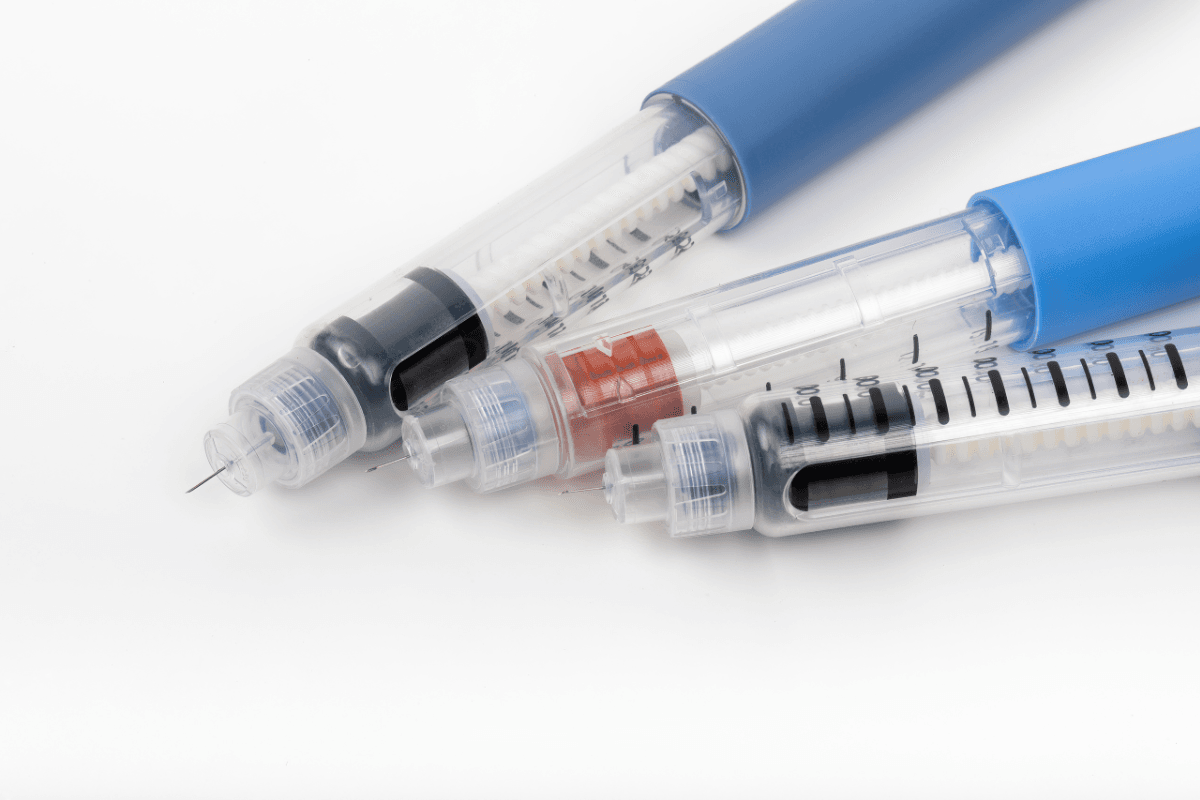
    Trulicity is taken once weekly using a single-dose, prefilled pen. Each pen contains one fixed dose, so you do not dial or measure the amount. That design can make dosing simpler, but it also means each strength is a different pen.

    Dose changes are usually considered to balance two goals: better blood sugar control and tolerability. Clinicians often increase stepwise, allowing time at each level so side effects can settle and glucose trends can be reviewed. The labeling describes dose increases in stages rather than rapid jumps, which helps many people stay on therapy more comfortably.

    Dose strengths and pens

    Trulicity comes in several dose strengths, including 0.75 mg, 1.5 mg, 3 mg, and 4.5 mg. People sometimes describe these as “dose levels,” from the lowest to the highest. The lowest dose is often used when starting treatment or when side effects are a concern. Higher doses may be used when additional blood sugar lowering is needed and the medication is well tolerated.

    Because each pen is single-use and pre-set, “how much is in the pen” is straightforward: one pen equals one weekly injection. If you ever feel unsure about what strength you have, compare the carton label and the pen label before injecting. If there’s a mismatch with what your prescriber intended, pause and ask the pharmacy or prescriber for clarification.

    A quick dose-level table for reference

    Dose strength How it’s commonly used What to keep in mind
    0.75 mg Starting level for many adults Often chosen to reduce early stomach side effects
    1.5 mg Next step if more glucose lowering is needed May be continued long-term if goals are met
    3 mg Higher level for additional effect GI symptoms may be more noticeable for some people
    4.5 mg Highest labeled strength (in many regions) Used when benefits outweigh tolerability concerns

    Note: Dose availability and labeling can vary by country and over time. For the most current dose strengths and prescribing details, check the official label and confirm with your prescriber.

    Weekly Timing, Missed Doses, and Day Changes With Trulicity

    Trulicity is meant to be taken on the same day each week. Many people choose a day that is easy to remember, then set a reminder. Consistency matters because the medication is designed to work steadily over the week, not as a day-to-day pill.

    If a trulicity missed dose happens, the safest next step depends on timing. The prescribing information outlines a simple rule: if there are at least 3 days (72 hours) before your next scheduled dose, you can usually take the missed dose when you remember. If your next scheduled dose is sooner than that, you typically skip the missed dose and take the next one as planned. This approach helps avoid doses being too close together.

    Some people also wonder about taking the injection early, or shifting their weekly “shot day” for travel or schedule changes. In general, changes are handled by keeping at least 3 days between injections, but it’s smart to confirm the plan with your clinician—especially if you use insulin or a sulfonylurea, since low blood sugar risk can change when medicines overlap. When travel affects your routine, it can help to write down your last injection date and your next intended date, then double-check spacing before you inject.

    Tip: A calendar alert plus a pen-count check reduces last-minute stress.

    Injection Technique and Pen Basics for Trulicity

    Comfort and confidence with injections often improve quickly, especially with clear steps. Trulicity is injected under the skin (subcutaneous injection), usually in the abdomen, thigh, or upper arm. Rotating sites can reduce irritation and help prevent lumps or tenderness.

    Before injecting, wash your hands and inspect the pen and label. If the liquid looks cloudy, discolored, or has particles, don’t use it and ask the pharmacy what to do. Many people also find it helpful to let a refrigerated pen warm to room temperature for a short time before use, since cold injections can sting (follow the label instructions for handling).

    Because the device is fixed-dose, the most important steps are positioning, unlocking, and holding it in place for the full injection. If you want a plain-language walkthrough, ask your pharmacist to demonstrate with a trainer pen. For device basics that match common pharmacy teaching, follow the trulicity pen dosing instructions included with your carton and review them again whenever you change strengths.

    Nausea or reduced appetite can affect food choices, especially early on. If meals feel tricky or you’re unsure what tends to worsen symptoms, see Foods To Avoid With Trulicity for gentle, practical eating strategies. If you need to confirm which pen presentation you have (without guessing), the Trulicity listing can help you recognize strengths and packaging descriptions.

    Higher-Dose Dulaglutide: Tolerability, Labs, and Safety Checks

    Higher dose levels can be helpful for some people, but they can also increase side effects. The most common issues are gastrointestinal, such as nausea, diarrhea, constipation, or indigestion. Many symptoms improve with time, smaller meals, and slower eating, but it’s still important to speak up if side effects interfere with daily life.

    The trulicity max dose listed in current U.S. labeling is 4.5 mg once weekly, though the right dose for you depends on goals and tolerability. Dose escalation is usually paired with monitoring. That might include A1C (a 2–3 month glucose average), fasting glucose trends, weight, blood pressure, and sometimes kidney function—especially if vomiting or diarrhea leads to dehydration. Your clinician may also review other diabetes medicines to reduce low blood sugar risk when GLP-1 therapy is combined with insulin or sulfonylureas.

    There are also warnings that are important, even if they apply to a smaller group of people. Trulicity carries a boxed warning about thyroid C-cell tumors seen in rodents, and it is not recommended for people with a personal or family history of medullary thyroid carcinoma or MEN2 (multiple endocrine neoplasia syndrome type 2). The official label explains these precautions and other safety topics in detail; the FDA prescribing information is a reliable reference when you want exact wording.

    If you want a calm, step-by-step approach to common symptoms, read Manage Trulicity Side Effects for practical comfort measures and clear “when to call” guidance. Reaching out early is reasonable, especially if you cannot keep fluids down or you develop severe, persistent abdominal pain.

    Comparing Trulicity With Other GLP-1 Medicines for Weight Goals

    It’s normal to compare options, especially if weight management is part of your health plan. Trulicity is one GLP-1 medicine, but it is not the only one. Semaglutide (Ozempic/Wegovy) and tirzepatide (Mounjaro/Zepbound) are other injectables that may come up in conversation, and they differ in approved indications, dose schedules, and typical results.

    When you compare medications, try to line up the decision factors that matter most for you. That might include your A1C target, your history of side effects, cardiovascular or kidney considerations, insurance coverage, and whether you prefer weekly or daily injections. If you are weighing weekly GLP-1 options and want a practical side-by-side discussion, GLP-1 Weekly Injection Comparison can help clarify the differences people commonly ask about.

    Some comparisons focus more on tolerability and day-to-day experience than on numbers. If nausea, constipation, or appetite changes are the key issue you’re trying to plan around, GLP-1 Side Effects Comparison is useful for framing questions to bring to a visit. For a broader overview of injectable weight-loss options and how they’re commonly positioned, Best Weight Loss Injections offers a high-level scan without assuming one choice is right for everyone.

    If it helps to see what types of therapies exist beyond GLP-1 medicines, browse Weight Management Options to understand major medication categories. You can also use the trulicity dosage chart above as a reference point when you’re comparing how different brands structure step-up dosing and pen strengths.

    Recap

    Trulicity is a once-weekly GLP-1 medicine with several fixed pen strengths. Many people start at a lower dose and increase gradually based on blood sugar response and side effects. If weight change is part of your experience, it’s best viewed as a possible effect, not a guarantee.

    Before any change, confirm your exact pen strength, your weekly schedule, and what to do if you miss a dose. If symptoms feel hard to manage, you deserve support—side effects often have workable strategies, and your care team can help tailor the plan to your health history and other medications.

    This content is for informational purposes only and is not a substitute for professional medical advice for your personal situation.

  • Best Weight Loss Injections 2025 Compared: Options And Fit

    Best Weight Loss Injections 2025 Compared: Options And Fit

    Key Takeaways

    • Not one “best” for everyone: the right option depends on health history and goals.
    • Know the labels: some injections are FDA-approved for weight management, others are not.
    • Expect GI effects: nausea and changes in bowel habits are common early on.
    • Plan for follow-up: check-ins help manage side effects and safety.
    • Technique matters: consistent injection habits can reduce missed doses.

    Sorting through weight-loss shots can feel overwhelming, especially with constant headlines. Many people also hear mixed experiences from friends or online threads. It is normal to want clear, calm information before talking with a clinician.

    This overview focuses on best weight loss injections in a practical, comparison-first way. You will see how leading options differ, what “GLP-1” means in plain terms, and what safety monitoring often looks like. The goal is to help you ask better questions, not to push one choice.

    If you want broader background on medication classes, it can help to read Weight Management for plain-language articles and common terminology.

    Best Weight Loss Injections: 2025 Options Compared

    People often ask for a quick side-by-side view. A simple chart can clarify which medicines are specifically labeled for chronic weight management, which are for type 2 diabetes, and how often injections are used. The table below is a starting point for clinician conversations, not a substitute for prescribing guidance.

    The most practical differences usually come down to: approved indication, dosing frequency, how side effects feel day to day, and whether you have conditions that change risk. For deeper A-vs-B details, reading Zepbound Vs Wegovy can help you compare tradeoffs like tolerability and scheduling.

    Medication (Brand / Generic) Medicine class Typical injection rhythm Labeled use (U.S.) Common early effects Practical notes
    Wegovy / semaglutide GLP-1 receptor agonist Weekly Chronic weight management Nausea, constipation, diarrhea Often used when weight-focused labeling matters
    Ozempic / semaglutide GLP-1 receptor agonist Weekly Type 2 diabetes Similar GI effects Sometimes discussed off-label for weight
    Zepbound / tirzepatide GIP/GLP-1 receptor agonist Weekly Chronic weight management Nausea, decreased appetite, diarrhea Dual-hormone activity may change tolerability for some
    Mounjaro / tirzepatide GIP/GLP-1 receptor agonist Weekly Type 2 diabetes Similar GI effects Same active ingredient family as Zepbound
    Saxenda / liraglutide GLP-1 receptor agonist Daily Chronic weight management Nausea and heartburn can occur Daily schedule can be a fit for some routines

    These are not the only options used in weight management. Some people also discuss oral medicines or combination approaches, depending on medical history. To browse non-injection options and categories in one place, see Weight Management Options for a neutral overview of what exists.

    GLP-1 Weight Loss Injections Explained In Plain Language

    GLP-1 receptor agonists are medicines that mimic a natural gut hormone called glucagon-like peptide-1. In everyday terms, they can help the brain and digestive tract “turn down” hunger signals and slow stomach emptying. That combination may help with appetite regulation and portions, especially when paired with nutrition and activity changes.

    Some newer injections also act on GIP (glucose-dependent insulinotropic polypeptide), another gut hormone involved in insulin response and appetite pathways. When you see “GIP/GLP-1,” it means the medicine targets more than one signal. That does not automatically make it “better,” but it can change how the medicine feels and how clinicians think about fit.

    Who qualifies for weight loss injections varies by country, insurance rules, and clinical guidelines. In many settings, eligibility is based on BMI and the presence of weight-related conditions, plus a history of trying lifestyle changes. If you want a fuller, medication-class overview before comparing brands, Top GLP-1 Drugs can help you see where each option fits.

    Note: If you have a history of pancreatitis, gallbladder disease, or certain thyroid cancers, clinicians may use extra caution or choose alternatives.

    Wegovy And Ozempic (Semaglutide): What Differs In Practice

    Semaglutide is the active ingredient in both Wegovy and Ozempic, but they are labeled for different uses. Wegovy is FDA-approved for chronic weight management in specific adults and some adolescents, while Ozempic is FDA-approved for type 2 diabetes. Labeling matters because it affects insurance coverage, monitoring expectations, and how goals are documented.

    In day-to-day life, people often describe similar digestive effects across semaglutide products, especially early on. The pattern is frequently “dose-related,” meaning symptoms may change as the dose changes under clinician supervision. For the most up-to-date details on indications and warnings, you can review the FDA label for Wegovy alongside your clinician’s advice.

    When people search wegovy weight loss, they are often trying to answer one practical question: “Will this fit my routine?” Weekly injections can be convenient, but routines still matter. If you are looking for label-aligned timing and escalation basics to discuss with your prescriber, Wegovy Dosage lays out the common schedule structure without replacing medical guidance.

    Some people comparing semaglutide products are also worried about side effects and how long they last. If that is your main concern, Wegovy Side Effects is a focused explainer on what is common versus what needs a call.

    If you want to compare formulations directly, you can also see Wegovy for product basics like format and packaging.

    Mounjaro And Zepbound (Tirzepatide): Key Considerations

    Tirzepatide targets both GIP and GLP-1 pathways, which is why it is sometimes discussed as “dual-acting.” As with semaglutide, the same molecule can appear under different brand names tied to different labeled indications. Mounjaro is labeled for type 2 diabetes, while Zepbound is labeled for chronic weight management.

    When readers look up mounjaro weight loss, they are often navigating that labeling difference. Clinicians may talk about goals, diabetes status, and prior medication response when choosing between the diabetes-labeled and weight-labeled products. For a condition-specific comparison, Mounjaro Vs Ozempic walks through how these weekly injections can differ in real-world planning.

    Practical fit also includes injection timing, refills, and how quickly side effects show up after a dose. Some people feel symptoms the day after an injection; others notice changes later in the week. A clinician can help interpret patterns and decide whether supportive steps are enough or whether a different approach is needed.

    If you are comparing available formats, Zepbound provides a neutral product overview to support informed discussions.

    Saxenda (Liraglutide) And Emerging Options To Know About

    Saxenda (liraglutide) is a GLP-1 receptor agonist that is typically injected daily rather than weekly. Some people prefer a daily rhythm because it feels easier to “pair” with a routine, while others prefer fewer injections. The right match depends on lifestyle, prior tolerance, and how comfortable someone feels with injections.

    It is also worth noting that “safest weight loss injection” is not a single winner across all people. Safety depends on personal health factors like kidney function, gallbladder history, pregnancy plans, and other medications. A clinician can help weigh benefits and risks, then choose the option with the most appropriate safety profile for your situation.

    If you are specifically weighing liraglutide versus weekly semaglutide, Saxenda Vs Wegovy breaks down schedule and tolerability differences in plain language.

    Newer investigational medicines are also being studied, including multi-agonists such as retatrutide. These are not appropriate for everyone and may not be approved or widely available, depending on region and timing. For an evidence-aware look at what researchers watch for, Retatrutide Side Effects summarizes reported issues and monitoring themes.

    Side Effects, Red Flags, And Long-Term Monitoring

    Most conversations about injections come back to how they feel. Side effects of weight loss shots often involve the digestive tract, especially nausea, vomiting, diarrhea, constipation, or reflux. These effects may improve over time, but they can be disruptive, particularly during dose changes. Hydration, slower eating, and avoiding heavy meals may help some people, but persistent symptoms deserve clinical input.

    There are also less common but important risks clinicians screen for. GLP-1–based medicines carry warnings about pancreatitis symptoms, gallbladder problems, kidney issues related to dehydration, and a thyroid tumor warning based on animal studies. People with a personal or family history of medullary thyroid carcinoma or MEN2 are often advised to avoid these medicines, based on labeling.

    Weekly products tend to share many warning themes, even if the brand differs. If you are evaluating zepbound weight loss injections specifically, it can be helpful to read the FDA label for Zepbound for the official safety language and contraindications. Bringing that information to an appointment can make the conversation more concrete.

    Long-term monitoring is usually straightforward and tailored. Clinicians may track weight trends, blood pressure, blood sugar (especially if you have prediabetes or diabetes), kidney function when needed, and symptoms suggesting gallbladder or pancreas irritation. If you use other medicines that lower blood sugar, your prescriber may also watch for hypoglycemia (low blood sugar), since combinations can shift risk.

    Tip: Keep a brief symptom log for two weeks after changes. It can help you describe patterns clearly without guessing.

    Practical Use: Injection Sites, Timing, Storage, And Travel

    Many people worry about the mechanics: where the shot goes, whether it hurts, and how to avoid mistakes. These medicines are typically injected subcutaneously (under the skin), often in the abdomen, thigh, or upper arm. People commonly say “in the stomach,” but the key idea is fatty tissue, not muscle. Your prescriber or pharmacist can demonstrate technique and recommend the best site rotation approach.

    Timing is another common stress point. Weekly injections can be easier to remember, but they also make missed-dose questions feel higher stakes. If you are considering weekly therapy, set reminders and pick a day that fits your schedule. For dose-timing questions, the safest move is to follow the product instructions and ask your prescriber, rather than trying to “catch up” on your own.

    Storage and travel planning matter more than most people expect. Some pens must be refrigerated until first use, and many have limits on how long they can stay at room temperature. Heat exposure in a car, checked luggage, or a sunny windowsill can degrade medicines. If travel is frequent for you, talk with a pharmacist about practical packing steps and what to do if a pen gets too warm.

    If you want a dosing-structure refresher before a clinician visit, Zepbound Dosage explains common escalation concepts and the types of questions to ask.

    Choosing With Your Clinician: A Simple, Calm Checklist

    Decision-making feels easier when you break it into a few stable factors. Start with the “must-haves,” like whether you need a medicine with an FDA weight-management indication, whether you are also treating type 2 diabetes, and what side effects would be especially hard for you to manage at work or home. Then consider practical fit: weekly versus daily injections, comfort with self-injection, and your ability to attend follow-ups.

    It also helps to name your biggest worry upfront. Some people fear nausea; others worry about muscle loss, regain after stopping, or long-term safety. A clinician can discuss nutrition support, resistance training, and realistic expectations so the plan is sustainable. If you find yourself overwhelmed by conflicting stories online, bring a short list of questions to keep the visit focused.

    • Label alignment: weight management vs diabetes indication
    • Medical history: thyroid, gallbladder, pancreas, kidneys
    • Other medicines: diabetes drugs and hypoglycemia risk
    • Routine fit: weekly vs daily schedule
    • Monitoring plan: follow-ups and symptom check-ins

    If you are exploring multiple approaches, it can help to scan Weight Management Options to see injections and non-injection categories in one place. That overview can make your next appointment feel more organized.

    Recap

    Weight-loss injections can be effective tools, but the best match is personal. Start by clarifying which options are labeled for weight management, then compare weekly versus daily routines and side-effect patterns. Focus on a plan you can live with, not just a name you recognize.

    Bring your medical history, current medications, and top concerns to a clinician visit. With that context, it is easier to choose a medicine, set expectations, and plan monitoring that supports safety over time.

    This content is for informational purposes only and is not a substitute for professional medical advice for your personal situation.

  • Trulicity Side Effects: Safety, Symptoms, and Red Flags

    Trulicity Side Effects: Safety, Symptoms, and Red Flags

    Trulicity side effects are most often digestive, including nausea, diarrhea, vomiting, stomach pain, decreased appetite, indigestion, and bloating. These symptoms often appear after starting treatment or after a dose change. Many people can manage mild symptoms with smaller meals, steady fluids, and careful tracking, but severe pain, dehydration, allergic symptoms, or persistent vomiting need prompt medical attention.

    Why this matters: side effects can affect eating, hydration, glucose patterns, and confidence with treatment. A clear plan helps you know what is expected, what is manageable, and what should not wait.

    Key Takeaways

    • Digestive effects lead. Nausea, diarrhea, fullness, and vomiting are common early concerns.
    • Timing gives clues. Symptoms often start after the first doses or dose increases.
    • Food choices matter. Smaller, lower-fat meals may reduce stomach discomfort.
    • Hydration is safety-related. Vomiting or diarrhea can increase dehydration and kidney strain.
    • Red flags need care. Severe belly pain, allergic symptoms, or faintness should be taken seriously.

    How This Medicine Can Cause Stomach Symptoms

    Trulicity is the brand name for dulaglutide, a GLP-1 receptor agonist used in type 2 diabetes care. GLP-1 receptor agonists mimic a natural gut hormone that helps regulate blood sugar. They can support insulin release when glucose is high, reduce glucagon release, slow stomach emptying, and decrease appetite.

    Those same actions help explain many Trulicity side effects. When the stomach empties more slowly, a normal meal can feel too large. Rich foods may sit heavily. Coffee, alcohol, or spicy foods may feel harsher than usual. Some people also notice reflux, burping, bloating, or early fullness.

    The most common side effect is usually nausea. Diarrhea, vomiting, abdominal pain, decreased appetite, indigestion, and fatigue are also reported. Symptoms vary by person. One person may feel queasy for two days after each injection, while another mainly notices constipation or lower appetite.

    If you want basic product context, the Trulicity page can help you identify the medication and review general item details. For broader diabetes topics, the Type 2 Diabetes collection offers related educational reading.

    When Side Effects Start and How Long They May Last

    Many people notice symptoms within the first few doses, especially after beginning therapy or moving to a higher prescribed dose. Some symptoms may appear the day after an injection. Others build gradually as appetite changes and meal patterns shift.

    How long symptoms last is individual. Mild nausea or loose stools may improve as your body adjusts. Symptoms can also return after a dose increase, during illness, or after a heavy meal. If side effects are trending down, that is useful information. If they worsen, interrupt sleep, or make fluids difficult, it is time to contact your clinician.

    A short symptom log can make appointments more productive. Track the injection day, meals that stood out, fluids, bowel changes, vomiting, glucose concerns, and any dizziness. You do not need a perfect diary. Two or three clear examples often help more than vague memories.

    Quick tip: Write down patterns such as “nausea starts the next morning and eases by day three.”

    Common Symptoms and When They Become Concerning

    Most Trulicity side effects are uncomfortable rather than dangerous, but the context matters. Mild nausea after a rich meal is different from repeated vomiting with dry mouth and dizziness. The goal is not to ignore symptoms. It is to sort common patterns from warning signs.

    Symptom What may be typical When to contact a clinician
    Nausea or fullness Often worse after large or fatty meals Cannot keep fluids down or symptoms keep worsening
    Diarrhea May occur early or after dose changes Lasts several days, includes blood, or causes weakness
    Constipation Can follow lower food or fluid intake Severe pain, vomiting, or no bowel movement for days
    Vomiting May happen with strong nausea Repeated vomiting, faintness, or dehydration signs
    Injection-site reaction Mild redness, itching, or tenderness Spreading rash, hives, swelling, or trouble breathing

    Fatigue and dizziness can happen for several reasons. Eating much less, dehydration, illness, or changes in glucose may all contribute. Low blood sugar is more likely when dulaglutide is used with insulin or sulfonylureas. Warning signs can include sweating, shakiness, confusion, fast heartbeat, hunger, or irritability.

    For a symptom checklist related to hypoglycemia, see Low Blood Sugar Symptoms. If you use other glucose-lowering medicines, ask your care team what readings or symptoms should trigger a call.

    Food and Drink Choices That May Reduce Discomfort

    Food choices cannot prevent every symptom, but they can change how your stomach feels. Many people do better with smaller meals, slower eating, and lower-fat choices. Large portions can backfire because delayed stomach emptying may make fullness last longer.

    Common trigger foods include fried foods, creamy sauces, greasy meats, very spicy meals, and heavy desserts. These are not banned foods for everyone. They are useful suspects if symptoms flare. During nausea, bland foods such as toast, crackers, rice, soup, bananas, applesauce, eggs, or yogurt may be easier to tolerate.

    Some people search for foods to avoid with Trulicity because nausea feels unpredictable. A personal trigger list works better than a strict universal list. If pizza causes reflux twice, reduce the portion next time or choose a lighter meal on injection day. If raw vegetables worsen bloating, cooked vegetables may be gentler.

    For more structured meal ideas during digestive flares, read Foods to Avoid With Trulicity. If weight change is part of your concern, Trulicity Weight Loss explains appetite changes in a broader context.

    Caffeine, Alcohol, and Hydration

    Caffeine is not automatically off-limits, but tolerance varies. Coffee can worsen reflux, nausea, jitters, or diarrhea for some people. If symptoms follow coffee, try a smaller serving, half-caffeinated coffee, or drinking it with food. Tea may be gentler, but it can still contain caffeine.

    Alcohol can be harder to tolerate when appetite is low. It may worsen nausea and dehydration. It can also affect blood sugar, especially when combined with insulin or medicines that increase insulin release. Avoiding alcohol on an empty stomach is a safer general habit for many people with diabetes.

    Hydration deserves attention. If you eat less, you may also drink less. Vomiting and diarrhea increase fluid loss. Water, broth, or oral rehydration fluids may help maintain intake during short digestive flares. If you cannot keep fluids down, seek medical advice promptly.

    Serious Risks and Body Systems to Watch

    Serious reactions are less common, but they are important. Dulaglutide carries warnings and precautions that involve the pancreas, gallbladder, kidneys, thyroid C-cell tumors in animal studies, allergic reactions, and low blood sugar risk when combined with certain diabetes medicines.

    Pancreatitis means inflammation of the pancreas. Seek prompt medical care for persistent severe abdominal pain, especially if it spreads to the back or comes with vomiting. Gallbladder problems can also cause upper abdominal pain, fever, nausea, or yellowing of the skin or eyes. These symptoms can have different causes, but they should not be ignored.

    Kidney problems may occur or worsen when vomiting, diarrhea, or poor fluid intake causes dehydration. Warning signs include very little urination, faintness, dry mouth, fast heartbeat, or severe weakness. People with existing kidney disease should ask their clinician how to respond to fluid loss.

    The thyroid cancer warning can feel alarming. The label includes a boxed warning about thyroid C-cell tumors seen in animal studies. Dulaglutide is generally not used in people with a personal or family history of medullary thyroid carcinoma or in people with multiple endocrine neoplasia syndrome type 2. Ask your clinician about this warning if it applies to your history.

    There is no well-established pattern showing that Trulicity side effects in females are categorically different from those in males. However, pregnancy planning, breastfeeding, eating disorders, kidney disease, gallbladder disease, and other medicines can change individual risk discussions. These situations deserve personalized review.

    What Not to Do When Symptoms Flare

    When side effects become frustrating, it is tempting to make quick changes. Try to avoid decisions that could create new risks. Do not stop, restart, or change a prescribed dose without speaking with your clinician. Also avoid assuming every symptom is “just the medication,” especially when pain is severe or dehydration is possible.

    • Do not force large meals. Smaller portions may be easier.
    • Do not ignore fluids. Dehydration can escalate quickly.
    • Do not overuse alcohol. It may worsen nausea and glucose swings.
    • Do not skip glucose checks. Follow your care plan during illness.
    • Do not dismiss severe pain. Persistent belly pain needs evaluation.
    • Do not compare blindly. Online reviews cannot predict your reaction.

    If you are comparing GLP-1 options because side effects persist, use neutral decision factors. Injection schedule, other health conditions, glucose goals, tolerability, and clinician preference all matter. Trulicity vs Ozempic gives a comparison framework, while Mounjaro vs Trulicity covers another common discussion point.

    BorderFreeHealth connects U.S. patients with licensed Canadian partner pharmacies, and prescription details are verified with the prescriber when required before pharmacy dispensing. That access context can be helpful, but side-effect decisions should still come from your own healthcare team.

    How to Prepare for a Clinician Conversation

    A focused conversation can help your clinician decide whether symptoms fit expected Trulicity side effects or need further evaluation. Bring details rather than only describing symptoms as “bad.” Timing, severity, food triggers, bowel changes, and glucose readings all help.

    Useful notes include when symptoms started, whether they followed an injection, what you ate, how much you drank, and whether you had vomiting or diarrhea. Mention any low blood sugar symptoms, missed meals, pregnancy plans, kidney disease, gallbladder history, or severe reflux.

    If symptoms are manageable but annoying, ask about practical supports. If symptoms are severe, ask what warning signs should lead to urgent care. If the medicine no longer feels tolerable, ask how alternatives compare for your health history. For browsing diabetes-related medication categories, the Type 2 Diabetes Options page can help you understand common treatment groupings without replacing medical advice.

    Authoritative Sources

    The official U.S. prescribing information lists labeled adverse reactions, boxed warnings, contraindications, and precautions for dulaglutide.

    The MedlinePlus dulaglutide medication page summarizes common symptoms, serious warnings, and patient safety considerations.

    The Mayo Clinic side effects resource provides a patient-facing list of symptoms that may need medical attention.

    Recap

    Trulicity side effects are usually gastrointestinal, and many mild symptoms improve with smaller meals, slower eating, hydration, and careful tracking. The most important step is knowing when a symptom crosses from uncomfortable to concerning.

    Seek care quickly for severe or persistent abdominal pain, repeated vomiting, dehydration signs, allergic symptoms, yellowing skin or eyes, or significant low blood sugar symptoms. Your clinician can help weigh tolerability, glucose goals, and safety in your specific situation.

    This content is for informational purposes only and is not a substitute for professional medical advice.
  • Trulicity Weight Loss: Dosing, Safety, and Expectations

    Trulicity Weight Loss: Dosing, Safety, and Expectations

    Trulicity weight loss can happen, but Trulicity is not approved as a weight-loss medication. It is a once-weekly dulaglutide injection used for type 2 diabetes, and weight change is usually a secondary effect related to appetite, digestion, blood sugar control, and daily habits.

    That distinction matters. If you are taking Trulicity and the scale is changing, the goal is not to chase a number. The safer goal is to understand what is expected, what needs medical review, and when a dosing conversation makes sense.

    Key Takeaways

    • Approved use: Trulicity treats type 2 diabetes, not obesity.
    • Weight response: Some people lose weight, while others do not.
    • Dose decisions: Clinicians weigh glucose trends and side effects.
    • Safety matters: Severe belly pain or vomiting needs prompt care.
    • Comparisons vary: Ozempic, Wegovy, and Mounjaro have different roles.

    Why Weight Changes Can Happen on Dulaglutide

    Dulaglutide is a GLP-1 receptor agonist, a medicine that acts like a gut hormone involved in insulin release and appetite signals. It helps the body release insulin when blood sugar is high. It also slows stomach emptying, which can make meals feel more filling for some people.

    That is why many people notice appetite changes before they notice scale changes. Smaller portions may feel easier. Evening snacking may decrease. Some people also feel full sooner, especially after higher-fat meals.

    Still, Trulicity weight loss is not automatic. Weight can stay the same if appetite effects are mild, if nausea leads to grazing, or if other medicines promote weight gain. Sleep, stress, alcohol intake, activity level, and meal patterns all shape the outcome.

    Why it matters: A stable weight does not mean the medicine is failing if glucose control is improving.

    The official Trulicity prescribing information states that the medication is indicated for type 2 diabetes care and includes boxed warnings, contraindications, and safety details. Use that label as the source of record for approved use and risk information.

    Realistic Expectations: Average Loss, Timelines, and Plateaus

    Average weight loss with Trulicity is usually modest compared with medicines specifically approved for chronic weight management. Clinical trial reports show that some adults lose weight, especially at higher dulaglutide doses, but averages do not predict your personal result.

    People often ask how much weight they can lose in a month. A cautious answer is that early weight changes may be small, uneven, or hard to interpret. Nausea, constipation, hydration shifts, and changes in carbohydrate intake can all move the scale for reasons that are not true fat loss.

    It helps to track trends rather than single weigh-ins. Use the same scale, similar clothing, and a consistent time of day. Waist fit, appetite patterns, glucose readings, and energy after meals can give useful context.

    Online Trulicity weight loss stories and before-and-after posts can feel motivating. They can also be misleading. Photos rarely show food intake, dose history, other medications, diabetes status, or side effects. Reviews may overrepresent people with unusually strong reactions, whether positive or negative.

    If your goal is to track progress without overreading day-to-day changes, a simple calculator can help you compare starting weight, current weight, and progress toward a goal. It estimates general progress only and does not replace clinical guidance.

    [weight-loss-progress-calculator]

    Why Plateaus Happen

    A plateau does not always mean the medication stopped working. Appetite may settle after the first weeks. Your body may adapt to a lower intake. Constipation can add temporary scale weight. Less movement from fatigue or nausea can also offset an appetite decrease.

    When progress slows, review the basics before assuming the dose is wrong. Missed injections, irregular meal timing, frequent liquid calories, and snack-based eating can all blur the picture. A registered dietitian can help if nausea, cravings, or glucose swings make planning difficult.

    Dosing Basics and When Dose Discussions Usually Come Up

    Trulicity is taken once weekly, and dose changes should be clinician-directed. The usual conversation is not simply about losing more weight. It is about whether blood sugar goals are being met, whether side effects are tolerable, and whether the current dose has had enough time to be assessed.

    Many adults start at a lower strength. A clinician may later consider step-ups if glucose readings or A1C remain above target and the current dose is tolerated. The strengths commonly discussed include 0.75 mg, 1.5 mg, 3 mg, and 4.5 mg once weekly, but the right plan depends on the person and the product label in their region.

    People searching for a Trulicity weight loss dose should be careful with that phrase. Trulicity does not have an FDA-approved weight-loss dose. Dosing is based on diabetes treatment goals and safety, not a guaranteed weight-loss target.

    For a deeper review of schedule basics, missed-dose discussions, and how clinicians may think through titration, see this Trulicity Dosage Guide. Use it as preparation for a medical visit, not as a reason to adjust dosing on your own.

    What Higher Strengths Mean

    The Trulicity 3 mg dose and 4.5 mg dose are higher-strength options used in selected adults when more glucose lowering is needed and the medicine is tolerated. Higher does not always mean better. It can also mean more nausea, reflux, constipation, or reduced appetite that becomes hard to manage.

    The strongest marketed dose in many settings is 4.5 mg once weekly. That fact should not be treated as a target. Clinicians usually look for the lowest effective and tolerable dose for the treatment goal.

    Use in People Without Diabetes and Off-Label Questions

    Trulicity for weight loss in non diabetics is an off-label topic. Off-label prescribing means a clinician uses an approved medicine for a purpose not listed in the official label. It can be appropriate in some situations, but it requires careful screening and clear expectations.

    A clinician may ask about pancreatitis, gallbladder disease, severe stomach-emptying problems, kidney concerns, pregnancy plans, and personal or family history of certain thyroid cancers. They may also review medications that raise hypoglycemia risk, especially insulin or sulfonylureas.

    If weight management is the primary goal, medicines approved specifically for that purpose may be part of the discussion. The right fit depends on medical history, eligibility, tolerability, and monitoring needs. For broader context, the Weight Management collection can help you compare educational topics without treating one medication as a universal answer.

    BorderFreeHealth connects U.S. patients with licensed Canadian partner pharmacies for eligible prescription options. When prescription verification is required, pharmacy partners confirm details with the prescriber before dispensing.

    Side Effects, Red Flags, and Safer Follow-Up

    Digestive side effects are common with GLP-1 medicines. Nausea, fullness, reflux, constipation, diarrhea, and reduced appetite can occur, especially after starting or increasing a dose. These effects often shape how people eat, hydrate, and tolerate treatment.

    Practical adjustments may help some people feel more comfortable. Smaller meals, slower eating, lower-fat choices, and steady fluids may reduce symptoms. If symptoms are persistent or disruptive, medical review is important. Do not keep pushing through severe symptoms just because weight is changing.

    Seek prompt medical care for severe or worsening abdominal pain, repeated vomiting, signs of dehydration, yellowing of the skin or eyes, or symptoms of low blood sugar. Low blood sugar is more likely when Trulicity is used with insulin or a sulfonylurea, especially if food intake drops.

    For meal-planning ideas and common trigger foods to discuss with your care team, see Foods To Avoid With Trulicity. For comfort strategies around nausea, constipation, and timing concerns, this resource on Trulicity Side Effects may also help.

    How It Compares With Other GLP-1 Options

    Ozempic vs Trulicity weight loss is a common comparison because both medicines are GLP-1 receptor agonists. Ozempic contains semaglutide, while Trulicity contains dulaglutide. Both are used in type 2 diabetes care, but they are not identical in dosing, titration, tolerability, or expected weight effects.

    Some semaglutide products are used differently from Trulicity. Wegovy, for example, is a semaglutide product approved for chronic weight management in eligible patients. Ozempic is used for type 2 diabetes. The distinction matters when comparing goals, labels, and insurance or cash-pay access discussions.

    Weight loss is only one decision factor. Side effects, glucose response, cardiovascular history, kidney considerations, other medicines, and personal preferences all matter. Availability and access rules can also change over time.

    If you are comparing dulaglutide and semaglutide, Trulicity Vs Ozempic gives a more focused comparison. For another incretin-based option sometimes discussed in type 2 diabetes care, Mounjaro Vs Trulicity reviews key differences in a practical format.

    Metformin, Combination Therapy, and Diabetes Priorities

    Metformin and Trulicity are often discussed together because many adults with type 2 diabetes use metformin as a foundation therapy. Metformin mainly reduces liver glucose production and may be weight-neutral or modestly weight-lowering for some people.

    When both medicines are used, the usual goal is better glucose control through different mechanisms. Weight change may happen, but it is not the only measure of success. A1C, fasting glucose, post-meal readings, medication tolerance, kidney function, and hypoglycemia risk all help guide care.

    Stomach side effects can overlap. Metformin may cause diarrhea or nausea, while Trulicity may cause nausea, fullness, or constipation. A clinician may review meal timing, formulations, or titration pace if symptoms make it hard to eat normally.

    For a broader view of treatment categories and product navigation, the Type 2 Diabetes hub can help you browse related options. Keep medical decisions anchored in your prescriber’s plan, especially if multiple medicines affect glucose.

    Questions to Bring to Your Clinician

    A clear visit plan can make Trulicity weight loss conversations more useful. Bring facts rather than guesses. A short log of injections, symptoms, weight trends, and glucose readings gives your clinician a better picture.

    • Current goal: Ask whether glucose, weight, or both are priorities.
    • Dose timing: Review missed doses or schedule changes.
    • Side effects: Describe severity, frequency, and food triggers.
    • Glucose patterns: Share fasting and after-meal readings if tracked.
    • Other medicines: Mention insulin, sulfonylureas, and supplements.
    • Weight trend: Bring weekly averages instead of daily swings.
    • Next step: Ask what would justify a dose change or switch.

    Quick tip: Write down your top two concerns before the appointment.

    If access is part of the discussion, some patients compare cash-pay cross-border prescription options without insurance, subject to eligibility and local rules. Keep that separate from clinical decision-making, which should remain with your prescriber.

    Authoritative Sources

    For official indication, dosing, warnings, and contraindication details, review the FDA-approved Trulicity label.

    For regulator-maintained product approval information, the FDA label document provides current prescribing details in PDF form.

    For general diabetes standards and patient-centered treatment context, the American Diabetes Association medication overview explains common diabetes medication categories.

    Recap

    Trulicity can affect appetite and weight, but it remains a diabetes medication rather than a dedicated weight-loss drug. Some people lose weight, some plateau, and some see little change. Dose increases should be based on medical goals, glucose data, and tolerability.

    The safest next step is to bring your trends and side effects to a clinician. That conversation can clarify whether to stay the course, adjust the plan, or compare other options.

    This content is for informational purposes only and is not a substitute for professional medical advice.

  • Calquence Uses in Blood Cancer Care and Monitoring

    Calquence Uses in Blood Cancer Care and Monitoring

    Calquence uses include treating certain adult blood cancers, especially specific B-cell cancers such as chronic lymphocytic leukemia, small lymphocytic lymphoma, and mantle cell lymphoma in approved situations. It is not general chemotherapy. It is a targeted therapy that blocks a cancer-cell signaling protein called BTK.

    This matters because treatment decisions depend on the exact cancer type, prior therapy, genetic features, other health conditions, and medication interactions. The goal is to help you understand why this medicine may be chosen and what safety questions to bring to your oncology team.

    Key Takeaways

    • Targeted therapy: Calquence blocks BTK signaling in certain B-cell cancers.
    • Approved uses vary: Your diagnosis and treatment history shape eligibility.
    • Monitoring matters: Teams watch for infection, bleeding, rhythm changes, and blood-count shifts.
    • Interactions are important: Acid reducers, strong enzyme-affecting drugs, supplements, and grapefruit may need review.
    • Stopping needs a plan: Pauses or changes should be coordinated by oncology clinicians.

    If you want broader cancer education while you prepare for visits, the Cancer Article Collection can be a useful reading path.

    Where Calquence Fits in Blood Cancer Treatment

    Calquence is the brand name for acalabrutinib, a Bruton tyrosine kinase inhibitor. Bruton tyrosine kinase, often shortened to BTK, helps some B lymphocytes (a type of white blood cell) receive survival and growth signals. Certain blood cancers use those signals in ways that help abnormal cells persist.

    In approved settings, Calquence uses are centered on B-cell malignancies, not solid tumors or every type of leukemia or lymphoma. Your care team may consider it for chronic lymphocytic leukemia (CLL), small lymphocytic lymphoma (SLL), and mantle cell lymphoma (MCL), depending on the indication, treatment line, and combination plan. Regulatory approvals can change, so the prescribing label and your oncology notes are the best sources for your exact situation.

    For a medication-page view of the product name and formulation context, see Calquence. Product pages can help with naming clarity, but your clinical plan should come from your oncology team.

    Why it matters: The same medicine can be appropriate in one blood cancer setting and unsuitable in another.

    How the BTK Blocker Works

    Acalabrutinib works by blocking BTK, a signal-relay protein involved in B-cell receptor pathways. In plain language, it turns down signals that some abnormal B cells use to grow, move, and survive. This is why clinicians describe it as targeted therapy.

    Many people ask whether Calquence is chemotherapy or immunotherapy. It is not traditional chemotherapy, which tends to affect fast-dividing cells more broadly. It is also not a checkpoint immunotherapy like pembrolizumab. Instead, it is a small-molecule targeted cancer medicine taken by mouth.

    That distinction helps set expectations, but it does not mean side effects are minor. BTK also plays roles in normal immune signaling and platelet function. Because of that, clinicians may watch for infections, bruising, bleeding, and blood-count changes during treatment.

    If you are comparing broad treatment categories, Keytruda Explained offers context on a different type of cancer therapy. The medicines are used in different clinical settings, so comparisons should stay general unless your clinician is discussing a specific plan.

    Indications, Fit, and Questions That Shape the Choice

    Calquence indications depend on the cancer diagnosis, current approvals, and your treatment history. For CLL and SLL, BTK inhibitors may be considered in different lines of therapy. For MCL, use can depend on whether the disease is newly treated or previously treated, and whether it is used alone or in combination, based on the current label.

    Clinicians also look beyond the cancer name. They may review heart rhythm history, bleeding risk, infections, liver function, other prescriptions, and supplements. Genetic or molecular testing can also influence the treatment path for some blood cancers.

    It can help to ask focused questions at the visit:

    • Reason for choice: Why this BTK inhibitor now?
    • Treatment goal: Control, remission, symptom relief, or another goal?
    • Combination plan: Will other medicines be used with it?
    • Monitoring schedule: Which labs and symptoms matter most?
    • Procedure planning: When should surgery or dental work be discussed?

    Some people also hear about other targeted medicines during treatment planning. Imbruvica is another BTK inhibitor product page that may help with name recognition. Other drug classes may also come up, including PI3K inhibitors such as Zydelig, or older chemotherapy-related options such as Leukeran. These links are for orientation only, not a recommendation to switch or combine therapies.

    Dosing Basics, Duration, and Missed Doses

    Your prescribed schedule should be followed exactly as written. Many treatment plans use Calquence 100 mg, but dosing can vary by formulation, combination therapy, interactions, tolerability, and clinical judgment. Do not change timing, split tablets or capsules, or restart after a hold unless your oncology team gives instructions.

    How long you take acalabrutinib depends on the diagnosis, response, side effects, and the treatment strategy. Some people remain on BTK inhibitor treatment as long as it is helping and tolerated. Others may stop or switch because of side effects, disease progression, a procedure, or a planned combination regimen. Your team can explain whether your plan is intended as continuous therapy or part of a defined course.

    For a missed dose, follow the medication guide or your clinic’s written instructions. Different cancer medicines have different missed-dose rules. Doubling doses without guidance can increase side-effect risk and may not solve the missed-dose problem.

    Quick tip: Use one medication list that includes prescription drugs, supplements, and occasional pain relievers.

    Interactions With Food, Acid Reducers, and Supplements

    Calquence drug interactions deserve careful review because acalabrutinib is processed through liver enzyme pathways. Some antibiotics, antifungals, seizure medicines, HIV medicines, and herbal supplements can raise or lower drug levels. St. John’s wort is a common supplement to flag because it can affect drug metabolism.

    Food questions are also common. Some people ask what foods should be avoided when taking Calquence. Grapefruit and Seville oranges may interact with some medicines metabolized by CYP3A pathways, so ask your pharmacist whether you should avoid them with your specific prescription. Alcohol should also be discussed, especially if you have bruising, stomach irritation, liver concerns, or low blood counts.

    Acid-reducing medicines can matter too. Depending on the formulation and current label instructions, proton pump inhibitors, H2 blockers, or antacids may require avoidance or timing adjustments. Bring every heartburn medicine to your oncology pharmacist’s attention, including over-the-counter products.

    For browseable medication categories, Cancer Treatment Options lists cancer-related products. Treat category pages as navigation tools, not as evidence for which therapy fits your diagnosis.

    Side Effects and Safety Signals to Watch

    Side effects of Calquence can include headache, diarrhea, fatigue, muscle aches, nausea, bruising, and rash. Some people ask whether Calquence causes hair loss. Hair thinning has been reported by some patients, but it is not usually framed like classic chemotherapy hair loss. Other causes can also contribute, including illness, stress, nutrition changes, thyroid disease, other medicines, or prior cancer treatment.

    Long term side effects of Calquence are mainly about risks that need ongoing monitoring. These can include infections, bleeding, low blood counts, heart rhythm problems such as atrial fibrillation or flutter, blood pressure changes, and secondary cancers including skin cancers. Not everyone develops these problems, but teams monitor because early reporting can prevent complications from worsening.

    Skin effects deserve attention because rash, bruising, and sun-related skin concerns may appear during treatment. Many clinicians encourage sun protection and routine skin checks. Tell your team about persistent rash, painful skin changes, non-healing spots, or changing moles.

    What you notice Why it matters What to do next
    Fever, chills, worsening cough May signal infection Contact your oncology team promptly
    Unusual bruising or bleeding Can relate to platelet or clotting effects Ask for same-day guidance
    Fast heartbeat, fainting, dizziness May suggest rhythm changes Seek urgent evaluation if severe
    Severe diarrhea or dehydration Can affect safety and treatment tolerance Report early for supportive care advice
    New or changing skin spot Skin monitoring may be needed Flag it at the next visit or sooner if concerning

    If lung symptoms are part of your overall health concerns, World Lung Cancer Day offers prevention and care context that may support broader conversations with your clinicians.

    What Happens if Treatment Is Paused or Stopped

    Stopping acalabrutinib should be a planned medical decision. Treatment may be held before procedures, during serious infections, after significant bleeding, or while side effects are being evaluated. A pause may also happen if another medicine temporarily interacts with it.

    People often ask what happens when you stop taking Calquence. The answer depends on why it stopped and how the cancer is behaving. Your team may restart it, adjust the plan, switch to another therapy, or monitor closely with labs and exams. Avoid stretching doses or stopping on your own because unplanned gaps can make care harder to coordinate.

    Before a planned procedure, ask your oncology team and procedural clinician to communicate. Bleeding risk, infection risk, and restart timing often need coordination. This includes dental extractions, biopsies, and surgeries, not only major operations.

    Daily Life During Treatment

    Daily life with a BTK inhibitor often involves routines rather than major lifestyle overhauls. You may need a consistent dosing schedule, a medication list, symptom tracking, and regular lab visits. Many people feel reassured when they know which symptoms can wait and which should be reported quickly.

    Vaccines should be discussed with your oncology team. Some vaccines may be recommended, while live vaccines may be avoided in people with weakened immune function or during certain treatments. Timing may depend on blood counts, infection risk, and other therapies.

    Travel, dental care, and exercise can usually be discussed in practical terms. Carry an up-to-date medication list when away from home. Tell dentists and other clinicians that you take a BTK inhibitor. Ask about safe activity if bruising, anemia, infection, or fatigue is affecting your routine.

    When access questions come up, BorderFreeHealth connects U.S. patients with licensed Canadian partner pharmacies for eligible prescription options. Where required, prescription details are verified with the prescriber before dispensing by the pharmacy. This access context does not replace clinical guidance about whether a cancer medicine is appropriate.

    Authoritative Sources

    For current approved indications, dosing language, warnings, and interaction details, review the FDA prescribing information for Calquence.

    For plain-language cancer terminology, the NCI definition of Calquence gives a concise official description.

    For treatment background in CLL and related decision pathways, the NCI CLL treatment summary provides patient-focused context.

    Recap for Safer Conversations

    Calquence uses are specific to certain blood cancers and should be interpreted through your diagnosis, treatment history, and safety profile. The most useful next step is often not memorizing every detail. It is bringing a clear medication list, asking why this treatment fits now, and knowing which symptoms should trigger a call.

    Your oncology team and pharmacist can personalize guidance about interactions, missed doses, duration, monitoring, and treatment pauses. If anything changes, including new prescriptions or supplements, tell them before making adjustments.

    This content is for informational purposes only and is not a substitute for professional medical advice.

  • World Brain Day Commitment to Lifelong Brain Care Tips for All Ages

    World Brain Day Commitment to Lifelong Brain Care Tips for All Ages

    World Brain Day Commitment to Lifelong Brain Care Tips means treating brain health as something you protect every day, not only after symptoms appear. World Brain Day, observed each July 22, is a reminder that thinking, mood, movement, sleep, and social connection all depend on a healthy nervous system. The 2025 theme, Brain Health for All Ages, points to a simple idea: brain care starts early and keeps changing as life changes.

    Key Takeaways

    • Brain health is lifelong; small habits can support thinking, mood, movement, and independence.
    • Daily basics matter most: nutritious meals, regular activity, sleep, stress care, and connection.
    • Brain care changes by life stage, from childhood safety to midlife risk checks and older-adult support.
    • Sudden neurological symptoms need prompt medical attention, especially weakness, confusion, or speech changes.
    • World Brain Day activities work best when they lead to practical next steps, not one-day awareness only.

    World Brain Day Commitment to Lifelong Brain Care Tips in Plain Language

    World Brain Day is a global awareness day focused on neurological health, meaning the health of the brain, spinal cord, and nerves. It matters because the brain shapes nearly every part of daily life. It helps you plan, remember, move, speak, sleep, feel, and connect with others.

    A lifelong brain care commitment is not a promise that every brain disease can be prevented. Genetics, injuries, infections, autoimmune disease, aging, and social conditions can all affect neurological risk. The goal is more realistic and more useful: reduce avoidable risks, notice changes earlier, and build routines that protect your best possible function.

    That makes brain care a family and community issue, not just an individual one. A teenager recovering from a concussion, an adult managing high blood pressure, and an older person noticing memory changes all need different support. If you want broader reading on nervous system topics, the Neurology Resources hub can help you explore related educational content.

    BorderFreeHealth connects U.S. patients with licensed Canadian pharmacy partners when prescription access questions arise.

    Daily Habits That Support Lifelong Brain Care

    The strongest brain health habits are ordinary, repeatable, and easier to maintain when they fit real life. You do not need a perfect routine to make progress. A steady pattern usually helps more than short bursts of extreme change.

    Food, movement, and sleep

    A brain-friendly diet often overlaps with a heart-friendly diet. That is because blood vessels supply oxygen and nutrients to brain tissue. Meals built around vegetables, fruit, beans, whole grains, fish or other lean proteins, nuts, and unsaturated fats can support overall health. Highly restrictive diets are rarely necessary unless a clinician recommends one for a specific condition.

    Omega-3 fats are often discussed in brain health conversations. They are not a cure-all, and supplements are not right for everyone. For a balanced look at benefits and limits, read Omega-3 Health Basics before making assumptions from social media claims.

    Movement also supports brain care. Regular physical activity can help blood flow, sleep, mood, balance, and metabolic health. Walking, cycling, swimming, resistance training, stretching, and balance work can all count. If you have chest pain, fainting, severe shortness of breath, recent injury, or a complex medical condition, ask a clinician how to start safely.

    Sleep is not passive downtime. During sleep, the brain supports memory processing, emotional regulation, and recovery. A consistent wake time, morning light, limited late caffeine, and a quieter wind-down routine can help. Persistent snoring, gasping, daytime sleepiness, or insomnia deserves medical attention, because sleep disorders can affect cognition, mood, and safety.

    Stress, connection, and mental stimulation

    Stress management is part of neurological care because chronic stress can strain sleep, attention, blood pressure, and mood. Useful tools can be simple: breathing exercises, counseling, time outdoors, prayer or meditation, journaling, or a regular hobby. The best stress tool is one you can repeat when life is difficult.

    Social connection also matters. Loneliness can make health routines harder and may worsen mood or motivation. Phone calls, community groups, shared meals, volunteering, faith communities, and support groups can all help people stay engaged. For caregivers, connection can reduce isolation and create backup when symptoms change.

    Mental stimulation should feel challenging but not punishing. Reading, puzzles, music, learning a language, crafts, games, classes, and skill-based hobbies can all exercise attention and memory. Variety helps. So does enjoyment, because a habit you like is easier to keep.

    Why it matters: Brain health improves when healthy choices become routine, visible, and shared.

    Brain Health at Every Age

    Brain care looks different at each life stage, but the same principle applies: protect development, reduce injury, manage risk, and respond early to change. Families can use World Brain Day as an annual check-in.

    Life stage Brain care focus Practical examples
    Children and teens Development, sleep, learning, and injury prevention Consistent sleep, helmet use, school support, and concussion follow-up
    Young adults Mental health, substance choices, and safe routines Stress support, safer driving, activity, and help for mood changes
    Midlife adults Blood vessel and metabolic health Blood pressure checks, diabetes care, sleep evaluation, and movement
    Older adults Independence, medication review, senses, and fall prevention Vision and hearing checks, balance work, social contact, and memory tracking
    Caregivers Observation, planning, and support Symptom notes, appointment help, emergency plans, and respite time

    Midlife risk management deserves special attention. Hypertension, or high blood pressure, diabetes, cholesterol problems, smoking, sleep apnea, and inactivity can affect the blood vessels that supply the brain. Weight changes can also connect with sleep, blood pressure, insulin resistance, and mobility. If weight management is part of a larger care plan, Weight Loss Treatments offers a neutral comparison of common approaches to discuss with a clinician.

    Diabetes care can also be part of brain health planning because severe highs or lows can affect thinking and alertness. For broader metabolic context, Metformin Benefits explains one commonly discussed medication class. Emergencies are different; Diabetic Ketoacidosis covers a serious condition that requires urgent medical care.

    Warning Signs That Need Medical Attention

    Some brain and nerve symptoms should never be treated as routine aging, stress, or tiredness. Sudden symptoms are especially important because early care can change safety, diagnosis, and treatment options.

    Seek urgent medical help for sudden face drooping, arm weakness, speech trouble, confusion, vision loss, severe headache, loss of consciousness, a first seizure, or weakness on one side of the body. Also seek prompt help for fever with stiff neck, a major head injury, new severe dizziness with trouble walking, or rapidly worsening symptoms.

    Other changes may not require emergency care, but they still deserve attention. These include worsening memory problems, new tremor, repeated falls, persistent numbness or tingling, recurring headaches that change pattern, personality changes, or problems with speaking, swallowing, balance, or coordination. Write down when symptoms started, what makes them better or worse, and whether they affect work, driving, school, or daily tasks.

    Medication effects can sometimes overlap with neurological symptoms. That does not mean you should stop a prescribed medicine on your own. It means symptom timing is worth documenting. For example, Bupropion Side Effects shows how tracking patterns can support a better conversation with a prescriber.

    Some people already live with neurological conditions that involve ongoing medication decisions. If you are preparing questions about seizure or migraine-related care, Topamax Uses can provide background before a clinician visit. Use educational reading to prepare, not to self-diagnose or change treatment.

    World Brain Day Activities That Create Real Momentum

    World Brain Day activities are most useful when they turn awareness into a small plan for the months ahead. A good activity does not need a stage, a campaign budget, or a medical degree. It needs clarity and follow-through.

    • Start a family walk: pair movement with conversation.
    • Share warning signs: review urgent neurological symptoms together.
    • Build a sleep reset: choose one bedtime routine change.
    • Cook a brain-friendly meal: focus on vegetables, fiber, and protein.
    • Schedule a check-in: discuss blood pressure, diabetes, mood, or sleep concerns.
    • Review medication lists: include prescriptions, supplements, and over-the-counter products.
    • Plan social contact: call someone who may be isolated.
    • Protect the head: check helmets, fall risks, and sports safety habits.

    Quick tip: Choose one habit, one appointment task, and one safety step.

    Groups can adapt these ideas for schools, workplaces, senior centers, and faith communities. Keep the tone practical. A short talk on sleep, a walking group, a caregiver resource table, or a memory-screening referral list may help more than vague reminders to be healthy.

    When required, partner pharmacies verify prescription details with the prescriber before dispensing.

    Medication and Condition Conversations Belong in Brain Care

    Brain care is not only lifestyle. It also includes honest conversations about symptoms, medical conditions, medicines, side effects, affordability, and follow-up. The safest plan is usually coordinated with a clinician who knows your health history.

    Bring a current medication list to appointments. Include prescriptions, vitamins, supplements, sleep aids, pain relievers, cannabis products, and alcohol use if relevant. This helps clinicians look for interactions, side effects, duplicate therapies, or medicines that may affect balance, alertness, mood, or memory.

    Ask practical questions. What symptom should be tracked? What side effect needs urgent attention? Could sleep, blood pressure, blood sugar, mood, vision, or hearing be contributing? Should a neurologist, mental health professional, pharmacist, or primary care clinician be involved? These questions do not replace medical advice; they make your visit more focused.

    If you are comparing prescribed neurology options after a clinical decision, the Neurology Products hub is a browsable shopping category. It should not be used to choose a medicine without professional guidance. For people comparing access after a prescription decision, cash-pay cross-border options may be available without insurance, depending on eligibility and jurisdiction.

    World Brain Day lifelong brain care tips should also make room for caregivers. A spouse, parent, adult child, friend, or support worker may notice changes first. With permission, they can help track symptoms, attend appointments, organize medicines, and watch for safety issues at home.

    Authoritative Sources

    These sources can help readers verify the broader public health and clinical context behind brain health awareness.

    Further Reading and Recap

    World Brain Day brain health tips can be simple, but they should not be shallow. The brain benefits from steady support: nourishing food, regular movement, enough sleep, stress care, social connection, injury prevention, and timely medical attention when symptoms change.

    A lifelong plan does not need to start with every habit at once. Pick one routine you can repeat this week. Choose one risk factor to discuss at your next visit. Share one warning sign list with someone you love. That is how a one-day awareness event becomes a year-round commitment to brain health.

    This content is for informational purposes only and is not a substitute for professional medical advice.

  • Otezla Uses in Psoriasis Care: Safety and Key Questions

    Otezla Uses in Psoriasis Care: Safety and Key Questions

    Otezla uses include treating certain inflammatory conditions, mainly plaque psoriasis, psoriatic arthritis, and oral ulcers linked to Behçet’s disease. It is an oral prescription medicine, so people often consider it when they want a non-injectable systemic option. Why this matters: knowing what it treats, how it differs from biologics, and which side effects need attention can make treatment discussions more focused.

    This article explains Otezla (apremilast) in plain language. It covers approved uses, how the drug works, common side effects, weight and hair questions, alcohol concerns, and when to recheck with your clinician.

    Key Takeaways

    • Approved uses: Plaque psoriasis, psoriatic arthritis, and Behçet’s-related oral ulcers.
    • Oral treatment: It is a tablet, not an injection or infusion.
    • Not a biologic: It is a targeted small-molecule medicine.
    • Common effects: Diarrhea, nausea, headache, and appetite changes may occur.
    • Safety focus: Mood changes and unintended weight loss deserve prompt attention.

    Where Otezla Fits in Plaque Psoriasis and Joint Care

    Otezla uses are tied to inflammation in the skin, joints, and mouth. In plaque psoriasis, clinicians may consider it when topical treatments are not enough, or when a systemic treatment is appropriate. In psoriatic arthritis, the goal is often to reduce joint pain, stiffness, swelling, and related limitations. For Behçet’s disease, it is used for painful oral ulcers in adults.

    Psoriasis is more than a skin surface problem. It involves immune signaling that can affect the skin, nails, joints, and overall quality of life. Some people mainly want less itch or scaling. Others care most about hand function, morning stiffness, sleep, or avoiding injections. Your main treatment goal matters because psoriasis medicines differ in route, monitoring, safety profile, and expected role in care.

    If you are reviewing medication names, the product summary for Otezla can help you recognize the brand while you discuss options with your prescriber. For broader category browsing, the Dermatology Products collection can help you compare general treatment routes without replacing clinical advice.

    Why it matters: A clear treatment goal helps your clinician compare realistic options.

    How Apremilast Works, and What It Is Not

    Apremilast is the generic name for Otezla. It works by inhibiting phosphodiesterase 4, often shortened to PDE4. PDE4 is an enzyme involved in inflammatory signaling inside immune cells. By affecting that pathway, apremilast may help reduce some inflammatory signals linked to psoriasis and psoriatic arthritis.

    Many people ask, is Otezla a biologic. It is not. Biologics are large protein-based medicines, usually given by injection or infusion. Apremilast is a small-molecule tablet. That difference can affect storage, route, and monitoring conversations, though it does not automatically make one option better for every person.

    Another common question is whether it is a steroid. It is not a corticosteroid. It also is not the same as methotrexate, even though both may be discussed as systemic options. Some clinicians may refer to apremilast as a targeted synthetic drug because it is an oral, non-biologic therapy that targets a specific intracellular pathway.

    For a deeper mechanism overview, read Apremilast Mechanism of Action. If you are comparing autoimmune conditions more broadly, Autoimmune Diseases can help explain why immune-directed treatments differ across diagnoses.

    Starting Treatment: What to Expect Early On

    Otezla is taken by mouth, usually as a tablet. Many people start with a short titration schedule, meaning the dose is increased gradually. This step-up approach is designed to help with early tolerability, especially stomach-related symptoms. Your prescriber decides the schedule and whether any adjustment is needed for your situation.

    Symptom improvement is not always immediate. Skin plaques, itch, nail changes, and joint symptoms may shift at different speeds. A weekly symptom note can help you see patterns instead of reacting to one difficult day. Track the issues that actually affect your life, such as itch, pain, sleep, hand function, or missed activities.

    Kidney function can matter for dosing in severe impairment. Tell your clinician if you have kidney disease, dialysis, or recent major lab changes. Also share your full medication list, including supplements. Certain medicines can affect how apremilast is handled in the body.

    For people comparing generic and brand naming, the Apremilast listing can support medication-name discussions with a pharmacist or prescriber. BorderFreeHealth connects U.S. patients with licensed Canadian partner pharmacies, and prescription details are verified when required before pharmacy dispensing.

    Otezla Side Effects: Common, Serious, and Worth Tracking

    Otezla side effects most often involve the stomach or nervous system early in treatment. Diarrhea, nausea, abdominal discomfort, headache, and reduced appetite are commonly reported. Some people also notice upper respiratory symptoms, though those can be hard to separate from routine viral illnesses.

    Some early side effects may ease as the body adjusts, but that is not guaranteed. Hydration, taking the medicine consistently as prescribed, and following the titration plan may help some people tolerate treatment. If symptoms interfere with eating, drinking, work, or sleep, contact your prescriber rather than forcing yourself through it.

    Serious or persistent symptoms deserve faster attention. These include severe diarrhea, ongoing vomiting, signs of dehydration, faintness, or symptoms that stop you from keeping fluids down. New or worsening depression, unusual mood changes, or thoughts of self-harm need urgent support.

    Otezla uses and side effects should be discussed together, not separately. A medicine may fit well for one person and poorly for another based on mental health history, weight trends, kidney function, other medications, and tolerance for stomach symptoms. People who read online reviews should remember that forums often overrepresent very strong experiences.

    Weight changes

    Otezla weight loss is specifically noted in prescribing information. It does not happen to everyone, but unintended weight loss should be taken seriously. Reduced appetite, nausea, diarrhea, or changes in eating patterns may contribute for some people. Others may notice weight changes without an obvious stomach trigger.

    A simple weight log can help you and your clinician judge whether a change is meaningful. If you are already underweight, have an eating disorder history, have a serious chronic illness, or are losing weight without trying, raise that early.

    This calculator can help track body-weight change as a general number, but it cannot judge whether a medication is safe for you.

    [weight-loss-progress-calculator]

    Hair and body changes

    People also ask, does Otezla cause hair loss. Hair loss is not usually highlighted as one of the most common labeled side effects, but individual experiences vary. Psoriasis flares, scalp inflammation, stress, thyroid disease, iron deficiency, and other medicines can also affect shedding. A clinician can help check common causes before assuming one drug is responsible.

    Alcohol, Vaccines, Infections, and Daily-Life Cautions

    Alcohol is not known as a major direct interaction for most people taking apremilast, but it can worsen dehydration and stomach irritation. That overlap matters if diarrhea, nausea, or poor appetite are already present. It can also affect mood and sleep, which may complicate monitoring.

    Otezla is not a classic broad immunosuppressant in the same way as some older systemic medicines, and it is not a steroid. Still, it influences immune signaling. Tell your clinician about frequent infections, serious recent illness, or other immune-directed medicines. Vaccine timing depends on your overall health and the specific vaccine.

    Some readers ask whether Otezla is a high-risk medication. Risk depends on context. For many people, clinicians focus on tolerability, mood, weight, medication interactions, and kidney function. It may not require the same routine lab monitoring as some other systemic therapies, but that does not mean follow-up can be skipped.

    Quick tip: Bring a current medication list to every dermatology or rheumatology visit.

    People without insurance sometimes compare cash-pay prescription options across countries. BorderFreeHealth supports access to cross-border prescription options for eligible patients, subject to jurisdiction and prescriber requirements, but clinical suitability still belongs in a clinician-led discussion.

    How It Compares With Other Psoriasis Treatment Paths

    Apremilast sits between several common psoriasis care paths. Topical medicines act mainly on the skin surface. Phototherapy uses controlled light exposure. Conventional systemic medicines, such as methotrexate, affect broader immune pathways and often require lab monitoring. Biologics target specific immune proteins and are usually injected or infused.

    The right comparison depends on your main problem. A person with mostly skin plaques may ask different questions than someone with swollen fingers, heel pain, or morning stiffness. Nail disease, scalp involvement, pregnancy plans, infection history, mood history, and kidney function can also shape the discussion.

    Otezla cost questions are common, including Medicare or monthly-cost concerns. Exact costs vary by location, coverage, pharmacy, assistance programs, and product version. Because prices can change, it is safer to confirm directly with the pharmacy, insurer, or care team rather than relying on old online figures. If you are comparing newer oral dermatology options, the Sotyktu product page can help you identify another medication name to discuss, without implying it is interchangeable.

    A practical appointment question is: “What are we trying to improve first?” The answer may be clearer skin, less itch, better joint function, fewer flares, or lower treatment burden. Once that goal is named, side effects and monitoring become easier to weigh.

    When to Recheck With Your Clinician

    Recheck sooner if side effects feel severe, unusual, or unsafe. Do not wait for a routine appointment if you have persistent vomiting or diarrhea, symptoms of dehydration, major unintended weight loss, or new mood symptoms. Urgent mental health symptoms need urgent help.

    Schedule a planned follow-up if benefits are unclear after the trial period your prescriber recommended. Bring your symptom notes, weight trends, and any missed doses. If you started or stopped another medicine, developed a major illness, or are planning surgery, mention that too.

    Some people also ask whether petroleum jelly helps psoriasis. Plain petroleum jelly does not treat the immune cause of psoriasis, but it may help seal in moisture and reduce dryness or cracking for some plaques. Avoid applying it to infected, oozing, or uncertain rashes without medical guidance.

    For ongoing education, the Dermatology Articles collection can help you build a question list before appointments. Keep your list short and specific so the visit stays focused.

    Authoritative Sources

    For official indication, warning, and adverse-reaction details, review the manufacturer prescribing information for Otezla.

    For psoriasis background and treatment categories, the American Academy of Dermatology psoriasis overview offers patient-focused education.

    For vaccine timing and general immunization guidance, see the CDC vaccine information for patients.

    Recap

    Otezla uses include plaque psoriasis, psoriatic arthritis, and oral ulcers linked to Behçet’s disease. It is an oral targeted medicine, not a biologic and not a steroid. Common side effects include stomach symptoms and headache, while mood changes and unintended weight loss require careful attention.

    The best next step is a clear, practical conversation with your clinician. Ask what symptom you are treating first, what side effects should trigger a call, and how you will judge whether the medicine is helping.

    This content is for informational purposes only and is not a substitute for professional medical advice.

  • Apremilast Mechanism of Action: Uses, Safety, and Fit

    Apremilast Mechanism of Action: Uses, Safety, and Fit

    Apremilast mechanism of action centers on PDE4 inhibition, which changes inflammatory signaling inside immune cells. In plain terms, it helps turn down some immune messages linked with psoriasis, psoriatic arthritis, and Behçet’s-related mouth ulcers.

    That answer matters because apremilast is not a biologic injection, and it is not a steroid. It is an oral small-molecule medicine with a different monitoring and side-effect profile. Understanding that difference can help you ask clearer questions before starting or continuing treatment.

    Key Takeaways

    • Drug class: oral phosphodiesterase 4 inhibitor.
    • Main action: raises cAMP inside immune cells.
    • Common uses: plaque psoriasis, psoriatic arthritis, and Behçet’s oral ulcers.
    • Common effects: nausea, diarrhea, headache, and appetite changes.
    • Safety focus: mood changes, weight loss, kidney function, and interactions.

    How Apremilast Works Inside Immune Cells

    Apremilast works by inhibiting phosphodiesterase 4, usually shortened to PDE4. PDE4 is an enzyme found in several immune cells. Its job includes breaking down cyclic adenosine monophosphate, or cAMP, a messenger that helps regulate inflammatory activity inside cells.

    When PDE4 is blocked, cAMP levels rise. That shift can reduce the release of some pro-inflammatory cytokines (immune messenger proteins) and may increase some anti-inflammatory signals. The result is not a total immune shutdown. It is better described as immune modulation, meaning it adjusts inflammatory signaling rather than broadly suppressing every immune response.

    This is why the Apremilast mechanism of action is often described as intracellular. It works inside immune cells, not by binding one cytokine outside the cell. Biologic medicines often target specific immune proteins such as TNF, IL-17, or IL-23. Apremilast acts earlier in the signaling chain by changing the messenger balance that influences several inflammatory pathways.

    Why it matters: A medicine’s target can shape dosing, monitoring, side effects, and expectations.

    What class of drug is apremilast?

    Apremilast is an oral PDE4 inhibitor. It is also considered a targeted synthetic disease-modifying medicine in some rheumatology contexts. It is not a biologic, because biologics are large protein-based medicines made in living systems. It is not a steroid, because it does not act like cortisol or broadly mimic steroid hormones.

    That distinction helps when people compare treatment options. A pill can feel less intimidating than an injection, but the best fit still depends on the condition, symptom pattern, other medicines, and personal safety factors. If you want a broader immune-system primer, Autoimmune Diseases explains how immune misfires can affect different tissues.

    How This Mechanism Relates to Psoriasis and Joints

    Apremilast may help psoriasis and psoriatic arthritis because both involve immune-driven inflammation. Psoriasis is often most visible on the skin, but it is not only a skin-surface problem. Immune cells and cytokines contribute to plaques, scaling, redness, and itch. In psoriatic arthritis, inflammatory signaling can also affect joints, tendons, nails, and surrounding tissues.

    People sometimes ask which organ is linked to psoriasis. The skin is the most obvious organ involved, but psoriasis is a systemic inflammatory condition. That means inflammation may involve more than the visible plaques. Some people also develop joint symptoms, nail changes, or other health associations that need a broader care plan.

    In plaque psoriasis, treatment goals often include fewer plaques, less scaling, and reduced discomfort. In psoriatic arthritis, goals may include less joint pain, less morning stiffness, and better daily function. Apremilast does not work instantly. Symptom changes often build gradually, and your clinician may ask how skin, joints, weight, mood, and stomach tolerance are changing over time.

    For a condition-focused look at when an oral psoriasis option may be considered, see Otezla Uses. For skin-care awareness and support context, Psoriasis Action Month covers practical ways people engage with long-term skin health.

    Why response can differ between people

    The same diagnosis can behave differently from person to person. One person may have mostly skin plaques. Another may have mild skin symptoms but more joint stiffness. A third may have nail changes, fatigue, or symptoms that flare with stress, infection, or medication changes.

    Because the Apremilast mechanism of action affects several inflammatory mediators indirectly, response can vary. Some people may find the oral format and monitoring style fit well. Others may need a different pathway, especially when symptoms are severe, rapidly progressing, or not controlled enough. Those decisions belong with a clinician who can assess the whole picture.

    Approved Uses and Where Apremilast Fits in Care

    Apremilast is used for specific inflammatory conditions, including plaque psoriasis, psoriatic arthritis, and oral ulcers associated with Behçet’s disease. The exact use depends on local labeling, age, condition severity, other treatments, and patient-specific risks. Your prescriber may also consider whether you prefer a pill, whether injections are acceptable, and how other health issues affect safety.

    For plaque psoriasis, apremilast may be considered when topical treatments are not enough or when a systemic option is appropriate. For psoriatic arthritis, it may be used when joint symptoms need disease-focused treatment beyond pain relief alone. For Behçet’s disease, the focus is reducing painful recurrent mouth ulcers in people for whom it is appropriate.

    Apremilast is not the only systemic option. Biologic medicines, methotrexate, cyclosporine, retinoids, TYK2 inhibitors, JAK-pathway medicines, and other therapies may appear in treatment discussions depending on the diagnosis. The right comparison is not simply “pill versus injection.” It is the balance of expected benefit, risks, monitoring, pregnancy plans, infection history, mental health history, and practical access.

    If you are comparing skin-directed options, the Dermatology collection can help you browse related educational topics. If joint symptoms are part of your care, the Rheumatology collection offers additional context on inflammatory joint conditions.

    Dosing Context, Titration, and Daily Routine

    Apremilast is usually started with a short titration period, which means the dose is increased step by step. This approach is used to improve early tolerability, especially stomach-related side effects. Many adult regimens then continue with a twice-daily maintenance schedule, but the exact plan should follow the prescriber’s instructions and the product label.

    Kidney function can matter. People with significant kidney impairment may need a different dosing plan, and that decision should be made by the prescriber. It is also important to tell your care team about all prescription medicines, over-the-counter products, supplements, and herbal remedies before starting treatment.

    Daily habits may help you observe patterns. Some people prefer taking doses with food because nausea feels easier to manage, even if food is not always required. Others set phone reminders or link doses with stable routines. These steps do not replace medical advice, but they can make conversations with your clinician more specific.

    Quick tip: Track symptoms, weight, mood, and stomach effects in one simple note.

    If you miss a dose

    Missed doses happen during travel, illness, schedule changes, or stressful weeks. Do not double up unless your prescriber specifically told you to do so. If you are unsure what to do, ask your pharmacist or clinician. If you stopped for several days, your prescriber may want to advise how to restart, especially if side effects were the reason you paused.

    Side Effects, Warnings, and Interaction Cautions

    The most common apremilast side effects are often gastrointestinal. Diarrhea, nausea, vomiting, stomach discomfort, headache, and reduced appetite may occur. These effects can be most noticeable early in treatment, though persistence or severity should always be discussed with a clinician.

    Some safety concerns need quicker attention. Apremilast labeling includes warnings about depression and mood changes. Unplanned weight loss is another reason to contact your care team. Severe or persistent diarrhea can also become risky, especially for older adults or people prone to dehydration.

    The Apremilast mechanism of action does not make it a classic broad immunosuppressant, but infection risk questions still deserve individualized review. Your risk depends on your health history, other immune therapies, vaccines, age, and underlying conditions. Ask directly if you have frequent infections, are planning vaccines, or use other medicines that affect the immune system.

    Drug interactions can reduce effectiveness. Strong enzyme inducers may lower apremilast levels, which can make the medicine work less well. Examples can include certain seizure medicines, some anti-infective drugs, and St. John’s wort. Bring an updated medication list to every visit, including supplements that may seem unrelated.

    Allergy to apremilast or its ingredients is a key contraindication. Pregnancy, breastfeeding, mood disorders, kidney disease, significant weight changes, and complex medication lists are not automatic exclusions for everyone, but they should prompt careful discussion. You deserve clear, respectful counseling before a long-term immune treatment becomes part of daily life.

    How Apremilast Compares With Biologics and Newer Pills

    Apremilast differs from biologics because it is a small molecule taken by mouth. Biologics are usually injected or infused and target specific immune proteins outside cells. This difference can affect storage, administration, monitoring, and how clinicians think about risks.

    It also differs from newer oral psoriasis medicines that target other signaling proteins. Deucravacitinib, for example, acts through TYK2 inhibition rather than PDE4 inhibition. That does not make one pathway universally better. It means the choice depends on diagnosis, severity, previous treatment response, safety factors, and personal preferences.

    If you are comparing product categories, Dermatology Options provides a browseable list of related treatment pages. For a different oral psoriasis pathway, Sotyktu can be discussed with a clinician as part of a broader comparison. For biologic context, Taltz represents an injectable psoriasis and arthritis-related treatment class.

    Sometimes the deciding factor is practical rather than purely biological. Needle comfort, travel, refrigeration, lab monitoring, pregnancy planning, mental health history, and cost exposure can all shape the conversation. BorderFreeHealth connects U.S. patients with licensed Canadian partner pharmacies for eligible prescription options, and required prescription details may be verified with the prescriber before pharmacy dispensing. This access context is separate from clinical suitability, which should come from your treating clinician.

    Questions to Ask Before Starting or Continuing

    A focused conversation can make treatment decisions feel less rushed. Bring your main symptoms, current treatments, and any concerns about side effects. If you have both skin and joint symptoms, say which one affects daily life more. That helps your clinician judge whether the treatment target matches your priorities.

    • Primary goal: skin clearance, joint comfort, ulcers, or function.
    • Safety history: depression, weight loss, kidney disease, or dehydration risk.
    • Medication list: prescriptions, supplements, and herbal products.
    • Monitoring plan: weight, mood, symptom tracking, and follow-up timing.
    • Backup plan: what to do if side effects become difficult.
    • Pregnancy plans: current pregnancy, breastfeeding, or future planning.

    Example: A person with mild plaques but worsening morning stiffness may need a different discussion than someone with widespread scaling and no joint pain. Another person may value an oral option but worry about nausea because of a demanding work schedule. These are practical concerns, not side issues.

    For reference-only navigation, you can view Apremilast and Otezla product pages to understand naming and format context. Product pages should not replace a clinician’s assessment of whether a medicine is appropriate.

    Authoritative Sources

    For a clinical reference on class, uses, and pharmacology, see NCBI Bookshelf on apremilast.

    For primary literature describing the PDE4 pathway and inflammatory mediators, see PubMed’s apremilast mechanism summary.

    For plain-language safety and medication counseling points, see MedlinePlus apremilast information.

    Recap

    The Apremilast mechanism of action is PDE4 inhibition inside immune cells. By raising cAMP and shifting inflammatory signaling, apremilast may help certain people with plaque psoriasis, psoriatic arthritis, or Behçet’s-related oral ulcers. It is an oral small molecule, not a biologic and not a steroid.

    The most useful next step is a specific conversation with your clinician. Ask how your skin, joints, mood, weight, kidney function, medication list, and treatment goals affect the decision. If side effects appear, report them early rather than waiting until they disrupt daily life.

    This content is for informational purposes only and is not a substitute for professional medical advice.