
Category: Vitamins & Supplements

This Vitamins & Supplements hub supports informed browsing for patients and caregivers. It explains common supplement types and practical label terms. It also highlights safety questions to raise during care.

People often explore wellness options alongside treatment and daily routines. Some also look for US delivery from Canada when comparing access routes. This page stays focused on education and navigation.

Use the links below to explore topics by goal, ingredient, or life stage. Each section aims to reduce confusion and support clearer conversations. Medical decisions should stay with the care team.

What You’ll Find in This Category

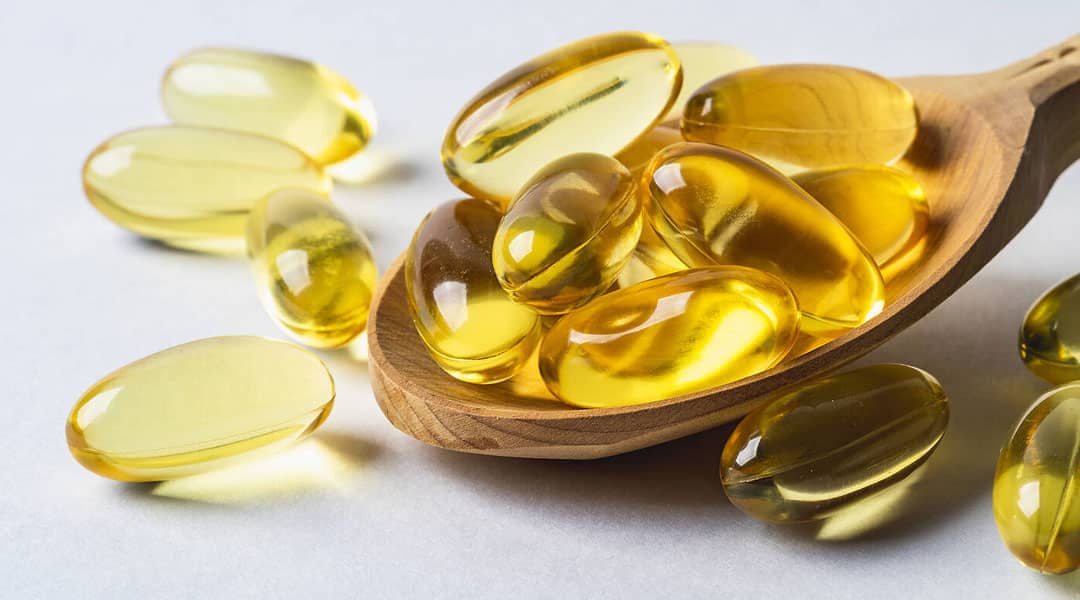
This category brings together guides on vitamins, minerals, and other nutrition products. It covers multivitamins, single-ingredient options, and specialty formulas. It also explains common terms like probiotics (beneficial bacteria) and omega-3 supplements.

Vitamins & Supplements topics also address common concerns during complex care. That includes questions about iron, calcium supplements, and magnesium supplements. It also points to related reading, like Cancer Prevention Lifestyle Tips, for broader health planning.

  • Overviews of vitamin D, vitamin C, and other frequently discussed nutrients
  • Ingredient categories, including herbal supplements and mineral supplements
  • Use cases people ask about, like sleep support supplements or energy supplements
  • Life-stage topics, including prenatal vitamins, kids vitamins, and older adult needs
  • Diet needs, such as vegan vitamins and gluten free supplements
  • Quality terms, including non gmo supplements and third party tested supplements
  • Common goals, like bone health supplements, gut health supplements, and immune support supplements

Dispensing is handled by licensed Canadian partner pharmacies, when applicable.

How to Choose

Choice often feels overwhelming because labels look similar. A simple framework can reduce noise and lower risk. Vitamins & Supplements information works best when paired with a full medication list.

Start With a Goal and a Baseline

Start with a clear reason for using a supplement. Some people have lab-confirmed deficiencies, like low ferritin. Others target symptoms that can have many causes. A clinician can help interpret labs and timing.

Quality and Label Signals

Quality varies across brands and forms. Some products carry voluntary testing seals, but terms differ. Watch for high-dose blends that hide amounts in “proprietary” mixes. Use a consistent unit check, like mg versus mcg.

Quick tip: Keep one updated list of every pill, powder, and drop.

  • Match the supplement type to the goal, like iron supplements for deficiency questions
  • Check the form, such as tablets, capsules, gummies, liquids, or powders
  • Confirm the exact ingredient name and dose units on the label
  • Look for allergens and diet fit, including vegan or gluten-free needs
  • Limit duplicate ingredients across multivitamins and single-ingredient products
  • Prefer clear lot numbers and contact details for the manufacturer
  • Consider third-party verification language, and confirm what it actually tests
  • Watch for stimulant blends in “energy” products, especially with heart history
  • Review pregnancy and breastfeeding warnings, since needs and risks change
  • Plan for follow-up labs when a clinician recommends monitoring

People on prescription therapy may need extra review. Many supplements use the same pathways as medications. This includes CYP enzymes (drug-processing proteins) and kidney clearance.

Vitamins & Supplements and Prescription Medications

Supplement decisions can feel separate from prescription care, but they often overlap. Interactions can affect absorption, bleeding risk, or drug levels. This matters for narrow-therapeutic-index treatments and oncology regimens.

For example, targeted therapies like Calquence or Dasatinib may require careful review of added products. Background reading can help with terminology, such as Dasatinib Mechanism Of Action. People can bring that context into clinician discussions.

  • Separate calcium supplements or iron supplements from some medications, when advised
  • Use caution with botanicals, since they can change metabolism unpredictably
  • Flag high-dose antioxidants during active cancer treatment discussions
  • Share probiotic use during immunosuppression, due to infection risk questions

When prescriptions are required, the pharmacy confirms details with prescribers.

Safety and Use Notes

Vitamins & Supplements can still cause side effects and interactions. “Natural” does not guarantee safe or gentle use. Risk can rise with higher doses, longer use, or multiple overlapping products.

Fat-soluble vitamins (stored in body fat) can accumulate over time. This can lead to hypervitaminosis (too much vitamin buildup). Minerals can also cause problems, including constipation from iron or diarrhea from magnesium. For regulation basics, review FDA dietary supplement overview before comparing claims.

Why it matters: Some supplements can change drug levels or bleeding risk.

Evidence quality varies by ingredient and population. Some products rely on small studies or marketing language. Neutral references can help with definitions and upper limits. For nutrient summaries, see NIH Office of Dietary Supplements resources when questions arise.

  • New or worsening symptoms soon after starting a supplement
  • Easy bruising or bleeding, especially with anticoagulant (blood thinner) therapy
  • Severe stomach pain, vomiting, or persistent diarrhea
  • Signs of allergy, like hives, swelling, or breathing changes
  • Pregnancy, breastfeeding, or pediatric use without clinician review
  • Complex regimens, including oncology therapy, transplant care, or dialysis

Medication explainers can support clearer questions during appointments. Examples include Calquence Uses and How Bosulif Treats CML. They can help patients track names, classes, and monitoring needs.

Access and Prescription Requirements

This hub focuses on browsing education and related site listings. Some pages discuss dietary supplements and wellness categories. Other pages cover prescription therapies and supportive medications.

Prescription status depends on the item and local rules. When a listing requires a prescription, the site supports a verification step before dispensing. That process helps reduce preventable errors and supports safer access. Examples of prescription listings include Monoferric and Aranesp Prefilled Syringe.

Some people use cash-pay options, including options without insurance, for cross-border access. Availability can vary by product, prescriber documentation, and dispensing requirements. Keep key records handy, including current medication lists and prescriber contact details.

Some listings support cash-pay access for people without insurance.

This content is for informational purposes only and is not a substitute for professional medical advice.
  • Bolstering Bone Health: A Nutritional Guide for Aging Well

    Bolstering Bone Health: A Nutritional Guide for Aging Well

    As we age, daily choices shape lifelong Bone Health. Food, movement, and clinical care work together like a three-legged stool. Strengthen each leg, and your skeleton stays more resilient under stress. This guide translates science into steps you can start today.

    Key Takeaways

    • Build with food first: calcium, vitamin D, protein, and produce.
    • Train smart: strength, impact, and balance reduce fracture risk.
    • Use supplements selectively, based on gaps and labs.
    • Review medicines and fall risks with your clinician regularly.

    Bone Health Basics: Diet, Lifestyle, and Monitoring

    Healthy bones need inputs (nutrients, hormones, loading) and protection (fall prevention, medication when appropriate). Think routine, not perfection. Aim for consistent habits you can maintain, while adjusting for your health conditions, culture, and budget.

    Plan care in layers. Start with a bone-focused eating pattern and progressive strength work. Add balance training and sunlight exposure as feasible. Partner with your clinician on screening, labs, and fracture risk tools. For treatment pathways and timing considerations, see Osteoporosis Treatment Options for a structured overview.

    How Bones Remodel Across Life Stages

    Bone constantly remodels. Osteoclasts break down old tissue, while osteoblasts build new tissue. In youth, formation outpaces breakdown; later in life, the pattern often reverses. Estrogen or testosterone changes, malnutrition, inactivity, and certain drugs can tilt the balance toward loss.

    Why this matters: Remodeling explains why weight-bearing exercise and adequate protein help maintain structure. It also clarifies why some medicines slow resorption and others stimulate formation. If you’re unsure whether you have early signs of bone loss, review red flags in Early Signs of Osteoporosis to guide a conversation with your provider.

    Nutrition That Builds Stronger Bones

    Food is your foundation. Emphasize dairy or fortified alternatives, greens, legumes, nuts, seeds, fish, and fruit. This pattern supports a bone health diet with calcium, vitamin D, protein, magnesium, potassium, and vitamin K. Spread protein across meals to support muscle and bone matrix.

    Round out your plate with color and fiber. Limit ultra-processed foods, sodium-heavy items, and sugary sodas that may displace nutrient-dense choices. For practical grocery guidance, see Best Foods for Bones for category picks, and Nutritional Needs for Older Adults for age-specific nutrient ranges, which can help you tailor portions and snacks.

    Tip: Pair calcium sources with vitamin D–rich foods or safe sun exposure, which may aid absorption.

    Vitamins and Minerals: Daily Targets

    Calcium, vitamin D, and protein do the heavy lifting, but other nutrients matter. Magnesium, potassium, phosphorus, and vitamin K support mineralization and bone turnover. Use food first, then address gaps. This approach aligns with what many clinicians recommend for vitamins for strong bones and joints in everyday meals.

    Public health sources outline reasonable ranges for most adults. For a concise overview of evidence and upper limits, the NIH vitamin D fact sheet summarizes intake guidance and safety considerations. If your diet is limited or you have malabsorption, discuss targeted testing with your provider before deciding on a “bone health vitamin” product.

    Smarter Supplement Use: Evidence and Safety

    Supplements can help when food and sunlight fall short, but more is not always better. Calcium carbonate works well with meals; calcium citrate may be easier if you take acid-reducing medicines. Vitamin D3 supports calcium absorption and muscle function. Together, appropriately chosen bone health supplements can fill measured gaps.

    Choose third-party–tested products, and sanity-check total daily intake from food, fortified items, and pills. If you take thyroid, iron, or certain antibiotics, separate calcium timing to avoid interactions. When surgery or injury interrupts eating, tailored supplementation may be useful; for post-op nutrition context, see Nutrition for Bone Healing for practical recovery strategies.

    Strength, Impact, and Balance Training

    Mechanical loading nudges bone to adapt. Progressive resistance training, short bouts of impact (as tolerated), and balance drills work together. Introduce new stress gradually, with attention to posture and pain signals. A well-structured routine is one proven path for how to increase bone density safely over time.

    Start with two to three strength sessions weekly, targeting hips, spine, and wrists. Blend in balance (single-leg stands, heel-to-toe walking) and mobility. For practical routines and safety cues, see Exercise and Bone Health for loading ideas, and add home safety steps from Preventing Falls and Fractures to reduce environmental risks that often trigger injuries.

    Medicines, Monitoring, and Clinical Support

    When fracture risk is high, medications may be appropriate. Anti-resorptives and anabolic agents affect different steps in bone remodeling. Discuss benefits, risks, and duration with your clinician, and plan periodic re-evaluation. For a landscape overview, see Bisphosphonate Drugs to understand how one major class works in practice.

    Guidelines evolve, but organizations frequently cite national osteoporosis foundation calcium recommendations to anchor dietary planning alongside medications. If a bisphosphonate is considered, learn more in What Is Alendronate Used For and the mechanism details in Alendronate Mechanism of Action for informed discussions. For availability context only, see Alendronate when comparing therapy options with your care team.

    Note: Routine DXA scans, medication “holidays,” and lab checks should be individualized by your clinician.

    Meal Ideas and Pantry Staples

    Planning builds consistency. Stock yogurt or calcium-fortified soy milk, canned salmon or sardines with bones, leafy greens, tofu, beans, almonds, tahini, and whole grains. Keep eggs, mushrooms, and tinned fish for vitamin D. With these staples, it’s easier to hit your targets without stress, and to rotate flavors throughout the week.

    When inspiration lags, explore a curated list of top 10 bone-building foods you enjoy and can afford. Pair these with produce you’ll actually eat. For more ideas and pitfalls to avoid, see Habits That Weaken Bones for behavior tweaks that protect your progress and keep meals practical.

    Aging, Sex Differences, and Over-70 Strategies

    Hormonal shifts influence bone turnover. Women face rapid loss around menopause; men may experience slower declines later, especially with age-related hypogonadism. Protein adequacy, resistance training, and vitamin D remain central for everyone. Screen earlier if you have risk factors, including prior fractures or long-term steroid use.

    People often ask, can bone density be increased after 70? Gains vary, but improvements in strength, balance, and fall resilience are achievable at any age. Layer nutrition with safe loading and home safety fixes. For age-specific tactics and pacing, see Keep Bones Healthy Over 65 to refine expectations and set realistic milestones.

    Food, Habits, and What to Limit

    Small swaps add up. Limit excess sodium, sugar-sweetened sodas, and heavy alcohol, which can displace nutrient-dense foods and impair balance. If you drink coffee or tea, enjoy them with meals and adequate calcium. Choose minimally processed proteins and fiber-rich carbohydrates to stabilize energy and support muscle.

    Medication interactions and medical conditions may change your plan. If kidney stones, celiac disease, or gastric surgery are part of your history, discuss specific restrictions with your clinician or a dietitian. For a broader roadmap and when to escalate care, review Osteoporosis Treatment Options to align lifestyle with medical therapy and monitoring.

    Science-Informed Targets and Trusted Resources

    Reliable guidance helps you avoid extremes. For accessible intake ranges, the NIH calcium fact sheet summarizes daily goals, food sources, and safety notes. For diet and supplement planning, the Bone Health & Osteoporosis Foundation guidance outlines practical approaches to calcium and vitamin D across ages.

    Building on these targets, talk with your clinician about timing of bone density scans and lab testing for vitamin D, calcium, and thyroid, especially if your risk profile changes. If treatment begins, compare approaches in Exercise and Bone Health for safe training alongside medications, and in Early Signs of Osteoporosis to monitor symptoms between visits.

    Recap

    Strong bones come from layered habits and informed choices. Build meals around calcium, vitamin D, protein, and plants. Train for strength, incorporate safe impact, and practice balance. Add supplements or medicines when gaps or risks are documented. Track progress with your care team, and adjust as life changes.

    This content is for informational purposes only and is not a substitute for professional medical advice.

  • What Does Omega 3 Do: A Practical Guide to Health

    What Does Omega 3 Do: A Practical Guide to Health

    Key Takeaways

    • Omega-3s support heart, brain, skin, and eye health.
    • Food-first sources beat supplements for most people.
    • Balance omega-6 intake to reduce inflammatory load.
    • Check dose, purity, and interactions before supplementing.

    Understanding what does omega 3 do helps you make informed choices about diet, supplements, and long-term health. These essential fats shape cell membranes, modulate inflammation, and influence lipids. The right balance may support your heart and brain across life stages.

    What Does Omega 3 Do?

    Omega-3 fatty acids—EPA (eicosapentaenoic acid), DHA (docosahexaenoic acid), and ALA (alpha-linolenic acid)—play structural and signaling roles in the body. EPA and DHA embed in cell membranes, helping regulate inflammatory mediators and vascular tone. ALA, from plants, converts only modestly to EPA/DHA, so marine sources often deliver more predictable benefits.

    Clinically, omega-3s can help maintain healthy triglyceride levels and support vascular function. DHA concentrates in retinal and brain tissue, supporting visual processing and neural signaling. These mechanisms explain why nutrition guidance prioritizes fish, seafood, and select plant sources as part of a heart-smart eating pattern. For clinical overviews and safety context, see the NIH fact sheet on omega-3 fatty acids (NIH fact sheet).

    For certain high-risk adults with elevated triglycerides, prescription EPA may be considered by clinicians. Review product details in Vascepa for prescription EPA details and triglyceride management information.

    Omega-3 Sources: Foods, Fruits, and Vegetables

    Start with foods. Fatty fish like salmon, sardines, mackerel, and trout provide concentrated EPA and DHA. For plant-forward eaters, ground flaxseed, chia, hemp seeds, and walnuts supply ALA. Some seaweeds and microalgae contribute DHA directly, which can be useful for people who avoid fish. Choosing omega-3 foods twice weekly fits many heart-healthy plans.

    Fruits and vegetables contribute smaller amounts, yet they still help overall patterns. Brussels sprouts, spinach, and kale contain ALA precursors, while berries and citrus pair well with seafood to build balanced plates. If you follow a plant-heavy diet, consider algae-based DHA to complement seeds and nuts. When comparing options, aim for variety, fiber, and minimally processed choices that you enjoy.

    Plant Versus Marine Sources

    Marine sources deliver EPA/DHA directly, so the body bypasses the limited ALA conversion step. Plant sources remain valuable for fiber, polyphenols, and overall dietary quality, but you may need more planning to meet similar EPA/DHA exposure. A practical approach blends both: include a couple of fish meals per week, fortify with ground flaxseed at breakfast, and use a modest algae-based DHA if needed. For broader heart topics and meal ideas, explore our Cardiovascular category for broader heart health guidance and lipid topics. Major professional groups support fish intake as part of heart-friendly patterns; see the American Heart Association’s advisory for context (AHA science advisory).

    Tip: If you do not eat fish, consider algae-based DHA several times per week, and rotate flax, chia, and walnut servings through meals.

    To compare non-diet lipid supports, see Lipitor to compare LDL-lowering strategies alongside dietary fats, or Fenofibrate for triglyceride-lowering options when lifestyle changes are insufficient.

    Who Benefits: Across Life Stages and Identities

    Omega-3s contribute to heart rhythm stability, blood vessel health, and inflammatory balance—important for adults of all ages. Brain and eye tissues rely on DHA for structure, which may help with cognition and visual function over time. Skin barrier integrity can also benefit from adequate intake, supporting moisture and resilience. These broad effects matter for busy lifestyles, stress, and recovery.

    Some research highlights needs across sex and life stages. Pregnancy and lactation demand higher DHA for fetal brain and eye development, while midlife adults often focus on lipids and blood pressure. Emerging evidence around omega-3 benefits for women addresses menstrual symptoms and perimenopausal transitions, though results vary. Likewise, men often focus on heart health and exercise recovery; balanced intake supports these goals without over-supplementing.

    For brain circulation topics beyond nutrition, see Nimotop Uses for additional reading on brain circulation support. For mood and resilience tools, our Mental Health category offers context around stress, sleep, and coping strategies.

    One targeted query is omega-3 benefits for women in relation to mood, cycle-related discomfort, and skin support; evidence is mixed but promising for some individuals. Personalized guidance from a clinician can help match dietary patterns to goals.

    Dosing Basics and Safety

    Most adults can meet needs with two fish meals weekly plus plant sources. Supplement use depends on diet, preferences, and clinical goals. Discuss individualized amounts with a clinician, especially if you take blood thinners or have bleeding risks. Typical product labels list EPA/DHA per serving; focus on EPA/DHA content rather than capsule size.

    For general guidance, many clinicians align intake with whole-diet patterns, then add a focused supplement if needed. Evidence summaries from the NIH provide safety considerations, upper limits, and interactions; see the detailed overview here (health professionals overview). If you need a concrete reference point, clinicians often consider omega-3 dosage for adults in light of diet quality, triglycerides, and comorbidities, rather than a single number.

    Note: High-dose products can raise bleeding risk or interact with anticoagulants. Always review your medication list and lab goals with your healthcare team.

    For deeper supplement comparisons and safe-use tips, browse our Vitamins Supplements category for more supplement insights and safety notes.

    Omega-6 Balance and Practical Meals

    Beyond absolute omega-3 intake, the omega-6 to omega-3 ratio can influence inflammatory signaling. Many modern diets are heavy in refined seed oils and processed snacks, which pushes the ratio toward pro-inflammatory pathways. You do not need a perfect number; simply shift patterns. Use olive oil often, cook more at home, and choose nuts and seeds in whole forms.

    Reducing select omega-6 foods (fried fast foods, processed chips, and baked goods) while increasing fish, legumes, and vegetables can help. Build meals around salmon or trout with roasted greens, whole grains, and a citrus-walnut dressing. Rotate plant-based bowls with beans, quinoa, kale, and flax-yogurt sauce. Small shifts add up when repeated weekly.

    Supplements: Types, Vegan Options, and Label Literacy

    Supplements vary by source (fish, krill, cod liver, algae) and by EPA/DHA ratio. For plant-based users, vegan omega-3 supplements from algae can deliver DHA and sometimes EPA, with fewer sustainability concerns. Check third-party testing for purity and oxidation, and confirm the EPA/DHA dose, not just total oil. Capsule counts can be misleading; compare total daily EPA/DHA.

    Be mindful of omega-3 supplements side effects such as reflux, fishy burps, gastrointestinal upset, or bruising in sensitive users. Taking capsules with meals, splitting doses, or switching to enteric-coated forms may help. If you avoid fish entirely, algae-based DHA can pair well with ALA-rich foods. For clinical lipid therapy context, see Vascepa again for prescription EPA details, or consider Pravastatin Sodium to understand statin-based LDL reduction for comprehensive risk management.

    Special Situations: Fatty Liver, Hair, and Sexual Health

    Early studies suggest omega-3s may help normalize liver fat and triglycerides in nonalcoholic fatty liver contexts, especially when paired with weight management and exercise. Discuss individualized plans if you are considering targeted amounts or product forms. Hair and skin often respond best to overall dietary patterns, hydration, and micronutrient sufficiency; omega-3s can complement these foundations.

    People often ask, does omega-3 help sexually? Limited evidence suggests possible benefits for endothelial function and blood flow, yet findings are preliminary. Address cardiovascular risk factors, sleep, and stress for the biggest gains. For metabolic health awareness that influences vascular wellbeing, see World Diabetes Day for context on glucose and cardiometabolic risk.

    To support stress and mood—factors closely tied to libido—practical strategies can help. Explore Manage Anxiety for actionable techniques that complement nutrition and movement.

    Recap

    Omega-3s shape cell membranes, influence inflammation, and support heart and brain function. Food-first approaches come first, with supplements as a tailored add-on. Keep patterns balanced by trimming ultra-processed fats and adding diverse marine and plant sources. When considering products, verify dose, quality, and potential interactions, and integrate them into your broader care plan.

    This content is for informational purposes only and is not a substitute for professional medical advice.