
Category: Vitamins & Supplements

This Vitamins & Supplements hub supports informed browsing for patients and caregivers. It explains common supplement types and practical label terms. It also highlights safety questions to raise during care.

People often explore wellness options alongside treatment and daily routines. Some also look for US delivery from Canada when comparing access routes. This page stays focused on education and navigation.

Use the links below to explore topics by goal, ingredient, or life stage. Each section aims to reduce confusion and support clearer conversations. Medical decisions should stay with the care team.

What You’ll Find in This Category

This category brings together guides on vitamins, minerals, and other nutrition products. It covers multivitamins, single-ingredient options, and specialty formulas. It also explains common terms like probiotics (beneficial bacteria) and omega-3 supplements.

Vitamins & Supplements topics also address common concerns during complex care. That includes questions about iron, calcium supplements, and magnesium supplements. It also points to related reading, like Cancer Prevention Lifestyle Tips, for broader health planning.

  • Overviews of vitamin D, vitamin C, and other frequently discussed nutrients
  • Ingredient categories, including herbal supplements and mineral supplements
  • Use cases people ask about, like sleep support supplements or energy supplements
  • Life-stage topics, including prenatal vitamins, kids vitamins, and older adult needs
  • Diet needs, such as vegan vitamins and gluten free supplements
  • Quality terms, including non gmo supplements and third party tested supplements
  • Common goals, like bone health supplements, gut health supplements, and immune support supplements

Dispensing is handled by licensed Canadian partner pharmacies, when applicable.

How to Choose

Choice often feels overwhelming because labels look similar. A simple framework can reduce noise and lower risk. Vitamins & Supplements information works best when paired with a full medication list.

Start With a Goal and a Baseline

Start with a clear reason for using a supplement. Some people have lab-confirmed deficiencies, like low ferritin. Others target symptoms that can have many causes. A clinician can help interpret labs and timing.

Quality and Label Signals

Quality varies across brands and forms. Some products carry voluntary testing seals, but terms differ. Watch for high-dose blends that hide amounts in “proprietary” mixes. Use a consistent unit check, like mg versus mcg.

Quick tip: Keep one updated list of every pill, powder, and drop.

  • Match the supplement type to the goal, like iron supplements for deficiency questions
  • Check the form, such as tablets, capsules, gummies, liquids, or powders
  • Confirm the exact ingredient name and dose units on the label
  • Look for allergens and diet fit, including vegan or gluten-free needs
  • Limit duplicate ingredients across multivitamins and single-ingredient products
  • Prefer clear lot numbers and contact details for the manufacturer
  • Consider third-party verification language, and confirm what it actually tests
  • Watch for stimulant blends in “energy” products, especially with heart history
  • Review pregnancy and breastfeeding warnings, since needs and risks change
  • Plan for follow-up labs when a clinician recommends monitoring

People on prescription therapy may need extra review. Many supplements use the same pathways as medications. This includes CYP enzymes (drug-processing proteins) and kidney clearance.

Vitamins & Supplements and Prescription Medications

Supplement decisions can feel separate from prescription care, but they often overlap. Interactions can affect absorption, bleeding risk, or drug levels. This matters for narrow-therapeutic-index treatments and oncology regimens.

For example, targeted therapies like Calquence or Dasatinib may require careful review of added products. Background reading can help with terminology, such as Dasatinib Mechanism Of Action. People can bring that context into clinician discussions.

  • Separate calcium supplements or iron supplements from some medications, when advised
  • Use caution with botanicals, since they can change metabolism unpredictably
  • Flag high-dose antioxidants during active cancer treatment discussions
  • Share probiotic use during immunosuppression, due to infection risk questions

When prescriptions are required, the pharmacy confirms details with prescribers.

Safety and Use Notes

Vitamins & Supplements can still cause side effects and interactions. “Natural” does not guarantee safe or gentle use. Risk can rise with higher doses, longer use, or multiple overlapping products.

Fat-soluble vitamins (stored in body fat) can accumulate over time. This can lead to hypervitaminosis (too much vitamin buildup). Minerals can also cause problems, including constipation from iron or diarrhea from magnesium. For regulation basics, review FDA dietary supplement overview before comparing claims.

Why it matters: Some supplements can change drug levels or bleeding risk.

Evidence quality varies by ingredient and population. Some products rely on small studies or marketing language. Neutral references can help with definitions and upper limits. For nutrient summaries, see NIH Office of Dietary Supplements resources when questions arise.

  • New or worsening symptoms soon after starting a supplement
  • Easy bruising or bleeding, especially with anticoagulant (blood thinner) therapy
  • Severe stomach pain, vomiting, or persistent diarrhea
  • Signs of allergy, like hives, swelling, or breathing changes
  • Pregnancy, breastfeeding, or pediatric use without clinician review
  • Complex regimens, including oncology therapy, transplant care, or dialysis

Medication explainers can support clearer questions during appointments. Examples include Calquence Uses and How Bosulif Treats CML. They can help patients track names, classes, and monitoring needs.

Access and Prescription Requirements

This hub focuses on browsing education and related site listings. Some pages discuss dietary supplements and wellness categories. Other pages cover prescription therapies and supportive medications.

Prescription status depends on the item and local rules. When a listing requires a prescription, the site supports a verification step before dispensing. That process helps reduce preventable errors and supports safer access. Examples of prescription listings include Monoferric and Aranesp Prefilled Syringe.

Some people use cash-pay options, including options without insurance, for cross-border access. Availability can vary by product, prescriber documentation, and dispensing requirements. Keep key records handy, including current medication lists and prescriber contact details.

Some listings support cash-pay access for people without insurance.

This content is for informational purposes only and is not a substitute for professional medical advice.

  • DSIP Peptide Dosage: Safety, Research, and Practical Limits

    DSIP Peptide Dosage: Safety, Research, and Practical Limits

    There is no established, regulator-approved dsip peptide dosage for sleep, withdrawal, or general wellness. DSIP, or delta-sleep-inducing peptide, has been studied in limited research settings, but that is not the same as a consumer dosing label. This matters because online charts can make peptide use look simple, while route, vial concentration, sterile technique, medical history, and product quality can change risk.

    If you are considering DSIP because sleep feels unmanageable, start by separating two issues: the cause of the sleep problem and the safety of the peptide product. A clinician can help assess insomnia, medication effects, mood symptoms, pain, shift work, breathing problems during sleep, or withdrawal-related symptoms before any experimental approach enters the conversation.

    Key Takeaways

    • No standard label: DSIP does not have an approved consumer dosing schedule.
    • Research is limited: study protocols do not equal self-use instructions.
    • Charts can mislead: vial size, route, and concentration change the math.
    • Safety comes first: medical history and medication interactions matter.
    • Sleep needs context: persistent insomnia deserves a proper evaluation.

    Why DSIP Peptide Dosage Is Not Standardized

    DSIP is not handled like a typical prescription sleep medicine with a regulator-reviewed label. Approved medicines usually have defined indications, dosage forms, contraindications, warnings, and monitoring information. DSIP discussions online often come from research summaries, wellness clinics, or peptide communities, not from an official product label meant for routine patient use.

    That distinction is important. A research protocol may test a substance under close supervision, with specific eligibility criteria and controlled preparation. It may also use a route, timing, or total exposure that does not translate to home use. A dsip peptide dosage protocol found online may leave out the parts that make a study safer, such as screening, monitoring, sterile handling, and adverse-event reporting.

    Why it matters: A dose that looks small can still carry risk when the product is unverified.

    Another problem is terminology. People may use “DSIP” to refer to an injectable vial, a nasal spray, a compounded preparation, or a research chemical. Those are not interchangeable. The amount listed on a vial does not tell you what enters the body. The delivered amount depends on preparation, concentration, route, and product reliability.

    What Research Can and Cannot Tell You

    Human DSIP research exists, but it is limited and not enough to create a reliable dosing standard for everyday sleep problems. Some studies examined DSIP in controlled settings, including endocrine or anesthesia-related contexts. Those designs can help researchers explore possible biological effects, but they do not prove that a home protocol is safe or effective.

    This is where online summaries often blur the line. A study may report an administered amount, but the details around it matter. Researchers may use intravenous infusion, defined timing, strict observation, and selected participants. A consumer may instead be looking at a vial, a syringe, or a nasal bottle without the same safeguards. Those situations are very different.

    Evidence also needs consistency. For a medicine to earn clear dosing guidance, researchers generally need repeated studies, defined outcomes, safety data, and a regulated product. DSIP has not reached that level for common uses such as insomnia, stress, recovery, or withdrawal support. Because of that, any claimed “best” dose should be treated as an unverified claim, not a medical standard.

    Why study dosing is not a personal dose

    A study dose answers a research question. A personal dose would need to account for diagnosis, other medicines, allergies, pregnancy status, kidney or liver disease, substance use, and the exact product being used. It would also need a plan for monitoring side effects and stopping criteria. Without those pieces, the number alone is incomplete.

    If you see a dsip peptide dosage chart that gives one number for everyone, that is a warning sign. A safe medical plan rarely depends on a single chart. It depends on the person, the product, the indication, and the evidence behind the choice.

    Why Vials, Sprays, and “Dosage Calculators” Can Mislead

    A vial label, such as a total milligram amount, does not define a dose by itself. The final concentration depends on how much diluent is added. The draw volume then depends on the intended dose and the concentration. If any part of that chain is wrong, the final amount can be wrong too.

    Math tools can reduce arithmetic errors, but they cannot decide whether DSIP is appropriate. They also cannot verify sterility, product identity, purity, or medical suitability. Use a calculator only for general concentration or draw-volume math when a licensed clinician has already provided clear written instructions.

    [syringe-calculator]

    This calculator can help with vial preparation arithmetic, such as concentration and draw-volume estimates. It does not confirm eligibility, recommend a dose, or replace clinical judgment.

    Nasal sprays add another layer. The amount delivered per spray depends on the spray device, solution concentration, and consistency of administration. A nasal protocol cannot be converted neatly from an injection chart without reliable product-specific data. If a source treats all routes as equivalent, read it with caution.

    Product quality is another concern. Peptides sold outside regulated medication channels may not match the stated contents. Contamination, concentration mismatch, storage issues, and unclear instructions can all increase risk. If the product source cannot provide credible testing and handling information, the dosage number becomes even less meaningful.

    Safety Questions Before Considering Any Peptide Protocol

    The safest way to read any dsip peptide dosage claim is to ask what safety information is missing. DSIP is often discussed as if it only affects sleep, but sleep-related substances can interact with other health issues. Daytime sedation, impaired alertness, mood changes, allergic reactions, injection-site problems, and unexpected reactions all deserve caution.

    Medication context matters. Sedatives, alcohol, opioids, some antidepressants, antipsychotics, seizure medicines, and other sleep aids can affect alertness or breathing. Do not combine DSIP with other substances to “boost” sleep without professional guidance. If sleep changes began after starting, stopping, or changing a medication, that timeline is worth reviewing with a clinician or pharmacist.

    People with mood disorders should be especially careful with unsupervised sleep interventions. Reduced sleep can sometimes signal worsening depression, mania, anxiety, substance withdrawal, or another urgent issue. If mood symptoms are part of the picture, browsing a Depression Condition Hub or Bipolar Disorder Hub may help you organize condition-related questions before a visit, but it should not replace care.

    Red flags that need care

    Seek urgent medical help if sleep problems come with chest pain, trouble breathing, fainting, confusion, hallucinations, seizure, severe agitation, suicidal thoughts, or a serious allergic reaction. Also seek prompt care for withdrawal symptoms, especially if they include tremors, seizures, severe vomiting, dehydration, or unstable vital signs.

    For less urgent symptoms, bring specifics to an appointment. Note when sleep changed, what else changed, and whether symptoms happen nightly or in waves. Include supplements, peptides, alcohol, cannabis, and prescribed medicines. Full context helps clinicians spot patterns that a dosing chart cannot see.

    If Sleep Is the Main Concern, Start With the Cause

    Sleep difficulty is a symptom, not a single diagnosis. Insomnia can be linked to stress, pain, shift work, caffeine, untreated sleep apnea, restless legs, depression, anxiety, medication effects, or withdrawal. Treating every sleep problem as a peptide dosing problem can delay better care.

    Start with the pattern. Trouble falling asleep points to different triggers than waking early, waking gasping, or feeling exhausted despite enough time in bed. Snoring, morning headaches, and daytime sleepiness may suggest a breathing-related sleep disorder. Racing thoughts, panic, or low mood may point toward mental health support. Pain, reflux, urination, and hot flashes can also fragment sleep.

    Prescription medicines can also change sleep. Some people notice insomnia, vivid dreams, sedation, or restlessness after starting or adjusting treatment. If an antidepressant is part of your care plan, medication-specific reading such as Zoloft Side Effects can help you prepare better questions. If stimulant and antidepressant combinations are involved, Wellbutrin and Adderall Together may offer useful discussion points for a prescriber.

    DSIP also should not be viewed as equivalent to approved sleep medicines, behavioral therapy for insomnia, or treatment for a diagnosed condition. Approved treatments come with clearer evidence, warnings, and monitoring expectations. Behavioral approaches can also address habits and triggers without adding a new substance. The right path depends on the cause, not just the desire for deeper sleep.

    Practical Next Steps for a Safer Conversation

    If you are still researching DSIP, use the process to prepare for a safer clinical discussion rather than to self-build a protocol. A structured note can make appointments more productive. It can also help you avoid relying on screenshots, forum comments, or one-size-fits-all charts.

    • Write the sleep pattern: include bedtime, wake time, and awakenings.
    • List all substances: include prescriptions, supplements, alcohol, and cannabis.
    • Record symptom timing: note what changed before sleep worsened.
    • Save product details: keep labels, certificates, and instructions.
    • Ask about interactions: include sedatives and mental health medicines.
    • Discuss safer options: ask about diagnosis-based treatments first.
    • Plan escalation: know which symptoms need urgent care.

    Quick tip: Save the vial label and any written instructions before an appointment.

    If you are comparing information sources, prefer those that separate research findings from dosing advice. Be wary of sources that promise guaranteed sleep improvement, hide product details, or treat DSIP as risk-free. Good medical information explains uncertainty. It also tells you when not to use a substance.

    BorderFreeHealth’s role, where applicable, is connecting eligible patients with licensed Canadian partner pharmacies for prescription medicines, not validating experimental peptide protocols. For broader nervous-system and medication topics, the Neurology Editorial Hub can help you continue reading without turning a research peptide question into a purchase decision.

    Authoritative Sources

    If you are researching dsip peptide dosage because sleep problems are affecting daily life, treat that as a signal to get the sleep problem assessed. A number on a chart cannot tell you why sleep is disrupted, whether a product is reliable, or whether another condition needs attention.

    This content is for informational purposes only and is not a substitute for professional medical advice.
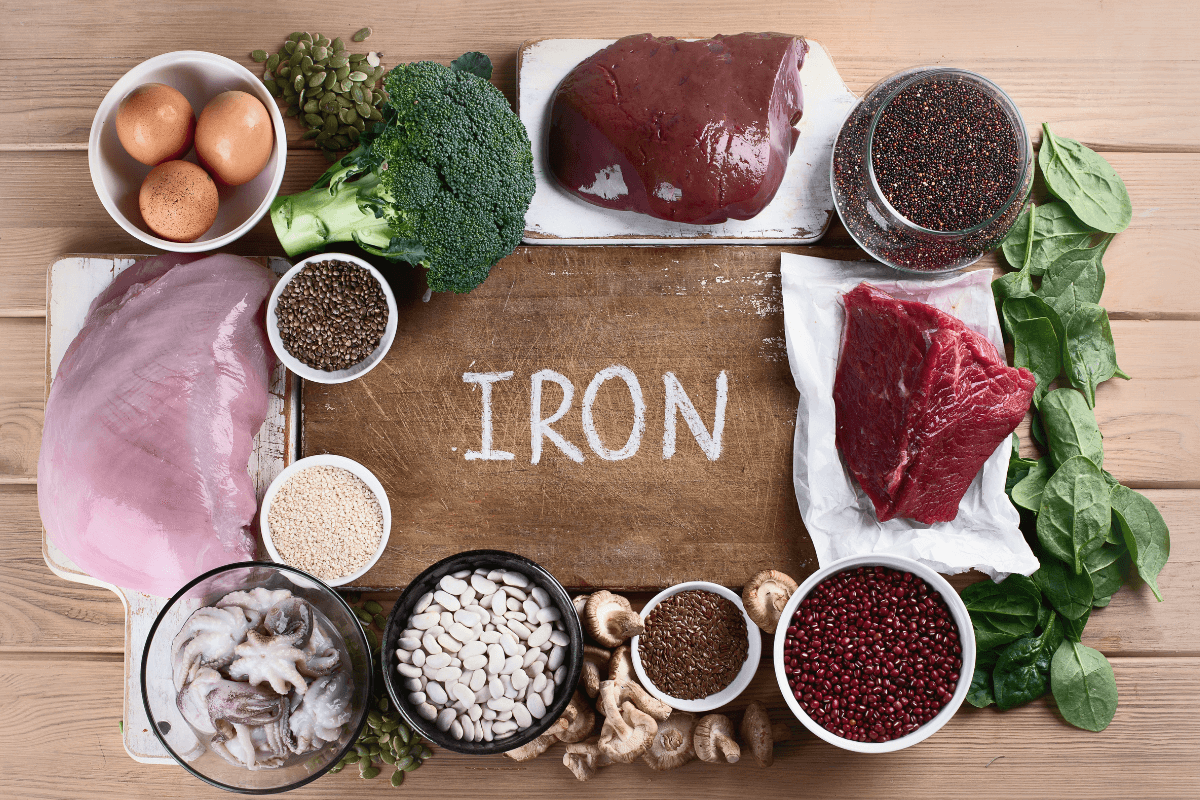
  • Iron Rich Foods for Iron Deficiency Anemia Meal Planning

    Iron Rich Foods for Iron Deficiency Anemia Meal Planning

    Iron-rich foods can support iron deficiency anemia by helping your body rebuild iron stores, but food is only one part of care. The most helpful plan combines high-iron meals, vitamin C pairings, and attention to absorption blockers such as tea, coffee, and large calcium servings. Just as important, a clinician should look for the reason iron is low.

    Iron deficiency anemia means the body does not have enough iron to make healthy red blood cells. This can lead to fatigue, weakness, shortness of breath, dizziness, headaches, brittle nails, or restless legs. Diet changes may help, but ongoing blood loss, pregnancy, digestive conditions, or medication timing can change what you need.

    Key Takeaways

    • Food can help: Meat, seafood, legumes, tofu, seeds, greens, and fortified grains can raise iron intake.
    • Absorption matters: Vitamin C helps non-heme iron, while tea, coffee, and calcium can reduce absorption.
    • Cause still matters: Heavy periods, pregnancy, bleeding, and gut absorption issues need clinical review.
    • Plants can work: Vegetarian meals need consistent iron sources and smart pairings.
    • Supplements differ: Do not start, stop, or change iron therapy without clinician guidance.

    How Iron-Rich Foods Fit Into Anemia Care

    Iron rich foods iron deficiency anemia planning works best when it supports, not replaces, medical evaluation. The body uses iron to make hemoglobin, the protein in red blood cells that carries oxygen. When iron runs low, red blood cells may become smaller and carry less oxygen than usual.

    Why this matters: anemia symptoms can feel vague. Tiredness, brain fog, and shortness of breath may be blamed on stress or aging. Yet low iron can also signal something that needs attention, such as heavy menstrual bleeding or gastrointestinal blood loss. If symptoms persist, ask about hemoglobin, ferritin (stored iron), and other iron studies.

    Food choices are still powerful because they create the daily supply. A meal plan does not need to be perfect. It needs to be repeatable, affordable, and matched to your appetite, culture, and cooking capacity.

    What food is highest in iron for anemia?

    The highest-iron choices often include organ meats, shellfish, red meat, sardines, legumes, tofu, pumpkin seeds, and fortified cereals. But the best food for one person may not be the best for another. Pregnancy, vegetarian eating, kidney disease, digestive disorders, and medication use can all change the safest plan.

    Many people look for one “top” food. A better goal is a weekly pattern. Mix easy animal sources, plant sources, and fortified foods when they fit your diet. If you avoid meat, focus on beans, lentils, tofu, tempeh, seeds, quinoa, dark greens, and enriched grains.

    Can you raise iron quickly with food?

    Food can improve intake right away, but lab improvement may require more than meals. If iron stores are very low, your clinician may recommend oral iron or another treatment. Food can still reduce gaps and make treatment easier to sustain.

    Seek prompt medical advice if you have chest pain, fainting, black or bloody stools, severe shortness of breath, or rapidly worsening weakness. Those symptoms need more than a grocery list.

    Heme and Non-Heme Iron: Why Absorption Changes by Meal

    Iron comes in two main forms: heme iron and non-heme iron. Heme iron comes from animal foods, including meat, poultry, fish, and shellfish. The body generally absorbs it more readily. Non-heme iron comes from plant foods and fortified foods. It can still be valuable, but the meal around it affects absorption more.

    Vitamin C can improve non-heme iron absorption when eaten at the same meal. Good helpers include oranges, strawberries, kiwi, tomatoes, bell peppers, broccoli, and lemon juice. A lentil soup with tomatoes, tofu with peppers, or fortified cereal with berries uses this simple pairing.

    Some foods and drinks can reduce absorption when taken with iron-focused meals. Tea and coffee contain polyphenols that can bind iron. Large calcium servings or calcium supplements may also interfere. High-bran foods can lower absorption in some meal patterns. This does not mean those foods are “bad.” Timing is the tool.

    Quick tip: Keep coffee or tea between meals when your main goal is iron absorption.

    Eggs deserve a practical note. Two eggs provide some nutrients, but they are not usually enough iron by themselves for iron deficiency anemia. If eggs are a breakfast staple, add an iron source such as fortified toast or cereal, beans, spinach, or a vitamin C fruit on the side.

    Everyday Iron Sources You Can Build Meals Around

    The easiest iron rich foods iron deficiency anemia plan starts with foods you already tolerate. Start with two breakfasts, two lunches, and two dinners you can repeat. Then rotate flavor, grains, or vegetables.

    Food Group Examples Meal Planning Move
    Heme iron foods Lean beef, dark turkey meat, sardines, salmon, clams Add peppers, broccoli, citrus, or tomato-based sides.
    Plant proteins Lentils, chickpeas, beans, tofu, tempeh Use lemon, tomatoes, salsa, or fruit in the same meal.
    Nuts and seeds Pumpkin seeds, sesame, tahini, cashews Sprinkle on oatmeal, salads, bowls, or smoothies.
    Vegetables Spinach, kale, peas, broccoli, beet greens Cook greens to make larger portions easier to eat.
    Fruits Dried apricots, raisins, prunes, figs Use small portions with nuts or iron-fortified foods.
    Fortified foods Fortified cereal, enriched bread, fortified plant milk Check labels because iron content varies widely.

    Fortified foods can be especially helpful when fatigue makes cooking hard. They also help people with smaller appetites. Still, labels matter. A cereal or plant milk may look similar to another brand but contain very different iron amounts.

    If you want wider nutrition context, the Vitamins And Supplements collection can help you frame questions about common nutrient gaps. For older adults, Nutritional Needs For Older Adults explains why vitamin and mineral needs can shift with age.

    Meal Pairing Formulas for Busy Days

    A simple formula keeps anemia meal planning from becoming another source of stress. Choose one iron source, one vitamin C helper, and one satisfying base. This works for home cooking, leftovers, and prepared foods.

    • Breakfast bowl: Fortified cereal, berries, and pumpkin seeds.
    • Egg breakfast: Eggs with spinach, tomatoes, and enriched toast.
    • Lentil lunch: Lentil soup with lemon and a side of fruit.
    • Tofu dinner: Tofu with peppers, broccoli, and rice.
    • Seafood meal: Sardines with tomato salad and potatoes.
    • Bean plate: Chickpeas, quinoa, salsa, and cabbage slaw.

    Vegetarian and culturally familiar meals can fit well. Dal with lemon, chana with tomatoes, rajma with peppers, or saag with a citrus side can provide plant iron and vitamin C together. If you eat dairy, keep it in your day if it fits your plan, but consider separating large dairy portions from your most iron-focused meal.

    For people managing chronic illness, food planning often needs flexibility rather than strict rules. Diet And Exercise With Chronic Illness offers broader ideas for building routines around energy limits and long-term care needs.

    A flexible one-day template

    A 7-day anemia diet plan can be useful, but rigid plans often fail when appetite and energy change. Try one strong day first. Then switch the protein, grain, or vegetable.

    1. Breakfast: Fortified cereal with strawberries, or eggs with tomatoes and enriched toast.
    2. Lunch: Lentil soup with lemon and a fruit side.
    3. Snack: Pumpkin seeds with dried apricots or raisins.
    4. Dinner: Lean meat, tofu, or beans with peppers, broccoli, and rice.

    Why it matters: Consistency usually helps more than chasing a single perfect food.

    Absorption Blockers, Special Diets, and Common Questions

    Most anemia food advice becomes easier when you separate “avoid forever” from “time it better.” Tea, coffee, calcium supplements, large dairy servings, and some high-bran foods may reduce iron absorption when taken with iron-rich meals. Many people can keep these foods by moving them to another part of the day.

    If you take thyroid medicine, antacids, acid-reducing medicine, or other long-term prescriptions, ask your clinician or pharmacist about timing. Iron supplements can interact with some medicines, and some medicines can change how minerals are absorbed. Do not adjust prescriptions on your own.

    People using appetite-changing medicines, including GLP-1 receptor agonists, may wonder if those medicines cause low iron. Low intake can happen if nausea, smaller meals, or food avoidance limits iron-rich foods. The medicine itself is not the only question. The pattern of eating, bleeding risk, stomach symptoms, and lab results all matter. Bring diet changes and symptoms to your care team.

    Pregnancy, heavy periods, endurance training, frequent blood donation, and gastrointestinal symptoms deserve extra attention. Iron needs may increase, and self-treatment can miss the cause. If you are pregnant, avoid liver unless your clinician specifically says otherwise, because of vitamin A concerns.

    When Food May Not Be Enough

    Iron rich foods iron deficiency anemia strategies may not fully correct anemia when iron loss continues or absorption is poor. Examples include heavy menstrual bleeding, ulcers, inflammatory bowel disease, celiac disease, bariatric surgery history, or other digestive problems. Older adults may have more than one reason for anemia, so testing matters.

    Clinicians may recommend oral iron, intravenous iron, or further testing depending on the cause and severity. Side effects and timing can vary. Some people experience constipation, nausea, or stomach upset with oral iron, while others need a different plan. Follow individualized instructions rather than copying a schedule from someone else.

    If your care plan includes prescription therapy, access and verification can become part of the process. BorderFreeHealth connects U.S. patients with licensed Canadian partner pharmacies, and prescription details may be confirmed with the prescriber when required before dispensing. That service context is separate from nutrition advice, but it can matter when you are organizing treatment logistics.

    Nutrition often overlaps with bone health, aging, and appetite changes. For a broader nutrient lens, Bone Health And Nutrition reviews food patterns that support aging well. For general food-quality ideas, National Nutrition Month offers practical ways to think about balanced meals without perfectionism.

    How to Prepare for a Clinician or Dietitian Visit

    Good preparation helps your clinician see the pattern behind your symptoms. Bring a short food log, current supplements, prescriptions, menstrual history if relevant, and any digestive symptoms. Include tea, coffee, calcium, antacids, and over-the-counter medicines.

    • Ask about labs: Hemoglobin, ferritin, and iron studies may tell different stories.
    • Share symptoms: Mention fatigue, dizziness, breathlessness, palpitations, cravings, or hair shedding.
    • Review bleeding: Discuss heavy periods, blood donation, black stools, or visible blood.
    • List medicines: Include thyroid medicine, antacids, acid reducers, and supplements.
    • Discuss diet limits: Vegetarian eating, low appetite, allergies, or budget concerns matter.
    • Plan follow-up: Ask how progress will be checked and when to seek care.

    This is also where a registered dietitian can help. They can adapt iron-focused meals to diabetes, kidney disease, pregnancy, eating disorder recovery, digestive symptoms, or cultural food patterns. A safe plan should fit the whole person, not just a lab value.

    Compare and Related Nutrition Topics

    Not all anemia is iron deficiency anemia. Vitamin B12 deficiency, folate deficiency, chronic inflammation, kidney disease, and inherited blood conditions can also affect red blood cells. That is why testing is important before assuming iron is the only issue.

    Iron-rich eating also overlaps with general nutrient density. Foods such as legumes, seeds, greens, fish, and fortified grains may support more than one nutrition goal. If you are building a broader health routine, Nutrient Rich Foods may help you think about practical, balanced choices. Keep weight goals separate from anemia treatment unless your clinician has advised otherwise.

    For iron rich foods iron deficiency anemia, the main comparison is not “food versus medicine.” It is whether food alone matches the cause, severity, and absorption barriers. Many people need both nutrition changes and clinician-directed treatment.

    Authoritative Sources

    These sources can help you confirm basics and prepare for a healthcare visit:

    Recap: choose repeatable iron-rich meals, pair plant iron with vitamin C, and time common blockers away from iron-focused meals when possible. If symptoms continue or labs remain low, ask your clinician to look for the underlying cause.

    This content is for informational purposes only and is not a substitute for professional medical advice.

  • Are Peptides Safe? Risks, Sources, and Key Questions

    Are Peptides Safe? Risks, Sources, and Key Questions

    If you are asking are peptides safe, the most honest answer is: some are, in the right setting, but many products sold online carry avoidable risks. Safety depends on the exact ingredient, whether it is an approved medicine, how it is made, how it is used, and whether a clinician or pharmacist can verify the source.

    Why this matters: the word peptide can describe very different products. It may refer to a regulated prescription medicine, a compounded preparation, a cosmetic ingredient, a supplement, or a vial marketed for research. Those categories do not carry the same evidence, labeling, or oversight.

    Key Takeaways

    • Category matters: approved drugs, compounded products, supplements, cosmetics, and research chemicals are not interchangeable.
    • Source changes risk: licensed dispensing and traceable labeling offer more protection than vague online listings.
    • Injection adds concerns: sterility, storage, reconstitution, and handling errors can increase risk.
    • Marketing is not proof: testimonials and purity claims cannot replace official labeling or medical review.
    • Personal factors count: age, pregnancy, allergies, medical conditions, and other medicines can change the safety picture.

    What Peptides Are, and Why Safety Varies

    Peptides are short chains of amino acids, the building blocks of proteins. That definition is simple, but the real-world product landscape is not. Some peptide-based medicines have gone through formal drug review. Others are sold as wellness products with much less oversight.

    To understand whether a peptide product is reasonably safe, first ask what category it belongs to. An approved prescription product usually has defined manufacturing standards, official labeling, known warnings, and a recognized adverse-event reporting pathway. A product sold through a social media link may have none of those safeguards.

    For a broader orientation to peptide terminology, see Peptides Explained. If your concern is mainly about injectable products, Peptide Injections covers access questions and route-specific issues in more detail.

    Why it matters: A familiar ingredient name does not prove the product is authentic, sterile, or appropriate for you.

    Are Peptides Safe When They Are Prescribed?

    Peptides can be used safely in medical care when they are approved for a specific use, prescribed appropriately, and monitored like other medicines. That does not mean they are risk-free. It means there is a clearer structure for quality, labeling, dosing instructions, and side-effect review.

    Prescription status is important because it creates accountability. A regulated medicine should have a known active ingredient, strength, manufacturer, storage instructions, and patient information. A clinician can also review whether the product fits your medical history and current medication list.

    Compounded preparations need a separate discussion. Compounding can be legitimate when a pharmacy prepares a medication for an individual prescription. However, compounded products are not the same as FDA-approved manufactured drugs. They may not have the same premarket review, and quality can depend heavily on the pharmacy, ingredient sourcing, and preparation process.

    Supplements and cosmetics sit in a different lane again. A topical skin product using peptide language does not carry the same risk profile as an injectable vial. A supplement capsule also differs from a prescription injection. The label category matters because it affects evidence standards, oversight, and what claims a seller should be making.

    Main Risks to Consider Before Using Peptides

    The risk of taking peptides depends on the product, dose form, route, source, and person using it. Common concerns include side effects, allergic reactions, contamination, unclear ingredients, and interactions with other medicines or conditions.

    Side Effects and Tolerability

    Possible side effects vary by ingredient and route. Some people report symptoms such as nausea, headache, fatigue, irritation, or injection-site reactions. More serious effects may occur with certain medicines or with products that are contaminated, incorrectly labeled, or used without monitoring.

    It is not safe to assume that a peptide is gentle because it sounds biologically familiar. Many medicines work by affecting normal body signals. That is why benefits and risks need to be judged together, not separated into marketing claims and fine print.

    Contamination and Ingredient Mismatch

    Unverified products create a different kind of risk. A vial may contain less active ingredient than claimed, more than claimed, a different substance, or contaminants. These problems are hard for a consumer to detect by sight.

    Terms like “research grade,” “99% pure,” or “not for human use” should not be treated as reassurance. Research-only labeling often means the product is not intended for routine human use. If a seller presents that type of product as a wellness treatment, slow down and verify the source.

    Interactions and Medical Conditions

    Even a legitimate product may not suit every person. Kidney or liver disease, pregnancy, immune conditions, allergies, diabetes, heart disease, and other medical issues can change the risk discussion. Other prescriptions, over-the-counter products, and supplements may also matter.

    Older adults may need extra caution because they are more likely to use several medicines or have chronic conditions. The same applies to anyone with repeated side effects, unexplained symptoms, or a history of severe allergic reactions.

    Why Injectable Peptides Need Extra Care

    Injectable peptides require extra caution because they bypass several natural barriers. When a product is injected under the skin or into deeper tissue, sterility and preparation details become safety issues, not small technical points.

    Some injectable products require mixing, often called reconstitution. This can involve sterile water, vial handling, concentration calculations, syringe measurement, and storage instructions. Mistakes can happen when instructions are unclear or when the product source is not reliable.

    The calculator below can help with general vial-preparation math, such as concentration and draw-volume calculations. It does not confirm product safety, dosing, eligibility, or whether an injectable product is appropriate.

    [syringe-calculator]

    If a clinician or pharmacist has not reviewed the product, preparation steps, and instructions, do not treat a calculator or online discussion as a substitute. Measurement tools are only useful when the underlying product and directions are legitimate.

    Quick tip: Keep the original label, instructions, lot details, and product page screenshots for reference.

    How to Judge a Peptide Product Before Trusting It

    A practical safety check starts with verification, not hype. Before relying on any peptide product, identify exactly what it is, who supplied it, and which rules apply to that product category.

    1. Write down the exact ingredient: Include the full name, form, concentration, and listed manufacturer.
    2. Confirm the category: Determine whether it is an approved drug, compounded prescription, supplement, cosmetic, or research-only product.
    3. Check prescription status: If a prescription is required, confirm how the pharmacy verifies it.
    4. Review the source: Look for a licensed pharmacy model, complete contact details, and traceable labeling.
    5. Read risk information: Legitimate materials should mention warnings, side effects, storage, and when to seek help.
    6. Bring your medication list: Include prescriptions, nonprescription medicines, vitamins, and supplements.
    7. Question vague claims: Be cautious with dramatic promises, influencer-only evidence, or unclear purity statements.

    For people comparing supplement-style products, Peptide Supplements explains label and access issues in more depth. You can also browse related wellness topics through the Vitamins and Supplements collection.

    Some products use highly specific research names that do not fit routine patient self-care. For example, DSIP Peptide Safety discusses why research context and practical limits matter when evidence is incomplete.

    What Is the Safest Peptide to Take?

    There is no single “safest peptide” for everyone. The safer choice is usually the product with a legitimate medical reason, a verified source, clear labeling, appropriate oversight, and a risk profile that fits the individual person.

    This is a better question to ask: “Is this exact product appropriate for me, from this source, for this purpose?” That wording helps separate a regulated prescription pathway from a vague wellness pitch. It also moves the conversation toward evidence, monitoring, and safety checks.

    Claims about celebrity use or social media trends do not answer that question. A public figure’s routine, even if accurately reported, does not establish safety for another person. Medical decisions need personal context, not a trend-based shortcut.

    Doctors do use some peptide-based medicines when evidence, approval status, and patient factors support them. What many clinicians avoid is recommending unapproved, unverified, or research-only products for self-directed use. That distinction explains why the same word can appear in both legitimate medicine and risky online marketing.

    Access and Sourcing Questions

    When safety concerns turn into access questions, process matters as much as the product name. A safer pathway should include clear prescription rules, licensed dispensing, and documentation that identifies what is being supplied.

    BorderFreeHealth connects U.S. patients with licensed Canadian partner pharmacies for eligible prescription medications. When required, prescription details are verified with the prescriber before the pharmacy dispenses. That model is different from informal online sourcing or research-vial marketplaces.

    Some patients also explore cash-pay, cross-border prescription options when they are without insurance, subject to eligibility and jurisdiction. That access context does not make every peptide product appropriate. It simply highlights why traceable dispensing and paperwork matter.

    Be cautious if a seller avoids basic questions. A legitimate process should not depend on secrecy, vague product names, or pressure to act quickly. If you cannot verify the source, category, or ingredient, treat that uncertainty as a safety concern.

    Authoritative Sources

    Official sources can help you separate regulated products from loosely described online offers. They cannot answer every personal question, but they provide a stronger starting point than testimonials or influencer posts.

    The bottom line is that peptide safety is not a simple yes-or-no trait. It depends on the product category, source, route, instructions, and your medical context. If the evidence, label, or dispensing route is unclear, pause and discuss the details with a qualified clinician or pharmacist.

    This content is for informational purposes only and is not a substitute for professional medical advice.
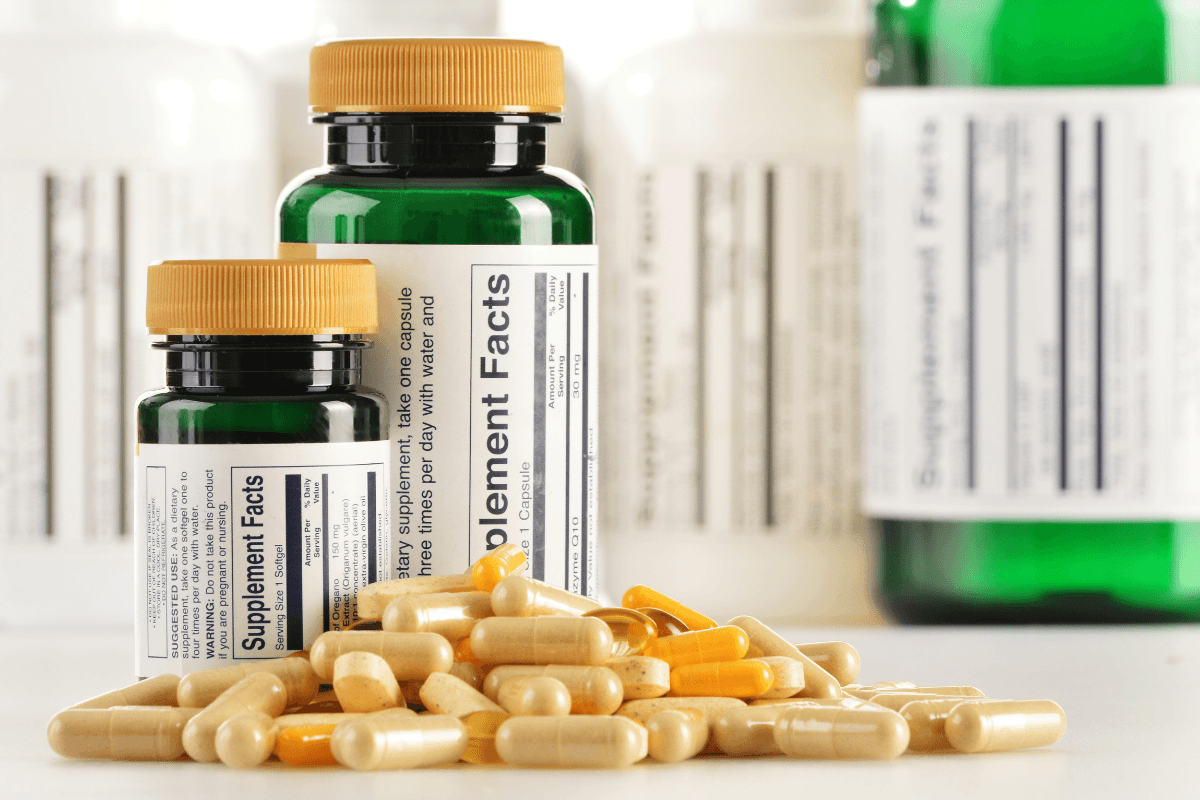
  • Peptide Supplements: Labels, Risks, and Access Questions

    Peptide Supplements: Labels, Risks, and Access Questions

    Peptide supplements are not one single product type. The phrase can describe ordinary collagen powders, mixed wellness formulas, or items marketed with medical-sounding claims that may deserve much closer review. That matters because a front label can suggest recovery, skin, weight, or performance benefits while the ingredient panel tells a more complicated story.

    Key Takeaways

    • Category comes first: A dietary supplement is not reviewed or dispensed like a prescription medicine.
    • Labels vary widely: Collagen peptides, protein fragments, blends, and research-style products can look similar online.
    • Claims need caution: Muscle, weight, inflammation, or anti-aging promises may exceed what the product category supports.
    • Safety depends on context: Medicines, pregnancy, surgery, sports testing, and chronic illness can change the risk picture.
    • Ask before combining: A pharmacist or prescriber can screen your full medication and supplement list.

    What Peptide Supplements Usually Mean

    Peptides are short chains of amino acids, the building blocks of proteins. In everyday retail settings, peptide supplements often mean hydrolyzed proteins, such as collagen peptides, that have been broken into smaller fragments. These products may appear as powders, capsules, drinks, or blended formulas.

    The word “peptide” can sound precise, but it does not tell you enough by itself. A collagen peptide powder sold as a dietary supplement is different from an injectable prescription medicine, a compounded product, or an item sold for research use. The route of use, ingredient identity, product category, and regulatory status all matter.

    For broader nutrition context, the Vitamins And Supplements collection can help you compare general wellness topics without treating every product as medicine. If you want a wider primer on the term itself, Peptides Explained covers how peptide language is used in patient conversations.

    Why it matters: The same keyword can point to very different levels of evidence, oversight, and risk.

    What People Use Them For, and Where Claims Can Blur

    People often look at peptide supplements for skin support, joint comfort, workout recovery, body composition, or general wellness. Some collagen products are marketed around hair, skin, nails, and connective tissue. Other products lean into performance, inflammation, sleep, weight, or “anti-aging” language.

    Those goals are not the same as proven treatment claims. Supplement labels may describe structure or function support, but they should not claim to diagnose, treat, cure, or prevent disease. The U.S. Food and Drug Administration explains this distinction in its dietary supplement consumer guidance.

    The most helpful question is not “Are peptides good?” It is “What exact product is this, what does it contain, and what claim is being made?” A plain collagen powder with a clear supplement facts panel raises different questions than a vial, spray, capsule blend, or product promoted for a diagnosed condition.

    Collagen and protein-fragment products

    Collagen peptide products are among the most common retail examples. They usually contain hydrolyzed collagen from animal sources. Labels may list bovine, marine, porcine, or chicken sources, depending on the product. People with allergies, dietary restrictions, or religious dietary needs should check the source before use.

    Blended wellness formulas

    Some formulas combine peptide language with vitamins, herbs, caffeine, amino acids, sweeteners, or other active ingredients. These blends can be harder to evaluate because one serving may include several substances that overlap with your current routine. A proprietary blend can make this even less transparent.

    Products that sound closer to treatment

    Be especially cautious when a product uses condition-specific claims, before-and-after images, or wording that sounds like a medical intervention. If a seller describes an item like a drug, but the label does not clearly identify prescription status, manufacturer details, or appropriate oversight, pause before using it.

    Safety Risks and Downsides to Consider

    The downside of taking peptide supplements depends on the product, the ingredients, and the person using them. Possible concerns include digestive upset, allergic reactions, unwanted effects from added ingredients, poor-quality labeling, contamination, or false reassurance when symptoms need medical evaluation.

    Dietary supplements can also interact with medicines or complicate care plans. The risk is higher when a product includes stimulants, botanicals, hormone-related claims, high vitamin amounts, or several active ingredients in one scoop or capsule. The NIH Office of Dietary Supplements outlines these consumer issues in its supplement safety basics.

    Some people should get individualized advice before adding peptide supplements. This includes people who are pregnant or breastfeeding, preparing for surgery, managing kidney or liver disease, competing in tested sports, or taking several prescription medicines. Children and teens also need clinician-guided advice rather than adult supplement marketing.

    If your goal involves persistent pain, weight changes, anxiety, sleep disruption, inflammation, neuropathy symptoms, or mood changes, treat that as a health question first. A supplement label cannot replace diagnosis. For weight-related peptide discussions, Peptides For Weight Loss explains why medical context matters.

    Quick tip: Photograph the front label, supplement facts panel, warnings, and lot number before asking for help.

    How to Read a Peptide Supplement Label

    A clear label should identify the ingredient, serving size, source, warnings, manufacturer, lot number, and expiration date. These details do not guarantee quality, but they give you a starting point. A vague label makes it harder to judge what you are taking.

    Start with the back of the package, not the marketing headline. Look for the Supplement Facts panel, exact ingredient names, allergens, and added actives. Then compare the warnings against your health history and current medicines.

    • Exact ingredient: Look for named peptides or protein sources.
    • Source material: Check animal, marine, plant, or synthetic wording.
    • Serving details: Note the amount per serving and suggested use.
    • Added ingredients: Watch for stimulants, herbs, vitamins, and sweeteners.
    • Company details: Confirm manufacturer name and contact information.
    • Traceability markers: Look for lot numbers and expiration dates.

    Third-party testing can be useful, especially for sports or complex supplement routines. Still, testing seals vary, and they do not turn a supplement into a prescription medicine. The National Center for Complementary and Integrative Health offers practical advice on using dietary supplements wisely.

    Supplements, Injectable Peptides, and Prescription Medicines

    Peptide supplements are not the same as injectable peptides or prescription peptide-based medicines. The difference is not just wording. It affects review, access, handling, dosing oversight, and the type of professional support involved.

    Injectable products raise different questions because sterility, preparation, storage, route of administration, and dosing errors can create serious risks. Some products discussed online may not be approved medicines. Others may be prescription products that require clinician oversight and pharmacy dispensing. For a deeper safety discussion, see Are Peptides Safe.

    Some readers also encounter research-use language online. That phrase should not be treated as a shortcut for personal use. If a product is not labeled for human use, or if the seller avoids clear regulatory and manufacturer information, that is a major warning sign.

    When a prescribed peptide-related therapy is involved, the access pathway changes. BorderFreeHealth connects U.S. patients with licensed Canadian partner pharmacies, and prescription details may be verified with the prescriber before the pharmacy dispenses when required. This type of process applies to eligible prescription access, not to ordinary retail supplement shopping.

    If you are trying to understand injection-specific issues, Peptides Injections covers practical questions about use, access, and oversight. If you are reading about a specific research peptide, DSIP Peptide Dosage explains why research claims and personal-use decisions should not be blended casually.

    Practical Steps Before You Add One

    A careful review can prevent wasted spending and reduce avoidable risk. You do not need to become a biochemist. You do need a clear product category, a complete ingredient list, and a realistic understanding of what the label can and cannot prove.

    1. Define the goal. Write down whether you are targeting nutrition, skin, training, sleep, weight, or a symptom.
    2. Confirm the category. Decide whether the item is a dietary supplement, prescription medicine, or unclear online product.
    3. Read the full label. Check ingredients, serving size, warnings, allergens, source, and company information.
    4. List your routine. Include prescriptions, over-the-counter medicines, vitamins, herbs, powders, and drinks.
    5. Screen for overlap. Look for duplicate stimulants, added vitamins, protein sources, or botanicals.
    6. Ask about special risks. Mention pregnancy, surgery, sports testing, kidney disease, liver disease, or immune conditions.
    7. Track changes. Note new symptoms, stomach upset, rash, sleep changes, or unexpected reactions.

    Stop and seek urgent medical help for severe allergic symptoms, chest pain, trouble breathing, fainting, or sudden swelling. For less urgent concerns, contact a clinician or pharmacist and bring the label photos.

    Common Comparison Questions

    Many people compare peptide supplements with protein powders, collagen products, prescription medicines, and injectable products. That comparison only works when you separate category from marketing. A powder for general wellness is not evaluated like a medicine prescribed for a specific condition.

    Product Type Typical Setting Main Question
    Collagen peptide supplement Retail nutrition aisle Is the source, serving, and allergen information clear?
    Blended peptide formula Wellness or performance marketing What else is included besides the peptide ingredient?
    Injectable peptide product Medical, compounded, or unclear online setting Is it prescribed, sterile, and appropriate for human use?
    Prescription peptide-based medicine Clinician-directed care Is there a valid prescription and pharmacy review?

    Peptide supplements are also not the same as Ozempic or similar prescription medicines. Those medications belong to defined drug categories and require prescribing decisions, patient screening, and monitoring. A supplement cannot be assumed to produce the same effects or follow the same safety rules.

    Access Questions Through BorderFreeHealth

    Access questions become relevant when a product is actually a prescription therapy, not a standard supplement. In that case, the key issue is not the front-label claim. It is whether the medicine requires a valid prescription, whether it can be dispensed to your jurisdiction, and what information the pharmacy must review.

    Some patients without insurance explore cash-pay cross-border prescription options, subject to eligibility and jurisdiction. That route does not apply to every product using peptide language. First confirm whether you are dealing with a supplement, a prescription medicine, or an unclear product that should be avoided until clarified.

    What to do next is simple: save the label, write down your full medication list, and ask the right professional for the category. A retail supplement question may be handled by a pharmacist or clinician review. A prescription access question needs prescription verification and pharmacy-specific rules.

    Authoritative Sources

    Use regulator and national health organization resources to check broad rules before relying on marketplace reviews or influencer posts. These sources cannot verify every brand, but they can help you understand what supplement labels should and should not imply.

    Peptide supplements can be simple nutrition products, complex blends, or confusing items that borrow medical language. The safest path is to identify the category first, read the full label, and ask for review when medicines, symptoms, injections, pregnancy, surgery, or chronic illness are involved.

    This content is for informational purposes only and is not a substitute for professional medical advice.

  • Peptides Explained: Safety, Uses, and Access Questions

    Peptides Explained: Safety, Uses, and Access Questions

    Peptides are short chains of amino acids, but the word can describe very different products. Some are prescription medicines, some are compounded preparations, and others are supplements, skin-care ingredients, or research-use items. That distinction matters because evidence, safety oversight, storage, and access rules can change from one product to another.

    Key Takeaways

    • One word, many categories: A peptide may be a drug, compounded item, supplement, cosmetic, or research material.
    • Form changes risk: Injections, nasal products, creams, and capsules are not interchangeable.
    • Labels matter: Exact ingredient names, manufacturer details, prescription status, and storage instructions deserve attention.
    • Access needs verification: Prescription items may require prescriber confirmation and pharmacy review.
    • Hype is not evidence: Broad wellness claims should be separated from regulated medical uses.

    What Peptides Are and Why the Category Causes Confusion

    Peptides are molecules made from amino acids, the building blocks of proteins. In the body, some act as signaling molecules, meaning they help cells communicate. Others are part of larger biological processes involving hormones, immune activity, skin structure, appetite signals, or tissue repair.

    The confusing part is not the basic chemistry. It is the way the term appears across health care, fitness, beauty, and supplement marketing. A prescription product with a defined active ingredient is not the same as a cream that lists peptide ingredients for skin appearance. A compounded injectable preparation is not the same as a bottle labeled for laboratory research.

    Why it matters: The product category tells you more about oversight than the buzzword does.

    Patients often first hear about this topic through weight management, gym recovery, anti-aging claims, or social media. Those sources may use confident language without showing whether a product is approved, prescribed, compounded, or only marketed for general wellness. If you want a deeper safety-focused follow-up, see Are Peptides Safe.

    What Taking Peptides May Mean in Real Life

    Taking peptides can mean several different things, depending on the exact product and reason for use. A clinician may prescribe a regulated medicine for a specific medical purpose. A person may encounter a compounded preparation for an individualized order. Someone else may use a supplement or cosmetic product that makes less specific claims.

    That is why the question “what do they do?” has no single answer. The effect depends on the molecule, route, dose, product quality, and whether the claim is supported by strong clinical evidence. Some peptide-based medicines have formal labeling and pharmacy dispensing rules. Other products may have limited human data, unclear sourcing, or claims that go beyond what the label supports.

    For weight-related searches, it is especially important to avoid treating every product in the category as the same. Some medicines used in metabolic care are peptide-based or peptide-like, but that does not make an unrelated product equivalent. For that narrower topic, Peptides for Weight Loss explains the patient questions more directly.

    Peptides are also not steroids. Steroids are a different class of molecules with different structures and clinical uses. Some online fitness content discusses both categories together, which can make the language feel interchangeable. It is not. If a product page blurs those lines, ask for the exact active ingredient and product category before drawing conclusions.

    Product Types Patients Commonly Encounter

    The same search term can lead to several product types. Sorting them early helps you ask better questions and avoid comparing unlike items.

    Prescription peptide medicines

    Some medicines are peptide-based or use peptide-like signaling pathways. These products usually have defined active ingredients, labeling, prescribing requirements, and pharmacy dispensing standards. They may require monitoring, eligibility review, and discussion of side effects or contraindications with a clinician.

    Compounded preparations

    A compounded preparation may be made by a pharmacy for an individual patient order when permitted and appropriate. Compounding can be clinically useful in specific circumstances, but it is not the same as buying a standardized retail product. The prescriber and pharmacy should be able to explain the ingredient, formulation, rationale, and handling instructions.

    Supplements and cosmetics

    Supplement and cosmetic products operate under different rules than prescription medicines. A supplement may use general wellness language. A cosmetic product may focus on appearance, such as skin texture or hydration. These products should not be assumed to treat medical conditions unless the claim is supported by the appropriate regulatory framework.

    For supplement-style label reading, Peptide Supplements gives more focused context. For beauty and appearance claims, Peptides Skin Care can help separate cosmetic language from medical claims.

    Research-use products

    Some listings use phrases such as “research use only.” That wording usually means the item is not being presented as a patient medication. Patients should not assume that a research-use listing is safe, appropriate, sterile, or legally suitable for personal use.

    Formulation, Injections, and Handling Questions

    The form of a peptide product can change the safety conversation. Injections, nasal products, capsules, and creams may differ in absorption, sterility concerns, storage, and how much of the active substance reaches the body. A similar-sounding ingredient name does not make two products interchangeable.

    Injectable products deserve special caution because sterility, storage, reconstitution, and administration technique all matter. Reconstitution means mixing a powder with a liquid before use. Patients should not guess at mixing volumes, syringe units, or injection technique. Those details should come from the prescriber, pharmacy, or official product instructions.

    For readers comparing injection-specific questions, Peptide Injections covers route, access, and safety considerations in more detail.

    If a clinician or pharmacy has already provided written instructions, a calculation tool can help organize basic vial-preparation math. It does not decide whether a product is appropriate, sterile, or correctly prescribed.

    [syringe-calculator]

    Quick tip: Keep the original label or pharmacy instructions beside any calculation notes.

    How to Read Labels and Marketing Claims

    Label reading is one of the most practical skills in this area. Start with the exact ingredient name, not the headline term. Then check the product category, dosage form, manufacturer, prescription status, lot details when available, storage instructions, and whether the product is sold as a drug, supplement, cosmetic, or research material.

    Patients should be cautious when a page makes dramatic claims but avoids basic product identity. Missing details do not prove a product is unsafe, but they do mean you lack the information needed for a responsible conversation. Save the page, label, or screenshot and ask a licensed clinician or pharmacist to review the wording.

    Watch for these practical red flags:

    • Unclear ingredient: The label uses broad terms without naming the substance.
    • Vague sourcing: No manufacturer, pharmacy, or responsible seller is clear.
    • Overbroad claims: The product promises many unrelated benefits.
    • Research-use wording: The listing is not presented for patient treatment.
    • Missing handling details: Storage, sterility, or preparation steps are unclear.

    Some specific peptide products are discussed online by name, including items such as BPC-157, TB500, and Ipamorelin. Treat named product pages as starting points for identifying the exact item, not as proof that a product is suitable for you.

    Access Questions to Clarify Before You Act

    Access depends on the exact product, prescription status, patient location, and dispensing rules. For prescription items, the practical steps may include prescriber information, pharmacy review, and confirmation that the requested product can be dispensed under applicable rules.

    BorderFreeHealth connects U.S. patients with licensed Canadian partner pharmacies, which can be relevant when patients are comparing cross-border prescription pathways. When a prescription is required, the pharmacy may verify details with the prescriber before dispensing. Some patients without insurance also review cash-pay options, subject to eligibility and jurisdictional limits.

    That access model does not mean every item is available, appropriate, or dispensable. It means the administrative question is separate from the clinical one. A clinician can discuss whether a product fits your health situation. A pharmacy can address dispensing, documentation, and product-specific handling questions.

    Before a visit or pharmacy review, organize these details:

    1. Exact product name: Include spelling, brand wording, and ingredient name.
    2. Product category: Note drug, compounded item, supplement, cosmetic, or research-use wording.
    3. Dosage form: Record injection, capsule, nasal product, cream, or another form.
    4. Source details: Save the manufacturer, pharmacy, or listing information.
    5. Reason for interest: Write the claim or symptom that prompted your search.
    6. Current medicines: Bring a current medication and supplement list.
    7. Key questions: Ask about evidence, risks, monitoring, and paperwork.

    How Peptides Compare With Similar Health Terms

    Peptides are often mixed into conversations about hormones, proteins, steroids, supplements, and newer metabolic medicines. Clear definitions reduce confusion.

    A protein is usually larger and made from longer chains of amino acids. A peptide is shorter, though exact boundaries can vary by context. A hormone is a messenger substance, and some hormones are peptides. A steroid is structurally different from a peptide. A supplement is a regulatory category, not a chemical structure.

    Peptides are also not automatically the same as medicines used in diabetes or weight management. Some medications in that field act on peptide-related pathways, but product identity still matters. Patients should compare official labeling, prescriber guidance, and pharmacy information rather than relying on social media shorthand.

    Some searches also ask which peptides are best for osteoporosis. That is not a question to answer from online trend lists. Osteoporosis care depends on fracture risk, bone density testing, age, sex, kidney function, other medicines, and medical history. A clinician can discuss established treatment options and whether any peptide-related therapy has a role in a specific plan.

    Authoritative Sources

    Reliable sources help separate scientific definitions from promotional language. These references are useful starting points when you want definitions, pharmacy safety guidance, or supplement context.

    Recap

    Peptides are not one product, one risk level, or one access pathway. The useful question is always more specific: What is the exact substance, what product category is it in, what evidence supports it, and what oversight applies?

    For patients and caregivers, the safest next step is practical. Save the label, identify the product type, gather your medication list, and bring focused questions to a licensed clinician or pharmacist before assuming a product fits your needs.

    This content is for informational purposes only and is not a substitute for professional medical advice.

  • Metformin and Vitamin D in COVID-19 Care: Safety and Evidence

    Metformin and Vitamin D in COVID-19 Care: Safety and Evidence

    Metformin and vitamin d can usually be discussed together as part of metabolic and immune health, but neither should be treated as a stand-alone COVID-19 treatment. The main question is safety: whether chronic metformin can continue during illness, whether vitamin D deficiency should be corrected, and which labs help prevent avoidable harm.

    Why this matters: people with type 2 diabetes, kidney disease, older age, or low vitamin D may have more complicated COVID-19 decisions. A clear plan helps you separate reasonable supportive care from unsupported promises.

    Key Takeaways

    • Evidence is mixed: signals exist, but trials have limits.
    • Safety comes first: kidney function and hydration matter.
    • Vitamin D helps most when deficiency is present.
    • Metformin can lower B12 in some long-term users.
    • COVID-19 treatment decisions should stay clinician-led.

    How Metformin and Vitamin D May Fit Into COVID-19 Questions

    Metformin and vitamin d interest researchers because both touch pathways involved in inflammation, metabolism, and immune response. Metformin is an insulin-sensitizing medicine used in type 2 diabetes. It can improve glucose handling and may reduce low-grade inflammatory signaling. Vitamin D acts more like a hormone than a simple nutrient. It supports immune function, epithelial barriers, and calcium balance.

    Those mechanisms sound promising, but mechanisms are not the same as proven treatment. COVID-19 outcomes depend on vaccination status, age, variant, timing, other illnesses, and access to authorized therapies. A lab-supported nutrition plan may support general health. It should not delay testing, antiviral assessment, urgent care, or standard treatment when symptoms worsen.

    For deeper context on one proposed mechanism, see ACE2 Modulation. That background can help explain why researchers studied metformin during respiratory illness without making it a cure.

    Can Vitamin D Be Taken With Metformin?

    For many adults, vitamin D can be taken with metformin, but the best answer depends on kidney function, calcium levels, other medicines, and supplement dose. No routine harmful interaction is expected for most people. Still, “safe together” does not mean every dose is safe, or that supplements are harmless during acute illness.

    Vitamin D is often taken with a meal containing some fat to improve absorption. Metformin is commonly taken with food to reduce stomach upset. If nausea, vomiting, diarrhea, poor fluid intake, or dehydration develops during COVID-19, ask a clinician about sick-day instructions. Metformin can become riskier when kidney function drops or dehydration is significant.

    People also ask whether metformin and vitamin d should be spaced apart. Spacing is usually not the key issue. Consistency, lab monitoring, and avoiding excessive vitamin D dosing matter more. Bring all supplements to your appointment, including multivitamins, calcium, magnesium, vitamin K2, and high-dose vitamin D products.

    What the COVID-19 Evidence Shows So Far

    The evidence for metformin in COVID-19 is suggestive in some groups but not definitive for everyone. Observational studies have reported lower severe outcome signals among some people already using metformin. Some randomized research has also explored metformin early in infection. Yet results vary by timing, population, baseline risk, vaccination era, and study design.

    That uncertainty matters. Metformin should not be started solely for COVID-19 without medical evaluation. For people already taking it, the decision is often about whether to continue safely during illness. Kidney function, hydration, oxygen status, and gastrointestinal symptoms may change that answer.

    Vitamin D research has a similar pattern. Low vitamin D status is associated with worse respiratory outcomes in many studies, but association does not prove that high-dose supplements treat infection. Randomized trial results are mixed. Benefits, when seen, appear more plausible in people who are deficient and using measured daily or weekly correction rather than very large unsupervised boluses.

    COVID-19 care still starts with prevention, testing, symptom monitoring, and timely assessment for proven therapies. For condition-level background and recovery context, visit Infectious Disease. If antiviral treatment is being considered, Paxlovid provides product-specific navigation that should be discussed with a licensed clinician because eligibility and interactions matter.

    Vitamin D Dosing: Daily Needs, Diabetes, and Lab Checks

    Vitamin D needs vary widely, so one universal dose does not fit every person with diabetes. Age, body weight, skin tone, sun exposure, diet, malabsorption, kidney disease, and baseline 25-hydroxyvitamin D level all influence the plan. Many adults meet general maintenance needs with modest daily intake, but some people need clinician-guided correction after testing.

    People often search “how much vitamin D3 should I take daily” or “how much vitamin D3 should a diabetic take.” A safer framing is: what is your current 25-hydroxyvitamin D level, calcium level, kidney function, and total intake from all products? Without those details, high-dose vitamin D can overshoot and cause hypercalcemia (high blood calcium), kidney stones, weakness, confusion, or abnormal heart rhythms in severe cases.

    Diabetes does not automatically require a special “best vitamin D.” Vitamin D3 is commonly used, but formulation matters less than dose accuracy, adherence, and monitoring. If you also take calcium, ask whether the combination is appropriate for your bone health, kidney stone history, and blood calcium results.

    Quick tip: Keep one list of every supplement, dose, and frequency. This helps your clinician spot duplicate vitamin D or calcium sources.

    Metformin, B12, and Other Vitamin Questions

    Long-term metformin use can reduce vitamin B12 absorption in some people. This does not happen to everyone, but it is common enough that many clinicians check B12 periodically, especially when symptoms appear. Possible symptoms include fatigue, numbness, tingling, balance problems, memory changes, glossitis (sore tongue), or anemia.

    The question is not only “what vitamins to take with metformin.” It is which nutrient levels need checking. Vitamin B12 is the main vitamin concern linked to metformin. Vitamin D may be low for many reasons, including limited sun exposure, diet, body weight, age, or malabsorption. Vitamin E, vitamin C, and broad “diabetes vitamin” products have less clear roles and can add cost or interaction concerns.

    Many people can take vitamin B12 with metformin. The route and dose should reflect lab results, symptoms, diet, and absorption concerns. Oral B12 may be enough for mild deficiency, while injections may be used when deficiency is severe or absorption is poor. Do not ignore neuropathy symptoms, because diabetes and B12 deficiency can both affect nerves.

    For a broader look at the medicine’s benefits and monitoring issues, see Metformin Benefits. Older adults may also find Nutritional Needs for Older Adults useful when reviewing nutrient intake with a care team.

    Interactions and When to Be More Cautious

    The most important metformin safety concerns involve kidney function, dehydration, alcohol misuse, severe infection, and certain imaging procedures using contrast dye. These factors can raise the risk of lactic acidosis, a rare but serious buildup of lactic acid. Warning symptoms can include severe weakness, unusual sleepiness, fast breathing, abdominal pain, or feeling very unwell.

    Vitamin D concerns are different. The main issue is excessive intake, especially when combined with calcium supplements, certain diuretics, kidney disease, granulomatous diseases, or medications that affect vitamin D metabolism. If you take digoxin, thiazide diuretics, steroids, seizure medicines, or weight-loss medicines that reduce fat absorption, ask about supplement timing and monitoring.

    Metformin and vitamin d also intersect through kidney health. Metformin relies on adequate kidney clearance, while vitamin D and calcium balance can affect kidney stone risk in susceptible people. A recent creatinine and estimated glomerular filtration rate, often called eGFR, helps clinicians judge kidney filtration.

    This calculator can help you understand the general idea of eGFR estimation from lab values. It does not confirm whether metformin is safe for you.

    [egfr-calculator]

    Weight, Insulin Resistance, and Realistic Expectations

    Metformin may modestly support weight management in some people, mainly by improving insulin resistance and reducing weight gain tendency. It is not a rapid weight-loss drug. Early online claims about “2 month metformin weight loss results” often miss important context, including starting weight, food intake, activity, sleep, other medicines, and fluid changes during illness.

    Vitamin D is not a weight-loss treatment either. Correcting deficiency may support muscle function, mood, and general health, which can make healthy routines easier. It should not be marketed as a shortcut. If insulin resistance is a concern, ask about glucose trends, A1C, waist measurement, lipids, liver health, sleep apnea risk, and nutrition support.

    The best time to take metformin is usually the time you can take it consistently and tolerate it well. Many people take it with meals, and extended-release forms are often taken with an evening meal when prescribed that way. Do not change timing, formulation, or dose just to speed weight loss without clinician input.

    Practical Questions to Bring to Your Care Team

    A short appointment list can make conversations safer and more productive. This is especially helpful after COVID-19, when appetite, hydration, glucose, sleep, and activity may all shift at once.

    • Current medicines: include prescriptions and supplements.
    • Kidney labs: ask about creatinine and eGFR.
    • Vitamin D status: review 25-hydroxyvitamin D and calcium.
    • B12 symptoms: mention tingling, fatigue, or balance changes.
    • Sick-day plan: ask what changes during dehydration.
    • COVID-19 risk: discuss testing and treatment timing.
    • Weight goals: set safe, realistic tracking measures.

    If you are comparing broader metabolic research, Semaglutide COVID-19 Outcomes offers related cardiometabolic context. For vaccination-adjacent research in older adults with diabetes, see Metformin Before Flu Shots.

    For supplement-focused reading, the Vitamins Supplements category can help you compare nutrient topics without treating supplements as substitutes for medical care.

    Authoritative Sources

    The NIH COVID-19 Treatment Guidelines on vitamin D summarize why evidence remains insufficient for routine vitamin D treatment of COVID-19.

    The NIH Office of Dietary Supplements vitamin D fact sheet outlines intake ranges, upper limits, deficiency context, and safety concerns.

    The American Diabetes Association Standards of Care provide clinician-facing context on diabetes management, metformin monitoring, and B12 considerations.

    Recap

    Metformin and vitamin d may be reasonable to discuss together, especially for adults managing diabetes, COVID-19 risk, or nutrient deficiency. The strongest approach is practical: do not rely on either as a COVID-19 cure, avoid megadoses, monitor kidney function, check B12 when appropriate, and review all medicines and supplements with your clinician.

    If access to prescription medicines is part of the conversation, BorderFreeHealth connects U.S. patients with licensed Canadian partner pharmacies, with prescription verification handled where required before pharmacy dispensing. That service context does not replace medical evaluation or product-specific eligibility review.

    This content is for informational purposes only and is not a substitute for professional medical advice.

  • Superfoods for Weight Loss: Fiber, Portions, and Balance

    Superfoods for Weight Loss: Fiber, Portions, and Balance

    Superfoods for weight loss are not magic foods, but they can make healthier eating easier. The best choices pack fiber, protein, water, vitamins, minerals, and satisfying fats into reasonable portions. They support fullness and meal quality, which can help you stay consistent with an energy-aware eating pattern. No berry, seed, tea, or spice targets belly fat on its own.

    The term superfood is more marketing shorthand than a medical category. Still, it can point you toward useful staples. This page focuses on practical food choices, portion awareness, and safety considerations for people trying to eat well while managing weight.

    Key Takeaways

    • No single food burns fat or guarantees weight loss.
    • Fiber-rich foods can help meals feel more filling.
    • Protein, produce, and healthy fats work best together.
    • Calorie-dense foods still need portion awareness.
    • Diabetes, kidney disease, pregnancy, and medications may change food needs.

    What Superfoods for Weight Loss Can and Cannot Do

    The main job of a nutrient-dense food is to improve the quality and staying power of your meals. It cannot override overall energy needs, medical conditions, sleep, stress, activity level, or medication effects. That is why a realistic plan works better than chasing a perfect food list.

    Body fat changes when many factors interact over time. Food choices matter, but they work as part of a pattern. High-fiber foods may slow digestion and support fullness. Protein-rich foods can make meals more satisfying. Water-rich vegetables add volume without making the plate feel small. Unsaturated fats add flavor and texture, but they also add concentrated calories.

    Many belly-fat claims stretch the evidence. Your body does not let you choose exactly where fat loss happens. Waist changes usually follow broader changes in eating patterns, movement, sleep, hormones, and health status. If a plan promises rapid fat loss from one ingredient, treat that claim with caution.

    Why it matters: A food-first plan should reduce confusion, not create stricter rules.

    A Realistic Shortlist of Foods Worth Keeping Around

    A top 10 superfood list can inspire new meals, but it should not rank foods as universally best. The most useful choices are often affordable, familiar, and easy to repeat. Aim for foods that add fiber, protein, micronutrients, and flavor without making meals feel like punishment.

    Leafy greens and cruciferous vegetables

    Spinach, kale, romaine, cabbage, broccoli, cauliflower, and Brussels sprouts bring volume, fiber, and key micronutrients. They can help you build bigger meals with more texture and color. Add them to soups, omelets, grain bowls, tacos, or pasta rather than treating them as plain side salads only.

    If you take warfarin or another medication affected by vitamin K, do not suddenly change your intake of leafy greens without clinical guidance. The goal is usually consistency, not avoidance, but your care team should guide that plan.

    Berries, apples, and citrus

    Berries offer fiber, water, and natural sweetness in a compact serving. Apples, oranges, grapefruit, and other citrus fruits can also make snacks more filling than sweets or juices. Whole fruit usually supports fullness better than fruit juice because it keeps the fiber and chewing experience intact.

    Fruit still contains carbohydrate. If you monitor blood glucose, pair fruit with protein or fat, such as yogurt, cottage cheese, nuts, or tofu-based options. A registered dietitian can help you match portions to glucose patterns and medication needs.

    Beans, oats, chia, and flax

    Beans, lentils, oats, chia seeds, and ground flax are high-fiber staples. They can support a steadier appetite because fiber adds bulk and slows digestion. They also fit many budgets and cuisines, which makes them easier to keep in rotation.

    Increase fiber slowly if your current intake is low. A sudden jump can cause gas, bloating, or discomfort. Drink enough fluid, and adjust portions if you have irritable bowel syndrome, gastroparesis, or another digestive condition.

    Protein anchors and healthy fats

    Eggs, Greek yogurt, cottage cheese, tofu, tempeh, fish, poultry, lean meats, and legumes can anchor meals. Protein does not need to dominate the plate, but it often helps meals last longer. Plant-based proteins can work well when you plan enough variety.

    Avocado, nuts, seeds, olive oil, and fatty fish add unsaturated fats. These foods can be heart-friendly in balanced patterns, but portions still matter because fat is calorie-dense. For diabetes-focused context, the Avocados and Diabetes resource explains why portions and carbohydrate balance matter.

    Fatty fish such as salmon, sardines, and trout provide omega-3 fats and protein. If you are comparing food sources with supplements, Omega-3 Health takes a cautious look at what omega-3s can and cannot do.

    Metabolism Claims, Green Tea, and the Ozempic Mimic Myth

    Green tea, coffee, cinnamon, ginger, turmeric, and spicy foods often appear in weight-loss food lists. They can add flavor and ritual, which may help you replace higher-calorie drinks or desserts. That does not mean they melt fat or replace balanced meals.

    Green tea and coffee contain caffeine, which may affect alertness and appetite for some people. They can also worsen anxiety, reflux, palpitations, or sleep problems. Cinnamon can make foods taste sweeter without adding sugar, but it is not a diabetes treatment. Use spices as flavor tools, not medical substitutes.

    No three ingredients mimic Ozempic or other prescription GLP-1 receptor agonists. These medicines act through regulated pharmacologic pathways. Food choices can support nourishment and comfort for some people using these medicines, but foods do not copy the drug. If you are prescribed semaglutide, the Ozempic Diet resource discusses food comfort and balanced meals in that context.

    People taking tirzepatide or other weight-management medicines may need to adjust meal size, hydration, protein intake, and side-effect triggers with their prescriber. The Mounjaro Diet Plan resource covers food planning considerations for that medication context. Do not start, stop, or change medication because of a food trend.

    Portions Matter Even When Foods Are Nutrient-Dense

    A practical approach to superfoods for weight loss starts with portion context. Nuts, avocado, seeds, olive oil, granola, smoothies, and dried fruit can be nutritious and easy to overdo. That does not make them bad. It means they need a clear role in the meal.

    Think in patterns instead of rules. A filling plate often includes a protein anchor, high-fiber carbohydrate, colorful produce, and a small amount of satisfying fat. This structure can reduce grazing because the meal has enough texture, volume, and flavor.

    The calorie calculator below can estimate general daily energy needs from basic inputs. It can help frame portion discussions, but it cannot create a personalized medical or nutrition plan.

    [calorie-calculator]

    Use any estimate as a starting point for awareness. Your actual needs can differ because of body composition, medications, illness, activity changes, menopause, pregnancy, and weight history.

    • Start with volume: Add vegetables or fruit before cutting foods away.
    • Pair your carbs: Combine grains or fruit with protein or fat.
    • Measure dense add-ons: Use a spoon for oils, nuts, and seeds.
    • Increase fiber slowly: Give your gut time to adapt.
    • Plan satisfying snacks: Choose protein, fiber, or both.
    • Watch liquid calories: Smoothies, juices, and sweet drinks add up quickly.

    Meal Ideas That Turn Nutrient-Dense Foods Into Habits

    Superfood recipes work best when they use everyday ingredients. You do not need expensive powders or rare berries. You need meals you can repeat when life is busy.

    • Berry yogurt bowl: Greek yogurt, berries, chia, and a small nut topping.
    • Oatmeal upgrade: Oats with flax, cinnamon, apple, and milk or soy milk.
    • Leafy grain bowl: Greens, beans, quinoa, salsa, avocado, and lime.
    • Lentil soup: Lentils, carrots, tomatoes, spinach, herbs, and broth.
    • Protein plate: Fish or tofu with roasted vegetables and sweet potato.
    • Crunchy snack: Apple slices with nut butter or cottage cheese.

    Quick tip: Keep pre-washed produce, cooked grains, and protein options ready.

    For more lifestyle-focused reading, browse the Weight Management hub. Use it as a navigation point for broader eating, activity, and treatment topics.

    When to Personalize Your Food Choices

    Most adults can safely add more vegetables, whole fruit, beans, and minimally processed proteins. Still, some situations deserve tailored guidance. More fiber, fewer calories, or different meal timing can affect symptoms, labs, and medication response.

    • Diabetes medications: Changing carbohydrate intake may affect glucose patterns or hypoglycemia risk.
    • Kidney disease: Potassium, phosphorus, protein, sodium, and fluid needs may vary.
    • Pregnancy or breastfeeding: Weight and nutrient goals need individualized care.
    • Digestive conditions: High-fiber foods may worsen symptoms for some people.
    • Eating disorder history: Weight-loss rules can trigger harmful patterns.
    • Unexplained changes: Sudden weight loss, swelling, or appetite change needs medical review.

    If insulin resistance is part of your health picture, Insulin Resistance Treatment covers broader medical and lifestyle context. People with kidney disease should seek tailored advice; the Chronic Kidney Disease Diet resource explains why some common healthy foods may need limits.

    Ask a clinician or registered dietitian for help if you have repeated high or low blood glucose readings, kidney disease, gastroparesis, pregnancy, or a history of disordered eating. Support should make eating safer and less stressful.

    Food Is One Tool, Not the Whole Plan

    Healthy foods can support weight management, but they are only one part of the picture. Sleep, stress, pain, mood, hormones, mobility, work schedules, family demands, and medication side effects can all change appetite and energy use. Blaming yourself for needing more support is not helpful or accurate.

    Be cautious with plans that promise to lose a large amount of weight very quickly. Rapid-loss approaches can be hard to sustain and may increase the risk of nutrient gaps, gallbladder symptoms, dehydration, or disordered eating patterns in some people. A safer plan is usually steady, flexible, and medically aware.

    If lifestyle changes are not enough, Weight Loss Treatments outlines broader options to discuss with a healthcare professional. Nutrition remains important, but medical care can help identify conditions, medications, or barriers that food lists cannot solve.

    Authoritative Sources

    The sources below support general nutrition and weight-management principles. They do not replace personalized care from your healthcare team.

    Used wisely, superfoods for weight loss are everyday foods that help meals feel filling, colorful, and realistic. Choose staples you enjoy, build meals around them, and ask for medical or dietitian guidance when health conditions or medications shape your needs.

    This content is for informational purposes only and is not a substitute for professional medical advice.

  • National Nutrition Month: Wellness, Food, and Daily Habits

    National Nutrition Month: Wellness, Food, and Daily Habits

    National Nutrition Month: Celebrating Wellness and Why It Matters is about using March as a practical reset for food, movement, and health habits. The observance encourages balanced eating patterns, thoughtful meal planning, and community education, not perfection or short-term dieting. It matters because nutrition shapes daily energy, long-term health risks, recovery, and how people feel in their bodies.

    The best way to use the month is simple: learn one skill, try one realistic habit, and make food choices easier for your future self. That approach respects real budgets, cultures, schedules, and medical needs.

    Key Takeaways

    • March observance: National Nutrition Month happens every March.
    • Core purpose: It promotes nutrition education and healthier eating patterns.
    • Practical focus: Small repeatable habits matter more than perfection.
    • Community value: Schools, workplaces, clinics, and families can participate.
    • Safety reminder: Medical conditions may need tailored nutrition guidance.

    National Nutrition Month and Daily Wellness

    National Nutrition Month is an annual nutrition education observance held in March. It gives people, families, workplaces, schools, and care settings a shared moment to talk about food in a constructive way. The theme can change by year, so official campaign materials are the best place to confirm current wording.

    The observance also highlights the role of a registered dietitian nutritionist (RDN; a credentialed nutrition professional). An RDN can help translate general nutrition guidance into a plan that fits medical history, food access, preferences, and daily routines.

    In that sense, National Nutrition Month: Celebrating Wellness and Why It Matters is less a slogan and more a prompt. It asks a useful question: what would make healthier choices easier this week? For one person, that may mean adding breakfast. For another, it may mean planning balanced snacks, reviewing food labels, or making family meals less stressful.

    Good nutrition does not require a perfect pantry. It starts with a pattern of choices over time. That distinction matters because many people abandon nutrition goals after one hard day, one busy week, or one meal that did not match their plan.

    Why Nutrition Matters Beyond March

    Nutrition matters because food supplies energy, fluid, fiber, vitamins, minerals, protein, fat, and carbohydrates. These nutrients support growth, tissue repair, digestion, bone strength, immune function, and healthy aging. Eating patterns can also influence blood pressure, blood sugar, cholesterol, and body weight, although individual risks depend on many factors.

    A helpful nutrition conversation looks beyond single foods. It asks how a person usually eats, how often they eat, what they can access, and what barriers make healthy eating harder. This broader view is more fair and more useful than judging one meal in isolation.

    • Energy needs: Meals help fuel work, school, caregiving, and exercise.
    • Digestive health: Fiber-rich foods can support regularity and fullness.
    • Bone support: Calcium, vitamin D, protein, and movement all matter.
    • Heart health: Eating patterns can affect blood pressure and lipids.
    • Metabolic health: Food timing and composition may affect blood sugar.

    Why it matters: Small, repeated choices usually shape health more than one perfect meal.

    Nutrition education should never shame people for cost, culture, disability, appetite changes, allergies, or health conditions. A better approach helps people identify what is possible, then build from there.

    Balanced Eating Basics Without Perfection

    A balanced eating pattern usually includes variety across food groups. Most people benefit from regularly including vegetables, fruits, whole grains, protein foods, healthy fats, and enough fluids. The exact mix can change based on age, activity level, health needs, culture, and personal preference.

    One practical framework is to build meals around color, protein, fiber, and satisfaction. This does not mean every plate must look identical. It means the overall day and week should include foods that nourish the body and feel realistic to prepare.

    • Vegetables and fruit: Add color, fiber, and micronutrients.
    • Whole grains: Choose higher-fiber options when they fit.
    • Protein foods: Include beans, lentils, eggs, fish, poultry, tofu, or lean meats.
    • Healthy fats: Use nuts, seeds, avocado, or unsaturated oils.
    • Fluids: Make water a regular default when possible.
    • Flavor: Use herbs, spices, citrus, and sauces thoughtfully.

    Balanced eating also leaves room for enjoyment. Food has social, emotional, and cultural meaning. A healthy eating pattern can include celebration foods while still supporting overall wellness.

    Meal planning for healthy eating does not have to be elaborate. Start with two or three reliable meals, a few pantry staples, and one flexible grocery list. This makes nutritious choices easier when energy is low or schedules change.

    National Nutrition Month Activities That Teach Without Shaming

    A strong activity makes healthy choices visible, practical, and culturally respectful. The best National Nutrition Month activities teach skills rather than divide foods into moral categories. They also make participation easy for people with different schedules, budgets, and health needs.

    Setting Simple Activity Why It Helps
    Home Plan three balanced dinners together. Builds shared routines and reduces decision fatigue.
    Workplace Host a lunch-and-learn with an RDN. Creates space for practical, evidence-based questions.
    School Run a taste test with fruits, vegetables, or grains. Encourages curiosity without pressure.
    Hospital or clinic Share plain-language nutrition handouts. Supports patients who need clear next steps.
    Community group Offer a pantry-friendly meal planning session. Connects nutrition education with real access needs.

    A useful National Nutrition Month: Celebrating Wellness and Why It Matters plan also gives people something to take home. That could be a shopping template, a balanced snack list, a food label worksheet, or a guide to asking better nutrition questions at a medical visit.

    For broader wellness browsing, the Vitamins & Supplements hub can help readers explore related topics without treating supplements as shortcuts for balanced meals.

    Meal Planning and Mindful Eating That Can Last

    Meal planning works best when it removes friction. Instead of designing a perfect weekly menu, choose a repeatable structure. Many people do well with a few anchor meals, flexible ingredients, and simple backups for busy days.

    1. Pick one meal that feels hardest to manage.
    2. Choose two realistic options for that meal.
    3. Add protein, fiber, and fluid when possible.
    4. Prep one ingredient, not the whole week.
    5. Keep one shelf-stable backup meal available.

    Mindful eating can also support wellness. It means paying attention to hunger, fullness, pace, taste, and how food feels in the body. It is not a rule system. It is a way to notice patterns and reduce automatic eating when life gets stressful.

    Quick tip: Build one repeatable meal before redesigning your whole routine.

    If weight management is one goal, keep the focus on sustainable patterns rather than single miracle foods. Our piece on Nutrient-Rich Foods explains how to use nutrient density without overselling any one ingredient. For healthy aging, Nutritional Needs for Older Adults offers a closer look at key vitamins and minerals.

    Mindful eating may also reveal when extra support is needed. Ongoing restriction, binge eating, fear of foods, or distress around eating should be discussed with a qualified clinician or mental health professional.

    When Nutrition Connects With Medical Care

    Some nutrition choices should be coordinated with medical care. This is especially important when food, supplements, medications, and health conditions interact. General wellness tips can be useful, but they cannot replace tailored advice from a clinician or dietitian.

    People with diabetes, kidney disease, heart disease, digestive disorders, pregnancy, food allergies, or eating disorders may need more specific guidance. The same is true after surgery, during cancer treatment, or when appetite changes suddenly. In these situations, nutrition goals may involve symptom management, medication timing, hydration, healing, or lab monitoring.

    For bone strength and recovery, you can read Bone Health and Nutrition for Orthopedic Surgery. People asking about fats and heart health may also find Omega-3 Health useful because it explains what this nutrient can and cannot do.

    BorderFreeHealth connects eligible U.S. patients with licensed Canadian pharmacy partners.

    Before making major changes, write down your usual meals, symptoms, medications, supplements, and health goals. This helps a care professional give more practical guidance. It also reduces the chance that nutrition advice ignores your real life.

    How to Evaluate Supplements and Wellness Trends

    Supplements can have a legitimate role, but they are not a substitute for a balanced eating pattern. Some people need supplements because of diagnosed deficiencies, life stage, limited diets, malabsorption, or clinician-directed care. Others may not benefit and could face side effects or interactions.

    Use extra caution when a wellness claim promises fast results, uses vague detox language, or suggests one product can replace medical care. Strong nutrition education teaches people how to ask better questions, not how to chase every trend.

    • Check the purpose: Know what problem the product claims to address.
    • Review the evidence: Look for credible sources, not testimonials alone.
    • Consider interactions: Ask about medications and health conditions.
    • Watch the language: Be cautious with guaranteed or extreme claims.
    • Bring the label: Share ingredients with a clinician when unsure.

    Wellness marketing changes quickly. If you are seeing claims about peptides, start with Peptides Explained. Then compare label and access issues in Peptide Supplements Explained, and review safety considerations in Are Peptides Safe.

    When required, pharmacy partners verify prescription details with the prescriber before dispensing.

    Turning March Awareness Into Year-Round Habits

    Awareness months are most useful when they create systems that last. The official National Nutrition Month theme may change from year to year, but your local plan can stay rooted in practical goals: make meals easier, improve food confidence, and connect people with credible support.

    Example: A workplace could avoid a restrictive challenge and instead offer a month of small skill-building prompts. Week one could focus on breakfast options. Week two could cover hydration. Week three could explain food labels. Week four could invite employees to share budget-friendly meals from different cultures.

    Families can take the same approach at home. Choose one habit that would lower stress, such as packing snacks, cooking once for leftovers, or keeping quick proteins available. The win is not a flawless month. The win is a habit you can repeat in April.

    Authoritative Sources

    Further Reading and Recap

    National Nutrition Month: Celebrating Wellness and Why It Matters is most useful when it moves people from guilt to skill-building. Food choices are personal, but nutrition education can still be practical, inclusive, and evidence-informed.

    Use March to ask better questions, test one realistic routine, and seek professional guidance when health conditions make nutrition more complex. Progress often starts with one repeatable choice.

    This content is for informational purposes only and is not a substitute for professional medical advice.

  • Nutritional Needs for Older Adults: Essential Vitamins Guide

    Nutritional Needs for Older Adults: Essential Vitamins Guide

    Meeting the nutritional needs for older adults supports independence, mobility, and dignity. As tastes change and health conditions evolve, small adjustments can protect strength, mood, and immunity. This guide helps you translate science into everyday choices that feel achievable.

    Key Takeaways

    • Focus on nutrient density: more vitamins and minerals in fewer calories.
    • Prioritize protein, fiber, and hydration to protect strength and digestion.
    • Vitamin D, B12, and calcium often need extra attention with age.
    • Plan around barriers like dry mouth, reflux, and chewing difficulties.
    • Use simple plate patterns and handouts to guide daily meals.

    Understanding Nutritional Needs for Older Adults

    Nutrition changes with age, but the goals remain human and practical. Older adults often need fewer calories yet more micronutrients. Appetite can decline, and taste may dull, making every bite count. Building meals around protein, produce, whole grains, and healthy fats supports strength and stamina.

    Guidelines encourage nutrient-dense foods across food groups, with patterns adapted to medical needs and preferences. As digestion slows and stomach acid decreases, some nutrients absorb less efficiently. Hydration also matters, even when thirst wanes. For an age-inclusive perspective on healthy patterns, see the Dietary Guidelines for Americans from HHS/USDA for current evidence and ranges Dietary Guidelines for Americans.

    Key Vitamins and Minerals for Aging Bodies

    Micronutrients do heavy lifting behind the scenes. Vitamin D aids calcium absorption and bone health, while vitamin B12 supports nerves and cognition. Calcium and magnesium help maintain bone integrity and muscle function. Potassium-rich foods can support blood pressure balance when kidneys are healthy.

    Because skin makes less vitamin D with age and indoor time increases, older adults may need food sources or supervised supplementation. For detailed background on safe intakes and interactions, the NIH offers a clear Vitamin D fact sheet. If stomach acid is low or reflux medicines are used, B12 absorption may drop; the NIH also provides a concise Vitamin B12 overview.

    Iron needs vary and should align with clinical history. Zinc supports wound healing and taste perception, while vitamin B6 assists metabolism. When you ask what nutrients do elderly need and why, consider bones, brain, muscle, and immune function as daily priorities.

    Tip: Start with foods first, then discuss supplements if gaps persist. Keep labels and medication lists handy for your clinician.

    Practical Meal Planning and Plate Patterns

    Think in food groups, not strict rules. Build plates that are half vegetables and fruits, one quarter protein, and one quarter whole grains or starchy vegetables. Add calcium-rich options like fortified dairy or alternatives, plus healthy fats such as olive oil or avocado. This pattern keeps choices flexible across cuisines and budgets.

    To simplify mealtime decisions, use visuals and checklists. Adapt the plate method with softer textures, smaller portions, and flavor boosts as needed. Many caregivers learn from my plate for older adults pdf resources, which translate guidance into simple pictures and steps.

    Protein With Every Meal

    Protein supports muscle maintenance, wound healing, and immune defenses. Include a protein source at each meal and snack: eggs, yogurt, fish, beans, tofu, poultry, or lean meats. When chewing is difficult, softer options like cottage cheese, tuna salad, or lentil soups can help. Pair protein with produce and whole grains to stabilize energy and make meals satisfying. If appetite is low, try smaller, more frequent meals and keep easy proteins ready in the fridge or freezer.

    Managing Common Nutrition Barriers

    Real-life obstacles shape eating patterns. Dry mouth, dental pain, reflux, constipation, and loneliness can shrink appetite and limit food choices. These nutritional concerns for elderly adults deserve compassionate, practical solutions. You can layer taste, texture, and routine to gently improve intake without overwhelm.

    For dry mouth, sip water often, choose moist foods, and consider a saliva-supporting product. Many caregivers use Biotene Oral Balance Gel as a comfort aid when meals feel sticky or unpleasant. If reflux disrupts meals, speak with a clinician about options. Some people use acid reducers such as Famotidine, and others may require a proton pump inhibitor like Esomeprazole to help reduce gastric acid. Avoid late, large meals and choose gentler seasonings when symptoms flare.

    Chewing and swallowing challenges call for texture adjustments and safety strategies. Try tender meats, stews, slow-cooked beans, or mashed vegetables. Discuss thickened liquids if coughing occurs with drinks. For persistent digestion changes, see our guide to common GI shifts in aging; it outlines symptom patterns and red flags in Gut Health in Aging to help you plan follow-up.

    Note: Always review new symptoms, supplements, and swallowing issues with a healthcare professional, especially if weight loss or dehydration appears.

    Condition-Specific Considerations

    Chronic conditions shape food choices, but flexibility matters. For diabetes, steady carbohydrates, fiber, and protein timing can smooth blood sugar. A diabetes-friendly meal supplement may help on low-appetite days; products like Glucerna are often used to fill gaps when meals are missed. For practical routines around glucose control, see snack strategies in Healthy Snacking for Diabetics and meal planning ideas in Diabetes Management in the Golden Years.

    High blood pressure care often focuses on sodium awareness, potassium from foods when safe, and steady activity. Read labels, rinse canned beans, and choose herbs over salt. For further context on medication and lifestyle, see High Blood Pressure in Older Adults for approaches that pair diet with daily routines. Thoughtful nutrition for elderly individuals can make treatment plans more sustainable.

    Kidney disease requires tailored protein, potassium, phosphorus, and sodium strategies. Food lists may change as lab values shift. To understand typical limits and practical swaps, review Dietary Strategies for Chronic Kidney Disease, which explains what to watch and what to enjoy.

    Tools and Handouts You Can Use

    Simple visuals help families act with confidence. Keep a one-page plate guide on the fridge and a weekly grocery template by the door. Color-coded lists for proteins, carbohydrates, and produce can prevent decision fatigue. Track a few meals each week to spot patterns without turning food into homework.

    Caregivers often appreciate free printable nutrition worksheets for adults to support shopping lists, snack ideas, and hydration tracking. A daily nutrient checklist and a short symptoms log can prompt timely check-ins. If you’re considering supplements, review labels and interactions with a clinician. For a broad overview of supplement types and cautions, see our Guide to Supplements to understand common benefits and trade-offs.

    7-Day Meal Ideas and Safety Notes

    Use a simple skeleton and rotate favorites. Breakfast: protein plus fruit and whole grains. Lunch: protein, vegetables, and fiber-rich carbs. Dinner: lean protein, two vegetables, and a whole grain or starchy vegetable. Snacks: yogurt, nuts, hummus with vegetables, fruit with cheese, or fortified smoothies. This framework prevents decision overload and adapts to budgets and tastes.

    Caregivers often search for a 7-day meal plan for elderly to ease planning. Build your plan around three or four repeatable breakfasts, quick lunches, and a few one-pan dinners. Batch-cook soups and stews; freeze portions for low-energy days. Consider softer textures, extra sauces, and herbs to enhance flavor without extra salt.

    Food safety and hydration matter as much as variety. Keep cold foods chilled promptly, reheat leftovers thoroughly, and watch use-by dates. For concise, age-focused guidance on safe handling and refrigeration, see these practical tips at FoodSafety.gov for older adults. Encourage water, milk, tea, or broths through the day, especially during hot weather or illness.

    Compare & Related Topics

    Dig deeper into digestion changes, blood pressure nutrition, and diabetes routines. For reflux and indigestion, review if meal timing or gentle seasonings help before adding medicines. If medication is needed, your clinician may recommend options like Famotidine or a PPI such as Esomeprazole depending on your history. For broader GI context, revisit Gut Health in Aging to align symptoms with meal strategies.

    Balancing glucose throughout the day can feel overwhelming. The combined insights in Diabetes Management in the Golden Years and Healthy Snacking for Diabetics offer realistic routines and snack swaps. For those balancing medications and lifestyle changes, High Blood Pressure in Older Adults shows how food patterns and daily activity can work together.

    Recap

    Eating well in later life is about dignity, comfort, and consistency. Start with nutrient-dense plates, protein at each meal, and flavors that spark appetite. Address barriers with texture changes, simple routines, and compassionate problem-solving. Use practical tools and handouts to make progress visible and sustainable.

    This content is for informational purposes only and is not a substitute for professional medical advice.

  • Bone Healing Process Guide For Orthopedic Surgery Nutrition

    Bone Healing Process Guide For Orthopedic Surgery Nutrition

    Recovery after orthopedic surgery often raises big questions about timelines, pain, and nutrition. Understanding the bone healing process helps you set realistic expectations and focus on what you can control. We explain core biology in everyday terms, outline practical supports, and discuss red flags worth raising with your clinician. You will also find guidance on activity, imaging, and nutrition so you can advocate for steady, safe progress.

    Key Takeaways

    • Stages of repair: inflammation, repair, and remodeling.
    • Timeframes vary by bone, age, and health factors.
    • Nutrition and movement choices shape recovery quality.
    • Imaging confirms progress; report persistent pain or deformity.

    Understanding the Bone Healing Process

    Bone repair is a living, dynamic cascade. Right after injury or surgery, your body starts clotting, inflammation, and immune cleanup. Next, cells build a soft cartilaginous matrix, then weave new bone. Finally, the skeleton reshapes itself, restoring strength and alignment. Clinicians call these phases inflammatory, reparative, and remodeling, and each relies on oxygen, nutrients, and stable fixation.

    Healing speed differs widely. Location, fracture pattern, fixation method, blood supply, and comorbidities can lengthen recovery. Smoking, poorly controlled diabetes, low vitamin D, and anemia can slow cellular work. Your role is meaningful: nourish consistently, follow movement precautions, and keep follow-up appointments. With teamwork, your surgeon’s plan and your daily habits can align toward durable function and safer mobility.

    The Stages of Fracture Healing

    Different textbooks group phases differently, but the biology is consistent. Some clinicians teach three broad phases; others outline more granular steps. If you prefer a checklist frame, you’ll see references to the 5 stages of fracture healing across many resources. The labels vary, yet the sequence moves from early inflammation to cartilage, to woven bone, and finally to mature, remodeled bone.

    From Inflammation to Remodeling: What Happens Inside

    Early on, a hematoma (blood clot) forms and signals immune cells to clear debris. Vessels sprout to re-supply oxygen. In the reparative phase, fibrocartilage stabilizes the gap and osteoblasts (bone-building cells) lay down woven bone. Over months, remodeling reshapes this quick patch into stronger lamellar bone. The final pattern reflects real forces: weight, muscle pull, and alignment. That’s why stable fixation, nutritional sufficiency, and graded loading support better structure.

    For a clinician-oriented overview, see the StatPearls review for foundations of fracture repair biology and timelines (NCBI StatPearls). For balanced patient education, AAOS offers practical context on healing and follow-up expectations (AAOS OrthoInfo).

    Timeline: What to Expect Week by Week

    Timeframes depend on bone type, blood supply, fixation, and health status. Long bones with good blood flow may progress faster. Areas with thin soft-tissue coverage or complex patterns tend to move slower. Surgeons often monitor function, pain, and imaging, then adjust activity as bridges of new bone appear.

    You’ll see lay references to bone healing timeline weeks, but remember this varies widely. Some bones bear weight earlier, others need longer protection. Children typically consolidate faster than older adults. No chart fits everyone. Expect your care team to personalize milestones based on alignment, hardware stability, and radiographic signs of bridging cortex. Report setbacks promptly, especially sudden pain, swelling, or deformity after a push in activity.

    Clinical Clues and Imaging: Are Things on Track?

    Real-world checks include pain levels, tenderness at the site, and improving function. But imaging validates progress and informs decisions about activity. On films, practitioners look for callus and bridging across the fracture line. Clearer edges, less lucency, and continuity across cortices usually mean maturing stability.

    Radiologists describe signs of fracture healing on x ray when callus becomes more organized and the gap fades. Your team may space out imaging if recovery looks steady. If pain persists, alignment looks off, or hardware looks loose, new images can clarify the next step. Combine that information with your daily experience: sleep, appetite, and swelling patterns tell a meaningful story.

    Weight Bearing and Movement: Finding the Right Dose

    Loading bones sensibly can encourage maturation, but the dose matters. Too much stress too soon risks displacement or hardware fatigue. Too little stimulus may slow remodeling and prolong stiffness. Your surgeon’s protocol reflects the fracture pattern, fixation method, and bone quality.

    Many patients ask: how does weight bearing influence the bone healing process. The answer depends on stability, pain, and imaging evidence. Physical therapy introduces gradual loads, range of motion, and proprioception. Consider supportive work like cycling or pool therapy when cleared. For practical drills and dosing concepts, see Exercise and Bone Health for a safe progression as repair advances (Exercise and Bone Health).

    Warning Signs and Risks

    Most fractures progress as expected, but some slow down or stall. Excessive, unchanging pain, persistent swelling, or motion at the site can signal trouble. Local redness, warmth, or fever may suggest another problem requiring attention. Raise concerns early; timely adjustments can prevent bigger setbacks.

    People sometimes search for signs a broken bone is not healing when pain and function lag. Common contributors include smoking, poor nutrition, inadequate stabilization, or infection. If infection is suspected, learn about evaluation basics in Bone and Joint Infection to understand risk factors and next steps (Bone and Joint Infection). If concerns persist, ask about additional imaging or labs during your follow-up.

    Nonunion and Malunion: What It May Mean

    Some cases progress slowly, then stop. Others heal in the wrong position. Both situations deserve a tailored plan. Fixation may need revision, biology may need boosting, or alignment might need correction. Your team weighs risks, function, and your goals before recommending an approach.

    So, what happens if a broken bone doesn t heal properly. Malalignment can stress joints and soft tissues, affecting gait and comfort. Nonunion can cause ongoing pain and instability. Your clinicians may discuss bone grafts, revision fixation, or metabolic evaluation. For broader bone-health context, reviewing Early Signs of Osteoporosis can help you identify systemic risks that influence future fractures (Early Signs of Osteoporosis).

    Nutrition and Metabolic Support After Orthopedic Surgery

    Your body needs energy, protein, and micronutrients to build new tissue. Aim for steady protein intake across the day, plus calcium, vitamin D, magnesium, and vitamin K from food first. Hydration supports blood flow and transport. If you’re older or undernourished, ask about screening for vitamin D deficiency or anemia.

    Build a plate that supports recovery and inflammation control. For menu ideas and grocery planning, see Best Foods for Strong Bones for nutrient-dense options that fit different diets (Best Foods for Strong Bones). If your clinician discusses osteoporosis medicines that affect remodeling, our overview of Bisphosphonate Drugs explains classes and use considerations in plain language (Bisphosphonate Drugs). For practical lifestyle supports, Bolstering Bone Health offers simple routines that many patients find sustainable (Bolstering Bone Health).

    Do Tingling and Pain Mean Healing?

    Sensation can change as tissues settle, nerves wake up, and swelling fluctuates. Pins-and-needles near the site may reflect recovering soft tissues or cast pressure, but persistent numbness or severe pain needs evaluation. The goal is comfort that gradually improves, not misery that stalls progress.

    People often ask: do broken bones tingle when healing. Tingling alone is nonspecific; track context. New tightness under a splint, cold fingers or toes, or worsening pain can signal urgency. If paresthesia increases with swelling, call your care team. Use elevation, rest, and gentle movement when cleared, and monitor whether symptoms recede with these steps.

    Age, Bone Quality, and Whole-Body Health

    Muscle mass, hormone status, blood flow, and comorbidities all shape the pace of recovery. Older adults may need more protein and vitamin D, plus strength work tailored to balance and safety. Bone density, prior fractures, and medications also influence outcomes and follow-up schedules.

    For age-specific strategies, Keep Bones Healthy Over 65 offers habit-focused ideas to support resilience and mobility (Keep Bones Healthy Over 65). If osteoporosis is part of your picture, you can explore Osteoporosis Treatment Options to understand how various therapies may fit during and after healing (Osteoporosis Treatment Options). Discuss all medicines with your treating clinician to coordinate safely during recovery.

    Practical Recovery Checklist

    Small actions compound over weeks. Start with regular meals, prioritize sleep, and keep your wound care consistent. Use your pain plan as prescribed, then taper with your team’s guidance. Protect the repair but keep the rest of your body moving, as allowed. Finally, plan your environment to limit falls and unplanned strain.

    For simple home modifications and balance tips, Preventing Falls and Fractures outlines practical steps to reduce repeat injuries (Preventing Falls and Fractures). If your plan includes alendronate later, see What Is Alendronate Used For for indications and precautions in everyday language (What Is Alendronate Used For). Curious about how it works in bone turnover? Alendronate Mechanism of Action explains the basics without jargon (Alendronate Mechanism of Action).

    When to Re-image or Re-check

    Symptoms guide decisions more than calendars. Persistent point tenderness, new deformity, or spikes of pain after a step-up in activity may prompt earlier follow-up. Surgeons consider hardware integrity, alignment, and callus maturity before green-lighting new loads. Patience here protects long-term function.

    Some fractures need closer monitoring due to infection risk, soft-tissue coverage, or systemic illness. If concerns about osteomyelitis arise, review our overview on Bone Infection for evaluation basics to inform your questions during visits (Bone Infection). For medication questions during healing, Fosamax Generic offers context on a common option used after consolidation in appropriate patients (Fosamax Generic).

    Imaging Milestones and Team Communication

    Your X-rays and your lived experience tell the full story. Share sleep quality, appetite, swelling, and pain trends. They can signal stress before films do. If activities of daily living remain hard despite time and therapy, ask what adjustments could safely help—bracing tweaks, assistive devices, or different exercises.

    Tip: Bring a written list of milestones and concerns to each visit. This keeps discussions focused and reduces anxiety. For broader reading on musculoskeletal care, explore our Bone & Joint Health library to see related topics and safety tips (Bone & Joint Health).

    Recap

    Healing is a partnership between your biology, your surgical plan, and your daily habits. Clear expectations, patient nutrition, and graded movement support steady progress. Report worrisome changes early, and use follow-ups to make small, timely adjustments. With consistent care and collaboration, most patients regain comfort and function on a timeline tailored to their situation.

    Note: This content is for informational purposes only and is not a substitute for professional medical advice.