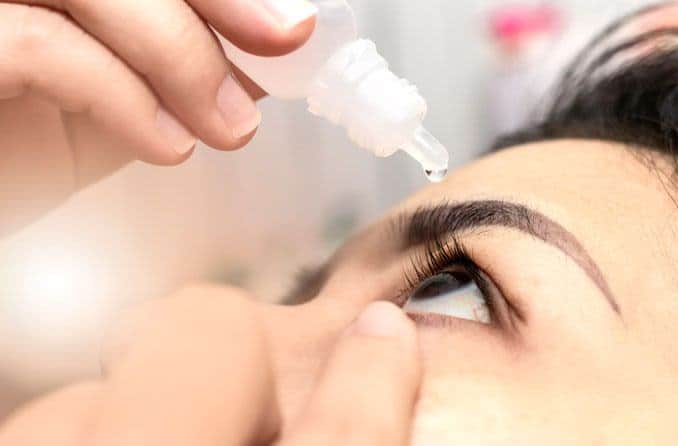
Category: Ophthalmology

This hub organizes ophthalmology information for patients and caregivers. It supports browsing, learning, and planning next steps with care teams. Many people use US delivery from Canada when local access feels limited. The focus stays on practical details and clear, plain-language definitions.
Topics here include dry eye, glaucoma evaluation, cataract surgery information, and retina conditions. It also covers children’s vision, eyelid concerns, and low vision services. Use the links below to compare product types and read condition explainers. Bring questions from this hub to an eye clinic visit.
What You’ll Find in This Category
This category brings together medication navigation and reading that supports eye health education. Start with the shopping hub for broad browsing on Ophthalmology Products. Then use condition pages to learn terms that appear on prescriptions.
For example, glaucoma screening and pressure-lowering therapies often raise new questions. The guide What Is Glaucoma explains common tests and follow-up patterns. Diabetes can affect the retina over time, and Diabetic Retinopathy Overview outlines why monitoring matters. Medication pages can add context for names patients may see, such as Latanoprost Eye Drops or Cosopt Eye Drops.

Prescription eye drops for glaucoma and ocular hypertension (high eye pressure).
Dry eye options, including immunomodulators (inflammation-controlling medicines) like Cequa Eye Drops.
Allergy and inflammation treatments, including steroid drops and ointments.
Antibiotic options for certain eye infections and post-procedure care.
Retina therapies used in specialist offices, including injection-based treatments.
Explain-then-browse reading on side effects, monitoring, and common questions.
Brand and generic naming basics, plus storage and handling reminders.

Prescriptions are confirmed with the prescriber before a partner pharmacy dispenses medication.
Ophthalmology Care Pathways and Specialist Clinics
Eye care often moves between primary care and specialty clinics. An ophthalmologist is a medical doctor trained in eye disease and surgery. A comprehensive eye exam can include vision testing, slit-lamp evaluation, and retinal imaging. Some visits also include dilation, which can blur near vision temporarily.
Many conditions change with age, even without obvious symptoms. The overview Vision Changes With Age can help with terminology before appointments. Care may also involve optometrists, technicians, and low vision teams. Referral patterns depend on symptoms, test results, and prior history.

Retina specialists for macular degeneration care and diabetic eye disease monitoring.
Cornea clinic visits for keratoconus management (cornea thinning and bulging).
Pediatric ophthalmology for strabismus (eye misalignment) and amblyopia (lazy eye).
Neuro-ophthalmology (vision and nervous system care) for optic nerve concerns.
Oculoplastic surgery for eyelid surgery info and tear duct disorders.
Uveitis clinic care for uveitis (eye inflammation) and related immune conditions.

How to Choose
Start by matching the product type to the condition being treated. Names can look similar, but ingredients can differ. Preservatives, bottle design, and dosing schedules can affect day-to-day use. Coordinating drops with contact lenses may also shape the plan.
When comparing ophthalmology options, focus on the prescription details first. Confirm whether the medication treats pressure, inflammation, allergy, or infection. Review the condition guide when the diagnosis feels unfamiliar. The explainer Restasis Side Effects shows how to read “common vs serious” sections.
Quick tip: Keep a current medication list for every eye appointment.

Diagnosis and goal, such as pressure control or dry eye symptom relief.
Active ingredient and form, such as solution, gel, or ointment.
Preservative-free needs, especially with frequent daily dosing.
Other eye drops already used, to reduce overlap and confusion.
Contact lens wear, including when lenses must be removed.
Hand strength and dexterity, since bottle squeezing can be difficult.
History of asthma or slow heart rate, relevant to some beta-blockers.
Pregnancy, breastfeeding, and pediatric use, when applicable to the prescription.

Safety and Use Notes
Eye medications act locally, but some can still affect the body. Labels can include warnings about allergy, infection risk, or pressure changes. Steroid drops can be helpful for inflammation, but they require monitoring. Antibiotic drops treat bacterial infections, not viral irritation.
Medication safety in ophthalmology depends on the diagnosis and follow-up plan. Glaucoma treatments often need consistent use and periodic pressure checks. For a plain-language glaucoma overview, read the National Eye Institute glaucoma page. Keep packaging, lot details, and instructions available for clinic questions.
Handling and contamination risks

Wash hands before use to reduce germs near the eye.
Avoid touching the dropper tip to lashes, skin, or surfaces.
Do not share eye drops, even within the same household.
Follow storage instructions, since heat can affect some formulations.
Ask the clinic about spacing between multiple drops in one routine.
Report rash, swelling, or trouble breathing as possible allergy signs.
Use caution with eye pain, new light sensitivity, or worsening redness.

Why it matters: Sudden vision changes can signal emergencies needing same-day evaluation.
For urgent warning signs, review AAO guidance on eye emergencies.
Dispensing is handled through licensed Canadian partner pharmacies for eligible prescriptions.
Access and Prescription Requirements
Many items in this hub require a valid prescription from a licensed prescriber. Requirements can differ by medication class and jurisdiction. Some office-based therapies may involve special handling and clinic scheduling. Product pages describe whether a prescription is required for dispensing.
Administrative steps can feel heavy, especially during vision changes. This section explains what to expect when a prescription is needed. Cash-pay access may help when coverage is limited or without insurance. The goal is clarity, not added barriers.

Provide prescriber details so the prescription can be verified.
Confirm the medication name, strength, and quantity on the prescription.
Check whether the prescription specifies brand or allows generic substitution.
Review refill authorization status, since some prescriptions limit repeats.
Use one account record for consistent contact and address information.
Ask the clinic for updated prescriptions after dose or therapy changes.
Keep prior authorizations separate, since cash-pay workflows may differ.

Cash-pay access may help when coverage is limited or without insurance.
This content is for informational purposes only and is not a substitute for professional medical advice.
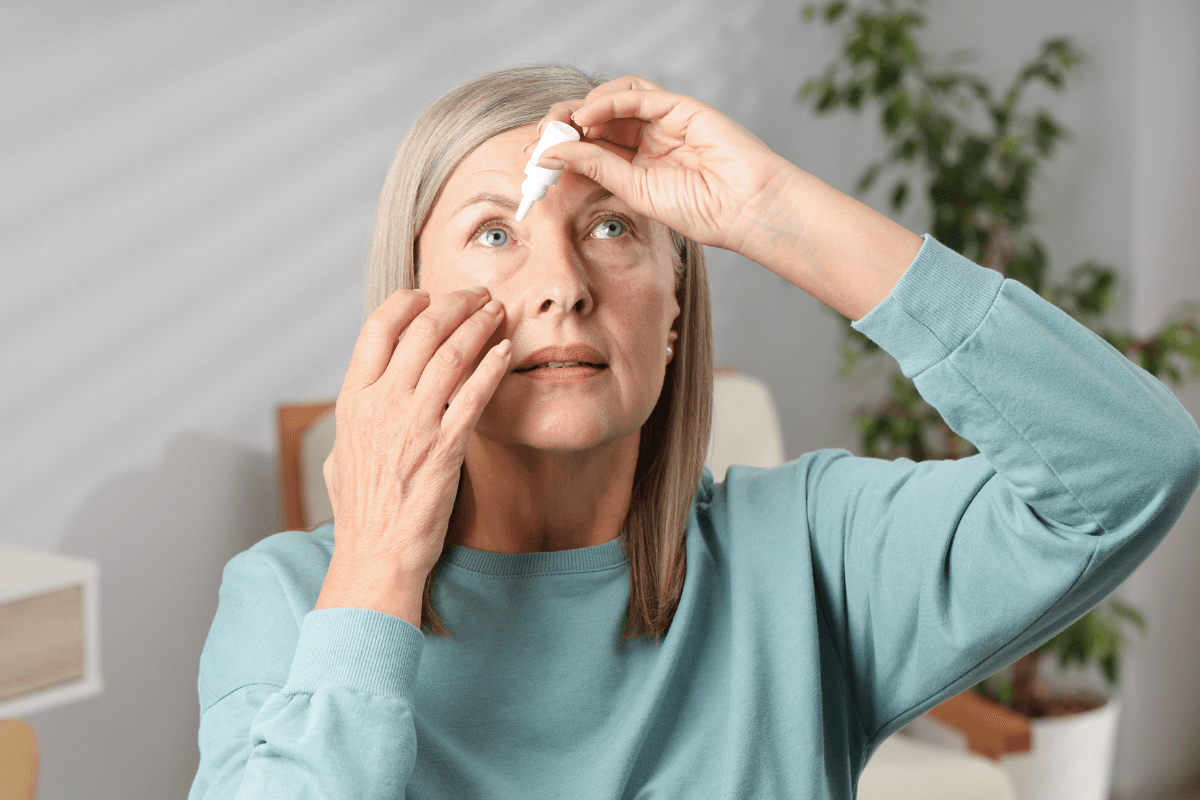
  • What Is Alrex Used For? Eye Allergy Relief and Risks

    What Is Alrex Used For? Eye Allergy Relief and Risks

    Alrex is a prescription corticosteroid (anti-inflammatory steroid) eye drop used for the temporary relief of the signs and symptoms of seasonal allergic conjunctivitis, a common type of eye allergy. For readers landing on What Is Alrex Used For: Patient Guide to Eye Allergy Relief, that is the short answer. It matters because steroid drops can calm redness, itching, and swelling, but they are not the right choice for every case of red eye and they need more caution than many over-the-counter options.

    Key Takeaways

    • Alrex is used for seasonal allergic conjunctivitis, also called eye allergies.
    • It is a steroid eye drop, so it reduces inflammation rather than just rinsing the eye.
    • It is usually meant for temporary, clinician-directed use rather than long-term self-treatment.
    • Important risks include eye pressure changes, cataract risk with longer use, and masking infection.
    • New vision changes, severe pain, thick discharge, or worsening redness need prompt medical review.

    What Alrex Is Used For in Eye Allergy Relief

    Alrex is used when eye allergies cause enough inflammation that the surface of the eye becomes red, itchy, swollen, watery, or generally irritated. The formal diagnosis is seasonal allergic conjunctivitis, which means the clear tissue covering the white of the eye and inner eyelid is reacting to an allergen such as pollen, grass, or other seasonal triggers.

    That does not mean every itchy eye needs Alrex. Eye symptoms can also come from dry eye disease, contact lens irritation, blepharitis, viral or bacterial conjunctivitis, or a scratch on the cornea. Those conditions can look similar at first. A prescription steroid may help one cause while making another harder to recognize or manage. That is why the main question is not only what the drop does, but whether the diagnosis fits.

    Another useful distinction is that Alrex is aimed at temporary relief. It is not simply a comfort drop, and it is not a routine answer for every red eye during allergy season. In practice, clinicians use it when inflammation is a meaningful part of the problem.

    Why it matters: Red, itchy eyes are not always allergies, even when pollen counts are high.

    For broader eye-health reading, the Ophthalmology Hub collects related topics.

    How This Prescription Steroid Works

    Yes, Alrex is a steroid eye drop. Its active ingredient is loteprednol etabonate, a corticosteroid used in ophthalmology to reduce inflammation on the eye surface. Instead of targeting just one itch signal, it helps quiet a wider inflammatory response. That broader anti-inflammatory effect is part of why it may be useful when allergic eyes look especially inflamed.

    In plain language, eye allergies do more than make the eyes itch. They can also make the surface tissue swell, become sensitive, and stay irritated even after the trigger is gone. A steroid eye drop may help calm that cycle. That is the main reason people search for Alrex for eye allergies or ask what is Alrex eye drops used for.

    When a clinician may consider it

    A clinician may consider a prescription steroid when the symptoms suggest more than mild irritation alone. For example, itch-heavy symptoms may sometimes be handled with antihistamine or mast-cell stabilizer drops, while steroid drops are used more selectively when redness, swelling, and surface inflammation are more prominent. The choice depends on the exam, the suspected cause, the severity, and the person’s risk factors.

    That selective use is important. Alrex may help allergic inflammation, but it is not a substitute for an eye exam when there is severe pain, marked light sensitivity, thick discharge, or a sudden change in vision. Those features can point to infection, injury, or another eye condition that needs a different treatment plan.

    BorderFreeHealth works with licensed Canadian partner pharmacies for eligible prescriptions.

    Side Effects, Warnings, and Who Needs Extra Caution

    Alrex eye drops side effects can range from mild irritation to more important steroid-related concerns. Common issues may include temporary burning or stinging after a drop, brief blurred vision, eye discomfort, or the sensation that something is in the eye. Some people tolerate the drop well, while others notice more irritation and need their symptoms reassessed.

    The bigger safety questions come from the steroid itself. Eye steroids can increase intraocular pressure, which is the pressure inside the eye. In some people, especially with longer or repeated use, that may raise glaucoma risk. Extended steroid exposure can also increase cataract risk and may slow the healing of the eye surface after surgery or an injury.

    Steroids can also make infection harder to spot. If a red eye is actually caused by an untreated viral, fungal, or mycobacterial infection, a steroid may worsen the problem or delay correct treatment. A history of herpes eye disease, prior steroid response, glaucoma, recent eye surgery, or unexplained one-sided symptoms deserves extra caution and a careful review with an eye clinician.

    People who have had a reaction to loteprednol or another ingredient in the product should also raise that before use. The active ingredient is loteprednol etabonate, but the full product contains other components that may matter if you have a history of medication sensitivity.

    • Vision changes: blurring that does not clear
    • Pressure concerns: glaucoma history or steroid response
    • Infection clues: discharge, crusting, worsening redness
    • Healing issues: recent surgery or eye trauma
    • Diagnostic uncertainty: symptoms that do not fit allergy patterns

    When required, pharmacies verify prescription details with the prescriber before dispensing.

    How Long Treatment Usually Lasts

    Alrex is generally intended for temporary, clinician-directed use rather than open-ended daily treatment. That is the clearest answer to the common question about how long you can use Alrex eye drops. Because it is a steroid, the balance between benefit and risk changes if symptoms linger, return often, or require repeated courses.

    If the drop helps quickly but the same symptoms keep coming back, the bigger issue may be ongoing allergen exposure, contact lens habits, dry eye, lid inflammation, or a diagnosis that needs a second look. If symptoms do not improve as expected, the next step is often rechecking the eye rather than simply extending the same drop on your own.

    Monitoring becomes more important for people who need longer courses, frequent repeat courses, or who already have risk factors for pressure problems. In those cases, an eye pressure check may be part of follow-up. That is one reason Alrex is handled differently from many non-steroid allergy drops.

    Quick tip: Write down your triggers, symptom pattern, and other eye products before follow-up.

    Questions worth asking at follow-up

    • What diagnosis is being treated?
    • Could this be dry eye or infection instead?
    • What signs mean the plan should change?
    • Do I need eye pressure monitoring?
    • Should contact lens wear change during treatment?

    Contact Lenses, Eye Pressure, and Monitoring

    Contact lens wear deserves special attention with any inflamed eye. Even when allergies are the main problem, lenses can hold allergens against the eye, worsen discomfort, and blur the line between allergy, dryness, and mechanical irritation. That is why clinicians often ask detailed questions about lens type, cleaning habits, and when symptoms appear during the day.

    Many people also ask about Alrex and eye pressure. That concern is real. Steroid drops can raise pressure in some users, and the risk matters more if you have glaucoma, ocular hypertension, a strong family history, or a past pressure rise with another steroid. The possibility does not mean the medicine is automatically unsafe, but it does mean follow-up and proper diagnosis matter.

    It also helps to remember that seasonal allergic conjunctivitis usually follows a pattern. Symptoms may affect both eyes, flare during certain seasons, and come with itching as a major feature. If one eye is much worse, if there is thick discharge, or if the eye is painful, the picture is less typical and deserves a closer look.

    In short, practical details matter just as much as the drug name. Whether you wear contacts, whether you have pressure risk, and whether the symptoms really fit allergies can change how appropriate Alrex is for you.

    How It Fits Among Allergy Eye Drops

    What eye drops ophthalmologists recommend for allergies depends on the cause and the pattern of symptoms. Mild, itch-dominant symptoms may be approached differently from cases where the eye surface looks more inflamed. That is where Alrex eye drops uses fit into the bigger picture: it is one prescription option for selected cases, not a catch-all answer for every red, watery, or irritated eye.

    Option Main role Practical note
    Lubricating drops Rinse and soothe the eye surface Often used for comfort and to dilute allergens
    Antihistamine or mast-cell stabilizer drops Target itch and allergy signaling Often considered for typical allergy symptoms
    Prescription steroid drops such as Alrex Reduce inflammation on the eye surface Usually require closer supervision because of risks

    This also helps explain why people compare Alrex vs antihistamine eye drops. They do not fill exactly the same role. One works more directly on inflammation, while the other often targets classic allergic itching. The better fit depends on the diagnosis, the symptom mix, and the need for monitoring.

    People also compare Alrex with Lotemax because both are loteprednol products. They are related prescription eye drops, but they are not interchangeable by name alone. Different products may have different labeled uses, formulations, and safety considerations, so the exact product matters.

    Another point worth noting: antibiotics are not standard treatment for allergy-related inflammation. If a clinician is thinking about Alrex, the goal is usually controlling inflammation from allergies, not treating a bacterial infection.

    If you want category-level context, the site’s Ophthalmology Products hub shows examples of eye-care treatments people often compare.

    Cash-pay cross-border options may exist for some patients without insurance, subject to eligibility and jurisdiction.

    When to Get Prompt Eye Care

    Eye allergies are common, but some symptoms fall outside the usual pattern and should not be brushed aside. Prompt medical review is important for severe eye pain, strong light sensitivity, new floaters, a sudden drop in vision, thick pus-like discharge, or symptoms that began after an injury or chemical exposure. Those signs can point to infection, corneal injury, uveitis, or another condition that needs faster care.

    It is also reasonable to ask for re-evaluation if you seem to need steroid drops again and again. Recurrent symptoms can signal persistent allergen exposure, untreated dry eye, lid disease, contact lens problems, or an incorrect diagnosis. The best long-term plan often starts with confirming what is actually driving the irritation.

    If your symptoms only partly fit an allergy pattern, that uncertainty matters. Redness without itching, one eye that is much worse than the other, or redness paired with pain should lower the confidence that this is simple seasonal allergic conjunctivitis.

    Authoritative Sources

    Alrex is used for short-term relief of seasonal eye allergy inflammation, but because it is a steroid, the right diagnosis and follow-up matter as much as the drop itself. Further reading should focus on symptom pattern, safety, and whether the problem is truly allergy-related.

    This content is for informational purposes only and is not a substitute for professional medical advice.

  • Lotemax vs Alrex: Key Differences in Use and Safety

    Lotemax vs Alrex: Key Differences in Use and Safety

    Lotemax vs Alrex comes down to purpose, formulation, and monitoring. Both are corticosteroid (steroid anti-inflammatory) eye medicines based on loteprednol etabonate, but they are commonly used in different situations. Alrex is typically associated with allergic conjunctivitis (eye allergy), while Lotemax products are used more broadly for eye inflammation and, in some cases, after eye procedures depending on the exact product. The overlap matters because their safety questions are similar. Either medicine can cause brief stinging or blurred vision after use, and steroid drops can also raise intraocular pressure (pressure inside the eye), slow healing, or mask an infection. If you are comparing them, the key issue is not which name sounds stronger. It is whether the drop matches the problem being treated.

    Key Takeaways

    • Both medicines contain loteprednol etabonate, a steroid eye medication.
    • Alrex is commonly linked to eye allergy treatment, while Lotemax covers a broader inflammation role.
    • Both carry steroid risks, including pressure changes, delayed healing, and infection concerns.
    • Contact lenses usually should stay out of red or inflamed eyes unless an eye clinician says otherwise.
    • Worsening pain, light sensitivity, discharge, or vision change needs prompt follow-up.

    Lotemax vs Alrex at a glance

    The main difference is not the ingredient alone. It is how each brand is positioned, formulated, and typically used. Both are loteprednol-based eye steroids, so they work by calming the inflammatory response inside the eye. That can reduce redness, swelling, and irritation when inflammation is the real driver. It also means both share many of the same cautions.

    Where people get tripped up is the brand structure. Alrex is usually discussed as a drop for allergic conjunctivitis. Lotemax, by contrast, refers to a wider product family used in several inflammatory settings, with different ophthalmic forms under the same brand umbrella. That makes prescription labels important. When someone says they use Lotemax, they may mean drops, gel, or ointment, not one single product experience.

    Comparison point Lotemax Alrex Why it matters
    Active ingredient Loteprednol etabonate Loteprednol etabonate Similar steroid precautions apply to both.
    Typical role Broader inflammatory eye use, depending on formulation Often associated with allergic conjunctivitis The diagnosis guides the choice.
    Formulation context Multiple ophthalmic forms exist Commonly encountered as a suspension drop The exact product changes instructions and expectations.
    Monitoring focus Eye pressure, healing, infection risk Eye pressure, healing, infection risk Steroid follow-up matters even when symptoms improve.
    Practical question Which Lotemax product was prescribed? Is allergy the main issue? Small wording differences can change the plan.

    If you are checking a prescription label, examples on-site include Lotemax Drops, Lotemax Gel, Lotemax Ointment, and Alrex. If you want broader context, the Ophthalmology Products hub shows related eye treatments in one place.

    Why it matters: Two drops can share an ingredient yet still have different labeled roles and instructions.

    BorderFreeHealth works with licensed Canadian partner pharmacies for eligible U.S. patients.

    What Each One Is Usually Used For

    In everyday comparisons, Alrex is usually the allergy-focused option, while Lotemax is the broader inflammation family. That distinction helps when symptoms seem similar on the surface. Itchy, watery, seasonal flare-ups can suggest allergic conjunctivitis, while inflammation after an eye procedure or another inflammatory diagnosis may point to a different steroid plan. The names overlap because the ingredient overlaps, but the clinical context does not always.

    The bottle label and the diagnosis matter together. Two products that share loteprednol can still come with different instructions, different expected duration, and different reasons for use. That is why switching based only on the ingredient name can miss what the prescriber was trying to treat.

    This is why a red-eye complaint is not enough information. Eye allergy, dry eye, infection, injury, contact lens irritation, and post-procedure inflammation can all look somewhat alike in the mirror. A steroid drop can be helpful in the right setting and a poor fit in the wrong one. If you want a broader symptom-and-care overview, the site’s Ophthalmology Hub and Vision Changes With Age can help place eye symptoms in context.

    Questions about whether Lotemax is being discontinued can also create confusion. Lotemax is a product family rather than one single formulation, so availability questions may relate to a specific version instead of the whole brand name. If a prescription seems hard to match, the safest next step is to confirm the exact formulation on the prescription and ask whether a listed equivalent or another loteprednol product was intended.

    Safety Questions That Matter Most

    Yes, these medicines can be appropriate when used as directed, but both are still steroid eye drops and deserve respect. The main safety discussion is less about brand loyalty and more about duration, diagnosis, and follow-up. A short course for the right reason is very different from repeated use without re-checking the eye.

    Common Side Effects

    Short-term side effects can include burning, stinging, temporary blurred vision, irritation, or a feeling that something is in the eye. Many people notice mild discomfort right after the drop goes in, then feel better within a short time. If symptoms keep getting worse instead of settling, that is not a detail to ignore.

    One practical point matters here: leftover steroid drops should not be reused casually for every episode of redness. The same symptoms can reflect allergy one month and infection or a corneal problem the next. Using a steroid without knowing which problem is present can delay the right care.

    When Risks Deserve Closer Monitoring

    The bigger concerns show up with longer use, repeated courses, or eyes that already have risk factors. Steroid drops can raise intraocular pressure. Over time, that can contribute to glaucoma risk in susceptible people. They can also delay healing, especially when the surface of the eye is already irritated or recovering from a procedure. Another issue is infection. Steroids may blunt redness and inflammation while allowing bacterial, fungal, or viral problems to keep simmering underneath.

    Longer-term steroid exposure may also increase cataract risk. That does not mean everyone who uses these drops will have that outcome. It means the drop should be used with a clear reason, a defined follow-up plan, and pressure checks when the prescriber thinks they are needed. If you have a history of glaucoma, a past steroid response, recurrent eye infections, or herpes simplex involving the eye, bring that up early.

    Is Lotemax Safe for Eyes?

    Lotemax may be safe for the right eye problem when a clinician is supervising its use. The same is true for Alrex. ‘Safe’ depends on why it was prescribed, how long it is used, whether infection has been ruled out, and whether you are someone whose eye pressure tends to rise on steroids. So, can Lotemax cause glaucoma? It can raise eye pressure, and persistent pressure elevation can contribute to glaucoma in some people. That risk is one reason follow-up matters.

    Seek prompt eye review if you develop worsening pain, pronounced light sensitivity, thicker discharge, swelling around the eye, halos, or any noticeable drop in vision. Those symptoms deserve more than a wait-and-see approach.

    When required, prescription details are checked with the prescriber before a pharmacy dispenses.

    Contact Lenses, Other Drops, and Daily Eye Care

    Contact lenses usually should stay out while the eye is inflamed or while steroid drops are in use, unless your eye clinician gives specific instructions. That is especially important if your eye is red, irritated, or producing discharge. In many real-world cases, lens wear makes it harder to tell whether the problem is allergy, dryness, or irritation from the lens itself. Some products also have preservative-related instructions that matter for soft lenses.

    If more than one eye drop is part of the plan, keep the routine simple. Wash your hands, avoid touching the bottle tip to the eye, and use the drops exactly in the order and timing you were given. If the regimen includes artificial tears or allergy drops in addition to a steroid, confirm how they should be spaced so one product does not wash out another.

    If you use artificial tears, lid scrubs, or allergy drops, keep a written list. Eye-care routines become confusing fast, especially when one bottle is for symptom relief and another is meant to control inflammation. A simple schedule on paper can reduce missed doses and accidental double use.

    Broader eye health still counts. A history of glaucoma, diabetes, dry eye, recent surgery, or chronic irritation can affect how an eye clinician thinks about monitoring. If you are managing another eye condition, it helps to mention it. For example, long-term concerns such as Diabetic Retinopathy can change the overall picture of vision care.

    Quick tip: Bring a list of every prescription and over-the-counter eye drop you already use.

    How These Drops Fit Beside Other Eye Treatments

    Sometimes the better question is not comparing one loteprednol brand with another. It is asking whether a steroid is the right category at all. If symptoms are mostly seasonal itching and watering, a non-steroid allergy option such as Pataday may come up in the conversation. If the main issue is dry eye, treatments such as Restasis or Xiidra serve a different purpose and are not swapped in as if they were another steroid.

    This matters because eye drops are grouped by job. Allergy drops mainly block histamine or stabilize mast cells, dry-eye medicines aim to improve tear-related inflammation over time, and steroid drops suppress inflammation more directly. Those categories can overlap in a treatment plan, but they are not substitutes by default.

    Other anti-inflammatory eye medications exist too. One example is FML Liquifilm, which is also part of the steroid conversation, though not automatically interchangeable with Lotemax or Alrex. The same caution applies to broader eye treatment categories. A problem that looks like allergy could actually be dry eye, blepharitis, or infection. That is why the diagnosis comes first and the brand comparison comes second.

    Comparing Lotemax with Alrex only makes sense after the reason for treatment is clear. When the diagnosis changes, the entire comparison can change with it.

    Practical Next Steps If You Are Comparing Them

    A short checklist can keep this comparison grounded in the real question: what is happening with the eye, and what follow-up is needed? If you are reviewing a prescription, focus on the exact formulation, the reason it was chosen, and what symptoms would mean the plan needs to be rechecked.

    • Confirm the diagnosis first: allergy, inflammation, dryness, or something else.
    • Check the exact formulation: drops, gel, ointment, or a different brand family.
    • Report any glaucoma history or past steroid-related pressure rise.
    • Ask when contact lenses can be removed and restarted.
    • Review every other eye drop already in the routine.
    • Know the red flags: pain, worse redness, discharge, or reduced vision.

    It also helps to write down when symptoms started, whether one eye or both eyes are affected, whether you recently had a procedure, and whether lenses were in. Those details often explain why one brand was chosen over another.

    If you are also exploring access questions, remember that the exact prescription name matters. A cross-brand or cross-formulation switch should never be assumed from the package alone. Some patients may also hear about cash-pay cross-border options when comparing eye medications, but those choices still depend on eligibility, jurisdiction, and the exact prescription.

    Cash-pay cross-border options may be available for some patients without insurance, subject to eligibility and jurisdiction.

    In short, comparing these two drops is less about picking a winner and more about matching the right steroid eye medicine to the right problem, then watching for pressure changes, infection concerns, and contact-lens issues. Further reading through the site’s eye-care resources can help you put allergy, inflammation, dry eye, and general vision changes into a wider plan.

    Authoritative Sources

    This content is for informational purposes only and is not a substitute for professional medical advice.

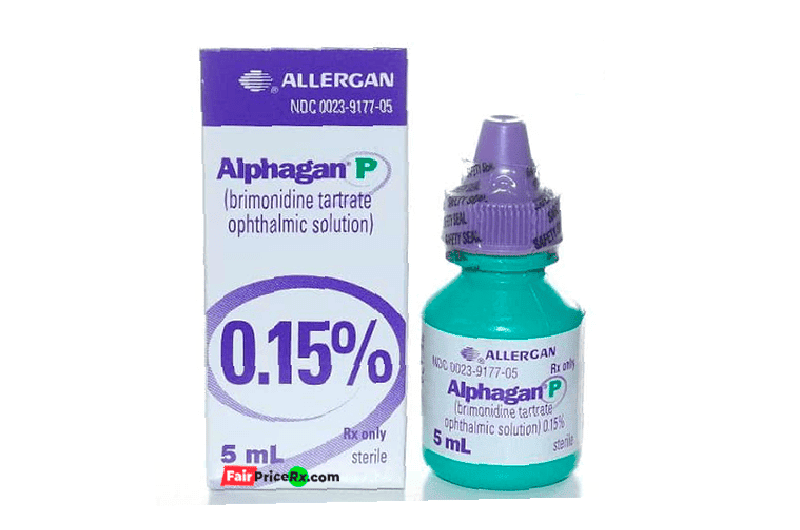
  • Alphagan Eye Drops: Dosage, Uses, and Side Effects

    Alphagan Eye Drops: Dosage, Uses, and Side Effects

    Alphagan is a brimonidine eye drop used to lower intraocular pressure in people with open-angle glaucoma or ocular hypertension. This Alphagan Eye Drops: Dosage, Uses, and Side Effects Guide explains the usual dosing pattern, safe drop technique, expected side effects, and warning signs that need medical attention. It matters because eye pressure treatment often depends on steady use and early reporting of problems.

    Key Takeaways

    • Alphagan contains brimonidine, an eye-pressure-lowering medicine.
    • U.S. labeling for Alphagan 0.2% lists one drop three times daily, about 8 hours apart.
    • Common effects can include eye redness, stinging, dry mouth, blurry vision, headache, or fatigue.
    • Serious allergy, severe eye pain, major vision changes, fainting, or breathing trouble need urgent help.
    • Do not change, stop, or restart glaucoma drops without your eye clinician’s guidance.

    How This Alphagan Eye Drops: Dosage, Uses, and Side Effects Guide Fits Care

    Alphagan is the brand name for brimonidine tartrate ophthalmic solution. Brimonidine is an alpha-2 adrenergic agonist, a medicine class that can lower pressure inside the eye. It does this by reducing aqueous humor, the clear fluid made in the front part of the eye, and by helping fluid drain through other pathways.

    Doctors prescribe brimonidine eye drops when eye pressure needs control. The goal is usually to reduce the risk of optic nerve damage in glaucoma, or to manage ocular hypertension before damage develops. The drops do not cure glaucoma, and they do not restore vision already lost from optic nerve injury.

    For broader eye-health reading, the Ophthalmology hub gathers related educational content. BorderFreeHealth connects U.S. patients with licensed Canadian pharmacy partners.

    Why it matters: A small bottle can affect both eye comfort and whole-body symptoms.

    Uses: Glaucoma, Ocular Hypertension, and Eye Pressure

    Alphagan is mainly used to lower intraocular pressure, often shortened to IOP. High IOP can increase the risk of glaucoma progression, especially when pressure damages the optic nerve over time. Open-angle glaucoma is the common chronic form, where the eye’s drainage angle remains open but fluid leaves too slowly.

    Ocular hypertension means eye pressure is higher than expected, but optic nerve damage or vision loss may not yet be present. Some people with ocular hypertension never develop glaucoma. Others need preventive treatment because their overall risk is higher. Your eye clinician weighs pressure readings, optic nerve appearance, visual field tests, corneal thickness, age, family history, and other factors.

    Ocular hypertension is different from systemic hypertension, which means high blood pressure in the body’s arteries. If you are trying to separate those terms, start with What Is Hypertension. You can also review Understanding High Blood Pressure and What Causes Hypertension for the body-wide condition.

    Brimonidine may be prescribed alone or with other glaucoma drops. Combination treatment is common when one medicine does not lower eye pressure enough or causes side effects. The exact plan depends on your diagnosis, pressure target, medical history, and how well you can use drops consistently.

    Dosage and How to Use Drops Safely

    Dosage should follow the bottle label and your prescriber’s instructions. For the U.S. Alphagan 0.2% label, the listed schedule is one drop in the affected eye or eyes three times daily, about 8 hours apart. Alphagan P, generic brimonidine, and products from other countries may have different labeling, so the schedule on your prescription matters most.

    Eye drops can fail when the medicine misses the eye, washes out, or contaminates the bottle tip. Technique is not a small detail. It can affect comfort, safety, and whether the intended amount reaches the eye surface.

    Basic drop technique

    1. Wash your hands before touching the bottle.
    2. Shake the bottle only if the label tells you to.
    3. Tilt your head back and pull the lower lid down gently.
    4. Place one drop in the pocket without touching the tip to your eye.
    5. Close your eye for a short time and avoid blinking hard.
    6. If advised, press gently near the inner corner of the eye.

    If you use more than one eye drop, ask how long to separate them. Many eye-drop instructions advise spacing products by several minutes so the second drop does not wash out the first. If you wear soft contact lenses, check the label. Some preservatives can be absorbed by lenses, so lenses may need removal before use and reinsertion after a waiting period.

    If you miss a dose, follow the instructions provided with your medicine. Many labels advise using it when remembered unless it is close to the next scheduled dose. Do not use extra drops to make up for a missed dose unless a clinician specifically tells you to.

    Quick tip: Keep a simple drop log if you use more than one eye medicine.

    Side Effects: Common, Serious, and Long-Term Considerations

    Alphagan side effects can involve the eye, the eyelids, or the whole body. Many are mild, especially early in treatment. Still, side effects deserve attention because untreated irritation can reduce adherence, and rare reactions can be serious.

    Commonly reported effects can include:

    • Eye redness or irritation.
    • Burning, stinging, or dryness.
    • Blurred vision after use.
    • Itchy eyes or watery eyes.
    • Dry mouth or unusual taste.
    • Headache, tiredness, or drowsiness.

    Some people develop allergic conjunctivitis, which means inflammation of the clear tissue over the eye. It may cause redness, itching, swelling, tearing, or a gritty feeling. Allergy can appear after a person has used brimonidine for some time, not only on the first day.

    Long-term side effects of brimonidine tartrate are usually discussed in terms of ongoing irritation, allergy, dryness, or reduced tolerance. Long-term use should include regular eye-pressure checks and optic nerve monitoring. Report changes rather than assuming discomfort is normal.

    Serious symptoms need faster attention. Call a clinician promptly, or seek urgent care when symptoms are severe, if you develop intense eye pain, sudden vision changes, major eyelid swelling, widespread rash, fainting, very slow heartbeat, trouble breathing, or unusual sleepiness in a child exposed to the medicine.

    Blurry vision and drowsiness can affect activities that need alertness. Avoid driving or using machinery until you know how the drops affect you and your vision has cleared after application.

    Warnings, Precautions, and Interactions to Review

    Safety depends on your full health history, not only your eye diagnosis. Brimonidine can affect blood pressure, pulse, alertness, and circulation in some people. It is also not appropriate for every age group or medication combination.

    Alphagan and related brimonidine products are generally contraindicated in children under 2 years old. Young children can be more vulnerable to sleepiness, low blood pressure, and breathing-related adverse reactions. Pediatric use should only happen under specialist direction.

    Tell your clinician if you have heart disease, low blood pressure, circulation problems, depression, kidney disease, liver disease, or a history of fainting. Also mention pregnancy, plans to become pregnant, or breastfeeding. These details help the prescriber judge whether brimonidine is suitable or whether extra monitoring is needed.

    Interactions can occur because brimonidine may add to the effects of medicines that lower blood pressure, slow heart rate, or cause sedation. Your clinician may also review antidepressants, especially monoamine oxidase inhibitors and tricyclic antidepressants, because these drug classes can affect adrenergic signaling. Alcohol and sedating medicines may increase drowsiness in some people.

    Bring a current medication list to eye appointments. Include oral medicines, patches, eye drops, supplements, and non-prescription products. For examples of how broader medication safety details are handled, see Amiodarone Uses and Cimetidine Side Effects.

    When required, prescription details are verified with the prescriber before pharmacy dispensing.

    Formulations, Generic Brimonidine, and Other Eye Drops

    Alphagan, Alphagan P, and generic brimonidine products share the same active ingredient family, but they are not always interchangeable without professional review. Concentration, preservative system, bottle design, labeling, and dosing instructions can differ.

    Product type What to confirm Why it matters
    Original brand formulation Strength, schedule, and preservative The label may differ from other brimonidine bottles.
    Alphagan P Strength and preservative system It may have different tolerability or instructions for some users.
    Generic brimonidine Manufacturer and bottle label Directions should match the dispensed product, not memory.
    Other glaucoma drops Spacing and treatment order Multiple drops can wash each other out if used too closely.

    The Ophthalmology Products category is a browseable list for comparing relevant product pages. It is not a substitute for an eye exam or individualized prescribing.

    If your bottle looks different after a refill, do not guess. Check the label, confirm the active ingredient, and ask the pharmacy or prescriber whether the instructions changed.

    Practical Questions to Ask Before or During Treatment

    A good treatment plan should be realistic for your routine. If the dosing schedule is hard to follow, side effects are building, or you use several eye drops, bring those concerns forward early. Clinicians can only adjust a plan safely when they know what is happening day to day.

    • Pressure target: What eye pressure range is the goal?
    • Drop schedule: What times should each drop be used?
    • Missed doses: What should I do if I forget?
    • Side effects: Which symptoms should I report quickly?
    • Contact lenses: Should I remove them before dosing?
    • Other medicines: Which interactions matter for my list?
    • Monitoring plan: When should eye pressure be rechecked?

    Steroid medicines are worth mentioning because they can matter in eye-pressure care for some people. This includes eye steroids, oral steroids, and steroid products used near the eyes. For broader safety context, see Prednisone Explained and Clobetasol Propionate Side Effects.

    Cash-pay cross-border prescription options depend on eligibility and jurisdiction.

    When to Call a Clinician Urgently

    Call your eye clinician promptly if eye symptoms worsen after starting brimonidine or after a refill change. Redness that becomes intense, swelling that closes the eyelid, thick discharge, severe pain, halos around lights, or sudden vision loss needs urgent assessment.

    Whole-body symptoms also matter. Seek urgent help for fainting, chest pain, trouble breathing, severe dizziness, confusion, or extreme sleepiness. If a child swallows eye drops or receives drops not prescribed for them, contact poison control or emergency services right away.

    Do not stop glaucoma treatment on your own because eye pressure can rise without obvious symptoms. If side effects make the drops hard to use, call the prescriber and ask what to do next. A safer plan may involve technique changes, monitoring, or a different medication.

    Authoritative Sources

    Further Reading

    Alphagan can be an important part of glaucoma or ocular hypertension care, but it works best as part of a monitored plan. Confirm your exact product, follow the label, use careful drop technique, and report symptoms that interfere with daily use. Side effects are not a personal failure, and they should not be hidden from your care team.

    This content is for informational purposes only and is not a substitute for professional medical advice.