
Category: Ophthalmology

This hub organizes ophthalmology information for patients and caregivers. It supports browsing, learning, and planning next steps with care teams. Many people use US delivery from Canada when local access feels limited. The focus stays on practical details and clear, plain-language definitions.
Topics here include dry eye, glaucoma evaluation, cataract surgery information, and retina conditions. It also covers children’s vision, eyelid concerns, and low vision services. Use the links below to compare product types and read condition explainers. Bring questions from this hub to an eye clinic visit.
What You’ll Find in This Category
This category brings together medication navigation and reading that supports eye health education. Start with the shopping hub for broad browsing on Ophthalmology Products. Then use condition pages to learn terms that appear on prescriptions.
For example, glaucoma screening and pressure-lowering therapies often raise new questions. The guide What Is Glaucoma explains common tests and follow-up patterns. Diabetes can affect the retina over time, and Diabetic Retinopathy Overview outlines why monitoring matters. Medication pages can add context for names patients may see, such as Latanoprost Eye Drops or Cosopt Eye Drops.

Prescription eye drops for glaucoma and ocular hypertension (high eye pressure).
Dry eye options, including immunomodulators (inflammation-controlling medicines) like Cequa Eye Drops.
Allergy and inflammation treatments, including steroid drops and ointments.
Antibiotic options for certain eye infections and post-procedure care.
Retina therapies used in specialist offices, including injection-based treatments.
Explain-then-browse reading on side effects, monitoring, and common questions.
Brand and generic naming basics, plus storage and handling reminders.

Prescriptions are confirmed with the prescriber before a partner pharmacy dispenses medication.
Ophthalmology Care Pathways and Specialist Clinics
Eye care often moves between primary care and specialty clinics. An ophthalmologist is a medical doctor trained in eye disease and surgery. A comprehensive eye exam can include vision testing, slit-lamp evaluation, and retinal imaging. Some visits also include dilation, which can blur near vision temporarily.
Many conditions change with age, even without obvious symptoms. The overview Vision Changes With Age can help with terminology before appointments. Care may also involve optometrists, technicians, and low vision teams. Referral patterns depend on symptoms, test results, and prior history.

Retina specialists for macular degeneration care and diabetic eye disease monitoring.
Cornea clinic visits for keratoconus management (cornea thinning and bulging).
Pediatric ophthalmology for strabismus (eye misalignment) and amblyopia (lazy eye).
Neuro-ophthalmology (vision and nervous system care) for optic nerve concerns.
Oculoplastic surgery for eyelid surgery info and tear duct disorders.
Uveitis clinic care for uveitis (eye inflammation) and related immune conditions.

How to Choose
Start by matching the product type to the condition being treated. Names can look similar, but ingredients can differ. Preservatives, bottle design, and dosing schedules can affect day-to-day use. Coordinating drops with contact lenses may also shape the plan.
When comparing ophthalmology options, focus on the prescription details first. Confirm whether the medication treats pressure, inflammation, allergy, or infection. Review the condition guide when the diagnosis feels unfamiliar. The explainer Restasis Side Effects shows how to read “common vs serious” sections.
Quick tip: Keep a current medication list for every eye appointment.

Diagnosis and goal, such as pressure control or dry eye symptom relief.
Active ingredient and form, such as solution, gel, or ointment.
Preservative-free needs, especially with frequent daily dosing.
Other eye drops already used, to reduce overlap and confusion.
Contact lens wear, including when lenses must be removed.
Hand strength and dexterity, since bottle squeezing can be difficult.
History of asthma or slow heart rate, relevant to some beta-blockers.
Pregnancy, breastfeeding, and pediatric use, when applicable to the prescription.

Safety and Use Notes
Eye medications act locally, but some can still affect the body. Labels can include warnings about allergy, infection risk, or pressure changes. Steroid drops can be helpful for inflammation, but they require monitoring. Antibiotic drops treat bacterial infections, not viral irritation.
Medication safety in ophthalmology depends on the diagnosis and follow-up plan. Glaucoma treatments often need consistent use and periodic pressure checks. For a plain-language glaucoma overview, read the National Eye Institute glaucoma page. Keep packaging, lot details, and instructions available for clinic questions.
Handling and contamination risks

Wash hands before use to reduce germs near the eye.
Avoid touching the dropper tip to lashes, skin, or surfaces.
Do not share eye drops, even within the same household.
Follow storage instructions, since heat can affect some formulations.
Ask the clinic about spacing between multiple drops in one routine.
Report rash, swelling, or trouble breathing as possible allergy signs.
Use caution with eye pain, new light sensitivity, or worsening redness.

Why it matters: Sudden vision changes can signal emergencies needing same-day evaluation.
For urgent warning signs, review AAO guidance on eye emergencies.
Dispensing is handled through licensed Canadian partner pharmacies for eligible prescriptions.
Access and Prescription Requirements
Many items in this hub require a valid prescription from a licensed prescriber. Requirements can differ by medication class and jurisdiction. Some office-based therapies may involve special handling and clinic scheduling. Product pages describe whether a prescription is required for dispensing.
Administrative steps can feel heavy, especially during vision changes. This section explains what to expect when a prescription is needed. Cash-pay access may help when coverage is limited or without insurance. The goal is clarity, not added barriers.

Provide prescriber details so the prescription can be verified.
Confirm the medication name, strength, and quantity on the prescription.
Check whether the prescription specifies brand or allows generic substitution.
Review refill authorization status, since some prescriptions limit repeats.
Use one account record for consistent contact and address information.
Ask the clinic for updated prescriptions after dose or therapy changes.
Keep prior authorizations separate, since cash-pay workflows may differ.

Cash-pay access may help when coverage is limited or without insurance.
This content is for informational purposes only and is not a substitute for professional medical advice.

  • Durezol Eye Drops: Safety, Side Effects, and Monitoring

    Durezol Eye Drops: Safety, Side Effects, and Monitoring

    Durezol eye drops are prescription steroid eye drops used to reduce inflammation in the eye, often after eye surgery or for certain inflammatory eye conditions. The active medicine is difluprednate, a corticosteroid made for ophthalmic (eye) use. It can be helpful when inflammation is driving pain, redness, swelling, or light sensitivity, but it also needs careful follow-up because steroid eye drops can raise eye pressure or mask infection.

    This article explains what the medication is, why it may be prescribed, what side effects deserve attention, and how to use it safely without changing your clinician’s directions.

    Key Takeaways

    • It is a steroid: Difluprednate reduces eye inflammation, but it is not a routine lubricating drop.
    • Follow-up matters: Eye pressure and healing may need monitoring during treatment.
    • Technique reduces risk: Clean hands and a clean bottle tip help prevent contamination.
    • Do not self-adjust: Ask before stopping, restarting, or changing a taper schedule.
    • Know warning signs: Worsening pain, vision changes, or discharge should be reported promptly.

    How Durezol Eye Drops Fit Into Eye Care

    Durezol is the brand name for difluprednate ophthalmic emulsion, a topical corticosteroid. “Topical” means it is applied to a body surface, and “ophthalmic” means it is intended for the eye. Your prescriber may use it when inflammation needs stronger control than comfort measures alone can provide.

    Common prescribing contexts include inflammation and pain after eye surgery, such as cataract surgery, and endogenous anterior uveitis, which means inflammation in the front part of the eye that arises from within the body rather than from an outside injury. These situations can feel different from person to person. Some people notice aching and redness. Others mainly notice light sensitivity or blurred vision.

    Why this matters: eye inflammation can damage comfort and vision if it is not followed closely. At the same time, steroid drops have risks that may not be obvious at home. That balance is why your eye-care team may schedule check-ins even when symptoms are improving.

    If you want to browse related eye medication topics, the Ophthalmology Posts section can help you keep eye-care reading in one place.

    What It Is Used For, and What It Does Not Do

    Durezol eye drops are used to calm inflammation in specific eye conditions your clinician has diagnosed. They are not meant for every red or irritated eye. Redness can come from allergies, dry eye, infection, injury, contact lens problems, or pressure changes. These causes can look similar at first, but they need different care.

    Difluprednate works by reducing inflammatory activity in eye tissues. In plain language, it helps quiet the swelling and irritation response. That can reduce pain and redness when inflammation is the correct target. It does not treat bacterial, viral, or fungal infection by itself. In some infections, steroid use can make the problem harder to recognize or more serious.

    After eye surgery

    After eye procedures, inflammation can be part of the healing process. A steroid drop may be prescribed to help control that response. Your label and discharge instructions should explain how often to use the drop and whether the schedule changes over time. If those instructions conflict, call the surgical office or pharmacy before guessing.

    Uveitis and iritis

    Uveitis is inflammation inside the eye. Iritis is inflammation involving the iris, the colored part of the eye. These conditions may cause deep aching, light sensitivity, blurry vision, or redness. They can also recur, so it helps to know your diagnosis name and the follow-up plan.

    Quick tip: Bring every eye drop bottle to appointments, including lubricating and allergy drops.

    Side Effects and Risks to Discuss Early

    The side effects of difluprednate can range from brief irritation to issues that need eye-pressure checks. Some people notice temporary stinging, burning, blurred vision right after a drop, watery eyes, or an unusual taste if the drop drains toward the throat. These symptoms may be short-lived, but they should still be mentioned if they persist or worsen.

    More serious concerns include elevated intraocular pressure, which means higher pressure inside the eye. Some people are more likely to have a steroid pressure response, especially if they have glaucoma, prior pressure increases, or a family history of glaucoma. Increased pressure may not cause symptoms right away, so monitoring is important.

    Steroid eye drops can also delay healing in some situations and may worsen or hide certain infections. Longer exposure to corticosteroids has been associated with cataract-related concerns, especially with repeated or extended courses. Your personal risk depends on your eye history, diagnosis, treatment duration, and other medicines.

    When symptoms need prompt attention

    Contact your eye-care team promptly if you notice sudden or worsening vision changes, severe eye pain, increasing light sensitivity, thick discharge, significant swelling around the eye, or symptoms that feel worse instead of better. If you were told to watch for a specific surgical complication, follow those instructions first.

    If you are caring for a child, older adult, or someone who has trouble describing symptoms, watch for behavior changes. Squinting, avoiding bright rooms, rubbing the eye, or refusing normal activities can signal discomfort.

    Warnings, Precautions, and Monitoring

    Durezol eye drops require caution because they affect the eye’s immune and inflammatory response. Before using them, your clinician should know about glaucoma, prior steroid-related pressure increases, recent eye infections, herpes eye disease, eye injuries, contact lens use, and any complications after surgery. This history helps the prescriber judge whether a steroid is appropriate and how closely to monitor.

    Pregnancy and breastfeeding questions should also go to your prescriber. Eye drops may have less whole-body exposure than many oral medicines, but that does not make them risk-free for every person. The safest answer depends on your diagnosis, expected benefit, and available alternatives.

    Tell your care team about all eye medications you use. That includes antibiotic drops, nonsteroidal anti-inflammatory drops, glaucoma drops, artificial tears, and allergy drops. If you also take oral or inhaled steroids, mention those too. For broader context on systemic steroid safety, you may find Prednisone Explained helpful, though oral prednisone and eye drops are not interchangeable.

    Why it matters: A complete medication list helps clinicians spot overlapping risks and avoid confusion.

    Using the Drops Safely Day to Day

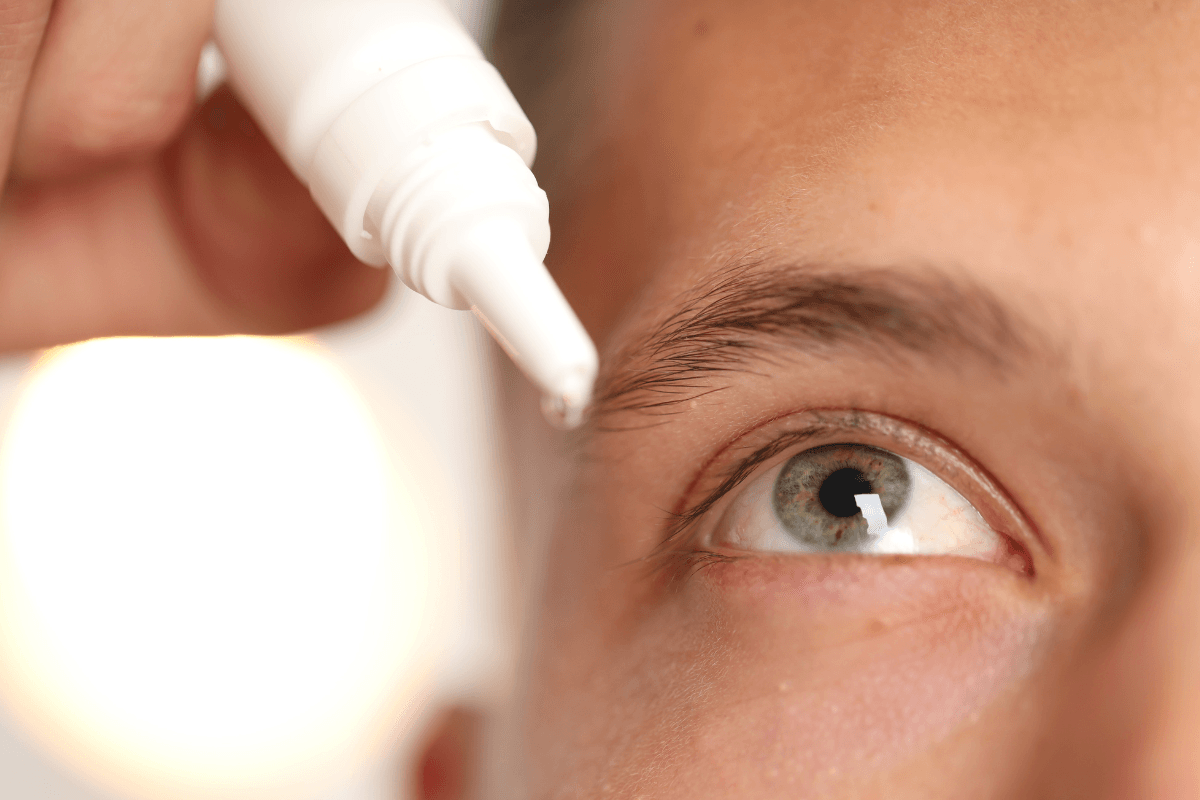
    Good technique helps you get the intended dose while lowering contamination risk. Wash your hands first. Tilt your head back or lie down if that is easier. Avoid touching the bottle tip to the eye, eyelids, lashes, fingers, or countertop. Replace the cap tightly after use.

    If your label says to shake the bottle, do so each time. Durezol is an emulsion, which means the medicine is dispersed in a liquid mixture. Following the handling instructions helps keep each drop consistent. Do not rinse the bottle tip unless your pharmacist specifically tells you to, as water can introduce contamination.

    If you use more than one eye medication, ask how far apart to separate them. Spacing can matter because one drop may wash out another. Your clinician or pharmacist can also explain whether ointments should go last, if you use any.

    A practical clarity checklist

    • Name: Confirm both Durezol and difluprednate.
    • Reason: Ask what inflammation is being treated.
    • Schedule: Confirm the label and taper plan.
    • Monitoring: Ask whether eye pressure will be checked.
    • Contacts: Ask when lenses are safe, if relevant.
    • Missed doses: Get instructions before it happens.
    • Urgent signs: Write down when to call.

    A simple log can help during the first week. Write the time you used each drop and note any symptoms. This is especially useful if a caregiver helps, or if your schedule changes after a follow-up visit.

    Comparisons and Related Treatment Questions

    Patients often compare Durezol with other anti-inflammatory eye drops. These comparisons can be useful, but they should not turn into self-substitution. Steroid eye drops can differ in formulation, strength, dosing frequency, and monitoring needs. The best choice depends on the diagnosis, surgery details, prior response, and eye-pressure history.

    Some people are prescribed a different steroid, while others may receive a nonsteroidal anti-inflammatory eye drop. For example, Nevanac and Ketorolac are related to eye inflammation care in different ways, but they are not the same class as difluprednate. Your prescriber can explain whether an NSAID drop, a steroid drop, or a combination is appropriate for your situation.

    People also ask whether a generic option is available. Generic difluprednate availability and substitution rules can vary by setting. Ask your pharmacist what product was dispensed and whether it matches the prescription. If the bottle name changes between refills, confirm that the medication and instructions still align with your clinician’s plan.

    For medication-specific navigation, you can review the Durezol Ophthalmic Eyedrops page. Use product pages as a way to identify the medication, not as a replacement for your prescription label or follow-up plan.

    Access, Refills, and Communication

    Access problems can interrupt eye treatment, especially when a refill depends on a follow-up exam or pressure check. Request refills during office hours when possible. If your clinician wants to recheck your eye before continuing, schedule that visit before the bottle runs low.

    BorderFreeHealth connects U.S. patients with licensed Canadian partner pharmacies when eligible and consistent with applicable rules. For prescription medications, required details may be verified with the prescriber before dispensing by the pharmacy. This can matter when a label, refill request, or product name needs clarification.

    Some patients use cash-pay, cross-border prescription options without insurance. If that applies to you, keep the process organized. Save your prescription, prescriber contact information, medication list, and diagnosis notes. These details help reduce administrative delays and lower the chance of a dispensing mismatch.

    You can also browse the Ophthalmology Category for eye-related medication pages. If your care involves several steroid medicines, the article on Prednisone Side Effects may help you prepare broader safety questions, while recognizing that oral and ophthalmic steroids differ.

    Authoritative Sources

    Official labels and major eye-health organizations are the best places to verify indications, warnings, and safety language. They can also help you prepare better questions for your ophthalmologist, optometrist, or pharmacist.

    Durezol eye drops can play an important role in treating eye inflammation, but safe use depends on clear instructions, clean technique, and follow-up. Keep your prescription details handy, report concerning symptoms promptly, and ask your care team what improvement and monitoring should look like for your diagnosis.

    This content is for informational purposes only and is not a substitute for professional medical advice.

  • Cosopt Preservative Free: A Practical Guide For Patients

    Cosopt Preservative Free: A Practical Guide For Patients

    Key Takeaways

    Cosopt preservative free is a combination glaucoma eye drop that avoids added preservatives. That matters if you have sensitive eyes, dry eye, or long-term drop use.

    • Two medicines, one drop: Dorzolamide + timolol work together to lower eye pressure.
    • Preservative-free format: Often packaged in single-use containers instead of a multi-dose bottle.
    • Safety is personal: Heart, lung, and allergy history can affect suitability.
    • Administration details matter: Technique, spacing from other drops, and storage can change tolerability.
    • Plan ahead: Refills and travel are easier with a simple routine.

    Overview Of cosopt preservative free

    This page explains what “preservative-free” means in everyday terms, plus the clinical basics behind this medication. You will also see how Cosopt PF (preservative-free dorzolamide/timolol) compares with preserved versions, possible side effects to watch for, and common practical questions. The goal is to support informed conversations with your eye-care clinician and pharmacist, not to replace their guidance.

    Many people using glaucoma drops also manage dry eye, irritation, or contact lens routines. Those day-to-day factors can shape which bottle or formulation feels manageable. BorderFreeHealth also helps U.S. patients connect with licensed Canadian partner pharmacies for certain prescription needs, which can be relevant when you are comparing cash-pay options or navigating access gaps.

    Core Concepts

    What Cosopt PF Is (And Why It’s Prescribed)

    Cosopt preservative free combines two medicines in one ophthalmic solution (eye drop). Dorzolamide is a carbonic anhydrase inhibitor (an eye-pressure reducer). Timolol is a beta-blocker (a medicine that can slow certain body responses). Together, they are used to help lower intraocular pressure (IOP), also called “eye pressure,” in conditions like glaucoma and ocular hypertension.

    Lowering eye pressure is a long-term plan for many patients. The medication choice is usually based on eye findings, other health conditions, and how well you tolerate drops. If you want more condition-level background before comparing medicines, the Ophthalmology Articles hub can be a helpful place to browse related education.

    What “Preservative-Free” Means In Real Life

    Preservatives are additives that help prevent contamination in multi-dose bottles. One common preservative in eye drops is benzalkonium chloride (BAK), sometimes listed as BZK. Some people notice more stinging, dryness, or “gritty” sensations with preserved drops, especially with frequent use or existing ocular surface disease (a term that includes dry eye and surface irritation).

    Preservative-free products are designed to avoid those additives. They often come in single-use containers to reduce contamination risk without a preservative. Ingredient lists can still vary by manufacturer, so it is smart to compare the carton, the insert, and the pharmacy label. For label-level details such as inactive ingredients and warnings, review the official product labeling with your clinician or pharmacist.

    How Single-Use Containers Change Handling

    Single-use packaging can be convenient, but it also changes routines. You may need to track how many containers you use each week. You may also need a clean place to open a container without touching the tip. Those small steps can reduce contamination risk, which matters for any eye drop.

    Tip: If dexterity is an issue, ask about assistive devices. Some patients do better with drop guides or larger grips.

    Safety Basics: Warnings, Contraindications, And Interactions

    Even though these are eye drops, some of the medicine can be absorbed into the body. That is one reason your medical history matters. Timolol (a beta-blocker) may be a concern for people with certain breathing conditions or specific heart rhythm issues. Dorzolamide is related to sulfonamide medicines, so allergy history can be relevant too.

    Interactions can also matter. For example, other beta-blockers (including some oral heart medications) may increase the chance of systemic side effects. This is not something to solve on your own. Instead, keep a current medication list and share it at every visit, including over-the-counter products and supplements.

    Use In Pregnancy And Breastfeeding: What To Discuss

    Pregnancy and breastfeeding decisions often involve balancing eye pressure control with medication exposure. Labels may include specific cautions, and your clinician may also factor in trimester, delivery plans, and other medicines you use. If you are trying to conceive, pregnant, or breastfeeding, bring it up early. That gives time to review options without rushing.

    It can help to ask for the “why” behind any plan, including whether the concern is about the beta-blocker component, the carbonic anhydrase inhibitor component, or both. You can also ask what symptoms should prompt a call, especially if you notice breathing changes, unusual fatigue, or persistent eye irritation.

    Practical Guidance

    Cosopt preservative free tends to fit best when the routine is simple and consistent. The practical details below are meant to support safe use and better communication with your care team. They are not a substitute for the instructions on your prescription label.

    BorderFreeHealth supports patients who need administrative help comparing prescription access pathways, including cash-pay routes that may be used by some people without insurance. When a prescription requires confirmation, the dispensing pharmacy may verify key details with your prescriber before it is filled.

    Before You Start: A Quick Checklist For Your Next Visit

    • Medication list: Include inhalers, heart meds, and allergy meds.
    • Health history: Note asthma/COPD, slow heart rate, or fainting episodes.
    • Eye history: Dry eye, surgeries, and past drop intolerance.
    • Allergies: Include sulfa-related reactions and preservative sensitivities.
    • Practical needs: Travel, dexterity limits, and refrigeration access.

    Eye Drop Technique: Steps That Often Reduce Irritation

    Technique can affect comfort and how much medication drains into the throat. Many clinicians recommend washing hands first, avoiding contact between the container tip and the eye, and gently closing the eyelid after instilling the drop. Some people are taught nasolacrimal occlusion (pressing lightly at the inner corner of the eye) to reduce drainage. If you were not shown, ask for a demonstration.

    If you use more than one eye medication, spacing them out can help keep drops from washing each other out. Your prescriber or pharmacist can tell you what spacing is appropriate for your regimen. If you wear contact lenses, ask whether you should remove them before instilling drops and when it is safe to put them back in.

    Storage, Shelf Life, And Travel Planning

    Preservative-free containers can have different storage rules than multi-dose bottles. Keep the carton and read the storage section, since temperature and light guidance may vary. Also ask what to do if a container looks damaged, leaks, or was left open longer than intended. Those situations are common, and you should not have to guess.

    For travel, carry enough supply for delays and keep medications in a temperature-stable bag. If you rely on multiple eye drops, consider a simple written schedule that matches your prescription labels. The Ophthalmology Products category can also help you identify related items you may be using, so you can double-check names during packing.

    Compare & Related Topics

    It is normal to compare options when your eyes feel irritated, your routine changes, or a product becomes harder to find. The “best” choice is individual. It depends on your diagnosis, IOP targets, side effect tolerance, and other health conditions. If you are deciding between a preserved product and a preservative-free one, focus on the ingredient list, container type, and your personal history of surface irritation.

    For example, some people ask about a dorzolamide/timolol preservative-free generic. Availability can vary by country and supplier, and the packaging may differ. If someone tells you “Cosopt PF is discontinued,” treat that as a prompt to confirm with your pharmacy and prescriber rather than assuming it is permanent. BorderFreeHealth connects U.S. patients to Canadian dispensing partners in situations where cross-border access is appropriate and permitted, which can sometimes help when supply or coverage shifts.

    Topic What To Look For Why It Matters
    Cosopt vs Cosopt PF Preservative status, container type, inactive ingredients May affect comfort for dry eye or sensitivity
    Two-in-one vs separate drops One bottle vs multiple, timing complexity Fewer steps can improve consistency for some people
    Other glaucoma classes Different mechanisms and side effect profiles Useful if you cannot tolerate one ingredient

    If your clinician discusses alternatives, you may hear brand names or ingredient names. Examples of related glaucoma medications include Trusopt (as a dorzolamide example for comparison) and Dorzolamide Timolol Solution (a combination product you may see listed differently). These links are best used as reference points so you can match names and ingredients during conversations.

    Some patients also like to understand how clinicians think about eye monitoring and medication side effects. While it covers a different medicine, Plaquenil Eye Exam explains why eye checks matter for certain therapies. For broader context on how side effects can show up in the eyes, Plaquenil Side Effects On Eyes is another useful read.

    Access Options Through BorderFreeHealth

    If you are exploring cross-border pharmacy access, cosopt preservative free may come up as part of a larger “keep the regimen stable” plan. The safest starting point is still your prescriber. You will need a valid prescription, and the final dispensing decision depends on medication rules, patient eligibility, and jurisdiction.

    BorderFreeHealth’s role is to help U.S. patients connect with licensed Canadian partner pharmacies for certain prescriptions. If the pharmacy needs clarification, it may confirm prescription details directly with the prescriber before dispensing. Some patients also look at cash-pay pathways, including situations where they are uninsured, but availability depends on the medication and legal requirements.

    1. Gather basics: Current prescription, prescriber contact, and medication history.
    2. Confirm the exact product: Preservative-free vs preserved, plus container format.
    3. Review eligibility: Location rules and prescription requirements may apply.
    4. Plan continuity: Avoid gaps by starting conversations early.

    Authoritative Sources

    Because labeling can change, the most reliable details come from official sources. This is especially important for warnings, contraindications, and ingredient lists. If you are comparing formulations, bring the label or a photo to your next appointment.

    If you like to read medication explainers before appointments, What Plaquenil Does is a good example of how to break down indications, precautions, and monitoring. For organizing your routine discussions, Best Time Of Day can help you think about practical timing questions to bring to your prescriber. And if you track side effects across medications, Plaquenil And Teeth Issues shows how to document concerns clearly.

    Recap: preservative-free glaucoma drops can be a meaningful quality-of-life choice, especially with dry eye or sensitivity. Keep the focus on the exact ingredients, the container type, and your personal risk factors. When access is complicated, ask for help early so you can avoid rushed switches.

    This content is for informational purposes only and is not a substitute for professional medical advice.

  • What Is Restasis: A Practical Guide for Dry Eye Care

    What Is Restasis: A Practical Guide for Dry Eye Care

    Key Takeaways

    Living with burning, gritty eyes can wear you down. It’s normal to ask what is restasis and what it’s meant to do. This guide focuses on plain-language basics and practical next steps.

    • Purpose: Restasis is a prescription eye drop for certain dry eye cases.
    • Medication type: It contains cyclosporine, an immunomodulator (immune-calming medicine).
    • Packaging: Many people receive single-use vials, often called dropperettes.
    • Safety: Review side effects, allergies, and infections with your eye clinician.
    • Access: Costs vary, and cash-pay pathways may be an option.

    Overview

    Restasis is best understood as a prescription option for dry eye disease (keratoconjunctivitis sicca, meaning chronically dry and irritated eyes) when simple measures are not enough. People often hear about it after months of redness, stinging, blurred vision that comes and goes, or discomfort with screens and wind. Caregivers may also be involved, especially when symptoms affect work, driving, or sleep.

    This article explains what the medication is, what “cyclosporine eye drops” means, and how the single-use packaging works. It also covers common questions about side effects, whether it’s a steroid, and why it can feel expensive. If you’re exploring cross-border pharmacy pathways, Ophthalmology Articles can be a helpful hub for related eye-health reading.

    Some patients also look into cash-pay options when insurance coverage is limited. BorderFreeHealth’s model involves connecting U.S. patients with licensed Canadian partner pharmacies, which may matter when you are comparing access routes.

    What Is Restasis

    Restasis is a brand-name prescription ophthalmic medication. The active ingredient is cyclosporine, used in an eye-drop formulation. In clinical terms, it is a cyclosporine ophthalmic emulsion, which describes how the medication is suspended so it can be placed on the eye.

    In everyday terms, these are anti-inflammatory, immune-modulating eye drops that may be prescribed to support tear production in certain patients. Dry eye can be driven by many factors, including inflammation on the eye surface. Your prescriber will decide whether a cyclosporine-based drop fits your situation, and they may also look for other contributing problems like eyelid gland dysfunction or environmental triggers.

    Note: Eye discomfort can have multiple causes. New pain, light sensitivity, or sudden vision change needs timely clinical evaluation.

    Core Concepts

    Many people start with a simple question—what is restasis—and then realize they need several smaller answers. The points below help you organize the details you’ll see on a pharmacy label, in a package insert, and in follow-up visits.

    Active Ingredient, Formulation, and “Ingredients” Questions

    Restasis contains cyclosporine as the active medication. Cyclosporine is better known as an immunosuppressant in other settings, but the eye-drop product is designed for local use on the surface of the eye. When people ask about “Restasis ingredients,” they may mean both the active ingredient and the inactive components that affect comfort, stability, or sensitivity.

    If you have a history of allergies or irritation to eye drops, ask the pharmacist for the full ingredient list from the package insert. This is also useful if you use several eye products, since overlapping preservatives or additives can sometimes worsen stinging or redness.

    How Cyclosporine Eye Drops May Help in Dry Eye

    Dry eye disease is not just “not enough tears.” For some people, inflammation on the ocular surface can disrupt tear quality and tear production. Cyclosporine is considered an immunomodulator (immune-calming medicine) and is used with the goal of reducing inflammatory activity that contributes to symptoms.

    That mechanism matters because it differs from simple lubricating drops. Artificial tears add moisture, while cyclosporine-based drops are prescribed for a specific medical reason. Your clinician may still recommend a layered plan, such as lubrication, lid hygiene, and environmental changes alongside prescription therapy.

    Is It a Steroid, and Why That Distinction Matters

    People often ask, “is Restasis a steroid?” It is not typically described as a steroid eye drop. Steroid drops work through a different anti-inflammatory pathway and have their own risk profile and monitoring needs.

    This distinction matters because patients sometimes assume all anti-inflammatory eye drops carry the same cautions. If you have glaucoma risk, cataracts, infections, or other eye conditions, your prescriber can explain why one class of medication is chosen over another and what monitoring is appropriate.

    Packaging Basics: Single-Use Vials, Dropperettes, and Handling

    Many prescriptions come as Restasis eye drops single-use vials. You may also hear the term “Restasis dropperette,” which usually refers to the small plastic container meant to be opened, used, and then discarded. Single-use packaging is intended to reduce contamination risk and may avoid certain preservatives.

    Patients commonly wonder, “how many times can you use a vial of Restasis?” or “can I use one vial of Restasis twice a day?” Those are practical questions, but the safest answer comes from the product labeling and your pharmacist. Reusing a single-use vial can increase contamination risk, especially if the tip touches lashes, skin, or a countertop. If cost pressures are driving the question, it’s worth discussing access options rather than stretching a vial beyond labeled use.

    Side Effects, Rare Reactions, and Long-Term Considerations

    Like most eye drops, cyclosporine products can cause local effects. People report burning or stinging with instillation, eye redness, tearing, or a temporary change in how the eye feels. Some users look up “Restasis side effects eyelashes” or “Restasis side effects hair loss,” but not every symptom that happens during treatment is necessarily caused by the drop.

    When you read about “long-term side effects of cyclosporine eye drops,” focus on what’s documented in the prescribing information and what your clinician sees in practice. Rare reactions can include significant swelling, rash, or worsening eye pain. If you develop signs of infection or a marked change in vision, contact a clinician promptly. Long-term use decisions should be made with an eye-care professional who can weigh benefits, side effects, and alternatives.

    Why It Can Feel Expensive: Coverage, Prior Authorization, and Logistics

    “Why is Restasis so expensive?” is a common and reasonable question. Several factors can affect out-of-pocket cost, including your insurance formulary, prior authorization requirements, pharmacy dispensing fees, and whether a brand or alternative formulation is used. Packaging can also influence cost, especially with single-use units.

    If you are facing affordability barriers, ask for an itemized explanation and a coverage check. It can also help to ask whether a generic for cyclosporine ophthalmic emulsion is available in your setting, or whether your prescriber considers other prescription options appropriate for your diagnosis.

    Practical Guidance

    Managing dry eye often takes coordination. Your optometrist or ophthalmologist may diagnose contributing factors, while a pharmacy helps you handle the day-to-day details. Bringing a short “medication use” checklist to appointments can reduce confusion and prevent avoidable waste.

    1. Confirm the diagnosis: Ask what’s driving symptoms (tear quantity, tear quality, eyelids, inflammation).
    2. Review directions: Verify how to use Restasis with your prescriber and pharmacist.
    3. Discuss contacts and makeup: Ask about safe timing and hygiene rules.
    4. Check interactions: Share your full list of eye drops and ointments.
    5. Plan for refills: Ask how refills, substitutions, and prior authorizations work.

    Track what you experience in a simple log. Note stinging, redness, blurred vision episodes, and any patterns with screens or air flow. This is not about self-adjusting therapy. It’s about giving your clinician clearer information for follow-up decisions.

    If you’re also learning how to read medication guides, BorderFreeHealth’s educational library can help you practice the skill. Articles like Safe Use of Enalapril (a medication-safety walkthrough), Doxycycline Uses and Safety (how labels frame risks), and Gabapentin Uses and Side Effects (side-effect tracking basics) show the kinds of questions worth asking any pharmacist. These examples are pet-focused, but the safety habits translate well.

    Compare & Related Topics

    When people search what is restasis, they are often comparing it to other dry eye approaches. The most common “alternatives” fall into three buckets: symptom relief, prescription anti-inflammatory options, and office-based procedures. Each has different goals and tradeoffs, so it helps to compare them in plain terms rather than as a single list.

    Over-the-counter lubricating drops, gels, and ointments can offer temporary comfort. They do not replace prescription therapy when inflammation and tear production issues are central. Other prescription eye drops may be discussed by your clinician, including different anti-inflammatory agents. Some patients also consider punctal plugs, lid treatments, or treatment of meibomian gland dysfunction. If you’re browsing broader eye-related items, Ophthalmology Products can serve as a navigation starting point for eye-care categories.

    It’s also important not to mix up human and veterinary ophthalmic medications. For example, Optimmune is a veterinary eye product and is not a substitute for a human prescription. If affordability is the concern, one option some patients explore is cash-pay access pathways when they are uninsured, depending on eligibility rules in their area.

    For caregivers juggling multiple health responsibilities, a few general “care planning” reads can also help you stay organized, even if the condition is different. Guide to Insulin shows how people build routines, and Signs Your Cat Is in Pain models symptom tracking that can be useful in any caregiving role.

    Access Options Through BorderFreeHealth

    If you and your clinician decide a prescription cyclosporine eye drop is appropriate, access becomes the next challenge. Some patients run into coverage limits, high deductibles, or confusing pharmacy processes. In those situations, what is restasis can become a practical question about sourcing and paperwork, not just clinical basics.

    BorderFreeHealth supports cross-border prescription access pathways that may help some patients use cash-pay options, including those without insurance. Eligibility depends on medication, jurisdiction, and individual circumstances, so it’s important to verify what applies to you.

    When required, prescription details are confirmed with the prescriber before the partner pharmacy dispenses the medication. This extra verification step can help prevent avoidable delays and reduce the risk of mismatched instructions.

    If you want more context on how the site approaches medication education in general, Capstar Flea Treatment and Best Flea Treatment are examples of how to compare options without skipping safety basics, even though they cover a different health area.

    Authoritative Sources

    For the most reliable details, prioritize primary references and reputable medical organizations. A package insert (sometimes called prescribing information) is the best place to confirm approved use, contraindications, and listed adverse effects. A pharmacist can also help interpret practical issues like single-use container handling.

    Recap: If you’re trying to understand what is restasis, focus on three things: what problem it is meant to address, how to use the packaging safely, and how to plan for follow-up and affordability. A short list of questions for your clinician and pharmacist can make the process feel more manageable.

    This content is for informational purposes only and is not a substitute for professional medical advice.

  • Azopt Eye Drops Uses: Safety, Dosing, And What To Expect

    Azopt Eye Drops Uses: Safety, Dosing, And What To Expect

    Key Takeaways

    • Pressure control: helps lower eye pressure in glaucoma care.
    • Not instant relief: it manages pressure, not symptoms.
    • Technique matters: clean dosing habits can reduce irritation.
    • Side effects vary: many are mild and temporary.
    • Follow-up is key: eye exams track pressure and nerve health.

    When eye pressure rises, it can quietly affect vision over time. Many people look up Azopt eye drops uses because they want clarity, not hype. It also helps to know what’s normal, and what deserves a call.

    You’ll learn what the medicine is, how it lowers pressure, and how to use drops more comfortably. You’ll also see how it compares with similar options. The goal is calmer, more confident day-to-day care.

    Azopt eye drops uses in glaucoma and ocular hypertension

    These drops are prescribed to lower intraocular pressure (IOP), meaning pressure inside the eye. Lowering IOP matters because higher pressure can raise the risk of optic nerve damage in some people. Azopt is commonly used for open-angle glaucoma and ocular hypertension (pressure that is higher than desired without clear nerve damage).

    It can be used alone or alongside other pressure-lowering drops. Many people take more than one eye medication, because glaucoma care often needs a tailored approach. Your clinician chooses a plan based on pressure targets, optic nerve findings, and how you tolerate drops.

    It also helps to set expectations. These drops are meant to manage pressure over time, not to “feel” like they’re working right away. You may not notice a day-to-day symptom change, even if IOP improves. That’s why scheduled eye checks remain important.

    If cost or insurance barriers are part of the story, it can be validating to understand why prices vary. For background on common pricing factors, read Why Is Azopt So Expensive for context on brand, supply, and coverage differences.

    What Azopt Is and How It Works in the Eye

    If you’re asking what is azopt, it’s a prescription eye drop that contains brinzolamide. Brinzolamide is a carbonic anhydrase inhibitor, meaning it reduces an enzyme activity that influences fluid production in the eye. With less fluid (aqueous humor) being made, eye pressure may go down.

    Because the target is pressure, the benefits are usually measured in the clinic. Your eye specialist checks IOP and also watches the optic nerve for change. For a plain-language overview of glaucoma and why pressure matters, the AAO glaucoma overview gives a helpful big-picture explanation.

    Azopt is not a steroid drop. Steroid eye drops are used for inflammation and can sometimes raise eye pressure in certain people. Brinzolamide works through a different pathway and is used for pressure control.

    Why this matters: knowing the “why” can make follow-through easier. If drops sting or blur vision briefly, it can help to remember the goal is long-term nerve protection, not immediate comfort.

    Understanding the Azopt Eye Drops Generic and Label Terms

    Many prescriptions are written by the active ingredient, not the brand. The azopt eye drops generic name is brinzolamide ophthalmic suspension. “Ophthalmic” means it’s formulated for the eye, and “suspension” means the medicine is mixed in liquid rather than fully dissolved.

    Suspensions often need a gentle shake before each use, because the medication can settle. Your pharmacy label may also list a concentration, such as 1%. That number reflects how much drug is in the liquid, not how “strong” it will feel in your eye.

    Different manufacturers can use slightly different inactive ingredients. Those ingredients may affect how the drop feels, or how it comes out of the bottle. If a new bottle seems different, it doesn’t automatically mean anything is wrong, but it is worth mentioning at your next visit.

    For a medication-focused reference that explains brinzolamide in general terms, see the MedlinePlus brinzolamide page alongside your clinician’s directions.

    Getting the Most From Prescribed Use and Azopt Eye Drops Dosage Directions

    People often focus on timing and technique, because both can affect comfort and consistency. Your azopt eye drops dosage directions should be followed exactly as written by the prescriber. Many regimens use a steady daily schedule, but instructions can differ depending on your other drops and your pressure goal.

    Technique also matters, especially with suspensions. Wash your hands first, and avoid letting the bottle tip touch your eye or lashes. After the drop lands, closing the eye gently can reduce drainage into the nose and throat. Some clinicians also suggest light pressure at the inner corner of the eye, which may limit systemic absorption.

    Tip: If you use several drops, spacing them out helps. A practical rule is to separate different eye medications by a few minutes, so one doesn’t rinse out the other. Your eye care team can tell you the best order for your specific regimen.

    If you’re reviewing product information to match your prescription label, you can see Azopt Product Details for packaging and formulation notes that may help you double-check what you have.

    Side Effects: What Can Be Common vs. What Needs a Call

    Many pressure-lowering drops can cause brief stinging, mild redness, or temporary blurred vision after dosing. With brinzolamide products, some people notice a bitter taste in the mouth. That usually happens when a small amount drains through the tear duct into the throat.

    Dryness or a “gritty” feeling can also happen, especially if you use several drops daily. Preservatives and frequent dosing can contribute. If eye discomfort builds over weeks, it’s reasonable to ask whether a different schedule, a different bottle, or supportive dry-eye care could help.

    Note: Seek prompt medical care for severe eye pain, sudden vision change, or signs of an allergic reaction. Those situations are not typical and should be assessed quickly. If you have milder concerns, writing down what you feel and when it happens can make the next appointment more productive.

    When side effects drive comparisons, it can help to look at other commonly used drop families. For example, Latanoprost Eye Drops are often discussed as a different class option, and comparing classes may clarify what your clinician is aiming for.

    Precautions, Interactions, and Situations to Discuss Early

    It’s important to share your full medication list, including other eye drops. Some combinations are routine in glaucoma care, but clinicians still watch for additive effects and tolerability. If you take an oral carbonic anhydrase inhibitor for another reason, your prescriber may want to review that overlap.

    Kidney problems and certain electrolyte issues can matter for this drug class. Brinzolamide is related to sulfonamides, so people with a history of severe sulfonamide reactions should discuss that history carefully with their prescriber. This doesn’t mean everyone with a “sulfa” label cannot use it, but it does mean the risk-benefit discussion should be explicit.

    Contact lenses are another practical point. Many eye drops contain preservatives that can be absorbed by soft lenses. Many clinicians recommend removing lenses before dosing and waiting before reinserting them, based on the product labeling and your eye surface health.

    If you’re organizing care for multiple eye conditions, browsing Ophthalmology Options can help you recognize the main medication categories your clinician might mention.

    Comparing Options: Brinzolamide vs Dorzolamide and Combination Drops

    When people compare similar medicines, the goal is usually fewer side effects, simpler routines, or better pressure control. Brinzolamide vs dorzolamide comparisons come up because both are topical carbonic anhydrase inhibitors that lower eye pressure. They are related but not identical, and they may feel different in the eye for some people.

    One practical difference is formulation. Brinzolamide is a suspension, while dorzolamide products are commonly solutions. That can affect how the drop feels, how it needs to be handled, and sometimes how well it fits into a multi-drop schedule.

    Feature Brinzolamide (Azopt) Dorzolamide
    Drug class Carbonic anhydrase inhibitor Carbonic anhydrase inhibitor
    Form Suspension (often shaken gently) Solution (typically no shaking)
    Why people compare Tolerance, routine fit, bottle feel Tolerance, routine fit, bottle feel
    Common pairing May be combined with other drop classes May be combined with other drop classes

    If you’re weighing a similar medicine in the same class, Dorzolamide Ophthalmic Solution can be a useful reference point for ingredients and labeling differences. The “best” option depends on your eyes and your full regimen.

    Some people are prescribed combination drops to simplify routines. These products combine two medications in one bottle, which can reduce the number of daily administrations. If you’re considering that approach because of schedule strain or adherence challenges, Dorzolamide Timolol Solution is one example to discuss with your clinician.

    Other drop classes are also common in glaucoma care, including beta-blockers and prostaglandin analogs. If you’re learning the vocabulary your clinician uses, seeing Timolol Eye Drops as a beta-blocker example can make medication conversations easier to follow.

    Monitoring and Follow-Up: What Your Visits May Include

    Because glaucoma can progress quietly, monitoring is part of treatment. Eye pressure checks are only one piece. Many visits also include optic nerve assessment, retinal imaging (such as OCT scans), and visual field testing to look for functional change.

    It’s normal for clinicians to adjust the plan over time. That can mean adding a second drop, changing timing, or addressing eye surface irritation so you can stay consistent. Bringing your bottles to appointments, or keeping a medication list in your phone, can prevent mix-ups.

    Other health conditions can also shape eye care priorities. Diabetes, for example, can affect the retina in ways unrelated to glaucoma. For an accessible overview, Diabetic Retinopathy Basics explains what screening looks like and why it matters.

    If you’d like broader context on eye conditions and treatments, Ophthalmology Topics can support better questions at your next appointment.

    Recap

    Azopt is used to lower eye pressure, usually for glaucoma care. The benefits are tracked through eye exams, not day-to-day sensations. Good technique can improve comfort and reduce contamination risk.

    Side effects are often manageable, but new or severe symptoms deserve prompt assessment. If you’re comparing similar medicines, the main differences often involve formulation, tolerability, and how a regimen fits your life. For personal decisions about changes, your prescribing clinician is the right partner.

    This content is for informational purposes only and is not a substitute for professional medical advice for your personal situation.

  • Xiidra Eye Drops: Safety, Side Effects, and Daily Use

    Xiidra Eye Drops: Safety, Side Effects, and Daily Use

    Xiidra eye drops are prescription lifitegrast drops used to treat the signs and symptoms of dry eye disease. They do not work like artificial tears. Instead, they target part of the inflammatory process that can keep the eye surface irritated.

    That distinction matters. Chronic dry eye is often a cycle, not a simple moisture problem. The right plan may include prescription drops, lubricants, eyelid care, allergy control, screen adjustments, or another therapy if side effects become difficult.

    Key Takeaways

    • Inflammation focus: Xiidra targets immune signaling linked with dry eye disease.
    • Common effects: Stinging, blurred vision, and unusual taste can occur.
    • Technique matters: Clean hands, careful instillation, and spacing other drops can help.
    • Alternatives exist: Cyclosporine drops, lubricants, and newer options may fit different causes.
    • Follow-up helps: Persistent discomfort deserves a dry eye re-check, not guesswork.

    Why Chronic Dry Eye Keeps Coming Back

    Dry eye disease can involve poor tear volume, unstable tears, inflammation, or fast evaporation. Many people have more than one driver at the same time. The clinical term keratoconjunctivitis sicca means dryness and irritation of the eye surface and nearby tissues.

    Inflammation can keep the surface of the eye in a reactive state. When the tear film breaks up quickly, nerves on the eye surface become exposed to air and friction. That can cause burning, gritty feeling, light sensitivity, reflex tearing, or blurry vision that comes and goes.

    Symptoms and exam findings do not always match. One person may have severe discomfort with mild redness. Another may show staining on the cornea but report only vague irritation. Clinicians may check tear breakup time, corneal staining, eyelid inflammation, and meibomian gland function. For broader eye symptom context, see Vision Changes With Age.

    Why it matters: A drop that helps inflammation may not fully solve evaporative dryness or eyelid gland disease.

    How Xiidra Eye Drops Work

    Xiidra eye drops contain lifitegrast, an anti-inflammatory medicine used on the eye surface. Lifitegrast is often described as an LFA-1 antagonist. In plain terms, it interferes with a cell-signaling step involved in inflammation.

    This mechanism is different from artificial tears. Lubricating drops add temporary moisture or help protect the tear film. Lifitegrast is meant to address inflammatory activity linked with dry eye disease. Some people use both, because they serve different roles.

    Xiidra is not a steroid. That matters because steroid eye drops can carry risks such as increased eye pressure or cataract concerns when used in certain ways. Lifitegrast has a different safety profile, although it can still cause bothersome side effects. Your prescriber can explain why one class is preferred for your situation.

    If you want to confirm the product format discussed at an appointment, the Xiidra Ophthalmic Solution page can help you identify the single-use vial product listing. Keep product pages separate from medical decision-making; your prescription label and clinician’s instructions remain the key references.

    How to Use the Drops Without Making the Routine Harder

    Correct technique can reduce waste, contamination risk, and throat taste from drainage. Wash your hands first. Open one single-use vial only when you are ready. Avoid touching the vial tip to your eye, lashes, eyelid, fingers, or any surface.

    After placing a drop, close your eye gently. Do not squeeze the eyelids shut. Some clinicians suggest light pressure near the inner corner of the eye for a short time to reduce drainage into the nose and throat. Ask your pharmacist or eye clinician to demonstrate if you are unsure.

    Spacing is important when you use other eye products. Artificial tears, allergy drops, glaucoma drops, and prescription dry eye drops can interfere with each other if placed too closely together. Your pharmacist can help create a simple order and timing schedule based on your exact products.

    Contact lenses need special attention. Follow your prescriber’s instructions about removing lenses before instilling prescription drops and when lenses can be replaced. If contact lenses worsen dryness, ask whether lens material, wearing time, or fit should be reassessed.

    Simple routine supports

    • Pair habits: Link drops with brushing teeth or another daily task.
    • Track reactions: Note stinging, taste, redness, and time of day.
    • Separate products: Keep a written schedule for multiple drops.
    • Protect vials: Store and discard them as the label directs.
    • Bring the list: Show every eye product at follow-up visits.

    For related eye care topics, the Ophthalmology Education category offers additional reading across vision, dry eye, and treatment comparisons.

    Side Effects, Downsides, and When to Call

    The most discussed downsides of Xiidra eye drops are local irritation and taste disturbance. People may notice burning, stinging, blurred vision after instillation, eye discomfort, or an unusual taste in the mouth. These effects can be mild for some people and disruptive for others.

    Some readers ask whether side effects go away. They may ease as technique improves or as the eye surface becomes less irritated. Still, persistent burning, worsening redness, swelling, discharge, or ongoing blurred vision should be discussed with a clinician. Do not assume every new symptom is “just dry eye.”

    Severe eye pain, sudden vision loss, significant eyelid swelling, or symptoms of an allergic reaction need urgent medical attention. Those are not routine dry eye symptoms. If you recently started a new drop, bring the medication name, timing, and any other products you used that day.

    Reviews online can make side effects feel unpredictable. They are useful for hearing real-world frustrations, but they cannot tell you whether a reaction is expected for your eyes. Your exam findings, other medicines, allergies, contact lens use, and eyelid health all change the picture.

    If you are comparing side-effect patterns across dry eye prescriptions, Common Restasis Effects explains common cyclosporine-related complaints in a separate, neutral discussion.

    If the Drops Seem to Make Dry Eye Worse

    If Xiidra makes eyes worse at first, the cause may be irritation, technique, overlapping conditions, or a mismatch between treatment and the main dry eye driver. This does not prove the drop is damaging your eye, but it does deserve attention.

    A disrupted tear film can make any prescription drop sting. Allergy eye disease, blepharitis (eyelid inflammation), and meibomian gland dysfunction can also make the surface more reactive. If those problems are untreated, anti-inflammatory drops may feel insufficient or uncomfortable.

    Technique can add to the problem. A drop that runs across eyelid skin may irritate the area. Hard blinking can push medication into the tear drainage system, which may increase throat taste. Using another drop immediately before or after can also change comfort.

    Quick tip: Keep a one-week symptom diary before follow-up, including screen time, airflow, lenses, and drop timing.

    Bring that diary to your eye clinician. It can help separate medication intolerance from uncontrolled eyelid disease, allergy triggers, or environmental dryness. For general eye health planning, Healthy Vision Month covers prevention-minded questions to discuss during routine care.

    How It Compares With Other Dry Eye Options

    Xiidra eye drops are one prescription option among several dry eye treatments. The right alternative depends on what is driving symptoms: inflammation, fast evaporation, low tear production, eyelid gland dysfunction, allergies, autoimmune disease, or contact lens intolerance.

    Cyclosporine products, such as Restasis and Cequa, also aim to reduce inflammation but work through a different mechanism. Lifitegrast and cyclosporine are not interchangeable for every person. Tolerability, onset expectations, prescriber preference, exam findings, and insurance or cash-pay access can all influence the choice.

    Miebo and other newer therapies may target different aspects of tear film stability, such as evaporation. Over-the-counter artificial tears may help comfort but do not replace prescription anti-inflammatory treatment when inflammation is a major driver. Preservative-free lubricants may be considered when frequent drop use or sensitivity is a concern.

    Option Main role What to discuss
    Lifitegrast Targets inflammatory signaling Stinging, taste disturbance, and daily routine
    Cyclosporine drops Reduces inflammation through another pathway Burning, patience with response, and product choice
    Lubricating tears Provides surface comfort and tear support Preservatives, thickness, and use with prescriptions
    Eyelid-focused care Supports oil glands and lid hygiene Warm compresses, blepharitis, and in-office options

    For a deeper comparison, Restasis And Xiidra reviews practical differences between two common prescription approaches. You can also read What Is Restasis for more context on cyclosporine-based dry eye care.

    Product listings can help you confirm names discussed during appointments. Relevant examples include Restasis, Cequa, and Tears Naturale. Use these pages for orientation only, not as a substitute for clinical advice.

    Generic Status, Cost Questions, and Access Context

    Cost questions are common because branded dry eye prescriptions can be expensive. People often ask why Xiidra is so expensive, whether a generic exists, and whether there is a cheaper alternative. Pricing can reflect patents or exclusivities, manufacturer pricing, pharmacy contracts, insurance rules, and local availability.

    A generic version depends on regulatory approval and the status of patents or market exclusivities. Those details can change. For the most current regulatory status, the FDA Orange Book is the standard public resource for approved drug products and therapeutic equivalence information.

    If affordability is the main barrier, ask your prescriber whether another category could fit your exam findings. Options may include cyclosporine drops, preservative-free lubricants, short-term steroid use in selected cases, punctal plugs, or eyelid gland treatments. These choices are not simply cheaper substitutes; they address different parts of dry eye disease.

    For people comparing prescription access routes, BorderFreeHealth connects U.S. patients with licensed Canadian partner pharmacies, and prescription details are verified when required before dispensing. This can support cash-pay, cross-border prescription options for patients without insurance when eligibility and jurisdiction allow.

    You can browse broader Ophthalmology Product Options to understand the range of eye-related product categories. If cyclosporine was discussed with your clinician, Cyclosporine Options can help you recognize related product listings.

    Questions to Bring to Your Eye Clinician

    A focused follow-up can prevent months of trial and error. Bring every eye drop you use, including nonprescription lubricants, allergy drops, redness relievers, and contact lens solutions. Also mention autoimmune conditions, skin conditions, allergies, and any medicines that may dry the eyes.

    • Main driver: Is my dryness aqueous-deficient, evaporative, inflammatory, or mixed?
    • Drop timing: How should I space prescriptions and artificial tears?
    • Side effects: Which symptoms are expected, and which need a call?
    • Lid health: Do I have blepharitis or meibomian gland dysfunction?
    • Contact lenses: Should wear time, fit, or material change?
    • Alternatives: Which therapies match my exam findings and goals?

    These questions also help if you are reading Xiidra eye drops reviews and feel unsure what applies to you. Reviews may describe real experiences, but your eye surface exam should guide the plan.

    Authoritative Sources

    For official drug information, search the DailyMed lifitegrast records for current labeling details and patient instructions.

    For dry eye basics and symptoms, review the National Eye Institute dry eye resource.

    For generic and equivalence status, use the FDA Orange Book data files.

    Recap

    Xiidra eye drops may fit chronic dry eye when inflammation is part of the problem. They can also cause irritation, temporary blurred vision, or taste changes, so technique and follow-up matter.

    If symptoms persist or the drops feel intolerable, ask for a dry eye reassessment that includes eyelids, tear stability, allergies, and other products you use. A better-matched plan is often clearer after those details are reviewed together.

    This content is for informational purposes only and is not a substitute for professional medical advice.

  • Combigan Eye Drops: Safety, Uses, and Monitoring Basics

    Combigan Eye Drops: Safety, Uses, and Monitoring Basics

    Combigan eye drops are prescription drops used to lower pressure inside the eye in people with open-angle glaucoma or ocular hypertension. They combine two medicines, brimonidine and timolol, so they can reduce eye pressure through more than one pathway. This matters because high eye pressure can damage the optic nerve over time, often without early symptoms.

    If you have been prescribed this medication, the goal is not just to put drops in each day. The goal is to keep pressure controlled, avoid contamination, and notice side effects that deserve a call to your eye care team.

    Key Takeaways

    • Two active medicines: brimonidine and timolol work in different ways.
    • Consistency matters: missed doses can affect pressure control.
    • Technique helps safety: clean drop use lowers irritation and contamination risk.
    • Systemic effects can happen: fatigue, breathing symptoms, or slow pulse need attention.
    • Follow-up is essential: pressure checks guide long-term treatment decisions.

    Where Combigan Fits in Glaucoma Care

    Combigan eye drops are used when lowering intraocular pressure, or IOP, is an important part of protecting vision. IOP means the pressure of the fluid inside the eye. In open-angle glaucoma, this pressure can contribute to gradual optic nerve damage. In ocular hypertension, pressure is higher than expected, even if glaucoma damage has not been found.

    This medication is not a cure for glaucoma. It is one tool that may help control a risk factor your clinician can measure. Many people feel no pain or visual change when pressure is high, which is why routine eye exams remain important. If you want more background on the condition itself, What Is Glaucoma explains why pressure control is a central part of care.

    Clinicians may consider a fixed-combination drop when one medication has not lowered pressure enough, or when combining medicines in one bottle may simplify the routine. That does not mean it is the right option for everyone. Heart history, lung conditions, allergies, pregnancy, breastfeeding, and other medicines all influence the choice.

    Why it matters: A drop that fits your health history is usually easier to use safely over time.

    What Is in the Drop and How It Works

    The main Combigan eye drops composition is brimonidine tartrate plus timolol maleate. Brimonidine is an alpha-2 adrenergic agonist, a medicine that can reduce fluid production in the eye and may improve fluid outflow. Timolol is a beta-blocker, a medicine that lowers production of aqueous humor, the clear fluid inside the eye.

    Using two ingredients can provide a stronger pressure-lowering approach than either pathway alone for some people. However, combining medicines also combines safety considerations. Timolol can have effects beyond the eye because a small amount may enter the bloodstream after dosing. Brimonidine can also cause body-wide effects in sensitive people.

    The official prescribing information describes approved use, dosing, contraindications, and warnings. For label-backed details, see the FDA prescribing information for Combigan. Your clinician may use that information alongside your exam findings and medical history.

    Some readers compare this combination with single-ingredient options. For example, Brimonidine Tartrate Ophthalmic Solution represents the brimonidine-only ingredient pathway, while Timolol Maleate Eye Drops represents the beta-blocker pathway. Product pages can help you identify ingredients, but they should not replace clinical advice.

    How Dosing Is Usually Discussed

    Combigan eye drops dosage is commonly discussed as a twice-daily routine, often spaced about 12 hours apart. Your own schedule should match your prescriber’s instructions, especially if you use other glaucoma drops. Do not add extra drops or change timing without checking with your clinician.

    If you miss a dose, many medication labels advise using it when remembered unless it is close to the next scheduled dose. Taking extra drops to catch up can increase irritation and may raise the chance of unwanted body-wide effects. If missed doses happen often, the issue may be the routine, not your motivation.

    People also ask how long they can use Combigan eye drops. Glaucoma and ocular hypertension are often long-term conditions, so pressure-lowering treatment may continue for months or years when it remains appropriate. Over time, your eye specialist may adjust treatment based on pressure readings, optic nerve testing, side effects, and daily-life fit.

    Follow-up visits matter because eye pressure can change without obvious symptoms. Your clinician may also check the optic nerve, visual field, and other signs of disease stability. If you are comparing therapy paths, Alternatives To Combigan can help you prepare more focused questions for your appointment.

    Using Drops Cleanly and Comfortably

    Good technique can reduce wasted medication, contamination risk, and throat drainage. It can also make the routine feel less frustrating. Most people improve with a few small adjustments.

    1. Wash your hands before touching the bottle.
    2. Check the label so you use the correct drop.
    3. Tilt your head back or lie down.
    4. Pull the lower eyelid down to make a small pocket.
    5. Place one drop into the pocket without touching the bottle tip.
    6. Close the eye gently instead of squeezing it shut.
    7. Press the inner corner of the eye for about one minute.
    8. Wait several minutes before using another eye medicine, if directed.

    Pressing the inner corner of the eye is called punctal occlusion. It helps reduce drainage into the tear duct, where medicine can pass toward the nose and throat. This simple step may reduce the amount absorbed into the body.

    Avoid letting the bottle tip touch your eye, lashes, fingers, or skin. If the tip becomes contaminated, bacteria can enter the bottle. If you develop an eye infection, ask your clinician whether the bottle should be replaced.

    Quick tip: Rest the hand holding the bottle against your forehead for better control.

    Side Effects and Warning Signs to Watch

    Combigan eye drops side effects can be local, body-wide, or both. Common local effects may include burning, stinging, redness, dryness, watery eyes, itching, or temporary blurred vision after dosing. These symptoms are often mild, but persistent irritation should still be reported.

    Allergic-type reactions can occur. New eyelid swelling, severe itching, rash, crusting, or worsening redness may mean the eye is not tolerating the medication. Your clinic can help decide whether symptoms are expected irritation, allergy, infection, or another issue.

    Because timolol is a beta-blocker, heart and breathing symptoms deserve special attention. Some people may notice fatigue, dizziness, shortness of breath, wheezing, faintness, or a slower pulse. These effects are more concerning in people with asthma, chronic obstructive pulmonary disease, certain heart rhythm problems, or heart block.

    Brimonidine can sometimes cause tiredness, dry mouth, or drowsiness. Very young children can be especially sensitive to brimonidine, which is one reason age matters in prescribing decisions. Adults should still report unusual sleepiness, confusion, or symptoms that interfere with daily activities.

    What You Notice Possible Meaning What To Do
    Brief stinging after dosing Common local irritation Mention if it persists or worsens
    Blurred vision right after drops Temporary tear-film change Wait until vision clears before driving
    Eyelid swelling or severe itching Possible allergy or sensitivity Call your eye care team
    Wheezing or shortness of breath Possible beta-blocker effect Seek urgent medical evaluation
    Faintness, chest discomfort, very slow pulse Possible heart-rate effect Seek urgent medical evaluation

    People often search for Combigan side effects heart rate because beta-blockers can slow pulse in susceptible people. Do not ignore faintness, chest discomfort, or breathing symptoms. If symptoms feel severe or sudden, seek urgent care rather than waiting for a routine appointment.

    For a deeper plain-language review of tolerability patterns, see Combigan Side Effects. It can help you organize symptoms before discussing them with your clinician.

    Who Needs Extra Caution Before or During Treatment

    Some medical histories make this medicine less suitable. The most important cautions often involve breathing disease, heart rhythm conditions, and medication interactions. Your prescriber needs a complete health picture before deciding whether Combigan eye drops are appropriate.

    Tell your clinician if you have asthma, severe chronic obstructive pulmonary disease, slow heart rate, heart block, heart failure, low blood pressure, depression treatment with certain medicines, or a history of severe allergic reactions. Also mention diabetes, thyroid disease, kidney or liver problems, and planned surgery, because these may affect monitoring or medication choices.

    Interactions can involve prescription drugs, over-the-counter products, and supplements. Blood pressure medicines, heart medicines, other beta-blockers, sedating medicines, and certain antidepressants may matter. If you see more than one clinician, keep an updated medication list and include eye drops on it.

    Pregnancy and breastfeeding require individualized discussion. The decision depends on the expected benefit, available alternatives, and the person’s broader health situation. Do not stop a prescribed glaucoma medicine on your own, but do ask promptly if you become pregnant, plan pregnancy, or are breastfeeding.

    Contact lens wearers should also ask about timing. Some ophthalmic formulations contain preservatives that can interact with soft lenses. Many clinicians advise removing lenses before dosing and waiting before reinsertion, but your specific instructions should come from your eye care team.

    Generic Names, Alternatives, and Similar Eye Drops

    Brimonidine/timolol generic and Combigan contain the same active ingredient pairing when the generic is an equivalent product. Differences may still exist in inactive ingredients, bottle design, preservatives, or how a person experiences the drop. If your pharmacy changes manufacturers and your eyes feel different, tell your clinician or pharmacist.

    Alternatives depend on the reason for switching. Some people need more pressure reduction. Others need fewer side effects, simpler timing, or a different ingredient class. Prostaglandin analogs, such as latanoprost eye drops or bimatoprost products, are commonly discussed in glaucoma care, but they are not interchangeable with every regimen.

    Other combination drops use different pairings. Dorzolamide Timolol Ophthalmic Solution is one example of a different two-medicine option that includes timolol. Brimonidine-only therapy is also familiar to many patients; Alphagan Eye Drops offers more context around that ingredient family.

    No single product is the “best eye drop for glaucoma” for everyone. The right choice depends on pressure target, disease stage, other eye conditions, medical history, adherence barriers, side effects, and cost or access constraints. If affordability affects adherence, raise that early. BorderFreeHealth connects U.S. patients with licensed Canadian partner pharmacies, and prescription details may be verified with the prescriber when required before dispensing.

    Storage, Travel, and Everyday Safety

    Storage guidance is usually straightforward: keep the bottle capped, avoid excessive heat, and do not freeze it. Follow the storage instructions on your label or patient leaflet. Do not leave eye drops in a hot car, near a sunny window, or in a place where children can reach them.

    Check the expiration date and discard the bottle if your pharmacist or clinician tells you it is no longer safe to use. Old or contaminated drops may irritate the eye or may not work as expected. Never share prescription eye drops, even with someone who has similar symptoms.

    Travel can disrupt routines. Keep drops with you rather than in checked luggage when possible, and write down your usual dosing times. If you cross time zones, ask your clinician how to keep spacing consistent without doubling up.

    If you accidentally put in too many drops, your eye may feel irritated or watery, and more medicine may drain toward the nose and throat. Wipe away overflow with a clean tissue, avoid adding more, and contact your pharmacist or clinician for guidance if you used much more than directed or feel unwell. Seek urgent help for breathing problems, faintness, chest discomfort, or severe dizziness.

    Questions to Bring to Your Eye Appointment

    A short question list can make appointments more useful. It also helps you discuss concerns without feeling rushed.

    • Pressure target: Ask what range your clinician wants.
    • Drop timing: Confirm the schedule and spacing.
    • Other medicines: Review heart, lung, and blood pressure drugs.
    • Side effects: Ask which symptoms need urgent care.
    • Lens timing: Confirm contact lens instructions.
    • Alternative options: Ask what would change if irritation continues.
    • Monitoring plan: Clarify follow-up tests and visit timing.

    These questions do not replace medical judgment. They help you and your care team make the plan clearer and easier to follow.

    Authoritative Sources

    For official label details on ingredients, use, contraindications, and warnings, review the FDA prescribing information for Combigan.

    For patient-friendly glaucoma education and monitoring context, the American Academy of Ophthalmology glaucoma overview explains how the condition affects the optic nerve.

    For broader public health information about glaucoma risk and eye exams, see the National Eye Institute glaucoma resource.

    Staying Confident With Long-Term Treatment

    Combigan eye drops can be a useful part of glaucoma or ocular hypertension care when the benefits and risks fit your situation. The most important habits are steady use, clean technique, symptom awareness, and regular follow-up. Those habits help your clinician see whether the plan is working and whether adjustments are needed.

    If you are newly prescribed this medication, bring your medication list, contact lens details, and side effect concerns to your next visit. If you are comparing options, the Ophthalmology collection can help you read more about eye-care topics in one place.

    This content is for informational purposes only and is not a substitute for professional medical advice.
  • Healthy Vision Month 2025: Eye Health Awareness Tips for Adults

    Healthy Vision Month 2025: Eye Health Awareness Tips for Adults

    Healthy Vision Month 2025: Eye Health Awareness Tips is a practical reminder to protect eyesight before problems feel urgent. The main message is simple: get regular comprehensive eye exams, reduce preventable eye strain and injury, protect your eyes outdoors, and manage health conditions that can affect vision. These habits matter because many eye diseases can progress quietly at first.

    Key Takeaways

    • Routine exams matter: eye disease can be present before symptoms appear.
    • UV protection helps: choose sunglasses that block UVA and UVB rays.
    • Screen breaks count: the 20-20-20 rule can reduce digital eye strain.
    • Whole-body health helps: blood sugar, blood pressure, movement, and smoking all matter.
    • Red flags need care: sudden vision changes, eye pain, or injury deserve prompt evaluation.

    Healthy Vision Month 2025: Eye Health Awareness Tips at a Glance

    The purpose of this May observance is to make vision care feel routine, not reactive. It gives adults a clear point in the year to check eye exam plans, update daily habits, and talk with family about eye disease risk.

    Good eye health is not only about reading small letters on a chart. A comprehensive eye exam can assess visual clarity, eye pressure, eye alignment, and the health of the retina and optic nerve. A dilated eye exam uses drops to widen the pupils, which helps an eye care professional see more of the back of the eye.

    Why it matters: Some serious eye conditions cause little discomfort until damage has advanced.

    Use this awareness month as a reset, especially if you have delayed care because your vision still seems fine. You can also use it to build shared habits at home, such as wearing protective eyewear, taking screen breaks, and keeping contact lenses clean.

    Why Eye Exams Catch Problems You May Not Feel

    A comprehensive eye exam can find changes that a basic vision check may miss. Vision screenings can be useful, but they are not the same as a full assessment by an optometrist or ophthalmologist. A full exam may include visual acuity testing, refraction, eye pressure checks, pupil response, and a close look at internal eye structures.

    Dilation is especially important when a clinician needs a clearer view of the retina, blood vessels, and optic nerve. This can help detect or monitor conditions such as glaucoma, diabetic eye disease, cataracts, and age-related macular degeneration. Your ideal exam schedule depends on age, symptoms, medical history, family history, and whether you wear glasses or contact lenses.

    If you are unsure where to start, the Ophthalmology hub collects eye-focused resources for deeper reading. Bring your glasses, contact lens details, medication list, and any recent symptom notes to your appointment. Small details can help your clinician understand what has changed.

    Daily Habits That Protect Vision

    Daily choices can reduce avoidable strain, injury, and risk exposure. They do not replace medical care, and they cannot guarantee disease prevention. Still, they create a stronger baseline for long-term eye health.

    Protect Your Eyes From UV Light

    Ultraviolet light can affect eye tissues over time. Choose sunglasses labeled to block 99% to 100% of UVA and UVB rays. Wraparound styles may reduce light entering from the sides. A brimmed hat adds another layer, especially around water, snow, or bright pavement.

    Do not save sunglasses only for summer. UV exposure can happen during cloudy days and colder months too. Children, outdoor workers, drivers, and people who spend long hours outside may need extra attention to protection.

    Reduce Digital Eye Strain

    Screen use can cause tired eyes, dryness, blurred vision, or headaches. The 20-20-20 rule is a simple reset: every 20 minutes, look about 20 feet away for 20 seconds. This gives the focusing muscles a short break.

    You can also improve lighting, increase text size, reduce glare, and position screens slightly below eye level. Blinking matters because people often blink less while using screens. If dryness persists, ask an eye care professional whether lubricating drops or other steps fit your situation.

    Support Your Eyes Through Whole-Body Health

    Your eyes depend on healthy blood vessels, nerves, and immune function. Eating a varied diet with leafy greens, colorful produce, beans, nuts, and fish can support general health. No single food can reverse an eye disease, but balanced nutrition can help protect the systems your eyes rely on.

    Movement also matters. Regular activity can support blood pressure, blood sugar, and circulation. If you smoke, quitting is one of the most important steps for eye and overall health. Smoking is linked with a higher risk of several eye diseases, and your clinician can help you choose a quit plan that fits your needs.

    Contact Lenses, Eye Injuries, and Infection Prevention

    Contact lens hygiene is a major part of preventable eye safety. Wash and dry your hands before handling lenses. Use fresh disinfecting solution, replace lens cases as directed, and avoid topping off old solution. Unless your eye care professional has specifically advised it, do not sleep, swim, or shower in contact lenses.

    Eye infections can become serious quickly, especially for contact lens wearers. Redness with pain, light sensitivity, discharge, or blurred vision should not be covered up with cosmetic drops. Remove lenses and seek professional guidance if symptoms appear.

    Some viral infections can involve the eye, and herpes-related eye symptoms need medical evaluation. If you are learning about broader outbreak symptoms, Herpes Symptoms and How Far Is a Cure for Herpes offer related background. Eye pain, vision change, or light sensitivity should be handled as an eye-care issue, not a self-treatment project.

    Injury prevention deserves the same attention. Wear safety glasses for yard work, home repairs, sports, and tasks that involve chemicals, dust, or flying debris. If a chemical enters the eye, follow emergency directions on the product label and seek urgent care.

    Who Needs Extra Awareness This Year

    Some people need closer attention because their medical history raises eye risk. That includes adults with diabetes, high blood pressure, a family history of glaucoma, previous eye injury, high nearsightedness, or long-term use of certain medications. Your clinician can explain whether your risk profile calls for more frequent monitoring.

    People living with immune-related conditions should also discuss eye symptoms promptly. For broader context, learning the difference between HIV vs AIDS and what HIV Viral Load can show may help frame whole-health conversations. An eye doctor and primary care clinician can work together when medical conditions overlap.

    BorderFreeHealth connects eligible U.S. patients with licensed Canadian partner pharmacies when prescriptions are involved.

    Age can also change the conversation. Presbyopia, the age-related loss of near focusing, often starts in midlife. Cataracts become more common with age. Low vision, which means vision loss that cannot be fully corrected with glasses, contacts, medicine, or surgery, can affect independence and safety. Early planning helps people adapt with support, tools, and referrals.

    A Practical Awareness Checklist for May and Beyond

    A simple checklist can turn awareness into action. You do not need to complete everything at once. Choose the steps that fit your risk, schedule, and current symptoms.

    • Schedule an exam: ask what interval fits your history.
    • Update family history: note glaucoma, macular degeneration, and diabetes.
    • Check sunglasses: look for UVA and UVB protection.
    • Set screen reminders: use breaks before symptoms build.
    • Review contact habits: replace cases and avoid water exposure.
    • Stock safety eyewear: keep protection near tools and chemicals.
    • Track symptoms: write down vision changes, pain, flashes, or floaters.
    • Coordinate chronic care: share eye findings with your primary clinician.

    Health awareness dates can also help families organize preventive care. Broader public health reminders, such as National HIV Testing Day and National Youth HIV and AIDS Awareness Day, can support conversations about testing, risk reduction, and routine follow-up.

    Quick tip: Keep one shared calendar entry for exams, glasses updates, and medication reviews.

    When to See an Eye Doctor Promptly

    Sudden or severe eye symptoms need timely professional care. Seek prompt evaluation for sudden vision loss, new flashes or floaters, a curtain-like shadow, severe eye pain, chemical exposure, eye trauma, new double vision, or redness with light sensitivity. These symptoms can signal conditions that need urgent assessment.

    Contact lens wearers should be especially cautious with pain, redness, or blurred vision. Remove the lenses and avoid putting them back in until an eye care professional advises you. Do not use someone else’s drops or leftover medication from a past infection.

    If your clinician discusses prescription eye medicine, the Ophthalmology Products category is a browseable list for eye-care medication pages. It should not replace diagnosis, monitoring, or instructions from your prescriber.

    When required, prescription details are verified with the prescriber before a pharmacy dispenses medication.

    Community Activities That Keep Eye Health Visible

    Awareness works best when it feels practical and inclusive. Workplaces can remind staff about protective eyewear, screen breaks, and benefits related to eye exams. Schools and families can talk about sports goggles, outdoor sunglasses, and telling an adult about blurry vision or eye pain.

    Community groups can invite local eye care professionals to explain glaucoma, diabetic eye disease, low vision support, and injury prevention. Keep the focus on accessible steps. People are more likely to act when guidance is specific, respectful, and free of shame.

    For caregivers, this can be a good time to check whether older adults have enough lighting, updated glasses, and safe walking paths at home. Low vision does not mean a person has lost independence. It means they may need tools, rehabilitation services, and environmental changes that make daily life safer.

    Authoritative Sources

    For federal prevention guidance, see the National Eye Institute vision resources on healthy habits, exams, and eye protection.

    For lens hygiene basics, review the CDC contact lens safety overview for infection-prevention steps and risk reminders.

    For sun protection details, the American Academy of Ophthalmology sun safety guidance explains UV exposure and protective eyewear.

    Further Reading

    Protecting vision is rarely one dramatic step. It is a pattern of exams, daily protection, symptom awareness, and whole-body care. Start with the part you can do this week, then build from there. If symptoms are new, painful, or sudden, contact an eye care professional rather than waiting for the next awareness month.

    This content is for informational purposes only and is not a substitute for professional medical advice.
  • Diabetic Retinopathy: Symptoms, Stages, and Eye Care

    Diabetic Retinopathy: Symptoms, Stages, and Eye Care

    Diabetic retinopathy is an eye complication of diabetes that damages tiny blood vessels in the retina, the light-sensing tissue at the back of the eye. It can develop quietly, so vision may seem normal even while changes are starting. That is why routine dilated eye exams matter for people living with diabetes.

    The condition does not mean vision loss is inevitable. Many people protect day-to-day vision through regular screening, careful monitoring, and treatment when retinal swelling or abnormal vessels appear. The best next step depends on your exam findings, symptoms, and overall diabetes health.

    Key Takeaways

    • Early changes can be silent: Normal vision does not rule out retinal damage.
    • Screening finds hidden damage: Dilated exams and imaging can detect small leaks.
    • Symptoms deserve context: Blur, floaters, and distortion can have several causes.
    • Treatment is individualized: Injections, laser therapy, surgery, or monitoring may be considered.
    • Whole-body care helps: Glucose, blood pressure, cholesterol, and kidney health affect risk.

    How Diabetic Retinopathy Damages the Retina

    Diabetes can harm the retina when long-term high glucose stresses small blood vessels. These vessels may weaken, leak fluid, or close off. The retina can then receive less oxygen, which may trigger growth signals for new fragile vessels.

    This process is sometimes described as diabetic retinopathy pathophysiology. In plain language, it means blood vessel injury starts a chain of leakage, swelling, poor blood flow, and repair signals that can become harmful. The macula, the central part of the retina used for reading and face recognition, is especially important.

    When fluid collects in or near the macula, clinicians call it diabetic macular edema. This swelling can blur central vision and may occur at different disease stages. It is one reason an eye exam can show risk even when symptoms feel mild.

    Diabetic retinopathy causes are not limited to glucose alone. Longer diabetes duration, higher blood pressure, abnormal lipids, kidney disease, pregnancy, and smoking can all influence risk. Rapid changes in glucose control may also affect the eyes, so eye teams often coordinate with diabetes clinicians when treatment plans change.

    Why it matters: Eye symptoms are only one part of the picture; imaging can reveal changes before you notice them.

    If you are still sorting out diabetes patterns, Type 2 Diabetes Symptoms can help you review common signs to discuss with your care team. For broader context on diabetes types and risk patterns, see Types Of Diabetes.

    Warning Signs: What You Might Notice First

    The first sign of diabetic retinopathy is often no sign at all. Many people have no pain, redness, or obvious vision change in the early stage. That silence is frustrating, but it is also exactly why screening is emphasized.

    When diabetic retinopathy symptoms do appear, they may be subtle at first. Some people notice blur that comes and goes, especially when glucose levels fluctuate. Others report trouble reading, dimmer colors, glare at night, or a smudge near the center of vision.

    Floaters can happen when tiny bleeds occur inside the eye. They may look like dots, strings, or cobwebs drifting through vision. A few stable floaters can be common for many reasons, but a sudden shower of new floaters needs prompt advice.

    It helps to separate short-lived blur from persistent change. A temporary blur after a large glucose swing may settle, while ongoing distortion or one-sided vision loss should be checked. Straight lines looking wavy, a growing dark patch, or new difficulty seeing faces can suggest macular involvement.

    Seek urgent eye care guidance for sudden vision loss, a curtain-like shadow, many new floaters, flashes of light, or severe eye pain. These symptoms can signal problems that need same-day or urgent evaluation, even when diabetes is not the only possible cause.

    Stages and Grading: What the Terms Mean

    Diabetic retinopathy stages describe how much retinal blood vessel damage an eye clinician sees. Staging helps guide follow-up timing, imaging, and treatment decisions. It is not a judgment about effort or self-management.

    The broad categories are nonproliferative diabetic retinopathy and proliferative diabetic retinopathy. Nonproliferative disease means damaged vessels are leaking or closing, but new abnormal vessels have not grown. Proliferative disease means the retina has started growing fragile new vessels because of poor oxygen supply.

    Clinicians may further grade nonproliferative disease as mild, moderate, or severe. You may also hear “background diabetic retinopathy,” an older plain-language term often used for earlier nonproliferative changes. The exact grade depends on findings such as microaneurysms, hemorrhages, fatty deposits, and areas of poor blood flow.

    Stage in plain language What the clinician may see What you might notice
    Early nonproliferative changes Tiny vessel bulges or small retinal bleeds Often no symptoms
    Moderate nonproliferative changes More bleeding, leakage, or vessel narrowing Intermittent blur or mild distortion
    Severe nonproliferative changes Larger areas with reduced blood flow Blur may increase, but vision can still seem good
    Proliferative changes New fragile vessels, bleeding, or scar tissue risk Floaters, sudden blur, dark patches, or vision loss

    Macular status matters as much as the stage. An eye with moderate disease and macular swelling may need more attention than an eye with more widespread changes but no central swelling. Your plan should reflect both the stage and whether the macula is affected.

    People often ask whether diabetic retinopathy can be reversed. Some swelling or leakage may improve with treatment and better risk-factor control, but established retinal damage may not fully disappear. The practical goal is to preserve vision, reduce swelling, and lower the chance of worsening damage.

    What Happens During Screening and Diagnosis

    Diabetic retinopathy screening looks for retinal changes before they threaten daily vision. A standard glasses check is not enough. The visit usually includes dilation or retinal imaging so the clinician can examine the back of the eye.

    Most visits begin with visual acuity, eye pressure, and a symptom review. You may be asked about A1C trends, blood pressure, cholesterol, kidney health, pregnancy, and any recent medication changes. Those details help the eye team judge risk and choose follow-up timing.

    After dilation, the clinician examines the retina for bleeding, swelling, deposits, abnormal vessels, and scar tissue. Retinal photographs can document small changes. OCT, or optical coherence tomography, creates cross-section images that measure retinal thickness and macular swelling.

    Some people also need fluorescein angiography, a dye test that maps leakage and poor blood flow. This test can help when laser treatment is being considered or when the source of vision change is unclear. Your clinician can explain why a test is needed and what the images show.

    Quick tip: Ask which eye is affected, whether the macula is swollen, and when follow-up is due.

    If eye health is on your prevention list, Healthy Vision Month offers broader reminders about routine exams and daily eye protection. You can also browse Ophthalmology Articles for related eye-health topics.

    Treatment Options and How Clinicians Choose Them

    Diabetic retinopathy treatment depends on the stage, macular swelling, bleeding risk, and current vision. Some people need monitoring only. Others may need injections, laser therapy, surgery, or a combination over time.

    Anti-VEGF injections are commonly used when diabetic macular edema affects central vision or when abnormal vessels need treatment. VEGF is a growth signal that can drive leakage and fragile vessel growth. These injections are given in the eye in a clinical setting after numbing and antiseptic steps.

    Steroid treatments may be considered in some cases of macular swelling, but they are not right for everyone. They can affect eye pressure or cataract risk, so clinicians weigh benefits and risks carefully. The choice depends on eye findings, past response, and other health factors.

    Laser therapy can help seal or reduce specific leakage patterns. In proliferative diabetic retinopathy, a wider laser pattern may reduce the retina’s oxygen-demand signal and lower bleeding risk. Possible side effects vary by technique and treated area, and your clinician should explain expected vision changes before treatment.

    Vitrectomy surgery may be considered when bleeding does not clear, scar tissue pulls on the retina, or a retinal detachment is a concern. Recovery depends on the reason for surgery, the eye’s condition, and any gas bubble or positioning instructions. Your surgeon is the right person to explain restrictions, drops, and follow-up visits.

    Medication pages can sometimes help you recognize names discussed in clinic, but they should not guide treatment choices on their own. For example, Eylea and Lucentis Vial are product pages that may provide medication-format context. Decisions about eye injections should come from an ophthalmologist or retina specialist who has examined your eyes.

    Readers sometimes ask about the best eye drops for diabetic retinopathy. Drops do not treat the core retinal blood vessel damage in the way injections, laser, or surgery may. Eye drops may still be used for comfort, pressure control, or after procedures when prescribed, but they are not a substitute for retinal care.

    Everyday Risk Control That Supports Eye Care

    Whole-body diabetes care can reduce ongoing stress on retinal blood vessels. Glucose stability, blood pressure management, lipid care, kidney monitoring, and smoking cessation all matter. These steps support the eye plan, even when eye procedures are also needed.

    Blood glucose swings can temporarily blur vision by changing the eye’s fluid balance. That temporary effect is different from retinal bleeding or macular swelling, but symptoms can overlap. A brief log of glucose readings, vision symptoms, and timing may help your clinicians connect patterns.

    Blood pressure is especially important because high pressure can worsen leakage from fragile vessels. Cholesterol and triglyceride patterns may also relate to fatty deposits in the retina. If you have kidney disease, pregnancy, anemia, or frequent hypoglycemia, ask your diabetes team how those factors affect eye monitoring.

    Some diabetes and weight-management medicines have been studied for eye-related outcomes, but medication decisions need individual review. If you are reading about newer diabetes therapies, Tirzepatide And Retinopathy offers related context, and Wegovy And Vision Loss discusses another vision-safety question. Do not stop or change any prescribed medicine without professional guidance.

    For ongoing learning, Diabetes Articles is a browseable collection of diabetes topics. If your clinician mentions eye medication categories, Ophthalmology Options is a browseable product-category list, not a treatment recommendation.

    Medical Records, ICD-10 Codes, and Second Opinions

    Medical records often use codes to describe diabetic retinopathy in detail. ICD-10 codes may specify the type of diabetes, the eye involved, the stage, and whether macular edema is present. The code supports documentation, billing, and care coordination.

    The phrase diabetic retinopathy ICD-10 often appears when people review insurance paperwork or patient portals. In practical terms, the code matters less than the clinical description behind it. Ask what stage you have, whether the macula is swollen, and whether changes were seen in one eye or both.

    If you are changing clinics or seeking another opinion, request copies of retinal photos, OCT reports, angiography reports, and visit notes. Images can show change more clearly than a summary line. Keeping dated records can make future comparisons easier.

    It is reasonable to ask your clinician to translate terms such as nonproliferative, proliferative, edema, ischemia, hemorrhage, or neovascularization. Understanding these words can make the care plan feel less alarming and more manageable.

    Authoritative Sources

    The National Eye Institute diabetic retinopathy resource explains causes, symptoms, screening, and treatment options in patient-friendly language.

    The American Academy of Ophthalmology overview describes retinal changes, diagnosis, and common treatment approaches.

    The CDC diabetes and vision loss page summarizes why regular eye exams matter for people with diabetes.

    Recap

    Diabetic retinopathy can start silently, but it is not something to ignore. Dilated exams, retinal photos, and OCT scans help find changes before symptoms become obvious. If damage is present, the stage, macular swelling, and bleeding risk guide next steps.

    Modern eye care may include monitoring, injections, laser therapy, or surgery when appropriate. Daily diabetes care also supports the retina by reducing stress on small blood vessels. Bring questions to both your eye clinician and diabetes team, especially if symptoms change or your records are unclear.

    This content is for informational purposes only and is not a substitute for professional medical advice.

  • Tirzepatide Alternative Options: Safety, Access, and Fit

    Tirzepatide Alternative Options: Safety, Access, and Fit

    A tirzepatide alternative may be another prescription incretin medicine, an oral diabetes option, a non-incretin weight-management drug, or lifestyle support. There is no true over-the-counter substitute, no approved generic tirzepatide, and no supplement or recipe that copies its dual GIP and GLP-1 action. The right comparison depends on why you are switching: side effects, access, cost, eye health, injection fatigue, or treatment goals.

    Why this matters: people often compare these options while managing type 2 diabetes, obesity, or both. Those conditions already involve long-term monitoring, so a switch should be planned with a clinician rather than based on social media claims or availability alone.

    Key Takeaways

    • Prescription options vary: alternatives differ by indication, dosing route, and tolerability.
    • No OTC match exists: supplements cannot replicate tirzepatide pharmacology.
    • Eye history matters: rapid glucose improvement can affect retinopathy risk.
    • Compounding is limited: unapproved versions have regulatory and safety concerns.
    • Generic timing is uncertain: patent and manufacturing issues can delay entry.

    Where a Tirzepatide Alternative Fits First

    The best tirzepatide alternative is usually the option that matches your diagnosis, safety profile, and ability to stay on treatment. For some people, that may mean another GLP-1 receptor agonist. For others, it may mean a non-injectable diabetes medicine, a different obesity medication, or a renewed focus on nutrition, movement, sleep, and glucose tracking.

    Tirzepatide is different from traditional GLP-1 receptor agonists because it acts on two hormone pathways: glucose-dependent insulinotropic polypeptide, or GIP, and glucagon-like peptide-1, or GLP-1. These pathways influence appetite, insulin response, and glucose regulation. That dual mechanism does not mean every person tolerates it better. Nausea, vomiting, diarrhea, constipation, reflux, and appetite changes can still occur.

    People commonly look for alternatives for four reasons. First, side effects may interfere with daily life. Second, coverage or supply may change. Third, needle fatigue can make weekly injections harder to sustain. Fourth, people with diabetic eye disease may want a careful discussion about the pace of glucose improvement.

    If you want a broader class comparison before a medical visit, Top GLP-1 Drugs outlines common incretin-based weight-loss options. For a molecule-level comparison, Retatrutide Vs Tirzepatide explains how newer multi-receptor approaches are being discussed.

    Prescription Alternatives: How the Main Choices Differ

    Prescription alternatives are not interchangeable copies. They may share appetite or glucose effects, but they differ in approved use, route, dosing schedule, contraindications, and monitoring needs. That is why the question is not only which medicine is strongest, but which one fits your health history and follow-up plan.

    Other incretin-based medicines

    Semaglutide, dulaglutide, and liraglutide are GLP-1 receptor agonists. They are not the same as tirzepatide, but they work in a related hormone pathway. Some are used for type 2 diabetes, some for chronic weight management, and some have more than one brand or label depending on the indication.

    For readers comparing common diabetes injectables, Mounjaro Vs Trulicity reviews side-effect and effectiveness considerations in plain language. Product pages such as Ozempic and Trulicity can also help you identify the medicine being discussed, but treatment selection should stay with your prescriber.

    Same molecule, different label

    Some confusion comes from brand names. Mounjaro and Zepbound both refer to tirzepatide, but they are associated with different approved uses. So, Zepbound is not a pharmacologic alternative to tirzepatide; it is tirzepatide under a different label context. This distinction matters when people ask about a “generic Mounjaro for weight loss” or “tirzepatide alternative names.”

    If you are trying to understand the branded product context, Mounjaro KwikPen and Zepbound provide product-specific navigation. These pages should not replace a clinical review of eligibility, risks, and monitoring.

    Non-incretin options

    Some alternatives do not work through GLP-1 at all. Depending on the diagnosis, clinicians may consider metformin, SGLT2 inhibitors, DPP-4 inhibitors, insulin, or other therapies for type 2 diabetes. For obesity care, other prescription options may be considered when appropriate. These choices can have different effects on appetite, glucose, heart risk, kidney considerations, blood pressure, and side effects.

    That wider view is especially important for people with several conditions. A person with type 2 diabetes, kidney disease, and diabetic eye disease may need a different discussion than someone using medication only for weight management. You can browse related condition navigation through Type 2 Diabetes for more background topics.

    GI Side Effects and Eye Risk: What to Watch

    Gastrointestinal side effects are common across incretin medicines, but the pattern can differ by person and by dose changes. Nausea, reduced appetite, constipation, diarrhea, vomiting, and reflux are often discussed early in treatment. Symptoms may improve for some people over time, but persistent vomiting, dehydration, severe abdominal pain, or inability to keep fluids down needs prompt medical attention.

    Switching because of GI effects is reasonable to discuss. Still, it is not safe to assume that another drug will be side-effect free. A slower titration plan, meal-size changes, hydration, and review of other medicines may all be part of the conversation. Do not change dose timing, skip prescribed steps, or restart after a long break without clinician input.

    Eye risk needs a different kind of attention. Diabetic retinopathy is damage to the retina’s small blood vessels caused by diabetes. Rapid improvement in blood glucose can sometimes be associated with short-term worsening of existing retinopathy, especially in people with long-standing high glucose or known eye disease. This concern is not simply about one brand. It is about baseline eye health, A1C change, and monitoring.

    If you have a history of diabetic retinopathy, report new floaters, blurred vision, dark spots, vision loss, or eye pain quickly. For deeper background, Diabetic Retinopathy explains how diabetes can affect the eyes and why routine exams matter. The Ophthalmology collection can also help readers explore eye-health topics.

    Quick tip: Bring your latest A1C and eye-exam date to medication-review visits.

    Oral, Natural, and OTC Claims

    There is no approved pill version of tirzepatide at this time. An oral alternative to Mounjaro usually means a different medicine, not oral tirzepatide. Oral semaglutide exists for type 2 diabetes in some settings, but it is a distinct drug with specific administration instructions and its own safety profile. Other oral diabetes or weight-management medicines may be options depending on the person.

    There is also no non-prescription tirzepatide. A tirzepatide alternative over the counter might sound appealing, especially when prescription access is difficult, but OTC products do not undergo the same approval process for treating diabetes or obesity. Fiber products, caffeine, berberine, protein powders, or herbal blends may affect appetite or digestion for some people, yet they do not duplicate GIP and GLP-1 receptor activity.

    Social media phrases such as “natural Mounjaro recipe,” “natural Mounjaro 4 ingredients,” or “best natural alternative to Mounjaro” can be misleading. A drink made with pantry ingredients may support hydration or satiety, but it is not a regulated medication. It should not be used as a substitute for diabetes treatment, especially when high glucose, medication-related hypoglycemia risk, pregnancy, kidney disease, gastroparesis, or an eating disorder is part of the picture.

    Lifestyle measures still matter. Higher-fiber foods, adequate protein, resistance training, consistent sleep, and reduced sugary drinks can support appetite and glucose goals. A registered dietitian or diabetes educator can help translate those ideas into a plan that fits culture, budget, medications, and glucose patterns.

    The calculator below can help you track weight-change progress as a general planning metric. It does not judge treatment success or replace clinical guidance.

    [weight-loss-progress-calculator]

    Compounded and Generic Tirzepatide Questions

    Compounded tirzepatide is not the same as an FDA-approved product. Compounding may be permitted only in specific circumstances, and rules can change when shortages resolve or enforcement priorities shift. The practical answer to “is compounded tirzepatide going away” is that access can become more limited when commercially available products are no longer considered in shortage. However, the exact situation can depend on timing, product status, and regulatory decisions.

    “Compounded tirzepatide banned” is also too simple. The larger issue is that compounded versions are not FDA-approved for safety, quality, or effectiveness. Regulators have raised concerns about unapproved GLP-1 products used for weight loss, including dosing errors and products sold outside appropriate medical oversight. If a compounded product is being discussed, ask what form is being used, who compounds it, what documentation exists, and how adverse effects are monitored.

    Generic availability is another common source of confusion. There is currently no approved generic tirzepatide that is equivalent to branded tirzepatide products. Peptide medicines can involve complex manufacturing, patents, and regulatory review. Because of those factors, “when will generic tirzepatide be available” and “when will generic Zepbound be available” cannot be answered with a simple reliable date.

    For patients comparing cash-pay, cross-border prescription options without insurance, eligibility and local rules still matter. BorderFreeHealth connects U.S. patients with licensed Canadian partner pharmacies, and prescription details are verified with the prescriber when required before dispensing by the pharmacy. That access context does not determine which medicine is clinically appropriate.

    How to Compare Options With Your Clinician

    A careful comparison starts with the reason you want a change. If side effects are the issue, your clinician may review meal patterns, hydration, dose history, and other medicines before switching. If access is the issue, the discussion may include label fit, documentation, and whether another therapy can meet the same treatment goal.

    • Primary goal: glucose control, weight management, or both.
    • Side-effect pattern: nausea, constipation, reflux, or dehydration.
    • Eye history: retinopathy status and last eye exam.
    • Route preference: injection, tablet, or non-drug support.
    • Comorbidities: kidney, heart, gallbladder, or digestive issues.
    • Access factors: coverage, supply, and verified prescription pathways.

    Ask direct questions. “What problem are we trying to solve by switching?” is often more useful than “Which drug is best?” You can also ask how glucose, weight, GI symptoms, eye symptoms, and follow-up labs will be monitored after any change.

    If your search started with weight loss, avoid comparing medicines only by expected scale movement. Durability, tolerability, medical history, and the ability to continue follow-up are just as important. If your search started with diabetes, ask how any change may affect A1C, hypoglycemia risk when combined with other drugs, and routine eye care.

    Authoritative Sources

    For official prescribing and safety context, review the FDA-approved labeling for tirzepatide products through the FDA Drugs database. Product labels describe approved uses, contraindications, warnings, and common adverse reactions.

    The FDA also summarizes regulatory concerns about unapproved compounded and copycat GLP-1 products in its unapproved GLP-1 safety update. This is especially relevant when online sources blur approved, compounded, and research-use products.

    For broader diabetes-care standards, the American Diabetes Association publishes annual clinical recommendations in Diabetes Care standards. These standards help clinicians weigh glucose goals, comorbidities, medication risks, and monitoring needs.

    Recap

    A tirzepatide alternative may be a related GLP-1 medicine, a different diabetes or obesity treatment, an oral option, or lifestyle support. It is not an OTC supplement, a viral recipe, or an unverified compounded product sold without appropriate oversight. The safest comparison looks at your treatment goal, side effects, eye history, other conditions, and practical access.

    If you are preparing for a visit, write down the exact reason you want to switch, your current side effects, recent glucose or weight trends, and any new vision symptoms. That information helps your clinician compare options without relying on guesswork.

    This content is for informational purposes only and is not a substitute for professional medical advice.

  • Plaquenil Eye Exam: A Practical Guide to Protecting Vision

    Plaquenil Eye Exam: A Practical Guide to Protecting Vision

    If you take hydroxychloroquine for arthritis, lupus, or skin disease, a plaquenil eye exam helps protect the retina (the light‑sensing layer). This screening supports early detection, informed decisions, and safer long‑term treatment.

    Key Takeaways

    • Early baseline visit: set personal benchmarks for safe monitoring.
    • Right tests matter: OCT and visual fields catch subtle changes.
    • Risk is individualized: dose, kidneys, and duration influence planning.
    • Annual follow-up: align with current specialty guidelines and prescriber advice.

    Plaquenil Eye Exam: What to Expect

    Screening focuses on your macula, the small central area responsible for detailed vision. Clinicians typically review medical history, current dose by body weight, and any vision changes such as difficulty reading or new central dimming. You’ll discuss other medications and risk factors like kidney function, which can influence exposure and monitoring cadence.

    Testing usually includes high‑resolution retinal imaging and a sensitive vision test that maps how you see small spots of light. Your clinician may dilate your pupils to examine the retina directly, then compare today’s results with your baseline. If changes appear, the team may repeat tests to confirm patterns, rule out artifacts, and coordinate with your prescriber before any treatment decisions.

    Why Screening Matters for Hydroxychloroquine Users

    Retinal toxicity from antimalarials is uncommon, but it can cause irreversible central vision changes if not caught early. Monitoring is part of managing plaquenil side effects and supports safer long‑term care. Risk often relates to dose per kilogram, cumulative exposure, and co‑factors like kidney disease or tamoxifen use.

    Professional groups advise modern imaging because early changes may be subtle and symptom‑free. For context on labeling and risks discussed with prescribers, see the FDA drug label for hydroxychloroquine, which outlines ocular warnings and precautions FDA drug label. To explore how eye symptoms overlap with age‑related issues, this overview can help frame expectations and differentiate common changes from medication effects in everyday life: Vision Changes With Age for context.

    For a deeper dive into ocular risks related to treatment, see our focused explainer, which outlines visual changes, testing priorities, and supportive care pathways: Plaquenil Side Effects on Eyes for patient‑friendly detail.

    Optical Coherence Tomography: Detecting Early Changes

    Optical coherence tomography (OCT) is a noninvasive scan that shows cross‑sections of the retina. Your clinician looks for thinning patterns and parafoveal changes that may suggest early injury. Subtle structural changes might appear before you notice symptoms, which is why OCT complements functional testing and clinical examination.

    When discussing plaquenil toxicity oct, your eye care team will emphasize trend analysis across visits. Comparing today’s thickness maps to your baseline helps spot small deviations. If the scan is borderline or impacted by dry eye or movement, repeat imaging can improve reliability. OCT does not replace a complete exam; instead, it adds objective data that informs next steps and communication with your prescriber.

    Visual Field Testing and Patterns

    Automated perimetry maps sensitivity to light across your central vision. Clinicians often start with small‑target testing focused on the macula to reveal scotomas (areas of reduced sensitivity). Your comfort and concentration matter, so expect brief instructions, a practice sequence, and reminders to blink to reduce fatigue or dryness.

    The 10-2 visual field test plaquenil examines the central 10 degrees where early functional changes may cluster. If your ancestry or exam findings suggest a more peripheral pattern, the team may adapt the testing strategy. Because this test can be affected by attention and learning effects, confirmation on a repeat visit is common before any major treatment decisions.

    How Often to Screen: Guidance and Timing

    Timing depends on personal risk. Many patients receive a baseline exam near treatment start, then annual follow‑ups after several years of stable dosing. People with higher daily dose per weight, kidney disease, or concurrent tamoxifen may begin yearly monitoring earlier, because cumulative exposure can accelerate risk.

    Current ophthalmology groups emphasize modern imaging and functional testing for hydroxychloroquine retinopathy screening. For a concise summary of professional advice, see the American Academy of Ophthalmology’s screening recommendations, which highlight dosing, timing, and test selection AAO screening recommendations. To plan medication schedules around eye visits and adherence goals, you may find this dosing‑timing guide helpful: Best Time to Take Plaquenil for practical routines.

    Who Should Perform Your Screening

    Both optometrists and ophthalmologists can perform high‑quality screening using modern equipment and evidence‑based protocols. Availability, equipment, and referral pathways often determine who monitors you locally. What matters most is adherence to testing standards, consistent comparisons with baseline, and rapid escalation if changes appear.

    If you wonder about plaquenil eye exam optometrist or ophthalmologist, the best choice is the trained clinician who can deliver guideline‑based testing and communicate promptly with your prescriber. If advanced findings arise, a medical retina specialist may join your care. To understand how your medication works and why coordination matters, see What Does Plaquenil Do for mechanism and therapeutic context.

    Costs, Access, and Practical Planning

    Coverage varies by insurer, plan, and region. Ask which tests are included, if prior authorization is needed, and whether imaging and visual fields are billed separately. Discuss scheduling different tests on the same day to reduce travel and time away from work when possible.

    People often ask about plaquenil eye exam cost, but exact amounts differ. Your eye clinic can provide estimates and coding to share with your insurer. Align eye visits with medication refills to simplify planning and communication. If you obtain medication through a partner pharmacy, coordinate scheduling so your prescriber has your latest results. For background on hydroxychloroquine products, see HCQS 200 mg for product context and Plaquenil Tablets for brand information as you plan care.

    Coding, Documentation, and Communication

    Clear documentation helps with continuity and benefits verification. Clinicians often record baseline status, dosing relative to body weight, cumulative exposure estimates, and test reliability metrics. Notes typically include OCT parameters, visual field indices, and interpretations such as “no evidence of toxicity,” “borderline changes,” or “findings suspicious for maculopathy.”

    Your clinic may reference ICD‑10 codes for long‑term drug therapy, adverse effects, or maculopathy, but code sets change annually. Ask for the exact codes used on your claim so you can track coverage decisions and appeal if needed. For a broader understanding of how this medicine supports autoimmune care, see What Does Plaquenil Do to guide discussions with your prescriber. If you’re curious about systemic oral health considerations while on therapy, this piece gives useful context: Plaquenil and Teeth Issues for cross‑specialty awareness.

    Related Risks, Symptoms, and When to Call

    Contact your eye care team promptly for new central blur, trouble reading, difficulty seeing in dim light, or a ring‑shaped shadow. These problems can have many causes, including aging and dry eye, but a careful exam rules out retinal injury. The earlier you raise concerns, the more options your team has to confirm or exclude medication effects.

    Most patients use this therapy safely with proper monitoring. If changes are confirmed, your prescriber may reassess risks and benefits while considering your overall disease control. For a helpful comparison of vision symptoms related to treatment versus other eye conditions, review our accessible overview here: Vision Changes With Age to contextualize daily fluctuations. For additional reading on ocular medicines used for glaucoma and how they may affect testing comfort, see Alphagan Eye Drops Overview for general background.

    Recap

    Regular screening supports early detection and informed decision‑making while you treat systemic disease. Thoughtful dosing, timely imaging, and collaborative communication create a strong safety net over years of care.

    Make a plan with your eye clinician and prescriber that fits your risks, schedule, and preferences. Align visits with medication monitoring, keep copies of your test results, and ask for plain‑language summaries so you can track trends confidently.

    Note: Bring your current medication list, dosing details, and any recent lab reports to each visit. This information streamlines care and helps your team tailor testing.

    This content is for informational purposes only and is not a substitute for professional medical advice.