
Category: Ophthalmology

This hub organizes ophthalmology information for patients and caregivers. It supports browsing, learning, and planning next steps with care teams. Many people use US delivery from Canada when local access feels limited. The focus stays on practical details and clear, plain-language definitions.
Topics here include dry eye, glaucoma evaluation, cataract surgery information, and retina conditions. It also covers children’s vision, eyelid concerns, and low vision services. Use the links below to compare product types and read condition explainers. Bring questions from this hub to an eye clinic visit.
What You’ll Find in This Category
This category brings together medication navigation and reading that supports eye health education. Start with the shopping hub for broad browsing on Ophthalmology Products. Then use condition pages to learn terms that appear on prescriptions.
For example, glaucoma screening and pressure-lowering therapies often raise new questions. The guide What Is Glaucoma explains common tests and follow-up patterns. Diabetes can affect the retina over time, and Diabetic Retinopathy Overview outlines why monitoring matters. Medication pages can add context for names patients may see, such as Latanoprost Eye Drops or Cosopt Eye Drops.

Prescription eye drops for glaucoma and ocular hypertension (high eye pressure).
Dry eye options, including immunomodulators (inflammation-controlling medicines) like Cequa Eye Drops.
Allergy and inflammation treatments, including steroid drops and ointments.
Antibiotic options for certain eye infections and post-procedure care.
Retina therapies used in specialist offices, including injection-based treatments.
Explain-then-browse reading on side effects, monitoring, and common questions.
Brand and generic naming basics, plus storage and handling reminders.

Prescriptions are confirmed with the prescriber before a partner pharmacy dispenses medication.
Ophthalmology Care Pathways and Specialist Clinics
Eye care often moves between primary care and specialty clinics. An ophthalmologist is a medical doctor trained in eye disease and surgery. A comprehensive eye exam can include vision testing, slit-lamp evaluation, and retinal imaging. Some visits also include dilation, which can blur near vision temporarily.
Many conditions change with age, even without obvious symptoms. The overview Vision Changes With Age can help with terminology before appointments. Care may also involve optometrists, technicians, and low vision teams. Referral patterns depend on symptoms, test results, and prior history.

Retina specialists for macular degeneration care and diabetic eye disease monitoring.
Cornea clinic visits for keratoconus management (cornea thinning and bulging).
Pediatric ophthalmology for strabismus (eye misalignment) and amblyopia (lazy eye).
Neuro-ophthalmology (vision and nervous system care) for optic nerve concerns.
Oculoplastic surgery for eyelid surgery info and tear duct disorders.
Uveitis clinic care for uveitis (eye inflammation) and related immune conditions.

How to Choose
Start by matching the product type to the condition being treated. Names can look similar, but ingredients can differ. Preservatives, bottle design, and dosing schedules can affect day-to-day use. Coordinating drops with contact lenses may also shape the plan.
When comparing ophthalmology options, focus on the prescription details first. Confirm whether the medication treats pressure, inflammation, allergy, or infection. Review the condition guide when the diagnosis feels unfamiliar. The explainer Restasis Side Effects shows how to read “common vs serious” sections.
Quick tip: Keep a current medication list for every eye appointment.

Diagnosis and goal, such as pressure control or dry eye symptom relief.
Active ingredient and form, such as solution, gel, or ointment.
Preservative-free needs, especially with frequent daily dosing.
Other eye drops already used, to reduce overlap and confusion.
Contact lens wear, including when lenses must be removed.
Hand strength and dexterity, since bottle squeezing can be difficult.
History of asthma or slow heart rate, relevant to some beta-blockers.
Pregnancy, breastfeeding, and pediatric use, when applicable to the prescription.

Safety and Use Notes
Eye medications act locally, but some can still affect the body. Labels can include warnings about allergy, infection risk, or pressure changes. Steroid drops can be helpful for inflammation, but they require monitoring. Antibiotic drops treat bacterial infections, not viral irritation.
Medication safety in ophthalmology depends on the diagnosis and follow-up plan. Glaucoma treatments often need consistent use and periodic pressure checks. For a plain-language glaucoma overview, read the National Eye Institute glaucoma page. Keep packaging, lot details, and instructions available for clinic questions.
Handling and contamination risks

Wash hands before use to reduce germs near the eye.
Avoid touching the dropper tip to lashes, skin, or surfaces.
Do not share eye drops, even within the same household.
Follow storage instructions, since heat can affect some formulations.
Ask the clinic about spacing between multiple drops in one routine.
Report rash, swelling, or trouble breathing as possible allergy signs.
Use caution with eye pain, new light sensitivity, or worsening redness.

Why it matters: Sudden vision changes can signal emergencies needing same-day evaluation.
For urgent warning signs, review AAO guidance on eye emergencies.
Dispensing is handled through licensed Canadian partner pharmacies for eligible prescriptions.
Access and Prescription Requirements
Many items in this hub require a valid prescription from a licensed prescriber. Requirements can differ by medication class and jurisdiction. Some office-based therapies may involve special handling and clinic scheduling. Product pages describe whether a prescription is required for dispensing.
Administrative steps can feel heavy, especially during vision changes. This section explains what to expect when a prescription is needed. Cash-pay access may help when coverage is limited or without insurance. The goal is clarity, not added barriers.

Provide prescriber details so the prescription can be verified.
Confirm the medication name, strength, and quantity on the prescription.
Check whether the prescription specifies brand or allows generic substitution.
Review refill authorization status, since some prescriptions limit repeats.
Use one account record for consistent contact and address information.
Ask the clinic for updated prescriptions after dose or therapy changes.
Keep prior authorizations separate, since cash-pay workflows may differ.

Cash-pay access may help when coverage is limited or without insurance.
This content is for informational purposes only and is not a substitute for professional medical advice.


  • Plaquenil Eye Side Effects: Retina Screening and Safety

    Plaquenil Eye Side Effects: Retina Screening and Safety

    Plaquenil eye side effects are usually not vision-threatening, but long-term hydroxychloroquine use can rarely damage the retina. The retina is the light-sensitive tissue at the back of the eye. Screening matters because early retinal toxicity may not cause symptoms, and a standard eye chart alone cannot reliably rule it out.

    Plaquenil is a brand name for hydroxychloroquine, a medicine used for conditions such as lupus and rheumatoid arthritis. The goal of eye monitoring is not to create fear. It helps your care team look for early changes while you continue to manage the condition hydroxychloroquine was prescribed to treat.

    Why it matters: Retinal changes can begin before reading vision feels different.

    Key Takeaways

    • Retinal toxicity is uncommon but important with long-term use.
    • Early toxicity may cause no obvious symptoms.
    • OCT imaging and visual field testing are common screening tools.
    • Risk can rise with longer use, higher exposure, kidney disease, or macular disease.
    • Do not stop hydroxychloroquine without coordinated medical guidance.

    How Hydroxychloroquine Can Affect the Eyes

    The main eye concern is hydroxychloroquine retinopathy, meaning medication-related retinal injury. Clinicians may also call it Plaquenil retinal toxicity, hydroxychloroquine maculopathy, or Plaquenil maculopathy. These terms often refer to changes near the macula, the central part of the retina used for reading, faces, and fine detail.

    Plaquenil eye side effects can also include less specific vision complaints, such as blurry vision or focusing changes. Those symptoms do not automatically mean toxicity. Dry eye, cataracts, migraine, diabetes, glasses changes, and other retinal problems can cause similar symptoms. That overlap is one reason structured testing is useful.

    The classic advanced pattern is called bull’s eye maculopathy. It describes a ring-like area of macular damage. Patients should not wait for this pattern or for major vision loss before being checked. The safer approach is planned screening before daily vision is clearly affected.

    For a deeper eye-focused discussion, see Plaquenil Eye Exam. For broader context on this medicine, What Does Plaquenil Do explains how hydroxychloroquine fits into care.

    Symptoms That Should Prompt a Call

    Hydroxychloroquine eye side effects may be silent early, so symptoms are not enough for safety monitoring. Still, new vision changes should be reported, especially when they affect central vision or reading.

    Possible Plaquenil toxicity signs and symptoms include:

    • Central blur: reading or screen work feels harder.
    • Gray spots: small missing areas appear near fixation.
    • Distortion: straight lines look wavy or bent.
    • Dim-light trouble: fine detail is harder to see.
    • Color changes: contrast or color clarity seems reduced.
    • Persistent focusing changes: blur does not settle.

    These symptoms can come from many causes, not only hydroxychloroquine. An eye specialist can decide which tests are needed and whether changes look medication-related.

    Sudden vision loss, severe eye pain, flashes, a curtain-like shadow, or a large new cluster of floaters should be treated as urgent eye symptoms. Those signs are not specific to Plaquenil, but they need prompt medical attention.

    Who Needs Screening and How Often It May Happen

    People taking hydroxychloroquine generally need a baseline eye assessment and planned retinal screening if treatment continues. Many eye-care recommendations describe a baseline exam near the start of therapy, then regular screening later, with earlier or closer follow-up for people at higher risk.

    Risk is not the same for every person. It can increase with longer treatment duration, higher daily dose relative to body weight, kidney disease, existing retinal or macular disease, and certain medication factors such as tamoxifen use. Your prescriber and eye specialist may also consider age, other eye diagnoses, and the reason you take hydroxychloroquine.

    Ask your care team which hydroxychloroquine retinopathy screening guidelines apply to you. It is reasonable to ask when the next test should happen, whether both eyes were checked, and how the report will reach the prescribing clinician.

    If you use BorderFreeHealth for medication access, its role is to connect U.S. patients with licensed Canadian partner pharmacies. Clinical decisions about screening, continuing therapy, or changing treatment still belong with your healthcare team.

    What Happens During a Plaquenil Eye Exam

    A Plaquenil eye exam checks both retinal structure and central visual function. A routine eye chart may be included, but it is not enough by itself for Plaquenil retina screening.

    Common parts of hydroxychloroquine eye screening may include:

    Test What it helps assess What you may notice
    Visual acuity chart How clearly you read letters You read letters one eye at a time
    Dilated retinal exam Visible retinal or macular changes Drops enlarge the pupils for examination
    OCT imaging Fine retinal layers near the macula You look into a scanner for detailed images
    Visual field test Small missing areas in central vision You press a button when lights appear
    Fundus autofluorescence Patterns of retinal stress or damage A camera captures special retinal images

    The OCT test for Plaquenil is painless and usually quick. It creates cross-sectional images of the retina. A Plaquenil visual field test can feel more tiring because it requires concentration, but it can find functional changes that imaging alone may miss.

    Quick tip: Bring your medication start date and current prescription label to the visit.

    If a test result is unreliable, ask whether it should be repeated. Poor focus, fatigue, dry eye, cataracts, or unfamiliarity with the test can affect results. A repeat test may give your eye specialist a clearer picture.

    How to Prepare and What to Ask

    Good screening starts before the appointment. Clear medication details help the eye specialist judge risk and compare results over time.

    Bring or prepare these details:

    • Start date: when hydroxychloroquine began, if known.
    • Current dose: use the prescription label wording.
    • Other medicines: include long-term prescriptions and supplements.
    • Kidney history: mention kidney disease or recent concerns.
    • Eye history: note retina, macula, or major eye conditions.
    • Symptom notes: record new blur, distortion, or reading trouble.
    • Prior tests: bring older OCT or visual field reports if available.

    You can also ask practical questions during the visit. Ask whether OCT or visual field testing was done, whether results were normal, and when the next screening should be scheduled. If the eye clinic finds a concern, ask how the report will be shared with the clinician who prescribed hydroxychloroquine.

    Regular eye exams when taking hydroxychloroquine are meant to support informed treatment. They do not replace rheumatology, dermatology, or primary care follow-up. They add a retina-focused safety layer to your ongoing care plan.

    If Screening Is Abnormal or Vision Changes Start

    An abnormal Plaquenil eye screening result does not automatically mean permanent damage has occurred. Cataracts, dry eye, other retinal conditions, and test reliability problems can sometimes confuse the picture. Eye specialists often confirm suspicious findings with repeat testing or a second testing method.

    If hydroxychloroquine retinopathy is suspected, your eye specialist may contact the prescribing clinician. The decision to continue, pause, or change therapy should be coordinated by the medical team managing your condition. Stopping hydroxychloroquine on your own can allow the underlying disease to worsen.

    When toxicity is confirmed, the main goal is to prevent further retinal injury. Some retinal changes may not fully reverse, especially when damage is advanced. This is why screening before symptoms appear is more useful than waiting until vision becomes clearly impaired.

    Where required, prescription details are verified with the prescriber before dispensing by the pharmacy. That verification step does not replace clinical monitoring, but it supports safe prescription processing.

    If you take several long-term medicines, keep separate monitoring plans for each one. Eye monitoring for hydroxychloroquine is different from dental, neurologic, or general side-effect tracking. Related reading includes Plaquenil and Teeth Issues and Vision Changes With Age.

    Balancing Eye Safety With Treatment Goals

    Plaquenil eye side effects should be taken seriously, but they should also be kept in context. Hydroxychloroquine can be an important treatment for autoimmune and inflammatory conditions. For many patients, the practical question is how to manage risk while preserving disease control.

    Example: A person has taken hydroxychloroquine for several years and sees normally. Their eye specialist performs OCT and visual field testing because early toxicity can be silent. The results are normal, so the patient leaves with a clearer follow-up plan instead of guessing.

    Example: Another person notices new reading distortion. They calls the eye clinic rather than waiting for an annual visit. Testing suggests a non-Plaquenil cause, but the symptom still gets evaluated promptly.

    This balanced approach is important because Plaquenil blurry vision has many possible explanations. Testing helps separate common vision changes from retinal problems that need action. If you need medication navigation, Plaquenil and HCQS 200mg are product pages for reference, not substitutes for medical guidance.

    For broader eye-health navigation, the Ophthalmology category collects related educational topics. The Ophthalmology Products section is a browseable product category for eye-health listings.

    Authoritative Sources

    Use this screening information as a conversation checklist. Know your eye-test schedule, keep medication records organized, and report new central vision changes early.

    This content is for informational purposes only and is not a substitute for professional medical advice.
  • Wegovy Vision Loss: Risks, Symptoms, and Eye Safety

    Wegovy Vision Loss: Risks, Symptoms, and Eye Safety

    Wegovy Vision Loss is not considered a common outcome for most people, but some eye symptoms during semaglutide treatment deserve prompt attention. The main concerns are sudden vision changes, worsening diabetic retinopathy (diabetes-related retinal damage), and rare reports of optic nerve blood-flow problems. This matters because early evaluation can protect sight and prevent a harmless blur from being confused with an emergency.

    Wegovy contains semaglutide, a GLP-1 receptor agonist used for chronic weight management. Semaglutide is also used in other medicines, including Ozempic for type 2 diabetes. Because these products overlap by ingredient or class, many online discussions use brand names interchangeably. The safer approach is to focus on your symptoms, your diabetes and eye history, and the timing of any vision change.

    Key Takeaways

    • Sudden changes need care: urgent symptoms should not be watched at home.
    • Diabetes history matters: retinopathy can worsen when glucose improves quickly.
    • Blur can be temporary: dehydration, glucose shifts, or eye strain may contribute.
    • NAION is rare: sudden painless vision loss needs immediate medical review.
    • Monitoring helps: baseline and follow-up eye exams reduce uncertainty.

    How Wegovy Vision Loss Concerns Started

    Wegovy Vision Loss concerns come from several overlapping issues, not one single confirmed mechanism. Some people report blurred vision during dose changes. Others have diabetes-related eye disease that can worsen when blood sugar improves quickly. More recently, regulators and eye specialists have discussed rare cases of non-arteritic anterior ischemic optic neuropathy, often shortened to NAION.

    NAION is sometimes called an “eye stroke,” although that phrase can oversimplify it. It involves reduced blood flow to the front part of the optic nerve, which carries visual signals from the eye to the brain. Symptoms often include sudden, painless vision loss in one eye, dimming, or a missing area in the visual field.

    Why this matters: a mild focusing change and sudden optic nerve vision loss are not the same problem. They need different urgency, testing, and follow-up. If your sight changes while using semaglutide, the key question is not whether the medication is definitely responsible. The key question is how quickly you need an eye exam.

    People using weight-management medicines may also have other risk factors, including high blood pressure, sleep apnea, diabetes, or vascular disease. Those conditions can affect the retina and optic nerve on their own. They can also make it harder to interpret whether a new symptom is medication-related, disease-related, or coincidental.

    Eye Symptoms That Should Not Be Ignored

    Some vision changes are urgent because they can signal retinal detachment, optic nerve disease, or bleeding inside the eye. Seek urgent in-person care for sudden vision loss, a curtain-like shadow, new severe eye pain, flashes of light, or a sudden burst of floaters. These symptoms should not wait for a routine appointment.

    Blurry vision deserves context. Wegovy blurry vision may occur around dehydration, nausea, reduced food intake, screen strain, or changing glucose levels. In people with diabetes, shifting blood sugar can temporarily change the eye’s focusing power. That can make glasses feel wrong for a while, even without permanent eye damage.

    Still, blurred vision should be checked if it persists, affects one eye more than the other, worsens quickly, or comes with headache, pain, floaters, or dim vision. A clinician may look for refractive change, dry eye, macular edema (swelling in the central retina), retinal bleeding, inflammation, or optic nerve changes.

    Red flags for same-day advice

    • Sudden one-eye loss: especially painless dimming or missing vision.
    • Curtain or shadow: possible retinal detachment warning.
    • New flashes: especially with many new floaters.
    • Severe eye pain: urgent evaluation is safer.
    • Wavy central vision: possible macular involvement.

    Quick tip: If symptoms occur, note the eye affected, start time, pain level, and any new medicines.

    Diabetic Retinopathy, Glucose Shifts, and Semaglutide

    Diabetic retinopathy is one of the clearest eye-health issues discussed with semaglutide. It occurs when diabetes damages small retinal blood vessels. Over time, those vessels may leak, bleed, or grow abnormally. The result can be blurred vision, floaters, macular edema, or vision loss if disease becomes advanced.

    Rapid improvement in blood sugar can sometimes temporarily worsen existing retinopathy. This phenomenon was known before semaglutide. It has been observed when glucose control improves quickly after long periods of high blood sugar. The long-term goal remains stable glucose control, but vulnerable retinas may need closer monitoring during major metabolic change.

    This is why a person with diabetes and known retinopathy may need a different eye plan than someone without diabetes. The medication is only one part of the risk picture. Baseline eye status, A1C trends, blood pressure, kidney disease, and previous retinal treatments all matter.

    If you are tracking A1C and estimated average glucose, a calculator can help you understand how those numbers relate. It does not replace clinical judgment, but it can make lab discussions clearer.

    [hba1c-calculator]

    For a broader look at semaglutide treatment basics, including how the medicine fits into care discussions, see Semaglutide Basics. If you are comparing brand contexts, Wegovy vs Ozempic explains how weight-management and diabetes uses differ.

    What People Mean by “Ozempic Eyes”

    “Ozempic eyes” is not a formal diagnosis. People use the phrase online to describe several different experiences, including blurry vision, dry eyes, tired focusing, facial or eyelid appearance changes after weight loss, and fear of more serious eye disease. Because the phrase is vague, it can create more anxiety than clarity.

    Some reports are likely related to everyday eye strain or changing vision correction needs. Others may reflect diabetes-related retinal changes. A smaller group may involve serious symptoms that need urgent care. The phrase can also mix cosmetic concerns with medical eye symptoms, which makes careful language important.

    If you search for ozempic vision loss, semaglutide blurry vision, or similar terms, you may find personal stories that sound alarming. Those accounts can help you recognize possible warning signs, but they cannot prove cause. They also may not include the person’s diabetes history, eye exam findings, blood pressure, or other risk factors.

    A symptom log is more useful than a social-media label. Record when the symptom began, whether it affects one or both eyes, whether it changes during the day, and whether it appeared after dose escalation, illness, dehydration, or major glucose changes. Bring that information to your prescriber or eye specialist.

    Who May Need Closer Eye Monitoring

    People with existing eye disease may need closer follow-up before and during semaglutide therapy. This includes people with moderate or severe diabetic retinopathy, previous retinal injections, retinal laser treatment, macular edema, glaucoma, high eye pressure, or prior optic nerve disease. A history of sudden vision loss in one eye also deserves careful review.

    Other health factors can increase concern. High blood pressure, sleep apnea, kidney disease, smoking history, and vascular disease may affect retinal and optic nerve blood flow. These conditions do not mean a GLP-1 medicine is automatically unsafe. They mean the monitoring plan should be more deliberate.

    People without diabetes can still develop unrelated eye problems while taking a weight-management medicine. New floaters may come from vitreous changes. Dryness can come from environment, screen use, allergies, or contact lenses. Headache-related visual symptoms can occur for reasons unrelated to semaglutide. An eye exam helps sort these possibilities.

    For broader safety context, Wegovy Side Effects covers common and serious reactions that may be discussed during treatment. If dose timing or titration questions are part of your care conversation, Wegovy Dosage gives a general overview without replacing prescriber guidance.

    Practical Steps Before and During Treatment

    A simple eye-safety plan can reduce uncertainty. If you have diabetes, ask whether you are due for a dilated eye exam before starting or continuing semaglutide. If you already see a retina specialist, let them know about major medication changes and any rapid improvements in glucose markers.

    Before an appointment, bring your current glasses or contact lens prescription, recent A1C results if relevant, and a list of eye diagnoses. Mention past retinal laser, injections, glaucoma drops, eye surgery, or optic nerve concerns. These details help the clinician decide whether retinal imaging, optical coherence tomography (OCT), or visual field testing is appropriate.

    During treatment, avoid making medication decisions based only on fear or online claims. Do not stop, restart, or change dosing without speaking with the prescribing clinician. If vision symptoms are urgent, seek eye care first; medication decisions can then be made with clearer findings.

    Why it matters: Eye symptoms become easier to interpret when clinicians know your baseline.

    BorderFreeHealth connects U.S. patients with licensed Canadian partner pharmacies, and prescription details are verified with the prescriber when required before dispensing. That access model does not replace medical monitoring, especially for symptoms such as sudden vision changes or eye pain.

    How GLP-1 and Related Medicines Compare

    Semaglutide is used in Wegovy and Ozempic, while tirzepatide is used in medicines such as Zepbound and Mounjaro. These drugs are not identical, but discussions about vision changes often overlap because they can affect weight, glucose, and cardiometabolic health. The eye-risk question depends less on brand alone and more on personal risk factors.

    Reports about zepbound vision changes, mounjaro vision changes, or blindness concerns should be interpreted carefully. A symptom occurring during treatment is not the same as a proven drug effect. Clinicians usually consider timing, diabetes status, eye exam findings, and other vascular risks before drawing conclusions.

    Some people compare GLP-1 receptor agonists with other weight-management options. If you are reviewing alternatives, Tirzepatide and Retinopathy Risk discusses one evidence-focused comparison angle. For a broader category view, the Weight Management collection can help you find related educational topics.

    Product pages can also help identify the medicine being discussed, but they should not replace a clinical conversation. For medication-specific context, see Wegovy or Ozempic when you need basic product orientation.

    Authoritative Sources

    Regulators and medical organizations continue to review eye-safety signals as new data appear. The European Medicines Agency NAION update describes NAION as a very rare side effect for semaglutide medicines and advises prompt contact with a doctor for sudden vision loss or rapidly worsening eyesight.

    Trial evidence also helps frame the retinopathy discussion. The SUSTAIN-6 trial report described retinopathy complications in a higher-risk diabetes population, especially where pre-existing disease and rapid glucose improvement were relevant.

    For patient-facing eye-health context, the American Academy of Ophthalmology overview explains how semaglutide medicines may relate to blurred vision, diabetic retinopathy concerns, and rare optic nerve events.

    Recap

    Most people using semaglutide will not experience severe vision loss. Still, Wegovy Vision Loss concerns are reasonable to take seriously because sudden eye symptoms can signal conditions where timing matters. The safest path is calm, prompt evaluation rather than panic or self-directed medication changes.

    If you have diabetes, known retinopathy, glaucoma, high eye pressure, or prior optic nerve problems, ask your clinician whether you need a baseline exam or closer follow-up. If you develop sudden vision loss, a curtain-like shadow, severe eye pain, flashes, or many new floaters, seek urgent in-person care.

    This content is for informational purposes only and is not a substitute for professional medical advice.

  • Restasis Side Effects: Common Reactions and Warning Signs

    Restasis Side Effects: Common Reactions and Warning Signs

    Restasis side effects are usually eye-related symptoms such as burning or stinging right after a dose, redness, watery eyes, blurred vision, discharge, eye pain, or a gritty something-in-the-eye feeling. That matters because some reactions are brief and expected, while others can point to irritation, infection, or another issue that needs prompt medical attention.

    Restasis is cyclosporine ophthalmic (a prescription anti-inflammatory eye drop), so its safety questions usually center on the eye surface. People often struggle to tell whether discomfort is coming from the drop itself or from dry eye disease that was already there. This page breaks down the most common complaints, what long-term safety questions usually mean, what can make symptoms feel stronger, and when it makes sense to call an eye clinician.

    Key Takeaways

    • Burning or stinging after use is the complaint reported most often.
    • Other reported effects include redness, watery eyes, blurred vision, discharge, eye pain, and a gritty feeling.
    • Many symptoms overlap with dry eye itself, so timing and severity matter.
    • Persistent worsening, marked swelling, or major vision changes deserve prompt medical review.
    • Good drop technique can reduce extra irritation and make patterns easier to describe.

    Which Restasis Side Effects Are Most Common?

    Most reported effects with this medication involve the surface of the eye. The best-known complaint is a temporary burning or stinging sensation after the drop goes in. Eye redness, watery eyes, blurred vision, eye pain, discharge, and foreign body sensation (the feeling that something is stuck in the eye) are also listed in patient safety materials.

    These symptoms can feel alarming because they overlap with dry eye, allergy, and irritation from other eye products. The timing can help you sort them out. A brief sting that starts right after instillation is not the same pattern as discomfort that builds through the day or keeps getting worse over several days.

    Symptoms many people notice

    Burning or stinging usually gets the most attention because it shows up right away. Redness and watering may follow when the eye surface is already irritated. Blurred vision can happen shortly after a dose, which is one reason official instructions caution against driving or doing anything hazardous until sight is clear. Discharge or a gritty sensation can be mild, but they deserve a closer look if they become more intense or persistent.

    People with more active surface irritation may notice stronger stinging because the drop is landing on tissue that already feels raw. That does not automatically mean the medication is unsafe, but it does mean severity matters. If one eye is dramatically worse than the other, or if the discomfort keeps intensifying instead of tapering, that deserves more attention.

    Another common point of confusion is watery eyes versus discharge. Mild tearing can happen when the surface is irritated. Thick, increasing, or sticky discharge is different. In that situation, it is reasonable to think beyond a routine medication effect and ask whether infection or another eye problem needs to be ruled out.

    Some people describe the sensation as sharp, while others say it feels scratchy or sandy. That difference matters less than the severity, duration, and whether the symptom reliably follows each dose. If the reaction is becoming longer, stronger, or harder to predict, it is worth documenting.

    Why it matters: A short sting may be expected, but severe pain or worsening vision is a different category.

    BorderFreeHealth works with licensed Canadian partner pharmacies.

    How To Tell Medication Effects From Dry Eye Symptoms

    The line between a side effect and dry eye symptoms is not always clear. Dry eye itself can cause burning, redness, blurry vision, excess tearing, and a scratchy feeling, so the real question is often not which symptom you have, but when it happens and whether the pattern is changing.

    Symptom Can happen with dry eye Can happen after a dose Needs quicker review if
    Burning or stinging Common during flares or in dry environments Common right after instillation It is severe, worsening, or lasts much longer than usual
    Redness or watering Often part of surface irritation May follow brief post-dose irritation One eye looks much worse or light sensitivity appears
    Blurred vision Can occur when tears are unstable May happen briefly after the drop Vision does not clear or drops suddenly
    Gritty feeling Very common in dry eye May feel like foreign body sensation after use You feel true pain or think something is actually stuck

    Timing, symmetry, and duration give the best clues. Symptoms that reliably appear soon after each dose and then settle may fit a medication effect. Symptoms that are worse late in the day, in wind or screen-heavy settings, or while wearing contact lenses may point more strongly toward dry eye or surface strain. Symptoms limited mostly to one eye can also change the picture.

    Watering can be especially confusing. Dry eyes do not always feel dry. An irritated surface may trigger reflex tearing, so a complaint like more watering does not automatically mean the medication is helping or harming. It is simply a clue that needs context.

    Can cyclosporine make dry eyes feel worse? It can feel that way right after dosing, especially if the surface of the eye is already inflamed. But steadily worse dryness, increasing redness, new pain, or symptoms that stop matching your usual pattern should not be brushed off as a normal adjustment period.

    If you want broader eye-care background while sorting out symptoms, the Ophthalmology hub is a useful place to browse related explainers.

    What Long-Term Safety Questions Usually Mean

    When people ask about long-term Restasis side effects, they are usually asking whether ongoing irritation, blur, or redness is safe to ignore. Official patient materials tend to focus on persistent local eye symptoms rather than a separate, predictable list of new late complications.

    That does not make lingering symptoms harmless. If burning becomes more intense, discharge increases, redness stays pronounced, or vision changes keep returning, long-term use should be reviewed by an eye clinician. The key issue is the pattern over time, not just the fact that you have used the medication for a while.

    Long-term safety also includes the practical question of tolerability. Even a side effect that is not dangerous can still matter if it is making daily use harder, blurring vision at inconvenient times, or leaving you unsure whether to continue treatment. A short symptom log can turn a vague complaint into something specific enough to discuss.

    Because this is cyclosporine ophthalmic, most reported effects stay localized to the eye area. Still, rare or unexpected reactions should not be self-diagnosed away. Ongoing follow-up is important if you develop new swelling, significant changes in comfort, or symptoms that no longer match what you were told to expect.

    Many complaints about this medication fall into three buckets: discomfort when the drop goes in, frustration that dry eye symptoms and medication effects look similar, and uncertainty about whether the treatment is helping enough to offset the irritation. Those concerns are common, and they are worth naming clearly at follow-up visits.

    Questions about rare side effects can be harder to answer because unusual reactions may reflect the drug, the eye surface, an infection, or something else entirely. If you notice a new symptom that is not part of your usual dry eye pattern, do not assume it is harmless just because it seems uncommon.

    When needed, the pharmacy verifies prescription details with the prescriber.

    What Can Make Symptoms Feel Stronger?

    Several everyday factors can amplify discomfort from prescription eye drops. The medication may be only part of the picture.

    Dry indoor air, smoke, wind, allergies, prolonged screen time, and contact lens wear can all leave the eye surface more reactive. When that surface is already stressed, even a routine drop may sting more than expected. That is one reason symptom severity can vary from day to day without meaning the medication itself has changed.

    Using several eye products can also muddy the picture. If lubricating drops, allergy drops, ointments, or lens solutions are all in the mix, it can be hard to know which product is contributing to redness or blur. Preservatives in another product may be the irritant even when the prescription drop gets the blame.

    Screen-heavy days can be a hidden factor because blinking tends to decrease when people stare at phones or computers. Less blinking can destabilize the tear film and make burning, blur, and gritty sensations more noticeable, especially around the time a drop is used.

    Allergy season can blur the picture as well. Itching, redness, and watering from environmental triggers can layer on top of medication-related irritation. If symptoms suddenly surge when pollen, smoke, or indoor heating becomes worse, the environment may be contributing.

    Example: a person who notices only mild stinging in the morning but much stronger burning after a long contact lens day may be reacting to the combination of surface stress and the drop, not a sudden new drug problem. Pattern recognition matters more than a single rough day.

    When Side Effects Need Medical Attention

    A few Restasis side effects need faster medical review. Severe pain, a major vision change, pronounced swelling, or redness that keeps getting worse instead of settling are not in the same category as a short-lived sting after a dose.

    • Severe eye pain, not brief stinging
    • Vision loss or blur that does not clear
    • Marked eyelid or eye-area swelling
    • Increasing redness with light sensitivity
    • Thick discharge or signs of infection
    • Hives, facial swelling, or breathing trouble

    If blurred vision happens after instillation, wait until sight is clear before driving or doing work that needs sharp vision. If you think the drop triggered an allergic reaction, urgent care is more appropriate than waiting to see if it passes.

    Signs people sometimes underestimate

    Persistent watering, new light sensitivity, or discharge that is more than mild can get dismissed because they sound minor on paper. In context, they may signal that the eye surface is not tolerating the medication well or that another eye problem is present.

    If redness is paired with a feeling of pressure, dimmer vision, or clear worsening from day to day, do not wait for a routine check-in. Eye symptoms can shift quickly, and earlier assessment can help rule out problems that should not be monitored at home.

    Using Cyclosporine Eye Drops More Safely Day To Day

    Careful technique will not remove every reaction, but it can reduce extra irritation and make side-effect patterns easier to interpret. Small steps matter when symptoms are subtle.

    Technique matters because extra irritation can come from touching the eye with the dropper tip, squeezing in multiple products back to back, or using the medication while contact lenses are in place. Official instructions say not to instill the drop while wearing contact lenses. If you use lenses, follow the label directions for reinsertion and ask whether lens wear may be adding to the irritation you feel.

    • Wash hands first before each dose
    • Keep the dropper tip clean
    • Avoid touching the eye with the tip
    • Note what you feel right after use
    • Track whether one eye feels worse
    • Ask how to space other eye products

    Do not rub hard right after instillation, and do not share prescription eye drops with anyone else. Those steps will not diagnose the problem, but they can reduce added irritation and lower the chance of confusion about what changed.

    Quick tip: Write down symptoms at one minute and one hour so patterns are easier to describe.

    If you use several eye products, ask whether spacing them out could help. Changing your routine on your own can muddy the picture, especially when you are trying to work out whether a symptom belongs to dry eye, contact lenses, or the medication.

    If you are comparing broader eye-care treatment categories, the Ophthalmology Products hub can help you browse related therapies without treating them as direct substitutes.

    Eligible patients without insurance may explore cash-pay cross-border options.

    Questions to bring to an appointment

    The most useful visit starts with specifics, not just a general sense that your eyes feel worse. A short list of questions can help an eye clinician separate medication effects from dry eye activity or another eye problem.

    • Is this symptom expected or unusual?
    • Does the timing fit the drop or dry eye?
    • Could my technique be adding irritation?
    • Should other eye products be spaced out?
    • What warning signs mean I should call sooner?
    • How should I track symptoms between visits?

    Bring the names of all eye drops, ointments, and contact lens products you use. That extra context matters because more than one product may be shaping how your eyes feel.

    If you are unsure whether a symptom is urgent, ask what threshold should trigger a same-day call. That is often more useful than asking whether every single sting is normal.

    Authoritative Sources

    Restasis side effects can be annoying, but they are not all equally important. A brief sting or short-lived blur after a dose may be very different from worsening pain, heavy redness, or a major change in vision. The more clearly you can describe the pattern, the easier it is to get the right follow-up.

    This content is for informational purposes only and is not a substitute for professional medical advice.

  • Restasis vs Xiidra: Differences for Dry Eye Care

    Restasis vs Xiidra: Differences for Dry Eye Care

    Restasis vs Xiidra is not a simple stronger-or-weaker choice. Both are prescription eye drops used in dry eye care, but they target inflammation differently, have different side effect patterns, and may fit different access or coverage situations. The best option depends on your diagnosis, symptoms, eye exam findings, other treatments, and how you tolerate each medicine.

    If your eyes burn, water, sting, blur, or feel gritty every day, the comparison matters. Chronic dry eye can affect reading, driving, screen work, and sleep. A clear discussion with an eye clinician can help you avoid switching medicines too quickly, staying on a poor fit too long, or overlooking another cause of symptoms.

    Key Takeaways

    • Different mechanisms: Restasis contains cyclosporine, while Xiidra contains lifitegrast.
    • No universal winner: Response depends on the type and severity of ocular dryness.
    • Side effects differ: Burning, irritation, taste changes, and blurred vision can affect adherence.
    • Cost varies: Brand status, generics, coverage, and pharmacy access can change out-of-pocket costs.
    • Alternatives exist: Artificial tears, other prescriptions, procedures, and lid care may matter.

    Restasis vs Xiidra: Key Differences at a Glance

    This comparison is a decision framework, not a substitute for an eye exam. Dry eye symptoms can come from low tear production, fast tear evaporation, eyelid inflammation, medication effects, autoimmune disease, or several factors at once.

    Factor Restasis Xiidra Why It Matters
    Active ingredient Cyclosporine, a calcineurin inhibitor (immune-signal blocker) Lifitegrast, an LFA-1 antagonist (immune-cell adhesion blocker) They both affect inflammation, but through different immune pathways.
    Labeled role Used to increase tear production in certain inflammatory dry eye cases Used to treat signs and symptoms of dry eye disease The wording reflects different trial endpoints and labeled indications.
    Symptom fit Often discussed when tear production and inflammation are key issues Often discussed when symptoms and inflammatory signs are prominent Your clinician may match treatment to exam findings, not symptoms alone.
    Common tolerability issues Burning, stinging, redness, tearing, or blurred vision may occur Irritation, discomfort, unusual taste, or blurred vision may occur A medicine only helps if you can use it as directed.
    Cost context Generic cyclosporine options may affect cash or plan costs Brand status and coverage rules may affect access Lower cost does not always mean the best clinical match.

    Use a Restasis vs Xiidra discussion to organize your questions. It should not replace a full dry eye workup, especially if symptoms are severe, one-sided, sudden, or linked with other health conditions.

    How the Two Medicines Work in Dry Eye

    Both medicines are used for inflammatory dry eye, but they do not act the same way. Restasis contains cyclosporine, which helps quiet immune signaling on the eye surface. In the labeled setting, that may support tear production when inflammation is part of the problem.

    Xiidra contains lifitegrast. It blocks an interaction involving LFA-1 and ICAM-1, which are proteins involved in T-cell (immune cell) activity. In plain terms, it aims to reduce inflammatory signaling that can worsen dry eye signs and symptoms.

    Neither medicine is the same as an artificial tear. Lubricating drops can wet the eye surface quickly, while prescription anti-inflammatory drops are meant to address an underlying inflammatory process. That difference explains why some people still need supportive measures, such as preservative-free tears, lid hygiene, humidification, or contact lens adjustments.

    For more background on cyclosporine-based care, see the Restasis Practical Guide. For lifitegrast-focused context, the Xiidra Eye Drops resource may help you prepare for a clinician visit.

    Two shortcuts can mislead patients. Celebrity routines, including searches about Jennifer Aniston and dry eye, are not a medical standard. The healthiest eye drop is also not one brand; it is the product that fits the diagnosed cause, is used as labeled, and does not irritate your eyes.

    Effectiveness Depends on the Type of Dry Eye

    The honest Restasis vs Xiidra effectiveness answer is that neither medicine is best for everyone. Their clinical studies used different designs, endpoints, and patient groups. That makes simple head-to-head claims unreliable unless your clinician is applying them to your exam findings.

    Symptoms and signs do not always match. A person can feel intense burning with mild staining, or have visible surface damage with fewer symptoms. Your eye clinician may look at tear breakup time, staining, eyelid margins, tear volume, inflammation, contact lens fit, and medication history before choosing a prescription.

    Inflammatory dryness is only one pattern

    Some dry eye is mainly aqueous-deficient, meaning the eye does not make enough watery tears. Some is mainly evaporative, where tears break down too quickly, often because oil glands in the eyelids are not working well. Many people have both patterns.

    This matters because an anti-inflammatory prescription may be only one part of care. Warm compresses, eyelid cleaning, tear substitutes, environmental changes, and treatment for allergies or eyelid disease may influence comfort. If symptoms worsen despite treatment, the diagnosis may need a second look.

    Exam findings help set expectations

    Eye clinicians often judge progress by both comfort and surface health. If burning improves but staining remains, or if tears improve but vision still fluctuates, the care plan may need adjustment. Do not stop or switch prescription drops without medical guidance, because timing and response can vary.

    Age can also change tear quality, eyelid function, and focusing comfort. If dryness overlaps with glare, blurry vision, or night driving trouble, the Vision Changes With Age resource can help you separate common aging changes from symptoms that need prompt evaluation.

    Safety, Side Effects, and When to Call a Clinician

    A Restasis vs Xiidra side effects comparison should focus on tolerability and warning signs. Most reported side effects involve the eyes or nearby sensations, but any new medicine can cause unexpected reactions.

    Restasis may cause burning, stinging, redness, watery eyes, discharge, eye pain, foreign body sensation, itching, or blurred vision. Xiidra may cause irritation, discomfort, blurred vision, unusual taste, or foreign body sensation. These effects do not happen to everyone, and severity can vary.

    Why it matters: A side effect that sounds minor can still disrupt daily use.

    Call an eye clinician promptly if you develop severe eye pain, sudden vision changes, intense redness, light sensitivity, thick discharge, swelling, rash, or symptoms of an allergic reaction. Seek urgent care for sudden vision loss, eye injury, chemical exposure, or severe pain.

    Tell your clinician about contact lens use, pregnancy, breastfeeding, recent eye surgery, eye infections, allergies, and all eye drops you use. Prescription drops, artificial tears, allergy drops, steroid drops, and antibiotic drops can overlap in confusing ways. The safest plan is the one your clinician can see clearly.

    If you want more detail on cyclosporine tolerability, review Restasis Side Effects. Use that information to ask better questions, not to self-diagnose a reaction.

    Cost and Access Factors Without Oversimplifying Care

    Cost often drives Restasis vs Xiidra decisions, but the cheapest option is not always the right option. Out-of-pocket cost may depend on brand status, generic availability, plan rules, deductibles, coupons, pharmacy sourcing, and whether a prior authorization is required.

    A cheaper alternative to Xiidra may mean generic cyclosporine, another covered prescription, preservative-free artificial tears for milder symptoms, or a procedure such as punctal plugs. Yet cheaper does not automatically mean safer, more effective, or appropriate for your type of dryness.

    BorderFreeHealth connects U.S. patients with licensed Canadian pharmacy partners for eligible prescriptions. When required, prescription details are checked with the prescriber before pharmacy dispensing. For some patients without insurance, cash-pay cross-border options may be considered, subject to eligibility and jurisdiction.

    For medication navigation, you can review product details for Restasis and Xiidra Ophthalmic Solution. The Ophthalmology Products list can also help you see related eye-care categories in one place.

    Where Related Dry Eye Options Fit

    Related treatments are not interchangeable, even when they all sit under the dry eye umbrella. Some target inflammation. Some improve lubrication. Others address tear evaporation, eyelid disease, allergies, or short-term flares.

    Cyclosporine products may differ by formulation, and some people ask about Cequa, Vevye, or generic cyclosporine. Miebo is discussed for evaporative dry eye because it works differently from immune-modulating drops. Short courses of steroid eye drops may be used in selected situations, but they require supervision because they can raise eye pressure or increase infection risk in some patients.

    People also ask about the healthiest eye drops for dry eyes. There is no single healthiest brand. Preservative-free artificial tears may be easier for frequent use, while prescription drops fit diagnosed inflammation. Redness-relief drops and leftover antibiotic or steroid drops can cause problems if used without guidance.

    Sjögren’s syndrome, an autoimmune condition that can cause severe dryness, needs special care planning. Prescription dry eye drops may be part of treatment, but many patients also need systemic care, dental support, oral dryness management, and monitoring for complications.

    For broader browsing, the Ophthalmology Articles hub collects eye-health topics that may help you prepare for future appointments.

    Practical Questions to Bring to Your Eye Appointment

    The best comparison starts with your daily experience and your exam results. Bring a complete list of eye drops, contact lens products, supplements, allergy medicines, sleep aids, acne medicines, antidepressants, antihistamines, and autoimmune treatments. Many products can affect dryness or blur.

    • Symptom pattern: Ask what type of dry eye seems most likely.
    • Exam markers: Ask which signs will show whether treatment is helping.
    • Side effect plan: Ask which symptoms should trigger a call.
    • Contact lenses: Ask how lens wear affects treatment timing.
    • Supportive care: Ask which artificial tears or lid routines fit.
    • Cost options: Ask whether generics or alternatives are reasonable.

    Quick tip: Take photos of every eye product you use before the visit.

    Example: someone with burning at a computer may assume they need a stronger prescription. An exam might instead show evaporative dryness from eyelid gland dysfunction, screen-related blinking changes, or allergy overlap. Another person with mild symptoms may have significant surface staining that needs close follow-up. The same symptom word can point to different care plans.

    Restasis vs Xiidra is therefore a conversation starter. It helps you compare mechanisms, tolerability, access, and related options without reducing dry eye care to a brand choice.

    Authoritative Sources

    A balanced choice depends on comfort, surface health, safety, and access. If symptoms persist, worsen, or interfere with daily life, ask an eye clinician to reassess the diagnosis and the full care plan.

    This content is for informational purposes only and is not a substitute for professional medical advice.

  • Vision Change With Age: Symptoms, Causes, and Care

    Vision Change With Age: Symptoms, Causes, and Care

    A vision change is any new difference in how clearly, comfortably, or completely you see. Some changes happen gradually with age, such as weaker near focus or more glare. Others, including sudden vision loss, new flashes, a curtain-like shadow, or new double vision, can signal an emergency. Knowing the difference helps you respond quickly without treating every small shift as a crisis.

    This matters because eye symptoms are often vague at first. Blurry print, wavy lines, halos, or fluctuating sight can come from the eye surface, lens, retina, optic nerve, blood vessels, or even the brain. A careful exam can separate common aging patterns from problems that need prompt treatment.

    Key Takeaways

    • Gradual near blur is common after age 40.
    • Sudden loss, flashes, or a curtain need same-day care.
    • Cataracts, glaucoma, dry eye, diabetes, and macular disease are common causes.
    • Distorted or wavy vision can point to retinal or macular changes.
    • Routine dilated exams help detect silent disease early.

    Vision Change With Age: What Is Usually Normal

    Age-related vision change usually develops slowly and affects predictable tasks first. Many adults notice near work becomes harder in their 40s. This is called presbyopia, which means the eye’s natural lens loses flexibility. You may hold reading material farther away, need stronger light, or feel tired after screen use.

    Other signs of aging eyes can include more glare, slower adjustment between bright and dim places, and reduced contrast sensitivity. Night driving may feel harder, especially in rain. Colors may seem slightly less vivid as the lens yellows over time. These shifts are common, but they should not appear suddenly or affect only one area of vision without explanation.

    Sometimes distance vision seems to improve with age. This can happen when lens changes create a temporary shift toward nearsightedness. It does not necessarily mean the eye is healthier. A new ability to read without glasses, especially with glare or cloudy vision, can be an early cataract clue.

    Why it matters: Gradual change can still deserve an exam, but sudden change deserves urgency.

    Common Causes of Vision Changes in Adults

    Many conditions can cause a vision change, and the pattern often gives useful clues. Eye-surface problems may blur vision that comes and goes. Lens problems often cause glare and hazy sight. Retinal or nerve problems may create missing areas, distortion, or peripheral vision loss.

    Cataracts

    Cataracts are cloudy areas in the natural lens. They are very common with aging. Early symptoms include glare, halos around lights, faded color, and needing brighter light to read. Vision may feel like looking through a dirty window. Cataracts usually progress gradually, although the pace varies.

    Glaucoma

    Glaucoma is a group of diseases that damage the optic nerve. It can reduce peripheral vision before central vision changes. Many people have no pain or early warning signs, which makes screening important. For deeper background on risk and testing, see What Is Glaucoma.

    Dry eye and tear-film changes

    Dry eye can cause burning, stinging, watering, light sensitivity, and blur that improves after blinking. Tear quality often changes with age, medications, screen use, and some health conditions. If dryness is a major part of your symptoms, What Is Restasis explains one prescription option used in chronic dry eye care. You can also compare discussion points in Xiidra Eye Drops.

    Diabetes and blood-vessel disease

    Diabetes can affect the tiny blood vessels in the retina. Vision may fluctuate when blood sugar changes, and diabetic retinopathy can progress without obvious symptoms. Blood pressure and cholesterol also matter because the retina and optic nerve rely on healthy circulation. For retina-specific context, read Diabetic Retinopathy.

    Macular degeneration and retinal disease

    The macula is the central part of the retina used for reading and fine detail. Macular degeneration can cause central blur, missing spots, or straight lines that look bent. Some retinal conditions need fast care because treatment timing may affect outcomes. Products such as Eylea and Lucentis Vial are examples of ophthalmology medications that clinicians may discuss for certain retinal diseases, depending on diagnosis and eligibility.

    When Vision Change Is Urgent

    Sudden vision problems deserve prompt attention because some causes are time-sensitive. Seek same-day urgent care if you notice sudden vision loss in one eye, a curtain or shadow, new flashes, many new floaters, new double vision, severe eye pain, or vision symptoms with weakness, trouble speaking, or a severe headache.

    What causes sudden loss of vision in one eye can include retinal detachment, blocked retinal blood vessels, optic nerve inflammation, bleeding inside the eye, or stroke-related problems. Sudden loss in both eyes can also be serious, especially when paired with neurological symptoms. Do not wait to see if these symptoms settle on their own.

    Acute angle-closure glaucoma is another emergency. It may cause severe eye pain, headache, nausea, halos, and rapid blur. Infection can also worsen quickly, especially in people who wear contact lenses and develop pain, redness, light sensitivity, or discharge.

    The American Academy of Ophthalmology emergency guidance outlines vision-loss symptoms that need urgent evaluation. If you are unsure, it is safer to call an eye professional, urgent care clinic, or emergency service for triage.

    Distorted, Wavy, or Shimmering Vision

    Distorted vision means shapes do not look normal, even when the image is not simply blurry. Straight lines may look bent. A face may look warped. A small area may appear blank, gray, or stretched. These distorted vision examples can be important because they often point toward the macula or retina.

    Sudden wavy vision in one eye is especially important. It may happen with fluid under the retina, swelling, macular degeneration, retinal traction, or other retinal changes. A simple home tool called an Amsler grid can help some people notice new distortion, but it cannot diagnose the cause.

    Shimmering vision causes vary. Migraine aura can create zigzags, sparkles, or shimmering patterns that often affect both eyes and move across the visual field. Retinal tears, blood-vessel issues, or neurological problems can also cause visual phenomena. The details matter: one eye or both, duration, headache, weakness, pain, and whether vision fully returns.

    Quick tip: Cover one eye at a time to tell whether a symptom affects one eye or both.

    Types of Vision Problems and What They Can Suggest

    A practical eye problems list starts with the symptom pattern. The same word, such as “blur,” can mean very different things depending on timing and context. Write down when the problem started, whether it affects one or both eyes, and what makes it better or worse.

    • Near blur: presbyopia, eye strain, or dry eye.
    • Distance blur: refractive change, cataract, or corneal issues.
    • Fluctuating blur: dry eye, blood sugar shifts, or tear-film instability.
    • Peripheral loss: glaucoma, retinal disease, or neurological causes.
    • Central dark spot: macular or optic nerve concerns.
    • Halos and glare: cataract, corneal swelling, or high eye pressure.

    Eye problem symptoms with headaches can come from eye strain, migraine, sinus issues, inflammation, or neurological causes. Severe headache with vision loss, double vision, weakness, confusion, or trouble speaking needs urgent medical attention.

    Some people search for how to reverse aging eyesight. Aging-related focusing changes cannot usually be reversed with exercises or supplements. Still, vision can often be improved with updated glasses, better lighting, dry eye management, cataract treatment when appropriate, and control of chronic conditions. The goal is not to chase perfect eyesight at every age. It is to protect function, safety, and independence.

    Exams, Screening, and Practical Care Steps

    Regular eye exams help detect problems before symptoms become obvious. A comprehensive visit may include visual acuity testing, refraction, eye-pressure measurement, slit-lamp examination, dilated retinal exam, and imaging such as optical coherence tomography. Visual field testing may be used when glaucoma or nerve disease is a concern.

    Exam timing depends on age, symptoms, family history, diabetes, medications, and previous eye disease. People with diabetes, high glaucoma risk, or retinal disease often need closer follow-up. For prevention planning and awareness prompts, visit Healthy Vision Month. Broader eye-health topics are also collected under Ophthalmology.

    Daily habits can reduce avoidable strain and support eye health. Wear UV-blocking sunglasses outdoors. Avoid smoking, or ask for support to quit. Manage blood sugar, blood pressure, and cholesterol with your care team. Use adequate task lighting. Take screen breaks, especially when blinking decreases during focused work.

    Nutrition can also support overall eye health. Leafy greens and colorful vegetables provide carotenoids found in the macula. Omega-3 fats may help some people with dry eye symptoms, though individual needs vary. Supplements are not a substitute for an exam, especially when symptoms are new or worsening.

    Coding Corner: Vision Changes and ICD-10

    Vision changes ICD-10 coding depends on the documented symptom, exam findings, and confirmed diagnosis. Clinicians usually code the most specific condition available. If the cause is not known yet, a symptom code may be used while evaluation continues.

    For example, blurred vision, visual field defects, double vision, and other visual disturbances may fall under different coding categories. Laterality matters when the record distinguishes right eye, left eye, both eyes, or unspecified. Timing also matters, especially when symptoms are sudden, recurrent, or linked to trauma or another condition.

    Patients do not need to choose their own code. Still, clear symptom descriptions help the chart reflect the real problem. Useful details include start date, one eye versus both eyes, pain, redness, flashes, floaters, distortion, headache, medication changes, and whether symptoms come and go.

    Authoritative Sources

    For emergency warning signs, the American Academy of Ophthalmology provides patient-focused guidance on when vision loss needs urgent care.

    For broad public data on eye disease and aging, the National Eye Institute eye health data summarizes population-level trends and risk patterns.

    For plain-language symptom definitions, MedlinePlus vision problems information reviews common visual disturbances and possible causes.

    Recap

    Vision change can be normal, treatable, or urgent. Gradual near blur, glare, and slower light adaptation often come with aging. Sudden loss, a curtain, new flashes, severe pain, or new double vision should be treated as urgent. Wavy or distorted vision also deserves prompt evaluation, especially when it is new or affects one eye.

    The most useful next step is to describe your symptoms clearly and get the right level of care. Note the timing, affected eye, associated pain, headache, floaters, flashes, and whether vision returns to baseline. That detail helps your clinician decide which tests are needed and how quickly you should be seen.

    This content is for informational purposes only and is not a substitute for professional medical advice.

  • Combigan Alternatives: Safer Choices and Switching Factors

    Combigan Alternatives: Safer Choices and Switching Factors

    Combigan alternatives include other fixed-combination eye drops, separate brimonidine and timolol drops, prostaglandin analogs, carbonic anhydrase inhibitors, beta-blockers, and newer glaucoma medicines. The right option depends on your eye pressure target, side effects, heart or lung history, dosing routine, and cost. Any switch should be planned with an eye care clinician, because untreated high intraocular pressure can damage the optic nerve over time.

    Key Takeaways

    • Several drop classes can lower intraocular pressure.
    • Combigan contains brimonidine and timolol in one bottle.
    • Side effects guide many switching decisions.
    • Generics or separate bottles may reduce access barriers.
    • Lifestyle steps support care but do not replace treatment.

    Why People Look Beyond Combigan

    People usually compare alternatives when the current drop does not fit their life or health profile. Combigan is used to lower intraocular pressure in people with open-angle glaucoma or ocular hypertension. It combines brimonidine, an alpha-2 adrenergic agonist, with timolol, a beta-blocker. Brimonidine reduces fluid production and may increase fluid outflow. Timolol lowers fluid production inside the eye.

    The combination can simplify treatment when two mechanisms are needed. That convenience matters, because missed doses can let pressure rise. Still, a single bottle is not always the best fit. Some people develop eye redness, burning, dry eye, fatigue, dizziness, or changes in heart rate. Others need a lower-cost plan or a regimen without a beta-blocker.

    It also helps to separate two common questions. Brimonidine/timolol vs Combigan is not a true ingredient comparison, because Combigan is the branded fixed combination of those two active medicines. The practical comparison is branded versus generic, or one fixed bottle versus separate component bottles. For plain-language background on use and handling, see Combigan Uses and Safety.

    Why it matters: The safest substitute is the one that controls pressure and fits your medical risks.

    Combigan Alternatives by Drug Class

    The main combigan alternatives fall into a few medication classes. Each class works differently, so clinicians often match the choice to pressure patterns, side effect history, and other conditions. No drop is universally safest for everyone.

    Prostaglandin analogs

    Prostaglandin analogs are often used as a first-line option for open-angle glaucoma or ocular hypertension. They help fluid leave the eye through outflow pathways. Many are dosed once daily, although your prescriber’s instructions should always guide use. Possible side effects include redness, eyelash growth, darkening around the eye, and iris color changes in some people.

    These drops may be considered when a person needs strong pressure control without a beta-blocker. They may also be used with another class when one medicine is not enough. A fixed combination such as Latanoprost Timolol may be discussed when both a prostaglandin and beta-blocker are clinically appropriate.

    Carbonic anhydrase inhibitors

    Carbonic anhydrase inhibitors, often called CAIs, reduce fluid production in the eye. Dorzolamide and brinzolamide are common topical examples. They may be used alone or combined with another class. Some people notice stinging, a bitter taste, or eye surface irritation.

    CAI options may be useful when brimonidine is not tolerated. A fixed CAI and beta-blocker product can also reduce bottle burden. For example, Cosopt Eye Drops combines dorzolamide and timolol. A related generic-style combination is listed as Dorzolamide Timolol Solution.

    Alpha-agonists and beta-blockers as separate drops

    Some people do better when the two ingredients are separated. Separate bottles can allow a clinician to stop or adjust one ingredient if side effects appear. A brimonidine-only option, such as Brimonidine Tartrate, may be considered when timolol is not suitable. A timolol-only option, such as Timolol Maleate, may be considered only when beta-blocker risks are acceptable.

    This flexibility can matter for people with asthma, chronic obstructive pulmonary disease, slow heart rate, certain rhythm problems, or a history of fainting. Eye drops can still reach the bloodstream, even though they are applied locally. That is why your full medication and health history matters before switching.

    How Clinicians Compare Options

    Clinicians compare glaucoma drops by pressure-lowering need, safety, dosing burden, surface comfort, and affordability. A drop that works well in a study may still fail in real life if it is hard to use or causes symptoms that lead to missed doses.

    A fixed-combination bottle may reduce steps. It can also limit flexibility, because both active ingredients come together. Separate bottles add complexity but can help identify which ingredient causes a problem. They also allow different timing if your clinician wants that approach.

    Eye surface health also affects the decision. Preservatives, frequent dosing, and chronic dry eye can make treatment harder to tolerate. Contact lens routines may require specific timing. If you already have dry eye symptoms, tell your clinician before changing medicines. Supportive care may improve comfort, but it does not replace pressure-lowering therapy.

    Cost can be just as important as pharmacology. Some people ask why brand-name combination drops cost more than separate generics. Pricing can reflect patent history, manufacturing, coverage rules, and pharmacy access. For more context on access barriers, see Why Combigan Is Expensive. If cost is preventing regular use, raise it early rather than stretching drops or skipping doses.

    For patients exploring cash-pay prescription options without insurance, BorderFreeHealth connects U.S. patients with licensed Canadian partner pharmacies, subject to eligibility and jurisdiction. Where prescriptions require verification, partner pharmacies may confirm details with the prescriber before dispensing.

    Safety Issues That Can Shape the Switch

    Side effects are one of the most common reasons to consider combigan alternatives. Common eye symptoms can include redness, burning, stinging, itching, dryness, blurred vision after instillation, or a foreign-body sensation. These symptoms are often not dangerous, but they can reduce adherence.

    Systemic effects need more caution. Timolol may affect heart rate, blood pressure, or breathing in susceptible people. Brimonidine may cause fatigue, dry mouth, drowsiness, or dizziness in some patients. Serious symptoms such as fainting, wheezing, chest discomfort, severe allergic swelling, or a very slow pulse deserve prompt medical attention.

    Kidney questions also come up often. Combigan is not usually framed as a kidney-toxic eye drop, but overall health still matters. Kidney disease can influence medication choices, especially if oral carbonic anhydrase inhibitors are being considered. Tell your clinician about kidney disease, liver disease, heart conditions, lung disease, depression medicines, blood pressure drugs, and all eye medicines.

    Long-term side effects are usually managed through regular monitoring. Your eye care team may track eye pressure, optic nerve appearance, visual fields, and the ocular surface. If symptoms develop after years of stable use, do not assume they are unrelated. A medication review can identify whether the drop, another drug, or a new condition may be involved.

    For a deeper look at warning signs and tolerability, see Combigan Side Effects. That resource can help you prepare focused questions before an appointment.

    Generics, Separate Bottles, and Access Questions

    A generic version may contain the same active ingredients as the branded medicine, but formulation details and inactive ingredients can differ. Some people tolerate one formulation better than another. Others notice no difference. If your symptoms change after a substitution, write down the product name, bottle appearance, and start date.

    Separate brimonidine and timolol drops may be a practical alternative to a fixed combination. This approach can sometimes reduce cost or improve flexibility. It can also increase the number of daily steps. If you use multiple drops, ask how long to wait between bottles so one drop does not wash out the other.

    Access discussions should stay tied to clinical safety. A lower-cost regimen only helps if it is appropriate and used consistently. If you browse treatment categories, use them as a starting point for discussion, not as a substitute for prescribing advice. The Ophthalmology Products category can help you recognize related eye-care products, while the Ophthalmology Guides section offers broader educational context.

    Natural Measures and Over-the-Counter Questions

    There is no proven over-the-counter substitute for prescription glaucoma drops. Searches about natural remedies for glaucoma in adults, supplements, or instant pressure relief often reflect a real worry: people want control over a silent disease. That concern is understandable. Still, glaucoma cannot be cured permanently with home treatment, and optic nerve damage is generally not reversible.

    Lifestyle measures may support overall eye and vascular health. Regular physical activity, sleep apnea evaluation when relevant, smoking cessation, and good management of blood pressure or diabetes may help the broader care plan. Some people may need to limit prolonged head-down positions or discuss caffeine intake if pressure spikes are a concern.

    Supplements require caution. Some products can interact with medicines, affect bleeding risk, or create false confidence. Tell your clinician about vitamins, herbal products, cannabis products, and decongestants. If you have narrow angles or a history of angle-closure risk, ask before using over-the-counter cold or allergy medicines.

    Quick tip: Bring every eye drop and supplement bottle to your next visit.

    Practical Questions to Ask Before Changing Drops

    A planned switch works best when you know what problem you are solving. Before changing therapy, ask your clinician clear questions. The goal is not to find the most popular drop. It is to find a plan that protects the optic nerve and fits your risks.

    • Pressure target: What eye pressure range are we aiming for?
    • Main reason: Are we switching for side effects, cost, or control?
    • Ingredient risk: Should I avoid beta-blockers or alpha-agonists?
    • Drop schedule: How should I space multiple bottles?
    • Monitoring plan: When should pressure be checked after a change?
    • Warning signs: Which symptoms require urgent contact?

    Technique can also reduce side effects. After placing a drop, gently close the eye. Some clinicians recommend light pressure near the inner corner of the eyelid for a short period to reduce drainage into the nose. Avoid touching the bottle tip to the eye, lashes, or skin.

    If you track symptoms, keep notes simple. Record the drop name, timing, eye symptoms, dizziness, breathing changes, pulse concerns, and missed doses. This record can help your clinician distinguish medication effects from unrelated problems.

    Authoritative Sources

    For official prescribing details, review the DailyMed brimonidine timolol labels, which include indications, warnings, contraindications, and adverse reactions for listed products.

    The American Academy of Ophthalmology provides patient education on what glaucoma is, including why pressure control and monitoring matter.

    The Glaucoma Research Foundation summarizes major types of glaucoma eye drops and how different medication classes are commonly used.

    Recap

    Combigan alternatives can include generics, separate brimonidine and timolol drops, prostaglandin analogs, CAIs, beta-blockers, and other specialist-directed options. The best choice depends on pressure goals, side effects, heart or lung risks, eye surface comfort, and affordability. Work with your eye care clinician before changing or stopping any glaucoma medicine.

    This content is for informational purposes only and is not a substitute for professional medical advice.

  • Why Is Combigan So Expensive? Costs, Access, and Alternatives

    Why Is Combigan So Expensive? Costs, Access, and Alternatives

    The short answer: Combigan often costs more because it is a brand-name fixed-dose glaucoma eye drop that combines two active ingredients in one bottle. If you are asking why is Combigan so expensive, the pharmacy charge may also reflect insurance tiers, deductibles, prior authorization, generic availability, and local pharmacy contracts. The practical next step is to separate the problem: medicine choice, coverage rule, stock issue, or safety concern.

    Key Takeaways

    • Brand combination: One bottle adds convenience, but it can cost more.
    • Coverage rules: Tiers, deductibles, and prior authorization can raise out-of-pocket costs.
    • Generic access: A generic may exist, but pharmacy stock and plan preference still matter.
    • Alternatives vary: Separate ingredients or other glaucoma drops may fit some patients.
    • Safety matters: Cost changes should not override heart, lung, allergy, or eye-surface cautions.

    Why Combigan Costs More at the Pharmacy

    Combigan is a fixed-dose combination of brimonidine and timolol. Brimonidine is an alpha-2 adrenergic agonist, a drug class that helps lower fluid production inside the eye. Timolol is a beta-blocker, which can also reduce fluid production and may support pressure control in some treatment plans.

    That two-drug design is part of the cost story. A combined bottle can reduce the number of separate drops someone uses each day. That convenience may help some people follow a regimen. It can also keep the product on a higher formulary tier than older single-ingredient generic eye drops.

    A formulary is the list of medicines a drug plan covers. Higher tiers often mean higher cost sharing. Some plans also require prior authorization, where the prescriber must send clinical details before coverage applies. Others may ask for step therapy, which means trying another covered medicine first when clinically appropriate.

    So why is Combigan so expensive for one person and less costly for another? The answer often sits in the pharmacy benefit, not just the bottle. A deductible phase, nonpreferred tier, stock shortage, or manufacturer preference can change the final bill.

    Why it matters: The right solution depends on whether the barrier is clinical, financial, or administrative.

    Insurance, Medicare, and Cash-Pay Cost Questions

    Combigan insurance coverage is usually plan-specific. A plan may cover the medicine but still require a high copay. Another plan may prefer a generic brimonidine timolol product, separate ingredient drops, or a different glaucoma class. The same prescription can produce different pharmacy charges at different pharmacies.

    Combigan cost without insurance can also vary widely. It depends on pharmacy contracts, quantity dispensed, local supply, and whether a generic or separate-bottle option is clinically acceptable. Avoid relying on a single quote. Ask the pharmacy to compare the brand, any available generic combination, and separate brimonidine plus timolol bottles if your prescriber agrees they are reasonable options.

    Medicare coverage is not a simple yes-or-no issue. Many people receive outpatient prescription benefits through a Part D plan or a Medicare Advantage plan with drug coverage. Each plan has its own formulary, preferred pharmacy network, tier structure, deductible, prior authorization rules, and quantity limits. If a claim is rejected, ask whether the issue is noncoverage, prior authorization, step therapy, quantity limits, or the deductible stage.

    Patient assistance may help some eligible people, but program rules can change. Applications often require income information, insurance details, and prescriber participation. Keep copies of denial letters, pharmacy receipts, formulary notes, and past drop trials. These records can support an appeal, medical-necessity letter, or tier exception request.

    For access context, BorderFreeHealth connects U.S. patients with licensed Canadian partner pharmacies. When required, prescription details are verified with the prescriber before the pharmacy dispenses the medication. This can be relevant for eligible patients exploring cash-pay cross-border prescription options without insurance, subject to jurisdiction and clinical requirements.

    Generic Status and Substitution: What to Ask

    A generic can lower the access barrier for some patients, but it does not solve every cost problem. Generic brimonidine and timolol combination products may be available in some settings. Still, your plan may prefer certain manufacturers, and a pharmacy may not carry every product at the time you need it.

    Ask the pharmacist whether substitution is allowed on the prescription. Some prescriptions permit generic substitution, while others are written to dispense a specific product. You can also ask whether your plan prefers a particular manufacturer or requires a new prescription for a different option.

    The phrase Combigan vs generic brimonidine timolol usually refers to more than the active ingredients. A generic combination is expected to contain the same active ingredients and strength as the reference product. However, inactive ingredients, bottle design, drop size, and preservatives may differ. Those differences can matter for people with eye-surface dryness, irritation, contact lens concerns, or allergy history.

    If you want to confirm the specific product being discussed with your eye care team, the Combigan Eye Drops page can help you identify the medicine name. Use product pages as conversation aids, not as substitutes for your prescriber’s instructions.

    Alternatives That May Come Up in Glaucoma Care

    There may be a substitute for Combigan, but the safest choice depends on the treatment goal and medical history. Glaucoma therapy focuses on lowering intraocular pressure, or IOP, the pressure inside the eye. Lowering IOP does not cure glaucoma, but it can be part of a plan to reduce the risk of further optic nerve damage.

    One common strategy is to use the two ingredients in separate bottles. Your prescriber may discuss Brimonidine Tartrate Drops and Timolol Maleate Drops as separate components. This approach may help with coverage, but it can add bottle burden, timing complexity, and preservative exposure.

    Other glaucoma eye drops alternatives work through different pathways. Some plans may include prostaglandin analogues, carbonic anhydrase inhibitors, beta-blockers, alpha agonists, or combination drops. A product such as Latanoprost Timolol Solution may appear in a different regimen, but it is not interchangeable without clinical review.

    The broader Alternatives to Combigan resource can help you organize names before an appointment. Bring the list to your ophthalmologist so they can separate clinically appropriate options from products that only look similar on paper.

    If a receipt makes you wonder why is Combigan so expensive, avoid switching drops on your own. First ask your eye care team which options are clinically acceptable. Then ask your plan which of those options are covered and whether prior authorization is possible.

    How the Two Ingredients Shape Safety Questions

    Cost discussions should include safety because the ingredients can affect more than the eye. Timolol is a beta-blocker. Even as an eye drop, it can sometimes cause body-wide effects, especially in sensitive people. These may include slow heart rate, lower blood pressure, fatigue, dizziness, or breathing symptoms.

    People with asthma, chronic obstructive pulmonary disease, certain heart rhythm problems, heart failure history, or very slow heart rate should make sure their prescriber knows their full history. Timolol may not be appropriate for everyone. A pharmacist should also review oral beta-blockers, certain calcium channel blockers, and other medicines that may affect heart rate or blood pressure.

    Brimonidine can cause eye redness, burning, itching, allergic conjunctivitis, dry mouth, tiredness, or drowsiness in some people. Allergic conjunctivitis means inflammation of the eye surface that can cause redness, swelling, and irritation. Report persistent or worsening symptoms to an eye care professional.

    Eye drop technique can reduce unwanted drainage into the nose and throat. Many clinicians teach punctal occlusion, which means gently pressing the inner corner of the eye after placing a drop. This does not make a medicine risk-free, but it may limit systemic absorption in some cases.

    Seek urgent medical help for breathing trouble, fainting, severe dizziness, swelling of the face or throat, or a severe rash. For eye pain, sudden vision changes, signs of infection, or major eye swelling, contact an eye care professional promptly.

    Practical Steps Before Changing a Glaucoma Drop

    The best next step is to prepare a focused access conversation. This helps your prescriber, pharmacist, and insurer identify the real barrier. It also reduces the chance of a rushed substitution that creates new safety or adherence problems.

    • Check the claim reason: Ask whether the charge reflects a deductible, tier, or denial.
    • Ask about generic status: Confirm whether a generic combination is available and covered.
    • Review separate bottles: Ask if brimonidine plus timolol separately is clinically reasonable.
    • Document prior trials: List past drops, side effects, allergies, and pressure response.
    • Compare preferred pharmacies: Ask your plan if another pharmacy has better coverage terms.
    • Bring every bottle: Include samples, lubricants, and nonprescription eye products.
    • Request written timing: If drops change, ask how to space them safely.

    Quick tip: Take a photo of the pharmacy rejection message before leaving.

    For deeper safety review, see Combigan Side Effects. For a broader product-use orientation, Combigan Eye Drops Uses can help you frame questions for your clinician.

    You can also browse the Ophthalmology Products collection to recognize medication names your care team mentions. The Ophthalmology Resources category groups related eye-health topics for background reading.

    Authoritative Sources

    The following sources can help you verify clinical and access details with your care team.

    The clearest answer to why is Combigan so expensive is that brand combination design, competition, and coverage rules meet at the pharmacy counter. Once you identify which part is creating the cost, your questions become more useful. Ask your ophthalmologist what alternatives are medically acceptable, your pharmacist what is available, and your plan what it will cover.

    This content is for informational purposes only and is not a substitute for professional medical advice.
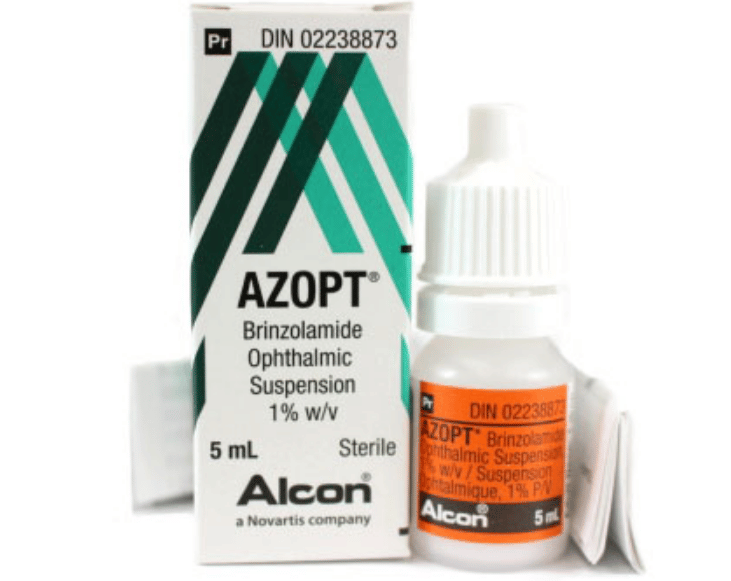
  • Combigan Side Effects: Common Reactions and Warning Signs

    Combigan Side Effects: Common Reactions and Warning Signs

    If you are looking for Side Effects of Combigan: A Practical Safety Guide, start here: most reactions are mild eye symptoms such as burning, redness, dryness, or temporary blurry vision. But Combigan can also cause body-wide effects because some of the medicine may be absorbed beyond the eye. That matters if you notice dizziness, unusual tiredness, slowed heart rate, breathing trouble, or an allergic reaction. Knowing what is expected, what is not, and when to get help can make long-term glaucoma treatment safer and easier to stay on.

    Combigan is a prescription eye drop used to lower eye pressure. It combines brimonidine and timolol, so its safety profile includes both local eye irritation and some whole-body effects linked to beta-blockers. Most people do not have severe problems, but certain health conditions and medication combinations raise the stakes.

    Key Takeaways

    • Most side effects are mild and eye-related.
    • Burning, redness, dryness, itching, and short-term blur are commonly reported.
    • Dizziness, drowsiness, fatigue, or a slow pulse deserve closer attention.
    • Asthma, severe COPD, and some heart conditions can raise risk.
    • Breathing trouble, fainting, swelling, or sudden vision changes need prompt care.

    Why Combigan Side Effects Can Reach Beyond the Eye

    Combigan side effects are not limited to the surface of the eye. The drop contains brimonidine, an alpha-2 agonist, and timolol, a beta-blocker, and a small amount can drain through the tear duct and enter the bloodstream. That is why a medicine placed in the eye can still affect energy level, heart rate, blood pressure, or breathing in some people.

    Why it matters: Eye drops can act locally and systemically at the same time.

    This mix of brimonidine and timolol side effects explains why the symptom list includes both eye irritation and body-wide effects. It does not mean serious problems are common. It means the list makes more sense once you know how the drop behaves. Brief stinging right after use is usually very different from chest tightness, wheezing, or near-fainting.

    If you are comparing eye-care topics more broadly, the Ophthalmology Hub offers wider background, while the Ophthalmology Options page shows the site’s eye-medication category.

    BorderFreeHealth connects eligible U.S. patients with licensed Canadian partner pharmacies.

    Common Reactions People Notice First

    The common side effects of Combigan are usually eye irritation and short-lived visual changes. Many people notice them soon after putting the drop in. These reactions can be annoying, but they are often manageable if they stay mild and brief.

    Eye-related effects

    Combigan eye drops side effects often start with burning or stinging. Some people also report redness, itching, dryness, tearing, a gritty feeling, or mild eyelid irritation. Temporary blurred vision can happen right after a dose, which is one reason it is smart to wait until sight clears before driving or using machinery.

    Not every irritating feeling means the drop has failed for you. A mild sting can happen because the eye surface is sensitive. The bigger concern is a trend: redness that builds, swelling that appears, or dryness that makes daily tasks harder. People who already have dry eye, allergies, or several preserved eye drops may notice this sooner.

    Whole-body effects

    Because Combigan includes timolol and brimonidine, some people feel drowsy, dizzy, tired, or a little lightheaded. Dry mouth can also occur. These symptoms do not always mean the medicine is unsafe, but they should be tracked. A pattern matters more than a single fleeting episode.

    Side effect What it may feel like When to mention it
    Burning or stinging Brief discomfort right after the drop If it becomes intense or does not settle
    Redness or itching Eye irritation or inflamed-looking eyes If swelling, discharge, or pain develops
    Dryness or tearing Scratchy eyes or excessive watering If daily comfort worsens over time
    Blurred vision Short-term hazy sight after use If blur lasts or vision drops suddenly
    Drowsiness or dizziness Sleepiness, fatigue, or feeling off-balance If it affects daily function or safety

    When common symptoms interfere with reading, driving, screen time, or comfort, bring that up rather than pushing through it. Glaucoma treatment often lasts a long time, so tolerability matters. Persistent irritation can reduce adherence even when the drop is doing its job.

    Warning Signs That Need Prompt Attention

    Serious side effects of Combigan are less common, but they matter because some reflect heart, lung, allergic, or severe eye reactions. The symptoms below are not typical mild irritation and should not be brushed off.

    • Breathing trouble, wheezing, or chest tightness
    • Very slow pulse, fainting, or marked weakness
    • Chest pain or severe dizziness
    • Swelling of the face, lips, or eyelids
    • Hives, widespread rash, or signs of an allergic reaction
    • Severe eye pain, major redness, or sudden vision change

    Systemic warning signs can be easy to misread. Fatigue may sound harmless, and dizziness may look like dehydration or stress. But if those symptoms begin after the drop is started, cluster after each dose, or come with a slower pulse, the medicine belongs on the short list of possible causes.

    A short sting after a drop is one thing. Ongoing pain, strong swelling, or a big change in vision is different. Those symptoms may signal a medication reaction, an eye-surface injury, or another eye problem that needs prompt review. If someone accidentally swallows the drop, especially a child or pet, overdose symptoms may include marked drowsiness, slowed heartbeat, breathing problems, or collapse and should be treated as urgent.

    When required, prescription details are verified with the prescriber before dispensing.

    Who May Need Extra Caution

    Some people have a higher chance of meaningful side effects because Combigan contains a beta-blocker. Extra caution is often needed in people with asthma, severe COPD, certain slow-heart-rate or heart-block conditions, low blood pressure, or a prior allergy to brimonidine, timolol, or similar ingredients. Very young children may also face higher risk from systemic absorption.

    That is the core of the question who should not use Combigan. In practice, people with reactive airway disease or certain conduction problems are often the group clinicians review most carefully, because even an ophthalmic beta-blocker can have body-wide effects. A full medication and condition list matters more than the bottle label alone.

    Other health issues can complicate the picture. Timolol can mask signs of low blood sugar, so people with diabetes may need careful counseling about non-heart-rate symptoms of hypoglycemia. Beta-blockers can also blunt some signs of overactive thyroid. If you already live with fatigue, dizziness, fainting spells, or depression, it helps to review whether a new symptom clearly started after the eye drop or may have another cause.

    Interactions matter too. Using other medicines that slow heart rate or lower blood pressure can increase the chance of dizziness, fatigue, or bradycardia (an unusually slow heartbeat). That may be more relevant if you also take oral beta-blockers such as Bisoprolol or Nadolol, or medicines like Clonidine. If beta-blocker effects are new territory, this Bystolic Overview, the page on Bystolic Side Effects, and this review of Atenolol Side Effects can help explain the class-level symptoms that sometimes overlap.

    One more point: do not stop a glaucoma medicine on your own just because it is irritating or confusing. Eye pressure can rise again. A medication review is a better next step than abrupt self-directed changes.

    Long-Term Questions, Interactions, and Alternatives

    Combigan long term side effects are usually better understood as ongoing tolerance issues rather than a separate delayed syndrome. The patterns clinicians watch for most often are persistent dry or irritated eyes, recurring blurry vision right after use, fatigue, dizziness, and cardiovascular effects such as a slowed pulse in susceptible people. Age, other medicines, and underlying heart or lung disease can shape how noticeable these effects become.

    Long-term use also changes the conversation from single symptoms to pattern recognition. Maybe the drop works well for pressure control, but afternoon fatigue slowly becomes routine. Maybe the eye pressure is better, yet the ocular surface feels worse after months of treatment. Those tradeoffs are important because good glaucoma care depends on a regimen you can keep using.

    Can it affect heart rate or other organs?

    The better-established concern is heart rate and breathing, not kidney injury. Searches about Combigan side effects heart rate reflect a real class concern because timolol can slow the pulse or contribute to lower blood pressure in some users. By contrast, kidney problems are not a hallmark side effect of this eye drop. Hair loss is also not one of the leading, well-known reactions. Still, any unexplained new symptom deserves review, especially when several medicines or medical conditions are in the mix.

    People also search for a glaucoma eye drop with the fewest side effects or a substitute for Combigan. There is no single winner for everyone. Another drop may improve comfort for one person yet create different tradeoffs for another. The best alternative depends on the diagnosis, target eye pressure, eye-surface sensitivity, dosing schedule, and heart or lung history. That is why alternatives are usually chosen by balancing safety, comfort, and pressure control rather than chasing a universal low-side-effect option.

    Cash-pay cross-border options may be available for some patients without insurance, depending on eligibility and jurisdiction.

    Practical Steps If Side Effects Show Up

    If side effects appear, the most useful first step is to sort them into three buckets: expected and mild, persistent and disruptive, or urgent. That keeps minor irritation from becoming panic, and it helps serious symptoms stand out faster.

    Quick tip: After each dose, gently close the eye and press the inner corner for one to two minutes to limit drainage.

    1. Track timing and pattern: note when symptoms start and how long they last.
    2. Protect activities: wait for vision to clear before driving or machine use.
    3. Review every medicine: include pills, inhalers, and other eye drops.
    4. Check the technique: avoid touching the bottle tip to the eye.
    5. Separate mild from urgent: brief sting differs from wheezing or fainting.
    6. Bring specifics to visits: a symptom diary makes decisions easier.

    Bring the bottle or a photo of the label to appointments. It also helps to note whether symptoms happen in one eye or both, whether they appear minutes or hours after dosing, and whether they improved when another medicine changed. Concrete details make it easier to separate medication effects from infection, dry eye disease, or the condition being treated.

    If you use more than one eye drop, ask how to space them so one does not wash out the other. If irritation is ongoing, ask whether the issue is the medicine itself, the preservative, the drop technique, or the underlying eye condition. That conversation is often more productive than simply labeling everything as a side effect.

    Further reading helps, but a focused medication review helps more when symptoms are changing. The goal is not to be fearless about side effects. It is to know which ones are common, which ones deserve follow-up, and which ones need prompt care.

    Authoritative Sources

    Most people experience Combigan side effects as eye irritation or short-lived blur, but the drop’s beta-blocker component means body-wide symptoms can matter too. Knowing your own risk factors, watching for breathing or heart-related warning signs, and speaking up early about persistent discomfort can protect both daily function and long-term adherence.

    This content is for informational purposes only and is not a substitute for professional medical advice.

  • What Is Glaucoma? Signs, Causes, Types, and Care

    What Is Glaucoma? Signs, Causes, Types, and Care

    What is glaucoma? Glaucoma is a group of eye diseases that damage the optic nerve, often gradually and sometimes without obvious early symptoms. It matters because the damage is usually permanent, but early diagnosis and treatment can often slow more vision loss.

    Most people hear glaucoma described as an eye pressure problem. Pressure is important, but it is not the whole story. Some people develop glaucoma with high pressure, while others develop normal-tension glaucoma despite readings that are not clearly elevated. The condition also includes several types, and one form, acute angle-closure glaucoma, can cause sudden severe symptoms and needs urgent care.

    Key Takeaways

    • Glaucoma damages the optic nerve and can slowly reduce vision.
    • Early open-angle glaucoma often causes no noticeable symptoms.
    • High eye pressure is a major risk factor, but not the only one.
    • Treatment aims to protect remaining vision, not restore lost nerve damage.
    • Sudden eye pain, halos, nausea, or fast vision changes need urgent care.

    What Is Glaucoma and Why Does It Threaten Vision?

    Glaucoma is best understood as progressive optic neuropathy (damage to the nerve that carries visual signals from the eye to the brain). When that nerve is injured, the brain receives less visual information, and blind spots can develop. The loss often starts in peripheral vision, so people may not notice a problem until the disease is more advanced.

    Inside the eye, a clear fluid called aqueous humor is constantly produced and drained. If drainage is impaired or the optic nerve is especially vulnerable, the pressure inside the eye, called intraocular pressure, may rise enough to harm the nerve. Still, glaucoma is not defined by pressure alone. That is why a normal pressure reading does not fully rule it out, and a high reading does not automatically mean a person already has glaucoma.

    Glaucoma stages are usually described as early, moderate, or advanced based on optic nerve and visual field damage, not on how the eye looks from the outside. Early disease may leave central vision intact, while advanced disease can narrow the visual field and affect reading, mobility, and driving.

    Why it matters: Lost vision from glaucoma is often permanent, so timing changes the outcome.

    Another common question is whether glaucoma can be cured. In most cases, no. Existing optic nerve damage usually cannot be reversed. The goal of care is to protect the vision that remains, lower the chance of progression, and monitor changes over time.

    Signs and Symptoms That Need Attention

    Many people with the most common form, open-angle glaucoma, have no symptoms early on. That is why regular eye exams matter, especially when risk is higher. By the time noticeable changes appear, some vision may already be lost.

    There is no single official 8-sign checklist, but these are common glaucoma warning signs across different types and stages:

    • Gradual loss of side vision
    • Patchy blind spots
    • Tunnel vision in later disease
    • Sudden blurred vision
    • Halos around lights
    • Eye pain or pressure
    • Redness in one eye
    • Headache, nausea, or vomiting with vision change

    Not every person gets the same symptoms. Open-angle disease often progresses quietly. Angle-closure disease can appear suddenly and feel dramatic. Normal-tension glaucoma may also be subtle, with few symptoms until testing finds damage. In infants and young children, excessive tearing, light sensitivity, or a cloudy-looking cornea can be clues to childhood forms.

    When symptoms may be an emergency

    Severe eye pain, a red eye, halos around lights, nausea, vomiting, and rapid blurry vision can point to acute angle-closure glaucoma. This can raise pressure quickly and threatens sight. Same-day emergency evaluation is important.

    Why early signs are easy to miss

    Your brain is good at compensating for slow, uneven vision changes. One eye may also cover for the other. That is why saying you can still see fine does not reliably rule out glaucoma.

    Common Types of Glaucoma

    Glaucoma is not one single condition. The type helps explain how symptoms start, how urgently it needs attention, and how clinicians think about treatment.

    Type Typical pattern Why it matters
    Primary open-angle glaucoma Slow, often silent progression Most common adult form; routine exams are crucial
    Angle-closure glaucoma May be sudden or slowly developing A sudden attack is an emergency
    Normal-tension glaucoma Optic nerve damage despite pressure not clearly high Shows that pressure is not the whole story
    Secondary glaucoma Linked to another eye or health problem The cause can shape treatment choices
    Congenital or childhood glaucoma Begins early in life Needs prompt specialist evaluation

    Primary open-angle glaucoma is the type many adults hear about first. It usually develops slowly and silently. Angle-closure glaucoma is less common but more dramatic when it occurs suddenly. Secondary glaucoma means another issue, such as inflammation, injury, or medication effects, contributes to the problem.

    Some people also hear about chronic angle-closure glaucoma. Unlike an acute attack, it may develop more slowly, but the drainage angle is still crowded or blocked. That is why an eye exam that looks at the angle directly is important.

    Congenital glaucoma is rare and involves abnormal eye drainage present at birth or early in childhood. It is a different situation from typical adult glaucoma and needs specialist care.

    What Causes It and Who Is at Higher Risk?

    The main cause of glaucoma is not one single trigger. In many people, the problem involves reduced drainage of eye fluid, rising intraocular pressure, and gradual optic nerve injury. In others, blood flow, nerve sensitivity, anatomy, or another eye condition may also play a role.

    Risk tends to rise with a mix of factors, not just one. Commonly discussed risk factors include:

    • Older age
    • Family history of glaucoma
    • Higher eye pressure
    • Long-term corticosteroid use
    • Diabetes or other health conditions
    • Prior eye injury or eye surgery
    • Severe nearsightedness or farsightedness
    • Certain racial or ethnic backgrounds

    A clinician may also look at corneal thickness, optic nerve appearance, and the shape of the drainage angle. These details help explain why two people with similar pressure readings can have different risk. Risk patterns also vary across populations, so family history and ancestry can influence who needs closer follow-up.

    Angle-closure glaucoma has a different mechanical setup. A naturally narrow drainage angle can become blocked more easily, which is why anatomy matters. In susceptible people, certain medicines that widen the pupil or shift eye structures may be discussed as possible triggers, but that risk depends on the person and the type of glaucoma.

    Because early open-angle glaucoma can be silent, glaucoma screening usually means regular comprehensive eye exams rather than waiting for symptoms. The best interval depends on age, family history, previous findings, and whether high pressure or optic nerve changes have already been seen.

    Ocular Hypertension vs Glaucoma

    Ocular hypertension means eye pressure is higher than expected, but there is no clear evidence of optic nerve damage or vision loss yet. Glaucoma means the nerve or visual field already shows damage. The distinction matters because not everyone with ocular hypertension will develop glaucoma, but the risk can be high enough to justify closer monitoring or treatment.

    How Glaucoma Is Diagnosed, Treated, and Monitored

    Glaucoma is diagnosed with a comprehensive eye exam, not one test alone. Clinicians often combine pressure measurement, a dilated optic nerve exam, visual field testing, and imaging such as optical coherence tomography, or OCT, which maps the nerve fiber layer. Gonioscopy, a close look at the drainage angle, helps identify whether the angle is open or narrow.

    Glaucoma treatment usually aims to lower eye pressure and slow progression. Depending on the type and severity, care may include prescription eye drops, laser procedures, surgery, or a combination. The right plan depends on how advanced the disease is, how fast it seems to be changing, and how well a person can stay consistent with treatment.

    What treatment is trying to do

    Eye drops may reduce fluid production or improve drainage. Laser treatment may help fluid leave the eye more effectively or reduce fluid made inside the eye, depending on the situation. Surgery is considered when the nerve is at risk, pressure goals are not met, or the disease continues to progress despite other measures.

    Follow-up matters because glaucoma stages are defined by the amount of optic nerve and visual field damage, and those changes can be gradual. A person may feel stable even while tests show progression. Many people retain useful vision for years when the condition is found early and followed closely, but that usually requires ongoing monitoring rather than a one-time fix.

    Daily treatment can be hard to sustain, especially when symptoms are absent. Dryness, redness, cost, hand dexterity, and confusion about timing can all get in the way. Raising those barriers early can help the care team adjust the plan before adherence slips.

    Quick tip: Bring a current medication list, including steroids and eye drops, to every eye visit.

    • Ask what type you have
    • Ask whether vision loss is present
    • Ask which tests will track change
    • Ask how often follow-up matters
    • Ask what side effects to report
    • Ask which symptoms need urgent review

    When required, the dispensing pharmacy may confirm prescription details with the original prescriber.

    Living With Glaucoma and Related Questions

    Living with glaucoma often means building habits around drops, appointments, and routine testing. That can feel frustrating because glaucoma may not cause daily symptoms, yet the condition still needs attention. A refill plan, reminder system, and clear understanding of your follow-up schedule can make long-term care easier to sustain.

    People also ask whether certain foods trigger glaucoma or whether diet can fix it. There is no single food known to cause glaucoma in everyone, and diet is not a substitute for treatment. A generally healthy eating pattern supports overall health, but glaucoma management still depends on monitoring and pressure control. If supplements, caffeine, or other habits are a concern, they are best discussed in the context of the specific glaucoma type and the rest of a person’s health history.

    Daily life considerations can include lighting, contrast, fall prevention, and asking whether driving is still safe if visual field loss has progressed. Some people also benefit from low-vision services, especially when glaucoma is advanced. These supports do not treat the disease, but they can help preserve independence.

    Glaucoma vs Cataracts

    These conditions both affect vision, but they are not the same. Cataracts cloud the eye’s natural lens and often cause blurry or dim vision that can usually be treated with surgery. Glaucoma damages the optic nerve. The vision loss from glaucoma is often permanent, which is why early detection matters so much.

    For broader eye-health reading, visit our Ophthalmology hub. If you are reviewing prescribed eye therapies, the Ophthalmology Products section groups eye-care products by category.

    BorderFreeHealth works with licensed Canadian partner pharmacies for eligible U.S. patients.

    Further reading can help, but glaucoma care still depends on individual findings such as eye pressure, optic nerve changes, visual field results, and symptom pattern. If the diagnosis is new, the most useful next step is often understanding the type of glaucoma involved, the goal of treatment, and which warning symptoms should never wait.

    Authoritative Sources

    Glaucoma can be quiet, but it is not harmless. Knowing the type, the warning signs, and the purpose of treatment can make follow-up feel less overwhelming.

    This content is for informational purposes only and is not a substitute for professional medical advice.

  • Why Is Azopt So Expensive: A Patient’s Guide to Pricing

    Why Is Azopt So Expensive: A Patient’s Guide to Pricing

    Many patients ask why is azopt so expensive when they refill eye drops. Price pressure feels unfair, especially with chronic glaucoma care. This guide explains the cost drivers, clinical basics, safety issues, and practical alternatives so you can discuss options confidently with your clinician.

    Key Takeaways

    • Cost drivers: small market, complex sterile manufacturing, and rebates
    • Active drug: brinzolamide 1% carbonic anhydrase inhibitor (enzyme blocker)
    • Generics and alternatives: availability varies by region and supply
    • Safety notes: sulfonamide allergy risk, contact lens precautions
    • Work with your clinician: step therapy, combinations, and tier exceptions

    Why Is Azopt So Expensive: Cost Drivers Patients Face

    Several forces keep prices elevated. First, brinzolamide eye drops serve a specific population, so volumes remain modest. Small markets mean fewer competitors and less pricing pressure. Second, sterile ophthalmic suspensions require specialized facilities, rigorous quality controls, and ongoing sterility testing. Those inputs raise per-unit costs.

    Market dynamics matter too. Formularies, pharmacy benefit manager rebates, and tiering can push copays higher. When fewer AB-rated generics are widely distributed, brands hold leverage. Alcon, the original azopt eye drops manufacturer, also invests in stability data, pharmacovigilance, and supply chain safeguards. These real costs, plus distribution markups, roll into the final price patients see at the counter.

    For label-backed information on formulation and use, the U.S. reference remains helpful. You can review the FDA-approved product information via the DailyMed listing to confirm key safety points and ingredients (the U.S. label).

    What Azopt Does: Uses, Mechanism, and Composition

    Azopt is a brand name for brinzolamide, a carbonic anhydrase inhibitor (enzyme blocker) used to lower intraocular pressure (IOP). Lowering IOP helps slow optic nerve damage in open-angle glaucoma and ocular hypertension. Clinicians may use it alone or with other drug classes such as beta-blockers or prostaglandin analogs. In practice, brinzolamide is often chosen when patients need an adjunctive drop to reach target pressure.

    The suspension contains brinzolamide 1% with a preservative and other inactive ingredients that stabilize pH and viscosity. Patients who wear soft contact lenses should note preservatives can bind lenses. Removing lenses before dosing and waiting to reinsert helps reduce irritation. If sensitivity continues, asking about preservative-free options or different classes can be helpful.

    How It Works (Mechanism of Action)

    Brinzolamide reduces aqueous humor production by inhibiting carbonic anhydrase II in the ciliary processes. Less aqueous humor means lower fluid inflow to the anterior chamber, thereby reducing IOP. This mechanism targets production rather than outflow, so many clinicians pair it with agents that increase drainage, like prostaglandin analogs. Patients comparing brinzolamide eye drops to other agents should look at both pressure reduction and tolerability in real-world use. For a reliable overview of ocular drug classes and clinical role, see the American Academy of Ophthalmology’s glaucoma medication guidance (AAO guidance).

    Because Azopt is a suspension, shake the bottle gently before use. Even dispersion helps deliver consistent dosing. If vision blurs temporarily after instillation, avoid driving until it clears.

    Brand, Generic, and Alternatives

    Many patients ask whether an azopt generic is available and reliably stocked. Availability can vary by country, distributor, and time. Even when a generic exists, pharmacies may face intermittent supply or insurance formulary restrictions. When cost is a concern, clinicians sometimes shift patients to another drug class or a fixed combination that reduces bottle count.

    To compare the reference brand with current formulation details, see Azopt Ophthalmic Suspension for label references and ingredients. Some patients do well on prostaglandin/beta-blocker fixed combos; for combination therapy perspectives, see Latanoprost Timolol Solution for cross-class comparisons and practical combinations. Others may benefit from a carbonic anhydrase inhibitor plus beta-blocker; for a paired option, see Dorzolamide Timolol Solution for combination therapy comparisons and practical dosing ranges.

    When CAI drops are not tolerated, alpha-agonists or beta-blockers may help. If you want to understand an alpha-agonist alternative’s positioning, see Alphagan Z Ophthalmic 0.1% for context on side effects and use cases. If your plan prefers timolol-based drops, see Timol Eye Drops for a beta-blocker option frequently paired with other agents. For a broader patient-oriented overview, you can also read Azopt Eye Drops Guide for plain-language background and practical checklists.

    Dosing And Administration Basics

    Labeling outlines typical schedules and instillation technique. Discuss timing with your clinician, especially if you take multiple eye drops. Space drops by at least several minutes to reduce washout. If you use ointments, apply them last so they do not block earlier medications. Store the bottle as directed and avoid touching the dropper tip.

    Clinicians consider patient routines, pressure targets, and tolerance when selecting brinzolamide dosage frequency. Evidence may support different schedules depending on whether it is monotherapy or an add-on. Because adherence drives IOP control, ask for a plan that fits your day. Review any device aids, such as droppers or timers, if dexterity, vision, or memory makes dosing difficult.

    For detailed label parameters and ingredient notes, you can check the NIH-maintained listing for ophthalmic products (NIH drug references) to cross-verify storage and administration basics.

    Drug and Device Interactions

    Most clinically relevant interactions relate to additive carbonic anhydrase effects. Using oral CAIs alongside topical brinzolamide can increase systemic exposure. High-dose salicylates and certain acid-base disorders warrant caution. Patients with severe renal impairment need individualized assessment because carbonic anhydrase inhibitors can alter acid-base balance. Always share a complete medication list with your eye care team.

    Contact lens wearers should watch for preservative-related irritation. Benzalkonium chloride can bind soft lenses and reduce comfort. Remove lenses before dosing and wait an interval before reinsertion, per label directions. If symptoms persist, discuss preservative-free alternatives or a different class. For day-to-day safety planning, clinicians consider azopt interactions when building combination regimens that include beta-blockers, prostaglandins, or alpha-agonists.

    Side Effects, Warnings, and Allergies

    Typical reactions include transient blurred vision, eye discomfort, and a bitter or metallic taste. These usually fade as you continue therapy, though not always. Rarely, systemic sulfonamide-type reactions can occur because brinzolamide is a sulfonamide derivative. Seek care for rashes, breathing difficulty, or marked fatigue. If you have a prior sulfonamide allergy, alert your prescriber before starting. A careful risk–benefit conversation can reduce surprises later.

    Patients often ask about azopt eye drops side effects when comparing options. Taste disturbance (dysgeusia) and temporary blurred vision are common. Conjunctival hyperemia and tearing may appear. To cross-check common reactions and precautions, see the government-curated MedlinePlus overview, which summarizes label information in patient-friendly terms (MedlinePlus overview). Report unusual or persistent effects to your clinician, especially if symptoms disrupt adherence or daily tasks.

    Special Situations: Pregnancy, Breastfeeding, and Pediatrics

    Evidence in pregnancy is limited, and systemic absorption from topical dosing is small but not zero. If therapy is essential, clinicians weigh maternal benefit against potential risks. Techniques like punctal occlusion (gentle pressure at tear duct) can help reduce systemic exposure after instillation. For breastfeeding, transfer into milk is not well defined. Decisions should factor infant health, dosing schedule, and availability of alternatives.

    Families and caregivers often seek practical guidance on azopt pregnancy and breastfeeding safety. A collaborative plan can balance IOP control with developmental considerations. Pediatric use is specialized and may involve off-label decisions guided by subspecialists. When questions arise, ask your ophthalmologist to coordinate with obstetrics or pediatrics so dosing, monitoring, and substitution plans align across teams.

    Comparisons and Combinations

    Brinzolamide and dorzolamide share a mechanism and class but differ in formulation and comfort for some users. A small subset reports less stinging with one suspension over another solution. Real-world response can vary, so clinicians often try the better-covered option first. If target pressures are not reached, a switch or add-on is considered. Fixed combinations can also simplify regimens, reducing bottle burden and exposure to preservatives.

    When a beta-blocker is preferred in combinations, your clinician may suggest timolol-containing regimens. For practical comparisons and dosing perspectives, see Dorzolamide Timolol Solution for dual-mechanism context and real-world use. If a prostaglandin plus beta-blocker fits better, see Latanoprost Timolol Solution to understand how two pathways complement CAIs. If you need a timolol-only option to pair separately, see Timol Eye Drops for beta-blocker background and pairing strategies.

    Access and Practical Cost Tips

    Cost relief usually requires a mix of clinical and administrative steps. Ask your clinician about formulary tiers, step therapy rules, and whether a tier exception could apply. Documented intolerance or treatment failure on a covered alternative sometimes helps. Pharmacy staff can check stock and pricing variability across local locations. Patient assistance programs and coupon programs may help some, though eligibility varies.

    Consider whether a single fixed combination could replace two bottles and reduce copays. If preservatives cause irritation, discuss alternatives that may improve comfort and adherence. Steady use supports IOP control, which protects long-term vision. For a concise plain-language overview that you can share at appointments, see Azopt Eye Drops Guide for patient-friendly summaries and checklists.

    Recap

    Azopt is a branded brinzolamide suspension used to lower intraocular pressure. Prices remain high because of small-market dynamics, sterile manufacturing, and formulary factors. Patients can still find relief by discussing coverage rules, acceptable substitutions, and fixed combinations. When symptoms limit use, ask about alternative classes or preservative differences that may improve comfort. Document responses and share them with your care team.

    Choosing among classes is less about brand loyalty and more about safe, consistent pressure control. Use clinical terms as reference points, but translate them into day-to-day routines you can follow. With aligned goals, patients and clinicians can balance cost, comfort, and effectiveness over time.

    Note: Always follow the label and your clinician’s instructions for use and monitoring.

    This content is for informational purposes only and is not a substitute for professional medical advice.