Category: Men’s Health

This hub gathers Men’s health resources for patients, caregivers, and supporters. It covers common concerns, plain-language definitions, and practical next steps. People often start here when symptoms feel unclear or stressful. The content also helps track questions for a clinician visit. Many visitors use it alongside lab work or screening reminders. Ships from Canada to US is available for eligible prescriptions.

The Men’s Health category also supports browsing related pages on prevention, mental wellbeing, and sexual health. It aims to reduce confusion, not replace clinical care. Use it to compare topics and learn the terms used in appointments. The goal is clearer conversations and fewer missed details.

We work with licensed Canadian partner pharmacies for dispensing.

Men’s health resources

Use this section to scan men’s wellness themes across the lifespan. Topics can include prostate health, urinary symptoms, erectile dysfunction (ED) information, and testosterone concerns. It also covers men’s heart health, sleep health, and stress management. Some pages explain screening language and common lab abbreviations. Others focus on routines that support weight management for men.

Many households manage care for more than one person. For related browsing, see Women’s Health and Women’s Health Products. Those hubs can help when partners share appointments and records. They also support caregivers who coordinate several prescriptions.

What You’ll Find in This Category

This category brings together education and navigation for men’s preventive care. It can support men’s health screening guidelines, lifestyle planning, and symptom tracking. Many pages explain risk factors in plain language. Others focus on men’s nutrition, men’s fitness, and sleep habits. Some content addresses hair loss in men and men’s skincare. You may also see overviews of men’s mental health and burnout signs.

Men’s health resources here may also connect to condition hubs and related family health topics. For example, a household caregiver may also review Menopausal Symptoms while coordinating care across ages. That cross-topic view can reduce missed appointments and duplicated paperwork.

Why it matters: Clear terms can lower stress during time-sensitive care decisions.

How to Choose

People use Men’s health resources best when they start with one clear goal. That goal might be understanding symptoms, preparing for screening, or learning medication terms. A focused path makes the information easier to apply. It also helps clinicians answer questions faster during short visits.

Start with the decision in front of you

  • Clarify the main concern, such as urinary health or sexual function changes.
  • Note timing, triggers, and any recent health or medication changes.
  • List existing diagnoses, including hypertension, diabetes, or sleep apnea.
  • Check whether the topic involves screening, symptoms, or treatment discussions.
  • Identify relevant labs, like lipids, A1C, or testosterone panels.
  • Consider mental health factors, including stress, alcohol use, and sleep quality.
  • Plan questions for a clinician, especially about risks and follow-up steps.
  • Track practical needs, like refills, documentation, and travel timing.

Look for pages that define clinical terms once, then use plain language. ED often appears alongside cardiovascular risk discussions. Low testosterone may be described as hypogonadism (reduced testosterone production). Fertility topics may mention semen analysis (a lab test of sperm count and motility). When a page mentions guidelines, confirm which group issued them. Recommendations can differ by age, risk, and values.

Safety and Use Notes

Men’s health resources should support safer conversations, not self-treatment. Many men’s health topics overlap with heart and metabolic conditions. Symptoms like chest pain, sudden weakness, or severe shortness of breath need urgent care. Sexual health concerns can also relate to blood pressure and medication effects. Screening guidance should be read in context, not as a rule for every person.

For guideline context, see this neutral summary from the U.S. Preventive Services Task Force. For infection basics and prevention topics, review updates from the CDC STI information pages. These sources help explain how evidence and risk levels shape recommendations.

Common safety themes across men’s health topics

  • Share a full medication list, including supplements and nonprescription products.
  • Ask about interactions, especially with nitrates and certain heart medicines.
  • Review alcohol and recreational drug use, since effects can compound.
  • Report mood changes, insomnia, or agitation when starting new therapies.
  • Confirm the plan for monitoring labs and follow-up visits.

When a prescription is needed, we verify it with the prescriber.

Quick tip: Keep an updated medication list for visits and refill requests.

Access and Prescription Requirements

Men’s health resources also explain how access works on a cross-border pharmacy platform. Some items require a valid prescription, while others may not. Requirements depend on the medication and local rules. When an Rx item is listed, expect standard identification and prescription details. Clear documentation helps avoid delays and prevents mismatched directions.

What to expect for prescription items

  • Prescription details must match the prescriber’s records and patient information.
  • Dispensing follows applicable pharmacy standards and product labeling.
  • Refill timing depends on prescriber authorization and supply limits.
  • Some products may need added screening questions for safety checks.

Cash-pay access may help for people without insurance.

Some visitors also browse reproductive health prescriptions while supporting partners. Examples on the site include Mirena, Yaz, Yasmin, Orilissa, and Myfembree. These pages provide medication-specific requirements and labeling context. They are not substitutes for a clinician’s assessment. Use them for administrative clarity and informed questions.

This content is for informational purposes only and is not a substitute for professional medical advice.

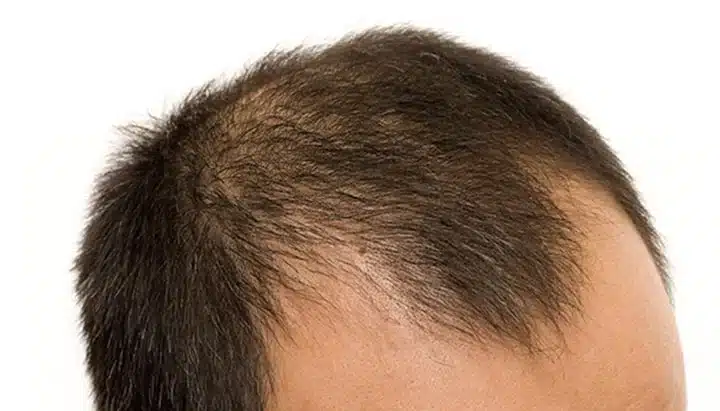
  • Male Pattern Baldness: Genetics, Stages, and Treatment

    Male Pattern Baldness: Genetics, Stages, and Treatment

    Male pattern baldness is hereditary, hormone-linked hair thinning that usually starts at the temples, crown, or both. It can begin any time after puberty, often progresses slowly, and may respond better when addressed early. The key is to confirm the pattern, rule out other causes, and choose a realistic plan you can maintain.

    Hair loss can feel deeply personal. It can affect confidence, identity, dating, work, and how comfortable you feel in photos. Understanding what is happening gives you more control, even when the condition cannot be fully reversed.

    Key Takeaways

    • Genes and hormones drive most cases.
    • Early signs often appear at the temples or crown.
    • Treatment may slow loss or improve density.
    • Natural steps support hair health but rarely replace therapy.
    • Sudden, painful, or patchy loss needs medical review.

    What Male Pattern Baldness Means

    Male pattern baldness is the common name for androgenetic alopecia, a hereditary form of patterned hair loss. In men, it often causes a receding hairline, thinning at the crown, or a larger area where both changes meet.

    The process happens inside the follicle. Follicles in certain scalp areas become sensitive to androgens, especially dihydrotestosterone, usually called DHT. Over time, susceptible follicles spend less time in the growth phase. New hairs become shorter, finer, and less visible. This is called miniaturization.

    That distinction matters. A person may still have follicles in a thinning area, but the hairs may be too fine to create coverage. This is one reason treatment aims to slow miniaturization, support active growth, or preserve remaining density rather than simply “wake up” completely inactive follicles.

    Male pattern baldness is common, but it is not the only explanation for hair loss. Thyroid disease, iron deficiency, certain medicines, severe stress, scalp inflammation, autoimmune alopecia, and infections can also cause shedding or thinning. Pattern, speed, symptoms, and scalp appearance help clinicians decide what is most likely.

    Why it matters: A typical pattern can often be managed differently than sudden shedding or scarring hair loss.

    Early Signs, Stages, and How to Track Change

    Early male pattern baldness usually shows as temple recession, crown thinning, or a hairline that looks less dense in bright light. Some men first notice more scalp after a haircut, wet hair, or overhead lighting.

    Shedding can be confusing. Everyone sheds hairs daily, and short-term shedding does not always mean permanent loss. What matters more is a consistent pattern over months. Look for repeated changes in the same areas rather than one stressful week of extra hair in the shower.

    Clinicians often describe male pattern baldness stages with the Norwood scale. It is a visual staging system, not a perfect prediction tool. Stage 2 often reflects a more mature hairline. Stage 3 usually shows deeper recession at the temples. Crown thinning may appear separately or alongside frontal loss. More advanced stages involve larger connected areas of thinning.

    You do not need to memorize every stage to take useful action. A simple tracking routine can help you prepare for a dermatology visit or compare changes over time.

    • Same lighting: Use bright, consistent light.
    • Same angles: Capture hairline, temples, crown, and part line.
    • Dry hair: Wet hair can exaggerate scalp show.
    • Monthly timing: Avoid checking daily.
    • Symptom notes: Record itching, scaling, pain, or sudden shedding.

    People searching for signs of balding at 20 or losing hair at 25 male often worry that any recession means rapid future loss. Age can influence concern, but it does not predict the exact course. Some men progress quickly. Others plateau for years. Family history, stage, scalp health, and treatment consistency all influence the picture.

    Seek medical evaluation sooner if hair loss is patchy, painful, sudden, associated with redness or scale, or follows a major illness or medication change. These patterns may point away from androgenetic alopecia and toward conditions that need different care.

    Genetics, DHT, and the Mother-or-Father Question

    Male pattern baldness genetics involve many genes from both sides of the family. The common idea that baldness comes only from the mother’s side is too simple.

    Some inherited risk is linked to androgen receptor biology, which is why people ask whether male pattern baldness is X linked. The X chromosome can contribute, but it is not the whole story. Many genetic regions appear to influence risk, timing, and pattern. Both parents can pass on variants that matter.

    DHT also plays a central role. Testosterone can be converted into DHT by an enzyme called 5-alpha-reductase. In genetically susceptible follicles, DHT signaling can shorten the growth phase and increase miniaturization. This does not mean testosterone levels are necessarily “too high.” Often, follicle sensitivity matters more than hormone level alone.

    Family history still helps. If several close relatives developed early crown thinning or a receding hairline, your risk may be higher. But family history is not destiny. Two brothers can have different patterns. A father with a full head of hair does not guarantee the same outcome for a son.

    Other factors can make thinning look worse or speed visible change. These include scalp inflammation, smoking, crash dieting, low protein intake, iron deficiency, major stress, and harsh hair practices. Addressing these factors may improve overall hair quality, but it usually does not remove the inherited driver.

    Treatment Options and Decision Factors

    Male pattern baldness treatment usually focuses on slowing progression, improving visible density, or supporting hair that remains. The best option depends on the stage, goals, medical history, tolerance for side effects, and whether the plan is realistic long term.

    Topical minoxidil

    Topical minoxidil is a widely used non-prescription treatment for hereditary hair loss. It may help prolong the growth phase and support thicker-looking hair over time. It does not address DHT directly, so some people use it as part of a broader plan after discussing options with a clinician.

    Application consistency matters. Stopping a helpful treatment can lead to loss of maintained gains. Scalp irritation can happen for some users, especially with certain formulations. If irritation, rash, dizziness, or unexpected symptoms occur, seek medical guidance.

    For readers comparing topical formats, Rogaine Solution provides product-specific context for a minoxidil option. Some readers also look at preparation ingredients; Minoxidil Powder Micronized is relevant when researching compounding-related materials rather than ready-to-use routines.

    Prescription 5-alpha-reductase inhibitors

    Finasteride is a prescription 5-alpha-reductase inhibitor. It lowers DHT activity and may help some men slow patterned hair loss. It is not appropriate for everyone, and it has important safety considerations, including sexual side effects in some users and pregnancy-related handling precautions for certain forms.

    If you are researching male pattern baldness medication, review prescription options with a qualified clinician. Ask about your pattern, expected monitoring, side effects, fertility concerns if relevant, and what to do if symptoms occur. Do not start, stop, or change prescription medicine based only on general reading.

    For product-specific navigation, Finasteride, Propecia, and Finpecia 1mg can help readers compare labeled product pages and terminology. Where prescription access is involved, BorderFreeHealth connects U.S. patients with licensed Canadian partner pharmacies, and prescription details may be verified with the prescriber when required before dispensing.

    Procedures and devices

    Low-level light devices, platelet-rich plasma, and hair transplant surgery may be considered in selected cases. These options vary in cost, evidence strength, access, and maintenance needs. A transplant can move hair into thinning areas, but it does not stop ongoing genetic hair loss in untreated follicles.

    Procedures require realistic planning. Ask whether your donor area is strong enough, whether medication might help preserve native hair, and how future thinning could affect the result. A conservative clinician should discuss limitations as clearly as benefits.

    Can Male Pattern Baldness Be Stopped or Reversed?

    Male pattern baldness can sometimes be slowed, and some people see improved thickness with treatment. Complete reversal is less predictable, especially when follicles have been miniaturized for a long time.

    The phrase “reverse balding naturally” is popular, but it can set unrealistic expectations. Natural measures may support scalp and hair fiber health. They generally do not block the inherited DHT-sensitive pathway strongly enough to replace evidence-based treatment in established androgenetic alopecia.

    Still, the basics matter. A practical routine can reduce breakage, improve scalp comfort, and make thinning easier to monitor.

    • Gentle cleansing: Treat oil and flakes without harsh scrubbing.
    • Protein adequacy: Support normal hair production when intake is low.
    • Iron and zinc: Correct deficiencies only with appropriate testing.
    • Sleep consistency: Reduce stress-related shedding triggers.
    • Heat limits: Avoid frequent high-heat styling.
    • Scalp symptoms: Address itching, scale, or inflammation early.

    Supplements deserve caution. More is not always better, and excess intake of some nutrients can cause harm. Botanicals such as saw palmetto are marketed for hair, but evidence is mixed and interactions are possible. Discuss supplements if you take medicines, have liver disease, or are planning surgery.

    Quick tip: Use photos, not daily mirror checks, to judge gradual change.

    How It Compares With Other Hair Loss Conditions

    Patterned hair loss usually develops gradually and follows a recognizable distribution. Other conditions can look different and may require faster medical attention.

    Alopecia areata often causes round or oval patches. Telogen effluvium usually causes diffuse shedding after a trigger such as illness, major stress, childbirth, or a medication change. Scarring alopecias may cause burning, tenderness, scale, pustules, or shiny areas where follicles are lost. These need prompt evaluation because some can cause permanent loss.

    Central centrifugal cicatricial alopecia, often shortened to CCCA, is a scarring form of hair loss that has a different pattern and treatment approach. For a related research discussion, see CCCA Hair Loss Research. It is not the same condition as male pattern baldness, but the contrast shows why accurate diagnosis matters.

    Hair changes can also overlap with hormone-related conditions in other populations. For example, What Is Hirsutism explains excess hair growth in a different clinical context. Hair loss and hair growth concerns may both involve hormones, but they are evaluated differently.

    If you want broader browsing by topic, the Dermatology category groups skin and hair education, while Men’s Health includes related wellness topics. Product category pages such as Dermatology Products can help with navigation, but they should not replace medical evaluation.

    What to Discuss With a Clinician

    A focused visit can clarify whether the pattern fits androgenetic alopecia and whether testing is needed. Bring photos if possible. Mention family history, timing, scalp symptoms, major stressors, medications, supplements, and recent illnesses.

    Useful questions include what diagnosis is most likely, whether the scalp shows inflammation, and which treatments fit your goals. Ask what side effects should prompt a call, how progress will be judged, and what expectations are realistic for your stage.

    A clinician may examine the scalp, perform a pull test, use magnification, or order labs if the story suggests another cause. Tests are not always needed for classic male pattern baldness, but they can be useful when shedding is diffuse, sudden, or accompanied by fatigue, weight changes, or other symptoms.

    Emotional support also counts. Hair loss can affect mood and social confidence. If distress feels persistent, therapy, peer support, or a trusted barber or stylist can help you adapt while medical decisions unfold. Choosing a shorter style, changing product use, or using cosmetic fibers may improve appearance without changing the underlying biology.

    Authoritative Sources

    For a plain-language medical encyclopedia summary, see the MedlinePlus male pattern baldness entry. It explains the typical pattern, genetic links, and general treatment categories.

    For hereditary and genetic context, review the MedlinePlus Genetics androgenetic alopecia page. It describes why inheritance is more complex than one parent’s side.

    For broader hair loss symptoms and causes, the Mayo Clinic hair loss overview outlines common patterns and when other causes may be involved.

    Recap

    Male pattern baldness is common, genetic, and often gradual. It usually reflects follicle sensitivity to androgen signaling rather than poor hygiene or a personal failing. Early recognition can help you compare options before more density is lost.

    Treatment choices range from topical products and prescription medication to devices or procedures. Natural habits can support scalp health, but they rarely reverse the inherited process on their own. If the pattern is sudden, patchy, painful, scaly, or emotionally overwhelming, seek professional care.

    This content is for informational purposes only and is not a substitute for professional medical advice.

  • How to Get Maximum Effect From Cialis: Practical Timing Tips

    How to Get Maximum Effect From Cialis: Practical Timing Tips

    If you want steadier results from your ED treatment, understanding how to get maximum effect from cialis can make a real difference. This guide translates clinical guidance into practical steps you can apply, while keeping safety front and center.

    Key Takeaways

    • Right timing matters: match dose type to your schedule.
    • Food, alcohol, and stress can blunt response for some.
    • Daily low-dose and on-demand use serve different needs.
    • Side effect prevention starts with small, practical changes.

    Understanding Tadalafil And Erection Physiology

    Tadalafil, the active ingredient in Cialis, is a phosphodiesterase type 5 inhibitor (PDE5 inhibitor). Clinically, it helps preserve cyclic GMP, which supports smooth muscle relaxation in penile tissue. In plain terms, it makes it easier for blood to flow where it needs to go during sexual arousal. Sexual stimulation is still required; the medicine does not create an erection on its own.

    Response varies because biology varies. Age, comorbidities, anxiety, sleep, and alcohol can all influence outcomes. If you’re exploring broader men’s health factors, the Men’s Health category offers context on related topics for everyday decision-making. For broader topics that frame ED within urologic care, see Urology Products for device and therapy overviews that complement medical therapy.

    For active ingredient sourcing details, see Tadalafil so you understand how the medicine itself is positioned within ED care. For a wider look at erectile dysfunction mechanisms and choices, the comparison “Sildenafil vs. Tadalafil” explains different onset windows and use-cases.

    How to Get Maximum Effect From Cialis

    Treatment works best when you align the dose with real-life plans. On-demand dosing may suit occasional intimacy; daily dosing can help if spontaneity is a priority or if urinary symptoms are present. Either way, allow time for absorption before intimacy, and remember that sexual stimulation remains essential to activate the medication’s effect.

    Heavy, high-fat meals can delay absorption for some people. Many also find that minimizing alcohol helps maintain blood pressure stability and overall responsiveness. Stress and sleep also matter; relaxation techniques and better sleep hygiene can support arousal pathways. If you need a concise primer on the active ingredient, review the medication details under Tadalafil to see how it differs from shorter-acting options.

    Dosing Approaches: Daily Versus On-Demand

    Daily low-dose use offers a steady-state approach. It may support spontaneity and help some urinary symptoms linked to benign prostatic hyperplasia (BPH). On-demand dosing aims at planned intimacy with a single dose before sexual activity. Choosing between them depends on frequency of sex, side effect tolerance, and coexisting conditions. A clinician can help weigh these trade-offs based on your health history.

    Many patients appreciate the Sildenafil vs. Tadalafil comparison for a quick view of how daily versus on-demand strategies play out in real life. Some also consider alternatives like Vardenafil for different onset and duration preferences, especially when exploring non-Cialis options. For those emphasizing central arousal, PT-141 may be discussed with a clinician as a distinct, centrally acting option.

    Many men report that the benefits of cialis daily include more consistent readiness and less planning stress. However, daily use means ongoing exposure to side effects. Balancing convenience with tolerance is the goal. Discuss your medical history and current medications to choose an approach you can sustain safely.

    Timing, Onset, And Duration

    People often ask: tadalafil how long does it take to work. For many, onset can start within 30–60 minutes, but the window varies. Peak effect may arrive later, especially with larger meals. Duration is typically longer than with some other PDE5 inhibitors, which is why many value it for flexible timing.

    Labeling and clinical resources note a prolonged activity window compared with shorter-acting options. For details on onset, duration, and cautions, see the FDA-linked MedlinePlus drug information, which summarizes official guidance in plain language. For clinicians and patients reviewing formal dosing and safety, the official prescribing information outlines timing and risk considerations.

    How Long It Lasts By Dose

    Individual experience differs, but many wonder: tadalafil 20 mg how long does it last. The higher on-demand dose may provide a longer effective window for some, but the duration still varies across people and situations. Sleep quality, alcohol, anxiety, and meal composition all play meaningful roles in how long benefits are felt.

    Expect variability from day to day. A consistent routine often reduces swings. If you are comparing options, our article on Sildenafil vs. Tadalafil outlines how dose strength and half-life shape the experience. When choosing support tools for arousal, some men pair counseling or sensate focus with pharmacotherapy to extend confidence and satisfaction.

    Safety, Side Effects, And Risk Reduction

    Most reactions are mild, like headache, flushing, nasal congestion, or indigestion. Still, planning can lower risk. Simple habits help: hydrate, avoid excessive alcohol, and give the medicine time to work rather than redosing too quickly. If nasal stuffiness bothers you, a saline rinse before intimacy may help comfort. If heartburn appears, small, earlier meals are often easier to tolerate.

    Focus on prevention and know when to pause. Nitrates are unsafe with tadalafil because both lower blood pressure. If you take nitrate therapy such as Nitrostat, avoid PDE5 inhibitors and consult your clinician promptly for alternatives. For a concise overview of contraindications and warnings, see the FDA’s prescribing information, which details blood pressure risks and emergency symptoms to watch for.

    When thinking through comfort strategies, ask your clinician how to avoid cialis side effects while preserving benefit. Adjustments like spacing from alcohol, taking with a light snack, or changing the time of day may help. Always consider coexisting conditions, especially cardiovascular disease, when evaluating symptom patterns.

    Maximum Dosage, Interactions, And Contraindications

    Dosing guidance exists to protect you. The maximum dose of tadalafil in 24 hours is governed by product labeling and clinical judgment, and standard labeling discourages more than a single daily dose. Exceeding recommended dosing or combining with other PDE5 inhibitors can raise side effect risks without improving results. Patience and planning usually outperform redosing.

    Some blood pressure medications, especially alpha-blockers, may interact. Coordinating dose timing can help, but that decision belongs with your clinician. For an accessible, neutral summary of interactions and contraindications, the NIH’s drug information lists medicines and conditions that merit caution. If you ever need an alternative approach, exploring Eroxon Gel as a topical option can be discussed where appropriate.

    Practical Administration Tips

    Small steps can improve consistency. If you use on-demand dosing, plan your window and reduce last-minute stressors. If you use daily dosing, take it at the same time to keep levels steady. Consider a light, earlier meal before intimate plans, and limit alcohol. These changes sound simple but often shift outcomes in meaningful ways.

    Many ask how to take cialis in ways that respect both safety and spontaneity. Pair the medication with arousal-focused time rather than multitasking. If central arousal is a challenge, talk with your clinician about behavioral strategies or adjuncts. Some couples also explore centrally acting options like PT-141 to support desire pathways in select situations, with careful, individualized guidance.

    Tip: Keep a discreet journal noting timing, meals, alcohol, stress, and response. Patterns emerge quickly and help your clinician tailor recommendations without guesswork.

    When To Reassess Or Seek Care

    It can take several trials to judge response, even with good technique. If results stay inconsistent, review your medical history for factors like sleep apnea, depression, or new medications. Ask your clinician what is the maximum dosage of cialis as stated on the product label and whether your current plan aligns with those boundaries. Never escalate dosing on your own, even if you feel frustrated.

    When strategy or tolerance is a concern, consider alternate PDE5 inhibitors or non-oral approaches. For instance, Vardenafil offers a different profile that some men prefer for timing. If you want to explore choices in a broader health context, the Men’s Health section collects related guidance on sexual well-being. You can also browse Urology Products to understand how devices and medications complement each other safely.

    Note: Sudden vision changes, chest pain, or a prolonged, painful erection are urgent. Seek emergency care immediately and inform responders about any recent PDE5 inhibitor use.

    This content is for informational purposes only and is not a substitute for professional medical advice.

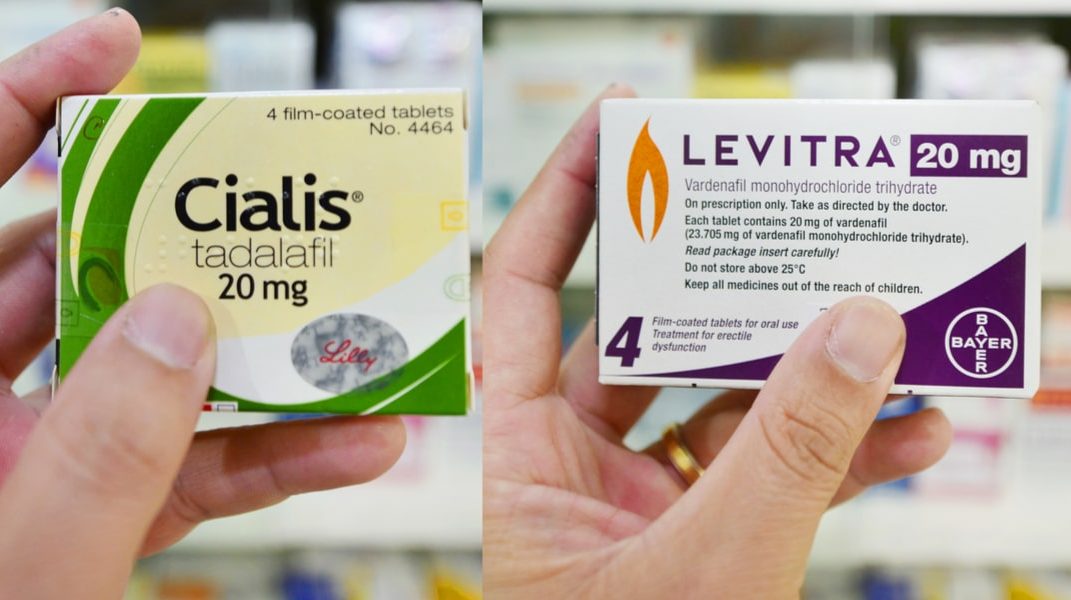
  • Levitra vs Cialis: Timing, Duration, and Safety Differences

    Levitra vs Cialis: Timing, Duration, and Safety Differences

    Levitra (vardenafil) and Cialis (tadalafil) both treat erectile dysfunction, but they fit different routines. In a Levitra vs Cialis comparison, the clearest difference is duration: vardenafil is usually shorter-acting and used as needed, while tadalafil lasts longer and may be used as needed or daily. That matters because timing affects meals, planning, benign prostatic hyperplasia (BPH), side effects, and interaction risk.

    Neither medicine creates sexual desire or works without sexual stimulation. Neither is automatically stronger or safer for everyone. The better fit depends on your health history, other medicines, and what kind of flexibility you need.

    Key Takeaways

    • Same class – Both are phosphodiesterase type 5 (PDE5) inhibitors for ED.
    • Main difference – Tadalafil usually lasts much longer than vardenafil.
    • Use pattern – Tadalafil may be daily or as needed; vardenafil is usually as needed.
    • Food effect – Heavy, high-fat meals may delay vardenafil more than tadalafil.
    • Safety first – Nitrates, alpha blockers, heart history, and some antibiotics or antifungals can change the choice.

    Levitra vs Cialis at a Glance

    The practical difference is time: vardenafil usually supports a planned window, while tadalafil offers a longer period of possible response. Both improve blood flow to the penis during arousal, but they do not work like an instant switch.

    Comparison point Levitra / vardenafil Cialis / tadalafil
    Drug class PDE5 inhibitor PDE5 inhibitor
    Main use Erectile dysfunction Erectile dysfunction; also used in some people with BPH
    Common use pattern Usually as needed As needed or daily, depending on the treatment plan
    Typical onset Often around 30 to 60 minutes May start in about 30 minutes for some people, though response varies
    Typical duration Often about 4 to 6 hours May remain active up to 36 hours
    Food effect Heavy or high-fat meals may slow onset Food usually has less effect
    Practical fit More tied to a planned time Often chosen when flexibility is important

    When readers compare Levitra vs Cialis for duration, tadalafil usually stands out. A longer window does not mean a continuous erection. It means the medicine may remain active longer, so arousal can lead to a response over a wider time frame.

    Why it matters: The best choice is often about fit and safety, not just speed.

    How Timing, Meals, and Daily Use Change the Experience

    Timing changes how much pressure someone feels around sexual activity. A shorter-acting ED medicine can work well for a planned evening, while a longer-acting option can reduce the need to schedule intimacy around a narrow window.

    Onset and duration

    Both medicines need time to be absorbed. Vardenafil is commonly discussed as an as-needed medicine taken before anticipated sexual activity. Tadalafil can also be used that way, but its longer half-life gives it a wider period of effect.

    That is why Levitra vs Cialis which is better is not a one-size question. Some people value a shorter, more defined window. Others prefer tadalafil because it allows more room for spontaneity. Response can also vary with age, diabetes, blood pressure, anxiety, alcohol use, and other medicines.

    Food and alcohol

    Food matters more with vardenafil. A heavy or high-fat meal may delay how quickly it starts working. Tadalafil is generally less affected by meals, which can make it easier to fit around dinner or travel.

    Alcohol deserves its own caution. Heavy drinking can worsen dizziness, flushing, headache, and low blood pressure symptoms with either drug. It can also make erections harder to achieve, even when the medication is otherwise appropriate.

    Daily tadalafil versus as-needed vardenafil

    Tadalafil has a daily-use option for some treatment plans. That changes the goal from timing a pill before sex to maintaining a steady routine. Daily use may be discussed when ED is frequent, when timing feels stressful, or when urinary symptoms from BPH are also part of the picture.

    Vardenafil is usually considered an as-needed option. That may suit people who have sex less often, prefer not to take a daily medicine, or want a treatment linked to a specific planned time. These are preference and safety discussions, not proof that one medicine is universally better.

    Which Option May Fit Which Situation?

    The right comparison starts with the problem you are trying to solve. ED alone, ED plus urinary symptoms, medication interactions, and heart health can all point the discussion in different directions.

    If ED is the only issue and you are comfortable planning ahead, vardenafil may be part of the conversation. If you want a longer response window or less focus on exact timing, tadalafil often comes up first. If BPH symptoms such as frequent urination, urgency, or weak stream are also present, tadalafil may be discussed because it has an established role in that setting.

    Age alone does not decide the answer. There is no single best ED pill for a 70-year-old man, a 50-year-old man, or any other age group. Older adults are simply more likely to have factors that require closer review, such as heart disease, kidney or liver problems, prostate medicines, blood pressure treatment, or multiple prescriptions.

    For broader browsing, the Sexual Health Hub covers related sexual-health topics, while the Urology Hub is useful when urinary symptoms are also involved. The Men’s Health Hub can help place ED in the wider context of cardiovascular and metabolic health.

    Safety, Side Effects, and Interaction Risks

    The safest Levitra vs Cialis choice depends on your medical history and medication list. Both drugs can be appropriate for many adults, but both can be risky in the wrong situation.

    Common side effects

    Many side effects come from blood vessel relaxation. They are often mild, but they can still affect comfort and adherence. Commonly discussed effects include:

    • Headache – A frequent PDE5 inhibitor effect.
    • Flushing – Warmth or redness in the face or chest.
    • Nasal congestion – A stuffy or runny nose.
    • Indigestion – Upset stomach or reflux symptoms.
    • Dizziness – More concerning if blood pressure is low.
    • Back or muscle aches – More often noted with tadalafil.

    Side effects do not always predict benefit. A person can have side effects without a good erection response, or a good response with few symptoms. That is one reason follow-up matters after starting or changing ED treatment.

    Interactions that need extra caution

    Medication interactions are one of the most important parts of any ED medication comparison. A full medication list should include prescriptions, over-the-counter medicines, supplements, and recreational substances.

    • Nitrates – Combining nitrates for chest pain with PDE5 inhibitors can cause a dangerous blood pressure drop.
    • Riociguat – Some pulmonary hypertension medicines can also create unsafe blood pressure effects.
    • Alpha blockers – Prostate or blood pressure medicines may increase dizziness or fainting risk.
    • Strong CYP3A4 inhibitors – Certain antifungals, antibiotics, and HIV medicines can raise drug levels.
    • Heart-rhythm concerns – Vardenafil has extra cautions around QT prolongation, a heart-rhythm issue measured on an ECG.
    • Kidney or liver disease – Reduced drug clearance can affect tolerability and safety review.

    Because tadalafil stays active longer, clinicians also consider what might happen if chest pain or another urgent heart symptom occurs after use. This does not make tadalafil unsafe by itself. It means emergency and cardiovascular context matters.

    Quick tip: Bring a complete medication list to any ED discussion, including heart and prostate medicines.

    Seek urgent medical care for chest pain, severe fainting, sudden vision or hearing changes, or an erection lasting more than four hours. These symptoms go beyond routine side effects and should not be watched at home.

    How Other ED Medicines Fit the Comparison

    Vardenafil and tadalafil are not the only PDE5 inhibitors. Sildenafil, the active drug in Viagra, is another common as-needed option. It is often discussed alongside vardenafil because both are shorter-acting than tadalafil and may require more planning around meals and timing.

    Adding another option does not remove the same safety rules. Nitrates, unstable heart symptoms, low blood pressure, alpha blockers, and strong interaction medicines still matter. The practical question is not simply which pill is strongest. It is which medicine fits the person, the relationship context, the medication list, and the follow-up plan.

    ED can also be an early clue to vascular or metabolic health problems. Blood pressure, diabetes, sleep quality, smoking history, stress, and circulation can all shape sexual function. Medication may be one part of care, but it should not replace a broader health review when symptoms are new, worsening, or linked with chest pain or exertional shortness of breath.

    Why Brand Availability Can Be Confusing

    Many people ask why Levitra is harder to find under its brand name. Brand availability can change by country, manufacturer, market demand, and generic competition. That does not always mean the active drug has disappeared everywhere. It often means vardenafil may be discussed by its generic name rather than by the original brand.

    This is why many current comparisons are really vardenafil versus tadalafil. If a prescriber uses generic names, the key questions stay the same: onset, duration, food effect, side effects, interactions, and whether BPH symptoms should influence the choice.

    For access context, BorderFreeHealth connects eligible patients with licensed Canadian partner pharmacies. When required, prescription details are checked with the prescriber before pharmacy dispensing. Some patients without insurance use cash-pay cross-border options, subject to eligibility and jurisdiction.

    Category pages can help with navigation, but they are not a substitute for clinical review. The Men’s Health Collection and Urology Collection group related product pages for browsing.

    Questions to Bring to a Prescriber

    A useful Levitra vs Cialis discussion is specific. The more complete your history, the easier it is to compare options safely and avoid a poor fit.

    • Treatment goal – ED alone, or ED plus urinary symptoms.
    • Timing preference – Planned use or a more flexible window.
    • Meal pattern – Whether heavy dinners are common before sex.
    • Medication list – Nitrates, alpha blockers, heart medicines, antibiotics, antifungals, or HIV medicines.
    • Heart history – Chest pain, fainting, rhythm problems, or major blood pressure swings.
    • Side-effect tolerance – Headache, congestion, indigestion, dizziness, back pain, or muscle aches.
    • Follow-up plan – When benefits, side effects, and ongoing fit will be reviewed.

    It is also worth asking what to do if the first choice does not work well. ED medication response can depend on timing, stimulation, food, alcohol, stress, and underlying health. A careful follow-up can prevent people from giving up too early or trying unsafe combinations.

    Authoritative Sources

    In most comparisons, tadalafil offers the longer window and a daily-use option, while vardenafil is more tied to planned, as-needed use. Safety still drives the decision, especially when heart medicines, prostate medicines, low blood pressure, BPH symptoms, or rhythm concerns are involved.

    This content is for informational purposes only and is not a substitute for professional medical advice.

  • HIV Symptoms in Men: Early Signs, Rash Clues, and Testing

    HIV Symptoms in Men: Early Signs, Rash Clues, and Testing

    HIV symptoms in men often look like a flu-like illness at first, with fever, sore throat, swollen lymph nodes, fatigue, muscle aches, night sweats, mouth ulcers, or a rash. These symptoms can appear about 2–4 weeks after exposure, but some people have no noticeable symptoms. Testing is the only way to know your status.

    Why this matters: early testing can connect you to treatment, prevent complications, and reduce the risk of passing HIV to partners. Symptoms can raise concern, but they cannot confirm or rule out HIV on their own.

    Key Takeaways

    • Early signs vary: fever, rash, sore throat, fatigue, and swollen nodes are common.
    • Timing matters: symptoms usually do not appear right after exposure.
    • Rash is not proof: many infections and medicines can cause similar skin changes.
    • Urinary symptoms differ: burning, discharge, or pain often suggests another STI or urinary condition.
    • Testing decides: HIV tests, not pictures or symptom lists, confirm infection.

    What Usually Happens First After Exposure

    The first phase of HIV is called acute HIV infection. During this period, the virus multiplies quickly and the immune system reacts. Many people develop acute retroviral syndrome, a short illness that can resemble flu, mono, or another viral infection.

    People often ask what is usually the first sign of HIV. There is no single first sign that applies to everyone. Fever is common, but another person may notice fatigue, sore throat, swollen lymph nodes, or a rash first. Some people feel well and miss the acute phase entirely.

    Common early symptoms include:

    • Fever or chills: often with general body aches.
    • Swollen lymph nodes: commonly in the neck, armpits, or groin.
    • Sore throat: sometimes without cough or nasal symptoms.
    • Rash: often on the trunk, shoulders, or upper body.
    • Night sweats: sweating that soaks sleepwear or bedding.
    • Mouth ulcers: small painful sores inside the mouth.

    These symptoms are non-specific. That means they overlap with many common infections. A cold, influenza, COVID-19, mononucleosis, medication reaction, or another sexually transmitted infection can look similar. If symptoms follow a possible exposure, testing is the safer next step.

    For a broader condition overview, you can compare this article with HIV AIDS Symptoms, which explains how symptoms may change across stages.

    HIV Symptoms in Men: Timing From Days to Years

    HIV symptoms in men usually do not appear within 1–2 days after exposure. The immune response takes time. Many acute symptoms appear about 2–4 weeks later, although timing varies by person and exposure type.

    At one week, symptoms are often absent or caused by something else. At one month, acute HIV symptoms may be present or may have already faded. After six months or one year, many people without treatment may have few symptoms, even though HIV can still affect the immune system.

    This silent period can feel confusing. A person may test positive while feeling healthy. Another person may feel unwell and test negative because the symptoms have a different cause. That is why clinicians focus on the test type, the exposure date, and follow-up testing when needed.

    After the acute phase

    Without treatment, HIV can enter a chronic stage. During this time, symptoms may be mild or absent for years. Some people later develop persistent fatigue, recurrent fevers, weight loss, diarrhea, oral thrush (a yeast infection in the mouth), or long-lasting swollen lymph nodes.

    Symptoms after two years or longer need medical evaluation, but they still do not prove HIV. Many other conditions can cause fatigue, weight change, skin changes, or recurrent infections. A clinician may suggest HIV testing alongside other lab work, depending on your history and symptoms.

    Quick tip: Write down the exposure date, symptom dates, and any tests already taken before your appointment.

    Rash, Skin Changes, and Online Pictures

    An HIV rash in the early stage can appear as small flat or slightly raised pink, red, brown, or purplish spots. It often affects the chest, back, shoulders, face, or upper body. It may not itch much, although some people feel warmth or tenderness.

    Skin tone changes how rashes look. On darker skin, redness may appear brown, violet, gray, or darker than surrounding skin. Lighting, camera filters, and image quality can make online pictures unreliable. This is one reason searches for HIV symptoms pictures for males can create more worry than clarity.

    People also search for how to identify HIV rash pictures. Photos can help you learn general patterns, but they cannot diagnose HIV. Similar rashes may come from viral illnesses, allergic reactions, heat rash, eczema, syphilis, medication reactions, or other causes.

    More concerning skin symptoms include a rapidly spreading rash, fever with severe illness, blistering, skin pain, swelling of the lips or face, or sores involving the eyes or genitals. Those situations need prompt medical care, regardless of HIV concern.

    For a focused discussion of skin findings, see Skin HIV-1 and HIV-2 Symptoms. The Infectious Disease collection also groups related infection topics for deeper reading.

    Urinary, Genital, and Sexual Health Symptoms

    HIV itself usually does not cause burning urination, penile discharge, testicular pain, or pelvic pain during early infection. These symptoms more often point toward another condition, such as chlamydia, gonorrhea, herpes, syphilis, prostatitis, or a urinary tract infection.

    That distinction matters because several sexually transmitted infections can raise the chance of acquiring or transmitting HIV. Genital ulcers or sores can also have causes other than HIV. Herpes and syphilis are important examples, and both need diagnosis and treatment.

    Searches for HIV urine symptoms or HIV urine color are common. In general, HIV is not diagnosed by urine color. Dark urine, blood in urine, burning, urgency, or discharge should be assessed on their own merits. A clinic may recommend HIV testing together with STI testing and a urine test, depending on symptoms.

    Men may also notice groin lymph node swelling during or after a genital infection. Swollen nodes are a sign that the immune system is reacting, not a diagnosis. If you have urinary or genital symptoms after a new partner, unprotected sex, condom break, or needle exposure, ask about combined STI and HIV screening.

    For more prevention and testing context, the Sexual Health collection covers related topics. You can also browse Men’s Health for broader male health concerns that may overlap with sexual wellness.

    How Men Know Whether It Is HIV

    A man knows whether he has HIV by taking the right test at the right time. Symptoms, rash pictures, urine changes, or a partner’s appearance cannot confirm status. A person with HIV may look and feel healthy.

    There are several types of HIV tests. Antibody tests look for the immune response to HIV. Antigen/antibody tests look for both antibodies and p24 antigen, a viral protein that can appear earlier. Nucleic acid tests look for HIV genetic material and may detect infection sooner in certain situations.

    Test windows differ. A negative test too soon after exposure may need follow-up. If the exposure was recent and high risk, a clinician or testing service can help choose the best next step. If the result is positive, confirmatory testing is needed before a diagnosis is finalized.

    For a practical explanation of test types, see Types of HIV Tests. If your main concern is timing, How Long Does HIV Test Take explains result timing and follow-up considerations.

    When urgent prevention may apply

    Post-exposure prophylaxis, often called PEP, is emergency medication taken after a possible HIV exposure. It is time-sensitive and requires prompt medical assessment. If you think you had a recent high-risk exposure, contact an urgent care clinic, emergency department, sexual health clinic, or public health service right away.

    Pre-exposure prophylaxis, often called PrEP, is prevention medicine for people with ongoing risk. It is different from HIV treatment. Some prevention options are daily oral medicines, while others are long-acting injections used in eligible people under medical supervision. For medication context only, you can review Descovy and Apretude as examples to discuss with a clinician.

    How HIV Symptoms Differ in Women and Other Groups

    Core early symptoms overlap across sexes. Fever, sore throat, rash, swollen lymph nodes, fatigue, night sweats, and mouth ulcers can occur in men, women, and people of any gender. The virus does not create a completely separate early symptom pattern in men.

    Differences often come from anatomy, hormones, pregnancy status, or co-existing infections. Women may notice recurrent vaginal yeast infections, pelvic inflammatory disease, menstrual changes, or cervical health issues. Men may notice penile sores, groin lymph node swelling, or urinary symptoms from another STI.

    These differences do not change the central rule: testing is required. Searches for HIV symptoms in women, HIV symptoms in women rash, or HIV symptoms in women pictures reflect real concerns, but symptom comparisons cannot replace testing. Anyone with a possible exposure should consider confidential testing and follow-up based on the test window.

    It is also worth separating HIV from AIDS. HIV is the virus. AIDS is the most advanced stage of immune damage caused by untreated HIV. Modern antiretroviral therapy can suppress HIV and help prevent progression. For a clearer distinction, read HIV vs AIDS.

    Stress, Overthinking, and Practical Next Steps

    Worry after a possible exposure is common. Anxiety can make normal body sensations feel alarming. It can also lead to repeated searching for rash pictures, urine color changes, or lists of symptoms. Those searches may increase distress without giving a clear answer.

    A practical plan can reduce uncertainty. First, identify the exposure date and type. Second, test with an appropriate method. Third, schedule follow-up testing if the first test was done before the window period. Fourth, ask whether STI screening or prevention counseling also fits your situation.

    Consider these questions before a visit:

    • Exposure details: condomless sex, condom break, needle sharing, or unknown status.
    • Symptom timing: when fever, rash, sores, or swollen nodes began.
    • Past tests: date, type, and result if known.
    • Partner context: known HIV status, PrEP use, or recent STI diagnosis.
    • Urgent symptoms: severe rash, trouble breathing, confusion, or dehydration.

    Seek urgent care for severe illness, chest pain, shortness of breath, stiff neck, confusion, a painful blistering rash, or signs of dehydration. For non-urgent concerns, a primary care clinician, sexual health clinic, public health testing site, or community clinic can help.

    BorderFreeHealth may provide educational navigation around prescription access topics, including cash-pay options without insurance when relevant. Prescription medicines require clinician involvement, and pharmacy dispensing steps depend on eligibility and jurisdiction.

    Treatment Basics After a Positive Test

    If HIV testing confirms infection, treatment usually starts with antiretroviral therapy, also called ART. ART uses medicines that reduce the amount of virus in the body. When taken as prescribed and monitored by a clinician, treatment can protect immune function and greatly reduce sexual transmission risk when viral suppression is maintained.

    Initial care often includes a viral load test, CD4 count, resistance testing, STI screening, hepatitis testing, vaccination review, and medication interaction checks. These steps help the care team choose a safe regimen and monitor response.

    Older and newer medicines may appear in HIV care discussions. For example, Aptivus 250mg is one antiretroviral product page readers may encounter while researching HIV medication classes. Product pages should not replace diagnosis, regimen selection, or monitoring with a qualified clinician.

    Support also matters. Stigma can delay testing and treatment. If you feel overwhelmed, ask for confidential counseling, peer support, or a clinic experienced in HIV care. You deserve clear information and respectful care.

    Authoritative Sources

    For official testing information and window-period context, review the CDC page on HIV testing and test types.

    For plain-language information on acute and chronic infection, see HIV.gov on acute and chronic HIV.

    For treatment principles after diagnosis, review NIH guidance on starting antiretroviral therapy.

    Recap

    HIV symptoms in men can include fever, sore throat, swollen lymph nodes, fatigue, rash, night sweats, and mouth ulcers. These signs often appear weeks after exposure, not immediately. Some men have no symptoms at all.

    Rash pictures, urine changes, and symptom lists can guide questions, but they cannot diagnose HIV. If you had a possible exposure, use testing windows and clinician guidance to plan the next step. Early diagnosis and treatment can protect your health and your partners.

    This content is for informational purposes only and is not a substitute for professional medical advice.