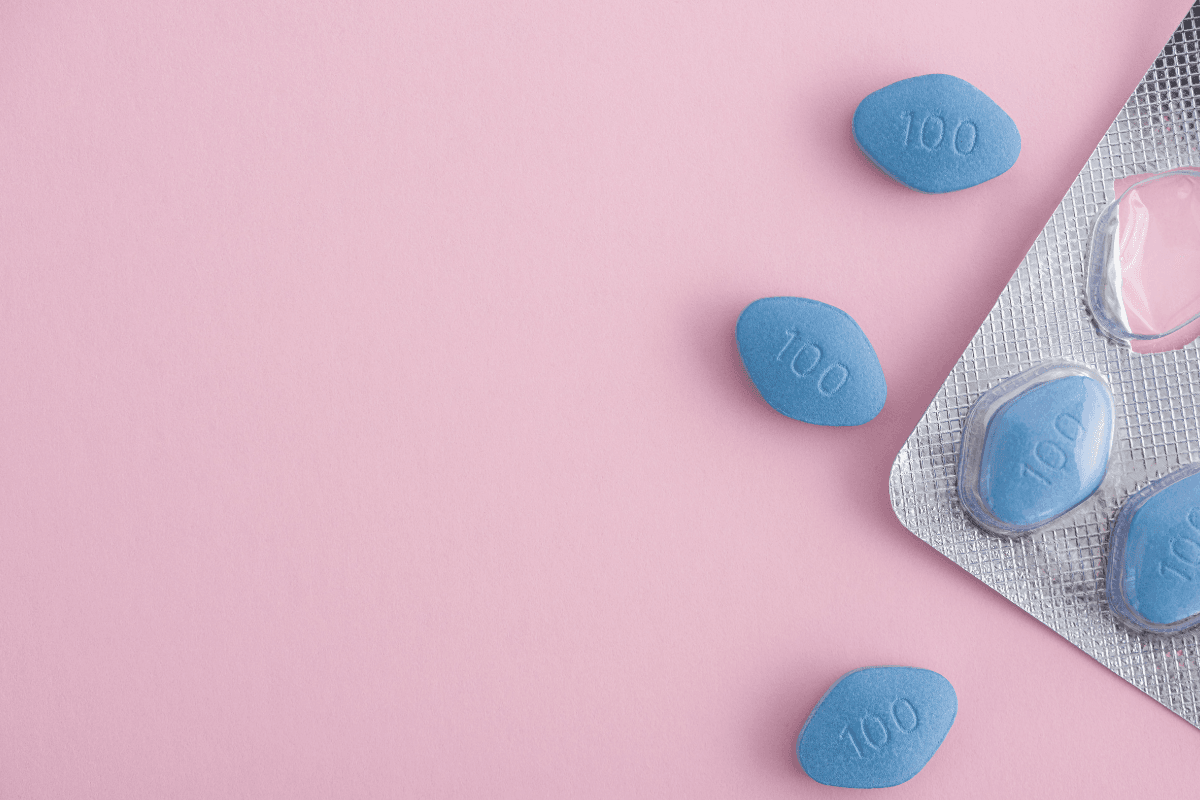
Category: Men’s Health

This hub gathers Men’s health resources for patients, caregivers, and supporters. It covers common concerns, plain-language definitions, and practical next steps. People often start here when symptoms feel unclear or stressful. The content also helps track questions for a clinician visit. Many visitors use it alongside lab work or screening reminders. Ships from Canada to US is available for eligible prescriptions.

The Men’s Health category also supports browsing related pages on prevention, mental wellbeing, and sexual health. It aims to reduce confusion, not replace clinical care. Use it to compare topics and learn the terms used in appointments. The goal is clearer conversations and fewer missed details.

We work with licensed Canadian partner pharmacies for dispensing.

Men’s health resources

Use this section to scan men’s wellness themes across the lifespan. Topics can include prostate health, urinary symptoms, erectile dysfunction (ED) information, and testosterone concerns. It also covers men’s heart health, sleep health, and stress management. Some pages explain screening language and common lab abbreviations. Others focus on routines that support weight management for men.

Many households manage care for more than one person. For related browsing, see Women’s Health and Women’s Health Products. Those hubs can help when partners share appointments and records. They also support caregivers who coordinate several prescriptions.

What You’ll Find in This Category

This category brings together education and navigation for men’s preventive care. It can support men’s health screening guidelines, lifestyle planning, and symptom tracking. Many pages explain risk factors in plain language. Others focus on men’s nutrition, men’s fitness, and sleep habits. Some content addresses hair loss in men and men’s skincare. You may also see overviews of men’s mental health and burnout signs.

Men’s health resources here may also connect to condition hubs and related family health topics. For example, a household caregiver may also review Menopausal Symptoms while coordinating care across ages. That cross-topic view can reduce missed appointments and duplicated paperwork.

Why it matters: Clear terms can lower stress during time-sensitive care decisions.

How to Choose

People use Men’s health resources best when they start with one clear goal. That goal might be understanding symptoms, preparing for screening, or learning medication terms. A focused path makes the information easier to apply. It also helps clinicians answer questions faster during short visits.

Start with the decision in front of you

  • Clarify the main concern, such as urinary health or sexual function changes.
  • Note timing, triggers, and any recent health or medication changes.
  • List existing diagnoses, including hypertension, diabetes, or sleep apnea.
  • Check whether the topic involves screening, symptoms, or treatment discussions.
  • Identify relevant labs, like lipids, A1C, or testosterone panels.
  • Consider mental health factors, including stress, alcohol use, and sleep quality.
  • Plan questions for a clinician, especially about risks and follow-up steps.
  • Track practical needs, like refills, documentation, and travel timing.

Look for pages that define clinical terms once, then use plain language. ED often appears alongside cardiovascular risk discussions. Low testosterone may be described as hypogonadism (reduced testosterone production). Fertility topics may mention semen analysis (a lab test of sperm count and motility). When a page mentions guidelines, confirm which group issued them. Recommendations can differ by age, risk, and values.

Safety and Use Notes

Men’s health resources should support safer conversations, not self-treatment. Many men’s health topics overlap with heart and metabolic conditions. Symptoms like chest pain, sudden weakness, or severe shortness of breath need urgent care. Sexual health concerns can also relate to blood pressure and medication effects. Screening guidance should be read in context, not as a rule for every person.

For guideline context, see this neutral summary from the U.S. Preventive Services Task Force. For infection basics and prevention topics, review updates from the CDC STI information pages. These sources help explain how evidence and risk levels shape recommendations.

Common safety themes across men’s health topics

  • Share a full medication list, including supplements and nonprescription products.
  • Ask about interactions, especially with nitrates and certain heart medicines.
  • Review alcohol and recreational drug use, since effects can compound.
  • Report mood changes, insomnia, or agitation when starting new therapies.
  • Confirm the plan for monitoring labs and follow-up visits.

When a prescription is needed, we verify it with the prescriber.

Quick tip: Keep an updated medication list for visits and refill requests.

Access and Prescription Requirements

Men’s health resources also explain how access works on a cross-border pharmacy platform. Some items require a valid prescription, while others may not. Requirements depend on the medication and local rules. When an Rx item is listed, expect standard identification and prescription details. Clear documentation helps avoid delays and prevents mismatched directions.

What to expect for prescription items

  • Prescription details must match the prescriber’s records and patient information.
  • Dispensing follows applicable pharmacy standards and product labeling.
  • Refill timing depends on prescriber authorization and supply limits.
  • Some products may need added screening questions for safety checks.

Cash-pay access may help for people without insurance.

Some visitors also browse reproductive health prescriptions while supporting partners. Examples on the site include Mirena, Yaz, Yasmin, Orilissa, and Myfembree. These pages provide medication-specific requirements and labeling context. They are not substitutes for a clinician’s assessment. Use them for administrative clarity and informed questions.

This content is for informational purposes only and is not a substitute for professional medical advice.


  • Sildenafil vs Tadalafil: ED Differences That Matter

    Sildenafil vs Tadalafil: ED Differences That Matter

    Sildenafil vs Tadalafil usually comes down to timing, duration, side effects, and how much planning you want around sex. Both medicines can help erectile dysfunction (ED) when sexual stimulation is present, but they do not work the same way in daily life. Sildenafil is often chosen for a shorter, more planned window. Tadalafil may fit people who want a longer window or, in some cases, a daily option discussed with a clinician.

    There is no universal “better” ED pill. The safer question is which option fits your health history, other medicines, and goals. That matters because PDE5 inhibitors (blood-flow support medicines) can interact with heart medicines, blood pressure drugs, alcohol, and some treatments for prostate symptoms.

    Key Takeaways

    • Same class: Both are PDE5 inhibitors used for ED.
    • Different windows: Sildenafil is shorter-acting; tadalafil can last longer.
    • No dose equivalence: Milligrams do not convert directly between them.
    • Safety matters: Nitrates and some blood pressure drugs can be dangerous.
    • Fit varies: Food, timing, side effects, and frequency often decide.

    Sildenafil vs Tadalafil: The Practical Difference

    The main practical difference is how long each medicine may support erections after a dose. Sildenafil is commonly used before anticipated sexual activity. Tadalafil can also be used as needed, but its longer duration may reduce the pressure to time intimacy closely.

    Both medicines help the same erection pathway. They block phosphodiesterase type 5, or PDE5, an enzyme involved in blood vessel tone. When PDE5 is blocked, blood vessels in the penis can relax more during sexual arousal. This can make it easier to get and keep an erection.

    That mechanism explains two important points. First, neither drug creates sexual desire by itself. Second, both can affect blood pressure because they influence blood vessels. A clinician may ask about chest pain, heart disease, fainting, blood pressure treatment, and recreational nitrate use before prescribing.

    Decision Point Sildenafil Tadalafil
    Typical use pattern Often used as needed As needed or sometimes daily
    Planning style More scheduled More flexible for some people
    Food considerations Heavy, high-fat meals may delay effect Food tends to matter less
    Common side effects Headache, flushing, stuffy nose, visual color changes in some people Headache, indigestion, back pain, muscle aches in some people
    Often discussed for Occasional planned sex Longer window or frequent intimacy

    If you want broader background on sildenafil as an ED medicine, see Sildenafil for Erection Problems. For a brand-generic comparison, Viagra and Cialis Differences explains how people often discuss these options.

    Which Is Better for Timing, Duration, and Spontaneity?

    Tadalafil is usually the better fit when duration and flexibility are the main priorities. Sildenafil may suit people who prefer a shorter, more defined window. This does not mean one is medically stronger for everyone.

    Many people ask which is better for lasting longer. In everyday terms, tadalafil is known for a longer active window than sildenafil. That can help when plans change, when timing creates anxiety, or when intimacy is not predictable. Sildenafil may still work well when sex is more planned and the person tolerates it comfortably.

    Onset can also shape expectations. Some people notice sildenafil works best when taken with enough lead time and away from a heavy meal. Tadalafil may be less affected by food. Still, response varies. Sleep, stress, alcohol, relationship tension, and arousal can all change results, even with the same medicine.

    Why it matters: A medicine that fits your routine may reduce performance pressure.

    If the longer-window question is central for you, How Long Cialis Lasts gives more context on timing and expectations. Product pages such as Tadalafil can also help you recognize generic and brand-name naming, but clinical choice should still come through a prescriber.

    Dose Questions: Why Milligrams Do Not Convert Cleanly

    Sildenafil and tadalafil doses are not directly interchangeable by milligram. A question like “is 20 mg tadalafil equal to 100 mg sildenafil” sounds simple, but clinicians do not compare them that way. They consider the drug, timing, side effects, medical history, and prior response.

    This matters because a bigger number on a tablet does not mean a stronger or safer choice. Different medicines have different pharmacology, including how the body absorbs, breaks down, and clears them. A dose that works well for one person may cause side effects or poor timing for another.

    People also ask whether tadalafil 10 mg equals sildenafil 50 mg. Again, there is no clean conversion. A prescriber may adjust a plan only after reviewing tolerance, effect, alcohol use, other medicines, and cardiovascular risk. Do not combine doses or switch between medicines without guidance.

    It can help to describe your actual experience rather than only asking for a “stronger” pill. Useful details include when you took it, what you ate, how much alcohol you had, whether you felt aroused, and what side effects occurred. A simple log can make the next visit more productive.

    Side Effects and Safety Checks Before Choosing

    Both medicines can cause side effects because they affect blood vessel signaling. Common issues include headache, flushing, nasal congestion, dizziness, indigestion, and lightheadedness. Tadalafil may be more associated with back or muscle aches in some people. Sildenafil may cause temporary visual color changes in some people.

    Most side effects are mild and temporary, but some symptoms need urgent care. Seek emergency help for chest pain, fainting, sudden vision loss, sudden hearing loss, or an erection lasting more than four hours. These reactions are uncommon, but they are important because delays can cause harm.

    The biggest safety warning involves nitrates. Nitrate medicines are used for chest pain and some heart conditions. Combining nitrates with any PDE5 inhibitor can cause a dangerous drop in blood pressure. This warning applies across sildenafil, tadalafil, vardenafil, and avanafil.

    Alpha-blockers, some blood pressure medicines, certain antibiotics, antifungals, HIV medicines, and other drugs can also affect risk. Grapefruit products may matter for some medicines because they can influence drug metabolism. Your prescriber or pharmacist can check for interactions before a plan changes.

    Alcohol deserves a practical note. Small amounts may not cause problems for everyone, but heavier drinking can worsen erections and increase dizziness or low blood pressure symptoms. If alcohol often appears around sexual activity, be honest with your clinician. The goal is safer planning, not judgment.

    When Tadalafil, Sildenafil, or Another PDE5 Inhibitor May Fit

    The best option often depends on the pattern of ED and the person’s broader health. Occasional ED with predictable timing may lead to a different discussion than frequent ED with anxiety about planning. Urinary symptoms, prostate treatment, cardiovascular risk, and side effects can also shift the choice.

    Tadalafil has an additional role in some people with benign prostatic hyperplasia, or BPH (non-cancer prostate enlargement). Sildenafil also has a separate formulation and indication for pulmonary arterial hypertension, a specific lung blood pressure condition. These uses do not mean ED products should be used for those conditions without medical direction.

    Vardenafil and avanafil are other PDE5 inhibitors. Vardenafil is often compared with sildenafil because both are used as-needed and have overlapping precautions. Avanafil may be discussed when onset timing or tolerability is a concern, though the right choice still depends on a medical review.

    If your comparison includes vardenafil, Levitra vs Cialis covers how vardenafil and tadalafil are commonly contrasted. For broader reading by topic, the Sexual Health collection can help you explore related concerns without turning one medication into the whole conversation.

    Combination Therapy: Why “Stacking” ED Pills Is Risky

    Combining sildenafil and tadalafil can increase side effects without making the plan safer. Some people search for sildenafil tadalafil combination tablets after one medicine disappoints. That frustration is understandable, but stacking PDE5 inhibitors can raise the risk of low blood pressure, dizziness, fainting, headache, and other adverse effects.

    Clinicians usually troubleshoot before changing medicines. They may review timing, food, alcohol, arousal, anxiety, dose instructions, and missed opportunities for sexual stimulation. They may also look for untreated contributors such as diabetes, high blood pressure, depression, sleep problems, low testosterone symptoms, or medication side effects.

    Do not take two PDE5 inhibitors close together unless a prescriber specifically instructs you. If one option fails, it does not mean the whole class will fail. It may mean the fit, timing, underlying cause, or expectations need a closer review.

    Quick tip: Bring a written medicine list, including supplements and recreational drugs.

    Questions to Bring to a Clinician

    A focused conversation can make the choice safer and less awkward. ED is common, and clinicians discuss it routinely. You can keep the conversation practical by describing goals, timing, side effects, and health history.

    • Heart history: Mention chest pain, stents, heart attack, or fainting.
    • Nitrate exposure: Include sprays, tablets, patches, or recreational nitrates.
    • Blood pressure medicines: Ask about dizziness and interaction risk.
    • Sexual frequency: Explain whether intimacy is planned or spontaneous.
    • Food and alcohol: Describe usual patterns around sex.
    • Side effects: Report headache, flushing, vision changes, or muscle aches.
    • Other ED causes: Ask whether labs or vascular checks are appropriate.

    If access questions come up, BorderFreeHealth connects U.S. patients with licensed Canadian partner pharmacies, with prescription details verified when required before dispensing by the pharmacy. For browsing medication categories, use neutral collections such as Men’s Health Products rather than treating a product page as personal medical advice.

    Authoritative Sources

    For safety warnings, approved uses, and patient-friendly drug information, official and major medical sources are most useful. These references can support a more informed conversation with your clinician.

    • The U.S. National Library of Medicine provides label-based records through DailyMed drug information.
    • The American Urological Association summarizes evaluation and treatment principles in its erectile dysfunction guideline.
    • MedlinePlus offers plain-language safety information on sildenafil and related medicine precautions.

    Recap

    Sildenafil vs Tadalafil is not a contest with one winner for everyone. Sildenafil may fit a shorter, planned approach. Tadalafil may fit a longer window or, for some people, a daily strategy reviewed by a clinician. Side effects, interactions, heart history, and other medicines should guide the decision as much as convenience.

    If results have been inconsistent, avoid self-escalating or combining ED pills. A safer next step is to review timing, alcohol, food, arousal, side effects, and other health contributors with a clinician. Small adjustments often matter more than chasing a stronger-sounding dose.

    This content is for informational purposes only and is not a substitute for professional medical advice.

  • Eroxon Gel Active Ingredient and How the Gel Works

    Eroxon Gel Active Ingredient and How the Gel Works

    Eroxon does not contain an active pharmaceutical ingredient like sildenafil or tadalafil. Instead, the Eroxon gel active ingredient question is best answered by its physical mode of action: the gel uses fast-evaporating ingredients to create a cooling and warming sensation on the glans penis, which may stimulate local nerves involved in erection response.

    That distinction matters. A topical ED gel can feel familiar because it is applied to the skin, but it is not the same as a medicated cream or an oral erectile dysfunction pill. This article explains what is in the gel, how the evaporative effect works, what to expect with use, and when a clinician’s input is important.

    Key Takeaways

    • Non-drug action: Eroxon works through a physical sensory effect.
    • No PDE5 ingredient: It does not contain sildenafil, tadalafil, or a similar drug.
    • Local stimulation: Controlled evaporation may activate temperature-sensitive nerve endings.
    • Label matters: Ingredients, precautions, and use directions should be checked on your pack.
    • ED can signal health issues: Persistent symptoms deserve medical review.

    Does Eroxon Have an Active Ingredient?

    Eroxon does not have an active pharmaceutical ingredient in the usual drug-label sense. The gel is classified and discussed as a medical device because its intended effect comes from physical action, not from a drug molecule being absorbed into the bloodstream.

    People often search for the Eroxon gel active ingredient because most erectile dysfunction treatments are described by their drug component. Viagra is linked with sildenafil. Cialis is linked with tadalafil. Eroxon is different. Its ingredients form a gel that spreads over the glans penis, then evaporates in a controlled way. That evaporation creates a rapid change in skin sensation.

    The term “active” can therefore be confusing. In everyday language, the “active part” is the gel’s evaporative sensory effect. In pharmaceutical language, there is no active drug ingredient. This is why some labels and educational materials describe the product as non-medicated or non-pharmacological.

    Why it matters: Knowing this difference helps you compare options without assuming all ED products work the same way.

    If you want a deeper companion resource on the product’s category and naming, see Eroxon Generic Name. It explains why a standard drug-style generic name does not apply in the same way.

    What the Ingredients Do in the Gel

    The listed Eroxon ingredients commonly include alcohol, aqua (water), glycerin, propylene glycol, carbomer, and potassium hydroxide. These are not presented as separate ED drugs. They support the gel’s texture, spreadability, stability, evaporation, and skin feel.

    Alcohol and water can evaporate quickly from the skin. That quick evaporation contributes to the cooling phase. Glycerin and propylene glycol are common topical excipients, which means they help carry, hold, or modify the feel of a formulation. Carbomer helps create a gel texture, while potassium hydroxide can help adjust the formulation’s pH.

    Exact labels can vary by country or product version, so your package leaflet is the most reliable source for the product you have. If you have a known allergy to topical products, alcohol-based gels, propylene glycol, or related excipients, review the ingredient list before use and ask a pharmacist or clinician if you are unsure.

    For a product-level snapshot, the Eroxon Gel page can help you identify the item and related product context. Use the manufacturer leaflet for final directions and warnings.

    How the Physical Action May Support an Erection

    Eroxon works by applying a controlled evaporative effect to sensitive penile skin. As volatile components evaporate, they produce a cooling sensation followed by a warming feeling as the skin returns toward baseline.

    This sensory shift may activate nerve endings in the glans penis. Those signals can contribute to local neurovascular responses, meaning nerve and blood vessel activity that helps penile tissue fill with blood during sexual arousal. The process still depends on arousal, context, and individual health factors.

    This is sometimes described as the Eroxon mechanism of action, but it is not a drug mechanism like PDE5 inhibition. PDE5 inhibitors affect a chemical pathway involved in blood flow. Eroxon’s physical action aims to stimulate the body’s own local reflex pathways through sensation.

    If you want a step-by-step explanation of the sensory sequence, How Does Eroxon Work expands on timing, application feel, and practical expectations.

    Does it work without arousal?

    A topical ED gel should not be viewed as a switch that works apart from sexual stimulation. The sensory effect may help initiate a response, but erection physiology still involves arousal, blood flow, nerve signaling, and psychological comfort. Stress, alcohol, fatigue, relationship tension, diabetes, vascular disease, and some medicines can all affect response.

    That is why a first use should be low pressure. You and your partner may need a few attempts to understand the sensation, timing, and setting that feel comfortable. If erectile difficulty is new, worsening, painful, or persistent, a medical review is important because ED can be an early sign of cardiovascular or metabolic disease.

    How To Use It and What To Expect

    Use directions should come from the leaflet in your own pack. In general terms, Eroxon is applied as a thin layer to the glans penis and massaged briefly so it spreads evenly. More gel is not necessarily better, because the intended effect depends on contact and evaporation rather than thickness.

    Many people notice a cool, tingling, or warming sensation. The feeling may start quickly, but the experience can vary with skin temperature, room conditions, foreplay, and anxiety level. Heavy lotions, oils, or other genital products may alter how the gel spreads or evaporates. If you use other skin products, consider simplifying the routine on the first trial.

    Helpful preparation steps include:

    • Read the leaflet: Check directions and warnings first.
    • Use clean skin: Avoid broken or irritated areas.
    • Apply a thin layer: Aim for even coverage.
    • Allow sensation to build: Pair use with arousal and foreplay.
    • Wash hands after: Avoid accidental contact with eyes.

    Quick tip: Keep notes on timing, comfort, and setting during early trials.

    Readers often ask how long the effect lasts. The useful window is usually discussed as short and tied to the sensory phase, but individual experience varies. For more detail on pacing and duration, see How Long Does Eroxon Gel Last.

    Safety, Side Effects, and When To Pause

    Most safety questions involve local skin effects. Cooling, warmth, tingling, temporary redness, or mild irritation can happen with topical products. These sensations may be expected to some degree, but pain, persistent burning, swelling, rash, or worsening irritation should not be ignored.

    Avoid use on broken skin, open sores, active dermatitis, or recently irritated genital skin unless a clinician has advised that it is appropriate. People with a history of significant skin sensitivity, genital eczema, or reactions to alcohol-based products should be especially careful. Partner comfort also matters, since residue or skin contact may affect another person.

    Seek medical help promptly for severe allergic symptoms, chest pain, fainting, sudden penile pain, erection lasting longer than expected and becoming painful, or symptoms that feel urgent. Do not use a topical product to work around medical symptoms that need evaluation.

    For more detail on possible reactions and caution points, visit Eroxon Gel Side Effects. That page focuses on local tolerability and practical warning signs.

    How It Compares With Oral ED Medicines

    Eroxon differs from oral PDE5 inhibitors because it acts locally through physical stimulation. Oral ED medicines such as sildenafil and tadalafil work systemically, meaning they are absorbed and circulate through the body before affecting the erection pathway.

    This difference can shape decision-making. A person who cannot take PDE5 inhibitors because of nitrate medicines, certain cardiovascular concerns, or drug interactions may ask about non-oral options. Another person may prefer a prescription medicine with a longer duration profile. These choices should be discussed with a clinician, especially when medical history is complex.

    Here is a simple way to frame the comparison:

    Feature Topical device gel Oral PDE5 medicine
    Main action Local physical sensation Systemic drug pathway
    Drug ingredient No active pharmaceutical ingredient Drug such as sildenafil or tadalafil
    Use context Applied to penile skin Taken by mouth before sex
    Key cautions Local irritation and label warnings Interactions, contraindications, systemic side effects

    If you are comparing prescription options, Sildenafil vs Tadalafil explains differences between two common PDE5 approaches. Product pages for Viagra and Tadalafil can also help you recognize the relevant drug names when reviewing options with a healthcare professional.

    BorderFreeHealth connects U.S. patients with licensed Canadian partner pharmacies for eligible prescription options. Where prescriptions are required, pharmacy partners verify details with the prescriber before dispensing.

    Who Might Consider a Non-Oral ED Option?

    A non-oral ED treatment may interest people who want to avoid tablets, have difficulty planning around oral medicine timing, or need to discuss alternatives because of interactions or side effects. It may also appeal to couples who prefer a topical product as part of foreplay.

    Still, the cause of erectile dysfunction matters. ED can relate to blood vessel health, hormone changes, nerve conditions, pelvic surgery, depression, anxiety, sleep problems, alcohol use, and medication effects. A gel may help some people with the erection event, but it does not diagnose or treat those underlying causes.

    Consider a clinician discussion if ED is new, happens consistently, follows injury or surgery, includes penile curvature or pain, or appears with chest pain, leg pain while walking, shortness of breath, or major fatigue. These details can change which treatment options are safe.

    For broader reading on related topics, the Men’s Health and Sexual Health collections can help you find condition-focused education without treating one product as the only path.

    Common Misunderstandings About the Gel

    Several misunderstandings can lead to unrealistic expectations. Clearing them up can reduce frustration and improve safety.

    • No hidden sildenafil: The gel is not a disguised PDE5 pill.
    • Not a libido product: It does not create desire by itself.
    • More is not better: A thick layer may not improve the effect.
    • Arousal still matters: Sexual stimulation remains part of response.
    • Skin reactions count: Local irritation is a valid reason to stop.

    Another common question involves oral sex after application. Follow the product leaflet for partner-contact guidance, including any instructions about timing, washing, condoms, or avoiding contact if irritation occurs. If either partner feels burning, numbness, rash, or discomfort, stop and reassess before using it again.

    Authoritative Sources

    For regulatory background on medical device review, see the FDA page on the De Novo classification request. This pathway is relevant to novel moderate-risk devices, though product-specific status should be checked in local labeling.

    For patient-friendly information on erectile dysfunction causes and evaluation, the Urology Care Foundation provides an overview of erectile dysfunction. It can help readers understand why persistent symptoms should not be dismissed.

    For general health-system context on ED symptoms and when to seek help, review the NHS resource on erection problems. Local product directions and clinician advice should guide individual decisions.

    Recap

    The Eroxon gel active ingredient question has a different answer than many people expect. The gel does not rely on an active pharmaceutical ingredient. Its intended effect comes from controlled evaporation, temperature sensation, and local nerve stimulation during arousal.

    That makes it different from oral PDE5 medicines, but not risk-free or right for everyone. Read the leaflet, use the gel only as directed, watch for skin reactions, and seek medical input when ED is persistent, painful, sudden, or linked with other symptoms.

    This content is for informational purposes only and is not a substitute for professional medical advice.

  • How Does Eroxon Work? Mechanism, Safety, and Use

    How Does Eroxon Work? Mechanism, Safety, and Use

    If you are asking how does Eroxon work, the short answer is that the gel acts locally on the head of the penis through a fast cooling-then-warming sensation. That sensory change may stimulate nerve endings involved in arousal and the erection pathway. It is not swallowed, and it does not work like Viagra or other oral erectile dysfunction medicines. This difference matters because a topical gel may help some adults, but it will not address every cause of erectile dysfunction.

    Key Takeaways

    • Local action: Eroxon is applied externally to the penis.
    • Main mechanism: It creates cooling and warming sensations.
    • Arousal still matters: It does not force an erection by itself.
    • Safety focus: Watch for irritation, burning, rash, or discomfort.
    • Care matters: Persistent or worsening ED deserves medical review.

    What Eroxon Is and Why the Mechanism Matters

    Eroxon is a topical gel for adults with symptoms of erectile dysfunction, often shortened to ED. ED means difficulty getting or keeping an erection firm enough for satisfying sexual activity. It is common, and it can affect confidence, relationships, and wellbeing. It can also point to health issues that deserve attention.

    The product is different from a pill. It is applied externally, according to the package instructions, rather than taken by mouth. The gel technology marketed as Eroxon has been reviewed in the United States through a medical device pathway, which reflects its intended physical local effect. In plain language, it is designed to act at the surface where it is applied, not as a drug circulating through the whole body.

    That distinction helps set expectations. A topical erectile dysfunction gel may feel more acceptable to people who prefer not to take an oral medicine. Still, ED can have many drivers, including blood flow changes, diabetes, high blood pressure, low testosterone, anxiety, depression, alcohol use, sleep problems, pelvic surgery, and medication side effects.

    For more detail on the product’s naming and formulation context, see Active Ingredient In Eroxon. The package label remains the best source for the current ingredient list in your market.

    How Does Eroxon Work at the Surface?

    How does Eroxon work at a practical level? The gel is designed to create a physical sensory effect on the glans, or head of the penis. Some components evaporate quickly after application. That evaporation can create an initial cooling feeling, followed by warmth as the area responds.

    This cooling and warming sequence may stimulate local nerve endings. Those nerves are part of sexual arousal signaling. Erections also require relaxed blood vessels, adequate blood flow, sexual stimulation, and coordinated brain-body communication. A gel can support part of that process for some people, but it cannot override every barrier.

    The cooling-warming effect

    The cooling-warming effect is the main practical feature people notice. Some describe tingling, warmth, or heightened local sensation. Others may find the feeling distracting or uncomfortable. Neither reaction proves that ED is simple or serious. It only tells you how your skin and nerves respond to that product.

    Arousal is still part of the process

    Erections are not just a mechanical event. Desire, stimulation, comfort, privacy, nerve function, circulation, and emotional safety all play a role. If stress, pain, heavy alcohol use, relationship conflict, or a medication side effect is driving the problem, a local gel may have limited benefit unless those factors are also addressed.

    Why it matters: Understanding the mechanism helps you avoid expecting one topical product to solve every cause of ED.

    What to Expect When Applying the Gel

    Eroxon gel should be used only as directed on the product label. In general, it is applied externally before sexual activity. Do not apply it to broken, inflamed, infected, or irritated skin. Do not use more than the label describes. If it contacts the eyes, mouth, or irritated tissue, follow the package directions and seek help if symptoms persist.

    People may notice cooling, warmth, tingling, or increased local sensation. Some may find that useful during intimacy. Others may stop because of discomfort or irritation. Reviews can describe real-world experiences, but they cannot predict your response or identify the reason you have ED.

    Many readers also ask how long Eroxon lasts. There is no single answer for every person. Any erection still depends on arousal, blood flow, comfort, and the underlying cause of ED. For a deeper discussion of timing expectations, see How Long Eroxon Gel Lasts.

    Questions about oral sex after using the gel are common. Follow the product label and package insert, because instructions may address partner contact, mucous membranes, and washing. If either partner notices burning, taste concerns, irritation, or discomfort, stop contact and rinse as directed. Seek advice if symptoms do not settle.

    Quick tip: Keep the package insert nearby the first time so you can follow directions exactly.

    Where a Topical Gel Fits in ED Care

    A topical gel may fit best when the goal is an external, on-demand option and there are no obvious warning symptoms. It may be less useful when ED is mainly linked to circulation disease, uncontrolled diabetes, nerve injury, medication effects, pain, severe anxiety, or low testosterone. Those situations often need a broader clinical review.

    It helps to look at the pattern. Occasional erection difficulty during stress is different from a gradual loss of morning erections. Sudden ED after a new medicine is different from ED with chest pain, leg pain while walking, or symptoms of uncontrolled blood sugar. The pattern can guide what to discuss with a clinician.

    Before relying on any ED product, write down when symptoms began, whether morning erections changed, and which medicines or supplements you use. Include medicines for hair loss, prostate symptoms, mood, blood pressure, diabetes, pain, and sleep. This list can help a clinician or pharmacist identify possible contributors.

    If you want broader context on ED treatment choices, the Sexual Health collection covers related topics. The Men’s Health collection gathers wider wellness concerns that may overlap with sexual function.

    How It Compares With Oral ED Medicines

    The simplest comparison is local physical stimulation versus systemic drug action. Eroxon acts where it is applied. Oral ED medicines such as sildenafil and tadalafil are phosphodiesterase type 5 inhibitors, often called PDE5 inhibitors. These medicines affect blood vessel signaling during arousal and require interaction checks.

    Viagra is a brand name for sildenafil. Cialis is a brand name for tadalafil. These medicines are not suitable for everyone, especially people who use nitrate medicines for chest pain or certain heart conditions. A clinician or pharmacist can help check risks, interactions, and whether sexual activity is safe for your heart.

    For readers comparing prescription options, see Sildenafil Vs Tadalafil. Product pages such as Viagra and Cialis can help you recognize medication names, but they should not replace medical evaluation.

    So, is Eroxon as good as Viagra? That question is too broad to answer for everyone. The products work differently, suit different situations, and have different safety considerations. A topical gel may appeal to someone avoiding tablets, while an oral PDE5 inhibitor may be considered when blood flow signaling is the main treatment target and no contraindications apply.

    Side Effects, Partner Comfort, and Red Flags

    Eroxon side effects are usually discussed in terms of local tolerance. Possible issues can include burning, itching, redness, rash, tenderness, discomfort, or irritation. A partner may also notice genital irritation after contact. Stop using the product and seek advice if irritation is severe, persistent, or involves swelling, blistering, sores, or signs of infection.

    Do not combine multiple genital products unless their labels are compatible. This includes lubricants, condoms, spermicides, topical medicines, and products promoted for enhancement. Mixing products can increase irritation. Some combinations may also affect barrier protection, depending on materials and ingredients.

    Some symptoms need urgent care, whether or not a topical gel was used. Seek prompt medical help for chest pain, fainting, severe shortness of breath, weakness on one side of the body, sudden severe headache, or an erection that is painful or lasts more than four hours. ED with new chest symptoms during sex also needs medical review, because sexual activity places demand on the heart.

    People with diabetes, heart disease, high blood pressure, kidney disease, neurologic conditions, pelvic surgery history, or complex medication lists should be especially careful about treating ED as only a bedroom issue. A clinician can look for reversible causes and help reduce unsafe combinations.

    For a focused safety discussion, see Eroxon Gel Side Effects. For product navigation, Eroxon Gel provides a starting point for label and availability details.

    Practical Questions to Ask Before You Rely on It

    The best next step is to match the product to the problem. Instead of asking only whether Eroxon works, ask what barrier you are trying to address. Is the main issue sensation, arousal, blood flow, anxiety, medication timing, pain, or relationship stress? The answer can change the safest path.

    • Symptom pattern: Note when ED started and how often it happens.
    • Morning erections: Track whether they are present, reduced, or absent.
    • Medication list: Include prescriptions, supplements, and recreational substances.
    • Skin tolerance: Avoid use on irritated or damaged skin.
    • Partner comfort: Watch for irritation in either partner.
    • Heart symptoms: Seek care for chest pain or fainting.

    It is also worth separating evidence from online folklore. No drink reliably creates a full erection. Heavy alcohol can make erections harder, not easier. Petroleum jelly is not an ED treatment and should not replace a compatible lubricant. Herbal products may have cultural importance for some people, but quality, dosing, and interactions vary.

    If prescription options become part of the conversation, BorderFreeHealth connects U.S. patients with licensed Canadian partner pharmacies, and prescription details are verified with the prescriber when required. That access context does not replace clinical judgment, but it may help readers understand why medication names and safety checks matter.

    Authoritative Sources

    Eroxon may be one option to discuss, especially if a topical approach feels more acceptable than a tablet. The safer approach is to pair realistic expectations with attention to ED causes, medication interactions, skin tolerance, partner comfort, and warning symptoms.

    This content is for informational purposes only and is not a substitute for professional medical advice.

  • Difference between Viagra and Cialis: A Practical Tadalafil Guide

    Difference between Viagra and Cialis: A Practical Tadalafil Guide

    Choosing an ED treatment should feel informed, not stressful. Understanding the Difference between Viagra and Cialis helps you weigh onset, duration, and daily-life fit. This guide translates clinical points into plain language while staying careful about safety and uncertainty. You will see where tadalafil (Cialis) may help, which strengths exist, and when to talk to your clinician.

    Key Takeaways

    • Class similarity, real-life differences: both are PDE5 inhibitors, but timing differs.
    • Planning matters: Cialis often lasts longer; Viagra may act faster.
    • Daily tadalafil can support spontaneity and urinary symptoms for some.
    • Safety first: avoid nitrates and discuss heart risks before use.

    Difference between Viagra and Cialis

    Both drugs help blood flow to erectile tissue by inhibiting phosphodiesterase type 5 (PDE5). In clinical terms, sildenafil is the active ingredient in Viagra, and tadalafil is the active ingredient in Cialis. The key contrast is duration. Tadalafil often lasts up to a day or more, while sildenafil’s effect is shorter. Food may slow sildenafil’s onset, especially a high-fat meal. Tadalafil is less affected by meals, which can make timing easier for some people.

    Real-world use differs too. Many choose tadalafil for longer duration and potential flexibility. Others prefer sildenafil for occasional, on-demand timing. If you want a quick head-to-head snapshot of mechanisms and timing, see Cialis vs Viagra for a head-to-head overview. For people comparing closely across the class, we also discuss Sildenafil vs Tadalafil for comparative onset and duration details.

    Tadalafil Uses Beyond Erectile Dysfunction

    Tadalafil is used for erectile dysfunction, but it also has approved uses for lower urinary tract symptoms from benign prostatic hyperplasia (BPH). In simple terms, it may help urinary frequency, urgency, and weak stream in select patients. This dual benefit can be attractive if you manage both ED and BPH. For a focused explainer on mechanism and symptom relief, see Tadalafil for BPH for clinical context and practical guidance. Regulatory sources describe these indications clearly; review the MedlinePlus on tadalafil for accessible safety and use information.

    Tadalafil is also marketed for pulmonary arterial hypertension (PAH) under a different brand and dosing paradigm. That is a distinct clinical setting with specialist oversight and different goals. If you encounter the PAH brand on this site, see Adcirca for product details and indication-specific context. When in doubt about overlap, separating ED/BPH use from PAH therapy helps avoid confusion and dosing errors.

    Onset, Duration, and Dosing Strategies

    On-demand use means you take a tablet in anticipation of sexual activity. Sildenafil often starts working in around an hour, with food possibly delaying the effect. Tadalafil has a similar onset for many people, but the total window of benefit tends to be longer. Because the duration can span a day or longer, some people find it easier to plan without strict timing. For a mechanism refresher, see How Does Cialis Work for a simple breakdown of PDE5 inhibition.

    Daily dosing with tadalafil can support spontaneity because blood levels remain steadier. This approach may also help urinary symptoms in BPH. However, not everyone needs daily use. Personal history, side effects, drug interactions, and lifestyle all matter. If duration is your main concern, review How Long Does Cialis Last for practical timeframes and planning tips. Balanced comparisons can also help; we cover trade-offs in Levitra vs Cialis for nuanced differences within the same drug class.

    Daily Versus On-Demand: Finding Your Fit

    Daily tadalafil may suit people who prefer flexibility, anticipate frequent sexual activity, or have concurrent urinary symptoms. On-demand dosing may be better if sexual activity is less frequent or you want to minimize exposure to side effects. Some find that a planned schedule aligns with intimacy and reduces pressure. Others value a longer window to reduce clock-watching. Both strategies can work, and preferences often shift over time based on tolerability, convenience, and partner communication.

    Tadalafil Dosage and Strengths

    Tablet strengths vary, and range decisions should be individualized. Common options include 2.5 mg, 5 mg, 10 mg, and 20 mg tablets. Many people discuss starting thresholds and adjusting cautiously with their prescriber. When exploring typical practices, focus on safety and interactions first. A concise overview of ranges and timing appears in our Cialis Dosage guide for structure and practical guardrails.

    Some people use 10 mg or 20 mg for on-demand timing; others use 2.5 mg or 5 mg daily. Remember that body size, other medications, kidney or liver function, and side effects may influence your ideal approach. If you’re comparing formulations and common strengths, the Viagra product page is helpful for tablet strengths reference and ingredient context. Always aim for the lowest effective exposure, and revisit choices as health or goals change.

    Side Effects and Safety Considerations

    Most people experience mild, temporary effects such as headache, flushing, nasal stuffiness, or indigestion. Some report back or muscle aches with tadalafil. Rare but urgent problems include sudden vision or hearing changes, chest pain, or a prolonged, painful erection. If you notice severe symptoms, seek emergency care. For a fuller list and what to monitor, see Cialis Side Effects for a structured symptom checklist and safety tips. Authoritative sources outline these risks; see the clinical guideline for erectile dysfunction for broad, clinician-vetted recommendations.

    Drug interactions matter. Nitrates used for chest pain can dangerously drop blood pressure when combined with PDE5 inhibitors. Certain alpha-blockers may interact, and dose timing is important. Discuss any heart, kidney, liver, or eye conditions. People on complex regimens, including antifungals or HIV medications, should be especially cautious. For people tracking blood pressure concerns, see Does Cialis Lower Blood Pressure for context about hypotension risk and monitoring cues.

    Interactions, Contraindications, and Combination Pitfalls

    One of the most important warnings is to avoid taking nitrates with PDE5 inhibitors. This includes short-acting nitroglycerin and long-acting nitrate therapies. The combination can cause a severe blood pressure drop. Discuss any chest pain history or nitrate prescriptions before considering these medicines. Alpha-blockers for urinary symptoms, such as tamsulosin, also require coordination. For a product example and discussion context, see Apo Tamsulosin CR for product details and interaction awareness. Coordinating timing and doses may reduce dizziness or low blood pressure episodes.

    Combining PDE5 inhibitors is not recommended. Some people ask about Viagra and Cialis together, hoping to blend speed with duration. Stacking agents raises the risk of low blood pressure, headaches, flushing, and other adverse effects without proven benefits. If a single agent is not performing as expected, the safer approach is to reassess timing, meals, and dose, or to discuss switching agents. When you want a broad label perspective, check the MedlinePlus on tadalafil for interaction warnings summarized for patients.

    Comparing Across the Class: Sildenafil and Vardenafil

    Within PDE5 inhibitors, subtle differences may translate into meaningful preferences. Some notice faster onset with one agent, while others care more about duration. Tadalafil’s long window is a frequent deciding factor. People sensitive to nasal congestion might lean elsewhere. For a broader comparison framework, see Levitra vs Cialis for nuanced distinctions on onset, duration, and tolerability. You can also review Sildenafil vs Tadalafil for how planning and side effects compare in daily life.

    Preferences can evolve. If you initially picked sildenafil and found the window too short, a longer-acting option may help planning. If you tried tadalafil and experienced muscle aches, a different PDE5 inhibitor may be more comfortable. Some people also compare class peers directly in conversations about expectations and trade-offs. Cross-reading can help; see How Does Cialis Work again if you want to revisit mechanism while weighing alternatives.

    Practical Guidance: Choosing What Fits You

    Focus on your priorities. If flexibility and a longer activity window matter, tadalafil often aligns. If you prefer taking a tablet only as needed, sildenafil may fit best. Consider medical history, current medications, and side effect tolerance. Reflect on logistics too: meal timing, anticipated frequency, and partner preferences. When people ask about head-to-head decisions, see Cialis vs Viagra for a structured checklist and realistic trade-offs. Longevity questions also arise; visit How Many Years Can You Take Cialis for long-term safety considerations and monitoring advice.

    If urinary symptoms complicate intimacy, daily tadalafil may offer dual benefits. If nasal congestion or facial flushing bothers you, a different agent may be easier to tolerate. If timing pressure undermines confidence, a longer window can reduce stress. Track your experience in a simple journal, noting timing, meals, and side effects. Review it with your clinician to adjust safely and thoughtfully.

    Where Exact Phrases Fit Into Decisions

    Comparisons help set expectations without forcing a single path. Many people search for tadalafil vs sildenafil to understand timing trade-offs and meal effects. Others lean on tadalafil uses beyond ED, especially for urinary symptoms when BPH is present. Some focus on tadalafil dosage ranges, weighing daily versus on-demand choices over time. Side effect patterns matter as well, and reading about Cialis side effects can prepare you to monitor and report issues promptly. People sometimes wonder about Viagra and Cialis together, but combining PDE5 inhibitors increases risk without clear benefit. Finally, head-to-head brand comparisons like Viagra vs Levitra and broader questions such as Cialis vs Viagra which is better reflect personal preferences and clinical nuance more than a single winner.

    Recap

    Both medicines improve erectile function by enhancing blood flow, yet they differ in how long they last, how meals affect them, and how people experience side effects. Tadalafil’s long duration can reduce planning pressure and may help urinary symptoms. Sildenafil’s on-demand role remains valuable, especially when timing is predictable. Prioritize safety, interactions, and your day-to-day needs. Use trusted resources to guide conversations with your clinician and revisit choices as circumstances change.

    Note: External references in this article draw from national sources for accuracy. For example, see the clinical guideline for erectile dysfunction and the MedlinePlus on tadalafil for authoritative, patient-friendly information.

    This content is for informational purposes only and is not a substitute for professional medical advice.

  • Tadalafil Side Effects Long-Term and Mental Health Guide

    Tadalafil Side Effects Long-Term and Mental Health Guide

    Living well on a long course of treatment takes clarity and balance. This guide explains Tadalafil side effects long-term, what they may mean for your heart and kidneys, and how changes can affect mood, sleep, and confidence over time.

    Key Takeaways

    • Long-term safety: Most effects are mild; monitor new or worsening symptoms.
    • Heart and blood pressure: Be cautious with nitrates and alcohol; check interactions.
    • Daily dosing: Benefits exist, but watch for steady low-grade side effects.
    • Mental health: Sleep, anxiety, and body-image concerns deserve attention and support.

    Understanding Tadalafil: Mechanism and Uses

    This medicine is a PDE5 inhibitor (enzyme-blocking drug) that relaxes smooth muscle and increases blood flow. In plain terms, it helps blood vessels open. That supports erectile function and also helps urinary symptoms from an enlarged prostate (benign prostatic hyperplasia, or BPH). Some forms treat pulmonary arterial hypertension, where blood vessels in the lungs are tight.

    Effects differ by dose and timing. On-demand use focuses on a single event. Daily therapy aims for steady blood levels and symptom control. For a clear explainer of drug action and timing, see How Does Cialis Work for foundational mechanisms and timelines. If prostate symptoms are part of your plan, Tadalafil for BPH outlines how urinary outcomes may improve. Some readers also review authorized sources when choosing brands; see Tadalafil to understand ingredient labeling and strengths.

    Tadalafil side effects long-term

    Most people tolerate long courses reasonably well. Common issues include flushing, headache, nasal congestion, dyspepsia (upset stomach), back pain, and myalgia (muscle aches). These can wax and wane. A smaller group reports persistent nasal stuffiness, mild reflux, or sleep disruption. Emotional knock-on effects can follow: worry about performance, mood dips from ongoing discomfort, or tension with a partner. Compassionate support matters here.

    Rare but serious events require rapid attention: chest pain, sudden vision loss, hearing changes, or a prolonged painful erection (priapism). The official safety profile is continuously monitored; see the FDA prescribing information for established warnings and contraindications. For a plain-language overview of expected reactions, Cialis Side Effects summarizes common and uncommon effects with practical context.

    Daily vs As-Needed Dosing: What Changes Over Time

    Daily therapy can smooth peaks and valleys. It also means steady exposure, which may bring ongoing nasal congestion or reflux in some people. Others notice a calmer sexual routine and reduced pressure. Both experiences can be true at once. The side effects of cialis daily can include low-grade headache and backache that seem more constant, though often manageable with pacing and hydration.

    As-needed dosing concentrates effects around planned activity. That can mean stronger transient flushing or a post-dose headache. Track how you feel after each approach. For benefits and trade-offs of daily therapy, see Benefits of Cialis Daily for a nuanced discussion of convenience and tolerability. If you are thinking about long horizons, How Long Does Cialis Last explains duration patterns and what influences them.

    Cardiovascular Effects and Blood Pressure

    This medicine relaxes blood vessels. That can lower systemic blood pressure and sometimes cause lightheadedness, especially when combined with alcohol or other vasodilators. People with coronary disease or heart rhythm issues may worry about tadalafil side effects on heart function. Most healthy users do well, but those with cardiac conditions should check interactions and report symptoms like chest pain, shortness of breath, or palpitations.

    Nitrates such as nitroglycerin are contraindicated together due to dangerous drops in blood pressure. This is a strict safety rule supported by the FDA prescribing information and clinical guidance. If nitroglycerin is part of your care plan, review the labeling for Nitrostat as a reminder of this interaction risk. For a focused explainer on hemodynamics and dizziness, see Does Cialis Lower Blood Pressure to understand typical magnitude and contributing factors.

    Kidneys, Metabolism, and Creatinine

    The drug is mainly metabolized by the liver and cleared through feces and urine. Kidney function still matters, because reduced clearance can raise exposure. People with chronic kidney disease may feel stronger or longer-lasting effects. Hydration status influences symptoms too; dehydration can worsen headache and dizziness. These body signals deserve attention and pacing.

    Clinicians often check creatinine and review other medicines processed the same way. That helps them gauge tadalafil effects on kidneys and overall tolerance. If you notice swelling, a change in urination, or unusual fatigue, document timing relative to doses. Bring that record to your next visit so shared decisions feel informed and calm.

    Doses, Duration, and Safe Limits

    Dose, timing, and context shape benefits and burdens. Higher doses tend to bring stronger flushing and headache, while lower steady doses emphasize predictability. Safety also depends on other medicines, alcohol intake, and underlying conditions. Reasonable guardrails help everyone. Keep one daily product of the same type and avoid stacking erectile medicines together.

    Regarding the maximum dose of tadalafil in 24 hours, clinicians generally emphasize one dose per day, not multiple hits. People often ask how long a 20 mg tablet feels active. Duration varies by metabolism, food, and alcohol, and by how sensitive you are to effects. For practical timing examples and variability, see How Long Does Cialis Last and, for product contrasts, Sildenafil vs Tadalafil with a comparison of onset and duration.

    Preventing and Managing Side Effects

    Small habits can improve tolerability. Space the dose away from heavy meals if reflux is an issue. Limit alcohol, especially on days you plan sexual activity. Hydrate, stretch, and keep caffeine modest if headaches or muscle aches occur. Simple routines support comfort and confidence over time.

    If you are sensitive to flushing or dizziness, rise slowly from sitting and avoid hot tubs right after dosing. Non-drowsy pain relievers may help occasional aches, if appropriate. Discuss options with your clinician or pharmacist before you start new products. For a practical playbook on how to avoid cialis side effects, consider triggers like alcohol; see Cialis and Alcohol for interaction patterns and tips.

    Pausing or Flushing the Medicine

    Sometimes you may want to pause and reset. The medicine has a long half-life, so it tapers gradually. Water, light activity, and time are the main tools. There is no proven detox trick or neutralizer. Still, pacing yourself and avoiding new interacting drugs can reduce discomfort during a break.

    People often ask about how to flush cialis out of your system. Most of the time, the body does that on its own over one to two days. If side effects feel out of proportion, do not add other erectile medicines during the washout. For authoritative drug facts on metabolism and elimination, see the MedlinePlus drug information. If you consider changing medicines, review differences in action and food effects in Difference Between Viagra and Cialis for context you can discuss with your clinician.

    Women, Off-Label Use, and Mental Health

    Research in women remains limited. Some studies explore blood flow and arousal, but robust data are sparse. When off-label trials occur, goals and expectations should be clear. Sensations like flushing and headache can feel more intrusive if benefits are uncertain. It is fair to question fit and step back if the trade-offs do not feel right.

    Conversations about tadalafil for women benefit from thoughtful goal-setting and attention to mental well-being. Sleep changes or new anxiety deserve the same care as physical symptoms. Journaling patterns, discussing relationship dynamics, and screening for depression can help. Shared decisions work best when dignity and comfort lead the way.

    Learning From Real-World Use

    Personal stories can guide, but they vary widely. One person’s boost is another’s headache. Read experiences with curiosity and caution. Side effects may reflect dose, other medicines, alcohol, or health conditions. Try to match stories to your own context before drawing conclusions.

    When you seek tadalafil reviews, balance them with clinical information and your own notes. Track symptoms, sleep, and mood for several weeks. That record helps your clinician see patterns and adjust the plan if needed. For broader comparisons that can frame expectations, see Levitra vs Cialis for differences in duration and side-effect profiles.

    Recap

    Long-term therapy works best with steady habits, careful interaction checks, and ongoing mental health support. Keep a simple log, stay hydrated, and revisit fit regularly. You deserve comfort and clarity while pursuing your goals.

    Note: If you use nitroglycerin, do not combine it with this medicine at any time.

    Tip: Bring a two-week symptom log to appointments. Clear notes speed problem-solving.

    This content is for informational purposes only and is not a substitute for professional medical advice.

  • Tadalafil for Benign Prostatic Hyperplasia: Practical Relief

    Tadalafil for Benign Prostatic Hyperplasia: Practical Relief

    Tadalafil for Benign Prostatic Hyperplasia can help reduce urinary symptoms that disrupt sleep, comfort, and daily plans. This guide explains how it works, how it fits alongside other therapies, and what to discuss with your clinician. You’ll find plain-language explanations and clinical context, so you can feel more prepared for your next visit.

    Key Takeaways

    • Mechanism and relief: relaxes prostate/bladder muscle tone and may ease symptoms.
    • Dose context: daily, steady exposure is typical for symptom control.
    • Safety lens: headaches, flushing, and blood-pressure effects can occur.
    • Interactions matter: nitrates and certain alpha-blockers can be unsafe together.
    • Shared decisions: monitoring and lifestyle changes support better outcomes.

    Tadalafil for Benign Prostatic Hyperplasia: How It Works

    Tadalafil is a phosphodiesterase type 5 inhibitor (PDE5 inhibitor) used clinically to improve lower urinary tract symptoms linked to BPH. In plain terms, it helps relax smooth muscle in the bladder neck and prostate. That relaxation can reduce urinary frequency, urgency, weak stream, and nighttime trips to the bathroom. People often notice improved comfort rather than a dramatic change in maximum flow.

    Mechanistically, PDE5 inhibition increases nitric oxide–mediated signaling, which can improve perfusion and smooth muscle relaxation in the lower urinary tract. This complements other options that target prostate size or alpha receptors. If you prefer a deeper dive into how the active ingredient works across conditions, see How Does Cialis Work for mechanism details beyond BPH use. The clinical effect builds with consistent use and may be easier to notice over several weeks of steady dosing.

    Evidence and Expected Benefits

    Clinical trials have shown symptom score improvements, including reduced urgency and nocturia, for many patients who stay on therapy. The magnitude of improvement varies, and not everyone experiences meaningful relief. Still, for some, the change can be enough to improve sleep and daily functioning. Because outcomes differ, clinicians often reassess response after a trial period and consider combination strategies when appropriate.

    Benefits are typically symptom-focused rather than structural. For example, the medicine does not directly shrink an enlarged prostate. It may be suitable for men prioritizing urinary comfort, sexual function, or those who cannot tolerate other options. For dose context and ranges across conditions, see Cialis Dosage for labeled frameworks and clinical nuance. Real-world experiences vary; keeping a symptom diary can help you and your clinician judge whether it is working for you.

    Dosing and Timing: What to Discuss

    For BPH, clinicians often consider daily therapy to maintain steady exposure. Individual plans may differ based on other conditions, blood pressure considerations, and concurrent medications. The goal is a consistent routine you can follow without disrupting meals or activities. If you are exploring a daily approach, it helps to set reminders and track symptoms weekly.

    If timing is your key question, the How Long Does Cialis Last overview offers duration context that may inform expectations. Many people prefer a morning routine for easier adherence. That said, some patients favor evening use if headaches or flushing are more tolerable later. Talk with your prescriber about what fits your schedule and other treatments you use.

    Finding a Practical Routine

    People often ask about the best time of day to take cialis for bph because predictability matters for daily life. The most important factor is consistency. Taking it at the same time helps stabilize blood levels and makes it easier to notice patterns in symptom changes. If you routinely forget a specific time, adjust to one you can reliably meet, and use reminders.

    Hydration, caffeine, and alcohol can influence urinary symptoms and perceived benefit. Co-managing lifestyle factors can make a noticeable difference. For a broader look at daily-use strategies, see Benefits Of Cialis Daily for a practical checklist and rationale. Bring your symptom notes to appointments to help personalize your plan.

    Safety Profile: Common and Uncommon Effects

    Most people tolerate treatment well, but some experience Cialis Side Effects such as headaches, flushing, nasal congestion, or back discomfort. These are usually mild-to-moderate and can fade as your body adapts. Less commonly, dizziness, visual changes, or muscle aches can occur. If symptoms are bothersome or persistent, your clinician may adjust your plan.

    Understanding Tadalafil Side Effects Long Term helps you weigh risks and benefits over time. Although serious issues are uncommon, blood-pressure effects can matter for people on antihypertensives. If you experience chest pain, vision loss, or severe reactions, seek urgent care. When you need external labeling context, the FDA prescribing information summarizes safety, contraindications, and monitoring considerations.

    Some readers search for tadalafil side effects to prepare for a first prescription discussion. That’s a wise step. Note any history of low blood pressure, eye disease, or cardiovascular events, as those may influence suitability and monitoring. Shared decision-making with your clinician supports safer, steadier use.

    Long-Term Use and Monitoring

    People considering ongoing therapy often ask about durability and tolerability beyond the first months. Symptom relief can persist with continued, steady dosing, though individual responses differ. Periodic check-ins allow dose context to be revisited alongside blood pressure, other medications, and evolving symptoms. Bringing a simple symptom and side-effect log can make these visits more productive.

    If you’re weighing risks over years, discussions about tadalafil side effects long-term are appropriate. Clinicians may monitor cardiovascular status and eye health, especially in those with relevant histories. For further perspective on cumulative exposure, the AUA guideline on BPH offers nuanced recommendations that your clinician can tailor to your needs. Regular follow-up supports early detection of problems and helps maintain benefit.

    Interactions and Contraindications

    Some combinations are unsafe. Nitrate medicines for chest pain should not be used with PDE5 inhibitors due to the risk of dangerous blood-pressure drops. Certain alpha-blockers may require spacing or careful clinician oversight to reduce dizziness or syncope risk. Always review your full medication list, including over-the-counter products and supplements.

    Reading tadalafil warnings before starting can help you avoid preventable problems. If you’re on antihypertensives or have baseline low blood pressure, plan for closer monitoring at the outset. For a focused overview of blood pressure considerations, see Does Cialis Lower Blood Pressure for practical red-flag context. If you develop new chest symptoms or severe dizziness, seek immediate medical attention and inform your prescriber.

    Dose Differences, Limits, and Duration

    Dose strategies for BPH, erectile dysfunction, or combined symptoms are not identical. Your prescriber will consider medical history, concomitant therapies, and tolerability. It’s important not to self-escalate or stack doses across the day, even if symptoms feel under-controlled. Instead, bring that feedback to your next appointment so your plan can be reassessed safely.

    Patients sometimes ask about the maximum dose of tadalafil in 24 hours after reading differing advice online. Labels provide clear daily-use boundaries and caution against repeated dosing without medical guidance. If you are curious about how long a single dose’s effects can be perceived, see How Long Does Cialis Last for duration context that may inform expectations. Tracking your personal timeline can make future visits more precise.

    Prostate-Specific Questions: PSA and Cancer

    Many people wonder whether therapy changes PSA levels or alters prostate cancer risk. Current evidence suggests it does not replace cancer screening or surveillance. Your PSA trends should continue to be interpreted in clinical context. Keep your routine checkups and screenings as recommended by your clinician.

    It’s also reasonable to ask, does cialis lower psa, when evaluating lab results over time. Small variations can occur for many reasons unrelated to cancer risk. Treatment for BPH aims to improve urinary symptoms, not to change PSA as a goal. For cancer-related decisions or concerns, rely on your urologist’s guidance and continue age-appropriate screening.

    Comparing Medicines and Combination Strategies

    Some patients do well on a single agent; others benefit from combined approaches. Alpha-blockers relax the bladder neck, while 5-alpha-reductase inhibitors target prostate size over time. Your clinician may discuss staged approaches or combinations, based on goals and tolerance. Each path has distinct trade-offs in onset, side effects, and monitoring needs.

    When patients compare brands and indications, the topic of cialis vs viagra for bph often comes up. While both are PDE5 inhibitors, the approved BPH indication and daily-use evidence make tadalafil the more frequent choice for urinary symptoms. For a broader comparison, see Difference Between Viagra And Cialis for use-case contrasts and practical distinctions. If combination with an alpha-blocker is considered, see Apo Tamsulosin CR for combination therapy context and titration considerations discussed with clinicians.

    For patients with larger prostates or progression concerns, 5-alpha-reductase inhibitors may be considered alongside a PDE5 inhibitor. To understand that class’s role, see Dutasteride 0.5mg for background on prostate-size targeting and long-term horizon planning. Individual tolerance and goals will shape whether combination therapy makes sense.

    Sexual Function, Daily Use, and Expectations

    For men with both urinary and erectile concerns, daily therapy can address overlapping goals. A daily approach may support spontaneous intimacy by maintaining readiness without planning around a pill. However, the balance between benefit and side effects still matters, and adjustments may be needed over time. Honest discussions about sexual goals help fine-tune the plan.

    You can explore techniques to optimize steady use in How To Get Maximum Effect From Cialis for adherence, lifestyle, and expectation tips. If you’re new to therapy, a short trial and careful symptom tracking often clarify whether it fits your life. Bring practical questions to your visits so decisions reflect your priorities.

    Real-World Use: Managing Barriers and Next Steps

    Life rarely stays tidy. Travel, schedule changes, and new medications can complicate consistent dosing. Planning simple systems—like calendar reminders or weekly pill organizers—can make a real difference. When the plan breaks down, share specifics with your clinician so adjustments can be made safely and quickly.

    Patients often review community experiences to set expectations. While personal stories can be helpful, your medical context is unique. If you want to compare response curves or read more nuanced safety points, the official FDA prescribing information and the AUA guideline remain reliable anchors. Use them to frame focused conversations with your care team.

    Recap

    Tadalafil can help reduce lower urinary tract symptoms by relaxing smooth muscle in the prostate and bladder neck. Its role is symptom relief, not prostate shrinkage or cancer risk management. Safety, interactions, and timing all matter, and combination strategies may be helpful for some. Keep the conversation going with your clinician and track how you feel over time.

    Note: If you want a broader understanding of adverse effects, review Cialis Side Effects for common reactions and mitigation strategies.

    This content is for informational purposes only and is not a substitute for professional medical advice.

  • Erectile Dysfunction Drugs and Alzheimer’s Risk Signals

    Erectile Dysfunction Drugs and Alzheimer’s Risk Signals

    Early research suggests some erectile dysfunction drugs may be linked with a lower risk of Alzheimer’s disease, but the evidence does not prove prevention. Most findings come from observational studies, which can show an association but cannot confirm cause and effect. This matters because the same blood vessel problems that contribute to erectile dysfunction can also affect brain health, memory, and long-term independence.

    The practical takeaway is simple: these medicines should be considered for erectile dysfunction care, not as a dementia-prevention strategy. If you are weighing treatment, safety, heart health, drug interactions, and personal goals should guide the conversation with a clinician.

    Key Takeaways

    • Association only: Some studies report lower Alzheimer’s diagnoses among PDE5 inhibitor users.
    • No proven prevention: Current research cannot show these drugs stop dementia.
    • Shared biology: Vascular health may connect erection problems and cognitive decline.
    • Safety matters: Nitrates, heart disease, and low blood pressure need careful review.
    • Care stays broader: Sleep, exercise, hearing, mood, and vascular risk still matter.

    Why Erectile Dysfunction Drugs Are Being Studied for Brain Health

    Researchers are studying erectile dysfunction drugs because many belong to a class called phosphodiesterase type 5 inhibitors, or PDE5 inhibitors. These medicines include sildenafil, tadalafil, vardenafil, and avanafil. They support erections by improving blood flow after sexual stimulation. They do not create desire, and they are not instant cures.

    The brain also depends on healthy blood vessels. Over many years, high blood pressure, diabetes, smoking, high cholesterol, and obesity can damage small vessels in both the penis and the brain. That overlap gives researchers a reasonable question to test: could medicines that influence blood vessel signaling also affect dementia risk?

    Several population-based studies have reported fewer Alzheimer’s disease diagnoses among people who used PDE5 inhibitors compared with similar people who did not. These findings are encouraging, but they remain early. People who receive ED treatment may differ in health access, income, activity level, relationship status, or cardiovascular monitoring. Any of those factors can change dementia risk without the medicine being the direct reason.

    Why it matters: An association can guide research, but it should not be treated like proof.

    For readers comparing common ED options, our related overview on Sildenafil vs Tadalafil explains how two widely used PDE5 inhibitors differ in timing and practical use.

    What the Evidence Can and Cannot Tell Us

    The current evidence suggests a possible signal, not a clinical recommendation for Alzheimer’s prevention. Most studies in this area use health records or prescribing databases. Researchers then look for patterns between medication exposure and later dementia diagnoses. This approach can include large numbers of people, but it cannot fully remove bias.

    For example, a person who seeks care for erectile dysfunction may also receive more frequent screening for diabetes, blood pressure, sleep apnea, depression, and heart disease. Better management of those issues could reduce dementia risk independently. People healthy enough for sexual activity may also differ from those who are frailer or have more advanced vascular disease.

    Randomized controlled trials would provide stronger evidence. In that kind of study, researchers assign participants to a treatment or comparison group and follow outcomes over time. For dementia prevention, such trials are complex. They need careful safety screening, long follow-up, and clear cognitive measures. Until that work is done, erectile dysfunction drugs should not be framed as Alzheimer’s treatments.

    It is also important to separate Alzheimer’s disease from other causes of memory loss. Alzheimer’s disease involves changes in the brain such as amyloid plaques and tau tangles. Vascular cognitive impairment involves blood vessel injury. Many older adults have mixed features. A drug that affects blood flow could, in theory, influence one pathway without changing every dementia process.

    How PDE5 Inhibitors Work in Plain Language

    PDE5 inhibitors help the body maintain a chemical signal that relaxes smooth muscle in blood vessels. In the penis, that relaxation allows more blood to enter erectile tissue during sexual stimulation. The clinical term is vasodilation, which means widening of blood vessels.

    These medicines do not work like an aphrodisiac. Sexual arousal is still needed. They also do not permanently repair every cause of ED. If nerve injury, severe vascular disease, low testosterone, medication side effects, anxiety, or relationship stress is involved, the treatment plan may need more than a pill.

    Possible brain-related mechanisms

    Scientists are exploring several plausible pathways. Better endothelial function, meaning healthier blood vessel lining, may support circulation. Nitric oxide signaling may influence blood flow and cellular communication. Some laboratory work also explores inflammation and neuronal signaling, though lab findings do not always translate into patient benefit.

    These mechanisms are biologically interesting because vascular dysfunction and chronic inflammation are linked with cognitive decline. Still, a plausible mechanism is not the same as a proven outcome. The strongest conclusion today is that the connection deserves more study.

    Common expectations and limits

    Many people search for instant erection pills or the best medicine for erectile dysfunction without side effects. Those phrases reflect real frustration, but they can create unrealistic expectations. No ED treatment is free of possible side effects. Headache, flushing, nasal congestion, indigestion, dizziness, back pain, or visual changes can occur, depending on the medicine and the person.

    Some side effects are urgent. Sudden vision loss, sudden hearing loss, chest pain, fainting, or an erection lasting longer than four hours needs prompt medical attention. A prolonged erection, called priapism, can damage tissue if not treated quickly.

    Safety Questions to Review Before ED Treatment

    Safety screening is the first step before using erectile dysfunction drugs. The most important contraindication is nitrate use. Nitrates are medicines often used for chest pain, and combining them with PDE5 inhibitors can cause a dangerous blood pressure drop. Some medicines used for pulmonary hypertension can also create serious interaction risks.

    Heart health matters because sexual activity raises physical demand. People with unstable chest pain, recent serious heart events, uncontrolled blood pressure, severe heart failure symptoms, or fainting episodes need medical review before resuming sexual activity or using ED medicines. This is not about stigma. It is about reducing avoidable harm.

    Age alone does not rule out treatment. Still, the best ED drug for seniors depends on kidney function, liver function, fall risk, blood pressure, other medicines, and how often sexual activity is expected. Longer-acting options may suit some people, while shorter-acting options may be safer or more practical for others. That decision should be individualized.

    Bring a complete list of prescriptions, over-the-counter products, and supplements to your appointment. Include heart medicines, blood pressure drugs, prostate medicines, antidepressants, antifungals, HIV medicines, and recreational substances. This list helps the clinician check interactions and avoid unsafe combinations.

    Quick tip: Write down your blood pressure readings and medication names before the visit.

    If you want a medication-specific starting point, our plain-language review of Viagra Uses and Side Effects covers common counseling points for sildenafil. You can also read about How Cialis Works for a broader look at tadalafil’s role in ED care.

    Shared Risk Factors: ED, Alzheimer’s Disease, and Vascular Health

    Erectile dysfunction can be an early sign of blood vessel disease. The penile arteries are smaller than many heart or brain vessels, so circulation problems may appear there first. That does not mean every erection problem predicts dementia or heart disease. It does mean ED deserves a whole-health conversation.

    Common contributors include diabetes, high blood pressure, smoking, sleep apnea, obesity, high cholesterol, depression, anxiety, low testosterone, pelvic surgery, neurologic disease, and medication side effects. Some blood pressure medicines, antidepressants, sedatives, and hormone-related treatments can contribute to erection problems in some people.

    People often ask what is the main cause of erectile dysfunction. The honest answer is that there is often more than one cause. A man with diabetes may also have sleep disruption, stress, reduced exercise, and a medicine that affects erections. Treating only one factor may help, but a broader plan is often more effective.

    Brain health follows a similar pattern. Alzheimer’s risk is shaped by age, genetics, cardiovascular health, sleep, hearing, education, activity, social connection, and other factors. No single supplement, drink, or sexual health medicine can erase those risks. Sustainable changes often work best when they support both sexual function and circulation.

    For condition-level navigation, the Men’s Health collection can help you find related topics. The Urology collection also offers a relevant path for urinary and sexual health questions.

    How ED Treatment Choices Fit Into Care

    PDE5 inhibitors are common first-line treatments for many people with ED, when they are safe to use. They are not the only option. A good plan starts with the likely cause, medical history, relationship context, and the person’s goals.

    Oral medicines may help when blood flow is a major driver. Vacuum erection devices can be useful when pills are unsuitable or not effective enough. Pelvic floor therapy may help selected people, especially when muscle coordination contributes. Counseling can help when performance anxiety, depression, trauma, or relationship strain is part of the pattern.

    Testosterone therapy may be considered only when low testosterone is confirmed and symptoms fit. It is not a general ED cure. Penile injections, urethral therapies, and implants are additional options for selected cases, usually after specialist evaluation.

    Many readers search for a permanent cure for erectile dysfunction or the fastest way to cure erectile dysfunction. Those goals are understandable. In practice, reversibility depends on the cause. ED linked to smoking, sedentary habits, poorly controlled diabetes, alcohol overuse, medication effects, or untreated sleep apnea may improve when those drivers are addressed. ED from nerve injury, advanced vascular disease, or pelvic surgery may need ongoing treatment.

    Be cautious with over-the-counter products marketed as top 10 ED pills or natural supplements to last longer in bed. Some products have weak evidence, variable quality, or hidden drug ingredients. Hidden PDE5-like ingredients can be especially risky for people taking nitrates or blood pressure medicines. Natural does not always mean safe.

    For a balanced comparison of two well-known branded options, see Viagra and Cialis Differences. If you prefer browsing by topic rather than a single article, the Sexual Health section groups related education in one place.

    Questions to Bring to a Clinician

    Preparing questions can make ED visits less awkward and more useful. It also helps connect sexual symptoms with heart, metabolic, and brain health. You do not need to have the perfect wording. Clear, direct questions are enough.

    • Likely cause: What factors may be contributing to my ED?
    • Heart safety: Is sexual activity safe with my current health status?
    • Drug interactions: Do any of my medicines conflict with PDE5 inhibitors?
    • Side effects: Which symptoms should make me stop and seek help?
    • Testing needs: Should I check testosterone, diabetes markers, lipids, or blood pressure?
    • Alternatives: What options exist if pills are unsafe or ineffective?
    • Brain health: Which vascular risk factors should I prioritize for cognition?

    If memory symptoms are already present, bring a caregiver or trusted person to the visit when possible. They can help track medication instructions, side effects, mood changes, and follow-up steps. This is especially helpful when several specialists are involved.

    For readers exploring neurology topics alongside sexual health, the Neurology collection provides a useful starting point. Keep in mind that internal education pages support learning, while diagnosis and treatment decisions belong with a qualified clinician.

    Where Alzheimer’s Care Fits Into This Conversation

    Even if future research confirms some brain-related benefit, ED medicines would not replace dementia evaluation or treatment. Alzheimer’s disease needs a structured assessment. That may include symptom history, medication review, cognitive testing, lab work, imaging in selected cases, and safety planning.

    Current Alzheimer’s care can include lifestyle support, caregiver education, management of vascular risks, and selected medications. Some medicines target symptoms. Others are disease-directed therapies for specific patients and require careful eligibility review. These decisions are separate from ED treatment decisions.

    Caregivers may notice that sexual health and dementia care intersect in sensitive ways. Consent, privacy, emotional connection, and safety all matter. If cognitive symptoms affect judgment or communication, couples may need guidance from clinicians, counselors, or dementia care teams. These conversations can feel difficult, but they protect dignity for both partners.

    Do men with erectile dysfunction still feel pleasure? Often, yes. ED refers to difficulty getting or keeping an erection firm enough for sex. It does not automatically remove desire, sensation, orgasm, or emotional intimacy. However, anxiety, depression, relationship stress, low testosterone, nerve injury, or medication effects can affect pleasure. That is another reason to evaluate the whole person, not only the erection.

    Authoritative Sources

    For medical background on ED treatment options and safety considerations, review the NIDDK erectile dysfunction treatment resource. It outlines clinician-guided approaches, including medicines and non-medicine options.

    For consumer drug safety details, the FDA sildenafil prescribing information describes contraindications, warnings, and interaction concerns for one PDE5 inhibitor.

    For Alzheimer’s disease background, symptoms, and research priorities, the National Institute on Aging Alzheimer’s overview provides a reliable public health reference.

    Recap: A Promising Signal, Not a Prevention Plan

    The link between erectile dysfunction drugs and lower Alzheimer’s disease risk is scientifically interesting, but it is not settled. The strongest current message is caution with curiosity. These medicines may help many people with ED when used safely, yet they should not be taken to prevent dementia outside a clinician-guided plan.

    If you are considering ED treatment, focus first on safety, cardiovascular risk, medication interactions, and realistic expectations. If you are worried about memory changes, seek a separate cognitive evaluation. Both concerns deserve respectful care, and both can reveal important clues about long-term health.

    This content is for informational purposes only and is not a substitute for professional medical advice.

  • Prostate Health: Prevention, Symptoms, and Treatment Choices

    Prostate Health: Prevention, Symptoms, and Treatment Choices

    Prostate health is shaped by age, genetics, urinary habits, inflammation, and overall metabolic wellbeing. The most useful approach is not one single food, supplement, or test. It is a steady plan: know the warning signs, discuss screening at the right time, support heart and bladder health, and seek care when symptoms change.

    The prostate is a small gland below the bladder. It surrounds the urethra, the tube that carries urine out of the body. Because of that location, swelling or enlargement can affect sleep, comfort, and confidence. Weak stream, urgency, pelvic discomfort, and repeated nighttime urination are common reasons men start paying attention.

    Key Takeaways

    • Know the basics: the prostate can be affected by BPH, prostatitis, and cancer.
    • Screening is personal: PSA testing works best through shared decision-making.
    • Daily habits matter: food, movement, sleep, and bowel routines can support symptoms.
    • Supplements have limits: some products may help modestly, but evidence varies.
    • Seek care promptly: blood in urine, fever, retention, or severe pain needs attention.

    What Prostate Health Means Day to Day

    Good prostate health means preserving urinary comfort, sexual wellbeing, and cancer awareness while avoiding unnecessary fear. Many prostate changes are benign, meaning noncancerous. Still, symptoms deserve a thoughtful review because different conditions can feel similar at first.

    Three prostate problems account for many clinical visits. Benign prostatic hyperplasia, or BPH, is noncancerous enlargement that can narrow urine flow. Prostatitis means prostate inflammation, sometimes related to infection. Prostate cancer starts when abnormal prostate cells grow, and it can range from slow-moving disease to aggressive illness.

    Why this matters: a weak stream does not automatically mean cancer. It may reflect BPH, medication effects, constipation, bladder irritation, or another urinary condition. A clinician may ask about timing, pain, fluid intake, sexual symptoms, infections, and family history before choosing tests.

    If you are planning routine care, our resource on Health Screenings For Men can help frame age-based conversations. Older adults may also need a more individualized approach to cancer screening, which is covered in Cancer Screenings For Seniors.

    Symptoms That Should Guide Your Next Step

    Prostate symptoms often involve urination, pelvic comfort, or sexual function. The pattern matters as much as the symptom itself. Sudden symptoms with fever feel different from slowly worsening nighttime urination over several years.

    Common urinary symptoms include a weak stream, hesitancy, dribbling, urgency, frequency, and waking often to urinate. Some men feel that the bladder never fully empties. Others notice burning, pelvic pressure, painful ejaculation, or discomfort between the scrotum and rectum.

    Seek urgent medical attention if you cannot urinate, develop fever with pelvic pain, see blood in urine, or have severe back or bone pain with unexplained weight loss. These signs do not prove a serious diagnosis, but they deserve prompt evaluation.

    Symptoms can overlap with bladder conditions. If urgency and frequency are the main concern, the bladder may also be involved. Practical tracking helps: note fluid timing, caffeine, alcohol, bowel patterns, stress, exercise, and nighttime awakenings for one to two weeks before a visit.

    Screening, PSA, and Risk Conversations

    Screening for prostate cancer usually starts with a prostate-specific antigen blood test, often called PSA. PSA is a protein made by prostate tissue. Higher levels can occur with cancer, BPH, prostatitis, recent ejaculation, urinary procedures, or other irritation.

    A digital rectal exam, or DRE, may also be used. During a DRE, a clinician gently feels the prostate through the rectum to check for firmness, asymmetry, or nodules. An abnormal PSA or DRE does not automatically mean cancer. It may lead to repeat testing, imaging, specialist referral, or biopsy when appropriate.

    Major guidance favors shared decision-making. That means you and your clinician weigh possible benefits, such as earlier cancer detection, against possible harms, including false positives, anxiety, biopsy risks, and treatment of cancers that may never cause symptoms. Age, life expectancy, family history, race, genetics, and personal values all matter.

    Black men and men with a strong family history may face higher risk and may need earlier or more detailed screening discussions. Men with known inherited cancer-risk variants should also ask about individualized guidance. If you are unsure where you fit, bring a family history list to your next appointment.

    Quick tip: Ask whether you should avoid ejaculation, cycling, or urinary procedures shortly before a PSA test.

    Food Patterns That Support the Prostate and Bladder

    Prostate health foods are best viewed as part of a pattern, not as a cure. A Mediterranean-style approach is often a practical starting point. It emphasizes vegetables, fruits, beans, lentils, whole grains, nuts, olive oil, and fish, while limiting highly processed foods.

    Tomatoes and tomato products contain lycopene. Cruciferous vegetables, such as broccoli and cauliflower, provide plant compounds that may support general cellular health. Berries, citrus, leafy greens, and legumes add fiber and polyphenols. Fish can provide omega-3 fats, which fit well within a heart-healthy eating pattern.

    Some searches ask about foods that shrink the prostate gland. That wording is too strong. No food has been proven to reliably shrink an enlarged prostate in the way certain prescription medicines can. Still, weight management, better blood pressure control, and improved insulin sensitivity may reduce strain on the urinary system for some people.

    People also ask what are the worst foods for prostate health. It is more accurate to think in terms of patterns and triggers. Processed meats, heavy alcohol intake, high-sodium meals, and sugary drinks can work against cardiometabolic health. Caffeine, carbonation, spicy foods, and evening alcohol may worsen urgency or nighttime urination in sensitive people.

    If prevention habits are your focus, Prevent Cancer Tips offers a broader look at movement, sleep, nutrition, and tobacco avoidance. These habits support general health, even though they cannot guarantee cancer prevention.

    Exercise, Weight, and Pelvic Floor Control

    Regular movement can support urinary symptoms by improving circulation, sleep, weight management, mood, and insulin sensitivity. It does not need to be intense to matter. Walking, resistance training, stretching, and balance work can all contribute when done consistently.

    Healthy prostate exercises often include pelvic floor training. These exercises target the muscles that help control urine flow and support pelvic organs. To find them, imagine stopping urine midstream, then gently contract those muscles without squeezing the buttocks or abdomen. Relax fully between contractions.

    Start carefully. Try five to ten gentle contractions once or twice daily, then increase only if the movement feels comfortable. Avoid practicing by repeatedly stopping urine during normal bathroom use, because that can disrupt bladder habits. If you leak urine, have pelvic pain, or feel unsure, a pelvic floor physical therapist can provide safer instruction.

    Weight and waist size can also influence urinary symptoms. Extra abdominal pressure may worsen urgency or nighttime urination in some men. The goal is not blame. It is to identify modifiable factors that may improve comfort alongside clinical care.

    What to do next: choose one habit you can repeat for two weeks. A daily walk after dinner, earlier fluid timing, or a short stretching routine may reveal what helps your symptoms.

    Supplements, Vitamins, and Product Claims

    Prostate supplements are popular, but the evidence is mixed. Common ingredients include saw palmetto, beta-sitosterol, pygeum, rye grass pollen, zinc, selenium, and vitamin D. Some men report symptom improvement, while others notice no meaningful change.

    The phrase best prostate supplement can be misleading because the best choice depends on the symptom, the person, product quality, and medication interactions. Supplements are not reviewed like prescription medicines before marketing. Ingredient amounts can vary, and blends may contain overlapping compounds.

    Possible prostate supplements side effects include stomach upset, headache, dizziness, bleeding risk with some botanicals, and interactions with blood thinners or other medicines. High-dose zinc or selenium can cause harm. Vitamin D may be reasonable when a deficiency is documented, but routine mega-dosing is not a prostate strategy.

    Before trying a supplement, write down your current medications, diagnoses, and goals. Ask whether the product could affect PSA interpretation, bleeding risk, blood pressure, liver function, or planned surgery. Stop-and-start experimentation can make symptoms harder to interpret, so it helps to track one change at a time.

    For prescription-based symptom discussions, our page on Tadalafil For BPH explains how one medication option may fit into care for selected patients. If a clinician discusses hormone-related BPH medicines, Finasteride and Proscar provide medication-specific reference points to review with professional guidance.

    Prostate Massage: Benefits, Risks, and PSA Concerns

    Prostate health massage is sometimes discussed for chronic pelvic discomfort, prostatitis symptoms, or sexual curiosity. Evidence for medical benefit is limited, and it is not a routine treatment for BPH or prostate cancer prevention.

    Potential prostate massage side effects include pain, bleeding, rectal irritation, infection, and symptom flares. People with suspected prostate cancer, acute bacterial prostatitis, severe hemorrhoids, rectal disease, or significant immune compromise should avoid it unless a specialist gives specific guidance.

    Some readers ask how to drain the prostate gland. That phrase can be risky because it may encourage forceful manipulation. The prostate naturally releases fluid during ejaculation. If there is pain, fever, urinary retention, or recurrent infection symptoms, self-treatment is not appropriate. A clinician should evaluate the cause.

    Does prostate massage increase PSA levels? Manipulation may temporarily affect PSA interpretation, although the size and timing of changes can vary. Tell your clinician about recent ejaculation, procedures, infections, cycling, or prostate manipulation before PSA testing.

    Medical Treatment Options and How They Fit

    Treatment depends on the diagnosis, symptom burden, prostate size, infection signs, cancer risk, and personal priorities. Many men start with watchful waiting and lifestyle adjustments when symptoms are mild. Others need medication or specialist care sooner.

    For BPH, alpha-blockers may relax muscle around the prostate and bladder neck. 5-alpha-reductase inhibitors may gradually reduce prostate tissue in selected men with enlargement. Phosphodiesterase-5 inhibitors may help urinary symptoms and erectile function for some patients. These medicines can have side effects and interactions, so they require prescriber review.

    For suspected bacterial prostatitis, clinicians may use urine testing and antibiotics when infection is likely. Chronic pelvic pain can be more complex and may involve pelvic floor therapy, pain management strategies, and careful exclusion of other causes. Cancer care may include active surveillance, surgery, radiation, hormone therapy, or other treatments depending on stage and risk.

    Medication access should remain clinically supervised. BorderFreeHealth connects U.S. patients with licensed Canadian partner pharmacies, and prescription details are verified with the prescriber when required before dispensing. This is relevant for people comparing legitimate cash-pay prescription options without insurance, but it does not replace diagnosis or prescribing.

    If you are reviewing urology topics more broadly, the Urology collection may help you find related educational resources. Men’s wellness topics are also grouped under Men’s Health.

    Everyday Monitoring and Questions to Bring to Care

    A simple symptom log can make visits more productive. Track daytime frequency, nighttime urination, urgency, leakage, pain, stream strength, caffeine, alcohol, bowel movements, and new medicines. Bring PSA results if you have them, including dates and reference ranges.

    Useful questions include: What is the most likely cause of my symptoms? Do I need urine testing, PSA testing, imaging, or referral? Could my medicines worsen urination? What side effects should I watch for if I start treatment? When should I seek urgent care?

    Ask how follow-up will be handled. Some symptoms can be monitored, while others need repeat testing or specialist input. If a medication is prescribed, clarify what changes should prompt a call, especially dizziness, fainting, sexual side effects, allergic symptoms, or worsening urinary retention.

    Prostate health improves most when decisions are practical and individualized. You do not need to solve everything in one visit. Start with symptoms, risk, and goals, then build a plan that you can actually follow.

    Authoritative Sources

    Recap

    Prostate care is a long-term conversation, not a single test or supplement decision. Know the symptoms, discuss screening based on risk, build bladder-friendly habits, and review supplements or treatments with a qualified clinician. Small changes can make daily life easier, while timely evaluation helps catch problems that need medical care.

    This content is for informational purposes only and is not a substitute for professional medical advice.

  • Health Screenings for Men by Age and Risk

    Health Screenings for Men by Age and Risk

    Health screenings for men are routine checks that look for early signs of disease before symptoms appear. They usually include blood pressure, cholesterol, blood sugar, cancer screening discussions, vaccine review, and mental health check-ins. The right schedule depends on age, family history, tobacco exposure, sexual health risks, and existing conditions. A clear preventive plan helps you catch risks earlier and avoid guessing what to ask at your next visit.

    Use this checklist as a conversation starter, not a diagnosis tool. Your clinician can adjust timing if you have a strong family history, abnormal prior results, chronic illness, or symptoms that need evaluation now.

    Key Takeaways

    • Start with basics: blood pressure, weight, cholesterol, and blood sugar.
    • Match timing to age: screening needs change by decade.
    • Discuss cancer checks: colorectal, prostate, lung, and skin risks vary.
    • Review vaccines yearly: adult immunizations are part of prevention.
    • Bring your numbers: home readings and past labs improve decisions.

    Health Screenings for Men by Age: A Practical Roadmap

    Preventive screening works best when it follows your life stage and risk profile. Younger adults often need baselines and risk counseling. Men in midlife usually add more structured cancer and metabolic screening. Older adults may need individualized decisions based on health status, prior results, and life expectancy.

    The table below summarizes common discussion points for average-risk adults. It does not replace clinician guidance. Some men need earlier or more frequent checks because of family history, race and ethnicity, smoking, occupational exposure, or a known medical condition.

    Age Range Core Checks to Discuss Risk-Based Additions
    20s to 30s Blood pressure, body mass index, waist size, depression screening, vaccine review STI testing by exposure, HIV testing, skin exam for changing lesions, cholesterol if risk factors exist
    40s Blood pressure, cholesterol panel, diabetes screening when indicated, mental health review Earlier colorectal screening if high risk, prostate screening discussion for higher-risk men, sleep apnea review
    50s Colorectal cancer screening, blood pressure, cholesterol, blood sugar, vaccine updates Prostate-specific antigen discussion, lung cancer screening if smoking history meets criteria, skin check
    60 and older Continue indicated cancer screening, cardiometabolic labs, vision and hearing checks, vaccine review Bone health assessment, fall risk review, cognitive concerns, individualized prostate and colon screening decisions

    Why it matters: A missed screening window can delay care for conditions that often stay silent.

    Health screenings for men should also reflect symptoms. Chest pressure, blood in stool or urine, unexplained weight loss, new neurologic symptoms, severe depression, or a rapidly changing skin lesion should not wait for an annual appointment.

    What Usually Happens at a Yearly Physical for Men

    A yearly physical for men brings preventive tasks into one visit. Your clinician usually reviews current concerns, medications, supplements, family history, lifestyle habits, sleep, mood, tobacco, alcohol, sexual health, and vaccination status. The exam may include blood pressure, heart rate, weight, waist circumference, and a focused physical exam based on your history.

    Common labs may include a lipid panel, which measures cholesterol and related fats. Your clinician may also order A1C, a blood test that estimates average blood sugar over about three months. Kidney, liver, thyroid, or urine tests may be appropriate when symptoms, medicines, or chronic conditions make them relevant.

    A strong male annual physical exam checklist also includes questions you bring. Write down home blood pressure readings, exercise patterns, tobacco use, alcohol intake, sleep problems, urinary symptoms, sexual concerns, and any new family diagnoses. If prostate or urinary symptoms are part of your concerns, our related page on Prostate Health can help you prepare neutral questions before the visit.

    Home blood pressure logs can be more useful than one office reading. This calculator can average multiple readings so you can share a clearer pattern with your clinician.

    [blood-pressure-average-calculator]

    Quick tip: Bring your cuff to one visit so the clinic can check fit and technique.

    Heart, Blood Pressure, Cholesterol, and Diabetes Checks

    Cardiometabolic screening is central because high blood pressure, abnormal cholesterol, and prediabetes often cause no symptoms. These conditions can raise the risk of heart attack, stroke, kidney disease, and circulation problems over time. Screening gives you and your clinician a chance to respond before complications develop.

    Blood pressure screening is usually quick, but technique matters. A properly sized cuff, a supported arm, and a few quiet minutes before measurement can improve accuracy. If office readings are high, your clinician may ask for home readings or ambulatory monitoring before confirming a pattern.

    Cholesterol screening guidelines for men depend on age and risk. A lipid panel can help estimate cardiovascular risk when combined with blood pressure, diabetes status, smoking history, and family history. If you want more background on urgent cardiac symptoms, read our page on What Is a Heart Attack. For risk-factor context, our explainer on Heart Attack Causes covers common contributors in plain language.

    Diabetes screening may use fasting glucose, A1C, or other tests. Men with higher body weight, high blood pressure, abnormal cholesterol, a family history of diabetes, or certain ethnic backgrounds may be screened earlier or more often. Your clinician can explain whether a result is normal, prediabetes, or diabetes, and what follow-up is appropriate.

    Cancer Screening Conversations That Men Should Not Skip

    Cancer screening is not one-size-fits-all. Some tests have clear age-based starting points, while others require shared decision-making because benefits and harms differ by individual risk. The goal is informed prevention, not testing for testing’s sake.

    Colorectal cancer

    Average-risk adults commonly begin colorectal cancer screening around age 45. Options may include stool-based tests, colonoscopy, or other approved methods. Each option has different preparation steps and follow-up needs. The best test is often the one you can complete correctly and repeat on schedule.

    Prostate cancer

    Prostate screening usually involves a discussion about prostate-specific antigen, often called PSA. This blood test can help detect some prostate cancers, but it can also lead to false alarms, overdiagnosis, or additional procedures. Men with a family history or higher-risk background may need that conversation earlier. For a deeper prevention-focused overview, visit Understanding Prostate Health.

    Lung and skin cancer

    Lung cancer screening is generally reserved for people with a significant smoking history who meet age and exposure criteria. A low-dose CT scan may be considered when the expected benefit outweighs the risk of false positives and follow-up testing. You can estimate smoking exposure in pack-years with your clinician, especially if your smoking history changed over time.

    Skin cancer screening recommendations for men depend on personal risk. Fair skin, extensive sun exposure, tanning bed use, many moles, prior skin cancer, or family history may justify regular skin checks. Report new, bleeding, non-healing, or changing spots promptly.

    Older adults often face more individualized screening choices. Our article on Cancer Screenings for Seniors explains how age, overall health, and prior screening history can shape those decisions.

    Sexual Health, Mental Health, and Whole-Person Screening

    A complete men’s health checklist includes concerns that many people avoid mentioning. Depression, anxiety, erectile changes, low libido, substance use, sleep problems, and relationship stress can affect physical health. They can also make it harder to follow through with nutrition, exercise, medication, or follow-up appointments.

    Mental health screening may use short questionnaires, but the conversation matters too. Tell your clinician if low mood, irritability, panic, poor sleep, or loss of interest lasts more than a couple of weeks. If you have thoughts of self-harm, seek urgent support through local emergency services or a crisis line.

    Sexual health screening may include STI testing based on partners, exposure, symptoms, and condom use. HIV testing is often recommended at least once for many adults, with repeat testing based on risk. If you are reviewing symptoms such as fever, rash, swollen glands, or genital ulcers after a possible exposure, our resource on HIV Symptoms in Men can help you recognize when prompt testing matters.

    Men’s health also includes urinary symptoms, pelvic pain, testicular changes, and fertility concerns. New lumps, sudden testicular pain, blood in urine, or severe pelvic pain need timely medical assessment rather than routine screening alone.

    Adult Immunizations and Infection Prevention

    Vaccines are part of preventive care because immunity can fade and risks change with age. Adult vaccine planning may include influenza, COVID-19 updates, tetanus boosters, shingles vaccination, pneumococcal vaccination, hepatitis vaccines, and travel-related vaccines when appropriate. Timing depends on age, health conditions, immune status, job exposure, travel, and household risk.

    Ask your clinician or pharmacist to review immunizations for adult men by age at least once a year. Bring any vaccine records you have, especially if you changed clinics or moved. If records are incomplete, your care team can help decide whether to update, test, or document immunity based on current guidance.

    Infection prevention also includes practical habits. Condoms, hand hygiene, safer needle practices, tobacco cessation, and prompt care for persistent cough or fever can all reduce health risks. Men with chronic lung, heart, kidney, liver, or immune conditions should ask whether their vaccine schedule differs from average-risk adults.

    How to Build a Men’s Health Checklist You Will Use

    A useful checklist should fit on one page. It should show what is due now, what is due later, and what depends on results. Avoid making it so detailed that it becomes another task you ignore.

    • List your baselines: blood pressure, cholesterol, A1C, weight, and waist size.
    • Add due dates: labs, vaccines, dental care, vision, and follow-up visits.
    • Track family history: cancer, heart disease, diabetes, stroke, and aneurysm.
    • Flag symptoms: bleeding, chest pain, severe mood changes, or new lumps.
    • Record medications: prescriptions, supplements, allergies, and side effects.
    • Prepare questions: screening timing, test options, costs, and next steps.

    If you like topic-based browsing, the Men’s Health collection gathers related educational resources. Product-category pages, such as Men’s Health Products, should be used only for navigation and access context, not as a substitute for screening advice.

    Screening plans can change. Normal results may lengthen intervals, while abnormal results may lead to repeat testing, referral, or closer monitoring. Ask what each result means, when to repeat it, and which symptoms should prompt earlier contact.

    Authoritative Sources

    For broad preventive recommendations, review the USPSTF recommendation topics by age and condition. The recommendations explain which screenings have evidence of benefit for defined populations.

    For vaccine timing, clinicians often use the CDC adult immunization schedule by age. It is updated as public health guidance changes.

    For colorectal, prostate, lung, and other cancer topics, the American Cancer Society cancer screening resources provide patient-friendly summaries and discussion points.

    Recap

    Health screenings for men are most helpful when they are planned, age-aware, and personal. Start with blood pressure, cholesterol, blood sugar, mental health, vaccines, and lifestyle risks. Then add cancer screening conversations based on age and risk. Bring past results, home readings, and questions so your visit leads to a clear next step.

    This content is for informational purposes only and is not a substitute for professional medical advice.

  • Viagra Uses: Safety, Timing, and Side Effects to Watch

    Viagra Uses: Safety, Timing, and Side Effects to Watch

    Viagra uses mainly involve treating erectile dysfunction in adult men by helping increase blood flow to the penis during sexual arousal. The active ingredient is sildenafil, a phosphodiesterase type 5 inhibitor, often shortened to PDE5 inhibitor. Why this matters: the medicine can be helpful, but it also has important interaction and heart-safety cautions.

    Key Takeaways

    • Primary use: Viagra treats erectile dysfunction, also called ED.
    • How it works: Sildenafil supports blood flow during sexual stimulation.
    • Timing varies: Effects often begin within 30–60 minutes and may last several hours.
    • Safety limits: Nitrates and riociguat should not be combined with sildenafil.
    • Medical review helps: Heart disease, eye history, and other medicines change risk.

    What Viagra Does and Where It Fits in Care

    Viagra helps erections happen more easily when ED is related to blood-flow signaling. It does not create sexual desire, cause an automatic erection, or treat every cause of erection difficulty. Stress, diabetes, vascular disease, low testosterone, medication effects, sleep problems, and relationship strain can all contribute.

    Sildenafil blocks PDE5, an enzyme that breaks down cyclic GMP, a signaling molecule involved in smooth-muscle relaxation. With sexual stimulation, this pathway helps penile blood vessels relax. More blood can then enter the erectile tissue, which may help a person get or keep an erection.

    For a practical ED-focused overview, see Medicine for Erection Problems. It covers the condition context and why a clinician may ask about cardiovascular health, current medicines, and symptoms before suggesting treatment.

    Sildenafil also has a separate role in pulmonary arterial hypertension, usually under different product names and dosing schedules. That use is not interchangeable with ED treatment. If that is the condition being treated, specialist guidance matters. For background, read Sildenafil for Pulmonary Hypertension.

    How Long Effects Last and What Affects Timing

    Many people feel the effect within about 30–60 minutes, but timing is not identical for everyone. Some notice a response sooner, while others need longer. Food, alcohol, overall health, and the reason for ED can all influence the experience.

    How long does Viagra last? The practical window is often several hours, with the strongest effect usually earlier after dosing. This does not mean an erection lasts for several hours. It means the body may be more responsive to sexual stimulation during that period.

    A high-fat meal can delay absorption and make the onset feel slower. Heavy alcohol can also reduce erectile response and increase dizziness. These factors can make the medicine seem unreliable, even when the dose and timing are otherwise appropriate.

    Quick tip: Track timing, food, alcohol, and side effects for a few uses before your next clinical review.

    If timing flexibility is the main issue, tadalafil may be discussed as an alternative because it has a longer activity window. For a deeper comparison, see Viagra and Cialis Differences.

    Common Side Effects and Red Flags

    Viagra side effects are often mild, but they deserve attention. Common effects include headache, flushing, nasal stuffiness, indigestion, dizziness, and light sensitivity. Some people notice a bluish tint to vision or increased sensitivity to bright light.

    Sildenafil side effects can feel stronger in older adults or in people taking blood-pressure medicines. This does not mean older adults cannot use it. It means a prescriber may want a more cautious review of heart health, other prescriptions, and fall risk.

    Seek urgent care for chest pain, fainting, sudden vision loss, sudden hearing changes, or an erection lasting longer than four hours. A prolonged erection, called priapism, can damage tissue if not treated promptly. Chest pain after sildenafil needs emergency guidance because nitrate medicines may be unsafe in that setting.

    Long-term side effects of Viagra are not usually framed as cumulative toxicity in the same way as some daily medicines. Still, repeated headaches, troublesome visual symptoms, worsening dizziness, or new chest symptoms should be reviewed. ED itself can also be a clue to vascular disease, so ongoing symptoms may warrant broader assessment.

    For people comparing medicines, side-effect patterns can differ. Tadalafil is more often associated with backache or muscle aches in some users. A neutral comparison is available at Sildenafil vs Tadalafil.

    Interactions and Contraindications That Matter Most

    The most important safety issue is avoiding certain drug combinations. Viagra contraindications include nitrates, such as nitroglycerin and isosorbide medicines, because the blood-pressure drop can be dangerous. Riociguat, used for some pulmonary hypertension cases, is also contraindicated with PDE5 inhibitors.

    Blood-pressure medicines are a common concern. Some people can use sildenafil while taking antihypertensives, but the decision depends on the specific medicine, dose schedule, blood-pressure control, symptoms, and cardiovascular risk. Alpha-blockers need particular caution because dizziness or fainting may occur.

    Some antibiotics, antifungals, HIV medicines, and other drugs can increase sildenafil levels through CYP3A4 enzyme effects. Grapefruit products may also affect drug handling. If you take several prescriptions, bring a current medication list to the visit, including supplements and recreational drugs.

    Why it matters: Interaction risk is often preventable when every medicine is reviewed together.

    BorderFreeHealth provides access information for prescription options through licensed Canadian partner pharmacies; where required, prescription details are verified before pharmacy dispensing. Product pages can help you identify medication names before a clinician visit, but they should not replace medical review. For example, the Viagra page can provide product navigation context.

    Is Sildenafil the Same as Viagra?

    Sildenafil is the active ingredient in Viagra. Viagra is a brand name for sildenafil citrate used for ED. Generic sildenafil contains the same active drug, though inactive ingredients, appearance, and manufacturer details can differ.

    The phrase viagra uses often includes both the brand and generic because people use the terms interchangeably. Clinically, the active ingredient matters for interactions, contraindications, and expected side effects. The brand name may matter for recognition, preference, or product selection.

    There are also sildenafil products used for pulmonary arterial hypertension. Those should not be substituted for ED treatment without clinician direction. The condition, dose schedule, and monitoring needs can be different.

    If you are comparing product names, the Tadalafil page and Cialis page can help you distinguish active ingredients from brand names. Keep the comparison informational, then ask a clinician which option fits your health profile.

    Viagra, Cialis, and Levitra: How People Compare Options

    People often compare PDE5 inhibitors by timing, side effects, food effects, and how much planning they require. Sildenafil is commonly used around anticipated sexual activity. Tadalafil may offer a longer window, which some people find less time-sensitive. Vardenafil, known by the Levitra brand, is another PDE5 inhibitor with its own interaction and timing considerations.

    No option is universally best. A person with headaches on sildenafil may ask about alternatives. Someone bothered by muscle aches on tadalafil may prefer a different approach. Cost, access, confidence, and partner planning can also shape the conversation.

    Questions such as whether 20 mg Cialis equals 100 mg Viagra are best handled carefully. Different medicines are not converted by a simple one-to-one strength comparison. Potency, duration, metabolism, and approved dosing approaches differ. A prescriber should guide any switch.

    Some readers also ask whether sildenafil helps someone last longer. It is used for erectile function, not as a primary treatment for premature ejaculation. If ejaculation timing is the main concern, a clinician may assess anxiety, sensitivity, medication effects, or other conditions.

    Women, Older Adults, and Other Special Considerations

    Viagra is not approved for female sexual dysfunction. Some research has explored sildenafil and genital blood flow, but evidence for routine use in women is mixed. Off-label use should be discussed with a clinician who understands the person’s symptoms, medicines, and health risks.

    Older adults may be more sensitive to dizziness, blood-pressure changes, and interaction effects. This is especially relevant for people with heart disease, kidney or liver impairment, eye conditions, or multiple prescriptions. A careful review can reduce avoidable risk.

    People with diabetes, high blood pressure, high cholesterol, or smoking history may benefit from a broader cardiovascular discussion. ED can sometimes appear before other vascular symptoms. That does not mean every ED episode signals heart disease, but it is worth taking seriously.

    Eye history also matters. People with a history of non-arteritic anterior ischemic optic neuropathy, called NAION, or certain retinal disorders should discuss risks before use. Sudden vision changes require urgent care.

    Practical Questions to Bring to a Clinician

    A focused conversation can make ED treatment safer and less frustrating. Prepare a short list before the appointment, especially if symptoms are new or have changed.

    • Current medicines: Include nitrates, alpha-blockers, and supplements.
    • Heart symptoms: Mention chest pain, fainting, or shortness of breath.
    • Timing pattern: Note food, alcohol, and response window.
    • Side effects: Track headaches, flushing, dizziness, or vision symptoms.
    • Main goal: Explain whether timing, firmness, confidence, or tolerability matters most.
    • Alternative options: Ask when another PDE5 inhibitor or non-oral option makes sense.

    If you are browsing related education, the Sexual Health collection includes broader topics that may help you prepare better questions. The Men’s Health section may also be useful when ED overlaps with cardiovascular, metabolic, or aging-related concerns.

    Authoritative Sources

    For consumer-level drug information, the U.S. National Library of Medicine provides a clear MedlinePlus sildenafil monograph covering uses, precautions, and urgent symptoms.

    The UK National Health Service offers a plain-language NHS overview of sildenafil, including ED and pulmonary hypertension context.

    The U.S. Food and Drug Administration explains medicine safety reporting through FDA MedWatch reporting information for suspected adverse events.

    Recap

    Viagra uses are centered on erectile dysfunction, with sildenafil as the active ingredient. It works with sexual stimulation, may last for several hours, and can be affected by food, alcohol, other medicines, and heart health. The biggest safety concerns are nitrates, riociguat, serious cardiovascular symptoms, sudden vision or hearing changes, and prolonged erections.

    If treatment does not fit your needs, alternatives may be discussed. The right choice depends on timing, side effects, interactions, and the underlying cause of ED. A medication list and symptom notes can make that discussion more useful.

    This content is for informational purposes only and is not a substitute for professional medical advice.