
Category: Diabetes

Managing Diabetes can feel like constant planning and paperwork. This hub supports patients and caregivers who want clear, practical context. It covers blood sugar levels, common symptoms, and everyday management tasks. It also explains diagnosis basics, including the A1C test and fasting blood glucose. One section also addresses access steps and documentation. Ships from Canada to US is available for eligible prescriptions.

This page is a starting point for sorting options. It helps with comparing categories, supplies, and prescription-only therapies. It also links to deeper reading on insulin, hyperglycemia, and emergency readiness.

Medications are dispensed through licensed Canadian partner pharmacies.

Diabetes Overview

High blood glucose can develop for different reasons. Some people produce little to no insulin. Others make insulin but respond poorly to it. That reduced response is called insulin resistance (cells do not respond well).

Clinicians use labs and symptoms to guide next steps. Common tests include the A1C test and fasting blood glucose. Home checks can also support day-to-day tracking. A care team may also discuss prevention steps for those at risk.

What You’ll Find in This Category

This category hub includes related pharmacy browsing pages and educational reading. It also supports quick comparisons across monitoring tools and common therapies. For grouped browsing, start with Diabetes Care to scan major care areas.

Many people also need fast context on insulin options. The guide Different Types Of Insulin breaks down rapid, short, and long-acting patterns. For examples of specific items, see NovoRapid Cartridge and Glucagon Injection Kit.

  • Overviews of blood glucose monitoring and record keeping
  • Information on hyperglycemia and hypoglycemia warning signs
  • Context on insulin therapy, storage, and device basics
  • Food planning topics like carb counting and low glycemic foods
  • Movement planning topics like safe exercise routines

How to Choose

Start with the job that needs support. Some needs are daily tracking. Others are emergency preparation. For monitoring tools and accessories, browse Diabetes Supplies and compare what fits routines.

Selection checklist

  • Condition type and current plan from the prescriber
  • Monitoring method: meter checks or continuous glucose monitor use
  • Device format: pen, cartridge, vial, or compatible delivery system
  • Storage needs, including refrigeration and travel constraints
  • Supplies on hand: needles, lancets, sensors, and alcohol swabs
  • Emergency readiness items, such as fast sugar sources
  • Comfort with tracking: apps, logs, and sharing reports
  • Refill coordination needs for caregivers and households

Quick tip: Keep an updated medication and supply list for refills.

Some households keep a fast-acting sugar source available. A common example is Dextrose. This page supports browsing, not clinical decisions. A clinician can advise what fits a specific plan.

Safety and Use Notes

Medication choices and monitoring plans can affect safety. Blood sugar can rise high (hyperglycemia) or drop low (hypoglycemia). Both situations can feel different across people. For a symptom-focused review, see Signs Of Hyperglycemia.

Severe lows and diabetic ketoacidosis are medical emergencies. Diabetic ketoacidosis (DKA) involves dangerous acid buildup when insulin is very low. The explainer Diabetic Ketoacidosis Guide covers how it can start.

Why it matters: Severe symptoms need urgent care, even if a plan exists.

  • Confusion, fainting, or seizures
  • Chest pain, severe shortness of breath, or bluish lips
  • Repeated vomiting, severe abdominal pain, or extreme thirst
  • Rapid breathing or fruity-smelling breath
  • Blood glucose readings that stay very high despite a plan

For testing terms and A1C context, see this neutral overview from the American Diabetes Association. For risk screening and prediabetes definitions, see this summary from the Centers for Disease Control and Prevention.

Prescription details may be confirmed with the prescriber before dispensing.

Some readers prefer browsing by subtype and lived experience. The hub Type 1 Diabetes groups related reading in one place.

Access and Prescription Requirements

Some therapies require a valid prescription. Documentation needs can vary by product and jurisdiction. This page supports navigation and preparedness. It does not replace guidance from a prescriber or pharmacist.

For a condition-aligned browsing view with relevant listings, use Type 2 Diabetes Hub. That hub can help narrow categories before discussing options with a clinician.

  • Have the current prescription and prescriber details available
  • Expect a verification step before dispensing when required
  • Review product format and storage needs before selection
  • Plan for ongoing supplies used with pens, meters, or sensors
  • Keep records of allergies and prior reactions for pharmacy review

Cash-pay access is available, including for people without insurance.

This content is for informational purposes only and is not a substitute for professional medical advice.

  • Diabetes in Older Adults: Safer Goals and Daily Care

    Diabetes in Older Adults: Safer Goals and Daily Care

    Diabetes in older adults needs a care plan that protects daily function, prevents low blood sugar, and still lowers the risk of heart, kidney, eye, nerve, and foot problems. Age can change appetite, memory, kidney function, balance, medication handling, and support at home. That is why safe diabetes care after 60 often looks different from care at 35.

    This article explains what changes with age, which symptoms deserve attention, how A1c goals may differ, and what practical routines can help older adults and caregivers stay organized.

    Key Takeaways

    • Safety comes first: Prevent hypoglycemia, falls, dehydration, and medication errors.
    • Targets are individualized: A1c goals depend on health, function, and life expectancy.
    • Symptoms can be subtle: Fatigue, confusion, infections, or falls may reflect glucose changes.
    • Routines should fit life: Meals, movement, monitoring, and medicines need realistic timing.
    • Complications need screening: Eyes, feet, kidneys, nerves, and cognition deserve regular review.

    Why Diabetes in Older Adults Needs a Different Approach

    Older adults often face diabetes alongside arthritis, heart disease, kidney disease, vision changes, hearing loss, or memory concerns. These conditions can make glucose checks, medication schedules, meal preparation, and exercise harder to manage. The goal is not stricter control at any cost. The goal is safer control that supports independence.

    Age also changes how the body handles glucose and medicines. The kidneys may clear some medications more slowly. Appetite may vary from day to day. Counter-regulatory hormones, which help the body respond to low glucose, may not work as strongly. Together, these changes can raise the risk of hypoglycemia, especially when insulin or sulfonylurea-type medications are used.

    Why this matters: a low glucose episode can trigger dizziness, falls, confusion, injury, or hospitalization. In older adults, these harms may outweigh the benefit of very tight glucose targets.

    Type 2 diabetes is the most common form in later life, but type 1 diabetes can also affect older adults. Some people have lived with type 1 diabetes for decades. Others develop autoimmune diabetes later in life, sometimes called latent autoimmune diabetes in adults. Sudden weight loss, high glucose despite usual care, or ketones should prompt medical attention.

    Common Signs, Symptoms, and When to Act

    Symptoms of diabetes in older adults may appear slowly and can be mistaken for normal aging. Watch for increased thirst, frequent urination, blurry vision, fatigue, slow-healing cuts, unexpected weight loss, or recurrent infections. Some people also notice dry mouth, nighttime urination, or new weakness after meals.

    Women may have symptoms that are easy to overlook. Recurrent urinary tract infections, vaginal itching, yeast infections, or increased nighttime urination can be early signs of diabetes in women, including older women. These symptoms do not confirm diabetes by themselves, but they deserve a glucose check and clinical review.

    Caregivers should also watch for less obvious clues. New confusion, sleepiness, irritability, shakiness, sweating, unsteady walking, or a fall after a missed meal can signal low blood sugar. Dehydration, infection, steroid medicines, and missed doses can push glucose higher and make a normally stable routine feel erratic.

    Seek urgent care for severe weakness, fainting, chest pain, shortness of breath, repeated vomiting, severe dehydration, stroke-like symptoms, or confusion that does not improve. If a glucose meter shows a very low or very high reading and the person feels unwell, follow the care team’s sick-day or emergency instructions.

    A1c Goals, Glucose Checks, and Safer Targets

    A1c goals for older adults are not one-size-fits-all. A healthy, active older adult may have a tighter target than someone with frailty, dementia, advanced kidney disease, frequent falls, or limited life expectancy. Clinicians usually balance long-term complication prevention against short-term risks such as hypoglycemia.

    Many readers ask what the A1c goal is for an 82-year-old. The answer depends on the person, not the age alone. Health status, medication risk, cognition, daily function, caregiver support, and history of severe lows all matter. A clinician may accept a higher A1c when tighter control would create more danger than benefit.

    Home glucose monitoring can help when it answers a clear question. It may show whether breakfast, missed meals, evening snacks, illness, or medication timing are driving patterns. Continuous glucose monitoring may help some older adults, especially those using insulin or having unrecognized lows, but device comfort, vision, dexterity, alerts, and caregiver access should be considered.

    The calculator below can help convert between A1c and estimated average glucose. It is a general educational tool, not a replacement for clinical targets.

    [hba1c-calculator]

    Bring A1c results, glucose logs, symptoms, falls, and appetite changes to appointments. If readings are often low, unpredictable, or linked to confusion, ask the care team to review the medication plan rather than trying to solve it alone.

    Daily Management That Fits Aging Bodies

    Managing type 2 diabetes in the elderly works best when routines are simple, visible, and repeatable. A plan that depends on perfect meals, complex dosing, or frequent calculations may fail during illness, travel, grief, or low-energy days. Safer care starts with reducing avoidable errors.

    Meals and hydration

    No food prevents diabetes immediately, and no single food can reverse risk in a day. Better nutrition comes from consistent patterns: balanced portions, enough protein, high-fiber carbohydrates, vegetables, and regular fluids. Pairing carbohydrates with protein and fiber can slow glucose rise after meals.

    Older adults may need softer foods, smaller meals, or prepared options that fit chewing, swallowing, budget, and energy limits. Eggs, yogurt, beans, soups, soft vegetables, nut butters, fish, and poultry can be useful choices when appetite is uneven. People with kidney disease, swallowing problems, gastroparesis, or repeated lows should ask a clinician or registered dietitian for tailored guidance.

    Movement without overdoing it

    Physical activity helps glucose use, strength, balance, mood, and circulation. The safest plan is one the person can repeat. Short walks, chair exercises, light resistance bands, gardening, or gentle balance work may be more realistic than long workouts.

    For broader lifestyle planning in later life, Weight Loss Strategies for the Elderly discusses safer approaches to activity and nutrition. If weight loss is a goal, avoid aggressive restriction unless a clinician recommends it. Unintentional weight loss in older adults needs evaluation.

    Medicines and simplifying routines

    Medication plans should account for kidney function, meals, vision, memory, and fall risk. Pill organizers, large-print instructions, synchronized dosing times, and caregiver check-ins can reduce mistakes. Do not stop or change diabetes medicines without professional guidance, especially insulin.

    If insulin is part of care, understanding basal, mealtime, and premixed insulin can make appointments more productive. Types of Insulin offers background on how insulin categories differ. Some people also use medication pages to prepare questions, such as Metformin or Januvia, but treatment choices should stay individualized.

    For readers comparing prescription access options, BorderFreeHealth connects U.S. patients with licensed Canadian partner pharmacies, and prescription details may be verified with the prescriber when required. That service context should not replace medical review of diagnosis, goals, or medication safety.

    Preventing Diabetes or Slowing Progression After 60

    It is possible to reduce risk even later in life. How to stop diabetes before it starts usually begins with steady habits: modest weight management when appropriate, regular movement, high-fiber meals, blood pressure control, sleep support, and smoking cessation when relevant.

    Family history increases risk, but it does not make diabetes unavoidable. If you are trying to prevent diabetes with family history, focus on repeatable changes. A protein-forward breakfast, beans or lentils several times weekly, fewer sugary drinks, and a walk after meals may be more sustainable than strict rules.

    Be cautious with claims about “6 foods that prevent diabetes” or foods that work immediately. Foods can support healthier glucose patterns, but they do not erase genetics, medications, sleep loss, stress, or age-related insulin resistance. Look at portions, labels, total carbohydrate, fiber, and how meals affect personal readings.

    Weight goals should also be realistic. For some older adults, preserving muscle and preventing falls matters more than rapid weight loss. Realistic Weight Loss Goals covers practical goal-setting for seniors who need a slower, safer pace.

    Complications and Safety Issues to Monitor

    Diabetes elderly complications can affect large blood vessels, small blood vessels, nerves, skin, eyes, kidneys, and the brain. Routine screening helps catch problems early, when treatment and support may prevent further harm. Ask how often eye exams, kidney urine tests, foot checks, blood pressure review, and cholesterol testing should occur.

    Foot care deserves special attention. Numbness can hide blisters, pressure points, burns, or cuts. Daily skin checks, well-fitting shoes, dry socks, and prompt attention to wounds can reduce risk. People with poor circulation, neuropathy, or past ulcers should avoid trimming difficult nails without guidance.

    Kidney function affects medication choices and safety. Many older adults need periodic blood and urine tests to check kidney filtration and urine albumin. Dehydration, contrast dye, some pain relievers, and acute illness can stress the kidneys, so medication lists should be reviewed during transitions of care.

    Heart and brain health also matter. Diabetes raises the risk of heart disease and stroke, while low blood sugar can trigger dangerous symptoms. Blood pressure, lipid management, movement, smoking status, and medication tolerance should be reviewed together, not as separate issues.

    If symptoms are new or diagnosis is uncertain, Type 2 Diabetes Symptoms can help readers organize warning signs before a visit. For broader reading across related topics, the Diabetes category collects educational resources in one place.

    Caregiver Planning and Clinic Conversations

    Caregiver support works best when roles are clear. One person may help with transportation, another with groceries, and another with medication reminders. The older adult should stay involved whenever possible, because dignity and independence improve adherence.

    Bring a written list to visits. Include all prescriptions, over-the-counter medicines, supplements, glucose readings, recent falls, missed meals, infections, appetite changes, and memory concerns. Ask which readings require action, which symptoms are urgent, and what to do during sick days.

    Quick tip: Keep a one-page diabetes plan on the refrigerator with medicines, allergies, emergency contacts, and low-glucose instructions.

    Transitions are high-risk moments. After hospitalization, rehab, surgery, or a new diagnosis, request medication reconciliation and updated meal guidance. Doses that made sense in the hospital may not fit home routines, appetite, or caregiver availability.

    Geriatric care often looks at the whole person, not just glucose. The Geriatrics category may help families think through aging, mobility, weight, medications, and support needs together.

    Authoritative Sources

    For a patient-friendly overview of diabetes and aging, see the National Institute on Aging resource.

    For current clinical standards on older adults, review the ADA Standards of Care 2025.

    For low blood glucose warning signs and safety basics, use the NIDDK hypoglycemia information.

    Recap

    Diabetes in older adults is manageable, but it needs age-aware planning. Safer targets, simpler medication routines, regular meals, movement matched to ability, and careful monitoring can reduce avoidable harm. The best plan reflects the person’s health, goals, support system, and daily realities.

    If readings are erratic, symptoms change, or lows become frequent, ask for a full review rather than accepting the pattern as normal aging. Small adjustments can make care safer and easier to live with.

    This content is for informational purposes only and is not a substitute for professional medical advice.
  • Mounjaro Dosage Guide: Titration, Levels, and Safe Escalation

    Mounjaro Dosage Guide: Titration, Levels, and Safe Escalation

    Finding the right Mounjaro Dosage takes time, patience, and clear goals. You deserve a plan that balances glycemic control, weight management, and day-to-day comfort. This guide translates clinical dosing into practical steps you can discuss with your clinician. We highlight titration, side effects, maintenance targets, and how the pen formats work.

    Key Takeaways

    • Start low, increase slowly, and hold if side effects flare.
    • Use weekly timing, consistent meals, and hydration to stay steady.
    • Match goals: glucose control, weight loss, or both over time.
    • Pens are single-dose; mg and units don’t map one-to-one.
    • Discuss maintenance targets and pause points with your clinician.

    Mounjaro Dosage: Core Dosing Basics

    Mounjaro (tirzepatide) is a once-weekly GIP/GLP-1 receptor agonist used for type 2 diabetes management and, in another brand, chronic weight management. Most adults begin on a low, weekly starting dose to assess tolerability. After several weeks, clinicians often consider stepwise increases if glycemia, weight, or cardiometabolic markers need more support. The goal is personalized control with the fewest adverse effects.

    Labeling outlines dose steps and safety parameters that guide decision-making. For authoritative details, review the FDA prescribing information and discuss how it applies to your situation. For broader context on tirzepatide’s role in care, see Changing Diabetes and Weight Loss Care for how dual-agonists may shift treatment goals.

    Titration and Dose Escalation

    A gradual uptitration helps many people limit gastrointestinal effects and learn injection routines. A typical Mounjaro titration schedule increases the weekly dose in small steps after the body adapts. Your clinician may extend a step or hold temporarily if nausea, fullness, or reflux emerge. Slow changes protect daily functioning while preserving long-term benefits.

    Escalation should reflect therapeutic response, side-effect burden, and life context. People vary in GI sensitivity, pace of weight change, and glucose trends. Providers may also consider kidney function, concurrent medications, and nutrition patterns before advancing. Titration is not a race; it’s a collaboration anchored in safety and outcomes that matter to you.

    Why Increase Gradually

    Gradual increases balance pharmacologic potency with tolerability. Rapid escalation can provoke preventable symptoms and reduce adherence, which undermines results. Slow steps allow time to troubleshoot meal size, fiber intake, and hydration, all of which influence GI comfort. This approach also helps identify whether plateaus reflect dose needs versus lifestyle friction. With steady observation, your team can separate transient discomfort from patterns that warrant a dose change or a longer hold.

    Dose Levels and Maintenance Targets

    Tirzepatide comes in multiple weekly dose levels, enabling careful calibration. Clinicians often aim for a maintenance dose that sustains glucose targets and supports weight goals without undue side effects. Some people reach targets at a mid-range level; others may require a higher dose, while a subset stays lower due to tolerability. The “right” level is the one that maintains outcomes while fitting your life.

    Many patients ask about the highest approved dose; labeling includes a top weekly strength that some individuals tolerate well. Your maintenance plan should also cover review intervals, diagnostic labs, and glucose monitoring approaches. If you are exploring peers and alternatives, the comparison in Mounjaro vs Ozempic can help frame expectations and questions for clinic visits.

    Weight Loss vs Diabetes: Tailoring the Plan

    Dose decisions may differ if weight reduction is a primary goal, secondary goal, or both. The Mounjaro dose for weight loss should still prioritize tolerability and cardiometabolic health. Your care team may assess meal composition, physical activity, and sleep alongside glucose or A1C trends. That full picture supports safer adjustments and better durability.

    If obesity is the primary indication, you may hear about another tirzepatide brand with a weight-management label. For related dosing considerations in obesity treatment, see Zepbound Dosage for indication-specific insights. To understand brand and indication differences, visit Zepbound vs Mounjaro for a concise side-by-side context you can bring to appointments.

    Pens, Units, and mL Conversions

    The device is a single-use, prefilled pen that delivers one weekly injection. People often ask about “units” as used with insulin, but tirzepatide pens dose in milligrams, not insulin units. That means common unit-to-mL shortcuts do not translate cleanly. If you see conversions online, verify them with a pharmacist, since concentration and pen design matter.

    You may encounter questions about Mounjaro dosage in ml when reviewing training materials. Focus on the labeled milligram strength printed on the pen and the weekly schedule your clinician set. To preview formats and strengths, see the Mounjaro KwikPen Pre Filled Pen page for device options and specifications. For mealtime and nausea prevention tips that make injections easier, our Mounjaro Diet Plan explains gentle dietary adjustments that support tolerability.

    When to Increase or Hold the Dose

    Decisions to move up or hold should weigh benefits and burdens. If hunger reduction, glucose readings, or weight trends have stalled despite consistent habits, your clinician may consider the next step. People also ask When to increase Mounjaro dose for weight loss; timing usually depends on symptom control, response, and readiness to adjust meals.

    Conversely, if GI symptoms rise, you may benefit from a longer hold, smaller meals, or supportive measures. Hydration, soluble fiber, and earlier dinner timing often help. If discomfort persists, discuss options before changing anything. Safety first keeps momentum sustainable.

    Side Effects and Mitigation

    Common effects include nausea, fullness, heartburn, and occasional vomiting, especially around dose changes. Planning small, protein-forward meals and avoiding heavy, late dinners can help. People sometimes search for Increasing Mounjaro dose side effects because escalation can amplify GI signals. If symptoms escalate, request guidance on holds, antiemetic strategies, or meal spacing.

    Talk with your team about pancreatitis history, gallbladder issues, and kidney status before and during therapy. If you need authoritative safety information, the FDA prescribing information outlines warnings and precautions clinicians use when making decisions. For broader care standards, consult the ADA Standards of Care discussed widely in clinics to align safety and efficacy.

    Practical Use: Injection Day, Storage, and Missed Doses

    Choose a consistent injection day each week and set calendar reminders. If you miss your scheduled dose, labeling outlines whether a late dose may still be taken or should be skipped; ask your pharmacist to walk you through these rules. Rotating injection sites helps comfort, and allowing refrigerated pens to warm on the counter for a few minutes can reduce sting.

    Store pens as the label directs and keep them away from children. If you are exploring related therapies in your care pathway, our Type 2 Diabetes library collects practical, condition-focused articles. For patients with sleep-disordered breathing, Tirzepatide and Obstructive Sleep Apnea reviews emerging connections that may influence goals and expectations.

    Compare and Related Options

    Understanding the GLP-1/GIP landscape can clarify your choices. If you are comparing brands and outcomes, visit Zepbound vs Wegovy to explore obesity-focused options side by side. If you want to see where tirzepatide sits among incretin agents, Mounjaro vs Trulicity outlines similarities and differences clinicians weigh in practice.

    Nutrition and lifestyle remain powerful co-therapies. Our piece on Wegovy and Hormonal Health shares insights relevant to appetite signals and metabolic rhythms. If brand identity and indication distinctions remain confusing, Mounjaro for Weight Loss clarifies label scope and safety messaging you can discuss during visits.

    Recap

    Safe, effective dosing is personal and iterative. Start low, step up thoughtfully, and protect daily comfort. Use weekly routines, nutrition support, and open communication with your care team. With a measured approach, tirzepatide therapy can align with your health priorities and life rhythm.

    Tip: Bring a simple symptom-and-meals log to dose review visits; it helps distinguish temporary flares from true plateaus.

    Note: Device instructions vary by pen strength and brand; follow the training materials included with your prescription.

    Medical disclaimer: This content is for informational purposes only and is not a substitute for professional medical advice.
  • Trulicity vs Ozempic: A Clear, Evidence‑Based Guide for Patients

    Trulicity vs Ozempic: A Clear, Evidence‑Based Guide for Patients

    Choosing between Trulicity and Ozempic can feel overwhelming. Both are weekly GLP-1 receptor agonists (hormone-mimicking injections) used for type 2 diabetes. In this guide, we break down trulicity vs ozempic in plain language. You will learn how they differ, what side effects to expect, and how to talk with your clinician about switching or alternatives.

    Key Takeaways

    • Similar purpose, different details: both are weekly GLP-1s, but devices and formulations differ.
    • Side effects vary by person: nausea and GI symptoms are most common early.
    • Weight loss can occur: results depend on dose, habits, and consistency over time.
    • Switching needs planning: coordinate timing, monitoring, and insurance steps with your clinician.

    Trulicity vs Ozempic: What’s the Core Difference?

    Trulicity (dulaglutide) and Ozempic (semaglutide) both help lower blood sugar by enhancing glucose-dependent insulin release and slowing gastric emptying. Clinically, they belong to the same class, yet they are different molecules with distinct delivery systems. Some people prefer Trulicity’s single-use, ready-to-inject pen. Others like Ozempic’s multi-dose prefilled pen with adjustable settings. These practical differences can shape confidence, adherence, and day-to-day use.

    Both medicines are approved for adults with type 2 diabetes, and each carries a boxed warning about the risk of thyroid C-cell tumors seen in animals. Individual risks, personal history, and monitoring plans should guide the choice. For official details on indications, contraindications, and warnings, see the Trulicity prescribing information and the Ozempic prescribing information. These sources outline safety considerations and provide instructions clinicians use when prescribing.

    How They Work and Who They Help

    GLP-1 receptor agonists help the body respond to glucose more effectively. They support post-meal insulin release (when glucose is higher) and reduce appetite signals in many people. In plain terms, they help smooth out glucose swings and can reduce overeating urges. These mechanisms may support A1C reduction and weight change for people with type 2 diabetes, especially those with post-meal spikes or weight-related insulin resistance.

    Eligibility depends on your medical history, other medications, and treatment goals. Some people use GLP-1s alongside metformin or basal insulin, while others shift therapies based on glucose trends, side effects, or life changes. If you’re weighing advanced options, our overview in Ozempic vs Insulin explains when escalation to insulin may be considered and why clinicians recommend one path over another.

    Side Effects and Tolerability

    Gastrointestinal effects are most common early on. Nausea, fullness, burping, constipation, or diarrhea can appear, usually during the first weeks or dose escalations. Eating smaller, slower meals and avoiding heavy, greasy foods may help. If symptoms feel unmanageable, contact your care team for personalized guidance and monitoring.

    Pancreatitis, gallbladder problems, and kidney concerns are rare but serious. Report severe abdominal pain, persistent vomiting, or jaundice promptly. The boxed warning regarding thyroid C-cell tumors applies to both medications; people with a personal or family history of medullary thyroid carcinoma or MEN 2 should discuss alternatives. For practical relief methods, see Managing Side Effects Of Ozempic for self-care techniques you can discuss with your provider. To compare considerations head-to-head, many patients ask about Trulicity vs Ozempic Side Effects when planning their next refill or titration.

    Weight Loss and Metabolic Outcomes

    GLP-1s can support weight loss by reducing appetite, slowing gastric emptying, and promoting smaller portions. Results vary due to dose, time on therapy, and lifestyle changes. It’s important to pair medication with nutrition, movement, sleep, and stress strategies. Even modest, sustained changes can improve insulin sensitivity and energy levels.

    Some patients and clinicians review trial summaries to set realistic expectations. If you are tracking progress, use simple measures—clothes fit, activity capacity, and glucose patterns—alongside weigh-ins. For dietary fine-tuning, our article Is Popcorn Good For Diabetics explains fiber and portion factors that often matter with GLP-1s. People also search for Trulicity vs Ozempic Weight Loss comparisons; your individual response may differ due to dose tolerance and routine adherence.

    Dosing, Titration, and Practical Use

    Both medicines are injected once weekly, on the same day each week. Clinicians often start low and increase cautiously if tolerated. This gradual approach can help reduce stomach-related side effects. If you miss a dose or plan travel, ask your care team about timing adjustments and storage. Keep pens within recommended temperature ranges, and avoid freezing.

    Preparing for a trip? For packing, storage, and airport screening tips, see Traveling With Ozempic Tips, which covers practical scenarios such as long flights and hotel fridges. Many readers also want a simple framing of Trulicity vs Ozempic Dosage concepts; your prescriber will individualize dosing based on response, side effects, and overall goals.

    Considering Alternatives: Mounjaro, Wegovy, and More

    Some patients consider alternatives for different goals or tolerability. Tirzepatide (Mounjaro) activates both GIP and GLP-1 receptors, which may enhance appetite control and glycemic effects for some people. Wegovy uses the same active ingredient as Ozempic (semaglutide) but is approved for chronic weight management at higher doses. Coverage, copays, and clinic protocols often influence availability and choices.

    If you’re exploring options beyond GLP-1-only medicines, review the device and titration formats before switching. For example, check pen features and storage. For pen format details, see Mounjaro KwikPen to understand how a dual-incretin option is dispensed. Patients also compare Ozempic vs Mounjaro Side Effects when deciding which profile feels more manageable day-to-day.

    How Alternatives Compare in Real Life

    In daily life, access and routine matter as much as pharmacology. A plan that fits your budget, schedule, and comfort with injections is more likely to stick. Discuss insurance authorizations, step therapy rules, and supply issues upfront. Clarify what to do if the pharmacy is out of stock. Think through your week: meal timing, exercise, and stress. People who prepare for predictable hurdles—work travel, exam weeks, caregiving duties—often maintain consistency during bumps in the road. Tools like reminders, pillboxes, and calendar notes can smooth dose timing. Small, sustainable habits compound into meaningful changes.

    Switching Safely Between Medications

    Switching requires coordination to prevent overlaps or long gaps. Clinicians often time the next start to minimize side effect flares and glucose swings. They may also adjust the first dose on the new medicine based on tolerability, recent A1C, and other medicines. Blood glucose monitoring before and after the switch helps identify trends that need attention.

    Build a short checklist before changing. Confirm storage, injection day, disposal plan, and insurance approval. Ask how to manage nausea if it returns during transition. Keep a symptom diary for the first few weeks. That record helps your team fine-tune the plan. Many people search Switching From Trulicity to Ozempic and benefit from a stepwise plan agreed upon in advance.

    Beyond GLP-1s: SGLT2s and Metformin

    If heart or kidney protection is a priority, your clinician may consider SGLT2 inhibitors or combinations. These medicines work through the kidneys to help the body excrete glucose. Some patients use both an SGLT2 inhibitor and a GLP-1 for complementary benefits, based on risk and tolerability. For broader treatment frameworks, the American Diabetes Association’s Standards of Care outline evidence-based pathways used by clinicians.

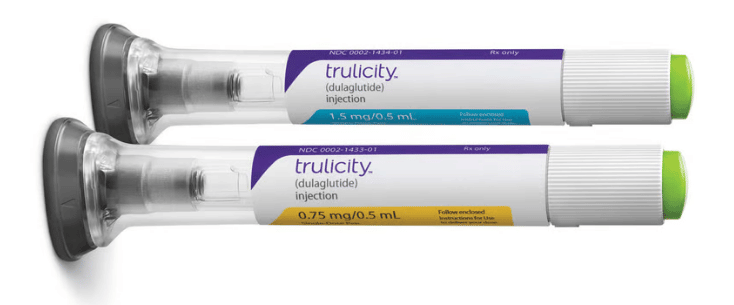
    People sometimes compare Ozempic vs Jardiance to weigh blood sugar effects, heart-kidney outcomes, and side effect differences. These medicines belong to different classes, so your overall goals shape the choice. If you are reviewing device options for weekly GLP-1s, the Trulicity Injection Pen page can help you visualize pen components and patient materials before clinic teaching.

    Practical Tips, Habits, and Ongoing Support

    Set one consistent injection day and add two reminders. Pair the dose with an existing habit, like a weekend breakfast. Eat slowly, stop early at fullness, and favor fiber and lean protein. If a food triggers heartburn or nausea, scale back temporarily, then reintroduce small amounts later. Gentle activity after meals can improve comfort and post-meal glucose.

    Write down side effects and questions between visits. Bring your notes to appointments. Clarify how you’ll handle dose changes, missed injections, or new symptoms. If you want to compare devices directly, explore the Ozempic Injection Pen page to see pen specifics you can review with your care team.

    Where the Evidence Fits Your Life

    Evidence guides care, but lived experience refines it. Your response may differ from study averages because bodies, routines, and stress loads vary. The best plan is one you can sustain. Revisit goals every few months, adjust as needed, and keep your team in the loop. For prescribing information and safety updates, use official labels as your reference points alongside clinical guidance.

    For label-based safety details and usage instructions, review the Trulicity prescribing information and the Ozempic prescribing information. These documents are updated periodically and help ground decisions in current evidence.

    Recap

    Both medicines aim for better glucose control with similar weekly routines. Your decision hinges on tolerability, device preference, and personal goals. Keep the conversation open with your clinician, and revisit the plan as life changes. For many, small consistent habits paired with the right medication deliver steady progress. People often weigh Wegovy vs Ozempic or wonder about Trulicity vs Mounjaro; the right choice is the one that fits your needs today.

    Tip: If you feel stuck, return to basics—sleep, hydration, and a gentle walk after meals can make weekly injections easier to tolerate.

    This content is for informational purposes only and is not a substitute for professional medical advice.

  • Wegovy vs Ozempic: A Balanced Guide to Dosing and Results

    Wegovy vs Ozempic: A Balanced Guide to Dosing and Results

    Choosing between modern GLP-1 medicines can feel overwhelming. Your goals, health history, and tolerance matter more than brand hype. This guide compares semaglutide options clearly, so you can have a better conversation with your care team. It focuses on evidence, safety signals, and practical next steps.

    Key Takeaways

    • Indications differ: one is diabetes-first, the other weight-first.
    • Dosing and titration steps are similar but not identical.
    • Side effects overlap; risk signals warrant informed monitoring.
    • Switching brands should be supervised and individualized.
    • New options, like tirzepatide, may change the calculus.

    If you’re weighing wegovy vs ozempic, start by clarifying your primary goal. Some people prioritize weight management, while others need stronger glucose-lowering effects. Both options use semaglutide, a GLP-1 receptor agonist (hormone-mimicking drug) that slows gastric emptying and reduces appetite. Still, their approvals, dosing ceilings, and coverage pathways are different, which matters for long-term planning.

    wegovy vs ozempic: How They Compare

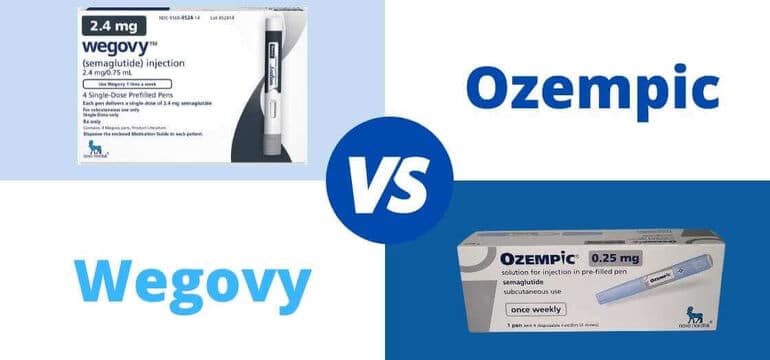
    Both medicines contain semaglutide, a GLP-1 receptor agonist (incretin-mimetic). They help the pancreas release insulin after meals and signal satiety in the brain. While their active ingredient is identical, the labeled indication and dosing targets differ. Wegovy is approved for chronic weight management in adults with obesity or overweight plus a related condition. Ozempic is approved to improve glycemic control in adults with type 2 diabetes.

    For clarity, these are label-based distinctions, not value judgments. According to the FDA prescribing information, Wegovy targets a higher maintenance dose to support weight management, while Ozempic emphasizes glycemic control with cardiovascular risk reduction evidence in diabetes populations. You can review the Wegovy prescribing information for official details (FDA label) and the Ozempic medication guide for its approved use and dosing (prescribing information).

    Coverage and access can also diverge. Some insurance plans recognize chronic weight management benefits differently than diabetes control. Understanding your plan’s rules early helps you avoid gaps. For related metabolic impacts, see an overview of Wegovy and Hormonal Health for context on endocrine signals and appetite regulation.

    Dosing and Titration Differences

    Both medicines increase gradually to improve tolerability. The schedules overlap but are not the same, especially at the maintenance phase. For label-based clarity on the Ozempic vs Wegovy dosing schedule, review the step-up approach below. Use it to frame discussions with your prescriber, not to self-adjust doses.

    Medicine Typical Start Titration Steps Common Maintenance
    Wegovy (semaglutide) 0.25 mg weekly Increase every 4 weeks (0.25→0.5→1.0→1.7 mg) 2.4 mg weekly if tolerated
    Ozempic (semaglutide) 0.25 mg weekly Increase to 0.5 mg; consider 1 mg or 2 mg 0.5–2.0 mg weekly for diabetes

    Real-life titration may vary. Some people remain at intermediate doses for longer to manage nausea or reflux. Others never reach the top dose and still find meaningful benefit. For product specifics and pen formats that may affect usability, see Ozempic for formulation details and Wegovy for dose options; the product pages help contextualize device and strength differences.

    Managing Tolerance During Uptitration

    Early weeks often bring gastrointestinal symptoms. People report queasiness, fullness, or constipation as the body adapts. Small meals, protein-forward choices, and slower titration can help. If symptoms become disruptive, clinicians may pause or down-titrate until the stomach settles. This approach aligns with the general guidance in official labeling. Over time, many patients report improved tolerance as they find a sustainable, individualized dose.

    Expected Results and Real-World Patterns

    Individual results vary widely. Some people see faster changes in appetite, while others need longer to notice. Trial data and clinical experience suggest a dose-response effect, tempered by lifestyle, concurrent medicines, and genetics. When discussing Wegovy vs Ozempic results, frame expectations around gradual change and maintenance rather than a fixed timeline.

    Weight trends often correlate with consistent weekly dosing and meal patterns. In diabetes, clinicians also track HbA1c, fasting glucose, and time-in-range to judge benefit. People with significant heart or kidney comorbidities may prioritize cardiometabolic markers even when weight loss is modest. For additional diabetes-focused context, see Jardiance and Weight Loss, which explores how SGLT2 inhibitors fit into broader metabolic care plans.

    Side Effects and Safety Profiles

    These medicines share class effects. Nausea, vomiting, diarrhea, constipation, and abdominal discomfort are the most common experiences. Dehydration can follow if vomiting is prolonged. Gallbladder issues and pancreatitis have been reported, so persistent severe abdominal pain deserves prompt evaluation. A boxed warning notes a risk of thyroid C-cell tumors in rodent studies; people with a personal or family history of medullary thyroid carcinoma should avoid this class.

    When evaluating Wegovy vs Ozempic side effects, consider your history of reflux, gallstones, pancreatitis, or thyroid disease. Clinicians also watch kidney function during significant gastrointestinal losses. For label-based warnings and precautions, refer to the Wegovy prescribing information and the Ozempic FDA label. To understand broader cardiometabolic ties, see GLP-1 and Sleep Apnea Overview for a primer on weight, airway risk, and treatment pathways.

    Switching Between Brands Safely

    People sometimes switch for coverage, availability, or tolerability. The goal is a smooth transition without losing progress or triggering severe nausea. Discuss timing, starting strength, and interim gaps before making changes. If your priority is Switching from Ozempic to Wegovy dosage equivalence, your prescriber may translate your current weekly dose cautiously and adjust after observing tolerance.

    Manufacturers design pens and strengths differently, which can complicate conversions. Plan monitoring for appetite, blood glucose, and adverse effects during the first 4–8 weeks after a switch. For practical device and strength context before a transition, review Wegovy to understand its available titration steps. Tip: Keep a symptom log and hydration plan; concrete notes help your clinician tailor the next dose step.

    Comparing With Mounjaro (tirzepatide)

    Tirzepatide acts at two receptors (GIP and GLP-1), which may influence appetite and glucose differently. Some patients describe distinct satiety patterns compared with semaglutide. In conversations about Wegovy vs Mounjaro for weight loss, clinicians weigh prior responses, access, and comorbidities. Official prescribing information outlines its indications and titration; you can review the FDA resource for clarity (tirzepatide label).

    If you’re comparing GLP-1 and dual-incretin strategies, it helps to understand how each affects blood sugar and appetite. For a deeper dive on the diabetes side of the equation, see the Mounjaro vs. Ozempic Guide, which explains differences in receptors, outcomes, and real-world considerations. Your personal response, not group averages, should guide long-term decisions.

    Zepbound and Other Alternatives

    Zepbound is tirzepatide approved specifically for chronic weight management. It shares the same molecule as Mounjaro but targets weight indications. If you’re weighing Wegovy vs Ozempic vs Zepbound, consider label indications, dose ceilings, and your tolerance history. Differences in insurance recognition can also shape access and adherence.

    Patients sometimes transition among these options as circumstances change. It’s reasonable to revisit goals every few months and reassess the fit. For an overview of what sets Zepbound apart in the weight space, see Zepbound for Weight Loss for a concise breakdown of mechanisms and program considerations.

    Access and Coverage Basics

    Coverage varies by insurer and plan type, and policies change. Employers may alter formularies midyear, and prior authorizations can expire. If you’re exploring whether Wegovy cost covered by insurance policies applies to your situation, ask for your plan’s obesity-treatment policy and documentation requirements. Keep notes on prerequisite programs, nutrition counseling, or medical-necessity letters.

    Pharmacy access can fluctuate with supply cycles. Having a backup plan reduces gaps if your strength is out of stock. For device formats and strengths to discuss with your clinician and pharmacist, review Ozempic and Wegovy product information; it helps set realistic timelines and refill expectations.

    Recap

    Both medicines use semaglutide but serve different labeled purposes. Start with your primary goal, health history, and tolerance. Use label-based dosing and careful uptitration to manage side effects. Consider alternatives—like tirzepatide—if your needs evolve or access shifts. With informed, steady steps, you can build a plan that respects both safety and sustainability.

    This content is for informational purposes only and is not a substitute for professional medical advice.
  • Levemir vs Tresiba: Differences That Matter for Basal Insulin

    Levemir vs Tresiba: Differences That Matter for Basal Insulin

    Levemir vs Tresiba comes down mainly to duration, dosing flexibility, and how safely a switch can be managed. Both are long-acting basal insulins used as background insulin, but they are not the same product. Levemir contains insulin detemir and may be used once or twice daily. Tresiba contains insulin degludec and is designed for once-daily use with an ultra-long, steady action profile. Why this matters: basal insulin changes can affect overnight lows, fasting glucose, and the timing of your daily routine.

    Key Takeaways

    • Different insulins: Levemir is insulin detemir; Tresiba is insulin degludec.
    • Duration differs: Tresiba generally lasts longer and has a flatter profile.
    • Dosing differs: Levemir may require split dosing for some people.
    • Conversions need supervision: calculators are educational tools, not prescriptions.
    • Safety comes first: late, missed, or double doses require closer glucose monitoring.

    How Levemir vs Tresiba Differs in Daily Use

    Both medicines provide basal insulin, meaning they help cover background insulin needs between meals and overnight. They are not rapid-acting mealtime insulins. The practical difference is how long the glucose-lowering effect lasts and how predictable that effect feels from day to day.

    Levemir may not last a full 24 hours for every adult. Some people use it once daily, while others use it twice daily to smooth fasting or overnight patterns. Tresiba has an ultra-long duration and a more even action curve, which can support once-daily dosing for many adults. This difference often drives the discussion when people compare Levemir vs Tresiba for shift work, variable schedules, or repeated fasting highs.

    There is no universal “better” basal insulin. A person with frequent overnight lows may need a different approach than someone with morning highs. Kidney function, meal timing, exercise, alcohol intake, pregnancy status, and use of rapid-acting insulin can all change the risk picture. Your own glucose data usually matters more than a general comparison chart.

    For broader context on basal and bolus insulin roles, see Different Types Of Insulin. If you use pens and want to understand device formats, Types Of Insulin Pen explains common pen categories in plain language.

    Are They the Same, and Why Do People Switch?

    Tresiba and Levemir are not the same insulin. They are both basal insulin analogs, but their active ingredients, time-action profiles, and dosing patterns differ. That means a switch is not just a brand substitution.

    People may switch basal insulin for several reasons. Some need longer coverage. Others want fewer injections, different pen features, or a regimen that fits changing work hours. Some switches also happen because of formulary changes, availability, or clinician preference based on glucose patterns.

    Recent access questions around Levemir have made switching discussions more common. If a product becomes harder to access in your area, your prescriber may consider other basal options such as insulin degludec, insulin glargine products, or another regimen. The best replacement depends on the reason for insulin use, current dose pattern, hypoglycemia history, and whether you use mealtime insulin.

    Why it matters: A basal insulin switch can create gaps or overlap if timing is not planned.

    If your care team is comparing basal alternatives, Levemir Vs Lantus can help frame how another common long-acting option differs. For insulin glargine background, Lantus Insulin Uses gives a label-oriented overview.

    Dosing, Titration, and Conversion Basics

    Basal insulin dosing should be individualized. Clinicians usually review fasting glucose trends, hypoglycemia episodes, the current total daily insulin dose, meal patterns, and activity level before adjusting or converting therapy. A single high or low reading rarely tells the whole story.

    A tresiba dosage chart or insulin conversion calculator can help you understand the general framework. It should not be used to set your dose alone. Online tools may not account for recent lows, kidney disease, missed meals, alcohol, weight change, steroid use, or changes in mealtime insulin. Those details can change the safest starting point.

    When clinicians discuss Tresiba vs Levemir conversion, they often focus on timing and monitoring during the first several days. Tresiba’s long action means the full effect of a change may take time to become clear. Levemir’s shorter profile may show timing-related gaps more quickly. This is why careful logs are useful before and after a switch.

    What to track before a dose discussion

    • Injection time: record the actual time used.
    • Basal dose: note units and pen strength.
    • Fasting glucose: track several mornings in a row.
    • Night symptoms: include sweats, shaking, or waking hungry.
    • Unusual factors: illness, travel, alcohol, or intense exercise.

    Unit conversion can also be confusing when labs or devices use different glucose units. This converter can help you compare glucose readings in mg/dL and mmol/L. It does not recommend insulin doses or replace clinical guidance.

    [glucose-converter]

    BorderFreeHealth may list product pages for navigation and access context, but dosing choices still belong with your prescriber. For device-specific background, see Insulin Tresiba Flextouch or Insulin Levemir Penfill when discussing formats with a pharmacy team.

    How Much Is a Lot? Understanding Higher Basal Doses

    Questions such as “is 50 units of Tresiba a lot” or “is 100 units of Tresiba a lot” are common. The honest answer is that “a lot” depends on the individual. Body size, insulin resistance, type of diabetes, kidney function, diet pattern, other medicines, and glucose targets all affect insulin needs.

    A dose that is high for one person may be appropriate for another if it is prescribed, monitored, and not causing frequent hypoglycemia. The safer question is not only the number of units. It is whether fasting readings, overnight symptoms, and low-glucose episodes suggest the dose is working safely.

    Pen strength and device limits can also affect how a dose is delivered. Some concentrated insulin pens allow a larger number of units per injection than standard concentration pens. Do not assume that two pens deliver the same maximum amount, even if the brand name looks familiar. Always confirm the label, strength, and instructions with your care team.

    Quick tip: Take a clear photo of your current pen label before appointments.

    For people comparing other long-acting options, Insulin Lantus Solostar and Toujeo Doublestar Pen may be useful product-format references. Use these pages for identification and discussion, not as dosing instructions.

    Missed, Late, or Double Doses

    A missed or late basal dose can raise glucose, while an extra dose can increase hypoglycemia risk. The safest response depends on the insulin used, the time since the scheduled dose, your glucose reading, and your prescriber’s plan.

    Tresiba may allow more timing flexibility than some basal insulins, but that does not make timing irrelevant. Because it lasts a long time, stacking doses too close together can matter. Levemir timing can also matter, especially for people who rely on two daily doses to cover day and night needs.

    If you are worried about what happens if you take a double dose of Tresiba, treat it as a safety issue. Extra basal insulin can cause low blood sugar for an extended period. Check glucose more often if you have been instructed to do so, keep fast-acting carbohydrate available, and contact your clinician, pharmacist, poison control, or urgent care service for situation-specific advice. Seek emergency help for severe confusion, seizure, loss of consciousness, or inability to safely take carbohydrates.

    Common hypoglycemia symptoms include shaking, sweating, hunger, fast heartbeat, headache, weakness, blurred vision, or confusion. Some people have fewer warning symptoms, especially after repeated lows. That makes planned monitoring important during any basal insulin change.

    Comparing Tresiba With Lantus, Toujeo, and Other Basal Options

    Levemir vs Tresiba is only one basal insulin comparison. Clinicians may also discuss Lantus, Basaglar, Toujeo, or other insulin glargine products. These medicines differ in formulation, concentration, device features, duration, and how they fit a person’s routine.

    Lantus and Basaglar contain insulin glargine U-100. Toujeo contains a more concentrated insulin glargine formulation. Tresiba contains insulin degludec and is available in more than one strength in some markets. These differences can affect injection volume, pen handling, and timing conversations, but they do not replace individualized dose planning.

    Searches such as Tresiba vs Lantus, Toujeo vs Tresiba, or Tresiba vs Lantus dosing often reflect the same core concern: which basal insulin gives steady coverage with fewer lows and less burden. The answer depends on your glucose record, current regimen, and access factors. Weight change, fluid shifts, and appetite patterns should be reviewed with a clinician rather than attributed to one insulin without context.

    For people using background insulin as part of a broader type 1 regimen, Type 1 Diabetes Treatment explains how basal insulin fits with mealtime coverage. For condition-based browsing, the Diabetes category gathers related educational content.

    Access, Cost, and Practical Planning

    Cost and access can shape insulin choices, even when the clinical comparison is clear. Formularies, product availability, pen preferences, and cash-pay options may affect what is realistic. These practical constraints should be discussed openly because missed insulin can be dangerous.

    BorderFreeHealth connects U.S. patients with licensed Canadian partner pharmacies, and prescription details may be verified with the prescriber when required before dispensing. This access context can help people compare product formats, but it does not change the need for clinician-guided dosing.

    If you are preparing for a switch, bring a concise list to your appointment. Include your current basal insulin name, concentration, dose timing, recent fasting readings, low-glucose episodes, and any recent medicine changes. Also mention if you work nights, fast for procedures, travel across time zones, or have trouble recognizing hypoglycemia.

    People without insurance may also ask about cash-pay, cross-border prescription options. Eligibility and jurisdiction can affect access, so product navigation should stay separate from medical decisions. For condition-based browsing, you can review the Type 2 Diabetes collection, which lists relevant products and categories.

    Authoritative Sources

    Official product labels provide the most reliable details on insulin indications, warnings, dosing instructions, and device limits. For insulin degludec, review the Tresiba prescribing information from Novo Nordisk.

    For current clinical standards on diabetes management, hypoglycemia, and medication safety, see the ADA Standards of Care in Diabetes.

    For medication safety communications and patient drug information, the FDA drug information resource is a useful regulatory starting point.

    Recap

    Levemir vs Tresiba is a practical comparison, not a simple swap. Levemir may offer split-dose flexibility for some people, while Tresiba may support a longer and steadier once-daily basal pattern. Conversion tools and dosage charts can help you prepare questions, but they cannot account for your full medical picture. Track your readings, avoid unsupervised dose changes, and ask your care team how to handle missed, late, or extra doses before they happen.

    This content is for informational purposes only and is not a substitute for professional medical advice.
  • Cantaloupe and Diabetes: Portions, Pairings, and Melon Choices

    Cantaloupe and Diabetes: Portions, Pairings, and Melon Choices

    Cantaloupe can fit into a diabetes-friendly eating pattern when you keep the portion measured, pair it with protein or healthy fat, and watch your personal glucose response. The key issue with cantaloupe and diabetes is not that melon is forbidden. It is that the amount, timing, and meal context can change how quickly blood sugar rises.

    Why this matters: fruit brings fiber, water, vitamins, and enjoyment. Removing it completely can make eating feel more restrictive than it needs to be. A steadier approach is to treat melon as a carbohydrate food, then build it into meals with intention.

    Key Takeaways

    • Portion first: start with about 1 cup diced cantaloupe.
    • Pair wisely: add yogurt, nuts, seeds, eggs, or cottage cheese.
    • Use glucose feedback: check patterns 1–2 hours after eating.
    • Compare by serving: glycemic load matters more than sweetness alone.
    • Choose whole fruit: juice is easier to overconsume and lacks texture.

    Does Cantaloupe Raise Blood Sugar?

    Cantaloupe can raise blood sugar because it contains natural carbohydrate. For many people, a measured serving causes a smaller rise than a large bowl of melon or a glass of juice. The difference comes from total carbohydrate, fiber, water, and what else is eaten with it.

    One cup of diced cantaloupe is a practical starting portion for many adults. It gives sweetness, hydration, and micronutrients without turning the snack into a large carbohydrate load. If your meal plan uses carbohydrate counting, log melon as part of the meal rather than as a “free” food.

    Cantaloupe also contains vitamin C, potassium, and orange carotenoids such as beta-carotene. These nutrients support general health, but they do not cancel out the fruit’s carbohydrate content. That balanced view helps answer a common question: is cantaloupe good for diabetics? It can be a reasonable choice when the portion fits your plan and your glucose readings stay in range.

    Some people notice a faster rise when melon is eaten alone, especially in the morning or after a long gap without food. Others tolerate it well after lunch or dinner. If you use insulin or medicines that can cause low blood sugar, avoid changing carbohydrate patterns sharply without guidance from your clinician or diabetes care team.

    Portion Size, Glycemic Index, and Glycemic Load

    The glycemic index describes how quickly a carbohydrate food may raise blood glucose compared with a reference food. Glycemic load adds serving size to the picture, so it often feels more useful for real meals. Cantaloupe may be described as moderate on glycemic index lists, but a normal serving can still have a manageable glycemic load for many people.

    In everyday terms, this means the bowl matters. A small measured cup is different from several cups eaten while standing at the counter. The same fruit can behave differently when the portion doubles or triples.

    A simple way to test your own response is to keep the meal steady and change only the fruit portion. For example, try 1 cup of diced cantaloupe with Greek yogurt one day, then compare that with your usual snack on another day. Continuous glucose monitoring, or CGM, can make patterns easier to see. Fingerstick checks can also help if that is how you monitor.

    Quick tip: Pre-portion melon before serving, especially at cookouts or buffets.

    The calculator below can help you estimate glycemic load when you know the glycemic index, available carbohydrate, and serving amount. It is a general math tool, not a personalized diabetes recommendation.

    [glycemic-load-calculator]

    If you are learning how fruit portions fit into a wider eating plan, our list of Top Low Sugar Fruits For Diabetes compares lower-sugar options and serving ideas.

    How to Eat Cantaloupe with Better Blood Sugar Balance

    The most useful strategy is to stop treating melon as a standalone sweet snack. Add protein, fat, or extra fiber so digestion slows and the meal feels more satisfying. This does not guarantee a flat glucose curve, but it often reduces rapid peaks.

    Try these balanced combinations:

    • Greek yogurt bowl: cantaloupe, plain yogurt, cinnamon, and chia.
    • Cottage cheese plate: melon, cottage cheese, cucumber, and pepper.
    • Breakfast side: eggs with a half-cup to 1 cup of melon.
    • Nut pairing: diced cantaloupe with almonds or pumpkin seeds.
    • Salad option: melon, greens, feta, mint, and olive oil.

    Timing can also help. Many people do better when fruit comes at the end of a mixed meal instead of first thing on an empty stomach. If evening snacks tend to raise your fasting glucose, test whether melon at night affects your morning numbers.

    Texture matters too. Whole diced melon requires chewing and slows the eating pace. Smoothies and juices are easier to drink quickly, and larger amounts of fruit can disappear into one glass. If you enjoy blended drinks, measure the fruit first and add protein, such as plain yogurt, instead of using juice as the base.

    Honeydew vs Cantaloupe for Diabetes

    Honeydew and cantaloupe can both fit into diabetes meal planning, but neither is automatically “better” for everyone. The best choice depends on serving size, ripeness, what you pair it with, and your glucose response.

    Cantaloupe is known for its orange color, which comes from carotenoids. Honeydew is usually pale green, mild, and juicy. Honeydew melon benefits include hydration, potassium, and vitamin C. Cantaloupe offers similar hydration plus beta-carotene. Both fruits are mostly water, which can make a measured serving feel refreshing and filling.

    When comparing honeydew vs cantaloupe, avoid judging only by taste. A very ripe melon may seem sweeter, but the real question is how much carbohydrate you eat at once. A cup of either melon is a more useful comparison than a vague bowlful.

    How honeydew fits a diabetes plate

    Honeydew melon and diabetes can work together when you use the same structure as cantaloupe: measure, pair, and monitor. Try 1 cup with cottage cheese, a few walnuts, or a protein-forward breakfast. If you are asking whether honeydew melon is high in sugar, the answer is relative. It contains natural sugar, but a measured serving is very different from frequent large portions.

    Some people find honeydew easier to portion because its flavor is milder. Others prefer cantaloupe because the stronger flavor feels satisfying in a smaller amount. Either way, check your response instead of relying only on general lists.

    Watermelon, Pineapple, Grapes, and Other Fruit Choices

    Other sweet fruits can still fit for many people with diabetes, but serving size becomes even more important. Watermelon, pineapple, and grapes are common examples because they are easy to overeat and often appear in large fruit bowls.

    Watermelon has a high water content, so a cup can look generous while still being fairly light. However, watermelon glycemic load changes as the serving grows. If you wonder how much watermelon a diabetic should eat, a measured 1-cup portion is a common starting point to discuss with your care team or dietitian. Eating it after a meal may work better than eating it alone at night.

    Pineapple is another fruit that needs portion awareness. Is pineapple good for diabetes? It can be included in small amounts for some people, especially with protein or fiber. A half-cup of pineapple with cottage cheese or unsweetened yogurt is often more balanced than pineapple juice or a large fruit cup.

    Grapes can be nutritious, but they are easy to eat by the handful. If you ask whether a diabetic can eat grapes every day, the better question is whether the serving fits the day’s carbohydrate plan and glucose pattern. Pre-portioning can prevent accidental overeating.

    For more fruit-specific context, you may also find our pages on Strawberries And Diabetes, Peaches And Diabetes, and Bananas And Diabetes useful for comparing common choices.

    What Is the Best Fruit for People with Diabetes?

    There is no single miracle fruit for diabetes. The best fruit is the one that fits your carbohydrate target, supports fullness, and keeps your readings in a safe range. For many people, berries, citrus, kiwi, avocado, peaches, and measured melon portions can all have a place.

    Be careful with lists of the “5 worst fruits to eat for diabetics.” They can oversimplify a very personal topic. A fruit that spikes one person may be fine for another in a smaller serving or with a meal. The more useful ranking is based on your meter, your medication plan, and your usual portions.

    Fruit form matters as much as fruit type. Whole fruit is usually easier to manage than juice, dried fruit, or canned fruit in heavy syrup. Dried fruit has less water, so the carbohydrate becomes concentrated into a small volume. That can make portions hard to judge.

    Avocado is a different kind of fruit because it is higher in fat and lower in carbohydrate than most sweet fruits. If you want a lower-carbohydrate fruit option, our page on Avocados And Diabetes explains how it compares with sweeter choices.

    If you live with type 2 diabetes and want broader nutrition reading, the Type 2 Diabetes collection groups related education in one place. For a wider set of diabetes topics, browse the Diabetes collection.

    When to Be More Careful with Melon

    Cantaloupe and diabetes usually comes down to routine decisions, but some situations need extra caution. If you are pregnant, have kidney disease, use insulin, take medications that can cause hypoglycemia, or have repeated highs or lows, ask your clinician or registered dietitian how fruit should fit your plan.

    People with advanced kidney disease may need individualized potassium guidance. Melons contain potassium, and “healthy” foods can still need limits when kidney function is reduced. Your care team can help you balance blood sugar, kidney needs, and heart health goals.

    Gastroparesis, or delayed stomach emptying, can also change glucose timing after meals. Fruit may not raise glucose when expected, then contribute to a later rise. If you have nausea, early fullness, unpredictable readings, or frequent lows after eating, individualized advice matters.

    Food safety is another practical point. Cantaloupe has a rough rind that can hold bacteria. Wash the outside before cutting, use clean utensils, and refrigerate cut melon promptly. People who are pregnant, older, immunocompromised, or medically fragile should be especially careful with cut fruit storage.

    A Simple Melon Plan You Can Try

    A repeatable plan can make fruit feel less stressful. Start with one measured serving, pair it with a steady protein source, and check your glucose pattern. Then adjust the portion or timing if needed.

    1. Measure 1 cup of diced cantaloupe or honeydew.
    2. Add protein, such as yogurt, eggs, or cottage cheese.
    3. Include fat or fiber, such as nuts, seeds, or chia.
    4. Eat it with or after a meal when possible.
    5. Check your glucose pattern after the first few trials.
    6. Record what worked, including time of day and portion.

    Example: A person who enjoys sweet breakfasts might swap a large fruit bowl for plain Greek yogurt, 1 cup diced cantaloupe, chia, and walnuts. The meal still feels fresh and sweet, but it has more protein and fat than melon alone.

    Another example: At a summer gathering, you might serve yourself a measured scoop of melon after grilled chicken and salad. This gives you the fruit you enjoy while avoiding repeated grazing from the serving bowl.

    Authoritative Sources

    The American Diabetes Association explains that fruit can fit into diabetes meal planning, especially when portions and carbohydrate totals are considered. See its guidance on fruit choices for diabetes.

    The Mayo Clinic also addresses the common concern that sweet fruits must always be avoided. Its diabetes nutrition guidance notes that carbohydrate amount and meal context matter; read more in its answer on diabetes and sweet fruits.

    For nutrient details, USDA FoodData Central lets readers check fruit nutrition by serving size. You can search its database for cantaloupe and other melons.

    Recap

    Cantaloupe can be part of a diabetes-friendly pattern when you measure the serving, pair it with protein or fat, and use your glucose readings as feedback. Honeydew, watermelon, pineapple, and grapes can also fit for some people, but portions and timing matter.

    The most practical approach is not to fear fruit. Build a repeatable plate, keep servings realistic, and ask for professional guidance when readings are unpredictable or your health situation is more complex.

    This content is for informational purposes only and is not a substitute for professional medical advice.
  • How to Test for Diabetes and Understand Screening Results

    How to Test for Diabetes and Understand Screening Results

    If you need to know how to test for diabetes, the most reliable path is a lab-based blood test ordered through a clinician, clinic, or qualified screening program. Home meters and kits can help you notice patterns, but they do not usually confirm a diagnosis on their own. Testing matters because high blood sugar can damage blood vessels and nerves before symptoms feel obvious.

    Most people start with one of four blood tests: A1C, fasting plasma glucose, oral glucose tolerance test, or random plasma glucose when symptoms are present. The right choice depends on symptoms, pregnancy status, age, risk factors, and how quickly results are needed.

    Key Takeaways

    • Lab tests diagnose diabetes most reliably.
    • Home meters track patterns, not formal diagnosis.
    • A1C shows longer-term glucose trends.
    • Symptoms with high readings need prompt care.
    • Free screening may be available locally.

    When Testing Makes Sense

    Diabetes screening is useful when your risk is higher, symptoms appear, or a clinician wants to check blood sugar as part of routine preventive care. Adults with overweight or obesity, high blood pressure, a family history of diabetes, polycystic ovary syndrome, previous gestational diabetes, or sleep apnea may be screened earlier or more often. Some communities also face higher diabetes risk because of unequal access to food, preventive care, and safe places for activity.

    Symptoms can also drive testing. Common warning signs include frequent urination, unusual thirst, blurry vision, fatigue, slow-healing cuts, repeated infections, tingling in the feet, and unintended weight loss. The classic “big three” are increased thirst, increased urination, and increased hunger. Type 1 diabetes can come on quickly, while type 2 diabetes may develop slowly. For a deeper symptom comparison, see Type 1 Diabetes Symptoms and Type 2 Diabetes Symptoms.

    Seek urgent medical care if high blood sugar symptoms occur with vomiting, severe weakness, confusion, fruity-smelling breath, deep rapid breathing, or signs of dehydration. These can signal a dangerous metabolic problem, especially in people who may have type 1 diabetes or who use insulin.

    The Main Blood Tests Used to Diagnose Diabetes

    Clinicians use blood tests because they measure glucose directly or estimate average glucose over time. In many cases, an abnormal result is repeated or confirmed with a different test unless symptoms and high blood sugar make the diagnosis clear.

    A1C test

    The A1C test estimates average blood sugar over roughly the past two to three months. It does not require fasting, which makes it convenient for many screening visits. Some medical conditions can affect A1C accuracy, including certain anemias, recent blood loss, kidney disease, pregnancy, and some hemoglobin variants. In those cases, a clinician may choose a glucose-based test instead.

    Fasting plasma glucose

    Fasting plasma glucose checks blood sugar after you have not eaten for at least eight hours. It is often done in the morning. This test can identify diabetes or prediabetes, but a single borderline result may need confirmation. Illness, stress, and some medicines can temporarily raise glucose.

    Oral glucose tolerance test

    The oral glucose tolerance test, often called OGTT, measures how your body handles a measured glucose drink. You usually fast first, then have blood drawn before and after the drink. This test is commonly used during pregnancy and may detect glucose problems that fasting tests miss.

    Random plasma glucose

    A random plasma glucose test can be used when someone has clear symptoms of diabetes. It does not require fasting. If the result is high and symptoms are present, clinicians may act quickly and order follow-up testing to clarify the diabetes type and treatment needs.

    Why it matters: The test name matters because each result answers a different question.

    What Results Can Mean

    Diabetes blood test results are interpreted using clinical thresholds, symptoms, and personal context. In general, A1C reflects longer-term glucose exposure, fasting glucose reflects baseline sugar after not eating, and OGTT shows how the body responds to a glucose challenge. Your clinician may also consider age, pregnancy, kidney function, medications, recent illness, and whether symptoms are present.

    Many readers ask about type 2 diabetes blood sugar levels because numbers guide follow-up. Diagnostic ranges differ from daily treatment targets. A person already living with diabetes may have individualized goals for A1C, fasting readings, after-meal readings, or continuous glucose monitor time-in-range. Those goals may change during pregnancy, illness, steroid treatment, kidney disease, or periods of hypoglycemia risk.

    The A1C and estimated average glucose relationship can be confusing. A conversion tool can help you compare these two ways of discussing longer-term glucose, but it cannot diagnose diabetes or replace lab interpretation.

    [hba1c-calculator]

    Bring the actual lab report to your appointment when possible. It helps your care team see the test method, units, reference range, and whether confirmation is needed.

    How to Test for Diabetes at Home Safely

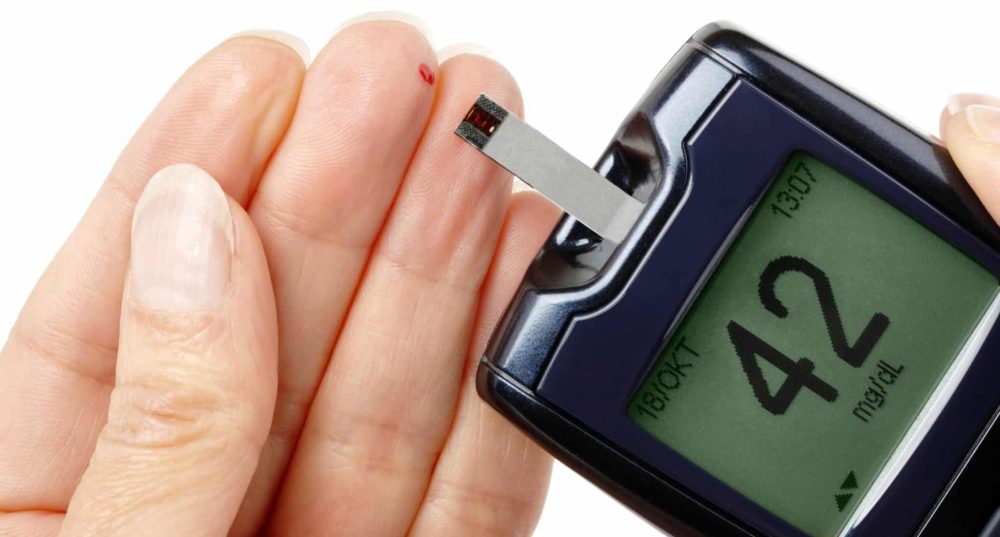
    How to test for diabetes at home usually means checking blood sugar with a fingerstick meter, continuous glucose monitor, or mail-in/home A1C kit. These tools can be useful, but they have limits. A home reading can show that glucose is high or low at that moment. It usually cannot tell you why, classify diabetes type, or confirm a formal diagnosis.

    A blood glucose meter uses a small blood drop from a fingerstick and a test strip. If you already use home monitoring, follow the device instructions and record the time, food, activity, symptoms, and medications around each reading. Device technique matters. Unwashed hands, expired strips, poor strip storage, or too little blood can affect results. Product pages such as Contour Next Meter, OneTouch Verio Flex Meter, and compatible test-strip pages can help readers recognize common meter supplies, but diagnosis still belongs in clinical care.

    Some people search for how to check blood sugar at home naturally or how to test diabetes at home naturally without a machine. Lifestyle habits such as balanced meals, movement, sleep, and stress management can support glucose control, but they do not measure blood sugar. Symptoms alone are not a reliable test. If you suspect diabetes, arrange blood testing rather than relying on thirst, urination, or energy levels as proof.

    Urine glucose strips are also limited. A urine test for diabetes type 2 may miss high blood sugar because kidneys spill glucose at different thresholds. A positive urine glucose result needs blood-test confirmation. Ketone urine strips have a different role: they may help identify ketones during illness or very high glucose, especially for people at risk of diabetic ketoacidosis. High ketones with concerning symptoms should be treated as urgent.

    Type 1, Type 2, Prediabetes, and Pregnancy: Why Classification Matters

    Testing does more than confirm high blood sugar. It can also help clinicians decide what kind of diabetes is most likely and what follow-up is safest. Type 1 diabetes is autoimmune and involves loss of insulin production. Type 2 diabetes usually involves insulin resistance and gradual beta-cell strain. Prediabetes means glucose is above the usual range but not in the diabetes range.

    Age and body weight do not reliably separate type 1 from type 2. Adults can develop autoimmune diabetes, sometimes called latent autoimmune diabetes in adults. Late-onset type 1 diabetes symptoms may include thirst, frequent urination, fatigue, unplanned weight loss, and worsening glucose despite lifestyle changes. When the picture is unclear, clinicians may order antibody testing, such as GAD65, IA-2, or ZnT8 antibodies, and sometimes C-peptide to estimate insulin production.

    Pregnancy changes screening. Gestational diabetes testing often uses a glucose challenge or oral glucose tolerance approach, depending on local protocol and personal risk. People with previous gestational diabetes, polycystic ovary syndrome, or a strong family history may need earlier discussion. For more background, see What Is Gestational Diabetes.

    Prediabetes also deserves attention. It may not cause symptoms, but it can signal higher future risk for type 2 diabetes and cardiovascular disease. If you have borderline results or risk factors, Prediabetes Symptoms and Signs explains why many people feel well even when screening is abnormal.

    Where to Get Tested, Including Low-Cost Options

    You can get tested through primary care offices, community health centers, walk-in clinics, some pharmacies, health fairs, and local public health programs. The best setting depends on your symptoms and whether you need diagnosis, routine screening, pregnancy testing, or follow-up for known diabetes. If symptoms are severe, choose urgent medical care rather than a casual screening event.

    People often ask where they can get their blood sugar tested for free. Availability varies by city, season, and program funding. Local health departments, federally qualified health centers, employer wellness events, and community diabetes campaigns may offer no-cost or low-cost screening. Call ahead to ask which test is offered, whether fasting is required, whether results are interpreted by a clinician, and what follow-up is available.

    Pharmacies may advertise diabetes screening days or A1C testing services, but details can change. A pharmacy fingerstick result may be useful for awareness, yet abnormal results still need clinical follow-up. If you lack insurance, ask about sliding-scale clinics and community programs. BorderFreeHealth may be relevant later for some prescription-access questions, but screening and diagnosis should start with appropriate medical testing.

    A Practical Screening Checklist

    Use this checklist to prepare for testing and make the visit more useful. It keeps the conversation focused and reduces the chance that important context gets missed.

    • List symptoms and timing.
    • Bring current medications.
    • Note pregnancy possibility.
    • Ask whether fasting is needed.
    • Request the exact test name.
    • Ask how results are confirmed.
    • Plan follow-up before leaving.
    • Track home readings with context.

    Quick tip: Write down units, such as mg/dL or mmol/L, beside every glucose value.

    If you already have high readings at home, include when they happened. A fasting reading, a reading two hours after a meal, and a random reading during symptoms can mean different things. Do not change prescribed medication based only on an isolated home value unless your care plan already tells you what to do.

    Common Pitfalls That Can Delay Answers

    One common mistake is using a home meter as the final answer. Meters can be helpful, but diagnosis usually requires standardized testing. Another pitfall is ignoring symptoms because a single reading looked normal. Glucose can vary by time of day, food, illness, and medication.

    A second issue is assuming diabetes type based on appearance. Some lean adults have type 2 diabetes, and some adults with higher body weight have autoimmune diabetes. If symptoms are sudden, weight loss is present, ketones are high, or glucose remains very high, classification deserves careful review.

    Finally, do not treat urine glucose as a reliable rule-out test. Urine results lag behind blood glucose and depend on kidney handling. If symptoms continue, blood testing is the better next step. For signs of very high glucose, Signs and Symptoms of Hyperglycemia can help you decide when a reading deserves prompt attention.

    Authoritative Sources

    For current public-health guidance on how to test for diabetes, review the CDC diabetes testing overview. It explains common screening settings and why blood testing is used.

    For diagnostic criteria and clinical standards, see the American Diabetes Association Standards of Care. These standards are updated regularly for clinicians and health systems.

    For details on A1C testing and factors that affect accuracy, the NIDDK A1C test resource offers a patient-friendly explanation.

    Final Thoughts

    Knowing how to test for diabetes helps you move from worry to clear next steps. Lab-based testing is the standard for diagnosis. Home tools can support monitoring, pattern recognition, and better conversations with your care team.

    If your results are normal but symptoms continue, ask whether repeat testing or a different test makes sense. If results are abnormal, ask what the value means, whether it needs confirmation, and how diabetes type will be evaluated. For more related education, browse the Diabetes collection.

    This content is for informational purposes only and is not a substitute for professional medical advice.
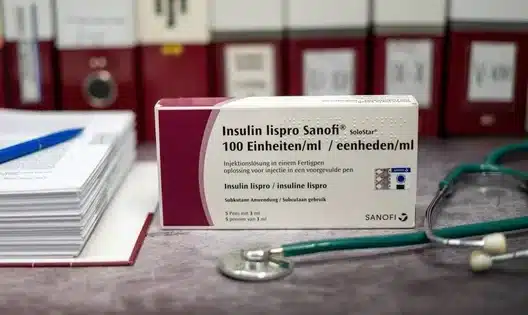
  • Low Blood Sugar Symptoms, Causes, and Safe Next Steps

    Low Blood Sugar Symptoms, Causes, and Safe Next Steps

    Low blood sugar symptoms are warning signs that your brain and body may not be getting enough usable glucose. Common signs include shakiness, sweating, sudden hunger, a fast heartbeat, dizziness, headache, anxiety, irritability, or confusion. This matters because severe hypoglycemia can impair judgment, cause fainting or seizures, and become an emergency. If you can, check your glucose level. If symptoms are severe, the person cannot swallow safely, or they do not improve, seek urgent medical help.

    Low blood sugar is also called hypoglycemia. It is most common in people using insulin or certain diabetes medicines, but it can happen in other situations too. The goal is to recognize the pattern early, treat safely, and understand why it happened.

    Key Takeaways

    • Common early signs include shakiness, sweating, hunger, dizziness, and a racing heartbeat.
    • Brain-related symptoms, such as confusion or unusual behavior, are more concerning.
    • Fast-acting carbohydrate is often used for mild lows when a person is awake and able to swallow.
    • Episodes can occur without diabetes, especially with fasting, alcohol, illness, pregnancy, or some medicines.
    • Repeated, nighttime, severe, or unexplained episodes deserve clinician review.

    Low Blood Sugar Symptoms to Notice Early

    The earliest signs usually come from stress hormones released when glucose starts to fall. Five common low blood sugar symptoms are shakiness, sweating, sudden hunger, dizziness, and a fast heartbeat. Some people also feel anxious, weak, nauseated, chilled, or unusually tired.

    Symptoms can vary from one episode to the next. A person who felt shaky during one low may feel confused during another. Older adults, people with long-standing diabetes, and those with repeated episodes may have fewer warning signs. This is sometimes called hypoglycemia unawareness, which means the body gives less obvious alerts before glucose falls further.

    Body alarm signs

    These symptoms often appear while the body is trying to raise glucose quickly. They can feel intense, but they may still happen before severe danger develops.

    • Shaky hands or trembling
    • Sweating or clammy skin
    • Fast or pounding heartbeat
    • Sudden hunger or nausea
    • Lightheadedness or weakness
    • Pale skin or chills

    Brain and behavior signs

    The brain depends heavily on glucose. When glucose drops further, thinking, speech, vision, coordination, and behavior can change. These symptoms need more caution because the person may not be able to respond clearly.

    • Confusion or slowed thinking
    • Blurred vision or headache
    • Slurred speech or clumsiness
    • Irritability or unusual behavior
    • Drowsiness or fainting
    • Seizure or loss of consciousness

    Why it matters: A person who seems drunk, disoriented, or suddenly aggressive may be having a medical problem, not a behavior problem.

    What to Do When Glucose Feels Low

    When glucose is low and the person is awake, fast-acting carbohydrate is usually the first step. If you have diabetes, follow the plan your clinician gave you. Many diabetes education plans use glucose tablets, glucose gel, regular juice, regular soda, or similar fast carbohydrate sources for mild hypoglycemia.

    What raises blood sugar the fastest is usually a source that is mostly sugar and easy to absorb. Mixed foods with lots of fat or protein, such as chocolate, peanut butter, or a full meal, may work more slowly. They can still have a role after the immediate low is treated, especially if the next meal is not soon.

    Do not give food or drink to someone who is unconscious, having a seizure, very drowsy, or unable to swallow safely. That can cause choking. In those cases, use prescribed emergency glucagon if available and call emergency services.

    After a mild episode improves, think about the likely trigger. Was a meal delayed? Was exercise more intense than usual? Was alcohol involved? Was a diabetes medicine taken without enough food? These details help prevent a repeat episode. Do not change prescribed diabetes medicines on your own; discuss patterns with your clinician.

    What Blood Sugar Numbers Mean

    A reading below 70 mg/dL, or 3.9 mmol/L, is commonly treated as low for many people with diabetes. A reading below 54 mg/dL, or 3.0 mmol/L, is often considered clinically significant hypoglycemia. Severe hypoglycemia is defined by function, not only by the number: it means the person needs help from someone else.

    Numbers guide action, but symptoms still matter. Some people feel symptoms at slightly higher levels when glucose is dropping fast. Others may feel few symptoms at dangerously low levels. If your symptoms and meter readings do not match, repeat the check if possible and follow your care plan.

    Glucose Situation Usual Meaning Practical Consideration
    Below 70 mg/dL Often treated as low glucose Use your hypoglycemia plan and monitor for improvement.
    Below 54 mg/dL Clinically significant low Act promptly and tell your clinician if it happens.
    Confusion, seizure, or fainting Possible severe hypoglycemia Emergency help may be needed, even without a current reading.
    Symptoms with normal glucose May be another cause Track timing and discuss other possibilities with a clinician.

    Quick tip: If a meter, lab report, or travel record uses a different unit, a glucose converter helps compare mg/dL and mmol/L values.

    [glucose-converter]

    The converter is a unit tool only. It does not diagnose hypoglycemia, predict risk, or replace your care plan.

    Why Blood Sugar Drops, Including Without Diabetes

    Hypoglycemia happens when available glucose falls below what the body needs at that moment. In diabetes care, common contributors include insulin, sulfonylurea medicines, delayed meals, less carbohydrate than expected, alcohol, illness, or more physical activity than usual. The issue is often a mismatch between medicine, food, and energy use.

    You can also have low glucose without diabetes. Possible causes include prolonged fasting, heavy exercise, alcohol use, vomiting, certain medicines, severe illness, hormone problems, liver or kidney disease, or previous stomach surgery. Some people have reactive hypoglycemia, where symptoms occur after eating, often within a few hours. That pattern still needs proper evaluation rather than guessing.

    Foods do not usually trigger dangerous hypoglycemia by themselves. For some people, a large refined-carbohydrate meal may be followed by a rapid glucose rise and then a drop. For others, symptoms after meals may reflect anxiety, caffeine, digestion changes, or another condition. A clinician may ask for a symptom diary, finger-stick readings, continuous glucose monitor data, or lab testing to sort this out.

    Symptoms of low blood sugar in non diabetics should not be ignored when they are recurrent, severe, or confirmed by a low reading. Bring details about meal timing, alcohol intake, exercise, sleep, pregnancy status, and medications. That context matters more than one isolated number.

    Nighttime, Pregnancy, and Higher-Risk Situations

    Nighttime episodes are harder to catch because sleep can hide the early warning signs. Nighttime low blood sugar symptoms may include sweating, nightmares, restless sleep, waking with a headache, unusual morning fatigue, or confusion on waking. A bed partner may notice tossing, sweating, or unusual behavior before the person does.

    Severe untreated hypoglycemia can be life-threatening, including during sleep. The risk is higher for people using insulin or medicines that can lower glucose, people with hypoglycemia unawareness, and those who have had recent severe episodes. If this risk applies to you, ask your clinician about overnight targets, medicine timing, alcohol, bedtime snacks, continuous glucose monitoring, and whether emergency glucagon belongs in your plan.

    Pregnancy can also change glucose patterns. Nausea, vomiting, delayed meals, changing insulin needs, and higher energy demands can all complicate glucose control. Pregnant people should contact their pregnancy or diabetes care team for repeated lows, difficulty keeping food down, fainting, or any severe symptoms. Kidney disease, gastroparesis, eating disorders, and medication-related hypoglycemia also deserve individualized care.

    When the Symptoms May Be Something Else

    Not every shaky, sweaty, anxious spell is hypoglycemia. Panic attacks, low blood pressure, dehydration, thyroid problems, infections, anemia, caffeine, and medication side effects can feel similar. Checking glucose during symptoms can help separate true lows from look-alike symptoms.

    If symptoms began after a medicine change, write down timing, dose schedule, meals, and the exact symptoms. Medication side-effect tracking can make the conversation more concrete. For related context, see Escitalopram Side Effects and Abilify and Weight Gain.

    Emotional stress also affects how symptoms are noticed. Recurrent lows can make people fearful of exercise, sleep, driving, or leaving home. Long-term conditions can overlap with mood and daily routines; Chronic Illness and Depression explores that connection in more detail.

    What to Track Before You Seek Care

    The best prevention plan starts with patterns, not blame. A log can show whether low blood sugar symptoms happen after exercise, overnight, after alcohol, during illness, after a missed meal, or after a medication change. It also helps your clinician decide whether further testing or treatment changes are needed.

    Useful details include the time symptoms started, your glucose reading if available, what you ate, recent activity, alcohol intake, medicines taken, and how symptoms improved. If you use a continuous glucose monitor, bring trend data rather than only single readings. If you do finger-stick checks, note whether your hands were clean and whether the reading was repeated.

    • Timing pattern: before meals, after meals, overnight, or during activity.
    • Food context: delayed meals, smaller meals, vomiting, or alcohol.
    • Medication context: new medicines, missed doses, or schedule changes.
    • Symptom severity: confusion, fainting, seizure, or need for help.
    • Recovery details: what you used and whether symptoms returned.

    If diabetes is part of your health picture, the Diabetes Resources hub offers a browseable place to continue learning about glucose-related topics. Use educational resources as preparation for care, not as a substitute for a personalized plan.

    Authoritative Sources

    If lows are frequent, severe, or hard to explain, bring your records to a clinician. Clear notes can help protect your safety and reduce the chance of another episode.

    This content is for informational purposes only and is not a substitute for professional medical advice.

  • Levemir vs Lantus: Differences That Affect Daily Use

    Levemir vs Lantus: Differences That Affect Daily Use

    Levemir vs Lantus comes down to the same basic job with different practical details. Both are long-acting basal insulins used to provide background insulin, but Lantus often lasts closer to a full day while Levemir can wear off sooner and may be used once or twice daily. That difference can affect fasting glucose, overnight lows, injection timing, and how a clinician plans a safe switch.

    This article can help you prepare better questions for your prescriber. It does not replace individualized dosing advice, especially if you use mealtime insulin, have frequent hypoglycemia, are pregnant, have kidney disease, or are changing from another insulin type.

    Key Takeaways

    • Same role: Both medicines are basal insulin analogs for background glucose control.
    • Different duration: Glargine often provides steadier 24-hour coverage; detemir may be shorter.
    • Dosing may differ: Lantus is commonly once daily, while Levemir may be once or twice daily.
    • Switching needs oversight: Conversion plans should consider glucose logs, hypoglycemia risk, and other insulin use.
    • Access can change: Glargine follow-ons and ultra-long options may be discussed when Levemir access is limited.

    How These Basal Insulins Compare

    Levemir and Lantus are not identical, even though both cover basal insulin needs. Lantus is insulin glargine U-100. Levemir is insulin detemir U-100. They are designed to reduce the sharp peaks seen with older insulins and help keep glucose more stable between meals and overnight.

    The main clinical difference is how long the effect lasts in day-to-day use. Many adults use glargine once daily. Detemir may last up to 24 hours at some doses, but its duration is more dose-dependent. In practice, many people need split dosing with detemir to avoid late-day or overnight gaps.

    Feature Lantus Levemir
    Generic name Insulin glargine U-100 Insulin detemir U-100
    Main role Basal background insulin Basal background insulin
    Usual onset About 1 to 2 hours About 1 to 2 hours
    Peak pattern No pronounced peak No pronounced peak
    Duration pattern Often close to 24 hours About 12 to 24 hours, dose-dependent
    Common schedule Often once daily Once or twice daily

    For a broader explanation of basal, bolus, and premixed insulin, see Types of Insulin. If your current plan includes glargine, Lantus Insulin Uses provides more brand-specific context.

    Why it matters: A longer or shorter basal effect can change fasting readings without changing meals.

    Dosing Patterns and Safe Conversion Questions

    Levemir vs Lantus dosing is usually about timing, total daily basal insulin, and safety monitoring. Many clinicians start by reviewing recent fasting readings, overnight lows, A1C, meal patterns, kidney function, and other glucose-lowering medicines. That review matters because two people on the same number of units can respond very differently.

    Some switching plans use a similar total daily basal dose as a starting reference, but that is not a universal rule. A clinician may lower the starting dose if hypoglycemia risk is high, if glucose readings have been trending low, or if other medications increase insulin sensitivity. They may also adjust timing when moving from twice-daily detemir to once-daily glargine.

    People often search for an insulin conversion calculator because they want a clean number. A calculator can support basic math, but it cannot judge clinical risk. It does not know whether you skipped meals, had recent lows, changed activity, started steroids, or developed kidney changes. Use any calculation only as a discussion aid with your care team.

    If you track glucose in different units, this converter can help you compare readings in mg/dL and mmol/L. It is a unit-conversion tool only, not a dosing tool.

    [glucose-converter]

    Common conversion questions include moving from Levemir to Lantus, glargine to a follow-on glargine, or basal insulin to a premixed product. Premixed insulin is especially different because it combines basal and meal-related coverage. It should not be treated as a direct one-for-one basal substitute without clinician guidance.

    Questions to ask before switching

    • Starting dose: Ask how the first dose was chosen.
    • Timing plan: Clarify morning, evening, or split timing.
    • Low-glucose plan: Review when to treat and when to call.
    • Follow-up window: Ask when to share logs.
    • Other medicines: Confirm if mealtime insulin or tablets change.

    People also ask whether they can take Levemir and Lantus together. In routine care, two long-acting basal insulins are not usually combined because their actions overlap. If both appear on a medication list, confirm whether one is being stopped, replaced, or used during a supervised transition.

    Duration, Fasting Glucose, and Daily Timing

    Levemir vs Lantus duration of action can explain why glucose patterns change after a switch. If basal insulin fades before the next dose, fasting or late-day readings may rise. If basal insulin coverage is too strong overnight, morning lows may occur. These patterns are more useful than one isolated reading.

    Glargine U-100 is often described as having a relatively flat profile over about 24 hours. Detemir also has a flatter basal profile than older intermediate-acting insulin, but its duration can vary more by dose and person. Lower detemir doses may not last as long, which is one reason twice-daily dosing is common in some adults.

    Timing consistency matters with both medicines. A dose taken at very different times each day can make readings harder to interpret. Illness, alcohol, missed meals, unusual exercise, and changes in weight can also shift insulin needs. If you use a continuous glucose monitor, overnight trend arrows and time-in-range can help your clinician see whether a timing issue is present.

    Quick tip: Keep seven days of fasting, bedtime, and low-glucose notes after any planned basal change.

    If you are comparing pen devices as part of timing and routine, Types of Insulin Pen explains common handling differences. Device comfort cannot replace clinical fit, but it can affect consistency.

    Side Effects, Weight, and Hypoglycemia Risk

    Lantus vs Levemir side effects overlap because both are insulin products. The most important risk is hypoglycemia, or low blood glucose. Symptoms may include shakiness, sweating, confusion, hunger, fast heartbeat, or weakness. Severe low glucose can be dangerous and needs urgent help if a person cannot swallow safely, has a seizure, or loses consciousness.

    Injection-site reactions can also occur. These may include redness, itching, swelling, or small lumps under the skin. Rotating injection sites helps reduce lipodystrophy, a change in fatty tissue that can make insulin absorption less predictable. Avoid injecting into hardened or pitted areas unless your clinician gives specific guidance.

    Weight change is another common concern. Some studies and reviews have suggested detemir may be associated with slightly less weight gain than glargine in certain groups, though results vary. Weight changes also depend on glucose improvement, calories, activity, hypoglycemia treatment, and other medicines. A registered dietitian can help if insulin changes lead to repeated lows, compensatory snacking, or unwanted weight shifts.

    Seek medical advice promptly for repeated unexplained lows, allergic symptoms, severe injection-site reactions, or major changes in glucose after a switch. Do not stop basal insulin suddenly unless a clinician tells you to, because very high glucose and ketoacidosis can occur, especially in type 1 diabetes.

    Interchangeability, Access, and Related Options

    Levemir and Lantus are different molecules, so they are not automatically interchangeable in the way that term is used for certain biosimilars. A pharmacist generally needs prescriber direction to change from detemir to glargine or to another basal insulin. Even when the switch is clinically common, the plan should include dosing, timing, and monitoring details.

    Access has become a bigger issue for many people who used detemir. If Levemir is unavailable or no longer preferred by a plan, clinicians may consider glargine products, biosimilar or follow-on glargine options, or ultra-long basal insulin. The right alternative depends on the person’s diagnosis, glucose pattern, prior lows, device needs, coverage, and prescriber judgment.

    Basaglar is a glargine product, so its action profile is generally closer to Lantus than to detemir. If you are comparing glargine formats, the Lantus SoloStar page and Basaglar Cartridge page can help you review device formats. Use product pages for identification and handling context, not as dosing instructions.

    Ultra-long insulin may also come up during access discussions. Degludec has a longer duration than detemir or glargine U-100, which can affect timing flexibility and conversion planning. For a focused comparison, see Levemir vs Tresiba.

    BorderFreeHealth connects U.S. patients with licensed Canadian partner pharmacies. Where required, prescription details are verified with the prescriber before the pharmacy dispenses. For people without insurance, cash-pay cross-border prescription options may be available, subject to eligibility and jurisdiction.

    When Other Insulin Types Enter the Conversation

    Other insulin types are not direct substitutes for basal insulin. Intermediate-acting insulin, such as NPH, has a more noticeable peak and a shorter duration than many basal analogs. That peak can be useful in some plans, but it can also change hypoglycemia risk and meal timing needs.

    If NPH is being discussed because of access or cost, ask how its peak should be managed. You may need a different monitoring schedule than with glargine or detemir. For background on this older insulin category, see Intermediate-Acting Insulin.

    Premixed insulin, such as 70/30 products, is another separate category. It combines an intermediate component with a shorter-acting component. That means it can cover both background needs and meal-related glucose in a fixed ratio. Because the ratio is fixed, it offers less flexibility than separate basal and bolus dosing for some people.

    People searching for a Lantus to 70/30 conversion calculator or an NPH to Lantus conversion calculator should be cautious. These switches change more than the number of units. They can change meal timing, low-glucose risk, and how corrections are handled. A clinician should write the conversion plan and explain what readings to report.

    Practical Monitoring After a Basal Insulin Change

    The first week after a planned basal switch is about pattern recognition, not chasing every single reading. Your care team may ask for fasting values, bedtime readings, overnight lows, and notes about unusual meals or activity. If you use mealtime insulin, they may also want pre-meal readings.

    Example: A person moving from twice-daily detemir to once-daily glargine may notice better late-day coverage, but also a different overnight pattern. Another person may feel the morning dose timing no longer fits work or meal schedules. These situations do not mean the switch failed. They mean the plan may need careful adjustment.

    Do not change doses on your own based only on one high or low value unless your clinician has given a written adjustment plan. Instead, document the pattern and share it. Include missed doses, alcohol, illness, steroids, exercise, menstrual-cycle changes, and changes in appetite. These details can explain readings that look random.

    For condition-level browsing, the Diabetes collection groups related educational topics. You can also browse condition pages for Type 1 Diabetes and Type 2 Diabetes to see related medication categories and navigation options.

    Authoritative Sources

    For label-backed details on glargine indications, warnings, and administration, review DailyMed information for Lantus.

    For detemir labeling, including dosing and safety information, see DailyMed information for Levemir.

    For broader diabetes medication standards and insulin safety context, consult the American Diabetes Association Standards of Care.

    Levemir vs Lantus is best understood as a practical comparison of duration, dosing schedule, safety monitoring, and access. Bring glucose logs and a clear medication list to your next visit, especially if a formulary change or supply issue is forcing a switch.

    This content is for informational purposes only and is not a substitute for professional medical advice.

  • Lispro Insulin Peak Time and Safe Mealtime Planning

    Lispro Insulin Peak Time and Safe Mealtime Planning

    The lispro insulin peak time is usually about 30 to 90 minutes after a dose, although the exact pattern can vary. Lispro is a rapid-acting mealtime insulin. It often starts lowering blood sugar within about 15 minutes and may keep working for roughly 3 to 5 hours. Knowing that timeline matters because meal delays, extra activity, or a second correction dose can overlap with insulin that is still active.

    Key Takeaways

    • Lispro works quickly and is designed for meals.
    • Peak effect usually happens within about 30 to 90 minutes.
    • Total action often lasts several hours, not just the meal itself.
    • The same dose can feel different when food, exercise, or digestion changes.
    • Charts are useful starting points, but a written care plan matters most.

    Understanding Lispro Insulin Peak Time

    Lispro is one of the rapid-acting insulin analogs used to cover meals and correct high glucose. When people ask about onset, peak, and duration, they are really asking three different questions: how soon it starts working, when it is strongest, and how long some effect can still remain. Those numbers help explain why lispro is usually grouped with mealtime insulin rather than background, or basal, insulin.

    Most general references describe lispro this way: it begins acting in about 5 to 15 minutes, reaches its strongest effect at roughly 30 to 90 minutes, and may continue to lower glucose for around 3 to 5 hours. Official labeling also notes that these numbers are only general guides. Real-life response can shift based on the dose, injection site, blood flow, recent exercise, the size and type of meal, and even how quickly your stomach empties food into the bloodstream.

    Onset, peak, and duration are not the same thing

    Onset does not mean full strength right away. Peak does not mean the insulin suddenly turns off after that point. Duration also does not mean the insulin is equally strong for the entire window. Think of the action profile as a curve: it rises, reaches its strongest point, and then tapers. That taper matters because glucose can still be affected even after the most noticeable part of the dose has passed.

    Term Typical timing What it means
    Onset About 5 to 15 minutes When glucose-lowering begins
    Peak About 30 to 90 minutes When the effect is strongest
    Duration About 3 to 5 hours How long some effect may remain

    One point often gets missed: onset, peak, and duration describe tendencies, not promises. Two readings taken at the same clock time on different days can look different because the meal, hydration, activity, and stress level were different.

    Why it matters: Fast insulin can still be active long after the first bites of a meal.

    BorderFreeHealth works with licensed Canadian partner pharmacies.

    Why Meal Timing Matters With Lispro

    Lispro is meant to match the rise in glucose after eating. Because it works quickly, timing around meals matters more than with older short-acting insulin. Many people are told to use lispro shortly before eating, but the exact timing in a personal care plan can differ. What matters here is the logic: if insulin arrives much earlier than food, blood sugar may fall sooner than expected. If the meal is delayed or the food absorbs slowly, the mismatch can feel even bigger.

    The reverse can also happen. If food is eaten first and insulin comes much later, glucose may rise early, then drop later. That pattern can be especially noticeable after large meals, very high-carbohydrate meals, or meals that combine carbs with a lot of fat, which can delay digestion. People with gastroparesis, or slow stomach emptying, may notice this even more.

    Before or after meals?

    Many patient education materials describe lispro as a pre-meal insulin because it is designed to act quickly. But real-life instructions can vary. Some people are told to dose right before eating. Others may have a plan that accounts for uncertain appetite, delayed meals, or digestion problems. The safest takeaway for an educational page is this: lispro works on a faster clock than regular insulin, so meal timing questions deserve specific instructions in the written care plan.

    A timing question is often part of a bigger diabetes picture. If you are sorting through new symptoms, it may help to review Signs Of Hyperglycemia, How To Test For Diabetes, or the broader Diabetes Hub. If you are still learning the basics, Types Of Diabetes and Type 1 Vs Type 2 Diabetes can help put mealtime insulin in context.

    That context matters because lispro timing is not just a math problem. It is part of how meals, glucose patterns, and treatment goals fit together in daily life.

    What the 3-Hour Rule Can and Cannot Tell You

    The 3-hour rule is a shorthand some people use to remember that rapid-acting insulin may still be working for several hours after a dose. The idea is simple: if you add more insulin too soon, you may be stacking insulin that has not finished working. That can matter whether you use injections or a pump, but it is not a universal rule that fits every person, every product, or every device setting.

    For lispro, the broader point is more useful than the slogan. Even after the peak has passed, some glucose-lowering effect may still remain. That is why a number that looks high at one moment does not always tell the full story. Timing, trend direction, recent food, and active insulin all matter.

    People who use pumps or smart pens may also see terms like insulin on board or active insulin time. Those settings are meant to estimate how much bolus insulin may still be working. They are useful concepts, but the exact numbers are device- and person-specific. That is another reason the 3-hour rule should be treated as a rough memory aid, not a universal command.

    Quick tip: Keep a simple log of dose time, meal time, and symptoms when patterns feel hard to read.

    If you have type 2 diabetes and are reviewing where insulin fits alongside other therapies, the Type 2 Diabetes Hub and the Type 2 Diabetes Options Hub can help you browse related topics.

    Lispro Compared With Regular Insulin and Other Mealtime Options

    Lispro works faster than regular insulin. That is the biggest practical difference. Regular insulin is a short-acting insulin, not a rapid-acting analog. It typically starts later, peaks later, and keeps working longer. So when someone describes an insulin that begins around 30 minutes, peaks around 2 to 4 hours, and lasts longer into the day, they are usually describing regular insulin more than lispro.

    This difference helps explain meal timing advice. Rapid-acting options like lispro are designed to work closer to the start of a meal. Regular insulin usually needs more lead time because its onset is slower. Some people also compare lispro with other rapid-acting insulins, such as aspart. Those drugs are often discussed in a similar mealtime category, but labeling, delivery devices, and personal plans can differ, so one chart never tells the whole story.

    Humalog and Admelog are brand names for insulin lispro. Because they share the same active ingredient, people often talk about their timing using the same broad rapid-acting ranges. Even so, the official labeling still presents onset, peak, and duration as general guides rather than guarantees.

    If you live with type 2 diabetes, mealtime insulin may be only one part of treatment. Background reading on Type 2 Diabetes Symptoms, Insulin Resistance, and Insulin Resistance Treatment can make the bigger treatment picture easier to follow. Some people also use non-insulin medicines at the same time, which is why broader treatment conversations often include tools beyond mealtime insulin alone.

    This is also why the lispro insulin peak time matters so much around meals and correction doses. The effect arrives quickly, but leftover action can still remain later than many people expect.

    When needed, the pharmacy confirms prescription details with the prescriber.

    Why Timing Can Feel Different From One Dose to the Next

    Even when you use the same insulin, the same number of units can feel different on different days. That does not always mean the insulin changed. More often, the surrounding conditions changed. A timing chart is useful, but it is not a promise.

    Several factors can shift how lispro behaves in real life:

    • Meal composition: high-fat or high-protein meals may delay the glucose rise.
    • Injection site: absorption can vary between abdomen, thigh, and arm.
    • Activity level: exercise can increase insulin sensitivity and change timing.
    • Illness or stress: hormones can push glucose higher and blunt the expected effect.
    • Active insulin: a prior correction or meal dose may still be working.
    • Digestion issues: slow stomach emptying can delay when food shows up in the bloodstream.

    This is also why the lispro insulin peak time should be treated as a range, not a stopwatch. A continuous glucose monitor, if you use one, or a written log can show whether highs or lows tend to appear before the meal, about an hour later, or several hours later. That pattern is often more useful than focusing on one isolated reading.

    People sometimes assume a late spike means the insulin failed, or a low means the dose was wrong. Sometimes the simpler answer is a timing mismatch between food absorption and insulin action. Identifying that mismatch is a conversation starter, not a do-it-yourself dose change.

    If you are trying to spot a pattern, compare similar days rather than random ones. A breakfast dose on a workday may behave differently from a restaurant dinner, a day with strenuous exercise, or a sick day. Looking at two or three matched examples can make the true timing issue easier to see.

    Questions to Bring to Your Diabetes Visit

    If timing feels unpredictable, a structured review can be more helpful than guessing. Bring a few recent examples and focus on what happened before, during, and after the meal.

    Useful notes include the clock time of the dose, what you ate, when you started eating, whether you finished the meal, and what your glucose did over the next few hours. That level of detail can be more informative than saying a dose simply worked or did not work.

    1. What time was the dose taken relative to the meal?
    2. What kind of meal was it, and was it delayed?
    3. Were there symptoms of a low or high later on?
    4. Was there exercise, illness, or unusual stress that day?
    5. Was any earlier dose still active?
    6. Does the written plan say anything specific about pre-meal timing?

    It can also help to ask how your clinician thinks about active insulin time, correction timing, and when a reading is still being influenced by a previous dose. Those questions are especially useful if the phrase lispro insulin peak time keeps coming up, but the numbers on your meter or CGM do not seem to match the chart.

    A simple way to remember the timeline

    Think of lispro as meal-speed insulin: it starts fast, peaks early, and fades sooner than regular insulin. If you remember only one distinction, remember that rapid-acting insulin is built to work closer to the meal than older short-acting insulin.

    A simple memory cue is rapid equals early. Lispro starts sooner, peaks sooner, and fades sooner than regular insulin. That is not a dosing rule, but it is a useful way to organize the chart in your head.

    Some eligible patients use cash-pay cross-border options when they do not have insurance.

    Authoritative Sources

    In short, lispro works quickly, reaches its strongest effect early, and can keep influencing glucose for several hours. Knowing the general lispro insulin peak time can help you ask better questions about meal timing, active insulin, and patterns that deserve a closer look.

    This content is for informational purposes only and is not a substitute for professional medical advice.