
Category: Diabetes

Managing Diabetes can feel like constant planning and paperwork. This hub supports patients and caregivers who want clear, practical context. It covers blood sugar levels, common symptoms, and everyday management tasks. It also explains diagnosis basics, including the A1C test and fasting blood glucose. One section also addresses access steps and documentation. Ships from Canada to US is available for eligible prescriptions.

This page is a starting point for sorting options. It helps with comparing categories, supplies, and prescription-only therapies. It also links to deeper reading on insulin, hyperglycemia, and emergency readiness.

Medications are dispensed through licensed Canadian partner pharmacies.

Diabetes Overview

High blood glucose can develop for different reasons. Some people produce little to no insulin. Others make insulin but respond poorly to it. That reduced response is called insulin resistance (cells do not respond well).

Clinicians use labs and symptoms to guide next steps. Common tests include the A1C test and fasting blood glucose. Home checks can also support day-to-day tracking. A care team may also discuss prevention steps for those at risk.

What You’ll Find in This Category

This category hub includes related pharmacy browsing pages and educational reading. It also supports quick comparisons across monitoring tools and common therapies. For grouped browsing, start with Diabetes Care to scan major care areas.

Many people also need fast context on insulin options. The guide Different Types Of Insulin breaks down rapid, short, and long-acting patterns. For examples of specific items, see NovoRapid Cartridge and Glucagon Injection Kit.

  • Overviews of blood glucose monitoring and record keeping
  • Information on hyperglycemia and hypoglycemia warning signs
  • Context on insulin therapy, storage, and device basics
  • Food planning topics like carb counting and low glycemic foods
  • Movement planning topics like safe exercise routines

How to Choose

Start with the job that needs support. Some needs are daily tracking. Others are emergency preparation. For monitoring tools and accessories, browse Diabetes Supplies and compare what fits routines.

Selection checklist

  • Condition type and current plan from the prescriber
  • Monitoring method: meter checks or continuous glucose monitor use
  • Device format: pen, cartridge, vial, or compatible delivery system
  • Storage needs, including refrigeration and travel constraints
  • Supplies on hand: needles, lancets, sensors, and alcohol swabs
  • Emergency readiness items, such as fast sugar sources
  • Comfort with tracking: apps, logs, and sharing reports
  • Refill coordination needs for caregivers and households

Quick tip: Keep an updated medication and supply list for refills.

Some households keep a fast-acting sugar source available. A common example is Dextrose. This page supports browsing, not clinical decisions. A clinician can advise what fits a specific plan.

Safety and Use Notes

Medication choices and monitoring plans can affect safety. Blood sugar can rise high (hyperglycemia) or drop low (hypoglycemia). Both situations can feel different across people. For a symptom-focused review, see Signs Of Hyperglycemia.

Severe lows and diabetic ketoacidosis are medical emergencies. Diabetic ketoacidosis (DKA) involves dangerous acid buildup when insulin is very low. The explainer Diabetic Ketoacidosis Guide covers how it can start.

Why it matters: Severe symptoms need urgent care, even if a plan exists.

  • Confusion, fainting, or seizures
  • Chest pain, severe shortness of breath, or bluish lips
  • Repeated vomiting, severe abdominal pain, or extreme thirst
  • Rapid breathing or fruity-smelling breath
  • Blood glucose readings that stay very high despite a plan

For testing terms and A1C context, see this neutral overview from the American Diabetes Association. For risk screening and prediabetes definitions, see this summary from the Centers for Disease Control and Prevention.

Prescription details may be confirmed with the prescriber before dispensing.

Some readers prefer browsing by subtype and lived experience. The hub Type 1 Diabetes groups related reading in one place.

Access and Prescription Requirements

Some therapies require a valid prescription. Documentation needs can vary by product and jurisdiction. This page supports navigation and preparedness. It does not replace guidance from a prescriber or pharmacist.

For a condition-aligned browsing view with relevant listings, use Type 2 Diabetes Hub. That hub can help narrow categories before discussing options with a clinician.

  • Have the current prescription and prescriber details available
  • Expect a verification step before dispensing when required
  • Review product format and storage needs before selection
  • Plan for ongoing supplies used with pens, meters, or sensors
  • Keep records of allergies and prior reactions for pharmacy review

Cash-pay access is available, including for people without insurance.

This content is for informational purposes only and is not a substitute for professional medical advice.
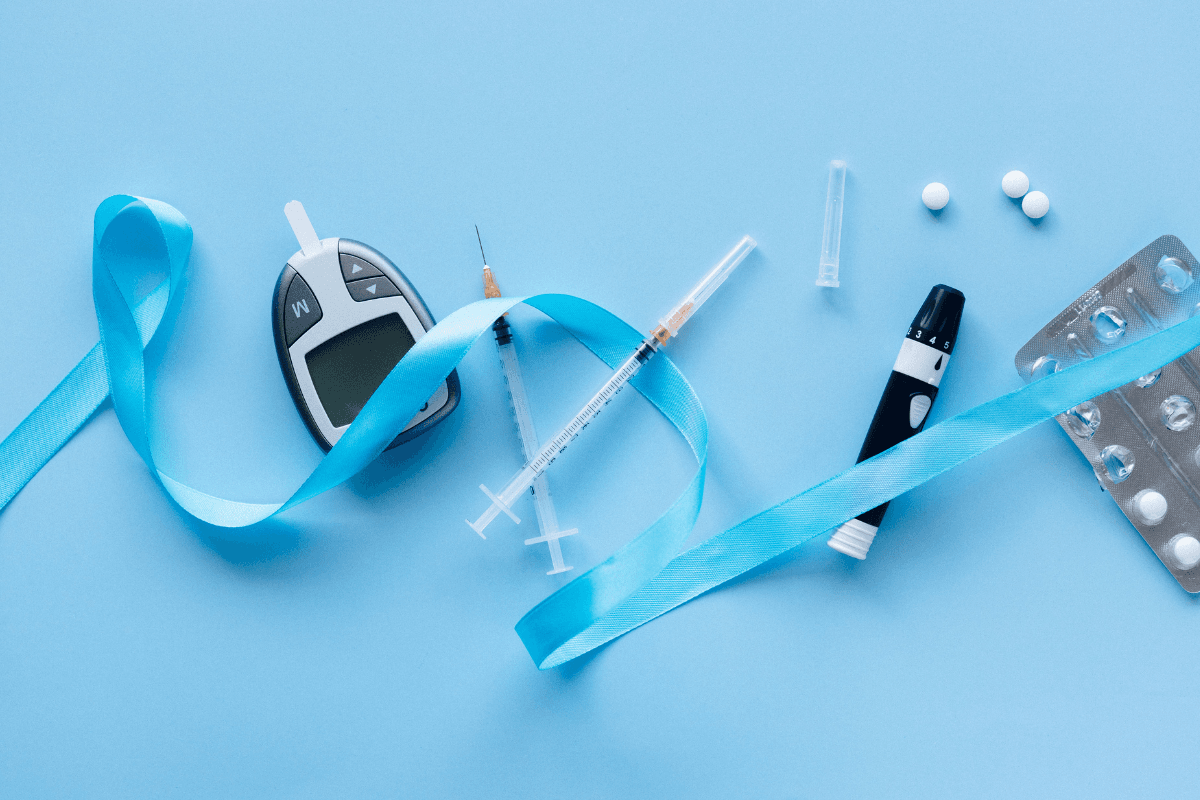

  • Ozempic Side Effects in Males: Safety, Mood, and Body Changes

    Ozempic Side Effects in Males: Safety, Mood, and Body Changes

    Overview

    Ozempic side effects in males are usually similar to those reported by other adults, with nausea, vomiting, diarrhea, constipation, stomach pain, and appetite changes among the most common. What can feel different is how these effects show up in daily life. Some men may downplay symptoms, avoid talking about sexual health, or worry quietly about strength, mood, work performance, and appearance.

    Caregivers can help by noticing patterns without jumping to conclusions. A symptom log, medication list, and a few direct questions can make clinic visits more useful. This guide focuses on what to watch, what to track, and which symptoms need faster medical attention.

    Ozempic is a brand name for semaglutide, a GLP-1 receptor agonist. These medicines affect appetite signals and can slow gastric emptying, meaning food may leave the stomach more slowly. That effect can support blood sugar management in some people, but it can also cause uncomfortable digestive symptoms.

    Key Takeaways

    • Common effects: Nausea, vomiting, diarrhea, constipation, and stomach pain are often discussed.
    • Male-specific concerns: Libido, erection changes, fertility worries, muscle loss, and mood deserve respectful follow-up.
    • Timeline matters: Symptoms may start early, after dose changes, or after routines shift.
    • Red flags count: Severe abdominal pain, dehydration, fainting, allergic symptoms, or confusion need prompt care.
    • Tracking helps: Meals, fluids, bowel habits, mood, weight changes, and other medicines give clinicians context.

    What Ozempic May Do Differently in Men

    Most known side effects are not considered male-only. Still, ozempic side effects in males can feel more personal when they affect energy, sexual confidence, workouts, or body shape. A man who says he feels “off” may mean nausea, fatigue, low mood, low libido, or trouble eating enough protein.

    Caregivers should avoid assuming every change comes from the medicine. Diabetes, weight changes, sleep problems, alcohol use, stress, depression, and other medications can also affect sexual function, mood, digestion, and stamina. The useful question is not, “Is Ozempic definitely causing this?” It is, “When did this start, what else changed, and how is it affecting daily life?”

    For a broader patient-level explanation of semaglutide forms and uses, the site’s Semaglutide Basics resource can help separate drug-class context from brand-specific concerns.

    Common Digestive Effects

    Digestive symptoms are the most expected reactions. Nausea may appear with smaller meals, strong smells, greasy foods, or eating too quickly. Constipation can develop more quietly, especially if appetite drops and fluid intake falls. Some people also report burping, reflux, bloating, or a heavy stomach feeling.

    Quick tip: Track symptoms by time of day, meal size, fluids, and bowel habits.

    If someone avoids meals to prevent nausea, they may feel worse later. Long gaps without food can lead to low energy, headaches, irritability, or overeating at night. A clinician or registered dietitian can help if nausea, constipation, kidney disease, diabetes medication, or disordered eating patterns complicate food choices.

    Fatigue, Mood, and Motivation

    Fatigue in men taking semaglutide can have several explanations. Lower calorie intake, dehydration, poor sleep, blood sugar swings, alcohol, depression, or rapid weight change may all contribute. Some men describe feeling flat rather than obviously sad.

    Mood changes deserve direct, nonjudgmental questions. Ask about sleep, irritability, anxiety, social withdrawal, and loss of interest. If a person has thoughts of self-harm, confusion, severe agitation, or sudden behavior changes, seek urgent help rather than waiting for the next routine visit.

    Sexual Health, Hormones, and Fertility Questions

    Sexual health worries are common, but they are often underreported. Searches for ozempic sexual side effects male, erectile dysfunction, low libido, testosterone, sperm count, and fertility usually reflect real concerns rather than simple curiosity. These topics should be handled with privacy and respect.

    Ozempic is not typically framed as a direct male sexual-health medication. However, changes in weight, blood sugar, mood, sleep, alcohol use, nutrition, and relationship stress can influence libido and erections. Diabetes itself can also affect blood vessels and nerves involved in erectile function.

    Caregivers can help by making the issue easier to raise. A simple phrase may work: “If appetite, energy, or sex drive changed, it is worth mentioning. The clinician has heard this before.” That approach reduces shame and keeps the conversation medical, not moral.

    Erectile Dysfunction and Low Libido

    Erectile dysfunction means ongoing difficulty getting or keeping an erection firm enough for sex. Low libido means reduced sexual desire. They can overlap, but they are not the same problem. A man may have desire but poor erections, or normal erections but little interest.

    Useful details include when symptoms started, whether morning erections changed, whether pain is present, and whether mood or sleep changed at the same time. Also note alcohol intake, nicotine use, other medications, and major stressors. These details help a clinician consider causes beyond one medication.

    Testosterone and Fertility Concerns

    Questions about testosterone levels, sperm count, and fertility should go to a clinician, especially when pregnancy planning is involved. Weight change, metabolic health, age, sleep apnea, alcohol, anabolic steroid use, and chronic illness can all affect reproductive hormones and sperm quality.

    Do not stop or change medication because of fertility worries without medical guidance. Instead, write down the timeline and ask what testing, if any, is appropriate. This is especially important if the person has diabetes, uses other medicines, or has a known reproductive health condition.

    Body Changes: Hair, Muscle, Face, and Weight Tracking

    Visible body changes can be emotionally difficult, even when they are not medically urgent. Men may mention loose clothing, a thinner face, reduced gym performance, hair shedding, or looking “older.” These concerns are not vain. They can affect confidence, social habits, and adherence to a care plan.

    Hair shedding can occur during weight loss or other body stress. Clinicians sometimes call this telogen effluvium, a temporary shedding pattern after physical or emotional stress. It may also relate to nutrition, thyroid disease, iron status, or other factors. If shedding is sudden, patchy, or paired with fatigue, weight change, or other symptoms, it is reasonable to ask about evaluation.

    Muscle loss is another common worry. Weight loss can include both fat and lean mass. Reduced appetite may make it harder to get enough protein, and nausea can disrupt regular meals. A clinician or dietitian can help tailor nutrition and resistance training to the person’s health conditions.

    Why it matters: Strength changes can affect balance, independence, confidence, and daily routines.

    For general background on weight-related use and expectations, see Ozempic For Weight Loss. If tracking weight change helps with appointments, a simple progress estimate can organize the numbers without replacing clinical advice.

    [weight-loss-progress-calculator]

    This calculator can help estimate weight change and progress toward a stated goal. It does not interpret side effects or decide whether treatment is appropriate.

    Side Effect Timeline: First Week, Month Three, and Later

    The timing of symptoms often gives clinicians better clues than a single description. Ozempic side effects in males may begin during the first week, after a dose change, or later when eating patterns, alcohol intake, travel, or stress change. A symptom that starts after three months still deserves attention, especially if it is persistent or worsening.

    Early effects often involve appetite and the stomach. A person may feel full quickly, dislike foods they once enjoyed, or feel queasy after large meals. Later issues may include constipation, fatigue, heartburn, body image concerns, or worry about sexual function.

    What You Notice What It May Feel Like Helpful Details To Track
    Nausea or vomiting Queasy, food aversions, unable to finish meals Timing, meal size, fluids, vomiting episodes
    Constipation Bloating, hard stools, abdominal pressure Stool frequency, fiber, fluid intake, movement
    Fatigue Low stamina, poor focus, “flat” mood Sleep, skipped meals, weight change, glucose readings if used
    Sexual changes Lower desire or erection concerns Start date, stress, alcohol, mood, other medicines
    Body changes Hair shedding, weakness, thinner face Weight trend, food intake, protein pattern, exercise changes

    If you want more practical symptom-management context, Managing Ozempic Side Effects covers common patient concerns in a broader format.

    Serious Symptoms Caregivers Should Not Ignore

    Most side effects are not emergencies, but some patterns need prompt medical attention. Severe or persistent abdominal pain is different from mild nausea. Repeated vomiting can lead to dehydration. Confusion, fainting, severe weakness, or symptoms of low blood sugar can be dangerous, especially when other diabetes medicines are involved.

    Pancreatitis is inflammation of the pancreas. Gallbladder problems can cause upper abdominal pain, nausea, vomiting, fever, or yellowing of the skin or eyes. Kidney problems can worsen when dehydration occurs from vomiting or diarrhea. Allergic reactions may involve swelling, rash, breathing trouble, or sudden dizziness.

    Caregivers should seek urgent medical care if symptoms are intense, fast-changing, or paired with fainting, confusion, chest pain, trouble breathing, severe dehydration, or severe abdominal pain. If the person uses insulin or a sulfonylurea, ask the prescriber how to recognize and respond to hypoglycemia (low blood sugar).

    Some people worry about thyroid side effects because semaglutide labels include a boxed warning about thyroid C-cell tumors based on animal studies. People with a personal or family history of medullary thyroid carcinoma, or multiple endocrine neoplasia syndrome type 2, should discuss that history with a clinician before use.

    For a broader class-style discussion of side effects and what to ask, Side Effects Expectations may help caregivers prepare clearer questions.

    Food, Fluids, Alcohol, and Daily Routine Support

    Small routine changes can reduce avoidable discomfort, but they should not replace medical advice. Many people tolerate smaller meals better than large portions. Lower-fat meals may be easier during nausea. Some find cold foods less triggering because they smell milder.

    Hydration matters. Vomiting, diarrhea, low intake, hot weather, outdoor work, and alcohol can increase dehydration risk. Signs can include dark urine, dizziness, dry mouth, racing heartbeat, or unusual weakness. People with kidney disease, heart failure, or fluid restrictions should ask a clinician about safe fluid goals.

    Alcohol can worsen nausea, reflux, dehydration, and blood sugar variability in some people. It can also affect sexual function, sleep, mood, and appetite control. If drinking patterns change after starting therapy, include that in the symptom log rather than treating it as separate from health.

    Caregivers can support routines without policing. Stock a few tolerated foods. Encourage slower meals. Keep water nearby. Suggest a short walk if that is already safe for the person. Avoid turning every meal into a performance review.

    • Meal pattern: Smaller portions may feel easier.
    • Protein anchor: Include tolerated protein regularly.
    • Fiber sources: Add foods gradually when possible.
    • Fluid spacing: Sip through the day.
    • Alcohol notes: Track timing and symptoms.

    If the person has type 2 diabetes, related browsing pages such as Type 2 Diabetes and the Type 2 Diabetes Collection can help organize condition-related reading and product navigation.

    Medication Access, Comparisons, and Stopping Questions

    Some caregivers also manage refills, documentation, or access questions. BorderFreeHealth connects U.S. patients with licensed Canadian partner pharmacies, and prescription details may be checked with the prescriber before a pharmacy dispenses when required. Keep the medication list, prescriber contact, and current treatment notes in one place.

    Ozempic and Wegovy both contain semaglutide, but they are used in different care contexts. Rybelsus contains oral semaglutide. Other medicines in related classes may have overlapping digestive side effects, but individual tolerability can differ. Comparisons should be discussed with the prescriber, especially when diabetes, heart disease, kidney disease, or other medicines are involved.

    For neutral product-context navigation only, you can view labeled pages for Ozempic, Wegovy, and Rybelsus. These pages should not replace medical guidance about whether a medicine fits a person’s situation.

    Stopping questions are common. People may stop because of side effects, cost, supply, goals, or a clinician’s recommendation. After stopping, appetite may return, routines may shift, and the original condition may need renewed monitoring. Do not treat social media posts about “withdrawal” or rebound weight as a care plan. Ask the clinician what to monitor and how to plan next steps.

    Cash-pay cross-border prescription options may be relevant for some patients without insurance, depending on eligibility and jurisdiction. That access question is separate from the clinical decision to start, continue, pause, or stop a medication.

    How Caregivers Can Prepare for Appointments

    A short, specific appointment note is more useful than a long memory-based story. Bring dates, symptom patterns, and examples. Include sensitive topics if they affect quality of life. Sexual function, depression, constipation, alcohol use, and missed meals are all valid medical details.

    Try organizing notes into four sections: symptoms, timing, food and fluids, and other medications. If the person checks glucose, include patterns rather than isolated numbers. If weight changed quickly, note the approximate timeline. If muscle weakness or dizziness affects work, driving, or falls risk, say that clearly.

    Good questions include: Which symptoms are expected? Which symptoms are urgent? Could other medicines be contributing? Should labs or follow-up be considered? What should we track before the next visit? These questions keep the visit practical and safer.

    Authoritative Sources

    Use official and medically reviewed sources when sorting rumor from risk. Labels and major health references help separate common digestive effects from rare but serious warnings. They also clarify contraindications, interactions, and symptoms that deserve urgent attention.

    Recap: focus on patterns, not panic. Track digestion, fluids, mood, sexual health, body changes, and timing. Bring concerns to a clinician, and seek urgent care for severe, sudden, or dangerous symptoms.

    This content is for informational purposes only and is not a substitute for professional medical advice.
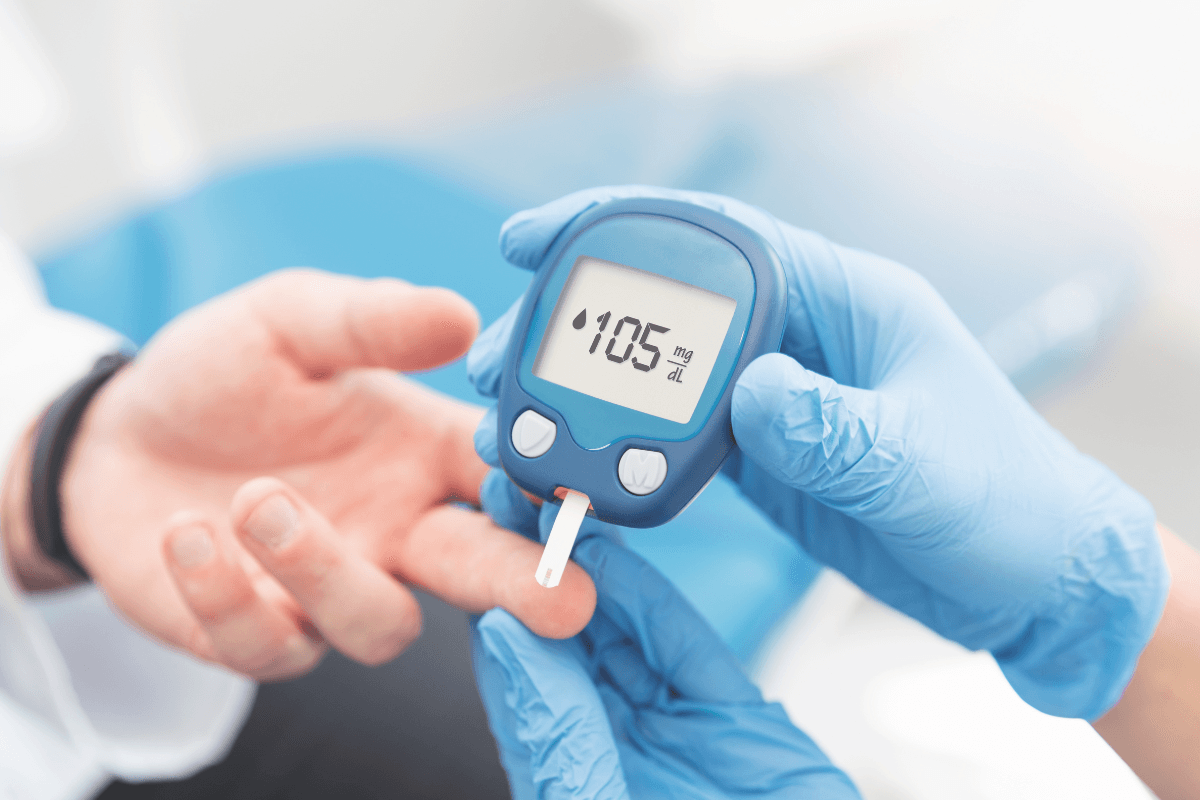
  • World Diabetes Day: Key Facts, Themes, and Helpful Actions

    World Diabetes Day: Key Facts, Themes, and Helpful Actions

    World Diabetes Day is a global awareness day held every year on November 14 to improve understanding of diabetes, reduce stigma, and encourage earlier support. It matters because diabetes affects people across ages, communities, and life stages. The day gives schools, workplaces, families, and health groups a shared moment to discuss screening, daily management, access to care, and respectful language.

    You may be newly diagnosed, supporting someone you love, or planning a community event. This page explains the date, the blue circle symbol, common campaign themes, and safe ways to participate. It also keeps the focus where it belongs: practical support, not blame.

    Key Takeaways

    • Date: November 14 is the annual global observance.
    • Purpose: Awareness should support people, not shame them.
    • Symbol: The blue circle represents unity around diabetes.
    • Action: Education, screening awareness, and stigma reduction all help.
    • Momentum: November events can support year-round change.

    What World Diabetes Day Means and Why It Matters

    World Diabetes Day is the world’s major diabetes awareness campaign, focused on education, prevention where possible, timely diagnosis, and better care. It brings together people living with diabetes, caregivers, clinicians, educators, advocates, and public health groups.

    Diabetes is not one story. Type 1 diabetes is an autoimmune condition. Type 2 diabetes is influenced by genetics, metabolism, environment, and social factors. Gestational diabetes can develop during pregnancy. Other forms also exist. Good awareness work respects these differences and avoids simple labels like “caused by sugar” or “caused by poor choices.”

    Why this matters: stigma can delay conversations, testing, and support. It can also make daily management feel more isolating. If you want a broader learning path across related topics, the Diabetes Topics collection can help you explore diabetes education in one place.

    Quick tip: Use people-first language, such as “person with diabetes,” instead of defining someone by a diagnosis.

    Why November 14 Was Chosen

    November 14 was chosen because it marks the birthday of Sir Frederick Banting, one of the scientists linked to the discovery of insulin. The date connects public awareness with a major milestone in diabetes care history.

    The observance began as an international awareness effort and later gained formal global recognition. The day is now used by many organizations to discuss early diagnosis, access to essential medicines and supplies, diabetes education, and the daily realities of living with a chronic condition.

    World Diabetes Day also sits within a wider November awareness period. Many groups connect their events to National Diabetes Month 2025 planning, so one-day campaigns can become longer conversations about care, access, and community support.

    The Blue Circle, Logo, Posters, and Campaign Themes

    The blue circle is the international symbol for diabetes awareness. The circle represents unity, while blue is widely used in global health campaigns. On posters, social posts, classroom displays, and event materials, the symbol helps people quickly recognize diabetes-related information.

    Many readers search for the World Diabetes Day logo, posters, slogans, and annual themes. Use official campaign assets when possible, especially for public events. If you adapt visuals, keep them clear and accessible. Choose readable fonts, strong contrast, and alt text for digital images. Avoid images that shame bodies, food choices, or medication use.

    The annual World Diabetes Day theme can change over time. Some campaigns focus on access to care, diabetes education, well-being, or early action. If you are preparing materials for World Diabetes Day 2025 or a later year, check official campaign pages before printing posters or giving a speech. This helps prevent outdated theme names, old logos, or inaccurate slogans from spreading.

    Short awareness messages work best when they are specific and compassionate. Instead of “avoid sugar,” try “learn how food, activity, medicines, stress, and illness can affect glucose.” Instead of “make better choices,” try “support access to screening, treatment, and safe places to be active.”

    Awareness Can Support Screening Without Pressuring People

    Diabetes awareness can encourage people to ask about screening, but it should not push anyone to self-diagnose. Many people live with high blood sugar for a long time without obvious symptoms. Others notice increased thirst, frequent urination, blurry vision, fatigue, slow-healing cuts, or unexplained weight changes. These signs can have more than one cause, so clinical testing matters.

    Common screening tests may include fasting glucose, A1C, oral glucose tolerance testing, or random glucose testing in certain situations. A clinician can explain which test fits a person’s age, symptoms, pregnancy status, family history, medications, and other risk factors. For a plain-language walkthrough, How To Test For Diabetes explains common test types and what follow-up may involve.

    Some readers also need help interpreting glucose units. Glucose values may appear as mg/dL or mmol/L depending on the country, meter, or lab report. This converter can help with unit conversion only; it does not diagnose diabetes or replace medical review.

    [glucose-converter]

    Awareness messages should also name real barriers. Cost, transportation, time off work, childcare, language access, and past negative healthcare experiences can all affect screening. Supportive campaigns offer options, such as community clinics, primary care visits, workplace education, or culturally responsive health programs.

    If you are helping someone prepare for an appointment, focus on support rather than instructions. Encourage them to bring questions, symptom notes, medication lists, and any home glucose readings they already track. People with urgent symptoms, confusion, dehydration, severe weakness, or signs of diabetic ketoacidosis should seek prompt medical care. For more context, Diabetic Ketoacidosis explains why this complication needs urgent attention.

    Helpful World Diabetes Day Activities for Schools and Workplaces

    World Diabetes Day activities work best when they invite learning without judging personal habits. Start with one clear goal. You might correct common myths, promote screening awareness, support a local clinic, or teach classmates how to be more inclusive.

    Ideas for Students

    School activities should be age-appropriate and privacy-protective. A health lesson can explain how the body uses glucose for energy and why some people monitor blood sugar. A media literacy activity can help students spot exaggerated diabetes claims online. A poster project can highlight the blue circle, supportive words, and practical inclusion.

    Students can also write a short World Diabetes Day speech focused on empathy. Useful themes include kindness around snack breaks, respect for medical devices, and avoiding jokes about injections or food. Teachers should never ask students to disclose a diagnosis or demonstrate personal medical routines.

    Ideas for Workplaces and Community Groups

    Workplace and community events can be simple. Host a short myth-busting session, share a list of local screening resources, or invite a qualified health professional to discuss prevention and early detection in general terms. A community walk can focus on connection and access to safe public spaces, not weight loss.

    If your event includes food, offer variety and label common ingredients. Avoid “good food” and “bad food” language. People with diabetes may use different meal plans, medicines, glucose targets, and cultural food traditions. Choice and privacy help more than public commentary.

    For pregnancy-related education, Gestational Diabetes can help readers understand why screening during pregnancy is discussed separately. This is especially important because pregnancy care has its own timing, risks, and follow-up needs.

    Support That Respects Daily Life With Diabetes

    Support should match what the person actually wants. Some people appreciate reminders, check-ins, or help carrying supplies. Others prefer privacy. The best first step is often simple: ask before offering help.

    Daily diabetes management can include glucose monitoring, meal planning, physical activity, oral medicines, insulin, medical appointments, pharmacy coordination, and emotional work. Some people use devices such as continuous glucose monitors. Others use fingerstick checks or lab testing. If you want to learn about one device category, the Dexcom G7 Sensor page can provide product-specific context without replacing clinical advice.

    Medication needs also vary. Some people may be prescribed metformin or a brand-name version such as Glucophage, while others may need insulin or different therapies. Educational pages for Metformin and Lantus SoloStar can help readers recognize examples of diabetes treatment categories. They should not be used to choose or change treatment without a clinician.

    Why it matters: Respectful support reduces shame and makes care easier to discuss.

    BorderFreeHealth connects U.S. patients with licensed Canadian partner pharmacies, and prescription details are verified with the prescriber when required before pharmacy dispensing. This access context may matter for readers comparing medication pathways, but awareness education should still begin with medical guidance and safety.

    How to Keep Messages Accurate and Stigma-Free

    Good awareness content is accurate, current, and kind. It avoids fear-based claims, miracle cures, and one-size-fits-all food rules. It also avoids ranking countries or communities in a way that blames people for diabetes rates. Population statistics can be useful for public health planning, but they need context about age, access to care, diagnosis rates, food systems, income, and health policy.

    Nutrition messages need special care. A common question is whether people with diabetes should avoid certain nuts or foods. Most broad food rules are too simple. Nuts can vary in portion size, sodium, added sugar, and personal glucose response. People with kidney disease, allergies, digestive conditions, pregnancy, eating disorders, or medication-related low blood sugar should discuss nutrition targets with a clinician or registered dietitian.

    When sharing World Diabetes Day quotes or messages, choose words that support dignity. Strong messages emphasize access, listening, early testing when appropriate, and practical accommodations. Weak messages focus on blame, scare tactics, or appearance. If you are unsure, ask whether the message would make a person with diabetes feel safer asking for help.

    From One Day to Year-Round Action

    World Diabetes Day can start a conversation, but lasting change needs follow-through. Communities can build resource lists, host regular education sessions, improve access to safe walking areas, support school meal quality, and protect time for medical appointments. These actions help people without forcing anyone to disclose a diagnosis.

    Families can also make small changes in how they talk about health. Avoid comments about body size, “willpower,” or someone else’s plate. Offer practical help instead, such as planning flexible meals, learning signs of low blood sugar when relevant, or making room for medical routines during travel and events.

    Schools and workplaces can review policies quietly. Are water, bathroom access, snacks, and medical supplies handled respectfully? Do event plans include ingredient labels and privacy? Do supervisors know how to respond if someone requests a reasonable health-related accommodation? These details often matter more than a one-day poster campaign.

    Authoritative Sources

    For official campaign details, the World Diabetes Day campaign site provides current materials and background. For public health context, the WHO World Diabetes Day page discusses the global observance. For the United Nations recognition of the date, see the UN diabetes day observance.

    Recap: Awareness Works Best When It Helps People

    Global diabetes awareness is most useful when it is accurate, compassionate, and practical. The date, blue circle, posters, speeches, and themes can all open the door. What matters next is how people use that attention: to reduce stigma, encourage appropriate screening, support daily management, and improve access to care.

    A single event cannot solve every barrier. Still, one respectful classroom activity, one clearer workplace policy, or one better-informed family conversation can make diabetes easier to discuss. That is a meaningful goal for World Diabetes Day and for the months that follow.

    This content is for informational purposes only and is not a substitute for professional medical advice.

  • Insulin for Dogs: Safe Home Care and Warning Signs

    Insulin for Dogs: Safe Home Care and Warning Signs

    Insulin for dogs is a vet-directed treatment used to help control diabetes mellitus, a condition where glucose builds up in the bloodstream. Safe home use means giving the correct insulin with the correct syringe, following the routine your veterinarian sets, and watching for signs of low blood sugar or illness.

    That can feel like a lot at first. Many families learn the routine step by step. The goal is not perfect caregiving. The goal is a steady plan, clear records, and fast action when something seems off.

    Key Takeaways

    • Vet direction matters: Dogs need a diagnosis, an insulin plan, and follow-up monitoring.
    • Food affects safety: Meals, appetite, and insulin timing are closely connected.
    • Low sugar is urgent: Weakness, shaking, seizures, or collapse need immediate veterinary help.
    • Syringes must match: U-40 and U-100 products are not interchangeable without veterinary instructions.
    • Records help adjustment: Appetite, thirst, urination, weight, and glucose data guide care.

    How Insulin for Dogs Fits Into Diabetes Care

    Most diabetic dogs need insulin because their bodies cannot make or use enough insulin to keep blood glucose in a safer range. Insulin helps move glucose from the bloodstream into cells, where the body can use it for energy. Without adequate treatment, a dog may become dehydrated, lose weight, develop ketones, or become seriously ill.

    Canine diabetes is not managed exactly like human diabetes, even though some terms sound familiar. Your veterinarian considers your dog’s weight, appetite, other illnesses, glucose patterns, and daily routine before choosing a plan. For broader background on how insulin categories differ, see this human-focused resource on Types Of Insulin. Veterinary choices still need separate guidance.

    A diabetic dog usually cannot live safely without ongoing treatment unless a veterinarian identifies a rare, temporary circumstance. Stopping insulin or changing the dose without advice can lead to severe hyperglycemia, which means high blood sugar. It can also raise the risk of diabetic ketoacidosis, a dangerous complication that needs urgent care.

    Why it matters: A clear routine lowers the chance of avoidable dosing and feeding mistakes.

    Building a Safer Daily Routine

    A safer routine connects meals, injections, activity, and observation. Many dogs do best when their days look similar from one day to the next. Regularity helps your veterinary team interpret glucose readings and decide whether a plan is working.

    Insulin for dogs should be treated as a whole routine, not just a shot. Before each dose, confirm the insulin name, the syringe type, the amount your veterinarian prescribed, and whether your dog ate as expected. If anything does not match the plan, pause and contact your veterinary team rather than guessing.

    Common routine points include:

    • Meal consistency: Feed the diet and portions your veterinarian recommends.
    • Injection timing: Follow the schedule written for your dog.
    • Site rotation: Use the areas your veterinary team demonstrates.
    • Supply check: Keep syringes, insulin, and records organized.
    • Daily notes: Track appetite, thirst, urination, weight, and energy.

    If injections feel stressful, ask for another demonstration. Many caregivers benefit from practicing with an empty syringe, a towel, or a training model before giving injections at home. Reward-based handling can also help a nervous dog stay calmer.

    When Meals, Missed Doses, or Low Sugar Interrupt the Plan

    Appetite changes are one of the most important safety issues in diabetic dog care. Insulin lowers blood glucose, so a dog that eats much less than usual may face a higher risk of hypoglycemia, which means low blood sugar. Your veterinarian should give you a written plan for poor appetite, vomiting, skipped meals, or unusual activity.

    Do not double the next dose after a missed insulin injection unless your veterinarian specifically instructs you. Doubling can push glucose too low. A missed dose may cause higher readings for a period, but low blood sugar can become dangerous quickly.

    Use this table as a discussion aid, not as a dosing plan:

    Situation At Home Why It Matters Safer Next Step
    Dog refuses food Insulin without food may increase low sugar risk. Call your veterinarian for the written sick-day plan.
    Dose was missed Extra insulin can cause hypoglycemia. Do not double up unless your veterinarian says so.
    Dog seems weak or shaky These can be low blood sugar signs. Seek urgent veterinary advice or emergency care.
    Vomiting or diarrhea occurs Illness can disrupt glucose control and hydration. Contact your veterinary team promptly.
    Water intake rises suddenly High blood sugar or illness may be present. Record changes and arrange veterinary follow-up.

    Signs of low blood sugar can include sudden weakness, wobbliness, trembling, unusual hunger, confusion, extreme sleepiness, seizures, or collapse. If severe signs occur, treat it as an emergency. Ask your veterinarian in advance whether you should keep a sugar source at home and exactly when to use it.

    Insulin Types, Syringe Matching, and Storage

    The best dog diabetes insulin is the one your veterinarian selects for your dog’s diagnosis, response, schedule, and monitoring results. There is no single best insulin for every diabetic dog. Some dogs use veterinary-labeled insulin, while others may receive a human insulin product under veterinary direction.

    Duration language can be confusing. Some insulins act more quickly, while others last longer. If your veterinarian mentions action profiles, this plain-language page on Intermediate-Acting Insulin can help explain the terminology in human care. Your dog’s prescription and monitoring plan still come from the veterinarian.

    Storage and syringe matching are safety issues with insulin for dogs. Insulin can be affected by heat, freezing, sunlight, rough shaking, and contamination. Store it exactly as the label and veterinary team instruct. Some insulin suspensions need gentle rolling before use, while others should not be mixed the same way. If the product looks clumped, discolored, or different than expected, ask before using it.

    Syringe concentration matters. A U-40 insulin should be paired with a U-40 syringe unless your veterinarian gives a specific conversion plan. A U-100 insulin should be paired with the correct U-100 device. Using the wrong syringe can cause a major dosing error. Product pages such as BD Ultrafine II Syringes may help you identify supply details to compare, but your veterinarian must confirm the correct type for your dog.

    Food, Exercise, and Glucose Monitoring at Home

    Diet supports diabetic dog care by making glucose patterns more predictable. Your veterinarian may recommend a specific food, feeding schedule, calorie target, or weight plan. Avoid sudden diet changes unless your veterinary team approves them, because changes in calories, carbohydrates, fiber, or fat can alter glucose control.

    There is no universal list of foods that every diabetic dog must avoid. Still, many veterinary teams advise avoiding sugary treats, table scraps, and high-fat foods. These can disrupt the routine and may worsen other health risks in some dogs. If your dog has pancreatitis, kidney disease, food allergies, or a history of poor appetite, diet advice needs to be more individualized.

    Exercise also matters. A sudden long run, skipped walk, or unusually active day can affect blood sugar. Keep activity as consistent as possible, and tell your veterinarian about major changes. If your dog is starting a new walking routine, losing weight, or acting tired after activity, record those changes.

    Home monitoring may include appetite logs, water intake notes, urine changes, body weight, blood glucose readings, or a blood glucose curve. A glucose curve tracks readings across a set period, usually under veterinary guidance. For general human background on testing concepts, see How To Test For Diabetes. Dogs need pet-specific interpretation.

    Quick tip: Keep one notebook or phone note for meals, injections, symptoms, and readings.

    Prescriptions, Supplies, and Questions to Ask

    Access rules for insulin for dogs vary by product, location, and pharmacy requirements. Some insulin products may require a veterinary prescription, and even where rules differ, a diabetic dog still needs veterinary diagnosis and monitoring. Do not choose an insulin based only on convenience, cost, or what another pet uses.

    For prescription items, dispensing may require prescriber verification before a pharmacy releases medication. That safeguard matters because insulin selection, syringe type, and dose instructions must match the animal’s plan.

    Before leaving the veterinary clinic, ask clear questions:

    • Insulin name: Which exact product should be used?
    • Syringe type: Is it U-40, U-100, pen-based, or another device?
    • Feeding plan: What should happen if appetite is poor?
    • Missed dose plan: Who should you call, and when?
    • Low sugar plan: Which signs require emergency care?
    • Monitoring plan: When are rechecks, curves, or lab tests needed?

    If your veterinarian discusses high blood sugar patterns, this human-focused page on Signs And Symptoms Of Hyperglycemia may help with vocabulary. It should not replace veterinary interpretation of your dog’s signs.

    Emergency Signs and Veterinary Follow-Up

    Diabetic dog emergency signs include seizures, collapse, severe weakness, repeated vomiting, refusal to eat, rapid breathing, dehydration, or a sudden major behavior change. These signs can relate to low blood sugar, high blood sugar, ketones, infection, pancreatitis, or another illness. Prompt veterinary care is the safer path.

    Diabetic ketoacidosis can occur when the body lacks enough usable insulin and starts producing ketones. It is a medical emergency. For general background on the concept in people, see Diabetic Ketoacidosis. Dogs with suspected ketones, vomiting, or marked lethargy need veterinary evaluation.

    Follow-up visits are not a sign that you failed. They are how the plan gets safer. Your veterinary team may adjust the insulin plan after reviewing weight, symptoms, glucose curves, appetite, concurrent disease, and lab results. Cataracts, urinary tract infections, skin infections, dental disease, and other problems can also affect diabetic dog care.

    If you want broader human diabetes education for context, you can browse the Diabetes Hub. Keep pet decisions separate, because dogs have different treatment needs and safety thresholds.

    Authoritative Sources

    Using insulin for dogs at home can become less intimidating with written instructions, steady routines, and early calls when something changes. Keep your veterinary team’s emergency number handy, review the plan before stressful days, and ask for re-training whenever the steps feel unclear.

    This content is for informational purposes only and is not a substitute for professional medical advice.

  • National Diabetes Month 2025: Practical Awareness That Helps

    National Diabetes Month 2025: Practical Awareness That Helps

    National Diabetes Month happens every November and focuses attention on diabetes prevention, screening, daily care, and support for people living with the condition. The goal is not only to raise awareness, but to turn that awareness into practical action: earlier testing, safer routines, respectful conversations, and better access to care.

    You may be living with diabetes, supporting someone you love, organizing a workplace event, or trying to understand your own risk. This page explains what the month means, what to share, and how to make awareness useful instead of stressful.

    Key Takeaways

    • November is the month: National Diabetes Month is observed each November.
    • Screening can help: Diabetes may develop before symptoms are obvious.
    • Language matters: Respectful words reduce shame and support care.
    • Daily routines vary: Food, movement, sleep, medicine, and monitoring all interact.
    • Urgent signs count: Severe lows, dehydration, vomiting, or confusion need prompt help.

    What National Diabetes Month Is and Why It Matters

    National Diabetes Month is a public awareness observance held each November to highlight diabetes and its impact on people, families, workplaces, and communities. It often overlaps with American Diabetes Month, diabetes awareness month, and World Diabetes Day messaging.

    Why this matters: awareness can lead to earlier testing and better support. Many people have prediabetes or diabetes without clear symptoms. Others already have a diagnosis but face barriers with supplies, appointments, food planning, school policies, or workplace accommodations.

    Diabetes is a long-term condition that affects how the body handles glucose, also called blood sugar. In type 1 diabetes, the body makes little to no insulin because of an autoimmune process. In type 2 diabetes, insulin may not work as effectively, and the body may not keep up with insulin needs over time. Gestational diabetes develops during pregnancy and needs pregnancy-specific follow-up.

    Awareness also means correcting harmful assumptions. Diabetes is not a personal failure. Food choices, genetics, stress, sleep, medicines, income, neighborhood access, and other health conditions can all shape risk and day-to-day management.

    If you want a broader overview of diabetes topics, the Diabetes Articles collection can help you explore screening, complications, and care routines.

    Screening and Early Detection: The First Practical Step

    Screening checks for diabetes or prediabetes before problems become obvious. It can be especially important when symptoms are mild, unclear, or absent.

    Common screening tests include A1C, fasting plasma glucose, and an oral glucose tolerance test. A1C reflects average blood sugar over roughly two to three months. Fasting glucose measures blood sugar after a period without food. An oral glucose tolerance test measures how the body responds after a glucose drink.

    Testing choices depend on age, pregnancy status, symptoms, medicines, family history, and other health conditions. A clinician can explain which test fits your situation and whether a result should be repeated. For a plain-language look at the main options, see How To Test For Diabetes.

    Results can feel emotional, especially when they are unexpected. A borderline result does not define anyone. It usually means the next step is to watch trends, repeat testing when appropriate, and talk through realistic changes.

    Quick tip: If you organize a November event, share where people can ask about screening rather than giving one-size-fits-all advice.

    Blood Sugar, A1C, and Daily Patterns

    Blood sugar changes throughout the day because food, activity, stress, illness, sleep, and medicines all affect glucose levels. One number rarely tells the whole story.

    A1C helps show longer-term trends, but it does not replace day-to-day information. A higher morning reading may relate to hormones, sleep, late meals, illness, or medication timing. A higher post-meal reading may raise questions about meal composition, portions, activity, or the care plan.

    Some people use fingerstick meters. Others use continuous glucose monitors, often called CGMs. These tools can help identify patterns, but targets vary by person. Pregnancy, kidney disease, older age, hypoglycemia risk, and other conditions may change what a clinician recommends.

    The calculator below can help convert between A1C and estimated average glucose for general understanding. It is not a diagnostic tool and does not replace clinical interpretation.

    [hba1c-calculator]

    If monitoring supplies are part of your care routine, it may help to understand the role of test strips and sensors. For general product context, see Bayer Contour Test Strips or Dexcom G7 Sensor. Product pages should not replace guidance from your diabetes care team.

    Type 1, Type 2, and Other Diabetes Terms People Confuse

    The word diabetes covers several related conditions, but the types are not the same. Clear language helps families, schools, and workplaces offer better support.

    Type 1 diabetes is an autoimmune condition. People with type 1 need insulin because the body makes little to no insulin. It is not caused by eating sugar, and it cannot be managed by lifestyle changes alone.

    Type 2 diabetes usually involves insulin resistance, meaning the body has trouble using insulin effectively. Over time, insulin production may also decline. Some people use lifestyle changes, some use oral medicines, some use injectable medicines, and some use insulin.

    Gestational diabetes develops during pregnancy. It needs pregnancy-specific monitoring because glucose levels can affect both the pregnant person and the baby. Follow-up after pregnancy also matters, since future type 2 diabetes risk can be higher.

    If you are comparing the two most discussed types, Type 1 Vs Type 2 Diabetes explains the differences in practical terms. This distinction is useful during National Diabetes Month because awareness messages can become inaccurate when they treat every type as identical.

    Food, Movement, Sleep, and Medicines Without Shame

    Daily diabetes care works best when it is realistic. Strict rules can backfire when life, culture, work schedules, finances, or stress are ignored.

    Food choices often get oversimplified during diabetes awareness month. People may ask whether specific foods, such as crackers or tuna sandwiches, are allowed. A better question is how the food fits with the full meal, portion size, medication plan, glucose response, and personal goals.

    For example, crackers may raise blood sugar for some people depending on serving size and what they are eaten with. A tuna sandwich may fit well for one person and need adjustment for another, depending on bread type, portion, sodium needs, kidney health, and medication-related low blood sugar risk. A registered dietitian can help translate general nutrition ideas into a plan that respects culture and budget.

    Movement can also help glucose patterns, but it does not need to be extreme. Some people notice benefits from short walks after meals. Strength training may support muscle health and glucose use. People with foot problems, heart disease, neuropathy, vision changes, pregnancy, or mobility limits should ask a clinician about safe activity options.

    Medicines may include tablets, non-insulin injections, and insulin. Metformin is one commonly used medicine for type 2 diabetes, but it is not right for everyone. For neutral medication context, see Metformin or Glucophage. If insulin is part of a care plan, product information such as Lantus SoloStar can help readers recognize terminology, but dosing and changes belong with a prescriber.

    Diabetes Awareness Color, Ribbon, and Respectful Language

    The diabetes awareness color is commonly blue, and many campaigns use the blue circle as a global symbol. Some groups also use a diabetes awareness ribbon to show support, remembrance, or advocacy.

    Symbols can help people feel seen, but they work best when paired with accurate information. A blue shirt day, ribbon display, or social post should avoid blame, scare tactics, and jokes about food. People living with diabetes hear enough judgment already.

    Supportive language focuses on the person, not moral judgment. Try saying “person living with diabetes,” “blood sugar is higher today,” or “what would help right now?” Avoid labels such as “noncompliant” or comments that frame diabetes as a character flaw.

    Why it matters: People are more likely to ask for help when they feel respected.

    Respect also includes practical accommodations. A student, worker, athlete, or traveler may need time to check glucose, take medicine, drink water, use the restroom, eat, or treat a low. Normalizing these needs supports safety and dignity.

    Activities That Make Awareness Useful

    The best National Diabetes Month activities give people one clear next step. They do not shame bodies, rank foods, or pressure people to disclose private health information.

    Consider simple, optional activities that improve understanding and access. A workplace, school, clinic, or community group can choose one or two actions rather than planning a large event with little follow-through.

    • Screening resource table: share local testing and appointment options.
    • Label-reading session: explain carbohydrate, fiber, sodium, and serving size.
    • Respectful language reminder: replace blame-based phrases with supportive wording.
    • Movement break: offer an optional short walk or stretch session.
    • Accommodation review: make glucose checks and low treatment normal.
    • Vision reminder: encourage people with diabetes to ask about eye exams.

    November also includes World Diabetes Day on November 14. Some communities use that date for global advocacy, education events, or messages about access to care. For a deeper look at that observance, read World Diabetes Day Awareness.

    The American Diabetes Association is also a major source of education and advocacy in the United States. If you want context on its role, see American Diabetes Association Purpose.

    Warning Signs That Should Not Wait

    Most glucose ups and downs can be handled through a care plan, but some symptoms need urgent medical attention. Awareness should include knowing when to act quickly.

    Low blood sugar, called hypoglycemia, can cause shakiness, sweating, confusion, fast heartbeat, sudden irritability, weakness, or fainting. Some people have fewer warning signs over time. Severe confusion, seizure, or loss of consciousness is an emergency.

    High blood sugar, called hyperglycemia, can cause thirst, frequent urination, blurry vision, fatigue, nausea, or dehydration. Illness, missed medicine, steroid medicines, infection, and stress can raise glucose levels.

    Diabetic ketoacidosis, or DKA, is a serious complication that can happen when the body does not have enough insulin. It is more common in type 1 diabetes but can occur in other situations. Warning signs may include vomiting, deep or rapid breathing, severe abdominal pain, fruity-smelling breath, confusion, or extreme fatigue. These symptoms need prompt medical evaluation.

    Diabetes can also affect eye health over time. During National Diabetes Month, it is helpful to remind people with diabetes to ask their clinician about eye exam timing. For more detail, see Diabetic Retinopathy.

    Authoritative Sources

    For national observance context and public health education, the NIDDK National Diabetes Month page explains why November is used for awareness and outreach.

    For A1C and blood glucose basics, the American Diabetes Association A1C resource gives plain-language information on what A1C represents.

    For global observance details, the World Health Organization campaign page provides World Diabetes Day background and current public health messaging.

    Recap

    National Diabetes Month is most helpful when it turns awareness into practical support. That can mean asking about screening, learning what glucose numbers mean, choosing respectful words, improving accommodations, or helping someone prepare for a safer routine.

    Small actions matter. Share accurate information, avoid blame, and encourage people to bring personal questions to a qualified clinician. BorderFreeHealth may provide educational navigation around diabetes medicines and supplies, while prescription decisions and dispensing requirements remain tied to licensed pharmacy and prescriber processes.

    This content is for informational purposes only and is not a substitute for professional medical advice.

  • Types of Insulin: Timing, Uses, and Examples

    Types of Insulin: Timing, Uses, and Examples

    The main types of insulin are grouped by how fast they start working, when they peak, and how long they last. Most plans use insulin for one of two jobs: covering meals or providing background coverage between meals and overnight. Understanding these timing patterns helps you ask clearer questions, recognize insulin names, and use your prescribed plan more safely.

    Insulin choices are personal. Your clinician considers your diabetes type, glucose patterns, meals, activity, hypoglycemia risk, devices, and other medicines before recommending a plan.

    Key Takeaways

    • Two main roles: Basal insulin covers background needs, while bolus insulin covers meals or corrections.
    • Five common groups: Rapid-acting, short-acting, intermediate-acting, long-acting or ultra-long, and premixed insulin are the usual categories.
    • Timing terms matter: Onset, peak, and duration explain when insulin starts, works hardest, and wears off.
    • Names can confuse: Generic names, brand names, and device names may describe the same insulin category.
    • Plans need review: Repeated highs, lows, missed meals, illness, or schedule changes should prompt a care-team discussion.

    Types of Insulin by Timing and Daily Role

    Types of insulin are usually classified by action profile, which means how insulin behaves after it enters the body. The most common groups are rapid-acting, short-acting, intermediate-acting, long-acting or ultra-long-acting, and premixed insulin. Some people ask about three groups because many education materials simplify insulin into fast-acting, intermediate-acting, and long-acting categories.

    The five-group approach gives more detail. It separates rapid-acting analogs from regular human insulin, and it includes premixed products because they combine more than one action pattern. This helps explain why two insulins can both be used near meals but still require different timing.

    Another useful split is basal insulin versus bolus insulin. Basal insulin provides background coverage when you are not eating. Bolus insulin is used around meals or for high readings when a clinician has given a correction plan. A basal-bolus plan uses both approaches, but not every person needs that structure.

    Human insulin and insulin analogs can appear in the same discussion. Human insulin has the same basic structure as insulin made by the body. Insulin analogs are modified versions designed to change timing, such as faster mealtime action or steadier background coverage. Your care team weighs those differences against safety, routine, cost, and access.

    For related diabetes education by topic, you can browse the Diabetes Topics collection. If you are specifically comparing insulin product categories for type 1 diabetes, the Type 1 Diabetes Options page can help you see common therapy categories in one place.

    Insulin Onset, Peak, and Duration in Plain Language

    Onset, peak, and duration describe the basic timing map for insulin. Onset is when glucose-lowering effects begin. Peak is when the effect is strongest. Duration is how long the effect may continue.

    A types of insulin chart can make these ideas easier to compare, but it cannot predict your exact response. Insulin timing can shift with dose, injection site, skin temperature, activity, illness, stress, and storage. The same insulin may also feel different on a workday than on a rest day.

    Category Common role Typical onset Typical peak Typical duration
    Rapid-acting insulin Meals and corrections Minutes About 1 to 2 hours Several hours
    Short-acting regular insulin Meals in some plans About 30 to 60 minutes About 2 to 4 hours Often longer than rapid-acting
    Intermediate-acting insulin Background coverage with a peak Hours Noticeable middle peak Roughly half to full day
    Long-acting or ultra-long insulin Basal background coverage Hours Minimal or flatter peak About one day or longer
    Premixed insulin Combined meal and background coverage Varies by mix Often more than one peak Varies by mix

    Why it matters: Timing helps reduce mismatches between insulin action, meals, and activity.

    Product labels give more specific ranges for each insulin. If your timing seems off, do not assume the insulin is wrong. Technique, storage, routine changes, or changing insulin needs may be involved.

    Mealtime Insulin: Rapid-Acting and Short-Acting Options

    Mealtime insulin is intended to match the glucose rise that follows food. Rapid-acting insulin usually starts faster than regular human insulin, which is why it is commonly used close to meals in many plans. Common rapid-acting insulin names include insulin lispro, insulin aspart, and insulin glulisine.

    Rapid-acting options may also be used for correction doses when a clinician has provided instructions. A correction dose is extra insulin meant to lower an out-of-range glucose reading. It should fit the full plan, because overlapping doses can raise the risk of later hypoglycemia.

    Short-acting insulin usually refers to regular human insulin. It tends to start more slowly and peak later than rapid-acting insulin. That difference can affect meal timing and low-glucose risk later after eating.

    If you want a deeper comparison of fast mealtime action, read Rapid Acting Insulin. For regular human insulin timing and examples, see Short Acting Insulin. People comparing insulin lispro timing can also review Lispro Insulin Peak for focused context.

    Examples can make the distinction clearer. A person using rapid-acting insulin may need to think about the meal they are about to eat and the glucose trend they see. A person using regular insulin may need a different timing routine because the peak tends to arrive later. These are planning concepts, not dosing instructions.

    Background Insulin: Intermediate, Long-Acting, and Ultra-Long

    Background insulin supports glucose control between meals and overnight. This basal role may be filled by intermediate-acting insulin, long-acting insulin, or ultra-long-acting insulin, depending on the plan.

    NPH insulin is a common intermediate-acting example. It is often cloudy because it is a suspension, and that appearance is expected for this insulin type. Intermediate-acting insulin usually has a more noticeable peak than many long-acting options, which can help in some routines and create challenges in others.

    Long-acting insulin is designed to provide steadier basal coverage. Common long-acting insulin names include insulin glargine and insulin detemir. Ultra-long-acting insulin, such as insulin degludec, may last longer for many people. Your clinician may consider predictability, schedule, overnight readings, and hypoglycemia history when comparing choices.

    For more on NPH and similar action profiles, the Intermediate Acting Insulin resource explains the category in practical terms. If you are learning how insulin devices differ, Types Of Insulin Pen can help you compare pen formats without focusing only on brand names.

    Some readers also encounter brand examples while reviewing prescriptions. Lantus is a brand name for insulin glargine, while Humulin N is a brand name for NPH insulin. Product pages such as Lantus Vial or Humulin N Vial can make the naming more concrete, but your care plan should come from your prescriber.

    Premixed Insulin and Sliding Scale Language

    Premixed insulin combines two insulin components in one product. Many premixed products include an intermediate component plus a faster component. This can reduce injection steps for some people, but it may also reduce flexibility around meals and timing.

    Premixed insulin types are sometimes written as ratios, such as 30/70 or 70/30, depending on the product naming system. Those numbers describe the mixture components, not a personal dose. A page such as Novolin GE 30/70 Vial can help you recognize how one premixed product is labeled.

    Sliding scale insulin is different. A sliding scale usually means taking a set amount of insulin based on the current glucose reading. It is often written as a table. Some people receive sliding scale instructions during illness, after hospital care, or as part of a short-term plan.

    Many clinicians prefer structured insulin plans that consider meals, insulin sensitivity, and background needs. Sliding scale instructions can still be used in some situations, but they should be clear. Ask how a scale fits with food, exercise, basal insulin, and correction doses.

    Quick tip: Bring your written insulin instructions and glucose logs to appointments.

    Insulin Injections, Pens, Vials, and Technique Questions

    Insulin can be delivered by vial and syringe, injection pen, or pump. The best device is not just a convenience question. It can affect dose confidence, portability, grip, vision needs, and how easily you follow the plan.

    Insulin pens are common because they are portable and use dialed doses. Some pens are disposable, while others use cartridges. Vials and syringes remain important for many products and routines. Pumps deliver rapid-acting insulin through an infusion set and require separate training.

    Needle length and injection technique also matter. Many people use short, fine pen needles, but fit depends on body type, comfort, and training. Rotating injection sites can help reduce lipohypertrophy, which means thickened or lumpy tissue under the skin from repeated injections. That tissue can interfere with consistent absorption.

    Never share insulin pens, needles, or syringes, even with family members. Sharing injection equipment can transmit infections. If you have repeated bruising, leaking, pain, or unexplained glucose swings, ask your care team to watch your technique and review your storage habits.

    People using cash-pay, cross-border prescription options without insurance may also need to compare device formats carefully, because pens, cartridges, and vials are not interchangeable. BorderFreeHealth connects U.S. patients with licensed Canadian partner pharmacies, and prescription details may be verified with the prescriber when required before dispensing by the pharmacy.

    How to Read Insulin Names Without Getting Lost

    Insulin names usually include a generic name, a brand name, and sometimes a device name. This creates confusion because one prescription may look like three separate things. Learning the pattern can reduce refill mistakes and appointment stress.

    The generic name often signals the insulin molecule. Examples include insulin lispro, insulin aspart, insulin glargine, insulin detemir, insulin degludec, regular insulin, and NPH insulin. The brand name identifies a manufacturer’s product. The device name may describe the pen or delivery format.

    Here is a simple way to sort the label:

    • Generic name: Identifies the insulin type or molecule.
    • Brand name: Identifies a specific marketed product.
    • Device wording: Describes pen, cartridge, or vial format.
    • Concentration: Shows units per milliliter, such as U-100.
    • Instructions: Explain your prescribed timing and use.

    Do not switch between concentrations, devices, or brands without prescriber and pharmacist guidance. Even when two products sound similar, the delivery device, concentration, or action profile may differ.

    When to Ask for a Plan Review

    A plan review is important when your real-life routine no longer matches your insulin instructions. Changes in meal timing, weight, kidney function, activity, steroid use, illness, pregnancy, or work schedule can alter glucose patterns.

    Contact your care team promptly if you have frequent low glucose, severe lows, unexplained highs, vomiting, dehydration, ketones, or symptoms of diabetic ketoacidosis such as nausea, abdominal pain, rapid breathing, or confusion. People using insulin should also know when their clinic wants urgent contact for very high readings.

    It helps to prepare specific notes before visits. Bring the insulin name, device, concentration, usual timing, missed-dose patterns, glucose meter or CGM summaries, and any recent lifestyle changes. If carbohydrate targets or meal planning feel unclear, a registered dietitian or certified diabetes care and education specialist may help.

    For broader condition-specific browsing, the Type 1 Diabetes and Type 2 Diabetes collections can help you find related educational topics.

    Authoritative Sources

    The CDC explains insulin types and use with patient-friendly timing context.

    The American Diabetes Association covers insulin basics, including concentration and delivery concepts.

    The ADA Standards of Care provide current clinical guidance for individualized diabetes management.

    Recap

    Types of insulin differ mainly by timing and purpose. Rapid-acting and short-acting insulin are commonly linked to meals or corrections. Intermediate, long-acting, and ultra-long options are often used for background needs. Premixed insulin combines action patterns in one product.

    The safest next step is not memorizing every brand name. It is understanding your own insulin’s role, timing, device, and instructions well enough to ask clear questions when something changes.

    This content is for informational purposes only and is not a substitute for professional medical advice.

  • Lantus Insulin: Safety, Dosing Questions, and Daily Use

    Lantus Insulin: Safety, Dosing Questions, and Daily Use

    Lantus insulin is a long-acting basal insulin used to help control blood glucose in people with diabetes. It works in the background between meals and overnight, so it is different from rapid-acting insulin taken with food.

    That distinction matters. Basal insulin can support steadier glucose patterns, but it also requires consistent timing, careful injection technique, and a clear plan for low blood sugar. This article explains how it fits into care, what to ask about dosing, and which side effects need attention.

    Key Takeaways

    • Basal coverage: It helps cover background insulin needs.
    • Timing matters: Consistent routines can reduce dosing confusion.
    • Low glucose risk: Hypoglycemia is the key safety concern.
    • Technique helps: Rotation and priming can prevent common problems.
    • Storage counts: Heat and freezing may affect insulin reliability.

    What Type of Insulin Lantus Is

    Lantus is the brand name for insulin glargine, a long-acting insulin analog. Clinicians use it as basal insulin, meaning it provides background insulin activity rather than covering a specific meal.

    People with type 1 diabetes usually need basal insulin plus mealtime insulin. Some people with type 2 diabetes may use basal insulin with non-insulin medicines, or with rapid-acting insulin if their plan requires it. The exact regimen depends on glucose patterns, A1C, other conditions, and the risk of hypoglycemia (low blood sugar).

    Lantus insulin is not used to treat diabetic ketoacidosis, a serious emergency linked to insulin shortage and high ketones. It also does not replace fast-acting insulin when a clinician has prescribed separate mealtime coverage. For a broader look at insulin categories, see Different Types Of Insulin.

    Why it matters: Knowing the insulin type helps you avoid using the wrong product for the wrong situation.

    How It Works Across the Day

    Insulin glargine is designed to release slowly after injection. Many people experience relatively steady background action over about 24 hours, without the sharp peak seen with some shorter-acting insulins.

    People often ask how quickly Lantus lowers blood sugar. It does not act like a correction or meal insulin. It begins working after injection, but its role is gradual basal coverage, not rapid glucose reduction after meals or during an urgent high reading. If your glucose is very high, follow the plan your clinician gave you for sick days, ketone checks, or urgent care.

    Some people take basal insulin in the evening because it may help overnight and fasting readings. Others use a different time based on their routine and prescriber instructions. The important point is consistency. Large timing shifts can make patterns harder to interpret.

    Daily glucose records can help your clinician see whether the basal dose is matching your needs. If you use reports in different units, this converter can help compare mg/dL and mmol/L values for general record review. It does not provide dosing advice.

    [glucose-converter]

    If you use continuous glucose monitoring, time in range, overnight trends, and repeated lows can be more useful than one isolated number. If you use fingersticks, a few days of fasting and bedtime readings can still tell a useful story.

    Dosing Conversations Without Guesswork

    Lantus insulin dosing is individualized. Your prescriber may consider your diabetes type, current medicines, kidney function, weight changes, meal pattern, activity, recent illness, and hypoglycemia history.

    Online dose examples can be misleading because basal insulin is adjusted to patterns, not to a single search result. A dose that is appropriate for one person may be unsafe for someone else. Do not change your dose, timing, or insulin type without guidance from your diabetes clinician.

    What to bring to an appointment

    Good records can make dose discussions safer. Bring your meter or CGM data, a medication list, and notes about missed or late doses. Also mention new exercise routines, steroid medicines, alcohol use, appetite changes, or illness.

    • Fasting readings: Show overnight basal patterns.
    • Low episodes: Include time, symptoms, and possible triggers.
    • Meal changes: Note skipped meals or lower intake.
    • Other insulins: List names and timing clearly.
    • Injection sites: Mention lumps, bruising, or irritation.

    For condition-specific context, you can browse the Type 1 Diabetes collection or the Type 2 Diabetes collection. These sections can help you find related topics, but personal medication decisions still belong with your care team.

    Pen, Vial, and Cartridge Basics

    Lantus is available in different delivery formats, including prefilled pens, vials, and cartridges in some markets. The best fit depends on your dexterity, vision, dose needs, routine, supplies, and training.

    The Lantus SoloStar pen is a prefilled device used with disposable pen needles. A typical U-100, 3 mL pen contains 300 units of insulin, though the number of days it lasts depends on the prescribed dose and any priming steps. A vial requires a syringe and careful dose measurement. Cartridges require a compatible reusable pen device.

    If you want to compare device formats, Types Of Insulin Pen explains common pen designs and practical differences. For product-specific navigation, BorderFreeHealth connects U.S. patients with licensed Canadian partner pharmacies, and prescription details may be verified before dispensing when required.

    Format Daily Use Consideration Question to Ask
    Prefilled pen Portable and dose-dialed How should I prime it?
    Vial Uses syringe measurement Which syringe size is appropriate?
    Cartridge Needs a compatible pen Which device fits this cartridge?

    Some readers compare specific formats while preparing for pharmacy discussions. Examples include Lantus SoloStar, Lantus Vial, and Lantus Cartridge. Use these pages for format details, not as a substitute for injection training or prescribing advice.

    Injection Technique That Supports Consistency

    Correct injection technique helps insulin absorb more predictably. It can also reduce bruising, leakage, stinging, and skin thickening from repeated injections in one spot.

    Lantus insulin is injected under the skin, usually into fatty tissue. Common areas include the abdomen, thigh, or upper arm, depending on your clinician’s instructions and your ability to inject safely. Avoid injecting into scars, bruises, hard lumps, or irritated skin.

    Site rotation matters. Reusing the same small area can cause lipohypertrophy, which means fatty tissue thickening under the skin. Insulin may absorb unevenly from those areas, which can make glucose patterns harder to explain.

    Pen technique points to review

    Most pen instructions include attaching a new needle, priming to confirm insulin flow, dialing the prescribed dose, injecting fully, and holding the needle in place briefly before removal. Never share insulin pens, even if the needle is changed, because bloodborne infection risk can remain.

    Quick tip: Ask a pharmacist or diabetes educator to watch your technique with a demo device.

    Side Effects, Low Blood Sugar, and Warning Signs

    The most important side effect risk with any insulin is hypoglycemia. It can happen when insulin action exceeds the glucose available in the blood, especially after missed meals, unusual activity, alcohol use, illness, or dosing errors.

    Common low blood sugar symptoms can include shakiness, sweating, hunger, headache, fast heartbeat, anxiety, blurred vision, or confusion. Some people have fewer warning symptoms, especially after repeated lows or long-standing diabetes. Severe hypoglycemia may cause seizures, loss of consciousness, or inability to swallow safely.

    Other possible side effects include injection-site redness, itching, swelling, skin changes, allergic reactions, and weight changes. Swelling in the hands or feet can occur with insulin therapy in some people. Serious allergic reactions are uncommon but need urgent help, especially with trouble breathing, widespread rash, or facial swelling.

    If lows are recurring, do not simply accept them as normal. Contact your clinician, especially if symptoms happen overnight, during driving, at work, or after a recent medication change. If someone cannot safely take sugar by mouth, follow the emergency plan provided by their care team.

    People who use insulin should also understand high glucose escalation. Missed insulin, dehydration, infection, vomiting, or ketones can become dangerous. The Type 1 Diabetes Treatment resource offers broader context on insulin’s role in type 1 diabetes care.

    Storage, Travel, and Access Questions

    Insulin can become unreliable if it freezes, overheats, or stays outside recommended conditions too long. Always check the product packaging and official prescribing information for exact storage limits.

    In general, unopened insulin is often kept refrigerated, while in-use pens or vials may have separate room-temperature instructions. Do not store insulin in a car glove box, direct sunlight, or checked luggage. During travel, keep it with you and protect it from direct contact with ice packs.

    Before injecting, inspect the product as directed. Ask a pharmacist if insulin has been frozen, exposed to extreme heat, or looks unusual. Lantus is normally a clear solution, so cloudiness or particles should be checked before use.

    Access questions are also common. Some people compare insulin glargine products or other basal insulins because of coverage, device preference, or prescriber recommendations. If you are reviewing options without insurance, keep the discussion focused on your prescription, eligibility, and safe dispensing requirements rather than switching products on your own.

    Similar Basal Insulins and When Comparisons Help

    Basal insulins can share a purpose but differ in concentration, device, timing flexibility, and how they fit an individual plan. These differences are clinically important, so substitutions should be directed by a prescriber or pharmacist.

    Insulin glargine appears in more than one branded product. Other long-acting insulins may use different active ingredients. If you are comparing basal options, Levemir Vs Lantus discusses practical differences people often ask about. Some readers also compare insulin with non-insulin diabetes medicines; Ozempic Vs Insulin explains why these therapies play different roles.

    Device comparisons can also be useful. For example, people may look at Basaglar KwikPen or Toujeo DoubleStar when discussing basal insulin products with their care team. These pages should not be used to decide a switch without medical guidance.

    Authoritative Sources

    For official product labeling, review the FDA prescribing information for Lantus. It includes indications, limitations, warnings, adverse reactions, and storage instructions.

    The National Library of Medicine also provides label information through DailyMed drug labeling for Lantus SoloStar. This can be useful when checking official wording or patient instructions.

    For general diabetes education, the American Diabetes Association insulin overview explains how insulin is used across diabetes care.

    Recap

    Lantus is a long-acting basal insulin used to support background glucose control. It is not a rapid correction insulin, and it should be used only as prescribed.

    The safest next step is usually practical: keep clear glucose records, review injection technique, store insulin correctly, and report repeated lows or unusual patterns promptly. Those details help your clinician adjust your plan with less guesswork.

    This content is for informational purposes only and is not a substitute for professional medical advice.

  • Fiasp Insulin: Rapid Mealtime Control and Safe Use

    Fiasp Insulin: Rapid Mealtime Control and Safe Use

    Fiasp insulin is a rapid-acting insulin aspart product used around meals to help manage blood glucose in people with diabetes. Its faster early absorption can make timing, glucose monitoring, and device technique especially important.

    If you use this insulin, the practical questions often matter most: when it is taken, how long it may keep working, which pen or cartridge fits your routine, and what to do if supply becomes uncertain. This article explains those points in plain language, while keeping dosing decisions with your diabetes care team.

    Key Takeaways

    • Rapid mealtime role: It helps cover food-related glucose rises.
    • Timing matters: Meal size, digestion, and activity can change response.
    • Devices differ: Vials, prefilled pens, and cartridges suit different routines.
    • Safety is active: Watch for hypoglycemia, delivery problems, and site changes.
    • Plan access early: Shortage or refill issues need calm backup steps.

    What Fiasp Is and How It Fits Into Diabetes Care

    Fiasp is a faster-acting formulation of insulin aspart, a man-made version of human insulin. It belongs to the rapid-acting, or bolus, insulin group. Bolus insulin is usually used to help manage glucose rises from meals and sometimes to correct high readings, depending on a person’s prescribed plan.

    Its formulation includes ingredients that support quicker early absorption compared with standard insulin aspart. That does not make it a long-acting insulin, and it does not replace background insulin when a basal insulin is part of the regimen. It also is not the same kind of treatment as Ozempic, which is a GLP-1 receptor agonist rather than insulin.

    Why this matters: faster early action may help some people match insulin action more closely to meals. It can also increase the importance of careful monitoring, because food timing, activity, illness, and missed meals may affect low blood sugar risk.

    For a broader refresher on mealtime insulin categories, see Rapid Acting Insulin. If you want context on basal and bolus roles, Different Types Of Insulin explains how insulin classes fit together.

    Meal Timing, Duration, and Glucose Checks

    Fiasp insulin is generally used close to meals, but the safest timing depends on the prescribed instructions and the person’s glucose pattern. A meal with fast-acting carbohydrates may behave differently from a higher-fat meal that raises glucose later. Exercise, alcohol, stress, and illness can also change insulin needs.

    People often focus on onset, but duration also matters. Rapid-acting insulin can keep lowering glucose after the meal is over. If a correction dose is taken while earlier insulin is still active, insulin can “stack,” which may raise the risk of hypoglycemia (low blood sugar). This is one reason clinicians often review glucose logs before making changes.

    Fingerstick meters and continuous glucose monitors (CGMs) can both help identify patterns. A single high or low reading may not explain much. Repeated lows after lunch, overnight drops, or stubborn post-breakfast spikes are more useful details to share with a clinician.

    The glucose unit converter below can help when comparing readings in mg/dL and mmol/L. It is only a conversion tool and does not interpret whether a number is safe for you.

    [glucose-converter]

    Quick tip: When readings surprise you, note the meal, timing, activity, illness, and alcohol use.

    Pen, Cartridge, and Vial Options

    Fiasp insulin may be supplied in different formats, including vial, prefilled pen, and cartridge options. The right device is usually the one that matches your prescription, dexterity, vision, routine, and comfort with setup steps.

    Prefilled pen use

    A Fiasp insulin pen can be convenient for work, travel, school, or meals away from home. Prefilled pens avoid drawing insulin from a vial, but technique still matters. People are commonly taught to attach a new needle, prime as instructed, inject at the recommended site, and hold the pen in place long enough for the dose to deliver.

    The Fiasp Flextouch pen is one prefilled option. Needle fit, needle length, and injection technique can affect comfort. If injections sting, leak, or seem inconsistent, a pharmacist or diabetes educator can often review technique and needle selection. For background on pen styles, Types Of Insulin Pen offers a device-focused overview.

    Reusable pen cartridges

    Fiasp Penfill is a cartridge format used with compatible reusable pens. Some people prefer cartridges because the pen body feels sturdier or offers familiar handling. Others prefer disposable prefilled pens because setup is simpler.

    Cartridge systems need a few checks. The cartridge should be inserted correctly, the insulin should appear as expected for that product, and the pen should prime before use. If no insulin appears during priming, the needle may be blocked, the cartridge may not be seated, or the pen mechanism may need review.

    Vials may suit people who use syringes or certain pump routines, when prescribed that way. Device choice should not be changed casually, because dose delivery, training, and supplies can differ. Product pages such as Fiasp Vial, Fiasp Flextouch, and Fiasp Cartridge can help you recognize common formats without replacing professional device training.

    How It Compares With NovoLog, NovoRapid, and Other Rapid Insulins

    Fiasp and NovoLog are closely related because both contain insulin aspart, but they are not automatically interchangeable in every care plan. Fiasp is formulated for faster early absorption, while standard insulin aspart products may have different timing instructions. NovoRapid is another insulin aspart brand used in some markets.

    That difference can matter if you use an insulin pump, have frequent lows, eat unpredictable meals, or rely on correction dosing. Pump settings, insulin-to-carbohydrate ratios, correction factors, and active insulin time should be reviewed by a prescriber before switching.

    Other rapid-acting insulins, such as insulin lispro or insulin glulisine, can also be used in diabetes care. They are not identical products. If you are comparing rapid options, Humalog Vs Novolog may help frame questions about related mealtime insulins.

    Why it matters: A similar insulin name does not guarantee the same timing, device, or dosing plan.

    Safety Signals and When to Seek Help

    The most important safety concern with any insulin is hypoglycemia. Symptoms can include shakiness, sweating, fast heartbeat, hunger, confusion, blurred vision, dizziness, or unusual fatigue. Severe low blood sugar can cause loss of consciousness or seizures and needs urgent help.

    High blood sugar can also happen if insulin is missed, spoiled, under-delivered, or interrupted in a pump. Illness may raise glucose even when eating less. People using insulin should have a sick-day plan from their clinician, including when to check ketones if that applies to their diabetes type and care plan.

    Injection-site reactions can include redness, itching, swelling, or discomfort. Repeated injections in the same area may cause lipohypertrophy, which means thickened fatty tissue under the skin. This can make insulin absorption less predictable, so site rotation is often part of diabetes education.

    Seek urgent medical help for severe low blood sugar, trouble breathing, signs of a serious allergic reaction, persistent vomiting, confusion, symptoms of diabetic ketoacidosis, or high readings that do not respond according to your prescribed plan. Do not stop or change insulin doses without medical guidance unless your emergency plan specifically tells you what to do.

    Storage, Travel, and Shortage Planning

    Insulin is sensitive to temperature. Heat, freezing, and direct sunlight may reduce effectiveness, sometimes without visible changes. Unopened insulin is usually stored in the refrigerator according to the label, while in-use products have specific room-temperature limits. Always follow the instructions for the exact pen, cartridge, or vial you have.

    Travel adds practical risks. Keep insulin away from hot cars, direct sun, and checked luggage temperature extremes. Carry extra supplies when possible, including needles, meter or CGM supplies, and a written medication list. If insulin was frozen, overheated, or seems linked to unexplained high readings, ask a pharmacist or clinician whether it should be replaced.

    A Fiasp insulin shortage can feel frightening, especially for people with type 1 diabetes or pump routines. Shortages may affect certain package types, regions, or pharmacy channels. Helpful steps include refilling before you run out, keeping prescriptions current, asking your clinician about acceptable alternatives, and confirming what to do if your preferred device is unavailable.

    BorderFreeHealth connects U.S. patients with licensed Canadian partner pharmacies, and prescription details may be verified with the prescriber when required before dispensing. For people comparing access routes, the site can support cash-pay cross-border prescription options for patients without insurance when eligibility and jurisdiction allow.

    For broader education and navigation, the Diabetes collection includes related topics. Condition browsing pages for Type 1 Diabetes and Type 2 Diabetes can also help you review relevant product categories.

    Questions to Bring to Your Clinician or Pharmacist

    Good insulin conversations are easier when you bring specifics. Instead of saying, “This insulin is not working,” bring patterns such as time of day, meal type, activity, and whether a low or high happened repeatedly. This gives your care team a safer basis for reviewing timing, device technique, and settings.

    • Meal timing: Ask when to take it for typical meals.
    • Late rises: Discuss high-fat meals or delayed digestion.
    • Low patterns: Review repeated drops or nighttime symptoms.
    • Device fit: Confirm pen, cartridge, vial, or pump instructions.
    • Backup plan: Ask what to use during supply disruption.
    • Travel needs: Review storage and extra-supply planning.

    If you use pump therapy, ask specifically about active insulin time, infusion set problems, and what injection backup plan to follow if pump delivery stops. If you are pregnant, have kidney disease, gastroparesis, an eating disorder history, or frequent severe lows, insulin planning needs closer professional review.

    Authoritative Sources

    For label-backed details, review the FDA prescribing information for Fiasp. It outlines indications, administration routes, warnings, and storage information.

    The American Diabetes Association insulin information explains insulin’s role in diabetes management and common safety considerations.

    For current U.S. supply updates, the FDA Drug Shortages database is a regulator-maintained source for shortage status.

    Recap

    Fiasp insulin is a rapid-acting insulin aspart formulation used for mealtime glucose management. Its faster early action can be helpful for some routines, but it also makes timing, monitoring, and technique important. Pens, cartridges, and vials each have practical tradeoffs, so device choice should match the prescription and the person’s abilities.

    If you are comparing it with NovoLog, NovoRapid, Humalog, or another rapid insulin, focus on timing instructions, device compatibility, glucose patterns, and safety history. Bring those details to your clinician before any switch or dose change.

    This content is for informational purposes only and is not a substitute for professional medical advice.

  • Foods to Avoid with Trulicity for Easier Meals

    Foods to Avoid with Trulicity for Easier Meals

    If you are looking for foods to avoid with Trulicity, start with the foods most likely to worsen nausea, fullness, reflux, or diarrhea: large portions, fried or greasy meals, very sweet foods, and heavy late-night meals. These foods are not always forbidden. They are common triggers because Trulicity can slow stomach emptying, which may make meals feel heavier than before.

    Trulicity (dulaglutide) is a GLP-1 receptor agonist used for type 2 diabetes care. It can support glucose control, but it may also change appetite and digestion. The goal is not to eat perfectly. It is to build a pattern that feels steady, protects hydration, and helps you notice when symptoms need medical attention.

    Key Takeaways

    • Portion size matters: Large meals can worsen nausea and fullness.
    • Fat and sugar count: Greasy foods and sweets often trigger symptoms.
    • Drinks can irritate: Alcohol, carbonation, and sugary drinks may worsen upset stomach.
    • Gentle foods help: Protein, cooked vegetables, and bland carbs may feel easier.
    • Safety comes first: Severe pain, dehydration, or repeated vomiting needs prompt care.

    Common Food Triggers and Gentler Swaps

    The main foods to avoid with Trulicity are foods that overload digestion or cause fast glucose swings. Many people tolerate small amounts later, especially after the body adjusts. During the first weeks, or after a dose change, lighter meals are often easier.

    High-fat meals are a frequent problem. Fat naturally slows digestion, and Trulicity may slow stomach emptying too. Together, they can increase bloating, burping, nausea, or reflux. Fried chicken, fries, creamy sauces, fast food, rich pastries, and large portions of fatty meats are common examples.

    Very sweet foods can also feel rough. Candy, sugary desserts, sweetened drinks, and large servings of juice may worsen queasiness. They can also make glucose rise quickly, then drop later for some people, especially when other diabetes medicines are involved.

    Common trigger Why it may bother you Gentler option to try
    Fried or greasy foods Fat can slow digestion and worsen nausea Baked, grilled, or air-fried foods in smaller portions
    Large meals More volume can increase fullness and reflux Smaller meals with planned snacks
    Very sweet foods Concentrated sugar may cause queasiness or glucose swings Fruit with yogurt or a smaller dessert after a meal
    Heavy late dinners Fullness can last into bedtime Earlier dinner with a lighter evening snack if needed
    Spicy or acidic meals May irritate reflux or sensitive stomach lining Milder seasoning, then add spice gradually

    Texture can matter too. Dry, dense foods may feel harder when appetite is low. Some people do better with oatmeal, eggs, soup, yogurt, cooked vegetables, rice, toast, or soft proteins while symptoms settle.

    Quick tip: If a favorite food bothers you, test a smaller portion with a simple meal instead of removing it forever.

    Why Trulicity Can Make Meals Feel Different

    Trulicity can make meals feel different because it affects appetite, blood sugar signals, and stomach emptying. This is one reason a meal that used to feel normal may suddenly feel too large.

    Dulaglutide helps the body release insulin when glucose is high and lowers glucagon, a hormone that raises blood sugar. It also slows gastric emptying, meaning food may leave the stomach more gradually. That slower movement can help with after-meal glucose changes, but it can also bring earlier fullness, nausea, gas, or reflux.

    This effect is usually most noticeable when starting treatment or increasing a dose. For some people, symptoms ease as the body adapts. Others need longer-term meal changes, especially if they already have reflux, constipation, or suspected gastroparesis (delayed stomach emptying).

    If you are comparing medication options or trying to understand how dulaglutide fits into type 2 diabetes care, the Trulicity page can provide product-specific context. For a broader condition-level view, the Type 2 Diabetes collection can help you browse related options.

    What to Eat Most Days While Taking Trulicity

    The best foods to eat while taking Trulicity are usually simple, balanced foods that you can tolerate consistently. Think smaller meals with protein, moderate fiber, and carbohydrates that match your diabetes plan.

    Good starting choices often include eggs, fish, chicken, tofu, beans, lentils, cottage cheese, plain yogurt, oats, potatoes, rice, whole-grain toast, and cooked vegetables. Bananas are usually acceptable for many people, especially in modest portions. Eggs are also commonly tolerated, though preparation matters. Boiled, poached, or scrambled eggs may feel easier than eggs cooked in a lot of butter or served with greasy sides.

    If raw salads worsen bloating, try cooked vegetables first. Carrots, zucchini, green beans, squash, and spinach may feel gentler than large raw salads. Add fiber gradually. A sudden increase in beans, bran, chia, or raw vegetables can worsen gas or cramping.

    Protein helps when appetite drops. It can make small meals more satisfying without requiring a large plate. If meat feels heavy, try fish, tofu, eggs, Greek yogurt, or legumes in small portions. If you use meal replacements, ask a clinician or registered dietitian how they fit your glucose goals and kidney health.

    Carbohydrate amounts can also matter for comfort and glucose patterns. This calculator can help estimate carb servings from a food label or meal total, but it does not replace individualized nutrition advice.

    [carb-serving-calculator]

    For more practical symptom strategies, see Manage Trulicity Side Effects. If weight changes are part of your treatment conversation, Trulicity Weight Loss explains key facts in a neutral way.

    Drinks, Caffeine, and Alcohol

    The drinks to avoid with Trulicity are mainly those that worsen nausea, reflux, diarrhea, or glucose swings. Sugary sodas, sweetened coffee drinks, energy drinks, large juices, and heavy alcohol intake are common triggers.

    Carbonated drinks may increase burping and bloating. Very cold drinks bother some people, while others find them soothing. If your stomach feels unsettled, try small sips instead of large volumes. Water, low-sugar electrolyte drinks, diluted broth, or unsweetened tea may be easier during a rough day.

    Trulicity and caffeine can be a problem for some people, but not everyone needs to stop coffee. Caffeine may increase stomach acid, worsen reflux, or make nausea feel sharper. It can also reduce appetite, which may lead to skipped meals and then overeating later. If coffee bothers you, try having it after breakfast, reducing the serving size, or avoiding afternoon caffeine if sleep is affected.

    Alcohol deserves extra caution. It can irritate the stomach, worsen dehydration, and affect blood sugar. The side effects of Trulicity and alcohol may feel stronger together, especially nausea, loose stools, dizziness, or next-day fatigue. Alcohol can also raise the risk of low blood sugar for people who use insulin or sulfonylureas.

    Why it matters: Low blood sugar can be harder to recognize if alcohol, nausea, or poor food intake overlap.

    If you choose to drink, discuss safe limits with your clinician, especially if you take other glucose-lowering medicines. Avoid drinking on an empty stomach. If you notice repeated lows, vomiting, or unusual confusion after alcohol, seek medical guidance promptly.

    When Side Effects Start, How Long They Last, and What Helps

    Trulicity side effects often start soon after beginning treatment or after a dose increase. The most common issues are nausea, vomiting, diarrhea, constipation, decreased appetite, indigestion, and stomach pain. Many people find they improve with time, but symptoms should not be ignored if they are severe or persistent.

    Food timing can reduce the digestive load. Try smaller meals, slower eating, and a pause before second portions. If nausea is worse in the morning, a few crackers, half a banana, or a small yogurt may be enough to start. Build up later as tolerated.

    Overeating on Trulicity can feel especially uncomfortable because fullness signals may arrive earlier. A long gap without food can also backfire. You may feel fine all day, then eat a large dinner and develop reflux, nausea, or cramping. A planned afternoon snack can prevent that pattern.

    For diarrhea, focus first on fluids and simple foods. Toast, rice, bananas, applesauce, broth-based soups, and plain potatoes may be easier for a short period. Greasy foods, alcohol, very sweet foods, and lactose can worsen diarrhea in some people. If diarrhea lasts more than a few days, or you feel weak or dizzy, contact a clinician.

    For constipation, increase fluids and fiber gradually. Oats, prunes, cooked vegetables, chia, and beans may help, but adding too much at once can worsen gas. Movement, if safe for you, may also support bowel regularity. Ask before using laxatives if you have severe pain, vomiting, kidney disease, pregnancy, or other complex health needs.

    Some people search for Trulicity dumping syndrome after episodes of cramping, sweating, racing feelings, or sudden fatigue after meals. True dumping syndrome is most often linked to stomach surgery and rapid movement of food into the small intestine. Trulicity usually slows stomach emptying rather than speeding it. Still, similar symptoms can happen with large sugary meals, medication timing, alcohol, or blood sugar swings. If this repeats, record the meal, timing, symptoms, and glucose reading if available.

    Medication Timing, Missed Doses, and Interactions

    Food does not need to be timed perfectly around every Trulicity injection, but your full medication plan matters. Trulicity is taken weekly, and missed-dose instructions depend on timing. Use your prescription label and official medication instructions rather than doubling up or guessing.

    People often ask, “Can I skip a dose of Trulicity?” That is a prescriber question, especially if side effects are the reason. Skipping or delaying doses can affect glucose patterns. Your care team can help decide whether symptoms need supportive care, a schedule review, or a different plan.

    Trulicity can slow stomach emptying, so it may affect how quickly some oral medicines are absorbed. This is not always clinically important, but it may matter for medicines that require precise timing or consistent absorption. Tell your prescriber and pharmacist about prescription medicines, over-the-counter drugs, supplements, and high-dose vitamins.

    Low blood sugar is less common with Trulicity alone, but the risk can increase when it is used with insulin or sulfonylureas. If your food intake drops because of nausea, your usual glucose pattern may change. Ask your clinician how to monitor and respond, especially if you have repeated shakiness, sweating, confusion, or weakness.

    If you are comparing GLP-1 medicines, Trulicity Vs Ozempic covers common decision points. Related nutrition pages, such as Ozempic Foods To Avoid and Mounjaro Diet Plan, may help you compare meal-tolerance themes across similar treatment conversations.

    Warning Signs That Need Medical Attention

    Most stomach symptoms are uncomfortable but manageable. Some symptoms need prompt medical review because they may signal dehydration, gallbladder problems, pancreatitis, severe allergic reaction, or another condition.

    Seek urgent care if you have severe or persistent belly pain, especially pain that spreads to the back or comes with vomiting. Also seek help for fainting, confusion, signs of dehydration, blood in stool, repeated vomiting, or inability to keep fluids down.

    Contact your clinician if diarrhea or constipation lasts several days, if you have frequent low blood sugar symptoms, or if you are eating so little that daily function suffers. Pregnancy, kidney disease, gastroparesis, eating disorder history, and complex diabetes regimens all deserve personalized guidance.

    Some online discussions mention Trulicity complaints, nightmares, deaths, or severe long-term side effects. These topics can be frightening without context. Serious reactions are possible with any medication, but individual risk depends on your health history, other medicines, and symptoms. Use official prescribing information and your care team for interpretation instead of relying on isolated stories.

    Authoritative Sources

    For medication-specific warnings, side effects, and missed-dose instructions, review the FDA prescribing information for dulaglutide. This source is detailed, so it is best used alongside clinician guidance.

    For plain-language medication information, the MedlinePlus dulaglutide summary explains common side effects and safety cautions. It can help you prepare questions before an appointment.

    For diabetes nutrition principles, the American Diabetes Association food guidance provides broad education on balanced eating. Individual carbohydrate targets still need personalized review.

    Recap

    Eating with Trulicity usually gets easier when meals are smaller, less greasy, and more predictable. The most common foods to avoid with Trulicity are fried foods, very sweet foods, heavy sauces, large portions, and late meals that worsen reflux or nausea.

    Choose gentle meals with protein, cooked vegetables, and steady carbohydrates. Sip fluids often. Limit alcohol and sugary drinks if they worsen symptoms. Track patterns for one to two weeks and share them with your clinician, especially if symptoms affect glucose control or daily life.

    BorderFreeHealth provides educational resources alongside access to cash-pay, cross-border prescription options for eligible patients without insurance. When a prescription is required, details may be verified with the prescriber before a partner pharmacy dispenses medication.

    This content is for informational purposes only and is not a substitute for professional medical advice.

  • How to Treat Insulin Resistance for Better Blood Sugar

    How to Treat Insulin Resistance for Better Blood Sugar

    Treating insulin resistance means helping your body respond to insulin more effectively, so glucose can move from the bloodstream into cells. If you are asking how to treat insulin resistance, the practical answer is a steady plan: nutrition changes, regular movement, sleep, stress support, lab monitoring, and sometimes medication. The goal is not perfection. It is better blood sugar patterns, lower long-term risk, and a plan you can keep using.

    Insulin resistance can be frustrating because it often develops quietly. Many people learn about it after an A1C, fasting glucose, cholesterol panel, or blood pressure reading changes. Why this matters: early action can help reduce the chance of prediabetes, type 2 diabetes, and related heart or kidney risks.

    Key Takeaways

    • There is no instant fix, but insulin sensitivity can often improve.
    • Food quality, portions, physical activity, sleep, and weight patterns all matter.
    • Many people have no clear symptoms, so lab testing is important.
    • Medication may help some people, especially with prediabetes, type 2 diabetes, or related risks.
    • A clinician or registered dietitian can personalize targets when medical conditions or medications are involved.

    How to Treat Insulin Resistance: The Main Levers

    The most effective approach usually combines several levers rather than relying on one change. Insulin is a hormone that helps move glucose from blood into muscle, liver, and fat cells. When cells become less responsive, the pancreas may make more insulin to keep glucose in range. Over time, glucose levels can rise.

    For a plain-language starting point, our What Is Insulin Resistance resource explains the process in more detail. In this article, the focus is what to do next once the pattern is suspected or confirmed.

    The fastest reliable path is not a cleanse, supplement, or extreme diet. It is a realistic routine that lowers glucose swings and improves how muscle and liver tissue handle fuel. For many adults, that means a higher-fiber eating pattern, more daily movement, resistance training, gradual weight management when appropriate, and regular follow-up labs.

    Some people also need medication. That does not mean lifestyle changes failed. It means the care plan should match your blood sugar levels, medical history, risk factors, and what you can sustain.

    Symptoms and Clues That Deserve Attention

    Insulin resistance often has no obvious symptoms at first. That is one reason routine screening matters, especially if you have a family history of type 2 diabetes, higher waist circumference, high blood pressure, abnormal cholesterol, polycystic ovary syndrome, or a history of gestational diabetes.

    Possible clues can include fatigue after meals, cravings, increasing waist size, higher triglycerides, high blood pressure, or darkened velvety skin in body folds. That skin change is called acanthosis nigricans. It can appear on the neck, underarms, groin, or other folds.

    Searches for insulin resistance symptoms in females often point to PCOS, irregular periods, acne, or increased facial hair. These symptoms can have several causes, so they deserve proper evaluation rather than self-diagnosis. A clinician may check glucose markers, hormones, thyroid function, and other factors depending on the situation.

    If symptoms suggest rising glucose, compare them with common Type 2 Diabetes Symptoms and Prediabetes Symptoms and Signs. These pages can help you prepare better questions for your appointment.

    Testing: What Lab Results Can and Cannot Tell You

    Doctors usually assess insulin resistance through related markers, not one perfect test. Common checks include fasting glucose, A1C, an oral glucose tolerance test, blood pressure, cholesterol, liver enzymes, waist measurement, and medical history. Fasting insulin may be ordered in some situations, but it is not always part of routine screening.

    A1C estimates average blood sugar over roughly the past two to three months. Fasting glucose shows one point in time. An oral glucose tolerance test shows how your body handles a glucose load. Each test has limits, so clinicians often interpret them together.

    Why it matters: A normal single reading does not always rule out early metabolic risk.

    Home meters and continuous glucose monitors can show patterns after meals, exercise, sleep loss, or medication changes. They do not diagnose insulin resistance on their own. If you already have fasting glucose and fasting insulin results, a HOMA-IR estimate can help organize a discussion with your clinician, but it should not be treated as a diagnosis.

    [homa-ir-calculator]

    For a broader look at glucose screening, see How to Test for Diabetes. If readings are repeatedly high or you have symptoms such as frequent urination, intense thirst, blurry vision, or unexplained weight loss, review Signs and Symptoms of Hyperglycemia and seek medical guidance.

    Food Patterns That Support Insulin Sensitivity

    An insulin resistance diet is less about banning single foods and more about building meals that reduce large glucose swings. Carbohydrate amount, fiber, protein, fat quality, meal timing, and portion size all affect the response.

    A helpful plate often includes non-starchy vegetables, a protein source, high-fiber carbohydrate, and unsaturated fat. Examples include lentils with vegetables, Greek yogurt with berries and nuts, eggs with whole-grain toast and greens, or fish with beans and salad. The exact mix depends on culture, budget, preferences, kidney health, activity level, and medications.

    • Higher-fiber carbs: beans, lentils, oats, barley, fruit, and starchy vegetables.
    • Protein anchors: fish, poultry, tofu, eggs, yogurt, cottage cheese, or legumes.
    • Fat quality: olive oil, avocado, nuts, seeds, and fatty fish.
    • Lower-sugar drinks: water, unsweetened tea, or other low-sugar options.
    • Meal balance: fewer large portions of refined starches eaten alone.

    For many people, how to treat insulin resistance naturally means choosing a repeatable eating pattern, not chasing a strict list. If you take insulin or medicines that can cause low blood sugar, do not cut carbohydrates sharply without medical guidance. Repeated lows, pregnancy, kidney disease, gastroparesis, eating disorder history, or major weight changes are strong reasons to involve a clinician or registered dietitian.

    Quick tip: Pair higher-carbohydrate foods with protein, fiber, or healthy fat when possible.

    Movement, Sleep, Stress, and Weight: Habits That Change the Signal

    Muscle is a major site for glucose use, so movement matters. Walking after meals, resistance training, cycling, swimming, dancing, or active chores can all help muscles take up glucose. The best activity is one you can repeat safely.

    Many diabetes prevention programs use gradual goals such as regular moderate activity across the week, along with strength work. You do not need to start there. If you are inactive, even shorter bouts can be a useful bridge. People with heart disease, neuropathy, eye disease, balance problems, or severe joint pain should ask about safe activity limits.

    Sleep and stress also affect glucose regulation. Short sleep, shift work, untreated sleep apnea, and chronic stress can raise insulin needs in some people. These are not moral failures. They are body signals worth addressing.

    Weight loss is not the only goal, and not everyone needs the same target. Still, for people with overweight or obesity, modest weight reduction can improve insulin sensitivity and blood sugar markers. There is no universal timeline for reversal. Some readings may shift before others, and sustainable changes matter more than quick drops.

    Medicines and Medical Follow-Up

    A care plan for how to treat insulin resistance may also include medication, especially when prediabetes, type 2 diabetes, PCOS, cardiovascular risk, or fatty liver concerns are present. Medicines are chosen based on the full health picture, not insulin resistance alone.

    Metformin is commonly discussed because it can reduce liver glucose production and improve insulin sensitivity in some settings. Our Metformin Benefits resource covers that medication in a broader context. Other medications used for diabetes or weight-related care may affect glucose levels, appetite, weight, kidney outcomes, or heart risk, depending on the person and indication.

    Do not start, stop, or change medication based on internet advice. Some medicines can cause low blood sugar, especially when combined with insulin or sulfonylureas. Learn the basics with Low Blood Sugar Symptoms, and ask your care team what symptoms require urgent action.

    For a deeper medication-focused overview, see Insulin Resistance Treatment. When prescription access is relevant, pharmacy staff may verify details with the prescriber before dispensing.

    Signs Your Plan May Be Working

    People often ask how to reverse insulin resistance. In practical terms, reversal usually means better insulin sensitivity and improved metabolic markers, not a permanent cure that can be ignored later. The body can become more responsive, but old patterns may return if the drivers return.

    Helpful signs may include lower fasting glucose, improved A1C, lower triglycerides, better blood pressure, reduced waist measurement, fewer large post-meal spikes, or improved energy. If PCOS is part of the picture, cycle regularity or androgen-related symptoms may also change, though many factors influence those symptoms.

    Do not rely only on how you feel. Lab trends give a safer picture. If results are worsening despite meaningful effort, that is not a personal failure. It may mean the plan needs medication changes, sleep apnea evaluation, thyroid testing, nutrition support, or a different activity approach.

    What to Ask at Your Next Appointment

    A short list of questions can make follow-up more useful. Bring recent lab results, home glucose patterns if you track them, medication names, supplements, sleep concerns, and family history. If you use a glucose meter or CGM, note what happens after common meals rather than focusing on one unusual reading.

    • Which tests show my current risk most clearly?
    • Should I be screened for prediabetes or type 2 diabetes?
    • Are my cholesterol, blood pressure, and liver markers part of the picture?
    • Could PCOS, sleep apnea, medications, or stress be contributing?
    • What eating pattern fits my health conditions and daily routine?
    • What activity level is safe for my joints, heart, and fitness level?
    • Do any of my medicines raise or lower blood sugar?

    You can also browse the Type 2 Diabetes category for related educational topics. The Type 2 Diabetes condition hub lists related product options and browsing resources, but treatment decisions should stay with your clinician.

    Authoritative Sources

    Learning how to treat insulin resistance starts with clear information, not blame. The strongest plan is usually steady, measurable, and flexible enough to fit real life. Use symptoms, lab trends, and daily routines as clues, then work with a qualified professional to shape the next step.

    This content is for informational purposes only and is not a substitute for professional medical advice.

  • Humulin N Insulin for Dogs: Safety and Monitoring

    Humulin N Insulin for Dogs: Safety and Monitoring

    Humulin N insulin for dogs is a human NPH insulin that some veterinarians use for canine diabetes when it matches a dog’s needs. It should never be started, substituted, split, or adjusted without veterinary direction. Safe use depends on a confirmed diagnosis, the exact insulin product, matching supplies, steady meals, and a clear plan for monitoring low blood sugar.

    Why this matters: insulin can change blood glucose quickly. A missed meal, wrong syringe, brand mix-up, or dose change can put a diabetic dog at risk. This page explains where NPH insulin fits, how it differs from veterinary insulin options, and what owners should ask before giving injections at home.

    Key Takeaways

    • Veterinary supervision is essential: Dogs need diagnosis, prescription instructions, and follow-up checks.
    • NPH is intermediate acting: It works over a middle time window, not instantly.
    • Insulins are not simple swaps: Product names, concentrations, and supplies may differ.
    • Low blood sugar is urgent: Weakness, wobbling, seizures, or collapse need immediate help.
    • Routine improves safety: Consistent meals, injections, records, and monitoring reduce avoidable risk.

    Where Humulin N Fits in Canine Diabetes Care

    Humulin N is a human NPH insulin, also called neutral protamine Hagedorn insulin. NPH is an Intermediate Acting Insulin, which means it is designed to lower blood sugar over a longer period than rapid or short-acting insulin. In dogs, a veterinarian may consider it when the action profile, access, handling, and monitoring plan fit the case.

    Canine diabetes mellitus is a condition where the body cannot use glucose normally. Many dogs with diabetes need insulin as part of long-term care. Feeding consistency, weight management, exercise patterns, and follow-up testing also matter. The goal is not perfect numbers every hour. The goal is safer glucose control, fewer symptoms, and lower risk of dangerous highs or lows.

    Humulin N insulin for dogs is not a do-it-yourself substitute for a veterinary-labeled product. A veterinarian should decide whether NPH makes sense after reviewing symptoms, blood and urine testing, appetite, body weight, and other health problems. Dogs with vomiting, poor appetite, infection, pancreatitis, steroid use, or suspected ketoacidosis may need a different immediate plan.

    For a broader background on insulin categories, see Types Of Insulin. Human diabetes education can help owners understand terms, but pet treatment still requires a veterinary plan because dogs have different metabolism, eating patterns, and monitoring needs.

    Why it matters: The insulin name, concentration, syringe, and timing must match the veterinary plan.

    How Veterinarians Choose an Insulin Plan

    Veterinarians choose insulin by matching the dog’s diagnosis, glucose patterns, appetite, and caregiver routine. There is no single best insulin for every diabetic dog. Some dogs start with a veterinary-labeled insulin. Others may use a human insulin, such as NPH, when the veterinarian considers it appropriate.

    A typical workup starts with signs and testing. Common signs include increased thirst, frequent urination, weight loss, and increased hunger. Your veterinarian may also look for urinary tract infection, pancreatitis, Cushing’s disease, dental disease, or other problems that can make diabetes harder to regulate.

    Decision factors often include:

    • Diagnosis clarity: Testing supports diabetes and rules out mimics.
    • Meal reliability: The dog usually eats around injection times.
    • Caregiver comfort: Someone can give injections safely and consistently.
    • Monitoring access: Clinic curves or home checks can guide changes.
    • Other conditions: Illness, steroids, pregnancy, or appetite changes can alter needs.

    Owners often ask what insulin is used for diabetic dogs. Common options may include veterinary lente insulin, human NPH insulin, and selected longer-acting insulins in certain cases. Your veterinarian should explain why one option fits your dog better than another, how monitoring will work, and which warning signs should trigger a call.

    It is also reasonable to ask how the plan should change if your dog refuses food, vomits, loses weight, gains weight, or has repeated high readings. Those situations do not always mean the insulin is wrong. They do mean the plan needs professional review. A written sick-day or missed-meal plan can prevent rushed decisions during stressful moments.

    Human and Veterinary Insulins Are Not Interchangeable

    Human insulin and dog-labeled insulin can both appear in canine diabetes care, but they are not the same product. Their concentration, formulation, syringe needs, and expected action can differ. A direct switch without veterinary instructions can cause serious underdosing or overdosing.

    Vetsulin or Caninsulin is a veterinary lente insulin used in dogs and cats. Humulin N is a human NPH insulin. Novolin N, including some regional naming such as Novolin GE NPH, is another human NPH insulin name. These products may sound related, but the same broad class does not mean automatic substitution.

    Humulin N insulin for dogs also requires the exact supplies your veterinarian specifies. A U-100 insulin syringe is not the same as a U-40 syringe. Pen devices add another layer of handling steps, including priming and needle attachment. If supplies change, ask the clinic to confirm that the dose markings still match the prescription.

    Readers comparing human insulin names may find the Humulin N Vial and Novolin GE NPH Vial pages useful for identifying product names. Product pages are not a substitute for veterinary prescribing, and pet use belongs under a veterinarian’s direction.

    If similar-sounding names are causing confusion, Humulin And Humalog explains why insulin products can act differently. That distinction matters because faster insulins are not routine substitutes for an intermediate-acting plan in a stable dog at home.

    Safe Handling and Injections at Home

    Safe use depends on repeatable habits, not guesswork. Ask your veterinary team to watch you prepare and give the first injections. If you use a pen device, ask them to confirm priming, needle placement, and disposal steps before you leave the clinic.

    Before each injection, check these basics:

    • Confirm the label: Use the exact insulin your veterinarian prescribed.
    • Match the supplies: Use only the syringe or pen needle specified.
    • Inspect the insulin: Do not use it if it looks clumped, frozen, or unusual.
    • Mix as directed: NPH usually needs gentle rolling or inverting.
    • Record the routine: Note appetite, time, symptoms, and unusual events.
    • Dispose safely: Place used needles in an approved sharps container.

    Most dog insulin injections are given under the skin. Your veterinarian may show you how to lift a small skin fold and place the needle at the correct angle. Common areas include loose skin near the shoulders or flank, but your clinic’s instructions should come first. Rotating sites can help reduce irritation.

    Storage also matters. Insulin can lose reliability if it freezes, overheats, or sits in direct sunlight. Keep it as directed on the product label and by your veterinary team. If a vial or pen was dropped, left out, or exposed to heat, call before using it again.

    Quick tip: Keep a simple diabetes log near the food and insulin supplies.

    Missed doses are common, especially early in treatment. Do not double the next injection to make up for one unless your veterinarian tells you to do so. Call your clinic for instructions, especially if your dog did not eat, vomited, or seems unwell. If affordability or access affects consistency, discuss options with the veterinarian before supplies run low. BorderFreeHealth provides access to licensed Canadian partner pharmacy options for eligible cash-pay patients without insurance, but veterinary direction remains essential for pet insulin decisions.

    Monitoring Blood Sugar and Daily Patterns

    Monitoring helps your veterinarian see trends rather than react to one isolated number. Your clinic may recommend blood glucose curves, fructosamine testing, urine checks, weight checks, or selected home monitoring. Each tool answers a different question about glucose control.

    A glucose curve measures blood sugar at several points across the day. It can show whether insulin appears to last long enough and whether the lowest reading is too low. Fructosamine gives a broader view of recent control. Urine checks may help screen for glucose or ketones, but they do not replace veterinary interpretation.

    Some owners track home glucose readings. Others rely mostly on clinic visits. Either approach can be appropriate when the veterinarian has a clear monitoring plan. If your dog becomes stressed during testing, tell the clinic. Stress, appetite changes, and exercise can all affect results.

    Use this general converter only for unit conversion when readings are reported in different glucose units. It does not interpret results or replace your veterinarian’s target range.

    [glucose-converter]

    A practical log can include meal amount, injection time, insulin product, activity changes, water intake, urination, body weight, and symptoms. Bring that log to rechecks. Small notes often explain patterns that a single blood result cannot.

    Side Effects and Warning Signs to Watch

    The main immediate danger with any dog insulin is hypoglycemia, which means blood sugar has fallen too low. This can happen if a dog receives too much insulin, eats less than expected, vomits after eating, exercises more than usual, or develops another medical problem.

    Possible signs of low blood sugar in dogs include:

    • Sudden weakness: The dog seems shaky, tired, or unusually quiet.
    • Wobbling: Walking looks unsteady or poorly coordinated.
    • Disorientation: The dog seems confused or acts strangely.
    • Trembling: Muscles shake without an obvious reason.
    • Seizures or collapse: This is an emergency.

    If your dog has severe weakness, seizures, collapse, or cannot swallow normally, seek urgent veterinary care. Follow the low-blood-sugar plan your veterinarian gave you. If you were not given one, ask for written instructions, including after-hours contact steps.

    High blood sugar can also cause problems. Increased thirst, frequent urination, weight loss, hunger, cloudy eyes, vomiting, or lethargy may mean diabetes is not controlled or another illness is present. Repeated vomiting, refusal to eat, deep weakness, or suspected ketones needs prompt veterinary advice because diabetic ketoacidosis can become life-threatening.

    Other issues can include injection-site irritation, trouble giving injections, or changes in behavior around meal time. Do not assume these are minor problems. They can affect whether Humulin N insulin for dogs is practical and safe for the household routine.

    Food, Routine, and Follow-Up Shape Control

    Insulin works best when the rest of the day is predictable. Meals, treats, exercise, and injections all affect blood sugar. Your veterinarian may recommend a diet plan based on weight, other diseases, and your dog’s willingness to eat. Do not make major diet changes without asking first, because carbohydrate and calorie changes can alter insulin needs.

    Many clinics aim for consistent meals given around insulin times. The exact schedule depends on the dog and the prescribed insulin plan. If your dog grazes, skips meals, steals food, or has variable appetite, tell the veterinary team. The plan may need to account for that behavior rather than assuming perfect routine.

    Follow-up visits are part of treatment, not a sign that something went wrong. Your clinic may adjust the plan based on glucose curves, fructosamine, body weight, symptoms, and your home log. Do not change the dose because of one reading unless your veterinarian has specifically instructed you how to respond.

    Dogs can change over time. Dental disease, infection, steroids, pancreatitis, kidney disease, or activity changes can affect diabetes control. If thirst, urination, appetite, weight, or energy changes, contact your veterinarian before changing insulin yourself.

    For broader pet health context, the Pet Health collection can help you find related education. You can also review Pet Diabetes Symptoms for a wider look at signs, causes, and care conversations.

    Questions to Ask Before Starting or Switching

    A clear plan lowers stress for both you and your dog. Before starting Humulin N insulin for dogs, or switching from another insulin, ask your veterinary team to write down the product name, concentration, dose timing, feeding instructions, and emergency steps. Repeat the instructions back so everyone catches misunderstandings early.

    Helpful questions include:

    • Product confirmation: Which exact insulin and supplies should I use?
    • Meal plan: What should I do if my dog will not eat?
    • Missed dose plan: Who should I call and when?
    • Monitoring schedule: Which tests will guide changes?
    • Emergency signs: Which symptoms need urgent care?
    • Travel or storage: How should insulin be handled away from home?

    If your veterinarian recommends comparing dog diabetes insulin options, ask what trade-offs matter most for your dog. The answer may involve appetite, injection timing, monitoring access, caregiver confidence, and other medical conditions. For a deeper pet-specific overview, see Insulin For Dogs.

    Authoritative Sources

    The sources below support the veterinary safety points in this article. They should not replace advice from your dog’s veterinarian.

    When Humulin N insulin for dogs is part of a diabetes plan, the safest path is steady veterinary partnership. Confirm the product, supplies, feeding routine, monitoring plan, and emergency steps before problems arise.

    This content is for informational purposes only and is not a substitute for professional medical advice.