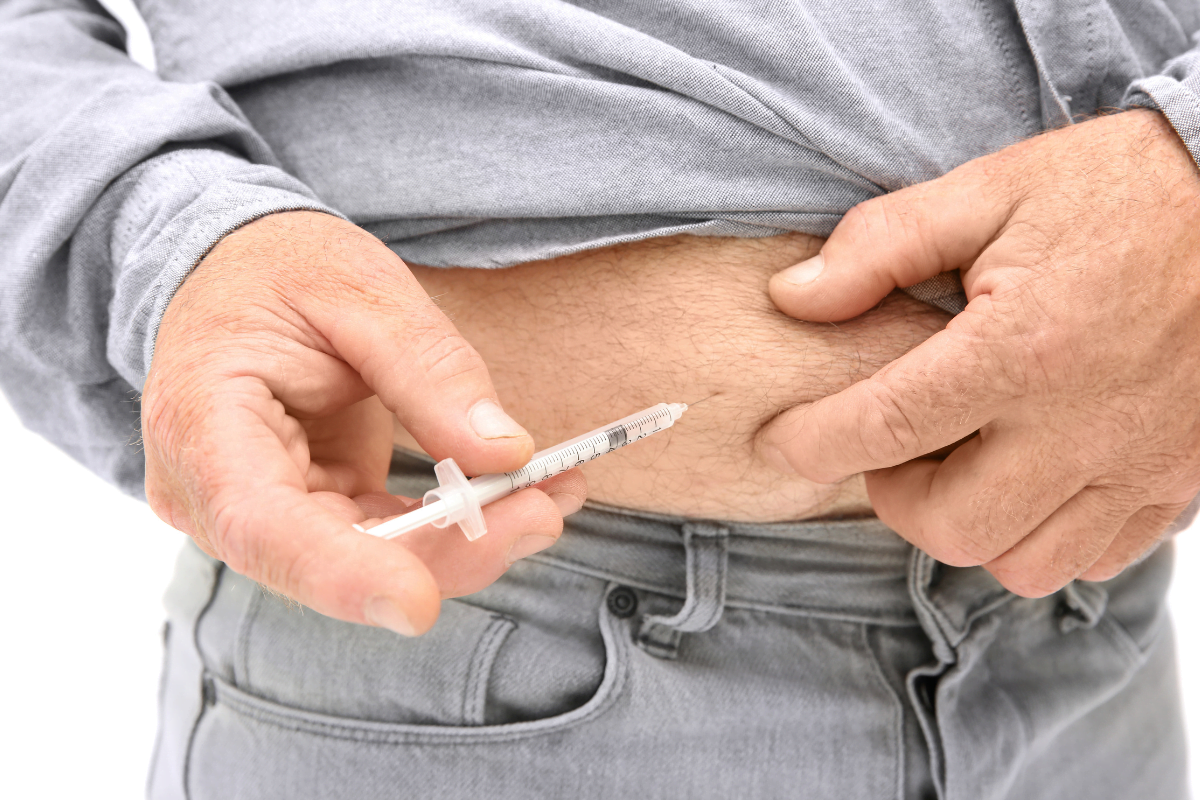
Category: Diabetes

Managing Diabetes can feel like constant planning and paperwork. This hub supports patients and caregivers who want clear, practical context. It covers blood sugar levels, common symptoms, and everyday management tasks. It also explains diagnosis basics, including the A1C test and fasting blood glucose. One section also addresses access steps and documentation. Ships from Canada to US is available for eligible prescriptions.

This page is a starting point for sorting options. It helps with comparing categories, supplies, and prescription-only therapies. It also links to deeper reading on insulin, hyperglycemia, and emergency readiness.

Medications are dispensed through licensed Canadian partner pharmacies.

Diabetes Overview

High blood glucose can develop for different reasons. Some people produce little to no insulin. Others make insulin but respond poorly to it. That reduced response is called insulin resistance (cells do not respond well).

Clinicians use labs and symptoms to guide next steps. Common tests include the A1C test and fasting blood glucose. Home checks can also support day-to-day tracking. A care team may also discuss prevention steps for those at risk.

What You’ll Find in This Category

This category hub includes related pharmacy browsing pages and educational reading. It also supports quick comparisons across monitoring tools and common therapies. For grouped browsing, start with Diabetes Care to scan major care areas.

Many people also need fast context on insulin options. The guide Different Types Of Insulin breaks down rapid, short, and long-acting patterns. For examples of specific items, see NovoRapid Cartridge and Glucagon Injection Kit.

  • Overviews of blood glucose monitoring and record keeping
  • Information on hyperglycemia and hypoglycemia warning signs
  • Context on insulin therapy, storage, and device basics
  • Food planning topics like carb counting and low glycemic foods
  • Movement planning topics like safe exercise routines

How to Choose

Start with the job that needs support. Some needs are daily tracking. Others are emergency preparation. For monitoring tools and accessories, browse Diabetes Supplies and compare what fits routines.

Selection checklist

  • Condition type and current plan from the prescriber
  • Monitoring method: meter checks or continuous glucose monitor use
  • Device format: pen, cartridge, vial, or compatible delivery system
  • Storage needs, including refrigeration and travel constraints
  • Supplies on hand: needles, lancets, sensors, and alcohol swabs
  • Emergency readiness items, such as fast sugar sources
  • Comfort with tracking: apps, logs, and sharing reports
  • Refill coordination needs for caregivers and households

Quick tip: Keep an updated medication and supply list for refills.

Some households keep a fast-acting sugar source available. A common example is Dextrose. This page supports browsing, not clinical decisions. A clinician can advise what fits a specific plan.

Safety and Use Notes

Medication choices and monitoring plans can affect safety. Blood sugar can rise high (hyperglycemia) or drop low (hypoglycemia). Both situations can feel different across people. For a symptom-focused review, see Signs Of Hyperglycemia.

Severe lows and diabetic ketoacidosis are medical emergencies. Diabetic ketoacidosis (DKA) involves dangerous acid buildup when insulin is very low. The explainer Diabetic Ketoacidosis Guide covers how it can start.

Why it matters: Severe symptoms need urgent care, even if a plan exists.

  • Confusion, fainting, or seizures
  • Chest pain, severe shortness of breath, or bluish lips
  • Repeated vomiting, severe abdominal pain, or extreme thirst
  • Rapid breathing or fruity-smelling breath
  • Blood glucose readings that stay very high despite a plan

For testing terms and A1C context, see this neutral overview from the American Diabetes Association. For risk screening and prediabetes definitions, see this summary from the Centers for Disease Control and Prevention.

Prescription details may be confirmed with the prescriber before dispensing.

Some readers prefer browsing by subtype and lived experience. The hub Type 1 Diabetes groups related reading in one place.

Access and Prescription Requirements

Some therapies require a valid prescription. Documentation needs can vary by product and jurisdiction. This page supports navigation and preparedness. It does not replace guidance from a prescriber or pharmacist.

For a condition-aligned browsing view with relevant listings, use Type 2 Diabetes Hub. That hub can help narrow categories before discussing options with a clinician.

  • Have the current prescription and prescriber details available
  • Expect a verification step before dispensing when required
  • Review product format and storage needs before selection
  • Plan for ongoing supplies used with pens, meters, or sensors
  • Keep records of allergies and prior reactions for pharmacy review

Cash-pay access is available, including for people without insurance.

This content is for informational purposes only and is not a substitute for professional medical advice.

  • Injection Sites for Ozempic: Safer Placement and Rotation

    Injection Sites for Ozempic: Safer Placement and Rotation

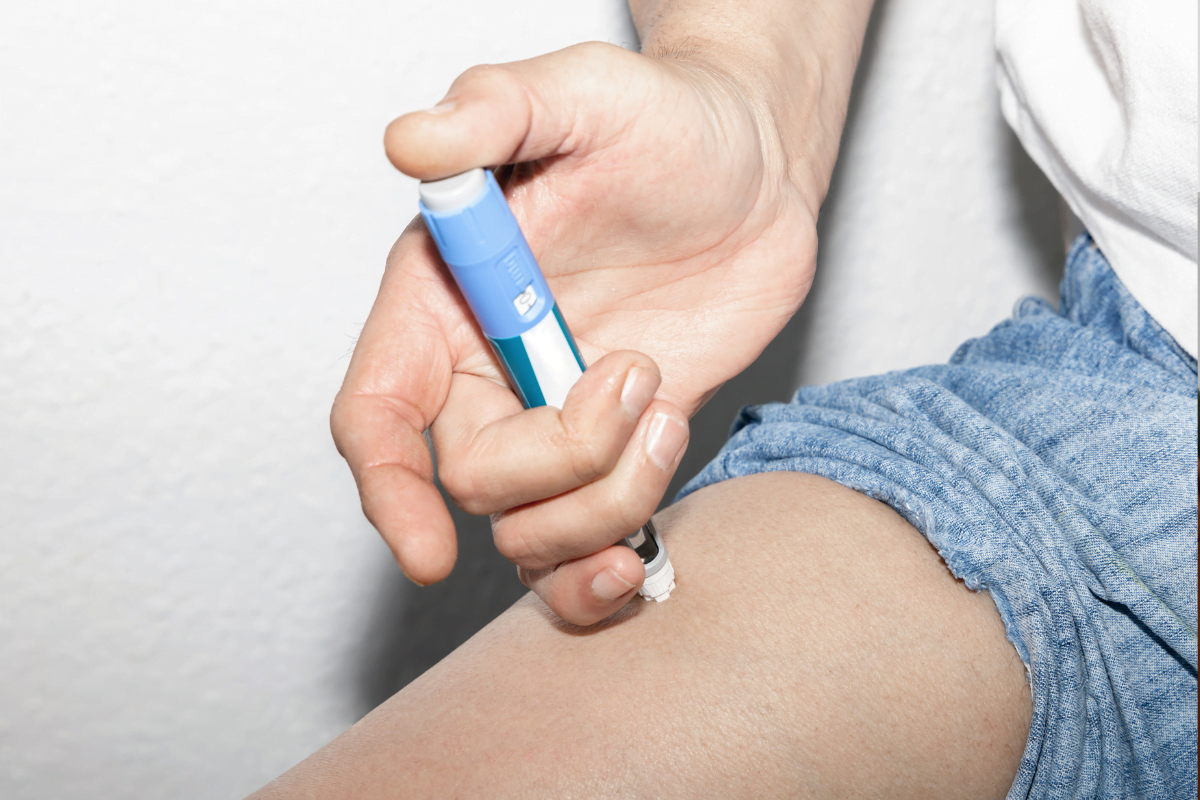
    Ozempic is injected under the skin in the abdomen, thigh, or upper arm. The safest injection sites for ozempic are areas with enough fatty tissue, away from scars, bruises, moles, irritated skin, or the navel. Good placement matters because the medicine is intended for subcutaneous use, meaning it goes into the fat layer just below the skin, not into muscle or a vein.

    This page keeps the focus practical. You will learn how to choose a site, rotate spots, reduce stinging, and recognize when a skin reaction needs medical attention. Always follow the Instructions for Use that came with your pen and any guidance from your prescriber or pharmacist.

    Key Takeaways

    • Approved areas: Use abdomen, thigh, or upper arm.
    • Correct layer: Inject into subcutaneous tissue, not muscle.
    • Rotate weekly: Change the exact spot each time.
    • Avoid damaged skin: Skip bruised, hard, swollen, or scarred areas.
    • Ask for help: Use the upper arm only if someone can reach it safely.

    Where the Injection Should Go

    The three labeled injection areas are the front of the abdomen, the front or outer thigh, and the back of the upper arm. Within those areas, choose skin you can see, clean, and hold steady. Many people find the abdomen easiest because it offers more visibility and control. Keep the shot at least two inches from the belly button.

    The thigh can also work well, especially if you prefer sitting down and watching the pen during the injection. Use the front or outer thigh where there is a soft layer under the skin. Avoid the inner thigh, because it can be more sensitive and harder to keep still.

    The upper arm is allowed, but it is often hard to inject there correctly by yourself. If this site is used, another trained adult should give the injection into the fatty tissue at the back of the upper arm. Reaching awkwardly can change the angle and may increase discomfort.

    There is no reliable evidence that one approved site produces better weight loss than another when the pen is used correctly. The “best” place is usually the one you can reach, clean, and rotate consistently. If you are using semaglutide for a prescribed purpose and want broader background on forms and next steps, see Semaglutide Basics.

    Why it matters: A calm, repeatable site choice can reduce errors and make weekly dosing less stressful.

    Stomach, Thigh, or Arm: How to Choose

    Choosing between the abdomen, thigh, and upper arm is mostly about access, comfort, and skin condition. Each site can be appropriate if you reach the subcutaneous layer. Your body shape, clothing, mobility, and comfort with needles may affect what feels most manageable.

    Abdomen

    The abdomen is a common choice because it is easy to see and steady with both hands. Use the area on the front of the belly, while avoiding the navel and any tender or hardened patches. If you are learning how to inject in the stomach or belly, keep your hand relaxed and avoid pressing the pen into the skin with force.

    Thigh

    The thigh may feel easier if you prefer sitting during the injection. Rest the leg so the muscle is not tense. Choose a soft area on the front or outer thigh. Some people notice brief soreness in the thigh, but this does not mean the site is unsafe. Stinging or bruising often relates to technique, alcohol that has not dried, or muscle tension.

    Upper arm

    The upper arm can be useful when the abdomen or thigh is irritated. The challenge is reach. If you twist to inject your own arm, you may lose control of the pen angle. Ask your care team to demonstrate the site if you plan to use it.

    Readers often ask whether stomach or thigh injections cause fewer side effects such as nausea. Nausea is a systemic medication effect, not usually a skin-site effect. Changing sites may help local soreness, but it should not be expected to prevent stomach-related side effects. For practical symptom context, read Managing Side Effects of Ozempic.

    Using the Pen: Subcutaneous Technique Basics

    The pen is designed for subcutaneous injection, so use it as directed rather than transferring medicine into a syringe. Online searches about how to inject Ozempic with a syringe can be confusing. For this product, the labeled method is the pen with a new compatible needle for each injection, unless a clinician gives specific individualized instructions.

    Start by washing your hands and checking the pen label. Inspect the liquid through the pen window. Do not use it if it looks cloudy, discolored, contains particles, or appears damaged. Attach a new needle as described in the pen instructions. If your pen requires a flow check before first use, follow the device steps carefully.

    Clean the chosen site with an alcohol swab and let it dry fully. Wet alcohol can sting. Hold the pen straight against the skin, usually at a 90-degree angle. Press and hold the dose button as directed, then keep the needle in place for the required count so the full dose has time to enter the tissue.

    Whether you pinch the skin depends on body build and site. Many adults can inject at 90 degrees without pinching in the abdomen. A gentle pinch may help if you are lean, using the thigh, or worried about reaching muscle. Do not squeeze hard, because that can increase pain or bruising.

    If you are building a weekly routine around work, meals, or travel, Incorporating Ozempic Into Your Lifestyle can help with planning habits that do not depend on memory alone. For trips, storage checks, and packing reminders, see Traveling With Ozempic.

    How to Rotate Sites Without Overthinking It

    Rotation means using a different exact spot each time, even if you stay within the same general area. This helps protect the skin from repeated punctures. It may also lower the chance of small lumps, tenderness, or bruised patches developing over time.

    A simple rotation plan works better than a complicated chart. For the abdomen, imagine four zones: upper left, upper right, lower left, and lower right. Move through those zones week by week, staying at least one inch away from the last puncture and at least two inches from the navel. For the thigh, alternate between legs and move from upper to middle to lower outer areas.

    If you prefer a visual tool, draw a small grid in a notebook or phone note. Mark the date and the general area, not a medical record-level diagram. This can serve the same purpose as an Ozempic injection site rotation chart without making the routine harder than it needs to be.

    Week Example Area Rotation Reminder
    1 Lower left abdomen Stay away from the navel.
    2 Lower right abdomen Move at least one inch from prior spots.
    3 Outer left thigh Keep the leg relaxed.
    4 Outer right thigh Avoid bruised or sore skin.

    Quick tip: If a spot is tender, skip that small area until it fully settles.

    Comfort Problems and Small Skin Reactions

    Mild redness, a tiny drop of blood, short-lived stinging, or a small bruise can happen after an injection. These reactions usually improve without special treatment. Still, you should watch the area and avoid repeating injections into skin that feels hard, warm, swollen, or painful.

    Several technique changes may improve comfort. Let the alcohol dry before injecting. Relax the muscle under the site. Use a steady hand rather than pushing the pen deeply into the skin. If the pen has been refrigerated, allow it to sit at room temperature for a short period if the product instructions permit this.

    Needle changes also matter. Use a new needle each time and dispose of it safely after the injection. Reusing needles can make injections more painful and may increase the risk of blockage or skin irritation. If you need general needle navigation, BD Nano Pro Pen Needles provides product context for compatible pen-needle discussions with a pharmacist or prescriber.

    Seek medical advice promptly if redness spreads, the area becomes hot, pus appears, or you develop fever. Get urgent care for widespread hives, throat tightness, wheezing, facial swelling, or trouble breathing. Those symptoms may suggest a serious allergic reaction.

    When the Pen Looks Full or Something Goes Wrong

    An Ozempic pen may still look full after one or more injections because it is designed to contain multiple doses. Do not judge the dose by the amount of liquid you think you see. Use the dose selector and dose window as directed in the pen instructions.

    If you see a small air bubble, it may not mean the pen is unsafe. Large bubbles, no flow, or a jammed device should be handled by reviewing the Instructions for Use or contacting the manufacturer or pharmacy support channel listed with the product. Do not force a stuck pen or try to repair the device.

    If liquid leaks from the skin after injection, note what happened. Common causes include removing the needle too soon, not holding the button long enough, or using a site with little fatty tissue. Do not repeat a dose unless your prescriber tells you to. Taking extra medicine can increase the risk of side effects.

    If you think the needle went into muscle, do not panic. Mark the site, watch for unusual pain or symptoms, and contact your care team for advice. Intramuscular placement may be more painful and is not the labeled route for this medicine. Route matters across injectable medicines, which is one reason device-specific directions are important.

    Visual Learning and Practice Support

    Pictures and videos can make hand placement easier to understand, but they should match the current pen instructions. If you search for an injection sites diagram or a how-to video, compare it with the official Instructions for Use. Skip videos that recommend syringe transfer, unapproved body sites, or dose changes.

    A nurse, pharmacist, or prescriber can watch your technique and correct small problems. This is especially helpful if you have tremor, vision changes, low hand strength, fear of needles, or repeated bruising. If another person will inject your upper arm, ask them to attend the demonstration too.

    For people using Ozempic as part of type 2 diabetes care, broader education may also help. You can browse the Type 2 Diabetes collection for related reading, or view the Type 2 Diabetes Condition page for navigation to relevant medication topics. If access questions come up, BorderFreeHealth connects U.S. patients with licensed Canadian partner pharmacies, and prescription details may be verified with the prescriber when required before dispensing.

    Authoritative Sources

    For device-specific steps, dose-window instructions, and approved injection areas, review the official Ozempic pen instructions from the manufacturer.

    For regulatory prescribing details, warnings, and approved use information, consult the FDA Drugs@FDA Ozempic record.

    For broader injection technique principles in diabetes care, the American Diabetes Association injection technique review explains site rotation, needle use, and subcutaneous placement concepts.

    Recap

    The approved injection sites for ozempic are the abdomen, thigh, and upper arm. Pick a site you can use safely, rotate the exact spot, and avoid irritated or damaged skin. Use the pen only as directed, and ask for a technique check if injections often hurt, leak, or leave repeated bruises.

    Small adjustments can make the routine feel less intimidating. A written rotation note, a calm setup, and reliable instructions can help you stay consistent without guessing.

    This content is for informational purposes only and is not a substitute for professional medical advice.
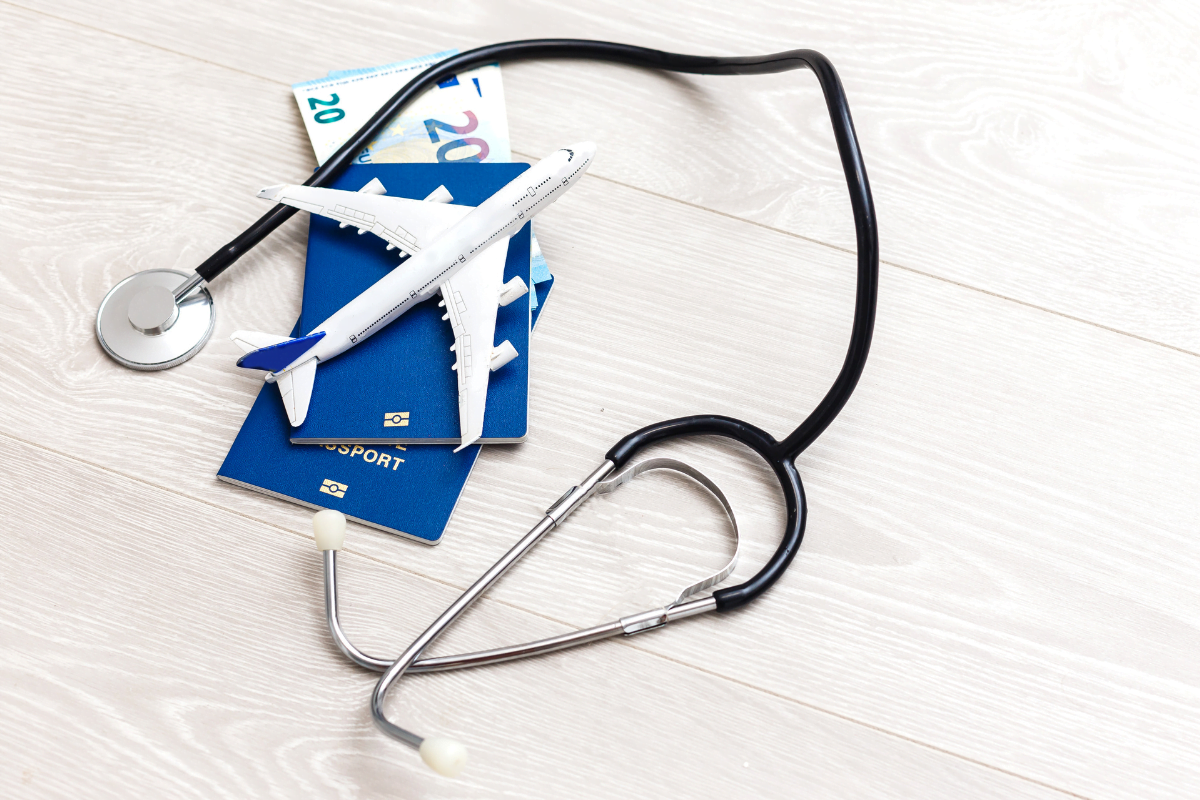
  • Traveling with Ozempic Safely: Storage, TSA, and Heat Tips

    Traveling with Ozempic Safely: Storage, TSA, and Heat Tips

    Traveling with Ozempic is usually manageable when you keep the pen in your carry-on, protect it from heat and freezing, and bring clear medication documentation. The main goal is simple: keep the medication within label storage guidance and avoid situations that make stability uncertain. This matters because temperature excursions, lost bags, and rushed airport screening can create preventable stress during a trip.

    Before you leave, check whether your pen is unopened or already in use. That difference affects how you plan refrigeration, timing, and disposal. If a pen gets too warm, freezes, is left out longer than expected, or passes its discard date, do not guess. Use the product label and ask a pharmacist or prescriber for guidance.

    Key Takeaways

    • Use carry-on storage: Keep pens with you, not in checked luggage.
    • Prevent temperature extremes: Cool the pen without freezing it.
    • Track the 56-day window: Mark the date you first use each pen.
    • Prepare for screening: Bring the prescription label, needles, and a sharps plan.
    • Ask when unsure: A pharmacist can help assess heat, freezing, or time out.

    Ozempic Storage Basics Before You Travel

    Ozempic pens need different handling before and after first use. Unused pens are stored in the refrigerator according to the product label. Once a pen is in use, the label allows storage in the refrigerator or at controlled room temperature for a limited period. Keep the pen away from direct sunlight, car interiors, and freezing surfaces.

    This distinction answers a common travel worry: what happens if Ozempic is not refrigerated before first use. If an unused pen warmed outside recommended conditions, its stability may be uncertain. A short, controlled trip from home to the airport is different from a pen sitting in a hot car or checked bag. Write down the estimated time, temperature conditions, and where the pen was stored, then ask a pharmacist before using it if you are unsure.

    People also ask, how long can Ozempic be left unrefrigerated. The safest answer depends on whether the pen is unopened or in use, and whether it stayed within the temperature range listed in the label. Do not rely on a general internet estimate for a pen exposed to heat, freezing, or unknown conditions. The details matter.

    Why it matters: A pen can look normal even when storage conditions were not ideal.

    If you use weekly injections as part of a busy routine, it may help to plan around meals, reminders, and travel days before departure. The practical tips in Ozempic Into Your Busy Lifestyle can support a more consistent routine while away from home.

    Flying With Ozempic: Carry-On, TSA, and Documentation

    You can take Ozempic on a plane, and carry-on storage is usually the safest choice. Checked luggage can be delayed, lost, overheated, or exposed to very cold conditions. Keep the pen, unused needles, alcohol swabs, and any cooling supplies in your personal item so you can access them during delays.

    For airport screening, pack the pen with its prescription label when possible. A short prescriber letter can also help, especially for international travel or complex itineraries. Tell the officer you are carrying injectable medication and cooling supplies before screening starts. Medically necessary liquids and cooling packs may receive additional inspection.

    For current U.S. screening rules, review the TSA guidance on medications. It explains how medications, associated supplies, and medically necessary liquids are handled at checkpoints. If you are leaving the United States, also check the rules for your destination and any connecting countries.

    A small travel kit can reduce delays and confusion:

    • Prescription label: Keep it visible or photographed.
    • Original packaging: Use it when space allows.
    • Needle supplies: Pack sealed pen needles separately.
    • Sharps container: Use a travel-size puncture-resistant option.
    • Cooling method: Add a gel pack or medical cooling pouch.
    • Backup notes: List your medication, dose schedule, and prescriber contact.

    Needle planning matters, too. If you need a technique refresher before a trip, Injection Sites for Ozempic reviews rotation and common injection locations in plain language.

    Choosing an Insulated Travel Case Without Overcooling

    An insulated travel case for Ozempic should protect the pen from heat without placing it directly against ice. Many people focus only on keeping medication cold, but freezing is also a concern. Use a barrier, such as a cloth sleeve or case divider, so the pen does not touch a frozen gel pack.

    Look for a case that fits the pen securely, leaves room for needles, and can be opened easily during security screening. A bulky cooler may work for a long road trip, but a slim medical pouch may be easier in airports. If you are comparing cases marketed for GLP-1 pens or insulin pens, focus on function rather than labels like “best” or “TSA approved.” TSA does not pre-approve every consumer case, but medication cooling supplies can be screened when declared.

    Quick tip: Test your case at home before relying on it during travel.

    During long travel days, avoid these common storage mistakes:

    • Direct ice contact: It may create freezing spots.
    • Parked cars: Heat builds quickly, even in shade.
    • Window ledges: Sunlight can raise case temperature.
    • Checked bags: You lose temperature and access control.
    • Tight foam cases: Some trap heat after cooling fades.

    If your trip includes other GLP-1 medicines in the household, remember that storage rules can differ by product. Compare labels rather than assuming one pen’s instructions apply to another.

    What to Do After Heat, Overnight Storage, or a Missed Fridge

    If you left your pen out overnight, first identify whether it was unopened or already in use. Then estimate the room temperature and total time out. A pen left on a cool indoor counter may raise different concerns than one left in a warm car, direct sunlight, or a suitcase near a heat source.

    Move the pen to a safe temperature environment, but do not try to “fix” heat exposure by freezing it or placing it directly on ice. Inspect the medication through the pen window if the label instructs you to do so. Do not use a pen if the liquid appears cloudy, discolored, or contains particles, unless your pharmacist confirms otherwise based on the specific product instructions.

    Travelers often ask what happens if Ozempic gets warm. Warmth can raise concern because semaglutide, the active ingredient, is a temperature-sensitive medicine. The degree of concern depends on how warm, how long, and whether the pen was protected. If the exposure was significant or unclear, set the pen aside and contact a pharmacist or prescriber before your next dose.

    The same caution applies after freezing. If a pen froze, do not use it unless a qualified professional confirms it is acceptable under the product instructions. Freezing can affect injectable medicines in ways that are not always visible.

    The 56-Day Use Window and Trip Timing

    After first use, Ozempic pens have a discard timeline listed in the product labeling. Many patients ask what happens if you use Ozempic after 56 days. The label instructs users to discard the pen after the stated period, even if medication remains. This helps reduce the chance of using a pen when stability or sterility expectations no longer apply.

    Mark the first-use date on the box, a phone calendar, or a small medication card. Add a reminder a few days before the discard date if you will be away. This gives you time to confirm your plan instead of discovering the issue at a hotel or airport.

    Do not change, skip, or double a dose just to fit vacation plans without medical guidance. If your dosing day falls during travel, ask your prescriber or pharmacist ahead of time how to handle timing, time zones, and unexpected delays. This is especially important if you also use medicines that can lower blood glucose.

    If nausea, reflux, or appetite changes tend to affect your travel days, prepare gentle food options and hydration. For more support, Managing Side Effects of Ozempic covers practical symptom discussions to raise with your care team. For meal planning during flights or road trips, Ozempic Diet offers simple food-choice ideas that may be easier to pack.

    Road Trips, Hotels, Cruises, and International Travel

    Non-air travel can create the same storage problems as flying. Car trunks, glove compartments, beach bags, and hotel windowsills can become too hot. Keep the pen with you in the passenger area, away from direct sun. If you stop for a meal, take the medication bag inside rather than leaving it in the vehicle.

    At hotels, use the room refrigerator only if it seems stable and clean. Avoid placing the pen near a freezer plate or at the back of a mini-fridge, where cold spots can form. If the refrigerator freezes food or drinks, do not store the pen there. A front shelf or insulated pouch inside the fridge may reduce direct cold exposure, but check conditions when possible.

    For international trips, carry more documentation than you expect to need. Keep medication in labeled packaging, bring a copy of the prescription, and check customs rules for your destination. Some countries have specific requirements for injectable medicines, needles, or quantities carried for personal use.

    If you need refill planning before travel, speak with your prescriber or pharmacist early. BorderFreeHealth connects U.S. patients with licensed Canadian partner pharmacies, and prescription details are verified with the prescriber when required before dispensing. Access options can depend on eligibility and jurisdiction, so avoid leaving medication questions until the last day before departure.

    Food, Hydration, and Comfort While Away

    Travel can disrupt your usual eating pattern. Long waits, unfamiliar foods, alcohol, and low fluid intake may worsen stomach discomfort for some people using GLP-1 therapy. Pack simple snacks that you already tolerate, and avoid testing rich or greasy meals right before a travel dose.

    People with diabetes should also consider glucose monitoring plans, especially if meal timing changes. If you have repeated high or low readings, kidney disease, pregnancy, gastroparesis, an eating disorder history, or use medicines that can cause hypoglycemia, ask your clinician for individualized travel advice before leaving.

    For food choices that may be harder to tolerate, Ozempic Foods to Avoid discusses common triggers in a practical way. If you want broader diabetes-related reading, the Type 2 Diabetes collection can help you browse related topics.

    When to Ask for Help During a Trip

    Ask a pharmacist, prescriber, or urgent care clinician for help when storage conditions are unclear or symptoms feel concerning. Do not inject medication from a damaged pen, a pen with abnormal-looking liquid, or a pen that may have frozen unless a qualified professional confirms what to do.

    Seek urgent medical help for severe allergic symptoms, such as trouble breathing, swelling of the face or throat, or widespread hives. Also seek prompt care for severe or persistent abdominal pain, repeated vomiting, signs of dehydration, confusion, or symptoms of very low blood glucose if you are at risk. These situations need medical assessment, not travel troubleshooting.

    If your pen is lost, damaged, or delayed in luggage, contact a pharmacist or prescriber for next steps. Avoid borrowing another person’s medication or changing your schedule based on guesswork. If you are comparing injectable options with different devices, product pages such as Ozempic and Mounjaro KwikPen can provide neutral product context, but your own care team should guide medication decisions.

    Authoritative Sources

    For official airport screening information, use the TSA medication screening guidance before flying with injectable medicines and cooling supplies.

    For label-based storage, handling, and discard instructions, review the manufacturer’s Ozempic pen instructions and confirm any uncertainty with a pharmacist.

    For broader travel preparation with medicines, the CDC Pack Smart travel guidance outlines documentation and packing precautions for travelers.

    Recap

    Safe travel with a GLP-1 pen comes down to access, temperature control, and documentation. Keep the pen in your carry-on, use a cooling method that does not freeze it, and track the first-use date. If heat, freezing, overnight storage, or the 56-day window creates doubt, pause and ask a pharmacist or prescriber before using the pen.

    Traveling with Ozempic does not have to take over your trip. A clear packing routine, a small medication kit, and a plan for delays can help you stay organized while protecting your treatment plan.

    This content is for informational purposes only and is not a substitute for professional medical advice.

  • Ozempic and Intermittent Fasting: Safer Timing and Meals

    Ozempic and Intermittent Fasting: Safer Timing and Meals

    You can often combine ozempic and intermittent fasting, but the safest plan is usually gentle, flexible, and clinician-informed. The goal is not to eat as little as possible. It is to build a steady eating pattern that protects hydration, protein intake, blood glucose, digestion, and energy while semaglutide affects appetite.

    This matters because GLP-1 medicines can make you feel full sooner. Fasting can then make it too easy to under-eat, skip fluids, or miss warning signs such as dizziness. A shorter eating window may help some adults, but it should never crowd out nutrition or medication safety.

    Key Takeaways

    • Start conservatively: A 12/12 or 14/10 window is often easier than 16/8.
    • Protect nutrition: Protein, fiber, fluids, and electrolytes matter more than fasting length.
    • Watch side effects: Nausea, constipation, fatigue, and dizziness may worsen with aggressive fasting.
    • Personalize the window: Work, sleep, hormones, diabetes medicines, and Ramadan all change the safest plan.
    • Track patterns: Plateaus often reflect intake, movement, sleep, stress, or constipation rather than failure.

    How Ozempic and Intermittent Fasting Can Fit Together

    Ozempic and intermittent fasting may work together because both can reduce unplanned eating, but they act in different ways. Semaglutide is a GLP-1 receptor agonist, a medicine that mimics an incretin hormone involved in appetite and blood glucose signaling. Time-restricted eating narrows when you eat, which may help some people reduce grazing.

    That overlap can be useful. If semaglutide reduces hunger, a simple eating window may feel less stressful than frequent calorie counting. It can also create predictable meal times, which helps busy adults plan protein, fiber, and fluids. For broader medication background, see Semaglutide Basics.

    The risk is overcorrection. Some people eat too little, especially during dose changes or early nausea. Others drink less because they are not eating often. That can worsen constipation, headache, low energy, and lightheadedness. If you use insulin, a sulfonylurea, or other glucose-lowering medicine, fasting should be discussed with your prescriber because hypoglycemia risk can change.

    Why it matters: A fasting plan should make daily care simpler, not more fragile.

    Choosing a Fasting Window That Protects Energy

    The best fasting window on Ozempic is the one that lets you eat enough nourishing food without worsening symptoms. Many adults do better starting with a 12-hour overnight fast, such as 7 p.m. to 7 a.m. If that feels stable, a 14/10 schedule may be a reasonable next step.

    A 16/8 intermittent fasting schedule is popular, but it is not automatically better. It can be too tight if you feel full quickly, have nausea, train hard, work long shifts, or need several smaller meals. If you try it, pay attention to how you feel during the last fasting hours and after your first meal.

    Gentle schedule options

    • 12/12 schedule: Best starting point for side-effect monitoring.
    • 14/10 schedule: Often practical for workdays and families.
    • 16/8 schedule: Consider only if meals remain complete.
    • Earlier window: May suit people with evening snacking.
    • Flexible window: Useful for shift work, travel, or training days.

    Meal quality matters more than the label on the schedule. Build meals around lean protein, high-fiber carbohydrates, vegetables, and healthy fats in portions you tolerate. For practical ideas, use Ozempic Diet Food Choices to plan filling meals without making the window too restrictive.

    If certain foods worsen reflux, nausea, or fullness, adjust texture and portion size before shortening the fast. Large fried meals, sugary drinks, alcohol, and oversized portions can be harder to tolerate for some people. For simple swaps, see Foods To Avoid On Ozempic.

    What Happens If You Do Not Eat Enough?

    Not eating enough while on a GLP-1 can leave you under-fueled even when hunger feels low. Appetite is only one signal. Your body still needs protein, fluid, sodium, potassium, vitamins, minerals, and enough total energy to support daily activity.

    Common signs that your fasting window may be too aggressive include shakiness, dizziness, unusual fatigue, headaches, constipation, irritability, trouble concentrating, or feeling overly full after only a few bites. These symptoms do not always mean danger, but they are signals to slow down and reassess.

    If vomiting, severe abdominal pain, fainting, confusion, repeated low glucose readings, or signs of dehydration occur, seek medical guidance promptly. People with diabetes, kidney disease, pregnancy, a history of eating disorders, gastroparesis, or blood pressure concerns should get individualized advice before fasting.

    Weekly semaglutide is not normally timed around meals, but your full medication list matters. Do not change prescribed doses or stop medicines because of fasting without speaking with your clinician. If injection technique affects consistency, Managing Ozempic Side Effects covers symptom patterns that may affect eating.

    Protein, Fiber, and Fluids Come Before Longer Fasts

    A safe fasting routine starts with what happens inside the eating window. If your meals are small, protein-poor, or low in fiber, a longer fast may increase fatigue and cravings. This is especially important during active weight loss, when lean muscle preservation matters.

    Aim to include protein at each main meal when tolerated. Examples include eggs, fish, poultry, Greek yogurt, tofu, beans, lentils, or other options that fit your culture and budget. Add fiber through vegetables, fruit, oats, barley, beans, lentils, nuts, seeds, or whole grains in portions that your digestion accepts.

    Hydration deserves a plan because fasting can mask thirst. Water, unsweetened tea, and mineral-containing fluids may help. If you have heart, kidney, or blood pressure conditions, ask your clinician before using electrolyte products or increasing sodium.

    Quick tip: Break the fast slowly, then wait before deciding on second portions.

    If you are balancing medication with school, caregiving, or shift work, predictable meal anchors help. Two planned meals and one portable snack may work better than a rigid 16/8 schedule. For routine-building ideas, see Busy Lifestyle Strategies.

    Women, Hormones, and Different Life Stages

    An intermittent fasting schedule for women should leave room for menstrual cycles, perimenopause, training, iron needs, and caregiving demands. Some women feel well with time-restricted eating. Others notice sleep disruption, cycle changes, increased cravings, or lower exercise tolerance when fasting becomes too strict.

    During heavier training days, long workdays, or the premenstrual phase, a wider eating window may be more realistic. Iron-rich foods, adequate protein, and regular meals can be especially important if intake is low. If periods become irregular, symptoms intensify, or food restriction feels hard to control, pause fasting and discuss the pattern with a clinician or registered dietitian.

    Perimenopause can also change appetite, sleep, muscle mass, and glucose response. In that setting, resistance training, protein distribution, and sleep routines may matter as much as the fasting window. A gentle 12/12 or 14/10 plan may be more sustainable than a strict daily fast.

    Insulin Resistance, Diabetes, and Glucose Monitoring

    For insulin resistance, an earlier and consistent eating window may be more useful than a very long fast. Late-night meals can raise overnight glucose for some people. Earlier meals may also support sleep and reduce evening snacking, though individual responses vary.

    If you monitor glucose, look for patterns rather than single readings. Repeated lows, repeated highs, or symptoms should be reviewed with your healthcare team. If you use a continuous glucose monitor, time-in-range can help you discuss patterns, but it does not replace clinical judgment.

    Some readers ask, does fasting increase GLP-1. Fasting and meal timing can influence gut hormones, but Ozempic works through a medication effect at GLP-1 receptors. Do not assume that longer fasting will duplicate or strengthen a prescription effect. The safer question is whether your plan supports stable meals, hydration, and medication tolerance.

    For people with type 2 diabetes, nutrition targets should reflect medications, glucose data, kidney health, and personal preferences. The Type 2 Diabetes collection can help you browse related topics, but medication changes should stay with your prescriber.

    Plateaus and Realistic Progress While Fasting

    If progress stalls, it does not mean ozempic and intermittent fasting have stopped working. Weight changes are affected by fluid shifts, constipation, sleep, stress, menstrual cycles, medication timing, activity, and total intake. A plateau is a cue to investigate, not to punish yourself with a harsher fast.

    Many people ask, why am I not losing weight on semaglutide. Common contributors include low protein, hidden liquid calories, frequent grazing inside the window, reduced movement from fatigue, constipation, poor sleep, and stress eating. Sometimes the fasting window is too narrow, causing rebound eating later.

    A simple one-week review can be enough. Track meal timing, protein sources, fluids, bowel habits, steps or workouts, sleep, and symptoms. Then look for one or two changes that feel realistic. You may not need a new schedule; you may need better meal structure or side-effect support.

    This calculator can help you review weight change and goal progress in general terms. It does not predict medication results or replace medical guidance.

    [weight-loss-progress-calculator]

    If weight management is your main reason for reading, the Weight Management collection offers broader lifestyle context. If you want to understand access pages for the medicine itself, the Ozempic product page gives product-specific navigation without replacing prescriber advice.

    Ramadan and Other Religious Fasts

    You may be able to continue GLP-1 therapy during Ramadan or other religious fasts, but planning should happen before the fast begins. The main concerns are dehydration, nausea, meal quality, glucose changes, and how other medicines interact with long fasting hours.

    For Ramadan, suhoor and iftar need to carry more nutritional weight. Include protein, fiber-rich carbohydrates, fluids, and foods that digest comfortably. Avoid turning the evening meal into one large, heavy sitting if that worsens reflux or nausea. Smaller portions over the permitted eating period may be easier.

    Ask your clinician how to handle vomiting, missed meals, repeated low glucose readings, or dehydration symptoms. People using insulin or sulfonylureas need particular care because low blood sugar risk can be higher. Those with type 1 diabetes, advanced kidney disease, pregnancy, frailty, or recent severe illness need individualized religious fasting guidance.

    Practical Safety Checks Before You Tighten the Window

    Before moving from 12/12 to 14/10, or from 14/10 to 16/8, make sure the basics are stable. Your plan should support life outside the kitchen: work, study, caregiving, sleep, movement, and social meals.

    • Symptoms: Nausea, dizziness, or constipation are controlled.
    • Protein: Meals contain a clear protein source.
    • Hydration: Fluids are steady across the day.
    • Glucose: Readings and symptoms are not concerning.
    • Movement: Energy supports walking or strength work.
    • Flexibility: The plan can loosen during illness or travel.

    Ozempic and intermittent fasting should not require isolation, fear, or perfection. If the plan makes you anxious around food, causes repeated symptoms, or crowds out nutrition, it is too strict. A wider window with better meals is often safer than a narrow window with poor intake.

    Patients comparing GLP-1 options may also want to understand different formats. Rybelsus is an oral semaglutide product page, while Wegovy is a related semaglutide product page used for navigation and product context. BorderFreeHealth connects U.S. patients with licensed Canadian partner pharmacies, and prescription details are verified with prescribers when required before pharmacy dispensing.

    Authoritative Sources

    For medication safety, review the current official prescribing details through the Ozempic prescribing information page. It outlines approved uses, warnings, contraindications, and important adverse reactions.

    For diabetes nutrition and individualized care principles, see the American Diabetes Association Standards of Care. These standards emphasize personalized nutrition, medication safety, and cardiometabolic risk management.

    For time-restricted eating research context, review this early time-restricted feeding study. It supports cautious discussion of meal timing, while not proving that every fasting schedule suits every person.

    Recap

    Ozempic and intermittent fasting can be a reasonable pairing for some adults when the plan is gradual, nourishing, and flexible. Start with a shorter overnight fast, protect protein and fluids, and avoid chasing the longest possible window. If symptoms, glucose concerns, or food restriction patterns appear, step back and seek individualized care.

    The safest plan is the one you can sustain while still eating enough, moving comfortably, sleeping well, and honoring your culture and health needs. Progress should support your life, not shrink it.

    This content is for informational purposes only and is not a substitute for professional medical advice.
  • Ozempic vs Insulin: Differences That Shape Type 2 Care

    Ozempic vs Insulin: Differences That Shape Type 2 Care

    Ozempic is not insulin, and it does not simply replace insulin for everyone. The practical question in ozempic vs insulin is which problem your treatment plan needs to solve: improving the body’s glucose signals, replacing insulin your body lacks, or doing both safely. That distinction matters because each option affects blood sugar, weight, side effects, and monitoring in different ways.

    Key Takeaways

    • Different roles: Ozempic supports glucose-dependent insulin release; insulin directly replaces or supplements insulin.
    • Not interchangeable: Insulin may be urgent when glucose is very high or symptoms suggest insulin deficiency.
    • Combination is common: Some adults use Ozempic and insulin together with careful glucose monitoring.
    • Safety changes: Adding a GLP-1 medicine may raise low-glucose risk if insulin is not reviewed.
    • Shared decisions help: A1C, fasting glucose, symptoms, weight goals, kidney health, and preferences all matter.

    This article focuses on adults with type 2 diabetes. It can help you prepare for a clearer conversation with your clinician, especially if you are asking whether Ozempic is insulin, whether insulin can be reduced, or why both might appear in one plan.

    How Ozempic and Insulin Work Differently

    Ozempic is a GLP-1 receptor agonist, which means it acts like glucagon-like peptide-1, a hormone signal involved in glucose control. It can help the pancreas release insulin when glucose is elevated, reduce glucagon release, and slow stomach emptying. These effects may improve post-meal glucose patterns and may reduce appetite in some people.

    Insulin works more directly. It is the hormone that helps move glucose from the bloodstream into cells. When the body does not make enough insulin, or cannot use it effectively, injected insulin can replace or supplement what is missing. That is why insulin remains essential for people with type 1 diabetes and may be needed for some people with type 2 diabetes.

    Why it matters: A medicine that improves hormone signaling is not the same as a medicine that replaces a hormone.

    Insulin also comes in several forms. Rapid-acting insulin is often used around meals. Long-acting basal insulin supports background insulin needs over many hours. Intermediate-acting and mixed insulins may be used in selected plans. For a deeper primer, see Different Types of Insulin.

    People sometimes compare one specific insulin, such as Lantus, with Ozempic. That can be helpful, but it is not a one-for-one comparison. Lantus is insulin glargine, a long-acting basal insulin. Ozempic is semaglutide, a GLP-1 receptor agonist. If you want more context on basal insulin’s role, see Lantus Insulin Uses.

    When One May Be Considered Before the Other

    Clinicians usually choose between these options by looking at the pattern and severity of hyperglycemia, which means high blood sugar. They also consider symptoms, A1C, fasting glucose, meal-related spikes, weight changes, other health conditions, and the risk of hypoglycemia, or low blood sugar.

    Ozempic may be considered when type 2 diabetes needs stronger glucose control and weight management or cardiovascular risk considerations are part of the care plan. It is not used for type 1 diabetes. It also is not a rescue medicine for severe hyperglycemia or diabetic ketoacidosis.

    Insulin may be considered when glucose is very high, when symptoms are significant, or when the body appears to lack enough insulin. Warning patterns can include unintentional weight loss, dehydration, marked thirst, frequent urination, or fatigue. For symptom context, see Signs and Symptoms of Hyperglycemia.

    Guidelines often prefer a patient-centered approach rather than a fixed sequence for everyone. The American Diabetes Association Standards of Care describe medication choices based on glucose targets, comorbidities, weight, side effects, cost, and patient priorities. Your clinician may also consider kidney disease, heart disease, pregnancy plans, digestive conditions, and hypoglycemia history.

    For many people, the decision is not simply “Ozempic or insulin.” A plan can change over time. Someone may start a GLP-1 receptor agonist after metformin. Another person may need insulin first to stabilize high glucose, then later add a GLP-1 medicine if appropriate.

    Can You Take Ozempic With Insulin?

    Yes, some adults with type 2 diabetes use Ozempic and insulin together. This combination can make sense when basal insulin helps fasting glucose but post-meal glucose, weight, or total insulin needs remain concerns. The key safety issue is that insulin doses may need review as appetite, food intake, and glucose patterns change.

    The risk of low blood sugar is generally higher when Ozempic is used with insulin or with medicines that increase insulin release, such as sulfonylureas. The official FDA prescribing information for Ozempic includes warnings about hypoglycemia risk when used with insulin or insulin secretagogues. This does not mean the combination is unsafe for everyone. It means monitoring and clinician-guided adjustment matter.

    If you use rapid-acting insulin with meals, appetite changes may affect how much carbohydrate you eat. That can make previous mealtime routines less predictable. For background on rapid insulin timing and use, see Rapid-Acting Insulin.

    People often ask how much to decrease insulin when starting Ozempic. There is no universal answer. The decision depends on your current insulin type, glucose readings, A1C, kidney function, food intake, exercise, prior lows, and whether you use a continuous glucose monitor. Your prescriber may set a structured plan rather than relying on guesswork.

    Quick tip: Bring recent glucose logs or CGM summaries to medication-change visits.

    If you track A1C and estimated average glucose, a conversion tool may help you understand the numbers discussed at visits. It does not replace clinical interpretation.

    [hba1c-calculator]

    What Changes When Starting a GLP-1 Medicine on Insulin

    Starting a GLP-1 receptor agonist while already using insulin is a transition period. Your care team may ask for more frequent glucose checks, especially during the first weeks after initiation or dose changes. The aim is not perfection. The aim is safer pattern recognition.

    Several day-to-day factors can shift glucose during this transition. Smaller meals may reduce the need for mealtime insulin. Nausea or skipped meals can increase low-glucose risk if insulin is taken as usual. Exercise, alcohol, illness, dehydration, or steroid medicines can also change readings.

    Practical questions to ask your clinician

    • Low-glucose plan: What number should trigger treatment?
    • Missed meals: What should happen if appetite drops?
    • Correction doses: Should correction rules change temporarily?
    • Sick days: When should ketones be checked?
    • Follow-up timing: When should glucose data be reviewed?

    Do not stop insulin on your own, especially if you have very high glucose, ketones, or symptoms of dehydration. In some people, too little insulin can contribute to serious complications, including diabetic ketoacidosis. For a safety-focused overview, see Diabetic Ketoacidosis.

    Injection technique also matters. Consistent site rotation can reduce discomfort and may help avoid absorption variability. If you want practical technique reminders for semaglutide injections, see Injection Sites for Ozempic.

    Side Effects and Safety Signals to Take Seriously

    Ozempic and insulin have different side effect patterns. Ozempic commonly causes digestive symptoms, such as nausea, vomiting, diarrhea, constipation, fullness, or reduced appetite. These effects may improve as the body adjusts, but persistent symptoms deserve medical review.

    Rare but serious risks have also been reported with GLP-1 receptor agonists. Seek urgent evaluation for severe, persistent abdominal pain, especially if it spreads to the back or occurs with vomiting. This can be a warning sign of pancreatitis. Gallbladder problems are another reason to report severe abdominal symptoms promptly. For a broader patient-focused discussion, see Managing Ozempic Side Effects.

    Insulin’s most important safety concern is hypoglycemia. Symptoms may include shakiness, sweating, confusion, fast heartbeat, hunger, weakness, or irritability. Severe lows can impair thinking or lead to loss of consciousness. People who use insulin should have a written low-glucose plan and know when rescue glucagon is appropriate.

    Insulin can also contribute to weight gain in some people, especially if doses rise while calorie intake also increases. That does not mean insulin is “bad.” It can be life-sustaining and necessary. It means the plan should balance glucose goals with nutrition, activity, and hypoglycemia prevention.

    Some readers ask what organ Ozempic is “hard on.” That wording can be misleading. Ozempic acts through hormone receptors in several tissues, including the pancreas, stomach, brain appetite pathways, and liver-related glucose signaling. The practical safety point is to report severe abdominal pain, dehydration, persistent vomiting, or symptoms of gallbladder disease. Your clinician can decide whether evaluation or treatment changes are needed.

    Metformin, Lantus, and Other Comparisons People Ask About

    Medication names can pile up quickly in type 2 diabetes care. Understanding the role of each one helps you avoid false comparisons.

    Ozempic and metformin

    Metformin is not insulin and is not a GLP-1 receptor agonist. It mainly reduces the liver’s glucose production and may improve insulin sensitivity. Many adults take metformin with a GLP-1 medicine or with insulin, when tolerated and appropriate. For background on its role, see Metformin Benefits.

    People may ask why take metformin and Ozempic together. The simple answer is that they work through different pathways. Combining pathways can help some people reach glucose goals without relying on one medicine alone. However, digestive side effects, kidney function, and individual response still matter.

    Ozempic and Lantus

    Ozempic vs Lantus is a common comparison because both are injectable diabetes medicines. But Lantus is a basal insulin. Ozempic is a GLP-1 receptor agonist. Lantus is not a GLP-1 medicine, and insulin glargine is not the same as semaglutide.

    Some people use Ozempic and Lantus together. Others use one but not the other. A clinician may consider fasting glucose, overnight patterns, post-meal readings, weight trends, and low-glucose risk before recommending changes.

    Other incretin medicines

    Trulicity, Rybelsus, Mounjaro, and Wegovy often appear in related conversations, but they are not interchangeable labels. Trulicity is another GLP-1 receptor agonist. Rybelsus is oral semaglutide used for type 2 diabetes. Mounjaro is tirzepatide, a dual GIP/GLP-1 receptor agonist. Wegovy is semaglutide used for chronic weight management under specific criteria.

    If your question is mainly about GLP-1 options, you may want a focused comparison such as Trulicity vs Ozempic or Mounjaro vs Ozempic. Those comparisons can help separate drug class, indication, dosing schedule, side effects, and weight-related expectations.

    Decision Factors to Bring to Your Appointment

    The safest choice depends on your data and your lived routine. A person with mild A1C elevation and weight concerns may have a different path than someone with very high glucose, ketones, weight loss, or repeated infections. Your medication history also matters.

    Bring specific information if you can. Recent fasting readings, post-meal readings, A1C, low-glucose episodes, meal patterns, weight change, kidney labs, and current medicines all help. If you use a CGM, time-in-range trends can be especially useful.

    Here are practical discussion points:

    • Main target: Fasting glucose, post-meal spikes, A1C, or symptoms.
    • Safety history: Prior lows, falls, confusion, or missed meals.
    • Digestive concerns: Nausea, gastroparesis symptoms, or dehydration risk.
    • Heart and kidneys: Existing cardiovascular or kidney disease.
    • Daily routine: Work schedule, food access, travel, and exercise.
    • Medication burden: Injection comfort, monitoring tools, and adherence barriers.

    Access can also shape real-world decisions. BorderFreeHealth connects U.S. patients with licensed Canadian partner pharmacies, and prescription details may be verified with the prescriber when required before dispensing. For readers exploring diabetes topics more broadly, the Type 2 Diabetes collection can help organize next questions.

    If affordability is part of the conversation, ask your clinician about therapeutically appropriate alternatives rather than switching based only on cost. Some people also explore cash-pay, cross-border prescription options without insurance, subject to eligibility and jurisdiction. That access question should stay separate from the clinical question of which medication is safest for your situation.

    Authoritative Sources

    The FDA label for Ozempic outlines approved uses, warnings, adverse reactions, and hypoglycemia cautions with insulin or insulin secretagogues.

    The ADA Standards of Care provide guideline-level context for type 2 diabetes medication selection and treatment intensification.

    The NIDDK diabetes medicines overview explains insulin, non-insulin medicines, and how treatment choices can vary by individual needs.

    Recap

    Ozempic and insulin both help manage diabetes, but they do different jobs. Ozempic improves glucose-related hormone signaling. Insulin replaces or supplements a hormone the body needs to move glucose into cells. Some people use one, some use the other, and some use both.

    The safest next step is not to guess which medicine is “stronger.” It is to match the treatment plan to glucose patterns, symptoms, risks, and goals. If readings are very high, symptoms are worsening, or lows are frequent, contact your care team promptly.

    This content is for informational purposes only and is not a substitute for professional medical advice.
  • Side Effects of Ozempic: Safety, Symptoms, and Warning Signs

    Side Effects of Ozempic: Safety, Symptoms, and Warning Signs

    The side effects of ozempic are usually digestive, especially nausea, vomiting, diarrhea, constipation, reflux, and stomach pain. These symptoms often appear after starting treatment or increasing a dose, but they still deserve attention. Some reactions are uncommon yet serious, including severe dehydration, pancreatitis (inflammation of the pancreas), gallbladder problems, kidney strain, or allergic symptoms. Knowing the difference helps you respond sooner and discuss concerns clearly with your prescriber.

    Key Takeaways

    • Common symptoms: nausea, vomiting, diarrhea, constipation, reflux, and abdominal discomfort.
    • Track patterns: note dose timing, meals, fluids, bowel changes, and symptom severity.
    • Food matters: greasy, large, spicy, or very sweet meals may worsen nausea.
    • Red flags: severe belly pain, persistent vomiting, chest pain, fainting, or allergic symptoms need urgent care.
    • Follow-up helps: dose timing, titration pace, and nutrition plans can be reviewed with your clinician.

    Common Ozempic Side Effects and Why They Happen

    Most ozempic side effects happen because semaglutide slows stomach emptying and affects appetite signals. This can help with glucose control in type 2 diabetes, but it can also make food sit longer in the stomach. The result may feel like early fullness, bloating, nausea, burping, or reflux.

    Digestive symptoms are most often reported near the beginning of treatment or after dose changes. Some people notice mild queasiness for a short period. Others have constipation, loose stools, or a cycle of both. Headache, fatigue, dizziness, and injection-site irritation can also occur, though they are not usually the main concern.

    A simple symptom log can make appointments more useful. Record your injection day, symptom start time, meals, fluids, bowel habits, and any missed meals. Include a 0 to 10 severity score. This gives your prescriber a clearer picture than memory alone.

    Quick tip: Bring your log to visits instead of trying to summarize several weeks from memory.

    For broader background on semaglutide forms and how this medicine class fits into care, see Semaglutide Basics. If you are comparing medication pages for context, the Ozempic product page may help you identify the specific medicine being discussed.

    When Symptoms May Signal Something More Serious

    The most important safety question is whether symptoms are mild, manageable, and improving, or severe, persistent, and worsening. Severe or ongoing vomiting can cause dehydration, which may strain the kidneys. Watch for very dark urine, dizziness, fainting, dry mouth, confusion, or reduced urination.

    Severe abdominal pain is another warning sign. Pain that does not improve, pain that radiates to the back, or pain with repeated vomiting can be associated with pancreatitis. Pain in the upper right abdomen, especially after fatty meals, can suggest gallbladder irritation or gallstones. These symptoms need prompt medical evaluation.

    Chest pain, shortness of breath, fainting, swelling of the face or throat, or widespread hives should not be managed at home. Seek urgent care or emergency help. Some symptoms may be unrelated to semaglutide, but they still need assessment.

    People sometimes ask which organ Ozempic is “hard on.” There is no single answer. The stomach and intestines are where many common symptoms appear. The pancreas, gallbladder, and kidneys are the organs most often discussed for rare but important safety concerns. Kidney problems are more likely when vomiting, diarrhea, or poor fluid intake leads to dehydration.

    Food, Drinks, and Daily Habits That Can Reduce Discomfort

    Food choices can make the side effects of ozempic feel better or worse. Large meals, fried foods, heavy sauces, alcohol, and very sweet foods can aggravate nausea or reflux for some people. Carbonated drinks may worsen bloating. Coffee affects people differently; some tolerate it well, while others notice more reflux, jitters, or stomach upset.

    When nausea flares, many people do better with smaller portions. Bland, lower-fat foods may sit more comfortably. Examples include toast, crackers, broth, eggs, yogurt, ripe bananas, rice, lean poultry, or simple soups. Sip fluids steadily instead of drinking large amounts at once.

    For practical food swaps, review Ozempic Foods To Avoid. For gentler meal ideas, Ozempic Diet Easy Food Choices offers simple options that may be easier during appetite changes.

    A practical symptom plan

    • Use smaller meals: stop before feeling overly full.
    • Slow your pace: eating quickly may worsen nausea.
    • Limit greasy foods: fat can increase fullness and reflux.
    • Hydrate early: sip fluids before symptoms build.
    • Walk after meals: gentle movement may reduce heaviness.
    • Avoid lying flat: stay upright after larger meals.

    Do not use food rules as a substitute for clinical care. If nausea causes repeated missed meals, low blood sugar concerns, or dehydration symptoms, contact your healthcare team. This is especially important if you also use insulin or medicines that can lower glucose.

    Long-Term Safety, Monitoring, and Follow-Up

    Long-term side effects of ozempic are still monitored through clinical studies, post-market reporting, and real-world use. The best approach is not to ignore mild symptoms or assume every symptom is dangerous. Instead, use regular follow-up to review tolerability, nutrition, glucose trends, kidney function, and any new health concerns.

    Tell your prescriber about persistent constipation, severe reflux, abdominal pain, mood changes, dizziness, or ongoing fatigue. Also mention any history of pancreatitis, gallbladder disease, kidney disease, diabetic retinopathy, pregnancy planning, or breastfeeding. These factors can change the risk-benefit discussion.

    Some people notice side effects after several months, especially if weight loss changes eating patterns or hydration. Others feel better once their body adjusts. A pattern that worsens over time, however, should be reviewed rather than dismissed.

    If you want more context on safety evidence and clinical use over time, see How Long Ozempic Has Been Studied. Readers focused on diabetes care can also browse the Type 2 Diabetes collection for related education.

    Weight Loss, “Ozempic Face,” Hair Changes, and Stopping Treatment

    Changes in appearance are usually related to weight loss rather than a unique effect on the face. “Ozempic face” is a popular term for facial volume loss, looser-looking skin, or a more hollow look after weight reduction. It can happen with any meaningful weight loss, especially if the change is rapid or if someone already has less facial fullness.

    There is no guaranteed way to prevent facial changes. A gradual, clinically supervised plan, enough protein, resistance training, hydration, sleep, and sun protection may support skin and lean tissue during weight changes. Dermatology or aesthetic clinicians can discuss options when appearance changes cause distress.

    Hair shedding can happen during periods of weight loss, stress, reduced protein intake, iron deficiency, thyroid disease, or other medical changes. Some people ask whether hair loss is a direct side effect. It is better to treat sustained shedding as a reason to review nutrition, labs, medications, and overall health with a clinician.

    Stopping semaglutide can also change appetite. Hunger may return, and weight regain can occur if the habits that supported weight change are not maintained. Some people describe rebound appetite, bowel changes, or queasiness after stopping, but symptoms vary. Do not stop or restart treatment without discussing the plan with your prescriber.

    If weight management is part of your care plan, the Weight Management collection can support broader reading. For people comparing GLP-1 medicines and related options, Wegovy and Rybelsus pages may help identify related products without replacing medical advice.

    Considerations for Females, Pregnancy Planning, and Caregivers

    Ozempic side effects in females often overlap with those seen in other adults, but certain concerns may need extra attention. Appetite changes, weight changes, nausea, and nutritional gaps can affect energy, menstrual regularity, and hair shedding. Unexpected bleeding, severe pelvic pain, or sustained menstrual changes should be evaluated for causes beyond medication.

    Pregnancy planning needs a direct conversation with a healthcare professional. Semaglutide is generally not treated as a medicine to start during pregnancy, and product labeling includes specific cautions. If pregnancy occurs or is planned, contact your prescriber promptly to review next steps.

    Caregivers should watch for practical warning signs, not just named diagnoses. Persistent vomiting, confusion, weakness, fainting, or a sudden drop in fluid intake can become serious quickly. For a related caregiver-focused perspective, see Ozempic Side Effects In Males; many observation tips apply broadly, even though the article focuses on men.

    How to Prepare for a Safer Medication Review

    A focused review helps your clinician decide whether symptoms fit expected side effects or need testing. Bring your medication list, including supplements, alcohol use, over-the-counter stomach medicines, and any drugs that affect glucose. Include recent glucose readings if you monitor at home.

    Ask practical questions. Which symptoms should prompt urgent care? Should labs be checked? Are constipation, reflux, or nausea strategies safe with your other conditions? Should a dietitian help if you are eating much less than usual? These questions keep the visit centered on safety rather than guesswork.

    BorderFreeHealth connects U.S. patients with licensed Canadian partner pharmacies for eligible prescription options. When required, prescription details are verified with the prescriber before dispensing by the pharmacy. This service context does not replace clinical follow-up, especially when side effects are new or worsening.

    Authoritative Sources

    For official prescribing warnings and adverse reaction details, review the current Ozempic prescribing information. It includes contraindications, boxed safety language where applicable, and patient counseling points.

    For diabetes treatment standards and monitoring context, see the ADA Standards of Care. These guidelines are updated regularly and summarize evidence-based diabetes care.

    For medicine-specific consumer safety information, the FDA Drugs database can help readers locate official labeling and approval information.

    The side effects of ozempic are often manageable, but they should never be minimized when they are severe, persistent, or unusual. Track what you feel, protect hydration, avoid obvious food triggers, and contact your healthcare team when symptoms interfere with eating, drinking, bowel function, or daily safety.

    This content is for informational purposes only and is not a substitute for professional medical advice.
  • Diabetic Nephropathy: Risks, Stages, and Kidney Care

    Diabetic Nephropathy: Risks, Stages, and Kidney Care

    Diabetic nephropathy is kidney damage caused by diabetes, usually after years of high blood glucose, high blood pressure, or both. The earliest warning sign is often albumin in the urine, not pain or obvious symptoms. That is why routine urine and blood testing matters. Early detection gives you and your care team more time to protect kidney function, reduce heart risk, and plan care before damage becomes advanced.

    Key Takeaways

    • Early signs are quiet: Albumin in urine often appears first.
    • Testing guides action: UACR and eGFR show kidney risk over time.
    • Risk is shared: Glucose, blood pressure, smoking, and cholesterol all matter.
    • Treatment is layered: Medicines, nutrition, and monitoring work together.
    • Trends matter most: One abnormal result usually needs confirmation.

    What Diabetic Nephropathy Means for the Kidneys

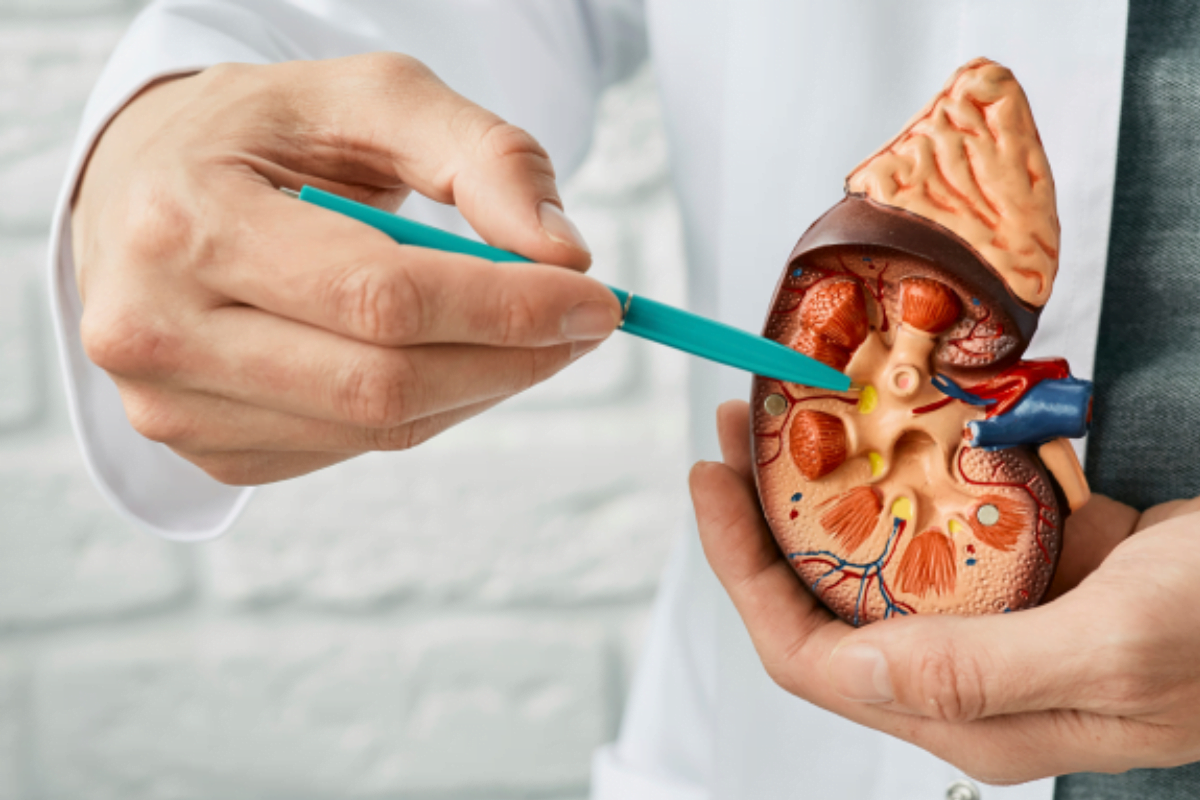
    Diabetic nephropathy means diabetes has damaged the kidneys’ filtering units, called glomeruli. These tiny filters normally keep important proteins in the blood while removing waste and extra fluid. When diabetes and high pressure inside these filters cause stress, albumin can leak into the urine.

    This condition is also called diabetic kidney disease. The terms overlap, but clinicians may use them slightly differently. Diabetic kidney disease is often the broader patient-friendly term. Diabetic nephropathy may be used when diabetes-related kidney injury is documented as a clinical diagnosis, especially when albuminuria or reduced filtration is persistent.

    Why this matters: kidney damage can progress for years without symptoms. By the time swelling, fatigue, or appetite changes appear, kidney function may already be substantially reduced. Screening helps move care upstream, before symptoms drive the diagnosis.

    If you want a broader plain-language companion, Diabetic Kidney Disease explains causes, symptoms, and treatment basics in a related format.

    Causes, Risk Factors, and Early Warning Signs

    The main causes are long-term high blood glucose, high blood pressure, and inflammation inside small kidney blood vessels. Over time, this can thicken filter membranes, increase pressure in the glomeruli, and lead to scarring. This process is often described as diabetic nephropathy pathophysiology, which simply means how the disease develops inside the body.

    Risk is not based on glucose alone. Several factors can raise the chance of kidney decline:

    • Longer diabetes duration: More years of exposure increase risk.
    • High blood pressure: Pressure damages delicate kidney vessels.
    • Smoking: Tobacco worsens blood vessel injury.
    • Cardiovascular disease: Heart and kidney risks often overlap.
    • Family history: Genetics can affect susceptibility.
    • Higher albumin levels: Persistent leakage signals higher risk.

    The first sign of diabetic nephropathy is commonly microalbuminuria, meaning a small but abnormal amount of albumin in urine. Many people feel completely well at this stage. Albumin can rise temporarily after fever, urinary tract infection, heavy exercise, or uncontrolled blood pressure, so clinicians usually confirm abnormal results before labeling kidney disease as persistent.

    Symptoms tend to appear later. Possible diabetic nephropathy symptoms include swelling in the feet or ankles, puffiness around the eyes, frothy urine, fatigue, nausea, poor appetite, and more difficult blood pressure control. These symptoms are not specific to diabetes-related kidney disease, so testing is more reliable than waiting for body signals.

    Quick tip: Ask whether your urine albumin-to-creatinine ratio and eGFR were checked, not just “kidney labs.”

    How Diagnosis and Monitoring Usually Work

    Diagnosis usually combines diabetes history, persistent urine albumin, and reduced kidney filtering over time. Clinicians often use two core tests: urine albumin-to-creatinine ratio (UACR) and estimated glomerular filtration rate (eGFR). UACR measures albumin leakage. eGFR estimates how well the kidneys filter waste from blood.

    Most care teams repeat abnormal results because one test can be misleading. A diagnosis is more likely when kidney changes persist for at least three months. Blood pressure readings, urinalysis, serum creatinine, potassium, A1C, and cholesterol results also help shape the care plan.

    The UACR calculation compares urine albumin with urine creatinine. This helps adjust for urine concentration. The calculator below can support general understanding of the ratio, but it does not diagnose kidney disease or replace clinician interpretation.

    [uacr-calculator]

    Some situations call for a nephrology referral. These include rapidly falling eGFR, very high or rising albuminuria, resistant hypertension, blood in the urine, active urine sediment, or features that do not fit typical diabetic kidney disease. In those cases, imaging or further testing may help rule out another kidney condition.

    Documentation can include terms such as diabetic nephropathy diagnosis, diabetic nephropathy ICD-10, or type 2 diabetes mellitus with diabetic nephropathy ICD-10 in clinical and billing contexts. Coding should match the clinician’s assessment and the record. For example, a single temporary albumin result is different from persistent kidney injury. People reviewing their chart can ask the care team to explain what the wording means and whether it changes monitoring.

    Stages and What Changes Over Time

    Diabetic nephropathy stages are based on patterns in albumin leakage, filtration, and clinical risk. Many patient resources describe five stages, but kidney care commonly uses eGFR categories and albuminuria categories together. Both approaches aim to answer the same practical question: how much kidney risk is present, and what should be watched next?

    Early stages may show increased kidney pressure and small albumin leaks while eGFR remains normal. Later stages involve more scarring, rising albuminuria, lower eGFR, and a higher risk of anemia, bone-mineral changes, fluid overload, and cardiovascular events. Progression is not identical for everyone. Some people remain stable for years, while others decline faster due to blood pressure, genetics, smoking, infections, or other kidney stressors.

    For a stage-by-stage companion, 5 Stages of Diabetic Kidney Disease gives more detail on how lab patterns and care priorities may shift.

    A simple way to think about staging is to follow three questions:

    • Is albumin present? Persistent albumin suggests filter injury.
    • Is eGFR changing? Decline over time matters more than one value.
    • Are complications appearing? Anemia, fluid, potassium, and bone labs guide care.

    Why it matters: Staging helps your team time referrals, medication review, nutrition changes, and safety monitoring.

    Treatment: Medicines, Targets, and Protective Habits

    Diabetic nephropathy treatment usually combines glucose management, blood pressure control, kidney-protective medications, and daily habits. No single step does all the work. The best plan depends on kidney function, albumin level, heart risk, potassium, blood pressure, other conditions, and personal preferences.

    Common medication classes may include ACE inhibitors or ARBs for people with hypertension and albuminuria, when appropriate. These medicines can lower pressure inside kidney filters and reduce albumin leakage. SGLT2 inhibitors may be considered for eligible people with type 2 diabetes and chronic kidney disease because they can support kidney and heart risk reduction in guideline-based care. Nonsteroidal mineralocorticoid receptor antagonists may also be considered in selected patients with type 2 diabetes and persistent albuminuria, depending on potassium and kidney function.

    Examples of related medication pages include Losartan, Dapagliflozin, Jardiance, Invokana, and Kerendia. These pages can provide product-specific context, but medication choices should be made with a clinician who can review labs, interactions, pregnancy status, and safety factors.

    Lifestyle care remains important even when medications are used. A registered dietitian can help tailor sodium, protein, potassium, phosphorus, and carbohydrate choices as kidney disease changes. People taking insulin or medicines that can cause low blood sugar may need extra support when eating patterns change. Activity, smoking cessation, sleep apnea treatment, and lipid management can also reduce kidney and cardiovascular strain.

    Many readers ask how to reverse kidney damage from diabetes. Scarring usually cannot be fully reversed. Still, albuminuria may improve, and kidney decline may slow when glucose, blood pressure, medications, and kidney-safe habits are optimized. The practical goal is often stabilization and risk reduction, not a promise of cure.

    For more on SGLT2-related kidney outcomes, Dapagliflozin and CKD discusses how this treatment class fits into diabetes-related kidney care. The broader Diabetes collection can also help readers connect kidney protection with glucose monitoring, heart risk, and long-term self-management.

    Blood Pressure, Coding Terms, and Care Coordination

    High blood pressure can both cause kidney damage and speed diabetes-related kidney decline. When hypertension and kidney disease occur together, clinicians may document hypertensive nephropathy or related coding terms. If diabetes is also contributing, the chart may include more than one diagnosis. This can feel confusing, but it often reflects overlapping causes rather than separate problems.

    Terms such as microalbuminuria ICD-10, DM with microalbuminuria ICD-10, or microalbuminuric diabetic nephropathy ICD-10 are mainly documentation concepts. They help clinicians, coders, and quality teams track findings consistently. For patients, the more important questions are practical: Is albumin still present? Is eGFR stable? Is blood pressure controlled? Are medications safe with current potassium and creatinine levels?

    Home blood pressure logs can help, especially when office readings vary. Bring your cuff to a visit if possible, so the care team can compare it with clinic equipment. Also share over-the-counter medicines and supplements. Nonsteroidal anti-inflammatory drugs, dehydration, contrast dye, and some supplements can stress the kidneys in certain situations.

    BorderFreeHealth connects U.S. patients with licensed Canadian partner pharmacies for eligible prescription options. When prescriptions are required, pharmacy partners may verify details with the prescriber before dispensing. This access context does not replace clinical monitoring, especially for kidney-related medicines that require lab review.

    Practical Questions to Bring to Your Next Visit

    Good kidney care is easier when you know which questions to ask. Use this list to prepare for primary care, diabetes care, or nephrology visits.

    • Testing frequency: How often should UACR and eGFR be checked?
    • Trend review: Are my kidney numbers stable, improving, or worsening?
    • Blood pressure: What home range should prompt a call?
    • Medication safety: Which drugs need potassium or creatinine monitoring?
    • Nutrition support: Should I see a kidney-trained dietitian?
    • Referral timing: When would nephrology involvement be useful?
    • Sick-day planning: What should I do during vomiting, diarrhea, or dehydration?

    Seek urgent medical care for severe shortness of breath, chest pain, confusion, fainting, sudden major swelling, very low urine output, or symptoms of severe high or low blood sugar. These symptoms can have many causes and need prompt evaluation.

    For related kidney topics, the Nephrology collection offers additional educational reading. People also living with nerve symptoms may find Diabetic Neuropathy useful because diabetes complications often require coordinated care.

    Authoritative Sources

    The KDIGO diabetes and CKD guidance outlines evidence-based approaches to glucose-lowering therapy, blood pressure, and kidney-protective care in chronic kidney disease.

    The ADA Standards of Care provide annually updated recommendations on diabetes screening, kidney monitoring, cardiovascular risk, and medication safety.

    The NIDDK diabetic kidney disease resource explains testing, prevention, and daily management in patient-friendly language.

    Recap

    Diabetic nephropathy is most manageable when it is found early and tracked carefully. Urine albumin, eGFR, blood pressure, glucose patterns, and medication safety all shape the plan. You do not need to interpret every lab alone. Ask your care team to explain trends, confirm persistent changes, and identify which steps matter most for your risk level.

    Kidney protection is long-term work. Small, repeated actions can support treatment: attend monitoring visits, bring home readings, review medicines before changes, avoid kidney-stressing drugs unless advised, and ask for dietitian support when food choices become complicated.

    This content is for informational purposes only and is not a substitute for professional medical advice.

  • Healthy Snack for Diabetes: Smart Choices for Blood Sugar

    Healthy Snack for Diabetes: Smart Choices for Blood Sugar

    A healthy snack for diabetes is a portioned food or small pairing that fits your carbohydrate plan and adds fiber, protein, or unsaturated fat. It should help with hunger without causing a fast, unexpected glucose rise. The best choice depends on your medications, activity, timing, appetite, and usual glucose patterns, so the goal is flexible planning rather than a rigid list of forbidden foods.

    This matters because snacks can smooth the gap between meals, but they can also add extra carbohydrate you did not plan for. If you use insulin or medicines that can cause hypoglycemia (low blood sugar), snack timing may also affect safety. Use the ideas below as a practical starting point, then personalize them with your clinician or registered dietitian.

    Key Takeaways

    • Pair carbohydrates with protein, fiber, or healthy fats when possible.
    • Check serving size and total carbohydrate before added sugar claims.
    • Vegetables can be flexible, but dips and portions still count.
    • Bedtime snacks help some people, but they are not automatic.
    • Ask for professional input if snacks trigger repeated highs, lows, or weight changes.

    What Makes a Snack Blood Sugar Friendly?

    A healthy snack for diabetes works best when it fits your day, your hunger, and your glucose goals. It does not need to be carbohydrate-free. Carbohydrate has the most direct effect on postprandial glucose (blood sugar after eating), but the amount, type, portion, and pairing all matter.

    Many diabetes-friendly snacks include a modest carbohydrate source, such as fruit, whole grains, beans, or plain yogurt, plus a food that adds protein, fat, or fiber. This combination may slow digestion and help you feel satisfied. For example, berries with plain Greek yogurt often behave differently than a sweet drink, even when both taste sweet.

    Fruit can fit many diabetes meal patterns. The portion, ripeness, and pairing make a difference. If fruit feels confusing, a guide to Low Sugar Fruits can help you compare options without treating fruit as off-limits.

    Nutrition labels are usually more useful than front-of-package claims. Start with serving size, then total carbohydrate. Added sugars, fiber, sodium, and saturated fat provide extra context. A sugar-free snack can still contain carbohydrate, sugar alcohols, or calories. A food with natural sugar, such as fruit or milk, may still fit when the portion and pairing make sense.

    Why it matters: The same snack can affect two people differently because digestion, sleep, activity, stress, and medicines differ.

    How to Build a Healthy Snack for Diabetes

    The simplest method is to pair a carbohydrate with something that slows digestion or adds staying power. This does not guarantee a flat glucose line. It can reduce the chance of a sharp swing, especially when the snack replaces a highly refined, sweet, or oversized choice.

    Think in small building blocks. Choose one carbohydrate source, then add protein, fiber, or unsaturated fat. If you are not hungry enough for a balanced snack, you may only need water, tea, or a few vegetables. If you are very hungry, the snack may need to be closer to a planned mini-meal.

    Starting Point Helpful Pairing Snack Example Main Check
    Fruit Protein or fat Apple slices with nut butter Fruit portion and spread amount
    Whole grain Protein Whole-grain crackers with cheese Serving size and sodium
    Non-starchy vegetables Bean or yogurt dip Peppers and cucumber with hummus Dip portion
    Protein-rich food Fiber-rich side Egg with tomatoes or a small fruit Meal timing and hunger level
    Crunchy snack Measured serving Air-popped popcorn with nuts Total carbohydrate and added fat

    Texture and convenience matter too. If a snack feels boring, it is harder to repeat. Try combining creamy, crunchy, sweet, or savory elements in a small portion. Plain yogurt with berries, celery with peanut butter, or roasted chickpeas with raw vegetables can feel more complete than one packaged item eaten quickly.

    Label Reading Without Guesswork

    When a label lists total carbohydrate, compare that number with your personal snack plan. The calculator below can estimate carbohydrate servings from a packaged snack’s total carbohydrate amount. It helps you compare labels more consistently.

    [carb-serving-calculator]

    The calculator does not set a target for you or replace advice from a diabetes care professional. If you have been given carbohydrate ranges, use those instructions first. If you have not, a registered dietitian can help you build targets that match your health history, appetite, and medicines.

    Diabetes-Friendly Snack Ideas by Situation

    The best snacks are the ones that solve a real problem. That problem may be hunger between meals, a long work shift, travel, exercise, or an evening gap after dinner. A snack that works at home may not work in a car, at work, or during a busy clinic day.

    Quick Options at Home

    • Greek yogurt bowl: plain yogurt, berries, and cinnamon.
    • Egg and vegetables: hard-boiled egg with cherry tomatoes.
    • Crunchy plate: cucumber, peppers, and hummus.
    • Cottage cheese cup: cottage cheese with a small fruit portion.
    • Avocado toast: avocado on a small slice of whole-grain bread.

    For food-specific nuance, read about Avocados And Diabetes, Strawberries And Diabetes, and Popcorn And Diabetes. These foods can fit many patterns, but portions and pairings still matter.

    Portable Choices for Work, Errands, or Travel

    • Portioned nuts: choose a small container, not a large bag.
    • Cheese pairing: string cheese with whole-grain crackers.
    • Roasted chickpeas: pack a measured serving.
    • Nut butter packet: pair with celery sticks.
    • Tuna pouch: choose lower-sodium options when needed.

    Portable snacks deserve extra attention because packages often contain more than one serving. If you eat directly from a large bag, it is easy to lose track. Pre-portioning can help without making food feel clinical or restrictive.

    Sweet or Crunchy Choices

    • Berries and yogurt: keep the yogurt plain.
    • Chia pudding: avoid heavy sweetening.
    • Apple and nut butter: measure the spread.
    • Air-popped popcorn: keep the serving planned.
    • Ricotta toast: add cinnamon instead of syrup.

    Sweet does not automatically mean unsuitable, and sugar-free does not automatically mean better. The better question is how the snack fits your glucose pattern, meal plan, and appetite. If a food repeatedly leads to readings outside your target range, bring that pattern to your diabetes care team rather than guessing alone.

    What Can People With Diabetes Snack On More Freely?

    Non-starchy vegetables are the closest thing to a flexible snack for many people managing diabetes. Examples include cucumbers, celery, peppers, broccoli, cauliflower, leafy greens, mushrooms, and zucchini. They are usually low in carbohydrate and high in water or fiber, which can help with fullness.

    Freely does not mean without context. Dips, dressings, crackers, cheese, nuts, and sauces can add carbohydrate, sodium, saturated fat, or calories. That does not make them bad. It means the extras deserve the same portion awareness as the main snack.

    Other very low-carbohydrate options may include unsweetened tea, sparkling water without sugar, or broth-style drinks, depending on sodium needs. If you have high blood pressure, kidney disease, heart failure, or fluid restrictions, ask before using salty snack drinks or broths often. For broader condition reading, you can browse the Diabetes collection.

    Late-Night and Bedtime Snacks Need a Pattern, Not a Rule

    Choosing a healthy snack for diabetes at night depends on why you want it. Hunger, long gaps after dinner, evening activity, alcohol, and medication timing can all change the situation. Some people need a planned bedtime snack because of overnight lows. Others see higher morning glucose when they snack late.

    A bedtime snack is not automatically protective. If you wake with low readings, sweating, shakiness, confusion, or unusual morning highs, your clinician may want to review your medication plan, dinner pattern, or overnight glucose data. Do not change insulin or other prescription medicines on your own because of snack patterns.

    When a bedtime snack is part of your plan, many people aim for something small and balanced rather than a large sweet item. Examples include plain yogurt, a small amount of nuts with fruit, cheese with whole-grain crackers, or vegetables with hummus. The best choice is the one that matches your care plan and does not leave you uncomfortably full.

    Quick tip: Write down the snack, time, and morning glucose for a few days before your next visit.

    What About Junk Food, Sugar-Free Snacks, and Packaged Foods?

    Most people do not need a shame-based food list. Still, some snack patterns can make glucose management harder. Sweet drinks, large desserts, highly refined crackers, big portions of dried fruit, candy eaten for hunger, and oversized snack bags can add carbohydrate quickly without much fullness.

    Packaged snacks can fit, but the label matters. Compare serving size, total carbohydrate, fiber, sodium, saturated fat, and added sugars. Protein bars, granola, smoothie bowls, sweetened yogurt, and gluten-free snacks can still contain significant carbohydrate or added sugar. Some are useful in the right portion. Others act more like dessert, even when the package looks wellness-focused.

    Low carb snacks for diabetes may help some people reduce glucose swings, but low carbohydrate is not the only goal. Heart health, kidney health, blood pressure, appetite, and food satisfaction also matter. Jerky, processed cheese snacks, salted nuts, chips, and packaged snack mixes may fit occasionally, but they are not automatically better because they are low in sugar.

    If you want something less nutrient-dense, plan the portion and avoid using it as your main hunger solution. For example, a small serving of chips with a protein-containing meal may affect you differently than chips eaten alone from a large bag. Repeated glucose checks, if part of your plan, can show patterns more clearly than one isolated reading.

    When Snacks Need Extra Planning

    Snack planning becomes more important when low blood sugar is a risk. Insulin and some diabetes medicines can increase hypoglycemia risk, especially when meals are delayed, activity increases, or alcohol is involved. Follow the low-blood-sugar plan your clinician gave you, and seek urgent help for severe confusion, fainting, seizure, or symptoms that do not improve after following that plan.

    Pregnancy, kidney disease, gastroparesis (delayed stomach emptying), eating disorder history, and unplanned weight change also deserve individualized guidance. In pregnancy, carbohydrate distribution and snack timing may be part of a treatment plan. Kidney disease can change what counts as a safe everyday snack because potassium, phosphorus, sodium, and protein needs may shift.

    Older adults may need a different approach. Appetite, dental health, swallowing comfort, medication schedules, and fall risk can all affect snack choices. A simple snack that is easy to chew, store, and prepare may be more useful than an ideal snack that never gets eaten.

    If you are adjusting snacks because your readings often run high or low, involve your care team. Food changes can interact with medicines, activity, and illness. A registered dietitian can also help turn a generic diabetic snack list into choices that match your culture, budget, and schedule.

    How Snacks Fit Into A1C and Daily Energy

    Snacks can support steadier daily habits, but no single snack lowers A1C by itself. A1C is a lab measure that reflects average glucose over roughly the past two to three months. It is influenced by meals, activity, sleep, medications, stress, illness, and individual biology.

    If snacks often leave you tired, hungry again quickly, or above your usual target range, the pattern deserves review. You might need a different portion, more protein, more fiber, a different time, or fewer unplanned snacks. A healthy snack for diabetes should support the next part of your day, not create a cycle of grazing and frustration.

    For people with prediabetes or early glucose changes, snacks can be a useful place to practice label reading and portion awareness. They are not a substitute for diagnosis or follow-up testing. A practical review can be simple: notice whether the snack solved hunger, whether the portion matched your plan, and whether your next meal felt easier to manage.

    If you like fruit-based snacks, consider rotating types and portions instead of relying on one option every day. Peaches, berries, apples, and citrus can all fit for some people. For a closer look at one common choice, see Peaches And Diabetes.

    Authoritative Sources

    A healthy snack for diabetes does not need to be perfect, expensive, or complicated. Start with portion, total carbohydrate, fiber, protein, and timing. Then adjust based on your hunger, glucose patterns, health conditions, and professional guidance.

    This content is for informational purposes only and is not a substitute for professional medical advice.
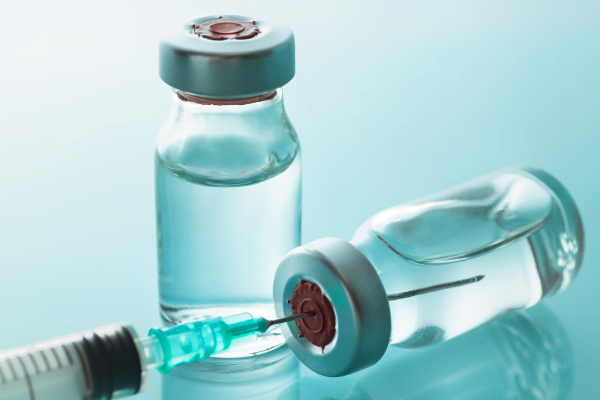
  • Signs and Symptoms of Hyperglycemia and When to Act

    Signs and Symptoms of Hyperglycemia and When to Act

    The signs and symptoms of hyperglycemia often include unusual thirst, frequent urination, dry mouth, blurry vision, fatigue, hunger, headaches, and slower healing. Hyperglycemia means blood glucose is higher than your body can use or move into cells effectively. It matters because mild symptoms can be easy to dismiss, while very high or persistent blood sugar can lead to dehydration, ketones, or emergency illness.

    Key Takeaways

    • Common early clues include thirst, frequent urination, fatigue, blurred vision, and headache.
    • Symptoms alone cannot show how high glucose is; a meter, CGM, or lab test gives needed context.
    • Urgent warning signs include vomiting, confusion, deep breathing, severe weakness, fruity breath, or ketones.
    • High blood sugar can happen with diabetes, illness, stress, steroid medicines, pregnancy, or undiagnosed glucose problems.
    • Do not change diabetes medicine doses without a written plan or clinician guidance.

    Signs and Symptoms of Hyperglycemia You May Notice First

    Most early symptoms come from the way extra glucose affects fluid balance. When blood glucose stays high, the kidneys work harder to remove glucose through urine. That can pull more water out of the body, which explains the familiar cycle of thirst and more trips to the bathroom.

    Five common symptoms are increased thirst, frequent urination, fatigue, blurred vision, and headaches. Some people also notice a dry mouth, stronger hunger, irritability, slower-healing cuts, or recurrent infections. A longer list may include weight loss, nausea, abdominal discomfort, dry skin, and trouble concentrating. Many of these overlap, so a list of 20 signs is usually less useful than recognizing a pattern that is new, persistent, or worsening.

    The classic symptom pattern

    • Polyuria: urinating more often than usual.
    • Polydipsia: feeling unusually thirsty or dry.
    • Polyphagia: feeling hungrier than expected.
    • Fatigue: feeling drained despite rest.
    • Blurred vision: vision that fluctuates with glucose changes.

    People sometimes ask about the 4 Ps of hyperglycemia. The classic teaching pattern is often the three Ps: polyuria (peeing often), polydipsia (strong thirst), and polyphagia (increased hunger). Some sources add a fourth P, such as unexplained weight loss or paresthesia (tingling). Because the fourth varies, it is better to focus on the actual symptoms and glucose data.

    Symptoms that may look different

    The signs and symptoms of hyperglycemia can overlap across age groups and sexes, but some clues may stand out. Women may notice recurrent yeast infections or urinary symptoms, although those problems can have many causes. Older adults may show fatigue, dehydration, falls, or confusion before they report thirst. Children and teens may lose weight quickly or seem unusually tired.

    New symptoms in a child, teen, or young adult deserve prompt medical review, especially if weight loss, vomiting, or deep breathing appears. Our Type 1 Diabetes Symptoms resource explains why early recognition matters in that setting.

    For broader context on different diagnoses, the Types of Diabetes resource can help readers compare type 1, type 2, gestational diabetes, and other forms without assuming one pattern fits everyone.

    When High Blood Sugar Becomes Dangerous

    A dangerous level of blood sugar depends on the person, the trend, symptoms, ketones, and the care plan. One reading above target may not be an emergency. Repeated high readings, rapidly rising values, or high glucose with illness deserve more attention. Many diabetes sick-day plans use values around 240 mg/dL, or 13.3 mmol/L, as a point to check ketones when someone has type 1 diabetes, uses insulin, or feels unwell.

    Ketones are acids the body can make when it breaks down fat for fuel. Moderate or large ketones, especially with high glucose, can signal diabetic ketoacidosis, a medical emergency. A person may call this a hyperglycemic attack, but clinicians usually look for specific emergencies such as diabetic ketoacidosis or hyperosmolar hyperglycemic state, a severe dehydration-related condition.

    • Seek urgent help for vomiting, severe weakness, confusion, or fainting.
    • Get urgent guidance for rapid, deep breathing or fruity-smelling breath.
    • Call your care team for repeated high readings outside your written plan.
    • Check ketones if your plan says to, especially during illness.
    • Use emergency services if someone is hard to wake or acting unlike themselves.

    Why it matters: A person can feel only mildly unwell until dehydration or ketones accelerate.

    Glucose units can also confuse people. The converter below helps compare mg/dL and mmol/L values when you read lab reports, glucose meter results, or continuous glucose monitor data.

    [glucose-converter]

    Why Blood Sugar Can Rise, Even Without Diabetes

    Hyperglycemia can happen when the body does not have enough insulin, cannot use insulin well, or has a temporary surge in stress hormones. In diabetes, common triggers include missed medication, not enough insulin for food or illness, a larger carbohydrate intake than usual, dehydration, infection, or less physical activity.

    Insulin resistance is another major driver. It means the body still makes insulin, but muscle, liver, and fat cells do not respond to it as efficiently. Over time, the pancreas may struggle to keep up. If you want a deeper explanation, see Insulin Resistance.

    People without diagnosed diabetes can also have high blood sugar during severe illness, surgery, infection, pregnancy, or while taking certain medicines, including corticosteroids. Stress can raise glucose because hormones such as cortisol and adrenaline tell the liver to release stored sugar. This does not mean stress alone explains every high reading. Repeated symptoms or high lab values need medical evaluation.

    The Diabetes Topic Hub offers a browseable collection of diabetes-related resources for readers who want to explore glucose control, complications, and medicine topics in one place.

    What To Do When Blood Sugar Is High

    The safest next step is to follow your personal diabetes action plan, if you have one. If you do not have a plan, high readings plus symptoms are a reason to contact a clinician for advice. The right response depends on your diagnosis, medications, ketone status, hydration, pregnancy status, kidney function, and how high the reading is.

    • Confirm the reading: wash your hands and recheck if the number seems unexpected.
    • Look for patterns: note meals, illness, stress, missed doses, and activity changes.
    • Hydrate safely: drink water if you can and if no clinician has restricted fluids.
    • Check ketones: follow your plan during illness or very high readings.
    • Avoid risky exercise: do not use intense activity to lower glucose when ketones are present or you feel very unwell.
    • Use your plan: take correction medicine only if it was prescribed for that purpose.

    If ketones, vomiting, abdominal pain, deep breathing, or confusion appear, treat that as more than a routine high reading. The Diabetic Ketoacidosis resource explains how this emergency can develop and why early escalation matters.

    Quick tip: Keep a short log of symptoms, readings, food, illness, and medication timing.

    How Hyperglycemia Is Usually Managed

    Hyperglycemia treatment is not one-size-fits-all. It may include food planning, physical activity, hydration guidance, medication review, insulin adjustments within a prescribed plan, or treatment of an infection or other trigger. The goal is not just to lower one number. The broader goal is to reduce unsafe swings and prevent complications.

    Nutrition changes often focus on carbohydrate amount, meal timing, fiber, protein, and sugary drinks. A registered dietitian can help when targets are unclear, when weight loss feels pressured, or when kidney disease, pregnancy, gastroparesis, eating disorder history, or medication-related lows are concerns. Activity can improve insulin sensitivity for many people, but it should be matched to safety, symptoms, and ketone guidance.

    For people with type 2 diabetes or prediabetes, insulin resistance may be a central target. Our Treat Insulin Resistance resource covers lifestyle and medical discussion points without replacing personal care.

    Some people need insulin as part of their plan. Basal insulin, mealtime insulin, and correction insulin serve different roles, and dose decisions must come from a prescriber. Readers comparing long-acting insulin concepts may find the Lantus Insulin resource helpful for background.

    Complications and Patterns Worth Tracking

    Short-term hyperglycemia can cause dehydration, electrolyte problems, ketones, and emergency illness. Long-term high glucose can harm blood vessels and nerves. The effects may involve the eyes, kidneys, feet, heart, brain, and peripheral nerves. That is why a symptom log, routine lab testing, and regular follow-up can matter even when a person feels mostly well.

    Patterns are often more useful than isolated readings. Bring your clinician a record of fasting values, after-meal values if you check them, symptoms, low-glucose episodes, illness days, medication timing, and any missed doses. If you use a continuous glucose monitor, ask how to interpret time in range, overnight trends, and repeated highs after meals.

    • Diabetic Kidney Disease explains how high glucose can affect kidney health over time.
    • Diabetic Retinopathy covers eye-related complications and why screening matters.
    • Foot checks, nerve symptoms, dental health, and blood pressure also belong in routine diabetes visits.

    Authoritative Sources

    These medical organizations provide patient-facing information on hyperglycemia, symptoms, and safety escalation. Use them alongside advice from your own healthcare team.

    Tracking the signs and symptoms of hyperglycemia is not about blame. It is about noticing change early, checking glucose when appropriate, and knowing when a high reading needs clinical help. If symptoms are new, severe, or paired with repeated high readings, ask a qualified healthcare professional what plan fits your situation.

    This content is for informational purposes only and is not a substitute for professional medical advice.

  • Diabetes and Heart Attack: Risks, Signals, and Recovery

    Diabetes and Heart Attack: Risks, Signals, and Recovery

    Diabetes and heart attack risk are closely linked because high blood sugar can injure blood vessels and the nerves that help your heart signal distress. That means a heart attack may not always feel like dramatic chest pain. It may appear as breathlessness, unusual fatigue, sweating, nausea, or discomfort in the jaw, arm, back, or upper abdomen.

    This matters because early action saves heart muscle. If symptoms are severe, new, worsening, or paired with fainting, confusion, or shortness of breath, call emergency services. Do not try to “wait it out” because you also have diabetes or because your chest pain is mild.

    Key Takeaways

    • Higher baseline risk: Diabetes can speed artery damage and plaque buildup.
    • Symptoms may be subtle: Nerve damage can mute classic chest pain.
    • Type matters less than duration: Both type 1 and type 2 can raise risk.
    • Glucose swings matter: Highs and lows can stress the heart.
    • Layered prevention helps: Blood pressure, cholesterol, glucose, movement, and tobacco avoidance all count.

    Why Diabetes Raises Heart Attack Risk

    Diabetes can increase heart attack risk by damaging blood vessels, changing cholesterol patterns, and increasing inflammation. Over time, high glucose can injure the endothelium, which is the inner lining of blood vessels. Injured vessel walls make it easier for cholesterol-rich particles to stick and form plaque.

    Plaque can narrow the coronary arteries that feed the heart. If a plaque ruptures, a clot may form and block blood flow. That blockage is a myocardial infarction, the medical term for a heart attack.

    The relationship between diabetes and heart disease also involves blood pressure, kidney function, and triglycerides. Many people with type 2 diabetes have insulin resistance, abdominal weight gain, high blood pressure, or abnormal lipids. These factors often cluster together and increase cardiovascular strain. For broader cardio-metabolic context, see Dapagliflozin and Metformin.

    Type 1 diabetes can also raise risk, especially with long disease duration, kidney disease, smoking, high blood pressure, or recurring severe glucose swings. The risk is not about blame. It is about knowing which signals deserve attention and which numbers your care team may monitor.

    Why it matters: Heart protection usually works best when several risk factors are addressed together.

    Diabetic Heart Attack Symptoms Can Look Different

    Diabetic heart attack symptoms may include chest pressure, but they can also be mild, brief, or absent. Some people feel breathless, sweaty, nauseated, weak, lightheaded, or unusually tired. Others notice discomfort in the upper back, neck, jaw, shoulder, arm, or upper belly.

    Chest pain with diabetes may feel heavy, tight, burning, squeezing, or vague. It can appear on the left side, right side, or center of the chest. It may also happen only with activity, cold weather, stress, or after a large meal.

    Patterns matter. Symptoms that start during exertion and ease with rest can suggest reduced blood flow to the heart. New shortness of breath while climbing stairs, carrying groceries, or walking a familiar distance also deserves a medical review. For related emergency terminology, our Acute Coronary Syndrome resource explains how unstable chest symptoms are evaluated.

    Signals that need urgent attention

    • Chest pressure: Especially if it lasts more than a few minutes.
    • Breathlessness: New, severe, or present at rest.
    • Cold sweating: Particularly with nausea or weakness.
    • Fainting or confusion: Especially with chest or breathing symptoms.
    • Jaw, back, or arm pain: New discomfort with exertion or stress.

    People often search for diabetes chest pain symptoms because the discomfort does not match the “movie version” of a heart attack. That uncertainty is exactly why new or escalating symptoms should be treated seriously.

    Silent Heart Attacks in Diabetes

    A silent heart attack in diabetes is a heart attack that causes no obvious chest pain or only vague symptoms. It may be found later through an electrocardiogram, blood tests, imaging, or evaluation for fatigue and breathing changes.

    Why do diabetics have silent heart attacks? One major reason is autonomic neuropathy. This is nerve damage affecting automatic body functions, including heart rate, blood pressure responses, and pain signaling. If those nerve pathways are impaired, the heart may not send the usual warning signals during reduced blood flow.

    Silent does not mean harmless. A person may still have damaged heart muscle, rhythm problems, or a higher risk of another cardiac event. Watch for reduced exercise tolerance, unexplained fatigue, sleep disruption, swelling, palpitations, or breathlessness that feels different from your usual baseline.

    Example: A person with long-standing type 2 diabetes may not feel chest pressure while walking uphill. Instead, they notice heavy fatigue, mild nausea, and sweating that stop after resting. That pattern should be discussed promptly, even if glucose readings look acceptable.

    Routine care can help detect risk before an emergency. Common review points include blood pressure, A1C trends, cholesterol levels, kidney function, smoking exposure, family history, and symptoms during activity. If you use home readings, bring a short log rather than relying on memory.

    Blood Sugar Swings, Heart Rate, and Palpitations

    High and low blood sugar can both strain the cardiovascular system. Hyperglycemia can worsen inflammation and vessel stress over time. Hypoglycemia can trigger adrenaline release, which may cause shakiness, sweating, a fast heart rate, or palpitations.

    Low blood sugar and heart attack are not the same problem, but symptoms can overlap. Sweating, weakness, nausea, and a racing pulse can occur with hypoglycemia. They can also occur with a heart attack. If symptoms do not improve as expected after treating a confirmed low, or if chest discomfort or breathlessness is present, seek urgent care.

    Some people with type 2 diabetes notice heart palpitations during glucose swings, dehydration, illness, or medication changes. People with type 1 diabetes may also experience a fast heart rate during hypoglycemia, infection, or ketoacidosis risk. New, recurrent, irregular, or faintness-associated palpitations should be reviewed.

    Quick tip: Record the symptom, activity, glucose reading, heart rate, and blood pressure if safely possible.

    The glucose unit converter can help you compare readings if your meter, report, or clinician uses different glucose units. It is a conversion tool only and does not interpret whether a reading is safe for you.

    [glucose-converter]

    Type 1, Type 2, and Heart Disease Patterns

    Type 2 diabetes and heart disease often overlap because insulin resistance commonly travels with high blood pressure, abnormal cholesterol, fatty liver, and visceral fat. These factors can raise coronary artery disease risk and may also contribute to heart failure risk.

    Type 1 diabetes heart attack symptoms can still be atypical, especially after many years of diabetes or when neuropathy is present. Chest pain, breathlessness, nausea, and unusual fatigue all matter. Kidney disease, smoking, high blood pressure, and high LDL cholesterol can further increase concern.

    So, how does diabetes affect the heart beyond blocked arteries? It can damage small blood vessels, stiffen larger arteries, affect the heart muscle, and alter nerve control of heart rate. These changes can reduce exercise tolerance or contribute to heart failure, a condition where the heart cannot pump or fill as well as the body needs.

    For heart failure context in diabetes care, see Metformin and Heart Failure and SGLT2 Inhibitors in Heart Failure. These pages can help you prepare more specific questions for your clinician without changing your treatment on your own.

    Prevention and Monitoring: What to Discuss

    Reducing diabetes and heart attack risk usually involves several targets, not one perfect number. Your care team may review glucose trends, blood pressure, LDL cholesterol, kidney function, tobacco exposure, weight pattern, activity level, and family history.

    Blood pressure matters because high pressure injures artery walls and makes the heart work harder. Cholesterol matters because LDL particles help form plaque. Kidney function matters because kidney disease and cardiovascular disease often worsen each other.

    Ask your clinician which home measurements are useful for you. Some people benefit from tracking blood pressure, heart rate, glucose patterns, symptoms during exertion, and medication timing. Others may need less frequent tracking to avoid stress or over-monitoring.

    Questions worth bringing to visits

    • Risk review: Which heart risks are most important for me?
    • Symptom plan: Which symptoms should lead to urgent care?
    • Targets: What blood pressure, A1C, and lipid goals apply?
    • Medication review: Do any medicines affect glucose or heart rhythm?
    • Exercise safety: Should I have limits before increasing activity?
    • Kidney check: How often should kidney function be monitored?

    Medication decisions are individualized. Some people may use cholesterol-lowering therapy, antiplatelet medicines, blood pressure medicines, or diabetes medicines with cardiovascular considerations. For class-specific background, read Jardiance for Heart Failure. Product pages such as Atorvastatin or Clopidogrel may be useful for neutral medication navigation, but they should not replace a prescribing discussion.

    BorderFreeHealth connects U.S. patients with licensed Canadian partner pharmacies for eligible prescription options. When required, prescription details are verified with the prescriber before pharmacy dispensing.

    After a Heart Attack: Glucose, Recovery, and Red Flags

    High blood sugar after heart attack can happen because illness, stress hormones, reduced activity, procedures, and medication changes affect glucose control. It does not mean you failed. It means your recovery plan may need closer monitoring and adjustment by your care team.

    Cardiac rehabilitation is often part of recovery. It may include supervised activity, education, nutrition support, and risk-factor management. People living with diabetes may also need specific planning around glucose checks, meal timing, hypoglycemia prevention, and foot care during exercise.

    Call your care team promptly if you notice worsening breathlessness, new swelling, fainting, chest discomfort, rapid weight changes, repeated low glucose episodes, or persistent high readings outside your agreed plan. Seek emergency care for severe chest pressure, trouble breathing, stroke-like symptoms, or loss of consciousness.

    Life expectancy with heart disease and diabetes depends on many factors, including age, kidney health, smoking history, heart function, blood pressure, cholesterol, and access to follow-up care. Online calculators cannot capture your full clinical picture. Use them cautiously, and ask your clinician what your personal results mean.

    Authoritative Sources

    For a patient-friendly national overview, review the CDC page on diabetes and your heart.

    For complications and prevention context, see the NIDDK resource on diabetes, heart disease, and stroke.

    For cardiovascular disease information in diabetes, read the American Heart Association diabetes and cardiovascular disease page.

    Recap

    Diabetes and heart attack risk connect through blood vessels, nerves, cholesterol, blood pressure, kidney health, and glucose patterns. The most important practical point is simple: heart symptoms in diabetes can be quieter than expected. Take new breathlessness, unusual fatigue, sweating, nausea, palpitations, or chest, jaw, arm, back, or upper-abdominal discomfort seriously.

    Bring patterns to your appointments. Include what you were doing, how long symptoms lasted, whether rest helped, and any glucose, blood pressure, or heart-rate readings. Clear details help your care team decide whether testing, monitoring, cardiac rehabilitation, or medication review is needed.

    This content is for informational purposes only and is not a substitute for professional medical advice.

  • Vial of Humalog: Practical Guide to Size, Storage, and Safety

    Vial of Humalog: Practical Guide to Size, Storage, and Safety

    Vial of Humalog: Practical Guide to Size, Storage, and Safety starts with a simple rule: insulin works best when the vial is the right product, stored within label limits, and handled cleanly every time. Humalog is insulin lispro, a rapid-acting insulin used under a prescriber’s direction to help manage blood glucose around meals or corrections. The vial format can be practical, but it asks you to track temperature, first-use dates, syringes, and warning signs.

    Why this matters: a vial can look routine, yet small handling mistakes may affect safety. If you are new to insulin, broader context from Type 1 Diabetes Treatment can help you prepare better questions for your care team.

    Key Takeaways

    • Check the label: Confirm Humalog, insulin lispro, and U-100 before each use.
    • Respect temperature limits: Refrigerate unopened vials and avoid heat, light, and freezing.
    • Mark first use: Humalog storage after opening depends on the labeled in-use limit.
    • Inspect the solution: It should look clear, colorless, and free of particles.
    • Know urgent signals: Low blood sugar, severe allergy, and ketoacidosis symptoms need prompt attention.

    Humalog Vial Size, Storage, and Safety Basics

    A Humalog vial is a multiple-dose container of insulin lispro, and the practical size question starts with concentration. Humalog vials are commonly labeled U-100, meaning 100 units of insulin per mL. That concentration is not a dosing instruction. It tells you which insulin syringes and safety checks must match the product.

    Official instructions have listed 3 mL and 10 mL multiple-dose vial presentations in some materials. Available presentations can vary by market, supply source, and dispensing pathway. Your carton, vial label, and pharmacy label are the source for the vial you actually received. If any label detail conflicts, pause and ask a pharmacist before using it.

    The Humalog Insulin Vial listing can help you identify the format, but it does not replace your prescription label. BorderFreeHealth connects eligible patients with licensed Canadian partner pharmacies.

    Humalog is not the same as a long-acting insulin. It is part of a mealtime or correction plan when prescribed. A long-acting insulin may be used differently, so keep rapid-acting and basal insulin containers visually separated. If you are sorting out diabetes categories, Type 1 vs Type 2 Diabetes gives useful background without focusing on one product.

    Storage Rules Before and After Opening

    Humalog vial storage has two phases: unopened storage and in-use storage after the first puncture. Unopened vials are generally stored in a refrigerator at 36°F to 46°F, or 2°C to 8°C, until the labeled expiration date. Do not freeze insulin. Do not use a vial that has been frozen, even if it later thaws.

    After first use, the Humalog vial label allows storage refrigerated or at room temperature below 86°F, or 30°C, with disposal after 28 days. Different insulins can have different limits, so avoid applying one product’s rule to another insulin vial.

    Why it matters: Heat, freezing, and direct light can make insulin less dependable before the vial looks different.

    Situation Storage approach Safety check
    Unopened vial Refrigerate at 36°F to 46°F, or 2°C to 8°C. Use only before the printed expiration date if stored correctly.
    Opened Humalog vial Keep refrigerated or below 86°F, or 30°C, at room temperature. Discard 28 days after first use, even if insulin remains.
    Travel or workday Use an insulated plan that avoids freezing and overheating. Keep insulin away from car heat, checked luggage, and direct sun.

    Humalog unopened vial storage is usually the easiest part: keep it cold, not frozen, and protected from light. Humalog storage after opening needs more active tracking. Write the first-use date on the carton or a paper log. That simple habit helps prevent guessing later.

    If a vial is accidentally left in a hot car, placed against ice, or exposed to freezing temperatures, ask a pharmacist what to do. The vial may not show visible damage. When in doubt, do not rely on appearance alone.

    Safe Handling When Drawing Insulin From a Vial

    Safe vial use is a repeatable clean routine, not a one-time lesson. Wash your hands, inspect the vial, use the syringe type your prescriber or pharmacist instructed, and avoid rushing. Humalog should appear clear and colorless. Do not use it if it looks cloudy, thickened, discolored, or contains particles.

    Clean the rubber stopper as instructed before drawing insulin. Use a new needle and syringe each time. Never share needles or syringes. Sharing injection equipment can spread infections, even when people are in the same household.

    Draw only the amount prescribed for you. If your plan includes more than one insulin, do not mix products in a syringe unless your clinician has specifically taught you how. Some insulin combinations have special rules, and others should not be mixed.

    Injection-site care

    Repeated injections into the same small area can cause skin and fat-tissue changes. These changes may include lipodystrophy, which means thickened or thinned tissue under the skin. The label also warns about localized cutaneous amyloidosis, a firm lump-like skin change linked with repeated injections in one area. Ask your care team how to rotate sites in a way that fits your treatment plan.

    Used needles and syringes should go into an approved sharps container, not loose household trash. Local rules differ, so your pharmacy or municipality can explain safe disposal options.

    Side Effects and Safety Signals to Take Seriously

    The safety issue most people need to recognize quickly is hypoglycemia, or low blood sugar. It can cause shaking, sweating, hunger, fast heartbeat, anxiety, dizziness, blurred vision, confusion, or weakness. Severe low blood sugar can lead to seizure, loss of consciousness, or injury.

    Because symptoms can feel different from person to person, it helps to review a written plan. The plan may include when to check glucose, when to use fast-acting carbohydrate, and when another person should call for help. For a plain-language symptom review, see Low Blood Sugar Symptoms.

    High blood sugar can also become dangerous, especially if insulin is missed, ineffective, expired, or spoiled by heat. Warning signs may include increased thirst, frequent urination, fatigue, blurry vision, nausea, or unexpected weight change. The article on Signs and Symptoms of Hyperglycemia explains this pattern in more detail.

    Diabetic ketoacidosis is an emergency linked with too little effective insulin. Symptoms can include vomiting, abdominal pain, deep or rapid breathing, fruity-smelling breath, confusion, or severe dehydration. Learn the warning pattern in Diabetic Ketoacidosis, and seek urgent care if those symptoms appear.

    Other possible risks include injection-site reactions, rash, swelling, itching, and allergic reactions. Severe allergy may cause trouble breathing, swelling of the face or throat, or widespread hives. Insulin can also lower potassium levels in some settings, especially when used under intensive medical supervision. Ask your clinician how your other medicines, kidney or liver changes, illness, pregnancy, or activity shifts may affect your plan.

    Vials, Pens, and Other Insulin Options

    A vial is one delivery format, while a pen is another. Vials may suit people who are comfortable drawing insulin with syringes. Pens can be more portable for some users, but they have their own handling, priming, needle, and storage instructions. If your care team is comparing formats, the Humalog KwikPen page can provide format context.

    Other rapid-acting insulin products also come in vial formats. For example, NovoRapid Vial and Fiasp Vial are separate products with their own labels and instructions. Do not substitute one insulin for another unless your prescriber specifically changes your treatment plan.

    Basal insulin works differently from rapid-acting insulin. A product such as Lantus Vial is typically used for longer background coverage when prescribed. This difference matters because storage, timing, and correction decisions are not interchangeable across insulin types.

    For broader browsing, the Diabetes category collects education on symptoms, monitoring, complications, and treatment discussions. Use those resources to prepare for conversations, not to self-adjust insulin.

    Travel, Work, and Daily-Life Planning

    Travel storage is about avoiding extremes. Keep insulin with you, not in checked luggage, because cargo areas and delays can expose medicines to unsafe temperatures. In daily life, avoid leaving a vial in a parked car, near a heater, on a windowsill, or directly against an ice pack.

    An insulated bag can help, but it is not a guarantee. The goal is controlled protection, not freezing. If you use cooling packs, keep a barrier between the pack and the vial. Check the vial before each use, and keep the carton or label available so others can identify the medicine in an emergency.

    Quick tip: Store a written backup plan with your glucose supplies, travel documents, and prescriber contact information.

    Monitoring tools can also affect how confident you feel during travel, illness, or schedule changes. Some people use fingerstick meters, while others use continuous glucose monitoring when prescribed or recommended. If you are comparing device formats, the Dexcom G7 Sensor page offers product context, but your clinician should guide monitoring targets and response plans.

    Questions to Ask Before Your Next Refill or Review

    Practical insulin safety often improves when you bring specific questions to the pharmacy or appointment. You do not need to memorize every label detail. You do need to know where to check it and who to call when something seems wrong.

    • Product match: Is this Humalog insulin lispro U-100?
    • Vial size: What mL size was dispensed this time?
    • Opening date: Where should I write the first-use date?
    • Storage concern: What should I do after heat or freezing exposure?
    • Injection supplies: Which syringe type matches this vial?
    • Low glucose plan: What symptoms should trigger urgent help?
    • Sick-day plan: Who should I contact if eating, vomiting, or glucose levels change?

    When required, pharmacy teams verify prescription details with the prescriber before dispensing. That step helps align the medicine, directions, and documentation before a patient receives therapy.

    If affordability or access is part of your planning, keep the discussion factual. Ask which product was prescribed, whether a substitution is allowed, and what documentation is required. Cash-pay cross-border prescription options may exist without insurance, subject to eligibility and local rules.

    Authoritative Sources

    Bringing the Vial Routine Together

    A safe vial routine is simple, but it is not casual. Confirm the product, protect the temperature range, mark the opening date, inspect the solution, use clean supplies, and act quickly on warning signs. Vial of Humalog: Practical Guide to Size, Storage, and Safety can help you organize those steps before your next pharmacy or clinician conversation.

    This content is for informational purposes only and is not a substitute for professional medical advice.