Category: Diabetes

Managing Diabetes can feel like constant planning and paperwork. This hub supports patients and caregivers who want clear, practical context. It covers blood sugar levels, common symptoms, and everyday management tasks. It also explains diagnosis basics, including the A1C test and fasting blood glucose. One section also addresses access steps and documentation. Ships from Canada to US is available for eligible prescriptions.

This page is a starting point for sorting options. It helps with comparing categories, supplies, and prescription-only therapies. It also links to deeper reading on insulin, hyperglycemia, and emergency readiness.

Medications are dispensed through licensed Canadian partner pharmacies.

Diabetes Overview

High blood glucose can develop for different reasons. Some people produce little to no insulin. Others make insulin but respond poorly to it. That reduced response is called insulin resistance (cells do not respond well).

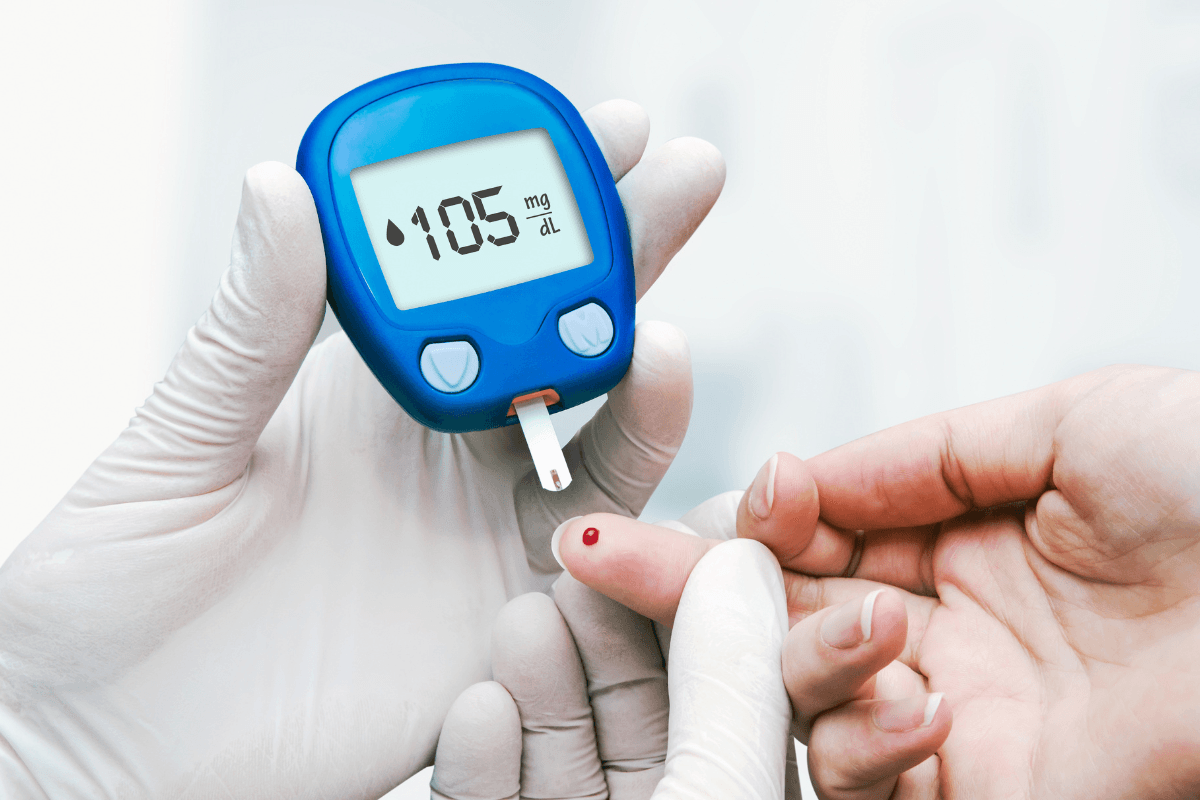
Clinicians use labs and symptoms to guide next steps. Common tests include the A1C test and fasting blood glucose. Home checks can also support day-to-day tracking. A care team may also discuss prevention steps for those at risk.

What You’ll Find in This Category

This category hub includes related pharmacy browsing pages and educational reading. It also supports quick comparisons across monitoring tools and common therapies. For grouped browsing, start with Diabetes Care to scan major care areas.

Many people also need fast context on insulin options. The guide Different Types Of Insulin breaks down rapid, short, and long-acting patterns. For examples of specific items, see NovoRapid Cartridge and Glucagon Injection Kit.

  • Overviews of blood glucose monitoring and record keeping
  • Information on hyperglycemia and hypoglycemia warning signs
  • Context on insulin therapy, storage, and device basics
  • Food planning topics like carb counting and low glycemic foods
  • Movement planning topics like safe exercise routines

How to Choose

Start with the job that needs support. Some needs are daily tracking. Others are emergency preparation. For monitoring tools and accessories, browse Diabetes Supplies and compare what fits routines.

Selection checklist

  • Condition type and current plan from the prescriber
  • Monitoring method: meter checks or continuous glucose monitor use
  • Device format: pen, cartridge, vial, or compatible delivery system
  • Storage needs, including refrigeration and travel constraints
  • Supplies on hand: needles, lancets, sensors, and alcohol swabs
  • Emergency readiness items, such as fast sugar sources
  • Comfort with tracking: apps, logs, and sharing reports
  • Refill coordination needs for caregivers and households

Quick tip: Keep an updated medication and supply list for refills.

Some households keep a fast-acting sugar source available. A common example is Dextrose. This page supports browsing, not clinical decisions. A clinician can advise what fits a specific plan.

Safety and Use Notes

Medication choices and monitoring plans can affect safety. Blood sugar can rise high (hyperglycemia) or drop low (hypoglycemia). Both situations can feel different across people. For a symptom-focused review, see Signs Of Hyperglycemia.

Severe lows and diabetic ketoacidosis are medical emergencies. Diabetic ketoacidosis (DKA) involves dangerous acid buildup when insulin is very low. The explainer Diabetic Ketoacidosis Guide covers how it can start.

Why it matters: Severe symptoms need urgent care, even if a plan exists.

  • Confusion, fainting, or seizures
  • Chest pain, severe shortness of breath, or bluish lips
  • Repeated vomiting, severe abdominal pain, or extreme thirst
  • Rapid breathing or fruity-smelling breath
  • Blood glucose readings that stay very high despite a plan

For testing terms and A1C context, see this neutral overview from the American Diabetes Association. For risk screening and prediabetes definitions, see this summary from the Centers for Disease Control and Prevention.

Prescription details may be confirmed with the prescriber before dispensing.

Some readers prefer browsing by subtype and lived experience. The hub Type 1 Diabetes groups related reading in one place.

Access and Prescription Requirements

Some therapies require a valid prescription. Documentation needs can vary by product and jurisdiction. This page supports navigation and preparedness. It does not replace guidance from a prescriber or pharmacist.

For a condition-aligned browsing view with relevant listings, use Type 2 Diabetes Hub. That hub can help narrow categories before discussing options with a clinician.

  • Have the current prescription and prescriber details available
  • Expect a verification step before dispensing when required
  • Review product format and storage needs before selection
  • Plan for ongoing supplies used with pens, meters, or sensors
  • Keep records of allergies and prior reactions for pharmacy review

Cash-pay access is available, including for people without insurance.

This content is for informational purposes only and is not a substitute for professional medical advice.

  • Diabetic Ketoacidosis: How It Starts and Treatment Steps

    Diabetic Ketoacidosis: How It Starts and Treatment Steps

    Key Takeaways

    • DKA is a medical emergency that needs urgent care.
    • It often starts with too little insulin and dehydration.
    • Early warning signs include nausea, thirst, and fast breathing.
    • Hospital care focuses on fluids, insulin, and electrolytes.
    • A sick-day plan can lower the chance of recurrence.

    Diabetic ketoacidosis (DKA) can feel confusing and frightening. Many people read about it after a scary symptom, a lab result, or a hospital visit. You deserve clear, calm information that helps you act early.

    Below, you’ll learn what’s going on inside the body, what tends to trigger DKA, and which warning signs matter most. You’ll also see how clinicians confirm it and what treatment usually involves. The goal is understanding and preparation, not blame.

    If you want a quick refresher on high glucose patterns, you can also read Signs And Symptoms Of Hyperglycemia for early pattern-spotting and safer next steps.

    Diabetic Ketoacidosis: What’s Happening in the Body

    DKA happens when the body cannot use glucose for energy because insulin is very low. Without enough insulin, the liver makes ketones (acids made when fat is broken down). Ketones build up in the blood, and the blood becomes more acidic. Clinicians call this metabolic acidosis (too much acid in the blood).

    At the same time, glucose often rises and pulls fluid into the urine. That can cause dehydration and a loss of key salts like potassium. The mix of dehydration, high glucose, and acidosis can stress the heart, kidneys, and brain. That is why DKA is treated as an emergency, even if symptoms start out subtle.

    Note: Nutritional ketosis from fasting or low-carb eating is not the same as DKA. DKA involves significant insulin deficiency and dangerous acid buildup, not just “being in ketosis.”

    DKA is most common in people with type 1 diabetes because they rely on insulin replacement. Still, it can happen in people with type 2 diabetes, especially during severe illness or when insulin needs suddenly rise. Some diabetes medicines can also raise risk in specific situations, which is worth discussing with a clinician.

    When people ask, “Can you die from DKA?” the honest answer is yes, it can be life-threatening without prompt care. It is also very treatable when recognized early and managed in a hospital setting.

    Common DKA Causes and Who Is at Risk

    Most episodes start with a clear stressor that raises insulin needs or reduces insulin delivery. Common dka causes include missed insulin doses, insulin pump problems, stomach illness with vomiting, pneumonia, urinary infections, and other acute infections. Major stress events, like surgery or heart attacks, can also push the body into a crisis.

    Access and routine barriers matter too. People may stretch supplies, misunderstand dosing changes, or have trouble keeping food and fluids down. None of those situations reflect “failure.” They are real-world challenges that deserve practical support and safer systems.

    Certain patterns raise concern for higher risk. These include repeated vomiting, inability to keep fluids down, very high glucose readings, or rising ketones during illness. Pregnancy is another situation where clinicians often watch more closely, because metabolic changes can shift quickly.

    Some medications used for type 2 diabetes, such as SGLT2 inhibitors, have been associated with “euglycemic DKA,” where glucose may not be extremely high. That risk varies by person and context. Reviewing your medication list with a clinician is a good way to clarify when ketone checks matter most. For a neutral overview of medication classes, read Diabetes Drugs List to help frame questions for your next appointment.

    If you’re sorting out whether DKA relates more to type 1 or type 2 diabetes, it helps to understand how insulin needs differ. Type 1 Vs Type 2 Diabetes explains the core differences for day-to-day care planning.

    Warning Signs to Take Seriously, Including DKA Symptoms

    Symptoms often begin with dehydration and rising ketones. Many people first notice dka symptoms during an infection or after missed insulin. Early signs can look like “a bad stomach bug,” which is why ketone checks can be so helpful when you feel unwell.

    Common warning signs include intense thirst, frequent urination, dry mouth, and fatigue. Nausea, vomiting, and stomach pain are also common. Some people notice fruity-smelling breath, fast breathing, or shortness of breath. Confusion, severe sleepiness, or fainting are late signs that need emergency care.

    • Thirst: fluids feel hard to “catch up.”
    • Nausea: vomiting may worsen dehydration quickly.
    • Breathing: deep, rapid breaths can appear.
    • Thinking: confusion signals urgent brain stress.
    • Ketones: moderate to high readings are concerning.

    DKA can overlap with hyperglycemia (high blood sugar), but they are not identical. Someone may have very high glucose without acidosis, while another person may have significant ketones with less dramatic glucose. If you’re unsure what “high” looks like for your readings, reviewing patterns and symptoms together can help.

    In general, seek urgent medical evaluation if you have diabetes plus repeated vomiting, trouble breathing, confusion, or moderate to high ketones. When symptoms escalate quickly or you cannot keep liquids down, emergency services may be the safest option.

    How Clinicians Confirm DKA in the Hospital

    Diagnosis relies on a mix of symptoms, vital signs, and lab testing. Clinicians look for high ketones and metabolic acidosis, plus evidence of dehydration and electrolyte shifts. Several dka diagnosis criteria are used together, rather than one single number.

    Tests usually include a basic metabolic panel (electrolytes and kidney function) and blood glucose. Ketones may be measured in blood, often as beta-hydroxybutyrate, or checked in urine. A blood gas may be used to assess acidity (pH) and bicarbonate levels. Teams often calculate the “anion gap,” a lab estimate that rises when acids build up.

    Clinicians also look for the trigger. That may include infection testing, an EKG, or a pregnancy test when relevant. Medication history matters, too, especially if symptoms do not match very high glucose readings.

    Because DKA can progress, monitoring is repeated over hours. Labs are checked again and again to confirm the gap is closing, ketones are falling, and electrolytes are safe. This careful pacing is a big reason hospital care is recommended for suspected DKA.

    For a high-level reference on how hyperglycemic crises are approached, the American Diabetes Association journal publishes consensus and standards updates clinicians use in practice. Guidance changes over time, so clinicians also follow local protocols.

    What Hospital Teams Do First for DKA Treatment

    In the emergency department or hospital, dka treatment usually starts right away. The first steps aim to restore fluid balance, lower ketones safely, and correct electrolyte problems. You may see several interventions happen in parallel, because each one supports the others.

    Most people receive IV (intravenous) fluids to treat dehydration. Insulin is given, often through an IV, to stop ketone production and help glucose move into cells. Electrolytes are watched closely, especially potassium, because insulin and fluids can shift potassium into cells. If potassium drops too low, it can affect heart rhythm, so clinicians correct it carefully.

    Monitoring, targets, and the “why” behind each step

    During treatment, the care team watches more than glucose alone. They trend ketones, bicarbonate, and the anion gap to confirm the acidosis is resolving. Glucose may fall before ketones fully clear, so dextrose (glucose) may be added to IV fluids later to allow insulin to continue safely. That can feel surprising if you came in with high readings, but it is a common step in many hospital protocols. Clinicians also monitor blood pressure, urine output, and mental status, because these reflect hydration and organ stress.

    Antibiotics or other treatments may be added if infection is suspected. If a pump failure or missed doses triggered the episode, teams focus on safe transition back to your usual insulin plan. That transition often includes education, but it should also include problem-solving around real barriers.

    If you’re trying to understand different insulin types that may be mentioned during transitions, Types of Insulin can clarify the difference between rapid, short, and long-acting options.

    For an accessible overview of DKA basics and why emergency care matters, MedlinePlus overview summarizes key signs, causes, and standard hospital approaches.

    Possible DKA Complications and What Recovery Can Look Like

    Most people improve with prompt hospital care, but monitoring remains important. Even with treatment, dka complications can include low potassium, low blood sugar during insulin therapy, or fluid overload in people with heart or kidney disease. Rarely, brain swelling can occur, more often in children, which is one reason clinicians correct labs in a controlled way.

    Recovery varies based on the trigger, severity, and how quickly treatment started. Many people feel wiped out for days after discharge, even when labs normalize. Sleep disruption, muscle weakness, and stomach upset can linger. It is also common to feel emotionally shaken, especially after an ICU stay.

    Eating after DKA is usually about gentle rehydration and steady carbohydrates, unless a clinician gives different instructions for another condition. Small, familiar meals can be easier than large servings at first. If nausea is ongoing, it may help to discuss anti-nausea options and hydration strategies with your care team.

    Because dehydration and high glucose can strain the kidneys, follow-up labs may be recommended. If you want context on kidney-related monitoring, Diabetic Kidney Disease explains why kidney function is watched over time.

    Building a Prevention Plan That Fits Real Life

    After an episode, many people want a clear plan for “what to do next time.” A good prevention plan is personal, but it usually includes a sick-day checklist, ketone testing guidance, and backup options if devices fail. The most helpful plans are simple enough to follow when you feel awful.

    Tip: Ask for a written sick-day plan with thresholds and contacts. Having it on paper reduces decision fatigue during illness.

    Common elements may include checking glucose more often, drinking fluids regularly, and testing ketones when you are sick or when glucose is persistently high. People using insulin pumps often benefit from a clear “pump failure” backup plan. That might include spare infusion sets, extra insulin, and a way to confirm dosing instructions from your clinician.

    Home monitoring tools can reduce guesswork, especially during infections. If you’re reviewing meter options for consistent readings, Contour Next Meter is one example people compare for sick-day monitoring consistency.

    Education matters, but so does access to the right supplies. If you use insulin daily and want to understand the basics of replacement therapy, Type 1 Diabetes Insulin covers core concepts and common routines. For non-insulin medicines, it helps to ask whether any drug you take changes ketone risk during fasting, low appetite, or dehydration.

    If you’re supporting someone with type 1 diabetes, you may also want a single place to browse common supplies and therapies. Type 1 Diabetes Options is a category page that can help you compare what’s typically used alongside insulin care.

    Finally, support systems reduce recurrence. That can mean reviewing alarm settings, planning for travel, updating school or workplace plans, and discussing mental health after a hospitalization. If cost, food insecurity, or unstable housing makes diabetes management harder, bringing that up is medically relevant. It helps clinicians tailor safer, more realistic options.

    For broader learning topics and day-to-day strategies, Diabetes Articles is a browseable collection that can support ongoing self-management skills.

    Recap

    DKA is a serious but treatable emergency. It usually starts when insulin is too low, often during illness or interrupted insulin delivery. Knowing early warning signs, testing ketones when appropriate, and having a sick-day plan can make a meaningful difference. If you’ve had DKA before, follow-up is a reasonable time to ask for clearer written instructions and practical backup plans.

    This content is for informational purposes only and is not a substitute for professional medical advice for your personal situation.


  • Janumet Medication in Type 2 Diabetes: Benefits and Risks

    Janumet Medication in Type 2 Diabetes: Benefits and Risks

    Janumet medication combines sitagliptin and metformin to help adults with type 2 diabetes manage glucose when diet, activity, and a treatment plan need added support. It is not the same as metformin alone. The combination targets blood sugar in two different ways, so safety checks, kidney function, meal timing, and other prescriptions all matter.

    This medicine can be useful for some people, but it is not a stand-alone fix. Your prescriber weighs lab results, symptoms, other conditions, and treatment goals before deciding whether it fits.

    Key Takeaways

    • Two active ingredients: sitagliptin and metformin work through different pathways.
    • Not for every diabetes type: it is used for adults with type 2 diabetes.
    • Kidney checks matter: reduced kidney function can change safety decisions.
    • Food timing helps: taking it as directed with meals may reduce stomach upset.
    • Serious symptoms need care: severe abdominal pain, breathing trouble, or allergic swelling need urgent attention.

    Janumet Medication Basics: Two Ingredients, One Tablet

    Janumet contains sitagliptin and metformin in one tablet. Sitagliptin is a dipeptidyl peptidase-4 inhibitor, or DPP-4 inhibitor (a medicine that extends incretin hormone activity). Metformin is a biguanide (a drug class that reduces liver glucose output).

    Those two roles are why the combination differs from single-ingredient metformin. Metformin mainly lowers how much glucose the liver releases and can improve insulin sensitivity. Sitagliptin helps the body respond to meals by supporting insulin release when glucose is higher and reducing excess glucagon, a hormone that can raise glucose.

    That combination can make sense when one pathway is not enough. Still, the decision depends on your medical history. If you are still learning how symptoms connect to lab findings, the Type 2 Diabetes Symptoms resource can help you recognize common patterns without guessing.

    Janumet is not insulin. It also does not replace nutrition, activity, glucose monitoring, or routine visits. Many people with diabetes need several pieces of care working together, especially when Insulin Resistance is part of the picture.

    Why it matters: Knowing the two ingredients helps you ask safer, more specific questions.

    How It Helps Control Glucose Day to Day

    Janumet medication helps control glucose by addressing both fasting and meal-related blood sugar patterns. Metformin can lower baseline glucose from the liver, while sitagliptin works more around meals through incretin hormones. This does not mean every reading will be in range, but it explains why the combination may be chosen.

    Glucose patterns often vary by meals, stress, sleep, illness, and activity. That is why prescribers usually look beyond one reading. They may review home readings, A1C, kidney function, liver history, medication side effects, and whether low blood sugar has occurred.

    A1C is a lab measure that reflects average glucose over roughly the past few months. It does not show every high or low, but it helps frame the bigger pattern. If you are comparing A1C with estimated average glucose, this calculator can help convert the values for general understanding.

    [hba1c-calculator]

    The calculator does not diagnose diabetes or set treatment goals. It simply helps translate A1C and estimated average glucose into a format that may be easier to discuss.

    When readings still run high

    High readings can happen even when a medicine is taken correctly. Food portions, missed doses, illness, steroid medicines, infections, and progression of diabetes can all contribute. The Signs and Symptoms of Hyperglycemia page explains warning patterns that deserve attention.

    If high readings are repeated, bring actual numbers to your visit. Do not adjust doses or add medicines on your own. A clinician can interpret the pattern and check whether another condition, drug interaction, or adherence issue is involved.

    Forms, Strength Labels, and Timing Questions

    Janumet tablets come in immediate-release and extended-release forms. Extended-release versions are often labeled XR. The form affects how the metformin portion is released, so it also affects how the tablet should be swallowed and timed.

    Strength labels such as 50/500 or 50/1000 refer to milligrams of sitagliptin and metformin in the tablet. For example, the first number refers to sitagliptin, and the second refers to metformin. These labels identify the tablet; they are not a recommendation for your dose.

    People often ask about the difference between Janumet 50/500 and 50/1000. The main difference is the metformin amount in each tablet. A higher metformin amount may not be appropriate for everyone, especially if kidney function, stomach tolerability, or other medicines are concerns.

    Timing also depends on the formulation. Immediate-release tablets are generally taken with meals as directed. XR tablets are commonly directed with the evening meal, depending on the prescription label. This does not mean the medicine works only at night. Food timing can help with metformin-related stomach effects and follows the way the product is labeled.

    Do not crush, split, or chew extended-release tablets unless your prescriber or pharmacist confirms it is safe. Changing an extended-release tablet can alter how the medicine is released.

    Side Effects, Warnings, and When to Seek Help

    Side effects can range from mild stomach symptoms to rare but serious reactions. Common issues may include nausea, diarrhea, stomach discomfort, headache, or upper respiratory symptoms. Many people tolerate treatment, but new or worsening symptoms deserve attention.

    Before continuing Janumet medication after a concerning reaction, contact a healthcare professional. Seek urgent care for severe allergic swelling, trouble breathing, fainting, severe weakness, or severe persistent abdominal pain. Pain that spreads to the back, especially with vomiting, can be a warning sign of pancreatitis.

    Metformin has a rare but serious warning for lactic acidosis, which means lactic acid builds up in the blood. Risk can rise with significant kidney problems, dehydration, heavy alcohol use, severe infection, low oxygen states, or certain procedures. Warning symptoms can include unusual muscle pain, trouble breathing, severe fatigue, dizziness, stomach pain, or feeling very cold.

    Low blood sugar is less common when this combination is used without insulin or sulfonylurea medicines. It can still happen, especially with missed meals, alcohol, or other glucose-lowering drugs. The Low Blood Sugar Symptoms resource explains signs that should be treated promptly under your care plan.

    Kidney and dehydration concerns

    Janumet is not best described as simply bad for kidneys. The bigger issue is that kidney function affects how metformin is cleared. If kidney filtration is reduced, metformin can build up and increase lactic acidosis risk. Prescribers may check estimated glomerular filtration rate, or eGFR (a blood-test estimate of kidney filtering).

    Diabetes itself can damage kidneys over time. That makes routine urine and blood testing important, even when you feel well. The Diabetic Kidney Disease resource explains why early kidney changes may not cause obvious symptoms.

    Tell your care team about dehydration, vomiting, severe diarrhea, planned imaging with contrast dye, surgery, or heavy alcohol use. Those situations can change short-term safety decisions. Do not stop or restart medicine without instructions unless you are seeking emergency care for a serious reaction.

    How It Differs From Metformin Alone and Other Options

    Janumet medication is not the same as metformin because it adds sitagliptin. Metformin alone has one active ingredient, while the combination uses two mechanisms. That can help some people, but it also adds more possible interactions, warnings, and cost considerations.

    The generic names matter during medication reviews. Janumet may be written as sitagliptin and metformin. Janumet XR includes sitagliptin with extended-release metformin. If your medication list shows both brand and generic names, ask the pharmacist to confirm you are not duplicating therapy.

    Other diabetes medicines work through different pathways. Some help the kidneys remove glucose. Some affect appetite and digestion. Some replace or supplement insulin. A broad Diabetes Drugs List can help you understand the categories before a prescriber compares options for your situation.

    Metformin remains a common foundation in diabetes care, but it is not right for every person. Tolerability, kidney function, heart failure history, pregnancy status, and other medical issues can influence choices. For deeper background, see Metformin Benefits.

    There may also be practical reasons to discuss alternatives. Some people ask whether separate sitagliptin and metformin tablets, a different combination medicine, or another class could work better for access or tolerability. That is a prescriber-level decision, not a swap to make alone.

    Cost and Access Conversations Without Guesswork

    If Janumet medication strains your budget, focus the conversation on facts your care team can verify. Ask whether the immediate-release or XR form is intended, whether separate ingredients are appropriate, and whether your pharmacy can explain covered and cash-pay choices. Do not assume a lower-cost option is clinically interchangeable.

    For eligible people comparing cash-pay options without insurance, documentation and prescription requirements still apply. BorderFreeHealth’s role is access-focused: when required, prescription details are verified with the prescriber before pharmacy dispensing.

    Product pages can help you identify names and forms before speaking with a clinician or pharmacist. The Janumet page is a navigation option, not a substitute for label review or medical advice.

    Be cautious with any source that promises the same medicine, the same outcome, or the same suitability for everyone. Diabetes treatment should fit your labs, risks, and daily routine. A person with kidney disease, recurrent dehydration, or frequent low readings may need a different discussion than someone with no major complications.

    Questions to Bring to Your Diabetes Visit

    A short question list can make the appointment more useful. It also helps you avoid making changes based on partial information.

    • Active ingredients: Which names should appear on my medication list?
    • Form and timing: Is my tablet immediate-release or XR?
    • Kidney monitoring: How often should my eGFR be checked?
    • Side effects: Which symptoms should prompt urgent care?
    • Low readings: What should I do if glucose drops?
    • Other medicines: Could insulin, sulfonylureas, or alcohol raise risk?
    • Access options: Are separate ingredients or alternatives appropriate?

    Quick tip: Bring your medication bottles, glucose log, and recent lab results.

    If you want broader education, the Type 2 Diabetes hub gathers related resources for browsing. Use it to prepare better questions, not to self-prescribe.

    Authoritative Sources

    Janumet can be part of a thoughtful diabetes plan when its benefits, risks, and practical details fit the person taking it. The safest next step is to review your form, dose label, kidney function, and side effect history with a qualified healthcare professional.

    This content is for informational purposes only and is not a substitute for professional medical advice.

  • What Is Glumetza? ER Metformin, Safety, and Comparisons

    What Is Glumetza? ER Metformin, Safety, and Comparisons

    Glumetza is a brand-name, extended-release form of metformin hydrochloride used with diet and exercise to help manage blood sugar in adults with type 2 diabetes. If you are asking what is Glumetza, the key point is simple: it contains metformin, but the tablet is designed to release the medicine slowly.

    That release design matters because stomach side effects are one of the main reasons people switch between metformin products. It also explains why two tablets labeled “ER” or “XR” may not feel identical after a refill.

    Key Takeaways

    • Same active medicine: Glumetza contains metformin hydrochloride.
    • Different release system: The tablet releases metformin gradually.
    • GI effects still happen: Nausea and diarrhea can still occur.
    • Monitoring matters: Kidney function and vitamin B12 may need review.
    • Refills can vary: Generic ER products may not feel the same.

    What Is Glumetza and How Does It Work?

    Glumetza is an oral antihyperglycemic medicine, which means it helps lower high blood sugar rather than directly replacing insulin. It belongs to the biguanide drug class, the same glumetza drug class as other metformin products.

    Metformin mainly works by reducing how much glucose the liver releases into the blood. It can also improve insulin sensitivity, meaning the body may respond better to its own insulin. This is why metformin is often used early in type 2 diabetes care, alongside nutrition changes, physical activity, and other medicines when needed.

    The extended-release tablet is the feature that makes Glumetza different from immediate-release metformin. Its gastric-retentive design helps the tablet remain in the stomach longer, so metformin releases more gradually. In plain language, the medicine is the same core ingredient, but the delivery system is modified.

    Why it matters: A slower-release tablet may be easier for some people to tolerate, but it is not automatically better for everyone.

    Some people notice a tablet-like shell in the stool after taking certain extended-release medicines. This is sometimes called a “ghost tablet.” It may be harmless if the medication has already released, but repeated concerns are worth raising with a pharmacist, especially after a manufacturer change.

    What Is Glumetza Used For in Type 2 Diabetes Care?

    Glumetza is used to help improve blood sugar control in adults with type 2 diabetes, usually as part of a wider plan that includes food choices, activity, and lab monitoring. It is not used to treat type 1 diabetes or diabetic ketoacidosis.

    People often ask what is glumetza used for because the brand name can make it sound like a separate drug. In practice, glumetza uses generally follow metformin’s role in type 2 diabetes care. A clinician may consider it when metformin is appropriate and an extended-release formulation fits the person’s symptoms, routine, or previous tolerance.

    For broader context on diabetes medication categories, the Type 2 Diabetes Posts collection can help you compare common medication classes without treating any one option as the default choice. If you want a condition-level browsing page, Type 2 Diabetes Options groups related therapies in one place.

    Metformin may also appear in combination medicines. For example, sitagliptin and metformin combinations are used in some care plans when one medicine is not enough. The page on Janumet explains how that combination approach differs from metformin alone.

    Glumetza ER, Generic Options, and Why Refills Can Feel Different

    Glumetza ER refers to the extended-release version of metformin sold under the Glumetza brand name. “ER” and “XR” both usually mean extended release, but those labels do not guarantee that every tablet uses the same technology.

    This is where the glumetza generic question can get confusing. A generic metformin extended-release tablet contains metformin, but it may be tied to a particular reference product or release mechanism. Pharmacies may also change manufacturers based on supply. If your symptoms changed after a refill, the product may look different because the formulation or manufacturer changed.

    That does not mean the refill is unsafe. It means your care team may need more detail. Ask the pharmacist which extended-release formulation you received, whether it is intended as a substitute for Glumetza, and whether the tablet should be swallowed whole. Do not split, crush, or chew extended-release tablets unless your prescriber or pharmacist specifically says that is appropriate for your exact product.

    Some readers also search for the glumetza manufacturer or glumetza monograph because they want label-level details. A monograph or official label is useful for warnings, indications, dosage limits, and formulation information. It is not always written in patient-friendly language, so it can help to bring specific questions to your prescriber or pharmacist.

    For product-name orientation, you can compare the Glumetza page with general Metformin information. Use these as navigation references, not as a reason to switch products without clinical input.

    Dosing Basics: Timing, Strengths, and Food

    Glumetza dosage is individualized, and the safest source is your prescription label plus your prescriber’s instructions. Extended-release metformin is commonly taken with food because meals may reduce stomach upset.

    Many people see references to glumetza 500 mg, glumetza 1000 mg, glumetza dose, or glumetza max dose online. Those terms usually refer to labeled tablet strengths or prescribing limits. However, your personal dose depends on kidney function, blood sugar patterns, other medicines, and tolerance. This is not something to adjust on your own.

    If you wonder, “can you take glumetza in the morning,” the practical answer is to follow the schedule on your prescription and confirm timing if it does not fit your meals. Some extended-release metformin regimens are taken with the evening meal. Other schedules may be used depending on the product and the person’s routine.

    Quick tip: Track the meal, time, and symptoms for one week before asking about timing changes.

    A simple glucose conversion tool can help when you read lab values or international resources that use different units. It only converts numbers and does not interpret whether your results are safe or on target.

    [glucose-converter]

    If you are comparing older metformin names, Glucophage vs Metformin explains how brand and generic naming can overlap. The Glucophage page may also help you recognize another metformin brand name when reviewing medication lists.

    Glumetza vs Metformin: Differences That Matter

    Glumetza and metformin are closely related because Glumetza contains metformin. The difference is the tablet design, not a different active ingredient.

    Immediate-release metformin releases more quickly and is often taken more than once daily. Extended-release metformin products release more slowly and are often used when a once-daily routine or improved stomach tolerance is a goal. Some people do better with ER tablets. Others tolerate immediate-release metformin well and prefer its flexibility.

    When people compare glumetza vs metformin, they are usually comparing four practical issues: stomach symptoms, dosing schedule, tablet size, and refill consistency. None of these factors makes one version universally superior. The best fit depends on medical history, lab results, daily meals, and what side effects you can realistically manage.

    Is Glumetza modified metformin?

    Yes, in the sense that the tablet is modified to release metformin over time. The active ingredient remains metformin hydrochloride. The release system changes how the drug leaves the tablet and moves through the digestive tract.

    Is Glumetza a controlled substance?

    No. Metformin is not treated like an opioid, stimulant, or sedative controlled substance. Searches for glumetza dea schedule often come from people checking whether special prescribing rules apply. Glumetza is a prescription medication, but it is not scheduled by the DEA as a controlled drug.

    For a wider discussion of why clinicians prescribe metformin, Metformin Benefits reviews common clinical uses and care-plan context. If heart failure is part of your history, Metformin and Heart Failure covers monitoring questions that may come up during appointments.

    Side Effects, Weight Changes, and When to Call

    Glumetza side effects are similar to metformin side effects because the active medicine is metformin. The most common issues involve the stomach and intestines, including nausea, diarrhea, gas, stomach discomfort, and reduced appetite.

    Extended-release tablets may reduce gastrointestinal side effects for some people, but they do not remove the risk. Symptoms are more likely when treatment starts, when the dose increases, or when the medicine is taken without enough food. Severe diarrhea or vomiting can also raise dehydration risk, which matters because dehydration can affect kidney function.

    Metformin has a rare but serious warning for lactic acidosis, which is a dangerous buildup of lactic acid in the blood. Risk can be higher with significant kidney impairment, severe dehydration, heavy alcohol use, certain acute illnesses, or some medical procedures involving iodinated contrast dye. Seek urgent medical help for symptoms such as unusual weakness, trouble breathing, severe drowsiness, persistent vomiting, or feeling very cold with muscle pain.

    Long-term metformin use can also be associated with low vitamin B12 levels in some people. Numbness, tingling, balance changes, mouth soreness, or unusual fatigue should be discussed with a clinician. These symptoms can have many causes, so testing and clinical review matter.

    People also ask about glumetza weight loss or glumetza side effects weight loss. Metformin is often considered weight-neutral, and some people may lose a modest amount of weight. Still, it is not a weight-loss drug. Unplanned or rapid weight change should be reviewed, especially if appetite, glucose readings, or other medicines have changed.

    Cost, Access, and Practical Questions to Ask

    Searches like “why is Glumetza so expensive” usually reflect a real access problem, not just curiosity. Brand-name extended-release products can cost more than some generic metformin options. Insurance coverage, generic availability, pharmacy contracts, and manufacturer changes can all affect what a person pays.

    If cost or availability becomes a barrier, ask your prescriber and pharmacist which exact metformin ER product is being prescribed and whether a clinically appropriate alternative exists. Also ask whether the prescription wording limits substitution. A small wording difference can affect what a pharmacy may dispense.

    BorderFreeHealth connects U.S. patients with licensed Canadian partner pharmacies, and prescription details may be verified with the prescriber when required before dispensing. For some patients without insurance, cash-pay cross-border prescription options may be available, depending on eligibility and local rules.

    Useful questions to bring to your next visit include:

    • Formulation: Which ER product am I taking?
    • Timing: Which meal should I use?
    • Tolerability: What symptoms should I track?
    • Monitoring: How often are kidneys checked?
    • Substitution: Can the manufacturer change?
    • Safety: What illness instructions apply?

    If you are comparing combination options, Janumet XR and Sitagliptin HCL Metformin can help you recognize names that pair metformin with another diabetes medicine. These pages are for orientation and should not replace a treatment discussion.

    Authoritative Sources

    For official Glumetza labeling, review the DailyMed medication guide, which includes warnings and patient safety information.

    For general metformin information, the MedlinePlus metformin summary provides patient-friendly details from the National Library of Medicine.

    For diabetes care context, the CDC type 2 diabetes overview explains the condition and common management themes.

    Recap: How to Think About Glumetza

    Glumetza is extended-release metformin, not a completely different diabetes drug. Its main distinction is how the tablet releases metformin over time. That design may help some people tolerate metformin better, but it does not remove the need for kidney monitoring, side effect awareness, and careful refill checks.

    If you are sorting through what is Glumetza, focus on the practical questions: which formulation you received, how you tolerate it, when you take it with food, and what labs your clinician follows. Bring the tablet bottle, symptom notes, and recent glucose patterns to your next appointment.

    For more diabetes medication background, the Diabetes Posts collection offers related reading across treatment and everyday management topics.

    This content is for informational purposes only and is not a substitute for professional medical advice.

  • Mounjaro Weight Loss and Diabetes Care: Expectations, Safety, and Dosing

    Mounjaro Weight Loss and Diabetes Care: Expectations, Safety, and Dosing

    Mounjaro weight loss can happen because tirzepatide affects appetite, fullness, digestion, and blood sugar regulation. For adults with type 2 diabetes, the main approved role is glucose control, while weight change is an important related effect to monitor with a clinician.

    Many people feel pulled between hope and caution. You may want better A1C readings, meaningful weight changes, or fewer daily decisions around food. You may also want clear information without hype.

    This article explains how tirzepatide works, what dose escalation usually means, which side effects deserve attention, and how to frame follow-up conversations.

    Key Takeaways

    • Dual hormone action: Tirzepatide targets GIP and GLP-1 pathways.
    • Weekly dosing: Dose increases are usually gradual to improve tolerance.
    • Digestive effects are common: Nausea, fullness, constipation, or diarrhea may occur.
    • Safety depends on history: Other medicines and certain conditions change risk.
    • Monitoring matters: Weight, A1C, symptoms, hydration, and nutrition all count.

    How Tirzepatide Supports Diabetes and Weight Goals

    Tirzepatide is a dual incretin medicine that acts on two gut-hormone pathways. These pathways are GIP (glucose-dependent insulinotropic polypeptide) and GLP-1 (glucagon-like peptide-1). In plain language, they help the body respond to meals.

    In adults with type 2 diabetes, tirzepatide may help the pancreas release insulin when glucose is high. It can also reduce glucagon, a hormone that raises blood sugar. Slower stomach emptying may make meals feel more filling and may reduce appetite for some people.

    That combination is why Mounjaro weight loss often comes up during diabetes visits. The medicine may affect both glucose patterns and body weight, but individual results vary. Sleep, food intake, movement, stress, other medicines, and side effects can all influence the outcome.

    Why it matters: Weight change should be interpreted alongside glucose control, nutrition, and tolerability.

    If you want broader context on day-to-day care, the Type 2 Diabetes collection can help you review related educational topics. For medication categories tied to a diagnosis, Type 2 Diabetes Options is a browsable condition page.

    What Mounjaro Weight Loss May Look Like Over Time

    Weight change with tirzepatide is usually gradual and uneven. Some people notice appetite changes early, while others notice changes after dose escalation or improved routines. A flat week does not always mean treatment has stopped working.

    People often search for Mounjaro weight loss by week or before-and-after stories. Those examples can feel motivating, but they can also create unrealistic expectations. Photos and reviews rarely show medical history, dose timing, side effects, diet changes, or whether someone also had diabetes.

    For people with diabetes, the scale is only one marker. A1C, fasting glucose, time-in-range on a continuous glucose monitor, waist measurement, energy, and ability to maintain nourishing meals also matter. Rapid appetite suppression can be a problem if it leads to poor protein intake, dehydration, or skipped meals while using glucose-lowering medicines.

    Tracking without getting stuck on one number

    Try to look at trends rather than daily swings. A weekly weight average, waist measurement, symptom notes, and glucose patterns can give a more useful picture. Bring these records to appointments so your clinician can interpret them in context.

    The calculator below can help track general weight-change progress and percentage change toward a goal. It does not predict medication response or replace clinical guidance.

    [weight-loss-progress-calculator]

    If nutrition or meal timing has become difficult, the Mounjaro Diet Plan resource may help you prepare practical questions about portions, protein, fluids, and foods that worsen fullness. For broader lifestyle topics, the Weight Management collection offers related educational reading.

    Dose Escalation, Strengths, and the Dosage Chart Question

    Tirzepatide is taken once weekly, and dose increases are usually staged. Starting low helps many people adjust before a prescriber considers higher maintenance doses. The right pace depends on glucose goals, side effects, medical history, and other medicines.

    People often look for a mounjaro dosage chart because the step-up process can feel confusing. The table below summarizes commonly discussed dose levels in a general way. It is not a personal dosing plan.

    Dose strength Common role Clinical discussion point
    2.5 mg Starter dose Often used for early tolerability rather than full maintenance effect
    5 mg Early maintenance or step-up May be continued when goals and tolerance are acceptable
    7.5 mg and 10 mg Middle dose options May be considered when more effect is needed and tolerated
    12.5 mg and 15 mg Higher maintenance options Potential benefits and side effects both need review

    Some readers also ask about a dosage chart in mL. Device volume and pen format can vary by product and market, so it is safer to confirm the exact instructions on your package and with a pharmacist. Do not estimate an injection volume from online charts.

    Questions about when to increase dose should go to the prescriber. Higher doses may not be appropriate if nausea, vomiting, constipation, low blood sugar risk, or poor intake is already a concern. If you use insulin or a sulfonylurea, dose changes can also affect hypoglycemia risk.

    For a deeper medication-specific discussion, see Mounjaro Dosage. If you are comparing product listings for navigation, Mounjaro KwikPen provides product-page context without replacing prescriber guidance.

    Injection Basics and Weekly Routine Tips

    A weekly routine can reduce missed doses and make symptom tracking easier. Many people choose a consistent day and connect it with an existing habit, such as a calendar reminder.

    A Mounjaro injection is given under the skin, which is called a subcutaneous injection. Common areas include the abdomen, thigh, or upper arm, depending on the device instructions. Rotating injection sites may reduce irritation, soreness, or small lumps.

    Quick tip: Keep a simple log of injection day, symptoms, meals, and glucose changes.

    Storage questions matter, especially during travel or hot weather. Follow the product labeling for temperature limits and how long the pen can be kept out of refrigeration. If travel is coming up, ask a pharmacist how to pack the device safely and how to handle missed-dose instructions.

    BorderFreeHealth connects U.S. patients with licensed Canadian partner pharmacies when access pathways are appropriate. Where required, prescription details are verified with the prescriber before the pharmacy dispenses medication.

    Side Effects After Eating and Daily Comfort

    Digestive symptoms are the most common side effects with tirzepatide. Nausea, burping, constipation, diarrhea, reduced appetite, stomach discomfort, and a heavy full feeling may occur. Symptoms can be more noticeable after larger meals, rich foods, alcohol, or dose increases.

    Most mild digestive effects are managed with practical adjustments, but persistent symptoms need attention. Smaller meals, slower eating, adequate fluids, and avoiding very greasy meals may help some people. Constipation may worsen if fluid intake drops or food volume becomes very low.

    How long Mounjaro side effects last varies. Some people adjust after the early weeks or after a dose change. Others have symptoms that persist or interfere with eating, hydration, sleep, work, or glucose management. That is the point to contact a clinician rather than pushing through.

    Low blood sugar is more likely when tirzepatide is combined with insulin or sulfonylureas. Warning signs can include shakiness, sweating, confusion, sudden hunger, weakness, or a fast heartbeat. Your prescriber may want to review your medication plan if these symptoms occur.

    Seek urgent care for severe allergic symptoms, trouble breathing, fainting, severe abdominal pain, persistent vomiting, signs of dehydration, or confusion. Severe abdominal pain that may move to the back needs prompt medical review because pancreatitis is a serious concern with this medicine class.

    Long-Term Safety, Thyroid Warnings, and Cancer Questions

    Long-term safety conversations should separate common discomfort from rare but serious warnings. Tirzepatide labeling includes important cautions about thyroid C-cell tumors seen in animal studies. It should not be used by people with a personal or family history of medullary thyroid carcinoma or multiple endocrine neoplasia syndrome type 2.

    People also search for Mounjaro side effects cancer because the boxed warning sounds alarming. The key point is not to self-diagnose risk from search results. Instead, share your thyroid history, family history, prior endocrine diagnoses, and any neck mass, hoarseness, or swallowing symptoms with your clinician.

    Other safety issues include gallbladder problems, pancreatitis, kidney stress from dehydration, severe digestive reactions, and possible worsening of diabetic retinopathy when glucose improves quickly. These risks do not happen to everyone, but they are important to monitor.

    Mood, fatigue, and hair shedding can also come up during weight change. They may relate to lower intake, stress, nutrient gaps, rapid weight loss, or unrelated conditions. If symptoms persist, ask for a focused review rather than assuming the medicine is the only cause.

    People without diabetes may have different risk discussions, especially around glucose levels, eating patterns, pregnancy plans, and the approved indication of the product being used. Tirzepatide should be considered within a full medical history, not as a stand-alone weight tool.

    Approval Status and How It Compares With Related Options

    In the U.S., Mounjaro is approved for adults with type 2 diabetes to improve blood sugar control. Tirzepatide is also marketed under a different brand for chronic weight management in eligible people. This distinction matters because approval, labeling, dosing goals, and insurance rules may differ by product and country.

    People often ask whether Mounjaro is approved for weight loss because social media discussions blur brand names and indications. Off-label prescribing can occur, but it should be a deliberate clinician-patient decision with clear monitoring. It should also account for eating disorder history, pregnancy plans, gallbladder history, pancreatitis history, and other glucose-lowering medicines.

    Comparisons with semaglutide medicines such as Ozempic or Wegovy are common. The practical question is not which brand is universally better. It is which option fits your diagnosis, risk factors, tolerability, access, and monitoring needs.

    For a focused comparison, read Mounjaro Vs Ozempic. If you are comparing tirzepatide with another weight-management option, Mounjaro And Wegovy explains key differences in a patient-friendly format. For another diabetes comparison, Mounjaro Vs Trulicity may help frame questions for your appointment.

    If you are browsing weight-related medication categories, Weight Management Options groups related product pages. Some patients also look for cash-pay prescription options without insurance, but eligibility and jurisdiction rules still apply.

    Questions to Bring to Your Prescriber

    A short question list can make a medication visit more useful. It also helps keep the conversation focused on your health goals instead of online anecdotes.

    • Diagnosis fit: Which indication applies to my situation?
    • Glucose risk: Do my other medicines raise hypoglycemia risk?
    • Dose timing: What symptoms would delay escalation?
    • Nutrition needs: How should I protect protein, fluids, and fiber?
    • Warning signs: Which symptoms need urgent care?
    • Monitoring plan: Which labs or readings matter most?

    Bring your medication list, supplement list, glucose records if available, and any history of pancreatitis, gallbladder disease, thyroid cancer, kidney disease, pregnancy plans, or eating disorder concerns. These details can change the risk-benefit discussion.

    Authoritative Sources

    For official indication, boxed warning, contraindication, and adverse reaction language, review the Mounjaro prescribing information from Lilly. It is the most appropriate source for label-specific details.

    For consumer-level drug safety and administration basics, the MedlinePlus tirzepatide drug information provides plain-language context. For diabetes standards and care planning, the American Diabetes Association offers patient education and clinical resources.

    Recap

    Mounjaro weight loss is best understood as one part of tirzepatide’s broader metabolic effects. For adults with type 2 diabetes, glucose control remains central, while appetite, weight, side effects, and nutrition need steady monitoring.

    The most useful next step is a clear conversation with your prescriber. Ask what benefits are realistic, which side effects matter most, and how your plan should change if symptoms affect eating, hydration, or glucose readings.

    This content is for informational purposes only and is not a substitute for professional medical advice.

  • Diabetic Neuropathy: Nerve Damage From Diabetes Explained

    Diabetic Neuropathy: Nerve Damage From Diabetes Explained

    Key Takeaways

    • Nerve symptoms often start subtly in feet or hands.
    • Simple clinic tests can spot early sensation changes.
    • Care focuses on blood sugar, pain control, and foot protection.
    • Newer options are emerging, but results vary by person.

    Numbness, tingling, or burning in your feet can feel unsettling. It can also be hard to explain to others. You deserve clear, respectful information and practical next steps.

    Diabetic neuropathy is a common complication of diabetes and sometimes prediabetes. It may affect sensation, balance, and daily comfort. Below, you’ll learn how it happens, what to watch for, and how care teams usually approach treatment and prevention.

    Why this matters: small changes in feeling can raise injury risk. Early attention often helps people protect mobility and independence.

    Understanding Diabetes-Related Neuropathy (Nerve Injury)

    Neuropathy means nerve damage. In diabetes-related neuropathy, nerves may be injured over time by a mix of factors. These can include higher glucose levels, changes in small blood vessels, and inflammation. Over months or years, nerves may send distorted signals or stop sending signals well.

    The body’s nerves are like a communication network. Sensory nerves carry touch, temperature, and pain. Motor nerves help muscles move. Autonomic nerves run “automatic” functions like digestion, sweating, and heart rate. For a patient-friendly overview of diabetic nerve problems, see this NIH resource with practical context.

    Neuropathy often overlaps with other diabetes concerns. If you are reviewing broader patterns and early clues, reading Type 2 Diabetes Symptoms can help connect nerve changes with whole-body signs. It can also support better conversations with your clinician.

    Diabetic Neuropathy Symptoms and Early Warning Signs

    Symptoms are not always dramatic at first. Many people notice a mild “pins and needles” feeling, reduced sensation, or a burning ache. Some notice pain from light touch, such as bedsheets. Others mainly feel numbness and do not realize small injuries happened.

    Symptoms often follow a “stocking-and-glove” pattern. That means feet are affected first, then lower legs, and sometimes hands. You might also feel balance changes, especially in the dark. These changes can be frustrating, but they also provide useful clues.

    Note: Pain is not the only sign that matters. Loss of sensation can be just as important, because it may hide cuts, blisters, or pressure points.

    If you want to understand why nerve pain can feel “sharp” or “electric,” compare pain types in Neuropathic Vs Nociceptive Pain for clearer language and examples. That contrast can make symptom tracking less confusing.

    Types of Diabetic Neuropathy and What They Affect

    Clinicians often describe several types of diabetic neuropathy, based on which nerves are involved. The most common is peripheral neuropathy, which typically affects feet and legs first. Autonomic neuropathy can affect digestion, bladder function, blood pressure changes with standing, sweating, and sexual function. Proximal and focal neuropathies are less common and may affect the hip, thigh, or a specific nerve region.

    Different patterns can lead to different safety needs. Peripheral neuropathy may change gait and raise fall risk. Autonomic involvement may cause dizziness when standing or unpredictable digestion. If symptoms are broader than feet and hands, it can help to document what you notice. Bring that timeline to a clinician visit for a more complete evaluation.

    For a browsable set of nervous-system topics and related options, see Neurology Options. It is a category list rather than an article, and it can help you learn what types of products exist for common nerve-related needs.

    How Clinicians Check Feet and Legs for Nerve Changes

    Testing is usually simple and quick. A foot exam can include checking skin, pulses, and reflexes. Many clinicians also test sensation with a soft monofilament, vibration with a tuning fork, and temperature or pinprick perception. These checks help estimate how well protective sensation is working.

    It can also be important to look for other contributors. Low vitamin B12, thyroid disease, alcohol use disorder, certain medicines, or spinal problems can also affect nerves. Your clinician may review labs, medication history, and symptom pattern before deciding what testing is most useful.

    What an In-Office Foot Exam Often Includes

    Many visits include a brief set of standardized checks. The clinician may ask you to close your eyes while they touch different spots on your foot. They may also check vibration at the big toe and ankle reflexes. Skin temperature, calluses, nail health, and shoe wear patterns can add helpful clues. If there are sores, color changes, or swelling, they may assess circulation too. This is also a good time to ask about safe nail care, blister prevention, and how often you should be rechecked.

    If you’re specifically searching for how to test for diabetic neuropathy in feet, the key idea is consistency. Repeating the same basic checks over time helps track change. It also helps teams spot risks early, before a small friction spot becomes a bigger problem.

    For practical warning signs and everyday prevention, read Diabetic Foot Ulcers for clear examples. It explains what changes deserve quicker attention.

    Treatment Goals: Comfort, Function, and Skin Protection

    Diabetic neuropathy treatment usually has three goals. First, support glucose management and overall metabolic health. Second, reduce pain or unpleasant sensations when needed. Third, prevent injuries and complications, especially on the feet.

    Blood sugar improvement may help slow progression for many people. For some, it may also reduce symptoms over time. The best plan depends on diabetes type, other conditions, and medication tolerability. If you are working on day-to-day glucose patterns, it can help to recognize high-sugar symptoms early. A plain-language refresher is available in Hyperglycemia Signs for context and symptom tracking.

    Clinicians often follow established standards for screening and foot care. A patient-friendly overview is available from the American Diabetes Association, including prevention and monitoring basics. Use it to support a more informed discussion, not as a replacement for personal medical advice.

    Daily Routines That Support Safer Feet and Steadier Movement

    When sensation changes, daily habits can make life feel more predictable. People often do best with a small checklist that becomes routine. That can include checking feet for red spots, cracks, blisters, or objects in shoes. Moisturizing dry skin can help reduce fissures, but it’s usually best to avoid heavy lotion between toes.

    Footwear matters more than many people expect. A wider toe box, supportive insoles, and seamless socks can reduce friction. If balance feels off, a physical therapist may help with strength and gait strategies. Gentle, regular activity can also support circulation and mood. It helps to choose movement that feels safe for your feet, like stationary cycling, swimming, or walking with well-fitted shoes.

    Diabetic neuropathy self-care also includes thinking beyond the feet. Sleep quality, stress, and smoking status can influence pain perception. Alcohol can worsen nerve irritation for some people, and it can also affect glucose control. If you are weighing what is safe for you, Drinking Alcohol And Diabetes explains common interactions and practical precautions.

    Tip: Write down what you feel and when it happens. Patterns like “worse at night” or “after long standing” can guide safer choices.

    Medicines Commonly Used for Diabetes-Related Nerve Pain

    Medication is not needed for everyone. When pain is persistent, a clinician may discuss options that calm nerve signaling. These may include certain antidepressants used for nerve pain and some anti-seizure medicines, even when depression or seizures are not present. The goal is usually better sleep, improved function, and less daily distress.

    Choices depend on side effects, other medicines, kidney and liver health, and whether dizziness or sleepiness would be risky. If you are learning about one commonly discussed option, Cymbalta For Nerve Pain offers background on how it’s used and what to discuss with a prescriber. For a neutral look at one generic option, see Duloxetine for labeling context and formulation details.

    Research Updates and Emerging Approaches for Foot Neuropathy

    If you’ve seen headlines about new treatments for neuropathy in feet, it helps to keep expectations realistic. Research is active, but no single option works for everyone. Current studies explore different approaches, including topical therapies, neuromodulation devices, and combinations of existing medicines. Some trials also focus on improving sleep and function as primary outcomes, not just pain scores.

    A “new” option may mean a new use of an older medication, a new formulation, or a newly studied device. If you want to see what is being studied publicly, ClinicalTrials.gov lists registered trials and study designs. Based on publicly available databases at the time of writing, availability can vary by country and by insurance coverage, so a clinician can help interpret what applies to your situation.

    Separating Myths From Likely Outcomes Over Time

    Search results can be confusing, especially when promises sound certain. When people ask can diabetic neuropathy be reversed, the most accurate answer is “sometimes symptoms can improve, and progression can slow.” This is more likely when changes are caught early and contributing factors are addressed. However, nerve healing can be slow, and some damage may not fully resolve.

    Be cautious with claims of rapid fixes, extreme diets, or supplement “protocols” that promise guaranteed recovery. Some supplements can interact with medicines or be unsafe at high doses. It is usually safer to bring any plan you’re considering to your clinician or pharmacist. That shared decision-making can protect both safety and your wallet.

    When to Seek Prompt Medical Care

    Some symptoms need faster evaluation than a routine appointment. Seek urgent care for a new open sore, spreading redness, warmth, pus, fever, or sudden swelling in a foot. Also get prompt help for rapidly worsening weakness, new bowel or bladder changes, or severe dizziness with standing. These can signal problems beyond typical peripheral nerve symptoms.

    High blood sugar emergencies can also overlap with nerve complaints, especially if you feel very unwell. If you need a refresher on how severe metabolic issues can start, Diabetic Ketoacidosis How It Starts explains early signs and why timing matters. If kidney disease is part of your health picture, Diabetic Kidney Disease can help you understand how symptoms and medication choices may intersect.

    Recap: Building a Practical Plan With Your Care Team

    Nerve symptoms can be real and disruptive, even when they are invisible. Early evaluation, routine foot checks, and safer daily habits can make a meaningful difference. Treatment often combines glucose management, symptom relief when needed, and skin protection strategies.

    If you feel dismissed, it is okay to ask for clearer explanations. Bringing a short symptom diary and a medication list can help the visit go better. For broader education and related reading, explore Diabetes Topics to connect neuropathy with other diabetes complications and prevention steps.

    This content is for informational purposes only and is not a substitute for professional medical advice for your personal situation.

  • Diabetic Foot Ulcers: Warning Signs, Causes, and Early Care

    Diabetic Foot Ulcers: Warning Signs, Causes, and Early Care

    Diabetic foot ulcers are open sores or wounds on the foot that need early attention because numbness, pressure, infection, and reduced blood flow can make them worsen quickly. Many begin as a blister, callus, crack, or rubbed area that seems minor at first. The safest next step is prompt clinical assessment, especially if there is drainage, spreading redness, odor, fever, or a sudden color change.

    Foot wounds can feel stressful. Many people worry they missed a sign. That reaction is understandable, and it does not mean you did anything wrong. The goal is to notice changes early, reduce pressure on the area, and involve the right care team before complications build.

    If you are also reviewing diabetes basics, Types Of Diabetes can help frame common care goals.

    Key Takeaways

    • Check daily: Small blisters, cracks, or calluses can hide deeper damage.
    • Act on red flags: Fever, odor, black tissue, or spreading redness needs urgent care.
    • Reduce pressure: Offloading helps protect tissue while it heals.
    • Expect a full assessment: Clinicians check infection, circulation, sensation, and footwear.
    • Prevent recurrence: Follow-up and shoe fit matter after a wound closes.

    Early Signs That Need Attention

    Early diabetic foot ulcers may look small, shallow, or easy to dismiss. You might notice a pink open spot, a blister that breaks, a cracked heel, or a callus with a darker center. Some wounds start under thick skin, so the surface may look less serious than the tissue underneath.

    Common diabetic foot ulcer symptoms include swelling, warmth, drainage on socks, and skin that looks white or soggy around a wound. A new odor, yellow fluid, or increasing tenderness can suggest infection or tissue change. If you have neuropathy, pain may be absent even when the wound is serious.

    Online searches for diabetic feet pictures beginning stages or early stage foot ulcer pictures can give a rough idea of what wounds may look like. Still, photos can mislead. Lighting, skin tone, camera angle, and wound depth all change what you see. A clinician can examine the foot, check circulation, and decide whether deeper tissue is involved.

    Quick tip: Take photos in the same lighting and distance if you are tracking changes between appointments.

    Call a clinician soon Seek urgent care today
    • New open area
    • Drainage or wet dressing
    • Increasing edge redness
    • Blister after shoe rubbing
    • Fever or chills
    • Rapidly spreading redness
    • Black, gray, or pale tissue
    • Severe pain or sudden color change

    If you feel unwell, or the foot changes quickly, it is reasonable to seek urgent evaluation. A foot infection can progress faster in people with diabetes, especially when blood flow is reduced.

    Why Foot Ulcers Happen In Diabetes

    Most diabetic foot ulcers develop from several factors working together. Neuropathy (nerve damage) can reduce protective sensation, so rubbing, heat, pressure, or a cut may go unnoticed. Over time, repeated pressure can break down skin, especially under the ball of the foot, heel, or toe joints.

    Blood flow also matters. Peripheral artery disease (narrowed leg arteries) can limit oxygen delivery to the skin. When circulation is reduced, even a small wound may close slowly. Smoking, kidney disease, long-standing diabetes, and previous ulcers can increase risk.

    Foot shape and footwear are often part of the story. Hammertoes, bunions, high arches, or a prominent bone can create pressure points. Shoes that once fit well may become risky if swelling, deformity, or reduced sensation changes how the foot bears weight.

    Nerve changes are important because they change how the foot reports danger. For deeper background on numbness, burning, and sensation loss, read Diabetic Neuropathy.

    High glucose is not the only cause, but it can affect inflammation and immune response. If you are noticing more thirst, frequent urination, or repeated high readings, Symptoms Of Hyperglycemia reviews common signs to discuss with a clinician.

    How Clinicians Assess A Foot Wound

    A good assessment looks beyond the visible sore. Clinicians usually measure wound length, width, and depth. They check the edges, drainage, surrounding skin, odor, and whether dead tissue is present. They also look for pressure points that may keep the wound open.

    Circulation testing is common. This may include checking pulses, skin temperature, capillary refill, and tests such as an ankle-brachial index, often called an ABI. If blood flow is limited, a vascular referral may be needed. Imaging, such as an X-ray, can be used when bone infection or a foreign object is a concern.

    Nerve testing may use a monofilament, which is a soft filament used to check protective sensation. Loss of protective sensation helps explain why diabetic foot ulcers can grow without much pain. Foot shape, gait, toe alignment, and shoe wear patterns also help the care team find the source of pressure.

    Because diabetes affects the whole body, routine care often includes broader monitoring. People reviewing age-related diabetes planning may find Diabetes Management In Older Adults useful for caregiver discussions and daily routines.

    Treatment Basics: Cleaning, Dressings, And Offloading

    Diabetic foot ulcer treatment usually focuses on three goals: protect the wound, reduce pressure, and treat infection or circulation problems when present. The exact plan depends on wound depth, location, drainage, blood flow, and your overall health history.

    Many care plans include gentle cleaning and a dressing that supports moisture balance. Some wounds need more drainage control. Others need protection from drying out. A clinician may remove dead or thickened tissue, a process called debridement, when it is appropriate. This can help reveal the true wound size and reduce barriers to healing.

    Offloading is often central. This means taking pressure off the wound with a removable boot, special shoe, insert, felt padding, or a cast in selected cases. A dressing cannot do its job if the same spot is stressed with every step. Even short barefoot walks at home can reopen fragile tissue.

    What To Ask About Your Dressing Plan

    Dressing instructions should be specific. Ask how often to change it, how to cleanse the area, what drainage is expected, and which changes should trigger a call. Avoid soaking the foot or using harsh antiseptics unless your clinician recommends them. If reaching the foot is difficult, a family member, caregiver, or home nursing support may make the routine safer.

    People often search for the best ointment for diabetic foot ulcer or the best antibiotic cream for diabetic foot ulcer. There is no single product that fits every wound. Ointments, creams, and dressings depend on infection signs, moisture needs, skin condition, and wound depth. Using the wrong product can irritate fragile skin or trap too much moisture.

    If skin issues overlap with rashes, cracks, or fungal irritation, the Dermatology category may help you browse related skin-care topics. Use it for orientation, not as a substitute for wound assessment.

    Infection, Antibiotics, And Safety Questions

    Antibiotics are not used for every open wound. Diabetic foot ulcer treatment antibiotic decisions usually depend on signs of infected tissue, not the presence of a sore alone. Clinicians look for warmth, swelling, increasing pain, pus, spreading redness, fever, or feeling generally unwell.

    When infection is suspected, the wound may be cleaned or debrided before a culture is taken. This can help identify likely bacteria and guide medication choices. Treatment decisions also consider kidney function, allergies, other medicines, and whether the infection may involve deeper tissue or bone.

    Some readers ask, can you die from diabetic foot ulcer. A foot ulcer itself is not usually the direct cause of death, but complications can become life-threatening. Severe infection, sepsis, poor circulation, kidney disease, heart disease, and complications after major surgery can all raise risk. This is why early wound care, infection control, and circulation assessment matter.

    Questions such as why do diabetics die after amputations or how long do diabetics live after amputations are understandable, but the answers vary widely. Amputation often happens in people who already have advanced infection, poor blood flow, or other serious health problems. Survival depends on age, heart and kidney health, circulation, infection control, mobility, and follow-up care. A care team can explain the individual risks more accurately than a general statistic.

    Why it matters: A worsening wound is a medical signal, not just a skin problem.

    Tracking Healing And Reducing Repeat Wounds

    Healing is usually tracked by wound size, depth, drainage, odor, surrounding redness, and the quality of new tissue. A wound that becomes smaller, has less drainage, and develops healthier-looking edges is often moving in the right direction. A wound that stops improving, smells different, or becomes more red needs reassessment.

    Some people ask whether diabetic foot ulcers can be cured. Many ulcers can close with appropriate care, pressure relief, infection management, and circulation support. However, a healed ulcer does not mean the risk is gone. The skin remains vulnerable, and the pressure pattern that caused the wound may still exist.

    Prevention focuses on daily inspection, protective footwear, careful nail care, and follow-up. Moisturize dry skin, but avoid putting lotion between toes where dampness can build. Shake out shoes before wearing them. Check for pebbles, rough seams, or worn insoles. Bring your shoes to appointments so clinicians can identify pressure areas.

    Glucose tracking can also help your team see patterns that may affect healing. Some people use meters, continuous glucose monitors, or prescribed medications as part of their diabetes plan. For device context, OneTouch Verio Flex Meter and Dexcom G7 Sensor are examples of glucose monitoring options to recognize when discussing supplies with a clinician.

    Medication reviews may also be part of wound care, especially when glucose levels are frequently high or low. If you are comparing common diabetes medication names, Metformin and Lantus Insulin Vial are examples of product pages that may help you identify items in your medication list. Do not change diabetes medicines without prescriber guidance.

    For broader diabetes education, the Diabetes category organizes related topics in one place.

    Authoritative Sources

    The American Diabetes Association explains foot screening and prevention in its resource on diabetes-related foot complications.

    The Infectious Diseases Society of America provides clinical guidance on evaluating and treating diabetic foot infections.

    The NCBI Bookshelf clinical review summarizes risk factors and complications in diabetic foot ulceration.

    Recap

    Diabetic foot ulcers often start small, but they deserve early attention. Watch for blisters, cracks, drainage, calluses with dark centers, spreading redness, odor, fever, or sudden color changes. The core of care is assessment, pressure relief, wound protection, infection management when needed, and follow-up.

    If a wound changes quickly or you feel unwell, seek prompt medical evaluation. For ongoing questions, a podiatrist, wound clinic, or diabetes care team can tailor advice to your health history, circulation, footwear, and medication plan.

    This content is for informational purposes only and is not a substitute for professional medical advice.

  • Diabetic Retinopathy: Symptoms, Stages, and Eye Care

    Diabetic Retinopathy: Symptoms, Stages, and Eye Care

    Diabetic retinopathy is an eye complication of diabetes that damages tiny blood vessels in the retina, the light-sensing tissue at the back of the eye. It can develop quietly, so vision may seem normal even while changes are starting. That is why routine dilated eye exams matter for people living with diabetes.

    The condition does not mean vision loss is inevitable. Many people protect day-to-day vision through regular screening, careful monitoring, and treatment when retinal swelling or abnormal vessels appear. The best next step depends on your exam findings, symptoms, and overall diabetes health.

    Key Takeaways

    • Early changes can be silent: Normal vision does not rule out retinal damage.
    • Screening finds hidden damage: Dilated exams and imaging can detect small leaks.
    • Symptoms deserve context: Blur, floaters, and distortion can have several causes.
    • Treatment is individualized: Injections, laser therapy, surgery, or monitoring may be considered.
    • Whole-body care helps: Glucose, blood pressure, cholesterol, and kidney health affect risk.

    How Diabetic Retinopathy Damages the Retina

    Diabetes can harm the retina when long-term high glucose stresses small blood vessels. These vessels may weaken, leak fluid, or close off. The retina can then receive less oxygen, which may trigger growth signals for new fragile vessels.

    This process is sometimes described as diabetic retinopathy pathophysiology. In plain language, it means blood vessel injury starts a chain of leakage, swelling, poor blood flow, and repair signals that can become harmful. The macula, the central part of the retina used for reading and face recognition, is especially important.

    When fluid collects in or near the macula, clinicians call it diabetic macular edema. This swelling can blur central vision and may occur at different disease stages. It is one reason an eye exam can show risk even when symptoms feel mild.

    Diabetic retinopathy causes are not limited to glucose alone. Longer diabetes duration, higher blood pressure, abnormal lipids, kidney disease, pregnancy, and smoking can all influence risk. Rapid changes in glucose control may also affect the eyes, so eye teams often coordinate with diabetes clinicians when treatment plans change.

    Why it matters: Eye symptoms are only one part of the picture; imaging can reveal changes before you notice them.

    If you are still sorting out diabetes patterns, Type 2 Diabetes Symptoms can help you review common signs to discuss with your care team. For broader context on diabetes types and risk patterns, see Types Of Diabetes.

    Warning Signs: What You Might Notice First

    The first sign of diabetic retinopathy is often no sign at all. Many people have no pain, redness, or obvious vision change in the early stage. That silence is frustrating, but it is also exactly why screening is emphasized.

    When diabetic retinopathy symptoms do appear, they may be subtle at first. Some people notice blur that comes and goes, especially when glucose levels fluctuate. Others report trouble reading, dimmer colors, glare at night, or a smudge near the center of vision.

    Floaters can happen when tiny bleeds occur inside the eye. They may look like dots, strings, or cobwebs drifting through vision. A few stable floaters can be common for many reasons, but a sudden shower of new floaters needs prompt advice.

    It helps to separate short-lived blur from persistent change. A temporary blur after a large glucose swing may settle, while ongoing distortion or one-sided vision loss should be checked. Straight lines looking wavy, a growing dark patch, or new difficulty seeing faces can suggest macular involvement.

    Seek urgent eye care guidance for sudden vision loss, a curtain-like shadow, many new floaters, flashes of light, or severe eye pain. These symptoms can signal problems that need same-day or urgent evaluation, even when diabetes is not the only possible cause.

    Stages and Grading: What the Terms Mean

    Diabetic retinopathy stages describe how much retinal blood vessel damage an eye clinician sees. Staging helps guide follow-up timing, imaging, and treatment decisions. It is not a judgment about effort or self-management.

    The broad categories are nonproliferative diabetic retinopathy and proliferative diabetic retinopathy. Nonproliferative disease means damaged vessels are leaking or closing, but new abnormal vessels have not grown. Proliferative disease means the retina has started growing fragile new vessels because of poor oxygen supply.

    Clinicians may further grade nonproliferative disease as mild, moderate, or severe. You may also hear “background diabetic retinopathy,” an older plain-language term often used for earlier nonproliferative changes. The exact grade depends on findings such as microaneurysms, hemorrhages, fatty deposits, and areas of poor blood flow.

    Stage in plain language What the clinician may see What you might notice
    Early nonproliferative changes Tiny vessel bulges or small retinal bleeds Often no symptoms
    Moderate nonproliferative changes More bleeding, leakage, or vessel narrowing Intermittent blur or mild distortion
    Severe nonproliferative changes Larger areas with reduced blood flow Blur may increase, but vision can still seem good
    Proliferative changes New fragile vessels, bleeding, or scar tissue risk Floaters, sudden blur, dark patches, or vision loss

    Macular status matters as much as the stage. An eye with moderate disease and macular swelling may need more attention than an eye with more widespread changes but no central swelling. Your plan should reflect both the stage and whether the macula is affected.

    People often ask whether diabetic retinopathy can be reversed. Some swelling or leakage may improve with treatment and better risk-factor control, but established retinal damage may not fully disappear. The practical goal is to preserve vision, reduce swelling, and lower the chance of worsening damage.

    What Happens During Screening and Diagnosis

    Diabetic retinopathy screening looks for retinal changes before they threaten daily vision. A standard glasses check is not enough. The visit usually includes dilation or retinal imaging so the clinician can examine the back of the eye.

    Most visits begin with visual acuity, eye pressure, and a symptom review. You may be asked about A1C trends, blood pressure, cholesterol, kidney health, pregnancy, and any recent medication changes. Those details help the eye team judge risk and choose follow-up timing.

    After dilation, the clinician examines the retina for bleeding, swelling, deposits, abnormal vessels, and scar tissue. Retinal photographs can document small changes. OCT, or optical coherence tomography, creates cross-section images that measure retinal thickness and macular swelling.

    Some people also need fluorescein angiography, a dye test that maps leakage and poor blood flow. This test can help when laser treatment is being considered or when the source of vision change is unclear. Your clinician can explain why a test is needed and what the images show.

    Quick tip: Ask which eye is affected, whether the macula is swollen, and when follow-up is due.

    If eye health is on your prevention list, Healthy Vision Month offers broader reminders about routine exams and daily eye protection. You can also browse Ophthalmology Articles for related eye-health topics.

    Treatment Options and How Clinicians Choose Them

    Diabetic retinopathy treatment depends on the stage, macular swelling, bleeding risk, and current vision. Some people need monitoring only. Others may need injections, laser therapy, surgery, or a combination over time.

    Anti-VEGF injections are commonly used when diabetic macular edema affects central vision or when abnormal vessels need treatment. VEGF is a growth signal that can drive leakage and fragile vessel growth. These injections are given in the eye in a clinical setting after numbing and antiseptic steps.

    Steroid treatments may be considered in some cases of macular swelling, but they are not right for everyone. They can affect eye pressure or cataract risk, so clinicians weigh benefits and risks carefully. The choice depends on eye findings, past response, and other health factors.

    Laser therapy can help seal or reduce specific leakage patterns. In proliferative diabetic retinopathy, a wider laser pattern may reduce the retina’s oxygen-demand signal and lower bleeding risk. Possible side effects vary by technique and treated area, and your clinician should explain expected vision changes before treatment.

    Vitrectomy surgery may be considered when bleeding does not clear, scar tissue pulls on the retina, or a retinal detachment is a concern. Recovery depends on the reason for surgery, the eye’s condition, and any gas bubble or positioning instructions. Your surgeon is the right person to explain restrictions, drops, and follow-up visits.

    Medication pages can sometimes help you recognize names discussed in clinic, but they should not guide treatment choices on their own. For example, Eylea and Lucentis Vial are product pages that may provide medication-format context. Decisions about eye injections should come from an ophthalmologist or retina specialist who has examined your eyes.

    Readers sometimes ask about the best eye drops for diabetic retinopathy. Drops do not treat the core retinal blood vessel damage in the way injections, laser, or surgery may. Eye drops may still be used for comfort, pressure control, or after procedures when prescribed, but they are not a substitute for retinal care.

    Everyday Risk Control That Supports Eye Care

    Whole-body diabetes care can reduce ongoing stress on retinal blood vessels. Glucose stability, blood pressure management, lipid care, kidney monitoring, and smoking cessation all matter. These steps support the eye plan, even when eye procedures are also needed.

    Blood glucose swings can temporarily blur vision by changing the eye’s fluid balance. That temporary effect is different from retinal bleeding or macular swelling, but symptoms can overlap. A brief log of glucose readings, vision symptoms, and timing may help your clinicians connect patterns.

    Blood pressure is especially important because high pressure can worsen leakage from fragile vessels. Cholesterol and triglyceride patterns may also relate to fatty deposits in the retina. If you have kidney disease, pregnancy, anemia, or frequent hypoglycemia, ask your diabetes team how those factors affect eye monitoring.

    Some diabetes and weight-management medicines have been studied for eye-related outcomes, but medication decisions need individual review. If you are reading about newer diabetes therapies, Tirzepatide And Retinopathy offers related context, and Wegovy And Vision Loss discusses another vision-safety question. Do not stop or change any prescribed medicine without professional guidance.

    For ongoing learning, Diabetes Articles is a browseable collection of diabetes topics. If your clinician mentions eye medication categories, Ophthalmology Options is a browseable product-category list, not a treatment recommendation.

    Medical Records, ICD-10 Codes, and Second Opinions

    Medical records often use codes to describe diabetic retinopathy in detail. ICD-10 codes may specify the type of diabetes, the eye involved, the stage, and whether macular edema is present. The code supports documentation, billing, and care coordination.

    The phrase diabetic retinopathy ICD-10 often appears when people review insurance paperwork or patient portals. In practical terms, the code matters less than the clinical description behind it. Ask what stage you have, whether the macula is swollen, and whether changes were seen in one eye or both.

    If you are changing clinics or seeking another opinion, request copies of retinal photos, OCT reports, angiography reports, and visit notes. Images can show change more clearly than a summary line. Keeping dated records can make future comparisons easier.

    It is reasonable to ask your clinician to translate terms such as nonproliferative, proliferative, edema, ischemia, hemorrhage, or neovascularization. Understanding these words can make the care plan feel less alarming and more manageable.

    Authoritative Sources

    The National Eye Institute diabetic retinopathy resource explains causes, symptoms, screening, and treatment options in patient-friendly language.

    The American Academy of Ophthalmology overview describes retinal changes, diagnosis, and common treatment approaches.

    The CDC diabetes and vision loss page summarizes why regular eye exams matter for people with diabetes.

    Recap

    Diabetic retinopathy can start silently, but it is not something to ignore. Dilated exams, retinal photos, and OCT scans help find changes before symptoms become obvious. If damage is present, the stage, macular swelling, and bleeding risk guide next steps.

    Modern eye care may include monitoring, injections, laser therapy, or surgery when appropriate. Daily diabetes care also supports the retina by reducing stress on small blood vessels. Bring questions to both your eye clinician and diabetes team, especially if symptoms change or your records are unclear.

    This content is for informational purposes only and is not a substitute for professional medical advice.

  • Stages of Diabetic Kidney Disease: Labs, Symptoms, Care

    Stages of Diabetic Kidney Disease: Labs, Symptoms, Care

    Diabetes can injure the tiny blood vessels that filter waste from your blood. The stages of diabetic kidney disease describe how much kidney filtering ability remains and how much albumin, a blood protein, is leaking into urine. Early stages often have no symptoms, so lab tests matter. Staging helps your care team estimate risk, choose monitoring, discuss kidney-protective treatment options, and plan earlier if kidney function declines.

    Key Takeaways

    • The stages of diabetic kidney disease are usually described with estimated glomerular filtration rate, often called eGFR.
    • Albumin in urine adds important risk information, even when eGFR still looks normal.
    • Diabetic nephropathy is a common term for kidney damage related to diabetes.
    • Stage 4 kidney disease is based on eGFR, not a single creatinine number.
    • Dialysis planning usually depends on kidney failure, symptoms, complications, and personal goals.

    Diabetic Nephropathy and Diabetic Kidney Disease Are Closely Related

    Diabetic kidney disease, often shortened to DKD, means kidney damage that develops in the setting of diabetes. Diabetic nephropathy is an older and still common term for this condition. In everyday care, people often use the terms almost interchangeably. Some clinicians use DKD more broadly because kidney problems in diabetes can involve several overlapping causes, not only classic nephropathy.

    Why does diabetes affect the kidneys? Over time, high blood glucose can stress small filtering units called glomeruli. High blood pressure, inflammation, smoking, heart disease, and genetics can add more strain. The result may be albuminuria, meaning albumin leaks into urine, and a gradual fall in eGFR. These changes may happen slowly over years, which is why routine urine and blood testing is so important.

    Why it matters: Kidney damage can progress quietly while you still feel well.

    Diabetes can also affect nerves, eyes, blood vessels, and the heart. If you want to understand another common complication, see Diabetic Neuropathy for a plain-language look at nerve damage from diabetes.

    How the Stages of Diabetic Kidney Disease Are Measured

    Kidney staging starts with two main pieces of information: eGFR and urine albumin. eGFR estimates how well your kidneys filter waste. It is calculated from a blood creatinine result plus factors such as age and sex. Creatinine is a waste product from muscle metabolism, but a creatinine value alone does not define a kidney disease stage.

    Urine albumin-to-creatinine ratio, often called uACR or ACR, checks whether albumin is leaking into urine. ACR is commonly grouped as normal to mildly increased, moderately increased, or severely increased. Higher albumin levels can raise kidney and heart risk, even if eGFR is still above 60.

    This is why two people can have the same eGFR but different risk levels. One person may have little or no albumin in urine. Another may have substantial albumin leakage and need closer monitoring. Your clinician may repeat abnormal tests because hydration, exercise, infection, and short-term illness can affect results.

    An eGFR calculator can help you see how creatinine may translate into an estimated filtration number. It is a general educational tool, not a diagnosis or a replacement for lab interpretation.

    [egfr-calculator]

    If your result changes, ask whether the trend is persistent. A single lab value rarely tells the whole story. Repeated eGFR and ACR results, blood pressure, medications, and other health conditions give a clearer picture.

    The Five Stages in Plain Language

    Modern chronic kidney disease staging commonly uses five eGFR stages. Stage 3 is often split into 3a and 3b because risk tends to rise as eGFR moves lower. Some patient resources discuss only stages 1 through 4 because they focus on kidney disease before kidney failure. Medical staging still includes stage 5, also called kidney failure or end-stage kidney disease.

    Stage Typical eGFR Range What It Usually Means
    Stage 1 90 or higher Filtering may look normal, but there is evidence of kidney damage, such as albumin in urine.
    Stage 2 60 to 89 There is mild reduction in filtering, usually with another sign of kidney damage.
    Stage 3 30 to 59 Filtering is moderately reduced. Care often focuses more on complications, medicine review, and risk reduction.
    Stage 4 15 to 29 Kidney function is severely reduced. Nephrology care and planning discussions become especially important.
    Stage 5 Below 15, or kidney failure The kidneys may not meet the body’s needs. Dialysis, transplant, or conservative kidney care may be discussed.

    You may also see the five diabetic nephropathy stages described in a different way: hyperfiltration, silent changes, microalbuminuria, overt proteinuria, and kidney failure. That older framework describes how diabetic kidney damage can evolve over time. In day-to-day care, eGFR and albuminuria are usually easier to track and discuss.

    Knowing the stage does not predict exactly what will happen next. Some people stay stable for years. Others decline faster because of blood pressure, repeated acute kidney injury, heart disease, heavy albuminuria, smoking, or other factors. The trend matters more than one isolated number.

    Symptoms Can Be Absent Until Later Stages

    The first sign of diabetic nephropathy is often not a symptom. It is usually albumin in urine or a change in eGFR on routine testing. That can feel frustrating because you may be told your kidneys need attention even when you feel normal.

    As kidney function declines, symptoms may become more noticeable. Possible symptoms include swelling in the feet or ankles, higher blood pressure, fatigue, reduced appetite, nausea, itching, muscle cramps, trouble sleeping, or foamy urine. These symptoms can have many causes, so they should be interpreted with clinical evaluation and lab testing.

    Seek urgent medical help for severe shortness of breath, chest pain, confusion, fainting, very low urine output, sudden major swelling, or symptoms of very high or very low blood glucose. These signs can point to serious complications and should not wait for a routine appointment.

    Treatment Focuses on Slowing Damage and Reducing Risk

    Diabetic kidney disease treatment usually aims to slow progression, protect the heart, reduce albuminuria when possible, and manage complications. Treatment does not look the same for everyone. It depends on diabetes type, eGFR, albuminuria, blood pressure, potassium, other conditions, pregnancy status, and medication tolerance.

    Common management areas include blood glucose care, blood pressure control, kidney-protective medicines for eligible people, cholesterol and heart-risk management, smoking cessation support, and review of medicines that may stress the kidneys. Some people may be prescribed an ACE inhibitor or ARB for blood pressure and albuminuria. Some people with type 2 diabetes and chronic kidney disease may be considered for an SGLT2 inhibitor or other kidney- and heart-protective therapies. These choices require clinician review because benefits and risks vary.

    Do not stop, start, or adjust medication because of a staging article. Instead, bring your latest eGFR, ACR, potassium, blood pressure readings, and medication list to your appointment. Ask which kidney risk factors are most important for you and which results should trigger follow-up.

    If kidney disease is progressing, a nephrology clinician can help interpret patterns, adjust monitoring, and plan ahead. For broader kidney-related education, the Nephrology Topics hub can help you browse related reading.

    Food Choices When Diabetes and Kidney Disease Overlap

    There is no universal best food plan for diabetes and kidney disease. Nutrition choices depend on blood glucose patterns, kidney stage, potassium, phosphorus, blood pressure, weight changes, appetite, and other conditions. A registered dietitian can be especially helpful when kidney disease reaches stage 3b or stage 4, labs are changing, or food rules feel overwhelming.

    Many plans focus on steady carbohydrate choices, lower sodium, heart-healthy fats, and enough protein without excessive intake. Some people need to limit high-potassium foods. Others do not. Some need to watch phosphorus additives in processed foods. Fluid limits are usually not needed in early disease, but they may become relevant later for some people.

    Foods to discuss limiting include salty packaged foods, processed meats, sugar-sweetened drinks, large portions of refined carbohydrates, and foods high in potassium or phosphorus if your labs show a need. Avoid removing broad food groups without guidance. Over-restriction can worsen nutrition, appetite, and quality of life.

    Quick tip: Check labels for sodium and phosphorus additives before changing whole food groups.

    If you are balancing food, activity, and chronic illness, Diet and Exercise with Chronic Illness offers practical context without treating lifestyle as a cure-all.

    Stage 4, Kidney Failure, and Dialysis Planning

    Stage 4 kidney disease usually means eGFR is between 15 and 29. People often ask what creatinine level means stage 4, but there is no single answer. The same creatinine result can produce different eGFR estimates in different people because muscle mass, age, sex, and other factors matter.

    People also ask about life expectancy in stage 4 kidney disease. It is not possible to give a reliable general estimate from stage alone. Outlook depends on age, heart health, albuminuria, blood pressure, diabetes control, nutritional status, complications, and how quickly kidney function is changing. Your care team can give more meaningful context after reviewing your full history and lab trends.

    Dialysis is considered when kidneys can no longer keep fluid, waste products, acids, or electrolytes in a safe range, or when symptoms become difficult to manage. It is not started just because someone has diabetes. It is also not always started at the same eGFR. Some people may discuss hemodialysis, peritoneal dialysis, transplant evaluation, or conservative kidney care before kidney failure develops, so decisions are not made during a crisis.

    Useful questions for a stage 4 visit include:

    • Current trend: Is eGFR stable or falling?
    • Albumin risk: How high is the urine ACR?
    • Medication review: Which medicines need kidney-based review?
    • Diet priorities: Which lab results should guide food changes?
    • Planning options: When should dialysis or transplant education begin?

    Living With Kidney Risk Without Losing the Bigger Picture

    Kidney staging can feel heavy, especially when diabetes is already demanding. It is reasonable to feel anxious after seeing new lab results. It is also reasonable to ask for the results in plain language and to request written next steps.

    Chronic illness can affect mood, energy, relationships, and work. If kidney disease adds stress or depression symptoms, Chronic Illness and Depression explains why emotional health deserves attention, not blame.

    It may also help to keep all diabetes topics in one place. The Diabetes Topics hub can support broader learning about glucose, complications, and everyday management questions.

    Most importantly, ask what you can track between visits. Home blood pressure readings, glucose patterns, medication changes, swelling, and new symptoms can all help your care team understand risk. Bring your questions early, especially if you are approaching stage 4 or have rapidly changing labs.

    Authoritative Sources

    The stages of diabetic kidney disease are a map, not a personal forecast. Use them to understand your lab reports, ask better questions, and plan care before problems become urgent.

    This content is for informational purposes only and is not a substitute for professional medical advice.

  • Diabetic Kidney Disease: Causes, Symptoms, and Care Options

    Diabetic Kidney Disease: Causes, Symptoms, and Care Options

    Diabetic kidney disease is kidney damage linked to long-term diabetes. It can develop quietly, often before you feel ill, because high blood glucose and high blood pressure can strain the tiny filters inside the kidneys. Early testing matters because treatment can often slow further damage, reduce complications, and help your care team plan safer diabetes, blood pressure, and medication choices.

    Some people hear the older term diabetic nephropathy. In everyday care, both terms usually describe kidney disease caused or strongly influenced by diabetes.

    Key Takeaways

    • Often silent early: Kidney damage may start before symptoms appear.
    • Testing is central: Urine albumin and eGFR help track risk.
    • Blood pressure matters: High pressure can speed kidney damage.
    • Treatment is layered: Glucose, pressure, medicines, and food choices all count.
    • Escalation can help: Swelling, breathlessness, confusion, or low urine need prompt care.

    How Diabetic Kidney Disease Develops

    Kidneys filter waste, balance fluid, help manage blood pressure, and support red blood cell production. Inside each kidney are tiny filtering units called glomeruli. Over time, high blood glucose can damage blood vessels in those filters. High blood pressure can add force against already stressed vessels.

    This process usually unfolds over years, but there is no fixed timeline. Risk depends on many factors, including diabetes duration, glucose patterns, blood pressure, family history, smoking, cholesterol, kidney infections, and other health conditions. Some people develop changes earlier than expected, while others never develop major kidney problems.

    Why it matters: Kidney protection often starts before symptoms announce a problem.

    Diabetic Nephropathy and the Name Question

    Diabetic nephropathy is a clinical term for kidney damage related to diabetes. Diabetic kidney disease is a broader, patient-friendly phrase that many clinicians and health organizations now use. The labels overlap, but your diagnosis should still be based on testing, medical history, and whether another kidney condition could explain the findings.

    Diabetes can affect other organs at the same time. If you are reviewing nerve symptoms alongside kidney risk, the Diabetic Neuropathy resource can help explain how high glucose may affect nerves.

    Diabetic Kidney Disease Symptoms: What Changes to Notice

    Early diabetic kidney disease often has no obvious symptoms. That is why urine and blood tests are so important for people living with diabetes. Feeling well does not always mean the kidneys are filtering normally.

    When symptoms do appear, they may be vague or overlap with other conditions. Possible signs include swelling in the feet or ankles, puffiness around the eyes, foamy urine, fatigue, reduced appetite, nausea, itching, muscle cramps, or changes in urination. Some people notice higher blood pressure or increasing difficulty keeping glucose in range.

    More serious symptoms deserve urgent medical attention. These can include shortness of breath, chest pain, confusion, severe weakness, fainting, very little urine, or rapidly worsening swelling. Those symptoms can reflect fluid overload, electrolyte problems, infection, or advanced kidney dysfunction.

    Symptoms alone cannot confirm kidney disease from diabetes. A person may have kidney damage without symptoms, or symptoms from another cause. Testing gives your clinician the information needed to sort out the likely reason.

    Testing, Stages, and What the Numbers Mean

    Clinicians usually assess kidney health with both urine and blood tests. A urine albumin-to-creatinine ratio, often called UACR, checks whether albumin protein is leaking into the urine. An estimated glomerular filtration rate, or eGFR, estimates how well the kidneys filter waste from the blood.

    Diagnosis often depends on repeated results. A single abnormal test may be affected by infection, exercise, dehydration, fever, or temporary illness. Clinicians generally look for albumin in the urine and/or reduced eGFR lasting at least three months, then consider whether diabetes is the most likely cause.

    People often ask about stages because stage language can sound final. In practice, staging helps guide monitoring, medication choices, blood pressure goals, and referral decisions. It does not predict exactly how you will feel or how fast changes will occur.

    Result Area Common Clinical Meaning Why It Matters
    eGFR G1 to G2 Normal or mildly reduced filtration, usually with other kidney damage evidence Albumin in urine may be the main warning sign.
    eGFR G3a to G3b Mild-to-moderate or moderate-to-severe filtration reduction Medication review and closer monitoring often become more important.
    eGFR G4 Severe filtration reduction Specialist planning may focus on complications and future options.
    eGFR G5 Kidney failure range Dialysis or transplant evaluation may be discussed if clinically appropriate.
    UACR categories Normal-to-mild, moderately increased, or severely increased albumin in urine Higher albumin can signal greater kidney and heart risk.

    The eGFR calculator can help you understand the filtration number your clinician may discuss. It estimates kidney filtration from lab information and does not diagnose kidney disease by itself.

    [egfr-calculator]

    Ask your clinician how often your UACR and eGFR should be checked. Frequency depends on diabetes type, current kidney results, blood pressure, medications, age, and other health conditions.

    For more kidney-focused reading, the Nephrology Topics hub can help you browse related educational resources.

    Treatment Options That Aim to Slow Kidney Damage

    Diabetic kidney disease treatment is usually not one single intervention. It is a layered plan that may include glucose management, blood pressure control, kidney-protective medicines, nutrition changes, cholesterol management, and careful follow-up.

    Glucose and Blood Pressure Control

    Blood glucose management can reduce ongoing stress on kidney blood vessels. Your care team may use A1C, home glucose readings, continuous glucose monitor data, or other measures depending on your situation. Targets should be individualized, especially if you have frequent low blood sugar, pregnancy, advanced kidney disease, frailty, or other complex medical needs.

    Blood pressure control is also central. Many people with diabetes and kidney disease take medicines that affect the renin-angiotensin system, such as ACE inhibitors or ARBs, when appropriate. These medicines can help protect kidney filters in selected patients, but they require clinician monitoring because they can affect potassium and kidney blood tests.

    Kidney-Protective Medicines

    Some diabetes medicines may also support kidney and heart protection in certain people. SGLT2 inhibitors are often considered for eligible adults with type 2 diabetes and chronic kidney disease. GLP-1 receptor agonists may be used for glucose and cardiovascular risk management in selected patients. A nonsteroidal mineralocorticoid receptor antagonist may be considered for some people with persistent albuminuria.

    These choices depend on eGFR, albumin levels, potassium, pregnancy status, other medicines, side effects, and cost or access considerations. Do not stop, start, or change prescribed medicines without your clinician’s guidance.

    Medication safety can change as kidney function changes. Some pain relievers, supplements, contrast dyes, and over-the-counter products may need review. If you also have nerve pain, resources such as Neuropathic And Nociceptive Pain can help you describe symptoms clearly. People reading about Cymbalta For Nerve Pain should still ask a clinician how kidney function affects medication choice.

    Food Choices Without One-Size-Fits-All Rules

    Food advice for kidney disease and diabetes should be individualized. A registered dietitian can help balance carbohydrate quality, sodium, protein, potassium, phosphorus, blood pressure, and glucose goals. This is especially important if you have advanced kidney disease, repeated high or low glucose, heart failure, gastroparesis, pregnancy, an eating disorder history, or changing lab results.

    Many people are told to avoid whole categories of foods, but that can become confusing and overly restrictive. Sodium reduction is often useful for blood pressure and fluid control. Protein needs may change with kidney stage, dialysis status, age, and nutrition risk. Potassium and phosphorus limits are usually based on lab results, not fear of specific foods alone.

    Quick tip: Bring a typical day of meals to your next appointment.

    For broader diabetes education, the Diabetes Resources category offers related condition and medication topics.

    When Kidney Disease Advances

    Advanced kidney disease does not always mean dialysis starts right away. Dialysis is generally discussed when kidneys can no longer meet the body’s needs, or when complications cannot be managed safely with medicines and diet. The decision is individualized and depends on symptoms, lab results, fluid balance, overall health, and personal goals.

    Kidney specialists may also discuss transplant evaluation, conservative kidney management, anemia treatment, bone and mineral monitoring, vaccination needs, and advance care planning. These conversations can feel heavy, but early planning gives people more choices and fewer rushed decisions.

    Seek prompt medical care if you develop severe shortness of breath, chest pain, sudden confusion, fainting, severe dehydration, rapidly worsening swelling, or very little urine. These symptoms can signal urgent kidney, heart, fluid, or electrolyte problems.

    Practical Questions to Bring to Your Care Team

    Good appointments are easier when you know what to ask. You do not need to master kidney medicine before seeing your clinician. You only need enough information to understand your next step.

    • Testing pattern: What are my latest eGFR and UACR results?
    • Stage meaning: What stage or risk category do these results suggest?
    • Trend review: Are my numbers stable, improving, or worsening?
    • Blood pressure: What home readings should I report?
    • Medication safety: Do any medicines need kidney-based review?
    • Food planning: Should I meet a kidney-focused dietitian?
    • Referral timing: Should nephrology be involved now?

    If you have diabetes, kidney risk is not a personal failure. It is a medical complication that deserves monitoring, clear communication, and support. The most useful plan is one you can follow safely with your care team.

    Authoritative Sources

    Kidney protection is usually built through repeated, practical steps: regular testing, blood pressure attention, safer medication review, individualized nutrition, and timely specialist input when needed.

    This content is for informational purposes only and is not a substitute for professional medical advice.

  • Types of Diabetes: Symptoms, Causes, and Key Differences

    Types of Diabetes: Symptoms, Causes, and Key Differences

    The main types of diabetes are type 1, type 2, gestational diabetes, and prediabetes, with several less common forms that need different testing and care. The label matters because it helps clinicians choose safer monitoring, decide whether insulin or other medicines may be needed, and plan follow-up over time.

    Diabetes mellitus is a group of conditions where blood glucose runs higher than expected. Glucose is the body’s main fuel. Insulin helps move glucose from the bloodstream into cells. When insulin is missing, not working well, or both, glucose can build up in the blood.

    Key Takeaways

    • Main categories differ by cause, timing, and treatment needs.
    • Type 1 often involves autoimmune loss of insulin-producing cells.
    • Type 2 often develops from insulin resistance and gradual beta-cell strain.
    • Gestational diabetes starts during pregnancy and needs postpartum follow-up.
    • Diabetes insipidus is a water-balance disorder, not blood sugar diabetes.

    Hearing new terms can feel overwhelming. It helps to know that diabetes labels are tools, not judgments. They explain why two people with high glucose may need different tests, different medicines, and different safety plans.

    For broader browsing by topic, the Diabetes Posts collection can help you find related educational reading.

    How Many Types of Diabetes Are There?

    Most clinicians start with three common categories: type 1 diabetes, type 2 diabetes, and gestational diabetes. Prediabetes is often discussed with them because it signals a higher-risk stage before diabetes-range glucose.

    There are also rare types of diabetes. These include monogenic diabetes, maturity-onset diabetes of the young (MODY), latent autoimmune diabetes in adults (LADA), and diabetes related to pancreatic disease, hormone disorders, or medicines such as long-term steroids. This is why you may see different answers to questions like “what are the 3 types,” “4 types,” or “7 types” of diabetes.

    The practical answer is this: the main everyday categories are type 1, type 2, gestational diabetes, and prediabetes, while rare forms are considered when the story does not fit. A strong family pattern, diagnosis at a young age, unexpected weight loss, pregnancy history, pancreatic disease, or unusual lab results can all shift the evaluation.

    Why it matters: A more accurate category can change monitoring, medication choices, and follow-up.

    Type 1 Diabetes: Autoimmune Loss of Insulin Production

    Type 1 diabetes usually happens when the immune system attacks beta cells, the insulin-producing cells in the pancreas. As those cells stop working, the body cannot make enough insulin to keep glucose in range.

    Symptoms can appear quickly, especially in children or younger adults, but type 1 can occur at many ages. Common warning signs include frequent urination, strong thirst, unintended weight loss, hunger, fatigue, and blurred vision. Some people also have nausea or belly pain when ketones build up.

    Ketones are acids made when the body breaks down fat for fuel. In type 1 diabetes, ketones can rise to dangerous levels if insulin is very low. Vomiting, deep or rapid breathing, confusion, severe sleepiness, or fruity-smelling breath can signal diabetic ketoacidosis, which needs urgent medical care.

    Testing may include blood glucose, A1C, urine or blood ketones, diabetes autoantibodies, and C-peptide. C-peptide helps estimate how much insulin the pancreas is still making. If you want a focused symptom review, see Type 1 Diabetes Symptoms.

    Treatment often includes insulin, glucose monitoring, education on low blood sugar, and sick-day planning. The exact plan is individualized. People using insulin should know what symptoms should prompt urgent help and how their care team wants them to handle ketones.

    Type 2 Diabetes: Insulin Resistance and Gradual Change

    Type 2 diabetes usually develops when the body becomes resistant to insulin and the pancreas cannot keep up over time. Early on, the pancreas may make extra insulin. Later, insulin production may decline.

    This is the most common form of diabetes mellitus. It can run in families and is influenced by age, genetics, sleep, activity patterns, weight changes, certain medicines, and other health conditions. It is not a simple willpower problem.

    Type 2 diabetes symptoms can be subtle. Some people feel well and only learn about it through routine labs. Others notice increased thirst, frequent urination, fatigue, blurry vision, slow-healing cuts, recurrent infections, or numbness and tingling in the feet. For more detail, read Type 2 Diabetes Symptoms.

    Type 2 diabetes treatment often combines nutrition support, sustainable movement, sleep and stress work, and medication when needed. Medication choices may consider kidney function, heart health, weight-related goals, cost, side effects, pregnancy plans, and low blood sugar risk. A clinician may also recommend blood pressure, cholesterol, kidney, eye, and foot checks.

    If you are comparing type 1 and type 2, the difference is not only age or body size. Type 1 centers on severe insulin deficiency from autoimmune beta-cell loss. Type 2 centers on insulin resistance and gradual beta-cell strain, though some people eventually need insulin. A side-by-side review is available at Type 1 vs Type 2 Diabetes.

    Prediabetes: A Warning Stage Before Diabetes-Range Glucose

    Prediabetes means glucose is higher than normal but not high enough for a diabetes diagnosis. It is a risk signal, not a personal failure.

    This stage often reflects insulin resistance plus genetic and lifestyle factors. Many people have no symptoms. Others may notice vague fatigue, more thirst than usual, or lab changes found during routine screening. Because symptoms are often absent, testing matters.

    Care teams may discuss nutrition patterns, movement that fits your body, sleep, stress, and sometimes medication based on overall risk. The goal is to lower future risk and catch changes early. If you want to compare early clues, Prediabetes Symptoms and Signs explains patterns worth raising at a checkup.

    Quick tip: Ask which test was used and whether repeat testing is planned.

    Gestational Diabetes: High Blood Sugar During Pregnancy

    Gestational diabetes is high blood sugar first recognized during pregnancy. Placental hormones can make the body more insulin resistant, especially later in pregnancy.

    Many people do not feel symptoms, so routine pregnancy screening is important. Management may include nutrition counseling, home glucose checks, physical activity when appropriate, and medication if glucose remains above the target range set by the pregnancy care team.

    Follow-up after delivery matters. Blood glucose often improves after birth, but future risk of type 2 diabetes can remain higher. Postpartum testing helps show whether glucose has returned to normal, stayed in the prediabetes range, or reached the diabetes range. For a deeper pregnancy-focused overview, see What Is Gestational Diabetes.

    Anyone with prior gestational diabetes should tell future clinicians. Earlier screening may be recommended in later pregnancies, depending on personal history.

    Rare Types: LADA, MODY, Monogenic Diabetes, and Secondary Causes

    Some people do not fit neatly into type 1 or type 2 diabetes. In those cases, clinicians may look for rare types of diabetes or diabetes caused by another condition.

    LADA, or latent autoimmune diabetes in adults, is a slower autoimmune form. It can look like type 2 diabetes at first because it appears in adulthood and may not require insulin right away. Antibody testing can suggest an autoimmune pattern, and C-peptide can help show insulin production over time.

    MODY diabetes is one type of monogenic diabetes, meaning it is linked to a change in a single gene. It may appear at younger ages and can run strongly through several generations. Genetic testing may be considered when the pattern suggests it, but testing decisions belong with a qualified clinician or genetics professional.

    Secondary diabetes can occur when another issue affects glucose regulation. Examples include pancreatic disease, some hormone disorders, and certain medicines. This category is important because treating the underlying condition, when possible, may affect glucose management.

    If your diagnosis feels unclear, it is reasonable to ask what evidence supports the label. Useful clues can include age at diagnosis, body weight changes, family history, pregnancy history, antibody results, C-peptide, medication response, and whether ketones have occurred.

    Diabetes Insipidus vs Mellitus: Similar Name, Different Problem

    Diabetes insipidus is not type 1 or type 2 diabetes. It is a water-balance disorder that can cause intense thirst and large amounts of dilute urine.

    Diabetes mellitus involves blood glucose. Diabetes insipidus involves vasopressin, also called antidiuretic hormone, or the kidney’s response to that hormone. Vasopressin helps the kidneys conserve water. When the signal is too low, or the kidneys do not respond to it, the body may lose too much water through urine.

    Central diabetes insipidus usually involves too little vasopressin. Nephrogenic diabetes insipidus means the kidneys do not respond properly to vasopressin. Other forms can relate to pregnancy or excess fluid intake patterns. Testing and treatment differ from glucose-related diabetes.

    Symptoms of diabetes insipidus can overlap with diabetes mellitus because both may cause thirst and frequent urination. The difference is the cause. Clinicians may use urine concentration tests, blood sodium and osmolality, fluid history, medication review, and supervised testing when needed. Do not try to restrict fluids without medical guidance, especially if symptoms are severe.

    Symptoms That Deserve Attention

    Diabetes symptoms vary by type, speed of onset, and glucose level. Some signs develop slowly, while others can become urgent.

    • Frequent urination: Glucose or water-balance issues can increase urine output.
    • Strong thirst: Fluid loss can make thirst feel hard to satisfy.
    • Unplanned weight loss: This can occur when insulin is very low.
    • Fatigue: Cells may not be using fuel efficiently.
    • Blurred vision: Changing glucose can affect eye fluid balance.
    • Slow healing: High glucose can affect tissue repair and infection risk.

    Some early signs of diabetes in women may include recurrent yeast infections, urinary symptoms, fatigue, or changes noticed during pregnancy screening. These signs are not specific to diabetes, so testing is needed before drawing conclusions.

    Seek urgent medical care for vomiting, confusion, severe weakness, deep or rapid breathing, fainting, signs of dehydration, or very high glucose with ketones if you have been told to check them. People who are pregnant, children with symptoms, and anyone using insulin should be especially cautious about rapid changes.

    Testing and Monitoring Across Diabetes Types

    Clinicians diagnose and classify diabetes by combining symptoms, lab results, history, and sometimes specialized tests. One number rarely tells the whole story.

    Common tests include A1C, fasting plasma glucose, random plasma glucose when symptoms are present, and an oral glucose tolerance test. A1C reflects average glucose over about three months. Fasting glucose shows the level after not eating for a set period. The oral glucose tolerance test shows how the body handles a measured glucose drink.

    Some situations need additional testing. Autoantibodies can help identify autoimmune diabetes. C-peptide can help estimate insulin production. Pregnancy screening uses specific glucose challenge or tolerance testing. Suspected monogenic diabetes may involve genetic evaluation.

    The calculator below can help convert A1C and estimated average glucose for general discussion. It does not diagnose diabetes or replace clinical interpretation.

    [hba1c-calculator]

    Day-to-day monitoring depends on the diabetes type and treatment plan. Some people use fingerstick checks. Others use a continuous glucose monitor. Care teams may also track blood pressure, cholesterol, kidney function, urine albumin, eye health, and foot sensation because diabetes can affect more than glucose.

    BorderFreeHealth may list diabetes-related medicines through licensed Canadian partner pharmacy options for eligible U.S. patients, but treatment choices should come from your prescriber. For condition-based browsing, you can view the Type 2 Diabetes collection or the Type 1 Diabetes collection.

    Questions to Bring to a Diabetes Appointment

    A short question list can make appointments easier. It also helps you understand whether the current label is firm or still being refined.

    • Diagnosis evidence: Which results support this diabetes type?
    • Repeat testing: Should any labs be confirmed later?
    • Ketone plan: Do I need ketone testing during illness?
    • Medication risks: Which treatments can cause low blood sugar?
    • Pregnancy history: Does past gestational diabetes change screening?
    • Follow-up checks: Which eye, kidney, foot, or heart tests apply?

    If you track symptoms between visits, write down timing, meals, activity, stress, sleep, new medicines, and glucose readings if you have them. Patterns often matter more than one isolated value.

    Authoritative Sources

    For public health definitions and broad category information, see the CDC diabetes basics page.

    For diagnostic criteria and testing context, review the American Diabetes Association diagnosis information.

    For symptoms and causes across diabetes categories, the NIDDK symptoms and causes resource offers a careful medical overview.

    Putting the Pieces Together

    The types of diabetes are best understood as patterns that guide care. Type 1 usually involves autoimmune insulin loss. Type 2 usually involves insulin resistance and gradual pancreatic strain. Gestational diabetes begins during pregnancy, and prediabetes signals increased future risk.

    Rare forms matter when the usual explanation does not fit. Diabetes insipidus also matters because it shares a name but affects water balance rather than blood glucose. If your diagnosis feels uncertain, ask what tests support it, what symptoms should prompt help, and what follow-up is planned.

    This content is for informational purposes only and is not a substitute for professional medical advice.