
Category: Diabetes

Managing Diabetes can feel like constant planning and paperwork. This hub supports patients and caregivers who want clear, practical context. It covers blood sugar levels, common symptoms, and everyday management tasks. It also explains diagnosis basics, including the A1C test and fasting blood glucose. One section also addresses access steps and documentation. Ships from Canada to US is available for eligible prescriptions.

This page is a starting point for sorting options. It helps with comparing categories, supplies, and prescription-only therapies. It also links to deeper reading on insulin, hyperglycemia, and emergency readiness.

Medications are dispensed through licensed Canadian partner pharmacies.

Diabetes Overview

High blood glucose can develop for different reasons. Some people produce little to no insulin. Others make insulin but respond poorly to it. That reduced response is called insulin resistance (cells do not respond well).

Clinicians use labs and symptoms to guide next steps. Common tests include the A1C test and fasting blood glucose. Home checks can also support day-to-day tracking. A care team may also discuss prevention steps for those at risk.

What You’ll Find in This Category

This category hub includes related pharmacy browsing pages and educational reading. It also supports quick comparisons across monitoring tools and common therapies. For grouped browsing, start with Diabetes Care to scan major care areas.

Many people also need fast context on insulin options. The guide Different Types Of Insulin breaks down rapid, short, and long-acting patterns. For examples of specific items, see NovoRapid Cartridge and Glucagon Injection Kit.

  • Overviews of blood glucose monitoring and record keeping
  • Information on hyperglycemia and hypoglycemia warning signs
  • Context on insulin therapy, storage, and device basics
  • Food planning topics like carb counting and low glycemic foods
  • Movement planning topics like safe exercise routines

How to Choose

Start with the job that needs support. Some needs are daily tracking. Others are emergency preparation. For monitoring tools and accessories, browse Diabetes Supplies and compare what fits routines.

Selection checklist

  • Condition type and current plan from the prescriber
  • Monitoring method: meter checks or continuous glucose monitor use
  • Device format: pen, cartridge, vial, or compatible delivery system
  • Storage needs, including refrigeration and travel constraints
  • Supplies on hand: needles, lancets, sensors, and alcohol swabs
  • Emergency readiness items, such as fast sugar sources
  • Comfort with tracking: apps, logs, and sharing reports
  • Refill coordination needs for caregivers and households

Quick tip: Keep an updated medication and supply list for refills.

Some households keep a fast-acting sugar source available. A common example is Dextrose. This page supports browsing, not clinical decisions. A clinician can advise what fits a specific plan.

Safety and Use Notes

Medication choices and monitoring plans can affect safety. Blood sugar can rise high (hyperglycemia) or drop low (hypoglycemia). Both situations can feel different across people. For a symptom-focused review, see Signs Of Hyperglycemia.

Severe lows and diabetic ketoacidosis are medical emergencies. Diabetic ketoacidosis (DKA) involves dangerous acid buildup when insulin is very low. The explainer Diabetic Ketoacidosis Guide covers how it can start.

Why it matters: Severe symptoms need urgent care, even if a plan exists.

  • Confusion, fainting, or seizures
  • Chest pain, severe shortness of breath, or bluish lips
  • Repeated vomiting, severe abdominal pain, or extreme thirst
  • Rapid breathing or fruity-smelling breath
  • Blood glucose readings that stay very high despite a plan

For testing terms and A1C context, see this neutral overview from the American Diabetes Association. For risk screening and prediabetes definitions, see this summary from the Centers for Disease Control and Prevention.

Prescription details may be confirmed with the prescriber before dispensing.

Some readers prefer browsing by subtype and lived experience. The hub Type 1 Diabetes groups related reading in one place.

Access and Prescription Requirements

Some therapies require a valid prescription. Documentation needs can vary by product and jurisdiction. This page supports navigation and preparedness. It does not replace guidance from a prescriber or pharmacist.

For a condition-aligned browsing view with relevant listings, use Type 2 Diabetes Hub. That hub can help narrow categories before discussing options with a clinician.

  • Have the current prescription and prescriber details available
  • Expect a verification step before dispensing when required
  • Review product format and storage needs before selection
  • Plan for ongoing supplies used with pens, meters, or sensors
  • Keep records of allergies and prior reactions for pharmacy review

Cash-pay access is available, including for people without insurance.

This content is for informational purposes only and is not a substitute for professional medical advice.

  • What Is Intermediate Acting Insulin: A Practical Guide

    What Is Intermediate Acting Insulin: A Practical Guide

    Many people living with diabetes hear the term what is intermediate acting insulin and feel unsure where it fits. This overview clarifies the role of these basal insulins, how they work through the day, and how they differ from rapid and long-acting options. We also summarize names you might see on labels and highlight safety steps your care team may recommend.

    Key Takeaways

    • Midday and overnight coverage: supports baseline glucose between meals.
    • Cloudy suspension: gently roll before use to resuspend.
    • Peaks matter: plan meals and snacks around expected peak windows.
    • Names vary: NPH, isophane, Humulin N, Novolin N, Insulatard.
    • Compare thoughtfully: align insulin type with daily routines and risks.

    What Is Intermediate Acting Insulin

    Intermediate-acting insulin provides background (basal) coverage for many hours, often spanning from one meal to the next. Clinicians may choose it to smooth daytime and overnight glucose when rapid formulations fade too quickly and long-acting options feel too flat. These insulins are usually taken once or twice daily, sometimes combined with shorter-acting bolus doses before meals. Understanding the timing curve helps you prevent dips, especially during known peak periods.

    Historically, NPH (neutral protamine Hagedorn) is the most recognized member of this class. It is an isophane suspension, which slows absorption and produces a distinct peak. Because of the suspension, the vial or pen looks cloudy rather than clear. Rolling the device in your hands helps redistribute the particles and support dose consistency across injections.

    How It Works and When It Peaks

    The intermediate-acting insulin mechanism of action centers on delayed absorption from the subcutaneous tissue. Protamine binding and crystal size slow entry into the bloodstream, creating a gradual onset and a defined mid-course peak. That peak can help control late post-meal glucose but may also increase hypoglycemia risk if food intake or activity does not match the curve. Many people coordinate snacks or adjust meal timing to align with expected peaks.

    Compared with rapid analogs, these basal suspensions act longer and less predictably day to day. Temperature, injection depth, and site rotation can influence absorption. For a broad clinical summary of timing patterns and options, see the American Diabetes Association’s insulin types overview (insulin types overview), which explains how basal and bolus therapies differ.

    Names, Examples, and Visual Cues

    Across countries, labeling varies, but the category commonly includes NPH (isophane) products. You may see Humulin N, Novolin N/Novolin ge NPH, Humulin I, and Insulatard. Formulations come in vials and pens, typically appearing cloudy because the insulin is a suspension. That cloudiness helps distinguish them from clear rapid or long-acting analogs, though always confirm the label before every injection.

    People often ask for nph insulin examples to clarify brand and generic names. In practice, the “N” in a product name often signals NPH or isophane. If you want a product label summary for one formulation, Lilly’s Humulin N prescribing information provides patient guidance and safety details (Humulin N prescribing information). For brand formulation details within an NPH option, see Humulin N Vial, which users reference when discussing suspension handling.

    Dosing, Timing, and Daily Routines

    Healthcare teams individualize intermediate-acting insulin dose based on many factors, including meals, activity, and co-therapies. Plans may use morning and evening injections to span daytime and overnight needs, sometimes paired with mealtime doses. Because these insulins peak, teams often coordinate snacks or adjust other medications to reduce low-glucose risk. Any change should be guided by your clinician, who can balance coverage with safety.

    Practical routines matter as much as milliliters. Use the same time window daily when possible, note injection sites, and rotate areas to reduce lipodystrophy. Keep a record of readings and timing, then share trends with your care team. Consistent logs help them evaluate patterns and suggest small adjustments over time.

    Weight-Based Calculations and Safety Checks

    Many clinicians start by estimating an insulin dose per kg and then refine gradually. This approach considers body weight, insulin sensitivity, and goals, and it evolves with illness, stress, or activity changes. Rather than chasing single readings, teams look at several days of data before adjusting. This slower approach helps prevent overcorrections and unnecessary hypoglycemia risk.

    When you review numbers together, discuss hypoglycemia episodes, dawn phenomenon, and routine disruptions like shift work. Ask how to handle travel, sick days, and missed injections within your plan. For a broader framework on insulin classes and planning, review Types Of Insulin for a fuller overview of how all classes compare.

    Cloudy vs. Clear and Mixing Rules

    Patients and caregivers often ask which insulin is clear and which is cloudy because it can prevent a wrong-product injection. Intermediate suspensions are typically cloudy, while many rapid and some long-acting analogs are clear. Roll cloudy insulin gently 10–20 times until evenly milky; do not shake hard, which may create bubbles and erratic dosing. Always inspect for clumps or frosting and check the expiration date before use.

    Mixing rules are strict. Some regimens use NPH drawn up with regular insulin, but never mix with analogs that are not approved to combine. Glargine and degludec, for instance, are not mixed with other insulins. For more on long-acting analog properties, see Lantus Insulin for context on steady basal options. If you use pens exclusively, your clinician can advise whether premixed devices fit your lifestyle.

    Side Effects, Warnings, and Interactions

    The most common intermediate-acting insulin side effects include hypoglycemia, weight changes, and local injection site reactions. Low glucose may follow delayed meals, unexpected exertion, or alcohol use near the peak window. Rotating sites can reduce lipodystrophy and tenderness. Always carry fast carbohydrates and wear identification that notes insulin use.

    Safety also involves storage and drug interactions. Keep insulin within labeled temperature ranges and avoid freezing or extreme heat. Beta-blockers may mask symptoms of low glucose; steroids can raise glucose and alter daily needs. For official patient safety language on NPH formulations, see FDA-reviewed materials in product guides (official patient information) to understand storage and hypoglycemia warnings. If you need more context on real-world risks, our Diabetes Articles discuss everyday management considerations.

    Comparing Insulin Types

    Intermediate suspensions sit between mealtime and all-day basal options. Rapid analogs help cover meals; regular formulations act slower; long-acting analogs offer flatter backgrounds. Matching a type to your day matters: commute patterns, class times, meals, and exercise all influence your curve. This alignment reduces burdens and improves predictability.

    Below is a simplified types of insulin chart showing where NPH fits among commonly used options. For deeper dives into each class, explore our explainer on Rapid-Acting Insulin to understand meal coverage, and see the timing discussion in Lispro Insulin Peak for how peaks influence dosing decisions.

    Type Examples Onset Peak Duration
    Rapid analog Lispro, Aspart Minutes Early Short
    Short/regular Regular insulin Under an hour Mid Moderate
    Intermediate NPH/isophane Over an hour Mid-course Half-day
    Long analog Glargine, Detemir Hours Minimal All-day
    Ultra-long Degludec Hours Minimal Beyond 24h

    For terminology across classes, our overview 5 Types Of Insulin explains standard categories in plain language. If you use basal analogs instead of NPH, the Lantus Insulin explainer clarifies how flatter profiles can reduce peaks. For a high-level comparison of injectable choices, see Ozempic vs Insulin for context on when clinicians consider non-insulin add-ons.

    Practical Skills: Storage, Needles, and Tracking

    Small habits support big outcomes. Store unopened insulin per label, and keep in-use pens at recommended room temperatures for the allowed time. Replace the needle each injection to reduce tissue irritation and variability. Many people keep a compact kit with glucose tabs, a pen, and a meter to stay prepared away from home.

    Consider using a consistent pen needle size recommended by your clinician. For device handling tips and fit, your team may review pen and needle pairing during visits. When you want to compare steady basal pens with NPH routines, product references like Basaglar KwikPen can help illustrate long-acting design features. For a practical guide to insulin in Type 1 care plans, see Type 1 Diabetes Insulin and use it to frame clinic discussions.

    Clarifications: Brands and Classifications

    People sometimes ask whether widely known products belong to the intermediate class. For example, some wonder, is novorapid intermediate-acting insulin, because the names sound similar to NPH brands. In fact, NovoRapid is a rapid-acting aspart analog used for meals, not an intermediate basal. When in doubt, verify the label’s pharmacologic class and ask your pharmacist to confirm.

    Similarly, you may see older names like “Humulin I” or “Insulatard,” which are isophane (NPH) products in many markets. These fit the intermediate category, typically with a mid-range peak. If you want to compare schedules that combine basal and bolus doses, our Types Of Insulin guide outlines how clinicians pair them across the day. For treatment planning beyond Type 1, visit Type 1 Diabetes Treatment to understand multidisciplinary support models.

    Safety Notes Backed by Guidance

    Authoritative resources emphasize careful matching of insulin to lifestyle, along with education about hypoglycemia and sick-day rules. For independent background, review ADA’s patient-friendly insulin basics (ADA guidance) and manufacturer patient information for NPH formulations (Humulin N patient information). These materials explain labels, storage, and symptom recognition using standardized language.

    Tip: Keep a simple log of injection time, site, meals, and activity. Patterns emerge quickly, making your next appointment more productive and focused on achievable changes.

    Recap

    Intermediate suspensions, like NPH, offer a middle path between mealtime and flat basal options. Their peak can be useful for late post-meal coverage, though it requires awareness and planning. cloudiness signals a suspension that must be rolled gently before injections.

    Align your insulin’s profile with your daily rhythms and support network. Use reliable resources and consistent logs, then partner with your clinician to refine safely. For broader context across therapies and lifestyle, browse our evolving Diabetes Articles library, which collects practical education from across our site.

    Note: Do not adjust insulin or mixing routines without individualized guidance; confirm label instructions and clinic recommendations first.

    This content is for informational purposes only and is not a substitute for professional medical advice.

  • What Is Gestational Diabetes? Symptoms, Causes, and Care

    What Is Gestational Diabetes? Symptoms, Causes, and Care

    Gestational diabetes is high blood sugar first diagnosed during pregnancy. It happens when pregnancy-related hormone changes make insulin less effective, and the pancreas cannot always keep up. Understanding what is gestational diabetes matters because steady glucose control can lower risks for both the pregnant person and baby.

    Most cases are found through routine screening, not symptoms. That can feel unsettling, especially if you felt well before the test. The good news is that gestational diabetes is manageable with monitoring, nutrition changes, safe activity when approved, and medication when needed.

    Key Takeaways

    • Basic definition: Gestational diabetes is diabetes first found during pregnancy.
    • Main cause: Placental hormones increase insulin resistance, especially later in pregnancy.
    • Symptoms vary: Many people have no clear warning signs before screening.
    • Core treatment: Food planning, activity, glucose checks, and sometimes medication.
    • After birth: Follow-up testing helps detect ongoing or future diabetes risk.

    What Gestational Diabetes Means During Pregnancy

    Gestational diabetes mellitus, often shortened to GDM, means glucose levels rise above pregnancy targets after conception. Glucose is the body’s main blood sugar. Insulin is the hormone that helps move glucose from the blood into cells for energy.

    During pregnancy, the placenta supports fetal growth and produces hormones that naturally make the body more insulin resistant. This is normal to a point. In gestational diabetes, the pancreas cannot make enough extra insulin to balance that resistance. Blood sugar then stays higher than expected.

    This condition is different from type 1 diabetes and type 2 diabetes that existed before pregnancy. Some people, however, may first discover previously undiagnosed diabetes during prenatal testing. Your clinician can explain which situation fits your results.

    Gestational diabetes is not a sign that you caused harm. Age, family history, previous GDM, polycystic ovary syndrome, and body composition can all affect risk. Hormonal changes also play a central role. For general background on diabetes testing methods, see How To Test For Diabetes.

    Why it matters: Treatment aims to reduce glucose spikes that can affect fetal growth and delivery planning.

    Symptoms, Timing, and Warning Signs

    Many people with gestational diabetes have no obvious symptoms. This is why screening is part of routine prenatal care. When symptoms happen, they can overlap with common pregnancy changes, which makes them easy to miss.

    Possible gestational diabetes symptoms may include unusual thirst, frequent urination, fatigue, blurred vision, or more frequent infections. These symptoms do not prove you have GDM. They do mean it is worth telling your pregnancy care team, especially if they are new, intense, or worsening.

    Gestational diabetes most often develops around the middle of pregnancy. Many people are screened between 24 and 28 weeks. Earlier testing may be recommended if you had GDM before, have strong risk factors, or had high glucose in a previous test.

    Signs of gestational diabetes in the third trimester can be hard to separate from ordinary pregnancy discomfort. Your glucose logs, fetal growth checks, and prenatal visits often provide clearer information than symptoms alone. If you notice severe thirst, vomiting, confusion, reduced fetal movement, or feel seriously unwell, seek urgent medical advice.

    What Causes Gestational Diabetes and Who Has Higher Risk

    The main cause of gestational diabetes is insulin resistance from placental hormones. As pregnancy progresses, the placenta grows and hormone levels change. The body usually responds by making more insulin. Gestational diabetes develops when that response is not enough.

    Several factors can raise the chance of GDM. These include a previous pregnancy with gestational diabetes, a family history of type 2 diabetes, PCOS, older maternal age, and certain weight or metabolic factors before pregnancy. A prior baby with a higher birth weight may also lead clinicians to screen earlier in a future pregnancy.

    Risk does not mean certainty. Some people with several risk factors never develop gestational diabetes. Others develop it without obvious warning. That is another reason routine screening matters.

    If PCOS is part of your history, insulin resistance may already be part of your health picture before pregnancy. You may find it helpful to review related reproductive and metabolic topics in the Women’s Health collection.

    Screening, Diagnosis, and Glucose Ranges

    Gestational diabetes is diagnosed with glucose testing, not by symptoms alone. Clinics commonly use an oral glucose drink followed by timed blood tests. Some use a one-step approach, while others use a shorter screening test followed by a longer diagnostic test if needed.

    Your care team will explain the gestational diabetes range used by your clinic. Thresholds can vary by testing approach and professional guideline. After diagnosis, many teams ask for home glucose checks, often fasting and after meals. These readings show how your body responds to food, sleep, stress, and activity.

    Home readings should be interpreted with your clinician, not in isolation. A single high number may happen after a larger meal, poor sleep, illness, or stress. Repeated highs are more important because they help your team adjust the care plan.

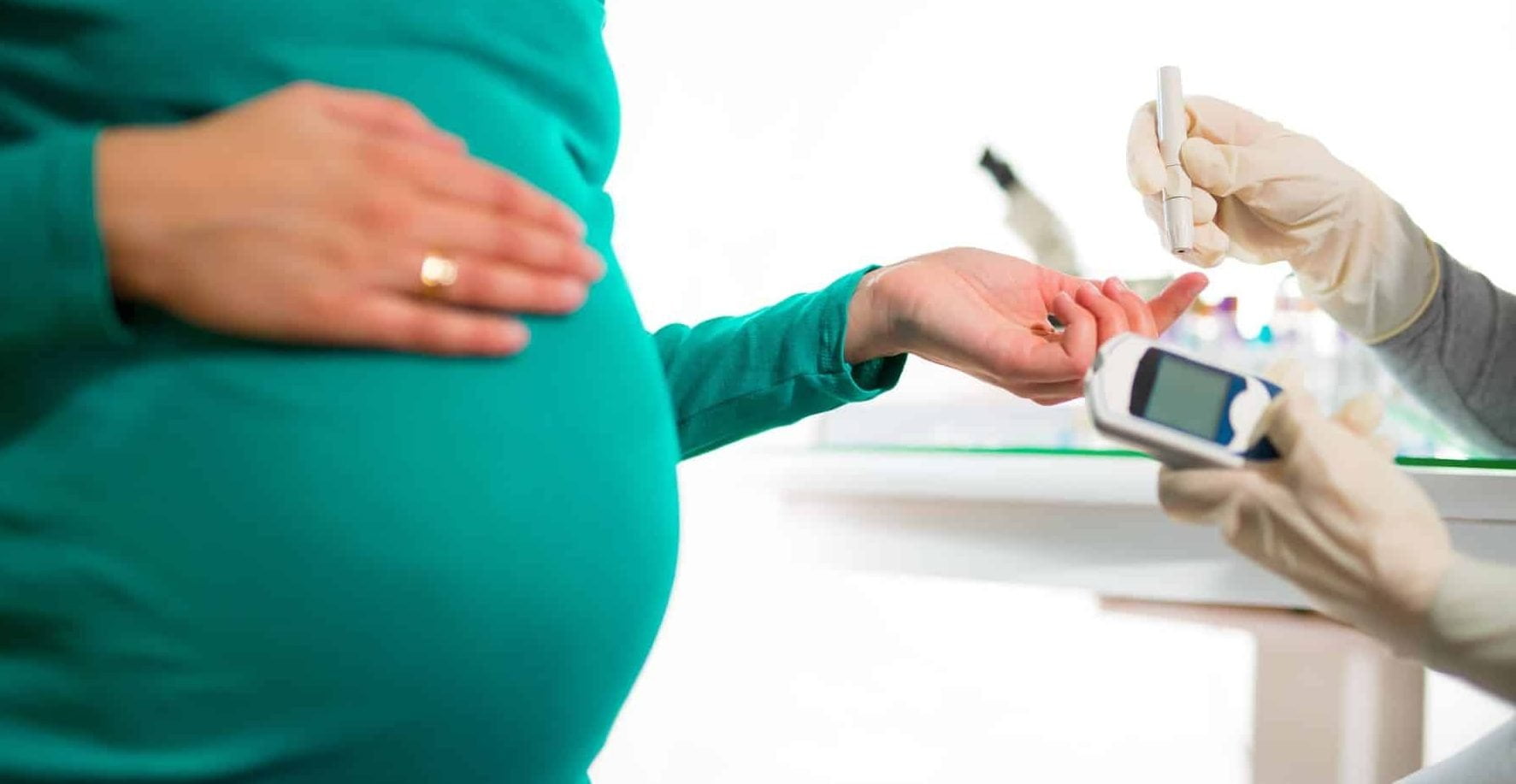
    If your clinician recommends home checks, a meter can help you see patterns between meals and glucose readings. The OneTouch Verio Flex Meter is one example of a home monitoring device to discuss with your care team.

    Some clinics or lab reports use mmol/L instead of mg/dL. This converter can help you compare glucose units when reviewing results, but it does not set pregnancy targets or replace clinical guidance.

    [glucose-converter]

    Food, Activity, and Daily Management

    A gestational diabetes diet is not one fixed menu. It is a structured way to balance carbohydrates, protein, fats, fiber, and meal timing so glucose rises more gradually after eating. A registered dietitian can help adapt the plan to your culture, schedule, budget, nausea, and pregnancy needs.

    Carbohydrates are not automatically “bad.” They provide energy and nutrients. The goal is usually to choose portions and pairings that reduce sharp glucose spikes. High-fiber options such as beans, lentils, whole grains, vegetables, and some fruits may work better than sweet drinks, large refined-grain portions, or desserts eaten alone.

    Protein at meals can help slow digestion and support fullness. Examples include eggs, poultry, fish that fits pregnancy safety guidance, tofu, Greek yogurt, beans, nuts, and seeds. Healthy fats, such as olive oil or avocado, can also help meals feel more satisfying.

    People often ask about fruits to avoid. A more useful question is how fruit affects your readings. Juice, dried fruit, and very large fruit portions often raise glucose faster than whole fruit paired with protein. Your glucose log can help identify your personal pattern.

    Safe movement can also help, especially after meals. A short walk may lower post-meal readings for some people, if your clinician has approved activity. People with bleeding, preterm labor concerns, blood pressure issues, or other pregnancy complications should ask before changing exercise habits.

    Quick tip: Record meals, timing, activity, and glucose values together for one to two weeks.

    Simple Meal Planning Ideas

    A practical meal plan starts with repeatable choices. Breakfast might include eggs with whole-grain toast, plain yogurt with berries and nuts, or oats paired with protein. Lunch could combine a high-fiber carbohydrate, vegetables, and a protein source. Dinner can follow the same pattern with half the plate built around nonstarchy vegetables when tolerated.

    A 7-day meal plan for gestational diabetes can be helpful for structure, but it should not replace individual advice. Pregnancy appetite, food access, nausea, reflux, and glucose response vary. If you want a printable plan, ask whether your clinic has a dietitian-approved handout that matches your target ranges.

    How Gestational Diabetes Is Treated

    Treatment for gestational diabetes usually begins with nutrition support, glucose monitoring, and activity guidance. If readings remain above target, medication may be recommended. Needing medication does not mean you failed. It often reflects strong pregnancy-related insulin resistance.

    Insulin is commonly used in pregnancy because it can be adjusted closely and has long clinical experience in this setting. Some clinicians may consider oral medicines in selected cases, depending on local protocols and individual factors. Your care team should explain the reason, expected monitoring, and what to do if readings are too high or too low.

    For deeper context on medication discussions, see Metformin Vs Insulin. If insulin becomes part of your plan, ask your clinician to demonstrate timing, storage, injection technique, and hypoglycemia precautions.

    Some people also need closer fetal monitoring, growth ultrasounds, or delivery planning based on glucose patterns and pregnancy history. High readings do not automatically mean a specific delivery date. Your obstetric team will weigh several factors, including fetal growth, blood pressure, medication needs, and overall health.

    Related pregnancy conditions can affect the plan. If blood pressure becomes a concern, Hypertension In Pregnancy explains symptoms and follow-up questions to raise during prenatal care.

    Can Gestational Diabetes Be Prevented?

    Gestational diabetes cannot always be prevented. Placental hormones and genetics are not fully within your control. Still, some habits before and during pregnancy may lower risk or improve glucose control if GDM develops.

    Helpful steps may include entering pregnancy with regular primary care, staying active when safe, choosing high-fiber foods often, limiting sugary drinks, and treating PCOS or prediabetes if present before conception. These steps are supportive, not guarantees.

    If you had GDM before, ask early in the next pregnancy about screening timing. Planning before conception can also help. A clinician may review weight trends, medications, thyroid status, blood pressure, and previous pregnancy records. If thyroid medicine is part of your care, Synthroid And Pregnancy covers why monitoring may change while expecting.

    Some people ask about natural ways to prevent gestational diabetes. Food quality, movement, sleep, and stress support can help overall metabolic health. They should sit alongside prenatal testing, not replace it.

    What Happens If Blood Sugar Stays High?

    When gestational diabetes is not controlled, higher glucose can increase the chance of complications. Possible concerns include excessive fetal growth, shoulder dystocia during delivery, cesarean birth, neonatal low blood sugar, and higher long-term diabetes risk for the parent.

    These risks are not meant to scare you. They explain why your care team follows glucose closely and adjusts the plan when needed. Many people with GDM have healthy pregnancies, especially with timely monitoring and support.

    Ask your clinician what numbers should prompt a call. Also ask what to do during illness, vomiting, poor intake, or repeated high readings. Clear thresholds reduce guesswork when you are tired or anxious.

    Medication history also matters in pregnancy. If you used certain diabetes or weight-management medicines before conception, review them with your clinician. The Ozempic Pregnancy resource discusses safety questions to raise before or during pregnancy.

    After Delivery: Does It Go Away?

    Gestational diabetes often improves after birth because the placenta is delivered and pregnancy hormones fall. However, postpartum testing is still essential. Some people have ongoing glucose problems, and many have a higher future risk of type 2 diabetes.

    Your team may check glucose in the hospital and arrange a postpartum glucose test several weeks later. After that, periodic diabetes screening is usually recommended. Keep those tests even if you feel well, because early glucose changes may not cause symptoms.

    Symptoms of diabetes after pregnancy can include unusual thirst, frequent urination, fatigue, blurred vision, or unexplained weight changes. These symptoms need medical review, but many people with early diabetes have no symptoms. Testing gives a clearer answer.

    Breastfeeding, when possible, may support glucose metabolism for some people. It is not required for recovery, and it may not be possible or preferred for everyone. Your postpartum plan should support both medical follow-up and your mental health.

    For ongoing learning, the Diabetes collection includes related education on glucose monitoring, medications, and long-term risk reduction.

    Questions to Bring to Prenatal Visits

    Gestational diabetes care works best when you know what information your team needs. A short list can make visits less rushed and more useful.

    • Testing plan: Ask when screening or retesting should happen.
    • Target values: Confirm fasting and post-meal goals for your clinic.
    • Meal guidance: Request dietitian support if readings stay high.
    • Activity safety: Ask which movements fit your pregnancy.
    • Medication triggers: Clarify when medicine may be discussed.
    • Delivery planning: Ask how glucose affects monitoring and timing.
    • Postpartum testing: Schedule follow-up before newborn care gets busy.

    If prescription medication becomes part of care, access questions should stay separate from medical decisions. BorderFreeHealth connects U.S. patients with licensed Canadian partner pharmacies, and prescription details are verified with the prescriber when required before dispensing. Your clinician remains the right person to guide treatment choices during pregnancy.

    Authoritative Sources

    For public health background on risk, screening, and prevention, see the CDC gestational diabetes overview.

    For patient education on pregnancy glucose management, review the American Diabetes Association gestational diabetes page.

    For clinical detail on definitions and management concepts, see the NCBI Bookshelf gestational diabetes chapter.

    Recap

    What is gestational diabetes? It is high blood sugar first diagnosed during pregnancy, usually driven by pregnancy-related insulin resistance. It is common, manageable, and not a personal failure. Screening finds many cases before symptoms appear, and treatment can include meal planning, movement, monitoring, and sometimes medication.

    The next step is practical: know your testing plan, track your readings if asked, and bring questions to each visit. After delivery, keep postpartum glucose testing on your calendar. That follow-up protects your health long after pregnancy ends.

    This content is for informational purposes only and is not a substitute for professional medical advice.

  • Drinking Alcohol and Diabetes: Safer Blood Sugar Choices

    Drinking Alcohol and Diabetes: Safer Blood Sugar Choices

    Drinking alcohol and diabetes can coexist for some adults, but alcohol needs more planning than a casual drink might suggest. Alcohol can raise or lower glucose, and it may increase hypoglycemia risk, especially with insulin or sulfonylureas. This matters because intoxication can look like a glucose emergency, and delayed lows may happen overnight or the next day.

    No article can decide whether alcohol is safe for you. Your personal risk depends on your diabetes type, medicines, food intake, liver health, pregnancy status, alcohol history, and glucose patterns.

    Key Takeaways

    • Alcohol can make glucose less predictable, sometimes hours later.
    • Insulin and sulfonylureas can raise the risk of hypoglycemia after drinking.
    • Food, hydration, pacing, and monitoring matter more than drink labels alone.
    • There is no universally best alcoholic drink for diabetes.
    • Confusion, seizure, fainting, or repeated vomiting needs urgent care.

    Drinking Alcohol and Diabetes: The Core Safety Issue

    The main issue is that alcohol changes how the liver manages glucose. Your liver helps release stored glucose between meals and overnight. When alcohol is present, the liver prioritizes breaking it down. That can reduce glucose release and make hypoglycemia more likely in people who use insulin or medicines that increase insulin release.

    At the same time, some drinks contain carbohydrate. Beer, sweet wine, cider, dessert drinks, and cocktails made with juice or regular soda may raise glucose at first. Later, alcohol may pull glucose downward. This up-and-down pattern is why diabetes and alcohol can feel confusing, even for people who usually understand their numbers.

    This is why drinking alcohol and diabetes needs a delayed-risk mindset. A normal reading soon after a drink does not always mean the risk has passed. Some people notice changes overnight or the next morning, especially after several drinks, missed meals, extra activity, or poor sleep.

    You may hear about a 3-hour rule for diabetes and alcohol. It is not a universal medical rule. For many people, it works better as a reminder that glucose can shift after the drink is finished, so monitoring should not stop as soon as the evening ends. Ask your clinician what checking pattern fits your medicines and history.

    Why it matters: Alcohol symptoms can overlap with hypoglycemia symptoms, including slurred speech, sleepiness, sweating, and confusion.

    Why Medication and Diabetes Type Change the Risk

    Your medication plan often matters more than the type of alcohol. People using insulin have a higher hypoglycemia risk when alcohol is combined with missed food, exercise, or overnight sleep. A sulfonylurea, meaning a medicine that prompts the pancreas to release insulin, can also increase the chance of a low reading after alcohol.

    Type 1 diabetes and alcohol usually need extra caution because insulin is always part of treatment. Vomiting, missed carbohydrate, dehydration, or skipped insulin can become dangerous. Some people may also need a ketone plan for sick days or vomiting, especially if glucose is high. That plan should come from a clinician, not guesswork.

    Type 2 diabetes and alcohol can vary widely. Someone managing with food and activity may face different risks than someone taking insulin, sulfonylureas, or several medicines. Medicines for blood pressure, sleep, pain, anxiety, or heart conditions can also change how alcohol affects balance, alertness, dehydration, or blood pressure.

    Metformin, GLP-1 medicines, SGLT2 inhibitors, and other diabetes drugs may carry their own alcohol cautions depending on the person. Heavy drinking is especially important to discuss because it can affect the liver, hydration, appetite, and medication safety. If you are sorting through several prescriptions, a general resource on Side Effects can help you organize questions for a pharmacist or prescriber.

    Drink Choices: Focus on Carbs, Pace, and Context

    There is no single best alcohol for diabetes. The safer choice is usually the one you understand, drink slowly, and can fit into your food and glucose plan. Labels, serving size, mixers, and the setting all matter.

    Beer can contain carbohydrate, and serving size varies widely. Light beer may contain less carbohydrate than some regular beers, but the alcohol still matters. Wine may have less carbohydrate than many sweet mixed drinks, yet sweet wines can contain more sugar. Spirits may have little carbohydrate on their own, but mixers such as regular soda, juice, tonic, syrups, or sweet cocktail bases can add a large glucose effect.

    A practical approach is to think in layers. First, identify the alcohol content. Second, look for carbohydrate from the drink and mixer. Third, consider what you have eaten and whether you will be active. Fourth, think about your medicines and your ability to check glucose later. These steps are more useful than treating any one drink as automatically safe.

    Quick tip: If you cannot identify the mixer, assume it may contain sugar.

    A Safer-Choice Checklist Before, During, and After

    A practical plan treats drinking alcohol and diabetes as a preparation issue, not a willpower test. The goal is to reduce surprises and make it easier for others to help if your glucose drops or you feel unwell.

    • Check your plan: Ask whether alcohol fits your medicines and history.
    • Avoid an empty stomach: Food can reduce sudden glucose swings.
    • Know your drink: Include mixers and serving size in your estimate.
    • Monitor later: Consider overnight or next-morning risk when advised.
    • Carry fast carbs: Use your clinician’s hypoglycemia plan if needed.
    • Tell someone nearby: They should know alcohol can mask a low.
    • Keep medical ID visible: This can help in an emergency.
    • Plan transport early: Do not rely on judgment after drinking.

    If you use a continuous glucose monitor, alarms can help but they do not replace a safety plan. Sensors can lag behind blood glucose, and alcohol may make symptoms harder to interpret. If readings, symptoms, and alarms do not match, follow the plan your care team gave you.

    Delayed lows deserve special attention. A person may go to sleep with a reasonable number and wake up low, especially after drinking without enough food. This is one reason many diabetes educators encourage extra caution around bedtime, overnight checks when appropriate, and clear instructions for anyone sharing the room.

    When Alcohol May Be the Wrong Choice

    For some health situations, the safer choice may be not drinking. Alcohol is not recommended during pregnancy. It may also be unsafe for people with a history of alcohol use disorder, pancreatitis, significant liver disease, severe neuropathy, very high triglycerides, frequent hypoglycemia, or difficulty recognizing lows.

    Alcohol can also make self-care harder. It may disrupt sleep, reduce judgment, increase missed meals, or lead to skipped medicines. These practical effects can matter as much as the drink itself. If you often drink more than intended, hide drinking, or feel unable to cut down, that deserves care rather than shame. The Addictions hub can help you browse related education and support topics.

    Seek urgent medical help if alcohol is followed by seizure, fainting, severe confusion, trouble staying awake, repeated vomiting, chest pain, shortness of breath, or symptoms that do not improve with your usual hypoglycemia plan. If someone is unconscious or cannot swallow safely, do not give food or drink by mouth.

    Can Alcohol Cause Diabetes or Make It Go Away?

    Alcohol does not affect diabetes risk in only one simple way. Heavy drinking can contribute to weight changes, pancreatitis, liver problems, sleep disruption, poor nutrition, and medication nonadherence. These factors may worsen glucose control or increase metabolic risk. Still, alcohol is only one part of a larger picture that includes genetics, age, body composition, activity, other conditions, and medicines.

    Stopping alcohol does not automatically make diabetes go away. Some people with type 2 diabetes can improve glucose levels with weight changes, nutrition support, activity, medication adjustments, or bariatric procedures when appropriate. Others still need ongoing treatment. If alcohol has been affecting your eating, sleep, or medication routine, cutting back may make patterns easier to understand, but follow-up testing remains important.

    For broader condition education, the Diabetes hub is a helpful place to continue reading about glucose management topics.

    Heart, Blood Pressure, and Other Conditions

    Many adults with diabetes also manage blood pressure, cholesterol, kidney health, or heart disease risk. Alcohol can complicate those conversations because it may affect blood pressure, hydration, sleep, falls, and medication side effects. This does not mean every person has the same risk, but it does mean the full medication list matters.

    If you take a beta blocker or another heart medicine, ask whether alcohol changes your dizziness, heart rate, or hypoglycemia awareness risk. For a medication-specific example, the Bystolic and Alcohol resource covers another alcohol-and-medicine question. If blood pressure is part of your care plan, Understanding High Blood Pressure can help connect the dots between numbers, symptoms, and long-term risk.

    This is also a good time to review warning symptoms. Chest pain, severe shortness of breath, one-sided weakness, severe dehydration, or signs of stroke need urgent care. Do not assume symptoms are just from alcohol, especially if diabetes, heart disease, or blood pressure problems are also present.

    How to Talk With Your Care Team Without Shame

    The most useful alcohol conversation is honest and specific. Clinicians and pharmacists can give safer guidance when they know what you drink, how often, whether you eat with it, and what medicines you use. You do not need to minimize or exaggerate. Accurate details protect you.

    Consider asking about your personal hypoglycemia risk, whether any medicines should never be combined with alcohol, what glucose range should prompt action, and what to do if vomiting occurs. If you have type 1 diabetes, ask about ketone testing and sick-day instructions. If you have kidney, liver, heart, pregnancy, or eating-disorder concerns, bring those up before drinking.

    It can help to prepare a short note before the visit. Include your usual drink type, typical number of servings, timing with meals, recent glucose patterns, and any past lows after drinking. This keeps the conversation practical and reduces the chance of missed details.

    Authoritative Sources

    For many readers, drinking alcohol and diabetes sits between personal choice and medical safety. The safest next step is to understand your own risk factors, avoid drinking on autopilot, and bring specific questions to your diabetes care team.

    This content is for informational purposes only and is not a substitute for professional medical advice.

  • Pancreas and Diabetes: Types, Symptoms, and Care Steps

    Pancreas and Diabetes: Types, Symptoms, and Care Steps

    The link between pancreas and diabetes is direct: the pancreas makes insulin and glucagon, the hormones that help keep blood glucose in range. When insulin-producing cells are damaged, overworked, or attacked by the immune system, blood sugar can rise. When digestive enzyme production also drops, nutrition and weight can become harder to manage. Understanding both jobs of the pancreas helps you ask clearer questions and act earlier.

    This article explains the main diabetes types, how pancreatic disease can change glucose control, which symptoms deserve attention, and what care plans often include. It is not a diagnosis tool, but it can help you prepare for a better conversation with your clinician.

    Key Takeaways

    • Pancreas roles: it makes blood sugar hormones and digestive enzymes.
    • Main types: type 1, type 2, and type 3c have different causes.
    • Common signs: thirst, frequent urination, fatigue, weight loss, or blurry vision.
    • Pancreatic clues: abdominal pain, greasy stools, bloating, or vitamin deficiencies may matter.
    • Care plans: glucose monitoring, nutrition, medicines, and enzyme support may all be relevant.

    How the Pancreas and Diabetes Affect Each Other

    The pancreas affects diabetes because it controls insulin supply. Insulin helps move glucose from the bloodstream into cells for energy. Glucagon does the opposite when blood sugar drops too low. These hormones come from endocrine cells, including beta cells that make insulin.

    The pancreas also has an exocrine role. It releases digestive enzymes that help break down fat, protein, and carbohydrates. If this side of the gland is not working well, people may have bloating, loose or oily stools, weight loss, or low levels of fat-soluble vitamins. That can complicate diabetes care because food absorption may become less predictable.

    Why it matters: Blood sugar and digestion can shift together when the pancreas is inflamed or damaged.

    In type 2 diabetes, the body often becomes resistant to insulin first. The pancreas responds by making more insulin for a time. Over months or years, beta cells may not keep up with demand. In type 1 diabetes, the immune system attacks beta cells, so insulin production falls sharply. In pancreatogenic diabetes, also called type 3c diabetes, pancreatic disease or surgery damages the gland itself.

    For a broader comparison of categories, see Types of Diabetes. If insulin resistance is part of your discussion, Insulin Resistance explains the concept in plain language.

    Symptoms That May Point to High Blood Sugar or Pancreatic Trouble

    Diabetes symptoms often reflect excess glucose in the blood. Common type 2 diabetes symptoms include increased thirst, frequent urination, fatigue, blurred vision, slow-healing cuts, and more frequent infections. They can develop gradually, so some people do not notice them until a routine blood test shows a concern.

    Type 1 diabetes symptoms may appear more quickly. They can include intense thirst, frequent urination, hunger, fatigue, unexplained weight loss, nausea, vomiting, or abdominal pain. Diabetic ketoacidosis is a medical emergency and may cause vomiting, deep breathing, confusion, fruity-smelling breath, or severe weakness. Seek urgent care if these symptoms occur.

    Pancreatic symptoms can overlap with diabetes symptoms, but they are not the same. Abdominal pain that spreads to the back, nausea after meals, greasy or floating stools, unexplained weight loss, and low vitamin levels can suggest a digestive enzyme problem. These signs are especially important after acute pancreatitis, chronic pancreatitis, pancreatic surgery, or known pancreatic disease.

    What to do next is practical: ask about testing. Clinicians may use fasting glucose, A1C, random glucose, oral glucose tolerance testing, pancreatic imaging, stool tests such as fecal elastase, and nutrition labs depending on the situation. The NIDDK summary of diabetes symptoms and causes gives a useful patient-level overview.

    Type 1, Type 2, and Type 3c: Differences That Change Care

    The label matters because treatment priorities differ. Type 1 diabetes is autoimmune, meaning the immune system destroys insulin-making beta cells. People usually need insulin from diagnosis. Education around glucose checks, insulin timing, ketones, meals, illness, and hypoglycemia is central to care.

    Type 2 diabetes usually begins with insulin resistance. The pancreas may still make insulin, but the body does not use it efficiently. Over time, insulin production may decline. Care often starts with nutrition changes, physical activity, weight-related goals when appropriate, and medicines such as metformin or other glucose-lowering options. Some people later need insulin.

    Type 3c diabetes, or pancreatogenic diabetes, develops because pancreatic disease damages the gland. Causes can include chronic pancreatitis, acute pancreatitis with lasting injury, cystic fibrosis, pancreatic cancer, or partial removal of the pancreas. This type can involve both low insulin production and poor digestive enzyme output, which makes nutrition and glucose patterns harder to predict.

    For a focused discussion of autoimmune care, see Type 1 Diabetes Treatment. For a patient-friendly contrast between the two most common forms, Type 1 vs Type 2 Diabetes may help you frame the differences.

    Why Type 3c Is Often Missed

    Type 3c can look like type 2 diabetes at first because both can cause high blood sugar in adulthood. The clue is the pancreas history. Diabetes that begins after pancreatitis, pancreatic surgery, or another pancreatic condition deserves a more careful review. Oily stools, weight loss, abdominal pain, and low digestive enzyme function also support the possibility.

    Medical records may use terms such as pancreatogenic diabetes or secondary diabetes. Coding can vary by country and insurer. In some systems, clinicians may document the pancreatic condition along with a diabetes code that reflects another specified cause. Accurate documentation helps the care team connect glucose goals, nutrition support, and enzyme therapy.

    Pancreatitis, Blood Sugar Swings, and Long-Term Risk

    Pancreatitis can disrupt blood sugar during the illness and after recovery. Acute inflammation may raise glucose because stress hormones increase during illness. Later, scarring or cell loss can reduce insulin production. Some people return to stable glucose after an episode, while others develop persistent diabetes.

    Chronic pancreatitis carries a higher risk because repeated inflammation can damage both endocrine and exocrine tissue. This can create an uneven pattern: high readings from insulin deficiency, lower readings when food is not absorbed well, and weight changes that affect medication needs. People with chronic symptoms often benefit from coordinated care between primary care, endocrinology, gastroenterology, and nutrition professionals.

    If you have ongoing abdominal pain, recurrent pancreatitis, or unexplained digestive symptoms, Chronic Pancreatitis offers more context on inflammation and long-term management questions. Pancreas and diabetes care often works best when both glucose and digestion are tracked together.

    Can the Pancreas Heal, Regenerate, or Start Working Again?

    The pancreas can sometimes recover function after temporary stress, but regeneration claims should be treated carefully. In type 2 diabetes, insulin production may improve when insulin resistance improves, weight changes are sustained where appropriate, sleep is addressed, and glucose toxicity decreases. That does not mean the pancreas has fully repaired itself, and remission does not equal a guaranteed cure.

    In type 1 diabetes, the autoimmune process usually causes lasting beta-cell loss. Some people have a short “honeymoon” phase after diagnosis, when the pancreas still makes some insulin. This phase varies and does not remove the need for medical follow-up. Insulin decisions should never be changed without the prescribing clinician.

    In type 3c diabetes, recovery depends on the cause and degree of pancreatic damage. Mild injury after acute pancreatitis may improve, while chronic pancreatitis or surgery can create lasting deficits. Digestive enzyme replacement may help when exocrine pancreatic insufficiency is present, but it does not replace insulin. Some pancreatic enzyme products, such as Viokace, are used only in specific clinical contexts and require clinician direction.

    There is no proven natural method to regenerate pancreas beta cells enough to reverse established diabetes. Healthy routines can still matter. Balanced meals, regular movement, adequate protein, tobacco avoidance, and alcohol guidance when relevant may support overall metabolic and pancreatic health. A registered dietitian can help personalize plans, especially when malabsorption, kidney disease, pregnancy, eating disorders, gastroparesis, or medication-related hypoglycemia are present.

    Testing, Monitoring, and Everyday Care Steps

    Testing helps clarify the pattern before treatment decisions are made. A1C shows an estimated average glucose over about three months, while finger-stick or continuous glucose monitor readings show day-to-day patterns. Fasting glucose and post-meal readings may reveal different problems. If pancreatic disease is involved, stool testing, vitamin levels, weight trends, and imaging may also matter.

    The calculator below can help convert A1C into estimated average glucose for general understanding. It does not diagnose diabetes or replace clinician interpretation.

    [hba1c-calculator]

    Quick tip: Bring glucose logs, medication lists, weight changes, and digestive symptoms to appointments.

    Nutrition guidance should fit the person, not a universal “best foods” list. Many people do better by learning carbohydrate portions, reading labels, pairing carbohydrates with protein or fiber, and noticing their own glucose response. If greasy stools, bloating, or weight loss are present, the plan may need to address digestion before stricter carbohydrate targets make sense.

    Medication choices depend on diabetes type, kidney function, heart risk, hypoglycemia risk, weight changes, digestive symptoms, pregnancy status, and other conditions. Metformin is commonly discussed in type 2 diabetes, and insulin is essential for type 1 diabetes. Some people with pancreatic diabetes need insulin earlier because the pancreas cannot make enough. Product pages such as Metformin and Humulin N Vial can provide medication-specific context, but prescribing choices belong with your clinician.

    Low blood sugar planning also matters. People who use insulin or certain insulin-releasing medicines may need a hypoglycemia action plan. Severe low blood sugar can require emergency glucagon in some cases. A product page such as Glucagon Injection Kit may help you understand the category, but your care team should explain whether it is appropriate.

    Questions to Ask Your Care Team

    Clear questions can make appointments more useful, especially when pancreas and diabetes concerns overlap. Consider asking which diabetes type best fits your history, whether pancreatic disease could be contributing, and which tests would clarify digestion or insulin production. Ask how often A1C, kidney labs, eye exams, foot checks, and nutrition labs should be reviewed in your situation.

    You may also ask what symptoms should trigger urgent care. Severe abdominal pain, vomiting, dehydration, confusion, signs of diabetic ketoacidosis, or repeated severe lows need prompt medical attention. If new diabetes appears suddenly with weight loss, worsening abdominal pain, or jaundice, clinicians may consider whether pancreatic disease needs further evaluation.

    For ongoing education, the Diabetes topic collection gathers related patient resources. If you use prescription medicines, access details should still follow your prescription, local rules, and pharmacy verification steps where required.

    Authoritative Sources

    The American Diabetes Association Standards of Care are updated regularly and outline evidence-based screening, diagnosis, monitoring, and treatment principles.

    The NIDDK diabetes symptoms and causes resource explains common signs, risk factors, and the role of pancreatic damage in diabetes.

    The National Cancer Institute discussion of new-onset diabetes describes why sudden diabetes in some adults may lead clinicians to assess pancreatic health.

    Recap

    The pancreas sits at the crossroads of blood sugar control and digestion. Type 1 diabetes, type 2 diabetes, and type 3c diabetes can all involve insulin problems, but they begin for different reasons. Pancreatic symptoms such as abdominal pain, greasy stools, weight loss, or vitamin deficiencies add another layer that should not be ignored.

    The next step is not to “repair” the pancreas with unproven methods. A safer path is to identify the diabetes type, test for pancreatic involvement when the history fits, and build a care plan around glucose patterns, nutrition, medications, and digestive function. With the right information, you can have a more focused conversation with your care team.

    This content is for informational purposes only and is not a substitute for professional medical advice.

  • Fruits Low in Sugar for Diabetes: Portions and Pairings

    Fruits Low in Sugar for Diabetes: Portions and Pairings

    Fruits low in sugar for diabetes can be part of a balanced eating pattern, not a separate diabetic food list. Berries, avocado, kiwi, grapefruit, and small portions of melon or citrus often fit well because they provide fiber, water, and nutrients with modest carbohydrate per serving. The important part is serving size, fruit form, and your own blood glucose response.

    Why it matters: Fruit is nutritious, but its natural sugar still counts as carbohydrate.

    Key Takeaways

    • Whole fruit usually fits better than juice, dried fruit, or fruit canned in syrup.
    • Berries are often practical because they offer fiber with moderate carbohydrate per portion.
    • No fruit is a miracle food for type 2 diabetes or a universal glucose fixer.
    • Portion size, ripeness, meal pairing, activity, and medications can change your response.
    • Ask for individualized guidance if you have repeated highs or lows, pregnancy, kidney disease, gastroparesis, or a history of disordered eating.

    How Fruits Low in Sugar for Diabetes Fit Into Meals

    Fruit fits into diabetes nutrition when you count the total carbohydrate, not just the sweetness. A very sweet-tasting fruit may be fine in a smaller serving, while a large portion of a mild-tasting fruit can still add more carbohydrate than expected.

    A list of fruits low in sugar for diabetes works best as a starting point, not a rulebook. Blood glucose can rise differently after the same fruit depending on the meal, your activity, stress, sleep, medication timing, and how ripe or processed the fruit is. Whole fruit usually has more fiber and chewing time than juice, which can make portions easier to manage.

    Glycemic index (a ranking of how quickly a carbohydrate food can raise glucose) can help compare foods, but it is not the whole story. Glycemic load, portion size, and the rest of the meal often matter more in daily life. That is why many people focus on practical portions, label reading, and glucose patterns rather than chasing one perfect fruit.

    There is also no miracle fruit for type 2 diabetes. Fruit can support a nutritious eating pattern, but it does not treat diabetes, replace medication, or cancel out a high-carbohydrate meal. If you use insulin or medicines that can cause hypoglycemia, avoid changing your carbohydrate pattern without professional guidance.

    A Practical Fruit Chart for Diabetes Portions

    The lowest sugar fruits in everyday shopping are often berries, avocado, lemons, and limes. Lemons and limes are usually used as flavorings, so berries and small portions of kiwi, grapefruit, or melon tend to be more realistic snack choices.

    The table below gives approximate carbohydrate and sugar amounts for common unsweetened servings. Values vary by fruit size, variety, ripeness, and preparation, so packaged foods still need label checks.

    Fruit Common Serving Approximate Carbs and Sugars Practical Note
    Raspberries 1 cup About 15 g carbs, 5 g sugars High fiber; often among the most filling berry choices.
    Blackberries 1 cup About 14 g carbs, 7 g sugars Works well with yogurt, oats, or nuts.
    Strawberries 1 cup halves About 12 g carbs, 7 g sugars Lower in carbohydrate than many larger fruit servings.
    Blueberries 1/2 cup About 10 to 11 g carbs, 7 g sugars Not the lowest per cup, but easy to portion smaller.
    Kiwi 1 medium fruit About 10 g carbs, 6 g sugars Small, tart, and easy to pair with protein.
    Avocado 1/2 fruit About 6 g carbs, less than 1 g sugars A fruit botanically, but not a sweet fruit.
    Grapefruit 1/2 medium fruit About 13 g carbs, 8 to 9 g sugars Check with a pharmacist because grapefruit affects some medicines.
    Cantaloupe 1 cup cubes About 13 g carbs, 12 g sugars Refreshing, but less filling than berries for some people.

    When comparing fruits low in sugar for diabetes, notice the serving column first. A cup of berries and a large smoothie bowl are very different carbohydrate choices, even if both start with whole fruit.

    Fruit That Needs More Planning, Not Fear

    The fruits most likely to raise glucose quickly are usually concentrated, liquid, or oversized portions. Fruit juice, dried fruit, fruit snacks, sweetened applesauce, and canned fruit in syrup can pack carbohydrates into a small volume. They are easier to drink or eat quickly, which can make glucose rise faster for some people.

    Some whole fruits also need more portion awareness. Grapes, mango, ripe bananas, pineapple, cherries, and large apples can fit into some meal plans, but the portion can get carb-heavy fast. That does not mean they are forbidden. It means they may work better measured, paired with a meal, or eaten in a smaller amount.

    The common question about the worst fruits for people with diabetes can be misleading. A ban list can create guilt and confusion. A more useful question is which fruit, portion, and timing keep your glucose pattern steadier. Monitoring before and after a usual portion can show what your body does in real life.

    Grapes are a good example. A small serving of grapes with lunch may be manageable for one person, while grazing on a large bowl may raise glucose for another. If you eat grapes often, measure a typical serving once or twice so your routine is based on the amount you actually eat.

    Counting Carbs Without Turning Food Into Math

    Carbohydrate counting can help you compare fruits without labeling foods as good or bad. Many diabetes meal plans treat about 15 g of carbohydrate as one carb serving, but your personal targets may differ. A clinician or registered dietitian can help set targets that match your medicines, glucose goals, activity, and health history.

    The calculator below helps convert total carbohydrate into a general carb-serving estimate. It does not set a meal plan or replace clinical judgment.

    [carb-serving-calculator]

    When you read a label, start with the serving size. Then look at total carbohydrate. Sugar is included within total carbohydrate, so do not count both as separate amounts. Fiber can affect digestion, but label math can vary by local guidance and personal treatment plans.

    Quick tip: Measure a usual fruit portion once, then use that visual cue later.

    Pairings can also make fruit feel more satisfying. Berries with plain Greek-style yogurt, apple slices with nut butter, or kiwi with cottage cheese add protein or fat. These pairings may slow digestion for some people, but they do not guarantee a specific glucose result.

    Low-Sugar Fruits and Vegetables in Real Meals

    Fruit choices make more sense when they sit inside a full meal, not alone on a chart. Low-carb fruits and vegetables can work together by adding volume, fiber, color, and texture without relying on large portions of starch or added sugar.

    Non-starchy vegetables such as leafy greens, cucumber, broccoli, peppers, zucchini, asparagus, and cauliflower are usually lower in carbohydrate than most fruits. They can help a meal feel larger while leaving room for a measured fruit portion. Starchy vegetables, such as potatoes, corn, peas, and winter squash, need more carbohydrate awareness.

    Example: A breakfast bowl with plain yogurt, raspberries, chia seeds, and a small handful of nuts may be easier to portion than a large sweetened smoothie. The smoothie may contain several pieces of fruit, sweetened yogurt, and juice, all blended into a drink that is consumed quickly.

    Example: For an evening snack, half a sliced apple with peanut butter may feel more satisfying than apple juice. The whole fruit provides chewing time and fiber, while the peanut butter adds fat and protein. Portion still matters, especially if overnight glucose is a concern.

    If you want more diabetes nutrition and care topics, browse the Diabetes Resources hub. If blood pressure is also part of your health plan, What Is Hypertension and Blood Pressure Medications can help you prepare broader questions for your care team.

    When to Personalize Your Fruit Choices

    Personalization matters most when glucose swings, medications, or other conditions change the stakes. If you have repeated high readings after fruit, frequent lows, or uncertainty about carbohydrate targets, a registered dietitian or diabetes educator can help you adjust portions safely.

    Medical context also matters. Pregnancy, chronic kidney disease, gastroparesis (slow stomach emptying), active eating disorder recovery, or insulin use can change how fruit fits into your plan. Some people may need potassium guidance. Others may need a more structured carbohydrate schedule to lower the risk of medication-related hypoglycemia.

    Grapefruit deserves a separate note because it can interact with some prescription medicines. This includes certain heart and blood pressure medicines, among others. If grapefruit or grapefruit juice is part of your routine, ask a pharmacist or prescriber whether it is safe with your medication list.

    Seek urgent help for severe hypoglycemia symptoms such as confusion, fainting, seizure, or inability to swallow. Also seek care for persistent very high glucose with vomiting, dehydration, or trouble breathing. Food planning should support safety, not delay medical care.

    Putting the Advice Into Practice

    Using fruits low in sugar for diabetes is less about finding a perfect list and more about building repeatable habits. Choose whole fruit more often, measure portions that surprise you, pair fruit with balanced meals, and review your glucose patterns without blame. The goal is a sustainable eating pattern that respects both nutrition and blood sugar management.

    Start with fruits you enjoy and can access consistently. Berries, kiwi, avocado, grapefruit, and small portions of melon can be useful options, but your best choices are the ones that fit your glucose pattern, culture, budget, appetite, and care plan.

    Authoritative Sources

    This content is for informational purposes only and is not a substitute for professional medical advice.

  • Are Avocados Good for Diabetics? Benefits, Portions, and Safety

    Are Avocados Good for Diabetics? Benefits, Portions, and Safety

    Yes, are avocados good for diabetics is a reasonable question because avocados are low in digestible carbohydrate, high in fiber, and rich in unsaturated fats. For many people with diabetes, a modest portion can fit into balanced meals without causing a sharp blood sugar rise. The main caution is portion size, since avocados are calorie-dense.

    Why this matters: diabetes meal planning is not only about avoiding sugar. It is also about choosing foods that support fullness, heart health, and steady glucose patterns. Avocado can help when it replaces butter, creamy sauces, or refined snacks rather than being added on top of an already high-calorie meal.

    Key Takeaways

    • Low carb profile: avocado has little digestible carbohydrate.
    • Fiber and fat: both can slow digestion and support fullness.
    • Portions matter: one-third to one-half fruit is practical.
    • Meal balance helps: pair with protein and high-fiber carbs.
    • Some cautions apply: kidney disease, IBS, and calories matter.

    Why Avocado Can Fit a Diabetes Meal Plan

    Avocado can fit diabetes meal planning because it offers fiber and mostly unsaturated fat with very little sugar. That combination tends to have a low glycemic impact, meaning it is less likely to cause a rapid glucose rise when eaten in a sensible portion. This does not make it a treatment for diabetes, but it can be a useful food choice.

    The main fat in avocado is monounsaturated fat, often shortened to MUFA. This type of fat is commonly emphasized in heart-healthy eating patterns. That matters because people with diabetes often have a higher risk of cardiovascular disease. Replacing saturated fats, such as butter or heavy cream, with unsaturated fats may support a better overall eating pattern.

    Avocado also contains fiber, potassium, folate, and other plant compounds. Fiber slows digestion and can help meals feel more satisfying. For nutrient details, the USDA FoodData Central database provides food composition data for avocado and other foods.

    Still, no single food controls diabetes by itself. Blood sugar response depends on the full meal, portion size, medication plan, activity, sleep, stress, and individual glucose patterns. If you use insulin or medicines that can cause low blood sugar, discuss major eating-pattern changes with your clinician or registered dietitian.

    How Much Avocado Can a Person with Diabetes Eat?

    Most adults can start with one-third to one-half of a medium avocado as a practical serving. This amount usually adds satisfying fat and fiber without making the meal overly heavy. Some people may prefer a smaller amount if they are watching calories, managing reflux, or tracking fat intake closely.

    People often ask how much avocado can a diabetic eat per day. A small daily portion may work well for many people, especially when avocado replaces less nutritious fats. It becomes less helpful if it is added to large portions of chips, oversized sandwiches, or meals already high in calories.

    Use your glucose data as feedback. Check how avocado-containing meals affect your usual post-meal pattern, especially when the meal includes bread, rice, tortillas, or fruit. If numbers are often above your target range, the issue may be the total carbohydrate load, the portion, timing, or medication fit rather than the avocado alone.

    For snack planning beyond avocado, Healthy Snacking For Diabetics offers ideas for building snacks around protein, fiber, and measured portions.

    Blood Sugar, Insulin, and Satiety

    Avocado usually has a minimal direct effect on blood sugar because it contains few digestible carbohydrates. The fiber and fat can also slow stomach emptying, which may soften the glucose rise from the rest of the meal. This is most useful when avocado is paired with high-fiber foods rather than refined carbohydrates.

    Does avocado raise insulin levels? It is unlikely to stimulate insulin strongly on its own because it is not a high-carbohydrate food. In a mixed meal, the bread, rice, potatoes, fruit, or sweetened drink usually has a larger effect on glucose and insulin demand.

    Satiety is another reason avocado can be helpful. A meal with only refined carbs may digest quickly and leave you hungry soon after. Adding avocado with protein and vegetables can make the meal more filling. This may reduce grazing later, which helps some people maintain steadier daily intake.

    For broader fruit choices, Low-Sugar Fruits For Diabetes explains how serving size and fiber affect glucose impact. You can also compare common options such as Strawberries And Diabetes, Peaches For Diabetics, and Bananas For Diabetics.

    Best Ways to Eat Avocado for Diabetes

    The best way to eat avocado for diabetes is to use it as a balanced-meal ingredient, not as a free add-on. Think of it as the fat portion of the plate. It can replace butter, mayonnaise, cheese-heavy spreads, or creamy dressings while adding texture and flavor.

    Simple meal ideas

    • Breakfast toast: whole-grain toast, avocado, egg, and tomato.
    • Bean bowl: black beans, vegetables, salsa, and avocado slices.
    • Salmon plate: canned salmon, cucumber, greens, and avocado.
    • Vegetable dip: mashed avocado with lemon, herbs, and pepper.
    • Turkey wrap: lean protein, lettuce, avocado, and whole-grain wrap.

    Can diabetics eat avocado toast? Yes, if it is built carefully. Choose a high-fiber bread, keep avocado to a measured layer, and add protein such as egg, tofu, tuna, or smoked salmon. Add tomato, cucumber, greens, or onion for volume and flavor without relying on sugary spreads.

    Quick tip: measure the bread and avocado once, then use that visual portion as your everyday reference.

    If the meal includes a carbohydrate food, it can help to estimate carb servings. This calculator can support general carb-serving math, but it does not replace individualized targets from your care team.

    [carb-serving-calculator]

    Guacamole can also fit. The bigger challenge is often what comes with it. Large portions of tortilla chips can add refined carbs, sodium, and calories quickly. Try sliced cucumbers, bell peppers, carrots, or a small portion of whole-grain crackers when you want a lighter pairing.

    Breakfast Questions: Toast, Pancakes, and Morning Drinks

    A diabetes-friendly breakfast usually includes protein, fiber-rich carbohydrates, and healthy fats. Avocado can help with the fat and fiber part, but it should not carry the whole meal. The rest of the plate still matters.

    For many people, a strong breakfast option is eggs or tofu with vegetables, a slice of whole-grain toast, and a small portion of avocado. Another option is plain Greek yogurt with berries and nuts, though dairy and fruit portions should match your carbohydrate plan. If you prefer oatmeal, add protein and keep sweeteners modest.

    What is the best breakfast for a diabetic to eat? There is no single best breakfast for everyone. A good choice is one that fits your glucose targets, keeps you full, and works with your medications. Meals built around refined flour and syrup, such as typical pancakes, may raise glucose more quickly. If you eat pancakes, consider smaller portions, higher-fiber batter, added protein, and less syrup.

    Morning drinks deserve attention too. Water, unsweetened tea, or black coffee are usually lower-impact choices. Sweetened coffee drinks, juices, and smoothies can add fast carbohydrates before the day has started. If you drink juice for a low blood sugar episode, follow the plan your clinician provided.

    Heart Health, Blood Pressure, and Potassium

    Avocado may support heart-health goals when it replaces saturated fat and fits your overall calorie needs. Its unsaturated fat profile can be useful in a diet that also includes vegetables, legumes, whole grains, fish, nuts, and seeds. This matters because diabetes care often includes cholesterol and blood pressure management.

    Is avocado good for blood pressure? It can fit a blood-pressure-conscious diet because it contains potassium and very little sodium. Potassium helps balance sodium’s effects in many people. However, potassium needs are not the same for everyone.

    People with advanced kidney disease may need to limit high-potassium foods. Some blood pressure medicines can also affect potassium levels. If you have chronic kidney disease, abnormal potassium labs, or a renal diet plan, ask your clinician or renal dietitian how much avocado is appropriate.

    The NIH potassium consumer fact sheet explains potassium’s role and why some people need individualized limits.

    When Avocado Needs Extra Caution

    Avocado is not automatically right for every person or every day. The main cautions involve calories, digestive tolerance, kidney disease, and individual glucose patterns. These concerns do not make avocado unsafe for everyone, but they do call for more awareness.

    Calories and weight goals

    Avocados are nutrient-dense, but they are also calorie-dense. If weight loss is part of your type 2 diabetes plan, use avocado as a replacement for other fats rather than an extra topping. A smaller portion can still add creaminess and flavor.

    IBS and digestive symptoms

    Some people with irritable bowel syndrome are sensitive to larger avocado portions. Avocado contains fermentable carbohydrates called polyols, which may trigger gas, bloating, or diarrhea in some people. If this happens, try a smaller portion or discuss symptoms with a dietitian.

    Kidney disease and potassium

    Kidney function affects how your body handles potassium. If your care team has advised a low-potassium diet, do not assume avocado is a routine daily food. Bring your usual serving size to your next nutrition visit so the advice is specific.

    Food safety and storage

    Wash the avocado skin before cutting because the knife can move surface germs into the fruit. Store cut avocado in an airtight container with lemon or lime juice to slow browning. Discard it if it smells sour, looks moldy, or has an unusual texture.

    What About Avocado Seeds, Sugar, and Other Claims?

    Avocado flesh is the edible part with the clearest nutrition role. Claims about using avocado seed for diabetes are not well established for routine care. Seeds can be difficult to prepare safely, and concentrated extracts may carry unknown risks. It is better to focus on proven meal patterns and prescribed care.

    Avocado with sugar is also not a helpful diabetes strategy. Adding sugar changes the meal’s carbohydrate load and may raise glucose more quickly. If you enjoy avocado in a sweet dish, keep added sugar small and count it within your carbohydrate plan.

    Are avocados good for diabetics with type 1 diabetes? They can be, but carbohydrate counting and insulin timing remain central. Avocado’s fat content may also slow digestion when eaten with carbohydrate. People using insulin should follow their diabetes team’s guidance for mixed meals, especially if they notice delayed highs or lows.

    Are avocados good for diabetics with type 2 diabetes? They often fit well when portions are moderate and the meal supports weight, cholesterol, and glucose goals. The most useful pattern is consistent: vegetables, lean protein, high-fiber carbohydrates, and a measured amount of healthy fat.

    How Avocado Compares with Other Common Foods

    Avocado is different from many fruits because it is low in sugar and higher in fat. That makes it less likely to raise glucose quickly than large portions of higher-carbohydrate fruit. It also means portion size matters more for calories than for sugar.

    Tomatoes and cucumbers are also common diabetes questions. Raw tomatoes, cherry tomatoes, and cucumbers are generally low in carbohydrate when eaten in typical portions. Tomato sauce can vary more because some products contain added sugar or large amounts of sodium. Read labels and watch serving size.

    Non-starchy vegetables are often easier to include generously than calorie-dense foods. Leafy greens, cabbage, cucumbers, peppers, and tomatoes can add volume with fewer carbohydrates. Cabbage can be steamed, roasted, stir-fried, or added to soups. Keep sauces light, and avoid turning vegetables into high-sugar or high-salt dishes.

    For more diabetes-focused nutrition reading, the Diabetes Resources collection can help you compare food choices across meals and snacks.

    Authoritative Sources

    For food composition details, use the USDA FoodData Central database to review avocado nutrients and compare serving sizes.

    For balanced meal planning, the CDC diabetes healthy eating guidance explains practical plate-building and carbohydrate awareness.

    For potassium safety context, the NIH potassium consumer fact sheet outlines benefits, food sources, and cautions.

    Overall, are avocados good for diabetics when used thoughtfully? For many people, yes. Keep the portion moderate, pair it with protein and high-fiber foods, and watch how your own glucose responds. Ask a registered dietitian or clinician for personalized guidance if you are pregnant, have kidney disease, have gastroparesis, use insulin, experience frequent lows, or have repeated readings outside your target range.

    This content is for informational purposes only and is not a substitute for professional medical advice.
  • Are Peaches Good for Diabetics? Portions, Carbs, and Fruit Choices

    Are Peaches Good for Diabetics? Portions, Carbs, and Fruit Choices

    Yes, peaches can fit into many diabetes meal plans when you choose whole fruit, keep portions modest, and count the carbohydrate. The question are peaches good for diabetics matters because fruit contains natural sugar, yet it also provides water, fiber, vitamins, and plant compounds that can support a balanced eating pattern.

    A peach is not automatically “good” or “bad” for blood sugar. Your response depends on the serving size, ripeness, what you eat with it, activity, medications, and your personal glucose targets. If fruit often causes repeated highs or lows, a registered dietitian or diabetes clinician can help adjust the plan safely.

    Key Takeaways

    • Whole peaches can fit: count them as carbohydrate-containing fruit.
    • Portion size matters: one medium peach is often one fruit serving.
    • Pairing helps: add protein, fat, or a higher-fiber meal.
    • Labels matter: avoid syrup-packed canned peaches when possible.
    • Personal data helps: compare glucose readings after different portions.

    Are Peaches Good for Diabetics? The Practical Answer

    Peaches are usually a reasonable fruit choice for people with diabetes because they offer sweetness in a water-rich, whole-food form. A medium peach contains about 14 to 15 grams of carbohydrate and roughly 2 grams of fiber, depending on size and variety. That makes it similar to many standard fruit servings.

    Why this matters: carbohydrate is the main nutrient that raises blood glucose after eating. Fiber, meal composition, and digestion speed can shape how quickly that rise happens. Whole peaches keep the fruit’s structure intact, while peach juice or syrup removes much of that advantage.

    Peaches also provide potassium, vitamin C, and polyphenols, which are plant compounds found in many fruits and vegetables. These nutrients do not cancel out carbohydrate. They do make whole fruit different from candy, juice, or sweetened desserts.

    If you are comparing fruit options, start with the form and portion before judging the fruit itself. A fresh peach after a meal may affect glucose differently than a large peach smoothie, canned peaches in heavy syrup, or dried peaches eaten by the handful.

    Do Peaches Raise Blood Sugar?

    Peaches can raise blood sugar because they contain carbohydrate, but the rise is often moderate when the serving is reasonable. The biggest drivers are serving size, ripeness, and whether the peach is eaten alone or with other foods.

    A very ripe peach may taste sweeter and feel easier to digest. A larger peach may contain more carbohydrate than a small one. A peach eaten by itself on an empty stomach may raise glucose faster than the same peach eaten with eggs, plain Greek yogurt, cottage cheese, nuts, or a meal containing vegetables and protein.

    Glycemic index can help explain this, but it is not the whole story. Glycemic index estimates how quickly carbohydrate-containing foods raise glucose compared with a reference food. Glycemic load also considers the amount of carbohydrate in the serving. For a person living with diabetes, the serving and the full meal often matter more than a single number.

    Quick tip: If you use a glucose meter or continuous glucose monitor, compare one small peach alone with one small peach after a balanced meal.

    The calculator below can help you estimate carbohydrate servings from a fruit label or meal plan. It is a math aid, not a substitute for clinical nutrition guidance.

    [carb-serving-calculator]

    How Much Peach or Fruit Fits in a Day?

    There is no single daily fruit limit that works for every person with diabetes. Many meal plans count one small whole fruit, one medium peach, or about 3/4 to 1 cup of cut fruit as one fruit serving. Your clinician may suggest different targets based on A1C, kidney health, medication use, activity, and nutrition goals.

    For many people, spreading fruit across the day works better than eating several servings at once. For example, one peach with breakfast and berries later may be easier to manage than a large bowl of mixed fruit after dinner. If you take insulin or medicines that can cause hypoglycemia (low blood sugar), consistent carbohydrate timing can be especially important.

    People often ask how much fruit can a diabetic eat in a day. A useful starting point is to look at your total carbohydrate pattern, not only the fruit. If fruit displaces vegetables, protein, or higher-fiber starches, the meal may feel less filling and produce a sharper glucose rise.

    For broader fruit ideas with lower-sugar options, see Low-Sugar Fruits For Diabetes. If you want snack examples that pair carbohydrate with protein or fat, Healthy Snacking For Diabetics is not in the current internal allowlist, so this article keeps the pairing guidance here instead.

    Simple Serving Examples

    • Fresh peach: one small or medium fruit.
    • Sliced peaches: about 3/4 to 1 cup.
    • Canned peaches: drain and choose no added sugar when possible.
    • Dried peaches: use a small portion because sugar is concentrated.

    If you are pregnant, have kidney disease, gastroparesis (delayed stomach emptying), an eating disorder history, or frequent highs and lows, ask for individualized guidance before changing your carbohydrate pattern.

    Fresh, Frozen, Canned, and Dried Peaches

    The best peach choice for glucose control is usually whole, unsweetened fruit. Fresh peaches provide water and fiber. Frozen peaches can be just as useful if the bag lists peaches only, without added sugar or syrup.

    Canned peaches need more label reading. Peaches packed in heavy syrup can add fast-digesting sugar. Peaches packed in water, juice, or “no sugar added” options are often better choices, but the label still matters. Draining the liquid can reduce extra sugar from the packing medium.

    Are canned peaches good for diabetics? They can be, if the portion is measured and the product has little or no added sugar. Canned fruit in syrup is closer to dessert than whole fruit. If that is the only option available, a smaller serving with a meal may be more manageable than a large bowl by itself.

    Dried peaches are different. Drying removes water and concentrates carbohydrate into a small volume. A few pieces may represent much more fruit than expected. Fruit leathers and sweetened dried fruit can be even more concentrated, especially when they contain added sugar.

    Why it matters: The same fruit can affect glucose very differently once it is juiced, dried, blended, or packed in syrup.

    Peaches, Plums, Nectarines, and Other Summer Fruits

    Peaches, plums, and nectarines can all fit into a diabetes-conscious eating pattern when portions are measured. These stone fruits are similar enough that the best choice often comes down to serving size, ripeness, and what you enjoy.

    People also ask: are plums good for diabetics? A small or medium plum can be a reasonable fruit serving. Plums have edible skins, which add texture and fiber. The challenge is that they are small and easy to eat quickly, so counting the number matters.

    Are nectarines good for diabetics? Usually, yes, under the same conditions as peaches. Nectarines are close relatives of peaches. Choose whole fruit, keep the portion modest, and avoid turning several pieces into a large smoothie.

    Are plums high in sugar? They contain natural fruit sugar, but a single plum is usually a modest portion. Several plums eaten at once can add up. Dried plums, also called prunes, are more concentrated and may affect digestion as well as glucose, so portions should be smaller.

    Watermelon and cantaloupe raise a different portion issue. They are hydrating, but cubes can pile up in a bowl. If you wonder is watermelon good for diabetes, the answer is similar: it can fit, but portion and pairing matter. For a closer look at melon portions, read Cantaloupe And Diabetes.

    Best and Worst Fruits: A Better Way to Think About It

    No fruit is a miracle fruit for type 2 diabetes, and no single fruit causes diabetes on its own. Diabetes risk and glucose control reflect many factors, including genetics, body weight, activity, sleep, medications, overall diet quality, and access to care.

    People often search for the “best” or “worst” fruits for diabetics. A more useful approach is to sort fruits by form, fiber, portion, and how they fit the meal. Berries, peaches, plums, apples, pears, citrus, and kiwi often work well because reasonable servings provide water and fiber without a very large carbohydrate load.

    Fruits that need more caution are usually not “bad” in every situation. They are often easier to overeat or faster to digest. Fruit juice, sweetened smoothies, syrup-packed fruit, large tropical fruit bowls, and dense dried fruit mixes can raise glucose quickly, especially without protein or fiber.

    Grapes are a good example. Can a diabetic eat grapes everyday? Some people can include a measured portion regularly. Others find that grapes are too easy to snack on mindlessly. A small measured serving with cheese, nuts, or a meal may be easier to manage than eating from the bag.

    If you want a berry comparison, Are Strawberries Good For Diabetics explains why serving size and fiber matter. For another common fruit question, Are Bananas Good For Diabetics covers ripeness, portions, and meal pairing.

    Fruit Choices That Often Need More Care

    • Fruit juice: little fiber and fast absorption.
    • Large smoothies: several servings can hide in one cup.
    • Syrup-packed fruit: added sugar changes the meal.
    • Dried fruit mixes: concentrated carbohydrate in small handfuls.
    • Oversized portions: even whole fruit can add up.

    This framing is safer than memorizing a “5 worst fruits to eat for diabetics” list. It also leaves room for culture, budget, season, and personal preference.

    How to Pair Peaches for Steadier Glucose

    Pairing peaches with protein, fat, or higher-fiber foods may slow digestion and improve satiety. This does not make the carbohydrate disappear. It can make the meal more balanced and easier to sustain.

    Try peaches with plain Greek yogurt, cottage cheese, ricotta, nuts, peanut butter, eggs, or a salad with chicken or tofu. Grilled peaches can work as part of a meal when the rest of the plate is not built around refined starches and sweet sauces. If you enjoy dessert, a small baked peach with cinnamon and nuts may be a more measured option than peach pie or cobbler.

    Avocado is not a sweet fruit, but it can help build meals with healthy fats and fiber. For ideas on using it in diabetes-conscious plates, see Are Avocados Good For Diabetics.

    Also consider timing. Fruit after a walk or as part of breakfast may affect you differently than fruit late at night. Illness, stress, poor sleep, and medication changes can also shift glucose patterns. If readings are unexpectedly high or low, avoid blaming one food without looking at the bigger picture.

    Practical Fruit Checklist for Diabetes Meal Planning

    A short checklist can make fruit choices less stressful. Use it as a planning tool, then personalize it with your readings and care team’s advice.

    • Choose whole fruit: keep the skin when edible.
    • Measure portions: avoid bottomless bowls or bags.
    • Read labels: check added sugar and serving size.
    • Pair thoughtfully: add protein, fat, or fiber.
    • Spread servings: avoid stacking several fruits at once.
    • Track response: compare readings after similar meals.
    • Adjust context: consider activity, illness, sleep, and medications.

    If you are building a broader food list, include non-starchy vegetables, legumes, lean proteins, unsaturated fats, and high-fiber grains as tolerated. Fruit works best when it complements the plate rather than carrying the whole snack or meal.

    For more condition-focused nutrition reading, browse the Diabetes Guides collection. Category pages are useful for finding related topics, but they do not replace individualized medical care.

    When to Ask for More Help

    Ask your healthcare team for guidance if fruit consistently causes glucose spikes, repeated lows, or confusion about carbohydrate targets. This is especially important if you use insulin, sulfonylureas, or other medicines that can increase hypoglycemia risk.

    You may also need personalized support if you have kidney disease, heart disease, digestive disorders, pregnancy, or a history of disordered eating. In these situations, simple fruit lists may miss important safety details.

    Bring a short record to your visit. Note the fruit, portion, meal pairing, medication timing, activity, and glucose readings before and about two hours after eating. Patterns are more useful than one isolated number.

    Authoritative Sources

    For standardized nutrient values, check the USDA FoodData Central database. It can help compare peaches, plums, berries, and canned fruit products.

    For diabetes-focused fruit guidance, review the American Diabetes Association fruit resource. It explains fruit choices in the context of carbohydrate awareness.

    For evidence on fiber and type 2 diabetes nutrition, see this peer-reviewed review on dietary fiber. It discusses how fiber may support glucose and metabolic health.

    Recap

    Are peaches good for diabetics? For many people, yes, when peaches are eaten as whole fruit, measured as a carbohydrate serving, and paired with balanced meals. Fresh or unsweetened frozen peaches usually fit better than juice, dried fruit, or syrup-packed cans.

    The most useful plan is personal. Use labels, portions, and glucose data to learn your response. Then adjust with support from a registered dietitian or clinician when readings, medications, or health conditions make food choices more complex.

    This content is for informational purposes only and is not a substitute for professional medical advice.

  • Are Strawberries Good for Diabetics? Portions and Glucose

    Are Strawberries Good for Diabetics? Portions and Glucose

    Yes. Strawberries can fit into many diabetes eating plans when the portion is counted as carbohydrate and matched with the rest of the meal. If you are asking are strawberries good for diabetics, the useful answer is not just yes or no. It depends on serving size, added sugar, your glucose pattern, activity, and medicines that can affect lows. Fresh or unsweetened frozen strawberries are usually easier to plan than syrup-packed fruit, jam, juice, or dessert toppings.

    Key Takeaways

    • Portions still count: Strawberries contain natural sugar and carbohydrate.
    • One cup helps planning: Fresh strawberry halves have roughly 12 grams of carbohydrate.
    • Plain forms work best: Fresh or unsweetened frozen berries are simplest to count.
    • Response varies: Glucose changes depend on the full meal, movement, and medicines.
    • Patterns matter most: No fruit fixes diabetes or ruins a plan by itself.

    Are Strawberries Good for Diabetics? The Practical Answer

    Strawberries are often a practical fruit choice for people with diabetes because a usual serving is relatively low in carbohydrate, high in water, and provides fiber. They also bring vitamin C and plant compounds found naturally in berries. That does not make them a treatment for diabetes. It means they can be a reasonable part of a balanced eating pattern.

    The main issue is not whether strawberries are good or bad. The issue is how they fit into your total carbohydrate intake for the meal or snack. Fruit contains carbohydrate, and carbohydrate can raise blood glucose. The rise may be smaller or slower when the food also contains fiber, protein, or fat, but it still needs attention.

    Portion size matters most for day-to-day decisions. A small bowl of plain strawberries may fit well for many people. A large smoothie with juice, sweetened yogurt, honey, and granola can have a very different glucose effect. The same fruit can behave differently depending on what comes with it.

    Why it matters: You do not need to fear fruit, but you do need a clear serving plan.

    How Many Strawberries Can a Person With Diabetes Eat?

    A common starting point is about 1 cup of fresh strawberry halves, which provides roughly 12 grams of carbohydrate and about 3 grams of fiber. This is close to one carbohydrate serving for many diabetes meal plans, though targets vary. Some people may do better with less. Others may fit a larger portion when the rest of the meal is lower in carbohydrate.

    So, how many strawberries can a diabetic eat in one day? There is no single safe number for everyone. A useful approach is to count the total carbohydrate from fruit across the day, not only the berries in one bowl. Your care team may suggest a specific carbohydrate range per meal or snack, especially if you use insulin or medicines that can cause hypoglycemia (low blood sugar).

    Some people count total carbohydrate. Others use carbohydrate choices, the plate method, or continuous glucose monitor patterns. Your approach may depend on diabetes type, A1C goals, activity level, weight goals, kidney health, and medications. If your readings vary widely, bring food examples and glucose logs to a clinician or registered dietitian instead of guessing.

    A carb-serving calculator can help you translate label or recipe carbohydrates into serving units. It is a math aid, not a personalised meal plan.

    [carb-serving-calculator]

    Use it with the nutrition label for yogurt, cereal, granola, or other foods you serve with strawberries. The total snack can matter more than the fruit alone.

    Do Strawberries Raise Blood Sugar?

    Strawberries can raise blood sugar because they contain carbohydrate. For many people, the rise from a typical portion is modest, but it is not zero. Your glucose response can change with portion size, ripeness, what else you eat, recent activity, sleep, stress, and medication timing.

    Two terms often come up with strawberries and diabetes: glycemic index and glycemic load. Glycemic index describes how quickly a carbohydrate food may raise blood glucose compared with a reference food. Glycemic load also considers the amount of carbohydrate in the serving. Because strawberries have a modest carbohydrate amount per usual serving, their glycemic load is generally low.

    These tools can help compare foods, but they are not perfect predictions. A person using mealtime insulin may see a different pattern than someone managing type 2 diabetes with lifestyle changes and non-insulin medicines. A strawberry snack after a walk may also look different from the same snack eaten late at night.

    If you monitor glucose, look for patterns rather than one isolated number. You might compare strawberries alone, strawberries with plain Greek-style yogurt, and strawberries after a higher-carbohydrate meal. If you often see high readings after meals, note the full meal, timing, and portion before assuming strawberries caused the entire rise.

    Fresh, Frozen, Dried, and Sweetened Strawberries

    The form of the fruit changes the practical decision. Unsweetened strawberries are usually easiest to count. Sweetened products require closer label reading because added sugars can raise total carbohydrate quickly.

    Strawberry Form Why It Matters Practical Check
    Fresh strawberries Mostly water, fiber, and natural carbohydrate. Measure the bowl at first, then learn your usual portion.
    Unsweetened frozen strawberries Similar to fresh when no sugar is added. Check the ingredient list for strawberries only.
    Dried strawberries Carbohydrate is concentrated into a smaller volume. Use the label serving, not handful size.
    Strawberries in syrup Added sugar can raise total carbohydrate. Compare total carbohydrate and added sugar.
    Jam, jelly, or dessert topping Often much higher in added sugar. Treat as a sweetener, not a fruit serving.

    Labels can also vary by brand. Frozen strawberries packed in juice, canned fruit cocktails, and strawberry-flavoured desserts are not the same as plain berries. When in doubt, compare total carbohydrate per serving rather than relying on the word strawberry on the package.

    Quick tip: Check total carbohydrate first, then added sugar and serving size.

    Building a Blood-Sugar-Friendly Strawberry Snack

    A strawberry snack usually works better when it has structure. Fiber helps, but protein and fat can add staying power. That may reduce the urge to keep grazing and may make the snack feel more complete.

    Simple options include strawberries with plain yogurt, cottage cheese, nuts, chia pudding, or a small portion of whole-grain toast with nut butter. The best fit depends on your carbohydrate target, appetite, kidney health, allergies, and food preferences. If you need more ideas, Healthy Snacking For Diabetics covers practical ways to combine foods without turning snacks into guesswork.

    Try to watch the add-ons. Granola, sweetened yogurt, whipped toppings, chocolate syrup, and fruit juice can turn a low-glycemic fruit into a high-carbohydrate snack. You do not have to avoid every sweet food forever. But it helps to know which part of the bowl is doing most of the glucose work.

    Example: A person who wants an evening snack might choose sliced strawberries with plain yogurt and a few chopped nuts. That snack contains fruit, protein, and fat. Another person might blend strawberries with fruit juice and sweetened yogurt. Both include strawberries, but the carbohydrate load and speed of absorption can differ a lot.

    When Strawberries Need Extra Planning

    Are strawberries good for diabetics who use insulin, sulfonylureas, or other medicines that can cause low blood sugar? They may still fit, but timing and carbohydrate counting can matter more. Do not change medication doses based on fruit choices without your prescriber. Instead, bring glucose logs, food notes, or continuous glucose monitor reports to your next visit.

    People with type 2 diabetes often focus on total carbohydrate quality, weight goals, heart health, and sustainable routines. Strawberries can support a flexible pattern because they taste sweet while providing fiber and a manageable serving size. Still, fruit choices should sit inside the broader meal plan, not replace it.

    Some situations deserve more individual guidance. Ask a clinician or registered dietitian before making major fruit or carbohydrate changes if you are pregnant, have kidney disease, have gastroparesis, have an eating disorder history, follow a very low-carbohydrate plan, or experience repeated highs or lows. These situations can change what safe and realistic eating looks like.

    Low blood sugar needs a separate plan. Strawberries are not usually the fastest option for treating hypoglycemia because their fiber and volume can slow intake. Many diabetes care plans use the 15-15 rule, which means taking 15 grams of fast-acting carbohydrate and rechecking after 15 minutes. Follow the plan your care team gave you, especially if you use insulin.

    How Strawberries Fit With Other Fruits

    No single fruit is the number one fruit for diabetes, and there is no miracle fruit that fixes blood sugar. A better goal is a repeatable pattern: choose fruit portions you enjoy, count the carbohydrate, pair them thoughtfully, and notice your own glucose response. That approach is more useful than ranking fruits as always good or always bad.

    Strawberries, raspberries, blackberries, citrus, kiwi, peaches, apples, cantaloupe, and other melons can all fit differently depending on serving size. If you want a wider comparison, Low Sugar Fruits For Diabetes explains how to think about fruit choices without banning whole food groups.

    Fruit also differs in texture and satisfaction. A banana may be more carbohydrate-dense than strawberries per cup, while peaches bring sweetness and fluid. Canned versions may include syrup, which changes the carbohydrate count. For deeper comparisons, see Bananas And Diabetes, Peaches And Diabetes, and Cantaloupe And Diabetes.

    The practical answer to are strawberries good for diabetics is yes, when the serving is intentional. Start with plain fruit, measure a few times, pair it with a balanced meal or snack, and review your glucose patterns. Over time, you can learn whether strawberries are an easy fit, an occasional treat, or a food that needs a smaller portion for you.

    Authoritative Sources

    For more diabetes nutrition resources, the Diabetes Topic Hub collects related educational posts in one browsable place.

    Strawberries can be a useful fruit choice, but your best portion depends on your overall meal, medications, and glucose goals. If your readings are unpredictable, bring specific food examples to a clinician or registered dietitian.

    This content is for informational purposes only and is not a substitute for professional medical advice.

  • Signs and Symptoms of Prediabetes: Early Clues and Tests

    Signs and Symptoms of Prediabetes: Early Clues and Tests

    The signs and symptoms of prediabetes are often mild or absent, so testing matters more than waiting for obvious warning signs. Prediabetes means blood glucose is higher than normal but not high enough for a diabetes diagnosis. Some people notice fatigue after meals, thirst, frequent urination, blurry vision, skin changes, or tingling in the feet. Many people feel well.

    Why this matters: prediabetes is a chance to act early. Food patterns, movement, sleep, weight changes, and follow-up testing can help lower the chance of progressing to type 2 diabetes. A clinician can confirm your numbers and help you choose safe next steps.

    Key Takeaways

    • Symptoms can be subtle: Many people have no clear warning signs.
    • Testing confirms risk: A1C, fasting glucose, and oral glucose tolerance tests guide decisions.
    • Skin can give clues: Dark, velvety patches may reflect insulin resistance.
    • Daily habits matter: Fiber-rich meals, regular activity, and sleep support glucose control.
    • Urgent symptoms differ: Confusion, dehydration, chest pain, or severe infection need prompt care.

    Common Prediabetes Symptoms to Watch For

    Prediabetes symptoms can resemble early diabetes symptoms, but they may come and go. You might feel unusually tired after a carb-heavy meal, need to urinate more at night, or feel thirstier than usual. Some people report headaches, blurry vision after large meals, or increased hunger soon after eating.

    The signs and symptoms of prediabetes usually develop because of insulin resistance. Insulin resistance means your cells respond less effectively to insulin, the hormone that helps move glucose from the blood into cells. The body may make more insulin for a while, which can keep glucose only mildly elevated. That is one reason symptoms may stay quiet.

    Skin changes can be an early clue. Acanthosis nigricans (dark, velvety skin thickening) often appears around the neck, armpits, groin, or knuckles. Skin tags may also become more common. These changes do not prove prediabetes, but they can signal higher insulin levels and should prompt a risk discussion.

    Feet deserve attention, too. Tingling, burning, numbness, or reduced sensation can occur with long-standing high glucose or other nerve problems. Prediabetes is not the only cause, so new foot symptoms should be assessed. If you want to compare these clues with later-stage disease, see Type 2 Diabetes Symptoms for a practical symptom contrast.

    Who Should Consider Testing Soon

    Testing is worth considering if you have risk factors, even without symptoms. Risk often rises with age, family history, higher body weight, abdominal weight gain, sedentary routines, sleep apnea, high blood pressure, abnormal cholesterol, or a history of gestational diabetes. Polycystic ovary syndrome also overlaps with insulin resistance.

    Women may notice cycle changes, worsening acne, or features linked with polycystic ovary syndrome, though these are not specific to prediabetes. Men may notice increasing waist size, lower stamina, or early blood pressure changes. In all adults, family history and previous lab results often matter more than symptoms alone.

    Screening helps because prediabetes can be present for years before type 2 diabetes develops. A lab test gives you a baseline. It also helps separate prediabetes from other causes of fatigue, thirst, skin changes, or frequent urination. For step-by-step testing options, read How To Test For Diabetes.

    Quick tip: Bring past glucose, A1C, cholesterol, and blood pressure results to your appointment.

    Blood Sugar and A1C Ranges Explained

    Clinicians diagnose prediabetes with blood tests, not symptoms alone. The three common tests are A1C, fasting plasma glucose, and the oral glucose tolerance test. A1C estimates average glucose over about three months. Fasting plasma glucose checks glucose after at least eight hours without calories. The oral glucose tolerance test checks how your body handles a measured glucose drink over two hours.

    A normal blood sugar levels chart can make the cutoffs easier to remember. The numbers below reflect widely used diagnostic thresholds. Individual targets can differ during pregnancy, serious illness, kidney disease, anemia, or when certain medications affect glucose.

    Test Normal Prediabetes Range Diabetes Range
    A1C Below 5.7% 5.7% to 6.4% 6.5% or higher
    Fasting Plasma Glucose Below 100 mg/dL 100 to 125 mg/dL 126 mg/dL or higher
    2-Hour Oral Glucose Tolerance Test Below 140 mg/dL 140 to 199 mg/dL 200 mg/dL or higher

    People often ask what is a dangerous level of A1C. An A1C of 6.5% or higher meets diabetes criteria, but urgency depends on symptoms, glucose level, hydration, pregnancy status, other conditions, and how quickly results changed. Severe thirst, vomiting, confusion, rapid breathing, or marked dehydration should be assessed urgently.

    If you are comparing A1C with estimated average glucose, this calculator can help with the basic conversion. It is only a math aid and does not diagnose prediabetes or replace clinical guidance.

    [hba1c-calculator]

    After-meal readings can add context, especially when symptoms happen after large meals. Two hours after eating, many clinicians expect values below about 140 mg/dL in people without diabetes, but personal targets vary. Repeated high home readings should be discussed with a clinician rather than interpreted alone. For high-glucose symptom patterns, see Signs And Symptoms Of Hyperglycemia.

    Why Prediabetes Can Affect Skin, Feet, and Energy

    Prediabetes affects the body through glucose changes, insulin resistance, inflammation, and related metabolic stress. These changes can influence energy, skin, blood vessels, and nerves before diabetes is diagnosed. Symptoms vary because every person’s glucose pattern, sleep, activity level, medications, and hormone profile differs.

    Skin changes

    Darkened, velvety patches are among the more visible clues linked with insulin resistance. Dry, itchy skin and recurrent yeast infections may also occur, but they are not specific. Pictures online can be misleading because many rashes look similar. A clinician can help distinguish acanthosis nigricans from eczema, fungal infections, medication reactions, or other skin conditions.

    Foot and nerve symptoms

    Prediabetic nerve symptoms may include tingling, burning, pins-and-needles sensations, or numbness. These symptoms need evaluation because vitamin deficiencies, thyroid disease, alcohol use, nerve compression, and other conditions can also affect the feet. Check your feet regularly if you notice sensation changes, and seek care for wounds, color changes, spreading redness, or drainage.

    Energy and hunger shifts

    Energy dips after meals can happen when glucose rises and falls unevenly. Some people feel hungry soon after eating, especially after refined carbohydrates without enough protein, fiber, or fat. These patterns do not confirm prediabetes, but they can help guide meal planning and testing conversations.

    To understand the biology behind these patterns, What Is Insulin Resistance explains how insulin signaling can change over time.

    Food, Movement, and Sleep Steps That Help

    A prediabetes diet is less about one perfect food list and more about glucose-friendly patterns. Many people do better with meals built around non-starchy vegetables, lean proteins, healthy fats, and high-fiber carbohydrates. Portions still matter. So do labels, timing, medication context, and individual glucose response.

    The plate method is a simple starting point. Fill half your plate with non-starchy vegetables, one quarter with protein, and one quarter with whole grains, beans, lentils, fruit, or starchy vegetables. Water is a good default drink. It supports hydration, but it does not “flush out” prediabetes or replace food, movement, and follow-up care.

    People often ask which foods to avoid. A safer approach is to limit patterns that drive large glucose spikes: sugary drinks, frequent sweets, large portions of refined grains, and low-fiber snack meals. You do not need to ban every carbohydrate. Instead, pair carbohydrates with protein, fiber, and unsaturated fats when possible.

    Movement can improve insulin sensitivity quickly. Walking after meals, cycling, swimming, resistance training, and everyday activity can all help. Many public health guidelines suggest at least 150 minutes of moderate activity weekly, plus strength work on two or more days, when safe for the individual. Start with a level you can repeat.

    Sleep and stress also shape glucose. Short sleep, untreated sleep apnea, shift work, and chronic stress can make glucose harder to manage. If you snore loudly, wake unrefreshed, or feel very sleepy during the day, ask whether sleep apnea screening fits your situation.

    For broader learning across related conditions, browse the Diabetes collection or the Type 2 Diabetes collection.

    Treatment Options and Follow-Up Decisions

    Prediabetes treatment usually starts with structured lifestyle support. That may include nutrition counseling, realistic activity goals, weight-management support when appropriate, sleep improvement, and stress reduction. A registered dietitian or certified diabetes educator can help tailor carbohydrate targets and meal patterns, especially if you have kidney disease, pregnancy, an eating disorder history, gastroparesis, or medication-related low blood sugar risk.

    Some people ask how to reverse prediabetes quickly. A better goal is steady risk reduction. Blood glucose can improve with sustained habits, but timelines vary. Results depend on baseline A1C, weight changes, medications, sleep, genetics, other health conditions, and consistency. Follow-up testing shows whether the plan is working.

    Medication may be discussed for higher-risk adults. Metformin is a commonly discussed option in selected people with prediabetes, particularly when risk of progression is higher. It is not the right choice for everyone, and it should be considered with a clinician who knows your kidney function, pregnancy plans, other medicines, and personal goals. For related background, see Metformin And Prediabetes.

    Some readers may also want to understand pharmacy access terminology. BorderFreeHealth connects U.S. patients with licensed Canadian partner pharmacies, and prescription details are verified with the prescriber when required before dispensing by the pharmacy. This article remains educational and does not determine whether a medicine is appropriate for you.

    Home monitoring can be useful for pattern spotting, but it is not required for every person with prediabetes. If your clinician suggests checks, a meter and compatible test strips must match. The Contour Next Meter and Bayer Contour Test Strips are examples of product pages readers may use for device context, not diagnostic advice.

    When to Seek Care Promptly

    Some symptoms should not wait for routine follow-up. Seek prompt medical care for confusion, fainting, chest pain, shortness of breath, severe weakness, vomiting, signs of dehydration, sudden vision changes, or a spreading infection. These symptoms can signal problems beyond prediabetes.

    Contact a clinician soon if you have repeated excessive thirst, frequent urination, unexplained weight loss, new foot numbness, slow-healing wounds, or recurrent yeast infections. These may reflect diabetes, another medical condition, or a complication that needs evaluation. Testing can clarify the next step.

    Why it matters: Symptoms are useful clues, but lab results confirm the diagnosis.

    Authoritative Sources

    For diagnostic thresholds and screening criteria, see the American Diabetes Association diagnostic standards.

    For prevention basics and risk factors, review the CDC prediabetes prevention resource.

    For how A1C testing works, the NIDDK A1C test explanation provides patient-friendly detail.

    Recap

    The signs and symptoms of prediabetes can be easy to miss. Fatigue after meals, thirst, nighttime urination, blurry vision, skin changes, or foot tingling may be clues, but many people have no symptoms. Testing is the reliable way to know where you stand.

    Focus on practical next steps: confirm your numbers, review risk factors, build meals around fiber and protein, move most days, and protect sleep. If symptoms are severe or changing quickly, seek care promptly. Prediabetes is not a personal failure; it is useful information that can guide earlier support.

    This content is for informational purposes only and is not a substitute for professional medical advice.

  • Coffee and Diabetes: Blood Sugar, Caffeine, and Daily Choices

    Coffee and Diabetes: Blood Sugar, Caffeine, and Daily Choices

    Coffee and Diabetes is not a simple yes-or-no topic. Many adults with diabetes can include coffee, but caffeine, timing, sweeteners, milk, and stress hormones can affect glucose differently from person to person. The practical goal is not to label coffee as good or bad. It is to learn how your usual cup affects your readings and how to adjust the extras that often matter most.

    Why this matters: a plain black coffee, a latte, and a sweet blended drink can have very different effects. So can coffee before breakfast, after a meal, or during a stressful morning. If you use insulin or medicines that can cause low blood sugar, coffee habits also need extra attention.

    Key Takeaways

    • Caffeine can affect glucose differently in different people.
    • Black coffee has little carbohydrate, but it can still raise readings for some.
    • Sugar, syrups, sweet creamers, and large milk portions often matter more than coffee itself.
    • Decaf may reduce caffeine-related effects, but add-ins still count.
    • Use home readings as a pattern tool, not a reason to change medication alone.

    Coffee and Diabetes: The Blood Sugar Basics

    Coffee can influence diabetes care in two separate ways: the drink itself and what gets added to it. Plain brewed coffee contains very little carbohydrate. That means it does not usually raise glucose through sugar or starch. Caffeine, however, can affect hormones and insulin sensitivity in some people, which may change glucose readings even without added calories.

    Insulin sensitivity means how strongly your cells respond to insulin. When sensitivity drops, glucose may stay in the bloodstream longer. This is one reason caffeine can raise blood sugar in some adults with type 2 diabetes. For others, a usual cup may have little noticeable effect. Some people even see lower readings because coffee replaces a higher-carbohydrate drink or snack.

    The bigger research picture can feel confusing. Population studies often link habitual coffee intake with a lower chance of developing type 2 diabetes. That does not prove coffee lowers glucose after diagnosis. Prevention research and day-to-day diabetes management ask different questions. If you already live with diabetes, your meter or continuous glucose monitor can show whether your usual coffee routine is helping, neutral, or making mornings harder.

    It also helps to know the diabetes type. In type 1 diabetes, glucose changes often depend on insulin timing, food intake, illness, stress, and activity. In type 2 diabetes, insulin resistance may play a larger role. If you are sorting out those differences, Type 1 vs Type 2 Diabetes offers a helpful orientation.

    Why it matters: Coffee is only one variable in a larger glucose pattern.

    Why Your Morning Cup May Change Glucose Readings

    A morning glucose rise after coffee may come from caffeine, the dawn phenomenon, missed food, stress, or the ingredients in the cup. The dawn phenomenon is an early-morning rise in glucose linked to natural hormone changes. If you drink coffee soon after waking, the timing can make caffeine look like the only cause when several factors may be working together.

    Caffeine can increase alertness partly by stimulating the nervous system. In some bodies, that stimulation can increase hormones that push glucose higher. This does not happen to everyone. The response may also change with sleep, illness, menstrual cycles, anxiety, hydration, and how much caffeine you usually drink.

    Does coffee on an empty stomach raise blood sugar?

    It can for some people, but the pattern is not universal. Coffee before breakfast may coincide with higher morning hormones and no food buffer. Some people notice a sharper rise when they drink coffee alone, then a steadier pattern when they drink it with breakfast. Others see no meaningful difference. The safest way to learn is to compare similar mornings and avoid making medication changes based only on one reading.

    Does coffee affect a blood sugar test?

    For a medical fasting blood test, follow the lab or clinician instructions exactly. Many fasting tests allow water only. Even black coffee may be discouraged because caffeine can affect some metabolic markers or because it breaks the intended fasting routine. If you forget and drink coffee before a scheduled test, tell the testing site rather than guessing whether the result still applies.

    Home checks are different. If you want to understand your usual coffee response, compare readings before coffee and again at a consistent interval afterward. Keep the rest of the morning as similar as possible. A single high or low number may reflect sleep, stress, illness, a meal, or a medication timing issue.

    If you often see high readings and do not know why, review common warning signs in Hyperglycemia Symptoms. Typical signs can include unusual thirst, frequent urination, fatigue, blurred vision, and headache. Seek urgent care for severe symptoms, vomiting, confusion, trouble breathing, or readings your care plan marks as dangerous.

    Black Coffee, Decaf, Tea, and Add-Ins

    The type of drink matters, but the add-ins often matter more. Black coffee has minimal carbohydrate. Coffee with sugar, flavored syrup, sweet creamer, condensed milk, or whipped toppings can carry enough carbohydrate to raise glucose. The same is true for sweetened tea, bottled coffee drinks, and large specialty beverages.

    Decaf coffee usually contains much less caffeine than regular coffee. That may help people who notice caffeine-related glucose rises, palpitations, anxiety, or sleep disruption. Decaf is not automatically glucose-neutral, though. Milk, sugar, and creamers still affect the final drink. Some decaf products also contain small amounts of caffeine.

    Tea can be a good alternative when you want less caffeine, but it is not automatically better. Unsweetened tea has little carbohydrate, while sweet tea can raise glucose quickly. Black tea, green tea, and coffee all vary by caffeine amount, serving size, and preparation. The better option is the one that fits your glucose pattern, sleep, heart rhythm, stomach comfort, and taste.

    Drink Choice What To Watch Practical Swap
    Black coffee Caffeine may raise readings in some people. Compare regular and half-caf on similar mornings.
    Decaf coffee Lower caffeine, but add-ins still count. Use it when caffeine seems to affect glucose or sleep.
    Coffee with milk Milk adds carbohydrate through lactose. Measure the amount until you know your pattern.
    Sweetened coffee Sugar and syrups can raise glucose quickly. Reduce sweetness gradually or choose unsweetened flavor.
    Sweet tea or bottled drinks Added sugar can be easy to miss. Check the total carbohydrate on the label.

    A normal blood sugar after coffee with creamer depends on your target range, your meal timing, and what the creamer contains. Some creamers add sugar. Others add mostly fat, which may slow stomach emptying and make later readings harder to interpret. The label is more useful than the front-of-package claim.

    For a coffee that is less likely to spike glucose, start with unsweetened coffee or tea. Then add only what you can account for. Options may include a measured splash of milk, unsweetened plant-based milk, cinnamon, or a non-sugar sweetener if it agrees with your stomach. People respond differently to sweeteners, so your own pattern still matters.

    How To Check Your Personal Coffee Pattern

    You can learn more from repeated, consistent checks than from one dramatic reading. Pick a routine you can repeat for several mornings. Keep the coffee size, add-ins, breakfast, and activity as similar as possible. Record sleep quality, stress, illness, and medication timing if those factors changed.

    One simple method is to check glucose before coffee, then again later according to your care plan or device routine. If you use a continuous glucose monitor, look for the curve rather than only the peak. A short rise that settles may mean something different from a long rise that stays above your target range.

    Use the same units when comparing readings. The tool below can help convert glucose values between mg/dL and mmol/L, which is useful when reading international resources or lab reports.

    [glucose-converter]

    Do not use a coffee experiment to adjust insulin, diabetes medicines, or carbohydrate targets on your own. If you see repeated highs or lows, bring the pattern to your clinician, diabetes educator, or registered dietitian. They can help separate caffeine effects from medication timing, meal composition, illness, or insulin resistance. For background on that last factor, see Insulin Resistance.

    Quick tip: Test one change at a time so the pattern is easier to read.

    When Coffee Habits Need Extra Care

    Coffee deserves extra caution when glucose swings are frequent, symptoms are hard to interpret, or caffeine worsens another condition. Jitters, sweating, fast heartbeat, and anxiety can feel similar to low blood sugar symptoms. If you use insulin or a medicine that can cause hypoglycemia, do not assume those feelings are only caffeine. Check your glucose when your care plan tells you to do so.

    Review Low Blood Sugar Symptoms if you are unsure how hypoglycemia can feel. Common symptoms may include shakiness, sweating, hunger, fast heartbeat, irritability, or confusion. Severe low blood sugar can be dangerous and needs prompt treatment according to your individual plan.

    Some people should discuss caffeine more carefully with a healthcare professional. This includes people who are pregnant, trying to become pregnant, managing significant anxiety, having sleep problems, experiencing palpitations, or dealing with uncontrolled blood pressure. People with gastroparesis, a diabetes-related delay in stomach emptying, may also need individualized advice because liquids, fat, and meal timing can affect glucose patterns.

    Coffee can also affect daily routines outside glucose. Late-day caffeine can reduce sleep, and poor sleep can worsen next-day glucose control. Large amounts can trigger reflux or stomach discomfort. If coffee replaces breakfast, you may see different glucose patterns than when you eat a balanced morning meal.

    Medication context matters too. Diabetes treatment plans vary widely, from lifestyle changes to oral medicines, injectables, and insulin. If you are trying to understand the broader treatment landscape, Diabetes Drugs List gives a general medication overview. Use it for context, not for changing your own plan.

    Building a More Glucose-Aware Coffee Routine

    A glucose-aware coffee routine starts with the drink you actually enjoy. The aim is not to make coffee joyless. It is to keep the parts that matter to you while reducing surprises. Small, repeatable changes often work better than strict rules that feel impossible to maintain.

    First, look at portion size. A small home-brewed coffee is different from a large specialty drink. Next, look at sweetness. Liquid sugar, syrups, honey, and sweetened creamers can add up quickly. If you like sweetness, reducing it in steps may be more realistic than stopping all at once.

    Then consider what you pair with coffee. A balanced breakfast may steady some mornings better than coffee alone. Protein, fiber, and healthy fats can support fullness, but your carbohydrate target should come from your care plan. For snack and meal ideas that focus on steadier choices, see Healthy Snacking for Diabetics.

    Three drink categories deserve special attention: sugar-sweetened beverages, sweet coffee drinks, and sweetened energy drinks. These can deliver carbohydrate quickly and make glucose patterns harder to manage. Alcoholic coffee drinks add another layer because alcohol can affect glucose and judgment. If that topic applies to you, Alcohol and Diabetes covers key safety considerations.

    How Coffee Fits Into Broader Diabetes Care

    Coffee choices sit inside a wider care plan. Food, movement, sleep, stress, medications, glucose monitoring, and medical follow-up all interact. If coffee gets blamed for every high reading, another issue may be missed. If coffee gets ignored completely, a fixable routine may also be missed.

    Use patterns to guide better conversations. Bring notes that show what you drank, when you drank it, what you added, and what your readings did afterward. This gives your care team something concrete to review. It also reduces the pressure to guess from memory.

    If you want more diabetes education, browse the Diabetes Resource Hub. For condition-specific reading, the Type 2 Diabetes Hub collects related topics in one place. Coffee and Diabetes choices get easier when they are viewed as part of the whole routine, not as a single daily test.

    Authoritative Sources

    Coffee can fit into diabetes care for many people, but the details matter. Watch caffeine response, measure add-ins, follow fasting-test instructions, and discuss repeated highs or lows with a qualified professional. Your safest routine is the one that matches your health needs and your real glucose patterns.

    This content is for informational purposes only and is not a substitute for professional medical advice.