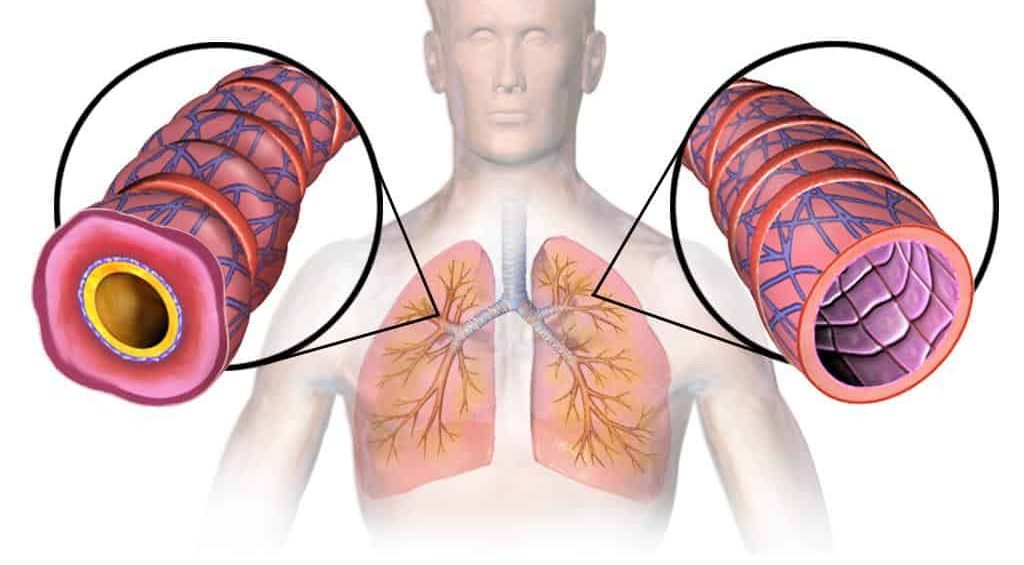
Asthma triggers are exposures, infections, conditions, or activities that irritate already sensitive airways and bring on symptoms such as coughing, wheezing, chest tightness, or shortness of breath. They do not usually cause asthma by themselves. Asthma develops through a mix of airway inflammation, genetics, allergies, early-life exposures, and other risk factors. Why it matters: when you know your pattern, you can reduce avoidable flare-ups and respond earlier when symptoms change.
Key Takeaways
- Triggers are personal: the same exposure may bother one person and not another.
- Common triggers include allergens, smoke, infections, cold air, exercise, and strong odors.
- Night cough, mucus, or a dry repetitive cough can be asthma-related, but sound alone cannot diagnose it.
- Home control works best when it targets the likely source, not every possible trigger.
- Urgent symptoms need your asthma action plan and emergency care when breathing feels unsafe.
Asthma Triggers and Causes Are Not the Same
A cause is a factor that helps asthma develop. A trigger is something that sets off symptoms after the airways are already prone to inflammation and narrowing. This difference matters because trigger control can reduce attacks, but it does not replace diagnosis, monitoring, or appropriate treatment.
Asthma is a chronic airway condition. The airways can become inflamed, swollen, and overly reactive. During a flare, the muscles around the airways may tighten, mucus may increase, and airflow may feel restricted. This can lead to wheeze, cough, chest tightness, or shortness of breath.
Risk factors for developing asthma can include family history, allergic disease, early-life respiratory infections, tobacco smoke exposure, air pollution, and some workplace exposures. These factors do not affect everyone in the same way. Two people can share the same environment and have different airway responses.
Triggers are often more changeable. A person may react to dust mites at home, pollen during spring, viral infections in winter, or fumes at work. Some people have symptoms mainly during exercise or at night. Others notice coughing after laughing, crying, cold air, or strong smells.
This is why a practical plan starts with observation. Instead of assuming one universal cause, track when symptoms appear, where they happen, and what changed shortly before they started.
A Practical Trigger List: Air, Allergens, Weather, and Illness
A practical asthma triggers list starts with the exposures most often linked with airway irritation or allergic inflammation. You do not need to fear every item on the list. You need to learn which ones match your symptoms and test patterns with your clinician when needed.
Allergens and indoor particles
Allergens are substances that can cause an immune reaction in people who are sensitive to them. Common examples include dust mites, mold, pet dander, cockroach particles, and pollen that comes indoors on clothing or through open windows. If nasal allergies are part of your pattern, the overlap can be important. You can read more about this connection in Allergic Rhinitis Symptoms and Treatment.
Indoor allergens often build up in soft surfaces. Mattresses, pillows, carpets, curtains, stuffed toys, and upholstered furniture can hold dust and dander. Damp rooms can support mold. Pests can leave particles in kitchens, basements, and shared walls. The main goal is not perfection. It is reducing the exposure that seems most linked to symptoms.
Irritants, pollution, and strong smells
Irritants do not need to trigger an allergy to bother airways. Tobacco smoke, cannabis smoke, wildfire smoke, wood-burning stoves, vehicle exhaust, scented sprays, cleaning fumes, and workplace chemicals can all irritate sensitive airways. Some people also notice symptoms around paint, solvents, perfumes, or air fresheners.
These exposures can be harder to control because they may come from shared spaces, public areas, or work. If symptoms reliably improve away from work and return during shifts, consider an occupational pattern. The overview on Occupational Asthma explains how job-related exposures can fit into asthma care.
Weather, exercise, and infections
Cold air can dry and cool the airways. Sudden temperature shifts may also provoke symptoms. Exercise can trigger bronchoconstriction, which means temporary airway narrowing during or after activity. This does not mean exercise is unsafe for everyone with asthma. It means symptoms during activity deserve a plan that fits the person and the sport.
Respiratory infections are another major trigger. Colds, flu, and other viral illnesses can inflame the airways for days or weeks. For some people, cough lingers after the infection seems mostly gone. If symptoms last, worsen, or require frequent reliever use, medical review matters.
Food, medicines, and body factors
Food is not a universal asthma trigger. Still, food allergy can cause breathing symptoms in some people, especially when hives, swelling, vomiting, dizziness, or throat tightness appear. Sulfites, found in some preserved foods and drinks, may also bother a smaller group of people with asthma.
Some medicines can worsen asthma in certain people, including aspirin or other nonsteroidal anti-inflammatory drugs in aspirin-exacerbated respiratory disease. Some beta-blockers can also affect breathing. Do not stop prescribed medicines on your own. Ask a clinician or pharmacist how a medicine fits your history.
Other health conditions can add fuel. Reflux, chronic sinus disease, untreated allergies, sleep apnea, and obesity can worsen asthma control in some people. These are not character flaws. They are medical clues that may change the care plan.
Cough Clues: Night Symptoms, Mucus, and Cough Variant Asthma
An asthma cough often sounds dry, repetitive, or tight, but there is no single asthma cough sound that proves the diagnosis. Some people wheeze loudly. Others cough without wheezing. Some produce mucus. The pattern matters more than the sound.
Cough variant asthma is a form of asthma where cough is the main or only symptom. It can be mistaken for post-nasal drip, reflux, infection, or habit cough. A clinician may consider lung function testing, symptom timing, triggers, and response to treatment when sorting this out.
Night coughing is especially important. Asthma symptoms that wake you can suggest airway inflammation or poor control. Common night contributors include dust mites in bedding, pet dander in the bedroom, reflux when lying flat, cold air, viral illness, or missed controller treatment. Repeated night symptoms deserve medical review, even when daytime symptoms seem mild.
Many readers ask how to stop an asthmatic cough, especially at night. The safest answer is to follow your written asthma action plan. If you have a prescribed reliever, use it only as directed. Sitting upright, moving away from smoke or strong odors, and keeping calm can help while you assess symptoms. Do not rely on cough suppressants to treat breathing trouble.
Mucus can occur with asthma because inflamed airways may produce more secretions. Mucus can also point to infection, allergies, sinus drainage, or irritant exposure. Seek care sooner if mucus comes with high fever, chest pain, blood, severe shortness of breath, dehydration, or a sudden change from your usual pattern.
How to Avoid Asthma Triggers at Home Without Overdoing It
Asthma triggers in the home often collect in ordinary places. The most useful changes are targeted, realistic, and repeated. A perfect home is not possible. A safer pattern usually is.
Start with the room where you sleep. People spend many hours there, and night symptoms can reflect bedroom exposures. Wash bedding regularly, reduce dust collectors near the bed, and consider allergen-proof covers if dust mites are a confirmed or likely issue. If pets trigger symptoms, keeping them out of the bedroom may be more realistic than larger household changes.
Moisture control is important when mold is suspected. Fix leaks when possible, dry damp areas promptly, and use ventilation in bathrooms and kitchens. Cleaning visible mold may help, but recurring mold usually means moisture remains. Strong bleach fumes can irritate airways, so ventilation and safer cleaning choices matter.
Smoke exposure deserves special attention. There is no safe level of secondhand smoke for sensitive airways. Smoke can cling to clothing, furniture, and cars. If a household member smokes, moving smoking fully outside and away from doors or windows can reduce indoor exposure.
Cleaning can help or hurt. Dusting with a damp cloth, vacuuming with good filtration, and avoiding scented sprays may reduce particles and fumes. Some people react more to the cleaner than to the dust. If a product causes coughing or chest tightness, it may be worth switching to a low-odor option.
When allergies are central, broader learning can help you connect asthma with rhinitis, eczema, hives, or swelling reactions. The Allergy and Immunology Hub offers a browseable path into related allergy topics.
- Bedroom focus: reduce dust around sleep.
- Moisture control: fix damp areas early.
- Smoke boundaries: keep smoke fully outside.
- Low-odor cleaning: avoid harsh fumes.
- Pet patterns: test bedroom separation first.
- Pollen habits: change clothes after high exposure.
Prevention and Treatment Work Better Together
Trigger control can help prevent asthma attacks, but it is only one part of asthma care. The treatment of asthma usually combines education, inhaler technique, monitoring, trigger reduction, and medicines matched to symptom pattern and risk. A written action plan makes those pieces easier to use during real symptoms.
Asthma medicines often fall into broad roles. Reliever medicines are used for quick symptom relief as prescribed. Controller medicines are used to reduce airway inflammation over time. Some people need both. Others need a different plan based on severity, age, other conditions, pregnancy, or past attacks. For a broader treatment overview, see Asthma Treatment.
Do not stop a controller inhaler because symptoms improved after avoiding a trigger. Better control can mean the plan is working. Stopping or changing treatment without medical advice may allow inflammation to build again. If side effects, cost, access, or technique problems get in the way, bring those issues up directly.
Inhaler technique is a common blind spot. A medicine can be appropriate but still work poorly if it does not reach the lungs well. Spacers, breath timing, device choice, and mouth rinsing after some inhalers may all matter. The resource on Asthma Management Medications gives more context on how different medication roles fit into care.
Some people use peak flow monitoring as part of an action plan. Peak flow is a home breathing measurement that estimates how fast you can blow air out. It does not replace symptoms, oxygen checks, or clinician judgment. It can, however, help some people compare readings with their personal best.
This calculator can help compare a peak flow reading with common zone percentages when you already know your personal best value.
[peak-flow-zone-calculator]
The result is a general math aid. Your clinician should define what each zone means for your own plan.
When a Trigger Becomes an Asthma Warning Sign
A trigger becomes more concerning when symptoms escalate, repeat, or do not respond as expected. Do not wait for a perfect explanation before seeking help. Breathing symptoms can change quickly.
Use your asthma action plan if you have one. Seek urgent care or emergency help if you have severe shortness of breath, trouble speaking in full sentences, blue or gray lips, confusion, chest pain, fainting, exhaustion from breathing, or symptoms that do not improve with prescribed rescue treatment. Children may show fast breathing, tugging at the ribs or neck, unusual sleepiness, or difficulty feeding.
You may see the 4-4-4 rule for asthma discussed online. Some regions teach a numbered reliever-inhaler first-aid pattern under local guidance. It is not a universal instruction, and it may not match your inhaler, age, prescription, or emergency plan. Use the plan given to you, and call emergency services when symptoms are severe.
Repeated night cough, frequent reliever use, missed school or work, or avoiding normal activities are also warning signs. They may not feel dramatic in the moment, but they can signal poor control. Early review can prevent a cycle of symptoms, anxiety, and repeated flare-ups.
Build a Personal Trigger Plan You Can Actually Use
Asthma triggers are personal, so the most useful plan is specific. A short symptom diary can reveal patterns that memory misses. Note the date, place, activity, weather, illness symptoms, food or drink changes, smoke exposure, cleaning products, pets, and medicine use. Also record what helped and how quickly.
Bring that record to appointments. It can help your clinician decide whether you need allergy testing, lung function testing, medication adjustment, inhaler coaching, or a plan for exercise and travel. If you are preparing for a trip, Traveling With Asthma covers planning points that can reduce surprises away from home.
It also helps to separate control steps into three groups. First, remove exposures that clearly cause symptoms and are easy to change. Second, reduce exposures that matter but cannot be eliminated. Third, prepare for unavoidable triggers, such as pollen season, cold weather, exercise, or respiratory infections.
The Respiratory Health Hub collects related breathing-condition resources for deeper reading. Use those resources as background, not as a substitute for your own diagnosis or action plan.
Authoritative Sources
- For federal trigger and cause context, see the NHLBI asthma guidance.
- For indoor environmental control guidance, review the EPA trigger control resource.
- For general asthma signs and control basics, visit the CDC asthma overview.
This content is for informational purposes only and is not a substitute for professional medical advice.