
Category: Allergy & Immunology

Living with allergies or immune problems can feel unpredictable and exhausting. This Allergy & Immunology hub supports practical browsing for patients and caregivers. It covers common concerns like hay fever, asthma, rashes, and food reactions. It also explains testing terms used in an allergy clinic. Ships from Canada to US appears on many pages for access context.

Browse immune-related options in the Immunology Category. Compare items by form, use case, and prescription status. Examples here include Claritin for seasonal symptoms, Omnaris Nasal Spray for nasal inflammation, and Wixela for asthma maintenance care.

Partner pharmacies in Canada are licensed and follow local dispensing standards.

What You’ll Find in This Allergy & Immunology Category

This category brings together two helpful things in one place. It includes medication listings that relate to allergy and immune system disorders. It also includes educational content pages that explain terms, tests, and care pathways.

Patients often see both clinical and everyday words for the same issue. Allergic rhinitis (nasal allergy) may also be called hay fever. Urticaria (hives) may show up as sudden itchy welts. Atopic dermatitis (eczema) can flare with stress and irritants.

  • Environmental allergies, including pollen, mold, and pet allergies.
  • Food allergies and oral food challenge discussions in specialty care.
  • Drug allergy evaluation topics, including past rash or swelling histories.
  • Insect sting allergy basics and emergency planning conversations.
  • Asthma care, including asthma management and spirometry (breathing test) terms.
  • Allergy testing language, including skin prick testing and patch testing.
  • Longer-term treatment terms, like allergy shots and allergen immunotherapy.

Some medication pages focus on symptom relief. For example, Diphenhydramine can appear in plans for short-term allergy symptoms. Other listings target specific allergic eye conditions, like Verkazia. Some options address certain mite allergies, such as Acarizax.

How to Choose

Allergy & Immunology care often starts with pattern tracking and clear labels. People can compare options based on symptom type and trigger timing. This helps organize questions for an allergist or immunologist.

Quick tip: Keep a short symptom log with dates, triggers, and product names.

Match the option to the main problem

  • Focus area: nose, eyes, skin, lungs, or whole-body reactions.
  • Trigger type: seasonal, indoor, food-related, medication-related, or unknown.
  • Symptom timing: sudden reactions versus slow, ongoing inflammation.
  • Past testing: note results from skin tests or blood IgE tests.
  • Asthma history: include wheeze, cough, and exercise limits when present.
  • Skin pattern: consider eczema flares versus contact irritation patterns.

Check practical details before comparing listings

  • Form and route: tablet, nasal spray, eye drops, or topical cream.
  • Daytime impact: some antihistamines may cause drowsiness for some people.
  • Other conditions: glaucoma, heart rhythm issues, or prostate symptoms can matter.
  • Other medicines: look for interaction warnings and duplicate ingredients.
  • Age needs: pediatric allergy questions may differ from adult concerns.
  • Follow-up path: testing, avoidance planning, or immunotherapy discussions.

Safety and Use Notes

Allergy & Immunology information can help people recognize risk and uncertainty. It should not replace individualized clinical judgment. Some reactions are mild and limited to one body area. Others can escalate quickly and involve breathing or blood pressure changes.

Prescriptions are confirmed with the prescriber before a medication is dispensed.

Anaphylaxis (severe allergic reaction) needs urgent medical attention. Asthma symptoms can also worsen quickly during infections or exposure spikes. Rhinitis and sinusitis symptoms may overlap with colds and irritants. Hives and chronic urticaria can have many triggers, including heat and stress.

Why it matters: Clear reaction history can speed safer decisions in urgent settings.

Drug allergy evaluation often focuses on what happened and when. Details like timing, skin changes, and other medicines matter. For insect sting allergy, clinicians may review prior reactions and risk factors. For long-term prevention, allergy shots or sublingual immunotherapy may be discussed in specialty care. These approaches need careful selection and monitoring by trained teams.

Some people need immunodeficiency assessment when infections are frequent or severe. Primary immunodeficiency can show up with unusual infections or poor vaccine responses. For broader background, see AAAAI resources on allergy care from the American Academy of Allergy, Asthma & Immunology. For emergency reaction education, see ACAAI guidance from the American College of Allergy, Asthma & Immunology.

Access and Prescription Requirements

Allergy & Immunology listings may include both prescription and non-prescription items. Some antihistamines and decongestants are sold over the counter in many settings. Many inhaled therapies and several immunology-related treatments require a prescription. Each product page notes documentation needs and key cautions.

This platform connects U.S. patients with licensed Canadian partner pharmacies for cross-border access. US delivery from Canada can support continuity for people managing chronic needs. Cash-pay options may help when coverage is limited or without insurance. Requirements vary by medication and local rules.

  • Prescription items require a valid prescription from a licensed prescriber.
  • Some therapies need extra checks due to higher risk profiles.
  • Product pages may list refrigeration, handling, or device-training needs.
  • Use the listing details to compare forms and refill compatibility.

For eye-focused allergy relief browsing, see Claritin Allergy Eye Drops. For immunology context beyond allergies, see Vaccine To Prevent HIV and Aptivus For HIV. These pages support questions about immune health and treatment categories.

This content is for informational purposes only and is not a substitute for professional medical advice.


  • Dupixent Explained: Uses, Access, and Practical Facts

    Dupixent Explained: Uses, Access, and Practical Facts

    Key Takeaways

    • Targeted immune therapy, not rescue care.
    • Use depends on diagnosis and label.
    • Compare roles, not just brand names.
    • Organized records make access easier.

    Overview

    Dupixent is a biologic (targeted immune therapy) used for several inflammatory conditions, but the exact approved use depends on the diagnosis, the patient’s age, and the prescribing information that applies in a given country. For patients and caregivers, the practical questions are usually straightforward: what kind of medicine is it, how is it different from steroids or inhalers, and what paperwork or follow-up usually matters.

    This guide explains those basics in plain language. It also covers common access issues, including prescription requirements, routine documentation, and how to compare this treatment with other categories without confusing it with quick-relief medicine. If you want broader background before a clinic or pharmacy conversation, our Allergy Immunology Resources hub gathers related immune and allergy topics, while Respiratory Resources helps when asthma is part of the picture. BorderFreeHealth connects U.S. patients with licensed Canadian partner pharmacies.

    Core Concepts About Dupixent

    At the center of this topic is dupilumab, the active ingredient. It is a monoclonal antibody (lab-made protein that targets a specific immune pathway), which places it in the biologic category rather than the steroid, antihistamine, or standard inhaler category. That distinction matters because people often compare very different medicines as if they do the same job. They do not. Each class is designed for a different part of a treatment plan.

    For many patients, the harder part is not the name of the drug but understanding where it fits. A targeted immune treatment may be considered when symptoms remain hard to control, when a condition has a clear inflammatory component, or when a specialist is matching therapy to a specific diagnosis. The most reliable source for approved uses, age ranges, and administration instructions is the official prescribing information, not a brief social post or a summary copied from another country.

    What Type Of Medicine It Is

    This medication is often described as working on type 2 inflammation, a pattern of immune overactivity that can affect the skin, airways, and sinuses, and in approved indications includes eosinophilic esophagitis affecting the esophagus. That makes it different from a quick-relief option used during sudden breathing symptoms, and it is also different from a cream or tablet meant to act mainly at the surface. In plain terms, it is a targeted medicine used in selected long-term inflammatory conditions.

    Because it is a biologic, people may hear about specialty handling, follow-up steps, and more structured documentation. None of that means it is automatically right for every patient. It means the treatment usually sits inside a bigger plan that can involve diagnosis confirmation, prior treatment history, and regular communication with the prescriber and pharmacy. That is why access questions and treatment questions often need to be handled together, but not confused with each other.

    Conditions It May Be Used For

    Approved indications can vary, but the label may include atopic dermatitis (eczema), certain forms of asthma, chronic rhinosinusitis with nasal polyps (long-term sinus inflammation with growths), eosinophilic esophagitis (allergic inflammation in the food tube), and some other inflammatory conditions. The key point is not to memorize every indication. It is to match the medicine to the diagnosed condition and the version of the prescribing information that applies to the patient.

    That is why age, prior therapies, and specialist assessment can matter. A person with eczema may have a very different treatment path from someone with asthma or sinus disease. If you are sorting through related background material, Asthma Management offers a broad controller-treatment overview, while Allergic Rhinitis is helpful when nasal and allergy symptoms overlap.

    How It Differs From Other Treatments

    Many common respiratory and allergy medicines fall into other categories. Inhaled corticosteroids work inside the lungs. Nasal sprays work mainly in the nose and sinuses. Antihistamines are often used for allergy symptoms. Topical therapies act on the skin. A biologic can be part of care when the underlying inflammatory pattern is the issue, but that does not make other treatments unimportant. In many cases, they address different layers of the same condition.

    Note: Patients sometimes assume every medicine discussed in asthma or allergy care is interchangeable. That is rarely true. If you want a plain-language overview of breathing treatment categories, Inhaler Therapy can clarify inhaler roles, and Occupational Asthma is useful when workplace triggers are part of the story.

    Practical Guidance

    If Dupixent is part of your current plan or a therapy your clinician is considering, keep the administrative side organized from the start. Patients often save time by keeping one place for diagnosis notes, current medications, prescriber contact details, and any past treatment history that may explain why a biologic is being reviewed. That record helps during refills, travel planning, benefit reviews, and pharmacy questions.

    It also helps to separate clinical decisions from logistics. Your prescriber decides whether the treatment fits your condition. Your pharmacy handles dispensing requirements. You handle the practical details that make the process smoother. For people reviewing related therapy categories, Immunology Medications offers a category-level view, and Allergy Medications can help you see how this topic sits beside other allergy-focused treatments.

    Useful Items To Keep Ready

    1. A current prescription, if one is required for your jurisdiction and indication.
    2. The prescriber’s name and office contact information.
    3. A current medication list, including inhalers, tablets, creams, or nasal therapies.
    4. Basic diagnosis information, especially when more than one condition is involved.
    5. Questions about storage, travel, injection training, or refill timing to raise with a clinician or pharmacist.

    These steps are not glamorous, but they matter. Patients with multiple conditions often move between dermatology, allergy, gastroenterology, and pulmonology settings. A clear record reduces duplicate calls and confusion. It can also help caregivers track what was prescribed for skin symptoms, what was prescribed for breathing symptoms, and which treatment belongs to which specialist.

    Common Mix-Ups To Avoid

    One common misunderstanding is treating a biologic as if it were the same as a rescue inhaler or an over-the-counter allergy product. Another is assuming that every new prescription will move through the same process. Some medicines need more documentation, and some require extra handling steps. A patient using a controller inhaler such as Fluticasone HFA Inhaler or Alvesco MDI may still have a separate plan for another inflammatory condition.

    Tip: Ask for the exact medication name, the condition it is meant to treat, and the best contact for follow-up questions. That small step can prevent mix-ups later, especially when different clinics or pharmacies are involved.

    Caregivers may also want a simple medication log with the condition, the prescriber, and the date last reviewed. That is especially useful when more than one specialist is involved or when a pharmacy asks for clarification. Clear records do not replace medical advice, but they reduce friction when routine administrative questions come up.

    Compare & Related Topics

    Dupixent is often discussed beside inhalers, steroid creams, allergy tablets, and sinus treatments, but those categories do not answer the same need. A controller inhaler is mainly aimed at the airways. A topical medication is mainly aimed at the skin. An antihistamine may help certain allergy symptoms. A targeted immune therapy sits in a different place, which is why comparisons should focus on role, diagnosis, and label-backed indication rather than brand familiarity alone.

    A simple way to stay grounded is to compare treatment formats and goals, not just names. Some patients use several treatment types at the same time because each one addresses a different problem. That is common in asthma, eczema, and sinus disease, where local symptoms and deeper inflammation may both need attention. Looking at categories this way can make clinic conversations much clearer.

    Therapy Type Plain-Language Example Typical Focus Why It Matters
    Biologic Targeted immune treatment Specific inflammatory pathways Usually tied to diagnosis, age, and label criteria
    Inhaled controller Daily lung medicine Airway inflammation or maintenance Used differently from targeted immune therapies
    Topical treatment Cream or ointment Skin symptoms Often addresses local symptoms directly
    Allergy medicine Tablet or nasal spray Allergy-related symptoms May help a different layer of the problem

    This framework also helps families interpret related reading without overgeneralizing. A category page like Respiratory Medications shows how broad breathing treatment can be, from inhaled controllers to other prescription types. That does not replace clinician guidance, but it can help you ask better questions about what each medicine is supposed to do and what it is not supposed to do.

    Access Options Through BorderFreeHealth

    Some patients researching Dupixent are really trying to solve an access problem rather than a clinical one. They may already know the medicine name, but they are unsure what paperwork is needed, whether a prescription must be current, or what options exist if insurance is not usable. In that setting, it helps to think in steps: confirm the prescription details, confirm the diagnosis being treated, and then confirm what route of access is available in your situation.

    Where a prescription is required, the dispensing pharmacy may need to verify details with the prescriber before the medication is dispensed. That step can feel slow, but it is a normal part of checking that the right medication is being matched to the right patient and the right instructions. It also helps when older records, changed clinics, or incomplete paperwork could otherwise create confusion.

    Insurance is not the only path patients ask about. Some people need to understand cash-pay options because coverage is unavailable, interrupted, or too restrictive for the moment. The most useful preparation is simple: keep the prescriber’s details current, confirm the exact drug name and indication, and ask what documentation the pharmacy may need. That approach keeps the process practical and avoids last-minute surprises.

    Authoritative Sources

    When you want reliable details, start with sources that are label-backed or maintained by major health institutions. Those references are more useful than short summaries because they show approved uses, important administration information, and updates that may change over time. They also help you separate broad internet advice from the specific information that applies to a prescription medicine.

    Use these sources to confirm basics, not to replace your prescriber’s judgment. Labels can be updated, and approvals may differ by country, patient age, and condition. If a clinic handout, online summary, or pharmacy note seems inconsistent, ask which version applies in your setting and whether the information is tied to a specific diagnosis. That extra step matters because a single brand name can be discussed across several specialties.

    In short, this topic becomes easier to manage when you separate three issues: the diagnosis, the role of the medicine, and the access process. For some uninsured patients, cross-border cash-pay prescription pathways may also be relevant, subject to eligibility and jurisdiction. Further reading can help you compare treatment categories before your next conversation with a clinician or pharmacist.

    This content is for informational purposes only and is not a substitute for professional medical advice.

  • Claritin Medicine: Safety, Side Effects, and Dosing Basics

    Claritin Medicine: Safety, Side Effects, and Dosing Basics

    Claritin medicine is an over-the-counter allergy option that contains loratadine, a second-generation antihistamine. It may help sneezing, runny nose, itchy or watery eyes, and some hives by blocking histamine, a chemical involved in allergic reactions. It is often described as non-drowsy, but some people still feel sleepy.

    Why this matters: allergy symptoms can look simple, but product labels can be confusing. Plain loratadine, children’s products, and decongestant combinations do not carry the same cautions. Knowing the difference can help you avoid duplicate ingredients and decide when to ask a pharmacist or clinician.

    Key Takeaways

    • Main use: Loratadine helps common allergy symptoms linked to histamine.
    • Dosing caution: Follow the product label and avoid doubling doses without guidance.
    • Drowsiness varies: It is usually low-sedating, not sleep-proof.
    • Claritin-D differs: Pseudoephedrine adds stimulant-like cautions.
    • Ingredient checks matter: Cold, flu, and sleep products may overlap.

    How Loratadine Helps Allergy Symptoms

    Loratadine works by blocking H1 histamine receptors, which can reduce several classic allergy symptoms. Histamine contributes to sneezing, itching, watery eyes, and a runny nose after exposure to triggers such as pollen, dust mites, pets, or mold. Blocking that signal may make daily symptoms easier to manage.

    Claritin medicine is commonly used for seasonal allergic rhinitis, often called hay fever, and for year-round indoor allergies. It may also be used for urticaria (hives), which causes raised, itchy welts. If your main problem is repeated seasonal nose and eye symptoms, Allergic Rhinitis And Hay Fever gives more context on patterns, triggers, and treatment categories.

    The phrase “non-drowsy” should be understood carefully. Loratadine is less likely to cause sedation than older antihistamines such as diphenhydramine. Still, tiredness can happen, especially with alcohol, sleep aids, or other medicines that slow alertness. If you need to drive, work with machinery, or study, learn how you respond before relying on full alertness.

    It also helps to separate allergy symptoms from infections. Allergies often cause itching, clear drainage, sneezing, and symptoms that follow exposure patterns. Colds can bring sore throat, body aches, fever, or symptoms that change over several days. When symptoms are severe, new, or persistent, a clinician can help sort out the cause.

    Claritin Dosage Basics and Timing

    Most adult loratadine products are designed for once-daily use, but the exact instructions depend on the label. Many packages center around a 24-hour dosing interval. Taking more than the label recommends can raise the chance of side effects without guaranteeing better relief.

    You may see searches such as claritin dose for adults, claritin dosage 10 mg, or loratadine 10 mg used for. These usually refer to standard adult tablets, but product forms vary. Tablets, orally disintegrating tablets, liquids, and children’s formulations may have different directions. Always match the directions to the exact product in your hand.

    Children’s dosing needs extra care. Age, formulation, and liquid concentration all matter. Kitchen spoons are not accurate measuring tools. If a child is below the labeled age range, or if symptoms are recurring, a pediatric clinician or pharmacist should guide the plan.

    People often ask whether they can take two loratadine doses in 24 hours, or whether loratadine 10 mg twice a day is acceptable. In general, stay within the labeled maximum unless a clinician has given you a specific plan. This caution is more important if you have liver disease, kidney disease, multiple daily medicines, or a history of unusual reactions to antihistamines.

    Quick tip: Set one daily reminder if your product is labeled for once-daily use.

    If you accidentally took 2 Claritin in 24 hours, avoid taking more and check the exact product name and strength. Many accidental extra-dose situations do not cause serious harm, but personalized guidance is safest. In the United States, Poison Control at 1-800-222-1222 can advise based on the amount, timing, and ingredients.

    Side Effects: What Is Common and What Needs Attention

    Claritin side effects are usually mild, but they can still affect comfort and safety. Commonly reported effects may include headache, dry mouth, tiredness, and stomach upset. Some people also notice nervousness or sleep changes, though these are more often linked to decongestant combinations than plain loratadine.

    Dryness matters because it can worsen some existing problems. People with glaucoma, enlarged prostate symptoms, urinary retention, or chronic constipation should ask a clinician or pharmacist before using antihistamines. Older adults may also be more sensitive to dizziness, sedation, and falls, even with products described as non-drowsy.

    Serious allergic reactions are uncommon, but they need urgent attention. Seek emergency care for trouble breathing, swelling of the lips or face, throat tightness, fainting, or widespread hives after taking any medicine. If swelling episodes happen repeatedly or without a clear trigger, What Is Angioedema explains this symptom pattern in more detail.

    It can be useful to compare newer and older antihistamines. Diphenhydramine is more sedating and is often found in nighttime products. That can increase next-day grogginess or impair reaction time. For a broader comparison of this older class, see Diphenhydramine Allergy Sleep Aid.

    Plain Loratadine vs Decongestant Combinations

    Plain loratadine and loratadine-pseudoephedrine combinations target different symptom patterns. Plain loratadine is aimed more at itching, sneezing, runny nose, and watery eyes. Products labeled with “D” add pseudoephedrine, a decongestant that may help nasal blockage and sinus pressure.

    This difference is important because pseudoephedrine can feel stimulating. It may cause jitteriness, insomnia, a faster heartbeat, or higher blood pressure in some people. People with uncontrolled high blood pressure, certain heart rhythm problems, severe anxiety, or significant insomnia should ask before using it. A pharmacist can also check whether other medicines may add to those effects.

    Product type Main ingredient pattern Key caution
    Plain Claritin Loratadine antihistamine May still cause drowsiness in some people
    Claritin-D 12 Hour Loratadine plus pseudoephedrine Shorter labeled interval; stimulant effects possible
    Claritin-D 24 Hour Loratadine plus pseudoephedrine Once-daily design; avoid extra decongestants

    Many people ask why Claritin-D is behind the counter in some places. In the United States, pseudoephedrine products are regulated because the ingredient can be misused to make illegal substances. That does not mean it is a controlled substance in the same way as many prescription medicines, but purchase limits and identification requirements can apply.

    If congestion is your dominant symptom, a decongestant may seem appealing. Still, nasal steroid sprays, saline rinses, or trigger reduction may be better fits for some people. For broader allergy treatment categories and related reading, the Allergy Immunology collection can help you compare common approaches.

    What Not to Take With Claritin or Claritin-D

    The biggest practical risk is accidental ingredient duplication. Many cold, flu, sinus, and sleep products combine several active ingredients. Before taking anything with Claritin medicine, read the “active ingredients” panel and look for another antihistamine or decongestant.

    Nighttime cold medicines often contain sedating antihistamines. Combining them with loratadine can increase dry mouth, sleepiness, dizziness, or confusion. People often ask whether they can take Claritin and NyQuil, or Claritin and DayQuil. Formulas vary by country and product version, so the safe answer depends on the exact active ingredients.

    Taking Claritin and Zyrtec 12 hours apart is another common question. Cetirizine and loratadine are both second-generation antihistamines. Using two antihistamines together may increase side effects without predictable added benefit. If one product is not controlling symptoms, it is usually better to review the diagnosis, triggers, and treatment target rather than stacking medicines on your own.

    Plain ibuprofen is not usually considered a direct loratadine interaction. However, ibuprofen has its own cautions, including stomach bleeding risk, kidney concerns, and blood pressure effects in some people. The key point is not only whether two drugs interact, but whether the whole plan fits your health history.

    Claritin-D changes the interaction picture because it includes pseudoephedrine. Avoid taking it with other stimulant decongestants unless a clinician says it is appropriate. Also be cautious with high caffeine intake, some ADHD medicines, and other products that can raise heart rate or blood pressure. If you are comparing congestion-focused products, Sudafed Head Cold Sinus is an example of a decongestant-containing product page to review for ingredient awareness, not a substitute for medical advice.

    When Symptoms Persist Despite an Antihistamine

    If loratadine helps only partly, the problem may be inflammation, exposure, or a non-allergy condition. Antihistamines work best for itching, sneezing, and runny nose. They are less reliable for deep congestion, thick drainage, facial pressure, or chronic cough.

    For nasal congestion and postnasal drip, many clinicians consider intranasal corticosteroid sprays, saline rinses, or environmental control. People often ask whether they can take Claritin and Flonase together because they work differently. In many cases, antihistamines and nasal steroid sprays are used in the same overall allergy plan, but personal risks and product directions still matter.

    Hives may also need a different discussion. Short-lived hives after a clear trigger can differ from recurring hives with no obvious cause. If welts are frequent, painful, bruising, or linked with swelling or breathing symptoms, seek medical evaluation. Antihistamine choice and dose strategy should be clinician-guided in that setting.

    Example: a person with spring sneezing and itchy eyes may do well with a daily antihistamine during pollen peaks. Another person with constant blocked breathing through the nose may need a different approach, such as a nasal spray plan or evaluation for sinus disease. The symptom pattern points to the next step.

    Some people compare loratadine with other antihistamines. Desloratadine is a related antihistamine used in allergy care, and Aerius is one product page that can help readers identify ingredient differences. For another antihistamine example, Histantil 50 mg discusses a different medication with different sedation and use considerations.

    Special Situations: Pregnancy, Older Adults, and Chronic Conditions

    Pregnancy and breastfeeding deserve individualized review. Loratadine is commonly discussed as an allergy option, but the right choice depends on trimester, symptoms, other medicines, and medical history. A prenatal clinician or pharmacist can weigh benefits and uncertainties using current references.

    People with liver or kidney disease should also ask before assuming standard directions apply. These organs help clear many medicines from the body. Dose timing or product selection may need adjustment, especially when multiple medications are involved.

    Heart and blood pressure conditions are most relevant with decongestant combinations. Pseudoephedrine can increase blood pressure or heart rate in some people. If you take cardiovascular medicines, have arrhythmias, or have uncontrolled hypertension, ask before using a “D” product.

    Medication reviews are especially useful during cold and allergy season. Bring a list or photos of all prescription medicines, supplements, nasal sprays, sleep aids, and cold products. This helps a pharmacist spot duplicate antihistamines, overlapping decongestants, and avoidable sedation.

    For readers comparing access pathways for prescription allergy or related medicines, BorderFreeHealth connects U.S. patients with licensed Canadian partner pharmacies when eligible. Where prescriptions are required, pharmacy partners verify needed details with the prescriber before dispensing. This service context does not replace a clinician’s advice about which medicine fits your symptoms.

    Practical Label-Reading Checklist

    Use the label as your first safety tool. It tells you the active ingredient, dosing interval, age range, warnings, and when to ask a professional. This is especially useful when packages look similar on a shelf.

    • Check the ingredient: Look for loratadine, pseudoephedrine, or both.
    • Confirm the interval: Do not mix 12-hour and 24-hour directions.
    • Review age limits: Children’s products are not interchangeable with adult products.
    • Scan warnings: Note liver, kidney, blood pressure, and pregnancy cautions.
    • Avoid duplicates: Compare cold, flu, sleep, and sinus products.
    • Ask early: Get help if symptoms persist or side effects repeat.

    Why it matters: Similar packaging can hide very different active ingredients.

    Authoritative Sources

    For official U.S. labeling information, search the DailyMed drug label database for the exact loratadine product. Labels can differ by formulation, age range, and combination ingredients.

    For safety information on regulated nonprescription ingredients, the FDA pseudoephedrine legal requirements page explains federal purchase limits and identification rules.

    For patient-friendly clinical background, the MedlinePlus loratadine monograph summarizes uses, precautions, side effects, and overdose steps.

    Recap

    Claritin medicine can be a reasonable option for common allergy symptoms when used according to the product label. It works best for histamine-driven symptoms such as sneezing, itching, runny nose, watery eyes, and some hives. It is usually less sedating than older antihistamines, but drowsiness can still occur.

    The main safety steps are simple: read the active ingredients, avoid duplicate antihistamines or decongestants, and ask for help if you have chronic conditions or persistent symptoms. Claritin-D products need extra caution because pseudoephedrine can affect sleep, heart rate, and blood pressure.

    This content is for informational purposes only and is not a substitute for professional medical advice.

  • What Is Diphenhydramine? Allergy, Sleep, and Safety Basics

    What Is Diphenhydramine? Allergy, Sleep, and Safety Basics

    Diphenhydramine is a first-generation antihistamine used in many allergy, itching, and nighttime sleep products. If you are asking what is Diphenhydramine while comparing XST-labeled options or familiar brands, the key point is this: it can reduce histamine-related symptoms, but it commonly causes drowsiness and other anticholinergic effects.

    That tradeoff matters. A medicine that helps sneezing or itching may also slow reaction time, worsen next-day grogginess, or interact with alcohol and other sedating medicines. Start with the Drug Facts label, then ask a pharmacist or clinician if the label does not fit your age, health conditions, or other medicines.

    Key Takeaways

    • Allergy relief: Diphenhydramine may ease sneezing, runny nose, watery eyes, itching, and hives.
    • Sedation is common: Drowsiness can happen at standard over-the-counter amounts.
    • Labels matter: Check the active ingredient, strength, age limits, and daily maximum.
    • Avoid duplication: Nighttime cold products may contain the same antihistamine.
    • Get help fast: Breathing trouble, severe confusion, fainting, or seizures need urgent care.

    Quick tip: When two boxes look similar, compare the “Active ingredient” line first.

    How Diphenhydramine Works in Allergy and Nighttime Products

    Diphenhydramine works by blocking H1 histamine receptors, which are involved in many allergy symptoms. Histamine can trigger sneezing, itching, watery eyes, and runny nose. Blocking that signal can make symptoms feel more manageable for some people.

    Unlike newer, less-sedating antihistamines, diphenhydramine can enter the brain more readily. That is why many people feel sleepy after taking it. Sedation is not limited to high doses. It can occur at label-directed amounts, especially with alcohol, sleep medicines, opioid pain medicines, or other drugs that slow the central nervous system.

    Diphenhydramine also has anticholinergic effects, meaning it blocks acetylcholine, a nerve-signaling chemical. This explains common effects such as dry mouth, constipation, blurry vision, dizziness, and trouble urinating. These effects are more concerning for older adults and for people with certain eye, bladder, bowel, or cognitive conditions.

    Why this matters: the same property that makes a product feel useful at night can make it risky the next morning. Driving, ladder use, childcare, and machinery work can all be affected by slower reaction time.

    Diphenhydramine Hydrochloride, Brand Names, and XST Labels

    Diphenhydramine hydrochloride is the salt form of the medicine used in many tablets, capsules, liquids, and injectable products. “Hydrochloride” helps identify the chemical form on the label. It does not automatically mean a product is stronger or safer than another option.

    Many people also ask whether diphenhydramine and Benadryl are the same. Benadryl is a brand name that has commonly used diphenhydramine as an active ingredient in allergy products, but labels can vary by country, product line, and formulation. The safest comparison is always the active ingredient and strength, not the front-of-box name.

    XST-labeled products should be read the same way. Look for the exact active ingredient, the amount per tablet, capsule, or measured liquid dose, and whether the product includes other medicines. Combination nighttime products may include pain relievers, cough suppressants, or decongestants, which can add separate warnings.

    If you are comparing medication pages, use product listings as label-navigation tools rather than treatment recommendations. For example, Diphenhydramine Injection Vial can help you recognize that some forms are intended for clinical use, while Benadryl Kids Chewables shows why pediatric labels need special attention.

    Common Uses: Allergies, Itching, Hives, and Sleepiness

    Diphenhydramine uses usually center on allergy symptoms and itching. It may help with sneezing, runny nose, watery eyes, itchy throat or nose, and hives. Some labels also include motion sickness or nighttime sleeplessness, depending on the product and jurisdiction.

    For allergy care, it helps to separate symptom relief from long-term control. Diphenhydramine can be useful for occasional symptoms, but frequent allergy flares may deserve a broader plan. Triggers, indoor air quality, nasal symptoms, eye symptoms, and asthma-like breathing patterns can all change which approach makes sense.

    If your main issue is seasonal or year-round nasal allergy, Allergic Rhinitis Symptoms Treatment explains common patterns and care options. You can also browse Allergy Immunology Topics for related condition and medication discussions.

    Sleep is a different question. Diphenhydramine can make people drowsy, so it appears in some sleep-aid products. Still, it does not treat the underlying causes of chronic insomnia, such as pain, anxiety, sleep apnea, medication timing, caffeine, or irregular sleep routines. With repeated use, some people also notice that the sleepy effect becomes less predictable.

    Why it matters: A sedating antihistamine may mask a sleep problem that needs a different solution.

    How to Read Diphenhydramine Dosage Information Safely

    Diphenhydramine dosage should come from the specific product label or a clinician’s directions. Products differ by form, concentration, age limits, and intended use. A tablet, capsule, chewable, liquid, and injection should never be treated as interchangeable.

    When you review a label, focus on four details. First, find the active ingredient. Second, check the strength per unit, such as per tablet or per measured amount of liquid. Third, read how often the product can be taken. Fourth, look for the maximum amount allowed in a day.

    This is especially important with liquid products. Kitchen spoons are not accurate dosing tools. Use the measuring cup, oral syringe, or dosing device that matches the product directions. If a child’s label uses age and weight ranges, both details matter.

    Adult labels may mention strengths such as diphenhydramine 25 mg or diphenhydramine hydrochloride 50 mg, but those numbers do not replace the full Drug Facts panel. The label also includes warnings, age restrictions, and directions about when to ask a doctor. If you are searching for “benadryl dosage for adults 25 mg” or the max dose of diphenhydramine for adults, use official labeling or a pharmacist rather than copying advice from an unrelated product.

    Children and teens need extra caution. Some children become very sleepy, while others become restless, irritable, or unusually excited. Do not use adult products for a child unless a clinician specifically advises it. If symptoms include wheezing, repeated nighttime cough, or labored breathing, the issue may not be a simple allergy flare. For context on airway triggers, see Histantil 50 Mg for another antihistamine discussion, and compare non-drowsy allergy options such as Claritin Allergy Medicine.

    Side Effects and Next-Day Safety Concerns

    The side effects of diphenhydramine can include drowsiness, dizziness, dry mouth, constipation, nausea, blurred vision, and difficulty urinating. Some people also feel a fast heartbeat, confusion, or agitation. Children may have paradoxical excitation, meaning they become more active instead of sleepy.

    Next-day effects can be easy to underestimate. Grogginess, poor balance, slower thinking, and reduced coordination may continue after waking. The duration varies by person and can be influenced by age, liver function, dose, sleep quality, alcohol, and other medicines.

    Older adults are more vulnerable to anticholinergic effects. Confusion, falls, constipation, and urinary retention can have serious consequences. Many geriatric medication-safety resources advise caution with strong anticholinergic drugs when safer alternatives are available.

    Some health conditions also raise concern. People with narrow-angle glaucoma, enlarged prostate, urinary retention, chronic constipation, certain heart rhythm problems, dementia, or significant breathing disorders should check with a clinician before using diphenhydramine. Pregnancy and breastfeeding also deserve individualized guidance, because the best option depends on symptoms, timing, other medicines, and infant exposure concerns.

    If swelling is part of your allergy picture, it is worth learning the difference between hives and deeper tissue swelling. What Is Angioedema explains why recurrent lip, tongue, or facial swelling needs medical review.

    What Not to Take With Benadryl or Similar Antihistamines

    Do not combine diphenhydramine with other sedating products unless a clinician says it is appropriate. This includes alcohol, sleep aids, benzodiazepines, opioid pain medicines, some muscle relaxants, and some anti-nausea or anxiety medicines. The main concern is additive sedation, impaired coordination, and slower breathing in higher-risk situations.

    Also avoid accidentally taking two products that contain an antihistamine. This can happen with “nighttime” cold and flu products, allergy tablets, sleep aids, and multi-symptom medicines. The front label may highlight sleep, cough, or sinus relief while the Drug Facts panel lists diphenhydramine or another sedating antihistamine.

    Ask a pharmacist to screen your medication list if you take several prescriptions, use cannabis, drink alcohol, or take over-the-counter sleep products. This is not just about diphenhydramine. It is about total sedating and anticholinergic burden across your routine.

    BorderFreeHealth connects U.S. patients with licensed Canadian partner pharmacies for eligible prescription options. Where required, prescription details are checked with the prescriber before a pharmacy dispenses, which makes accurate medication lists especially important during access and safety review.

    When to Seek Medical Help

    Seek urgent care for signs of a severe allergic reaction, including trouble breathing, throat tightness, swelling of the lips or tongue, widespread hives with dizziness, or fainting. These symptoms can be serious even if an antihistamine seemed to help in the past.

    Get prompt help if someone becomes extremely drowsy, confused, agitated, hallucinating, unable to urinate, faint, or has a seizure after taking diphenhydramine. These can be signs of too much medication, a dangerous interaction, or another medical problem. In the United States, Poison Control can provide immediate guidance at 1-800-222-1222.

    Contact a clinician if allergy symptoms are frequent, sleep problems persist, or side effects interfere with daily activities. A safer long-term plan may involve trigger control, non-sedating antihistamines, nasal sprays, sleep evaluation, or condition-specific treatment.

    Authoritative Sources

    For a plain-language medication overview, review MedlinePlus information on diphenhydramine.

    For product-specific Drug Facts and prescribing details, search DailyMed labeling for diphenhydramine.

    For older-adult medication safety context, see the AGS Beers Criteria update.

    Recap

    Diphenhydramine is a widely used antihistamine that may relieve allergy symptoms, itching, and hives. It can also cause drowsiness, which is why it appears in some nighttime products.

    The same effects that make it useful can also create safety concerns. Read labels carefully, avoid duplicate ingredients, and be cautious with alcohol or other sedating medicines. If you need frequent relief, have ongoing sleep trouble, or notice next-day impairment, ask a clinician or pharmacist about safer options for your situation.

    This content is for informational purposes only and is not a substitute for professional medical advice.

  • Histantil Promethazine: Safety, Drowsiness, and Uses

    Histantil Promethazine: Safety, Drowsiness, and Uses

    Histantil promethazine is a prescription antihistamine that may be used for allergies, itching, nausea, vomiting, motion sickness, and sometimes sedation. Its main safety issue is drowsiness, which can affect driving, work, balance, and breathing risk when combined with alcohol or other sedating medicines.

    That matters because promethazine is not a mild, non-drowsy allergy tablet for everyone. It is an older, first-generation antihistamine with broader effects on the brain and nervous system. The right use depends on your prescription label, age, other medicines, and why it was prescribed.

    Key Takeaways

    • Multiple uses: It may help allergies, hives, nausea, vomiting, and motion sickness.
    • Drowsiness is common: Avoid risky tasks until you know your response.
    • Interactions matter: Alcohol, opioids, sleep medicines, and sedatives can increase danger.
    • Children need caution: Promethazine has important pediatric warnings.
    • Ask early: Pregnancy, breastfeeding, older age, and breathing conditions need review.

    Where Histantil Promethazine Fits in Care

    Histantil is a brand name for promethazine, a first-generation H1 antihistamine. H1 antihistamines block histamine signals that contribute to sneezing, runny nose, watery eyes, and itching. First-generation medicines can also enter the brain more easily than many newer antihistamines, which explains much of the sedation.

    Promethazine uses can look broad because the medicine affects more than one symptom pathway. A clinician may consider it for allergy symptoms, itching from hives, nausea and vomiting, or motion sickness. In some settings, it has also been used as a sedating medicine before or after procedures, but that use depends on local practice and medical supervision.

    Histantil promethazine may be most relevant when sedation is acceptable or when nausea and allergy-type symptoms overlap. For day-to-day seasonal allergy control, many people are first steered toward less sedating options. If you want more background on triggers and non-drug steps, see Allergic Rhinitis Treatment.

    Why it matters: A medicine that helps at night may be unsafe before driving.

    Uses: Allergies, Nausea, Motion Sickness, and Itching

    Promethazine can be used for several symptoms, but the reason for treatment should be clear. Your prescription label and clinician’s instructions should tell you whether it is meant for allergy symptoms, nausea, travel sickness, itching, or another supervised use.

    Allergy symptoms and hives

    For allergies, promethazine can reduce histamine-related symptoms such as sneezing, runny nose, and itching. It may also help itching linked with urticaria (hives). Still, the drowsiness and anticholinergic effects often make it less convenient than newer antihistamines for routine daytime symptoms.

    If your main concern is a less sedating allergy option, you may want to compare the general role of medicines such as loratadine. This Claritin Allergy Medicine resource explains how non-drowsy allergy treatment can fit into symptom planning.

    Nausea, vomiting, and motion sickness

    For nausea and vomiting, promethazine acts partly through effects in the brain areas involved in nausea signaling. For motion sickness, it may help reduce the mismatch signals that can trigger nausea during travel. These uses still require caution because sleepiness, blurred vision, and slower reaction time can occur.

    Some people compare promethazine with other nausea medicines. For example, metoclopramide is a different type of medicine with different cautions and uses. If you are comparing options after a prescription discussion, the Metoclopramide page can provide medication context to bring to your pharmacist or clinician.

    Cough, cold, and combination products

    Promethazine may appear in some cough or cold combinations in certain markets. Combination products deserve extra care because they can include several sedating or drying ingredients. Accidental doubling can happen when someone takes a nighttime cold medicine along with another antihistamine.

    Check every active ingredient on over-the-counter products. If the label includes antihistamines, sleep aids, opioids, or alcohol-containing liquids, ask a pharmacist before combining them with promethazine.

    How It Works and Why Drowsiness Happens

    Promethazine’s mechanism of action begins with H1 receptor blockade, but that is not the full story. It also has anticholinergic effects, meaning it can block acetylcholine signals that help control secretions, gut movement, urination, and alertness. This mixed activity explains both its usefulness and many of its side effects.

    Promethazine drowsiness effects can feel like sleepiness, heavy eyelids, mental fog, slower reaction time, or poor coordination. Some people also feel dizzy or unsteady. These effects may be stronger after the first few doses, after a dose increase, or when combined with alcohol or other sedating medicines.

    The onset and duration can vary by form, dose, age, liver function, and other medications. Tablets, liquids, suppositories, and injections may not behave exactly the same. Because of that, it is safer to follow your own label than to copy someone else’s timing.

    Quick tip: Plan your first dose for a safe setting when possible.

    Dosage, Forms, and Label Checks

    Promethazine dosage guidelines are not one-size-fits-all. The amount and timing depend on the reason for use, the formulation, age, medical history, and other medicines. A dose used for nausea may differ from a dose used for allergy-related itching or travel sickness.

    Histantil is associated with promethazine tablet use, and product details can vary by country and listing. If you are checking the brand context, Histantil can help you identify the medication page without relying on old or redirected strength links. Use that type of page for orientation, not as a substitute for your prescription label.

    If you use a liquid form, measure with an oral syringe or marked dosing device. Kitchen spoons can be inaccurate. If you use tablets, follow the label instructions about timing, food, and whether the medicine is taken regularly or only when needed.

    Do not change the dose, combine forms, or repeat a dose because symptoms persist unless a clinician or pharmacist has told you how to do that safely. If you miss a dose, the safest next step depends on why you take it and when the next dose is due.

    Side Effects and Warning Signs to Take Seriously

    Promethazine side effects often involve sleepiness and anticholinergic symptoms. Common day-to-day effects can include dry mouth, constipation, blurred vision, dizziness, headache, and trouble concentrating. Some people feel restless or agitated instead of sleepy, especially in sensitive groups.

    Older adults may be more vulnerable to confusion, urinary problems, constipation, falls, and next-day sedation. People with glaucoma risk, prostate or urinary retention problems, severe constipation, or certain breathing conditions may need special review before using promethazine.

    Promethazine warnings also include rare but serious reactions. These may include severe sleepiness, slow or shallow breathing, fainting, unusual muscle movements, severe confusion, or symptoms of an allergic reaction. New swelling of the lips, tongue, throat, or face needs prompt medical assessment. For symptom context, see What Is Angioedema.

    Promethazine may also be relevant to heart rhythm risk in some people, especially when combined with other medicines that can affect the QT interval, a measure of heart electrical timing. People with known rhythm problems, fainting episodes, electrolyte problems, or multiple interacting medicines should raise this before taking it.

    Seek urgent help if a person has extreme sleepiness, trouble breathing, blue lips, repeated vomiting, seizures, fainting, severe agitation, or suspected overdose. Keep the medication away from children and anyone for whom it was not prescribed.

    Interactions, Alcohol, and High-Risk Groups

    Promethazine interactions are most concerning when another substance also slows the brain, breathing, or coordination. Alcohol can intensify sedation and impair judgment. Opioids, benzodiazepines, sleep medicines, muscle relaxants, some seizure medicines, and some psychiatric medicines can add to those effects.

    Anticholinergic medicines can also stack side effects. These may include some bladder medicines, older antihistamines, certain nausea medicines, some antidepressants, and some drugs used for Parkinson’s disease. The combined effect can increase dry mouth, constipation, blurred vision, confusion, and urinary retention.

    Promethazine and alcohol are a particularly important combination to avoid unless a clinician has given specific guidance. Even small amounts of alcohol may feel stronger than expected. This can matter for driving, cooking, stairs, childcare, and overnight breathing.

    For comparison with another older sedating antihistamine, see Diphenhydramine Sleep Aid. Diphenhydramine and promethazine are not the same medicine, but both can cause sedation and anticholinergic effects.

    Children and teens

    Promethazine has strong pediatric cautions. It should not be used in children younger than 2 years because of the risk of serious, potentially fatal breathing depression. In older children, use requires careful clinician direction, and dosing should not be guessed from adult instructions.

    Pregnancy and breastfeeding

    Promethazine in pregnancy and breastfeeding should be discussed with a clinician. The decision may depend on symptom severity, timing in pregnancy, other medicines, and safer or better-studied options for the situation. During breastfeeding, sedating medicines may affect infant alertness or feeding, so monitoring and timing questions matter.

    Older adults and breathing conditions

    Older adults often process sedating medicines differently. Sleep apnea, chronic lung disease, severe asthma, or a history of breathing problems can increase concern. A prescriber may choose another option or recommend closer monitoring depending on the situation.

    How It Compares With Other Antihistamines

    Promethazine is sometimes described as a strong antihistamine, but “strong” can be misleading. It may feel powerful because it is sedating and drying. That does not mean it is the best allergy medicine for every person or every symptom pattern.

    Compared with many second-generation antihistamines, promethazine tends to cause more sleepiness and anticholinergic effects. Newer options may be easier for daytime allergies because they usually interfere less with alertness. If you are reviewing allergy categories more broadly, the Allergy Immunology collection can help you explore related condition and treatment topics.

    Promethazine is not the same thing as Benadryl, whose active ingredient is diphenhydramine. Both are first-generation antihistamines, and both can cause drowsiness. They are different drugs with different labels, dosing instructions, and interaction concerns.

    Promethazine also differs from desloratadine, a newer antihistamine used for allergy symptoms in some patients. If your main issue is allergy control without heavy sedation, Aerius is one medication page that may help frame questions about non-sedating alternatives.

    Questions to Ask Before Taking It

    A short question list can prevent avoidable problems. Bring your medication bottles, supplements, and over-the-counter cold products when speaking with a pharmacist or clinician.

    • Reason for use: Ask which symptom this prescription targets.
    • Timing: Confirm when drowsiness may affect daily tasks.
    • Driving: Ask when it is safe to drive or use equipment.
    • Alcohol: Confirm whether you should avoid it completely.
    • Other medicines: Review sleep aids, opioids, anxiety medicines, and cold products.
    • Age concerns: Ask about older adult or child-specific cautions.
    • Pregnancy plans: Discuss pregnancy, breastfeeding, or trying to conceive.
    • Warning signs: Ask which symptoms need urgent care.

    If access or prescription verification is part of your medication planning, keep the clinical and dispensing questions separate. BorderFreeHealth connects U.S. patients with licensed Canadian partner pharmacies, and prescription details may be verified with the prescriber when required before pharmacy dispensing. That process does not replace individualized medical advice.

    Authoritative Sources

    For official Canadian product status and identification details, see the Health Canada Drug Product Database entry.

    For U.S. label-based warnings and medication details, review DailyMed promethazine labeling information.

    For patient-friendly precautions, side effects, and interaction reminders, see MedlinePlus promethazine drug information.

    Recap

    Histantil promethazine can be useful for selected allergy, itching, nausea, vomiting, and motion sickness situations. Its benefits must be weighed against drowsiness, impaired coordination, anticholinergic effects, and interaction risks.

    The safest next step is to understand why it was prescribed, how your label says to take it, and which combinations to avoid. Extra care is especially important for children, older adults, pregnancy, breastfeeding, breathing conditions, and anyone taking sedating medicines.

    This content is for informational purposes only and is not a substitute for professional medical advice.

  • Dyshidrotic Eczema and Autoimmune Disease: Symptoms and Care

    Dyshidrotic Eczema and Autoimmune Disease: Symptoms and Care

    Dyshidrotic eczema and autoimmune disease are related through immune activity, but dyshidrotic eczema is not usually classified as a classic autoimmune disease. It is an inflammatory skin condition that causes deep, itchy blisters on the hands or feet. The distinction matters because treatment often focuses on calming inflammation, repairing the skin barrier, and finding triggers rather than treating a systemic autoimmune illness.

    Some people also live with allergies, atopic dermatitis, psoriasis, lupus, or other immune-related conditions. That overlap can make flares feel harder to interpret. This practical overview explains what the blisters mean, when immune-system questions deserve follow-up, and how to discuss diagnosis and care with a clinician.

    Key Takeaways

    • Not usually autoimmune: Dyshidrotic eczema is generally considered inflammatory, not a classic autoimmune disease.
    • Blisters have patterns: Deep, itchy vesicles often affect palms, fingers, soles, and toes.
    • Triggers are personal: Sweat, stress, metals, irritants, allergies, and wet work can contribute.
    • Diagnosis is clinical: Exams, fungal testing, patch testing, or biopsy may help rule out lookalikes.
    • Care is layered: Barrier repair, trigger control, topical medicines, phototherapy, and systemic options may be considered.

    Is Dyshidrotic Eczema Autoimmune?

    Dyshidrotic eczema is best understood as an immune-influenced inflammatory skin disorder. In autoimmune disease, the immune system targets the body’s own tissues in a more specific way. Dyshidrotic eczema, also called pompholyx eczema, appears to involve immune overactivity, barrier disruption, and trigger sensitivity, but it is not usually grouped with conditions like lupus or rheumatoid arthritis.

    That said, the immune system still plays a real role. During a flare, inflammatory signals can make the skin swell, itch, and form tiny fluid-filled blisters. People with allergic tendencies, chronic hand eczema, or other inflammatory skin conditions may be more prone to repeated flares.

    Why it matters: Knowing the difference helps you ask better questions and avoid assuming every flare means systemic autoimmune disease.

    If you want a broader framework for immune conditions, Autoimmune Diseases explains general terminology and patterns. For skin-specific comparisons, the Dermatology category can help you browse related education.

    What the Blisters Look and Feel Like

    Dyshidrotic eczema symptoms usually appear as small, deep-seated blisters on the palms, sides of the fingers, soles, or toes. These blisters, also called vesicles, may feel intensely itchy before they become visible. Some people describe a burning or prickling sensation under the skin.

    Flares often come in waves. Blisters can cluster, merge, dry out, peel, and leave cracks behind. When fissures form, daily tasks such as typing, cooking, washing dishes, walking, or wearing shoes may become painful. Between flares, the skin may remain dry, thickened, scaly, or sensitive to soaps and friction.

    Dyshidrotic eczema hands involvement can look like fingertip peeling, split cuticles, or blisters along the sides of the fingers. Dyshidrotic eczema feet symptoms may affect the arches, sides of the feet, or toes. Foot flares can be mistaken for athlete’s foot, especially when scaling or itching is prominent.

    Pictures can support pattern recognition, but they cannot confirm the diagnosis. Several palm-and-sole rashes can look similar. If pustules, thick plaques, or persistent scaling dominate, Pustulosis vs Dyshidrotic Eczema outlines important differences to discuss with a clinician.

    Why Flares Happen Suddenly

    A sudden dyshidrotic eczema flare up often reflects several factors stacking together. A person may have a fragile skin barrier, then encounter sweat, friction, metal exposure, frequent washing, or emotional stress. The immune system may then react strongly, producing itching and blisters.

    Common dyshidrotic eczema triggers include nickel, cobalt, fragrances, detergents, hand sanitizers, rubber additives, and harsh cleansers. Wet work is another major issue. This includes repeated washing, cleaning, food preparation, healthcare work, hairdressing, and wearing occlusive gloves for long periods. Sweat trapped inside gloves or shoes can worsen irritation.

    Stress does not mean a flare is “all in your head.” Stress hormones can influence inflammation, itch perception, sweating, and sleep. If stress appears to line up with outbreaks, Stress and Dyshidrotic Eczema offers a deeper look at that connection.

    Some people ask about the “rule of 3” for eczema. In everyday skin care, it is often used as a simple habit reminder rather than a formal medical rule: moisturize often, avoid known triggers, and treat flares early according to your care plan. Your clinician may use different wording, but the idea is consistent: protect the barrier before the flare becomes severe.

    Immune Links, Lupus Questions, and Comorbid Conditions

    Dyshidrotic eczema and autoimmune disease can overlap in a person’s health history without one proving the other. For example, someone may have dyshidrotic eczema and also have lupus, thyroid disease, or another immune-mediated condition. That does not mean the blisters are caused by the autoimmune diagnosis in every case.

    Lupus deserves special care because it can cause several skin findings, including photosensitive rashes and lesions that may need different evaluation. Dyshidrotic eczema lupus concerns are worth raising if you also have joint swelling, mouth ulcers, unusual sun-sensitive rashes, fevers, chest pain, or unexplained fatigue. These symptoms do not confirm lupus, but they can justify a broader medical review.

    Allergic contact dermatitis is another common overlap. It happens when the immune system reacts to a substance touching the skin. Nickel, cobalt, fragrance, preservatives, and rubber chemicals can all be relevant. Patch testing can help identify delayed contact allergies that keep hand or foot eczema active.

    Atopic dermatitis, psoriasis, and palmoplantar pustulosis may also enter the discussion. Some treatments and prevention steps overlap, but diagnosis matters. A treatment plan for fungal infection or psoriasis may differ from one for pompholyx eczema, so persistent or unusual symptoms should not be self-labeled for long.

    Diagnosis: What Clinicians Usually Check

    Dyshidrotic eczema diagnosis usually starts with an exam and symptom history. A clinician looks at where the blisters appear, how deep they are, whether the skin peels or cracks, and whether both sides of the body are involved. Timing also matters. Repeated flares after sweat, wet work, metal exposure, or stress can provide clues.

    A potassium hydroxide test, often called a KOH test, may be used when fungal infection is possible. This is especially relevant for foot symptoms. Patch testing may be suggested when contact allergy is suspected or flares keep returning despite basic skin care. Rarely, a skin biopsy may help rule out other inflammatory or blistering disorders.

    Prepare for your appointment by noting patterns. Track when flares start, where they appear, what products touched the skin, and whether new gloves, shoes, hobbies, or workplace exposures changed recently. Photos from early blister stages can help, because lesions may look different by the appointment date.

    Quick tip: Bring ingredient lists from soaps, creams, gloves, and workplace products when contact allergy is possible.

    Treatment Options and Home Care Steps

    Dyshidrotic eczema treatment aims to reduce inflammation, repair the barrier, manage itch, and prevent infection. The right plan depends on severity, location, infection risk, pregnancy status, other conditions, and past response to treatments. A clinician can help match treatment intensity to the flare.

    Barrier repair and prevention

    Daily barrier care is the foundation. Fragrance-free moisturizers, petrolatum-based ointments, and ceramide-containing creams can reduce dryness and cracking. Apply moisturizer after washing and before activities that expose your skin to friction. Cotton gloves at night may help keep ointment in place, but they should not trap moisture during active sweating.

    For wet work, try to reduce repeated soap exposure when possible. Use lukewarm water rather than hot water. Choose mild cleansers, rinse well, and moisturize quickly. If gloves are needed, cotton liners under nitrile gloves may reduce sweat contact. Change damp liners instead of wearing them for long stretches.

    Prescription and clinic-based options

    During flares, clinicians may recommend topical corticosteroids for short periods, especially on thick palm or sole skin. Potency and duration matter because overuse can increase side effects. If a potent steroid is prescribed, Clobetasol Side Effects explains monitoring points to discuss.

    Non-steroidal topical immunomodulators may be considered in some eczema care plans. Product pages such as Protopic Ointment and Tacrolimus HGC can provide medication-specific context, but treatment choices should come from your clinician. For more severe inflammatory skin disease, systemic or biologic therapies may be reviewed. Dupixent Explained offers general background on one biologic option used in certain eczema-related care contexts.

    Other options may include phototherapy, wet dressings, antihistamines for sleep-disrupting itch, infection treatment when needed, or systemic anti-inflammatory medicines for severe disease. Do not start, stop, or change prescription treatments without medical guidance.

    When Dyshidrotic Eczema Can Become Risky

    Dyshidrotic eczema is not contagious, but cracked or open skin can become infected. You cannot spread dyshidrotic eczema to another person through touch, towels, or shared surfaces. Infection risk comes from damaged skin, not from the eczema itself being a germ.

    Seek medical care promptly if you notice pus, honey-colored crusting, spreading redness, warmth, fever, red streaks, or rapidly worsening pain. People with diabetes, circulation problems, immune suppression, or frequent foot wounds should be especially cautious. Foot fissures can affect walking and may need earlier evaluation.

    Function is also a safety issue. If hand pain prevents work, sleep, hygiene, or basic self-care, it is reasonable to ask whether your current plan is strong enough. Occupational exposures may require practical adjustments, protective equipment, or a clinician note when appropriate.

    Everyday Prevention That Respects Real Life

    Dyshidrotic eczema prevention works best when it is realistic. You do not need a perfect routine. You need a repeatable one that lowers irritation while supporting work, caregiving, hobbies, and sleep.

    • Track flare timing: Note sweat, stress, products, foods, work tasks, and weather shifts.
    • Simplify products: Choose fragrance-free cleansers, moisturizers, and laundry products when possible.
    • Protect during wet work: Use gloves thoughtfully, and replace damp liners quickly.
    • Reduce friction: Rotate shoes, wear breathable socks, and avoid tight footwear during foot flares.
    • Ask about patch testing: Consider this when flares keep returning or exposures are unclear.
    • Follow up early: Escalate care when blisters crack, spread, or disrupt daily function.

    Some people also review diet when metal allergy is confirmed, especially nickel sensitivity. Dietary changes should be discussed with a clinician or dietitian rather than started broadly, because unnecessary restriction can make eating harder without clear benefit.

    For readers comparing products or prescription categories, the Dermatology Products category may help with general navigation. Keep product research separate from diagnosis, since a similar-looking rash may need different treatment.

    Authoritative Sources

    For patient-focused self-care steps and treatment context, review the American Academy of Dermatology dyshidrotic eczema guidance. It covers gentle skin care, flare management, and when dermatology input may help.

    For a patient-education overview of triggers, symptoms, and treatment categories, see the National Eczema Association dyshidrotic eczema resource. It is useful for understanding common patterns and care conversations.

    For a research-focused discussion of immune mechanisms, the immune response in pompholyx review summarizes how local immune findings have been studied. Research language can be technical, so use it as background rather than personal diagnosis.

    Putting the Pieces Together

    Dyshidrotic eczema and autoimmune disease can feel connected because both involve the immune system. The more accurate view is that dyshidrotic eczema is usually an inflammatory, trigger-sensitive skin condition rather than a classic autoimmune disease. Still, immune history matters when symptoms are severe, unusual, widespread, or paired with systemic signs.

    What to do next depends on your pattern. Track triggers, protect the skin barrier, ask about contact allergy, and seek evaluation when symptoms do not fit the usual course. If you have joint swelling, photosensitive rashes, fevers, or other whole-body symptoms, raise those concerns directly with your healthcare professional.

    This content is for informational purposes only and is not a substitute for professional medical advice.

  • Occupational Asthma: Causes, Symptoms, and Safer Work

    Occupational Asthma: Causes, Symptoms, and Safer Work

    Occupational asthma is asthma that starts because a person breathes in a substance at work, such as dust, fumes, vapors, gases, animal proteins, or chemicals. It matters because symptoms often improve away from work at first, so people may miss the pattern until lung irritation becomes harder to control. If you notice cough, wheeze, chest tightness, or shortness of breath that tracks with shifts, materials, or tasks, the next step is a medical assessment that includes both asthma testing and a workplace exposure history.

    Key Takeaways

    • Work pattern matters: Symptoms may worsen during a shift or after repeated exposure and ease on days off.
    • Causes vary: Flour dust, wood dust, latex, animal proteins, cleaning agents, fumes, and isocyanates can all be relevant.
    • Diagnosis combines tests: Clinicians may use spirometry, bronchodilator response, serial peak-flow readings, and exposure details.
    • Treatment is two-sided: Asthma medicines may help symptoms, but exposure control is central.
    • Prevention works best early: Safer materials, ventilation, training, and reporting systems protect more than a mask alone.

    How Occupational Asthma Differs From Other Work-Linked Asthma

    Asthma connected to work is a broad idea. Occupational asthma means new asthma caused by something inhaled in the workplace. Work-exacerbated asthma is different. In that case, a person already has asthma, and workplace conditions make it flare. The symptoms can feel similar, but the prevention plan may differ.

    That distinction matters for diagnosis, workplace controls, and long-term planning. A person with new symptoms may need a search for a specific sensitizer or irritant. Someone with existing asthma may need better control of general triggers, like dust, cold air, cleaning products, or exertion. For broader background on non-work triggers, see Causes of Asthma.

    Clinicians often think about two main pathways. Sensitizer-induced asthma develops after the immune system becomes reactive to a workplace substance, often after a delay of weeks, months, or years. Irritant-induced asthma can follow a strong exposure or repeated airway irritation. Both pathways can cause airway inflammation, narrowing, mucus, and variable breathing symptoms.

    Why timing can be confusing

    Symptoms do not always appear the moment exposure happens. Some people feel worse near the end of a shift. Others wake at night with cough or chest tightness after a workday. Improvement on weekends, holidays, or vacations is an important clue, but it is not proof by itself. A medical evaluation helps separate job-related patterns from infections, allergies, heart conditions, reflux, anxiety, and other causes of breathlessness.

    Occupational Asthma Symptoms to Watch at Work

    Occupational asthma symptoms usually resemble other asthma symptoms. Common signs include cough, wheeze, chest tightness, shortness of breath, reduced exercise tolerance, and nighttime waking. Some people also notice itchy eyes, runny nose, throat irritation, or sinus congestion when an exposure affects the upper airways too.

    Pay attention to patterns, not just single episodes. A repeated link between symptoms and a task, room, machine, cleaning product, animal area, spray process, or dust source is worth documenting. Symptoms that ease away from work may still represent a significant airway problem.

    • Shift pattern: Breathing changes cluster around certain tasks or areas.
    • Delayed symptoms: Cough or tightness appears hours after exposure.
    • Day-off relief: Symptoms improve during weekends or vacations.
    • Nasal clues: Sneezing, congestion, or eye irritation occurs with breathing symptoms.
    • Rescue use: Reliever inhaler use increases during work periods, if one is prescribed.

    Example: A baker feels well on Monday morning but develops cough and chest tightness after mixing flour for several shifts. The symptoms ease during a week away. This pattern does not confirm the diagnosis, but it gives the clinician and workplace safety team useful information.

    Seek urgent medical help for severe shortness of breath, trouble speaking, blue or gray lips, confusion, drowsiness, fainting, or symptoms that do not improve as directed in an asthma action plan. These warning signs can signal a serious asthma attack.

    Workplace Causes and Higher-Risk Exposures

    The cause is often repeated contact between the airways and an inhaled workplace agent. There is no single most common cause in every setting. Risk depends on the material, airborne concentration, ventilation, task duration, personal susceptibility, and whether the worker already has allergies or asthma.

    Commonly reported exposure categories include:

    • Dusts: Flour, grain, wood, textile, and mineral dusts.
    • Proteins: Animal dander, laboratory animal proteins, enzymes, and seafood proteins.
    • Chemicals: Isocyanates used in some paints, foams, coatings, and adhesives.
    • Cleaning agents: Disinfectants, sprays, and strong fragrances in poorly ventilated spaces.
    • Natural rubber latex: A concern in some healthcare and laboratory settings.
    • Fumes and vapors: Welding fumes, solvents, smoke, and process gases.

    Some jobs carry more exposure by design. Examples include baking, spray painting, woodworking, farming, cleaning, healthcare, laboratory animal work, manufacturing, and hairdressing. Job title alone does not diagnose the condition. The exact task, product, ventilation, and exposure route matter more.

    Allergy symptoms can overlap with workplace breathing problems. If sneezing, congestion, hives, or eye symptoms are part of the pattern, the Allergy and Immunology Hub can help you browse related education. For nasal symptoms that may mimic or worsen breathing complaints, see Allergic Rhinitis Symptoms.

    How Clinicians Diagnose the Work Connection

    Diagnosis of occupational asthma starts with two questions: does the person have asthma, and is work causing or contributing to it? A clinician may ask when symptoms began, which tasks trigger them, whether coworkers have similar problems, and how symptoms change away from work.

    Spirometry (a breathing test that measures airflow) is often used to look for variable airway narrowing. The test may be repeated after a bronchodilator (airway-opening medicine) to see whether airflow improves. Some people also need additional lung function testing, allergy evaluation, or referral to a pulmonologist, allergist, or occupational medicine specialist.

    • Spirometry: Measures airflow and may include bronchodilator response.
    • Serial peak flow: Compares readings during workdays and days away.
    • Exposure history: Links symptoms to products, tasks, and locations.
    • Allergy testing: May help when a specific sensitizer is suspected.
    • Specialist challenge testing: Used in select centers when the diagnosis remains unclear.

    A peak-flow zone calculator can help organize readings around your personal best. It cannot diagnose the workplace cause, but it can make home measurements easier to discuss with a clinician.

    [peak-flow-zone-calculator]

    If you keep a workplace diary, keep it simple. Note the date, task, materials used, protective equipment, symptoms, reliever medicine use if applicable, and any peak-flow readings. Bring the record to your medical appointment and, when appropriate, to occupational health. Do not deliberately re-expose yourself to test a suspected trigger.

    Billing terms such as ICD-10 codes are separate from a clinical diagnosis. Coding can vary by documentation, cause, and local rules, so it should be handled by the treating team or qualified coding staff.

    Treating Occupational Asthma Without Ignoring the Workplace

    Treatment usually combines standard asthma care with exposure control. A clinician may recommend reliever inhalers, controller inhalers, anti-inflammatory treatment, or other asthma medicines depending on symptoms, test results, and medical history. Do not start, stop, or change medicines without a plan from the prescriber. For general background, see Asthma Medication Options.

    Exposure management is often the turning point. Options may include substituting a safer material, enclosing a process, improving local exhaust ventilation, changing cleaning methods, moving a task, or using a properly selected respirator program. Personal protective equipment can help in some settings, but it should not be the only control when higher-level workplace changes are possible.

    For a broader inhaler primer, see Inhaler Access and Education. For prescription access questions, BorderFreeHealth connects eligible U.S. patients with licensed Canadian partner pharmacies. This access context does not replace a clinician’s diagnosis, treatment plan, or workplace safety assessment.

    Asthma attacks can become more likely when a trigger remains in place. General prevention habits, such as following an action plan and recognizing early symptom changes, are covered in Reducing Asthma Attacks.

    Prevention: Safer Systems Before Symptoms Start

    Prevention works best when employers and workers reduce exposure before airways become sensitized or irritated. A helpful framework is the hierarchy of controls, which favors reducing the hazard at its source before relying on personal gear.

    1. Substitute: Use a less irritating product when feasible.
    2. Enclose: Isolate dusty, sprayed, or fume-producing tasks.
    3. Ventilate: Capture airborne contaminants near the source.
    4. Train: Teach workers how exposures happen and how to report symptoms.
    5. Monitor: Review symptoms, air controls, incidents, and maintenance.
    6. Protect: Use fit-tested respiratory protection when required.

    Why it matters: A strong prevention plan protects the worker with symptoms and coworkers who may be exposed silently.

    Workers can help by reporting recurring symptoms, using assigned protective equipment correctly, attending training, and following safety data sheets. Employers can support safer work by reviewing materials, improving ventilation, documenting incidents, and acting early when multiple workers report similar symptoms. For related education, browse the Respiratory Health Hub.

    When Symptoms Improve, Is It Permanent?

    Many people improve after the suspected exposure is reduced or removed and asthma is treated, especially when the problem is identified early. Some people continue to have symptoms for months or longer, even after leaving the exposure. Recovery depends on the substance, exposure intensity, exposure duration, baseline lung health, and how quickly controls begin.

    Returning to the same exposure can make symptoms recur or worsen. If a clinician suspects a workplace trigger, ask how to handle duties while testing is underway. Occupational health, a supervisor, a safety representative, or an occupational medicine specialist may help coordinate safer temporary changes. This is medical and workplace risk management, not a test of toughness.

    Asthma action plans are useful because they define daily treatment, warning signs, and urgent steps in advance. The plan should come from a clinician who understands your health history and, when possible, the suspected workplace exposure.

    Questions to Ask Before Your Next Appointment

    A short question list can make the appointment more productive. It also helps shift the focus from blame to facts, patterns, and safer decisions.

    • What tests can confirm whether I have asthma?
    • How should I track symptoms during work and time away?
    • Would serial peak-flow readings help in my case?
    • Which workplace substances are most relevant to my tasks?
    • Should I see an allergist, pulmonologist, or occupational medicine clinician?
    • What symptoms mean I should seek urgent care?
    • What workplace changes should be considered while testing continues?

    Quick tip: Bring product names, safety data sheets, and a simple symptom diary if you can.

    Authoritative Sources

    These sources support the workplace, diagnostic, and prevention concepts summarized above.

    Breathing symptoms connected to work deserve careful attention, not blame. Track the pattern, avoid deliberate re-exposure, and ask for medical and workplace guidance early.

    This content is for informational purposes only and is not a substitute for professional medical advice.

  • What Is Allergic Rhinitis: Hay Fever Symptoms & Treatment

    What Is Allergic Rhinitis: Hay Fever Symptoms & Treatment

    Key Takeaways

    • Clear diagnosis steps: history, exam, and targeted testing.
    • Layered care works best: avoidance, medicines, and immunotherapy.
    • Nasal steroid sprays help most daily symptoms when used correctly.
    • Plan ahead for high-pollen days and sudden flares.

    If you are wondering what is allergic rhinitis, you are not alone. Millions experience sneezing, congestion, and itchy eyes when pollen, dust mites, or pets set off the immune system. This guide explains how to recognise symptoms, reduce triggers, and build a personalised plan. We also outline options for quick relief and longer-term control without overpromising cures.

    For condition fundamentals and related terms, see Allergic Rhinitis for a concise overview that frames hay fever within allergy care. If seasonal patterns confuse you, the broader Allergic Rhinitis: Hay Fever page offers context on timing and common exposures, useful when tracking your own triggers.

    What Is Allergic Rhinitis?

    Allergic rhinitis, often called hay fever, is an inflammatory response in the nasal passages. The immune system mistakes harmless particles—like grass pollen or cat dander—for threats. That misfire releases histamine and other mediators, leading to congestion, sneezing, and nasal itching. Clinicians may also use the term rhinoconjunctivitis when eye symptoms join the picture.

    Common triggers include outdoor pollens, indoor dust mites, pet allergens, and mould. Symptoms can be seasonal, perennial, or both. The condition can reduce sleep quality, energy, and productivity, especially during peak pollen months. For supportive definitions across allergy types, browse Allergic Disorders to see how nasal allergies relate to skin and airway disease.

    Symptoms and Triggers

    Recognising allergic rhinitis symptoms early helps you act before flares escalate. Typical features include sneezing, nasal itching, runny nose, and stuffiness. Many people also notice postnasal drip, throat clearing, loss of smell, and morning headaches. Eye redness, watering, and itching suggest concurrent allergic conjunctivitis.

    Outdoors, tree, grass, and ragweed pollens dominate at different times of year. Indoors, dust mites, mould, and pet allergens persist year-round. If your eyes are involved, see Allergic Conjunctivitis for eye-focused guidance that complements nasal strategies. When symptoms escalate rapidly after exposure, reviewing the basics of an Allergic Reaction can clarify next steps and safety considerations.

    Causes and Risk Factors

    Several elements shape allergic rhinitis causes, including genetics and environment. Family history increases risk, especially with other atopic conditions like eczema or asthma. Early and ongoing exposure to specific allergens matters. Urban pollution and climate shifts may also extend pollen seasons and drive stronger symptoms.

    Coexisting airway conditions can intensify nasal problems. If wheeze or chest tightness accompanies spring flares, explore Severe Allergic Asthma for insight on lower-airway involvement and coordinated care. Tracking exposures—pets, bedding, yard work—helps pinpoint patterns. This awareness supports smarter avoidance and more targeted treatment choices.

    Diagnosis and When to Seek Care

    A clinician typically starts with a careful history: timing, triggers, home environment, and response to medicines. A nasal exam looks for pale, swollen turbinates, thin discharge, and signs of sinus pressure. Allergen-specific IgE testing—via skin prick or blood tests—can refine your exposure map. Imaging is rarely required unless sinus complications or alternative diagnoses are suspected.

    See a clinician if symptoms limit daily life, disrupt sleep, or persist despite over-the-counter care. Seek urgent help for breathing difficulty, severe facial pain, or sudden eyelid swelling. For general prevalence and risk trends that may affect your decisions, the CDC allergy data summarises national patterns and burden.

    Step-By-Step Treatment Options

    The most effective plans layer several tools, adjusted to your symptoms and goals. Start with avoidance: zippered allergen-proof covers, regular hot-water bedding washes, HEPA filtration, and window management during high pollen days. Add pharmacologic support as needed, and consider allergen immunotherapy for long-term modification of the allergic response.

    Current guidelines emphasise intranasal corticosteroids, antihistamines, and selective add-ons for targeted relief. For a succinct, evidence-based overview, review the AAAAI’s rhinitis practice parameters. If you want a plain-language foundation before diving deep, the MedlinePlus overview outlines causes, typical therapies, and safety tips. Your clinician can personalise allergic rhinitis treatment according to your symptom pattern and lifestyle.

    Antihistamines and Decongestants

    Antihistamines block histamine’s effects, helping sneezing, itching, and runny nose. Non-sedating options are suitable for daytime use, while sedating agents can help at night if congestion disrupts sleep. People often ask about the best antihistamine for allergic rhinitis; the right choice varies by symptoms, side effects, and timing within your day.

    For non-drowsy daytime control, review label specifics on Claritin Allergy Medicine to understand typical uses and precautions. If nighttime breakthrough symptoms persist, the short course information on Diphenhydramine XST may help you discuss options with a clinician. Decongestants can reduce stuffiness for brief periods, but they are not suitable for everyone; monitor for side effects and avoid prolonged use.

    Nasal Sprays and Rinses

    Nasal steroid sprays reduce mucosal inflammation and often serve as first-line daily therapy. Technique matters: aim slightly outward, avoid the septum, and be consistent. Many people combine saline irrigation with steroid sprays for better comfort and mucus clearance. Proper use lowers nosebleed risk and maximises benefit.

    When selecting a nasal spray for allergic rhinitis, discuss daily versus as-needed use, onset time, and common side effects. Saline rinses can be prepared with sterile water or pre-mixed packets. Keep bottles or neti pots clean between uses. If broader allergy education helps motivate adherence, see Asthma and Allergy Awareness Month for seasonal reminders and practical planning ideas.

    Quick Relief and Flare Plans

    Even with a solid routine, intense days happen. People often look for how to stop hay fever immediately. Short-term steps may include closing windows, rinsing nasal passages, switching clothing after outdoor time, and using fast-acting oral antihistamines. Cooling the face and hydrating can also ease discomfort while medicines take effect.

    Create a simple flare plan with your clinician. Define which medicine you take first, how many days you trial an add-on, and when to step back down. If eye symptoms surge, lubricating drops may help while you arrange follow-up. For broader safety framing, our page on Allergic Reactions explains warning signs that need urgent evaluation.

    Duration, Prevention, and Long-Term Control

    Many ask how long does hay fever last during a season. Duration depends on local pollen calendars, indoor exposures, and your sensitivity. Prevention starts with environmental control: encase pillows and mattresses, launder bedding weekly, limit indoor humidity, and consider HEPA filtration in bedrooms. Showering after outdoor activities removes pollen from hair and skin.

    For disease modification, allergen immunotherapy (allergy shots or sublingual tablets) may reduce long-term symptom burden and medicine needs. Discuss candidacy if you have persistent, moderate-to-severe symptoms despite optimized care. Respiratory comorbidities can influence the plan; readers exploring inhaler topics may find Symbicort Side Effects helpful for understanding combined steroid/bronchodilator considerations when asthma coexists. If nasal and skin symptoms overlap, scan Allergic Dermatitis to connect rashes with trigger patterns.

    Living Day to Day: Practical Tips

    Build a routine you can keep. Set calendar alerts for pollen forecasts, refill reminders, and filter changes. Keep tissues, saline, and your chosen spray in consistent spots at home and work. Track symptom scores weekly to see if your plan is holding.

    Make small environmental changes stick. Assign laundry and pet-bathing roles, or schedule deep cleans before peak seasons. If you manage both nasal and lung symptoms, these inhaler guides—What Is Spiriva and Mastering Combivent Respimat—offer technique-focused advice, helpful when symptoms straddle the nose and chest. Finally, revisit your plan each season to adjust for changing exposures and goals.

    Recap

    Hay fever affects daily comfort, sleep, and focus, but a structured plan helps. Clarify your triggers, combine environmental steps with medicines, and consider immunotherapy for persistent disease. Reassess during each pollen cycle and update your flare plan as needed. With steady habits, most people regain control and reduce bad days.

    Note: This content is for informational purposes only and is not a substitute for professional medical advice.
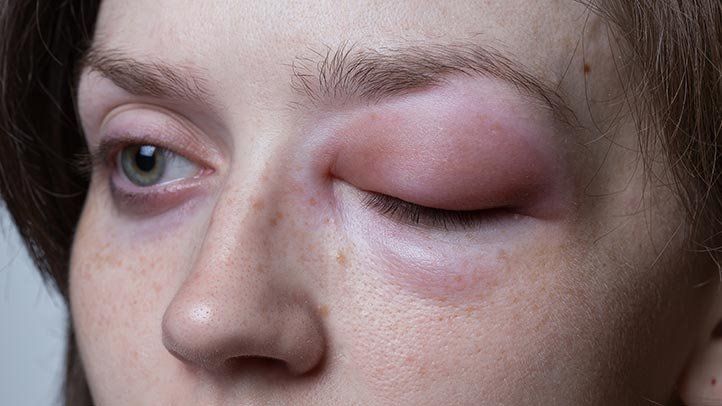
  • Facts About Autoimmune Diseases: Everything to Know Today

    Facts About Autoimmune Diseases: Everything to Know Today

    Understanding the facts about autoimmune diseases can help you advocate for safer care and everyday stability. These conditions occur when the immune system mistakenly targets the body’s own tissues, leading to inflammation, pain, and organ-specific damage. While each diagnosis is unique, many share overlapping symptoms and care pathways. This guide brings together current knowledge in plain language, plus practical steps you can discuss with your clinician.

    Key Takeaways

    • Wide spectrum conditions: Over 80 types affect many organs.
    • Overlapping symptoms: Fatigue, pain, rashes, and brain fog are common.
    • Early diagnosis matters: Testing plus history guides tailored treatment.
    • Flares can be managed: Triggers are trackable; habits can help.

    Facts About Autoimmune Diseases

    Autoimmune disorders range from organ-specific illnesses such as Hashimoto’s thyroiditis to systemic conditions like lupus. Researchers estimate more than 80 different autoimmune disorders, and many people experience more than one over time. Precise causes remain complex, involving genetics, environmental exposures, hormones, and gut-immune interactions. For an overview of definitions and prevalence, the National Institutes of Health provides accessible background materials through its public information pages.

    Autoimmune activity can wax and wane. People may experience stable periods, followed by flares marked by increased inflammation and symptoms. Some conditions primarily impact joints or skin, while others involve nerves, blood vessels, or the gastrointestinal tract. Understanding patterns helps you track triggers and partner with your care team on proactive plans. Note: Language matters—using person-first terms and validating lived experience can reduce stigma and improve care quality.

    Early Signs, Symptoms, and Flare Patterns

    Many conditions share overlapping features. Common autoimmune disease symptoms include persistent fatigue, low-grade fevers, muscle or joint pain, rashes, gut changes, sensory issues, and brain fog. Patterns vary: for some, symptoms surge in the morning, while others experience afternoon energy crashes. Flares may cluster after infections, major stress, intense heat, or sleep loss. Keeping a simple diary of sleep, stressors, foods, and activity can reveal individual trends and help clinicians tailor guidance.

    Joint stiffness, hand swelling, and prolonged morning pain may suggest inflammatory arthritis. For joint warning signs and fatigue patterns, see Early Signs of Rheumatoid Arthritis, which outlines red flags worth documenting. Skin changes, including photosensitive rashes or scaly plaques, can point toward connective tissue disease or psoriasis-spectrum conditions. Nerve symptoms—numbness, tingling, or vision shifts—may warrant neurological evaluation.

    Common Conditions and Overlap

    People often ask about prevalence across the spectrum and what are the 10 most common autoimmune diseases. While exact rankings differ by source, conditions frequently seen in clinics include rheumatoid arthritis, psoriasis and psoriatic arthritis, Hashimoto’s, Graves’ disease, type 1 diabetes, celiac disease, inflammatory bowel diseases, multiple sclerosis, systemic lupus erythematosus, and Sjögren’s disease. Overlap is common—someone may carry both thyroid autoimmunity and a connective tissue disorder.

    For condition overviews and treatment options across diagnoses, visit our resource hub on Autoimmune Disorders. The table below highlights a sample of conditions, affected systems, and typical specialist partners. This snapshot is not a complete list but can guide conversations and referrals.

    Condition Body System Typical Specialist
    Rheumatoid Arthritis Joints Rheumatology
    Psoriatic Arthritis Skin/Joints Dermatology, Rheumatology
    Multiple Sclerosis Nervous System Neurology
    Systemic Lupus Multi-system Rheumatology
    Hashimoto’s Thyroid Endocrinology
    Graves’ Disease Thyroid Endocrinology
    Type 1 Diabetes Pancreas Endocrinology
    Celiac Disease Gastrointestinal Gastroenterology
    Ulcerative Colitis Gastrointestinal Gastroenterology
    Sjögren’s Disease Exocrine Glands Rheumatology

    Causes, Triggers, and Risk Factors

    Scientists continue to study what triggers autoimmune diseases, but several themes emerge. Genetics influence risk, yet most genes raise susceptibility rather than guarantee disease. Environmental exposures—smoking, silica dust, ultraviolet light, and some infections—can interact with those genes. Hormones and life stages also play roles, with many conditions more common in people assigned female at birth. Research from national institutes summarizes current hypotheses, including molecular mimicry and loss of immune tolerance, in plain language on the NIAID overview.

    Everyday triggers often include acute infections, high stress, poor sleep quality, overheating, and drastic changes in routine. Food sensitivities vary widely; some notice symptoms with ultra-processed foods or alcohol. Because triggers differ, a personalized plan—sleep consistency, stress-reduction practices, and heat management—can reduce flares. Dyshidrotic Eczema and Autoimmunity explores skin barrier stress and immune cross-talk, useful when rashes complicate diagnosis.

    Diagnosis: Tests and Care Pathways

    Clinicians use history, physical exam, and targeted autoimmune disease diagnosis tests to confirm a suspected condition. Common bloodwork includes antinuclear antibodies (ANA), rheumatoid factor (RF), anti-CCP, thyroid antibodies, CRP (C-reactive protein), and ESR (erythrocyte sedimentation rate). Imaging such as ultrasound or MRI helps assess joints, soft tissue, or brain and spinal cord inflammation. In some cases, biopsy provides definitive evidence of autoimmune injury.

    Because different organs are involved, specialist referrals are common—rheumatology, neurology, endocrinology, dermatology, and gastroenterology. As an example of imaging and HLA-B27 testing in musculoskeletal disease, see the Ankylosing Spondylitis Symptoms guide. For broad diagnostic approaches and plain-language explanations across conditions, the federal MedlinePlus service offers an accessible overview on autoimmune diseases and testing.

    Managing Flares and Prevention Habits

    While there is no one-size plan, people frequently ask about how to prevent autoimmune disease naturally. Several habits may help reduce flare frequency: consistent sleep timing; balanced, minimally processed nutrition; gradual exercise that respects joints; stress-management practices; and avoiding high-heat exposure. Vaccination and infection prevention strategies, discussed with a clinician, can also reduce post-infection flares in some conditions. Small, sustainable steps usually stick better than strict, short-lived rules.

    Trigger tracking builds self-knowledge and confidence. For trigger tracking ideas and stress reduction tips, explore Psoriasis Awareness Month, which highlights practical, stigma-free strategies relevant beyond skin disease. If heat or sun exposure worsens symptoms, try cooling tools, layered clothing, and sun-protective habits. Tip: A weekly symptom scale (0–10) plus a few context notes can reveal trends without overwhelming you.

    Treatment Options: From Conventional to Biologics

    People often ask, can autoimmune disease be cured? Most conditions are chronic, but remission is possible for some, and many people achieve meaningful control. Treatment typically combines non-drug strategies with medicines like NSAIDs (pain and inflammation reducers), immunomodulators (immune-calming drugs), and biologics (targeted antibody therapies). Choices depend on organ involvement, safety considerations, pregnancy plans, and personal goals.

    For stepwise choices across inflammatory arthritis, see Medications That Treat RA, which explains classes and decision points. To understand a specific TNF inhibitor’s role and safety points, the Enbrel Injection Guide provides context you can discuss with your clinician. For antimalarial immunomodulation in lupus or arthritis, review What Does Plaquenil Do for mechanisms and monitoring. Some skin-joint conditions use PDE4 inhibition; the Apremilast Mechanism explainer outlines how this pathway may help.

    How Common and How Serious?

    Autoimmune conditions are common and collectively affect millions. Complications vary from mild and episodic to severe and organ-threatening. Serious autoimmune disease complications can include kidney inflammation, neurologic disability, cardiovascular risks, or eye involvement. Early diagnosis and coordinated care can reduce long-term damage. Infections, untreated inflammation, and medication side effects also contribute to burden, which is why regular monitoring matters.

    Neurological autoimmune diseases like multiple sclerosis, myasthenia gravis, and neuromyelitis optica illustrate the range of disability. Some skin conditions cause significant pain and functional limits, especially with pustular or palmoplantar involvement; for overlapping skin diagnoses, see Palmoplantar Pustulosis vs Dyshidrotic Eczema to learn distinguishing features. Reliable sources confirm there are more than 80 recognized autoimmune disorders; the NIH offers a clear overview with definitions and examples.

    Recap

    Autoimmune conditions are diverse, often overlapping, and highly personal. With informed choices, tracking, and collaborative care, many people reduce flares and live fully. Use this guide to structure conversations with clinicians, explore options, and identify patterns that matter to you.

    This content is for informational purposes only and is not a substitute for professional medical advice.

  • Asthma Management: Medications, Action Plans, and Safety

    Asthma Management: Medications, Action Plans, and Safety

    Asthma management means controlling airway inflammation, treating symptoms promptly, and knowing when breathing changes need urgent care. It is more than keeping a rescue inhaler nearby. A safer plan connects daily medicines, reliever medicines, inhaler technique, trigger reduction, and a written action plan that is easy to use when symptoms worsen.

    Asthma can also change over time. A plan that worked last year may need review after a viral illness, pregnancy, new workplace exposure, allergy changes, smoke exposure, or repeated reliever-inhaler use.

    Key Takeaways

    • Controller medicines reduce inflammation and future flare risk.
    • Reliever medicines treat sudden symptoms, but frequent use needs review.
    • A written action plan should explain daily care and urgent steps.
    • Inhaler technique affects how much medicine reaches the lungs.
    • Trigger reduction supports treatment, but it should not replace prescribed care.

    What Asthma Management Means Day To Day

    Day-to-day asthma care aims for fewer symptoms, fewer flare-ups, and safer responses when breathing gets worse. Asthma involves airway inflammation and bronchospasm (tightening of the airway muscles). Medicines often address one or both problems, while trigger control lowers the chance that symptoms start.

    A practical asthma management plan usually includes a diagnosis review, symptom tracking, inhaler technique checks, a current medication list, and emergency instructions. Many people also identify triggers such as respiratory infections, allergens, smoke, weather shifts, exercise, reflux, or workplace exposures. If you want background on why triggers differ, see Causes Of Asthma.

    Guidelines often use a stepwise approach. This means treatment may be adjusted up or down under clinician supervision, based on symptom control and risk. It does not mean changing doses or stopping a controller medicine on your own.

    Why it matters: Frequent symptoms can signal uncontrolled inflammation, not just bad luck.

    Medication Roles: Controller, Reliever, and Add-On Options

    Asthma medication works best when each medicine has a clear role. Some medicines help prevent symptoms over time. Others open the airways quickly during sudden symptoms. Additional options may be considered when asthma remains difficult to control or follows a specific pattern.

    No single medicine is best for everyone. For many people with persistent asthma, inhaled corticosteroids, often called ICS, are central because they target airway inflammation. A quick-relief medication for asthma can be essential during sudden symptoms, but it does not replace a prevention plan when inflammation is active.

    The table below is a plain-language asthma medications chart. It lists common medication roles and examples, not personal recommendations. Names vary by country, brand, device, and active ingredient.

    Medicine role Common examples How it fits into care Questions to ask
    Controller inhaler Budesonide, fluticasone, beclomethasone, mometasone Helps reduce airway inflammation over time. How should technique, mouth rinsing, and missed doses be handled?
    Reliever or rescue inhaler Albuterol or salbutamol Helps open airways during sudden symptoms. How often is too often for your personal plan?
    Combination controller ICS plus a long-acting bronchodilator, such as budesonide/formoterol or fluticasone/salmeterol Combines anti-inflammatory treatment with longer airway-opening support. Which inhaler is for daily use, symptom use, or both?
    Oral controller option Montelukast or related medicines May be considered for selected allergy-linked or exercise-linked patterns. What benefits, risks, and side effects should be reviewed?
    Add-on treatment Tiotropium or biologic medicines for selected patients May be used when asthma remains difficult despite standard treatment. Is specialist evaluation needed before adding this medicine?
    Flare treatment Oral corticosteroids under medical direction May be used for significant exacerbations, but not as routine prevention. What symptoms mean urgent care is needed?

    Some plans use an inhaled corticosteroid-formoterol combination as both maintenance and reliever therapy. Other plans use a separate controller and rescue inhaler. The right approach depends on the prescribed product, age, severity, past flare history, and local asthma management guidelines.

    For a broader medication overview, Asthma Treatment explains common treatment paths. If you are comparing budesonide/formoterol products after a prescription discussion, Breyna Vs Symbicort can help clarify formulation and device questions.

    First-Line Care and Stepwise Treatment Decisions

    First-line asthma care usually focuses on confirming the diagnosis, reducing exposure to triggers, teaching inhaler technique, and using anti-inflammatory treatment when asthma is persistent or higher risk. Clinicians also consider symptom frequency, nighttime waking, activity limits, lung-function testing when available, and past severe flare-ups.

    The phrase stepwise management of asthma describes a structured way to match treatment intensity to control. If symptoms or flare risk remain high, a clinician may step treatment up. If asthma stays controlled for a sustained period, they may consider whether stepping down is safe. This should happen through shared decision-making, not guesswork.

    Adults may have different decision points than children. Other conditions can also mimic or worsen asthma symptoms, including chronic obstructive pulmonary disease, heart disease, vocal cord dysfunction, sinus disease, reflux, and anxiety-related breathing changes. A careful review helps avoid treating every cough or wheeze as the same problem.

    Example: Someone who uses a reliever several times a week may think they are “managing” asthma well because the inhaler helps. A clinician may see a different pattern: inflammation is breaking through and needs reassessment.

    Why Inhaler Technique Can Change Results

    An inhaler only helps when enough medicine reaches the airways. Technique problems are common, even among people who have used inhalers for years. A person may inhale too late, breathe too quickly, forget to shake a metered-dose inhaler when instructed, skip a spacer, or stop inhaling before the dose is fully delivered.

    Different devices need different steps. A metered-dose inhaler usually requires coordination between pressing and inhaling. A dry powder inhaler often needs a strong, deep breath. A soft mist inhaler has its own timing. Nebulizers turn liquid medicine into a mist, but they also require cleaning and correct setup.

    Quick tip: Bring every inhaler and spacer to visits so technique can be checked.

    Technique review is especially important after a new prescription, a device switch, or a flare. More medicine is not always the answer if the device is not being used correctly. If you are reviewing combination inhalers, product pages such as Seroflo Inhaler and Foracort CFC Free can help you recognize device and ingredient terminology after a clinician has made the treatment decision.

    Building an Action Plan That Is Actually Usable

    An asthma action plan turns general advice into concrete steps. It should explain daily medicines, symptom medicines, what to do when symptoms worsen, and when to seek urgent help. It should also list allergies, triggers, emergency contacts, and the names of prescribed medicines.

    Many plans use zones. A green zone means symptoms are controlled. A yellow zone means symptoms are worsening or reliever medicine is needed more than expected. A red zone means severe symptoms or danger signs need urgent care. Some plans use symptoms only. Others also use peak expiratory flow, which measures how fast you can blow air out.

    If your clinician uses peak flow readings, this calculator can help convert a personal best into general zones for discussion. It does not decide treatment, diagnose a flare, or replace your written plan.

    [peak-flow-zone-calculator]

    The result is a planning aid. Your clinician should decide which readings matter for you, especially if your symptoms and peak flow do not match.

    People often ask about the 4-4-4 rule for asthma. This phrase usually refers to a first-aid memory aid in some regions for reliever inhaler use, reassessment, and urgent escalation if breathing does not improve. Emergency instructions vary by country, device, age, and prescribed medicine. Use your written plan and local emergency guidance instead of relying on a web rule.

    For many people, asthma management becomes safer when the plan is easy to find. Keep a copy at home, at work or school when relevant, and with caregivers, coaches, or family members who may need to respond quickly.

    Prevention Means Reducing Triggers Without Blaming the Patient

    Prevention of asthma attacks is partly medical and partly environmental. It is not about blaming someone for symptoms. Many triggers are hard to avoid, including viral infections, air pollution, wildfire smoke, weather changes, and work exposures. The goal is to reduce avoidable risks while keeping treatment realistic.

    Common prevention steps include avoiding tobacco smoke, reviewing allergies, reducing indoor dampness or mold, using bedding strategies for dust mites when relevant, and monitoring air quality. Vaccination, hand hygiene, and early attention to respiratory infections may also matter for some people. Exercise should not be automatically avoided; many people with asthma can stay active with a plan that accounts for symptoms and triggers.

    Workplace asthma deserves special attention. Cleaning agents, dusts, fumes, animals, flour, latex, and other exposures can trigger or worsen symptoms. If symptoms improve away from work and return on workdays, raise that pattern with a clinician. You can read more in Occupational Asthma.

    Allergies can also shape asthma patterns. For related immune and allergy topics, the Allergy Immunology collection may help you explore connected conditions and triggers.

    When a Medication Plan Needs Review

    A plan may need review when symptoms become more frequent, sleep is disturbed, activity is limited, or reliever medicine is needed more often than expected. Review is also important after an emergency visit, a course of oral steroids, pregnancy, new heart symptoms, new smoking or vaping exposure, or side effects that make adherence difficult.

    Medication changes should be made with a clinician because asthma can look controlled right before it worsens. Some people feel fine between flares, but still have a high risk of severe exacerbation. Others use a reliever often and slowly accept symptoms as normal. Neither pattern should be ignored.

    Ask for help promptly if breathing feels unusually hard, symptoms do not respond as expected, speech becomes difficult, lips or fingernails look blue or gray, ribs pull in with breathing, or drowsiness and confusion occur. These can be emergency signs.

    Side effects also deserve attention. Inhaled steroids may cause throat irritation or oral thrush in some people. Bronchodilators can sometimes cause shakiness or a fast heartbeat. Oral steroids can have broader effects, especially with repeated use. Do not stop a prescribed medicine suddenly without medical guidance, but do report problems.

    How To Discuss Medication Options With a Clinician

    The most useful medication conversation starts with facts from daily life. Bring symptom notes, nighttime awakenings, exercise limits, reliever use, recent infections, urgent visits, and any inhalers you actually use. Also mention cost, device comfort, hand strength, vision issues, and whether the schedule feels realistic.

    Helpful questions include:

    • Prevention role: Which medicine reduces inflammation over time?
    • Relief role: Which medicine treats sudden breathing symptoms?
    • Worsening symptoms: What should happen in the yellow zone?
    • Control tracking: How will improvement be measured?
    • Technique review: When should device use be checked again?

    Product pages and medication lists can help you recognize active ingredients and device types after a prescription discussion. They should not decide treatment by brand familiarity alone. BorderFreeHealth connects U.S. patients with licensed Canadian partner pharmacies, and prescription details may be verified with the prescriber when required before dispensing.

    You can browse the Respiratory Products category for prescription respiratory items, or use Respiratory Articles for related educational topics. Keep the clinical decision anchored to your diagnosis, action plan, and prescriber instructions.

    Authoritative Sources

    Strong asthma management is a shared process. Medicines, technique, trigger reduction, and written instructions work best when they are reviewed together. If symptoms change, the next step is not self-blame. It is a careful plan review with a qualified health professional.

    This content is for informational purposes only and is not a substitute for professional medical advice.

  • What Is Angioedema? Symptoms, Triggers, And Treatment

    What Is Angioedema? Symptoms, Triggers, And Treatment

    If you searched ‘What Is Angioedema: Symptoms, Triggers, and Treatment Guide,’ the short answer is this: angioedema is sudden swelling in deeper layers of the skin or lining tissues. It often affects the lips, eyelids, tongue, hands, feet, or genitals. It can appear with hives or happen on its own. Why this matters is simple: the cause changes the best response, and swelling in the tongue or throat can become dangerous fast.

    Most episodes are acute, meaning short-lived, but some people have recurrent swelling over time. Because the pattern can point to allergy, medication effects, or inherited conditions, the first questions are usually what swelled, how fast it happened, whether hives were present, and whether breathing or swallowing changed.

    Key Takeaways

    • Angioedema is deep swelling, not just surface irritation.
    • It may happen with hives, but not always.
    • Common triggers include allergies, medications, infections, and inherited conditions.
    • Throat swelling, breathing trouble, or faintness need emergency care.
    • Treatment depends on the cause and whether histamine is involved.

    What Angioedema Means Beneath The Skin

    Angioedema is swelling caused by fluid leaking from small blood vessels into deeper tissue. Unlike a mild rash, it tends to feel puffy, firm, or tight. The skin may look normal, pink, or slightly red. The swelling often develops over minutes to hours and can take hours or a few days to settle, depending on the trigger.

    Doctors often think about two broad pathways. The first is mast cell-mediated angioedema, meaning histamine and related allergy signals are driving the swelling. This form more often comes with hives, itching, flushing, or an obvious trigger such as a food, sting, or medication reaction. The second is bradykinin-mediated angioedema, which involves a different chemical pathway. It is more likely to cause swelling without hives and may be seen with certain blood pressure medicines, especially ACE inhibitors, or in hereditary angioedema.

    Why The Cause Matters

    The reason angioedema happens affects both risk and treatment. Histamine-driven episodes often respond to common allergy treatments. Bradykinin-driven swelling usually does not follow the same pattern. That is one reason recurrent lip or tongue swelling without hives deserves a careful history rather than guesswork.

    For broader background on related conditions, the Allergy And Immunology hub can help you place angioedema in context.

    BorderFreeHealth works with licensed Canadian partner pharmacies.

    Symptoms And Warning Signs To Watch

    The most common angioedema symptoms are sudden swelling of the lips, eyelids, face, tongue, hands, feet, or genitals. The area may feel stretched, warm, tender, or heavy rather than simply itchy. Some people notice tingling first. Others wake up with swelling that was not there the night before.

    Angioedema can also affect mucous membranes, which are the moist linings inside the body. That means symptoms are not always visible on the skin. Swelling in the mouth or throat can change the voice, make swallowing hard, or create a tight sensation. Swelling in the gut can cause cramping, nausea, vomiting, or belly pain. These internal symptoms are easy to misread if you do not know angioedema can happen there too.

    Why it matters: A swollen tongue or throat can block airflow even when the skin changes look limited.

    Angioedema And Hives Are Related, But Not The Same

    Hives and angioedema often overlap, but they affect different layers of tissue. Hives tend to sit closer to the skin surface and look like raised, itchy welts. Angioedema goes deeper and usually looks more like broad swelling than a cluster of bumps.

    Feature Angioedema Hives
    Depth Deeper tissue swelling Surface skin welts
    Common feel Tight, sore, heavy, or warm Very itchy
    Common sites Lips, eyelids, tongue, hands, feet Anywhere on the skin
    Appearance Diffuse puffiness Raised red or pale patches
    May occur together Yes Yes

    This distinction matters because angioedema without hives can point toward medication effects, hereditary angioedema, or other non-allergic pathways rather than a simple allergic flare.

    When Swelling Needs Urgent Care

    Angioedema becomes an emergency when it affects breathing or raises concern for a severe allergic reaction. Trouble breathing, noisy breathing, sudden voice changes, swelling of the tongue, trouble swallowing saliva, fainting, chest tightness, or rapidly spreading swelling should be treated as urgent. Severe stomach pain with repeated vomiting can also deserve prompt evaluation, especially in people with recurrent unexplained episodes.

    If symptoms start soon after a new medicine, food, sting, or another clear exposure, that timing is important to report. So is a family history of similar swelling. Even when a person has had angioedema before, a new throat symptom should not be treated as routine.

    • Breathing changes — urgent evaluation
    • Tongue or throat swelling — emergency risk
    • Fainting or severe weakness — possible serious reaction
    • Rapid spread — do not wait it out
    • Severe belly pain — consider deeper swelling

    Common Causes, Triggers, And Risk Factors

    Angioedema causes fall into a few major groups. Allergic angioedema may follow foods, insect stings, latex, or medications. Non-allergic angioedema can be triggered by drugs, infections, physical pressure, or temperature changes. Some cases are hereditary, caused by an inherited problem in the C1 inhibitor system, which helps regulate swelling. Others are called idiopathic angioedema, meaning a clear cause is not found even after evaluation.

    One especially important trigger is an ACE inhibitor, a common blood pressure medicine class. ACE inhibitor angioedema may happen without hives and can occur even after someone has taken the medication for a long time. That delayed pattern surprises many people. Other drugs can also cause or worsen swelling, which is why a full medication list matters.

    Risk factors can include a personal or family history of swelling, a history of hives or allergies, certain medications, and prior unexplained episodes of face or lip swelling. In some people, stress, illness, dental work, or minor trauma seem to act more like triggers than root causes. The pattern over time often gives the strongest clues.

    What Causes Angioedema Without Hives?

    Angioedema without hives raises the chance of a non-histamine pattern. Medication effects, especially ACE inhibitors, hereditary angioedema, and some idiopathic cases are common reasons clinicians look more closely. That does not mean every case without hives is inherited or dangerous, but it does mean the workup may go beyond standard allergy questions.

    Food concerns come up often, but there is no single universal list of foods to avoid with angioedema. If a specific food clearly triggered an episode, it makes sense to note that pattern and discuss it during evaluation. Without a clear link, broad food restriction can create confusion more than clarity.

    When required, prescription details are checked with the prescriber before dispensing.

    How Angioedema Is Diagnosed And Treated

    Diagnosis starts with the story. Clinicians usually ask how fast the swelling appeared, whether hives or itching were present, what medicines or foods were involved, whether the belly or throat were affected, and whether relatives have had similar episodes. Photos from a phone can help, especially when the swelling has eased by the appointment.

    Testing is not the same for everyone. A single, obvious allergic episode may need a different workup than recurrent swelling with no rash. In repeat or unexplained cases, especially when hereditary angioedema is a concern, clinicians may order blood tests related to complement proteins such as C4 and C1 inhibitor. The goal is not to test everything at once. It is to match the tests to the pattern.

    Angioedema treatment also depends on the pattern. Histamine-related swelling may improve with antihistamines, corticosteroids, or emergency treatment for anaphylaxis when a severe allergic reaction is involved. Bradykinin-mediated angioedema usually needs a different approach, and specialist-directed therapies may be considered for hereditary angioedema or recurrent non-allergic swelling. If a medication appears to be the trigger, the prescriber may review whether an alternative is needed.

    That is also why there is no single best antihistamine for every case. An antihistamine may help when histamine is driving the swelling, but it does not explain every episode. For recurrent or severe symptoms, the plan is usually built around the likely mechanism, the body areas involved, and how quickly symptoms escalate.

    If a clinician is considering a histamine-blocking approach, some readers also look into options such as Histantil. The best fit still depends on the cause of swelling and the overall treatment plan.

    Quick tip: Keep a simple log with timing, photos, new medicines, foods, infections, and stress around each episode.

    If you are wondering whether swelling could be medication-related, a page like Synthroid Side Effects shows the kind of timing details clinicians use when reviewing possible reactions.

    Living With Recurrent Or Unclear Swelling

    Repeated angioedema can be frustrating because the episodes may look dramatic but still be hard to explain. A useful next step is often pattern recognition rather than panic. The goal is to understand whether the swelling behaves like allergy, medication-related swelling, hereditary angioedema, or an idiopathic pattern that needs ongoing follow-up.

    These questions can make an appointment more productive:

    • Timing — how fast it appeared
    • Location — lips, face, throat, or gut
    • Skin findings — hives, itching, or none
    • Triggers — foods, stings, infections, pressure, medicines
    • Family history — similar swelling in relatives
    • Response pattern — what seemed to help or did not

    That last point is especially useful. Swelling that repeatedly ignores typical allergy treatment may need a different explanation. The same is true for episodes linked to abdominal pain, family history, or ACE inhibitor use. Recurrent angioedema is often managed best with a plan that names likely triggers, lists emergency warning signs, and clarifies when specialist evaluation is worth considering.

    Angioedema prevention is usually practical, not perfect. It may include avoiding confirmed triggers, reviewing medication lists after a reaction, keeping photos and notes from past episodes, and making sure family history is not overlooked. There is no one-size-fits-all prevention plan because angioedema is a pattern, not a single cause.

    Some cross-border prescription options are cash-pay and depend on eligibility and jurisdiction.

    Authoritative Sources

    Further reading can help, but the key point is simple: angioedema is not one thing. The swelling pattern, the trigger, and the presence or absence of hives are what make the condition easier to understand.

    This content is for informational purposes only and is not a substitute for professional medical advice.