Category: Addictions

This Addictions hub supports patients and caregivers who need practical, plain-language information. It focuses on recognition, support, and safe next steps. It also helps with navigation, so topics feel less overwhelming. Some people also want access context for medications used in care. Ships from Canada to US may appear in related access information.

Licensed Canadian partner pharmacies dispense medications when prescriptions are required.

This category does not replace a clinician’s advice. It aims to explain terms, organize choices, and point to reliable resources. It also highlights support options for families and caregivers.

Understanding Addictions

Addiction is a health condition that affects brain circuits and behavior. It can involve substances, like alcohol or opioids, or behaviors, like gambling. Many people describe cravings, loss of control, and continued use despite harm. People may also cycle through recovery and recurrence, which can be part of care. For research context on nicotine, see GLP-1 Receptor Agonists Nicotine.

Substance and behavioral patterns

Clinicians often use the term substance use disorder (SUD) for ongoing harmful use. SUD ranges from mild to severe, based on functional impact. Behavioral addictions may look similar, but do not involve drug ingestion. Both can connect to stress, trauma, and unmet mental health needs. For a treatment-research angle in alcohol, read Semaglutide Liraglutide Alcohol Use.

Risk factors and screening

Risk does not equal destiny, and support can change outcomes. Screening tools help structure conversations and spot safety risks early. For background on SUD concepts, see this neutral overview from the National Institute on Drug Abuse.

  • Family history, early exposure, or high ongoing stress.
  • Untreated depression, anxiety, or co-occurring disorders (two diagnoses at once).
  • Chronic pain, sleep disruption, or unstable housing and social supports.
  • Peer influence, especially during adolescence and young adulthood.
  • Easy access to substances or high-risk environments.

What You’ll Find in This Category

This hub brings together educational posts that support browsing and learning. It covers addiction signs and symptoms, types of addictions, and common terms used in care. It also includes content on harm reduction and recovery planning. Some posts discuss medications being studied for related conditions. Explore nicotine-focused context in Nicotine Addiction Treatment GLP-1.

These Addictions resources also address caregiver concerns and daily logistics. Topics can include how programs work, what to ask at appointments, and how support groups fit. Some content discusses alcohol use disorder using a research lens, like Alcohol Use Disorder GLP-1.

  • Substance use disorders, including alcohol use disorder, opioid addiction, and stimulant addiction.
  • Nicotine addiction and quitting supports, including counseling and medication discussions.
  • Behavioral addictions, including gaming addiction and gambling addiction.
  • Addiction assessment basics, including screening for addiction and diagnosis terminology.
  • Addiction treatment options, including counseling, therapy for addiction, and support groups.
  • Detox and withdrawal concepts, plus relapse prevention strategies and self-help for addiction.
  • Family support for addiction, including teen addiction communication considerations.

How to Choose

Different guides fit different moments. Some readers want early warning signs. Others need next-step options after a crisis or relapse. Use the checklist below to narrow what fits the situation.

Match the guide to the situation

  • Identify the main concern: alcohol, opioids, nicotine, stimulants, or a behavior.
  • Check whether the focus is screening, treatment pathways, or recovery supports.
  • Look for co-occurring mental health context if symptoms overlap or worsen.
  • Prioritize practical topics for caregivers, like boundaries and safety planning.
  • Choose harm reduction content when abstinence is not the immediate goal.

Use trustworthy markers while browsing

  • Prefer sources that define terms and cite established health organizations.
  • Watch for absolute claims about cures, timelines, or “one-step” solutions.
  • Look for language that respects autonomy and reduces stigma.
  • Confirm that any medication discussion references official labeling when possible.

Safety and Use Notes

Some situations carry immediate risk, especially overdose or severe withdrawal. Alcohol and sedative withdrawal can become dangerous without monitoring. Opioid overdose can happen quickly and needs urgent response. For confidential support information, see this SAMHSA national helpline resource.

This Addictions category avoids personal treatment advice and dose guidance. It can help people recognize red flags and prepare better questions. It can also explain why relapse prevention planning matters.

Why it matters: Clear safety signals can reduce delays during time-sensitive emergencies.

When needed, we confirm prescriptions directly with the prescriber before dispensing.

  • Seek urgent help for trouble breathing, unresponsiveness, or suspected overdose.
  • Ask a clinician about detoxification (medical help during withdrawal) when risks apply.
  • Share complete substance and medication lists to reduce interaction risks.
  • Consider support groups and counseling as ongoing safety nets, not last resorts.
  • Plan for triggers, stress spikes, and sleep loss, which can raise recurrence risk.

Access and Prescription Requirements

Some medications discussed in addiction care require a valid prescription. Requirements vary by drug class and local rules. This hub explains general access steps and what documentation may be requested. It also clarifies how cross-border access can work through partner dispensing relationships.

Addictions care often involves cash-pay access, which can matter for planning. Some people explore cash-pay options when they are without insurance. Access pages focus on administrative steps, not medical selection.

Quick tip: Keep prescriptions and contact details available for verification requests.

We support cross-border access by partnering with licensed pharmacies in Canada.

  • Prescription-only medicines require review before dispensing, even for refills.
  • Verification may involve contacting the prescriber to confirm details.
  • Expect identity and address checks to support safe dispensing standards.
  • Use clear records when switching providers or coordinating multi-clinic care.
  • For related reading on nicotine research, revisit GLP-1 Receptor Agonists Nicotine.
  • For alcohol-focused research context, see Repurposing Semaglutide Liraglutide.

This content is for informational purposes only and is not a substitute for professional medical advice.

  • Champix Side Effects: Risks, Warnings, and Safer Use

    Champix Side Effects: Risks, Warnings, and Safer Use

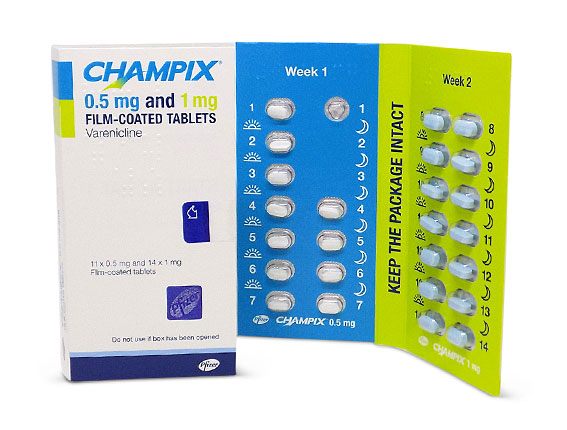
    Champix side effects are usually manageable, but some symptoms need prompt medical attention. Nausea, vivid dreams, headache, and insomnia are among the most common reactions. Mood changes, severe allergic symptoms, chest pain, fainting, or suicidal thoughts are warning signs that should not be ignored.

    Champix is a brand name for varenicline, a prescription medicine used to support smoking cessation. It can reduce cravings and make smoking feel less rewarding. That benefit matters, but so does knowing what to expect before symptoms appear.

    Key Takeaways

    • Common effects: Nausea, sleep disruption, headache, and vivid dreams often appear early.
    • Serious warnings: New depression, aggression, suicidal thoughts, chest symptoms, or swelling need urgent advice.
    • Timing matters: Side effects often start during dose increases and may settle with routine.
    • Alcohol caution: Drinking may worsen dizziness, unusual behaviour, or sleep problems.
    • Safer use: Food, water, symptom tracking, and follow-up can improve tolerability.

    What Champix Is and Why Side Effects Happen

    Champix contains varenicline, a medicine that acts on nicotine receptors in the brain. It is called a partial agonist, which means it partly stimulates those receptors while also blocking nicotine’s stronger effect. In plain language, it can soften withdrawal and reduce the reward from cigarettes.

    That brain-receptor activity also explains why varenicline side effects can involve sleep, mood, concentration, and nausea. The same medicine that helps reduce cravings may also affect appetite, dreams, and how alert you feel. Most effects are not dangerous, but they can still disrupt daily life.

    People may also know this medicine by another brand name. If you are comparing labels or pharmacy records, our Champix vs. Chantix resource explains the naming differences in more detail.

    Why it matters: Knowing the generic name helps prevent confusion when reading labels, warnings, or pharmacy instructions.

    Common Champix Side Effects to Expect Early

    The most common Champix side effects usually affect the stomach, sleep, or nervous system. Nausea is often the symptom people notice first. Some people also report constipation, gas, dry mouth, headache, dizziness, fatigue, or changes in appetite.

    Sleep effects can feel surprising. Vivid dreams, unusual dreams, nightmares, and insomnia can occur during treatment. These symptoms may be more noticeable after evening doses or during the first weeks, when your body is still adjusting.

    Common does not mean harmless for everyone. A mild headache that fades is different from severe dizziness that affects driving, work, or balance. Track severity, timing, and whether symptoms interfere with your normal routine.

    Common effects by body system

    Area affected Possible symptoms What to watch
    Stomach and digestion Nausea, gas, constipation, indigestion Symptoms after dosing or on an empty stomach
    Sleep Insomnia, vivid dreams, nightmares Disrupted rest or distressing dreams
    Nervous system Headache, dizziness, tiredness Problems driving, working, or concentrating
    Mood and behaviour Irritability, anxiety, low mood New, worsening, or unusual changes

    Warning Signs That Need Medical Advice

    The most serious varenicline warnings involve mood, behaviour, allergic reactions, and possible cardiovascular symptoms. Seek urgent care if you have suicidal thoughts, severe agitation, aggressive behaviour, chest pain, fainting, or swelling of the face, lips, tongue, or throat.

    Contact a clinician promptly if you or people close to you notice new depression, hostility, confusion, panic, or major personality changes. These symptoms can happen in people with or without a previous mental health condition. Quitting nicotine can also affect mood, so a clinician may need to sort out the cause.

    Allergic reactions are less common but important. Rash, hives, blistering skin, or swelling should be treated as warning signs. Breathing trouble, throat tightness, or facial swelling require emergency attention.

    Heart-related symptoms also deserve caution. Palpitations, chest pressure, shortness of breath, or fainting should be assessed promptly, especially in people with known heart disease or recent cardiovascular events.

    Do Champix Side Effects Go Away?

    Many Champix side effects improve after the first one to two weeks, especially once the starting period passes. Nausea, dizziness, and sleep disruption may ease as your body adapts. Still, symptoms that persist, worsen, or feel unsafe should be discussed with a healthcare professional.

    The early phase often includes gradual dose changes. Side effects may appear or intensify when the dose increases. This does not mean you must tolerate severe symptoms. It means timing can help your prescriber decide what to review.

    Side effects after stopping Champix usually settle as the medicine clears from the body. Some people notice temporary irritability, cravings, or sleep changes after stopping. Those symptoms can overlap with nicotine withdrawal, so it helps to keep notes rather than guessing.

    If you keep smoking while taking varenicline, the medicine may reduce how satisfying cigarettes feel. However, smoking while trying to quit can complicate symptoms and cravings. Follow the quit plan your clinician provided, and ask for help if the plan no longer feels workable.

    Using Varenicline More Safely

    Safer use starts with a clear medication review. Tell your prescriber about kidney disease, mental health history, seizures, heart disease, pregnancy plans, alcohol use, and all prescription or non-prescription products you take.

    Kidney function matters because varenicline leaves the body largely through the kidneys. People with reduced kidney function may need closer review. Do not adjust your dose on your own, and do not restart old tablets without checking whether they remain appropriate.

    Alcohol deserves extra caution. Some people report stronger intoxication, unusual behaviour, blackouts, or mood changes while taking varenicline. A conservative approach is to limit alcohol at the start and monitor how you respond.

    Taking tablets with food and a full glass of water may reduce nausea. A consistent routine also helps you identify patterns. If vivid dreams or insomnia become disruptive, ask whether timing changes are appropriate for your situation.

    • Track timing: Note dose times, meals, sleep, and symptoms.
    • Use food: A small meal may reduce queasiness.
    • Hydrate steadily: Water can help with dry mouth and nausea.
    • Limit alcohol: Watch for stronger or unusual reactions.
    • Ask early: Report mood, chest, or allergy symptoms promptly.

    Quick tip: Bring a two-week symptom log to follow-up visits.

    Interactions, Health History, and Alternatives

    Champix drug interactions are not limited to medicine-to-medicine effects. Alcohol, nicotine withdrawal, sleep loss, and other quit-smoking treatments can all influence how you feel. Bupropion, nicotine replacement therapy, and other mental health medicines should be reviewed by your clinician before combining treatments.

    Some people need an alternative approach. Nicotine patches, gum, lozenges, inhalers, bupropion, counselling, digital supports, or combination plans may be considered depending on your history. A good plan balances craving control, safety, preference, and follow-up support.

    For broader smoking-related reading, the Addictions collection covers related topics. If your clinician discusses bupropion as an option, Wellbutrin XL Side Effects explains common tolerability issues for that medicine.

    Some readers also compare prescription cessation aids with nicotine replacement products. The Nicorette Inhaler Mouth Piece Refill page may help with product context, while Varenicline Tablets provides medication-specific navigation for discussions with a prescriber.

    BorderFreeHealth connects U.S. patients with licensed Canadian partner pharmacies, and prescription details may be verified with the prescriber when required before dispensing. This access context is separate from clinical decision-making, which should remain with your healthcare professional.

    Practical Questions to Ask Before and During Treatment

    Clear questions can make follow-up safer and less stressful. Before starting, ask what side effects are expected, which warning signs require urgent care, and how your kidney function or health history affects monitoring.

    During treatment, focus on patterns. Did nausea start after a dose increase? Are dreams disturbing enough to affect mood? Did alcohol trigger unusual behaviour? These details help your clinician decide whether the plan needs review.

    People who have a history of depression, anxiety, bipolar disorder, psychosis, seizures, or cardiovascular disease should ask about monitoring before starting. This does not automatically rule out varenicline. It means the risk-benefit conversation should be individualized.

    If you are reading about broader medication tolerability, Side Effects offers a general framework for separating expected reactions from red flags.

    Authoritative Sources

    The NHS side effects page for varenicline lists common effects and urgent warning symptoms in patient-friendly language.

    The Medsafe consumer medicine information for Champix provides label-based details on precautions, side effects, and when to seek help.

    The CDC quit-smoking guidance offers practical support strategies that can be combined with clinician-directed treatment.

    Putting the Risks in Context

    Champix side effects can be frustrating, but planning helps. Most people watch for stomach upset, sleep changes, headache, and vivid dreams. The symptoms that matter most are new mood changes, suicidal thoughts, allergic reactions, fainting, or chest symptoms.

    Use this information to prepare for a safer conversation, not to self-manage serious symptoms. If something feels severe, unusual, or rapidly worsening, seek professional advice promptly.

    This content is for informational purposes only and is not a substitute for professional medical advice.

  • Bupropion Overdose: Symptoms, Time Course, and Emergency Care

    Bupropion Overdose: Symptoms, Time Course, and Emergency Care

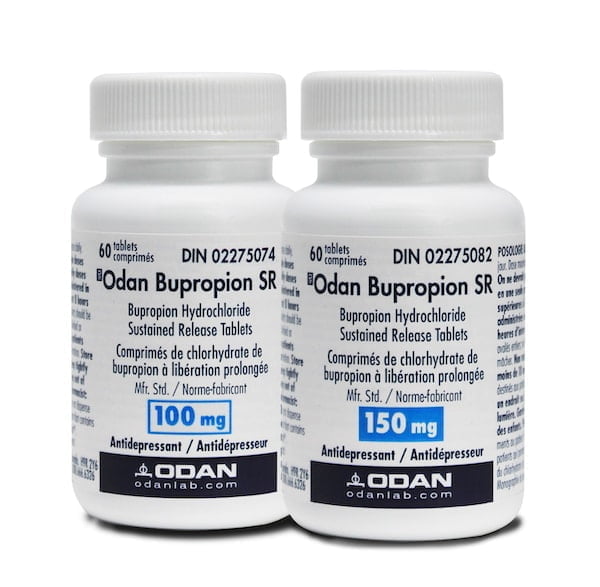
    Bupropion Overdose: Symptoms, Time Course, and Safer Management starts with one urgent fact: taking too much bupropion can cause agitation, tremor, a fast heartbeat, hallucinations, and seizures, and some serious effects may appear late, especially with sustained-release or extended-release tablets. That is why a possible overdose needs same-day guidance from Poison Control or emergency evaluation rather than watchful waiting. Even when symptoms seem mild at first, the pattern can change over hours.

    Key Takeaways

    • Bupropion overdose can affect the brain and heart, not just the stomach.
    • Common warning signs include agitation, tremor, confusion, hallucinations, fast heart rate, and seizures.
    • XL and SR products can cause delayed symptoms, including seizures many hours later.
    • There is no single home rule for a toxic level; formulation, amount, co-ingestants, and symptoms all matter.
    • Safer management means early expert help, close observation, and attention to mental health as well as medication safety.

    Why it matters: A calm early period does not always mean the danger has passed.

    BorderFreeHealth connects eligible U.S. patients with licensed Canadian partner pharmacies.

    Bupropion Overdose Symptoms: What They Often Look Like

    Bupropion toxicity, sometimes searched as Wellbutrin overdose, often looks like overstimulation of the nervous system. People may become restless, shaky, anxious, sweaty, nauseated, or unusually keyed up. A fast heart rate is common. As toxicity worsens, symptoms can move toward confusion, severe agitation, visual disturbance, hallucinations, muscle jerks, and seizures.

    The brain and the heart are the main organs clinicians watch. Severe cases can include status epilepticus (continuous or repeated seizures), coma, or arrhythmias (abnormal heart rhythms). Those are medical emergencies. Not everyone with an overdose develops the worst effects, but the symptom pattern can change quickly enough that early assessment matters.

    It also helps to separate overdose from routine side effects. Mild insomnia, dry mouth, or reduced appetite can happen with normal treatment. Overdose is different. The combination of marked tremor, agitation, altered thinking, hallucinations, or seizure-like activity points to a higher-risk problem.

    Children, older adults, and people with other medical conditions may need especially careful assessment. Emergency teams also ask about seizure history, eating disorders, stimulant use, and other medicines that can lower seizure threshold or affect the heart.

    For broader mental health background, the Mental Health Hub, Depression Symptoms And Treatment, and Anxiety And Depression And Medicines pages explain how these medicines fit into care. That background can be useful, but overdose questions need a separate, more urgent lens.

    Why the time course can be delayed

    Time course means when symptoms start, how fast they build, and how long monitoring may be needed. With bupropion overdose, that timeline can be misleading. Immediate-release products often cause symptoms sooner. Sustained-release and extended-release forms can produce delayed toxicity because the medication keeps releasing over time.

    That delay is one of the most important facts for patients and families. A person can look fairly stable early on and still worsen later. Delayed seizures after bupropion overdose are a known risk, especially with XL products. That is why clinicians may recommend longer observation when the amount is unclear, the product is SR or XL, or symptoms are already evolving.

    Situation Typical pattern Why it changes management
    Immediate-release ingestion Symptoms often appear earlier, sometimes within a few hours Early improvement does not rule out later complications
    SR or XL ingestion Symptoms may be delayed for many hours, including delayed seizures Observation may last longer because the drug keeps releasing
    Unknown amount or mixed ingestion The course is less predictable Alcohol and other drugs can change mental status and heart risk

    People often search for a toxic level of bupropion, hoping for one reassuring number. There is no simple home cutoff that reliably predicts safety. The formulation, the amount, the person’s size and health, other substances, and the current symptoms all affect risk. That is why poison specialists and emergency clinicians focus on the whole picture rather than a single dose estimate or internet threshold.

    Quick tip: Keep the bottle or blister pack nearby before calling for help.

    What safer management means in real life

    Safer management starts with real-time expert guidance. In the U.S., that usually means calling Poison Control right away or seeking emergency care if the amount was large, the amount is unknown, symptoms are present, or there is any concern about self-harm. The goal is early assessment, not panic. Because bupropion can cause delayed seizures, waiting for symptoms to become obvious can be risky.

    Home fixes are not the answer. Do not try to make the person vomit. Do not assume that staying awake or talking normally means the event is minor. If the person is confused, very agitated, having abnormal movements, or seems unwell in any serious way, emergency services are appropriate. If a child was exposed or the tablets belong to someone else, treat the situation as urgent even if you cannot estimate the exact amount.

    The most useful details to share are simple:

    • Product name and form
    • IR, SR, or XL
    • Estimated amount taken
    • Time of ingestion
    • Other drugs or alcohol
    • Current symptoms

    Those details help determine the likely bupropion overdose time course and whether observation needs to be prolonged. An accidental double dose may still deserve same-day review. A deliberate ingestion needs emergency care and mental health support even if symptoms seem limited at first.

    When verification is required, the pharmacy may confirm prescription details with the prescriber.

    What emergency care may involve

    Emergency care focuses on stabilization and observation. Clinicians start with airway, breathing, circulation, temperature, mental status, and seizure risk. They may use continuous heart monitoring, repeated vital signs, blood glucose checks, and an electrocardiogram, or ECG, to look for conduction problems and rhythm changes.

    One term people see online is QTc. QTc is an ECG measurement that reflects how long the heart takes to reset between beats. In bupropion overdose, a QTc change can matter, but it is not interpreted alone. The whole ECG pattern, the person’s symptoms, and any co-ingestants help determine how serious the finding is.

    Treatment is usually supportive. That may include IV fluids, oxygen, medication for seizures or severe agitation, correction of low blood sugar if present, and close neurologic and cardiac monitoring. Hospital teams may also decide whether decontamination steps are appropriate, but those decisions depend on timing, symptoms, and airway safety. They are not home remedies.

    There is also no single observation period that fits every case. Longer monitoring is more likely when the product is extended-release, when the timing is uncertain, when symptoms are progressing, or when seizures or ECG changes have already appeared. In severe cases, intensive care may be needed for recurrent seizures, shock, or dangerous rhythm problems.

    People sometimes look for advice on how to treat a Wellbutrin overdose a few days later. By that stage, the key question is whether symptoms are still happening. Ongoing confusion, chest symptoms, fainting, hallucinations, recurrent vomiting, or abnormal movements still warrant medical assessment. If the acute toxic effects have passed, follow-up usually shifts toward medication review, safer storage, and mental health support.

    How overdose differs from routine side effects

    Routine side effects and overdose are not the same event. Many antidepressants can cause temporary nausea, headache, dry mouth, or sleep changes when treatment begins. Bupropion overdose raises a different level of concern because it can produce marked stimulation of the nervous system and, in some cases, cardiac effects.

    If you are sorting through medication symptoms more generally, Side Effects And Management offers a broad framework. For comparison with other common mental health medicines, you can also review Depression Medication Options, Anxiety And Depression Medications, and Anxiety Medication Options.

    That comparison matters because people sometimes think taking too much of a medicine will simply produce stronger versions of ordinary side effects. With bupropion toxicity, that shortcut can be unsafe. Tremor, hallucinations, seizure risk, and delayed progression do not behave like routine startup effects.

    Questions that shape risk and recovery

    Three questions often shape the next steps: which formulation was taken, were other substances involved, and what symptoms are happening now? Those answers help clinicians predict whether the main concern is delayed neurologic toxicity, a mixed overdose, or a lower-risk exposure that still needs observation.

    Immediate-release vs. XL products

    Extended-release bupropion deserves extra caution because serious effects may appear later. That is why bupropion XL overdose symptoms can seem out of proportion to an initially reassuring exam. Immediate-release products often declare themselves sooner, but they can still cause major toxicity.

    Hallucinations and agitation

    Bupropion overdose hallucinations, severe restlessness, and worsening tremor are important warning signs. They are not just unpleasant side effects. In some cases, they can appear before seizures or alongside a rising heart rate.

    Heart rhythm changes

    Fast heart rate is common. More serious heart rhythm changes are less common, but they matter because they can change monitoring, treatment intensity, and the need for higher-acuity care. When alcohol, stimulants, or other antidepressants are part of the picture, the course becomes harder to predict.

    Cash-pay cross-border options depend on eligibility and jurisdiction, including some patients without insurance.

    Planning the next conversation after the emergency

    Once the urgent phase is over, the next step is usually prevention. Was this a dosing mix-up, a confusing label, a duplicate prescription, or a mental health crisis? Each answer points to a different kind of follow-up.

    For accidental ingestions, practical changes may include using a pill organizer, separating old and new bottles, keeping IR and XL products clearly labeled, and reviewing the full medication list with a clinician or pharmacist. For intentional ingestions, follow-up should include crisis support and a careful review of the treatment plan.

    That follow-up review matters because prevention is rarely just about willpower. Sometimes the problem is packaging, a recent dose change, two similar bottles in one cabinet, or several prescribers using separate medication lists. Fixing the system around the medicine can be as important as discussing the medicine itself.

    If you are looking at broader treatment context after an emergency, the Mental Health Treatments hub can help you browse related categories. Pages such as Zoloft Side Effects and Escitalopram Side Effects also show how side-effect patterns differ across medicines, though overdose questions should always be handled as a separate, higher-risk issue.

    Authoritative Sources

    Bupropion overdose can look mild early and still become serious later, especially with extended-release forms. Early expert input, careful monitoring, and thoughtful follow-up are the safest way to approach the situation.

    This content is for informational purposes only and is not a substitute for professional medical advice.

  • Drinking Alcohol and Diabetes: Safer Blood Sugar Choices

    Drinking Alcohol and Diabetes: Safer Blood Sugar Choices

    Drinking alcohol and diabetes can coexist for some adults, but alcohol needs more planning than a casual drink might suggest. Alcohol can raise or lower glucose, and it may increase hypoglycemia risk, especially with insulin or sulfonylureas. This matters because intoxication can look like a glucose emergency, and delayed lows may happen overnight or the next day.

    No article can decide whether alcohol is safe for you. Your personal risk depends on your diabetes type, medicines, food intake, liver health, pregnancy status, alcohol history, and glucose patterns.

    Key Takeaways

    • Alcohol can make glucose less predictable, sometimes hours later.
    • Insulin and sulfonylureas can raise the risk of hypoglycemia after drinking.
    • Food, hydration, pacing, and monitoring matter more than drink labels alone.
    • There is no universally best alcoholic drink for diabetes.
    • Confusion, seizure, fainting, or repeated vomiting needs urgent care.

    Drinking Alcohol and Diabetes: The Core Safety Issue

    The main issue is that alcohol changes how the liver manages glucose. Your liver helps release stored glucose between meals and overnight. When alcohol is present, the liver prioritizes breaking it down. That can reduce glucose release and make hypoglycemia more likely in people who use insulin or medicines that increase insulin release.

    At the same time, some drinks contain carbohydrate. Beer, sweet wine, cider, dessert drinks, and cocktails made with juice or regular soda may raise glucose at first. Later, alcohol may pull glucose downward. This up-and-down pattern is why diabetes and alcohol can feel confusing, even for people who usually understand their numbers.

    This is why drinking alcohol and diabetes needs a delayed-risk mindset. A normal reading soon after a drink does not always mean the risk has passed. Some people notice changes overnight or the next morning, especially after several drinks, missed meals, extra activity, or poor sleep.

    You may hear about a 3-hour rule for diabetes and alcohol. It is not a universal medical rule. For many people, it works better as a reminder that glucose can shift after the drink is finished, so monitoring should not stop as soon as the evening ends. Ask your clinician what checking pattern fits your medicines and history.

    Why it matters: Alcohol symptoms can overlap with hypoglycemia symptoms, including slurred speech, sleepiness, sweating, and confusion.

    Why Medication and Diabetes Type Change the Risk

    Your medication plan often matters more than the type of alcohol. People using insulin have a higher hypoglycemia risk when alcohol is combined with missed food, exercise, or overnight sleep. A sulfonylurea, meaning a medicine that prompts the pancreas to release insulin, can also increase the chance of a low reading after alcohol.

    Type 1 diabetes and alcohol usually need extra caution because insulin is always part of treatment. Vomiting, missed carbohydrate, dehydration, or skipped insulin can become dangerous. Some people may also need a ketone plan for sick days or vomiting, especially if glucose is high. That plan should come from a clinician, not guesswork.

    Type 2 diabetes and alcohol can vary widely. Someone managing with food and activity may face different risks than someone taking insulin, sulfonylureas, or several medicines. Medicines for blood pressure, sleep, pain, anxiety, or heart conditions can also change how alcohol affects balance, alertness, dehydration, or blood pressure.

    Metformin, GLP-1 medicines, SGLT2 inhibitors, and other diabetes drugs may carry their own alcohol cautions depending on the person. Heavy drinking is especially important to discuss because it can affect the liver, hydration, appetite, and medication safety. If you are sorting through several prescriptions, a general resource on Side Effects can help you organize questions for a pharmacist or prescriber.

    Drink Choices: Focus on Carbs, Pace, and Context

    There is no single best alcohol for diabetes. The safer choice is usually the one you understand, drink slowly, and can fit into your food and glucose plan. Labels, serving size, mixers, and the setting all matter.

    Beer can contain carbohydrate, and serving size varies widely. Light beer may contain less carbohydrate than some regular beers, but the alcohol still matters. Wine may have less carbohydrate than many sweet mixed drinks, yet sweet wines can contain more sugar. Spirits may have little carbohydrate on their own, but mixers such as regular soda, juice, tonic, syrups, or sweet cocktail bases can add a large glucose effect.

    A practical approach is to think in layers. First, identify the alcohol content. Second, look for carbohydrate from the drink and mixer. Third, consider what you have eaten and whether you will be active. Fourth, think about your medicines and your ability to check glucose later. These steps are more useful than treating any one drink as automatically safe.

    Quick tip: If you cannot identify the mixer, assume it may contain sugar.

    A Safer-Choice Checklist Before, During, and After

    A practical plan treats drinking alcohol and diabetes as a preparation issue, not a willpower test. The goal is to reduce surprises and make it easier for others to help if your glucose drops or you feel unwell.

    • Check your plan: Ask whether alcohol fits your medicines and history.
    • Avoid an empty stomach: Food can reduce sudden glucose swings.
    • Know your drink: Include mixers and serving size in your estimate.
    • Monitor later: Consider overnight or next-morning risk when advised.
    • Carry fast carbs: Use your clinician’s hypoglycemia plan if needed.
    • Tell someone nearby: They should know alcohol can mask a low.
    • Keep medical ID visible: This can help in an emergency.
    • Plan transport early: Do not rely on judgment after drinking.

    If you use a continuous glucose monitor, alarms can help but they do not replace a safety plan. Sensors can lag behind blood glucose, and alcohol may make symptoms harder to interpret. If readings, symptoms, and alarms do not match, follow the plan your care team gave you.

    Delayed lows deserve special attention. A person may go to sleep with a reasonable number and wake up low, especially after drinking without enough food. This is one reason many diabetes educators encourage extra caution around bedtime, overnight checks when appropriate, and clear instructions for anyone sharing the room.

    When Alcohol May Be the Wrong Choice

    For some health situations, the safer choice may be not drinking. Alcohol is not recommended during pregnancy. It may also be unsafe for people with a history of alcohol use disorder, pancreatitis, significant liver disease, severe neuropathy, very high triglycerides, frequent hypoglycemia, or difficulty recognizing lows.

    Alcohol can also make self-care harder. It may disrupt sleep, reduce judgment, increase missed meals, or lead to skipped medicines. These practical effects can matter as much as the drink itself. If you often drink more than intended, hide drinking, or feel unable to cut down, that deserves care rather than shame. The Addictions hub can help you browse related education and support topics.

    Seek urgent medical help if alcohol is followed by seizure, fainting, severe confusion, trouble staying awake, repeated vomiting, chest pain, shortness of breath, or symptoms that do not improve with your usual hypoglycemia plan. If someone is unconscious or cannot swallow safely, do not give food or drink by mouth.

    Can Alcohol Cause Diabetes or Make It Go Away?

    Alcohol does not affect diabetes risk in only one simple way. Heavy drinking can contribute to weight changes, pancreatitis, liver problems, sleep disruption, poor nutrition, and medication nonadherence. These factors may worsen glucose control or increase metabolic risk. Still, alcohol is only one part of a larger picture that includes genetics, age, body composition, activity, other conditions, and medicines.

    Stopping alcohol does not automatically make diabetes go away. Some people with type 2 diabetes can improve glucose levels with weight changes, nutrition support, activity, medication adjustments, or bariatric procedures when appropriate. Others still need ongoing treatment. If alcohol has been affecting your eating, sleep, or medication routine, cutting back may make patterns easier to understand, but follow-up testing remains important.

    For broader condition education, the Diabetes hub is a helpful place to continue reading about glucose management topics.

    Heart, Blood Pressure, and Other Conditions

    Many adults with diabetes also manage blood pressure, cholesterol, kidney health, or heart disease risk. Alcohol can complicate those conversations because it may affect blood pressure, hydration, sleep, falls, and medication side effects. This does not mean every person has the same risk, but it does mean the full medication list matters.

    If you take a beta blocker or another heart medicine, ask whether alcohol changes your dizziness, heart rate, or hypoglycemia awareness risk. For a medication-specific example, the Bystolic and Alcohol resource covers another alcohol-and-medicine question. If blood pressure is part of your care plan, Understanding High Blood Pressure can help connect the dots between numbers, symptoms, and long-term risk.

    This is also a good time to review warning symptoms. Chest pain, severe shortness of breath, one-sided weakness, severe dehydration, or signs of stroke need urgent care. Do not assume symptoms are just from alcohol, especially if diabetes, heart disease, or blood pressure problems are also present.

    How to Talk With Your Care Team Without Shame

    The most useful alcohol conversation is honest and specific. Clinicians and pharmacists can give safer guidance when they know what you drink, how often, whether you eat with it, and what medicines you use. You do not need to minimize or exaggerate. Accurate details protect you.

    Consider asking about your personal hypoglycemia risk, whether any medicines should never be combined with alcohol, what glucose range should prompt action, and what to do if vomiting occurs. If you have type 1 diabetes, ask about ketone testing and sick-day instructions. If you have kidney, liver, heart, pregnancy, or eating-disorder concerns, bring those up before drinking.

    It can help to prepare a short note before the visit. Include your usual drink type, typical number of servings, timing with meals, recent glucose patterns, and any past lows after drinking. This keeps the conversation practical and reduces the chance of missed details.

    Authoritative Sources

    For many readers, drinking alcohol and diabetes sits between personal choice and medical safety. The safest next step is to understand your own risk factors, avoid drinking on autopilot, and bring specific questions to your diabetes care team.

    This content is for informational purposes only and is not a substitute for professional medical advice.