
Category: Addictions

This Addictions hub supports patients and caregivers who need practical, plain-language information. It focuses on recognition, support, and safe next steps. It also helps with navigation, so topics feel less overwhelming. Some people also want access context for medications used in care. Ships from Canada to US may appear in related access information.

Licensed Canadian partner pharmacies dispense medications when prescriptions are required.

This category does not replace a clinician’s advice. It aims to explain terms, organize choices, and point to reliable resources. It also highlights support options for families and caregivers.

Understanding Addictions

Addiction is a health condition that affects brain circuits and behavior. It can involve substances, like alcohol or opioids, or behaviors, like gambling. Many people describe cravings, loss of control, and continued use despite harm. People may also cycle through recovery and recurrence, which can be part of care. For research context on nicotine, see GLP-1 Receptor Agonists Nicotine.

Substance and behavioral patterns

Clinicians often use the term substance use disorder (SUD) for ongoing harmful use. SUD ranges from mild to severe, based on functional impact. Behavioral addictions may look similar, but do not involve drug ingestion. Both can connect to stress, trauma, and unmet mental health needs. For a treatment-research angle in alcohol, read Semaglutide Liraglutide Alcohol Use.

Risk factors and screening

Risk does not equal destiny, and support can change outcomes. Screening tools help structure conversations and spot safety risks early. For background on SUD concepts, see this neutral overview from the National Institute on Drug Abuse.

  • Family history, early exposure, or high ongoing stress.
  • Untreated depression, anxiety, or co-occurring disorders (two diagnoses at once).
  • Chronic pain, sleep disruption, or unstable housing and social supports.
  • Peer influence, especially during adolescence and young adulthood.
  • Easy access to substances or high-risk environments.

What You’ll Find in This Category

This hub brings together educational posts that support browsing and learning. It covers addiction signs and symptoms, types of addictions, and common terms used in care. It also includes content on harm reduction and recovery planning. Some posts discuss medications being studied for related conditions. Explore nicotine-focused context in Nicotine Addiction Treatment GLP-1.

These Addictions resources also address caregiver concerns and daily logistics. Topics can include how programs work, what to ask at appointments, and how support groups fit. Some content discusses alcohol use disorder using a research lens, like Alcohol Use Disorder GLP-1.

  • Substance use disorders, including alcohol use disorder, opioid addiction, and stimulant addiction.
  • Nicotine addiction and quitting supports, including counseling and medication discussions.
  • Behavioral addictions, including gaming addiction and gambling addiction.
  • Addiction assessment basics, including screening for addiction and diagnosis terminology.
  • Addiction treatment options, including counseling, therapy for addiction, and support groups.
  • Detox and withdrawal concepts, plus relapse prevention strategies and self-help for addiction.
  • Family support for addiction, including teen addiction communication considerations.

How to Choose

Different guides fit different moments. Some readers want early warning signs. Others need next-step options after a crisis or relapse. Use the checklist below to narrow what fits the situation.

Match the guide to the situation

  • Identify the main concern: alcohol, opioids, nicotine, stimulants, or a behavior.
  • Check whether the focus is screening, treatment pathways, or recovery supports.
  • Look for co-occurring mental health context if symptoms overlap or worsen.
  • Prioritize practical topics for caregivers, like boundaries and safety planning.
  • Choose harm reduction content when abstinence is not the immediate goal.

Use trustworthy markers while browsing

  • Prefer sources that define terms and cite established health organizations.
  • Watch for absolute claims about cures, timelines, or “one-step” solutions.
  • Look for language that respects autonomy and reduces stigma.
  • Confirm that any medication discussion references official labeling when possible.

Safety and Use Notes

Some situations carry immediate risk, especially overdose or severe withdrawal. Alcohol and sedative withdrawal can become dangerous without monitoring. Opioid overdose can happen quickly and needs urgent response. For confidential support information, see this SAMHSA national helpline resource.

This Addictions category avoids personal treatment advice and dose guidance. It can help people recognize red flags and prepare better questions. It can also explain why relapse prevention planning matters.

Why it matters: Clear safety signals can reduce delays during time-sensitive emergencies.

When needed, we confirm prescriptions directly with the prescriber before dispensing.

  • Seek urgent help for trouble breathing, unresponsiveness, or suspected overdose.
  • Ask a clinician about detoxification (medical help during withdrawal) when risks apply.
  • Share complete substance and medication lists to reduce interaction risks.
  • Consider support groups and counseling as ongoing safety nets, not last resorts.
  • Plan for triggers, stress spikes, and sleep loss, which can raise recurrence risk.

Access and Prescription Requirements

Some medications discussed in addiction care require a valid prescription. Requirements vary by drug class and local rules. This hub explains general access steps and what documentation may be requested. It also clarifies how cross-border access can work through partner dispensing relationships.

Addictions care often involves cash-pay access, which can matter for planning. Some people explore cash-pay options when they are without insurance. Access pages focus on administrative steps, not medical selection.

Quick tip: Keep prescriptions and contact details available for verification requests.

We support cross-border access by partnering with licensed pharmacies in Canada.

  • Prescription-only medicines require review before dispensing, even for refills.
  • Verification may involve contacting the prescriber to confirm details.
  • Expect identity and address checks to support safe dispensing standards.
  • Use clear records when switching providers or coordinating multi-clinic care.
  • For related reading on nicotine research, revisit GLP-1 Receptor Agonists Nicotine.
  • For alcohol-focused research context, see Repurposing Semaglutide Liraglutide.

This content is for informational purposes only and is not a substitute for professional medical advice.


  • Bupropion Side Effects: What to Watch and Track

    Bupropion Side Effects: What to Watch and Track

    Bupropion side effects often involve sleep, appetite, dry mouth, nausea, headache, sweating, or feeling more alert than usual. Most are mild, but some symptoms need fast medical attention, especially seizure-like activity, severe allergic reaction, or suicidal thoughts.

    Bupropion is the generic name for medicines also known by brands such as Wellbutrin. It can be used for depression, seasonal affective disorder, and smoking cessation in certain formulations. Because it can feel activating, early changes may show up before mood benefits are clear.

    If you feel unsafe, at risk of self-harm, or unable to stay safe, seek emergency help now.

    Key Takeaways

    • Common effects: Dry mouth, insomnia, nausea, headache, sweating, and constipation can occur.
    • Early timing: Sleep, appetite, and jittery feelings may be strongest during the first week or after dose changes.
    • Urgent symptoms: Seizure, severe rash, swelling, confusion, chest pain, or suicidal thoughts need urgent care.
    • Risk review: Seizure history, eating disorders, alcohol withdrawal, and interacting medicines can change safety.
    • Better follow-ups: A symptom log helps your prescriber judge patterns, timing, and next steps.

    Common Bupropion Side Effects Versus Red Flags

    Most Bupropion side effects are uncomfortable rather than dangerous, but the pattern matters. A mild headache that improves is different from severe confusion, fainting, or seizure-like movement. Your job is not to diagnose the cause alone. It is to notice changes and report the right ones quickly.

    Common effects can include dry mouth, constipation, nausea, dizziness, headache, sweating, shakiness, decreased appetite, and trouble sleeping. Some people feel more anxious or restless at first. Others notice vivid dreams or a faster heartbeat. These effects may fade, but persistent or intense symptoms deserve a prescriber check-in.

    Symptom pattern What it may feel like Practical next step
    Often manageable Dry mouth, mild nausea, constipation, headache, mild tremor Track timing and discuss at your next visit
    Prompt follow-up Marked insomnia, worsening anxiety, persistent palpitations, unusual agitation Contact your prescriber for individualized guidance
    Urgent evaluation Seizure, severe rash, swelling, severe confusion, suicidal thoughts Seek urgent medical help right away

    Why it matters: Serious reactions are uncommon, but delaying care can raise risk.

    Bupropion can lower the seizure threshold, which means seizures may become more likely in certain situations. Risk depends on personal history, dose, other medicines, alcohol use patterns, and certain medical conditions. People with a seizure disorder or certain eating disorders should make sure their clinician has that history before treatment decisions are made.

    For a deeper plain-language comparison of expected and concerning symptoms, see What’s Normal And What’s Not. If you want a formulation-specific timeline, Wellbutrin XL Side Effects gives added context for extended-release treatment.

    First Week and Dose Changes: What Often Shifts

    The first week often brings the most noticeable adjustment effects. Sleep, appetite, energy, and anxiety levels may shift before you can tell whether the medicine is helping mood or motivation. That can feel confusing, especially if you expected improvement right away.

    Some people describe a “wired” feeling, lighter appetite, dry mouth, or trouble falling asleep. Others notice nausea, constipation, headache, sweating, or tremor. These symptoms can also return after a dose increase, even if the starting dose felt tolerable.

    Timing can influence how the day feels. Extended-release forms are designed to release medicine gradually, while sustained-release forms release it over a shorter period. Taking a dose later than directed may worsen insomnia for some people. Do not change timing, split tablets, or adjust the amount without prescriber or pharmacist guidance.

    A simple log can help separate medication effects from stress, caffeine, illness, or missed sleep. Write down the dose time, sleep quality, appetite, mood, caffeine, alcohol, and new symptoms. Bring that record to follow-up instead of relying on memory.

    If you are preparing for a medication review, Wellbutrin Dosage can help you understand the questions clinicians often consider around timing and titration. For 150 mg starting-dose context, Bupropion 150 Mg Uses may be useful background.

    Warnings, Interactions, and Who Needs Extra Caution

    Bupropion is not a good fit for every person, and this is why prescribers ask detailed safety questions. Contraindications and cautions can include seizure history, certain eating disorders, abrupt alcohol or sedative withdrawal, and use of monoamine oxidase inhibitors (MAOIs), which are older antidepressants with important interaction risks.

    Other medicines and substances can add risk or worsen side effects. Stimulants, some decongestants, nicotine products, other antidepressants, antipsychotics, seizure-threshold-lowering medicines, and heavy alcohol use may matter. Supplements and “pre-workout” products also deserve mention, especially if they contain stimulants.

    Blood pressure can also be relevant. Some people may need periodic readings, especially if they already have hypertension or are using nicotine replacement. If your clinician has asked you to monitor home readings, averaging several values can give a clearer picture than one isolated number.

    This calculator can help average home blood pressure readings for discussion with a clinician. It does not decide whether bupropion is safe for you.

    [blood-pressure-average-calculator]

    Bring a complete medication list to each visit. Include prescription drugs, over-the-counter medicines, supplements, nicotine products, alcohol use, and recent changes. If you use BorderFreeHealth for prescription access, prescription details may need verification with the prescriber before a partner pharmacy dispenses where required.

    For broader mental health medication navigation, the Mental Health Articles collection can help you prepare questions. If you are comparing bupropion formulations at a high level, the Bupropion XL product page lists extended-release options without replacing a clinician’s review.

    Weight, Appetite, Taste, and Sexual Side Effects

    Weight and appetite changes are common reasons people search for Bupropion side effects. Some people notice reduced appetite or weight loss. Others notice little change, and a smaller number may gain weight for indirect reasons, such as improved appetite as depression lifts or eating more when sleep is disrupted.

    Daily weight can move for reasons unrelated to medication, including salt intake, menstrual cycle changes, constipation, travel, and stress. Trends are more useful than single readings. If weight changes quickly, or if appetite loss feels extreme, contact your clinician so medical causes and medication interactions can be reviewed.

    Taste changes can happen with many medicines, and some people report food tasting unusual while taking bupropion. Dry mouth may also change how food feels or tastes. Hydration, sugar-free gum, and dental care can help comfort, but persistent mouth sores, swelling, or severe swallowing problems need medical attention.

    Sexual side effects deserve direct discussion. Bupropion is sometimes chosen because it may cause fewer sexual side effects than some selective serotonin reuptake inhibitors, but libido, arousal, sensation, or orgasm can still change. Mood, sleep, hormones, relationship stress, pain, and other medicines can also affect sexual health.

    Try to describe what changed, when it began, and how distressing it feels. That gives your clinician more to work with than a vague “it’s worse.” If intimacy changes are a priority, say so early. Your concerns are valid.

    Signs It May Be Helping Without Ignoring Side Effects

    Improvement often appears as better function before you feel fully well. You may notice steadier concentration, more follow-through, fewer naps, less morning heaviness, or a better ability to restart tasks after stress. These changes can be subtle.

    It is also important not to confuse overstimulation with improvement. Sleeping very little without feeling tired, becoming unusually impulsive, feeling euphoric, or taking risks that are out of character should be reported promptly. These changes may need reassessment, especially when bipolar disorder risk factors are present.

    Quick tip: Track function, not only mood, before each follow-up visit.

    A balanced progress note can include mood, sleep, appetite, anxiety, focus, irritability, and side effects. If you want a separate tracking framework, Bupropion Overdose can also help you recognize why correct use and storage matter, especially in households with children or shared medication spaces.

    How to Talk With Your Prescriber About Symptoms

    A clear report helps your prescriber decide whether symptoms are expected, dose-related, interaction-related, or unrelated. You do not need medical language. You need timing, severity, and examples.

    • Start date: Note when bupropion began or changed.
    • Dose timing: Record when each dose was taken.
    • Sleep pattern: Include bedtime, wake time, and awakenings.
    • Mood changes: Mention agitation, panic, or unusual impulsivity.
    • Body symptoms: Track headache, tremor, nausea, constipation, and sweating.
    • Substance changes: Include alcohol, nicotine, caffeine, and supplements.
    • Safety concerns: Report suicidal thoughts or seizure-like symptoms immediately.

    Do not stop or restart bupropion on your own unless emergency instructions say otherwise. Abrupt changes can make symptoms harder to interpret. If side effects feel unmanageable, ask what options exist and what symptoms should trigger urgent care.

    Neutral access information can also matter when continuity is an issue. BorderFreeHealth supports cash-pay, cross-border prescription options for eligible U.S. patients without insurance, but medication decisions still belong with a licensed clinician who knows your health history.

    Authoritative Sources

    The FDA prescribing information for Wellbutrin outlines labeled warnings, contraindications, and adverse reactions for bupropion products.

    The MedlinePlus bupropion medicine overview summarizes common side effects, precautions, and important safety instructions for patients.

    The NAMI bupropion resource explains patient-centered questions about benefits, side effects, and monitoring in mental health care.

    Recap: Safer Monitoring Starts With Patterns

    Bupropion can be helpful for some people, but side effects deserve careful tracking. Common symptoms often involve sleep, dry mouth, appetite, nausea, headache, sweating, or restlessness. Serious symptoms, including seizure, severe allergic reaction, or suicidal thoughts, need urgent attention.

    The safest next step is a calm record of what changed and when. Share that record with your prescriber, especially after starting treatment, changing dose, adding medicines, or noticing mood and sleep changes that feel out of character.

    This content is for informational purposes only and is not a substitute for professional medical advice.

  • Bupropion 150 mg: Uses, Dosage, and Side Effects Explained

    Bupropion 150 mg: Uses, Dosage, and Side Effects Explained

    Many people start treatment with Bupropion 150 mg, especially when beginning or adjusting therapy. This overview explains forms, common uses, safety considerations, and everyday tips. You’ll see how clinicians describe benefits in clinical terms and what that means in daily life.

    Key Takeaways

    • Starting point: 150 mg is a common beginning strength for long-acting tablets.
    • Forms differ: SR is twice-daily; XL is once-daily in many cases.
    • Safety first: Seizure risk rises with higher total daily doses and certain factors.
    • Early weeks: Sleep, appetite, or anxiety may shift before leveling out.

    Bupropion 150 mg: What It Means for You

    Bupropion is an aminoketone antidepressant that increases norepinephrine and dopamine signaling. In plain terms, it may lift energy, motivation, and focus while helping mood. Clinicians call it a norepinephrine–dopamine reuptake inhibitor (NDRI), which simply means it slows the reabsorption of these neurotransmitters (brain chemical messengers).

    Understanding the role of brain chemistry helps set expectations. People often compare it with SSRIs (serotonin-focused medicines), yet its profile is different. For a clear overview of warning signs and relief strategies, see Recognizing Bupropion Side Effects for practical next steps. This context matters when choosing a formulation and setting your monitoring plan.

    Forms and Release Options

    Bupropion comes in sustained-release (SR) and extended-release (XL) forms, each designed to release medicine at a different rate. SR usually means twice-daily dosing, while XL is commonly taken once daily. Release profiles affect peaks and troughs, which can influence tolerability, sleep, and adherence. If morning nausea or evening restlessness occurs, your prescriber may adjust the timing or formulation cautiously.

    People often ask if Bupropion SR suits their routines, since twice-daily schedules can be challenging. Others prefer Bupropion XL for a once-daily plan that may fit work or school hours. These links offer product descriptions that help compare release profiles and tablet handling, aiding your discussion with a clinician.

    How release timing influences day-to-day life

    With SR, the mid-day dose may maintain steadier coverage, but it also requires remembering a second pill. XL aims for a gradual, day-long release, which many find easier. If you notice mid-afternoon dips, SR might offer smoother coverage; if adherence is difficult, XL can simplify routines. Discuss timing with your clinician, including caffeine habits, shift work, and sleep patterns, because these real-life factors often shape how treatment feels.

    Strengths differ between SR and XL tablets, and they are not directly interchangeable without a prescriber’s guidance. Never crush or split long-acting tablets, because that can dump the dose too quickly. This can raise adverse event risk and undermine the medication’s intended effect. When in doubt, ask before altering tablets.

    People also hear about Wellbutrin Dosage strategies used by clinicians. That resource explains scheduling and target ranges, helping you prepare good questions for the next appointment.

    Some patients specifically ask about bupropion 150 mg sr because it fits a twice-daily rhythm. Talk with your clinician about whether SR versus XL aligns with your daily schedule and tolerability goals.

    How Dosing Is Typically Structured

    Clinicians individualize bupropion dosage based on diagnosis, other conditions, and prior response. They consider factors like seizure history, eating disorders, alcohol use, and other medicines that might lower the seizure threshold. In routine care, they move slowly and assess side effects, sleep, and anxiety before making changes. This measured approach reduces risk and supports adherence.

    Prescribers often begin with a low once-daily dose and reassess after several days or weeks. The goal is to balance symptom relief with tolerability. For a fuller overview of schedules, see Wellbutrin Dosage to understand typical titration steps used in practice. Care teams also consider work shifts, morning energy needs, and caffeine intake when recommending dosing times.

    What Conditions It Helps

    Clinicians use this medicine for major depressive disorder and seasonal patterns, and some use it during smoking cessation plans. The question what is bupropion xl 150 mg used for often comes up during initial visits. In plain language, it may help mood, energy, and motivation, and it does so through a non-serotonin pathway.

    People exploring attention support sometimes hear about off-label use. For a balanced review of clinical context and uncertainties, see Wellbutrin and ADHD to understand the evidence scope. You can also read Wellbutrin for ADHD and Anxiety for practical considerations about symptom clusters and comorbid anxiety. Why this matters: understanding where evidence is strongest helps you make informed choices.

    Safety and Side Effects

    Common side effects of bupropion include dry mouth, trouble sleeping, headache, nausea, and increased sweating. Some people notice anxiety or restlessness, especially early on, which may ease with dose timing changes. Serious concerns are rare but include seizures, especially at higher daily totals or with risk factors. If new or worsening mood changes appear, contact a clinician promptly.

    For a regulatory summary of safety signals, the FDA label provides detailed adverse reaction data and precautions. Plain-language guidance is available through MedlinePlus patient information, which outlines common reactions, interactions, and when to seek help. If alcohol use is part of your history, see Alcohol with Wellbutrin for clinician-informed risks and safer planning. It also explains why abrupt alcohol changes can complicate therapy.

    Note: Seizure risk increases as total daily dose rises, and with certain conditions or medicines that lower seizure threshold. If you have a history of seizures or heavy alcohol use, bring it up early so your plan reflects that risk.

    Early Weeks and Dose Changes

    It’s common to notice wellbutrin side effects first week like sleep changes, jitteriness, or a dry mouth. A consistent wake time, hydration, and avoiding late caffeine may help. Timing the dose in the morning can reduce insomnia pressure. If appetite changes occur, small protein-rich snacks can steady energy while your body adjusts.

    Clinicians often prefer measured dose adjustments after checking mood, energy, and side effects. Simple tracking—sleep, appetite, focus, and irritability—can guide conversations. If you need a practical checklist, see Signs Wellbutrin Is Working for patterns clinicians look for. It clarifies which changes often show up first and which may take longer.

    Tracking Progress and Outcomes

    People want to know the signs wellbutrin is working beyond just mood. Clinicians watch for steadier mornings, less emotional blunting, more follow-through, and better task initiation. Patients often report improved motivation or less procrastination, even before broader mood benefits settle in. These observations help fine-tune timing and dose decisions.

    Structured tracking can be simple. Use a one-page mood, sleep, and focus log for two weeks. Share it at your visit to support specific adjustments. If anxiety spikes or irritability persists, note triggers like caffeine, nicotine, or missed meals. These details help isolate whether timing tweaks might improve tolerability.

    Interactions and Combination Plans

    Combining medicines requires careful evaluation of metabolic pathways and overlapping side effects. Bupropion can interact with other drugs that lower the seizure threshold. It also inhibits CYP2D6, which may affect levels of certain medications. Keep an updated list of all prescriptions, over-the-counter products, and supplements.

    For perspective on choosing alternatives, see Buspirone vs Bupropion to understand where each fits in care plans. If you use alcohol, discuss frequency and amounts with your clinician; the seizure threshold can be affected by both use and sudden cessation. For overdose warning signs and emergency guidance, review Bupropion Overdose to learn what requires urgent care.

    Sexual Health, Sleep, and Weight

    Compared with many serotonin-based antidepressants, this medicine is less likely to cause sexual side effects. Still, bupropion side effects sexually can include arousal changes or delayed orgasm in some people. Sleep may run lighter at first, and dreams may feel more vivid. Try morning dosing and reduce late caffeine if insomnia increases.

    Weight effects vary. Some people see modest weight neutrality, while others note mild changes in appetite. Balanced meals and steady hydration support tolerability. If weight is a key goal, discuss nutrition, activity, and any other medications that can influence appetite. Integrating these pieces helps achieve sustainable results.

    Pill Identification and Safe Handling

    People sometimes need a bupropion xl 150 mg pill identifier to confirm what they have at home. Tablet markings can change by manufacturer, so check the current bottle and pharmacy inserts. Extended-release tablets must be swallowed whole. You may occasionally notice an inert shell in stool; that can be normal for certain long-acting products.

    Never split, crush, or chew long-acting bupropion tablets. Doing so can cause dose dumping and raise risk of adverse effects. If swallowing is difficult, ask a clinician about other formulations or strategies. For questions on side-effect management and warning signs, revisit Recognizing Bupropion Side Effects for targeted steps to consider.

    Practical Routines and Real-Life Tips

    Place your daily tablet beside your morning essentials, like a toothbrush or kettle. This anchors the habit and reduces missed doses. Avoid late-day caffeine until you know how the medicine affects sleep. Use a simple phone reminder and a weekly pill organizer to maintain consistency.

    If your days vary, consider building a short checklist: wake time, medication, hydration, breakfast, and a five-minute outdoor walk. Gradual sunlight exposure supports circadian rhythm (sleep-wake cycles). Pairing the pill with that routine helps adherence. If appetite feels off, plan small, protein-forward snacks during the first weeks.

    Tip: Bring a short symptom log to visits. Noting sleep, energy, focus, and irritability gives your clinician practical data to guide adjustments.

    Where to Learn More

    If dose scheduling is your main question, visit Wellbutrin Dosage to compare typical clinician approaches. For those weighing SR versus XL, product pages for Bupropion SR and Bupropion XL describe release formats and common strengths, supporting an informed conversation. If you’re tracking progress, Signs Wellbutrin Is Working explains what patterns to watch.

    For risk management, the FDA label outlines precautions, and MedlinePlus patient information offers accessible guidance for day-to-day care. If you or a family member need more context around treatment choices, reading both can help you prepare focused questions for your next visit.

    This content is for informational purposes only and is not a substitute for professional medical advice.

  • GLP-1 and Nicotine Cravings: Where the Evidence Stands

    GLP-1 and Nicotine Cravings: Where the Evidence Stands

    GLP-1 and nicotine cravings research suggests a cautious answer: GLP-1 receptor agonists may reduce nicotine urges for some people, but they are not proven quit-smoking treatments. Early studies point to possible effects on reward, cues, and relapse risk. Still, standard smoking cessation tools have stronger evidence today. This matters because many people taking GLP-1 medicines notice changes in appetite, routines, and cravings, then wonder if nicotine may shift too.

    GLP-1 RA stands for glucagon-like peptide-1 receptor agonist. These medicines mimic a natural hormone involved in blood sugar, fullness, and stomach emptying. Researchers are now studying whether this drug class also affects reinforcement, which means the pull to repeat a rewarding behavior. They are also studying cue-triggered craving and relapse, which means returning to nicotine after a quit attempt.

    Key Takeaways

    • Possible craving effect: GLP-1 drugs may blunt nicotine urges in some settings.
    • Evidence is early: Animal studies and small human signals lead the field.
    • No best option: No GLP-1 is proven best for nicotine cravings.
    • Quit tools still lead: Counseling, nicotine replacement, varenicline, and bupropion have stronger evidence.
    • Tracking helps: A craving log can clarify patterns before a medical visit.

    What GLP-1 RAs Mean for Nicotine Cravings

    The short answer is that GLP-1 medicines may make nicotine feel less rewarding, but the effect is not predictable. Some people report less interest in smoking, vaping, or nicotine pouches while taking a GLP-1. Others notice no change. Current evidence cannot tell a specific person whether the same thing will happen.

    The strongest scientific signal comes from preclinical research and early-stage human work. Studies suggest GLP-1 signaling may affect reward pathways, dopamine activity, and cue-driven behavior. Dopamine is a brain chemical involved in reward, motivation, and learning. Nicotine strongly engages those systems, which is one reason quitting can feel difficult even when someone wants to stop.

    That does not make GLP-1 receptor agonists established nicotine use disorder treatments. It means researchers have a plausible target worth studying. The distinction matters. A promising pathway can guide future trials, but it should not replace proven quit care before stronger data exist.

    Why it matters: A lower urge can be useful, but it is not the same as a complete quit plan.

    How GLP-1 Drugs May Affect Reward Pathways

    GLP-1 drugs may affect nicotine cravings by changing how the brain responds to reward and habit cues. GLP-1 receptors are found in areas involved in motivation, appetite, and reinforcement. That helps explain why a medicine developed for metabolic care could attract interest in addiction research.

    Nicotine trains the brain to connect certain moments with relief or reward. Coffee, driving, stress, alcohol, breaks at work, and finishing a meal can all become cues. Over time, the cue itself can trigger an urge before a person consciously decides anything. This is why nicotine dependence is not only a matter of willpower.

    Researchers think GLP-1 signaling may reduce the rewarding value of nicotine or weaken cue-triggered seeking. In plain language, the urge may feel less urgent or less sticky. That could help some people create more space between a trigger and a response.

    Still, GLP-1 and nicotine cravings are not controlled by one switch. Withdrawal, mood, sleep, stress, social routines, and access to nicotine all shape behavior. A person might feel less reward from nicotine but still struggle with irritability, restlessness, concentration problems, or automatic habits.

    Reward is different from withdrawal

    Reward is the part of nicotine use that makes the behavior feel worth repeating. Withdrawal is the body and brain reacting when nicotine levels fall. Both can cause cravings, but they are not identical. A treatment that affects reward may not fully relieve withdrawal symptoms.

    This is one reason GLP-1 and nicotine withdrawal research must stay careful. If future studies show benefit, GLP-1 medicines may fit best as one part of a broader plan rather than a standalone solution.

    Food cravings and nicotine cravings can overlap

    People often notice appetite changes on GLP-1 therapy. That can make the nicotine question feel intuitive. If food feels less compelling, could smoking or vaping feel less compelling too? Possibly, but the two behaviors differ.

    Eating, nicotine use, and substance use can share reward pathways. They also have distinct triggers and social meanings. Less snacking does not automatically mean less nicotine dependence. It is better to track the specific nicotine pattern rather than assume one craving change explains another.

    What the Research Suggests So Far

    Current research supports interest, not certainty. Studies in animals suggest GLP-1 receptor activation may reduce nicotine reward, nicotine self-administration, and relapse-like behavior. Early human research and clinical observations add support, but they do not yet prove broad effectiveness for quitting smoking or vaping.

    Human studies remain limited in size, design, and follow-up. Some look at craving. Others look at smoking behavior, weight change after quitting, or broader substance use outcomes. These differences make it hard to compare results or name a clear best GLP-1 medicine for cravings.

    There is also a difference between reduced craving and sustained abstinence. A person may crave less but still use nicotine out of routine. Another person may quit briefly, then relapse during stress. For nicotine use disorder, long-term outcomes matter as much as short-term urges.

    Question What current evidence suggests What remains unclear
    Does GLP-1 reduce nicotine cravings? It may reduce cravings for some people in early research and reports. How often this happens in everyday nicotine users.
    Does nicotine feel less rewarding? Preclinical studies suggest weaker reward and reinforcement. How consistently this translates to real-world quitting.
    Can GLP-1 lower relapse risk? Possibly, especially for cue-driven nicotine seeking. Whether long-term quit rates improve.
    Which GLP-1 works best? No clear winner has been established. Head-to-head evidence is lacking.
    Should GLP-1 replace quit-smoking care? No. Standard treatments have stronger evidence. Whether GLP-1s may complement care for selected people.

    Examples of GLP-1 medicines include semaglutide and tirzepatide products, among others. On this site, readers may recognize semaglutide-related product pages such as Ozempic or Wegovy. These pages can help with name recognition, but they should not be read as nicotine treatment recommendations.

    Research is also expanding beyond nicotine. Related site coverage includes GLP-1 and Alcohol Use Disorder, GLP-1 and Opioid Addiction Research, and Semaglutide and Cannabis Use Disorder. Each substance has different biology, triggers, and treatment goals, so findings should not be blended too quickly.

    Where GLP-1 Fits Beside Proven Quit-Smoking Tools

    GLP-1 receptor agonists for smoking cessation remain investigational. Proven quit-smoking care usually combines behavioral support with medication options that already have smoking cessation evidence. That approach can address withdrawal, routines, relapse planning, and cue exposure more directly.

    Standard options may include nicotine replacement therapy, varenicline, or bupropion-based treatment when appropriate. Site navigation examples include Nicorette Inhaler Refills, Varenicline, and Wellbutrin XL. These links are for context and product-name orientation, not a substitute for medical guidance.

    Varenicline and bupropion are not the same type of treatment. Nicotine replacement supplies controlled nicotine without smoke exposure. Varenicline acts at nicotine receptors. Bupropion affects certain neurotransmitters and is used in some smoking cessation contexts. A clinician can help decide whether any option fits a person’s health history, current medicines, and quit goals.

    For broader substance-related reading, the Addictions category collects related topics. The Research category may also help readers follow emerging evidence without treating early findings as settled care.

    BorderFreeHealth connects U.S. patients with licensed Canadian partner pharmacies, and prescription details may be verified with the prescriber when required before dispensing. That service context does not change the medical evidence. It only explains how eligible prescriptions may be handled when access is relevant.

    Who May Be Asking and What to Track

    This topic usually matters to three groups. The first group is people already taking a GLP-1 who notice smoking, vaping, or pouch cravings feel different. The second group is people with tobacco use disorder who wonder if GLP-1 drugs could help them quit. The third group is people with repeated relapse who are looking for new ways to reduce cue-driven urges.

    All three questions are reasonable. None should lead someone to start, stop, or change a medicine without professional guidance. GLP-1 and nicotine cravings can be influenced by appetite, nausea, weight concerns, stress, social settings, and changes in routine. Those factors can make a craving change look medication-related when the picture is more mixed.

    Example: someone usually vapes after meals and notices the urge feels weaker after starting a GLP-1. That could reflect a real change in cue response. It could also reflect smaller meals, less alcohol, nausea, new routines, or fewer social triggers. The pattern matters as much as the feeling.

    A simple log can make a medical conversation more useful. Track the nicotine form, trigger, craving strength, time of day, and what happened next. Note sleep, stress, alcohol use, appetite changes, and nausea. This can help separate chemical effects from lifestyle changes.

    The calculator below can estimate smoking exposure in pack-years. It is a general tracking tool, not a measure of cravings or a clinical decision tool.

    [pack-years-calculator]

    Quick tip: Bring your craving log to visits instead of relying on memory.

    Useful details to bring to a visit

    • Nicotine form: Cigarettes, vaping, pouches, or mixed use.
    • Main triggers: Stress, meals, driving, work, or alcohol.
    • Craving timing: Morning, evenings, breaks, or social settings.
    • Quit history: Past attempts, relapses, and helpful supports.
    • Current medicines: Prescriptions, over-the-counter products, and supplements.
    • GLP-1 effects: Appetite, nausea, mood, sleep, and routine changes.

    For some eligible patients, cash-pay cross-border prescription options may be available without insurance, subject to jurisdiction and eligibility. This access point should stay separate from treatment decisions, which belong with a qualified health professional.

    Safety, Limits, and Common Misunderstandings

    The main safety point is simple: GLP-1 medicines should not be used as do-it-yourself nicotine treatments. They can have side effects and may not be appropriate for every person. They also do not directly address every part of nicotine dependence.

    One misunderstanding is that a brain-pathway theory is enough to guide care. It is not. GLP-1 receptor agonists addiction research is promising because it points to possible mechanisms. Clinical care needs stronger evidence about benefits, risks, patient selection, and long-term outcomes.

    Another misunderstanding is that one brand must already be the best GLP-1 for nicotine cravings. No reliable head-to-head evidence has established that. Searches for semaglutide and nicotine cravings, tirzepatide and nicotine, or Mounjaro and nicotine reflect real curiosity, but they do not prove a treatment role.

    A third mistake is replacing established quit support too early. Nicotine dependence often needs layered care. Counseling, quit planning, medication support, trigger management, and relapse prevention each address a different part of the problem. A future GLP-1 role, if proven, may be additive rather than replacing those supports.

    Urgent symptoms need urgent help. Seek prompt medical attention for chest pain, severe shortness of breath, fainting, or suicidal thoughts during any quit attempt or medication change. Persistent vomiting, dehydration, severe abdominal pain, or other serious medication concerns also deserve timely review.

    Authoritative Sources

    For now, GLP-1 and nicotine cravings research supports measured optimism. The biology is plausible, and early findings deserve attention. But the evidence is not strong enough to treat GLP-1 medicines as standard nicotine treatments. If cravings change while taking one, track the pattern and discuss it in the context of a broader quit plan.

    This content is for informational purposes only and is not a substitute for professional medical advice.

  • Ozempic and Cannabis: Safety, Cravings, and CUD Evidence

    Ozempic and Cannabis: Safety, Cravings, and CUD Evidence

    Semaglutide and cannabis use disorder is an active research question, not an approved treatment. Early observational data suggest people prescribed semaglutide may have lower rates of cannabis use disorder diagnoses or relapse, but those findings do not prove the medicine reduces cannabis use. The safety question is separate. Cannabis and semaglutide can both affect appetite, nausea, vomiting, hydration, alertness, and daily function, so symptom tracking matters.

    Key Takeaways

    • Not an approved CUD treatment: Semaglutide is not approved for cannabis use disorder.
    • Evidence is early: Current human evidence is mainly observational.
    • Side effects can overlap: Nausea, vomiting, and low intake need attention.
    • CHS is different: Cannabinoid hyperemesis syndrome is not the same as CUD.
    • Care context matters: Diabetes, weight care, sleep, pain, and anxiety can all change the risk picture.

    What the Early Evidence Actually Shows

    The current Ozempic and cannabis conversation is mostly about semaglutide, the active ingredient in Ozempic, Wegovy, and Rybelsus. Researchers are asking whether this GLP-1 receptor agonist may affect reward pathways tied to craving and repeated use. That idea is plausible, but it remains unproven for routine care.

    The most cited human evidence is retrospective cohort research. In plain language, investigators reviewed health-record data after the fact. They found an association between semaglutide prescriptions and lower recorded incidence or relapse of cannabis use disorder compared with some other medicines. That is important, but it cannot prove cause and effect.

    Why not? People prescribed semaglutide may differ from comparison groups in many ways. They may have more healthcare contact, different diagnoses, different motivation to change health habits, or different access to follow-up. Researchers can adjust for many factors, but they cannot remove every source of bias from a retrospective study.

    Clinical trials are needed to test whether semaglutide can directly reduce cannabis use, craving, or relapse in adults with CUD. Until then, semaglutide and cannabis use disorder should be described as a promising research lead, not a treatment plan. For medication background, Semaglutide Basics explains the active ingredient and common forms.

    Why GLP-1 Drugs Might Affect Craving

    GLP-1 medicines may influence more than appetite. GLP-1 signaling also connects with brain systems involved in reward, impulse control, and cue-driven behavior. That is why scientists are studying GLP-1 drugs and addiction across several substances.

    Still, cannabis use disorder is not only a craving problem. It can involve sleep, anxiety, chronic pain, social patterns, withdrawal symptoms, boredom, stress, trauma, and access. A medicine that changes reward signaling may help one part of the pattern without solving the full disorder.

    This distinction is important when headlines mention Ozempic and cannabis. Reduced craving would not automatically mean recovery. A person may use less but still struggle with withdrawal, daily routine, mood, or functional harm. Another person may feel less interested in cannabis for reasons unrelated to semaglutide.

    BorderFreeHealth connects U.S. patients with licensed Canadian partner pharmacies for eligible prescription needs, but this article is educational and not a recommendation to use semaglutide for CUD. If you want to compare related research themes, the Addictions collection includes broader GLP-1 and substance-use topics.

    Safety Questions When Cannabis and Semaglutide Overlap

    There is no well-established direct interaction showing that cannabis and semaglutide must never be used together. The bigger issue is overlapping effects. Both can influence appetite, stomach comfort, food intake, and how you function during the day.

    Semaglutide commonly causes gastrointestinal symptoms, especially when treatment starts or after dose changes. Cannabis can sometimes reduce nausea or stimulate appetite for some people, but it can also worsen anxiety, sedation, concentration, coordination, or vomiting patterns in others. High-THC products, edibles, vaping, and smoked cannabis may feel very different.

    Why it matters: When symptoms overlap, it becomes harder to identify the cause and safer next step.

    Ozempic and cannabis can be especially confusing when nausea or vomiting is already present. Poor fluid intake, repeated vomiting, and dehydration can strain the body regardless of the trigger. People using semaglutide for type 2 diabetes may also have added concerns if food intake drops sharply or illness disrupts usual routines.

    Edibles can add timing uncertainty

    Edibles deserve extra caution because semaglutide slows gastric emptying, meaning the stomach may empty more slowly. Direct research on semaglutide and edible cannabis timing is limited. Even so, delayed stomach emptying could make onset feel less predictable for some people.

    The practical concern is overuse. If an edible feels delayed, someone may take more because they think nothing is happening. Later, stronger effects may arrive together. This can increase impairment, anxiety, sedation, nausea, or other unwanted effects.

    CHS is a separate concern

    Cannabinoid hyperemesis syndrome, or CHS, is a condition linked to long-term cannabis use. It can cause repeated nausea, abdominal pain, and severe vomiting. CHS is different from cannabis use disorder, and it is different from routine semaglutide stomach upset.

    In real life, these problems can blur. If someone taking semaglutide has persistent vomiting, trouble keeping fluids down, worsening abdominal pain, faintness, confusion, or signs of dehydration, medical care is important. Severe or persistent symptoms should not be dismissed as a normal medication adjustment.

    Cannabis Use Disorder Is More Than Heavy Use

    Cannabis use disorder describes a pattern of cannabis use that continues despite clear harm. The core issue is loss of control and ongoing consequences, not simply how often someone uses cannabis.

    Signs can include using more than intended, failed attempts to cut back, strong cravings, risky use, withdrawal symptoms, tolerance, missed obligations, or continued use despite relationship, work, school, or health problems. A person can use cannabis heavily without meeting criteria for CUD, and a person can meet criteria even if the amount used varies over time.

    Dependence and disorder also are not identical. Dependence usually means the body has adapted to regular exposure, which may cause tolerance or withdrawal. A disorder includes the wider pattern: behavior, consequences, distress, and difficulty stopping even when harm is clear.

    Current treatment for CUD usually centers on counseling and behavioral support. No medication is approved specifically for cannabis use disorder. That is why semaglutide and cannabis use disorder research is interesting, but it should not replace evidence-based behavioral care.

    Questions to Bring to a Care Team

    If semaglutide and cannabis are both in the picture, clarity helps more than judgment. A prescriber needs to understand why semaglutide was prescribed, how cannabis is used, and what symptoms or goals matter most.

    • Semaglutide reason: diabetes, weight care, or another context.
    • Cannabis pattern: smoked, vaped, edible, THC strength, and frequency.
    • Main concern: craving, nausea, sleep, pain, anxiety, or appetite.
    • Symptom timing: when nausea, vomiting, or low intake started.
    • Daily impact: missed work, school, driving, or caregiving concerns.
    • Cut-back attempts: what helped, failed, or caused withdrawal.

    Quick tip: A simple timeline often helps more than a general statement that you feel off.

    Try to note whether symptoms began before semaglutide, after a dose change, after a cannabis product change, or after heavier use. This can help a clinician decide whether the main concern is medication intolerance, cannabis-related harm, CHS, another illness, or a mix of factors.

    If access or pharmacy documentation is part of the medication process, prescription details may be verified with the prescriber when required before dispensing by the pharmacy. Readers comparing semaglutide forms can review Ozempic, Wegovy, and Rybelsus for product-level context without treating those pages as addiction-treatment guidance.

    Where This Fits in the Bigger Addiction Research Story

    Semaglutide is not the only GLP-1 medicine being discussed in addiction research, but it is central to the current cannabis headlines. Similar medicines should not be treated as interchangeable for CUD unless research supports that conclusion.

    Brand names can also distract from the underlying question. Ozempic is one semaglutide product. Wegovy contains semaglutide in a different approved setting, and Rybelsus is an oral semaglutide product. The research question is about the drug, the diagnosis, the outcome measured, and the study design.

    Related research is also exploring alcohol, nicotine, and opioid-use outcomes. These areas are not proof that semaglutide treats cannabis use disorder, but they show why scientists are interested in reward pathways. For broader context, see Ozempic and Alcohol Use Disorder, GLP-1 Receptor Agonists and Nicotine, and GLP-1 Receptor Agonists and Opioids.

    The safest way to read the evidence is to separate three questions. What is semaglutide approved to do? What does early research suggest it might do? What symptoms, risks, or goals are present right now? That separation keeps the Ozempic and cannabis discussion grounded.

    Authoritative Sources

    Semaglutide and cannabis use disorder research is worth watching, but it remains early. Safety decisions should focus on symptoms, hydration, impairment, the reason semaglutide was prescribed, and whether cannabis use is causing harm.

    This content is for informational purposes only and is not a substitute for professional medical advice.

  • Ozempic and Alcohol Use: Cravings, Tolerance, and Safety

    Ozempic and Alcohol Use: Cravings, Tolerance, and Safety

    Many people can have an occasional drink while taking semaglutide, but Ozempic and alcohol use deserves caution. Alcohol may worsen nausea, dehydration, reflux, diarrhea, and blood sugar swings. Some people also report less desire to drink, although research is still developing. If you have heavy alcohol use, alcohol withdrawal risk, diabetes, liver disease, pancreatitis history, or recovery goals, discuss alcohol plans with your clinician before testing your tolerance.

    Key Takeaways

    • Alcohol is not automatically forbidden, but tolerance can change.
    • Semaglutide may reduce alcohol cravings in some people.
    • Drinking can worsen nausea, diarrhea, dehydration, and hangovers.
    • Heavy alcohol use raises concerns around pancreatitis, liver health, and glucose control.
    • Urgent symptoms include severe belly pain, confusion, persistent vomiting, or yellowing eyes.

    How Ozempic and Alcohol Use Interact

    Ozempic is a brand name for semaglutide, a glucagon-like peptide-1 receptor agonist, often called a GLP-1 medicine. It is used in type 2 diabetes care, and semaglutide is also used in weight-management treatment under other brand names. GLP-1 medicines slow stomach emptying, support fullness, and affect insulin and glucagon signals after meals.

    Why this matters: alcohol also affects the stomach, liver, sleep, hydration, and blood sugar. When those effects overlap, a drink that once felt easy may now feel stronger or less pleasant. Some people describe early fullness after a few sips. Others notice that one cocktail triggers nausea, acid reflux, or a next-day headache.

    Alcohol can also complicate diabetes management. It may lower blood sugar in some situations, especially when intake replaces food. Sugary drinks can raise glucose, then contribute to a later dip. If you use insulin or medicines that can cause hypoglycemia (low blood sugar), drinking requires extra care. For a broader diabetes-focused discussion, see Drinking Alcohol and Diabetes.

    There is no single safe amount that applies to everyone. Your dose stage, meal pattern, body size, medical history, and other medicines all matter. People asking about drinking on Ozempic are usually trying to balance social life with side effects, recovery goals, or weight-loss treatment. That is a reasonable question, and it deserves a practical answer rather than shame.

    Could GLP-1 Medicines Reduce Alcohol Cravings?

    GLP-1 medicines may reduce alcohol cravings for some people, but they are not established stand-alone treatment for alcohol use disorder. Early human research and patient reports suggest semaglutide may affect reward pathways involved in drinking urges. The idea is biologically plausible, because GLP-1 receptors are present in brain areas linked with appetite, learning, and reward.

    In everyday language, some people say alcohol feels less interesting. Others say the automatic pull toward a drink is quieter. That possible shift has raised interest in alcohol and GLP-1 medications, including semaglutide and related drugs. Still, the evidence is early, and individual responses vary.

    Alcohol use disorder is a medical condition, not a willpower problem. If cravings, loss of control, withdrawal symptoms, or relapse risk are part of your story, do not rely on semaglutide alone. Evidence-based care may include counseling, peer support, and medications approved for alcohol use disorder. You can browse related site content in Addictions, including emerging research on GLP-1 pathways.

    For related reading, GLP-1 Receptor Agonists explores how this medicine class is being studied in nicotine addiction. Another piece, Semaglutide and Cannabis Use, looks at a different substance-use research area. These topics are promising, but they do not replace individualized addiction care.

    When lower cravings need extra support

    A lower desire to drink can be helpful, but it may not address withdrawal risk. People who drink heavily every day can develop symptoms when they stop suddenly. These may include shaking, sweating, anxiety, rapid heartbeat, hallucinations, or seizures. Alcohol withdrawal can be dangerous and should be managed with medical guidance.

    If your goal is abstinence or relapse prevention, ask about a full plan. That may include screening, safety planning, therapy, and approved medicines. Campral is one medication page that may be relevant to discuss with a clinician for alcohol use disorder, depending on your history and goals.

    Side Effects That Can Feel Worse With Alcohol

    Alcohol can make common semaglutide side effects feel more intense. Nausea is the most familiar complaint. Some people notice ozempic and alcohol nausea after one drink, especially during dose escalation or after a rich meal. Others report bloating, burping, reflux, diarrhea, or a heavy stomach sensation.

    An “Ozempic hangover” may not be a unique medical diagnosis. It often reflects overlapping issues: dehydration, poor sleep, slower stomach emptying, alcohol irritation, and reduced food intake. If vomiting or diarrhea occurs, fluid loss can happen quickly. That can worsen dizziness, headaches, constipation, and fatigue.

    People using oral semaglutide may also need to think about timing and stomach exposure. Administration rules differ from injectable products. For background on oral semaglutide routines, see Rybelsus as a product reference, then confirm instructions with the official label or prescriber.

    Quick tip: Track what you drank, when you ate, and how you felt the next day.

    Side effects may change as treatment stabilizes. A drink that caused nausea during the first month might feel different later, or the reverse may happen after a dose change. If symptoms repeatedly appear after alcohol, that pattern is useful information. Bring it to your next appointment rather than trying to push through.

    How Much Alcohol Can You Drink on Ozempic?

    There is no evidence-based personal limit for Ozempic and alcohol use that fits every reader. Many clinicians advise caution, especially early in treatment or after a dose increase. If you choose to drink, smaller servings, slower pacing, and food may reduce discomfort. Avoid treating a previous tolerance as your current tolerance.

    The National Institute on Alcohol Abuse and Alcoholism defines a standard drink as roughly 14 grams of pure alcohol. That is commonly found in 12 ounces of regular beer, 5 ounces of wine, or 1.5 ounces of distilled spirits. These examples help you compare drinks, because a large pour or strong cocktail may count as more than one drink.

    For people asking, can you drink alcohol while taking Ozempic for weight loss, the same cautions apply. Weight-loss treatment often involves smaller meals, lower calorie intake, and changing appetite cues. Alcohol can add calories, lower inhibitions around food choices, worsen sleep, and intensify stomach symptoms. The issue is not only the drink itself; it is the whole pattern around it.

    There is also no “best alcohol to drink on GLP-1” that works for everyone. Lower-sugar mixers may be easier for some people than sweet cocktails. Lower-proof options may be easier to pace than shots. Carbonated drinks can worsen bloating for some users. The best choice is often the one you can sip slowly, measure honestly, and stop without pressure.

    Practical harm-reduction steps

    • Start smaller: choose a half pour or single measured drink.
    • Eat first: include protein, fiber, and fluids when tolerated.
    • Skip shots: rapid intake can overwhelm changing tolerance.
    • Alternate drinks: place water between alcoholic beverages.
    • Avoid triggers: pause alcohol during active nausea or diarrhea.
    • Plan transport: do not assume your usual tolerance applies.

    These steps do not make alcohol risk-free. They simply reduce common problems when someone decides to drink. If you are unsure, abstaining is the lower-risk option, especially during early treatment.

    Pancreatitis, Liver Health, and Blood Sugar Cautions

    Severe or persistent upper abdominal pain needs prompt medical attention. Pancreatitis means inflammation of the pancreas, an organ involved in digestion and blood sugar regulation. Symptoms can include intense belly pain that may spread to the back, vomiting, fever, or a very ill feeling. Heavy alcohol use is a known pancreatitis risk factor, and GLP-1 medicines carry warnings about pancreatitis.

    Searches about ozempic and alcohol pancreatitis often mix real concern with uncertainty. The practical takeaway is not panic. It is to take serious symptoms seriously, avoid heavy drinking, and discuss your personal risk factors with a clinician. A prior pancreatitis episode, gallbladder disease, high triglycerides, and heavy alcohol use may change the risk conversation.

    Liver health also matters. Alcohol can worsen fatty liver disease, hepatitis, cirrhosis, and elevated liver enzymes. Semaglutide is being studied in metabolic liver conditions, but that does not make alcohol harmless. If your clinician is monitoring liver tests, be honest about drinking patterns. Accurate information leads to safer care.

    Blood sugar adds another layer. Alcohol can impair the liver’s ability to release glucose, especially after fasting or heavy intake. People with diabetes may need individualized guidance on monitoring, meals, and hypoglycemia symptoms. Confusion, sweating, shakiness, blurred vision, and unusual sleepiness deserve attention, particularly if you use glucose-lowering medicines.

    When to Pause Alcohol and Seek Care

    Pause alcohol when side effects are active, during vomiting or diarrhea, or when you cannot eat normally. Also pause if your drinking starts to feel hard to control. A temporary break can help you see whether symptoms improve and whether cravings change.

    Seek urgent care for severe abdominal pain, repeated vomiting, fainting, confusion, chest pain, trouble breathing, black or bloody stools, yellowing skin or eyes, or signs of severe dehydration. If you may be in alcohol withdrawal, seek medical help rather than stopping abruptly without support.

    Documenting patterns can make visits more useful. Note your semaglutide dose timing, alcohol type, number of standard drinks, food intake, glucose readings if relevant, and symptoms. This helps your care team separate medication side effects, alcohol effects, and unrelated illness.

    If you use prescription medicines through cross-border cash-pay options, keep your prescriber and dispensing pharmacy informed about important safety changes. Where required, prescription details should be verified with the prescriber before dispensing. That verification step does not replace clinical follow-up, but accurate medication records support safer decisions.

    Questions to Ask Your Clinician

    A short discussion can prevent a lot of guesswork. Ask specific questions, especially if you use semaglutide for diabetes, have alcohol use disorder, or are changing your dose. People using the branded injection can also review product-specific information through Ozempic and compare general semaglutide access context through Generic Ozempic.

    • Personal risk: does my history increase pancreatitis or hypoglycemia risk?
    • Side effects: should I pause alcohol during nausea or diarrhea?
    • Recovery goals: what support fits my alcohol-use pattern?
    • Medication mix: do any of my medicines interact with alcohol?
    • Monitoring plan: what symptoms require urgent care?

    If weight management is the main reason for treatment, you may also want context on semaglutide products used for that purpose. Wegovy is a semaglutide product page, but decisions about suitability belong with a licensed clinician. For practical side-effect strategies, see Managing Ozempic Side Effects.

    Authoritative Sources

    For alcohol serving definitions and drinking-risk context, review the NIAAA resource on what counts as a standard drink. It helps translate pours into comparable alcohol amounts.

    For medication safety language, the FDA provides semaglutide prescribing information for Ozempic, including warnings and adverse reactions. Use the current official label linked by your prescriber or pharmacy if it differs.

    For emerging clinical research, JAMA Psychiatry published a trial on once-weekly semaglutide in adults with alcohol use disorder. The findings are encouraging but not a substitute for approved alcohol-use-disorder treatment.

    Recap

    Ozempic and alcohol use is a safety and tolerance question, not a simple yes-or-no rule. Some people drink modestly without major issues. Others develop nausea, diarrhea, worse hangovers, or lower alcohol tolerance. A smaller group may notice reduced cravings, but alcohol use disorder still needs evidence-based support.

    If alcohol causes symptoms, pause and reassess. If drinking feels hard to control, ask for help early. Your safest plan depends on your medical history, recovery goals, diabetes risk, other medicines, and response to semaglutide.

    This content is for informational purposes only and is not a substitute for professional medical advice.

  • Opioid Addiction and GLP-1 Medicines: Evidence and Care

    Opioid Addiction and GLP-1 Medicines: Evidence and Care

    Opioid addiction is a treatable medical condition, and GLP-1 receptor agonists are being studied as possible add-on tools for craving and reward pathways. Early findings are interesting, but they are not strong enough to replace proven care. Medications for opioid use disorder, counseling, harm reduction, and practical support remain the foundation.

    This matters because families often hear about new treatments before the evidence is clear. People living with pain, trauma, fentanyl exposure, or unstable care need hope without hype. GLP-1 medicines may eventually help some people manage cravings, especially when metabolic health is also part of the picture. For now, they should be discussed as research-informed possibilities, not cures.

    Key Takeaways

    • Promising signal: GLP-1 pathways may influence reward and craving.
    • Evidence limit: human opioid-specific data remain early and mixed.
    • Care priority: buprenorphine, methadone, and naltrexone have stronger evidence.
    • Safety first: naloxone, withdrawal planning, and nonjudgmental support reduce harm.
    • Whole-person care: pain, trauma, housing, and mental health affect recovery.

    What Opioid Addiction Means in Medical Terms

    Opioid addiction, often called opioid use disorder, involves continued opioid use despite harm, loss of control, craving, and risk of withdrawal. It can involve prescription pain medicines, heroin, fentanyl, or other opioids. The condition is not a character flaw. It reflects changes in brain circuits that regulate reward, stress, pain, and learning.

    Physical dependence and addiction are related, but they are not identical. Dependence means the body has adapted to opioids and may develop withdrawal symptoms when use stops or drops. Addiction adds compulsive use, risky behavior, or inability to stop despite consequences. A person may be physically dependent after long-term prescribed therapy without meeting criteria for addiction.

    Common opioids include oxycodone, hydrocodone, morphine, fentanyl, heroin, methadone, and buprenorphine. Fentanyl has changed overdose risk because small amounts can be highly potent. This risk can affect people who use opioids knowingly and people exposed through contaminated drug supplies.

    Why it matters: Clear language reduces stigma and helps people seek care sooner.

    Signs and Symptoms That Deserve Attention

    The signs of opioid addiction can be behavioral, physical, emotional, or social. Some people look outwardly stable for months. Others show rapid changes in sleep, money, relationships, work, or school. Watch for patterns rather than one isolated sign.

    Possible opioid addiction symptoms include strong cravings, taking more than intended, unsuccessful attempts to cut down, and spending much of the day getting, using, or recovering from opioids. Physical clues can include drowsiness, pinpoint pupils, constipation, slowed breathing, sweating, nausea, or cycles of sedation and agitation.

    Social signs can be just as important. A person may withdraw from family, miss responsibilities, hide medication use, or seek early refills. Teens may show sudden changes in friend groups, school performance, mood, or privacy. In pregnancy, opioid use needs urgent medical discussion because stopping abruptly can be risky for both the pregnant person and the fetus.

    Withdrawal symptoms can include anxiety, restlessness, muscle aches, runny nose, sweating, diarrhea, nausea, chills, and poor sleep. These symptoms can feel overwhelming. Detox alone rarely solves opioid use disorder because cravings and overdose risk can remain after withdrawal passes.

    How GLP-1 Medicines Might Affect Craving Pathways

    GLP-1 receptor agonists are medicines that mimic glucagon-like peptide-1, a hormone involved in glucose control, appetite, and fullness signals. Researchers are studying whether these medicines also influence brain reward pathways linked to substance use. The idea is biologically plausible, but opioid-specific clinical evidence is still developing.

    Animal studies and small human studies suggest GLP-1 signaling may reduce cue-driven seeking for some rewarding substances. Researchers think these effects may involve dopamine-related salience, which is how strongly a cue grabs attention and motivates behavior. In plain terms, a trigger may feel less commanding for some people.

    That does not mean GLP-1 medicines treat opioid use disorder on their own. Current evidence does not prove they prevent overdose, replace medication assisted treatment for opioids, or reliably stop relapse. Effects may also vary by medicine, dose, adherence, side effects, co-occurring diabetes, body weight changes, depression, sleep, and social stress.

    Related research across substances is one reason the topic is gaining attention. For broader context, see our discussion of Semaglutide and Liraglutide, which reviews why metabolic medicines may affect reinforcement pathways. Our page on GLP-1 and Nicotine Treatment also explains how craving research can overlap across substances.

    Where GLP-1 Research Fits Beside Proven Treatment

    GLP-1 research may eventually support add-on care, but proven opioid addiction treatment options should come first. The best-studied medications for opioid use disorder include buprenorphine, methadone, and naltrexone. These medicines work in different ways, so the right fit depends on clinical history, goals, safety risks, access, and personal preference.

    Medications for opioid use disorder

    Buprenorphine is a partial opioid agonist, which means it activates opioid receptors in a limited way. It can reduce withdrawal and craving when prescribed and monitored appropriately. Methadone is a full opioid agonist used in structured treatment settings. Naltrexone is an opioid antagonist, meaning it blocks opioid receptors and requires careful timing after opioid use has stopped.

    These treatments are often paired with counseling, peer support, contingency management, psychiatric care, and primary care. Medication should not be withheld because someone also needs therapy, housing support, or help with pain. Recovery usually works better when the plan meets real-life needs.

    For readers comparing medication topics, Revia is a naltrexone product page that can help clarify the medication category. It should not be read as a personal recommendation. If withdrawal symptoms such as sweating, agitation, or blood pressure changes are part of care planning, Clonidine may be discussed in some clinical settings as a supportive, non-opioid medication, depending on the patient and prescriber.

    Therapy, support, and daily structure

    Counseling can help people identify triggers, rebuild routines, and respond to stress without returning to use. Cognitive behavioral therapy, community reinforcement, trauma-informed therapy, and family support can all play a role. Support groups for opioid addiction may also reduce isolation and provide practical accountability.

    GLP-1 medicines, if considered, belong inside this wider plan. A clinician might track craving intensity, sleep, mood, nausea, nutrition, weight changes, and opioid use patterns. Clear goals matter. If a medicine causes intolerable side effects or does not support the agreed goal, the plan should be reassessed by the care team.

    Withdrawal, Detox, and Tapering: Why Planning Matters

    Opioid withdrawal can be painful and destabilizing, so planning is safer than abrupt stopping. Symptoms often include restlessness, anxiety, sweating, nausea, diarrhea, chills, yawning, muscle aches, and insomnia. Severity varies by opioid type, amount used, duration of use, overall health, and whether other substances are involved.

    The opioid withdrawal timeline is not the same for everyone. Shorter-acting opioids may produce symptoms sooner, while longer-acting opioids can have a slower course. Fentanyl exposure may complicate timing and comfort. Because relapse after withdrawal can raise overdose risk, detox should be connected to ongoing treatment whenever possible.

    Opioid detox and tapering are different strategies. Detox usually refers to managing acute withdrawal after stopping. A taper means gradually reducing opioid exposure under medical supervision. Some people transition to buprenorphine or methadone instead of tapering fully. Others may later consider naltrexone after a clinician confirms it is safe.

    Quick tip: Bring a current medication list to every addiction-care appointment.

    Practical preparation can include hydration, safe transportation, childcare planning, sleep support, pharmacy coordination, and a relapse-response plan. Avoid mixing opioids with alcohol, benzodiazepines, or other sedatives unless a prescriber is directly managing the combination. Seek urgent help for slowed breathing, blue lips, severe confusion, chest pain, seizure, or loss of consciousness.

    Harm Reduction When Overdose Risk Is Present

    Harm reduction helps people stay alive and connected to care. It does not require someone to be abstinent before receiving help. This approach is especially important during the fentanyl and opioid crisis, when potency and contamination can make drug supply risks unpredictable.

    Naloxone, sometimes known by the brand name Narcan, can reverse opioid overdose temporarily. Households, shelters, campuses, workplaces, and community programs may keep it available. Family and friends should learn local response steps, including calling emergency services, giving naloxone, rescue breathing if trained, and staying with the person until help arrives.

    Other harm reduction strategies for opioids include not using alone, using drug-checking tools where legal, starting with a smaller amount, avoiding sedative combinations, and using sterile supplies. These steps do not remove risk, but they can reduce preventable harm. They also keep doors open for treatment.

    Opioid overdose and opioid addiction are not the same thing. Overdose is an acute medical emergency. Addiction is a chronic condition that increases risk over time. A person can overdose without meeting criteria for opioid use disorder, and a person with opioid use disorder may never have overdosed. Both situations deserve respectful care.

    Co-Occurring Pain, Mental Health, and Metabolic Needs

    Many people with opioid use disorder also live with chronic pain, depression, anxiety, PTSD, diabetes, sleep problems, or alcohol and nicotine use. Treating only one issue can leave the person vulnerable. Integrated care looks at pain, mood, function, and safety together.

    Chronic pain and opioid dependence can be especially complex. Non-opioid pain management alternatives may include physical therapy, behavioral pain strategies, non-opioid medications, sleep treatment, movement planning, and interventional care when appropriate. The goal is not to dismiss pain. The goal is to improve function while lowering avoidable risk.

    Metabolic health can also shape recovery. Appetite changes, weight shifts, blood glucose concerns, and gastrointestinal side effects may affect adherence to any plan. Readers exploring the overlap between metabolic medicines and cravings may find Contrave and Cravings useful for general appetite-reward context. For glucose and substance-use considerations, Alcohol and Diabetes explains why metabolic context matters.

    Some people use more than one substance, which can complicate withdrawal, sleep, mood, and overdose risk. Cannabis, alcohol, nicotine, and stimulant use may change the care plan. Our overview of Semaglutide and Cannabis Use looks at another area of early research on reward pathways.

    Stigma, Access, and Practical Next Steps

    Stigma can delay treatment more than symptoms do. People may fear being judged, losing pain care, losing custody, or being treated as untrustworthy. Nonjudgmental language helps. So does offering choices, privacy, and practical support.

    If you are helping someone, focus on safety and connection first. Ask what they need today. Avoid arguing about labels. Encourage medical evaluation, naloxone access, and a plan for high-risk times. If the person is ready for treatment, ask about medications for opioid use disorder, counseling options, and support during withdrawal.

    For broader reading, the Addictions Resources collection gathers related substance-use topics. Readers who want emerging science beyond opioids can also browse the Research category.

    When prescription access is part of a care plan, BorderFreeHealth connects U.S. patients with licensed Canadian partner pharmacies. Where required, prescription details are verified with the prescriber before a partner pharmacy dispenses medication. This access context does not replace diagnosis, emergency care, or addiction-treatment planning.

    Authoritative Sources

    For treatment and referral support, see SAMHSA’s National Helpline information. For medication treatment basics, review NIDA’s medications for opioid use disorder overview. For plain-language opioid and OUD definitions, see MedlinePlus on opioids and opioid use disorder.

    Recap

    GLP-1 receptor agonists show early scientific promise for reward and craving pathways, but opioid-specific evidence remains limited. Opioid addiction care should still center on proven medications, harm reduction, counseling, and social support. New research can add hope, but safety and dignity must lead the plan.

    This content is for informational purposes only and is not a substitute for professional medical advice.

  • Abilify and Alcohol: Safety Risks, Side Effects, and Planning

    Abilify and Alcohol: Safety Risks, Side Effects, and Planning

    It is usually best to avoid or limit alcohol while taking Abilify. Alcohol can add to aripiprazole’s effects on sleepiness, balance, judgment, blood pressure, and mood. The risk can be higher when you first start treatment, after dose changes, with long-acting injections, or when other sedating medicines are involved.

    This does not mean every person will react the same way. Some people feel only mild drowsiness. Others feel unsteady, anxious, unusually sleepy, or less in control after a small amount. The safest plan is to ask your prescriber how alcohol fits with your diagnosis, medication dose, and drinking history before you drink.

    Key Takeaways

    • Added sedation: Alcohol may increase drowsiness, slowed thinking, and poor coordination.
    • Balance concerns: Dizziness and lightheadedness can raise fall or driving risks.
    • Mood effects: Alcohol may worsen depression, anxiety, sleep disruption, or relapse risk.
    • Injections persist: Long-acting aripiprazole remains active even if you skip drinks or pills later.
    • Personal planning: Dose changes, other medicines, and drinking patterns all matter.

    Why the Abilify Alcohol Interaction Matters

    Abilify is the brand name for aripiprazole, a prescription antipsychotic used in several mental health treatment plans. It can affect dopamine and serotonin signaling, which are chemical messenger systems involved in mood, motivation, thinking, and perception. If you want a plain-language medication refresher, start with What Is Abilify.

    Alcohol also acts on the brain and nervous system. It can slow reaction time, reduce inhibition, worsen sleep quality, and make emotions harder to regulate. When alcohol and aripiprazole overlap, the main concern is not a single dramatic reaction for everyone. The concern is a stack of smaller impairments that can become unsafe in real life.

    That is why Abilify and Alcohol questions deserve a practical answer. The issue is not only whether one drink is “allowed.” It is whether drinking could make you too sleepy to drive, too lightheaded to stand safely, or more vulnerable to mood symptoms the next day.

    Why it matters: A drink that felt manageable before treatment may feel stronger after aripiprazole.

    What Can Happen If You Drink While Taking It?

    Drinking while taking aripiprazole may increase common central nervous system effects, especially sleepiness and impaired coordination. You may notice that alcohol feels stronger than expected, even if your usual tolerance was higher before starting medication.

    Possible short-term effects include:

    • Drowsiness: Feeling unusually sleepy or slowed down.
    • Dizziness: Feeling faint, unsteady, or off balance.
    • Blurred judgment: Making choices you would usually avoid.
    • Delayed reactions: Responding more slowly while walking or driving.
    • Memory gaps: Having patchy recall after heavier drinking.

    Some people also feel nauseated, flushed, restless, or emotionally raw. These effects can be hard to separate from alcohol alone, but the combination can make them more likely or more intense. If you are tracking patterns, a simple note about drinks, sleep, dose timing, and next-day mood can help your clinician interpret what is happening.

    For a broader look at medication-related symptoms, see Abilify Side Effects. That context can help you tell whether a symptom is new, worsening, or linked to certain situations.

    Can You Drink on Abilify?

    Many clinicians recommend avoiding alcohol with aripiprazole, especially early in treatment. If your prescriber says an occasional drink may be reasonable for you, the safer approach is to keep the amount low, avoid binge drinking, and avoid driving or risky tasks afterward.

    There is no universal safe number of drinks. Your response depends on several factors, including your dose, age, body size, sleep, hydration, liver health, diagnosis, and other medicines. Antidepressants, sleep aids, anxiety medicines, opioids, antihistamines, and some seizure medicines may further increase sedation or impairment.

    Timing is also more complicated than many people expect. People often ask how long after taking Abilify can you drink. A simple waiting period does not remove the interaction risk because aripiprazole stays in the body beyond the moment you take a pill. Long-acting injections make this even more important because medication exposure continues for weeks.

    If you are newly prescribed aripiprazole, avoid testing alcohol tolerance during the first days of therapy or shortly after a dose change unless your clinician has given specific guidance. You need time to learn how the medicine affects your alertness, balance, sleep, and mood.

    Safety Risks That Deserve Extra Caution

    The main risks of Abilify and Alcohol involve sedation, dizziness, mood destabilization, and impaired decision-making. These risks matter more in certain settings, such as driving, stairs, crowded events, swimming, or being alone after drinking.

    Driving and operating machinery

    Alcohol can slow reaction time on its own. Aripiprazole may also cause sleepiness or dizziness in some people. Together, they may make driving more dangerous than either one alone. Plan transportation before drinking, not after you feel impaired.

    Blood pressure and dehydration

    Aripiprazole can sometimes contribute to orthostatic hypotension, which means blood pressure drops when standing. Alcohol can worsen dehydration and lightheadedness. This combination may increase the chance of faintness or falls, especially after heat exposure, poor food intake, or vomiting.

    Mood, anxiety, and sleep

    Alcohol may disrupt sleep and worsen anxiety or low mood the next day. For people treated for bipolar disorder, depression, schizophrenia, irritability, or other mental health conditions, that next-day effect can interfere with stability. If alcohol repeatedly leads to mood crashes, agitation, or missed responsibilities, bring that pattern to your care team.

    Blackouts and binge drinking

    Binge drinking is riskier than light or occasional drinking because it sharply increases impairment. Blackouts, injuries, risky decisions, and medication nonadherence become more likely. If you lose time, cannot remember events, or others report behavior changes after drinking, avoid further alcohol and seek professional guidance.

    Long-Acting Injections and Other Treatment Contexts

    Abilify Maintena and alcohol require the same caution as oral aripiprazole, with one added point: the medicine remains active for an extended period. You cannot avoid the interaction by skipping a daily pill on the night of an event. The medication is already in your system.

    If you use a long-acting injection, review your alcohol plan with the prescriber who manages it. You may also want to learn more about the formulation through Abilify Maintena, keeping in mind that product pages do not replace individual medical advice.

    Alcohol use history also matters. Someone who rarely drinks may feel unexpectedly sedated after one drink. Someone who drinks heavily may face different concerns, including withdrawal risk, medication adherence problems, or worsening mental health symptoms. If alcohol is hard to cut back, support is available. Treatment options for alcohol use disorder are a separate medical discussion, but background resources such as Revia and Campral can help you recognize that alcohol-related care can include structured treatment.

    Never stop aripiprazole suddenly to make drinking feel safer. Stopping or changing psychiatric medicines without guidance can cause withdrawal-like symptoms or return of the condition being treated. For related preparation questions, see Abilify Withdrawal.

    Practical Planning If Alcohol Comes Up Socially

    If your clinician has not told you to avoid alcohol completely, planning can reduce preventable risk. This is not a guarantee of safety. It is a harm-reduction approach for situations where alcohol may be present.

    • Ask first: Confirm your personal risk with your prescriber.
    • Start low: Avoid testing limits at a large event.
    • Eat beforehand: Food may reduce rapid alcohol effects.
    • Hydrate steadily: Alternate alcoholic drinks with water.
    • Avoid driving: Arrange transportation before the first drink.
    • Skip mixing: Avoid other sedating substances.
    • Track mood: Note sleep, anxiety, and next-day symptoms.

    Quick tip: If you feel sedated before drinking, treat that as a reason to skip alcohol.

    It also helps to define your stop point before you arrive. Social pressure can make decisions harder once alcohol affects judgment. If you are attending a wedding, holiday event, or work function, consider choosing a nonalcoholic option first and waiting to see how you feel.

    If aripiprazole is part of a broader treatment plan, alcohol may affect more than side effects. It can interfere with routines, sleep, therapy goals, and medication consistency. For treatment context, Abilify Uses explains how aripiprazole may fit into different care plans.

    When to Call a Clinician or Seek Urgent Help

    Contact your prescriber if alcohol causes repeated sedation, falls, blackouts, mood swings, panic, impulsive behavior, or missed medication. These patterns may signal that your current alcohol plan is not working with your treatment goals.

    Seek urgent help if you have severe confusion, fainting, trouble breathing, chest pain, thoughts of self-harm, severe agitation, or behavior that feels out of control. Also seek help if stopping heavy alcohol use causes shaking, sweating, hallucinations, seizures, or severe anxiety. Alcohol withdrawal can be medically serious.

    People sometimes ask whether aripiprazole is hard on the liver. Serious liver injury is not among the most common concerns, but alcohol can strain the liver and may complicate overall health. If you drink frequently, have liver disease, or take other medicines processed by the liver, ask whether lab monitoring is appropriate.

    Related Medication and Access Context

    Some readers are trying to understand the difference between a brand prescription and a generic label. Aripiprazole is the generic name for Abilify, and the same alcohol cautions generally apply to the active ingredient. You can compare medicine naming and product context through Aripiprazole or Abilify.

    If your main concern is mental health education rather than a specific product, the Mental Health collection may help you find related condition and treatment topics. BorderFreeHealth connects U.S. patients with licensed Canadian partner pharmacies for eligible prescriptions, and prescription details are verified when required before dispensing by the pharmacy.

    Authoritative Sources

    For patient-level safety information, review MedlinePlus information on aripiprazole. It summarizes key precautions and common side effects in plain language.

    For official labeling details, see DailyMed aripiprazole labeling records. Labels include warnings, adverse reactions, and clinically relevant interaction information.

    For general alcohol guidance, the National Institute on Alcohol Abuse and Alcoholism explains how alcohol affects health, impairment, and safety.

    Recap

    Abilify and Alcohol can combine in ways that increase drowsiness, dizziness, slower reactions, poor judgment, and mood disruption. The safest choice for many people is to avoid alcohol, especially during treatment changes or when other sedating medicines are involved. If drinking is part of your life, discuss a realistic plan with your clinician before making assumptions based on past tolerance.

    This content is for informational purposes only and is not a substitute for professional medical advice.
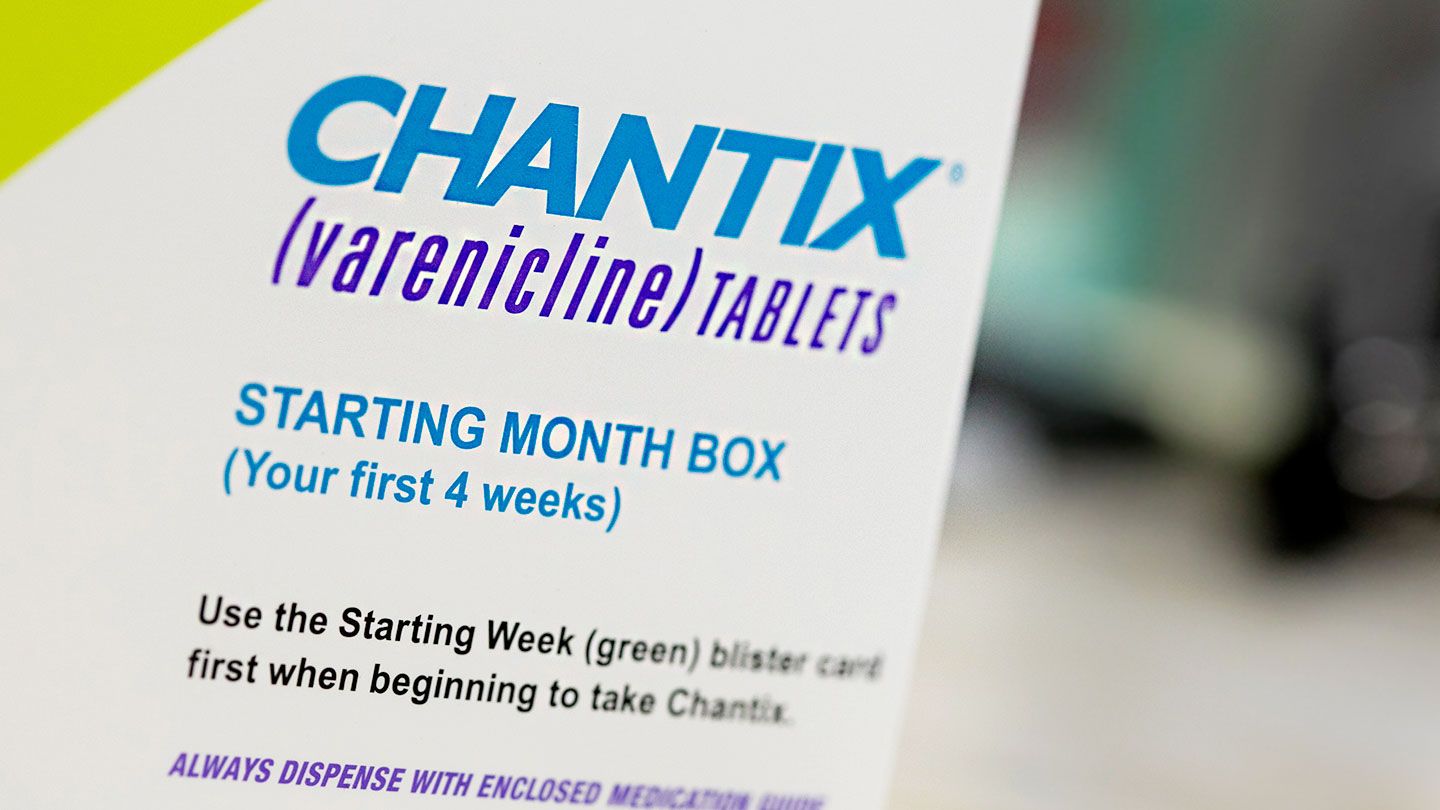
  • Mestinon Long-Term Use: Tolerance, Withdrawal, and Safety

    Mestinon Long-Term Use: Tolerance, Withdrawal, and Safety

    Mestinon long-term use is common for people with myasthenia gravis when the medicine keeps helping and side effects stay manageable. Mestinon, the brand name for pyridostigmine bromide, is an acetylcholinesterase inhibitor (a medicine that slows the breakdown of acetylcholine). It is not usually treated like an addictive drug, but long-term treatment can still raise real questions about tolerance, dependence, withdrawal, and when symptom changes need medical review. That matters because worsening weakness may reflect the underlying condition, medication effects, or both.

    Key Takeaways

    • Long-term pyridostigmine use is common in myasthenia gravis when benefit outweighs side effects.
    • Addiction-like dependence is not a typical concern with Mestinon.
    • Symptom return after stopping often reflects loss of support, not a classic drug withdrawal syndrome.
    • Digestive symptoms, sweating, excess saliva, and muscle cramping are common long-term side effects.
    • Trouble breathing, swallowing, or rapidly worsening weakness needs urgent medical assessment.

    Can Mestinon Long-Term Use Be Appropriate?

    Yes. For many people with myasthenia gravis, pyridostigmine is used for months or years because it improves communication between nerves and muscles. It may help with drooping eyelids, double vision, chewing fatigue, speech fatigue, or limb weakness. Its role is mostly symptomatic. In other words, it can improve day-to-day muscle function, but it does not directly stop the immune attack that causes myasthenia gravis.

    Because pyridostigmine boosts signaling at the neuromuscular junction, its benefits are usually time-limited rather than all-day. Many people feel better after a dose and weaker as it wears off. That pattern by itself does not mean harm, tolerance, or dependence. It simply reflects the way the medicine works. Over months or years, however, the pattern can shift, and that is when clinicians start asking whether the disease, the dose schedule, or the broader treatment plan has changed.

    That distinction matters when expectations change. A medicine can still be useful even if benefit fades at certain times of day or feels less predictable during illness, stress, heat, or poor sleep. New medicines, missed doses, stomach upset, and changes in disease activity can all make pyridostigmine seem less effective. In practice, clinicians often look for pattern changes before deciding that the drug itself has stopped working.

    Questions about Mestinon long-term use often start when breakthrough symptoms become more noticeable. That does not automatically mean true tolerance has developed. Sometimes the bigger issue is that the underlying myasthenia gravis needs reassessment, especially if swallowing, breathing, or whole-body strength has changed. For broader background, the site’s Neurology Articles and Neurology Medications hubs can help you browse related information.

    BorderFreeHealth works with licensed Canadian partner pharmacies.

    Tolerance, Dependence, and Withdrawal Are Not the Same

    These terms get used together, but they describe different problems. That is especially important with Mestinon because symptom changes after a missed dose or a medication adjustment can look alarming without fitting the usual meaning of addiction or withdrawal.

    Term What It Usually Means Here What Readers Should Know
    Tolerance Reduced response after repeated use With Mestinon, changing symptoms often have other explanations, including disease fluctuation or dose timing.
    Dependence The body has adapted to ongoing use Mestinon is not usually associated with craving, intoxication, or compulsive use.
    Withdrawal Problems after reducing or stopping a medicine The main issue is often return of muscle weakness, not a sedative- or opioid-type withdrawal syndrome.

    With pyridostigmine, true pharmacologic tolerance is not usually the first explanation when symptoms worsen. People may notice that a dose does not last as long as it once did, but that pattern can also happen when myasthenia gravis becomes more active, when another medicine interferes with neuromuscular function, or when side effects cloud the picture. A late dose that leads to drooping lids or chewing fatigue does not prove tolerance. It may simply show that the medicine was still providing symptom support.

    Dependence also needs careful wording. Mestinon is not known for causing craving, intoxication, or compulsive use in the way people think about opioids, sedatives, or nicotine. When readers ask whether it causes dependence, they are often describing something else: fear that stopping it will make weakness worse. That concern is understandable, but it is usually about loss of symptom control rather than addiction.

    Fear around stopping is still real, especially for people who rely on the drug to eat, speak clearly, or keep their eyes open. But a medicine becoming important to daily function is not the same as an addictive dependence disorder. The practical question is whether symptoms can stay controlled if the plan changes, not whether the person has done something wrong by staying on treatment.

    Withdrawal is similar. A person can feel worse after reducing or stopping pyridostigmine, but that does not mean they are having a classic withdrawal syndrome. More often, the medicine’s helpful effect is gone and the underlying weakness becomes more obvious again. Does tolerance cause withdrawal symptoms? Not directly. They are separate concepts, and with Mestinon the clinical question is usually whether symptom return reflects untreated myasthenia gravis, side effects, or another trigger.

    Why it matters: The wrong label can delay the right response when weakness starts changing.

    Long-Term Side Effects and Safety Concerns

    The most common long-term issues are cholinergic side effects, meaning symptoms caused by increased acetylcholine activity. These effects can be mild at first and still become exhausting over time if they show up every day. Many people notice the balance between benefit and side effects more clearly after months of routine use than they do in the first week.

    Common effects that may persist

    Digestive and secretion-related symptoms are especially common. They can appear soon after a dose, build gradually over time, or become more noticeable when the rest of life gets busy. A side effect does not have to be dangerous to be worth discussing if it disrupts meals, sleep, work, or confidence in public.

    • Diarrhea or cramping — often linked to stronger gut activity.
    • Nausea or stomach upset — may cluster around dose timing.
    • Sweating or excess saliva — sometimes mild, but wearing over time.
    • Urinary urgency — easy to mistake for another issue.
    • Blurred vision or muscle twitching — can appear when cholinergic effects are stronger.

    When symptoms become harder to sort out

    Some symptoms need more caution because both too little symptom control and too much cholinergic effect can cause weakness. Severe muscle fatigue, worsening swallowing trouble, new shortness of breath, wheezing, marked slowing of the heart rate, or heavy secretions deserve medical review. This is one reason self-diagnosis gets tricky. A person may assume they need more medicine when the real problem is side effects, or assume they need less medicine when the underlying disease is worsening.

    Questions about Mestinon long-term use also come up when side effects slowly become a daily burden instead of a short-lived nuisance. That is a meaningful change. If eating, speaking, walking, or leaving the house is shaped by medication timing or bathroom access, the treatment plan may need adjustment even when the medicine still helps muscle strength.

    Long-term safety review also includes the bigger clinical context. People with certain heart rhythm issues, bowel or urinary obstruction, or breathing problems such as asthma may need closer review because cholinergic effects can complicate those conditions. That does not mean the medicine is automatically unsafe. It means side effects should be interpreted alongside the rest of the medical picture, not in isolation.

    Quick tip: A short log of dose times, meals, and symptom peaks can make review visits more productive.

    When needed, prescription details are checked with the prescriber before dispensing.

    What to Know Before Reducing or Stopping Pyridostigmine

    A clinician-directed plan is the safest way to approach Mestinon discontinuation or pyridostigmine tapering. There is no single schedule that fits everyone. The best approach depends on why the medicine is being changed, how stable the myasthenia gravis has been, whether other therapies are already in place, and which muscles are most affected. A person who mainly has eye symptoms may face different questions than someone with swallowing or breathing involvement.

    Stopping suddenly can be risky if the drug is providing important day-to-day support. Even when side effects are the reason for change, the next step may not be simple discontinuation. Clinicians may first look at timing, interacting medicines, recent infections, hydration, or whether symptom worsening actually points to the disease rather than the drug. That is why broad internet advice on how to taper pyridostigmine can be misleading. The medical context matters more than any generic schedule.

    Details worth bringing to a review

    • Dose timing pattern — when benefit starts and fades.
    • Missed-dose effect — what changes if a dose is late.
    • Swallowing or breathing issues — even if they seem brief.
    • Recent illness or new medicines — both can change MG symptoms.
    • Daily function changes — eating, speaking, driving, work, or sleep.

    Reasons for reducing the medicine vary. Some people want to stop because side effects are disruptive. Others ask about tapering after another myasthenia gravis treatment starts working better. Still others need a temporary plan around procedures, hospital care, or new symptoms that change the risk balance. In each case, the key issue is the same: how much support the medicine is providing right now, and what will happen if that support is changed.

    These details help separate three different questions: Is the medicine still helping, are side effects becoming too costly, and is the underlying disease changing? If a plan to stop is appropriate, monitoring is usually part of that plan because the main concern is whether weakness returns or intensifies. That concern is often greatest in people with bulbar symptoms (swallowing and speech weakness) or any history of respiratory involvement.

    When Symptom Changes Need Urgent Attention

    Trouble breathing, choking, or rapidly worsening generalized weakness should be treated as urgent. The same is true for new difficulty clearing saliva, needing repeated pauses to finish a sentence, severe swallowing problems, or sudden inability to hold up the head or keep the eyes open. These changes may reflect worsening myasthenia gravis, medication excess, infection, or another problem, and they are not good situations for trial-and-error dose changes at home.

    Urgent review also matters if weakness comes with faintness, severe diarrhea, wheezing, or a noticeably slow pulse after taking pyridostigmine. The reason is simple: different problems can produce overlapping signs. Myasthenic crisis and cholinergic excess are not safely sorted out by guesswork. If symptoms escalate quickly, prompt medical assessment matters more than naming the exact cause yourself.

    Where It Fits in Ongoing Myasthenia Gravis Care

    Mestinon often helps with day-to-day symptom control, but it may not be the only treatment a person needs over time. Some people remain well-managed with symptomatic therapy for long periods. Others need broader myasthenia gravis treatment, especially if weakness breaks through between doses, spreads beyond the eyes, or interferes with swallowing, speaking, work, or breathing. When that happens, the question is usually not whether the medicine caused addiction. It is whether the overall care plan still matches the disease.

    This is also where long-term monitoring makes life easier. A clear record of what improves after each dose, what keeps breaking through, and which side effects are hardest to live with can help a neurologist decide whether the current role of pyridostigmine still makes sense. Good follow-up makes Mestinon long-term use easier to reassess over time, especially when symptoms do not fit a simple pattern.

    Some eligible patients without insurance explore cash-pay cross-border options.

    Regular follow-up gives patients and caregivers a place to review side effects, track new symptom patterns, and ask whether the current plan still matches the disease. Whatever the access path, good documentation and a current medication list make long-term discussions clearer and safer.

    Authoritative Sources

    The short version is this: Mestinon can be used long term, but symptom changes need careful interpretation. True addiction-like dependence is not the usual concern. The bigger questions are whether the medicine is still helping, whether side effects are building, and whether any plan to reduce or stop it fits the larger myasthenia gravis picture.

    This content is for informational purposes only and is not a substitute for professional medical advice.

  • Alcohol and Wellbutrin: Safety, Seizure Risk, and Timing

    Alcohol and Wellbutrin: Safety, Seizure Risk, and Timing

    Alcohol and Wellbutrin are a risky mix because both can affect the brain, mood, sleep, and seizure threshold. The safest choice is usually to avoid or limit alcohol while taking bupropion, especially if you have seizure risks, heavy drinking patterns, or recent dose changes. If you do drink, do not skip doses to make room for alcohol. That can create more instability, not less.

    This article explains the main risks, why timing is not a reliable safety strategy, and what to discuss with your prescriber. It also addresses common online questions about one drink, hangovers, and drinking on Wellbutrin XL or other bupropion forms.

    Key Takeaways

    • Seizure risk matters: alcohol and bupropion can both lower seizure threshold.
    • Reactions vary: one person’s mild effect may be another person’s bad night.
    • Skipping is unsafe: missed doses can worsen mood, cravings, or side effects.
    • Timing is imperfect: bupropion metabolites remain active after a dose.
    • Ask early: frequent drinking deserves a direct medication review.

    Why Alcohol and Wellbutrin Can Be Unpredictable

    Bupropion, the generic name for Wellbutrin, is an antidepressant that affects norepinephrine and dopamine signaling. It is also used in some smoking-cessation plans. Unlike many sedating medicines, bupropion can feel activating. Some people notice more energy, reduced fatigue, or insomnia when starting or adjusting it.

    Alcohol pushes in several directions at once. It may feel calming at first, then disrupt sleep, worsen next-day anxiety, and affect coordination or judgment. This matters because the bupropion and alcohol interaction is less about one simple chemical collision and more about overlapping effects on the central nervous system.

    The largest safety concern is seizure threshold, which means how easily the brain may be triggered into a seizure. Bupropion can lower that threshold in a dose-related way. Alcohol can also lower it, especially with binge drinking, withdrawal, sleep loss, or repeated heavy use. When several risks stack together, the situation becomes less predictable.

    Why it matters: A bad reaction is not always tied to heavy drinking alone.

    Other effects can still be important even when seizures do not occur. Drinking on bupropion may worsen dizziness, nausea, agitation, headache, rapid heartbeat, or blood pressure changes. It can also blunt progress if you are treating depression, seasonal symptoms, or nicotine dependence. For a broader medication side-effect context, see Wellbutrin Side Effects.

    Can You Have One Drink While Taking Bupropion?

    No source can promise that one drink is safe for everyone taking bupropion. Some people tolerate occasional small amounts, while others notice stronger alcohol effects, worse hangovers, or a mood crash the next day. Your risk depends on your history, dose, formulation, drinking pattern, sleep, other medicines, and medical conditions.

    People often search forums for reassurance, such as whether moderate drinking is fine or whether one drink caused a problem for someone else. Those experiences can feel relatable, but they cannot account for your seizure history, eating patterns, other prescriptions, or recent alcohol use. Online stories are best treated as signals to ask better questions, not as personal medical guidance.

    If you and your clinician decide occasional alcohol is acceptable for your situation, harm reduction usually means choosing smaller amounts, pacing slowly, eating first, and avoiding binge drinking. It also means skipping alcohol when you are sleep-deprived, dehydrated, acutely stressed, or newly adjusting your medication.

    When one drink deserves extra caution

    Even a small amount may be higher risk if you have a seizure disorder, a history of bulimia or anorexia, heavy alcohol use, recent alcohol withdrawal, significant head injury, or misuse of stimulants. Some medicines can also add risk. These include drugs that affect seizure threshold, sedatives, and substances that impair judgment.

    Be especially careful after dose increases or when starting bupropion. Side effects can be more noticeable during adjustment periods. If you are unsure what is normal, this overview of Bupropion Side Effects can help you prepare better questions for your care team.

    Why Skipping a Dose to Drink Can Backfire

    Skipping a day of Wellbutrin to drink is not a reliable way to reduce risk. Bupropion and its active metabolites can stay in your body beyond the day you take a tablet. Missing a dose may also allow depression symptoms, irritability, nicotine cravings, or withdrawal-like discomfort to break through.

    Stopping and restarting can create more ups and downs. Some people feel more anxious, tired, or emotionally reactive after missed doses. Others are tempted to double up later, which can be unsafe unless a prescriber specifically tells them what to do. Keep the medication plan consistent unless your clinician gives you different instructions.

    This is also why the question “how long after taking bupropion can you drink alcohol” has no simple answer. Waiting a few hours does not remove the medicine from your system. Waiting a day does not fully erase seizure-related cautions. The safer question is whether alcohol fits your current health risks and treatment goals.

    Quick tip: Before social events, decide your alcohol limit before you arrive.

    XL, SR, IR, and Dose: What Changes and What Does Not

    Wellbutrin XL, sustained-release bupropion, and immediate-release bupropion release medication at different speeds. XL is taken in a way that spreads release over a longer period, while SR has a shorter sustained-release pattern. Immediate-release versions peak faster. These differences can affect how activating the medicine feels for some people.

    The core alcohol cautions still apply across formulations. Drinking on Wellbutrin XL is not automatically safer because the release is smoother. Alcohol can still worsen sleep, mood, coordination, nausea, and seizure risk factors. The same principle applies to low-dose bupropion. Lower dose may reduce some medication-related risk, but it does not make alcohol risk-free.

    If your main question is about strength, timing, or dose forms, review general context in Bupropion 150 mg and Wellbutrin Dosage. These pages can help you understand the language on your prescription, but they should not replace individualized instructions.

    Product pages may also help you recognize formulation names, such as Wellbutrin XL, Bupropion XL, and Bupropion SR. Use them for orientation only, not for deciding whether alcohol is safe for you.

    Hangovers, Mood Dips, and Next-Day Symptoms

    A Wellbutrin alcohol hangover can feel worse than expected for some people. Reports often include nausea, headache, anxiety, poor sleep, shakiness, irritability, or feeling unusually low the next day. These symptoms do not prove a dangerous interaction, but they are useful warning signs.

    Alcohol fragments sleep and can reduce sleep quality even if it helps you fall asleep. Bupropion may already make sleep lighter or more delayed in some people. Together, that pattern can make the next day feel more intense. Poor sleep can also worsen depression symptoms and reduce resilience to stress.

    Track patterns in plain language. Write down how much you drank, when you took your medication, how you slept, and how you felt the next day. Bring that information to your prescriber. It is more useful than trying to compare yourself with anonymous drinking on Wellbutrin reviews.

    Example: a pattern worth discussing

    Example: someone has two drinks on Friday, sleeps poorly, and feels depressed and nauseated on Saturday. The same person notices this pattern three weekends in a row. That pattern deserves a medication and alcohol-use conversation, even if each drinking episode seemed moderate.

    If alcohol use feels hard to limit, or if cravings have increased, consider support early. The Addictions category can provide related educational context, while your clinician can assess treatment options and safety concerns.

    Seizure Risk and Red Flags to Take Seriously

    Wellbutrin alcohol seizure risk is the concern clinicians take most seriously. Seizures are uncommon at standard prescribed doses, but risk rises when bupropion is combined with certain personal factors. Heavy alcohol use, abrupt alcohol cessation, eating disorders, previous seizures, and significant head trauma are important examples.

    Urgent symptoms need prompt medical attention. Seek emergency help for a seizure, loss of consciousness, severe confusion, chest pain, fainting, severe agitation, or symptoms of overdose. If someone may have taken too much bupropion, do not wait to see whether symptoms improve. For overdose-specific context, read Bupropion Overdose.

    Be honest with your prescriber about alcohol intake. This includes binge episodes, morning drinking, withdrawal symptoms, blackouts, or using alcohol to sleep. The goal is not judgment. The goal is to choose a treatment plan that protects your brain, mood, and daily functioning.

    What to Discuss Before Drinking

    A short, direct conversation can prevent a lot of guesswork. Ask your prescriber whether alcohol fits your diagnosis, risk factors, and current medication plan. Mention other medicines, supplements, recreational substances, and recent changes in sleep or eating patterns.

    • Personal history: seizures, head injury, eating disorders, or withdrawal.
    • Current dose: recent increases or missed doses matter.
    • Drinking pattern: occasional, binge, daily, or hard to control.
    • Next-day effects: mood dips, nausea, insomnia, or anxiety.
    • Other medicines: sedatives, stimulants, opioids, or seizure-threshold drugs.
    • Treatment goal: depression relief, smoking cessation, or relapse prevention.

    If alcohol is a frequent part of your week, ask whether your medication plan still fits your real life. Some people may need alcohol-use support, therapy, medication changes, or a different monitoring plan. Your clinician can also discuss whether another antidepressant is more appropriate if alcohol use cannot be reduced safely.

    BorderFreeHealth provides educational medication resources and connects eligible U.S. patients with licensed Canadian partner pharmacies. Prescription details are verified where required before dispensing by the pharmacy. That access context can be useful, but safety decisions about alcohol and Wellbutrin should still come from your own prescriber.

    Authoritative Sources

    Medication safety should be checked against label-backed and clinician-reviewed sources. The DailyMed bupropion labeling database provides official prescribing information for U.S. products, including seizure warnings and alcohol-related cautions.

    For plain-language medication education, the MedlinePlus bupropion drug information page summarizes common precautions and side effects. The NAMI bupropion medication resource also explains why alcohol and other drugs may reduce treatment benefit or increase risk.

    Recap

    Mixing alcohol and Wellbutrin can increase side effects, worsen mood or sleep, and raise seizure concerns in higher-risk situations. There is no proven safe timing trick, and skipping bupropion to drink can make symptoms less stable. If you choose to drink, keep it modest, avoid binges, track your response, and talk openly with your prescriber.

    Pause alcohol and seek medical guidance if reactions feel unusual, severe, or repeated. Your experience may differ from friends or forum posts, so decisions should reflect your health history and treatment goals.

    This content is for informational purposes only and is not a substitute for professional medical advice.

  • Varenicline Brands: Champix, Chantix, and Key Differences

    Varenicline Brands: Champix, Chantix, and Key Differences

    When people compare varenicline brands, the main question is simple: are Champix and Chantix actually different medicines? In most cases, no. Both names have been used for varenicline, a prescription medicine that may help adults stop smoking. The main differences usually involve branding, local labeling, manufacturer, and availability history rather than a different active drug. This matters because brand confusion can make safety updates, refill questions, and recall news much harder to interpret.

    Key Takeaways

    • Champix and Chantix usually refer to varenicline products.
    • Confirm the ingredient before comparing brands.
    • Brand, generic, and market availability can change over time.
    • Varenicline is a non-nicotine quit-smoking medicine with important cautions.
    • Other options include bupropion, nicotine replacement, and behavioral support.

    How Varenicline Brands Compare

    Those two brand names are best understood as part of the same medication story. In plain language, both have been associated with varenicline. If you are comparing varenicline brands, start with the active ingredient and the full label, not just the familiar name printed on the box.

    The same active ingredient does not mean every product looks identical. Brand and generic versions may use different inactive ingredients, tablet markings, packaging, or patient leaflets. Those differences usually matter most for identification, tolerability, and supply questions, not because the medicine suddenly becomes a different therapy.

    That distinction also helps with another common concern: whether generic varenicline is the same as a former brand product. A generic is generally intended to match the brand in active ingredient and approved use, but the exact product available to you can still vary by manufacturer and market.

    Why it matters: Brand confusion can make recalls, side effects, and refill questions harder to sort out.

    BorderFreeHealth connects eligible U.S. patients with licensed Canadian partner pharmacies.

    Why Availability Became Confusing

    Much of the confusion around Champix, Chantix, and generic varenicline comes from timing. Over the years, some markets saw branded products paused, recalled, or withdrawn, while other versions remained under review or available through different channels. People often compress that history into a simple claim that varenicline was banned. That is usually too broad.

    Was varenicline banned?

    Usually, no. In many cases, people are referring to quality, manufacturing, or impurity concerns that affected specific products or supply in particular places. That is very different from saying the active drug no longer had any accepted medical role everywhere. When availability changes, it is smarter to ask which product changed and why.

    Why people saw Champix disappear

    In some places, patients noticed Champix become unavailable while clinicians and pharmacies discussed alternatives, including generic varenicline or other quit-smoking medicines. That kind of market disruption can make two equivalent-sounding names feel dramatically different, even when the real issue is supply and regulation rather than a different mechanism.

    Name On Label What It Usually Means What May Differ
    Champix A brand name used for varenicline in some markets Packaging, local labeling, and availability
    Chantix A brand name historically used for varenicline, especially in the U.S. Packaging, local labeling, and availability
    Generic varenicline A non-brand version of the same active drug Manufacturer, inactive ingredients, appearance, and supply

    Confusion about varenicline brands also grows when people switch countries, read mixed forum advice, or compare an old prescription with a new label. A box may change. A manufacturer may change. The counseling sheet may look different. The most useful starting point is still whether the medicine is varenicline and whether the product matches the prescriber’s instructions.

    How Varenicline Works in Quit-Smoking Care

    Varenicline works differently from nicotine replacement. It is a partial agonist (a drug that partly stimulates and partly blocks a receptor) at certain nicotine receptors in the brain. In simple terms, it can reduce cravings while also making cigarettes feel less rewarding for some people.

    It can help to think of varenicline as lowering the volume on nicotine reinforcement rather than replacing the whole habit. It may ease withdrawal for some adults, but it does not erase triggers such as stress, routines, or social smoking. That is one reason follow-up support still matters.

    For many people, the practical question is not whether the medicine works in theory but where it fits. It may be considered after repeated quit attempts, when over-the-counter nicotine replacement has not been enough, or when a nicotine-free prescription option seems worth discussing. Many quit plans also include counseling, coaching, or a clear quit date.

    If you want a product-level reference point, this overview of Varenicline gives basic context. For broader addiction-related education, the Addictions Hub can help you explore related topics.

    Safety, Side Effects, and When to Be Cautious

    Varenicline can cause side effects, and the most common ones are not the same as the most serious ones. Nausea is often discussed first. Sleep changes, vivid dreams, headache, constipation, gas, and trouble sleeping may also occur. Many reactions are manageable, but some deserve prompt medical review.

    Some symptoms that show up during a quit attempt are caused by nicotine withdrawal, not necessarily the medicine itself. Irritability, restlessness, and concentration changes can come from stopping tobacco. Nausea, unusual dreams, and certain sleep problems are more often discussed as medication-related effects. Sorting out that difference is another reason follow-up matters.

    The risks that deserve extra attention include new or worsening neuropsychiatric (mood, behavior, or thinking-related) symptoms, severe skin reactions, allergic symptoms such as swelling or trouble breathing, chest pain, seizures, or unusual reactions after alcohol. Those problems are not expected for most people, but they are important enough to discuss before treatment begins.

    If you want a plain-language side-effect review, this page on Champix Side Effects may help.

    When confirmation is needed, prescription details are checked with the original prescriber before dispensing.

    Who may need a closer review first

    A prescriber may take extra care if you have a history of serious mental health symptoms, kidney problems, seizures, heavy alcohol use, pregnancy, breastfeeding, or other medicines that complicate the picture. That does not automatically rule varenicline out. It means the decision deserves a more careful review than a quick brand-name comparison.

    People searching for who should not take varenicline are usually looking for a hard no list. In reality, the answer depends on the product label and a person’s health history. If you develop severe mood changes, suicidal thinking, chest pain, a seizure, blistering rash, facial swelling, or trouble breathing, stop using the medicine and seek urgent medical care.

    How It Compares With Other Quit-Smoking Options

    No single medicine is the most successful quit-smoking aid for every person. Varenicline, bupropion, and nicotine replacement all have legitimate roles. The right fit depends on medical history, prior quit attempts, side effects, access, and whether you want a nicotine-free approach.

    Varenicline and bupropion

    Bupropion works through different brain pathways and may be discussed when a clinician thinks it better fits a person’s history or preferences. It has a different side-effect profile and different cautions. For background, see Bupropion 150 mg and this overview of Bupropion Side Effects.

    Varenicline and nicotine replacement

    Nicotine patches, gum, lozenges, inhalers, or sprays deliver nicotine in controlled forms instead of changing how the receptor responds. Some people prefer that route because it feels familiar and can be adjusted around daily routines. Others prefer a prescription option that does not contain nicotine.

    Alcohol questions can also shape the comparison. If bupropion enters the conversation, this review of Alcohol With Wellbutrin explains why the choice is not only about smoking.

    Many guidelines list varenicline among the major evidence-based options for smoking cessation. That does not mean it is automatically the best fit for you. Some people prioritize avoiding certain side effects. Others want an over-the-counter path, or they need a plan built around counseling and nicotine replacement.

    The key point is simple: varenicline brands should not be compared in isolation. It is more useful to compare the active drug, side-effect tolerance, support needs, and the type of quit plan you can realistically follow.

    Practical Questions Before a Brand Switch or New Start

    If a new label or pharmacy source raises questions, ask for specifics. Brand confusion is much easier to solve when you compare the prescription, the box, and the counseling information side by side.

    • Exact product name — brand or generic
    • Active ingredient — confirm it is varenicline
    • Reason for the change — supply, recall, or routine substitution
    • Key side effects — what to watch for early
    • Other medicines and alcohol — check for safety concerns
    • Follow-up plan — know who to contact if symptoms change

    When reviewing varenicline brands, it can help to keep a photo of the old box, the current box, and the prescription label. That gives a pharmacist or prescriber something concrete to compare. It also lowers the risk of relying on memory when names feel familiar but the packaging has changed.

    Quick tip: Save the package insert until you know the new label matches your prescription.

    Some cross-border cash-pay options may be available for people without insurance, depending on eligibility and location.

    Interest in future medication strategies continues to grow. For a broader look at emerging ideas, see Nicotine Addiction Research. It does not replace established smoking-cessation care, but it adds context on where the field may be heading.

    Authoritative Sources

    Champix, Chantix, and generic varenicline can sound like competing products, but the real questions are naming, availability, safety, and fit. If you are unsure what is on your prescription, ask for the drug name, the full label name, and the current counseling information.

    This content is for informational purposes only and is not a substitute for professional medical advice.