
Blog

  • Is Honey Good for Diabetics? Blood Sugar and Safer Swaps

    Is Honey Good for Diabetics? Blood Sugar and Safer Swaps

    If your question is ‘is honey good for diabetics,’ the practical answer is cautious: honey can fit only in small, counted amounts, and it still raises blood sugar. It is not a treatment for diabetes, a free food, or a reliable way to lower glucose. Why this matters: honey feels more natural than table sugar, but your body still sees it as a source of carbohydrate.

    Key Takeaways

    • Honey counts as added sugar and carbohydrate.
    • It can raise blood glucose, even when raw or organic.
    • No universal safe amount fits every diabetes plan.
    • Honey may be sweeter than sugar, but it is not risk-free.
    • Safer swaps focus on portions, labels, and glucose response.

    Is Honey Good for Diabetics? The Short Answer

    For most people, the question ‘is honey good for diabetics’ is better framed as: can a small amount fit my carbohydrate plan? Sometimes it can, but only if the serving is counted like other sugars. Honey contains glucose and fructose, which are simple carbohydrates. These carbohydrates can increase blood glucose after eating.

    Honey also carries a health halo. It may contain small amounts of plant compounds, depending on the floral source and processing. Those trace compounds do not cancel the carbohydrate load. A spoonful of honey is still a concentrated sweetener, not a diabetes remedy.

    This distinction matters because people often compare honey with white sugar as if one is clearly safe and the other is clearly harmful. In real meals, portion size, total carbohydrate, medication use, activity, sleep, stress, and baseline glucose all influence the response. If you are working on broader patterns, the Insulin Resistance resource covers daily habits that can affect glucose control.

    Example: A small drizzle of honey in plain yogurt may affect glucose differently from the same drizzle added to sweet cereal, fruit juice, or a large bowl of oatmeal. The honey matters, but the whole meal matters too.

    Why Honey Raises Blood Sugar

    Honey raises blood sugar because it delivers rapidly digestible carbohydrate. Your digestive system breaks these sugars down and absorbs them into the bloodstream. In people with diabetes, insulin production, insulin action, or both may not keep glucose within the intended range after carbohydrate intake.

    The glycemic index of honey is not one fixed number. It can vary by honey type, testing method, and serving context. A lower glycemic index than table sugar does not mean a food is low in carbohydrate. Glycemic load adds another layer because it considers both the carbohydrate quality and the serving size.

    A glycemic-load estimate can help compare sweeteners by portion. It does not predict your personal glucose response or replace glucose monitoring.

    [glycemic-load-calculator]

    Some people notice a quick rise after honey. Others see a smaller rise when honey is part of a higher-fiber meal. Neither pattern proves honey is protective. It only shows that blood sugar response is individual and context-dependent.

    If you often see high readings after sweet foods, review the pattern rather than blaming one ingredient. The Signs and Symptoms of Hyperglycemia page explains common warning signs of high blood glucose.

    Honey vs Sugar for Diabetics: Differences That Matter

    Honey and table sugar both affect blood glucose. Honey is often sweeter by taste, so some people may use less. That can reduce total sugar only if the portion truly gets smaller. A heavy pour from a squeeze bottle can easily erase that advantage.

    Table sugar is usually sucrose, which breaks down into glucose and fructose. Honey contains a mixture of sugars, water, and small amounts of other compounds. These differences may change texture, sweetness, and digestion slightly. They do not make honey a low-carbohydrate food.

    Sweet option Main glucose issue Practical takeaway
    Honey Contains simple carbohydrates Count the serving and measure it.
    Table sugar Also raises blood glucose Do not treat it as meaningfully safer or worse by default.
    Agave or syrups May still add concentrated sugar Check total carbohydrate, not marketing terms.
    Low or no-calorie sweeteners Usually add little digestible carbohydrate in typical amounts Read labels and consider taste, tolerance, and meal goals.

    So, is honey better than sugar for diabetics? Not in a way that makes it a free swap. The more useful comparison is whether the sweetener helps you use a smaller, measured portion while still enjoying the food.

    Raw Honey, A1C, and the Honey Trick

    Raw honey is still honey. It may be less processed than some commercial honey, but it still contains sugars that can raise blood glucose. Terms such as raw, local, organic, wildflower, or manuka do not prove a honey is safer for diabetes.

    Can Honey Raise A1C?

    Honey can contribute to a higher A1C if it regularly increases total carbohydrate intake beyond your plan. A1C reflects average blood glucose over roughly the past few months. One occasional small serving is not the same as a daily pattern of extra sweeteners.

    If your A1C is rising, look at the whole pattern. Sweet drinks, snacks, portion sizes, missed medications, illness, stress, and activity changes can all play a role. A registered dietitian or diabetes educator can help you identify the biggest levers without turning meals into guesswork.

    What Is the Honey Trick for Type 2 Diabetes?

    The so-called honey trick for type 2 diabetes usually refers to claims that honey can lower blood sugar, burn fat, or work better at a special time of day. These claims are not a substitute for evidence-based diabetes care. Honey should not replace prescribed medication, glucose monitoring, nutrition therapy, or follow-up appointments.

    Why it matters: A natural product can still cause harm when it delays real care.

    If you have symptoms of diabetes but have not been evaluated, start with clear basics. The Type 2 Diabetes Symptoms page explains signs that deserve medical follow-up.

    How Much Honey Can Fit in a Diabetes Eating Plan?

    The safest answer to ‘is honey good for diabetics’ depends on your glucose pattern, carbohydrate target, medications, and health history. There is no universal daily amount that is safe for every person with diabetes. A small measured serving may fit one person and cause unwanted highs for another.

    If you use carbohydrate counting, honey belongs in the same mental category as sugar, syrup, jam, and sweet drinks. Check the nutrition label when available. Use a measuring spoon instead of pouring by eye. Then consider what else is in the meal.

    Quick tip: A squeeze bottle can hide larger portions, so measure before you drizzle.

    Glucose monitoring can help you learn your own response. Some people compare readings before and after a meal when their care team has advised them how to monitor. Continuous glucose monitors and finger-stick meters can show patterns, but they do not turn honey into a safe food for everyone.

    Ask a clinician or registered dietitian before making major changes if you are pregnant, have kidney disease, have gastroparesis, have a history of disordered eating, or take medicines that can cause hypoglycemia (low blood sugar). This is also important if you see repeated highs or lows after changing your carbohydrate intake.

    Safer Swaps When You Want Sweetness

    Safer swaps are not about finding a magic sweetener. They are about reducing total added sugar while keeping meals satisfying. A realistic swap is easier to maintain than a strict rule you resent.

    • Use aroma first: vanilla, cinnamon, nutmeg, or citrus zest can add sweetness cues.
    • Choose smaller portions: measure honey, syrup, and sugar before mixing.
    • Try fruit carefully: berries or sliced fruit add fiber, but still contain carbohydrate.
    • Check sweetener blends: some contain dextrose, maltodextrin, or sugar alcohols.
    • Watch drinks: sweet tea, lemonade, and smoothies can add sugar quickly.
    • Read serving sizes: a label may list less sugar because the serving is small.

    Low glycemic sweeteners for diabetics can sound appealing, but the phrase can mislead. Low glycemic does not always mean low calorie, low carbohydrate, or better for your glucose pattern. Sugar alcohols may also cause gas or diarrhea for some people, especially in larger portions.

    Non-nutritive sweeteners can be useful for some people who want sweetness without much digestible carbohydrate. They are not required, and they are not the right fit for everyone. Taste, digestive tolerance, food preferences, and overall diet quality still matter.

    If you take a GLP-1 medicine or another diabetes medicine that changes appetite, meal timing can feel different. The Ozempic Diet resource discusses practical food choices in that context.

    When Honey Deserves Extra Caution

    Honey deserves extra caution when blood glucose is already running high, when you are sick, or when you are adjusting medication. It also matters when a sweet food replaces a balanced meal. Skipping food and then adding concentrated sugar later can make glucose patterns harder to interpret.

    Seek urgent medical help for severe symptoms such as confusion, trouble breathing, persistent vomiting, signs of dehydration, or very high glucose with ketones when you have been told to check ketones. Diabetic ketoacidosis is a medical emergency. The Diabetic Ketoacidosis page explains how this serious condition can start.

    Children, older adults, pregnant people, and people with multiple health conditions may need more individualized guidance. The same is true for anyone using insulin or medicines that can cause low blood sugar. Do not stop, start, or change diabetes medication because of a sweetener choice without professional guidance.

    How to Compare Sweeteners Without Getting Stuck

    A simple comparison can lower stress. Instead of asking whether one sweetener is good or bad, ask four practical questions. How much carbohydrate does it add? How often do you use it? Does it replace another carbohydrate? What happens to your glucose pattern when you eat it?

    This approach leaves room for culture, taste, and real life. Honey may be part of a family recipe, a holiday food, or a comfort drink. Diabetes care should not erase those meanings. It should help you make the portion and timing safer when possible.

    For many readers, is honey good for diabetics has no single yes-or-no answer. Honey is usually best treated as an occasional, measured added sugar. If it leads to repeated glucose spikes or makes portions harder to control, a different sweetening strategy may work better.

    Authoritative Sources

    If you want to keep learning, the Diabetes Hub collects related resources on glucose patterns, medication context, and complication prevention. Use it as a starting point for better questions at your next visit.

    This content is for informational purposes only and is not a substitute for professional medical advice.


  • Are Bananas Good for Diabetics? Ripeness and Portions

    Are Bananas Good for Diabetics? Ripeness and Portions

    Yes, bananas can fit into many diabetes eating patterns, but they are not a free food. If you are wondering are bananas good for diabetics, the practical answer depends on portion size, ripeness, total carbohydrate, and what else you eat with the fruit.

    That nuance matters because fruit advice can feel confusing. Bananas offer fiber, potassium, vitamin B6, and other nutrients. They also contain digestible carbohydrate that can raise blood sugar. Instead of treating bananas as either forbidden or perfect, it helps to look at the amount, the form, and your own glucose pattern. For broader diabetes nutrition topics, you can browse the Diabetes Hub.

    Key Takeaways

    • Bananas can fit, especially in planned portions.
    • Ripeness matters because starch changes into sugar.
    • Whole bananas usually beat juice or sweetened products.
    • Pairing fruit with meals may soften glucose swings.
    • Your meter or CGM pattern matters more than fruit rankings.

    Can Diabetics Eat Bananas Safely?

    Most people with diabetes can eat bananas in reasonable portions. The key is to count the banana as a carbohydrate food, not as a neutral snack. A small banana, half of a large banana, or a banana eaten with a balanced meal may fit better than a large ripe banana eaten alone.

    The same broad idea applies to type 1 and type 2 diabetes, although medication timing can change the picture. People who use insulin or medicines that can cause hypoglycemia may need more individualized guidance. A registered dietitian or diabetes care team can help match fruit choices with carbohydrate targets, activity, and medication plans.

    It also helps to separate a plain banana from foods that only contain banana. Banana bread, sweetened smoothies, banana chips, and desserts often include refined flour, added sugars, syrups, or concentrated fruit. Those foods can affect blood sugar differently from a whole banana.

    Why it matters: Cutting out all fruit can make eating more restrictive without solving glucose patterns.

    How Bananas Affect Blood Sugar

    Bananas affect blood sugar because their carbohydrate is partly broken down into glucose. Fiber can slow digestion somewhat, but it does not erase the carbohydrate. This is why bananas and blood sugar are best judged by portion and context.

    Carbohydrate, Fiber, and Natural Sugar

    Natural sugar is still sugar in a metabolism sense. Your body does not ignore it because it came from fruit. At the same time, a whole banana contains water, fiber, and nutrients that make it different from candy or juice.

    Size changes the carbohydrate load. A small banana and an extra-large banana are not equal servings. If you buy large bananas, using half at a time can make your response easier to compare from one meal to the next.

    If you track carbohydrate servings, a simple calculator can help you divide total carbohydrate by your usual serving target. It is a math aid, not personal medical advice.

    [carb-serving-calculator]

    Glycemic Index and Glycemic Load

    The banana glycemic index can be useful, but it does not tell the whole story. Glycemic index estimates how quickly a food may raise blood sugar compared with a reference food. Glycemic load also considers the amount of carbohydrate in the serving.

    In daily life, the meal matters more than one number. A smaller banana with plain yogurt may behave differently than a large ripe banana eaten by itself. Activity, sleep, stress, illness, and medication timing can also affect readings.

    Ripeness Changes the Glucose Picture

    Banana ripeness can change how the fruit behaves for some people. Greener bananas contain more resistant starch, which is starch that resists digestion. As bananas ripen, some starch becomes simpler sugar, which makes the fruit taste sweeter and feel softer.

    That does not mean ripe bananas are off-limits. It means a greenish banana, a yellow banana, and a very spotted banana may not produce identical glucose patterns. Some people notice a clear difference. Others see only small changes when the portion stays the same.

    Use ripeness as one clue, not as a strict rule. If you use a glucose meter or continuous glucose monitor as directed by your care team, compare similar meals more than once. One reading after one banana does not prove a permanent pattern.

    • Greener bananas: more resistant starch and firmer texture.
    • Yellow bananas: balanced sweetness and easier eating.
    • Spotted bananas: sweeter taste and softer texture.
    • Overripe bananas: often used in baking or smoothies.

    Quick tip: Choose a repeatable portion before judging whether ripeness changes your response.

    Portion Size Is Usually the Main Decision

    Banana portion size for diabetes often matters more than the label of good or bad. A full small banana may work well for one person. Half of a large banana may work better for another. The right amount depends on the rest of the meal and your usual carbohydrate goals.

    There is no universal answer to how many bananas can a diabetic eat. A person who eats a banana after exercise may respond differently from someone who eats the same banana as a late-night snack. Medications, insulin timing, kidney function, and appetite also matter.

    Example: one person may see a higher-than-expected reading after a large spotted banana eaten alone. The same person may see a steadier pattern with half a banana, plain Greek yogurt, and a few nuts. Another person may notice little difference between a small banana and an apple when both are eaten with breakfast.

    These examples are not rules. They show why personal response is more useful than universal fruit rankings.

    Whole Bananas Compared With Other Fruit Choices

    No single fruit is the number one fruit for diabetes. Whole fruit choices work best when they match your appetite, carbohydrate plan, glucose response, and medical needs. Bananas are not automatically worse than apples, berries, pears, peaches, or melon. They are simply more carbohydrate-dense than some water-rich fruits.

    If you want lower-sugar options to compare, this overview of Low-Sugar Fruits for Diabetes may help you think beyond a single fruit. You can also compare specific whole-fruit choices, such as Strawberries and Diabetes, Peaches and Diabetes, and Cantaloupe and Diabetes.

    Fruit form matters. Whole fruit keeps its fiber and takes longer to eat. Juice can raise glucose faster because it is easier to drink a large carbohydrate amount quickly. Dried fruit packs more carbohydrate into a small volume. Canned fruit varies based on the packing liquid.

    Fruit Form Why It Matters Practical Check
    Whole banana Carbs vary by size and ripeness Use a consistent portion
    Whole berries or melon Often higher in water per serving Compare portions, not labels
    Fruit juice Easy to drink quickly Watch serving size closely
    Dried fruit Concentrated carbohydrate Measure rather than grazing
    Canned fruit Added syrup can change carbs Look for unsweetened options

    Canned fruit can still fit when labels say packed in water, packed in its own juice, unsweetened, or no added sugar. Heavy syrup and sweetened sauces can increase carbohydrate quickly. For a different fruit with more fat and fewer digestible carbs, see Avocados and Diabetes.

    Practical Ways to Include Bananas

    Bananas fit best when you make them part of a plan. Start with a portion you can repeat, then notice how your body responds. If a full banana feels like too much, try half and save the rest for later.

    Pairing can also help some people. Protein, fat, and fiber from the rest of the meal may slow digestion and improve fullness. Options such as plain yogurt, nuts, eggs, or a balanced breakfast can make a banana feel less like a stand-alone sweet snack.

    Simple steps can make bananas easier to evaluate:

    • Pick a size: choose small, or split large bananas.
    • Note ripeness: track green, yellow, or spotted.
    • Pair thoughtfully: add protein or fat if helpful.
    • Avoid liquid overload: limit juice-based smoothies.
    • Compare patterns: review several similar meals.
    • Reassess changes: illness, stress, and medications can shift responses.

    Smoothies deserve extra attention. A smoothie made with one measured banana and unsweetened ingredients may fit for some people. A smoothie with juice, sweetened yogurt, syrups, and several fruits can become a high-carbohydrate drink quickly.

    When to Ask for Personalized Advice

    Ask for tailored advice if bananas consistently raise your glucose more than expected. That pattern is useful information, not a personal failure. A clinician or registered dietitian can help you review the portion, meal timing, and the rest of your carbohydrate intake.

    Personal guidance is especially important if you use insulin, have frequent high or low glucose readings, are pregnant, have gastroparesis, have an eating disorder history, or follow a kidney-related potassium restriction. Bananas contain potassium, which is usually beneficial for many people but may need closer review in advanced kidney disease or potassium-restricted diets.

    Seek prompt medical care if you have symptoms of severe high or low blood sugar, dehydration, confusion, fainting, chest pain, or you feel seriously unwell. Food adjustments should not replace urgent care when symptoms are concerning.

    In the end, are bananas good for diabetics depends less on the fruit’s reputation and more on portion size, ripeness, meal context, and your own glucose pattern. A banana can be a reasonable whole-fruit choice. It works best when treated as one part of the meal, not as a cure-all or a forbidden food.

    Authoritative Sources

    This content is for informational purposes only and is not a substitute for professional medical advice.
  • Is Popcorn Good for Diabetics? Portions and Blood Sugar

    Is Popcorn Good for Diabetics? Portions and Blood Sugar

    Yes, popcorn can be a reasonable snack for many people with diabetes when it is plain, measured, and counted as a carbohydrate food. So, is popcorn good for diabetics in everyday life? Often, yes, but the answer depends on portion size, toppings, sodium, medication timing, and your own glucose response.

    Why this matters: snack advice can feel strict or confusing. A practical approach looks at your glucose pattern, appetite, heart health, kidney health, and food preferences instead of treating one snack as always good or always off limits.

    Key Takeaways

    • Popcorn can fit: Plain, air-popped popcorn is often easier to include than sugary or heavily buttered versions.
    • Carbs still count: Popcorn contains starch, so a large bowl can raise blood sugar.
    • Labels matter: Check total carbohydrate, serving size, sodium, and saturated fat.
    • Toppings change it: Butter, caramel, cheese powders, and movie-theatre styles can add fat, salt, or sugar.
    • Your response matters: Glucose meter or CGM patterns can help you judge your own tolerance.

    When Popcorn Fits a Diabetes Snack Plan

    Popcorn fits best when it is treated as a portioned whole-grain snack, not a free food. It comes from corn, so it contains carbohydrate. During digestion, that carbohydrate breaks down into glucose. Fiber may slow the rise for some people, but it does not erase the carb count.

    Plain popped kernels also offer volume. That can help if you want a snack that feels larger than a few crackers or chips. For many people, this is the main appeal of popcorn and diabetes meal planning: you may get crunch, fiber, and a satisfying serving without needing a sugary snack.

    Still, context matters. A person using insulin, a person with chronic kidney disease, and a person managing type 2 diabetes with lifestyle changes alone may have different snack targets. A registered dietitian or diabetes care team can help set those targets, especially if you see repeated highs or lows.

    Popcorn may be a stronger choice when it replaces candy, cookies, or other sweet snacks. It may be a weaker fit when it comes as a large tub, a caramel coating, or a heavily salted microwave bag. If you want broader snack ideas, Healthy Snacking For Diabetics offers a wider look at balanced options.

    Does Popcorn Raise Blood Sugar?

    Popcorn can raise blood sugar because it contains digestible carbohydrate. The rise may be modest for one person and more noticeable for another. The result depends on serving size, current glucose level, activity, medication timing, and what else you eat with it.

    The popcorn glycemic index is often described as low to moderate, but glycemic index is only one part of the picture. Glycemic index estimates how quickly a carbohydrate food may raise glucose. Glycemic load considers the amount of carbohydrate in the portion you actually eat.

    That difference matters. A small bowl of plain popcorn may affect glucose differently than repeated handfuls from a large bag. Butter or oil can also change the pattern. Added fat may slow stomach emptying, so glucose can rise later for some people. That slower rise does not automatically make a snack heart-friendly.

    Quick tip: If you track readings, compare the same measured portion on two different days before drawing conclusions.

    Some care plans include checking glucose before and after selected meals or snacks. If yours does, popcorn can be tested like any other carb-containing food. Do not change diabetes medication doses based on one snack reading without clinical guidance.

    How Much Popcorn Can a Person With Diabetes Eat?

    There is no single popcorn serving size for diabetes that works for everyone. A sensible portion depends on your carbohydrate target, hunger level, medication plan, and the rest of your meal or snack. The safest starting point is the Nutrition Facts label, not the size of the bag.

    Look first at total carbohydrate. Sugar is only one part of the carbohydrate count. Plain popcorn may have little sugar, but starch still counts toward the total. Then check how many cups or grams the brand calls one serving. Many packages contain multiple servings, even when the bag looks snack-sized.

    Measured bowls help because they create a stopping point. Eating from a bag makes it easier to lose track, especially with salty or flavored versions. If you tend to snack while watching television, pre-portioning can make the choice more predictable.

    The carb serving calculator can help you convert a label’s total carbohydrate into a general carb-serving estimate. It does not decide your personal target, but it can make label reading easier.

    [carb-serving-calculator]

    For example, you can enter the total carbohydrate from your popcorn label and choose the carb-serving target used in your meal plan. If you do not have a target, ask a clinician or registered dietitian before using carb servings to guide insulin or medication decisions.

    Extra care is important if you are pregnant, have kidney disease, have gastroparesis (delayed stomach emptying), follow a very low-carb plan, or take medicines that can cause low blood sugar. In those situations, snack choices should fit a wider clinical plan.

    Choosing Popcorn That Works Better for Blood Sugar

    The best popcorn for diabetics is usually the one with the simplest ingredient list and a portion you can repeat. Plain kernels popped in an air popper give you the most control. Lightly seasoned microwave popcorn can also work for some people, but labels vary widely.

    For packaged popcorn, the question is less about the kernel and more about the add-ons. Sweet coatings, cheese powders, butter flavorings, and large serving sizes can move the snack away from a simple whole-grain option.

    Popcorn Type What to Check Practical Takeaway
    Air-popped plain Total carbs and serving size Often the most flexible choice because you control toppings.
    Light microwave Sodium, saturated fat, and servings per bag Can be convenient if the label fits your plan.
    Buttered or theatre-style Saturated fat, sodium, and portion size Better treated as an occasional snack, not a default.
    Kettle or caramel corn Added sugar and total carbohydrate Acts more like a sweet snack than plain popcorn.
    Cheese or spicy flavors Sodium and seasoning blends Flavor may be fine, but salt can climb quickly.

    If you enjoy microwave popcorn, choose based on the label rather than the front of the package. Words such as light, natural, or smart do not guarantee that a snack matches your needs. Compare the actual carbohydrate, sodium, and saturated fat per serving.

    For a different snack comparison, fruit can raise similar label-reading questions. Resources such as Strawberries And Diabetes, Bananas And Diabetes, and Low Sugar Fruits can help you compare portions, fiber, and natural sugars.

    Toppings, Sodium, and Heart-Kidney Context

    Toppings can turn popcorn from a simple snack into a salt-heavy or sugar-heavy food. A small amount of seasoning can make it enjoyable without overwhelming the snack. Common lower-sugar options include cinnamon, garlic powder, smoked paprika, black pepper, or herbs.

    Butter is not forbidden, but the amount matters. A little may fit some eating patterns. Heavy butter, movie-theatre topping, or repeated large servings can add saturated fat and calories quickly. People working on cholesterol or heart-health goals may want to discuss these choices with their care team.

    Sodium deserves attention too. Many people with diabetes are also asked to watch blood pressure or kidney health. If that applies to you, compare sodium levels across brands and avoid assuming all popcorn products are similar.

    Why it matters: The same snack can have very different carb, sodium, and fat levels across brands.

    If you use glucose monitoring supplies, your readings may help you spot snack patterns over time. Product pages such as the Dexcom G7 Sensor and Freestyle Lite ZipWik Test Strips may be useful for readers comparing monitoring-related items, but snack decisions should still be reviewed in the context of your care plan.

    When Popcorn May Not Be the Right Snack

    Popcorn is not the right choice in every situation. If you have gastroparesis, a higher-fiber snack may worsen fullness, bloating, nausea, or unpredictable glucose timing. If you have dental problems, swallowing difficulty, or a choking risk, popcorn kernels and hulls can also be unsafe.

    Popcorn is not an ideal first choice for treating low blood sugar. Many diabetes care plans use rapid-acting carbohydrate for hypoglycemia, followed by rechecking after a short interval. Popcorn digests more slowly than glucose tablets, juice, or other fast carbohydrates often used for lows. Follow your own low-glucose plan and seek urgent help for severe symptoms, confusion, fainting, seizure, or inability to keep food or drink down.

    If popcorn repeatedly leads to glucose spikes, do not assume you failed. It may mean the portion is too large, the timing is off, or the product has more carbohydrate than expected. It may also reflect illness, stress, poor sleep, or medication timing. Patterns are more useful than one reading.

    Making Popcorn More Predictable

    You can make popcorn more predictable by controlling the portion, choosing simple toppings, and checking how it fits with the rest of your day. The goal is not perfection. The goal is reducing surprises.

    Try a simple process. Pick one popcorn product. Measure one serving into a bowl. Note the total carbohydrate. If your care plan includes glucose checks, compare your response with your usual target range. Repeat on another day before deciding whether the pattern is reliable.

    If you want more flavor, add it deliberately. Use a small measured amount of oil, butter, or seasoning instead of pouring freely. If sodium is a concern, choose herbs, spices, or no-salt blends. If you like sweet popcorn, treat it as a dessert-style snack and count the added carbohydrate.

    Bring questions to your next diabetes visit if you are unsure. Useful questions include:

    • Snack carb range: What range fits my plan?
    • Protein pairing: Should I add protein?
    • High readings: What pattern should I report?
    • Low blood sugar: What should I use instead?
    • Kidney or heart goals: Do they change my snack choices?

    These questions are especially important if you use insulin or sulfonylureas, have frequent lows, are pregnant, have chronic kidney disease, or are recovering from illness. In those cases, small food choices can interact with bigger treatment decisions.

    No Single Snack Lowers Blood Sugar for Everyone

    There is no number one snack that reliably lowers blood sugar for every person. Food usually raises glucose to some degree if it contains carbohydrate. A better snack goal is steady energy, realistic portions, and fewer extreme swings.

    Popcorn can be one option among many diabetes friendly snacks. Other choices may include vegetables with hummus, plain yogurt with berries, nuts, boiled eggs, cottage cheese, or fruit paired with protein. The right option depends on your carb target, appetite, kidney function, budget, culture, and food access.

    A useful comparison starts with four questions:

    • Total carbs: How much is in the portion you will eat?
    • Protein and fiber: Will the snack keep you satisfied?
    • Sodium and fat: Does it fit your heart or kidney goals?
    • Portion realism: Can you enjoy it without needing the whole package?

    This is where air popped popcorn for diabetics often earns attention. It offers a larger volume for a measured carb amount than many dense snack foods. But if it leaves you hungry or triggers overeating, another snack may work better.

    For broader diabetes nutrition and medication context, the Diabetes category can help you browse related topics. Use educational reading as a starting point, then personalize decisions with your healthcare team.

    Authoritative Sources

    Popcorn can fit a diabetes eating plan when it is plain, measured, and matched to your own glucose pattern. Choose the simplest version you enjoy, read the label, and treat your response as useful information rather than a pass-or-fail test.

    This content is for informational purposes only and is not a substitute for professional medical advice.
  • Purpose of the American Diabetes Association Explained

    Purpose of the American Diabetes Association Explained

    If you searched American Diabetes Association Purpose In The U.S.: What It Means, the short answer is this: the American Diabetes Association is a U.S. nonprofit that works to prevent and cure diabetes and improve the lives of people affected by it. In practice, that purpose shows up in public education, research funding, advocacy, and the widely used Standards of Care. Knowing that role matters because patients, families, clinicians, schools, and policymakers often turn to ADA materials when they need credible diabetes information.

    Key Takeaways

    • Nonprofit mission: prevention, cure, and better lives sit at the center of its work.
    • Broad role: the ADA supports education, research, advocacy, and clinical guidance.
    • Standards influence care: its Standards of Care help shape many diabetes discussions in the U.S.
    • Useful, not personal: ADA information can inform questions, but it does not replace individual medical advice.

    What The ADA Is And Why It Exists

    The ADA is a national nonprofit organization founded in 1940, and its focus is diabetes. It is not a government agency, insurance plan, or medical practice. Its role is broader than any one service. It brings together science, education, public awareness, and advocacy to reduce the human and social burden of diabetes in the United States.

    That mission matters because diabetes affects more than blood sugar. It can shape daily routines, school and work planning, long-term health, emotional stress, and the cost and complexity of care. An organization with a public mission can help translate research into understandable language and keep diabetes visible in policy discussions.

    The ADA also serves several audiences at once. People living with diabetes may use its plain-language resources. Clinicians may look to its professional guidance. Researchers, educators, and lawmakers may follow its updates for a different reason. That wide audience explains why the organization is discussed so often in both patient education and professional care settings.

    People also mix up the acronym ADA with the Americans with Disabilities Act. In diabetes content, ADA usually refers to the American Diabetes Association. The two can intersect in real life, but they are not the same thing.

    Why it matters: The ADA shapes many of the diabetes standards and public messages people see in the U.S.

    What The Purpose Of The American Diabetes Association Looks Like In Practice

    The purpose of the American Diabetes Association is not just to raise awareness. It also works across several connected areas that influence how diabetes is understood, studied, and managed. That is why the organization appears in patient education, professional guidance, advocacy campaigns, and research funding conversations.

    Area What it looks like Why it matters
    Education Plain-language information on diabetes, risk, complications, and daily management Helps patients and families understand a complex condition
    Clinical guidance Publication of the Standards of Care for professionals Gives clinicians an evidence-based reference point
    Advocacy Work with lawmakers and public officials on diabetes-related issues Can influence policy, protections, and public awareness
    Research Support for diabetes science and emerging areas of study Helps move prevention and treatment knowledge forward

    When people ask about the American Diabetes Association mission statement, they are usually asking what the group is trying to achieve right now. The mission describes active work: prevention, cure, and improving lives. Its vision points to a broader future with less diabetes burden. Together, those ideas explain why the organization addresses both current care problems and long-term scientific progress.

    That wording also helps explain why the ADA can talk about prevention, treatment, and quality of life in the same breath. In context, prevention means reducing risk where possible and supporting earlier action. Cure reflects long-term scientific ambition. Improving lives speaks to present-day realities such as education, access, complications, and day-to-day management.

    In plain language, this means the ADA tries to help at different levels at once. One level is personal, such as helping someone understand screening or self-management. Another is professional, such as giving clinicians a structured summary of evidence. A third is public and political, where the organization speaks about issues that affect people living with diabetes.

    Why The Standards Of Care Get So Much Attention

    The ADA Standards of Care matter because they are one of the most recognized evidence-based diabetes references used by clinicians and health systems. They bring research and expert review into one framework that can inform screening, diagnosis, monitoring, prevention, and treatment decisions.

    For patients, the Standards of Care are best understood as a map, not a personal prescription. They can help you see why a clinician may discuss A1C goals, kidney and eye screening, foot care, weight management, or glucose monitoring. They also explain why treatment plans can look different from one person to another.

    The Standards cover more than one diabetes pathway. They may include sections relevant to type 1 diabetes, type 2 diabetes, gestational diabetes, prediabetes, complications, and diabetes technology. That breadth is one reason the document matters beyond specialty clinics. It provides a shared language across many parts of care.

    Technology and medicines are part of that picture, but the ADA does not tell one person exactly which product to use. Instead, it outlines factors clinicians may consider. For some people, that discussion may include continuous glucose monitoring with tools like the Dexcom G7 Receiver and Dexcom G7 Sensor. For others, it may involve finger-stick monitoring with Freestyle Lite Test Strips or broader medication questions.

    You do not need to read every page of a clinical standard to benefit from it. Even a quick review can help you understand terms that come up in visits and spot topics worth asking about at your next appointment.

    How The ADA Helps People Beyond The Clinic

    The ADA helps people beyond the clinic by translating diabetes into practical, public-facing information and by advocating for better systems. Not everyone first encounters diabetes in an endocrinology office. Many people start with a family diagnosis, a school concern, a pregnancy screening result, or a question about long-term risk.

    That is where public education matters. The organization publishes explainers, awareness materials, and updates that can help readers understand symptoms, risk, complications, and common care terms. For broader condition-level reading on this site, the Diabetes Hub can help you explore related topics in one place.

    Advocacy And Policy

    The ADA’s advocacy work matters because diabetes care is not shaped by medicine alone. School policies, workplace rules, insurance design, public health priorities, and federal legislation can all affect day-to-day life. In that setting, the organization may educate lawmakers and support policies it believes improve the lives of people affected by diabetes.

    A student who needs to monitor glucose at school, a worker who needs time for testing or meals, and a family trying to understand prevention all face questions that go beyond a prescription pad. Advocacy is one way a nonprofit can push those issues into public view.

    Research And Scientific Progress

    The ADA is also known for supporting and highlighting diabetes research. Research funding does not guarantee a cure or a breakthrough on a fixed timeline, but it does help move the field forward. Over time, that can influence prevention strategies, technology development, complication screening, and future treatment options.

    BorderFreeHealth works with licensed Canadian partner pharmacies.

    Where The ADA Fits In The Larger Diabetes Ecosystem

    The ADA is influential, but it is only one part of diabetes care. A person’s real-world experience may involve a primary care clinician, an endocrinologist, a diabetes educator, a pharmacist, a school nurse, caregivers, and community support. The ADA helps set context, but it does not replace those relationships.

    It also does not function like a product maker or a dispensing pharmacy. People may discuss therapies such as Januvia, Dapagliflozin, or Toujeo DoubleStar with their care team, and some may keep emergency rescue options like the Glucagon Injection Kit or Baqsimi Nasal Powder in mind. Those examples show the range of diabetes-related tools and treatments people may encounter. They are not ADA endorsements.

    That distinction is useful. The ADA explains evidence, supports research, and advocates in the public arena. Clinicians personalize care. Pharmacies dispense medications. Device companies make tools. Each part of the system serves a different job, and confusion starts when people expect one part to do everything.

    If you are comparing sources, ask a simple question first: is this source trying to explain standards, share a personal story, describe a product, or handle dispensing? Each source answers a different kind of problem. Understanding that makes diabetes information easier to sort.

    Some readers move from education questions to access questions. That is a separate issue from the ADA’s mission, even when both topics come up during the same search.

    How To Use ADA Information Wisely

    The best way to use ADA information is as a starting point for understanding, not as a substitute for individualized care. The organization can help you ask better questions, spot reliable terminology, and understand why certain tests or treatments are discussed. It cannot know your full history, risks, preferences, or current exam findings.

    • Check the audience: patient pages and clinician standards are written for different needs.
    • Look for dates: newer guidance may replace older summaries.
    • Separate general from personal: evidence summaries still need individual context.
    • Bring notes to visits: specific questions usually lead to clearer answers.
    • Watch urgent symptoms: severe problems need prompt medical care, not more reading.
    • Trace the source: clips and reposts can strip away important context.

    If an ADA page or summary seems to conflict with what you were told in a visit, bring the specific wording to your clinician or pharmacist. Often the issue is not that one source is wrong. It is that general guidance has to be adapted to age, pregnancy, kidney function, other conditions, cost, safety, and personal goals.

    That is especially true when discussions shift from education to prescriptions. Learning what the ADA says about care is useful. Filling a prescription, changing a treatment, or choosing a device still requires a separate clinical and access process.

    Quick tip: Check whether an ADA resource is written for patients or for clinicians before relying on the details.

    When required, prescriber details are checked before a partner pharmacy dispenses a prescription.

    Common Misunderstandings About The ADA

    Most confusion about the ADA comes from expecting it to act like something it is not. It is not a federal agency, it is not the same as the Americans with Disabilities Act, and it is not a personal medical service. It is a nonprofit organization with a broad diabetes mission.

    • Not a regulator: it does not approve drugs or devices.
    • Not a care team: it does not diagnose or prescribe for individuals.
    • Not only for professionals: patients and families use its resources too.
    • Not just awareness: research, advocacy, and standards are core parts of its work.

    Being a nonprofit does not mean every ADA resource has the same purpose. Some materials are educational. Some are written for health professionals. Some are policy statements or advocacy updates. Reading a document in the right context can prevent a lot of misunderstanding.

    It also helps to check dates. Diabetes evidence changes, and the latest Standards or policy positions may differ from older summaries still circulating online. If you are reading a repost, clip, or social media thread, trace it back to the original source and publication date before relying on it.

    A newly diagnosed adult, a child with type 1 diabetes, an older person with several health conditions, and someone at risk for type 2 diabetes may all read the same ADA document differently. The resource may be the same, but the next step is not.

    Cash-pay cross-border options may be available for some patients without insurance, subject to eligibility.

    Authoritative Sources

    If you were trying to understand the purpose of the American Diabetes Association, the clearest summary is this: it is a nonprofit that combines education, research, advocacy, and clinical standards to reduce the burden of diabetes in the United States. That makes it a useful public resource, but not a replacement for personalized care or emergency help. Further reading can start with the sources above and broader diabetes education from trusted organizations.

    This content is for informational purposes only and is not a substitute for professional medical advice.
  • What Is Short Acting Insulin? Mealtime Use and Safety

    What Is Short Acting Insulin? Mealtime Use and Safety

    Short-acting insulin is mealtime insulin that helps manage the rise in blood glucose after eating. If you have wondered what is short acting insulin, the simplest answer is this: it is usually regular human insulin, taken before meals or used for corrections when prescribed. It works more slowly than rapid-acting insulin but faster than intermediate or long-acting insulin. That timing matters because a mismatch between insulin, food, and activity can raise the risk of high or low blood sugar.

    This article explains where short-acting insulin fits, common examples, how it differs from NPH and rapid-acting options, and what safety points to discuss with your care team.

    Key Takeaways

    • Mealtime role: Short-acting insulin helps cover food-related glucose rises.
    • Main example: Regular human insulin is the classic short-acting insulin.
    • Timing matters: It is commonly taken before meals as directed.
    • NPH pairing: Regular insulin may be combined with intermediate-acting NPH.
    • Safety focus: Hypoglycemia, injection technique, and monitoring need attention.

    What Short-Acting Insulin Does

    Short-acting insulin helps move glucose from the bloodstream into cells after a meal. Your body normally releases insulin in response to food. In people who need insulin treatment, injected insulin can help replace or support that response.

    Regular human insulin is the main short-acting insulin. It is sometimes called regular insulin, soluble insulin, or neutral insulin. It is not the same as rapid-acting insulin, which usually starts working faster and is often taken closer to the start of a meal.

    Many clinical references describe regular insulin as starting to work within about 30 minutes, peaking later, and lasting several hours. Exact timing varies by person, injection site, activity, temperature, and other factors. Your prescriber’s instructions and your glucose records matter more than a general chart.

    Why it matters: Insulin timing affects both meal coverage and low-blood-sugar risk.

    For a broader category comparison, see Different Types Of Insulin. It can help you place short-acting insulin beside rapid, intermediate, long-acting, and ultra-long-acting options.

    Short-Acting Insulin Examples and Names

    The most common short-acting insulin examples are regular human insulin products. Depending on the country and product, names may include regular insulin brands such as Humulin R or Novolin ge Toronto. These are examples, not a complete list, and product names can vary by market.

    Some readers ask, is regular insulin short-acting? Yes. Regular insulin is the classic short-acting insulin. It is different from rapid-acting analogs such as lispro, aspart, and glulisine, which are designed for faster absorption.

    If you are comparing names, it helps to separate insulin by action profile rather than brand alone:

    • Rapid-acting insulin: Often used right before meals or with pumps.
    • Short-acting insulin: Regular insulin, usually used before meals.
    • Intermediate-acting insulin: NPH, used for background coverage over part of the day.
    • Long-acting insulin: Basal insulin used for steadier background needs.
    • Ultra-long-acting insulin: Basal insulin with a longer action profile.

    For faster mealtime options, read Rapid Acting Insulin. For a closer look at lispro timing, Lispro Insulin Peak explains why peak timing can matter during meals and corrections.

    How Regular Insulin Is Commonly Used

    Regular insulin is commonly used before meals or as a correction dose when a clinician has prescribed that approach. It may be part of a fixed-dose plan, a carbohydrate-counting plan, or a correction-scale plan. The right method depends on your diagnosis, insulin sensitivity, meal pattern, and safety risks.

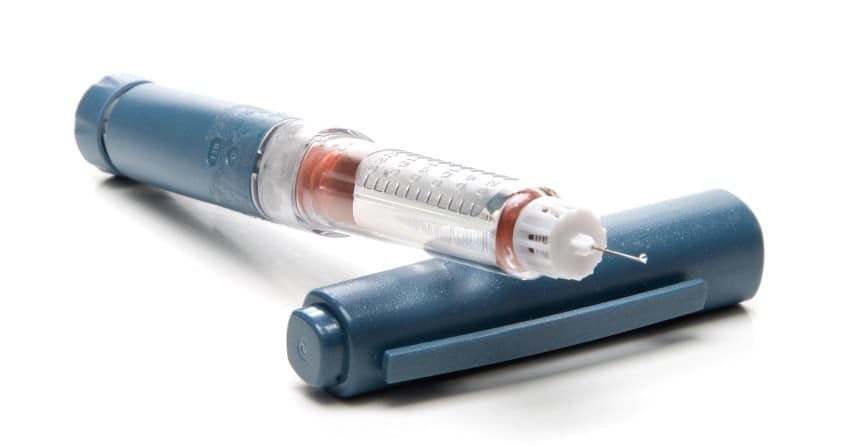
    Regular insulin medication administration usually involves a subcutaneous injection, meaning the insulin goes into the fatty tissue under the skin. Common sites include the abdomen, thigh, upper arm, or buttock area. Site rotation helps reduce lipohypertrophy (lumpy or thickened fatty tissue), which can affect absorption.

    Regular insulin can also be used in supervised clinical settings by specific protocols. That does not mean home dosing should be changed without medical guidance. If readings are often above or below your target range, bring your glucose log, meal notes, activity changes, and medication list to your care team.

    Regular Insulin Patient Teaching Points

    • Check instructions: Confirm timing, route, and dose plan with your prescriber.
    • Match meals: Avoid taking mealtime insulin without a clear food plan unless instructed.
    • Rotate sites: Move injections within recommended areas to protect skin.
    • Carry carbohydrates: Keep fast-acting carbs available for low blood sugar.
    • Track patterns: Note meals, exercise, illness, and unexpected highs or lows.

    Glucose units can be confusing, especially when records or devices use different systems. This converter can help compare mg/dL and mmol/L values, but it does not interpret whether a reading is safe for you.

    [glucose-converter]

    NPH and Regular Insulin: How They Fit Together

    NPH insulin and regular insulin are sometimes used together because they cover different needs. Regular insulin targets meals and corrections. NPH provides intermediate background insulin over part of the day or night.

    NPH insulin full form is Neutral Protamine Hagedorn. The protamine slows absorption, which gives NPH its intermediate-acting profile. It usually does not act as quickly as regular insulin, and it is not the same as long-acting basal insulin.

    This difference is important when comparing NPH insulin vs regular insulin. Regular insulin is mainly meal-focused. NPH is more background-focused. Some regimens use both, while others use rapid-acting and long-acting analogs instead. The choice often reflects glucose patterns, cost, access, dosing routine, and hypoglycemia risk.

    People also ask whether Humulin I is intermediate-acting insulin. In markets where Humulin I is available, it is generally an isophane insulin, which is another term for NPH insulin. Always check the exact product label and your prescription, because insulin names and packaging can look similar.

    If you want to compare mealtime insulin with a specific rapid analog, Humulin And Humalog explains key category differences. For another rapid-acting comparison, Humalog Vs Novolog may help clarify why rapid analogs are discussed separately from regular insulin.

    Precautions, Side Effects, and When to Seek Help

    The most important short-acting insulin side effect is hypoglycemia (low blood sugar). Symptoms may include shakiness, sweating, hunger, headache, weakness, dizziness, blurred vision, irritability, or confusion. Severe lows can cause seizures, loss of consciousness, or injury.

    Hypoglycemia may happen if insulin timing, food intake, exercise, alcohol, illness, or other medicines change. It can also occur when a person takes insulin and then eats less than expected. Your clinician can teach you how to prevent and treat lows based on your plan.

    Other possible effects include injection-site redness, itching, swelling, or skin thickening. Allergic reactions are uncommon but can be serious. Seek urgent care for trouble breathing, swelling of the face or throat, widespread rash, fainting, or severe confusion.

    Regular insulin contraindications and precautions are best reviewed with the product label and your prescriber. In general, insulin should not be used during an episode of low blood sugar unless a clinician has given specific instructions. People with kidney disease, liver disease, pregnancy, changing appetite, or frequent lows may need closer monitoring.

    Quick tip: Keep a simple pre-meal note with glucose, meal plan, dose, and injection site.

    How Short-Acting Insulin Compares With Other Types

    Short-acting insulin sits between rapid-acting and intermediate-acting insulin in many insulin charts. It is faster than NPH but usually slower than rapid analogs. This makes timing a central part of safe use.

    Rapid-acting insulin is often discussed for meals because it starts quickly. Short-acting insulin also covers meals, but people are often instructed to take it earlier before eating. Intermediate-acting insulin NPH provides background coverage, not quick meal coverage. Long-acting insulin and ultra-long-acting insulin are used for basal needs over a longer period.

    Types of insulin with examples can be helpful, but charts are only a starting point. They do not account for your meal size, injection site, kidney function, activity, illness, or other medicines. If your care team gives you a personal timing plan, follow that instead of a generic online chart.

    For navigation by condition, the Type 1 Diabetes and Type 2 Diabetes collections gather related diabetes education. These collections can help you explore insulin topics in a broader condition context.

    Cost, Access, and Practical Planning

    Insulin access affects daily health decisions, so cost conversations are part of safe planning. If NPH insulin cost or regular insulin cost is a concern, ask your clinician or pharmacist about clinically appropriate alternatives, assistance programs, and whether a different regimen would be safe for your situation.

    Do not switch insulin types because of cost without professional guidance. Products with similar names can have different action profiles. A change from regular to rapid-acting insulin, or from NPH to a long-acting insulin, can change meal timing and low-blood-sugar risk.

    For people comparing access options, BorderFreeHealth connects U.S. patients with licensed Canadian partner pharmacies. When required, prescription details are checked with the prescriber before dispensing by the pharmacy. Cash-pay cross-border prescription options may be available for patients without insurance, depending on eligibility and jurisdiction.

    If you are reviewing specific regular insulin examples, Novolin ge Toronto Vial shows one product context for regular insulin. Product pages should support prescription discussions, not replace medical advice.

    Common Questions That Come Up Early

    Is Ozempic a short-acting insulin?

    Ozempic is not insulin. It is a GLP-1 receptor agonist, a medication class that works through different pathways than insulin. Some people with type 2 diabetes use GLP-1 medicines, insulin, or both, depending on their care plan. Do not stop or replace insulin with another medicine unless your prescriber tells you to.

    Why do some people wake up with high glucose overnight?

    Overnight highs can have several causes, including not enough background insulin, late meals, missed doses, illness, stress hormones, or a rebound after an unrecognized low. A single reading rarely tells the whole story. Repeated overnight highs or lows should be reviewed with your care team.

    Can food choices replace insulin timing?

    Food choices can affect glucose patterns, but they do not replace prescribed insulin needs. Meals with different carbohydrate amounts, fat, protein, and fiber can change post-meal readings. If you need help matching meals with insulin, ask about diabetes education or registered dietitian support.

    Authoritative Sources

    The CDC overview of insulin types explains broad insulin categories and typical timing concepts. It is useful for comparing short, rapid, intermediate, and long-acting insulin groups.

    The American Diabetes Association insulin information provides patient-oriented context on insulin use, storage, delivery, and safety. It can help frame questions for your care team.

    The MedlinePlus regular insulin monograph summarizes regular insulin uses, precautions, administration notes, and possible side effects. It is a helpful label-style reference for patient education.

    Recap

    Short-acting insulin is usually regular human insulin. It helps cover meal-related glucose rises and may be used for corrections when prescribed. It differs from rapid-acting insulin, which works faster, and from NPH, which provides intermediate background coverage.

    The safest plan is the one your care team builds around your meals, readings, activity, and health history. Bring questions about timing, missed meals, low blood sugar, product names, and access concerns to your clinician or pharmacist. Clear instructions reduce guesswork and support steadier daily routines.

    This content is for informational purposes only and is not a substitute for professional medical advice.

  • What Is Rapid Acting Insulin? Timing, Types, and Safety

    What Is Rapid Acting Insulin? Timing, Types, and Safety

    Rapid-acting insulin is a mealtime insulin that starts lowering blood glucose within minutes after injection. It helps cover carbohydrates from meals and can reduce after-meal spikes when used as part of a clinician-directed diabetes plan. If you are asking what is rapid acting insulin, the practical answer is this: it is the fast portion of insulin therapy, while basal insulin usually handles background needs between meals and overnight.

    Why this matters: timing, food, activity, and insulin sensitivity can all shift your glucose pattern. Knowing the basics helps you ask better questions and spot safety issues sooner.

    Key Takeaways

    • Fast meal coverage: rapid insulin helps limit post-meal glucose rises.
    • Timing matters: onset, peak, and duration affect safety.
    • Names vary: lispro, aspart, and glulisine are common examples.
    • Low blood sugar risk: carry quick carbohydrates and know symptoms.
    • Regimens differ: many people pair bolus insulin with basal insulin.

    What Rapid-Acting Insulin Does in the Body

    Rapid-acting insulin replaces or supports the body’s quick insulin release after eating. In people without diabetes, the pancreas responds to rising glucose by releasing insulin into the bloodstream. In diabetes care, rapid insulin can be used as bolus insulin (a dose for meals or corrections) under medical supervision.

    These products are usually insulin analogs, meaning laboratory-modified versions of human insulin. The molecular changes help insulin absorb faster from the tissue under the skin. That faster absorption is what makes the timing different from regular human insulin, which usually needs more lead time before meals.

    Common rapid-acting insulin names include insulin lispro, insulin aspart, and insulin glulisine. Brand names vary by country and formulation. Some people also use newer ultra-rapid formulations, which are designed to absorb even faster. For a broader class-by-class orientation, see Types Of Insulin And Uses.

    Rapid insulin is not a stand-alone plan for most people who need insulin throughout the day. Many regimens combine mealtime coverage with basal insulin, which provides steadier background action. Your clinician may adjust the balance based on glucose logs, eating patterns, activity, hypoglycemia history, and other health factors.

    How Fast It Starts, Peaks, and Wears Off

    Most rapid-acting insulins begin working in about 10 to 20 minutes, peak around 1 to 3 hours, and last about 3 to 5 hours. These are general timing ranges, not personal dosing instructions. Your actual response can differ based on injection site, dose size, temperature, recent activity, stress, illness, and meal composition.

    Onset is the point when insulin starts to have a glucose-lowering effect. Peak is when that effect is strongest. Duration is how long the dose continues working. These terms matter because insulin can still be active after a meal is finished, especially if you are exercising, eating less than expected, or drinking alcohol.

    Meal content also affects the match between insulin and glucose rise. A meal with mostly fast-digesting carbohydrates may raise glucose quickly. A meal higher in fat or protein may cause a slower, later rise for some people. Pattern tracking helps your care team see whether timing, food choices, or insulin action are mismatched.

    Quick tip: Record meal time, carbohydrate estimate, dose time, and glucose readings together.

    If you use different glucose units across lab reports, apps, or international resources, a simple converter can reduce confusion when reviewing numbers with your clinician.

    [glucose-converter]

    This tool converts blood glucose values between mg/dL and mmol/L. It does not interpret readings or replace clinical guidance.

    Rapid, Short, Intermediate, and Long-Acting Insulin Compared

    Insulin types are usually grouped by how quickly they start and how long they last. This time-action profile helps clinicians match products to meals, fasting periods, overnight needs, and correction plans. The categories can overlap, so product labeling and personal response still matter.

    Insulin Type Typical Role General Timing Pattern Examples
    Ultra-rapid Very fast mealtime coverage Starts within minutes; short duration Faster aspart, lispro-aabc
    Rapid-acting Mealtime and some correction use Starts quickly; peaks in early hours Lispro, aspart, glulisine
    Short-acting Meal coverage with more lead time Slower onset; longer tail Regular human insulin
    Intermediate-acting Background coverage in some plans Has a more noticeable peak NPH insulin
    Long or ultra-long acting Basal background coverage Longer, flatter action Glargine, degludec, detemir

    People often ask, “Is Actrapid a rapid acting insulin?” Actrapid is regular human insulin, commonly described as short-acting insulin rather than rapid-acting insulin. It generally starts later and lasts longer than rapid analogs. That difference can affect how far before meals it is used, but your prescriber should give timing instructions for your plan.

    The comparison between Actrapid and NovoRapid is a common example. Actrapid is regular insulin. NovoRapid is insulin aspart, a rapid-acting analog. Rapid analogs are often used closer to meals, while regular insulin may require earlier planning. For a deeper explanation of regular insulin, read Short Acting Insulin.

    Intermediate-acting insulin, such as NPH, has a different role. It is not intended to behave like rapid meal insulin. It has a peak that can sometimes contribute to lows if meals, snacks, activity, or sleep timing do not match its action. If you are comparing insulin families, the distinction between bolus and basal coverage is often the most useful starting point.

    Ultra-Rapid Options and Where They Fit

    Ultra-rapid insulins are designed to absorb faster than older rapid analogs. Examples include faster insulin aspart and insulin lispro-aabc. They may help some people cover early post-meal glucose rises, but they still require careful monitoring and individualized instructions.

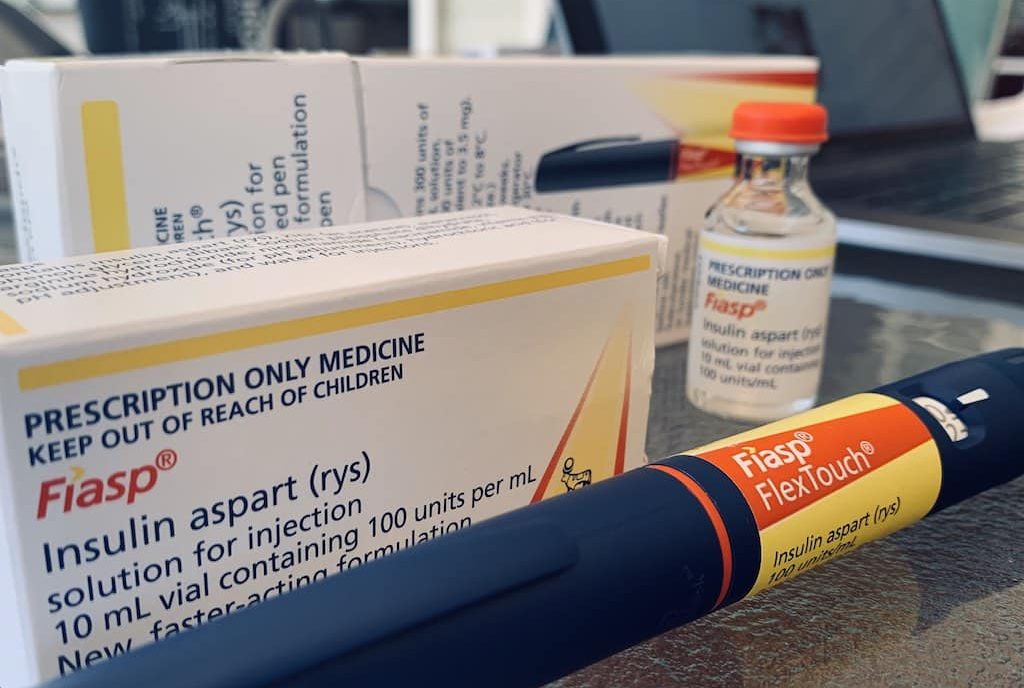
    Fiasp is a faster insulin aspart formulation. Lyumjev is a faster lispro formulation. These products are not automatically better for every routine. Digestion speed, meal timing, device use, pump settings, activity, and hypoglycemia patterns can all influence whether an ultra-rapid option is appropriate.

    For plain-language context on one ultra-rapid formulation, see Fiasp Insulin. If you are comparing lispro timing, Lispro Insulin Peak explains typical peak windows and why they can vary.

    Some people also compare product formats, such as vials, cartridges, and pens. Device choice can affect convenience, but it does not remove the need for glucose monitoring or safe storage. If access and pharmacy sourcing are part of your planning, BorderFreeHealth connects U.S. patients with licensed Canadian partner pharmacies, with prescription verification handled where required before pharmacy dispensing.

    Side Effects, Lows, and When to Seek Help

    The most important rapid-acting insulin side effect is hypoglycemia, or low blood sugar. Symptoms may include shakiness, sweating, fast heartbeat, hunger, headache, confusion, weakness, irritability, or blurred vision. Severe lows can cause seizure, loss of consciousness, or injury and need urgent help.

    Low blood sugar can happen when insulin action is stronger than the glucose available from food or the liver. Common contributors include delayed meals, smaller meals, more activity than usual, alcohol, dosing errors, illness, or changes in kidney function. Faster insulins make timing especially important because the glucose-lowering effect can arrive quickly.

    Other possible issues include injection-site redness, itching, swelling, bruising, or thickened skin from repeated injections in the same area. Rotating sites can help reduce tissue changes. Rare allergic reactions can occur. Seek urgent care for severe allergic symptoms, trouble breathing, swelling of the face or throat, or severe low blood sugar that does not improve with usual rescue steps.

    Why it matters: Repeated lows can make future lows harder to recognize.

    If you are unsure about symptoms or immediate steps, review Diabetes Articles for broader educational context, and discuss a personal low-glucose plan with your care team. People using insulin should also ask whether glucagon is appropriate for emergency preparedness.

    Practical Questions to Bring to Your Care Team

    Rapid insulin works best when your plan matches your real life. A safe discussion often starts with patterns, not a single reading. Bring glucose logs, continuous glucose monitor summaries if available, meal notes, exercise timing, and a list of medicines or supplements.

    • Meal timing: ask how close to meals your insulin is intended to be used.
    • Correction rules: confirm when correction doses are appropriate.
    • Active insulin: ask how long a dose may keep working.
    • Exercise plans: review activity-related low blood sugar prevention.
    • Sick days: ask how illness should change monitoring.
    • Device technique: review pen, syringe, or pump steps.

    Do not change insulin doses based only on general online information. Dose changes depend on your diagnosis, insulin sensitivity, weight changes, kidney function, pregnancy status, eating patterns, and hypoglycemia risk. If repeated highs or lows occur, contact your prescriber or diabetes care team for individualized guidance.

    Storage and handling also deserve attention. Insulin can lose effectiveness if exposed to extreme heat, freezing, or improper storage. Follow the product label and pharmacy instructions. Check expiration dates and inspect insulin as directed for that product type.

    How It Fits With Type 1 and Type 2 Diabetes Care

    Rapid-acting insulin can be used in both type 1 and type 2 diabetes, but the reasons may differ. In type 1 diabetes, the body makes little or no insulin, so mealtime insulin is usually part of daily management. In type 2 diabetes, insulin may be added when other measures do not provide enough glucose control or when clinical circumstances change.

    Some people use injections. Others use insulin pumps or automated insulin delivery systems. Pumps use rapid-acting insulin to provide both background and mealtime coverage through programmed settings. Pump users still need education on site changes, pump failures, ketone checks when advised, and backup insulin plans.

    For people comparing rapid-acting products, Humalog Vs Novolog may help frame discussion points around two commonly recognized rapid analogs. Product-specific questions should still be checked against official labeling and your prescriber’s instructions.

    People browsing therapy options may also encounter product pages for specific formats, such as NovoRapid Vial or Humalog KwikPen. Treat these as product-format references, not as substitutes for medical advice about which insulin fits your plan.

    Authoritative Sources

    For general insulin type categories and timing ranges, see the CDC guidance on insulin use.

    For clinical standards on diabetes medication management, review the ADA Standards of Care in Diabetes.

    For label-backed details on faster insulin aspart, consult the FDA prescribing information for Fiasp.

    Putting the Basics Together

    What is rapid acting insulin in everyday terms? It is fast mealtime insulin used to help manage glucose rises from food and, in some plans, corrections. Its value depends on matching timing, meals, activity, and monitoring as safely as possible.

    The main comparison is not only between brand names. It is between action profiles. Rapid analogs work faster than regular insulin. Ultra-rapid formulations may start even sooner. Intermediate and long-acting insulins serve different background roles. Understanding those differences can make clinic conversations clearer and more productive.

    Keep written questions, glucose patterns, and device concerns ready for appointments. If you have frequent lows, severe highs, ketones, vomiting, pregnancy, kidney disease, gastroparesis, or uncertainty about dosing, seek individualized medical guidance promptly.

    This content is for informational purposes only and is not a substitute for professional medical advice.
  • How to Get Maximum Effect From Cialis: Practical Timing Tips

    How to Get Maximum Effect From Cialis: Practical Timing Tips

    If you want steadier results from your ED treatment, understanding how to get maximum effect from cialis can make a real difference. This guide translates clinical guidance into practical steps you can apply, while keeping safety front and center.

    Key Takeaways

    • Right timing matters: match dose type to your schedule.
    • Food, alcohol, and stress can blunt response for some.
    • Daily low-dose and on-demand use serve different needs.
    • Side effect prevention starts with small, practical changes.

    Understanding Tadalafil And Erection Physiology

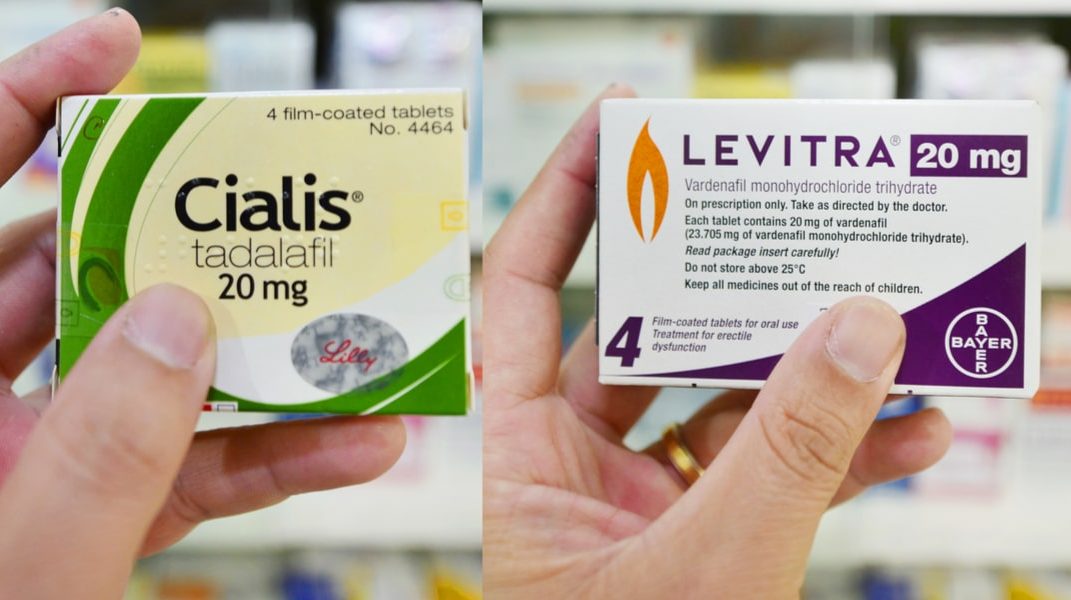
    Tadalafil, the active ingredient in Cialis, is a phosphodiesterase type 5 inhibitor (PDE5 inhibitor). Clinically, it helps preserve cyclic GMP, which supports smooth muscle relaxation in penile tissue. In plain terms, it makes it easier for blood to flow where it needs to go during sexual arousal. Sexual stimulation is still required; the medicine does not create an erection on its own.

    Response varies because biology varies. Age, comorbidities, anxiety, sleep, and alcohol can all influence outcomes. If you’re exploring broader men’s health factors, the Men’s Health category offers context on related topics for everyday decision-making. For broader topics that frame ED within urologic care, see Urology Products for device and therapy overviews that complement medical therapy.

    For active ingredient sourcing details, see Tadalafil so you understand how the medicine itself is positioned within ED care. For a wider look at erectile dysfunction mechanisms and choices, the comparison “Sildenafil vs. Tadalafil” explains different onset windows and use-cases.

    How to Get Maximum Effect From Cialis

    Treatment works best when you align the dose with real-life plans. On-demand dosing may suit occasional intimacy; daily dosing can help if spontaneity is a priority or if urinary symptoms are present. Either way, allow time for absorption before intimacy, and remember that sexual stimulation remains essential to activate the medication’s effect.

    Heavy, high-fat meals can delay absorption for some people. Many also find that minimizing alcohol helps maintain blood pressure stability and overall responsiveness. Stress and sleep also matter; relaxation techniques and better sleep hygiene can support arousal pathways. If you need a concise primer on the active ingredient, review the medication details under Tadalafil to see how it differs from shorter-acting options.

    Dosing Approaches: Daily Versus On-Demand

    Daily low-dose use offers a steady-state approach. It may support spontaneity and help some urinary symptoms linked to benign prostatic hyperplasia (BPH). On-demand dosing aims at planned intimacy with a single dose before sexual activity. Choosing between them depends on frequency of sex, side effect tolerance, and coexisting conditions. A clinician can help weigh these trade-offs based on your health history.

    Many patients appreciate the Sildenafil vs. Tadalafil comparison for a quick view of how daily versus on-demand strategies play out in real life. Some also consider alternatives like Vardenafil for different onset and duration preferences, especially when exploring non-Cialis options. For those emphasizing central arousal, PT-141 may be discussed with a clinician as a distinct, centrally acting option.

    Many men report that the benefits of cialis daily include more consistent readiness and less planning stress. However, daily use means ongoing exposure to side effects. Balancing convenience with tolerance is the goal. Discuss your medical history and current medications to choose an approach you can sustain safely.

    Timing, Onset, And Duration

    People often ask: tadalafil how long does it take to work. For many, onset can start within 30–60 minutes, but the window varies. Peak effect may arrive later, especially with larger meals. Duration is typically longer than with some other PDE5 inhibitors, which is why many value it for flexible timing.

    Labeling and clinical resources note a prolonged activity window compared with shorter-acting options. For details on onset, duration, and cautions, see the FDA-linked MedlinePlus drug information, which summarizes official guidance in plain language. For clinicians and patients reviewing formal dosing and safety, the official prescribing information outlines timing and risk considerations.

    How Long It Lasts By Dose

    Individual experience differs, but many wonder: tadalafil 20 mg how long does it last. The higher on-demand dose may provide a longer effective window for some, but the duration still varies across people and situations. Sleep quality, alcohol, anxiety, and meal composition all play meaningful roles in how long benefits are felt.

    Expect variability from day to day. A consistent routine often reduces swings. If you are comparing options, our article on Sildenafil vs. Tadalafil outlines how dose strength and half-life shape the experience. When choosing support tools for arousal, some men pair counseling or sensate focus with pharmacotherapy to extend confidence and satisfaction.

    Safety, Side Effects, And Risk Reduction

    Most reactions are mild, like headache, flushing, nasal congestion, or indigestion. Still, planning can lower risk. Simple habits help: hydrate, avoid excessive alcohol, and give the medicine time to work rather than redosing too quickly. If nasal stuffiness bothers you, a saline rinse before intimacy may help comfort. If heartburn appears, small, earlier meals are often easier to tolerate.

    Focus on prevention and know when to pause. Nitrates are unsafe with tadalafil because both lower blood pressure. If you take nitrate therapy such as Nitrostat, avoid PDE5 inhibitors and consult your clinician promptly for alternatives. For a concise overview of contraindications and warnings, see the FDA’s prescribing information, which details blood pressure risks and emergency symptoms to watch for.

    When thinking through comfort strategies, ask your clinician how to avoid cialis side effects while preserving benefit. Adjustments like spacing from alcohol, taking with a light snack, or changing the time of day may help. Always consider coexisting conditions, especially cardiovascular disease, when evaluating symptom patterns.

    Maximum Dosage, Interactions, And Contraindications

    Dosing guidance exists to protect you. The maximum dose of tadalafil in 24 hours is governed by product labeling and clinical judgment, and standard labeling discourages more than a single daily dose. Exceeding recommended dosing or combining with other PDE5 inhibitors can raise side effect risks without improving results. Patience and planning usually outperform redosing.

    Some blood pressure medications, especially alpha-blockers, may interact. Coordinating dose timing can help, but that decision belongs with your clinician. For an accessible, neutral summary of interactions and contraindications, the NIH’s drug information lists medicines and conditions that merit caution. If you ever need an alternative approach, exploring Eroxon Gel as a topical option can be discussed where appropriate.

    Practical Administration Tips

    Small steps can improve consistency. If you use on-demand dosing, plan your window and reduce last-minute stressors. If you use daily dosing, take it at the same time to keep levels steady. Consider a light, earlier meal before intimate plans, and limit alcohol. These changes sound simple but often shift outcomes in meaningful ways.

    Many ask how to take cialis in ways that respect both safety and spontaneity. Pair the medication with arousal-focused time rather than multitasking. If central arousal is a challenge, talk with your clinician about behavioral strategies or adjuncts. Some couples also explore centrally acting options like PT-141 to support desire pathways in select situations, with careful, individualized guidance.

    Tip: Keep a discreet journal noting timing, meals, alcohol, stress, and response. Patterns emerge quickly and help your clinician tailor recommendations without guesswork.

    When To Reassess Or Seek Care

    It can take several trials to judge response, even with good technique. If results stay inconsistent, review your medical history for factors like sleep apnea, depression, or new medications. Ask your clinician what is the maximum dosage of cialis as stated on the product label and whether your current plan aligns with those boundaries. Never escalate dosing on your own, even if you feel frustrated.

    When strategy or tolerance is a concern, consider alternate PDE5 inhibitors or non-oral approaches. For instance, Vardenafil offers a different profile that some men prefer for timing. If you want to explore choices in a broader health context, the Men’s Health section collects related guidance on sexual well-being. You can also browse Urology Products to understand how devices and medications complement each other safely.

    Note: Sudden vision changes, chest pain, or a prolonged, painful erection are urgent. Seek emergency care immediately and inform responders about any recent PDE5 inhibitor use.

    This content is for informational purposes only and is not a substitute for professional medical advice.
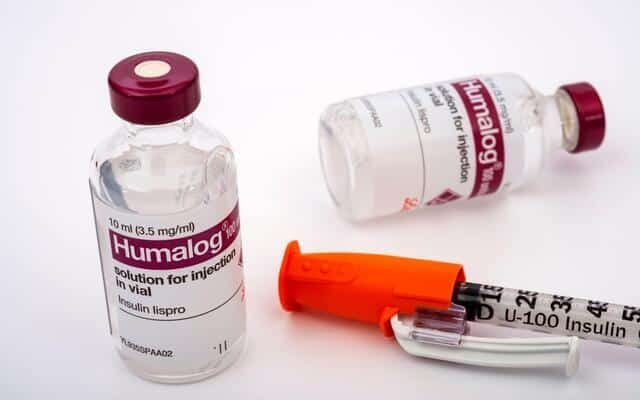
  • Levitra vs Cialis: Timing, Duration, and Safety Differences

    Levitra vs Cialis: Timing, Duration, and Safety Differences

    Levitra (vardenafil) and Cialis (tadalafil) both treat erectile dysfunction, but they fit different routines. In a Levitra vs Cialis comparison, the clearest difference is duration: vardenafil is usually shorter-acting and used as needed, while tadalafil lasts longer and may be used as needed or daily. That matters because timing affects meals, planning, benign prostatic hyperplasia (BPH), side effects, and interaction risk.

    Neither medicine creates sexual desire or works without sexual stimulation. Neither is automatically stronger or safer for everyone. The better fit depends on your health history, other medicines, and what kind of flexibility you need.

    Key Takeaways

    • Same class – Both are phosphodiesterase type 5 (PDE5) inhibitors for ED.
    • Main difference – Tadalafil usually lasts much longer than vardenafil.
    • Use pattern – Tadalafil may be daily or as needed; vardenafil is usually as needed.
    • Food effect – Heavy, high-fat meals may delay vardenafil more than tadalafil.
    • Safety first – Nitrates, alpha blockers, heart history, and some antibiotics or antifungals can change the choice.

    Levitra vs Cialis at a Glance

    The practical difference is time: vardenafil usually supports a planned window, while tadalafil offers a longer period of possible response. Both improve blood flow to the penis during arousal, but they do not work like an instant switch.

    Comparison point Levitra / vardenafil Cialis / tadalafil
    Drug class PDE5 inhibitor PDE5 inhibitor
    Main use Erectile dysfunction Erectile dysfunction; also used in some people with BPH
    Common use pattern Usually as needed As needed or daily, depending on the treatment plan
    Typical onset Often around 30 to 60 minutes May start in about 30 minutes for some people, though response varies
    Typical duration Often about 4 to 6 hours May remain active up to 36 hours
    Food effect Heavy or high-fat meals may slow onset Food usually has less effect
    Practical fit More tied to a planned time Often chosen when flexibility is important

    When readers compare Levitra vs Cialis for duration, tadalafil usually stands out. A longer window does not mean a continuous erection. It means the medicine may remain active longer, so arousal can lead to a response over a wider time frame.

    Why it matters: The best choice is often about fit and safety, not just speed.

    How Timing, Meals, and Daily Use Change the Experience

    Timing changes how much pressure someone feels around sexual activity. A shorter-acting ED medicine can work well for a planned evening, while a longer-acting option can reduce the need to schedule intimacy around a narrow window.

    Onset and duration

    Both medicines need time to be absorbed. Vardenafil is commonly discussed as an as-needed medicine taken before anticipated sexual activity. Tadalafil can also be used that way, but its longer half-life gives it a wider period of effect.

    That is why Levitra vs Cialis which is better is not a one-size question. Some people value a shorter, more defined window. Others prefer tadalafil because it allows more room for spontaneity. Response can also vary with age, diabetes, blood pressure, anxiety, alcohol use, and other medicines.

    Food and alcohol

    Food matters more with vardenafil. A heavy or high-fat meal may delay how quickly it starts working. Tadalafil is generally less affected by meals, which can make it easier to fit around dinner or travel.

    Alcohol deserves its own caution. Heavy drinking can worsen dizziness, flushing, headache, and low blood pressure symptoms with either drug. It can also make erections harder to achieve, even when the medication is otherwise appropriate.

    Daily tadalafil versus as-needed vardenafil

    Tadalafil has a daily-use option for some treatment plans. That changes the goal from timing a pill before sex to maintaining a steady routine. Daily use may be discussed when ED is frequent, when timing feels stressful, or when urinary symptoms from BPH are also part of the picture.

    Vardenafil is usually considered an as-needed option. That may suit people who have sex less often, prefer not to take a daily medicine, or want a treatment linked to a specific planned time. These are preference and safety discussions, not proof that one medicine is universally better.

    Which Option May Fit Which Situation?

    The right comparison starts with the problem you are trying to solve. ED alone, ED plus urinary symptoms, medication interactions, and heart health can all point the discussion in different directions.

    If ED is the only issue and you are comfortable planning ahead, vardenafil may be part of the conversation. If you want a longer response window or less focus on exact timing, tadalafil often comes up first. If BPH symptoms such as frequent urination, urgency, or weak stream are also present, tadalafil may be discussed because it has an established role in that setting.

    Age alone does not decide the answer. There is no single best ED pill for a 70-year-old man, a 50-year-old man, or any other age group. Older adults are simply more likely to have factors that require closer review, such as heart disease, kidney or liver problems, prostate medicines, blood pressure treatment, or multiple prescriptions.

    For broader browsing, the Sexual Health Hub covers related sexual-health topics, while the Urology Hub is useful when urinary symptoms are also involved. The Men’s Health Hub can help place ED in the wider context of cardiovascular and metabolic health.

    Safety, Side Effects, and Interaction Risks

    The safest Levitra vs Cialis choice depends on your medical history and medication list. Both drugs can be appropriate for many adults, but both can be risky in the wrong situation.

    Common side effects

    Many side effects come from blood vessel relaxation. They are often mild, but they can still affect comfort and adherence. Commonly discussed effects include:

    • Headache – A frequent PDE5 inhibitor effect.
    • Flushing – Warmth or redness in the face or chest.
    • Nasal congestion – A stuffy or runny nose.
    • Indigestion – Upset stomach or reflux symptoms.
    • Dizziness – More concerning if blood pressure is low.
    • Back or muscle aches – More often noted with tadalafil.

    Side effects do not always predict benefit. A person can have side effects without a good erection response, or a good response with few symptoms. That is one reason follow-up matters after starting or changing ED treatment.

    Interactions that need extra caution

    Medication interactions are one of the most important parts of any ED medication comparison. A full medication list should include prescriptions, over-the-counter medicines, supplements, and recreational substances.

    • Nitrates – Combining nitrates for chest pain with PDE5 inhibitors can cause a dangerous blood pressure drop.
    • Riociguat – Some pulmonary hypertension medicines can also create unsafe blood pressure effects.
    • Alpha blockers – Prostate or blood pressure medicines may increase dizziness or fainting risk.
    • Strong CYP3A4 inhibitors – Certain antifungals, antibiotics, and HIV medicines can raise drug levels.
    • Heart-rhythm concerns – Vardenafil has extra cautions around QT prolongation, a heart-rhythm issue measured on an ECG.
    • Kidney or liver disease – Reduced drug clearance can affect tolerability and safety review.

    Because tadalafil stays active longer, clinicians also consider what might happen if chest pain or another urgent heart symptom occurs after use. This does not make tadalafil unsafe by itself. It means emergency and cardiovascular context matters.

    Quick tip: Bring a complete medication list to any ED discussion, including heart and prostate medicines.

    Seek urgent medical care for chest pain, severe fainting, sudden vision or hearing changes, or an erection lasting more than four hours. These symptoms go beyond routine side effects and should not be watched at home.

    How Other ED Medicines Fit the Comparison

    Vardenafil and tadalafil are not the only PDE5 inhibitors. Sildenafil, the active drug in Viagra, is another common as-needed option. It is often discussed alongside vardenafil because both are shorter-acting than tadalafil and may require more planning around meals and timing.

    Adding another option does not remove the same safety rules. Nitrates, unstable heart symptoms, low blood pressure, alpha blockers, and strong interaction medicines still matter. The practical question is not simply which pill is strongest. It is which medicine fits the person, the relationship context, the medication list, and the follow-up plan.

    ED can also be an early clue to vascular or metabolic health problems. Blood pressure, diabetes, sleep quality, smoking history, stress, and circulation can all shape sexual function. Medication may be one part of care, but it should not replace a broader health review when symptoms are new, worsening, or linked with chest pain or exertional shortness of breath.

    Why Brand Availability Can Be Confusing

    Many people ask why Levitra is harder to find under its brand name. Brand availability can change by country, manufacturer, market demand, and generic competition. That does not always mean the active drug has disappeared everywhere. It often means vardenafil may be discussed by its generic name rather than by the original brand.

    This is why many current comparisons are really vardenafil versus tadalafil. If a prescriber uses generic names, the key questions stay the same: onset, duration, food effect, side effects, interactions, and whether BPH symptoms should influence the choice.

    For access context, BorderFreeHealth connects eligible patients with licensed Canadian partner pharmacies. When required, prescription details are checked with the prescriber before pharmacy dispensing. Some patients without insurance use cash-pay cross-border options, subject to eligibility and jurisdiction.

    Category pages can help with navigation, but they are not a substitute for clinical review. The Men’s Health Collection and Urology Collection group related product pages for browsing.

    Questions to Bring to a Prescriber

    A useful Levitra vs Cialis discussion is specific. The more complete your history, the easier it is to compare options safely and avoid a poor fit.

    • Treatment goal – ED alone, or ED plus urinary symptoms.
    • Timing preference – Planned use or a more flexible window.
    • Meal pattern – Whether heavy dinners are common before sex.
    • Medication list – Nitrates, alpha blockers, heart medicines, antibiotics, antifungals, or HIV medicines.
    • Heart history – Chest pain, fainting, rhythm problems, or major blood pressure swings.
    • Side-effect tolerance – Headache, congestion, indigestion, dizziness, back pain, or muscle aches.
    • Follow-up plan – When benefits, side effects, and ongoing fit will be reviewed.

    It is also worth asking what to do if the first choice does not work well. ED medication response can depend on timing, stimulation, food, alcohol, stress, and underlying health. A careful follow-up can prevent people from giving up too early or trying unsafe combinations.

    Authoritative Sources

    In most comparisons, tadalafil offers the longer window and a daily-use option, while vardenafil is more tied to planned, as-needed use. Safety still drives the decision, especially when heart medicines, prostate medicines, low blood pressure, BPH symptoms, or rhythm concerns are involved.

    This content is for informational purposes only and is not a substitute for professional medical advice.
  • Humalog vs Novolog: Dosing, Timing, and Switching Basics

    Humalog vs Novolog: Dosing, Timing, and Switching Basics

    If you are comparing Humalog vs Novolog, the practical answer is that both are rapid-acting mealtime insulins, but they should not be swapped casually without clear instructions. Humalog is insulin lispro. NovoLog is insulin aspart. Both can help cover meals and correction doses, yet timing instructions, devices, insurance formularies, pump settings, and glucose monitoring plans can differ. That matters because even a small change in insulin routine can affect post-meal highs or low blood sugar.

    The better question is rarely which one is universally better. It is whether the insulin, device, written dose plan, and follow-up monitoring fit your current diabetes care. This page explains insulin lispro vs insulin aspart in plain language, with a focus on dosing logic, meal timing, switching basics, pump use, and warning signs that need faster follow-up.

    Key Takeaways

    • Same broad role: both are rapid-acting insulin analogs used around meals.
    • Different molecules: Humalog is lispro, while NovoLog is aspart.
    • Dosing stays personal: ratios, correction factors, and glucose trends matter more than brand names.
    • Switching needs review: devices, pump settings, and meal timing can change the real-world effect.
    • Safety comes first: repeated lows, sustained highs, ketones, vomiting, or confusion need prompt medical guidance.

    Humalog vs Novolog in Everyday Diabetes Care

    Humalog and NovoLog are both designed to work faster than older regular insulin. They sit in the group often called Rapid-Acting Insulin, which is usually used to cover meals, snacks, or correction doses when prescribed. For broader context, Types Of Insulin explains how mealtime and background insulin roles differ.

    The main clinical distinction is the active ingredient. Humalog contains insulin lispro. NovoLog contains insulin aspart. These are insulin analogs, meaning their structures are modified from human insulin so they can act more quickly after injection. For many people, that chemical difference is less noticeable than the practical details: when the dose is taken, which pen or vial is used, and how glucose responds after meals.

    Either product may be used in people with type 1 diabetes or in some people with type 2 diabetes who need mealtime insulin. The surrounding regimen can look very different from person to person. Someone using a pump has different safety concerns than someone using a long-acting insulin plus injections at meals. People who are new to insulin also need different support than those adjusting a long-standing routine.

    Why it matters: A familiar insulin name does not replace a clear, current dosing plan.

    If you want background on condition differences, the Type 1 Diabetes and Type 2 Diabetes collections can help you navigate related topics.

    How Dosing Compares Without Using a Conversion Chart Alone

    Humalog vs Novolog dosing follows the same general idea: the insulin is used for meals and corrections, not as the main background insulin. The actual dose depends on your prescribed insulin-to-carbohydrate ratio, correction factor, meal size, recent activity, illness, kidney function, and recent patterns of low or high glucose. A brand comparison cannot safely replace those individual instructions.

    Some emergency switching references describe rapid-acting insulin analogs as similar on a unit basis. That does not mean every person should make a one-for-one switch without review. A prescriber may change instructions when there have been frequent lows, appetite changes, pregnancy, steroid use, kidney disease, gastroparesis (delayed stomach emptying), recent hospital discharge, or major changes in activity.

    Be cautious with any generic insulin conversion chart. It cannot know whether your high readings come from meal timing, missed doses, infusion-site problems, carbohydrate estimates, background insulin, illness, or exercise. It also cannot check whether your written instructions use fixed mealtime doses, carb ratios, sliding scales, or pump settings.

    For example, a person using a fixed dose before breakfast may need a different switching conversation than someone using a carb ratio at every meal. A person using a pump may need settings reviewed before the first reservoir fill. The insulin name is only one part of the system.

    What usually drives the dose

    • Carbohydrate plan: how meal carbs are counted or estimated.
    • Correction factor: how prescribed corrections are calculated.
    • Glucose pattern: repeated lows or highs over several days.
    • Meal timing: how soon food follows the dose.
    • Other insulin: basal insulin or pump basal settings.
    • Health changes: illness, steroids, kidney disease, or pregnancy.

    If you track glucose in different units, a simple converter can help you compare readings from labels, meters, or international sources. It only converts units and does not provide dosing advice.

    [glucose-converter]

    Timing Before Meals: Small Differences Can Matter

    Both products are taken close to meals, but timing instructions should come from the label and your care plan. NovoLog labeling describes use shortly before a meal, while Humalog labeling allows dosing within a short window before eating or soon after starting a meal. Your prescriber may give different instructions based on glucose patterns, meal habits, and hypoglycemia risk.

    This is where Humalog vs Novolog can feel different in daily life. If meals are predictable, the difference may be subtle. If meals are delayed, skipped, smaller than expected, or followed by exercise, timing becomes more important. Taking rapid-acting insulin too early can increase low-glucose risk if food is delayed. Taking it too late can allow post-meal glucose to rise.

    Ask for specific instructions about common real-life situations. What if the meal is late? What if you are unsure how much you will eat? What if your pre-meal glucose is already low or much higher than usual? Those answers are more useful than a general comparison of onset or duration.

    Symptoms can also guide follow-up. Learn the basics of low glucose, including shakiness, sweating, confusion, fast heartbeat, or weakness. Also watch for persistent high glucose symptoms such as thirst, frequent urination, fatigue, or blurred vision. If patterns change after a switch, share the trend rather than only reporting one reading.

    Device and Pump Details That Change the Experience

    Device differences can matter as much as the insulin itself. A vial, prefilled pen, cartridge, or pump reservoir changes the steps needed to prepare and deliver a dose. Even when the insulin dose is unchanged, a new device can affect priming habits, dose-window visibility, needle attachment, cartridge loading, and confidence with injections.

    For example, someone moving from a vial to a prefilled pen may need to review priming and needle disposal. Someone moving from one pen system to another may need to check cartridge compatibility and training steps. If your prescription changes from a Humalog KwikPen to another format, the workflow may change even when the prescribed insulin role stays familiar.

    Vial users should also avoid assuming that two vials are handled identically in every care plan. Product labels and pharmacy instructions may differ for storage, in-use handling, or pump compatibility. Relevant product pages such as Insulin Humalog Vial and Insulin NovoRapid Vial can help readers recognize product formats, but dosing decisions still belong with the prescribing plan.

    Pump use adds another layer. Rapid-acting insulin in a pump is not just a vial swap. Basal rates, insulin-to-carb ratios, correction factors, active insulin time, infusion-site changes, and backup injection plans all need review. If pump delivery is interrupted, glucose can rise quickly because there may be no long-acting insulin on board.

    Quick tip: Bring your current device and written instructions to any switching discussion.

    Are These Insulins Interchangeable?

    Humalog and NovoLog are close therapeutic alternatives, but “interchangeable” can mean different things. In casual conversation, people may use it to mean the products do the same broad job. In clinical care, the safer meaning is that a qualified professional has reviewed the switch, the instructions, and the monitoring plan.

    Insulin lispro vs insulin aspart is not only a molecule comparison. It is also a device, supply, and routine comparison. A switch may involve a new pen, new cartridges, a different vial, new pharmacy documentation, or a changed insurance preference. It may also require updated labels for carb ratios, correction scales, pump settings, or sick-day instructions.

    Access issues can also drive switching. A formulary change does not prove that one product is stronger or weaker. It often means the person needs a safe way to continue mealtime insulin with clear instructions. BorderFreeHealth connects U.S. patients with licensed Canadian partner pharmacies, and prescription details may be verified with the prescriber when required before a pharmacy dispenses medication.

    If you are considering switching from Humalog to Novolog, or switching from Novolog to Humalog, avoid making the change from leftover supplies or a borrowed pen. Confirm the exact product, concentration, device, prescription directions, monitoring plan, and what to do if readings move outside your usual range.

    What to Review Before a Switch

    A safe switching conversation starts with your current routine, not the new brand name. Bring enough information for your care team to see the full pattern. A few days of glucose data can be more useful than a single high or low reading, especially when meals, exercise, or illness have changed.

    Use this checklist as a preparation tool, not as a self-directed switching plan.

    • Current insulin: brand, generic name, and device.
    • Written directions: fixed dose, ratio, scale, or pump settings.
    • Meal pattern: timing, carb counting, and missed meals.
    • Recent readings: pre-meal, post-meal, overnight, and exercise-related trends.
    • Low events: timing, severity, and possible triggers.
    • High events: duration, ketones, illness, or site problems.
    • Backup plan: supplies for injections, monitoring, and sick days.

    Monitoring is the other half of Humalog vs Novolog switching. Some people use fingerstick checks. Others use continuous glucose monitoring. Either approach should focus on trends before meals, after meals, overnight, and during activity. If you use CGM reports, time in range, frequent lows, and post-meal spikes may help guide a clinician’s review.

    People without insurance may also be comparing access pathways. BorderFreeHealth supports cash-pay, cross-border prescription options when eligible and permitted by jurisdiction, but the clinical decision about whether a switch is appropriate remains separate from access logistics.

    When to Contact a Clinician Sooner

    Most mealtime insulin changes are manageable with clear instructions, but some patterns deserve faster help. Contact your care team promptly for repeated low glucose readings, sustained high readings that do not respond as expected, moderate or large ketones, vomiting, trouble keeping fluids down, fever with rising glucose, or confusion about when to dose.

    Seek urgent care for severe hypoglycemia, loss of consciousness, seizure, symptoms of diabetic ketoacidosis (dangerous acid buildup), trouble breathing, severe dehydration, or ongoing vomiting. Pump users should act quickly if insulin delivery may have stopped, because rapid-acting insulin leaves little backup once delivery is interrupted.

    Extra caution is reasonable during pregnancy, after a hospital stay, during steroid treatment, with kidney disease, or when appetite is unpredictable. In those situations, even a familiar rapid-acting insulin comparison needs closer clinical review.

    Viewed this way, Humalog vs Novolog is less about declaring a winner. It is about matching the chosen insulin to the full routine, the device, the timing instructions, and the monitoring plan.

    Authoritative Sources

    For label-backed details and switching context, these sources are useful starting points:

    This content is for informational purposes only and is not a substitute for professional medical advice.

  • Glucophage vs Metformin: Forms, Safety, and Daily Use

    Glucophage vs Metformin: Forms, Safety, and Daily Use

    Glucophage and metformin are not two different active medicines. Glucophage is a brand name for metformin hydrochloride, while metformin is the generic name. The practical glucophage vs metformin decision usually comes down to release type, tablet design, tolerability, access, and what your clinician wants to monitor.

    This distinction matters because many people feel different on immediate-release, sustained-release, or extended-release tablets even when the active ingredient is the same. A clear comparison can help you ask better questions before a switch.

    Key Takeaways

    • Same active ingredient: Glucophage contains metformin hydrochloride.
    • Main difference: Brand, generic, and release design vary.
    • Common side effects: Nausea, gas, diarrhea, and stomach discomfort.
    • Safety checks: Kidney function and vitamin B12 may need monitoring.
    • Switching forms: IR-to-ER changes should be clinician-guided.

    Glucophage vs Metformin: What Is Actually Different?

    The core difference is naming. Glucophage is a branded metformin product, and generic metformin contains the same active ingredient. Both belong to the biguanide class, which helps lower blood glucose without directly increasing insulin release.

    Where people notice differences is usually the tablet itself. Coatings, binders, and release systems can affect how quickly the medicine reaches the gut. That can change convenience and stomach comfort. It does not mean one active ingredient is stronger than the other for every person.

    If you want product-level context, the Glucophage Tablets page shows brand-specific information, while Metformin Tablets provides a generic product reference. Use these pages for orientation, not as a substitute for medical guidance.

    Why it matters: A side effect problem may be a formulation issue, not a reason to abandon therapy without review.

    How Metformin Works in Type 2 Diabetes Care

    Metformin helps lower glucose mainly by reducing glucose production in the liver. It also improves insulin sensitivity, meaning the body can use insulin more effectively. Some glucose absorption from the gut may also slow modestly.

    Because it does not force the pancreas to release insulin, metformin has a lower hypoglycemia risk when used alone compared with some older diabetes medicines. That risk can change when it is combined with insulin or medicines that increase insulin release.

    People often ask about signs metformin is working. Useful signs can include steadier fasting readings, fewer post-meal spikes, and improved A1C over follow-up testing. Symptoms alone are not reliable, because many people feel no obvious change even when lab values improve.

    If you track A1C and estimated average glucose, this calculator can help convert between the two formats for discussion with your care team. It does not diagnose diabetes or replace lab interpretation.

    [hba1c-calculator]

    For broader background on possible metabolic and cardiovascular effects, see Metformin Benefits. For condition-level browsing, the Type 2 Diabetes collection gathers related diabetes topics.

    Immediate-Release, SR, and ER Forms

    The most practical glucophage vs metformin comparison is often about release form. Immediate-release tablets dissolve faster and are commonly taken with meals. Sustained-release and extended-release tablets release metformin more slowly over time.

    Slower-release tablets may reduce stomach upset for some people. They may also simplify routines when once-daily dosing is appropriate. Still, release technology varies by product, and some people tolerate immediate-release tablets well.

    Metformin IR

    Immediate-release metformin reaches the digestive tract sooner. That can make it easier to adjust in divided doses, but it may also cause more gastrointestinal symptoms in sensitive people. Taking it with food often improves comfort.

    Metformin SR and XR

    SR and XR are both slower-release approaches. The exact technology can differ, but the goal is similar: gradual delivery and fewer concentration peaks. Do not crush, split, or chew these tablets unless a pharmacist or prescriber confirms it is safe for that exact product.

    People comparing metformin SR vs XR should focus on tolerability, schedule, tablet instructions, and glucose targets. A branded extended-release option may use a distinct delivery system. For deeper context on that formulation style, see Extended-Release Metformin or the Glumetza product reference.

    Starting at 500 mg: What That Usually Means

    Many care plans start with metformin HCl 500 mg because a lower starting amount may be easier to tolerate. Clinicians often increase gradually when needed, based on glucose response, A1C goals, kidney function, and other medicines.

    Is 500 mg a low dose? In many treatment plans, it is an introductory dose. That does not make it trivial. Even a starting dose can cause stomach symptoms, especially during the first weeks or after a dose increase.

    Metformin 500 mg side effects are usually digestive. Loose stools, nausea, gas, or abdominal discomfort are common early complaints. Eating with the dose, keeping meals consistent, and avoiding heavy alcohol use can reduce avoidable risk. Persistent symptoms deserve clinician review, especially if dehydration develops.

    People also ask about the difference between metformin 500 and metformin SR 500. The active ingredient is the same. The SR tablet is designed to release it more slowly, which may improve comfort for some users. The right choice depends on the person, not only the number printed on the label.

    Side Effects, Long-Term Cautions, and When to Seek Help

    Metformin side effects are most often gastrointestinal and dose-related. Nausea, diarrhea, bloating, metallic taste, and abdominal cramps are commonly reported. These effects may ease as the body adapts, but they should not be ignored if they are severe or ongoing.

    Metformin side effects in females and metformin side effects in men are broadly similar. Individual experiences can vary because of meal patterns, hormonal changes, kidney function, alcohol intake, and other medicines. Pregnancy is a separate clinical situation, and anyone pregnant or planning pregnancy should follow specialist advice.

    Long-term use can lower vitamin B12 levels in some people. Low B12 can cause fatigue, numbness, tingling, balance problems, or anemia-like symptoms. These symptoms have many possible causes, so lab testing and clinical review matter.

    A rare but serious risk is lactic acidosis, a dangerous buildup of lactic acid. It is more likely in settings such as severe kidney impairment, acute dehydration, severe infection, low oxygen states, or heavy alcohol use. Seek urgent care for severe weakness, unusual sleepiness, trouble breathing, persistent vomiting, severe abdominal pain, or feeling very cold and unwell.

    Quick tip: Keep a two-week symptom log after any formulation change.

    Weight, Appetite, and Expectations

    Metformin is not primarily a weight-loss drug. Some people lose modest weight because insulin levels may fall and appetite may decrease. Others see little change. Food choices, physical activity, sleep, other medicines, and baseline insulin resistance all influence results.

    Searches about 2 month metformin weight loss results can create unrealistic expectations. Two months may show early trends, but it is too short to judge the full metabolic picture for many people. A1C, fasting glucose, waist measures, and tolerability often matter more than scale weight alone.

    Questions like how to lose weight fast on metformin or metformin dosage for weight loss in non diabetics should be handled carefully. Do not change doses for weight goals without medical supervision. Non-diabetes use, pregnancy, kidney disease, eating disorder history, or symptoms of low blood sugar all require individualized review.

    Some people compare Ozempic or metformin for weight loss. These medicines work through different mechanisms and have different safety considerations. For a broader comparison of modern incretin therapies, Retatrutide vs Tirzepatide is not in the provided internal source list for this update, so it is not linked here. Discuss medication choices with a clinician who can review your diagnosis, risks, and goals.

    Switching Forms and Combining Therapies

    Switching from immediate-release to extended-release metformin is common when stomach symptoms interfere with daily life. Clinicians may aim for a similar total daily amount, then adjust based on glucose readings and tolerability. Do not make the conversion yourself, because release forms are not always handled identically.

    Some people ask why take metformin XR at night. Evening use can match the largest meal for many households and may improve comfort. It may also fit overnight fasting patterns. However, timing should reflect the prescribed product, meal routine, and glucose goals.

    Metformin can also be combined with other diabetes medicines. DPP-4 inhibitors, SGLT2 inhibitors, GLP-1 receptor agonists, insulin, and other therapies may be considered depending on cardiovascular disease, kidney health, A1C, hypoglycemia risk, and preferences.

    Combination tablets can reduce pill burden for some patients. For examples of combination approaches, see Janumet or Sitagliptin HCl Metformin. For an educational look at one fixed-dose option, Janumet and Blood Sugar explains how the ingredients fit together.

    What to Avoid or Review Before Taking It

    The most important thing to avoid is using metformin without appropriate clinical review. Kidney function, acute illness, dehydration risk, alcohol intake, and other medicines can change safety. Your care team may also give temporary instructions around certain procedures or contrast imaging.

    Heavy alcohol use deserves special caution because it can increase lactic acidosis risk. So can severe vomiting, diarrhea, or dehydration. If you cannot keep fluids down, contact a healthcare professional promptly for advice.

    Review all medicines and supplements with your clinician or pharmacist. Some combinations may require closer glucose monitoring, kidney checks, or temporary changes during illness. If heart failure or kidney disease is part of your history, our Metformin and Heart Failure resource gives additional context for discussion.

    For medication access context, BorderFreeHealth connects U.S. patients with licensed Canadian partner pharmacies, and prescription details may be verified with the prescriber when required. This service context does not replace the clinical decision about whether metformin is appropriate.

    Authoritative Sources

    The FDA prescribing information for Glucophage describes indications, contraindications, warnings, and adverse reactions for metformin products.

    The MedlinePlus metformin drug information offers consumer-friendly safety details from the National Library of Medicine.

    The ADA Standards of Care provide broader diabetes treatment principles and monitoring guidance.

    Recap

    The glucophage vs metformin comparison is mostly a brand-versus-generic and formulation question. The active ingredient is the same, but immediate-release, sustained-release, and extended-release tablets can feel different in daily use.

    If side effects, timing, or lab results are not where they should be, bring specific notes to your clinician. Ask about release form, kidney monitoring, B12 checks, meal timing, and whether other medicines affect your plan.

    This content is for informational purposes only and is not a substitute for professional medical advice.