Blog

  • National Diabetes Month 2025: Practical Awareness That Helps

    National Diabetes Month 2025: Practical Awareness That Helps

    National Diabetes Month happens every November and focuses attention on diabetes prevention, screening, daily care, and support for people living with the condition. The goal is not only to raise awareness, but to turn that awareness into practical action: earlier testing, safer routines, respectful conversations, and better access to care.

    You may be living with diabetes, supporting someone you love, organizing a workplace event, or trying to understand your own risk. This page explains what the month means, what to share, and how to make awareness useful instead of stressful.

    Key Takeaways

    • November is the month: National Diabetes Month is observed each November.
    • Screening can help: Diabetes may develop before symptoms are obvious.
    • Language matters: Respectful words reduce shame and support care.
    • Daily routines vary: Food, movement, sleep, medicine, and monitoring all interact.
    • Urgent signs count: Severe lows, dehydration, vomiting, or confusion need prompt help.

    What National Diabetes Month Is and Why It Matters

    National Diabetes Month is a public awareness observance held each November to highlight diabetes and its impact on people, families, workplaces, and communities. It often overlaps with American Diabetes Month, diabetes awareness month, and World Diabetes Day messaging.

    Why this matters: awareness can lead to earlier testing and better support. Many people have prediabetes or diabetes without clear symptoms. Others already have a diagnosis but face barriers with supplies, appointments, food planning, school policies, or workplace accommodations.

    Diabetes is a long-term condition that affects how the body handles glucose, also called blood sugar. In type 1 diabetes, the body makes little to no insulin because of an autoimmune process. In type 2 diabetes, insulin may not work as effectively, and the body may not keep up with insulin needs over time. Gestational diabetes develops during pregnancy and needs pregnancy-specific follow-up.

    Awareness also means correcting harmful assumptions. Diabetes is not a personal failure. Food choices, genetics, stress, sleep, medicines, income, neighborhood access, and other health conditions can all shape risk and day-to-day management.

    If you want a broader overview of diabetes topics, the Diabetes Articles collection can help you explore screening, complications, and care routines.

    Screening and Early Detection: The First Practical Step

    Screening checks for diabetes or prediabetes before problems become obvious. It can be especially important when symptoms are mild, unclear, or absent.

    Common screening tests include A1C, fasting plasma glucose, and an oral glucose tolerance test. A1C reflects average blood sugar over roughly two to three months. Fasting glucose measures blood sugar after a period without food. An oral glucose tolerance test measures how the body responds after a glucose drink.

    Testing choices depend on age, pregnancy status, symptoms, medicines, family history, and other health conditions. A clinician can explain which test fits your situation and whether a result should be repeated. For a plain-language look at the main options, see How To Test For Diabetes.

    Results can feel emotional, especially when they are unexpected. A borderline result does not define anyone. It usually means the next step is to watch trends, repeat testing when appropriate, and talk through realistic changes.

    Quick tip: If you organize a November event, share where people can ask about screening rather than giving one-size-fits-all advice.

    Blood Sugar, A1C, and Daily Patterns

    Blood sugar changes throughout the day because food, activity, stress, illness, sleep, and medicines all affect glucose levels. One number rarely tells the whole story.

    A1C helps show longer-term trends, but it does not replace day-to-day information. A higher morning reading may relate to hormones, sleep, late meals, illness, or medication timing. A higher post-meal reading may raise questions about meal composition, portions, activity, or the care plan.

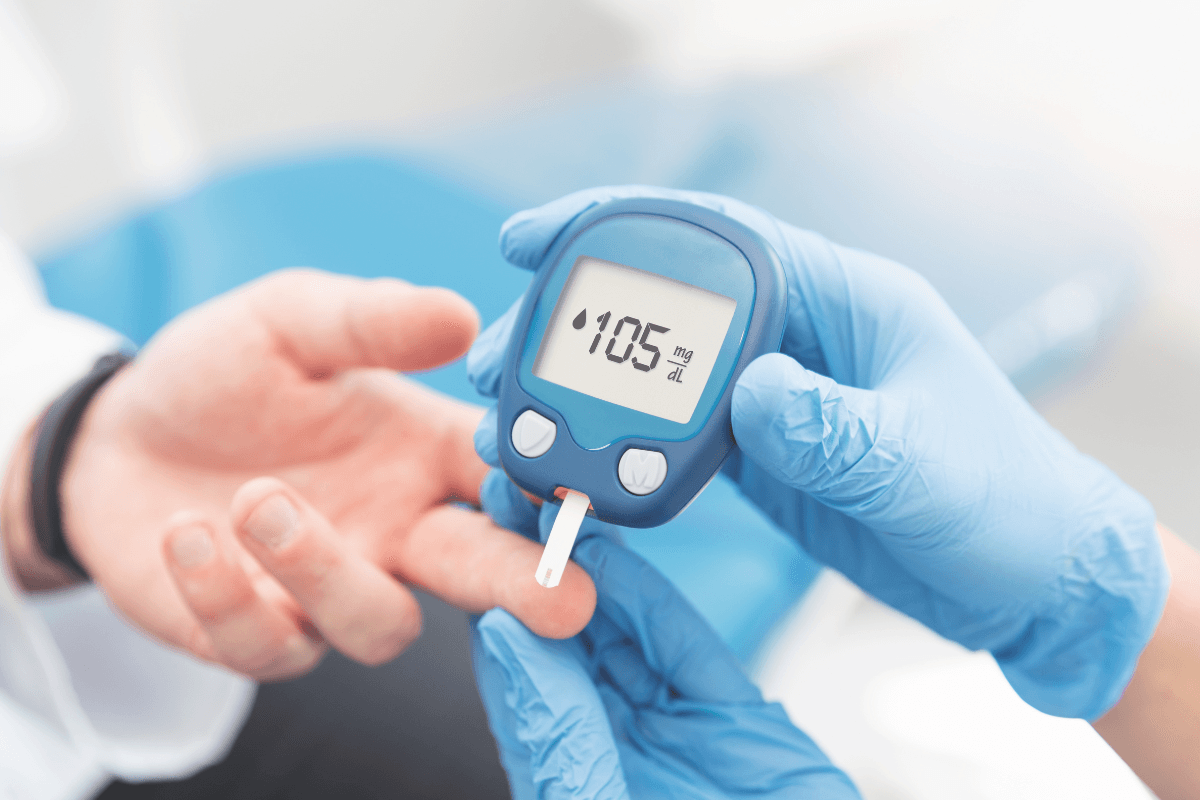
    Some people use fingerstick meters. Others use continuous glucose monitors, often called CGMs. These tools can help identify patterns, but targets vary by person. Pregnancy, kidney disease, older age, hypoglycemia risk, and other conditions may change what a clinician recommends.

    The calculator below can help convert between A1C and estimated average glucose for general understanding. It is not a diagnostic tool and does not replace clinical interpretation.

    [hba1c-calculator]

    If monitoring supplies are part of your care routine, it may help to understand the role of test strips and sensors. For general product context, see Bayer Contour Test Strips or Dexcom G7 Sensor. Product pages should not replace guidance from your diabetes care team.

    Type 1, Type 2, and Other Diabetes Terms People Confuse

    The word diabetes covers several related conditions, but the types are not the same. Clear language helps families, schools, and workplaces offer better support.

    Type 1 diabetes is an autoimmune condition. People with type 1 need insulin because the body makes little to no insulin. It is not caused by eating sugar, and it cannot be managed by lifestyle changes alone.

    Type 2 diabetes usually involves insulin resistance, meaning the body has trouble using insulin effectively. Over time, insulin production may also decline. Some people use lifestyle changes, some use oral medicines, some use injectable medicines, and some use insulin.

    Gestational diabetes develops during pregnancy. It needs pregnancy-specific monitoring because glucose levels can affect both the pregnant person and the baby. Follow-up after pregnancy also matters, since future type 2 diabetes risk can be higher.

    If you are comparing the two most discussed types, Type 1 Vs Type 2 Diabetes explains the differences in practical terms. This distinction is useful during National Diabetes Month because awareness messages can become inaccurate when they treat every type as identical.

    Food, Movement, Sleep, and Medicines Without Shame

    Daily diabetes care works best when it is realistic. Strict rules can backfire when life, culture, work schedules, finances, or stress are ignored.

    Food choices often get oversimplified during diabetes awareness month. People may ask whether specific foods, such as crackers or tuna sandwiches, are allowed. A better question is how the food fits with the full meal, portion size, medication plan, glucose response, and personal goals.

    For example, crackers may raise blood sugar for some people depending on serving size and what they are eaten with. A tuna sandwich may fit well for one person and need adjustment for another, depending on bread type, portion, sodium needs, kidney health, and medication-related low blood sugar risk. A registered dietitian can help translate general nutrition ideas into a plan that respects culture and budget.

    Movement can also help glucose patterns, but it does not need to be extreme. Some people notice benefits from short walks after meals. Strength training may support muscle health and glucose use. People with foot problems, heart disease, neuropathy, vision changes, pregnancy, or mobility limits should ask a clinician about safe activity options.

    Medicines may include tablets, non-insulin injections, and insulin. Metformin is one commonly used medicine for type 2 diabetes, but it is not right for everyone. For neutral medication context, see Metformin or Glucophage. If insulin is part of a care plan, product information such as Lantus SoloStar can help readers recognize terminology, but dosing and changes belong with a prescriber.

    Diabetes Awareness Color, Ribbon, and Respectful Language

    The diabetes awareness color is commonly blue, and many campaigns use the blue circle as a global symbol. Some groups also use a diabetes awareness ribbon to show support, remembrance, or advocacy.

    Symbols can help people feel seen, but they work best when paired with accurate information. A blue shirt day, ribbon display, or social post should avoid blame, scare tactics, and jokes about food. People living with diabetes hear enough judgment already.

    Supportive language focuses on the person, not moral judgment. Try saying “person living with diabetes,” “blood sugar is higher today,” or “what would help right now?” Avoid labels such as “noncompliant” or comments that frame diabetes as a character flaw.

    Why it matters: People are more likely to ask for help when they feel respected.

    Respect also includes practical accommodations. A student, worker, athlete, or traveler may need time to check glucose, take medicine, drink water, use the restroom, eat, or treat a low. Normalizing these needs supports safety and dignity.

    Activities That Make Awareness Useful

    The best National Diabetes Month activities give people one clear next step. They do not shame bodies, rank foods, or pressure people to disclose private health information.

    Consider simple, optional activities that improve understanding and access. A workplace, school, clinic, or community group can choose one or two actions rather than planning a large event with little follow-through.

    • Screening resource table: share local testing and appointment options.
    • Label-reading session: explain carbohydrate, fiber, sodium, and serving size.
    • Respectful language reminder: replace blame-based phrases with supportive wording.
    • Movement break: offer an optional short walk or stretch session.
    • Accommodation review: make glucose checks and low treatment normal.
    • Vision reminder: encourage people with diabetes to ask about eye exams.

    November also includes World Diabetes Day on November 14. Some communities use that date for global advocacy, education events, or messages about access to care. For a deeper look at that observance, read World Diabetes Day Awareness.

    The American Diabetes Association is also a major source of education and advocacy in the United States. If you want context on its role, see American Diabetes Association Purpose.

    Warning Signs That Should Not Wait

    Most glucose ups and downs can be handled through a care plan, but some symptoms need urgent medical attention. Awareness should include knowing when to act quickly.

    Low blood sugar, called hypoglycemia, can cause shakiness, sweating, confusion, fast heartbeat, sudden irritability, weakness, or fainting. Some people have fewer warning signs over time. Severe confusion, seizure, or loss of consciousness is an emergency.

    High blood sugar, called hyperglycemia, can cause thirst, frequent urination, blurry vision, fatigue, nausea, or dehydration. Illness, missed medicine, steroid medicines, infection, and stress can raise glucose levels.

    Diabetic ketoacidosis, or DKA, is a serious complication that can happen when the body does not have enough insulin. It is more common in type 1 diabetes but can occur in other situations. Warning signs may include vomiting, deep or rapid breathing, severe abdominal pain, fruity-smelling breath, confusion, or extreme fatigue. These symptoms need prompt medical evaluation.

    Diabetes can also affect eye health over time. During National Diabetes Month, it is helpful to remind people with diabetes to ask their clinician about eye exam timing. For more detail, see Diabetic Retinopathy.

    Authoritative Sources

    For national observance context and public health education, the NIDDK National Diabetes Month page explains why November is used for awareness and outreach.

    For A1C and blood glucose basics, the American Diabetes Association A1C resource gives plain-language information on what A1C represents.

    For global observance details, the World Health Organization campaign page provides World Diabetes Day background and current public health messaging.

    Recap

    National Diabetes Month is most helpful when it turns awareness into practical support. That can mean asking about screening, learning what glucose numbers mean, choosing respectful words, improving accommodations, or helping someone prepare for a safer routine.

    Small actions matter. Share accurate information, avoid blame, and encourage people to bring personal questions to a qualified clinician. BorderFreeHealth may provide educational navigation around diabetes medicines and supplies, while prescription decisions and dispensing requirements remain tied to licensed pharmacy and prescriber processes.

    This content is for informational purposes only and is not a substitute for professional medical advice.


  • Drontal for Dogs: Safety, Dosing, and What to Expect

    Drontal for Dogs: Safety, Dosing, and What to Expect

    Drontal for dogs is a deworming medicine veterinarians may use to treat common intestinal worms, including tapeworms, roundworms, hookworms, and, in some formulations, whipworms. The right product and dose depend on your dog’s weight, age, health history, and the parasite being treated.

    Seeing worms in stool, noticing scooting, or getting a positive fecal test can feel alarming. It is also common, even in well-cared-for pets. A clear plan helps you treat the right parasite, watch for side effects, and reduce the chance of reinfection.

    Key Takeaways

    • Coverage varies: Drontal products do not all treat the same worms.
    • Weight matters: dosing is based on the exact product and current body weight.
    • Side effects are usually mild: vomiting, soft stool, or appetite changes can occur.
    • Testing helps: fecal exams can confirm which parasite is present.
    • Prevention continues: stool pickup and flea control reduce repeat exposure.

    What Drontal Treats and Why Product Version Matters

    Drontal products are anthelmintics, which means medicines used against parasitic worms. In dogs, these medicines are used for intestinal parasites that live in the gut and shed eggs or segments in stool.

    Many Drontal products contain praziquantel, which targets tapeworms, and pyrantel pamoate, which targets roundworms and hookworms. Drontal Plus for dogs commonly adds febantel, an ingredient used for whipworm coverage. Exact ingredients, strengths, and labeled directions can vary by country and product.

    That difference matters because worms are not all treated the same way. Tapeworms often relate to flea exposure or eating infected wildlife. Roundworms and hookworms may come from contaminated soil, stool, or, in puppies, early-life exposure. Whipworms can be harder to control in some environments because eggs may persist outdoors.

    Drontal for dogs does not replace flea prevention, heartworm prevention, or routine fecal testing. It also does not treat every cause of diarrhea, weight loss, or poor coat quality. Those signs can overlap with many digestive, dietary, and medical problems.

    If your veterinarian has recommended a specific dog dewormer, compare the exact product name and active ingredients. The Drontal Tablets page can help you review product-specific labeling context, while Drontal Plus provides a separate reference point for the Plus formulation.

    Why it matters: Matching the product to the parasite helps avoid repeat treatment that misses the target.

    How Dosing Is Usually Decided

    Drontal for dogs dosage is usually based on body weight and the exact tablet formulation. A dosing chart from one product should not be applied to another product unless the label and active ingredients match.

    This is where mistakes happen. A small dog may fall near a tablet cutoff. A large dog may need more than one tablet. A puppy may gain weight quickly enough that last week’s weight is no longer useful. For that reason, a current scale weight is more reliable than a guess.

    Many people search for a Drontal for dogs dosage chart, but charts are only safe when they match the specific package. Product labels may differ by tablet size, region, and formulation. If the label is unclear, a veterinary clinic can help confirm the correct interpretation.

    Before giving any dewormer, gather a few details:

    • Current weight: use a recent scale reading.
    • Exact product: confirm Drontal versus Drontal Plus.
    • Tablet strength: match the label before dosing.
    • Health status: mention vomiting, pregnancy, nursing, or illness.
    • Other medicines: include preventives, supplements, and recent dewormers.
    • Test results: bring fecal findings if available.

    Do not give extra tablets because worms are visible, and do not repeat a dose early unless a veterinarian tells you to. More medication does not always mean better parasite control, and it can increase the chance of adverse effects.

    Some dogs may need a different dewormer class. For example, fenbendazole products are sometimes used for other parasite-control plans. If your veterinarian discusses alternatives, Panacur Granules can be a useful product-reference page for understanding how labels differ across dewormers.

    What to Expect After Giving a Dewormer

    After a dose, some dogs act completely normal. Others may have brief digestive upset, especially if they already had intestinal irritation from parasites.

    You may notice worms or worm segments in stool. Sometimes owners see nothing at all, even when the medicine is working. Not seeing worms does not prove the treatment failed, because parasites may be digested or passed in less obvious ways.

    Mild signs can include soft stool, short-lived diarrhea, drooling, vomiting, reduced appetite, or tiredness. These signs are among the more commonly discussed Drontal for dogs side effects, but they should be limited and improving. A dog who becomes progressively weaker, cannot keep water down, or seems painful needs veterinary attention.

    If vomiting occurs soon after dosing, call your veterinary team before giving another tablet. They may ask when the vomiting happened, whether the tablet was visible, and how your dog is acting now. Those details help them decide whether enough medicine was likely absorbed.

    Plan the next few days around hygiene. Pick up stool promptly, wash hands after cleanup, and reduce access to shared defecation areas when possible. If tapeworms are suspected, flea control is often part of the prevention plan because fleas can carry tapeworm larvae.

    For tapeworm-specific medication context, Droncit may help you compare how praziquantel-only products differ from broader dewormers. This is product education, not a substitute for a parasite diagnosis.

    Safety Cautions, Side Effects, and When to Call a Vet

    Most dogs tolerate labeled dewormer use well, but side effects and safety cautions still matter. Your dog’s age, size, pregnancy status, liver or digestive disease, and medication history can change the risk discussion.

    Commonly reported digestive effects may include vomiting, diarrhea, drooling, or reduced appetite. Some dogs seem sleepy for a short period. These signs may relate to the medicine, the underlying parasite burden, or another problem that appears around the same time.

    More serious reactions are uncommon, but they need prompt care. Seek urgent veterinary help if you notice facial swelling, trouble breathing, collapse, repeated vomiting, bloody or black stool, seizures, severe weakness, or extreme lethargy. These are not expected “normal deworming” signs.

    Puppies need extra care because weight changes quickly and intestinal parasites can affect growth and hydration. A Drontal dewormer for puppies may be appropriate only when the product label, age, weight, and veterinary plan fit. Very young puppies, underweight puppies, and puppies with diarrhea should not be treated casually at home without guidance.

    Small dogs also need careful dose matching. Even a one-pound weight difference can matter near a dosing cutoff. Large dogs may need multiple tablets, which raises the chance that a piece is dropped or spit out. Give tablets one at a time if needed, then check the floor and your dog’s mouth.

    Quick tip: If you find a tablet later, call the clinic before repeating the dose.

    How Often Dogs Need Deworming

    How often a dog takes Drontal depends on risk, test results, and the parasite involved. There is no single schedule that fits every dog.

    Some dogs need treatment only after a positive fecal test. Others have higher exposure because they visit dog parks, attend daycare, hunt, scavenge, eat wildlife feces, or live where parasites are common. Puppies and newly adopted dogs may also need closer parasite screening.

    Fecal testing helps prevent guesswork. It can identify eggs from roundworms, hookworms, or whipworms, though tapeworms are sometimes diagnosed from visible segments or exposure history. Testing also helps avoid repeating a product that does not match the parasite.

    Reinfection is common when the environment remains contaminated. Eggs and larvae may persist in soil, and dogs can re-expose themselves by sniffing, licking, grooming, or eating contaminated material. That is why parasite control often includes household and yard habits, not just tablets.

    Practical prevention steps include same-day stool pickup, flea control, discouraging scavenging, and keeping shared outdoor spaces clean. If a dog repeatedly gets tapeworms, ask whether flea exposure or wildlife contact could be the missing link.

    If your home includes cats, do not use dog products interchangeably. Cats need species-specific dosing and labels. For cat-focused context, Drontal For Cats explains why parasite control differs across species. For broader feline parasite prevention, NexGard Combo For Cats covers a separate cat product category.

    Using Tablets Without Turning It Into a Struggle

    How to use Drontal for dogs often comes down to technique, timing, and confirming the full dose was swallowed. Follow the product label and veterinary instructions for whether it should be given with food.

    Some dogs accept tablets in a small treat or pill pocket. Others chew once, detect the tablet, and spit it out later. Watch for cheek-pouching, floor-dropping, or hiding medication in bedding. A treat “chaser” can help some dogs swallow fully.

    If your dog resists tablets, ask your veterinary team about safe handling options. Do not crush, split, or mix tablets unless the label or veterinarian says that is acceptable. Some scored tablets are designed for splitting, while others may not divide evenly.

    After dosing, keep the routine calm. Offer water, watch appetite, and note stool changes. If multiple pets live together, prevent one pet from taking another pet’s medication. This is especially important when cats and dogs share spaces.

    For another common canine deworming medicine used under veterinary direction, Strongid P can help you compare ingredient and label differences. The best choice still depends on the parasite and your dog’s situation.

    Prescription, Access, and Safe Sourcing Questions

    Whether Drontal for dogs requires a prescription depends on the country, formulation, and local rules. Some Drontal Plus products are prescription-only in certain markets, while other parasite products may have different access rules.

    Rather than assuming, check the exact product label and your local requirements. A veterinarian can also confirm whether fecal testing is recommended before treatment. This is especially helpful when symptoms are vague, recurring, or severe.

    Safe sourcing matters with any pet medication. Use products with clear labeling, intact packaging, and directions that match your dog’s species and weight. Avoid using leftover medication from another pet unless your veterinarian confirms it is appropriate.

    BorderFreeHealth connects U.S. patients with licensed Canadian partner pharmacies, and prescription details are verified with the prescriber when required before pharmacy dispensing. For pet medications, that kind of documentation check can be relevant when a product is prescription-only in the dispensing jurisdiction.

    Do not use “without vet prescription” searches as a shortcut around care when your dog is sick. Diarrhea, weight loss, poor appetite, vomiting, or blood in stool can have causes beyond intestinal worms. Treating blindly may delay the right diagnosis.

    Preventing Reinfection at Home

    Medication can remove susceptible worms, but the environment can bring them back. Reinfection prevention starts with daily habits that reduce exposure to eggs, larvae, and fleas.

    Pick up stool as soon as practical, especially in shared yards. Keep dogs away from known defecation areas at parks. Wash hands after cleanup, and teach children to wash after outdoor play. Cover sandboxes, clean accidents promptly, and discourage dogs from eating feces or wildlife remains.

    Flea control deserves special attention when tapeworms are involved. Dogs can ingest infected fleas during grooming. If fleas remain in the home, tapeworms can return even after successful deworming.

    Some dogs need behavior support to reduce scavenging. A basket muzzle can be useful for high-risk walks when introduced with positive training, but it should allow panting and drinking. Ask a qualified trainer or veterinarian if scavenging is frequent or dangerous.

    Households with immune-compromised people, young children, or pregnant people may want stricter hygiene routines. Some dog parasites can affect people, so practical prevention protects the whole household.

    Authoritative Sources

    For label-backed information on Drontal Plus ingredients, indications, and warnings, review the DailyMed Drontal Plus label.

    For parasite screening and prevention principles, the Companion Animal Parasite Council guidelines summarize expert recommendations for dogs and cats.

    For checking U.S. animal drug approval and labeling records, use the Animal Drugs at FDA database alongside veterinary guidance.

    Recap

    Drontal for dogs can be part of a parasite-control plan when the product matches the worm, the dose matches the dog’s weight, and safety cautions are considered. The most useful next step is often simple: confirm the exact product, current weight, and likely parasite before giving medication.

    Call a veterinarian if your dog is very young, pregnant, nursing, chronically ill, taking other medications, or showing severe digestive signs. Also ask for help if worms keep returning despite treatment. Repeated infections often mean the exposure source needs attention.

    This content is for informational purposes only and is not a substitute for professional medical advice.

  • Drontal Tablets for Cats & Kittens: Deworming Basics

    Drontal Tablets for Cats & Kittens: Deworming Basics

    Key Takeaways

    • Targets key intestinal worms: often includes roundworms, hookworms, and tapeworms.
    • Dosing is weight-based: use your vet’s plan and the product label.
    • Expect stool changes: mild, short-lived effects can happen.
    • Fleas matter for tapeworms: prevention helps reduce reinfection risk.

    Seeing worms or “rice-like” segments can feel unsettling. You are not alone in wanting quick, calm answers. Drontal tablets for cats & kittens are a common veterinary dewormer for certain intestinal parasites.

    This article explains what it may treat, what to expect after dosing, and when to check in with a veterinarian. It also covers safer ways to think about repeat treatment and reinfection.

    If you’d like broader cat wellness context, the Pet Health section is a helpful starting point for common care topics.

    Drontal tablets for cats & kittens: What It Treats

    Drontal is a brand-name dewormer that combines praziquantel and pyrantel pamoate. These ingredients target specific intestinal parasites, not every parasite your cat could encounter. That’s why matching the medicine to the worm matters.

    Many caregivers ask, what worms does drontal treat in cats, especially after spotting worms in the litter box. Depending on the labeled formulation and your region, it may cover common roundworms, hookworms, and tapeworms. Product labeling is the safest reference for exactly which species are included, and it can vary by market. For confirmation of approved uses, see the Animal Drugs@FDA database with neutral product details.

    It can also help to know what Drontal does not address. Some intestinal parasites (like coccidia) need different medications. Heartworm prevention is separate, too. A fecal test (stool exam) can clarify what’s present, even when you never see worms.

    How Drontal Works in Cats, and Why Reinfection Happens

    Praziquantel affects tapeworms by disrupting their protective outer surface. Pyrantel pamoate works differently and targets certain roundworms and hookworms in the intestine. Because each ingredient has a specific job, the combination can be useful when more than one worm type is possible.

    Even when treatment works well, reinfection can occur. Cats may swallow infective eggs from contaminated soil or litter. Hunting rodents can reintroduce parasites, especially for outdoor cats. Tapeworms are closely tied to fleas, since cats can ingest a flea while grooming.

    Note: If tapeworms are suspected, flea control is often part of the plan. If you’re comparing broader parasite coverage options, reading about Flea, Tick, and Worm Coverage can help you understand what “combo” preventives are designed to address.

    When people look for a “one-and-done” solution, it helps to reset expectations. Dewormers treat the worms present at the time. They do not disinfect the environment or stop future exposure. That’s why many vets pair treatment with prevention steps and follow-up.

    Weight-Based Dosing: What to Know Before You Use Drontal

    Questions about drontal for cats dosage are very common, and for good reason. Dewormer dosing is tied to body weight, and small differences matter most in kittens and smaller cats. The right plan also depends on your cat’s age, health history, and the parasite risk in your area.

    Packaging often includes a dosing table, and clinics may provide a handout or label instructions. Still, it’s easy to make mistakes if your cat’s weight is outdated or estimated. If you’re unsure, asking your veterinary team to confirm the current weight range can prevent underdosing or overdosing.

    How to use labels and dosing charts safely

    Most dewormers rely on a “bands” approach rather than a custom calculation. In other words, a chart may list a tablet amount for a weight range. That can look simple, but real life gets messy. A cat that is between ranges, recently gained weight, or is underweight from illness may need extra care. Also, different Drontal products in different countries can have different strengths. When in doubt, treat the label as the baseline and your veterinarian as the decision-maker.

    What to check Why it matters
    Current weight from a scale Reduces dosing errors, especially in kittens
    Exact product name and strength Some regions have different formulations
    Other medications or supplements Helps avoid interactions or overlapping ingredients
    Reason for treatment Symptoms vs routine screening can change next steps

    If you’re also managing other medicines, it can help to review general medication-safety principles. The article Antibiotic Safety Basics explains practical tips that apply to many pet prescriptions, like timing, monitoring, and when to call.

    Giving Drontal: Small Practical Steps That Reduce Stress

    Even when the plan is clear, administration can be the hardest part. The official drontal for cats instructions may focus on the “what,” but caregivers often need the “how.” For many cats, the goal is a calm routine that protects trust.

    Try to set up the space first. Close doors so your cat cannot bolt and hide. Have a small treat ready for afterward, if your cat is allowed treats. If pilling is difficult, your clinic may suggest a pill pocket or a small amount of food, depending on the label directions and your cat’s needs.

    Tip: If your cat becomes fearful quickly, pause and reset. Short, calm attempts tend to work better than long struggles. If you’re worried your cat is uncomfortable afterward, the signs list in Cat Pain Signs can help you describe changes clearly to a clinician.

    Some people ask about a “liquid Drontal” option for cats. Availability depends on the country and product line, and some liquids are intended for other species or age groups. A veterinarian can confirm which formulations are appropriate and how they should be given.

    What to Expect After Deworming and When Follow-Up Matters

    It’s normal to watch the litter box closely after treatment. People often search how long does drontal take to work in cats because they want reassurance that something is happening. In many cases, dewormers start acting quickly, but you may not see obvious evidence right away. Some cats pass worms or segments in stool over the next several days.

    Stool may look softer than usual for a short time. Appetite can vary, especially if your cat was already nauseated from worms. If vomiting, diarrhea, or lethargy is more than mild or does not improve, it’s reasonable to contact a veterinary clinic for guidance.

    Follow-up is not only about comfort. It can also confirm that the parasite is truly gone. Many clinics recommend a fecal recheck for cats with ongoing exposure risk. The Companion Animal Parasite Council’s CAPC guidelines provide a helpful overview of why testing and prevention often go together.

    If tapeworms were part of the picture, treating fleas helps prevent repeat cycles. For context on rapid flea knockdown versus longer prevention, reading Fast Flea Relief can clarify what different approaches are meant to do.

    Possible Side Effects and When to Call a Veterinarian

    Most cats tolerate dewormers well, but monitoring is still important. Searches for drontal for cats side effects often come from caregivers who want to distinguish “expected” from “concerning.” Mild digestive upset can happen, including soft stool, brief vomiting, or drooling. These effects may be related to the medication, the worms being expelled, or stress from administration.

    More serious reactions are less common, but they deserve prompt attention. Contact a veterinarian if you see repeated vomiting, marked lethargy, trouble breathing, collapse, severe diarrhea, or swelling of the face. Also call if your cat cannot keep water down, since dehydration can develop quickly.

    It also helps to consider what else is going on. A cat with heavy worm burden can feel unwell even before treatment. Kittens, seniors, and cats with chronic disease may have less “reserve” if they get dehydrated. If your cat has a complex medical history, a clinic can help weigh risks and benefits safely.

    For a plain-language overview of intestinal parasite effects on the body, the Merck Vet Manual is a solid reference with veterinary-reviewed detail.

    Comparing Options: Drontal, Drontal Plus, and Other Dewormers

    It’s easy to assume similar names mean similar coverage. But drontal for cats vs drontal plus comparisons can be confusing because products and approvals differ by species and country. Drontal for cats is commonly discussed for intestinal worms, while “Plus” formulations are often positioned differently and may be labeled for dogs in some markets. The label and your veterinarian are the best sources for what is appropriate for your cat’s species and life stage.

    Other dewormers may be recommended depending on which parasite is suspected. Some products are tapeworm-focused, while others have broader intestinal coverage or come in topical form. If pilling is a major barrier, a vet may discuss alternatives that fit your cat’s temperament and the suspected worm type.

    If you’re trying to understand brand versus generic options, it helps to focus on active ingredients and strength, not just the name. “Generic” versions may exist in some regions, but quality control and equivalence can vary. A veterinary team can confirm whether a substitute is truly comparable for your cat’s situation.

    For readers who want to review official product details, the Drontal page can be used as a reference for formulation basics. If you’re specifically comparing a topical option for certain worm types, the Profender page can help you review the delivery method and labeled use.

    Kittens, Pregnancy, Nursing, and Multi-Cat Homes

    Kittens face different risks than adult cats. They can pick up roundworms early in life and may need repeat deworming as they grow. Because weight changes quickly, accurate weighing is especially important. If you’re fostering or caring for a litter, a veterinarian may suggest a schedule and a fecal-testing plan that fits your environment.

    Another frequent question is can pregnant cats take drontal. The safest answer is that pregnancy and nursing require extra caution, and the correct choice depends on the exact product and label directions. Some deworming ingredients are used during pregnancy under veterinary supervision, but timing and dose need professional oversight. If pregnancy is possible, involve a veterinarian before giving any dewormer.

    In multi-cat households, it helps to think in “systems.” One cat’s worms can become another cat’s exposure through shared litter boxes and grooming. Litter hygiene, prompt stool cleanup, and flea prevention can reduce re-exposure. If more than one cat has signs, a clinic can advise whether testing or coordinated treatment makes sense.

    If you also have a dog at home, parasite control plans can overlap but are not identical. The article Dog Deworming Safety can help you understand why products and dosing rules differ across species.

    Recap

    Drontal is one option veterinarians use for common intestinal worms. The key is matching the product to the parasite, and the dose to current weight. When results are unclear, fecal testing can add useful certainty.

    Most cats do fine with treatment, but it’s still smart to monitor stool, appetite, and energy. Reach out to a veterinarian if symptoms are severe, persistent, or worrying. If you’re weighing sourcing and safety questions, Safe Medication Sourcing outlines practical checks that can reduce risk.

    This content is for informational purposes only and is not a substitute for professional medical advice for your personal situation.

  • World Psoriasis Day 2025: Support, Care, and Awareness

    World Psoriasis Day 2025: Support, Care, and Awareness

    World Psoriasis Day is observed every year on October 29 to raise awareness of psoriasis and psoriatic arthritis, reduce stigma, and encourage better care. In 2025, the day offers a practical moment to learn what psoriasis is, check how symptoms affect daily life, and support people without pressuring them to share personal health details.

    Psoriasis is not contagious. It is an immune-mediated condition that can affect skin, nails, joints, sleep, mood, and confidence. That is why awareness matters: better facts can lead to kinder conversations, earlier joint symptom recognition, and more useful visits with a clinician.

    Key Takeaways

    • Date: October 29 is the annual awareness day.
    • Core message: Psoriasis is immune-related, not contagious.
    • Whole-body impact: Skin, nails, joints, and mood may be affected.
    • Care planning: Symptom notes can improve appointments.
    • Support: Listening often helps more than advice.

    World Psoriasis Day 2025: What It Is and Why It Matters

    World Psoriasis Day 2025 focuses public attention on people living with psoriatic disease, including psoriasis and psoriatic arthritis. The day is led globally by patient and advocacy organizations, with educational materials often shared by health groups, clinics, and community advocates.

    The exact yearly theme may vary by organization. If you use a World Psoriasis Day theme, logo, ribbon, or poster, check the official source before posting or printing materials. Official toolkits may include usage rules, image files, campaign wording, and accessibility guidance.

    Why this matters: awareness can reduce shame, but it should also point toward care. A useful campaign does more than say “be aware.” It explains that psoriasis is not caused by poor hygiene, that flares can hurt, and that joint symptoms deserve attention.

    Some people mark the day publicly with posts, events, or workplace education. Others prefer a quiet check-in with their own care plan. Both approaches are valid. The goal is not to make anyone disclose more than they want.

    What Is Psoriasis?

    Psoriasis is a chronic immune-mediated disease, meaning the immune system drives inflammation that can speed up skin cell turnover. This can create raised plaques, scaling, redness or discoloration, soreness, cracking, and itching. Plaque psoriasis is the most common type, but other forms include guttate, inverse, pustular, and erythrodermic psoriasis.

    Psoriasis can appear on the scalp, elbows, knees, trunk, hands, feet, genitals, and skin folds. On darker skin tones, plaques may look purple, gray, brown, or darker than surrounding skin. On lighter skin tones, they may look pink or red with silvery scale. Nail changes can include pitting, thickening, ridges, or separation from the nail bed.

    It is also important to separate symptoms from stigma. Psoriasis is not an infection. It does not spread through touching, sharing a towel, hugging, or being near someone. For broader immune-system context, Dyshidrotic Eczema and Autoimmune Disease explains how immune-related skin conditions can overlap in public understanding while still requiring different care.

    People often search for facts about psoriasis because they want one simple answer. The simple answer is this: psoriasis is a medical condition, not a character flaw. It can be mild for one person and life-disrupting for another.

    Symptoms, Causes, and Patterns to Track

    Psoriasis symptoms and causes are best understood as a mix of immune, genetic, and environmental factors. A person may have a family history, but not everyone does. Flares can also follow infections, skin injury, stress, smoking, heavy alcohol use, weather changes, or certain medicines.

    Tracking does not mean blaming yourself. It means noticing patterns that may help your clinician understand what changed. Useful notes can include where plaques appear, whether itching affects sleep, whether nails changed, and whether new joint pain started around the same time.

    Quick tip: Bring photos of changing plaques if symptoms improve before your appointment.

    A simple severity estimate can also help conversations. Some clinicians use body surface area, or BSA, to describe how much skin is affected. The calculator below can help estimate affected body area for discussion, but it does not diagnose severity or replace clinical judgment.

    [body-surface-area-affected-calculator]

    Many people also notice emotional patterns. Flares before social events, discomfort with visible plaques, or worry about other people’s reactions can increase stress. Those experiences are real health burdens, not vanity.

    Psoriatic Arthritis: The Joint Question Not to Miss

    Psoriatic arthritis is inflammatory arthritis linked with psoriasis, and it can affect joints, tendons, and the spine. Not everyone with psoriasis develops it, but joint symptoms should not be dismissed as “normal aches” without context.

    Signs worth discussing include morning stiffness, swollen fingers or toes, heel pain, tender tendons, new back stiffness, or joint pain that improves with movement. These symptoms can have many causes, so a clinician may ask about timing, family history, skin symptoms, nail changes, and function.

    World Psoriatic Arthritis Day and psoriasis awareness campaigns often highlight this link because early recognition can protect daily function. Awareness is not meant to create fear. It gives people language for symptoms they may not have connected to psoriasis.

    If you already live with arthritis-like symptoms, comparing patterns can help you prepare better questions. Psoriasis Action Month 2025 offers related awareness ideas, while a clinician can help sort whether joint symptoms need evaluation.

    Treatment Options and Care Conversations

    Psoriasis treatment options depend on severity, body location, symptoms, other health conditions, and personal preferences. Mild disease may involve topical medicines and skin-barrier support. More extensive or disruptive disease may require light therapy, oral systemic medicines, or biologic therapies.

    Topical treatment may include corticosteroids, vitamin D analogs, retinoids, calcineurin inhibitors for certain areas, or non-steroid prescription creams. For background on safety issues with potent topical steroids, see Clobetasol Propionate Side Effects. Product-specific choices should always come from a clinician who knows the diagnosis and treatment history.

    Phototherapy uses controlled ultraviolet light under medical supervision. It is not the same as tanning. Non-drug skin care can also matter, especially fragrance-free moisturizers, gentle cleansing, and avoiding harsh scrubbing during flares.

    For moderate to severe psoriasis, clinicians may discuss oral or injectable therapies that affect immune signaling. Examples people may hear about include targeted oral medicines and biologics. If you want neutral background on a specific oral therapy, Otezla Uses explains where one medicine may fit in care discussions. For a broader browsing path, the Dermatology Options category lists skin-related treatments without replacing medical advice.

    BorderFreeHealth connects U.S. patients with licensed Canadian partner pharmacies for eligible prescription options, including some dermatology medicines. Prescription details may need prescriber verification before a partner pharmacy dispenses a medication.

    Support, Language, and Awareness Actions That Help

    Good psoriasis awareness respects privacy and avoids blame. Helpful support often sounds simple: “Do you want to talk about it?” or “Is there anything that would make today easier?” It rarely sounds like unsolicited diet advice, miracle-cure claims, or comments about appearance.

    World Psoriasis Day quotes can be meaningful when they center dignity, access, and lived experience. If you share a quote, avoid language that frames clear skin as the only success. Many people are working toward less pain, better sleep, easier movement, or less shame.

    Practical awareness actions can include:

    • Share accurate facts: Say psoriasis is not contagious.
    • Use alt text: Describe images for accessibility.
    • Avoid shock images: Do not post plaques without consent.
    • Invite flexibility: Support appointments and flare days.
    • Challenge myths: Correct hygiene or contagion claims.

    Workplaces and schools can help by allowing medical appointments, breathable clothing when uniforms irritate skin, and respectful conversations about visible symptoms. Friends and family can help by asking what support looks like rather than guessing.

    If you want to keep learning after October, Dermatology Articles can help you browse related skin-health topics. People comparing named treatments may also read about Cosentyx Uses as one example of how specific medicines are discussed in dermatology care.

    Myths and Facts That Reduce Stigma

    Psoriasis myths can isolate people. Clear, calm correction is often more effective than a long lecture, especially in social settings.

    • Myth: Psoriasis is contagious. Fact: It cannot spread by touch.
    • Myth: It is only cosmetic. Fact: It can cause pain, itching, and joint symptoms.
    • Myth: Hygiene causes it. Fact: Immune inflammation drives the condition.
    • Myth: One remedy works for everyone. Fact: Care plans vary widely.
    • Myth: Clear skin means no burden. Fact: fatigue, anxiety, or joint pain may still exist.

    These facts also help people living with psoriasis advocate for themselves. A short explanation can make a medical visit, workplace conversation, or family discussion less frustrating.

    Using Campaign Materials Responsibly

    People often search for a World Psoriasis Day logo, ribbon, or poster when planning a post or event. Use official campaign materials when possible, and avoid altering logos unless the toolkit allows it. This protects accuracy and keeps the message consistent.

    If a 2025 toolkit is not available when you plan, you can still share evergreen facts. Use neutral language, cite reputable organizations, and avoid claiming an official theme unless you have confirmed it. For future years, such as World Psoriasis Day 2026, the same rule applies: verify before posting a theme or branded graphic.

    For social media, add image descriptions and avoid “before and after” framing unless the person involved has chosen that language. People are more than skin images. Awareness should make daily life safer, not turn symptoms into content.

    Authoritative Sources

    For official global advocacy context, see IFPA information on World Psoriasis Day.

    For patient-centered disease education, review National Psoriasis Foundation information about psoriasis.

    For clinical background on diagnosis and treatment categories, the NIAMS psoriasis health topic page provides a government medical overview.

    Keeping Momentum After October 29

    World Psoriasis Day can start a conversation, but support should continue after the campaign ends. Useful next steps may include learning respectful terms, tracking flare patterns, asking about joint symptoms, and helping someone feel less alone during visible or painful flares.

    If symptoms change quickly, become widespread, affect the eyes, involve severe pain, or include new joint swelling, medical review is important. A clinician can help confirm the diagnosis, rule out other conditions, and discuss treatment options that fit the person’s situation.

    This content is for informational purposes only and is not a substitute for professional medical advice.

  • Types of Insulin: Timing, Uses, and Examples

    Types of Insulin: Timing, Uses, and Examples

    The main types of insulin are grouped by how fast they start working, when they peak, and how long they last. Most plans use insulin for one of two jobs: covering meals or providing background coverage between meals and overnight. Understanding these timing patterns helps you ask clearer questions, recognize insulin names, and use your prescribed plan more safely.

    Insulin choices are personal. Your clinician considers your diabetes type, glucose patterns, meals, activity, hypoglycemia risk, devices, and other medicines before recommending a plan.

    Key Takeaways

    • Two main roles: Basal insulin covers background needs, while bolus insulin covers meals or corrections.
    • Five common groups: Rapid-acting, short-acting, intermediate-acting, long-acting or ultra-long, and premixed insulin are the usual categories.
    • Timing terms matter: Onset, peak, and duration explain when insulin starts, works hardest, and wears off.
    • Names can confuse: Generic names, brand names, and device names may describe the same insulin category.
    • Plans need review: Repeated highs, lows, missed meals, illness, or schedule changes should prompt a care-team discussion.

    Types of Insulin by Timing and Daily Role

    Types of insulin are usually classified by action profile, which means how insulin behaves after it enters the body. The most common groups are rapid-acting, short-acting, intermediate-acting, long-acting or ultra-long-acting, and premixed insulin. Some people ask about three groups because many education materials simplify insulin into fast-acting, intermediate-acting, and long-acting categories.

    The five-group approach gives more detail. It separates rapid-acting analogs from regular human insulin, and it includes premixed products because they combine more than one action pattern. This helps explain why two insulins can both be used near meals but still require different timing.

    Another useful split is basal insulin versus bolus insulin. Basal insulin provides background coverage when you are not eating. Bolus insulin is used around meals or for high readings when a clinician has given a correction plan. A basal-bolus plan uses both approaches, but not every person needs that structure.

    Human insulin and insulin analogs can appear in the same discussion. Human insulin has the same basic structure as insulin made by the body. Insulin analogs are modified versions designed to change timing, such as faster mealtime action or steadier background coverage. Your care team weighs those differences against safety, routine, cost, and access.

    For related diabetes education by topic, you can browse the Diabetes Topics collection. If you are specifically comparing insulin product categories for type 1 diabetes, the Type 1 Diabetes Options page can help you see common therapy categories in one place.

    Insulin Onset, Peak, and Duration in Plain Language

    Onset, peak, and duration describe the basic timing map for insulin. Onset is when glucose-lowering effects begin. Peak is when the effect is strongest. Duration is how long the effect may continue.

    A types of insulin chart can make these ideas easier to compare, but it cannot predict your exact response. Insulin timing can shift with dose, injection site, skin temperature, activity, illness, stress, and storage. The same insulin may also feel different on a workday than on a rest day.

    Category Common role Typical onset Typical peak Typical duration
    Rapid-acting insulin Meals and corrections Minutes About 1 to 2 hours Several hours
    Short-acting regular insulin Meals in some plans About 30 to 60 minutes About 2 to 4 hours Often longer than rapid-acting
    Intermediate-acting insulin Background coverage with a peak Hours Noticeable middle peak Roughly half to full day
    Long-acting or ultra-long insulin Basal background coverage Hours Minimal or flatter peak About one day or longer
    Premixed insulin Combined meal and background coverage Varies by mix Often more than one peak Varies by mix

    Why it matters: Timing helps reduce mismatches between insulin action, meals, and activity.

    Product labels give more specific ranges for each insulin. If your timing seems off, do not assume the insulin is wrong. Technique, storage, routine changes, or changing insulin needs may be involved.

    Mealtime Insulin: Rapid-Acting and Short-Acting Options

    Mealtime insulin is intended to match the glucose rise that follows food. Rapid-acting insulin usually starts faster than regular human insulin, which is why it is commonly used close to meals in many plans. Common rapid-acting insulin names include insulin lispro, insulin aspart, and insulin glulisine.

    Rapid-acting options may also be used for correction doses when a clinician has provided instructions. A correction dose is extra insulin meant to lower an out-of-range glucose reading. It should fit the full plan, because overlapping doses can raise the risk of later hypoglycemia.

    Short-acting insulin usually refers to regular human insulin. It tends to start more slowly and peak later than rapid-acting insulin. That difference can affect meal timing and low-glucose risk later after eating.

    If you want a deeper comparison of fast mealtime action, read Rapid Acting Insulin. For regular human insulin timing and examples, see Short Acting Insulin. People comparing insulin lispro timing can also review Lispro Insulin Peak for focused context.

    Examples can make the distinction clearer. A person using rapid-acting insulin may need to think about the meal they are about to eat and the glucose trend they see. A person using regular insulin may need a different timing routine because the peak tends to arrive later. These are planning concepts, not dosing instructions.

    Background Insulin: Intermediate, Long-Acting, and Ultra-Long

    Background insulin supports glucose control between meals and overnight. This basal role may be filled by intermediate-acting insulin, long-acting insulin, or ultra-long-acting insulin, depending on the plan.

    NPH insulin is a common intermediate-acting example. It is often cloudy because it is a suspension, and that appearance is expected for this insulin type. Intermediate-acting insulin usually has a more noticeable peak than many long-acting options, which can help in some routines and create challenges in others.

    Long-acting insulin is designed to provide steadier basal coverage. Common long-acting insulin names include insulin glargine and insulin detemir. Ultra-long-acting insulin, such as insulin degludec, may last longer for many people. Your clinician may consider predictability, schedule, overnight readings, and hypoglycemia history when comparing choices.

    For more on NPH and similar action profiles, the Intermediate Acting Insulin resource explains the category in practical terms. If you are learning how insulin devices differ, Types Of Insulin Pen can help you compare pen formats without focusing only on brand names.

    Some readers also encounter brand examples while reviewing prescriptions. Lantus is a brand name for insulin glargine, while Humulin N is a brand name for NPH insulin. Product pages such as Lantus Vial or Humulin N Vial can make the naming more concrete, but your care plan should come from your prescriber.

    Premixed Insulin and Sliding Scale Language

    Premixed insulin combines two insulin components in one product. Many premixed products include an intermediate component plus a faster component. This can reduce injection steps for some people, but it may also reduce flexibility around meals and timing.

    Premixed insulin types are sometimes written as ratios, such as 30/70 or 70/30, depending on the product naming system. Those numbers describe the mixture components, not a personal dose. A page such as Novolin GE 30/70 Vial can help you recognize how one premixed product is labeled.

    Sliding scale insulin is different. A sliding scale usually means taking a set amount of insulin based on the current glucose reading. It is often written as a table. Some people receive sliding scale instructions during illness, after hospital care, or as part of a short-term plan.

    Many clinicians prefer structured insulin plans that consider meals, insulin sensitivity, and background needs. Sliding scale instructions can still be used in some situations, but they should be clear. Ask how a scale fits with food, exercise, basal insulin, and correction doses.

    Quick tip: Bring your written insulin instructions and glucose logs to appointments.

    Insulin Injections, Pens, Vials, and Technique Questions

    Insulin can be delivered by vial and syringe, injection pen, or pump. The best device is not just a convenience question. It can affect dose confidence, portability, grip, vision needs, and how easily you follow the plan.

    Insulin pens are common because they are portable and use dialed doses. Some pens are disposable, while others use cartridges. Vials and syringes remain important for many products and routines. Pumps deliver rapid-acting insulin through an infusion set and require separate training.

    Needle length and injection technique also matter. Many people use short, fine pen needles, but fit depends on body type, comfort, and training. Rotating injection sites can help reduce lipohypertrophy, which means thickened or lumpy tissue under the skin from repeated injections. That tissue can interfere with consistent absorption.

    Never share insulin pens, needles, or syringes, even with family members. Sharing injection equipment can transmit infections. If you have repeated bruising, leaking, pain, or unexplained glucose swings, ask your care team to watch your technique and review your storage habits.

    People using cash-pay, cross-border prescription options without insurance may also need to compare device formats carefully, because pens, cartridges, and vials are not interchangeable. BorderFreeHealth connects U.S. patients with licensed Canadian partner pharmacies, and prescription details may be verified with the prescriber when required before dispensing by the pharmacy.

    How to Read Insulin Names Without Getting Lost

    Insulin names usually include a generic name, a brand name, and sometimes a device name. This creates confusion because one prescription may look like three separate things. Learning the pattern can reduce refill mistakes and appointment stress.

    The generic name often signals the insulin molecule. Examples include insulin lispro, insulin aspart, insulin glargine, insulin detemir, insulin degludec, regular insulin, and NPH insulin. The brand name identifies a manufacturer’s product. The device name may describe the pen or delivery format.

    Here is a simple way to sort the label:

    • Generic name: Identifies the insulin type or molecule.
    • Brand name: Identifies a specific marketed product.
    • Device wording: Describes pen, cartridge, or vial format.
    • Concentration: Shows units per milliliter, such as U-100.
    • Instructions: Explain your prescribed timing and use.

    Do not switch between concentrations, devices, or brands without prescriber and pharmacist guidance. Even when two products sound similar, the delivery device, concentration, or action profile may differ.

    When to Ask for a Plan Review

    A plan review is important when your real-life routine no longer matches your insulin instructions. Changes in meal timing, weight, kidney function, activity, steroid use, illness, pregnancy, or work schedule can alter glucose patterns.

    Contact your care team promptly if you have frequent low glucose, severe lows, unexplained highs, vomiting, dehydration, ketones, or symptoms of diabetic ketoacidosis such as nausea, abdominal pain, rapid breathing, or confusion. People using insulin should also know when their clinic wants urgent contact for very high readings.

    It helps to prepare specific notes before visits. Bring the insulin name, device, concentration, usual timing, missed-dose patterns, glucose meter or CGM summaries, and any recent lifestyle changes. If carbohydrate targets or meal planning feel unclear, a registered dietitian or certified diabetes care and education specialist may help.

    For broader condition-specific browsing, the Type 1 Diabetes and Type 2 Diabetes collections can help you find related educational topics.

    Authoritative Sources

    The CDC explains insulin types and use with patient-friendly timing context.

    The American Diabetes Association covers insulin basics, including concentration and delivery concepts.

    The ADA Standards of Care provide current clinical guidance for individualized diabetes management.

    Recap

    Types of insulin differ mainly by timing and purpose. Rapid-acting and short-acting insulin are commonly linked to meals or corrections. Intermediate, long-acting, and ultra-long options are often used for background needs. Premixed insulin combines action patterns in one product.

    The safest next step is not memorizing every brand name. It is understanding your own insulin’s role, timing, device, and instructions well enough to ask clear questions when something changes.

    This content is for informational purposes only and is not a substitute for professional medical advice.

  • Lantus Insulin: Safety, Dosing Questions, and Daily Use

    Lantus Insulin: Safety, Dosing Questions, and Daily Use

    Lantus insulin is a long-acting basal insulin used to help control blood glucose in people with diabetes. It works in the background between meals and overnight, so it is different from rapid-acting insulin taken with food.

    That distinction matters. Basal insulin can support steadier glucose patterns, but it also requires consistent timing, careful injection technique, and a clear plan for low blood sugar. This article explains how it fits into care, what to ask about dosing, and which side effects need attention.

    Key Takeaways

    • Basal coverage: It helps cover background insulin needs.
    • Timing matters: Consistent routines can reduce dosing confusion.
    • Low glucose risk: Hypoglycemia is the key safety concern.
    • Technique helps: Rotation and priming can prevent common problems.
    • Storage counts: Heat and freezing may affect insulin reliability.

    What Type of Insulin Lantus Is

    Lantus is the brand name for insulin glargine, a long-acting insulin analog. Clinicians use it as basal insulin, meaning it provides background insulin activity rather than covering a specific meal.

    People with type 1 diabetes usually need basal insulin plus mealtime insulin. Some people with type 2 diabetes may use basal insulin with non-insulin medicines, or with rapid-acting insulin if their plan requires it. The exact regimen depends on glucose patterns, A1C, other conditions, and the risk of hypoglycemia (low blood sugar).

    Lantus insulin is not used to treat diabetic ketoacidosis, a serious emergency linked to insulin shortage and high ketones. It also does not replace fast-acting insulin when a clinician has prescribed separate mealtime coverage. For a broader look at insulin categories, see Different Types Of Insulin.

    Why it matters: Knowing the insulin type helps you avoid using the wrong product for the wrong situation.

    How It Works Across the Day

    Insulin glargine is designed to release slowly after injection. Many people experience relatively steady background action over about 24 hours, without the sharp peak seen with some shorter-acting insulins.

    People often ask how quickly Lantus lowers blood sugar. It does not act like a correction or meal insulin. It begins working after injection, but its role is gradual basal coverage, not rapid glucose reduction after meals or during an urgent high reading. If your glucose is very high, follow the plan your clinician gave you for sick days, ketone checks, or urgent care.

    Some people take basal insulin in the evening because it may help overnight and fasting readings. Others use a different time based on their routine and prescriber instructions. The important point is consistency. Large timing shifts can make patterns harder to interpret.

    Daily glucose records can help your clinician see whether the basal dose is matching your needs. If you use reports in different units, this converter can help compare mg/dL and mmol/L values for general record review. It does not provide dosing advice.

    [glucose-converter]

    If you use continuous glucose monitoring, time in range, overnight trends, and repeated lows can be more useful than one isolated number. If you use fingersticks, a few days of fasting and bedtime readings can still tell a useful story.

    Dosing Conversations Without Guesswork

    Lantus insulin dosing is individualized. Your prescriber may consider your diabetes type, current medicines, kidney function, weight changes, meal pattern, activity, recent illness, and hypoglycemia history.

    Online dose examples can be misleading because basal insulin is adjusted to patterns, not to a single search result. A dose that is appropriate for one person may be unsafe for someone else. Do not change your dose, timing, or insulin type without guidance from your diabetes clinician.

    What to bring to an appointment

    Good records can make dose discussions safer. Bring your meter or CGM data, a medication list, and notes about missed or late doses. Also mention new exercise routines, steroid medicines, alcohol use, appetite changes, or illness.

    • Fasting readings: Show overnight basal patterns.
    • Low episodes: Include time, symptoms, and possible triggers.
    • Meal changes: Note skipped meals or lower intake.
    • Other insulins: List names and timing clearly.
    • Injection sites: Mention lumps, bruising, or irritation.

    For condition-specific context, you can browse the Type 1 Diabetes collection or the Type 2 Diabetes collection. These sections can help you find related topics, but personal medication decisions still belong with your care team.

    Pen, Vial, and Cartridge Basics

    Lantus is available in different delivery formats, including prefilled pens, vials, and cartridges in some markets. The best fit depends on your dexterity, vision, dose needs, routine, supplies, and training.

    The Lantus SoloStar pen is a prefilled device used with disposable pen needles. A typical U-100, 3 mL pen contains 300 units of insulin, though the number of days it lasts depends on the prescribed dose and any priming steps. A vial requires a syringe and careful dose measurement. Cartridges require a compatible reusable pen device.

    If you want to compare device formats, Types Of Insulin Pen explains common pen designs and practical differences. For product-specific navigation, BorderFreeHealth connects U.S. patients with licensed Canadian partner pharmacies, and prescription details may be verified before dispensing when required.

    Format Daily Use Consideration Question to Ask
    Prefilled pen Portable and dose-dialed How should I prime it?
    Vial Uses syringe measurement Which syringe size is appropriate?
    Cartridge Needs a compatible pen Which device fits this cartridge?

    Some readers compare specific formats while preparing for pharmacy discussions. Examples include Lantus SoloStar, Lantus Vial, and Lantus Cartridge. Use these pages for format details, not as a substitute for injection training or prescribing advice.

    Injection Technique That Supports Consistency

    Correct injection technique helps insulin absorb more predictably. It can also reduce bruising, leakage, stinging, and skin thickening from repeated injections in one spot.

    Lantus insulin is injected under the skin, usually into fatty tissue. Common areas include the abdomen, thigh, or upper arm, depending on your clinician’s instructions and your ability to inject safely. Avoid injecting into scars, bruises, hard lumps, or irritated skin.

    Site rotation matters. Reusing the same small area can cause lipohypertrophy, which means fatty tissue thickening under the skin. Insulin may absorb unevenly from those areas, which can make glucose patterns harder to explain.

    Pen technique points to review

    Most pen instructions include attaching a new needle, priming to confirm insulin flow, dialing the prescribed dose, injecting fully, and holding the needle in place briefly before removal. Never share insulin pens, even if the needle is changed, because bloodborne infection risk can remain.

    Quick tip: Ask a pharmacist or diabetes educator to watch your technique with a demo device.

    Side Effects, Low Blood Sugar, and Warning Signs

    The most important side effect risk with any insulin is hypoglycemia. It can happen when insulin action exceeds the glucose available in the blood, especially after missed meals, unusual activity, alcohol use, illness, or dosing errors.

    Common low blood sugar symptoms can include shakiness, sweating, hunger, headache, fast heartbeat, anxiety, blurred vision, or confusion. Some people have fewer warning symptoms, especially after repeated lows or long-standing diabetes. Severe hypoglycemia may cause seizures, loss of consciousness, or inability to swallow safely.

    Other possible side effects include injection-site redness, itching, swelling, skin changes, allergic reactions, and weight changes. Swelling in the hands or feet can occur with insulin therapy in some people. Serious allergic reactions are uncommon but need urgent help, especially with trouble breathing, widespread rash, or facial swelling.

    If lows are recurring, do not simply accept them as normal. Contact your clinician, especially if symptoms happen overnight, during driving, at work, or after a recent medication change. If someone cannot safely take sugar by mouth, follow the emergency plan provided by their care team.

    People who use insulin should also understand high glucose escalation. Missed insulin, dehydration, infection, vomiting, or ketones can become dangerous. The Type 1 Diabetes Treatment resource offers broader context on insulin’s role in type 1 diabetes care.

    Storage, Travel, and Access Questions

    Insulin can become unreliable if it freezes, overheats, or stays outside recommended conditions too long. Always check the product packaging and official prescribing information for exact storage limits.

    In general, unopened insulin is often kept refrigerated, while in-use pens or vials may have separate room-temperature instructions. Do not store insulin in a car glove box, direct sunlight, or checked luggage. During travel, keep it with you and protect it from direct contact with ice packs.

    Before injecting, inspect the product as directed. Ask a pharmacist if insulin has been frozen, exposed to extreme heat, or looks unusual. Lantus is normally a clear solution, so cloudiness or particles should be checked before use.

    Access questions are also common. Some people compare insulin glargine products or other basal insulins because of coverage, device preference, or prescriber recommendations. If you are reviewing options without insurance, keep the discussion focused on your prescription, eligibility, and safe dispensing requirements rather than switching products on your own.

    Similar Basal Insulins and When Comparisons Help

    Basal insulins can share a purpose but differ in concentration, device, timing flexibility, and how they fit an individual plan. These differences are clinically important, so substitutions should be directed by a prescriber or pharmacist.

    Insulin glargine appears in more than one branded product. Other long-acting insulins may use different active ingredients. If you are comparing basal options, Levemir Vs Lantus discusses practical differences people often ask about. Some readers also compare insulin with non-insulin diabetes medicines; Ozempic Vs Insulin explains why these therapies play different roles.

    Device comparisons can also be useful. For example, people may look at Basaglar KwikPen or Toujeo DoubleStar when discussing basal insulin products with their care team. These pages should not be used to decide a switch without medical guidance.

    Authoritative Sources

    For official product labeling, review the FDA prescribing information for Lantus. It includes indications, limitations, warnings, adverse reactions, and storage instructions.

    The National Library of Medicine also provides label information through DailyMed drug labeling for Lantus SoloStar. This can be useful when checking official wording or patient instructions.

    For general diabetes education, the American Diabetes Association insulin overview explains how insulin is used across diabetes care.

    Recap

    Lantus is a long-acting basal insulin used to support background glucose control. It is not a rapid correction insulin, and it should be used only as prescribed.

    The safest next step is usually practical: keep clear glucose records, review injection technique, store insulin correctly, and report repeated lows or unusual patterns promptly. Those details help your clinician adjust your plan with less guesswork.

    This content is for informational purposes only and is not a substitute for professional medical advice.
  • Zepbound vs Wegovy: Differences That Matter for Weight Loss

    Zepbound vs Wegovy: Differences That Matter for Weight Loss

    Zepbound vs Wegovy is mainly a comparison between tirzepatide and semaglutide, two once-weekly injectable medicines used for chronic weight management. Both can reduce appetite and support weight loss when paired with long-term lifestyle care, but they work through different hormone pathways. The better fit depends on your health history, side effects, treatment goals, access, and clinician guidance.

    The practical question is not only which medication has stronger average study results. It is also which option you can tolerate, obtain consistently, and use safely. This comparison explains the differences that matter before a prescription decision, a switch, or a coverage review.

    Key Takeaways

    • Different active ingredients: Zepbound contains tirzepatide; Wegovy contains semaglutide.
    • Different hormone targets: Tirzepatide acts on GIP and GLP-1 pathways; semaglutide acts on GLP-1.
    • Similar practical rhythm: Both are weekly injections with gradual dose increases.
    • Side effects overlap: Nausea, diarrhea, constipation, vomiting, reflux, and stomach pain are common.
    • Best fit varies: Tolerability, medical history, coverage, and availability often shape the choice.

    How These Two Weight-Loss Medicines Compare

    Zepbound and Wegovy are not interchangeable, even though they are often discussed together. Zepbound is the brand name for tirzepatide. Wegovy is the brand name for semaglutide. Both belong to a wider group of incretin-based medicines, which influence appetite and metabolic signals.

    Wegovy is a GLP-1 receptor agonist. GLP-1 is a gut hormone involved in fullness, appetite, and blood sugar regulation. Zepbound is a dual GIP/GLP-1 receptor agonist, meaning it acts on the GLP-1 pathway and another incretin pathway called GIP. That dual action is the core scientific difference.

    Why this matters: people often compare Zepbound vs Wegovy as if one answer fits everyone. In real care, a clinician weighs several factors at once. These include body weight goals, diabetes status, stomach symptoms, pancreatitis or gallbladder history, pregnancy plans, other medications, and whether treatment can continue without interruptions.

    Comparison Point Zepbound Wegovy
    Active ingredient Tirzepatide Semaglutide
    Main mechanism Acts on GIP and GLP-1 receptors Acts on GLP-1 receptors
    How it is used Once-weekly injection with gradual titration Once-weekly injection with gradual titration
    Common side effect pattern Digestive symptoms are common, especially during dose changes Digestive symptoms are common, especially during dose changes
    Decision factors Response, tolerability, contraindications, coverage, and access Response, tolerability, contraindications, coverage, and access

    If you want to confirm medication identity or compare product-page basics alongside a clinician’s plan, see Zepbound and Wegovy. Product pages can help with navigation, but prescribing decisions should come from your medical history and care team.

    Which One May Lead to More Weight Loss?

    Clinical trials show that both medicines can support meaningful average weight loss, but individual results vary. Some studies of tirzepatide have shown greater average weight reduction than studies of semaglutide at approved weight-management doses. That does not mean every person loses more weight with tirzepatide.

    Average results can hide important differences. A person who has severe nausea, repeated vomiting, or poor intake may not do well on a medicine that looks stronger on paper. Another person may respond steadily to semaglutide and prefer not to switch. Consistency, tolerability, and follow-up matter as much as the headline comparison.

    When comparing Zepbound vs Wegovy for weight loss, it helps to track more than scale weight. Appetite, waist size, food tolerance, hydration, strength, energy, blood pressure, glucose patterns, and quality of life can all matter. Your clinician may also consider whether weight loss is happening too quickly, whether muscle loss is a concern, and whether other medicines need review.

    Quick tip: Bring a simple log of weight, symptoms, meals, fluids, and missed doses to follow-up visits.

    The calculator below can help you estimate general weight-change progress toward a goal. It does not decide eligibility, predict medication response, or replace clinical judgment.

    [weight-loss-progress-calculator]

    For broader context across injectable options, Best Weight-Loss Injections offers a wider comparison of commonly discussed medications.

    Side Effects, Warnings, and When to Get Help

    The most common side effects of both medicines involve the stomach and bowel. Nausea, vomiting, diarrhea, constipation, reflux, burping, bloating, and abdominal discomfort can occur. Symptoms often appear when treatment starts or after a dose increase.

    Meal size and food choices can influence symptoms. Large meals, greasy foods, alcohol, or eating quickly may worsen nausea or reflux for some people. Smaller meals, slower eating, and steady hydration may help, although persistent symptoms need medical review.

    Both medicines also carry important warnings. Official labels describe risks that include pancreatitis (inflammation of the pancreas), gallbladder disease, kidney problems related to dehydration, and possible worsening of diabetic retinopathy in some people with diabetes. They also include a boxed warning about thyroid C-cell tumors seen in rodent studies and contraindications for people with certain personal or family thyroid cancer histories.

    Seek urgent medical assessment for severe or persistent abdominal pain, repeated vomiting, fainting, signs of dehydration, or symptoms of an allergic reaction. People using insulin or sulfonylureas may need closer monitoring because incretin-based medicines can increase the risk of low blood sugar when combined with those drugs.

    Why it matters: Side effects that seem common can still become unsafe if dehydration or severe pain develops.

    For a deeper symptom-focused discussion, Saxenda vs Wegovy provides useful context on GLP-1 medication tolerability and safety considerations.

    Dosing, Devices, and Day-to-Day Use

    Both medicines are given as once-weekly injections, but the exact dose steps and pen details differ. Clinicians usually start low and increase gradually to improve tolerability. You should not change doses, restart at a higher dose after a gap, or combine similar medicines without specific medical guidance.

    Device confidence matters. Some people feel comfortable after one demonstration. Others need extra practice with injection-site rotation, timing, storage, or travel planning. Ask your clinician or pharmacist to review the specific pen you receive, because assumptions from one product may not apply to another.

    Storage is also practical. Injectable weight-management medicines often require refrigeration, with product-specific rules for room-temperature storage. Check the current package insert and pharmacy instructions. A pen that has been overheated, frozen, or stored incorrectly may need review before use.

    Missed doses deserve a plan before they happen. The official instructions differ by medicine and timing. If you miss a dose, do not double up unless the label or your clinician specifically instructs you to do so. This is especially important if prior doses caused nausea, vomiting, dizziness, or poor intake.

    Access, Coverage, and Cost Context

    Access can be the deciding factor even when the clinical comparison seems straightforward. Insurance plans vary in how they cover anti-obesity medications. Some require prior authorization, documentation of body mass index, related conditions, or previous lifestyle efforts. Others exclude weight-management medicines entirely.

    People often search whether Zepbound vs Wegovy is cheaper, but there is no single answer. Out-of-pocket cost depends on insurance design, pharmacy benefit rules, manufacturer programs, local dispensing options, and whether a plan covers the medication for the intended use. Availability can also change, which may affect continuity.

    BorderFreeHealth connects U.S. patients with licensed Canadian partner pharmacies, and prescription details are verified with the prescriber when required before pharmacy dispensing. For people reviewing cash-pay, cross-border prescription options without insurance, eligibility and jurisdiction still matter.

    Because coverage and supply can shift, ask practical questions early. What documentation is needed? What happens if the medicine is unavailable? Is there a safe restart plan after an interruption? Which symptoms should trigger a call before the next dose?

    You can browse related options in the Weight Management Options category. Treat category pages as navigation tools, not as a substitute for medical review.

    Why People Switch Between These Medicines

    People may switch because of side effects, limited response, cost, insurance changes, supply issues, or a new medical priority. Switching from one incretin-based medicine to another should be planned. There is no universal dose conversion that fits everyone.

    A clinician may consider your current dose, how long you have been taking it, your side effect history, weight trend, blood sugar risk, and any recent treatment gaps. Starting too aggressively after a break can worsen digestive symptoms. Starting too conservatively may feel frustrating, but it can sometimes improve tolerability.

    Online conversion charts can look simple, but they may ignore real-world risks. A person with dehydration, kidney concerns, gallbladder symptoms, or repeated vomiting needs a different conversation than someone with mild nausea only. People with diabetes also need careful review of insulin, sulfonylureas, and glucose trends.

    If switching is being discussed, bring specific details. Note the dose you used, missed-dose dates, symptom timing, constipation pattern, vomiting episodes, and any urgent-care visits. This helps your clinician decide whether the issue is dose-related, medication-related, or possibly unrelated.

    How Ozempic, Mounjaro, and Saxenda Fit Into the Conversation

    Brand names can be confusing because some share active ingredients. Wegovy and Ozempic both contain semaglutide, but they have different labeled uses and dosing frameworks. Wegovy is labeled for chronic weight management. Ozempic is labeled for type 2 diabetes and cardiovascular risk reduction in certain adults with type 2 diabetes.

    Zepbound and Mounjaro both contain tirzepatide, but they also differ by labeled use. Zepbound is used for weight management in eligible patients, while Mounjaro is labeled for type 2 diabetes. Coverage rules may differ even when the active ingredient is the same.

    Saxenda contains liraglutide, another GLP-1 receptor agonist, and is given as a daily injection. It may come up when people cannot access weekly medicines or when a clinician wants to discuss a different GLP-1 option. Each alternative has its own risks, labeling, and practical trade-offs.

    For related comparisons, see Zepbound vs Ozempic, Zepbound vs Mounjaro, and Mounjaro and Wegovy. These pages can help you separate active ingredients, indications, and common comparison questions.

    Questions to Discuss With a Clinician

    The strongest next step is a focused medication review, not a rushed brand choice. Bring your medical history, current medication list, supplements, allergies, prior weight-loss treatments, pregnancy plans, and any history of pancreatitis, gallbladder disease, kidney problems, or thyroid cancer.

    • Eligibility: Which labeled criteria apply to my situation?
    • Safety history: Do any warnings or contraindications affect me?
    • Side effects: What symptoms should prompt a call?
    • Monitoring: Should glucose, kidney function, or other labs be checked?
    • Titration plan: How will dose changes be handled?
    • Access plan: What happens if coverage or supply changes?

    If you are comparing Zepbound vs Wegovy after seeing strong claims online, ask your clinician to separate evidence from marketing, anecdotes, and forum stories. Personal reports can be useful for questions, but they should not replace label-backed safety information or individualized care.

    You can also browse the Weight Management Topics collection for educational reading across related medication and lifestyle subjects.

    Authoritative Sources

    Official prescribing information is the best place to verify indications, contraindications, dosing instructions, and boxed warnings. Review the FDA label for Zepbound for tirzepatide-specific details.

    For semaglutide-specific labeling, including warnings and administration instructions, see the FDA label for Wegovy.

    For broader clinical context on obesity as a chronic condition, the CDC obesity information explains population-level health risks and prevention concepts.

    Recap

    Zepbound vs Wegovy comes down to more than average weight-loss comparisons. Zepbound contains tirzepatide and acts on GIP and GLP-1 pathways. Wegovy contains semaglutide and acts on GLP-1 pathways. Both can help eligible adults with long-term weight management, and both require careful attention to side effects, warnings, dosing, and access.

    The best choice is usually the one that fits your medical history, safety needs, tolerability, and ability to continue treatment. If you are starting, stopping, or switching either medicine, involve a clinician and use official labeling as the safety reference.

    This content is for informational purposes only and is not a substitute for professional medical advice.

  • NexGard Combo Cats: Flea, Tick, And Worm Treatment Tips

    NexGard Combo Cats: Flea, Tick, And Worm Treatment Tips

    Key Takeaways

    • One product, broad coverage: Treats several common external and internal parasites.
    • Topical use matters: Correct placement helps reduce licking and mess.
    • Plan for routine care: Monthly timing and household flea control work together.
    • Know what’s normal: Mild reactions can happen; severe signs need help.

    Parasites can be frustrating, even for indoor cats. Fleas, ticks, and worms may still find a way in. NexGard Combo cats is often considered when people want one monthly topical that covers multiple parasite types.

    Below, you’ll learn what it targets, how application works, and what to watch for. You’ll also see practical tips for licking, bathing, and storage. For personal recommendations, a veterinarian can match prevention to your cat’s age, weight, and health history.

    NexGard Combo cats: Coverage and How It Works

    NexGard Combo is a prescription topical medication for cats in many regions. It combines three actives that work in different ways. Esafoxolaner (an isoxazoline antiparasitic) targets certain external parasites like fleas and ticks. Eprinomectin (a macrocyclic lactone) is used for select internal parasites. Praziquantel (a cestocide, meaning a tapeworm medicine) targets tapeworm infections.

    That “combo” approach can matter when risks overlap. Fleas can trigger allergic dermatitis (skin inflammation) and may be linked with tapeworm exposure. Some cats also need prevention that addresses internal worms and heartworm larvae. Because approved uses can vary by country, it helps to confirm the exact labeled indications where you live. For the most current U.S. status, check Animal Drugs @FDA for labeled indications and safety updates.

    NexGard Combo is designed for monthly use, with product selection based on weight. It is not a “set it and forget it” solution, though. Your home environment, other pets, and local parasite patterns still influence outcomes. The goal is steady protection, with fewer gaps that let parasites complete their life cycles.

    Topical Application Basics: Getting the Dose Where It Belongs

    Topical parasite medicines work best when they reach the skin, not the fur. The usual approach is to part the hair and apply directly to the skin at the base of the skull. That location helps reduce access for licking and grooming. It also reduces the chance of the medication spreading onto bedding before it dries.

    Many readers look up how to apply NexGard Combo for cats because the “how” affects both safety and results. Try to apply it when your cat is calm and still. If you have multiple cats, separate them until the site is dry. That reduces mutual grooming and accidental exposure.

    Simple steps that reduce stress and waste

    Start by reading the package directions from start to finish. Then prepare your space before bringing your cat over. Have the tube open and ready, and choose a quiet room with good light. Part the hair until you see skin, then apply in the recommended spot. Avoid rubbing the product in, unless the label specifically says to. Afterward, wash your hands and keep children from touching the site until dry.

    Tip: If your cat bolts when handled, ask the clinic about calmer application strategies.

    It’s also worth checking for skin problems at the application site. A cat with active sores or significant dermatitis may need a veterinarian’s input first. That doesn’t mean topical treatments are “off limits.” It just means the plan should fit what the skin can tolerate.

    NexGard Combo Dosing: Weight-Based Selection and Timing

    NexGard Combo for cats dosage is determined by weight ranges, not by age alone. That’s why accurate weighing matters, especially for growing kittens and senior cats who may lose weight. Using the wrong size can lead to underdosing or higher exposure than intended. If your cat is near a cutoff, a veterinarian can help decide which pack is appropriate.

    Most topical parasite preventives are intended for consistent monthly use. A steady schedule helps reduce gaps in protection. If you miss a month, don’t panic, but do get guidance on how to restart safely. Your veterinarian may consider local parasite pressure, your cat’s lifestyle, and whether any testing is needed first.

    Timing can also be seasonal. Some areas have year-round flea activity indoors. Others have heavier tick seasons outdoors. Guidance from organizations like CAPC recommendations can help explain regional parasite patterns and prevention principles.

    Kittens and Small Cats: Age Minimums and Early Prevention

    NexGard Combo for kittens minimum age can differ based on the product label in your country. That detail matters because kittens process medications differently than adults. They are also more prone to heavy parasite burdens, which can affect growth and comfort. If you adopted a young kitten, a veterinarian can confirm which preventives are appropriate right now.

    Weight minimums matter too, not just birthdays. A kitten may meet an age threshold but still be under a weight cutoff. In that case, a clinician may recommend an alternative product until the kitten grows. This is also a good time to discuss deworming history, stool testing, and flea control in the home.

    If you’re comparing options for intestinal worms, it can help to read Effective Deworming Treatment for context on common dewormer approaches. It’s an educational overview, not a substitute for a tailored plan.

    What to Expect: NexGard Combo Side Effects and Safety Signals

    NexGard Combo for cats side effects are usually mild when they occur, but it’s still smart to know what “mild” can look like. Some cats have temporary skin irritation, itchiness, or a small patch of hair change at the application site. Others may have short-lived stomach upset, like drooling or vomiting. Tiredness for a day can also happen in some cats.

    More serious reactions are uncommon, but they deserve prompt attention. Watch for repeated vomiting, trouble breathing, severe weakness, collapse, or swelling of the face. Neurologic signs like tremors or unsteady walking also warrant a call. Isoxazoline-class parasite medicines have known neurologic warnings in some animals, so it’s reasonable to mention any seizure history to the prescribing veterinarian. For label-based precautions, consult region-specific product information such as EMA product information alongside local prescribing guidance.

    If your cat takes other medications, bring a complete list to appointments. Drug interactions are not always obvious from a label alone. A clinician can also help interpret whether a new symptom is likely medication-related or a separate illness that needs evaluation.

    Grooming, Licking, and Bath Time After Application

    What if my cat licks NexGard Combo is a common worry, and it’s a fair one. Brief licking right after application can cause drooling, foaming, or gagging because many topicals taste bitter. That reaction is often short-lived. The priority is preventing continued licking and monitoring your cat’s behavior.

    If you notice repeated licking, separate your cat from housemates and distract with play or a meal. Avoid putting anything over the site unless a veterinarian approves it, since coverings can trap product or irritate skin. If your cat seems unwell, or drooling does not settle, contact a veterinarian or a pet poison helpline for guidance.

    Bathing is another practical concern. In general, waiting until the application site is fully dry reduces product transfer and mess. Some labels provide specific timing guidance about bathing or swimming, and those instructions should lead. If your cat needs a bath because of diarrhea, fleas, or a spill, a vet team can suggest the safest sequence.

    Note: For indoor cats, prevention may still matter if other pets go outdoors.

    Comparing Monthly Topicals: Ingredients and Coverage Differences

    NexGard Combo vs Revolution Plus for cats comparisons usually come down to parasite coverage, your cat’s age/weight, and household risk. Both are topical monthly products in many regions. They use different active ingredients, so the specific parasites targeted can differ. That can matter if ticks are common where you live, or if intestinal worms are a concern.

    It helps to compare based on your real-life needs. For example, a cat who hunts rodents may have different worm risks than a cat in a high-rise apartment. Multi-cat homes may prioritize products that dry quickly and reduce grooming transfer. If you’re weighing ingredients and labeled indications, you can review Revolution Plus for a clear label-style summary, then discuss the best fit with a veterinarian.

    Decision point Why it matters
    Parasites in your area Tick exposure and worm prevalence vary by region.
    Cat lifestyle Outdoor access increases flea, tick, and worm risk.
    Household pets Shared grooming can spread wet product to others.
    Past reactions Skin sensitivity or neurologic history may shape choices.

    If you’re also comparing product formats, NexGard Combo details can help you confirm packaging and directions before you talk with your clinic.

    Fleas in the Home: Why One Dose May Not End It

    Even an excellent preventive can’t erase a home infestation overnight. That’s because flea eggs, larvae, and pupae live in carpets, cracks, and pet bedding. Adult fleas are only one part of the cycle. You may see “new” fleas for a while as immature stages hatch and jump onto your cat.

    Good household steps are simple and steady. Vacuum high-traffic areas often, wash pet bedding in hot water when possible, and consider environmental control recommended by your veterinarian. If you’re trying to understand short-acting flea options that may be used in specific situations, Fast Flea Relief explains how rapid knockdown products differ from monthly preventives.

    If itching stays intense, ask a veterinarian about flea allergy dermatitis. A cat with flea allergy may react to very few bites. In those cases, comfort care and strict household control often go together. That approach is about relief, not blame.

    NexGard Combo Storage Instructions and Safe Handling

    NexGard Combo storage instructions usually focus on keeping the product dry, at controlled room temperature, and in its original packaging. Heat and humidity can damage many medications over time. Storing tubes in a bathroom cabinet may not be ideal because of steam. Keeping them in a locked drawer can also protect children and curious pets.

    When traveling, use a small insulated pouch if you expect temperature extremes. Avoid leaving medications in a parked car, where temperatures can spike. If a tube leaks or looks damaged, don’t apply it “just in case.” A pharmacist or veterinarian can advise on replacement and safe disposal based on local rules.

    Also check expiration dates before each use. Expired products may not perform as expected, and the packaging may degrade. If you have multiple pets, label the boxes with each pet’s name and weight range to reduce mix-ups.

    When to Call a Veterinarian: Symptoms That Shouldn’t Wait

    Call a veterinarian promptly if your cat has trouble breathing, severe weakness, repeated vomiting, or facial swelling after a topical medication. Those signs may point to a significant reaction or another urgent issue. Tremors, disorientation, or sudden wobbliness also deserve immediate guidance. If your clinic is closed, an emergency hospital can help triage next steps.

    It’s also reasonable to call if itching gets worse after fleas are treated. Sometimes the skin is inflamed and needs support while it heals. If your cat seems painful, hides, stops eating, or won’t be handled, Cat Pain Signs can help you recognize concerning changes before you speak with a clinician.

    Scratching can occasionally lead to secondary skin infections. Antibiotics are not always needed, but they can be in specific cases. For a plain-language overview of one commonly discussed antibiotic, Clavamox Uses offers background on what vets may treat and why.

    Recap

    NexGard Combo can be a practical option when a cat needs broad parasite coverage. The best results usually come from correct application and a steady schedule. It also helps to pair prevention with basic home flea control, especially during an infestation.

    If you’re looking to keep learning, the Pet Health category collects educational topics that support everyday care decisions. Bring questions about side effects, timing, and alternatives to a veterinarian who knows your cat.

    This content is for informational purposes only and is not a substitute for professional medical advice for your personal situation.

  • Zepbound Diet: Best Foods and Tips for Steady Weight Loss

    Zepbound Diet: Best Foods and Tips for Steady Weight Loss

    Key Takeaways

    • Keep meals simple: protein, fiber, and fluids support steadier days.
    • Expect appetite shifts: smaller portions can still meet needs.
    • Plan for side effects: nausea-friendly foods help you stay consistent.
    • Limit trigger foods: very fatty, greasy meals may feel worse.
    • Check in early: persistent symptoms deserve clinician guidance.

    Starting a Zepbound diet can feel surprisingly different from past plans. Appetite may drop fast, and favorite foods might suddenly feel “too much.” That can be confusing, even when you’re motivated.

    This article walks through food choices that often feel easier on Zepbound (tirzepatide), plus practical ways to plan meals when hunger is unpredictable. You’ll also learn how to handle common stomach side effects without overthinking every bite.

    Why this matters: the goal is steady nutrition you can repeat. Consistency tends to beat perfection, especially on weeks you feel off.

    How Zepbound (tirzepatide) can change hunger and digestion

    Zepbound contains tirzepatide, an incretin medicine (a hormone-mimicker) that acts on GLP-1 and GIP receptors. In plain terms, it can help you feel full sooner and stay full longer. It may also slow stomach emptying, which changes how meals feel and how quickly symptoms show up.

    Because digestion can slow, some people notice nausea, reflux, constipation, or a heavy feeling after richer meals. These effects are listed in the FDA prescribing information with other safety details. If you find yourself not eating on zepbound for long stretches, it can backfire by worsening fatigue, nausea, and dehydration.

    It also helps to separate “less hungry” from “better nourished.” Weight loss can happen while protein, fluids, and fiber quietly fall too low. A simple routine (even small meals) gives your body a steadier baseline.

    If you want a medication-level overview before changing routines, you can read What Makes It Different for a clear comparison of how tirzepatide is described and used.

    When appetite is low, keep nutrition steady without forcing large meals

    Low appetite can feel like a “problem solved,” until your energy dips. Many people do best with smaller, scheduled eating moments rather than waiting for hunger cues. That approach can also reduce the odds of getting overly full mid-meal.

    If you’re searching what to eat on zepbound when not hungry, think “small and complete.” Pair a protein with a gentle carb and a little fiber. Examples include yogurt with berries, eggs with toast, tofu soup with rice, or a smoothie with milk and nut butter. Choose textures that feel easy to finish.

    Tip: Keep two “default” mini-meals ready for low-hunger days. Repetition can reduce decision fatigue, especially during dose changes.

    Hydration is part of this plan, not an afterthought. Sipping fluids across the day can help with headache, constipation, and nausea. If plain water is unappealing, try broth, herbal tea, or water with a splash of juice.

    Zepbound diet meal planning: what to prioritize for comfort and results

    Meal planning on Zepbound works best when it is flexible. Instead of strict rules, focus on a short list of priorities you can hit most days. This reduces the “all-or-nothing” trap and makes tough weeks easier to manage.

    Start with protein at each eating time, then add fiber-rich produce, then a satisfying carb if it feels good. Many people tolerate bland, lower-fat foods better early on. Over time, you can widen variety as your body adapts.

    Priority Why it helps Easy examples
    Protein-forward base Supports muscle and fullness Greek yogurt, eggs, tofu, fish, beans
    Gentle fiber Supports digestion and regularity Oats, berries, lentils, cooked vegetables
    Fluids + electrolytes Helps fatigue, constipation, nausea Broth, oral rehydration drinks, soups
    Lower-fat cooking May reduce “heavy stomach” Bake, grill, air-fry, steam

    Planning also includes your environment. Keep quick options visible and ready, like washed fruit, pre-cooked grains, or single-serve protein. This matters because “nothing sounds good” days still happen, even with the best intentions.

    Nausea-smart eating strategies while taking Zepbound

    Nausea is common with GLP-1–based medicines, especially during dose changes or after large meals. The goal is not to “push through” but to lower the load on your stomach. Smaller portions, slower eating, and lower-fat choices often make a noticeable difference.

    If you’re trying to figure out what to eat on zepbound to avoid nausea, start with bland, low-grease foods. Dry toast, crackers, bananas, applesauce, rice, and soups are classic for a reason. Add protein in small amounts, like yogurt, cottage cheese, scrambled eggs, or edamame, because protein-only shakes can sometimes feel too heavy.

    Temperature and smell can matter too. Cold foods may be easier than hot meals with strong aromas. Ginger tea, peppermint tea, and tart flavors like lemon can feel soothing for some people, though responses vary.

    Note: Ongoing vomiting, trouble keeping fluids down, or signs of dehydration should be discussed with a clinician promptly.

    Foods that commonly worsen side effects on Zepbound

    There is no single “banned list,” but certain foods more often trigger discomfort. Many people feel worse after very fatty meals, fried foods, large portions of creamy sauces, or fast food. These can sit longer in the stomach and amplify reflux or nausea.

    When people talk about zepbound foods to avoid, they often mean items that are both high-fat and large-volume. Carbonated drinks can also feel uncomfortable if bloating is an issue. Alcohol may worsen nausea and dehydration for some people, and it can lower food quality by crowding out protein and fiber.

    Instead of focusing on restriction, use swap-thinking. Try baked or grilled versions of foods you like. Choose smaller servings with a side of fruit or a cooked vegetable. These shifts are usually easier to sustain than cutting entire food groups.

    Build a realistic week: a simple framework for a Zepbound meal plan

    Structure helps when appetite changes day to day. A steady rhythm can prevent both under-eating and late-day “catch up” eating that feels uncomfortable. For many people, a flexible three-meals-or-two-meals-plus-snack pattern works better than grazing all day.

    If you want a workable zepbound meal plan, start by choosing repeatable building blocks. Pick two breakfasts, two lunches, and three dinners you can rotate. Then add two “rescue snacks” for low-hunger days, like yogurt, a protein shake you tolerate, or a small bowl of oatmeal.

    Here’s a sample framework you can adapt:

    • Breakfast: yogurt + berries + oats, or eggs + toast.
    • Lunch: soup + crackers, or turkey wrap + fruit.
    • Dinner: salmon + rice + cooked vegetables, or tofu stir-fry.
    • Rescue snacks: banana + peanut butter, or cottage cheese + peaches.

    It can help to compare meal-planning styles across similar medicines. If you’re looking for more food pattern ideas, reading Diet Plan For Wegovy can show how people plan around GLP-1 side effects, and Diet Plan For Mounjaro may give additional protein-forward meal structures.

    For broader weight-management strategies beyond medication, the NIDDK overview offers a neutral summary of nutrition and activity approaches. It can help you keep expectations realistic and health-focused.

    Protein and strength work: protecting muscle while weight changes

    Fast appetite drops can make it easy to miss protein. That matters because muscle supports strength, balance, and metabolic health. Even if the scale moves, feeling weak or losing stamina is not the experience most people want.

    If you’ve seen people mention a zepbound protein calculator, treat it as a starting point, not a rule. Protein targets can vary based on body size, kidney health, and activity level. A clinician or registered dietitian can help translate numbers into real meals you actually tolerate.

    Strength training does not need to be intense to be useful. Gentle resistance bands, bodyweight movements, or light weights a few days per week can support function. Pairing that with protein at meals often feels more sustainable than chasing a perfect macro split.

    If you’re comparing medication paths because side effects or appetite changes feel too strong, reading Zepbound vs Wegovy and Zepbound vs Ozempic can help you understand what factors people commonly weigh with a prescriber.

    What to eat around injection day with Zepbound

    Some people notice side effects cluster around injection day, while others feel no clear pattern. If your week has a “harder day,” plan simpler foods and lighter portions during that window. The goal is comfort and consistency, not a perfect routine.

    If you’re wondering what to eat on zepbound shot day, many people do well with smaller meals that are lower in fat and spice. Soups, toast, rice, yogurt, or smoothies can be easier than a large restaurant meal. Eating slowly and stopping at “comfortably full” can prevent that unpleasant overfull feeling.

    It’s also a good day to prioritize fluids and easy protein. If side effects feel disruptive or are changing over time, timing and dose discussions should stay with your prescriber. For context to support that conversation, see Dosage Guidelines And Tips for how dose adjustments are typically described.

    Recap

    Meals on Zepbound often work best when they’re smaller, steadier, and easier to digest. Prioritize protein, gentle fiber, and fluids, then adjust portions to your comfort. Keep a few “default” foods ready for low-hunger or nausea days.

    If you’d like more general reading, browsing Weight Management Posts can help you explore nutrition and lifestyle topics, while Weight Management Options can support informed discussions about different medication categories. This content is for informational purposes only and is not a substitute for professional medical advice for your personal situation.

  • Respiratory Care Week 2025: Theme, Quotes, Celebration Ideas

    Respiratory Care Week 2025: Theme, Quotes, Celebration Ideas

    Key Takeaways

    • Recognition matters: It validates skilled, often behind-the-scenes care.
    • Small actions help: Specific thanks can be more meaningful.
    • Education is power: Clear teaching supports safer breathing at home.
    • Keep it inclusive: Celebrate RTs across hospitals, clinics, and home care.

    Breathing is something most people only notice when it feels hard. Respiratory Care Week creates space to recognize the clinicians who help make breathing safer, steadier, and less stressful.

    If you are a patient, caregiver, or healthcare teammate, it can be hard to know what to say or do. You will find practical ways to show appreciation, plus ideas that support lung-health learning.

    You will also see gentle reminders about common respiratory tools and terms. The goal is respect and clarity, without pressure or perfection.

    Respiratory Care Week: 2025 Dates, Theme, and Purpose

    National celebrations can vary by workplace, region, and schedule. In the U.S., many organizations align with the last full week of October, running Sunday through Saturday. For updates on timing and any official messaging, it helps to check the AARC website close to the week itself.

    Teams often choose a simple message that centers patient dignity and daily impact, such as “Because every breath matters.” The most important “theme” is what your community needs right now. That could be clear education, kinder handoffs, or time to reset after hard shifts.

    Note: If your facility uses a different week, that is still valid. A good celebration meets people where they are.

    What Respiratory Therapists Do Across Hospital and Home Settings

    Respiratory therapists (often called RTs) support people with breathing and airway needs. Their work spans emergency care, inpatient units, and outpatient clinics. Many also support home-based therapy, which can be a lifeline for families.

    In hospitals, RTs may manage oxygen delivery, set up nebulizers, and support noninvasive ventilation. They can also assist with ventilators, airway clearance, and monitoring. In some settings, they help with pulmonary function testing (breathing tests) and teach device technique.

    At home, respiratory care can look different but still complex. It may involve oxygen equipment, inhalers, nebulized medicines, or sleep-related breathing support. RTs often translate medical plans into steps that feel doable at 2 a.m.

    If you want more lung-health education topics in one place, explore Respiratory Posts for plain-language explainers and awareness-day roundups.

    Asthma and COPD Support: Inhalers, Nebulizers, and Confident Technique

    Asthma and COPD (chronic obstructive pulmonary disease) are common reasons people interact with respiratory teams. RTs can help patients practice inhaler steps, understand spacer use, and build routines that reduce missed doses. Technique matters because even a good medicine may not help much if it never reaches the lungs.

    For a plain-language refresher on device types and common terms, read Inhaler Therapy For Pulmonary for a practical overview. If you are learning why asthma can flare, Cause Of Asthma can help you compare triggers and risk factors. For foundational, public-health guidance, the CDC asthma information offers clear, updated basics.

    Some people also need support planning for travel, school, or shift work. Those are real-life stress tests for any breathing plan. If travel is coming up, Traveling With Asthma highlights practical reminders to discuss with a clinician.

    Medication names can be confusing, especially when devices look similar. If you are comparing options with your prescriber, browsing Respiratory Products can help you recognize categories and device formats. For example, Qvar Aerosol Inhaler is one inhaled controller type people may see on a plan. Another example is Spiriva Respimat Inhaler, which some clinicians use in long-term airway care. Which medicine fits best depends on your diagnosis, goals, and other conditions.

    Recognition That Lands Well: Specific Thanks, Quotes, and Boundaries

    Respiratory care is technical, but appreciation should feel human. The most meaningful recognition is often specific, timely, and not tied to performance pressure. People remember being seen, especially after a tough shift.

    If you want a simple starting point, Respiratory Care Week quotes can help you write a card or a team message. Keep it short and real. Name the moment you appreciated, and avoid judging outcomes that were outside anyone’s control.

    Here are examples that tend to land well:

    • Specific moment: “Thank you for explaining the mask calmly.”
    • Skill recognition: “Your assessment caught changes early.”
    • Teaching: “You made inhaler steps feel manageable.”
    • Team support: “Thanks for helping us coordinate discharge.”

    Avoid gifts that create extra work, like fragile items or complicated sign-ups. Also avoid comments about body size, stamina, or “being a hero.” A steadier message is respect for training, judgment, and patient-centered care.

    Who You’re Thanking What Often Feels Meaningful
    Inpatient RT team Handwritten notes, snack table, clear collaboration
    Clinic or PFT staff Respect for time, patient education recognition
    Home-care RT Feedback about clear teaching and follow-up

    Event Planning That Includes Everyone: Practical Activities and Learning

    Good events are easy to join and easy to skip. That matters in respiratory care, where schedules change fast. A few “drop-in” options usually work better than one big, time-locked plan.

    When you choose Respiratory Care Week ideas, aim for two lanes. One lane is appreciation for the RT team. The other lane is public or patient education that can improve confidence at home.

    Low-lift ideas for busy units and clinics

    Start with something that respects attention and time. A “thank-you wall” with sticky notes takes minutes and builds community. A five-minute huddle can highlight one skill, like how RTs assess breathing sounds and work of breathing. If your workplace uses badges, a small ribbon or sticker can help others notice and say thanks.

    Consider rotating recognition across roles and shifts. Night teams and weekend teams often get overlooked, even though the work is relentless. A simple schedule that ensures every shift gets a moment of thanks can matter more than a single large event.

    Patient- and family-facing education that feels supportive

    Education works best when it reduces shame and confusion. Offer one-page handouts that use plain words for common terms, like bronchodilator (airway-opening medicine) and corticosteroid (inflammation-reducing medicine). Short demos can cover spacer technique, mask fit for nebulizers, and cleaning basics. Keep teaching optional, and avoid singling anyone out in waiting rooms.

    Tip: Ask RTs what question they hear most often. Build a mini-lesson around that.

    For teams with students or trainees, add a skills station with gentle coaching. Examples include listening to lung sounds, reading peak flow trends, or practicing how to teach a device step-by-step. These activities also help non-respiratory staff understand RT expertise and workflow.

    Keeping Humor Kind: Memes, Inside Jokes, and Professional Respect

    Humor can be a pressure valve in healthcare, especially after intense days. It also needs guardrails, because breathlessness and chronic disease are not funny experiences for patients. The safest humor stays focused on shared work-life realities, not on people’s bodies or symptoms.

    If your team shares funny Respiratory Care Week memes, keep the audience in mind. A private staff channel is different from a public post where patients might see it. Avoid jokes that stereotype people with asthma, COPD, vaping-related illness, or anxiety. Instead, center teamwork, equipment quirks, or the universal reality of alarms and late-night consults.

    If you want a quick check, ask two questions before posting. Could a patient feel mocked by this? Would you feel okay explaining it to a family member at bedside? When in doubt, choose gratitude over punchlines.

    Public Awareness Tie-Ins: Lung Health Messages That Don’t Shame

    Awareness moments can extend beyond one week. Many communities connect celebration with respiratory therapy month messaging, especially when schools, clinics, or support groups want a longer runway for education.

    Helpful public messages are simple and practical. Encourage people to understand their inhaler plan, bring medicine lists to visits, and ask for a technique check. You can also normalize preventive care, like vaccines that reduce risk of severe respiratory infections for many people. The message should be empowering, not scolding.

    If you are planning a community post, you can link the week to other lung-health observances. For example, World Lung Day can support broader education efforts without focusing on any single disease. For seasonal habits that support breathing comfort, Healthy Lung Month Tips offers ideas people can discuss with their clinicians.

    Keep language people-first and nonjudgmental. Many respiratory conditions involve genetics, environment, work exposures, or past infections. Supportive messaging helps more people seek care early and stick with plans.

    Professional Growth: Community, Credentials, and Continuing Education

    Celebration can also include learning, especially for students and early-career clinicians. Many teams use the week to spotlight credentialing pathways and continuing education. That can help people understand the training behind respiratory care decisions.

    Some clinicians plan attendance around large meetings, including RT conference 2025 schedules and local society events. If credentialing questions come up, the NBRC website lists current credential information and official updates. Dates and program details can change, so it helps to confirm through official sources.

    For patients and families, “professional development” matters too. A well-supported, well-trained workforce is part of safer care. Even simple recognition can help reduce burnout and improve teamwork during high-demand seasons.

    Recap

    Celebrating respiratory teams works best when it is specific and inclusive. Pair appreciation with small teaching moments that support people at home.

    When you keep messages kind and practical, recognition becomes a form of care.

    This content is for informational purposes only and is not a substitute for professional medical advice for your personal situation.