Blog

  • Long Term Antidepressants Side Effects: Risks to Monitor

    Long Term Antidepressants Side Effects: Risks to Monitor

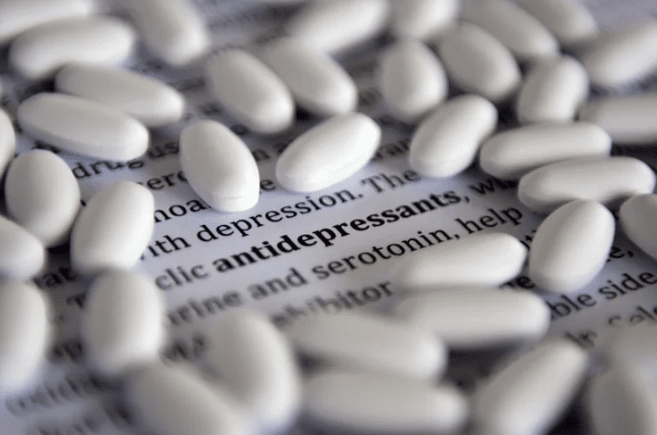
    Long term antidepressants side effects can include weight change, sexual problems, emotional blunting, sleep disruption, blood pressure changes, and withdrawal symptoms if treatment stops too quickly. Serious risks are less common, but they matter. The safest plan usually combines steady symptom control, periodic side-effect reviews, and medication-specific monitoring with your clinician.

    Many people stay on antidepressants because they help prevent relapse and restore daily function. That benefit is real. The goal is not to scare you away from treatment, but to help you notice patterns early and ask better questions at follow-up visits.

    Key Takeaways

    • Benefits still matter: long-term treatment can help prevent relapse.
    • Common effects: weight, sex, sleep, and emotions deserve review.
    • Class differences: SSRIs and SNRIs have different monitoring needs.
    • Do not stop suddenly: gradual tapering can reduce discontinuation symptoms.
    • Individual risk varies: age, dose, diagnosis, and other medicines all matter.

    What Long-Term Use Can Mean in Real Life

    Long-term antidepressant treatment usually means taking medication for many months or years after symptoms improve. Clinicians may recommend this when depression, anxiety, panic disorder, or obsessive-compulsive disorder has been recurrent, severe, or hard to stabilize.

    Why this matters: untreated or relapsing illness can also carry risks. Poor sleep, lost work function, substance use, and relationship strain can all worsen when symptoms return. A useful review weighs both sides: what the medicine helps, and what it may be costing you.

    Some side effects appear early and persist. Others develop slowly enough that they feel like “just life.” Examples include gradual weight gain, lower libido, fatigue, or feeling less emotionally responsive. Keeping a simple timeline can help separate medication effects from stress, aging, new health conditions, or other drugs.

    If you take a specific SSRI, deeper side-effect context may help. You can compare common issues in Zoloft Side Effects, Celexa Side Effects, or Escitalopram Side Effects before your next appointment.

    Common Long Term Antidepressants Side Effects to Track

    The most reported long term antidepressants side effects affect comfort, relationships, energy, and daily motivation. They are not always dangerous, but they can reduce quality of life. Naming them clearly makes them easier to address.

    Weight, appetite, and metabolism

    Weight change can happen for several reasons. Mood recovery may restore appetite. Sedation can reduce activity. Cravings may shift. Some people gain weight, while others stay stable or lose weight during treatment. The useful question is not whether one medicine always causes weight gain, but whether your trend changed after starting or changing therapy.

    Track weight, waist size, appetite, sleep, and activity for a few weeks before assuming the cause. If you have diabetes risk, lipid concerns, or major weight changes, ask whether metabolic labs should be reviewed.

    Sexual function and intimacy

    Sexual side effects are common and often under-reported. People may notice lower desire, delayed orgasm, erectile difficulties, or inability to orgasm. These effects can strain relationships and self-esteem, even when mood symptoms are better.

    Tell your clinician directly if this matters to you. Options may include waiting, dose timing, switching medication, or adding another treatment, but those choices depend on your diagnosis and history. Do not change your dose on your own to solve sexual side effects.

    Emotional blunting and motivation

    Emotional blunting means feeling less able to experience joy, sadness, excitement, or closeness. Some people describe it as feeling “flat” or detached. This can be difficult to interpret because depression itself can also blunt emotion.

    A practical clue is timing. If motivation and pleasure improved at first, then later felt muted after a dose increase, medication may be one possible contributor. Bring examples, not just labels. For instance, note whether you still laugh, cry, feel connected, or enjoy hobbies.

    Sleep, sweating, and energy

    Some antidepressants can feel activating, while others feel sedating. Over time, this may show up as insomnia, vivid dreams, daytime fatigue, sweating, or restless sleep. If symptoms persist, ask whether timing, sleep habits, other medicines, or a different treatment plan should be reviewed.

    For SNRI-specific tolerability, Cymbalta Side Effects may help you prepare focused questions about sweating, sleep, stomach symptoms, or blood pressure monitoring.

    SSRI and SNRI Patterns: What Differs Over Time

    SSRIs and SNRIs overlap, but they do not feel identical for every person. SSRIs mainly affect serotonin signaling. SNRIs affect serotonin and norepinephrine signaling, which can make blood pressure and heart-rate review more relevant for some patients.

    Long-term SSRI side effects often include sexual dysfunction, weight change, gastrointestinal symptoms, sleep changes, and emotional blunting. Low sodium, called hyponatremia, is uncommon but more important in older adults, people taking diuretics, or those with dehydration risk.

    Long-term SNRI side effects can include similar issues, plus sweating, jitteriness, and blood pressure increases in some people. Venlafaxine and duloxetine are common examples, but your personal response matters more than the category name alone.

    Quick tip: Bring home blood pressure readings if you take an SNRI or have hypertension.

    This calculator can help average multiple home blood pressure readings before a visit. It does not replace clinical interpretation.

    [blood-pressure-average-calculator]

    If you use fluoxetine, Fluoxetine Side Effects can help you distinguish expected effects from symptoms worth raising. If you are comparing medication options, product pages such as Sertraline HCL, Fluoxetine, and Duloxetine can provide basic access and medication context without replacing a clinical review.

    Less Common Risks That Deserve Attention

    Some long term antidepressants side effects are uncommon but clinically important. They should not dominate every decision, but they should be part of a safety review when risk factors apply.

    Low sodium

    Hyponatremia means blood sodium is lower than normal. Symptoms can include headache, confusion, weakness, nausea, unsteadiness, or, in severe cases, seizures. Risk is higher in older adults and people taking certain water pills. Ask whether sodium checks make sense if you fit those groups.

    Bleeding risk with NSAIDs or blood thinners

    SSRIs and SNRIs may increase bleeding tendency in some people, especially when combined with nonsteroidal anti-inflammatory drugs such as ibuprofen or naproxen, aspirin, anticoagulants, or antiplatelet medicines. This does not mean everyone must avoid those medicines. It means your prescriber should know what you take, including over-the-counter pain relievers.

    Heart rhythm and QT prolongation

    Some antidepressants can affect the heart’s electrical timing, called QT prolongation. This is more relevant with certain medicines, higher-risk cardiac histories, electrolyte problems, or interacting drugs. Your clinician may consider an ECG (heart tracing) when your history or medication choice makes it appropriate.

    Bone health and falls

    Some studies have linked antidepressant use with falls or fracture risk, especially in older adults. The reasons may include dizziness, low sodium, sedation, underlying depression, or other health factors. If you have osteoporosis risk, falls, or balance problems, ask whether bone density, vitamin D status, or fall-prevention steps should be reviewed.

    Serotonin syndrome

    Serotonin syndrome is a rare but urgent reaction from too much serotonin activity. It is more likely when several serotonergic medicines or supplements are combined. Symptoms can include agitation, fever, diarrhea, sweating, tremor, muscle rigidity, confusion, or fast heart rate. Seek urgent care for severe or rapidly worsening symptoms.

    Are Antidepressants Safe Long Term?

    For many people, antidepressants can be safe long term when the benefit remains clear and monitoring matches the person’s risk. There is no single “safest” antidepressant for everyone. The best fit depends on diagnosis, previous response, age, other medical conditions, pregnancy plans, side-effect priorities, and interacting medicines.

    A better question is: what risk profile is safest for this person right now? Someone with uncontrolled hypertension may need a different discussion than someone with severe sexual side effects, recurrent depression, or past relapse after stopping. The same medicine can be a good fit for one person and a poor fit for another.

    People sometimes ask whether they can stay on antidepressants for life. In some cases, long-term or indefinite treatment may be reasonable, especially after repeated severe episodes or relapse after stopping. Still, the plan should be revisited regularly. Long-term use should not mean automatic refills without checking symptoms, side effects, goals, and alternatives.

    If you receive prescriptions through cross-border options, medication access still depends on appropriate documentation and pharmacy verification where required. BorderFreeHealth connects U.S. patients with licensed Canadian partner pharmacies, and prescription details may be confirmed with the prescriber before dispensing.

    Monitoring Steps to Discuss at Follow-Up Visits

    Monitoring works best when it is specific. A vague “How are you?” can miss the issues people hesitate to mention. A short checklist can make visits more useful and less stressful.

    • Mood stability: relapse signs, anxiety, irritability, or panic.
    • Daily function: work, school, caregiving, and relationships.
    • Weight trend: weight, waist size, appetite, and activity.
    • Sexual health: desire, arousal, orgasm, and distress level.
    • Sleep quality: insomnia, vivid dreams, fatigue, or sedation.
    • Blood pressure: especially with SNRIs or hypertension history.
    • Lab needs: sodium, metabolic labs, or other tests when indicated.
    • Medication list: prescriptions, supplements, NSAIDs, and substances.

    Why it matters: A side effect that feels small can become easier to solve when spotted early.

    Bring a one-page tracker if you can. Include the medication name, dose changes, symptom changes, side effects, and major life events. This helps your clinician decide whether the medicine, the illness, or another factor is most likely involved.

    For broader mental health reading, the Mental Health collection can help you prepare for more informed conversations. If you are reviewing access options, the Mental Health Products category can provide a browseable list of related medication pages.

    Stopping, Tapering, and Discontinuation Symptoms

    Stopping suddenly can cause antidepressant discontinuation syndrome, especially after long-term use. Symptoms may include dizziness, nausea, insomnia, flu-like feelings, irritability, anxiety, vivid dreams, and electric-shock sensations often called “brain zaps.”

    Discontinuation symptoms are not the same as addiction. They reflect nervous system adaptation after regular exposure. They can still be very uncomfortable. Risk varies by medication, dose, duration, and individual sensitivity. Some medicines with shorter half-lives may be harder to stop abruptly.

    A safer taper is usually gradual and individualized. Your clinician may reduce the dose in steps, pause during stressful periods, or adjust the plan if symptoms appear. Therapy, sleep routines, exercise, and social support can help protect against relapse during the process.

    Do not taper only because you feel well. Feeling well may mean the treatment is working. The decision should include your relapse history, current stress level, support system, and how disruptive side effects have become.

    Pregnancy, Family Planning, and Life Stage Changes

    Pregnancy planning changes the risk-benefit discussion. Untreated depression or anxiety can affect pregnancy and postpartum health, but medication exposure also deserves careful review. The right plan depends on symptom severity, past relapse, previous medication response, and personal values.

    Talk with your clinician before conception when possible. Avoid stopping medication suddenly after a positive pregnancy test unless a clinician advises urgent change. Shared planning can consider therapy, medication continuity, switching, dose review, and postpartum support.

    Life stage also matters outside pregnancy. Older adults may need more attention to sodium, falls, bone health, kidney function, and medication interactions. Adolescents and young adults need careful monitoring for mood worsening or suicidal thoughts, especially during starts and dose changes.

    Authoritative Sources

    For a broad, patient-friendly medication overview, see the NIMH mental health medications resource. It explains antidepressant use, safety cautions, and the importance of clinician follow-up.

    For pregnancy and postpartum treatment decisions, review the ACOG guidance on mental health conditions. It supports individualized risk-benefit discussions rather than one-size-fits-all decisions.

    For medicine-specific warnings and official labeling details, use the DailyMed drug label database. Labels can clarify interactions, adverse reactions, pregnancy information, and monitoring cautions.

    Recap

    Long term antidepressants side effects are often manageable when they are noticed, named, and reviewed. Track the issues that affect your life most: weight, sex, sleep, mood range, blood pressure, and withdrawal symptoms during dose changes.

    The best long-term plan is not simply staying on medication or getting off it. It is a periodic, honest review of benefits, risks, alternatives, and your goals with a qualified clinician.

    This content is for informational purposes only and is not a substitute for professional medical advice.
  • Skin HIV Symptoms: Early Rashes, Lesions, and Care

    Skin HIV Symptoms: Early Rashes, Lesions, and Care

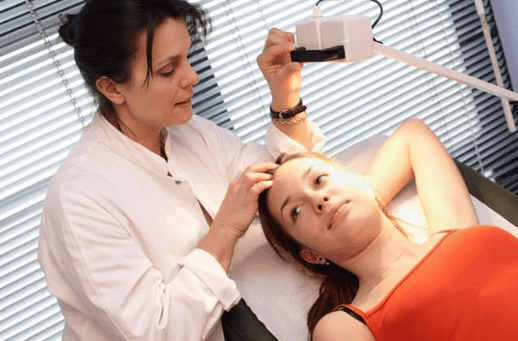
    Skin HIV symptoms can include a pink-red or purple rash, mouth changes, inflamed hair follicles, shingles-like blisters, fungal infections, or unusual bumps and plaques. These signs do not diagnose HIV on their own. Many common conditions can look similar. What matters most is the timing, pattern, other symptoms, and whether there was a possible exposure.

    Skin changes can feel frightening, especially when you are searching for answers alone. A rash after a potential exposure is a reason to arrange HIV testing and medical review, not a reason to assume the worst. Clear documentation, timely screening, and compassionate care can reduce uncertainty quickly.

    Key Takeaways

    • Early pattern: A symmetrical trunk rash can occur with fever, sore throat, and swollen glands.
    • Context matters: Allergies, viral illnesses, medicines, and skin products can mimic HIV-related rashes.
    • Lesion clues: Shingles, molluscum, thrush, and Kaposi sarcoma need clinical assessment when persistent or widespread.
    • Testing clarifies: Modern HIV tests are the only reliable way to confirm or rule out infection.
    • Treatment helps: Effective HIV care often reduces recurrent skin infections and inflammatory flares.

    What Skin HIV Symptoms Can Look Like

    HIV-related skin changes range from mild irritation to more specific infections or lesions. Clinicians may describe a maculopapular rash (flat and raised spots), folliculitis (inflamed hair follicles), seborrheic dermatitis (oily scaling), candidiasis (yeast infection), or vesicles (small fluid-filled blisters). In everyday terms, this may look like a measles-like rash, acne-like bumps, stubborn dandruff, white mouth patches, or grouped blisters.

    Early skin HIV symptoms often appear with whole-body symptoms. Fever, fatigue, sore throat, swollen lymph nodes, night sweats, and muscle aches can occur during acute HIV infection. The rash is often described as pink-red, reddish-brown, or purple depending on skin tone. It may involve the chest, back, face, arms, or upper body.

    Still, appearance alone is unreliable. A medication reaction, mono-like illness, COVID-19, syphilis, herpes, eczema, psoriasis, heat rash, or contact dermatitis can overlap. This is why rash photos online often mislead. Skin tone, lighting, camera quality, and stage of healing can change how a rash looks.

    Why it matters: A rash can guide the next step, but testing provides the answer.

    If you want broader symptom context, see HIV AIDS Symptoms. For differences between HIV infection and later-stage disease, HIV vs AIDS explains the terms in plain language.

    Early HIV Rash: Timing, Location, and Feel

    An early HIV rash can appear during acute infection, often within the first several weeks after exposure. This period is sometimes called seroconversion, when the immune system starts responding to the virus. Clinicians may use the term HIV seroconversion rash, but the rash itself is non-specific.

    The classic description is a symmetrical rash on the trunk and upper limbs. It may be flat, slightly raised, or both. Some people report mild itch or tenderness. Others notice little discomfort. On darker skin, redness may be less obvious, and changes may look purple, brown, grayish, or slightly darker than surrounding skin.

    People often ask whether an HIV rash is itchy. It can be, but itch is not the key feature. Allergic hives usually move around within hours and form raised welts. Contact dermatitis often follows the exact area where a product touched the skin. A viral exanthem, including a possible acute HIV rash, tends to stay more fixed and may come with systemic symptoms.

    Symptoms That Raise Suspicion After a Possible Exposure

    • Fever pattern: Fever with rash and swollen glands deserves testing.
    • Throat symptoms: Sore throat may occur during acute viral illness.
    • Node swelling: Neck, armpit, or groin nodes may feel enlarged.
    • Mouth changes: Ulcers or white patches need closer review.
    • Exposure timing: Rash after condomless sex or needle exposure needs screening.

    Testing should not wait for a rash to become severe. A fourth-generation laboratory HIV test can detect infection earlier than older antibody-only tests, though repeat testing may be advised depending on timing. For sex-specific symptom patterns, you can also review HIV Symptoms in Men and HIV Symptoms in Women.

    HIV Skin Lesions and Infections That Need Review

    HIV skin lesions are localized bumps, sores, plaques, or blisters that occur in someone with HIV or suspected immune changes. Some are caused by common infections that become more frequent, persistent, or widespread when immunity is weakened. Others are inflammatory conditions that flare more easily.

    Molluscum contagiosum can cause small, smooth, pearly bumps with a central dimple. In people with reduced immune function, lesions may be numerous, larger, or harder to clear. Shingles can cause painful grouped blisters in a band on one side of the body. Recurrent or severe shingles may prompt clinicians to consider immune status, including HIV testing when appropriate.

    Kaposi sarcoma is less common than many rashes, but it is important. It can appear as purple, red-brown, or dark patches, plaques, or nodules. These may look bruise-like but do not fade like a typical bruise. Any unexplained vascular-looking lesion, especially one that persists or grows, should be examined in person.

    Fungal and yeast-related changes are also common. Seborrheic dermatitis can cause redness, flaking, and greasy scale on the scalp, eyebrows, sides of the nose, beard area, chest, or ears. Oral thrush can create white patches that may scrape off and leave a sore surface. For ingredient-focused background used in some fungal scalp care, see Ketoconazole. For yeast-related medication context to discuss with a prescriber, see Fluconazole.

    Product pages are not a substitute for diagnosis. They can help you understand ingredient names, forms, and safety discussion points before a clinician visit.

    HIV Rash vs Allergic Rash, Eczema, and Other Mimics

    An HIV rash is usually considered alongside other causes, not in isolation. Allergic reactions, irritant dermatitis, eczema, psoriasis, drug eruptions, scabies, herpes, syphilis, and other viral infections can all cause visible skin changes. A clinician looks at the rash pattern and the full story.

    Hives are often intensely itchy, raised, and temporary. Individual welts may appear and disappear within hours. Contact dermatitis usually follows exposure to a new soap, detergent, fragrance, sunscreen, lubricant, latex product, or topical medicine. It often maps to the area of contact, such as the hands, face, genitals, or waistband.

    Eczema tends to involve dry, itchy, inflamed patches that may crack or weep. Psoriasis often forms thicker plaques with scale, commonly on elbows, knees, scalp, or lower back. These conditions can happen in anyone, including people living with HIV. They may also flare when the skin barrier is irritated by scratching, heat, stress, or harsh products.

    Some sexually transmitted infections can cause rashes or sores that overlap with HIV concerns. Herpes often causes painful blisters or ulcers, while syphilis may cause a rash that can involve the palms and soles. If blisters, genital sores, or mouth ulcers are present, testing for multiple infections may be appropriate. For a related symptom comparison, see Herpes Symptoms.

    What to Record Before Your Appointment

    • Start date: Note when the rash first appeared.
    • Spread pattern: Track where it began and moved.
    • Symptoms: Record fever, sore throat, mouth pain, or swollen nodes.
    • Exposures: Include sexual, needle, travel, outdoor, or household exposures.
    • New products: List soaps, detergents, medicines, and supplements.
    • Photos: Use consistent lighting and include close-up and distance views.

    Quick tip: Avoid harsh scrubs while documenting the rash, since irritation can blur the pattern.

    Mouth, Scalp, and Later-Stage Skin Changes

    Mouth and scalp changes can offer useful clues because mucosal surfaces and oil-rich skin areas often react to immune shifts. HIV mouth sores may refer to painful ulcers, angular cracks at the lip corners, herpes-related sores, or thrush-associated discomfort. Oral thrush often appears as white, creamy patches on the tongue, cheeks, or palate.

    Not every mouth sore suggests HIV. Canker sores, dental irritation, burns from hot food, dry mouth, tobacco use, and other infections are common. Seek prompt care if mouth lesions are severe, recurrent, spreading, associated with fever, or making it hard to swallow or drink.

    Scalp symptoms may include dandruff-like scale, redness, itching, and greasy flakes. Seborrheic dermatitis can be more persistent in people living with HIV, but it also affects many people without HIV. Gentle cleansing, avoiding fragrance-heavy products, and discussing antifungal or anti-inflammatory options with a clinician can help prevent repeated irritation.

    Advanced immune suppression can make certain skin problems more likely. These may be described as AIDS skin symptoms in clinical settings. Examples include extensive fungal infections, severe shingles, widespread molluscum, chronic ulcers, and Kaposi sarcoma lesions. These findings call for medical evaluation, especially when they are new, spreading, painful, or not healing.

    For broader browsing on skin conditions, visit the Dermatology collection. For infection-focused health topics, the Infectious Disease collection may also be useful.

    Testing, Treatment Context, and Skin Care While You Wait

    HIV testing after rash concerns is the most reliable next step when there has been a possible exposure. A rash cannot confirm HIV, and the absence of rash cannot rule it out. Modern testing strategies may include antigen-antibody tests, antibody tests, or nucleic acid tests depending on timing and clinical context.

    If HIV is diagnosed, antiretroviral therapy helps protect immune function. Over time, effective treatment can reduce the frequency of many HIV-related skin infections and inflammatory flares. Medication choice is individualized, based on viral resistance, other health conditions, pregnancy considerations, drug interactions, kidney or liver factors, and personal preferences.

    Some medicines used for HIV prevention or treatment may also be relevant to discussions with a clinician. For product-level context only, see Descovy or Apretude. These pages should support informed questions, not self-selection or treatment changes.

    While waiting for care, keep skin care simple. Use lukewarm water, fragrance-free cleanser, and a bland moisturizer. Avoid picking, shaving over inflamed areas, or applying multiple new products at once. If the rash is blistering, draining, rapidly spreading, very painful, near the eyes, or accompanied by breathing trouble, confusion, high fever, or facial swelling, seek urgent medical care.

    BorderFreeHealth may provide neutral medication-access information for eligible patients, including cash-pay prescription options for patients without insurance where permitted. Prescription details, when required, are verified with the prescriber before pharmacy dispensing.

    What You Can and Cannot Tell From Skin Changes

    Skin changes can suggest a need for testing, but they cannot show whether someone has HIV, how long they have had it, or whether they can transmit it. Those questions require laboratory testing and clinical review. This distinction protects you from both false reassurance and unnecessary fear.

    You also cannot tell someone’s HIV status by looking at their skin. Many people with HIV have no visible skin symptoms. Many people without HIV have rashes, mouth ulcers, folliculitis, fungal infections, or eczema. Stigma often grows when normal skin conditions are treated as proof of infection.

    Skin HIV symptoms also do not explain every emotional or neurologic concern. Stress, poor sleep, substance use, mental health conditions, medications, and medical illnesses can affect mood. HIV can involve the nervous system in some circumstances, but anger or personality changes are not a specific skin-related sign. A healthcare professional can help sort physical, mental health, and infection-related causes without judgment.

    Eye symptoms are a separate concern. HIV can affect the eyes at different stages, especially when immune function is very low or opportunistic infections occur. New vision changes, eye pain, light sensitivity, floaters, or redness with reduced vision deserve prompt medical attention.

    Authoritative Sources

    For a plain-language federal overview, review the NIH HIVinfo page on symptoms of HIV.

    For immune-related infections in HIV, see the NIH HIVinfo summary of opportunistic infections.

    For broader HIV prevention, testing, and treatment information, the CDC provides public guidance on HIV basics and prevention.

    Recap

    Skin HIV symptoms may include an early trunk rash, mouth sores, thrush, folliculitis, seborrheic dermatitis, shingles, molluscum, or unusual persistent lesions. These findings can be important, but they are not diagnostic by appearance alone.

    The practical next step is to connect the rash pattern with timing, exposure history, and other symptoms. Document changes, arrange appropriate testing, and seek care sooner for severe pain, eye involvement, spreading blisters, non-healing ulcers, high fever, or trouble swallowing. You deserve clear answers and care that respects your privacy.

    This content is for informational purposes only and is not a substitute for professional medical advice.
  • Living With HIV Positive Person: Home Safety and Support

    Living With HIV Positive Person: Home Safety and Support

    Living with hiv positive person is safe in everyday home life when you understand how HIV is, and is not, transmitted. HIV does not spread through hugging, sharing meals, using the same bathroom, coughing, sweat, tears, or casual contact. The real priorities are treatment support, safer sex planning, respectful communication, and basic first aid when blood is present.

    That clear answer matters because fear often comes from outdated myths. People living with HIV can have relationships, families, careers, and ordinary home routines. With modern antiretroviral therapy (ART), many people reach an undetectable viral load, which means HIV is not passed through sex when viral suppression is sustained. Home safety then becomes less about avoidance and more about dignity, privacy, and shared planning.

    Key Takeaways

    • Everyday contact is safe: HIV does not spread through sharing dishes, toilets, towels, hugs, or household air.
    • Treatment changes risk: consistent ART can lower viral load and support long-term health.
    • U=U matters: a sustained undetectable viral load means no sexual transmission of HIV.
    • Prevention can be layered: condoms, PrEP, testing, and PEP may fit different relationship needs.
    • Respect is protective: privacy, consent, and supportive language reduce stigma at home.

    What Household Contact Does and Does Not Mean

    Household contact does not transmit HIV unless there is a direct route for certain body fluids to enter another person’s bloodstream or mucous membranes. HIV can be transmitted through blood, semen, vaginal fluids, rectal fluids, and breast milk. It is not transmitted by saliva, sweat, tears, urine, feces, insects, shared furniture, or ordinary skin contact.

    This means you can safely live with someone who has HIV. You can eat together, use the same shower, share laundry machines, sit on the same couch, and hug without risk. These facts apply to partners, parents, children, siblings, roommates, and friends.

    If you want a deeper explanation of transmission routes, our overview of How HIV Spreads breaks down the body fluids and exposure types involved. A related explainer on How HIV Is Transmitted can help families separate real risks from common fears.

    Why it matters: Accurate information protects both physical health and emotional safety.

    Precautions When Living With HIV Positive Person

    The main precautions when living with HIV positive person are simple, practical, and focused on blood exposure. Use routine hygiene, keep first-aid supplies available, and avoid sharing items that may have blood on them, such as razors or toothbrushes. These steps are common household safety habits, not signs that anyone is dangerous.

    For minor cuts, the person who is bleeding can cover the wound if they are able. If someone else helps, disposable gloves are useful. Clean visible blood with standard household disinfectant or a fresh bleach solution, then place used gloves, gauze, or paper towels in a sealed bag before disposal.

    Most shared items do not need special handling. Dishes, cups, bedding, towels, and clothing can be washed normally. If fabric has visible blood, handle it with gloves if possible and wash it with regular detergent. Standard cleaning is enough for ordinary home surfaces.

    Simple Home Safety Plan

    • First-aid kit: keep gloves, gauze, bandages, and disinfectant in one known place.
    • Personal items: do not share razors, toothbrushes, or injection equipment.
    • Blood spills: clean promptly and avoid direct contact with open skin.
    • Medication privacy: store medicines where the person prefers, with access protected.
    • Clinic contacts: keep trusted medical numbers available for urgent questions.

    These precautions support everyone in the home. They should never be used to isolate, shame, or control the person living with HIV.

    Sex, Viral Load, and Prevention in Relationships

    You can have a loving relationship with someone who has HIV, including a sexual relationship, when both partners understand prevention options. The right plan depends on viral load, treatment adherence, comfort, other sexually transmitted infection risks, pregnancy goals, and each person’s consent.

    Viral load is the amount of HIV in the blood. ART helps suppress the virus. When a person has a sustained undetectable viral load, HIV is not transmitted through sex. This principle is often called undetectable equals untransmittable, or U=U. For more detail, read our resource on HIV and Undetectable Status.

    Safe sex with hiv positive partner may include one strategy or several. Some couples rely on U=U when viral suppression is confirmed and maintained. Others also use condoms, especially during new relationships, treatment interruptions, uncertainty about viral load, or concern about other infections. An HIV-negative partner may also discuss PrEP, or pre-exposure prophylaxis, with a clinician.

    PrEP is medication taken by an HIV-negative person to reduce the chance of acquiring HIV. It may be considered when one partner has HIV, when viral load is unknown, or when partners want another layer of protection. Some people may want to learn about medication options such as Apretude or Descovy as part of a broader clinician-led discussion. Product pages can provide medication context, but individual suitability requires professional guidance.

    PEP, or post-exposure prophylaxis, is different. It is used after a possible recent HIV exposure and must be assessed urgently by a healthcare professional. If a condom breaks, a sexual exposure happens when viral load is unknown, or blood exposure occurs through broken skin, contact a clinician, urgent care service, or local public health line promptly.

    What Partners Can Discuss Together

    • Viral load updates: how and when results are shared.
    • Testing comfort: how often the HIV-negative partner wants screening.
    • Condom decisions: when they feel useful or preferred.
    • PrEP questions: whether extra prevention fits the relationship.
    • Exposure plan: who to call if something unexpected happens.

    These conversations work best when they are calm and mutual. Neither partner should carry all responsibility for prevention, reassurance, or emotional labor.

    Sharing Food, Bathrooms, Kissing, and Daily Routines

    Living with hiv positive person does not require separate plates, toilets, towels, or bedrooms. HIV is fragile outside the body and does not survive or spread through routine household contact. Normal cleaning, normal laundry, and normal meal preparation are appropriate.

    Sharing utensils with a person who has HIV is safe. Saliva does not transmit HIV in ordinary settings. If you are worried about saliva, our plain-language page on HIV and Saliva explains why casual contact is not a risk. Kissing is also not a typical HIV transmission route; our related page on HIV and Kissing covers the rare situations people often ask about.

    Bathrooms do not need special rules. You can share toilets, showers, sinks, and soap. HIV is not transmitted through toilet seats, bathwater, towels, or touching surfaces after another person. These points are especially important for children and older relatives who may have heard inaccurate messages years ago.

    Quick tip: Correct myths gently, then return to normal routines.

    Supporting Treatment Without Taking Over

    Support works best when it respects autonomy. A person living with HIV may appreciate reminders, help with appointments, or a quiet place to store medication. They may also prefer to manage care privately. Ask what feels helpful before creating systems around their health.

    Treatment adherence means taking HIV medication as prescribed. It supports viral suppression and long-term wellbeing. Partners or family members can help by reducing stress, respecting routines, and avoiding blame if a dose is missed. Medication decisions, missed-dose questions, and side effects should be discussed with a healthcare professional, not handled through pressure at home.

    Practical support can be small. You might coordinate calendars, offer rides, help prepare questions for appointments, or keep household schedules predictable. If the person does not want help, that boundary deserves respect.

    Some readers also want broader health information beyond HIV. The Infectious Disease collection offers related educational topics, while the Sexual Health collection covers prevention, communication, and relationship health.

    Privacy, Disclosure, and Stigma at Home

    HIV status is personal health information. Living with hiv positive person does not give others the right to share that information with relatives, friends, landlords, employers, or roommates. Disclosure should be guided by consent, safety, and local legal requirements.

    Start by asking who already knows and who, if anyone, needs to know. Some households need a shared plan because medication storage, clinic visits, or emergency contacts are visible. Others can protect privacy without telling anyone else. The person living with HIV should lead those choices whenever possible.

    Stigma often shows up as jokes, avoidance, moral judgment, or intrusive questions. These reactions can harm mental health and trust. A better approach is to use accurate language, challenge myths, and treat HIV like a manageable medical condition rather than a character issue.

    How to Talk With Family or Roommates

    Use short, factual statements. For example: “HIV does not spread through living together, sharing food, or using the same bathroom.” If someone asks for details that are not theirs to know, you can say, “That is private medical information, but household contact is safe.”

    If children are part of the household, keep explanations age-appropriate. Young children may only need to know that everyone deserves privacy and kindness. Older teens may benefit from more detail about sexual health, consent, and reliable sources.

    Pregnancy, Testing, and Unexpected Exposures

    Couples can plan pregnancy when one partner has HIV, but they should do it with medical guidance. Viral suppression, prenatal care, medication review, and infant-feeding decisions all matter. Many people living with HIV have healthy pregnancies and families, but planning should be individualized.

    If the partner without HIV wants reassurance, regular testing can be part of shared care. Testing frequency depends on sexual practices, PrEP use, viral load information, and other risk factors. A clinician or sexual health clinic can help set a schedule without making the relationship feel medicalized.

    Unexpected exposures need a clear plan. Seek urgent medical advice if there is possible exposure through condom failure, needle sharing, sexual assault, or blood contact with broken skin or mucous membranes. PEP is time-sensitive, so it is better to ask quickly than to wait and worry.

    For many couples, the most helpful plan is written down. Include clinic phone numbers, preferred urgent care locations, medication lists, and emergency contacts. Store it privately but accessibly.

    Emotional Wellbeing and Legal Rights

    Living with HIV can affect mental health, relationships, and a person’s sense of safety. Support should include more than medication reminders. It should include listening, patience, shared problem-solving, and protection from discrimination.

    Partners and family members may also need support. Fear, guilt, confusion, and grief can surface even when the medical facts are reassuring. Counseling, peer groups, and trusted community organizations can help people process those feelings without placing them on the person living with HIV.

    Legal protections vary by location, but people living with HIV may have rights related to healthcare, housing, employment, education, privacy, and discrimination. If you face a serious privacy violation, housing threat, workplace issue, or coercive relationship dynamic, consider contacting a qualified legal aid service or HIV advocacy organization in your area.

    Respectful homes reduce stigma. That means no forced disclosure, no separate dishes, no fear-based rules, and no treating someone as a risk simply because of their diagnosis.

    Authoritative Sources

    For official information on living with HIV and staying engaged in care, see the CDC living with HIV resource. For practical support language and care encouragement, review HIV.gov guidance on supporting someone with HIV. For plain-language medical background, MedlinePlus provides a broad living with HIV health topic page.

    Recap

    Living with hiv positive person is safe when you rely on current facts instead of fear. HIV does not spread through ordinary household contact, shared meals, bathrooms, hugs, or daily routines. Focus on treatment support, first-aid basics, safer sex planning, privacy, and stigma-free communication. If an exposure concern comes up, seek medical advice promptly rather than guessing.

    A calm home plan can protect health and dignity at the same time. The goal is not to build distance. The goal is to live together with accurate information, mutual respect, and practical support.

    This content is for informational purposes only and is not a substitute for professional medical advice.
  • HIV vs AIDS: Differences, Symptoms, and Care Basics

    HIV vs AIDS: Differences, Symptoms, and Care Basics

    HIV vs AIDS is a difference between a virus and a later stage of illness. HIV is the human immunodeficiency virus. AIDS is the most advanced stage of HIV infection, diagnosed when immune damage becomes severe or certain serious infections occur. This distinction matters because early testing and antiretroviral therapy can help many people with HIV avoid developing AIDS.

    Clear language also reduces stigma. People do not “catch AIDS” from casual contact. HIV can be transmitted through specific body fluids, and untreated HIV can progress to AIDS over time. Knowing what each term means helps you seek testing, ask informed questions, and support others with respect.

    Key Takeaways

    • HIV is the virus; AIDS is an advanced stage.
    • Early HIV symptoms can resemble flu or mono.
    • Testing is the only reliable way to know your status.
    • Modern treatment can suppress HIV and protect immune health.
    • HIV does not spread through hugging, food, air, or insects.

    What HIV and AIDS Mean

    HIV means human immunodeficiency virus. It attacks CD4 T cells, which are immune cells that help coordinate your body’s defense against infections. Without treatment, HIV can keep multiplying and gradually weaken the immune system.

    AIDS means acquired immunodeficiency syndrome. It is not a separate virus. AIDS is a clinical stage of HIV infection, usually defined by a CD4 count below 200 cells/mm³ or by certain opportunistic infections. Opportunistic infections are illnesses that take advantage of a weakened immune system.

    The difference between HIV and AIDS is easiest to remember this way: HIV is the cause, and AIDS is a possible result of untreated or advanced HIV infection. Many people living with HIV who receive effective care never develop AIDS.

    Why it matters: A person can have HIV for years without obvious symptoms, so testing matters even when you feel well.

    HIV vs AIDS: Three Differences That Matter

    The most useful comparison is not just terminology. It affects diagnosis, urgency, treatment planning, and how people talk about health.

    Point of comparison HIV AIDS
    Basic meaning A virus that attacks the immune system The most advanced stage of HIV infection
    Diagnosis Confirmed with approved HIV tests Based on severe immune damage or specific illnesses
    Health impact Can be managed with ongoing care Signals serious immune injury needing urgent treatment
    Prevention Transmission can be prevented with safer sex, PrEP, PEP, and viral suppression AIDS itself is not transmitted; HIV is the transmissible virus

    People often ask which is more serious. AIDS is more serious because it means HIV has already caused major immune damage. Still, HIV should never be ignored. Early diagnosis gives care teams more options to protect long-term health.

    For a deeper symptom-focused overview, see HIV/AIDS Symptoms. That resource can help you connect general symptoms with testing decisions without relying on guesswork.

    How HIV Is Transmitted

    HIV is transmitted through certain body fluids from a person who has HIV. These fluids include blood, semen, pre-seminal fluid, rectal fluids, vaginal fluids, and breast milk. Transmission usually involves sex without effective protection, sharing injection equipment, or pregnancy, birth, or breastfeeding without appropriate medical care.

    HIV is not spread by casual touch, toilet seats, sharing dishes, coughing, sneezing, sweat, tears, or mosquito bites. This is important because fear-based myths can isolate people and delay care. Everyday contact is not a risk.

    If you are asking how do you get AIDS, the answer is that AIDS develops only after HIV infection has severely weakened the immune system. AIDS is caused by HIV, most commonly HIV-1 worldwide. You do not acquire AIDS directly from another person.

    Transmission risk is influenced by viral load, which is the amount of virus in the blood. When treatment suppresses viral load to undetectable levels and it stays there, HIV is not transmitted through sex. This principle is often called U=U, or undetectable equals untransmittable.

    For a route-by-route discussion, read How Is HIV Transmitted. You may also find How Can You Get HIV useful if you want practical examples of higher-risk and lower-risk situations.

    Early HIV Symptoms and Why Testing Is Essential

    Early HIV symptoms can look like other common illnesses, so symptoms alone cannot confirm HIV. Some people develop acute HIV infection symptoms within a few weeks after exposure. Others have mild symptoms or no symptoms at all.

    Common early symptoms may include fever, sore throat, rash, swollen lymph nodes, muscle aches, night sweats, fatigue, mouth ulcers, or headache. People often ask what is usually the first sign of HIV. Fever and swollen glands are common early signs, but there is no single first symptom that appears in everyone.

    After the early phase, HIV may enter a long period with few noticeable signs. This is why a person can live with HIV without knowing. During that time, the virus can still affect immune health and may be transmitted to others if it is not suppressed with treatment.

    Testing is the reliable next step after possible exposure or ongoing risk. Fourth-generation laboratory tests can detect HIV earlier than older antibody-only tests, but the right timing depends on the type of test and the exposure date. A clinician or public health clinic can explain when to test and whether repeat testing is needed.

    If a possible exposure happened within the past 72 hours, ask an urgent care clinic, emergency department, sexual health clinic, or other qualified clinician about PEP. PEP means post-exposure prophylaxis, a short course of HIV medicines used after a recent potential exposure. It is time-sensitive, so do not wait for symptoms.

    Symptoms in Women and Men

    HIV symptoms in women and men overlap more than they differ. Fever, rash, fatigue, swollen lymph nodes, night sweats, weight loss, and oral thrush can occur in anyone. Sex-specific concerns mainly involve reproductive, genital, urinary, and screening issues.

    Women’s Health Considerations

    HIV symptoms in women may include the general symptoms above, plus recurrent vaginal yeast infections, pelvic inflammatory disease, menstrual changes, or more frequent reproductive tract infections. These concerns are not unique to HIV. They can also happen for many other reasons, so testing is the key step when risk is possible.

    Pregnancy requires careful medical planning for people living with HIV. Effective treatment and viral load monitoring can greatly reduce the chance of transmission during pregnancy and birth. Breastfeeding recommendations vary by country and situation, so decisions should be made with a clinician who understands current HIV guidance.

    Men’s Health Considerations

    HIV symptoms in men may include swollen lymph nodes, fever, rash, fatigue, genital ulcers, oral thrush, or unexplained weight loss. Some people search for HIV symptoms pictures for males, but photos are not a safe way to diagnose HIV. Rashes and sores can have many causes, including other sexually transmitted infections.

    Urinary symptoms also deserve careful interpretation. HIV does not usually cause a unique “HIV urine symptom.” Pain with urination, discharge, urgency, pelvic pain, or testicular pain may point to a urinary tract infection or sexually transmitted infection. A clinician can recommend testing based on symptoms and exposure history.

    Sexual health checkups can include HIV testing and screening for infections such as syphilis, gonorrhea, chlamydia, hepatitis B, and hepatitis C. Treating co-infections supports individual health and can reduce transmission risks in communities.

    AIDS Symptoms and Warning Signs

    AIDS symptoms often come from serious infections or cancers that occur when the immune system is severely weakened. Symptoms can include persistent fever, drenching night sweats, major unintentional weight loss, chronic diarrhea, recurrent pneumonia, severe fatigue, mouth or esophageal thrush, tuberculosis, or new neurological problems.

    Seek urgent medical care for severe shortness of breath, confusion, new seizures, severe headache with fever, weakness on one side of the body, chest pain, fainting, or signs of dehydration. These symptoms can have many causes, but they need prompt evaluation.

    AIDS is not inevitable. With ongoing antiretroviral therapy, many people with HIV maintain immune function and do not progress to AIDS. If AIDS is diagnosed, care usually focuses on suppressing HIV and treating or preventing opportunistic infections.

    For broader condition reading, the Infectious Disease collection includes related educational topics. For prevention and sexual wellness context, browse Sexual Health.

    Treatment, Prevention, and Living With HIV

    HIV treatment usually means antiretroviral therapy, often shortened to ART. ART uses medicines that reduce HIV replication. When viral load falls and stays suppressed, immune function can improve or remain stable, and sexual transmission does not occur while HIV remains undetectable.

    AIDS treatment includes ART plus care for opportunistic infections when present. Some people may need preventive antibiotics or antifungal medicines for a period of time, depending on CD4 count and infection history. These decisions are individualized and should be handled by an HIV-experienced clinician.

    There is currently no widely available cure for HIV. Research continues, but standard care focuses on durable viral suppression, monitoring, prevention, and quality of life. For a plain-language discussion of cure research and realistic expectations, see Can HIV Be Cured.

    Prevention tools include condoms, regular testing, not sharing injection equipment, PrEP, PEP after recent exposure, and treatment that keeps HIV undetectable. PrEP means pre-exposure prophylaxis. It is medicine used by HIV-negative people to lower the chance of acquiring HIV when they have ongoing risk.

    Some readers may want to discuss specific prevention or treatment options with a clinician. Product pages such as Descovy and Apretude Injectable Suspension can provide medication-specific context to review with a qualified prescriber. These pages are not a substitute for individualized medical advice.

    BorderFreeHealth connects U.S. patients with licensed Canadian partner pharmacies for eligible prescription options. When required, prescription details are checked with the prescriber before dispensing by the pharmacy. This access context may be relevant for some patients without insurance who are comparing care and medication logistics.

    What You Can Do After a Possible Exposure or Diagnosis

    The next step depends on timing, symptoms, and test results. If exposure was recent, time matters. If you already have a diagnosis, steady care matters. You do not need to solve every decision at once.

    • After recent exposure: ask about PEP within 72 hours.
    • After ongoing risk: schedule HIV and STI testing.
    • After a positive test: connect with an HIV clinician promptly.
    • Before sex with partners: discuss condoms, PrEP, and testing.
    • During treatment: keep lab visits and medication reviews.
    • When symptoms appear: seek evaluation instead of self-diagnosing from photos.

    Quick tip: Write down exposure dates, symptoms, medications, and test dates before your appointment.

    People living with HIV can work, study, have relationships, have sex, and build families. The main limits are not ordinary daily activities. The important responsibilities are medical follow-up, safer-sex conversations when relevant, and steps that prevent transmission.

    Authoritative Sources

    For current public health definitions and prevention basics, see the CDC overview of HIV.

    For global context on HIV, AIDS, treatment, and prevention, review the WHO HIV fact sheet.

    For clinical treatment recommendations and monitoring guidance, consult the NIH HIV clinical guidelines.

    Recap

    HIV vs AIDS is a comparison between a virus and an advanced stage of disease. HIV can be transmitted through specific body fluids, while AIDS develops only when untreated or advanced HIV causes severe immune damage. Testing, treatment, prevention tools, and stigma-free support can change the course of HIV care.

    If you are worried about exposure, symptoms, or a past result, seek testing and professional guidance. Early answers are usually better than uncertainty, and respectful care helps people stay connected to treatment.

    This content is for informational purposes only and is not a substitute for professional medical advice.
  • What Is PrEP Medication? Safety, Eligibility, and Options

    What Is PrEP Medication? Safety, Eligibility, and Options

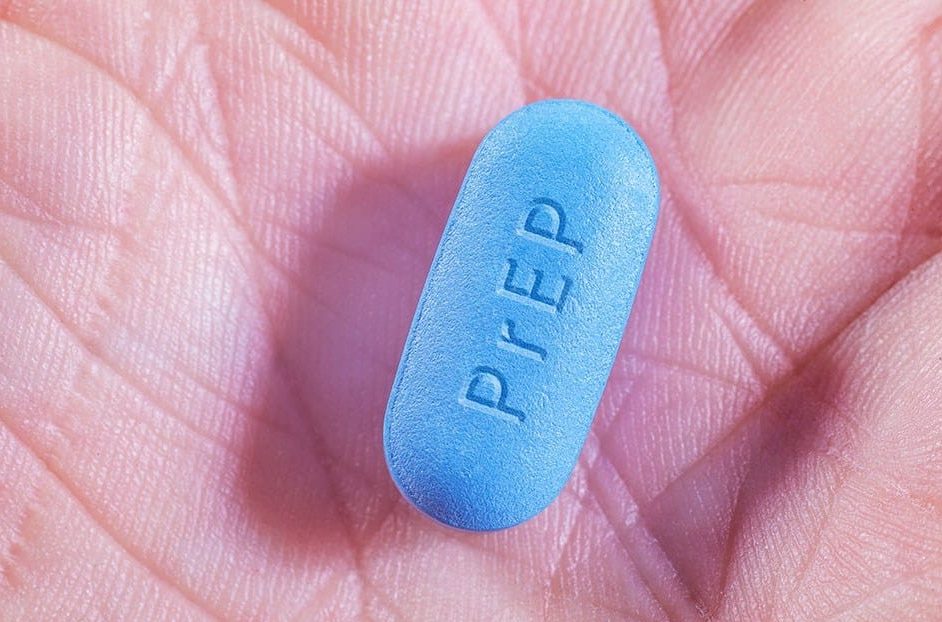
    PrEP medication is prescription medicine taken before possible HIV exposure to lower the chance of getting HIV. The name stands for pre-exposure prophylaxis. It can be taken as daily oral tablets or, for some people, as a long-acting injection given in a clinic. This matters because PrEP gives people more control over prevention, especially when condom use, partner status, or life circumstances are not always predictable.

    Key Takeaways

    • PrEP prevents HIV before exposure; it is not HIV treatment.
    • Options include daily pills and long-acting injectable medicine.
    • PrEP does not prevent other STIs, pregnancy, or hepatitis C.
    • Testing and follow-up visits help confirm safe, ongoing use.
    • Side effects are often mild, but monitoring still matters.

    How PrEP Works in the Body

    PrEP works by placing HIV-blocking medicine in the blood and tissues before exposure happens. If HIV enters the body, the medicine can stop the virus from copying itself and establishing infection. Clinicians call these medicines antiretrovirals, which means drugs that act against retroviruses such as HIV.

    Oral PrEP usually contains two medicines: emtricitabine plus a form of tenofovir. These are nucleoside reverse transcriptase inhibitors, often shortened to NRTIs. They interfere with an early step HIV needs to make copies. Injectable PrEP uses a different drug class called an integrase inhibitor, which blocks another step in the HIV life cycle.

    PrEP is for people who do not have HIV. That is why HIV testing is part of starting and continuing it. If someone already has HIV, they need a full HIV treatment plan instead. Taking partial treatment without knowing HIV status can create avoidable safety and resistance concerns.

    Why it matters: PrEP works best when the medicine, testing plan, and follow-up schedule fit your real life.

    Types of PrEP and Common Drug Names

    The main types of PrEP are oral tablets and long-acting injections. When people ask for a prep drug name, clinicians may mention generic or brand names. The exact option depends on health history, exposure pattern, local approval, insurance or cash-pay access, and shared decision-making with a clinician.

    Common oral options include tenofovir disoproxil fumarate/emtricitabine, often shortened to TDF/FTC. Truvada is a brand name for this combination, and generics are also used in many settings. You can read more background on this medicine class in our Tenvir EM Guide.

    Another oral option is tenofovir alafenamide/emtricitabine, often shortened to TAF/FTC. Descovy is the brand name. It has specific prevention indications and is not approved for every type of sexual exposure, including receptive vaginal sex. If you are comparing TDF and TAF terminology, our Tenvir EM Comparison explains how prevention and treatment contexts can differ.

    The injectable option is long-acting cabotegravir, known by the brand name Apretude. It is given as an intramuscular injection at clinic visits on a schedule set by the prescribing clinician. Some people prefer this because daily pill routines are difficult, private storage is hard, or regular clinic-based prevention feels simpler. For product-format context only, see Apretude or Apretude Injectable Suspension.

    PrEP, PEP, and HIV Treatment Are Different

    PrEP is taken before possible HIV exposure. PEP, or post-exposure prophylaxis, is started after a possible exposure and is time-sensitive. HIV treatment is for people diagnosed with HIV and usually uses a full combination regimen. If you want a clearer contrast with post-exposure care, read our discussion of Biktarvy and PEP.

    Who Should Consider PrEP?

    PrEP may be considered by adults and adolescents who do not have HIV and have ongoing or repeated chances of exposure. This can include people of any gender or sexual orientation. It is not only for gay or bisexual men. Straight people, women, transgender people, people with HIV-positive partners, and people who inject drugs may also benefit in the right circumstances.

    A clinician may discuss PrEP if you have a partner with HIV, especially if their viral load status is unknown or not consistently undetectable. It may also come up if condoms are not used consistently, if you have had recent sexually transmitted infections, or if you have partners whose HIV status is unknown. People who share injection equipment may also need prevention counseling, sterile equipment access, and HIV testing support.

    PrEP is not usually framed as a lifetime decision. Some people use it during a season of higher risk, then stop with medical guidance when circumstances change. Others use it longer because it fits their prevention goals. The important step is to plan starts, stops, and restarts with testing and clinician input.

    Understanding how exposure happens can make prevention choices less confusing. Our plain-language page on How HIV Is Transmitted reviews common routes and practical prevention layers. If you are also wondering why vaccines are not the main prevention tool today, see HIV Vaccine Prevention.

    Starting PrEP: Tests, Visits, and Timing Questions

    Starting PrEP usually begins with confirming that you do not have HIV. Your clinician may use a lab-based HIV test, ask about recent symptoms, and discuss any possible recent exposures. They may also screen for sexually transmitted infections, check kidney function for oral PrEP, review hepatitis B status, and discuss pregnancy or breastfeeding when relevant.

    Many readers ask when PrEP should be taken and whether it works after one, three, four, or six days. The safest answer is that protection depends on the medication, body tissue, exposure type, and whether doses are taken as directed. Public health guidance gives different timing considerations for different exposures, so your prescriber should explain what applies to your situation. Avoid relying on a one-size-fits-all timeline from social media.

    Daily oral PrEP is often explained as a steady-routine medicine. Taking it at the same time each day can help with consistency, but your clinician should provide the exact instructions for your prescription. Event-driven dosing may be discussed for some adults assigned male at birth, but it is not appropriate or approved for everyone. Ask directly if that approach is being considered, and ask what testing schedule it requires.

    For injectable PrEP, timing centers on clinic appointments. Missed or delayed injections can matter, so your care team may create a plan for reminders, catch-up visits, or temporary oral medication when appropriate. Do not guess or change the schedule without clinical guidance.

    Quick tip: Before your first visit, write down recent exposures, current medicines, allergies, and pregnancy plans if relevant.

    Side Effects, Safety Checks, and Warning Signs

    PrEP side effects are usually manageable, but they deserve a clear discussion before starting. With oral PrEP, some people notice nausea, stomach upset, headache, or fatigue early on. These symptoms may improve after the body adjusts. With injectable PrEP, soreness, redness, swelling, or firmness at the injection site can happen.

    Less common safety concerns vary by medicine. TDF-based oral PrEP can affect kidney function in some people and may be associated with small changes in bone mineral density. TAF-based PrEP has different kidney, bone, and metabolic considerations, but it is not approved for all exposure types. Long-acting injectable PrEP has its own labeling and follow-up requirements, including careful HIV testing before injections.

    Questions about side effects of PrEP in females often focus on nausea, kidneys, bones, pregnancy, and breastfeeding. TDF/FTC has more pregnancy and breastfeeding experience than some newer prevention options, but individual planning still matters. If pregnancy is possible, discuss contraception goals, pregnancy testing, and follow-up before choosing a medication.

    Some people search for PrEP side effects related to skin or body fat. Skin symptoms can have many causes, including unrelated rashes, allergies, infections, or other medicines. Body composition concerns should be discussed with a clinician, especially if weight, lipids, or metabolic labs change over time. Seek urgent medical help for severe allergic symptoms, trouble breathing, swelling of the face or throat, severe rash with fever, or symptoms that feel dangerous.

    Medication Interactions and Health Conditions

    Tell your clinician about prescription medicines, over-the-counter drugs, supplements, and recreational substances. This helps them check kidney-related risks, drug interactions, and overlapping side effects. Kidney disease, bone conditions, hepatitis B, pregnancy, and recent possible HIV exposure all need careful review before PrEP starts.

    Access, Cost, and Practical Barriers

    PrEP access depends on your location, clinic options, insurance, pharmacy network, and the medication selected. Many regions have public health programs, community clinics, manufacturer assistance programs, or local navigation services that help with visits, labs, and medication access. If you are searching how to get PrEP for free, a local sexual health clinic or health department is often the best place to ask about current programs.

    How much PrEP costs can vary widely. Generic TDF/FTC may cost less than some branded options, but lab work and visits can still create expenses. Injectable PrEP may involve clinic administration costs in addition to medication coverage. Ask for a full estimate that includes testing, follow-up visits, and refill requirements, not just the medicine name.

    BorderFreeHealth connects U.S. patients with licensed Canadian partner pharmacies for eligible prescriptions, and prescription details may be verified with the prescriber when required before pharmacy dispensing. For readers comparing cash-pay prescription options without insurance, eligibility and local rules still apply. This article remains educational and does not replace care from a licensed clinician.

    For broader prevention reading, browse our Sexual Health collection. You can also explore related HIV and infection topics through the Infectious Disease archive.

    Missed Doses, Stopping, and Restarting

    Missed doses or missed injection appointments should be handled with clinician guidance. Protection can decrease when medicine levels are not maintained. The right next step depends on the product, the number of missed doses, recent exposures, and whether HIV testing is needed before restarting.

    Do not assume PrEP remains protective for a set number of days after stopping. People often ask whether it lasts after 72 hours, one week, or longer. Those timelines are not the same for every medication or exposure type. If you plan to stop because a relationship changed, travel is coming, side effects are bothering you, or costs are difficult, ask for a stopping plan first.

    Restarting also needs care. A clinician may repeat HIV testing, review recent exposures, and update kidney or STI screening. If you had a possible recent exposure, PEP may be discussed instead of simply restarting PrEP. That distinction is important because PrEP and PEP are used at different points in time.

    Questions to Bring to a PrEP Visit

    A good PrEP visit should feel practical, not judgmental. You do not need to present a perfect prevention history. Clear information helps the clinician match the option, testing schedule, and follow-up plan to your body and circumstances.

    • Exposure pattern: Which activities or situations create HIV concern?
    • Medicine choice: Which PrEP options fit the exposure type?
    • Testing plan: Which labs are needed before and during use?
    • Side effects: Which symptoms should be watched closely?
    • Pregnancy goals: How should prevention fit fertility plans?
    • Missed doses: What should happen after a lapse?
    • Access barriers: Who can help with cost or appointments?

    If stigma, privacy, transportation, or partner safety affects your choices, say so if you can. These factors are health issues, not personal failures. A prevention plan that ignores your daily life is harder to maintain.

    Authoritative Sources

    For public health guidance on PrEP basics, visit the CDC page on preventing HIV with PrEP.

    For a federal plain-language overview, see HIV.gov guidance on pre-exposure prophylaxis.

    For patient-friendly information comparing PrEP and PEP, review MedlinePlus information on HIV prevention medicines.

    Recap

    What is PrEP medication in everyday terms? It is a prevention option for people without HIV who want protection before possible exposure. Pills and injections work differently, but both require testing, follow-up, and a plan that fits your life.

    The best next step is a respectful conversation with a qualified clinician or sexual health clinic. Ask about eligibility, side effects, timing, costs, and what to do if your risk changes. Prevention works better when it is realistic, private, and supported.

    This content is for informational purposes only and is not a substitute for professional medical advice.
  • Is There a Vaccine to Prevent HIV? Current Status in 2025

    Is There a Vaccine to Prevent HIV? Current Status in 2025

    If you are asking is there a vaccine to prevent HIV, the short answer is no. As of 2025, no vaccine is approved to prevent HIV infection, and there is no approved therapeutic vaccine to treat HIV either. Research is active, though, and the field has made real scientific progress. This matters because some newer long-acting prevention shots can sound like vaccines even when they are not.

    Why it matters: A prevention injection and a vaccine may both be shots, but they work in very different ways.

    Key Takeaways

    • No HIV vaccine is currently approved for prevention.
    • Researchers are testing several vaccine strategies, but none is ready for routine use.
    • Long-acting PrEP medicines can help prevent HIV, but they are not vaccines.
    • Prevention today still relies on tools such as PrEP, condoms, testing, and prompt follow-up after possible exposure.
    • It makes sense to follow HIV vaccine research, but current protection comes from methods already available.

    Is There a Vaccine to Prevent HIV in 2025?

    No. The current status is straightforward: there is no approved HIV vaccine for prevention. That includes the kind of vaccine most people mean, a shot that trains the immune system before exposure so the body can block infection later.

    Researchers are still working toward that goal. Trials continue to test different vaccine designs, delivery platforms, and immune targets. Some projects aim to trigger broadly neutralizing antibodies, which are antibodies that may recognize many HIV strains. Others study mRNA platforms or stepwise vaccine sequences that try to build a stronger immune response over time.

    Preventive and therapeutic vaccines are not the same

    A preventive HIV vaccine would be used before infection. A therapeutic HIV vaccine would be used in people who already have HIV, usually to help the immune system control the virus alongside standard treatment. Neither type is currently approved for routine use.

    That distinction matters because headlines can blur early research with real-world availability. When a report mentions an HIV vaccine trial, it may be describing laboratory work, a small safety study, or an approach for people already living with HIV. Those are important steps, but they do not mean a pharmacy-ready vaccine exists.

    Approval is also a high bar. A candidate has to show more than promising lab data or short-term antibody production. It needs acceptable safety, meaningful prevention in humans, and evidence that any benefit lasts long enough to matter in everyday use.

    Why HIV Has Been So Hard to Vaccinate Against

    HIV is one of the hardest viruses to target with a vaccine. The main problem is change. HIV mutates quickly, which means the immune target can shift fast enough to outrun a narrow antibody response.

    The virus is also extremely diverse. Multiple strains and subtypes circulate around the world. A vaccine would need to protect across that diversity, not just against one version studied in a lab.

    Another challenge is where HIV attacks. It targets key immune cells, which makes it harder for the body to build lasting control before the virus gains a foothold. HIV’s outer surface is also heavily shielded by sugars, sometimes called a glycan shield, which can hide vulnerable spots from the immune system.

    Timing matters too. HIV can establish infection quickly, and it can form a latent reservoir, meaning long-lived infected cells where the virus can hide. For a preventive vaccine, the immune response may need to act very early and very precisely.

    Researchers also do not get a simple natural blueprint from HIV. With some infections, people recover and develop protective immunity that vaccine designers can study and imitate. HIV does not offer that same clear model, which makes vaccine development more like solving a moving target.

    These challenges help explain why the answer to is there a vaccine to prevent HIV is still no, even after decades of work. The science is not stalled. It is just unusually complex.

    What Is Moving Forward in HIV Vaccine Research

    Progress is happening, but it looks more like building blocks than a finish line. In recent years, researchers have focused on how to guide the immune system toward the rare antibody responses most likely to handle HIV’s diversity. Instead of expecting one simple shot to do everything, some strategies try to start the right immune pathway and then strengthen it in stages.

    There is also interest in mRNA-based HIV vaccines. The appeal is flexibility. mRNA platforms can be updated quickly and can help researchers test complex immune strategies more efficiently. Still, an mRNA platform is only a tool. It does not remove the core biological challenges that make HIV difficult.

    Some vaccine studies are designed less to prove immediate protection and more to see whether the immune system can be nudged in the right direction. That may sound modest, but it matters. If researchers can reliably trigger the right kind of early immune response, later vaccine designs may build on that foundation.

    It also helps to read headlines carefully. Terms like candidate, early-phase trial, proof of concept, and immune response do not mean the same thing as approved vaccine. A trial can be scientifically encouraging while still being far from a product used in routine care.

    So how close are we to an HIV vaccine? Closer in scientific understanding than we were years ago, but not close enough to promise a launch date. Vaccine development depends on repeated testing, larger trials, and proof that protection is both meaningful and durable.

    What Prevention Looks Like Without a Vaccine

    Current HIV prevention is real, layered, and available even without a vaccine. That is the most important practical point for readers who came here looking for an approved HIV vaccine.

    One reason people keep asking is there a vaccine to prevent HIV is that prevention tools have changed quickly. In 2025, long-acting injectable prevention drew major attention, including lenacapavir as a PrEP option. That is important progress, but it is still medication-based prevention, not vaccination.

    PrEP, or pre-exposure prophylaxis, uses medicine before exposure to lower the chance of infection. A vaccine works differently. It trains the immune system so the body can respond later, rather than relying on an active prevention drug in the body in the same way.

    A long-acting injection can understandably feel vaccine-like because it may not be taken every day. But the biology is different. If it works as an antiretroviral prevention medicine, it is still PrEP even when the schedule is less frequent than a daily pill.

    Tool What it does Key point
    Preventive vaccine Trains the immune system before exposure No approved HIV vaccine exists right now.
    PrEP Uses medicine before exposure to lower risk Available now in oral and some long-acting forms.
    PEP Uses medicine after a possible exposure Time-sensitive and meant for urgent follow-up.
    Routine testing Helps identify infection earlier Supports faster action and better planning.

    Prevention today usually involves combining tools rather than waiting for one perfect answer. Options may include PrEP, PEP after a possible exposure, condoms or barriers, routine testing, and treatment that helps people living with HIV lower transmission risk through viral suppression.

    The best prevention plan is often the one a person can actually start, maintain, and revisit as life changes. Practical issues matter. Privacy, follow-up appointments, lab monitoring, side effects, and daily routine can all affect whether a prevention method works well in real life.

    Some BorderFreeHealth prescription access options are cash-pay for eligible patients without insurance.

    If you want broader reading on related topics, the Sexual Health hub collects more general educational content.

    Quick tip: If a headline mentions an HIV prevention shot, check whether it is a vaccine study or a PrEP medicine.

    What to Ask About Prevention if You Need a Plan Now

    If you need protection now, the main task is choosing a realistic prevention plan, not waiting for vaccine news. That usually starts with a conversation with a clinician, sexual health clinic, or public health service about current risk and which tools fit best.

    • Your exposure pattern: whether prevention is needed occasionally or on an ongoing basis.
    • Preferred format: whether a pill or longer-acting option would be easier to manage.
    • Testing needs: what screening and follow-up are expected before and during prevention.
    • Recent exposure: whether you need urgent evaluation instead of routine planning.
    • Other health factors: medicines, kidney concerns, pregnancy plans, or adherence issues.

    If you came here asking is there a vaccine to prevent HIV, this is the practical pivot point. The absence of a vaccine does not mean the absence of protection. It means the protection available now comes from other tools, and those tools need to match real life.

    There is also an urgency issue people should not ignore. If you think you had a recent HIV exposure, or you develop symptoms such as fever, rash, or sore throat after a known risk event, prompt medical evaluation matters more than waiting for routine advice. Those symptoms can have many causes, but recent exposure deserves timely attention.

    Where required, prescription details are verified with the prescriber before dispensing.

    What the Future of HIV Vaccines May Look Like

    The future of HIV vaccines will probably look more complex than one simple breakthrough shot. Researchers may need multi-step regimens, combination immune strategies, or designs tailored to broader antibody responses. Some of the most promising work tries to teach the immune system in stages instead of expecting one dose series to solve every problem at once.

    Even if a preventive HIV vaccine is eventually approved, it may not replace the rest of HIV prevention. Public health programs usually work best when they offer several tools. Testing, treatment, medication-based prevention, and education would still matter.

    An eventual vaccine would also need to answer practical questions beyond basic efficacy. Who does it protect best? How long does that protection last? Would boosters be needed? How well would it work across different populations and viral strains? Those questions are part of why vaccine timelines stay uncertain.

    That is why the honest answer to is there a vaccine to prevent HIV remains no, but not never. The field has advanced. What it has not done is reach a point where anyone can responsibly promise when an approved vaccine will arrive.

    For now, the clearest takeaway is simple: follow the research with interest, but make prevention decisions based on what is already available and supported.

    Authoritative Sources

    No approved HIV vaccine exists in 2025, but HIV prevention is still far from empty-handed. Research is moving forward, and current tools can already lower risk in ways that were not possible before. Further reading can help, but the most useful next step is understanding which prevention method matches your situation now.

    This content is for informational purposes only and is not a substitute for professional medical advice.

  • HIV Viral Load: How to Read Results and Track Changes

    HIV Viral Load: How to Read Results and Track Changes

    HIV viral load is the amount of HIV genetic material measured in a blood sample, usually reported as copies/mL. It helps show whether treatment is controlling the virus, whether a result needs follow-up, and how transmission risk changes when suppression is durable. A lower number generally means less active virus in the blood, but trends over time matter more than one isolated result.

    Key Takeaways

    • Viral load measures HIV RNA in blood.
    • Results are usually reported as copies/mL.
    • Undetectable often means below 200 copies/mL for sexual transmission prevention.
    • Small “blips” can happen and usually need repeat testing.
    • CD4 count and viral load answer different health questions.

    What HIV Viral Load Tells You

    HIV viral load tells you how much virus is circulating in the blood at the time of testing. The test looks for HIV-1 RNA, which is the virus’s genetic material. Your report may list the test name as HIV-1 RNA, HIV-1 PCR, or HIV viral load test.

    Clinicians use the number to see whether antiretroviral therapy (ART) is working. After starting or changing treatment, the goal is usually a strong downward trend and then sustained suppression. Once results stay suppressed, testing may become less frequent, depending on your care plan and overall health.

    This number does not tell the whole story alone. Your care team also looks at CD4 count, symptoms, other infections, medication history, and possible resistance. If you want broader context on HIV progression terms, our page on HIV vs AIDS explains how HIV infection and AIDS are different clinical concepts.

    Why it matters: A clear trend helps you and your clinician act before problems become harder to manage.

    How to Read Viral Load Test Results

    To read viral load test results, start with the date, the value, the unit, and the test’s lower limit. Most reports use copies/mL. Some laboratories can detect very low levels, while others report results as “not detected,” “below the limit of detection,” or “below the limit of quantification.”

    A result such as 40 copies/mL may be reported as detectable by one assay but still very low. Another report may say less than 50 copies/mL or less than 20 copies/mL. These differences reflect test design, not necessarily a meaningful change in your health. When possible, compare results from the same lab and assay.

    People often search for a “normal range,” but HIV does not have a normal viral load in the way cholesterol or sodium does. For someone living with HIV, the usual treatment goal is viral suppression. Public health guidance commonly uses below 200 copies/mL as the threshold for being virally suppressed for sexual transmission prevention.

    Result Pattern Common Report Wording How Clinicians May Interpret It
    Not detected or very low Not detected, below 20, below 50, or below assay limit Consistent with strong suppression if repeated over time
    Suppressed Below 200 copies/mL Generally considered virally suppressed for transmission prevention when durable
    Low-level detectable About 200–1,000 copies/mL May need repeat testing, adherence review, or interaction check
    Higher viremia Above 1,000 copies/mL Often prompts closer review, possible resistance testing, or regimen assessment
    Very high Often above 100,000 copies/mL Suggests substantial active replication and needs clinical follow-up

    These ranges are general orientation, not personal targets. A result around 3,000 copies/mL is not usually considered suppressed, but its meaning depends on timing, treatment history, and whether it is confirmed on repeat testing. Ask your clinician what threshold they use for action in your situation.

    Undetectable Status, U=U, and Transmission Risk

    Undetectable means the test cannot reliably measure HIV in the sample, or the level is below a defined threshold. In prevention messaging, “Undetectable = Untransmittable,” often called U=U, means people who maintain an undetectable viral load through treatment do not transmit HIV through sex.

    The practical question is often: can you get HIV from someone who is undetectable? Evidence-based public health guidance says sexual transmission does not occur when a person is taking HIV medicine and has a sustained undetectable viral load. “Sustained” matters because one lab result is only a point in time.

    The undetectable HIV viral load number can vary by lab report. Some assays show less than 20 or less than 50 copies/mL. Many prevention guidelines use less than 200 copies/mL because this threshold accounts for normal test variation and brief low-level results.

    Condoms may still help prevent other sexually transmitted infections. Some partners also use pre-exposure prophylaxis (PrEP) as part of a shared prevention plan. For a focused discussion of this question, see HIV and Undetectable Status.

    Can undetectable HIV become detectable?

    Yes, an undetectable result can become detectable if treatment is interrupted, medicines are not absorbed well, resistance develops, or a drug interaction lowers medicine levels. Short “blips” can also happen without a clear cause. Your clinician may repeat the test before changing a regimen, especially when the increase is small.

    Why Viral Load Can Rise

    Viral load can rise when HIV is able to replicate despite treatment or when treatment has not yet started. Common reasons include missed doses, delayed refills, vomiting or severe diarrhea that affects absorption, drug interactions, and untreated sexually transmitted infections. Sometimes a temporary illness or recent vaccination is considered when interpreting a small change, but your clinician will judge this in context.

    Resistance is another important possibility. Resistance means HIV has genetic changes that make one or more medicines less effective. It is more likely when the virus keeps replicating while drug levels are inconsistent. If viral load remains elevated, your care team may order resistance testing before recommending a treatment change.

    Some readers ask how fast HIV viral load can increase. The answer varies. Viral levels can rise quickly when effective medication stops, but the rate depends on the person, the regimen, and prior treatment history. Because the pattern is not predictable, missed doses or a sudden detectable result should be discussed early rather than watched for weeks without guidance.

    Symptoms are not a reliable way to judge viral load. A high viral load may occur without obvious symptoms. Early HIV can cause fever, sore throat, rash, swollen lymph nodes, fatigue, or muscle aches, but these symptoms can also come from many other infections. If exposure is possible or symptoms are concerning, testing is the safer path.

    CD4 Count and Viral Load Together

    CD4 count and viral load measure different parts of HIV care. Viral load reflects active virus replication. CD4 count reflects immune system strength, especially the number of CD4 T cells that help coordinate immune responses.

    A good pattern is usually an undetectable viral load with a CD4 count that is stable or improving. Many laboratories list CD4 cells per cubic millimeter of blood. A low CD4 count can increase the risk of opportunistic infections, even if viral load is improving. Your prior lowest CD4 count, age, other infections, and medicines all shape interpretation.

    There is no single “good” CD4 result for everyone. Some people recover CD4 cells quickly after suppression. Others improve slowly, especially if HIV was diagnosed later. If your CD4 count drops, your clinician may look for recent illness, lab variation, medication effects, or other causes.

    For treatment background, our patient-centered Biktarvy Treatment Guide explains how one complete HIV regimen fits into ongoing care. Another page on Biktarvy for HIV-1 covers effectiveness, protection, and tolerability in broader treatment discussions.

    Monitoring, Sample Collection, and Timing

    Viral load testing uses a blood sample, usually plasma, collected by a laboratory or clinic. The sample must be handled according to lab requirements because RNA testing is sensitive. Your report may include collection date, result date, assay name, copies/mL, and a note about the test’s measuring range.

    Testing is often done at diagnosis, before starting treatment, after treatment starts or changes, and during routine follow-up once suppression is stable. Your clinic may test sooner if viral load rises, if medicines change, during pregnancy planning, or when adherence has been difficult. Follow the schedule your clinician gives you, because timing affects interpretation.

    Keep a simple log with the date, result, lab, CD4 count, current medicines, and any missed doses or new medications. This makes appointments more productive. It also helps separate one odd result from a pattern that needs attention.

    Quick tip: Bring your medication list, supplements, and recent lab reports to each HIV care visit.

    Treatment, Lifestyle Supports, and What Not to Rely On

    Antiretroviral therapy is the proven way to reduce HIV viral load and maintain suppression. Lifestyle steps can support treatment, but they do not replace HIV medicine. Sleep, nutrition, mental health care, safer substance-use support, and stable routines may make adherence easier. They are supportive measures, not stand-alone viral suppression strategies.

    Searches about how to reduce viral load without treatment can be risky if they delay care. No food, supplement, cleanse, or exercise plan has been shown to control HIV replication the way ART does. If side effects, stigma, housing, cost, or refill barriers make treatment difficult, tell your care team. Those barriers are real, and they deserve practical support.

    Medication choices depend on resistance history, kidney and liver health, pregnancy plans, other prescriptions, and personal preferences. Some regimens are single-tablet options, while others use more than one medicine. Product pages such as Biktarvy, Descovy, and Lamivudine can help you recognize medication names for discussion with a licensed clinician, but they should not be used to self-select treatment.

    BorderFreeHealth connects U.S. patients with licensed Canadian partner pharmacies for eligible prescription options, including some cash-pay pathways for patients without insurance. Where required, prescription details are verified with the prescriber before a partner pharmacy dispenses medication. Access rules can vary by jurisdiction and prescription status.

    Hepatitis B and Other Viral Load Terms

    Hepatitis B viral load uses a related idea but different interpretation. HBV DNA results are usually reported in IU/mL, not HIV copies/mL. A hepatitis B viral load “normal range” is not a single universal number because treatment decisions depend on liver enzymes, HBeAg status, fibrosis risk, age, pregnancy status, and other clinical factors.

    This distinction matters for people living with both HIV and hepatitis B. Some HIV medicines also act against hepatitis B, and stopping them without medical supervision can cause hepatitis B to flare. Your clinician may monitor liver tests and viral loads more closely when both infections are present.

    For broader navigation, the Infectious Disease collection includes related educational pages. The Sexual Health collection may also help with prevention, testing, and partner communication topics.

    Authoritative Sources

    For a plain-language federal explanation of viral load, see the NIH HIVinfo viral load fact sheet.

    For U=U and viral suppression guidance, review HIV.gov guidance on viral suppression.

    For patient-friendly lab test context, MedlinePlus explains the HIV viral load test and how it is used.

    This content is for informational purposes only and is not a substitute for professional medical advice.

  • Can You Get HIV From Someone Who Is Undetectable?

    Can You Get HIV From Someone Who Is Undetectable?

    No, you cannot get HIV through sex from someone who is undetectable when they keep an undetectable viral load on treatment. This is the meaning behind U=U, or undetectable equals untransmittable. The answer matters because fear and stigma can damage relationships, even when the science is clear.

    That direct answer applies to sexual transmission. Other situations, such as blood exposure, pregnancy, needle sharing, or medical procedures, need separate clinical guidance. This article explains what undetectable means, how treatment prevents sexual transmission, and what to do if viral load changes.

    Key Takeaways

    • Sexual transmission: U=U means zero risk when viral load stays undetectable.
    • Lab meaning: Undetectable means below a test’s limit, not cured.
    • Treatment matters: ART keeps viral load suppressed when taken as prescribed.
    • Detectable changes: Blips can happen, but ongoing increases need review.
    • Other exposures: Blood, needles, and pregnancy require specific medical advice.

    What Undetectable Means in HIV Care

    Undetectable means the amount of HIV in the blood is too low for a standard viral load test to measure. Viral load is the number of HIV copies in a milliliter of blood. Many tests use thresholds around 20 to 200 copies/mL, depending on the laboratory and assay.

    Undetectable does not mean zero virus. HIV can remain in body reservoirs, even when blood tests show suppression. It also does not mean a person is cured. If antiretroviral therapy, often called ART, is stopped, viral load usually rises again over time.

    Clinicians usually care about sustained suppression, not one isolated result. A single test gives a snapshot. Repeated undetectable results show that treatment is working over time. For a deeper explanation of lab numbers and trends, see HIV Viral Load.

    Why it matters: Understanding the lab language helps partners replace fear with facts.

    Can You Get HIV From Someone Who Is Undetectable During Sex?

    The sexual transmission risk is zero when a person with HIV takes ART and maintains an undetectable viral load. This is the public health message called U=U: undetectable equals untransmittable.

    Large studies of mixed-HIV-status couples have found no linked sexual transmissions when the partner living with HIV had sustained viral suppression. This evidence includes vaginal and anal sex. It also includes couples who did not use condoms consistently during follow-up.

    That does not mean every sexual health concern disappears. Condoms can still reduce other sexually transmitted infections and prevent pregnancy. Screening, consent, and honest communication still matter. U=U answers the HIV transmission question, not every relationship or sexual health question.

    People often ask, can you get hiv from someone who is undetectable if sex happens without a condom. The answer remains no for HIV sexual transmission when viral suppression is maintained. If viral load is unknown, recently detectable, or treatment has been interrupted, the situation changes and deserves medical review.

    How U=U Works and Why Treatment Is Central

    ART lowers HIV replication until the virus cannot be passed through sex. These medicines block steps HIV needs to copy itself. With consistent treatment, the amount of virus in blood and genital fluids falls very low.

    U=U depends on staying suppressed. It is not based on appearance, symptoms, or how long someone has lived with HIV. A person can feel well and still have a high viral load if untreated. Another person can live with HIV for many years and remain undetectable with ongoing care.

    Some readers ask whether a person on ARVs can transmit HIV. If they are taking antiretroviral medicines and have a sustained undetectable viral load, they do not transmit HIV sexually. If they have just started treatment, missed many doses, or have not checked viral load recently, their clinician can help interpret risk.

    For a broader primer on routes of spread, see How Can You Get HIV. You can also compare transmission pathways in How Is HIV Transmitted.

    When Undetectable Can Become Detectable

    Undetectable HIV can become detectable if treatment stops working or is not taken consistently. Missed doses, drug interactions, vomiting after doses, resistance, or access interruptions can all affect viral control.

    A small temporary rise is often called a viral blip. A blip is usually a low, short-lived viral load increase that returns to undetectable. Lab variation, recent illness, or timing can contribute. One blip does not always mean treatment failure, but follow-up testing helps confirm stability.

    Persistent detectable results need attention. A care team may review adherence, side effects, other medicines, supplements, and possible resistance. They may repeat testing or adjust treatment. Do not stop or change ART without professional guidance, because viral rebound can affect health and transmission risk.

    People also ask how long can you stay undetectable without medication. In general, undetectable status is not expected to continue without ART. Viral load commonly rebounds after treatment is stopped, though the timing varies. This is why ongoing medication and routine monitoring remain central.

    Common reasons viral load may rise

    • Missed doses: Frequent gaps reduce drug coverage.
    • Side effects: Untreated symptoms can disrupt adherence.
    • Interactions: Some medicines or supplements may interfere.
    • Resistance: The virus may stop responding well.
    • Access barriers: Refill or appointment delays can interrupt therapy.

    Quick tip: Keep lab dates, refill dates, and dose reminders in one place.

    Blood, Needles, Saliva, Kissing, and Oral Sex

    U=U is strongest and most specific for sexual transmission. Blood and needle exposures are handled more cautiously because they involve direct access to the bloodstream. Healthcare settings use standard precautions for all blood exposure, regardless of viral load.

    If someone has a needlestick, shared injection equipment exposure, or blood contact with broken skin, they should seek prompt medical advice. A clinician can assess timing, source information, wound type, and whether post-exposure prophylaxis, called PEP, is appropriate.

    Saliva does not transmit HIV in everyday contact. You do not get HIV from hugging, sharing utensils, closed-mouth kissing, toilet seats, or casual household contact. Deep kissing is not considered a practical route of HIV transmission unless both people have significant blood in the mouth, which is uncommon.

    Oral sex carries much lower HIV risk than vaginal or anal sex. Risk can be higher when untreated HIV, mouth sores, genital ulcers, bleeding gums, or other sexually transmitted infections are present. When a partner is durably undetectable, U=U supports no sexual transmission risk for HIV, while other STI prevention choices may still matter.

    For another plain-language route-by-route discussion, see How HIV Spreads. For broader related topics, the Sexual Health collection can help you navigate connected prevention questions.

    Symptoms, Testing, and Common Misunderstandings

    You cannot tell whether someone is undetectable by symptoms. Viral load is measured by blood testing. Some people with high viral load feel well. Some people with symptoms may have another infection or health issue unrelated to HIV.

    Searches such as HIV urine symptoms can be misleading. HIV is not diagnosed by urine symptoms, and urinary pain or discharge often points to other conditions, including urinary tract infections or sexually transmitted infections. A clinician can recommend the right tests based on exposure, symptoms, and timing.

    An undetectable viral load test is not the same as an HIV-negative test. Someone living with HIV will usually still test positive on antibody or antigen/antibody tests, even when their viral load is undetectable. The immune system has made markers that remain detectable.

    This also answers another common question: can HIV-positive become negative. Current treatment can suppress HIV very effectively, protect health, and prevent sexual transmission when undetectable. It does not usually erase HIV test markers or cure the infection.

    If an HIV-negative partner has had a possible exposure, testing guidance depends on the test type and timing. A healthcare professional or testing clinic can help choose an antigen/antibody test, antibody test, or nucleic acid test when appropriate. Early symptoms are not reliable enough to confirm or rule out HIV.

    Dating, Sex, PrEP, and Shared Decisions

    It is safe to date someone living with HIV who is undetectable, as long as both partners communicate and care plans stay current. Many mixed-HIV-status couples have healthy sexual relationships, families, and long-term partnerships.

    Some couples use U=U alone for HIV prevention. Others add condoms, PrEP, or both for personal reassurance, STI prevention, pregnancy planning, or relationship preferences. These choices do not mean one partner distrusts the other. They often reflect comfort, health history, and shared values.

    PrEP, or pre-exposure prophylaxis, is medication used by HIV-negative people to reduce HIV risk before exposure. It may be useful when viral load is unknown, a partner is not consistently undetectable, or there are other potential exposures. People considering PrEP can discuss options with a clinician. Related medication pages include Apretude and Descovy, which should be reviewed in the context of professional care.

    Disclosure laws and expectations vary by location. Ethical communication still matters, even when U=U removes sexual transmission risk. If disclosure feels unsafe because of violence, coercion, or stigma, a trusted clinician, counselor, or local HIV organization can help plan safer conversations.

    How to Become and Stay Undetectable

    Many people reach an undetectable viral load within weeks to months after starting effective ART, but timelines vary. Starting viral load, adherence, drug interactions, other health conditions, and the chosen regimen can all affect the pace.

    Staying undetectable can last for many years when treatment remains effective and consistent. Some people ask whether you can stay undetectable forever. Lifelong suppression is possible for many people, but it depends on ongoing medication, lab monitoring, and care access.

    Routine viral load testing confirms whether treatment is working. Appointment schedules differ, especially after starting or changing therapy. Your clinician may test more often early on and less often once results are stable. They may also review kidney, liver, or other safety labs depending on the medicines used.

    Practical supports that can help

    • Daily pairing: Link medicine with a stable routine.
    • Refill reminders: Set alerts before supplies run low.
    • Side-effect notes: Track patterns to discuss in care.
    • Interaction checks: Mention supplements and new medicines.
    • Lab calendar: Save viral load dates and results.

    Access barriers can also affect consistency. For people comparing prescription access routes, BorderFreeHealth connects U.S. patients with licensed Canadian partner pharmacies, and prescription details are verified with the prescriber when required before dispensing. That service context is separate from clinical advice, which should come from your HIV care team.

    For related condition context, you may find HIV vs AIDS helpful. Broader educational content is also organized in the Infectious Disease collection.

    Authoritative Sources

    For current public health language on U=U, review the CDC summary of undetectable equals untransmittable.

    For treatment and viral suppression basics, see HIV.gov guidance on viral suppression.

    For research-focused background on HIV suppression, read NIAID information on HIV suppression.

    Recap

    Can you get hiv from someone who is undetectable? For sex, the evidence-based answer is no when the person maintains an undetectable viral load on ART. U=U supports intimacy, reduces stigma, and helps partners make choices grounded in science.

    The details still matter. Undetectable is a lab result, not a cure. Treatment adherence, viral load monitoring, and follow-up care keep suppression stable. Blood exposures, needle injuries, pregnancy, symptoms, and new risks deserve specific medical guidance.

    This content is for informational purposes only and is not a substitute for professional medical advice.
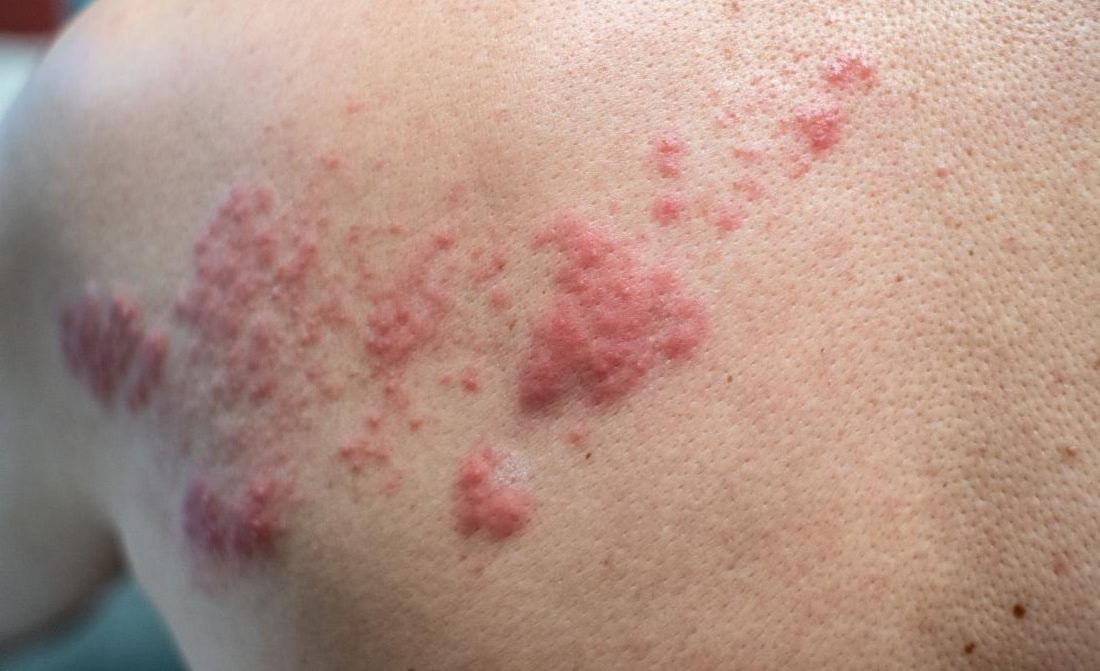
  • Anal Herpes Symptoms: Signs, Testing, and Supportive Care

    Anal Herpes Symptoms: Signs, Testing, and Supportive Care

    Anal herpes symptoms often begin with tingling, burning, itching, or pain around the anus, then may progress to small blisters, shallow sores, or raw tender skin. Some people also notice pain with bowel movements, swollen groin glands, fever, or body aches, especially during a first outbreak. This pattern matters because hemorrhoids, fissures, rashes, shaving irritation, and other infections can look similar early on. A clinician can often narrow the cause with an exam and may confirm herpes with a swab from a fresh blister or sore.

    Key Takeaways

    • Early warning signs may appear before sores are visible.
    • Blisters can open into shallow ulcers that sting or burn.
    • A first outbreak may cause fever, aches, or swollen glands.
    • Hemorrhoids and fissures are common look-alikes.
    • Testing works best when a lesion is new and active.

    What Anal Herpes Symptoms Can Feel Like

    Anal herpes is a herpes simplex virus infection that affects the skin around the anus and, sometimes, the lining just inside the anal canal. The most recognizable sign is a cluster of painful blisters or sores near the anus. Still, many people do not see that classic pattern right away.

    Before sores appear, the area may feel tingly, itchy, hot, or unusually sensitive. Some people describe a deep nerve-like ache in the buttocks, upper thighs, or pelvic area. Sitting, walking, wiping, or exercise may make the discomfort more noticeable. At this stage, the skin may look normal or only mildly irritated.

    Early warning signs

    The early phase is often called a prodrome, which means symptoms that come before the main outbreak. Common warning signs include burning, tingling, itching, tenderness, or a crawling sensation. These symptoms may last hours or days before bumps or blisters appear.

    People often mistake the first signs for sweat rash, chafing, a hemorrhoid, or a small tear from constipation. That confusion is understandable. The anus has sensitive skin, frequent friction, and many possible causes of pain or irritation.

    After sores form

    When visible lesions develop, they may start as red bumps or small fluid-filled blisters. These can break open and leave shallow ulcers that feel raw, sharp, or stinging. Lesions may crust as they heal, though the area can stay tender for several days.

    Pain can worsen during bowel movements because the skin stretches and stool or wiping creates friction. If sores are just inside the anal opening, a person may notice rectal pressure, mucus, discharge, or an urgent feeling to pass stool. This can happen with proctitis, meaning inflammation inside the rectum.

    Not everyone gets multiple sores. Some people have one small ulcer, a patch of burning skin, or symptoms mainly on the buttocks. Others have internal symptoms and may not see much on the outside. That is one reason online images can mislead. They often show more dramatic cases than many real outbreaks.

    Why it matters: A fresh sore is usually easier to test than a healing one.

    First Outbreaks, Recurrences, and Buttock Symptoms

    A first anal herpes outbreak is often more intense than later episodes, though severity varies. The immune system has not yet built the same response, so the first episode may involve more swelling, more sores, or more widespread tenderness. Fever, fatigue, headache, body aches, and swollen groin lymph nodes can also occur.

    Later recurrences are often shorter and more localized. They may return in a similar nerve distribution, which means symptoms can appear near the anus, on one buttock, or along the upper thigh. This does not always mean the infection has newly spread. Herpes simplex virus stays in nearby nerves and can reactivate along those pathways.

    The first signs of herpes on the buttocks can be subtle. A person may notice tingling, burning, or a sore patch before any blister appears. The skin may then develop small grouped bumps, blisters, or scabbed areas. Buttock lesions may be confused with folliculitis, acne-like bumps, insect bites, or friction sores.

    People searching for anal herpes symptoms often expect obvious blisters. In reality, symptoms can be mild, internal, or easy to dismiss. A recurrence may feel like a familiar tingle or ache before the skin changes. Illness, stress, friction, sexual activity, or other body stressors may be linked for some people, but patterns differ widely.

    If you already have a history of genital or anal herpes, write down how each episode starts, where symptoms appear, and how long they last. That record can help a clinician decide whether the pattern fits recurrence, another skin condition, or a separate anal problem.

    What Causes Anal Herpes and How It Spreads

    Anal herpes is caused by herpes simplex virus, usually HSV-2 but sometimes HSV-1. HSV-1 is often linked with oral herpes, but it can affect the anal or genital area through oral-genital or oral-anal contact. HSV-2 more commonly affects genital and anal skin, but either type can cause symptoms in this area.

    The virus spreads through direct skin-to-skin contact when virus is present on skin or mucous membranes. This can happen during anal sex, genital contact, oral-anal contact, or contact with nearby infected skin. Transmission is more likely when sores are present, but it can also occur during asymptomatic shedding. That means the virus is active even when no sores are visible.

    Herpes is not typically spread through everyday casual contact, such as toilet seats. It also does not mean someone was careless or dishonest. Many people do not know they carry HSV because symptoms can be mild, delayed, or mistaken for something else.

    Understanding spread helps reduce shame and supports safer decisions. Avoiding sexual contact during sores or prodrome symptoms lowers risk. Barrier methods can also reduce risk, although they do not cover every area where virus may shed.

    For broader context on related infections and sexual health screening, you can review the Sexual Health collection or the deeper overview of Herpes Symptoms.

    Anal Herpes vs Hemorrhoids, Fissures, and Rashes

    Anal herpes is more likely to cause tingling, burning, grouped blisters, or shallow sores, while hemorrhoids more often cause swelling, pressure, itching, or bright red bleeding. Anal fissures usually cause a sharp tearing pain during or after bowel movements. The overlap is real, so symptoms alone may not confirm the cause.

    Feature Anal herpes Hemorrhoids or fissure
    How it starts Tingling, burning, itching, or tenderness may come first Pressure, constipation, straining, or a sharp tear is more typical
    Skin changes Small grouped blisters, shallow sores, ulcers, or crusts Swollen lump, skin tag, bleeding vein, or single tear
    Pain pattern Stinging, rawness, nerve-like pain, or pain with wiping Pressure with hemorrhoids; tearing pain with fissure
    Whole-body symptoms Fever, aches, or swollen glands can occur, especially first outbreak Not typical
    Recurrence pattern May recur in a similar nerve area Often linked to bowel habits, irritation, or chronic vein changes

    If you are wondering how to tell if it is a hemorrhoid or herpes, the symptom order may help. Herpes can cause warning sensations before the sore is visible. Hemorrhoids often relate more clearly to straining, constipation, pregnancy, heavy lifting, or prolonged sitting.

    Still, sores near the anus are not automatically herpes. Contact dermatitis, fungal rash, bacterial infection, folliculitis, psoriasis, eczema, shaving bumps, anal fissures, and other sexually transmitted infections can all cause pain or visible changes. Some of these need different treatment, so guessing from photos can delay the right care.

    Skin tone can also change how lesions look. Redness may appear pink, purple, brown, gray, or less obvious depending on the person’s skin. Internal lesions may cause pain, discharge, or pressure without clear external blisters.

    For skin-related look-alikes, the Dermatology collection can help you explore irritation, rashes, and related topics. For infection-focused reading, see the Infectious Disease collection.

    How Anal Herpes Diagnosis Usually Works

    Anal herpes diagnosis usually starts with a symptom history and a careful exam. A clinician may ask when the pain started, whether tingling came before the skin change, whether sores are external or internal, and whether there were fever-like symptoms. They may also ask about new partners, oral sex, anal sex, friction, constipation, soaps, wipes, shaving, or recent illness.

    If a blister or sore is present, the clinician may swab it for a PCR test. PCR testing can detect herpes simplex virus directly from the lesion and may identify HSV-1 or HSV-2. Testing is usually most useful when the sore is new, moist, or open. A crusted or healed lesion may be harder to confirm.

    Blood tests can show past exposure to HSV-1 or HSV-2, but they have limits. A blood test does not prove that today’s anal sore is caused by herpes. It also cannot confirm the exact body site where the virus is active. Results can be useful in some situations, but they need interpretation in context.

    During the exam, a clinician may also consider hemorrhoids, fissures, dermatitis, fungal infection, bacterial infection, syphilis, mpox, or other causes depending on symptoms and local risk factors. If pain seems deep inside the rectum, they may assess for proctitis or recommend additional STI testing.

    Quick tip: Note the start date, symptom order, and exact sore location before your visit.

    • Symptom timeline: when discomfort first started.
    • Warning signs: tingling, burning, or itching before sores.
    • Visible changes: bumps, blisters, ulcers, crusting, or bleeding.
    • Body symptoms: fever, aches, swollen glands, or fatigue.
    • Exposure context: new partners, known HSV exposure, or recent STI testing.
    • Products used: creams, wipes, soaps, or home remedies.

    Avoid applying leftover steroid, antibiotic, antifungal, or hemorrhoid creams before an exam unless a clinician advised it. These products may irritate damaged skin or change how lesions appear. If pain is severe, do not wait for a perfect testing window before seeking care.

    Treatment, Supportive Care, and Prevention

    Anal herpes treatment usually combines prescription antiviral medicine with skin-protective self-care. Common antiviral medicines for herpes include acyclovir, valacyclovir, and famciclovir. A clinician decides whether episodic treatment for outbreaks or longer-term suppressive therapy fits the person’s pattern, medical history, and transmission concerns.

    Episodic treatment is taken around an outbreak. Suppressive therapy is taken more regularly for people with frequent, severe, or disruptive recurrences, or when lowering transmission risk is part of shared decision-making. The right plan depends on diagnosis, symptom severity, other health conditions, pregnancy status, immune status, and medication safety factors.

    Supportive care focuses on reducing friction, moisture, and irritation while skin heals. Gentle cleansing with lukewarm water may be more comfortable than scented wipes. Patting dry is usually better than rubbing. Loose, breathable clothing can reduce heat and friction around painful skin.

    • Clean gently: use lukewarm water and mild products.
    • Dry carefully: pat rather than scrub.
    • Reduce friction: choose loose, breathable clothing.
    • Avoid picking: let scabs and sores heal.
    • Pause shaving: avoid irritating broken skin.
    • Avoid sex: wait during sores or warning symptoms.

    If bowel movements are painful, a clinician may suggest ways to reduce straining and protect irritated skin. Do not insert products into the rectum or use numbing creams unless a healthcare professional says they are appropriate for your situation.

    Prevention is not perfect, but several steps can lower risk. Avoid sexual contact when sores, tingling, burning, or other prodrome symptoms are present. Condoms and barriers can reduce exposure, although they may not cover all affected skin. Partner communication, STI screening, and understanding HSV type can also help people make informed choices.

    For treatment background, see Herpes Treatment. If you are reading more broadly about long-term research, Cure for Herpes explains why current care focuses on management rather than a confirmed cure.

    When Symptoms Need Prompt Medical Attention

    Prompt medical attention is important when anal pain, sores, or swelling are severe, fast-changing, or affecting basic functions. Anal herpes symptoms can be painful, but other conditions can also cause urgent problems. A clinician can assess whether antiviral treatment, pain control, drainage, STI testing, or another form of care is needed.

    Seek timely medical care if you have severe rectal or anal pain, trouble urinating, trouble passing stool, fever, heavy or unusual bleeding, rapidly spreading sores, or significant swelling. Evaluation is also important during pregnancy, with a weakened immune system, or if this may be a first outbreak with intense symptoms.

    Eye symptoms need urgent attention because herpes can affect the eye and threaten vision. Deep rectal pain, discharge, diarrhea, or a strong urge to pass stool may suggest rectal inflammation and should not be ignored. If symptoms do not heal as expected, change pattern, or recur often, a fresh evaluation can help rule out other causes.

    Many people feel embarrassed about anal symptoms. Clinicians see these concerns often. Clear information, early testing when lesions are fresh, and nonjudgmental care can make the next step less stressful.

    For STI education beyond herpes, Understanding STDs offers a broader starting point. If HIV testing is part of your wider screening plan, Types of HIV Tests explains common test categories.

    Authoritative Sources

    Anal symptoms can feel isolating, but they are common enough for clinicians to evaluate clearly. The most useful next step is to notice the pattern, avoid relying on pictures alone, and seek care when a fresh sore, marked pain, or systemic symptom appears.

    This content is for informational purposes only and is not a substitute for professional medical advice.

  • Early Herpes Symptoms, Warning Signs, and Flare Triggers

    Early Herpes Symptoms, Warning Signs, and Flare Triggers

    Early herpes symptoms often start before any sore appears. Many people first notice tingling, burning, itching, tenderness, or nerve-like pain in one small area. Blisters, shallow ulcers, crusting, painful urination, swollen lymph nodes, or flu-like symptoms may follow, especially during a first outbreak. These signs can be stressful and easy to misread, so the pattern matters: where symptoms appear, whether they return, and whether warning sensations come before visible sores.

    Key Takeaways

    • Early clues: Tingling, burning, itching, or tenderness may come first.
    • Visible sores: Blisters can open into painful shallow ulcers.
    • Mild cases: Some people have herpes symptoms without obvious sores.
    • First outbreaks: Fever, body aches, and swollen nodes are more common.
    • Urgent signs: Eye symptoms, pregnancy, severe pain, or trouble urinating need prompt care.

    Early Herpes Symptoms and the Prodrome Stage

    The first warning sign is often a prodrome, which means symptoms that appear before a visible outbreak. Herpes prodrome symptoms may include tingling, itching, burning, prickling, stabbing pain, or unusual skin sensitivity. The skin can look normal at this point.

    This is why early herpes symptoms are often confused with chafing, razor burn, folliculitis, hemorrhoids, yeast irritation, contact dermatitis, or an ingrown hair. A single symptom rarely proves the cause. A repeated pattern in the same area is more useful.

    When sores appear, they often begin as red or tender bumps. They may then form vesicles, which are small fluid-filled blisters. Those blisters can break into shallow ulcers. On dry skin, the area may crust. On moist tissue, it may stay raw rather than scab.

    People often ask what herpes looks like. There is no single appearance every time. A common pattern is grouped blisters on a red base, followed by painful open sores and then healing skin. Some outbreaks are subtle, with only one sore or a raw patch.

    There is no official medical list of the 7 warning signs of herpes. Still, common clues include tingling, itching, burning, tenderness, redness, small blisters, and skin pain. Fever or swollen lymph nodes can also appear, especially with a first episode.

    Why it matters: The warning stage can be the clearest clue before sores develop.

    How Oral, Genital, and Anal Herpes Can Feel Different

    Herpes simplex virus, or HSV, has two main types. HSV-1 is often linked with oral herpes and cold sores. HSV-2 is more often linked with genital herpes. However, either type can affect the mouth, genitals, or nearby skin.

    Oral herpes symptoms often start with lip tingling, itching, burning, or tenderness. Small grouped blisters may appear around the lips, nose, or nearby skin. These are commonly called cold sores. A first oral infection can sometimes cause mouth pain, swollen gums, painful swallowing, or a sore throat.

    Genital herpes symptoms may affect the vulva, vagina, cervix, penis, scrotum, buttocks, upper thighs, or skin around the anus. People may notice itching or burning first. Later, blisters or shallow sores may appear. Urination can sting if urine touches irritated skin.

    Herpes symptoms in women can be harder to see when sores are inside the vagina or on the cervix. Pain, burning, discharge changes, or soreness may stand out more than visible bumps. Herpes symptoms in men may be easier to notice on outer skin, but they are still often mistaken for shaving irritation or folliculitis.

    Anal herpes symptoms can include itching, burning, rectal pain, sores near the anus, or painful bowel movements. Some people feel pain that radiates into the buttocks or thighs before sores appear. For a more focused discussion, see Anal Herpes Symptoms.

    HSV-1 can also cause genital symptoms after oral-genital contact. HSV-2 can affect the mouth less often. The type matters for counseling and recurrence patterns, but the body area involved and symptom pattern often matter most when deciding what to do next.

    Why Herpes Is Easy to Mistake for Something Else

    Herpes warning signs overlap with many common skin and genital conditions. Razor burn can cause red bumps after shaving. Folliculitis can create tender pustules around hair follicles. Yeast irritation can cause burning and raw skin without blisters. Hemorrhoids or fissures can cause anal pain.

    Mouth symptoms can also be confusing. Canker sores usually occur inside the mouth and are not the same as cold sores on the lip border. Acne, chapped lips, allergic reactions, and bacterial skin infections can also look similar in early stages.

    Timing helps separate possibilities. Herpes often returns near the same spot and may be preceded by tingling or burning. Sores may evolve from redness to blisters, then to open ulcers and healing skin. Even so, photos alone cannot confirm herpes.

    Skin tone, friction, timing, and body location all change how lesions look. A rash may look different on the lip, vulva, penis, anus, or buttock. If symptoms keep recurring, testing during an active sore is more useful than comparing images online.

    First Outbreaks Versus Recurrent Herpes Symptoms

    A first herpes outbreak is often more intense than later recurrences. The immune system has not yet built a response to the virus, so symptoms may be wider, more painful, or more systemic.

    First herpes outbreak symptoms may include multiple sores, swelling, fever, chills, headache, fatigue, body aches, and swollen lymph nodes. Groin nodes may swell with genital outbreaks. Neck or jaw nodes may swell with oral outbreaks.

    Some people also have pain with urination, trouble sitting, or soreness while walking. These symptoms can lead people to suspect a urinary tract infection, severe irritation, or flu-like illness before herpes is considered.

    Recurrent herpes symptoms are usually milder. A person may notice tingling before a herpes outbreak, then one or two small lesions. Fever is less common during recurrences. The outbreak may also heal faster than the first episode, though timing varies.

    Herpes symptoms without sores can happen. Some episodes stay mild, and some people never notice classic blisters. Others only realize the pattern after symptoms return in the same place during stress, illness, sun exposure, or friction.

    How long herpes symptoms last depends on the site, whether it is a first or recurrent episode, immune health, and whether treatment starts early. A clinician can help determine whether testing, antiviral treatment, or follow-up is appropriate. For broader management context, see Herpes Treatment.

    Common Herpes Outbreak Triggers

    Herpes flare-ups happen because HSV can stay dormant in nearby nerve cells and reactivate later. A trigger does not create herpes by itself. The virus must already be present.

    Common herpes outbreak triggers may include physical or emotional stress, illness, fever, lack of sleep, local skin friction, sexual activity during irritation, menstruation for some people, and immune strain. Oral herpes can also flare after sun exposure, dental work, or lip trauma.

    Stress and herpes outbreaks are often linked by personal patterns, but stress is not the only factor. A recurrence may follow a cold, a sleepless week, skin rubbing, or no obvious trigger at all. This uncertainty is common and does not mean you caused the outbreak.

    Foods that trigger herpes outbreaks are less predictable. There is no universal food list that applies to everyone. Some people suspect certain foods, but patterns can be mixed with alcohol, sleep loss, sun exposure, stress, or another illness happening at the same time.

    Quick tip: Track symptoms, sleep, illness, sun exposure, friction, and stress across several episodes.

    A short symptom journal can help you separate a real pattern from coincidence. It can also make a medical visit more productive, especially if symptoms are subtle or recurring.

    Testing, Treatment Discussions, and Practical Next Steps

    Testing is most useful when a clinician can swab a fresh sore. Polymerase chain reaction testing, often called PCR, can detect HSV genetic material from an active lesion. If the sore is already healing, there may be less virus on the surface to detect.

    Blood tests can show past exposure to HSV-1 or HSV-2. They cannot always prove that a current rash is caused by herpes, and they do not show exactly where the infection is located. This is why timing and exam findings matter.

    There is no instant home cure for herpes. Prescription antiviral medicines may be discussed for a first outbreak, frequent recurrences, severe symptoms, or transmission-risk counseling. A clinician can explain whether episodic treatment or daily suppressive treatment fits the situation.

    Supportive care usually focuses on comfort and avoiding further irritation. Harsh scrubs, fragranced products, repeated rubbing, and picking at sores can make inflamed skin feel worse, whether the cause is herpes or something else.

    If prescriptions are part of care, BorderFreeHealth connects U.S. patients with licensed Canadian partner pharmacies, and pharmacy teams verify prescription details with the prescriber when required. Some patients also use eligible cash-pay cross-border options without insurance, subject to applicable rules.

    Details to note before an appointment

    • Symptom start: When tingling, pain, or sores began.
    • Location pattern: Whether symptoms return in the same area.
    • Sore changes: Bumps, blisters, ulcers, crusting, or raw skin.
    • Body symptoms: Fever, aches, fatigue, or swollen nodes.
    • Urinary symptoms: Stinging, retention, or severe pain.
    • Exposure context: New partners, oral-genital contact, or prior HSV history.

    These details can help distinguish herpes simplex symptoms from yeast irritation, bacterial folliculitis, contact dermatitis, aphthous ulcers, hemorrhoids, or fissures. They can also guide whether a swab, blood test, or other exam is appropriate.

    When Herpes Symptoms Need Prompt Medical Care

    Some symptoms should not wait for routine follow-up. Eye pain, eye redness, light sensitivity, or vision changes need urgent evaluation because herpes near the eye can threaten vision.

    New genital sores during pregnancy also deserve prompt medical attention. A first genital outbreak late in pregnancy can affect delivery planning and newborn risk discussions. People who are pregnant should contact their pregnancy care team for individualized guidance.

    Severe genital pain, inability to urinate, dehydration, high fever, or widespread sores should be assessed quickly. People with weakened immune systems, including those with HIV or those taking immune-suppressing medicines, should also seek care sooner for new lesions.

    If you are comparing symptoms and need related education, the Sexual Health collection includes broader STI topics. For virus-related reading beyond HSV, the Infectious Disease collection may also be useful.

    It can also help to understand how herpes differs from other recurring viral conditions. For example, Chickenpox vs Shingles explains another herpesvirus family pattern, though it involves a different virus than HSV.

    Authoritative Sources

    Herpes symptoms can be obvious, mild, or easy to mistake for something else. Tingling, burning, painful sores, and a recurring pattern in the same area are common clues. Testing during an active sore is often the clearest way to confirm the cause.

    This content is for informational purposes only and is not a substitute for professional medical advice.