Blog

  • Wegovy vs Ozempic: A Balanced Guide to Dosing and Results

    Wegovy vs Ozempic: A Balanced Guide to Dosing and Results

    Choosing between modern GLP-1 medicines can feel overwhelming. Your goals, health history, and tolerance matter more than brand hype. This guide compares semaglutide options clearly, so you can have a better conversation with your care team. It focuses on evidence, safety signals, and practical next steps.

    Key Takeaways

    • Indications differ: one is diabetes-first, the other weight-first.
    • Dosing and titration steps are similar but not identical.
    • Side effects overlap; risk signals warrant informed monitoring.
    • Switching brands should be supervised and individualized.
    • New options, like tirzepatide, may change the calculus.

    If you’re weighing wegovy vs ozempic, start by clarifying your primary goal. Some people prioritize weight management, while others need stronger glucose-lowering effects. Both options use semaglutide, a GLP-1 receptor agonist (hormone-mimicking drug) that slows gastric emptying and reduces appetite. Still, their approvals, dosing ceilings, and coverage pathways are different, which matters for long-term planning.

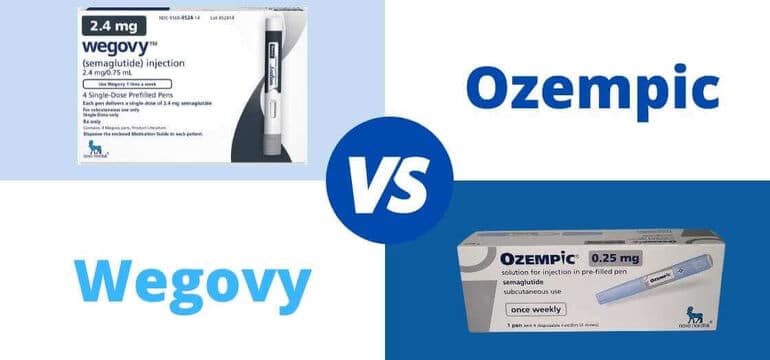
    wegovy vs ozempic: How They Compare

    Both medicines contain semaglutide, a GLP-1 receptor agonist (incretin-mimetic). They help the pancreas release insulin after meals and signal satiety in the brain. While their active ingredient is identical, the labeled indication and dosing targets differ. Wegovy is approved for chronic weight management in adults with obesity or overweight plus a related condition. Ozempic is approved to improve glycemic control in adults with type 2 diabetes.

    For clarity, these are label-based distinctions, not value judgments. According to the FDA prescribing information, Wegovy targets a higher maintenance dose to support weight management, while Ozempic emphasizes glycemic control with cardiovascular risk reduction evidence in diabetes populations. You can review the Wegovy prescribing information for official details (FDA label) and the Ozempic medication guide for its approved use and dosing (prescribing information).

    Coverage and access can also diverge. Some insurance plans recognize chronic weight management benefits differently than diabetes control. Understanding your plan’s rules early helps you avoid gaps. For related metabolic impacts, see an overview of Wegovy and Hormonal Health for context on endocrine signals and appetite regulation.

    Dosing and Titration Differences

    Both medicines increase gradually to improve tolerability. The schedules overlap but are not the same, especially at the maintenance phase. For label-based clarity on the Ozempic vs Wegovy dosing schedule, review the step-up approach below. Use it to frame discussions with your prescriber, not to self-adjust doses.

    Medicine Typical Start Titration Steps Common Maintenance
    Wegovy (semaglutide) 0.25 mg weekly Increase every 4 weeks (0.25→0.5→1.0→1.7 mg) 2.4 mg weekly if tolerated
    Ozempic (semaglutide) 0.25 mg weekly Increase to 0.5 mg; consider 1 mg or 2 mg 0.5–2.0 mg weekly for diabetes

    Real-life titration may vary. Some people remain at intermediate doses for longer to manage nausea or reflux. Others never reach the top dose and still find meaningful benefit. For product specifics and pen formats that may affect usability, see Ozempic for formulation details and Wegovy for dose options; the product pages help contextualize device and strength differences.

    Managing Tolerance During Uptitration

    Early weeks often bring gastrointestinal symptoms. People report queasiness, fullness, or constipation as the body adapts. Small meals, protein-forward choices, and slower titration can help. If symptoms become disruptive, clinicians may pause or down-titrate until the stomach settles. This approach aligns with the general guidance in official labeling. Over time, many patients report improved tolerance as they find a sustainable, individualized dose.

    Expected Results and Real-World Patterns

    Individual results vary widely. Some people see faster changes in appetite, while others need longer to notice. Trial data and clinical experience suggest a dose-response effect, tempered by lifestyle, concurrent medicines, and genetics. When discussing Wegovy vs Ozempic results, frame expectations around gradual change and maintenance rather than a fixed timeline.

    Weight trends often correlate with consistent weekly dosing and meal patterns. In diabetes, clinicians also track HbA1c, fasting glucose, and time-in-range to judge benefit. People with significant heart or kidney comorbidities may prioritize cardiometabolic markers even when weight loss is modest. For additional diabetes-focused context, see Jardiance and Weight Loss, which explores how SGLT2 inhibitors fit into broader metabolic care plans.

    Side Effects and Safety Profiles

    These medicines share class effects. Nausea, vomiting, diarrhea, constipation, and abdominal discomfort are the most common experiences. Dehydration can follow if vomiting is prolonged. Gallbladder issues and pancreatitis have been reported, so persistent severe abdominal pain deserves prompt evaluation. A boxed warning notes a risk of thyroid C-cell tumors in rodent studies; people with a personal or family history of medullary thyroid carcinoma should avoid this class.

    When evaluating Wegovy vs Ozempic side effects, consider your history of reflux, gallstones, pancreatitis, or thyroid disease. Clinicians also watch kidney function during significant gastrointestinal losses. For label-based warnings and precautions, refer to the Wegovy prescribing information and the Ozempic FDA label. To understand broader cardiometabolic ties, see GLP-1 and Sleep Apnea Overview for a primer on weight, airway risk, and treatment pathways.

    Switching Between Brands Safely

    People sometimes switch for coverage, availability, or tolerability. The goal is a smooth transition without losing progress or triggering severe nausea. Discuss timing, starting strength, and interim gaps before making changes. If your priority is Switching from Ozempic to Wegovy dosage equivalence, your prescriber may translate your current weekly dose cautiously and adjust after observing tolerance.

    Manufacturers design pens and strengths differently, which can complicate conversions. Plan monitoring for appetite, blood glucose, and adverse effects during the first 4–8 weeks after a switch. For practical device and strength context before a transition, review Wegovy to understand its available titration steps. Tip: Keep a symptom log and hydration plan; concrete notes help your clinician tailor the next dose step.

    Comparing With Mounjaro (tirzepatide)

    Tirzepatide acts at two receptors (GIP and GLP-1), which may influence appetite and glucose differently. Some patients describe distinct satiety patterns compared with semaglutide. In conversations about Wegovy vs Mounjaro for weight loss, clinicians weigh prior responses, access, and comorbidities. Official prescribing information outlines its indications and titration; you can review the FDA resource for clarity (tirzepatide label).

    If you’re comparing GLP-1 and dual-incretin strategies, it helps to understand how each affects blood sugar and appetite. For a deeper dive on the diabetes side of the equation, see the Mounjaro vs. Ozempic Guide, which explains differences in receptors, outcomes, and real-world considerations. Your personal response, not group averages, should guide long-term decisions.

    Zepbound and Other Alternatives

    Zepbound is tirzepatide approved specifically for chronic weight management. It shares the same molecule as Mounjaro but targets weight indications. If you’re weighing Wegovy vs Ozempic vs Zepbound, consider label indications, dose ceilings, and your tolerance history. Differences in insurance recognition can also shape access and adherence.

    Patients sometimes transition among these options as circumstances change. It’s reasonable to revisit goals every few months and reassess the fit. For an overview of what sets Zepbound apart in the weight space, see Zepbound for Weight Loss for a concise breakdown of mechanisms and program considerations.

    Access and Coverage Basics

    Coverage varies by insurer and plan type, and policies change. Employers may alter formularies midyear, and prior authorizations can expire. If you’re exploring whether Wegovy cost covered by insurance policies applies to your situation, ask for your plan’s obesity-treatment policy and documentation requirements. Keep notes on prerequisite programs, nutrition counseling, or medical-necessity letters.

    Pharmacy access can fluctuate with supply cycles. Having a backup plan reduces gaps if your strength is out of stock. For device formats and strengths to discuss with your clinician and pharmacist, review Ozempic and Wegovy product information; it helps set realistic timelines and refill expectations.

    Recap

    Both medicines use semaglutide but serve different labeled purposes. Start with your primary goal, health history, and tolerance. Use label-based dosing and careful uptitration to manage side effects. Consider alternatives—like tirzepatide—if your needs evolve or access shifts. With informed, steady steps, you can build a plan that respects both safety and sustainability.

    This content is for informational purposes only and is not a substitute for professional medical advice.
  • Ozempic for Weight Loss: Safety, Results, and Expectations

    Ozempic for Weight Loss: Safety, Results, and Expectations

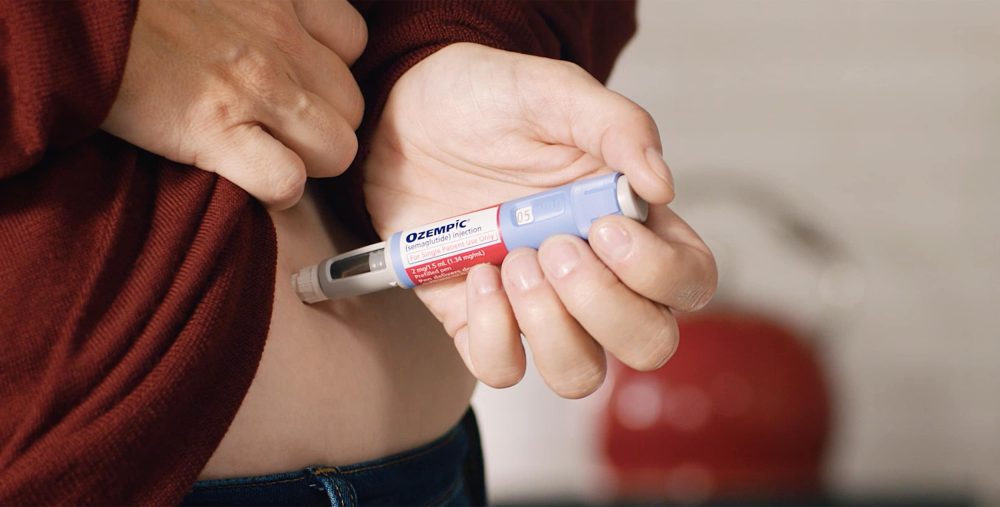
    Ozempic for weight loss may help some adults reduce appetite and support weight management, but it is not approved by the FDA as a weight-loss medicine. It contains semaglutide, a GLP-1 receptor agonist (a medicine that mimics a gut hormone). For people with type 2 diabetes, weight change can occur while treating blood sugar. For others, use for weight loss is an off-label decision that needs careful clinician review.

    That distinction matters. A safer plan starts with eligibility, side-effect planning, realistic expectations, and follow-up. It should not start with celebrity photos, rapid-loss promises, or self-directed dosing.

    Key Takeaways

    • Approved use: Ozempic treats type 2 diabetes, not obesity alone.
    • Weight effects: Appetite often decreases, but results vary.
    • Safety planning: Nausea is common; severe symptoms need care.
    • Habits still matter: Protein, fiber, movement, and sleep support outcomes.
    • Alternatives exist: Wegovy and other options may fit different goals.

    How Semaglutide Supports Weight Change

    Semaglutide can reduce hunger and increase fullness by activating GLP-1 receptors involved in appetite and glucose regulation. It may also slow gastric emptying, meaning food leaves the stomach more slowly. Many people describe less “food noise,” smaller portions, or fewer urges to snack.

    These effects do not replace nutrition or activity. They can make a structured routine easier to follow. A practical plan often includes regular meals, enough protein, hydration, gentle activity, and symptom tracking. If you are already using this medicine, our Ozempic Diet resource can help you think through simple meal patterns that may feel more comfortable.

    Ozempic for weight loss also raises an important access question. Because the medication’s approved indication is type 2 diabetes, a prescriber should decide whether it fits your medical history, current medicines, and treatment goals. BorderFreeHealth connects U.S. patients with licensed Canadian partner pharmacies, and prescription details are verified with the prescriber where required before dispensing by the pharmacy.

    Who Might Be Considered, and Who Needs Extra Caution

    A clinician may consider semaglutide-based care when the possible benefits outweigh the risks. That review usually includes weight history, blood sugar status, digestive symptoms, kidney function, gallbladder history, pregnancy plans, and current medications. People using insulin or sulfonylureas may need closer glucose monitoring because blood sugar patterns can shift.

    Some people should avoid Ozempic or need specialist input. The prescribing information includes a boxed warning about thyroid C-cell tumors seen in rodents. People with a personal or family history of medullary thyroid carcinoma, or multiple endocrine neoplasia syndrome type 2, should discuss this warning carefully. Anyone with past pancreatitis, severe gastrointestinal disease, or active gallbladder problems should also raise those details early.

    Why it matters: The safest plan is the one matched to your risks, not someone else’s results.

    If you are trying to understand the prescription conversation, see Prescribed Ozempic Safely for a step-by-step look at what clinicians commonly review. This does not replace an appointment, but it can help you prepare better questions.

    Results: What to Expect Without Chasing Fast Loss

    Weight loss with semaglutide is usually gradual, and early weeks may focus more on tolerability than visible change. Some people notice appetite changes within weeks. Others need more time, especially if side effects limit meals or activity. Plateaus can happen even when the medicine is working.

    Many searches focus on “1 month,” “6 week,” or “3 months” results. Those timelines can be useful for check-ins, but they are poor tools for judging personal success. Dose changes, food intake, sleep, stress, alcohol use, other medicines, and medical conditions all influence progress. A clinician can help decide whether a plateau is expected, whether side effects are interfering, or whether the treatment plan needs review.

    Ozempic for weight loss also does not target belly fat specifically. When body weight changes, fat loss can occur across different areas. Genetics, hormones, age, and muscle mass influence where changes appear first. Be cautious with “before and after” pictures, especially celebrity posts. Lighting, posing, editing, and unclear timelines can distort expectations.

    Use a simple tracker instead of relying only on scale weight. Record appetite, digestion, waist measurement, energy, sleep, and strength. The calculator below can help estimate percent weight change and progress toward a general goal. It does not predict your response or replace clinical guidance.

    [weight-loss-progress-calculator]

    Side Effects and Warning Signs

    Ozempic side effects are often gastrointestinal. Nausea, vomiting, diarrhea, constipation, abdominal discomfort, burping, and reduced appetite can occur, especially after starting or changing a dose. Many symptoms improve with time, but they still deserve attention if they affect hydration, eating, or daily function.

    Serious reactions are less common but important. Seek urgent medical care for severe or persistent abdominal pain, pain that spreads to the back, repeated vomiting, signs of dehydration, yellowing skin or eyes, or symptoms of a severe allergic reaction. New neck swelling, trouble swallowing, or persistent hoarseness should be assessed because of the thyroid tumor warning in labeling.

    Common Effects to Track

    • Nausea pattern: Note timing, meals, and triggers.
    • Bowel changes: Track constipation or diarrhea frequency.
    • Hydration issues: Watch dizziness, dark urine, or weakness.
    • Meal tolerance: Record foods that worsen fullness.
    • Glucose changes: Monitor if you use diabetes medicines.

    Some readers search for ozempic side effects in females. Most known side effects are not limited to one sex, but pregnancy, breastfeeding, menstrual changes, contraception, and fertility planning can change the safety conversation. Tell your prescriber if pregnancy is possible or planned. Do not start, stop, or adjust medication without medical guidance.

    For a deeper discussion of symptom patterns and when to call a clinician, visit Managing Ozempic Side Effects. Use that type of resource as preparation for care, not as a substitute for care.

    Food Choices That May Improve Comfort

    Food choices can reduce discomfort while appetite is lower. Many people tolerate smaller meals better than large portions. Lean protein, cooked vegetables, soups, yogurt, eggs, beans, fish, poultry, and whole grains may be easier to plan around than greasy or very heavy meals. Individual tolerance varies.

    People often ask about ozempic foods to avoid. There is no universal banned-food list, but fried foods, large high-fat meals, alcohol, sugary drinks, and very spicy meals may worsen nausea or reflux for some users. Carbonated drinks can also feel uncomfortable when fullness lingers. If a food repeatedly triggers symptoms, reduce the portion or discuss alternatives with a dietitian.

    Quick tip: Eat slowly, pause halfway, and stop before fullness becomes uncomfortable.

    Protein and resistance activity matter because weight loss can include muscle loss. Your clinician or registered dietitian can help set protein targets if you have kidney disease, diabetes complications, eating disorder history, or complex medical needs. For a focused list of common triggers, see Ozempic Foods to Avoid.

    Long-Term Questions: Skin, Face Changes, and Maintenance

    Long-term use requires follow-up, not autopilot. Your care team may monitor glucose, kidney function, digestive tolerance, blood pressure, weight trend, and other medicines. If weight changes meaningfully, some medications for diabetes, blood pressure, or lipids may need reassessment by the prescriber.

    “Ozempic face” is a popular term for facial hollowing or skin laxity noticed after weight loss. It is not a formal diagnosis. Any significant fat loss can make facial changes more visible, especially with age, genetics, sun exposure, or lower muscle mass. Slower weight change, adequate protein, hydration, and resistance training may support overall body composition, though they cannot prevent every skin change.

    Maintenance is another key issue. Stopping a weight-management medicine may lead to increased appetite in some people. That does not mean the treatment “failed.” It means long-term planning matters. Discuss what success looks like, how often you should follow up, and what lifestyle supports you can keep even if medication changes.

    How It Compares With Other Injections

    Ozempic and Wegovy both contain semaglutide, but they are not the same product for regulatory purposes. Ozempic is approved for type 2 diabetes. Wegovy is approved for chronic weight management in specific eligible groups. Their labeling, dose schedules, and clinical use differ, so comparisons should happen with a licensed clinician.

    Other medicines may also come up, including liraglutide-based or tirzepatide-based options. The “best injection” depends on medical history, side-effect tolerance, treatment goals, pregnancy plans, other medicines, access, and clinician judgment. No single choice fits everyone.

    If you are comparing semaglutide products, Wegovy vs Ozempic explains key differences in a patient-friendly way. You can also browse the Weight Management collection for related educational topics. Product pages such as Wegovy or Ozempic may provide medication context, but treatment decisions still belong with your prescriber.

    Practical Questions to Bring to Your Clinician

    Good preparation makes the appointment safer and more useful. Bring a current medication list, supplement list, weight history, relevant lab results, prior gallbladder or pancreas issues, and details about pregnancy plans. Also share any history of disordered eating, severe reflux, gastroparesis (delayed stomach emptying), or repeated dehydration.

    • Eligibility: Ask whether semaglutide fits your health profile.
    • Approved use: Clarify on-label versus off-label treatment.
    • Monitoring: Ask which symptoms or labs need follow-up.
    • Interactions: Review diabetes, blood pressure, and stomach medicines.
    • Nutrition support: Ask whether a dietitian would help.
    • Side-effect plan: Confirm when to call or seek urgent care.

    People without insurance may ask about cash-pay options or cross-border prescription pathways. Those details depend on eligibility, jurisdiction, and the prescription process. Keep the access conversation separate from the medical decision so safety remains the priority.

    Authoritative Sources

    For approved indications, boxed warnings, contraindications, and adverse reactions, review the FDA drug approval details for Ozempic. The official record is the best starting point for label-based safety information.

    For semaglutide weight-management labeling, compare the FDA drug approval details for Wegovy. This helps explain why two semaglutide products can have different approved uses.

    For plain-language medicine education, the MedlinePlus semaglutide drug information page summarizes key warnings and patient counseling points.

    Recap

    Ozempic for weight loss is best understood as a semaglutide-related weight effect within diabetes care, or as an off-label option that requires careful medical review. It may reduce appetite and support weight change, but it can also cause side effects and is not suitable for everyone.

    Focus on safety first: confirm eligibility, track symptoms, set realistic milestones, and avoid comparing your body with online images. A steady plan with clinician follow-up gives you a better chance of protecting your health while assessing whether treatment still fits your goals.

    This content is for informational purposes only and is not a substitute for professional medical advice.

  • Alphagan Eye Drops: Dosage, Uses, and Side Effects

    Alphagan Eye Drops: Dosage, Uses, and Side Effects

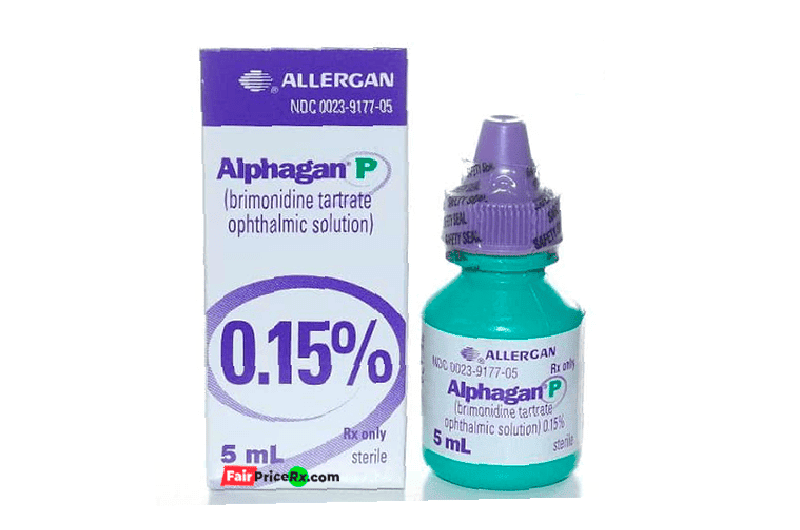
    Alphagan is a brimonidine eye drop used to lower intraocular pressure in people with open-angle glaucoma or ocular hypertension. This Alphagan Eye Drops: Dosage, Uses, and Side Effects Guide explains the usual dosing pattern, safe drop technique, expected side effects, and warning signs that need medical attention. It matters because eye pressure treatment often depends on steady use and early reporting of problems.

    Key Takeaways

    • Alphagan contains brimonidine, an eye-pressure-lowering medicine.
    • U.S. labeling for Alphagan 0.2% lists one drop three times daily, about 8 hours apart.
    • Common effects can include eye redness, stinging, dry mouth, blurry vision, headache, or fatigue.
    • Serious allergy, severe eye pain, major vision changes, fainting, or breathing trouble need urgent help.
    • Do not change, stop, or restart glaucoma drops without your eye clinician’s guidance.

    How This Alphagan Eye Drops: Dosage, Uses, and Side Effects Guide Fits Care

    Alphagan is the brand name for brimonidine tartrate ophthalmic solution. Brimonidine is an alpha-2 adrenergic agonist, a medicine class that can lower pressure inside the eye. It does this by reducing aqueous humor, the clear fluid made in the front part of the eye, and by helping fluid drain through other pathways.

    Doctors prescribe brimonidine eye drops when eye pressure needs control. The goal is usually to reduce the risk of optic nerve damage in glaucoma, or to manage ocular hypertension before damage develops. The drops do not cure glaucoma, and they do not restore vision already lost from optic nerve injury.

    For broader eye-health reading, the Ophthalmology hub gathers related educational content. BorderFreeHealth connects U.S. patients with licensed Canadian pharmacy partners.

    Why it matters: A small bottle can affect both eye comfort and whole-body symptoms.

    Uses: Glaucoma, Ocular Hypertension, and Eye Pressure

    Alphagan is mainly used to lower intraocular pressure, often shortened to IOP. High IOP can increase the risk of glaucoma progression, especially when pressure damages the optic nerve over time. Open-angle glaucoma is the common chronic form, where the eye’s drainage angle remains open but fluid leaves too slowly.

    Ocular hypertension means eye pressure is higher than expected, but optic nerve damage or vision loss may not yet be present. Some people with ocular hypertension never develop glaucoma. Others need preventive treatment because their overall risk is higher. Your eye clinician weighs pressure readings, optic nerve appearance, visual field tests, corneal thickness, age, family history, and other factors.

    Ocular hypertension is different from systemic hypertension, which means high blood pressure in the body’s arteries. If you are trying to separate those terms, start with What Is Hypertension. You can also review Understanding High Blood Pressure and What Causes Hypertension for the body-wide condition.

    Brimonidine may be prescribed alone or with other glaucoma drops. Combination treatment is common when one medicine does not lower eye pressure enough or causes side effects. The exact plan depends on your diagnosis, pressure target, medical history, and how well you can use drops consistently.

    Dosage and How to Use Drops Safely

    Dosage should follow the bottle label and your prescriber’s instructions. For the U.S. Alphagan 0.2% label, the listed schedule is one drop in the affected eye or eyes three times daily, about 8 hours apart. Alphagan P, generic brimonidine, and products from other countries may have different labeling, so the schedule on your prescription matters most.

    Eye drops can fail when the medicine misses the eye, washes out, or contaminates the bottle tip. Technique is not a small detail. It can affect comfort, safety, and whether the intended amount reaches the eye surface.

    Basic drop technique

    1. Wash your hands before touching the bottle.
    2. Shake the bottle only if the label tells you to.
    3. Tilt your head back and pull the lower lid down gently.
    4. Place one drop in the pocket without touching the tip to your eye.
    5. Close your eye for a short time and avoid blinking hard.
    6. If advised, press gently near the inner corner of the eye.

    If you use more than one eye drop, ask how long to separate them. Many eye-drop instructions advise spacing products by several minutes so the second drop does not wash out the first. If you wear soft contact lenses, check the label. Some preservatives can be absorbed by lenses, so lenses may need removal before use and reinsertion after a waiting period.

    If you miss a dose, follow the instructions provided with your medicine. Many labels advise using it when remembered unless it is close to the next scheduled dose. Do not use extra drops to make up for a missed dose unless a clinician specifically tells you to.

    Quick tip: Keep a simple drop log if you use more than one eye medicine.

    Side Effects: Common, Serious, and Long-Term Considerations

    Alphagan side effects can involve the eye, the eyelids, or the whole body. Many are mild, especially early in treatment. Still, side effects deserve attention because untreated irritation can reduce adherence, and rare reactions can be serious.

    Commonly reported effects can include:

    • Eye redness or irritation.
    • Burning, stinging, or dryness.
    • Blurred vision after use.
    • Itchy eyes or watery eyes.
    • Dry mouth or unusual taste.
    • Headache, tiredness, or drowsiness.

    Some people develop allergic conjunctivitis, which means inflammation of the clear tissue over the eye. It may cause redness, itching, swelling, tearing, or a gritty feeling. Allergy can appear after a person has used brimonidine for some time, not only on the first day.

    Long-term side effects of brimonidine tartrate are usually discussed in terms of ongoing irritation, allergy, dryness, or reduced tolerance. Long-term use should include regular eye-pressure checks and optic nerve monitoring. Report changes rather than assuming discomfort is normal.

    Serious symptoms need faster attention. Call a clinician promptly, or seek urgent care when symptoms are severe, if you develop intense eye pain, sudden vision changes, major eyelid swelling, widespread rash, fainting, very slow heartbeat, trouble breathing, or unusual sleepiness in a child exposed to the medicine.

    Blurry vision and drowsiness can affect activities that need alertness. Avoid driving or using machinery until you know how the drops affect you and your vision has cleared after application.

    Warnings, Precautions, and Interactions to Review

    Safety depends on your full health history, not only your eye diagnosis. Brimonidine can affect blood pressure, pulse, alertness, and circulation in some people. It is also not appropriate for every age group or medication combination.

    Alphagan and related brimonidine products are generally contraindicated in children under 2 years old. Young children can be more vulnerable to sleepiness, low blood pressure, and breathing-related adverse reactions. Pediatric use should only happen under specialist direction.

    Tell your clinician if you have heart disease, low blood pressure, circulation problems, depression, kidney disease, liver disease, or a history of fainting. Also mention pregnancy, plans to become pregnant, or breastfeeding. These details help the prescriber judge whether brimonidine is suitable or whether extra monitoring is needed.

    Interactions can occur because brimonidine may add to the effects of medicines that lower blood pressure, slow heart rate, or cause sedation. Your clinician may also review antidepressants, especially monoamine oxidase inhibitors and tricyclic antidepressants, because these drug classes can affect adrenergic signaling. Alcohol and sedating medicines may increase drowsiness in some people.

    Bring a current medication list to eye appointments. Include oral medicines, patches, eye drops, supplements, and non-prescription products. For examples of how broader medication safety details are handled, see Amiodarone Uses and Cimetidine Side Effects.

    When required, prescription details are verified with the prescriber before pharmacy dispensing.

    Formulations, Generic Brimonidine, and Other Eye Drops

    Alphagan, Alphagan P, and generic brimonidine products share the same active ingredient family, but they are not always interchangeable without professional review. Concentration, preservative system, bottle design, labeling, and dosing instructions can differ.

    Product type What to confirm Why it matters
    Original brand formulation Strength, schedule, and preservative The label may differ from other brimonidine bottles.
    Alphagan P Strength and preservative system It may have different tolerability or instructions for some users.
    Generic brimonidine Manufacturer and bottle label Directions should match the dispensed product, not memory.
    Other glaucoma drops Spacing and treatment order Multiple drops can wash each other out if used too closely.

    The Ophthalmology Products category is a browseable list for comparing relevant product pages. It is not a substitute for an eye exam or individualized prescribing.

    If your bottle looks different after a refill, do not guess. Check the label, confirm the active ingredient, and ask the pharmacy or prescriber whether the instructions changed.

    Practical Questions to Ask Before or During Treatment

    A good treatment plan should be realistic for your routine. If the dosing schedule is hard to follow, side effects are building, or you use several eye drops, bring those concerns forward early. Clinicians can only adjust a plan safely when they know what is happening day to day.

    • Pressure target: What eye pressure range is the goal?
    • Drop schedule: What times should each drop be used?
    • Missed doses: What should I do if I forget?
    • Side effects: Which symptoms should I report quickly?
    • Contact lenses: Should I remove them before dosing?
    • Other medicines: Which interactions matter for my list?
    • Monitoring plan: When should eye pressure be rechecked?

    Steroid medicines are worth mentioning because they can matter in eye-pressure care for some people. This includes eye steroids, oral steroids, and steroid products used near the eyes. For broader safety context, see Prednisone Explained and Clobetasol Propionate Side Effects.

    Cash-pay cross-border prescription options depend on eligibility and jurisdiction.

    When to Call a Clinician Urgently

    Call your eye clinician promptly if eye symptoms worsen after starting brimonidine or after a refill change. Redness that becomes intense, swelling that closes the eyelid, thick discharge, severe pain, halos around lights, or sudden vision loss needs urgent assessment.

    Whole-body symptoms also matter. Seek urgent help for fainting, chest pain, trouble breathing, severe dizziness, confusion, or extreme sleepiness. If a child swallows eye drops or receives drops not prescribed for them, contact poison control or emergency services right away.

    Do not stop glaucoma treatment on your own because eye pressure can rise without obvious symptoms. If side effects make the drops hard to use, call the prescriber and ask what to do next. A safer plan may involve technique changes, monitoring, or a different medication.

    Authoritative Sources

    Further Reading

    Alphagan can be an important part of glaucoma or ocular hypertension care, but it works best as part of a monitored plan. Confirm your exact product, follow the label, use careful drop technique, and report symptoms that interfere with daily use. Side effects are not a personal failure, and they should not be hidden from your care team.

    This content is for informational purposes only and is not a substitute for professional medical advice.
  • Bisphosphonate Drugs: Uses, Risks, and Safer Care

    Bisphosphonate Drugs: Uses, Risks, and Safer Care

    Bisphosphonate drugs are medicines that slow bone breakdown, most often to treat osteoporosis and reduce fracture risk. They can be very useful when fracture risk is high, but they need careful planning around kidney function, calcium and vitamin D, dental care, and long-term monitoring. Why this matters: the goal is stronger bones without ignoring preventable side effects.

    Key Takeaways

    • Fracture prevention: These medicines slow bone loss and may reduce hip, spine, and other fractures.
    • Common options: Alendronate, risedronate, ibandronate, and zoledronic acid are widely used examples.
    • Safety planning: Kidney checks, calcium status, and dental history matter before treatment.
    • Jaw risks: Serious jaw problems are uncommon, but dental coordination lowers avoidable risk.
    • Lifestyle support: Exercise, nutrition, and fall prevention still matter during medication treatment.

    What Bisphosphonates Are Used For

    Bisphosphonates are anti-resorptive medicines, meaning they reduce the activity of osteoclasts (bone-breakdown cells). Clinicians often use them when bones are fragile enough that the risk of fracture outweighs the risks of treatment. Osteoporosis is the most common reason, but it is not the only one.

    Common bisphosphonates uses include postmenopausal osteoporosis, osteoporosis in men, glucocorticoid-related bone loss, Paget disease of bone, and high calcium related to some cancers. Cancer-related use may involve different dosing intensity and monitoring than routine osteoporosis care, so readers should not compare those plans directly.

    An osteoporosis medication list may include tablets, infusions, injections from other drug classes, and bone-building therapies. Bisphosphonates are one part of that wider picture. For a closer look at one common medicine in this class, see What Is Alendronate Used For. If brand and generic naming feels confusing, Fosamax Generic explains that relationship in osteoporosis care.

    Common medicines in this class

    The best-known examples include alendronate, risedronate, ibandronate, and zoledronic acid. Pamidronate is another bisphosphonate used in selected settings, often outside routine oral osteoporosis care. Brand names vary by country, and a generic name is usually the clearest way to discuss treatment with a clinician or pharmacist.

    The phrase top bisphosphonate drugs can be misleading because the right option depends on kidney function, fracture pattern, swallowing issues, dosing preferences, other medicines, and prior treatment history. A weekly tablet may fit one person well. Another person may need an infusion because reflux, esophageal disease, or adherence problems make tablets difficult.

    How Bisphosphonate Drugs Work in Bone

    Bisphosphonate drugs attach strongly to bone mineral and become concentrated in areas where bone is actively remodeling. When osteoclasts break down bone, they take up the medicine. This reduces osteoclast activity and slows the loss of bone mineral.

    In osteoporosis, the mechanism of action of bisphosphonates helps shift the balance toward retaining bone density. It does not rebuild bone in the same way as anabolic, or bone-building, medicines. Instead, it slows excessive resorption, which can make the skeleton less vulnerable to fractures over time.

    Nitrogen-containing bisphosphonates, such as alendronate, risedronate, ibandronate, and zoledronic acid, affect a pathway that osteoclasts need to function. Older non-nitrogen agents are less commonly used today. If you want more detail on the cellular pathway, Alendronate Mechanism Of Action connects the science to clinical use.

    Why it matters: The same long-lasting bone binding that supports convenient dosing also explains why clinicians reassess treatment duration.

    Tablets, Infusions, and Other Route Decisions

    Route matters because the safest option is often the one a person can take correctly and consistently. Bisphosphonate tablets usually have strict administration instructions. They are commonly taken with plain water, on an empty stomach, while staying upright for a period of time. These steps help absorption and lower the chance of esophageal irritation.

    An infusion for osteoporosis may be considered when tablets are not tolerated, when swallowing problems exist, or when a supervised schedule improves adherence. Zoledronic acid is a common IV example in osteoporosis care, while other IV bisphosphonates may be used in different clinical settings. Infusions can cause temporary flu-like symptoms in some people, especially after the first dose.

    Some people search for bisphosphonates injection when they mean any non-tablet bone medicine. Strictly speaking, many bisphosphonates are oral tablets or IV infusions. Other osteoporosis medicines are given as injections but are not bisphosphonates. This distinction matters because monitoring, stopping plans, and side effects differ by class.

    Product pages can help you recognize names, forms, and general medication context, but they do not replace individualized prescribing. Examples include Alendronate, Risedronate, and the branded risedronate option Actonel. Discuss the route, timing, and suitability with your own care team.

    Who May Benefit, and Who May Need Extra Caution

    People most likely to benefit often have a prior hip or spine fracture, a very low bone-density score, or a high calculated fracture risk. Long-term glucocorticoid use can also raise fracture risk enough to justify treatment. The decision usually combines scan results, fracture history, age, fall risk, and other medical conditions.

    Some people should pause and review risks before starting. This includes people with low calcium levels, significant kidney impairment, active upper gastrointestinal problems, swallowing disorders, or planned major dental procedures. Pregnancy planning, severe vitamin D deficiency, and complex cancer-related bone disease also need clinician-led review.

    Bisphosphonate drugs are not usually chosen from a list alone. A prescriber may check kidney function, calcium, vitamin D, dental history, and current medicines first. People with early bone loss may also need monitoring and lifestyle changes before medication. For symptom and screening context, see Recognizing Early Signs Of Osteoporosis.

    Questions to bring to your visit

    • Fracture risk: Ask which fracture risk factors drive the recommendation.
    • Route choice: Ask why a tablet or infusion fits your situation.
    • Dental timing: Mention upcoming extractions, implants, or gum surgery.
    • Kidney health: Ask whether kidney function changes the plan.
    • Duration review: Ask when benefits and risks will be reassessed.

    Side Effects, Jaw Concerns, and Dental Treatment

    Most side effects are manageable, but some deserve prompt attention. Oral tablets may cause heartburn, throat irritation, nausea, or stomach discomfort. IV therapy may cause fever, muscle aches, joint aches, or flu-like symptoms for a short period. Low calcium is also possible, especially when vitamin D or calcium intake is inadequate.

    The two serious adverse effects people often hear about are medication-related osteonecrosis of the jaw, known as MRONJ, and atypical femur fracture. MRONJ means an area of jawbone does not heal normally, often after invasive dental work. Atypical femur fracture is an uncommon thigh-bone fracture pattern linked with long-term suppression of bone turnover.

    People often search bisphosphonates side effects jaw or bisphosphonates side effects teeth because dental work feels urgent and personal. For osteoporosis dosing, jaw complications are uncommon, but risk can rise with invasive dental procedures, poor oral health, cancer-related dosing, corticosteroids, smoking, or long exposure. Prevention focuses on communication, not fear.

    Before starting treatment, schedule routine dental care if you are overdue. Treat gum disease when possible, and discuss planned extractions, implants, or oral surgery with both dentist and prescriber. If you are already taking a bisphosphonate, do not stop it on your own before dental care. Your clinicians can weigh the dental plan against fracture risk.

    Quick tip: Keep a short dental timeline with dates of extractions, implants, and jaw symptoms.

    Seek medical or dental review promptly for exposed bone in the mouth, non-healing sockets, new jaw pain, loose teeth without a clear cause, or swelling. Also report new thigh or groin pain, especially if it persists or worsens. These symptoms do not always mean a serious complication, but they should not be ignored.

    Drug Interactions and Monitoring Over Time

    Many bisphosphonates drug interactions are really absorption problems. Calcium, iron, magnesium, antacids, and food can bind oral tablets and reduce absorption. This is why tablet instructions often specify plain water, an empty stomach, and separation from supplements or other medicines.

    Kidney function is a major monitoring point, especially for IV therapy. Calcium and vitamin D status also matter, because treatment can worsen low calcium in susceptible people. Bone-density testing may help clinicians judge response, although scan timing varies by risk level and local practice.

    Long-term review matters because the benefits and risks change over time. Some people continue therapy for longer because fracture risk remains high. Others may be considered for a monitored break, often called a drug holiday, after a period of stability. That decision depends on fracture history, scan results, age, and other risk factors.

    How long do bisphosphonates side effects last depends on the effect. Heartburn may improve with correct administration or a route change. Flu-like symptoms after an infusion often settle, but persistent severe pain, jaw symptoms, or thigh pain needs medical review. Because bisphosphonates can remain in bone, long-term planning should be individualized.

    Non-Drug Steps That Still Protect Bone

    Medication works best when daily bone-protection habits are also addressed. Weight-bearing exercise, resistance training, balance work, adequate protein, calcium, and vitamin D all support a safer plan. These steps do not replace medication when fracture risk is high, but they reduce preventable risks.

    People often ask how to treat osteoporosis without medication. The answer depends on fracture risk. Someone with mild bone loss may focus on exercise, nutrition, alcohol moderation, smoking cessation, and fall prevention. Someone with a prior hip or spine fracture usually needs a more urgent medication discussion.

    Food choices should support enough protein and calcium rather than focus on one miracle food. Dairy foods, calcium-set tofu, canned fish with bones, fortified drinks, beans, nuts, and leafy greens can all contribute. The best choice depends on allergies, kidney disease, digestion, culture, budget, and overall diet pattern.

    For practical lifestyle support, Bone Health Nutritional Guide covers diet patterns for aging bones. You can also browse the Bone & Joint Health collection for related education on mobility, joints, and fracture prevention.

    How Bisphosphonates Compare With Other Bone Medicines

    Bisphosphonates are not the only bone-active medicines. Denosumab reduces bone resorption through a different pathway. Teriparatide, abaloparatide, and romosozumab have bone-building or mixed effects and may be considered in selected high-risk situations. Each option has its own stopping rules, monitoring needs, and safety cautions.

    The comparison is not only about strength. It is also about fit. A person with severe reflux may struggle with tablets. A person with kidney impairment may need a different approach. A person at very high fracture risk may need a specialist discussion about sequencing therapies.

    Transition planning is especially important with some non-bisphosphonate options. Stopping certain therapies without a follow-up plan can create problems, including rapid bone loss in specific cases. That is why treatment changes should be planned with a clinician rather than handled as a simple medication swap.

    Authoritative Sources

    For a patient-friendly overview of treatment adherence and osteoporosis medicines, review the Bone Health & Osteoporosis Foundation resource. It explains why consistent treatment and follow-up matter.

    For dental planning and jaw-risk context, the American Dental Association oral health guidance offers balanced information on osteoporosis medicines and dental care.

    For a clinician-facing summary of the drug class, uses, and safety cautions, see the NCBI Bookshelf bisphosphonate review. It is more technical, but useful for source checking.

    Recap

    Bisphosphonate drugs can play an important role in reducing fracture risk when the benefits outweigh the risks. The safest plans start with the basics: fracture-risk assessment, kidney and calcium review, careful route selection, dental coordination, and regular reassessment. Lifestyle steps remain part of care because falls, diet, and strength training affect fracture risk every day.

    Bring your medication list, supplement schedule, dental plans, and fracture history to appointments. Those details help your medical, dental, and pharmacy teams make safer decisions together.

    This content is for informational purposes only and is not a substitute for professional medical advice.
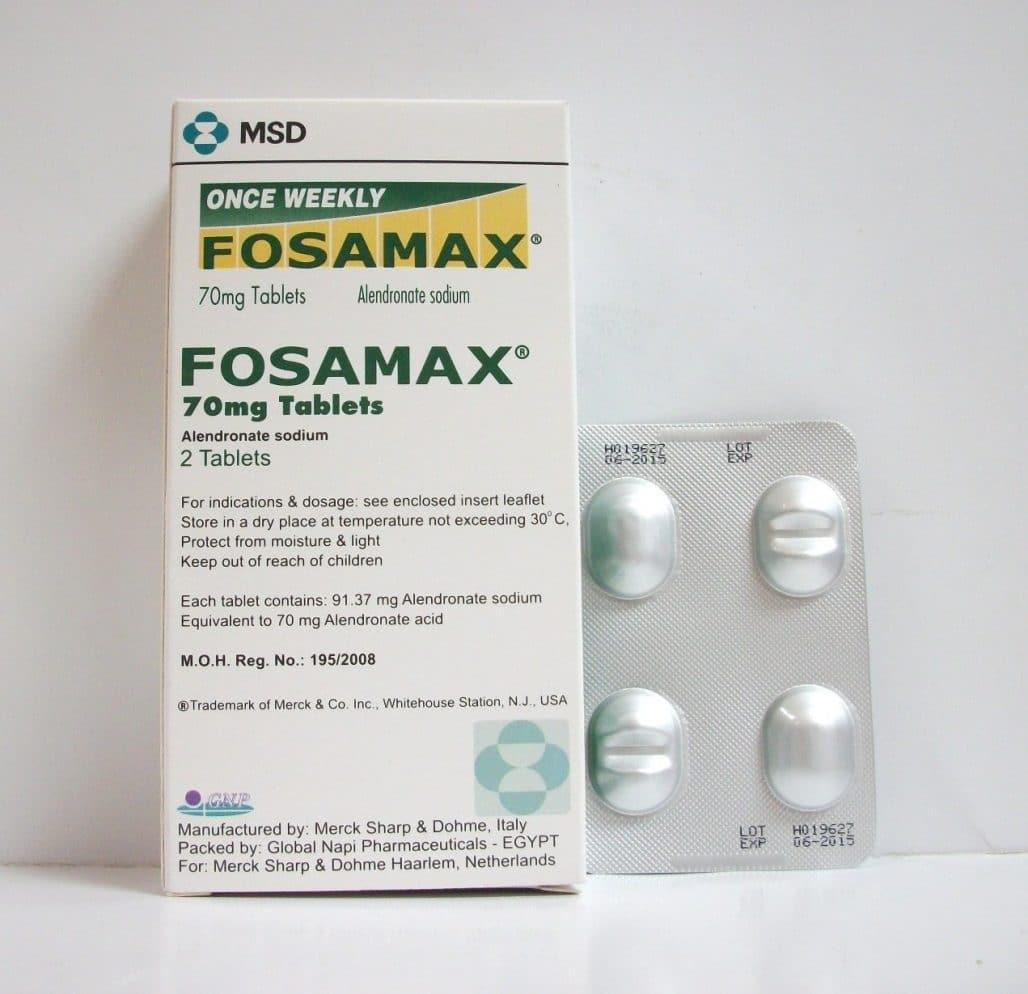
  • Alendronate for Osteoporosis: Uses, Safety, and Key Questions

    Alendronate for Osteoporosis: Uses, Safety, and Key Questions

    Alendronate is used mainly to treat or prevent osteoporosis, a condition that makes bones thinner and easier to break. If you are asking what is alendronate used for, the short answer is fracture prevention: it helps slow bone breakdown so the spine, hip, and other bones may stay stronger over time. It is also used for some people with glucocorticoid-related bone loss and for Paget’s disease of bone.

    That goal matters because osteoporosis often stays quiet until a fracture happens. A medicine plan should fit your fracture risk, medical history, routine, and comfort with possible side effects. This article explains where alendronate fits, how to take it safely, what to watch for, and how to discuss alternatives with your clinician.

    Key Takeaways

    • Primary use: Alendronate helps lower fracture risk in osteoporosis.
    • Drug class: It is a bisphosphonate, which slows bone breakdown.
    • Weekly routine: Many people take it once weekly because it binds to bone.
    • Technique matters: Take it with plain water and stay upright.
    • Safety signals: Report swallowing pain, severe heartburn, jaw problems, or new thigh pain.

    Where Alendronate Fits in Bone Health Care

    Alendronate is a bisphosphonate, a medicine class that reduces bone resorption, meaning the breakdown and removal of old bone. Clinicians commonly prescribe it for postmenopausal osteoporosis and osteoporosis in men. They may also use it to prevent or treat bone loss linked with long-term glucocorticoid medicines, such as prednisone, when fracture risk is a concern.

    Alendronate does not work like a calcium supplement. Calcium and vitamin D provide building blocks for bone health, while alendronate changes the activity of osteoclasts, the cells that break down bone. For a deeper look at the drug class, see Bisphosphonate Drugs. For a more focused mechanism discussion, Alendronate Mechanism of Action explains the cell-level process in plain terms.

    Osteoporosis treatment decisions usually start with fracture risk. A clinician may consider bone mineral density results, age, prior fractures, family history, falls risk, smoking, alcohol intake, steroid use, and other medical conditions. Some people start medication after a low-trauma fracture. Others start after a scan shows low bone density plus enough clinical risk to justify treatment.

    Why it matters: The best osteoporosis plan is not the same for every person.

    Why Alendronate Is Often Taken Once a Week

    Alendronate is often taken once weekly because it attaches strongly to bone and stays active at bone surfaces between doses. This is why many prescriptions use a weekly schedule, although some situations use other label-supported regimens. The weekly format may be easier than a daily pill for people who can follow the strict morning instructions.

    The phrase what is alendronate used for often leads to another practical question: why such specific timing? Alendronate has very low absorption, and food, coffee, juice, mineral water, calcium, iron, magnesium, and many other medicines can reduce how much reaches the bloodstream. Taking it on an empty stomach with plain water gives the medicine the best chance to be absorbed.

    Many people recognize alendronate by the brand name Fosamax. Generic and brand forms contain the same active ingredient when approved as equivalent products. If your pharmacy switches products or packaging, confirm the instructions before your next dose. You can also review Fosamax Generic for general background on brand-to-generic considerations.

    Morning Timing, Coffee, and Other Medicines

    Most labels instruct people to take alendronate first thing in the morning, before food, drink, or other medicines. Use a full glass of plain water. After swallowing the tablet, stay sitting or standing for at least 30 minutes and until after your first food of the day. Do not chew, crush, or suck the tablet.

    Coffee is a common sticking point. If you wonder how long after taking Fosamax you can drink coffee, many medication guides state to wait at least 30 minutes before any beverage other than plain water. Some clinicians advise a longer gap for calcium, iron, or antacids because these can bind minerals or interfere with absorption. Ask your prescriber or pharmacist how to space your full morning routine.

    What to Avoid While Taking Alendronate

    The main things to avoid around your dose are food, non-water drinks, lying down, and close-timed supplements or medicines that interfere with absorption. These restrictions are not meant to make treatment difficult. They help reduce esophageal irritation and support consistent absorption.

    • Food too soon: Wait until the label-directed fasting period ends.
    • Coffee or juice: Use plain water only with the tablet.
    • Calcium too close: Separate calcium, iron, magnesium, and antacids as instructed.
    • Lying down: Stay upright to protect the esophagus.
    • Double dosing: Do not take two tablets in one day unless your clinician says so.

    Can you take Fosamax in the afternoon? For most people, morning dosing is preferred because the stomach is empty and upright time is easier to guarantee. Afternoon dosing can be unreliable if you have already eaten or may lie down soon after. If mornings are not realistic, ask about a different osteoporosis medicine or formulation rather than improvising.

    Exercise also raises practical questions. Gentle walking after the dose is usually compatible with staying upright. Strenuous bending, floor exercises, or high-impact activity during the first 30 minutes may worsen reflux for some people. After the waiting period and breakfast, most people can return to their usual activity plan if their clinician has cleared it. For non-drug bone support ideas, see Exercise and Bone Health.

    Side Effects and Warning Signs to Take Seriously

    Alendronate side effects can range from mild stomach symptoms to rare but serious bone, jaw, or esophageal problems. Many people tolerate the medicine, but side effects deserve attention because technique, other conditions, and treatment duration can affect risk.

    Commonly reported effects include heartburn, stomach pain, nausea, constipation, diarrhea, gas, headache, and muscle or joint aches. If you searched for Fosamax side effects, you will see similar warnings because Fosamax is a brand name for alendronate. Mild symptoms may improve, but persistent or severe symptoms should be discussed promptly.

    Serious warning signs include chest pain, new or worsening trouble swallowing, pain when swallowing, black or bloody stools, severe heartburn, swelling or exposed bone in the jaw, and new thigh, groin, or hip pain. New thigh or groin pain can rarely signal an atypical femur fracture, a stress-type break that needs evaluation. Jaw pain, poor healing, or exposed jaw bone may suggest osteonecrosis of the jaw, which is uncommon but important.

    Dental Work and Jaw Concerns

    Dental side effects are uncommon with osteoporosis-dose bisphosphonates, but planning matters. Tell your dentist and prescriber that you take alendronate before extractions, implants, or other invasive dental procedures. Routine cleanings, good brushing, and treating dental infections early may lower overall risk.

    People with cancer-related high-dose bone medicines have a higher jaw-risk context than most people taking osteoporosis doses. Still, anyone with jaw pain, swelling, loose teeth, numbness, drainage, or exposed bone should seek dental or medical evaluation. Do not stop alendronate on your own before dental work; ask your clinician how to balance fracture risk and procedure planning.

    Quick tip: Keep an updated medicine list for both medical and dental visits.

    How Long Treatment May Continue

    How long to take alendronate depends on fracture risk, response, side effects, and updated bone density information. Some people remain on therapy for several years before a formal reassessment. Others need a different plan sooner because of side effects, kidney function concerns, new fractures, or changes in medical history.

    Clinicians may discuss a supervised “drug holiday” for some lower-risk people after a period of stability. This does not mean everyone should stop at the same time. People at higher fracture risk may need continued treatment or another therapy. Because alendronate can remain in bone after stopping, the decision should be planned rather than abrupt.

    People also ask how long alendronate stays in the system. A small amount is cleared through the kidneys, while the portion bound to bone can remain for a long time. That bone-binding property is part of why weekly dosing can work and why stopping decisions should include a clinician’s review of current fracture risk.

    Missed Doses and Routine Problems

    If you miss a weekly dose, follow the medication guide that came with your prescription or ask a pharmacist for instructions. Many weekly alendronate guides advise taking the missed tablet the next morning after you remember, then returning to the original weekly schedule. They also warn not to take two tablets on the same day.

    Missed doses often reflect a routine problem, not a motivation problem. Travel, early work shifts, caregiving, fasting instructions, and reflux can all interfere. If you miss doses repeatedly, write down what gets in the way. Bring that list to your appointment so your clinician can adjust the plan or discuss another option.

    For people comparing access and product options, BorderFreeHealth can connect eligible U.S. patients with licensed Canadian partner pharmacies, where prescription details are verified when required before dispensing. This access context does not replace a clinical decision about whether alendronate is appropriate for you.

    Alternatives and Shared Decisions

    Alendronate is one osteoporosis option, not the only one. Other bisphosphonates, hormone-related therapies, bone-building medicines, and injection-based options may be considered depending on fracture risk, kidney function, prior fractures, tolerance, and personal preferences. The safest choice is the one that matches your risk profile and that you can use correctly.

    Some people say, “I don’t want to take osteoporosis drugs,” because they fear rare side effects. That concern deserves a respectful conversation. Untreated osteoporosis also carries risks, especially after a prior fracture. A balanced visit should compare the likelihood and consequences of fracture against the likely benefits and risks of each treatment path.

    Natural strategies can support bone health, but they usually do not replace medication for people at high fracture risk. Weight-bearing activity, resistance training, fall prevention, enough protein, adequate calcium and vitamin D, smoking cessation, and limiting excess alcohol can all matter. Early detection also helps. If you are still sorting out risk, Early Signs of Osteoporosis may help you prepare better questions.

    When comparing medicines, ask about dosing rules, kidney considerations, dental planning, expected monitoring, possible side effects, and what happens if treatment stops. Risedronate is one oral bisphosphonate alternative; Actonel is a related product page that can help you recognize one brand name used in this class. Product pages are useful for orientation, but your prescriber should guide treatment selection.

    Questions to Bring to Your Clinician

    A short question list can make the appointment more useful. It also helps you avoid deciding based only on fear, habit, or a single search result.

    • My fracture risk: What makes treatment worth considering now?
    • My dose plan: Which schedule matches my diagnosis and routine?
    • My other medicines: What should I separate from alendronate?
    • My dental care: Should any dental work happen before starting?
    • My monitoring: When should bone density or labs be reviewed?
    • My exit plan: When will we reassess duration or alternatives?

    If swallowing problems, severe reflux, kidney disease, low calcium, pregnancy planning, or major dental procedures apply to you, raise those issues before starting. They may change the risk-benefit discussion or point toward another approach.

    Authoritative Sources

    For official patient medication instructions, see the FDA Medication Guide for Fosamax. It outlines approved uses, dosing instructions, and serious warnings in patient-facing language.

    For a plain-language drug summary, MedlinePlus information on alendronate reviews common uses, precautions, side effects, and missed-dose guidance.

    For treatment adherence and duration context, the Bone Health and Osteoporosis Foundation explains why staying with a workable plan matters and when to revisit concerns.

    Recap

    So, what is alendronate used for in everyday care? It is used to help reduce fracture risk in osteoporosis and selected bone-loss conditions by slowing bone breakdown. Its benefits depend on correct use, realistic routines, and regular reassessment.

    If alendronate does not fit your life, that does not mean you are out of options. Bring your concerns, side effects, dental plans, and missed-dose patterns to your care team. A safer plan starts with honest details and shared decisions.

    This content is for informational purposes only and is not a substitute for professional medical advice.
  • Fosamax Generic Name: Safe Use, Side Effects, and Timing

    Fosamax Generic Name: Safe Use, Side Effects, and Timing

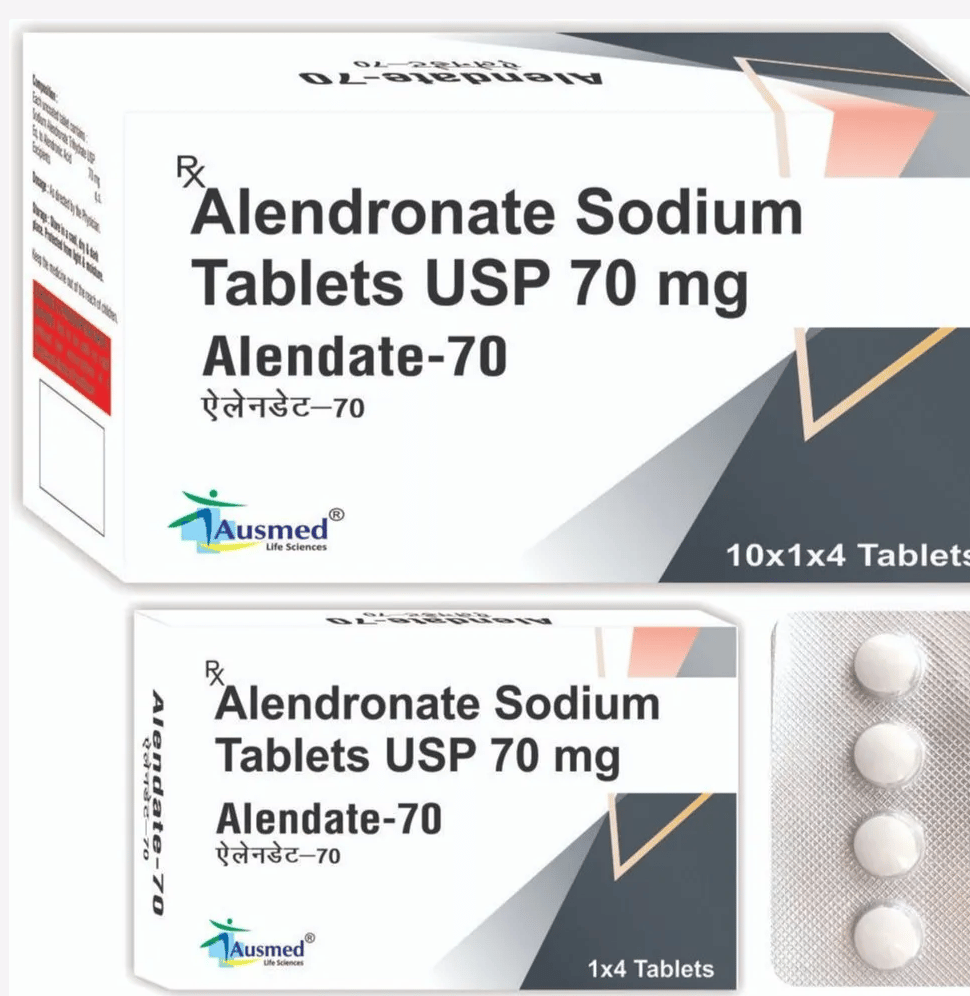
    The fosamax generic name is alendronate. Fosamax is the brand name, while alendronate is the established medicine name clinicians and pharmacists use for prescribing, safety checks, and refill records. Knowing both names helps you recognize the same treatment across labels, visit summaries, pharmacy paperwork, and reliable health resources.

    Alendronate belongs to a medicine class called bisphosphonates. These medicines slow bone breakdown, which may help protect bone strength in people with osteoporosis or certain other bone conditions. The details matter because this medication has strict timing rules. Small routine changes can affect absorption and throat irritation risk.

    Key Takeaways

    • Generic name: Fosamax is alendronate.
    • Drug class: It is a bisphosphonate.
    • Main use: It helps reduce bone loss.
    • Timing matters: Take it with plain water only.
    • Safety watch: Report swallowing, chest, jaw, or thigh pain.

    What the Fosamax Generic Name Means

    The fosamax generic name matters because many medication lists use generic names first. A prescription bottle may say alendronate even if your clinician mentioned Fosamax during the visit. That does not automatically mean the treatment changed. It often means the pharmacy dispensed the generic version of the same active ingredient.

    Generic names also reduce confusion when several brands or manufacturers exist. If you enter a hospital, see a dentist, or compare refill labels, the word alendronate helps different professionals identify the same active medicine. This is especially useful when you take several prescriptions or supplements.

    Alendronate is commonly written as alendronate sodium on labels. The sodium part describes the salt form used in the tablet, not a separate active treatment goal. If your label, visit note, or pharmacy record looks different from what you expected, ask the pharmacist to confirm the active ingredient before assuming there was a mistake.

    Why it matters: Brand and generic name confusion can lead to duplicate therapy or missed safety instructions.

    Where Alendronate Fits in Bone Health Care

    Alendronate is used to help prevent or treat bone loss in selected adults. It is most often discussed in osteoporosis care, including postmenopausal osteoporosis and some cases of bone loss related to long-term corticosteroid use. Clinicians may also consider it for some men with osteoporosis, depending on fracture risk and test results.

    Osteoporosis means bones have become weaker and more likely to fracture. It often develops silently, so a bone density test may reveal risk before a fracture occurs. If you want more context on warning signs and diagnosis, see Early Signs of Osteoporosis.

    The decision to use alendronate is not based on age alone. Clinicians weigh fracture history, bone density, fall risk, kidney function, swallowing problems, dental plans, and current medications. These factors help determine whether a bisphosphonate is suitable or whether another option may fit better.

    For a deeper look at indications, see Alendronate Uses. For class-level context, Bisphosphonate Drugs explains how related medicines are grouped and compared.

    Why Weekly Dosing Is Common

    Weekly alendronate is common because the medicine binds strongly to bone surfaces. After absorption, it becomes incorporated into areas where bone remodeling occurs. This bone-binding behavior allows some regimens to use a weekly schedule instead of a daily one, when prescribed that way.

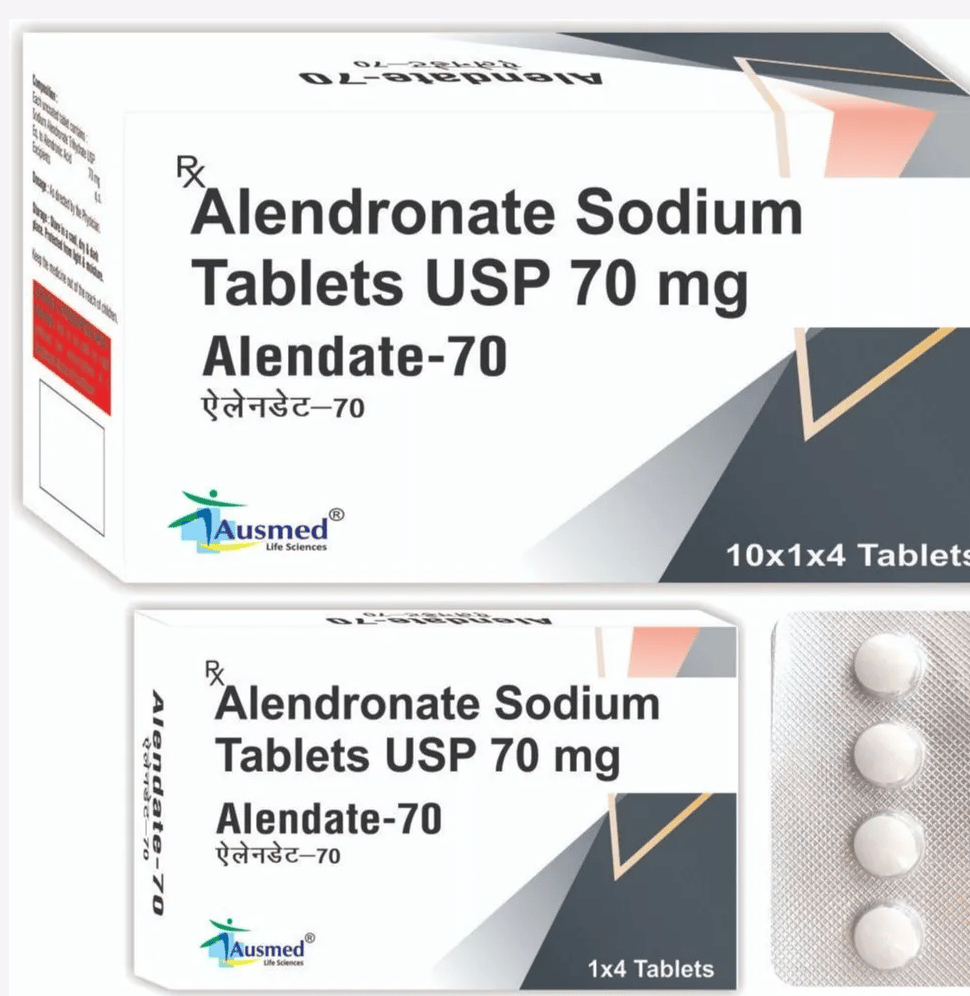
    You may see labels or discussions that mention alendronate sodium 70 mg once a week. That is a common adult regimen for certain indications, but it is not the right plan for everyone. Your prescriber chooses the dose and schedule based on the reason for treatment, your medical history, and the product dispensed.

    The weekly routine can be convenient, but it is also easy to disrupt. Many people choose one consistent morning each week. A visible reminder can help, as long as it does not lead to taking the tablet with breakfast, coffee, supplements, or other medicines too soon.

    How to take a weekly tablet safely

    Take alendronate exactly as your prescription label states. In general, oral tablets are taken after waking, on an empty stomach, with a full glass of plain water. The tablet should be swallowed whole. You should remain sitting or standing for at least 30 minutes, and until after your first food of the day, unless your clinician gives different instructions.

    These steps are not just routine details. Food, coffee, juice, mineral water, calcium, iron, magnesium, and antacids can reduce absorption if taken too close to the tablet. Lying down too soon can increase the chance of esophageal irritation, meaning irritation in the tube that carries food from your mouth to your stomach.

    If you are comparing instructions across labels, Alendronate Mechanism of Action explains why this medicine behaves differently from many daily pills.

    Foods, Drinks, and Medicines to Separate

    Plain water is the safest drink to use with alendronate. Coffee, tea, milk, juice, and mineral water may interfere with how much medicine your body absorbs. Breakfast should usually wait until the required spacing time has passed, based on your prescription directions.

    Calcium supplements deserve special attention. Calcium is important for bone health, but it can bind alendronate in the gut if taken too close together. The same concern may apply to iron, magnesium, multivitamins, and antacids. Ask your pharmacist how to space your full medication list, including non-prescription products.

    People often ask whether they can take alendronate in the afternoon. The answer depends on whether the same empty-stomach and upright rules can be followed safely. Many afternoon routines include food, coffee, supplements, or reflux triggers, so morning dosing is often simpler. Do not change timing without checking your prescriber or pharmacist.

    Quick tip: Keep the tablet away from your daily pill organizer if morning separation prevents mix-ups.

    Side Effects and Warning Signs to Know

    Alendronate can cause side effects, although many people tolerate it. Common concerns include stomach upset, heartburn, nausea, gas, constipation, diarrhea, and muscle, joint, or bone aches. These symptoms may be mild, but they still deserve attention if they persist or affect daily life.

    Some symptoms need prompt medical guidance. Contact a clinician if you develop chest pain, new or worsening heartburn, pain when swallowing, trouble swallowing, or vomiting blood. These can signal irritation or injury in the esophagus or upper digestive tract. Seek urgent care for severe allergic symptoms, severe pain, or symptoms that feel rapidly worsening.

    Rare but serious risks are part of long-term safety discussions. These include osteonecrosis of the jaw, a condition where jawbone healing is impaired, and atypical femur fractures, which are unusual fractures of the thigh bone. These events are uncommon, but the warning signs matter. Tell your clinician about new jaw pain, loose teeth, poor healing after dental work, or new thigh or groin pain.

    Dental and jaw precautions

    Good dental care can lower avoidable risk. Tell your dentist you take alendronate before extractions, implants, or other invasive dental procedures. Routine cleanings are still important, and dental symptoms should not be ignored. Your prescriber and dentist can discuss timing if major dental work is planned.

    People sometimes search for Fosamax side effects on teeth. The main concern is not ordinary tooth decay caused by the medicine. The important rare issue is jawbone healing trouble, especially around invasive dental procedures or in people with additional risk factors. Your dental team can help separate common dental problems from symptoms that need medical review.

    Missed Doses, Exercise, and Daily Routine

    If you miss a weekly dose, follow the patient instructions that came with your prescription. Many labels advise taking one dose the morning after you remember, then returning to the regular weekly day. However, you should not take two doses on the same day. Confirm the plan with your pharmacist if the label is unclear.

    Exercise can support bone health, balance, and fall prevention, but it should match your fitness level and fracture risk. After the required upright period and first meal, light activity is often reasonable unless your clinician has advised restrictions. Report new thigh, hip, groin, chest, or severe bone pain before pushing through exercise.

    Weight-bearing activity, strength training, and balance work may all have a role in bone health. The right plan depends on your fracture history, pain, mobility, and fall risk. For general activity context, see Exercise and Bone Health.

    How Long Treatment May Continue

    Alendronate treatment length varies by fracture risk and response. Some people use it for a defined period and then have their risk reassessed. Others may continue longer when fracture risk remains high. This review often includes bone density results, fracture history, tolerance, age, and other medical factors.

    Because alendronate binds to bone, its effects can persist after stopping. That persistence is one reason clinicians sometimes discuss a planned pause, often called a drug holiday, for selected lower-risk patients. This is not the same as stopping on your own because you feel well. Bone loss and fracture risk can be silent.

    If side effects lead you to stop, tell your clinician what happened and when. Details such as swallowing pain, reflux, jaw symptoms, or thigh pain can change the next step. Your care team may consider another bisphosphonate, a different medication class, or non-drug measures depending on your situation.

    Alternatives and Related Options

    Alendronate is only one option in osteoporosis care. Other bisphosphonates, such as risedronate, may be considered when schedule, tolerance, or clinical factors differ. Non-bisphosphonate treatments may also be appropriate for some people, especially when fracture risk is high or oral bisphosphonates are not suitable.

    Replacement choices are individualized. A good comparison includes kidney function, reflux or swallowing problems, dental procedures, fracture history, injection preferences, and monitoring needs. Avoid assuming one alternative is universally better. The best fit depends on the clinical reason for treatment and your overall risk profile.

    For navigation, BorderFreeHealth lists medication pages separately from educational content. You can review Alendronate Tablets for product-name familiarity, or compare related medicine names such as Actonel Tablets and Prolia Prefilled Syringe before discussing options with a clinician. These pages should not replace prescribing advice.

    To browse broader condition education, the Bone and Joint Health collection may help you prepare questions about fracture prevention, exercise, and monitoring.

    Authoritative Sources

    For patient-friendly drug information, review the MedlinePlus alendronate medicine summary. It covers common warnings, use instructions, and symptoms to report.

    For clinical background on uses and adverse effects, the Mayo Clinic alendronate oral route page offers a structured overview for patients.

    For dental safety context, the American Dental Association osteoporosis medications resource discusses oral health considerations for people using these therapies.

    Recap

    The fosamax generic name is alendronate, and that name is the key to recognizing the medicine across labels and medical records. Safe use depends on more than the tablet itself. The timing, water-only instructions, upright posture, dental communication, and early symptom reporting all help reduce avoidable problems.

    Bring your full medication and supplement list to appointments. Ask how to space calcium, iron, antacids, coffee, and breakfast. If you have swallowing trouble, severe reflux, planned dental surgery, kidney disease, or new thigh or jaw pain, raise those issues before your next dose decision.

    This content is for informational purposes only and is not a substitute for professional medical advice.

  • Alendronate Mechanism of Action and Safe Use Basics

    Alendronate Mechanism of Action and Safe Use Basics

    Alendronate mechanism of action is the process by which the drug slows bone breakdown. It is a bisphosphonate that attaches to bone and reduces the activity of osteoclasts, the cells that remove old bone. That helps limit ongoing bone loss and gives bone-forming cells more room to keep up. For patients, this matters because the way alendronate works also explains the strict dosing steps, the main precautions, and why timing matters.

    Why it matters: The same medicine that can help protect bone can also be harder to use correctly than a typical tablet.

    Key Takeaways

    • Alendronate is a bisphosphonate used in osteoporosis care.
    • It slows osteoclast-driven bone resorption, or bone breakdown.
    • Food, calcium, and other medicines can reduce absorption.
    • Staying upright after a dose helps lower esophagus irritation risk.
    • Safety and fit depend on your history, other medicines, and whether you can follow the instructions closely.

    Alendronate Mechanism of Action in Plain Language

    At a basic level, bone is always being remodeled. Osteoclasts (cells that break down old bone) clear away worn bone, and osteoblasts (cells that build bone) help replace it. In osteoporosis, that balance can tilt toward more breakdown than rebuilding. Alendronate belongs to the Bisphosphonate Drugs class, which is designed to slow that excess breakdown.

    Unlike calcium or vitamin D, alendronate does not act as raw material for bone. It changes the pace of bone turnover. That distinction matters because people sometimes expect it to directly replace lost bone, when its main role is to reduce how quickly bone is being removed.

    What Happens At The Bone Surface

    The alendronate mechanism of action starts with the drug binding tightly to mineralized bone. When osteoclasts attach to the bone surface and begin resorption, they take up some of the medicine. That means the drug acts where bone loss is happening, not just floating through the bloodstream without a target.

    Inside the osteoclast, alendronate interferes with the mevalonate pathway, a pathway the cell uses to maintain normal structure and signaling. This disrupts key cell functions and can lead to apoptosis (programmed cell death). In plain terms, the bone-breaking cell becomes less active and may not survive as long.

    What That Means For Bone Strength

    When osteoclast activity falls, bone resorption slows. That does not mean alendronate instantly rebuilds damaged bone or acts like a pain reliever. It means the body loses less bone over time, which can help preserve or improve bone density and lower fracture risk in the right setting. If you want a broader overview of its role, What Is Alendronate Used For adds more context.

    Bone remodeling is a long-term process. Even when treatment is working as intended, the change usually shows up through follow-up, monitoring, and bone density discussions rather than after a few doses. That is why expectations need to be realistic from the start.

    People also sometimes assume that a stronger mechanism automatically means a better fit. In reality, the science is only one part of the decision. The best choice depends on whether the medicine matches the person’s risks, routine, and ability to take it safely.

    Why The Instructions Are So Specific

    The short answer is that oral alendronate can be difficult to absorb, and it can irritate the esophagus if it does not move into the stomach properly. Understanding alendronate mechanism of action is helpful, but good results also depend on correct administration. A mistimed dose may mean too little drug gets absorbed, while a poorly taken dose may increase irritation.

    The common question about waiting 30 minutes after taking alendronate comes back to absorption and safety. Food, coffee, juice, calcium, iron, antacids, and many other medicines can interfere when taken too soon. Remaining upright also helps the tablet move downward rather than lingering in the esophagus, where it can cause discomfort or injury.

    Because alendronate uses an oral route, swallowing and stomach timing matter more than they would with an injectable therapy. That is one reason oral bisphosphonates often come with more detailed administration instructions than people expect from a once-daily or once-weekly medicine.

    • Empty stomach first – take it before food or other medicines.
    • Plain water only – avoid coffee, juice, or mineral water.
    • Swallow whole – do not crush or chew the tablet.
    • Stay upright – sit or stand after the dose.
    • Wait 30 minutes – before food, drinks, or other medicines.
    • Check product directions – some formulations have added steps.

    These rules can feel fussy, but they are not arbitrary. They are meant to help the medicine reach the right place and lower irritation risk. If bone-supportive habits are also part of your plan, articles on Strong And Healthy Bones and Bolstering Bone Health can help you think beyond the pill itself.

    Quick tip: Bring a list of your morning supplements and medicines to any medication review.

    Where It Fits In Osteoporosis Care

    Alendronate is most often discussed as a treatment option for osteoporosis, especially when the goal is to reduce ongoing bone loss. It may also be used in other bone-loss settings, depending on the condition and the prescriber’s judgment. The key point is that it fits into a larger fracture-prevention strategy, not a stand-alone fix.

    A clinician usually weighs several factors before suggesting an oral bisphosphonate. Those can include bone density results, age, fracture history, family history, how likely someone is to fall, and whether they can comfortably follow the dosing rules attached to the product prescribed. People who already have swallowing problems or significant upper digestive symptoms may need a different discussion.

    Some people are poor candidates for alendronate even before side effects come up. A history of certain esophageal problems, an inability to stay upright after taking the tablet, untreated low calcium, or significant kidney concerns can all change the conversation. Those issues do not mean treatment is impossible, but they may point toward a different plan.

    This is also why early recognition matters. If you are still learning about bone loss itself, Early Signs Of Osteoporosis and the Bone And Joint Health hub give a broader picture of symptoms, risk factors, and related treatment topics.

    Patient teaching usually centers on a few practical questions: Can you take the tablet exactly as directed? Are calcium, iron, or antacids part of your morning routine? Has a clinician checked whether low calcium could be an issue first? Are major dental procedures coming up? Those details do not change the drug class, but they may change whether this is a sensible option for you.

    Alendronate is also only one part of care. Fall prevention, weight-bearing activity when appropriate, nutrition, and follow-up matter too. Medication can slow bone loss, but it does not replace the rest of a bone health plan.

    Some patients without insurance explore cash-pay prescriptions through licensed Canadian partner pharmacies.

    Side Effects, Warnings, And Interaction Questions

    Most alendronate side effect discussions start with the digestive tract. Heartburn, stomach upset, nausea, abdominal pain, and irritation with swallowing can occur. Some people also report muscle, joint, or bone pain. Many patients tolerate the medicine reasonably well, but the experience can vary widely.

    When Caution Matters More

    Certain warnings deserve extra attention. New trouble swallowing, chest pain after taking the tablet, severe or worsening heartburn, or signs of bleeding in the digestive tract deserve prompt medical review. Rare but serious problems, such as jaw problems after dental work or unusual thigh or groin pain that may suggest an atypical femur issue, are also part of the risk discussion. Low calcium can matter too, because alendronate is not appropriate if that has not been addressed.

    Dental history matters because jaw complications, while uncommon, are part of long-term safety discussions for bisphosphonates. It is sensible to tell both your dentist and your prescribing clinician that alendronate is on your medication list, especially before invasive dental work.

    Interaction questions are often less dramatic but very important. Calcium supplements, iron, antacids, and some other oral medicines can reduce absorption if taken too close together. That is one reason a complete medication list matters, including vitamins, protein powders, and over-the-counter products. If you are also thinking about recovery nutrition after injury or surgery, Nutrition For Orthopedic Surgery offers related background on bone healing support.

    None of this means alendronate is a bad option. It means the fit depends on your broader health picture. For many readers, the most useful next step is not guessing whether the medicine is right or wrong, but understanding which cautions apply before the first dose.

    Comparing Alendronate With Other Options

    The question of whether Fosamax or Prolia is safer does not have one universal answer. Fosamax is a brand name for alendronate, while Prolia is denosumab, a different medicine with a different mechanism and a different way of being given. The better fit depends on the person’s fracture risk, kidney function, calcium status, digestive history, dental issues, and ability to follow a strict oral routine.

    In day-to-day care, oral alendronate is often appealing because it is familiar and widely used. Its downside is the administration burden and upper digestive cautions. Denosumab avoids the swallowing issue, but it brings its own monitoring questions and transition planning concerns if treatment changes. If brand and generic naming are confusing, Fosamax Generic and Alendronate Product Details are simple reference points.

    No table can decide a treatment plan, but a quick comparison can show why the answer depends on the person. In real life, the tradeoff is often oral routine versus injection visits, digestive tolerance versus follow-up needs, and how steady the long-term plan is likely to be.

    Decision Factor Alendronate Denosumab (Prolia)
    Drug type Bisphosphonate Monoclonal antibody
    How it is given Oral tablet Injection
    Practical challenge Strict timing and upright dosing Ongoing follow-up and transition planning
    Common discussion points Swallowing history, stomach and esophagus issues Calcium status, follow-up, and monitoring

    That is also why the alendronate mechanism of action should not be the only factor in a treatment decision. Mechanism explains how a medicine works. It does not, by itself, decide whether it is the safest or simplest option for a given person. Access questions can matter too, especially for long-term therapy.

    Where required, prescription details are verified with the prescriber before dispensing.

    The main point of alendronate mechanism of action is simple: it slows the cells that break bone down. Everything else on the label, from waiting 30 minutes to watching for certain symptoms, flows from trying to use that effect safely and effectively within real life.

    Authoritative Sources

    Further reading can help you connect the science, the instructions, and the safety questions before your next appointment.

    This content is for informational purposes only and is not a substitute for professional medical advice.

  • Levemir vs Tresiba: Differences That Matter for Basal Insulin

    Levemir vs Tresiba: Differences That Matter for Basal Insulin

    Levemir vs Tresiba comes down mainly to duration, dosing flexibility, and how safely a switch can be managed. Both are long-acting basal insulins used as background insulin, but they are not the same product. Levemir contains insulin detemir and may be used once or twice daily. Tresiba contains insulin degludec and is designed for once-daily use with an ultra-long, steady action profile. Why this matters: basal insulin changes can affect overnight lows, fasting glucose, and the timing of your daily routine.

    Key Takeaways

    • Different insulins: Levemir is insulin detemir; Tresiba is insulin degludec.
    • Duration differs: Tresiba generally lasts longer and has a flatter profile.
    • Dosing differs: Levemir may require split dosing for some people.
    • Conversions need supervision: calculators are educational tools, not prescriptions.
    • Safety comes first: late, missed, or double doses require closer glucose monitoring.

    How Levemir vs Tresiba Differs in Daily Use

    Both medicines provide basal insulin, meaning they help cover background insulin needs between meals and overnight. They are not rapid-acting mealtime insulins. The practical difference is how long the glucose-lowering effect lasts and how predictable that effect feels from day to day.

    Levemir may not last a full 24 hours for every adult. Some people use it once daily, while others use it twice daily to smooth fasting or overnight patterns. Tresiba has an ultra-long duration and a more even action curve, which can support once-daily dosing for many adults. This difference often drives the discussion when people compare Levemir vs Tresiba for shift work, variable schedules, or repeated fasting highs.

    There is no universal “better” basal insulin. A person with frequent overnight lows may need a different approach than someone with morning highs. Kidney function, meal timing, exercise, alcohol intake, pregnancy status, and use of rapid-acting insulin can all change the risk picture. Your own glucose data usually matters more than a general comparison chart.

    For broader context on basal and bolus insulin roles, see Different Types Of Insulin. If you use pens and want to understand device formats, Types Of Insulin Pen explains common pen categories in plain language.

    Are They the Same, and Why Do People Switch?

    Tresiba and Levemir are not the same insulin. They are both basal insulin analogs, but their active ingredients, time-action profiles, and dosing patterns differ. That means a switch is not just a brand substitution.

    People may switch basal insulin for several reasons. Some need longer coverage. Others want fewer injections, different pen features, or a regimen that fits changing work hours. Some switches also happen because of formulary changes, availability, or clinician preference based on glucose patterns.

    Recent access questions around Levemir have made switching discussions more common. If a product becomes harder to access in your area, your prescriber may consider other basal options such as insulin degludec, insulin glargine products, or another regimen. The best replacement depends on the reason for insulin use, current dose pattern, hypoglycemia history, and whether you use mealtime insulin.

    Why it matters: A basal insulin switch can create gaps or overlap if timing is not planned.

    If your care team is comparing basal alternatives, Levemir Vs Lantus can help frame how another common long-acting option differs. For insulin glargine background, Lantus Insulin Uses gives a label-oriented overview.

    Dosing, Titration, and Conversion Basics

    Basal insulin dosing should be individualized. Clinicians usually review fasting glucose trends, hypoglycemia episodes, the current total daily insulin dose, meal patterns, and activity level before adjusting or converting therapy. A single high or low reading rarely tells the whole story.

    A tresiba dosage chart or insulin conversion calculator can help you understand the general framework. It should not be used to set your dose alone. Online tools may not account for recent lows, kidney disease, missed meals, alcohol, weight change, steroid use, or changes in mealtime insulin. Those details can change the safest starting point.

    When clinicians discuss Tresiba vs Levemir conversion, they often focus on timing and monitoring during the first several days. Tresiba’s long action means the full effect of a change may take time to become clear. Levemir’s shorter profile may show timing-related gaps more quickly. This is why careful logs are useful before and after a switch.

    What to track before a dose discussion

    • Injection time: record the actual time used.
    • Basal dose: note units and pen strength.
    • Fasting glucose: track several mornings in a row.
    • Night symptoms: include sweats, shaking, or waking hungry.
    • Unusual factors: illness, travel, alcohol, or intense exercise.

    Unit conversion can also be confusing when labs or devices use different glucose units. This converter can help you compare glucose readings in mg/dL and mmol/L. It does not recommend insulin doses or replace clinical guidance.

    [glucose-converter]

    BorderFreeHealth may list product pages for navigation and access context, but dosing choices still belong with your prescriber. For device-specific background, see Insulin Tresiba Flextouch or Insulin Levemir Penfill when discussing formats with a pharmacy team.

    How Much Is a Lot? Understanding Higher Basal Doses

    Questions such as “is 50 units of Tresiba a lot” or “is 100 units of Tresiba a lot” are common. The honest answer is that “a lot” depends on the individual. Body size, insulin resistance, type of diabetes, kidney function, diet pattern, other medicines, and glucose targets all affect insulin needs.

    A dose that is high for one person may be appropriate for another if it is prescribed, monitored, and not causing frequent hypoglycemia. The safer question is not only the number of units. It is whether fasting readings, overnight symptoms, and low-glucose episodes suggest the dose is working safely.

    Pen strength and device limits can also affect how a dose is delivered. Some concentrated insulin pens allow a larger number of units per injection than standard concentration pens. Do not assume that two pens deliver the same maximum amount, even if the brand name looks familiar. Always confirm the label, strength, and instructions with your care team.

    Quick tip: Take a clear photo of your current pen label before appointments.

    For people comparing other long-acting options, Insulin Lantus Solostar and Toujeo Doublestar Pen may be useful product-format references. Use these pages for identification and discussion, not as dosing instructions.

    Missed, Late, or Double Doses

    A missed or late basal dose can raise glucose, while an extra dose can increase hypoglycemia risk. The safest response depends on the insulin used, the time since the scheduled dose, your glucose reading, and your prescriber’s plan.

    Tresiba may allow more timing flexibility than some basal insulins, but that does not make timing irrelevant. Because it lasts a long time, stacking doses too close together can matter. Levemir timing can also matter, especially for people who rely on two daily doses to cover day and night needs.

    If you are worried about what happens if you take a double dose of Tresiba, treat it as a safety issue. Extra basal insulin can cause low blood sugar for an extended period. Check glucose more often if you have been instructed to do so, keep fast-acting carbohydrate available, and contact your clinician, pharmacist, poison control, or urgent care service for situation-specific advice. Seek emergency help for severe confusion, seizure, loss of consciousness, or inability to safely take carbohydrates.

    Common hypoglycemia symptoms include shaking, sweating, hunger, fast heartbeat, headache, weakness, blurred vision, or confusion. Some people have fewer warning symptoms, especially after repeated lows. That makes planned monitoring important during any basal insulin change.

    Comparing Tresiba With Lantus, Toujeo, and Other Basal Options

    Levemir vs Tresiba is only one basal insulin comparison. Clinicians may also discuss Lantus, Basaglar, Toujeo, or other insulin glargine products. These medicines differ in formulation, concentration, device features, duration, and how they fit a person’s routine.

    Lantus and Basaglar contain insulin glargine U-100. Toujeo contains a more concentrated insulin glargine formulation. Tresiba contains insulin degludec and is available in more than one strength in some markets. These differences can affect injection volume, pen handling, and timing conversations, but they do not replace individualized dose planning.

    Searches such as Tresiba vs Lantus, Toujeo vs Tresiba, or Tresiba vs Lantus dosing often reflect the same core concern: which basal insulin gives steady coverage with fewer lows and less burden. The answer depends on your glucose record, current regimen, and access factors. Weight change, fluid shifts, and appetite patterns should be reviewed with a clinician rather than attributed to one insulin without context.

    For people using background insulin as part of a broader type 1 regimen, Type 1 Diabetes Treatment explains how basal insulin fits with mealtime coverage. For condition-based browsing, the Diabetes category gathers related educational content.

    Access, Cost, and Practical Planning

    Cost and access can shape insulin choices, even when the clinical comparison is clear. Formularies, product availability, pen preferences, and cash-pay options may affect what is realistic. These practical constraints should be discussed openly because missed insulin can be dangerous.

    BorderFreeHealth connects U.S. patients with licensed Canadian partner pharmacies, and prescription details may be verified with the prescriber when required before dispensing. This access context can help people compare product formats, but it does not change the need for clinician-guided dosing.

    If you are preparing for a switch, bring a concise list to your appointment. Include your current basal insulin name, concentration, dose timing, recent fasting readings, low-glucose episodes, and any recent medicine changes. Also mention if you work nights, fast for procedures, travel across time zones, or have trouble recognizing hypoglycemia.

    People without insurance may also ask about cash-pay, cross-border prescription options. Eligibility and jurisdiction can affect access, so product navigation should stay separate from medical decisions. For condition-based browsing, you can review the Type 2 Diabetes collection, which lists relevant products and categories.

    Authoritative Sources

    Official product labels provide the most reliable details on insulin indications, warnings, dosing instructions, and device limits. For insulin degludec, review the Tresiba prescribing information from Novo Nordisk.

    For current clinical standards on diabetes management, hypoglycemia, and medication safety, see the ADA Standards of Care in Diabetes.

    For medication safety communications and patient drug information, the FDA drug information resource is a useful regulatory starting point.

    Recap

    Levemir vs Tresiba is a practical comparison, not a simple swap. Levemir may offer split-dose flexibility for some people, while Tresiba may support a longer and steadier once-daily basal pattern. Conversion tools and dosage charts can help you prepare questions, but they cannot account for your full medical picture. Track your readings, avoid unsupervised dose changes, and ask your care team how to handle missed, late, or extra doses before they happen.

    This content is for informational purposes only and is not a substitute for professional medical advice.

  • Lexapro vs Abilify: Differences That Matter in Care

    Lexapro vs Abilify: Differences That Matter in Care

    Lexapro vs Abilify is not a choice between two versions of the same medicine. Lexapro is an SSRI antidepressant often used for depression and anxiety, while Abilify is an atypical antipsychotic used for conditions such as schizophrenia, bipolar disorder, and sometimes as an add-on for depression. The right discussion starts with your diagnosis, target symptoms, past response, and side effect priorities.

    That distinction matters because these medicines affect different brain signaling pathways. They also need different monitoring. Lexapro may fit persistent worry, low mood, or rumination. Abilify may fit psychosis, mania, mood instability, or incomplete antidepressant response. Some people use both, but combination treatment deserves a clear plan and close follow-up.

    Key Takeaways

    • Different classes: Lexapro is an SSRI; Abilify is an atypical antipsychotic.
    • Different targets: Lexapro often treats depression and anxiety; Abilify has broader mood and psychosis uses.
    • Side effects differ: nausea and sexual effects are common SSRI concerns; akathisia and metabolic changes are key Abilify concerns.
    • Combination treatment: Lexapro and Abilify together may be considered after partial response, but monitoring becomes more important.
    • Decision focus: diagnosis, safety history, interactions, pregnancy plans, and daily tolerability should guide the conversation.

    Lexapro vs Abilify: The Core Clinical Difference

    Lexapro and Abilify differ most in drug class and treatment role. Lexapro is the brand name for escitalopram, a selective serotonin reuptake inhibitor. SSRIs increase serotonin availability by blocking its reuptake, which may help depressive and anxiety symptoms over time. If you want a deeper primer, see What Is Lexapro for background on how escitalopram fits into antidepressant care.

    Abilify is the brand name for aripiprazole. It is an atypical antipsychotic that acts partly on dopamine and serotonin receptors. Unlike older antipsychotics that mainly block dopamine receptors, aripiprazole is described as a partial agonist at some dopamine and serotonin sites. In plain language, it can dampen or support certain signals depending on the surrounding brain chemistry.

    These mechanisms shape expectations. Lexapro is usually discussed when anxiety, depression, panic-like symptoms, or persistent worry are central. Abilify is more often discussed when manic symptoms, psychotic symptoms, severe mood instability, or antidepressant augmentation are part of the plan. For plain-language context, What Is Abilify explains its class and common clinical uses.

    Why it matters: A medicine can be reasonable for one diagnosis and risky or unhelpful for another.

    How Uses Overlap and Where They Do Not

    Lexapro and Abilify can both appear in depression care, but usually in different positions. Lexapro may be used as a primary antidepressant. Abilify may be added when depressive symptoms improve only partly with an antidepressant, or when another diagnosis changes the treatment goal.

    Approved uses are not identical. Escitalopram is used for major depressive disorder and generalized anxiety disorder in many settings, with age ranges depending on the country and product label. Aripiprazole has labeled uses that may include schizophrenia, bipolar I disorder, adjunctive treatment for major depressive disorder in adults, irritability associated with autism, and Tourette-related tics, depending on the product and jurisdiction. For a broader use-focused explanation, see What Is Abilify Used For.

    In anxiety care, Lexapro is more directly aligned with common treatment pathways. Abilify is not usually a first-line anxiety medicine, although some clinicians may consider it when anxiety occurs with bipolar disorder, psychosis, severe agitation, or treatment-resistant depression. This is why the question, “Does Abilify help with anxiety?” needs context. It may help some anxiety-like symptoms when they are tied to another condition, but it can also cause restlessness in some people.

    In bipolar disorder, extra caution is needed with antidepressants. An SSRI can sometimes worsen activation or contribute to mood switching in susceptible people. Abilify may play a larger role in bipolar treatment, especially when manic or mixed symptoms are present. These decisions should be individualized rather than based on a simple medication comparison.

    Side Effects That Often Drive the Decision

    Side effects are often the practical difference patients feel first. Lexapro side effects commonly include nausea, headache, sleep changes, sweating, sexual dysfunction, dry mouth, and early jitteriness. Some effects ease after the first days or weeks, while others can persist. If side effects are intense, sudden, or hard to tolerate, contact your prescriber rather than adjusting the medicine alone.

    Abilify side effects often raise different concerns. People may notice akathisia, which is an uncomfortable inner restlessness that can feel hard to sit through. Other possible effects include sleep changes, nausea, headache, stiffness, tremor, body aches, or changes in appetite and weight. Antipsychotics can also affect blood sugar and cholesterol, so monitoring may include weight, glucose, and lipid checks.

    Sexual side effects can happen with both medicines, though they are often discussed more with SSRIs. Lexapro may reduce libido, delay orgasm, or affect arousal. Abilify can have variable sexual effects, and some people notice changes when it is added to an antidepressant. These concerns are medical, not embarrassing. Naming them early gives your clinician more options.

    Women may have additional planning needs. Pregnancy intentions, breastfeeding, menstrual changes, migraine history, thyroid disease, and perimenopause symptoms can all complicate side effect tracking. Reported Abilify side effects in females can include restlessness, sleep disruption, and metabolic changes, while Lexapro side effects in women may include nausea or sexual dysfunction. Individual response varies more than averages suggest.

    For practical warning signs and coping questions, see Abilify Side Effects. Use it as a discussion aid, not as a substitute for care.

    What to Expect in the First Weeks

    The first few weeks are often about tolerability, routine, and early symptom tracking. Lexapro side effects first week can include stomach upset, sleep changes, headache, fatigue, or a wired feeling. Some people worry when they feel worse before they feel better. That concern deserves a call to the prescribing clinician, especially if mood, agitation, or suicidal thoughts change.

    The best time to take Lexapro for anxiety depends on how it affects you. Morning dosing may suit people who feel alert or have insomnia. Evening dosing may suit people who feel sleepy. Consistency matters more than the exact hour for many patients, but timing should be adjusted with professional guidance when side effects interfere with life.

    Missing a dose can also feel unsettling. Missing a dose of Lexapro side effects may include return of anxiety, dizziness, irritability, nausea, or “electric shock” sensations in some people, especially with repeated missed doses. The safest next step is to ask a pharmacist or prescriber what to do based on your timing, dose, and other medicines.

    Starting Abilify can bring its own early pattern. Restlessness, insomnia, sleepiness, nausea, or movement symptoms may appear early. Because akathisia can be distressing and can overlap with anxiety, it is worth describing the sensation clearly: whether it feels like worry, agitation, pacing, or a physical inability to sit still.

    When the Two Medicines Are Used Together

    Lexapro vs Abilify becomes more nuanced when they are combined. In major depression, aripiprazole may be used as augmentation, meaning it is added to an antidepressant after response remains incomplete. The goal is not simply “stronger treatment.” It is a different mechanism added for a specific clinical reason.

    Combination treatment can also increase the number of things to monitor. Clinicians may ask about sleep, agitation, weight, appetite, sexual function, movement symptoms, and mood changes. Lab monitoring may be considered for metabolic risk with antipsychotic therapy. People with diabetes risk, high cholesterol, or a family history of metabolic disease should mention that history clearly.

    Reviews and online experiences can be emotionally reassuring, but they are not reliable predictors. Lexapro and Abilify combo reviews often reflect individual diagnoses, doses, other medicines, and life stressors that may not match your situation. Use personal stories to form questions, not to decide whether a regimen is safe for you.

    Quick tip: Bring a one-page symptom log to appointments after any medication change.

    Switching, Alternatives, and Related Comparisons

    Switching from Lexapro to Abilify is not a simple swap, because the medicines treat different symptom clusters. A clinician may consider tapering, overlap, or a new diagnosis-focused plan depending on why the change is happening. Stopping an SSRI suddenly can cause discontinuation symptoms, while starting aripiprazole can introduce restlessness or sleep effects.

    Comparisons within the SSRI class are different. Lexapro vs Zoloft, or Lexapro vs Zoloft vs Prozac, focuses on antidepressants with overlapping serotonin effects. Differences may involve activation, gastrointestinal symptoms, drug interactions, half-life, sexual side effects, and personal response. These are closer “same class” comparisons than Lexapro vs Abilify.

    Wellbutrin for anxiety is another common question, but it belongs to a different antidepressant class. Bupropion may help depression for some people, yet it can feel activating and may not be ideal for every anxiety presentation. The better question is not which medication is “best,” but which symptom target, safety profile, and diagnosis fit the person being treated.

    For people comparing add-on strategies in depression care, Antidepressants With Abilify covers related decision points. If you are browsing broader educational topics, the Mental Health collection can help you keep class names and treatment roles organized.

    Safety Questions to Raise Before Deciding

    A safe comparison should include medical history, not only symptom goals. Tell your clinician about bipolar disorder, seizures, heart rhythm concerns, liver or kidney disease, diabetes risk, high cholesterol, pregnancy plans, breastfeeding, and prior reactions to psychiatric medicines. Also list alcohol, cannabis, supplements, and over-the-counter products.

    Lexapro can interact with medicines that increase serotonin, such as MAOIs, linezolid, some migraine medicines, and other serotonergic drugs. It may also affect bleeding risk when combined with certain blood thinners or anti-inflammatory medicines. Abilify levels can change when combined with strong CYP2D6 or CYP3A4 inhibitors or inducers, which can affect tolerability.

    Both medicines have serious warning categories. Antidepressants carry warnings about increased suicidal thoughts and behaviors in younger people, especially early in treatment or after dose changes. Antipsychotics carry warnings about use in older adults with dementia-related psychosis, plus risks such as metabolic changes and movement disorders. Seek urgent help for suicidal thoughts, severe agitation, allergic reaction signs, fainting, chest pain, high fever with stiffness, or uncontrollable movements.

    If access or continuity is part of your planning, use neutral information sources. BorderFreeHealth connects U.S. patients with licensed Canadian partner pharmacies, and prescription details may be verified with the prescriber when required before dispensing. Product pages such as Cipralex Lexapro and Abilify can help you identify medication names and formulations to discuss with a clinician, but they should not replace medical guidance.

    How to Prepare for a Medication Visit

    Preparation makes the Lexapro vs Abilify conversation more useful. Bring a clear description of what you want treated: low mood, panic, worry, intrusive thoughts, voices, paranoia, irritability, mania, sleep disruption, or low motivation. Those details help separate anxiety, depression, bipolar symptoms, trauma responses, and psychosis-related concerns.

    • Symptom target: Name the top two problems.
    • Past response: List medicines that helped or harmed.
    • Side effect priorities: Include sexual, sleep, and weight concerns.
    • Medical history: Mention diabetes, heart, seizure, or pregnancy factors.
    • Interaction check: Bring all medicines and supplements.
    • Follow-up plan: Ask what changes require urgent contact.

    Ask how success will be measured. Some plans focus on fewer panic episodes. Others focus on stable sleep, reduced hallucinations, less impulsivity, or improved daily functioning. A shared target helps you avoid staying on a medicine that is tolerable but not useful, or stopping one before the plan has been fairly assessed.

    Authoritative Sources

    For official escitalopram labeling, review the DailyMed escitalopram label listings, which summarize indications, warnings, interactions, and adverse reactions.

    For aripiprazole labeling details, see the DailyMed aripiprazole label listings, including boxed warnings and monitoring considerations.

    For patient-friendly mental health background, the National Institute of Mental Health medication resource explains major psychiatric medication classes and safety topics.

    Recap

    Lexapro vs Abilify is mainly a comparison between an SSRI antidepressant and an atypical antipsychotic. They can overlap in depression care, especially when Abilify is used as an add-on, but they are not interchangeable. The best discussion covers diagnosis, target symptoms, side effects, interactions, monitoring, and what to do if symptoms worsen.

    Use this comparison to prepare better questions. Bring your symptom history, side effect concerns, and medication list to the clinician or pharmacist who knows your case. That conversation is where the safest plan takes shape.

    This content is for informational purposes only and is not a substitute for professional medical advice.

  • Best Antidepressants With Abilify: How Clinicians Decide

    Best Antidepressants With Abilify: How Clinicians Decide

    Questions about the best antidepressants with Abilify usually come up when one medication has helped, but not enough. The short answer is that there is no single best pairing for everyone. Abilify, the brand name for aripiprazole, is often used as augmentation, meaning an add-on medicine meant to strengthen an antidepressant response. Common partners include SSRIs, SNRIs, bupropion, and sometimes mirtazapine. The right match depends on symptom pattern, past response, side effects, and interaction risk. Why this matters is simple: a combination that helps one person may feel activating, sedating, or hard to tolerate for someone else.

    Key Takeaways

    • There is no universal best combination; the choice depends on symptoms, history, and tolerability.
    • SSRIs and SNRIs are common add-on partners, while bupropion and mirtazapine may also be considered.
    • Interaction review matters because some medicines can change aripiprazole levels or add side effects.
    • Restlessness, sleep changes, appetite changes, and movement symptoms deserve careful follow-up.
    • Online reviews can be misleading; combination therapy should be individualized and clinician-guided.

    BorderFreeHealth serves U.S. patients through licensed Canadian partner pharmacies.

    Why Aripiprazole Is Added Instead of Swapped

    Aripiprazole is usually added when an antidepressant has produced a partial response, but depression symptoms still interfere with daily life. In plain language, that means mood may be somewhat better, yet concentration, motivation, sleep, anxiety, or hopelessness still feel stuck. Instead of starting over with a completely different antidepressant, a clinician may consider add-on treatment to see whether the existing response can be strengthened.

    This is not the first step for most people with depression. It is one option within a broader treatment plan that may also include switching antidepressants, psychotherapy, sleep and substance-use review, or evaluation for other conditions that can affect mood. If you want broader background on depression itself, What Causes Depression offers a helpful starting point, and the Mental Health Hub groups related education in one place.

    Why it matters: A partial response does not always mean the first medicine failed.

    That is also why the best antidepressants with Abilify are not the same for every person. There is no recognized miracle antidepressant and no single combination that works best across the board. A clinician is usually trying to answer a more practical question: which remaining symptoms matter most, and which option is least likely to create new problems? For some people, that points toward an SSRI. For others, bupropion or mirtazapine may make more sense. The goal is fit, not popularity.

    Common Antidepressants With Abilify

    The combinations most often discussed pair aripiprazole with an SSRI, an SNRI, bupropion, or mirtazapine. These are broad categories, not a ranking.

    Medication group Examples often discussed Why it may be considered What clinicians review closely
    SSRIs Sertraline, fluoxetine, escitalopram Common antidepressant class with broad use in depression, especially when anxiety symptoms also matter Sexual side effects, nausea, sleep changes, and interaction potential with some agents
    SNRIs Venlafaxine, duloxetine May be considered after inadequate response to another antidepressant or when pain symptoms overlap Activation, sweating, blood pressure effects with some agents, and discontinuation sensitivity
    Bupropion Bupropion SR, bupropion XL, Wellbutrin XL Often discussed when low energy, low motivation, or sexual side effects are important concerns Anxiety, insomnia, seizure-risk factors, and interaction review
    Mirtazapine Mirtazapine May be considered when poor sleep or low appetite are part of the picture Sedation, appetite increase, and weight change

    SSRIs are among the most familiar pairings. Sertraline, fluoxetine, and escitalopram are common examples because they are widely used for major depressive disorder and often remain the foundation medicine when aripiprazole is added. If depression comes with anxious rumination, panic symptoms, or persistent worry, an SSRI may still be the anchor medication while augmentation is considered. That said, tolerability matters. Sexual side effects, gastrointestinal symptoms, and sleep disruption can influence whether an SSRI remains the best fit.

    SNRIs, such as venlafaxine, may enter the discussion when a prior SSRI did not help enough or when depression overlaps with physical pain symptoms. Some people find SNRIs more activating. Others do not. What matters is the total pattern: energy, anxiety, blood pressure history, and what happened during earlier medication trials. Again, there is no single best SNRI to combine with aripiprazole.

    Bupropion is a frequent point of interest because it works differently from SSRIs and SNRIs. It may come up when fatigue, low drive, or sexual side effects are major concerns. But it is not automatically the right answer. It can feel too activating for some people, especially when anxiety or insomnia is already a problem. If bupropion is part of the conversation, our pages on Bupropion XL and Bupropion Side Effects explain common trade-offs in plain language.

    Weight and sexual side effects often shape these decisions too. For added context, Antidepressants and Weight Loss reviews one common area of concern, while Wellbutrin and Sexual Side Effects explores another. If you want a broader look at how that medicine fits within depression care, Where Wellbutrin Fits is useful background.

    Mirtazapine is less often described as the ‘best’ add-on partner, but it can be clinically relevant when poor sleep, reduced appetite, or significant weight loss are central problems. The trade-off is that it may be more sedating and may increase appetite. That makes it a better fit for some people and a poor fit for others. Common antidepressants with Abilify usually come from these familiar groups, but the right choice still depends on the individual.

    What Makes One Combination a Better Fit

    Clinicians usually choose the antidepressant partner by matching the remaining symptoms and the side-effect burden. That sounds simple, but it pulls together several moving parts at once.

    Symptom pattern and prior response

    If persistent symptoms are low energy, slowed thinking, and poor motivation, one medication may look more attractive than another. If the bigger problem is anxious distress, panic, or intrusive worry, a different option may make more sense. When insomnia and appetite loss dominate, that points in yet another direction. Past response matters just as much. A medicine that once helped and was tolerated reasonably well often gets more attention than one that caused major side effects or never worked at all.

    This is also where online talk about Prozac and Abilify, Zoloft and Abilify, or Wellbutrin and Abilify can become misleading. Those names stand in for very different clinical situations. One person may have residual anxiety. Another may be struggling with sexual side effects. Someone else may have fatigue, chronic pain, or trouble eating. The better question is not which combination gets the most mentions online. It is which combination fits the actual problem being treated.

    Interaction and risk review

    Interaction screening is one of the biggest reasons these decisions should stay clinician-guided. Aripiprazole is processed through CYP2D6 and CYP3A4, two liver enzyme pathways. Some antidepressants can affect those pathways and change how much aripiprazole circulates in the body. Fluoxetine is a well-known example that often prompts closer review. That does not mean the combination cannot be used. It means the choice needs a careful medication check that includes prescriptions, over-the-counter drugs, supplements, alcohol use, and other health conditions.

    Other risks matter too. Bupropion may not be the best fit when seizure-risk factors are present. SNRIs may deserve added attention when blood pressure is a concern. Any antidepressant plan should also take a careful history of past mania or hypomania, since periods of unusually high energy, reduced need for sleep, or impulsive behavior can change the whole treatment picture. When needed, prescription details are confirmed with the prescriber before a pharmacy dispenses medication.

    In other words, the combination is not chosen by category alone. It is chosen by the full picture: symptom target, prior trials, medical history, side effects, and interaction burden.

    Safety and Side Effects to Watch

    The key question is not only whether a combination can help, but what new problems it may add. Augmentation can improve depressive symptoms for some people, yet it can also introduce side effects that were not present before.

    One of the better-known issues with aripiprazole is akathisia, an inner restlessness that can feel like being unable to sit still. Some people describe it as agitation in the body rather than the mind. Sleep can shift in either direction. Appetite can change. Nausea, headache, dizziness, and fatigue may also show up. Because these combinations layer one medicine onto another, the side-effect profile can become harder to sort out. A symptom might come from the antidepressant, the add-on drug, or the interaction between both.

    Longer-term monitoring matters as well. Weight change, metabolic concerns, sexual side effects, and movement symptoms should not be brushed aside just because mood has improved. For broader reading, Long-Term Antidepressant Side Effects looks at ongoing trade-offs, and Managing Side Effects covers practical tracking ideas. If bupropion is one of the options being compared, Wellbutrin and Weight Changes may also help frame that part of the discussion.

    When to seek prompt or urgent care

    Urgent assessment is appropriate for severe restlessness, suicidal thoughts, fainting, a widespread rash, trouble breathing, fever with muscle stiffness or confusion, or new uncontrolled movements. Prompt medical review also matters if agitation escalates quickly, sleep drops sharply, or behavior becomes unusually impulsive or risky. Those problems do not automatically mean the medication caused them, but they should not be ignored.

    Quick tip: Keep a short symptom log after medication changes to track sleep, appetite, restlessness, and mood.

    Questions To Bring to a Medication Review

    If you are researching the best antidepressants with Abilify, the most useful next step is a focused medication review, not a ranked list from the internet. Bringing the right questions can make that visit more productive.

    • Main target symptom — low mood, anxiety, energy, sleep, or concentration
    • Past medication response — what helped, what did not, and why it stopped
    • Current medication list — prescriptions, supplements, and over-the-counter products
    • Side-effect priorities — weight, sexual effects, nausea, insomnia, or restlessness
    • Health history factors — seizure risks, blood pressure concerns, or bipolar symptoms
    • Monitoring plan — what to watch and when to check back in
    • Escalation plan — which symptoms need prompt or urgent medical attention

    This kind of preparation helps a clinician compare options without reducing the conversation to brand names alone. It also makes room for practical concerns, such as work schedule, sleep pattern, and side effects you would most want to avoid. For browsing related medicines people may already be comparing, the Mental Health Product Hub can help organize the landscape without turning the decision into a popularity contest.

    Cash-pay cross-border options may be available for eligible patients without insurance, depending on jurisdiction.

    Authoritative Sources

    Further reading: in practice, the best antidepressants with Abilify are chosen by fit, not by trend. SSRIs, SNRIs, bupropion, and mirtazapine are all common discussion points, but the safer and more useful choice depends on the whole clinical picture.

    This content is for informational purposes only and is not a substitute for professional medical advice.