
Category: Oral Health

This Oral Health hub collects practical information for daily mouth care.
It covers cavities, gum irritation, bad breath, and routine dental checkups.
Caregivers can use it to compare topics before a dental visit.
It also supports planning for kids, adults, and older family members.
Ships from Canada to US for some prescription items listed on-site.
The focus stays on clear choices and safer conversations with clinicians.
Browse the category to open guides, hubs, and related listings.
Some pages explain oral hygiene routines and preventive dentistry basics.
Others discuss when medicines or medical conditions affect the mouth.
Use the links to move between dental wellness topics and broader health.
Dispensing is coordinated through licensed Canadian partner pharmacies.
What You’ll Find in This Category
In this category, Oral Health pages are grouped for easy browsing.
Topics range from plaque and tartar control to cavity prevention and enamel erosion.
Pages explain gingivitis (early gum inflammation) and periodontitis (advanced gum infection).
Nutrition, tobacco exposure, and stress may also appear as contributing factors.
For related topics beyond dentistry, see General Health.
Many people search for sensitive teeth, mouth ulcers, or xerostomia (dry mouth).
Other pages focus on brushing and flossing, mouthwash use, and dental sealants.
Some guides cover pediatric oral health and support for seniors with dentures.
Planning for dental work sometimes includes medication and bleeding-risk context.
The guide Xarelto And Dental Procedures outlines common planning questions.

Daily dental hygiene routine basics and common pitfalls
Gum disease topics, including dental checkups and deep cleanings
Tooth decay, cavities, fluoride treatments, and sealant discussions
Bad breath concerns, including halitosis and common triggers
How systemic health and medications may affect mouth comfort

How to Choose
Choosing oral care tools is easier with a simple decision framework.
Start with the main goal, then match products to comfort and dexterity.
Labels can feel confusing, so focus on a few practical signals.

Age and needs, including pediatric or senior oral health priorities
Caries (cavity) risk and whether fluoride fits the care plan
Gum tenderness, bleeding, or a history of gingivitis
Sensitivity triggers, like cold drinks, whitening pastes, or enamel wear
Interdental cleaning preference, such as floss, picks, or small brushes
Dry mouth symptoms and sugar-free choices to limit cavity risk
Mouthwash purpose, such as freshening breath or reducing plaque buildup
Ability to keep a routine during travel, illness, or caregiving demands

Building a sustainable routine
A consistent brushing and flossing schedule often matters more than brand.
Many dental teams stress technique, gentle pressure, and adequate brushing time.
For general brushing guidance, see the American Dental Association brushing overview.
Replace worn toothbrushes and store them so they can air dry.
Quick tip: Keep floss where it is easy to reach.
When an Rx is needed, we verify it with the prescriber.
Safety and Use Notes
Safety starts with noticing changes that persist, spread, or worsen.
Oral Health problems can show up as pain, bleeding, or swelling.
Ulcers, white patches, or a new lump deserve timely clinical review.
Dry mouth can raise cavity risk because saliva helps protect enamel.
For background on gum disease, read the CDC periodontal disease page.
Some conditions and medicines can change saliva, taste, or bleeding tendency.
Share an updated medication list with both the dentist and prescriber.
Do not change prescription therapy without direct clinical guidance.
Situations that often warrant prompt evaluation include these examples.

Facial swelling, fever, or trouble swallowing
Tooth pain that keeps waking someone during the night
Bleeding gums that persist despite gentle brushing and flossing
Loose teeth, receding gums, or pus near the gumline
Mouth sores lasting more than two weeks

Why it matters: Early evaluation can help prevent infections from spreading.
Oral Health and Dental Procedures
Dental procedures often require planning, especially with bleeding-risk medicines.
Anticoagulants (blood thinners) can affect bleeding after extractions or deep cleanings.
Many dental teams ask about kidney function, past bleeding, and other risks.
Comparison pages can help patients understand names and class differences.
See Xarelto Vs Apixaban for terminology and side effect discussions.
The Apixaban Side Effects guide summarizes monitoring topics discussed with clinicians.
Related reading includes Eliquis Vs Apixaban for brand and generic naming.
For mechanism basics, review How Apixaban Works in plain language.
Some people also reference Xarelto Uses For DVT when sharing medical history.
Bring these details to dental appointments and pre-op forms.

Full medication list, including over-the-counter pain relievers
Recent bleeding issues, easy bruising, or prior surgical problems
Device details, like implants, dentures, or orthodontic appliances
Allergies and past reactions to anesthetics or antibiotics
Preferred contact details for the prescribing clinician

Access and Prescription Requirements
Some Oral Health topics include prescription options for specific infections.
Examples may include antifungals for candidiasis (thrush), depending on diagnosis.
Site listings like Fluconazole describe the information commonly required for review.
Selection and treatment decisions should remain with a licensed clinician.
Cash-pay access may help people without insurance manage needed prescriptions.
When a prescription is required, the request is reviewed before dispensing.
Patients may be asked for prescriber contact details and updated allergies.
Keep records of recent dental work, since it can affect follow-up questions.
Administrative items that can support smoother processing include these basics.

Clear photo ID that matches the prescription information
A legible prescription copy, if requested by the pharmacy
A phone number for the prescriber office, for confirmation
A shipping address that matches account details and profile name
Awareness of refills remaining and prescription expiration dates

This hub is designed for browsing, not replacing dental care.
Use it to prepare questions for preventive dentistry visits and follow-ups.
Some people start here when seeking dental care without insurance, but options vary.
This content is for informational purposes only and is not a substitute for professional medical advice.

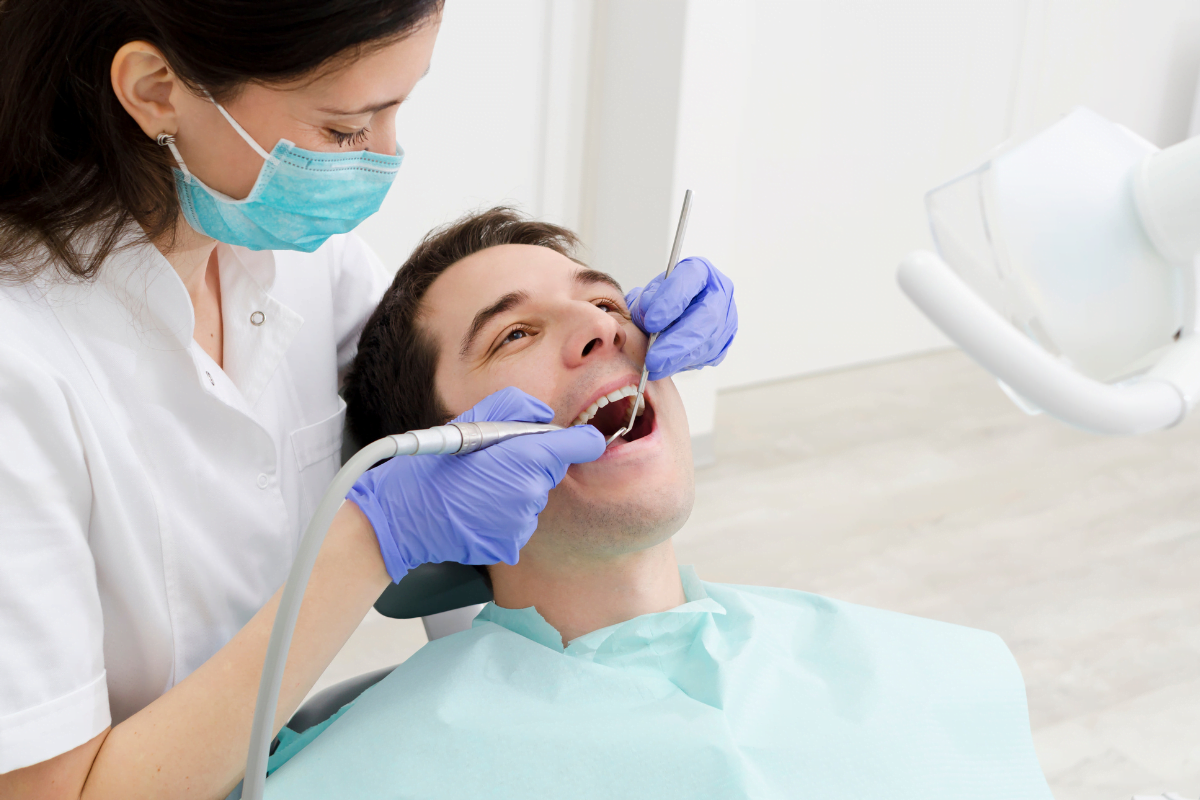
  • Periostat Guide for Gum Disease: Uses, Safety, Access

    Periostat Guide for Gum Disease: Uses, Safety, Access

    Key Takeaways

    periostat is a prescription form of low-dose doxycycline used in certain dental care plans. It is commonly discussed in the context of periodontitis (advanced gum disease). People often have questions about how it works, what it treats, and what to watch for.

    • Not just “an antibiotic”: It’s designed for host modulation therapy.
    • Adjunct role: Often paired with deep cleanings, not used alone.
    • Safety still matters: Low dose does not mean “no side effects.”
    • Confusion is common: Brand, generic, and availability vary by pharmacy.
    • Plan ahead: Bring a full med list to avoid interactions.

    Overview

    If you’ve been told you need “low-dose doxycycline” for gum problems, it can feel confusing. Dental terms sound clinical, and medication names get mixed up. This article breaks down what patients and caregivers should know before starting, refilling, or transferring a prescription. It focuses on common practical questions: what it’s for, how it differs from infection dosing, and what to ask your dentist, periodontist, or pharmacist.

    It also helps you sort out look-alike topics, like mouthwash products, topical gels, and skin uses. For broader medication basics, the General Health hub is a helpful place to start. And if you’re managing more than one condition, Managing Chronic Conditions adds context on keeping prescriptions organized. When you need a quick reference for the specific product listing and form, the Periostat page can be useful.

    Why this matters: Gum disease and chronic inflammation can affect eating, comfort, and confidence. Clear information supports better conversations with your care team.

    BorderFreeHealth supports U.S. patients by coordinating with licensed Canadian partner pharmacies for certain prescriptions, when allowed by jurisdiction.

    Core Concepts

    Understanding a few core ideas can reduce stress and prevent mix-ups. The goal here is not to tell you what to take. It’s to help you understand the terms your dental team may use, and what details a pharmacy may need to fill the prescription safely.

    What It Is: Subantimicrobial-Dose Doxycycline

    Doxycycline is a tetracycline-class antibiotic (medicine that can treat bacterial infections). In dentistry, you may hear about subantimicrobial dose doxycycline (low-dose doxycycline not intended to kill bacteria). This approach is often discussed as “host modulation therapy” for periodontitis. In plain language, it aims to change how the body’s inflammation and tissue breakdown behave, rather than acting like a typical infection treatment.

    This distinction is important for expectations. People sometimes assume any doxycycline prescription is for an acute infection. With low-dose therapy, your dentist or periodontist may be targeting longer-term gum tissue changes alongside professional cleanings and daily home care.

    How It May Work in Periodontitis (Advanced Gum Disease)

    Periodontitis can involve ongoing inflammation below the gumline. Over time, that inflammation may contribute to loss of supporting tissue and bone around teeth. One proposed mechanism for low-dose doxycycline is the inhibition of matrix metalloproteinases (tissue-breaking enzymes). You may see this described as reducing collagen breakdown in the gums, which is why it’s framed as “host modulation.”

    In practice, dental treatment plans are usually layered. They can include scaling and root planing (deep cleaning), improved home care routines, and follow-up measurements. Medication, when used, is typically positioned as an add-on, not a replacement for dental procedures.

    Is It an Antibiotic? What That Question Usually Means

    People often ask whether periostat is an antibiotic because it contains doxycycline, a drug commonly used for infections. The key point is intent and dosing strategy. In low-dose periodontal therapy, it’s generally used for its anti-inflammatory and anti–tissue breakdown effects, not as an antibacterial “kill bacteria” course. That difference can affect how your prescriber explains goals, and why your pharmacist still checks for standard doxycycline precautions.

    If you’re also being treated for an infection, make sure each prescriber knows the full plan. A single medication name can show up in different contexts, and clarity helps avoid duplication.

    Side Effects and Safety Considerations

    Even at low dose, doxycycline-class medicines can cause side effects. Commonly discussed issues include stomach upset, nausea, and diarrhea. Some patients experience photosensitivity (sun sensitivity), which can increase the risk of sunburn. Another concern is esophagitis (irritation of the throat or esophagus), especially if pills are taken without enough water or right before lying down.

    Allergy history matters too. If you’ve had a reaction to tetracyclines, tell your dental team and pharmacist. Also share any history of swallowing difficulties, severe reflux, or repeated yeast infections, since those details can shape risk discussions and monitoring.

    Drug Interactions, Contraindications, and Special Situations

    Many interaction issues are practical and preventable. Antacids, iron, calcium, magnesium, and some multivitamins can bind doxycycline in the gut and reduce absorption. Blood thinners may require closer monitoring, depending on the specific medication and your clinician’s plan. Some acne treatments and supplements also overlap in ways that can increase irritation or sensitivity.

    Special populations deserve extra caution. Doxycycline-class medications are often avoided during pregnancy because of potential effects on fetal development, including teeth and bone. They are also commonly avoided in young children for similar reasons. If you are pregnant, breastfeeding, trying to conceive, or managing pediatric dental care, use that as a prompt to ask for label-based guidance from your clinician and pharmacist.

    For a related reference product listing, the Doxycyclin page can help you confirm naming and form details when you’re comparing paperwork.

    Practical Guidance

    Administrative details can be just as important as clinical ones. When you’re starting a new dental medication, the first hurdles are often simple: matching the exact name on the prescription, confirming directions, and making sure your pharmacy has the information it needs. If you were given a periostat prescription, treat it like any other prescription medication: follow the label and your prescriber’s instructions, and ask before making changes.

    It helps to plan for a “clean” handoff between your dental team and the pharmacy. That includes the prescriber’s contact information, your current medication list, and any allergy history. If you use multiple pharmacies or mail-order services, keeping one updated list reduces errors and repeated calls.

    Checklist: What to Gather Before You Fill

    • Medication list: prescriptions, OTC meds, and supplements.
    • Allergies: tetracyclines, dyes, or capsule ingredients.
    • Dental plan notes: deep cleaning dates and follow-ups.
    • Preferred contact: best phone/email for pharmacy questions.
    • Pregnancy status: if applicable, share early and clearly.

    Questions That Keep Things Clear

    Bring questions that help you understand intent and logistics. That’s especially useful when you hear search phrases like “doxycycline 20 mg twice a day” online. Those words may reflect how some prescriptions are written, but your correct directions are the ones on your label and in your clinician’s plan.

    Who to ask What to ask
    Dentist/periodontist How this fits with scaling and root planing (deep cleaning)
    Pharmacist Which supplements or antacids should be separated from the dose
    Prescriber What to do if side effects limit eating or swallowing
    Caregiver/patient How you will track adherence and refills

    Tip: If you’re prone to mouth irritation from dental work, ask whether a separate oral product is appropriate. A prescription like Oracort Dental Paste may be discussed for specific mouth sores, but it serves a different purpose than low-dose doxycycline.

    Common Mix-Ups to Avoid

    Patients often search for “mouthwash” or “gel” versions of dental medications. Low-dose doxycycline therapy is typically an oral capsule or tablet, not a rinse. If someone mentions “mouthwash,” they might mean chlorhexidine rinse or another antiseptic, which is a different category. Mixing these up can lead to missed expectations about what a product can do.

    Another frequent mix-up is assuming the medication is meant to treat a current dental infection. If you have fever, facial swelling, pus, or rapidly worsening pain, that’s a different situation that needs prompt clinical attention. In those cases, your dental team may use different treatments, including infection-focused antibiotics, drainage, or urgent evaluation.

    Compare & Related Topics: Periostat vs Low-Dose Doxycycline

    It may sound odd, but “low-dose doxycycline” can mean different products and plans. In periodontitis care, it’s discussed as host modulation therapy, usually as part of a dental procedure plan. In infectious disease care, doxycycline is more commonly used at higher doses to treat specific bacteria, with different goals and monitoring. These are not interchangeable scenarios.

    Skin questions also come up. Some people look for doxycycline-based options for rosacea (facial redness and bumps) or acne. Those regimens, when used, are typically managed by a dermatologist and may involve different dosing, timing, and sun-safety counseling. For topical comparators, a clinician might discuss options like Noritate Cream for rosacea in some cases, or Winlevi for acne, depending on diagnosis and individual factors.

    For another doxycycline listing reference, Doxycyclin Fc can help you compare naming on paperwork when you’re sorting out what was prescribed.

    Access Options Through BorderFreeHealth

    If you’re exploring a cash-pay pathway, it helps to understand the process before you transfer anything. BorderFreeHealth helps U.S. patients access certain prescriptions through licensed Canadian partner pharmacies when permitted. This is not the right fit for every medication or every person, and eligibility depends on jurisdiction, clinical appropriateness, and pharmacy review.

    In some cases, prescription details may be confirmed with the prescriber before the pharmacy dispenses the medication. That step is meant to improve accuracy and safety, especially when directions, patient identifiers, or prescriber information are incomplete. If you’re coordinating care for a parent or partner, you may also need to clarify who can speak with the pharmacy about the prescription.

    For background on remote care logistics that sometimes intersect with refills and documentation, the Telehealth hub can help you understand common workflow steps.

    Authoritative Sources

    The most reliable place to confirm indications, contraindications, and interaction warnings is the official drug labeling. Dental organizations can also help you understand the condition itself, including why deep cleaning and long-term maintenance matter. Use these sources to support conversations with your clinician, not to self-diagnose or self-treat.

    Recap: low-dose doxycycline in dental care can be easy to misunderstand. Clear labeling, a complete medication list, and a few focused questions can reduce errors and stress. If access barriers come up, ask your clinician what alternatives exist and what documentation a pharmacy will need.

    This content is for informational purposes only and is not a substitute for professional medical advice.

  • Plaquenil and Teeth: Oral Risks, Dry Mouth, and Dental Care

    Plaquenil and Teeth: Oral Risks, Dry Mouth, and Dental Care

    Plaquenil and teeth problems are usually not a direct tooth-damage issue. Hydroxychloroquine, the generic name for Plaquenil, is not well known for eroding enamel or making teeth brittle. The better-supported concerns are indirect: dry mouth that can raise cavity risk, rare dark pigmentation in the mouth lining, and oral symptoms from lupus, rheumatoid arthritis, Sjogren’s syndrome, or other medicines.

    Why it matters: Tooth pain, gum bleeding, loose teeth, mouth sores, and dark spots can have many causes.

    Blaming every change on one prescription can delay dental care. Ignoring new symptoms can also miss a problem that deserves an exam.

    Key Takeaways

    • Direct enamel damage is not a well-established hydroxychloroquine effect.
    • Rare oral pigmentation can affect gums, palate, or inner cheek tissue.
    • Dry mouth can raise cavity risk, whatever the exact cause.
    • Lupus, rheumatoid arthritis, and Sjogren’s syndrome can affect oral health.
    • New dark patches, persistent sores, swelling, or infection signs need review.

    Plaquenil and Teeth: What Is Actually Linked?

    When people search Plaquenil and teeth, they often want to know whether the medicine is damaging the tooth itself. For most people, that is not the main concern. Hydroxychloroquine is a disease-modifying antirheumatic drug, or DMARD, used for conditions such as lupus and rheumatoid arthritis. Its best-known long-term monitoring issue involves the eyes, not the teeth.

    That does not mean every mouth symptom should be ignored. The key is to separate tooth structure from mouth tissue. Tooth structure includes enamel, dentin, and the root. Mouth tissue includes gums, palate, tongue, cheeks, and salivary glands. Hydroxychloroquine dental side effects are discussed most often in relation to mouth-tissue pigmentation and dryness-related dental risk, not predictable tooth weakening.

    Concern What is better supported What to do next
    Tooth decay or enamel loss Not a typical direct effect of hydroxychloroquine Check for common causes such as plaque, diet, dry mouth, reflux, or grinding
    Dark areas in the mouth Rare oral pigmentation has been reported with hydroxychloroquine Have new patches examined and documented
    Dry mouth May come from disease, other medicines, hydration, mouth breathing, or medication mix Ask about saliva support and cavity prevention
    Mouth sores or gum bleeding Often has several possible causes Do not assume it is from one medicine without an exam

    Common dental problems still remain common. Sensitivity, chipped teeth, loose teeth, and discoloration often relate to cavities, gum recession, clenching, trauma, acidic drinks, tobacco, or previous dental work. A dentist can usually narrow the cause by checking the pattern, timing, X-rays, gum measurements, and medication list.

    The same distinction matters for monitoring. Eye screening is a separate hydroxychloroquine safety topic; the Plaquenil Eye Exam resource explains that concern in more detail. In the mouth, the practical questions are different: Is saliva reduced, is there a new pigmented area, and could the underlying autoimmune condition be driving symptoms?

    Oral Changes to Watch: Pigmentation, Dryness, and Sores

    The oral changes most relevant to hydroxychloroquine involve tissue appearance, saliva, and comfort. These are not always dangerous, but they should be interpreted in context.

    Dark patches in the mouth lining

    Hydroxychloroquine oral pigmentation means darkening of soft tissue inside the mouth. Case reports describe blue-gray, brown, or black areas on the hard palate, gums, or inner cheek. These patches may be painless and flat. They are different from a cavity, a surface coffee stain, or a dark line on a filling.

    Medication-related pigmentation can be hard to identify by appearance alone. Smoking-related changes, bruising, an amalgam tattoo from an older filling, inflammatory conditions, and rare serious lesions can also cause dark areas. Timing helps, but it does not prove the cause. A dentist or oral medicine clinician may record the size, color, borders, and location, then decide whether monitoring or further workup is needed.

    Dry mouth and cavity risk

    Dry mouth, also called xerostomia, can affect teeth indirectly because saliva protects the mouth. Saliva helps wash away food, buffer acids, and support enamel repair after acid exposure. When saliva stays low, plaque can build faster. Cavities may appear near the gumline or around older dental work, and bad breath or burning sensations may become more noticeable.

    Hydroxychloroquine dry mouth is not always easy to pin on the medicine alone. Sjogren’s syndrome strongly affects saliva. Lupus and rheumatoid arthritis can overlap with Sjogren’s. Antidepressants, antihistamines, bladder medicines, some blood pressure medicines, dehydration, and mouth breathing can also contribute. That is why your dentist may ask about every prescription, supplement, and over-the-counter product, not just Plaquenil.

    Mouth sores, taste changes, and gum complaints

    Mouth sores can happen for many reasons, including lupus activity, trauma from a sharp tooth, dentures, viral infections, nutritional deficiencies, and medication reactions. Gum bleeding is often linked to plaque and inflammation, but blood thinners, brushing technique, dry tissue, and immune conditions can change the picture. Taste changes can also come from dryness, reflux, infection, or other medicines.

    Most Plaquenil oral side effects reported by patients are not specific enough to diagnose without an exam. A sore that lasts more than two weeks, a lesion that keeps returning in the same place, or bleeding that seems out of proportion should be checked. A photograph can help show changes between visits.

    Why Autoimmune Conditions Often Drive Dental Risk

    The illness being treated may affect oral health more than hydroxychloroquine itself. This is especially true for lupus, rheumatoid arthritis, and Sjogren’s syndrome.

    Lupus dental health concerns can include mouth ulcers, inflammation, fatigue that disrupts self-care, and medication combinations that affect infection risk or dryness. Rheumatoid arthritis oral health issues can be practical as well as biological. Hand pain, stiffness, and flares can make brushing and flossing harder, especially around molars or dental appliances.

    Sjogren’s syndrome deserves special attention because it can reduce saliva and increase cavity risk. Some people take hydroxychloroquine as part of a broader autoimmune treatment plan, while Sjogren’s itself remains the main dry-mouth driver. If your mouth feels persistently dry, ask whether salivary gland disease, other medicines, or nighttime mouth breathing may be contributing.

    If you are sorting oral symptoms within a larger autoimmune care plan, the Rheumatology Hub and Oral Health Hub can help you keep the dental and medical pieces connected. These hubs are browsing resources, not a substitute for a clinician’s exam.

    Looking at the whole pattern helps avoid two mistakes. One mistake is blaming Plaquenil and teeth symptoms automatically, then missing gum disease or a cavity. The other is dismissing a real mouth change because tooth enamel looks normal. Both situations can delay the right next step.

    Dental Visits and Procedures While Taking Hydroxychloroquine

    Routine dental care usually can continue while you take hydroxychloroquine, but your dentist still needs to know it is on your medication list. Most cleanings, exams, X-rays, fillings, and routine preventive visits do not require people to stop hydroxychloroquine on their own. Any medication change should come from the prescribing clinician.

    For hydroxychloroquine and dental extraction questions, the decision depends on the procedure, the infection risk, your immune condition, and other medicines. Hydroxychloroquine is not managed like a blood thinner. It also is not the same as Plavix, which is the brand name for clopidogrel, an antiplatelet medicine. People sometimes confuse the names because they sound similar.

    Dental cleanings while taking Plavix or another blood-thinning medicine are a separate discussion. Many dental visits can still be planned safely, but bleeding risk and medication instructions should be coordinated by the dentist and prescriber. For broader context on dental procedure planning with blood-thinning medicines, see Xarelto Dental Procedures.

    Bring a current list that includes prescriptions, supplements, vitamins, herbal products, inhalers, and recent steroid use. Include the condition being treated, such as lupus or rheumatoid arthritis. If you use BorderFreeHealth for prescription access, partner pharmacies verify prescriber details when required.

    Quick tip: Take a clear phone photo of any new mouth discoloration before your appointment.

    Protecting Teeth and Gums During Long-Term Treatment

    A practical Plaquenil and teeth plan focuses on prevention, saliva support, and early detection. The goal is not to avoid necessary autoimmune treatment. The goal is to lower the indirect dental risks that can build quietly when the mouth is dry, sore, or difficult to clean.

    • Brush with fluoride: Use a fluoride toothpaste unless your dentist advises otherwise.
    • Clean between teeth: Floss, interdental brushes, or water flossers may help.
    • Keep dental visits: Regular exams catch dry-mouth cavities earlier.
    • Limit sugar frequency: Frequent sipping or lozenges can feed plaque.
    • Track dryness: Note burning, sticky saliva, bad breath, or trouble swallowing.
    • Review medicines: Ask which products may worsen dry mouth.
    • Report new patches: Dark, changing, or one-sided areas need review.

    Water, sugar-free gum, and alcohol-free mouth rinses may help comfort, depending on your situation. They do not replace fluoride, dental exams, or treatment for the underlying cause. A humidifier may help if nighttime mouth breathing contributes to dryness.

    People with persistent dry mouth may want to compare broad product categories before asking a dentist what fits. The Oral Health Products hub is a browsable list of oral-care options.

    Moisturizing gels are one supportive category used for dry-mouth comfort. Biotene Oral Balance Gel is one example of that product type. These products do not treat autoimmune disease or diagnose the cause of dryness.

    If gum disease is diagnosed, the treatment plan should target periodontal inflammation and home care barriers. The Periostat Gum Disease resource gives background on one gum-disease treatment topic, but a dental clinician decides whether any prescription approach is appropriate.

    When Mouth Changes Need Prompt Review

    New or worsening mouth changes should not be waved off as normal hydroxychloroquine dental side effects. Even when the cause is harmless, an exam can document the finding and rule out more urgent problems.

    • A new blue, brown, gray, or black patch
    • A dark area that grows, raises, bleeds, or looks uneven
    • A mouth ulcer lasting more than two weeks
    • Swelling, pus, fever, or facial pain
    • Severe dry mouth with repeated new cavities
    • Loose teeth, sudden gum recession, or unexplained bleeding
    • Blistering, rash, breathing trouble, or whole-body illness

    Infection signs deserve timely dental or medical care, especially if swelling spreads or fever develops. Severe allergic-type symptoms, trouble breathing, fainting, or widespread blistering require urgent medical attention. Do not wait for a routine dental visit if symptoms feel acute or rapidly progressive.

    The workup may be simple. A dentist may compare old photos, review fillings near a pigmented area, check gum pockets, update X-rays, or refer to an oral medicine specialist. If dryness is severe, they may also ask about Sjogren’s syndrome, hydration, sleep habits, and other medications that affect teeth indirectly.

    Authoritative Sources

    Overall, Plaquenil and teeth concerns are best handled by separating direct tooth damage from mouth-tissue changes, dryness, and autoimmune disease effects. Keep your dentist informed, watch for new lesions, and ask for help early when symptoms persist.

    This content is for informational purposes only and is not a substitute for professional medical advice.

  • Xarelto and Dental Work: Safety, Timing, and Bleeding Control

    Xarelto and Dental Work: Safety, Timing, and Bleeding Control

    Most people taking Xarelto can have dental work safely when the dentist and prescriber plan ahead. The key is not to stop rivaroxaban on your own. Instead, your care team weighs the procedure’s bleeding risk against your risk of stroke or blood clots, then uses local bleeding-control steps during and after treatment.

    This matters because dental bleeding is usually manageable, while an avoidable clot can be serious. Cleanings, fillings, root canals, and many simple extractions often proceed without changing anticoagulant therapy. More complex oral surgery may need closer coordination, careful timing, or a prescriber-approved plan.

    Key Takeaways

    • Do not self-stop: Xarelto changes should come from your prescriber.
    • Routine care is common: cleanings and fillings usually need local control only.
    • Extractions need planning: complexity, kidney function, and clot risk matter.
    • Share details early: dose timing and other medicines shape the dental plan.
    • Know warning signs: persistent bleeding needs prompt dental or medical help.

    How Xarelto and Dental Work Are Usually Managed

    Xarelto is the brand name for rivaroxaban, a direct oral anticoagulant, or DOAC. It lowers the blood’s ability to clot. Clinicians prescribe it for reasons such as atrial fibrillation, deep vein thrombosis, pulmonary embolism, and clot prevention in selected situations. That same clot-preventing effect can increase bleeding during dental procedures.

    Dentists do not look at the medicine alone. They consider the procedure, your medical history, and your current medication list. A cleaning has a different bleeding profile than multiple extractions. A person taking one anticoagulant has a different risk picture than someone also taking aspirin, clopidogrel, or certain anti-inflammatory pain relievers.

    The safest approach is usually individualized planning, not automatic interruption. For many low-risk procedures, the dental team can use pressure, careful technique, sutures, absorbable packing, or other local hemostatic measures. Hemostatic means helping bleeding slow and clot at the treatment site.

    Why it matters: Local control treats the bleeding site without removing clot protection from the whole body.

    Cleanings, Fillings, Root Canals, and Other Low-Bleed Visits

    You can usually get your teeth cleaned while taking blood thinners. Healthy gums may bleed only slightly, and dental teams are used to managing mild oozing. If your gums are inflamed from plaque or periodontal disease, bleeding can be more noticeable, but it is still often controlled locally.

    Fillings, crowns, impressions, X-rays, and many root canals generally have limited bleeding risk. A root canal works inside the tooth, so it often causes less soft-tissue bleeding than an extraction. Your dentist may still want to know the exact time you take Xarelto, especially if anesthesia injections, gum work, or surgical steps are expected.

    Before a routine appointment, bring a full medicine list. Include prescription drugs, over-the-counter pain relievers, supplements, and recent antibiotic or antifungal use. Some medicines can raise bleeding risk or affect how your anticoagulant is handled by the body.

    If gum disease is part of your dental plan, you may want to review related oral-health information such as Periostat for Gum Disease. For broader browsing, the Oral Health category can help you find related dental-care topics.

    Tooth Extraction: What Changes When Bleeding Risk Is Higher

    A tooth extraction can often be done while a person remains on anticoagulant therapy, but the plan depends on the extraction. One simple tooth removal is not the same as several extractions, flap surgery, bone removal, or treatment of an infected area.

    Patients often ask whether they should stop taking blood thinners before a tooth extraction. The safest general answer is no, not unless the prescriber specifically tells you to. Stopping Xarelto without guidance can increase the risk of stroke or another clot-related event, especially for people taking it for atrial fibrillation or recent blood clots.

    Your dentist may ask about:

    • Procedure complexity: simple removal versus oral surgery.
    • Reason for therapy: atrial fibrillation, DVT, PE, or another indication.
    • Kidney function: clearance can affect DOAC timing.
    • Other medicines: aspirin, clopidogrel, NSAIDs, or supplements.
    • Bleeding history: prior prolonged bleeding after procedures.

    For lower-risk extractions, many professional resources support continuing anticoagulation with local measures. For higher-risk dental surgery, the dentist may contact the prescriber to discuss timing. That may include scheduling at a lower-activity point in the dosing cycle, but any missed or delayed dose should be prescriber-directed.

    After an extraction, local measures do much of the work. The dentist may use gauze pressure, sutures, absorbable sponges, collagen plugs, or a tranexamic acid rinse when appropriate. Tranexamic acid helps stabilize clots at the surface; it is not suitable for everyone, so it needs clinician direction.

    How long should Xarelto be held for dental work?

    There is no single safe hold time for everyone. Some minor dental procedures do not require holding Xarelto at all. For more invasive procedures, clinicians may consider the timing of the last dose, kidney function, bleeding risk, and clot risk. Your prescriber should make that decision with your dentist, not after-the-fact by phone from the waiting room.

    Quick tip: Tell the dental office whether you take Xarelto in the morning or evening.

    DOACs, Warfarin, Aspirin, and Clopidogrel: Why the Medicine Type Matters

    Dental extraction anticoagulation guidelines differ by medicine class. Xarelto, Eliquis, and apixaban are part of the DOAC group. Warfarin is older and monitored with an INR blood test. Aspirin and clopidogrel are antiplatelet medicines, which affect platelet function rather than clotting factors.

    For DOACs such as rivaroxaban and apixaban, many dental plans focus on local bleeding control and procedure timing. A prescriber may advise a specific plan for higher-risk surgery, but routine dental interruption is not usually the default. If you are comparing medicines for context, the Cardiovascular category offers related heart and clot-prevention reading.

    Warfarin requires a different discussion. Dentists often ask for a recent INR when an extraction or oral surgery is planned. INR means international normalized ratio, a lab measure of warfarin’s blood-thinning intensity. If the INR is within the range your prescriber considers appropriate, many dental procedures can proceed with local hemostatic measures. If it is too high, the dental plan may change.

    Aspirin and clopidogrel create another common concern. Current professional guidance often favors continuing antiplatelet therapy for many dental procedures, because stopping it can be risky for people with stents or recent cardiovascular events. Dual antiplatelet therapy, recent stent placement, or a recent heart event should prompt coordination with the cardiologist or prescriber before dental surgery.

    People also ask about stopping aspirin before tooth extraction or when to continue aspirin after extraction. The answer depends on why aspirin is being used and how complex the procedure is. Do not stop aspirin or clopidogrel on your own if it was prescribed for heart or stroke protection.

    Before the Appointment: A Practical Coordination Checklist

    Good planning reduces last-minute cancellations and rushed medication decisions. Start early, especially if the appointment involves an extraction, implant work, periodontal surgery, or multiple teeth.

    • List every medicine: include dose, schedule, and prescriber name.
    • State the indication: explain why you take Xarelto if known.
    • Share bleeding history: mention nosebleeds, bruising, or prior dental bleeding.
    • Ask about procedure risk: confirm whether the visit is low or higher bleed risk.
    • Plan transportation: sedation or oral surgery may require help.
    • Prepare aftercare supplies: gauze, soft foods, and written instructions.
    • Clarify pain relief: ask which pain medicines are safest for you.

    Avoid assuming that all dental work needs the same plan. A cleaning, deep scaling, simple extraction, and surgical extraction can each require different preparation. If your dentist expects a higher-risk procedure, ask whether they will coordinate directly with your prescriber.

    If you use prescription dental products for inflammation or mouth discomfort, keep the dental team informed. Product pages such as Oracort Dental Paste and Biotene Mouthwash can be useful for identifying exact product names, but your dentist should guide what is appropriate after a procedure.

    Aftercare and When Bleeding Needs Urgent Attention

    Aftercare is one of the most important parts of xarelto and dental work. Bite firmly on gauze for the time your dentist recommends. Avoid vigorous rinsing, spitting, drinking through a straw, smoking, or disturbing the socket, especially during early healing. These actions can dislodge the clot and restart bleeding.

    Some oozing can be expected after an extraction. Bright red bleeding that fills the mouth, soaks repeated gauze pads, or continues despite firm pressure needs prompt advice. Call the dental office first if they provided after-hours instructions. Seek urgent care if bleeding is heavy, you feel faint, you have trouble breathing or swallowing, or you cannot reach the dental team.

    Pain control also deserves attention. Nonsteroidal anti-inflammatory drugs, often called NSAIDs, can increase bleeding risk in some people. Examples include ibuprofen and naproxen. Do not add these medicines after dental surgery unless your clinician says they are appropriate for your situation.

    Watch for infection or healing problems as well. Increasing swelling, fever, worsening pain after initial improvement, pus, or a bad taste may need evaluation. These symptoms do not always mean a serious problem, but they should not be ignored in someone taking anticoagulant or antiplatelet therapy.

    Access, Refills, and Medication Continuity

    Dental planning can be harder if medication supply is uncertain. Try to avoid scheduling oral surgery when you are close to running out of a critical anticoagulant, unless your prescriber has already planned the transition. Missed doses, double doses, and last-minute substitutions can complicate both clot and bleeding risk.

    BorderFreeHealth connects U.S. patients with licensed Canadian partner pharmacies, and prescription details may be verified with the prescriber when required before dispensing. This service context can matter when patients are coordinating ongoing anticoagulant access, including cash-pay options without insurance where eligible and permitted. It should not replace direct medical instructions about dental procedures or medication timing.

    If dental disease is part of a wider medication review, it may also help to read about other medicines that can affect oral health, such as Plaquenil and Teeth Issues. For product browsing by condition area, use the Oral Health Products collection cautiously and discuss suitability with your dental team.

    Authoritative Sources

    The American Dental Association summarizes evidence and clinical considerations for patients taking anticoagulant or antiplatelet medicines before dental procedures. See the ADA oral anticoagulant guidance for a professional overview.

    Scottish Dental Clinical Effectiveness Programme guidance gives practical recommendations for dental teams managing anticoagulant and antiplatelet medicines. Review the SDCEP anticoagulant dental guidance for detailed procedural planning concepts.

    Official prescribing information explains Xarelto bleeding warnings, interactions, and peri-procedural considerations. The current label is available through the Xarelto prescribing information.

    Putting the Plan in Plain Language

    Xarelto and dental work can usually be managed safely with preparation, honest medication sharing, and local bleeding-control measures. The most important step is simple: do not make anticoagulant changes alone. Ask your dentist what bleeding risk the procedure carries, and ask your prescriber how that risk fits your clot-prevention needs.

    For routine care, expect the dental team to focus on gum health and local control. For extractions or surgery, expect more coordination, clearer aftercare instructions, and a plan for what to do if bleeding continues. That shared plan protects both sides of the risk equation.

    This content is for informational purposes only and is not a substitute for professional medical advice.