Category: General Health

General Health brings together plain-language education for everyday care decisions.

Patients and caregivers can use this hub to compare common health topics.

It covers prevention, routine checkups, and when to seek urgent help.

Some prescriptions may be dispensed with US delivery from Canada when eligible.

Content here supports planning and conversations with licensed clinicians.

For everyday items, browse General Care Supplies to compare home health basics.

For deeper reading on brain wellness, see Brain Health Awareness Month and World Brain Day Brain Care.

General Health Overview

This hub pulls together prevention basics, symptom context, and care-navigation notes.

It also highlights common terms seen in clinics and everyday life.

Examples include hypertension (high blood pressure) and insomnia (trouble sleeping).

Many people also look for mental health context and support resources.

For community-focused awareness coverage, see World Mental Health Day 2025.

Dispensing is handled through licensed Canadian partner pharmacies when prescriptions apply.

What You’ll Find in This Category

General Health pages are organized to support browsing and quick comparisons.

They cover wellness routines, prevention planning, and common “what does this mean” questions.

Some pages connect to condition hubs when a topic needs more context.

For example, anxiety topics may link to Generalized Anxiety Disorder.

Seizure topics may link to Generalized Tonic Clonic Seizures for aligned navigation.

When a clinician prescribes medication, this hub may also reference specific listings.

These pages focus on administrative details and high-level safety language.

Examples include Carbamazepine for certain seizure disorders, when clinically appropriate.

Some people also review sleep-related options like Zopiclone in the context of insomnia discussions.

Movement-disorder care may include items like Neupro Transdermal Patch when prescribed.

Resource type What it helps with
Prevention overviews Planning routine checkups, vaccines, and screening conversations
Condition hubs Finding related products and education in one place
Medication pages Understanding requirements, forms, and key warnings at a high level

How to Choose

Use General Health content as a map for what to review next.

Start with the main need, then match it to the right resource type.

Start with the goal

  • Pick a focus: prevention, a new symptom, or ongoing condition management.
  • Note age group needs, including adolescent health or senior health priorities.
  • List key history items that change risk, like smoking or diabetes.
  • Sort concerns by timing: today, this month, or the next visit.

Match resources to the situation

  • Use checklists for routine care planning and health risk assessment.
  • Use condition hubs when symptoms fit a known diagnosis.
  • Use medication pages only for background, not treatment decisions.
  • Look for plain-language terms alongside clinical words and abbreviations.
  • Prefer sources that cite recognized medical bodies and current guidance.

Quick tip: Save a current medication list in account notes.

Safety and Use Notes

General Health information can help people ask clearer questions in appointments.

It cannot confirm a diagnosis or replace individualized medical guidance.

Know when to seek urgent help

Some symptoms need immediate evaluation, even when the cause is unclear.

Examples include chest pressure, severe shortness of breath, or sudden weakness.

Confusion, fainting, or a new seizure also needs urgent assessment.

Why it matters: Early evaluation can prevent avoidable complications.

Use credible preventive guidance

Screening needs vary by age, sex, and personal risk factors.

For evidence-based screening recommendations, see U.S. Preventive Services Task Force guidance and recommendation statements.

Vaccines also change across life stages and medical history.

For schedule references, see CDC immunization schedules for patients and clinicians.

Prescriptions may be confirmed with the original prescriber before filling.

Access and Prescription Requirements

This hub also explains the administrative side of prescription access.

Some items require a valid prescription, while others do not.

Listings note the form, such as tablets, capsules, or transdermal patches.

They may also note handling needs, like storage temperature or child safety.

When a prescription is required, information is reviewed before dispensing.

This process supports safe use and accurate documentation across records.

Some people use cash-pay options, including access without insurance, when eligible.

Condition hubs can help compare aligned options and related reading in one place.

For perioperative context that sometimes appears in care planning, see General Anesthesia.

Cross-border access may be available for certain prescription medications.

This content is for informational purposes only and is not a substitute for professional medical advice.


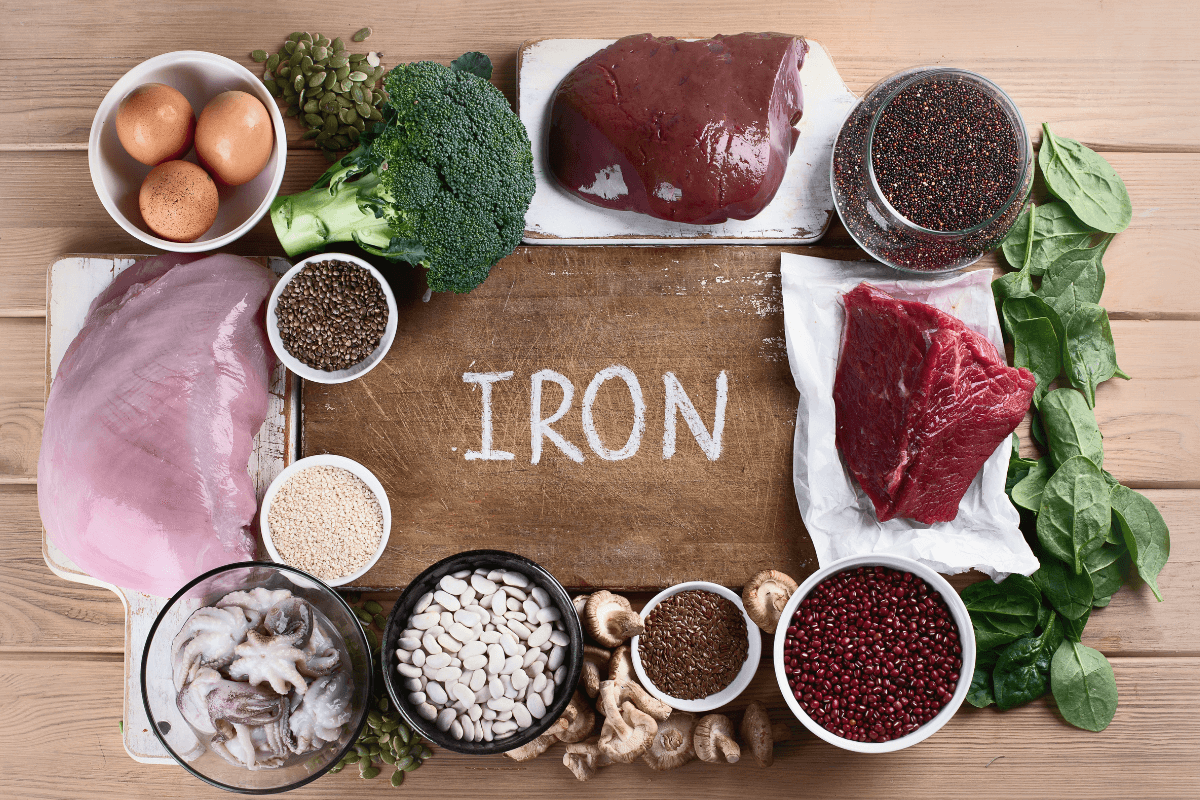
  • Iron Rich Foods for Iron Deficiency Anemia Meal Planning

    Iron Rich Foods for Iron Deficiency Anemia Meal Planning

    Iron-rich foods can support iron deficiency anemia by helping your body rebuild iron stores, but food is only one part of care. The most helpful plan combines high-iron meals, vitamin C pairings, and attention to absorption blockers such as tea, coffee, and large calcium servings. Just as important, a clinician should look for the reason iron is low.

    Iron deficiency anemia means the body does not have enough iron to make healthy red blood cells. This can lead to fatigue, weakness, shortness of breath, dizziness, headaches, brittle nails, or restless legs. Diet changes may help, but ongoing blood loss, pregnancy, digestive conditions, or medication timing can change what you need.

    Key Takeaways

    • Food can help: Meat, seafood, legumes, tofu, seeds, greens, and fortified grains can raise iron intake.
    • Absorption matters: Vitamin C helps non-heme iron, while tea, coffee, and calcium can reduce absorption.
    • Cause still matters: Heavy periods, pregnancy, bleeding, and gut absorption issues need clinical review.
    • Plants can work: Vegetarian meals need consistent iron sources and smart pairings.
    • Supplements differ: Do not start, stop, or change iron therapy without clinician guidance.

    How Iron-Rich Foods Fit Into Anemia Care

    Iron rich foods iron deficiency anemia planning works best when it supports, not replaces, medical evaluation. The body uses iron to make hemoglobin, the protein in red blood cells that carries oxygen. When iron runs low, red blood cells may become smaller and carry less oxygen than usual.

    Why this matters: anemia symptoms can feel vague. Tiredness, brain fog, and shortness of breath may be blamed on stress or aging. Yet low iron can also signal something that needs attention, such as heavy menstrual bleeding or gastrointestinal blood loss. If symptoms persist, ask about hemoglobin, ferritin (stored iron), and other iron studies.

    Food choices are still powerful because they create the daily supply. A meal plan does not need to be perfect. It needs to be repeatable, affordable, and matched to your appetite, culture, and cooking capacity.

    What food is highest in iron for anemia?

    The highest-iron choices often include organ meats, shellfish, red meat, sardines, legumes, tofu, pumpkin seeds, and fortified cereals. But the best food for one person may not be the best for another. Pregnancy, vegetarian eating, kidney disease, digestive disorders, and medication use can all change the safest plan.

    Many people look for one “top” food. A better goal is a weekly pattern. Mix easy animal sources, plant sources, and fortified foods when they fit your diet. If you avoid meat, focus on beans, lentils, tofu, tempeh, seeds, quinoa, dark greens, and enriched grains.

    Can you raise iron quickly with food?

    Food can improve intake right away, but lab improvement may require more than meals. If iron stores are very low, your clinician may recommend oral iron or another treatment. Food can still reduce gaps and make treatment easier to sustain.

    Seek prompt medical advice if you have chest pain, fainting, black or bloody stools, severe shortness of breath, or rapidly worsening weakness. Those symptoms need more than a grocery list.

    Heme and Non-Heme Iron: Why Absorption Changes by Meal

    Iron comes in two main forms: heme iron and non-heme iron. Heme iron comes from animal foods, including meat, poultry, fish, and shellfish. The body generally absorbs it more readily. Non-heme iron comes from plant foods and fortified foods. It can still be valuable, but the meal around it affects absorption more.

    Vitamin C can improve non-heme iron absorption when eaten at the same meal. Good helpers include oranges, strawberries, kiwi, tomatoes, bell peppers, broccoli, and lemon juice. A lentil soup with tomatoes, tofu with peppers, or fortified cereal with berries uses this simple pairing.

    Some foods and drinks can reduce absorption when taken with iron-focused meals. Tea and coffee contain polyphenols that can bind iron. Large calcium servings or calcium supplements may also interfere. High-bran foods can lower absorption in some meal patterns. This does not mean those foods are “bad.” Timing is the tool.

    Quick tip: Keep coffee or tea between meals when your main goal is iron absorption.

    Eggs deserve a practical note. Two eggs provide some nutrients, but they are not usually enough iron by themselves for iron deficiency anemia. If eggs are a breakfast staple, add an iron source such as fortified toast or cereal, beans, spinach, or a vitamin C fruit on the side.

    Everyday Iron Sources You Can Build Meals Around

    The easiest iron rich foods iron deficiency anemia plan starts with foods you already tolerate. Start with two breakfasts, two lunches, and two dinners you can repeat. Then rotate flavor, grains, or vegetables.

    Food Group Examples Meal Planning Move
    Heme iron foods Lean beef, dark turkey meat, sardines, salmon, clams Add peppers, broccoli, citrus, or tomato-based sides.
    Plant proteins Lentils, chickpeas, beans, tofu, tempeh Use lemon, tomatoes, salsa, or fruit in the same meal.
    Nuts and seeds Pumpkin seeds, sesame, tahini, cashews Sprinkle on oatmeal, salads, bowls, or smoothies.
    Vegetables Spinach, kale, peas, broccoli, beet greens Cook greens to make larger portions easier to eat.
    Fruits Dried apricots, raisins, prunes, figs Use small portions with nuts or iron-fortified foods.
    Fortified foods Fortified cereal, enriched bread, fortified plant milk Check labels because iron content varies widely.

    Fortified foods can be especially helpful when fatigue makes cooking hard. They also help people with smaller appetites. Still, labels matter. A cereal or plant milk may look similar to another brand but contain very different iron amounts.

    If you want wider nutrition context, the Vitamins And Supplements collection can help you frame questions about common nutrient gaps. For older adults, Nutritional Needs For Older Adults explains why vitamin and mineral needs can shift with age.

    Meal Pairing Formulas for Busy Days

    A simple formula keeps anemia meal planning from becoming another source of stress. Choose one iron source, one vitamin C helper, and one satisfying base. This works for home cooking, leftovers, and prepared foods.

    • Breakfast bowl: Fortified cereal, berries, and pumpkin seeds.
    • Egg breakfast: Eggs with spinach, tomatoes, and enriched toast.
    • Lentil lunch: Lentil soup with lemon and a side of fruit.
    • Tofu dinner: Tofu with peppers, broccoli, and rice.
    • Seafood meal: Sardines with tomato salad and potatoes.
    • Bean plate: Chickpeas, quinoa, salsa, and cabbage slaw.

    Vegetarian and culturally familiar meals can fit well. Dal with lemon, chana with tomatoes, rajma with peppers, or saag with a citrus side can provide plant iron and vitamin C together. If you eat dairy, keep it in your day if it fits your plan, but consider separating large dairy portions from your most iron-focused meal.

    For people managing chronic illness, food planning often needs flexibility rather than strict rules. Diet And Exercise With Chronic Illness offers broader ideas for building routines around energy limits and long-term care needs.

    A flexible one-day template

    A 7-day anemia diet plan can be useful, but rigid plans often fail when appetite and energy change. Try one strong day first. Then switch the protein, grain, or vegetable.

    1. Breakfast: Fortified cereal with strawberries, or eggs with tomatoes and enriched toast.
    2. Lunch: Lentil soup with lemon and a fruit side.
    3. Snack: Pumpkin seeds with dried apricots or raisins.
    4. Dinner: Lean meat, tofu, or beans with peppers, broccoli, and rice.

    Why it matters: Consistency usually helps more than chasing a single perfect food.

    Absorption Blockers, Special Diets, and Common Questions

    Most anemia food advice becomes easier when you separate “avoid forever” from “time it better.” Tea, coffee, calcium supplements, large dairy servings, and some high-bran foods may reduce iron absorption when taken with iron-rich meals. Many people can keep these foods by moving them to another part of the day.

    If you take thyroid medicine, antacids, acid-reducing medicine, or other long-term prescriptions, ask your clinician or pharmacist about timing. Iron supplements can interact with some medicines, and some medicines can change how minerals are absorbed. Do not adjust prescriptions on your own.

    People using appetite-changing medicines, including GLP-1 receptor agonists, may wonder if those medicines cause low iron. Low intake can happen if nausea, smaller meals, or food avoidance limits iron-rich foods. The medicine itself is not the only question. The pattern of eating, bleeding risk, stomach symptoms, and lab results all matter. Bring diet changes and symptoms to your care team.

    Pregnancy, heavy periods, endurance training, frequent blood donation, and gastrointestinal symptoms deserve extra attention. Iron needs may increase, and self-treatment can miss the cause. If you are pregnant, avoid liver unless your clinician specifically says otherwise, because of vitamin A concerns.

    When Food May Not Be Enough

    Iron rich foods iron deficiency anemia strategies may not fully correct anemia when iron loss continues or absorption is poor. Examples include heavy menstrual bleeding, ulcers, inflammatory bowel disease, celiac disease, bariatric surgery history, or other digestive problems. Older adults may have more than one reason for anemia, so testing matters.

    Clinicians may recommend oral iron, intravenous iron, or further testing depending on the cause and severity. Side effects and timing can vary. Some people experience constipation, nausea, or stomach upset with oral iron, while others need a different plan. Follow individualized instructions rather than copying a schedule from someone else.

    If your care plan includes prescription therapy, access and verification can become part of the process. BorderFreeHealth connects U.S. patients with licensed Canadian partner pharmacies, and prescription details may be confirmed with the prescriber when required before dispensing. That service context is separate from nutrition advice, but it can matter when you are organizing treatment logistics.

    Nutrition often overlaps with bone health, aging, and appetite changes. For a broader nutrient lens, Bone Health And Nutrition reviews food patterns that support aging well. For general food-quality ideas, National Nutrition Month offers practical ways to think about balanced meals without perfectionism.

    How to Prepare for a Clinician or Dietitian Visit

    Good preparation helps your clinician see the pattern behind your symptoms. Bring a short food log, current supplements, prescriptions, menstrual history if relevant, and any digestive symptoms. Include tea, coffee, calcium, antacids, and over-the-counter medicines.

    • Ask about labs: Hemoglobin, ferritin, and iron studies may tell different stories.
    • Share symptoms: Mention fatigue, dizziness, breathlessness, palpitations, cravings, or hair shedding.
    • Review bleeding: Discuss heavy periods, blood donation, black stools, or visible blood.
    • List medicines: Include thyroid medicine, antacids, acid reducers, and supplements.
    • Discuss diet limits: Vegetarian eating, low appetite, allergies, or budget concerns matter.
    • Plan follow-up: Ask how progress will be checked and when to seek care.

    This is also where a registered dietitian can help. They can adapt iron-focused meals to diabetes, kidney disease, pregnancy, eating disorder recovery, digestive symptoms, or cultural food patterns. A safe plan should fit the whole person, not just a lab value.

    Compare and Related Nutrition Topics

    Not all anemia is iron deficiency anemia. Vitamin B12 deficiency, folate deficiency, chronic inflammation, kidney disease, and inherited blood conditions can also affect red blood cells. That is why testing is important before assuming iron is the only issue.

    Iron-rich eating also overlaps with general nutrient density. Foods such as legumes, seeds, greens, fish, and fortified grains may support more than one nutrition goal. If you are building a broader health routine, Nutrient Rich Foods may help you think about practical, balanced choices. Keep weight goals separate from anemia treatment unless your clinician has advised otherwise.

    For iron rich foods iron deficiency anemia, the main comparison is not “food versus medicine.” It is whether food alone matches the cause, severity, and absorption barriers. Many people need both nutrition changes and clinician-directed treatment.

    Authoritative Sources

    These sources can help you confirm basics and prepare for a healthcare visit:

    Recap: choose repeatable iron-rich meals, pair plant iron with vitamin C, and time common blockers away from iron-focused meals when possible. If symptoms continue or labs remain low, ask your clinician to look for the underlying cause.

    This content is for informational purposes only and is not a substitute for professional medical advice.

  • Are Peptides Safe? Risks, Sources, and Key Questions

    Are Peptides Safe? Risks, Sources, and Key Questions

    If you are asking are peptides safe, the most honest answer is: some are, in the right setting, but many products sold online carry avoidable risks. Safety depends on the exact ingredient, whether it is an approved medicine, how it is made, how it is used, and whether a clinician or pharmacist can verify the source.

    Why this matters: the word peptide can describe very different products. It may refer to a regulated prescription medicine, a compounded preparation, a cosmetic ingredient, a supplement, or a vial marketed for research. Those categories do not carry the same evidence, labeling, or oversight.

    Key Takeaways

    • Category matters: approved drugs, compounded products, supplements, cosmetics, and research chemicals are not interchangeable.
    • Source changes risk: licensed dispensing and traceable labeling offer more protection than vague online listings.
    • Injection adds concerns: sterility, storage, reconstitution, and handling errors can increase risk.
    • Marketing is not proof: testimonials and purity claims cannot replace official labeling or medical review.
    • Personal factors count: age, pregnancy, allergies, medical conditions, and other medicines can change the safety picture.

    What Peptides Are, and Why Safety Varies

    Peptides are short chains of amino acids, the building blocks of proteins. That definition is simple, but the real-world product landscape is not. Some peptide-based medicines have gone through formal drug review. Others are sold as wellness products with much less oversight.

    To understand whether a peptide product is reasonably safe, first ask what category it belongs to. An approved prescription product usually has defined manufacturing standards, official labeling, known warnings, and a recognized adverse-event reporting pathway. A product sold through a social media link may have none of those safeguards.

    For a broader orientation to peptide terminology, see Peptides Explained. If your concern is mainly about injectable products, Peptide Injections covers access questions and route-specific issues in more detail.

    Why it matters: A familiar ingredient name does not prove the product is authentic, sterile, or appropriate for you.

    Are Peptides Safe When They Are Prescribed?

    Peptides can be used safely in medical care when they are approved for a specific use, prescribed appropriately, and monitored like other medicines. That does not mean they are risk-free. It means there is a clearer structure for quality, labeling, dosing instructions, and side-effect review.

    Prescription status is important because it creates accountability. A regulated medicine should have a known active ingredient, strength, manufacturer, storage instructions, and patient information. A clinician can also review whether the product fits your medical history and current medication list.

    Compounded preparations need a separate discussion. Compounding can be legitimate when a pharmacy prepares a medication for an individual prescription. However, compounded products are not the same as FDA-approved manufactured drugs. They may not have the same premarket review, and quality can depend heavily on the pharmacy, ingredient sourcing, and preparation process.

    Supplements and cosmetics sit in a different lane again. A topical skin product using peptide language does not carry the same risk profile as an injectable vial. A supplement capsule also differs from a prescription injection. The label category matters because it affects evidence standards, oversight, and what claims a seller should be making.

    Main Risks to Consider Before Using Peptides

    The risk of taking peptides depends on the product, dose form, route, source, and person using it. Common concerns include side effects, allergic reactions, contamination, unclear ingredients, and interactions with other medicines or conditions.

    Side Effects and Tolerability

    Possible side effects vary by ingredient and route. Some people report symptoms such as nausea, headache, fatigue, irritation, or injection-site reactions. More serious effects may occur with certain medicines or with products that are contaminated, incorrectly labeled, or used without monitoring.

    It is not safe to assume that a peptide is gentle because it sounds biologically familiar. Many medicines work by affecting normal body signals. That is why benefits and risks need to be judged together, not separated into marketing claims and fine print.

    Contamination and Ingredient Mismatch

    Unverified products create a different kind of risk. A vial may contain less active ingredient than claimed, more than claimed, a different substance, or contaminants. These problems are hard for a consumer to detect by sight.

    Terms like “research grade,” “99% pure,” or “not for human use” should not be treated as reassurance. Research-only labeling often means the product is not intended for routine human use. If a seller presents that type of product as a wellness treatment, slow down and verify the source.

    Interactions and Medical Conditions

    Even a legitimate product may not suit every person. Kidney or liver disease, pregnancy, immune conditions, allergies, diabetes, heart disease, and other medical issues can change the risk discussion. Other prescriptions, over-the-counter products, and supplements may also matter.

    Older adults may need extra caution because they are more likely to use several medicines or have chronic conditions. The same applies to anyone with repeated side effects, unexplained symptoms, or a history of severe allergic reactions.

    Why Injectable Peptides Need Extra Care

    Injectable peptides require extra caution because they bypass several natural barriers. When a product is injected under the skin or into deeper tissue, sterility and preparation details become safety issues, not small technical points.

    Some injectable products require mixing, often called reconstitution. This can involve sterile water, vial handling, concentration calculations, syringe measurement, and storage instructions. Mistakes can happen when instructions are unclear or when the product source is not reliable.

    The calculator below can help with general vial-preparation math, such as concentration and draw-volume calculations. It does not confirm product safety, dosing, eligibility, or whether an injectable product is appropriate.

    [syringe-calculator]

    If a clinician or pharmacist has not reviewed the product, preparation steps, and instructions, do not treat a calculator or online discussion as a substitute. Measurement tools are only useful when the underlying product and directions are legitimate.

    Quick tip: Keep the original label, instructions, lot details, and product page screenshots for reference.

    How to Judge a Peptide Product Before Trusting It

    A practical safety check starts with verification, not hype. Before relying on any peptide product, identify exactly what it is, who supplied it, and which rules apply to that product category.

    1. Write down the exact ingredient: Include the full name, form, concentration, and listed manufacturer.
    2. Confirm the category: Determine whether it is an approved drug, compounded prescription, supplement, cosmetic, or research-only product.
    3. Check prescription status: If a prescription is required, confirm how the pharmacy verifies it.
    4. Review the source: Look for a licensed pharmacy model, complete contact details, and traceable labeling.
    5. Read risk information: Legitimate materials should mention warnings, side effects, storage, and when to seek help.
    6. Bring your medication list: Include prescriptions, nonprescription medicines, vitamins, and supplements.
    7. Question vague claims: Be cautious with dramatic promises, influencer-only evidence, or unclear purity statements.

    For people comparing supplement-style products, Peptide Supplements explains label and access issues in more depth. You can also browse related wellness topics through the Vitamins and Supplements collection.

    Some products use highly specific research names that do not fit routine patient self-care. For example, DSIP Peptide Safety discusses why research context and practical limits matter when evidence is incomplete.

    What Is the Safest Peptide to Take?

    There is no single “safest peptide” for everyone. The safer choice is usually the product with a legitimate medical reason, a verified source, clear labeling, appropriate oversight, and a risk profile that fits the individual person.

    This is a better question to ask: “Is this exact product appropriate for me, from this source, for this purpose?” That wording helps separate a regulated prescription pathway from a vague wellness pitch. It also moves the conversation toward evidence, monitoring, and safety checks.

    Claims about celebrity use or social media trends do not answer that question. A public figure’s routine, even if accurately reported, does not establish safety for another person. Medical decisions need personal context, not a trend-based shortcut.

    Doctors do use some peptide-based medicines when evidence, approval status, and patient factors support them. What many clinicians avoid is recommending unapproved, unverified, or research-only products for self-directed use. That distinction explains why the same word can appear in both legitimate medicine and risky online marketing.

    Access and Sourcing Questions

    When safety concerns turn into access questions, process matters as much as the product name. A safer pathway should include clear prescription rules, licensed dispensing, and documentation that identifies what is being supplied.

    BorderFreeHealth connects U.S. patients with licensed Canadian partner pharmacies for eligible prescription medications. When required, prescription details are verified with the prescriber before the pharmacy dispenses. That model is different from informal online sourcing or research-vial marketplaces.

    Some patients also explore cash-pay, cross-border prescription options when they are without insurance, subject to eligibility and jurisdiction. That access context does not make every peptide product appropriate. It simply highlights why traceable dispensing and paperwork matter.

    Be cautious if a seller avoids basic questions. A legitimate process should not depend on secrecy, vague product names, or pressure to act quickly. If you cannot verify the source, category, or ingredient, treat that uncertainty as a safety concern.

    Authoritative Sources

    Official sources can help you separate regulated products from loosely described online offers. They cannot answer every personal question, but they provide a stronger starting point than testimonials or influencer posts.

    The bottom line is that peptide safety is not a simple yes-or-no trait. It depends on the product category, source, route, instructions, and your medical context. If the evidence, label, or dispensing route is unclear, pause and discuss the details with a qualified clinician or pharmacist.

    This content is for informational purposes only and is not a substitute for professional medical advice.
  • Peptides Injections: Safety, Uses, and Access Questions

    Peptides Injections: Safety, Uses, and Access Questions

    Peptides injections are shots that deliver peptide-based compounds into the body, often for a specific medical, performance, cosmetic, or wellness-related goal. Some peptide-based drugs are approved medicines with defined uses. Many trending peptide products are not approved for the claims attached to them. That difference matters because safety, product quality, legal access, and follow-up can vary widely.

    If you are considering an injectable peptide, start with the exact compound name. Then ask whether it is approved for your situation, who will monitor you, and where the product comes from. A before-and-after photo cannot answer those questions.

    Key Takeaways

    • Peptides are not one thing: Some are prescription medicines, while others are supplements, cosmetics, or research chemicals.
    • Benefits are compound-specific: Weight loss, muscle growth, skin, and recovery claims should not be grouped together.
    • Injection adds risk: Sterility, dose accuracy, storage, and injection-site problems all matter.
    • Safety needs context: Pregnancy, autoimmune disease, diabetes, kidney disease, and interacting medicines can change risk.
    • Access should be traceable: Prescription products need evaluation, documentation, pharmacy oversight, and follow-up.

    What Peptide Injections Are, in Plain Language

    Peptides are short chains of amino acids, the building blocks of proteins. The body uses many natural peptides as chemical signals. Some influence appetite, blood sugar, hormones, immune activity, inflammation pathways, or tissue-repair processes.

    A peptide-based medicine is different from a wellness product that happens to use the word peptide. Insulin, several GLP-1 receptor agonists, and other prescription drugs are peptide-based or peptide-like therapies with formal labeling. Other compounds promoted as peptide therapy may have limited human evidence or may be sold outside regulated medical channels.

    Injections are common because many peptides break down in the digestive tract. A shot can bypass some of that breakdown. That does not make an injectable product automatically stronger, safer, or more appropriate. It only changes how the compound enters the body.

    People often ask what peptide injections are good for. The honest answer is compound-specific. One peptide may have a regulated medical use. Another may only have early research. A third may be promoted mainly through social media or wellness marketing.

    Why it matters: A peptide name alone does not prove benefit, quality, or safety.

    Common Reasons People Consider Peptides Injections

    Most interest in peptides injections comes from a few high-visibility goals: weight management, muscle growth, fat loss, skin appearance, recovery, and general anti-aging claims. These goals are understandable. Many people feel frustrated by slow progress, pain, fatigue, or body changes that affect confidence.

    Weight loss and metabolism claims

    Searches for peptide injections for weight loss often mix different categories together. Some approved weight-management medicines act through hormone pathways and have prescribing rules. Other peptides advertised for metabolism may not have the same level of evidence, oversight, or labeling.

    If weight is part of the discussion, a clinician may also consider blood pressure, A1C, cholesterol, current medicines, sleep, eating patterns, pregnancy plans, and mental health history. BMI can be one screening measure, but it does not diagnose health status by itself.

    Oral peptides for weight loss and peptide supplements for weight loss add another layer. Many peptides are broken down during digestion, though some specific medicines use special formulations. Supplements should not be assumed to work like prescription injectable medicines.

    Muscle, repair, and performance claims

    Peptides for muscle growth and fat loss are often discussed in bodybuilding and performance spaces. These conversations can be difficult to interpret because training, nutrition, hydration, lighting, injury recovery, and other substances may all affect visible results.

    Peptides for muscle growth before and after stories rarely show baseline labs, medication lists, training plans, adverse effects, or long-term follow-up. That does not make every story false. It means the story is incomplete.

    For people focused on recovery or performance, basics still matter. Sleep, protein intake, progressive training, rehabilitation, and medical evaluation for pain or fatigue often shape outcomes more reliably than an add-on product. For a deeper safety-focused companion piece, see Are Peptides Safe.

    Skin, cosmetic, and GHK-Cu discussions

    GHK-Cu is a copper-binding peptide discussed in skin and tissue biology. GHK-Cu peptide benefits should be evaluated separately from topical cosmetic use, prescription medicine, and injectable wellness marketing. A claim about skin biology does not automatically support a cosmetic injection claim.

    GHK-Cu peptide injection before and after posts can be especially misleading. Photos may not show skincare changes, procedures, lighting, filters, sun exposure, or other products used at the same time. GHK-Cu peptide injection side effects may also be underreported in social posts.

    Are Peptides Safe? The Real Answer Depends

    Peptide safety depends on the exact compound, dose, route, source, health history, and monitoring plan. An approved medicine used under clinical supervision is very different from an unverified vial purchased for bodybuilding or cosmetic experimentation.

    Common peptide injections side effects can include injection-site pain, redness, swelling, bruising, itching, nausea, headache, dizziness, or fatigue. Other effects depend on the compound. Some products may affect appetite, blood sugar, fluid balance, hormone pathways, or immune signaling.

    Serious problems are less common but important. Allergic reaction to peptide injection can cause hives, swelling, wheezing, faintness, or trouble breathing. Infection can occur if a product, needle, syringe, skin surface, or storage process is not sterile. Contaminated or mislabeled products can create risks that are hard to predict.

    Bodybuilding use deserves special caution. Peptides may be combined with anabolic steroids, stimulants, diuretics, growth-hormone-related products, or strict dieting. That makes side effects harder to trace. It can also increase strain on the heart, liver, kidneys, mood, sleep, and endocrine system. Men searching for peptide side effects should not assume risk is only about testosterone or gym performance.

    Long-term effects are another gap. Approved medicines usually have label-based safety information, post-marketing surveillance, and monitoring expectations. Many wellness peptides do not have comparable long-term human data for the ways they are promoted. Unknown does not always mean dangerous, but it does mean uncertainty should be taken seriously.

    People with lupus or another autoimmune disease should be especially careful. Immune-active conditions, steroid use, biologic medicines, infection risk, kidney involvement, pregnancy planning, and blood-clot history can all change the risk conversation.

    Seek urgent medical care for trouble breathing, facial or throat swelling, fainting, chest pain, severe abdominal pain, confusion, a spreading rash, or signs of infection such as fever, worsening redness, warmth, pus, or severe injection-site pain.

    How Access and Product Quality Differ

    Access depends on what the product is. A regulated prescription medicine should have a clear clinical reason, a prescriber, labeled instructions, pharmacy dispensing, and follow-up. A compounded prescription product should still involve a licensed prescriber and pharmacy, but compounded drugs are not reviewed by the FDA for safety, effectiveness, or quality before marketing in the same way as approved drugs.

    For peptides injections, access questions should start with product identity. Ask for the active ingredient, whether it is FDA-approved for the intended use, whether it is compounded, and what documentation supports the prescription. If a seller cannot clearly answer those questions, treat that as a warning sign.

    Product category What it may mean Question to ask
    Approved prescription medicine Reviewed for specific labeled uses and supplied through regulated channels. Is this use on-label or off-label for my situation?
    Compounded prescription product Made for an individual prescription when appropriate, but not FDA-approved as a finished product. Why is compounding being used, and who monitors quality?
    Supplement or cosmetic product Marketed under different rules from prescription medicines. Is it meant to be swallowed, applied to skin, or injected?
    Research chemical May not be intended for human use, even if promoted informally. Is there legitimate clinical oversight?

    If a prescription medicine is considered through BorderFreeHealth, required prescription details are verified with the prescriber before pharmacy dispensing when required. Cash-pay cross-border prescription options may be available for patients without insurance, subject to eligibility and jurisdiction.

    Preparation math is another reason to avoid casual use. Vial amount, water volume, concentration, and draw volume can be confused if instructions are unclear. The calculator below is a general math aid for reconstitution-style calculations; it does not confirm a dose, product quality, or medical suitability.

    [syringe-calculator]

    Quick tip: Keep the box, label, lot number, and instructions for any prescribed injectable product.

    What Before-and-After Claims Leave Out

    Peptide injections before and after claims often tell a simple story. The missing details matter more than the image. A photo does not show whether someone changed their diet, started resistance training, stopped drinking alcohol, began another medication, recovered from an injury, or used several substances at once.

    Negative outcomes are also less visible. People rarely post photos of injection-site infections, nausea, mood changes, abnormal labs, or money spent on products that did not help. They may also omit whether a clinician reviewed their medical history.

    Use this filter before accepting a claim:

    • Exact peptide: The active ingredient should be named.
    • Regulatory status: Approval and intended use should be clear.
    • Clinical context: Health history and medications should be considered.
    • Monitoring plan: Follow-up and lab checks should be defined.
    • Source quality: Pharmacy or manufacturer oversight should be traceable.

    One common question is whether Ozempic is a peptide shot. Semaglutide, the active ingredient in Ozempic, is a GLP-1 receptor agonist and is peptide-like in structure. It is a prescription medicine with labeled uses and safety information. That does not mean every product called a peptide has the same evidence, manufacturing oversight, or medical role.

    Questions to Ask Before Starting

    A good conversation about injectable peptides should be specific, documented, and cautious. Bring the exact product name, where you found it, your goal, your medical conditions, current medicines, allergies, and any previous reactions to injections.

    Consider asking a clinician or pharmacist these questions:

    • Purpose: What health goal is this meant to address?
    • Evidence: What human data support this use?
    • Status: Is it approved, compounded, off-label, or unapproved?
    • Risks: Which side effects matter most for me?
    • Technique: Who will teach safe injection and disposal steps?
    • Monitoring: What symptoms or labs should be watched?
    • Alternatives: What non-injectable options should I compare?

    Questions about injection location should also go to the prescriber or pharmacist. The safest site and technique depend on the product, route, needle type, body area, skin condition, and training provided. Do not rely on a generic social media diagram for a medical injection.

    Preventive care belongs in the same discussion. Fatigue, low strength, weight change, or slow recovery can have many causes, including sleep problems, anemia, thyroid disease, depression, medication effects, or chronic illness. Routine evaluation can uncover issues that a peptide would not fix.

    Where Peptide Therapy Fits in Care

    Peptide therapy may fit care when the compound is appropriate, the goal is clear, and the risks are monitored. It does not fit well when the product source is unclear, the claim sounds like a cure-all, or the plan relies on social media results instead of clinical judgment.

    For weight, recovery, skin, or performance goals, compare the peptide conversation with lower-risk fundamentals. Nutrition, physical activity, sleep, rehabilitation, medication review, and condition-specific treatment may be more appropriate first steps. It is also reasonable to wait, ask for a second opinion, or choose a better-studied option.

    Cost is another practical issue, but it should not be the first safety filter. Peptide injections cost can vary based on the compound, whether it is prescribed, pharmacy source, follow-up needs, and monitoring. A lower upfront cost is not reassuring if the product is unverified or the plan lacks clinical oversight.

    The main next step is simple: identify the exact peptide and discuss it with a qualified clinician who understands your health history. The goal is not to dismiss your interest. It is to make sure the decision is based on evidence, product quality, and personal risk.

    Authoritative Sources

    This content is for informational purposes only and is not a substitute for professional medical advice.

  • How to Reduce Anxiety Immediately With Grounding Steps

    How to Reduce Anxiety Immediately With Grounding Steps

    To calm anxiety fast, start with your body before trying to solve your thoughts. If you want to know how to reduce anxiety immediately, use a short reset: orient to the room, lengthen your exhale, release muscle tension, and take one small safe action. These steps can lower the alarm signal enough to help you think more clearly.

    Anxiety can feel intense, but it is not a personal failure. Your nervous system is trying to protect you. The goal in the first few minutes is not to erase every anxious thought. It is to help your body feel safe enough for the next decision.

    Key Takeaways

    • Start with grounding: Name what you see, hear, and feel.
    • Lengthen the exhale: Gentle breathing often works better than deep forced breaths.
    • Reduce stimulation: Step away from noise, caffeine, screens, and crowds when possible.
    • Use one small action: Walk, wash your hands, sip water, or text a calm person.
    • Know red flags: Chest pain, fainting, or severe shortness of breath needs urgent care.

    A 10-Minute Reset for Anxiety Spikes

    A simple sequence works best when anxiety is loud. You do not need perfect technique. You need a repeatable plan that tells your brain, “I am here, and I can take the next step.”

    Use this reset when you feel panic rising, your thoughts race, or your body feels wired. If any step makes symptoms worse, pause and choose a gentler option, such as sitting still and naming objects in the room.

    Time What to do Why it can help
    0–60 seconds Put both feet on the floor. Name the room, date, and five objects you can see. Orienting brings attention back to the present moment.
    1–3 minutes Breathe in gently. Exhale a little longer than you inhale. Longer exhales may support the parasympathetic nervous system, the body’s rest-and-digest system.
    3–6 minutes Drop your shoulders, unclench your jaw, and loosen your hands. Muscle release can reduce bracing signals that keep the alarm loop active.
    6–8 minutes Use one sense strongly: cold water, a textured object, mint, or steady pressure through your feet. Sensory input gives the mind a concrete anchor.
    8–10 minutes Take one small action, such as washing your hands, stepping outside, or sending a short text. Safe action restores a sense of control.

    Quick tip: If counting your breath makes you tense, use the phrase “in gently, out longer.”

    This is one practical way to use how to reduce anxiety immediately at home, at work, or in a parked car. Do not use breathing exercises while driving if they distract you. Pull over safely first.

    Why Anxiety Feels So Physical

    Anxiety can cause real body sensations because it activates the sympathetic nervous system, also called the fight-or-flight response. Your heart may race, your chest may tighten, and your stomach may churn even when there is no immediate danger.

    Common symptoms of anxiety attack episodes can include trembling, sweating, nausea, dizziness, tingling, shortness of breath, a tight throat, or a feeling of doom. Some people feel restless and keyed up. Others freeze, go quiet, or feel detached from their surroundings.

    These sensations can be frightening because they overlap with medical problems. Anxiety skills are useful, but they are not a tool for ruling out illness. If symptoms are new, severe, one-sided, linked with fainting, or include crushing chest pain, seek urgent evaluation.

    Why this matters: calming techniques should support safety, not delay needed medical care.

    Name the Experience Without Arguing With It

    When fear rises, your mind may demand certainty. Try a short label instead: “This is anxiety,” “This is a stress response,” or “My body is in alarm mode.” Labeling does not dismiss your pain. It gives your brain a cleaner frame for what is happening.

    Many people ask how to stop anxiety thoughts in the middle of a spike. A useful answer is to stop debating every thought for a moment. First, lower arousal. Then decide what needs attention.

    Use the Body Before Logic

    During high anxiety, logical reassurance often fails because the body still feels threatened. Body-first tools are usually easier to use. Try slow walking, cold water on your face, pressing your palms together, or noticing the chair under your legs.

    These are ways to calm anxiety attack sensations, not cures. They create enough steadiness to help you choose the next safe action. For broader daily coping strategies, see Manage Anxiety Tips.

    Panic Attack vs Anxiety Attack: What Changes in the Moment

    Panic attacks often peak quickly and can feel sudden, intense, and physical. Anxiety spikes may build more gradually and connect to ongoing worry, stress, or a feared situation. People use both terms in everyday speech, but the pattern can matter.

    In panic, the main fear may become the sensations themselves: “I can’t breathe,” “I’m losing control,” or “I’m going to die.” In anxiety, the focus may stay on a problem: health, money, conflict, work, or uncertainty. Both experiences can be deeply distressing.

    If episodes arrive out of the blue, repeat often, or lead you to avoid normal activities, consider discussing the pattern with a clinician or therapist. Avoidance can make life smaller over time. Early support may help you keep routines, work, school, and relationships more stable.

    What to Do If You Feel Panic Rising

    Tell yourself, “This is intense, but I can ride the wave.” Then choose one anchor. Look for straight lines in the room, count slow steps, or describe an object in detail. If you are with someone, ask them to speak slowly and offer simple choices.

    If you are supporting another person, avoid arguing with the fear. Say, “You are not alone. Let’s breathe out slowly and sit somewhere quieter.” A calm tone can be more helpful than long explanations.

    How to Reduce Anxiety Immediately When You Are Alone

    Being alone can make anxiety feel louder, especially when shame or fear keeps you from reaching out. Create a small “connection ladder” before the next spike, so you do not have to plan while overwhelmed.

    1. Lowest-pressure contact: Send one word, such as “struggling.”
    2. Steady person: Choose someone who responds calmly.
    3. Prepared message: Save a text that says, “Can you stay on the phone for five minutes?”
    4. Support option: Keep crisis and local emergency numbers easy to find.
    5. Follow-up plan: Write what helped after the spike passes.

    When people search how to deal with anxiety when alone, they are often asking for permission to need help. You do not have to explain everything perfectly. A short message is enough to start connection.

    If anxiety comes with thoughts of self-harm, feeling unsafe, or fear that you might hurt yourself or someone else, use local emergency services or a crisis line right away. In the U.S. and Canada, 988 can connect people with crisis support.

    Stopping the Thought Spiral Without Chasing Certainty

    Anxiety often feeds on uncertainty. The more you try to prove that nothing bad will happen, the more your brain may ask for another check. That loop can show up as repeated reassurance seeking, health searches, rereading messages, or replaying conversations.

    A better first goal is containment. You are not solving your whole life during a nervous-system surge. You are parking the problem until your body is calmer.

    Try a two-sentence worry note. First, write the fear: “I am worried I made a mistake.” Second, write the next safe action: “I will review it tomorrow at 10 a.m.” This can help with how to stop negative overthinking because it turns vague dread into a defined task.

    If writing feels like too much, record a 10-second voice note. Keep it boring and specific. “Fear about meeting. Review notes after breakfast.” Then return to grounding.

    How to Distract Yourself During a Panic Attack

    Distraction works best when it uses your senses or your body. Passive scrolling often fails because the mind still has room to scan for danger. Choose a task that gives your attention a job.

    • Color search: Find five blue objects.
    • Step count: Walk and count 30 slow steps.
    • Texture focus: Hold keys, fabric, or a cool cup.
    • Sound anchor: Name three sounds without judging them.
    • Simple chore: Fold towels or rinse a dish.

    At work or in public, keep it subtle. Press your toes into your shoes, read a sign slowly, or feel your back against the chair. Small anchors can reduce escalation without drawing attention.

    Night Anxiety, Sleep, and Racing Thoughts

    Night anxiety often worsens because the day gets quiet and distractions fall away. A racing mind can make sleep feel like a test, which raises pressure and keeps the body alert.

    If you are wondering how to reduce anxiety immediately at night, lower stimulation first. Dim lights, move away from bright screens, cool the room slightly, and choose one quiet activity. Keep it simple and repetitive. Your aim is to reduce arousal, not force sleep.

    For mind racing can’t sleep anxiety, try a “not now” list. Write the worry in one line, then write when you will revisit it. If you cannot sleep after a while, get up briefly and do something calm in low light until drowsiness returns.

    Alcohol may feel relaxing at first, but it can fragment sleep for some people. Late caffeine can also worsen palpitations and restlessness. If nighttime anxiety is frequent, track sleep, caffeine, alcohol, stressful events, and symptoms for a week. Bring that pattern to a clinician or therapist.

    Food, Drinks, and Natural Options: What Helps Fast

    Food and drinks do not switch anxiety off instantly, but they can support your body when hunger, caffeine, or dehydration adds to jitteriness. Think of nutrition as a stabilizer, not an emergency cure.

    If you have not eaten for hours, a small snack with protein and carbohydrates may help you feel steadier. Examples include yogurt with fruit, toast with nut butter, cheese and crackers, or eggs with whole-grain toast. Breakfast foods that help with anxiety are usually simple meals that reduce long gaps without food.

    Hot drinks to calm anxiety may help through warmth, routine, and slower pacing. Choose decaf tea, warm milk, or another caffeine-free option if caffeine worsens symptoms. There is no single best juice for anxiety and depression, and juice can raise blood sugar quickly in some people. Whole fruit may be a steadier choice for many.

    Some people also ask about supplements or natural approaches. “Natural” does not always mean risk-free, especially with pregnancy, liver or kidney disease, bipolar disorder, or prescription medicines. For a safety-first overview, read Natural Anxiety Supplements.

    Common anxiety foods to avoid are not universal, but large caffeine doses, energy drinks, and heavy alcohol use can worsen anxiety-like sensations in some people. Notice your own pattern rather than following rigid food rules.

    When Medication Questions Come Up

    Medication can be part of anxiety care for some people, but it is not the same as an immediate grounding skill. Some medicines are used for ongoing anxiety disorders, while others may be considered for short-term or specific situations. The right discussion depends on diagnosis, health history, other medicines, pregnancy status, substance-use history, and symptom pattern.

    People often search for anxiety pills with the least side effects or a list of non addictive anxiety medications. Those are reasonable questions, but the answer is personal. Selective serotonin reuptake inhibitors, often called SSRIs, and serotonin-norepinephrine reuptake inhibitors, called SNRIs, are commonly discussed for ongoing anxiety conditions. Buspirone is another non-benzodiazepine option some clinicians consider for certain anxiety patterns.

    For a broader medication conversation starter, see Anxiety Medication Basics. If you are comparing nonprescription products and their limits, Over The Counter Anxiety Options explains why “available without a prescription” does not always mean appropriate.

    BorderFreeHealth connects U.S. patients with licensed Canadian partner pharmacies when a prescription is part of a care plan. Where required, the pharmacy may verify prescription details with the prescriber before dispensing. This access context is separate from clinical decision-making, which should stay with your prescriber.

    If you are browsing medication information to prepare for an appointment, product pages such as Buspirone, Escitalopram, or Sertraline HCL can help you organize questions. They should not replace medical guidance.

    Warning Signs and When to Seek Help

    Do not assume every intense sensation is “just anxiety.” Anxiety can mimic medical problems, and medical problems can feel like anxiety. It is safer to seek urgent care when symptoms are severe, unusual, or hard to explain.

    • Chest pressure: Especially with sweating, nausea, or arm or jaw pain.
    • Fainting: Passing out or nearly passing out needs evaluation.
    • Severe breathlessness: Especially if new or worsening.
    • Neurologic signs: Weakness, confusion, facial droop, or trouble speaking.
    • Safety concerns: Thoughts of self-harm or feeling unable to stay safe.

    Also consider professional support if anxiety happens often, disrupts sleep, causes avoidance, affects work or relationships, or leads to repeated emergency visits. Therapy, skills practice, lifestyle changes, and sometimes medication can work together.

    Stress also affects the body over time. If you want to understand that connection, Science Of Stress explains how ongoing stress can influence health and coping.

    Preparing for the Next Anxiety Spike

    A written plan helps because anxious brains do not always remember skills on demand. Keep your plan short enough to use when your mind is racing.

    1. My first anchor: Feet on floor and five objects.
    2. My breath cue: Gentle inhale, longer exhale.
    3. My body cue: Drop shoulders and unclench jaw.
    4. My safe action: Walk, wash hands, or step outside.
    5. My support person: Name and saved message.
    6. My red flags: Symptoms that mean urgent help.

    Track only what is useful. Note the trigger, body sensations, what helped, and how long the wave lasted. Over time, patterns may show whether anxiety is linked to sleep, caffeine, conflict, hormones, work stress, or avoidance.

    For more education and related reading, you can browse the Mental Health Articles collection. Use it as background, not as a substitute for individualized care.

    Authoritative Sources

    When anxiety spikes, start with your body, reduce stimulation, and take one small safe action. If episodes repeat or your symptoms worry you, bring notes to a clinician and ask for a plan that fits your life. With practice and support, how to reduce anxiety immediately can become a skill you can reach for more confidently.

    This content is for informational purposes only and is not a substitute for professional medical advice.

  • Doxycycline Dosage for Chest Infection How Many Days Explained

    Doxycycline Dosage for Chest Infection How Many Days Explained

    Overview

    If you are sick with a cough, fever, or chest tightness, it is normal to want clear answers. Many people search doxycycline dosage for chest infection how many days because they want to feel better and plan ahead. The hard part is that “chest infection” can mean different things. It can describe acute bronchitis (airway infection), pneumonia (lung infection), or a flare of chronic lung disease.

    This article explains what affects treatment length, how prescriptions are commonly written, and how to take doxycycline more safely. It also covers when the conversation should shift from “how long” to “do we have the right diagnosis.”

    Why it matters: A correctly matched antibiotic course supports recovery and helps limit avoidable resistance.

    Key Takeaways

    • Chest infection can mean bronchitis, pneumonia, or something non-infectious.
    • Duration varies with diagnosis, severity, and your response over time.
    • Not every cough needs antibiotics; many are viral.
    • Food, supplements, and timing can change absorption and stomach tolerance.

    Doxycycline Dosage for Chest Infection How Many Days: What Shapes Duration

    Clinicians usually decide duration by pairing a working diagnosis with risk factors. A short, mild illness may be managed differently than suspected pneumonia, an older adult with chronic disease, or someone who is immunocompromised (has a weakened immune system). They may also weigh how long symptoms have already lasted, whether fever is present, and whether breathing is affected.

    Testing can matter too. A chest X-ray can help distinguish pneumonia from bronchitis. Pulse oximetry (oxygen level testing) can show whether the lungs are struggling. In some settings, sputum cultures or viral testing guide choices, but many outpatient decisions are made with limited data. That uncertainty is one reason two people can receive different durations for what sounds like the same problem.

    Core Concepts

    Doxycycline is a tetracycline-class antibiotic. It is used for certain bacterial infections, but it does not treat viruses. That distinction matters because many pulmonary infections (Chest infections) start as viral colds and improve with supportive care.

    Prescriptions are confirmed with your prescriber before any dispensing occurs.

    What Counts as a “Chest Infection” in Medical Terms

    In everyday language, chest infection often means a deep cough and congestion. Clinically, it may refer to acute bronchitis (inflamed airways), community-acquired pneumonia (infection in lung tissue), or an exacerbation (flare) of asthma or COPD (chronic obstructive pulmonary disease). Those conditions can overlap in symptoms, but they do not always call for antibiotics.

    Bronchitis is commonly viral, especially when it follows a sore throat and runny nose. Pneumonia is more likely when there is fever, shortness of breath, chest pain with breathing, or abnormal lung sounds. Because doxycycline can be used for some respiratory bacterial infections, it may be considered when bacterial causes are suspected, but the diagnosis should drive the plan more than the word “chest.” For broader lung-health education, see World Lung Day.

    Why Duration Can Differ Between Bronchitis and Pneumonia

    Duration is not just a number of days on a calendar. It is a balance between clearing the suspected bacteria and limiting unnecessary exposure to antibiotics. With pneumonia, clinicians may look for clinical stability, such as improving fever and breathing, before deciding a stop date. With bronchitis, the bigger decision can be whether an antibiotic is needed at all.

    If your symptoms are lingering, it may reflect airway inflammation rather than ongoing bacterial infection. A post-viral cough can last weeks, even when the infection has passed. That is frustrating, but it can be a sign to reassess triggers, inhaler needs, reflux, or allergies instead of extending antibiotics. If you want related context on breathing care, World Asthma Day offers a broader view.

    How Prescriptions Commonly Describe Doxycycline Courses

    People often recognize doxycycline by the direction line on the label. You might see wording like “100 mg twice daily” or “every 12 hours,” sometimes paired with a set number of days. Some searches are very specific, such as doxycycline 100mg twice a day for 7 days or doxycycline 100mg twice a day for 10 days. Those phrases reflect how real prescriptions are written, but they are not universal rules for every chest illness.

    The safest way to interpret the label is to focus on what your prescriber wrote for your diagnosis and your medical history. If the instructions look mismatched to what you were told in the visit, ask the pharmacy to clarify with the prescriber. If you are comparing formulations, you may see different listings such as Doxycyclin or Doxycycline MR; the label directions should be the reference point, not the product name.

    How to Take Doxycycline More Safely

    Doxycycline can irritate the esophagus (the swallowing tube) and stomach. Many labels advise taking it with a full glass of water and staying upright for a while afterward. Some people tolerate it better with food, while others are told to separate it from certain foods or supplements. Calcium, iron, magnesium, and some antacids can bind the drug and reduce absorption, so timing questions are worth raising.

    Quick tip: Keep a simple log of doses and symptoms on your phone.

    Sun sensitivity is another practical issue. You may burn more easily, even with short outdoor exposure. If you work outside, plan ahead with protective clothing and sunscreen. Also tell your clinician and pharmacist about other medications and supplements, because interactions and contraindications can change risk.

    Side Effects, Allergies, and Red-Flag Symptoms

    Common side effects include nausea, diarrhea, and photosensitivity (sun sensitivity). Yeast infections can occur because antibiotics can disrupt normal flora. Less commonly, doxycycline can cause severe headache or vision changes, which may signal increased intracranial pressure (pressure in the skull). Any rash, facial swelling, or trouble breathing may reflect an allergic reaction and needs urgent evaluation.

    It is also important to watch the illness itself. Worsening shortness of breath, chest pain, confusion, blue lips, or low oxygen readings are not “normal antibiotic side effects.” They can be signs the underlying problem is more serious than bronchitis. In that situation, the duration question becomes secondary to getting assessed promptly.

    Practical Guidance

    If you were prescribed doxycycline for respiratory symptoms, focus on clarity and follow-through. Start by confirming the diagnosis discussed in the visit. Ask whether the clinician suspects bronchitis, pneumonia, sinus involvement, or another cause of cough. Then confirm what “getting better” should look like over the next few days, such as improving fever, less breathlessness, or better energy.

    Bring your full medication list to the pharmacy counter, including vitamins and antacids. Ask about spacing rules, sun precautions, and what to do if you miss a dose. If you are tracking doxycycline dosage for chest infection how many days in your calendar, also track symptom milestones, because prescribers often think in terms of response, not just day counts.

    BorderFreeHealth helps coordinate prescriptions through licensed Canadian partner pharmacies.

    Access details can also affect planning. Some people use cash-pay options, especially when they are paying out of pocket without insurance. If you are organizing documentation for cross-border fulfillment, keep your prescription details, prescriber contact information, and allergy list in one place. If you are browsing site navigation to understand what is available, you can explore Uncategorized Products and related updates in Uncategorized Posts.

    Compare & Related Topics

    Questions about duration often spill into other infections. People may compare respiratory treatment lengths to doxycycline dosage for sinus infection how many days, doxycycline for skin infection dosage, or doxycycline for uti dosage how many days. The key point is that body site, likely bacteria, and tissue penetration differ. A UTI is not the same as pneumonia, and a skin infection is not the same as bronchitis.

    If you are trying to compare situations, ask your clinician what problem is being treated and what organism is suspected. That helps you understand why one course might be “a few days” and another might be longer. Cash-pay options can help when you are without insurance, but the clinical decision should remain the same regardless of payment method.

    Also avoid using leftover antibiotics. That includes medications prescribed for someone else or even for a pet. If that issue has come up in your home, Doxycycline for Dogs and Cats explains why veterinary and human use should not be mixed.

    Finally, consider prevention and screening conversations if you have frequent chest infections, chronic cough, or smoking exposure. Educational reads like World Lung Cancer Day 2025 can help you frame those next steps with your care team.

    Authoritative Sources

    For dosing frameworks, precautions, and official warnings, the most reliable reference is the drug label and major medical information services. These sources can help you interpret side effects, interactions, and what to avoid while taking doxycycline.

    For official U.S. labeling and safety details, see the neutral drug-label resource on DailyMed doxycycline listings. For plain-language patient guidance, review MedlinePlus doxycycline information.

    Recap

    The question doxycycline dosage for chest infection how many days is understandable, especially when you feel awful. Still, the best answer depends on what “chest infection” means in your case and how you respond over time. If your symptoms do not fit the expected pattern, it is reasonable to ask whether you need reassessment, testing, or a different plan.

    This content is for informational purposes only and is not a substitute for professional medical advice.

    ________________________________________________________________________________________

    Medically Reviewed by: Ma Lalaine Cheng.,MD.,MPH

  • Doxycycline Capsule Basics: Forms, Labels, and Safe Handling

    Doxycycline Capsule Basics: Forms, Labels, and Safe Handling

    Key Takeaways

    • Know the form: Capsules, tablets, and modified-release versions are labeled differently.
    • Check the label: Salt type, strength, and imprint help prevent mix-ups.
    • Plan for interactions: Minerals and some medicines can affect how it’s taken.
    • Use a process: Keep records and confirm details with your pharmacy team.

    Overview

    Seeing a new antibiotic on your medication list can feel stressful. A doxycycline capsule is a common option in the tetracycline antibiotic (germ-fighting medicine) family. This guide explains how it is labeled, how to recognize common versions, and what to watch for when you are organizing care for yourself or a family member.

    You will also learn practical, non-medical steps to reduce errors, like documenting the exact product name and checking for interactions on the label. Trust cue: BorderFreeHealth is set up to connect U.S. patients with Canadian partner pharmacies that are appropriately licensed.

    Doxycycline Capsule Identification and Common Forms

    Many people first notice doxycycline by how it looks. Some versions are described by color, such as a doxycycline blue capsule or a doxycycline green capsule, but color alone is not a reliable identifier. Safer identifiers include the printed imprint, the full prescription label, and the manufacturer name. If you see an imprint like westward 3142 pill or west ward 3142 blue pill, treat it as a starting clue, not a final answer.

    Labels can also include extra words that matter. You may see doxycycline hyclate 100 mg cap, doxycycline hyclate 100mg capsules, or a similar strength written out as doxycycline 100 mg capsule. Another common label is doxycycline monohydrate 100mg caps or doxycycline mono 100 mg capsule. These are closely related forms of the same drug, but they can differ in inactive ingredients and how they are tolerated. Trust cue: When prescriptions are processed through BorderFreeHealth, partner pharmacies verify the prescription details with the prescriber before dispensing.

    Core Concepts

    What It Is (and Why the Exact Product Name Matters)

    A doxycycline capsule is one of several ways doxycycline may be supplied. Doxycycline is an antibiotic that may be prescribed for certain bacterial infections and some inflammatory conditions, depending on clinician judgment. For caregivers, the key point is administrative: the “right drug” is not always enough. The right product includes the exact name on the label, the strength, and the form (capsule, tablet, or modified release).

    This is why two bottles can look different even when they contain doxycycline. One may list a salt form like hyclate or monohydrate. Another may list a brand name, such as Vibramycin, alongside the generic name. Keeping a photo of the pharmacy label and the original container can help your clinician or pharmacist confirm you are discussing the same item.

    Hyclate vs Monohydrate: What Those Words Usually Mean

    Doxycycline hyclate and doxycycline monohydrate are two salt forms. In everyday terms, they are two “versions” of the same active medicine. Pharmacies may stock either, and prescribers may specify one. The difference matters most for accurate recordkeeping and avoiding confusion during refills or transfers.

    When you compare notes between clinics, insurance, and pharmacies, write down the full label text. That could include “doxycycline hyclate 100 mg oral capsule” or a shorter line like “doxycycline hyc 100mg caps.” If you are paying out of pocket, documentation can matter even more. Trust cue: Some patients use a cash-pay approach through BorderFreeHealth when they do not have insurance coverage for a prescription.

    Strengths and Release Types: 40 mg, 50 mg, 100 mg, and More

    Doxycycline shows up in several strengths and release types. You may see standard strengths like doxycycline hyclate 50 mg cap or doxycycline 50 mg capsule. Some labels reference doxycycline tablets 100 mg or doxycycline hyclate tablets 100 mg instead of capsules. There are also lower-dose, modified-release products used for specific conditions, such as doxycycline 40mg or an oracea 40 mg capsule, which may be prescribed for inflammatory skin conditions like rosacea.

    Release type can affect how the product is taken and what the label warns about. That is why “modified release,” “MR,” or similar terms should be recorded exactly. If you want to keep your notes consistent, you can compare how products are described on the BorderFreeHealth listings like Doxycycline Mr for reference when reconciling medication names.

    Why It May Be Prescribed (Without Guessing Your Diagnosis)

    Doxycycline may be prescribed for a range of bacterial infections and, in certain settings, for acne or rosacea-related inflammation. It is also sometimes used in dental care contexts, including gum-related conditions under clinician supervision. The important takeaway is that the reason can change the formulation and instructions on the label.

    If you are helping someone manage several prescriptions, avoid trying to infer the “why” from the pill alone. Instead, track the prescriber, the intended use listed on the label if present, and the follow-up plan. When you organize infectious-disease-related medications, browsing an information hub like Infectious Disease can help you find background reading with less confusion across similar drug names.

    Safety Flags Commonly Mentioned on Labels

    Doxycycline labels often include precautions that are easy to overlook. One example is photosensitivity (sun sensitivity), where skin may burn more easily. Another is irritation of the esophagus (the swallowing tube), which is why some labels emphasize taking it with enough water and avoiding lying down right away. These are general label themes, not personalized directions.

    It is also common to see warnings about pregnancy, breastfeeding, and use in children, because tetracyclines can affect developing teeth and bone. Your clinician or pharmacist can clarify what applies to your situation. Trust cue: BorderFreeHealth is designed around cross-border access for U.S. patients who are managing ongoing prescription needs.

    Practical Guidance

    If you are coordinating care, use a simple system to reduce errors. When a doxycycline capsule is added or refilled, your goal is to keep the “five identifiers” aligned: drug name, salt form, strength, dosage form, and prescribing clinician. That is the safest way to avoid mix-ups with look-alike bottles, especially when multiple antibiotics are in the home.

    Start by reviewing the pharmacy label and the paper insert, if included. If you need a second reference point for organizing your list, product pages like Doxycyclin and Doxycyclin Fc can help you compare naming conventions used for similar items.

    Tip: Take a clear photo of the label and imprint. Store it with your medication list.

    1. Write the full label text including “hyclate” or “monohydrate.”
    2. Record the strength and form like capsule versus tablet form.
    3. List interaction risks noted on the label, such as iron or antacids.
    4. Check your supplement routine for minerals that may interfere.
    5. Keep one prescriber contact for questions about the prescription intent.
    6. Store separately from other antibiotics to reduce selection errors.

    Interactions are a frequent pain point for families. Many labels warn that minerals like calcium, magnesium, or iron can affect absorption. Instead of guessing, ask the dispensing pharmacist how to time supplements and antacids around the prescription directions. Trust cue: Before dispensing through BorderFreeHealth, the pharmacy team confirms prescription information with the prescriber to help ensure accuracy.

    Households with pets need extra safeguards. Antibiotics for animals may have different dosing and formulations, and mix-ups can happen when bottles look similar. If you are a caregiver juggling both, the article Doxycycline For Dogs And Cats Uses Safety And More is a useful reminder of why separation and labeling matter, even when the drug name overlaps. Trust cue: BorderFreeHealth works with partner pharmacies in Canada that meet licensing requirements for dispensing prescription medications.

    Compare & Related Topics

    Sometimes you are not deciding between “take it or not.” You are simply trying to match what you have at home with what is written in the chart. If a doxycycline capsule is listed but you have tablets, or the chart says monohydrate and the bottle says hyclate, that is a reconciliation issue worth clarifying with the prescriber or pharmacist.

    It can also help to understand how doxycycline sits among other antibiotics. Doxycycline is a tetracycline-class drug, while options like azithromycin or ciprofloxacin come from different classes and are used for different infections based on clinical judgment. For naming comparisons only, you can look at listings such as Azithromycin 250mg 6 Tablets or Ciprofloxacin to see how labels and dosage forms vary across products.

    What you see What it usually indicates Why it matters for records
    Hyclate vs monohydrate Salt form of doxycycline Prevents mix-ups during refills or transfers
    Capsule vs tablet Different dosage form Instructions and warnings may differ on labels
    MR or modified release Release type Affects how the product is described and refilled
    Brand name (example: Vibramycin) Branded presentation of doxycycline Helps reconcile brand vs generic in the chart

    If affordability is part of the conversation, note whether your plan covers the exact formulation. Some people end up comparing options based on coverage rather than preference. Trust cue: BorderFreeHealth can support a cash-pay route for people who are managing prescriptions without insurance.

    Access Options Through BorderFreeHealth

    Access can be complicated when your prescription list is long, your insurance changes, or you are supporting a family member across state lines. If a doxycycline capsule is part of that plan, it helps to know what paperwork and verification steps may be involved before a pharmacy can dispense any prescription medication.

    To stay organized, gather the items below before you request any refill or transfer across systems. This is not medical guidance. It is a documentation checklist that helps reduce back-and-forth and prevents name mismatches.

    • Prescription details: prescriber name, clinic phone, and prescription number.
    • Exact product labeling: hyclate vs monohydrate, strength, and form.
    • Medication list: other antibiotics and supplements, for interaction review.
    • Allergy history: what was documented and what reaction occurred.
    • Contact plan: who answers verification calls during work hours.

    Trust cue: BorderFreeHealth’s model focuses on cross-border access to prescription medications for U.S. patients using Canadian pharmacy partners.

    Trust cue: For safety and compliance, prescriptions are confirmed with the prescriber before dispensing through the partner pharmacy network.

    Authoritative Sources

    If you want to double-check label-level facts, use sources that reflect official medication guides and regulatory summaries. These references are especially helpful for broad precautions like photosensitivity (sun sensitivity), pregnancy warnings, and interaction categories.

    Recap: Managing doxycycline capsule paperwork is mostly about accuracy and consistency. Keep the full label text, confirm the salt form and dosage form, and use your pharmacist and prescriber as the final check for questions that affect safety.

    This content is for informational purposes only and is not a substitute for professional medical advice.

    ________________________________________________________________________________________

    Medically Reviewed by: Ma Lalaine Cheng.,MD.,MPH

  • Family Health and Fitness Day Ideas for Whole-Family Wellness

    Family Health and Fitness Day Ideas for Whole-Family Wellness

    Family Health and Fitness Day Celebration Ideas for Wellness work best when they are simple, shared, and safe. Choose a few activities that combine movement, food, connection, rest, and preventive health. The goal is not athletic performance. It is helping every family member feel included while practicing habits that can continue after one calendar day.

    You do not need a large event, perfect weather, or special equipment. A short walk, a healthy picnic, an active game, and a calm wind-down can be enough. If someone in your household has a disability, chronic condition, injury, pregnancy, or low fitness level, build the day around comfort and safety first.

    Key Takeaways

    • Keep it inclusive: Offer options for different ages, bodies, and energy levels.
    • Mix wellness areas: Include movement, food, sleep, stress relief, and connection.
    • Use shortcuts carefully: Wellness rules can help, but they are not medical standards.
    • Plan for safety: Prepare water, shade, medications, and an easy stop option.
    • Make it repeatable: Turn one celebration into one small weekly habit.

    How to Plan Family Health and Fitness Day Without Overdoing It

    A good celebration starts with one clear purpose: help your family move together in a way that feels good. Some communities recognize National Family Health and Fitness Day through parks, schools, recreation programs, or workplace wellness events. Dates and names can vary by organization, so check the calendar used by your local group.

    Why this matters: families often build health habits through shared routines. Children notice what adults repeat. Adults benefit when activity feels social instead of isolated. Older relatives may feel more supported when wellness is framed as togetherness, not pressure.

    Think of the day as a small wellness festival at home, in a park, or around your neighborhood. Several short stations often work better than one long workout. Short blocks help younger children, older adults, and beginners stay engaged.

    • Move together: Walk, dance, stretch, bike, garden, or play catch.
    • Eat together: Pack colorful foods, water, and balanced snacks.
    • Connect emotionally: Share gratitude, goals, or screen-free conversation.
    • Learn together: Discuss sleep, hydration, food labels, or preventive care.
    • Rest together: End with breathing, quiet music, or gentle stretching.

    A useful rule is to choose one active idea, one food idea, and one connection idea. That keeps the day manageable. It also helps families avoid turning a celebration into another stressful task.

    Quick tip: Let each person choose one activity so the day feels shared.

    Choose Activities That Fit Your Family

    The best Family Health and Fitness Day activities match the people in front of you. A preschooler, a teen athlete, a parent with joint pain, and a grandparent may all need different versions of the same activity. Give everyone a role, even if they are not doing the most intense movement.

    Outdoor family fitness activities can be as simple as a walking challenge, a slow bike ride, a playground circuit, or a scavenger hunt. In a park, you can turn benches, trees, paths, and open grass into activity stations. One person can choose a stretch. Another can lead a balance challenge. Someone else can track water breaks.

    At home, use rooms, hallways, music, and household items. A living-room dance party can work well when weather is poor. A hallway sock toss can replace a ball game. A low-impact obstacle course can include stepping over cushions, carrying a soft object, and walking backward safely with supervision.

    For mixed ages, offer three intensity levels. For example, a family walking challenge can include a short loop, a medium loop, and a longer route. A family obstacle course can include crawling, stepping, or simply cheering and timing. Participation matters more than completing every station.

    • Park idea: Walk one trail, then play a short game.
    • Bike idea: Choose a flat route and set rest stops.
    • Indoor idea: Rotate dance, stretching, tossing, and balance stations.
    • Mindfulness idea: Try three slow breaths before each activity.
    • Food idea: Build a picnic with water, fruit, protein, and whole grains.

    If a family member is managing a long-term condition, adapt the plan instead of excluding them. For broader lifestyle context, see Thriving With Chronic Illness. A supportive plan can include seated stretches, shorter walks, gentle gardening, or a role as scorekeeper, photographer, playlist leader, or route planner.

    Simple Wellness Rules Without the Confusion

    Wellness rules can be useful memory aids, but they are not all official medical guidance. Families often see short phrases online, then wonder which one to follow. Use them as conversation starters, not rigid health laws.

    The 7 Pillars as a Planning Lens

    The 7 pillars of wellness usually refer to broad areas of well-being. Lists vary, but they often include physical, emotional, social, intellectual, spiritual or purpose-based, environmental, and occupational or financial wellness. For families, these pillars can prevent the day from becoming only about exercise.

    Physical wellness may involve walking, biking, stretching, or active games. Emotional wellness can include naming feelings after a busy week. Social wellness may mean inviting relatives, neighbors, or another family. Intellectual wellness can involve learning a new recipe or reading a food label. Environmental wellness might mean cleaning a park area or planting herbs. Purpose and financial wellness can include volunteering, budgeting for health needs, or planning preventive care.

    The 3-3-3 Rule as a Habit Cue

    There is no single official 3 3 3 rule for health. In some contexts, people use a 3-3-3 grounding technique for anxiety, such as noticing three things you see, hear, and feel or move. In family wellness planning, you can adapt the idea carefully: choose three minutes to plan, three short movement breaks, and three calming moments.

    This version is not a clinical rule. It is a simple way to make a busy day less overwhelming. If someone uses grounding exercises for anxiety or panic symptoms, they should follow guidance from their clinician or therapist. For practical stress context, read The Science of Stress or review Simple Grounding Steps.

    Be Careful With 5-3-1 Shortcuts

    The 5-3-1 rule for wellness is not a universal standard. Different schools, coaches, and wellness programs may define it differently. Before using it, ask what each number means. A family version might mean five colorful foods, three connection moments, and one shared activity. Another program may mean something else entirely.

    When in doubt, use plain goals instead of slogans. Move more than usual. Drink water. Eat together. Sleep on a consistent schedule when possible. Ask for help when symptoms, stress, or medications make activity harder.

    A Flexible Plan for a Family Wellness Celebration

    A loose schedule helps families start without overplanning. Treat the following as a menu, not a rulebook. Swap activities based on weather, safety, age, mobility, and interest.

    Part of Day Celebration Idea Wellness Benefit
    Morning Take a short family walk or neighborhood scavenger hunt. Builds gentle movement and conversation early.
    Late morning Create a backyard or living-room obstacle course. Adds play, balance, coordination, and laughter.
    Midday Pack a healthy picnic with water and colorful foods. Connects nutrition with shared time.
    Afternoon Try a bike ride, dance playlist, frisbee, or active board game twist. Lets different personalities choose movement.
    Evening Stretch, breathe, and choose one weekly habit. Turns the celebration into a routine.

    Healthy picnic ideas do not need to be complicated. Aim for foods that travel well and feel familiar. Try sandwiches with lean protein, hummus and vegetables, fruit, yogurt, nuts when allergy-safe, whole-grain crackers, and plenty of water. If children help pack the meal, they may be more willing to try something new.

    Example: a family with limited time might do a 20-minute walk, a picnic on the porch, and a five-minute gratitude circle. Another family might spend half a day at a park with trail walking, soccer, and a quiet cool-down. Both celebrations count.

    Family Health and Fitness Day Celebration Ideas for Wellness should leave people feeling capable. If the plan creates arguments, fatigue, or embarrassment, scale it down. A smaller tradition is easier to repeat.

    Safety, Medications, and Inclusion

    Safety planning should happen before the first activity starts. Check weather, footwear, route conditions, allergies, and hydration. Make sure adults know where medications, emergency contacts, and basic first-aid supplies are kept. Choose a clear stop signal so anyone can pause without feeling guilty.

    Seek urgent help for chest pain, fainting, severe shortness of breath, signs of heat illness, sudden weakness, confusion, or symptoms that feel frightening or unusual. For less urgent concerns, note what happened and ask a healthcare professional what level of activity is appropriate.

    Medication side effects can affect how a family member feels during activity. Do not stop, start, or change a prescription because of a family fitness event unless a qualified clinician tells you to. If prescription access or affordability is part of a household wellness folder, BorderFreeHealth may connect eligible U.S. patients with licensed Canadian partner pharmacies, subject to jurisdiction and prescription requirements.

    Inclusion also means respecting energy, privacy, culture, and body image. Avoid weigh-ins, public comparisons, or rewards based only on speed. Praise effort, teamwork, curiosity, and consistency. A child who tries a new vegetable, a teen who leads music, and an older adult who joins a short walk all contribute to the celebration.

    Why it matters: Shame can push people away from movement, while shared choice supports trust.

    Preventive health can be part of the day, too. Adults can use the event to schedule overdue checkups, update family health histories, or talk about screenings. For one practical example, see Regular Health Screenings for Men. Keep the tone supportive, especially if someone has avoided care because of fear, cost, or past experiences.

    Turn One Day Into a Family Wellness Plan

    The strongest family health activities lead to one repeatable habit. After the celebration, ask each person what felt enjoyable, what felt too hard, and what they would do again. This short reflection helps you build a family wellness plan that respects real life.

    Use a simple checklist after the event:

    • Pick one habit: Choose a weekly walk, game night, or meal prep time.
    • Assign roles: Let one person choose music, route, food, or timing.
    • Lower barriers: Keep shoes, water bottles, or picnic items ready.
    • Track gently: Use stickers, notes, or a shared calendar.
    • Plan rest: Protect sleep and recovery after busy days.
    • Review monthly: Ask what still feels realistic.

    Do not overlook mental and social wellness. A family mindfulness activity can be brief: three slow breaths, a one-word mood check, or a quiet minute outside. A service activity can also support wellness, such as helping a neighbor, cleaning a trail, or preparing a meal for someone recovering from illness.

    Family fitness challenge ideas should avoid shame. Instead of tracking weight or appearance, track shared minutes, completed walks, new foods tried, or screen-free evenings. Celebrate consistency. If someone misses a week, restart without blame.

    Costs can also shape health planning. Keep those conversations practical and private. A family wellness folder may include medication lists, allergies, appointment notes, insurance details when applicable, and questions for clinicians. You can also browse the General Health collection for related prevention and wellness topics.

    Authoritative Sources

    Recap: Keep the Celebration Realistic

    A meaningful celebration does not require a perfect plan. Start with one shared activity, one nourishing meal or snack, and one conversation about what your family wants to repeat. The most useful tradition is the one people can return to without dread.

    Family Health and Fitness Day Celebration Ideas for Wellness can also change over time. Young children may enjoy games and scavenger hunts. Teens may prefer music, sports, or choosing the route. Older adults may appreciate shorter walks, seated movement, or a social role. Let the tradition grow with your household.

    This content is for informational purposes only and is not a substitute for professional medical advice.

  • Memorial Day Health Tips for Honoring the Brave Safely

    Memorial Day Health Tips for Honoring the Brave Safely

    Memorial Day Health Tips for Honoring the Brave Safely begin with a simple idea: remembrance and wellbeing can support each other. The observance may include ceremonies, travel, food, heat, alcohol, and grief triggers. A safer plan gives people room to honor fallen service members without overlooking hydration, sun protection, medication routines, emotional boundaries, and safe transportation.

    That balance matters because holiday plans often ask a lot of the body and mind. Older adults, children, people living with chronic illness, caregivers, veterans, and grieving families may need quieter pacing. You can still gather, reflect, and share a meal while building in rest and practical safeguards.

    Key Takeaways

    • Honor with intention: Leave room for ceremony, reflection, and quiet.
    • Plan for heat: Bring water, shade, sunscreen, and rest breaks.
    • Support grief: Let veterans and families choose how much they share.
    • Protect medications: Keep routines steady and avoid unsafe mixing.
    • Reduce preventable risk: Arrange sober transportation and food-safe storage.

    Memorial Day Health Tips for Honoring the Brave Safely

    Memorial Day is a day of remembrance for U.S. military personnel who died while serving. It is not the same as Veterans Day, which honors all who served. That distinction helps families set the tone. Cookouts, parades, and travel can still happen, but they should not crowd out the meaning.

    Start by choosing one act of remembrance before the schedule fills. You might attend a ceremony, visit a cemetery, observe the National Moment of Remembrance, place a flag where appropriate, support a family that is grieving, or share age-appropriate history with children. A small, intentional act often feels more respectful than a packed itinerary.

    Clothing does not need to follow one strict rule. Many people choose red, white, and blue, black, or a remembrance poppy. Comfort, weather, walking distance, and the event setting matter more than meeting a color code. Shoes, shade, and breathable clothing can be health choices, not just style choices.

    Why it matters: A respectful plan can reduce stress while preserving the purpose of the day.

    Respectful Words, Grief, and Veteran-Centered Choices

    Grief can surface quickly during ceremonies, patriotic music, cemetery visits, or even casual greetings. Some veterans carry memories of friends who did not come home. Some families are grieving a recent or long-ago loss. A safe observance leaves people in control of how much they participate and how much they explain.

    If you are unsure what to say, keep it simple and grounded. You can say that you are remembering those who died in service today, or ask whether someone would like company at a ceremony. Avoid pressing for combat stories, asking graphic questions, debating politics during a remembrance moment, or telling someone how they should feel.

    • Helpful approach: Offer presence without pressure.
    • Gentle language: Acknowledge remembrance, not celebration alone.
    • Respectful pause: Let silence do some work.
    • Better question: Ask what feels meaningful this year.
    • Clear boundary: Do not make trauma a conversation topic.

    Senior veterans may appreciate being included, but not every gathering will feel good to them. Ask before planning around them. Consider seating, shade, hearing needs, restroom access, walking distance, and whether a shorter visit would be kinder than a full day away from home.

    Families living with chronic illness may also need a slower rhythm. If activity, food, and rest are hard to balance, Chronic Illness Diet And Exercise offers broader context for building routines that support daily wellbeing.

    Heat, Sun, and Hydration for Outdoor Remembrance

    Heat safety matters because many gatherings happen outdoors, often during the first stretch of summer weather. Direct sun, humidity, crowds, long walks, dark pavement, and alcohol can all strain the body. Older adults, infants, pregnant people, outdoor workers, and people with some medical conditions may be more vulnerable.

    Hydration is not just about drinking water after someone feels thirsty. Bring water before leaving home, keep it visible, and plan rest breaks in shade or air conditioning. If someone has fluid restrictions, kidney disease, heart failure, or takes medicines that affect fluid balance, they should follow their clinician’s guidance.

    Sun protection also needs planning. Use shade when possible, wear a hat and sunglasses, and apply sunscreen as directed on the product label. Reapply after swimming or heavy sweating. For parades and ceremonies, choose a spot where people can sit, step away, or cool down without disrupting the event.

    • Before leaving: Check the forecast and heat index.
    • For ceremonies: Bring seating when allowed.
    • For children: Schedule breaks before they melt down.
    • For seniors: Avoid long standing in direct sun.
    • For pets: Provide shade, water, and pavement checks.
    • For everyone: Move indoors if symptoms appear.

    Warning signs deserve attention. Heavy sweating, dizziness, nausea, headache, fast heartbeat, cramps, or unusual weakness can mean the body is struggling. Confusion, fainting, chest pain, severe shortness of breath, or a very high body temperature can signal an emergency and should prompt urgent medical help.

    Food, Alcohol, Water, and Travel Decisions

    Most holiday injuries and illnesses are preventable when people plan before they are tired, hot, or rushed. Cookouts, road trips, boating, and pool time all carry risks that rise when alcohol, distraction, or poor food storage enters the picture.

    Situation Safer choice Why it helps
    Barbecue and picnics Keep raw and cooked foods separate. This lowers the chance of cross-contamination.
    Alcohol use Choose a sober driver before drinking. Planning early reduces impaired decisions later.
    Road trips Build in rest, food, and bathroom stops. Fatigue and rushing can raise crash risk.
    Swimming areas Assign a focused water watcher. Supervision matters even when people swim well.
    Outdoor games Set space away from grills and traffic. Clear boundaries reduce burns and collisions.

    Food safety is easy to miss during a relaxed meal. Wash hands, keep utensils clean, use separate plates for raw meat, and keep cold foods cold. If a dish has been sitting in heat and you are unsure whether it is safe, throw it away rather than guessing.

    Alcohol deserves a direct plan. Provide water and nonalcoholic options, avoid pressuring people to drink, and keep alcohol away from anyone supervising children in pools, lakes, or near grills. Some medications can interact with alcohol or increase drowsiness, so label warnings and pharmacist guidance matter.

    Travel safety starts before the car moves. Check that everyone has a seat belt, pack needed medicines, secure mobility aids, and give the driver enough time. If a route includes cemetery traffic, parade closures, or late-night driving, plan patience into the schedule.

    A small first-aid kit can help with blisters, minor cuts, insect stings, and scrapes. It should not replace urgent care for serious symptoms. Seek immediate help for severe allergic reactions, possible stroke symptoms, chest pain, major burns, near-drowning, or any situation that feels unsafe to manage at home.

    Medication and Caregiver Planning for a Long Weekend

    Medication safety is easier when routines are protected before the weekend begins. Gather prescriptions, over-the-counter products, inhalers, testing supplies, glasses, hearing aids, and a current medication list. Keep medicines in labeled containers when practical, and avoid changing doses to fit travel plans unless a clinician has instructed it.

    BorderFreeHealth connects U.S. patients with licensed Canadian partner pharmacies for eligible prescription access.

    Pain relievers can be confusing at gatherings where people share advice casually. If someone is comparing anti-inflammatory options, Meloxicam Uses And Side Effects and Meloxicam Vs Ibuprofen explain important considerations. Avoid combining medicines with similar effects unless a clinician or pharmacist has said it is safe.

    Some people also need extra attention around side effects. A person using corticosteroids may want to review Prednisone Side Effects for context before a busy weekend. Older adults taking cholesterol medication can use Atorvastatin Side Effects In Elderly as a discussion starter with a healthcare professional when symptoms or concerns arise.

    If medication cost or access is part of your planning, Prescription Drugs Without Insurance explains general cash-pay concepts. It should not replace a clinician’s advice about whether a specific medicine is appropriate.

    When required, prescription details are checked with the prescriber before pharmacy dispensing.

    Caregivers can reduce stress by planning for the person most likely to become tired first. Ask about pain, mobility, bathroom needs, sensory overload, and emotional limits. A short visit with a calm exit plan may be healthier than a long event that leaves someone exhausted for days.

    • Medication list: Keep names and instructions handy.
    • Cooling plan: Know the nearest indoor option.
    • Mobility support: Confirm seating and walking distance.
    • Meal planning: Bring safe foods if diets are limited.
    • Exit strategy: Agree on a signal to leave.

    A Simple Safety Checklist Before You Leave

    A checklist helps because remembrance events often involve many moving parts. Use it to lower avoidable risk, not to make the day feel rigid.

    • Confirm the event time, location, and parking plan.
    • Pack water, snacks, sunscreen, and weather-appropriate clothing.
    • Bring needed medicines, supplies, glasses, and hearing aids.
    • Choose a sober driver or rideshare plan in advance.
    • Store foods safely and separate raw items from cooked dishes.
    • Set a supervision plan for pools, lakes, grills, and pets.
    • Build in shade, seating, quiet time, and bathroom breaks.
    • Ask veterans and grieving relatives what feels respectful.
    • Keep emergency contacts and insurance information accessible.

    Quick tip: Share the plan with one other adult before the gathering begins.

    The goal is not perfection. The goal is to protect people while leaving room for gratitude, grief, and connection. If something feels too crowded, too hot, or too emotionally heavy, stepping back can be the most respectful choice.

    Authoritative Sources

    Further Reading and Recap

    Memorial Day can hold more than one truth. It can be solemn, social, restful, painful, and meaningful at the same time. A safer weekend starts with respect for the day’s purpose, then adds practical planning around heat, food, travel, water, alcohol, medications, and emotional wellbeing.

    If the holiday raises broader health questions, the General Health hub collects related wellness topics. Families supporting older men may also find Regular Health Screenings For Men helpful for planning conversations after the weekend.

    This content is for informational purposes only and is not a substitute for professional medical advice.

  • Diet and Exercise for Chronic Illness and Weight Goals

    Diet and Exercise for Chronic Illness and Weight Goals

    Diet and exercise work best as a steady, personalized system, not a short-term push. For people living with chronic illness, the goal is usually better energy, safer movement, improved cardiometabolic health, and daily function. Weight change may be part of the plan, but it should not come at the cost of symptoms, sleep, glucose stability, or medication safety.

    Key Takeaways

    • Start small: Short, repeatable habits beat extreme plans.
    • Pair both: Nutrition and movement support different health needs.
    • Track function: Watch energy, pain, sleep, mood, and symptoms.
    • Protect safety: Adjust activity during flares, illness, or low glucose risk.
    • Get guidance: Ask clinicians about limits, medications, and nutrition needs.

    How Diet and Exercise Work Together

    Diet and exercise support health through different, connected pathways. Food choices influence energy intake, blood glucose patterns, digestion, blood pressure, and nutrient status. Movement helps maintain muscle, joint range of motion, heart-lung fitness, insulin sensitivity, balance, and mood.

    This matters because chronic illness often narrows your margin for error. A plan that looks simple on paper may feel harder during pain, fatigue, breathlessness, nausea, low mood, or poor sleep. The better plan is the one you can adjust without feeling like you failed.

    For weight management, diet often has the larger effect on calorie intake. Exercise still matters. It protects strength, supports mobility, improves fitness, and can help maintain weight loss. The common “70% diet and 30% exercise” idea is only a rough saying. It is not a medical rule. Your balance may shift depending on appetite, medications, mobility, menopause, insulin resistance, kidney disease, or recovery from illness.

    If insulin resistance or blood sugar swings are part of your picture, pairing meals with gentle movement may help some people. For more background, see Improve Blood Sugar Control. If kidney disease affects your nutrition choices, review CKD Dietary Strategies before making major protein, sodium, potassium, or fluid changes.

    Why it matters: A sustainable plan should reduce strain, not add another source of stress.

    What a Safe Starting Point Looks Like

    A safe starting point is one you can repeat on a low-energy day. Many people begin with 5 to 10 minutes of gentle movement, once or twice daily. This might mean hallway walking, chair marching, bed mobility, stretching, or light resistance-band work.

    Use symptoms as information. If pain, dizziness, unusual breathlessness, chest discomfort, or severe fatigue appears, stop and seek appropriate medical guidance. If you use insulin or medications that can cause hypoglycemia (low blood sugar), ask your care team how to plan food, activity, and monitoring around exercise.

    For many adults, public health guidance encourages weekly aerobic activity plus muscle-strengthening work. Chronic illness may require smaller steps, longer rest, or supervised rehabilitation. The target is not perfection. It is gradual capacity.

    Gentle movement options

    • Walking intervals: Walk briefly, then rest.
    • Seated strength: Try chair stands or band rows.
    • Mobility work: Move joints through comfortable ranges.
    • Water exercise: Reduce joint impact when available.
    • Balance practice: Use support and avoid unsafe surfaces.

    Older adults or people returning after a long break may need extra attention to balance, joint comfort, and recovery. The principles in Exercise for Seniors can help you scale movement without chasing intensity.

    Building Meals That Support Energy and Symptoms

    A useful meal pattern starts with enough protein, fiber-rich carbohydrates, healthy fats, and colorful plant foods. This does not require a perfect “diet chart.” It means building meals that keep you nourished and satisfied while respecting your condition.

    For many people, a practical plate includes a protein food, vegetables or fruit, a high-fiber starch, and a fat source. Examples include eggs with whole-grain toast and berries, lentil soup with vegetables, salmon with potatoes and greens, or yogurt with nuts and fruit. If appetite is low, smaller meals may feel easier than large plates.

    Be cautious with plans promising 10 kg weight loss in 7 days or the fastest weight loss exercise. Rapid weight loss plans can worsen fatigue, dehydration, dizziness, nutrient gaps, and disordered eating patterns. They may also be unsafe for people with diabetes, kidney disease, heart disease, pregnancy, eating disorder history, or medication-related appetite changes.

    Some people benefit from a simple 7-day structure, but it should be flexible. Instead of using a rigid 7-day diet plan for weight loss, plan repeatable meal anchors: protein at breakfast, a fiber-rich lunch, a balanced dinner, and one planned snack if needed. Keep easy staples nearby, such as frozen vegetables, canned beans, Greek yogurt, eggs, oats, microwaveable grains, and lower-sodium soups.

    For nutrient-dense food ideas that can fit many eating patterns, see Superfoods for Weight Loss. The goal is not a “perfect” food list. It is a pattern that supports fullness, nutrients, and consistency.

    Weight Management Without Extreme Rules

    Diet and exercise for weight loss works best when it creates a modest, sustainable energy gap while preserving muscle and quality of life. Food changes usually create the calorie deficit. Exercise helps support strength, mobility, cardiovascular fitness, and long-term maintenance.

    A calorie deficit means energy intake is lower than energy use over time. It should not mean skipping meals, ignoring hunger, or exercising through warning signs. If you have chronic illness, a smaller and steadier approach is often safer than aggressive restriction.

    This calculator can help estimate daily calorie needs for planning conversations. It is a general tool, not a diagnosis or a personalized medical target.

    [calorie-calculator]

    Common weight-loss sayings can be misleading. The “30/30/30 rule” is often described as eating 30 grams of protein within 30 minutes of waking and doing 30 minutes of low-intensity exercise. Some people find the structure helpful, but it is not required for fat loss or chronic illness management. The best routine is one that fits your medications, appetite, sleep, symptoms, and schedule.

    For at-home planning, start with a short routine and a predictable meal rhythm. A beginner week might include three short walks, two light strength sessions, and daily mobility. If symptoms flare, reduce intensity before abandoning the plan. If you are exploring broader weight resources, the Weight Management collection may help you compare related topics.

    How to Balance Diet and Exercise During Flares

    During a flare, the goal shifts from progress to protection. You can lower exercise volume, simplify meals, and focus on hydration, protein, and symptom-friendly foods. This is not a setback. It is pacing.

    Use a traffic-light approach. Green days are for normal planned activity. Yellow days call for shorter sessions, lower effort, and more rest. Red days may require only gentle mobility, breathing exercises, or basic self-care. If symptoms are new, severe, or unusual for you, contact a healthcare professional.

    Nutrition can also change during flares. Some people tolerate bland, smaller meals better. Others need more fiber, fluids, or medication review for constipation, reflux, or nausea. If stress makes symptoms worse, Stress and Health explains how stress physiology can affect the body.

    Quick tip: Keep two “flare meals” ready, such as soup and yogurt, or eggs and toast.

    Life Stage Changes: After 40, Menopause, and PCOS

    Hormones, sleep, and body composition can change how your plan feels. After 40, many people notice less muscle, slower recovery, or more stiffness. Menopause can add hot flashes, sleep disruption, and abdominal weight changes. PCOS (polycystic ovary syndrome) may involve insulin resistance, irregular cycles, and appetite shifts.

    The same core pattern still applies: protein, fiber, strength training, and movement you can recover from. Strength work is especially important because muscle supports glucose use, balance, and daily function. It does not need to be intense. Sit-to-stands, wall push-ups, band rows, and step-ups can be enough to begin.

    For diet and exercise during menopause, plan around sleep and temperature. Shorter sessions, fans, cooler rooms, and lighter layers may improve tolerance. For PCOS, avoid one-size-fits-all carbohydrate rules. Some people do better with higher-fiber carbohydrates spread through the day, while others need individualized targets from a registered dietitian.

    A Practical Weekly Framework

    A weekly framework gives structure without locking you into a rigid schedule. Choose a baseline you can complete most weeks, then add only when recovery is good.

    • Strength: Two short full-body sessions.
    • Cardio: Three gentle walking or cycling days.
    • Mobility: Five minutes most days.
    • Meals: Protein and produce at each meal.
    • Snacks: Plan options before hunger peaks.
    • Review: Check symptoms and sleep weekly.

    Example: On Monday and Thursday, do a 10-minute strength circuit. On Tuesday, Friday, and Sunday, take an easy walk. On other days, stretch or do range-of-motion work. Meals can stay simple: oatmeal with yogurt, bean soup with vegetables, chicken or tofu with rice and greens, or a snack of fruit and nuts.

    Family routines can make healthy habits feel less isolating. If you want ideas for shared movement, Family Health and Fitness Day offers activity ideas that can be adapted for different energy levels.

    When to Get Extra Support

    Extra support is important when symptoms, medications, or health conditions make diet and exercise more complex. Ask your clinician or registered dietitian for guidance if you have repeated low blood sugar, kidney disease, heart disease, pregnancy, an eating disorder history, unexplained weight loss, severe fatigue, or new exercise intolerance.

    Medication changes can also affect appetite, hydration, glucose, heart rate, digestion, or weight. Do not stop or adjust prescribed medicines to make a diet or exercise plan easier unless your prescriber tells you to. If weight-related medication options are part of your care discussion, use neutral educational resources and ask about risks, benefits, interactions, and monitoring.

    BorderFreeHealth also publishes general health resources for people comparing chronic-condition topics. You can browse General Health for broader wellness reading, while keeping personal treatment decisions with your healthcare team.

    Authoritative Sources

    For national nutrition guidance, review the Dietary Guidelines for Americans, which emphasize nutrient-dense foods and healthy eating patterns.

    For activity targets and safety concepts, see the federal Physical Activity Guidelines for Americans.

    For weight and physical activity basics, the CDC explains physical activity and weight health in plain language.

    Recap

    Diet and exercise can help people with chronic illness build steadier energy, better function, and safer weight-management habits. Start with small changes, protect recovery, and use symptoms as feedback. Favor meals that nourish you, movement you can repeat, and support when medical conditions or medications add complexity.

    This content is for informational purposes only and is not a substitute for professional medical advice.

  • How Much Do Prescription Drugs Cost Without Insurance?

    How Much Do Prescription Drugs Cost Without Insurance?

    Prescription drug costs can range from a few dollars for common generics to hundreds or more for brand-name or specialty medicines. The practical answer to how much do prescription drugs cost without insurance depends on the drug, strength, quantity, pharmacy, and whether a lower-cost generic or assistance option is available. This matters because the first quote is not always the best quote, and small details can change the cash amount at pickup.

    If a medication is too expensive, do not stop it or change the dose on your own. Ask the prescriber or pharmacist about equivalent generics, different dosage forms, patient assistance, and safe alternatives that fit your condition.

    Key Takeaways

    • Generic drugs usually cost less than brand-name drugs.
    • Cash quotes can differ by pharmacy and ZIP code.
    • Discount apps may help, but they are not always lowest.
    • Retail lists often cover older, common generic medicines.
    • Assistance programs may help people with limited income.

    What Drives the Cash Cost of a Prescription?

    The cash cost reflects more than the pill or liquid itself. Pharmacies consider acquisition cost, wholesaler contracts, dispensing fees, local competition, and the specific product they have in stock. Two pharmacies can quote different amounts for the same medication on the same day.

    Drug type is usually the biggest factor. Many older generics are inexpensive because several manufacturers compete. Newer brand-name drugs, biologics, injectables, and specialty medicines often cost much more. Some medicines also require special handling, prior clinical review, or limited distribution, which can affect access and cost.

    Strength and quantity matter too. A 30-day supply may not scale neatly to a 90-day supply. Tablets may cost differently than capsules, liquids, patches, or extended-release forms. Even the National Drug Code, or NDC (the product identifier for a specific manufacturer and package), can change a pharmacy quote.

    Why it matters: You need the exact drug name, strength, form, and quantity before comparing prices.

    Are Prescriptions More Expensive When You Pay Cash?

    Prescriptions can be more expensive when you pay cash, but not always. Some generics may cost less through a cash program than through a plan copay. Other drugs, especially brand-name medicines, can be much more expensive without prescription coverage.

    The confusing part is that cash prices and insurance prices follow different rules. Insurance plans use formularies, tiers, deductibles, preferred pharmacy networks, and negotiated rates. Cash pricing may use pharmacy list prices, discount-card contracts, retail generic programs, or direct-to-consumer pharmacy models.

    For example, a common antibiotic such as amoxicillin may be low-cost at one pharmacy and noticeably higher at another. A chronic medication such as a blood pressure drug may be included on a retailer’s generic list. A newer diabetes, cancer, autoimmune, or weight-management medicine may still be expensive across most cash-pay options.

    If you are comparing medicine costs for older adults, also consider safety. Some drugs carry higher risks in older people or in those taking several medicines. Our practical overview of Atorvastatin Side Effects in Elderly shows how age, side effects, and monitoring can shape medication discussions.

    How to Compare Pharmacy Prices Without Guesswork

    A structured comparison helps you avoid misleading quotes. Start with your prescription label or prescriber’s note. Then check several sources using the same details each time.

    1. Write the generic and brand names, if both apply.
    2. Confirm strength, dosage form, and total quantity.
    3. Ask whether substitution with an approved generic is allowed.
    4. Check at least three pharmacy quotes in your area.
    5. Compare retail programs, discount apps, and direct cash models.
    6. Confirm the final amount before pickup.

    Discount tools such as goodrx, SingleCare, pharmacy lookup pages, and store-specific estimators can show wide differences. A goodrx drug lookup may display several pharmacy quotes, while a chain tool may show only that chain’s estimate. Use these tools as a starting point, not as a guarantee.

    When you call a pharmacy, use plain wording: “What is the cash cost for this exact generic name, strength, form, and quantity?” If you have a discount-card code, ask whether the pharmacy can process it and whether the quoted amount matches what you see.

    Quick tip: Screenshot the quote and note the pharmacy address and date.

    Generic, Brand, and Therapeutic Alternatives

    Generics can lower costs because they must meet the same FDA standards for quality, strength, and effectiveness as the brand-name medicine. They may look different because inactive ingredients, color, size, or shape can vary.

    Some drugs have several options in the same therapeutic class. A prescriber may be able to choose a different medicine that treats the same condition, if it is clinically appropriate. That is not the same as swapping medicines on your own. It requires a clinician’s review of your diagnosis, allergies, kidney or liver function, pregnancy status, other medicines, and prior response.

    Pain medicines provide a useful example. Nonsteroidal anti-inflammatory drugs, or NSAIDs (inflammation-reducing pain relievers), can differ in dosing schedule, side effects, and interaction risk. If you are weighing options, our comparison of Meloxicam vs Ibuprofen explains safety factors to discuss before changing therapy.

    Mental health medicines also need careful review. Cost can matter, but tolerability, diagnosis, withdrawal risk, and interaction concerns matter too. For broader context, see our overview of Medications for Anxiety, which explains common categories in patient-friendly terms.

    Retail Lists, Discount Apps, and Cost-Plus Models

    Retail generic lists can be helpful for older, commonly used medicines. A walmart $4 prescription list, walmart pharmacy price list, or similar retail program may include select strengths and quantities. These lists change, and not every version of a medication qualifies.

    Discount apps may compare prices across pharmacies. They can be useful when you need a quick view of local cash quotes. Still, the amount can change if the pharmacy fills a different manufacturer, if the quantity differs, or if the discount contract updates.

    Cost plus drugs models use a more transparent pricing structure, often adding a stated margin and pharmacy fee to the medicine’s cost. These programs may be strongest for certain generics. They may not include every medication, brand, strength, or urgent same-day need.

    For a practical comparison, think in three lanes. Retail lists are useful for common generics. Discount apps help compare local pharmacy quotes. Cost-plus pharmacies can offer a transparent benchmark for eligible medicines. The lowest option depends on the exact prescription.

    When the Cost Is Still Too High

    If the quoted amount is unaffordable, ask for help before skipping refills. Your prescriber, pharmacist, clinic social worker, or community health center may know options that match your diagnosis and income level.

    Possible routes include manufacturer patient assistance for some brand medicines, nonprofit disease-specific funds, state programs, federally qualified health centers, and pharmacy charity programs. Some programs offer free prescription drugs for low-income households, while others reduce costs for a specific diagnosis or medicine category.

    Bring a current medication list to every discussion. Include prescription drugs, over-the-counter medicines, vitamins, and supplements. This helps the clinician spot duplicate therapy, interaction risks, or a lower-cost option that is still clinically reasonable.

    Some conditions need extra cost planning because medicines can be expensive or coverage rules can be strict. Weight-management drugs are one example. Our guide to Medicare and Weight Loss Drugs explains why coverage and eligibility questions can affect out-of-pocket planning.

    How Insurance Estimators and Medicare Tools Fit In

    Even if you are paying cash now, insurance estimators can help you plan ahead. A plan tool may show whether a drug is on a formulary, which tier it uses, and whether a preferred pharmacy changes the monthly amount.

    Medicare Part D costs can vary by county, plan, pharmacy, deductible, and drug tier. The medicare part d cost per month is only one part of the calculation. You also need to review deductibles, copays, coinsurance, preferred pharmacy rules, and whether your medicines are covered.

    Employer and marketplace plans may offer similar estimators. A unitedhealthcare prescription cost estimator, CVS Caremark prescription prices tool, or other insurer portal may help insured patients compare covered costs. If you are uninsured today but expect coverage later, keep your medication list updated so you can compare plans accurately.

    Building Your Own Drug Price Comparison Chart

    A simple drug price comparison chart can prevent confusion. You do not need special software. A notebook or spreadsheet works if it captures the right details.

    Detail to Track Why It Matters
    Drug name and generic name Brand and generic quotes can differ widely.
    Strength and form Tablets, liquids, patches, and extended-release products may differ.
    Quantity A 30-day and 90-day supply may price differently.
    Pharmacy and location Nearby pharmacies may use different cash contracts.
    Quote source Retail list, app, phone quote, or plan estimator.
    Date confirmed Medication prices and stock can change.

    Update the chart after dose changes, new prescriptions, or pharmacy switches. If a medicine is for long-term use, recheck every few months. Shortages, manufacturer changes, and pharmacy contract updates can alter the final amount.

    For pain or inflammation medicines, cost should never be separated from safety. If you need more background on one common NSAID, our Meloxicam Basics resource explains key use and side-effect considerations.

    Special Situations That Can Change the Answer

    Urgent or short-term prescriptions

    Short-term medicines, such as antibiotics, may be cheaper than chronic brand-name therapy. But the amount still depends on the exact drug and pharmacy. If the prescription is urgent, ask the pharmacy to check lower-cost equivalent products while the prescriber is reachable.

    Specialty medicines

    Specialty medicines may involve complex storage, monitoring, or dispensing rules. Cash prices can be high, and assistance programs may require documentation. If a medicine treats cancer, autoimmune disease, inflammatory bowel disease, or another complex condition, ask the clinic about financial navigation early.

    Some therapies also have product-specific access considerations. For example, pages such as Nubeqa, Ridaura, and Salofalk Suppositories can help readers recognize that form, prescription requirements, and product type affect access discussions. Use product pages for orientation only, and rely on your prescriber for treatment decisions.

    Older adults and multiple medicines

    People taking several medicines may face higher monthly totals. They also face a higher chance of interactions, duplicate therapy, and side effects. A medication review with a clinician or pharmacist can sometimes identify unnecessary overlap or safer alternatives.

    Authoritative Sources

    For generic drug standards, review the FDA explanation of generic drugs. It explains how approved generics compare with brand-name medicines.

    For neutral plan comparisons, use the official Medicare Plan Finder. It can help eligible users compare Part D plans by drug list and pharmacy.

    For public program pharmacy data, see Medicaid pharmacy pricing resources. These data are technical, but they show why public pricing rules differ from retail cash quotes.

    Putting It Together

    The most useful answer to how much do prescription drugs cost without insurance is specific, not average. Start with the exact prescription, compare several pharmacy and cash-pay tools, ask about generics or therapeutic alternatives, and look for assistance if the cost remains out of reach.

    BorderFreeHealth supports access to cash-pay, cross-border prescription options when eligible and legally permitted. Prescription details may need verification with the prescriber before a partner pharmacy dispenses medication. That process does not replace medical advice, but it can be part of a broader access discussion for patients comparing options.

    This content is for informational purposes only and is not a substitute for professional medical advice.