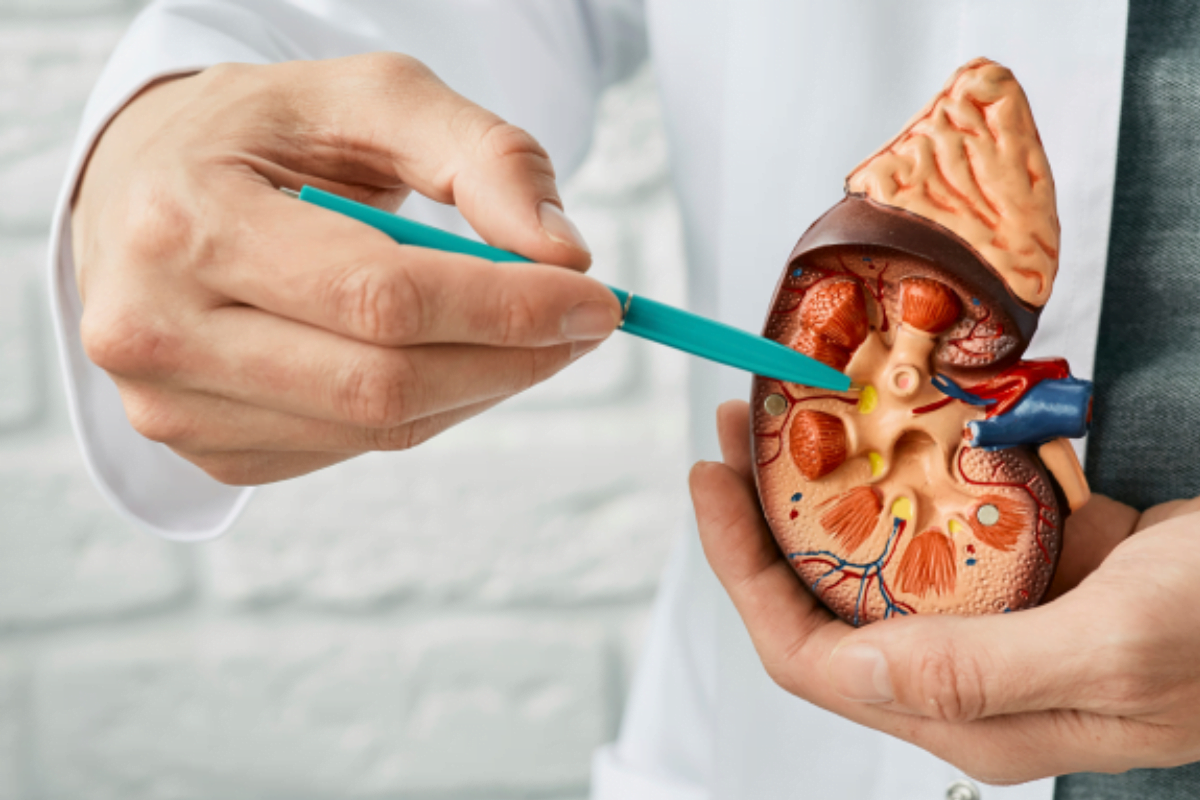
Category: Nephrology

This category gathers practical Nephrology guidance for patients and caregivers. It covers kidney health terms, common conditions, and care pathways. It also outlines questions to raise during clinic visits. Many readers use it alongside US delivery from Canada services and local care teams.

Topics include chronic kidney disease, acute kidney injury, and hypertension and kidneys. Posts also cover diabetic kidney disease, lupus nephritis, and polycystic kidney disease. Each page explains unfamiliar terms using plain language and brief glosses.

Nephrology Topics We Cover

Kidney care spans lab tests, symptoms, and long-term planning. This hub highlights common questions that come up in clinics. It mixes plain language with key clinical terms. When a term is uncommon, a brief meaning appears once.

What You’ll Find in This Category

In this Nephrology category, posts explain core kidney care vocabulary. They cover renal function tests, including GFR testing (filtering estimate). Many pages review albuminuria testing (protein leakage) and basic urinalysis. Others explain proteinuria evaluation and hematuria workup (blood in urine). Dialysis services, peritoneal dialysis, and hemodialysis are described at a high level.

Some guides focus on planning and daily support. That includes renal nutrition counseling, blood pressure tracking, and medication lists. There is also content on glomerulonephritis (kidney filter inflammation) and nephrotic syndrome (heavy protein loss). Readers can compare terms before a nephrologist visit, including pediatric nephrology questions. Content also helps caregivers coordinate notes across appointments.

  • New diagnosis language, including chronic kidney disease staging terms.
  • Sudden changes, like acute kidney injury after illness or dehydration.
  • Urine findings, including foam, protein, or visible color changes.
  • Electrolyte disorders, such as potassium or sodium shifts.
  • Prevention topics, including kidney stone prevention and hydration basics.

Medications are dispensed through licensed Canadian partner pharmacies.

How to Choose

This Nephrology hub is easier to use with a clear question. Some people start with a diagnosis and work outward. Others begin with a symptom, then review related lab terms. It can help to keep a short list of current medicines. Posts may mention outpatient nephrology routines, and what happens between visits.

Match Your Question To The Right Guide

  • Identify the main condition, such as diabetic kidney disease or lupus nephritis.
  • Note the time course, including sudden changes versus long-term decline.
  • Look for the related test, like creatinine, eGFR, or urine albumin.
  • Track blood pressure patterns when reading hypertension and kidneys topics.
  • Review swelling, fatigue, or cramps when exploring electrolyte disorders.
  • Separate kidney stones from infections when symptoms overlap.
  • Flag pregnancy or childhood needs, then look for pediatric nephrology content.
  • Compare modalities when reading about peritoneal dialysis versus hemodialysis.
  • Use transplant evaluation content for planning, not for personal eligibility decisions.
  • Note food and fluid questions, then read renal nutrition counseling basics.

When a post mentions a medicine, focus on the drug class first. Classes can matter more than brand names for side effects. It also helps to note who prescribed it and why. That detail supports a cleaner medication review during nephrology consultation visits.

Safety and Use Notes

Safety topics come up often in Nephrology discussions. Many medicines need adjustment when kidney function changes. Some drugs can raise potassium, an electrolyte (salt level) tied to heart rhythm. Others may worsen dehydration during vomiting or diarrhea. Only a licensed clinician can decide what applies to one person.

Prescriptions are confirmed with the prescriber before dispensing.

Why it matters: Kidney function shifts can change how the body clears medicines.

Lab values also need context to be meaningful. A single result can reflect timing, hydration, or lab method. Trends over weeks often matter more than one number. Patients may also see protein and blood in urine without symptoms. For CKD basics, see the National Kidney Foundation.

Common Safety Checks Mentioned Across Posts

  • Share a full medication list, including vitamins and herbal products.
  • Discuss NSAIDs (pain relievers) risks when kidney disease is present.
  • Ask about contrast dye exposure before scans, when relevant.
  • Review blood pressure goals and dizziness history before medication changes.
  • Clarify dialysis schedules when comparing dialysis services options.
  • Know which symptoms need urgent attention, like severe shortness of breath.

Some posts reference official prescribing information when available. That label is the best source for warnings and interactions. For kidney test terminology, see the NIDDK kidney overview.

Access and Prescription Requirements

Access details can differ by medication and local rules. This section summarizes the administrative steps for Nephrology-related prescriptions discussed here. Some pages cover medicines used in kidney disease management and anemia care. These explainers support reading and planning, not treatment decisions.

BorderFreeHealth connects U.S. patients with licensed Canadian partner pharmacies for dispensing. Some prescriptions require additional verification before they can be filled. Cash-pay access may be available, including for people without insurance. Documentation needs can vary by medicine and clinical context.

Quick tip: Keep prescriber contact details ready for faster prescription verification.

  • A valid prescription is required for prescription-only medications.
  • Prescriber information may be needed to confirm clinical intent.
  • Names and addresses must match records to prevent processing delays.
  • Refills typically need prescriber authorization, based on the prescription.
  • Lab results are not usually required for site processing.
  • Shipping and dispensing rules can vary by medication category.
  • Account tools can store documents for repeat administrative steps.

Cash-pay options support access when coverage is limited.

This content is for informational purposes only and is not a substitute for professional medical advice.


  • Diabetic Nephropathy: Risks, Stages, and Kidney Care

    Diabetic Nephropathy: Risks, Stages, and Kidney Care

    Diabetic nephropathy is kidney damage caused by diabetes, usually after years of high blood glucose, high blood pressure, or both. The earliest warning sign is often albumin in the urine, not pain or obvious symptoms. That is why routine urine and blood testing matters. Early detection gives you and your care team more time to protect kidney function, reduce heart risk, and plan care before damage becomes advanced.

    Key Takeaways

    • Early signs are quiet: Albumin in urine often appears first.
    • Testing guides action: UACR and eGFR show kidney risk over time.
    • Risk is shared: Glucose, blood pressure, smoking, and cholesterol all matter.
    • Treatment is layered: Medicines, nutrition, and monitoring work together.
    • Trends matter most: One abnormal result usually needs confirmation.

    What Diabetic Nephropathy Means for the Kidneys

    Diabetic nephropathy means diabetes has damaged the kidneys’ filtering units, called glomeruli. These tiny filters normally keep important proteins in the blood while removing waste and extra fluid. When diabetes and high pressure inside these filters cause stress, albumin can leak into the urine.

    This condition is also called diabetic kidney disease. The terms overlap, but clinicians may use them slightly differently. Diabetic kidney disease is often the broader patient-friendly term. Diabetic nephropathy may be used when diabetes-related kidney injury is documented as a clinical diagnosis, especially when albuminuria or reduced filtration is persistent.

    Why this matters: kidney damage can progress for years without symptoms. By the time swelling, fatigue, or appetite changes appear, kidney function may already be substantially reduced. Screening helps move care upstream, before symptoms drive the diagnosis.

    If you want a broader plain-language companion, Diabetic Kidney Disease explains causes, symptoms, and treatment basics in a related format.

    Causes, Risk Factors, and Early Warning Signs

    The main causes are long-term high blood glucose, high blood pressure, and inflammation inside small kidney blood vessels. Over time, this can thicken filter membranes, increase pressure in the glomeruli, and lead to scarring. This process is often described as diabetic nephropathy pathophysiology, which simply means how the disease develops inside the body.

    Risk is not based on glucose alone. Several factors can raise the chance of kidney decline:

    • Longer diabetes duration: More years of exposure increase risk.
    • High blood pressure: Pressure damages delicate kidney vessels.
    • Smoking: Tobacco worsens blood vessel injury.
    • Cardiovascular disease: Heart and kidney risks often overlap.
    • Family history: Genetics can affect susceptibility.
    • Higher albumin levels: Persistent leakage signals higher risk.

    The first sign of diabetic nephropathy is commonly microalbuminuria, meaning a small but abnormal amount of albumin in urine. Many people feel completely well at this stage. Albumin can rise temporarily after fever, urinary tract infection, heavy exercise, or uncontrolled blood pressure, so clinicians usually confirm abnormal results before labeling kidney disease as persistent.

    Symptoms tend to appear later. Possible diabetic nephropathy symptoms include swelling in the feet or ankles, puffiness around the eyes, frothy urine, fatigue, nausea, poor appetite, and more difficult blood pressure control. These symptoms are not specific to diabetes-related kidney disease, so testing is more reliable than waiting for body signals.

    Quick tip: Ask whether your urine albumin-to-creatinine ratio and eGFR were checked, not just “kidney labs.”

    How Diagnosis and Monitoring Usually Work

    Diagnosis usually combines diabetes history, persistent urine albumin, and reduced kidney filtering over time. Clinicians often use two core tests: urine albumin-to-creatinine ratio (UACR) and estimated glomerular filtration rate (eGFR). UACR measures albumin leakage. eGFR estimates how well the kidneys filter waste from blood.

    Most care teams repeat abnormal results because one test can be misleading. A diagnosis is more likely when kidney changes persist for at least three months. Blood pressure readings, urinalysis, serum creatinine, potassium, A1C, and cholesterol results also help shape the care plan.

    The UACR calculation compares urine albumin with urine creatinine. This helps adjust for urine concentration. The calculator below can support general understanding of the ratio, but it does not diagnose kidney disease or replace clinician interpretation.

    [uacr-calculator]

    Some situations call for a nephrology referral. These include rapidly falling eGFR, very high or rising albuminuria, resistant hypertension, blood in the urine, active urine sediment, or features that do not fit typical diabetic kidney disease. In those cases, imaging or further testing may help rule out another kidney condition.

    Documentation can include terms such as diabetic nephropathy diagnosis, diabetic nephropathy ICD-10, or type 2 diabetes mellitus with diabetic nephropathy ICD-10 in clinical and billing contexts. Coding should match the clinician’s assessment and the record. For example, a single temporary albumin result is different from persistent kidney injury. People reviewing their chart can ask the care team to explain what the wording means and whether it changes monitoring.

    Stages and What Changes Over Time

    Diabetic nephropathy stages are based on patterns in albumin leakage, filtration, and clinical risk. Many patient resources describe five stages, but kidney care commonly uses eGFR categories and albuminuria categories together. Both approaches aim to answer the same practical question: how much kidney risk is present, and what should be watched next?

    Early stages may show increased kidney pressure and small albumin leaks while eGFR remains normal. Later stages involve more scarring, rising albuminuria, lower eGFR, and a higher risk of anemia, bone-mineral changes, fluid overload, and cardiovascular events. Progression is not identical for everyone. Some people remain stable for years, while others decline faster due to blood pressure, genetics, smoking, infections, or other kidney stressors.

    For a stage-by-stage companion, 5 Stages of Diabetic Kidney Disease gives more detail on how lab patterns and care priorities may shift.

    A simple way to think about staging is to follow three questions:

    • Is albumin present? Persistent albumin suggests filter injury.
    • Is eGFR changing? Decline over time matters more than one value.
    • Are complications appearing? Anemia, fluid, potassium, and bone labs guide care.

    Why it matters: Staging helps your team time referrals, medication review, nutrition changes, and safety monitoring.

    Treatment: Medicines, Targets, and Protective Habits

    Diabetic nephropathy treatment usually combines glucose management, blood pressure control, kidney-protective medications, and daily habits. No single step does all the work. The best plan depends on kidney function, albumin level, heart risk, potassium, blood pressure, other conditions, and personal preferences.

    Common medication classes may include ACE inhibitors or ARBs for people with hypertension and albuminuria, when appropriate. These medicines can lower pressure inside kidney filters and reduce albumin leakage. SGLT2 inhibitors may be considered for eligible people with type 2 diabetes and chronic kidney disease because they can support kidney and heart risk reduction in guideline-based care. Nonsteroidal mineralocorticoid receptor antagonists may also be considered in selected patients with type 2 diabetes and persistent albuminuria, depending on potassium and kidney function.

    Examples of related medication pages include Losartan, Dapagliflozin, Jardiance, Invokana, and Kerendia. These pages can provide product-specific context, but medication choices should be made with a clinician who can review labs, interactions, pregnancy status, and safety factors.

    Lifestyle care remains important even when medications are used. A registered dietitian can help tailor sodium, protein, potassium, phosphorus, and carbohydrate choices as kidney disease changes. People taking insulin or medicines that can cause low blood sugar may need extra support when eating patterns change. Activity, smoking cessation, sleep apnea treatment, and lipid management can also reduce kidney and cardiovascular strain.

    Many readers ask how to reverse kidney damage from diabetes. Scarring usually cannot be fully reversed. Still, albuminuria may improve, and kidney decline may slow when glucose, blood pressure, medications, and kidney-safe habits are optimized. The practical goal is often stabilization and risk reduction, not a promise of cure.

    For more on SGLT2-related kidney outcomes, Dapagliflozin and CKD discusses how this treatment class fits into diabetes-related kidney care. The broader Diabetes collection can also help readers connect kidney protection with glucose monitoring, heart risk, and long-term self-management.

    Blood Pressure, Coding Terms, and Care Coordination

    High blood pressure can both cause kidney damage and speed diabetes-related kidney decline. When hypertension and kidney disease occur together, clinicians may document hypertensive nephropathy or related coding terms. If diabetes is also contributing, the chart may include more than one diagnosis. This can feel confusing, but it often reflects overlapping causes rather than separate problems.

    Terms such as microalbuminuria ICD-10, DM with microalbuminuria ICD-10, or microalbuminuric diabetic nephropathy ICD-10 are mainly documentation concepts. They help clinicians, coders, and quality teams track findings consistently. For patients, the more important questions are practical: Is albumin still present? Is eGFR stable? Is blood pressure controlled? Are medications safe with current potassium and creatinine levels?

    Home blood pressure logs can help, especially when office readings vary. Bring your cuff to a visit if possible, so the care team can compare it with clinic equipment. Also share over-the-counter medicines and supplements. Nonsteroidal anti-inflammatory drugs, dehydration, contrast dye, and some supplements can stress the kidneys in certain situations.

    BorderFreeHealth connects U.S. patients with licensed Canadian partner pharmacies for eligible prescription options. When prescriptions are required, pharmacy partners may verify details with the prescriber before dispensing. This access context does not replace clinical monitoring, especially for kidney-related medicines that require lab review.

    Practical Questions to Bring to Your Next Visit

    Good kidney care is easier when you know which questions to ask. Use this list to prepare for primary care, diabetes care, or nephrology visits.

    • Testing frequency: How often should UACR and eGFR be checked?
    • Trend review: Are my kidney numbers stable, improving, or worsening?
    • Blood pressure: What home range should prompt a call?
    • Medication safety: Which drugs need potassium or creatinine monitoring?
    • Nutrition support: Should I see a kidney-trained dietitian?
    • Referral timing: When would nephrology involvement be useful?
    • Sick-day planning: What should I do during vomiting, diarrhea, or dehydration?

    Seek urgent medical care for severe shortness of breath, chest pain, confusion, fainting, sudden major swelling, very low urine output, or symptoms of severe high or low blood sugar. These symptoms can have many causes and need prompt evaluation.

    For related kidney topics, the Nephrology collection offers additional educational reading. People also living with nerve symptoms may find Diabetic Neuropathy useful because diabetes complications often require coordinated care.

    Authoritative Sources

    The KDIGO diabetes and CKD guidance outlines evidence-based approaches to glucose-lowering therapy, blood pressure, and kidney-protective care in chronic kidney disease.

    The ADA Standards of Care provide annually updated recommendations on diabetes screening, kidney monitoring, cardiovascular risk, and medication safety.

    The NIDDK diabetic kidney disease resource explains testing, prevention, and daily management in patient-friendly language.

    Recap

    Diabetic nephropathy is most manageable when it is found early and tracked carefully. Urine albumin, eGFR, blood pressure, glucose patterns, and medication safety all shape the plan. You do not need to interpret every lab alone. Ask your care team to explain trends, confirm persistent changes, and identify which steps matter most for your risk level.

    Kidney protection is long-term work. Small, repeated actions can support treatment: attend monitoring visits, bring home readings, review medicines before changes, avoid kidney-stressing drugs unless advised, and ask for dietitian support when food choices become complicated.

    This content is for informational purposes only and is not a substitute for professional medical advice.

  • Living with Chronic Kidney Disease After a New Diagnosis

    Living with Chronic Kidney Disease After a New Diagnosis

    Living with chronic kidney disease is often manageable, especially when you understand your stage, track key labs, and build routines that protect your kidneys and heart. A new diagnosis can feel frightening, but CKD usually changes slowly. That gives you time to learn your numbers, ask better questions, and make practical choices around food, blood pressure, medications, activity, and emotional support.

    Key Takeaways

    • Know your stage: Ask about eGFR and urine albumin.
    • Track trends: One lab result rarely tells the whole story.
    • Watch symptoms: Swelling, breathlessness, and low urine need attention.
    • Protect your heart: Blood pressure and glucose control matter.
    • Plan food carefully: Kidney diets depend on your labs.

    What CKD Means for Daily Life

    Chronic kidney disease means your kidneys have reduced filtering ability or signs of kidney damage that persist over time. The kidneys remove waste, balance fluid and minerals, help regulate blood pressure, and support red blood cell production. When filtering declines, waste and fluid can build up gradually.

    Many people can keep working, travelling, exercising, and caring for family while living with chronic kidney disease. The plan often changes by stage and by cause. Diabetes, high blood pressure, older age, heart disease, autoimmune conditions, and family history can all affect risk and monitoring needs.

    Why this matters: CKD is not only a kidney issue. It also raises the chance of heart and blood vessel problems. That is why care plans often focus on blood pressure, cholesterol, diabetes management, smoking cessation, safe medication use, and vaccination review, not just kidney lab values.

    If you want a broader treatment-path overview, see Chronic Kidney Disease Treatment Approaches. For a kidney-focused content collection, the Nephrology category can help you find related reading.

    Stages, eGFR, and Urine Protein

    Chronic kidney disease stages are mainly based on eGFR, which estimates how well your kidneys filter blood. Clinicians also use urine albumin-to-creatinine ratio, often called ACR, to check for protein leakage. Together, eGFR and ACR give a clearer risk picture than either result alone.

    eGFR is estimated from a blood creatinine result plus personal factors such as age and sex. Creatinine is a waste product from muscle activity. Because muscle mass can affect creatinine, your clinician may sometimes order cystatin C, another blood marker, when results do not fit the clinical picture.

    Stage 1 and stage 2 usually mean eGFR remains relatively preserved, but there is other evidence of kidney damage, such as albumin in urine. Chronic kidney disease stage 3 is often divided into stage 3a and chronic kidney disease stage 3b. Stage 3b generally reflects lower filtering than stage 3a and may require closer follow-up. Stage 4 means more advanced loss of function. Stage 5 is kidney failure, when dialysis, transplant evaluation, conservative care planning, or a mix of supports may be discussed.

    People often ask what creatinine level means stage 3 or stage 4 kidney disease. There is no single creatinine number that fits everyone. Creatinine must be interpreted with eGFR, body size, muscle mass, trend over time, and urine protein. Ask your care team to show you your eGFR trend rather than focusing only on one creatinine value.

    This calculator can help you understand the general idea of filtration estimates from creatinine-based inputs. It does not diagnose CKD or replace clinical interpretation.

    [egfr-calculator]

    Questions to Ask About Your Numbers

    • Stage and trend: Which stage am I in now?
    • Urine protein: Is my ACR normal or elevated?
    • Testing interval: When should labs be repeated?
    • Medication effects: Could any medicine change my labs?
    • Referral timing: Should I see a kidney specialist?

    Symptoms to Watch Without Assuming the Worst

    Chronic kidney disease symptoms can be mild, vague, or absent in early stages. Some people feel well despite abnormal labs. Others notice fatigue, ankle swelling, foamy urine, muscle cramps, itchy skin, reduced appetite, nausea, sleep problems, or more nighttime urination.

    The three early warning signs people commonly ask about are swelling, urine changes, and rising blood pressure. These are not specific to CKD, but they deserve attention when they are new, persistent, or worsening. Foamy urine can suggest protein in urine, although it can also happen for other reasons. Frequent urination may occur in several stages and can also come from diabetes, urinary tract infection, prostate issues, bladder conditions, caffeine, or diuretic medicines.

    Kidney disease symptoms in females can overlap with gynecologic, urinary, hormonal, and iron-related concerns. Fatigue, bloating, urinary changes, heavy periods, iron deficiency, restless legs, or swelling can have many causes. That overlap makes testing important. Do not assume every urinary symptom is from CKD, and do not dismiss persistent changes as stress or aging.

    Seek urgent help for severe shortness of breath, chest pain, confusion, fainting, sudden weakness, very little urine, severe vomiting, or rapid weight gain with swelling. These symptoms may signal fluid overload, dangerous electrolyte changes, infection, heart strain, or another urgent condition.

    Quick tip: Bring a short symptom timeline to visits, including dates, weight changes, and new medicines.

    Treatment Goals: Protect Kidney Function and Reduce Risk

    Kidney disease treatment usually focuses on slowing damage, treating the cause, managing complications, and preparing early if kidney function declines. Your plan depends on stage, urine protein, blood pressure, diabetes status, heart health, potassium level, anemia, bone-mineral labs, and medication tolerance.

    Blood pressure control is central for many people. Clinicians may use ACE inhibitors or ARBs in selected patients, especially when urine protein is elevated. These medicines can protect kidney filters in some settings, but they also require lab monitoring for kidney function and potassium. Other blood pressure medicines may be used when needed. Examples of related medication pages include Quinapril, Hyzaar, and Nifedipine. These links are for medication context, not personal treatment advice.

    For people with diabetes, selected SGLT2 inhibitors may be discussed because this medicine class can have kidney and heart-related benefits for certain patients. Suitability depends on diagnosis, eGFR, other medicines, side effects, and product labeling. You can read more about one related therapy in Forxiga and CKD or review the product context for Dapagliflozin.

    CKD can also cause or worsen anemia, acidosis, high potassium, fluid overload, bone-mineral imbalance, and itching. Treatment may involve lab monitoring, dietary changes, diuretics, potassium management, iron evaluation, vitamin D-related care, or referral to nephrology. Do not start supplements, salt substitutes, herbal products, or nonprescription anti-inflammatory pain relievers without asking your clinician, because some can affect kidney function or potassium.

    Food, Fluids, and Movement That Fit Your Labs

    A kidney disease treatment diet is not one fixed diet for everyone. It usually starts with lower sodium, balanced protein, and lab-guided attention to potassium and phosphorus. Your stage, blood pressure, urine protein, weight, diabetes status, appetite, and nutrition risk all matter.

    Sodium reduction is often the first practical step. Many people aim to limit highly processed foods, fast foods, salty snacks, cured meats, and restaurant meals. Label reading helps because bread, sauces, soups, frozen meals, and condiments can carry more sodium than expected. Your clinician or dietitian can help set a target that fits your blood pressure and fluid status.

    Protein needs require balance. Very high protein intake can add filtering workload for some people, while too little protein may worsen frailty or poor nutrition. A renal dietitian can help you choose portions and sources that match your stage. If potassium or phosphorus levels rise, you may receive more specific advice about fruits, vegetables, dairy, beans, nuts, whole grains, additives, or portion sizes. Do not restrict whole food groups unless your care team says it is needed.

    Hydration advice also varies. Some people are encouraged to avoid dehydration, while others need fluid limits because of swelling, heart failure, or advanced CKD. Exercise is usually encouraged when safe. Walking, cycling, light resistance work, or chair-based movement can support blood pressure, mood, stamina, and glucose management.

    For more detailed food planning, see CKD Dietary Strategies. Use it as a discussion starter, especially if you have diabetes, pregnancy plans, weight loss concerns, poor appetite, or repeated high or low potassium.

    Coping Skills for the First Few Months

    The first months after diagnosis are often about building confidence. You do not need to fix everything at once. Start with a small system that helps you notice changes, keep appointments, and reduce decision fatigue.

    Home blood pressure tracking can be useful when your clinician recommends it. Use a validated cuff, sit quietly before readings, and record the numbers with the time of day. Bring the log to appointments. If your readings are repeatedly very high or unusually low, ask your care team what threshold should prompt a call.

    Medication organization also matters. Keep one updated list with prescription medicines, over-the-counter products, vitamins, herbal products, and allergies. Include the reason each medicine was prescribed if you know it. This helps clinicians check interactions and avoid kidney-stressing combinations.

    Emotional coping deserves the same attention as lab tracking. A CKD diagnosis can bring grief, anger, guilt, or fear about dialysis. Those feelings are common. Consider a peer support group, counselling, faith leader, trusted friend, or patient educator. If sleep, appetite, panic, or low mood persist, tell your clinician.

    A Simple Weekly Rhythm

    • Monday check-in: Review appointments and refills.
    • Meal planning: Choose lower-sodium staples.
    • Movement goal: Schedule short walks.
    • Symptom note: Track swelling and energy.
    • Question list: Save concerns for visits.

    When CKD Becomes Advanced

    Planning for advanced kidney disease does not mean kidney failure is certain. It means you and your care team make decisions before a crisis. If function declines, discussions may include dialysis education, transplant evaluation, symptom-focused conservative care, vascular access planning, or advance care preferences.

    Dialysis replaces part of the kidney filtering job, but it does not cure CKD. A kidney transplant can be an option for some people, depending on health status, evaluation results, donor options, and personal goals. Conservative kidney management focuses on symptoms, quality of life, and avoiding burdensome treatments when dialysis or transplant is not the right fit.

    Early education gives you more time to compare choices. It also helps family members understand what support may be needed. For a deeper look at later-stage care pathways, read Advanced CKD Treatment Options.

    Authoritative Sources

    For diagnosis basics, staging, and patient education, review the NIDDK chronic kidney disease resource. It explains kidney tests and common management goals in plain language.

    For public health guidance on daily management and risk reduction, see the CDC living with CKD page. It emphasizes heart health, monitoring, and practical self-management.

    For clinical staging and risk-based monitoring guidance, clinicians often use the KDIGO CKD evaluation guideline. It is technical, but useful for understanding how care teams classify risk.

    Recap: Your Next Practical Step

    Living with chronic kidney disease starts with understanding your stage, your urine protein result, and the main cause of kidney stress. From there, focus on repeatable routines: blood pressure tracking, medication review, lower-sodium meals, safe activity, lab follow-up, and emotional support.

    Before your next visit, write down three questions: what stage am I in, what is my ACR, and what change would most help protect my kidneys now. Clear questions make appointments more useful and reduce the pressure to remember everything at once.

    If medication access becomes part of your planning, BorderFreeHealth connects U.S. patients with licensed Canadian partner pharmacies, with prescription details verified when required before dispensing. This access context should not replace clinical guidance from your prescriber.

    This content is for informational purposes only and is not a substitute for professional medical advice.

  • Prevent Chronic Kidney Disease With Everyday Kidney Habits

    Prevent Chronic Kidney Disease With Everyday Kidney Habits

    You can help prevent chronic kidney disease by controlling blood pressure and blood sugar, eating less sodium, staying active, avoiding tobacco, and checking kidney labs when risk is higher. These steps matter because kidney damage often develops quietly, long before symptoms appear.

    Prevention is not about a perfect diet or a single supplement. It is about lowering daily stress on the kidneys and catching early warning signs. If you have diabetes, high blood pressure, heart disease, obesity, a family history of kidney disease, or are older, the same habits can also support your heart and metabolism.

    Key Takeaways

    • Know your numbers: Track blood pressure, A1C if diabetic, eGFR, and urine albumin.
    • Reduce sodium: Limit processed foods and build flavor with herbs, acids, and spices.
    • Protect blood vessels: Move often, avoid smoking, and manage sleep and stress.
    • Be cautious with supplements: Many “kidney detox” products lack proof and may cause harm.
    • Ask early: Kidney risks are easier to address before symptoms appear.

    Why Kidney Prevention Starts Before Symptoms

    Chronic kidney disease, often called CKD, means the kidneys have lasting damage or reduced filtering ability. The kidneys remove waste, balance fluid and minerals, help regulate blood pressure, and support red blood cell production. When filtration declines, waste and fluid can build up and affect many body systems.

    The challenge is that early CKD may feel invisible. Many people have no pain, no urine changes, and no obvious warning signs. That is why routine screening matters for higher-risk adults. Two tests are especially useful: estimated glomerular filtration rate, or eGFR, and urine albumin-creatinine ratio, or UACR. eGFR estimates kidney filtering from a blood creatinine test. UACR checks for albumin, a protein that can leak into urine when kidney filters are stressed.

    Diabetes and hypertension are major drivers of kidney damage. High glucose can injure small kidney blood vessels over time. High blood pressure can strain the filters and speed loss of function. If diabetes is part of your risk profile, the staging language in 5 Stages of Diabetic Kidney Disease can help you understand what clinicians may discuss.

    Why it matters: Prevention works best when it begins before kidney function drops.

    How To Prevent Chronic Kidney Disease In Daily Life

    The most effective ways to prevent chronic kidney disease focus on risk factors you can track and repeat. Start with blood pressure, blood sugar, sodium intake, movement, smoking status, and medication safety. These may sound basic, but they are the core levers for kidney protection.

    Blood pressure deserves special attention. Many adults do not feel high blood pressure, yet it can steadily damage blood vessels in the kidneys, heart, and brain. A validated home cuff can help you see patterns between clinic visits. Take readings at consistent times, sit quietly first, and share the log with your clinician rather than reacting to one isolated number.

    Blood sugar control is also central for people with diabetes or prediabetes. Your care team may use A1C, home glucose readings, or continuous glucose monitor data to understand patterns. For older adults, kidney prevention should also account for fall risk, appetite changes, and medication safety. The page on Diabetes Management In The Golden Years offers related context for age-sensitive planning.

    Medication review is another practical step. Some drugs need extra caution when kidney function changes. Nonsteroidal anti-inflammatory drugs, often called NSAIDs, can stress the kidneys in some people, especially during dehydration or illness. Do not stop prescribed medicines on your own, but ask your clinician or pharmacist which over-the-counter products fit your risk profile.

    A simple prevention routine

    • Check pressure: Record home readings if advised.
    • Plan meals: Choose lower-sodium staples most days.
    • Move daily: Aim for consistent, safe activity.
    • Review medicines: Include prescriptions, pain relievers, and supplements.
    • Schedule labs: Ask how often eGFR and UACR apply to you.

    Food Choices That Reduce Kidney Strain

    A kidney-protective eating pattern is usually built around whole foods, lower sodium, fiber, and appropriate protein portions. For many people, that means vegetables, fruit, beans or lentils, whole grains, unsalted nuts, olive oil, fish, poultry, and modest amounts of dairy. Your exact plan may differ if potassium, phosphorus, glucose, or fluid balance is abnormal.

    People often ask what foods help repair kidneys. Food cannot reliably reverse scarring, and no single food “repairs” damaged filters. Still, better food choices can reduce pressure on the kidneys and support conditions that affect them. Berries, cabbage, cauliflower, oats, beans, fish, and olive oil can fit many kidney-conscious eating plans. Portion size and lab results matter more than chasing a universal superfood list.

    Sodium is one of the most important label numbers to watch. Restaurant meals, processed meats, canned soups, frozen entrées, chips, sauces, and seasoning packets can add large amounts quickly. Try rinsing canned beans, choosing “no salt added” items when available, and flavoring food with garlic, onion, lemon, vinegar, pepper, and herbs.

    If you have diabetes, balance kidney-friendly choices with glucose response. Some foods that are healthy for many people can still raise blood sugar if portions are large. A registered dietitian can help translate “foods to avoid with kidney disease and diabetes” into meals that still feel realistic.

    What to limit without making food fearful

    • Salty packaged foods: They can raise blood pressure and fluid retention.
    • Processed meats: They often contain sodium and phosphate additives.
    • Sugary drinks: They can worsen glucose control and add calories.
    • Large protein loads: They may not fit every kidney risk profile.
    • Unreviewed salt substitutes: Some contain potassium, which may be unsafe for certain people.

    Quick tip: Compare labels per serving, not just per package.

    Fluids, Vitamins, And Supplements: Helpful Or Risky?

    Water is a sensible default drink for many adults, but fluid needs are not the same for everyone. Activity level, climate, medications, heart disease, kidney stage, and swelling all matter. If your clinician has told you to restrict fluids, follow that plan rather than increasing water on your own.

    Unsweetened coffee or tea can fit many diets. Large amounts of sugary drinks and fruit juice are less helpful, especially when diabetes or weight gain is a concern. Alcohol should be discussed honestly with your care team because it can affect blood pressure, sleep, liver health, and medication safety.

    Vitamins and supplements need extra caution. Searches for the best vitamins for kidneys and liver often lead to products with broad claims. In practice, supplements should fill a documented gap, not replace prevention basics. Vitamin D, iron, B vitamins, or other nutrients may be considered when bloodwork shows a need, but dosing should be individualized.

    Natural kidney supplements and “detox” products can be risky. Some herbs may interact with blood pressure, diabetes, anticoagulant, or transplant medicines. Others may cause dehydration, electrolyte shifts, or direct kidney injury. If you are considering supplements to improve kidney function, bring the bottle or ingredient list to a clinician or pharmacist first.

    Questions about herbs to strengthen kidneys should be handled carefully. “Natural” does not always mean safe, especially when kidney filtration is reduced. Pregnant people, older adults, and anyone taking several medicines should be particularly cautious.

    Movement, Sleep, Smoking, And Stress

    Regular physical activity supports kidney prevention by improving blood pressure, insulin sensitivity, weight maintenance, sleep, and mood. The best exercise for kidney health is usually the one you can repeat safely. Walking, cycling, swimming, resistance bands, gentle strength training, and stretching can all be useful.

    If you are inactive, start with short sessions. Ten minutes after meals may be more realistic than a long workout. If you have chest pain, severe shortness of breath, fainting, foot ulcers, advanced kidney disease, or major mobility limits, ask for medical guidance before increasing activity.

    Smoking and vaping nicotine can damage blood vessels and worsen cardiovascular risk. Quitting is one of the strongest steps for kidney and heart protection. If previous quit attempts did not last, that does not mean failure. Many people need several tries, support, and sometimes medication.

    Sleep and stress also deserve a place in prevention. Poor sleep can raise blood pressure and increase appetite. Ongoing stress may make meal planning, movement, and medication routines harder. A consistent bedtime, light exposure in the morning, brief walks, breathing exercises, or counseling can make health routines more sustainable.

    Diabetes, Blood Pressure, And Kidney-Protective Care

    For many high-risk adults, the plan to prevent chronic kidney disease overlaps with diabetes and blood pressure care. Your clinician may set individualized targets for A1C, blood pressure, cholesterol, and urine albumin. These targets can change with age, pregnancy, heart disease, hypoglycemia risk, or existing kidney disease.

    Some blood pressure medicines are used in kidney-protective strategies for specific patients, especially when albumin is present in urine. Examples include ACE inhibitors and angiotensin receptor blockers. Product pages such as Enalapril, Hyzaar, and Olmetec can provide medication-specific navigation, but treatment choices should come from your prescriber.

    Diuretics, sometimes called water pills, may be used when blood pressure or fluid retention needs management. They can affect electrolytes and kidney labs, so monitoring matters. Hydrochlorothiazide is one example of a medicine that clinicians may consider in selected patients.

    For people with type 2 diabetes, some sodium-glucose cotransporter-2 inhibitors, or SGLT2 inhibitors, may have kidney-related benefits in appropriate patients. Eligibility depends on diagnosis, eGFR, risks, and other medicines. For class context, see Dapagliflozin Overview and Jardiance Vs Farxiga. Combination products such as Synjardy should be discussed only in the context of an individual care plan.

    If you are trying to avoid dialysis naturally, focus on proven risk reduction rather than extreme regimens. Dialysis becomes necessary when kidney failure reaches a point where the body cannot safely manage waste, fluid, or electrolytes. Early screening, medication review, and consistent care can help reduce avoidable harm, but no lifestyle plan can guarantee dialysis prevention.

    How To Check Kidney Health At Home And In Clinic

    You cannot fully check kidney function at home without lab testing, but you can track useful warning signals. Blood pressure readings, blood sugar patterns, swelling, weight changes, and medication side effects can all help your clinician interpret risk. Home urine dipsticks may be suggested for some people, but they can miss problems or create false alarms.

    eGFR and UACR are the main screening tests to discuss. eGFR comes from blood creatinine and estimates filtration. UACR compares urine albumin with urine creatinine and can detect early kidney stress. These tests are especially important for people with diabetes, hypertension, cardiovascular disease, or a family history of CKD.

    This calculator can help you understand the type of estimate clinicians discuss when reviewing creatinine-based kidney filtration. It is not a diagnosis and does not replace lab interpretation.

    [egfr-calculator]

    Watch for possible kidney-related symptoms, but do not wait for them. Swelling in the feet or around the eyes, foamy urine, blood in urine, fatigue, itching, nausea, appetite loss, shortness of breath, or new confusion can occur for many reasons. Seek urgent care for severe shortness of breath, chest pain, fainting, very low urine output, or sudden severe swelling.

    For a deeper related condition overview, Dangers Of Diabetic Nephropathy explains how diabetes can affect kidney filters. You can also browse the Nephrology collection for more kidney-focused topics.

    Authoritative Sources

    The CDC prevention resource outlines how diabetes and blood pressure management lower kidney risk. The NIDDK CKD prevention page explains healthy food, activity, weight, sleep, and smoking steps. The National Kidney Foundation eGFR resource describes how filtration estimates are used in kidney care.

    Recap

    The best way to prevent chronic kidney disease is to protect small blood vessels every day. Keep blood pressure and glucose in range, reduce sodium, move regularly, avoid tobacco, use supplements carefully, and ask about eGFR and urine albumin testing. These habits are not glamorous, but they are practical and repeatable.

    Bring questions, home readings, and your full medication list to appointments. Small details can change kidney-safe choices, especially with diabetes, high blood pressure, older age, or multiple prescriptions.

    This content is for informational purposes only and is not a substitute for professional medical advice.

  • Chronic Kidney Disease Treatment Options: Dialysis to Transplant

    Chronic Kidney Disease Treatment Options: Dialysis to Transplant

    Chronic kidney disease is long-term kidney damage or reduced filtering ability that persists for at least three months. Chronic kidney disease treatment options range from monitoring and risk-factor management to dialysis, transplant, and conservative kidney care when kidney failure develops. The right path depends on CKD stage, urine albumin, symptoms, other conditions, and your goals.

    This matters because early CKD often has few signs. Planning before a crisis may protect more choices and give you time to discuss dialysis access, transplant evaluation, or supportive care with a kidney specialist.

    Key Takeaways

    • CKD staging uses kidney filtration, urine albumin, and health context.
    • Earlier treatment focuses on slowing damage and reducing complications.
    • Dialysis replaces part of kidney filtering when kidney failure develops.
    • Transplant may be considered for eligible people after formal evaluation.
    • Conservative kidney management is an active, symptom-focused option for some people.

    What CKD Means Before Kidney Failure

    CKD means the kidneys are not filtering blood, balancing fluid, controlling electrolytes, or supporting hormone-related functions as well as they should. It is usually identified through blood and urine tests, not symptoms alone. A person can have CKD with a low estimated glomerular filtration rate, called eGFR, or with markers of kidney damage such as persistent albumin in the urine.

    CKD is not one disease. Diabetes, hypertension, inherited conditions, autoimmune disease, repeated kidney infections, and some medication exposures can all contribute. If diabetes is involved, the Diabetic Kidney Disease resource explains how blood sugar, blood pressure, and albuminuria can overlap.

    Stages and Albuminuria

    Clinicians often describe CKD with a G stage based on eGFR and an A category based on albuminuria, meaning extra albumin in the urine. G1 and G2 may still have normal or mildly reduced eGFR, but kidney damage markers must be present. G3, G4, and G5 reflect progressively lower filtration. For diabetes-specific staging context, see 5 Stages of Diabetic Kidney Disease.

    Symptoms can be quiet until later stages. Possible signs include:

    • Fatigue or weakness, especially with anemia.
    • Swelling in legs, feet, hands, or around the eyes.
    • Foamy urine or changes in urination patterns.
    • Nausea, poor appetite, metallic taste, or weight loss.
    • Itching, cramps, sleep changes, or restless legs.

    Diagnosis usually combines repeat blood tests, urine albumin-to-creatinine ratio, blood pressure review, medication review, and sometimes imaging. A single abnormal lab result may need confirmation because dehydration, infection, or medication changes can affect kidney tests.

    An eGFR calculator can help you understand a creatinine-based filtration estimate on a lab report. It cannot diagnose CKD, judge transplant eligibility, or replace clinician interpretation.

    [egfr-calculator]

    Why it matters: CKD stage shapes monitoring, referrals, medication choices, and kidney failure planning.

    How Chronic Kidney Disease Treatment Options Are Chosen

    Choices are guided by stage, cause, albuminuria, trend over time, and the health issues that travel with CKD. Good chronic kidney disease treatment options start with the question: what is driving kidney damage, and what can still be modified safely?

    Blood pressure is one of the most important modifiable factors. People who want a plain-language refresher can start with Hypertension, then discuss individual targets with their clinician. Targets can vary when someone is older, frail, pregnant, or prone to dizziness.

    Kidney doctors also look at cardiovascular risk, diabetes status, potassium, acid-base balance, anemia, bone-mineral labs, infections, and medication safety. The plan may change as results trend, even if the CKD stage name stays the same.

    Your preferences matter too. Some people value home-based treatment. Others worry about surgery, travel, work schedules, caregiving, or preserving energy. Shared decision-making helps translate medical options into a plan someone can realistically follow.

    Medical Management Before Dialysis Is Needed

    Early and moderate CKD care usually aims to slow progression, lower complication risk, and protect quality of life. This does not mean one standard prescription for everyone. It means matching the cause of CKD with safe, evidence-informed steps.

    Common discussion points include blood pressure treatment, diabetes management, avoiding dehydration during acute illness, smoking cessation, and reviewing medicines that may strain the kidneys. If medication choices are part of your plan, Blood Pressure Medications gives a broad overview of major classes.

    For some people with albuminuria, ACE inhibitors or angiotensin receptor blockers may be considered, with lab monitoring for kidney function and potassium. The ACE Inhibitors overview explains how this class fits into blood pressure and kidney-related care discussions.

    SGLT2 inhibitors are also discussed for certain people with CKD, diabetes, or heart failure profiles. They are not right for everyone, and eligibility depends on kidney function, diagnosis, infection risk, and other factors. For a focused medicine discussion, see Forxiga and CKD.

    Nutrition guidance should be individualized. A registered dietitian can help adjust sodium, protein, potassium, phosphorus, and fluid advice without making eating feel impossible. This is especially important with diabetes, pregnancy, eating disorders, or repeated high or low potassium.

    When Dialysis Enters the Conversation

    Dialysis is considered when the kidneys can no longer keep fluid, waste products, potassium, acid levels, or symptoms under safe control. It is one form of renal replacement therapy, meaning treatment that replaces part of the work kidneys normally do.

    As kidney function declines, chronic kidney disease treatment options shift from prevention alone to preparation. A planned dialysis start usually gives more time to choose a modality, create access, and learn warning signs. An unplanned start can still be lifesaving, but it often limits choices at first.

    Dialysis does not cure CKD. It filters waste and removes extra fluid, but it does not fully replace every kidney function. People may still need medicines, diet changes, anemia care, bone-mineral management, and close follow-up.

    The table below places dialysis beside other kidney failure paths. It is an orientation tool, not a ranking.

    Path How It Works Practical Considerations
    Hemodialysis Blood moves through a machine filter and returns to the body. May occur in a center or at home, and it usually requires vascular access planning.
    Peritoneal dialysis The abdominal lining helps filter fluid through a catheter. Often home-based, with training, infection precautions, and storage needs.
    Kidney transplant A donor kidney takes over many filtering functions. Requires eligibility review, surgery, immunosuppressive medicines, and long-term monitoring.
    Conservative kidney management Care focuses on symptoms, comfort, and goals without dialysis or transplant. Best discussed early, especially when treatment burden may outweigh expected benefit.

    Access planning matters. Hemodialysis may involve creating a fistula or graft before it is needed. Peritoneal dialysis requires a catheter and home training. These steps can take time, so nephrology teams often start education before symptoms become severe.

    Kidney Transplant for CKD: Eligibility and Tradeoffs

    A kidney transplant places a donor kidney into the body so it can perform many kidney functions. It may be discussed when advanced CKD is expected to progress to kidney failure, but it is not suitable for every person.

    Transplant evaluation is detailed. A transplant team may review heart health, infection history, cancer screening, weight and nutrition status, mental health, medication use, support systems, and the ability to attend follow-up. Criteria can vary between transplant programs.

    Donor options may include a living donor or a deceased donor waitlist. Some eligible people may be evaluated for transplant before dialysis begins. Others may need dialysis while waiting. After transplant, immunosuppressive medicines are usually needed long term to reduce rejection risk, and these medicines require monitoring because they can raise infection and other risks.

    For many people, the hardest part is not understanding the surgery. It is weighing uncertainty, family conversations, donor questions, travel, recovery support, and long-term medicine routines. These are legitimate parts of the decision, not side issues.

    Dialysis, Transplant, or Conservative Care: Making Sense of Fit

    Dialysis vs kidney transplant is not a simple better-or-worse choice. Transplant may be a strong option for eligible people, while dialysis can be lifesaving and flexible for others. Conservative care may fit people who prioritize comfort, have major competing illnesses, or would face high treatment burden.

    Conservative kidney management is an active treatment path. It can include symptom relief, fluid management, nausea and itching treatment, anemia care, emotional support, and advance care planning. It should not be framed as doing nothing.

    Example: A fictional person with advanced CKD, severe heart disease, and limited support may choose conservative care after learning that dialysis would bring high treatment burden. Another fictional person with a living donor and strong support may prepare for transplant before dialysis is needed. Both decisions require a care team, clear goals, and honest discussion.

    Good planning also includes what could change the decision. A new cancer diagnosis, worsening frailty, improved blood pressure control, a potential donor, or changing family support may shift the balance. Revisit the plan as health and priorities evolve.

    Living With CKD While Planning Next Steps

    Living with chronic kidney disease works better when you know your numbers and the reason behind each appointment. Ask which stage you are in, whether albumin is present, how fast results are changing, and what next decision point is expected.

    Quick tip: Bring your latest eGFR, urine albumin result, potassium, and medication list to kidney visits.

    Useful questions for a nephrology visit include:

    • What is driving my CKD?
    • Which results need close monitoring?
    • When should dialysis education begin?
    • Should transplant evaluation be discussed?
    • Which symptoms should prompt urgent care?

    Seek urgent care for chest pain, severe shortness of breath, fainting, confusion, rapid swelling, severe weakness, or a major drop in urine during illness. Also seek urgent help if your care team has warned you about high potassium symptoms or other high-risk lab changes.

    CKD can be emotionally heavy. Asking for dietitian support, social work, transportation planning, and caregiver education is not a failure. It is part of making treatment sustainable.

    Authoritative Sources

    Thoughtful chronic kidney disease treatment options are built over time. Ask for your stage, trend, and next decision point, then revisit the plan as health, labs, and priorities change.

    For more kidney-health topics, the Nephrology hub collects related condition and treatment resources. BorderFreeHealth connects U.S. patients with licensed Canadian partner pharmacies for prescription access questions.

    This content is for informational purposes only and is not a substitute for professional medical advice.

  • Managing Chronic Kidney Disease: What to Eat and Avoid

    Managing Chronic Kidney Disease: What to Eat and Avoid

    A kidney-friendly diet is not one fixed menu. Managing Chronic Kidney Disease: What To Eat and Avoid means matching food choices to your CKD stage, lab results, blood pressure, diabetes status, medicines, and daily routine. Most people need to watch sodium first, then adjust potassium, phosphorus, protein, and fluids with help from a clinician or renal dietitian. That matters because the wrong healthy swap, such as a potassium salt substitute, can be unsafe for some people with reduced kidney function.

    Key Takeaways

    • Personalize the plan: CKD diets depend on stage, labs, and other conditions.
    • Start with sodium: lower-salt eating often supports blood pressure control.
    • Check potassium and phosphorus: needs vary widely between patients.
    • Balance protein carefully: too much or too little can cause problems.
    • Ask for help: a renal dietitian can turn lab results into meals.

    Managing Chronic Kidney Disease: What To Eat and Avoid First

    A chronic kidney disease diet is a structured way to reduce the workload on damaged kidneys while still protecting nutrition. It is sometimes called a renal diet, meaning a kidney-related eating plan. It should not feel like a punishment list. The goal is safer, steadier choices that fit your health picture.

    CKD is staged from 1 to 5 based on kidney function. Earlier stages may focus on blood pressure, diabetes, and heart health. Later stages may need tighter limits on potassium, phosphorus, sodium, or fluids. People on dialysis often have different protein and fluid needs than people not on dialysis.

    If you are newly diagnosed, start by asking which nutrients matter most for your current labs. A broad Nephrology hub can help you organize related kidney topics before a visit. Still, your care team should translate general advice into a plan that fits your numbers.

    BorderFreeHealth connects U.S. patients with licensed Canadian pharmacy partners.

    Why it matters: CKD food advice can change after blood tests, medication changes, or dialysis planning.

    The Nutrients That Need the Most Attention

    The main CKD diet nutrients are sodium, potassium, phosphorus, protein, and fluids. Not every person needs every restriction. Some people can eat many high-potassium foods safely, while others need closer limits. The safest food list is the one built around your lab trends.

    Nutrient Why it matters in CKD Common food questions
    Sodium Can worsen blood pressure and fluid retention when intake is high. Restaurant meals, canned soups, deli meats, sauces, salty snacks.
    Potassium May build up when kidney function drops or certain medicines are used. Bananas, oranges, potatoes, tomatoes, salt substitutes.
    Phosphorus Can affect bones and blood vessels when blood levels stay high. Colas, processed foods, dairy, organ meats, phosphate additives.
    Protein Needs depend on stage, nutrition status, and dialysis treatment. Large meat portions, protein powders, eggs, fish, beans.
    Fluids May need tracking when swelling, low urine output, or dialysis is present. Water, ice, soups, gelatin, high-water fruits.

    Sodium usually comes first

    For many people with CKD, a low sodium diet is the first practical change. Sodium is not only in the salt shaker. It hides in packaged foods, takeout, bread, condiments, cured meats, pickles, cheese, and instant meals. Reading labels can make a bigger difference than removing salt from one recipe.

    Choose fresh or minimally processed foods more often. Rinse canned vegetables or beans when you use them. Flavor meals with garlic, onion, lemon, vinegar, pepper, herbs, and salt-free spice blends. Be careful with salt substitutes, because many contain potassium chloride.

    Potassium is not one-size-fits-all

    Potassium helps nerves, muscles, and heart rhythm. In CKD, blood potassium can become too high for some people, especially when kidney function is lower or when certain medicines are involved. That does not mean everyone with CKD must avoid all potassium-rich foods.

    Your lab results matter most. If potassium runs high, your dietitian may suggest smaller portions of bananas, oranges, potatoes, tomatoes, spinach, avocados, dried fruit, and coconut water. Lower-potassium options may include apples, berries, grapes, peaches, cabbage, cauliflower, cucumbers, onions, peppers, and lettuce, depending on your plan.

    Phosphorus labels can be tricky

    Phosphorus is found naturally in many foods, including dairy, beans, nuts, seeds, whole grains, meat, poultry, and fish. Phosphate additives in processed foods are often a bigger concern because the body may absorb them more readily. Look for words with phos on ingredient lists, such as phosphate or phosphoric acid.

    Do not remove whole food groups on your own. Some higher-phosphorus foods also provide fiber, protein, and important nutrients. A renal dietitian can help you choose portions, frequency, and substitutions without making meals too limited.

    Foods That Often Fit a Kidney-Friendly Plate

    A useful CKD diet food list focuses on patterns, not perfection. You still need enough calories, fiber, flavor, and protein to stay nourished. The best meals often look familiar: a moderate protein portion, a lower-sodium starch, vegetables matched to your potassium target, and heart-healthy fats.

    • Fruits: apples, berries, grapes, cherries, peaches, or pears may fit many plans.
    • Vegetables: cauliflower, cabbage, cucumber, onion, peppers, lettuce, and green beans are common options.
    • Grains: rice, pasta, tortillas, oats, and some breads can work in planned portions.
    • Proteins: fish, poultry, eggs, tofu, beans, or lean meats may fit differently by stage.
    • Fats: olive oil, avocado oil, and unsalted spreads can support calories and flavor.
    • Drinks: water or unsweetened beverages may be preferred unless fluids are restricted.

    For many readers, Managing Chronic Kidney Disease: What To Eat and Avoid becomes easier when meals are built from familiar foods. Breakfast might be oatmeal with berries, or toast with an egg if that fits your protein target. Lunch might be a low-sodium chicken salad wrap with cucumbers. Dinner might include fish, rice, and roasted peppers.

    Some people need higher calories because appetite falls. Others need weight management because diabetes, heart disease, or joint pain also affects health. A kidney-friendly eating plan should account for both sides. It should never leave you hungry, weak, or afraid to eat.

    When required, pharmacies verify prescription details with the prescriber before dispensing.

    Foods and Ingredients to Limit or Review

    Foods to avoid with kidney disease are better thought of as foods to limit, swap, or discuss. Hard bans can lead to anxiety and poor nutrition. Your stage, labs, and treatment plan decide how strict the limits need to be.

    High-sodium foods are common first targets. These include cured meats, bacon, sausage, deli meats, canned soups, frozen meals, instant noodles, salty chips, pickles, soy sauce, barbecue sauce, and many restaurant meals. Choose lower-sodium versions when possible, but still check serving sizes.

    High-potassium foods may need limits if blood potassium is high. Examples can include bananas, oranges, orange juice, potatoes, sweet potatoes, tomatoes, spinach, beet greens, avocado, dried fruit, melon, and some nutrition shakes. Leaching potatoes or boiling certain vegetables can reduce potassium, but it does not make every portion safe for every person.

    Phosphorus additives deserve special attention. Many processed meats, dark colas, fast foods, boxed meals, baking mixes, and shelf-stable convenience foods use phosphate additives. Ingredient lists are often more useful than the nutrition facts panel, because phosphorus amounts may not always be clearly shown.

    Large protein portions can also be a problem for some people not on dialysis. High-protein diets, bodybuilding supplements, and frequent protein shakes may not be appropriate unless your clinician approves them. People on dialysis may need more protein, so do not copy advice meant for a different stage.

    Quick tip: Bring three food labels to your next visit and ask which numbers matter most.

    When CKD Overlaps With Diabetes, Blood Pressure, or Heart Disease

    CKD diet planning often changes when diabetes, hypertension, or heart disease is also present. These conditions share many food goals, such as lower sodium, steady carbohydrates, and unsaturated fats. They can also create conflicts. For example, a heart-healthy diet rich in fruits and vegetables may need potassium adjustments in later-stage CKD.

    Blood pressure control is especially important in kidney disease. Lower-sodium meals, home blood pressure tracking, movement approved by your clinician, and medication adherence can all be part of the plan. For broader heart and blood pressure context, see Managing High Blood Pressure in the Elderly and World Heart Day.

    The DASH diet emphasizes fruits, vegetables, low-fat dairy, whole grains, and lower sodium. It may help many people with blood pressure, but it may need changes for CKD because it can be high in potassium or phosphorus. Ask whether a DASH-style plan is appropriate for your stage and lab results.

    Diabetes adds another layer. Carbohydrate quality, timing, and portion size matter, but so do potassium and phosphorus. If appetite changes while using diabetes or weight-management medicines, meal planning may need adjustment. Related reading includes Mounjaro Diet Plan and Dapagliflozin Uses.

    Medicines can interact with diet goals. Some blood pressure and heart medicines can affect potassium, kidney lab monitoring, or fluid balance. Do not stop or change a prescription because of a food list. Instead, ask how your medicines relate to potassium, sodium, and hydration. You may find background on Lisinopril 10 mg Tablet, Captopril Uses, Jardiance for Heart Failure, and SGLT2 Inhibitors in Heart Failure helpful for general context.

    A Practical Checklist for Your Next Food Plan

    A kidney-friendly meal plan works best when it starts with your real life. Bring your usual breakfast, snacks, cultural foods, budget limits, and cooking setup into the conversation. Better plans are specific enough to follow, but flexible enough for travel, family meals, and low-energy days.

    • Ask your stage: confirm whether advice is for CKD stages 1 to 5 or dialysis.
    • Review recent labs: ask about potassium, phosphorus, bicarbonate, albumin, and blood sugar.
    • Set sodium targets: clarify the label number your team wants you to use.
    • Discuss protein: ask about daily portions, not just good or bad foods.
    • Check medicines: ask whether any prescription affects potassium or fluid balance.
    • Plan easy meals: choose three breakfasts, lunches, dinners, and snacks.
    • Prepare for eating out: identify safer restaurant choices before you go.
    • Schedule follow-up: update the plan after lab changes or new symptoms.

    Cash-pay cross-border prescription options may depend on eligibility and jurisdiction.

    If managing several prescriptions feels complicated, this overview of Managing Chronic Conditions With Online Prescriptions may help you prepare questions for your care team. Keep the focus on coordination, documentation, and safety rather than trying to solve diet and medication issues alone.

    Authoritative Sources

    Further Reading and Recap

    Managing Chronic Kidney Disease: What To Eat and Avoid is best viewed as an ongoing planning process. Start with sodium, confirm whether potassium or phosphorus limits apply, and ask how much protein fits your stage. Then build repeatable meals from foods you enjoy.

    The most helpful next step is not a stricter food rule. It is a clearer conversation. Ask your clinician or renal dietitian which lab result should guide your next food change, and which foods you do not need to fear.

    This content is for informational purposes only and is not a substitute for professional medical advice.
  • HIV and Kidney Disease: Risks, Symptoms, and Care Planning

    HIV and Kidney Disease: Risks, Symptoms, and Care Planning

    HIV and kidney disease are closely linked because HIV, aging, other chronic conditions, and some medicines can all place extra stress on the kidneys. For older adults, the goal is early detection, careful medication review, and coordinated care between HIV, kidney, and primary care clinicians.

    This matters because kidney damage can be quiet at first. A person may feel well while urine protein rises or estimated kidney filtration declines. Small changes found early often give the care team more room to adjust treatment, manage blood pressure, and plan safely.

    Key Takeaways

    • Kidney risk rises with age, diabetes, hypertension, hepatitis C, and long-term HIV.
    • Early kidney disease may cause no symptoms, so urine and blood tests matter.
    • HIV can affect kidney tissue directly and can also contribute through inflammation.
    • Antiretroviral therapy should be reviewed with kidney function in mind.
    • Dialysis can be safe for people with HIV when infection control and dosing coordination are strong.

    Why HIV Can Affect Kidney Health in Older Adults

    HIV can affect the kidneys directly, but kidney problems in older adults usually have more than one cause. Aging kidneys have less reserve. Diabetes, high blood pressure, vascular disease, dehydration, and repeated illness can reduce that reserve further.

    HIV may contribute through chronic immune activation, inflammation, and direct effects on kidney cells. In some people, the virus is associated with glomerular disease, which affects the kidney’s filtering units. In others, kidney injury comes from common age-related conditions that occur alongside HIV rather than from HIV alone.

    Medication complexity also matters. Many older adults take several prescriptions, over-the-counter pain relievers, supplements, or herbal products. Some combinations can raise creatinine, alter electrolytes, or increase kidney stress. A regular medication review helps the care team identify avoidable risks without interrupting HIV control.

    Why it matters: Kidney protection is often a team task, not a single prescription decision.

    Readers who want more background on viral monitoring can review HIV Viral Load, which explains how viral control is tracked in care.

    Symptoms and Early Warning Signs to Watch

    HIV kidney disease symptoms can be subtle, especially early on. Many people do not notice changes until kidney function has fallen significantly or fluid retention becomes visible.

    Possible warning signs include swelling in the legs, ankles, feet, or around the eyes. Some people notice foamy urine, nighttime urination, fatigue, poor appetite, nausea, or higher blood pressure. These symptoms are not specific to HIV and kidney disease, so testing is needed to understand the cause.

    Seek urgent medical care for severe shortness of breath, chest pain, confusion, very low urine output, sudden severe swelling, or symptoms of dangerous dehydration. These can signal acute kidney injury or another serious condition that needs prompt assessment.

    Common screening tests

    Screening usually includes a blood creatinine test with estimated glomerular filtration rate, often called eGFR. eGFR estimates how well the kidneys filter waste. Urine testing may include a urinalysis and an albumin-to-creatinine ratio, which checks for small amounts of protein leakage.

    A calculator can help you understand the general concept of eGFR, but it cannot diagnose kidney disease or replace clinical interpretation.

    [egfr-calculator]

    Ask the clinician how often kidney checks should be repeated. The answer may change after medication changes, illness, dehydration, abnormal urine results, or a new diagnosis such as diabetes or hypertension.

    HIVAN, HIVICK, and Other Kidney Patterns

    Two important HIV-related kidney patterns are HIV-associated nephropathy and HIV immune complex kidney disease. They are often shortened to HIVAN and HIVICK, and they are not the same condition.

    HIVAN usually refers to a pattern where HIV is linked to damage in the kidney’s filtering and tubular structures. It can be associated with heavy protein in the urine and declining kidney function. It has been described more often in people of African ancestry, partly due to APOL1 genetic risk variants, though genetics is only one part of the picture.

    HIVICK involves immune complex deposits, meaning immune proteins collect in kidney tissue and cause inflammation. Its presentation can vary. Some people have proteinuria, blood in the urine, or reduced kidney function, while others have findings discovered during routine testing.

    The phrase hivan vs hivick can sound technical, but the practical point is simple: different kidney patterns may need different evaluation and follow-up. A kidney biopsy may be considered when lab results, urine findings, imaging, and clinical history do not clearly explain the problem. In frail older adults, the team weighs the possible benefit of biopsy against bleeding risk, other conditions, and the person’s goals.

    Other causes still matter

    Not every kidney problem in a person living with HIV is caused by HIV. Diabetes-related kidney disease, hypertensive nephrosclerosis, medication effects, obstruction, recurrent infections, and acute dehydration are common considerations. This is why clinicians often review the full history instead of assuming one cause.

    Treatment Planning When HIV and CKD Overlap

    Care planning aims to preserve kidney function while maintaining HIV suppression. That balance usually depends on lab trends, urine protein, blood pressure, other diagnoses, and the person’s current antiretroviral therapy.

    HIV treatment in chronic kidney disease may involve renal dosing, substitution of kidney-sensitive drugs when appropriate, or closer monitoring after regimen changes. These decisions should be made by the treating clinicians, because stopping or changing antiretroviral therapy without guidance can create serious risks.

    Blood pressure management is another central part of kidney care. Some people with protein in the urine may be considered for medicines that reduce kidney pressure, such as ACE inhibitors or ARBs, when clinically appropriate. Diabetes management, smoking cessation support, vaccination review, and nutrition counseling may also be part of the plan.

    For medication education, Tenvir AF Uses offers context on one HIV medicine option, while Biktarvy HIV Treatment explains common patient questions about a widely used regimen. These resources are informational and should not replace individualized prescribing advice.

    Questions to bring to visits

    • Kidney trend: Has my eGFR changed over time?
    • Urine protein: Is albumin or protein present?
    • Medicine review: Do any drugs need renal adjustment?
    • Blood pressure: What target is appropriate for me?
    • Follow-up plan: When should labs be repeated?

    Quick tip: Bring a current medication list, including supplements and pain relievers.

    Medication Risks, Including Tenofovir

    Some kidney problems from HIV care are medication-related, and many are manageable when detected early. Tenofovir kidney toxicity is a known concern with some formulations and in some higher-risk patients, especially when other kidney stressors are present.

    Risk assessment is individualized. Baseline eGFR, urine protein, age, diabetes, high blood pressure, dehydration risk, and other nephrotoxic medicines can all influence monitoring. Nonsteroidal anti-inflammatory drugs, often called NSAIDs, can also affect kidney blood flow in susceptible people.

    Patients should not stop antiretroviral therapy because of a lab concern without speaking with the care team. Instead, they can ask whether the current regimen fits their kidney function and whether additional tests are needed. If lactic acidosis or medication safety concerns are part of the discussion, Biktarvy and Lactic Acidosis provides related safety context.

    BorderFreeHealth connects U.S. patients with licensed Canadian partner pharmacies, and prescription details may be verified with prescribers when required before dispensing. For people comparing access options without insurance, that context can help frame practical questions, but clinical suitability still belongs with the prescriber.

    Dialysis Planning for People Living With HIV

    Some people with HIV and kidney disease progress to kidney failure despite careful care. Dialysis planning should start before an emergency when possible, especially for older adults with other health conditions.

    Hemodialysis uses a machine to filter the blood, while peritoneal dialysis uses the lining of the abdomen as a filter. Suitability depends on medical factors, home support, infection risk, mobility, cognition, and personal priorities. Home treatments may support independence for some people, but they require training and a safe setup.

    People living with HIV can receive dialysis. Dialysis units use standard infection prevention practices for all patients, including bloodborne pathogen precautions, safe injection practices, and environmental cleaning. HIV status should not be a reason to deny appropriate kidney replacement therapy.

    Care coordination is important because some medicines are removed during dialysis and others are not. The nephrology and HIV teams may coordinate lab timing, dialysis schedules, medication timing, vaccination status, and management of anemia or bone-mineral changes.

    For broader topic navigation, the Nephrology, Infectious Disease, and Geriatrics collections can help readers explore related kidney, HIV, and aging topics.

    Living Well With Monitoring and Shared Decisions

    Older adults often need a care plan that is realistic, not perfect on paper. Transportation, memory changes, caregiver support, food access, cost, and appointment burden can shape what works day to day.

    A practical monitoring plan may include scheduled blood tests, urine checks, blood pressure logs, and medication reconciliation. The care team may also discuss vaccines, nutrition, fall risk, exercise tolerance, and advance care planning. These topics can feel sensitive, but they help align care with the person’s values.

    Caregivers can help by tracking symptoms, organizing lab results, and attending visits when invited. They should also watch for sudden changes in swelling, breathing, appetite, urine output, confusion, or weakness. New or worsening symptoms deserve medical review, especially when kidney function is already reduced.

    If comparing HIV treatment options is part of a future visit, Biktarvy for HIV-1 may help readers prepare general questions about effectiveness, tolerability, and monitoring.

    Authoritative Sources

    For a patient-friendly federal overview, see NIH HIV kidney disease information.

    For kidney-focused patient education, review National Kidney Foundation HIV and CKD guidance.

    For dialysis infection prevention resources, see CDC dialysis safety and prevention materials.

    Recap

    HIV and kidney disease require early testing, careful prescribing, and attention to the realities of aging. Watch for swelling, foamy urine, fatigue, rising blood pressure, and reduced urine output, but remember that early kidney damage may have no symptoms.

    The most useful next step is usually a structured conversation with the care team. Ask about eGFR trends, urine protein, medication fit, blood pressure goals, and when dialysis planning should begin if kidney function is declining.

    This content is for informational purposes only and is not a substitute for professional medical advice.

  • What Are ACE Inhibitors? Uses, Risks, and Monitoring

    What Are ACE Inhibitors? Uses, Risks, and Monitoring

    ACE inhibitors are medicines that relax blood vessels, lower blood pressure, and reduce strain on the heart and kidneys. If you are asking what are ace inhibitors, the short answer is that they block a body system that can tighten arteries and raise pressure. That matters because high blood pressure, heart failure, diabetes-related kidney stress, and recovery after a heart attack often need long-term risk reduction, not just a lower number on a reading.

    These medicines can be very helpful, but they need thoughtful monitoring. Kidney function, potassium, pregnancy status, swelling reactions, and other medicines all affect whether an ACE inhibitor is a good fit.

    Key Takeaways

    • Core purpose: ACE inhibitors lower blood pressure and reduce heart workload.
    • Kidney role: They may help protect kidney filters in selected patients.
    • Common side effects: Dry cough, dizziness, and high potassium can occur.
    • Serious warning: Face, lip, tongue, or throat swelling needs urgent care.
    • Common alternative: ARBs may be considered when cough limits use.

    What Are ACE Inhibitors and Why Are They Used?

    ACE inhibitors, short for angiotensin-converting enzyme inhibitors, are a class of cardiovascular medicines used for blood pressure, heart, and kidney protection goals. Clinicians commonly use them for hypertension, some forms of heart failure, care after certain heart attacks, and kidney protection in people with diabetes or protein in the urine.

    The name describes the target. Angiotensin-converting enzyme helps produce angiotensin II, a hormone that narrows blood vessels. ACE inhibitors reduce that conversion. When less angiotensin II is available, blood vessels can relax and pressure may fall.

    This is also why ACE medicines can support the kidneys. The kidneys contain tiny filtering units called glomeruli. High pressure inside those filters can worsen damage over time. By changing pressure within the kidney’s blood vessels, ACE inhibitors may reduce stress on those filters in appropriate patients.

    ACE inhibitors are not interchangeable with every blood pressure medicine. They belong to a specific drug class with specific benefits, side effects, and precautions. For broader heart-related reading, the Cardiovascular collection can help you place this class within wider treatment discussions.

    How ACE Inhibitors Work in the Body

    ACE inhibitors work by calming part of the renin-angiotensin-aldosterone system, often shortened to RAAS. This hormone system helps regulate blood pressure, salt balance, and fluid levels. It is useful in emergencies, but overactivity can strain the heart, blood vessels, and kidneys.

    Normally, the body converts angiotensin I into angiotensin II. Angiotensin II tightens blood vessels and encourages aldosterone release. Aldosterone is a hormone that helps the body hold sodium and water. By blocking ACE, these medicines reduce angiotensin II levels and may also reduce aldosterone effects.

    The result is not simply “more urination” or a quick pressure drop. Many ACE inhibitors provide steadier vessel relaxation. The heart may pump against less resistance, and blood pressure may become easier to control when paired with lifestyle changes and other care.

    Why it matters: Understanding the mechanism helps explain both the benefits and the lab monitoring.

    Because RAAS also affects potassium and kidney blood flow, clinicians often check blood tests after starting or adjusting therapy. A mild kidney-function change may be expected in some cases, but larger changes need review. Potassium can rise, especially when ACE inhibitors are combined with certain diuretics, supplements, salt substitutes, or kidney disease.

    ACE Inhibitor Drugs You May Recognize

    Many people want an ace inhibitors list so they can recognize class names on a prescription label. Common examples include lisinopril, ramipril, perindopril, fosinopril, enalapril, benazepril, quinapril, captopril, and trandolapril. Availability can vary by country, pharmacy, and product status.

    Some names appear often in patient education because they are widely prescribed. Lisinopril is commonly used for hypertension and some heart-related indications. Ramipril is often discussed in cardiovascular risk contexts. Perindopril and fosinopril are other examples from the same class. Drug choice depends on your medical history, lab results, other medicines, and clinician preference.

    Medicine Class Common Care Context
    Lisinopril ACE inhibitor Blood pressure, heart failure, post-heart attack care in selected patients
    Ramipril ACE inhibitor Blood pressure and cardiovascular risk reduction contexts
    Perindopril ACE inhibitor Blood pressure and some coronary disease contexts
    Fosinopril ACE inhibitor Blood pressure and heart-related treatment plans
    Losartan ARB ACE alternative in some patients, especially when cough occurs
    Valsartan ARB Blood pressure and selected heart failure contexts
    Amlodipine Calcium channel blocker Blood pressure and angina; not a RAAS blocker

    Several related product pages can help you identify specific medication names before a clinician visit. Examples include Lisinopril, Ramipril, Perindopril, and Fosinopril. Use these pages for orientation only, not for self-selecting a medicine.

    Benefits, Indications, and Decision Factors

    ACE inhibitors are used when their pressure-lowering and organ-protective effects match a person’s risks. Common ace inhibitors indications include hypertension, heart failure with reduced pumping function, kidney protection in some people with diabetes and albumin in the urine, and care after certain heart attacks.

    The benefit is not the same for everyone. A person with high blood pressure but normal kidney function may have different goals than someone with diabetes-related kidney disease. A person recovering from a heart attack may need a plan focused on heart remodeling, symptoms, and long-term event prevention. This is why medication choice should come from a clinician who can review the whole picture.

    Kidney-related context is especially important. Protein or albumin in the urine can signal stress on kidney filters. In selected patients, RAAS-blocking medicines such as ACE inhibitors or ARBs may be part of a kidney-protection plan. If you want more background on kidney complications in diabetes, see Diabetic Kidney Disease.

    People with heart failure may also see ACE inhibitors discussed alongside newer therapies. For related background, you can read about SGLT2 Inhibitors in Heart Failure. These drug classes work differently, and clinicians may use them for different reasons.

    Home Blood Pressure Tracking

    Home readings can help your care team see patterns beyond a single office visit. Use a validated cuff, sit quietly, and record readings as instructed. Do not change doses based on a calculator or one high reading without medical guidance.

    This tool can help average multiple blood pressure readings for discussion with a clinician. It does not diagnose hypertension or replace professional judgment.

    [blood-pressure-average-calculator]

    Side Effects and Safety Warnings

    ACE inhibitors side effects can range from mild to urgent. The best-known side effect is a dry, persistent cough. Some people also notice dizziness, lightheadedness, fatigue, headache, or a lower-than-expected blood pressure, especially when starting therapy or after a dose change.

    High potassium is another important concern. Potassium helps nerves, muscles, and the heart work properly, but too much can be dangerous. The risk may be higher in people with kidney disease, dehydration, potassium supplements, potassium-containing salt substitutes, or potassium-sparing diuretics.

    Kidney function can also shift. This does not always mean the medicine is harmful, but it does mean follow-up labs matter. Clinicians often compare creatinine and estimated glomerular filtration rate, or eGFR, before and after treatment changes. People with chronic kidney disease need individualized monitoring.

    Angioedema is rare but serious. It can cause swelling of the lips, tongue, face, throat, or airway. Seek urgent care if swelling affects breathing, swallowing, or the mouth and throat area. A history of ACE inhibitor-related angioedema usually means the class should be avoided unless a specialist says otherwise.

    Pregnancy is a major safety issue. ACE inhibitors can harm a developing fetus, especially later in pregnancy, and are generally avoided during pregnancy. People who are pregnant, planning pregnancy, or could become pregnant should discuss safer options with a clinician before continuing or starting this class.

    Quick tip: Keep an updated list of prescriptions, supplements, and salt substitutes.

    Who Should Be Cautious or Avoid ACE Inhibitors?

    ACE inhibitors contraindications include pregnancy and prior angioedema linked to an ACE inhibitor. Clinicians are also cautious with bilateral renal artery stenosis, a condition where both kidney arteries are narrowed. In that setting, kidney function may depend more heavily on angiotensin II, so blocking the pathway can be risky.

    High baseline potassium, acute kidney injury, severe dehydration, or a recent illness with vomiting or diarrhea may also change the risk-benefit balance. These situations do not always mean ACE inhibitors can never be used. They do mean a clinician should review timing, labs, and other medications carefully.

    Drug interactions deserve close attention. Nonsteroidal anti-inflammatory drugs, often called NSAIDs, can increase kidney stress in some patients. Potassium supplements, spironolactone-like diuretics, certain heart medicines, lithium, and salt substitutes can also create problems. Always ask before adding over-the-counter medicines.

    BorderFreeHealth connects U.S. patients with licensed Canadian partner pharmacies, and prescription details may be verified with the prescriber when required before dispensing. That access context is separate from clinical decision-making; your prescriber remains the right person to decide whether this class fits your health history.

    ACE Inhibitors and ARBs: Similar Goals, Different Target

    ACE inhibitors and ARBs both act on the RAAS pathway, but they block it at different points. ACE inhibitors reduce the formation of angiotensin II. ARBs, or angiotensin receptor blockers, block angiotensin II from binding to its receptor.

    This difference helps explain why ARBs are often considered when ACE-related cough occurs. Cough is less common with ARBs because they do not affect bradykinin in the same way. Bradykinin is a natural chemical that can contribute to the dry cough some people get with ACE inhibitors.

    Examples of ARB drugs include losartan, valsartan, candesartan, irbesartan, olmesartan, and telmisartan. Valsartan is not an ACE inhibitor. Losartan is also not an ACE inhibitor, even though people often search for “losartan ace inhibitor side effects.” Both are ARBs.

    ARB side effects can still include dizziness, high potassium, and kidney-function changes. Angioedema is less common than with ACE inhibitors, but it can still occur. If you had swelling with an ACE inhibitor, your clinician should guide any switch carefully.

    Questions about switching from lisinopril to losartan, dose conversion, or which drug is stronger should be handled by a prescriber. There is no safe universal conversion that fits everyone. Blood pressure history, kidney labs, potassium, heart conditions, and other medicines all matter.

    Common Medication Mix-Ups

    Medication names can be confusing, especially when several drugs treat blood pressure. Amlodipine is not an ACE inhibitor. It is a calcium channel blocker, which relaxes blood vessels through a different mechanism. Clinicians may pair amlodipine with an ACE inhibitor, but the two classes are distinct.

    Valsartan is not an ACE inhibitor either. It is an ARB. Losartan, candesartan, and irbesartan are also ARBs. These medicines are related to ACE inhibitors because they affect the same RAAS system, but they are not the same class.

    Combination pills can add to the confusion. Some products combine an ACE inhibitor with a diuretic or a calcium channel blocker. The label may list two active ingredients. If you are unsure, ask a pharmacist or clinician to identify each ingredient and its class.

    For browsing class-adjacent options and heart medicines, the Cardiovascular Medicines category may help you recognize names. Product categories should be used as navigation tools, not as substitutes for clinical advice.

    Monitoring, Follow-Up, and Practical Questions to Ask

    Follow-up makes ACE inhibitor therapy safer. Care teams commonly monitor blood pressure, kidney function, and potassium. They may also ask about dizziness, cough, swelling, dehydration, missed doses, and new medicines.

    Before a visit, write down your home blood pressure readings, symptoms, and recent medication changes. Include supplements and salt substitutes. If you recently had vomiting, diarrhea, heavy sweating, or poor fluid intake, mention it. Illness can raise the risk of low blood pressure or kidney stress.

    Useful questions include: What labs should be checked? What symptoms should prompt urgent care? Which over-the-counter pain relievers are safest for my situation? Should I avoid potassium salt substitutes? What should I do if I become pregnant or plan pregnancy?

    Heart and kidney conditions often overlap. If your care plan includes diabetes or kidney protection medicines, related reading on Forxiga Heart and Kidney Health may provide context. For heart-failure transition planning, you may also find Dapagliflozin After Heart Failure useful.

    Authoritative Sources

    For a patient-friendly overview of this class, see the Mayo Clinic ACE inhibitor summary.

    For kidney-focused context on RAAS medicines, review the National Kidney Foundation ACE and ARB resource.

    For official pregnancy and safety labeling language, see the FDA lisinopril prescribing information.

    Recap

    ACE inhibitors are important medicines for blood pressure, heart, and kidney care. They work by reducing angiotensin II, which helps blood vessels relax and may reduce stress on the heart and kidney filters. They can also cause cough, dizziness, high potassium, kidney-function changes, and rare swelling reactions.

    The safest next step is a focused conversation with your clinician. Ask why the medicine was chosen, what monitoring is needed, and which symptoms deserve prompt attention. If cough or side effects occur, ARBs may be one alternative, but switching should be guided by your prescriber.

    This content is for informational purposes only and is not a substitute for professional medical advice.

  • What Is Ramipril? Uses, Side Effects, and Safety Checks

    What Is Ramipril? Uses, Side Effects, and Safety Checks

    Ramipril is an ACE inhibitor, a blood pressure medicine that relaxes blood vessels and reduces strain on the heart. If you are asking what is ramipril, the practical answer is this: it is commonly used for high blood pressure, heart failure care, and risk reduction after certain heart attacks. It can also help protect the kidneys in some people, but it requires careful monitoring.

    Why this matters: blood pressure medicines work best when you understand their purpose, limits, and warning signs. This guide explains ramipril in plain language so you can discuss your plan with your prescriber or pharmacist more confidently.

    Key Takeaways

    • Drug class: Ramipril is an ACE inhibitor, not a beta blocker, statin, or blood thinner.
    • Main uses: It may treat high blood pressure, support heart failure care, and reduce cardiovascular risk in selected adults.
    • Dosing varies: Prescribers often start low, then adjust based on blood pressure, labs, and side effects.
    • Safety checks matter: Kidney function and potassium usually need baseline and follow-up testing.
    • Urgent symptoms: Face, lip, tongue, or throat swelling needs emergency care.

    What Ramipril Does in the Body

    Ramipril helps lower blood pressure by interrupting the renin-angiotensin system, a hormone pathway that narrows blood vessels and affects salt and fluid balance. It blocks angiotensin-converting enzyme, which reduces angiotensin II, a vessel-tightening chemical. With less angiotensin II, blood vessels can relax and pressure may fall.

    This action can also reduce the workload on the heart. In some people, especially those with heart disease or heart failure, easing that workload is part of long-term cardiovascular care. In certain kidney conditions, ACE inhibitors may lower pressure inside the kidney’s filtering units, which can reduce protein leakage in urine.

    Ramipril is sometimes known by older brand names, including Altace. If you want more background on the branded version, see Altace Medication. For broader class context, ACE Inhibitors explains how medicines in this group compare with other cardiovascular treatments.

    What Is Ramipril Used For?

    Ramipril is used for several cardiovascular and kidney-related reasons, depending on the person’s diagnosis and risk profile. The most common use is hypertension, or high blood pressure. Lowering blood pressure can reduce the risk of stroke, heart attack, kidney damage, and other complications over time.

    Clinicians may also prescribe ramipril after certain heart attacks, especially when the heart’s pumping function needs support. It can be part of a heart failure plan, often alongside other medicines that work through different pathways. Some people with diabetes or kidney disease may receive an ACE inhibitor when kidney-protective effects are clinically appropriate.

    These uses do not mean ramipril is the right medicine for everyone. Pregnancy, a history of angioedema (deep swelling under the skin), certain kidney artery problems, high potassium, and some drug combinations can change the risk-benefit balance. Your prescriber should consider your diagnoses, lab results, blood pressure pattern, and current medicine list before choosing or changing therapy.

    For a wider view of treatment options, Blood Pressure Medications compares common medicine classes without treating one option as best for every person.

    Ramipril Dosage Basics and Why Monitoring Guides Changes

    Ramipril dosage is individualized. Many adults start with a low dose, then increase gradually if blood pressure remains above target and side effects are manageable. Starting lower is especially common for people taking diuretics, older adults, or those with kidney concerns.

    You may hear about ramipril 5mg, 10 mg, or other strengths during routine care. A 5 mg dose may be a middle step for some people, but it is not automatically “standard” or right for everyone. Some labels list higher total daily doses, but the appropriate upper limit depends on the indication, kidney function, potassium, other medicines, and tolerability.

    Do not change the dose on your own. Instead, bring home blood pressure readings, symptoms, missed-dose patterns, and lab results to your care team. That information helps them judge whether the medicine is working, whether another drug class should be added, or whether side effects are limiting treatment.

    Quick tip: Use the same validated cuff and seated technique for clearer trends.

    If your clinician has asked you to track readings, averaging several home measurements can be more useful than reacting to one high number. This calculator can help organize a simple average for discussion; it does not replace clinical judgment.

    [blood-pressure-average-calculator]

    When Blood Pressure Stays High

    Blood pressure still high on ramipril does not always mean the medicine has failed. Measurement errors, excess sodium, missed doses, decongestants, NSAIDs, pain, poor sleep, and stress can all raise readings. A cuff that is too small may also give falsely high results.

    Your clinician may adjust the dose, add a complementary medicine, or check for secondary causes of hypertension. Common add-on classes include diuretics and calcium channel blockers, depending on other health factors. If you want to understand a common ACE inhibitor comparison, Ramipril vs Lisinopril covers key differences to discuss with a clinician.

    Side Effects: Common, Serious, and Easy to Miss

    Ramipril side effects range from mild and temporary to rare but serious. Common effects include dizziness, lightheadedness, fatigue, headache, and a dry cough. Dizziness may appear when starting therapy, increasing the dose, standing quickly, or becoming dehydrated.

    A dry cough is a known ACE inhibitor effect. It can be irritating and may persist while the medicine is continued. Tell your clinician if a cough is ongoing, severe, or interfering with sleep, because other causes also need consideration.

    Serious reactions need faster attention. Angioedema can cause swelling of the face, lips, tongue, throat, or airway. This can become dangerous quickly and warrants emergency care. Severe fainting, chest pain, very low urine output, or shortness of breath also need urgent medical review.

    Ramipril can raise potassium and affect kidney function, especially in people with kidney disease, dehydration, heart failure, or interacting medicines. This is why baseline and follow-up blood tests often include creatinine, estimated glomerular filtration rate (eGFR), and potassium.

    Side Effects in Older Adults

    Ramipril side effects in elderly adults can be subtle. Dizziness, weakness, appetite changes, confusion, or falls may signal low blood pressure, dehydration, or electrolyte shifts. Older adults are also more likely to take several medicines, which can increase interaction risk.

    Care teams often move slowly with dose changes in older adults. They may ask about standing symptoms, fluid intake, kidney function, and recent illness. A home log can help show whether symptoms occur after dosing, after meals, or when getting out of bed.

    Does Ramipril Cause Weight Gain?

    Weight gain is not usually considered a typical ramipril side effect. However, sudden weight gain can matter in people with heart failure because it may reflect fluid retention. Report rapid weight changes, new swelling in the legs, or worsening shortness of breath to a clinician promptly.

    What to Avoid or Review Before Taking Ramipril

    Several medicines, supplements, and health situations can make ramipril riskier. NSAIDs such as ibuprofen or naproxen may reduce the blood pressure-lowering effect and increase kidney stress, especially when combined with dehydration or diuretics. Occasional use may still be appropriate for some people, but it should be discussed if you use them often.

    Potassium is another key issue. Salt substitutes often contain potassium chloride, and potassium supplements can raise levels too much when combined with ACE inhibitors. Ramipril and bananas are a common concern because bananas contain potassium. Most people do not need to avoid bananas automatically, but those with high potassium, kidney disease, or strict dietary limits should ask for individualized guidance.

    Ramipril and coffee can usually be discussed in terms of blood pressure response. Caffeine may briefly raise blood pressure in sensitive people. If readings vary widely, note caffeine timing in your log so your clinician can interpret patterns more accurately.

    Ramipril may be unsafe during pregnancy and should be reviewed urgently if pregnancy occurs or is planned. It may also be inappropriate after prior ACE inhibitor-related angioedema, with certain kidney artery conditions, or alongside some medicines that affect the same hormone pathway. Always share prescriptions, over-the-counter products, supplements, and herbal products before starting therapy.

    For readers comparing broader cardiovascular topics, the Cardiovascular collection may help you find related educational resources. If kidney monitoring is central to your care, the Nephrology collection offers related kidney-health reading.

    What Ramipril Is Not

    Ramipril is not a beta blocker. Beta blockers mainly reduce heart rate and the effect of stress hormones on the heart. ACE inhibitors work through the angiotensin pathway and do not primarily slow the heart rate.

    Ramipril is also not a statin. Statins lower cholesterol by reducing cholesterol production in the liver. Some people take ramipril and statins together when both blood pressure and cholesterol risk need treatment, but the specific combination should be checked by a prescriber or pharmacist.

    Ramipril is not a blood thinner. It does not prevent clotting in the way anticoagulants or antiplatelet medicines do. It is also not a calcium channel blocker, another blood pressure medicine class that relaxes blood vessels through a different mechanism.

    These distinctions matter because each class has different monitoring needs. For example, ACE inhibitors often require kidney and potassium checks, while other classes may require different symptom tracking. If long-term medicine concerns are on your mind, Long-Term Side Effects discusses how to frame safety questions over time.

    Practical Questions to Bring to Your Care Team

    Ramipril works best as part of a monitored plan, not as a stand-alone fix. Lifestyle measures, home readings, lab results, and other medicines all influence the plan. Your care team can help decide whether the dose, timing, or combination therapy needs adjustment.

    • Blood pressure goal: Ask what range applies to you.
    • Lab schedule: Confirm when potassium and kidney tests are due.
    • Dizziness plan: Ask what symptoms should prompt contact.
    • Interaction review: Bring NSAIDs, supplements, and salt substitutes.
    • Sick-day advice: Ask what to do with vomiting, diarrhea, or poor intake.
    • Pregnancy planning: Discuss safer alternatives before conception.

    Example: A person who feels lightheaded after morning dosing may benefit from documenting timing, meals, fluid intake, and standing symptoms. That record helps the clinician decide whether timing, dose, or another factor needs review.

    If you are reviewing prescription access options, product pages such as Ramipril HCL can help you confirm names and formulations to discuss with a clinician. BorderFreeHealth connects U.S. patients with licensed Canadian partner pharmacies, and prescription details may be verified with the prescriber when required before dispensing.

    Authoritative Sources

    For official consumer drug information, review the MedlinePlus ramipril drug monograph. It summarizes uses, precautions, and safety issues in patient-friendly language.

    For practical dosing and missed-dose context, the NHS ramipril dosing information offers clear public guidance.

    For a clinician-facing overview of ACE inhibitors, the NCBI Bookshelf ACE inhibitor review describes class effects, contraindications, and monitoring considerations.

    Recap

    So, what is ramipril in everyday terms? It is an ACE inhibitor used to lower blood pressure and reduce strain on the heart and blood vessels. It may also support kidney protection in selected people, but it requires attention to side effects, interactions, potassium, and kidney function.

    The safest next step is not self-adjusting the dose. Track readings, symptoms, and medicine changes, then bring that information to your prescriber or pharmacist. Clear records make shared decisions easier and safer.

    This content is for informational purposes only and is not a substitute for professional medical advice.

  • What Is Hyperuricemia? Symptoms, Causes, and Safer Control

    What Is Hyperuricemia? Symptoms, Causes, and Safer Control

    If you are asking what is hyperuricemia, the plain answer is this: it means your blood has more uric acid than your body can comfortably handle. Uric acid forms when the body breaks down purines, natural chemicals in your cells and in some foods. A high uric acid level may cause no symptoms, yet it can raise the chance of gout, uric acid kidney stones, or kidney strain in some people. Safer control starts with finding why the level is high, then matching diet, lifestyle, testing, and treatment decisions to your real risk.

    Key Takeaways

    • Hyperuricemia means serum uric acid is higher than expected on a blood test.
    • Many people feel well, especially before gout or kidney stones appear.
    • Common contributors include kidney function, genetics, alcohol, sugary drinks, certain foods, weight changes, and some medicines.
    • Diet can help, but it is not the whole plan for everyone.
    • Seek medical review for severe joint pain, fever, blood in urine, or intense side or back pain.

    What is hyperuricemia in plain terms?

    Hyperuricemia is a lab finding, not a symptom by itself. It means your serum uric acid level is above the range your lab or clinician considers typical. Many references describe elevated levels as above about 6 mg/dL for women and above about 7 mg/dL for men, but lab ranges vary. Your clinician should interpret the result with your age, sex, kidney function, medicines, and symptoms.

    Uric acid is not automatically harmful. Your body makes it every day as part of normal cell turnover. The kidneys remove most of it through urine, while a smaller amount leaves through the gut. Problems can develop when the body makes too much, removes too little, or both.

    When uric acid stays high, it may form sharp crystals. These crystals can settle in joints and trigger gout, a painful inflammatory arthritis. They can also contribute to uric acid kidney stones. Some people have asymptomatic hyperuricemia, meaning the blood level is high but they have no gout attacks, stones, or obvious symptoms.

    Why it matters: A single high number needs context, not panic or self-treatment.

    Why uric acid levels rise

    Uric acid rises when production and removal fall out of balance. In many adults, the kidneys are not clearing enough uric acid. This does not always mean kidney disease, but kidney function is an important part of the workup. If your high result appears with abnormal kidney tests, swelling, blood pressure changes, or urinary symptoms, a clinician may look more closely at kidney health. For broader kidney-related reading, the Nephrology Hub can help you navigate related topics.

    Several factors can increase uric acid or make it harder to clear. These include family history, chronic kidney disease, dehydration, insulin resistance, higher body weight, rapid weight loss, heavy alcohol intake, and frequent intake of high-fructose drinks. Some medicines can also affect uric acid, including certain diuretics and low-dose aspirin. Do not stop a prescribed medicine on your own. Ask the prescriber whether the result changes your risk or follow-up plan.

    Cell turnover can also raise uric acid. This may happen during some cancer treatments, with certain blood disorders, or during severe illness. These situations need medical supervision because uric acid can rise quickly and affect the kidneys.

    Food matters, but food is not the only cause. High-purine foods can add to the uric acid load, especially when several triggers stack together. Still, blaming one meal often misses the bigger picture. Kidney clearance, genetics, alcohol, sugary drinks, and medication history may matter as much as diet, or more.

    Symptoms: why high uric acid can be quiet

    High uric acid often has no early symptoms. Many people first learn about it after routine blood work, a gout attack, or a kidney stone. This is why the phrase high uric acid symptoms can be misleading. The blood level itself is silent for many people; symptoms usually come from complications.

    Gout symptoms often start suddenly. A joint may become intensely painful, swollen, warm, red, or hard to touch. The big toe is a classic site, but gout can affect ankles, knees, wrists, fingers, or elbows. Gout can resemble infection or other inflammatory joint conditions, so a hot swollen joint deserves careful review. The Rheumatology Hub offers related joint and inflammatory condition resources.

    Kidney stone symptoms can feel different. A stone may cause sharp pain in the side, back, lower belly, or groin. Some people notice blood in the urine, nausea, vomiting, frequent urination, or pain while urinating. Fever, chills, inability to pass urine, or severe uncontrolled pain may signal an urgent problem.

    Symptoms are not reliably different for women and men. However, lab reference ranges may differ, and risk patterns can change with age, menopause, kidney function, and medicines. During pregnancy, a high uric acid result should be interpreted by an obstetric clinician, especially if blood pressure is high or swelling is concerning.

    Tests and numbers: making sense of serum uric acid

    A uric acid blood test measures serum uric acid, usually reported in mg/dL. Your clinician may repeat the test because levels can fluctuate with hydration, recent meals, alcohol intake, illness, kidney function, and timing around a gout flare. A normal result during a painful joint attack does not always rule out gout, and a high result does not prove gout by itself.

    The safest interpretation asks three questions. First, is the level truly high for the lab range and your health context? Second, are there symptoms such as gout attacks, kidney stones, or urinary problems? Third, are there underlying contributors that can be modified or treated?

    Additional testing may include kidney function blood tests, urine testing, imaging for stones, or joint fluid testing if gout is uncertain. Joint fluid analysis can identify urate crystals, but not everyone needs this test. The right workup depends on symptoms, exam findings, and history.

    People often ask about a safe uric acid range. There is no single safe number for every person. Many labs flag results above about 6 mg/dL in women or 7 mg/dL in men, while people treated for gout may have a lower target chosen by their clinician. A target used for gout management should not be applied to every person with one mildly high result.

    Safer control starts with the cause, not just a food list

    Hyperuricemia treatment depends on risk. Someone with one mildly elevated result and no symptoms may need repeat testing and risk review. Someone with repeated gout attacks, uric acid stones, kidney disease, or very high levels may need a more active plan. Your clinician may consider diet changes, medicine review, kidney evaluation, or urate-lowering therapy depending on the full picture.

    Diet changes can support control, especially when they are realistic. A low purine diet for uric acid usually limits organ meats, some game meats, certain seafood, and heavy meat-based portions. Beer and liquor can raise risk for some people. Sugary drinks, especially those with high-fructose sweeteners, can also increase uric acid production. Water, balanced meals, and steady routines are more useful than crash diets.

    Rather than memorizing a universal list of 10 foods that trigger uric acid, look for patterns. Common trigger groups include organ meats, large red meat portions, anchovies, sardines, mussels, scallops, some gravies, beer, liquor, and sweetened beverages. Individual response varies. Food logs can help, but they should not become restrictive or stressful.

    Weight management may help some people, but rapid weight loss can temporarily raise uric acid. A gradual, sustainable plan is safer than fasting or extreme carbohydrate restriction. If you live with several chronic conditions, general lifestyle planning may feel easier when it focuses on patterns rather than perfection. BorderFreeHealth readers can also review Chronic Illness Lifestyle for broader diet and movement context.

    Quick tip: Bring your medication list and recent lab results to appointments.

    Blood pressure, kidney function, diabetes risk, and body weight can overlap with uric acid concerns. Some blood pressure medicines affect uric acid, while others may be more neutral for some patients. This does not mean a medicine is wrong for you. It means your prescriber should see the whole medication list before making changes. People balancing these issues may find Managing High Blood Pressure useful for related questions.

    Where medicines fit into care

    Medication decisions depend on symptoms, risk, and medical history. Urate-lowering medicines can reduce uric acid production or help the body remove more uric acid. They are often considered for people with recurrent gout, certain kidney stone patterns, or other higher-risk situations. They are not automatically prescribed for every person with asymptomatic hyperuricemia.

    Gout flare treatment is a different issue from long-term uric acid control. Anti-inflammatory medicines may be used for acute flares when appropriate, while urate-lowering therapy aims to reduce future crystal formation. Starting, stopping, or changing these medicines can affect flare risk and safety. This is one reason medication decisions should be supervised.

    Some people need extra caution. Kidney disease, liver disease, pregnancy, drug allergies, heart disease, and complex medication lists can change the safest option. If prescription medicine becomes part of your care, access also depends on eligibility, prescriber review, and local rules. BorderFreeHealth works with licensed Canadian pharmacy partners for eligible prescriptions.

    Do not use supplements or over-the-counter products as a substitute for evaluation. Some products can interact with medicines or affect the kidneys. If you use herbal products, vitamins, or protein supplements, include them on your medication list.

    Hyperuricemia, gout, and kidney stones: how they connect

    Hyperuricemia and gout are closely linked, but they are not the same thing. High uric acid increases the chance that urate crystals can form. Gout happens when those crystals trigger inflammation in a joint or nearby tissue. Many people with high uric acid never have gout, while some people with gout may have a normal uric acid level during a flare.

    Kidney stones are another possible complication. Uric acid stones can form when urine is too acidic and uric acid is concentrated. Not all kidney stones are uric acid stones, so stone analysis and urine testing may help guide prevention. Hydration, urine chemistry, diet, and underlying conditions all matter.

    There is also ongoing research into links between high uric acid and metabolic or cardiovascular conditions. These links do not prove that uric acid is always the cause. Still, they remind clinicians to look beyond a single lab number. Older adults reviewing broader cardiovascular risk may also benefit from Heart Health After 60.

    Questions to discuss with your clinician

    A focused conversation can prevent both overreaction and delay. Ask what your number was, what range the lab uses, and whether repeat testing is needed. Ask whether kidney function, urine tests, or stone history changes the interpretation. If you have joint pain, ask whether gout, infection, injury, or another inflammatory condition needs consideration.

    • Lab context: What was the uric acid level and reference range?
    • Symptom pattern: Are joint or urinary symptoms present?
    • Kidney review: Are creatinine, eGFR, or urine tests abnormal?
    • Medicine check: Could any current drug affect uric acid?
    • Food pattern: Are alcohol, sweet drinks, or high-purine foods frequent?
    • Treatment threshold: Is monitoring enough, or is therapy being considered?

    If you have sudden severe joint pain with fever, seek urgent care. The same applies to severe flank pain, vomiting, blood in urine, inability to urinate, or signs of dehydration. These symptoms need prompt assessment because infection, obstruction, or other serious conditions can overlap with uric acid problems.

    Authoritative Sources

    Hyperuricemia is manageable for many people, but the safest path is personal. Treat the lab result as a signal to review symptoms, kidney health, medicines, food patterns, and long-term risk with a qualified professional.

    This content is for informational purposes only and is not a substitute for professional medical advice.