Category: Bone & Joint Health

Bone and joint concerns can affect daily routines and independence. This Bone & Joint Health hub supports patients and caregivers who want clear, practical information. It covers common supplement ingredients, everyday mobility goals, and safety topics. It also explains how browsing and checkout work with an online pharmacy platform. Ships from Canada to US is available for eligible items.

Some people focus on joint comfort and range of motion. Others track bone density support, posture, or spinal and hip health. This page keeps the language plain, while still using clinical terms when helpful.

What You’ll Find in This Category

This category brings together education and browsing tools for natural joint health. You will see topics tied to mobility and flexibility support, cartilage support, and tendon and ligament support. You will also find information that relates to bone strength support and aging joint support.

Bone & Joint Health pages often cover supplement ingredients and practical comparisons. When relevant, they also link to deeper reading in our General Health hub.

  • Ingredient overviews, such as glucosamine chondroitin, MSM for joints, and collagen for joints.
  • Plant-based options, including turmeric curcumin for joints and other anti-inflammatory supplements for joints.
  • Joint structure topics, like hyaluronic acid joint support (a synovial fluid component).
  • Bone-focused nutrients, such as calcium vitamin D3 K2, magnesium for bone health, and vitamin K2 for bones.
  • Minerals sometimes discussed for connective tissue, like silica for bones and joints and boron for bone health.
  • Goal-based guides for post-workout joint recovery and day-to-day mobility planning.

Dispensing is handled through licensed Canadian partner pharmacies when prescriptions are needed.

How to Choose

Start by naming the goal in plain terms. Some people prioritize stiffness on waking. Others want support for exercise recovery or long walks. Then match that goal to ingredients and product formats. Bone & Joint Health content highlights common choices without pushing a single path.

Match the ingredient to the goal

Many joint support supplements combine several ingredients. Multi-ingredient blends can simplify routines, but they also add overlap. Single-ingredient products can make it easier to track changes.

  • Goal clarity: joint comfort, mobility, or bone density support.
  • Primary ingredient: collagen, glucosamine, MSM, omega-3 for joint health, or turmeric.
  • Format fit: capsules, powders, or liquids based on swallowing needs.
  • Label transparency: full ingredient list, allergen notes, and serving details.
  • Quality signals: third-party testing statements and lot tracking when available.
  • Diet needs: vegan options, gelatin sources, or added sweeteners.
  • Duplication risk: repeated magnesium, vitamin D, or turmeric across products.

Quick tip: Keep a simple list of all supplements and prescriptions in one place.

Watch for common comparison pitfalls

People often compare products only by the headline ingredient. That misses important differences, like added minerals or botanical extracts. It also helps to consider timing needs around meals and other meds. Patients taking mineral supplements may need spacing from certain antibiotics. For examples, see Ciprofloxacin Overview details and discuss timing with a clinician.

Safety and Use Notes

Supplements can still carry risks, especially with chronic conditions or complex medication lists. People with kidney disease, liver disease, or a history of kidney stones should use extra caution with minerals. Pregnancy and breastfeeding also change the safety picture for many botanicals.

Bone & Joint Health topics also flag interaction patterns in plain language. For example, omega-3 and turmeric may affect bleeding risk for some patients. That matters for people taking anticoagulants (blood thinners). Read related medication context in Apixaban Blood Clot Prevention and Xarelto Dental Procedures.

  • Bring a complete medication list to clinical visits, including supplements.
  • Check for duplicate ingredients across a multivitamin and a joint formula.
  • Ask about bleeding risk when using omega-3, turmeric, or high-dose vitamin E.
  • Ask about spacing minerals from certain antibiotics and thyroid medicines.
  • Look for stimulant ingredients that can worsen anxiety or insomnia.
  • Stop and seek help for rash, swelling, trouble breathing, or severe stomach pain.

If a prescription is required, we verify it with the prescriber.

Why it matters: The safest plan accounts for both supplements and prescriptions together.

For neutral background on supplement oversight, review the FDA resource: Dietary Supplements (FDA).

For nutrient basics tied to bone strength, see: Calcium Fact Sheet (NIH ODS).

Some prescription medicines also relate to bone health discussions. Certain anti-seizure medicines can affect vitamin D status over time. For reference pages, see Carbamazepine Overview and Dilantin Infatabs 50 Mg.

Access and Prescription Requirements for Bone & Joint Health

Some items in this broader health area do not require a prescription. Others may require one, depending on the product type and local rules. Product pages note when prescription documentation is required.

When a prescription applies, the process focuses on safe dispensing and documentation. This platform supports cross-border access to prescription medication through Canadian pharmacy partners. Many patients use cash-pay access, often without insurance.

  • Create an account to manage addresses and required documentation.
  • Submit prescription information when a product page requires it.
  • Expect pharmacy review before dispensing, when applicable.
  • Use order history to track refills and past requests.
  • Contact support for administrative questions about documentation status.

This content is for informational purposes only and is not a substitute for professional medical advice.
  • Alendronate for Osteoporosis: Uses, Safety, and Key Questions

    Alendronate for Osteoporosis: Uses, Safety, and Key Questions

    Alendronate is used mainly to treat or prevent osteoporosis, a condition that makes bones thinner and easier to break. If you are asking what is alendronate used for, the short answer is fracture prevention: it helps slow bone breakdown so the spine, hip, and other bones may stay stronger over time. It is also used for some people with glucocorticoid-related bone loss and for Paget’s disease of bone.

    That goal matters because osteoporosis often stays quiet until a fracture happens. A medicine plan should fit your fracture risk, medical history, routine, and comfort with possible side effects. This article explains where alendronate fits, how to take it safely, what to watch for, and how to discuss alternatives with your clinician.

    Key Takeaways

    • Primary use: Alendronate helps lower fracture risk in osteoporosis.
    • Drug class: It is a bisphosphonate, which slows bone breakdown.
    • Weekly routine: Many people take it once weekly because it binds to bone.
    • Technique matters: Take it with plain water and stay upright.
    • Safety signals: Report swallowing pain, severe heartburn, jaw problems, or new thigh pain.

    Where Alendronate Fits in Bone Health Care

    Alendronate is a bisphosphonate, a medicine class that reduces bone resorption, meaning the breakdown and removal of old bone. Clinicians commonly prescribe it for postmenopausal osteoporosis and osteoporosis in men. They may also use it to prevent or treat bone loss linked with long-term glucocorticoid medicines, such as prednisone, when fracture risk is a concern.

    Alendronate does not work like a calcium supplement. Calcium and vitamin D provide building blocks for bone health, while alendronate changes the activity of osteoclasts, the cells that break down bone. For a deeper look at the drug class, see Bisphosphonate Drugs. For a more focused mechanism discussion, Alendronate Mechanism of Action explains the cell-level process in plain terms.

    Osteoporosis treatment decisions usually start with fracture risk. A clinician may consider bone mineral density results, age, prior fractures, family history, falls risk, smoking, alcohol intake, steroid use, and other medical conditions. Some people start medication after a low-trauma fracture. Others start after a scan shows low bone density plus enough clinical risk to justify treatment.

    Why it matters: The best osteoporosis plan is not the same for every person.

    Why Alendronate Is Often Taken Once a Week

    Alendronate is often taken once weekly because it attaches strongly to bone and stays active at bone surfaces between doses. This is why many prescriptions use a weekly schedule, although some situations use other label-supported regimens. The weekly format may be easier than a daily pill for people who can follow the strict morning instructions.

    The phrase what is alendronate used for often leads to another practical question: why such specific timing? Alendronate has very low absorption, and food, coffee, juice, mineral water, calcium, iron, magnesium, and many other medicines can reduce how much reaches the bloodstream. Taking it on an empty stomach with plain water gives the medicine the best chance to be absorbed.

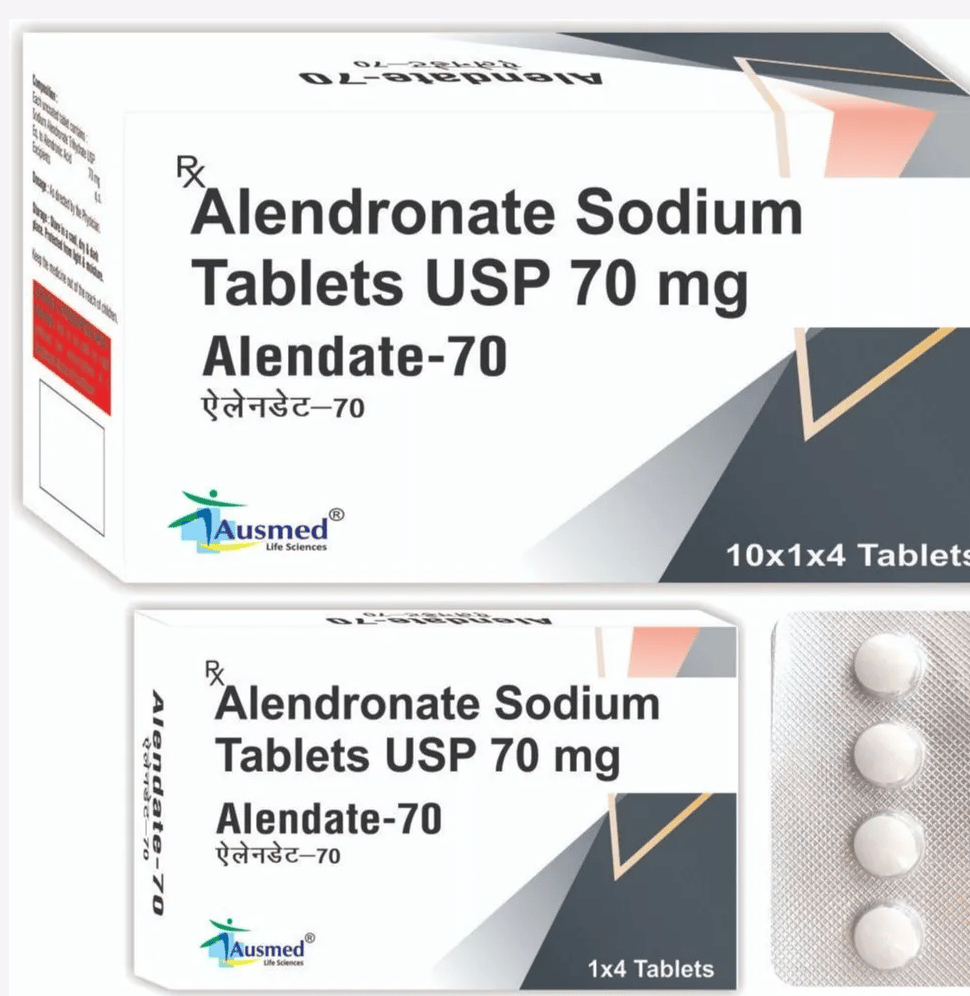
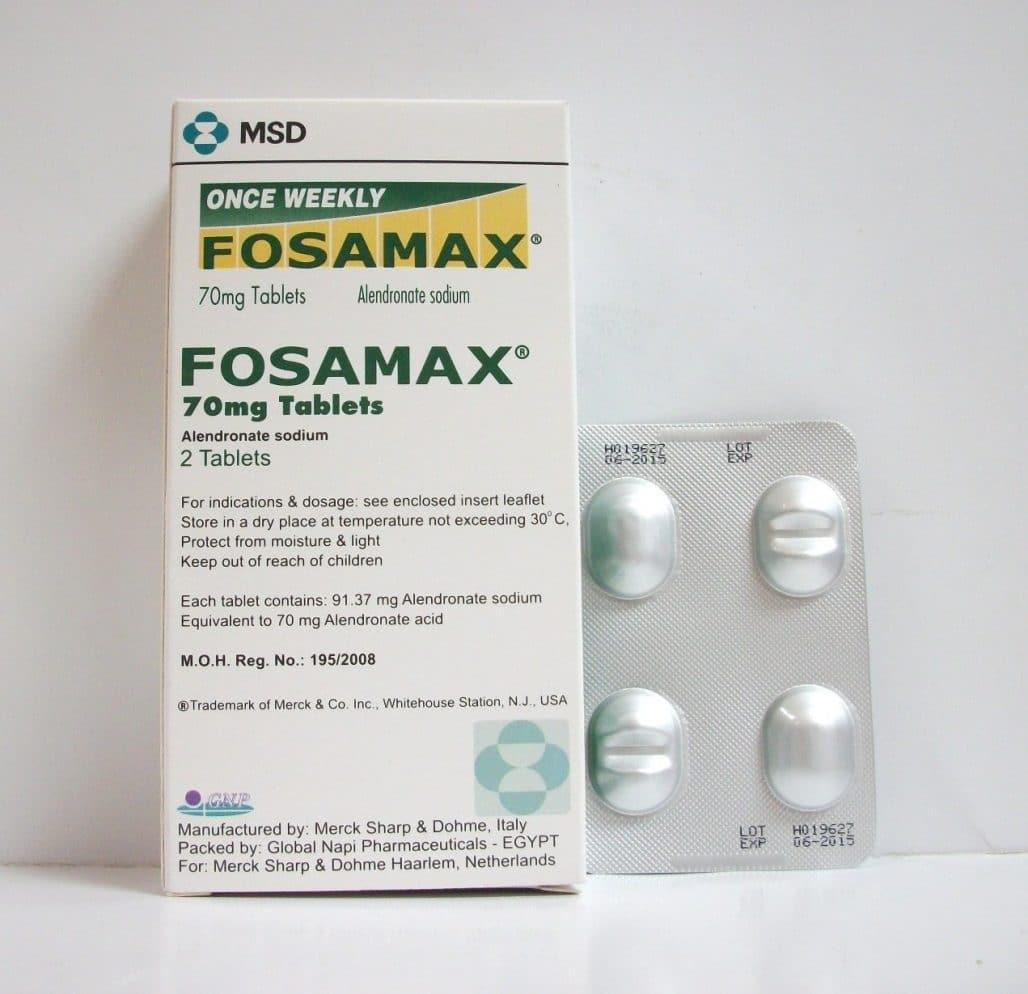
    Many people recognize alendronate by the brand name Fosamax. Generic and brand forms contain the same active ingredient when approved as equivalent products. If your pharmacy switches products or packaging, confirm the instructions before your next dose. You can also review Fosamax Generic for general background on brand-to-generic considerations.

    Morning Timing, Coffee, and Other Medicines

    Most labels instruct people to take alendronate first thing in the morning, before food, drink, or other medicines. Use a full glass of plain water. After swallowing the tablet, stay sitting or standing for at least 30 minutes and until after your first food of the day. Do not chew, crush, or suck the tablet.

    Coffee is a common sticking point. If you wonder how long after taking Fosamax you can drink coffee, many medication guides state to wait at least 30 minutes before any beverage other than plain water. Some clinicians advise a longer gap for calcium, iron, or antacids because these can bind minerals or interfere with absorption. Ask your prescriber or pharmacist how to space your full morning routine.

    What to Avoid While Taking Alendronate

    The main things to avoid around your dose are food, non-water drinks, lying down, and close-timed supplements or medicines that interfere with absorption. These restrictions are not meant to make treatment difficult. They help reduce esophageal irritation and support consistent absorption.

    • Food too soon: Wait until the label-directed fasting period ends.
    • Coffee or juice: Use plain water only with the tablet.
    • Calcium too close: Separate calcium, iron, magnesium, and antacids as instructed.
    • Lying down: Stay upright to protect the esophagus.
    • Double dosing: Do not take two tablets in one day unless your clinician says so.

    Can you take Fosamax in the afternoon? For most people, morning dosing is preferred because the stomach is empty and upright time is easier to guarantee. Afternoon dosing can be unreliable if you have already eaten or may lie down soon after. If mornings are not realistic, ask about a different osteoporosis medicine or formulation rather than improvising.

    Exercise also raises practical questions. Gentle walking after the dose is usually compatible with staying upright. Strenuous bending, floor exercises, or high-impact activity during the first 30 minutes may worsen reflux for some people. After the waiting period and breakfast, most people can return to their usual activity plan if their clinician has cleared it. For non-drug bone support ideas, see Exercise and Bone Health.

    Side Effects and Warning Signs to Take Seriously

    Alendronate side effects can range from mild stomach symptoms to rare but serious bone, jaw, or esophageal problems. Many people tolerate the medicine, but side effects deserve attention because technique, other conditions, and treatment duration can affect risk.

    Commonly reported effects include heartburn, stomach pain, nausea, constipation, diarrhea, gas, headache, and muscle or joint aches. If you searched for Fosamax side effects, you will see similar warnings because Fosamax is a brand name for alendronate. Mild symptoms may improve, but persistent or severe symptoms should be discussed promptly.

    Serious warning signs include chest pain, new or worsening trouble swallowing, pain when swallowing, black or bloody stools, severe heartburn, swelling or exposed bone in the jaw, and new thigh, groin, or hip pain. New thigh or groin pain can rarely signal an atypical femur fracture, a stress-type break that needs evaluation. Jaw pain, poor healing, or exposed jaw bone may suggest osteonecrosis of the jaw, which is uncommon but important.

    Dental Work and Jaw Concerns

    Dental side effects are uncommon with osteoporosis-dose bisphosphonates, but planning matters. Tell your dentist and prescriber that you take alendronate before extractions, implants, or other invasive dental procedures. Routine cleanings, good brushing, and treating dental infections early may lower overall risk.

    People with cancer-related high-dose bone medicines have a higher jaw-risk context than most people taking osteoporosis doses. Still, anyone with jaw pain, swelling, loose teeth, numbness, drainage, or exposed bone should seek dental or medical evaluation. Do not stop alendronate on your own before dental work; ask your clinician how to balance fracture risk and procedure planning.

    Quick tip: Keep an updated medicine list for both medical and dental visits.

    How Long Treatment May Continue

    How long to take alendronate depends on fracture risk, response, side effects, and updated bone density information. Some people remain on therapy for several years before a formal reassessment. Others need a different plan sooner because of side effects, kidney function concerns, new fractures, or changes in medical history.

    Clinicians may discuss a supervised “drug holiday” for some lower-risk people after a period of stability. This does not mean everyone should stop at the same time. People at higher fracture risk may need continued treatment or another therapy. Because alendronate can remain in bone after stopping, the decision should be planned rather than abrupt.

    People also ask how long alendronate stays in the system. A small amount is cleared through the kidneys, while the portion bound to bone can remain for a long time. That bone-binding property is part of why weekly dosing can work and why stopping decisions should include a clinician’s review of current fracture risk.

    Missed Doses and Routine Problems

    If you miss a weekly dose, follow the medication guide that came with your prescription or ask a pharmacist for instructions. Many weekly alendronate guides advise taking the missed tablet the next morning after you remember, then returning to the original weekly schedule. They also warn not to take two tablets on the same day.

    Missed doses often reflect a routine problem, not a motivation problem. Travel, early work shifts, caregiving, fasting instructions, and reflux can all interfere. If you miss doses repeatedly, write down what gets in the way. Bring that list to your appointment so your clinician can adjust the plan or discuss another option.

    For people comparing access and product options, BorderFreeHealth can connect eligible U.S. patients with licensed Canadian partner pharmacies, where prescription details are verified when required before dispensing. This access context does not replace a clinical decision about whether alendronate is appropriate for you.

    Alternatives and Shared Decisions

    Alendronate is one osteoporosis option, not the only one. Other bisphosphonates, hormone-related therapies, bone-building medicines, and injection-based options may be considered depending on fracture risk, kidney function, prior fractures, tolerance, and personal preferences. The safest choice is the one that matches your risk profile and that you can use correctly.

    Some people say, “I don’t want to take osteoporosis drugs,” because they fear rare side effects. That concern deserves a respectful conversation. Untreated osteoporosis also carries risks, especially after a prior fracture. A balanced visit should compare the likelihood and consequences of fracture against the likely benefits and risks of each treatment path.

    Natural strategies can support bone health, but they usually do not replace medication for people at high fracture risk. Weight-bearing activity, resistance training, fall prevention, enough protein, adequate calcium and vitamin D, smoking cessation, and limiting excess alcohol can all matter. Early detection also helps. If you are still sorting out risk, Early Signs of Osteoporosis may help you prepare better questions.

    When comparing medicines, ask about dosing rules, kidney considerations, dental planning, expected monitoring, possible side effects, and what happens if treatment stops. Risedronate is one oral bisphosphonate alternative; Actonel is a related product page that can help you recognize one brand name used in this class. Product pages are useful for orientation, but your prescriber should guide treatment selection.

    Questions to Bring to Your Clinician

    A short question list can make the appointment more useful. It also helps you avoid deciding based only on fear, habit, or a single search result.

    • My fracture risk: What makes treatment worth considering now?
    • My dose plan: Which schedule matches my diagnosis and routine?
    • My other medicines: What should I separate from alendronate?
    • My dental care: Should any dental work happen before starting?
    • My monitoring: When should bone density or labs be reviewed?
    • My exit plan: When will we reassess duration or alternatives?

    If swallowing problems, severe reflux, kidney disease, low calcium, pregnancy planning, or major dental procedures apply to you, raise those issues before starting. They may change the risk-benefit discussion or point toward another approach.

    Authoritative Sources

    For official patient medication instructions, see the FDA Medication Guide for Fosamax. It outlines approved uses, dosing instructions, and serious warnings in patient-facing language.

    For a plain-language drug summary, MedlinePlus information on alendronate reviews common uses, precautions, side effects, and missed-dose guidance.

    For treatment adherence and duration context, the Bone Health and Osteoporosis Foundation explains why staying with a workable plan matters and when to revisit concerns.

    Recap

    So, what is alendronate used for in everyday care? It is used to help reduce fracture risk in osteoporosis and selected bone-loss conditions by slowing bone breakdown. Its benefits depend on correct use, realistic routines, and regular reassessment.

    If alendronate does not fit your life, that does not mean you are out of options. Bring your concerns, side effects, dental plans, and missed-dose patterns to your care team. A safer plan starts with honest details and shared decisions.

    This content is for informational purposes only and is not a substitute for professional medical advice.

  • Fosamax Generic Name: Safe Use, Side Effects, and Timing

    Fosamax Generic Name: Safe Use, Side Effects, and Timing

    The fosamax generic name is alendronate. Fosamax is the brand name, while alendronate is the established medicine name clinicians and pharmacists use for prescribing, safety checks, and refill records. Knowing both names helps you recognize the same treatment across labels, visit summaries, pharmacy paperwork, and reliable health resources.

    Alendronate belongs to a medicine class called bisphosphonates. These medicines slow bone breakdown, which may help protect bone strength in people with osteoporosis or certain other bone conditions. The details matter because this medication has strict timing rules. Small routine changes can affect absorption and throat irritation risk.

    Key Takeaways

    • Generic name: Fosamax is alendronate.
    • Drug class: It is a bisphosphonate.
    • Main use: It helps reduce bone loss.
    • Timing matters: Take it with plain water only.
    • Safety watch: Report swallowing, chest, jaw, or thigh pain.

    What the Fosamax Generic Name Means

    The fosamax generic name matters because many medication lists use generic names first. A prescription bottle may say alendronate even if your clinician mentioned Fosamax during the visit. That does not automatically mean the treatment changed. It often means the pharmacy dispensed the generic version of the same active ingredient.

    Generic names also reduce confusion when several brands or manufacturers exist. If you enter a hospital, see a dentist, or compare refill labels, the word alendronate helps different professionals identify the same active medicine. This is especially useful when you take several prescriptions or supplements.

    Alendronate is commonly written as alendronate sodium on labels. The sodium part describes the salt form used in the tablet, not a separate active treatment goal. If your label, visit note, or pharmacy record looks different from what you expected, ask the pharmacist to confirm the active ingredient before assuming there was a mistake.

    Why it matters: Brand and generic name confusion can lead to duplicate therapy or missed safety instructions.

    Where Alendronate Fits in Bone Health Care

    Alendronate is used to help prevent or treat bone loss in selected adults. It is most often discussed in osteoporosis care, including postmenopausal osteoporosis and some cases of bone loss related to long-term corticosteroid use. Clinicians may also consider it for some men with osteoporosis, depending on fracture risk and test results.

    Osteoporosis means bones have become weaker and more likely to fracture. It often develops silently, so a bone density test may reveal risk before a fracture occurs. If you want more context on warning signs and diagnosis, see Early Signs of Osteoporosis.

    The decision to use alendronate is not based on age alone. Clinicians weigh fracture history, bone density, fall risk, kidney function, swallowing problems, dental plans, and current medications. These factors help determine whether a bisphosphonate is suitable or whether another option may fit better.

    For a deeper look at indications, see Alendronate Uses. For class-level context, Bisphosphonate Drugs explains how related medicines are grouped and compared.

    Why Weekly Dosing Is Common

    Weekly alendronate is common because the medicine binds strongly to bone surfaces. After absorption, it becomes incorporated into areas where bone remodeling occurs. This bone-binding behavior allows some regimens to use a weekly schedule instead of a daily one, when prescribed that way.

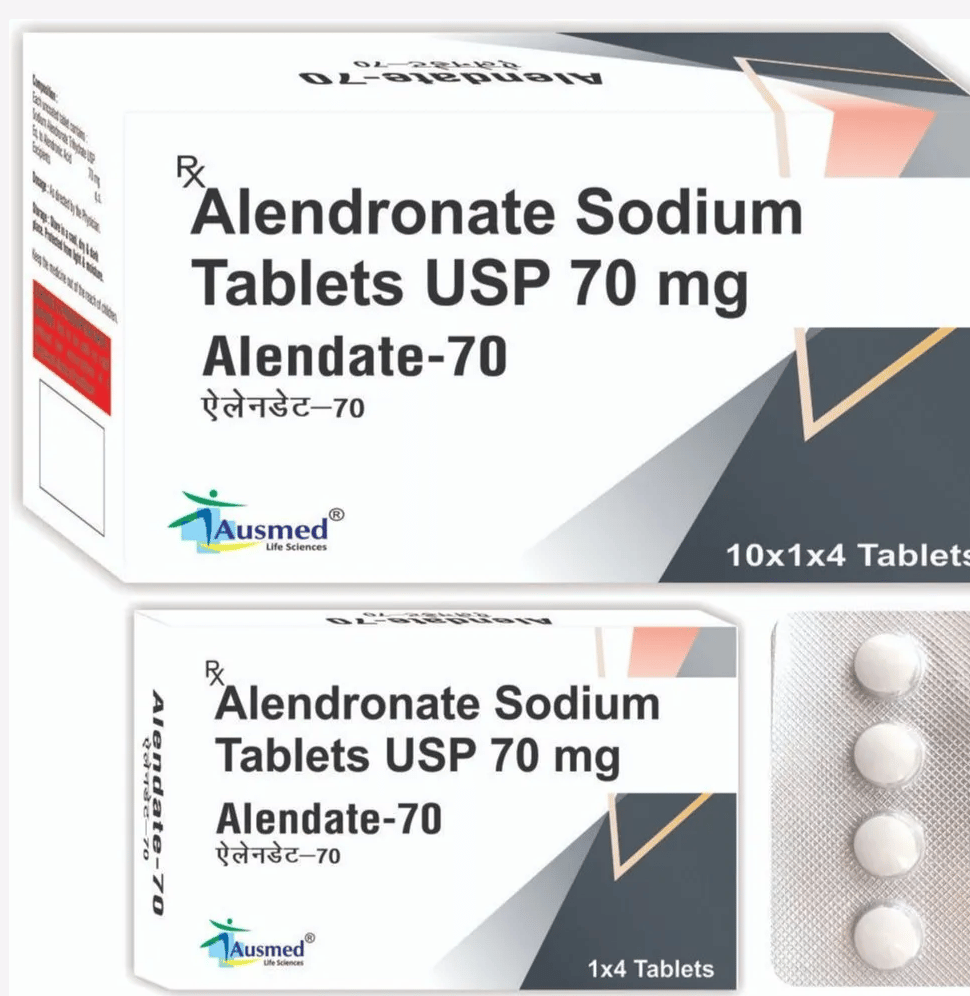
    You may see labels or discussions that mention alendronate sodium 70 mg once a week. That is a common adult regimen for certain indications, but it is not the right plan for everyone. Your prescriber chooses the dose and schedule based on the reason for treatment, your medical history, and the product dispensed.

    The weekly routine can be convenient, but it is also easy to disrupt. Many people choose one consistent morning each week. A visible reminder can help, as long as it does not lead to taking the tablet with breakfast, coffee, supplements, or other medicines too soon.

    How to take a weekly tablet safely

    Take alendronate exactly as your prescription label states. In general, oral tablets are taken after waking, on an empty stomach, with a full glass of plain water. The tablet should be swallowed whole. You should remain sitting or standing for at least 30 minutes, and until after your first food of the day, unless your clinician gives different instructions.

    These steps are not just routine details. Food, coffee, juice, mineral water, calcium, iron, magnesium, and antacids can reduce absorption if taken too close to the tablet. Lying down too soon can increase the chance of esophageal irritation, meaning irritation in the tube that carries food from your mouth to your stomach.

    If you are comparing instructions across labels, Alendronate Mechanism of Action explains why this medicine behaves differently from many daily pills.

    Foods, Drinks, and Medicines to Separate

    Plain water is the safest drink to use with alendronate. Coffee, tea, milk, juice, and mineral water may interfere with how much medicine your body absorbs. Breakfast should usually wait until the required spacing time has passed, based on your prescription directions.

    Calcium supplements deserve special attention. Calcium is important for bone health, but it can bind alendronate in the gut if taken too close together. The same concern may apply to iron, magnesium, multivitamins, and antacids. Ask your pharmacist how to space your full medication list, including non-prescription products.

    People often ask whether they can take alendronate in the afternoon. The answer depends on whether the same empty-stomach and upright rules can be followed safely. Many afternoon routines include food, coffee, supplements, or reflux triggers, so morning dosing is often simpler. Do not change timing without checking your prescriber or pharmacist.

    Quick tip: Keep the tablet away from your daily pill organizer if morning separation prevents mix-ups.

    Side Effects and Warning Signs to Know

    Alendronate can cause side effects, although many people tolerate it. Common concerns include stomach upset, heartburn, nausea, gas, constipation, diarrhea, and muscle, joint, or bone aches. These symptoms may be mild, but they still deserve attention if they persist or affect daily life.

    Some symptoms need prompt medical guidance. Contact a clinician if you develop chest pain, new or worsening heartburn, pain when swallowing, trouble swallowing, or vomiting blood. These can signal irritation or injury in the esophagus or upper digestive tract. Seek urgent care for severe allergic symptoms, severe pain, or symptoms that feel rapidly worsening.

    Rare but serious risks are part of long-term safety discussions. These include osteonecrosis of the jaw, a condition where jawbone healing is impaired, and atypical femur fractures, which are unusual fractures of the thigh bone. These events are uncommon, but the warning signs matter. Tell your clinician about new jaw pain, loose teeth, poor healing after dental work, or new thigh or groin pain.

    Dental and jaw precautions

    Good dental care can lower avoidable risk. Tell your dentist you take alendronate before extractions, implants, or other invasive dental procedures. Routine cleanings are still important, and dental symptoms should not be ignored. Your prescriber and dentist can discuss timing if major dental work is planned.

    People sometimes search for Fosamax side effects on teeth. The main concern is not ordinary tooth decay caused by the medicine. The important rare issue is jawbone healing trouble, especially around invasive dental procedures or in people with additional risk factors. Your dental team can help separate common dental problems from symptoms that need medical review.

    Missed Doses, Exercise, and Daily Routine

    If you miss a weekly dose, follow the patient instructions that came with your prescription. Many labels advise taking one dose the morning after you remember, then returning to the regular weekly day. However, you should not take two doses on the same day. Confirm the plan with your pharmacist if the label is unclear.

    Exercise can support bone health, balance, and fall prevention, but it should match your fitness level and fracture risk. After the required upright period and first meal, light activity is often reasonable unless your clinician has advised restrictions. Report new thigh, hip, groin, chest, or severe bone pain before pushing through exercise.

    Weight-bearing activity, strength training, and balance work may all have a role in bone health. The right plan depends on your fracture history, pain, mobility, and fall risk. For general activity context, see Exercise and Bone Health.

    How Long Treatment May Continue

    Alendronate treatment length varies by fracture risk and response. Some people use it for a defined period and then have their risk reassessed. Others may continue longer when fracture risk remains high. This review often includes bone density results, fracture history, tolerance, age, and other medical factors.

    Because alendronate binds to bone, its effects can persist after stopping. That persistence is one reason clinicians sometimes discuss a planned pause, often called a drug holiday, for selected lower-risk patients. This is not the same as stopping on your own because you feel well. Bone loss and fracture risk can be silent.

    If side effects lead you to stop, tell your clinician what happened and when. Details such as swallowing pain, reflux, jaw symptoms, or thigh pain can change the next step. Your care team may consider another bisphosphonate, a different medication class, or non-drug measures depending on your situation.

    Alternatives and Related Options

    Alendronate is only one option in osteoporosis care. Other bisphosphonates, such as risedronate, may be considered when schedule, tolerance, or clinical factors differ. Non-bisphosphonate treatments may also be appropriate for some people, especially when fracture risk is high or oral bisphosphonates are not suitable.

    Replacement choices are individualized. A good comparison includes kidney function, reflux or swallowing problems, dental procedures, fracture history, injection preferences, and monitoring needs. Avoid assuming one alternative is universally better. The best fit depends on the clinical reason for treatment and your overall risk profile.

    For navigation, BorderFreeHealth lists medication pages separately from educational content. You can review Alendronate Tablets for product-name familiarity, or compare related medicine names such as Actonel Tablets and Prolia Prefilled Syringe before discussing options with a clinician. These pages should not replace prescribing advice.

    To browse broader condition education, the Bone and Joint Health collection may help you prepare questions about fracture prevention, exercise, and monitoring.

    Authoritative Sources

    For patient-friendly drug information, review the MedlinePlus alendronate medicine summary. It covers common warnings, use instructions, and symptoms to report.

    For clinical background on uses and adverse effects, the Mayo Clinic alendronate oral route page offers a structured overview for patients.

    For dental safety context, the American Dental Association osteoporosis medications resource discusses oral health considerations for people using these therapies.

    Recap

    The fosamax generic name is alendronate, and that name is the key to recognizing the medicine across labels and medical records. Safe use depends on more than the tablet itself. The timing, water-only instructions, upright posture, dental communication, and early symptom reporting all help reduce avoidable problems.

    Bring your full medication and supplement list to appointments. Ask how to space calcium, iron, antacids, coffee, and breakfast. If you have swallowing trouble, severe reflux, planned dental surgery, kidney disease, or new thigh or jaw pain, raise those issues before your next dose decision.

    This content is for informational purposes only and is not a substitute for professional medical advice.

  • Alendronate Mechanism of Action and Safe Use Basics

    Alendronate Mechanism of Action and Safe Use Basics

    Alendronate mechanism of action is the process by which the drug slows bone breakdown. It is a bisphosphonate that attaches to bone and reduces the activity of osteoclasts, the cells that remove old bone. That helps limit ongoing bone loss and gives bone-forming cells more room to keep up. For patients, this matters because the way alendronate works also explains the strict dosing steps, the main precautions, and why timing matters.

    Why it matters: The same medicine that can help protect bone can also be harder to use correctly than a typical tablet.

    Key Takeaways

    • Alendronate is a bisphosphonate used in osteoporosis care.
    • It slows osteoclast-driven bone resorption, or bone breakdown.
    • Food, calcium, and other medicines can reduce absorption.
    • Staying upright after a dose helps lower esophagus irritation risk.
    • Safety and fit depend on your history, other medicines, and whether you can follow the instructions closely.

    Alendronate Mechanism of Action in Plain Language

    At a basic level, bone is always being remodeled. Osteoclasts (cells that break down old bone) clear away worn bone, and osteoblasts (cells that build bone) help replace it. In osteoporosis, that balance can tilt toward more breakdown than rebuilding. Alendronate belongs to the Bisphosphonate Drugs class, which is designed to slow that excess breakdown.

    Unlike calcium or vitamin D, alendronate does not act as raw material for bone. It changes the pace of bone turnover. That distinction matters because people sometimes expect it to directly replace lost bone, when its main role is to reduce how quickly bone is being removed.

    What Happens At The Bone Surface

    The alendronate mechanism of action starts with the drug binding tightly to mineralized bone. When osteoclasts attach to the bone surface and begin resorption, they take up some of the medicine. That means the drug acts where bone loss is happening, not just floating through the bloodstream without a target.

    Inside the osteoclast, alendronate interferes with the mevalonate pathway, a pathway the cell uses to maintain normal structure and signaling. This disrupts key cell functions and can lead to apoptosis (programmed cell death). In plain terms, the bone-breaking cell becomes less active and may not survive as long.

    What That Means For Bone Strength

    When osteoclast activity falls, bone resorption slows. That does not mean alendronate instantly rebuilds damaged bone or acts like a pain reliever. It means the body loses less bone over time, which can help preserve or improve bone density and lower fracture risk in the right setting. If you want a broader overview of its role, What Is Alendronate Used For adds more context.

    Bone remodeling is a long-term process. Even when treatment is working as intended, the change usually shows up through follow-up, monitoring, and bone density discussions rather than after a few doses. That is why expectations need to be realistic from the start.

    People also sometimes assume that a stronger mechanism automatically means a better fit. In reality, the science is only one part of the decision. The best choice depends on whether the medicine matches the person’s risks, routine, and ability to take it safely.

    Why The Instructions Are So Specific

    The short answer is that oral alendronate can be difficult to absorb, and it can irritate the esophagus if it does not move into the stomach properly. Understanding alendronate mechanism of action is helpful, but good results also depend on correct administration. A mistimed dose may mean too little drug gets absorbed, while a poorly taken dose may increase irritation.

    The common question about waiting 30 minutes after taking alendronate comes back to absorption and safety. Food, coffee, juice, calcium, iron, antacids, and many other medicines can interfere when taken too soon. Remaining upright also helps the tablet move downward rather than lingering in the esophagus, where it can cause discomfort or injury.

    Because alendronate uses an oral route, swallowing and stomach timing matter more than they would with an injectable therapy. That is one reason oral bisphosphonates often come with more detailed administration instructions than people expect from a once-daily or once-weekly medicine.

    • Empty stomach first – take it before food or other medicines.
    • Plain water only – avoid coffee, juice, or mineral water.
    • Swallow whole – do not crush or chew the tablet.
    • Stay upright – sit or stand after the dose.
    • Wait 30 minutes – before food, drinks, or other medicines.
    • Check product directions – some formulations have added steps.

    These rules can feel fussy, but they are not arbitrary. They are meant to help the medicine reach the right place and lower irritation risk. If bone-supportive habits are also part of your plan, articles on Strong And Healthy Bones and Bolstering Bone Health can help you think beyond the pill itself.

    Quick tip: Bring a list of your morning supplements and medicines to any medication review.

    Where It Fits In Osteoporosis Care

    Alendronate is most often discussed as a treatment option for osteoporosis, especially when the goal is to reduce ongoing bone loss. It may also be used in other bone-loss settings, depending on the condition and the prescriber’s judgment. The key point is that it fits into a larger fracture-prevention strategy, not a stand-alone fix.

    A clinician usually weighs several factors before suggesting an oral bisphosphonate. Those can include bone density results, age, fracture history, family history, how likely someone is to fall, and whether they can comfortably follow the dosing rules attached to the product prescribed. People who already have swallowing problems or significant upper digestive symptoms may need a different discussion.

    Some people are poor candidates for alendronate even before side effects come up. A history of certain esophageal problems, an inability to stay upright after taking the tablet, untreated low calcium, or significant kidney concerns can all change the conversation. Those issues do not mean treatment is impossible, but they may point toward a different plan.

    This is also why early recognition matters. If you are still learning about bone loss itself, Early Signs Of Osteoporosis and the Bone And Joint Health hub give a broader picture of symptoms, risk factors, and related treatment topics.

    Patient teaching usually centers on a few practical questions: Can you take the tablet exactly as directed? Are calcium, iron, or antacids part of your morning routine? Has a clinician checked whether low calcium could be an issue first? Are major dental procedures coming up? Those details do not change the drug class, but they may change whether this is a sensible option for you.

    Alendronate is also only one part of care. Fall prevention, weight-bearing activity when appropriate, nutrition, and follow-up matter too. Medication can slow bone loss, but it does not replace the rest of a bone health plan.

    Some patients without insurance explore cash-pay prescriptions through licensed Canadian partner pharmacies.

    Side Effects, Warnings, And Interaction Questions

    Most alendronate side effect discussions start with the digestive tract. Heartburn, stomach upset, nausea, abdominal pain, and irritation with swallowing can occur. Some people also report muscle, joint, or bone pain. Many patients tolerate the medicine reasonably well, but the experience can vary widely.

    When Caution Matters More

    Certain warnings deserve extra attention. New trouble swallowing, chest pain after taking the tablet, severe or worsening heartburn, or signs of bleeding in the digestive tract deserve prompt medical review. Rare but serious problems, such as jaw problems after dental work or unusual thigh or groin pain that may suggest an atypical femur issue, are also part of the risk discussion. Low calcium can matter too, because alendronate is not appropriate if that has not been addressed.

    Dental history matters because jaw complications, while uncommon, are part of long-term safety discussions for bisphosphonates. It is sensible to tell both your dentist and your prescribing clinician that alendronate is on your medication list, especially before invasive dental work.

    Interaction questions are often less dramatic but very important. Calcium supplements, iron, antacids, and some other oral medicines can reduce absorption if taken too close together. That is one reason a complete medication list matters, including vitamins, protein powders, and over-the-counter products. If you are also thinking about recovery nutrition after injury or surgery, Nutrition For Orthopedic Surgery offers related background on bone healing support.

    None of this means alendronate is a bad option. It means the fit depends on your broader health picture. For many readers, the most useful next step is not guessing whether the medicine is right or wrong, but understanding which cautions apply before the first dose.

    Comparing Alendronate With Other Options

    The question of whether Fosamax or Prolia is safer does not have one universal answer. Fosamax is a brand name for alendronate, while Prolia is denosumab, a different medicine with a different mechanism and a different way of being given. The better fit depends on the person’s fracture risk, kidney function, calcium status, digestive history, dental issues, and ability to follow a strict oral routine.

    In day-to-day care, oral alendronate is often appealing because it is familiar and widely used. Its downside is the administration burden and upper digestive cautions. Denosumab avoids the swallowing issue, but it brings its own monitoring questions and transition planning concerns if treatment changes. If brand and generic naming are confusing, Fosamax Generic and Alendronate Product Details are simple reference points.

    No table can decide a treatment plan, but a quick comparison can show why the answer depends on the person. In real life, the tradeoff is often oral routine versus injection visits, digestive tolerance versus follow-up needs, and how steady the long-term plan is likely to be.

    Decision Factor Alendronate Denosumab (Prolia)
    Drug type Bisphosphonate Monoclonal antibody
    How it is given Oral tablet Injection
    Practical challenge Strict timing and upright dosing Ongoing follow-up and transition planning
    Common discussion points Swallowing history, stomach and esophagus issues Calcium status, follow-up, and monitoring

    That is also why the alendronate mechanism of action should not be the only factor in a treatment decision. Mechanism explains how a medicine works. It does not, by itself, decide whether it is the safest or simplest option for a given person. Access questions can matter too, especially for long-term therapy.

    Where required, prescription details are verified with the prescriber before dispensing.

    The main point of alendronate mechanism of action is simple: it slows the cells that break bone down. Everything else on the label, from waiting 30 minutes to watching for certain symptoms, flows from trying to use that effect safely and effectively within real life.

    Authoritative Sources

    Further reading can help you connect the science, the instructions, and the safety questions before your next appointment.

    This content is for informational purposes only and is not a substitute for professional medical advice.