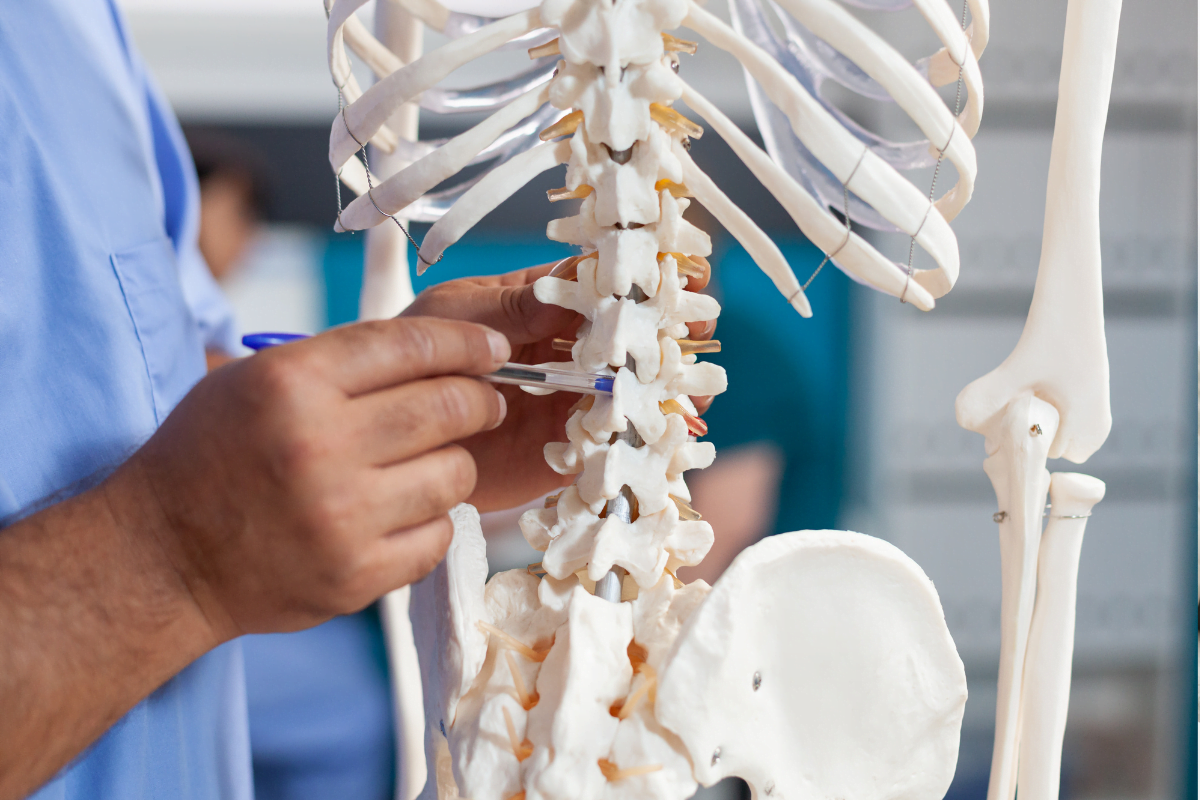
Category: Bone & Joint Health

Bone and joint concerns can affect daily routines and independence. This Bone & Joint Health hub supports patients and caregivers who want clear, practical information. It covers common supplement ingredients, everyday mobility goals, and safety topics. It also explains how browsing and checkout work with an online pharmacy platform. Ships from Canada to US is available for eligible items.

Some people focus on joint comfort and range of motion. Others track bone density support, posture, or spinal and hip health. This page keeps the language plain, while still using clinical terms when helpful.

What You’ll Find in This Category

This category brings together education and browsing tools for natural joint health. You will see topics tied to mobility and flexibility support, cartilage support, and tendon and ligament support. You will also find information that relates to bone strength support and aging joint support.

Bone & Joint Health pages often cover supplement ingredients and practical comparisons. When relevant, they also link to deeper reading in our General Health hub.

  • Ingredient overviews, such as glucosamine chondroitin, MSM for joints, and collagen for joints.
  • Plant-based options, including turmeric curcumin for joints and other anti-inflammatory supplements for joints.
  • Joint structure topics, like hyaluronic acid joint support (a synovial fluid component).
  • Bone-focused nutrients, such as calcium vitamin D3 K2, magnesium for bone health, and vitamin K2 for bones.
  • Minerals sometimes discussed for connective tissue, like silica for bones and joints and boron for bone health.
  • Goal-based guides for post-workout joint recovery and day-to-day mobility planning.

Dispensing is handled through licensed Canadian partner pharmacies when prescriptions are needed.

How to Choose

Start by naming the goal in plain terms. Some people prioritize stiffness on waking. Others want support for exercise recovery or long walks. Then match that goal to ingredients and product formats. Bone & Joint Health content highlights common choices without pushing a single path.

Match the ingredient to the goal

Many joint support supplements combine several ingredients. Multi-ingredient blends can simplify routines, but they also add overlap. Single-ingredient products can make it easier to track changes.

  • Goal clarity: joint comfort, mobility, or bone density support.
  • Primary ingredient: collagen, glucosamine, MSM, omega-3 for joint health, or turmeric.
  • Format fit: capsules, powders, or liquids based on swallowing needs.
  • Label transparency: full ingredient list, allergen notes, and serving details.
  • Quality signals: third-party testing statements and lot tracking when available.
  • Diet needs: vegan options, gelatin sources, or added sweeteners.
  • Duplication risk: repeated magnesium, vitamin D, or turmeric across products.

Quick tip: Keep a simple list of all supplements and prescriptions in one place.

Watch for common comparison pitfalls

People often compare products only by the headline ingredient. That misses important differences, like added minerals or botanical extracts. It also helps to consider timing needs around meals and other meds. Patients taking mineral supplements may need spacing from certain antibiotics. For examples, see Ciprofloxacin Overview details and discuss timing with a clinician.

Safety and Use Notes

Supplements can still carry risks, especially with chronic conditions or complex medication lists. People with kidney disease, liver disease, or a history of kidney stones should use extra caution with minerals. Pregnancy and breastfeeding also change the safety picture for many botanicals.

Bone & Joint Health topics also flag interaction patterns in plain language. For example, omega-3 and turmeric may affect bleeding risk for some patients. That matters for people taking anticoagulants (blood thinners). Read related medication context in Apixaban Blood Clot Prevention and Xarelto Dental Procedures.

  • Bring a complete medication list to clinical visits, including supplements.
  • Check for duplicate ingredients across a multivitamin and a joint formula.
  • Ask about bleeding risk when using omega-3, turmeric, or high-dose vitamin E.
  • Ask about spacing minerals from certain antibiotics and thyroid medicines.
  • Look for stimulant ingredients that can worsen anxiety or insomnia.
  • Stop and seek help for rash, swelling, trouble breathing, or severe stomach pain.

If a prescription is required, we verify it with the prescriber.

Why it matters: The safest plan accounts for both supplements and prescriptions together.

For neutral background on supplement oversight, review the FDA resource: Dietary Supplements (FDA).

For nutrient basics tied to bone strength, see: Calcium Fact Sheet (NIH ODS).

Some prescription medicines also relate to bone health discussions. Certain anti-seizure medicines can affect vitamin D status over time. For reference pages, see Carbamazepine Overview and Dilantin Infatabs 50 Mg.

Access and Prescription Requirements for Bone & Joint Health

Some items in this broader health area do not require a prescription. Others may require one, depending on the product type and local rules. Product pages note when prescription documentation is required.

When a prescription applies, the process focuses on safe dispensing and documentation. This platform supports cross-border access to prescription medication through Canadian pharmacy partners. Many patients use cash-pay access, often without insurance.

  • Create an account to manage addresses and required documentation.
  • Submit prescription information when a product page requires it.
  • Expect pharmacy review before dispensing, when applicable.
  • Use order history to track refills and past requests.
  • Contact support for administrative questions about documentation status.

This content is for informational purposes only and is not a substitute for professional medical advice.


  • Recognizing Early Signs of Osteoporosis: A Practical Guide

    Recognizing Early Signs of Osteoporosis: A Practical Guide

    Osteoporosis often progresses quietly, but noticing early signs of osteoporosis can make a meaningful difference. Small changes—like subtle height loss or a new ache after routine chores—may be your first clue. Acting early supports safer movement, fewer fractures, and better quality of life. This guide combines clinical language with plain talk so you can understand what’s happening, why it matters, and what to consider next.

    Key Takeaways

    • Silent condition, real risks: bone loss advances without obvious pain.
    • Watch for clues: height loss, back rounding, or easy fractures.
    • Screening matters: DXA scans and risk tools guide decisions.
    • Treatment works: medicines and lifestyle changes help protect bone.

    Early Signs of Osteoporosis You Should Notice

    The condition rarely announces itself with sharp pain. Instead, your body may send quiet signals. Subtle height loss over months may reflect vertebral compression (tiny spine fractures). A rounded upper back, called kyphosis (forward curve), can also develop gradually. People sometimes notice a looser waistband or pants suddenly dragging at the heels. These small changes deserve attention, especially after age 50 or following menopause.

    Fragility fractures—breaks from a minor fall or bump—are another warning. They often occur in the wrist, spine, or hip. Persistent back aches after lifting or even coughing may signal a vertebral fracture. Grip weakness, receding gums from dental bone loss, and brittle nails can also appear. On their own, each sign seems minor. Together, they indicate bone strength may be slipping, and a review with a clinician could help clarify your risk.

    Tip: Track your height yearly and note changes in posture. Small trends add up and help your clinician decide when to test.

    Why Bones Weaken: Causes and Risk Drivers

    Bone is living tissue that remodels constantly. With aging, the rebuild pace can’t match losses, and density drops. Hormonal shifts after menopause accelerate bone turnover. Family history, low body weight, smoking, inactivity, and heavy alcohol use add to risk. Nutrition matters as well, especially low calcium intake or vitamin D deficiency. Certain conditions—like hyperthyroidism—or low sex hormones in men can weaken bone too. In short, what causes osteoporosis spans biological changes and lifestyle patterns over time.

    Medicines can also influence bone. Long-term use of systemic corticosteroids (for asthma, arthritis, or autoimmune disease) increases fracture risk. For a focused review of steroid-related bone loss, see Glucocorticoid-Induced Osteoporosis for context on prevention and monitoring. If you live with multiple risk factors, a proactive discussion about screening and fall prevention can help lower cumulative harm.

    Screening and Diagnosis: From Risk Check to DXA

    Clinicians assess bone health using history, exam, and testing. If you wonder how is osteoporosis diagnosed, a dual-energy X-ray absorptiometry (DXA) scan measures bone mineral density (BMD). Results report a T-score (comparison with healthy young adults). A T-score of −2.5 or lower typically indicates osteoporosis, while osteopenia reflects milder bone loss. Vertebral fracture assessment (VFA) may be added to detect silent spine fractures that height charts can miss.

    Guidelines describe who should be screened and when. For an independent summary of age thresholds and risk-based screening, review the USPSTF screening guidance. For a plain-language overview of bone density testing and T-scores, the NIH osteoporosis overview covers fundamentals. Lab work may also check vitamin D status, calcium, kidney and thyroid function, and celiac screening when appropriate. If you need a refresher on the condition itself, see our Osteoporosis Condition page for definitions and common terms.

    Pain, Fatigue, and Other Overlooked Clues

    Bone loss itself isn’t typically painful, but fractures are. People often ask whether does osteoporosis cause back pain. New, persistent mid- or lower-back pain after light activity can signal a vertebral compression fracture. Hip or groin discomfort after a simple twist or step can indicate a stress fracture. Pain in the legs may reflect related strain, altered gait, or another cause entirely, which is why assessment matters.

    Fatigue may creep in due to reduced activity after a fracture, poor sleep from pain, or fear of falling. Some people feel colder or notice unintentional weight changes, but these symptoms are non-specific and deserve careful evaluation for other conditions. Height loss, rounding of the back, and a history of a low-trauma wrist fracture also raise concern. If your daily function shrinks because of pain or fear, a tailored plan can restore strength and confidence safely.

    Treatment Pathways: Building and Protecting Bone

    Therapy aims to reduce fracture risk and improve function. When discussing how is osteoporosis treated, clinicians pair lifestyle measures with medicines when appropriate. Bisphosphonates are a first-line option for many adults. For an overview of this class, see Bisphosphonate Drugs to understand benefits and cautions. If you want the science behind a leading agent, review Alendronate Mechanism Of Action for how it slows bone turnover. Some patients may start with denosumab or an anabolic agent depending on fracture risk, tolerance, or prior response.

    Therapy choice depends on risk category, other conditions, and personal preferences. To compare real-world options and sequencing, our editorial guide Navigating Osteoporosis Treatment Options outlines common strategies and monitoring steps. If alendronate is appropriate for you, see Alendronate Tablets for product details and precautions. For patients considering a twice-yearly injection, review Prolia Prefilled Syringe to understand indications and safety notes. For guideline-informed decision-making, the Endocrine Society guideline summarizes pharmacologic options and follow-up.

    Note: Medicine names here are informational only. Discuss risks, benefits, and alternatives with your clinician before starting or changing any treatment.

    Lifestyle and Prevention: Daily Actions That Help

    Healthy habits amplify the effects of medicine and, for many adults, may slow bone loss on their own. Weight-bearing exercise and resistance training stimulate bone remodeling. For practical programming and safety cues, see Exercise And Bone Health, which outlines movements and progression. Diet also counts. Adequate protein supports muscle and bone; calcium and vitamin D help maintain mineralization. For menu ideas and nutrients to emphasize, visit Best Foods For Bones for evidence-informed choices.

    Home safety reduces falls, which reduces fractures—the outcome that matters most. Make lighting brighter, remove tripping hazards, and review footwear. For a room-by-room checklist, see Preventing Falls And Fractures to plan simple upgrades. Smoking cessation, moderating alcohol, and spending short periods in safe sunlight can help too. In short, prevention of osteoporosis is a daily practice across movement, nutrition, and environment—not a single pill or scan.

    Prognosis, Stages, and When to Seek Care

    Your future risk depends on bone density, prior fractures, age, and overall health. Clinicians sometimes talk about stages of bone loss: normal BMD, osteopenia, osteoporosis, and severe osteoporosis (with fragility fractures). This helps frame decisions, but day-to-day function and falls matter just as much. After a major fracture, short-term risks include immobility, blood clots, and infection. Long-term, hip and spine fractures may impair independence. That’s why osteoporosis prognosis improves with early identification, safer movement, and appropriate therapy.

    If you’ve had a low-trauma fracture after age 50, if you’re shrinking in height, or if pain follows a minor twist or cough, seek evaluation. Prior fractures are strong predictors of future fractures. If steroid therapy is necessary for another condition, ask about bone-protective steps early. Timely action helps reduce harm and supports meaningful routines, from walking with friends to playing with grandkids.

    Strong bones support everyday joys. Start with awareness, add smart screening, and build a personal plan that fits your life. For deeper reading and planning tools, explore our editorial resources linked above.

    This content is for informational purposes only and is not a substitute for professional medical advice.

  • Ankylosing Spondylitis: Symptoms, Causes, and Treatment

    Ankylosing Spondylitis: Symptoms, Causes, and Treatment

    Ankylosing spondylitis is an inflammatory arthritis that mainly affects the spine and sacroiliac joints, where the spine meets the pelvis. It can cause deep back or buttock pain, morning stiffness, fatigue, and reduced flexibility. Early recognition matters because treatment, movement, and follow-up can help protect function and reduce inflammation over time.

    The condition often starts before age 45 and may come on gradually. Many people describe pain that feels worse after rest but improves once they move. The name can sound intimidating, so the common pronunciation is ang-kih-LOH-sing spon-dill-EYE-tiss.

    Key Takeaways

    • Main pattern: Back pain with morning stiffness often improves with activity.
    • Common sites: The spine, sacroiliac joints, hips, ribs, heels, and eyes may be involved.
    • Diagnosis approach: Clinicians combine symptoms, exam findings, imaging, and selected blood tests.
    • Treatment goals: Care aims to reduce pain, preserve mobility, and calm inflammation.
    • Daily support: Exercise, posture work, sleep routines, and smoking cessation can support care.

    What Ankylosing Spondylitis Means in Plain Language

    Ankylosing spondylitis belongs to a group called axial spondyloarthritis, meaning inflammation is centered around the spine and pelvis. The sacroiliac joints are often involved early. Inflammation can also affect entheses, which are the spots where tendons or ligaments attach to bone.

    Why this matters: mechanical back strain and inflammatory back pain behave differently. A pulled muscle often worsens with use and improves with rest. Inflammatory back pain often does the opposite. It may wake a person in the second half of the night, feel worse in the morning, then ease after stretching or walking.

    Unchecked inflammation may contribute to new bone formation and reduced spinal flexibility in some people. That progression varies widely. Many people never develop severe structural change, especially when symptoms are recognized and managed early.

    For a broader condition hub, the Rheumatology category can help readers explore related inflammatory joint topics. You can also review Autoimmune Diseases for a plain-language look at immune-mediated conditions.

    Early Symptoms and Red Flags to Watch

    The most common ankylosing spondylitis symptoms are inflammatory low back pain, morning stiffness, and pain around the buttocks or hips. Symptoms may start on one side, switch sides, or feel deep rather than sharp. Stiffness lasting more than 30 minutes after waking is a common clue.

    Other symptoms can appear outside the lower back. Heel pain may come from enthesitis, which is inflammation where tendons or ligaments attach. Chest wall or rib involvement can make deep breathing uncomfortable. Fatigue is also common because inflammation affects the whole body, not only the joints.

    Eye inflammation deserves special attention. Uveitis, also called iritis, can cause a painful red eye, light sensitivity, blurred vision, or sudden eye discomfort. Those symptoms need prompt medical assessment because eye inflammation can threaten vision if ignored.

    Common symptom patterns

    • Morning stiffness: Often improves after movement.
    • Night pain: May wake you after several hours of sleep.
    • Buttock pain: Can alternate sides or feel deep.
    • Heel tenderness: May reflect tendon attachment inflammation.
    • Eye symptoms: Redness and light sensitivity need urgent review.

    Quick tip: Track stiffness duration, sleep disruption, and what improves pain.

    Symptoms can differ by sex. Some women report more neck, hip, peripheral joint, or widespread pain early on. Imaging changes may be less obvious at first, which can delay recognition. Men may be more likely to show classic spinal changes, but no symptom pattern belongs to only one sex.

    Causes, Triggers, and Risk Factors

    Ankylosing spondylitis causes are not explained by one single factor. The condition develops through a mix of genetic susceptibility, immune system activity, and environmental influences. The HLA-B27 gene is strongly linked to risk, but many people with HLA-B27 never develop the condition.

    Family history matters. Having a close relative with axial spondyloarthritis, psoriasis, inflammatory bowel disease, or related inflammatory conditions may raise suspicion when symptoms fit. Gut inflammation and prior infections may also be considered during evaluation, although they do not explain every case.

    Smoking is an important modifiable risk factor. It may worsen symptoms and is associated with poorer spinal health in people with spondyloarthritis. If quitting feels difficult, a clinician can help match support to your health history and readiness.

    People often ask whether ankylosing spondylitis is an autoimmune disease. Experts usually describe it as immune-mediated. It overlaps with autoimmune disease because the immune system drives inflammation, but some pathways look more autoinflammatory, meaning the innate immune system is heavily involved. The practical point is simple: treatment focuses on controlling inflammation safely.

    Symptoms can flare without an obvious cause. Poor sleep, infection, missed movement, high stress, or smoking may contribute for some people. A diary can help you and your clinician separate patterns from coincidence.

    How Clinicians Confirm a Diagnosis

    Ankylosing spondylitis diagnosis usually combines a careful history, physical exam, imaging, and selective blood tests. No single test proves the condition in every person. Clinicians look for a consistent pattern across symptoms and objective findings.

    The history often focuses on age at symptom onset, morning stiffness, night pain, improvement with activity, family history, eye inflammation, bowel symptoms, psoriasis, and response to anti-inflammatory medication. The physical exam may assess spinal mobility, hip movement, chest expansion, posture, and tender entheses.

    Imaging and blood tests

    X-rays can show structural changes in the sacroiliac joints, but those changes may take time to appear. MRI can detect active inflammation earlier, especially when X-rays are normal but symptoms strongly suggest axial spondyloarthritis. Imaging choices depend on symptoms, duration, and clinical judgment.

    Blood tests may include HLA-B27, C-reactive protein, and erythrocyte sedimentation rate. HLA-B27 is a genetic marker, not a diagnosis by itself. Inflammatory markers can be normal even when symptoms are active, so normal results do not always rule out disease.

    A rheumatologist may use classification criteria to support diagnosis, but criteria are not a substitute for clinical judgment. If your symptoms are persistent, bring a timeline of pain patterns, stiffness duration, prior eye symptoms, family history, and any imaging reports.

    Why it matters: Earlier diagnosis can prevent years of untreated inflammation and uncertainty.

    Treatment Paths and Medication Decisions

    Ankylosing spondylitis treatment usually starts with education, regular exercise, physical therapy, and nonsteroidal anti-inflammatory drugs when appropriate. Treatment goals are to reduce pain, improve function, calm inflammation, and support daily life. The right plan depends on symptom severity, other conditions, pregnancy plans, infection risk, and personal priorities.

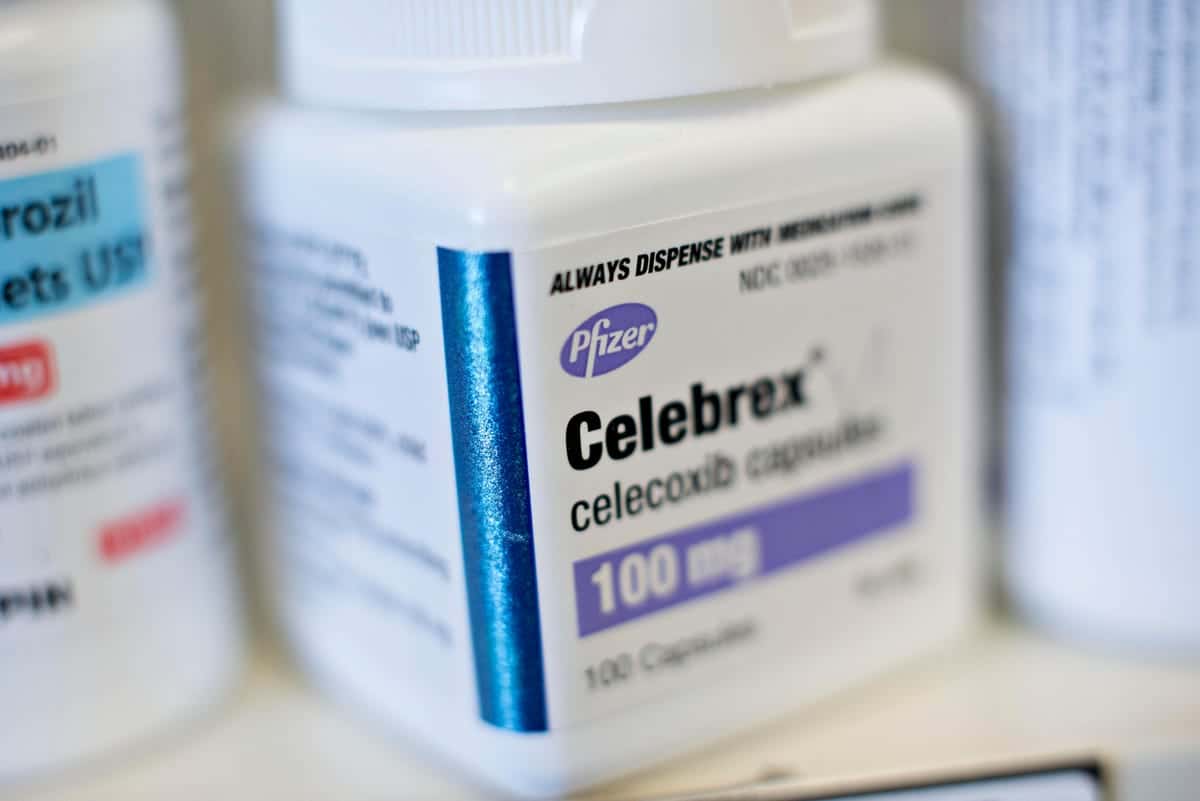
    NSAIDs may help pain and stiffness, but they are not right for everyone. Stomach ulcers, kidney disease, cardiovascular risk, blood thinners, and other medicines can affect safety. For general background on one arthritis NSAID option, see Celebrex and Arthritis. For safety context, Celebrex Side Effects explains common concerns to discuss with a clinician.

    Some people need biologic therapy when inflammation remains active despite first-line care. Biologics target specific immune pathways, such as tumor necrosis factor or interleukin-17. They may be given as injections or infusions, depending on the medicine. Before starting, clinicians often review infection history, vaccination timing, tuberculosis screening, hepatitis screening, and other safety factors.

    For an example of how one injectable biologic is discussed in patient education, see Enbrel Injection. Product pages such as Enbrel SureClick Auto Injector can show device format, but individual treatment choices should come from a prescribing clinician.

    Some readers search for a permanent cure for ankylosing spondylitis or stories about how someone “cured” it. At present, treatment focuses on long-term control rather than a guaranteed cure. Many people can improve symptoms and stay active with the right combination of medical care, movement, monitoring, and lifestyle support.

    Exercise, Posture, and Daily Self-Care

    Movement is a core part of ankylosing spondylitis care because stiffness often improves with activity. A physical therapist can tailor exercises to your spine, hips, chest wall, and current limitations. The safest plan usually builds gradually and respects pain signals.

    Helpful routines often include spinal extension, hip mobility, hamstring stretching, chest expansion, and low-impact aerobic activity. Walking, swimming, and cycling are common choices because they support endurance without heavy joint impact. Strength training may also help when it is introduced carefully.

    Posture work matters because inflammation can encourage protective positions. Short movement breaks during desk work may help more than one long stretch at the end of the day. Sleep setup can also matter; some people prefer a supportive mattress and a pillow arrangement that avoids prolonged flexed posture.

    • Start small: Use short daily sessions.
    • Vary movement: Combine stretching, strength, and cardio.
    • Protect breathing: Add gentle chest expansion work.
    • Watch flares: Reduce intensity during severe symptom days.
    • Ask early: Seek physical therapy if mobility is declining.

    For wider joint-health reading, the Bone and Joint Health category offers related educational resources.

    Progression, Life Expectancy, and Complications

    Most people with ankylosing spondylitis do not face a sharply shortened life expectancy from the diagnosis alone. Outcomes depend on inflammation control, complications, cardiovascular risk, smoking, other health conditions, and access to consistent care. The bigger day-to-day issue is often pain, fatigue, stiffness, and the effect on work, sleep, and activity.

    Advanced disease can lead to reduced spinal flexibility, limited chest wall expansion, and hip arthritis. Some people hear phrases such as “stage 4” online. That phrase is not always used consistently in clinical care, but it usually refers to severe structural change or marked stiffness. Progression is not inevitable for every person.

    Extra-articular complications are important. Uveitis can affect the eyes. Inflammatory bowel disease may cause chronic diarrhea, abdominal pain, blood in stool, or weight loss. Psoriasis can affect skin and nails. Less commonly, heart or lung issues may require specialist evaluation.

    Seek urgent care for sudden eye pain with light sensitivity, new neurological symptoms after a fall, chest pain, severe shortness of breath, fever with immunosuppressive therapy, or signs of a serious allergic reaction. These symptoms need timely assessment, not watchful waiting.

    Authoritative Sources

    For a federal overview of symptoms, risk factors, and treatment concepts, see the NIAMS ankylosing spondylitis resource.

    For patient-friendly medical library information, review MedlinePlus on ankylosing spondylitis.

    For treatment recommendations from rheumatology experts, the ACR treatment guideline PDF summarizes evidence-based management principles.

    Recap

    Inflammatory back pain deserves careful attention, especially when it starts young, improves with movement, and causes prolonged morning stiffness. Ankylosing spondylitis can affect the spine, hips, ribs, eyes, and energy levels, but diagnosis and treatment are more effective when patterns are recognized early.

    Bring a written symptom timeline to appointments. Include stiffness duration, night pain, exercise response, family history, eye symptoms, bowel symptoms, prior imaging, and medicines tried. Clear details help your clinician decide what tests and referrals make sense.

    This content is for informational purposes only and is not a substitute for professional medical advice.

  • Rheumatoid Arthritis Winter Exercises for Stiff Joints

    Rheumatoid Arthritis Winter Exercises for Stiff Joints

    Rheumatoid arthritis winter exercises work best when they start gently, warm stiff joints indoors, and avoid pushing through pain. Cold weather does not cause rheumatoid arthritis, but it can make movement feel slower and less predictable. A short warm-up can prepare your hands, feet, knees, hips, shoulders, and back before walking, household tasks, errands, or a planned workout. It also gives you time to notice swelling, fatigue, balance changes, and whether today needs a lighter plan.

    Key Takeaways

    • Warm up first: Start indoors with slow, low-impact movement.
    • Move within comfort: Stiffness can ease, but sharp pain is a warning sign.
    • Choose joint-friendly options: Walking, cycling, water exercise, tai chi, and modified yoga may fit winter routines.
    • Check swollen joints: Heat, redness, or new swelling may mean modifying activity.
    • Plan for the weather: Footwear, layers, lighting, and indoor backups matter.

    Why Rheumatoid Arthritis Winter Exercises Need a Slower Start

    Rheumatoid arthritis is an autoimmune inflammatory condition, meaning the immune system can affect the lining of joints. This can cause pain, swelling, warmth, stiffness, and reduced range of motion. Many people notice that winter adds extra barriers, including colder joints, slippery routes, darker mornings, and less motivation to move.

    A warm-up is not a full workout. It is the bridge between rest and activity. Gentle movement may help raise muscle temperature, improve circulation, and make joints feel more ready for the next task. This matters most after sleep, after long sitting, or before walking on uneven outdoor surfaces.

    If symptoms are new, changing, or appearing on both sides of the body, it may help to review Early Signs of Rheumatoid Arthritis. For broader condition topics, the Rheumatology collection can help you find related reading.

    Why it matters: A careful first five minutes can make movement feel less abrupt.

    A Simple Arthritis Warm-Up Routine for Cold Mornings

    A good winter warm-up should be short, repeatable, and easy to adjust. Start in a warm room. Wear supportive shoes if you plan to stand. Keep a chair, counter, or wall nearby if balance is uncertain.

    Move slowly through a comfortable range. Do not force a stretch or bounce into a painful position. If you work with a physiotherapist, occupational therapist, or exercise professional, use their plan first. If you are unsure, ask which movements fit your flare pattern, joint damage, strength, and balance.

    Warm-Up Move How to Keep It Gentle What It Prepares
    Marching in place Stand near support or march seated with slow foot lifts. Hips, knees, ankles, circulation, and balance awareness.
    Shoulder rolls Roll forward and backward without shrugging hard. Shoulders, upper back, posture, and arm movement.
    Wrist circles Circle each wrist slowly, then open and close the fingers. Hands for dressing, gripping, cooking, and typing.
    Ankle circles Circle one ankle at a time while seated or supported. Feet, ankles, walking comfort, and steadiness.
    Sit-to-stand practice Rise from a chair only if controlled and comfortable. Leg strength for stairs, errands, and getting outdoors.

    You may see the 3 3 3 rule for exercise mentioned online. It is not a formal rheumatoid arthritis guideline. As a memory aid, some people use it to mean three minutes of easy movement, three mobility drills, and three body checks: pain, swelling, and fatigue. Treat it as a prompt, not a prescription.

    Rheumatoid arthritis winter exercises should make the next movement easier. If the warm-up increases pain, changes your gait, or makes a joint feel hotter, pause and reassess.

    Five Low-Impact Exercises That Often Fit Winter

    The most practical winter options usually reduce pounding while still supporting mobility, strength, balance, and heart health. There is no single best exercise for everyone with rheumatoid arthritis. The right choice depends on symptoms, energy, fitness level, medications, fall risk, and weather conditions.

    • Indoor walking: Hallways, malls, or indoor tracks can reduce ice concerns.
    • Stationary cycling: Light resistance allows leg movement with less foot impact.
    • Water exercise: Warm pools may feel supportive for stiff joints.
    • Tai chi: Slow movement may support balance and body awareness.
    • Modified yoga: Gentle poses can focus on breathing, posture, and mobility.

    Light strengthening can also be useful when joints are stable. Resistance bands, body-weight movements, or isometric exercises may help maintain function. Isometric exercise means tightening a muscle without much joint movement. During active swelling, loaded strengthening may need a different plan.

    For background on movement and bone strength, see Exercise and Bone Health. The Bone & Joint Health collection also groups related mobility and joint-care topics.

    Hands, Legs, and Morning Stiffness Need Different Moves

    Small joints and large joints often need different warm-up choices. Hands may feel stiff with buttons, jars, phones, steering wheels, or keyboards. Legs may feel stiff when getting out of bed, climbing stairs, or stepping onto cold pavement.

    For hands, gentle range-of-motion work may include opening and closing the fingers, touching each fingertip to the thumb, or sliding fingers along a towel on a table. Keep the motion slow and easy. If a hand joint is visibly swollen, very tender, or losing function, ask an occupational therapist about splints, pacing, and safer grip positions.

    For legs, seated knee extensions, ankle pumps, heel raises, and slow side steps may help prepare the hips, knees, ankles, and feet. Use a stable chair or counter if balance is uncertain. Footwear matters too. Shoes with support and traction can reduce hesitation and may make winter walking feel more controlled.

    Morning stiffness often needs a longer transition. Some people begin with ankle circles, knee bends, and hand movements before leaving bed. Others use a warm shower, layered clothing, or a heating pad before moving more. Heat can feel soothing, but it should not replace medical assessment when swelling, redness, fever, or new severe pain appears.

    Quick tip: Keep your routine simple enough to repeat on low-energy days.

    How to Help Rheumatoid Arthritis in Cold Weather

    Cold-weather planning works best when movement, warmth, and safety support each other. A warm-up helps, but it is only one part of the day. Clothing, timing, footwear, lighting, hydration, and backup plans can all affect how confident movement feels.

    Dress in layers so your joints and muscles stay warm during the first minutes outside. Gloves may help hand comfort, especially if gripping a cane, rail, leash, or steering wheel feels difficult. If cold air bothers your breathing, indoor walking or cycling may be a better choice that day.

    Check walking routes before you leave. Ice, uneven sidewalks, and low light can create risks that fitness alone cannot solve. Choose shorter routes when conditions are poor. Consider indoor options when the surface looks unsafe, your fatigue is high, or your balance feels off.

    Hydration still matters in winter. People often drink less when temperatures drop, yet indoor heating can be drying. Sleep, stress, and illness can also affect rheumatoid arthritis symptoms. Rheumatoid arthritis winter exercises work better when they respect the whole day, not only the workout window.

    It can also help to understand the condition you are managing. Rheumatoid arthritis differs from osteoarthritis and from other autoimmune conditions. For broader immune-system context, see Autoimmune Diseases. For lifestyle planning across chronic conditions, Chronic Illness Through Diet and Exercise may offer useful context.

    When to Modify, Pause, or Ask for Help

    Exercise safety with rheumatoid arthritis depends on symptom changes, not willpower. Mild stiffness at the start of activity can feel different from sharp pain, sudden swelling, or joint warmth. If movement makes pain escalate, changes how you walk, or leaves a joint more swollen, it is reasonable to stop and seek guidance.

    During a flare, the goal may shift from fitness-building to comfort, range of motion, and joint protection. Gentle movement may still fit some people. Heavier resistance, long walks, or repeated stairs may need to wait until inflammation settles. Your rheumatology or rehabilitation team can help you decide what belongs in each phase.

    Seek timely medical advice for chest pain, shortness of breath, fainting, a fall, fever with joint swelling, sudden weakness, or a joint that becomes hot and very painful. These symptoms need more than a home exercise adjustment.

    Medication questions should stay separate from exercise decisions. Pain-relief plans, anti-inflammatory medicines, and disease-modifying therapies need clinician input. For background reading on anti-inflammatory pain medicines, see Celebrex and Arthritis. Product pages such as Plaquenil, Xeljanz, and Humira Prefilled Syringe can help you prepare factual medication questions for a prescriber or pharmacist.

    If prescription access becomes part of your care planning, BorderFreeHealth connects U.S. patients with licensed Canadian partner pharmacies. Where required, pharmacy dispensing includes prescriber verification of prescription details.

    Questions to Bring to Your Care Team

    A useful winter plan should fit your real life. Your joints, flare history, home setup, work demands, fatigue, medications, and comfort with outdoor walking all matter. Bring practical questions so your plan feels specific, not generic.

    • Flare plan: Which movements should change during active swelling?
    • Warm-up length: How should morning stiffness guide the first movement block?
    • Hand function: Would splints, grip tools, or hand therapy help?
    • Strength work: Which joints can safely handle resistance right now?
    • Balance concerns: Should footwear or walking aids be reviewed?
    • Indoor options: Are water exercise, cycling, tai chi, or yoga reasonable choices?

    Example: someone with stiff hands and stable knees may focus on hand mobility, grip tools, and indoor cycling. Someone with swollen feet may need more rest, footwear review, and clinician-approved range-of-motion work. Both people are exercising thoughtfully, but their winter routines should not look identical.

    For patients without insurance, cash-pay cross-border prescription options may be available, subject to eligibility and jurisdiction. Keep access questions separate from medical decisions, and review treatment choices with your prescriber.

    Authoritative Sources

    Putting the Winter Routine Together

    Winter does not have to stop movement, but it may require a gentler start. Warm up indoors, choose low-impact activities, respect swollen joints, and keep your plan flexible. The most helpful routine is one you can repeat safely, adjust during flares, and discuss openly with your care team.

    For many people, the next step is not a harder workout. It is a clearer routine: a few minutes of easy movement, a joint check, and a realistic plan for the weather outside.

    This content is for informational purposes only and is not a substitute for professional medical advice.

  • Bone Healing Process Guide For Orthopedic Surgery Nutrition

    Bone Healing Process Guide For Orthopedic Surgery Nutrition

    Recovery after orthopedic surgery often raises big questions about timelines, pain, and nutrition. Understanding the bone healing process helps you set realistic expectations and focus on what you can control. We explain core biology in everyday terms, outline practical supports, and discuss red flags worth raising with your clinician. You will also find guidance on activity, imaging, and nutrition so you can advocate for steady, safe progress.

    Key Takeaways

    • Stages of repair: inflammation, repair, and remodeling.
    • Timeframes vary by bone, age, and health factors.
    • Nutrition and movement choices shape recovery quality.
    • Imaging confirms progress; report persistent pain or deformity.

    Understanding the Bone Healing Process

    Bone repair is a living, dynamic cascade. Right after injury or surgery, your body starts clotting, inflammation, and immune cleanup. Next, cells build a soft cartilaginous matrix, then weave new bone. Finally, the skeleton reshapes itself, restoring strength and alignment. Clinicians call these phases inflammatory, reparative, and remodeling, and each relies on oxygen, nutrients, and stable fixation.

    Healing speed differs widely. Location, fracture pattern, fixation method, blood supply, and comorbidities can lengthen recovery. Smoking, poorly controlled diabetes, low vitamin D, and anemia can slow cellular work. Your role is meaningful: nourish consistently, follow movement precautions, and keep follow-up appointments. With teamwork, your surgeon’s plan and your daily habits can align toward durable function and safer mobility.

    The Stages of Fracture Healing

    Different textbooks group phases differently, but the biology is consistent. Some clinicians teach three broad phases; others outline more granular steps. If you prefer a checklist frame, you’ll see references to the 5 stages of fracture healing across many resources. The labels vary, yet the sequence moves from early inflammation to cartilage, to woven bone, and finally to mature, remodeled bone.

    From Inflammation to Remodeling: What Happens Inside

    Early on, a hematoma (blood clot) forms and signals immune cells to clear debris. Vessels sprout to re-supply oxygen. In the reparative phase, fibrocartilage stabilizes the gap and osteoblasts (bone-building cells) lay down woven bone. Over months, remodeling reshapes this quick patch into stronger lamellar bone. The final pattern reflects real forces: weight, muscle pull, and alignment. That’s why stable fixation, nutritional sufficiency, and graded loading support better structure.

    For a clinician-oriented overview, see the StatPearls review for foundations of fracture repair biology and timelines (NCBI StatPearls). For balanced patient education, AAOS offers practical context on healing and follow-up expectations (AAOS OrthoInfo).

    Timeline: What to Expect Week by Week

    Timeframes depend on bone type, blood supply, fixation, and health status. Long bones with good blood flow may progress faster. Areas with thin soft-tissue coverage or complex patterns tend to move slower. Surgeons often monitor function, pain, and imaging, then adjust activity as bridges of new bone appear.

    You’ll see lay references to bone healing timeline weeks, but remember this varies widely. Some bones bear weight earlier, others need longer protection. Children typically consolidate faster than older adults. No chart fits everyone. Expect your care team to personalize milestones based on alignment, hardware stability, and radiographic signs of bridging cortex. Report setbacks promptly, especially sudden pain, swelling, or deformity after a push in activity.

    Clinical Clues and Imaging: Are Things on Track?

    Real-world checks include pain levels, tenderness at the site, and improving function. But imaging validates progress and informs decisions about activity. On films, practitioners look for callus and bridging across the fracture line. Clearer edges, less lucency, and continuity across cortices usually mean maturing stability.

    Radiologists describe signs of fracture healing on x ray when callus becomes more organized and the gap fades. Your team may space out imaging if recovery looks steady. If pain persists, alignment looks off, or hardware looks loose, new images can clarify the next step. Combine that information with your daily experience: sleep, appetite, and swelling patterns tell a meaningful story.

    Weight Bearing and Movement: Finding the Right Dose

    Loading bones sensibly can encourage maturation, but the dose matters. Too much stress too soon risks displacement or hardware fatigue. Too little stimulus may slow remodeling and prolong stiffness. Your surgeon’s protocol reflects the fracture pattern, fixation method, and bone quality.

    Many patients ask: how does weight bearing influence the bone healing process. The answer depends on stability, pain, and imaging evidence. Physical therapy introduces gradual loads, range of motion, and proprioception. Consider supportive work like cycling or pool therapy when cleared. For practical drills and dosing concepts, see Exercise and Bone Health for a safe progression as repair advances (Exercise and Bone Health).

    Warning Signs and Risks

    Most fractures progress as expected, but some slow down or stall. Excessive, unchanging pain, persistent swelling, or motion at the site can signal trouble. Local redness, warmth, or fever may suggest another problem requiring attention. Raise concerns early; timely adjustments can prevent bigger setbacks.

    People sometimes search for signs a broken bone is not healing when pain and function lag. Common contributors include smoking, poor nutrition, inadequate stabilization, or infection. If infection is suspected, learn about evaluation basics in Bone and Joint Infection to understand risk factors and next steps (Bone and Joint Infection). If concerns persist, ask about additional imaging or labs during your follow-up.

    Nonunion and Malunion: What It May Mean

    Some cases progress slowly, then stop. Others heal in the wrong position. Both situations deserve a tailored plan. Fixation may need revision, biology may need boosting, or alignment might need correction. Your team weighs risks, function, and your goals before recommending an approach.

    So, what happens if a broken bone doesn t heal properly. Malalignment can stress joints and soft tissues, affecting gait and comfort. Nonunion can cause ongoing pain and instability. Your clinicians may discuss bone grafts, revision fixation, or metabolic evaluation. For broader bone-health context, reviewing Early Signs of Osteoporosis can help you identify systemic risks that influence future fractures (Early Signs of Osteoporosis).

    Nutrition and Metabolic Support After Orthopedic Surgery

    Your body needs energy, protein, and micronutrients to build new tissue. Aim for steady protein intake across the day, plus calcium, vitamin D, magnesium, and vitamin K from food first. Hydration supports blood flow and transport. If you’re older or undernourished, ask about screening for vitamin D deficiency or anemia.

    Build a plate that supports recovery and inflammation control. For menu ideas and grocery planning, see Best Foods for Strong Bones for nutrient-dense options that fit different diets (Best Foods for Strong Bones). If your clinician discusses osteoporosis medicines that affect remodeling, our overview of Bisphosphonate Drugs explains classes and use considerations in plain language (Bisphosphonate Drugs). For practical lifestyle supports, Bolstering Bone Health offers simple routines that many patients find sustainable (Bolstering Bone Health).

    Do Tingling and Pain Mean Healing?

    Sensation can change as tissues settle, nerves wake up, and swelling fluctuates. Pins-and-needles near the site may reflect recovering soft tissues or cast pressure, but persistent numbness or severe pain needs evaluation. The goal is comfort that gradually improves, not misery that stalls progress.

    People often ask: do broken bones tingle when healing. Tingling alone is nonspecific; track context. New tightness under a splint, cold fingers or toes, or worsening pain can signal urgency. If paresthesia increases with swelling, call your care team. Use elevation, rest, and gentle movement when cleared, and monitor whether symptoms recede with these steps.

    Age, Bone Quality, and Whole-Body Health

    Muscle mass, hormone status, blood flow, and comorbidities all shape the pace of recovery. Older adults may need more protein and vitamin D, plus strength work tailored to balance and safety. Bone density, prior fractures, and medications also influence outcomes and follow-up schedules.

    For age-specific strategies, Keep Bones Healthy Over 65 offers habit-focused ideas to support resilience and mobility (Keep Bones Healthy Over 65). If osteoporosis is part of your picture, you can explore Osteoporosis Treatment Options to understand how various therapies may fit during and after healing (Osteoporosis Treatment Options). Discuss all medicines with your treating clinician to coordinate safely during recovery.

    Practical Recovery Checklist

    Small actions compound over weeks. Start with regular meals, prioritize sleep, and keep your wound care consistent. Use your pain plan as prescribed, then taper with your team’s guidance. Protect the repair but keep the rest of your body moving, as allowed. Finally, plan your environment to limit falls and unplanned strain.

    For simple home modifications and balance tips, Preventing Falls and Fractures outlines practical steps to reduce repeat injuries (Preventing Falls and Fractures). If your plan includes alendronate later, see What Is Alendronate Used For for indications and precautions in everyday language (What Is Alendronate Used For). Curious about how it works in bone turnover? Alendronate Mechanism of Action explains the basics without jargon (Alendronate Mechanism of Action).

    When to Re-image or Re-check

    Symptoms guide decisions more than calendars. Persistent point tenderness, new deformity, or spikes of pain after a step-up in activity may prompt earlier follow-up. Surgeons consider hardware integrity, alignment, and callus maturity before green-lighting new loads. Patience here protects long-term function.

    Some fractures need closer monitoring due to infection risk, soft-tissue coverage, or systemic illness. If concerns about osteomyelitis arise, review our overview on Bone Infection for evaluation basics to inform your questions during visits (Bone Infection). For medication questions during healing, Fosamax Generic offers context on a common option used after consolidation in appropriate patients (Fosamax Generic).

    Imaging Milestones and Team Communication

    Your X-rays and your lived experience tell the full story. Share sleep quality, appetite, swelling, and pain trends. They can signal stress before films do. If activities of daily living remain hard despite time and therapy, ask what adjustments could safely help—bracing tweaks, assistive devices, or different exercises.

    Tip: Bring a written list of milestones and concerns to each visit. This keeps discussions focused and reduces anxiety. For broader reading on musculoskeletal care, explore our Bone & Joint Health library to see related topics and safety tips (Bone & Joint Health).

    Recap

    Healing is a partnership between your biology, your surgical plan, and your daily habits. Clear expectations, patient nutrition, and graded movement support steady progress. Report worrisome changes early, and use follow-ups to make small, timely adjustments. With consistent care and collaboration, most patients regain comfort and function on a timeline tailored to their situation.

    Note: This content is for informational purposes only and is not a substitute for professional medical advice.
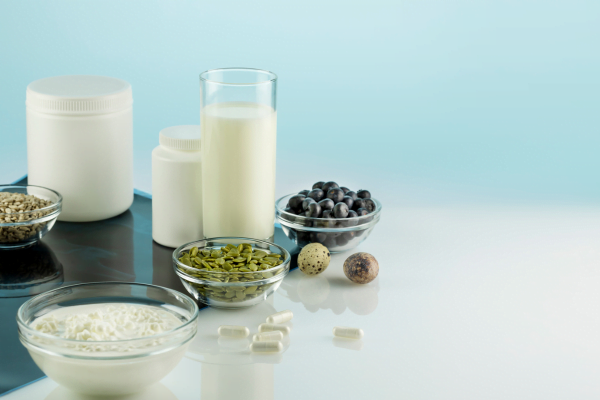
  • Bolstering Bone Health: A Nutritional Guide for Aging Well

    Bolstering Bone Health: A Nutritional Guide for Aging Well

    As we age, daily choices shape lifelong Bone Health. Food, movement, and clinical care work together like a three-legged stool. Strengthen each leg, and your skeleton stays more resilient under stress. This guide translates science into steps you can start today.

    Key Takeaways

    • Build with food first: calcium, vitamin D, protein, and produce.
    • Train smart: strength, impact, and balance reduce fracture risk.
    • Use supplements selectively, based on gaps and labs.
    • Review medicines and fall risks with your clinician regularly.

    Bone Health Basics: Diet, Lifestyle, and Monitoring

    Healthy bones need inputs (nutrients, hormones, loading) and protection (fall prevention, medication when appropriate). Think routine, not perfection. Aim for consistent habits you can maintain, while adjusting for your health conditions, culture, and budget.

    Plan care in layers. Start with a bone-focused eating pattern and progressive strength work. Add balance training and sunlight exposure as feasible. Partner with your clinician on screening, labs, and fracture risk tools. For treatment pathways and timing considerations, see Osteoporosis Treatment Options for a structured overview.

    How Bones Remodel Across Life Stages

    Bone constantly remodels. Osteoclasts break down old tissue, while osteoblasts build new tissue. In youth, formation outpaces breakdown; later in life, the pattern often reverses. Estrogen or testosterone changes, malnutrition, inactivity, and certain drugs can tilt the balance toward loss.

    Why this matters: Remodeling explains why weight-bearing exercise and adequate protein help maintain structure. It also clarifies why some medicines slow resorption and others stimulate formation. If you’re unsure whether you have early signs of bone loss, review red flags in Early Signs of Osteoporosis to guide a conversation with your provider.

    Nutrition That Builds Stronger Bones

    Food is your foundation. Emphasize dairy or fortified alternatives, greens, legumes, nuts, seeds, fish, and fruit. This pattern supports a bone health diet with calcium, vitamin D, protein, magnesium, potassium, and vitamin K. Spread protein across meals to support muscle and bone matrix.

    Round out your plate with color and fiber. Limit ultra-processed foods, sodium-heavy items, and sugary sodas that may displace nutrient-dense choices. For practical grocery guidance, see Best Foods for Bones for category picks, and Nutritional Needs for Older Adults for age-specific nutrient ranges, which can help you tailor portions and snacks.

    Tip: Pair calcium sources with vitamin D–rich foods or safe sun exposure, which may aid absorption.

    Vitamins and Minerals: Daily Targets

    Calcium, vitamin D, and protein do the heavy lifting, but other nutrients matter. Magnesium, potassium, phosphorus, and vitamin K support mineralization and bone turnover. Use food first, then address gaps. This approach aligns with what many clinicians recommend for vitamins for strong bones and joints in everyday meals.

    Public health sources outline reasonable ranges for most adults. For a concise overview of evidence and upper limits, the NIH vitamin D fact sheet summarizes intake guidance and safety considerations. If your diet is limited or you have malabsorption, discuss targeted testing with your provider before deciding on a “bone health vitamin” product.

    Smarter Supplement Use: Evidence and Safety

    Supplements can help when food and sunlight fall short, but more is not always better. Calcium carbonate works well with meals; calcium citrate may be easier if you take acid-reducing medicines. Vitamin D3 supports calcium absorption and muscle function. Together, appropriately chosen bone health supplements can fill measured gaps.

    Choose third-party–tested products, and sanity-check total daily intake from food, fortified items, and pills. If you take thyroid, iron, or certain antibiotics, separate calcium timing to avoid interactions. When surgery or injury interrupts eating, tailored supplementation may be useful; for post-op nutrition context, see Nutrition for Bone Healing for practical recovery strategies.

    Strength, Impact, and Balance Training

    Mechanical loading nudges bone to adapt. Progressive resistance training, short bouts of impact (as tolerated), and balance drills work together. Introduce new stress gradually, with attention to posture and pain signals. A well-structured routine is one proven path for how to increase bone density safely over time.

    Start with two to three strength sessions weekly, targeting hips, spine, and wrists. Blend in balance (single-leg stands, heel-to-toe walking) and mobility. For practical routines and safety cues, see Exercise and Bone Health for loading ideas, and add home safety steps from Preventing Falls and Fractures to reduce environmental risks that often trigger injuries.

    Medicines, Monitoring, and Clinical Support

    When fracture risk is high, medications may be appropriate. Anti-resorptives and anabolic agents affect different steps in bone remodeling. Discuss benefits, risks, and duration with your clinician, and plan periodic re-evaluation. For a landscape overview, see Bisphosphonate Drugs to understand how one major class works in practice.

    Guidelines evolve, but organizations frequently cite national osteoporosis foundation calcium recommendations to anchor dietary planning alongside medications. If a bisphosphonate is considered, learn more in What Is Alendronate Used For and the mechanism details in Alendronate Mechanism of Action for informed discussions. For availability context only, see Alendronate when comparing therapy options with your care team.

    Note: Routine DXA scans, medication “holidays,” and lab checks should be individualized by your clinician.

    Meal Ideas and Pantry Staples

    Planning builds consistency. Stock yogurt or calcium-fortified soy milk, canned salmon or sardines with bones, leafy greens, tofu, beans, almonds, tahini, and whole grains. Keep eggs, mushrooms, and tinned fish for vitamin D. With these staples, it’s easier to hit your targets without stress, and to rotate flavors throughout the week.

    When inspiration lags, explore a curated list of top 10 bone-building foods you enjoy and can afford. Pair these with produce you’ll actually eat. For more ideas and pitfalls to avoid, see Habits That Weaken Bones for behavior tweaks that protect your progress and keep meals practical.

    Aging, Sex Differences, and Over-70 Strategies

    Hormonal shifts influence bone turnover. Women face rapid loss around menopause; men may experience slower declines later, especially with age-related hypogonadism. Protein adequacy, resistance training, and vitamin D remain central for everyone. Screen earlier if you have risk factors, including prior fractures or long-term steroid use.

    People often ask, can bone density be increased after 70? Gains vary, but improvements in strength, balance, and fall resilience are achievable at any age. Layer nutrition with safe loading and home safety fixes. For age-specific tactics and pacing, see Keep Bones Healthy Over 65 to refine expectations and set realistic milestones.

    Food, Habits, and What to Limit

    Small swaps add up. Limit excess sodium, sugar-sweetened sodas, and heavy alcohol, which can displace nutrient-dense foods and impair balance. If you drink coffee or tea, enjoy them with meals and adequate calcium. Choose minimally processed proteins and fiber-rich carbohydrates to stabilize energy and support muscle.

    Medication interactions and medical conditions may change your plan. If kidney stones, celiac disease, or gastric surgery are part of your history, discuss specific restrictions with your clinician or a dietitian. For a broader roadmap and when to escalate care, review Osteoporosis Treatment Options to align lifestyle with medical therapy and monitoring.

    Science-Informed Targets and Trusted Resources

    Reliable guidance helps you avoid extremes. For accessible intake ranges, the NIH calcium fact sheet summarizes daily goals, food sources, and safety notes. For diet and supplement planning, the Bone Health & Osteoporosis Foundation guidance outlines practical approaches to calcium and vitamin D across ages.

    Building on these targets, talk with your clinician about timing of bone density scans and lab testing for vitamin D, calcium, and thyroid, especially if your risk profile changes. If treatment begins, compare approaches in Exercise and Bone Health for safe training alongside medications, and in Early Signs of Osteoporosis to monitor symptoms between visits.

    Recap

    Strong bones come from layered habits and informed choices. Build meals around calcium, vitamin D, protein, and plants. Train for strength, incorporate safe impact, and practice balance. Add supplements or medicines when gaps or risks are documented. Track progress with your care team, and adjust as life changes.

    This content is for informational purposes only and is not a substitute for professional medical advice.
  • Exercise and Bone Health: How to Build Strong Bones Safely

    Exercise and Bone Health: How to Build Strong Bones Safely

    Exercise and Bone Health: How to Build Strong Bones starts with a simple idea: bones adapt to regular, safe loading. Weight-bearing activity, resistance training, and balance work may help maintain bone strength, slow bone loss, and lower fall risk over time. That matters at every age, but it becomes especially important after menopause, with aging, or after an osteoporosis diagnosis. The goal is not extreme workouts. It is the right mix of movement done consistently and safely.

    Key Takeaways

    • Bone responds to repeated load, not rare intense effort.
    • Weight-bearing, strength, and balance exercises each matter.
    • Walking helps, but it often works best with resistance training.
    • Higher-impact moves may offer more stimulus, if safe.
    • Exercise supports bone health best alongside nutrition and medical care.

    BorderFreeHealth works with licensed Canadian partner pharmacies for eligible U.S. patients.

    Exercise for Bone Health Starts With Load and Balance

    Exercise for bone health works because bone is living tissue. Throughout life, it is broken down and rebuilt in a process often called remodeling. Mechanical loading (safe force through bone) tells the body that the skeleton is still needed. That load can come from your feet striking the ground, your muscles pulling on bone during strength work, or both.

    Movement also helps beyond the bone itself. Stronger muscles can improve posture, joint support, and everyday function. Better balance can reduce falls, which matters because many fractures happen after a trip or slip rather than during exercise. This is why a good routine usually trains both the skeleton and the systems that keep you upright.

    Some people search for exercises to increase bone density, but the more realistic goal is often broader. Exercise may help maintain bone mineral density, preserve strength, and reduce fall risk. It is valuable, but it is not a guaranteed way to reverse bone loss or replace treatment when fracture risk is already high.

    Why it matters: A routine that builds strength and steadiness can protect bones in more than one way.

    The Exercise Types That Matter Most

    The best exercises for strong bones usually fall into three groups. Each does a different job, and most people benefit from a mix rather than a single favorite activity.

    Exercise type Examples How it may help When to be cautious
    Weight-bearing activity Brisk walking, stair climbing, hiking, dancing, low-impact aerobics Places body weight through the legs, hips, and spine If balance is poor, pain is new, or falls are likely
    Higher-impact loading Jogging, hopping, jumping drills, some court sports May give a stronger bone-loading signal in some people If you have osteoporosis, prior fractures, or joint limits
    Muscle-strengthening exercise Resistance bands, free weights, machines, squats to a chair, wall push-ups Muscles pull on bone and support posture and function If form breaks down or loads rise too fast
    Balance and posture work Heel-to-toe walking, single-leg standing, Tai Chi-style drills, back extensor work May lower fall risk and improve alignment If you feel dizzy or need close support

    Brisk walking is often a practical starting point. It is accessible, repeatable, and clearly better than being sedentary. But a casual stroll may not challenge the skeleton the same way that faster walking, hills, stairs, or resistance training can. That is why walking for bone health is useful, but it is not always enough on its own.

    At the other end of the spectrum, jogging and bone density often come up together because impact can load the skeleton more strongly. The same is true for stair climbing and some jumping exercises for bone density. Those higher-impact options may fit people who already move well, have low fall risk, and do not have fragile bones. They are not the safest starting point for everyone.

    Resistance training for bone health matters because muscles and bones work as a unit. Strength training for bone density may include free weights, machines, bands, or controlled bodyweight exercises. Yoga and Pilates may also help with posture, flexibility, and balance, but they usually work best as part of a wider plan instead of the whole plan.

    Balance training does not build bone in the same direct way that impact or lifting can, but it earns its place because falls cause many serious fractures. A bone-friendly routine is stronger when it improves how you move through real life. That means being able to step off a curb, recover from a trip, carry groceries, and turn without losing control.

    Matching the Plan to Your Stage of Life

    Exercise and bone health are not one-size-fits-all. The right approach depends on age, menopause status, current fitness, joint symptoms, balance, and whether you have osteopenia (low bone mass) or osteoporosis.

    Earlier adulthood

    Before age-related bone loss becomes a major issue, the focus is often on building or preserving peak bone strength. If you are younger and healthy, sports, impact activity, and progressive strength work may help load the skeleton in different ways. Variety matters because bones respond to change, not endless repetition of the same easy movement.

    After menopause and with aging

    After menopause, bone loss can speed up because estrogen levels fall. Aging also affects muscle mass, balance, reaction time, and confidence with movement. For many older adults, the best exercise for osteoporosis in older adults is not the hardest routine. It is a repeatable mix of weight-bearing activity, resistance work, and balance practice that feels challenging but controlled. If you are wondering when bone loss may need closer attention, our page on Early Signs of Osteoporosis covers common warning signs.

    With osteopenia or osteoporosis

    If you have osteopenia or osteoporosis, the goal often shifts toward maintaining function, protecting the spine and hips, and lowering fall risk. Weight-bearing exercises for osteoporosis and muscle-strengthening exercises for bones can still be helpful, but impact level and technique matter more. Pain, a prior fragility fracture, noticeable height loss, or a rounded upper back are reasons to slow down and ask for individualized guidance before trying more aggressive routines.

    Bone health exercises for seniors may look simpler than gym workouts, but simple does not mean ineffective. Sit-to-stand drills, step-ups, rows, calf raises, supported balance work, and stair climbing can be very useful. The key is that the exercise is safe enough to repeat and hard enough to create a training effect.

    Home-based routines can be enough if they are structured. Many people do well with a sturdy chair, a counter for support, resistance bands, a step, and a plan to progress. Others prefer a gym because machines can make resistance easier to measure and form easier to repeat. Either setting can work.

    A Practical Weekly Pattern You Can Repeat

    A workable routine is usually simple. If you want exercise to prevent bone loss, think in categories rather than perfect workouts.

    • Weight-bearing days: Use brisk walking, hills, stairs, dancing, or another upright activity you can sustain.
    • Strength sessions: Add bands, weights, machines, or bodyweight work on two or more days each week.
    • Hip and leg focus: Include chair rises, step-ups, calf raises, and safe squatting patterns.
    • Upper-body work: Train rows, presses, and pulling movements to support posture and daily function.
    • Balance practice: Stand on one leg near a counter, walk heel-to-toe, or use guided drills.
    • Slow progression: Increase pace, resistance, or complexity in small steps, not sudden jumps.

    Bone strengthening exercises at home can work well when they match your current ability and challenge you enough to matter. Chair squats, wall push-ups, band rows, step-ups on a sturdy step, and supported single-leg balance all count. If joint pain limits impact, you may still get value from strength work and posture training while you look for tolerable ways to add weight-bearing activity.

    Recovery matters too. Bones and muscles respond to repeated challenge, but they still need time to adapt. Soreness that fades is common when you restart activity. Sharp pain, worsening back pain, or swelling that changes how you move deserves a pause and a closer look.

    Quick tip: Track the type of movement you did, not just minutes, so you can see whether your week includes load, strength, and balance.

    Exercise Is Only One Piece of Bone Health

    Even the best exercise for bone health works within a larger picture. Bones also depend on nutrition, protein intake, calcium and vitamin D status, hormone changes, tobacco and alcohol exposure, medications, and health conditions that affect bone turnover. If you want a food-based starting point, see our pages on Bone-Supportive Foods and Bone Health for Aging Well.

    If you are recovering from a fracture or orthopedic procedure, activity choices may need to be adjusted. Pain, mobility limits, rehab goals, and healing stage all influence what is realistic. We cover some of that wider context in Bone Healing Nutrition.

    Some people also need prescription treatment because exercise alone may not be enough to lower fracture risk. That is often true after a fragility fracture or when bone density is clearly low. If you are learning how medication fits into care, related reading includes Bisphosphonate Drugs, Alendronate Uses, Alendronate Mechanism, Fosamax Generic, and Risedronate. Exercise still matters in those situations, but it usually works best as part of a broader plan rather than a substitute for it.

    When required, prescriber details are verified before a pharmacy dispenses medication.

    Safety Points That Matter With Osteoporosis or Higher Risk

    Safe exercises for osteoporosis are usually the ones you can perform with controlled form, a neutral spine, and low fall risk. Many people can still do brisk walking, stair climbing, resistance bands, weight machines, or supervised strength training. The main question is not whether movement helps. It is which movements fit your bones, balance, and history.

    Extra caution is often needed if you have had a spine or hip fracture, a recent fall, sudden back pain, marked balance problems, or visible posture changes. In those situations, a clinician or physical therapist may help decide whether impact exercise for bone density, loaded twisting, or deep forward bending should be limited. Sit-ups, toe-touch stretches, or forceful twisting drills may be poor choices for some people with spinal osteoporosis.

    Form and environment matter more than many people expect. Good shoes, uncluttered floors, stable hand support, and a pace you can control can make the difference between a productive session and an avoidable fall. This is especially relevant for weight bearing exercises for osteoporosis at home.

    Pay attention to warning signs during activity. Stop and seek medical advice for new severe pain, chest pain, shortness of breath, dizziness, weakness, numbness, or pain that sharply changes your gait. This is especially important if you are trying jumping, jogging, or more advanced resistance work after a long inactive period.

    Low-impact exercise for bone health still has value when arthritis, fear of falling, or deconditioning limits what you can do. A slower start is still a start. Supported step-ups, brisk walking, band work, posture drills, and balance practice may offer a safer way to build capacity before you consider harder options.

    What Good Progress Usually Looks Like

    Progress in exercise and bone health often looks modest before it looks impressive. You may notice easier chair rises, steadier balance, better posture, stronger grip, or less hesitation on stairs before you ever hear about a change in a scan. Those functional gains matter because they can lower fall risk and help you stay active long enough for bone-supportive habits to add up.

    It also helps to judge progress by consistency. Three months of mixed weight-bearing, strength, and balance work usually tells you more than one very hard week. Small, repeatable habits are what make exercise for stronger bones realistic over time.

    If you think about exercise and bone health: how to build strong bones over the long term, the biggest mistake is relying on only one activity. Walking is valuable. So is strength training. But the strongest routine usually mixes loading, muscle work, and balance while respecting your starting point. Further reading in our Bone and Joint Health hub can help you connect exercise with symptoms, nutrition, and treatment options when needed.

    Authoritative Sources

    Strong bones are rarely built by one habit alone. Exercise helps most when it matches your risk level, includes strength and balance, and sits alongside nutrition and medical follow-up when needed.

    This content is for informational purposes only and is not a substitute for professional medical advice.
  • Foods for Healthy Bones: Best Strong and Healthy Guide

    Foods for Healthy Bones: Best Strong and Healthy Guide

    Your bones are living tissue that respond to what you eat, how you move, and the medications you take. If you want practical, science-informed steps, this guide lays out what matters most. We spotlight foods for healthy bones, realistic portions, and simple swaps that fit everyday life. We also note when supplements and treatments may help, so you can make confident choices.

    Key Takeaways

    • Prioritize calcium, vitamin D, protein, and magnesium for steady bone support.
    • Build meals around dairy or fortified alternatives, fish, legumes, and greens.
    • Limit sodium, sugary drinks, and excess alcohol to protect bone density.
    • Exercise and fall prevention work alongside nutrition to reduce fracture risk.
    • Consider supplements and therapies judiciously, based on personal needs.

    Smart Choices: Foods for Healthy Bones

    Food can shape bone strength across your lifespan. Calcium builds mineral structure, while vitamin D helps your gut absorb that calcium effectively. Protein supplies amino acids for collagen (the bone matrix), and nutrients like magnesium and vitamin K support remodeling. This is why consistent, diverse eating patterns may do more than any single “superfood.”

    Start with a plate you can sustain. Combine a calcium-rich base with produce, lean proteins, and whole grains. For example, a tofu-vegetable stir-fry with sesame seeds, or salmon with kale and cannellini beans. For nutrition pointers tailored to aging, see Nutritional Guide For Aging Well for context on bone-focused planning.

    Essential Nutrients And Practical Portions

    Adults typically need adequate calcium and vitamin D daily to maintain bone mass. Many people fall short without fortified foods or supplements, especially during winter or with limited sun exposure. Protein intake also matters; aim for steady protein across meals to support bone remodeling and muscle maintenance, which helps stability and balance.

    For evidence-based ranges, the NIH offers accessible summaries. For example, the NIH fact sheet on calcium details recommended intakes and safety limits (NIH fact sheet). Similarly, vitamin D guidance, including tolerable upper limits, is provided with clear dosing ranges and food sources (NIH vitamin D overview). If you want a deeper dive into exercise’s role, see Exercise And Bone Health for weight-bearing options and form tips.

    Some people also look for vitamins for strong bones and joints when diet alone is not enough. Evidence suggests targeted supplementation can help close nutrient gaps, but it’s still wise to start with food-first strategies and confirm needs with a clinician.

    Top Foods And Simple Swaps

    Think in categories to simplify choices. For a calcium base, rotate milk, yogurt, kefir, or fortified plant milks. For vitamin D, include fatty fish like salmon, mackerel, or sardines, and fortified dairy or plant beverages. For protein, use eggs, legumes, tofu, tempeh, and poultry. Add magnesium and potassium with beans, nuts, seeds, and leafy greens. These patterns can answer which foods increase bone density over time through consistent intake.

    Everyday swaps make this approach doable. Replace refined grains with oats or quinoa. Use yogurt instead of sour cream, or white beans instead of some cheese in soups. Choose canned salmon with bones for an affordable calcium-protein combo. For red-flag symptoms such as height loss or sudden back pain, see Recognizing Early Signs Of Osteoporosis for timely evaluation prompts.

    Dairy And Alternatives

    Many people tolerate dairy well, and low-fat or fermented options can fit most diets. If you avoid dairy, look for fortified almond, soy, or oat beverages with at least 300 mg calcium per cup and vitamin D added. Soy yogurt and calcium-set tofu can anchor breakfasts, snacks, or quick bowls without much effort. Read labels closely; fortification varies widely by brand and product type.

    Fish, Eggs, And Plant Proteins

    Fatty fish supply vitamin D along with high-quality protein and omega-3 fats. Eggs add protein and small amounts of vitamin D, while legumes, lentils, tofu, and tempeh give low-cost, high-fiber protein sources. Nuts and seeds, especially almonds, chia, and sesame, contribute magnesium and small amounts of calcium. These items build a flexible base you can flavor with herbs, citrus, and olive oil.

    Fruits And Vegetables For Bone Health

    Colorful produce supports bone through vitamin C, potassium, and polyphenols. Citrus, berries, peppers, and tomatoes assist collagen formation, while leafy greens bring calcium, vitamin K, and magnesium. Choose a mix of raw and cooked textures to improve variety and absorption. For fall-risk strategies that complement nutrition, see Preventing Falls And Fractures for home safety and balance training ideas.

    The Foods To Limit For Bone Protection

    Diet patterns that are heavily salted, sugary, or ultra-processed may undermine bone. High sodium intake can increase urinary calcium losses, while excessive added sugars displace nutrient-dense choices. Heavy alcohol use and frequent sugary sodas may also harm skeletal health over time. To organize your approach, consider what are the seven worst foods for osteoporosis as broad categories to limit: very salty snacks and meals, sugar-sweetened beverages, heavy alcohol, refined grains, ultra-processed meats, high-oxalate foods that displace calcium-rich picks, and frequent cola intake.

    Moderation is key, not perfection. Use simple steps: cook with herbs instead of extra salt; swap colas for sparkling water; limit ultra-processed meats to rare occasions. The Bone Health & Osteoporosis Foundation provides practical tips on caffeine, carbonated beverages, and sodium strategies (BHOF guidance). For broader treatment context when diet changes are not enough, explore Osteoporosis Treatment Options for medication and monitoring frameworks.

    Beverages, Caffeine, And Bone Health

    Hydration supports overall health, and your beverage choices influence bone-friendly nutrients. Coffee and tea contain beneficial polyphenols, but caffeine can slightly increase calcium loss. Most adults can enjoy moderate coffee or tea if they meet daily calcium and vitamin D targets. If you’re wondering is tea bad for osteoporosis, the answer is that moderate tea appears compatible with bone health when balanced with calcium-rich foods.

    Sodas, especially colas, are best limited. They often bring phosphoric acid and added sugars without beneficial nutrients. Alcohol can be part of some diets, but heavy intake raises fracture risk and falls. If alcohol is part of your plan, pair it with food, keep portions modest, and ensure the rest of your day features nutrient-dense choices.

    Fruits And Vegetables Spotlight For Bone Health

    Produce plays specific roles beyond basic vitamins. Dried plums (prunes) have been studied for potential support of bone turnover markers, while citrus and berries help collagen formation through vitamin C. Leafy greens like kale and bok choy offer absorbable calcium with lower oxalate levels than spinach. Potassium-rich choices such as bananas and potatoes may buffer dietary acid load, which supports bone balance.

    People often ask about the best fruit for bones because fruit is convenient and affordable. Aim for two to four servings daily, mixing fresh, frozen, and dried types to control cost and limit waste. Rotate prunes, oranges, strawberries, and kiwi for vitamin C and polyphenols. Pair fruit with yogurt or nuts to stabilize blood sugar and add calcium, protein, and magnesium.

    Build A Plate: Sample Day And Planning Tools

    Meal planning reduces guesswork and helps you meet targets. Start with a calcium anchor at each meal, then layer protein and produce. For example, breakfast might be fortified soy yogurt with berries and chia; lunch could be a lentil-kale soup with whole-grain toast; dinner might be salmon, roasted broccoli, and cannellini beans. If you want structure without rigidity, adapt a 7-day meal plan for osteoporosis to your preferences and budget.

    Use these simple checkpoints: include a calcium source each meal; add a fruit or vegetable every time you eat; spread protein across the day; keep a water bottle nearby. For older adults learning to balance nutrients, Keep Bones Healthy Over 65 offers age-specific ideas. For those recovering from fracture or surgery, Nutrition For Orthopedic Surgery—Bone Healing shares protein and micronutrient priorities for recovery.

    Supplements And Medications: When Diet Isn’t Enough

    Supplements can close gaps when food access, preferences, or medical conditions make targets hard to hit. Calcium citrate may be easier to absorb with lower stomach acid, while calcium carbonate is cost-effective with meals. Vitamin D3 often helps raise blood levels efficiently; some people need higher doses under clinician guidance. Collagen peptides can support protein intake but are not a substitute for balanced eating.

    Many ask about supplements for strong bones and joints because advertising can be confusing. Consider a simple stack first: calcium (as needed), vitamin D, and possibly vitamin K if your diet lacks leafy greens. If you have low bone density or fractures, medication may be appropriate. For mechanism and options, see Bisphosphonate Drugs for class overviews and What Is Alendronate Used For to understand indications; if prescribed, you can review Alendronate for refill logistics or consider Prolia Prefilled Syringe for an injection-based alternative, both cited here to compare access options.

    After 60: Extra Care For Bones And Balance

    With age, bone remodeling slows and muscle mass declines, raising fracture risk. Protein distribution, calcium, and vitamin D remain vital, but so do strength, balance, and vision care. If you’re exploring how to increase bone density after 60, combine nutrient-dense meals with resistance training, short bouts of impact (as tolerated), and safe sunlight or supplementation for vitamin D.

    Falls are a major driver of fractures. Address home hazards, footwear, and medications that cause dizziness. For structured exercise ideas, review Exercise And Bone Health for progressive plans; for fall-proofing, see Preventing Falls And Fractures to reduce environmental risks. If bone loss continues despite best efforts, Osteoporosis Treatment Options outlines decision points for therapy selection and monitoring.

    Compare Key Sources At A Glance

    Use this quick table to build meals with dependable nutrient anchors. Portions are typical and approximate; labels vary by brand and preparation method.

    Food Typical Portion Key Bone Nutrients
    Fortified Soy Milk 1 cup Calcium, Vitamin D, Protein
    Yogurt (Low-Fat) 3/4–1 cup Calcium, Protein
    Canned Salmon (With Bones) 3–4 oz Calcium, Vitamin D, Protein
    Tofu (Calcium-Set) 3–4 oz Calcium, Protein
    Kale or Bok Choy 1–2 cups Calcium, Vitamin K
    Beans or Lentils 3/4–1 cup Protein, Magnesium
    Prunes (Dried Plums) 4–6 pieces Polyphenols, Potassium

    Recap

    Bone health responds to everyday patterns, not perfection. Build meals around calcium, vitamin D, protein, and produce; limit salty, sugary, and ultra-processed items. Stay active, prevent falls, and use supplements or treatments when needed. For a deeper nutrition roadmap, see Nutritional Guide For Aging Well and, if concerned about symptoms, Recognizing Early Signs Of Osteoporosis for timely evaluation guidance.

    Note: Personalized advice matters if you live with kidney disease, malabsorption, or take medications that affect bone. A clinician or registered dietitian can align nutrition, exercise, and therapy with your medical history and goals.

    This content is for informational purposes only and is not a substitute for professional medical advice.
  • Colchicine Side Effects: Safety Risks and Warning Signs

    Colchicine Side Effects: Safety Risks and Warning Signs

    Colchicine side effects are most often digestive, especially diarrhea, nausea, vomiting, stomach pain, and cramping. These symptoms can be mild, but they matter because colchicine has a narrow safety margin. In some people, severe stomach upset, muscle weakness, numbness, unusual bruising, fever, or black stools can signal toxicity or a serious interaction. Do not treat fast-worsening symptoms as routine discomfort.

    Colchicine is used in gout and some other inflammatory conditions. This page focuses on safety: what is common, what is more concerning, why interactions matter, and what details to share with a clinician or pharmacist. If you compare gout-related treatment topics, the Rheumatology collection can help you browse related care themes.

    Why it matters: Mild stomach symptoms can sometimes be the first sign that colchicine is not being tolerated well.

    Key Takeaways

    • Digestive effects are common, especially diarrhea, nausea, vomiting, and abdominal pain.
    • Severe or persistent stomach symptoms need prompt review, not guesswork.
    • Muscle pain, weakness, numbness, bruising, bleeding, fever, or black stools are warning signs.
    • Kidney disease, liver problems, older age, and interacting medicines can raise risk.
    • Suspected overdose or accidental swallowing is an emergency, even before symptoms escalate.

    Why Colchicine Needs Extra Safety Attention

    Colchicine needs careful use because the helpful dose and harmful exposure can be closer together than with many routine medicines. It reduces inflammation by affecting how certain white blood cells respond to inflammatory signals. That can help in crystal-related inflammation, but it also means higher levels can affect the gut, muscles, nerves, blood cells, kidneys, liver, and other systems.

    The first question many people ask is, “Why is colchicine high risk?” The answer is not that every person will have a serious reaction. The issue is that toxicity can develop when the body cannot clear the medicine well, when doses are taken incorrectly, or when another drug increases colchicine levels. Kidney function, liver function, age, dehydration, and drug interactions can all change risk.

    Past tolerance does not guarantee future tolerance. A person may have taken a short course years ago without trouble, then react differently after kidney function changes or a new prescription is added. That is why medication reviews are especially important when colchicine is started, restarted, or continued long term.

    BorderFreeHealth connects U.S. patients with licensed Canadian partner pharmacies, and prescription details may be confirmed with the prescriber when required before dispensing. That access context does not replace clinical review; it makes accurate prescription and medication-list information even more important.

    Common Colchicine Side Effects in Plain Language

    The most common colchicine side effects involve the stomach and intestines. Diarrhea is the best-known effect. Nausea, vomiting, abdominal pain, cramping, and loss of appetite can also occur. These effects may be short-lived, but they should still be taken seriously if they are severe, repeated, or worsening.

    The biggest side effect for many people is diarrhea. It may feel like loose stools, urgency, or repeated bathroom trips. Some people also feel nauseated or have stomach cramps. When vomiting or diarrhea makes it hard to keep fluids down, dehydration can develop and make weakness, dizziness, or confusion more likely.

    Not every upset stomach comes from colchicine. Infections, food intolerance, other medicines, and gout-related stress can overlap. Timing helps. Symptoms that start soon after colchicine begins, worsen after a dose change, or appear after a new antibiotic, antifungal, antiviral, or heart medicine deserve closer review.

    Symptom What It May Feel Like Why It Matters
    Diarrhea Loose stools, urgency, repeated bathroom trips Can cause dehydration and may be an early intolerance sign
    Nausea or vomiting Upset stomach, gagging, trouble keeping fluids down More concerning when repeated or paired with weakness
    Stomach pain Cramping, aching, or abdominal discomfort Needs review if severe, persistent, or worsening
    Loss of appetite Reduced eating or early fullness Matters more with fatigue, weight loss, or dehydration

    People sometimes try to push through stomach symptoms because colchicine is helping a painful flare. That response is understandable. It is not always safe. With this medicine, digestive symptoms are not only about comfort. They can be part of the safety picture.

    Serious Side Effects and Toxicity Symptoms

    Serious colchicine adverse effects are less common, but they need fast attention. Toxicity can begin with severe gastrointestinal symptoms and then involve other body systems. Warning signs include nonstop vomiting or diarrhea, severe abdominal pain, marked weakness, muscle pain or tenderness, trouble walking, numbness, tingling, dark urine, unusual bruising, bleeding, fever, chills, sore throat, black stools, or blood in the urine or stool.

    These symptoms do not all mean the same thing. Muscle pain, weakness, or dark urine may suggest muscle injury. Fever, sore throat, bruising, or bleeding may point to blood cell problems or infection risk. Black stools or visible blood may suggest bleeding. Any of these changes deserves prompt medical review, especially if they appear with stomach symptoms.

    Colchicine toxicity symptoms can also develop in stages. Early effects often involve nausea, vomiting, diarrhea, and abdominal pain. More serious effects may include confusion, breathing problems, abnormal heart rhythm, kidney or liver problems, or bone marrow suppression, which means reduced production of blood cells. These are urgent medical concerns.

    Example: A person starts a new antibiotic, then develops worsening diarrhea and heavy leg weakness within a few days. It may be tempting to blame the infection or poor eating. The timing could also suggest an interaction that increased colchicine exposure.

    Suspected overdose is different from an ordinary side effect. If someone took too much colchicine, took extra doses by mistake, combined it with a high-risk interacting medicine, or a child swallowed it accidentally, urgent help is warranted even before symptoms fully develop. Poison control services or emergency care are appropriate routes for suspected overdose.

    Interactions, Kidney Disease, and Liver Warnings

    Colchicine drug interactions are one of the most important safety issues. Some medicines can raise colchicine levels or increase the chance of muscle injury. Examples may include certain antibiotics, antifungals, antivirals, heart rhythm or blood pressure medicines, transplant medicines, and cholesterol-lowering drugs. The exact risk depends on the drug, dose, kidney and liver function, and the person’s overall health.

    Kidney disease can make colchicine harder to clear. Liver problems can also affect how the body processes it. When kidney or liver impairment is severe, certain interacting medicines can create a higher-risk situation. Product labels and prescribers may use different wording depending on the formulation and country, so the safest approach is to check every current medicine before starting or continuing colchicine.

    Older adults often have several risk factors at once. Kidney function may be lower than before, the liver may process medicines differently, and the medication list may be longer. This does not mean colchicine cannot be used. It means new weakness, numbness, stomach upset, bruising, or infection-like symptoms should not be dismissed as normal aging.

    What Organs Can Colchicine Affect?

    Colchicine can affect several organ systems when levels become too high or the medicine is not tolerated. The digestive tract is usually where symptoms appear first. Muscles and nerves can be affected, causing pain, weakness, tingling, or trouble walking. Blood cells can be affected, which may show up as infection signs, bruising, bleeding, or unusual fatigue. Kidney and liver problems can also occur or worsen in toxicity.

    Food, Alcohol, and Handling Questions

    There is no universal forbidden-food list for colchicine. Some product information advises avoiding or limiting grapefruit or grapefruit juice because it can affect drug processing. Alcohol is not usually described as a classic direct interaction, but it may worsen dehydration or stomach irritation. If a drink or food reliably worsens symptoms, write it down and mention it during medication review.

    Some readers ask whether colchicine is hazardous to touch. Intact tablets or capsules should be handled as directed on the label, kept in their original container, and stored away from children and pets. Avoid crushing, splitting, or handling damaged tablets unless a pharmacist or prescriber has said it is appropriate for your specific product.

    Quick tip: Keep one updated medicine list and show it before any new prescription is started.

    What to Track Before You Call for Help

    Tracking symptoms can help separate expected stomach upset from a possible safety problem. You do not need a complicated diary. A short note on your phone can capture the most useful details: when colchicine was taken, when symptoms started, what they felt like, and whether any new medicine or supplement was added.

    Follow the prescribed schedule exactly. Do not take extra after a missed or delayed dose unless your clinician or pharmacist specifically told you to. If you were dispensed a specific colchicine product, the product page for Colchicine 0.6 mg may help you confirm the medicine name, but the dispensing label and pharmacist’s instructions should guide daily use.

    • Symptom timing: note start time and pattern.
    • Digestive changes: track diarrhea, vomiting, and fluid intake.
    • Muscle symptoms: record weakness, tenderness, or walking trouble.
    • Nerve symptoms: note numbness, tingling, or burning pain.
    • Bleeding signs: report bruising, black stools, or blood.
    • Medicine changes: include antibiotics, supplements, and over-the-counter products.

    Bring the medication bottle or package if you seek care. Also bring your current medication list and a brief timeline. Knowing whether diarrhea started before or after a new prescription can change the safety conversation.

    Cash-pay cross-border prescription options may be available for some patients without insurance, subject to eligibility and jurisdiction. This access detail does not change the need for individualized medical review when symptoms or interactions are possible.

    How This Fits With Gout and Related Joint Care

    Colchicine is often discussed in gout care, but it is not the same type of medicine as long-term uric-acid-lowering treatments. For example, Allopurinol and Zurig are separate product pages for medicines used in different gout-related contexts. A prescriber decides how these fit into care based on diagnosis, kidney function, other conditions, and current medicines.

    Joint pain can have several causes, and treatment choices vary. Some people compare gout treatment questions with arthritis topics, including anti-inflammatory options described in Celebrex and Arthritis or Meloxicam 15 mg. These comparisons can be useful for general context, but they should not be used to self-switch medicines.

    Inflammatory joint symptoms can also overlap. If swelling, stiffness, or joint pain is new or changing, broader resources such as Early Signs of Rheumatoid Arthritis and the Bone and Joint Health collection may help you frame questions for a clinician.

    When to Seek Urgent Care

    Seek urgent help for severe or nonstop vomiting or diarrhea, severe abdominal pain, fainting, confusion, trouble breathing, chest symptoms, black stools, blood in urine or stool, unusual bleeding, fever with sore throat, or new severe weakness. Also seek urgent guidance if overdose is possible, even when symptoms seem mild at first.

    Call a clinician or pharmacist promptly for new muscle pain, tenderness, tingling, numbness, walking trouble, dark urine, unusual bruising, or symptoms that begin after a new medicine is added. Do not wait for every warning sign to appear. With colchicine, timing and pattern matter.

    If symptoms are mild but concerning, prepare before you call. Write down the colchicine product name, how it is prescribed, when the last dose was taken, and every medicine or supplement used recently. Include non-prescription products, because these are easy to forget during a stressful call.

    Authoritative Sources

    For label-backed and regulator-supported safety information, these sources are useful starting points:

    Most colchicine side effects involve the stomach, but the larger safety question is whether symptoms are severe, persistent, unusual, or tied to a new medicine. When those patterns appear, prompt medical review matters more than waiting it out.

    This content is for informational purposes only and is not a substitute for professional medical advice.

  • Celebrex and Arthritis: Safer Use, Risks, and Relief

    Celebrex and Arthritis: Safer Use, Risks, and Relief

    Celebrex and arthritis treatment often come together when joint pain, swelling, or stiffness needs prescription anti-inflammatory support. Celebrex is the brand name for celecoxib, a nonsteroidal anti-inflammatory drug (NSAID) that targets inflammation through COX-2 inhibition. It may help symptoms in osteoarthritis, rheumatoid arthritis, and ankylosing spondylitis, but it does not cure arthritis or replace disease-modifying care when that is needed.

    The practical question is not only whether it can reduce pain. It is whether celecoxib fits your heart, kidney, stomach, blood pressure, bleeding, pregnancy, and medication-interaction profile. That safety match matters as much as symptom relief.

    Key Takeaways

    • Targeted NSAID: Celecoxib blocks COX-2 to reduce inflammatory pain signals.
    • Symptom relief: It may help stiffness, swelling, and joint pain in selected arthritis types.
    • Not disease control: It does not slow rheumatoid arthritis progression.
    • Risk review: Heart, kidney, blood pressure, and stomach history matter.
    • Use carefully: Labels emphasize the lowest effective dose for the shortest needed time.

    How Celebrex and Arthritis Relief Fit Together

    Celecoxib can reduce arthritis pain by lowering prostaglandins, which are chemical messengers involved in inflammation and pain. It belongs to the NSAID family, but it is more selective for cyclooxygenase-2, often called COX-2. COX-2 tends to rise during inflammation, while COX-1 helps protect the stomach lining and supports platelet function.

    This selectivity is why celecoxib is often discussed differently from older NSAIDs such as ibuprofen, naproxen, or diclofenac. It may still irritate the stomach or raise bleeding risk, especially when combined with aspirin, anticoagulants, or certain antidepressants. The difference is a risk pattern, not a guarantee of safety.

    In arthritis care, celecoxib usually works as a symptom-control medicine. It may make movement easier, reduce morning stiffness, and support daily function during painful periods. It does not rebuild cartilage, reverse joint damage, or treat the immune process behind rheumatoid arthritis. If inflammatory arthritis is active, disease-modifying treatment remains a separate discussion with a clinician.

    For a focused look at product-level information, see Celebrex or the generic Celecoxib reference pages. Use those pages for navigation, not as a substitute for prescribing guidance.

    Who May Be Considered for Celecoxib in Arthritis Care

    People may be considered for celecoxib when arthritis symptoms are painful enough to justify an NSAID and personal risk factors allow it. This includes some adults with osteoarthritis, rheumatoid arthritis, or ankylosing spondylitis. The decision depends on the diagnosis, symptom pattern, other treatments, and safety history.

    Osteoarthritis

    In osteoarthritis, pain often comes from joint wear, mechanical load, local inflammation, and changes around cartilage and bone. Celebrex for osteoarthritis may be used when pain limits walking, sleep, work, or self-care despite non-drug measures. Movement, strengthening, pacing, assistive supports, and weight management when relevant remain important parts of care.

    Rheumatoid arthritis

    In rheumatoid arthritis, celecoxib may help pain and stiffness, but it does not control the underlying autoimmune disease. Disease-modifying antirheumatic drugs, often called DMARDs, are used to reduce disease activity and protect joints. Celebrex for rheumatoid arthritis is therefore best viewed as supportive symptom relief, not the main disease-control strategy.

    Ankylosing spondylitis and axial disease

    In ankylosing spondylitis, an inflammatory arthritis that mainly affects the spine and sacroiliac joints, NSAIDs are commonly used to reduce pain and stiffness. Celebrex for ankylosing spondylitis may be one option when a clinician judges that the benefits outweigh the risks. Exercise, posture work, and specialist follow-up often matter as much as medication choice.

    For broader reading by topic area, the Rheumatology, Bone and Joint Health, and Pain and Inflammation collections can help you explore related condition and symptom information.

    Onset, Duration, and Realistic Expectations

    Some people notice pain relief after early doses, while others need several days of consistent use before judging the response. The exact timing depends on the condition, symptom severity, dose schedule, and whether inflammation is the main driver of pain. If pain is mostly mechanical, nerve-related, or due to another condition, response may be limited.

    The Celebrex onset of action for arthritis is often discussed because people want quick relief during flares. A practical approach is to track pain, stiffness, function, and side effects in a simple log. Note what time symptoms are worst, what activities trigger pain, and whether swelling changes. This helps your prescriber interpret whether celecoxib is helping enough to continue.

    Quick tip: Bring a short symptom diary to appointments instead of relying on memory.

    How long to take Celebrex for arthritis depends on the reason it was prescribed and your risk profile. Some people use an NSAID for shorter flare periods. Others need longer symptom control, but long-term use requires more careful monitoring. Do not change frequency, combine NSAIDs, or stop prescribed medicines without discussing the plan with your clinician.

    For more detail on timing, the related page How Long Celebrex Takes explains what can influence early response. For dose-related background, see Celebrex Dosage and use it as a discussion aid, not as a self-adjustment tool.

    Safety Checks Before and During Use

    The main safety issues with celebrex and arthritis treatment involve the heart, stomach, kidneys, blood pressure, and bleeding risk. These risks can rise with higher exposure, longer duration, older age, dehydration, kidney disease, heart disease, or interacting medicines. A careful medication review can prevent avoidable harm.

    Heart and stroke risk

    All NSAIDs can increase the risk of serious cardiovascular events, including heart attack and stroke. This is especially important for people with known heart disease, prior stroke, high blood pressure, diabetes, high cholesterol, or smoking history. Celebrex cardiovascular risk in arthritis should be weighed against pain severity and other options.

    Seek urgent medical care for chest pain, shortness of breath, sudden weakness, face drooping, severe new headache, confusion, or slurred speech. These symptoms need emergency evaluation, whether or not you think they relate to medication.

    Blood pressure and fluid retention

    NSAIDs can raise blood pressure or make some blood pressure medicines work less effectively. They can also contribute to swelling or fluid retention in susceptible people. Home readings can help your care team see patterns rather than isolated clinic numbers.

    The calculator below can help average multiple home blood pressure readings for a clearer discussion. It does not diagnose hypertension or replace clinical review.

    [blood-pressure-average-calculator]

    Kidney function

    Celecoxib and other NSAIDs can reduce kidney blood flow, particularly during dehydration, illness, or use with certain blood pressure medicines. People with chronic kidney disease, heart failure, older age, or diuretic use may need closer monitoring. Ask whether kidney blood tests, such as creatinine and estimated glomerular filtration rate (eGFR), are appropriate for your situation.

    Stomach and bleeding concerns

    Celecoxib may have a different gastrointestinal risk pattern than some nonselective NSAIDs, but ulcers and bleeding can still occur. Risk rises with a history of ulcers, older age, alcohol overuse, corticosteroids, anticoagulants, aspirin, or certain antidepressants. Warning signs include black stools, vomiting blood, severe abdominal pain, fainting, or unexplained weakness.

    For a deeper side-effect review, see Celebrex Side Effects. Product and safety details can also be checked against official labeling and regulator-backed references.

    Interactions, Contraindications, and Special Situations

    Celecoxib is not appropriate for everyone, and interactions can change the risk-benefit balance. Share all prescriptions, over-the-counter medicines, supplements, and recent medication changes with your care team. This is especially important if more than one clinician prescribes your treatments.

    People are often told not to combine multiple NSAIDs unless a clinician specifically instructs them. Taking celecoxib with ibuprofen, naproxen, or similar medicines can increase side-effect risk without necessarily improving relief. If you need to compare options, Celebrex vs Ibuprofen and Celebrex vs Meloxicam explain key differences in plain language.

    Celebrex and aspirin interaction deserves careful review. Low-dose aspirin may be prescribed for cardiovascular protection, but combining it with NSAIDs can raise stomach bleeding risk. Your clinician may discuss timing, stomach protection, or alternatives based on your cardiac and gastrointestinal history.

    Other important interaction categories include anticoagulants, antiplatelet drugs, corticosteroids, selective serotonin reuptake inhibitors, serotonin-norepinephrine reuptake inhibitors, lithium, some blood pressure medicines, and diuretics. People using methotrexate for inflammatory arthritis should ask specifically about lab monitoring and combined-use safety. Do not assume that a familiar medicine is low risk just because you have taken it before.

    Pregnancy and breastfeeding also require individualized guidance. NSAIDs can pose fetal risks during parts of pregnancy, and celecoxib should only be considered when a qualified clinician judges that benefits outweigh risks. If pregnancy is possible, planned, or confirmed, raise this before starting or continuing treatment.

    Why it matters: The safest NSAID choice can change when your medicines or health conditions change.

    How It Compares With Other NSAID Options

    Celecoxib, naproxen, meloxicam, ibuprofen, and diclofenac all belong to the NSAID family, but they are not interchangeable for every person. They differ in dosing schedules, COX selectivity, gastrointestinal considerations, cardiovascular cautions, and personal response. The best fit depends on your medical history, not just pain intensity.

    Celebrex vs naproxen for arthritis is a common comparison. Naproxen is widely used and may be preferred in some situations, while celecoxib may be considered when COX-2 selectivity is relevant. Neither choice is automatically safer for everyone. Personal cardiovascular, gastrointestinal, kidney, and blood pressure factors should guide the discussion.

    Meloxicam is another prescription NSAID sometimes used for arthritis symptoms. It is not the same as celecoxib, although both are used for pain and inflammation. For product-level context, see Meloxicam or Naproxen. These pages can help you identify medication names before a clinician visit.

    When comparing options, ask practical questions. Have you had ulcers or bleeding? Do you take aspirin or anticoagulants? Is blood pressure controlled? Do you have kidney disease, heart failure, or prior stroke? Are you using an NSAID often enough that monitoring is needed? These questions usually matter more than brand preference.

    Practical Ways to Use the Conversation With Your Clinician

    A safer plan starts with a clear picture of your symptoms and risks. Before an appointment, list your pain pattern, current medicines, allergies, past NSAID reactions, stomach history, heart history, kidney results if known, and pregnancy or breastfeeding considerations. Include over-the-counter pain relievers, cold medicines, and supplements.

    • Symptom pattern: Note morning stiffness, swelling, and activity limits.
    • Medication list: Include aspirin, blood thinners, and antidepressants.
    • Risk history: Mention ulcers, kidney disease, stroke, or heart disease.
    • Monitoring plan: Ask about blood pressure and kidney checks.
    • Stop signs: Clarify which symptoms need urgent care.

    If access or continuity is part of your planning, BorderFreeHealth connects U.S. patients with licensed Canadian partner pharmacies, and prescription details are verified with the prescriber when required before dispensing. This service context does not replace clinical decision-making, but it can help patients without insurance understand cash-pay, cross-border prescription options subject to eligibility and jurisdiction.

    Authoritative Sources

    For official prescribing details, review the FDA-approved celecoxib label, which covers indications, boxed warnings, contraindications, and safety information.

    For a plain-language medication summary, see the MedlinePlus celecoxib drug information from the U.S. National Library of Medicine.

    For arthritis treatment context beyond NSAIDs, the NIAMS arthritis health topic explains major arthritis types and care approaches.

    Recap

    Celecoxib can be a useful arthritis symptom-relief option when the expected benefit outweighs personal safety risks. It may help pain, swelling, and stiffness, but it does not cure arthritis or replace disease-modifying treatment when inflammatory arthritis needs it. The safest approach uses an individualized plan, careful interaction review, and appropriate monitoring for blood pressure, kidney function, stomach symptoms, and cardiovascular risk.

    Use celebrex and arthritis discussions as a structured conversation with your clinician. Bring your medication list, symptom diary, and main concerns. That makes it easier to choose, adjust, or avoid NSAID therapy for the right reasons.

    This content is for informational purposes only and is not a substitute for professional medical advice.

  • Bisphosphonate Drugs: Uses, Risks, and Safer Care

    Bisphosphonate Drugs: Uses, Risks, and Safer Care

    Bisphosphonate drugs are medicines that slow bone breakdown, most often to treat osteoporosis and reduce fracture risk. They can be very useful when fracture risk is high, but they need careful planning around kidney function, calcium and vitamin D, dental care, and long-term monitoring. Why this matters: the goal is stronger bones without ignoring preventable side effects.

    Key Takeaways

    • Fracture prevention: These medicines slow bone loss and may reduce hip, spine, and other fractures.
    • Common options: Alendronate, risedronate, ibandronate, and zoledronic acid are widely used examples.
    • Safety planning: Kidney checks, calcium status, and dental history matter before treatment.
    • Jaw risks: Serious jaw problems are uncommon, but dental coordination lowers avoidable risk.
    • Lifestyle support: Exercise, nutrition, and fall prevention still matter during medication treatment.

    What Bisphosphonates Are Used For

    Bisphosphonates are anti-resorptive medicines, meaning they reduce the activity of osteoclasts (bone-breakdown cells). Clinicians often use them when bones are fragile enough that the risk of fracture outweighs the risks of treatment. Osteoporosis is the most common reason, but it is not the only one.

    Common bisphosphonates uses include postmenopausal osteoporosis, osteoporosis in men, glucocorticoid-related bone loss, Paget disease of bone, and high calcium related to some cancers. Cancer-related use may involve different dosing intensity and monitoring than routine osteoporosis care, so readers should not compare those plans directly.

    An osteoporosis medication list may include tablets, infusions, injections from other drug classes, and bone-building therapies. Bisphosphonates are one part of that wider picture. For a closer look at one common medicine in this class, see What Is Alendronate Used For. If brand and generic naming feels confusing, Fosamax Generic explains that relationship in osteoporosis care.

    Common medicines in this class

    The best-known examples include alendronate, risedronate, ibandronate, and zoledronic acid. Pamidronate is another bisphosphonate used in selected settings, often outside routine oral osteoporosis care. Brand names vary by country, and a generic name is usually the clearest way to discuss treatment with a clinician or pharmacist.

    The phrase top bisphosphonate drugs can be misleading because the right option depends on kidney function, fracture pattern, swallowing issues, dosing preferences, other medicines, and prior treatment history. A weekly tablet may fit one person well. Another person may need an infusion because reflux, esophageal disease, or adherence problems make tablets difficult.

    How Bisphosphonate Drugs Work in Bone

    Bisphosphonate drugs attach strongly to bone mineral and become concentrated in areas where bone is actively remodeling. When osteoclasts break down bone, they take up the medicine. This reduces osteoclast activity and slows the loss of bone mineral.

    In osteoporosis, the mechanism of action of bisphosphonates helps shift the balance toward retaining bone density. It does not rebuild bone in the same way as anabolic, or bone-building, medicines. Instead, it slows excessive resorption, which can make the skeleton less vulnerable to fractures over time.

    Nitrogen-containing bisphosphonates, such as alendronate, risedronate, ibandronate, and zoledronic acid, affect a pathway that osteoclasts need to function. Older non-nitrogen agents are less commonly used today. If you want more detail on the cellular pathway, Alendronate Mechanism Of Action connects the science to clinical use.

    Why it matters: The same long-lasting bone binding that supports convenient dosing also explains why clinicians reassess treatment duration.

    Tablets, Infusions, and Other Route Decisions

    Route matters because the safest option is often the one a person can take correctly and consistently. Bisphosphonate tablets usually have strict administration instructions. They are commonly taken with plain water, on an empty stomach, while staying upright for a period of time. These steps help absorption and lower the chance of esophageal irritation.

    An infusion for osteoporosis may be considered when tablets are not tolerated, when swallowing problems exist, or when a supervised schedule improves adherence. Zoledronic acid is a common IV example in osteoporosis care, while other IV bisphosphonates may be used in different clinical settings. Infusions can cause temporary flu-like symptoms in some people, especially after the first dose.

    Some people search for bisphosphonates injection when they mean any non-tablet bone medicine. Strictly speaking, many bisphosphonates are oral tablets or IV infusions. Other osteoporosis medicines are given as injections but are not bisphosphonates. This distinction matters because monitoring, stopping plans, and side effects differ by class.

    Product pages can help you recognize names, forms, and general medication context, but they do not replace individualized prescribing. Examples include Alendronate, Risedronate, and the branded risedronate option Actonel. Discuss the route, timing, and suitability with your own care team.

    Who May Benefit, and Who May Need Extra Caution

    People most likely to benefit often have a prior hip or spine fracture, a very low bone-density score, or a high calculated fracture risk. Long-term glucocorticoid use can also raise fracture risk enough to justify treatment. The decision usually combines scan results, fracture history, age, fall risk, and other medical conditions.

    Some people should pause and review risks before starting. This includes people with low calcium levels, significant kidney impairment, active upper gastrointestinal problems, swallowing disorders, or planned major dental procedures. Pregnancy planning, severe vitamin D deficiency, and complex cancer-related bone disease also need clinician-led review.

    Bisphosphonate drugs are not usually chosen from a list alone. A prescriber may check kidney function, calcium, vitamin D, dental history, and current medicines first. People with early bone loss may also need monitoring and lifestyle changes before medication. For symptom and screening context, see Recognizing Early Signs Of Osteoporosis.

    Questions to bring to your visit

    • Fracture risk: Ask which fracture risk factors drive the recommendation.
    • Route choice: Ask why a tablet or infusion fits your situation.
    • Dental timing: Mention upcoming extractions, implants, or gum surgery.
    • Kidney health: Ask whether kidney function changes the plan.
    • Duration review: Ask when benefits and risks will be reassessed.

    Side Effects, Jaw Concerns, and Dental Treatment

    Most side effects are manageable, but some deserve prompt attention. Oral tablets may cause heartburn, throat irritation, nausea, or stomach discomfort. IV therapy may cause fever, muscle aches, joint aches, or flu-like symptoms for a short period. Low calcium is also possible, especially when vitamin D or calcium intake is inadequate.

    The two serious adverse effects people often hear about are medication-related osteonecrosis of the jaw, known as MRONJ, and atypical femur fracture. MRONJ means an area of jawbone does not heal normally, often after invasive dental work. Atypical femur fracture is an uncommon thigh-bone fracture pattern linked with long-term suppression of bone turnover.

    People often search bisphosphonates side effects jaw or bisphosphonates side effects teeth because dental work feels urgent and personal. For osteoporosis dosing, jaw complications are uncommon, but risk can rise with invasive dental procedures, poor oral health, cancer-related dosing, corticosteroids, smoking, or long exposure. Prevention focuses on communication, not fear.

    Before starting treatment, schedule routine dental care if you are overdue. Treat gum disease when possible, and discuss planned extractions, implants, or oral surgery with both dentist and prescriber. If you are already taking a bisphosphonate, do not stop it on your own before dental care. Your clinicians can weigh the dental plan against fracture risk.

    Quick tip: Keep a short dental timeline with dates of extractions, implants, and jaw symptoms.

    Seek medical or dental review promptly for exposed bone in the mouth, non-healing sockets, new jaw pain, loose teeth without a clear cause, or swelling. Also report new thigh or groin pain, especially if it persists or worsens. These symptoms do not always mean a serious complication, but they should not be ignored.

    Drug Interactions and Monitoring Over Time

    Many bisphosphonates drug interactions are really absorption problems. Calcium, iron, magnesium, antacids, and food can bind oral tablets and reduce absorption. This is why tablet instructions often specify plain water, an empty stomach, and separation from supplements or other medicines.

    Kidney function is a major monitoring point, especially for IV therapy. Calcium and vitamin D status also matter, because treatment can worsen low calcium in susceptible people. Bone-density testing may help clinicians judge response, although scan timing varies by risk level and local practice.

    Long-term review matters because the benefits and risks change over time. Some people continue therapy for longer because fracture risk remains high. Others may be considered for a monitored break, often called a drug holiday, after a period of stability. That decision depends on fracture history, scan results, age, and other risk factors.

    How long do bisphosphonates side effects last depends on the effect. Heartburn may improve with correct administration or a route change. Flu-like symptoms after an infusion often settle, but persistent severe pain, jaw symptoms, or thigh pain needs medical review. Because bisphosphonates can remain in bone, long-term planning should be individualized.

    Non-Drug Steps That Still Protect Bone

    Medication works best when daily bone-protection habits are also addressed. Weight-bearing exercise, resistance training, balance work, adequate protein, calcium, and vitamin D all support a safer plan. These steps do not replace medication when fracture risk is high, but they reduce preventable risks.

    People often ask how to treat osteoporosis without medication. The answer depends on fracture risk. Someone with mild bone loss may focus on exercise, nutrition, alcohol moderation, smoking cessation, and fall prevention. Someone with a prior hip or spine fracture usually needs a more urgent medication discussion.

    Food choices should support enough protein and calcium rather than focus on one miracle food. Dairy foods, calcium-set tofu, canned fish with bones, fortified drinks, beans, nuts, and leafy greens can all contribute. The best choice depends on allergies, kidney disease, digestion, culture, budget, and overall diet pattern.

    For practical lifestyle support, Bone Health Nutritional Guide covers diet patterns for aging bones. You can also browse the Bone & Joint Health collection for related education on mobility, joints, and fracture prevention.

    How Bisphosphonates Compare With Other Bone Medicines

    Bisphosphonates are not the only bone-active medicines. Denosumab reduces bone resorption through a different pathway. Teriparatide, abaloparatide, and romosozumab have bone-building or mixed effects and may be considered in selected high-risk situations. Each option has its own stopping rules, monitoring needs, and safety cautions.

    The comparison is not only about strength. It is also about fit. A person with severe reflux may struggle with tablets. A person with kidney impairment may need a different approach. A person at very high fracture risk may need a specialist discussion about sequencing therapies.

    Transition planning is especially important with some non-bisphosphonate options. Stopping certain therapies without a follow-up plan can create problems, including rapid bone loss in specific cases. That is why treatment changes should be planned with a clinician rather than handled as a simple medication swap.

    Authoritative Sources

    For a patient-friendly overview of treatment adherence and osteoporosis medicines, review the Bone Health & Osteoporosis Foundation resource. It explains why consistent treatment and follow-up matter.

    For dental planning and jaw-risk context, the American Dental Association oral health guidance offers balanced information on osteoporosis medicines and dental care.

    For a clinician-facing summary of the drug class, uses, and safety cautions, see the NCBI Bookshelf bisphosphonate review. It is more technical, but useful for source checking.

    Recap

    Bisphosphonate drugs can play an important role in reducing fracture risk when the benefits outweigh the risks. The safest plans start with the basics: fracture-risk assessment, kidney and calcium review, careful route selection, dental coordination, and regular reassessment. Lifestyle steps remain part of care because falls, diet, and strength training affect fracture risk every day.

    Bring your medication list, supplement schedule, dental plans, and fracture history to appointments. Those details help your medical, dental, and pharmacy teams make safer decisions together.

    This content is for informational purposes only and is not a substitute for professional medical advice.