Category: Pain & Inflammation

Pain can disrupt sleep, work, and family routines.

This Pain & Inflammation hub helps patients and caregivers compare common options.

It also explains key terms and safety questions for US delivery from Canada.

Use it to orient, then follow a clinician’s plan.

Topics include OTC pain relievers, prescription anti-inflammatory medications, and topical pain relief.

Many people track symptoms tied to joints, muscles, or nerves.

Others need context for flare-ups after injury or surgery.

Some families also manage pain alongside complex long-term conditions.

Browse condition hubs like Back Pain and Neuropathic Pain for focused product lists.

You can also browse the Pain Inflammation Category to compare forms and requirements.

Pain & Inflammation pages may reference both everyday and specialty therapies.

What You’ll Find in This Category

This category supports browsing across pain relievers and inflammation management tools.

It brings together plain-language explanations and clinical terms used by prescribers.

Within Pain & Inflammation, topics may cover analgesic (pain reliever) options, antipyretic (fever-reducer) medicines, and NSAID (nonsteroidal anti-inflammatory drug) basics.

You will also see ways to navigate by symptoms or body area.

  • Over-the-counter options, like acetaminophen guidance and ibuprofen information.
  • Anti-inflammatory medication classes, including COX-2 inhibitor (selective NSAID) overviews.
  • Topical pain relief, such as pain gels and creams, diclofenac gel, lidocaine patches, and capsaicin cream.
  • Condition hubs that group products and related educational content, including Pain and Inflammation.
  • Navigation to specialized areas, such as Peptides Pain Management.
  • Related reading that may overlap with symptom management, like Exemestane Side Effects Patient Guide.

We connect U.S. patients to licensed Canadian partner pharmacies.

How to Choose for Pain & Inflammation

Choosing a pain relief approach starts with clarity about the main problem.

Some products target inflammation, while others mainly reduce pain signals.

Match the problem to the route

Topicals can make sense for localized soreness near a joint or tendon.

Oral medicines may be used for more widespread symptoms or fever.

  • Location: one area versus several areas, or whole-body aches.
  • Timing: sudden onset, short-term flare, or ongoing daily symptoms.
  • Primary driver: swelling and stiffness versus pain without visible inflammation.
  • Form: tablets, capsules, liquids, gels, creams, patches, or injections.
  • Daily routines: work demands, sleep patterns, and caregiver schedules.

Check medical history and other medicines

Some choices depend on kidney, liver, stomach, or heart history.

Drug interactions also matter, including blood thinners and steroids.

  • Past ulcers, reflux, or bleeding concerns.
  • Kidney disease, dehydration risk, or diuretic use.
  • Liver disease or heavy alcohol use history.
  • Asthma triggered by aspirin or other NSAIDs.
  • Pregnancy or breastfeeding considerations, if applicable.

Quick tip: Save a current medication list in your account profile.

Safety and Use Notes

Many pain medicines are safe for most people when used correctly.

Still, Pain & Inflammation options can differ in side-effect risks and interactions.

Read the label each time, especially when products look similar.

Common safety themes to review

  • NSAIDs may raise stomach bleeding risk and affect kidneys or blood pressure.
  • Acetaminophen can harm the liver when total daily amounts are too high.
  • Aspirin for pain can increase bleeding risk in some situations.
  • Topical analgesics may cause skin irritation, burning, or rash.
  • Lidocaine products can numb skin and hide new injury signs.

For FDA guidance on NSAID risks, see this safety information page.

For acetaminophen cautions and interaction notes, see this MedlinePlus monograph.

When a prescription is needed, we verify it with the prescriber.

Why it matters: Combining pain products can raise bleeding or liver risks.

Access and Prescription Requirements

Some pain and inflammation treatments are non-prescription, while others need an Rx.

Pain & Inflammation listings typically note when prescriber authorization applies.

Requirements can vary by drug class, strength, and form.

  • Product pages indicate whether a prescription is required before dispensing.
  • Some therapies are tied to specific conditions, like Menstrual Pain or chronic musculoskeletal pain.
  • Specialty medications may be listed for people with complex care plans, such as Lupron Depot.
  • Cash-pay access may be used when patients are without insurance or underinsured.
  • Cross-border fulfillment involves documentation checks and licensed dispensing partners.

Cash-pay access can help when people are without insurance.

This content is for informational purposes only and is not a substitute for professional medical advice.

  • Celebrex vs Ibuprofen: Safety Differences That Matter

    Celebrex vs Ibuprofen: Safety Differences That Matter

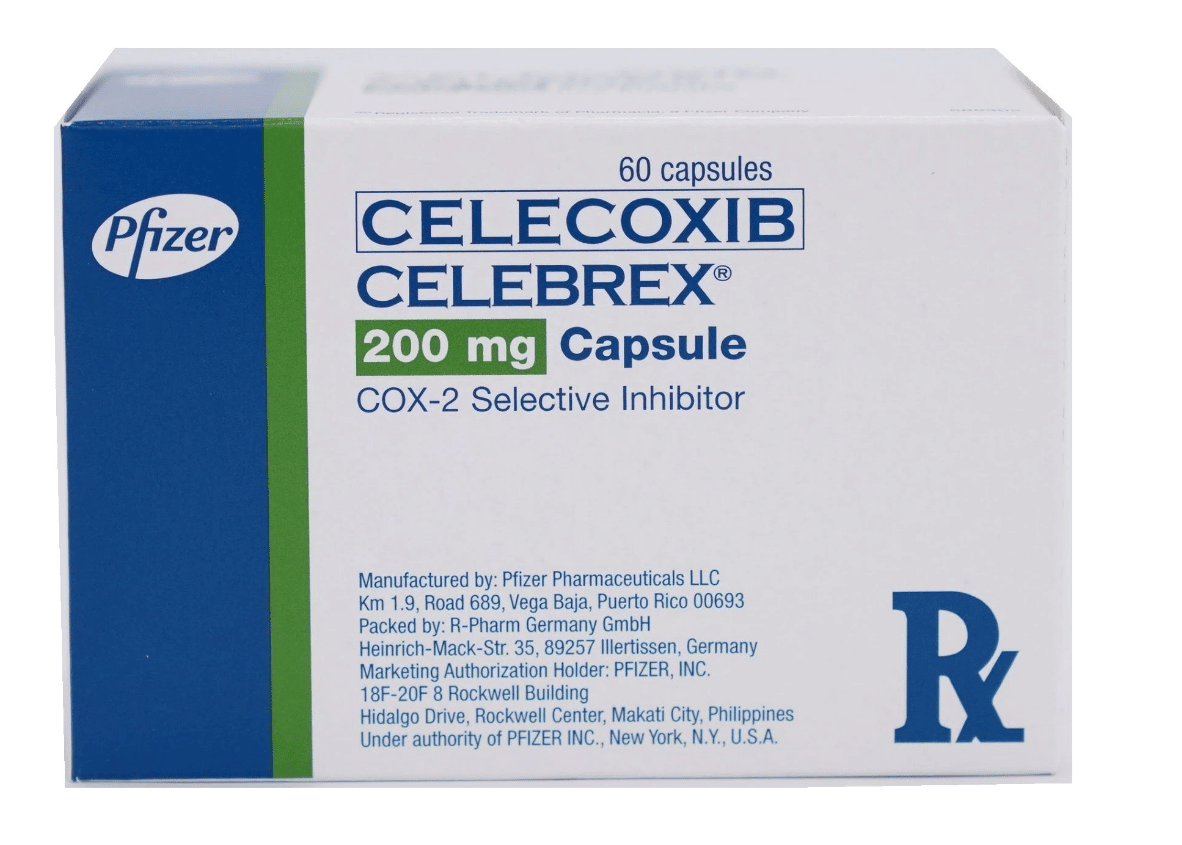
    When comparing Celebrex vs Ibuprofen, the safer choice is not the same for everyone. Both medicines are nonsteroidal anti-inflammatory drugs, or NSAIDs, used for pain and inflammation. Celebrex is the brand name for celecoxib, a prescription COX-2 selective NSAID. Ibuprofen is a nonselective NSAID that is often available over the counter. Celecoxib may be easier on the stomach for some adults, while ibuprofen may be convenient for short-term use. Your ulcer history, kidney function, heart risk, blood pressure, age, and other medicines usually matter more than the name on the bottle.

    If you are trying to make sense of the tradeoffs, start with the risk you most need to protect against: stomach bleeding, kidney strain, high blood pressure, heart problems, or drug interactions. For broader reading, the Pain And Inflammation category can help you explore related pain topics.

    Why it matters: The safest NSAID is usually the one that best fits your health risks and expected duration of use.

    Key Takeaways

    • Both drugs are NSAIDs that can reduce pain, swelling, and stiffness.
    • Celecoxib may cause less upper stomach irritation for some adults, but ulcers and bleeding can still happen.
    • Ibuprofen is familiar and accessible, yet it can still affect kidneys, blood pressure, and the stomach.
    • Taking celecoxib and ibuprofen together usually increases risk without adding a clear safety benefit.
    • The better fit depends on your medical history, other medicines, and whether use is brief or repeated.

    How Celebrex vs Ibuprofen Compares in Plain Language

    Celebrex vs Ibuprofen is mainly a comparison of two NSAIDs with different selectivity. Celecoxib targets cyclooxygenase-2, often called COX-2, more selectively. COX-2 is one pathway involved in pain and inflammation. Ibuprofen blocks both COX-1 and COX-2 more broadly. COX-1 also helps protect the stomach lining and supports platelet function, which is one reason stomach and bleeding risks differ between these medicines.

    That mechanism matters, but it does not create a simple winner. Celecoxib is not automatically safer because it is more selective. Ibuprofen is not automatically safer because it is sold without a prescription. Both can cause serious side effects, especially with frequent use, higher exposure, dehydration, older age, or interacting medicines.

    In real life, the decision often starts with the setting. A generally healthy adult with a short flare may use an over-the-counter NSAID differently than someone with osteoarthritis who needs repeated anti-inflammatory treatment. Prescription celecoxib may appear in products such as Celecoxib, Celebrex, and Cobix. The product name matters less than the class-level safety review.

    When prescription medication is involved, access and documentation also matter. BorderFreeHealth connects U.S. patients with licensed Canadian partner pharmacies, and prescription details may be verified with the prescriber when required before dispensing.

    Stomach, Kidney, Heart, and Blood Pressure Risks

    The main safety differences come down to which organ system is most vulnerable. NSAIDs can affect the digestive tract, kidneys, circulation, and blood pressure. The balance may change if you have a past ulcer, chronic kidney disease, heart disease, swelling, or hard-to-control hypertension.

    Stomach and bleeding risk

    Celecoxib may be easier on the upper gastrointestinal tract than ibuprofen for some adults because it is more COX-2 selective. This does not mean it is gentle on the stomach. Celecoxib can still cause ulcers, bleeding, and serious digestive complications. Ibuprofen can also irritate the stomach, especially when used often, taken with alcohol, used on an empty stomach, or combined with medicines that increase bleeding risk.

    Risk is higher in adults with a history of ulcers or gastrointestinal bleeding. Older age, corticosteroids, blood thinners, certain antidepressants, and heavy alcohol use can also raise concern. If stomach risk is already high, clinicians may consider protective strategies or different pain-control options. The key point is not that one drug removes stomach risk. It is that risk factors can shift the safer choice.

    Kidney strain and fluid balance

    Neither medicine should be treated as kidney-safe. NSAIDs can reduce blood flow through the kidneys, especially when the body is dehydrated or under stress. This can make it harder to manage salt, water, and kidney filtration. The risk may rise for people with kidney disease, heart failure, vomiting, diarrhea, low fluid intake, or older age.

    Some blood pressure medicines and diuretics, sometimes called water pills, can add to kidney concerns when combined with NSAIDs. This does not mean every person must avoid both medicines. It means kidney risk should be part of the decision, especially if the medicine is used more than briefly.

    Heart, circulation, and blood pressure

    All non-aspirin NSAIDs can carry cardiovascular concerns. They may raise the risk of heart attack or stroke, and they can worsen swelling or blood pressure in some people. Celecoxib is not exempt from this warning. Ibuprofen is not a low-risk shortcut just because it is available without a prescription.

    People with prior heart attack, stroke, heart failure, fluid retention, or difficult blood pressure control should be especially cautious. The same applies if an NSAID would be used regularly. In some cases, a clinician may compare other NSAID options, such as Meloxicam or Naproxen, but each option has its own warnings and tradeoffs.

    Which Is Stronger for Pain or Inflammation?

    There is no simple milligram-to-milligram comparison between celecoxib and ibuprofen. They work in related but different ways, have different dosing schedules, and are used in different clinical settings. A common search asks how much ibuprofen equals a certain amount of celecoxib, but there is no safe one-to-one conversion that readers should apply on their own.

    For pain relief, both medicines can help with inflammatory pain. That may include arthritis-related stiffness, some muscle or joint injuries, and other painful inflammatory conditions. The better option depends on the diagnosis, severity, expected duration, and personal risk profile. A medicine that works well for one person’s knee pain may be a poor fit for another person with ulcer history or kidney disease.

    For inflammation, the same caution applies. Celecoxib may be used in longer-term arthritis discussions because it is prescription-based and may have a stomach-tolerance advantage for some adults. Ibuprofen may fit short, self-limited pain for people with lower overall risk. Neither choice should become a daily habit without a clearer plan.

    If arthritis is the main concern, you may find more condition-specific context in Celebrex And Arthritis. For a related NSAID comparison, Meloxicam Vs Ibuprofen covers another common decision point.

    Why Taking Two NSAIDs Together Is Usually Avoided

    Taking celecoxib and ibuprofen together usually stacks risk more than it improves relief. Both belong to the same broad drug class. Combining them can increase overlapping NSAID effects on the stomach, kidneys, blood pressure, and bleeding risk.

    • More stomach irritation: Ulcer and bleeding risk may rise.
    • More kidney stress: Fluid balance can become harder to control.
    • More blood pressure concern: Swelling or higher readings may worsen.
    • More interaction risk: Other medicines can make harms more likely.

    This overlap is easy to miss. Someone may take prescription celecoxib, then reach for an over-the-counter cold, sinus, or headache product that contains ibuprofen. Others may add ibuprofen during a flare because it feels like a different category. It is not. If you already use any NSAID, check labels and ask a clinician or pharmacist before adding another.

    Quick tip: Keep a current list of prescriptions, over-the-counter medicines, and supplements before discussing pain relief.

    When One Option May Fit Better

    The better choice depends on the pattern of pain and the risks sitting in the background. Short-term pain, recurring arthritis, and chronic daily symptoms are different situations. A careful comparison should include why the pain is happening, not only which pill seems stronger.

    Recurring arthritis or joint pain

    For osteoarthritis or repeated joint flares, celecoxib may come up when a prescription plan and stomach-risk discussion are appropriate. This does not make it the best option for every person with arthritis. Some adults use ibuprofen effectively for short periods. Others may need a different NSAID, acetaminophen, physical therapy, injections, topical treatment, or a broader evaluation.

    If you are comparing celecoxib with another prescription NSAID, Celebrex Vs Meloxicam may help clarify how NSAID choices can differ. If side effects are your main concern, Celebrex Side Effects gives more detail on celecoxib-specific warnings.

    Short-term pain or fever

    Ibuprofen is often used for brief pain, fever, headaches, muscle soreness, or minor injuries. Its convenience is useful, but it can make the risk feel smaller than it is. Repeated self-treatment may quietly become frequent NSAID use, especially with back pain, knee pain, or ongoing stiffness.

    Prescription-only status can also cause confusion. Celecoxib is not automatically stronger because it requires a prescription. That status usually reflects the need for a medical review, interaction check, and follow-up when symptoms are recurring or health history is more complex.

    Questions to Ask Before Using Either NSAID

    A safer Celebrex vs Ibuprofen discussion starts before the first tablet. You do not need to know every clinical detail. A few focused questions can reveal whether one medicine deserves more caution than the other.

    • Past bleeding: Have you had an ulcer or gastrointestinal bleed?
    • Kidney concerns: Do you have kidney disease or dehydration?
    • Heart history: Have you had heart disease, stroke, or heart failure?
    • Blood pressure: Are your readings difficult to control?
    • Medicine overlap: Do you take blood thinners, steroids, aspirin, or other NSAIDs?
    • Pregnancy context: Are you pregnant, trying to conceive, or postpartum?
    • Duration: Is this a brief flare or a repeated pattern?

    Label reading matters. Ibuprofen can appear in combination cold, sinus, and headache products. If you also take low-dose aspirin or have been told to avoid NSAIDs, that information should lead the conversation. It is more important than whether a medicine seems familiar.

    If you are browsing the wider category, the Pain And Inflammation Products collection can help you distinguish prescription NSAIDs from other options. Product pages can support navigation, but medical decisions should still be based on your health history and professional guidance.

    For patients without insurance, cash-pay cross-border prescription options may be available through BorderFreeHealth when eligibility and jurisdiction allow. This access context does not change the medical safety questions. It simply makes it more important to confirm prescriptions, interactions, and follow-up needs.

    How to Think About the Safer Choice

    For many adults, celecoxib may offer a stomach-tolerance advantage compared with ibuprofen. For others, ibuprofen may be reasonable for brief, occasional use when overall risk is low. The most important point is that neither medicine is automatically safer in every situation.

    Think of the decision as a matching exercise. Match the medicine to the diagnosis, the expected length of use, and the health risk that needs the most protection. If pain keeps returning, do not simply rotate between NSAIDs. Repeated symptoms may need a clearer diagnosis, a non-NSAID strategy, or monitoring for blood pressure, kidney function, or stomach complications.

    Seek urgent medical help for chest pain, trouble breathing, weakness on one side, black or bloody stools, vomiting blood, severe allergic symptoms, sudden swelling, or a major drop in urination. These symptoms can signal serious complications and should not be managed by comparing pain relievers online.

    Authoritative Sources

    For current safety details and medication-specific warnings, review these sources:

    This content is for informational purposes only and is not a substitute for professional medical advice.

  • Celebrex vs Meloxicam: Safety and Stomach Risk

    Celebrex vs Meloxicam: Safety and Stomach Risk

    Celebrex vs Meloxicam is usually a safety trade-off, not a simple winner. Both are prescription nonsteroidal anti-inflammatory drugs, or NSAIDs, used to reduce pain and inflammation. Celebrex is the brand name for celecoxib, which is more COX-2 selective. Meloxicam is also COX-2 preferential, but less selective. That difference may affect stomach risk, while both medicines can still affect the heart, kidneys, blood pressure, and bleeding risk.

    The safer choice depends on the person taking it. Ulcer history, heart disease, kidney function, age, blood pressure, aspirin use, blood thinners, and steroid medicines can all change the answer. If you are comparing arthritis and inflammation options more broadly, the Pain And Inflammation collection gives wider context.

    Why it matters: Small NSAID differences can become meaningful when treatment is daily or long term.

    Key Takeaways

    • Both are prescription NSAIDs and neither is risk-free.
    • Celecoxib may be easier on the upper stomach for some people.
    • Both can raise concerns for heart, kidney, and blood pressure safety.
    • Neither drug is universally stronger for every pain condition.
    • They should not usually be combined with each other or other NSAIDs.

    BorderFreeHealth connects U.S. patients with licensed Canadian partner pharmacies when eligible prescriptions are used through the service.

    Celebrex vs Meloxicam at a Glance

    The main difference is how selectively each drug blocks cyclooxygenase enzymes. These enzymes help form prostaglandins, chemical messengers involved in pain, inflammation, stomach protection, kidney blood flow, and platelet function. Celecoxib blocks COX-2 more selectively. Meloxicam has some COX-2 preference, but it can affect COX-1 more, especially as exposure increases.

    That does not make one medicine automatically better. COX-2 selectivity can reduce some upper gastrointestinal risk, but it does not erase stomach, heart, kidney, or blood pressure concerns. The best comparison starts with your risk profile, not with the drug name alone.

    Comparison Point Celecoxib Meloxicam
    Drug class Prescription NSAID with stronger COX-2 selectivity Prescription NSAID with partial COX-2 preference
    Common use context Often considered when upper-stomach risk is important Often used as a familiar oral NSAID option
    Stomach considerations May cause fewer upper-GI problems in some people Can still be tolerated, but GI risk remains
    Heart and kidney issues Can raise cardiovascular, kidney, and blood pressure concerns Can raise cardiovascular, kidney, and blood pressure concerns
    How to view strength Response varies by condition and person Response varies by condition and person

    People often search for a fixed dose match, such as comparing one common meloxicam dose with one common celecoxib dose. That framing can mislead. Equivalent relief depends on the condition, the dosing plan chosen by the prescriber, how the person responds, and what side effects appear. A medicine that works well for one person may be a poor fit for another.

    If you want product-level context, the site lists Celebrex Details, Meloxicam Details, and Celecoxib Details. Product pages can help with names and general context, but they do not decide which NSAID is safer for an individual history.

    Which Is Easier on the Stomach?

    Celecoxib is often the more stomach-focused option in Celebrex vs Meloxicam discussions. Its stronger COX-2 selectivity may reduce upper gastrointestinal irritation, ulcers, or bleeding for some people compared with less selective NSAIDs. This is one reason clinicians may consider celecoxib when a person has prior indigestion or ulcer concerns.

    Still, easier on the stomach does not mean safe for everyone. Both medicines can cause dyspepsia, which means indigestion or upper abdominal discomfort. Both can also contribute to ulcers, gastrointestinal bleeding, or perforation. These risks rise with older age, prior ulcer or bleeding history, heavy alcohol use, corticosteroids, blood thinners, and low-dose aspirin.

    Symptoms do not always look dramatic at first. Burning pain, nausea, new reflux, loss of appetite, unexplained tiredness, or anemia may suggest poor NSAID tolerance. More urgent warning signs include black stools, vomiting blood, fainting, or sharp ongoing abdominal pain.

    Meloxicam is not a fully COX-1-focused drug, so the comparison is not a cliff. It is more like a spectrum. Celecoxib sits further toward COX-2 selectivity, while meloxicam sits in the middle. That difference may matter most when stomach protection is a leading concern.

    Heart, Kidney, and Blood Pressure Risks

    Neither option is automatically safer for the heart or kidneys. Celebrex vs Meloxicam safety depends on the whole cardiovascular and kidney picture, including high blood pressure, heart disease, diabetes, smoking history, fluid retention, and chronic kidney disease.

    All non-aspirin NSAIDs can increase the risk of heart attack and stroke. The risk may be higher in people who already have cardiovascular disease or risk factors. NSAIDs can also worsen blood pressure control or contribute to swelling. Celecoxib should not be viewed as heart-safe simply because it may be more stomach-sparing for some people.

    Kidney effects deserve equal attention. NSAIDs can reduce blood flow through the kidneys, especially during dehydration, heart failure, chronic kidney disease, or use of certain blood pressure medicines and diuretics. New swelling, sudden weight gain, much less urination, or a notable rise in blood pressure should prompt medical review.

    The phrase safest anti-inflammatory is often too broad. One person may need the lowest stomach risk. Another may need to avoid fluid retention, kidney strain, or blood pressure changes. The safer drug is the one that matches the person, the goal, and the shortest necessary duration.

    Why Long-Term Use Needs Monitoring

    Long-term NSAID use is usually about accumulating risk, not one predictable event. Clinicians may reassess whether the medicine is still needed, whether the lowest effective plan is being used, and whether blood pressure or kidney blood tests have changed. Follow-up needs vary by age, medical history, and medication burden.

    When prescription details require confirmation, the dispensing pharmacy may verify them with the original prescriber before dispensing.

    Effectiveness for Arthritis, Back Pain, and Inflammation

    Neither drug is universally stronger for arthritis, back pain, or inflammation. Celebrex vs Meloxicam effectiveness depends on the pain source, the degree of inflammation, other treatments, and individual response. Some people notice better relief with one option. Others see little difference or stop because of side effects.

    For osteoarthritis and rheumatoid arthritis, both medicines are common comparison points. They can reduce pain and inflammation, but they do not replace disease-modifying treatment when inflammatory arthritis requires it. If your comparison centers on joint disease, the Rheumatology collection can help frame the broader care picture.

    Back pain needs a more careful lens. If pain is mainly inflammatory, an NSAID may help. If pain is mostly mechanical, muscular, or nerve-related, an NSAID may help only part of the problem. In that situation, asking which drug is stronger may miss the more important question: what is driving the pain?

    For localized pain, an oral NSAID may not be the only path. Some people discuss topical options, such as Vimovo Details for stomach-protection context or other anti-inflammatory approaches, depending on the clinical situation. The right comparison should include risk exposure, symptom pattern, and treatment goals.

    When One May Fit Better Than the Other

    Celecoxib may fit better when upper-stomach risk is central, but that is not automatic. A history of ulcer bleeding, aspirin use, anticoagulants, steroid medicines, or severe reflux can all change the discussion. Some people may need stomach protection strategies, a different pain plan, or avoidance of oral NSAIDs altogether.

    Meloxicam may fit better when a person has already used it successfully, tolerated it well, and has no clear reason to switch. Familiar response matters. So does the rest of the medication list. A drug that looks reasonable alone can become riskier when combined with diuretics, blood pressure medicines, blood thinners, corticosteroids, or certain antidepressants.

    Some people wonder why doctors do not prescribe Celebrex more often. The answer is usually not that celecoxib does not work. Clinicians may avoid it because of cardiovascular history, allergy concerns, other medicines, prior response, formulary issues, or a preference for a different treatment strategy. Celecoxib contains a sulfonamide structure, so allergy history may be part of the conversation.

    Others wonder why doctors do not prescribe meloxicam. Reasons may include kidney disease, uncontrolled blood pressure, swelling, ulcer history, aspirin or blood thinner use, or prior side effects. Sometimes the best answer is not a different NSAID, but a different pain strategy.

    Quick tip: Bring a complete medication list, including over-the-counter pain relievers, to any NSAID review.

    What to Avoid Before Starting or Switching

    Do not take celecoxib and meloxicam together unless a clinician specifically tells you to. Combining NSAIDs usually stacks side effects more than benefits. The same caution applies to adding ibuprofen, naproxen, or other over-the-counter NSAIDs on top of either prescription medicine.

    Low-dose aspirin needs separate review. It may be important for heart or stroke prevention in some people, but it can also increase bleeding risk when combined with NSAIDs. Blood thinners, corticosteroids, some antidepressants, ACE inhibitors, ARBs, and diuretics can also change the safety picture.

    Before starting or switching, it helps to prepare a short decision list:

    • Ulcer history: include bleeding, ulcers, or severe heartburn.
    • Heart risk: note blood pressure, swelling, and cardiac history.
    • Kidney concerns: mention kidney disease or dehydration episodes.
    • Other medicines: list aspirin, blood thinners, steroids, and diuretics.
    • Pain pattern: describe joint, back, injury, or nerve symptoms.
    • Function goals: explain which daily activities matter most.

    Seek urgent care for chest pain, sudden shortness of breath, one-sided weakness, black stools, vomiting blood, fainting, severe allergic symptoms, or major swelling with much less urine. These symptoms are not common, but NSAID complications can be serious when they occur.

    Related Comparisons and Broader Options

    If neither oral NSAID seems like an easy fit, the next step is often a broader comparison. Some people compare celecoxib with ibuprofen, while others compare meloxicam with ibuprofen. These are still NSAID conversations, so the same stomach, heart, kidney, and bleeding themes matter.

    For related reading, see Celebrex vs Ibuprofen or Meloxicam vs Ibuprofen. If your main concern is side effects, Celebrex Side Effects and Meloxicam Side Effects In Elderly may help you prepare better questions.

    The Pain And Inflammation Products category can also be used as a browseable list for related options. It is not a substitute for individualized medical review, especially when multiple risk factors are present. Some cash-pay cross-border prescription options may be available for eligible patients without insurance, depending on jurisdiction and prescription requirements.

    Authoritative Sources

    In short, a good celecoxib vs meloxicam decision starts with the person, not the label alone. Celecoxib may be easier on the stomach for some people, while both medicines can affect cardiovascular, kidney, and blood pressure safety. The best next conversation focuses on your risk factors, your other medicines, and the specific pain problem being treated.

    This content is for informational purposes only and is not a substitute for professional medical advice.

  • Celebrex Side Effects: Risks, Red Flags, and Safer Use

    Celebrex Side Effects: Risks, Red Flags, and Safer Use

    Celebrex side effects can range from mild stomach upset or headache to serious heart, stomach, kidney, liver, or allergic reactions. The goal is not to fear the medicine. It is to know what to watch, which risk factors matter, and when to seek medical help quickly.

    Celebrex is the brand name for celecoxib, a COX-2 selective nonsteroidal anti-inflammatory drug, or NSAID. It may reduce pain and inflammation in certain arthritis and short-term pain conditions. Like all NSAIDs, it needs thoughtful use, especially if you have heart disease, high blood pressure, kidney disease, ulcers, or take medicines that raise bleeding risk.

    Key Takeaways

    • Common effects: Upset stomach, diarrhea, gas, headache, dizziness, and swelling can occur.
    • Serious warnings: Chest pain, stroke symptoms, black stools, low urination, jaundice, or severe rash need urgent care.
    • Risk factors matter: Age, dose, treatment length, alcohol, ulcers, heart disease, kidney disease, and other medicines can change safety.
    • Dosing is individual: Do not adjust celecoxib or combine NSAIDs without clinical guidance.
    • Monitoring helps: Blood pressure, swelling, stomach symptoms, and lab checks may catch problems earlier.

    Celebrex Side Effects: Common Versus Serious Symptoms

    The most common celecoxib side effects are usually digestive or general comfort issues. People may notice dyspepsia (indigestion), nausea, diarrhea, gas, abdominal discomfort, headache, dizziness, or mild fluid retention. These effects may be manageable, but they still deserve attention if they persist or affect daily life.

    Some symptoms are more concerning because NSAIDs can affect blood vessels, the stomach lining, the kidneys, and fluid balance. Seek urgent medical help for chest pain, sudden shortness of breath, weakness on one side, slurred speech, fainting, black or bloody stools, vomiting blood, severe abdominal pain, severe skin blistering, or swelling of the face or throat.

    Why it matters: Serious NSAID reactions can happen without much warning, including in people who previously tolerated the medicine.

    Stomach symptoms deserve special caution. Celecoxib may have a lower ulcer risk than some nonselective NSAIDs for certain patients, but it can still cause bleeding, ulcers, or holes in the stomach or intestine. Risk may rise with older age, past ulcers, blood thinners, corticosteroids, heavy alcohol use, or longer treatment duration.

    What Celecoxib Does and When It May Be Used

    Celecoxib is both a pain reliever and an anti-inflammatory medicine. It blocks COX-2, an enzyme involved in making prostaglandins, which are chemical signals that contribute to pain and inflammation. This explains why it may help with pain, stiffness, and swelling in selected conditions.

    People often ask what is Celebrex used for. It is used for conditions such as osteoarthritis, rheumatoid arthritis, ankylosing spondylitis, acute pain, and menstrual cramps, depending on the person and the prescriber’s assessment. The specific reason for use affects the dose, length of treatment, and monitoring plan.

    If arthritis is the main reason for treatment, our overview of Celebrex and Arthritis explains how this medicine can fit into broader arthritis care. If you are comparing options, Celebrex vs Ibuprofen and Celebrex vs Meloxicam can help frame questions for a clinician.

    Who Has a Higher Risk of Problems?

    Some people need extra caution before using celecoxib. Higher-risk groups include older adults, people with heart disease or stroke history, people with high blood pressure, those with kidney or liver disease, and anyone with a history of stomach ulcers or gastrointestinal bleeding.

    Side effects of Celebrex in the elderly can be harder to spot at first. Dizziness may raise fall risk. Fluid retention may worsen swelling or heart failure symptoms. Kidney strain may show up as less urination, sudden weight gain, confusion, or unusual fatigue rather than obvious pain.

    Celebrex side effects in females are not completely separate from general NSAID risks, but life stage matters. Celecoxib may affect ovulation in some people, and NSAID use later in pregnancy can harm the fetus. People who are pregnant, trying to conceive, or breastfeeding should discuss risks and alternatives with a clinician before using it.

    Medication combinations also matter. Blood thinners, aspirin, corticosteroids, selective serotonin reuptake inhibitors, ACE inhibitors, ARBs, diuretics, lithium, methotrexate, and other NSAIDs may raise the chance of bleeding, kidney strain, blood pressure changes, or toxicity. Always share prescription drugs, over-the-counter products, and supplements at each visit.

    Dosage Questions, Missed Assumptions, and NSAID Comparisons

    Celebrex dosage depends on the condition being treated, medical history, kidney and liver considerations, and other medicines. Many people search for specific strengths such as Celebrex 100 mg or Celebrex 200 mg, but dose decisions should come from the label and the prescriber’s plan, not from online comparisons.

    Questions such as “can you take Celebrex 200 mg twice a day” or “what is the max dose in 24 hours” need individualized answers. The official label includes indication-specific dose ranges and warnings. A clinician may choose a lower effective dose or shorter duration when risks are higher.

    Do not try to convert between NSAIDs by asking how many ibuprofen equal one Celebrex. These medicines differ in dosing, half-life, COX selectivity, interaction profile, and personal risk factors. Taking more than one NSAID at the same time can raise the chance of stomach bleeding, kidney injury, and blood pressure problems.

    For a deeper dose-focused discussion, see Celebrex Dosage. If you are reviewing specific medication pages for context, Celecoxib and Celebrex provide product-level navigation without replacing clinical advice.

    What to Avoid or Discuss Before Taking It

    The safest plan starts before the first dose. Tell a clinician if you have a history of heart attack, stroke, heart failure, uncontrolled blood pressure, stomach bleeding, kidney disease, liver disease, asthma triggered by aspirin or NSAIDs, or allergy to sulfonamide medicines.

    Alcohol deserves a separate conversation because it can irritate the stomach and may increase bleeding risk when combined with NSAIDs. If you drink, ask what level is considered safe for your situation. Our focused article on Celebrex and Alcohol covers the interaction in more detail.

    • Other NSAIDs: Avoid stacking unless directed.
    • Dehydration: Vomiting or diarrhea can raise kidney risk.
    • Blood pressure changes: Check readings if advised.
    • New swelling: Report ankles, hands, or rapid weight gain.
    • Stomach bleeding signs: Treat black stools as urgent.
    • Skin reactions: Get help for blistering or mouth sores.

    Quick tip: Keep a simple symptom and blood pressure log if monitoring is part of your care plan.

    If you monitor home blood pressure, averaging several readings can show trends more clearly than one isolated number. This calculator supports general tracking and does not provide medical advice.

    [blood-pressure-average-calculator]

    Stopping, Switching, and Long-Term Use

    Stopping celecoxib usually does not cause withdrawal in the way some medicines can. The more common issue is a return of the underlying pain, stiffness, swelling, or menstrual cramps that the medicine was helping manage.

    What are the side effects of stopping Celebrex? Some people notice rebound discomfort, reduced mobility, sleep disruption from pain, or headaches related to routine changes. These are not usually considered withdrawal effects, but they can still interfere with function.

    Long-term use needs periodic review. A clinician may reassess blood pressure, kidney function, liver markers, anemia risk, stomach symptoms, and whether the medicine is still needed. If inflammation is driven by an autoimmune condition, disease-modifying therapy may reduce reliance on NSAIDs over time.

    Alternatives depend on the diagnosis and risk profile. Some people may use acetaminophen, topical NSAIDs, physical therapy, injections, disease-modifying medicines, or non-drug strategies. Others may still be appropriate candidates for celecoxib with monitoring. For broader browsing, the Pain and Inflammation collection gathers related educational content.

    Is Celecoxib Banned or Unsafe?

    Celecoxib is not banned in the United States. It remains available with boxed warnings and precautions because NSAIDs can increase the risk of serious cardiovascular and gastrointestinal events in some people.

    The confusion often comes from the history of another COX-2 inhibitor, rofecoxib, which was withdrawn from the market. Celecoxib was not handled the same way. Instead, regulators kept it available with warnings, dosing precautions, contraindications, and safety information that clinicians should consider.

    So, is Celebrex safe? The better question is whether it is appropriate for a specific person at a specific dose and duration. Safety depends on age, diagnosis, cardiovascular risk, ulcer history, kidney function, pregnancy status, interacting medicines, and treatment goals.

    BorderFreeHealth’s medication content is educational and should not replace prescriber review. When prescription access is relevant, prescription details may need verification with the prescriber before a partner pharmacy dispenses medication.

    Authoritative Sources

    For label-backed information on indications, warnings, dosing ranges, contraindications, and adverse reactions, review the official Celebrex prescribing information.

    For patient-facing medication safety language, the MedlinePlus celecoxib drug information summarizes major warnings and precautions.

    For a clinical overview of uses and side effects, see the Cleveland Clinic celecoxib capsule resource.

    Recap

    Celebrex side effects are best understood in two groups: common tolerability issues and serious warning signs. Stomach upset, headache, dizziness, and swelling may occur. Chest pain, stroke-like symptoms, black stools, severe abdominal pain, low urination, jaundice, facial swelling, or blistering rash need urgent evaluation.

    If celecoxib is part of your care, use follow-up visits to ask about dose, duration, monitoring, interactions, alcohol, and what to do if pain returns after stopping. A clear plan can help balance pain relief with safety.

    This content is for informational purposes only and is not a substitute for professional medical advice.

  • What Does Omega 3 Do: A Practical Guide to Health

    What Does Omega 3 Do: A Practical Guide to Health

    Key Takeaways

    • Omega-3s support heart, brain, skin, and eye health.
    • Food-first sources beat supplements for most people.
    • Balance omega-6 intake to reduce inflammatory load.
    • Check dose, purity, and interactions before supplementing.

    Understanding what does omega 3 do helps you make informed choices about diet, supplements, and long-term health. These essential fats shape cell membranes, modulate inflammation, and influence lipids. The right balance may support your heart and brain across life stages.

    What Does Omega 3 Do?

    Omega-3 fatty acids—EPA (eicosapentaenoic acid), DHA (docosahexaenoic acid), and ALA (alpha-linolenic acid)—play structural and signaling roles in the body. EPA and DHA embed in cell membranes, helping regulate inflammatory mediators and vascular tone. ALA, from plants, converts only modestly to EPA/DHA, so marine sources often deliver more predictable benefits.

    Clinically, omega-3s can help maintain healthy triglyceride levels and support vascular function. DHA concentrates in retinal and brain tissue, supporting visual processing and neural signaling. These mechanisms explain why nutrition guidance prioritizes fish, seafood, and select plant sources as part of a heart-smart eating pattern. For clinical overviews and safety context, see the NIH fact sheet on omega-3 fatty acids (NIH fact sheet).

    For certain high-risk adults with elevated triglycerides, prescription EPA may be considered by clinicians. Review product details in Vascepa for prescription EPA details and triglyceride management information.

    Omega-3 Sources: Foods, Fruits, and Vegetables

    Start with foods. Fatty fish like salmon, sardines, mackerel, and trout provide concentrated EPA and DHA. For plant-forward eaters, ground flaxseed, chia, hemp seeds, and walnuts supply ALA. Some seaweeds and microalgae contribute DHA directly, which can be useful for people who avoid fish. Choosing omega-3 foods twice weekly fits many heart-healthy plans.

    Fruits and vegetables contribute smaller amounts, yet they still help overall patterns. Brussels sprouts, spinach, and kale contain ALA precursors, while berries and citrus pair well with seafood to build balanced plates. If you follow a plant-heavy diet, consider algae-based DHA to complement seeds and nuts. When comparing options, aim for variety, fiber, and minimally processed choices that you enjoy.

    Plant Versus Marine Sources

    Marine sources deliver EPA/DHA directly, so the body bypasses the limited ALA conversion step. Plant sources remain valuable for fiber, polyphenols, and overall dietary quality, but you may need more planning to meet similar EPA/DHA exposure. A practical approach blends both: include a couple of fish meals per week, fortify with ground flaxseed at breakfast, and use a modest algae-based DHA if needed. For broader heart topics and meal ideas, explore our Cardiovascular category for broader heart health guidance and lipid topics. Major professional groups support fish intake as part of heart-friendly patterns; see the American Heart Association’s advisory for context (AHA science advisory).

    Tip: If you do not eat fish, consider algae-based DHA several times per week, and rotate flax, chia, and walnut servings through meals.

    To compare non-diet lipid supports, see Lipitor to compare LDL-lowering strategies alongside dietary fats, or Fenofibrate for triglyceride-lowering options when lifestyle changes are insufficient.

    Who Benefits: Across Life Stages and Identities

    Omega-3s contribute to heart rhythm stability, blood vessel health, and inflammatory balance—important for adults of all ages. Brain and eye tissues rely on DHA for structure, which may help with cognition and visual function over time. Skin barrier integrity can also benefit from adequate intake, supporting moisture and resilience. These broad effects matter for busy lifestyles, stress, and recovery.

    Some research highlights needs across sex and life stages. Pregnancy and lactation demand higher DHA for fetal brain and eye development, while midlife adults often focus on lipids and blood pressure. Emerging evidence around omega-3 benefits for women addresses menstrual symptoms and perimenopausal transitions, though results vary. Likewise, men often focus on heart health and exercise recovery; balanced intake supports these goals without over-supplementing.

    For brain circulation topics beyond nutrition, see Nimotop Uses for additional reading on brain circulation support. For mood and resilience tools, our Mental Health category offers context around stress, sleep, and coping strategies.

    One targeted query is omega-3 benefits for women in relation to mood, cycle-related discomfort, and skin support; evidence is mixed but promising for some individuals. Personalized guidance from a clinician can help match dietary patterns to goals.

    Dosing Basics and Safety

    Most adults can meet needs with two fish meals weekly plus plant sources. Supplement use depends on diet, preferences, and clinical goals. Discuss individualized amounts with a clinician, especially if you take blood thinners or have bleeding risks. Typical product labels list EPA/DHA per serving; focus on EPA/DHA content rather than capsule size.

    For general guidance, many clinicians align intake with whole-diet patterns, then add a focused supplement if needed. Evidence summaries from the NIH provide safety considerations, upper limits, and interactions; see the detailed overview here (health professionals overview). If you need a concrete reference point, clinicians often consider omega-3 dosage for adults in light of diet quality, triglycerides, and comorbidities, rather than a single number.

    Note: High-dose products can raise bleeding risk or interact with anticoagulants. Always review your medication list and lab goals with your healthcare team.

    For deeper supplement comparisons and safe-use tips, browse our Vitamins Supplements category for more supplement insights and safety notes.

    Omega-6 Balance and Practical Meals

    Beyond absolute omega-3 intake, the omega-6 to omega-3 ratio can influence inflammatory signaling. Many modern diets are heavy in refined seed oils and processed snacks, which pushes the ratio toward pro-inflammatory pathways. You do not need a perfect number; simply shift patterns. Use olive oil often, cook more at home, and choose nuts and seeds in whole forms.

    Reducing select omega-6 foods (fried fast foods, processed chips, and baked goods) while increasing fish, legumes, and vegetables can help. Build meals around salmon or trout with roasted greens, whole grains, and a citrus-walnut dressing. Rotate plant-based bowls with beans, quinoa, kale, and flax-yogurt sauce. Small shifts add up when repeated weekly.

    Supplements: Types, Vegan Options, and Label Literacy

    Supplements vary by source (fish, krill, cod liver, algae) and by EPA/DHA ratio. For plant-based users, vegan omega-3 supplements from algae can deliver DHA and sometimes EPA, with fewer sustainability concerns. Check third-party testing for purity and oxidation, and confirm the EPA/DHA dose, not just total oil. Capsule counts can be misleading; compare total daily EPA/DHA.

    Be mindful of omega-3 supplements side effects such as reflux, fishy burps, gastrointestinal upset, or bruising in sensitive users. Taking capsules with meals, splitting doses, or switching to enteric-coated forms may help. If you avoid fish entirely, algae-based DHA can pair well with ALA-rich foods. For clinical lipid therapy context, see Vascepa again for prescription EPA details, or consider Pravastatin Sodium to understand statin-based LDL reduction for comprehensive risk management.

    Special Situations: Fatty Liver, Hair, and Sexual Health

    Early studies suggest omega-3s may help normalize liver fat and triglycerides in nonalcoholic fatty liver contexts, especially when paired with weight management and exercise. Discuss individualized plans if you are considering targeted amounts or product forms. Hair and skin often respond best to overall dietary patterns, hydration, and micronutrient sufficiency; omega-3s can complement these foundations.

    People often ask, does omega-3 help sexually? Limited evidence suggests possible benefits for endothelial function and blood flow, yet findings are preliminary. Address cardiovascular risk factors, sleep, and stress for the biggest gains. For metabolic health awareness that influences vascular wellbeing, see World Diabetes Day for context on glucose and cardiometabolic risk.

    To support stress and mood—factors closely tied to libido—practical strategies can help. Explore Manage Anxiety for actionable techniques that complement nutrition and movement.

    Recap

    Omega-3s shape cell membranes, influence inflammation, and support heart and brain function. Food-first approaches come first, with supplements as a tailored add-on. Keep patterns balanced by trimming ultra-processed fats and adding diverse marine and plant sources. When considering products, verify dose, quality, and potential interactions, and integrate them into your broader care plan.

    This content is for informational purposes only and is not a substitute for professional medical advice.