
Category: Women’s Health

Women’s Health needs can change with age, stress, and life events. This hub supports patients and caregivers who want clear, practical information. Ships from Canada to US for eligible prescription access, when allowed. Women’s Health topics here include symptoms to track, tests to understand, and questions to ask. Use this page to browse related guides and linked categories, like General Health.

Medications are supplied through licensed Canadian partner pharmacies.

Women’s Health Topics and Care Areas

This category focuses on common concerns across the lifespan. It covers preventive care, symptom patterns, and everyday quality-of-life issues. It also highlights how gynecology and primary care may overlap.

  • Menstrual health and cycle changes, including heavy or painful periods.
  • Contraception options and family planning decisions.
  • Fertility evaluation terms, tests, and typical care pathways.
  • Pregnancy support topics, including prenatal care and postpartum care.
  • Menopause care and perimenopause support (the transition before menopause).
  • Urinary health in women and pelvic floor therapy basics.
  • Breast health and mammogram information, plus follow-up planning.

What You’ll Find in This Category

Women’s Health content here is designed for browsing, not self-diagnosis. It includes educational posts, screening explainers, and links to related product and shopping pages. Some pages discuss symptom clusters tied to PCOS information or endometriosis care. Others focus on preventive steps like cervical cancer screening.

Use this hub to compare topics and find the next best read. For broader wellness context, browse Bone Joint Health when bone density becomes part of care. For weight-related hormone discussions, review Wegovy And Hormonal Health for general background. If osteoporosis is a concern, Early Signs Of Osteoporosis may help frame questions for clinicians.

  • Screening overviews, including Pap smear testing and pelvic exam expectations.
  • Sexual health basics, including STI testing for women and HPV vaccination topics.
  • Hormone health for women, including thyroid health in women and lab language.
  • Menopause symptom management terms, including vaginal dryness and sleep changes.
  • Condition navigation, including endometriosis and PCOS discussion starters.
  • Medication examples that may appear in care plans, based on clinician judgment.

Why it matters: Better notes and records can make follow-up visits more productive.

How to Choose

Women’s Health choices often depend on goals, risks, and personal preferences. Start by narrowing what problem needs attention and what outcomes matter most. Then focus on the simplest next step that supports safe discussion with a clinician.

Clarify the need first

  • Define the main concern in one sentence, then list related symptoms.
  • Note timing patterns, like cycle-linked pain, bleeding, or mood shifts.
  • List relevant history, including pregnancy, procedures, and recent test results.
  • Consider life stage factors, like postpartum changes or perimenopause transition.
  • Write down what “better” means, such as less pain or predictable cycles.

Match options to practical constraints

  • Decide what route seems manageable, like pill, ring, or intrauterine device.
  • Check whether monitoring is typical, like labs or blood pressure checks.
  • Review interaction risks with a pharmacist, especially with multiple medicines.
  • Ask about non-medication supports, like pelvic floor therapy referrals.
  • Confirm follow-up needs for screenings, results, and re-testing schedules.

Quick tip: Keep a single list of test dates and results screenshots.

Prescription details are confirmed with the prescriber before dispensing when required.

Safety and Use Notes

Women’s Health information can feel overwhelming when symptoms change quickly. Use safety sections to understand common terms and likely next questions. Avoid changing prescription use without a clinician’s direction. A pharmacist can also help interpret labels and administration steps.

Screening and prevention basics

Screening recommendations vary by age, history, and risk factors. Pap test (cervical screening) schedules can differ after abnormal results. Mammograms can also follow different intervals based on personal risk. For screening guidance, see the U.S. Preventive Services Task Force.

  • Ask what a “normal” result means, and what follow-up looks like.
  • Confirm whether results require repeat testing or specialist referral.
  • Track HPV vaccination status, including dose timing and eligibility questions.
  • Plan ahead for pelvic exam comfort needs and trauma-informed preferences.

Medication safety basics

Many therapies affect hormones, bleeding patterns, or mood symptoms. Some can raise clot risk or affect blood pressure in certain patients. Others may cause nausea, spotting, or breast tenderness early on. For broader care standards, the American College of Obstetricians and Gynecologists outlines common topics.

  • Share all medicines and supplements, including vitamins and herbal products.
  • Read the dispensing label for missed-dose instructions and storage needs.
  • Know common warning signs listed in the official medication guide.
  • Seek urgent evaluation for severe bleeding, chest pain, or fainting.

For a broader view of screening planning, see Cancer Screenings Guidelines for general context.

Access and Prescription Requirements

Women’s Health products and topics can involve prescription-only medications. Some listings may point to specific therapies that clinicians commonly discuss. Examples can include oral contraception like Yaz, long-acting options like Mirena, or vaginal estrogen therapies like Imvexxy. Product availability depends on prescription status and dispensing rules.

Cash-pay access can help for people without insurance.

Prescription requirements vary by medication and state rules. When a prescription is required, the platform validates documentation and confirms details before dispensing. This step helps reduce errors and supports safe handoff to a licensed pharmacy team. For browsing related shopping categories, visit Metabolic Health Peptides when metabolic concerns overlap with hormone discussions.

This content is for informational purposes only and is not a substitute for professional medical advice.


  • Eliquis Pregnancy: Risks, Safer Options, and Care Planning

    Eliquis Pregnancy: Risks, Safer Options, and Care Planning

    Eliquis is usually avoided during pregnancy unless a specialist believes the potential benefit outweighs the risk. If you are facing an Eliquis Pregnancy decision, the key issue is not convenience; it is balancing clot prevention, bleeding risk, fetal safety, delivery planning, and breastfeeding goals. Most pregnancy anticoagulation plans use heparin-based medicines instead, because they have a longer safety record and do not cross the placenta.

    This can feel unsettling, especially if you were stable on apixaban before pregnancy. Do not stop or switch anticoagulants on your own. Contact your obstetric clinician, hematologist, cardiologist, or prescribing clinician promptly so they can adjust your plan safely.

    Key Takeaways

    • Pregnancy data are limited: Apixaban lacks robust safety evidence in pregnancy.
    • Heparins are preferred: Low molecular weight heparin is commonly used when anticoagulation is needed.
    • Symptoms matter: One-sided leg swelling, chest pain, or breathlessness need urgent review.
    • Birth planning helps: Dose timing affects bleeding risk and anesthesia options.
    • Breastfeeding changes choices: Warfarin and heparins have more lactation experience than DOACs.

    Why Apixaban Is Usually Avoided in Pregnancy

    Apixaban is a direct oral anticoagulant, or DOAC, that blocks Factor Xa, a clotting protein involved in thrombin formation. In plain terms, it lowers the blood’s ability to form unwanted clots. Outside pregnancy, that can be useful for conditions such as atrial fibrillation or venous thromboembolism. During pregnancy, the risk-benefit calculation changes.

    Pregnancy naturally shifts the body toward clotting. This protects against bleeding at delivery, but it also raises the chance of deep vein thrombosis (DVT) and pulmonary embolism (PE). At the same time, any anticoagulant can increase bleeding risk. Clinicians therefore prefer medicines with clearer pregnancy safety data and predictable planning around delivery.

    For Eliquis Pregnancy questions, the concern is the evidence gap. Human pregnancy data for apixaban remain limited, and the official label advises use only when the potential benefit justifies the potential risk. Because heparins have much more pregnancy experience, they are usually the safer default when treatment is needed.

    Why it matters: A familiar medicine before pregnancy may not be the safest medicine during pregnancy.

    Can Eliquis cause birth defects or miscarriage?

    There is not enough high-quality human pregnancy data to say that apixaban causes, or does not cause, specific birth defects or miscarriage. That uncertainty is exactly why most guidelines avoid DOACs during pregnancy when alternatives are available. If exposure happened before you knew you were pregnant, tell your care team quickly. They can review timing, clot risk, bleeding risk, and whether extra monitoring is appropriate.

    What happened to pregnancy categories?

    People still search for apixaban pregnancy category, rivaroxaban pregnancy category, or older letter grades. The FDA no longer uses the old A, B, C, D, and X letter system for prescription drug labeling. Current labels use narrative summaries that describe known data, uncertainties, and clinical considerations.

    Blood Clot Symptoms in Pregnancy That Need Attention

    Blood clots in pregnancy symptoms can overlap with normal pregnancy discomfort, but some patterns deserve urgent assessment. A DVT usually affects a deep vein in the leg. It may cause one-sided swelling, calf pain, warmth, redness, or a heavy feeling in the limb. A PE happens when a clot travels to the lungs, and it can be life-threatening.

    Seek urgent medical care for sudden shortness of breath, chest pain, coughing blood, fainting, or a racing heartbeat with breathing trouble. These symptoms do not prove a clot, but they should not be watched at home. Pregnancy can make diagnosis more complex, so clinicians use a structured approach.

    Evaluation often starts with your symptoms, exam, pregnancy stage, and risk factors. Compression ultrasound is commonly used when leg symptoms suggest DVT. If PE is suspected, clinicians may consider imaging of the lungs after discussing benefits, risks, and local protocols. D-dimer blood tests can be harder to interpret because levels often rise during normal pregnancy.

    Risk factors that may change the plan

    Your care team may look more closely if you have a history of clots, inherited thrombophilia, severe immobility, recent surgery, obesity, certain heart conditions, or a strong family history. The third trimester and postpartum period can carry higher clot risk for some people. That does not mean every person needs anticoagulation. It means the plan should be individualized.

    Pregnancy can also bring other health issues that affect medication choices. For related pregnancy safety reading, see Hypertension in Pregnancy, Gestational Diabetes, and Synthroid and Pregnancy.

    What Blood Thinners Are Safer During Pregnancy?

    Low molecular weight heparin is the most common anticoagulant choice during pregnancy when a blood thinner is needed. Examples include enoxaparin and dalteparin. These medicines are given by injection and generally do not cross the placenta, which is a major reason clinicians prefer them over oral DOACs in pregnancy.

    Unfractionated heparin may be used in certain situations, such as kidney concerns, very high bleeding risk, or when tighter control around procedures is needed. The choice depends on the reason for treatment, kidney function, body weight, prior clot history, bleeding history, and delivery plan. Dosing details should come from your clinician, not from online examples.

    Many people ask what blood thinners are safe during pregnancy because oral tablets feel easier than injections. Convenience matters, but fetal safety and delivery planning usually matter more. Heparin injections can feel intimidating at first, yet many people learn a routine with coaching from nurses, pharmacists, or their care team.

    Other pregnancy-related medication questions often follow the same principle: the safest choice depends on the condition, timing, and alternatives. For broader context, you may find Ozempic Pregnancy and Wellbutrin While Pregnant useful for understanding how clinicians frame medication decisions.

    Injection side effects and day-to-day care

    Blood thinner pregnancy injection routines can cause bruising, tenderness, or small lumps at injection sites. Rotating sites, using the technique taught by your care team, and avoiding rubbing the area may help reduce irritation. Call your clinician if bruises spread quickly, bleeding does not stop, or you notice black stools, vomiting blood, severe headache, or heavy vaginal bleeding.

    Heparins can rarely cause low platelets, a condition called heparin-induced thrombocytopenia. Some people need blood tests based on their risks, medicine type, and clinical situation. Your care team may also review other medicines, supplements, and procedures that could raise bleeding risk.

    Starting, Switching, and Timing Treatment Around Birth

    How to treat blood clots during pregnancy depends on whether the goal is treatment or prevention. Treatment is used after a confirmed or strongly suspected clot. Prevention may be used for people with high-risk histories or certain medical conditions. The difference matters because monitoring, duration, and intensity may vary.

    If you become pregnant while taking apixaban, contact the prescriber and obstetric team as soon as possible. They may discuss switching to a heparin-based plan, but the details depend on why you take anticoagulation. Do not skip doses while waiting unless a clinician tells you to, because untreated clot risk can also be dangerous.

    Timing near delivery is especially important. People often ask when to stop blood thinners during pregnancy because they want an epidural, spinal anesthesia, or a planned induction. Clinicians usually coordinate pauses around expected delivery or procedures to lower bleeding and anesthesia risks. Exact timing depends on the medicine, dose pattern, kidney function, urgency, and whether labor begins unexpectedly.

    Quick tip: Keep a simple note with your anticoagulant name and last dose time.

    If labor starts suddenly, tell the hospital team when you last took your blood thinner. That information helps guide anesthesia options, bleeding precautions, and postpartum restart decisions. It can also reduce confusion when multiple teams are involved.

    A practical planning checklist

    • Confirm the indication: Ask why anticoagulation is needed now.
    • Discuss alternatives: Review pregnancy-tested options, not only convenience.
    • Plan delivery timing: Ask how labor changes the dose schedule.
    • Review warning signs: Know bleeding and clot symptoms.
    • Update all clinicians: Include obstetrics, hematology, cardiology, and anesthesia.
    • Prepare postpartum questions: Feeding goals can change the medication plan.

    Breastfeeding and the Postpartum Medication Plan

    The postpartum period brings a new set of decisions. Clot risk can remain elevated after birth, while bleeding, recovery, and infant feeding also matter. If you plan to breastfeed, your care team will consider milk transfer data, infant safety information, and the reason you need anticoagulation.

    Heparins are generally considered compatible with breastfeeding because they are large molecules and are not expected to pass into milk in meaningful amounts. Warfarin also has long clinical experience during breastfeeding. These options may be discussed when postpartum anticoagulation is needed.

    DOAC breastfeeding decisions are more cautious. Data for apixaban in lactation are limited, and some sources advise avoiding it while breastfeeding because measurable milk levels have been reported in small studies. Information is also limited for rivaroxaban, dabigatran, and edoxaban compared with heparins and warfarin. If your clinician recommends a DOAC after delivery, ask how it fits your feeding plan and what alternatives exist.

    People sometimes worry that blood thinners can affect milk supply. Anticoagulants are not usually discussed as common causes of low supply, but postpartum bleeding, illness, stress, retained placental tissue, thyroid changes, and feeding challenges can all affect lactation. Tell your clinician or lactation professional if supply drops suddenly or feeding becomes difficult.

    BorderFreeHealth connects U.S. patients with licensed Canadian partner pharmacies for eligible prescriptions. For pregnancy or breastfeeding medications, prescription details may need prescriber verification before dispensing by the pharmacy, where required.

    Natural Blood Thinners and Supplements During Pregnancy

    Natural blood thinners during pregnancy are not a safe substitute for prescribed anticoagulation. Herbs, concentrated extracts, high-dose oils, and supplement combinations can change bleeding risk or interact with medicines. “Natural” does not mean safe during pregnancy, labor, surgery, or breastfeeding.

    Food choices such as staying hydrated, eating balanced meals, and avoiding prolonged immobility can support general health. They do not treat a blood clot. If you have been told you need anticoagulation, discuss any supplement, tea, oil, or over-the-counter product before using it. This is especially important before delivery or any procedure.

    Some people also use compression stockings, movement breaks, and travel precautions when advised by a clinician. These steps may support circulation, but they are not a replacement for medical treatment when anticoagulation is indicated.

    Questions to Ask Your Care Team

    A good pregnancy anticoagulation plan should be clear enough that you know what to do on an ordinary day and during a warning sign. You do not need to memorize every guideline. You do need a plan that fits your condition, your pregnancy, and your birth setting.

    • Reason for treatment: Is this prevention or treatment of a clot?
    • Medicine choice: Why is this option preferred during pregnancy?
    • Monitoring plan: Do I need labs or platelet checks?
    • Bleeding plan: Which symptoms require urgent care?
    • Delivery plan: What should I do if labor starts early?
    • Anesthesia plan: How could dose timing affect an epidural?
    • Feeding plan: Which options fit breastfeeding?
    • Postpartum plan: How long might treatment continue?

    If affordability or access becomes part of the conversation, ask your prescriber and pharmacist about clinically appropriate options first. Cash-pay, cross-border prescription options may be available for some patients without insurance, depending on eligibility and jurisdiction, but medication choice in pregnancy should stay clinically led.

    Authoritative Sources

    For official labeling, review the FDA apixaban prescribing information, which outlines pregnancy and bleeding considerations.

    For guideline-level pregnancy anticoagulation context, see the ASH pregnancy VTE guideline, which discusses management of venous thromboembolism in pregnancy.

    For breastfeeding medication summaries, clinicians often consult LactMed on apixaban, which reviews available lactation data and cautions.

    Recap

    Eliquis Pregnancy decisions should be handled with medical supervision because apixaban has limited pregnancy and lactation data. Heparin-based medicines are commonly preferred during pregnancy, and warfarin or heparins often have more breastfeeding experience than DOACs. The safest plan depends on your clot risk, bleeding risk, delivery timing, and feeding goals.

    If you are pregnant, planning pregnancy, or newly postpartum while taking any anticoagulant, contact your healthcare team before making changes. Prompt guidance can protect both clot prevention and birth safety.

    This content is for informational purposes only and is not a substitute for professional medical advice.

  • Hypertension in Pregnancy: Signs, Risks, and Safe Care

    Hypertension in Pregnancy: Signs, Risks, and Safe Care

    Hypertension in pregnancy means blood pressure is repeatedly 140/90 mm Hg or higher during pregnancy, or high blood pressure that was already present before pregnancy. It matters because elevated pressure can affect the parent, placenta, and baby, even when there are no obvious symptoms. The good news is that careful monitoring, timely follow-up, and pregnancy-appropriate treatment can reduce risk.

    If you are expecting and seeing higher readings, you are not alone. High blood pressure disorders are common in pregnancy, and many people do well with a clear plan. This page explains the main types, warning signs, home monitoring steps, medication considerations, and the questions to ask your care team.

    Key Takeaways

    • Know the threshold: 140/90 mm Hg or higher deserves clinical review.
    • Symptoms can be absent: normal feelings do not always mean normal pressure.
    • Types differ: chronic hypertension, gestational hypertension, and preeclampsia need different plans.
    • Home logs help: trends guide care better than one isolated reading.
    • Postpartum care matters: blood pressure can rise after delivery.

    How Hypertension in Pregnancy Is Classified

    Clinicians classify hypertension in pregnancy by timing, blood pressure pattern, and signs of organ stress. These labels help your team decide how often to monitor you, which labs to check, and when delivery planning may need to change.

    The common categories include chronic hypertension, gestational hypertension, preeclampsia, and eclampsia. Chronic hypertension means high blood pressure was present before pregnancy or before 20 weeks. Gestational hypertension begins after 20 weeks without protein in the urine or other signs of organ injury. Preeclampsia involves high blood pressure plus findings such as proteinuria (protein in urine), low platelets, kidney changes, liver irritation, headache, or vision symptoms. Eclampsia means seizures occur in the setting of preeclampsia.

    Many people ask what blood pressure indicates gestational hypertension. A typical diagnostic threshold is 140 mm Hg systolic or 90 mm Hg diastolic, confirmed on separate readings after 20 weeks in someone who previously had normal pressure. Your clinician will interpret those readings with your symptoms, urine results, blood tests, and fetal monitoring.

    For broader background on blood pressure categories outside pregnancy, see What Is Hypertension. If you want to explore heart and vascular topics more widely, the Cardiovascular collection can help you continue learning.

    Symptoms and Warning Signs You Should Not Ignore

    Hypertension in pregnancy can be silent, so symptoms alone are not enough to judge risk. Some people feel completely well while their readings are high. Others develop signs that suggest the brain, liver, kidneys, lungs, or placenta may be under stress.

    Contact your maternity care team promptly if you notice persistent headache, vision changes, new shortness of breath, chest discomfort, severe nausea, pain in the right upper abdomen, sudden swelling of the face or hands, or a sudden change in fetal movement. These symptoms do not always mean preeclampsia, but they deserve timely assessment.

    Seek urgent care right away if you have a very high reading, severe symptoms, fainting, seizure, trouble breathing, weakness on one side, confusion, or vision loss. Many clinics advise urgent assessment for readings around 160/110 mm Hg or higher, especially if repeated or accompanied by symptoms. Follow your own clinician’s action plan, because your history may change the threshold.

    Why it matters: Serious complications can develop quickly, even after a normal visit.

    Because pregnancy blood pressure disorders sit within maternal health, you may also find Maternal and Newborn Health useful for broader context about safety, access, and follow-up.

    Monitoring Blood Pressure at Home

    Home monitoring helps your clinician see patterns between visits. It does not diagnose or rule out complications by itself, but it can show whether readings are stable, rising, or different from office measurements.

    Use an upper-arm cuff when possible, and ask your care team to confirm the cuff size. Sit quietly for five minutes. Keep your feet flat, back supported, and arm resting at heart level. Avoid measuring right after rushing, exercising, caffeine, nicotine, or a stressful call. Take two readings one minute apart, then record both unless your clinician tells you otherwise.

    Many readers search for normal blood pressure pregnancy third trimester values because readings can shift late in pregnancy. A single “normal” number does not apply to everyone, but readings below 140/90 mm Hg are generally reassuring when symptoms are absent. Your baseline, medical history, and gestational age still matter.

    This calculator can help you average several home readings before sharing them with your clinician. It supports organization only and does not replace medical judgment.

    [blood-pressure-average-calculator]

    Bring your log to visits, including date, time, arm used, reading, symptoms, and medication timing if applicable. For a plain-language refresher on medication classes that may appear in your chart, review Blood Pressure Medications.

    Chronic Hypertension, Gestational Hypertension, and Preeclampsia

    The type of hypertension in pregnancy affects the care plan. Two people can have the same blood pressure reading but need different monitoring because their timing, labs, symptoms, or prior health history differ.

    Chronic Hypertension in Pregnancy

    Chronic hypertension in pregnancy usually means high blood pressure existed before pregnancy or was found before 20 weeks. Your team may order baseline kidney and liver labs, urine testing, and sometimes heart or eye evaluation depending on your history. They may also follow fetal growth more closely later in pregnancy.

    If you were taking blood pressure medicine before pregnancy, do not stop it on your own. Some medicines are avoided during pregnancy, while others may be continued or changed. The right approach depends on your blood pressure, side effects, other conditions, and pregnancy stage.

    Gestational Hypertension

    Gestational hypertension starts at or after 20 weeks without clear evidence of preeclampsia. It can stay mild, progress, or resolve after delivery. Because it can change, your team may repeat blood tests, urine testing, fetal monitoring, and blood pressure checks.

    Gestational hypertension is not the same as gestational diabetes, although both require extra follow-up during pregnancy. If your care team is also watching blood sugar, What Is Gestational Diabetes explains the basics in a separate, focused resource.

    Preeclampsia and Eclampsia

    Preeclampsia can develop gradually or quickly. It is not only “high blood pressure with swelling.” It can involve the kidneys, liver, blood clotting system, brain, lungs, or placenta. Eclampsia is a severe complication involving seizures.

    How quickly can preeclampsia develop? It can appear over days, or symptoms can escalate more suddenly. That is why your care team asks about headaches, vision changes, abdominal pain, breathing changes, and fetal movement, even if your last appointment was reassuring.

    Treatment and Medication Safety in Pregnancy

    Hypertension in pregnancy treatment aims to protect the parent while supporting fetal growth and safe delivery planning. Treatment may include closer monitoring, lab testing, fetal assessment, lifestyle support, and medication when benefits outweigh risks.

    Commonly used blood pressure medicines in pregnancy may include labetalol, nifedipine, or methyldopa. These are not interchangeable for every person. Asthma history, heart rate, side effects, other medicines, and prior response can all affect the choice. Some medication classes, including ACE inhibitors and angiotensin receptor blockers, are generally avoided during pregnancy because of fetal safety concerns.

    Methyldopa is an older option that some clinicians still consider in selected cases. If your clinician mentions it, the Methyldopa page can help you review general product information, while your prescriber remains the source for pregnancy-specific decisions. BorderFreeHealth may support access to cash-pay, cross-border prescription options for patients without insurance when eligible, but pregnancy medication choices should always be directed by your maternity care team.

    Quick tip: Keep a current medication list in your phone and clinic bag.

    Do not start, stop, or adjust medication because of an online article or one home reading. Call your clinician for thresholds and next steps. If side effects worry you, describe what happened, when it started, and whether it coincided with a dose change or other medicine.

    If you want a broader discussion of treatment trade-offs beyond pregnancy, Blood Pressure Medicine Side Effects explains common concerns in general terms. Pregnancy-specific medication decisions require separate clinical review.

    Daily Habits That Support Your Care Plan

    Daily habits cannot replace medical care for hypertension in pregnancy, but they can support monitoring and reduce avoidable strain. Think of habits as the foundation around your clinical plan, not as a cure or guarantee.

    Ask your clinician what activity level is safe for your pregnancy. Many people can continue gentle movement, such as walking, but some complications require limits. Stay hydrated, keep regular meals, and avoid extreme dietary changes unless your care team recommends them. A lower-sodium pattern may help some people, but pregnancy is not the time for restrictive dieting without guidance.

    Sleep, stress, and appointment access also matter. If you feel overwhelmed, ask for a written plan. It should say when to measure, which symptoms require a call, which number to call after hours, and where to go for urgent assessment. Sharing that plan with a partner, relative, or friend can make emergencies less confusing.

    For pregnancy and reproductive health topics beyond blood pressure, the Women’s Health collection can help you find related education without turning every concern into an emergency.

    Late Pregnancy, Delivery Planning, and Postpartum Follow-Up

    High blood pressure when pregnant at 37 weeks often triggers a careful discussion about monitoring, labs, fetal testing, and timing of birth. The decision depends on your readings, symptoms, test results, fetal well-being, and whether preeclampsia is suspected.

    At term or near term, clinicians may balance the risks of continuing pregnancy against the risks of delivery. Some people need hospital evaluation, medication, or delivery planning sooner than expected. Others can continue close outpatient monitoring. Your care team should explain what they are watching and what would change the plan.

    Postpartum blood pressure deserves the same respect. Pressure can rise after delivery, including in people whose readings improved before birth. Headache, vision changes, shortness of breath, chest pain, or severe swelling after delivery should be taken seriously. Keep follow-up appointments, and ask how long to monitor at home.

    Pregnancy hypertension also signals future cardiovascular risk for some people. That does not mean future illness is certain. It means your primary care clinician should know your pregnancy history and help you build a long-term prevention plan.

    Questions to Bring to Your Appointment

    A short question list can turn a stressful visit into a clearer plan. You do not need to know every medical term. You only need enough structure to understand what your team is recommending and why.

    • Diagnosis: Which type of pregnancy hypertension do I have?
    • Thresholds: What numbers mean I should call or go in?
    • Symptoms: Which warning signs are urgent for me?
    • Testing: Which labs or fetal checks are planned?
    • Medication: What benefits and side effects should I watch for?
    • Delivery: What findings would change timing?
    • Postpartum: How long should I keep monitoring?

    If your pregnancy includes other risk factors, ask whether low-dose aspirin, specialist referral, or more frequent growth checks are appropriate. These decisions are individualized. They should be based on your health history, current pregnancy, and local clinical guidance.

    Authoritative Sources

    For public health information on high blood pressure during pregnancy, see the CDC overview of pregnancy blood pressure.

    For clinical guidance on chronic hypertension and CHAP study integration, review the ACOG practice advisory on chronic hypertension.

    For a clinician-focused scientific statement on diagnosis and management, see the American Heart Association scientific statement.

    Recap

    Hypertension in pregnancy is common, serious, and manageable with the right support. The most important steps are accurate measurement, clear escalation instructions, symptom awareness, and follow-up during pregnancy and after delivery. If a reading or symptom worries you, contact your maternity care team rather than waiting for the next routine visit.

    This content is for informational purposes only and is not a substitute for professional medical advice.

  • What Is Pregnyl? Safety, Uses, and Monitoring Basics

    What Is Pregnyl? Safety, Uses, and Monitoring Basics

    Pregnyl is a brand of human chorionic gonadotropin, or hCG, a hormone medicine used in some fertility and hormone-care plans. If you are asking what is pregnyl, the short answer is that it acts like luteinizing hormone, a natural signal involved in ovulation and testicular testosterone production. That matters because timing, dose, route, and monitoring all affect how safely it fits into care.

    This article explains where a Pregnyl injection may be used, what to ask before treatment, and which side effects deserve prompt medical attention. It does not replace instructions from your fertility clinic, endocrinologist, urologist, or prescribing clinician.

    Key Takeaways

    • Core identity: Pregnyl is chorionic gonadotropin, commonly called hCG.
    • Main uses: It may support ovulation, IVF timing, and selected male hormone needs.
    • Injection route: It is given under the skin or into muscle, depending on the plan.
    • Safety focus: Monitoring helps reduce risks such as ovarian hyperstimulation or hormone-related effects.
    • Avoid misuse: Bodybuilding or unsupervised use raises medical and product-quality concerns.

    What Is Pregnyl and How Does hCG Work?

    Pregnyl is a prescription hCG medicine that stimulates luteinizing hormone receptors in the ovaries and testes. In plain terms, it sends a hormone-like signal that can help an egg finish maturing or help the testes make testosterone in specific situations.

    hCG is not the same as testosterone, estrogen, or progesterone. It is a gonadotropin, meaning it acts on the gonads: ovaries or testes. In fertility care, the timing of this signal can be important. In male endocrine care, the goal may be to support internal testicular testosterone production rather than simply raise blood testosterone from an outside source.

    Pregnyl is the brand name; hCG is the active hormone. Other hCG products may be used in similar clinical contexts, but they are not automatically interchangeable in preparation, concentration, storage, or clinic instructions. When comparing products, ask your care team which exact medicine is being used and whether the injection route has changed.

    Why it matters: A small misunderstanding about timing or route can affect a fertility cycle or monitoring plan.

    What Is Pregnyl Used For in Fertility Care?

    In fertility treatment, hCG may be used to trigger final egg maturation and help coordinate ovulation or egg retrieval. This is why many patients hear it called a trigger shot during ovulation induction or IVF.

    For some women, hCG is part of a monitored cycle that includes ultrasound checks and hormone blood tests. The clinic may use those results to decide when the follicles appear ready. The injection then helps mimic the body’s natural luteinizing hormone surge, which normally precedes ovulation.

    People often ask, is Pregnyl a trigger shot? In many fertility protocols, yes. It may be used as the final maturation trigger before timed intercourse, intrauterine insemination, or egg retrieval. Some clinics use other trigger strategies in selected patients, especially when they want to reduce ovarian hyperstimulation risk.

    Related conditions can affect the treatment plan. For example, people with polycystic ovary syndrome may respond strongly to ovarian stimulation. If that applies to you, learning more about PCOS Symptoms can help you prepare better questions for your clinician.

    Timing Is Usually Protocol-Specific

    Fertility teams often give exact injection timing, sometimes down to the hour. That timing may connect to a planned procedure, ovulation window, or lab workflow. Do not copy another patient’s schedule, even if the medicine name and strength sound similar.

    If you miss a scheduled dose, inject at the wrong time, or spill part of a mixed vial, contact your clinic for instructions. In fertility care, small timing changes can matter, and your team can decide what to do next based on the full cycle picture.

    Pregnyl for Men: Benefits, Limits, and Monitoring

    Pregnyl for men may be considered when a clinician wants to stimulate testicular hormone activity through hCG. This can be relevant in selected cases of secondary hypogonadism, fertility preservation discussions, or treatment plans where sperm production is an important goal.

    In males, hCG can stimulate Leydig cells in the testes to produce testosterone. That local testicular testosterone environment may support sperm production in some men. This is different from using testosterone therapy alone, which can suppress sperm production in some circumstances.

    Potential hCG benefits in male care depend on the diagnosis. Some men may use hCG as part of a fertility-focused plan. Others may use it in a broader endocrine plan when maintaining testicular volume or spermatogenesis is a goal. Response varies, and lab testing matters.

    There are also clear limits. hCG is not a universal treatment for infertility, low testosterone, fatigue, or sexual symptoms. Primary testicular failure, genetic causes, prior injury, certain medications, and other health conditions may limit response. Semen analysis, testosterone levels, luteinizing hormone, follicle-stimulating hormone, estradiol, and other labs may guide care.

    One common question is how quickly hCG increases sperm count. Sperm development takes time, and changes are usually assessed over repeated semen analyses rather than immediate symptoms. Your clinician can explain the monitoring interval that fits your history and treatment goals.

    For broader education on hormone-related men’s health topics, the Men’s Health collection may help you review related issues before a visit. If a product list is useful for orientation, the Men’s Health Products category can be browsed separately from clinical decision-making.

    Side Effects and Safety Warnings to Take Seriously

    Pregnyl injection side effects can be mild, but some symptoms need urgent attention. Common effects may include injection-site soreness, bruising, headache, mood changes, tiredness, or fluid-related symptoms. Serious reactions are less common but more important to recognize early.

    In women, clinicians monitor for ovarian hyperstimulation syndrome, often shortened to OHSS. This can occur when the ovaries respond too strongly to stimulation. Symptoms may include significant abdominal pain, bloating, nausea, vomiting, rapid weight gain, or shortness of breath. Severe symptoms need prompt medical evaluation.

    In men, possible hormone-related effects may include acne, breast tenderness, gynecomastia, mood changes, or fluid retention. These effects can relate to shifts in testosterone and estrogen pathways. If symptoms persist or worsen, clinicians may review dose, labs, other medications, and overall treatment goals.

    Seek urgent medical care for severe allergic symptoms, chest pain, trouble breathing, severe abdominal pain, sudden swelling, fainting, or symptoms that feel rapidly worsening. This is especially important during fertility stimulation cycles or when multiple hormone medicines are being used.

    Pregnyl is also not appropriate for everyone. Official labeling describes contraindications and warnings, including concerns involving certain hormone-sensitive cancers and use during pregnancy. Your prescriber can interpret those warnings for your medical history rather than relying on general internet advice.

    People exploring women’s hormone-related conditions may also find the Women’s Health section useful for background reading. For specific reproductive-health medicines that may appear in care discussions, pages such as Luveris and Prometrium 100mg can help clarify that different medicines have different roles.

    Injection Routes, Mixing, and Practical Preparation

    A Pregnyl injection may be given subcutaneously, meaning under the skin, or intramuscularly, meaning into a muscle. Your care team should specify the route, needle type, injection site, dose, mixing steps, and timing.

    Subcutaneous injections often use a smaller needle and may be placed in fatty tissue such as the abdomen or thigh. Intramuscular injections use a longer needle and may target muscles such as the thigh or upper outer buttock, depending on the instructions. Do not switch routes unless your clinician confirms that change.

    Many hCG products require reconstitution, which means mixing a powder with a supplied liquid before injection. Preparation steps may include washing hands, checking vial labels, cleaning vial tops, drawing up diluent, mixing gently, changing needles, measuring the instructed amount, and disposing of sharps safely. Your clinic’s written instructions should be the final reference.

    If you are searching for how to inject Pregnyl intramuscular, ask for a demonstration rather than relying only on a video. Videos can help you visualize the process, but they cannot confirm your prescribed route, needle size, dose, or site selection.

    Quick tip: Keep a simple log of dose time, injection site, and any symptoms.

    Some readers want help understanding vial math, especially when a medicine must be mixed before use. This calculator can support general reconstitution and draw-volume calculations, but it does not determine your prescribed dose or replace clinic instructions.

    [syringe-calculator]

    Dosing Questions: Why Individual Plans Differ

    Pregnyl dosing is individualized, so the safest answer is usually: follow the specific plan from your prescriber. The right schedule depends on the treatment goal, diagnosis, monitoring results, and other medicines in the protocol.

    In IVF or ovulation induction, timing may be based on follicle size, hormone levels, and procedure scheduling. In male hormone or fertility care, dosing decisions may be based on labs, semen parameters, symptoms, and whether other treatments are being used. These are different clinical situations, even though the same medicine name may appear.

    People may search for Pregnyl dosage for men or Pregnyl 5000 IU injection uses, but strength names do not tell the whole story. A vial strength does not automatically equal a single dose for every patient. Mixing volume, prescribed amount, route, and schedule all need confirmation.

    Bring your full medication list to each appointment. Include testosterone products, fertility medicines, supplements, acne treatments, anticoagulants, and any drugs that affect hormones. This helps your clinician assess interactions, side effects, and monitoring needs.

    Bodybuilding and Non-Medical hCG Use

    Using hCG for bodybuilding or post-cycle self-treatment can be risky without medical supervision. Forum protocols often skip diagnosis, baseline labs, fertility assessment, contraindication review, and product-quality checks.

    Unsupervised hCG use may worsen acne, mood changes, breast tenderness, gynecomastia, fluid retention, or hormone instability. It can also delay proper evaluation of low testosterone, infertility, testicular symptoms, or medication-related endocrine changes.

    Product quality is another concern. Medicines obtained outside regulated pathways may be counterfeit, contaminated, incorrectly stored, or mislabeled. Athletes should also consider anti-doping rules and the legal risks of using prescription medicines without appropriate oversight.

    If you have used testosterone, anabolic steroids, or hCG without medical supervision, be honest with a clinician. Accurate information helps them interpret labs and discuss fertility, cardiovascular, liver, mood, and endocrine risks without guesswork.

    How Pregnyl Compares With Related Fertility and Hormone Medicines

    Pregnyl is one medicine within a larger reproductive and endocrine toolkit. It does not replace every fertility medicine, and it is not used for every cause of infertility or hormone symptoms.

    Some medicines stimulate the ovaries earlier in a cycle. Others support the uterine lining, manage endometriosis-related symptoms, or address metabolic issues that can affect reproductive health. For example, Metformin and Egg Cells discusses a different fertility-preservation angle, not an hCG trigger.

    Hormone-related conditions can overlap in confusing ways. Excess facial or body hair, irregular cycles, acne, and fertility concerns may point clinicians toward different evaluations. If that sounds familiar, What Is Hirsutism offers background on one visible sign of androgen excess.

    Some product pages can help you distinguish medicine roles without treating them as substitutes. For example, Orilissa and Dienogest relate to endometriosis-associated care, while hCG is generally discussed in ovulation-trigger or gonadotropin contexts. Your clinician should explain why one approach fits your diagnosis.

    Questions to Ask Before Starting or Continuing Treatment

    Clear questions can reduce anxiety and prevent practical errors. Bring them to your clinic, pharmacy, or prescriber before the first injection whenever possible.

    • Goal of treatment: Ask what outcome is being monitored.
    • Exact timing: Confirm date, time, and missed-dose instructions.
    • Injection route: Ask whether it is subcutaneous or intramuscular.
    • Mixing steps: Review reconstitution, storage, and discard instructions.
    • Side effects: Ask which symptoms require same-day contact.
    • Follow-up tests: Clarify labs, ultrasound, or semen analysis timing.
    • Other medicines: Confirm whether anything should be paused or reviewed.

    If access or documentation questions arise, BorderFreeHealth connects U.S. patients with licensed Canadian partner pharmacies, and prescription details may be verified with the prescriber when required. This access context does not replace clinical eligibility, product labeling, or your prescriber’s instructions.

    Authoritative Sources

    For label-backed information on indications, contraindications, and warnings, review the FDA Pregnyl prescribing information. The label is the best source for official product risk language.

    For a public-facing medication summary, see MedlinePlus information on hCG injection. It explains common precautions and practical safety points in patient-friendly language.

    For current structured drug-label details, the DailyMed Pregnyl label entry provides official labeling content maintained by the National Library of Medicine.

    Recap

    So, what is Pregnyl in practical terms? It is an hCG injection used in selected fertility and hormone-care plans, most often when a clinician wants to trigger final egg maturation or stimulate testicular hormone activity. Its benefits depend on the diagnosis, protocol, and monitoring plan.

    Use it only as prescribed, follow the exact injection instructions, and report concerning symptoms early. If instructions conflict between a video, forum, product page, and your clinic, your prescribing team should clarify the plan before the next dose.

    This content is for informational purposes only and is not a substitute for professional medical advice.

  • Menopause Age and Symptoms Beyond 60

    Menopause Age and Symptoms Beyond 60

    Menopause usually happens in the late 40s to mid-50s, with an average around age 51 or 52, but menopause age varies. The medical definition is 12 months without a menstrual period, not a single hormone test. Why this matters: timing can shape symptom expectations, bone protection, heart risk discussions, and decisions about vaginal or urinary care later in life.

    Many people still need reproductive health support after 60. Hot flashes may fade, but vaginal dryness, pain with sex, urinary urgency, sleep changes, and bone health concerns can continue. New bleeding after menopause is not considered normal and deserves prompt medical review.

    Key Takeaways

    • Typical timing: menopause often occurs between 45 and 55.
    • Final marker: 12 months without a period confirms menopause.
    • Early clues: irregular cycles, hot flashes, sleep changes, and dryness.
    • After 60: vaginal, bladder, bone, and heart health often matter most.
    • Seek care: report postmenopausal bleeding or sudden pelvic pain.

    How Menopause Age Is Defined

    Menopause is the point when the ovaries have stopped releasing eggs regularly and periods have been absent for one full year. Perimenopause is the transition before that point, when hormone levels fluctuate and cycles often become unpredictable. Postmenopause is the time after menopause has been reached.

    The age range is broad. Many people reach natural menopause between 45 and 55, while some reach it earlier or later. Family history, smoking, chemotherapy, pelvic radiation, autoimmune conditions, and ovary-removing surgery can influence timing. Hysterectomy can also make timing harder to identify if the ovaries remain, because periods stop for surgical reasons.

    Why it matters: Knowing the stage helps you sort expected changes from symptoms that need evaluation.

    Blood tests can sometimes help in special situations, such as suspected early menopause. Still, hormone levels can swing during perimenopause. A single lab value may not tell the whole story. Your cycle history, symptoms, age, medications, and medical background usually provide better context.

    First Signs: What Changes Often Come Before Menopause

    The first signs of menopause often begin during perimenopause, sometimes years before the final period. Periods may come closer together, spread farther apart, become heavier, or become lighter. Hot flashes, night sweats, sleep disruption, mood shifts, and vaginal dryness can also appear before periods stop.

    Many readers ask about lists such as “the 34 symptoms of menopause” or “the 34 symptoms of perimenopause.” These lists can be useful for naming experiences, but they can also make normal variation feel alarming. Symptoms do not arrive in a fixed set. They can overlap with thyroid disease, anemia, depression, medication effects, sleep apnea, urinary tract conditions, and other health issues.

    Common symptom patterns

    • Cycle changes: skipped, closer, heavier, or lighter periods.
    • Heat symptoms: hot flashes, flushing, or night sweats.
    • Sleep disruption: waking often or feeling unrefreshed.
    • Mood changes: irritability, anxiety, or low mood.
    • Body changes: joint aches, headaches, or weight distribution shifts.
    • Urogenital symptoms: dryness, irritation, pain with sex, or urinary urgency.

    Signs of menopause at 40 or 45 may still fall within a possible transition range, but age matters. If periods stop before 40, clinicians often assess for premature ovarian insufficiency. If symptoms start in the early 40s, a medical review can help rule out other causes and plan bone and heart protection.

    What to do next: track cycle dates, bleeding flow, sleep, hot flashes, mood, vaginal comfort, and urinary symptoms for several months. Bring that record to your visit. Patterns often make conversations more focused and less stressful.

    What Signals the End of Menopause?

    The clearest signal is 12 consecutive months without a menstrual period. After that point, you are considered postmenopausal. This does not mean every symptom ends that day. It means the reproductive transition has reached its clinical endpoint.

    Some people ask, “does menopause ever end?” The transition from perimenopause to menopause does end, but postmenopause continues for the rest of life. Symptoms may improve, persist, or change form. Hot flashes often ease over time, while vaginal and urinary symptoms may continue because the tissues remain sensitive to lower estrogen levels.

    Bleeding after menopause should always be discussed with a clinician, even if it is light spotting. Causes can include thinning vaginal tissue, polyps, medication effects, or more serious uterine conditions. Evaluation is the safe path, rather than assuming it is part of aging.

    Symptoms After 60: What Can Still Be Menopause-Related

    Post menopause symptoms age 60 often look different from symptoms in the late 40s. Heat symptoms can still happen, but many people notice more issues with vaginal comfort, bladder control, sleep, sexual health, skin dryness, and bone strength.

    Genitourinary syndrome of menopause is a clinical term for vaginal, vulvar, sexual, and urinary changes linked with lower estrogen. In plain language, tissues may feel dry, fragile, irritated, or painful. Some people notice burning, recurrent urinary discomfort, urgency, or pain during penetration. These symptoms are common, but they are not something you have to dismiss.

    Local therapies may be discussed when moisturizers, lubricants, and pelvic floor strategies are not enough. Options can include low-dose vaginal estrogen products, depending on personal risks and clinician guidance. For more background on local vaginal therapy, see Generic Vagifem Guide or Imvexxy Uses. Product pages such as Vagifem and Estring Vaginal Ring can help readers recognize available forms, but treatment choice should stay individualized.

    Systemic hormone therapy is different from local therapy. It affects the whole body and has different benefits and risks. Age, time since menopause, personal cancer history, clotting risk, stroke risk, liver disease, and current symptoms all matter. If you are reviewing prescription options through a cross-border service, prescription details may need prescriber verification before a partner pharmacy dispenses medication.

    Early, Late, Surgical, and “Male Menopause” Questions

    Early menopause age usually means menopause before 45. Premature menopause or premature ovarian insufficiency generally refers to loss of ovarian function before 40. Signs of early menopause in your 30s or 20s can include missed periods, hot flashes, infertility concerns, night sweats, vaginal dryness, and mood or sleep changes. These symptoms deserve medical evaluation because long-term bone, heart, and fertility considerations may apply.

    Surgical menopause can occur when both ovaries are removed. Symptoms may start abruptly because estrogen levels fall quickly. People who have ovaries removed before the usual menopause age often need a more detailed plan for symptom relief and long-term health monitoring.

    Late menopause age usually refers to menopause after the mid-50s. Later timing can mean longer exposure to natural estrogen, which may influence bone and cardiovascular patterns. It does not guarantee better aging, a younger appearance, or protection from chronic disease. Regular screening still matters.

    “Menopause age for men” is not the same concept. Men do not have menopause because they do not have menstrual cycles or a final period. Some men experience age-related testosterone decline, sometimes called andropause in popular language. Symptoms can overlap with sleep disorders, depression, medication effects, thyroid disease, or chronic illness, so evaluation is important before assuming a hormone cause.

    Long-Term Health Priorities After Menopause

    Lower estrogen levels can affect more than periods. Bone density, cholesterol patterns, body composition, vaginal tissue, and bladder function may change. The goal is not to blame every symptom on menopause. The goal is to keep preventive care active and targeted.

    Bone health

    Bone loss can accelerate around menopause and becomes more important with age. Ask your clinician when bone density testing is appropriate, especially if you have fractures, long-term steroid use, low body weight, smoking history, or early menopause. Calcium-rich foods, vitamin D as recommended, strength training, balance work, and fall prevention all support bone health. The Women’s Health category includes related education for broader reproductive and aging concerns.

    Heart and metabolic health

    Heart disease risk rises with age, and menopause can coincide with changes in blood pressure, lipids, sleep, and weight distribution. Practical steps include regular blood pressure checks, lipid screening, diabetes screening when appropriate, movement you can sustain, and a pattern of eating that supports heart health. If you take medications for chronic conditions, do not stop or change them because symptoms feel menopause-related without medical review.

    Bladder and pelvic comfort

    Urinary urgency, leaks, and recurrent discomfort can become more noticeable after menopause. Pelvic floor physical therapy, bladder training, fluid timing, constipation management, and evaluation for infections can help guide care. Persistent burning, blood in urine, fever, or flank pain should be assessed promptly.

    Supplements, Lifestyle, and What Not to Do

    Menopause supplements are widely marketed, but evidence and product quality vary. Some people report mild relief from certain botanicals. Others notice no benefit or develop side effects. Supplements can interact with blood thinners, antidepressants, seizure medicines, cancer therapies, and other prescriptions.

    Food-first habits remain a safer foundation. Aim for enough protein, fiber-rich plants, calcium-containing foods, and vitamin D when recommended. Limit alcohol if it worsens hot flashes, sleep, blood pressure, or mood. Caffeine may also worsen palpitations or sleep for some people, though responses vary.

    Quick tip: Change one habit at a time so you can see what helps.

    What not to do during menopause is as important as what to try. Do not ignore postmenopausal bleeding. Do not assume severe mood changes, chest pain, unexplained weight loss, or new neurological symptoms are “just hormones.” Do not combine multiple supplements without checking interactions. Do not use another person’s prescription hormone product, even if your symptoms sound similar.

    For people comparing hormone treatment information, Premarin for Menopause and Premarin and Vaginal Dryness provide additional context. These resources should support discussion, not replace individualized medical advice.

    Planning Care: Questions to Bring to a Visit

    A visit is easier when you bring dates, symptoms, and goals. A menopause age calculator may offer general context, but it cannot predict your exact final period. Your body’s pattern and your medical history matter more than an estimate.

    • Cycle history: when bleeding changed and when it stopped.
    • Symptom pattern: what happens, how often, and how severe.
    • Sexual comfort: dryness, pain, bleeding, or loss of interest.
    • Urinary changes: urgency, leaks, infections, or discomfort.
    • Bone risks: fractures, steroid use, smoking, or early menopause.
    • Medication list: prescriptions, supplements, and over-the-counter products.
    • Care goals: sleep, intimacy, bladder control, heat symptoms, or prevention.

    If prescription therapy becomes part of the discussion, ask about expected benefits, risks, monitoring, and alternatives. Some readers also explore cash-pay prescription options without insurance when appropriate, but eligibility, jurisdiction, and prescriber involvement still matter.

    Authoritative Sources

    For clear definitions and aging-related context, review the National Institute on Aging menopause overview.

    For patient-focused basics on symptoms, timing, and stages, see the MedlinePlus menopause health topic.

    For hormone therapy benefits and risks, read the ACOG hormone therapy patient guidance.

    Recap

    Menopause age gives useful context, but it does not define your whole experience. The typical range is wide, symptoms can start before periods stop, and postmenopausal concerns can continue well after 60. Track changes, report bleeding after menopause, and keep bone, heart, sexual, and bladder health in the conversation.

    This content is for informational purposes only and is not a substitute for professional medical advice.

  • Domperidone and Breastfeeding: Safety, Access, and Evidence

    Domperidone and Breastfeeding: Safety, Access, and Evidence

    Domperidone and breastfeeding is not a simple yes-or-no decision. Domperidone may raise prolactin, a hormone involved in milk production, and some clinicians discuss it when low milk supply has not improved with lactation support alone. It also has important safety concerns, especially heart rhythm risk, and access is limited in the United States.

    This matters because low milk supply can feel urgent, emotional, and isolating. Parents deserve clear information without shame, pressure, or internet dosing advice. The safest next step is a skilled lactation review plus medical screening before considering any medication.

    Key Takeaways

    • Not first-line: Feeding assessment usually comes before any milk-supply medicine.
    • Evidence is selective: Some studies show short-term milk-volume gains, especially in certain pumping parents.
    • Infant exposure appears low: Published data are reassuring but still limited.
    • Maternal safety matters: Domperidone can affect heart rhythm in susceptible people.
    • Access varies: U.S. regulatory warnings make access more complex than routine prescribing.

    Where Domperidone Fits in Lactation Care

    Domperidone is a dopamine receptor antagonist, which means it blocks dopamine signals in certain tissues. One effect is increased prolactin. Prolactin helps support milk production after birth, so domperidone is sometimes discussed as a galactagogue, or milk-promoting treatment.

    It was not developed as a breastfeeding medicine. In many countries, domperidone has been used for stomach-motility or nausea-related conditions. When used for lactation, it is generally considered off-label. Off-label use means a clinician uses a medicine for a purpose not specifically approved on that product label.

    Domperidone for lactation should not replace the basics of milk production. Milk supply still depends heavily on effective and frequent milk removal. A medicine cannot fix a shallow latch, weak milk transfer, poor pump fit, long gaps between feeds, retained milk, or an untreated medical cause.

    That is why lactation care often starts with a feeding observation, infant weight review, diaper history, pump check, and parent-centered goals. For broader postpartum and reproductive health reading, the Women’s Health category collects related topics in one place.

    Why it matters: Treating low supply without finding the cause can waste precious time.

    What the Evidence Says About Milk Supply

    The evidence on domperidone and breastfeeding is strongest when read with its limits in mind. Some clinical studies have found increased expressed milk volume in selected parents, especially those pumping for premature infants. That does not mean every parent with low supply will respond.

    The harder question is not only whether milk volume changes. Families usually care about outcomes such as infant growth, less supplementation, less feeding stress, or reaching a personal breastfeeding goal. Research is thinner on those longer-term outcomes.

    Study setting also matters. A parent pumping in a neonatal intensive care unit may have different barriers than a parent nursing a full-term baby with latch pain. A parent recovering from postpartum hemorrhage, thyroid disease, breast surgery, severe illness, or major sleep loss may need a different plan again.

    Example: One parent may pump often for a preterm baby but still see low output. Another may have a full-term baby who latches shallowly and transfers little milk. Both situations feel distressing. They may need very different first steps.

    If domperidone is not working for lactation, it does not mean the parent failed. It may mean milk removal, glandular tissue, hormone balance, timing, infant feeding mechanics, or overall health needs another look. It may also mean the medicine was never the right tool for that situation.

    Safety Questions for Parent and Baby

    The central safety question has two parts. First, what happens to the lactating parent taking domperidone. Second, how much reaches the infant through breast milk, and whether that exposure is likely to cause harm.

    Parent side effects and QT risk

    Some people report dry mouth, headache, stomach cramps, nausea, or mood changes. These are not the main reason regulators worry about domperidone. The larger concern is QT prolongation, a change in the heart’s electrical recovery time that can increase the risk of abnormal rhythms in susceptible people.

    Domperidone breastfeeding risks are not the same for everyone. Risk may be higher in people with known rhythm problems, low potassium or magnesium, liver disease, certain drug interactions, or a personal or family history of sudden cardiac events. Some antibiotics, antifungals, antidepressants, and other medicines can also interact through shared metabolism pathways.

    Severe chest pain, fainting, new severe shortness of breath, sudden weakness, or intense palpitations need urgent medical attention. These symptoms require prompt assessment, regardless of whether they seem related to a medicine.

    Infant exposure through milk

    Published lactation references generally report low transfer of domperidone into breast milk. That is reassuring, but it is not the same as proving zero risk. The number of carefully studied breastfed infants remains limited, and infants differ by age, prematurity, health status, and medication sensitivity.

    Parents and clinicians may watch for unusual sleepiness, feeding changes, vomiting, poor weight gain, or symptoms that feel out of character. These signs are not specific to domperidone. They are reasons to pause and ask for assessment, especially for premature or medically fragile infants.

    Safety decisions also change when several medicines are involved. A breastfeeding parent may already take medication for postpartum depression, high blood pressure, infection, pain, or thyroid disease. A prescriber or pharmacist can review interactions and decide whether domperidone belongs in the discussion.

    Who May Be Considered, and Who Needs Extra Caution

    Domperidone for low milk supply is usually considered only after a careful review shows that supply is truly low and modifiable causes have been addressed. Perceived low supply is common, but it is not always the same as low intake. A baby who feeds often, cluster feeds, or seems unsettled may still be transferring enough milk.

    A clinician may look at infant weight patterns, diaper counts, feeding behavior, milk transfer, pump output, and the parent’s health history. They may also ask about birth complications, retained placenta, heavy bleeding, breast surgery, thyroid disease, diabetes, polycystic ovary syndrome, and medications that can affect lactation.

    Extra caution is especially important when there are heart rhythm concerns, fainting episodes, significant liver disease, electrolyte problems, or medicines that may interact. Premature infants, infants with medical complexity, and babies with poor weight gain also need close clinical review before any medication plan is considered.

    Quick tip: Bring a feeding log, weight notes, and medication list to appointments.

    A Practical Low Milk Supply Review Before Medication

    Before discussing domperidone to increase milk supply, it helps to define the problem clearly. A structured review can reduce guesswork and protect both parent and baby.

    • Infant transfer: Ask whether the baby removes milk effectively.
    • Weight pattern: Review weights, diapers, and growth trends together.
    • Pump setup: Check flange fit, suction comfort, and timing.
    • Feeding frequency: Discuss milk removal across a full day.
    • Birth history: Mention hemorrhage, retained placenta, surgery, or illness.
    • Hormone factors: Ask about thyroid disease, diabetes, or PCOS.
    • Mental health: Share anxiety, depression, sleep loss, or feeding trauma.

    Emotional distress also deserves care. Low milk supply can trigger grief, guilt, anger, and fear, especially when feeding plans change suddenly. Evidence-based care should support the parent-infant pair, not force one narrow outcome.

    For readers who want a more focused discussion of this medication as a milk-supply option, Domperidone for Lactation explains the topic in more detail.

    Access, Prescriptions, and U.S. Regulatory Limits

    Access is one reason domperidone and breastfeeding discussions become confusing quickly. Domperidone is not approved by the U.S. Food and Drug Administration for increasing milk production. The FDA has also warned about serious cardiac risks and about infant exposure through breast milk.

    In other countries, clinicians may prescribe domperidone under local rules. Even then, guidance often emphasizes careful selection, interaction checks, and reassessment. A medicine available in one country may be restricted, discouraged, or handled differently somewhere else.

    For domperidone access in the US, avoid relying on social media groups, shared tablets, or unsupervised import routes. Those paths can bypass screening for heart rhythm risk, drug interactions, pregnancy-related complications, and infant factors. They can also create legal and quality-control problems.

    If a clinician discusses a domperidone prescription for breastfeeding, ask what monitoring is expected, what symptoms should prompt help, and how success will be measured. Also ask what happens if supply does not improve. A clear reassessment plan can reduce confusion later.

    BorderFreeHealth connects U.S. patients with licensed Canadian partner pharmacies for eligible prescriptions. Where required, partner pharmacies verify prescription details with the prescriber before dispensing. Cash-pay cross-border prescription options may help some patients without insurance, subject to eligibility and local rules.

    How Domperidone Compares With Other Galactagogue Options

    Domperidone is only one possible galactagogue, and no option should be treated as a guaranteed milk-supply solution. Some clinicians may discuss metoclopramide, herbal products, feeding-plan changes, or no medication. Each choice has different evidence, risks, and access issues.

    Metoclopramide can also raise prolactin, but it crosses into the brain more readily than domperidone and may have mood or neurologic side effects in some people. Herbal products vary widely in quality, dosing, and contamination risk. They may also interact with medicines or medical conditions.

    Food, hydration, and rest can support general health, but they rarely correct a true supply problem by themselves. More fluids do not fix poor milk transfer. Extra calories do not solve untreated thyroid disease. Pumping more may help some parents, but it can worsen pain, exhaustion, or anxiety if the plan is not realistic.

    Useful comparison questions include:

    • Cause: What is the most likely reason supply is low?
    • Fit: Does this option match the clinical situation?
    • Safety: Are there heart, mood, liver, or interaction concerns?
    • Infant factors: Was the baby premature, ill, or gaining slowly?
    • Monitoring: How will benefit and harm be tracked?

    In real care, the best plan protects the parent’s health, the infant’s growth, and the family’s feeding goals at the same time. That may include exclusive breastfeeding, pumping, donor milk, formula supplementation, comfort nursing, or weaning.

    When to Pause or Seek Help

    Reassessment is appropriate when milk supply does not improve, side effects appear, or the feeding plan becomes emotionally unsustainable. It is also important when a baby has fewer wet diapers, poor weight gain, persistent sleepiness, or worsening feeding difficulty.

    Do not ignore symptoms that could signal a serious reaction. Fainting, severe palpitations, chest pain, sudden weakness, severe headache, or trouble speaking should be treated urgently. Emergency symptoms should not wait for a routine lactation visit.

    A parent may also need permission to redefine success. Combination feeding, donor milk, exclusive pumping, nursing for comfort, or stopping breastfeeding can all be valid choices. A safe feeding plan is one that nourishes the baby and respects the parent’s health.

    Authoritative Sources

    These references can help you review domperidone and breastfeeding safety in more detail:

    Domperidone may be part of a breastfeeding conversation, but it should not be the whole conversation. Low milk supply deserves a careful look at milk removal, infant transfer, parent health, medication interactions, and realistic goals. If you are considering domperidone, use the evidence as a starting point for a qualified clinical discussion.

    This content is for informational purposes only and is not a substitute for professional medical advice.

  • What Is Hirsutism? Causes, Symptoms, and Treatment Options

    What Is Hirsutism? Causes, Symptoms, and Treatment Options

    Hirsutism is coarse, dark hair growth in areas where androgen-sensitive hair commonly appears, such as the upper lip, chin, chest, abdomen, back, or inner thighs. It is different from having more fine body hair overall. Understanding what is hirsutism matters because the pattern can point to hormone changes, medication effects, genetics, or conditions such as polycystic ovary syndrome.

    The hair itself is not dangerous. The bigger issue is what may be driving it, how quickly it appeared, and how it affects your comfort, skin, and self-image. Many people manage hirsutism with a mix of hair-removal methods, skin care, and medical treatment when appropriate.

    Key Takeaways

    • Pattern matters: Hirsutism means coarse, terminal hair in androgen-sensitive areas.
    • Hormones often contribute: Androgens can increase follicle activity or hair thickness.
    • PCOS is common: It is a frequent cause, but not the only one.
    • Rapid changes need care: Sudden growth or virilizing signs deserve prompt evaluation.
    • Treatment is layered: Hair removal, topical options, and hormonal strategies may be combined.

    What Is Hirsutism in Everyday Terms?

    What is hirsutism in plain language? It is unwanted coarse hair that grows in a pattern more often associated with higher androgen activity. Androgens are hormones, including testosterone, that everyone has in different amounts. Hair follicles in certain areas respond more strongly to them.

    Clinicians usually separate hirsutism from hypertrichosis, which means increased hair growth that does not follow a typical androgen-sensitive pattern. This distinction helps guide testing. Coarse chin hair plus irregular periods suggests a different evaluation than soft, fine hair on the arms or back.

    Hirsutism in women is the most commonly discussed form because new facial or body hair may signal ovarian or adrenal hormone changes. Still, unwanted dense hair can affect people of many genders. Trans and nonbinary people may also seek hair reduction for gender-affirming reasons, and care should be respectful and goal-centered.

    Hirsutism pronunciation is usually “HER-soo-tiz-um” or “HUR-soot-iz-um.” Either pronunciation is commonly understood in clinical settings.

    What It Looks Like and When to Seek Evaluation

    Hirsutism usually looks like terminal hair, meaning darker, thicker, longer hair rather than soft peach fuzz. Common sites include the upper lip, chin, jawline, chest, lower abdomen, back, buttocks, and inner thighs.

    Mild hirsutism may involve a few persistent chin hairs or a small patch on the upper lip. More noticeable patterns may include daily shaving needs, chest or abdominal hair, or hair growth that expands over months. Skin irritation, ingrown hairs, acne, and dark marks after hair removal can add to the burden.

    Seek medical evaluation sooner if hair growth is sudden, rapidly worsening, or accompanied by new symptoms. Warning signs include deepening of the voice, increased muscle bulk, clitoral enlargement, severe acne, scalp hair thinning, or major menstrual changes. These signs can suggest higher androgen levels and need clinician review.

    Why it matters: The speed of change often matters as much as the amount of hair.

    Bring a simple log to appointments if you can. Note when the hair started, where it appears, whether periods changed, and which hair-removal methods irritate your skin. Photos can help show progression, especially when shaving or waxing makes the pattern hard to see during a visit.

    Common Causes: Hormones, Genetics, and Medical Triggers

    The main cause of hirsutism is usually androgen effect at the hair follicle. That can happen because androgen levels are higher, because follicles are more sensitive, or because both factors overlap.

    Polycystic ovary syndrome, often called PCOS, is one of the most common causes. PCOS can involve irregular ovulation, acne, scalp hair thinning, insulin resistance, and higher androgen activity. If this pattern sounds familiar, the deeper overview on PCOS Symptoms explains related reproductive and metabolic features.

    Not every person with facial hair has PCOS. Some people have idiopathic hirsutism, which means persistent male-pattern hair growth with regular cycles and no clear abnormal lab result. Family background, ethnicity, and inherited follicle sensitivity can also shape hair patterns. This is why the question “I don’t have PCOS but I have facial hair” is medically valid.

    Other possible causes include adrenal gland conditions, ovarian disorders, thyroid or prolactin-related menstrual disruption, and some medicines. Medication-related hair changes can occur with certain hormone therapies, anabolic steroids, or drugs that affect hair growth. Your clinician may ask about supplements too, because some products can contain undisclosed hormone-like ingredients.

    People often ask which hormone causes facial hair growth in females. The most important group is androgens, especially testosterone and dihydrotestosterone (DHT). Insulin can also influence androgen activity in some people, particularly in PCOS. That connection is one reason metabolic care may be part of the plan. For more context on metabolic treatment discussions in PCOS, see GLP-1s and Metformin in PCOS.

    How Clinicians Diagnose Hirsutism

    Diagnosis starts with the story, not just a lab result. A clinician may ask about age at onset, menstrual cycle pattern, acne, scalp hair loss, weight changes, pregnancy plans, medications, and family hair patterns.

    A physical exam may use a scoring tool that grades hair growth in several body areas. This can make the pattern easier to track over time, but it is not perfect. Hair-removal habits, skin tone, hair color, and cultural norms can affect how distressing or visible the growth feels.

    Lab testing depends on the situation. Common tests may include total testosterone, free testosterone, DHEA-S, and sometimes 17-hydroxyprogesterone, which can help screen for certain adrenal enzyme conditions. Thyroid-stimulating hormone and prolactin may be considered when periods are irregular or symptoms point in that direction.

    Imaging is not routine for every person. It may be considered when androgen levels are very high, symptoms progress quickly, or an ovarian or adrenal source needs to be ruled out. Your clinician should explain why each test is being ordered and how results may change the plan.

    Treatment Options That May Reduce Growth or Improve Control

    Hirsutism treatment usually combines cosmetic control with care for any underlying driver. Hair that has already become coarse does not disappear overnight, so treatment goals often focus on slowing new growth, reducing thickness, and protecting the skin barrier.

    Hair-removal methods

    Shaving, trimming, threading, waxing, sugaring, epilating, and depilatory creams can remove visible hair. Each method has trade-offs. Shaving is fast but may irritate bumps. Waxing and threading last longer but can trigger inflammation. Depilatories can burn sensitive skin if left on too long.

    Laser hair reduction and intense pulsed light can reduce hair density over time. Results vary by hair color, skin tone, device, settings, and operator skill. Darker hair tends to respond better than light blond, gray, or red hair. People with darker skin tones should ask about devices and settings designed to reduce pigment-related side effects.

    Prescription and hormonal approaches

    Medical options may include hormonal contraceptives, anti-androgen medications, or a topical facial hair growth inhibitor. These choices depend on menstrual history, pregnancy potential, blood pressure, clotting risk, other medications, and personal priorities. Some options are not appropriate during pregnancy or when pregnancy is possible without reliable contraception.

    Some combined hormonal contraceptives are used in broader androgen-related care discussions. Product pages such as Yaz, Yasmin, and Nextstellis can help readers recognize examples, but treatment choice should come from a clinician’s assessment. BorderFreeHealth connects U.S. patients with licensed Canadian partner pharmacies for eligible prescription options; where required, prescription details are verified before dispensing.

    Hirsutism medication can help reduce new hair growth, but it does not instantly remove existing terminal hair. Many people still use shaving, laser, or other removal methods while medical treatment addresses the hormonal signal. Ask what benefit is realistic, what monitoring is needed, and what symptoms should prompt follow-up.

    Natural and At-Home Strategies: What They Can and Cannot Do

    Natural approaches may support overall hormone and skin health, but they cannot reliably and permanently stop androgen-driven facial hair for everyone. Be cautious with claims about how to stop facial hair growth in females naturally permanently, especially when they promise a cure.

    At-home care can still make a real difference. Gentle cleansing, fragrance-free moisturizer, clean razors, and sunscreen may reduce irritation and post-inflammatory hyperpigmentation. Avoid picking ingrown hairs, which can worsen scarring and dark marks. Patch test new waxes, depilatories, acids, or retinoids before using them on the face.

    Nutrition and movement may help some people, especially when insulin resistance or PCOS is part of the picture. A balanced eating pattern, adequate protein, fiber-rich carbohydrates, sleep consistency, and resistance exercise can support metabolic health. These habits are not a stand-alone cure for hirsutism, but they can complement medical care.

    Supplements for hirsutism deserve caution. Some studies have explored spearmint tea, inositol, vitamin D, and other options in specific groups, but evidence is mixed and product quality varies. Supplements can also interact with medicines or affect pregnancy safety. Review them with a clinician, especially if you take hormonal therapy, anticoagulants, or diabetes medications.

    Quick tip: Track hair removal, skin reactions, cycles, acne, and supplements in one short note.

    Living With Hirsutism Without Shame

    Hirsutism can affect time, confidence, intimacy, and daily planning. The emotional load is real, even when lab results look “normal.” You deserve care that treats distress as valid, not cosmetic or trivial.

    It may help to define your own goal before visits. Some people want fewer ingrown hairs. Others want less facial shadow, less shaving, clearer skin, or reassurance that nothing serious is being missed. Clear goals make shared decisions easier.

    Skin care is part of hirsutism self-care. Use sharp, clean blades if shaving. Shave with a lubricating gel, avoid dry shaving, and moisturize afterward. If waxing or threading causes dark marks, ask about lower-irritation methods or a referral to a dermatology professional. The Dermatology collection may help you explore related skin topics.

    If reproductive hormones, contraception, perimenopause, or gynecologic symptoms are also part of your story, broader reading in Women’s Health may be useful. Hormonal changes later in life can also shift hair patterns; the overview on Menopause and Reproductive Health gives additional context.

    Questions to Bring to a Care Visit

    A focused question list can make appointments more productive. It also helps if you have felt dismissed before.

    • Pattern and timing: Does my hair pattern suggest hormone testing?
    • Cycle clues: Do my periods, acne, or scalp changes point toward PCOS?
    • Medication review: Could any prescription, supplement, or hormone product contribute?
    • Skin strategy: Which removal methods fit my skin tone and irritation risk?
    • Treatment fit: What benefits, risks, and monitoring apply to prescription options?
    • Escalation signs: Which symptoms should prompt urgent follow-up?

    If thyroid symptoms overlap, such as fatigue, cold intolerance, constipation, or cycle changes, ask whether thyroid testing makes sense. The article on Hypothyroidism Symptoms explains one related endocrine condition, though thyroid disease is not the usual main driver of hirsutism.

    Authoritative Sources

    For a patient-friendly clinical overview, see the Mayo Clinic hirsutism summary.

    For reproductive-health context on PCOS and excess hair, review the ASRM patient fact sheet.

    For evidence-based evaluation and treatment recommendations, see the Endocrine Society clinical guideline.

    Recap

    What is hirsutism? It is coarse, androgen-pattern hair growth that may reflect hormone levels, follicle sensitivity, genetics, medication effects, or conditions such as PCOS. The pattern, onset, and associated symptoms help determine whether testing is needed.

    Management is personal. Some people focus on skin-friendly hair removal. Others add topical or hormonal treatment under clinician guidance. Rapid changes, virilizing symptoms, or major cycle changes deserve timely medical evaluation.

    This content is for informational purposes only and is not a substitute for professional medical advice.
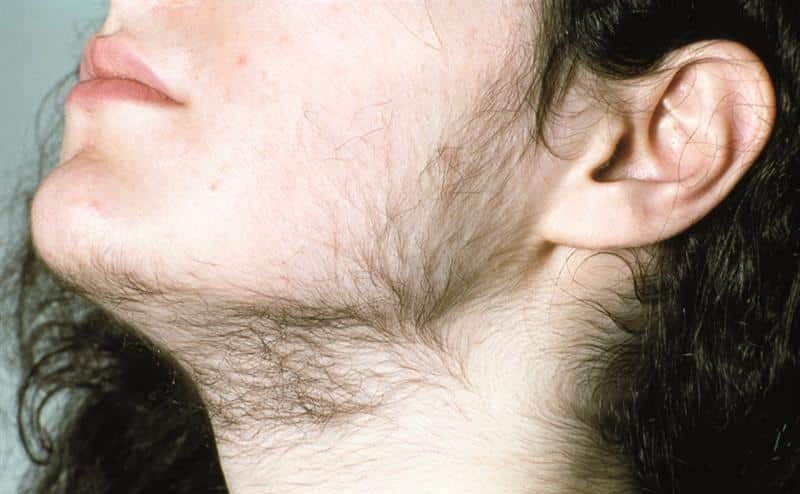
  • Postpartum Depression Symptoms: Early Signs and Support

    Postpartum Depression Symptoms: Early Signs and Support

    Postpartum depression symptoms are persistent mood, energy, sleep, thought, or bonding changes after birth that feel heavier than normal adjustment. They can include sadness, irritability, numbness, anxiety, guilt, hopelessness, or thoughts of self-harm. Early recognition matters because support, therapy, and medical care can reduce suffering and improve safety for the whole family.

    Many parents expect to feel tired and emotional after delivery. That can make warning signs easy to miss. If symptoms last beyond two weeks, interfere with daily life, or feel frightening, it is time to speak with a healthcare professional. You deserve care that is calm, practical, and free from blame.

    Key Takeaways

    • Early signs vary: Watch mood, sleep, appetite, thoughts, and bonding.
    • Duration matters: Symptoms beyond two weeks need attention.
    • Anxiety can overlap: Worry, panic, and intrusive thoughts are common.
    • Screening helps: Brief tools can guide referrals and support.
    • Urgent signs are real: Self-harm, psychosis, or harm-to-baby thoughts need immediate care.

    What Postpartum Depression Symptoms Can Look Like

    Postpartum depression can look like depression, anxiety, anger, numbness, or a loss of connection after birth. Some parents cry often. Others do not cry at all and instead feel flat, trapped, or unlike themselves. The pattern matters more than one isolated bad day.

    Common signs of postpartum depression include low mood, loss of interest, guilt, hopelessness, poor concentration, and changes in appetite. Sleep can become complicated. A parent may be exhausted but unable to sleep, or may sleep whenever possible and still feel drained. Physical recovery, feeding demands, and night waking can make symptoms harder to separate from normal postpartum fatigue.

    Thoughts can also change. Some people feel worthless or believe their family would be better without them. Others feel intense shame about not enjoying parenthood. These thoughts are symptoms, not character flaws. If self-harm thoughts appear, seek urgent in-person help right away.

    Bonding changes deserve attention too. A parent may feel detached from the baby, afraid to be alone with the baby, or unable to feel joy during caregiving. Bonding can improve with treatment and support. It is not a measure of love.

    For broader depression language that may help you describe symptoms, see Signs Of Depression. General depression patterns can overlap with postpartum symptoms, even when the timing and stressors are different.

    Baby Blues vs Postpartum Depression

    Baby blues are short-lived mood shifts that usually improve within the first two weeks after delivery. They often include tearfulness, mood swings, anxiety, and feeling overwhelmed. Hormonal changes, interrupted sleep, pain, and the shock of new routines can all contribute.

    Postpartum depression symptoms tend to last longer, feel more intense, and interfere more with daily functioning. A parent may stop eating well, avoid loved ones, struggle to care for themselves, or feel unable to enjoy anything. Symptoms may begin in the first weeks, but they can also appear later in the first year after birth.

    Why it matters: Waiting for severe symptoms can delay support that may help earlier.

    One practical distinction is recovery with rest and reassurance. Baby blues often ease when the parent gets sleep, meals, and steady support. Postpartum depression may not lift even when help is available. That does not mean support is useless. It means the parent may need a more structured care plan.

    Early Warning Signs to Track After Birth

    A simple postpartum depression symptoms checklist can help families notice patterns before a crisis. It should not be used to diagnose yourself. It can, however, make conversations with a clinician more specific.

    • Mood changes: Sadness, anger, numbness, or frequent crying.
    • Loss of pleasure: Little interest in people, hobbies, or daily life.
    • Sleep disruption: Insomnia beyond baby care, or excessive sleep.
    • Appetite shifts: Eating much less or much more than usual.
    • Anxious thoughts: Racing worry, panic, or constant checking.
    • Guilt or worthlessness: Harsh self-blame that feels hard to stop.
    • Bonding concerns: Feeling detached, afraid, or emotionally distant.
    • Safety concerns: Thoughts of self-harm or harming the baby.

    Tracking does not need to be perfect. Note what changed, when it started, and what makes it better or worse. Also record sleep blocks, feeding stress, pain, bleeding concerns, and medication changes. These details help clinicians assess postpartum depression risk factors and possible medical contributors.

    Early signs of postpartum depression can be subtle. Irritability may show up before sadness. A parent may become unusually sensitive to noise, feel panicked during ordinary tasks, or avoid messages from friends. Partners may notice withdrawal, blank facial expressions, or sudden anger that seems out of proportion.

    For related background on why depression can develop, read What Causes Depression. Postpartum depression causes are often layered, including biology, stress, sleep loss, history, and social support.

    Anxiety, Intrusive Thoughts, and Severe Red Flags

    Anxiety after birth can occur with depression or appear as the main concern. Postpartum anxiety symptoms may include racing thoughts, panic, muscle tension, restlessness, and a constant feeling that something terrible will happen. Some parents repeatedly check breathing, feeding amounts, temperature, locks, or sleep position.

    Intrusive thoughts are unwanted thoughts or images that feel disturbing. They may involve accidental harm, contamination, dropping the baby, or frightening scenes. Many parents feel ashamed to mention them. Clinicians are used to hearing about intrusive thoughts, and describing them can help separate anxiety symptoms from immediate danger.

    There is an important safety distinction. Intrusive thoughts are usually unwanted and distressing. A parent may feel horrified by them and work hard to avoid harm. By contrast, postpartum psychosis symptoms can include hallucinations, delusions, severe confusion, extreme agitation, or a drastically reduced need for sleep. Psychosis is an emergency and needs immediate evaluation.

    Seek urgent help now if there are thoughts of suicide, thoughts of harming the baby, hearing or seeing things others do not, feeling controlled by unusual beliefs, or being unable to sleep for long periods while feeling energized or disorganized. Emergency care can protect both parent and baby.

    If anxiety and depression overlap, medication discussions may involve several options. For general context, Anxiety And Depression Medicines explains how clinicians think about treatment classes. It should not replace individualized postpartum care.

    Screening and Diagnosis in Real Care

    Postpartum depression screening uses short questionnaires and clinical conversation to identify who needs more support. The Edinburgh Postnatal Depression Scale is one widely used tool. It asks about mood, anxiety, guilt, enjoyment, coping, sleep-related distress, and self-harm thoughts.

    A screening score is not the same as a diagnosis. It is a starting point. Clinicians also ask about timing, severity, functioning, safety, medical history, trauma, substance use, and social support. They may also consider thyroid changes, anemia, pain, infection, medication effects, or severe sleep deprivation because these can worsen mood.

    Postpartum depression diagnosis is usually based on depressive episode criteria applied within the postpartum context. The DSM-5 uses the phrase peripartum onset when mood symptoms begin during pregnancy or soon after delivery. In everyday care, many clinicians still use postpartum depression to describe depression arising after birth.

    Screening can happen at postpartum visits, newborn appointments, primary care visits, lactation visits, or mental health appointments. If a professional asks safety questions, that does not mean they are judging you. It means they are checking for risks that deserve fast support.

    Quick tip: Bring a written symptom timeline if speaking feels hard during appointments.

    Who Is More Likely to Develop Postpartum Depression?

    Anyone can develop postpartum depression, including people with strong support and healthy pregnancies. Risk factors raise the odds, but they do not predict exactly who will struggle. Lack of risk factors also does not rule it out.

    Common postpartum depression risk factors include a personal or family history of depression, anxiety, bipolar disorder, trauma, pregnancy complications, infertility stress, pregnancy loss, or a difficult birth. Limited support, financial strain, relationship stress, discrimination, and barriers to care can add pressure. Sleep deprivation often intensifies symptoms.

    Medical recovery can also shape mood. Ongoing pain, heavy bleeding concerns, infection, breastfeeding challenges, thyroid problems, anemia, and high blood pressure complications can make emotional recovery harder. After a cesarean birth, mobility limits and pain may reduce sleep and increase dependence on others. That can affect confidence and mood.

    Non-birthing parents can experience depression too. Postpartum depression in fathers and partners may show as irritability, withdrawal, anger, substance use, work overextension, or hopelessness. Family wellbeing improves when partners also receive screening, sleep protection, and practical support.

    For readers exploring broader mental health topics, the Mental Health category collects related educational posts. Pregnancy and postpartum topics may also be found through Women’s Health.

    Treatment and Support Options That Can Help

    Postpartum depression treatment options often combine therapy, practical support, sleep protection, and sometimes medication. The right plan depends on symptom severity, safety, feeding goals, medical history, and personal preferences. Care should respect your values while keeping safety central.

    Therapy can help parents name symptoms, reduce shame, and build coping skills. Cognitive behavioral therapy focuses on thought patterns and behavior changes. Interpersonal therapy focuses on role changes, grief, conflict, and support. Peer groups can reduce isolation, especially when they are moderated and culturally safe.

    Practical support is treatment-adjacent, not optional comfort. Meals, laundry, appointment rides, childcare for older children, and protected sleep blocks can reduce strain. Partners and relatives can ask, “What task can I take completely off your plate today?” That is often more helpful than general offers.

    Medication may be considered when symptoms are moderate, severe, persistent, or unsafe. Selective serotonin reuptake inhibitors, often called SSRIs, are commonly discussed in depression care. Sertraline, fluoxetine, escitalopram, and paroxetine are examples clinicians may consider based on the individual situation. For a broader educational review, see Medications For Depression.

    Postpartum depression while breastfeeding needs individualized discussion. Clinicians weigh parent wellbeing, infant health, medication history, milk transfer, and feeding goals. Do not stop or start a medicine without professional guidance. If a medication is part of your care plan, follow-up helps review benefits, side effects, sleep, and safety.

    Some readers may want background on medication access and product information. BorderFreeHealth connects U.S. patients with licensed Canadian partner pharmacies, and prescription details may be verified with the prescriber when required before pharmacy dispensing. Product pages such as Sertraline Tablets or Zoloft Tablets can provide item-specific context, but postpartum treatment decisions belong with your clinician.

    How Loved Ones Can Respond

    Helping someone with postpartum depression starts with believing them and reducing their load. Avoid telling them to enjoy the baby, think positive, or be grateful. Those comments can deepen shame and make symptoms harder to disclose.

    Use direct, gentle language. You might say, “I notice you seem overwhelmed and unlike yourself. I care about you. Can I sit with you while we call your clinician?” Offer specific help, such as taking the baby for a safe nap window, preparing food, cleaning bottles, or driving to an appointment.

    Watch for red flags. If someone talks about death, feels unsafe, seems confused, is not sleeping, or expresses thoughts of harming the baby, do not leave them alone. Seek urgent care or emergency services. Safety planning is an act of support, not betrayal.

    Families can also protect care access. Keep appointments on the calendar. Help track symptoms and side effects if treatment begins. Ask the parent what they want shared with clinicians, and respect privacy whenever safety allows.

    Authoritative Sources

    For a public health overview of symptoms and care pathways, see the CDC page on depression among women.

    For patient-friendly background on timing and treatment, review the MedlinePlus postpartum depression resource.

    For clinical guidance on screening and follow-up, see the ACOG perinatal mental health screening information.

    Recap

    Postpartum mood changes are common, but persistent distress deserves care. Postpartum depression symptoms can affect mood, sleep, appetite, thoughts, bonding, and safety. Anxiety and intrusive thoughts may also appear, and psychosis symptoms need emergency evaluation.

    If you are worried about yourself or someone close to you, start with a clear symptom timeline and contact a healthcare professional. Ask about screening, therapy, practical support, medication options, and urgent safety steps if needed. Recovery is not about willpower. It is about timely, compassionate support.

    This content is for informational purposes only and is not a substitute for professional medical advice.

  • What Is Gestational Diabetes? Symptoms, Causes, and Care

    What Is Gestational Diabetes? Symptoms, Causes, and Care

    Gestational diabetes is high blood sugar first diagnosed during pregnancy. It happens when pregnancy-related hormone changes make insulin less effective, and the pancreas cannot always keep up. Understanding what is gestational diabetes matters because steady glucose control can lower risks for both the pregnant person and baby.

    Most cases are found through routine screening, not symptoms. That can feel unsettling, especially if you felt well before the test. The good news is that gestational diabetes is manageable with monitoring, nutrition changes, safe activity when approved, and medication when needed.

    Key Takeaways

    • Basic definition: Gestational diabetes is diabetes first found during pregnancy.
    • Main cause: Placental hormones increase insulin resistance, especially later in pregnancy.
    • Symptoms vary: Many people have no clear warning signs before screening.
    • Core treatment: Food planning, activity, glucose checks, and sometimes medication.
    • After birth: Follow-up testing helps detect ongoing or future diabetes risk.

    What Gestational Diabetes Means During Pregnancy

    Gestational diabetes mellitus, often shortened to GDM, means glucose levels rise above pregnancy targets after conception. Glucose is the body’s main blood sugar. Insulin is the hormone that helps move glucose from the blood into cells for energy.

    During pregnancy, the placenta supports fetal growth and produces hormones that naturally make the body more insulin resistant. This is normal to a point. In gestational diabetes, the pancreas cannot make enough extra insulin to balance that resistance. Blood sugar then stays higher than expected.

    This condition is different from type 1 diabetes and type 2 diabetes that existed before pregnancy. Some people, however, may first discover previously undiagnosed diabetes during prenatal testing. Your clinician can explain which situation fits your results.

    Gestational diabetes is not a sign that you caused harm. Age, family history, previous GDM, polycystic ovary syndrome, and body composition can all affect risk. Hormonal changes also play a central role. For general background on diabetes testing methods, see How To Test For Diabetes.

    Why it matters: Treatment aims to reduce glucose spikes that can affect fetal growth and delivery planning.

    Symptoms, Timing, and Warning Signs

    Many people with gestational diabetes have no obvious symptoms. This is why screening is part of routine prenatal care. When symptoms happen, they can overlap with common pregnancy changes, which makes them easy to miss.

    Possible gestational diabetes symptoms may include unusual thirst, frequent urination, fatigue, blurred vision, or more frequent infections. These symptoms do not prove you have GDM. They do mean it is worth telling your pregnancy care team, especially if they are new, intense, or worsening.

    Gestational diabetes most often develops around the middle of pregnancy. Many people are screened between 24 and 28 weeks. Earlier testing may be recommended if you had GDM before, have strong risk factors, or had high glucose in a previous test.

    Signs of gestational diabetes in the third trimester can be hard to separate from ordinary pregnancy discomfort. Your glucose logs, fetal growth checks, and prenatal visits often provide clearer information than symptoms alone. If you notice severe thirst, vomiting, confusion, reduced fetal movement, or feel seriously unwell, seek urgent medical advice.

    What Causes Gestational Diabetes and Who Has Higher Risk

    The main cause of gestational diabetes is insulin resistance from placental hormones. As pregnancy progresses, the placenta grows and hormone levels change. The body usually responds by making more insulin. Gestational diabetes develops when that response is not enough.

    Several factors can raise the chance of GDM. These include a previous pregnancy with gestational diabetes, a family history of type 2 diabetes, PCOS, older maternal age, and certain weight or metabolic factors before pregnancy. A prior baby with a higher birth weight may also lead clinicians to screen earlier in a future pregnancy.

    Risk does not mean certainty. Some people with several risk factors never develop gestational diabetes. Others develop it without obvious warning. That is another reason routine screening matters.

    If PCOS is part of your history, insulin resistance may already be part of your health picture before pregnancy. You may find it helpful to review related reproductive and metabolic topics in the Women’s Health collection.

    Screening, Diagnosis, and Glucose Ranges

    Gestational diabetes is diagnosed with glucose testing, not by symptoms alone. Clinics commonly use an oral glucose drink followed by timed blood tests. Some use a one-step approach, while others use a shorter screening test followed by a longer diagnostic test if needed.

    Your care team will explain the gestational diabetes range used by your clinic. Thresholds can vary by testing approach and professional guideline. After diagnosis, many teams ask for home glucose checks, often fasting and after meals. These readings show how your body responds to food, sleep, stress, and activity.

    Home readings should be interpreted with your clinician, not in isolation. A single high number may happen after a larger meal, poor sleep, illness, or stress. Repeated highs are more important because they help your team adjust the care plan.

    If your clinician recommends home checks, a meter can help you see patterns between meals and glucose readings. The OneTouch Verio Flex Meter is one example of a home monitoring device to discuss with your care team.

    Some clinics or lab reports use mmol/L instead of mg/dL. This converter can help you compare glucose units when reviewing results, but it does not set pregnancy targets or replace clinical guidance.

    [glucose-converter]

    Food, Activity, and Daily Management

    A gestational diabetes diet is not one fixed menu. It is a structured way to balance carbohydrates, protein, fats, fiber, and meal timing so glucose rises more gradually after eating. A registered dietitian can help adapt the plan to your culture, schedule, budget, nausea, and pregnancy needs.

    Carbohydrates are not automatically “bad.” They provide energy and nutrients. The goal is usually to choose portions and pairings that reduce sharp glucose spikes. High-fiber options such as beans, lentils, whole grains, vegetables, and some fruits may work better than sweet drinks, large refined-grain portions, or desserts eaten alone.

    Protein at meals can help slow digestion and support fullness. Examples include eggs, poultry, fish that fits pregnancy safety guidance, tofu, Greek yogurt, beans, nuts, and seeds. Healthy fats, such as olive oil or avocado, can also help meals feel more satisfying.

    People often ask about fruits to avoid. A more useful question is how fruit affects your readings. Juice, dried fruit, and very large fruit portions often raise glucose faster than whole fruit paired with protein. Your glucose log can help identify your personal pattern.

    Safe movement can also help, especially after meals. A short walk may lower post-meal readings for some people, if your clinician has approved activity. People with bleeding, preterm labor concerns, blood pressure issues, or other pregnancy complications should ask before changing exercise habits.

    Quick tip: Record meals, timing, activity, and glucose values together for one to two weeks.

    Simple Meal Planning Ideas

    A practical meal plan starts with repeatable choices. Breakfast might include eggs with whole-grain toast, plain yogurt with berries and nuts, or oats paired with protein. Lunch could combine a high-fiber carbohydrate, vegetables, and a protein source. Dinner can follow the same pattern with half the plate built around nonstarchy vegetables when tolerated.

    A 7-day meal plan for gestational diabetes can be helpful for structure, but it should not replace individual advice. Pregnancy appetite, food access, nausea, reflux, and glucose response vary. If you want a printable plan, ask whether your clinic has a dietitian-approved handout that matches your target ranges.

    How Gestational Diabetes Is Treated

    Treatment for gestational diabetes usually begins with nutrition support, glucose monitoring, and activity guidance. If readings remain above target, medication may be recommended. Needing medication does not mean you failed. It often reflects strong pregnancy-related insulin resistance.

    Insulin is commonly used in pregnancy because it can be adjusted closely and has long clinical experience in this setting. Some clinicians may consider oral medicines in selected cases, depending on local protocols and individual factors. Your care team should explain the reason, expected monitoring, and what to do if readings are too high or too low.

    For deeper context on medication discussions, see Metformin Vs Insulin. If insulin becomes part of your plan, ask your clinician to demonstrate timing, storage, injection technique, and hypoglycemia precautions.

    Some people also need closer fetal monitoring, growth ultrasounds, or delivery planning based on glucose patterns and pregnancy history. High readings do not automatically mean a specific delivery date. Your obstetric team will weigh several factors, including fetal growth, blood pressure, medication needs, and overall health.

    Related pregnancy conditions can affect the plan. If blood pressure becomes a concern, Hypertension In Pregnancy explains symptoms and follow-up questions to raise during prenatal care.

    Can Gestational Diabetes Be Prevented?

    Gestational diabetes cannot always be prevented. Placental hormones and genetics are not fully within your control. Still, some habits before and during pregnancy may lower risk or improve glucose control if GDM develops.

    Helpful steps may include entering pregnancy with regular primary care, staying active when safe, choosing high-fiber foods often, limiting sugary drinks, and treating PCOS or prediabetes if present before conception. These steps are supportive, not guarantees.

    If you had GDM before, ask early in the next pregnancy about screening timing. Planning before conception can also help. A clinician may review weight trends, medications, thyroid status, blood pressure, and previous pregnancy records. If thyroid medicine is part of your care, Synthroid And Pregnancy covers why monitoring may change while expecting.

    Some people ask about natural ways to prevent gestational diabetes. Food quality, movement, sleep, and stress support can help overall metabolic health. They should sit alongside prenatal testing, not replace it.

    What Happens If Blood Sugar Stays High?

    When gestational diabetes is not controlled, higher glucose can increase the chance of complications. Possible concerns include excessive fetal growth, shoulder dystocia during delivery, cesarean birth, neonatal low blood sugar, and higher long-term diabetes risk for the parent.

    These risks are not meant to scare you. They explain why your care team follows glucose closely and adjusts the plan when needed. Many people with GDM have healthy pregnancies, especially with timely monitoring and support.

    Ask your clinician what numbers should prompt a call. Also ask what to do during illness, vomiting, poor intake, or repeated high readings. Clear thresholds reduce guesswork when you are tired or anxious.

    Medication history also matters in pregnancy. If you used certain diabetes or weight-management medicines before conception, review them with your clinician. The Ozempic Pregnancy resource discusses safety questions to raise before or during pregnancy.

    After Delivery: Does It Go Away?

    Gestational diabetes often improves after birth because the placenta is delivered and pregnancy hormones fall. However, postpartum testing is still essential. Some people have ongoing glucose problems, and many have a higher future risk of type 2 diabetes.

    Your team may check glucose in the hospital and arrange a postpartum glucose test several weeks later. After that, periodic diabetes screening is usually recommended. Keep those tests even if you feel well, because early glucose changes may not cause symptoms.

    Symptoms of diabetes after pregnancy can include unusual thirst, frequent urination, fatigue, blurred vision, or unexplained weight changes. These symptoms need medical review, but many people with early diabetes have no symptoms. Testing gives a clearer answer.

    Breastfeeding, when possible, may support glucose metabolism for some people. It is not required for recovery, and it may not be possible or preferred for everyone. Your postpartum plan should support both medical follow-up and your mental health.

    For ongoing learning, the Diabetes collection includes related education on glucose monitoring, medications, and long-term risk reduction.

    Questions to Bring to Prenatal Visits

    Gestational diabetes care works best when you know what information your team needs. A short list can make visits less rushed and more useful.

    • Testing plan: Ask when screening or retesting should happen.
    • Target values: Confirm fasting and post-meal goals for your clinic.
    • Meal guidance: Request dietitian support if readings stay high.
    • Activity safety: Ask which movements fit your pregnancy.
    • Medication triggers: Clarify when medicine may be discussed.
    • Delivery planning: Ask how glucose affects monitoring and timing.
    • Postpartum testing: Schedule follow-up before newborn care gets busy.

    If prescription medication becomes part of care, access questions should stay separate from medical decisions. BorderFreeHealth connects U.S. patients with licensed Canadian partner pharmacies, and prescription details are verified with the prescriber when required before dispensing. Your clinician remains the right person to guide treatment choices during pregnancy.

    Authoritative Sources

    For public health background on risk, screening, and prevention, see the CDC gestational diabetes overview.

    For patient education on pregnancy glucose management, review the American Diabetes Association gestational diabetes page.

    For clinical detail on definitions and management concepts, see the NCBI Bookshelf gestational diabetes chapter.

    Recap

    What is gestational diabetes? It is high blood sugar first diagnosed during pregnancy, usually driven by pregnancy-related insulin resistance. It is common, manageable, and not a personal failure. Screening finds many cases before symptoms appear, and treatment can include meal planning, movement, monitoring, and sometimes medication.

    The next step is practical: know your testing plan, track your readings if asked, and bring questions to each visit. After delivery, keep postpartum glucose testing on your calendar. That follow-up protects your health long after pregnancy ends.

    This content is for informational purposes only and is not a substitute for professional medical advice.

  • PCOS Symptoms: Signs, Causes, Diagnosis, and Care

    PCOS Symptoms: Signs, Causes, Diagnosis, and Care

    PCOS symptoms often include irregular periods, acne, unwanted facial or body hair, scalp hair thinning, and changes in weight or energy. These signs matter because polycystic ovary syndrome can affect ovulation, skin, fertility, insulin sensitivity, and long-term metabolic health. Symptoms vary widely, so a clear pattern over time matters more than any single symptom.

    You are not alone if cycle changes, acne, or hair growth feel confusing or distressing. PCOS is common, and it is manageable with the right evaluation and care plan. This article explains what PCOS means, what to watch for, how diagnosis works, and which care options may help you prepare for a productive clinician visit.

    Key Takeaways

    • Common signs: irregular cycles, acne, hirsutism, and scalp hair thinning.
    • Main drivers: genetics, insulin resistance, and androgen signaling.
    • Diagnosis: symptoms, labs, history, and sometimes ultrasound.
    • Care options: lifestyle support, cycle regulation, skin treatment, and fertility planning.
    • Seek care: sudden severe pain or heavy bleeding needs prompt assessment.

    What PCOS Means in Plain Language

    PCOS is a hormonal and metabolic condition that can disrupt ovulation and raise androgen effects. Androgens are hormones often called “male-type” hormones, though everyone has them. When androgen activity is higher than expected, skin, hair growth, and menstrual patterns can change.

    The full name is polycystic ovary syndrome. The word “polycystic” can be misleading. Some people have many small follicles seen on ultrasound, but not everyone with PCOS has visible cyst-like follicles. Also, having ovarian follicles on imaging does not automatically mean you have PCOS.

    In many languages, searches for PCOS meaning, including Hindi or Urdu phrases, point to the same core idea: a pattern involving ovulation, androgen-related symptoms, and metabolic features. The exact words may differ, but the medical concern is similar. Your clinician’s role is to confirm the pattern and rule out other causes.

    For broader background on menstrual and hormone-related topics, the Women’s Health collection can help you explore related issues in one place.

    Common PCOS Symptoms and How They Feel

    PCOS symptoms can feel different from person to person, but several patterns are especially common. Some people mainly notice missed periods. Others first seek help for acne, hair growth, or difficulty conceiving.

    Cycle and ovulation changes

    Irregular periods are one of the most common clues. Cycles may be longer than expected, unpredictable, very light, or absent for months. Some people also have heavy bleeding when a period finally arrives. These changes can happen because ovulation is infrequent or absent.

    Why this matters: infrequent ovulation can affect fertility and may leave the uterine lining exposed to ongoing hormone signals. Regular follow-up helps your clinician decide whether cycle protection or further testing is needed.

    Skin, hair, and androgen-related signs

    Higher androgen activity can contribute to persistent acne, oily skin, excess facial or body hair, and scalp hair thinning. Excess hair growth is called hirsutism. It often appears on the chin, upper lip, chest, abdomen, or inner thighs. If this is one of your main concerns, our plain-language resource on What Is Hirsutism explains why it happens and how clinicians assess it.

    Acne related to PCOS may affect the jawline, cheeks, chest, or back. It may persist beyond the teen years or flare around cycle changes. For skin-specific background, see What Is Acne, which explains common acne drivers and care considerations.

    Energy, weight, and mood changes

    Some people notice weight gain, stronger hunger cues, fatigue, sleep changes, or mood symptoms. These issues are not “willpower problems.” They may relate to insulin resistance, sleep quality, stress hormones, or the emotional burden of living with visible symptoms.

    PCOS can affect people across body sizes. Weight can influence symptoms for some, but it is not the sole cause. A respectful clinician should assess your symptoms, labs, goals, and history without reducing your care to weight alone.

    What Causes PCOS and What Can Trigger Flares?

    PCOS causes are usually multifactorial, meaning several influences work together. Genetics can play a role, especially when close relatives have irregular periods, type 2 diabetes, infertility, or androgen-related symptoms. Insulin resistance is also common and can increase ovarian androgen production.

    Insulin resistance means the body needs more insulin to move glucose from the blood into cells. Higher insulin levels may amplify androgen signaling. This loop can worsen irregular ovulation, acne, hair growth, and weight-related changes in some people.

    People often describe “PCOS flare-ups” when symptoms intensify. A flare may follow sleep disruption, stress, weight changes, dietary changes, illness, medication shifts, or a period of less movement. These triggers do not cause PCOS by themselves, but they may make underlying hormone and glucose patterns more noticeable.

    Quick tip: Track cycle dates, acne flares, hair changes, sleep, stress, and major routine shifts for two to three months.

    Early signs of PCOS can include persistent acne, cycles that remain irregular beyond the first few years after menarche, unwanted hair growth, or darkened velvety skin folds. Darkened folds, called acanthosis nigricans, may suggest insulin resistance. If these signs appear, a clinician can help decide which tests are appropriate.

    How Clinicians Diagnose PCOS

    A PCOS diagnosis is based on patterns, not one single test. Clinicians usually review your menstrual history, androgen-related symptoms, medical history, family history, medications, and pregnancy goals. They may also assess blood pressure, weight-related trends, skin findings, and signs of excess hair growth.

    Blood tests often evaluate androgen levels and look for other conditions that can mimic PCOS. These may include thyroid disease, elevated prolactin, adrenal conditions, pregnancy, or other hormone disorders. Ultrasound may help in some adults, but it is not always required.

    Adolescents and young adults need careful interpretation because irregular cycles and acne can be common during puberty. That does not mean symptoms should be dismissed. It means clinicians may use age-specific criteria and follow symptoms over time before confirming a diagnosis.

    Bring clear notes to your appointment. Include the age your periods started, your usual cycle length, missed periods, bleeding heaviness, acne pattern, hair growth areas, medications, supplements, and family history. If fertility is a concern, note how long you have been trying to conceive and whether you detect ovulation signs.

    Pain, Bleeding, and When to Seek Care

    PCOS can be associated with period discomfort, but severe or sudden pain is not typical and should be assessed. Lower abdominal pain may come from many causes, including ovarian cyst complications, infections, endometriosis, gastrointestinal issues, urinary problems, or pregnancy-related concerns.

    Seek urgent medical care for sudden severe pelvic pain, fainting, fever, shoulder-tip pain, heavy bleeding, or a positive pregnancy test with pain or bleeding. These symptoms need timely evaluation because they may reflect conditions that require urgent treatment.

    Heavy bleeding also deserves attention. This includes soaking pads or tampons very quickly, passing large clots, feeling dizzy, or bleeding that lasts longer than usual for you. If periods are absent for long stretches, ask your clinician how to protect the uterine lining.

    Mood symptoms matter too. PCOS can overlap with anxiety, low mood, body image distress, and eating concerns. Emotional support is not optional “extra” care. It can be part of a safer, more sustainable plan.

    PCOS Treatment and Self-Care Options

    PCOS treatment depends on your main goal. Some people want more predictable periods. Others focus on acne, excess hair growth, fertility, metabolic health, or distress. A good care plan starts with your priorities and checks for safety concerns.

    Lifestyle support without blame

    PCOS self-care often focuses on steady routines that support insulin sensitivity. Balanced meals with protein, fibre, and unsaturated fats may help energy and glucose patterns. Regular movement can also support mood, sleep, and metabolic health. These habits can help even when weight does not change.

    A PCOS treatment diet should not be extreme. Many people do better with consistent meals, higher-fibre carbohydrates, enough protein, and fewer large swings in added sugar. If you have diabetes, kidney disease, pregnancy, a history of disordered eating, or medication-related low blood sugar, ask for tailored nutrition guidance from a qualified clinician or registered dietitian.

    If weight tracking is part of your clinician-supported plan, a calculator can help estimate general progress toward a goal. It does not diagnose PCOS or replace medical guidance.

    [weight-loss-progress-calculator]

    Medications and symptom-focused care

    Medications may help regulate bleeding, reduce androgen effects, support insulin sensitivity, or induce ovulation when pregnancy is desired. Combined hormonal contraceptives are sometimes used for cycle control and acne or hair symptoms. Anti-androgen medicines may be considered for hirsutism, but pregnancy prevention is important with some options.

    Metformin may be discussed when insulin resistance, prediabetes, or metabolic features are part of the picture. GLP-1 receptor agonists may be considered for selected patients with weight or metabolic concerns, depending on clinical context. For a deeper discussion of these medication classes in PCOS care, see GLP-1 Agonists and Metformin.

    Some people review hormonal contraception options with their clinician. Product pages such as Yaz, Yasmin, Nextstellis, and Mirena can provide product-specific context, but the right option depends on your health history and contraindications.

    PCOS, Fertility, and Pregnancy Planning

    PCOS can affect fertility because ovulation may happen less often. It does not mean pregnancy is impossible. Many people with PCOS conceive with lifestyle support, ovulation tracking, medication-assisted ovulation, or reproductive specialist care when needed.

    If pregnancy is a goal, your clinician may review cycle frequency, ovulation signs, metabolic labs, thyroid function, medications, and prenatal health factors. They may also discuss partner testing or referral timing if conception has not occurred after an appropriate interval.

    Ovulation calculators can estimate fertile windows for people with fairly predictable cycles. With PCOS, cycles may be irregular, so estimates can be less reliable. Use them as a general planning tool, not proof that ovulation occurred.

    [ovulation-calculator]

    Some fertility treatments use medicines that help induce ovulation. Human chorionic gonadotropin may be part of certain monitored fertility plans. For background on one such medication, see Pregnyl Uses and Side Effects. Decisions about fertility medicines should always happen with clinician supervision.

    Egg freezing and fertility preservation can also come up in planning conversations. If you are exploring that topic, Metformin and Egg Cells reviews emerging research context without replacing individualized fertility advice.

    Can PCOS Be Prevented or Cured Permanently?

    There is no guaranteed way to prevent PCOS, and “cure permanently” claims should be treated cautiously. PCOS is usually managed over time, with goals changing by life stage. Symptoms can improve, recur, or shift depending on sleep, stress, weight changes, medications, pregnancy plans, and metabolic health.

    What you can influence is still meaningful. Routine screening can detect blood sugar, cholesterol, blood pressure, and mood concerns earlier. Sustainable movement, sleep routines, balanced nutrition, and stress support may reduce symptom intensity for some people.

    PCOD and PCOS are sometimes used interchangeably online. In many settings, PCOS is the more formal clinical term. If someone uses PCOD, ask what they mean and which diagnostic criteria they are applying. Clear language helps avoid confusion, especially when comparing advice from different regions.

    PCOS is not usually dangerous in an immediate sense, but it can raise long-term risks if unmonitored. Possible complications include prediabetes, type 2 diabetes, cholesterol changes, high blood pressure, sleep apnea, infertility, and endometrial hyperplasia. Regular follow-up helps reduce risk and supports earlier intervention.

    Questions to Bring to Your Clinician

    A focused question list can make your visit more useful. It also helps you advocate for care that fits your goals, culture, and comfort level.

    • Diagnosis criteria: Which findings support PCOS in my case?
    • Rule-out tests: What else should be checked?
    • Cycle protection: Do I need help regulating bleeding?
    • Skin and hair: Which options fit my priorities?
    • Metabolic health: Which labs need repeat monitoring?
    • Fertility goals: Should I track ovulation or seek referral?
    • Mood support: What resources are appropriate for me?

    If prescription access becomes part of your broader care planning, BorderFreeHealth connects U.S. patients with licensed Canadian partner pharmacies, with prescription details verified when required before pharmacy dispensing. This service context does not replace a clinical diagnosis or individualized treatment discussion.

    Authoritative Sources

    For a concise medical overview, the NIH PCOS health topic explains symptoms, causes, diagnosis, and long-term considerations.

    For patient-centered gynecology guidance, ACOG’s PCOS patient FAQ outlines common symptoms and treatment approaches.

    For global public health context, the WHO fact sheet on PCOS summarizes clinical features and health impacts.

    Recap

    PCOS symptoms can involve periods, skin, hair growth, fertility, energy, mood, and metabolic health. The condition is common, but it deserves careful assessment rather than guesswork. Track your patterns, ask about rule-out testing, and discuss care options that match your goals.

    With the right plan, many people improve symptoms and reduce long-term risks. Your next step is not to solve everything at once. Start with a clear symptom timeline, a focused appointment, and questions that make your priorities visible.

    This content is for informational purposes only and is not a substitute for professional medical advice.

  • HIV Symptoms in Women: Early Signs, Rash, and Testing Steps

    HIV Symptoms in Women: Early Signs, Rash, and Testing Steps

    HIV symptoms in women can include fever, fatigue, sore throat, swollen lymph nodes, rash, mouth sores, night sweats, or no symptoms at all. The first signs often look like flu or another common infection, so symptoms alone cannot confirm or rule out HIV. Testing is the only reliable way to know your status, and early testing supports earlier care and prevention choices.

    Women deserve accurate, stigma-free information about HIV. This page explains what to notice, why rashes and genital symptoms can be confusing, and what to do next if exposure is possible. It also separates common myths from useful warning signs.

    Key Takeaways

    • Early signs vary: Flu-like symptoms, rash, mouth sores, or none.
    • Rash clues help: Timing and pattern matter more than photos.
    • Genital symptoms overlap: Yeast, BV, and STIs can look similar.
    • Urine color is not diagnostic: Burning or urgency may suggest another infection.
    • Testing is essential: Do not wait for a complete symptom list.

    What Early HIV Symptoms in Women Can Look Like

    Early HIV symptoms in women often appear as a flu-like illness within the first several weeks after exposure. Clinicians call this acute HIV infection or acute retroviral syndrome. Common symptoms may include fever, chills, sore throat, muscle aches, headache, swollen glands, and a widespread rash.

    Some women also notice mouth ulcers, night sweats, diarrhea, or deep fatigue that feels stronger than usual. Others feel completely well. That range is one reason HIV can be missed early, especially when symptoms fade on their own.

    If you are wondering what is usually the first sign of HIV, fever and swollen lymph nodes are common early clues. Fatigue, sore throat, and rash may follow or appear at the same time. No single symptom proves infection, though. A recent exposure plus new flu-like symptoms should prompt testing and a discussion with a clinician.

    Why it matters: Feeling better after a short illness does not rule out HIV.

    How HIV affects the body early

    After HIV enters the body, it begins affecting immune cells that help fight infection. During the early phase, the immune system reacts strongly. That immune response can cause fever, body aches, swollen lymph nodes, and skin changes.

    After this early period, symptoms may become mild or disappear. This is sometimes called clinical latency. The virus can still be active, and a person can still transmit HIV, even when they feel healthy. For a broader symptom timeline, see our overview of HIV AIDS Symptoms.

    Rash, Skin, and Mouth Changes: What Clues Matter

    An HIV rash in early stage infection may appear as flat or slightly raised pink, red, brown, or purplish spots, depending on skin tone. It often affects the chest, back, face, arms, or upper body. It may happen around the same time as fever, sore throat, and swollen glands.

    People often search for HIV symptoms in women photos, but pictures can mislead. Many viral illnesses, medication reactions, allergic rashes, heat rash, eczema, and fungal infections can look similar. Lighting, skin tone, camera quality, and rash stage also change how a rash appears.

    Instead of relying on images, consider the pattern and context. A widespread rash that appears after a possible exposure and comes with fever or mouth sores deserves medical attention and testing. A localized rash under the breasts, in skin folds, or in the groin may point toward yeast, irritation, or another skin condition.

    When does an HIV rash start and how long does it last?

    An acute HIV rash can start within weeks of exposure, often during the same period as flu-like symptoms. It may last several days to about two weeks, then fade without specific rash treatment. Later rashes can occur for many reasons, including other infections or medication reactions.

    Mouth symptoms can add context. Painful mouth ulcers may occur during early infection. White patches that wipe off or leave soreness may suggest oral thrush, a yeast overgrowth that can happen when immunity is weakened. Any persistent mouth sore, spreading rash, or rash with fever should be evaluated.

    For a deeper look at skin patterns and immune-related skin changes, read Skin HIV-1 and HIV-2 Symptoms.

    Genital and Urinary Symptoms: What HIV Does and Does Not Cause

    HIV itself does not usually change urine color. Dark urine, cloudy urine, blood in urine, or strong-smelling urine can have many causes, including dehydration, urinary tract infection, kidney issues, foods, supplements, or medications. These changes are not a reliable way to identify HIV.

    Some people describe hiv urine symptoms such as burning, urgency, pelvic discomfort, or needing to urinate more often. Those symptoms more often point to a urinary tract infection or another genital or urinary condition. Testing can help clarify what is happening, especially if symptoms follow a possible sexual exposure.

    Women with untreated HIV may be more likely to experience recurrent vaginal yeast infections, bacterial vaginosis, pelvic inflammatory disease, or other infections. These conditions also occur in many women who do not have HIV. Recurrent, severe, or unusual symptoms should prompt a broader evaluation that may include STI testing and HIV testing.

    • Yeast symptoms: Itching, soreness, thick discharge.
    • Bacterial vaginosis: Thin discharge or odor.
    • UTI symptoms: Burning, urgency, pelvic pressure.
    • STI clues: Sores, bleeding, discharge, pain.
    • Immune clues: Recurrent infections or slow healing.

    Only a clinician can diagnose the cause of vaginal or urinary symptoms. If yeast or bacterial vaginosis is confirmed, treatments may be discussed. Related medication pages such as Descovy or Apretude can provide product context for prevention conversations, but eligibility and prescribing decisions require a healthcare professional.

    How Women May Notice HIV Differently Than Men

    Many HIV symptoms overlap across sexes. Fever, fatigue, swollen lymph nodes, sore throat, rash, night sweats, and weight changes can occur in anyone. The difference is that women may also notice patterns linked to vaginal, cervical, or pelvic health.

    For example, repeated vaginal yeast infections, bacterial vaginosis, abnormal discharge, pain during sex, or pelvic pain may bring someone to care. These symptoms do not automatically mean HIV. They are common with other infections and non-HIV conditions. Still, they can be a reason to ask for HIV testing along with routine STI screening.

    Men may notice penile sores, urethral discharge, testicular pain, or groin rashes that need evaluation. Partners can have different symptoms or no symptoms despite sharing an exposure risk. For a side-by-side discussion, see HIV Symptoms in Men.

    Broader sexual health topics are also collected in the Sexual Health category, including safer-sex and STI education.

    Can You Have HIV for Years and Not Know?

    Yes, some people can have HIV for years without knowing. Symptoms may be absent, mild, or mistaken for stress, flu, skin issues, yeast infections, or other common concerns. This can delay diagnosis until immune health has already been affected.

    Untreated HIV can gradually weaken the immune system. Over time, signs may include persistent swollen lymph nodes, unexplained weight loss, recurring fever, drenching night sweats, chronic diarrhea, oral thrush, shingles, or infections that keep returning. These symptoms are not specific to HIV, but they should not be ignored.

    People sometimes ask what are the 7 warning signs of HIV. A practical list includes fever, swollen lymph nodes, rash, sore throat, mouth ulcers, night sweats, and unusual fatigue. Later concerns may include weight loss, recurrent infections, or non-healing sores. A list can guide attention, but it cannot replace testing.

    Quick tip: Write down exposure dates and symptom dates before a testing visit.

    Testing: The Only Way to Know Your Status

    HIV testing is the reliable next step after possible exposure or unexplained symptoms. Modern tests can detect HIV earlier than older tests, but each test has a window period. The window period is the time between exposure and when a test can reliably detect infection.

    Fourth-generation laboratory tests look for both HIV antibodies and p24 antigen, a viral protein that may appear earlier than antibodies alone. Rapid tests and self-tests may have different detection windows. If exposure was recent, a clinician may recommend repeat testing.

    If exposure happened within the last 72 hours, ask urgent-care, sexual-health, or emergency services about post-exposure prophylaxis, often called PEP. PEP is time-sensitive and requires clinical assessment. If exposure risk is ongoing, ask about prevention options such as PrEP, condoms, and partner testing.

    For practical timing questions, read How Long Does HIV Test Take. To compare common test types, see Types of HIV Tests.

    What to ask at a testing visit

    • Test type: Ask which HIV test is used.
    • Window period: Ask when to repeat testing.
    • STI screening: Ask what else should be checked.
    • Pregnancy context: Mention pregnancy or pregnancy plans.
    • Prevention options: Ask about PEP or PrEP if relevant.
    • Partner steps: Ask how partners can test safely.

    If a test is positive, confirmatory testing is used before diagnosis is finalized. HIV treatment today can reduce viral levels and protect immune health when taken as prescribed. If a test is negative but exposure was recent, follow the recommended repeat-testing plan.

    Managing Anxiety While You Wait for Answers

    Worry after possible HIV exposure is common. Anxiety can also make normal body sensations feel alarming. Checking skin repeatedly, comparing photos, and searching symptoms late at night can make fear worse without giving a reliable answer.

    Try to focus on actions that reduce uncertainty. Schedule testing, confirm the right timing, avoid new exposures while waiting, and ask a clinician about prevention if risk is ongoing. If anxiety feels overwhelming, consider speaking with a mental-health professional or a trusted healthcare provider.

    It also helps to separate risk from stigma. HIV is a medical condition, not a moral judgment. Testing is a responsible health step for you and your partners.

    Prevention, Treatment Context, and Ongoing Care

    Prevention and treatment choices depend on your test results, exposure pattern, pregnancy status, medications, and health history. Condoms, not sharing needles, regular testing, and PrEP can reduce risk. PEP may be considered after a recent high-risk exposure if started within the appropriate time window.

    Some HIV prevention and treatment medicines require prescriptions and ongoing monitoring. For medication context only, you can review pages such as Aptivus 250mg or browse the Infectious Disease Products category. These pages should not replace individualized medical advice.

    Educational articles on infectious conditions are available through the Infectious Disease category. Women’s health topics are grouped in the Women’s Health category for broader reading.

    BorderFreeHealth connects U.S. patients with licensed Canadian partner pharmacies for eligible prescription access. When prescriptions are required, pharmacy partners verify details with the prescriber before dispensing.

    Authoritative Sources

    For current public-health guidance on symptoms and testing, see the CDC resource on HIV signs and symptoms.

    For a patient-friendly overview of women-specific concerns, MedlinePlus explains HIV in women.

    For details on early and chronic infection stages, HIV.gov outlines acute and chronic HIV.

    Recap

    HIV symptoms in women can be subtle, intense, delayed, or absent. Early illness often resembles flu, and rash can look like many other skin conditions. Genital and urinary symptoms may suggest infections that deserve care, but they do not diagnose HIV.

    The safest next step is testing based on your exposure timing, not waiting for a perfect symptom pattern. If you are worried, write down dates, seek testing, ask about repeat testing, and discuss prevention options that fit your situation.

    This content is for informational purposes only and is not a substitute for professional medical advice.