Category: Sexual Health

People explore intimate health for many reasons, including comfort, safety, and planning.

This hub supports browsing for prevention, testing, and relationship questions in one place. It also explains access basics, including Ships from Canada to US.

Sexual Health topics can affect bodies, emotions, and partnerships across every life stage. Caregivers may also need clear terms for teens, aging parents, or partners.

Coverage includes STI prevention, contraception options, and consent fundamentals for safer decisions. It also covers libido changes, pelvic pain, menopause concerns, and erectile dysfunction information. Some concerns relate to vaginitis (vaginal irritation or infection) or urinary symptoms.

Look for condition hubs, product groupings, and practical explainers that support informed conversations. Use the site tools to compare pages, then discuss choices with clinicians.

Sexual Health Overview

This category blends practical navigation with respectful, plain-language education. It covers prevention, testing, vaccines, and common sexual function concerns.

Start with the Sexually Transmitted Infection hub for symptom and testing basics. For low desire, browse Hypoactive Sexual Desire Disorder for definitions and care topics. If you want to scan peptides, see Sexual Wellness Peptides for grouped listings.

  • Prevention basics, including barrier methods and vaccine planning discussions.
  • Testing language, including screening, follow-up, and results interpretation basics.
  • Common concerns like low desire, pain with sex, and arousal changes.
  • Relationship topics, including consent and healthy communication frameworks.
  • Life-stage changes, including postpartum, perimenopause, and aging-related shifts.
  • LGBTQ-inclusive terms that support respectful, accurate care conversations.

Dispensing is handled through licensed Canadian partner pharmacies.

What You’ll Find in This Category

Within this category, Sexual Health coverage spans prevention, screening, and longer-term wellbeing. You will also find content that explains terms clinicians often use.

Some pages connect intimacy concerns with mental health treatment, since side effects can overlap. Several antidepressants can affect arousal or orgasm for some people. Learn about Escitalopram Side Effects and Zoloft Side Effects when changes feel new. Product pages like Escitalopram, Zoloft 100 Tablets, and Paxil list basics and prescription requirements.

  • Condition hubs that collect related products and educational reading.
  • Category pages that help compare items by type and intended use.
  • Plain-language explainers for screening, vaccines, and common next steps.
  • Guides on dyspareunia (pain with sex) and pelvic discomfort terminology.
  • Medication context when libido or function changes start after treatment begins.

How to Choose

Choosing a starting point depends on your question and your timeline. Use Sexual Health filters to sort by condition, topic, or medication name. Then open a few pages to compare definitions and shared themes.

Match the Resource to Your Need

Start broad if you feel unsure about symptoms or terms. Go specific if you already have a diagnosis, lab result, or medication name.

Bring Clear Details to Care Visits

Small details can change how clinicians interpret symptoms or side effects. Track what changed, when it changed, and what else changed nearby.

  • Primary concern: prevention, symptoms, fertility planning, or sexual function changes.
  • Body area involved and any pain pattern, including timing and triggers.
  • Pregnancy possibility, postpartum status, or menopause stage if relevant.
  • Current medicines, including recent starts, stops, or formulation changes.
  • Testing history, including prior results and follow-up plans.
  • Partner considerations, including shared testing plans and consent boundaries.
  • Personal priorities, including privacy needs and preferred communication style.
  • Whether you want general education, a condition hub, or product details.

Quick tip: Save a short symptom timeline before any appointment or test.

Safety and Use Notes

Sexual Health questions often involve privacy, stigma, and confusing symptom overlap. Many infections cause mild or no symptoms, so testing can matter.

Symptoms, Testing, and Timing Basics

Some STI symptoms resemble urinary tract infections, irritation, or allergies. Lab tests can differ by infection type and sample site. For prevention and screening guidance, see this CDC STI Prevention page. For vaccine basics, review the latest CDC HPV Vaccine information.

  • Severe pelvic pain, high fever, or fainting needs urgent medical evaluation.
  • New genital sores, rash, or swelling should be assessed by a clinician.
  • Testicular pain, sudden swelling, or nausea can signal urgent conditions.
  • Pregnancy concerns with bleeding or severe cramps need prompt care.
  • Eye pain, joint pain, or widespread rash can need faster assessment.

Why it matters: Fast clinical evaluation helps rule out infections and urgent complications.

Medication-Related Sexual Side Effects

Some medicines can lower libido, delay orgasm, or affect erections for some people. These effects can also reflect stress, depression, or relationship strain. Compare side-effect discussions in Prozac Vs Zoloft when mood treatment intersects with intimacy.

When prescriptions apply, we verify details directly with the prescriber.

Access and Prescription Requirements

Access needs vary across tests, vaccines, and prescription treatments. This Sexual Health hub notes which items typically require a prescription.

Some listings describe regulated medicines that require clinical oversight. If a product needs a prescription, the page will note it clearly. Plan to provide prescriber information, so pharmacists can confirm accuracy.

  • Browse by condition hub or category to narrow the topic.
  • Open a product page to review requirements and key safety warnings.
  • Share prescription details when a regulated medicine is involved.
  • Pharmacy teams confirm documentation before dispensing when required.
  • Keep records of refills, follow-ups, and lab results when applicable.

Cash-pay access is available, including for people without insurance.

Cross-border fulfillment can affect documentation and package routing rules. Review each page for contact options and administrative details.

This content is for informational purposes only and is not a substitute for professional medical advice.

  • Can HIV Be Cured? Evidence, Treatment, and Next Steps

    Can HIV Be Cured? Evidence, Treatment, and Next Steps

    No, HIV cannot be cured for most people today. A few rare remission cases have occurred under extraordinary medical circumstances, but they are not a standard treatment path. If you are asking can hiv be cured after an exposure, a diagnosis, or a headline, the most useful answer is this: HIV can be controlled very well with treatment, and urgent prevention steps may still matter after a recent exposure.

    That distinction matters. Cure science is moving, but proven care today focuses on testing, antiretroviral therapy, viral suppression, and prevention tools such as PEP and PrEP. Hope is valid. So is caution.

    Key Takeaways

    • No routine cure: HIV cure cases remain rare and experimental.
    • Treatment works: ART can suppress HIV and protect health.
    • PEP is urgent: It should start as soon as possible after exposure.
    • Testing confirms status: Symptoms cannot prove PEP success or failure.
    • Headlines need context: Cure and vaccine research is not the same as available care.

    For transmission basics before you assess risk, see our Sexual Health collection for related prevention and testing topics.

    Can HIV Be Cured Today?

    For everyday medical care, HIV is treatable but not curable. Antiretroviral therapy, often called ART, can reduce the amount of virus in the blood to very low levels. This protects the immune system and helps people live long, active lives.

    Scientists use two cure concepts. A sterilizing cure would remove every replication-competent copy of HIV from the body. A functional cure would keep HIV controlled without ongoing ART, even if some virus remains. Both goals are difficult because HIV can hide inside long-lived immune cells.

    Rare people have reached long-term remission after high-risk stem-cell transplants for cancer. These cases are important for science, but the procedures carry major risks and are not used simply to treat HIV. They also do not mean a widely available cure exists.

    Why it matters: A realistic answer helps you act quickly without relying on false promises.

    If you are already living with HIV, the practical focus is steady care, viral load monitoring, and a treatment plan that fits your health history. Our overview of HIV Viral Load explains how lab results help track control over time.

    Why HIV Is So Hard to Remove Permanently

    HIV is hard to cure because it can become part of a person’s own cells. After infection, HIV inserts genetic material into immune cells, especially CD4 cells. Some infected cells become quiet reservoirs, meaning they carry HIV but do not actively produce virus.

    ART blocks active viral replication. It does not reliably find and remove every hidden reservoir. If treatment stops, virus can return from those reservoirs. This is why people should not stop HIV medicines without a clinician’s guidance, even when viral load is undetectable.

    Reservoirs can form early. That is why questions such as can HIV be cured at early stage need careful framing. Early testing and early treatment can improve health outcomes and may limit the size of reservoirs. Still, early treatment is not the same as a proven cure.

    Does HIV ever fully go away?

    In standard care, HIV does not fully go away. Treatment can reduce viral load until routine tests cannot detect it, but HIV can still remain in the body. This is why ongoing follow-up matters, even when someone feels well.

    Can a person with HIV live into older age?

    Many people receiving effective HIV treatment can live for decades. Outcomes depend on many factors, including early diagnosis, treatment adherence, other health conditions, substance use, stigma, access to care, and social support. The key point is that HIV is now a manageable chronic condition for many people with consistent care.

    What Current HIV Treatment Can Achieve

    Current HIV treatment can control the virus, protect immune function, and reduce transmission risk. ART usually combines medicines that block HIV at different points in its life cycle. Some regimens are daily pills, while some people may be eligible for long-acting injectable treatment through their clinician.

    When ART keeps viral load undetectable over time, the person has viral suppression. The public-health message Undetectable = Untransmittable, or U=U, reflects strong evidence that people with sustained undetectable viral load do not sexually transmit HIV. This is not a cure, but it is a major treatment and prevention achievement.

    Medication choice is individual. Clinicians consider prior treatment, resistance testing, kidney and liver health, pregnancy potential, other medicines, and tolerability. For a plain-language look at one modern regimen, read Biktarvy HIV Treatment. For more detail on effectiveness and tolerability topics, see Biktarvy for HIV-1 Infection.

    Older and specialized antiretroviral medicines may still appear in treatment histories or complex care plans. For example, Aptivus 250mg is a product page that can help readers identify one protease inhibitor used in HIV care discussions. Product pages should support understanding, not replace clinician advice.

    PEP After Possible Exposure: Timing, Duration, and Access

    PEP, or post-exposure prophylaxis, is emergency medicine used after a possible HIV exposure. It is not a cure for HIV. It aims to prevent infection from becoming established when started quickly and taken as directed.

    Public-health guidance generally recommends starting PEP as soon as possible and within 72 hours after a potential exposure. Earlier is better. If you are at 60 hours, 70 hours, or close to the limit, seek urgent clinical advice rather than waiting to see how you feel. If more than 72 hours have passed, a clinician can still advise on testing and next prevention steps.

    People often ask whether taking PEP for 14 days is effective. Standard PEP courses are longer than 14 days, and completing the full prescribed course matters. If you miss doses, stop early, or cannot tolerate symptoms, contact the prescribing clinic. Do not shorten the course based on internet advice.

    Can HIV be cured within 72 hours of infection? That wording is misleading. PEP is a prevention strategy after exposure, not a treatment that cures confirmed HIV. The urgent goal is to start appropriate care before infection is established.

    Access routes vary by location. Emergency departments, urgent care clinics, sexual health clinics, and some pharmacies may help start PEP. In some regions, pharmacists can initiate PEP under local protocols. In others, they dispense it after a prescription. If you ask, can I get PEP at pharmacy, the safest practical step is to call ahead and ask whether they can assess, prescribe, dispense, or direct you to an urgent clinic.

    Quick tip: When calling, say the possible exposure time first because PEP is time-sensitive.

    For prevention before possible exposure, PrEP may be a better fit for ongoing risk. Our Descovy and Apretude pages provide product context for prevention conversations with a clinician. BorderFreeHealth may support access to cross-border prescription options for U.S. patients when eligibility and jurisdiction allow, with prescription details verified where required before pharmacy dispensing.

    PEP Side Effects and Signs of Success

    There are no reliable signs of PEP success that you can feel. Some people have no symptoms after exposure or during PEP. Others have fatigue, headache, nausea, diarrhea, or sleep changes from the medicines, stress, another infection, or unrelated causes.

    Symptoms cannot confirm whether PEP worked. Follow-up HIV testing is the reliable way to check status. Your clinician may also recommend tests for sexually transmitted infections, hepatitis, pregnancy, kidney function, or liver function depending on the exposure and medicines used.

    PEP side effects are often manageable, but they should not be ignored. Ask your care team what side effects are expected, which symptoms need urgent review, and what to do if vomiting occurs after a dose. Severe rash, trouble breathing, yellowing skin or eyes, intense abdominal pain, or symptoms that feel unsafe should prompt immediate medical attention.

    Antibiotics do not prevent HIV after exposure. Some antibiotics treat bacterial sexually transmitted infections, but HIV is a virus and requires HIV-specific prevention or treatment. If you received antibiotics after an exposure, still ask about HIV testing, PEP timing, and other prevention steps.

    Cure Research, Vaccines, and Headlines

    HIV cure research is active, but no major health agency has announced a broadly available permanent cure. When headlines claim “good news” or say a cure has finally been found, look for the study type, number of participants, follow-up length, and whether the result applies outside a controlled trial.

    Researchers are exploring several strategies. Gene editing aims to change cells or viral targets. Broadly neutralizing antibodies may help the immune system recognize diverse HIV strains. Therapeutic vaccines try to improve immune control in people already living with HIV. Latency-reversing agents attempt to expose hidden virus so it can be targeted.

    Each approach faces safety and access challenges. A therapy that works in a lab, animal model, or very small trial may not become a practical option for millions of people. The question “how far away is a cure for HIV” has no reliable countdown. Progress is real, but timelines remain uncertain.

    Vaccine research also needs context. A preventive vaccine would aim to stop HIV acquisition. A therapeutic vaccine would aim to help control HIV in people who already have it. Neither is currently a substitute for testing, condoms, PrEP, PEP, or ART. For a focused discussion, see HIV Vaccine Prevention.

    Some research explores adjunctive approaches that may affect inflammation or immune pathways. Our piece on Metformin and HIV covers one research angle without treating it as a cure.

    What to Do After a Possible Exposure or New Diagnosis

    The best next step depends on timing. If the possible exposure was within the last 72 hours, seek urgent PEP assessment. If symptoms are present, do not use them to decide whether HIV transmission occurred. Testing and clinical review are still needed.

    If more time has passed, ask a clinic about the right HIV test and schedule. Different tests detect infection at different points after exposure. A negative result too early may need repeat testing. If a test is positive, prompt linkage to HIV care can protect health and reduce onward transmission.

    If you are newly diagnosed, try to focus on the next concrete step. That may be confirmatory testing, baseline labs, a first HIV appointment, or support from a trusted person. Many people feel fear at first. Accurate care, privacy, and support can make the path clearer.

    • Act quickly: Ask about PEP within 72 hours.
    • Use testing: Confirm status with recommended labs.
    • Share details: Tell clinicians the exposure time and type.
    • Protect follow-up: Keep repeat testing appointments.
    • Ask plainly: Discuss PrEP if risk may continue.

    For broader reading across infections and prevention, browse the Infectious Disease collection. Category pages can help you find related educational topics, but they are not a substitute for medical evaluation.

    Authoritative Sources

    The CDC HIV treatment overview explains that treatment controls HIV but does not cure it.

    The CDC clinical PEP guidance summarizes timing and follow-up principles for post-exposure prophylaxis.

    The NIH HIV cure research page reviews major cure strategies and scientific barriers.

    Recap

    Can hiv be cured is a reasonable question, especially when headlines sound hopeful. The honest answer is that routine cure is not available today. HIV treatment can still be powerful: it can suppress the virus, protect long-term health, and prevent sexual transmission when viral load remains undetectable.

    If exposure was recent, treat time as important and seek PEP guidance quickly. If you are living with HIV, ongoing treatment and monitoring remain the evidence-based path. Cure research deserves attention, but your health decisions should rest on proven care and qualified medical advice.

    This content is for informational purposes only and is not a substitute for professional medical advice.
  • Can You Get HIV From Kissing? Saliva, Blood, and Risk

    Can You Get HIV From Kissing? Saliva, Blood, and Risk

    Can you get HIV from kissing? In almost all everyday situations, no. Closed-mouth kissing does not transmit HIV, and open-mouth or deep kissing is not considered a typical HIV route either. Saliva alone does not transmit HIV. The unusual scenario people worry about is blood in the mouth, such as from bleeding gums or a fresh cut. Even then, the concern is about blood exposure, not kissing itself. Knowing that difference matters because fear about casual contact still causes anxiety, stigma, and confusion.

    Key Takeaways

    • Closed-mouth kissing does not transmit HIV.
    • Saliva is not a body fluid that spreads HIV.
    • Deep kissing without blood is not considered a usual HIV route.
    • If blood is present, the concern is blood exposure, not saliva.
    • HIV is mainly transmitted through blood, semen, vaginal or rectal fluids, and breast milk.

    Can You Get HIV From Kissing in Everyday Situations?

    No. In daily life, kissing is not how HIV is usually transmitted. People often ask whether you can get HIV from kissing someone with HIV, but the answer depends on the type of contact and whether a transmitting fluid is involved. Saliva is not considered one of those fluids. A kiss on the lips, cheek, or mouth without blood does not create the kind of exposure public health guidance focuses on.

    That remains true even when the person you kissed is living with HIV. The presence of HIV in a person does not make ordinary contact risky. Transmission requires the right body fluid, a meaningful way into the body, and a real exposure event. Casual social contact does not fit that pattern.

    For broader reading on related topics, you can browse the Sexual Health hub and the Infectious Disease hub.

    BorderFreeHealth works with licensed Canadian partner pharmacies.

    Saliva, Deep Kissing, and When Blood Changes the Picture

    People usually ask this question because saliva feels like it should matter. It does not, at least not as an HIV-transmitting fluid. HIV can be found in some body fluids, but not every body fluid can spread infection. Saliva is not considered a source of HIV transmission. That is why health authorities do not treat saliva-only kissing as a route of infection.

    Closed-mouth and open-mouth kissing

    Closed-mouth kissing carries no HIV transmission risk. Open-mouth or French kissing without blood is also not considered a usual route. When people search phrases like can you get HIV from French kissing or can you get HIV from deep kissing, the missing detail is almost always the same: saliva by itself does not transmit HIV.

    The lining inside the mouth, called the oral mucosa, is not the same as direct blood-to-blood exposure. It is also different from sexual exposure involving semen, vaginal fluids, or rectal fluids. That is why kissing belongs in a very different risk category from anal or vaginal sex, needle sharing, or other known HIV routes.

    When blood is the real issue

    The discussion changes only when blood is present. If one or both people have bleeding gums, recent dental work, a mouth ulcer, a cold sore, or a fresh cut, a theoretical concern can come up. In that situation, the question is not whether saliva transmits HIV. It does not. The question is whether blood from one person could have contacted broken tissue in the other person's mouth.

    Even then, kissing alone is not considered a common or routine route of HIV transmission. Public health messaging stays simple for a reason: HIV is not transmitted by kissing. In unusual cases involving obvious blood, the more accurate explanation is that the concern shifts from saliva to blood exposure. If you are unsure whether blood was involved, that detail is what matters most when deciding whether to seek advice.

    Activity How HIV risk is understood
    Closed-mouth kissing No HIV transmission risk.
    Open-mouth or deep kissing without blood Not considered a usual route; saliva does not transmit HIV.
    Kissing with obvious blood and mouth injuries Concern relates to blood exposure, not saliva; individual assessment may help.
    Sharing drinks or utensils No HIV transmission risk.
    Spitting or saliva on skin No HIV transmission risk.
    A bite with broken skin and blood Not a typical route; unusual cases may need medical review.

    How HIV Is Actually Transmitted

    HIV is transmitted through specific body fluids, not through everyday contact. The main fluids linked to transmission are blood, semen, pre-seminal fluid, rectal fluids, vaginal fluids, and breast milk. For transmission to happen, those fluids must reach the bloodstream or certain mucous membranes in a meaningful way.

    In practice, the better-known routes include:

    • Sex without effective prevention.
    • Sharing needles or syringes.
    • Pregnancy, birth, or breastfeeding without appropriate treatment.
    • Exposure to infected blood through specific medical or injection-related events.

    That is why HIV risk from kissing is so different from HIV risk from sex or needle sharing. People sometimes focus on the word fluid and assume every fluid counts the same. It does not. Sweat, tears, and saliva are not treated the same way as blood or sexual fluids because they do not transmit HIV in everyday public health guidance.

    Why it matters: Knowing what does not spread HIV can lower panic and reduce stigma.

    Common Exposures That Do Not Spread HIV

    Many everyday activities do not spread HIV. This includes hugging, holding hands, sharing a couch, using the same toilet, sharing food, and sharing drinks. It also includes saliva contact, cheek kissing, and closed-mouth kissing. If the question in your mind is can you get HIV from kissing, casual contact is not the route to focus on.

    Here are common examples of non-transmission:

    • Hugging or touching.
    • Sharing drinks or utensils.
    • Toilet seats, bedding, or towels.
    • Coughing, sneezing, sweat, or tears.
    • Closed-mouth kissing.
    • Saliva without blood.

    People also ask about biting and spitting. Spitting does not transmit HIV. Biting is different only because severe trauma can involve broken skin and blood. Even then, it is not a common transmission route. If a bite caused deep injury or visible blood exposure, it makes sense to get medical advice based on the full event, not on a myth about saliva.

    Another common worry is survival outside the body. HIV does not spread through dried saliva on a cup, straw, fork, or surface. Sharing a drink, sharing lip balm, or taking a sip from the same bottle does not transmit HIV.

    What to Do If You Are Worried After Kissing

    The next step depends on what actually happened. If the contact was only kissing and there was no obvious blood, emergency HIV care is generally not what public health guidance points to. If the same encounter also involved sex, shared injection equipment, or clear blood exposure, prompt medical evaluation matters because post-exposure prophylaxis (medicine used after a possible exposure) may be discussed.

    If anxiety is the main issue, slow down and review the facts. Was it closed-mouth kissing, open-mouth kissing, or kissing with visible blood? Were there cuts, mouth sores, or recent dental injuries? Was there another exposure in the same encounter? These details matter more than the kiss alone.

    Quick tip: Write down whether blood, sex, or needles were involved before seeking advice.

    Testing may also come up, but testing decisions depend on the total exposure, not just the word kissing. A clinician or local sexual health service can explain whether testing makes sense and when it would be useful. If the only event was kissing without blood, the answer is usually very different from what people fear.

    For people exploring longer-term prevention questions, our pages on Apretude and Descovy provide basic product context, and the Infectious Disease Products page is a browseable hub for related prescription items.

    When a prescription is required, the pharmacy confirms it with the prescriber before dispensing.

    Why Myths About Kissing Persist

    HIV myths about kissing persist because kissing feels intimate, and saliva is easy to picture. But infection risk is not based on emotion or proximity. It is based on whether a transmitting fluid reaches the body in a way that can actually spread the virus. That is a much narrower set of circumstances than many people assume.

    Fear also grows when people hear half-true statements, such as “there could be blood in saliva,” without hearing the rest of the explanation. Yes, blood can change the discussion. No, that does not mean saliva transmits HIV. It means blood exposure is the concern in rare, unusual scenarios.

    There is also a stigma problem. People living with HIV are often judged through myths about casual transmission. Clear language helps. Saying HIV is not transmitted by kissing is usually the most useful public-health message. Adding nuance about blood is important, but it should not erase the bigger truth: everyday affection is not how HIV spreads.

    Authoritative Sources

    The short version is simple: kissing is not a usual HIV transmission route, and saliva does not transmit HIV. The rare situations people worry about involve blood exposure, not ordinary kissing. When in doubt, review the full exposure rather than assuming the kiss itself created risk.

    This content is for informational purposes only and is not a substitute for professional medical advice.
  • HIV Symptoms in Men: Early Signs, Rash Clues, and Testing

    HIV Symptoms in Men: Early Signs, Rash Clues, and Testing

    HIV symptoms in men often look like a flu-like illness at first, with fever, sore throat, swollen lymph nodes, fatigue, muscle aches, night sweats, mouth ulcers, or a rash. These symptoms can appear about 2–4 weeks after exposure, but some people have no noticeable symptoms. Testing is the only way to know your status.

    Why this matters: early testing can connect you to treatment, prevent complications, and reduce the risk of passing HIV to partners. Symptoms can raise concern, but they cannot confirm or rule out HIV on their own.

    Key Takeaways

    • Early signs vary: fever, rash, sore throat, fatigue, and swollen nodes are common.
    • Timing matters: symptoms usually do not appear right after exposure.
    • Rash is not proof: many infections and medicines can cause similar skin changes.
    • Urinary symptoms differ: burning, discharge, or pain often suggests another STI or urinary condition.
    • Testing decides: HIV tests, not pictures or symptom lists, confirm infection.

    What Usually Happens First After Exposure

    The first phase of HIV is called acute HIV infection. During this period, the virus multiplies quickly and the immune system reacts. Many people develop acute retroviral syndrome, a short illness that can resemble flu, mono, or another viral infection.

    People often ask what is usually the first sign of HIV. There is no single first sign that applies to everyone. Fever is common, but another person may notice fatigue, sore throat, swollen lymph nodes, or a rash first. Some people feel well and miss the acute phase entirely.

    Common early symptoms include:

    • Fever or chills: often with general body aches.
    • Swollen lymph nodes: commonly in the neck, armpits, or groin.
    • Sore throat: sometimes without cough or nasal symptoms.
    • Rash: often on the trunk, shoulders, or upper body.
    • Night sweats: sweating that soaks sleepwear or bedding.
    • Mouth ulcers: small painful sores inside the mouth.

    These symptoms are non-specific. That means they overlap with many common infections. A cold, influenza, COVID-19, mononucleosis, medication reaction, or another sexually transmitted infection can look similar. If symptoms follow a possible exposure, testing is the safer next step.

    For a broader condition overview, you can compare this article with HIV AIDS Symptoms, which explains how symptoms may change across stages.

    HIV Symptoms in Men: Timing From Days to Years

    HIV symptoms in men usually do not appear within 1–2 days after exposure. The immune response takes time. Many acute symptoms appear about 2–4 weeks later, although timing varies by person and exposure type.

    At one week, symptoms are often absent or caused by something else. At one month, acute HIV symptoms may be present or may have already faded. After six months or one year, many people without treatment may have few symptoms, even though HIV can still affect the immune system.

    This silent period can feel confusing. A person may test positive while feeling healthy. Another person may feel unwell and test negative because the symptoms have a different cause. That is why clinicians focus on the test type, the exposure date, and follow-up testing when needed.

    After the acute phase

    Without treatment, HIV can enter a chronic stage. During this time, symptoms may be mild or absent for years. Some people later develop persistent fatigue, recurrent fevers, weight loss, diarrhea, oral thrush (a yeast infection in the mouth), or long-lasting swollen lymph nodes.

    Symptoms after two years or longer need medical evaluation, but they still do not prove HIV. Many other conditions can cause fatigue, weight change, skin changes, or recurrent infections. A clinician may suggest HIV testing alongside other lab work, depending on your history and symptoms.

    Quick tip: Write down the exposure date, symptom dates, and any tests already taken before your appointment.

    Rash, Skin Changes, and Online Pictures

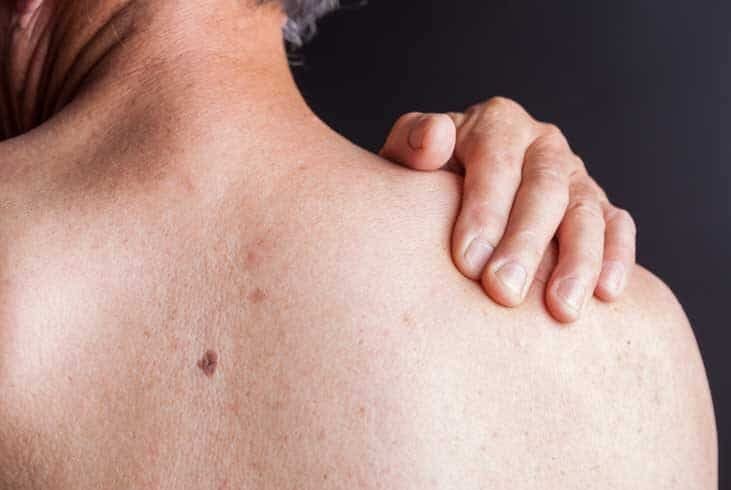
    An HIV rash in the early stage can appear as small flat or slightly raised pink, red, brown, or purplish spots. It often affects the chest, back, shoulders, face, or upper body. It may not itch much, although some people feel warmth or tenderness.

    Skin tone changes how rashes look. On darker skin, redness may appear brown, violet, gray, or darker than surrounding skin. Lighting, camera filters, and image quality can make online pictures unreliable. This is one reason searches for HIV symptoms pictures for males can create more worry than clarity.

    People also search for how to identify HIV rash pictures. Photos can help you learn general patterns, but they cannot diagnose HIV. Similar rashes may come from viral illnesses, allergic reactions, heat rash, eczema, syphilis, medication reactions, or other causes.

    More concerning skin symptoms include a rapidly spreading rash, fever with severe illness, blistering, skin pain, swelling of the lips or face, or sores involving the eyes or genitals. Those situations need prompt medical care, regardless of HIV concern.

    For a focused discussion of skin findings, see Skin HIV-1 and HIV-2 Symptoms. The Infectious Disease collection also groups related infection topics for deeper reading.

    Urinary, Genital, and Sexual Health Symptoms

    HIV itself usually does not cause burning urination, penile discharge, testicular pain, or pelvic pain during early infection. These symptoms more often point toward another condition, such as chlamydia, gonorrhea, herpes, syphilis, prostatitis, or a urinary tract infection.

    That distinction matters because several sexually transmitted infections can raise the chance of acquiring or transmitting HIV. Genital ulcers or sores can also have causes other than HIV. Herpes and syphilis are important examples, and both need diagnosis and treatment.

    Searches for HIV urine symptoms or HIV urine color are common. In general, HIV is not diagnosed by urine color. Dark urine, blood in urine, burning, urgency, or discharge should be assessed on their own merits. A clinic may recommend HIV testing together with STI testing and a urine test, depending on symptoms.

    Men may also notice groin lymph node swelling during or after a genital infection. Swollen nodes are a sign that the immune system is reacting, not a diagnosis. If you have urinary or genital symptoms after a new partner, unprotected sex, condom break, or needle exposure, ask about combined STI and HIV screening.

    For more prevention and testing context, the Sexual Health collection covers related topics. You can also browse Men’s Health for broader male health concerns that may overlap with sexual wellness.

    How Men Know Whether It Is HIV

    A man knows whether he has HIV by taking the right test at the right time. Symptoms, rash pictures, urine changes, or a partner’s appearance cannot confirm status. A person with HIV may look and feel healthy.

    There are several types of HIV tests. Antibody tests look for the immune response to HIV. Antigen/antibody tests look for both antibodies and p24 antigen, a viral protein that can appear earlier. Nucleic acid tests look for HIV genetic material and may detect infection sooner in certain situations.

    Test windows differ. A negative test too soon after exposure may need follow-up. If the exposure was recent and high risk, a clinician or testing service can help choose the best next step. If the result is positive, confirmatory testing is needed before a diagnosis is finalized.

    For a practical explanation of test types, see Types of HIV Tests. If your main concern is timing, How Long Does HIV Test Take explains result timing and follow-up considerations.

    When urgent prevention may apply

    Post-exposure prophylaxis, often called PEP, is emergency medication taken after a possible HIV exposure. It is time-sensitive and requires prompt medical assessment. If you think you had a recent high-risk exposure, contact an urgent care clinic, emergency department, sexual health clinic, or public health service right away.

    Pre-exposure prophylaxis, often called PrEP, is prevention medicine for people with ongoing risk. It is different from HIV treatment. Some prevention options are daily oral medicines, while others are long-acting injections used in eligible people under medical supervision. For medication context only, you can review Descovy and Apretude as examples to discuss with a clinician.

    How HIV Symptoms Differ in Women and Other Groups

    Core early symptoms overlap across sexes. Fever, sore throat, rash, swollen lymph nodes, fatigue, night sweats, and mouth ulcers can occur in men, women, and people of any gender. The virus does not create a completely separate early symptom pattern in men.

    Differences often come from anatomy, hormones, pregnancy status, or co-existing infections. Women may notice recurrent vaginal yeast infections, pelvic inflammatory disease, menstrual changes, or cervical health issues. Men may notice penile sores, groin lymph node swelling, or urinary symptoms from another STI.

    These differences do not change the central rule: testing is required. Searches for HIV symptoms in women, HIV symptoms in women rash, or HIV symptoms in women pictures reflect real concerns, but symptom comparisons cannot replace testing. Anyone with a possible exposure should consider confidential testing and follow-up based on the test window.

    It is also worth separating HIV from AIDS. HIV is the virus. AIDS is the most advanced stage of immune damage caused by untreated HIV. Modern antiretroviral therapy can suppress HIV and help prevent progression. For a clearer distinction, read HIV vs AIDS.

    Stress, Overthinking, and Practical Next Steps

    Worry after a possible exposure is common. Anxiety can make normal body sensations feel alarming. It can also lead to repeated searching for rash pictures, urine color changes, or lists of symptoms. Those searches may increase distress without giving a clear answer.

    A practical plan can reduce uncertainty. First, identify the exposure date and type. Second, test with an appropriate method. Third, schedule follow-up testing if the first test was done before the window period. Fourth, ask whether STI screening or prevention counseling also fits your situation.

    Consider these questions before a visit:

    • Exposure details: condomless sex, condom break, needle sharing, or unknown status.
    • Symptom timing: when fever, rash, sores, or swollen nodes began.
    • Past tests: date, type, and result if known.
    • Partner context: known HIV status, PrEP use, or recent STI diagnosis.
    • Urgent symptoms: severe rash, trouble breathing, confusion, or dehydration.

    Seek urgent care for severe illness, chest pain, shortness of breath, stiff neck, confusion, a painful blistering rash, or signs of dehydration. For non-urgent concerns, a primary care clinician, sexual health clinic, public health testing site, or community clinic can help.

    BorderFreeHealth may provide educational navigation around prescription access topics, including cash-pay options without insurance when relevant. Prescription medicines require clinician involvement, and pharmacy dispensing steps depend on eligibility and jurisdiction.

    Treatment Basics After a Positive Test

    If HIV testing confirms infection, treatment usually starts with antiretroviral therapy, also called ART. ART uses medicines that reduce the amount of virus in the body. When taken as prescribed and monitored by a clinician, treatment can protect immune function and greatly reduce sexual transmission risk when viral suppression is maintained.

    Initial care often includes a viral load test, CD4 count, resistance testing, STI screening, hepatitis testing, vaccination review, and medication interaction checks. These steps help the care team choose a safe regimen and monitor response.

    Older and newer medicines may appear in HIV care discussions. For example, Aptivus 250mg is one antiretroviral product page readers may encounter while researching HIV medication classes. Product pages should not replace diagnosis, regimen selection, or monitoring with a qualified clinician.

    Support also matters. Stigma can delay testing and treatment. If you feel overwhelmed, ask for confidential counseling, peer support, or a clinic experienced in HIV care. You deserve clear information and respectful care.

    Authoritative Sources

    For official testing information and window-period context, review the CDC page on HIV testing and test types.

    For plain-language information on acute and chronic infection, see HIV.gov on acute and chronic HIV.

    For treatment principles after diagnosis, review NIH guidance on starting antiretroviral therapy.

    Recap

    HIV symptoms in men can include fever, sore throat, swollen lymph nodes, fatigue, rash, night sweats, and mouth ulcers. These signs often appear weeks after exposure, not immediately. Some men have no symptoms at all.

    Rash pictures, urine changes, and symptom lists can guide questions, but they cannot diagnose HIV. If you had a possible exposure, use testing windows and clinician guidance to plan the next step. Early diagnosis and treatment can protect your health and your partners.

    This content is for informational purposes only and is not a substitute for professional medical advice.

  • HIV Symptoms in Women: Early Signs, Rash, and Testing Steps

    HIV Symptoms in Women: Early Signs, Rash, and Testing Steps

    HIV symptoms in women can include fever, fatigue, sore throat, swollen lymph nodes, rash, mouth sores, night sweats, or no symptoms at all. The first signs often look like flu or another common infection, so symptoms alone cannot confirm or rule out HIV. Testing is the only reliable way to know your status, and early testing supports earlier care and prevention choices.

    Women deserve accurate, stigma-free information about HIV. This page explains what to notice, why rashes and genital symptoms can be confusing, and what to do next if exposure is possible. It also separates common myths from useful warning signs.

    Key Takeaways

    • Early signs vary: Flu-like symptoms, rash, mouth sores, or none.
    • Rash clues help: Timing and pattern matter more than photos.
    • Genital symptoms overlap: Yeast, BV, and STIs can look similar.
    • Urine color is not diagnostic: Burning or urgency may suggest another infection.
    • Testing is essential: Do not wait for a complete symptom list.

    What Early HIV Symptoms in Women Can Look Like

    Early HIV symptoms in women often appear as a flu-like illness within the first several weeks after exposure. Clinicians call this acute HIV infection or acute retroviral syndrome. Common symptoms may include fever, chills, sore throat, muscle aches, headache, swollen glands, and a widespread rash.

    Some women also notice mouth ulcers, night sweats, diarrhea, or deep fatigue that feels stronger than usual. Others feel completely well. That range is one reason HIV can be missed early, especially when symptoms fade on their own.

    If you are wondering what is usually the first sign of HIV, fever and swollen lymph nodes are common early clues. Fatigue, sore throat, and rash may follow or appear at the same time. No single symptom proves infection, though. A recent exposure plus new flu-like symptoms should prompt testing and a discussion with a clinician.

    Why it matters: Feeling better after a short illness does not rule out HIV.

    How HIV affects the body early

    After HIV enters the body, it begins affecting immune cells that help fight infection. During the early phase, the immune system reacts strongly. That immune response can cause fever, body aches, swollen lymph nodes, and skin changes.

    After this early period, symptoms may become mild or disappear. This is sometimes called clinical latency. The virus can still be active, and a person can still transmit HIV, even when they feel healthy. For a broader symptom timeline, see our overview of HIV AIDS Symptoms.

    Rash, Skin, and Mouth Changes: What Clues Matter

    An HIV rash in early stage infection may appear as flat or slightly raised pink, red, brown, or purplish spots, depending on skin tone. It often affects the chest, back, face, arms, or upper body. It may happen around the same time as fever, sore throat, and swollen glands.

    People often search for HIV symptoms in women photos, but pictures can mislead. Many viral illnesses, medication reactions, allergic rashes, heat rash, eczema, and fungal infections can look similar. Lighting, skin tone, camera quality, and rash stage also change how a rash appears.

    Instead of relying on images, consider the pattern and context. A widespread rash that appears after a possible exposure and comes with fever or mouth sores deserves medical attention and testing. A localized rash under the breasts, in skin folds, or in the groin may point toward yeast, irritation, or another skin condition.

    When does an HIV rash start and how long does it last?

    An acute HIV rash can start within weeks of exposure, often during the same period as flu-like symptoms. It may last several days to about two weeks, then fade without specific rash treatment. Later rashes can occur for many reasons, including other infections or medication reactions.

    Mouth symptoms can add context. Painful mouth ulcers may occur during early infection. White patches that wipe off or leave soreness may suggest oral thrush, a yeast overgrowth that can happen when immunity is weakened. Any persistent mouth sore, spreading rash, or rash with fever should be evaluated.

    For a deeper look at skin patterns and immune-related skin changes, read Skin HIV-1 and HIV-2 Symptoms.

    Genital and Urinary Symptoms: What HIV Does and Does Not Cause

    HIV itself does not usually change urine color. Dark urine, cloudy urine, blood in urine, or strong-smelling urine can have many causes, including dehydration, urinary tract infection, kidney issues, foods, supplements, or medications. These changes are not a reliable way to identify HIV.

    Some people describe hiv urine symptoms such as burning, urgency, pelvic discomfort, or needing to urinate more often. Those symptoms more often point to a urinary tract infection or another genital or urinary condition. Testing can help clarify what is happening, especially if symptoms follow a possible sexual exposure.

    Women with untreated HIV may be more likely to experience recurrent vaginal yeast infections, bacterial vaginosis, pelvic inflammatory disease, or other infections. These conditions also occur in many women who do not have HIV. Recurrent, severe, or unusual symptoms should prompt a broader evaluation that may include STI testing and HIV testing.

    • Yeast symptoms: Itching, soreness, thick discharge.
    • Bacterial vaginosis: Thin discharge or odor.
    • UTI symptoms: Burning, urgency, pelvic pressure.
    • STI clues: Sores, bleeding, discharge, pain.
    • Immune clues: Recurrent infections or slow healing.

    Only a clinician can diagnose the cause of vaginal or urinary symptoms. If yeast or bacterial vaginosis is confirmed, treatments may be discussed. Related medication pages such as Descovy or Apretude can provide product context for prevention conversations, but eligibility and prescribing decisions require a healthcare professional.

    How Women May Notice HIV Differently Than Men

    Many HIV symptoms overlap across sexes. Fever, fatigue, swollen lymph nodes, sore throat, rash, night sweats, and weight changes can occur in anyone. The difference is that women may also notice patterns linked to vaginal, cervical, or pelvic health.

    For example, repeated vaginal yeast infections, bacterial vaginosis, abnormal discharge, pain during sex, or pelvic pain may bring someone to care. These symptoms do not automatically mean HIV. They are common with other infections and non-HIV conditions. Still, they can be a reason to ask for HIV testing along with routine STI screening.

    Men may notice penile sores, urethral discharge, testicular pain, or groin rashes that need evaluation. Partners can have different symptoms or no symptoms despite sharing an exposure risk. For a side-by-side discussion, see HIV Symptoms in Men.

    Broader sexual health topics are also collected in the Sexual Health category, including safer-sex and STI education.

    Can You Have HIV for Years and Not Know?

    Yes, some people can have HIV for years without knowing. Symptoms may be absent, mild, or mistaken for stress, flu, skin issues, yeast infections, or other common concerns. This can delay diagnosis until immune health has already been affected.

    Untreated HIV can gradually weaken the immune system. Over time, signs may include persistent swollen lymph nodes, unexplained weight loss, recurring fever, drenching night sweats, chronic diarrhea, oral thrush, shingles, or infections that keep returning. These symptoms are not specific to HIV, but they should not be ignored.

    People sometimes ask what are the 7 warning signs of HIV. A practical list includes fever, swollen lymph nodes, rash, sore throat, mouth ulcers, night sweats, and unusual fatigue. Later concerns may include weight loss, recurrent infections, or non-healing sores. A list can guide attention, but it cannot replace testing.

    Quick tip: Write down exposure dates and symptom dates before a testing visit.

    Testing: The Only Way to Know Your Status

    HIV testing is the reliable next step after possible exposure or unexplained symptoms. Modern tests can detect HIV earlier than older tests, but each test has a window period. The window period is the time between exposure and when a test can reliably detect infection.

    Fourth-generation laboratory tests look for both HIV antibodies and p24 antigen, a viral protein that may appear earlier than antibodies alone. Rapid tests and self-tests may have different detection windows. If exposure was recent, a clinician may recommend repeat testing.

    If exposure happened within the last 72 hours, ask urgent-care, sexual-health, or emergency services about post-exposure prophylaxis, often called PEP. PEP is time-sensitive and requires clinical assessment. If exposure risk is ongoing, ask about prevention options such as PrEP, condoms, and partner testing.

    For practical timing questions, read How Long Does HIV Test Take. To compare common test types, see Types of HIV Tests.

    What to ask at a testing visit

    • Test type: Ask which HIV test is used.
    • Window period: Ask when to repeat testing.
    • STI screening: Ask what else should be checked.
    • Pregnancy context: Mention pregnancy or pregnancy plans.
    • Prevention options: Ask about PEP or PrEP if relevant.
    • Partner steps: Ask how partners can test safely.

    If a test is positive, confirmatory testing is used before diagnosis is finalized. HIV treatment today can reduce viral levels and protect immune health when taken as prescribed. If a test is negative but exposure was recent, follow the recommended repeat-testing plan.

    Managing Anxiety While You Wait for Answers

    Worry after possible HIV exposure is common. Anxiety can also make normal body sensations feel alarming. Checking skin repeatedly, comparing photos, and searching symptoms late at night can make fear worse without giving a reliable answer.

    Try to focus on actions that reduce uncertainty. Schedule testing, confirm the right timing, avoid new exposures while waiting, and ask a clinician about prevention if risk is ongoing. If anxiety feels overwhelming, consider speaking with a mental-health professional or a trusted healthcare provider.

    It also helps to separate risk from stigma. HIV is a medical condition, not a moral judgment. Testing is a responsible health step for you and your partners.

    Prevention, Treatment Context, and Ongoing Care

    Prevention and treatment choices depend on your test results, exposure pattern, pregnancy status, medications, and health history. Condoms, not sharing needles, regular testing, and PrEP can reduce risk. PEP may be considered after a recent high-risk exposure if started within the appropriate time window.

    Some HIV prevention and treatment medicines require prescriptions and ongoing monitoring. For medication context only, you can review pages such as Aptivus 250mg or browse the Infectious Disease Products category. These pages should not replace individualized medical advice.

    Educational articles on infectious conditions are available through the Infectious Disease category. Women’s health topics are grouped in the Women’s Health category for broader reading.

    BorderFreeHealth connects U.S. patients with licensed Canadian partner pharmacies for eligible prescription access. When prescriptions are required, pharmacy partners verify details with the prescriber before dispensing.

    Authoritative Sources

    For current public-health guidance on symptoms and testing, see the CDC resource on HIV signs and symptoms.

    For a patient-friendly overview of women-specific concerns, MedlinePlus explains HIV in women.

    For details on early and chronic infection stages, HIV.gov outlines acute and chronic HIV.

    Recap

    HIV symptoms in women can be subtle, intense, delayed, or absent. Early illness often resembles flu, and rash can look like many other skin conditions. Genital and urinary symptoms may suggest infections that deserve care, but they do not diagnose HIV.

    The safest next step is testing based on your exposure timing, not waiting for a perfect symptom pattern. If you are worried, write down dates, seek testing, ask about repeat testing, and discuss prevention options that fit your situation.

    This content is for informational purposes only and is not a substitute for professional medical advice.

  • HIV/AIDS Symptoms: Early Signs, Rash Clues, and Testing

    HIV/AIDS Symptoms: Early Signs, Rash Clues, and Testing

    HIV/AIDS symptoms can include fever, swollen lymph nodes, sore throat, rash, fatigue, night sweats, weight loss, mouth changes, and recurrent infections. These signs do not confirm HIV, and many people have no clear symptoms for years. Testing is the only reliable way to know your status, especially after a possible exposure.

    Why this matters: early testing can connect you with treatment or prevention support sooner. It can also reduce fear, because symptoms alone are often misleading. This article explains how HIV can feel at different stages, what rashes may look like, how symptoms can differ in women and men, and what to do next.

    Key Takeaways

    • Early illness: flu-like symptoms may appear within weeks.
    • Rash clues: pattern and timing matter, but testing confirms.
    • Sex-specific signs: vaginal, oral, skin, and infection patterns vary.
    • Silent infection: some people feel well for many years.
    • Next step: choose testing over symptom guessing.

    What HIV Does in the Body

    HIV is a virus that attacks CD4 cells, a type of white blood cell that helps coordinate immune defense. When HIV is not treated, the virus can gradually weaken the immune system. AIDS is not the same thing as HIV. AIDS is the most advanced stage of HIV infection, diagnosed when immune damage is severe or when certain opportunistic infections occur.

    The difference between HIV and AIDS matters because it changes the conversation. A person can have HIV without having AIDS. With effective antiretroviral therapy, often called ART, many people with HIV can keep the virus suppressed and avoid progression to AIDS. For a deeper plain-language comparison, see HIV vs AIDS.

    Clinicians often describe HIV in three broad stages: acute infection, chronic infection, and AIDS. Acute infection happens soon after the virus enters the body. Chronic infection can last for years, sometimes with few symptoms. AIDS is the late stage, when the immune system is severely compromised.

    Quick tip: Write down the date of a possible exposure before a testing visit, because timing affects which test may be most useful.

    Early HIV/AIDS Symptoms and First Warning Signs

    The first sign of HIV is usually a flu-like illness, but not everyone gets it. When symptoms occur, they often include fever, sore throat, swollen glands, headache, fatigue, muscle aches, diarrhea, or a rash. This early illness is sometimes called acute retroviral syndrome or seroconversion illness, meaning the immune system is reacting to a new infection.

    People often ask about the “7 warning signs” of HIV. A practical list includes fever, swollen lymph nodes, sore throat, rash, night sweats, fatigue, and unexplained weight loss. These signs can happen with many infections, including influenza, mononucleosis, COVID-19, and other sexually transmitted infections. That overlap is why symptom lists are helpful for awareness, not diagnosis.

    Timing can also confuse people. Some people notice symptoms within a few weeks of exposure, while others do not notice anything. Symptoms after one week may be unrelated, because many conditions can cause early fever or fatigue. Symptoms after one month may fit acute HIV, but they still need testing for clarity. Symptoms after six months or one year can reflect chronic HIV, another condition, or no infection at all.

    What happens in the body is more important than the symptom count. During early infection, the virus multiplies rapidly, and the immune system responds. Later, the virus may continue to affect CD4 cells even when a person feels well. Over time, untreated HIV can make common infections more frequent, longer lasting, or more severe.

    How to Read Rash and Skin Clues Without Self-Diagnosing

    An HIV rash in early stage infection may appear as flat or slightly raised red, pink, brown, or purplish spots, depending on skin tone. It often appears on the trunk, face, arms, or legs. It may occur with fever, sore throat, swollen lymph nodes, or mouth sores. Some rashes itch, while others do not.

    Searches for rash pictures can be frustrating because HIV-related skin changes are not unique. A medication reaction, eczema, heat rash, viral infection, syphilis, allergic reaction, or fungal infection can look similar. Photos also change with lighting and skin tone. A picture can help you describe what you see, but it cannot confirm the cause.

    Healthcare professionals look at several details together. They ask when the rash started, whether fever was present, whether there were mouth or genital sores, whether new medicines were used, and whether there was a recent exposure. They may also check the palms, soles, mouth, and lymph nodes, because those areas can point toward specific infections.

    Where HIV-Related Rashes May Appear

    Rashes linked with acute HIV commonly involve the chest, back, face, and limbs. In later immune suppression, skin problems may include shingles, fungal infections, persistent ulcers, or unusual lesions. These later findings are not limited to HIV, but they can prompt a broader immune evaluation.

    For a more focused discussion of skin patterns and symptom differences by HIV type, see Skin HIV-1 and HIV-2 Symptoms. If a rash is painful, blistering, spreading quickly, involves the eyes, or comes with trouble breathing, seek urgent medical care.

    Symptoms in Women and Men

    HIV symptoms in women and men overlap more than they differ. Fever, fatigue, swollen glands, rash, night sweats, mouth sores, diarrhea, and weight loss can affect anyone. The main differences often appear in reproductive, urinary, or sexual health patterns.

    In women, possible clues include recurrent vaginal yeast infections, bacterial vaginosis, pelvic pain, menstrual changes, or cervical cell changes. These symptoms can also have many non-HIV causes. Still, frequent or hard-to-treat infections deserve a clinical review, especially after a possible exposure. For a more detailed discussion, see HIV Symptoms in Women.

    In men, possible clues include oral thrush, recurrent skin infections, prolonged fever, night sweats, swollen lymph nodes, or unexplained weight loss. Men may also seek information about symptoms after one week, one month, or one year. The same principle applies: timing can guide testing, but symptoms cannot confirm status. For a focused review, see HIV Symptoms in Men.

    Coinfections can make the picture harder to read. Other sexually transmitted infections can cause sores, discharge, pelvic pain, testicular pain, rectal symptoms, or urinary burning. They can also occur at the same time as HIV. If exposure is possible, ask about a full sexual health screening rather than a single test.

    Mouth, Urine, and Later-Stage Clues

    Mouth and throat changes can be important, especially when they keep returning. Oral thrush, a Candida yeast infection, can cause creamy white patches on the tongue, inner cheeks, or throat. It may come with soreness, taste changes, or a cottony feeling. Mouth ulcers, gum disease, and persistent sore throat can also occur, but they are not specific to HIV.

    Urine changes alone rarely point to HIV. Dark urine, strong odor, cloudy urine, or frequent urination usually relates to hydration, diet, vitamins, urinary tract infections, kidney issues, or other common causes. HIV urine symptoms are not a reliable way to judge infection. If urinary symptoms come with fever, back pain, blood in the urine, pregnancy, or severe discomfort, medical evaluation is important.

    Later-stage HIV can cause broader symptoms because the immune system is under strain. These may include rapid or unexplained weight loss, prolonged diarrhea, recurrent fever, drenching night sweats, chronic fatigue, pneumonia, shingles, or certain fungal infections. Neurologic symptoms may also occur, such as memory trouble, confusion, or difficulty concentrating.

    AIDS symptoms in men and women can look similar because they often reflect opportunistic infections. These are infections that take advantage of weakened immunity. The exact symptoms depend on which infection or condition is present. That is why clinicians use lab tests, CD4 counts, viral load testing, and exam findings together.

    Can You Have HIV for Years and Not Know?

    Yes, you can have HIV for 20 years and not know, although the risk of health problems rises when HIV remains untreated. Some people feel well for a long time during chronic infection. Others have mild symptoms that come and go. This silent period is one reason routine testing matters for anyone with possible exposure.

    Testing is also important because early treatment can change the course of infection. ART helps suppress viral replication and protect immune function. People who start care can also discuss prevention for partners, screening for other infections, vaccines, and long-term monitoring.

    Prevention options may be relevant if your test is negative but future exposure is possible. Pre-exposure prophylaxis, or PrEP, can lower the chance of acquiring HIV when used as directed by a healthcare professional. For educational product context, you can review Descovy and Apretude as examples of PrEP-related pages. These pages should not replace a clinician’s assessment of eligibility, risks, or monitoring needs.

    If you are trying to understand exposure risk itself, our overview of How Can You Get HIV explains common transmission routes and practical prevention concepts. For broader education, the Sexual Health collection includes related screening and prevention topics.

    Testing Timelines and Practical Next Steps

    Testing is the clearest next step after possible exposure or unexplained symptoms. Different tests detect infection at different points. Antigen/antibody tests can detect HIV earlier than antibody-only tests. Nucleic acid tests, also called NATs, look for viral genetic material and may be used when very recent exposure or acute symptoms raise concern.

    A negative test can be reassuring, but timing matters. If testing happens too soon, a repeat test may be needed after the window period. The window period is the time between exposure and when a test can reliably detect infection. A healthcare professional or testing clinic can help choose the right test and follow-up timing.

    Before a visit, prepare a few details. Note the date of possible exposure, the type of exposure, symptoms and when they started, any medicines or supplements started recently, and any other infection testing already done. This information helps the clinician interpret results without judgment.

    Seek urgent care if symptoms are severe, such as trouble breathing, confusion, chest pain, severe dehydration, high fever that does not improve, a rapidly spreading rash, eye involvement, or signs of serious allergic reaction. For non-urgent concerns, testing through a clinic, public health site, or healthcare professional is still the best path.

    Readers comparing condition education with treatment categories can browse the Infectious Disease collection. If medication access becomes part of a care discussion, BorderFreeHealth connects U.S. patients with licensed Canadian partner pharmacies, and prescription details are verified with the prescriber when required before dispensing by the pharmacy.

    Authoritative Sources

    For current federal information on HIV basics, symptoms, testing, and prevention, see the CDC overview of HIV.

    For stage-based information on acute, chronic, and advanced infection, review the NIH HIV infection stages fact sheet.

    For practical information about acute and chronic infection, HIV.gov provides a clear acute and chronic HIV resource.

    Recap

    HIV/AIDS symptoms can offer clues, but they cannot confirm infection. Early symptoms often look like flu or mono. Rash patterns can raise suspicion, especially with fever and swollen lymph nodes, but many conditions look similar. Women and men share many symptoms, though reproductive and sexual health clues may differ.

    The most useful action is testing at the right time. If HIV is diagnosed, treatment can help protect immune health. If HIV is not diagnosed, prevention planning and routine screening can still support your health. Respectful care matters at every step.

    This content is for informational purposes only and is not a substitute for professional medical advice.

  • How Does HIV Spread? Routes, Risks, and Protection

    How Does HIV Spread? Routes, Risks, and Protection

    HIV spreads when certain body fluids from a person with HIV enter another person’s bloodstream or mucous membranes. That is the direct answer to how does hiv spread, and it matters because many common fears involve contact that does not transmit HIV at all.

    Key Takeaways

    • Specific fluids matter: Blood, semen, pre-semen, rectal fluids, vaginal fluids, and breast milk can carry HIV.
    • Entry is required: The virus needs a route through mucous membranes, broken skin, or direct bloodstream access.
    • Casual contact is safe: Hugging, sharing dishes, toilets, air, sweat, and saliva do not spread HIV.
    • Prevention works: Condoms, sterile injection equipment, PrEP, PEP, testing, and treatment reduce risk.
    • Undetectable prevents sexual spread: A sustained undetectable viral load stops sexual transmission.

    How HIV Spreads in the Body

    HIV transmission requires two things: infectious fluid and a direct way into the body. The main fluids are blood, semen, pre-semen, rectal fluids, vaginal fluids, and breast milk. These fluids can contain enough virus to transmit infection when exposure reaches delicate tissue or the bloodstream.

    Mucous membranes are moist linings inside the rectum, vagina, penis opening, mouth, and eyes. HIV can enter through these tissues more easily than through intact skin. A fresh puncture wound, actively bleeding cut, or injection needle can also create a pathway.

    Intact skin is a strong barrier. If blood or sexual fluid touches unbroken skin, transmission is not expected. The virus also does not survive well on surfaces, so dried fluid on objects is not a typical route.

    Why it matters: Risk depends on both the fluid and the route, not fear alone.

    For a shorter companion overview, see How Is HIV Transmitted. You can also browse related updates in the Infectious Disease collection.

    The Main Routes: Sex, Blood, Birth, and Breastfeeding

    Most HIV transmission happens through anal or vaginal sex, sharing injection equipment, or parent-to-child exposure during pregnancy, birth, or breastfeeding. These routes involve fluids that can carry HIV and body sites where the virus can enter.

    Sexual Exposure

    Anal sex carries higher risk than vaginal sex because rectal tissue is thin and can tear. Vaginal sex can also transmit HIV, especially when condoms are not used, viral load is detectable, or untreated sexually transmitted infections are present. Oral sex is much lower risk, but risk may increase with blood, mouth sores, genital sores, or ejaculation in the mouth.

    Many readers ask how does hiv spread from female to male. Transmission can happen when vaginal fluids or menstrual blood contact the penis opening, foreskin, or small breaks in genital skin. Factors such as viral load, condom use, other infections, and tissue irritation all influence risk.

    If you want more detail about specific sexual exposures, see HIV From Oral Sex or browse the Sexual Health collection.

    Blood and Injection Equipment

    Blood-to-blood exposure is an efficient route when contaminated needles, syringes, cookers, or other injection equipment are shared. Non-sterile tattooing or piercing equipment can also pose risk if it contains blood. Healthcare needle injuries need prompt medical assessment because post-exposure prophylaxis, called PEP, is time-sensitive.

    People often ask about HIV transmission from blood to skin with a small cut. A superficial, healed, or dry scratch is much less concerning than a fresh puncture or actively bleeding wound. Still, any meaningful blood exposure to broken skin, eyes, mouth, or injection injury should be assessed by a clinician.

    Pregnancy, Birth, and Breastfeeding

    HIV can pass from a pregnant person to an infant during pregnancy, delivery, or breastfeeding. Effective antiretroviral therapy, viral load monitoring, delivery planning, and infant preventive medicine greatly reduce this risk. Feeding recommendations vary by country, access to safe alternatives, viral suppression, and specialist guidance.

    Planning matters. People with HIV who are pregnant, planning pregnancy, or breastfeeding should work with clinicians experienced in HIV care. Early testing and consistent treatment protect both parent and infant.

    What Does Not Spread HIV

    HIV does not spread through everyday contact. You cannot get HIV from hugging, shaking hands, sharing toilets, sharing dishes, swimming pools, coughing, sneezing, sweat, tears, urine, or insects. These contacts do not provide the right fluid, route, or virus survival conditions.

    Saliva is a common source of worry. HIV does not spread through saliva in ordinary life because saliva contains very low levels of virus and has properties that make transmission unlikely. This is why sharing utensils, drinking from the same glass, and casual kissing are not HIV risks.

    Deep kissing is also not considered a practical route unless both people have significant bleeding mouth sores, which is rare. If your concern is kissing specifically, read HIV From Kissing. For saliva-focused concerns, see HIV From Saliva.

    Myth Versus Fact

    Concern What the evidence supports
    Closed-mouth kissing Does not transmit HIV.
    Sharing food or drinks Does not transmit HIV.
    Sweat, tears, or urine Do not transmit HIV.
    Blood touching intact skin Not considered a transmission route.
    Shared needles Can transmit HIV because blood can enter the bloodstream.

    Symptoms, Timing, and Testing After Possible Exposure

    Symptoms cannot reliably confirm or rule out HIV. Some people develop flu-like symptoms two to four weeks after infection, while others have no early symptoms. Possible early signs include fever, sore throat, rash, swollen lymph nodes, fatigue, muscle aches, night sweats, or mouth ulcers.

    Symptoms can look similar in women, men, and people of all genders. Some women may also notice vaginal yeast infections, pelvic infections, or menstrual changes later in untreated HIV, but these signs have many other causes. Testing is the only way to know your status.

    People also ask how quickly can hiv be transmitted. Exposure can occur at the moment infectious fluid reaches vulnerable tissue, but tests cannot detect infection immediately. HIV tests have window periods, meaning the time between exposure and when a test can usually detect infection.

    If an exposure happened recently, contact a clinic, urgent care service, or public health line as soon as possible to ask about PEP. PEP is for emergency use after a possible exposure and must be started promptly to have the best chance of working. Do not wait for symptoms before asking for help.

    For a broader prevention and exposure discussion, see How Can You Get HIV.

    Prevention Tools That Lower HIV Risk

    HIV prevention works best when matched to the actual route of exposure. Condoms help protect mucous membranes during sex. Sterile needles and syringes prevent blood-to-blood transmission. Regular testing helps people know when treatment or prevention steps are needed.

    PrEP, or pre-exposure prophylaxis, is medication used by HIV-negative people to lower the chance of getting HIV when taken as prescribed. Some people use daily oral PrEP, while others may discuss long-acting injectable options with a clinician. Product information pages such as Apretude and Descovy can help readers understand examples of PrEP-related medicines, but a clinician should decide what fits a person’s health history.

    PEP, or post-exposure prophylaxis, is used after a possible exposure. It is not a substitute for ongoing prevention, and it requires prompt medical evaluation. If a condom breaks, a needle exposure occurs, or sexual assault happens, urgent care and local support services can help with treatment, testing, and safety planning.

    HIV treatment also prevents sexual transmission when the person’s viral load stays undetectable. This is often called U=U, meaning undetectable equals untransmittable for sexual transmission. Viral load testing and consistent antiretroviral therapy are central to this protection.

    Quick tip: Write down exposure details before a clinic visit, including timing, fluid contact, and body site.

    HIV, AIDS, and Long-Term Outlook

    HIV is the virus. AIDS is the most advanced stage of HIV infection, defined by severe immune system damage or certain AIDS-defining illnesses. The difference between HIV and AIDS matters because treatment can prevent HIV from progressing to AIDS.

    Modern antiretroviral therapy can reduce the amount of virus in the blood, protect the immune system, and help people live long lives. HIV is not considered cured by standard treatment, because the virus can remain in the body. However, long-term control is possible with ongoing care.

    Untreated HIV can gradually weaken the immune system. Later symptoms may include weight loss, prolonged fever, chronic diarrhea, recurrent infections, or certain cancers. These symptoms are not specific to HIV, so testing remains essential when exposure risk exists.

    Stigma can delay testing and care. Person-first language helps: say “a person with HIV,” not “an HIV-infected person.” Clear facts reduce fear and make it easier for people to seek prevention, treatment, and support.

    Practical Next Steps After a Concern

    If you are worried about how does hiv spread after a specific encounter, focus on the exposure details. Ask whether a fluid that can carry HIV was present, whether it reached a mucous membrane or bloodstream, and whether the other person may have had a detectable viral load.

    • Recent exposure: Seek urgent advice about PEP.
    • Unclear status: Arrange HIV testing and follow-up testing.
    • Ongoing risk: Ask whether PrEP is appropriate.
    • Sexual health concerns: Test for other STIs too.
    • Pregnancy or breastfeeding: Ask for HIV specialist input.
    • Severe distress: Use support services or counseling.

    BorderFreeHealth may be relevant when readers are comparing prescription access pathways for HIV prevention or treatment discussions. Its model connects U.S. patients with licensed Canadian partner pharmacies, and prescription details are verified with the prescriber when required before pharmacy dispensing. Product and medication collections, including Infectious Disease Products, should support informed conversations rather than replace medical care.

    Authoritative Sources

    For official transmission details, the CDC explains how HIV spreads and does not spread. HIV.gov also summarizes body fluids and common transmission routes. For global context, the WHO provides a detailed HIV and AIDS fact sheet.

    Understanding how does hiv spread can replace fear with practical action. HIV needs specific fluids and a real entry route, so everyday contact is not a risk. If an exposure might have happened, testing, timely PEP evaluation, and clinician-guided prevention are the right next steps.

    This content is for informational purposes only and is not a substitute for professional medical advice.