
Category: Sexual Health

People explore intimate health for many reasons, including comfort, safety, and planning.

This hub supports browsing for prevention, testing, and relationship questions in one place. It also explains access basics, including Ships from Canada to US.

Sexual Health topics can affect bodies, emotions, and partnerships across every life stage. Caregivers may also need clear terms for teens, aging parents, or partners.

Coverage includes STI prevention, contraception options, and consent fundamentals for safer decisions. It also covers libido changes, pelvic pain, menopause concerns, and erectile dysfunction information. Some concerns relate to vaginitis (vaginal irritation or infection) or urinary symptoms.

Look for condition hubs, product groupings, and practical explainers that support informed conversations. Use the site tools to compare pages, then discuss choices with clinicians.

Sexual Health Overview

This category blends practical navigation with respectful, plain-language education. It covers prevention, testing, vaccines, and common sexual function concerns.

Start with the Sexually Transmitted Infection hub for symptom and testing basics. For low desire, browse Hypoactive Sexual Desire Disorder for definitions and care topics. If you want to scan peptides, see Sexual Wellness Peptides for grouped listings.

  • Prevention basics, including barrier methods and vaccine planning discussions.
  • Testing language, including screening, follow-up, and results interpretation basics.
  • Common concerns like low desire, pain with sex, and arousal changes.
  • Relationship topics, including consent and healthy communication frameworks.
  • Life-stage changes, including postpartum, perimenopause, and aging-related shifts.
  • LGBTQ-inclusive terms that support respectful, accurate care conversations.

Dispensing is handled through licensed Canadian partner pharmacies.

What You’ll Find in This Category

Within this category, Sexual Health coverage spans prevention, screening, and longer-term wellbeing. You will also find content that explains terms clinicians often use.

Some pages connect intimacy concerns with mental health treatment, since side effects can overlap. Several antidepressants can affect arousal or orgasm for some people. Learn about Escitalopram Side Effects and Zoloft Side Effects when changes feel new. Product pages like Escitalopram, Zoloft 100 Tablets, and Paxil list basics and prescription requirements.

  • Condition hubs that collect related products and educational reading.
  • Category pages that help compare items by type and intended use.
  • Plain-language explainers for screening, vaccines, and common next steps.
  • Guides on dyspareunia (pain with sex) and pelvic discomfort terminology.
  • Medication context when libido or function changes start after treatment begins.

How to Choose

Choosing a starting point depends on your question and your timeline. Use Sexual Health filters to sort by condition, topic, or medication name. Then open a few pages to compare definitions and shared themes.

Match the Resource to Your Need

Start broad if you feel unsure about symptoms or terms. Go specific if you already have a diagnosis, lab result, or medication name.

Bring Clear Details to Care Visits

Small details can change how clinicians interpret symptoms or side effects. Track what changed, when it changed, and what else changed nearby.

  • Primary concern: prevention, symptoms, fertility planning, or sexual function changes.
  • Body area involved and any pain pattern, including timing and triggers.
  • Pregnancy possibility, postpartum status, or menopause stage if relevant.
  • Current medicines, including recent starts, stops, or formulation changes.
  • Testing history, including prior results and follow-up plans.
  • Partner considerations, including shared testing plans and consent boundaries.
  • Personal priorities, including privacy needs and preferred communication style.
  • Whether you want general education, a condition hub, or product details.

Quick tip: Save a short symptom timeline before any appointment or test.

Safety and Use Notes

Sexual Health questions often involve privacy, stigma, and confusing symptom overlap. Many infections cause mild or no symptoms, so testing can matter.

Symptoms, Testing, and Timing Basics

Some STI symptoms resemble urinary tract infections, irritation, or allergies. Lab tests can differ by infection type and sample site. For prevention and screening guidance, see this CDC STI Prevention page. For vaccine basics, review the latest CDC HPV Vaccine information.

  • Severe pelvic pain, high fever, or fainting needs urgent medical evaluation.
  • New genital sores, rash, or swelling should be assessed by a clinician.
  • Testicular pain, sudden swelling, or nausea can signal urgent conditions.
  • Pregnancy concerns with bleeding or severe cramps need prompt care.
  • Eye pain, joint pain, or widespread rash can need faster assessment.

Why it matters: Fast clinical evaluation helps rule out infections and urgent complications.

Medication-Related Sexual Side Effects

Some medicines can lower libido, delay orgasm, or affect erections for some people. These effects can also reflect stress, depression, or relationship strain. Compare side-effect discussions in Prozac Vs Zoloft when mood treatment intersects with intimacy.

When prescriptions apply, we verify details directly with the prescriber.

Access and Prescription Requirements

Access needs vary across tests, vaccines, and prescription treatments. This Sexual Health hub notes which items typically require a prescription.

Some listings describe regulated medicines that require clinical oversight. If a product needs a prescription, the page will note it clearly. Plan to provide prescriber information, so pharmacists can confirm accuracy.

  • Browse by condition hub or category to narrow the topic.
  • Open a product page to review requirements and key safety warnings.
  • Share prescription details when a regulated medicine is involved.
  • Pharmacy teams confirm documentation before dispensing when required.
  • Keep records of refills, follow-ups, and lab results when applicable.

Cash-pay access is available, including for people without insurance.

Cross-border fulfillment can affect documentation and package routing rules. Review each page for contact options and administrative details.

This content is for informational purposes only and is not a substitute for professional medical advice.


  • Herpes Treatment: Managing HSV Symptoms and Safer Care

    Herpes Treatment: Managing HSV Symptoms and Safer Care

    Herpes Treatment focuses on controlling symptoms, shortening outbreaks when possible, and lowering the chance of transmission. There is no cure for herpes simplex virus (HSV) today, but prescription antiviral medicines and practical skin care can make outbreaks more manageable. A clear plan also helps you act early, protect partners, and know when symptoms need urgent medical attention.

    Key Takeaways

    • Antivirals help manage outbreaks and recurrences.
    • Early care may reduce sore duration.
    • HSV can spread without visible sores.
    • Daily suppression may reduce shedding for some people.
    • Eye symptoms, pregnancy, or weak immunity need prompt care.

    If you were recently diagnosed, feeling unsettled is normal. HSV is common, and many people learn to manage it with a combination of medicines, safer-sex planning, trigger awareness, and supportive care. The goal is not just fewer sores. It is also less worry, clearer communication, and a plan that fits your health needs.

    What Herpes Treatment Can and Cannot Do

    Herpes Treatment can reduce symptoms and help prevent future outbreaks, but it does not remove HSV from the body. After infection, HSV stays dormant in nerve cells. It may reactivate later, sometimes after stress, illness, friction, sun exposure, or no clear trigger.

    Clinicians usually consider two main approaches. Episodic treatment means antiviral medicine is started when symptoms begin, often during tingling, burning, or early soreness. Suppressive treatment means daily antiviral medicine is used to reduce recurrences and viral shedding. The best approach depends on outbreak frequency, symptom burden, partner risk, pregnancy status, immune health, and personal preferences.

    Common prescription antivirals include acyclovir, valacyclovir, and famciclovir. These medicines do not work like antibiotics. Antibiotics treat bacterial infections, while HSV is a virus. For medication-specific reading, see Acyclovir, Valtrex, and Famciclovir as background to discuss with a licensed clinician.

    Why it matters: Knowing the limits of treatment prevents false hope and supports realistic planning.

    Recognizing HSV Symptoms and Stages

    HSV symptoms often follow a recognizable pattern, but not every outbreak looks the same. Some people have painful blisters. Others notice tiny cracks, redness, itching, burning, or soreness that they may mistake for irritation.

    A typical outbreak may start with prodrome, which means early warning symptoms before visible sores. Tingling, nerve-like pain, itching, or burning can appear hours or days before blisters. Blisters may then open into ulcers, followed by crusting and healing. First episodes can be more intense and may include fever, swollen glands, body aches, or painful urination. Recurrent outbreaks are often shorter and milder.

    Many readers search for herpes photos in different stages because they want reassurance about what they are seeing. Images can help with education, but they cannot confirm HSV. Yeast infections, ingrown hairs, canker sores, shingles, bacterial skin infections, and allergic reactions may look similar. Testing from a fresh sore is often more useful than visual comparison alone.

    For a closer look at cold sore patterns, prodrome, and mouth symptoms, read Herpes Symptoms. If sores or pain affect the anal area, Anal Herpes Symptoms explains common signs and when to seek care.

    How HSV Spreads, Including Between Outbreaks

    HSV spreads through direct skin-to-skin or mucosal contact with an area shedding virus. This can happen during oral, genital, or anal contact. HSV-1 often causes oral herpes, and HSV-2 often causes genital herpes, but either type can affect either location.

    Transmission is more likely when sores are present, but HSV can also spread when skin looks normal. This is called asymptomatic shedding. It helps explain why some people acquire HSV from a partner who had no visible symptoms at the time. Condoms and dental dams reduce risk, but they do not cover all exposed skin.

    Non-sexual transmission is less common but possible in specific situations, especially with direct contact to active cold sores. Sharing utensils or towels is not considered a major route compared with direct contact, but avoiding contact with sores is still wise. Caregivers should be especially careful around newborns, because neonatal HSV can be serious.

    Partner communication works best when it is specific. Discuss where outbreaks occur, what prodrome feels like, when to avoid contact, and whether suppressive therapy makes sense. You can also use broader sexual health education from Understanding STDs to frame safer conversations without blame.

    How to Care for Sores and Reduce Discomfort

    Early action is the most useful home-care principle. If you have a prescribed episodic plan, ask your clinician how soon to start it after prodrome begins. Do not change dosing or start leftover medicine without medical guidance.

    Gentle wound care can reduce irritation while the skin heals. Wash the area with lukewarm water and mild cleanser if needed. Pat dry instead of rubbing. Wear loose, breathable clothing when genital or anal sores are present. Avoid picking, scratching, fragranced products, harsh antiseptics, and sexual contact with active lesions.

    For pain, some people use cool compresses or non-prescription pain relievers when those are safe for them. A clinician can advise if pain is severe, urination is difficult, sores are widespread, or symptoms are new. If sores become increasingly red, warm, swollen, or pus-like, a secondary bacterial infection may need evaluation.

    People often ask how to heal herpes sores faster. Antiviral treatment started early may shorten an outbreak for some people. Rest, hydration, reduced friction, and avoiding known triggers may also support recovery. These measures help comfort and healing, but they are not a guaranteed way to stop an outbreak immediately.

    Quick tip: Keep an outbreak note with symptoms, triggers, and questions for your next visit.

    Oral, Genital, Anal, and Eye Herpes Need Different Priorities

    The site of HSV symptoms affects your care plan. Oral herpes usually causes cold sores on or around the lips, though sores can occur inside the mouth. Genital herpes may affect the vulva, penis, scrotum, buttocks, thighs, cervix, or rectal area. Anal herpes may cause pain, discharge, bleeding, or sores that are hard to see.

    Herpes on lips treatment often includes avoiding direct contact during sores, protecting lips from sun exposure, and discussing antiviral options for frequent or severe cold sores. Some people ask whether oral herpes is curable. It is not curable, but outbreaks can often be managed with a plan.

    Eye symptoms need a different level of urgency. HSV near the eye can involve the cornea and may threaten vision. Eye pain, light sensitivity, blurred vision, redness, or discharge during a facial outbreak should prompt urgent medical evaluation. Do not put steroid creams, hydrocortisone, or other topical products near the eye unless a clinician specifically instructs you.

    Hydrocortisone cream for herpes is not a standard HSV treatment. Steroids can sometimes worsen infections if used incorrectly. Antiviral cream for herpes may be used in some situations, but topical products generally have limits compared with oral antivirals. If you are comparing topical prescription information, Zovirax Ointment 5% may help you prepare questions for a prescriber.

    Daily Suppression, Triggers, and Long-Term Planning

    Daily antiviral medication for herpes may be considered when outbreaks are frequent, severe, emotionally distressing, or when reducing transmission risk is a major goal. This decision should be individualized. A clinician may review kidney health, other medicines, pregnancy plans, immune status, and how often symptoms occur.

    Trigger tracking can make long-term care more practical. Common triggers include fever, another infection, major stress, poor sleep, menstrual changes, skin friction, and ultraviolet exposure. Not everyone has clear triggers. Still, a simple journal can help you notice patterns and discuss prevention strategies.

    Mental health also matters. HSV stigma can cause shame that feels larger than the medical condition itself. Accurate information often helps. HSV is common, manageable for many people, and not a measure of character or cleanliness. If anxiety affects intimacy, sleep, or daily life, consider speaking with a clinician or counselor who understands sexual health.

    For broader condition navigation, the Sexual Health collection may help with related prevention and communication topics. The Infectious Disease collection covers other infection-focused education.

    Can Herpes Go Away, Become Dangerous, or Be Fatal?

    Herpes sores can go away, but the virus remains in the body. After an outbreak heals, HSV becomes dormant. It may reactivate later, which is why recurrences can happen months or years after the first episode.

    For most otherwise healthy adults, HSV is not life-threatening. However, context matters. HSV can be dangerous for newborns, people with weakened immune systems, and people with eye or nervous system involvement. Rare complications, such as encephalitis (brain inflammation), require emergency care.

    Questions like can herpes kill you or how fast can herpes kill you often come from fear after a new diagnosis. In healthy adults, death from common oral or genital herpes is very uncommon. The situations that need urgent attention include newborn exposure, severe headache with confusion, neck stiffness, seizures, widespread rash, dehydration, eye symptoms, pregnancy with new genital sores, or severe disease in someone immunocompromised.

    Leaving herpes untreated for years does not always cause severe harm, especially if outbreaks are rare. But untreated symptoms can still affect comfort, sexual health, and transmission risk. A medical visit can confirm the diagnosis, rule out other infections, and help you decide whether episodic or suppressive therapy is useful.

    Similar Conditions and Myths That Cause Confusion

    HSV is often confused with other viral skin conditions. Shingles, caused by varicella-zoster virus, can also produce painful blisters, but it behaves differently and often follows a nerve distribution on one side of the body. For a comparison, see Chickenpox vs. Shingles.

    Another common myth is that there must be a cure hidden somewhere. Current Herpes Treatment can manage outbreaks and reduce transmission risk, but no approved therapy eradicates HSV from nerve cells. Research continues, including vaccine and cure-related strategies. For a cautious look at the science, read Cure For Herpes.

    Over-the-counter products also create confusion. The best over the counter herpes medication depends on what you mean by “best.” Some non-prescription options may ease discomfort, but they do not cure HSV. Prescription antivirals remain the main evidence-based medicines for controlling HSV outbreaks. Ask a clinician before combining creams, especially near mucous membranes, broken skin, or the eyes.

    Preparing for a Clinician Visit

    A focused visit can turn uncertainty into a plan. Bring a timeline of symptoms, outbreak locations, possible exposures, pregnancy status if relevant, and any past test results. If sores are present, ask whether swab testing is appropriate. Blood tests may help in some cases, but they have limits and should be interpreted carefully.

    Useful questions include whether your symptoms fit HSV-1, HSV-2, or another condition; whether episodic or suppressive therapy is reasonable; how to reduce partner risk; and what symptoms require urgent care. If medication access is part of your planning, BorderFreeHealth connects U.S. patients with licensed Canadian partner pharmacies, and prescription details are verified with prescribers when required before pharmacy dispensing.

    Herpes Treatment works best when it is practical. The right plan is one you understand, can follow, and can revisit when your relationships, symptoms, or health status change.

    Authoritative Sources

    For clinical treatment recommendations, review the CDC sexually transmitted infection treatment guidelines.

    For public health context and global HSV estimates, see the WHO herpes simplex virus fact sheet.

    For patient-facing diagnosis and treatment background, consult the Mayo Clinic genital herpes resource.

    This content is for informational purposes only and is not a substitute for professional medical advice.

  • Wellbutrin Side Effects Sexually: Libido, Arousal, and Orgasm

    Wellbutrin Side Effects Sexually: Libido, Arousal, and Orgasm

    Wellbutrin side effects sexually are usually less common than with many SSRI antidepressants, but they can still happen. Some people notice lower desire, erection changes, delayed orgasm, or difficulty reaching orgasm. Others notice improved sex drive as depression symptoms lift. The key is to track what changed, avoid changing the medicine on your own, and discuss persistent or distressing symptoms with your prescriber.

    This topic matters because sexual wellbeing affects mood, relationships, confidence, and treatment adherence. When people feel embarrassed, they may stop medication suddenly or stay silent for months. A clearer plan can protect both mental health and intimacy.

    Key Takeaways

    • Lower SSRI risk: Bupropion often causes fewer sexual problems than serotonin-focused antidepressants.
    • Mixed effects happen: Desire, arousal, erections, lubrication, or orgasm can improve or worsen.
    • Causes can overlap: Depression, stress, sleep, alcohol, hormones, and other medicines may contribute.
    • Do not self-adjust: Dose or formulation changes should be clinician-guided.
    • Speak early: Specific symptom notes help your clinician identify practical next steps.

    How Bupropion Can Affect Sexual Function

    Bupropion can affect sexual function because it works differently from many antidepressants. It is a norepinephrine-dopamine reuptake inhibitor, often shortened to NDRI. That means it mainly influences norepinephrine and dopamine, two brain chemicals involved in energy, motivation, reward, and attention. It does not directly increase serotonin in the same way SSRIs do.

    That difference helps explain why Wellbutrin sexual side effects are often discussed separately from SSRI-related sexual dysfunction. Serotonin-focused medicines can interfere with desire, arousal, and orgasm for some people. Bupropion is often considered when sexual side effects are a major concern, but it is not free of sexual effects for everyone.

    People may report several patterns:

    • Decreased libido: Less interest in sex or less spontaneous desire.
    • Increased libido: More sexual thoughts, interest, or responsiveness.
    • Arousal changes: Different sensitivity, lubrication, erection quality, or readiness.
    • Orgasm changes: Delayed orgasm, weaker orgasm, or difficulty climaxing.
    • Mixed experience: Better mood, but new sexual frustration.

    Why the same medication can feel different across people is not always clear. Depression itself can reduce desire and make intimacy feel effortful. Anxiety can add performance pressure. Sleep loss, alcohol, nicotine, pain, hormonal changes, relationship strain, and other medicines can also affect sexual response.

    Why it matters: The symptom may not have one single cause, so careful tracking helps.

    For a broader adverse-effect context, see our Wellbutrin Side Effects resource. It can help you separate common adjustment symptoms from issues that deserve prompt review.

    Wellbutrin Versus SSRIs: Why the Sexual Profile Differs

    Wellbutrin vs SSRIs sexual side effects is a common comparison because the drug classes affect different neurotransmitters. SSRIs include medicines such as fluoxetine, sertraline, paroxetine, and escitalopram. They can be very helpful for many people, but sexual dysfunction is a recognized concern with serotonergic antidepressants.

    Bupropion is often associated with a lower risk of libido and orgasm problems than many SSRIs. Some studies and clinical experience also describe improved sexual function in selected people, especially when depression improves or when bupropion is used after SSRI-related sexual side effects. Still, this does not mean it reliably improves sexual function for every person.

    One practical way to compare the experience is to look at what changed first. If sexual symptoms began after an SSRI and improved after a clinician-guided switch, the SSRI may have been a major contributor. If symptoms began after starting bupropion, your clinician may consider timing, dose, formulation, anxiety, sleep, and other health factors. If symptoms existed before treatment, untreated mood symptoms may be central.

    People considering medication changes should avoid simple conclusions such as “this drug always helps libido” or “this drug never causes sexual issues.” Sexual function is complex. It involves brain chemistry, blood flow, hormones, pelvic comfort, relationship safety, and attention. A medication can influence one part while another factor drives the main problem.

    If you are comparing antidepressant experiences over time, our overview of Long-Term Antidepressant Side Effects explains why monitoring should include physical, emotional, and quality-of-life concerns.

    Libido, Arousal, and Orgasm Changes to Watch

    Wellbutrin libido changes can move in either direction. Some people feel more interest in sex as energy and motivation return. Others feel less interested, more tense, or less physically responsive. Neither experience means you did something wrong, and neither should be ignored if it affects your wellbeing.

    Changes in desire

    Desire is not only a “sex drive” switch. It can be spontaneous, responsive, or both. Spontaneous desire appears without much prompting. Responsive desire builds after affection, relaxation, privacy, or pleasurable touch. Depression may blunt both forms. Treatment may improve one but not the other.

    If you notice Wellbutrin decreased libido, write down when it began, whether it changes by time of day, and whether mood symptoms improved at the same time. This gives your clinician more useful information than a general statement like “my libido is gone.”

    Changes in arousal

    Arousal includes physical readiness and mental engagement. Men may notice erection firmness, erection duration, or confidence changes. Women may notice lubrication, genital sensitivity, pelvic comfort, or difficulty staying mentally present. These changes can also occur in people of any gender, depending on anatomy, hormones, and medical history.

    Wellbutrin erectile dysfunction is not considered the typical pattern compared with many serotonin-based antidepressants, but it can be reported. Erectile changes also have many possible contributors, including cardiovascular risk, diabetes, alcohol use, sleep problems, anxiety, nicotine, and other medicines. That is why a focused medical review matters when erection changes are new or persistent.

    Changes in orgasm

    Orgasm concerns can include delayed ejaculation, difficulty climaxing, weaker orgasm, or anorgasmia (inability to reach orgasm). Some people can become aroused but feel “stuck” before climax. Others describe reduced intensity or less emotional release.

    Wellbutrin difficulty orgasm can be frustrating because it may feel invisible to others. It can also create pressure during sex, which then worsens the problem. A practical first step is to remove performance goals for a while. Couples can focus on touch, closeness, and pleasure without making orgasm the measure of success.

    Quick tip: Track desire, arousal, orgasm, sleep, alcohol, and stress for two to four weeks.

    Sex-Specific Patterns and Life-Stage Factors

    Wellbutrin sexual side effects male patterns often center on erections, ejaculation timing, libido, and orgasm sensation. Men may also interpret any change as a sign of performance failure, which can intensify anxiety. A more useful frame is body feedback: something changed, and it deserves a calm review.

    For men, clinicians may ask about morning erections, cardiovascular risk, testosterone-related symptoms, alcohol intake, sleep apnea symptoms, nicotine use, and other prescriptions. This is not because the concern is “all in your head.” It is because erectile and orgasm changes often have several overlapping causes.

    Wellbutrin sexual side effects female patterns may include lower desire, increased desire, lubrication changes, orgasm difficulty, genital sensitivity changes, or pain that becomes more noticeable during arousal. Hormonal life stages can also matter. Postpartum changes, perimenopause, menopause, pelvic pain conditions, and contraception choices may all influence sexual response.

    Women may feel dismissed when sexual symptoms are described only as libido changes. Be specific when talking with a clinician. Mention lubrication, pain, sensation, orgasm, desire, and emotional closeness as separate issues. That detail can shape the next conversation more effectively.

    For broader educational reading, the Sexual Health collection can help you explore related topics without narrowing the issue too quickly to one medication.

    Dose, Formulation, and Timing Questions

    Wellbutrin dosage and sexual side effects can be related, but the relationship is not always predictable. Higher exposure may worsen certain side effects for some people, while mood improvement at a stable dose may improve sexual interest for others. Any change in dose should be guided by the prescriber because bupropion has important safety considerations, including seizure risk in certain situations.

    Formulation can also shape the daily experience. Immediate-release, sustained-release, and extended-release versions release medication differently. This may influence energy, sleep, appetite, anxiety, or timing of side effects. Those factors can indirectly affect intimacy, even when the medication is not directly changing sexual function.

    People often ask whether Wellbutrin XL sexual side effects differ from Wellbutrin SR sexual side effects. Head-to-head sexual-function data are limited, so clinicians usually individualize based on the whole side-effect pattern, dosing schedule, sleep, anxiety, and response. If daily peaks and troughs seem linked to intimacy, describe that timing to your clinician rather than guessing at changes yourself.

    For formulation-specific context, see Wellbutrin XL Side Effects. If your prescriber uses generic names in discussion, Generic Wellbutrin may help clarify brand and generic terminology.

    Managing Sexual Side Effects Without Guesswork

    Managing sexual side effects on Wellbutrin starts with clarity, not self-blame. Before changing medication, it helps to identify the exact problem, when it began, what else changed, and how much distress it causes. This turns an awkward conversation into a practical clinical review.

    Consider preparing these notes before your appointment:

    • Symptom type: Desire, arousal, erection, lubrication, orgasm, or pain.
    • Timing pattern: Morning, evening, after dosing, or unpredictable.
    • Medication timeline: Start date, formulation, and recent changes.
    • Mood status: Depression, anxiety, motivation, and energy changes.
    • Health factors: Sleep, alcohol, nicotine, pain, hormones, or new diagnoses.
    • Relationship context: Pressure, conflict, avoidance, or communication changes.

    Non-medication strategies can help while you gather information. Plan intimacy when energy is better. Reduce alcohol before sex if it dampens arousal or orgasm. Use lubricants when dryness or friction interferes with pleasure. Add nonsexual affection so every touch does not feel like a performance test.

    Some people benefit from sex therapy, couples counseling, pelvic floor therapy, or medical evaluation for hormonal or vascular factors. These supports are not signs that the medication “failed.” They simply address other parts of sexual function.

    If a medication-related pattern remains likely, your clinician may discuss timing strategies, treating another contributor, changing antidepressants, or adding targeted support. These decisions depend on your mental health history, seizure risk, other medications, and treatment goals. For a wider safety review, see Bupropion Side Effects.

    When to Call a Clinician Promptly

    You should contact a clinician promptly if sexual changes feel severe, sudden, distressing, or linked with other concerning symptoms. Also reach out if you feel tempted to stop medication suddenly. Abrupt changes can worsen mood symptoms or create other risks, depending on your treatment plan.

    Seek urgent help if sexual side effects appear alongside severe agitation, suicidal thoughts, chest pain, fainting, seizure, allergic reaction symptoms, or signs of mania such as risky behavior, very little sleep, racing thoughts, or unusually elevated mood. These symptoms need timely assessment and should not be managed with sexual-health strategies alone.

    People also ask whether they can take erectile dysfunction medicines such as sildenafil or tadalafil while taking bupropion. Only a clinician who knows your health history can answer safely. Heart disease, nitrates, blood pressure medicines, eye conditions, and other factors can change the risk profile. Bring a full medication list, including supplements and recreational substances.

    Some readers wonder why clinicians may be cautious with bupropion. The concern is not usually sexual function. Prescribers consider seizure risk, eating disorder history, alcohol or sedative withdrawal, bipolar disorder screening, blood pressure, drug interactions, pregnancy considerations, and individual psychiatric history. These cautions help match the medicine to the person.

    If access to prescribed antidepressants is part of your care planning, BorderFreeHealth connects U.S. patients with licensed Canadian partner pharmacies. Where required, prescription details are verified with the prescriber before a partner pharmacy dispenses medication. This access context should not replace clinical review of sexual or mental health symptoms.

    Authoritative Sources

    For official safety language, adverse reactions, contraindications, and warnings, review the FDA prescribing information for bupropion. It is the most direct source for label-backed safety details.

    For a plain-language medication summary, the MedlinePlus bupropion drug information page explains common warnings, precautions, and patient-facing safety points.

    For broader antidepressant context, the Mayo Clinic antidepressant sexual side effects resource explains why sexual side effects differ among medicines and people.

    Recap: Protect Mood and Intimacy Together

    Bupropion is often less likely than many SSRIs to cause sexual side effects, but individual experiences vary. Wellbutrin side effects sexually may include decreased libido, increased libido, erection changes, delayed orgasm, or difficulty reaching orgasm. Mood recovery can also improve sexual connection, which can make the picture more nuanced.

    The most helpful next step is specific tracking followed by an honest clinician conversation. Name the symptom, timing, distress level, and any relationship or health changes. That information supports safer decisions and reduces the chance of unnecessary medication changes.

    For related mental health education, browse the Mental Health collection. If your questions are more product-specific, use medication pages such as Bupropion XL only as reference points to understand formulations discussed with your prescriber.

    This content is for informational purposes only and is not a substitute for professional medical advice.

  • Cialis Side Effects: Safety, Timing, and Warning Signs

    Cialis Side Effects: Safety, Timing, and Warning Signs

    Cialis side effects are usually mild and temporary, but a few symptoms need urgent care. The most common reactions include headache, flushing, nasal congestion, indigestion, and back or muscle pain. Risk depends on your tadalafil dose, timing, alcohol use, other medicines, and heart or blood pressure history. Knowing what is expected, what is not, and what to track helps you have a safer conversation with your clinician.

    Key Takeaways

    • Common effects: Headache, flushing, stuffy nose, indigestion, back pain, and muscle aches are the usual complaints.
    • Urgent symptoms: Chest pain, fainting, sudden vision or hearing changes, or an erection lasting over four hours need prompt care.
    • Interactions matter: Nitrates and some blood pressure medicines can create unsafe blood pressure drops.
    • Dose affects risk: Daily low-dose use and as-needed higher-dose use can feel different in the body.
    • Tracking helps: Note timing, alcohol, meals, other medicines, and symptom duration before follow-up visits.

    Cialis Side Effects: What Is Common and What Is Not

    Tadalafil, the active ingredient in Cialis, is a phosphodiesterase-5 inhibitor, often called a PDE5 inhibitor. It relaxes smooth muscle and improves blood flow in certain tissues. Clinicians use it for erectile dysfunction and, in some cases, urinary symptoms linked with benign prostatic hyperplasia, or BPH.

    Most tadalafil side effects come from the same blood-vessel effects that help the medicine work. Headache and flushing can happen because blood vessels widen. Nasal congestion may occur for a similar reason. Indigestion or heartburn can appear when smooth muscle changes affect the digestive tract. Back pain and muscle aches are also known reactions, and they can start later than headache or flushing.

    These symptoms often fade as the medicine leaves your system. Some people notice effects for several hours, while back or muscle pain may last longer. If symptoms become severe, keep returning, or disrupt daily activity, do not simply push through them. A clinician can review whether the dose, timing, or medication choice still fits your health profile.

    Why it matters: A mild expected reaction is different from a warning sign that needs medical review.

    Red-flag symptoms

    Seek urgent medical help for chest pain, fainting, severe dizziness, sudden vision loss, sudden hearing loss, or an erection lasting more than four hours. A prolonged erection, called priapism, can injure penile tissue if it is not treated quickly. Chest pain after taking tadalafil is especially important because nitrates used for angina cannot be combined with tadalafil.

    Other symptoms deserve timely, non-urgent follow-up. These include bothersome palpitations, repeated lightheadedness, persistent reflux, new swelling, or side effects that feel worse after each dose. Bring a medication list, including supplements and over-the-counter cold products, because interactions are often missed.

    How Dose, Timing, and Daily Use Change Risk

    Dose and schedule strongly influence how Cialis side effects feel. Some people use tadalafil only before anticipated sexual activity. Others use a lower daily schedule when a clinician decides that steady use is appropriate. Each approach has different tradeoffs for spontaneity, symptom timing, and tolerability.

    Daily use may produce milder but more continuous effects. People taking tadalafil 5mg daily sometimes notice low-grade nasal stuffiness, morning headache, reflux, or muscle discomfort. These effects may be easier to manage when the dosing time is consistent and alcohol intake is limited. Still, daily symptoms should be reported if they persist or change.

    As-needed use can create a more noticeable peak. A tadalafil 20 mg tablet, when clinically appropriate, may be more likely to cause flushing, headache, or back discomfort than a lower dose. This does not mean a higher dose is unsafe for everyone, but it does mean the margin for side effects can narrow. Do not take extra doses to compensate for timing, alcohol, or anxiety about performance.

    The maximum dose of tadalafil in 24 hours depends on the product, indication, and clinical context. In general, tadalafil should not be used more often than directed on the prescription label. If you are unsure whether a dose was missed, delayed, or repeated, ask a pharmacist or prescriber before taking more.

    For a deeper medication-specific discussion, see our resource on Cialis Dosage. If you are comparing branded and generic options, the Tadalafil page can help you identify product terminology before speaking with your clinician.

    Heart, Blood Pressure, and Interaction Risks

    The most important safety issue is tadalafil’s interaction with medicines that lower blood pressure. Tadalafil can lower blood pressure modestly on its own. When combined with nitrates, the drop can become dangerous. Nitrates include medicines used for chest pain, such as nitroglycerin products.

    Do not use tadalafil with nitrate medicines unless a clinician has specifically told you it is safe under your circumstances. If chest pain occurs after tadalafil use, tell emergency clinicians about the timing of your last dose. This detail can affect which treatments are safe to use.

    Alpha-blockers, some blood pressure medicines, heavy alcohol intake, and dehydration can also increase dizziness or fainting risk. This does not mean everyone taking blood pressure treatment must avoid tadalafil. It means the prescriber should review your conditions, baseline blood pressure, and full medication list before use.

    People often ask about tadalafil side effects on heart rate. Tadalafil does not usually act as a stimulant, but palpitations, chest discomfort, or fainting should not be dismissed. Sexual activity itself also increases physical demand. People with recent heart attack, unstable angina, serious arrhythmia, severe heart failure, or unexplained chest symptoms need individualized medical clearance.

    If blood pressure is your main concern, our related explainer Does Cialis Lower Blood Pressure reviews the issue in more detail. People prescribed nitrate therapy can also review medication terminology on the Nitrostat page, then confirm safety instructions with their own prescriber.

    Alcohol and dehydration

    Alcohol can worsen flushing, headache, dizziness, and erection problems. Larger amounts are more likely to cause trouble than small amounts. Hot weather, exercise, vomiting, diarrhea, or poor fluid intake can also make lightheadedness more noticeable. If you repeatedly feel dizzy after tadalafil, document the setting rather than assuming it is random.

    For a focused discussion of this interaction, see Cialis and Alcohol. The practical goal is not perfection. It is reducing stacked risks on days when blood pressure may already run lower.

    Comparing Tadalafil With Sildenafil and Other ED Medicines

    Tadalafil is not automatically safer or riskier than sildenafil or vardenafil; the better fit depends on duration, side effects, interactions, and personal health factors. Tadalafil lasts longer in the body than sildenafil for many users, which can support flexibility but may also prolong unwanted symptoms. Sildenafil often has a shorter window, which some people prefer.

    Cialis side effects vs Viagra often overlap. Headache, flushing, nasal congestion, indigestion, and dizziness can occur with either medicine. Some differences may relate to how long the drug stays active and how each person metabolizes it. Visual symptoms are discussed more often with sildenafil, while back and muscle aches are commonly associated with tadalafil, though individual reactions vary.

    Do not take Viagra and Cialis together unless a clinician specifically directs it. Combining PDE5 inhibitors can increase side effects such as headache, flushing, dizziness, and low blood pressure without a predictable benefit. If one medicine does not work well or causes side effects, the safer next step is a medication review, not stacking similar drugs.

    Readers comparing options can review general product terminology for Cialis and Viagra. For broader sexual health context beyond tablets alone, the Sexual Health collection may help you prepare questions about devices, counseling, lifestyle factors, and relationship concerns.

    Long-Term Use, Kidneys, and Special Situations

    Long-term tadalafil use can be appropriate for some people when it remains effective, tolerated, and clinically reviewed. The key is periodic reassessment. New diagnoses, new prescriptions, weight changes, kidney or liver issues, and changing sexual symptoms can all shift the risk-benefit picture.

    Tadalafil effects on kidneys are usually discussed because kidney function can affect how medicines are cleared from the body. People with kidney disease may need closer review before using tadalafil. Liver disease can also affect medication handling. Do not assume that an old dose remains suitable after a major health change.

    Some people worry about tadalafil side effects long term, including mood changes, circulation, or dependence. Tadalafil does not create the same pattern as addictive substances, but psychological reliance can still become a concern for some users. If anxiety, confidence, or relationship pressure drives use more than physical need, a broader sexual health discussion may help.

    For more detail on monitoring over months or years, see Tadalafil Long-Term Side Effects. You can also review How Many Years Can You Take Cialis for questions about ongoing use and periodic check-ins.

    Women, off-label questions, and non-ED use

    Cialis is primarily discussed in relation to erectile dysfunction and BPH. Questions about Cialis side effects for women should be handled carefully because use may be off-label depending on the situation. Side effects such as headache, flushing, indigestion, and dizziness can still occur, but the reason for use, pregnancy status, and other medicines matter. A clinician should guide any use outside labeled indications.

    How to Reduce Side Effects Without Guesswork

    You cannot flush Cialis out of your system quickly with water, exercise, or supplements. Your body clears tadalafil over time. Hydration may help you feel better if you are dehydrated, but it does not erase the medication. Be cautious with online advice that promises to “detox” tadalafil or reverse it rapidly.

    Practical prevention starts before the dose. Review your medication list, avoid nitrates, limit alcohol, and follow the prescribed schedule. Do not split, combine, or repeat doses unless your prescriber has said that is appropriate. If meals seem to worsen reflux, consider tracking food timing and fat content rather than making abrupt medication changes.

    • Track timing: Record when symptoms begin and fade.
    • Note triggers: Include alcohol, heavy meals, exercise, and dehydration.
    • List medicines: Add prescriptions, supplements, and cold remedies.
    • Watch blood pressure: Share repeated dizziness or fainting episodes.
    • Report red flags: Seek care for chest pain, vision loss, or priapism.
    • Ask before changing: Do not adjust the dose on your own.

    Quick tip: A simple symptom log often explains patterns that memory misses.

    People using cross-border prescription options should still keep one complete medication list for every prescriber and pharmacy involved. BorderFreeHealth connects U.S. patients with licensed Canadian partner pharmacies, and prescription details may be verified with the prescriber when required before dispensing by the pharmacy. That process does not replace medical advice, but accurate records can reduce preventable interaction risks.

    When to Pause and Get Medical Advice

    Pause and seek professional guidance if side effects feel severe, unexpected, or different from prior doses. This is especially important after a new heart diagnosis, a new blood pressure medicine, a kidney or liver diagnosis, or any emergency visit. Sudden erectile changes can also reflect diabetes, vascular disease, medication effects, stress, or hormone concerns.

    Call emergency services for chest pain, fainting, severe shortness of breath, sudden vision or hearing changes, or an erection lasting longer than four hours. If you have taken tadalafil and develop chest pain, do not take nitrate medicine unless emergency clinicians direct it. Tell them the medication name and timing clearly.

    For non-urgent concerns, bring focused questions to your clinician. Ask whether your symptoms match expected tadalafil side effects, whether your current tadalafil dosage still fits, and whether another ED treatment or non-drug option may be safer. If urinary symptoms are part of your treatment plan, include those changes too.

    Authoritative Sources

    For official patient labeling, review the manufacturer’s Cialis patient information document, which describes common side effects, serious warnings, and nitrate precautions.

    For plain-language drug safety information, see MedlinePlus information on tadalafil, including interactions and symptoms that need medical attention.

    For regulator-reviewed prescribing details, the FDA Cialis prescribing information outlines contraindications, warnings, and adverse reactions in clinical labeling.

    Recap

    Cialis side effects are often manageable, but they are not something to ignore. Headache, flushing, nasal congestion, indigestion, back pain, and muscle aches are common. Chest pain, fainting, sudden sensory changes, or a prolonged erection are warning signs. Dose, timing, alcohol, other medicines, and heart health all shape risk.

    The safest approach is simple: use tadalafil only as directed, avoid unsafe combinations, track symptoms, and revisit the plan when your health changes. If side effects continue, your clinician can discuss timing changes, a different dose strategy, another PDE5 inhibitor, or non-medication supports.

    This content is for informational purposes only and is not a substitute for professional medical advice.

  • Cialis and Alcohol: Timing, Risks, and Warning Signs

    Cialis and Alcohol: Timing, Risks, and Warning Signs

    Cialis and alcohol can sometimes overlap in small amounts, but heavy drinking is risky. The main concern is blood pressure. Tadalafil, the active ingredient in Cialis, relaxes blood vessels. Alcohol can do the same, while also affecting balance, judgment, arousal, and erection quality.

    The safer question is not whether one drink is always forbidden. It is how much you drink, when you take tadalafil, what dose pattern you use, and whether you have heart, blood pressure, liver, kidney, or medication-related risks. This article gives harm-reduction guidance for real social situations, not judgment.

    Key Takeaways

    • Small amounts differ: One standard drink is not the same as several strong drinks.
    • Overlap can last: Tadalafil may remain active into the next day.
    • Blood pressure matters: Sit down if you feel faint, flushed, or woozy.
    • Heavy alcohol can backfire: Drinking can reduce arousal, firmness, and coordination.
    • Some combinations are unsafe: Nitrates and tadalafil should not be combined.

    How Cialis and Alcohol Affect Blood Pressure and Sex

    Cialis and alcohol can both widen blood vessels, which may lower blood pressure more than either one alone. Tadalafil supports erections by enhancing nitric oxide signaling, a pathway that relaxes smooth muscle and improves blood flow in penile tissue. Alcohol also causes vasodilation, meaning blood-vessel widening, and can make standing or exertion feel harder.

    That overlap may lead to orthostatic hypotension, a blood-pressure drop when you stand. You might feel lightheaded, warm, flushed, nauseated, weak, or unsteady. These symptoms can appear faster if you drink quickly, skip meals, spend time in a hot room, or become dehydrated.

    Alcohol can also work against erectile function. A drink may reduce anxiety for some people. More alcohol can blunt arousal, delay orgasm, impair judgment, and make erections less reliable. In that situation, tadalafil may still be in your system, but alcohol can make sexual performance harder.

    Why it matters: The interaction is not only about side effects; it may also reduce the benefit you wanted.

    Can You Drink a Little Alcohol With Cialis?

    Many adults tolerate a small amount of alcohol while using tadalafil, but that does not make the combination risk-free. The risk changes with your dose pattern, your usual blood pressure, other medicines, hydration, food intake, and how quickly you drink.

    A practical distinction helps. A small, slow drink with food is different from several drinks, shots, strong cocktails, or a long night of drinking. Large pours can be misleading. In the United States, a standard drink is commonly described as 12 ounces of regular beer, 5 ounces of wine, or 1.5 ounces of distilled spirits. Strong craft beer, large wine pours, and mixed drinks may contain more than one standard drink.

    If you are asking, “can you drink alcohol with Cialis,” the safest answer is conditional. Avoid heavy drinking. Be cautious if you have ever felt dizzy, faint, or unusually flushed after tadalafil. Skip alcohol and contact a clinician if you have chest pain, recent heart problems, low blood pressure, or a medication combination that already lowers blood pressure.

    For broader context on tadalafil tolerability, the Cialis Side Effects resource explains common and serious reactions in more detail.

    Timing, Dose Pattern, and Why Overlap Can Last

    Tadalafil lasts long enough that timing deserves attention. Many people notice effects within the first few hours, but response varies. The medication is known for a longer duration than some erectile dysfunction medicines, and its average half-life is about 17.5 hours. That means active drug can remain in the body well into the next day.

    Common prescribed patterns include lower daily dosing and higher as-needed dosing. Daily use creates steadier tadalafil exposure, while as-needed use creates a more noticeable dosing window. Do not change your prescribed dose to make alcohol feel safer. If alcohol repeatedly causes headaches, flushing, dizziness, or poor response, discuss the pattern with a prescriber or pharmacist.

    There is no fixed clock time that makes drinking risk-free after tadalafil. Waiting several hours may reduce overlap with peak effects, but it does not remove the medicine from your body. If you have felt faint, flushed, or unwell in the past, more spacing or a no-alcohol night may be the safer choice.

    If you monitor home blood pressure, averaging several readings can help organize information for a healthcare visit. This calculator supports simple averaging; it does not decide whether mixing Cialis and alcohol is safe for you.

    [blood-pressure-average-calculator]

    For more on duration, see How Long Does Cialis Last. If your main concern is dose timing, Cialis Dosage explains general dosing patterns without replacing prescriber advice.

    Side Effects and Warning Signs to Take Seriously

    Cialis and alcohol side effects often overlap, so symptoms can feel stronger when they happen together. Common issues include headache, flushing, nasal stuffiness, indigestion, dizziness, back discomfort, and nausea. Alcohol can add dehydration and poor sleep, which may make next-day symptoms feel worse.

    Low-blood-pressure symptoms deserve attention. Sit or lie down if you feel faint, blurred, clammy, confused, unusually weak, or unsteady. Avoid driving, stairs, hot tubs, or sex until you feel stable. If symptoms persist, worsen, or include chest discomfort, seek medical care.

    Urgent symptoms need prompt attention. These include chest pain, fainting, severe dizziness, sudden vision or hearing changes, or an erection lasting more than four hours. If you need emergency care, tell the medical team when you last took tadalafil. Nitrate medicines can be dangerous when tadalafil is still in your body.

    Blood pressure effects are a common concern with tadalafil. The related resource Does Cialis Lower Blood Pressure explains why dizziness and faintness can happen in some situations.

    Wine, Beer, Daily Use, and Social Drinking Choices

    Daily Cialis and alcohol overlap differently than occasional dosing. With daily tadalafil, there may be active medicine in your body most of the time. That does not mean every drink is unsafe, but it does mean heavy drinking can collide with steadier vasodilation.

    Beer and wine are not automatically safer than spirits. The alcohol amount matters more than the glass. A large wine pour, high-alcohol beer, or mixed drink may contain more alcohol than you think. If you feel flushed or lightheaded after wine or beer, do not assume the reaction is harmless because the drink seems mild.

    Food and pacing can reduce surprises. Eating before or during drinking slows alcohol absorption. Water helps limit dehydration. Standing slowly gives your body more time to adjust. These steps do not cancel the Cialis alcohol interaction, but they reduce avoidable stress on your blood pressure.

    You may see social rules like the 3-2-1 drinking habit or waiting 20 minutes between drinks. These can help some people slow intake, but they are not tadalafil safety rules. They do not account for your dose, blood pressure, health conditions, or other medicines.

    Quick tip: If you are unsure how strong a drink is, treat it as more than one serving.

    A Practical Safer-Drinking Plan

    If mixing Cialis and alcohol may happen during an occasional social evening, plan before the first drink. A plan is easier to follow than a decision made after alcohol has already affected judgment.

    • Set a limit: Decide your maximum before drinking begins.
    • Count servings: Track standard drinks, not glasses.
    • Eat first: Avoid drinking on an empty stomach.
    • Alternate water: Add water between alcoholic drinks.
    • Stand slowly: Watch for dizziness when changing position.
    • Avoid heat stress: Be careful with saunas, hot tubs, or long dancing.
    • Pause if symptomatic: Sit down and stop drinking if you feel unwell.

    Sexual performance is also affected by sleep, stress, mood, and relationship context. If tadalafil seems less effective only after drinking, more medicine is not usually the answer. It is more useful to review alcohol amount, timing, food intake, and other health factors.

    For practical non-alcohol factors that can affect response, see Maximum Effect From Cialis.

    Medicines and Health Conditions That Raise Risk

    Some combinations are unsafe regardless of how little alcohol you drink. Nitrate medicines for chest pain should not be used with tadalafil. The combination can cause a dangerous blood-pressure drop. Alpha-blockers, some blood pressure medicines, and other vasodilators may also increase dizziness or faintness, especially when alcohol is added.

    Health context matters too. Heart disease, low baseline blood pressure, dehydration, liver impairment, kidney impairment, and older age can raise the chance of side effects. If a clinician has advised you to avoid sexual activity for heart reasons, ask before using erectile dysfunction medication or mixing it with alcohol.

    Nitroglycerin products are a key example of nitrate therapy. If you use or have been prescribed nitrates, review the medication plan with a clinician before using tadalafil; the Nitrostat product page may help you recognize one common brand name, but it is not a substitute for medical advice.

    If you are reviewing prescription-access options, BorderFreeHealth connects U.S. patients with licensed Canadian partner pharmacies. Prescription details may be verified with the prescriber before a partner pharmacy dispenses medication when required.

    How ED Medicines Compare With Alcohol

    There is no alcohol-proof erectile dysfunction medicine. Tadalafil and sildenafil both belong to a class called PDE5 inhibitors, which support erection-related blood flow. Alcohol can still worsen dizziness, lower blood pressure, and reduce erection quality with either medicine.

    The difference is mainly duration. Tadalafil lasts longer, so alcohol may overlap with the medicine later the same day or the next day. Sildenafil usually has a shorter action window, but heavy drinking can still undermine both safety and sexual response.

    The practical lesson is simple: avoid heavy drinking with any PDE5 inhibitor. If alcohol repeatedly causes side effects or poor response, the next step is not usually a higher dose. It is a medication review that includes timing, alcohol amount, other prescriptions, and underlying health factors.

    For related reading across erectile function, medications, and sexual health concerns, browse the Sexual Health collection. The Men’s Health collection can also help organize related topics.

    Authoritative Sources

    Recap: Choosing the Safer Option

    Cialis and alcohol are not always an automatic crisis, but the combination deserves respect. Light drinking is different from heavy drinking. Timing, hydration, food, other medicines, and your health history all influence risk.

    If dizziness, faintness, chest discomfort, or severe headache appears, stop activity and seek help when symptoms are serious. If alcohol regularly interferes with erections or causes side effects, bring that pattern to your prescriber or pharmacist. It may point to timing, dose-pattern, medication, or health factors worth reviewing.

    For neutral access navigation, the Men’s Health Product List is a browseable medication category. Use educational resources to prepare better questions, then rely on your clinician or pharmacist for advice about your own dose, alcohol use, and medical history.

    This content is for informational purposes only and is not a substitute for professional medical advice.

  • Does Cialis Lower Blood Pressure? Safety and Heart Effects

    Does Cialis Lower Blood Pressure? Safety and Heart Effects

    Yes, Cialis can lower blood pressure, usually by a small amount when used on its own. The bigger concern is a sudden or unsafe drop when tadalafil, the active ingredient in Cialis, is combined with nitrates, riociguat, some blood pressure medicines, alpha blockers, heavy alcohol use, dehydration, or existing low blood pressure. This matters because erectile dysfunction, high blood pressure, and heart disease often overlap. If you take heart or blood pressure medicine, a medication review is the safest next step before using tadalafil.

    Key Takeaways

    • Mild drops can happen: tadalafil relaxes blood vessels and may reduce pressure.
    • Interactions drive risk: nitrates, riociguat, and alpha blockers need special caution.
    • High blood pressure differs: controlled hypertension is not the same as unstable heart disease.
    • Heart rate is separate: tadalafil mainly affects vessel tone, not pulse control.
    • Symptoms matter: fainting, chest pain, or severe dizziness need urgent care.

    How Cialis Can Lower Blood Pressure

    Cialis may lower blood pressure because tadalafil relaxes smooth muscle in blood vessel walls. This widening of blood vessels is called vasodilation. It can make blood flow more easily, including to erectile tissue, but the effect is not limited to one area of the body.

    For many adults, the blood pressure change is modest and does not cause symptoms. For others, especially people taking medicines that also relax blood vessels, the same effect can become noticeable. Dizziness, lightheadedness, weakness, blurred vision, or fainting can signal that pressure has fallen too low.

    People often ask how much Cialis lowers blood pressure. There is no single number that predicts your response. Research has measured average changes in millimeters of mercury, and some studies have shown reductions after tadalafil use. Averages are useful for context, but your baseline reading, medications, hydration, alcohol intake, and heart history matter more.

    Why it matters: A small average drop can still be unsafe for one person.

    If you track home readings, averaging several values can give your clinician a clearer picture than one isolated number. This calculator can help organize multiple blood pressure readings, but it does not diagnose risk or replace medical judgment.

    [blood-pressure-average-calculator]

    Can You Take Tadalafil With Blood Pressure Medication?

    Some people can use tadalafil while taking blood pressure medicine, but the combination should be reviewed case by case. The key question is not only which medicine you take. It is whether your pressure is controlled, whether you have symptoms when standing, and whether other drugs or alcohol may add to the effect.

    Common hypertension medicines include ACE inhibitors, angiotensin receptor blockers such as losartan, calcium-channel blockers such as amlodipine, beta blockers, and diuretics. Tadalafil is not automatically forbidden with all of these. Still, additive blood-pressure lowering can happen, especially after a dose change, illness, dehydration, or starting another medicine.

    Alpha blockers deserve extra attention because they can lower blood pressure when you stand. They may be used for urinary symptoms or blood pressure. Combining them with tadalafil can increase the chance of orthostatic hypotension, which means a blood pressure drop when rising from sitting or lying down.

    Daily tadalafil also needs the same interaction review. Daily use may provide steadier exposure than occasional dosing, but it does not turn tadalafil into a blood pressure treatment. If your readings change after starting it, report that pattern rather than adjusting medicines on your own.

    For deeper background on how the medicine works, see How Cialis Works. If you are reviewing dosing terms with your prescriber, Cialis Dosage can help you understand common discussion points.

    Combinations That Can Cause Dangerous Drops

    The most important safety rule is to avoid tadalafil with nitrates or riociguat unless a specialist has given explicit, individualized direction. This is the combination most strongly linked with dangerous low blood pressure.

    Nitrates include nitroglycerin and related medicines used for chest pain. Some recreational products called poppers also contain nitrates. Riociguat is used for certain pulmonary hypertension conditions. These drugs also affect blood vessel signaling, so combining them with tadalafil can produce a larger pressure drop than either drug alone.

    Alcohol can also worsen flushing, dizziness, and low blood pressure. Heavy drinking is more concerning than small amounts because it can add dehydration, impaired balance, and delayed response to warning symptoms. If alcohol and tadalafil have caused dizziness before, that history is important to share with a clinician.

    Some medicines may raise tadalafil levels in the body. Strong CYP3A4 inhibitors, a group that includes certain antifungals, antibiotics, and antivirals, can increase exposure. That does not mean every combination is impossible, but it does mean a pharmacist or prescriber should check the full list.

    Situation Why It Matters Practical Next Step
    Tadalafil used alone Blood pressure may fall slightly in some adults. Watch for dizziness, faintness, or unusual weakness.
    Blood pressure medicine Effects may add together, especially with several agents. Ask for a full medication review before use.
    Nitrates or poppers The combination can cause a severe pressure drop. Avoid combining and tell emergency staff about tadalafil.
    Riociguat Blood vessel effects can overlap dangerously. Do not combine without specialist direction.
    Alpha blockers Standing dizziness and fainting risk may increase. Review timing, symptoms, and dose changes.
    Heavy alcohol use Alcohol can worsen flushing and lightheadedness. Discuss safe limits and prior symptoms honestly.

    If chest pain happens after tadalafil use, emergency clinicians need to know when the last dose was taken. That information can change which chest-pain treatments are safest in the moment.

    For related safety detail, see Cialis Side Effects and Cialis and Alcohol.

    High, Low, or Unstable Blood Pressure: Why Context Changes the Answer

    Cialis is not used to treat routine high blood pressure, even though it can lower pressure slightly. Controlled hypertension is different from untreated severe hypertension, recent fainting, unstable angina, chest pain with mild exertion, or shortness of breath at rest.

    If you have high blood pressure, a clinician may consider your recent readings, heart history, kidney function, current medicines, and ability to safely engage in sexual activity. Erectile dysfunction can also be a sign of blood vessel disease. It is reasonable to treat it as a heart-health conversation, not just a sexual function concern.

    Low blood pressure changes the risk calculation. If you already run low, have dizziness when standing, or have a history of falls, tadalafil may be riskier. Heat, dehydration, skipped meals, alcohol, and diuretics can make symptoms more likely.

    Unstable heart symptoms should be evaluated before sexual activity or ED treatment. Chest pain, fainting, new irregular heartbeat, severe shortness of breath, or symptoms with mild activity need prompt medical attention. This is not about embarrassment. It is about preventing an avoidable emergency.

    For broader reading, Cardiovascular Health collects heart and circulation topics. The Men’s Health collection may also help if blood pressure, erections, and urinary symptoms overlap.

    Does Cialis Affect Heart Rate?

    Tadalafil does not mainly work by lowering heart rate. Blood pressure and heart rate are different measurements. Blood pressure measures force against artery walls. Heart rate measures how often the heart beats each minute.

    Because tadalafil relaxes blood vessels, some people may feel flushing, warmth, headache, or a pounding sensation. If blood pressure falls too low, the heart may beat faster to compensate. Anxiety, sexual activity, alcohol, dehydration, caffeine, and other medicines can also make the heartbeat feel more noticeable.

    New or severe palpitations should not be self-diagnosed. Seek urgent care for chest pain, fainting, severe dizziness, shortness of breath, sudden vision loss, sudden hearing loss, or an erection lasting more than 4 hours. These are warning signs, not routine side effects to monitor quietly at home.

    Some people also ask whether Cialis can raise blood pressure. Tadalafil is more commonly discussed for lowering pressure, but a high reading can still occur for other reasons, such as pain, stress, caffeine, missed blood pressure medicine, or recent activity. Repeated high readings or very high values should be reviewed with a clinician.

    Daily Use, 20 mg Questions, and Longer Activity Window

    Daily tadalafil and as-needed tadalafil create different exposure patterns. Daily use may be prescribed for erectile dysfunction, urinary symptoms from benign prostatic hyperplasia, or both. As-needed use is usually timed around sexual activity. Either pattern can matter for blood pressure and interactions.

    Does daily Cialis lower blood pressure more than occasional use? It may contribute to ongoing mild vessel relaxation, but it is not a substitute for prescribed hypertension treatment. If daily therapy seems to change your readings, bring those numbers to the prescriber rather than stopping or changing medication without guidance.

    Questions about tadalafil 20 mg are common because higher as-needed doses may be discussed in care. A higher dose can increase the chance of side effects in some people, including headache, flushing, dizziness, or low-pressure symptoms. Dose decisions should stay with the prescriber who knows your health history and other medicines.

    Tadalafil also has a longer activity window than many shorter-acting erectile dysfunction medicines. This matters if chest pain occurs later, if alcohol is used, or if another medication is added. Keep an updated medication list on your phone or in your wallet so urgent-care teams can act quickly.

    If you want a broader side-effect discussion that includes longer-term concerns, see Tadalafil Side Effects. For sexual function topics beyond one medicine, Sexual Health offers a browseable collection.

    What To Review Before Using Tadalafil

    The practical goal is to spot personal risks before they become problems. A short medication and health summary can make that conversation easier, especially if several prescribers are involved.

    • Recent readings: bring home or clinic blood pressure values.
    • Current medicines: include prescriptions, supplements, and over-the-counter products.
    • Chest pain drugs: mention nitroglycerin, sprays, patches, or poppers.
    • Standing symptoms: note dizziness, falls, or near-fainting episodes.
    • Alcohol pattern: describe usual amounts without minimizing.
    • Heart history: mention heart attack, stroke, angina, or arrhythmia.

    Quick tip: Use the same medication list for your clinician and pharmacist.

    If access planning is part of your discussion, BorderFreeHealth connects U.S. patients with licensed Canadian partner pharmacies. Where required, prescription details are verified with the prescriber before pharmacy dispensing. Eligible patients may also compare cash-pay cross-border prescription options without insurance, subject to local rules and clinical suitability.

    Relevant navigation pages include Tadalafil, Cialis, and the browseable Urology Products category. These pages are for orientation and do not replace a prescriber’s review of heart, blood pressure, and interaction risks.

    Authoritative Sources

    If your main question is does cialis lower blood pressure, remember both parts of the answer. Tadalafil can lower pressure, often modestly by itself, but some combinations can make that effect unsafe. A medication review is the most useful way to reduce avoidable risk.

    This content is for informational purposes only and is not a substitute for professional medical advice.
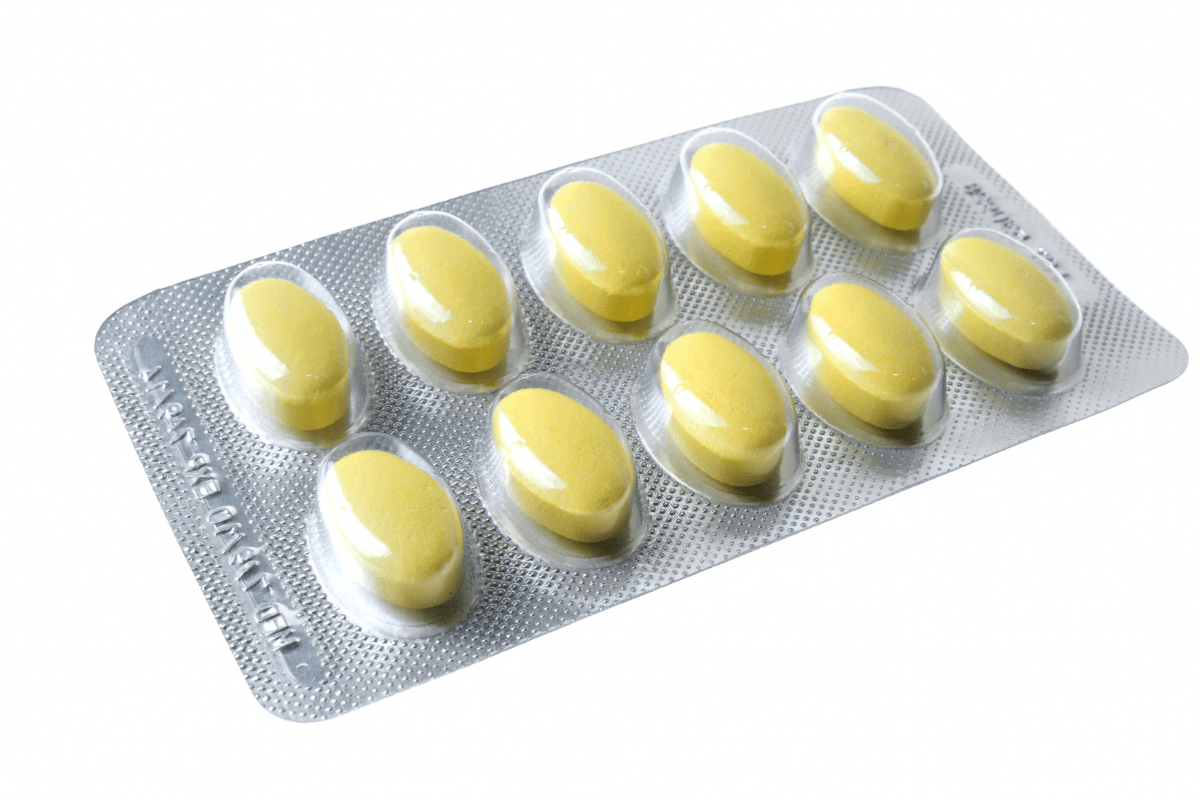
  • Benefits of Cialis Daily Use: Effects, Safety, and Fit

    Benefits of Cialis Daily Use: Effects, Safety, and Fit

    Daily tadalafil may help some adults with erectile dysfunction, benign prostatic hyperplasia, or both by keeping a steadier medicine level in the body. The main benefits of Cialis are less planning around intimacy, smoother erectile support, and possible relief of urinary symptoms linked with an enlarged prostate. These benefits still depend on health history, other medicines, and whether side effects are manageable.

    Why this matters: tadalafil can affect blood vessels and blood pressure, so “daily” should not mean “casual.” A safer plan starts with the right indication, a clinician-approved dose, and clear follow-up.

    Key Takeaways

    • Steady dosing: daily use may reduce timing pressure.
    • Dual symptom target: it may help ED and BPH symptoms.
    • Safety first: nitrates and some heart drugs are major concerns.
    • Side effects vary: headache, flushing, congestion, and back pain can occur.
    • Follow-up matters: track benefits, blood pressure, and tolerability.

    How Daily Tadalafil Creates the Main Benefits of Cialis

    Daily tadalafil works by blocking phosphodiesterase type 5, often called PDE5. This enzyme affects cyclic GMP, a signaling pathway involved in smooth-muscle relaxation and blood flow. In plain language, tadalafil helps blood vessels relax in specific tissues when normal sexual arousal signals are present.

    For erectile dysfunction, this can make it easier to achieve and maintain an erection when aroused. It does not create desire by itself, and it does not work like an instant stimulant. For a deeper mechanism review, see How Does Cialis Work.

    In benign prostatic hyperplasia, or BPH (non-cancerous prostate enlargement), tadalafil may relax smooth muscle in the lower urinary tract. Some people notice easier urinary flow, less urgency, or fewer nighttime trips to the bathroom. These changes may be subtle, so tracking symptoms helps separate real improvement from day-to-day variation.

    The benefits of Cialis daily use often come from steadiness. Instead of timing a tablet before sex, daily use aims for ongoing readiness. This can reduce performance pressure for some couples and make intimacy feel less scheduled.

    Who Might Consider Daily Use and Who Needs Extra Caution

    Daily therapy may fit people who want more spontaneity, have frequent sexual activity, or also have urinary symptoms from BPH. It may also suit someone who dislikes planning medication around intimacy. The decision is personal, but it should stay medically grounded.

    Daily use is not right for everyone. People taking nitrates for chest pain should not use tadalafil because the combination can cause a dangerous drop in blood pressure. Guanylate cyclase stimulators also raise serious interaction concerns. Some alpha-blockers, blood pressure medicines, antifungals, antibiotics, HIV medicines, and seizure medicines may require special review.

    Heart symptoms matter too. New chest pain, fainting, severe shortness of breath, or major exercise limits should be discussed before sexual activity or ED treatment. Tadalafil is sometimes discussed in relation to blood vessels, exercise, or “heart benefits,” but it should not be used as a heart-health supplement. Evidence for approved uses is different from speculation about broader wellness effects.

    Bodybuilding-related searches also create confusion. Some people discuss tadalafil for blood flow or workouts, but that is not the same as an approved fitness indication. Higher or unsupervised dosing can increase the chance of headache, flushing, dizziness, vision symptoms, and unsafe blood-pressure changes.

    Daily Dosing Questions to Discuss Before Starting

    Daily tadalafil is usually considered at lower strengths than occasional-use regimens. Many clinical plans use low daily doses, while higher strengths are commonly framed around as-needed use. Your prescriber should explain the goal, dose schedule, safety limits, and what to do if a dose is missed.

    Questions like “can I take 10 mg of Cialis daily?” or “is 2.5 mg enough for BPH?” need individual review. The answer depends on the approved product labeling, kidney or liver function, other medicines, age, response, and side effects. Avoid increasing the dose on your own, even if the effect feels mild at first.

    The maximum dose of tadalafil in 24 hours is an important safety concept. Taking extra tablets to “boost” effect can raise adverse-effect risk without making the medicine safer or more predictable. For a structured discussion of strengths and timing, see Cialis Dosage.

    Some people compare daily therapy with occasional use. Occasional dosing may fit less frequent intimacy, while daily therapy may fit ongoing readiness or BPH symptoms. If timing is the main issue, How Long Does Cialis Last explains duration and half-life in practical terms.

    Practical questions for your appointment

    • Primary goal: erections, urinary symptoms, or both.
    • Timing plan: daily use or occasional use.
    • Interaction review: nitrates, alpha-blockers, and supplements.
    • Monitoring plan: blood pressure and side effects.
    • Follow-up point: when to reassess benefit.

    What to Expect in the First Weeks

    Daily tadalafil may feel gradual rather than dramatic. Some people notice easier erections first. Others notice urinary changes, such as less urgency or improved stream. A few notice side effects before benefits become clear.

    Common questions include “how long does daily Cialis take to work?” and “tadalafil 5 mg how long does it last?” The exact experience varies. Daily use aims to maintain a more consistent level, so it may reduce the need to plan around a single dose. Still, early impressions can be noisy because sleep, alcohol, stress, diabetes, and relationship factors also affect erectile function.

    A simple symptom log can help. Record morning erections, ability to maintain erections, urinary frequency, nighttime bathroom trips, headache, flushing, nasal congestion, indigestion, back discomfort, and dizziness. Review trends over a few weeks rather than judging one isolated day.

    Quick tip: use the same time of day for tracking, not just for dosing.

    For people managing BPH symptoms, the “best” time of day is often the time that supports adherence. Some prefer mornings. Others prefer evenings. Your clinician may adjust timing based on dizziness, sleep disruption, or other medicines.

    Side Effects, Blood Pressure, and Interaction Risks

    The most common tadalafil side effects include headache, flushing, stuffy nose, indigestion, muscle aches, and back pain. These effects are often mild, but they can still affect adherence. Daily Cialis side effects may be more noticeable when alcohol intake is high, sleep is poor, or other vasodilating medicines are involved.

    Serious reactions need urgent care. Seek prompt medical help for chest pain, fainting, sudden vision loss, sudden hearing changes, or an erection lasting more than four hours. These events are uncommon, but they are important enough to know before starting therapy.

    Blood pressure deserves special attention. Tadalafil can lower blood pressure modestly because it relaxes vascular smooth muscle. This is usually tolerated in many adults, but the risk rises with nitrates, some alpha-blockers, heavy alcohol use, dehydration, or certain heart conditions.

    If you monitor at home, bring several readings instead of one number. Averaging readings can make the conversation clearer and less reactive.

    [blood-pressure-average-calculator]

    This calculator can help you average home blood pressure readings for a discussion with your clinician. It does not decide whether tadalafil is safe for you.

    Some people ask how to avoid Cialis side effects. Practical steps include taking it consistently, avoiding heavy alcohol, staying hydrated, and reporting persistent symptoms early. Do not split, combine, or increase doses unless your prescriber has specifically advised it. For a broader safety discussion, see Maximum Effect from Cialis.

    Daily Use, Occasional Use, and Related Options

    Daily and occasional use solve different problems. Daily therapy reduces planning and may support urinary symptoms. Occasional use may fit people who prefer medication only before anticipated sex. Neither approach is automatically better for every person.

    Choice depends on symptom pattern, side effects, cost, comfort with routine, and medical risk. If urinary symptoms are a major reason for treatment, daily use may be discussed differently than ED-only treatment. For indication boundaries, read What Is Cialis Used For.

    Other ED options may include sildenafil, vacuum erection devices, pelvic floor therapy, counseling for anxiety-related ED, diabetes management, smoking cessation, and sleep apnea evaluation. These are not interchangeable, but they can address different contributors. A person with uncontrolled blood sugar, poor sleep, or relationship stress may need more than a pill-centered plan.

    BorderFreeHealth provides educational medication information and connects U.S. patients with licensed Canadian partner pharmacies when prescription access is relevant. Prescription details are verified with the prescriber where required before dispensing by the pharmacy.

    How to Track Whether the Benefits Are Worth It

    The benefits of Cialis should be measured against real goals, not only dose strength. Useful goals might include more reliable erections, less anxiety around timing, fewer nighttime bathroom trips, or improved urinary flow. Clear goals make follow-up more productive.

    Track both benefit and burden. A medicine that improves erections but causes repeated headaches may still need adjustment. A plan that helps urinary symptoms but causes dizziness should be reviewed. If the treatment is not meeting the original goal, your clinician may reassess dose, timing, diagnosis, or alternatives.

    Long-term tadalafil questions should include kidney and liver health, cardiovascular history, medication changes, and new symptoms. Tell your clinician if another prescriber adds nitrates, alpha-blockers, antifungals, macrolide antibiotics, or other medicines that may interact. Medication safety is a moving target, not a one-time checklist.

    Authoritative Sources

    For patient-level medication information, review MedlinePlus information on tadalafil. It summarizes uses, precautions, and serious symptoms that need medical attention.

    For clinical context on erectile dysfunction care, see the American Urological Association ED guideline. It discusses evaluation, shared decision-making, and treatment options.

    For official U.S. prescribing details, use the FDA Drugs@FDA database to look up current tadalafil labeling and safety updates.

    Recap

    Daily tadalafil can be useful when steady readiness, fewer timing concerns, or BPH symptom support are the goals. The benefits of Cialis are strongest when the plan matches the diagnosis, dose limits are respected, and interaction risks are reviewed. Track symptoms, blood pressure, and side effects, then bring those notes to follow-up.

    This content is for informational purposes only and is not a substitute for professional medical advice.
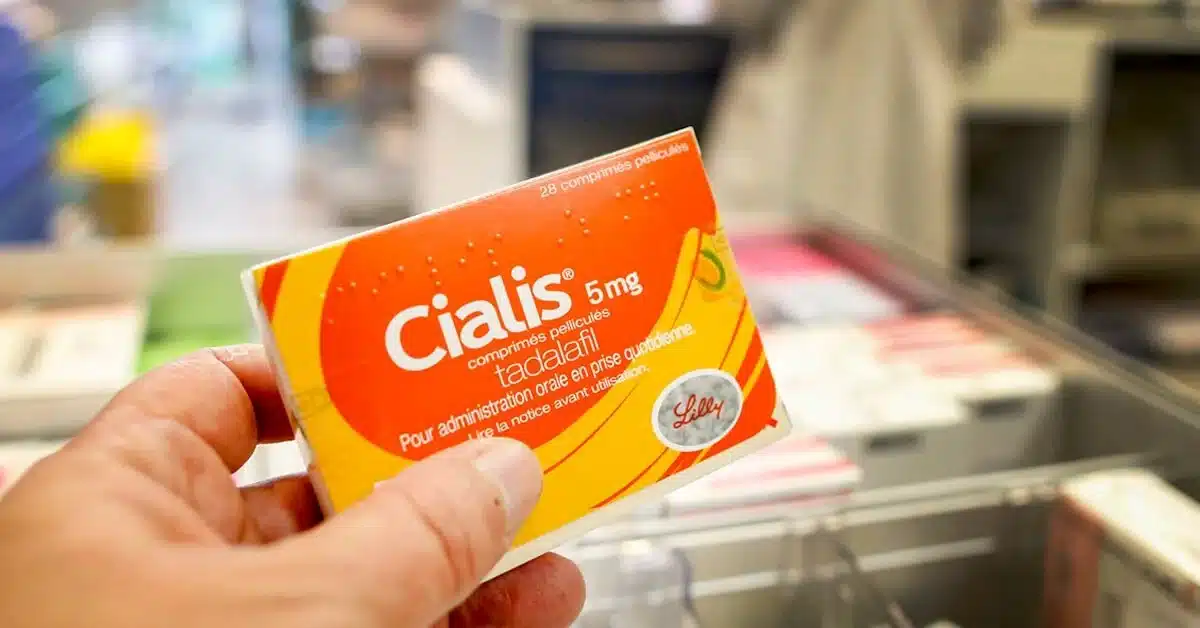
  • How Many Years Can You Take Cialis: A Practical Guide

    How Many Years Can You Take Cialis: A Practical Guide

    If you are asking how many years can you take cialis, you are not alone. Many adults use tadalafil long term to manage erectile dysfunction (ED) or urinary symptoms from benign prostatic hyperplasia (BPH), and they want a sustainable plan that balances benefits and safety.

    Key Takeaways

    • Long-term use can be appropriate with routine check-ins and monitoring.
    • Daily and as-needed schedules exist; choose one that fits your goals.
    • Avoid nitrates and certain drug combinations to reduce serious risks.
    • Report new side effects promptly; vision or chest symptoms need urgent care.

    How Many Years Can You Take Cialis?

    Most people can use tadalafil for years when a clinician periodically reviews safety, effectiveness, and life changes. Long-term studies and real-world experience suggest stability over time for many users, provided blood pressure, cardiovascular risk, and other medications are monitored.

    There is no fixed cut-off for duration. Instead, clinicians reassess annually or sooner, checking whether benefits continue, side effects remain acceptable, and other conditions—like kidney function or use of interacting drugs—have changed. This approach helps keep the therapy aligned with your health priorities.

    What Long-Term Studies Suggest

    Clinical and post-marketing data indicate that daily or as-needed tadalafil can remain effective for long periods, particularly when people adhere to the lowest effective dose. Observational cohorts show ongoing improvements in erectile function and urinary flow measures, with steady tolerability profiles. However, individual variation matters. Ageing, new diagnoses (for example, coronary disease), or new prescriptions may shift the balance of benefit and risk. Your prescriber may recommend periodic blood pressure checks, a cardiovascular review, and medication reconciliation to catch potential interactions early.

    Authoritative sources emphasize safety rules that do not change over time, like avoiding nitrates due to dangerous blood pressure drops. For official dosing and contraindications, see the FDA prescribing information for tadalafil (Cialis) FDA prescribing information. For broader clinical context, urology guidelines outline evidence-based use across age groups urology guidelines.

    Safe Dosage and Schedules

    Choosing a schedule starts with clear goals: predictable spontaneity, urinary symptom control, or flexibility. Daily low-dose options (commonly 2.5–5 mg) can support readiness and urinary comfort. As-needed dosing (often 10–20 mg) may suit people who prefer event-based use. The right cialis dosage depends on tolerability, other medications, and how consistently you want effects.

    Typical practice is to start low and adjust slowly with your prescriber. Many adults do well with a steady daily dose, while others prefer on-demand use for intimacy days. Kidney or liver conditions may prompt dose adjustments or additional monitoring. Your clinician will also review alpha-blockers, blood pressure medicines, and other drugs that could amplify tadalafil’s vasodilating effects. For accessible consumer guidance, see MedlinePlus on tadalafil MedlinePlus tadalafil.

    What Long-Term Use Looks Like: Benefits and Risks

    Many users report steady confidence, improved intimacy, and—when taken daily—easier urinary flow. These tadalafil long-term benefits often extend to relationship satisfaction and reduced performance anxiety. Over time, you and your prescriber can fine-tune the dose, timing, and schedule to support daily life without overmedicating.

    Risks vary. Common effects include headache, flushing, nasal stuffiness, and indigestion. Lightheadedness can occur, especially when combined with alcohol or other vasodilators. Rare but important concerns include changes in vision or hearing, prolonged erections, and sudden chest symptoms. Kidney disease may change how your body clears the drug; if you have reduced kidney function, your dose and monitoring plan may differ to address potential tadalafil effects on kidneys. Promptly report new or worsening symptoms.

    People focused on broader wellness may also find value in related resources. If you are balancing multiple health priorities while ageing, see guidance on Vision Changes With Age for routine eye care rationale. For older adults planning ahead, the article on Cancer Screenings For Seniors outlines why scheduled checkups matter alongside sexual health.

    How Long Does It Work and Stay in Your System?

    Tadalafil’s half-life is relatively long. Many people experience functional effects up to a day or more, depending on dose, metabolism, and whether they use a daily or on-demand plan. If you use 20 mg for events, effects may begin within hours and persist through the next day in some users, though timing varies.

    In pharmacology terms, how long does cialis stay in your system depends on organ function and drug interactions. Most of the drug clears over several days, but noticeable effects usually fade much sooner. Trying to speed clearance by “flushing” is not recommended; time and normal metabolism handle it safely. Hydration and rest can help you feel comfortable while the body processes the dose.

    If You Want It Out Faster

    There is no safe shortcut for how to flush cialis out of your system. The liver and kidneys metabolize and excrete tadalafil at their own pace. Avoid taking additional interacting substances, including certain antihypertensives or recreational drugs, while you wait. If side effects feel intense or unusual—especially chest pain, severe dizziness, or vision changes—seek urgent care. Otherwise, most mild effects pass as the concentration declines.

    Because eye health concerns can be anxiety-provoking, consider reading our overview of medication-related ocular risks in Plaquenil Side Effects On Eyes for a cautionary comparison and follow-up reminders.

    Getting the Most from Treatment

    Small habits can improve consistency and comfort. Take daily doses at the same time to maintain steady levels. On as-needed days, allow enough lead time before intimacy and build in space for arousal; these medicines support, but do not replace, stimulation. These steps align with practical advice on how to get maximum effect from cialis without exceeding your prescribed limits.

    Food does not block absorption meaningfully, though heavy, high-fat meals may delay onset for some. You can take tadalafil with or without food, depending on comfort. Moderate alcohol intake may be acceptable for many, but larger amounts raise dizziness and blood pressure risks. For people tracking multiple conditions, our piece on Hair Loss In Young Adults offers perspective on body image and well-being that often intersect with intimacy goals.

    Managing Side Effects and Interactions

    Most cialis side effects are mild and temporary: headache, flushing, back pain, nasal congestion, or dyspepsia. Rest, hydration, and timing adjustments may help. Uncommon but urgent symptoms include chest pain, severe dizziness, vision or hearing changes, or a prolonged erection. Stop sexual activity and seek care if serious symptoms occur. For authoritative safety details and contraindications, the FDA prescribing information remains the key reference.

    Interactions matter. Never combine tadalafil with nitrates (for chest pain) or recreational nitrites; dangerous blood pressure drops can occur. Use caution with certain alpha-blockers and blood pressure drugs. If you take other medicines—like antiseizure therapies—review potential interactions; for a primer on a common agent, see Topamax Uses as context for cross-checking drug lists. People on oncology treatments should also document all prescriptions; for example, see Exemestane 25mg to understand why oncology regimens require careful coordination. Likewise, antibiotics can overlap with many chronic medicines; review your list when starting agents like Doxycyclin Fc or Tetracycline 250mg so your prescriber can advise.

    Tip: Bring an updated medication list to each visit. Include supplements and over-the-counter products so potential interactions are not missed.

    Practical Scenarios and When to Reassess

    Health changes happen. After a new diagnosis of coronary disease, an episode of chest pain, or a hospital stay, pause tadalafil and ask for clearance before resuming. Starting new blood pressure medicines may call for dose adjustments. Older adults often benefit from slower titration and scheduled follow-ups to review blood pressure and any new symptoms.

    Stick to the maximum dose of tadalafil in 24 hours recommended by your clinician. Regular reassessment makes therapy more dependable. If headaches or flushing become frequent, consider whether a lower daily dose or switching from daily to event-based use could help. Conversely, if urinary symptoms return between doses, discuss whether a steady daily schedule fits better. For broader ageing context, the overview on Vision Changes With Age explains why regular checkups support safe medication use as we grow older.

    Daily vs. As-Needed: Choosing Your Path

    Daily dosing can smooth performance anxiety and support urinary comfort throughout the week. Event-based dosing offers flexibility, lower total exposure, and fewer days with side effects. Some people start with on-demand dosing, then move to daily use when life patterns shift, or do the reverse to reduce exposure. Discuss your priorities—spontaneity, side-effect tolerance, cost considerations, and other conditions—so your plan reflects what matters now, not last year. If your goals or health change, adjust the plan rather than pushing through discomfort.

    Recap

    With routine monitoring, many adults safely use tadalafil for years. The right dose, schedule, and check-in rhythm helps sustain benefits while minimizing risks. Stay engaged with your clinician, report changes early, and keep your medication list current.

    Note: This content is for informational purposes only and is not a substitute for professional medical advice.

  • What Is Cialis Used For: A Patient-Friendly Guide to Tadalafil

    What Is Cialis Used For: A Patient-Friendly Guide to Tadalafil

    Many people ask what is cialis used for when navigating sexual and urinary symptoms. This guide explains where tadalafil fits, how it works, and safety basics you should know. We translate clinical language into plain terms, so you can discuss options confidently with your clinician.

    Key Takeaways

    • Dual uses: helps erections and relieves BPH urinary symptoms.
    • Two ways to take: daily low dose or on-demand dosing.
    • Safety first: avoid nitrates; review blood pressure medicines.
    • Side effects are often mild; serious effects are rare.

    What Is Cialis Used For

    Cialis is a brand of tadalafil, a phosphodiesterase-5 (PDE5) inhibitor. Clinically, it helps men with erectile dysfunction (ED) by improving blood flow into penile tissue. It can also reduce urinary symptoms of benign prostatic hyperplasia (BPH), including weak stream, urgency, and frequent nighttime urination. Some people have both conditions; tadalafil may address both at the same time.

    Outside the Cialis brand, the same active ingredient is approved as Adcirca for pulmonary arterial hypertension. That is a distinct indication with different dosing and monitoring. Any off-label uses should be discussed with a qualified clinician who knows your history and medications. Your goals, other conditions, and preferences guide whether tadalafil is a reasonable option.

    Tadalafil Dosage Basics and Safety

    Tadalafil comes in several strengths, and the dosing strategy depends on goals. For ED, some choose daily dosing for spontaneity. Others prefer an as-needed approach taken before sexual activity. For BPH urinary symptoms, daily dosing is standard. The specific plan should consider other medications, kidney or liver function, and tolerance.

    Talk with your prescriber about tadalafil dosage options that align with your needs. Label information notes once-daily use for steady symptom control, or not more than one dose per day for on-demand use. Swallow tablets with water, with or without food. Avoid combining with recreational nitrates or “poppers” because of dangerous blood pressure drops.

    Daily Versus As-Needed Use

    Daily dosing usually uses lower strengths, providing a constant blood level and readiness. This may help people who prefer flexibility or have mixed ED and BPH symptoms. As-needed dosing typically uses a higher single dose timed before sexual activity. Food generally does not delay tadalafil as much as other ED medicines, which some users find convenient.

    Note: Always confirm timing and dose with your clinician if you take blood pressure medications, alpha-blockers, or have kidney or liver impairment. These factors may change how your body handles the drug and what dose feels appropriate.

    Purpose When It’s Taken Common Strengths Notes
    ED (daily) Every day, same time Low-dose tablets Supports spontaneity; monitor headaches/flush
    ED (on-demand) Before sexual activity Higher single dose Do not take more than once per day
    BPH symptoms Every day, same time Low-dose tablets May reduce frequency, urgency, and weak stream

    For official dosing language and precautions, review the FDA-approved Cialis prescribing information. It outlines indications, contraindications, and pharmacology in clinician-focused terms.

    Cialis Side Effects: What to Expect

    Most side effects are mild to moderate and pass with time. Common effects include headache, facial flushing, nasal stuffiness, back pain, and dyspepsia (upset stomach). Some people notice muscle aches, especially in the lower back, starting a day after use. Hydration, light activity, and rest can help minor discomforts.

    If you notice vision or hearing changes, chest pain, or a painful erection lasting longer than four hours, seek urgent care. These events are rare but require immediate evaluation. Because experiences vary, track your reactions and share them with your prescriber. This helps tailor use and set realistic expectations around cialis side effects.

    For an accessible overview of benefits and risks, see the NIH’s MedlinePlus tadalafil page, which summarizes uses, warnings, and interactions in patient-friendly language.

    Managing Risks: Heart, Blood Pressure, and Interactions

    Tadalafil relaxes blood vessels, which can lower blood pressure slightly. This is usually modest, but it matters if you take nitrates (for chest pain) or certain alpha-blockers. Combining these can cause a significant drop in blood pressure with dizziness, fainting, or rarely collapse. People with unstable cardiovascular disease should have a careful risk discussion first.

    Ask your clinician about timing and compatibility if you take doxazosin, tamsulosin, or similar medicines. Report any chest pain, breathlessness, or new swelling promptly. If you are concerned about cialis side effects blood pressure, verify readings at home during the first few doses. Share the numbers during follow-up to guide safer use.

    For a broader view of cardiac suitability, the American Urological Association’s Erectile Dysfunction guideline discusses evaluating patients before starting PDE5 inhibitors.

    Comparing Options: Cialis vs Viagra vs Others

    All PDE5 inhibitors work similarly, but their timing and duration differ. Tadalafil lasts longer in the body than sildenafil or vardenafil. This longer window benefits some people who prefer flexibility. In contrast, sildenafil may act a bit faster for others. Your choice should reflect personal priorities, tolerability, and medical history.

    People often ask about cialis vs viagra when comparing onset and duration. For a deeper breakdown of onset, food effects, and half-life, see Sildenafil vs Tadalafil; it helps set expectations and compare practical differences. If you struggle with desire as well as performance, non-oral options like PT 141 may be discussed with a clinician for sexual function support.

    When Alternatives May Fit Better

    Avanafil or vardenafil can be reasonable alternatives if you experience headaches or nasal congestion with tadalafil. Mechanical aids, counseling, or a combination of approaches may improve outcomes, particularly when stress or relationship factors contribute. People with hormone-related sexual changes may discuss therapies such as Cabergoline if prolactin is an issue, though that requires individualized endocrine care.

    For comparative decision-making across health topics, our plain-language format in Zepbound vs Ozempic shows how we weigh pros and cons. It can help you frame questions as you compare ED treatments.

    Choosing a Dose for Daily or Occasional Use

    Set goals first. If you want spontaneity, daily dosing may help. If you prefer to take medicine only when needed, on-demand use may fit better. Regardless of strategy, most adults should not exceed the maximum dose of tadalafil in 24 hours as outlined on the drug label. Taking extra does not improve response and may increase side effects.

    Work with your clinician to adjust timing and strength if erections feel too brief or if side effects interfere with activity. Many people find changing the clock time or spacing from other medicines improves tolerability. Bring a record of timing, meals, alcohol, and effects to your appointment; these clues often guide practical changes. For another example of a condition-focused explainer, see Topamax Uses for how we cover indications and cautions.

    Long-Term Use and Monitoring

    Long-term tadalafil can be appropriate for some users, especially when urinary symptoms are persistent. Routine check-ins help ensure the benefits still outweigh downsides. Share any new conditions, procedures, or prescriptions, since these factors can shift your safety profile and choices over time.

    Discuss the possibility of rare, delayed effects and how to monitor them. If you are worried about tadalafil side effects long term, ask about eye or hearing symptoms, and how to recognize concerning signals. Report sustained back pain, swelling, or vision changes promptly. For a sense of our accessible medication explainers in other areas, see Azopt Eye Drops and Xiidra Eye Drops; both demonstrate how we outline benefits and cautions clearly.

    Practical Tips to Reduce Side Effects

    Small adjustments often improve tolerability. Take your dose at a consistent time, and avoid heavy alcohol on treatment days. Hydrate well and consider a lighter meal if you notice stomach upset. Gentle stretching can ease muscle aches reported the day after.

    Ask your clinician how to avoid cialis side effects if headaches or flushing bother you. Sometimes a dosing change, timing shift, or a different medication may help. If you use alpha-blockers for BPH, spacing doses may reduce dizziness. If nighttime urination persists despite daily use, track fluid and caffeine intake and review it during follow-up.

    Related Concepts and Next Steps

    ED and BPH often reflect broader health patterns, including cardiovascular and metabolic factors. Improving sleep, movement, blood pressure, and glucose control can help symptoms and overall well-being. A coordinated plan with your clinician supports safer medication choices and better outcomes over time.

    For additional comparisons or treatment frameworks, the in-depth article on Sildenafil vs Tadalafil offers practical context you can bring to visits. If you and your clinician consider non-pill strategies, our overview of PT 141 provides a starting point for discussing alternatives.

    Tip: Keep a simple log of dose timing, meals, alcohol, and effects for two weeks. Bring it to your next appointment to fine-tune your plan.

    This content is for informational purposes only and is not a substitute for professional medical advice.

  • How Does Cialis Work? Timing, Effects, and Safety

    How Does Cialis Work? Timing, Effects, and Safety

    Cialis works by helping blood vessels relax so more blood can flow to the penis during sexual arousal. The active ingredient, tadalafil, blocks an enzyme called phosphodiesterase type 5 (PDE5), which helps preserve the chemical signals involved in erections. If you are asking how does cialis work, the key point is simple: it supports the body’s natural erection process, but it does not create desire or cause an erection without stimulation.

    This matters because expectations shape safe, confident use. Tadalafil can also be prescribed for urinary symptoms linked with benign prostatic hyperplasia (BPH), an enlarged prostate. The right plan depends on your health history, other medicines, side effects, and whether daily or as-needed use fits your life.

    Key Takeaways

    • PDE5 inhibition: tadalafil supports blood flow during arousal.
    • No automatic erection: stimulation is still needed.
    • Longer window: effects may last into the next day.
    • Major cautions: nitrates and some blood pressure medicines can be unsafe.
    • Dosing strategy: daily and as-needed use serve different goals.

    How Cialis Supports an Erection

    Tadalafil helps maintain erection-related blood flow by slowing the breakdown of cyclic GMP, a signaling molecule in smooth muscle. During sexual stimulation, nerves release nitric oxide. That signal increases cyclic GMP in penile tissue, which relaxes smooth muscle and allows more blood to enter. PDE5 normally breaks cyclic GMP down. By inhibiting PDE5, tadalafil can help the signal last longer.

    This is why tadalafil is not the same as an aphrodisiac. It does not make you “hornier,” raise libido on its own, or replace emotional and physical arousal. If anxiety, relationship stress, low testosterone, nerve injury, or vascular disease contributes to erectile dysfunction, the response may vary. Many people need a broader evaluation rather than a medication-only explanation.

    Why it matters: A missed response does not always mean the medicine “failed.” Timing, stimulation, alcohol, stress, and underlying health can all affect the result.

    For a related condition-focused overview, see What Is Cialis Used For. If you want a deeper medication navigation page, the Tadalafil product page can help you identify the generic name when discussing options with a clinician.

    How Long It Takes and How Long It May Last

    Tadalafil usually needs time to absorb before the effect is noticeable. Some people notice a response within about 30 to 60 minutes, while others need longer or require several attempts under realistic conditions. Peak blood levels occur later than first onset, so “when it starts” and “when it peaks” are not always the same experience.

    People often ask how long does cialis work because tadalafil has a longer half-life than sildenafil. Its effect window may extend up to 36 hours for some people, although that does not mean a continuous erection. It means the medicine may continue supporting erection response when arousal occurs during that period.

    Food has less impact on tadalafil than on some other erectile dysfunction medicines. Still, a very heavy meal, excess alcohol, poor sleep, or distraction may reduce perceived benefit. Alcohol can also worsen dizziness, flushing, and blood pressure effects. Moderation is safer than trying to compensate with timing changes or extra tablets.

    If your main question is duration, our focused page on How Long Cialis Lasts explains the timing window in more detail. For practical use habits, Maximum Effect From Cialis covers non-dose factors to discuss with a prescriber.

    Daily Use Versus As-Needed Use

    Daily tadalafil and as-needed tadalafil use the same active drug, but they solve different planning problems. As-needed use is taken around anticipated sexual activity. Daily use keeps a steadier level in the body, which may reduce the need to plan around a specific dose.

    Daily use may be considered for people who prefer spontaneity, have frequent sexual activity, or also have urinary symptoms related to BPH. As-needed use may suit people who prefer less frequent exposure. Neither approach is automatically better. The safer choice depends on response, tolerability, medical history, and other medicines.

    Searches such as “can I take 10 mg of cialis daily” or “cialis 5mg daily how long before it works” are common, but dose decisions should stay with a licensed clinician. Taking more than prescribed can increase side effects and interaction risk. If the effect is inconsistent, bring specific notes rather than changing the schedule on your own.

    Quick tip: Track timing, meals, alcohol, arousal, and side effects for two or three weeks before follow-up.

    For dose-related context, review Cialis Dosage. If you are comparing brand and generic wording, Cialis and tadalafil refer to the brand name and active ingredient relationship, not two unrelated mechanisms.

    Side Effects, Warnings, and When to Seek Help

    Common tadalafil and cialis side effects can include headache, flushing, nasal congestion, indigestion, muscle aches, and back pain. These effects are often mild, but they can still interfere with comfort. Tell your clinician if side effects persist, feel severe, or affect your willingness to use the medicine.

    Some symptoms need urgent care. Seek emergency help for chest pain, fainting, sudden vision loss, sudden hearing loss, or an erection lasting more than four hours. A prolonged painful erection, called priapism, can damage penile tissue if not treated promptly.

    The most important interaction is with nitrates, which are used for chest pain and some heart conditions. Combining nitrates with tadalafil can cause a dangerous blood pressure drop. Caution is also needed with some alpha-blockers, blood pressure medicines, strong CYP3A4 inhibitors, and heavy alcohol use. CYP3A4 is a liver enzyme involved in metabolizing many drugs.

    To reduce risk, keep an updated medication list that includes prescriptions, over-the-counter products, supplements, and recreational substances. Do not “flush” tadalafil out of your system after a strong response. There is no reliable shortcut. Time and normal metabolism are the main ways the drug clears.

    For a fuller safety discussion, see Cialis Side Effects. BorderFreeHealth connects U.S. patients with licensed Canadian partner pharmacies, and prescription details may be checked with the prescriber when required before dispensing by the pharmacy. That access context does not replace your clinician’s safety review.

    How It Compares With Viagra and Other Options

    Cialis and Viagra are both PDE5 inhibitors, but they differ in timing, duration, and food considerations. Viagra contains sildenafil and usually has a shorter effect window. Cialis contains tadalafil and is known for a longer window that may support more flexible timing.

    The comparison is not only about duration. Some people tolerate one option better than another. Headache, flushing, nasal symptoms, indigestion, visual changes, back pain, and muscle aches can vary by drug and by person. Heart health, blood pressure, kidney or liver disease, and interacting medicines may matter more than preference alone.

    Questions such as “is 20 mg cialis equal to 100 mg viagra” are understandable but oversimplified. Milligram numbers cannot be compared directly across different drugs. Different active ingredients have different pharmacology, onset, duration, and safety limits. A prescriber can compare options using your health context rather than converting numbers informally.

    Some people also ask whether tadalafil makes sex last longer or prevents ejaculation. Tadalafil mainly supports erection response. It is not primarily a premature ejaculation treatment, and it does not reliably delay orgasm. If ejaculation timing is the main concern, that deserves a separate conversation.

    If you want to compare available erectile dysfunction products, the Men’s Health Products category may help with navigation. For a non-tablet topical option sometimes discussed in erectile dysfunction care, Eroxon Gel reflects a different type of product and should be considered with professional guidance.

    Practical Questions to Bring to Your Clinician

    A focused conversation can prevent guesswork. Before a visit, write down when erectile difficulties happen, whether morning erections occur, and whether the issue is firmness, maintaining an erection, desire, ejaculation, or anxiety. These details help separate blood-flow problems from other contributors.

    Bring your medication list and include heart medicines, prostate medicines, antifungals, antibiotics, HIV medicines, blood pressure drugs, and supplements. Mention chest pain, fainting, recent cardiovascular events, eye disease, hearing changes, kidney disease, liver disease, and any history of priapism. These details can change the risk-benefit discussion.

    • Timing pattern: when the medicine was taken and when intimacy occurred.
    • Food and alcohol: whether either changed the response.
    • Side effects: what happened, how long it lasted, and severity.
    • Other symptoms: urinary frequency, weak stream, or pelvic discomfort.
    • Relationship factors: stress, performance worry, or communication barriers.

    Photos, reviews, and social media anecdotes can mislead. “Before and after” images cannot show vascular response, arousal, dose safety, or medication interactions. They also cannot predict how you will respond. Objective notes and medical review are more useful than visual comparisons.

    For broader educational browsing, see the Sexual Health and Urology collections. These collections can help you frame related questions without treating online reading as a diagnosis.

    Authoritative Sources

    For official prescribing details, the DailyMed tadalafil labeling database provides regulator-submitted label information for tadalafil products.

    For patient-oriented medication safety language, MedlinePlus tadalafil information summarizes uses, precautions, and warning signs in plain language.

    For a clinical reference on route, precautions, and adverse effects, Mayo Clinic tadalafil information offers an additional overview for patient education.

    Recap

    How does cialis work? It helps preserve the blood-flow signal that supports erections during arousal. Its longer duration can make timing more flexible, but it also means interactions and side effects may last longer than expected. Daily and as-needed approaches each have trade-offs, and neither should be adjusted without a prescriber’s guidance.

    The safest next step is a clear discussion about goals, other medicines, heart health, side effects, and whether urinary symptoms are also present. Tadalafil can be helpful for some people, but it works best when it fits the whole health picture.

    This content is for informational purposes only and is not a substitute for professional medical advice.

  • How Long Does Cialis Last? Timing, Safety, and ED Planning

    How Long Does Cialis Last? Timing, Safety, and ED Planning

    If you are wondering how long does Cialis last, the practical answer is that tadalafil may help erectile function for up to 36 hours after an as-needed dose. It does not cause a continuous erection. It also does not work without sexual stimulation. Some people notice effects in about 30 minutes, while others need closer to two hours. That longer window matters because it can reduce clock-watching, but it also makes safety, interactions, and alcohol use more important.

    This article explains tadalafil timing in plain language. It covers onset, duration, daily versus as-needed use, food, alcohol, side effects, and questions to raise with a clinician.

    Key Takeaways

    • Longer window: Cialis may support erections for up to 36 hours.
    • Variable onset: effects may begin around 30 minutes, but can take longer.
    • Stimulation required: tadalafil does not create automatic erections.
    • Planning differs: daily and as-needed use are separate prescribing strategies.
    • Safety matters: nitrates, chest pain, fainting, or prolonged erection need urgent attention.

    How Long Cialis Lasts and What the 36-Hour Window Means

    Cialis usually lasts longer than one sexual encounter because tadalafil stays active for an extended period. Tadalafil is a phosphodiesterase type 5 inhibitor, often called a PDE5 inhibitor. In simple terms, it helps improve blood flow to erectile tissue during arousal.

    The 36-hour window does not mean you should have an erection for 36 hours. It means your body may respond more easily to sexual stimulation during that period. An erection lasting more than four hours is not expected. It can be a medical emergency called priapism (a prolonged erection that can damage tissue).

    How long does tadalafil last in the body? The answer depends on what you mean by “last.” The helpful effect may fade before the medicine fully leaves your system. Tadalafil can remain in the body beyond the main effectiveness window, especially in some older adults or people with kidney or liver impairment. Other medicines can also change exposure.

    Why it matters: A longer window should support flexibility, not encourage extra doses.

    If you want a deeper mechanism overview, see How Does Cialis Work. For dose-specific questions, use Cialis Dosage as a discussion aid rather than a reason to adjust treatment alone.

    When It Starts Working and When It May Feel Most Useful

    Cialis onset time varies, but many people plan for at least 30 to 60 minutes before sex. Some need closer to two hours before they feel the most reliable response. That difference is normal and can reflect arousal, stress, sleep, alcohol, meals, health conditions, and expectations.

    People often ask what hour is most effective. There is no exact best hour for everyone. In practical terms, the first couple of hours after an as-needed dose may be a useful planning range, while the broader tadalafil effectiveness window may continue much longer. Your prescriber’s instructions should set the boundary.

    Another common question is whether Cialis helps you “last longer.” Tadalafil treats erectile dysfunction by supporting erections during sexual stimulation. It is not primarily a treatment for premature ejaculation, stamina, or the number of sexual encounters someone can have. If ejaculation timing, low desire, pain, anxiety, or relationship stress is the main concern, the plan may need a different review.

    For practical planning, avoid treating the first 30 minutes as a guarantee. Build in time, reduce pressure, and focus on arousal rather than the clock. If response remains inconsistent, bring a pattern to your clinician instead of changing dose timing on your own.

    Practical timing cues

    • Allow enough time: do not rush the onset window.
    • Track real patterns: note sleep, stress, meals, and alcohol.
    • Avoid repeat dosing: follow the prescription directions exactly.
    • Protect expectations: stimulation and comfort still matter.
    • Reassess early: persistent problems deserve a broader ED review.

    Food, Alcohol, and Everyday Factors That Change Timing

    Tadalafil with food is usually less restrictive than some shorter-acting ED medicines. Food is not generally expected to block tadalafil absorption in a major way. That can make timing easier around meals, travel, or a date night. Still, a heavy meal may affect comfort, energy, or sexual performance for some people.

    Alcohol needs more caution. Tadalafil and alcohol can both lower blood pressure. Larger amounts may increase dizziness, flushing, headache, faintness, or a drop in blood pressure when standing. Alcohol can also make it harder to get or keep an erection, even when the medicine is active.

    Sleep, anxiety, diabetes, vascular disease, depression, low testosterone, prostate symptoms, and medication side effects can all affect erections. These factors may make someone think the timing is wrong when the larger issue is health-related. A clinician can help separate medication timing from ED causes.

    If you are looking for focused alcohol information, read Cialis and Alcohol. For broader support around related topics, the Men’s Health collection can help you navigate connected concerns.

    Daily Versus As-Needed Tadalafil

    Daily and as-needed tadalafil are different treatment strategies, not interchangeable shortcuts. As-needed use is planned before sexual activity. Daily use aims to keep a steadier amount of tadalafil in the body, so timing may feel less tied to one event.

    The choice can depend on sexual frequency, side effects, other medicines, urinary symptoms, heart health, and personal preference. Some people prefer event-based timing. Others value less planning. Either approach should follow the prescriber’s instructions, especially because combining strategies can increase exposure.

    The question “how long does Cialis last” changes slightly with daily use. With daily treatment, the goal is not a single 36-hour event window. It is a steadier background level of medicine. That is why missed doses, side effects, and interaction checks should be handled according to the exact plan you were given.

    For more detail on continuous treatment considerations, see Benefits of Cialis Daily. If your main goal is to improve consistency, Maximum Effect From Cialis covers practical habits to discuss with a clinician.

    Safety Checks Before Relying on a Long Window

    The long Cialis duration is helpful only when tadalafil is safe for you. Nitrates, often used for chest pain, should not be combined with tadalafil because blood pressure can fall dangerously. Riociguat and some blood pressure or prostate medicines may also require special review.

    Tell your clinician about heart disease, stroke history, low blood pressure, uncontrolled high blood pressure, kidney disease, liver disease, eye conditions, bleeding disorders, stomach ulcers, and any history of priapism. Erectile dysfunction can sometimes be an early sign of cardiovascular disease, so new or worsening ED deserves medical attention.

    Common tadalafil side effects can include headache, indigestion, flushing, stuffy nose, back pain, and muscle aches. These are not the only possible effects. Seek urgent help for chest pain during sex, fainting, sudden vision loss, sudden hearing loss, severe allergic symptoms, or an erection lasting more than four hours.

    When access or documentation questions come up, BorderFreeHealth connects U.S. patients with licensed Canadian partner pharmacies. Where required, prescription details are verified with the prescriber before pharmacy dispensing. Cash-pay cross-border prescription options may be available for patients without insurance, depending on eligibility and jurisdiction.

    Questions to ask before treatment

    • Regimen fit: should it be daily or as needed?
    • Timing plan: how early should I take it?
    • Alcohol limits: what amount should I avoid?
    • Interaction review: do heart or blood pressure medicines matter?
    • Side effect plan: which symptoms require urgent care?
    • Missed response: when should we reassess the plan?

    How It Compares With Shorter-Acting ED Medicines

    Tadalafil is often compared with sildenafil because both are PDE5 inhibitors. The main practical difference is timing. Tadalafil may offer a longer effectiveness window, while sildenafil is generally used with a shorter planning window. That does not make one option better for every person.

    A longer window may help people who dislike precise scheduling. A shorter window may suit people who prefer the medicine to be active for less time. Side effects, interactions, cost, medical history, and comfort with spontaneity can all affect the discussion.

    If you are comparing options, keep the question specific. Ask whether the issue is onset, duration, side effects, confidence, alcohol use, or another health condition. For navigation only, product pages such as Tadalafil, Cialis, and Viagra can help you identify medication names before a clinician or pharmacist discussion.

    Sexual Health Planning Beyond Erections

    ED treatment supports erections; it does not protect against sexually transmitted infections or HIV. This distinction matters when improved erectile function leads to new partners or more frequent sex. Safer sex planning may include condoms, testing, vaccines when appropriate, and prevention medicine for people at higher HIV risk.

    The Sexual Health collection can help you explore related prevention and testing topics. If urinary symptoms, prostate concerns, or urology follow-up are part of the picture, the Urology collection may also be useful.

    Quick tip: Bring a current medication list, including supplements and recreational drugs.

    Authoritative Sources

    Cialis duration is only one part of ED care. The best plan balances timing, safety, expectations, relationship context, and overall health. If tadalafil timing feels unreliable, share that pattern with a clinician rather than adjusting the prescription yourself.

    This content is for informational purposes only and is not a substitute for professional medical advice.