
Category: Cardiovascular

This Cardiovascular category helps patients and caregivers navigate heart and blood-vessel topics. It supports US delivery from Canada for eligible prescription referrals. Use this hub to compare guides, condition pages, and related medication options.

Topics include coronary artery disease, hypertension management, arrhythmia (irregular heartbeat), and heart failure. It also covers stroke risk assessment and peripheral artery disease. Links point to reading and product listings, so planning feels clearer.

What You’ll Find in This Category

Start by browsing medication groupings and education in one place. The Cardiovascular Product Category groups prescription options by medication type. This view supports comparison across classes, forms, and care goals.

Education pages focus on practical questions patients raise in cardiology visits. Common themes include blood pressure monitoring, cholesterol management, and heart healthy lifestyle planning. Related reading may include Jardiance For Heart Failure and Forxiga 10 Mg Overview.

  • Heart disease symptoms and when they may need evaluation
  • Heart disease diagnosis basics and common clinical terms
  • Cardiac screening, including electrocardiogram (ECG) and rhythm checks
  • Echocardiogram (heart ultrasound) and what it can measure
  • Stress test basics and what questions it may answer
  • Lipid panel (cholesterol blood test) and follow-up discussions
  • Preventive cardiology topics, including risk factor tracking
  • Cardiac rehabilitation and supportive lifestyle planning

Medications are dispensed through licensed Canadian partner pharmacies when prescriptions are needed.

Cardiovascular Terms and Tests

Heart care language can feel technical, especially during new diagnoses. A few terms show up often in clinic notes and labs. Learning these basics can make discussions feel more organized.

Hypertension means high blood pressure that stays elevated over time. Atherosclerosis describes plaque buildup inside arteries, which can narrow blood flow. Arrhythmia (irregular heartbeat) refers to abnormal electrical signaling in the heart.

  • Coronary artery disease involves narrowed heart arteries
  • Heart failure means the heart pumps less effectively
  • Peripheral artery disease affects blood flow to legs and feet
  • Stroke risk assessment reviews factors that raise clot risk
  • Blood pressure monitoring tracks trends across days and settings
  • Cholesterol management often focuses on LDL and triglycerides

How to Choose

Start by identifying the main question behind the search. Some readers want symptom education, while others review test results. The Cardiovascular Risk Reduction hub can help organize prevention-focused topics.

Quick tip: Keep recent readings handy, like BP values and lab dates.

Match the topic to the situation

Different guides fit different moments in care. It helps to separate symptom review from medication comparison. It also helps to separate prevention planning from active disease management.

  • Current concern, such as chest pain, fatigue, or palpitations
  • Known conditions, like diabetes, kidney disease, or prior stroke
  • Recent tests, such as ECG, echo, or a lipid panel
  • Monitoring needs, including home BP logs or weight tracking
  • Medication list, including supplements and over-the-counter items
  • Questions about classes used in cardiology care

Use linked pages for deeper context

Some topics cross between heart and metabolic care. These pages can help when reviewing overlapping conditions. Examples include SGLT2 Inhibitors In Heart Failure and Diabetes And Heart Attacks.

Medication pages can also help with naming and documentation. Examples include Kerendia, Invokamet, and Acarbose. These listings support review of forms, key warnings, and requirements.

Safety and Use Notes

Heart and vascular medicines can have meaningful interactions and monitoring needs. Risks can vary with kidney function, age, and other chronic conditions. Medication changes should go through the prescribing clinician who knows the full history.

Why it matters: Sudden chest pressure with shortness of breath can be an emergency.

Common safety topics include low blood pressure symptoms, electrolyte shifts, and bleeding risk. Some medicines interact with NSAIDs, decongestants, or herbal products. Sharing a complete medication list helps reduce avoidable problems.

  • Know which symptoms warrant urgent evaluation and why
  • Track side effects and timing before clinical follow-up visits
  • Ask how often labs should be repeated and reviewed
  • Confirm whether food, alcohol, or grapefruit interactions apply
  • Discuss pregnancy and breastfeeding considerations when relevant
  • Plan for travel and dose scheduling with the care team

For symptom warning signs, review American Heart Association heart attack warning signs. For risk factor context, see CDC heart disease overview and risk factors.

We confirm prescription details with the prescriber before dispensing when verification is required.

Access and Prescription Requirements

Access questions matter when care spans borders and pharmacies. Many Cardiovascular medications require a valid prescription and clinician oversight. The service supports cash-pay access for eligible prescriptions, often without insurance.

Requirements can vary by medication and clinical situation. Some medicines need ongoing monitoring, like kidney labs or BP checks. Planning ahead helps reduce delays when refills or updates are needed.

  • Expect prescription and prescriber details for Rx-only medications
  • Keep an updated medication list to support safety screening
  • Check whether refills need a new prescription from the clinician
  • Use consistent shipping details for accurate documentation
  • Review limits on controlled substances and cross-border rules
  • Ask how substitutions are handled if supply changes occur

Cash-pay access is available, including options for people without insurance.

This content is for informational purposes only and is not a substitute for professional medical advice.

  • Colchicine for Pericarditis: Safety, Dosing, and Follow-Up

    Colchicine for Pericarditis: Safety, Dosing, and Follow-Up

    Colchicine for pericarditis is commonly used to calm inflammation around the heart and lower the chance of symptoms returning. It is usually added to aspirin or a non-steroidal anti-inflammatory drug (NSAID), not used as a stand-alone cure for every case. The safest plan depends on your weight, kidney and liver function, other medicines, and whether this is a first episode or a recurrence.

    Pericarditis means inflammation of the pericardium, the thin sac around the heart. It can cause sharp chest pain, shortness of breath, fever, and fatigue. Most cases need careful follow-up because symptoms can improve before inflammation has fully settled. This is why clinicians often use symptoms, C-reactive protein (CRP), electrocardiogram (ECG), and echocardiography findings together when planning treatment.

    Key Takeaways

    • Primary role: colchicine may reduce recurrent pericarditis risk when used appropriately.
    • Common pairing: it is often combined with aspirin or an NSAID.
    • Dose factors: weight, kidney function, liver function, and interactions matter.
    • Safety flags: severe diarrhea, weakness, muscle pain, or dark urine need review.
    • Follow-up matters: persistent fever, worsening pain, or fainting needs urgent care.

    Where Colchicine Fits in Pericarditis Care

    Colchicine for pericarditis fits best as an anti-inflammatory add-on that helps reduce future flares. For many people with acute pericarditis, clinicians combine it with aspirin or an NSAID to address pain and inflammation from more than one pathway. In recurrent pericarditis, it may be continued for a longer course because preventing another flare becomes a central goal.

    The exact plan depends on the suspected cause. Viral or idiopathic pericarditis, meaning no clear cause is found, is managed differently from bacterial pericarditis, autoimmune disease, kidney failure, cancer-related disease, or pericarditis after a heart procedure. If another condition is driving the inflammation, treatment must address that cause as well.

    For a wider view of anti-inflammatory choices, activity restriction, escalation options, and follow-up, see our related page on Pericarditis Treatment. It can help you frame questions before a cardiology or primary-care visit.

    Why it matters: Treating pain alone may not fully address ongoing pericardial inflammation.

    How Colchicine Helps the Inflamed Heart Lining

    Colchicine works by interfering with inflammatory cell activity, especially the movement and signalling of certain white blood cells. In plain language, it helps quiet the immune response irritating the pericardium. That action can support symptom control and may reduce the chance of another episode when used for the right person and duration.

    People often ask how long it takes to feel better. Symptom improvement can vary because chest pain may depend on the level of inflammation, the NSAID or aspirin plan, rest, and the underlying cause. Some people notice gradual improvement after treatment begins, while others need reassessment if pain, fever, or inflammatory markers do not trend in the right direction.

    Colchicine does not drain fluid, treat bacterial infection, or replace evaluation for serious causes. If pericardial effusion, which means fluid around the heart, is present, clinicians decide whether it can be monitored or needs urgent intervention. Colchicine for pericardial effusion may be part of the broader inflammation plan, but the fluid itself requires imaging-based assessment.

    For background on the medicine beyond heart-lining inflammation, our page on What Is Colchicine Used For explains other clinical contexts where colchicine may appear.

    Dosing and Duration: What Clinicians Usually Consider

    A colchicine for pericarditis dose is individualized rather than chosen from a single universal rule. Clinicians consider body weight, age, kidney function, liver function, interacting medicines, and prior intolerance. Many modern regimens avoid large loading doses because gastrointestinal side effects and toxicity risk can increase.

    Duration also varies. A first episode is often treated for a defined course, while recurrent pericarditis may require a longer plan and slower tapering of other anti-inflammatory medicines. Your clinician may use symptoms, CRP, ECG changes, and imaging to decide when inflammation appears controlled enough to adjust therapy.

    People sometimes search for a colchicine max dose per day, but maximum dosing is not just a number. It depends heavily on kidney function, liver impairment, and medicines that raise colchicine levels. Taking extra doses to chase faster relief can be dangerous and should be avoided unless a prescriber specifically gives that instruction.

    For broader dosing context, including why daily amount and adjustment factors matter, see Colchicine Dosage. Product pages such as Colchicine 0.6mg and Zycolchin 0.5mg India can help readers recognize common tablet strengths, but your prescribed plan should come from your clinician.

    Practical questions to ask

    • Course length: ask when reassessment is planned.
    • Missed doses: clarify what to do safely.
    • Monitoring: ask which labs matter for you.
    • Interactions: review antibiotics, statins, and heart medicines.
    • Activity: ask when exercise can resume.

    Aspirin, NSAIDs, and Combination Treatment

    Colchicine is often used with aspirin or an NSAID because these medicines address inflammation and pain differently. The best anti-inflammatory choice is not the same for every person. Clinicians weigh chest-pain severity, stomach ulcer history, blood pressure, kidney function, bleeding risk, and other cardiovascular conditions.

    Aspirin may be preferred in some people, especially when other cardiac factors influence the plan. Ibuprofen or another NSAID may be considered in other cases. Gastroprotection may be discussed for people at higher stomach-risk. The anti-inflammatory is usually tapered carefully after symptoms and inflammation improve, because stopping too quickly can contribute to rebound symptoms.

    Corticosteroids are sometimes used, but many guidelines reserve them for selected situations because they may affect recurrence risk and can complicate tapering. Other treatments may be considered for difficult recurrent disease under specialist care. These decisions are highly individualized and should not be made from a dosing chart alone.

    Quick tip: Bring an updated medicine list, including supplements, to every pericarditis follow-up.

    Side Effects, Interactions, and Who Needs Extra Caution

    The most common colchicine side effects involve the digestive system. Diarrhea, nausea, cramping, and vomiting may occur, especially if exposure is too high for the person taking it. Severe diarrhea can lead to dehydration and may signal that the regimen needs urgent review.

    Muscle symptoms deserve special attention. New muscle pain, tenderness, weakness, numbness, or dark urine can suggest muscle injury, especially when colchicine is combined with certain statins or when kidney function is reduced. Unusual bruising, infection signs, profound fatigue, or yellowing of the skin or eyes also needs prompt medical assessment.

    Important interactions include some macrolide antibiotics, certain antifungals, HIV medicines, transplant medicines, and other strong CYP3A4 or P-glycoprotein inhibitors. These can raise colchicine levels and increase toxicity risk. Some combinations may be unsafe, particularly in people with kidney or liver impairment.

    Kidney function is a major safety factor because colchicine can accumulate when clearance is reduced. Older adults, frail people, and those with chronic kidney disease may need closer monitoring or a different plan. If dialysis is involved, dosing decisions require specialist input.

    Pregnancy and breastfeeding need individualized discussion. Colchicine may be used in some inflammatory conditions during pregnancy when benefits outweigh risks, but pericarditis decisions should involve the treating clinician and, when needed, obstetric or cardiology specialists.

    For a deeper review of tolerability concerns, see Colchicine Side Effects. If you are reviewing broader cardiovascular topics, the Cardiovascular Articles collection may help you prepare related questions.

    When Fluid, Infection, or Recurrence Changes the Plan

    Pericardial effusion changes the level of monitoring because fluid can sometimes affect how well the heart fills. Small, stable effusions may be watched with repeat imaging. Large or rapidly growing effusions may need urgent assessment, especially if blood pressure drops, fainting occurs, or breathing becomes difficult.

    Cardiac tamponade is a medical emergency. This happens when pressure from fluid prevents the heart from filling normally. Warning signs can include fainting, severe shortness of breath, confusion, low blood pressure, or marked weakness. Seek emergency care if these symptoms occur.

    Bacterial pericarditis treatment is different from typical viral or idiopathic cases. It usually requires targeted antibiotics and sometimes drainage or surgery. Anti-inflammatory medicines may still have a role in symptom control, but infection source control comes first.

    Recurrent pericarditis can be emotionally draining because symptoms may return after apparent improvement. Follow-up often focuses on confirming ongoing inflammation, reviewing adherence and tolerability, checking for triggers, and tapering medicines slowly. Recurrent pericarditis colchicine plans may be longer and more closely monitored than first-episode plans.

    Monitoring and Follow-Up: What to Track

    Monitoring helps clinicians decide whether inflammation is settling and whether colchicine remains safe. Blood tests may include kidney function, liver enzymes, blood counts, and inflammatory markers such as CRP. Testing frequency depends on your risk factors and the treatment course.

    Home tracking can also help. A simple symptom diary may include chest-pain pattern, temperature, shortness of breath, activity level, missed doses, and side effects. This information is not a substitute for assessment, but it can make visits more useful.

    Escalate care promptly for worsening chest pain, fainting, severe shortness of breath, persistent fever, new swelling, severe diarrhea, muscle weakness, or dark urine. These symptoms may reflect complications, medication toxicity, or a different diagnosis that needs timely evaluation.

    People using cross-border prescription options should still keep one complete medication list and share it with each prescriber. BorderFreeHealth connects U.S. patients with licensed Canadian partner pharmacies, and prescription details may be verified with the prescriber when required before dispensing by the pharmacy. That access process does not replace clinical monitoring.

    Authoritative Sources

    For clinical background on treatment and follow-up, the European Society of Cardiology provides an accessible review of management of acute pericarditis. It discusses colchicine as an adjunct to aspirin or NSAID therapy in appropriate cases.

    For diagnosis and general treatment context, Mayo Clinic summarizes pericarditis diagnosis and treatment in patient-friendly language. This can help readers understand why imaging, blood tests, and medication choices vary.

    For medication-specific warnings and interaction details, the U.S. prescribing information includes FDA label information for colchicine. Labels are especially useful when reviewing contraindications, renal impairment, and interacting medicines.

    Recap

    Colchicine for pericarditis can be an important part of care when inflammation needs sustained control and recurrence prevention. The key is not only taking the medicine, but taking it within a monitored plan that accounts for kidney function, interactions, side effects, and the cause of pericarditis.

    Before your next appointment, write down your current medicines, symptom pattern, side effects, and any recent lab or imaging results. Clear notes help your care team decide whether the plan is working, whether monitoring should change, and when urgent reassessment is needed.

    This content is for informational purposes only and is not a substitute for professional medical advice.
  • Xarelto vs Eliquis: Safety Differences That Matter

    Xarelto vs Eliquis: Safety Differences That Matter

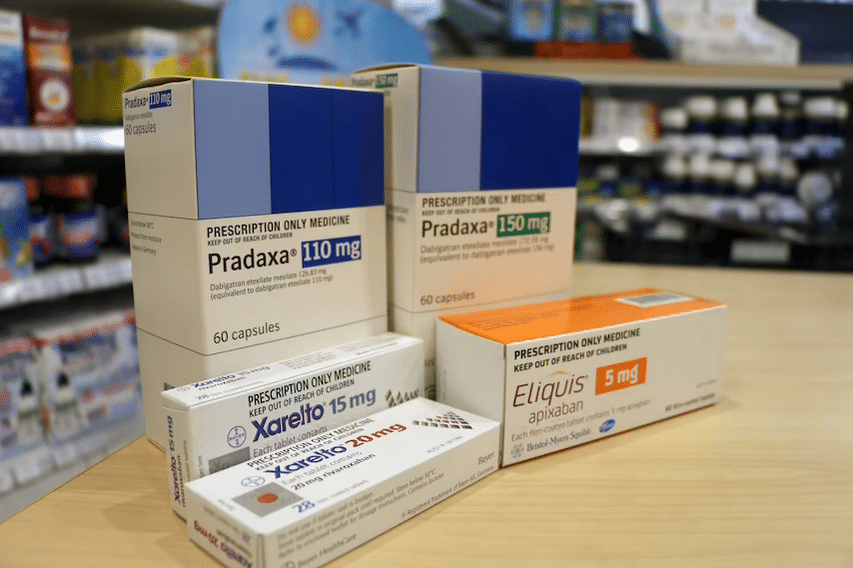
    Xarelto and Eliquis are both direct oral anticoagulants that help prevent dangerous blood clots, but neither is automatically “better” for everyone. In a Xarelto vs Eliquis decision, the safer fit depends on why you need treatment, your kidney function, bleeding history, age, weight, other medicines, and how reliably you can follow the schedule.

    Both medicines block factor Xa, a clotting protein involved in blood clot formation. Xarelto is the brand name for rivaroxaban. Eliquis is the brand name for apixaban. The comparison matters because small differences in dosing, food instructions, interactions, and bleeding patterns can affect real-world safety.

    Key Takeaways

    • Same class, different fit: both block factor Xa, but personal risk factors guide selection.
    • Bleeding risk matters most: age, kidney function, prior bleeding, and drug interactions can change safety.
    • Dosing routines differ: Xarelto is often once daily, while Eliquis is often twice daily, depending on the condition.
    • Kidney function is central: reduced kidney clearance may affect dose choice and follow-up monitoring.
    • Switching needs a plan: avoid gaps or overlap unless your clinician gives clear instructions.

    How These Blood Thinners Compare Day to Day

    The practical differences between these medicines usually show up in routine use. Both are approved for common anticoagulant needs, including stroke prevention in nonvalvular atrial fibrillation and treatment or prevention of deep vein thrombosis (DVT) and pulmonary embolism (PE). Yet the day-to-day experience can differ.

    Feature Xarelto (rivaroxaban) Eliquis (apixaban)
    Drug class Factor Xa inhibitor Factor Xa inhibitor
    Common uses AFib stroke prevention; DVT/PE treatment and prevention AFib stroke prevention; DVT/PE treatment and prevention
    Typical routine Often once daily for some uses Often twice daily for many uses
    Food instructions Some doses are taken with food Usually taken with or without food
    Kidney considerations Dose and suitability may depend on kidney function Dose and suitability may depend on kidney function
    Monitoring focus Bleeding signs, kidney function, interactions, adherence Bleeding signs, kidney function, interactions, adherence

    For some people, once-daily dosing feels simpler. For others, twice-daily dosing fits better because it becomes part of a morning and evening routine. Food instructions also matter. If a prescribed Xarelto dose must be taken with food, missed meals can create practical problems. If you want a broader medication-class comparison, see our related Eliquis vs Xarelto resource.

    Why it matters: The safest medicine is often the one that fits both your medical risks and your daily routine.

    Which Is Safer: Bleeding, Side Effects, and Risk Factors

    Bleeding is the key safety concern with both medicines. Any anticoagulant can cause minor bleeding, such as easy bruising or nosebleeds, and serious bleeding, such as gastrointestinal bleeding or bleeding in the brain. Studies and real-world analyses often compare apixaban vs rivaroxaban bleeding risk, but your individual profile remains the deciding factor.

    Some observational studies have found lower bleeding rates with apixaban in certain groups, especially older adults or people treated for atrial fibrillation. Those findings can inform clinical conversations, but they do not mean Eliquis is automatically safer for every person. Differences in diagnosis, dose, kidney function, body weight, and other medicines can affect results.

    Side effects may include bleeding, bruising, nausea, anemia, dizziness, or other symptoms. Report unusual bleeding patterns, but treat certain symptoms as urgent. Seek immediate medical help for black or bloody stools, vomiting blood, coughing blood, severe headache, sudden weakness, fainting, or a fall with head injury.

    Drug interactions can also raise bleeding risk. Nonsteroidal anti-inflammatory drugs (NSAIDs), aspirin, antiplatelet drugs, some antidepressants, certain antifungals, some antibiotics, and herbal products may affect bleeding risk or drug levels. Do not stop a prescribed medicine on your own. Instead, ask your care team how to manage the combination safely.

    For deeper safety reading, review Xarelto Side Effects and Eliquis Side Effects and Dosage. These resources can help you prepare better questions for your prescriber.

    Kidney Function, Age, and Frailty

    Kidney function affects how anticoagulants are selected and monitored. The kidneys help clear both medicines, though the degree of kidney involvement differs. Reduced kidney function can increase medication exposure, which may raise bleeding risk in some people.

    Clinicians often review estimated glomerular filtration rate (eGFR), creatinine, age, weight, and interacting medicines before choosing a dose. This is especially important after dehydration, infection, hospitalization, or a new kidney-related diagnosis. If your lab results change, your anticoagulant plan may need review.

    Older adults often need closer follow-up because several risks can overlap. Falls, frailty, lower body weight, kidney changes, anemia, and multiple prescriptions can all influence safety. That does not mean anticoagulants should be avoided solely because of age. It means the decision should be individualized and revisited over time.

    Use this calculator only as a general kidney-function estimate to support discussion of lab results. It does not choose a medicine or dose.

    [egfr-calculator]

    For more context on anticoagulant decisions in later life, see Anticoagulant Therapy in Elderly Patients. Bring your current medication list to every visit, including over-the-counter pain relievers and supplements.

    Uses: AFib, DVT, PE, and Stroke Prevention

    Xarelto vs Eliquis questions often start with the condition being treated. For nonvalvular atrial fibrillation, both medicines help reduce the risk of stroke caused by blood clots. For DVT and PE, both can be used in treatment and prevention plans, depending on the clinical situation.

    Condition details matter. A person with AFib and kidney disease may need a different discussion than someone recovering from a blood clot after surgery. A person with a history of gastrointestinal bleeding may need closer review than someone without prior bleeding. Cancer, recent procedures, pregnancy considerations, liver disease, and antiplatelet therapy can also change the decision.

    Some patients ask why Eliquis is favored over Xarelto in certain conversations. Often, the reason is not popularity alone. Clinicians may consider evidence, bleeding history, twice-daily dosing, kidney function, insurance access, and patient preference. Other clinicians may choose Xarelto when once-daily dosing or indication-specific factors fit better.

    For a wider cardiovascular medication context, you can browse the Cardiovascular Articles collection. If you are comparing medication options more broadly, our Heart Medications Overview explains how several cardiovascular drugs fit into care.

    Switching From One Anticoagulant to Another

    Switching from Xarelto to Eliquis can be appropriate for some people, but it must be timed carefully. The main safety concern is avoiding a gap that leaves you under-protected or an overlap that increases bleeding risk.

    Common reasons for switching include side effects, bleeding concerns, kidney-function changes, adherence problems, new drug interactions, or access barriers. Your prescriber will usually consider the indication, last dose time, kidney function, bleeding risk, and any upcoming procedures before setting a transition plan.

    Do not create your own conversion schedule. There is no simple one-to-one Xarelto to Eliquis dose conversion that works for every condition. The correct plan depends on the reason you take the anticoagulant and your current clinical factors.

    Quick tip: Before any switch, write down your last dose time, tablet strength, and missed doses.

    Cost, Access, and Practical Barriers

    Cost can influence adherence, and missed anticoagulant doses can be risky. If either medicine is hard to afford, tell your clinician or pharmacist before skipping doses. There may be clinically appropriate alternatives, formulary options, or different access pathways to discuss.

    Warfarin is one alternative for some patients, but it requires blood-test monitoring and has more diet and interaction considerations. That trade-off can be acceptable for some people and difficult for others. The right choice depends on your medical needs and your ability to follow monitoring requirements.

    BorderFreeHealth connects U.S. patients with licensed Canadian partner pharmacies, and prescription details are verified with the prescriber when required before pharmacy dispensing. For patients exploring cash-pay prescription options without insurance, eligibility and jurisdiction still apply. Medication-specific navigation pages include Xarelto, Eliquis, Apixaban, and Warfarin.

    Questions to Bring to Your Clinician

    A strong Xarelto and Eliquis comparison should end with practical questions. These prompts can help you discuss safety without trying to self-prescribe.

    • Reason for treatment: which condition is the medicine treating?
    • Bleeding history: do past bleeding events change the choice?
    • Kidney labs: are recent eGFR or creatinine results needed?
    • Other medicines: do pain relievers or supplements increase risk?
    • Dosing routine: would once-daily or twice-daily dosing improve adherence?
    • Food instructions: does the dose need to be taken with food?
    • Missed dose plan: what should happen if a dose is forgotten?
    • Procedure planning: when should surgery or dental work be reported?

    If you notice repeated bleeding, new weakness, sudden severe pain, or symptoms after a fall, seek care promptly. These situations need medical assessment, not watchful waiting.

    Authoritative Sources

    For clinical context on anticoagulant selection in atrial fibrillation, review the 2023 atrial fibrillation guideline from major U.S. cardiovascular societies. It discusses stroke-risk assessment, bleeding-risk review, and follow-up considerations.

    For official apixaban safety details, contraindications, and prescribing information, see the FDA Eliquis prescribing information. Product labels are important sources for warnings, interactions, and use-specific dosing frameworks.

    For official rivaroxaban regulatory information, consult the FDA Xarelto application page. It links to regulatory history and label-related information for rivaroxaban.

    Recap

    Xarelto vs Eliquis is not a one-size-fits-all decision. Both medicines can reduce clot risk, but bleeding history, kidney function, age, interactions, food instructions, dosing routine, and access all shape the safer choice. The best next step is a focused conversation with your clinician using your current labs and medication list.

    This content is for informational purposes only and is not a substitute for professional medical advice.
  • Does Cialis Lower Blood Pressure? Safety and Heart Effects

    Does Cialis Lower Blood Pressure? Safety and Heart Effects

    Yes, Cialis can lower blood pressure, usually by a small amount when used on its own. The bigger concern is a sudden or unsafe drop when tadalafil, the active ingredient in Cialis, is combined with nitrates, riociguat, some blood pressure medicines, alpha blockers, heavy alcohol use, dehydration, or existing low blood pressure. This matters because erectile dysfunction, high blood pressure, and heart disease often overlap. If you take heart or blood pressure medicine, a medication review is the safest next step before using tadalafil.

    Key Takeaways

    • Mild drops can happen: tadalafil relaxes blood vessels and may reduce pressure.
    • Interactions drive risk: nitrates, riociguat, and alpha blockers need special caution.
    • High blood pressure differs: controlled hypertension is not the same as unstable heart disease.
    • Heart rate is separate: tadalafil mainly affects vessel tone, not pulse control.
    • Symptoms matter: fainting, chest pain, or severe dizziness need urgent care.

    How Cialis Can Lower Blood Pressure

    Cialis may lower blood pressure because tadalafil relaxes smooth muscle in blood vessel walls. This widening of blood vessels is called vasodilation. It can make blood flow more easily, including to erectile tissue, but the effect is not limited to one area of the body.

    For many adults, the blood pressure change is modest and does not cause symptoms. For others, especially people taking medicines that also relax blood vessels, the same effect can become noticeable. Dizziness, lightheadedness, weakness, blurred vision, or fainting can signal that pressure has fallen too low.

    People often ask how much Cialis lowers blood pressure. There is no single number that predicts your response. Research has measured average changes in millimeters of mercury, and some studies have shown reductions after tadalafil use. Averages are useful for context, but your baseline reading, medications, hydration, alcohol intake, and heart history matter more.

    Why it matters: A small average drop can still be unsafe for one person.

    If you track home readings, averaging several values can give your clinician a clearer picture than one isolated number. This calculator can help organize multiple blood pressure readings, but it does not diagnose risk or replace medical judgment.

    [blood-pressure-average-calculator]

    Can You Take Tadalafil With Blood Pressure Medication?

    Some people can use tadalafil while taking blood pressure medicine, but the combination should be reviewed case by case. The key question is not only which medicine you take. It is whether your pressure is controlled, whether you have symptoms when standing, and whether other drugs or alcohol may add to the effect.

    Common hypertension medicines include ACE inhibitors, angiotensin receptor blockers such as losartan, calcium-channel blockers such as amlodipine, beta blockers, and diuretics. Tadalafil is not automatically forbidden with all of these. Still, additive blood-pressure lowering can happen, especially after a dose change, illness, dehydration, or starting another medicine.

    Alpha blockers deserve extra attention because they can lower blood pressure when you stand. They may be used for urinary symptoms or blood pressure. Combining them with tadalafil can increase the chance of orthostatic hypotension, which means a blood pressure drop when rising from sitting or lying down.

    Daily tadalafil also needs the same interaction review. Daily use may provide steadier exposure than occasional dosing, but it does not turn tadalafil into a blood pressure treatment. If your readings change after starting it, report that pattern rather than adjusting medicines on your own.

    For deeper background on how the medicine works, see How Cialis Works. If you are reviewing dosing terms with your prescriber, Cialis Dosage can help you understand common discussion points.

    Combinations That Can Cause Dangerous Drops

    The most important safety rule is to avoid tadalafil with nitrates or riociguat unless a specialist has given explicit, individualized direction. This is the combination most strongly linked with dangerous low blood pressure.

    Nitrates include nitroglycerin and related medicines used for chest pain. Some recreational products called poppers also contain nitrates. Riociguat is used for certain pulmonary hypertension conditions. These drugs also affect blood vessel signaling, so combining them with tadalafil can produce a larger pressure drop than either drug alone.

    Alcohol can also worsen flushing, dizziness, and low blood pressure. Heavy drinking is more concerning than small amounts because it can add dehydration, impaired balance, and delayed response to warning symptoms. If alcohol and tadalafil have caused dizziness before, that history is important to share with a clinician.

    Some medicines may raise tadalafil levels in the body. Strong CYP3A4 inhibitors, a group that includes certain antifungals, antibiotics, and antivirals, can increase exposure. That does not mean every combination is impossible, but it does mean a pharmacist or prescriber should check the full list.

    Situation Why It Matters Practical Next Step
    Tadalafil used alone Blood pressure may fall slightly in some adults. Watch for dizziness, faintness, or unusual weakness.
    Blood pressure medicine Effects may add together, especially with several agents. Ask for a full medication review before use.
    Nitrates or poppers The combination can cause a severe pressure drop. Avoid combining and tell emergency staff about tadalafil.
    Riociguat Blood vessel effects can overlap dangerously. Do not combine without specialist direction.
    Alpha blockers Standing dizziness and fainting risk may increase. Review timing, symptoms, and dose changes.
    Heavy alcohol use Alcohol can worsen flushing and lightheadedness. Discuss safe limits and prior symptoms honestly.

    If chest pain happens after tadalafil use, emergency clinicians need to know when the last dose was taken. That information can change which chest-pain treatments are safest in the moment.

    For related safety detail, see Cialis Side Effects and Cialis and Alcohol.

    High, Low, or Unstable Blood Pressure: Why Context Changes the Answer

    Cialis is not used to treat routine high blood pressure, even though it can lower pressure slightly. Controlled hypertension is different from untreated severe hypertension, recent fainting, unstable angina, chest pain with mild exertion, or shortness of breath at rest.

    If you have high blood pressure, a clinician may consider your recent readings, heart history, kidney function, current medicines, and ability to safely engage in sexual activity. Erectile dysfunction can also be a sign of blood vessel disease. It is reasonable to treat it as a heart-health conversation, not just a sexual function concern.

    Low blood pressure changes the risk calculation. If you already run low, have dizziness when standing, or have a history of falls, tadalafil may be riskier. Heat, dehydration, skipped meals, alcohol, and diuretics can make symptoms more likely.

    Unstable heart symptoms should be evaluated before sexual activity or ED treatment. Chest pain, fainting, new irregular heartbeat, severe shortness of breath, or symptoms with mild activity need prompt medical attention. This is not about embarrassment. It is about preventing an avoidable emergency.

    For broader reading, Cardiovascular Health collects heart and circulation topics. The Men’s Health collection may also help if blood pressure, erections, and urinary symptoms overlap.

    Does Cialis Affect Heart Rate?

    Tadalafil does not mainly work by lowering heart rate. Blood pressure and heart rate are different measurements. Blood pressure measures force against artery walls. Heart rate measures how often the heart beats each minute.

    Because tadalafil relaxes blood vessels, some people may feel flushing, warmth, headache, or a pounding sensation. If blood pressure falls too low, the heart may beat faster to compensate. Anxiety, sexual activity, alcohol, dehydration, caffeine, and other medicines can also make the heartbeat feel more noticeable.

    New or severe palpitations should not be self-diagnosed. Seek urgent care for chest pain, fainting, severe dizziness, shortness of breath, sudden vision loss, sudden hearing loss, or an erection lasting more than 4 hours. These are warning signs, not routine side effects to monitor quietly at home.

    Some people also ask whether Cialis can raise blood pressure. Tadalafil is more commonly discussed for lowering pressure, but a high reading can still occur for other reasons, such as pain, stress, caffeine, missed blood pressure medicine, or recent activity. Repeated high readings or very high values should be reviewed with a clinician.

    Daily Use, 20 mg Questions, and Longer Activity Window

    Daily tadalafil and as-needed tadalafil create different exposure patterns. Daily use may be prescribed for erectile dysfunction, urinary symptoms from benign prostatic hyperplasia, or both. As-needed use is usually timed around sexual activity. Either pattern can matter for blood pressure and interactions.

    Does daily Cialis lower blood pressure more than occasional use? It may contribute to ongoing mild vessel relaxation, but it is not a substitute for prescribed hypertension treatment. If daily therapy seems to change your readings, bring those numbers to the prescriber rather than stopping or changing medication without guidance.

    Questions about tadalafil 20 mg are common because higher as-needed doses may be discussed in care. A higher dose can increase the chance of side effects in some people, including headache, flushing, dizziness, or low-pressure symptoms. Dose decisions should stay with the prescriber who knows your health history and other medicines.

    Tadalafil also has a longer activity window than many shorter-acting erectile dysfunction medicines. This matters if chest pain occurs later, if alcohol is used, or if another medication is added. Keep an updated medication list on your phone or in your wallet so urgent-care teams can act quickly.

    If you want a broader side-effect discussion that includes longer-term concerns, see Tadalafil Side Effects. For sexual function topics beyond one medicine, Sexual Health offers a browseable collection.

    What To Review Before Using Tadalafil

    The practical goal is to spot personal risks before they become problems. A short medication and health summary can make that conversation easier, especially if several prescribers are involved.

    • Recent readings: bring home or clinic blood pressure values.
    • Current medicines: include prescriptions, supplements, and over-the-counter products.
    • Chest pain drugs: mention nitroglycerin, sprays, patches, or poppers.
    • Standing symptoms: note dizziness, falls, or near-fainting episodes.
    • Alcohol pattern: describe usual amounts without minimizing.
    • Heart history: mention heart attack, stroke, angina, or arrhythmia.

    Quick tip: Use the same medication list for your clinician and pharmacist.

    If access planning is part of your discussion, BorderFreeHealth connects U.S. patients with licensed Canadian partner pharmacies. Where required, prescription details are verified with the prescriber before pharmacy dispensing. Eligible patients may also compare cash-pay cross-border prescription options without insurance, subject to local rules and clinical suitability.

    Relevant navigation pages include Tadalafil, Cialis, and the browseable Urology Products category. These pages are for orientation and do not replace a prescriber’s review of heart, blood pressure, and interaction risks.

    Authoritative Sources

    If your main question is does cialis lower blood pressure, remember both parts of the answer. Tadalafil can lower pressure, often modestly by itself, but some combinations can make that effect unsafe. A medication review is the most useful way to reduce avoidable risk.

    This content is for informational purposes only and is not a substitute for professional medical advice.

  • Bystolic vs Metoprolol: Key Differences for Safer Switching

    Bystolic vs Metoprolol: Key Differences for Safer Switching

    Bystolic vs metoprolol is a comparison between two beta-blockers that can lower blood pressure and slow heart rate, but they are not identical. Bystolic is the brand name for nebivolol, which has beta-1 blocking effects plus nitric oxide–related blood vessel relaxation. Metoprolol is a beta-1 selective blocker available in different forms, including immediate-release and extended-release versions. The safer choice depends on the reason for treatment, your heart rate, side effects, other conditions, and the prescriber’s switching plan.

    Why this matters: switching beta-blockers can affect pulse, blood pressure, exercise tolerance, dizziness, and rebound symptoms if it is done too abruptly.

    Key Takeaways

    • Different mechanisms: nebivolol adds vasodilating effects through nitric oxide pathways.
    • Formulation matters: metoprolol tartrate and succinate behave differently.
    • Switching needs oversight: dose equivalence is approximate, not automatic.
    • Side effects vary: fatigue, weight changes, and sexual effects differ by person.
    • Home readings help: pulse and blood pressure trends guide follow-up.

    Bystolic vs Metoprolol in Everyday Care

    The core difference is that nebivolol may relax blood vessels while blocking beta-1 receptors, while metoprolol mainly reduces beta-1 stimulation in the heart. Beta-1 receptors influence heart rate and contraction strength. Blocking them can reduce the workload on the heart and help control blood pressure in selected patients.

    Both medicines are often discussed for hypertension and other cardiovascular uses, but the exact reason for treatment matters. A person taking metoprolol after a heart attack may have different priorities than someone taking nebivolol for uncomplicated high blood pressure. Heart rhythm history, angina symptoms, heart failure status, diabetes, lung disease, and other medicines can all change the risk-benefit balance.

    Bystolic is a brand-name form of nebivolol. If you want more background on the brand and generic relationship, see What Is Bystolic and Nebivolol vs Bystolic. These pages can help clarify naming before you discuss options with a clinician.

    How the medicines feel different for some people

    People often notice beta-blocker differences through daily symptoms rather than lab values. One person may feel calmer with fewer palpitations. Another may notice lower stamina, cold hands, vivid dreams, or lightheadedness when standing. These symptoms do not prove that one medicine is universally better. They show why individualized monitoring matters.

    In bystolic vs metoprolol discussions, clinicians often compare resting heart rate, seated and standing blood pressure, exercise tolerance, and side effects over several weeks. A single clinic reading can miss patterns that appear at home, during activity, or after missed meals.

    Switching Between Nebivolol and Metoprolol

    You can sometimes switch from metoprolol to nebivolol, or from nebivolol to metoprolol, but the plan should come from a prescriber. Beta-blockers can cause rebound fast heart rate, chest discomfort, or blood pressure increases when stopped suddenly, especially in people with coronary artery disease or angina.

    Conversion charts can provide rough starting points, but they cannot account for your heart rate response, liver metabolism, other drugs, or the reason you take the beta-blocker. A beta blocker conversion calculator may be useful as an educational tool, but it should not be used to choose your dose or timing. Your prescriber may taper one medicine, start another carefully, or adjust the plan after home readings.

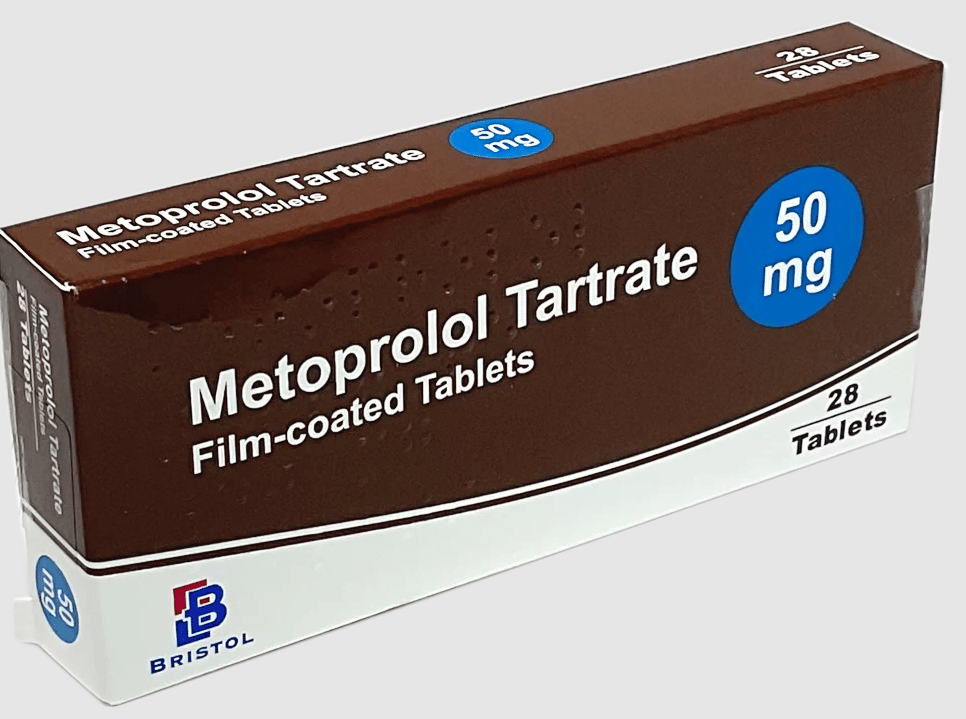
    Metoprolol also adds a formulation issue. Metoprolol tartrate is immediate-release and is often taken more than once daily. Metoprolol succinate is extended-release and is designed for steadier once-daily exposure. These forms are not interchangeable milligram for milligram without clinical judgment. If you are comparing product names, Metoprolol and Metoprolol SR can help you recognize common formulation language.

    Questions to bring to the switching visit

    • Reason for use: blood pressure, rhythm control, angina, or another goal.
    • Target numbers: resting pulse and home blood pressure range.
    • Release form: immediate-release or extended-release metoprolol.
    • Side effects: fatigue, dizziness, sexual concerns, sleep, or mood changes.
    • Follow-up plan: when readings should be reviewed.

    Quick tip: bring the medicine bottle or a photo of the label, including the release type.

    Heart Rate, Blood Pressure, and Home Tracking

    Heart rate and blood pressure trends are more useful than isolated readings when comparing beta-blockers. Nebivolol and metoprolol can both slow the pulse, but the degree of slowing varies. Some people feel well at a lower resting pulse. Others feel weak, dizzy, or short of breath if the pulse falls too much for their situation.

    Home tracking works best when you measure consistently. Sit quietly for five minutes. Keep your feet flat. Use a validated cuff that fits your arm. Record the time, blood pressure, pulse, symptoms, and whether the reading was before or after medication. If your clinician asks for standing readings, measure again after standing safely for one to three minutes.

    The calculator below can help average multiple home blood pressure readings for a clearer discussion. It does not diagnose hypertension, assess medication safety, or replace clinical review.

    [blood-pressure-average-calculator]

    Seek urgent care for severe chest pain, fainting, severe shortness of breath, or symptoms of stroke. If you develop new wheezing, marked dizziness, or a very slow pulse with symptoms, contact a healthcare professional promptly. People with known heart disease should be especially cautious about missed doses or abrupt stopping.

    Side Effects, Weight, and Sexual Health

    Side effects are a common reason people compare bystolic vs metoprolol. Both can cause fatigue, dizziness, slow heart rate, cold extremities, sleep changes, or mood changes in some people. Nebivolol is sometimes discussed for tolerability because of its vasodilating properties, but individual response still matters more than broad class assumptions.

    Weight change can happen with some beta-blockers, though it is usually not the only factor. Lower exercise intensity, fatigue, fluid shifts, appetite changes, sleep disruption, and other medicines can all affect weight. If you are wondering how to lose weight on metoprolol, start by tracking trends rather than blaming one cause immediately. A food log, step count, sleep notes, and symptom diary can reveal patterns to discuss safely.

    Metoprolol belly fat is a common search phrase, but beta-blockers do not target belly fat specifically. Some people gain overall weight after starting a medicine, while others do not. If weight rises quickly, swelling appears, or shortness of breath worsens, contact a clinician because fluid retention or heart-related issues may need assessment.

    Sexual health deserves the same open discussion. Erectile dysfunction, lower libido, or performance anxiety can occur for many reasons, including vascular disease, diabetes, depression, stress, alcohol use, and medicines. Some people report differences between nebivolol and metoprolol, but this is not predictable for everyone. Do not stop a beta-blocker on your own because of sexual side effects. Instead, ask whether timing, dose review, interacting medicines, or another blood pressure strategy might help.

    For broader context on blood pressure drug classes, see Blood Pressure Medications. If your concern is specifically nebivolol or Bystolic tolerability, Bystolic Side Effects may help you prepare better questions.

    Which Option Has the Least Side Effects?

    There is no single beta-blocker with the least side effects for every person. The better-tolerated option depends on the condition being treated, baseline pulse, blood pressure, activity level, other medications, and personal sensitivity. A person with frequent palpitations may value stronger heart rate control, while another may prioritize exercise capacity or fewer sexual side effects.

    Metoprolol has extensive clinical use across cardiovascular care, and its two common release patterns can support different dosing strategies. Nebivolol offers once-daily dosing and vasodilating properties, which may be relevant for some people with hypertension. However, availability, coverage, prior response, and medical history can affect the decision.

    When people ask which is better, the practical answer is usually: better for what goal? For blood pressure alone, many drug classes may be considered. For certain heart rhythm or post-event heart conditions, prescribers may choose based on guideline-supported indications and patient-specific risks. For a wider look at alternatives, Bystolic Alternatives reviews options that may come up in clinician conversations.

    Where carvedilol fits

    Carvedilol enters the conversation because it blocks beta receptors and also has alpha-blocking effects, which can lower vascular resistance. It is not simply a stronger or weaker version of nebivolol or metoprolol. It has different clinical uses and tolerability considerations. Questions such as bystolic vs carvedilol, carvedilol and metoprolol equivalent doses, or nebivolol to carvedilol conversion should be handled as individualized clinical decisions, not simple arithmetic.

    Access and Medication Identification

    Medication names can be confusing during a switch. Bystolic refers to nebivolol as a brand, while nebivolol is the generic name. Metoprolol may appear with salt names such as tartrate or succinate, and those details matter. If your tablet label changes after a refill, confirm the active ingredient and release form with a pharmacist before assuming it is the same schedule.

    BorderFreeHealth connects U.S. patients with licensed Canadian partner pharmacies, and prescription details are verified with the prescriber when required before pharmacy dispensing. For people comparing cash-pay cross-border prescription options without insurance, eligibility and jurisdiction still apply. This access context does not replace medical decision-making, but it may help readers understand why accurate drug names and prescription details matter.

    For product-name navigation, you can review Bystolic, Nebivolol, and Nebistar. Use these pages to identify names and forms, not to self-select or change treatment.

    Authoritative Sources

    Drug labels and medical organizations are the best places to verify indications, warnings, and formulation details. For official U.S. prescribing details, review the DailyMed nebivolol label listings and the DailyMed metoprolol succinate label listings. For patient-friendly blood pressure context, the American Heart Association blood pressure resources explain measurement, risk, and long-term management principles.

    When reading any conversion chart, remember that equivalence is approximate. Labels, guidelines, and clinical judgment still leave room for patient-specific adjustment. Your home readings, side effects, and treatment goal give the prescriber the information needed to choose a safer path.

    Recap

    Bystolic and metoprolol share beta-blocker effects, but they differ in mechanism, formulation choices, and how people may tolerate them. Nebivolol has nitric oxide–related vasodilation, while metoprolol has immediate-release and extended-release options with broad clinical use. Switching should be supervised, especially when heart disease, very low pulse, dizziness, or interacting medicines are present.

    The most helpful next step is simple: record your blood pressure, pulse, symptoms, and exact medication name before your visit. That information turns a broad bystolic vs metoprolol comparison into a safer, more personal clinical discussion.

    This content is for informational purposes only and is not a substitute for professional medical advice.

  • Bystolic and Alcohol: Risks, Timing, and Safer Habits

    Bystolic and Alcohol: Risks, Timing, and Safer Habits

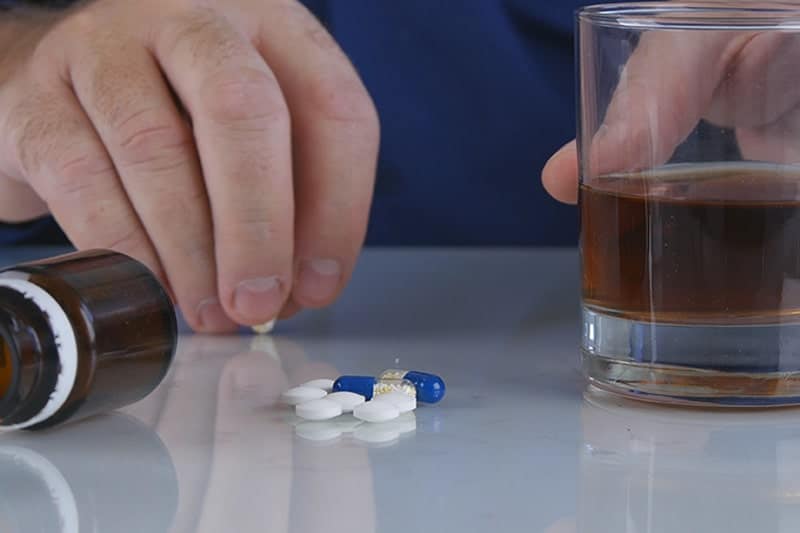
    If you landed here from a search for Bystolic and Alcohol: A Practical Guide to Safer Use, the short answer is this: mixing Bystolic, also called nebivolol, with alcohol may increase dizziness, lightheadedness, low blood pressure, and fainting risk. Both can affect blood pressure and alertness. For some people, even a small amount of alcohol can hit harder when they are starting treatment, dehydrated, older, or taking other medicines that also lower blood pressure. That is why timing, symptoms, and your overall health matter more than a one-size-fits-all rule.

    Key Takeaways

    • Alcohol may add to Bystolic’s blood-pressure-lowering effects.
    • Dizziness, lightheadedness, and fainting are the main concerns.
    • There is no universal number of hours that makes the mix safe for everyone.
    • Risk may be higher after dose changes, dehydration, or with other sedating medicines.
    • Passing out, chest pain, or severe weakness deserves prompt medical attention.

    Bystolic and Alcohol: Why the Mix Can Be Risky

    Bystolic is a beta blocker commonly used to help manage high blood pressure. It works in part by lowering blood pressure and reducing strain on the heart. Alcohol can also relax blood vessels and impair balance and judgment. When those effects overlap, you may feel more lightheaded than expected.

    This does not mean every person will react the same way. Some people notice only mild fatigue or flushing. Others develop marked dizziness when they stand up, a drop in blood pressure, or a sense that they may pass out. The risk may be more noticeable when you first start nebivolol, after a dose change, or after drinking on an empty stomach.

    Another problem is confusion. If you feel tired, flushed, or unsteady, it can be hard to tell whether the cause is alcohol, the beta blocker, dehydration, or another medicine. That can delay the right response and make routine activities like driving or climbing stairs less safe.

    Why it matters: Even a brief dizzy spell can lead to a fall, injury, or missed warning signs.

    BorderFreeHealth works with licensed Canadian partner pharmacies.

    What You May Notice After Drinking on Bystolic

    The most common concern is a bigger-than-expected drop in blood pressure. In plain language, that can feel like dizziness, lightheadedness, or a shaky, washed-out feeling when you stand. Some people also notice headache, fatigue, blurred vision, or nausea. Alcohol can also make you less steady on your feet, which adds to fall risk.

    Pay close attention to context. Symptoms after one drink at home may be very different from symptoms after several drinks, poor sleep, hot weather, exercise, or not enough food and water. If you already tend to feel faint after standing up quickly, mixing the two may worsen that pattern.

    Possible effect How it may feel Why it matters
    Lower blood pressure Dizziness or near-fainting Falls and injuries become more likely
    More sedation Fatigue, poor focus, slower reactions Driving and routine tasks may be less safe
    Harder symptom tracking Unclear whether alcohol, dehydration, or medicine is responsible You may miss when a clinician should be called

    Symptoms that deserve urgent attention include passing out, severe shortness of breath, chest pain, a head injury after a fall, new confusion, or trouble staying awake. Those signs should not be written off as just the alcohol. If you want broader reading on heart-related medication topics, the Cardiovascular Hub is a helpful place to start.

    Can You Separate Bystolic and Alcohol by a Few Hours?

    Usually, there is no universal clock-based rule. People often ask how long after taking Bystolic they can drink, or how long after drinking they can take their next dose. The honest answer is that the safer interval depends on your usual response, your dose schedule, how much alcohol you drank, your age, hydration, and other medicines. A prescriber or pharmacist can give guidance that fits your situation.

    You may also see a ‘2-2-2 rule’ mentioned online. That is not a standard medical rule for Bystolic or other beta blockers. It should not replace individualized advice, especially if you have already felt faint, fallen, or had very low blood pressure readings.

    The concern is similar with other beta blockers, including metoprolol, propranolol, and bisoprolol. The exact experience varies from person to person, but the class-level issue is the same: alcohol can amplify side effects that affect blood pressure, balance, and alertness.

    If you are comparing interaction patterns across medicines, our page on Alcohol With Wellbutrin shows why alcohol questions need to be asked medication by medication.

    Who Should Be Extra Cautious

    Some people need a lower threshold for concern. That includes older adults, people who already have low blood pressure, anyone who has fainted before, and people taking other medicines that can cause drowsiness or lower blood pressure. The same is true if you are ill, dehydrated, recovering from vomiting or diarrhea, or drinking in hot weather.

    Extra caution also matters if you have more than one cardiovascular medicine in your routine. In those cases, the combination effect may be harder to predict. If you are browsing related treatment categories, the Cardiovascular Products hub can help you compare options at a high level.

    • Starting treatment: your body is still adjusting.
    • Recent dose change: side effects may be more noticeable.
    • Empty stomach: alcohol may feel stronger.
    • Poor hydration: low blood pressure risk can rise.
    • History of falls: even mild dizziness matters more.

    Heavy drinking adds another layer. Even when a single drink seems manageable, larger amounts can worsen judgment and make it easier to miss early warning signs. Alcohol does not reliably cancel out Bystolic, but heavier drinking can complicate blood pressure control and make it harder to judge how well treatment is working.

    When required, pharmacies verify prescription details with the prescriber before dispensing.

    What to Do If You Already Mixed Them

    If you already drank while taking nebivolol, do not panic. Start by stopping additional alcohol, sitting or lying down if you feel faint, and standing up slowly. Drink water if you can safely do so, and avoid driving, ladders, or anything else where a brief loss of balance could cause harm.

    If you use a home blood pressure cuff and know how to use it correctly, checking your reading may help you describe what is happening to a clinician. But numbers are only part of the picture. Symptoms matter more than chasing a perfect reading, especially if you feel weak, confused, or close to passing out.

    Call a clinician, pharmacist, or local medical service if symptoms are persistent or getting worse. Seek urgent care right away for passing out, chest pain, trouble breathing, a head injury after a fall, or symptoms that are severe enough that you cannot stay safely upright.

    Quick tip: Write down what you drank, when you took the dose, and what symptoms followed.

    For another example of how alcohol can shift medication safety questions, see Abilify And Alcohol. The details differ, but the lesson is familiar: alcohol can change side-effect risk in ways that are easy to underestimate.

    Questions to Ask Before Drinking Again

    Before trying Bystolic and alcohol together again, it helps to slow the decision down. A few practical questions can make the conversation with a clinician or pharmacist much more useful.

    1. Have I ever felt dizzy or faint on this medicine alone?
    2. Am I taking other drugs that affect blood pressure, heart rate, sleep, or anxiety?
    3. Was I planning to drink on an empty stomach or after exercise?
    4. Do I have a history of falls, blackouts, or dehydration?
    5. Would I be driving, caring for someone else, or doing anything risky afterward?
    6. Do I know what symptoms would mean I should stop and get help?

    These questions matter most when you are newly diagnosed with high blood pressure or still learning how your medicine affects you day to day. Some eligible patients look at cash-pay cross-border prescription options when they are not using insurance, subject to local rules. That access question is separate from the safety question. Even if a medicine feels familiar, alcohol interaction risks still deserve a careful review.

    Authoritative Sources

    In short, the safest way to think about Bystolic and alcohol is not as a fixed rule, but as a personal risk question. The more dizziness, low blood pressure, falls, or mixed medications are part of your story, the less room there is for guesswork. Further reading and a medication review can help clarify the next step.

    This content is for informational purposes only and is not a substitute for professional medical advice.
  • Bystolic Side Effects: Symptoms, Risks, and Warning Signs

    Bystolic Side Effects: Symptoms, Risks, and Warning Signs

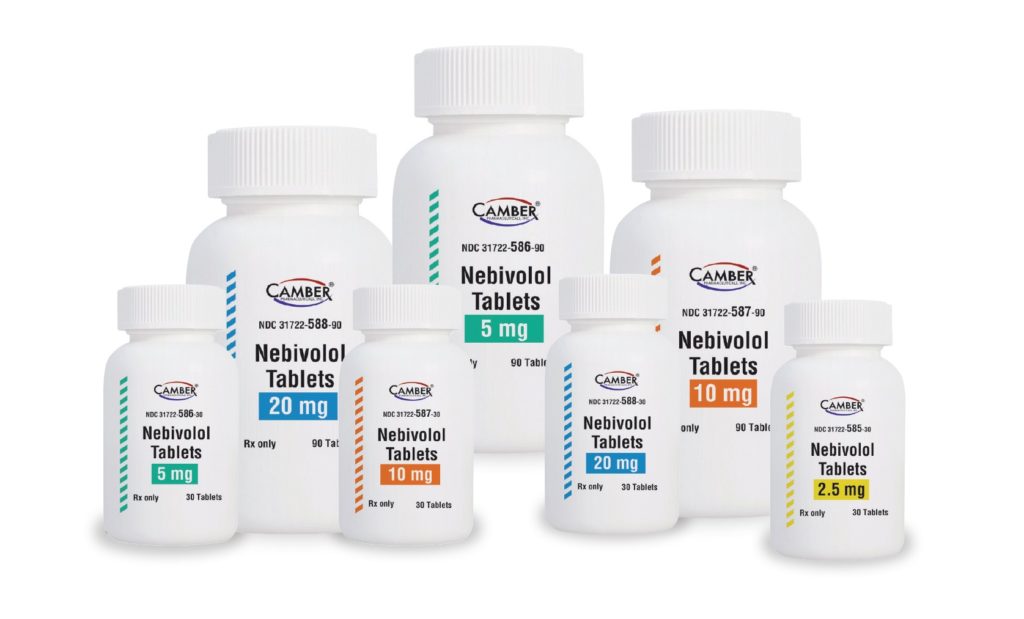
    Bystolic side effects can include headache, fatigue, dizziness, nausea, and diarrhea. More serious symptoms, such as fainting, chest pain, a very slow heartbeat, new wheezing, or trouble breathing, need prompt medical attention. This matters because Bystolic is the brand name for nebivolol, a beta blocker that lowers heart rate and blood pressure. Knowing what is common, what may settle, and what should never be ignored can make symptoms easier to discuss and safer to manage.

    Key Takeaways

    • Common symptoms may include headache, fatigue, dizziness, nausea, and diarrhea.
    • Warning signs include fainting, chest pain, trouble breathing, or a very slow pulse.
    • Mild symptoms may improve, but there is no single adjustment timeline.
    • People with diabetes, lung disease, slow pulse, or prior fainting may need closer monitoring.
    • Do not stop nebivolol suddenly without guidance from the prescriber.

    Why Nebivolol Can Cause Symptoms

    Nebivolol can cause symptoms because its intended effects also change how your body feels. It slows the heart and helps blood vessels relax, which can lower blood pressure. For some people, that feels like better control. For others, especially early in treatment or after a change, it can feel like tiredness, lightheadedness, or reduced stamina.

    Bystolic belongs to a group called beta blockers. These medicines reduce the effect of certain stress hormones on the heart. That can be useful in blood pressure care, but it also means the heart may not speed up as strongly during exertion, stress, or a drop in blood sugar. That is why fatigue and dizziness often appear before more specific symptoms.

    Headache can also occur, especially when the body is adjusting. The medicine is not a sedative, but lower pressure or a slower pulse can still leave you feeling washed out. If you already tend to have a low resting heart rate, feel dizzy when standing, or have a history of fainting, the same effect may feel stronger.

    Some readers also ask whether Bystolic is a high-risk medication. The better answer is more specific: risk depends on the person, the dose prescribed, other medicines, and underlying conditions. Many people take nebivolol without major problems, but some need closer review because they have less room to tolerate a lower heart rate or blood pressure.

    For background on the medication itself, see What Is Bystolic. If you are comparing brand and generic terminology, Nebivolol Vs Bystolic explains how the names relate.

    Common Bystolic Side Effects and How They May Feel

    Common Bystolic side effects are usually symptoms that feel uncomfortable but are not immediately dangerous. Headache and fatigue are often reported. Dizziness, nausea, diarrhea, and a general sense of feeling “off” can also happen. Some people describe heavy legs, brain fog, or low motivation rather than a clear illness.

    These symptoms often stand out during position changes, hot showers, exercise, alcohol use, missed meals, or dehydration. A mild blood pressure drop can feel like weakness, blurry focus, or reduced endurance. If a symptom settles quickly and does not return, it may simply be worth noting. If it keeps interfering with normal activity, it deserves a call to the prescriber.

    Headache, fatigue, and low energy

    Headache and fatigue can appear when blood pressure patterns change. Fatigue may feel like sleepiness, but it can also feel like your body has less “reserve” for stairs, errands, or workouts. That difference matters. New limits in daily function can be more useful to report than vague statements like “I feel tired.”

    If fatigue becomes severe, comes with confusion, or appears with a very slow pulse, it should be reviewed promptly. A home pulse reading can help the conversation, but symptoms matter more than the number alone. Someone may feel unwell even if one reading looks only mildly different from usual.

    Dizziness, faintness, and low blood pressure clues

    Dizziness is one of the most important symptoms to describe clearly. Lightheadedness means you may feel faint or weak. Vertigo means the room feels like it is spinning. Both can happen for many reasons, but lightheadedness after standing can fit with lower blood pressure.

    Low blood pressure symptoms may include blurry vision, clammy skin, shakiness, weakness, or a sudden need to sit down. If you are falling, nearly fainting, or avoiding walking because you feel unsafe, do not treat that as routine. Falls can be serious, especially for older adults or people taking blood thinners.

    Nausea, diarrhea, and hydration

    Nausea and diarrhea can be harder to interpret because they are common with viruses, food changes, and other medicines. Timing helps. Symptoms that begin soon after starting or changing nebivolol should be mentioned, especially if they persist or worsen.

    Diarrhea can also make dizziness worse by reducing fluids. That creates a loop: stomach upset leads to dehydration, and dehydration makes blood pressure symptoms sharper. If you cannot keep fluids down, feel faint, or have severe weakness, seek medical advice promptly.

    Warning Signs That Need Medical Review

    Serious Bystolic side effects are less common, but they matter because this medicine acts directly on the cardiovascular system. Seek urgent or emergency care for fainting, chest pain, severe shortness of breath, or a sudden feeling that you may pass out. Call a clinician promptly for symptoms that are new, worsening, unusual for you, or making daily activity unsafe.

    Often monitored Needs prompt medical review
    Mild headache or manageable fatigue Very slow pulse with weakness or confusion
    Brief lightheadedness when standing Fainting, near-fainting, or falls
    Mild nausea or diarrhea Chest pain, chest tightness, or severe breathlessness
    Low energy that stays stable New wheezing, swelling, or sudden exercise intolerance

    Why it matters: Low blood pressure can look like stress, dehydration, or a virus.

    Bradycardia (a slow heart rate) may feel like unusual exhaustion, dizziness, shortness of breath with light activity, or a body that cannot “speed up.” Hypotension (low blood pressure) may cause faintness, blurry vision, clammy skin, or a spinning feeling after standing. The pattern matters, especially if symptoms repeat.

    Chest pain is not something to watch casually at home. It may not be a medication side effect at all. Trouble breathing also needs prompt review, especially if it comes with wheezing, swelling, chest tightness, or blue-looking lips or fingers. Nebivolol is often described as more heart-selective than some older beta blockers, but breathing symptoms still deserve attention.

    People with heart failure symptoms should be especially careful about new swelling, sudden weight gain, worsening breathlessness, or needing extra pillows to breathe comfortably. These symptoms can have many causes, but they should not be dismissed as ordinary tiredness.

    Do Bystolic Side Effects Go Away?

    Some mild symptoms may improve as the body adjusts, but there is no reliable timeline for everyone. A person may feel better after an early adjustment period. Another may continue to notice fatigue, dizziness, or a slower pulse as long as the medicine remains part of the regimen.

    Instead of waiting for a perfect answer, track the pattern. Did the symptom start soon after the medicine was added? Is it improving, staying flat, or getting worse? Does it happen after standing, hot weather, exercise, alcohol, diarrhea, or missed meals? These details help the prescriber decide whether symptoms fit the medicine, another condition, or the combination of several factors.

    Long-term Bystolic side effects may look less dramatic than a single emergency symptom. They may show up as ongoing low energy, reduced exercise tolerance, repeated lightheadedness, a very slow pulse, or masked signs of low blood sugar. In other words, the concern may be gradual functional decline.

    Do not stop Bystolic on your own because a side effect feels frustrating. Beta blockers are often tapered rather than stopped suddenly, since abrupt changes can cause rebound problems in some people, including worsening heart-related symptoms. If side effects are hard to tolerate, ask the prescriber how to handle them safely.

    If alcohol seems to worsen dizziness or fatigue, Bystolic And Alcohol covers the issue in more detail. For broader context on other options your clinician may discuss, see Bystolic Alternatives.

    Who May Need Closer Monitoring?

    Closer monitoring may be needed when someone already has less room to tolerate a slower heart rate or lower blood pressure. This can include people with a slow resting pulse, prior fainting, certain heart conduction problems, or symptoms of heart failure. Older adults may feel the same blood pressure change more strongly because dizziness can raise fall risk.

    Diabetes adds another layer. Beta blockers may reduce the fast heartbeat that often warns of low blood sugar. Other clues, such as sweating, hunger, shakiness, sudden confusion, or unusual weakness, may become more important. Anyone with repeated low blood sugar episodes should discuss symptom patterns with a clinician.

    Lung disease also matters. Nebivolol is considered more cardioselective than some beta blockers, meaning it has more activity at heart beta receptors than airway receptors. Still, new wheezing, tight breathing, or shortness of breath should be reviewed. This is especially important for people with asthma, chronic obstructive pulmonary disease, or a history of severe breathing reactions.

    Other medicines can add to symptoms. Drugs that slow the heart, lower blood pressure, affect rhythm, or cause sedation may increase fatigue or faintness. This does not mean a combination is wrong. It means the full medication list matters, including supplements and over-the-counter products.

    BorderFreeHealth connects U.S. patients with licensed Canadian partner pharmacies, and prescription details may be checked with the prescriber when required before dispensing. If you are reviewing therapy options, the Cardiovascular Hub and Cardiovascular Products collections can help you browse related heart-health content and listings.

    What Can Make Symptoms Worse?

    Symptoms can feel worse when the body is stressed by dehydration, heat, illness, alcohol, skipped meals, vomiting, or diarrhea. These factors can lower blood pressure or reduce your ability to compensate. A day when you are not eating or drinking normally can make the same medication routine feel much stronger.

    Standing up quickly is another common trigger. Moving from lying to standing gives the circulatory system less time to adjust. If dizziness happens often after standing, note the situation rather than assuming it is harmless. The pattern can help your clinician decide what to review.

    Exercise can also reveal symptoms. A slower pulse may be expected with beta blockers, but sudden exercise intolerance, chest discomfort, or breathlessness that is new for you should be reported. Do not push through symptoms that feel unsafe or unusual.

    Quick tip: Write down the trigger, symptom, pulse, and blood pressure if you have them.

    What to Track Before You Call

    A short symptom log can make a medical review more useful. You do not need a complex spreadsheet. Clear notes about timing, severity, and context often help more than memory alone.

    • Symptom timing — when it started and how often it happens.
    • Body position — sitting, standing, walking, or exercising.
    • Home readings — pulse and blood pressure, if you track them.
    • Associated signs — chest pressure, wheezing, swelling, confusion, or falls.
    • Food and fluids — missed meals, alcohol, diarrhea, or dehydration.
    • Medication context — new medicines, dose changes, or missed doses.

    Home readings can be useful when they are taken consistently. A single number may be misleading, but several readings can show a pattern. The calculator below can help average blood pressure values for a cleaner discussion. It does not interpret results or replace clinical guidance.

    [blood-pressure-average-calculator]

    Also note what did not happen. If there was no chest pain, no wheezing, no fainting, or no swelling, say that too. Clear negatives can help narrow the picture.

    If your prescriber compares beta blockers, Bystolic Vs Metoprolol offers context on how these medicines differ. Product pages such as Bystolic and Nebivolol can also help readers identify medication names when reviewing prescriptions, but clinical decisions should stay with the prescriber.

    Authoritative Sources

    For label-backed and major medical references, start with these sources:

    The main goal is not to memorize every possible reaction. It is to recognize the pattern: common symptoms may be mild and monitorable, while fainting, chest pain, breathing trouble, and marked slowing of the pulse need prompt care.

    This content is for informational purposes only and is not a substitute for professional medical advice.
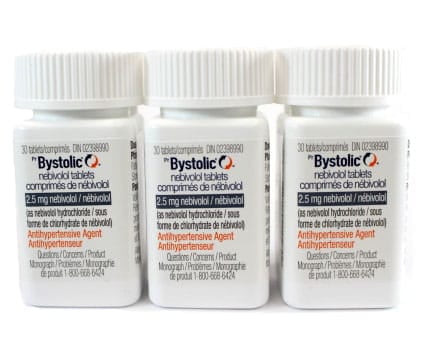
  • Bystolic Alternatives and Beta-Blocker Options Compared

    Bystolic Alternatives and Beta-Blocker Options Compared

    Bystolic alternatives usually mean one of two things: generic nebivolol, which contains the same active ingredient, or a different beta blocker such as metoprolol, bisoprolol, carvedilol, or atenolol. The best substitute depends on why the medicine was prescribed, which side effects matter most, and whether heart rate, rhythm, or another heart condition is part of the picture.

    That distinction matters. A brand-to-generic change is very different from a class change, and there is no single safest beta blocker for every person. Understanding the differences can help you ask clearer questions during a medication review.

    Key Takeaways

    • Generic nebivolol is the closest like-for-like version of Bystolic.
    • Other beta blockers differ in selectivity, blood-vessel effects, and common clinical roles.
    • Metoprolol, bisoprolol, carvedilol, and atenolol are frequent comparison points.
    • Side-effect risk depends on the person, especially with asthma, diabetes, or a slow pulse.
    • Beta blockers are not always interchangeable, so switches need careful review.

    BorderFreeHealth connects eligible U.S. patients with licensed Canadian partner pharmacies.

    How Bystolic Alternatives Are Usually Chosen

    Clinicians usually sort Bystolic alternatives into two buckets: same-ingredient options and different beta blockers. Generic nebivolol is the closest match because Bystolic is the brand name for nebivolol.

    If the main issue is brand access, the conversation may stay within nebivolol. If the issue is fatigue, a slow pulse, blood pressure control, or another heart problem, the discussion often widens to other drugs in the class. In other words, a substitute can mean a nearly identical version or a medicine with a different receptor profile.

    Why it matters: Mixing up a generic substitute with a different beta blocker can lead to the wrong comparison.

    Example: if someone has done well on Bystolic and wants the same active ingredient, generic nebivolol is usually the closest comparison. If that person is trying to avoid a side effect or meet a different treatment goal, metoprolol, bisoprolol, carvedilol, or another agent may be the more useful discussion.

    The first decision point is the treatment goal. A beta blocker may be used for high blood pressure, heart rate control, chest pain, arrhythmia, heart failure, or more than one of these at once.

    That is why there is no single answer to what is a good substitute for Bystolic. A medicine that works well when the main issue is heart rate may not be the first choice when the bigger issue is heart failure, lung disease, or troublesome fatigue. There is also no miracle pill for high blood pressure. The best option is the one that fits the full health picture.

    Features That Often Change the Comparison

    • Reason for treatment — the original goal often matters more than the brand name.
    • Receptor selectivity — cardioselective drugs are mostly heart-targeted, while nonselective drugs affect a wider range of receptors.
    • Blood-vessel effects — some agents have vasodilating, or blood-vessel relaxing, activity.
    • Other conditions — asthma, COPD, diabetes, and a very low resting pulse can change the risk-benefit balance.
    • Formulation details — some drugs come in multiple formulations, and those are not always interchangeable.

    Nebivolol may stand out because it is beta-1 selective and has vasodilating properties. That can be one reason a prescriber uses Bystolic instead of an older beta blocker. It does not make it universally better. Another drug may fit better when a separate heart diagnosis, a familiar formulation, or a different side-effect pattern is steering the choice.

    Common Options at a Glance

    Most Bystolic alternatives discussed in practice stay within the beta-blocker class, but they are not all alike. The chart below simplifies common comparison points so the differences are easier to see.

    Option General profile Why it may come up Key reminder
    Nebivolol Beta-1 selective with vasodilating activity Closest like-for-like option when the goal is the same active ingredient This is the generic form of the Bystolic ingredient
    Metoprolol Beta-1 selective Common comparison when heart rate control is part of the picture The exact metoprolol formulation matters
    Bisoprolol Beta-1 selective Another heart-focused option often discussed in cardiovascular care Tolerance and monitoring still vary by person
    Carvedilol Nonselective with added alpha-blocking effects Often reviewed when broader cardiovascular goals matter It can feel different from a heart-selective drug
    Atenolol Beta-1 selective Older comparison point many patients already recognize Older familiarity does not mean it is the best fit

    Metoprolol is often the best-known comparison, but the name alone is not always enough. Different metoprolol formulations exist, so the exact product matters when a switch is being discussed. Carvedilol stands out because it also blocks alpha receptors, which may change how blood pressure responds and how some people feel on it.

    Cardioselective beta blockers mainly target beta-1 receptors in the heart. Nonselective drugs also affect beta-2 receptors, which can matter more when breathing symptoms are part of the story. Selectivity is helpful, but it is not absolute, so the full medical context still matters.

    How to Read Head-to-Head Comparisons

    Most head-to-head comparisons come down to four questions: how heart-selective the drug is, whether it also relaxes blood vessels, what other heart condition is being treated, and which side effects matter most.

    Metoprolol and bisoprolol are often grouped with nebivolol as more heart-selective options, but they are not the same medicine. Metoprolol also brings formulation questions that can change the conversation. Bisoprolol may enter the discussion when prescribers want another selective option, but it still needs the same person-specific review.

    Carvedilol sits apart because of its broader receptor effects. Atenolol is familiar to many patients, yet familiarity alone does not mean it is the best modern fit. A familiar name can feel simpler, but the simpler choice is not always the better match.

    If the goal is minimal change, generic nebivolol is the narrowest switch. If the goal is a different class profile, the comparison broadens. That is why people looking at Bystolic alternatives often land on different answers. They are usually asking different questions.

    When required, the pharmacy verifies prescription details with the prescriber before dispensing.

    Side Effects and Safety Questions That Matter Most

    The biggest safety questions are usually slow heart rate, low blood pressure, dizziness, fatigue, and whether the drug could worsen breathing or hide low-blood-sugar warning signs. These risks overlap across the class, but they do not show up the same way in every person.

    Many people search for the safest beta blocker with the least side effects. In practice, the safest option depends more on medical history than on the drug name alone. A person with asthma may care more about bronchospasm risk. A person with diabetes may care more about masked hypoglycemia symptoms. Someone with a low resting pulse may need extra attention to bradycardia, or slow heart rate.

    Side effects can also vary within the same class. One person may feel washed out on one agent and better on another, while someone else has the opposite experience. That is one reason online rankings and anecdotal reports are less useful than a review of your own symptoms, heart rate, and blood pressure pattern.

    Who May Need Extra Caution

    • Asthma or COPD — nonselective agents may be harder to tolerate.
    • Diabetes — beta blockers can mask some low-blood-sugar warnings.
    • Very low pulse — bradycardia deserves close review.
    • Circulation issues — cold hands, fatigue, or dizziness may matter more.
    • Conduction problems — people already told about heart rhythm slowing need individualized review.
    • Stopping suddenly — abrupt discontinuation can be risky.

    If a change is being considered, it is also worth asking what symptoms should prompt follow-up. New wheezing, fainting, chest pain, severe dizziness, or a pulse that drops well below your usual baseline deserve prompt medical attention.

    Where Beta Blockers Fit in Blood Pressure Care

    Beta blockers can help with high blood pressure, but they are not a miracle pill and they are not the only option. They are one part of a much larger treatment toolbox.

    They often enter the conversation when blood pressure overlaps with another cardiac reason for treatment, or when a prescriber thinks a beta blocker is the best overall fit. If blood pressure is the only issue, clinicians may also compare medicines outside the beta-blocker class. That means Bystolic alternatives are not always other beta blockers; sometimes the larger treatment plan changes.

    For some people, staying within the same class makes sense because heart rate or another cardiac issue is still driving the choice. For others, the better question is whether a beta blocker is still the right class at all. That is why a medication review should start with the reason for treatment, not just the current brand name.

    For broader background, the site’s Cardiovascular Hub collects condition-focused reading, and the Cardiovascular Catalog provides a browseable list of related therapies.

    Some cross-border cash-pay options may be available for patients without insurance, subject to eligibility.

    Questions to Bring to a Medication Review

    The most helpful questions clarify the goal of treatment, the type of switch being discussed, and the risks that matter in your case. A short checklist can make that conversation much clearer.

    • Am I comparing Bystolic with generic nebivolol or with a different beta blocker?
    • Why was this medicine chosen in the first place?
    • Is the main goal blood pressure control, heart rate control, or another cardiac issue?
    • Do asthma, COPD, diabetes, or a low resting pulse affect the choice?
    • If metoprolol is mentioned, which formulation is actually being considered?
    • Which symptoms after a switch would mean I should call promptly?
    • What home blood pressure or pulse readings would be most useful to track?

    Quick tip: Bring your current medication list and a few recent home readings to the discussion.

    It also helps to note whether symptoms began after starting the current medicine or after another change, such as illness, weight change, or a new prescription. That context can keep the conversation from turning into a brand-only debate.

    If the goal is to stay as close as possible to the original medicine, ask whether generic nebivolol answers the real question. If the goal is better tolerability or a better fit for another heart condition, ask how the proposed option differs in selectivity, blood-vessel effects, and expected monitoring.

    Authoritative Sources

    For an overview of the class, see the Mayo Clinic beta blockers page.

    For consumer drug details, read the MedlinePlus nebivolol monograph.

    In short, Bystolic alternatives range from generic nebivolol to other beta blockers with different receptor profiles and different roles in care. The most useful comparison starts with the original reason for treatment, then moves to safety, tolerability, and the specific product being considered.

    This content is for informational purposes only and is not a substitute for professional medical advice.

  • Nebivolol vs Bystolic: Differences That Matter

    Nebivolol vs Bystolic: Differences That Matter

    Nebivolol vs Bystolic is mainly a brand-versus-generic question, not a comparison between two unrelated medicines. Bystolic is the brand name, and nebivolol is the active ingredient. Both refer to a beta blocker used for high blood pressure. The practical differences usually involve the label, manufacturer, inactive ingredients, insurance or pharmacy substitution, and how your body responds after a refill change.

    That distinction matters because many people worry they received a weaker or stronger drug when the bottle changes. In most cases, the active medicine is the same. The safer next step is to compare the generic name, strength, tablet appearance, and refill history before assuming the treatment plan changed.

    Key Takeaways

    • Bystolic is the brand name for nebivolol.
    • Generic nebivolol and Bystolic contain the same active ingredient.
    • Side effects and major warnings are broadly similar.
    • Tablet appearance and inactive ingredients can differ between manufacturers.
    • Beta blockers should not usually be stopped suddenly without prescriber guidance.

    Is Nebivolol the Same as Bystolic?

    Yes, nebivolol is the generic name for the active ingredient in Bystolic. If your prescription bottle says nebivolol after previously saying Bystolic, the pharmacy may have dispensed the generic version of the same medication. This can feel surprising, especially if the pill looks different from your last refill.

    Generic medicines approved by regulators are expected to contain the same active ingredient and meet standards for quality, strength, and performance. That does not mean every tablet is visually identical. Color, shape, markings, fillers, dyes, and the company making the tablet may vary.

    For most people, those differences do not change the expected treatment effect. For some, inactive ingredients or a change in tablet appearance can still matter. A person may notice new symptoms, worry about a different-looking pill, or have allergies or sensitivities to certain excipients (inactive ingredients). If that happens, the refill label and manufacturer name can help a pharmacist or clinician review the change.

    Why it matters: A different-looking tablet may still contain the same active medicine.

    Brand, Generic, and Refill Differences at a Glance

    The difference between nebivolol and Bystolic is easiest to understand by separating active-drug issues from pharmacy-label issues. The active ingredient is the same. The surrounding details may differ.

    Comparison Point Nebivolol Bystolic What It Means
    Name on label Generic name Brand name The label may change even when the active medicine does not
    Active ingredient Nebivolol Nebivolol Same drug substance
    Drug class Beta blocker Beta blocker Both reduce beta-receptor stimulation
    Common use High blood pressure High blood pressure Same general role in hypertension care
    What may vary Manufacturer, tablet look, inactive ingredients Brand formulation and labeling These details can affect recognition or tolerability

    So, which is better, Bystolic or nebivolol? The name alone usually does not decide that. A better question is whether the same active ingredient and strength were dispensed, whether you tolerated one manufacturer better, and whether your prescriber requested a specific version for a documented reason.

    For readers who want a brand-focused backgrounder, our What Is Bystolic page explains the brand name in more detail. If you are comparing refill options, the Nebivolol and Bystolic pages can help you recognize how product listings separate generic and brand names.

    BorderFreeHealth connects U.S. patients with licensed Canadian partner pharmacies, which can be relevant when people are comparing how a prescription is listed or dispensed.

    How Nebivolol Works in Blood Pressure Care

    Nebivolol is a beta blocker, a medicine class that reduces the effect of adrenaline-like signals on the heart. It is often described as beta-1 selective, meaning it mainly targets beta-1 receptors in the heart at usual therapeutic use. This can slow heart rate and reduce how hard the heart has to pump.

    Nebivolol may also help blood vessels relax through effects related to nitric oxide, a signaling molecule involved in vessel widening. The practical goal is lower blood pressure and less strain on the cardiovascular system. That said, blood pressure care is rarely about one medicine in isolation.

    A clinician may choose a beta blocker when slowing the heart rate is part of the treatment goal. In other situations, another blood pressure medicine class may be preferred first, depending on age, kidney health, other conditions, and the wider cardiovascular plan. That is one reason people sometimes hear that nebivolol is less preferred for uncomplicated hypertension. It is not necessarily a judgment that the drug is poor. It may reflect guideline priorities, the reason for treatment, or the evidence base for other beta blockers in certain heart conditions.

    Home blood pressure readings can make follow-up discussions more concrete. This calculator can help average multiple readings for a general trend, but it does not diagnose a condition or replace clinical judgment.

    [blood-pressure-average-calculator]

    Where This Medicine Fits

    Nebivolol for high blood pressure may be used alone or with other medicines, depending on the treatment plan. Some people take a beta blocker because of heart rate concerns, prior cardiovascular history, or intolerance to other options. Others may be better served by a different class.

    If the main question is Nebivolol vs Bystolic, the first answer is about naming. If the deeper question is whether a beta blocker is the right medication, the answer depends on your diagnosis, pulse, blood pressure pattern, other prescriptions, and health history.

    Side Effects and Safety Questions

    Nebivolol vs Bystolic side effects are expected to be similar because the active ingredient is the same. Commonly discussed effects include fatigue, dizziness, headache, nausea, diarrhea, lightheadedness, cold hands or feet, and a slower-than-usual pulse. Some people also report sleep changes or sexual side effects, though individual experiences vary.

    More serious symptoms need prompt attention. Fainting, chest pain, severe shortness of breath, new wheezing, sudden swelling, or symptoms of a very slow heartbeat should not be treated as a routine refill concern. People with diabetes should also know that beta blockers can mask some warning signs of low blood sugar, such as a racing heartbeat.

    There is no single safest beta blocker for everyone. Safety depends on the condition being treated, baseline heart rate, blood pressure, lung disease, diabetes, circulation problems, liver function, and the rest of the medication list. A medication that fits one person well may be a poor fit for another.

    For a deeper look at brand-specific tolerability questions, see Bystolic Side Effects. If alcohol is part of your routine, Bystolic and Alcohol explains why dizziness and blood pressure effects can become harder to interpret.

    Warnings That Deserve Extra Caution

    Nebivolol warnings commonly focus on heart rate, blood pressure, breathing symptoms, diabetes monitoring, and abrupt discontinuation. Beta blockers should not usually be stopped suddenly unless a clinician directs the change. Sudden withdrawal can worsen heart-related symptoms in some people.

    Extra caution may be needed with asthma or chronic obstructive pulmonary disease, certain heart conduction problems, severe circulation issues, diabetes, liver disease, or a history of very slow pulse. These conditions do not automatically rule out nebivolol, but they do change the monitoring conversation.

    Quick tip: Keep a dated list of refills, manufacturers, symptoms, and home readings.

    Interactions, Contraindications, and Refill Checks

    Nebivolol can interact with other medicines that lower blood pressure, slow heart rate, or affect how the body processes the drug. Examples may include certain calcium channel blockers, heart-rhythm medicines, and some antidepressants. Over-the-counter cold remedies, stimulant-like products, and alcohol may also complicate dizziness or blood pressure symptoms.

    Contraindications (situations where a drug should not be used) and precautions depend on the official label and a person’s medical history. This is why a complete medication review matters. A prescriber or pharmacist needs to know about prescription medicines, supplements, nonprescription products, and recent changes.

    When prescription details require clarification, partner pharmacies may verify information with the prescriber before dispensing. That verification step is about accuracy, not choosing a medication for you.

    • Label check: compare generic name and strength.
    • Manufacturer check: note the company on the bottle.
    • Pulse pattern: record unusually slow readings.
    • Symptom timing: note when dizziness appears.
    • Medication list: include supplements and cold remedies.
    • Breathing history: mention asthma, COPD, or wheezing.

    If a refill feels different, timing matters. New symptoms may relate to the refill, but they may also reflect dehydration, illness, missed doses, new medicines, alcohol use, or changing blood pressure patterns. Documenting the timeline helps your care team sort out the likely cause.

    How It Compares With Other Heart and Blood Pressure Medicines

    Nebivolol and Bystolic should not be grouped with every cardiovascular medicine as if they all do the same job. Beta blockers affect heart rate and the heart’s response to stress hormones. Anticoagulants and antiplatelet medicines, by contrast, focus on clot-related risk. Cholesterol medicines target lipids. Each class has a different purpose.

    Other beta blockers can also differ from nebivolol. For example, metoprolol, bisoprolol, atenolol, and carvedilol have different selectivity profiles, approved uses, and evidence histories for particular heart conditions. That does not make one universally stronger or safer. It means the best comparison depends on why the medicine was prescribed.

    If you are comparing beta blocker options, Bystolic vs Metoprolol explains a common same-class comparison. For a broader discussion of possible substitutes or different classes, Bystolic Alternatives may help you frame questions for a clinician.

    Why Nebivolol May Seem Less Preferred

    Nebivolol may seem less preferred because beta blockers are not always the first medication class chosen for uncomplicated high blood pressure. Many treatment plans start with other classes, depending on patient factors and guideline priorities. In some heart conditions, clinicians may also choose beta blockers with more established evidence for that specific use.

    This does not mean nebivolol is ineffective. It means medication choice depends on the diagnosis, heart rate goals, side effect concerns, other illnesses, and what outcomes the clinician is targeting. Nebivolol generic vs Bystolic is a naming and access question; nebivolol vs another beta blocker is a clinical-fit question.

    Practical Questions Before a Switch

    A switch from Bystolic to nebivolol often happens because a generic version is available, a plan or pharmacy substitutes it, or the prescriber allows generic dispensing. If the switch is unexpected, start with the label. Confirm the active ingredient, strength, prescriber name, and directions.

    Then look at your own pattern. Did symptoms start after the refill, or were they present before? Did another medicine change? Were there missed doses, dehydration, illness, or alcohol use? Did blood pressure readings trend lower or higher? These details make the conversation safer and more useful.

    People without insurance may also ask about cash-pay, cross-border prescription options, subject to eligibility and jurisdiction. That access question is separate from whether brand or generic nebivolol is clinically appropriate.

    If you use category pages for navigation, the Cardiovascular Hub collects related educational content. The Cardiovascular Products category can help you browse medication listings by class or condition area without treating those listings as personal recommendations.

    The clearest takeaway is simple: Bystolic is branded nebivolol, and generic nebivolol contains the same active ingredient. The decision that matters most is whether nebivolol itself fits your treatment goal, safety profile, and medication plan.

    Authoritative Sources

    This content is for informational purposes only and is not a substitute for professional medical advice.

  • What Is Bystolic? Nebivolol Safety, Uses, and Warnings

    What Is Bystolic? Nebivolol Safety, Uses, and Warnings

    What is Bystolic? It is the brand name for nebivolol, a beta blocker used to treat high blood pressure in adults. For most readers, the real issue is safety: how it works, who may need extra caution, and which symptoms should never be ignored. That matters because nebivolol can lower both blood pressure and heart rate, so the right fit depends on your health history, other medicines, and how you feel after you start it.

    When people ask what is Bystolic, they often also mean, Is it safe and how does it compare with other heart medicines? For many adults, nebivolol can be used safely under medical supervision. But it is not a casual medication. It should not be started, stopped, or changed without guidance. If you are comparing cardiovascular medicines more broadly, the Cardiovascular Hub can help you place it in the bigger picture.

    Key Takeaways

    • Bystolic is the brand name for nebivolol, a beta blocker used for hypertension.
    • Its main safety issues involve slow heart rate, low blood pressure, interactions, and sudden stopping.
    • Common side effects may include tiredness, dizziness, headache, nausea, and a slower pulse.
    • Bystolic and nebivolol refer to the same active medicine, not two competing drugs.
    • People with heart rhythm problems, lung disease, diabetes, or multiple heart medicines need closer review.

    What Is Bystolic and How Does It Work?

    Bystolic is the brand name. Nebivolol is the generic name. They point to the same active ingredient. So if you are wondering whether Bystolic is different from nebivolol, the first answer is simple: one is the brand label, and the other is the medication name clinicians use more broadly.

    Nebivolol belongs to a class called beta blockers. These medicines reduce the effect of stress hormones on the heart and circulation. In practical terms, that can slow the heart rate and help lower blood pressure. Some people notice less pounding or racing. Others mainly notice quieter readings on a blood pressure monitor.

    It is most often used for hypertension. It may be one part of a bigger plan that also includes home monitoring, lifestyle changes, and sometimes other medicines. Knowing what is Bystolic is only step one. The more important question is how the drug behaves alongside your own heart rate, symptoms, and other prescriptions.

    Not every beta blocker feels the same in real life. Even within the same class, drugs can differ in how strongly they affect pulse, blood vessels, and day-to-day tolerability. That is why one person may do well on nebivolol while another needs a different approach. The name matters less than the full clinical picture.

    Another common point of confusion is whether a beta blocker is automatically the right choice for every person with high blood pressure. It is not. Some people need a different class because of asthma, slow pulse, or another medical issue. That is why the same blood pressure number can lead to different medication choices in different patients.

    When Nebivolol Safety Needs Closer Review

    Nebivolol safety deserves a closer look when you already have a low resting pulse, fainting episodes, certain heart rhythm problems, or current symptoms of unstable heart failure. People with severe liver disease may also need extra review. These issues matter because the drug can slow the heart and change circulation in ways that are helpful for one person but risky for another.

    Some people should not use nebivolol at all without specialist direction. That may include people with a very slow resting heartbeat, certain conduction problems such as heart block, or heart failure that is not stable. Others may still be candidates, but only with closer follow-up. The line between those groups depends on medical history, exam findings, and other drugs in the plan.

    People with asthma, COPD, diabetes, thyroid disease, or poor circulation should also make sure the full history is reviewed. Beta blockers can sometimes affect breathing in sensitive patients and may hide warning signs like a racing heartbeat during low blood sugar. Older adults may be more likely to notice fatigue, dizziness, or falls if blood pressure drops too much.

    People sometimes ask whether nebivolol is a high-risk medication. It is not usually discussed in the same way as classic high-alert drugs, but it still deserves respect. Small changes in pulse, blood pressure, or drug combinations can matter, especially if you already take several cardiovascular medicines.

    Who May Need Extra Caution

    • Very slow pulse or fainting history.
    • Certain heart rhythm or conduction problems.
    • Current wheezing, asthma, or COPD symptoms.
    • Diabetes with concern about masked low blood sugar signs.
    • Older age with dizziness, falls, or many heart medicines.

    Common Side Effects and Serious Warning Signs

    The most common side effects of nebivolol are usually not dramatic, but they can still affect daily life. Tiredness, dizziness, headache, nausea, and a slower pulse are often the complaints people notice first. These symptoms can be easy to dismiss if your blood pressure is improving, yet they still deserve tracking if they linger, worsen, or limit normal activities.

    When people search for the most common side effect of nebivolol, the answer is often some mix of tiredness or dizziness. Those effects do not always mean the drug is wrong for you, but they should be discussed if they affect driving, work, sleep, or exercise. Home blood pressure and pulse readings can add useful context, but symptom changes matter too.

    More serious issues are less common but more important. Very slow heartbeat, fainting, worsening shortness of breath, chest pain, swelling in the legs, or signs of an allergic reaction should not be brushed off. These symptoms can point to too much heart-rate slowing, fluid problems, breathing trouble, or another condition that needs prompt review.

    Symptom pattern Examples Why it matters
    Often milder Tiredness, mild dizziness, headache, nausea Worth tracking, especially if symptoms persist or affect daily function.
    Needs prompt review Feeling faint, very slow pulse, worse shortness of breath, leg swelling May suggest the medicine is suppressing heart rate too much or another problem is developing.
    Needs urgent care Chest pain, fainting, severe breathing trouble, lip or tongue swelling Could reflect a medical emergency or a serious reaction.

    Why it matters: Side effects from beta blockers can look like ordinary fatigue, but fainting or breathing changes deserve prompt attention.

    If you want a deeper look at symptom patterns, our Bystolic Side Effects page breaks down common reactions and red flags in more detail.

    Interactions, Stopping Concerns, and Daily Use

    Many nebivolol problems start with combinations, not the medicine alone. Other drugs that can slow the heart or lower blood pressure may intensify its effects. That can include some rhythm medicines, some calcium channel blockers, and other hypertension treatments. Over-the-counter cold products, supplements, and alcohol can also complicate how you feel or how your readings look.

    Interactions are not always dramatic. Sometimes one medicine hides the side effects of another. Beta blockers, for example, can blunt a racing pulse that would otherwise warn you about low blood sugar, overexertion, or an interaction. That is one reason people with diabetes, heavy exercise routines, or several heart medicines need clear monitoring plans.

    This is also why people are told not to stop beta blockers suddenly. Abruptly stopping can cause rebound heart-related symptoms, especially in people with underlying heart disease. If you miss doses, feel worse, or think the medicine is causing a problem, the safest next step is to contact the prescriber or pharmacist rather than doubling, skipping, or stopping on your own.

    Quick tip: Bring a full medication list to every visit, including supplements, cold remedies, and inhalers.

    Useful Details to Review at a Visit

    • Home blood pressure and pulse readings.
    • Any dizziness, fainting, or unusual fatigue.
    • Shortness of breath, wheezing, or swelling.
    • Recent medication, supplement, or alcohol changes.
    • Questions about missed doses or exercise tolerance.

    Some prescriptions are verified with the prescriber before the pharmacy dispenses them.

    Brand, Generic, and Where It Fits in Blood Pressure Care

    Bystolic and nebivolol are not two different active drugs. Bystolic is the brand name, and nebivolol is the generic name. So when readers ask whether Bystolic or nebivolol is better, the more accurate question is whether the product contains the same active ingredient and whether it fits the rest of the treatment plan. The safety discussion does not change just because the label does.

    Nebivolol is also only one part of blood pressure care. Some people are prescribed another beta blocker, while others do better with a different class entirely. For comparison, you can review related safety patterns in Atenolol Side Effects, Ramipril Basics, and Verapamil Side Effects. Those guides show why side effects, interactions, and monitoring plans vary by class.

    Many people with high blood pressure also take cholesterol or blood-thinning medicines. That makes it easier to confuse one drug’s side effects with another’s. Reading Atorvastatin Basics or Apixaban Side Effects can help you separate muscle symptoms, bleeding risks, and pulse-related problems when several medicines are involved.

    BorderFreeHealth works with licensed Canadian partner pharmacies.

    Monitoring, Access, and Questions to Bring to a Visit

    If nebivolol is part of your ongoing care, monitoring matters more than memorizing brand names. Keep a record of blood pressure readings, resting pulse, new fatigue, dizziness, breathing changes, or limits on exercise. Those details help a clinician decide whether the medicine is working as intended or whether the plan needs review.

    It also helps to ask a few practical questions before starting or refilling: Why this beta blocker instead of another class? What symptoms should prompt a call? How low is too low for your pulse or blood pressure? What other medicines or supplements deserve an interaction check? These are not small questions. They are the difference between simply taking a pill and understanding how it fits into your care.

    If you are older, have more than one heart condition, or take several daily medicines, bring that full context to each visit. What looks like a simple side effect can actually reflect dehydration, another drug, or an underlying rhythm problem. Clear notes about when symptoms happen can make the review far more useful.

    Some people compare cash-pay or cross-border options when filling long-term prescriptions. Cash-pay cross-border options may help some patients without insurance, depending on eligibility and location. If you are browsing rather than making a clinical decision, the Cardiovascular Products hub is a neutral place to view cardiovascular medications in one list.

    Authoritative Sources

    If you started by asking what is Bystolic, the short answer is simple: it is nebivolol, a beta blocker used for high blood pressure. The more useful answer is that safety depends on your heart rate, other conditions, and the medicines around it. Further reading through the cardiovascular links above can help you prepare better questions for your next visit.

    This content is for informational purposes only and is not a substitute for professional medical advice.

  • What Is a Heart Attack? Symptoms, Causes, and Urgent Steps

    What Is a Heart Attack? Symptoms, Causes, and Urgent Steps

    A heart attack happens when blood flow to part of the heart muscle is severely reduced or blocked, usually by a blood clot in a coronary artery. If you are asking what is a heart attack because symptoms are happening now, call emergency services right away. Fast treatment can restore blood flow, limit heart muscle damage, and reduce the risk of dangerous rhythm problems.

    Some heart attacks feel dramatic. Others feel like pressure, breathlessness, nausea, fatigue, or indigestion that does not seem normal. The safest response is to treat possible warning signs as urgent until a clinician rules out a serious cause.

    Key Takeaways

    • Blocked blood flow injures heart muscle.
    • Symptoms can be chest pressure or subtle signs.
    • Call emergency services; do not drive yourself.
    • Fast treatment may limit lasting damage.
    • Recovery often includes medicines, rehab, and risk-factor control.

    What Happens During a Heart Attack

    During a heart attack, oxygen-rich blood cannot reach part of the heart muscle. The clinical term is myocardial infarction, which means heart muscle injury or death caused by lost blood supply. The blockage most often forms when cholesterol-rich plaque inside a coronary artery breaks open and a clot develops on top of it.

    Why this matters: heart muscle needs a steady oxygen supply. When the supply drops, cells become stressed within minutes. If blood flow stays blocked, injury can spread. The damaged area may weaken the heart’s pumping ability or disrupt its electrical signals.

    A heart attack is not the same as sudden cardiac arrest. A heart attack is mainly a circulation problem. Sudden cardiac arrest is an electrical problem where the heart suddenly stops pumping effectively. A heart attack can trigger cardiac arrest, which is one reason immediate care is so important.

    Heart attack symptoms can also overlap with acute coronary syndrome, a broader term for sudden reduced blood flow to the heart. For deeper context on that related diagnosis, see Acute Coronary Syndrome.

    How a Heart Attack Can Feel

    A heart attack often feels like pressure, tightness, heaviness, squeezing, burning, or pain in the center or left side of the chest. The discomfort may last more than a few minutes, ease, and then return. It may spread to the shoulder, arm, back, neck, jaw, or upper stomach.

    Other symptoms can appear with or without chest discomfort. These include shortness of breath, cold sweats, nausea, vomiting, lightheadedness, sudden weakness, or unusual fatigue. Some people describe a strong sense that something is wrong.

    Mini heart attack symptoms is a phrase people often use for milder or shorter symptoms. Clinically, even a smaller heart attack can still cause heart muscle injury. Brief chest pressure, unexplained breathlessness, or unusual fatigue should not be dismissed if it is new, recurring, or linked with exertion.

    Symptoms That May Be Easier to Miss

    Women, older adults, and people with diabetes may have less typical symptoms. They may notice indigestion-like discomfort, upper back pain, jaw pain, sleep disturbance, breathlessness, or fatigue that feels out of proportion. Men can also have subtle symptoms, so no one should rely on chest pain alone.

    It can be hard to tell heart attack or anxiety apart, especially when symptoms include chest tightness, sweating, or a racing heart. Anxiety can cause intense body sensations, but it should not be used to explain new chest discomfort without medical assessment. When symptoms are severe, persistent, or unusual for you, emergency evaluation is the safer path.

    Some medicines and conditions can affect cardiovascular symptoms. People with migraine, for example, may need extra care with vessel-constricting medicines if they have heart disease risk. For medication-specific precautions, review Nitrostat only in the context of clinician-directed angina care, not as a substitute for emergency evaluation.

    Warning Signs Days or Weeks Before

    Some people notice warning patterns before a heart attack, but there is no reliable countdown. The commonly searched phrase 6 signs of heart attack a month before usually refers to fatigue, sleep changes, chest discomfort, shortness of breath, indigestion-like symptoms, and anxiety-like unease. These signs can have many causes, yet new or worsening patterns deserve medical attention.

    Pre heart attack symptoms female and male searches often focus on differences. Women may report fatigue, nausea, back pain, or shortness of breath more often than classic crushing pain. Men may report chest pressure more often, but overlap is large. The more useful question is whether the symptom is new, worsening, exertional, or clearly not normal for that person.

    Warning signs before heart attack or stroke can also overlap with other urgent conditions. Sudden one-sided weakness, facial drooping, trouble speaking, or sudden vision loss points more toward stroke and needs emergency care. Chest pressure, breathlessness, cold sweats, or pain spreading to the arm or jaw may point toward a heart attack. Mixed symptoms should still be treated as urgent.

    Quick tip: Write down symptom timing, triggers, and what relieves it, then bring that record to care visits.

    What Usually Causes a Heart Attack

    The main cause of a heart attack is coronary artery disease, where plaque builds up inside arteries that feed the heart. Plaque contains cholesterol, inflammatory cells, calcium, and other material. If plaque ruptures, the body tries to repair it by forming a clot. That clot can block blood flow.

    Other causes are less common but important. A coronary artery can spasm, tightening enough to reduce blood flow. A spontaneous coronary artery dissection means a tear forms within the artery wall. Very low oxygen levels, severe anemia, or extreme physical stress may also contribute in some situations.

    Common risk factors include high blood pressure, high LDL cholesterol, diabetes, smoking, chronic kidney disease, family history, and older age. Sleep apnea, inflammatory disorders, sedentary habits, and chronic stress can add risk. Diabetes is especially important because it can damage blood vessels and make symptoms less typical; learn more in Diabetes And Heart Attacks.

    High blood pressure silently strains arteries and the heart over time. If you are reviewing prevention steps, What Is Hypertension explains why repeated readings matter and how clinicians interpret them.

    What to Do Immediately

    What stops a heart attack fast is emergency medical treatment, not a home trick. Call emergency services if you suspect a heart attack. Do not wait to see whether symptoms pass. Do not drive yourself unless there is no safer emergency option.

    Sit or lie down while waiting. Keep the door unlocked if possible. Tell the dispatcher your symptoms, age, medical conditions, and current medicines. If a clinician has previously told you to use aspirin or nitroglycerin for chest pain, follow that personal plan. Otherwise, avoid guessing with medications, especially if you have allergies, bleeding risk, low blood pressure, or take medicines that interact.

    Searches like how to stop a heart attack in 30 seconds or 7 second trick to prevent heart attack can be dangerous. Coughing, breath-holding, stretching, or drinking water will not reopen a blocked coronary artery. Delays can cost heart muscle.

    In the ambulance or emergency department, teams can check an electrocardiogram, give appropriate medicines, treat dangerous rhythms, and move quickly toward artery-opening care when needed. For warning signs and emergency action language, see the American Heart Association warning signs.

    Heart Rate, Blood Pressure, and Timing Questions

    Blood pressure during a heart attack can be high, low, or near normal. Heart rate can also vary. Some people have a racing pulse because of pain, fear, rhythm changes, or reduced pumping strength. Others may have a slow pulse, especially when certain heart areas or medicines are involved.

    There is no single highest bpm before heart attack cutoff that predicts safety. A normal heart rate does not rule out a heart attack. A high reading does not prove one. Symptoms, ECG findings, blood tests, and the overall clinical picture matter more than one number.

    Home readings can still help with prevention and follow-up. Averaging several blood pressure readings gives a clearer picture than one isolated value. This calculator can help summarize repeated readings for a discussion with your clinician; it does not diagnose chest pain or replace urgent care.

    [blood-pressure-average-calculator]

    How long heart attack symptoms last before it happens varies widely. Some symptoms start suddenly. Others come and go for hours or days. Untreated heart attacks can be fatal, but no safe timeline exists for waiting. If symptoms suggest a possible heart attack, act now rather than trying to estimate how long it might take to become dangerous.

    Diagnosis and Treatment in the Hospital

    Clinicians diagnose a heart attack using symptoms, a 12-lead electrocardiogram, and blood tests such as cardiac troponin. Troponin is a protein released when heart muscle is injured. Imaging, such as echocardiography, may show how well the heart is pumping or whether complications are present.

    Treatment depends on the type of heart attack, timing, risks, and local resources. Many people need a cardiac catheterization procedure, where a specialist threads a thin tube to the heart arteries. A blocked artery may be opened with a balloon and supported with a stent. Some settings use clot-dissolving medicine when catheter-based treatment is not immediately available and the situation fits strict criteria.

    Hospital medicines may include antiplatelet drugs, anticoagulants, statins, beta-blockers, or blood pressure medicines when appropriate. These decisions depend on the person’s diagnosis, bleeding risk, kidney function, rhythm, blood pressure, and other conditions. For examples of cardiovascular medication categories, you can browse Cardiovascular Products, but urgent symptoms require emergency care rather than product research.

    Some people are prescribed antiplatelet therapy after certain heart events or stent procedures. If you are comparing names mentioned by your care team, Ticagrelor and Brilinta provide product-specific context. Use those pages only for general medication information, and follow your prescriber’s instructions for any therapy.

    Recovery After a Heart Attack

    What happens after a heart attack depends on the amount of heart muscle affected, how quickly blood flow was restored, and whether complications occurred. Many people feel tired, emotional, or unsure about activity at first. Those reactions are common and worth discussing openly with the care team.

    Cardiac rehabilitation is a key part of recovery for many people. It usually combines supervised exercise, education, risk-factor management, and emotional support. Rehab can help people rebuild confidence while staying within safe activity limits set by their clinicians.

    Long-term care often focuses on preventing another event. Follow-up visits may review blood pressure, cholesterol, blood sugar, kidney function, smoking status, medication tolerance, and symptoms. Some people take medicines such as statins or beta-blockers after a heart attack when their clinicians decide the benefits outweigh risks. For general medication context, see Pravastatin Sodium or Metoprolol SR if those drug classes appear in your care plan.

    Life expectancy after a first heart attack varies by age, heart function, other illnesses, and follow-up care. Statistics cannot predict one person’s future. The most practical focus is attending follow-ups, reporting new symptoms, completing rehab when recommended, and taking medicines as directed.

    Prevention and Everyday Risk Reduction

    Learning how to prevent heart attack starts with knowing your numbers and changing the risks you can change. Blood pressure, LDL cholesterol, blood sugar, tobacco exposure, weight patterns, sleep, and activity all matter. Prevention is not about perfection. It is about steady risk reduction.

    Food choices can support heart health when they are realistic and sustainable. Many people benefit from more vegetables, fruits, legumes, whole grains, nuts, fish or lean proteins, and less highly processed food. Omega-3 supplements are often discussed in heart health, but they are not a cure-all; Omega-3 Health Effects explains what they can and cannot do.

    Movement helps blood pressure, glucose control, weight management, and mood. Ask your clinician what activity level is safe if you already have heart disease, symptoms, or a recent event. Smoking or vaping nicotine raises cardiovascular risk, so evidence-based quit support can be one of the most powerful prevention steps.

    Inflammation around the heart is different from a heart attack but can cause chest pain that needs evaluation. If you were told you have pericarditis, Pericarditis Treatment may help you understand that separate condition.

    Authoritative Sources

    Recap

    A heart attack is a medical emergency caused by severely reduced or blocked blood flow to heart muscle. Symptoms may be classic chest pressure or more subtle signs such as breathlessness, nausea, fatigue, back pain, or jaw discomfort. When symptoms are new, severe, persistent, or unusual, emergency care is the right next step.

    After the urgent phase, recovery centers on rehabilitation, follow-up care, medication adherence, and risk-factor control. Small daily actions matter, but they work best when paired with timely medical evaluation and a clear plan from your care team.

    This content is for informational purposes only and is not a substitute for professional medical advice.