
Category: Cardiovascular

This Cardiovascular category helps patients and caregivers navigate heart and blood-vessel topics. It supports US delivery from Canada for eligible prescription referrals. Use this hub to compare guides, condition pages, and related medication options.

Topics include coronary artery disease, hypertension management, arrhythmia (irregular heartbeat), and heart failure. It also covers stroke risk assessment and peripheral artery disease. Links point to reading and product listings, so planning feels clearer.

What You’ll Find in This Category

Start by browsing medication groupings and education in one place. The Cardiovascular Product Category groups prescription options by medication type. This view supports comparison across classes, forms, and care goals.

Education pages focus on practical questions patients raise in cardiology visits. Common themes include blood pressure monitoring, cholesterol management, and heart healthy lifestyle planning. Related reading may include Jardiance For Heart Failure and Forxiga 10 Mg Overview.

  • Heart disease symptoms and when they may need evaluation
  • Heart disease diagnosis basics and common clinical terms
  • Cardiac screening, including electrocardiogram (ECG) and rhythm checks
  • Echocardiogram (heart ultrasound) and what it can measure
  • Stress test basics and what questions it may answer
  • Lipid panel (cholesterol blood test) and follow-up discussions
  • Preventive cardiology topics, including risk factor tracking
  • Cardiac rehabilitation and supportive lifestyle planning

Medications are dispensed through licensed Canadian partner pharmacies when prescriptions are needed.

Cardiovascular Terms and Tests

Heart care language can feel technical, especially during new diagnoses. A few terms show up often in clinic notes and labs. Learning these basics can make discussions feel more organized.

Hypertension means high blood pressure that stays elevated over time. Atherosclerosis describes plaque buildup inside arteries, which can narrow blood flow. Arrhythmia (irregular heartbeat) refers to abnormal electrical signaling in the heart.

  • Coronary artery disease involves narrowed heart arteries
  • Heart failure means the heart pumps less effectively
  • Peripheral artery disease affects blood flow to legs and feet
  • Stroke risk assessment reviews factors that raise clot risk
  • Blood pressure monitoring tracks trends across days and settings
  • Cholesterol management often focuses on LDL and triglycerides

How to Choose

Start by identifying the main question behind the search. Some readers want symptom education, while others review test results. The Cardiovascular Risk Reduction hub can help organize prevention-focused topics.

Quick tip: Keep recent readings handy, like BP values and lab dates.

Match the topic to the situation

Different guides fit different moments in care. It helps to separate symptom review from medication comparison. It also helps to separate prevention planning from active disease management.

  • Current concern, such as chest pain, fatigue, or palpitations
  • Known conditions, like diabetes, kidney disease, or prior stroke
  • Recent tests, such as ECG, echo, or a lipid panel
  • Monitoring needs, including home BP logs or weight tracking
  • Medication list, including supplements and over-the-counter items
  • Questions about classes used in cardiology care

Use linked pages for deeper context

Some topics cross between heart and metabolic care. These pages can help when reviewing overlapping conditions. Examples include SGLT2 Inhibitors In Heart Failure and Diabetes And Heart Attacks.

Medication pages can also help with naming and documentation. Examples include Kerendia, Invokamet, and Acarbose. These listings support review of forms, key warnings, and requirements.

Safety and Use Notes

Heart and vascular medicines can have meaningful interactions and monitoring needs. Risks can vary with kidney function, age, and other chronic conditions. Medication changes should go through the prescribing clinician who knows the full history.

Why it matters: Sudden chest pressure with shortness of breath can be an emergency.

Common safety topics include low blood pressure symptoms, electrolyte shifts, and bleeding risk. Some medicines interact with NSAIDs, decongestants, or herbal products. Sharing a complete medication list helps reduce avoidable problems.

  • Know which symptoms warrant urgent evaluation and why
  • Track side effects and timing before clinical follow-up visits
  • Ask how often labs should be repeated and reviewed
  • Confirm whether food, alcohol, or grapefruit interactions apply
  • Discuss pregnancy and breastfeeding considerations when relevant
  • Plan for travel and dose scheduling with the care team

For symptom warning signs, review American Heart Association heart attack warning signs. For risk factor context, see CDC heart disease overview and risk factors.

We confirm prescription details with the prescriber before dispensing when verification is required.

Access and Prescription Requirements

Access questions matter when care spans borders and pharmacies. Many Cardiovascular medications require a valid prescription and clinician oversight. The service supports cash-pay access for eligible prescriptions, often without insurance.

Requirements can vary by medication and clinical situation. Some medicines need ongoing monitoring, like kidney labs or BP checks. Planning ahead helps reduce delays when refills or updates are needed.

  • Expect prescription and prescriber details for Rx-only medications
  • Keep an updated medication list to support safety screening
  • Check whether refills need a new prescription from the clinician
  • Use consistent shipping details for accurate documentation
  • Review limits on controlled substances and cross-border rules
  • Ask how substitutions are handled if supply changes occur

Cash-pay access is available, including options for people without insurance.

This content is for informational purposes only and is not a substitute for professional medical advice.


  • Brilinta and Caffeine: Safer Coffee Habits on Ticagrelor

    Brilinta and Caffeine: Safer Coffee Habits on Ticagrelor

    Most people taking ticagrelor can have modest caffeine, but heavy coffee, energy drinks, or late-day caffeine may worsen palpitations, reflux, sleep problems, or breathlessness. The main issue with brilinta and caffeine is usually symptom control, not a proven direct drug interaction. Still, your heart history matters, so keep your routine consistent and ask your cardiology team before making major changes.

    Ticagrelor is an antiplatelet medicine. It helps reduce platelets from clumping and forming clots after events such as a heart attack or stent placement. Caffeine is a stimulant found in coffee, tea, cola, chocolate, and many energy drinks. These two can overlap in ways that feel confusing, especially if you already watch your heart rate, breathing, stomach comfort, or bleeding risk.

    Key Takeaways

    • No clear interaction: Caffeine is not known to block ticagrelor’s antiplatelet effect.
    • Moderation helps: Smaller servings with food are often easier to tolerate.
    • Energy drinks differ: High caffeine and added stimulants can amplify symptoms.
    • Track breathing: Ticagrelor can cause dyspnea, or shortness of breath.
    • Do not self-adjust: Missed, double, or stopped doses need clinician guidance.

    Brilinta and Caffeine: What the Evidence Suggests

    Brilinta and caffeine have been studied mainly because ticagrelor can cause dyspnea (shortness of breath). Caffeine blocks adenosine receptors, and adenosine may play a role in ticagrelor-related breathing sensations. That led researchers to ask whether caffeine might reduce breathlessness in some people.

    The evidence does not show caffeine as a reliable treatment for ticagrelor-related dyspnea. In a study of people taking ticagrelor after myocardial infarction, caffeinated beverage intake was not linked with lower rates of dyspnea compared with no intake. It also did not show a clear signal that caffeine worsened major cardiovascular outcomes in that analysis. That is useful context, but it does not mean caffeine is symptom-free for every person.

    Why it matters: Coffee should not be used to treat medication side effects or replace medical review.

    If you feel well with a stable coffee routine, your clinician may not ask you to stop caffeine. If caffeine triggers racing heart, anxiety, reflux, poor sleep, or more noticeable breathlessness, scaling back may make daily life easier. A simple symptom log can help separate coffee effects from medication effects, stress, dehydration, or recovery after a cardiac event.

    How Coffee, Tea, and Energy Drinks May Fit Your Routine

    A practical caffeine plan starts with amount, timing, and source. Brewed coffee often has more caffeine than tea, while energy drinks can vary widely and may contain other stimulants. Large servings can make side effects feel stronger, even when there is no direct interaction.

    Many people do better with caffeine earlier in the day. Taking coffee with breakfast or a snack can reduce stomach upset. If nausea or reflux appears after your medicine and coffee together, try separating them by a short window and discuss ongoing symptoms with your care team. The popular “2 hour coffee rule” is not a universal ticagrelor rule, but spacing coffee from medicines can help some people identify what causes nausea or heartburn.

    Energy drinks deserve extra caution. They may contain high caffeine, concentrated sweeteners, herbal stimulants, or large sugar loads. These ingredients can complicate palpitations, blood pressure tracking, sleep, and glucose control. If you want broader food and drink context, see Foods To Avoid While Taking Brilinta for heart-conscious meal planning ideas.

    A Simple Coffee Check-In

    • Measure servings: Use the same cup size for a week.
    • Note timing: Record morning, afternoon, or evening caffeine.
    • Pair with food: Avoid testing changes on an empty stomach.
    • Watch symptoms: Track breathlessness, reflux, jitters, and sleep.
    • Change one factor: Adjust size, timing, or brew strength separately.

    Quick tip: Half-caf can lower caffeine while preserving your coffee routine.

    Breathlessness, Palpitations, and When to Get Help

    Ticagrelor can cause shortness of breath in some people. This may feel like air hunger, a need to take deeper breaths, or mild breathlessness at rest. It can be unsettling, especially for people recovering from a heart attack or procedure.

    Caffeine may heighten awareness of breathing or heartbeat. It can also trigger palpitations in sensitive people. That does not prove caffeine is causing a dangerous rhythm problem, but new, worsening, or severe symptoms should be taken seriously. If breathlessness appears soon after coffee, try noting the amount, timing, and whether food was included. Share that pattern with your clinician instead of stopping ticagrelor on your own.

    Seek urgent medical help for severe shortness of breath, chest pain, fainting, coughing up blood, black or tarry stools, or bleeding that does not stop. These symptoms need prompt evaluation because ticagrelor affects platelet function and your cardiac history may raise the stakes.

    For a deeper look at medication-related reactions, bleeding concerns, and symptom patterns, read Brilinta Side Effects. That context can help you prepare specific questions for your next appointment.

    Bleeding Risk, “Blood Thinner” Language, and Daily Safety

    People often ask whether ticagrelor is a blood thinner. In everyday language, many people use that phrase for medicines that reduce clotting. Clinically, ticagrelor is an antiplatelet, not an anticoagulant. It works on platelets rather than the clotting cascade. If you want that distinction in plain language, see Is Brilinta A Blood Thinner.

    Coffee does not “thin” blood in the same way. The bigger concern is that caffeine can worsen reflux, nausea, or stomach irritation in some people. If you take aspirin with ticagrelor, or if you have a history of stomach bleeding, tell your clinician about persistent heartburn, dark stools, or vomiting that looks like coffee grounds. Those symptoms need medical review.

    Alcohol can also blur symptom tracking and may increase bleeding-related concerns in some situations. If social drinking is part of your routine, review Brilinta And Alcohol for a separate discussion of moderation, warning signs, and questions to ask your care team.

    Doses, Missed Doses, and Coffee Timing

    Your ticagrelor dose and duration should come from your prescriber. Some people recognize phrases such as Brilinta 90 mg twice a day, Brilinta 60 mg versus 90 mg, or how long to take Brilinta after a stent. Those details depend on your diagnosis, procedure history, bleeding risk, other medicines, and time since the cardiac event.

    Caffeine should not be used to compensate for medication mistakes. If you miss a dose, accidentally take a double dose, or miss two doses, follow the instructions from your prescription label or contact your clinician, pharmacist, or local urgent advice line. Do not double up unless a healthcare professional tells you to. Do not add extra caffeine to push through dizziness, fatigue, or worry after a dosing error.

    Consistency makes patterns easier to interpret. Take your medicine at the times your clinician recommended. Keep coffee habits steady for several days before judging whether caffeine affects your breathing, stomach, or sleep. If you use a medication list, include coffee, tea, energy drinks, supplements, and over-the-counter pain relievers. That helps clinicians spot avoidable problems.

    Other Medicines, Heart Conditions, and Caffeine Sensitivity

    Caffeine tolerance varies. People with high blood pressure, arrhythmia concerns, anxiety, reflux disease, sleep disorders, or diabetes may notice stronger effects. This does not mean everyone with these conditions must avoid coffee. It means the best routine is personal and should fit the wider care plan.

    Many people taking ticagrelor also take medicines such as statins, beta blockers, aspirin, blood pressure medicines, or acid-reducing treatments. Common questions include whether ticagrelor can be taken with atorvastatin or metoprolol. These questions are best answered using your full medication list, because interaction risk can depend on dose, kidney or liver function, and other prescriptions.

    If you are comparing antiplatelet options, avoid switching based on caffeine tolerance alone. Clopidogrel, prasugrel, and ticagrelor are different medicines with different suitability factors. For general background on the medication’s role, What Is Brilinta Used For explains why it may be prescribed after certain heart events. You can also browse the Cardiovascular topic collection for related educational reading.

    How Long Ticagrelor Stays in Your System

    Ticagrelor does not disappear from your body the moment you miss or take a dose. It has an active metabolite, and its antiplatelet effect can extend beyond a single dosing window. This is why adherence matters and why planned procedures need prescriber instructions.

    Caffeine also has a variable half-life. Some people clear it in a few hours, while others feel sleep or jitteriness effects much longer. Smoking status, pregnancy, liver function, and some medicines can change caffeine handling. If you wonder how long Brilinta stays in your system because of surgery, dental work, bruising, or side effects, ask your clinician before holding any doses.

    Long-term ticagrelor use, stopping after 12 months, stopping after two or three years, or stopping after six months are not coffee decisions. They are risk-benefit decisions. Your clinician weighs clot risk, bleeding risk, stent history, heart attack history, and current symptoms.

    Authoritative Sources

    For medication indications, warnings, and patient safety details, review the MedlinePlus ticagrelor drug information. It summarizes key cautions in patient-friendly language.

    For caffeine basics, common sources, and stimulant effects, see the MedlinePlus caffeine health topic. It can help you compare coffee, tea, and other caffeine sources.

    For research on caffeine intake and ticagrelor-related breathlessness, see the PubMed abstract on caffeinated beverages and dyspnea. Use it as context, not as personal treatment advice.

    Putting It Together

    Brilinta and caffeine can often coexist when caffeine intake is moderate, predictable, and easy on your stomach. The safest habit is not a single universal cup limit. It is a routine that does not worsen breathlessness, palpitations, reflux, sleep, or bleeding concerns.

    If you are unsure, bring a one-week log to your care team. Include ticagrelor timing, caffeine amount, meals, symptoms, and any missed or extra doses. That gives your clinician practical details for safer, more personal guidance.

    BorderFreeHealth provides educational information and, where relevant, connects U.S. patients with licensed Canadian partner pharmacies. Prescription details may require prescriber verification before a pharmacy dispenses medication, depending on the situation.

    This content is for informational purposes only and is not a substitute for professional medical advice.
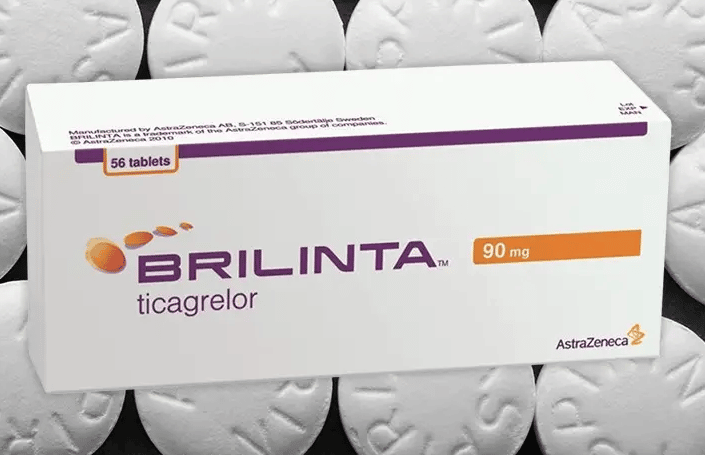
  • Brilinta Used For: Safety, Dosing, and Heart Care Fit

    Brilinta Used For: Safety, Dosing, and Heart Care Fit

    Brilinta is used to help lower the risk of serious clot-related heart events in certain people with acute coronary syndrome (ACS), prior heart attack, coronary artery disease, or coronary stents. The phrase brilinta used for usually points to one central idea: ticagrelor helps keep platelets from clumping and forming dangerous clots. That matters because clots can block blood flow to the heart or brain.

    Brilinta is the brand name for ticagrelor, an oral antiplatelet medication. It is not used for every person with heart disease. Your cardiology team weighs your clotting risk, bleeding risk, procedures, and other medicines before choosing it. This page explains where it fits, what to watch for, and which questions can help you have a safer conversation with your clinician.

    Key Takeaways

    • Primary purpose: helps reduce clot-related heart risks in selected patients.
    • Medication class: belongs to P2Y12 antiplatelet inhibitors.
    • Common pairing: often used with low-dose aspirin when prescribed.
    • Main safety issue: bleeding risk requires planning and monitoring.
    • Do not stop suddenly: changes should be clinician-guided.

    Where Brilinta Fits in Heart Care

    Brilinta is mainly used after acute coronary syndrome, a term that includes heart attack and unstable angina. It may also be used after a coronary stent, where preventing platelet clumps helps keep blood moving through the treated artery. In some patients, clinicians consider ticagrelor for longer-term protection after a previous heart attack or in certain coronary artery disease situations.

    In plain language, ticagrelor helps reduce the chance that platelets will stick together inside arteries that are already vulnerable. That is why many people ask, Is Brilinta A Blood Thinner? It is often described that way, but more precisely it is an antiplatelet drug. It affects platelets rather than clotting proteins in the way anticoagulants do.

    The brilinta used for question also depends on timing. Early after a heart attack or stent, clot risk can be higher. Later, the decision becomes more individualized. Your clinician may reassess whether ongoing therapy still offers more benefit than bleeding risk. This is especially important if you have anemia, prior bleeding, upcoming surgery, or several other medicines.

    Why it matters: The safest plan is based on your event history, bleeding risk, and procedure timeline.

    If you need background on the condition itself, our overview of Acute Coronary Syndrome explains how unstable angina and heart attacks fit under one care pathway.

    How Ticagrelor Works Against Clots

    Ticagrelor works by blocking a platelet receptor called P2Y12, which helps platelets activate and clump. When that signal is reduced, platelets are less likely to form a clot inside a narrowed or recently treated coronary artery. This is the basic brilinta mechanism of action.

    Unlike some older antiplatelet medicines, ticagrelor does not need to be converted into an active form before it can work. It is taken by mouth and processed mainly through liver enzyme pathways, including CYP3A. Because of that metabolism, certain medicines can raise or lower ticagrelor levels. Your pharmacist or clinician can check for interactions when any medicine is added or stopped.

    Many patients take ticagrelor with aspirin as dual antiplatelet therapy, often called DAPT. The aspirin affects platelets through a different pathway. Together, the medicines can improve clot prevention in selected situations, but the combination can also increase bleeding risk. That trade-off is why the treatment duration should be individualized.

    For a broader plain-language explanation of the medication’s role, see Benefits And Uses Explained. If you are comparing names on bottles or formularies, Ticagrelor Brand Name explains brand and generic naming context.

    Dosage, Duration, and What to Expect

    Brilinta dosage depends on the reason for treatment, timing after a heart event, bleeding risk, and cardiology guidance. Many treatment plans involve a higher-intensity early phase followed by a maintenance phase, but exact dosing should come from your prescriber. Do not adjust the dose, split tablets differently, or stop therapy without medical direction.

    In acute care, such as a hospital-treated heart attack, the team may use a loading dose to help antiplatelet effects begin quickly. This is why people search for ticagrelor loading dose in STEMI, where STEMI means ST-elevation myocardial infarction, a type of heart attack. Hospital protocols vary, and emergency treatment decisions are not something to self-manage.

    After discharge, the day-to-day goal is steady adherence. Ticagrelor is commonly taken on a regular schedule, and missed doses can reduce protection. If you have missed 2 doses of Brilinta, contact your prescriber or pharmacist for instructions rather than doubling up on your own. A pill organizer, phone alarm, or medication list can make the routine safer.

    Duration is also individualized. Some people take antiplatelet therapy for months after a stent or heart attack, while others may continue longer if clot risk remains high and bleeding risk is acceptable. Questions about stopping Brilinta after 1 year, stopping Brilinta after 2 years, or stopping ticagrelor after 12 months should be handled with your cardiology team. The timing can depend on the type of event, stent history, bleeding history, and other diagnoses.

    Questions to ask about your plan

    • Reason for therapy: which event or risk is being treated?
    • Expected duration: when will the plan be reassessed?
    • Aspirin use: what dose and schedule are intended?
    • Procedure planning: who should advise before dental or surgical work?
    • Missed doses: what exact steps should you follow?

    If access or formulary options come up during follow-up, you can review the medication page for Ticagrelor and discuss your prescribed product with your care team. BorderFreeHealth connects U.S. patients with licensed Canadian partner pharmacies, and prescription details may be verified with the prescriber when required before dispensing.

    Side Effects, Warnings, and When to Seek Help

    The most important Brilinta side effects relate to bleeding and shortness of breath. Minor bruising or nosebleeds can happen, but heavy bleeding is different. Seek urgent care for symptoms such as coughing or vomiting blood, black stools, red urine, severe headache, fainting, or bleeding that does not stop.

    Shortness of breath is another known issue. Some people notice mild breathlessness, while others need prompt assessment to rule out a heart, lung, or allergic problem. Do not assume new breathing symptoms are harmless, especially after a recent heart event. Call your clinician quickly if breathlessness is persistent, worsening, or paired with chest pain, swelling, dizziness, or fainting.

    Ticagrelor contraindications include situations where bleeding risk is unacceptably high, such as active pathological bleeding or a history of bleeding inside the skull. Severe liver disease may also affect whether it is appropriate. These cautions are part of the reason your care team reviews your full medical history before prescribing.

    Drug interactions matter. Strong CYP3A inhibitors or inducers can change ticagrelor exposure. Some patients also ask, can you take Brilinta and atorvastatin together? These medicines are sometimes used in the same cardiac care plan, but your clinician should check doses, interaction risk, and symptoms such as unusual muscle pain or weakness. Always share your full list of prescriptions, over-the-counter medicines, and supplements.

    People also ask whether Brilinta affects the kidneys. Ticagrelor is not primarily cleared by the kidneys, but kidney disease can still influence overall bleeding and heart risk. Your clinician may monitor kidney function because it matters for the whole cardiovascular plan, not because one medicine can be judged in isolation.

    For more detail on symptom recognition, our patient-focused page on Brilinta Side Effects explains common warning signs and when to contact a healthcare professional.

    What to Avoid and How to Use It Safely

    Safe use starts with avoiding unplanned interruptions. Stopping antiplatelet therapy too soon after a stent or heart attack can increase clot risk in some patients. If surgery, dental extraction, or an invasive test is planned, tell every provider that you take ticagrelor. Your cardiologist and procedural team can coordinate whether and when to pause it.

    You should also be careful with medicines and supplements that increase bleeding risk. This may include other antiplatelets, anticoagulants, frequent nonsteroidal anti-inflammatory drug use, and some herbal products. Do not make changes based only on a list you find online. Ask a pharmacist or clinician to review your actual medication profile.

    Food questions are common. There is no single universal “Brilinta diet,” but alcohol, grapefruit products, supplements, and high-risk bleeding situations may require individualized advice. Heart-healthy eating still matters after ACS or stent placement. The key is to avoid extreme changes without asking your care team, especially if you take several heart medicines.

    Quick tip: Keep an updated medication list in your wallet and phone.

    Also check aspirin instructions carefully. Brilinta and aspirin together may be part of a prescribed plan, but aspirin dosing should match the prescriber’s instructions. Taking extra aspirin, pain relievers, or blood-thinning supplements can increase bleeding risk.

    How It Compares With Related Antiplatelet Options

    Brilinta belongs to the same broad P2Y12 inhibitor class as clopidogrel and prasugrel. These medicines share the goal of reducing platelet activation, but they differ in how they work, how they are processed, and which patients may be appropriate candidates. The choice is clinical, not a simple brand preference.

    Some people ask whether Brilinta is the same as Plavix. It is not. Plavix is the brand name for clopidogrel, another antiplatelet medicine. Both affect the P2Y12 pathway, but their pharmacology and interaction patterns differ. Your clinician may consider event type, bleeding risk, genetics, procedures, tolerance, and medication access when comparing options.

    If your care team discusses alternatives, you may see related product names such as Plavix, Clopidogrel, or Prasugrel. These links can help you identify names and forms, but they should not replace individualized prescribing advice.

    Access can also shape adherence. Some patients ask about cash-pay cross-border prescription options when insurance is limited or unavailable. Eligibility, documentation, and dispensing requirements vary by jurisdiction, so medication access questions should be separated from clinical questions about whether ticagrelor is right for you.

    Practical Follow-Up After Starting Therapy

    Follow-up is where a safe plan becomes workable. Bring specific observations to appointments: missed doses, bruising patterns, nosebleeds, shortness of breath, planned procedures, and any new medicines. This gives your care team the information needed to adjust the broader heart-care plan.

    Ask how long ticagrelor stays in your system if a procedure is planned. The answer can influence scheduling, but the decision to pause or restart should come from the clinicians managing your clotting and bleeding risks. Do not rely on general timing estimates for a personal procedure plan.

    It also helps to clarify which symptoms require urgent care and which can wait for a routine call. Heavy bleeding, fainting, severe breathlessness, stroke-like symptoms, or chest pain should not be treated as routine medication questions. Emergency symptoms need urgent medical evaluation.

    For wider heart-health reading, the Cardiovascular collection groups related educational pages. If you are reviewing medication categories, the Cardiovascular Products collection can help you recognize commonly discussed drug names.

    Authoritative Sources

    For official label-backed details on indications, warnings, interactions, and contraindications, review the DailyMed Brilinta prescribing information.

    For patient-friendly drug information and adverse effect language, MedlinePlus provides ticagrelor information for consumers.

    For cardiology context on dual antiplatelet therapy duration, see the American College of Cardiology summary of DAPT duration guidance.

    Recap

    Brilinta used for heart care means ticagrelor is being used to reduce platelet-driven clot risk in selected patients. It can be important after ACS, heart attack, or stent placement, but it requires careful attention to bleeding risk, interactions, aspirin use, missed doses, and procedure planning.

    The best next step is a clear medication conversation. Ask why you are taking it, how long it is expected to continue, what side effects to report, and who to contact before procedures. Those answers can make the plan safer and easier to follow.

    This content is for informational purposes only and is not a substitute for professional medical advice.
  • What to Avoid When Taking Brilinta for Safer Heart Care

    What to Avoid When Taking Brilinta for Safer Heart Care

    When taking Brilinta (ticagrelor), avoid grapefruit products, limit alcohol, and do not add NSAID pain relievers, aspirin products, supplements, or new prescriptions without checking with your clinician or pharmacist. These choices matter because Brilinta medication reduces platelet clumping, which lowers clot risk but can also raise bleeding risk.

    This article explains what to avoid when taking Brilinta, which foods are usually fine, and which medicines deserve a safety check. It also covers shortness of breath, missed doses, cold medicines, caffeine, and when to seek urgent help.

    Key Takeaways

    • Grapefruit products: Avoid grapefruit juice and grapefruit-containing blends.
    • Alcohol use: Limit intake because bleeding and falls become more concerning.
    • NSAID pain relievers: Avoid ibuprofen, naproxen, and similar products unless approved.
    • Combination therapy: Do not change aspirin or anticoagulants on your own.
    • New medicines: Check antibiotics, antifungals, supplements, and cold products first.

    What to Avoid When Taking Brilinta Day to Day

    The main things to avoid are products that increase bleeding risk or change how your body processes ticagrelor. Brilinta is an antiplatelet drug, meaning it makes platelets less likely to stick together and form clots. That action is helpful after certain heart events, but it also means cuts, nosebleeds, bruises, or stomach bleeding can become more serious.

    Start with three everyday categories: grapefruit, alcohol, and pain medicines. Grapefruit and grapefruit juice may raise ticagrelor levels by affecting CYP3A enzymes, which help metabolize the drug. Alcohol can add bleeding risk and increase the chance of dizziness or falls. NSAIDs (nonsteroidal anti-inflammatory drugs), including ibuprofen and naproxen, can irritate the stomach and make bleeding more likely.

    Also be cautious with supplements that may affect bleeding, such as ginkgo, garlic tablets, high-dose fish oil, and St. John’s wort. Food amounts of garlic or fish are different from concentrated supplements. If a product claims to “thin the blood,” treat it as something to review before use.

    Quick tip: Keep a photo of your medication list on your phone for pharmacy visits.

    Foods and Drinks: What Is Actually a Problem?

    Most foods do not need to be avoided with ticagrelor, but grapefruit is the major food-related caution. This includes grapefruit juice, grapefruit sections, and mixed juices that list grapefruit as an ingredient. Some citrus blends, cocktails, smoothies, and marmalades can hide grapefruit or Seville orange, so labels matter.

    Regular oranges are different. Many people can eat sweet oranges, mandarins, lemons, and limes while taking Brilinta, unless their clinician has given a separate reason to avoid them. If you are unsure about a specialty citrus product, ask a pharmacist before making it a daily habit.

    Caffeine does not have the same established interaction as grapefruit. Coffee and tea may fit into your routine if your care team has not restricted caffeine for another reason, such as palpitations, reflux, or blood pressure concerns. For a deeper look at that common question, see Brilinta and Caffeine.

    Food choices still matter for heart recovery. Aim for a pattern that supports blood pressure, cholesterol, and stable energy. That usually means more vegetables, beans, whole grains, lean proteins, and unsalted nuts, with fewer highly processed meats and salty packaged foods. You do not need to avoid vitamin K foods because that restriction applies to warfarin management, not ticagrelor.

    Safer swaps to consider

    • Citrus swap: Choose berries or sweet oranges instead of grapefruit.
    • Snack swap: Choose unsalted nuts instead of chips.
    • Protein swap: Choose beans or fish instead of processed meats.
    • Drink swap: Choose water or tea instead of alcohol-heavy drinks.
    • Label habit: Check juice blends before buying them.

    Medicines and Supplements That Need a Safety Check

    Medication interactions are often the most important part of what to avoid when taking Brilinta. Some drugs increase bleeding directly. Others raise or lower ticagrelor levels by affecting liver enzymes. A quick review before starting anything new can prevent many avoidable problems.

    NSAIDs are a common issue. Ibuprofen, naproxen, aspirin-containing pain products, and some cold-and-flu combinations can increase bleeding risk. Acetaminophen is often used for pain or fever in people on antiplatelet therapy, but it still needs label awareness because many multi-symptom products already contain it.

    Some antibiotics, antifungals, HIV medicines, seizure medicines, and herbal products can interact with ticagrelor. Examples often discussed include strong CYP3A inhibitors or inducers, but the safest approach is not to memorize every name. Instead, ask before starting any prescription, over-the-counter medicine, or supplement.

    Statins deserve a practical mention. People often ask, “Can you take Brilinta and atorvastatin together?” Many cardiac patients use both an antiplatelet and a statin, but the specific statin, dose, and overall medication list should be reviewed by the prescriber. Do not change a statin because of an internet checklist.

    If you are comparing ticagrelor with other clot-prevention medicines, it may help to understand that anticoagulants work differently from antiplatelets. BorderFreeHealth has related medication pages for Ticagrelor, Warfarin, and Dabigatran that can help you identify names during conversations with your care team. These pages should not replace individualized prescribing advice.

    Cold medicines and allergy products

    Cold medicine choices can be confusing because one box may contain several active ingredients. Avoid products with NSAIDs unless your clinician approves them. Decongestants can raise heart rate or blood pressure, which may not fit every heart condition. Diphenhydramine, often sold as Benadryl, may cause sleepiness, confusion, or falls, especially in older adults.

    If you are sick, bring the exact product name to a pharmacist. Ask whether it contains an NSAID, aspirin, a decongestant, or duplicate acetaminophen. This is safer than relying on front-label claims like “cold and flu” or “nighttime.”

    Aspirin, Blood Thinners, and Combination Therapy

    Do not change aspirin while taking Brilinta unless your prescriber tells you to. Some people are intentionally prescribed ticagrelor with low-dose aspirin after a stent or heart attack. Others may have a different plan because of bleeding risk, age, kidney function, prior stroke history, or upcoming procedures.

    The question “Can you take Brilinta and aspirin together?” depends on the reason it was prescribed. Higher aspirin doses may interfere with ticagrelor’s benefit, so it is important to follow the exact aspirin instructions on your discharge paperwork or prescription plan. Do not add separate aspirin-containing pain relievers unless your care team says they are safe for you.

    Combining Brilinta with anticoagulants, such as apixaban, rivaroxaban, dabigatran, warfarin, or injectable enoxaparin, can raise bleeding concerns. Sometimes combinations are used for specific medical reasons, but they require careful supervision. If you were prescribed more than one clot-related medicine, ask what each one is for and how long the combination is expected to continue.

    For broader context on heart and clot-related treatments, you can browse the Cardiovascular collection. If you are reviewing medication names, the Cardiovascular Products category may help you recognize related therapies without serving as a treatment plan.

    Alcohol, Caffeine, and Everyday Habits

    Alcohol is best limited while taking ticagrelor because it can increase bleeding concerns and worsen dizziness, reflux, or fall risk. This is especially important soon after a heart event, during medication changes, or if you already bruise easily. Heavy drinking can also make it harder to follow a consistent medication schedule.

    Caffeine is different. There is no major food-style warning that coffee directly blocks Brilinta’s effect. Still, caffeine can worsen palpitations, anxiety, reflux, or sleep problems in some people. If coffee makes shortness of breath or chest discomfort feel worse, report that pattern rather than assuming it is harmless.

    Daily habits also affect safety. Use a soft toothbrush if your gums bleed. Shave carefully or use an electric razor if nicks are common. Wear gloves for yard work, and report repeated nosebleeds, black stools, blood in urine, or vomiting that looks like coffee grounds. These signs need medical attention.

    Why it matters: Bleeding risk often comes from the combination of small everyday factors.

    Side Effects, Shortness of Breath, and Warning Signs

    Brilinta side effects can include bleeding, bruising, nosebleeds, and shortness of breath. Some people also notice dizziness, nausea, or changes that are hard to separate from recovery after a heart event. The important step is to track timing, severity, and whether symptoms are improving or worsening.

    Shortness of breath is a known ticagrelor side effect. It may relate to adenosine signaling, a pathway involved in breathing sensations and blood vessels. Some people describe it as a brief urge to take a deep breath. Others find it more disruptive. Because shortness of breath can also signal heart or lung problems, do not assume the medicine is the cause.

    Seek urgent care for severe shortness of breath, chest pain, fainting, signs of stroke, heavy bleeding, or symptoms that feel sudden and unusual. Call your prescriber promptly for repeated nosebleeds, large unexplained bruises, black or bloody stools, coughing blood, or bleeding that does not stop with pressure.

    People searching for Brilinta 90 mg side effects may be trying to connect a tablet strength with symptoms. Side effects depend on the full treatment plan, other medicines, age, kidney or liver issues, and recent procedures. Your prescriber is the right person to interpret symptoms in context.

    Missed Doses, Timing, and Stopping Safely

    If you miss a dose, follow the instructions from your prescriber or the medication label rather than doubling up. Taking extra tablets can increase bleeding risk. Missing repeated doses can reduce protection against clots, especially after a stent or recent heart attack.

    People often ask how long Brilinta stays in your system. Ticagrelor and its active metabolite clear over time, but platelet function does not instantly return to baseline. That is why surgery, dental procedures, and planned stopping require coordination. Do not stop suddenly unless a clinician tells you to, because stopping antiplatelet therapy too early can increase clot risk in some situations.

    If you missed two doses, call your pharmacist or prescriber for specific instructions. The right answer depends on when the last dose was taken, why you take ticagrelor, whether you also take aspirin or an anticoagulant, and whether any bleeding has occurred.

    Long-term use is individualized. Some people use dual antiplatelet therapy for a defined period and then change plans. Others need longer treatment. Stopping Brilinta after one year or two years should be a planned decision, not an experiment based on side effects or online reviews.

    How to Prepare for Appointments and Procedures

    Before any dental work, surgery, biopsy, or injection-based procedure, tell the care team you take ticagrelor. Do not hold the medicine on your own. The prescriber, surgeon, dentist, or procedural team needs to balance bleeding risk against clot risk.

    Bring a complete medication list to each appointment. Include prescriptions, over-the-counter medicines, vitamins, herbals, protein powders, sleep aids, and pain relievers. Write down alcohol intake honestly because it changes bleeding and fall risk discussions.

    Use these questions to make the visit more productive:

    • Aspirin plan: What exact aspirin strength should I use?
    • Pain relief: Which fever or pain medicine is safest for me?
    • Procedure timing: Who decides if ticagrelor should be held?
    • Bleeding signs: Which symptoms require urgent care?
    • Duration plan: When will my antiplatelet therapy be reviewed?

    For patients exploring access options, BorderFreeHealth connects U.S. patients with licensed Canadian partner pharmacies. Where required, prescription details are verified with the prescriber before dispensing by the pharmacy. This does not replace a cardiology plan or medication safety review.

    Authoritative Sources

    For label-backed information on indications, warnings, interactions, and medication safety language, review the FDA prescribing information for Brilinta.

    For consumer medication safety points, including bleeding and shortness of breath warnings, see the MedlinePlus ticagrelor drug information.

    For patient-centered information about heart attack recovery and antiplatelet therapy discussions, the American Heart Association antiplatelet overview offers helpful context.

    Recap

    The safest approach is simple but consistent: avoid grapefruit products, limit alcohol, skip NSAIDs unless approved, and check every new medicine or supplement. Do not adjust aspirin, anticoagulants, or ticagrelor timing without professional guidance. If bleeding, shortness of breath, or missed doses create concern, contact your care team quickly.

    What to avoid when taking Brilinta is less about a long banned-food list and more about preventing avoidable interactions. A current medication list, careful label reading, and early questions can make treatment safer and less stressful.

    This content is for informational purposes only and is not a substitute for professional medical advice.
  • Brilinta vs Plavix: Safety, Dosing, and Key Questions

    Brilinta vs Plavix: Safety, Dosing, and Key Questions

    Brilinta and Plavix both lower the chance of harmful blood clots, but they are not identical and they are not the best fit for every person. In plain language, Brilinta vs Plavix is a comparison between two antiplatelet medicines used after a heart attack, acute coronary syndrome, or coronary stent placement. The main differences involve how they block platelets, how often they are taken, how predictable their effect may be, and which side effects matter most.

    Why this matters is simple: small differences can affect safety and daily life. A once-daily schedule may be easier to follow. Shortness of breath can make one option hard to tolerate. And if a stent is involved, stopping or switching medication without a plan can be risky.

    Key Takeaways

    • Both drugs are P2Y12 antiplatelets that help prevent clot formation.
    • Ticagrelor works directly, while clopidogrel needs liver activation.
    • Brilinta is commonly taken twice daily; Plavix is usually once daily.
    • Both can cause bleeding, but Brilinta is more often linked with shortness of breath.
    • The best choice depends on the heart condition, bleeding risk, other medicines, and how manageable the routine is.

    Brilinta vs Plavix at a Glance

    At a high level, both medicines reduce platelet clumping. Platelets are the blood cells that start a clot. That is why both drugs are often called blood thinners in everyday language, even though they are more precisely antiplatelet drugs rather than anticoagulants.

    The comparison usually comes up after acute coronary syndrome, often shortened to ACS, or after PCI (angioplasty with stent placement). In many of those settings, one of these drugs is used with aspirin as dual antiplatelet therapy. The right choice depends on the reason for treatment, bleeding risk, and how well the plan fits real life.

    Comparison point Brilinta Plavix
    Active drug Ticagrelor Clopidogrel
    Drug class P2Y12 antiplatelet P2Y12 antiplatelet
    How it starts working Acts directly Needs liver activation
    How it binds platelets Reversible blockade Irreversible blockade
    Typical schedule Commonly twice daily Usually once daily
    Common discussion point Shortness of breath may occur Response may vary more between people
    Shared concern Bleeding Bleeding

    Another point people often miss is what these drugs do not do. They do not dissolve an existing clot or replace emergency care. Instead, they lower future platelet clumping. That is why they are usually one part of a broader heart-care plan that may also include aspirin, cholesterol treatment, blood pressure control, smoking cessation, and follow-up visits.

    Why it matters: A medicine only works well when the clinical fit and the daily routine both make sense.

    BorderFreeHealth works with licensed Canadian partner pharmacies.

    How the Mechanism Changes Real-World Use

    Both drugs block the P2Y12 receptor, a platelet activation signal that helps platelets stick together. Blocking that signal lowers the chance of clots forming in narrowed heart arteries or on a stent. The difference is how each drug reaches that effect.

    Direct action with ticagrelor

    Ticagrelor, the drug in Brilinta, works directly and does not need to be turned on by the liver first. It also binds reversibly, which means its platelet-blocking effect is not permanent on each platelet. In practice, this direct action is one reason clinicians may consider it in higher-risk settings.

    Activation required with clopidogrel

    Clopidogrel, the drug in Plavix, is a prodrug. The liver has to convert it into an active form before it can fully block the receptor. Once activated, it binds platelets irreversibly for the life of those platelets. Because that extra step matters, response can be less predictable in some people, and other medicines or genetic factors may affect how well it works.

    This is one of the clearest differences in Brilinta vs Plavix: one acts more directly, while the other depends more on metabolism. It is also why medication reviews matter. Surgeons, dentists, and heart specialists usually want the exact drug name before any procedure because the timing of holds or changes is not the same for every antiplatelet medicine.

    Where Each Option May Fit Better

    Neither drug is universally better. The better choice is the one that matches the current heart problem, the clotting risk, the bleeding profile, and the person's ability to stay on treatment as directed.

    After a recent heart attack or certain stent-related situations, clinicians may lean toward ticagrelor when they want direct platelet inhibition. Clopidogrel remains very common after PCI and in many longer-term plans, especially when once-daily dosing, drug tolerance, interaction concerns, or access issues matter. That is one reason the answer to whether Plavix is as good as Brilinta is often: it depends on the situation being treated.

    Both drugs are often paired with aspirin for a period of time. The length of treatment varies. It may depend on why therapy was started, how recent the event was, what type of stent was placed, and whether bleeding has become a concern. A person in the first weeks after a heart event may have a different risk balance than someone who is years past it.

    Real-world factors matter too. A twice-daily medicine can be perfectly manageable for some people and hard for others. Missing doses after a recent stent can be serious. In Brilinta vs Plavix decisions, convenience is not a minor detail. It can directly affect adherence and therefore safety.

    There is also a language issue worth clearing up. People often say stronger, safer, or better as if there is one winner. In practice, those words hide the real question: which option makes the most sense for this person, at this point in care, with this level of clotting risk and bleeding risk?

    Safety and Side Effects That Can Change the Conversation

    The biggest shared risk is bleeding. That can mean easy bruising and longer bleeding from cuts, but it can also mean more serious bleeding in the stomach, intestines, or brain. Older age, kidney problems, prior ulcers, other blood thinners, and some pain medicines can all make the risk picture more complicated.

    Bleeding is the main tradeoff

    When clinicians weigh clot protection against bleeding risk, they are balancing two real dangers. Too little platelet inhibition may raise the chance of a clot. Too much can increase bleeding. This is why a person who has just had a heart event may be managed differently from someone who is years out from it.

    Other medicines matter here too. Nonsteroidal anti-inflammatory drugs, some antidepressants, and other drugs that affect clotting can increase bleeding risk or change the overall safety picture. Even over-the-counter products and supplements can matter, which is why a full medication list is more useful than trying to remember only prescription names.

    Shortness of breath deserves attention

    Brilinta is more often associated with dyspnea (shortness of breath). Some people describe it as an air-hunger feeling or the sense that they cannot take a satisfying breath. It may be mild and brief, or it may be bothersome enough to prompt a medication review. Because shortness of breath can also signal a heart or lung problem, new symptoms should be checked rather than assumed to be harmless.

    Clopidogrel is less tied to this symptom, but it is not side-effect free. It still needs a careful review of bleeding, drug interactions, and whether it is the right choice for the current stage of care. Stopping either drug on your own after a recent stent can be dangerous, so side effects should lead to a call for guidance rather than a self-directed stop.

    Urgent warning signs should not wait for a routine message.

    • Vomiting blood or coffee-ground material.
    • Black, tarry, or bloody stools.
    • Bleeding that does not stop.
    • A fall or head injury while taking the drug.
    • Sudden weakness, trouble speaking, or severe chest pain.

    When required, the pharmacy confirms prescription details with the original prescriber.

    Switching, Taking Both, and Long-Term Use

    Switching from one medicine to the other can happen, but it should be planned. Common reasons include side effects, bleeding concerns, difficulty with a twice-daily schedule, insurance or formulary changes, interaction concerns, or a shift in risk after the first months following a heart event.

    Someone may move from clopidogrel to ticagrelor when a more direct or potentially more consistent antiplatelet effect is desired. Someone may move from ticagrelor to clopidogrel because of shortness of breath, bleeding, or because a once-daily routine is easier to maintain. The Brilinta vs Plavix choice can also change over time as the reason for therapy becomes less acute.

    These transitions are not simple swaps you should make from a search result or an old bottle. Timing matters. Any gap, overlap, or incorrect restart can affect both clotting and bleeding risk. If a medication list changes after a hospital stay, discharge summary, or specialist visit, it is worth confirming exactly what should continue and what should stop.

    Taking Brilinta and Plavix together is not standard practice. They work on the same platelet pathway, so using both without a very specific medical plan can raise bleeding risk. If both names appear on a medication list, it is worth confirming that the list is current and intentional.

    Can a person stay on clopidogrel long term? Sometimes, yes. Long-term clopidogrel use may be appropriate in selected cases, but the duration depends on why it was prescribed, whether a stent was placed, how much time has passed, and how bleeding risk has changed.

    Practical Questions to Bring to a Visit

    If the comparison still feels abstract, bring it back to your own timeline. The most useful questions are not about which brand sounds stronger. They are about why you were started on an antiplatelet drug, what problem it is protecting against today, and what side effects or routines may make the plan harder to follow.

    • Why was this drug chosen for me now?
    • Am I still in the highest-risk period after a stent or heart event?
    • Would once-daily or twice-daily dosing affect adherence?
    • What bleeding signs should trigger a call right away?
    • Could any of my other medicines interfere?
    • If shortness of breath appears, what should be checked?
    • Is this plan being reassessed at future visits?

    Quick tip: Bring your full medication list and the date of any stent procedure to each visit.

    Access questions can matter too. Generic clopidogrel may shape one conversation, while cash-pay or cross-border options may matter in another. If you want broader heart-health reading, browse our Cardiovascular Articles. If you are comparing related prescription categories on the site, the Cardiovascular Product Hub is a browsing page, not a treatment recommendation.

    It also helps to ask who is coordinating the plan. Hospital teams, cardiologists, primary care clinicians, dentists, and surgeons may all need the same medication list. That shared list can prevent duplicate therapy, outdated instructions, or confusion about whether aspirin should still be part of the plan.

    Cross-border cash-pay access depends on eligibility and local jurisdiction.

    Authoritative Sources

    For readers who want label-backed or medical-reference context, these sources can help:

    Brilinta and Plavix target the same clotting pathway, but the practical differences are real. Direct action, dosing schedule, shortness of breath, bleeding history, and the reason for treatment all shape which option fits better. Further reading and a careful medication review can clarify why one plan may make more sense than another.

    This content is for informational purposes only and is not a substitute for professional medical advice.

  • Ramipril vs Lisinopril: Safer Switching and Key Differences

    Ramipril vs Lisinopril: Safer Switching and Key Differences

    Ramipril and lisinopril are both ACE inhibitors used to lower blood pressure and support some heart-related conditions, but they are not milligram-for-milligram substitutes. In Ramipril vs Lisinopril: Dosing, Side Effects, and Conversions, the short answer is that both medicines often fill similar roles, yet switching between them still requires an individualized review of dose, kidney function, potassium, and side effects. That matters because a rough class conversion does not tell you how your body will respond.

    People usually compare these medicines when a cough starts, a refill changes, or a prescriber wants a different ACE inhibitor. The safest takeaway is simple: do not take them together unless a clinician has explicitly told you to, and do not use online conversion tables as self-switch instructions.

    Key Takeaways

    • Ramipril and lisinopril are in the same ACE inhibitor class.
    • They may serve similar treatment goals, but they are not a universal 1:1 swap.
    • Dry cough, dizziness, kidney changes, and high potassium can happen with either drug.
    • Rare swelling of the lips, face, or tongue needs urgent medical attention.
    • A safe switch depends on your reason for treatment, labs, other medicines, and recent blood pressure readings.

    Ramipril vs Lisinopril: How They Compare

    The core comparison is straightforward: both medicines block the renin-angiotensin system by inhibiting angiotensin-converting enzyme, which helps relax blood vessels and lower pressure inside them. They are commonly used for Hypertension Basics, and they may also appear in care plans for certain heart or kidney-related needs.

    That said, they are not identical. Ramipril is a prodrug, which means the body converts it into its active form after you take it. Lisinopril is active as taken. This difference does not automatically make one better for everyone, but it helps explain why prescribers think in terms of the whole person, not just the drug name.

    Most people searching for a head-to-head answer also want to know whether the two drugs are therapeutically equivalent. The practical answer is yes, in the sense that they sit in the same class and often aim at the same treatment goals. But no, they are not automatically equivalent at every dose, for every diagnosis, or for every patient. If you want a broader class refresher, the overview of ACE Inhibitors and this guide to Blood Pressure Medications can help place them in context.

    Comparison point Ramipril Lisinopril Why it matters
    Drug form Converted after absorption Active as taken Metabolism differs, even though the class is the same
    Typical role ACE inhibitor for blood pressure and some heart-related uses ACE inhibitor for blood pressure and some heart-related uses Similar goals do not mean identical response
    Dosing rhythm Often once daily, depending on the treatment plan Often once daily, depending on the treatment plan Frequency still depends on the reason for use and the person
    Switching approach No universal 1:1 conversion No universal 1:1 conversion Rough equivalence tables are clinical tools, not home instructions
    Monitoring Blood pressure, kidney function, and potassium Blood pressure, kidney function, and potassium Safety checks overlap heavily across the class

    People also compare half-life and dosing frequency. Those details matter to clinicians, yet they still do not create a clean winner. Many people take either medicine once daily, but timing and titration depend on the indication and the response, not just the label name.

    If you are comparing item-specific background, the pages on Ramipril Facts and Lisinopril Safety add more detail. One more point matters here: ramipril and lisinopril are generally not taken together because they act in the same class and can raise the risk of harm without clear added benefit.

    BorderFreeHealth works with licensed Canadian partner pharmacies for U.S. patients.

    Dosing and Conversion: Why There Is No Simple Swap

    There is no single ramipril-to-lisinopril conversion that fits everyone. Clinicians use rough equivalence concepts when they switch ACE inhibitors, but those tools are starting points. They are not self-use formulas, and they do not replace a review of why the medicine was prescribed in the first place.

    The reason for treatment matters. Someone taking an ACE inhibitor for basic blood pressure control may need a different approach than someone taking it as part of broader cardiovascular care. Recent home readings matter too. So do kidney function, potassium level, age, hydration status, and other medicines. If the original problem was a dry cough, changing to another ACE inhibitor may not solve it because that side effect can happen across the class.

    What clinicians review before switching

    • Current daily dose and timing
    • Why the ACE inhibitor was prescribed
    • Recent blood pressure patterns
    • Kidney function and potassium
    • Other medicines and supplements
    • Past cough, dizziness, or swelling

    That is why a published ACE inhibitor conversion chart should be treated as a clinician tool, not a patient instruction sheet. It can help frame an initial estimate, but it cannot predict whether you will develop low blood pressure, a new cough, worse kidney numbers, or different tolerability after the switch.

    What conversion charts can and cannot tell you

    Conversion charts can suggest a rough therapeutic neighborhood within the same class. They cannot confirm that two doses will feel the same, work the same, or be equally safe for you. They also do not cross cleanly into other classes. For example, losartan is an angiotensin receptor blocker, or ARB, not an ACE inhibitor, so its milligram numbers are not directly comparable to lisinopril or ramipril.

    Readers who want more background on why blood pressure treatment plans vary can review High Blood Pressure and Causes Of Hypertension. If you are comparing related ACE inhibitors, Altace Overview and Captopril Overview show how treatment decisions often depend on the wider class, not just one product name.

    When required, prescriber details are confirmed before the pharmacy dispenses.

    Side Effects: Overlap Is More Important Than Brand-to-Brand Differences

    The main side-effect story is that ramipril and lisinopril share more similarities than differences. Both can cause a dry cough, dizziness, lightheadedness, headache, or fatigue. Both can also affect kidney function and potassium levels, which is why follow-up monitoring matters after starting, increasing, or switching an ACE inhibitor.

    Many people ask whether ramipril causes more cough than lisinopril or whether one is clearly easier to tolerate. In real life, response is highly individual. One person may do fine on one ACE inhibitor and struggle on another, while another person notices no meaningful difference. But the class mechanism still matters: if you develop a classic ACE inhibitor cough, another drug in the same class may cause it too.

    Common problems to watch for

    • Dry, nagging cough
    • Dizziness after standing
    • Low blood pressure symptoms
    • Changes in kidney lab results
    • Higher potassium levels

    People sometimes describe the downside of ramipril as if it were unique. Usually it is not. The downside is the same class-wide tradeoff seen with lisinopril: you may gain blood pressure control, but you still need to watch for cough, dizziness, lab changes, and medication interactions.

    Serious warning signs

    Rare but important warning signs include angioedema, or rapid swelling under the skin, especially of the lips, tongue, face, or throat. Severe weakness, fainting, confusion, or sharply reduced urine output also deserve prompt review. ACE inhibitors are also generally avoided during pregnancy because of known fetal risk.

    Why it matters: Side effects may look mild at first, but swelling or fainting should never be ignored.

    Side effects also do not always show up on day one. A person may notice cough later, or kidney and potassium changes may first appear on lab work rather than as an obvious symptom. That is another reason to avoid do-it-yourself conversions or doubling up after a missed refill.

    Safety, Interactions, and When to Be Cautious

    The biggest safety issue is not choosing the wrong winner in a comparison. It is missing the context that makes either drug riskier. Ramipril and lisinopril both need extra caution when kidney function is reduced, when dehydration is present, or when other medicines raise potassium or strain the kidneys.

    Common interaction concerns include nonsteroidal anti-inflammatory drugs, or NSAIDs, such as ibuprofen and naproxen, potassium supplements, salt substitutes that use potassium, and some diuretics or water pills. These combinations do not automatically rule out treatment, but they do raise the need for careful review. Keeping an updated medication list matters as much as knowing the drug name.

    After a start or switch, clinicians often focus on creatinine and potassium because ACE inhibitors can affect kidney filtration and electrolyte balance. That does not mean problems will happen. It means follow-up data can matter as much as how you feel during the first days or weeks.

    Another frequent question is whether two ACE inhibitors can be taken together. In general, no. Using ramipril and lisinopril together does not create a safer or stronger version of treatment. It mostly increases overlap in side effects and monitoring burdens.

    Special situations need extra caution. Older adults may be more sensitive to dizziness or low pressure after a change. People with kidney disease may need closer lab follow-up. Anyone with a history of ACE inhibitor-related swelling should discuss that history before another medicine in the class is considered. For broader related reading, the browseable Cardiovascular Hub and Cardiovascular Products pages can help you explore connected topics.

    Quick tip: Keep a dated list of home readings, new symptoms, and nonprescription drugs before any medication review.

    Where Each Medicine Fits in Blood Pressure and Heart Care

    For many people, the better option is simply the one that controls pressure well and is tolerated without troublesome cough, swelling, or lab changes. That is why clinicians usually choose between ramipril and lisinopril based on the whole treatment picture, not on a universal claim that one is stronger, safer, or more effective for everyone.

    Both medicines may appear in care plans for high blood pressure, and ACE inhibitors may also be used in some people with heart failure, after a heart attack, or when kidney protection is part of the goal. The right fit depends on the indication, your response so far, past side effects, kidney function, and what else is in the medication plan.

    If a cough or angioedema history is driving the conversation, the key question may not be which ACE inhibitor to use. The better question may be whether another class should be considered at all. That decision belongs in a clinical review, because the mechanism behind the problem often matters more than the brand or generic name.

    Access questions can matter too, especially when a person is comparing refill options or different pharmacies. But access should come after safety, not before it. If you are still learning the basics, broader background on hypertension and blood pressure treatment can help frame the next conversation with a clinician.

    Cash-pay cross-border options may exist for eligible patients, depending on jurisdiction.

    Questions to Ask Before a Switch

    If a prescriber is considering a change, a few practical questions can make the conversation clearer. These are not dosing instructions. They are decision points that help prevent confusion.

    • Why am I changing from one ACE inhibitor to another?
    • Is the goal better tolerance, different access, or a new clinical reason?
    • What symptoms should prompt a same-day call?
    • When should kidney function and potassium be rechecked?
    • Should I avoid any over-the-counter pain relievers, supplements, or salt substitutes?
    • What home blood pressure readings should I bring to follow-up?
    • If cough is the issue, does staying in the same class still make sense?

    A good comparison page should leave you less tempted to guess. Ramipril and lisinopril are closely related, but a safe switch still depends on context, monitoring, and the reason for treatment. Further reading should deepen that context, not replace it.

    Authoritative Sources

    This content is for informational purposes only and is not a substitute for professional medical advice.

  • What Is Ramipril? Uses, Side Effects, and Safety Checks

    What Is Ramipril? Uses, Side Effects, and Safety Checks

    Ramipril is an ACE inhibitor, a blood pressure medicine that relaxes blood vessels and reduces strain on the heart. If you are asking what is ramipril, the practical answer is this: it is commonly used for high blood pressure, heart failure care, and risk reduction after certain heart attacks. It can also help protect the kidneys in some people, but it requires careful monitoring.

    Why this matters: blood pressure medicines work best when you understand their purpose, limits, and warning signs. This guide explains ramipril in plain language so you can discuss your plan with your prescriber or pharmacist more confidently.

    Key Takeaways

    • Drug class: Ramipril is an ACE inhibitor, not a beta blocker, statin, or blood thinner.
    • Main uses: It may treat high blood pressure, support heart failure care, and reduce cardiovascular risk in selected adults.
    • Dosing varies: Prescribers often start low, then adjust based on blood pressure, labs, and side effects.
    • Safety checks matter: Kidney function and potassium usually need baseline and follow-up testing.
    • Urgent symptoms: Face, lip, tongue, or throat swelling needs emergency care.

    What Ramipril Does in the Body

    Ramipril helps lower blood pressure by interrupting the renin-angiotensin system, a hormone pathway that narrows blood vessels and affects salt and fluid balance. It blocks angiotensin-converting enzyme, which reduces angiotensin II, a vessel-tightening chemical. With less angiotensin II, blood vessels can relax and pressure may fall.

    This action can also reduce the workload on the heart. In some people, especially those with heart disease or heart failure, easing that workload is part of long-term cardiovascular care. In certain kidney conditions, ACE inhibitors may lower pressure inside the kidney’s filtering units, which can reduce protein leakage in urine.

    Ramipril is sometimes known by older brand names, including Altace. If you want more background on the branded version, see Altace Medication. For broader class context, ACE Inhibitors explains how medicines in this group compare with other cardiovascular treatments.

    What Is Ramipril Used For?

    Ramipril is used for several cardiovascular and kidney-related reasons, depending on the person’s diagnosis and risk profile. The most common use is hypertension, or high blood pressure. Lowering blood pressure can reduce the risk of stroke, heart attack, kidney damage, and other complications over time.

    Clinicians may also prescribe ramipril after certain heart attacks, especially when the heart’s pumping function needs support. It can be part of a heart failure plan, often alongside other medicines that work through different pathways. Some people with diabetes or kidney disease may receive an ACE inhibitor when kidney-protective effects are clinically appropriate.

    These uses do not mean ramipril is the right medicine for everyone. Pregnancy, a history of angioedema (deep swelling under the skin), certain kidney artery problems, high potassium, and some drug combinations can change the risk-benefit balance. Your prescriber should consider your diagnoses, lab results, blood pressure pattern, and current medicine list before choosing or changing therapy.

    For a wider view of treatment options, Blood Pressure Medications compares common medicine classes without treating one option as best for every person.

    Ramipril Dosage Basics and Why Monitoring Guides Changes

    Ramipril dosage is individualized. Many adults start with a low dose, then increase gradually if blood pressure remains above target and side effects are manageable. Starting lower is especially common for people taking diuretics, older adults, or those with kidney concerns.

    You may hear about ramipril 5mg, 10 mg, or other strengths during routine care. A 5 mg dose may be a middle step for some people, but it is not automatically “standard” or right for everyone. Some labels list higher total daily doses, but the appropriate upper limit depends on the indication, kidney function, potassium, other medicines, and tolerability.

    Do not change the dose on your own. Instead, bring home blood pressure readings, symptoms, missed-dose patterns, and lab results to your care team. That information helps them judge whether the medicine is working, whether another drug class should be added, or whether side effects are limiting treatment.

    Quick tip: Use the same validated cuff and seated technique for clearer trends.

    If your clinician has asked you to track readings, averaging several home measurements can be more useful than reacting to one high number. This calculator can help organize a simple average for discussion; it does not replace clinical judgment.

    [blood-pressure-average-calculator]

    When Blood Pressure Stays High

    Blood pressure still high on ramipril does not always mean the medicine has failed. Measurement errors, excess sodium, missed doses, decongestants, NSAIDs, pain, poor sleep, and stress can all raise readings. A cuff that is too small may also give falsely high results.

    Your clinician may adjust the dose, add a complementary medicine, or check for secondary causes of hypertension. Common add-on classes include diuretics and calcium channel blockers, depending on other health factors. If you want to understand a common ACE inhibitor comparison, Ramipril vs Lisinopril covers key differences to discuss with a clinician.

    Side Effects: Common, Serious, and Easy to Miss

    Ramipril side effects range from mild and temporary to rare but serious. Common effects include dizziness, lightheadedness, fatigue, headache, and a dry cough. Dizziness may appear when starting therapy, increasing the dose, standing quickly, or becoming dehydrated.

    A dry cough is a known ACE inhibitor effect. It can be irritating and may persist while the medicine is continued. Tell your clinician if a cough is ongoing, severe, or interfering with sleep, because other causes also need consideration.

    Serious reactions need faster attention. Angioedema can cause swelling of the face, lips, tongue, throat, or airway. This can become dangerous quickly and warrants emergency care. Severe fainting, chest pain, very low urine output, or shortness of breath also need urgent medical review.

    Ramipril can raise potassium and affect kidney function, especially in people with kidney disease, dehydration, heart failure, or interacting medicines. This is why baseline and follow-up blood tests often include creatinine, estimated glomerular filtration rate (eGFR), and potassium.

    Side Effects in Older Adults

    Ramipril side effects in elderly adults can be subtle. Dizziness, weakness, appetite changes, confusion, or falls may signal low blood pressure, dehydration, or electrolyte shifts. Older adults are also more likely to take several medicines, which can increase interaction risk.

    Care teams often move slowly with dose changes in older adults. They may ask about standing symptoms, fluid intake, kidney function, and recent illness. A home log can help show whether symptoms occur after dosing, after meals, or when getting out of bed.

    Does Ramipril Cause Weight Gain?

    Weight gain is not usually considered a typical ramipril side effect. However, sudden weight gain can matter in people with heart failure because it may reflect fluid retention. Report rapid weight changes, new swelling in the legs, or worsening shortness of breath to a clinician promptly.

    What to Avoid or Review Before Taking Ramipril

    Several medicines, supplements, and health situations can make ramipril riskier. NSAIDs such as ibuprofen or naproxen may reduce the blood pressure-lowering effect and increase kidney stress, especially when combined with dehydration or diuretics. Occasional use may still be appropriate for some people, but it should be discussed if you use them often.

    Potassium is another key issue. Salt substitutes often contain potassium chloride, and potassium supplements can raise levels too much when combined with ACE inhibitors. Ramipril and bananas are a common concern because bananas contain potassium. Most people do not need to avoid bananas automatically, but those with high potassium, kidney disease, or strict dietary limits should ask for individualized guidance.

    Ramipril and coffee can usually be discussed in terms of blood pressure response. Caffeine may briefly raise blood pressure in sensitive people. If readings vary widely, note caffeine timing in your log so your clinician can interpret patterns more accurately.

    Ramipril may be unsafe during pregnancy and should be reviewed urgently if pregnancy occurs or is planned. It may also be inappropriate after prior ACE inhibitor-related angioedema, with certain kidney artery conditions, or alongside some medicines that affect the same hormone pathway. Always share prescriptions, over-the-counter products, supplements, and herbal products before starting therapy.

    For readers comparing broader cardiovascular topics, the Cardiovascular collection may help you find related educational resources. If kidney monitoring is central to your care, the Nephrology collection offers related kidney-health reading.

    What Ramipril Is Not

    Ramipril is not a beta blocker. Beta blockers mainly reduce heart rate and the effect of stress hormones on the heart. ACE inhibitors work through the angiotensin pathway and do not primarily slow the heart rate.

    Ramipril is also not a statin. Statins lower cholesterol by reducing cholesterol production in the liver. Some people take ramipril and statins together when both blood pressure and cholesterol risk need treatment, but the specific combination should be checked by a prescriber or pharmacist.

    Ramipril is not a blood thinner. It does not prevent clotting in the way anticoagulants or antiplatelet medicines do. It is also not a calcium channel blocker, another blood pressure medicine class that relaxes blood vessels through a different mechanism.

    These distinctions matter because each class has different monitoring needs. For example, ACE inhibitors often require kidney and potassium checks, while other classes may require different symptom tracking. If long-term medicine concerns are on your mind, Long-Term Side Effects discusses how to frame safety questions over time.

    Practical Questions to Bring to Your Care Team

    Ramipril works best as part of a monitored plan, not as a stand-alone fix. Lifestyle measures, home readings, lab results, and other medicines all influence the plan. Your care team can help decide whether the dose, timing, or combination therapy needs adjustment.

    • Blood pressure goal: Ask what range applies to you.
    • Lab schedule: Confirm when potassium and kidney tests are due.
    • Dizziness plan: Ask what symptoms should prompt contact.
    • Interaction review: Bring NSAIDs, supplements, and salt substitutes.
    • Sick-day advice: Ask what to do with vomiting, diarrhea, or poor intake.
    • Pregnancy planning: Discuss safer alternatives before conception.

    Example: A person who feels lightheaded after morning dosing may benefit from documenting timing, meals, fluid intake, and standing symptoms. That record helps the clinician decide whether timing, dose, or another factor needs review.

    If you are reviewing prescription access options, product pages such as Ramipril HCL can help you confirm names and formulations to discuss with a clinician. BorderFreeHealth connects U.S. patients with licensed Canadian partner pharmacies, and prescription details may be verified with the prescriber when required before dispensing.

    Authoritative Sources

    For official consumer drug information, review the MedlinePlus ramipril drug monograph. It summarizes uses, precautions, and safety issues in patient-friendly language.

    For practical dosing and missed-dose context, the NHS ramipril dosing information offers clear public guidance.

    For a clinician-facing overview of ACE inhibitors, the NCBI Bookshelf ACE inhibitor review describes class effects, contraindications, and monitoring considerations.

    Recap

    So, what is ramipril in everyday terms? It is an ACE inhibitor used to lower blood pressure and reduce strain on the heart and blood vessels. It may also support kidney protection in selected people, but it requires attention to side effects, interactions, potassium, and kidney function.

    The safest next step is not self-adjusting the dose. Track readings, symptoms, and medicine changes, then bring that information to your prescriber or pharmacist. Clear records make shared decisions easier and safer.

    This content is for informational purposes only and is not a substitute for professional medical advice.

  • What Is Altace: Ramipril Uses, Dosage, Side Effects Guide

    What Is Altace: Ramipril Uses, Dosage, Side Effects Guide

    Key Takeaways

    • What it is: Altace is ramipril, an ACE inhibitor.
    • Why it’s used: Helps lower blood pressure and protect the heart.
    • Safety first: Watch kidney function, potassium, and blood pressure.
    • Practical tips: Start low, go slow, and review interactions.

    If you have wondered what is altace, you are not alone. Many people meet Altace when high blood pressure, heart risk, or heart failure enters the conversation. Understanding how it works helps you ask better questions and avoid pitfalls. This overview uses plain language alongside clinical terms so you can navigate decisions confidently.

    Altace contains ramipril, a medicine that can lower blood pressure and reduce cardiovascular risk. It belongs to the ACE inhibitor class (angiotensin-converting enzyme blockers), which clinicians often choose for people with diabetes, kidney concerns, or prior heart events. Why this matters: matching the right drug to the right person improves outcomes and reduces harm.

    What Is Altace: Mechanism and Indications

    Altace is the brand name for ramipril, a prescription ACE inhibitor used to treat hypertension (high blood pressure) and to help reduce the risk of heart attack, stroke, and death in certain high‑risk patients. Clinicians also use it after some heart attacks and in symptomatic heart failure, often alongside a beta blocker and a diuretic. In diabetes or chronic kidney disease, ramipril may help slow progression by reducing pressure within the kidney’s filtering units.

    ACE inhibitors like ramipril are long established in cardiovascular care. They are part of guideline‑based therapy for hypertension and for patients with reduced ejection fraction heart failure. For a patient-friendly summary of uses and safety, see the MedlinePlus overview MedlinePlus overview, which explains indications and monitoring in clear terms. For an expanded, condition-focused primer, you can also review Ramipril Uses and Side Effects for context on when the drug is chosen.

    How Altace Works in the Body

    Ramipril blocks the ACE enzyme, which the body uses to convert angiotensin I into angiotensin II. Lower angiotensin II levels help relax blood vessels, reduce aldosterone, and ease sodium and water retention. This cascade lowers blood pressure and reduces the heart’s workload. It also decreases pressure inside the kidneys, which can help protect delicate filtering structures.

    When discussing the altace action, clinicians often emphasize the balance between benefits and risks. The same hormonal pathways that raise blood pressure also help maintain kidney perfusion under stress. That is why monitoring is essential, especially in dehydration, acute illness, or when other medicines compete for kidney blood flow. For label-level details including contraindications, see FDA prescribing information on DailyMed: FDA prescribing information.

    Dosage Ranges, Titration, and Maximums

    Dosing depends on the condition, other medicines, kidney function, and blood pressure response. Many people start low and increase gradually, balancing effectiveness and tolerability. Typical once‑daily starting amounts are small, particularly in older adults or those on diuretics. Escalation usually happens every one to two weeks, guided by blood pressure, kidney labs, and symptoms like dizziness.

    When you see references to the ramipril dosage maximum, remember that the right dose is individualized. Clinicians consider response, side effects, and lab results before approaching the upper end of common ranges. They may split the total daily amount into two doses if needed. If you’re comparing strengths and formulations, you can scan available options in Ramipril HCl for strength availability, which helps frame typical titration paths.

    Side Effects and Safety Signals

    Most people tolerate ramipril well, but side effects can occur. The most common issue is a dry, persistent cough. Dizziness or lightheadedness can appear when standing, especially after dose increases. Less often, people notice elevated potassium, taste changes, or mild swelling. Any facial or throat swelling needs urgent care because it can reflect angioedema, a rare but serious reaction associated with ACE inhibitors.

    When discussing ramipril side effects, it helps to look at timing and context. Blood tests may show creatinine or potassium changes after starting or increasing the dose. Diuretics, NSAIDs, and dehydration can amplify swings in kidney function. Your care team may advise periodic labs, especially if you have diabetes, chronic kidney disease, or take potassium supplements. For risks related to kidney function and potassium, the National Kidney Foundation offers practical guidance: ACE inhibitors and ARBs.

    Older Adults and Kidney Disease

    Age, kidney disease, and multiple medicines increase the chance of side effects. Clinicians often start with very low doses and rise slowly, checking blood pressure sitting and standing to catch orthostatic drops. Kidney labs and potassium need closer follow‑up, particularly during heat waves, illnesses, or when diuretics change. These adjustments help sustain the protective benefits while limiting risks in more vulnerable patients.

    Symptoms can be subtle. Fatigue, muscle weakness, or new swelling may signal electrolyte issues or fluid shifts. If you live alone or have limited mobility, set reminders for lab work and medication reviews. A relative or caregiver can help track blood pressure readings and watch for changes. For a broader treatment context, some patients also explore beta‑blocker options; see Bystolic Alternatives for a class-level overview that helps compare blood pressure strategies.

    Contraindications and Interactions

    Before starting, clinicians screen for ramipril contraindications. Key situations include a history of angioedema related to ACE inhibitors, pregnancy, and bilateral renal artery stenosis. ACE inhibitors can affect fetal development, so anyone who could become pregnant needs contraception planning and a clear stop plan if pregnancy occurs. People with severe kidney artery narrowing may see worsening kidney function and need specialist input.

    Interactions deserve attention. Potassium‑sparing diuretics, potassium supplements, and some salt substitutes can raise potassium. NSAIDs may reduce the blood pressure effect and strain the kidneys, especially when combined with diuretics. Lithium levels may increase. Alcohol can compound dizziness, and strong coffee may transiently nudge blood pressure or heart rate in sensitive people. If ACE inhibitors are not a fit, related options like Trandolapril or Quinapril can be discussed with your clinician as comparable alternatives; these pages outline ingredients and strengths.

    Brand, Generic, and How It’s Supplied

    Altace is a brand; the active ingredient is ramipril. Many markets now rely on generic manufacturers, which keeps supply flexible and helps prescribers tailor strengths. If you are comparing labels or pill markings, ask your pharmacist to confirm the manufacturer and available shapes or colors. This helps avoid mix‑ups when refills look different.

    People sometimes ask about the ramipril brand name because older prescriptions or medical records use brand and generic interchangeably. Pharmacies may dispense different approved generics over time, but the active ingredient remains the same. For a sense of strengths and dosage forms available for dispensing, see Ramipril or review the strength list on Fosinopril to understand how ACE inhibitors are commonly supplied, which is useful when discussing titration plans.

    Using Altace Day to Day

    Consistency matters. Take your medicine at the same time daily, and try to use the same routine (with or without food) to keep levels stable. If you feel lightheaded after a dose, sit or lie down and let your care team know. A home blood pressure log helps connect symptoms with numbers. In many plans, the first check happens one to two weeks after a change, with labs soon after.

    When clinicians discuss altace dosage in practice, they also review practical steps: rise slowly from chairs, stay hydrated, and avoid over‑the‑counter NSAIDs unless your clinician agrees. During stomach bugs, heat waves, or heavy sweating, touch base about whether to pause certain medicines temporarily. For a broader look at where ACE inhibitors fit among options, explore Trandolapril, Quinapril, and Fosinopril pages for therapeutic alternatives; these comparisons help frame a plan that matches your conditions.

    Tip: Keep a simple checklist with your dosing time, weekly blood pressure goals, and the date of your next lab test. Small habits improve safety.

    Comparisons, Questions, and When to Revisit the Plan

    Sometimes, patients wonder whether a mid‑range daily amount is right for them. Your clinician may compare numbers with similar drugs, or consider switching within the class. If cough or swelling persists, a move to an ARB (angiotensin II receptor blocker) is common. If heart rate control or specific heart conditions are present, a beta blocker may be added or substituted.

    When comparing ACE inhibitors, look at your other conditions and medicines. For example, diuretics and ACE inhibitors can interact with kidney function and potassium. If you ever need to adjust, reading about class peers helps you prepare the conversation; browsing the Ramipril HCl and Ramipril pages provides context on strengths and formulation notes, which is useful for dose conversions.

    Dosing Examples and Titration Notes

    Starting doses are often smaller in people already taking diuretics or with lower baseline blood pressures. Clinicians then titrate based on home readings, clinic checks, and lab trends. For some, a once‑daily plan works well; for others, dividing the daily amount improves coverage or tolerability. Why this matters: flexibility helps you reach goals while limiting adverse effects.

    As your plan evolves, your team may talk through ranges you might reach, how soon to recheck labs, and what symptoms should trigger a call. They might also compare your plan to similar ACE inhibitors to ensure the target is reasonable. For broader background on benefits and potential risks, many clinicians consult national guidelines and the MedlinePlus overview to reinforce shared decision‑making.

    Recap

    Altace (ramipril) helps lower blood pressure and protect the heart and kidneys in the right patients. The best outcomes come from careful dose selection, steady monitoring, and attention to interactions. Ask questions, keep a log, and share any new symptoms early. That collaboration keeps your treatment both effective and safe.

    Note: This content is for informational purposes only and is not a substitute for professional medical advice.

  • What Does Omega 3 Do: A Practical Guide to Health

    What Does Omega 3 Do: A Practical Guide to Health

    Key Takeaways

    • Omega-3s support heart, brain, skin, and eye health.
    • Food-first sources beat supplements for most people.
    • Balance omega-6 intake to reduce inflammatory load.
    • Check dose, purity, and interactions before supplementing.

    Understanding what does omega 3 do helps you make informed choices about diet, supplements, and long-term health. These essential fats shape cell membranes, modulate inflammation, and influence lipids. The right balance may support your heart and brain across life stages.

    What Does Omega 3 Do?

    Omega-3 fatty acids—EPA (eicosapentaenoic acid), DHA (docosahexaenoic acid), and ALA (alpha-linolenic acid)—play structural and signaling roles in the body. EPA and DHA embed in cell membranes, helping regulate inflammatory mediators and vascular tone. ALA, from plants, converts only modestly to EPA/DHA, so marine sources often deliver more predictable benefits.

    Clinically, omega-3s can help maintain healthy triglyceride levels and support vascular function. DHA concentrates in retinal and brain tissue, supporting visual processing and neural signaling. These mechanisms explain why nutrition guidance prioritizes fish, seafood, and select plant sources as part of a heart-smart eating pattern. For clinical overviews and safety context, see the NIH fact sheet on omega-3 fatty acids (NIH fact sheet).

    For certain high-risk adults with elevated triglycerides, prescription EPA may be considered by clinicians. Review product details in Vascepa for prescription EPA details and triglyceride management information.

    Omega-3 Sources: Foods, Fruits, and Vegetables

    Start with foods. Fatty fish like salmon, sardines, mackerel, and trout provide concentrated EPA and DHA. For plant-forward eaters, ground flaxseed, chia, hemp seeds, and walnuts supply ALA. Some seaweeds and microalgae contribute DHA directly, which can be useful for people who avoid fish. Choosing omega-3 foods twice weekly fits many heart-healthy plans.

    Fruits and vegetables contribute smaller amounts, yet they still help overall patterns. Brussels sprouts, spinach, and kale contain ALA precursors, while berries and citrus pair well with seafood to build balanced plates. If you follow a plant-heavy diet, consider algae-based DHA to complement seeds and nuts. When comparing options, aim for variety, fiber, and minimally processed choices that you enjoy.

    Plant Versus Marine Sources

    Marine sources deliver EPA/DHA directly, so the body bypasses the limited ALA conversion step. Plant sources remain valuable for fiber, polyphenols, and overall dietary quality, but you may need more planning to meet similar EPA/DHA exposure. A practical approach blends both: include a couple of fish meals per week, fortify with ground flaxseed at breakfast, and use a modest algae-based DHA if needed. For broader heart topics and meal ideas, explore our Cardiovascular category for broader heart health guidance and lipid topics. Major professional groups support fish intake as part of heart-friendly patterns; see the American Heart Association’s advisory for context (AHA science advisory).

    Tip: If you do not eat fish, consider algae-based DHA several times per week, and rotate flax, chia, and walnut servings through meals.

    To compare non-diet lipid supports, see Lipitor to compare LDL-lowering strategies alongside dietary fats, or Fenofibrate for triglyceride-lowering options when lifestyle changes are insufficient.

    Who Benefits: Across Life Stages and Identities

    Omega-3s contribute to heart rhythm stability, blood vessel health, and inflammatory balance—important for adults of all ages. Brain and eye tissues rely on DHA for structure, which may help with cognition and visual function over time. Skin barrier integrity can also benefit from adequate intake, supporting moisture and resilience. These broad effects matter for busy lifestyles, stress, and recovery.

    Some research highlights needs across sex and life stages. Pregnancy and lactation demand higher DHA for fetal brain and eye development, while midlife adults often focus on lipids and blood pressure. Emerging evidence around omega-3 benefits for women addresses menstrual symptoms and perimenopausal transitions, though results vary. Likewise, men often focus on heart health and exercise recovery; balanced intake supports these goals without over-supplementing.

    For brain circulation topics beyond nutrition, see Nimotop Uses for additional reading on brain circulation support. For mood and resilience tools, our Mental Health category offers context around stress, sleep, and coping strategies.

    One targeted query is omega-3 benefits for women in relation to mood, cycle-related discomfort, and skin support; evidence is mixed but promising for some individuals. Personalized guidance from a clinician can help match dietary patterns to goals.

    Dosing Basics and Safety

    Most adults can meet needs with two fish meals weekly plus plant sources. Supplement use depends on diet, preferences, and clinical goals. Discuss individualized amounts with a clinician, especially if you take blood thinners or have bleeding risks. Typical product labels list EPA/DHA per serving; focus on EPA/DHA content rather than capsule size.

    For general guidance, many clinicians align intake with whole-diet patterns, then add a focused supplement if needed. Evidence summaries from the NIH provide safety considerations, upper limits, and interactions; see the detailed overview here (health professionals overview). If you need a concrete reference point, clinicians often consider omega-3 dosage for adults in light of diet quality, triglycerides, and comorbidities, rather than a single number.

    Note: High-dose products can raise bleeding risk or interact with anticoagulants. Always review your medication list and lab goals with your healthcare team.

    For deeper supplement comparisons and safe-use tips, browse our Vitamins Supplements category for more supplement insights and safety notes.

    Omega-6 Balance and Practical Meals

    Beyond absolute omega-3 intake, the omega-6 to omega-3 ratio can influence inflammatory signaling. Many modern diets are heavy in refined seed oils and processed snacks, which pushes the ratio toward pro-inflammatory pathways. You do not need a perfect number; simply shift patterns. Use olive oil often, cook more at home, and choose nuts and seeds in whole forms.

    Reducing select omega-6 foods (fried fast foods, processed chips, and baked goods) while increasing fish, legumes, and vegetables can help. Build meals around salmon or trout with roasted greens, whole grains, and a citrus-walnut dressing. Rotate plant-based bowls with beans, quinoa, kale, and flax-yogurt sauce. Small shifts add up when repeated weekly.

    Supplements: Types, Vegan Options, and Label Literacy

    Supplements vary by source (fish, krill, cod liver, algae) and by EPA/DHA ratio. For plant-based users, vegan omega-3 supplements from algae can deliver DHA and sometimes EPA, with fewer sustainability concerns. Check third-party testing for purity and oxidation, and confirm the EPA/DHA dose, not just total oil. Capsule counts can be misleading; compare total daily EPA/DHA.

    Be mindful of omega-3 supplements side effects such as reflux, fishy burps, gastrointestinal upset, or bruising in sensitive users. Taking capsules with meals, splitting doses, or switching to enteric-coated forms may help. If you avoid fish entirely, algae-based DHA can pair well with ALA-rich foods. For clinical lipid therapy context, see Vascepa again for prescription EPA details, or consider Pravastatin Sodium to understand statin-based LDL reduction for comprehensive risk management.

    Special Situations: Fatty Liver, Hair, and Sexual Health

    Early studies suggest omega-3s may help normalize liver fat and triglycerides in nonalcoholic fatty liver contexts, especially when paired with weight management and exercise. Discuss individualized plans if you are considering targeted amounts or product forms. Hair and skin often respond best to overall dietary patterns, hydration, and micronutrient sufficiency; omega-3s can complement these foundations.

    People often ask, does omega-3 help sexually? Limited evidence suggests possible benefits for endothelial function and blood flow, yet findings are preliminary. Address cardiovascular risk factors, sleep, and stress for the biggest gains. For metabolic health awareness that influences vascular wellbeing, see World Diabetes Day for context on glucose and cardiometabolic risk.

    To support stress and mood—factors closely tied to libido—practical strategies can help. Explore Manage Anxiety for actionable techniques that complement nutrition and movement.

    Recap

    Omega-3s shape cell membranes, influence inflammation, and support heart and brain function. Food-first approaches come first, with supplements as a tailored add-on. Keep patterns balanced by trimming ultra-processed fats and adding diverse marine and plant sources. When considering products, verify dose, quality, and potential interactions, and integrate them into your broader care plan.

    This content is for informational purposes only and is not a substitute for professional medical advice.