
Category: Respiratory

Breathing symptoms can feel urgent, even when the cause is unclear. This Respiratory hub helps patients and caregivers sort common topics. It covers wheezing causes, shortness of breath, chronic cough, and respiratory infections. It also explains common tests, device types, and care terms. Ships from Canada to US for eligible prescription access through our platform.

Use this page to browse educational posts and related medication groupings. Some people use cash-pay options, often without insurance, for ongoing access needs. The goal here is clarity, not medical decisions. When symptoms change fast, clinical evaluation still matters.

What You’ll Find in This Category

This category brings together practical reading for day-to-day breathing concerns. Topics include asthma information, COPD management, bronchitis guide basics, and pneumonia resources. It also covers oxygen therapy overview, nebulizer use, and sleep apnea basics. Content is written for real-life questions that come up between appointments.

For browsing medication groupings, start with the Respiratory Product Category. That page is designed for comparing options by type and format. It can help with organizing a medication list for a visit. It can also help caregivers track what is already on hand.

  • Symptom overviews, like breathlessness evaluation and wheezing patterns.
  • Technique explainers, including inhaler techniques and airway clearance basics.
  • Monitoring primers, such as peak flow monitoring and spirometry testing.
  • Device guides, including ventilator basics and CPAP vs BiPAP comparisons.
  • Links to condition-aligned hubs for browsing related therapies.

Dispensing is handled through licensed Canadian partner pharmacies, when a prescription is required.

Respiratory Terms and Common Concerns

Breathing care uses terms that can sound technical and intimidating. Knowing a few definitions can make forms and visits easier. It can also reduce confusion when reading medication labels. The same symptom can have different causes across ages.

It also helps to separate symptoms from diagnoses. A cough is a symptom, not a final explanation. “Infection” can mean viral or bacterial illness. A clinician decides when testing, imaging, or treatment changes are needed.

  • Dyspnea (breathlessness): Trouble getting enough air, at rest or activity.
  • Wheezing: A whistling sound from narrowed airways during breathing.
  • Exacerbation: A flare that worsens symptoms beyond the usual baseline.
  • Bronchospasm: Airway muscle tightening that can limit airflow.
  • Sputum: Mucus from the lungs or airways, sometimes called phlegm.
  • Pulmonary function tests: Tests that measure airflow and lung volumes.

How to Choose

For Respiratory needs, choices often depend on symptoms, triggers, and device fit. Selection also depends on what a prescriber has already diagnosed. When options look similar, practical details can matter most. A short checklist can support safer conversations.

Match the tool to the situation

  • Confirm the condition goal, like long-term control versus quick relief.
  • Compare device types, like metered-dose inhalers versus dry powder devices.
  • Check age and dexterity needs, especially in pediatric respiratory care.
  • Note if dosing requires coordination, spacers, or routine cleaning steps.
  • Review current therapies to avoid duplication across inhaled classes.
  • When browsing examples, compare formats like Alvesco MDI, Wixela, Breo Ellipta, or Lupin Tiotropium.

Quick tip: Keep one updated list of inhalers, sprays, and allergy medicines.

Know what to track

Tracking can make visits more efficient and less stressful. Helpful notes include symptom timing, activity limits, and nighttime awakenings. People also track triggers like smoke exposure, cold air, or allergy seasons. For a plain-language spirometry overview, see MedlinePlus.

  • Peak flow readings, if a clinician recommends monitoring at home.
  • Rescue medication frequency and any pattern of increasing use.
  • New side effects, like hoarseness, tremor, or mouth irritation.
  • Recent infections, especially when cough or fever returns quickly.

Safety and Use Notes

Respiratory medicines can have meaningful side effects and interactions. Many risks depend on the drug class and delivery method. Label directions and clinician guidance are the safest references. Technique errors are common, even in experienced patients.

Why it matters: Correct device use can reduce wasted doses and missed treatment time.

These guides can support safer reading and better questions at visits: Symbicort Side Effects Safety, Spiriva Side Effects Tips, and Combivent Respimat Side Effects.

  • Ask a clinician to review inhaler techniques during routine follow-ups.
  • Check for duplicate ingredients across cold, cough, and allergy products.
  • Clean nebulizer parts as directed to reduce contamination risk.
  • Seek urgent care for severe breathlessness, blue lips, or confusion.

When needed, prescriptions are verified directly with the prescriber before the medication is dispensed.

Access and Prescription Requirements

Access details for Respiratory therapies vary by medication type and local rules. Many inhalers and preventers require a valid prescription. Some supportive items may be non-prescription, depending on the product. The site experience is designed to keep steps predictable and documented.

Condition hubs can help organize options by diagnosis and common use cases. For example, the Respiratory Infection hub groups related items for browsing. It can be useful when a caregiver manages several medications. It can also support planning questions for a future appointment.

  • Prescription-required items need prescriber details and an active order.
  • Refill timing, substitutions, and documentation rules can vary by product.
  • Cash-pay access may help patients who are without insurance.
  • Always review the product label, including storage and handling directions.

This content is for informational purposes only and is not a substitute for professional medical advice.
  • Combivent Respimat 20-100 mcg Dosage and Safe Use

    Combivent Respimat 20-100 mcg Dosage and Safe Use

    The usual labeled combivent respimat 20-100 mcg dosage for adults is one inhalation four times daily, with extra inhalations only as directed and within the daily maximum on the label. The 20-100 mcg strength means each puff delivers ipratropium bromide 20 mcg and albuterol 100 mcg. This matters because taking too little may leave symptoms uncontrolled, while taking extra puffs can raise the risk of tremor, fast heartbeat, and other side effects.

    Key Takeaways

    • Strength per puff: 20 mcg ipratropium and 100 mcg albuterol.
    • Usual adult schedule: one inhalation four times daily, unless your prescriber says otherwise.
    • Daily ceiling: the labeled maximum is six inhalations in 24 hours.
    • Best delivery: slow inhalation and correct priming improve lung deposition.
    • Safety signal: worsening breathing after a puff needs prompt medical advice.

    What the 20-100 mcg Strength Means

    The 20-100 mcg strength describes the amount of each medicine released with one actuation, or puff. Ipratropium is an anticholinergic bronchodilator, which helps relax airway muscles by blocking muscarinic signals. Albuterol is a short-acting beta2 agonist, often called a SABA, which can help open narrowed airways more quickly.

    Combivent Respimat is used in adults with chronic obstructive pulmonary disease (COPD), including chronic bronchitis and emphysema, when both medicines are appropriate. It is not an inhaled corticosteroid. If you have wondered, “is Combivent a steroid,” the answer is no. Some COPD plans include a separate steroid inhaler, but that depends on exacerbation history, blood eosinophils, and other clinical factors.

    Why it matters: Knowing the ingredients helps you avoid overlapping inhalers that contain similar drug classes.

    People often use the phrase “combivent inhaler” to describe the Respimat soft-mist device. The device creates a slow-moving mist rather than a pressurized spray. That design can make timing easier for some people, but technique still matters.

    Combivent Respimat Dosage: Usual Schedule and Limits

    The label-backed adult dose is one inhalation four times a day. Some people may be told they can take additional inhalations as needed, but the total should not exceed six inhalations in 24 hours. Your prescriber’s instructions should come first, especially if your health history or other medicines change.

    This dosing pattern is common in COPD care because symptoms often fluctuate across the day. Some people notice tightness with morning activity, stairs, cold air, or respiratory infections. Scheduled use may help maintain more stable breathing, while any extra use should follow the written plan from your clinician.

    Do not self-increase your combivent respimat 20-100 mcg dosage because symptoms feel worse. Instead, write down when symptoms occur, how many puffs you used, and what triggered breathlessness. Needing extra relief often, waking at night, or avoiding usual activities can mean your COPD plan needs review.

    For deeper device-specific context, see Combivent Respimat Dosage Guide. If you want to review the exact product strength and device format, the Combivent Respimat Inhaler 20mcg/100mcg page can help you identify the medication discussed here.

    How to Use the Soft-Mist Inhaler Correctly

    Correct technique helps the medicine reach the lungs instead of the mouth or throat. A new device must be assembled and primed before first use. If the inhaler has not been used for several days, follow the product instructions for re-priming before taking a dose.

    For each inhalation, breathe out gently away from the device. Close your lips around the mouthpiece without covering the air vents. Start a slow, deep breath, press the dose-release button, and continue breathing in steadily. Hold your breath for up to 10 seconds if comfortable, then breathe out slowly.

    Quick tip: Ask a pharmacist or clinician to watch your technique at least once.

    Keep the cap closed between doses and clean the mouthpiece regularly as directed. If the mist escapes around your lips, if you cough immediately, or if you press the button too late, you may receive less medicine than intended. A short technique check can prevent many dosing problems.

    For a step-by-step refresher, use How to Use This Inhaler Correctly. It is especially useful if you are learning the device, switching from another inhaler, or helping a family member organize their COPD medicines.

    Is It a Rescue or Maintenance Inhaler?

    Combivent Respimat can be used on a scheduled basis for COPD, and some treatment plans allow limited additional inhalations for symptoms. That makes it different from a simple “rescue-only” inhaler in many care plans. The label includes both regular dosing and additional inhalations when required, within the maximum daily limit.

    Still, it should not replace an emergency plan. Sudden severe breathlessness, blue lips, chest pain, confusion, or symptoms that do not improve after directed treatment need urgent care. A COPD action plan should spell out when to use inhalers, when to call your clinician, and when to seek emergency help.

    If you also have an albuterol-only inhaler, clarify how it fits with Combivent Respimat. Both can expose you to albuterol. Taking them too close together or too often may increase side effects such as shakiness, palpitations, nervousness, or low potassium risk in susceptible people.

    For broader context on inhaler roles and lung-health routines, see Inhaler Therapy for Pulmonary Wellness. Use that kind of background as preparation for a clinical discussion, not as a reason to change your medicine plan on your own.

    Side Effects and When to Ask for Help

    Common side effects can include cough, dry mouth, throat irritation, headache, nausea, dizziness, or tremor. Some people notice a faster heart rate, fluttering, or palpitations because the medicine includes albuterol. These effects are often mild, but they deserve attention if they are new, persistent, or worsening.

    Serious reactions are less common but important. Seek urgent medical help if breathing gets worse right after using the inhaler, which may indicate paradoxical bronchospasm (unexpected airway tightening). Also get urgent help for chest pain, severe dizziness, fainting, swelling of the face or throat, or signs of a severe allergic reaction.

    People with narrow-angle glaucoma should avoid spraying mist into the eyes. Eye pain, blurred vision, halos around lights, or red eyes after exposure need prompt evaluation. People with prostate enlargement, bladder-neck obstruction, seizure disorders, certain heart rhythm problems, or thyroid disease should make sure their prescriber knows their history.

    For a focused safety review, see Combivent Respimat Side Effects. Bring any symptom log to appointments, especially if side effects appear after a dose change or after adding another inhaler.

    What to Track Before a Dose Review

    A simple log can make appointments more useful. Track your puffs, symptoms, activity limits, nighttime waking, and possible triggers for one to two weeks. Include missed doses too. Missed or mistimed doses can look like treatment failure when the real issue is delivery or routine.

    • Puffs used: note scheduled and extra inhalations separately.
    • Symptom timing: record morning, exercise, cold-air, or nighttime patterns.
    • Technique concerns: note coughing, mist leakage, or missed button timing.
    • Side effects: list tremor, palpitations, dry mouth, or dizziness.
    • Other inhalers: include names, strengths, and when you use them.

    This record helps your clinician decide whether the issue is dose timing, device technique, COPD progression, an infection, or the need to reassess maintenance therapy. It can also reveal duplicate medicines. For example, ipratropium-only options such as Atrovent Inhaler belong to a related anticholinergic class, while combination options may contain different ingredients or strengths.

    Nebulizer Questions and Related Alternatives

    Respimat dosing should not be swapped with nebulizer dosing without a clinician’s instructions. Nebulized ipratropium-albuterol products use different formulations, volumes, and delivery methods. The amount placed in a nebulizer cup is not the same as the amount released by one soft-mist inhaler puff.

    Some people use nebulizers during flare-ups or when hand-breath coordination is difficult. Others do well with inhalers after technique coaching. If you are considering a nebulizer, ask which solution, concentration, schedule, cleaning process, and action-plan steps apply to you. Also ask whether the nebulizer is meant for daily use, flare-up use, or a temporary bridge.

    Related inhalers can differ by drug class and duration. Ipravent Inhaler 20mcg is an ipratropium product, while Inspiolto Respimat represents a different long-acting maintenance approach. These examples are not interchangeable with your prescribed combivent respimat 20-100 mcg dosage, but they can help you recognize class differences before a medication review.

    Access, Refills, and Planning Ahead

    Running out of an inhaler can create avoidable stress. Check the dose indicator regularly, especially before travel, weather changes, or seasons when respiratory infections are common. Ask your pharmacist when to replace the cartridge or device, and keep your written COPD action plan easy to find.

    Access and coverage vary by plan and region. If cost, supply, or insurance status affects your refills, discuss options before the inhaler runs out. BorderFreeHealth connects U.S. patients with licensed Canadian partner pharmacies for eligible cross-border prescription options, and prescription details may be verified with the prescriber when required before dispensing.

    For broader navigation, the Respiratory Articles collection can help you review related COPD and inhaler topics. The Respiratory Products category is a browseable list of respiratory medicines and devices, useful when comparing names before speaking with a clinician.

    Authoritative Sources

    For the official U.S. label, review DailyMed prescribing information for Combivent Respimat. It lists labeled dosing, contraindications, warnings, and adverse reactions.

    For COPD background and care planning concepts, see the NHLBI overview of COPD. It explains symptoms, diagnosis, management, and when breathing problems need medical attention.

    For Canadian regulatory context, the Health Canada product registry entry provides official product listing information for Combivent Respimat.

    Recap for Safer Daily Use

    Combivent Respimat combines ipratropium and albuterol in a 20-100 mcg soft-mist inhaler. The usual adult schedule is one inhalation four times daily, with the labeled total not exceeding six inhalations in 24 hours. Your individual plan should come from your prescriber, especially if you use other inhalers or have heart, eye, bladder, or prostate concerns.

    Good technique, refill planning, and honest symptom tracking can make your next appointment more productive. If your current combivent respimat 20-100 mcg dosage no longer controls symptoms, do not increase it on your own. Bring your inhaler, your log, and your questions to a clinician or pharmacist for review.

    This content is for informational purposes only and is not a substitute for professional medical advice.

  • Arnuity Ellipta Alternatives for Asthma Maintenance

    Arnuity Ellipta Alternatives for Asthma Maintenance

    If Arnuity Ellipta is not the right fit, arnuity ellipta alternatives usually fall into three groups: other inhaled corticosteroid controllers, combination inhalers, and non-steroid add-on options for selected patients. The best choice depends on asthma control, inhaler technique, side effects, coverage, and whether the device matches your breathing pattern.

    Arnuity Ellipta contains fluticasone furoate, an inhaled corticosteroid (ICS) used for asthma maintenance. It is not a rescue inhaler. If symptoms are breaking through, your clinician may first check how often you use it, how you inhale, and whether a reliever medicine is being used more than expected.

    Key Takeaways

    • Same class options: Other ICS inhalers may suit different devices or formularies.
    • Step-up choices: Some patients need an ICS/LABA combination inhaler.
    • Device fit matters: Dry powders and sprays require different techniques.
    • Side effects vary: Mouth care and dose review can reduce local problems.
    • Access changes: Formularies, brand status, and programs affect out-of-pocket cost.

    Where Arnuity Fits in Asthma Controller Care

    Arnuity is a once-daily ICS controller that helps reduce airway inflammation over time. That makes it different from albuterol, which is a short-acting bronchodilator used for quick symptom relief. In plain terms, a controller helps prevent trouble; a reliever helps during symptoms.

    The arnuity ellipta generic name is fluticasone furoate. Its active ingredient belongs to the corticosteroid family, but it is inhaled directly into the lungs. This local delivery helps target airway inflammation, though some medicine can still be absorbed into the body.

    Arnuity is delivered through the Ellipta dry-powder device. You do not press a canister while breathing in. Instead, the device relies on a strong, steady inhalation. That can be easier for some people, but harder for others with low inspiratory flow, severe symptoms, tremor, or hand limitations.

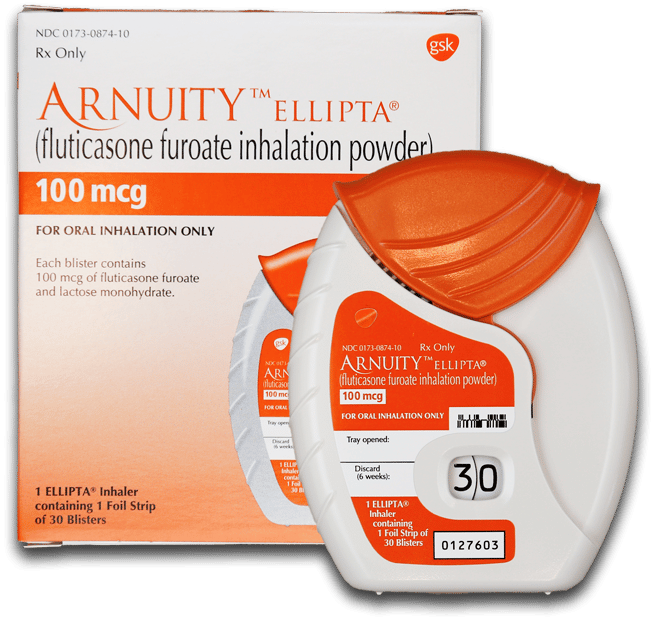
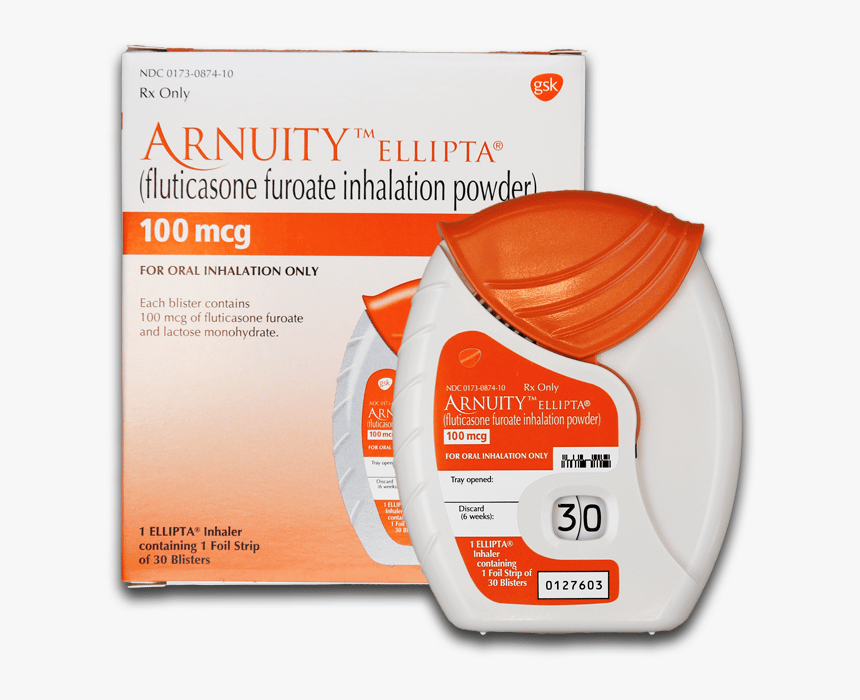
    For a product-specific orientation, the site’s What Is Arnuity Ellipta page can help you review how this inhaler fits into maintenance treatment. If you are comparing available forms, the Arnuity Ellipta Inhaler page may also help you recognize the device and presentation.

    Why it matters: A medicine can be clinically reasonable but still fail if the device does not suit you.

    Common Arnuity Ellipta Alternatives to Discuss

    Most Arnuity Ellipta alternatives are not exact substitutes. They may use a different corticosteroid, delivery device, dosing schedule, or combination of medicines. Your prescriber usually compares the drug class first, then adjusts based on asthma severity and response.

    Other ICS-only inhalers

    ICS-only alternatives include medicines such as budesonide, beclomethasone, mometasone, and fluticasone propionate products. These options share the same broad purpose: they reduce airway inflammation as maintenance therapy. They are not intended for sudden breathing symptoms.

    People often compare Arnuity with Qvar, Pulmicort, Asmanex, and older fluticasone products because each can serve as a controller option. The practical differences often involve device mechanics, labeled dosing frequency, strength range, and insurance preference. To compare examples of different controller devices, you can review Qvar Aerosol Inhaler, Pulmicort Turbuhaler, and Asmanex.

    Combination controller inhalers

    If asthma remains uncontrolled on an ICS alone, a clinician may consider an ICS with a long-acting beta agonist (LABA). These inhalers combine anti-inflammatory treatment with long-acting airway relaxation. They are not the same as an ICS-only inhaler, so switching requires a clinical reason and careful review.

    Breo Ellipta is one example of an ICS/LABA combination inhaler that uses an Ellipta device. It is not interchangeable with Arnuity because it adds a LABA component. For device and class context, see Breo Ellipta. For another combination-inhaler comparison, Breyna vs Symbicort explains how combination products can differ.

    Relievers and add-on therapies

    Albuterol is not an Arnuity alternative for maintenance. It works quickly to relax airway muscles, while ICS medicines work gradually on inflammation. Other add-on treatments, including leukotriene receptor antagonists or biologic medicines, may be considered in specific asthma patterns. Those choices depend on triggers, exacerbation history, allergies, lung function, and other conditions.

    How to Compare Devices, Doses, and Daily Use

    The most useful comparison starts with how the inhaler behaves in real life. A dry-powder inhaler, metered-dose inhaler, soft mist inhaler, and nebulized treatment can all deliver respiratory medicine, but they ask different things from the person using them.

    Arnuity’s Ellipta device is breath-activated. You open the cover until it clicks, breathe out away from the mouthpiece, seal your lips, and inhale strongly and steadily. After inhaling, you hold your breath briefly if you can. Then you close the device and rinse, gargle, and spit.

    Metered-dose inhalers release a spray. They often require coordination between pressing the canister and breathing in. Some people use a spacer or valved holding chamber when appropriate. Dry-powder inhalers do not use a spray, but they usually require a faster inhalation.

    Arnuity Ellipta dosage strengths are commonly discussed as 50 mcg, 100 mcg, and 200 mcg inhalations, but the right strength is not chosen by matching numbers across brands. Potency is not one-to-one between fluticasone furoate, fluticasone propionate, budesonide, beclomethasone, and mometasone. Clinicians use labeled guidance, asthma severity, prior response, and follow-up monitoring.

    Daily routine also matters. A once-daily controller can help some people stay consistent. Others prefer a device that matches an existing routine, such as morning and evening use. Missed doses can make it harder to judge whether a medicine is working.

    If you track peak flow as part of an asthma action plan, this tool can help estimate zone ranges from a personal best. It does not replace your clinician’s plan.

    [peak-flow-zone-calculator]

    Quick tip: Bring your inhaler to appointments so your technique can be checked directly.

    Side Effects, Warnings, and When to Seek Help

    Arnuity Ellipta side effects most often involve the mouth and throat. Possible effects include sore throat, hoarseness, cough, and oral thrush, which is a yeast infection in the mouth. Rinsing and spitting after each dose can lower the chance of some local effects.

    ICS medicines can also have systemic effects, especially at higher exposures or with long-term use. These may include concerns related to adrenal function, bone health, eye conditions, growth in children and adolescents, or infection risk. The level of concern depends on dose, duration, other steroid use, and individual health history.

    People with severe milk protein allergy should ask their prescriber or pharmacist about dry-powder inhaler ingredients. Some dry-powder products contain lactose, which can carry trace milk proteins. This is a safety question, not a preference issue.

    Drug interactions can also matter. Certain medicines that strongly affect steroid metabolism may increase corticosteroid exposure. Your care team should know about prescription medicines, over-the-counter products, inhalers, and supplements before a switch.

    Seek urgent medical care for severe breathing trouble, blue lips or face, confusion, chest pain, or symptoms that do not improve with your prescribed rescue plan. Maintenance inhalers should not be used as the only response to a sudden severe attack unless your clinician has given a specific action plan.

    Comparing Arnuity With Flovent, Pulmicort, Qvar, and Albuterol

    Arnuity and Flovent are both corticosteroid controller inhalers, but they are not the same medicine. Arnuity contains fluticasone furoate in a dry powder. Flovent products used fluticasone propionate in different inhaler formats. A conversion between them is clinical, not a simple microgram-for-microgram swap.

    Pulmicort contains budesonide, another ICS. Some people compare Pulmicort vs Arnuity Ellipta when looking for a different device or dosing approach. The better fit depends on inhalation ability, prior response, age-appropriate use, coverage, and the treatment plan your clinician is following.

    Qvar contains beclomethasone. It is another ICS controller, but its device and dose equivalence differ from Arnuity. A person who struggles with one dry-powder platform may do better with a different inhaler style, but that decision should be tested with technique review and follow-up.

    Arnuity vs albuterol is a different comparison. Albuterol is a rescue medicine that opens airways quickly. Arnuity is a maintenance corticosteroid that helps reduce inflammation over time. Needing albuterol more often than usual may signal poor control, poor technique, trigger exposure, or the need to reassess the controller plan.

    If you want broader respiratory navigation, the Respiratory Articles category collects educational posts. The Respiratory Products category can help you recognize different inhaler and respiratory medication pages without treating them as direct substitutes.

    Cost, Generic Status, and Access Questions

    Many readers ask why Arnuity Ellipta is so expensive. Common cost drivers include brand-only status in some markets, device manufacturing, insurance formularies, deductibles, and whether a plan prefers a different controller. Out-of-pocket cost can change when insurance coverage changes, even if your asthma treatment has not changed.

    There may not be a lower-cost option that is clinically equivalent for every person. Still, it is reasonable to ask whether another ICS, a covered fluticasone propionate product, budesonide, beclomethasone, mometasone, or a combination controller is appropriate. The answer depends on asthma control, exacerbation risk, prior side effects, and device technique.

    People also ask who is eligible for $35 inhalers. Some manufacturers have announced patient cost programs or monthly caps for certain inhalers, but eligibility terms vary. Programs may depend on insurance type, medicine, location, and program rules. Government insurance exclusions and monthly limits can apply, so check current terms through the manufacturer or your pharmacist.

    For people comparing access routes, BorderFreeHealth connects U.S. patients with licensed Canadian partner pharmacies. When required, prescription details are verified with the prescriber before a partner pharmacy dispenses. Cash-pay cross-border options may be relevant for some patients without insurance, depending on eligibility and jurisdiction.

    Do not stop a controller inhaler because of cost without a backup plan. Uncontrolled asthma can worsen quickly. If affordability is a problem, ask your clinician or pharmacist to compare covered controller options and confirm which inhaler you can use correctly.

    Questions to Bring to Your Clinician

    A focused list can make the visit more useful. The goal is not to choose the “strongest” inhaler. The goal is to match your asthma pattern, risk level, device ability, and access needs.

    • Control pattern: How often are symptoms or night awakenings happening?
    • Reliever use: Has albuterol use increased recently?
    • Technique check: Can I demonstrate my current inhaler?
    • Device fit: Is a dry powder still appropriate for me?
    • Side effects: Could hoarseness or thrush be related?
    • Step-up need: Should we consider combination therapy?
    • Coverage issue: Which similar controllers are preferred?

    Example: A person with good control but persistent hoarseness may need a technique check, mouth-care review, or dose reassessment. Another person with frequent rescue inhaler use may need a broader asthma-control review rather than a simple device swap.

    Authoritative Sources

    For label-backed details on ingredients, warnings, and use, review the FDA prescribing information for Arnuity Ellipta.

    For general asthma medication classes and controller-versus-reliever context, see the NHLBI asthma treatment overview.

    For device technique education and asthma self-management basics, the CDC asthma treatment resources provide public-health guidance.

    Recap

    Arnuity Ellipta alternatives include other ICS controllers, combination inhalers, and selected add-on treatments. The right comparison looks beyond the drug name. Device technique, dosing routine, side effects, asthma severity, and access all matter.

    Before switching, ask for a technique check and a clear follow-up plan. A well-matched inhaler should be one you can use correctly, tolerate, and access consistently.

    This content is for informational purposes only and is not a substitute for professional medical advice.
  • What Is Arnuity Ellipta? Uses, Dosing, and Safety

    What Is Arnuity Ellipta? Uses, Dosing, and Safety

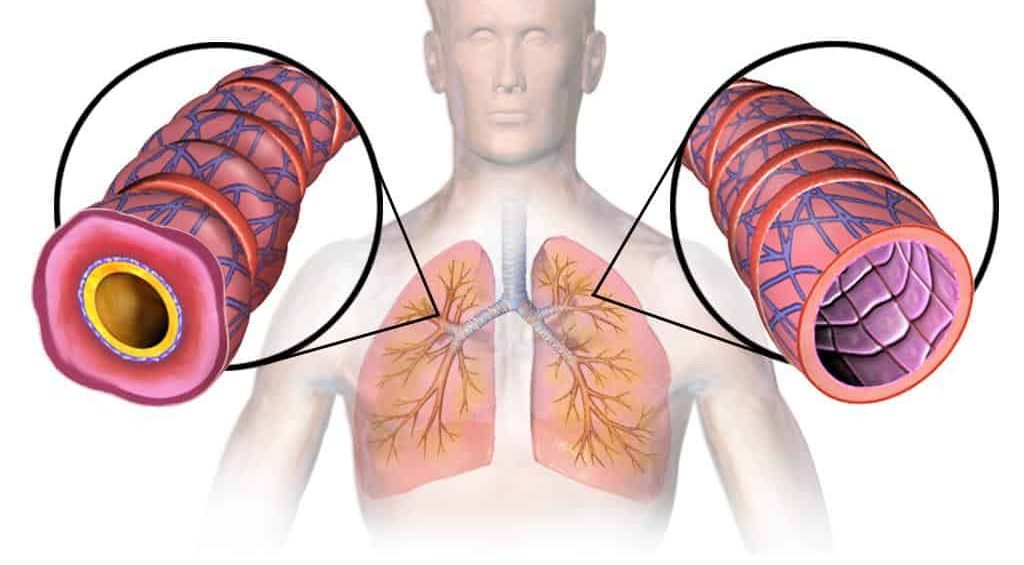
    What is Arnuity Ellipta? It is a once-daily prescription inhaler used as long-term maintenance treatment for asthma. Its active ingredient, fluticasone furoate, is an inhaled corticosteroid that helps reduce airway inflammation over time. It is not a rescue inhaler, so it should not be used for sudden wheezing, chest tightness, or acute breathing trouble.

    That distinction matters. People often feel more confident with asthma care when they know which inhaler prevents symptoms and which inhaler gives quick relief. This article explains Arnuity Ellipta uses, how clinicians think about dosing, how to use the device, and which safety issues deserve prompt attention.

    Key Takeaways

    • Controller role: It helps prevent asthma symptoms by reducing airway inflammation.
    • Not quick relief: Keep a rescue inhaler available for sudden symptoms.
    • Once-daily routine: Consistent timing supports steady asthma control.
    • Mouth rinse matters: Rinsing and spitting helps reduce thrush risk.
    • Safety review: Tell your clinician about infections, eye problems, and interacting medicines.

    How This Asthma Controller Works

    Arnuity Ellipta contains fluticasone furoate inhalation powder, a corticosteroid medicine breathed into the lungs through a dry-powder device. Corticosteroids are anti-inflammatory medicines. In asthma, they help calm swollen, irritated airways and may reduce mucus production. Over time, this can make symptoms less frequent for some people.

    Its main role is prevention. Clinicians may prescribe it for people whose asthma needs daily maintenance therapy, including adults and some children, depending on age and local labeling. It does not relax airway muscles quickly the way albuterol and other short-acting bronchodilators do. If you are comparing Arnuity Ellipta and albuterol, think of them as different tools: one helps control inflammation over time, while the other is commonly used for fast symptom relief when prescribed.

    Why it matters: Using a controller inhaler as a rescue inhaler can delay urgent care during a flare.

    Many readers also ask, is Arnuity Ellipta a steroid? Yes. It is an inhaled corticosteroid, not an anabolic steroid. Because the medicine is inhaled, more of the dose is intended for the lungs than with many whole-body steroid treatments. Even so, inhaled steroids can still cause local side effects and, less commonly, wider body effects.

    For device-specific navigation and product details, you can review the Arnuity Ellipta Inhaler page. For broader respiratory topics, the Respiratory collection groups related education in one place.

    Uses, Strengths, and Dosing Conversations

    Arnuity Ellipta uses center on maintenance treatment of asthma, not treatment of an asthma attack. Your prescriber chooses a strength based on factors such as age, symptom frequency, prior inhaler use, recent flare-ups, and how often you need a rescue inhaler. Available strengths commonly referenced in labeling include 50 mcg, 100 mcg, and 200 mcg inhalation powder, but the right strength depends on the individual care plan.

    Most people use this inhaler once daily when it is prescribed. Do not take extra inhalations unless your clinician specifically tells you to. Taking more than directed may increase side effect risk without providing the quick relief needed during sudden breathing symptoms.

    When discussing Arnuity Ellipta dosage, ask what the chosen strength is meant to accomplish. For example, your clinician may be trying to reduce night waking, lower rescue-inhaler use, or prevent seasonal worsening. They may also reassess the plan after your asthma has been stable for a sustained period. Step-up and step-down decisions should be clinician-directed.

    Questions to ask at the visit

    • Daily schedule: What time should I take it?
    • Rescue plan: Which inhaler treats sudden symptoms?
    • Monitoring signs: What counts as worsening control?
    • Technique check: Can you watch one practice inhalation?
    • Follow-up plan: When should this dose be reassessed?

    If cost or device fit becomes a barrier, mention it early. Some people compare dry-powder inhalers with metered-dose inhalers, spacer-compatible options, or other inhaled corticosteroids. Our Arnuity Ellipta Alternatives resource outlines related controller options to discuss with a healthcare professional.

    How to Use the Dry-Powder Device

    Correct technique helps the medicine reach the lungs. The Ellipta device prepares one dose when you open the cover until it clicks. Do not shake the device. Breathe out fully away from the mouthpiece, place your lips around it, and inhale in one long, steady, deep breath. Remove the inhaler, hold your breath for several seconds if comfortable, then breathe out slowly.

    After each dose, rinse your mouth with water and spit it out. This step lowers the chance of oral thrush (a yeast infection in the mouth or throat) and may reduce hoarseness or throat irritation. Do not swallow the rinse water.

    Arnuity Ellipta how to use instructions can feel simple at first, but small details matter. Avoid breathing into the inhaler, because moisture can affect dry powder. Keep the device dry. Track the dose counter, and follow the discard timing listed in the product information after opening the tray.

    Quick tip: Pair the dose with toothbrushing to make rinsing easier to remember.

    If you use several inhalers, ask your pharmacist or clinician to review the order and purpose of each one. A daily controller, a rescue inhaler, and a combination inhaler may look similar but serve different roles. For practical inhaler technique tips across devices, see our Inhaler Therapy Guide.

    Side Effects, Warnings, and When to Get Help

    Arnuity Ellipta side effects are often local to the mouth, throat, or airways. Commonly reported effects may include sore throat, hoarseness, cough, headache, or oral thrush. Rinsing and spitting after each dose is one of the simplest ways to reduce mouth and throat problems.

    Serious reactions are less common, but they matter. Seek urgent care if breathing suddenly worsens after using the inhaler, because paradoxical bronchospasm (unexpected airway tightening after inhalation) can occur with inhaled medicines. Also seek prompt medical help for severe allergic symptoms such as swelling of the face or throat, widespread rash, or trouble breathing.

    Long-term inhaled corticosteroid use may require monitoring in some people. Your clinician may consider infection risk, eye conditions such as glaucoma or cataracts, bone health concerns, adrenal suppression risk, and growth monitoring in children. These risks do not mean the medicine is unsafe for everyone. They mean the treatment plan should be reviewed in context, especially when symptoms, other medicines, or health conditions change.

    Arnuity Ellipta interactions can occur with medicines that strongly affect CYP3A4, an enzyme involved in steroid metabolism. Examples may include certain antifungals, antibiotics, and HIV medicines. Tell your care team about prescription medicines, over-the-counter products, and supplements before starting or changing therapy.

    People with untreated infections, tuberculosis exposure, recent chickenpox or measles exposure, or immune system concerns should discuss risks with a clinician. Pregnancy and breastfeeding decisions should also be individualized. Uncontrolled asthma can carry risks, so medication decisions should weigh both asthma control and potential medicine effects.

    Missed Doses, Timing, and Tracking Control

    If you miss a dose, follow the instructions from your prescription label or patient information. In general, people are often told not to take two doses at once. If you are unsure, ask your pharmacist or prescriber before doubling up.

    The best time of day to take Arnuity Ellipta is usually the time you can take it consistently. Some people prefer mornings. Others remember better in the evening. Consistency helps make the routine easier and supports regular anti-inflammatory treatment.

    Benefits may build with steady use rather than appearing immediately. During that period, keep your rescue inhaler available if one has been prescribed. Contact your care team if rescue use increases, night symptoms return, activity becomes harder, or peak-flow readings drop from your usual range.

    Peak-flow zones can help some people follow an asthma action plan. This calculator can estimate zones from a personal best peak flow, but it does not replace your clinician’s written plan.

    [peak-flow-zone-calculator]

    Bring your inhalers to follow-up visits. A quick technique check often reveals fixable issues, such as breathing in too weakly, covering vents, skipping the mouth rinse, or confusing controller and rescue devices.

    Children, Long-Term Use, and Treatment Fit

    Arnuity Ellipta for children should be guided by pediatric labeling and a clinician’s judgment. Children using inhaled corticosteroids may need growth monitoring, technique support, and reminders to rinse after each dose. Caregivers can help by watching the first few doses and checking that the child can inhale strongly enough for a dry-powder device.

    Long-term use may be appropriate when asthma control requires daily anti-inflammatory therapy. The goal is usually the lowest effective dose that maintains control. Do not stop or reduce use on your own, especially if asthma has recently been unstable. Sudden changes can increase the risk of worsening symptoms.

    Device preference also affects adherence. Some people like once-daily dry-powder inhalers. Others prefer metered-dose inhalers or spacer-compatible options. If the device feels hard to use, ask about alternatives such as Asmanex, Pulmicort Turbuhaler, or other controller inhalers your clinician considers appropriate.

    For people comparing fluticasone products, the generic names matter. Arnuity uses fluticasone furoate, while some other inhalers use fluticasone propionate. These are related corticosteroids but not identical products. Our Fluticasone Propionate HFA resource explains a different formulation and device style.

    Access, Alternatives, and Combination Inhalers

    Asthma care often changes over time. If daily symptoms continue despite correct technique and adherence, your clinician may reassess triggers, diagnosis, inhaler technique, dose, or the need for combination therapy. Combination inhalers may include an inhaled corticosteroid plus a long-acting bronchodilator. They are not interchangeable with a single-ingredient steroid inhaler unless a prescriber changes the plan.

    Examples of combination products include inhalers such as Breo Ellipta or Trelegy Ellipta, but suitability depends on the condition being treated and the full medication plan. Do not add, stop, or switch inhalers without clinical guidance.

    Access issues are also real. BorderFreeHealth connects U.S. patients with licensed Canadian partner pharmacies, and prescription details may be verified with the prescriber when required before dispensing. Some patients also explore cash-pay cross-border prescription options without insurance, subject to eligibility and jurisdiction.

    If you are weighing options, focus on practical fit rather than brand recognition alone. Ask whether the inhaler matches your diagnosis, technique, age group, other medicines, and written action plan. For safety context on another inhaled therapy, you can read Trelegy Ellipta Safety.

    Authoritative Sources

    For official prescribing details, review the FDA prescribing information for fluticasone furoate. The label describes approved uses, dosage information, warnings, interactions, and adverse reactions.

    For broader asthma management principles, the NHLBI asthma management updates summarize guideline-based controller therapy concepts and stepwise care.

    For breastfeeding-specific medication summaries, the NIH LactMed fluticasone entry provides a conservative review of available lactation information.

    Recap

    Arnuity Ellipta is a maintenance asthma inhaler that delivers fluticasone furoate to help reduce airway inflammation. It is used regularly, not as quick relief for sudden breathing symptoms. Good technique, mouth rinsing, and consistent timing can make treatment safer and easier to sustain.

    Ask for help if symptoms worsen, rescue-inhaler use rises, side effects persist, or another medicine is added. Asthma plans work best when they reflect your real routine, your triggers, and your ability to use the device correctly.

    This content is for informational purposes only and is not a substitute for professional medical advice.

  • Asthma Symptoms in Kids and Adults: Signs to Watch

    Asthma Symptoms in Kids and Adults: Signs to Watch

    Asthma symptoms usually include wheezing, coughing, shortness of breath, chest tightness, or breathing that worsens at night, with exercise, during colds, or around triggers. They can look different in toddlers, teens, and adults, so early pattern recognition matters. Noticing small changes can help families act sooner, reduce flare risk, and know when urgent care is needed.

    Key Takeaways

    • Core signs: wheeze, cough, breathlessness, and chest tightness.
    • Children often show cough, fatigue, or play avoidance first.
    • Adults may notice exertional limits, nighttime symptoms, or workplace triggers.
    • Action plans help: written steps reduce confusion during flares.
    • Urgent signs: blue lips, severe breathlessness, confusion, or poor reliever response.

    What Asthma Does to the Airways

    Asthma is a long-term inflammatory airway condition that can narrow breathing tubes and make them overreact. During a flare, the airway lining may swell, muscles tighten, and mucus can increase. This makes airflow harder, especially when breathing out.

    In plain language, asthma makes the lungs more sensitive than usual. A cold, pollen, smoke, cold air, or strong scent can set off coughing or tight breathing in some people. Symptoms may come and go, which is why asthma can be missed when a person feels well during an appointment.

    For a broader look at causes and contributors, see Cause Of Asthma. If you prefer browsing related lung-health topics, the Respiratory collection can help you continue learning.

    Why it matters: Asthma can be manageable, but under-recognized symptoms can escalate quickly.

    Common Asthma Symptoms in Children and Adults

    The most common asthma symptoms are cough, wheeze, shortness of breath, chest tightness, and breathing that interrupts sleep or usual activity. Wheezing is a high-pitched whistling sound, often heard when breathing out. Cough may be dry, repeated, or worse after running, laughing, crying, or a respiratory infection.

    Some people have obvious attacks. Others have mild asthma symptoms that show up as reduced stamina, frequent throat clearing, or a cough that lingers after colds. Symptoms may appear in clusters, then fade for days or weeks. That changing pattern is one reason history and tracking are important.

    Five signs that often point toward asthma

    • Wheezing: a whistling sound with breathing.
    • Night cough: waking from cough or chest tightness.
    • Shortness of breath: trouble keeping up with normal activity.
    • Chest tightness: pressure, heaviness, or squeezing.
    • Trigger pattern: symptoms after colds, allergens, smoke, or exercise.

    Not every person has all five signs. Some have cough-variant asthma, where coughing dominates and wheezing is absent or hard to hear. Others have exercise-induced bronchoconstriction, where symptoms mainly follow vigorous activity, especially in cold or dry air.

    For many families, the practical question is not only whether symptoms are present, but whether they are changing. More nighttime waking, more reliever use, or less tolerance for normal activities may suggest worsening control. These patterns deserve review with a clinician.

    How Symptoms Differ by Age

    Age changes how asthma symptoms appear because children, teens, and adults describe breathing problems differently. Young children may not say “my chest feels tight.” Instead, caregivers may see fast breathing, belly breathing, feeding trouble, or tiredness during play.

    In school-age children, signs may include coughing after recess, avoiding sports, or needing more breaks than peers. A child may also seem irritable or unusually quiet during a flare. Teachers and coaches may notice patterns before a medical visit does, so shared observation can be valuable.

    Teens may hide symptoms because they do not want to stand out. They may skip inhalers, avoid gym, or downplay nighttime coughing. A plan that respects independence, privacy, and school routines often works better than reminders alone.

    Asthma symptoms in adults may look like reduced exercise tolerance, repeated bronchitis-like episodes, seasonal chest tightness, or breathing trouble at work. Some adults assume breathlessness comes from aging, stress, or being out of shape. Those explanations can overlap, but persistent or recurring symptoms need medical assessment.

    Adult-onset asthma can start later in life, even without childhood asthma. It may be linked with allergies, sinus disease, workplace exposures, respiratory infections, hormonal changes, or other health conditions. Adults may also have reflux, sleep apnea, heart disease, or chronic obstructive pulmonary disease, which can complicate diagnosis.

    For child-focused care context across health topics, the Pediatrics collection may be useful when building age-appropriate routines.

    Triggers, Causes, and Risk Factors

    Asthma has no single cause. Genetics, immune sensitivity, early-life exposures, allergies, viral infections, air pollution, and occupational irritants can all contribute. A trigger is something that brings on symptoms in a person who already has sensitive airways.

    Common triggers include pollen, dust mites, pet dander, mold, respiratory viruses, tobacco smoke, wildfire smoke, strong fragrances, cleaning sprays, cold air, and exercise. Emotional stress can also worsen breathing patterns or make symptoms feel more intense. Triggers often stack together, so a cold during pollen season may cause a larger flare than either factor alone.

    Workplace exposures deserve special attention in adults. Bakers, cleaners, painters, healthcare workers, laboratory staff, and people exposed to dusts or chemical fumes may develop work-related symptoms. If breathing worsens during shifts and improves away from work, that pattern should be discussed with a clinician. For more on this angle, see Occupational Asthma.

    What can be mistaken for asthma?

    Several conditions can resemble asthma. Viral bronchitis, pneumonia, vocal cord dysfunction, reflux, anxiety-related hyperventilation, heart problems, chronic obstructive pulmonary disease, and medication side effects can cause cough or shortness of breath. This overlap is why objective testing matters when symptoms persist or recur.

    No home checklist can confirm asthma by itself. A detailed history, physical exam, and breathing tests help separate asthma from look-alike conditions. This is especially important for infants, older adults, smokers, and anyone with chest pain, fainting, fever, or unexplained weight loss.

    Silent or Subtle Warning Signs

    Silent asthma does not mean harmless asthma. It usually means symptoms are less obvious, or the person is not wheezing loudly enough for others to hear. A person may look tired, speak less, or avoid movement rather than complain of breathing trouble.

    Children may stop playing, sit upright, pull in around the ribs, or breathe with the belly. Infants may feed poorly or seem unusually sleepy. Adults may pause while speaking, avoid stairs, wake with cough, or feel chest pressure during routine walks.

    Peak-flow tracking can help some people notice changes before symptoms feel severe. Peak expiratory flow is the fastest air a person can blow out after a full breath. Many action plans use green, yellow, and red zones based on a person’s best reading.

    This calculator can help estimate peak-flow zones from a personal best value. It is a tracking aid, not a diagnosis tool or replacement for clinical guidance.

    [peak-flow-zone-calculator]

    Quick tip: Bring symptom notes and peak-flow trends to asthma reviews when available.

    Diagnosis: How Clinicians Confirm the Pattern

    Asthma diagnosis combines symptom history with breathing tests when the person is old enough to perform them reliably. Spirometry measures airflow and can show whether narrowing improves after a bronchodilator, which is a medicine that opens the airways.

    Clinicians may also use peak-flow monitoring over time, allergy evaluation, or fractional exhaled nitric oxide testing. Fractional exhaled nitric oxide, often called FeNO, measures a marker linked with certain types of airway inflammation. It is not the only test, but it can add context in selected cases.

    Children may need repeated assessments because wheeze with viral infections is common in early childhood. Some children outgrow wheezing patterns, while others develop persistent asthma. Clinicians consider age, family history, eczema, allergies, symptom frequency, and response to treatment.

    Adults may need evaluation for other causes, especially when symptoms start later in life. Heart conditions, chronic lung disease, reflux, vocal cord dysfunction, and medication-related cough may need consideration. Accurate diagnosis helps avoid both undertreatment and unnecessary medication.

    Daily Control and Flare Planning

    Asthma care usually aims to reduce daily symptoms, prevent flares, support normal activity, and lower emergency risk. A written action plan is one of the most practical tools. It explains what to do when symptoms are controlled, worsening, or urgent.

    Good control also depends on device technique. Metered-dose inhalers, dry-powder inhalers, soft-mist inhalers, and nebulizers each require different steps. Spacers or holding chambers can help with some inhalers, especially for children or people who struggle to coordinate a breath with a spray.

    Asthma medication often falls into two broad groups. Reliever medicines help open tight airways quickly during symptoms. Controller medicines reduce airway inflammation over time and are used to prevent future flares when prescribed. Some treatment plans use combination inhalers, but the right approach depends on age, severity, triggers, and medical history.

    For a deeper educational overview, see Asthma Treatment. For medication-class context, Asthma Management Medications explains common options without replacing clinician guidance.

    Some readers also want to understand specific inhaler or respiratory product pages. Examples include Ventolin 100mcg, Flovent HFA, and Symbicort. These pages are informational navigation points and should not be used to start, stop, or change treatment without a prescriber.

    BorderFreeHealth connects U.S. patients with licensed Canadian partner pharmacies for eligible prescription options; where required, prescription details are verified before pharmacy dispensing. This access context is separate from diagnosis or treatment decisions, which belong with your healthcare professional.

    Preventing Attacks at Home, School, and Work

    Prevention starts with finding patterns you can act on. Look at bedrooms, classrooms, sports settings, workplaces, vehicles, and seasonal changes. Dust, mold, smoke, fragrance, pet dander, and viral exposure may each matter differently by person.

    At home, practical steps may include washing bedding, reducing dust reservoirs, repairing leaks, keeping smoke out of indoor spaces, and improving ventilation when cleaning. If pets are a trigger, discuss realistic exposure-reduction steps rather than relying on one change. During wildfire smoke or high-pollen days, local air-quality alerts can guide outdoor plans.

    At school, children may need medication access, activity instructions, emergency contacts, and staff awareness. A school plan should explain early warning signs in plain language. It should also avoid unnecessary activity restriction when symptoms are controlled and the clinician supports participation.

    At work, adults may need to track timing, exposures, ventilation, and symptom changes across days off. Do not ignore a pattern of symptoms that worsens in one building, shift, or task. Work-related asthma can become harder to control if exposure continues without assessment.

    For practical prevention ideas, see Reducing Asthma Attacks. When you need product-category navigation rather than an educational article, the Respiratory Products category lists related respiratory items.

    When Asthma Symptoms Need Urgent Help

    An asthma attack may involve severe shortness of breath, chest tightness, wheezing, rapid breathing, or coughing that does not settle. Some attacks are loud and obvious. Others are dangerous because the person becomes too breathless to wheeze strongly.

    Seek urgent medical help if a person has trouble speaking full sentences, blue or gray lips, severe rib or neck retractions, confusion, drowsiness, fainting, or worsening symptoms despite reliever medicine as directed in an action plan. In children, flaring nostrils, belly pulling under the ribs, or rapid breathing at rest are concerning.

    The question “can asthma kill you” is frightening but important. Severe asthma attacks can be life-threatening, especially when symptoms are ignored, reliever response is poor, or access to urgent care is delayed. That is why action plans, correct inhaler technique, and early escalation matter.

    If symptoms escalate quickly, follow the written action plan and seek emergency care. Bring inhalers, spacers, and recent peak-flow readings if doing so does not delay care.

    Authoritative Sources

    For a concise public-health overview, see the CDC page on asthma symptoms and basic facts.

    For patient-friendly diagnosis and treatment information, MedlinePlus provides an asthma condition overview.

    For U.S. clinical guideline updates, the NHLBI summarizes asthma management recommendations.

    Recap

    Asthma symptoms can be obvious, subtle, or easy to mistake for other problems. Watch for cough, wheeze, chest tightness, breathlessness, nighttime waking, and limits during normal activity. Children may show behavior changes first, while adults may notice exertional or workplace patterns.

    The next step is not self-diagnosis. Track symptoms, know urgent warning signs, review inhaler technique, and work with a healthcare professional on a written plan that fits age, triggers, and daily life.

    This content is for informational purposes only and is not a substitute for professional medical advice.

  • Asthma Triggers: Causes, Cough Clues, and Home Control

    Asthma Triggers: Causes, Cough Clues, and Home Control

    Asthma triggers are exposures, infections, conditions, or activities that irritate already sensitive airways and bring on symptoms such as coughing, wheezing, chest tightness, or shortness of breath. They do not usually cause asthma by themselves. Asthma develops through a mix of airway inflammation, genetics, allergies, early-life exposures, and other risk factors. Why it matters: when you know your pattern, you can reduce avoidable flare-ups and respond earlier when symptoms change.

    Key Takeaways

    • Triggers are personal: the same exposure may bother one person and not another.
    • Common triggers include allergens, smoke, infections, cold air, exercise, and strong odors.
    • Night cough, mucus, or a dry repetitive cough can be asthma-related, but sound alone cannot diagnose it.
    • Home control works best when it targets the likely source, not every possible trigger.
    • Urgent symptoms need your asthma action plan and emergency care when breathing feels unsafe.

    Asthma Triggers and Causes Are Not the Same

    A cause is a factor that helps asthma develop. A trigger is something that sets off symptoms after the airways are already prone to inflammation and narrowing. This difference matters because trigger control can reduce attacks, but it does not replace diagnosis, monitoring, or appropriate treatment.

    Asthma is a chronic airway condition. The airways can become inflamed, swollen, and overly reactive. During a flare, the muscles around the airways may tighten, mucus may increase, and airflow may feel restricted. This can lead to wheeze, cough, chest tightness, or shortness of breath.

    Risk factors for developing asthma can include family history, allergic disease, early-life respiratory infections, tobacco smoke exposure, air pollution, and some workplace exposures. These factors do not affect everyone in the same way. Two people can share the same environment and have different airway responses.

    Triggers are often more changeable. A person may react to dust mites at home, pollen during spring, viral infections in winter, or fumes at work. Some people have symptoms mainly during exercise or at night. Others notice coughing after laughing, crying, cold air, or strong smells.

    This is why a practical plan starts with observation. Instead of assuming one universal cause, track when symptoms appear, where they happen, and what changed shortly before they started.

    A Practical Trigger List: Air, Allergens, Weather, and Illness

    A practical asthma triggers list starts with the exposures most often linked with airway irritation or allergic inflammation. You do not need to fear every item on the list. You need to learn which ones match your symptoms and test patterns with your clinician when needed.

    Allergens and indoor particles

    Allergens are substances that can cause an immune reaction in people who are sensitive to them. Common examples include dust mites, mold, pet dander, cockroach particles, and pollen that comes indoors on clothing or through open windows. If nasal allergies are part of your pattern, the overlap can be important. You can read more about this connection in Allergic Rhinitis Symptoms and Treatment.

    Indoor allergens often build up in soft surfaces. Mattresses, pillows, carpets, curtains, stuffed toys, and upholstered furniture can hold dust and dander. Damp rooms can support mold. Pests can leave particles in kitchens, basements, and shared walls. The main goal is not perfection. It is reducing the exposure that seems most linked to symptoms.

    Irritants, pollution, and strong smells

    Irritants do not need to trigger an allergy to bother airways. Tobacco smoke, cannabis smoke, wildfire smoke, wood-burning stoves, vehicle exhaust, scented sprays, cleaning fumes, and workplace chemicals can all irritate sensitive airways. Some people also notice symptoms around paint, solvents, perfumes, or air fresheners.

    These exposures can be harder to control because they may come from shared spaces, public areas, or work. If symptoms reliably improve away from work and return during shifts, consider an occupational pattern. The overview on Occupational Asthma explains how job-related exposures can fit into asthma care.

    Weather, exercise, and infections

    Cold air can dry and cool the airways. Sudden temperature shifts may also provoke symptoms. Exercise can trigger bronchoconstriction, which means temporary airway narrowing during or after activity. This does not mean exercise is unsafe for everyone with asthma. It means symptoms during activity deserve a plan that fits the person and the sport.

    Respiratory infections are another major trigger. Colds, flu, and other viral illnesses can inflame the airways for days or weeks. For some people, cough lingers after the infection seems mostly gone. If symptoms last, worsen, or require frequent reliever use, medical review matters.

    Food, medicines, and body factors

    Food is not a universal asthma trigger. Still, food allergy can cause breathing symptoms in some people, especially when hives, swelling, vomiting, dizziness, or throat tightness appear. Sulfites, found in some preserved foods and drinks, may also bother a smaller group of people with asthma.

    Some medicines can worsen asthma in certain people, including aspirin or other nonsteroidal anti-inflammatory drugs in aspirin-exacerbated respiratory disease. Some beta-blockers can also affect breathing. Do not stop prescribed medicines on your own. Ask a clinician or pharmacist how a medicine fits your history.

    Other health conditions can add fuel. Reflux, chronic sinus disease, untreated allergies, sleep apnea, and obesity can worsen asthma control in some people. These are not character flaws. They are medical clues that may change the care plan.

    Cough Clues: Night Symptoms, Mucus, and Cough Variant Asthma

    An asthma cough often sounds dry, repetitive, or tight, but there is no single asthma cough sound that proves the diagnosis. Some people wheeze loudly. Others cough without wheezing. Some produce mucus. The pattern matters more than the sound.

    Cough variant asthma is a form of asthma where cough is the main or only symptom. It can be mistaken for post-nasal drip, reflux, infection, or habit cough. A clinician may consider lung function testing, symptom timing, triggers, and response to treatment when sorting this out.

    Night coughing is especially important. Asthma symptoms that wake you can suggest airway inflammation or poor control. Common night contributors include dust mites in bedding, pet dander in the bedroom, reflux when lying flat, cold air, viral illness, or missed controller treatment. Repeated night symptoms deserve medical review, even when daytime symptoms seem mild.

    Many readers ask how to stop an asthmatic cough, especially at night. The safest answer is to follow your written asthma action plan. If you have a prescribed reliever, use it only as directed. Sitting upright, moving away from smoke or strong odors, and keeping calm can help while you assess symptoms. Do not rely on cough suppressants to treat breathing trouble.

    Mucus can occur with asthma because inflamed airways may produce more secretions. Mucus can also point to infection, allergies, sinus drainage, or irritant exposure. Seek care sooner if mucus comes with high fever, chest pain, blood, severe shortness of breath, dehydration, or a sudden change from your usual pattern.

    How to Avoid Asthma Triggers at Home Without Overdoing It

    Asthma triggers in the home often collect in ordinary places. The most useful changes are targeted, realistic, and repeated. A perfect home is not possible. A safer pattern usually is.

    Start with the room where you sleep. People spend many hours there, and night symptoms can reflect bedroom exposures. Wash bedding regularly, reduce dust collectors near the bed, and consider allergen-proof covers if dust mites are a confirmed or likely issue. If pets trigger symptoms, keeping them out of the bedroom may be more realistic than larger household changes.

    Moisture control is important when mold is suspected. Fix leaks when possible, dry damp areas promptly, and use ventilation in bathrooms and kitchens. Cleaning visible mold may help, but recurring mold usually means moisture remains. Strong bleach fumes can irritate airways, so ventilation and safer cleaning choices matter.

    Smoke exposure deserves special attention. There is no safe level of secondhand smoke for sensitive airways. Smoke can cling to clothing, furniture, and cars. If a household member smokes, moving smoking fully outside and away from doors or windows can reduce indoor exposure.

    Cleaning can help or hurt. Dusting with a damp cloth, vacuuming with good filtration, and avoiding scented sprays may reduce particles and fumes. Some people react more to the cleaner than to the dust. If a product causes coughing or chest tightness, it may be worth switching to a low-odor option.

    When allergies are central, broader learning can help you connect asthma with rhinitis, eczema, hives, or swelling reactions. The Allergy and Immunology Hub offers a browseable path into related allergy topics.

    • Bedroom focus: reduce dust around sleep.
    • Moisture control: fix damp areas early.
    • Smoke boundaries: keep smoke fully outside.
    • Low-odor cleaning: avoid harsh fumes.
    • Pet patterns: test bedroom separation first.
    • Pollen habits: change clothes after high exposure.

    Prevention and Treatment Work Better Together

    Trigger control can help prevent asthma attacks, but it is only one part of asthma care. The treatment of asthma usually combines education, inhaler technique, monitoring, trigger reduction, and medicines matched to symptom pattern and risk. A written action plan makes those pieces easier to use during real symptoms.

    Asthma medicines often fall into broad roles. Reliever medicines are used for quick symptom relief as prescribed. Controller medicines are used to reduce airway inflammation over time. Some people need both. Others need a different plan based on severity, age, other conditions, pregnancy, or past attacks. For a broader treatment overview, see Asthma Treatment.

    Do not stop a controller inhaler because symptoms improved after avoiding a trigger. Better control can mean the plan is working. Stopping or changing treatment without medical advice may allow inflammation to build again. If side effects, cost, access, or technique problems get in the way, bring those issues up directly.

    Inhaler technique is a common blind spot. A medicine can be appropriate but still work poorly if it does not reach the lungs well. Spacers, breath timing, device choice, and mouth rinsing after some inhalers may all matter. The resource on Asthma Management Medications gives more context on how different medication roles fit into care.

    Some people use peak flow monitoring as part of an action plan. Peak flow is a home breathing measurement that estimates how fast you can blow air out. It does not replace symptoms, oxygen checks, or clinician judgment. It can, however, help some people compare readings with their personal best.

    This calculator can help compare a peak flow reading with common zone percentages when you already know your personal best value.

    [peak-flow-zone-calculator]

    The result is a general math aid. Your clinician should define what each zone means for your own plan.

    When a Trigger Becomes an Asthma Warning Sign

    A trigger becomes more concerning when symptoms escalate, repeat, or do not respond as expected. Do not wait for a perfect explanation before seeking help. Breathing symptoms can change quickly.

    Use your asthma action plan if you have one. Seek urgent care or emergency help if you have severe shortness of breath, trouble speaking in full sentences, blue or gray lips, confusion, chest pain, fainting, exhaustion from breathing, or symptoms that do not improve with prescribed rescue treatment. Children may show fast breathing, tugging at the ribs or neck, unusual sleepiness, or difficulty feeding.

    You may see the 4-4-4 rule for asthma discussed online. Some regions teach a numbered reliever-inhaler first-aid pattern under local guidance. It is not a universal instruction, and it may not match your inhaler, age, prescription, or emergency plan. Use the plan given to you, and call emergency services when symptoms are severe.

    Repeated night cough, frequent reliever use, missed school or work, or avoiding normal activities are also warning signs. They may not feel dramatic in the moment, but they can signal poor control. Early review can prevent a cycle of symptoms, anxiety, and repeated flare-ups.

    Build a Personal Trigger Plan You Can Actually Use

    Asthma triggers are personal, so the most useful plan is specific. A short symptom diary can reveal patterns that memory misses. Note the date, place, activity, weather, illness symptoms, food or drink changes, smoke exposure, cleaning products, pets, and medicine use. Also record what helped and how quickly.

    Bring that record to appointments. It can help your clinician decide whether you need allergy testing, lung function testing, medication adjustment, inhaler coaching, or a plan for exercise and travel. If you are preparing for a trip, Traveling With Asthma covers planning points that can reduce surprises away from home.

    It also helps to separate control steps into three groups. First, remove exposures that clearly cause symptoms and are easy to change. Second, reduce exposures that matter but cannot be eliminated. Third, prepare for unavoidable triggers, such as pollen season, cold weather, exercise, or respiratory infections.

    The Respiratory Health Hub collects related breathing-condition resources for deeper reading. Use those resources as background, not as a substitute for your own diagnosis or action plan.

    Authoritative Sources

    This content is for informational purposes only and is not a substitute for professional medical advice.

  • Asthma Treatment for Adults and Teens: Smarter Control

    Asthma Treatment for Adults and Teens: Smarter Control

    Asthma treatment for adults and teens usually combines anti-inflammatory control, quick-relief medicine, trigger planning, correct inhaler technique, and a written action plan. The goal is not only to stop wheezing in the moment. It is to reduce airway inflammation, prevent flare-ups, and help people know what to do when symptoms change.

    Better control matters because asthma can seem quiet between attacks. Inflamed airways may still react quickly to exercise, infections, smoke, allergens, cold air, or missed controller medicine. A clear plan helps you understand daily prevention, symptom relief, and when breathing problems need medical care.

    Key Takeaways

    • Control has two goals: fewer daily symptoms and fewer severe flare-ups.
    • Many modern plans include an inhaled corticosteroid, not only a rescue inhaler.
    • SMART therapy for asthma may fit some people, but it requires the right inhaler and written instructions.
    • Technique, adherence, triggers, and action plans can matter as much as the prescription.
    • Urgent symptoms need prompt care, especially severe breathlessness, blue lips, confusion, or poor response to reliever medicine.

    How Asthma Treatment for Adults and Teens Is Planned

    Asthma care starts by judging current control and future risk. Clinicians usually ask how often symptoms occur, whether sleep is interrupted, how often reliever medicine is needed, and whether activity is limited. They also consider past emergency visits, oral steroid use, lung function, other health conditions, smoking or vaping exposure, and medication access.

    Asthma is an airway condition marked by inflammation, narrowing, and extra sensitivity. When airways react, people may cough, wheeze, feel chest tightness, or struggle to breathe. Symptoms often vary over time. That is why a plan may change after a viral illness, allergy season, pregnancy, a new workplace exposure, or changes in sports and exercise.

    Many asthma management guidelines emphasize anti-inflammatory treatment. In plain language, that means treating airway swelling, not only relaxing tight airway muscles during symptoms. Inhaled corticosteroids are a common controller option because they help reduce airway inflammation over time. Rescue medicines can still be important, but relying on them alone may leave inflammation untreated.

    Why it matters: Frequent reliever use can signal poor control, even when symptoms briefly improve.

    A clinician may also confirm the diagnosis with spirometry or other breathing tests. This matters because several problems can mimic asthma, including vocal cord dysfunction, chronic obstructive pulmonary disease, reflux-related cough, anxiety-related breathlessness, heart conditions, and medication side effects. If the diagnosis is unclear, treatment may not work as expected.

    Controller, Reliever, and SMART Inhaler Strategies

    Most asthma medication plans separate two jobs: prevention and relief. Controller medicines reduce airway inflammation or prevent symptoms over time. Reliever medicines are used when symptoms appear. Some plans use one eligible inhaler for both roles, while others use separate inhalers.

    Controller medicines

    Controller medicines are used to reduce airway inflammation and lower flare-up risk. Inhaled corticosteroids for asthma are a core option for many adults and teens. Some plans use a corticosteroid alone. Others use combination inhalers that pair an inhaled corticosteroid with a long-acting bronchodilator, which helps open the airways for a longer period.

    Controller medicine works best when the person understands when to use it and how to use the device. Some people stop prevention treatment when they feel well. That can be risky, because airway inflammation may persist even during symptom-free weeks. If a controller is hard to afford, refill, or use correctly, the care team should know before the plan is changed.

    Reliever medicines

    Reliever medicines are used when symptoms occur. Short-acting beta agonists, often called SABAs, relax airway muscles quickly. Some care plans use an ICS-formoterol inhaler as the reliever instead. The right reliever depends on the overall plan, the available inhalers, and the prescriber’s instructions.

    A rescue inhaler for asthma can be essential during symptoms. Still, needing it often is a warning sign. Increased reliever use, nighttime symptoms, or reduced exercise tolerance usually means the treatment plan should be reviewed.

    SMART therapy

    SMART therapy is a specific approach, not a general term for any combination inhaler. SMART stands for single maintenance and reliever therapy. It uses an inhaler containing an inhaled corticosteroid plus formoterol, a long-acting bronchodilator with a quick onset, as both the daily controller and the as-needed reliever.

    This strategy may simplify care for some adults and teens because the same inhaler has two roles. It may also increase anti-inflammatory treatment during symptom periods. However, SMART therapy for asthma is not appropriate with every inhaler. Combination inhalers that use other long-acting bronchodilators may not work as relievers. A written plan should state exactly when and how the inhaler is used, including daily and maximum-use limits set by the prescriber.

    Other treatment paths are still common. Some people use a daily controller inhaler plus a separate rescue inhaler. Others may use an inhaled corticosteroid whenever a reliever is used, depending on the clinician’s plan and local guideline approach. People with difficult or severe asthma may need specialist assessment and add-on therapies.

    Strategy Main role Key safety point
    Rescue inhaler plan Provides quick symptom relief during wheeze or tightness. Frequent need should trigger a control review.
    Daily controller plan Reduces airway inflammation and lowers flare-up risk. Works best with consistent use and good technique.
    SMART approach Uses one eligible ICS-formoterol inhaler for maintenance and relief. Requires the correct inhaler and written instructions.
    Specialist add-ons May help selected people with difficult or severe asthma. Usually follows reassessment of diagnosis, triggers, and adherence.

    The best asthma treatment for adults and teens is the plan that matches symptom pattern, flare-up risk, inhaler skill, preferences, and practical access. It should also be reviewed after any serious exacerbation, which is a flare-up that worsens enough to need extra treatment or urgent care.

    Asthma Medication Options That May Appear in a Care Plan

    Asthma medicines have different jobs. Understanding those roles can help you ask clearer questions, refill the right medicines, and avoid using a reliever as a substitute for controller care.

    Inhaled corticosteroids are often used as foundation therapy because they target airway inflammation. Examples of inhaled corticosteroid or combination inhaler pages on this site include Flovent HFA, Symbicort, Advair, and Breo Ellipta. These links are for medication context and navigation only; the right option depends on a prescriber’s assessment.

    Reliever options may include short-acting bronchodilators or an eligible ICS-formoterol inhaler in a SMART plan. A product page such as Ventolin 100 mcg can help readers recognize one common type of rescue inhaler, but it should not be used to choose treatment without clinician guidance.

    Add-on treatments may be considered when asthma remains uncontrolled despite correct technique, regular controller use, and trigger management. These can include specialist-directed inhaler changes, allergy-focused treatment, biologic medicines for certain severe asthma patterns, or short courses of oral corticosteroids for significant flare-ups. Oral steroids can be important during severe episodes, but repeated use raises safety concerns and should prompt a review.

    Medication choice also depends on age, pregnancy plans, other conditions, and interacting medicines. Teens may need extra support with school schedules, sports, privacy, and routine-building. Adults may need a plan that accounts for occupational exposures, smoking history, pregnancy, heart disease, reflux, or sleep apnea.

    Action Plans, Triggers, and Flare-Up Prevention

    An asthma action plan turns treatment into clear steps for daily life. It usually explains baseline medicines, early warning signs, reliever steps, peak-flow zones if used, and when to call a clinician or seek urgent care. The plan should be written in plain language and updated after major changes.

    Triggers do not cause every case of asthma, but they can worsen symptoms. Common triggers include respiratory infections, dust mites, animal dander, pollen, mold, smoke, vaping aerosols, air pollution, cold air, exercise, strong odors, and some workplace exposures. Some people also notice symptoms with nonsteroidal anti-inflammatory drugs or beta-blocker medicines. Do not stop a prescribed medicine on your own; ask a clinician if you suspect a link.

    Flare-up prevention is not only about avoiding triggers. It also means noticing patterns early. For example, using a reliever more often during allergy season may mean the controller plan needs review. Missing school, skipping sports, waking at night, or needing urgent care are also signs that asthma control strategies may need adjustment.

    • Track patterns: Note symptoms, triggers, and reliever use.
    • Check technique: Ask for inhaler and spacer review.
    • Plan refills: Avoid gaps in controller medicine.
    • Prepare for exercise: Follow the pre-activity plan provided.
    • Reduce irritants: Avoid smoke and vaping exposure.
    • Review after flares: Update the plan after urgent care.

    Some action plans use peak flow, a home measurement of how fast air moves out of the lungs. A peak-flow calculator can estimate green, yellow, and red zones from a personal best value, but those zones should be checked against a clinician-written plan.

    [peak-flow-zone-calculator]

    Quick tip: Bring your inhaler, spacer, and action plan to asthma visits.

    For more practical prevention context, see Reducing Asthma Attacks. If symptoms are hard to identify, Asthma Symptoms in Kids and Adults can help you prepare a clearer symptom history for your visit.

    Adults and Teens Have Different Control Barriers

    Adults and teens often use similar medicine classes, but the barriers to control can differ. A teen may feel embarrassed using an inhaler at school, skip doses during sleepovers, or rely on a rescue inhaler before sports without mentioning symptoms. A parent or caregiver may not see daytime symptoms, especially as teens become more independent.

    Adults may face different pressures. Work exposures, caregiving duties, cost concerns, multiple medicines, or long gaps between appointments can all affect control. Some adults normalize daily cough or breathlessness, especially if symptoms have been present for years. Others may stop controller medicine when they feel well, then restart only during flares.

    Both groups benefit from shared decision-making. That means the clinician explains options, risks, and trade-offs while the patient explains routines, goals, concerns, and access issues. A realistic plan is usually safer than a perfect plan that no one can follow.

    Adherence is not only about motivation. Inhaler technique can be hard. Some devices require slow deep breaths; others require a strong fast breath. Spacers may help with certain metered-dose inhalers. If symptoms persist despite regular use, technique should be checked before assuming the medicine has failed.

    Travel can also expose gaps in a plan. People may forget a spacer, run low on medicine, or face smoke, pollen, cold air, or viral infections away from home. Traveling With Asthma covers planning issues that are easy to miss before a trip.

    When Asthma Is Not Controlled

    Asthma should be reviewed when symptoms become more frequent, reliever use rises, exercise tolerance drops, or sleep is interrupted. A review is also important after any emergency visit, hospitalization, or oral steroid course. These events suggest the current plan may not be controlling airway inflammation or preventing flare-ups well enough.

    Seek urgent medical help for severe breathlessness, trouble speaking in full sentences, bluish lips or face, confusion, drowsiness, chest retractions, or symptoms that do not improve as expected with the prescribed reliever plan. People with a history of life-threatening asthma should have a clear emergency plan and should not delay care during severe symptoms.

    Some situations need tailored guidance sooner rather than later. These include pregnancy, frequent nighttime symptoms, repeated missed school or work, suspected occupational asthma, smoking or vaping exposure, severe allergies, or possible side effects from treatment. A clinician may adjust the plan, assess lung function, review triggers, or refer to an asthma or allergy specialist.

    If you are comparing medicine roles, Asthma Management Medications gives a broader look at common treatment categories. For a more specific combination-inhaler discussion, Symbicort Dosing Guidelines may help you prepare questions for your prescriber.

    Access, Cost, and Prescription Questions

    Access questions are part of asthma control because inhalers only help when people can use them consistently. If a prescribed medicine is hard to afford, hard to find, or difficult to use, tell the prescriber before changing the plan yourself. There may be another device, therapeutic option, refill approach, or support pathway that fits better.

    For asthma treatment for adults and teens, it helps to separate clinical choice from pharmacy logistics. The prescriber decides what is appropriate based on your health needs. Then the patient, pharmacy, and care team can work through coverage, cash-pay options, refills, and device availability.

    BorderFreeHealth connects U.S. patients with licensed Canadian partner pharmacies when prescription access is appropriate. Where required, the pharmacy verifies prescription details with the prescriber before dispensing. Cash-pay cross-border options may support some patients without insurance, subject to eligibility and jurisdiction.

    For broader learning, the Respiratory Health Topics collection can help you explore related breathing conditions. If you are reviewing medication categories, the Respiratory Product Category is a browseable list rather than medical advice.

    Questions to Bring to an Asthma Visit

    Good questions can make a short appointment more useful. Bring a list of symptoms, triggers, missed doses, urgent visits, and inhaler problems. If possible, bring pharmacy labels or device names too, because similar inhalers can have different roles.

    • Control goal: What does well-controlled asthma mean for me?
    • Daily plan: Which medicine is for prevention?
    • Relief plan: Which inhaler should I use during symptoms?
    • SMART fit: Am I using an inhaler that supports this approach?
    • Safety limits: When should I call or seek urgent care?
    • Technique check: Can you watch me use my device?
    • Trigger plan: Which exposures should I track first?
    • Follow-up timing: When should this plan be reassessed?

    These questions do not replace medical judgment. They help you understand the plan and spot barriers early. Asthma treatment for adults and teens works best when the patient, caregiver, prescriber, and pharmacist all understand the same instructions.

    Authoritative Sources

    Asthma control is not a one-time decision. It is a working plan that should change when symptoms, risks, routines, or access issues change. If your current plan is confusing or hard to follow, ask for a written review before making changes on your own.

    This content is for informational purposes only and is not a substitute for professional medical advice.