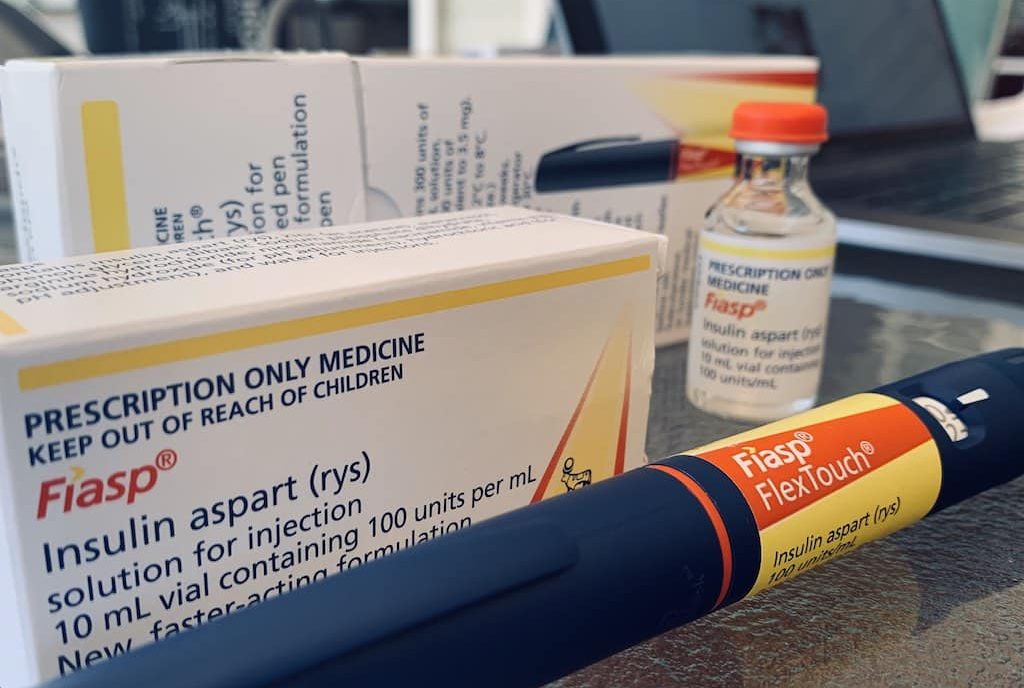
Category: Type 2 Diabetes

This category supports practical type 2 diabetes management for patients and caregivers.
It blends education, product browsing, and planning tools for daily routines.
Some prescriptions can be arranged as Ships from Canada to US, when appropriate.
Use related hubs like Diabetes to compare topics across diabetes types.
If your household also manages insulin-dependent care, review Type 1 Diabetes for contrasts in treatment patterns.
Dispensing is handled by licensed Canadian partner pharmacies.
What You’ll Find in This Category
This is a condition-focused hub for people living with type 2 diabetes. It gathers educational posts plus links to relevant medication and supply listings.
It also supports care partners who track labs, refills, and routines. You can scan topics like insulin resistance (when cells respond poorly to insulin), A1C levels, and blood sugar monitoring.
For product-led browsing, open the Type 2 Diabetes Hub. For tools and add-ons, browse Diabetes Care and Diabetes Supplies.
This page also helps you navigate type 2 diabetes management questions that come up between visits.

Symptoms and red flags to discuss, including fatigue and thirst patterns.
How a type 2 diabetes diagnosis is confirmed, including lab terminology.
Medication classes, including metformin for type 2 diabetes and insulin options.
GLP-1 medications type 2 diabetes and SGLT2 inhibitors type 2 diabetes overviews.
Daily planning topics, like a type 2 diabetes diet, carb counting diabetes, and low glycemic index diet basics.
Risk topics, including type 2 diabetes complications affecting eyes, nerves, and kidneys.

type 2 diabetes management basics
Type 2 diabetes is a metabolic condition that affects glucose control. Many people start with lifestyle changes, then add medicines as needed.
Care often includes a meal pattern, activity planning, and tracking results over time. Some people explore weight loss and type 2 diabetes goals, or discuss type 2 diabetes remission as a long-term possibility.
It helps to learn key measures early, including A1C levels and home readings. If you use a continuous glucose monitor, the trends can add context to finger-stick checks.
How to Choose
Choosing resources for type 2 diabetes management can feel overwhelming at first. A clear checklist helps you compare options without guessing.
Medication and monitoring fit

Confirm your current plan type, like oral meds, injectables, or insulin.
Ask how often monitoring is expected, and what results matter most.
Note any kidney disease and diabetes concerns discussed with your clinician.
Track heart disease and diabetes history, since goals may differ.
List side effects you have experienced, including stomach upset or dehydration.
Review storage needs and travel routines, especially for injectable medicines.

Quick tip: Keep a single medication list with dates, prescribers, and pharmacies.
If insulin is part of your plan, start with Different Types Of Insulin. If you are comparing injectables, Ozempic Vs Insulin explains common discussion points.
When a specific insulin brand is mentioned on your prescription, confirm the exact form. For example, NovoRapid Cartridge is a specific rapid-acting insulin presentation.
Safety and Use Notes
Safety for type 2 diabetes management starts with shared information across your care team. That includes allergies, current medicines, and recent lab results.
Some medicines can affect kidney function, hydration, or blood pressure. Others can raise the risk of low blood sugar, especially with insulin or sulfonylureas.
Why it matters: Low blood sugar can become dangerous if warning signs are missed.
Common safety topics to review

Hypoglycemia signs, including shakiness, sweating, and confusion.
High blood sugar symptoms that may signal illness or missed doses.
Injection technique questions, if insulin or GLP-1 therapy applies.
Foot checks and diabetic foot care routines for nerve protection.
Eye and kidney screening schedules tied to type 2 diabetes complications.

For plain-language context on A1C, see this CDC overview: CDC A1C Test.
For broader lifestyle guidance, see this ADA resource page: American Diabetes Association Type 2.
Prescription details are confirmed with the prescribing clinician before dispensing.
Access and Prescription Requirements
Access for type 2 diabetes management often depends on prescription status and local rules. Some items are over-the-counter, while many medicines require a valid prescription.
If a prescription is needed, be ready to share prescriber contact details and current directions. The platform may request clarification when details are missing or outdated.

Have the exact medication name, form, and quantity available.
Confirm whether substitutions are allowed on your prescription.
Plan ahead for refrigeration needs and delivery coordination.
Keep recent lab results available if your clinician requests them.

Cash-pay access may help some people who are without insurance.
If you are comparing insulin products, brand differences can be confusing. Use explainers like Humulin Vs Humalog to understand naming, timing, and formulation terms.
This content is for informational purposes only and is not a substitute for professional medical advice.
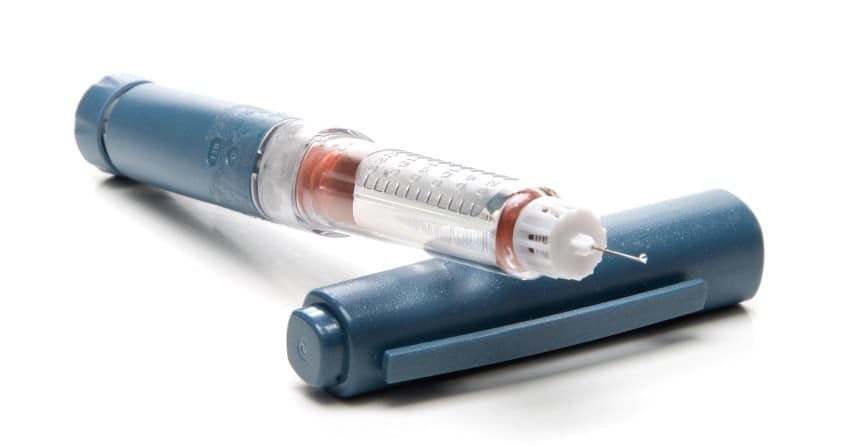
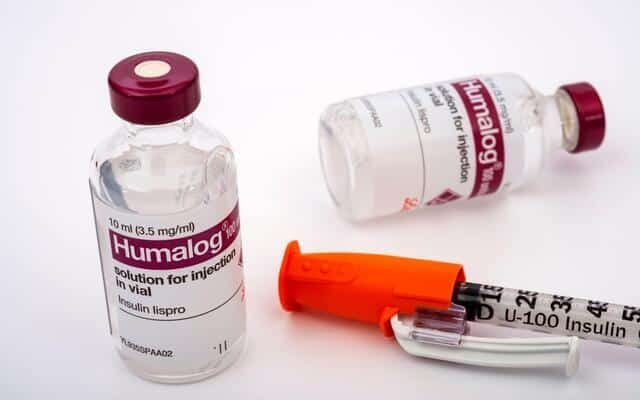
  • What Is Short Acting Insulin? Mealtime Use and Safety

    What Is Short Acting Insulin? Mealtime Use and Safety

    Short-acting insulin is mealtime insulin that helps manage the rise in blood glucose after eating. If you have wondered what is short acting insulin, the simplest answer is this: it is usually regular human insulin, taken before meals or used for corrections when prescribed. It works more slowly than rapid-acting insulin but faster than intermediate or long-acting insulin. That timing matters because a mismatch between insulin, food, and activity can raise the risk of high or low blood sugar.

    This article explains where short-acting insulin fits, common examples, how it differs from NPH and rapid-acting options, and what safety points to discuss with your care team.

    Key Takeaways

    • Mealtime role: Short-acting insulin helps cover food-related glucose rises.
    • Main example: Regular human insulin is the classic short-acting insulin.
    • Timing matters: It is commonly taken before meals as directed.
    • NPH pairing: Regular insulin may be combined with intermediate-acting NPH.
    • Safety focus: Hypoglycemia, injection technique, and monitoring need attention.

    What Short-Acting Insulin Does

    Short-acting insulin helps move glucose from the bloodstream into cells after a meal. Your body normally releases insulin in response to food. In people who need insulin treatment, injected insulin can help replace or support that response.

    Regular human insulin is the main short-acting insulin. It is sometimes called regular insulin, soluble insulin, or neutral insulin. It is not the same as rapid-acting insulin, which usually starts working faster and is often taken closer to the start of a meal.

    Many clinical references describe regular insulin as starting to work within about 30 minutes, peaking later, and lasting several hours. Exact timing varies by person, injection site, activity, temperature, and other factors. Your prescriber’s instructions and your glucose records matter more than a general chart.

    Why it matters: Insulin timing affects both meal coverage and low-blood-sugar risk.

    For a broader category comparison, see Different Types Of Insulin. It can help you place short-acting insulin beside rapid, intermediate, long-acting, and ultra-long-acting options.

    Short-Acting Insulin Examples and Names

    The most common short-acting insulin examples are regular human insulin products. Depending on the country and product, names may include regular insulin brands such as Humulin R or Novolin ge Toronto. These are examples, not a complete list, and product names can vary by market.

    Some readers ask, is regular insulin short-acting? Yes. Regular insulin is the classic short-acting insulin. It is different from rapid-acting analogs such as lispro, aspart, and glulisine, which are designed for faster absorption.

    If you are comparing names, it helps to separate insulin by action profile rather than brand alone:

    • Rapid-acting insulin: Often used right before meals or with pumps.
    • Short-acting insulin: Regular insulin, usually used before meals.
    • Intermediate-acting insulin: NPH, used for background coverage over part of the day.
    • Long-acting insulin: Basal insulin used for steadier background needs.
    • Ultra-long-acting insulin: Basal insulin with a longer action profile.

    For faster mealtime options, read Rapid Acting Insulin. For a closer look at lispro timing, Lispro Insulin Peak explains why peak timing can matter during meals and corrections.

    How Regular Insulin Is Commonly Used

    Regular insulin is commonly used before meals or as a correction dose when a clinician has prescribed that approach. It may be part of a fixed-dose plan, a carbohydrate-counting plan, or a correction-scale plan. The right method depends on your diagnosis, insulin sensitivity, meal pattern, and safety risks.

    Regular insulin medication administration usually involves a subcutaneous injection, meaning the insulin goes into the fatty tissue under the skin. Common sites include the abdomen, thigh, upper arm, or buttock area. Site rotation helps reduce lipohypertrophy (lumpy or thickened fatty tissue), which can affect absorption.

    Regular insulin can also be used in supervised clinical settings by specific protocols. That does not mean home dosing should be changed without medical guidance. If readings are often above or below your target range, bring your glucose log, meal notes, activity changes, and medication list to your care team.

    Regular Insulin Patient Teaching Points

    • Check instructions: Confirm timing, route, and dose plan with your prescriber.
    • Match meals: Avoid taking mealtime insulin without a clear food plan unless instructed.
    • Rotate sites: Move injections within recommended areas to protect skin.
    • Carry carbohydrates: Keep fast-acting carbs available for low blood sugar.
    • Track patterns: Note meals, exercise, illness, and unexpected highs or lows.

    Glucose units can be confusing, especially when records or devices use different systems. This converter can help compare mg/dL and mmol/L values, but it does not interpret whether a reading is safe for you.

    [glucose-converter]

    NPH and Regular Insulin: How They Fit Together

    NPH insulin and regular insulin are sometimes used together because they cover different needs. Regular insulin targets meals and corrections. NPH provides intermediate background insulin over part of the day or night.

    NPH insulin full form is Neutral Protamine Hagedorn. The protamine slows absorption, which gives NPH its intermediate-acting profile. It usually does not act as quickly as regular insulin, and it is not the same as long-acting basal insulin.

    This difference is important when comparing NPH insulin vs regular insulin. Regular insulin is mainly meal-focused. NPH is more background-focused. Some regimens use both, while others use rapid-acting and long-acting analogs instead. The choice often reflects glucose patterns, cost, access, dosing routine, and hypoglycemia risk.

    People also ask whether Humulin I is intermediate-acting insulin. In markets where Humulin I is available, it is generally an isophane insulin, which is another term for NPH insulin. Always check the exact product label and your prescription, because insulin names and packaging can look similar.

    If you want to compare mealtime insulin with a specific rapid analog, Humulin And Humalog explains key category differences. For another rapid-acting comparison, Humalog Vs Novolog may help clarify why rapid analogs are discussed separately from regular insulin.

    Precautions, Side Effects, and When to Seek Help

    The most important short-acting insulin side effect is hypoglycemia (low blood sugar). Symptoms may include shakiness, sweating, hunger, headache, weakness, dizziness, blurred vision, irritability, or confusion. Severe lows can cause seizures, loss of consciousness, or injury.

    Hypoglycemia may happen if insulin timing, food intake, exercise, alcohol, illness, or other medicines change. It can also occur when a person takes insulin and then eats less than expected. Your clinician can teach you how to prevent and treat lows based on your plan.

    Other possible effects include injection-site redness, itching, swelling, or skin thickening. Allergic reactions are uncommon but can be serious. Seek urgent care for trouble breathing, swelling of the face or throat, widespread rash, fainting, or severe confusion.

    Regular insulin contraindications and precautions are best reviewed with the product label and your prescriber. In general, insulin should not be used during an episode of low blood sugar unless a clinician has given specific instructions. People with kidney disease, liver disease, pregnancy, changing appetite, or frequent lows may need closer monitoring.

    Quick tip: Keep a simple pre-meal note with glucose, meal plan, dose, and injection site.

    How Short-Acting Insulin Compares With Other Types

    Short-acting insulin sits between rapid-acting and intermediate-acting insulin in many insulin charts. It is faster than NPH but usually slower than rapid analogs. This makes timing a central part of safe use.

    Rapid-acting insulin is often discussed for meals because it starts quickly. Short-acting insulin also covers meals, but people are often instructed to take it earlier before eating. Intermediate-acting insulin NPH provides background coverage, not quick meal coverage. Long-acting insulin and ultra-long-acting insulin are used for basal needs over a longer period.

    Types of insulin with examples can be helpful, but charts are only a starting point. They do not account for your meal size, injection site, kidney function, activity, illness, or other medicines. If your care team gives you a personal timing plan, follow that instead of a generic online chart.

    For navigation by condition, the Type 1 Diabetes and Type 2 Diabetes collections gather related diabetes education. These collections can help you explore insulin topics in a broader condition context.

    Cost, Access, and Practical Planning

    Insulin access affects daily health decisions, so cost conversations are part of safe planning. If NPH insulin cost or regular insulin cost is a concern, ask your clinician or pharmacist about clinically appropriate alternatives, assistance programs, and whether a different regimen would be safe for your situation.

    Do not switch insulin types because of cost without professional guidance. Products with similar names can have different action profiles. A change from regular to rapid-acting insulin, or from NPH to a long-acting insulin, can change meal timing and low-blood-sugar risk.

    For people comparing access options, BorderFreeHealth connects U.S. patients with licensed Canadian partner pharmacies. When required, prescription details are checked with the prescriber before dispensing by the pharmacy. Cash-pay cross-border prescription options may be available for patients without insurance, depending on eligibility and jurisdiction.

    If you are reviewing specific regular insulin examples, Novolin ge Toronto Vial shows one product context for regular insulin. Product pages should support prescription discussions, not replace medical advice.

    Common Questions That Come Up Early

    Is Ozempic a short-acting insulin?

    Ozempic is not insulin. It is a GLP-1 receptor agonist, a medication class that works through different pathways than insulin. Some people with type 2 diabetes use GLP-1 medicines, insulin, or both, depending on their care plan. Do not stop or replace insulin with another medicine unless your prescriber tells you to.

    Why do some people wake up with high glucose overnight?

    Overnight highs can have several causes, including not enough background insulin, late meals, missed doses, illness, stress hormones, or a rebound after an unrecognized low. A single reading rarely tells the whole story. Repeated overnight highs or lows should be reviewed with your care team.

    Can food choices replace insulin timing?

    Food choices can affect glucose patterns, but they do not replace prescribed insulin needs. Meals with different carbohydrate amounts, fat, protein, and fiber can change post-meal readings. If you need help matching meals with insulin, ask about diabetes education or registered dietitian support.

    Authoritative Sources

    The CDC overview of insulin types explains broad insulin categories and typical timing concepts. It is useful for comparing short, rapid, intermediate, and long-acting insulin groups.

    The American Diabetes Association insulin information provides patient-oriented context on insulin use, storage, delivery, and safety. It can help frame questions for your care team.

    The MedlinePlus regular insulin monograph summarizes regular insulin uses, precautions, administration notes, and possible side effects. It is a helpful label-style reference for patient education.

    Recap

    Short-acting insulin is usually regular human insulin. It helps cover meal-related glucose rises and may be used for corrections when prescribed. It differs from rapid-acting insulin, which works faster, and from NPH, which provides intermediate background coverage.

    The safest plan is the one your care team builds around your meals, readings, activity, and health history. Bring questions about timing, missed meals, low blood sugar, product names, and access concerns to your clinician or pharmacist. Clear instructions reduce guesswork and support steadier daily routines.

    This content is for informational purposes only and is not a substitute for professional medical advice.

  • What Is Rapid Acting Insulin? Timing, Types, and Safety

    What Is Rapid Acting Insulin? Timing, Types, and Safety

    Rapid-acting insulin is a mealtime insulin that starts lowering blood glucose within minutes after injection. It helps cover carbohydrates from meals and can reduce after-meal spikes when used as part of a clinician-directed diabetes plan. If you are asking what is rapid acting insulin, the practical answer is this: it is the fast portion of insulin therapy, while basal insulin usually handles background needs between meals and overnight.

    Why this matters: timing, food, activity, and insulin sensitivity can all shift your glucose pattern. Knowing the basics helps you ask better questions and spot safety issues sooner.

    Key Takeaways

    • Fast meal coverage: rapid insulin helps limit post-meal glucose rises.
    • Timing matters: onset, peak, and duration affect safety.
    • Names vary: lispro, aspart, and glulisine are common examples.
    • Low blood sugar risk: carry quick carbohydrates and know symptoms.
    • Regimens differ: many people pair bolus insulin with basal insulin.

    What Rapid-Acting Insulin Does in the Body

    Rapid-acting insulin replaces or supports the body’s quick insulin release after eating. In people without diabetes, the pancreas responds to rising glucose by releasing insulin into the bloodstream. In diabetes care, rapid insulin can be used as bolus insulin (a dose for meals or corrections) under medical supervision.

    These products are usually insulin analogs, meaning laboratory-modified versions of human insulin. The molecular changes help insulin absorb faster from the tissue under the skin. That faster absorption is what makes the timing different from regular human insulin, which usually needs more lead time before meals.

    Common rapid-acting insulin names include insulin lispro, insulin aspart, and insulin glulisine. Brand names vary by country and formulation. Some people also use newer ultra-rapid formulations, which are designed to absorb even faster. For a broader class-by-class orientation, see Types Of Insulin And Uses.

    Rapid insulin is not a stand-alone plan for most people who need insulin throughout the day. Many regimens combine mealtime coverage with basal insulin, which provides steadier background action. Your clinician may adjust the balance based on glucose logs, eating patterns, activity, hypoglycemia history, and other health factors.

    How Fast It Starts, Peaks, and Wears Off

    Most rapid-acting insulins begin working in about 10 to 20 minutes, peak around 1 to 3 hours, and last about 3 to 5 hours. These are general timing ranges, not personal dosing instructions. Your actual response can differ based on injection site, dose size, temperature, recent activity, stress, illness, and meal composition.

    Onset is the point when insulin starts to have a glucose-lowering effect. Peak is when that effect is strongest. Duration is how long the dose continues working. These terms matter because insulin can still be active after a meal is finished, especially if you are exercising, eating less than expected, or drinking alcohol.

    Meal content also affects the match between insulin and glucose rise. A meal with mostly fast-digesting carbohydrates may raise glucose quickly. A meal higher in fat or protein may cause a slower, later rise for some people. Pattern tracking helps your care team see whether timing, food choices, or insulin action are mismatched.

    Quick tip: Record meal time, carbohydrate estimate, dose time, and glucose readings together.

    If you use different glucose units across lab reports, apps, or international resources, a simple converter can reduce confusion when reviewing numbers with your clinician.

    [glucose-converter]

    This tool converts blood glucose values between mg/dL and mmol/L. It does not interpret readings or replace clinical guidance.

    Rapid, Short, Intermediate, and Long-Acting Insulin Compared

    Insulin types are usually grouped by how quickly they start and how long they last. This time-action profile helps clinicians match products to meals, fasting periods, overnight needs, and correction plans. The categories can overlap, so product labeling and personal response still matter.

    Insulin Type Typical Role General Timing Pattern Examples
    Ultra-rapid Very fast mealtime coverage Starts within minutes; short duration Faster aspart, lispro-aabc
    Rapid-acting Mealtime and some correction use Starts quickly; peaks in early hours Lispro, aspart, glulisine
    Short-acting Meal coverage with more lead time Slower onset; longer tail Regular human insulin
    Intermediate-acting Background coverage in some plans Has a more noticeable peak NPH insulin
    Long or ultra-long acting Basal background coverage Longer, flatter action Glargine, degludec, detemir

    People often ask, “Is Actrapid a rapid acting insulin?” Actrapid is regular human insulin, commonly described as short-acting insulin rather than rapid-acting insulin. It generally starts later and lasts longer than rapid analogs. That difference can affect how far before meals it is used, but your prescriber should give timing instructions for your plan.

    The comparison between Actrapid and NovoRapid is a common example. Actrapid is regular insulin. NovoRapid is insulin aspart, a rapid-acting analog. Rapid analogs are often used closer to meals, while regular insulin may require earlier planning. For a deeper explanation of regular insulin, read Short Acting Insulin.

    Intermediate-acting insulin, such as NPH, has a different role. It is not intended to behave like rapid meal insulin. It has a peak that can sometimes contribute to lows if meals, snacks, activity, or sleep timing do not match its action. If you are comparing insulin families, the distinction between bolus and basal coverage is often the most useful starting point.

    Ultra-Rapid Options and Where They Fit

    Ultra-rapid insulins are designed to absorb faster than older rapid analogs. Examples include faster insulin aspart and insulin lispro-aabc. They may help some people cover early post-meal glucose rises, but they still require careful monitoring and individualized instructions.

    Fiasp is a faster insulin aspart formulation. Lyumjev is a faster lispro formulation. These products are not automatically better for every routine. Digestion speed, meal timing, device use, pump settings, activity, and hypoglycemia patterns can all influence whether an ultra-rapid option is appropriate.

    For plain-language context on one ultra-rapid formulation, see Fiasp Insulin. If you are comparing lispro timing, Lispro Insulin Peak explains typical peak windows and why they can vary.

    Some people also compare product formats, such as vials, cartridges, and pens. Device choice can affect convenience, but it does not remove the need for glucose monitoring or safe storage. If access and pharmacy sourcing are part of your planning, BorderFreeHealth connects U.S. patients with licensed Canadian partner pharmacies, with prescription verification handled where required before pharmacy dispensing.

    Side Effects, Lows, and When to Seek Help

    The most important rapid-acting insulin side effect is hypoglycemia, or low blood sugar. Symptoms may include shakiness, sweating, fast heartbeat, hunger, headache, confusion, weakness, irritability, or blurred vision. Severe lows can cause seizure, loss of consciousness, or injury and need urgent help.

    Low blood sugar can happen when insulin action is stronger than the glucose available from food or the liver. Common contributors include delayed meals, smaller meals, more activity than usual, alcohol, dosing errors, illness, or changes in kidney function. Faster insulins make timing especially important because the glucose-lowering effect can arrive quickly.

    Other possible issues include injection-site redness, itching, swelling, bruising, or thickened skin from repeated injections in the same area. Rotating sites can help reduce tissue changes. Rare allergic reactions can occur. Seek urgent care for severe allergic symptoms, trouble breathing, swelling of the face or throat, or severe low blood sugar that does not improve with usual rescue steps.

    Why it matters: Repeated lows can make future lows harder to recognize.

    If you are unsure about symptoms or immediate steps, review Diabetes Articles for broader educational context, and discuss a personal low-glucose plan with your care team. People using insulin should also ask whether glucagon is appropriate for emergency preparedness.

    Practical Questions to Bring to Your Care Team

    Rapid insulin works best when your plan matches your real life. A safe discussion often starts with patterns, not a single reading. Bring glucose logs, continuous glucose monitor summaries if available, meal notes, exercise timing, and a list of medicines or supplements.

    • Meal timing: ask how close to meals your insulin is intended to be used.
    • Correction rules: confirm when correction doses are appropriate.
    • Active insulin: ask how long a dose may keep working.
    • Exercise plans: review activity-related low blood sugar prevention.
    • Sick days: ask how illness should change monitoring.
    • Device technique: review pen, syringe, or pump steps.

    Do not change insulin doses based only on general online information. Dose changes depend on your diagnosis, insulin sensitivity, weight changes, kidney function, pregnancy status, eating patterns, and hypoglycemia risk. If repeated highs or lows occur, contact your prescriber or diabetes care team for individualized guidance.

    Storage and handling also deserve attention. Insulin can lose effectiveness if exposed to extreme heat, freezing, or improper storage. Follow the product label and pharmacy instructions. Check expiration dates and inspect insulin as directed for that product type.

    How It Fits With Type 1 and Type 2 Diabetes Care

    Rapid-acting insulin can be used in both type 1 and type 2 diabetes, but the reasons may differ. In type 1 diabetes, the body makes little or no insulin, so mealtime insulin is usually part of daily management. In type 2 diabetes, insulin may be added when other measures do not provide enough glucose control or when clinical circumstances change.

    Some people use injections. Others use insulin pumps or automated insulin delivery systems. Pumps use rapid-acting insulin to provide both background and mealtime coverage through programmed settings. Pump users still need education on site changes, pump failures, ketone checks when advised, and backup insulin plans.

    For people comparing rapid-acting products, Humalog Vs Novolog may help frame discussion points around two commonly recognized rapid analogs. Product-specific questions should still be checked against official labeling and your prescriber’s instructions.

    People browsing therapy options may also encounter product pages for specific formats, such as NovoRapid Vial or Humalog KwikPen. Treat these as product-format references, not as substitutes for medical advice about which insulin fits your plan.

    Authoritative Sources

    For general insulin type categories and timing ranges, see the CDC guidance on insulin use.

    For clinical standards on diabetes medication management, review the ADA Standards of Care in Diabetes.

    For label-backed details on faster insulin aspart, consult the FDA prescribing information for Fiasp.

    Putting the Basics Together

    What is rapid acting insulin in everyday terms? It is fast mealtime insulin used to help manage glucose rises from food and, in some plans, corrections. Its value depends on matching timing, meals, activity, and monitoring as safely as possible.

    The main comparison is not only between brand names. It is between action profiles. Rapid analogs work faster than regular insulin. Ultra-rapid formulations may start even sooner. Intermediate and long-acting insulins serve different background roles. Understanding those differences can make clinic conversations clearer and more productive.

    Keep written questions, glucose patterns, and device concerns ready for appointments. If you have frequent lows, severe highs, ketones, vomiting, pregnancy, kidney disease, gastroparesis, or uncertainty about dosing, seek individualized medical guidance promptly.

    This content is for informational purposes only and is not a substitute for professional medical advice.

  • Humalog vs Novolog: Dosing, Timing, and Switching Basics

    Humalog vs Novolog: Dosing, Timing, and Switching Basics

    If you are comparing Humalog vs Novolog, the practical answer is that both are rapid-acting mealtime insulins, but they should not be swapped casually without clear instructions. Humalog is insulin lispro. NovoLog is insulin aspart. Both can help cover meals and correction doses, yet timing instructions, devices, insurance formularies, pump settings, and glucose monitoring plans can differ. That matters because even a small change in insulin routine can affect post-meal highs or low blood sugar.

    The better question is rarely which one is universally better. It is whether the insulin, device, written dose plan, and follow-up monitoring fit your current diabetes care. This page explains insulin lispro vs insulin aspart in plain language, with a focus on dosing logic, meal timing, switching basics, pump use, and warning signs that need faster follow-up.

    Key Takeaways

    • Same broad role: both are rapid-acting insulin analogs used around meals.
    • Different molecules: Humalog is lispro, while NovoLog is aspart.
    • Dosing stays personal: ratios, correction factors, and glucose trends matter more than brand names.
    • Switching needs review: devices, pump settings, and meal timing can change the real-world effect.
    • Safety comes first: repeated lows, sustained highs, ketones, vomiting, or confusion need prompt medical guidance.

    Humalog vs Novolog in Everyday Diabetes Care

    Humalog and NovoLog are both designed to work faster than older regular insulin. They sit in the group often called Rapid-Acting Insulin, which is usually used to cover meals, snacks, or correction doses when prescribed. For broader context, Types Of Insulin explains how mealtime and background insulin roles differ.

    The main clinical distinction is the active ingredient. Humalog contains insulin lispro. NovoLog contains insulin aspart. These are insulin analogs, meaning their structures are modified from human insulin so they can act more quickly after injection. For many people, that chemical difference is less noticeable than the practical details: when the dose is taken, which pen or vial is used, and how glucose responds after meals.

    Either product may be used in people with type 1 diabetes or in some people with type 2 diabetes who need mealtime insulin. The surrounding regimen can look very different from person to person. Someone using a pump has different safety concerns than someone using a long-acting insulin plus injections at meals. People who are new to insulin also need different support than those adjusting a long-standing routine.

    Why it matters: A familiar insulin name does not replace a clear, current dosing plan.

    If you want background on condition differences, the Type 1 Diabetes and Type 2 Diabetes collections can help you navigate related topics.

    How Dosing Compares Without Using a Conversion Chart Alone

    Humalog vs Novolog dosing follows the same general idea: the insulin is used for meals and corrections, not as the main background insulin. The actual dose depends on your prescribed insulin-to-carbohydrate ratio, correction factor, meal size, recent activity, illness, kidney function, and recent patterns of low or high glucose. A brand comparison cannot safely replace those individual instructions.

    Some emergency switching references describe rapid-acting insulin analogs as similar on a unit basis. That does not mean every person should make a one-for-one switch without review. A prescriber may change instructions when there have been frequent lows, appetite changes, pregnancy, steroid use, kidney disease, gastroparesis (delayed stomach emptying), recent hospital discharge, or major changes in activity.

    Be cautious with any generic insulin conversion chart. It cannot know whether your high readings come from meal timing, missed doses, infusion-site problems, carbohydrate estimates, background insulin, illness, or exercise. It also cannot check whether your written instructions use fixed mealtime doses, carb ratios, sliding scales, or pump settings.

    For example, a person using a fixed dose before breakfast may need a different switching conversation than someone using a carb ratio at every meal. A person using a pump may need settings reviewed before the first reservoir fill. The insulin name is only one part of the system.

    What usually drives the dose

    • Carbohydrate plan: how meal carbs are counted or estimated.
    • Correction factor: how prescribed corrections are calculated.
    • Glucose pattern: repeated lows or highs over several days.
    • Meal timing: how soon food follows the dose.
    • Other insulin: basal insulin or pump basal settings.
    • Health changes: illness, steroids, kidney disease, or pregnancy.

    If you track glucose in different units, a simple converter can help you compare readings from labels, meters, or international sources. It only converts units and does not provide dosing advice.

    [glucose-converter]

    Timing Before Meals: Small Differences Can Matter

    Both products are taken close to meals, but timing instructions should come from the label and your care plan. NovoLog labeling describes use shortly before a meal, while Humalog labeling allows dosing within a short window before eating or soon after starting a meal. Your prescriber may give different instructions based on glucose patterns, meal habits, and hypoglycemia risk.

    This is where Humalog vs Novolog can feel different in daily life. If meals are predictable, the difference may be subtle. If meals are delayed, skipped, smaller than expected, or followed by exercise, timing becomes more important. Taking rapid-acting insulin too early can increase low-glucose risk if food is delayed. Taking it too late can allow post-meal glucose to rise.

    Ask for specific instructions about common real-life situations. What if the meal is late? What if you are unsure how much you will eat? What if your pre-meal glucose is already low or much higher than usual? Those answers are more useful than a general comparison of onset or duration.

    Symptoms can also guide follow-up. Learn the basics of low glucose, including shakiness, sweating, confusion, fast heartbeat, or weakness. Also watch for persistent high glucose symptoms such as thirst, frequent urination, fatigue, or blurred vision. If patterns change after a switch, share the trend rather than only reporting one reading.

    Device and Pump Details That Change the Experience

    Device differences can matter as much as the insulin itself. A vial, prefilled pen, cartridge, or pump reservoir changes the steps needed to prepare and deliver a dose. Even when the insulin dose is unchanged, a new device can affect priming habits, dose-window visibility, needle attachment, cartridge loading, and confidence with injections.

    For example, someone moving from a vial to a prefilled pen may need to review priming and needle disposal. Someone moving from one pen system to another may need to check cartridge compatibility and training steps. If your prescription changes from a Humalog KwikPen to another format, the workflow may change even when the prescribed insulin role stays familiar.

    Vial users should also avoid assuming that two vials are handled identically in every care plan. Product labels and pharmacy instructions may differ for storage, in-use handling, or pump compatibility. Relevant product pages such as Insulin Humalog Vial and Insulin NovoRapid Vial can help readers recognize product formats, but dosing decisions still belong with the prescribing plan.

    Pump use adds another layer. Rapid-acting insulin in a pump is not just a vial swap. Basal rates, insulin-to-carb ratios, correction factors, active insulin time, infusion-site changes, and backup injection plans all need review. If pump delivery is interrupted, glucose can rise quickly because there may be no long-acting insulin on board.

    Quick tip: Bring your current device and written instructions to any switching discussion.

    Are These Insulins Interchangeable?

    Humalog and NovoLog are close therapeutic alternatives, but “interchangeable” can mean different things. In casual conversation, people may use it to mean the products do the same broad job. In clinical care, the safer meaning is that a qualified professional has reviewed the switch, the instructions, and the monitoring plan.

    Insulin lispro vs insulin aspart is not only a molecule comparison. It is also a device, supply, and routine comparison. A switch may involve a new pen, new cartridges, a different vial, new pharmacy documentation, or a changed insurance preference. It may also require updated labels for carb ratios, correction scales, pump settings, or sick-day instructions.

    Access issues can also drive switching. A formulary change does not prove that one product is stronger or weaker. It often means the person needs a safe way to continue mealtime insulin with clear instructions. BorderFreeHealth connects U.S. patients with licensed Canadian partner pharmacies, and prescription details may be verified with the prescriber when required before a pharmacy dispenses medication.

    If you are considering switching from Humalog to Novolog, or switching from Novolog to Humalog, avoid making the change from leftover supplies or a borrowed pen. Confirm the exact product, concentration, device, prescription directions, monitoring plan, and what to do if readings move outside your usual range.

    What to Review Before a Switch

    A safe switching conversation starts with your current routine, not the new brand name. Bring enough information for your care team to see the full pattern. A few days of glucose data can be more useful than a single high or low reading, especially when meals, exercise, or illness have changed.

    Use this checklist as a preparation tool, not as a self-directed switching plan.

    • Current insulin: brand, generic name, and device.
    • Written directions: fixed dose, ratio, scale, or pump settings.
    • Meal pattern: timing, carb counting, and missed meals.
    • Recent readings: pre-meal, post-meal, overnight, and exercise-related trends.
    • Low events: timing, severity, and possible triggers.
    • High events: duration, ketones, illness, or site problems.
    • Backup plan: supplies for injections, monitoring, and sick days.

    Monitoring is the other half of Humalog vs Novolog switching. Some people use fingerstick checks. Others use continuous glucose monitoring. Either approach should focus on trends before meals, after meals, overnight, and during activity. If you use CGM reports, time in range, frequent lows, and post-meal spikes may help guide a clinician’s review.

    People without insurance may also be comparing access pathways. BorderFreeHealth supports cash-pay, cross-border prescription options when eligible and permitted by jurisdiction, but the clinical decision about whether a switch is appropriate remains separate from access logistics.

    When to Contact a Clinician Sooner

    Most mealtime insulin changes are manageable with clear instructions, but some patterns deserve faster help. Contact your care team promptly for repeated low glucose readings, sustained high readings that do not respond as expected, moderate or large ketones, vomiting, trouble keeping fluids down, fever with rising glucose, or confusion about when to dose.

    Seek urgent care for severe hypoglycemia, loss of consciousness, seizure, symptoms of diabetic ketoacidosis (dangerous acid buildup), trouble breathing, severe dehydration, or ongoing vomiting. Pump users should act quickly if insulin delivery may have stopped, because rapid-acting insulin leaves little backup once delivery is interrupted.

    Extra caution is reasonable during pregnancy, after a hospital stay, during steroid treatment, with kidney disease, or when appetite is unpredictable. In those situations, even a familiar rapid-acting insulin comparison needs closer clinical review.

    Viewed this way, Humalog vs Novolog is less about declaring a winner. It is about matching the chosen insulin to the full routine, the device, the timing instructions, and the monitoring plan.

    Authoritative Sources

    For label-backed details and switching context, these sources are useful starting points:

    This content is for informational purposes only and is not a substitute for professional medical advice.

  • Glucophage vs Metformin: Forms, Safety, and Daily Use

    Glucophage vs Metformin: Forms, Safety, and Daily Use

    Glucophage and metformin are not two different active medicines. Glucophage is a brand name for metformin hydrochloride, while metformin is the generic name. The practical glucophage vs metformin decision usually comes down to release type, tablet design, tolerability, access, and what your clinician wants to monitor.

    This distinction matters because many people feel different on immediate-release, sustained-release, or extended-release tablets even when the active ingredient is the same. A clear comparison can help you ask better questions before a switch.

    Key Takeaways

    • Same active ingredient: Glucophage contains metformin hydrochloride.
    • Main difference: Brand, generic, and release design vary.
    • Common side effects: Nausea, gas, diarrhea, and stomach discomfort.
    • Safety checks: Kidney function and vitamin B12 may need monitoring.
    • Switching forms: IR-to-ER changes should be clinician-guided.

    Glucophage vs Metformin: What Is Actually Different?

    The core difference is naming. Glucophage is a branded metformin product, and generic metformin contains the same active ingredient. Both belong to the biguanide class, which helps lower blood glucose without directly increasing insulin release.

    Where people notice differences is usually the tablet itself. Coatings, binders, and release systems can affect how quickly the medicine reaches the gut. That can change convenience and stomach comfort. It does not mean one active ingredient is stronger than the other for every person.

    If you want product-level context, the Glucophage Tablets page shows brand-specific information, while Metformin Tablets provides a generic product reference. Use these pages for orientation, not as a substitute for medical guidance.

    Why it matters: A side effect problem may be a formulation issue, not a reason to abandon therapy without review.

    How Metformin Works in Type 2 Diabetes Care

    Metformin helps lower glucose mainly by reducing glucose production in the liver. It also improves insulin sensitivity, meaning the body can use insulin more effectively. Some glucose absorption from the gut may also slow modestly.

    Because it does not force the pancreas to release insulin, metformin has a lower hypoglycemia risk when used alone compared with some older diabetes medicines. That risk can change when it is combined with insulin or medicines that increase insulin release.

    People often ask about signs metformin is working. Useful signs can include steadier fasting readings, fewer post-meal spikes, and improved A1C over follow-up testing. Symptoms alone are not reliable, because many people feel no obvious change even when lab values improve.

    If you track A1C and estimated average glucose, this calculator can help convert between the two formats for discussion with your care team. It does not diagnose diabetes or replace lab interpretation.

    [hba1c-calculator]

    For broader background on possible metabolic and cardiovascular effects, see Metformin Benefits. For condition-level browsing, the Type 2 Diabetes collection gathers related diabetes topics.

    Immediate-Release, SR, and ER Forms

    The most practical glucophage vs metformin comparison is often about release form. Immediate-release tablets dissolve faster and are commonly taken with meals. Sustained-release and extended-release tablets release metformin more slowly over time.

    Slower-release tablets may reduce stomach upset for some people. They may also simplify routines when once-daily dosing is appropriate. Still, release technology varies by product, and some people tolerate immediate-release tablets well.

    Metformin IR

    Immediate-release metformin reaches the digestive tract sooner. That can make it easier to adjust in divided doses, but it may also cause more gastrointestinal symptoms in sensitive people. Taking it with food often improves comfort.

    Metformin SR and XR

    SR and XR are both slower-release approaches. The exact technology can differ, but the goal is similar: gradual delivery and fewer concentration peaks. Do not crush, split, or chew these tablets unless a pharmacist or prescriber confirms it is safe for that exact product.

    People comparing metformin SR vs XR should focus on tolerability, schedule, tablet instructions, and glucose targets. A branded extended-release option may use a distinct delivery system. For deeper context on that formulation style, see Extended-Release Metformin or the Glumetza product reference.

    Starting at 500 mg: What That Usually Means

    Many care plans start with metformin HCl 500 mg because a lower starting amount may be easier to tolerate. Clinicians often increase gradually when needed, based on glucose response, A1C goals, kidney function, and other medicines.

    Is 500 mg a low dose? In many treatment plans, it is an introductory dose. That does not make it trivial. Even a starting dose can cause stomach symptoms, especially during the first weeks or after a dose increase.

    Metformin 500 mg side effects are usually digestive. Loose stools, nausea, gas, or abdominal discomfort are common early complaints. Eating with the dose, keeping meals consistent, and avoiding heavy alcohol use can reduce avoidable risk. Persistent symptoms deserve clinician review, especially if dehydration develops.

    People also ask about the difference between metformin 500 and metformin SR 500. The active ingredient is the same. The SR tablet is designed to release it more slowly, which may improve comfort for some users. The right choice depends on the person, not only the number printed on the label.

    Side Effects, Long-Term Cautions, and When to Seek Help

    Metformin side effects are most often gastrointestinal and dose-related. Nausea, diarrhea, bloating, metallic taste, and abdominal cramps are commonly reported. These effects may ease as the body adapts, but they should not be ignored if they are severe or ongoing.

    Metformin side effects in females and metformin side effects in men are broadly similar. Individual experiences can vary because of meal patterns, hormonal changes, kidney function, alcohol intake, and other medicines. Pregnancy is a separate clinical situation, and anyone pregnant or planning pregnancy should follow specialist advice.

    Long-term use can lower vitamin B12 levels in some people. Low B12 can cause fatigue, numbness, tingling, balance problems, or anemia-like symptoms. These symptoms have many possible causes, so lab testing and clinical review matter.

    A rare but serious risk is lactic acidosis, a dangerous buildup of lactic acid. It is more likely in settings such as severe kidney impairment, acute dehydration, severe infection, low oxygen states, or heavy alcohol use. Seek urgent care for severe weakness, unusual sleepiness, trouble breathing, persistent vomiting, severe abdominal pain, or feeling very cold and unwell.

    Quick tip: Keep a two-week symptom log after any formulation change.

    Weight, Appetite, and Expectations

    Metformin is not primarily a weight-loss drug. Some people lose modest weight because insulin levels may fall and appetite may decrease. Others see little change. Food choices, physical activity, sleep, other medicines, and baseline insulin resistance all influence results.

    Searches about 2 month metformin weight loss results can create unrealistic expectations. Two months may show early trends, but it is too short to judge the full metabolic picture for many people. A1C, fasting glucose, waist measures, and tolerability often matter more than scale weight alone.

    Questions like how to lose weight fast on metformin or metformin dosage for weight loss in non diabetics should be handled carefully. Do not change doses for weight goals without medical supervision. Non-diabetes use, pregnancy, kidney disease, eating disorder history, or symptoms of low blood sugar all require individualized review.

    Some people compare Ozempic or metformin for weight loss. These medicines work through different mechanisms and have different safety considerations. For a broader comparison of modern incretin therapies, Retatrutide vs Tirzepatide is not in the provided internal source list for this update, so it is not linked here. Discuss medication choices with a clinician who can review your diagnosis, risks, and goals.

    Switching Forms and Combining Therapies

    Switching from immediate-release to extended-release metformin is common when stomach symptoms interfere with daily life. Clinicians may aim for a similar total daily amount, then adjust based on glucose readings and tolerability. Do not make the conversion yourself, because release forms are not always handled identically.

    Some people ask why take metformin XR at night. Evening use can match the largest meal for many households and may improve comfort. It may also fit overnight fasting patterns. However, timing should reflect the prescribed product, meal routine, and glucose goals.

    Metformin can also be combined with other diabetes medicines. DPP-4 inhibitors, SGLT2 inhibitors, GLP-1 receptor agonists, insulin, and other therapies may be considered depending on cardiovascular disease, kidney health, A1C, hypoglycemia risk, and preferences.

    Combination tablets can reduce pill burden for some patients. For examples of combination approaches, see Janumet or Sitagliptin HCl Metformin. For an educational look at one fixed-dose option, Janumet and Blood Sugar explains how the ingredients fit together.

    What to Avoid or Review Before Taking It

    The most important thing to avoid is using metformin without appropriate clinical review. Kidney function, acute illness, dehydration risk, alcohol intake, and other medicines can change safety. Your care team may also give temporary instructions around certain procedures or contrast imaging.

    Heavy alcohol use deserves special caution because it can increase lactic acidosis risk. So can severe vomiting, diarrhea, or dehydration. If you cannot keep fluids down, contact a healthcare professional promptly for advice.

    Review all medicines and supplements with your clinician or pharmacist. Some combinations may require closer glucose monitoring, kidney checks, or temporary changes during illness. If heart failure or kidney disease is part of your history, our Metformin and Heart Failure resource gives additional context for discussion.

    For medication access context, BorderFreeHealth connects U.S. patients with licensed Canadian partner pharmacies, and prescription details may be verified with the prescriber when required. This service context does not replace the clinical decision about whether metformin is appropriate.

    Authoritative Sources

    The FDA prescribing information for Glucophage describes indications, contraindications, warnings, and adverse reactions for metformin products.

    The MedlinePlus metformin drug information offers consumer-friendly safety details from the National Library of Medicine.

    The ADA Standards of Care provide broader diabetes treatment principles and monitoring guidance.

    Recap

    The glucophage vs metformin comparison is mostly a brand-versus-generic and formulation question. The active ingredient is the same, but immediate-release, sustained-release, and extended-release tablets can feel different in daily use.

    If side effects, timing, or lab results are not where they should be, bring specific notes to your clinician. Ask about release form, kidney monitoring, B12 checks, meal timing, and whether other medicines affect your plan.

    This content is for informational purposes only and is not a substitute for professional medical advice.
  • Insulin Resistance Treatment: Food, Movement, and Medication

    Insulin Resistance Treatment: Food, Movement, and Medication

    Insulin resistance treatment works best when it reduces how hard your body must work to keep blood sugar in range. The core plan usually combines higher-fiber food choices, regular movement, sleep and stress support, weight-related care when appropriate, and medical treatment when a clinician recommends it. This matters because insulin resistance can raise the risk of prediabetes, type 2 diabetes, fatty liver disease, and heart-related problems long before symptoms feel obvious.

    Key Takeaways

    • Effective insulin resistance treatment is a long-term plan, not a one-week reset.
    • Food quality, activity, sleep, medications, and lab tracking often work together.
    • Many people have no obvious symptoms, so testing matters.
    • Women and people with PCOS may notice cycle, skin, or metabolic clues.
    • Supplements need caution, especially with diabetes medicines or pregnancy.

    How Insulin Resistance Treatment Works

    Treatment aims to improve insulin sensitivity and lower repeated glucose spikes. Insulin is a hormone that helps move glucose from your bloodstream into cells for energy. With insulin resistance, muscle, fat, and liver cells respond less effectively, so the pancreas may make more insulin to keep glucose controlled.

    You can have insulin resistance while fasting glucose or A1C still looks normal. That is why risk factors, waist changes, blood pressure, cholesterol patterns, and family history can matter before a diabetes diagnosis appears. For a deeper orientation, read What Is Insulin Resistance.

    There is rarely one main cause. Most cases reflect a mix of genetics, visceral fat (fat around internal organs), low activity, poor sleep, chronic stress, certain medicines, age, and conditions such as polycystic ovary syndrome (PCOS). This is not a character flaw. It is a metabolic pattern that often responds best to steady, realistic changes.

    What improvement can mean

    Many people can improve insulin sensitivity, but the word reverse can be misleading. Labs may improve, symptoms may settle, and medication needs may change under medical care. Still, the underlying tendency can return if the supports disappear. Chasing a fast reversal often leads to extreme dieting, burnout, or unsafe supplement use.

    Why it matters: Sustainable changes usually protect health better than aggressive short-term plans.

    Food Choices That Improve Insulin Sensitivity

    The most useful insulin resistance diet pattern is flexible, filling, and based on your glucose response. It does not require banning every carbohydrate. Instead, it focuses on carb quality, portions, protein, fiber, and meal timing that you can maintain.

    • Fiber first: Choose beans, lentils, vegetables, oats, berries, and whole grains.
    • Protein at meals: Include fish, eggs, tofu, yogurt, poultry, or legumes.
    • Fat quality: Use nuts, seeds, olive oil, avocado, and other unsaturated fats.
    • Carb pairing: Pair starches or fruit with protein, fiber, or healthy fat.
    • Drink choices: Limit sugary drinks, sweet coffees, juices, and frequent alcohol.

    Foods to limit are not moral categories. They are foods that often make glucose control harder when portions are large or frequent. Common examples include sugary beverages, refined grains, sweets, many packaged snack foods, and heavily processed meals. Your response may differ, especially if you use glucose-lowering medicines.

    If snacks are a daily challenge, Healthy Snacking For Diabetics can help you think through steadier options. Label reading matters too. Look at total carbohydrate, fiber, added sugar, protein, and serving size rather than trusting front-of-package claims.

    Quick tip: Build meals around protein and plants before adjusting starch portions.

    People with kidney disease, pregnancy, gastroparesis, eating disorders, repeated low blood sugar, or major weight changes should review food changes with a clinician or registered dietitian. A safe plan should support glucose goals without under-fueling your body.

    Movement, Sleep, and Weight Changes That Matter

    Physical activity helps muscles use glucose more effectively, sometimes even before weight changes appear. Both planned exercise and lower-intensity movement count. A short walk after meals, resistance training, cycling, swimming, or breaking up long sitting periods can all support glucose regulation.

    Resistance training deserves attention because muscle is a major glucose storage site. You do not need an extreme gym routine. Body-weight exercises, bands, machines, or supervised strength work can help build capacity over time. Start where you are, especially if pain, neuropathy, heart disease, or mobility limits affect activity.

    Sleep and stress also shape insulin sensitivity. Short sleep, untreated sleep apnea, shift work, and ongoing stress hormones can make glucose patterns harder to manage. These factors are not always easy to change, but they are valid treatment targets. Ask about sleep symptoms such as loud snoring, morning headaches, or daytime sleepiness if they apply.

    Weight loss may improve insulin resistance for some people, especially when it reduces visceral fat. Still, weight is not the only marker of progress. A person can improve fitness, waist measures, blood pressure, triglycerides, and glucose patterns before the scale changes much. That broader view can reduce shame and support steadier habits.

    Testing, Tracking, and Signs A Plan Is Working

    Testing shows whether your plan is changing risk, not whether you passed or failed. Common labs may include fasting glucose, A1C, an oral glucose tolerance test, fasting lipids, liver enzymes, and sometimes fasting insulin. Some clinicians use calculated markers such as HOMA-IR, but they are not always routine.

    Home insulin resistance tests have limits. Fingerstick glucose meters and continuous glucose monitors can show patterns, but they do not diagnose insulin resistance by themselves. At-home lab kits can also be hard to interpret without your full health history. For broader testing context, see How To Test For Diabetes.

    The A1C/eAG converter can help you compare a HbA1c result with estimated average glucose in common lab units. It is a general conversion tool, not a diagnosis.

    [hba1c-calculator]

    Signs that a plan may be working include lower fasting glucose, improved A1C, better triglycerides, lower waist circumference, improved blood pressure, or fewer post-meal energy crashes. These changes may not move together. There is no single timeline, and progress depends on baseline health, medications, sleep, activity, nutrition, and hormonal factors.

    Track a small set of useful measures rather than everything. Examples include lab dates, waist measurement, activity minutes, sleep quality, meal patterns, and symptoms. Bring trends to appointments so your clinician can interpret them with your medical history.

    Medications and Supplements: Where They Fit

    Medication can be part of insulin resistance treatment when lifestyle care is not enough or when related conditions are present. The right choice depends on diagnosis, glucose levels, weight-related health risks, kidney function, heart history, pregnancy plans, side effects, and other medicines.

    Metformin is commonly used in type 2 diabetes care and is sometimes considered in prediabetes or PCOS-related metabolic risk. Other medication classes may be used when a person has type 2 diabetes, obesity-related indications, cardiovascular disease, kidney disease, or other qualifying conditions. Examples include GLP-1 receptor agonists, dual incretin medicines, SGLT2 inhibitors, DPP-4 inhibitors, and insulin in specific diabetes situations. For a wider medication overview, review the Diabetes Drugs List.

    Not every medication that improves glucose or weight is approved solely for insulin resistance. Do not start, stop, or change a medicine because symptoms seem better or worse. If metformin is part of your plan, Metformin Benefits explains common discussion points to raise with your prescriber.

    Supplements require careful judgment. No supplement can reliably replace food, movement, sleep, and medical review. Some products may interact with diabetes medicines, affect the liver or kidneys, or increase the risk of hypoglycemia (low blood sugar). This is especially important during pregnancy, while breastfeeding, before surgery, or when taking multiple prescriptions.

    For medication access questions, BorderFreeHealth can help eligible U.S. patients review cash-pay, cross-border prescription options without insurance. When required, prescription details are checked with the prescriber before dispensing. The Type 2 Diabetes Hub is a browseable place to compare condition-related product pages, not a substitute for prescribing advice.

    Symptoms In Women and Other Groups

    Many people do not feel insulin resistance directly. When symptoms appear, they can be subtle and easy to blame on stress, aging, or busy schedules. Insulin resistance symptoms in females may also overlap with PCOS, thyroid disease, perimenopause, sleep problems, or iron deficiency, so testing matters.

    • Skin changes: Acanthosis nigricans (dark, velvety skin patches) can appear.
    • Cycle clues: Irregular periods may occur with PCOS or other hormone issues.
    • Energy swings: Fatigue after meals can have many possible causes.
    • Lab patterns: High triglycerides or prediabetes-range labs may appear first.
    • Body changes: Waist gain can reflect shifting metabolic risk.

    These signs do not prove insulin resistance, and their absence does not rule it out. If your labs are borderline, Prediabetes Symptoms And Signs can help you understand related clues. People with PCOS, a history of gestational diabetes, or a strong family history of type 2 diabetes may need earlier or more regular screening.

    Language also matters. Some searches use the word females, but people experience insulin resistance across many identities and life stages. Care should account for pregnancy plans, menopause, access to food, medication affordability, weight stigma, and cultural eating patterns.

    When To Get Medical Help

    Get medical review if you have risk factors, abnormal labs, symptoms that worry you, or a family history of type 2 diabetes. Earlier support can help you act before glucose levels rise further. It can also identify other causes of fatigue, weight change, thirst, urination changes, or irregular cycles.

    Seek urgent care for severe symptoms such as confusion, persistent vomiting, dehydration, rapid breathing, or very high glucose readings if you monitor at home. Learn more about high glucose warning patterns in Signs And Symptoms Of Hyperglycemia. If you use insulin or medicines that can lower glucose, review Low Blood Sugar Symptoms and ask your care team for a written plan.

    Also ask for guidance before major diet changes if you are pregnant, trying to conceive, recovering from an eating disorder, managing kidney disease, or having repeated highs or lows. A clinician may suggest lab follow-up, medication review, dietitian support, or screening for related conditions.

    Authoritative Sources

    The most useful insulin resistance treatment plan is one you can repeat, measure, and adjust safely. Focus on patterns, not perfection. Use lab trends, daily routines, and your clinician’s guidance to decide what needs more support.

    This content is for informational purposes only and is not a substitute for professional medical advice.
  • What Is Insulin Resistance? Causes, Tests, and Care

    What Is Insulin Resistance? Causes, Tests, and Care

    If you are asking what is insulin resistance, the short answer is this: your body still makes insulin, but your cells do not respond to it as well as they should. Insulin helps move glucose, or blood sugar, from your bloodstream into muscle, fat, and liver cells. When cells resist that signal, the pancreas may make more insulin to keep glucose in range.

    Why this matters is simple. Insulin resistance can sit quietly for years, yet it may raise the risk of prediabetes, type 2 diabetes, fatty liver disease, heart disease, and some hormone-related conditions. It is not a personal failure. It is a body signal worth understanding and discussing with a clinician.

    Key Takeaways

    • Insulin resistance means cells respond less effectively to insulin.
    • It often has no obvious symptoms in the early stages.
    • Risk factors include genetics, inactivity, sleep loss, abdominal weight gain, and some hormone conditions.
    • Food choices matter, but no single food causes the condition alone.
    • Care usually focuses on movement, nutrition, sleep, weight goals when appropriate, and medical follow-up.

    What Is Insulin Resistance, in Plain Language

    Insulin is a hormone made by the pancreas. After you eat, carbohydrates break down into glucose. Insulin helps that glucose enter cells, where it can be used for energy or stored for later. A healthy response keeps blood sugar from staying too high for too long.

    With insulin resistance, muscle, fat, and liver cells do not respond strongly enough to insulin. The pancreas may compensate by making extra insulin. For a while, blood sugar may still look normal. Over time, the pancreas may struggle to keep up, and glucose levels can rise.

    This is why insulin resistance can come before prediabetes or type 2 diabetes. It is also why a normal glucose reading does not always tell the full story. If you want more background on the organ behind insulin, the Pancreas and Diabetes overview explains its role in blood sugar control.

    Why it matters: Earlier awareness can help you act before blood sugar problems become harder to manage.

    Why It Happens: Risk Factors, Hormones, and Daily Patterns

    Insulin resistance usually develops from several overlapping factors, not one cause. Genes can raise risk, especially when type 2 diabetes runs in families. Age can also play a role, although younger adults and teens can develop it too.

    Body composition matters, especially higher levels of visceral fat, which is fat stored around internal organs. This does not mean every person with a larger body has insulin resistance. It also does not mean thinner people are protected. The pattern depends on genetics, hormones, activity, sleep, medications, and other health conditions.

    Common contributors may include:

    • Family history: type 2 diabetes or metabolic disease in close relatives.
    • Low activity: less muscle glucose uptake during daily life.
    • Sleep disruption: poor or short sleep that affects hormone signals.
    • Chronic stress: higher stress hormones that can affect glucose regulation.
    • Hormone conditions: polycystic ovary syndrome, often called PCOS.
    • Some medicines: certain drugs can affect weight, appetite, or glucose.

    Food patterns can also influence insulin sensitivity. The issue is not one forbidden food. A pattern high in sugary drinks, refined grains, large portions of low-fiber foods, and frequent ultra-processed snacks may make glucose and insulin demands higher. A more supportive pattern often includes fiber-rich carbohydrates, lean or plant proteins, unsaturated fats, and meals that feel satisfying.

    For many people, the most useful food question is not “Which food caused this?” It is “Which meal pattern helps my glucose, energy, budget, and preferences?” A registered dietitian can make this practical, especially if you have kidney disease, pregnancy, gastroparesis, disordered eating history, or medicines that can cause low blood sugar.

    Signs People Notice—and Signs They Often Miss

    Many people with insulin resistance feel no clear symptoms. That can feel frustrating because the condition may only show up through lab results, blood pressure changes, cholesterol patterns, or a clinician’s assessment of risk factors.

    Some possible clues can include increased waist size, fatigue after meals, strong hunger soon after eating, or difficulty reaching weight goals despite consistent effort. These signs are not specific. They can come from sleep problems, thyroid disease, depression, medication effects, or other causes.

    Skin changes may sometimes provide a clue. Some people develop darker, thicker, velvety patches of skin, often around the neck, armpits, or groin. This is called acanthosis nigricans. Skin tags may also appear in some people. These changes deserve a clinical check, but they do not confirm a diagnosis on their own.

    Symptoms in females and PCOS-related clues

    In females, insulin resistance may overlap with PCOS. Signs can include irregular periods, acne, increased facial or body hair, or difficulty with ovulation. These symptoms can have several causes, so testing and a careful history matter.

    Insulin resistance is also relevant during and after pregnancy. Gestational diabetes can signal a higher future risk of type 2 diabetes. If you had gestational diabetes, ask your clinician about follow-up screening and long-term prevention steps.

    When blood sugar symptoms need attention

    High blood sugar can cause increased thirst, frequent urination, blurry vision, fatigue, or unexplained weight change. You can read more about possible warning signs in Signs and Symptoms of Hyperglycemia. If symptoms are severe, sudden, or paired with vomiting, confusion, chest pain, shortness of breath, or dehydration, seek urgent care.

    If you already take medicines that can lower glucose, low blood sugar can also be dangerous. Shaking, sweating, confusion, fast heartbeat, weakness, or fainting need prompt attention. Follow your care plan and seek urgent help for severe or repeated episodes.

    Testing: What Labs Can and Cannot Tell You

    A test cannot answer every part of what is insulin resistance by itself. Clinicians usually combine lab results, personal risk factors, family history, medications, blood pressure, waist measurement, and symptoms. The goal is not to label you. The goal is to understand risk and choose the next step safely.

    Common tests may include fasting glucose, A1C, and sometimes an oral glucose tolerance test. These tests look at blood sugar patterns. They do not directly measure how hard your pancreas works to keep glucose controlled. Fasting insulin is sometimes used, but it is not always ordered or interpreted the same way across clinics.

    If you are unsure where to start, How to Test for Diabetes explains common screening options and what they are used for.

    Test or measure What it can help show Important limit
    Fasting glucose Blood sugar after not eating for a set period May look normal early on
    A1C Average blood sugar over several months Can be affected by some blood conditions
    Oral glucose tolerance test How blood sugar responds after a glucose drink Takes longer and is not always needed
    Fasting insulin How much insulin is present while fasting Ranges and interpretation vary
    Lipids and blood pressure Related cardiometabolic risk patterns Do not diagnose insulin resistance alone

    If your clinician discusses fasting glucose and fasting insulin, this calculator can estimate HOMA-IR, a general insulin resistance estimate. It is not a diagnosis and should be interpreted by a healthcare professional.

    [homa-ir-calculator]

    Screening becomes more important if you have a family history of type 2 diabetes, a history of gestational diabetes, PCOS, fatty liver disease, high triglycerides, high blood pressure, or prediabetes. People with symptoms should not rely on home interpretation alone.

    Care Priorities That Support Insulin Sensitivity

    Care usually aims to improve insulin sensitivity and reduce future risk. The right plan depends on your labs, health conditions, medicines, culture, food access, schedule, and personal goals. Small changes can still matter when they are realistic enough to repeat.

    Food choices that make blood sugar steadier

    An insulin resistance diet is less about restriction and more about meal structure. Protein, fiber, and healthy fats can slow digestion and help meals feel more balanced. Many people do better when carbohydrate portions come mostly from beans, lentils, vegetables, fruit, oats, barley, yogurt, or intact whole grains.

    Carbohydrate quality matters, but so does quantity. Large portions of even nutritious carbohydrate foods can raise glucose more than expected. Pairing carbohydrates with protein and fiber can help. For practical snack examples, see Healthy Snacking for Diabetics.

    Quick tip: Build meals around fiber, protein, and a carbohydrate portion you can repeat.

    Movement and muscle glucose use

    Muscle is a major place where glucose goes after meals. Regular movement helps muscles use glucose more efficiently. Aerobic activity, resistance training, and light walking after meals may all support glucose control for many people.

    You do not need a perfect exercise plan to begin. A safe starting point may be shorter sessions spread through the week, especially if you have pain, low fitness, or a busy schedule. People with heart disease, neuropathy, advanced kidney disease, pregnancy, or diabetes complications should ask for individualized exercise guidance.

    Sleep, stress, and routines

    Sleep and stress are often overlooked. Short sleep can affect hunger hormones, cortisol, and glucose regulation. Stress can also make food choices, movement, and medication routines harder to maintain. A care plan that ignores sleep, caregiving duties, shift work, or financial pressure may not last.

    This is where advocacy matters. If a recommendation feels impossible, say so. A clinician, pharmacist, diabetes educator, or dietitian may be able to adjust the plan without blaming you for real barriers.

    Medication may be part of care

    Lifestyle support is important, but it is not the only tool. Clinicians may consider medication when insulin resistance overlaps with prediabetes, type 2 diabetes, PCOS, or other risk factors. Metformin is one commonly discussed medicine in this area, but it is not right for everyone and should be reviewed with a prescriber.

    For deeper reading, Insulin Resistance Treatment covers care approaches, and Metformin Benefits explains common reasons it may be considered. If type 2 diabetes medicines are part of your plan, the Diabetes Drugs List gives a broad medication overview.

    If prescription access becomes part of your planning, BorderFreeHealth supports cash-pay cross-border options for eligible patients without insurance. Clinical decisions still belong with your prescriber.

    How It Connects With Prediabetes, Type 2 Diabetes, and PCOS

    Understanding what is insulin resistance also helps separate it from diabetes. Insulin resistance is a process. Prediabetes and type 2 diabetes are blood sugar categories based on testing. A person can have insulin resistance before glucose reaches a prediabetes range.

    Prediabetes means blood sugar is higher than expected but not in the diabetes range. It often has no symptoms. If you are watching for early clues, Prediabetes Symptoms and Signs explains why testing matters even when you feel well.

    Type 2 diabetes develops when the body cannot keep blood sugar in a healthy range despite insulin production. Many people with type 2 diabetes have insulin resistance, but the condition also involves beta-cell function, genetics, liver glucose production, and other factors. For symptom context, see Type 2 Diabetes Symptoms.

    Type 1 diabetes is different. It is usually an autoimmune condition where the body makes little or no insulin. Insulin resistance can still occur in a person with type 1 diabetes, but it is not the main cause. The Type 1 vs Type 2 Diabetes comparison explains the distinction.

    PCOS is another important overlap. Insulin resistance may worsen androgen-related symptoms and ovulation problems in some people with PCOS. Treatment may include nutrition support, movement, weight-related goals if appropriate, menstrual cycle management, fertility planning, and sometimes medication. Care should be individualized, especially if pregnancy is possible.

    Tracking Progress Without Chasing Perfect Numbers

    Signs that insulin sensitivity may be improving often come from patterns, not one dramatic change. Your clinician may look for improvements in fasting glucose, A1C, triglycerides, blood pressure, waist measurement, liver enzymes, or medication needs. Some people also notice steadier energy or fewer strong cravings, but these are subjective.

    How long it takes to improve insulin resistance varies widely. Changes can happen over weeks to months, but there is no guaranteed timeline. Genetics, sleep, medications, weight change, muscle mass, food access, stress, and other diagnoses all matter.

    A practical monitoring plan may include:

    • Lab follow-up: repeat tests at intervals your clinician recommends.
    • Meal notes: track patterns, not shame or perfection.
    • Movement records: notice what is realistic and sustainable.
    • Medication review: report side effects before stopping anything.
    • Symptom changes: document fatigue, thirst, urination, or dizziness.

    Do not change prescribed medicines based only on weight, appetite, home glucose readings, or a calculator result. If you have repeated lows, severe highs, pregnancy, kidney disease, heart disease, or new symptoms, ask for prompt clinical guidance.

    Authoritative Sources

    The strongest answer to what is insulin resistance is also the most practical one: it is a warning signal, not a verdict. If you have risk factors, symptoms, PCOS, prediabetes, or concerning lab results, bring them to a qualified clinician and ask what should be checked next.

    This content is for informational purposes only and is not a substitute for professional medical advice.

  • Type 1 vs Type 2 Diabetes: Differences That Matter

    Type 1 vs Type 2 Diabetes: Differences That Matter

    Type 1 vs type 2 diabetes mainly differs by what has gone wrong with insulin. In type 1, the body makes little or no insulin because the immune system attacks insulin-producing beta cells. In type 2, the body still makes insulin at first, but cells resist its signal and beta cells may weaken over time. Both can raise blood glucose and require ongoing care, but diagnosis, treatment, and safety priorities can differ.

    Why this matters: guessing the type can delay the right treatment. A person with type 1 usually needs insulin promptly, while many people with type 2 start with lifestyle changes and non-insulin medicines. Because symptoms overlap, clinicians often use history, glucose testing, C-peptide, and diabetes autoantibodies to sort out unclear cases.

    Key Takeaways

    • Core cause differs: type 1 is usually autoimmune; type 2 usually involves insulin resistance.
    • Symptoms overlap: thirst, frequent urination, fatigue, blurry vision, and weight changes can happen in both.
    • Onset often differs: type 1 may develop quickly; type 2 often builds gradually.
    • Testing matters: age, weight, and family history cannot confirm the type alone.
    • Treatment differs: type 1 needs insulin; type 2 care may include lifestyle support, metformin, other medicines, and sometimes insulin.

    Type 1 and Type 2 Diabetes at a Glance

    The simplest way to compare type 1 vs type 2 diabetes is to focus on insulin production and insulin action. Insulin is the hormone that helps glucose move from the bloodstream into cells. When insulin is absent, too low, or not working well, blood glucose rises.

    Type 1 diabetes is most often an autoimmune condition. The immune system mistakenly targets beta cells in the pancreas, which produce insulin. This can happen in children, teens, or adults. Some adults develop a slower autoimmune form, sometimes called latent autoimmune diabetes in adults, which can look like type 2 at first.

    Type 2 diabetes is more common. It usually begins with insulin resistance, meaning muscle, liver, and fat cells do not respond to insulin as strongly. The pancreas may compensate by making more insulin for a while. Over time, beta cells can struggle to keep up, and glucose levels rise.

    Feature Type 1 Diabetes Type 2 Diabetes
    Main process Autoimmune beta-cell loss Insulin resistance plus beta-cell stress
    Typical onset Often faster, over weeks to months Often slower, over months to years
    Age pattern Any age, often younger Any age, more common in adults
    Insulin need Usually needed from diagnosis May be needed later or during illness
    Ketosis risk Higher risk, especially if insulin is lacking Lower risk, but possible in some situations

    Quick tip: Do not use body size or age alone to decide the diabetes type.

    Causes, Risk Factors, and Genetics

    Type 1 vs type 2 diabetes causes differ, but both involve genes and environment. Neither type is simply a matter of willpower, and neither diagnosis means someone caused their condition.

    What Usually Drives Type 1

    Type 1 usually develops when the immune system attacks pancreatic beta cells. Genetics can raise risk, but many people with type 1 have no close family member with the condition. Researchers also study viral exposures and early-life factors, but there is often no single clear trigger for one person.

    People are not usually “born with” type 1 diabetes in the practical sense. A person may be born with genetic susceptibility, but the autoimmune process and symptoms often appear later. This can be in childhood, adolescence, or adulthood.

    What Usually Drives Type 2

    What causes type 2 diabetes is usually a mix of insulin resistance, inherited risk, age, body-fat distribution, sleep, activity level, medications, and other health conditions. Polycystic ovary syndrome, history of gestational diabetes, fatty liver disease, and some long-term medicines can raise risk.

    Family history is often stronger in type 2 than type 1, but genetics are not destiny. Nutrition patterns, movement, sleep quality, stress, access to care, and safe places to exercise all shape risk. A registered dietitian or clinician can help adapt prevention or treatment goals to culture, budget, work schedule, and other real-life constraints.

    For a broader orientation to diabetes categories, the overview on Types of Diabetes can help place type 1 and type 2 beside other forms, such as gestational diabetes.

    Symptoms and Warning Signs: Where They Overlap

    Type 1 vs type 2 diabetes symptoms often look similar because both can cause high blood glucose. Common symptoms include frequent urination, increased thirst, fatigue, blurry vision, hunger, dry mouth, and unexpected weight change.

    The pattern often gives clues. Type 1 symptoms may appear quickly and can include unintentional weight loss, nausea, vomiting, abdominal pain, fruity-smelling breath, deep breathing, or confusion. These can point to diabetic ketoacidosis, or DKA, a medical emergency caused by severe insulin deficiency.

    Type 2 symptoms may develop slowly. Some people have few symptoms at first and learn their glucose is high through routine blood work. Others notice recurrent infections, slow-healing cuts, tingling feet, or vision changes. For deeper symptom-focused reading, see Type 1 Diabetes Symptoms and Type 2 Diabetes Symptoms.

    Seek urgent medical care for vomiting, severe weakness, confusion, trouble breathing, chest pain, signs of dehydration, or very high glucose with ketones if you have been told to check ketones. These symptoms need prompt evaluation, not home troubleshooting.

    How Clinicians Tell the Difference

    Clinicians differentiate type 1 and type 2 diabetes by combining symptoms, timing, exam findings, glucose results, and targeted lab tests. A single online quiz cannot confirm the type.

    Basic diagnostic tests show whether diabetes or prediabetes is present. These may include fasting plasma glucose, A1C, random plasma glucose with symptoms, or an oral glucose tolerance test. These tests diagnose abnormal glucose regulation, but they do not always identify the diabetes type by themselves.

    When the type is uncertain, clinicians may order a C-peptide test. C-peptide is a marker of the body’s own insulin production. Low C-peptide can suggest reduced beta-cell function, especially when paired with high glucose. Autoantibody tests, such as GAD, IA-2, insulin autoantibodies, or ZnT8, can support autoimmune diabetes when positive.

    Misclassification can happen. An adult with autoimmune diabetes may initially look like they have type 2. A child or teen can also develop type 2, especially when risk factors are present. For step-by-step testing context, How to Test for Diabetes explains common screening and diagnostic methods in plain language.

    Why it matters: the correct diagnosis helps match treatment intensity to immediate safety needs.

    Glucose Levels, Ranges, and Useful Conversions

    Type 1 vs type 2 diabetes glucose levels can overlap. The glucose number alone does not reveal the type. Someone with either condition can have fasting highs, post-meal spikes, or an elevated A1C.

    General adult reference ranges can help you understand lab reports, but personal targets vary. Pregnancy, kidney disease, heart disease, older age, hypoglycemia risk, and certain medicines can change the safest goal. Your clinician may use different targets based on your full situation.

    Measure General Reference or Common Target
    Fasting glucose without diabetes 70–99 mg/dL, or 3.9–5.5 mmol/L
    Prediabetes fasting range 100–125 mg/dL, or 5.6–6.9 mmol/L
    Diabetes fasting threshold 126 mg/dL or higher, or 7.0 mmol/L or higher, confirmed when appropriate
    Many adult pre-meal targets Often 80–130 mg/dL, or 4.4–7.2 mmol/L
    Many adult post-meal targets Often below 180 mg/dL, or below 10.0 mmol/L, about 1–2 hours after eating
    A1C without diabetes Below 5.7%

    Many readers compare normal blood sugar levels for adults in mg/dL and mmol/L. A converter can make lab reports easier to discuss, especially if your meter and clinic use different units. It only converts units and does not interpret results or replace clinical guidance.

    [glucose-converter]

    Continuous glucose monitoring can add pattern information, such as overnight lows or post-meal rises. Fingerstick meters can still be useful for confirmation, symptoms, illness days, or when sensor readings do not match how you feel.

    Treatment Pathways: What Changes in Daily Care

    Type 1 vs type 2 diabetes treatment differs because the insulin problem differs. Type 1 care focuses on replacing insulin. Type 2 care often starts with improving insulin sensitivity and reducing glucose burden, then adds medicines based on risk and response.

    Type 1 Treatment Basics

    Type 1 diabetes requires insulin because the body cannot make enough for survival. Care may include long-acting basal insulin, rapid-acting mealtime insulin, carbohydrate counting, correction factors, glucose monitoring, and education on sick-day planning. Some people use insulin pumps or continuous glucose monitors.

    Insulin plans should be individualized. Activity, meals, growth, hormones, illness, and stress can all affect needs. The deeper resource on Type 1 Diabetes Treatment covers practical care concepts without replacing clinician guidance.

    Type 2 Treatment Basics

    Type 2 treatment may include nutrition support, physical activity, sleep improvement, weight management when appropriate, and medicines. Metformin is often used early when suitable. Some people may use other classes, such as SGLT2 inhibitors or GLP-1 receptor agonists, especially when heart, kidney, or weight-related factors matter.

    Insulin can also be part of type 2 care. It may be used temporarily during illness, surgery, pregnancy, or severe high glucose, or long term when beta-cell function declines. This is why the older phrase “insulin-dependent diabetes” can be confusing. Type 1 is insulin-dependent for survival, but some people with type 2 also rely on insulin to meet glucose goals.

    When medication access is part of the care discussion, product pages such as Metformin, Humulin Insulin, and Jardiance can provide item-level context. BorderFreeHealth connects U.S. patients with licensed Canadian partner pharmacies, and prescription details are verified with the prescriber when required before dispensing by the pharmacy.

    Can You Have Features of Both Types?

    Yes, some people have overlapping features, although clinicians still try to identify the best diagnosis. A person with type 1 can also develop insulin resistance, especially with weight gain, inactivity, puberty, pregnancy, certain medicines, or other metabolic factors. A person with type 2 can later become insulin-deficient enough to need insulin.

    Adults can also have autoimmune diabetes that progresses more slowly than classic childhood-onset type 1. This may be mistaken for type 2 at first. In these mixed situations, follow-up matters. Changing glucose patterns, unexpected weight loss, ketones, or poor response to typical therapy may prompt additional testing.

    The question “can you have type 1 and type 2 diabetes” often reflects a real concern: your label may not fully describe your current physiology. It is reasonable to ask your clinician whether C-peptide or autoantibody testing would clarify your care plan, especially if your course does not fit expectations.

    Which Type Is More Serious?

    Neither type is automatically “worse.” Type 1 and type 2 can both be serious, and both can be managed well with the right support. Seriousness depends on glucose patterns, hypoglycemia risk, DKA risk, blood pressure, cholesterol, kidney health, smoking, access to care, and how long high glucose has been present.

    Type 1 has a higher immediate risk of DKA when insulin is missed or cannot be absorbed. It also requires daily insulin decisions, which can add mental load. Type 2 is more common and may go undiagnosed for years, so some people already have nerve, eye, kidney, or heart risks when diagnosed.

    Complication prevention looks similar in many ways. Regular A1C checks, blood pressure care, cholesterol review, kidney tests, eye exams, foot checks, vaccination discussions, and smoking cessation support can all matter. Treatment goals should balance long-term protection with safety, especially avoiding severe lows.

    Practical Next Steps When the Type Is Unclear

    If you are wondering whether you have type 1 or type 2 diabetes, start by gathering facts rather than guessing. Bring glucose logs, symptom timing, weight changes, family history, medication lists, and any ketone results to your appointment.

    • Ask about diagnosis: which test confirmed diabetes?
    • Ask about type: what points toward type 1 or type 2?
    • Ask about labs: would C-peptide or autoantibodies help?
    • Ask about safety: when should ketones be checked?
    • Ask about targets: what glucose range fits your situation?
    • Ask about lows: what symptoms require fast action?
    • Ask about follow-up: when should the plan be reviewed?

    For browsing condition-specific product collections, the Type 1 Diabetes Collection and Type 2 Diabetes Collection can help you see commonly related items. Use these pages as navigation aids, not as a substitute for diagnosis or treatment selection.

    Authoritative Sources

    The American Diabetes Association explains diabetes diagnosis, including A1C, fasting glucose, and oral glucose tolerance thresholds.

    The NIDDK overview of diabetes types describes how insulin problems differ across major forms of diabetes.

    The CDC diabetes basics resource summarizes common symptoms, risk factors, and prevention-oriented information.

    Recap

    Type 1 and type 2 diabetes share high blood glucose, but their biology differs. Type 1 usually reflects autoimmune insulin loss. Type 2 usually reflects insulin resistance with gradual beta-cell strain. Because symptoms and glucose levels can overlap, the most useful next step is a careful clinical assessment supported by the right tests.

    Good care is not only about the label. It is about safe glucose targets, realistic routines, access to monitoring, medication fit, and support that respects daily life. If your diagnosis or treatment plan does not make sense to you, asking for clarification is part of good self-advocacy.

    This content is for informational purposes only and is not a substitute for professional medical advice.

  • Type 2 Diabetes Symptoms: Early Signs, Tests, and Next Steps

    Type 2 Diabetes Symptoms: Early Signs, Tests, and Next Steps

    Type 2 diabetes symptoms often develop slowly, so the first clues can feel easy to dismiss. Common signs include frequent urination, unusual thirst, fatigue, blurry vision, slow-healing cuts, recurrent infections, and tingling in the feet or hands. These changes matter because high blood sugar can affect nerves, blood vessels, eyes, kidneys, and heart health before a diagnosis is confirmed.

    If you notice several symptoms together, or symptoms that keep returning, testing is the next practical step. A clinician can use blood tests to check whether your glucose is normal, in the prediabetes range, or in the diabetes range.

    Key Takeaways

    • Early clues count: Symptoms may appear gradually over months or years.
    • Testing confirms risk: A1C and fasting glucose clarify the picture.
    • Patterns vary: Women, men, and older adults may notice different signs.
    • Type matters: Type 1 and type 2 diabetes need different treatment plans.
    • Prompt care helps: Early management can reduce complication risks.

    Recognizing Type 2 Diabetes Symptoms Early

    The most common type 2 diabetes symptoms come from hyperglycemia, which means higher-than-normal blood glucose. When glucose builds up in the blood, the kidneys try to remove extra sugar through urine. That can lead to more urination, more thirst, and dehydration-like symptoms.

    Many people ask, “What are 10 warning signs of diabetes?” The exact list can vary, but these are the symptoms worth tracking:

    • Frequent urination: Especially waking at night to urinate.
    • Increased thirst: Dry mouth or constant fluid craving.
    • Unusual hunger: Feeling hungry soon after meals.
    • Fatigue: Low energy that rest does not fix.
    • Blurred vision: Vision changes that come and go.
    • Slow healing: Cuts, sores, or bruises heal slowly.
    • Recurrent infections: Yeast, urinary, gum, or skin infections.
    • Tingling or numbness: Burning, pins-and-needles, or numb toes.
    • Unplanned weight change: Weight loss can occur with high glucose.
    • Dry or itchy skin: Often linked with dehydration or infections.

    These signs do not prove diabetes by themselves. Stress, infection, medication changes, thyroid disease, anemia, sleep problems, and other conditions can overlap. Still, repeated symptoms deserve attention, especially if you have risk factors such as a family history, higher waist circumference, past gestational diabetes, polycystic ovary syndrome, or known prediabetes.

    People with possible early diabetes may also have few symptoms. That is why screening matters. If your symptoms are mild but persistent, a simple lab test can be more useful than waiting for “classic” signs to become obvious.

    For related early-warning patterns before diabetes develops, see Prediabetes Symptoms and Signs.

    Why Symptoms Happen

    Type 2 diabetes usually starts with insulin resistance. This means the body still makes insulin, but muscle, liver, and fat cells do not respond to it as well. Insulin is the hormone that helps move glucose from the blood into cells for energy.

    At first, the pancreas may make extra insulin to compensate. Over time, that compensation may not keep up. Blood sugar can then rise after meals, overnight, or throughout the day. That higher glucose can pull water into the urine, disturb fluid balance, and irritate small nerves and blood vessels.

    Why it matters: Symptoms can be a late signal of a problem that started quietly.

    Blurred vision may happen because changing glucose levels affect fluid shifts in the eye lens. Tingling or burning may reflect early nerve irritation. Slow-healing sores can occur when high glucose affects circulation, immune function, and tissue repair. Recurrent infections may happen because yeast and bacteria can grow more easily when glucose levels are high.

    Uncontrolled type 2 diabetes symptoms can become more serious. Watch for severe weakness, marked dehydration, confusion, vomiting, fruity-smelling breath, chest pain, shortness of breath, or very high home glucose readings. These symptoms need urgent medical evaluation.

    For a deeper look at high-glucose warning signs, see Signs and Symptoms of Hyperglycemia.

    Type 1 vs Type 2 Diabetes Symptoms

    Type 1 and type 2 diabetes can cause similar symptoms because both can raise blood glucose. The difference is what causes the high glucose and how quickly it can become dangerous.

    In type 1 diabetes, the immune system attacks insulin-producing beta cells in the pancreas. This can lead to an absolute insulin shortage. Symptoms may develop quickly and can include weight loss, extreme thirst, frequent urination, vomiting, abdominal pain, and dangerous ketosis.

    In type 2 diabetes, insulin is usually present, but the body does not use it effectively. Symptoms often develop more gradually. Many adults have type 2 diabetes for years before diagnosis, and some learn about it only through screening labs.

    People often search for “which is worse type 1 or 2 diabetes.” That framing is not very helpful. Both can cause serious complications when untreated or poorly controlled. Type 1 diabetes usually requires insulin from diagnosis. Type 2 diabetes may be managed with lifestyle measures, oral medicines, injectable medicines, insulin, or a combination, depending on individual needs.

    If you want a clearer side-by-side explanation, read Type 1 vs Type 2 Diabetes. For a broader overview of diabetes categories, Breaking Down the Types of Diabetes adds helpful context.

    How Symptoms Can Differ in Women and Men

    Type 2 diabetes symptoms in women may include the same classic signs, plus patterns linked with infections and hormones. Recurrent vaginal yeast infections, urinary tract infections, genital itching, irregular cycles, or PCOS-related symptoms can sometimes prompt testing.

    Early signs of diabetes in women can also overlap with menopause, stress, sleep disruption, and thyroid problems. Night sweats, fatigue, weight change, and mood shifts may have more than one cause. Tracking thirst, urination, infections, and vision changes can help your clinician decide which tests make sense.

    Type 2 diabetes symptoms in men may include erectile dysfunction, reduced morning erections, lower exercise tolerance, fatigue, increased abdominal weight, and numbness or burning in the feet. Erectile problems can have many causes, but diabetes is one possible contributor because high glucose can affect blood vessels and nerves.

    Older adults may notice less obvious symptoms. Falls, dehydration, confusion during illness, infections, or slower wound healing may be the first signs. For this reason, screening is important when risk factors are present, even without strong symptoms.

    Tests That Confirm Diabetes or Prediabetes

    Symptoms can raise suspicion, but blood tests confirm whether glucose is in a normal, prediabetes, or diabetes range. The most common tests are A1C, fasting plasma glucose, and an oral glucose tolerance test.

    A1C reflects average blood glucose over about three months. Fasting plasma glucose checks blood sugar after no calories for several hours. An oral glucose tolerance test measures how your body handles a measured glucose drink. In some situations, a random plasma glucose test may help when symptoms are present.

    Home meters and continuous glucose monitors can show patterns, but they do not replace diagnostic lab testing. They can be useful for people already diagnosed, or for people asked by a clinician to track readings. A meter such as the Contour Next EZ Meter is an example of a home monitoring device; testing frequency and interpretation should come from your care plan.

    Quick tip: Bring symptom notes, medication lists, and any glucose logs to appointments.

    Understanding type 2 diabetes blood sugar levels can reduce uncertainty. Your clinician may discuss fasting readings, post-meal readings, A1C, and target ranges. Targets can differ based on age, pregnancy, kidney disease, medication risk, and other health conditions.

    This calculator can help convert A1C and estimated average glucose for general understanding. It does not diagnose diabetes or replace clinical interpretation.

    [hba1c-calculator]

    For a step-by-step testing overview, see How to Test for Diabetes.

    What Happens After a Type 2 Diabetes Diagnosis

    After diagnosis, the first goal is to understand your baseline risk and build a safe management plan. This usually includes reviewing A1C, blood pressure, cholesterol, kidney function, weight history, medications, sleep, nutrition, and activity.

    Your clinician may also recommend screening for complications. Common checks include a dilated eye exam, urine albumin-to-creatinine ratio, kidney blood tests, foot exams, blood pressure monitoring, and cholesterol testing. These checks look for early damage before symptoms become severe.

    Treatment is usually individualized. Some people start with lifestyle changes and metformin. Others may need additional medicines, injectable therapies, or insulin depending on A1C, symptoms, other health conditions, and risk of low blood sugar. Medication choices can also consider kidney disease, heart disease, weight goals, side-effect risks, and cost or access barriers.

    Metformin is commonly discussed as an early medication option for many adults with type 2 diabetes. If you are comparing medication names, Metformin and branded Glucophage pages can provide product-level context, but treatment decisions should stay with your prescriber. Some people may also discuss other prescription options, such as Januvia, when their care plan calls for it.

    BorderFreeHealth connects U.S. patients with licensed Canadian partner pharmacies for eligible prescriptions, and prescription details are verified with the prescriber when required before dispensing. This service context may matter if you are discussing ongoing access to diabetes medicines with your healthcare team.

    Daily Management: Food, Movement, Monitoring, and Medicines

    Type 2 diabetes treatments usually combine practical routines with medical care. The plan is not just “eat less sugar.” It often includes carbohydrate awareness, fiber intake, protein balance, medication timing, activity, sleep, stress, and follow-up testing.

    Food patterns

    A type 2 diabetes diet should be personalized, especially if you take insulin or medicines that can cause low blood sugar. Many plans emphasize high-fiber carbohydrates, vegetables, lean proteins, unsaturated fats, and fewer ultra-processed foods. Portion size and total carbohydrate often matter as much as the specific food.

    Some people notice large glucose rises after certain meals. Others see higher fasting glucose after poor sleep or illness. A registered dietitian can help if you need carbohydrate targets, have kidney disease, are pregnant, have gastroparesis, or have a history of disordered eating.

    Physical activity

    Movement helps muscles use glucose. Walking after meals, resistance training, and reducing long sitting periods may improve glucose patterns. Start safely if you have heart symptoms, foot wounds, neuropathy, or other medical limits. Your clinician can help set boundaries.

    Monitoring

    Glucose monitoring can answer specific questions. For example, you may learn whether breakfast, evening snacks, illness, or missed sleep affect readings. Test strips, such as Contour Next Test Strips, are used with compatible meters, but your care plan should guide how often you check.

    Monitoring is most useful when paired with action plans. Ask what reading range is expected, what number should prompt a call, and what symptoms need urgent care. If you take medicines that can cause hypoglycemia, ask how to recognize and treat low blood sugar.

    Can Type 2 Diabetes Be Prevented, Controlled, or Cured?

    Type 2 diabetes can often be controlled, and some people reach remission, but “cure” is not the safest word. Remission usually means glucose levels stay below diabetes thresholds without glucose-lowering medicines for a period of time. Ongoing monitoring is still important because glucose can rise again.

    Prevention focuses on reducing insulin resistance and preserving beta-cell function when possible. Helpful steps may include weight management when appropriate, regular activity, adequate sleep, smoking cessation, blood pressure control, and treatment of related conditions such as sleep apnea or fatty liver disease.

    For people with prediabetes, early action can lower the chance of progression. Still, prevention is not only about personal choices. Genetics, medications, income, food access, work schedules, stress, and medical conditions can all affect risk. A supportive care plan should account for these barriers.

    If you want to browse more condition-specific education, the Type 2 Diabetes category collects related posts. The broader Diabetes category includes related topics across diabetes care.

    When to Ask for Medical Help

    Ask for non-urgent medical evaluation if you have repeated thirst, frequent urination, fatigue, blurred vision, infections, or numbness. Testing is especially important if these symptoms occur with risk factors such as family history, prior gestational diabetes, PCOS, higher weight, high blood pressure, abnormal cholesterol, or known prediabetes.

    Seek urgent care for confusion, fainting, severe dehydration, persistent vomiting, chest pain, shortness of breath, severe weakness, fruity breath, or very high glucose readings if you monitor at home. These can signal serious hyperglycemia, ketosis, infection, heart problems, or another emergency.

    Foot wounds need prompt attention if you have diabetes or possible diabetes. Watch for redness, swelling, drainage, warmth, blackened skin, increasing pain, or fever. Numbness can hide injuries, so daily foot checks are a useful habit for people with diagnosed diabetes.

    You do not need to diagnose yourself before asking for help. A symptom log and basic labs can often clarify the next step.

    Authoritative Sources

    For diagnostic thresholds and clinical testing categories, the American Diabetes Association diagnostic guidance explains commonly used cutoffs.

    For a public-health overview of type 2 diabetes, symptoms, and risk factors, review the CDC type 2 diabetes overview.

    For symptoms, causes, and complication prevention, the NIDDK symptoms and causes resource offers patient-focused information.

    Recap

    Type 2 diabetes symptoms can be subtle at first, but recurring thirst, urination, fatigue, vision changes, infections, slow healing, or tingling deserve attention. Testing can turn uncertainty into clear next steps. If results show prediabetes or diabetes, a care plan can address food, movement, monitoring, medications, and complication screening.

    Early action is not about blame. It is about protecting your eyes, kidneys, nerves, heart, and quality of life with the right support.

    This content is for informational purposes only and is not a substitute for professional medical advice.

  • Difference Between Humulin and Humalog: Timing and Types

    Difference Between Humulin and Humalog: Timing and Types

    The difference between Humulin and Humalog is mainly the insulin type and timing. Humalog is insulin lispro, a rapid-acting insulin analog used around meals. Humulin is a brand family that includes regular insulin, NPH insulin, and premixed products. They are not the same, and they are not automatic substitutes.

    That matters because a name mix-up can change when insulin starts working, when food should be eaten, and how long low blood sugar risk may last. The safest comparison starts with the full product name on the pen, vial, or box.

    Why it matters: Faster and slower insulins can affect meals and blood sugar at different times.

    Key Takeaways

    • Humalog is insulin lispro, a rapid-acting mealtime insulin.
    • Humulin refers to several human insulin products, not one insulin.
    • Humulin R, Humulin N, and Humulin 70/30 act differently.
    • These products are not interchangeable without prescriber direction.
    • Timing, mixing, and switching depend on the exact formulation.

    Humulin vs Humalog at a Glance

    Humalog is one specific insulin type, while Humulin is a group of related insulin products. Humalog contains insulin lispro, which is designed to work quickly around meals. Humulin products use human insulin formulations, including regular insulin, NPH insulin, and fixed-ratio premixes.

    This is why Humulin vs Humalog can be confusing. People may say “Humulin” when they mean Humulin R, Humulin N, or Humulin 70/30. Each one has a different role in diabetes care. The letter or ratio on the label often matters more than the shared brand name.

    Product example What it contains Main role Typical timing pattern
    Humalog Insulin lispro Mealtime coverage Often within 15 minutes before eating or soon after meals
    Humulin R Regular human insulin Mealtime coverage Often about 30 minutes before meals
    Humulin N NPH insulin Background coverage Not mainly tied to one specific meal
    Humulin 70/30 NPH plus regular insulin Premixed meal and background coverage Meal timing follows product-specific instructions

    For a broader look at insulin categories, see Different Types Of Insulin. If you need a focused refresher, Rapid-Acting Insulin and Short-Acting Insulin explain two categories that often get compared.

    Why the Names Sound Similar but Mean Different Things

    Humalog is a brand name for insulin lispro. Insulin lispro is an insulin analog, meaning its structure has been modified so it is absorbed faster than regular human insulin. Some insulin lispro products may not use the Humalog brand name, so “lispro” and “Humalog” overlap but are not always identical terms.

    Humulin is different. It is a brand family for human insulin products. Humulin R is regular human insulin. Humulin N is NPH insulin, also called isophane insulin. Humulin 70/30 combines NPH insulin with regular insulin in a fixed ratio.

    This naming problem leads to common questions like, “Are Humulin and Humalog the same?” The safest answer is no. They can both help manage blood sugar, but their onset, peak, and duration can differ. That means meal timing and monitoring instructions can also differ.

    Another common question is whether Humulin and Humalog are interchangeable. They should not be swapped on your own. Even when a prescriber changes an insulin, the directions may change with it. Concentration, device, meal timing, correction instructions, and the person’s overall insulin plan all matter.

    If you are comparing insulin within type 1 or type 2 diabetes care, the Diabetes collection offers related reading. The Type 1 Diabetes and Type 2 Diabetes collections can also help you place insulin terms in a wider care context.

    How Timing Changes Everyday Use

    The difference between Humulin and Humalog often matters most at mealtime. Humalog is usually used close to meals because it is rapid-acting. Humulin R, also called regular insulin, usually needs more lead time before food because it acts more slowly than insulin lispro.

    That timing gap can affect daily routines. If a person takes regular insulin too close to a meal, blood sugar may rise before the insulin effect catches up. If a rapid-acting insulin is taken too early and eating is delayed, low blood sugar may become more likely. These are general patterns, not personal dosing instructions.

    Humulin N works in a different lane. It is an intermediate-acting insulin used for background coverage over several hours. It is not a direct substitute for rapid-acting mealtime insulin. That is why Humalog vs Humulin N is really a comparison of mealtime insulin and background insulin.

    Premixed products add another layer. A premix combines a faster meal-related component with a longer background component. This can simplify some routines, but it reduces flexibility because the ratio is fixed. A premix should not be treated as if it were the same as a single rapid-acting insulin.

    What the 3-Hour Rule Usually Means

    The 3-hour rule in diabetes usually refers to avoiding “insulin stacking” after a rapid-acting correction dose. In plain language, some people are told to wait about three hours before taking another correction because part of the earlier dose may still be working.

    This is not a universal rule for every person or every insulin. Meal doses, correction doses, insulin pump settings, and product-specific instructions can differ. If repeated highs or lows happen, it is safer to ask the prescribing clinician how to adjust the plan rather than guessing.

    Quick tip: Bring the exact insulin name, device, and concentration to medication reviews.

    Common Pairings People Compare

    The most useful comparison depends on which Humulin product is involved. Humalog vs Humulin R, Humalog vs Humulin N, and Humulin 70/30 vs Humalog 75/25 each answer a different question.

    Humalog vs Humulin R

    Humalog vs Humulin R is a rapid-acting versus short-acting insulin comparison. Humalog contains insulin lispro and is designed to act faster around meals. Humulin R contains regular human insulin, which can cover meals but usually needs earlier planning.

    This does not mean one is always “better” for every person. A care plan may consider eating patterns, blood sugar targets, cost, device preferences, and how well someone can predict meal timing. The practical difference is timing, not just the brand name.

    Humalog vs Humulin N

    Humalog vs Humulin N is not a direct mealtime substitute comparison. Humulin N is NPH insulin, an intermediate-acting insulin. It is generally used for background needs rather than immediate meal coverage.

    People may compare these names because both are insulin products. Still, their roles are different. If the question is rapid-acting vs intermediate-acting insulin, the key issue is whether the insulin is meant to cover meals, background needs, or part of a combined plan. For more context, see Intermediate-Acting Insulin.

    Humulin 70/30 vs Humalog 75/25

    Humulin 70/30 and Humalog 75/25 are both premixed insulin products, but they do not contain the same ingredients. Humulin 70/30 combines 70% NPH insulin with 30% regular human insulin. Humalog 75/25 combines insulin lispro protamine suspension with insulin lispro.

    Because insulin lispro acts faster than regular insulin, meal timing instructions may differ between these premixes. Both products combine meal-related and longer-acting coverage, but the components are not interchangeable. The prescriber’s instructions and product labeling should guide use.

    If your comparison is mainly between rapid-acting analogs, Humalog Vs Novolog covers another common mealtime insulin question.

    Can They Be Used Together or Mixed?

    Using two insulin products in the same treatment plan is not the same as mixing them in the same syringe. Some people use a rapid-acting insulin for meals and another insulin for background coverage. In that sense, Humulin and Humalog may appear in one overall plan.

    Mixing is a separate safety issue. Not all insulins should be mixed. Some long-acting insulins are generally not mixed with other insulins. For Humulin and Humalog products, mixing instructions depend on the exact formulation, container, and label directions.

    Pens are not mixed by the user. Vials raise a different question because some insulin combinations may have specific mixing instructions, while others should not be combined. Premixed products should also not be improvised by swapping one component for another.

    If you see general advice about which insulins should never be mixed, treat it as incomplete unless it names the exact products. Ask a pharmacist or prescriber to confirm. This is especially important after a product change, a device change, or a move from vials to pens.

    What to Check Before a Switch or Refill

    A safe insulin comparison depends on details that may look small on the label. The brand family, insulin type, concentration, delivery device, and timing instructions can all change how the medicine is used.

    • Exact product name: Check the letter or mix ratio.
    • Insulin category: Identify mealtime, background, or premixed insulin.
    • Meal timing: Confirm when eating should happen.
    • Device type: Pens and vials are handled differently.
    • Mixing rules: Ask before drawing products together.
    • Correction plan: Clarify any wait-time instructions.

    BorderFreeHealth connects U.S. patients with licensed Canadian partner pharmacies when eligible prescription access is appropriate. Where required, prescription details are verified with the prescriber before the pharmacy dispenses.

    Product pages can help you recognize names and forms, but they should not replace clinical instructions. Relevant examples include Humalog Vial, Humulin Insulin, and Humulin N Vial.

    How This Fits Into Diabetes Care

    Insulin choice is only one part of diabetes care. A clinician may consider diabetes type, fasting blood sugar, after-meal blood sugar, meal predictability, hypoglycemia history, other medicines, and the person’s ability to follow timing instructions.

    For some people with type 2 diabetes, insulin may be added after non-insulin medicines are no longer enough. Others may need insulin earlier because blood sugar is far above target, symptoms are significant, or other clinical factors apply. People with type 1 diabetes need insulin because the body makes little or no insulin.

    The difference between Humulin and Humalog should therefore be viewed as a practical safety question, not just a brand comparison. The right question is often, “What role is this exact insulin meant to play in the plan?”

    For navigation, the Type 1 Diabetes Condition and Type 2 Diabetes Condition pages list related options by condition. Patients without insurance may also explore cash-pay, cross-border prescription options when eligibility and local rules allow.

    Authoritative Sources

    The core point is simple: Humalog is a rapid-acting insulin lispro product, while Humulin is a family of human insulin products. The safest comparison starts with the exact product name because timing, meal planning, and mixing rules can change.

    This content is for informational purposes only and is not a substitute for professional medical advice.