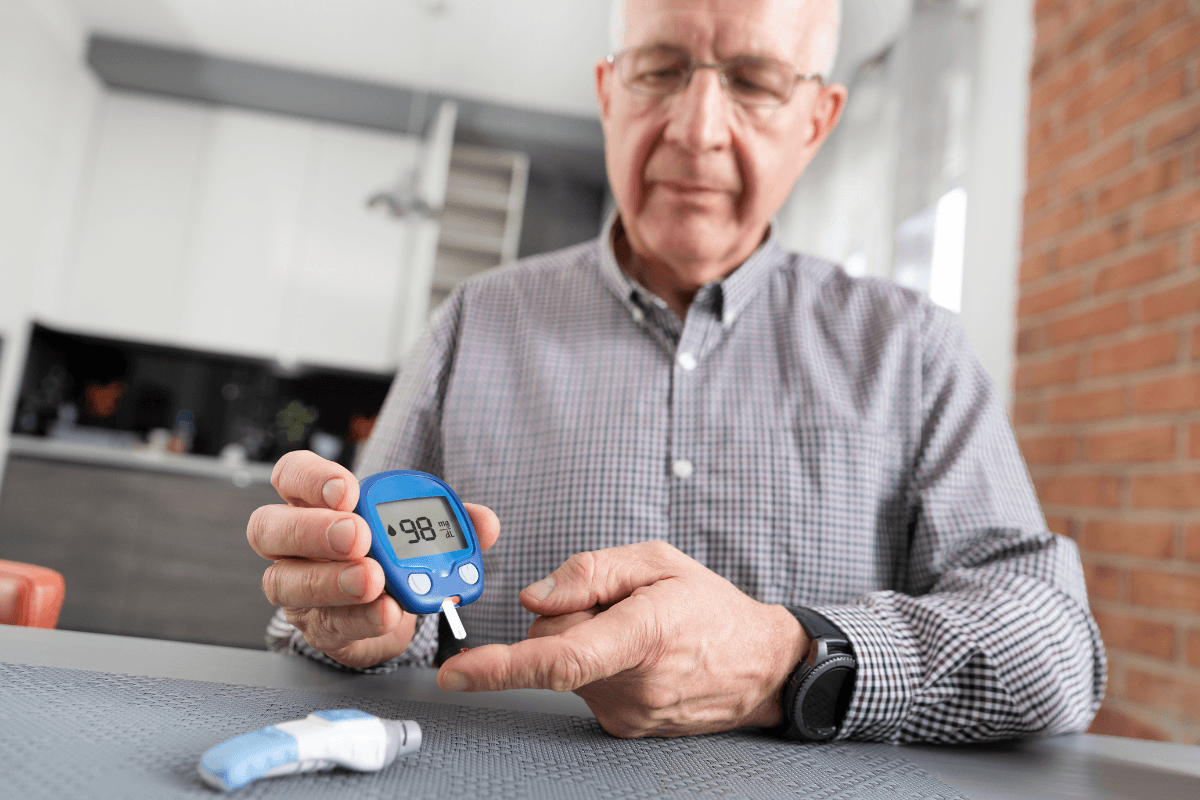
Category: Type 2 Diabetes

This category supports practical type 2 diabetes management for patients and caregivers.
It blends education, product browsing, and planning tools for daily routines.
Some prescriptions can be arranged as Ships from Canada to US, when appropriate.
Use related hubs like Diabetes to compare topics across diabetes types.
If your household also manages insulin-dependent care, review Type 1 Diabetes for contrasts in treatment patterns.
Dispensing is handled by licensed Canadian partner pharmacies.
What You’ll Find in This Category
This is a condition-focused hub for people living with type 2 diabetes. It gathers educational posts plus links to relevant medication and supply listings.
It also supports care partners who track labs, refills, and routines. You can scan topics like insulin resistance (when cells respond poorly to insulin), A1C levels, and blood sugar monitoring.
For product-led browsing, open the Type 2 Diabetes Hub. For tools and add-ons, browse Diabetes Care and Diabetes Supplies.
This page also helps you navigate type 2 diabetes management questions that come up between visits.

Symptoms and red flags to discuss, including fatigue and thirst patterns.
How a type 2 diabetes diagnosis is confirmed, including lab terminology.
Medication classes, including metformin for type 2 diabetes and insulin options.
GLP-1 medications type 2 diabetes and SGLT2 inhibitors type 2 diabetes overviews.
Daily planning topics, like a type 2 diabetes diet, carb counting diabetes, and low glycemic index diet basics.
Risk topics, including type 2 diabetes complications affecting eyes, nerves, and kidneys.

type 2 diabetes management basics
Type 2 diabetes is a metabolic condition that affects glucose control. Many people start with lifestyle changes, then add medicines as needed.
Care often includes a meal pattern, activity planning, and tracking results over time. Some people explore weight loss and type 2 diabetes goals, or discuss type 2 diabetes remission as a long-term possibility.
It helps to learn key measures early, including A1C levels and home readings. If you use a continuous glucose monitor, the trends can add context to finger-stick checks.
How to Choose
Choosing resources for type 2 diabetes management can feel overwhelming at first. A clear checklist helps you compare options without guessing.
Medication and monitoring fit

Confirm your current plan type, like oral meds, injectables, or insulin.
Ask how often monitoring is expected, and what results matter most.
Note any kidney disease and diabetes concerns discussed with your clinician.
Track heart disease and diabetes history, since goals may differ.
List side effects you have experienced, including stomach upset or dehydration.
Review storage needs and travel routines, especially for injectable medicines.

Quick tip: Keep a single medication list with dates, prescribers, and pharmacies.
If insulin is part of your plan, start with Different Types Of Insulin. If you are comparing injectables, Ozempic Vs Insulin explains common discussion points.
When a specific insulin brand is mentioned on your prescription, confirm the exact form. For example, NovoRapid Cartridge is a specific rapid-acting insulin presentation.
Safety and Use Notes
Safety for type 2 diabetes management starts with shared information across your care team. That includes allergies, current medicines, and recent lab results.
Some medicines can affect kidney function, hydration, or blood pressure. Others can raise the risk of low blood sugar, especially with insulin or sulfonylureas.
Why it matters: Low blood sugar can become dangerous if warning signs are missed.
Common safety topics to review

Hypoglycemia signs, including shakiness, sweating, and confusion.
High blood sugar symptoms that may signal illness or missed doses.
Injection technique questions, if insulin or GLP-1 therapy applies.
Foot checks and diabetic foot care routines for nerve protection.
Eye and kidney screening schedules tied to type 2 diabetes complications.

For plain-language context on A1C, see this CDC overview: CDC A1C Test.
For broader lifestyle guidance, see this ADA resource page: American Diabetes Association Type 2.
Prescription details are confirmed with the prescribing clinician before dispensing.
Access and Prescription Requirements
Access for type 2 diabetes management often depends on prescription status and local rules. Some items are over-the-counter, while many medicines require a valid prescription.
If a prescription is needed, be ready to share prescriber contact details and current directions. The platform may request clarification when details are missing or outdated.

Have the exact medication name, form, and quantity available.
Confirm whether substitutions are allowed on your prescription.
Plan ahead for refrigeration needs and delivery coordination.
Keep recent lab results available if your clinician requests them.

Cash-pay access may help some people who are without insurance.
If you are comparing insulin products, brand differences can be confusing. Use explainers like Humulin Vs Humalog to understand naming, timing, and formulation terms.
This content is for informational purposes only and is not a substitute for professional medical advice.


  • Tirzepatide Alternative Options: Safety, Access, and Fit

    Tirzepatide Alternative Options: Safety, Access, and Fit

    A tirzepatide alternative may be another prescription incretin medicine, an oral diabetes option, a non-incretin weight-management drug, or lifestyle support. There is no true over-the-counter substitute, no approved generic tirzepatide, and no supplement or recipe that copies its dual GIP and GLP-1 action. The right comparison depends on why you are switching: side effects, access, cost, eye health, injection fatigue, or treatment goals.

    Why this matters: people often compare these options while managing type 2 diabetes, obesity, or both. Those conditions already involve long-term monitoring, so a switch should be planned with a clinician rather than based on social media claims or availability alone.

    Key Takeaways

    • Prescription options vary: alternatives differ by indication, dosing route, and tolerability.
    • No OTC match exists: supplements cannot replicate tirzepatide pharmacology.
    • Eye history matters: rapid glucose improvement can affect retinopathy risk.
    • Compounding is limited: unapproved versions have regulatory and safety concerns.
    • Generic timing is uncertain: patent and manufacturing issues can delay entry.

    Where a Tirzepatide Alternative Fits First

    The best tirzepatide alternative is usually the option that matches your diagnosis, safety profile, and ability to stay on treatment. For some people, that may mean another GLP-1 receptor agonist. For others, it may mean a non-injectable diabetes medicine, a different obesity medication, or a renewed focus on nutrition, movement, sleep, and glucose tracking.

    Tirzepatide is different from traditional GLP-1 receptor agonists because it acts on two hormone pathways: glucose-dependent insulinotropic polypeptide, or GIP, and glucagon-like peptide-1, or GLP-1. These pathways influence appetite, insulin response, and glucose regulation. That dual mechanism does not mean every person tolerates it better. Nausea, vomiting, diarrhea, constipation, reflux, and appetite changes can still occur.

    People commonly look for alternatives for four reasons. First, side effects may interfere with daily life. Second, coverage or supply may change. Third, needle fatigue can make weekly injections harder to sustain. Fourth, people with diabetic eye disease may want a careful discussion about the pace of glucose improvement.

    If you want a broader class comparison before a medical visit, Top GLP-1 Drugs outlines common incretin-based weight-loss options. For a molecule-level comparison, Retatrutide Vs Tirzepatide explains how newer multi-receptor approaches are being discussed.

    Prescription Alternatives: How the Main Choices Differ

    Prescription alternatives are not interchangeable copies. They may share appetite or glucose effects, but they differ in approved use, route, dosing schedule, contraindications, and monitoring needs. That is why the question is not only which medicine is strongest, but which one fits your health history and follow-up plan.

    Other incretin-based medicines

    Semaglutide, dulaglutide, and liraglutide are GLP-1 receptor agonists. They are not the same as tirzepatide, but they work in a related hormone pathway. Some are used for type 2 diabetes, some for chronic weight management, and some have more than one brand or label depending on the indication.

    For readers comparing common diabetes injectables, Mounjaro Vs Trulicity reviews side-effect and effectiveness considerations in plain language. Product pages such as Ozempic and Trulicity can also help you identify the medicine being discussed, but treatment selection should stay with your prescriber.

    Same molecule, different label

    Some confusion comes from brand names. Mounjaro and Zepbound both refer to tirzepatide, but they are associated with different approved uses. So, Zepbound is not a pharmacologic alternative to tirzepatide; it is tirzepatide under a different label context. This distinction matters when people ask about a “generic Mounjaro for weight loss” or “tirzepatide alternative names.”

    If you are trying to understand the branded product context, Mounjaro KwikPen and Zepbound provide product-specific navigation. These pages should not replace a clinical review of eligibility, risks, and monitoring.

    Non-incretin options

    Some alternatives do not work through GLP-1 at all. Depending on the diagnosis, clinicians may consider metformin, SGLT2 inhibitors, DPP-4 inhibitors, insulin, or other therapies for type 2 diabetes. For obesity care, other prescription options may be considered when appropriate. These choices can have different effects on appetite, glucose, heart risk, kidney considerations, blood pressure, and side effects.

    That wider view is especially important for people with several conditions. A person with type 2 diabetes, kidney disease, and diabetic eye disease may need a different discussion than someone using medication only for weight management. You can browse related condition navigation through Type 2 Diabetes for more background topics.

    GI Side Effects and Eye Risk: What to Watch

    Gastrointestinal side effects are common across incretin medicines, but the pattern can differ by person and by dose changes. Nausea, reduced appetite, constipation, diarrhea, vomiting, and reflux are often discussed early in treatment. Symptoms may improve for some people over time, but persistent vomiting, dehydration, severe abdominal pain, or inability to keep fluids down needs prompt medical attention.

    Switching because of GI effects is reasonable to discuss. Still, it is not safe to assume that another drug will be side-effect free. A slower titration plan, meal-size changes, hydration, and review of other medicines may all be part of the conversation. Do not change dose timing, skip prescribed steps, or restart after a long break without clinician input.

    Eye risk needs a different kind of attention. Diabetic retinopathy is damage to the retina’s small blood vessels caused by diabetes. Rapid improvement in blood glucose can sometimes be associated with short-term worsening of existing retinopathy, especially in people with long-standing high glucose or known eye disease. This concern is not simply about one brand. It is about baseline eye health, A1C change, and monitoring.

    If you have a history of diabetic retinopathy, report new floaters, blurred vision, dark spots, vision loss, or eye pain quickly. For deeper background, Diabetic Retinopathy explains how diabetes can affect the eyes and why routine exams matter. The Ophthalmology collection can also help readers explore eye-health topics.

    Quick tip: Bring your latest A1C and eye-exam date to medication-review visits.

    Oral, Natural, and OTC Claims

    There is no approved pill version of tirzepatide at this time. An oral alternative to Mounjaro usually means a different medicine, not oral tirzepatide. Oral semaglutide exists for type 2 diabetes in some settings, but it is a distinct drug with specific administration instructions and its own safety profile. Other oral diabetes or weight-management medicines may be options depending on the person.

    There is also no non-prescription tirzepatide. A tirzepatide alternative over the counter might sound appealing, especially when prescription access is difficult, but OTC products do not undergo the same approval process for treating diabetes or obesity. Fiber products, caffeine, berberine, protein powders, or herbal blends may affect appetite or digestion for some people, yet they do not duplicate GIP and GLP-1 receptor activity.

    Social media phrases such as “natural Mounjaro recipe,” “natural Mounjaro 4 ingredients,” or “best natural alternative to Mounjaro” can be misleading. A drink made with pantry ingredients may support hydration or satiety, but it is not a regulated medication. It should not be used as a substitute for diabetes treatment, especially when high glucose, medication-related hypoglycemia risk, pregnancy, kidney disease, gastroparesis, or an eating disorder is part of the picture.

    Lifestyle measures still matter. Higher-fiber foods, adequate protein, resistance training, consistent sleep, and reduced sugary drinks can support appetite and glucose goals. A registered dietitian or diabetes educator can help translate those ideas into a plan that fits culture, budget, medications, and glucose patterns.

    The calculator below can help you track weight-change progress as a general planning metric. It does not judge treatment success or replace clinical guidance.

    [weight-loss-progress-calculator]

    Compounded and Generic Tirzepatide Questions

    Compounded tirzepatide is not the same as an FDA-approved product. Compounding may be permitted only in specific circumstances, and rules can change when shortages resolve or enforcement priorities shift. The practical answer to “is compounded tirzepatide going away” is that access can become more limited when commercially available products are no longer considered in shortage. However, the exact situation can depend on timing, product status, and regulatory decisions.

    “Compounded tirzepatide banned” is also too simple. The larger issue is that compounded versions are not FDA-approved for safety, quality, or effectiveness. Regulators have raised concerns about unapproved GLP-1 products used for weight loss, including dosing errors and products sold outside appropriate medical oversight. If a compounded product is being discussed, ask what form is being used, who compounds it, what documentation exists, and how adverse effects are monitored.

    Generic availability is another common source of confusion. There is currently no approved generic tirzepatide that is equivalent to branded tirzepatide products. Peptide medicines can involve complex manufacturing, patents, and regulatory review. Because of those factors, “when will generic tirzepatide be available” and “when will generic Zepbound be available” cannot be answered with a simple reliable date.

    For patients comparing cash-pay, cross-border prescription options without insurance, eligibility and local rules still matter. BorderFreeHealth connects U.S. patients with licensed Canadian partner pharmacies, and prescription details are verified with the prescriber when required before dispensing by the pharmacy. That access context does not determine which medicine is clinically appropriate.

    How to Compare Options With Your Clinician

    A careful comparison starts with the reason you want a change. If side effects are the issue, your clinician may review meal patterns, hydration, dose history, and other medicines before switching. If access is the issue, the discussion may include label fit, documentation, and whether another therapy can meet the same treatment goal.

    • Primary goal: glucose control, weight management, or both.
    • Side-effect pattern: nausea, constipation, reflux, or dehydration.
    • Eye history: retinopathy status and last eye exam.
    • Route preference: injection, tablet, or non-drug support.
    • Comorbidities: kidney, heart, gallbladder, or digestive issues.
    • Access factors: coverage, supply, and verified prescription pathways.

    Ask direct questions. “What problem are we trying to solve by switching?” is often more useful than “Which drug is best?” You can also ask how glucose, weight, GI symptoms, eye symptoms, and follow-up labs will be monitored after any change.

    If your search started with weight loss, avoid comparing medicines only by expected scale movement. Durability, tolerability, medical history, and the ability to continue follow-up are just as important. If your search started with diabetes, ask how any change may affect A1C, hypoglycemia risk when combined with other drugs, and routine eye care.

    Authoritative Sources

    For official prescribing and safety context, review the FDA-approved labeling for tirzepatide products through the FDA Drugs database. Product labels describe approved uses, contraindications, warnings, and common adverse reactions.

    The FDA also summarizes regulatory concerns about unapproved compounded and copycat GLP-1 products in its unapproved GLP-1 safety update. This is especially relevant when online sources blur approved, compounded, and research-use products.

    For broader diabetes-care standards, the American Diabetes Association publishes annual clinical recommendations in Diabetes Care standards. These standards help clinicians weigh glucose goals, comorbidities, medication risks, and monitoring needs.

    Recap

    A tirzepatide alternative may be a related GLP-1 medicine, a different diabetes or obesity treatment, an oral option, or lifestyle support. It is not an OTC supplement, a viral recipe, or an unverified compounded product sold without appropriate oversight. The safest comparison looks at your treatment goal, side effects, eye history, other conditions, and practical access.

    If you are preparing for a visit, write down the exact reason you want to switch, your current side effects, recent glucose or weight trends, and any new vision symptoms. That information helps your clinician compare options without relying on guesswork.

    This content is for informational purposes only and is not a substitute for professional medical advice.

  • Tirzepatide and Sleep Apnea: Evidence, Access, and CPAP

    Tirzepatide and Sleep Apnea: Evidence, Access, and CPAP

    Tirzepatide and sleep apnea now have a clearer evidence base: the medicine may help some adults with moderate to severe obstructive sleep apnea (OSA) and obesity, mainly by supporting substantial weight loss and related metabolic improvements. It is not a stand-alone cure, and it should not replace CPAP or another prescribed airway therapy without a clinician’s review. The key questions are who may qualify, what the FDA approval means, how insurance may evaluate coverage, and how to track progress safely.

    Key Takeaways

    • FDA context: Zepbound is FDA-approved for moderate to severe OSA in adults with obesity.
    • Evidence focus: Trials measured apnea-hypopnea index, body weight, oxygen burden, and patient-reported sleep outcomes.
    • Care still matters: CPAP, oral appliances, sleep testing, and lifestyle care remain important parts of treatment.
    • Coverage varies: Insurance usually depends on diagnosis, BMI, plan rules, prior authorization, and documentation.
    • Safety first: Side effects, contraindications, and monitoring should be discussed with a licensed prescriber.

    What Changed for Tirzepatide and Sleep Apnea?

    The major change is regulatory. In December 2024, the U.S. Food and Drug Administration approved Zepbound (tirzepatide) for the treatment of moderate to severe obstructive sleep apnea in adults with obesity. That approval matters because OSA had long been managed mainly with airway-focused treatments, such as continuous positive airway pressure (CPAP), oral appliances, positional strategies, and selected surgical approaches.

    Obstructive sleep apnea happens when the upper airway repeatedly narrows or collapses during sleep. These pauses can lower oxygen levels, fragment sleep, and contribute to daytime sleepiness. Over time, untreated OSA may also add strain to cardiovascular and metabolic health. Obesity can worsen OSA by increasing tissue around the airway and changing breathing mechanics, although not every person with OSA has obesity.

    Tirzepatide is a dual GIP and GLP-1 receptor agonist. In plain language, it acts on hormone pathways involved in appetite, fullness, and glucose regulation. For OSA, the treatment rationale is tied closely to weight reduction and related improvements in breathing during sleep. The evidence does not mean everyone can stop CPAP or expect the same response. It means clinicians now have another tool for a defined group of adults.

    For readers comparing brand names, Zepbound and Mounjaro both contain tirzepatide but are approved for different uses. A deeper brand comparison is available in Zepbound vs Mounjaro.

    How Tirzepatide May Help OSA Symptoms

    Tirzepatide may help sleep apnea by reducing factors that make the airway more likely to collapse during sleep. Weight loss can reduce fat deposits around the throat and abdomen. Less pressure on the airway and chest wall may improve airflow, oxygen levels, and sleep continuity in some people.

    Researchers also look beyond weight alone. In clinical studies, investigators tracked changes in apnea-hypopnea index (AHI), hypoxic burden, blood pressure, inflammation markers, and patient-reported sleep quality. AHI measures how often breathing stops or becomes shallow per hour of sleep. Hypoxic burden describes the overall impact of oxygen drops across the night. These measures help clinicians judge whether symptoms are improving in a way that matters medically.

    Why it matters: Better snoring alone does not prove OSA is controlled.

    People often ask whether losing 20 pounds can cure sleep apnea. Weight loss can improve OSA severity for some adults, but it does not reliably cure it for everyone. Anatomy, age, nasal obstruction, jaw structure, alcohol use, sleep position, and other health conditions can still play a role. Repeat testing may be needed before changing CPAP or oral appliance therapy.

    If you are using weight-related metrics during care discussions, BMI can help describe eligibility criteria used by some plans and studies. This calculator estimates BMI from height and weight only; it does not diagnose OSA or determine treatment eligibility.

    [bmi-calculator]

    For broader background on weight-management therapies, see the Weight Management topic collection.

    What the Sleep Apnea Trials Measured

    The key tirzepatide sleep apnea trial program studied adults with moderate to severe OSA and obesity. Researchers assessed people with and without positive airway pressure therapy, then measured changes over time. The main endpoint included AHI, while other outcomes included body weight, oxygen-related measures, blood pressure, inflammatory markers, and patient-reported sleep effects.

    That design matters because OSA is not only a snoring problem. A meaningful study needs to show changes in breathing events, oxygen stress, and daily functioning. It also needs to account for whether someone is already using CPAP or cannot tolerate it. A medication may improve risk factors while CPAP continues to provide direct airway support.

    The phrase “4% rule” in sleep apnea usually refers to one scoring method for hypopneas, where a partial breathing reduction is counted when it is linked with at least a 4% drop in oxygen saturation. Some sleep labs or insurers may use definitions that affect reported AHI. If your AHI seems different across reports, ask which scoring criteria were used.

    When reviewing study results, focus on the question most relevant to your situation. Was the population similar to you? Did the study include adults with your OSA severity? Were participants using CPAP, not using CPAP, or both? Did outcomes include symptoms, oxygen measures, and safety monitoring? These questions are more useful than comparing a single headline number.

    FDA Approval, Brand Names, and Medication Fit

    Zepbound is the tirzepatide product with FDA approval for moderate to severe OSA in adults with obesity. Mounjaro also contains tirzepatide, but it is approved for type 2 diabetes. This distinction matters for prescribing, documentation, payer rules, and patient expectations.

    People often ask whether Mounjaro is approved for sleep apnea. Based on current U.S. labeling, the OSA indication belongs to Zepbound, not Mounjaro. A prescriber may consider a person’s full medical situation, but insurance plans often follow FDA-labeled indications closely. That is why brand selection can affect prior authorization.

    There are also related medicines in the incretin family. Wegovy contains semaglutide and is used for chronic weight management in eligible patients. Ozempic contains semaglutide and is used for type 2 diabetes. These products should not be treated as interchangeable, because labels, doses, indications, and plan criteria differ. For a broader comparison of newer weight-related medications, Retatrutide vs Tirzepatide explains how related investigational and approved pathways can differ.

    BorderFreeHealth connects U.S. patients with licensed Canadian partner pharmacies, and prescription details are verified with the prescriber when required before dispensing. That access context can be relevant for people exploring cash-pay prescription options without insurance, but it does not replace clinical eligibility review.

    Insurance Coverage: What Plans Usually Look For

    Insurance coverage for tirzepatide and sleep apnea depends on the plan, the exact product, and the documentation submitted. After FDA approval, some plans may create or update criteria for Zepbound in adults with obesity and moderate to severe OSA. Others may still apply weight-management rules, formulary exclusions, step therapy, or prior authorization requirements.

    Plans commonly ask for objective proof. This may include a sleep study showing OSA severity, current BMI, relevant comorbidities, previous treatment attempts, and a prescriber’s rationale. If CPAP was prescribed, the plan may ask whether it is being used, not tolerated, or still being optimized. Coverage is not guaranteed simply because a diagnosis exists.

    Documents That May Strengthen a Prior Authorization

    • Sleep study report: Include AHI, oxygen findings, and date.
    • BMI record: Use recent clinic measurements when possible.
    • OSA history: Note symptoms, severity, and daytime impact.
    • Therapy history: Include CPAP, oral appliance, or positional therapy notes.
    • Comorbidity context: Mention relevant cardiometabolic risks documented by your clinician.
    • Monitoring plan: Clarify follow-up, side-effect review, and outcome tracking.

    Many readers ask what insurance covers Zepbound. The practical answer is that coverage is plan-specific. Employer plans, marketplace plans, Medicare-related plans, and private policies may all use different rules. If a denial occurs, ask for the exact reason in writing. An appeal can then address the missing criterion instead of repeating the same information.

    People also ask whether insurance will cover Mounjaro for sleep apnea. Because Mounjaro is not the product with the OSA indication, coverage for OSA alone may be less likely under many plans. If type 2 diabetes is also present, the plan may evaluate the claim under diabetes criteria instead. For condition-specific browsing, the Type 2 Diabetes condition collection may help readers understand related medication categories.

    Quick tip: Keep a single folder with sleep reports, denial letters, and prescriber notes.

    Where CPAP, Oral Appliances, and Lifestyle Still Fit

    Medication does not remove the need to manage airway collapse directly. CPAP remains one of the most established treatments for OSA because it keeps the airway open during sleep. For many people, it works while it is being used. The challenge is comfort, adherence, mask fit, nasal symptoms, and nightly routine.

    Oral appliances may help selected adults, especially when OSA is milder or CPAP is not tolerated. These devices move the jaw forward to reduce airway narrowing. They need professional fitting and follow-up. Repeat sleep testing may be recommended to confirm whether the device is controlling breathing events.

    Weight management can support OSA care, but it should be framed realistically. Nutrition, activity, alcohol reduction, smoking cessation, and sleep-position changes may all help some people. They also support blood pressure, glucose, and energy levels. For medication-specific weight-management background, Zepbound for Weight Loss discusses how tirzepatide fits into chronic weight care.

    Some people search for a new treatment for sleep apnea without a mask. Tirzepatide may be part of that conversation for eligible adults with obesity, but it is not the same as a nightly airway device. A safe plan usually compares symptom goals, objective sleep metrics, side effects, and personal tolerance. It should also include follow-up testing when therapy changes are substantial.

    Safety, Side Effects, and When to Seek Care

    Tirzepatide can cause side effects, most often involving the digestive system. Nausea, vomiting, diarrhea, constipation, abdominal discomfort, and reduced appetite are commonly discussed with incretin therapies. Some people need slower adjustments or closer monitoring, while others may not tolerate therapy. Prescribers also review medical history, medication interactions, pregnancy considerations, gallbladder issues, pancreatitis history, and other risks based on official labeling.

    OSA itself also carries safety concerns. Severe daytime sleepiness can affect driving, work, and daily functioning. Morning headaches, witnessed pauses in breathing, chest discomfort, worsening shortness of breath, or confusion should be taken seriously. Urgent symptoms need prompt medical care, especially if oxygen levels, heart symptoms, or severe neurologic symptoms are involved.

    Sleep apnea medications can mean different things. Some medicines treat excessive daytime sleepiness, but they do not fix airway obstruction. Others may affect weight, nasal congestion, or related conditions. Sedatives, alcohol, and certain medications can worsen breathing during sleep in some people. Do not stop or change prescribed medicines without speaking with a clinician.

    For readers comparing product pages, Zepbound and Mounjaro KwikPen are separate entries because product labeling and intended use can differ. Those pages should be used for product navigation, not as a substitute for medical advice.

    How to Prepare for a Clinician Visit

    A focused appointment can help you avoid vague answers. Bring your sleep study, current medication list, CPAP or oral appliance history, and recent weight or BMI records. If you have home CPAP data, bring adherence and leak summaries if available. These details help your clinician connect symptoms, objective findings, and treatment options.

    It also helps to describe your main barrier. Some people struggle with mask leaks. Others feel persistent daytime sleepiness despite treatment. Some have weight-related health risks that are being managed at the same time. A clear problem statement helps the care team decide whether the next step is mask refitting, repeat testing, oral appliance referral, medication review, or weight-management support.

    Questions Worth Asking

    • Eligibility: Does my OSA severity match labeled criteria?
    • Testing: Do I need an updated sleep study?
    • CPAP plan: Should current airway therapy continue?
    • Safety: Which side effects require a call?
    • Coverage: What documentation will the plan request?
    • Follow-up: Which outcomes will we track?

    If affordability or access is part of the discussion, ask whether the medication is being considered under an OSA indication, a weight-management indication, or a diabetes indication. That distinction can affect paperwork. BorderFreeHealth may support cash-pay, cross-border prescription options for eligible patients, subject to jurisdiction and prescription requirements.

    Authoritative Sources

    For the current U.S. regulatory decision, review the FDA announcement: FDA approval for obstructive sleep apnea.

    For peer-reviewed trial evidence, read the New England Journal of Medicine publication: tirzepatide OSA clinical trial report.

    For sleep-medicine context, see this American Academy of Sleep Medicine clinician update: AASM tirzepatide prescribing discussion.

    Recap

    Tirzepatide and sleep apnea are now linked by stronger clinical evidence and an FDA-approved indication for Zepbound in adults with obesity and moderate to severe OSA. The treatment may reduce OSA severity for some people, but it does not erase the need for careful diagnosis, CPAP planning, safety monitoring, and follow-up testing. If you are considering next steps, focus on objective sleep data, current therapy tolerance, medical eligibility, and plan-specific coverage criteria.

    This content is for informational purposes only and is not a substitute for professional medical advice.

  • Ozempic Pregnancy: Safety, Fertility, and Next Steps

    Ozempic Pregnancy: Safety, Fertility, and Next Steps

    If you are pregnant, trying to conceive, or just had a positive test, ozempic pregnancy guidance is cautious: semaglutide is generally stopped when pregnancy is recognized, and planned pregnancies usually need advance discussion because the medicine stays in the body for weeks. The priority is not panic. It is protecting fetal development while keeping blood glucose as stable as possible.

    Many readers are balancing type 2 diabetes, weight changes, fertility goals, and conflicting online stories. This page explains what is known, what remains uncertain, and what to ask your clinician next. It does not replace prenatal care or diabetes care.

    Key Takeaways

    • Current labels: Semaglutide is not recommended during pregnancy unless a clinician identifies a specific benefit-risk reason.
    • Positive test: Contact your prenatal or diabetes clinician promptly before changing the broader care plan.
    • Trying to conceive: Ask about stopping semaglutide before pregnancy because it clears slowly.
    • Safer options: Insulin, and sometimes metformin, may be considered for glucose control during pregnancy.
    • Breastfeeding: Human milk data are limited, so postpartum restart timing needs individualized review.

    What Current Evidence Says About Ozempic Pregnancy Safety

    Ozempic contains semaglutide, a GLP-1 receptor agonist used for type 2 diabetes. Other semaglutide brands may be used for different indications, but the pregnancy caution is similar because the active molecule is the same. Human pregnancy data remain limited, so product labeling and clinicians take a precautionary approach.

    In animal studies, semaglutide exposure was linked with embryo-fetal harm, pregnancy loss, or growth effects at clinically relevant exposures. Animal findings do not always predict human outcomes. Still, they matter when human data are not strong enough to rule out risk. That is why clinicians usually recommend stopping the medicine when pregnancy is recognized and planning ahead when pregnancy is intended.

    There is no longer a simple U.S. “ozempic pregnancy category” letter in modern medication labels. The FDA replaced old pregnancy letters with narrative sections that describe known risks, available data, and clinical considerations. So when readers search for “Category C” answers, they may be seeing older terminology rather than current labeling language.

    Why it matters: The decision is not only about the medicine; uncontrolled diabetes can also affect pregnancy outcomes.

    If you use semaglutide for type 2 diabetes, stopping without a replacement plan can lead to rising glucose. Your care team may review A1C, home glucose readings, nausea, food intake, and pregnancy timing. For background on how this medication fits diabetes care outside pregnancy, see Semaglutide Basics.

    If You Got Pregnant While Taking Semaglutide

    If you are thinking, “I got pregnant while taking Ozempic,” the first step is to call your prenatal clinician, diabetes clinician, or prescribing clinician. Do not rely on Reddit stories or social posts to judge your personal risk. Online experiences can be reassuring or frightening, but they rarely include the medical details that shape risk.

    Your clinician may recommend stopping semaglutide after pregnancy is recognized, then creating a glucose plan. That plan might include more frequent glucose checks, nutrition support, medication changes, or referral to maternal-fetal medicine when risk is higher. If you have severe vomiting, dehydration, repeated low blood sugar, very high readings, abdominal pain, or bleeding, seek urgent care.

    Early pregnancy dating can also help. A due-date estimate does not replace ultrasound or prenatal care, but it can help you organize dates before your appointment.

    [pregnancy-due-date-calculator]

    This calculator provides a general date-based estimate. Your clinician may revise dating after ultrasound or a full clinical review.

    Bring practical details to the visit: the date of your last menstrual period, date of the positive test, last semaglutide dose, current dose schedule, other medications, glucose readings, and any symptoms. If you have diabetes, ask what glucose targets apply during pregnancy. For more context on pregnancy-related glucose screening, see What Is Gestational Diabetes.

    When to Stop Before Trying to Conceive

    People planning pregnancy should ask when to stop semaglutide before pregnancy before they begin trying to conceive. The U.S. product label for Ozempic advises stopping at least two months before a planned pregnancy. This timing reflects semaglutide’s long half-life and slow clearance.

    Semaglutide has a half-life of about one week, meaning the body removes it gradually. Several half-lives are needed before blood levels fall substantially. That is why a short pause may not be enough for planned conception. Your clinician can help align the stop date with glucose monitoring, fertility plans, and any replacement therapy.

    This is especially important for people who use Ozempic for type 2 diabetes. Pregnancy increases the need for careful glucose management, and the first trimester is a sensitive period for fetal development. If you are using semaglutide mainly for weight management, the conversation may focus on stopping the drug, avoiding intentional weight loss during pregnancy, and maintaining adequate nutrition.

    Some people also ask whether semaglutide can make pregnancy more likely. It does not act as a fertility drug. However, weight loss and improved insulin resistance may help some people ovulate more regularly, especially those with polycystic ovary syndrome. That can make unplanned pregnancy more likely if contraception is inconsistent or less effective for another reason.

    Fertility, Birth Control, and “Ozempic Babies”

    Semaglutide may indirectly affect fertility for some people because metabolic changes can influence ovulation. The phrase “Ozempic babies” usually refers to unexpected pregnancies after weight loss or improved cycle regularity. It is not proof that the medication directly causes pregnancy.

    If you do not want to become pregnant, review contraception with your clinician. This is particularly relevant if your cycles have become more regular, your weight has changed, or you have had vomiting or diarrhea that could affect oral contraceptive absorption. GLP-1 medicines can slow gastric emptying, and some related medicines carry label language about oral contraceptive timing. Your prescriber can clarify what applies to your medication.

    Questions about male fertility are also common. Evidence on semaglutide and male fertility remains limited. Clinicians usually focus on broader cardiometabolic health, sleep, smoking status, alcohol use, and medication review when fertility is a goal. If a partner is using semaglutide, a reproductive specialist can help interpret risks in context.

    Quick tip: If pregnancy would change your medication plan, treat contraception as part of diabetes safety planning.

    Alternatives for Glucose Control During Pregnancy

    During pregnancy, clinicians often prefer therapies with longer safety experience. Insulin is commonly used because it can be adjusted to glucose targets and has an established role in gestational and pre-existing diabetes care. It is not interchangeable with semaglutide, but it may become the safer tool during pregnancy.

    Metformin is another medication that may come up in discussion. Searches for “metformin pregnancy category” can be confusing because old category letters are outdated in the U.S. Current decisions use narrative labeling, clinical history, glucose patterns, pregnancy type, and patient-specific factors. Some people continue or start metformin in pregnancy under clinician supervision, while others need insulin.

    These choices are individualized. A clinician may consider pre-pregnancy A1C, kidney function, nausea, food intake, fasting glucose, post-meal readings, prior gestational diabetes, and fetal growth monitoring. If you want a deeper look at pregnancy diabetes treatment comparisons, see Metformin vs Insulin. For a broader medication-class contrast outside pregnancy, Ozempic vs Insulin explains why clinicians choose different tools in different situations.

    Oral semaglutide is not a workaround. Rybelsus contains semaglutide, so pregnancy questions about Rybelsus fall under the same general concern: limited human data and precautionary label guidance. Brand differences do not remove the need for pregnancy-specific review.

    Breastfeeding and Postpartum Restart Decisions

    Ozempic and breastfeeding require a separate conversation after delivery. Human data on semaglutide transfer into breast milk are limited. Labels advise weighing the mother’s clinical need against potential infant risk and the benefits of breastfeeding.

    Postpartum priorities can change quickly. Sleep loss, recovery, lactation, appetite swings, and glucose changes can make medication planning harder. Some clinicians defer GLP-1 therapy during lactation, while others review the available evidence and patient needs case by case. The safest answer depends on the parent’s health, the infant’s age and health, feeding goals, and available alternatives.

    If you had gestational diabetes, your team may recommend postpartum glucose testing. If you had type 2 diabetes before pregnancy, you may need a medication transition after delivery. Ask how often to check glucose, which symptoms should trigger urgent care, and when to revisit weight or diabetes medicines after breastfeeding changes.

    Readers who are comparing access options for medications outside pregnancy can browse the site’s Type 2 Diabetes resources. BorderFreeHealth also provides cash-pay, cross-border prescription access options for eligible U.S. patients without insurance, with prescription details verified when required before pharmacy dispensing.

    What Research Still Cannot Answer

    Ozempic and pregnancy studies are growing, but they still cannot answer every patient question. Many early human reports involve small groups, accidental early exposure, or incomplete information. These data can be useful, yet they cannot prove that semaglutide is safe throughout pregnancy.

    Researchers continue to track pregnancy outcomes after GLP-1 exposure. Important questions include miscarriage risk, congenital anomalies, fetal growth, preterm birth, neonatal outcomes, and whether risks differ by dose, timing, diabetes status, or weight change. Until stronger data exist, most guidance remains conservative.

    It is also important to separate medication risk from underlying health risk. Diabetes, higher A1C, obesity, high blood pressure, kidney disease, and other conditions can independently affect pregnancy outcomes. That makes individual interpretation complex. A person who had an uncomplicated pregnancy after early exposure does not prove the drug is safe for everyone. A person who had a loss after exposure does not prove the medicine caused it.

    Questions to Ask Your Care Team

    A short question list can make appointments easier, especially after an unexpected positive test. Bring the medication pen or medication list if you can. Include supplements and over-the-counter products.

    • Exposure timing: When was my likely conception date compared with my last dose?
    • Glucose plan: What targets should I use during pregnancy?
    • Medication transition: Do I need insulin, metformin, or another plan?
    • Monitoring: Should I check fasting and after-meal glucose?
    • Symptoms: Which signs need urgent evaluation?
    • Registry: Is pregnancy exposure registry enrollment appropriate?
    • Postpartum: How should breastfeeding affect restart timing?

    If you are still in the planning stage, ask these questions before trying to conceive. That gives your clinician time to adjust therapy, review A1C, and reduce gaps in diabetes control. For background reading on the medication’s safety history outside pregnancy, see Ozempic Safety and Use. You can also browse related Women’s Health topics for general reproductive health context.

    Authoritative Sources

    The DailyMed Ozempic label listing provides current prescribing information, including pregnancy and lactation sections.

    MotherToBaby’s semaglutide fact sheet summarizes pregnancy and breastfeeding information in patient-friendly language.

    The American Diabetes Association outlines pregnancy glucose management in its Standards of Care pregnancy chapter.

    Recap

    Ozempic pregnancy decisions should be calm, prompt, and clinician-guided. Current labeling supports stopping semaglutide when pregnancy is recognized and planning a washout before intended pregnancy. The main reason is uncertainty: animal findings raise concern, while human data are still limited.

    If you already had early exposure, do not assume the worst. Contact your care team, document timing, and focus on glucose control and prenatal follow-up. If you are trying to conceive, discuss stopping timelines, contraception, and alternatives before changing your medication routine.

    This content is for informational purposes only and is not a substitute for professional medical advice.
  • Ozempic Foods to Avoid for Fewer GI Side Effects

    Ozempic Foods to Avoid for Fewer GI Side Effects

    Ozempic foods to avoid are usually the foods most likely to worsen nausea, reflux, bloating, or uncomfortable fullness: greasy meals, large high-fat portions, very sugary drinks, heavy alcohol, and foods that personally trigger your stomach. You do not need a perfect diet. The goal is to choose meals that work with slower digestion while still giving you enough protein, fluid, fiber, and steady energy.

    Ozempic is a brand of semaglutide, a GLP-1 receptor agonist (a medicine that mimics a gut hormone). It can reduce appetite and slow gastric emptying, which means food leaves the stomach more slowly. That can help some people feel satisfied sooner, but it can also make rich or oversized meals feel worse. For broader meal-building ideas, see Ozempic Diet Food Choices.

    Key Takeaways

    • Limit greasy foods: fried foods and heavy sauces often sit longer.
    • Watch added sugar: sweet drinks and desserts may worsen swings.
    • Use smaller meals: slower eating can reduce fullness and nausea.
    • Hydrate steadily: fluids may help constipation and dizziness.
    • Track patterns: your triggers may differ from someone else’s.

    Why Certain Foods Feel Worse on Semaglutide

    Some foods feel worse because semaglutide changes appetite and stomach movement. When a meal is large, fatty, or eaten quickly, it may remain in the stomach longer. That can increase belching, nausea, acid reflux, or a heavy upper-abdomen feeling.

    High-fat foods are a common problem. Examples include fried chicken, fries, pizza with extra cheese, burgers with rich toppings, creamy pasta, and pastries. These foods are not automatically forbidden, but portion size matters. A few bites may feel fine, while a full serving may feel unpleasant, especially after a dose increase.

    Very sugary foods and drinks can also backfire. Soda, juice, candy, sweet coffee drinks, and desserts may be easy to overconsume when appetite is irregular. Some people then feel shaky, hungry, or queasy later. If you live with diabetes, repeated high or low glucose readings should be reviewed with your care team rather than managed by food rules alone.

    Alcohol deserves caution too. It can irritate the stomach, disturb sleep, and make it harder to notice fullness cues. It may also complicate glucose management for some people. If you drink, discuss safer limits with your clinician, especially if you use other medicines that can lower blood sugar.

    Quick tip: If a favorite food triggers symptoms, test a smaller portion before cutting it out completely.

    Foods to Limit, Test, or Swap First

    The most useful list is not a permanent ban list. It is a starting point for testing tolerance. The following groups are common triggers for people looking for foods to avoid on Ozempic, especially during the first weeks or after dose changes.

    High-fat and fried foods

    Fried foods, greasy takeout, sausage, bacon, cream sauces, rich desserts, and large portions of cheese can slow digestion further. If you want a hamburger, consider a smaller portion, leaner patty, open-faced bun, or side salad instead of fries. Eat slowly and stop when comfortably satisfied.

    Sugary drinks and refined snacks

    Sweet drinks, pastries, candy, and low-fiber snack foods may be less filling than balanced meals. They can also worsen nausea in some people when eaten on an empty stomach. Try pairing a smaller sweet portion with protein, or choose fruit with yogurt if that sits better.

    Spicy, acidic, or carbonated choices

    Spicy foods, tomato-heavy sauces, citrus, and carbonated drinks can trigger reflux or burping for some readers. Diet soda is not universally off-limits, but bubbles can add pressure and bloating. If you enjoy fizz, try a smaller serving, sip slowly, or let it go slightly flat.

    Hard-to-digest portions of fiber

    Fiber supports bowel regularity, but a sudden jump can cause gas. Large raw salads, beans, bran cereals, and cruciferous vegetables may feel rough early on. Cook vegetables, increase fiber gradually, and drink enough fluid as your intake rises.

    For a deeper symptom-focused plan, Managing Ozempic Side Effects covers nausea, constipation, reflux, and when to ask for help.

    What to Eat on Ozempic to Avoid Nausea

    To reduce nausea, start with small, balanced meals that include lean protein, gentle carbohydrates, and modest fat. This approach helps you avoid long gaps, oversized meals, and rich foods that can overwhelm a slower stomach.

    Good starter foods include eggs, Greek yogurt, cottage cheese, tofu, fish, tender chicken, turkey, beans in small portions, oats, rice, potatoes, bananas, applesauce, broth soups, and cooked vegetables. Eggs are usually acceptable for many people, especially boiled, scrambled, or poached with limited added fat. If eggs trigger nausea, try a smaller portion or a different protein.

    When nausea is already present, bland foods may be easier. Crackers, toast, rice, banana, broth, and applesauce can help you restart eating gently. Add protein once your stomach settles. Some people feel worse when they get very hungry, so a small snack may prevent the cycle of hunger followed by queasiness.

    Protein matters during weight loss because it supports satiety and helps preserve lean tissue. A calculator can help estimate a general daily protein range from body weight, but it does not replace advice from a clinician or registered dietitian.

    [protein-intake-calculator]

    If you have kidney disease, pregnancy, a history of eating disorders, gastroparesis, or complex diabetes medication needs, ask for individualized nutrition guidance before using protein targets or strict meal plans.

    A Flexible Meal Pattern for Better Tolerance

    A simple meal pattern works better than a rigid ozempic diet menu for most people. Aim for a protein source, a fiber-rich carbohydrate, a cooked or soft produce choice, and a small amount of fat. Then adjust the portion based on appetite and symptoms.

    Breakfast can be Greek yogurt with berries and oats, eggs with spinach and toast, or a smoothie with yogurt, banana, and a small spoon of nut butter. Lunch can be lentil soup with rice, tuna with whole-grain crackers, or chicken with quinoa and roasted carrots. Dinner can be baked fish with potatoes and green beans, turkey chili, or tofu with rice noodles and cooked vegetables.

    If you prefer a 7-day Ozempic meal plan, repeat meals rather than making every day different. Choose two breakfasts, two lunches, and three dinners you tolerate well. This makes it easier to notice patterns. It also reduces the pressure to follow a downloadable plan that may not match your appetite, culture, budget, or glucose needs.

    For readers using semaglutide as part of weight management care, Ozempic For Weight Loss explains broader expectations and lifestyle considerations. If you are comparing forms of semaglutide, Semaglutide Basics gives helpful context.

    Coffee, Tea, and Diet Soda: How to Test Tolerance

    Coffee is not automatically off-limits, but it can worsen reflux, jitters, or nausea in sensitive people. Try a smaller cup, drink it after food, or switch to half-caf if symptoms appear. Heavy creamers may be a bigger trigger than the coffee itself because added fat can slow digestion.

    Tea is often gentler, although strong black tea can still contain enough caffeine to bother some people. Ginger tea may feel soothing during mild nausea. Peppermint tea helps some stomach symptoms, but it can worsen reflux in others, so pay attention to your own response.

    Diet soda is more complicated. It usually has little or no sugar, but carbonation can increase gas and burping. Some sugar substitutes may also cause cramps or loose stools when consumed in large amounts. If soda triggers bloating, try infused water, diluted electrolyte drinks, or unsweetened tea instead.

    Timing, Portions, and Dose-Change Weeks

    Meal timing matters because appetite may shift across the week. Some people feel most sensitive around dose changes or after a missed routine. During these periods, keep meals smaller and simpler until you understand your pattern.

    Try eating slowly, chewing well, and pausing halfway through a meal. Stop at comfortable fullness rather than finishing by habit. Avoid lying down soon after eating, especially after dinner. A short walk after meals may ease fullness for some people.

    Intermittent fasting can be challenging if a long gap leads to nausea, overeating, or reflux. If you fast, the first meal should be gentle, protein-containing, and not too large. Ozempic And Intermittent Fasting discusses timing questions in more detail.

    Why it matters: Smaller meals often work better than strict avoidance when digestion is slower.

    When Symptoms Need Medical Attention

    Mild nausea, constipation, diarrhea, and reflux are common reasons people adjust food choices. Still, symptoms should not be ignored when they are severe, persistent, or unusual for you. Contact your clinician if you cannot keep fluids down, have repeated vomiting, severe abdominal pain, signs of dehydration, or symptoms that interfere with daily life.

    Seek urgent medical advice for severe stomach pain that does not improve, pain with vomiting, symptoms of an allergic reaction, or possible pancreatitis symptoms. People using insulin or sulfonylureas should also discuss low blood sugar risk with their prescriber. Food changes are not a substitute for medication review when glucose readings are repeatedly outside your target range.

    If access or medication details are part of your care planning, the Ozempic product page can help you identify the medication being discussed. BorderFreeHealth connects U.S. patients with licensed Canadian partner pharmacies, and prescription details may be verified when required before pharmacy dispensing. For browsing broader topics, the Weight Management category groups related educational resources.

    Authoritative Sources

    Medication labels and major diabetes organizations give the most reliable context for side effects, warnings, and nutrition principles. For prescribing information and gastrointestinal warnings, review the official Ozempic prescribing information. For diabetes nutrition and care standards, see the ADA Standards of Care in Diabetes. For practical food-label and meal-planning basics, the CDC diabetes healthy eating resource offers general guidance.

    Recap

    The most common ozempic foods to avoid are not mysterious. Greasy meals, large portions, sugary drinks, alcohol-heavy choices, carbonation, and personal reflux triggers are the usual culprits. Start with smaller meals, lean protein, cooked vegetables, gentle starches, and steady fluids. Then test foods one at a time, using your symptoms and glucose patterns as feedback.

    Food should support your treatment, not become another source of stress. If symptoms persist or you have medical conditions that affect diet needs, ask your clinician or a registered dietitian for individualized advice.

    This content is for informational purposes only and is not a substitute for professional medical advice.

  • Ozempic Face Before and After: Visible Changes and Next Steps

    Ozempic Face Before and After: Visible Changes and Next Steps

    Ozempic face before and after changes usually reflect weight loss, not a unique facial effect from the medicine itself. As body fat decreases, the face can look slimmer, cheeks may seem flatter, and lines or loose skin may look more noticeable. This matters because photos online can make normal changes feel alarming, especially when lighting, filters, makeup, and camera angle shift the story.

    The phrase is informal, but the concern is real. If your face looks different while using a GLP-1 receptor agonist, the safest next step is not panic. Track the timing, consider your weight-loss pace, and speak with your clinician before changing any medication plan.

    Key Takeaways

    • Main driver: Facial changes usually follow overall fat loss.
    • Common signs: Cheek hollowing, sharper jawlines, and more visible folds.
    • Photo caution: Before-and-after images can mislead without matching conditions.
    • Best support: Gradual loss, protein, resistance training, sunscreen, and barrier-friendly skincare.
    • Care matters: Sudden, distressing, or unusual changes deserve medical review.

    What People Mean by “Ozempic Face”

    “Ozempic face” describes a leaner or more aged facial appearance after significant weight loss. People often notice less fullness in the cheeks, deeper nasolabial folds, under-eye hollowing, or looser skin along the jaw and neck. These are appearance changes, not a formal diagnosis.

    Ozempic is a brand name for semaglutide, a GLP-1 receptor agonist used in diabetes care and sometimes discussed in weight-management contexts. The medicine does not directly “melt” facial fat. Instead, reduced appetite and weight loss can reduce subcutaneous fat, the soft fat layer under the skin. When that layer shrinks, underlying bone structure, lines, and laxity may show more clearly.

    Age influences how noticeable the change looks. Skin usually has less collagen and elastin with time. Collagen gives structure, while elastin helps skin recoil. If weight changes happen quickly, skin may not visually adapt at the same pace.

    For a broader medication overview, see Semaglutide Basics. If you are using this medicine for diabetes or weight-related goals, Managing Ozempic Side Effects can help you prepare practical questions for your prescriber.

    How to Read Ozempic Face Before and After Photos

    Ozempic face before and after photos can show real differences, but they are rarely controlled comparisons. A “before” photo may include swelling, different sleep, different sodium intake, or another camera lens. An “after” photo may include new styling, makeup, changed lighting, or a different expression.

    Look for the conditions around the image before judging the face. Is the camera at the same distance? Is the head tilted the same way? Is one photo taken in harsh overhead light? Small changes can make cheeks look sunken or the neck look looser.

    This is especially important with celebrity content. Searches for ozempic face celebrities, pictures of ozempic face, or celebrity before-and-after photos often mix speculation with edited images. You usually cannot tell whether a person used a medication from their face alone. Weight loss, illness, stress, aging, cosmetic procedures, and normal styling changes can all shift appearance.

    Why it matters: A photo can start a useful conversation, but it cannot diagnose medication use.

    If you want to track your own changes, use monthly photos under similar conditions. Keep the same room, camera distance, lens, expression, and lighting. Compare those images with health markers such as energy, strength, blood pressure, glucose readings, and how clothes fit.

    Visible Changes: Face, Neck, and Body Shape

    Facial changes often appear in areas where soft tissue supports contour. The cheeks may look flatter. The temples may look more defined. The jawline can seem sharper, while skin near the mouth or neck may appear looser.

    Some people search for ozempic face before and after pictures because they want to know what to expect after one month. Early changes can be subtle and uneven. At first, a face may look less puffy because of shifts in appetite, hydration, sodium intake, or inflammation. Larger structural changes usually relate more to total weight change and time.

    Common signs people notice

    • Cheeks: Less roundness or mild hollowing.
    • Under-eyes: Deeper shadows or tear-trough visibility.
    • Jawline: More definition, sometimes with loose skin.
    • Mouth area: More noticeable folds or marionette lines.
    • Neck: Laxity that can stand out after fat loss.

    People also use the phrase ozempic butt for flatter gluteal contours during weight loss. This usually reflects overall fat loss and reduced muscle fullness, not a specific medication effect. Resistance training can help preserve muscle tone in the glutes, hips, back, and legs while weight changes occur.

    Planning can help. The calculator below can estimate broad weight-loss progress toward a goal. It does not predict facial changes or replace clinical guidance.

    [weight-loss-progress-calculator]

    If you are building a broader plan, Ozempic For Weight Loss explains how the medication fits into weight-management discussions. For food and tolerability context, Ozempic Foods To Avoid covers eating patterns that may affect comfort.

    Does Ozempic Face Go Away?

    Ozempic face may soften over time, especially after weight stabilizes. Skin can adjust gradually, and muscle-preserving habits may improve the overall look. Still, some changes can persist when fat loss is substantial or skin elasticity is reduced.

    The outcome depends on several factors. Age, genetics, sun exposure, smoking history, starting weight, weight-loss speed, and facial structure all matter. Someone with naturally full cheeks may notice a different pattern than someone with a leaner face at baseline.

    It is also possible for concern to lessen as your eye adjusts. Early changes can feel stark because they contrast with your previous face. After several months of stable weight, your features may look more familiar, even if they remain slimmer.

    Do not stop or adjust medication without medical advice. If the change feels sudden, emotionally distressing, or linked with other symptoms, talk with your clinician. Bring your weight trend, medication timing, nutrition intake, and photos taken under consistent conditions.

    How to Avoid Ozempic Face While Losing Weight

    You may not be able to prevent every facial change, but you can reduce the chance of a depleted look. The most practical strategy is steady, medically guided weight loss that protects lean mass and supports skin health.

    Support muscle and skin from the inside

    Protein matters because it supports lean tissue during weight reduction. Your needs depend on body size, kidney health, activity, and medical history, so ask your clinician or a registered dietitian for individualized targets. Strength training also helps preserve muscle, which can influence posture and body shape.

    Micronutrient-rich foods matter too. Vegetables, fruits, legumes, whole grains, and healthy fats support general skin and metabolic health. If appetite is low, nutrient density becomes more important. Very restrictive eating can make a face look drawn and may increase fatigue.

    Protect the skin barrier

    A simple skincare routine often works better than an aggressive one. Use a gentle cleanser, moisturize consistently, and wear broad-spectrum sunscreen. Ultraviolet exposure speeds visible skin aging, so sun protection is especially important when facial volume changes reveal lines more clearly.

    Retinoids may support skin texture and collagen remodeling over time, but they can irritate sensitive skin. Start slowly if a clinician says they are appropriate for you. Avoid stacking multiple harsh actives when your skin barrier feels dry, tight, or stinging.

    Quick tip: Change one skincare product at a time so irritation is easier to trace.

    Ask before changing the pace

    If you are losing weight faster than expected, ask your prescriber what the pattern means for your overall plan. The answer may involve nutrition, hydration, resistance training, side-effect management, or medication review. It should not be based on appearance alone.

    Patients comparing GLP-1 options can read Mounjaro Vs Ozempic for a neutral discussion of how these medicines differ. For browseable topic coverage, the Weight Management collection may also help you find related education.

    What Can Help If the Change Already Bothers You?

    If facial changes already affect your confidence, start with reversible, low-risk steps. Stabilize eating patterns, protect sleep, continue strength work, and simplify skincare. These choices will not replace lost facial volume, but they can improve the overall impression of health and rest.

    Makeup and grooming can also help while your body adjusts. Cream-based products may soften shadows. A slightly different haircut, beard shape, or brow style can rebalance facial proportions. These options are personal, but they can reduce stress without medical intervention.

    Some people ask how to fix ozempic face naturally. “Naturally” usually means supporting skin and muscle while allowing time for weight stability. It does not mean facial fat will always return. If hollowness, laxity, or deep folds remain a major concern, a qualified dermatologist or cosmetic clinician can explain non-surgical and procedural options.

    Office-based treatments may include neuromodulators, energy-based devices, or soft-tissue fillers in selected cases. Conservative technique matters. Overfilling can look unnatural, especially when weight is still changing. Tell the clinician about your current medication, weight trend, medical history, and any planned weight changes.

    When Facial Changes Need Medical Attention

    Most appearance changes from weight loss are not emergencies. However, some symptoms should prompt medical care. Seek urgent help if facial changes occur with trouble breathing, swelling of the lips or tongue, chest pain, fainting, severe dehydration, confusion, or signs of an allergic reaction.

    Contact your clinician promptly if you have persistent vomiting, inability to keep fluids down, symptoms of dehydration, severe abdominal pain, or rapid unintended weight loss. These symptoms require medical review and should not be managed through appearance-focused advice.

    It is also worth seeking support if body-image distress becomes consuming. Checking photos repeatedly, avoiding social situations, or feeling unable to eat normally can signal that you need more than skincare tips. A clinician or mental health professional can help you protect both physical and emotional health.

    Authoritative Sources

    For product-specific safety and indication details, use the official Ozempic prescribing information and discuss personal questions with your prescriber.

    For public health context on weight management, the CDC healthy weight resources explain general lifestyle and monitoring concepts.

    For skin aging and sunscreen selection, the American Academy of Dermatology sunscreen guidance offers practical sun-protection advice.

    Recap: Keep the Photos in Perspective

    Ozempic face before and after comparisons can be useful when they show a real weight-loss pattern, but they can also distort what is happening. The face changes because fat, skin support, hydration, muscle, and aging all interact. The medication is only one part of a larger picture.

    Focus on what you can control. Track changes consistently, support lean mass, protect your skin from sun damage, and ask for help if the weight-loss pace feels too fast. If you use cross-border prescription services, BorderFreeHealth connects U.S. patients with licensed Canadian partner pharmacies, and prescription details are verified where required before pharmacy dispensing.

    For medication access context, the Ozempic product page offers item-specific information, while the Type 2 Diabetes collection covers related condition education. Keep appearance goals in the same conversation as health, function, and safety.

    This content is for informational purposes only and is not a substitute for professional medical advice.

  • Dapagliflozin in Chronic Kidney Disease: Impact in Diabetes

    Dapagliflozin in Chronic Kidney Disease: Impact in Diabetes

    Many people with diabetes and kidney problems want clear guidance on therapy choices. Evidence suggests dapagliflozin in chronic kidney disease can help protect kidney function while supporting heart health. This article translates the science into practical steps you can discuss with your care team.

    Key Takeaways

    • Kidney protection focus: Dapagliflozin may slow CKD progression and reduce complications.
    • Evidence-based use: Large trials support benefits in both diabetes and some non-diabetic CKD.
    • Know the guardrails: Start within guideline thresholds and monitor volume status and labs.
    • Safety first: Watch for rare ketoacidosis, genital infections, and dehydration risks.

    What Is Dapagliflozin and How It Protects Kidneys

    Dapagliflozin belongs to SGLT2 inhibitors, a class that increases urinary glucose excretion. By reducing sodium and glucose reabsorption in the proximal tubule, it lowers intraglomerular pressure and may slow scarring. This hemodynamic effect complements renin-angiotensin blockers and supports long-term renal health.

    Regulatory labeling describes indications, contraindications, and key safety warnings for clinical decision-making. For a concise reference on approved uses and cautions, see the FDA label (this official source outlines indications and risks) FDA label. If you want a deeper dive into mechanisms, our primer provides added context; for a fuller science background, see Dapagliflozin Mechanism Overview.

    People living with diabetes may also benefit from learning how this class fits into glucose care plans. For a broader look at clinical applications outside CKD, see Dapagliflozin Uses in Diabetes to understand complementary goals.

    Dapagliflozin in Chronic Kidney Disease

    In people with type 2 diabetes and CKD, dapagliflozin can reduce kidney stress and slow loss of filtration. Benefits extend to lowering albuminuria (protein in urine) and improving the long-term slope of eGFR (estimated glomerular filtration rate). Importantly, protective effects may also appear in certain non-diabetic CKD groups, depending on baseline kidney function and albuminuria.

    High-quality evidence underpins these outcomes, including a landmark study in mixed CKD populations. For accessible trial context with outcomes and inclusion criteria, see the NEJM DAPA-CKD study (helpful for understanding who was enrolled) NEJM DAPA-CKD study. If you need a refresher on disease basics, staging, and complications, our overview of Chronic Kidney Disease summarizes progression pathways and care priorities.

    Because CKD in diabetes brings unique vascular and metabolic risks, care teams integrate kidney, heart, and glucose goals together. For the diabetes-specific lens on renal injury and screening, see Diabetic Kidney Disease for timely, staged monitoring recommendations. For a broad patient-friendly introduction to therapy rationale, you can also read Promising Therapy for CKD to connect mechanisms with everyday outcomes.

    Initiation Criteria and eGFR Cutoffs

    Before starting therapy, clinicians check kidney function and urine protein to ensure appropriate eligibility. Many professional bodies endorse SGLT2 use across CKD stages when eGFR and albuminuria thresholds are met, and risks are managed. These parameters guide who is likely to benefit and who should wait or use alternatives.

    Guidelines inform the practical guardrails used in clinics today. The KDIGO 2022 guideline offers specific thresholds and safety notes (useful when defining who to start) KDIGO 2022 guideline. When documenting “dapagliflozin eGFR cutoffs,” teams also track the urinary albumin-to-creatinine ratio to align with trial-like populations. For staging context that supports these decisions, see Stages of Diabetic Kidney Disease for risk stratification insights.

    Dosing and Titration in CKD

    Most adults receive a single, label-approved daily dose. In practice, clinicians emphasize steady dosing, hydration awareness, and periodic checks of renal function and electrolytes. Documented decisions align with local formularies and comorbid conditions, not solely glucose values.

    Teams often note “dapagliflozin dosing in CKD” alongside a home medication review. Caution is stronger in patients on loop diuretics or with frailty, because additive fluid losses can occur. For diuretic context and practical cautions, see Lasix when reviewing overlapping dehydration risks and monitoring plans.

    When to Pause and Perioperative Care

    Sick days, prolonged fasting, or surgery can temporarily increase metabolic risks. Many programs use a simple pause plan to reduce complications during acute illness. The goal is risk reduction, not treatment interruption without purpose, followed by a safe and timely restart.

    Clinicians often document “dapagliflozin when to hold therapy” for perioperative periods, severe dehydration, or evolving infection risks. Coordinated instructions help patients navigate temporary holds and resumption after stabilization. Labeling also highlights perioperative ketoacidosis warnings you can review (helpful for framing hold/resume steps) via the official FDA label.

    Short-Term Illness and Dehydration

    Illness with vomiting, poor intake, or fever can increase volume depletion and ketone production. A pre-agreed sick-day plan often includes hydration targets, glucose and ketone checks, and temporary medication adjustments under supervision. Patients should contact their care team promptly if symptoms worsen or if they cannot maintain fluids. Restart plans usually follow clinical recovery and laboratory reassessment to ensure safety. This structured approach balances renal protection with acute risk mitigation in everyday life.

    Safety Profile and Monitoring

    The “class effects” of SGLT2 inhibitors are well described in regulatory materials and trials. Clinicians educate about genital yeast infections, urinary symptoms, and dehydration-related dizziness. Rare events like euglycemic ketoacidosis receive focused counseling in people with high metabolic stress or restricted carbohydrate intake.

    Teams explicitly discuss the “dapagliflozin risk of ketoacidosis” during illness or perioperative periods. They also watch for transient eGFR dips after initiation, usually reflecting hemodynamic shifts rather than structural injury. Monitoring often includes electrolytes, kidney function, and the urinary albumin-to-creatinine ratio to assess response. People with advanced CKD or anemia may need added checks; for background on overlapping risks, see CKD-Related Anemia to understand symptom drivers.

    Clinicians also address acute kidney injury concerns in vulnerable patients, especially with diuretic changes, gastrointestinal losses, or heat exposure. Genital infection risk is reduced with good hygiene counseling and early symptom reporting. Hyperkalemia risk tends to be driven by other agents, but labs guide any needed changes. For practice alignment across systems, review the KDIGO framework again (offers practical monitoring intervals) via the KDIGO 2022 guideline.

    Evidence and Outcomes

    Large trials show meaningful kidney and cardiovascular benefits across a range of patients. Clinicians often summarize endpoints as slower eGFR decline, less progression to kidney failure, and fewer kidney-related events. Proteinuria typically falls, which correlates with lower long-term renal risk.

    Summaries of “DAPA-CKD trial results” note consistent outcomes in key subgroups, including many with diabetes and a subset without diabetes. Improvements in the eGFR slope offer a practical way to explain long-term kidney preservation. Observational follow-up and meta-analyses reinforce these findings, though monitoring remains essential. Program leaders frequently review new data annually to refresh protocols and patient education.

    Comorbid Conditions and Combination Therapy

    In real-world practice, dapagliflozin is combined with blood pressure agents, statins, and glucose therapies. Teams frequently coordinate “dapagliflozin with ACE inhibitors or ARBs” to synergize albuminuria control and protect the filtration barrier. Volume status remains central, especially when other diuretics or vasodilators are added.

    When choosing among SGLT2 options, comparative insights can help frame shared decisions. For a concise look at class similarities and differences, see Jardiance vs. Farxiga to understand overlapping benefits. If you are new to CKD programs or need a compact summary, our Chronic Kidney Disease page remains a useful starting point for patient education and care planning.

    Recap

    Dapagliflozin provides kidney and heart protection for many people with CKD, including those with type 2 diabetes. The strongest results come when therapy is started within guideline guardrails and combined with regular monitoring. Safety planning for illness and procedures helps preserve benefits while minimizing risks.

    Practical programs pair clear initiation criteria with structured follow-up and education. Patients and clinicians can use the resources linked here to guide informed conversations and adapt care plans over time.

    This content is for informational purposes only and is not a substitute for professional medical advice.

  • What Is Dapagliflozin? Uses, Mechanism, and Safety

    What Is Dapagliflozin? Uses, Mechanism, and Safety

    What is dapagliflozin? It is a prescription medicine in the SGLT2 inhibitor class that helps the kidneys remove extra glucose through urine. It may be used in selected people with type 2 diabetes, heart failure, or chronic kidney disease. This matters because dapagliflozin is not only a blood sugar medicine; it also affects fluid balance, kidney pressure, and heart-kidney pathways that clinicians monitor closely.

    Dapagliflozin is sold under brand names such as Farxiga in some countries and Forxiga in others. It is also available in combination products with other diabetes medicines in certain settings. The right use depends on diagnosis, kidney function, other medicines, and safety risks.

    Key Takeaways

    • Drug class: dapagliflozin is an SGLT2 inhibitor.
    • Main action: it increases glucose removal through urine.
    • Common uses: type 2 diabetes, heart failure, and chronic kidney disease.
    • Safety focus: dehydration, genital infections, and ketoacidosis need attention.
    • Pediatric use: limited and label-dependent, with specialist oversight.

    What Is Dapagliflozin and Where Does It Fit?

    Dapagliflozin belongs to the sodium-glucose cotransporter 2 inhibitor class. These medicines block a kidney transporter that normally pulls glucose back into the bloodstream. When that transporter is blocked, more glucose leaves the body in urine.

    That kidney-based action helps explain why dapagliflozin differs from metformin. Metformin mainly reduces glucose production by the liver and improves insulin sensitivity. Dapagliflozin works through the kidneys and does not require the pancreas to release more insulin. In type 2 diabetes care, clinicians may use both medicines when appropriate because they target different pathways.

    People often ask whether dapagliflozin is exactly the same as Farxiga. Dapagliflozin is the generic drug name. Farxiga is a brand name for dapagliflozin in some markets. Forxiga is another brand name used in other countries. The active ingredient is the same, but packaging, labeling, and available products can vary by country.

    For a broader look at approved and common clinical uses, see our related resource on Dapagliflozin Uses. Readers comparing access and naming issues may also find Dapagliflozin Generic Fit helpful.

    How Dapagliflozin Works in the Kidneys, Heart, and Metabolism

    Dapagliflozin works by reducing glucose and sodium reabsorption in the proximal kidney tubule. In plain language, the kidneys filter glucose from the blood, then usually reclaim much of it. Dapagliflozin blocks part of that reclaiming process.

    This process is the core of the SGLT2 inhibitors mechanism of action. More glucose stays in the urine, which can lower blood sugar in people with type 2 diabetes. Sodium also shifts with this process, producing a mild diuretic effect. A diuretic effect means the body may release more fluid and salt through urine.

    Why it matters: This kidney action can affect blood sugar, hydration, blood pressure, and heart workload.

    Glucose removal and blood sugar

    In diabetes, dapagliflozin can support glucose control as part of a larger plan. That plan may include nutrition, movement, glucose monitoring, and other medicines. It is not used for type 1 diabetes in many settings because of ketoacidosis risk, unless a specialist is following specific local guidance.

    Some people who track glucose use different units depending on their country or device. This converter can help compare mg/dL and mmol/L readings, but it does not interpret results or replace clinical guidance.

    [glucose-converter]

    Fluid shifts and heart failure

    In heart failure, clinicians discuss dapagliflozin because fluid handling affects congestion and cardiac workload. The medicine may help reduce excess fluid pressure in selected patients. Researchers also study effects on kidney-heart signaling, inflammation, and energy use, although these mechanisms are complex.

    When people ask how dapagliflozin works in heart failure, the short answer is that it appears to support heart and kidney function through more than glucose lowering. This is why some heart failure indications include people without diabetes, depending on local labeling and clinical criteria.

    Kidney pressure and CKD

    In chronic kidney disease, SGLT2 inhibitors may reduce pressure inside the kidney’s filtering units. That pressure is called intraglomerular pressure. Lowering it may help slow kidney stress in eligible patients.

    For more condition-specific context, see Dapagliflozin for CKD and CKD in Diabetes. These resources can help you frame questions for a kidney or diabetes appointment.

    Indications, Strength Questions, and Pediatric Use

    Dapagliflozin indications can include type 2 diabetes, heart failure, and chronic kidney disease when a person meets clinical and label criteria. The exact use depends on country-specific approval, kidney function, age, and other medical factors.

    Many readers ask what dapagliflozin 10 mg is used for. In adults, 10 mg is a commonly referenced strength in labeling for several approved uses, including certain heart failure and kidney disease settings. However, a listed strength is not a personal dosing instruction. Prescribers consider kidney function, current medicines, fluid status, infection history, and the reason for treatment.

    Lower strengths may appear in some treatment plans, especially when clinicians are initiating therapy or following a specific label. Questions about dapagliflozin 5 mg uses should be handled by the prescriber because age, indication, and kidney function can change the decision.

    Pediatric considerations

    Pediatric use requires extra caution because children and adolescents are still growing and may have different hydration patterns. Evidence is more limited than in adults, and the label may vary by age group and country. Pediatric endocrinologists usually weigh benefits against risks such as dehydration, genital infections, and ketoacidosis.

    Families should receive clear sick-day instructions if a child is prescribed this medicine. They should know when to call the care team, how to respond to poor intake or vomiting, and which symptoms require urgent care. The Pediatrics collection offers related child-health reading, but medication decisions should stay with the child’s clinician.

    Side Effects, Warnings, and When to Seek Help

    The most common side effects of dapagliflozin often relate to its urinary glucose effect. Extra glucose in urine can increase the chance of genital yeast infections. Some people may also experience urinary symptoms, increased urination, thirst, or lightheadedness, especially if fluid intake is low or diuretics are also used.

    More serious risks are less common but important. These include ketoacidosis, severe dehydration, kidney function changes, serious urinary infections, and allergic reactions. Ketoacidosis is a dangerous buildup of acids called ketones. With SGLT2 inhibitors, it can sometimes happen even when glucose is not extremely high, which is why symptoms matter.

    Seek urgent medical care for trouble breathing, severe weakness, persistent vomiting, confusion, severe abdominal pain, signs of severe dehydration, or symptoms of a serious allergic reaction. People should also contact their care team promptly for painful urination, fever with urinary symptoms, or genital symptoms that do not improve.

    Quick tip: Keep a written sick-day plan where medicines are stored.

    Risk can rise during acute illness, prolonged fasting, heavy alcohol intake, major surgery, or very low-carbohydrate eating. People using insulin or diuretics may need closer monitoring. Do not stop or restart dapagliflozin on your own unless a clinician has already given a specific plan for that situation.

    When Clinicians May Hold or Avoid Therapy

    Clinicians may temporarily hold dapagliflozin around major surgery, serious illness, dehydration, or periods of reduced eating and drinking. This is mainly to reduce ketoacidosis and volume depletion risk. The exact timing should follow the prescriber’s instructions and local clinical guidance.

    Some people may not be good candidates for dapagliflozin. Examples can include certain severe kidney function limits, a history of serious hypersensitivity, recurrent severe genital infections, pregnancy or breastfeeding considerations, or high ketoacidosis risk. The label and the person’s full medical history guide these decisions.

    Monitoring often includes kidney function, blood pressure, symptoms of infection, hydration status, and glucose patterns when relevant. If a person has chronic kidney disease or heart failure, monitoring may also include other labs and symptom checks. Dapagliflozin can be a long-term medicine for some people, but duration depends on benefit, tolerability, and changing health status.

    Weight Change, Metformin Combinations, and Related Options

    Weight change with dapagliflozin is usually modest and is not the same as a dedicated weight-loss treatment. Some people lose a small amount of weight because calories leave through urine and fluid balance changes. Dapagliflozin for weight loss in people without diabetes is not the main purpose of this medicine, and any off-label question needs careful clinician review.

    Dapagliflozin and metformin may be used together in type 2 diabetes because they act differently. Some products combine dapagliflozin with metformin hydrochloride, while others use separate tablets. Combination therapy can reduce pill burden for some people, but it can also complicate side-effect tracking.

    People comparing medicines often ask which is better, dapagliflozin or metformin. The more useful question is which medicine fits the person’s condition, kidney function, cardiovascular risk, glucose pattern, and tolerability. Metformin has a long history in type 2 diabetes care. Dapagliflozin may be considered when its kidney, heart, or glucose-related effects fit the treatment goal.

    For background reading on diabetes care pathways, browse our Type 2 Diabetes collection. If you want to see related SGLT2 medicines, product pages such as Dapagliflozin, Forxiga, and Jardiance can help you identify names to discuss with a prescriber or pharmacist.

    Practical Questions to Bring to a Care Visit

    Good questions can make dapagliflozin discussions safer and clearer. Bring your medication list, recent kidney labs if available, and any history of yeast infections, urinary infections, dehydration, or ketoacidosis. Include over-the-counter medicines and supplements.

    • Reason for use: Ask which condition the medicine is targeting.
    • Kidney function: Ask how labs affect eligibility and monitoring.
    • Sick-day plan: Ask when to hold and when to call.
    • Infection symptoms: Ask which signs need quick follow-up.
    • Surgery planning: Ask how procedures affect medication timing.
    • Combination therapy: Ask how it interacts with metformin, insulin, or diuretics.

    Access questions are separate from clinical suitability. BorderFreeHealth connects U.S. patients with licensed Canadian partner pharmacies, and prescription details may be verified with the prescriber when required before pharmacy dispensing. This service context does not replace a medical decision about whether dapagliflozin is appropriate.

    Authoritative Sources

    For patient-level drug information, review MedlinePlus information on dapagliflozin. It summarizes uses, precautions, and safety issues in plain language.

    For another regulator-linked patient reference, see the NHS overview of dapagliflozin. It covers common uses and practical safety points.

    For diabetes standards and perioperative medication principles, consult the ADA Standards of Care. These standards are written for clinicians and may need interpretation by your care team.

    Recap

    Dapagliflozin is an SGLT2 inhibitor that helps the kidneys remove glucose and sodium through urine. It may be used for type 2 diabetes, heart failure, or chronic kidney disease when the person meets clinical criteria. Its benefits and risks depend on kidney function, hydration, infection risk, other medicines, and sick-day planning.

    The most practical next step is to clarify why it is being considered, what monitoring is needed, and which symptoms should prompt care. That conversation is especially important for children, older adults, people with kidney disease, and anyone using insulin or diuretics.

    This content is for informational purposes only and is not a substitute for professional medical advice.

  • Metformin Benefits: A Practical Guide to Health Advantages

    Metformin Benefits: A Practical Guide to Health Advantages

    Key Takeaways

    • Broad impact: Supports glucose control and metabolic health.
    • Common issues: GI upset is frequent but often manageable.
    • Weight context: Modest effect; lifestyle still matters most.
    • Practical use: Pair dosing, diet, and monitoring for success.

    People use metformin to manage blood sugar, reduce insulin resistance, and support long-term metabolic health. Understanding metformin benefits helps you make informed, day-to-day choices. This guide translates clinical insights into practical steps you can use. We focus on safety, realistic results, and how to fit the medicine into real life.

    Metformin is a biguanide (glucose-lowering drug) with decades of use. It works mainly by reducing hepatic glucose output and improving insulin sensitivity in muscle tissue. That dual action can help stabilize fasting and post-meal glucose. It may also support weight neutrality, which matters when many therapies may cause weight gain.

    Understanding Metformin Benefits in Daily Care

    This medicine supports several pillars of cardiometabolic health. It helps lower fasting glucose, improves A1C, and reduces variability in daily readings. By improving insulin sensitivity, it can lower the demand on pancreatic beta cells. Over time, that may support more stable metabolic patterns, especially when combined with nutrition and movement.

    Real-world use includes immediate-release and extended-release tablets. The extended-release format may be gentler on the stomach for some people. If you want a refresher on brand and generic differences, see Glucophage vs. Metformin for a concise comparison that clarifies naming and formulations. For extended-release specifics and dose forms, see Glumetza Extended-Release to understand how the release mechanism affects GI comfort and adherence.

    Beyond glucose control, researchers continue to explore cardiovascular signals, liver fat changes, and inflammation markers. For a technical overview of heart structure and function data, the article on Cardiovascular Benefits summarizes how remodeling measures may shift with therapy. While mechanisms are complex, the takeaway remains simple: pair the drug with sustainable habits for greater, compounding benefits.

    Safety Profile: Side Effects and Interactions

    Most people tolerate the medicine well, but some encounter GI symptoms like nausea, loose stools, or cramping. These typically ease with slow titration, extended-release tablets, or taking doses with meals. Rarely, people experience vitamin B12 lowering over time, which can affect energy and nerve function. Periodic B12 checks may be helpful, especially with fatigue or neuropathy symptoms.

    Discuss other conditions and medicines with your clinician. The drug is cleared by the kidneys, so renal function matters for dosing decisions. When reviewing risks, be aware of lactic acidosis warnings and sick-day rules. For official safety details and contraindications, see the FDA drug label, which outlines precautions and monitoring considerations. If heart function is a concern, review Metformin and Heart Failure for context on risks and benefits when ejection fraction is reduced.

    People often search for guidance on metformin side effects when starting therapy. Knowing what to expect can reduce worry and help you stay on track. Simple adjustments—like meal timing or switching to extended-release—can make a meaningful difference.

    Weight and Metabolic Health

    This medicine is weight-neutral for many and may produce modest weight reductions in some. Any effect tends to be gradual and works best with dietary structure and regular activity. People with insulin resistance, polycystic ovary syndrome (PCOS), or antipsychotic-associated weight gain may see additional benefits. Still, individualized planning and realistic expectations matter most for motivation.

    Some people ask about metformin weight loss compared with other metabolic therapies. Combining lifestyle strategies with glucose-lowering drugs can produce stronger effects. For cardiac context, see the review on Cardiovascular Benefits to understand why metabolic changes ripple into heart health. Evidence continues to evolve, so consider regular check-ins to reassess goals, habits, and lab markers.

    What realistic changes to expect

    Expect small, steady improvements rather than rapid shifts. Track your weight trend, waist circumference, and fasting glucose over several weeks. A structured eating pattern—consistent meal timing, protein at each meal, and fiber-rich carbohydrates—often amplifies outcomes. When progress stalls, review sleep, stress, and step counts. These drivers influence insulin sensitivity and appetite signals, often as much as nutrients themselves.

    Recognizing Therapeutic Response

    People often wonder how to know whether the medicine is helping. Home glucose logs, A1C trends, and reduced post-meal spikes are practical signals. Day-to-day energy, fewer late-day crashes, and less intense sugar cravings can also point in the right direction. Consistency is crucial; the medication works best when doses and routines are steady.

    If you’re tracking signs metformin is working, pay attention to patterns, not single readings. After changes in dose or meal timing, give your body a few weeks to settle. If you don’t see progress, bring logs and questions to your next appointment. You can also compare therapy options in Osteoporosis and Linagliptin to learn how combination approaches sometimes affect broader health markers.

    Practical Use and Dosing Basics

    Formulations vary by release profile and tablet strength. Many people start with a low dose and slowly titrate under clinical guidance. Taking tablets with a meal can ease stomach symptoms. Extended-release versions may improve comfort for sensitive stomachs, though individual responses vary.

    People ask, what is metformin 500 mg used for? That strength is commonly used as an entry point to evaluate tolerance and initial response. Your prescriber adjusts the plan based on labs, symptoms, kidney function, and overall goals. If you’re exploring product options and strengths, the shop pages for Metformin and Glucophage offer a quick view of available formulations, which can help you discuss choices with your clinician.

    Tip: Keep a simple log: dose, meal timing, GI symptoms, and daily steps. This record helps your clinician fine-tune the plan with you.

    Nutrition and Timing Strategies

    Structured eating patterns support better glucose control and GI comfort. Many people do well taking doses with balanced meals that include protein and fiber. These nutrients slow carbohydrate absorption, reducing post-meal spikes and potential stomach upset. Hydration matters too; aim for steady fluid intake through the day.

    Questions about foods to avoid while taking metformin come up often. There is no single banned food, but large, high-fat meals may worsen GI symptoms in some. Alcohol, especially heavy intake, can increase risk in certain settings; discuss safe limits with your clinician. For immune-season planning in older adults with diabetes, see Metformin Before Flu Shots to explore how timing and preventive care might interact with overall health.

    Timing, Sleep, and GI Comfort

    Morning versus evening dosing can feel different for some people. The right schedule depends on meal timing, GI sensitivity, and sleep quality. Spreading doses with breakfast and dinner may reduce GI load. Others prefer a single extended-release dose with the largest meal. Keep routines stable and adjust only with clinical guidance.

    People also ask about the best time to take metformin for weight loss. There is no universal best time, but aligning doses with your most carbohydrate-heavy meals may reduce post-meal spikes and cravings. Pair this with consistent sleep and stress management to improve appetite signals. If you’re considering broader cognitive health angles, review Alzheimer’s Risk Review for emerging research on metabolism and brain resilience.

    Skin and Hair Considerations

    Dermatologic changes can occur with any chronic condition or therapy, and people naturally look for patterns. Some report improved oil balance or fewer breakouts with better metabolic control, while others notice dryness. Pay attention to hydration, gentle cleansers, and sun protection; small changes can improve comfort. If new rashes or persistent irritation appear, seek clinical review.

    Questions like does metformin cause hair loss in women reflect real concerns. Current evidence does not show a direct causal link, but B12 deficiency, thyroid issues, iron deficiency, or PCOS itself can influence hair shedding. Ask about labs if thinning persists. For reproductive questions tied to egg quality and ovarian reserve, see Metformin and Egg Freezing to understand how metabolic health and fertility preservation might intersect.

    When to Reassess Your Plan

    Set a review cadence with your clinician—often every 3–6 months—to evaluate A1C, kidney function, B12 levels, and side effects. Use your symptom and glucose logs to identify patterns. Bring questions about alternative or add-on therapies. This collaborative approach keeps the plan current and tailored to your needs.

    If gout risk or joint pain is part of your history, the article on Gout Risk Reduction explains how metabolic shifts might influence uric acid. For broader infectious disease context, see Metformin and COVID-19 to understand how ACE2 pathways are being studied in relation to metabolic drugs.

    Recap

    This medicine helps steady blood sugar, supports insulin sensitivity, and may offer wider metabolic gains. You can reduce common GI issues with meal pairing, adequate hydration, and, when appropriate, extended-release tablets. Track practical markers—glucose logs, energy, and cravings—to see whether your plan is working for you.

    Stay curious and collaborative. Use structured habits, regular lab checks, and small adjustments to keep moving toward your goals. For combination options in type 2 diabetes management, see Jardiance and compare how different classes complement biguanides. You can also review Januvia for another add-on option, then discuss any changes with your care team.

    Note: If symptoms are severe, unexpected, or persistent, contact your clinician promptly and share your medication list and recent lab results.

    This content is for informational purposes only and is not a substitute for professional medical advice.

  • Metformin and Heart Failure: Safety, Labs, and Warning Signs

    Metformin and Heart Failure: Safety, Labs, and Warning Signs

    Metformin and heart failure can often fit together safely when heart failure is stable, kidney function is adequate, and clinicians monitor for illness-related risk. The main concern is not that metformin usually harms the heart. The bigger issue is rare lactic acidosis, a serious acid buildup that becomes more likely during severe kidney impairment, poor oxygen delivery, dehydration, sepsis, or acute decompensated heart failure. This is why care teams may continue metformin during stable periods but pause it during hospital-level illness or certain contrast imaging studies.

    Key Takeaways

    • Stable heart failure: Many adults can continue metformin with monitoring.
    • Acute worsening: Hospital-level heart failure may require a temporary pause.
    • Kidney labs matter: eGFR helps guide safer use and restart decisions.
    • Palpitations need context: Many causes are unrelated to metformin.
    • Combination care: Heart failure plans may include SGLT2 inhibitors when appropriate.

    How Metformin Fits Into Stable Heart Failure Care

    Current practice generally treats stable heart failure as a caution point, not an automatic reason to avoid metformin. Older prescribing habits were more restrictive because clinicians worried about lactic acidosis in anyone with heart failure. Newer guidance takes a more selective approach. It focuses on kidney function, oxygen status, liver disease, alcohol intake, and whether heart failure is stable or actively worsening.

    Why this matters: a person with type 2 diabetes and well-managed chronic heart failure is different from someone in the emergency department with fluid overload, low blood pressure, kidney injury, or severe shortness of breath. The first person may be a reasonable candidate for continued therapy. The second may need metformin held until the acute problem improves.

    Metformin mainly lowers glucose production by the liver and improves how the body responds to insulin. It is not a heart failure drug. Still, glucose control can influence long-term vascular risk, and some observational studies have found neutral or favorable outcomes in selected people with diabetes and heart failure. Those findings do not mean metformin treats heart failure directly. They do support the modern view that stable heart failure alone is not usually a blanket contraindication.

    For background on the medicine’s broader metabolic role, see our Metformin Benefits resource. If your care plan also includes newer cardiometabolic medicines, the overview on SGLT2 Inhibitors in Heart Failure explains why this drug class often appears in heart failure discussions.

    When Clinicians Pause or Avoid Metformin

    Metformin and heart failure becomes higher risk when the body cannot clear the drug well or when tissues are not getting enough oxygen. This is why acute decompensated heart failure matters. During a severe flare, blood flow to the kidneys may fall, oxygen levels may drop, and diuretics or procedures may change fluid balance quickly. In that setting, many clinicians pause metformin temporarily.

    Common reasons to hold or reassess metformin include:

    • Low kidney filtration: eGFR below safe prescribing thresholds.
    • Severe dehydration: vomiting, diarrhea, poor intake, or heat illness.
    • Serious infection: sepsis or conditions causing low blood pressure.
    • Low oxygen states: severe breathing trouble or shock.
    • Contrast imaging: certain iodinated contrast studies require lab review.
    • Heavy alcohol use: higher risk of metabolic complications.

    Lactic acidosis is rare, but it is serious. Symptoms can include unusual weakness, fast or difficult breathing, severe sleepiness, abdominal discomfort, dizziness, or feeling very cold. These symptoms are not specific to metformin, so urgent evaluation matters. Do not try to sort them out at home if they are severe or rapidly worsening.

    People often ask whether metformin is contraindicated in heart failure. For many stable patients, the answer is no. For acute, unstable, or decompensated heart failure, the answer may be yes until the person stabilizes. That difference explains why one clinician may continue metformin at a routine visit while another may hold it during a hospital admission.

    Medication reconciliation also helps. Bring a current list of prescriptions, over-the-counter medicines, supplements, and recent imaging plans to each visit. If you are checking product names or formulations, the Metformin Tablets page can help identify common medication details for discussion, but prescribing decisions still belong with your clinician.

    Kidney Function, eGFR, and Sick-Day Planning

    Kidney function is one of the most important safety checks for metformin and heart failure. Clinicians often use eGFR, or estimated glomerular filtration rate, to estimate how well the kidneys filter blood. Heart failure can affect kidney blood flow, and common heart medicines can also shift kidney labs during dose changes or illness.

    Routine monitoring may include creatinine, eGFR, electrolytes, and sometimes acid-base measures if a person is acutely unwell. The exact testing schedule depends on baseline kidney function, age, other conditions, and recent medication changes. People with heart failure may need closer follow-up after diuretic adjustments, hospital discharge, or contrast imaging.

    The calculator below can help you understand what eGFR is meant to estimate. It is a general educational tool and does not replace lab interpretation by your care team.

    [egfr-calculator]

    Sick-day rules are also practical. Many care teams advise patients to ask what to do with metformin during vomiting, diarrhea, fever, dehydration, or poor fluid intake. The goal is to reduce risk while the body is under stress. Your plan should also explain when to restart, whether labs are needed first, and who to call if symptoms worsen.

    Quick tip: Keep a written sick-day plan with your medication list and recent kidney results.

    Heart Palpitations, Heart Rate, and Cardiac Side Effects

    Metformin does not usually cause a sustained increase in heart rate. When people notice palpitations, fluttering, skipped beats, or a racing pulse, clinicians look for several possible causes. These include dehydration, low blood sugar from other diabetes medicines, anemia, thyroid disease, caffeine, infection, electrolyte changes, anxiety, and underlying rhythm problems.

    Questions such as “can metformin cause heart problems” or “does metformin affect your heart rate” are understandable, especially after a new diagnosis or medication change. Most metformin side effects are gastrointestinal, such as nausea, loose stools, or abdominal discomfort. Cardiac symptoms are not among the most typical effects. Still, symptoms deserve attention because diabetes and heart failure already increase the chance of cardiovascular problems.

    Call your care team promptly if palpitations are new, frequent, or linked with medication changes. Seek urgent care for chest pain, fainting, severe shortness of breath, confusion, blue lips, or a sustained very fast heart rate. A clinician may check an electrocardiogram (ECG), electrolytes, thyroid tests, blood count, glucose patterns, or ambulatory rhythm monitoring.

    For people using combination diabetes therapy, symptom review should include all medicines, not just metformin. If your plan includes an SGLT2 inhibitor, our Jardiance for Heart Failure resource outlines why that class may be discussed in heart failure care. Another related option is covered in Dapagliflozin After Heart Failure, which focuses on post-discharge treatment conversations.

    After a Heart Attack, Hospital Stay, or Contrast Scan

    After a heart attack or hospital stay, metformin decisions depend on stability, kidney function, oxygen status, and planned procedures. A myocardial infarction, or heart attack, can temporarily affect blood pressure, kidney perfusion, and oxygen delivery. Those factors matter more than the calendar date alone.

    Hospital teams may stop metformin temporarily during acute illness, surgery, severe infection, unstable heart failure, or contrast-enhanced imaging. Restarting usually depends on updated kidney labs, clinical stability, and whether additional contrast studies are expected. This is why discharge instructions should be specific. A vague “resume home medications” note can create confusion for people with heart failure.

    When you leave the hospital, ask three clear questions: which diabetes medicines were changed, which labs need repeating, and what symptoms should trigger a call. If you use a home blood pressure cuff, glucose meter, or continuous glucose monitor, ask how those readings should be shared at follow-up. Do not restart or stop prescribed medicines without the plan your hospital or outpatient team provided.

    Some readers also ask about metformin and heart attack prevention. Metformin may be part of a broader diabetes and cardiovascular risk plan, but it is not a substitute for heart attack care. Blood pressure treatment, cholesterol management, smoking cessation, heart failure medicines, activity guidance, nutrition support, and cardiac rehabilitation may all be relevant depending on the person.

    Reduced vs Preserved Ejection Fraction: Why the Type Matters

    Heart failure type can influence medication priorities, monitoring, and symptom patterns. Heart failure with reduced ejection fraction, often called HFrEF, means the heart’s main pumping chamber squeezes less effectively. Heart failure with preserved ejection fraction, or HFpEF, means the pumping percentage may look normal, but the heart is stiff or does not fill well.

    Metformin in heart failure with reduced ejection fraction is usually judged through the same safety lens: stable status, kidney function, oxygen delivery, and acute illness risk. The heart failure type does not make metformin automatically safe or unsafe. It does, however, affect the wider treatment plan. HFrEF often has several guideline-directed therapies, while HFpEF care may focus heavily on congestion, blood pressure, rhythm problems, kidney disease, weight, and diabetes control.

    Diuretics can be especially important in both types because they reduce fluid overload. They can also contribute to dehydration or kidney lab changes if the balance shifts too far. That does not mean diuretics and metformin cannot coexist. It means follow-up labs and symptom tracking matter.

    Useful symptoms to track include swelling, daily weight trends if your clinician recommends them, breathlessness when lying flat, dizziness, appetite changes, and reduced urine output. Bring these notes to visits. Patterns often help clinicians decide whether symptoms reflect heart failure, kidney changes, medication effects, or another problem.

    How Metformin Compares With Other Diabetes Options in Heart Failure

    Diabetes treatment in heart failure is no longer only about lowering glucose. Some medicines have specific heart failure outcome data, while others need caution in certain cardiac situations. SGLT2 inhibitors are now widely discussed because major guidelines include them for many people with heart failure, with or without diabetes, when appropriate.

    This does not mean everyone should switch from metformin to another drug. It means the care plan should match the person’s heart failure type, kidney function, glucose pattern, cost and access issues, adverse effects, and other medicines. Metformin may remain part of the plan. Another medicine may be added or prioritized. Sometimes a drug is avoided because it can worsen fluid retention or is not a good fit for the patient’s current condition.

    For deeper reading on combination metabolic strategies, see Dapagliflozin and Metformin. Readers comparing broader topic collections can browse the Cardiovascular and Type 2 Diabetes sections for related educational content.

    If access questions come up during medication review, BorderFreeHealth connects U.S. patients with licensed Canadian partner pharmacies, and prescription details are verified with prescribers when required before dispensing. That service context does not replace clinical decision-making, but it can help patients organize medication information for appropriate prescriptions.

    Questions to Bring to Your Care Team

    A short question list can make visits more productive, especially when diabetes and heart failure overlap. The best questions focus on safety thresholds, symptom escalation, and what changes during illness.

    • Kidney threshold: What eGFR range changes my metformin plan?
    • Sick-day plan: When should I temporarily hold medicines?
    • Restart steps: Do I need labs before resuming metformin?
    • Contrast scans: Should metformin be paused for this imaging test?
    • Heart symptoms: Which palpitations or heart rates need urgent care?
    • Medication mix: Do any drugs increase dehydration or kidney risk?
    • Follow-up timing: When should labs be repeated after changes?

    Why it matters: Clear instructions reduce panic during illness and prevent unsafe guesswork.

    Authoritative Sources

    For diabetes medication standards and renal safety principles, review the American Diabetes Association Standards of Care. For heart failure medication priorities and disease categories, see the AHA/ACC/HFSA heart failure guideline summary. For official U.S. safety language on metformin-containing medicines and kidney function, consult the FDA metformin kidney warning update.

    Recap

    Metformin and heart failure requires a careful, individualized approach. Many people with stable heart failure can use metformin when kidney function is adequate and monitoring is consistent. The risk picture changes during acute decompensation, dehydration, serious infection, low oxygen states, or certain contrast imaging procedures.

    Practical safety comes from preparation. Keep a current medication list, know your recent kidney labs, ask for written sick-day rules, and report new cardiac symptoms promptly. If your clinician changes heart failure medicines, ask whether that affects hydration, blood pressure, kidney checks, or diabetes therapy.

    This content is for informational purposes only and is not a substitute for professional medical advice.

  • Dapagliflozin Uses in Diabetes, Heart, and Kidney Care

    Dapagliflozin Uses in Diabetes, Heart, and Kidney Care

    Dapagliflozin Uses include helping adults with type 2 diabetes manage blood sugar, and helping selected adults with heart failure or chronic kidney disease reduce cardiorenal risk. It is not a general weight-loss drug or a substitute for diet, movement, blood pressure care, and regular lab follow-up. The main value is that one medicine can affect glucose, fluid balance, heart strain, and kidney stress in related ways.

    This guide explains where dapagliflozin fits, how it works, what side effects to watch for, and which questions to bring to your clinician or pharmacist.

    Key Takeaways

    • Main uses: Type 2 diabetes, heart failure, and chronic kidney disease.
    • Drug class: SGLT2 inhibitor, which works through the kidneys.
    • Common effects: More urination, thirst, and genital yeast infections.
    • Safety planning: Illness, surgery, dehydration, or fasting may require a temporary hold.
    • Monitoring matters: Kidney function, glucose trends, and fluid status guide safe use.

    Where Dapagliflozin Fits in Care

    Dapagliflozin belongs to the sodium-glucose cotransporter 2 inhibitor class, often shortened to SGLT2 inhibitor. These medicines reduce how much glucose the kidneys return to the bloodstream. More glucose leaves the body through urine, which can lower blood sugar in people with type 2 diabetes.

    The dapagliflozin brand name is Farxiga in the United States and Forxiga in many other countries. Combination products may include dapagliflozin with metformin, although the exact product name can vary by market. If you are comparing names on a prescription, pharmacy label, or medical record, confirm both the generic name and the active ingredients.

    Dapagliflozin Uses now extend beyond glucose numbers alone. Clinicians may consider it for selected adults with heart failure or chronic kidney disease because SGLT2 inhibitors can support heart and kidney outcomes in appropriate patients. For a deeper mechanism-focused primer, see Dapagliflozin Mechanism.

    Why it matters: The reason for taking dapagliflozin shapes the monitoring plan.

    Approved Uses and Decision Factors

    The reason for taking dapagliflozin is usually one of three goals: improving type 2 diabetes control, supporting heart failure care, or helping protect kidney function in chronic kidney disease. Some people have more than one of these conditions, so the same medicine may serve several care goals.

    Type 2 diabetes

    For type 2 diabetes, dapagliflozin is used with nutrition, activity, and other therapies when appropriate. It is not used for type 1 diabetes under typical labeling, because the risk of diabetic ketoacidosis can be higher. People who also take insulin or sulfonylureas may need closer monitoring for low blood sugar, especially when treatment plans change.

    If you are reviewing options within diabetes care, the Type 2 Diabetes collection can help you browse related education. For product-level context, the Dapagliflozin page may help you match the generic name with medication listings while keeping clinical decisions with your prescriber.

    Heart failure

    In heart failure, dapagliflozin may help reduce worsening events in appropriate adults. Its benefits are not simply from lowering glucose. The medicine also affects sodium, fluid balance, and kidney signaling, which may reduce workload on the heart in some patients.

    Heart failure treatment is often layered. A person may also take a diuretic, beta blocker, ACE inhibitor, ARB, ARNI, mineralocorticoid receptor antagonist, or other medication. This makes monitoring important, because dizziness, low blood pressure symptoms, or dehydration can overlap across therapies.

    Chronic kidney disease

    In chronic kidney disease, dapagliflozin may be used to slow disease progression in selected adults. The treatment goal may be kidney and heart protection rather than a large glucose change. This is especially relevant when kidney function is reduced enough that glucose-lowering effects become smaller.

    For kidney-specific context, read Dapagliflozin in CKD. Your care team may also track urine albumin, blood pressure, potassium, and estimated glomerular filtration rate, called eGFR.

    This calculator can help you understand the general concept of eGFR estimation from lab values. It does not decide whether dapagliflozin is right for you.

    [egfr-calculator]

    How Dapagliflozin Works

    Dapagliflozin works by blocking SGLT2 proteins in the kidney’s proximal tubule, a part of the kidney filter system. These proteins normally reclaim glucose from filtered urine and move it back into the blood. Blocking them allows more glucose to leave through urine.

    This dapagliflozin mechanism of action explains several expected effects. Blood sugar may fall. Urination may increase. Some people see modest weight change because glucose carries calories out of the body, but dapagliflozin is not approved as a weight-loss medicine for people without diabetes. Blood pressure may also decrease slightly in some people because of fluid and sodium effects.

    The heart and kidney effects are more complex. Researchers believe SGLT2 inhibitors may influence kidney pressure, inflammation pathways, energy use, and fluid balance. These effects help explain why Dapagliflozin Uses can include heart and kidney conditions even when glucose-lowering is not the main goal.

    For readers comparing brand and generic discussions, Dapagliflozin Brand Name explains naming and practical context. If generic availability is your main question, Dapagliflozin Generic offers a related overview.

    Dosing Basics Without Guesswork

    Dapagliflozin is taken as an oral tablet, usually once daily. Many adult indications use 10 mg once daily, but starting plans and continuation rules depend on the condition being treated, kidney function, current medicines, and official labeling. Do not increase, split, stop, or restart the medicine without clinical guidance.

    People often search for dapagliflozin 10 mg because it is a commonly discussed strength. Still, the right plan depends on why it was prescribed. A person using it for type 2 diabetes may be monitored differently from a person using it primarily for heart failure or chronic kidney disease.

    Searches for dapagliflozin 20 mg daily can be confusing. Dosing beyond labeled daily limits is not standard and may raise safety concerns without proven added benefit. If your label, refill, or medication list looks unusual, ask your pharmacist or prescriber to reconcile it before taking the next dose.

    Metformin can be used with dapagliflozin when a clinician decides the combination fits the person’s goals and risks. The combination may reduce pill burden when available as one tablet, but it also means both medicines’ cautions matter. For background on this pairing, see Dapagliflozin and Metformin. The Metformin page can also help you identify the separate medication when reviewing therapy lists.

    Side Effects, Warnings, and When to Seek Care

    The most common side effects of dapagliflozin include genital yeast infections, increased urination, thirst, and symptoms related to fluid loss. Some people may also experience urinary tract infections. These effects are often manageable, but they should still be discussed, especially if they recur or disrupt daily life.

    Serious problems are less common but need urgent attention. Seek medical care promptly for symptoms such as severe weakness, trouble breathing, confusion, persistent vomiting, severe abdominal pain, signs of dehydration, or symptoms of ketoacidosis (a dangerous buildup of blood acids). Ketoacidosis can occur even when blood sugar is not extremely high, which is why unusual illness symptoms should not be ignored.

    Genital pain, swelling, fever, or redness around the perineal area also requires urgent care. Rare severe infections in this area have been reported with SGLT2 inhibitors. This does not mean most users will experience them, but it does mean early evaluation matters.

    Quick tip: Ask for a written sick-day plan before you feel unwell.

    What to avoid or discuss first

    People taking dapagliflozin should avoid dehydration and should discuss prolonged fasting, very low-carbohydrate diets, heavy alcohol intake, and major surgery with their care team. These situations may increase ketone risk or make fluid loss more dangerous. Your clinician may advise a temporary pause before procedures or during acute illness.

    Heat, vomiting, diarrhea, and poor fluid intake can raise the risk of dizziness or kidney stress. If you take diuretics, blood pressure medicines, insulin, or sulfonylureas, ask how to monitor symptoms and glucose during routine changes. Do not make medication changes on your own unless your clinician has given a specific plan.

    Interactions and Monitoring Conversations

    Dapagliflozin interactions are often about combined effects rather than a single dangerous pairing. Diuretics may add to fluid loss. Insulin and sulfonylureas may increase low-blood-sugar risk when used in broader diabetes regimens. Blood pressure medicines can also contribute to lightheadedness if volume shifts occur.

    Monitoring usually starts with kidney function and may include glucose readings, A1C, blood pressure, weight trends, and symptoms. In chronic kidney disease, clinicians may also follow urine albumin-to-creatinine ratio and electrolyte patterns. In heart failure, daily weight and swelling changes may matter, but your care team should define what changes require contact.

    Before an appointment, bring your medication bottles or an updated list. Include over-the-counter pain relievers, supplements, herbal products, and recent antibiotics. These details help the pharmacist or clinician spot dehydration risk, kidney concerns, and duplicate therapies.

    If you are browsing broader diabetes topics, the Diabetes collection gathers related educational content. BorderFreeHealth connects U.S. patients with licensed Canadian partner pharmacies, and prescription details may be verified with the prescriber when required before dispensing by the pharmacy.

    Comparing Related Options

    Dapagliflozin is one medicine within the SGLT2 inhibitor class. Empagliflozin and canagliflozin are related options, but they are not interchangeable without a prescriber’s direction. Differences may involve labeled indications, kidney function thresholds, formulation options, side effect history, and individual risk factors.

    Metformin is different. It belongs to the biguanide class and mainly reduces liver glucose production while improving insulin sensitivity. Asking which is better, dapagliflozin or metformin, is usually too broad. Many people use metformin first in type 2 diabetes, while dapagliflozin may be added or selected for specific heart, kidney, or glucose goals. The decision depends on the person, not a universal ranking.

    Some readers compare dapagliflozin with combination products or other SGLT2 listings. The Forxiga page can help identify the international brand name, while Jardiance is a related SGLT2 option. Product pages are useful for name recognition, but your clinician should guide medication selection and safety monitoring.

    Questions to Prepare for Your Clinician

    A short question list can make the appointment more useful. Focus on why the medicine was chosen, what monitoring is needed, and what should happen during illness or procedures.

    • Main goal: Is this for glucose, heart failure, kidney protection, or more than one goal?
    • Kidney checks: Which eGFR or urine tests will be followed?
    • Sick days: When should I pause and when should I call?
    • Low sugars: Do my insulin or sulfonylurea plans need review?
    • Fluid symptoms: What dizziness, thirst, or weight changes matter?
    • Infection signs: Which urinary or genital symptoms need care?

    People without insurance may also need neutral access discussions. BorderFreeHealth supports cash-pay, cross-border prescription options for eligible patients, subject to jurisdiction and prescription requirements. Keep access questions separate from clinical safety decisions, so both receive proper attention.

    Authoritative Sources

    For official labeling and safety details, review the FDA prescribing information for dapagliflozin.

    For patient-friendly drug information, see MedlinePlus drug information on dapagliflozin.

    For diabetes standards used in clinical care, consult the American Diabetes Association Standards of Care.

    Recap

    Dapagliflozin Uses are broad because the medicine affects kidney glucose handling, fluid balance, and cardiorenal stress. It may support type 2 diabetes, heart failure, or chronic kidney disease care in selected adults. The safest path includes clear goals, kidney monitoring, side effect awareness, and a plan for illness, surgery, dehydration, or fasting.

    Use this information to prepare better questions, not to change treatment alone. Your clinician and pharmacist can help connect the label, your lab results, and your daily symptoms into a plan that fits your health history.

    This content is for informational purposes only and is not a substitute for professional medical advice.