
Category: Type 2 Diabetes

This category supports practical type 2 diabetes management for patients and caregivers.
It blends education, product browsing, and planning tools for daily routines.
Some prescriptions can be arranged as Ships from Canada to US, when appropriate.
Use related hubs like Diabetes to compare topics across diabetes types.
If your household also manages insulin-dependent care, review Type 1 Diabetes for contrasts in treatment patterns.
Dispensing is handled by licensed Canadian partner pharmacies.
What You’ll Find in This Category
This is a condition-focused hub for people living with type 2 diabetes. It gathers educational posts plus links to relevant medication and supply listings.
It also supports care partners who track labs, refills, and routines. You can scan topics like insulin resistance (when cells respond poorly to insulin), A1C levels, and blood sugar monitoring.
For product-led browsing, open the Type 2 Diabetes Hub. For tools and add-ons, browse Diabetes Care and Diabetes Supplies.
This page also helps you navigate type 2 diabetes management questions that come up between visits.

Symptoms and red flags to discuss, including fatigue and thirst patterns.
How a type 2 diabetes diagnosis is confirmed, including lab terminology.
Medication classes, including metformin for type 2 diabetes and insulin options.
GLP-1 medications type 2 diabetes and SGLT2 inhibitors type 2 diabetes overviews.
Daily planning topics, like a type 2 diabetes diet, carb counting diabetes, and low glycemic index diet basics.
Risk topics, including type 2 diabetes complications affecting eyes, nerves, and kidneys.

type 2 diabetes management basics
Type 2 diabetes is a metabolic condition that affects glucose control. Many people start with lifestyle changes, then add medicines as needed.
Care often includes a meal pattern, activity planning, and tracking results over time. Some people explore weight loss and type 2 diabetes goals, or discuss type 2 diabetes remission as a long-term possibility.
It helps to learn key measures early, including A1C levels and home readings. If you use a continuous glucose monitor, the trends can add context to finger-stick checks.
How to Choose
Choosing resources for type 2 diabetes management can feel overwhelming at first. A clear checklist helps you compare options without guessing.
Medication and monitoring fit

Confirm your current plan type, like oral meds, injectables, or insulin.
Ask how often monitoring is expected, and what results matter most.
Note any kidney disease and diabetes concerns discussed with your clinician.
Track heart disease and diabetes history, since goals may differ.
List side effects you have experienced, including stomach upset or dehydration.
Review storage needs and travel routines, especially for injectable medicines.

Quick tip: Keep a single medication list with dates, prescribers, and pharmacies.
If insulin is part of your plan, start with Different Types Of Insulin. If you are comparing injectables, Ozempic Vs Insulin explains common discussion points.
When a specific insulin brand is mentioned on your prescription, confirm the exact form. For example, NovoRapid Cartridge is a specific rapid-acting insulin presentation.
Safety and Use Notes
Safety for type 2 diabetes management starts with shared information across your care team. That includes allergies, current medicines, and recent lab results.
Some medicines can affect kidney function, hydration, or blood pressure. Others can raise the risk of low blood sugar, especially with insulin or sulfonylureas.
Why it matters: Low blood sugar can become dangerous if warning signs are missed.
Common safety topics to review

Hypoglycemia signs, including shakiness, sweating, and confusion.
High blood sugar symptoms that may signal illness or missed doses.
Injection technique questions, if insulin or GLP-1 therapy applies.
Foot checks and diabetic foot care routines for nerve protection.
Eye and kidney screening schedules tied to type 2 diabetes complications.

For plain-language context on A1C, see this CDC overview: CDC A1C Test.
For broader lifestyle guidance, see this ADA resource page: American Diabetes Association Type 2.
Prescription details are confirmed with the prescribing clinician before dispensing.
Access and Prescription Requirements
Access for type 2 diabetes management often depends on prescription status and local rules. Some items are over-the-counter, while many medicines require a valid prescription.
If a prescription is needed, be ready to share prescriber contact details and current directions. The platform may request clarification when details are missing or outdated.

Have the exact medication name, form, and quantity available.
Confirm whether substitutions are allowed on your prescription.
Plan ahead for refrigeration needs and delivery coordination.
Keep recent lab results available if your clinician requests them.

Cash-pay access may help some people who are without insurance.
If you are comparing insulin products, brand differences can be confusing. Use explainers like Humulin Vs Humalog to understand naming, timing, and formulation terms.
This content is for informational purposes only and is not a substitute for professional medical advice.


  • Janumet Medication in Type 2 Diabetes: Benefits and Risks

    Janumet Medication in Type 2 Diabetes: Benefits and Risks

    Janumet medication combines sitagliptin and metformin to help adults with type 2 diabetes manage glucose when diet, activity, and a treatment plan need added support. It is not the same as metformin alone. The combination targets blood sugar in two different ways, so safety checks, kidney function, meal timing, and other prescriptions all matter.

    This medicine can be useful for some people, but it is not a stand-alone fix. Your prescriber weighs lab results, symptoms, other conditions, and treatment goals before deciding whether it fits.

    Key Takeaways

    • Two active ingredients: sitagliptin and metformin work through different pathways.
    • Not for every diabetes type: it is used for adults with type 2 diabetes.
    • Kidney checks matter: reduced kidney function can change safety decisions.
    • Food timing helps: taking it as directed with meals may reduce stomach upset.
    • Serious symptoms need care: severe abdominal pain, breathing trouble, or allergic swelling need urgent attention.

    Janumet Medication Basics: Two Ingredients, One Tablet

    Janumet contains sitagliptin and metformin in one tablet. Sitagliptin is a dipeptidyl peptidase-4 inhibitor, or DPP-4 inhibitor (a medicine that extends incretin hormone activity). Metformin is a biguanide (a drug class that reduces liver glucose output).

    Those two roles are why the combination differs from single-ingredient metformin. Metformin mainly lowers how much glucose the liver releases and can improve insulin sensitivity. Sitagliptin helps the body respond to meals by supporting insulin release when glucose is higher and reducing excess glucagon, a hormone that can raise glucose.

    That combination can make sense when one pathway is not enough. Still, the decision depends on your medical history. If you are still learning how symptoms connect to lab findings, the Type 2 Diabetes Symptoms resource can help you recognize common patterns without guessing.

    Janumet is not insulin. It also does not replace nutrition, activity, glucose monitoring, or routine visits. Many people with diabetes need several pieces of care working together, especially when Insulin Resistance is part of the picture.

    Why it matters: Knowing the two ingredients helps you ask safer, more specific questions.

    How It Helps Control Glucose Day to Day

    Janumet medication helps control glucose by addressing both fasting and meal-related blood sugar patterns. Metformin can lower baseline glucose from the liver, while sitagliptin works more around meals through incretin hormones. This does not mean every reading will be in range, but it explains why the combination may be chosen.

    Glucose patterns often vary by meals, stress, sleep, illness, and activity. That is why prescribers usually look beyond one reading. They may review home readings, A1C, kidney function, liver history, medication side effects, and whether low blood sugar has occurred.

    A1C is a lab measure that reflects average glucose over roughly the past few months. It does not show every high or low, but it helps frame the bigger pattern. If you are comparing A1C with estimated average glucose, this calculator can help convert the values for general understanding.

    [hba1c-calculator]

    The calculator does not diagnose diabetes or set treatment goals. It simply helps translate A1C and estimated average glucose into a format that may be easier to discuss.

    When readings still run high

    High readings can happen even when a medicine is taken correctly. Food portions, missed doses, illness, steroid medicines, infections, and progression of diabetes can all contribute. The Signs and Symptoms of Hyperglycemia page explains warning patterns that deserve attention.

    If high readings are repeated, bring actual numbers to your visit. Do not adjust doses or add medicines on your own. A clinician can interpret the pattern and check whether another condition, drug interaction, or adherence issue is involved.

    Forms, Strength Labels, and Timing Questions

    Janumet tablets come in immediate-release and extended-release forms. Extended-release versions are often labeled XR. The form affects how the metformin portion is released, so it also affects how the tablet should be swallowed and timed.

    Strength labels such as 50/500 or 50/1000 refer to milligrams of sitagliptin and metformin in the tablet. For example, the first number refers to sitagliptin, and the second refers to metformin. These labels identify the tablet; they are not a recommendation for your dose.

    People often ask about the difference between Janumet 50/500 and 50/1000. The main difference is the metformin amount in each tablet. A higher metformin amount may not be appropriate for everyone, especially if kidney function, stomach tolerability, or other medicines are concerns.

    Timing also depends on the formulation. Immediate-release tablets are generally taken with meals as directed. XR tablets are commonly directed with the evening meal, depending on the prescription label. This does not mean the medicine works only at night. Food timing can help with metformin-related stomach effects and follows the way the product is labeled.

    Do not crush, split, or chew extended-release tablets unless your prescriber or pharmacist confirms it is safe. Changing an extended-release tablet can alter how the medicine is released.

    Side Effects, Warnings, and When to Seek Help

    Side effects can range from mild stomach symptoms to rare but serious reactions. Common issues may include nausea, diarrhea, stomach discomfort, headache, or upper respiratory symptoms. Many people tolerate treatment, but new or worsening symptoms deserve attention.

    Before continuing Janumet medication after a concerning reaction, contact a healthcare professional. Seek urgent care for severe allergic swelling, trouble breathing, fainting, severe weakness, or severe persistent abdominal pain. Pain that spreads to the back, especially with vomiting, can be a warning sign of pancreatitis.

    Metformin has a rare but serious warning for lactic acidosis, which means lactic acid builds up in the blood. Risk can rise with significant kidney problems, dehydration, heavy alcohol use, severe infection, low oxygen states, or certain procedures. Warning symptoms can include unusual muscle pain, trouble breathing, severe fatigue, dizziness, stomach pain, or feeling very cold.

    Low blood sugar is less common when this combination is used without insulin or sulfonylurea medicines. It can still happen, especially with missed meals, alcohol, or other glucose-lowering drugs. The Low Blood Sugar Symptoms resource explains signs that should be treated promptly under your care plan.

    Kidney and dehydration concerns

    Janumet is not best described as simply bad for kidneys. The bigger issue is that kidney function affects how metformin is cleared. If kidney filtration is reduced, metformin can build up and increase lactic acidosis risk. Prescribers may check estimated glomerular filtration rate, or eGFR (a blood-test estimate of kidney filtering).

    Diabetes itself can damage kidneys over time. That makes routine urine and blood testing important, even when you feel well. The Diabetic Kidney Disease resource explains why early kidney changes may not cause obvious symptoms.

    Tell your care team about dehydration, vomiting, severe diarrhea, planned imaging with contrast dye, surgery, or heavy alcohol use. Those situations can change short-term safety decisions. Do not stop or restart medicine without instructions unless you are seeking emergency care for a serious reaction.

    How It Differs From Metformin Alone and Other Options

    Janumet medication is not the same as metformin because it adds sitagliptin. Metformin alone has one active ingredient, while the combination uses two mechanisms. That can help some people, but it also adds more possible interactions, warnings, and cost considerations.

    The generic names matter during medication reviews. Janumet may be written as sitagliptin and metformin. Janumet XR includes sitagliptin with extended-release metformin. If your medication list shows both brand and generic names, ask the pharmacist to confirm you are not duplicating therapy.

    Other diabetes medicines work through different pathways. Some help the kidneys remove glucose. Some affect appetite and digestion. Some replace or supplement insulin. A broad Diabetes Drugs List can help you understand the categories before a prescriber compares options for your situation.

    Metformin remains a common foundation in diabetes care, but it is not right for every person. Tolerability, kidney function, heart failure history, pregnancy status, and other medical issues can influence choices. For deeper background, see Metformin Benefits.

    There may also be practical reasons to discuss alternatives. Some people ask whether separate sitagliptin and metformin tablets, a different combination medicine, or another class could work better for access or tolerability. That is a prescriber-level decision, not a swap to make alone.

    Cost and Access Conversations Without Guesswork

    If Janumet medication strains your budget, focus the conversation on facts your care team can verify. Ask whether the immediate-release or XR form is intended, whether separate ingredients are appropriate, and whether your pharmacy can explain covered and cash-pay choices. Do not assume a lower-cost option is clinically interchangeable.

    For eligible people comparing cash-pay options without insurance, documentation and prescription requirements still apply. BorderFreeHealth’s role is access-focused: when required, prescription details are verified with the prescriber before pharmacy dispensing.

    Product pages can help you identify names and forms before speaking with a clinician or pharmacist. The Janumet page is a navigation option, not a substitute for label review or medical advice.

    Be cautious with any source that promises the same medicine, the same outcome, or the same suitability for everyone. Diabetes treatment should fit your labs, risks, and daily routine. A person with kidney disease, recurrent dehydration, or frequent low readings may need a different discussion than someone with no major complications.

    Questions to Bring to Your Diabetes Visit

    A short question list can make the appointment more useful. It also helps you avoid making changes based on partial information.

    • Active ingredients: Which names should appear on my medication list?
    • Form and timing: Is my tablet immediate-release or XR?
    • Kidney monitoring: How often should my eGFR be checked?
    • Side effects: Which symptoms should prompt urgent care?
    • Low readings: What should I do if glucose drops?
    • Other medicines: Could insulin, sulfonylureas, or alcohol raise risk?
    • Access options: Are separate ingredients or alternatives appropriate?

    Quick tip: Bring your medication bottles, glucose log, and recent lab results.

    If you want broader education, the Type 2 Diabetes hub gathers related resources for browsing. Use it to prepare better questions, not to self-prescribe.

    Authoritative Sources

    Janumet can be part of a thoughtful diabetes plan when its benefits, risks, and practical details fit the person taking it. The safest next step is to review your form, dose label, kidney function, and side effect history with a qualified healthcare professional.

    This content is for informational purposes only and is not a substitute for professional medical advice.
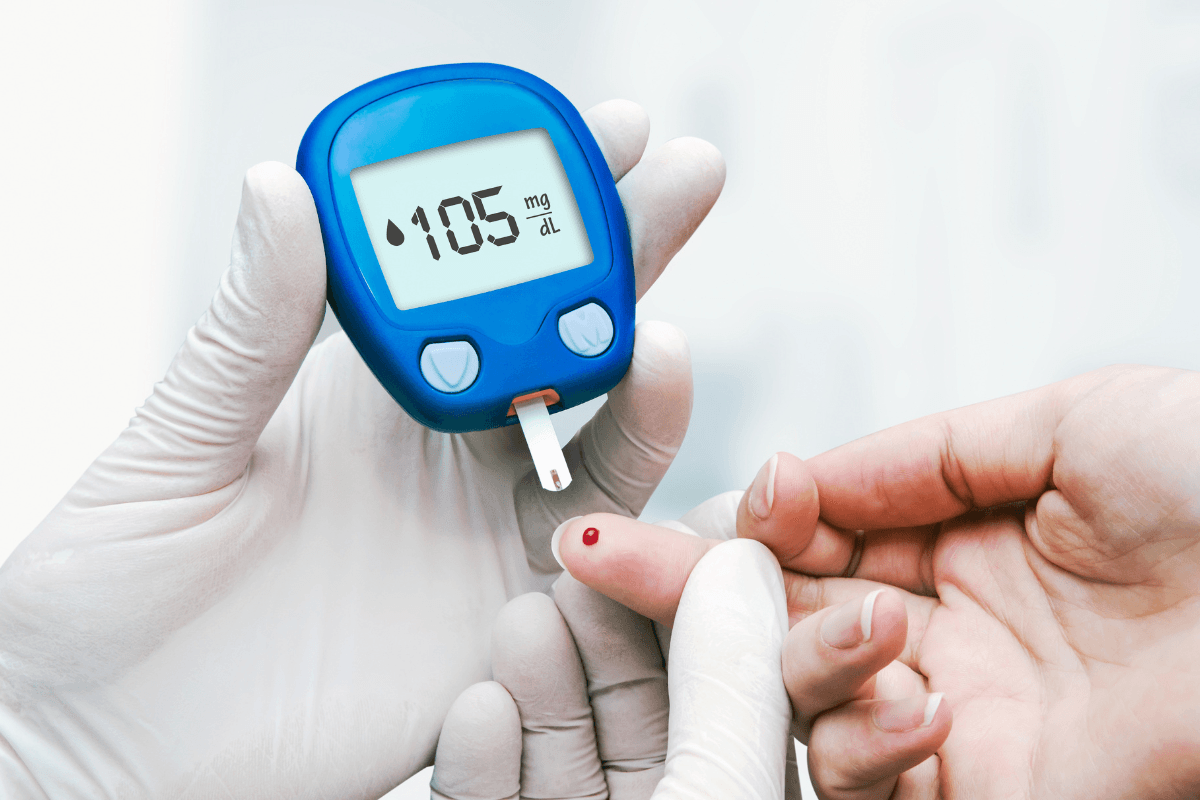
  • What Is Glumetza? ER Metformin, Safety, and Comparisons

    What Is Glumetza? ER Metformin, Safety, and Comparisons

    Glumetza is a brand-name, extended-release form of metformin hydrochloride used with diet and exercise to help manage blood sugar in adults with type 2 diabetes. If you are asking what is Glumetza, the key point is simple: it contains metformin, but the tablet is designed to release the medicine slowly.

    That release design matters because stomach side effects are one of the main reasons people switch between metformin products. It also explains why two tablets labeled “ER” or “XR” may not feel identical after a refill.

    Key Takeaways

    • Same active medicine: Glumetza contains metformin hydrochloride.
    • Different release system: The tablet releases metformin gradually.
    • GI effects still happen: Nausea and diarrhea can still occur.
    • Monitoring matters: Kidney function and vitamin B12 may need review.
    • Refills can vary: Generic ER products may not feel the same.

    What Is Glumetza and How Does It Work?

    Glumetza is an oral antihyperglycemic medicine, which means it helps lower high blood sugar rather than directly replacing insulin. It belongs to the biguanide drug class, the same glumetza drug class as other metformin products.

    Metformin mainly works by reducing how much glucose the liver releases into the blood. It can also improve insulin sensitivity, meaning the body may respond better to its own insulin. This is why metformin is often used early in type 2 diabetes care, alongside nutrition changes, physical activity, and other medicines when needed.

    The extended-release tablet is the feature that makes Glumetza different from immediate-release metformin. Its gastric-retentive design helps the tablet remain in the stomach longer, so metformin releases more gradually. In plain language, the medicine is the same core ingredient, but the delivery system is modified.

    Why it matters: A slower-release tablet may be easier for some people to tolerate, but it is not automatically better for everyone.

    Some people notice a tablet-like shell in the stool after taking certain extended-release medicines. This is sometimes called a “ghost tablet.” It may be harmless if the medication has already released, but repeated concerns are worth raising with a pharmacist, especially after a manufacturer change.

    What Is Glumetza Used For in Type 2 Diabetes Care?

    Glumetza is used to help improve blood sugar control in adults with type 2 diabetes, usually as part of a wider plan that includes food choices, activity, and lab monitoring. It is not used to treat type 1 diabetes or diabetic ketoacidosis.

    People often ask what is glumetza used for because the brand name can make it sound like a separate drug. In practice, glumetza uses generally follow metformin’s role in type 2 diabetes care. A clinician may consider it when metformin is appropriate and an extended-release formulation fits the person’s symptoms, routine, or previous tolerance.

    For broader context on diabetes medication categories, the Type 2 Diabetes Posts collection can help you compare common medication classes without treating any one option as the default choice. If you want a condition-level browsing page, Type 2 Diabetes Options groups related therapies in one place.

    Metformin may also appear in combination medicines. For example, sitagliptin and metformin combinations are used in some care plans when one medicine is not enough. The page on Janumet explains how that combination approach differs from metformin alone.

    Glumetza ER, Generic Options, and Why Refills Can Feel Different

    Glumetza ER refers to the extended-release version of metformin sold under the Glumetza brand name. “ER” and “XR” both usually mean extended release, but those labels do not guarantee that every tablet uses the same technology.

    This is where the glumetza generic question can get confusing. A generic metformin extended-release tablet contains metformin, but it may be tied to a particular reference product or release mechanism. Pharmacies may also change manufacturers based on supply. If your symptoms changed after a refill, the product may look different because the formulation or manufacturer changed.

    That does not mean the refill is unsafe. It means your care team may need more detail. Ask the pharmacist which extended-release formulation you received, whether it is intended as a substitute for Glumetza, and whether the tablet should be swallowed whole. Do not split, crush, or chew extended-release tablets unless your prescriber or pharmacist specifically says that is appropriate for your exact product.

    Some readers also search for the glumetza manufacturer or glumetza monograph because they want label-level details. A monograph or official label is useful for warnings, indications, dosage limits, and formulation information. It is not always written in patient-friendly language, so it can help to bring specific questions to your prescriber or pharmacist.

    For product-name orientation, you can compare the Glumetza page with general Metformin information. Use these as navigation references, not as a reason to switch products without clinical input.

    Dosing Basics: Timing, Strengths, and Food

    Glumetza dosage is individualized, and the safest source is your prescription label plus your prescriber’s instructions. Extended-release metformin is commonly taken with food because meals may reduce stomach upset.

    Many people see references to glumetza 500 mg, glumetza 1000 mg, glumetza dose, or glumetza max dose online. Those terms usually refer to labeled tablet strengths or prescribing limits. However, your personal dose depends on kidney function, blood sugar patterns, other medicines, and tolerance. This is not something to adjust on your own.

    If you wonder, “can you take glumetza in the morning,” the practical answer is to follow the schedule on your prescription and confirm timing if it does not fit your meals. Some extended-release metformin regimens are taken with the evening meal. Other schedules may be used depending on the product and the person’s routine.

    Quick tip: Track the meal, time, and symptoms for one week before asking about timing changes.

    A simple glucose conversion tool can help when you read lab values or international resources that use different units. It only converts numbers and does not interpret whether your results are safe or on target.

    [glucose-converter]

    If you are comparing older metformin names, Glucophage vs Metformin explains how brand and generic naming can overlap. The Glucophage page may also help you recognize another metformin brand name when reviewing medication lists.

    Glumetza vs Metformin: Differences That Matter

    Glumetza and metformin are closely related because Glumetza contains metformin. The difference is the tablet design, not a different active ingredient.

    Immediate-release metformin releases more quickly and is often taken more than once daily. Extended-release metformin products release more slowly and are often used when a once-daily routine or improved stomach tolerance is a goal. Some people do better with ER tablets. Others tolerate immediate-release metformin well and prefer its flexibility.

    When people compare glumetza vs metformin, they are usually comparing four practical issues: stomach symptoms, dosing schedule, tablet size, and refill consistency. None of these factors makes one version universally superior. The best fit depends on medical history, lab results, daily meals, and what side effects you can realistically manage.

    Is Glumetza modified metformin?

    Yes, in the sense that the tablet is modified to release metformin over time. The active ingredient remains metformin hydrochloride. The release system changes how the drug leaves the tablet and moves through the digestive tract.

    Is Glumetza a controlled substance?

    No. Metformin is not treated like an opioid, stimulant, or sedative controlled substance. Searches for glumetza dea schedule often come from people checking whether special prescribing rules apply. Glumetza is a prescription medication, but it is not scheduled by the DEA as a controlled drug.

    For a wider discussion of why clinicians prescribe metformin, Metformin Benefits reviews common clinical uses and care-plan context. If heart failure is part of your history, Metformin and Heart Failure covers monitoring questions that may come up during appointments.

    Side Effects, Weight Changes, and When to Call

    Glumetza side effects are similar to metformin side effects because the active medicine is metformin. The most common issues involve the stomach and intestines, including nausea, diarrhea, gas, stomach discomfort, and reduced appetite.

    Extended-release tablets may reduce gastrointestinal side effects for some people, but they do not remove the risk. Symptoms are more likely when treatment starts, when the dose increases, or when the medicine is taken without enough food. Severe diarrhea or vomiting can also raise dehydration risk, which matters because dehydration can affect kidney function.

    Metformin has a rare but serious warning for lactic acidosis, which is a dangerous buildup of lactic acid in the blood. Risk can be higher with significant kidney impairment, severe dehydration, heavy alcohol use, certain acute illnesses, or some medical procedures involving iodinated contrast dye. Seek urgent medical help for symptoms such as unusual weakness, trouble breathing, severe drowsiness, persistent vomiting, or feeling very cold with muscle pain.

    Long-term metformin use can also be associated with low vitamin B12 levels in some people. Numbness, tingling, balance changes, mouth soreness, or unusual fatigue should be discussed with a clinician. These symptoms can have many causes, so testing and clinical review matter.

    People also ask about glumetza weight loss or glumetza side effects weight loss. Metformin is often considered weight-neutral, and some people may lose a modest amount of weight. Still, it is not a weight-loss drug. Unplanned or rapid weight change should be reviewed, especially if appetite, glucose readings, or other medicines have changed.

    Cost, Access, and Practical Questions to Ask

    Searches like “why is Glumetza so expensive” usually reflect a real access problem, not just curiosity. Brand-name extended-release products can cost more than some generic metformin options. Insurance coverage, generic availability, pharmacy contracts, and manufacturer changes can all affect what a person pays.

    If cost or availability becomes a barrier, ask your prescriber and pharmacist which exact metformin ER product is being prescribed and whether a clinically appropriate alternative exists. Also ask whether the prescription wording limits substitution. A small wording difference can affect what a pharmacy may dispense.

    BorderFreeHealth connects U.S. patients with licensed Canadian partner pharmacies, and prescription details may be verified with the prescriber when required before dispensing. For some patients without insurance, cash-pay cross-border prescription options may be available, depending on eligibility and local rules.

    Useful questions to bring to your next visit include:

    • Formulation: Which ER product am I taking?
    • Timing: Which meal should I use?
    • Tolerability: What symptoms should I track?
    • Monitoring: How often are kidneys checked?
    • Substitution: Can the manufacturer change?
    • Safety: What illness instructions apply?

    If you are comparing combination options, Janumet XR and Sitagliptin HCL Metformin can help you recognize names that pair metformin with another diabetes medicine. These pages are for orientation and should not replace a treatment discussion.

    Authoritative Sources

    For official Glumetza labeling, review the DailyMed medication guide, which includes warnings and patient safety information.

    For general metformin information, the MedlinePlus metformin summary provides patient-friendly details from the National Library of Medicine.

    For diabetes care context, the CDC type 2 diabetes overview explains the condition and common management themes.

    Recap: How to Think About Glumetza

    Glumetza is extended-release metformin, not a completely different diabetes drug. Its main distinction is how the tablet releases metformin over time. That design may help some people tolerate metformin better, but it does not remove the need for kidney monitoring, side effect awareness, and careful refill checks.

    If you are sorting through what is Glumetza, focus on the practical questions: which formulation you received, how you tolerate it, when you take it with food, and what labs your clinician follows. Bring the tablet bottle, symptom notes, and recent glucose patterns to your next appointment.

    For more diabetes medication background, the Diabetes Posts collection offers related reading across treatment and everyday management topics.

    This content is for informational purposes only and is not a substitute for professional medical advice.

  • Mounjaro Weight Loss and Diabetes Care: Expectations, Safety, and Dosing

    Mounjaro Weight Loss and Diabetes Care: Expectations, Safety, and Dosing

    Mounjaro weight loss can happen because tirzepatide affects appetite, fullness, digestion, and blood sugar regulation. For adults with type 2 diabetes, the main approved role is glucose control, while weight change is an important related effect to monitor with a clinician.

    Many people feel pulled between hope and caution. You may want better A1C readings, meaningful weight changes, or fewer daily decisions around food. You may also want clear information without hype.

    This article explains how tirzepatide works, what dose escalation usually means, which side effects deserve attention, and how to frame follow-up conversations.

    Key Takeaways

    • Dual hormone action: Tirzepatide targets GIP and GLP-1 pathways.
    • Weekly dosing: Dose increases are usually gradual to improve tolerance.
    • Digestive effects are common: Nausea, fullness, constipation, or diarrhea may occur.
    • Safety depends on history: Other medicines and certain conditions change risk.
    • Monitoring matters: Weight, A1C, symptoms, hydration, and nutrition all count.

    How Tirzepatide Supports Diabetes and Weight Goals

    Tirzepatide is a dual incretin medicine that acts on two gut-hormone pathways. These pathways are GIP (glucose-dependent insulinotropic polypeptide) and GLP-1 (glucagon-like peptide-1). In plain language, they help the body respond to meals.

    In adults with type 2 diabetes, tirzepatide may help the pancreas release insulin when glucose is high. It can also reduce glucagon, a hormone that raises blood sugar. Slower stomach emptying may make meals feel more filling and may reduce appetite for some people.

    That combination is why Mounjaro weight loss often comes up during diabetes visits. The medicine may affect both glucose patterns and body weight, but individual results vary. Sleep, food intake, movement, stress, other medicines, and side effects can all influence the outcome.

    Why it matters: Weight change should be interpreted alongside glucose control, nutrition, and tolerability.

    If you want broader context on day-to-day care, the Type 2 Diabetes collection can help you review related educational topics. For medication categories tied to a diagnosis, Type 2 Diabetes Options is a browsable condition page.

    What Mounjaro Weight Loss May Look Like Over Time

    Weight change with tirzepatide is usually gradual and uneven. Some people notice appetite changes early, while others notice changes after dose escalation or improved routines. A flat week does not always mean treatment has stopped working.

    People often search for Mounjaro weight loss by week or before-and-after stories. Those examples can feel motivating, but they can also create unrealistic expectations. Photos and reviews rarely show medical history, dose timing, side effects, diet changes, or whether someone also had diabetes.

    For people with diabetes, the scale is only one marker. A1C, fasting glucose, time-in-range on a continuous glucose monitor, waist measurement, energy, and ability to maintain nourishing meals also matter. Rapid appetite suppression can be a problem if it leads to poor protein intake, dehydration, or skipped meals while using glucose-lowering medicines.

    Tracking without getting stuck on one number

    Try to look at trends rather than daily swings. A weekly weight average, waist measurement, symptom notes, and glucose patterns can give a more useful picture. Bring these records to appointments so your clinician can interpret them in context.

    The calculator below can help track general weight-change progress and percentage change toward a goal. It does not predict medication response or replace clinical guidance.

    [weight-loss-progress-calculator]

    If nutrition or meal timing has become difficult, the Mounjaro Diet Plan resource may help you prepare practical questions about portions, protein, fluids, and foods that worsen fullness. For broader lifestyle topics, the Weight Management collection offers related educational reading.

    Dose Escalation, Strengths, and the Dosage Chart Question

    Tirzepatide is taken once weekly, and dose increases are usually staged. Starting low helps many people adjust before a prescriber considers higher maintenance doses. The right pace depends on glucose goals, side effects, medical history, and other medicines.

    People often look for a mounjaro dosage chart because the step-up process can feel confusing. The table below summarizes commonly discussed dose levels in a general way. It is not a personal dosing plan.

    Dose strength Common role Clinical discussion point
    2.5 mg Starter dose Often used for early tolerability rather than full maintenance effect
    5 mg Early maintenance or step-up May be continued when goals and tolerance are acceptable
    7.5 mg and 10 mg Middle dose options May be considered when more effect is needed and tolerated
    12.5 mg and 15 mg Higher maintenance options Potential benefits and side effects both need review

    Some readers also ask about a dosage chart in mL. Device volume and pen format can vary by product and market, so it is safer to confirm the exact instructions on your package and with a pharmacist. Do not estimate an injection volume from online charts.

    Questions about when to increase dose should go to the prescriber. Higher doses may not be appropriate if nausea, vomiting, constipation, low blood sugar risk, or poor intake is already a concern. If you use insulin or a sulfonylurea, dose changes can also affect hypoglycemia risk.

    For a deeper medication-specific discussion, see Mounjaro Dosage. If you are comparing product listings for navigation, Mounjaro KwikPen provides product-page context without replacing prescriber guidance.

    Injection Basics and Weekly Routine Tips

    A weekly routine can reduce missed doses and make symptom tracking easier. Many people choose a consistent day and connect it with an existing habit, such as a calendar reminder.

    A Mounjaro injection is given under the skin, which is called a subcutaneous injection. Common areas include the abdomen, thigh, or upper arm, depending on the device instructions. Rotating injection sites may reduce irritation, soreness, or small lumps.

    Quick tip: Keep a simple log of injection day, symptoms, meals, and glucose changes.

    Storage questions matter, especially during travel or hot weather. Follow the product labeling for temperature limits and how long the pen can be kept out of refrigeration. If travel is coming up, ask a pharmacist how to pack the device safely and how to handle missed-dose instructions.

    BorderFreeHealth connects U.S. patients with licensed Canadian partner pharmacies when access pathways are appropriate. Where required, prescription details are verified with the prescriber before the pharmacy dispenses medication.

    Side Effects After Eating and Daily Comfort

    Digestive symptoms are the most common side effects with tirzepatide. Nausea, burping, constipation, diarrhea, reduced appetite, stomach discomfort, and a heavy full feeling may occur. Symptoms can be more noticeable after larger meals, rich foods, alcohol, or dose increases.

    Most mild digestive effects are managed with practical adjustments, but persistent symptoms need attention. Smaller meals, slower eating, adequate fluids, and avoiding very greasy meals may help some people. Constipation may worsen if fluid intake drops or food volume becomes very low.

    How long Mounjaro side effects last varies. Some people adjust after the early weeks or after a dose change. Others have symptoms that persist or interfere with eating, hydration, sleep, work, or glucose management. That is the point to contact a clinician rather than pushing through.

    Low blood sugar is more likely when tirzepatide is combined with insulin or sulfonylureas. Warning signs can include shakiness, sweating, confusion, sudden hunger, weakness, or a fast heartbeat. Your prescriber may want to review your medication plan if these symptoms occur.

    Seek urgent care for severe allergic symptoms, trouble breathing, fainting, severe abdominal pain, persistent vomiting, signs of dehydration, or confusion. Severe abdominal pain that may move to the back needs prompt medical review because pancreatitis is a serious concern with this medicine class.

    Long-Term Safety, Thyroid Warnings, and Cancer Questions

    Long-term safety conversations should separate common discomfort from rare but serious warnings. Tirzepatide labeling includes important cautions about thyroid C-cell tumors seen in animal studies. It should not be used by people with a personal or family history of medullary thyroid carcinoma or multiple endocrine neoplasia syndrome type 2.

    People also search for Mounjaro side effects cancer because the boxed warning sounds alarming. The key point is not to self-diagnose risk from search results. Instead, share your thyroid history, family history, prior endocrine diagnoses, and any neck mass, hoarseness, or swallowing symptoms with your clinician.

    Other safety issues include gallbladder problems, pancreatitis, kidney stress from dehydration, severe digestive reactions, and possible worsening of diabetic retinopathy when glucose improves quickly. These risks do not happen to everyone, but they are important to monitor.

    Mood, fatigue, and hair shedding can also come up during weight change. They may relate to lower intake, stress, nutrient gaps, rapid weight loss, or unrelated conditions. If symptoms persist, ask for a focused review rather than assuming the medicine is the only cause.

    People without diabetes may have different risk discussions, especially around glucose levels, eating patterns, pregnancy plans, and the approved indication of the product being used. Tirzepatide should be considered within a full medical history, not as a stand-alone weight tool.

    Approval Status and How It Compares With Related Options

    In the U.S., Mounjaro is approved for adults with type 2 diabetes to improve blood sugar control. Tirzepatide is also marketed under a different brand for chronic weight management in eligible people. This distinction matters because approval, labeling, dosing goals, and insurance rules may differ by product and country.

    People often ask whether Mounjaro is approved for weight loss because social media discussions blur brand names and indications. Off-label prescribing can occur, but it should be a deliberate clinician-patient decision with clear monitoring. It should also account for eating disorder history, pregnancy plans, gallbladder history, pancreatitis history, and other glucose-lowering medicines.

    Comparisons with semaglutide medicines such as Ozempic or Wegovy are common. The practical question is not which brand is universally better. It is which option fits your diagnosis, risk factors, tolerability, access, and monitoring needs.

    For a focused comparison, read Mounjaro Vs Ozempic. If you are comparing tirzepatide with another weight-management option, Mounjaro And Wegovy explains key differences in a patient-friendly format. For another diabetes comparison, Mounjaro Vs Trulicity may help frame questions for your appointment.

    If you are browsing weight-related medication categories, Weight Management Options groups related product pages. Some patients also look for cash-pay prescription options without insurance, but eligibility and jurisdiction rules still apply.

    Questions to Bring to Your Prescriber

    A short question list can make a medication visit more useful. It also helps keep the conversation focused on your health goals instead of online anecdotes.

    • Diagnosis fit: Which indication applies to my situation?
    • Glucose risk: Do my other medicines raise hypoglycemia risk?
    • Dose timing: What symptoms would delay escalation?
    • Nutrition needs: How should I protect protein, fluids, and fiber?
    • Warning signs: Which symptoms need urgent care?
    • Monitoring plan: Which labs or readings matter most?

    Bring your medication list, supplement list, glucose records if available, and any history of pancreatitis, gallbladder disease, thyroid cancer, kidney disease, pregnancy plans, or eating disorder concerns. These details can change the risk-benefit discussion.

    Authoritative Sources

    For official indication, boxed warning, contraindication, and adverse reaction language, review the Mounjaro prescribing information from Lilly. It is the most appropriate source for label-specific details.

    For consumer-level drug safety and administration basics, the MedlinePlus tirzepatide drug information provides plain-language context. For diabetes standards and care planning, the American Diabetes Association offers patient education and clinical resources.

    Recap

    Mounjaro weight loss is best understood as one part of tirzepatide’s broader metabolic effects. For adults with type 2 diabetes, glucose control remains central, while appetite, weight, side effects, and nutrition need steady monitoring.

    The most useful next step is a clear conversation with your prescriber. Ask what benefits are realistic, which side effects matter most, and how your plan should change if symptoms affect eating, hydration, or glucose readings.

    This content is for informational purposes only and is not a substitute for professional medical advice.

  • Types of Diabetes: Symptoms, Causes, and Key Differences

    Types of Diabetes: Symptoms, Causes, and Key Differences

    The main types of diabetes are type 1, type 2, gestational diabetes, and prediabetes, with several less common forms that need different testing and care. The label matters because it helps clinicians choose safer monitoring, decide whether insulin or other medicines may be needed, and plan follow-up over time.

    Diabetes mellitus is a group of conditions where blood glucose runs higher than expected. Glucose is the body’s main fuel. Insulin helps move glucose from the bloodstream into cells. When insulin is missing, not working well, or both, glucose can build up in the blood.

    Key Takeaways

    • Main categories differ by cause, timing, and treatment needs.
    • Type 1 often involves autoimmune loss of insulin-producing cells.
    • Type 2 often develops from insulin resistance and gradual beta-cell strain.
    • Gestational diabetes starts during pregnancy and needs postpartum follow-up.
    • Diabetes insipidus is a water-balance disorder, not blood sugar diabetes.

    Hearing new terms can feel overwhelming. It helps to know that diabetes labels are tools, not judgments. They explain why two people with high glucose may need different tests, different medicines, and different safety plans.

    For broader browsing by topic, the Diabetes Posts collection can help you find related educational reading.

    How Many Types of Diabetes Are There?

    Most clinicians start with three common categories: type 1 diabetes, type 2 diabetes, and gestational diabetes. Prediabetes is often discussed with them because it signals a higher-risk stage before diabetes-range glucose.

    There are also rare types of diabetes. These include monogenic diabetes, maturity-onset diabetes of the young (MODY), latent autoimmune diabetes in adults (LADA), and diabetes related to pancreatic disease, hormone disorders, or medicines such as long-term steroids. This is why you may see different answers to questions like “what are the 3 types,” “4 types,” or “7 types” of diabetes.

    The practical answer is this: the main everyday categories are type 1, type 2, gestational diabetes, and prediabetes, while rare forms are considered when the story does not fit. A strong family pattern, diagnosis at a young age, unexpected weight loss, pregnancy history, pancreatic disease, or unusual lab results can all shift the evaluation.

    Why it matters: A more accurate category can change monitoring, medication choices, and follow-up.

    Type 1 Diabetes: Autoimmune Loss of Insulin Production

    Type 1 diabetes usually happens when the immune system attacks beta cells, the insulin-producing cells in the pancreas. As those cells stop working, the body cannot make enough insulin to keep glucose in range.

    Symptoms can appear quickly, especially in children or younger adults, but type 1 can occur at many ages. Common warning signs include frequent urination, strong thirst, unintended weight loss, hunger, fatigue, and blurred vision. Some people also have nausea or belly pain when ketones build up.

    Ketones are acids made when the body breaks down fat for fuel. In type 1 diabetes, ketones can rise to dangerous levels if insulin is very low. Vomiting, deep or rapid breathing, confusion, severe sleepiness, or fruity-smelling breath can signal diabetic ketoacidosis, which needs urgent medical care.

    Testing may include blood glucose, A1C, urine or blood ketones, diabetes autoantibodies, and C-peptide. C-peptide helps estimate how much insulin the pancreas is still making. If you want a focused symptom review, see Type 1 Diabetes Symptoms.

    Treatment often includes insulin, glucose monitoring, education on low blood sugar, and sick-day planning. The exact plan is individualized. People using insulin should know what symptoms should prompt urgent help and how their care team wants them to handle ketones.

    Type 2 Diabetes: Insulin Resistance and Gradual Change

    Type 2 diabetes usually develops when the body becomes resistant to insulin and the pancreas cannot keep up over time. Early on, the pancreas may make extra insulin. Later, insulin production may decline.

    This is the most common form of diabetes mellitus. It can run in families and is influenced by age, genetics, sleep, activity patterns, weight changes, certain medicines, and other health conditions. It is not a simple willpower problem.

    Type 2 diabetes symptoms can be subtle. Some people feel well and only learn about it through routine labs. Others notice increased thirst, frequent urination, fatigue, blurry vision, slow-healing cuts, recurrent infections, or numbness and tingling in the feet. For more detail, read Type 2 Diabetes Symptoms.

    Type 2 diabetes treatment often combines nutrition support, sustainable movement, sleep and stress work, and medication when needed. Medication choices may consider kidney function, heart health, weight-related goals, cost, side effects, pregnancy plans, and low blood sugar risk. A clinician may also recommend blood pressure, cholesterol, kidney, eye, and foot checks.

    If you are comparing type 1 and type 2, the difference is not only age or body size. Type 1 centers on severe insulin deficiency from autoimmune beta-cell loss. Type 2 centers on insulin resistance and gradual beta-cell strain, though some people eventually need insulin. A side-by-side review is available at Type 1 vs Type 2 Diabetes.

    Prediabetes: A Warning Stage Before Diabetes-Range Glucose

    Prediabetes means glucose is higher than normal but not high enough for a diabetes diagnosis. It is a risk signal, not a personal failure.

    This stage often reflects insulin resistance plus genetic and lifestyle factors. Many people have no symptoms. Others may notice vague fatigue, more thirst than usual, or lab changes found during routine screening. Because symptoms are often absent, testing matters.

    Care teams may discuss nutrition patterns, movement that fits your body, sleep, stress, and sometimes medication based on overall risk. The goal is to lower future risk and catch changes early. If you want to compare early clues, Prediabetes Symptoms and Signs explains patterns worth raising at a checkup.

    Quick tip: Ask which test was used and whether repeat testing is planned.

    Gestational Diabetes: High Blood Sugar During Pregnancy

    Gestational diabetes is high blood sugar first recognized during pregnancy. Placental hormones can make the body more insulin resistant, especially later in pregnancy.

    Many people do not feel symptoms, so routine pregnancy screening is important. Management may include nutrition counseling, home glucose checks, physical activity when appropriate, and medication if glucose remains above the target range set by the pregnancy care team.

    Follow-up after delivery matters. Blood glucose often improves after birth, but future risk of type 2 diabetes can remain higher. Postpartum testing helps show whether glucose has returned to normal, stayed in the prediabetes range, or reached the diabetes range. For a deeper pregnancy-focused overview, see What Is Gestational Diabetes.

    Anyone with prior gestational diabetes should tell future clinicians. Earlier screening may be recommended in later pregnancies, depending on personal history.

    Rare Types: LADA, MODY, Monogenic Diabetes, and Secondary Causes

    Some people do not fit neatly into type 1 or type 2 diabetes. In those cases, clinicians may look for rare types of diabetes or diabetes caused by another condition.

    LADA, or latent autoimmune diabetes in adults, is a slower autoimmune form. It can look like type 2 diabetes at first because it appears in adulthood and may not require insulin right away. Antibody testing can suggest an autoimmune pattern, and C-peptide can help show insulin production over time.

    MODY diabetes is one type of monogenic diabetes, meaning it is linked to a change in a single gene. It may appear at younger ages and can run strongly through several generations. Genetic testing may be considered when the pattern suggests it, but testing decisions belong with a qualified clinician or genetics professional.

    Secondary diabetes can occur when another issue affects glucose regulation. Examples include pancreatic disease, some hormone disorders, and certain medicines. This category is important because treating the underlying condition, when possible, may affect glucose management.

    If your diagnosis feels unclear, it is reasonable to ask what evidence supports the label. Useful clues can include age at diagnosis, body weight changes, family history, pregnancy history, antibody results, C-peptide, medication response, and whether ketones have occurred.

    Diabetes Insipidus vs Mellitus: Similar Name, Different Problem

    Diabetes insipidus is not type 1 or type 2 diabetes. It is a water-balance disorder that can cause intense thirst and large amounts of dilute urine.

    Diabetes mellitus involves blood glucose. Diabetes insipidus involves vasopressin, also called antidiuretic hormone, or the kidney’s response to that hormone. Vasopressin helps the kidneys conserve water. When the signal is too low, or the kidneys do not respond to it, the body may lose too much water through urine.

    Central diabetes insipidus usually involves too little vasopressin. Nephrogenic diabetes insipidus means the kidneys do not respond properly to vasopressin. Other forms can relate to pregnancy or excess fluid intake patterns. Testing and treatment differ from glucose-related diabetes.

    Symptoms of diabetes insipidus can overlap with diabetes mellitus because both may cause thirst and frequent urination. The difference is the cause. Clinicians may use urine concentration tests, blood sodium and osmolality, fluid history, medication review, and supervised testing when needed. Do not try to restrict fluids without medical guidance, especially if symptoms are severe.

    Symptoms That Deserve Attention

    Diabetes symptoms vary by type, speed of onset, and glucose level. Some signs develop slowly, while others can become urgent.

    • Frequent urination: Glucose or water-balance issues can increase urine output.
    • Strong thirst: Fluid loss can make thirst feel hard to satisfy.
    • Unplanned weight loss: This can occur when insulin is very low.
    • Fatigue: Cells may not be using fuel efficiently.
    • Blurred vision: Changing glucose can affect eye fluid balance.
    • Slow healing: High glucose can affect tissue repair and infection risk.

    Some early signs of diabetes in women may include recurrent yeast infections, urinary symptoms, fatigue, or changes noticed during pregnancy screening. These signs are not specific to diabetes, so testing is needed before drawing conclusions.

    Seek urgent medical care for vomiting, confusion, severe weakness, deep or rapid breathing, fainting, signs of dehydration, or very high glucose with ketones if you have been told to check them. People who are pregnant, children with symptoms, and anyone using insulin should be especially cautious about rapid changes.

    Testing and Monitoring Across Diabetes Types

    Clinicians diagnose and classify diabetes by combining symptoms, lab results, history, and sometimes specialized tests. One number rarely tells the whole story.

    Common tests include A1C, fasting plasma glucose, random plasma glucose when symptoms are present, and an oral glucose tolerance test. A1C reflects average glucose over about three months. Fasting glucose shows the level after not eating for a set period. The oral glucose tolerance test shows how the body handles a measured glucose drink.

    Some situations need additional testing. Autoantibodies can help identify autoimmune diabetes. C-peptide can help estimate insulin production. Pregnancy screening uses specific glucose challenge or tolerance testing. Suspected monogenic diabetes may involve genetic evaluation.

    The calculator below can help convert A1C and estimated average glucose for general discussion. It does not diagnose diabetes or replace clinical interpretation.

    [hba1c-calculator]

    Day-to-day monitoring depends on the diabetes type and treatment plan. Some people use fingerstick checks. Others use a continuous glucose monitor. Care teams may also track blood pressure, cholesterol, kidney function, urine albumin, eye health, and foot sensation because diabetes can affect more than glucose.

    BorderFreeHealth may list diabetes-related medicines through licensed Canadian partner pharmacy options for eligible U.S. patients, but treatment choices should come from your prescriber. For condition-based browsing, you can view the Type 2 Diabetes collection or the Type 1 Diabetes collection.

    Questions to Bring to a Diabetes Appointment

    A short question list can make appointments easier. It also helps you understand whether the current label is firm or still being refined.

    • Diagnosis evidence: Which results support this diabetes type?
    • Repeat testing: Should any labs be confirmed later?
    • Ketone plan: Do I need ketone testing during illness?
    • Medication risks: Which treatments can cause low blood sugar?
    • Pregnancy history: Does past gestational diabetes change screening?
    • Follow-up checks: Which eye, kidney, foot, or heart tests apply?

    If you track symptoms between visits, write down timing, meals, activity, stress, sleep, new medicines, and glucose readings if you have them. Patterns often matter more than one isolated value.

    Authoritative Sources

    For public health definitions and broad category information, see the CDC diabetes basics page.

    For diagnostic criteria and testing context, review the American Diabetes Association diagnosis information.

    For symptoms and causes across diabetes categories, the NIDDK symptoms and causes resource offers a careful medical overview.

    Putting the Pieces Together

    The types of diabetes are best understood as patterns that guide care. Type 1 usually involves autoimmune insulin loss. Type 2 usually involves insulin resistance and gradual pancreatic strain. Gestational diabetes begins during pregnancy, and prediabetes signals increased future risk.

    Rare forms matter when the usual explanation does not fit. Diabetes insipidus also matters because it shares a name but affects water balance rather than blood glucose. If your diagnosis feels uncertain, ask what tests support it, what symptoms should prompt help, and what follow-up is planned.

    This content is for informational purposes only and is not a substitute for professional medical advice.

  • Jardiance vs Farxiga Compared for Type 2 Diabetes Care

    Jardiance vs Farxiga Compared for Type 2 Diabetes Care

    Jardiance and Farxiga are closely related SGLT2 inhibitors, so the main difference is not usually how they work. The more practical question is which medicine fits your type 2 diabetes goals, kidney function, heart history, side effect risks, and medication coverage. Jardiance vs Farxiga Compared for Type 2 Diabetes Care is best understood as a shared decision, not a simple winner-takes-all choice.

    Both can help lower blood sugar by causing the kidneys to remove extra glucose through urine. They may also be considered when heart failure or chronic kidney disease is part of the care plan. Your latest eGFR, other medicines, and past reactions can change the answer.

    Key Takeaways

    • Same drug class: Both are SGLT2 inhibitors with overlapping benefits and risks.
    • Different active ingredients: Jardiance contains empagliflozin, while Farxiga contains dapagliflozin.
    • Organ goals matter: Heart failure or kidney disease may influence the choice.
    • Side effects overlap: Yeast infections, urination changes, and dehydration can occur.
    • Switching needs planning: Lab results and your full medicine list should guide transitions.

    How Jardiance and Farxiga Differ in Daily Care

    Jardiance and Farxiga differ mainly by active ingredient, approved uses, labeling details, and how each fits your medical history. Jardiance is the brand name for empagliflozin. Farxiga is the brand name for dapagliflozin. They are not the same drug, but they act in a very similar way.

    This similarity can be reassuring. It also means the choice is often about details. A clinician may ask whether your main goal is blood sugar support, heart failure risk reduction, kidney protection, or a mix of these goals. They may also consider how you responded to similar medicines, whether you use insulin, and whether you have had repeated genital yeast infections or dehydration.

    For readers comparing Jardiance vs Farxiga for type 2 diabetes, it helps to separate class effects from medicine-specific factors. The class effect is glucose loss through urine. The individual decision may involve labeling, kidney thresholds, local prescribing rules, cost, access, and personal tolerability.

    You can read more about empagliflozin in Benefits Of Empagliflozin. For dapagliflozin background, Dapagliflozin Uses explains where it may fit in diabetes care.

    Comparison point Jardiance Farxiga
    Generic name Empagliflozin Dapagliflozin
    Drug class SGLT2 inhibitor SGLT2 inhibitor
    Blood sugar role May support glucose control with diet and activity May support glucose control with diet and activity
    Heart and kidney context May be used when certain cardiovascular or kidney goals apply May be used when certain cardiovascular or kidney goals apply
    Common caution areas Genital infections, dehydration, ketoacidosis warnings Genital infections, dehydration, ketoacidosis warnings

    Blood Sugar, Weight, Heart, and Kidney Decision Factors

    The better option depends on the outcome your care team is trying to improve. For type 2 diabetes, both medicines may lower A1C and can be used with other therapies, including metformin, when appropriate. They are not insulin, and they do not replace nutrition, activity, or glucose monitoring plans.

    Blood sugar control

    Both medicines reduce glucose reabsorption in the kidneys. In plain language, more sugar leaves the body in urine. That can improve blood sugar patterns, but the effect depends on kidney function and the rest of your treatment plan. If you also use insulin or a sulfonylurea, your clinician may think carefully about low blood sugar risk from the full regimen.

    The comparison is not always Jardiance or Farxiga alone. Many people use several medicines with different mechanisms. For example, some take an SGLT2 inhibitor with metformin. Others use a GLP-1 receptor agonist, insulin, or blood pressure medicines. If you want to understand combination therapy involving empagliflozin and metformin, Synjardy is a product page that shows how some therapies pair medicines in one tablet.

    Weight and blood pressure effects

    People often ask about Jardiance vs Farxiga for weight loss. These medicines are not primarily weight-loss drugs, but some people may notice modest weight changes because glucose and fluid leave the body. Weight response varies, and it should not be the only reason to choose one medicine over another.

    Fluid loss can also affect blood pressure. That may help some people, but it can cause dizziness or dehydration in others. This matters more if you take diuretics, have low blood pressure, work in heat, or become sick with vomiting or diarrhea.

    Heart and kidney priorities

    Heart failure and chronic kidney disease can change the discussion. Some people use an SGLT2 inhibitor partly because of heart or kidney goals, even when glucose is not the only concern. Your clinician may review heart failure type, urine albumin, eGFR, blood pressure, and other medicines before choosing between empagliflozin vs dapagliflozin.

    Why it matters: The same medicine class can be chosen for different clinical reasons.

    Kidney Function and eGFR: Why the Lab Number Matters

    Kidney function is one of the most important checkpoints for Jardiance vs Farxiga Compared for Type 2 Diabetes Care. eGFR, or estimated glomerular filtration rate, estimates how well the kidneys filter blood. It can influence whether an SGLT2 inhibitor is started, continued, paused, or monitored more closely.

    Labels and clinical guidance can differ by indication. A medicine may be considered for diabetes, chronic kidney disease, heart failure, or more than one reason. The eGFR threshold may not be the same in every situation, and recommendations can change as official labeling is updated.

    Urine albumin may also matter. Albumin is a protein that can leak into urine when kidney filters are stressed or damaged. Clinicians often look at eGFR and urine albumin together because they tell different parts of the kidney story.

    The calculator below can help you understand the type of estimate clinicians discuss. It is a general educational tool and does not confirm whether either medicine is appropriate.

    [egfr-calculator]

    If you want a kidney-focused dapagliflozin resource, Dapagliflozin Overview explains mechanism details and broader clinical context. For medication navigation, the Type 2 Diabetes Options collection groups relevant therapies for browsing.

    Safety, Side Effects, and When to Check In

    Jardiance and Farxiga share many side effects because they work through the same pathway. Common issues include genital yeast infections, increased urination, thirst, and symptoms related to fluid loss. Some people also report urinary tract infections, although risk and severity vary.

    Serious risks are less common, but they deserve attention. SGLT2 inhibitors carry warnings about diabetic ketoacidosis, or DKA. This is a dangerous buildup of acids called ketones. It can happen even when blood sugar is not extremely high. Risk may rise during severe illness, fasting, surgery, heavy alcohol use, or major reductions in insulin.

    Other serious concerns include severe urinary infections and a rare genital infection called Fournier’s gangrene. Seek urgent care for severe genital pain, swelling, fever, confusion, trouble breathing, persistent vomiting, or signs of severe dehydration. These symptoms need timely medical review.

    Questions about which is safer Jardiance or Farxiga usually do not have one universal answer. Safety depends on your history. Recurrent yeast infections, frequent UTIs, low blood pressure, kidney function changes, insulin use, and upcoming procedures can all shift the risk-benefit balance.

    Quick tip: Keep a current medication list and bring it to every visit.

    For a focused safety resource, Forxiga Side Effects covers dapagliflozin-related warnings in more detail. If your clinician has prescribed empagliflozin, Jardiance Dosage Tips may help you prepare practical questions about use and monitoring.

    Switching, Combining, and Avoiding Duplicate Therapy

    Switching between these medicines can be safe when it is planned by a prescriber. Reasons may include side effects, coverage changes, kidney function updates, heart or kidney diagnoses, or a preference based on labeling. Do not stop one medicine or start another without clinical direction.

    Before a switch, prepare a short summary of what changed. Include your latest A1C, eGFR, urine albumin results if available, home glucose patterns, blood pressure readings, and recent infections. Mention any dizziness, fainting, dehydration, or ketone testing history.

    Using both medicines together is generally not expected because they are in the same class. Combining two SGLT2 inhibitors could increase adverse effects without a clear added benefit. If two similar drugs appear on your list, ask your prescriber or pharmacist to check for duplication.

    Jardiance vs Farxiga with metformin is a different question. Metformin works through different pathways, so it is commonly considered alongside other diabetes therapies when appropriate. Combination choices depend on kidney function, stomach tolerability, A1C goals, and the full care plan.

    Access can also affect switching. BorderFreeHealth connects U.S. patients with licensed Canadian partner pharmacies, and prescription details may be verified with the prescriber when required before pharmacy dispensing. This can be relevant for people comparing cash-pay cross-border prescription options without insurance, subject to eligibility and jurisdiction.

    Questions to Bring to Your Clinician

    A short question list can make the visit more productive. It also keeps the discussion focused on your health priorities instead of online comparisons alone.

    • Main goal: Is the priority A1C, heart failure, kidney protection, or several goals?
    • Kidney labs: What do my eGFR and urine albumin results mean?
    • Infection history: Do past yeast infections or UTIs change the choice?
    • Medication mix: Do insulin, diuretics, or blood pressure drugs affect risk?
    • Sick days: When should I call about vomiting, fasting, surgery, or dehydration?
    • Monitoring plan: Which labs or home readings should be reviewed?

    If you are still asking which is better Jardiance or Farxiga, a more useful version may be: which one fits my goals and risks right now? That answer can change as kidney function, heart health, other medicines, and side effects change.

    Authoritative Sources

    For official labeling details, review the FDA Jardiance prescribing information and discuss updates with your clinician.

    For dapagliflozin labeling, see the FDA Farxiga prescribing information for approved uses, warnings, and precautions.

    For broader diabetes care principles, the ADA Standards of Care provide regularly updated clinical guidance.

    Putting the Comparison in Perspective

    Jardiance and Farxiga are more alike than different, but the details matter. Both belong to the SGLT2 inhibitor class. Both may support glucose control and may be considered when heart or kidney goals are part of care. The right choice depends on your labs, diagnoses, side effect history, and other medicines.

    For broader reading, the Type 2 Diabetes Posts category collects educational resources. You can also browse the Diabetes Posts category for related condition and medication topics.

    This content is for informational purposes only and is not a substitute for professional medical advice.

  • Jardiance for Heart Failure: Benefits, Safety, and Monitoring

    Jardiance for Heart Failure: Benefits, Safety, and Monitoring

    Jardiance for heart failure may help lower the risk of heart failure hospitalization and cardiovascular death in some adults, including people without diabetes. It is not a stand-alone cure. Clinicians usually use it as part of a broader heart failure plan that also considers symptoms, kidney function, blood pressure, fluid status, and other medicines.

    That broader view matters. Hearing that a diabetes medicine may be used for your heart can feel confusing, especially when you already take several pills. The goal of this article is to explain how empagliflozin, the active ingredient in Jardiance, fits into modern care and what to watch for after starting it.

    Key Takeaways

    • Beyond glucose: Empagliflozin can support heart failure care, even without diabetes.
    • Add-on role: It usually works alongside other heart failure medicines.
    • Both EF types: It may be considered in reduced or preserved ejection fraction.
    • Safety matters: Dehydration, infections, kidney changes, and ketoacidosis need attention.
    • Monitoring helps: Blood pressure, labs, weight, and symptoms guide safer use.

    Where This Medicine Fits in Heart Failure Care

    Jardiance is the brand name for empagliflozin, an SGLT2 inhibitor. This drug class first became known for helping the kidneys remove extra glucose through urine in type 2 diabetes. Later research showed benefits in heart failure that go beyond blood sugar control.

    Heart failure means the heart cannot pump or fill well enough to meet the body’s needs. It can cause shortness of breath, fatigue, swelling, and frequent fluid buildup. Treatment often uses several medicines because each one targets a different pathway.

    Empagliflozin may be used with other common heart failure therapies. These can include beta blockers, ACE inhibitors or ARBs, ARNIs, mineralocorticoid receptor antagonists, and diuretics. Your clinician decides the mix based on your ejection fraction, kidney function, blood pressure, potassium level, symptoms, and other conditions.

    People often ask at what stage of heart failure this medicine is prescribed. In practice, clinicians may consider Jardiance for heart failure in adults with symptomatic heart failure when it fits the person’s clinical picture. It is not chosen only by “stage.” It is also chosen by risk, tolerability, kidney function, and whether other therapies are already in place.

    For a broader class-level explanation, you can read Role of SGLT2 Inhibitors. If you also want general product context, What Is Jardiance Used For explains common approved-use themes in patient-friendly language.

    How Empagliflozin May Help the Heart and Kidneys

    Empagliflozin helps heart failure mainly through kidney-related effects that influence salt, glucose, and fluid balance. It is not simply a stronger version of a water pill, but it can change how the body handles fluid.

    SGLT2 inhibitors act in the kidneys, where they reduce reabsorption of glucose and sodium. That can lead to more glucose and salt leaving in the urine. In heart failure, this may help reduce congestion and lower some workload on the heart.

    Researchers also study other possible effects. These include changes in heart energy use, kidney blood flow, inflammation, and pressure inside the heart. Not every mechanism is settled, but clinical trial findings have supported the role of empagliflozin across different heart failure groups.

    Why it matters: Kidney and heart function are closely linked in fluid balance.

    When the kidneys retain salt and water, swelling and breathlessness can worsen. When the body becomes too dry, dizziness, low blood pressure, or kidney lab changes may appear. This is why monitoring is part of the treatment, not an afterthought.

    Benefits in Reduced and Preserved Ejection Fraction

    Jardiance for heart failure has been studied in both reduced and preserved ejection fraction, which are two major heart failure patterns. Ejection fraction estimates how much blood the left ventricle pumps out with each beat.

    Reduced ejection fraction

    Heart failure with reduced ejection fraction, often called HFrEF, means the heart’s pumping strength is lower than expected. People with HFrEF often take several foundational medicines because combination therapy can address different parts of the condition.

    Empagliflozin has evidence in symptomatic HFrEF, including among people already taking other standard therapies. The benefits studied include outcomes that matter to patients and clinicians, such as heart failure hospitalization and cardiovascular death risk. Individual symptom improvement can vary, so daily experience may not always match long-term risk reduction.

    Preserved ejection fraction

    Heart failure with preserved ejection fraction, or HFpEF, means pumping percentage may look normal, but the heart can be stiff and fill poorly. People can still have major symptoms, including breathlessness, exercise limits, and fluid retention.

    HFpEF has historically had fewer medication options. Research on empagliflozin helped clarify that SGLT2 inhibitors may benefit many adults with HFpEF, including some who do not have diabetes. Care plans often also address blood pressure, atrial fibrillation, sleep apnea, weight, kidney disease, and physical conditioning.

    A practical way to think about benefit is this: some people feel better, some mainly see fewer worsening episodes, and others may notice subtle changes only through weight logs or clinic follow-up. A lack of dramatic symptom change does not automatically mean the medicine is doing nothing, but ongoing value should be reviewed with your care team.

    Use Without Diabetes and Common Decision Factors

    Jardiance for heart failure without diabetes is now familiar in cardiology because the heart failure benefits are not limited to glucose lowering. In people without diabetes, empagliflozin usually does not cause low blood sugar by itself.

    That said, not everyone is a good fit. Clinicians review kidney function, blood pressure, hydration risk, infection history, surgical plans, and current medicines. Diuretics are especially important to discuss because both diuretics and SGLT2 inhibitors can affect fluid status.

    People who take insulin or certain diabetes medicines need extra planning. Low blood sugar risk depends on the full regimen, not only empagliflozin. Ketoacidosis, a dangerous acid buildup, is rare but important, especially during acute illness, prolonged fasting, heavy alcohol use, surgery, or very low-carbohydrate eating patterns.

    If diabetes is also part of your care, the Type 2 Diabetes Options collection can help you recognize related medication categories. For medication comparison context, Jardiance vs Farxiga discusses two SGLT2 inhibitors that patients often ask about.

    Dosing Routines and What Clinicians Monitor

    Most people take empagliflozin once daily when it is prescribed, but the right plan depends on the person. This article cannot tell you whether to start, stop, or change a dose. Those decisions need your clinician’s review of kidney labs, symptoms, and medication history.

    Before or soon after starting, clinicians often check kidney function and blood pressure. They may also ask about dizziness when standing, urination changes, genital infections, urinary symptoms, and recent dehydration. These questions help identify problems early.

    Home tracking can support better conversations. Daily weight trends may show fluid shifts. Blood pressure logs can reveal patterns that are not obvious during a single office visit. Bring the numbers, not just your memory, when you can.

    The calculator below can help average multiple home blood pressure readings before a visit. It does not diagnose low blood pressure or replace clinical guidance.

    [blood-pressure-average-calculator]

    Quick tip: Record the time of day, symptoms, and recent missed doses beside each reading.

    If your clinician has already prescribed the medication, Jardiance Dosage Tips can help you organize practical questions for your next appointment. For a neutral product-style reference, Jardiance lists medication details that may help you compare labels with your prescription bottle.

    Side Effects and Safety Signals to Take Seriously

    Jardiance for heart failure side effects can include increased urination, thirst, mild dehydration, and genital yeast infections. Some people may notice dizziness, especially when standing, during hot weather, or when taking other fluid-lowering medicines.

    Urinary tract symptoms should not be ignored. Burning with urination, fever, back pain, or worsening weakness should be discussed promptly. Genital pain, swelling, redness, or severe tenderness also needs urgent medical attention because serious infections, though uncommon, can happen.

    Ketoacidosis is another important warning. It may cause nausea, vomiting, belly pain, unusual tiredness, rapid breathing, or confusion. In people with diabetes, it can sometimes occur even when blood sugar is not extremely high. Seek urgent care if severe symptoms appear or if your diabetes care plan tells you to act on high ketones.

    Kidney-related monitoring can feel confusing because small lab changes may happen after starting therapy. Your clinician interprets those changes in context. Do not assume a single lab value means the medicine must be stopped, but do ask what values or symptoms should trigger a call.

    Vision changes are not a classic expected side effect of empagliflozin. However, blurry vision can occur for many reasons, including glucose shifts in diabetes, blood pressure changes, or unrelated eye disease. Sudden or severe vision changes should be checked promptly.

    For more day-to-day safety context, see Jardiance Side Effects. If you are tracking fluid-related weight changes, Cardiovascular Articles may also help you explore related heart health topics.

    Pausing During Illness, Procedures, or Poor Intake

    Temporary pauses may be appropriate in some situations, but they should be planned with a clinician. Severe vomiting, diarrhea, poor fluid intake, serious infection, or surgery can change hydration and ketoacidosis risk.

    Many care teams provide “sick day” instructions for medicines that affect kidneys, blood pressure, or fluid balance. These instructions may explain when to call, when labs are needed, and when a medicine can be restarted. Ask for written guidance if you have had recent hospitalizations or frequent illness.

    Stopping without a plan can reduce ongoing protection and may allow fluid symptoms to return in some people. On the other hand, continuing during severe illness may be unsafe for others. The safest path is usually a clear plan before a crisis happens.

    Questions to Bring to Your Next Heart Failure Visit

    Good questions make medication decisions less overwhelming. If Jardiance for heart failure is being discussed, focus on fit, monitoring, and what to do when symptoms change.

    • Reason for use: Ask which heart failure goal it supports.
    • EF category: Confirm whether you have HFrEF, HFpEF, or another pattern.
    • Kidney plan: Ask which labs will be followed.
    • Fluid balance: Review diuretic use, weight trends, and dizziness.
    • Illness rules: Ask what to do with vomiting, fasting, or surgery.
    • Infection history: Mention recurrent genital or urinary infections.
    • Diabetes medicines: Review insulin, sulfonylureas, ketones, and low glucose risk.

    If another SGLT2 inhibitor is being considered, your clinician may discuss dapagliflozin. The Dapagliflozin page can help you identify the medication name, while your clinician should guide whether it fits your heart failure plan.

    For readers comparing access options, BorderFreeHealth connects U.S. patients with licensed Canadian partner pharmacies, and prescription details are verified with the prescriber when required before pharmacy dispensing. This access context does not replace medical review, but it may help when discussing legitimate prescription pathways.

    Authoritative Sources

    For official prescribing information and labeled safety warnings, review the DailyMed Jardiance prescribing information.

    For heart failure treatment pathways, the 2022 AHA/ACC/HFSA heart failure guideline provides clinician-focused recommendations.

    For preserved ejection fraction trial details, the NEJM EMPEROR-Preserved trial report summarizes major study findings.

    Final Thoughts

    Empagliflozin has become an important option in heart failure care because its role extends beyond blood sugar. It may be considered for adults with reduced or preserved ejection fraction, with or without diabetes, when the overall clinical picture supports use.

    The main next step is not to memorize every trial result. It is to understand why the medicine is being considered, what benefits are realistic, and which safety signals deserve a call. A short symptom, weight, and blood pressure log can make that conversation clearer.

    This content is for informational purposes only and is not a substitute for professional medical advice.

  • Dapagliflozin and Metformin: Safety, Fat, and Heart Signals

    Dapagliflozin and Metformin: Safety, Fat, and Heart Signals

    Dapagliflozin and metformin can be used together for some adults with type 2 diabetes because they lower blood sugar in different ways. Metformin mainly reduces glucose output from the liver, while dapagliflozin helps the kidneys remove extra glucose through urine. This pairing may also affect weight, blood pressure, and heart-kidney risk in selected people, but it is not the right fit for everyone.

    The main question is not whether one medicine is universally “stronger.” It is whether the combination matches your kidney function, heart history, glucose pattern, side effect risk, and treatment goals. Visceral fat, or deep belly fat, matters because it is closely linked with insulin resistance and cardiometabolic risk.

    Key Takeaways

    • Different mechanisms: Metformin acts mainly at the liver; dapagliflozin acts at the kidneys.
    • Combination use: Some clinicians prescribe them together for type 2 diabetes when labs and risks support it.
    • Visceral fat link: SGLT2 inhibitors may support modest weight and fat-distribution changes in some people.
    • Safety planning: Hydration, kidney labs, sick-day instructions, and infection symptoms matter.
    • Personal fit: Heart failure, kidney disease, other medicines, and tolerance shape decisions.

    How Dapagliflozin and Metformin Work Together

    Dapagliflozin and metformin are often discussed together because their mechanisms complement each other. Metformin is a biguanide medicine. It helps reduce how much glucose the liver releases and can improve insulin sensitivity, which means the body may respond better to insulin.

    Dapagliflozin is an SGLT2 inhibitor, short for sodium-glucose cotransporter-2 inhibitor. It blocks a kidney transporter that normally reabsorbs glucose back into the blood. When that transporter is blocked, some glucose leaves the body in urine.

    This kidney effect explains several practical issues. Urination may increase, especially early in treatment. Mild fluid loss can lower blood pressure in some people. Glucose leaving the body also represents calorie loss, which may contribute to modest weight change for some adults.

    People often ask whether they can take metformin and dapagliflozin together. In type 2 diabetes care, clinicians may use the pair when the expected benefits outweigh risks. That decision depends on kidney function, current glucose control, other medicines, dehydration risk, and whether the person has conditions such as heart failure or chronic kidney disease.

    If you want a broader look at where this medicine fits in diabetes care, see Dapagliflozin Mechanism. For condition-level browsing, the Type 2 Diabetes collection can help you review related treatment categories.

    Why Visceral Fat Matters in Type 2 Diabetes

    Visceral fat is deep abdominal fat that surrounds internal organs. It differs from subcutaneous fat, which sits under the skin. Visceral fat is more metabolically active and is linked with insulin resistance, higher triglycerides, fatty liver changes, blood pressure problems, and cardiovascular disease risk.

    Why this matters is simple. Two people can have the same body weight but very different metabolic risk. Waist size, triglycerides, blood pressure, A1C, liver enzymes, and kidney markers can tell a fuller story than weight alone.

    Research has explored whether SGLT2 inhibitors can reduce visceral fat and liver fat in some adults. The likely explanation is not one single pathway. Calorie loss through urine, lower insulin levels, fluid changes, and improved glucose patterns may all play roles. These effects vary, and they should not be treated as guaranteed outcomes.

    Metformin may also support weight stability or modest weight loss in some people, often through appetite and insulin-sensitivity effects. Still, medication is only one part of the picture. Sleep, nutrition, activity, stress, alcohol intake, and other medicines can influence abdominal fat and metabolic health.

    Why it matters: Waist trends and lab changes can be more useful than scale weight alone.

    Most people do not need CT or MRI imaging to track visceral fat. A practical approach is to measure waist circumference in a consistent way, review blood pressure patterns, and follow lab trends with a clinician. These markers are imperfect, but they are more realistic for routine follow-up.

    Heart and Kidney Signals Beyond Blood Sugar

    SGLT2 inhibitors gained attention because some benefits appeared beyond A1C lowering. In certain populations, medicines in this class have been associated with fewer heart failure events and slower kidney function decline. This does not mean every person receives the same benefit, but it explains why clinicians may consider dapagliflozin when heart or kidney risk is part of the treatment discussion.

    The heart-related effect may involve several pathways. SGLT2 inhibitors can reduce fluid load slightly, lower blood pressure in some people, and change kidney filtration dynamics. These shifts may be helpful for selected people with heart failure risk, but they also make hydration and blood pressure symptoms important to monitor.

    Kidney function is central because both medicines interact with the kidneys differently. Dapagliflozin works in the kidney, while metformin is cleared through the kidneys. Estimated glomerular filtration rate, or eGFR, is commonly used to estimate kidney filtration and guide medication decisions.

    The calculator below can help you understand the type of estimate clinicians discuss. It does not decide whether a medicine is appropriate.

    [egfr-calculator]

    Some people see a small early change in kidney numbers after starting an SGLT2 inhibitor. Clinicians interpret that in context, especially when long-term kidney protection is part of the reason for treatment. Follow-up may include creatinine, eGFR, urine albumin, blood pressure, and symptom review.

    For more heart-focused context, read SGLT2 Inhibitors Heart Failure. If you are comparing cardiovascular and kidney discussions around a specific brand, Forxiga Heart And Kidney Health provides related background.

    Brand Names, Combination Tablets, and Dose Questions

    Dapagliflozin is the generic name. Farxiga is a U.S. brand name, and Forxiga is used in some other markets. Metformin is the generic name for immediate-release and extended-release formulations. A combination product containing dapagliflozin and metformin extended release is sold under the brand name Xigduo XR in some settings.

    Medication names can be confusing because the same active ingredient may appear as a separate tablet or inside a combination pill. Combination tablets may reduce pill burden, but they can make it harder to adjust each ingredient independently. Separate tablets may be preferred when one medicine needs a change while the other stays the same.

    Many searches ask about the maximum dose of dapagliflozin per day or the maximum dose of Farxiga. Product labels set official dosing limits, but the right prescribed amount depends on the indication, kidney function, tolerance, and other risk factors. Do not compare your prescription with someone else’s without that context.

    People also search for strengths such as dapagliflozin/metformin HCl 10 mg/1000 mg or 5/1000. These labels refer to how much of each ingredient is in one tablet. They do not tell you whether that strength is appropriate for your situation, especially if kidney function, stomach tolerance, or other medications are concerns.

    If you want to compare names and forms, you can review the informational product listings for Dapagliflozin and Metformin. BorderFreeHealth connects U.S. patients with licensed Canadian partner pharmacies, and prescription details may be verified before dispensing when required.

    Side Effects, Warnings, and When to Be Cautious

    The most common safety questions involve stomach symptoms, urination changes, genital infections, dehydration, and rare metabolic complications. Metformin commonly causes nausea, gas, loose stools, or abdominal discomfort, especially when starting or increasing. Extended-release forms may improve tolerance for some people, but changes should be discussed with a clinician.

    Dapagliflozin can increase urination and thirst. It may also raise the chance of genital yeast infections. Some people are more vulnerable, including those with a history of recurrent infections, dehydration, low blood pressure, or use of diuretic medicines.

    Low blood sugar is not common with metformin or an SGLT2 inhibitor when used alone. The risk can rise when they are taken with insulin or sulfonylureas. That is why the full medication list matters, including over-the-counter medicines and supplements.

    Rare but serious risks deserve clear attention. SGLT2 inhibitors have been linked with diabetic ketoacidosis, a dangerous acid buildup that can sometimes occur even when glucose is not extremely high. Metformin has a rare risk of lactic acidosis, especially in severe kidney impairment or acute illness. These risks are uncommon, but planning helps reduce preventable harm.

    Quick tip: Ask for written sick-day instructions before vomiting, fever, or poor intake occurs.

    Seek urgent care for severe weakness, fast or difficult breathing, confusion, persistent vomiting, severe abdominal pain, or signs of serious dehydration. These symptoms do not always mean a medicine caused the problem, but they should be assessed quickly.

    Timing, Food, and Everyday Practicalities

    The best time to take these medicines depends on the exact product and the prescriber’s instructions. Metformin is often taken with food to reduce stomach upset. Extended-release tablets are usually swallowed whole because crushing or splitting may change how the medicine releases.

    Dapagliflozin is often taken once daily, but label directions and clinician instructions should guide timing. If you take a combination tablet, the timing may be shaped by the metformin component and whether the product is extended release.

    Hydration deserves attention, especially during hot weather, heavy sweating, diarrhea, vomiting, or poor food intake. This does not mean drinking excessive water. It means noticing thirst, dizziness, reduced urination, and lightheadedness when standing.

    Alcohol can affect glucose patterns and dehydration risk. Heavy alcohol use may also influence safety discussions around metformin. If alcohol is part of your routine, an honest conversation with your care team is safer than guessing.

    Before an appointment, bring a short list of home glucose readings, blood pressure readings if available, current medicines, and side effects. This helps your clinician see patterns instead of isolated numbers.

    Dapagliflozin Versus Metformin: How to Compare Them Fairly

    Dapagliflozin and metformin are not interchangeable medicines, even though both can lower glucose. Metformin has a long history as a common first-line option for type 2 diabetes. Dapagliflozin may be considered when additional glucose lowering is needed or when heart and kidney considerations are part of the plan.

    A fair comparison starts with the goal. If the main issue is insulin resistance and fasting glucose, metformin may play a central role. If heart failure risk, chronic kidney disease, or fluid-related concerns are part of the picture, an SGLT2 inhibitor may enter the discussion. Many people need a combination approach rather than a single “best” medicine.

    Weight-related comparisons also need care. Dapagliflozin may lead to modest weight loss in some people because glucose calories leave through urine. Metformin is often weight-neutral or mildly weight-reducing. Neither medicine should be viewed as a stand-alone visceral fat treatment.

    Side effect patterns differ. Metformin side effects are often gastrointestinal. Dapagliflozin side effects more often involve urination, genital infections, and volume depletion. Individual history matters more than average expectations.

    If you are comparing related diabetes pathways, the Type 2 Diabetes Topics archive offers broader reading. You can also explore Dapagliflozin Uses for a wider discussion of where it may fit.

    Questions to Bring to Your Clinician

    A short question list can make medication visits less stressful. It also helps keep the conversation focused on safety, goals, and follow-up rather than only the prescription name.

    • Kidney function: What is my most recent eGFR?
    • Heart goals: Are we treating glucose only, or heart-kidney risk too?
    • Side effects: Which symptoms should I report early?
    • Sick days: What should I do during vomiting or poor intake?
    • Other medicines: Do insulin, diuretics, or blood pressure drugs change my risk?
    • Lab follow-up: When should kidney markers, B12, or urine albumin be checked?
    • Tablet form: Would separate tablets or a combination tablet fit better?

    These questions are not a request for a specific dose. They are a way to understand why a plan was chosen. If you use cash-pay options or cross-border prescription access without insurance, confirm that the medication name, formulation, and prescription details match what your clinician intended.

    Authoritative Sources

    For official product information, clinicians may review the FDA label for Xigduo XR, which describes labeled uses, warnings, and dosing considerations for the combination product.

    For patient-friendly medicine information, the NHS dapagliflozin medicine resource explains common practical points, including timing and side effects.

    For kidney disease context, the National Kidney Foundation SGLT2 inhibitor overview discusses why this class is used in kidney and heart-risk care.

    Recap

    Dapagliflozin and metformin may work well together for some adults with type 2 diabetes because they target different parts of glucose regulation. Their combined discussion often extends beyond A1C to include weight, visceral fat, blood pressure, heart failure risk, and kidney protection signals.

    The safest approach is personal. Know your kidney function, review your full medication list, understand common side effects, and ask for sick-day instructions. If a combination tablet is offered, make sure you understand what each ingredient does and how follow-up will be handled.

    This content is for informational purposes only and is not a substitute for professional medical advice.

  • Metformin and Osteoporosis: Bone Density and Fracture Risk

    Metformin and Osteoporosis: Bone Density and Fracture Risk

    Metformin and osteoporosis are not linked in a simple cause-and-effect way. Current evidence does not show that metformin clearly causes osteoporosis. Some studies suggest metformin may be neutral or possibly supportive for bone density in selected groups, but it is not an osteoporosis treatment. Why this matters: people with diabetes can still have higher fracture risk because bone quality, falls, vision, nerve symptoms, and medication side effects all affect bone safety.

    Linagliptin raises a separate question because it affects incretin pathways, which researchers continue to study in relation to bone turnover. Still, metformin-linagliptin combinations should be viewed as diabetes treatments first. Bone decisions usually depend on DXA results, prior fractures, fall risk, nutrition, kidney function, vitamin status, and the rest of your medication list.

    Key Takeaways

    • Metformin is not clearly linked to causing osteoporosis.
    • Bone density is only one part of fracture risk.
    • Diabetes may raise fracture risk even when DXA looks reassuring.
    • Long-term metformin use may justify vitamin B12 monitoring.
    • Linagliptin is not an osteoporosis treatment.

    Metformin and Osteoporosis: What the Evidence Suggests

    The best short answer is reassuring but cautious: metformin is not considered a common cause of osteoporosis. Research on Metformin and osteoporosis is mixed, but most studies do not show a clear bone-harming effect. Some observational studies link metformin use with higher bone mineral density or lower fracture rates. Others show little difference after researchers account for age, body weight, diabetes duration, menopause, kidney disease, and other fracture risks.

    Most of this research is observational. Researchers compare people who are already taking different medicines, then look for patterns in bone density or fractures. That can be useful, but it cannot prove that metformin protects bone or prevents fractures by itself. Trials designed mainly around bone outcomes are more limited, so confident claims remain hard to make.

    Bone mineral density is often measured with a DXA scan, short for dual-energy X-ray absorptiometry. DXA is useful, but it does not capture every reason a bone may break. Diabetes can affect balance, eyesight, nerve sensation, muscle strength, and sometimes bone quality. A person can have a reasonable scan result and still face higher fracture risk after a fall.

    For more background on proposed biology, see Why Metformin Helps Prevent Osteoporosis. Treat that research angle as context, not as a reason to use metformin for bone protection without medical review.

    Can metformin affect bone density?

    Metformin may influence bone biology through glucose handling, inflammation signals, and cellular energy pathways. Those mechanisms make the research question plausible. They do not prove that metformin rebuilds fragile bone or replaces standard osteoporosis care.

    Some studies also examine bone turnover markers, which reflect how quickly old bone is removed and new bone is formed. These markers can help researchers understand biology, but they are not the same as preventing hip, spine, or wrist fractures. Fracture outcomes matter most for everyday safety.

    Does metformin cause osteoporosis?

    Current evidence does not support a simple yes. A better question is whether your full fracture-risk picture is being reviewed while diabetes treatment continues. That picture includes prior fragility fracture, steroid exposure, thyroid hormone levels, kidney disease, vitamin D status, B12 status, neuropathy, and repeated falls.

    Small daily details matter too. Footwear, nighttime bathroom trips, home hazards, dizziness, low blood sugar episodes, and vision changes can all shape fall risk. If those issues are missed, a bone-health plan can look complete on paper but fail in real life.

    What about metformin without diabetes?

    Taking metformin without diabetes is a separate medical decision. Researchers study it in aging, inflammation, and joint disease, but there is no do-it-yourself role for bone protection. Off-label use still needs clinician review because kidney function, pregnancy status, side effects, and drug interactions matter.

    Why it matters: A promising research signal is not the same as a personal treatment plan.

    Why Diabetes Can Raise Fracture Risk Even With Normal DXA

    Diabetes can increase fracture risk even when bone-density numbers are not severely low. That surprises many people because DXA is often treated as the main bone test. In diabetes, the scan may not tell the whole story.

    Bone density is not the same as bone quality. Long-term high glucose may affect collagen, the protein framework inside bone. Nerve damage in the feet, reduced vision, dizziness, muscle weakness, and low blood sugar can also make falls more likely. Once falls increase, wrist, shoulder, spine, and hip fractures become more relevant.

    FRAX, a common fracture risk calculator, estimates fracture risk using standard factors. It may not fully capture diabetes-related risk. A clinician may interpret a result more cautiously if there is neuropathy, kidney disease, steroid exposure, a prior fragility fracture, or a history of near-falls. For condition navigation, the Type 2 Diabetes collection lists related diabetes resources and products.

    Glucose control still matters. Signs that metformin is working usually appear in glucose readings, A1C results, or fewer symptoms of high blood sugar. Bone changes usually need separate evaluation, especially after a fall, height loss, new back pain, or a fracture from minor trauma.

    Linagliptin, Combination Therapy, and Bone Questions

    Linagliptin is a DPP-4 inhibitor, a glucose-lowering drug class. It enters this discussion because incretin pathways may interact with bone cells, inflammation, and glucose stability. That does not make linagliptin an osteoporosis medicine. It means researchers are still asking whether DPP-4 inhibitors are neutral, helpful, or mixed when fracture outcomes are studied.

    Clinical studies of DPP-4 inhibitors have not produced one settled message on fracture protection. For patients, the safer interpretation is practical: linagliptin may fit glucose management in selected situations, but it should not replace osteoporosis screening or treatment when those are needed.

    For medication context, Tradjenta 5 Mg is a linagliptin product page, while Jentadueto shows one metformin-linagliptin combination format. These pages are product references, not directions to start, stop, or change therapy. Where required, a licensed Canadian partner pharmacy may verify prescription details with the prescriber before dispensing.

    If you take a fixed-dose combination, each ingredient may still need separate review. That matters for kidney function, stomach side effects, vitamin B12 monitoring, low blood sugar risk with other drugs, and possible interactions.

    Long-Term Metformin Monitoring That Can Affect Bone Safety

    Metformin and osteoporosis discussions often focus on scan numbers, but long-term monitoring also includes everyday safety issues. Metformin can lower vitamin B12 levels in some people. B12 supports nerves and red blood cells, so low levels may contribute to numbness, tingling, fatigue, anemia, or balance problems.

    That link is indirect but important. Falls often drive fractures. If neuropathy, anemia, or fatigue makes walking less steady, fracture risk may rise even if bone density has not changed much. Periodic B12 review is worth discussing if there are nerve symptoms, anemia, long-term metformin use, or other reasons for low B12.

    Stomach upset is another common issue. Ongoing nausea, diarrhea, or reduced appetite can affect food quality, protein intake, hydration, and activity. Kidney disease, repeated dehydration, heavy alcohol use, severe infection, or low-oxygen illness can also change medication safety decisions. Official product labels describe serious warnings and patient-specific precautions, so medication concerns should be reviewed with a clinician or pharmacist.

    Seek urgent care for severe weakness, trouble breathing, unusual sleepiness, confusion, severe dehydration, or other serious symptoms after a medication change. These symptoms do not automatically mean a specific drug reaction, but they deserve prompt assessment.

    Metformin, joint pain, and muscle symptoms

    Joint or muscle pain has many possible causes. Arthritis, thyroid disease, vitamin D deficiency, statins, injuries, autoimmune disease, and inflammatory conditions can all contribute. If symptoms began after a medication change, tracking timing and severity can help a clinician sort out likely causes.

    Research on metformin and osteoarthritis is still developing. It does not mean metformin treats every joint problem, rheumatoid arthritis, or inflammatory pain condition. Bone and joint symptoms deserve their own assessment, especially if pain limits walking or increases fall risk.

    Medicines and Health Factors That Can Weaken Bone

    Bone health is rarely shaped by one medication. Some drugs affect bone formation, calcium handling, hormone levels, or fall risk more clearly than metformin does. A medication review is especially important after a new fracture, new back pain, repeated falls, or a DXA result showing osteoporosis.

    The two medication-related issues often discussed in long-term osteoporosis risk are systemic corticosteroids and thyroid hormone overtreatment. Steroids can reduce bone formation and increase bone breakdown when used regularly or long term. Too much thyroid hormone, sometimes reflected by a persistently low TSH, can speed bone turnover in some people. That is why questions about levothyroxine and osteoporosis usually come back to lab targets, not the medicine name alone.

    Medication or factor Why it can matter Question to ask
    Systemic corticosteroids Can weaken bone with regular or long-term use Do I need bone-risk screening or protection?
    Thyroid hormone overtreatment Low TSH may increase bone turnover Are my thyroid labs in the intended range?
    Aromatase inhibitors or androgen-deprivation therapy Reduced sex-hormone effects can accelerate bone loss Should bone density be monitored more often?
    Some seizure medicines or long-term high-dose acid reducers May affect vitamin D, calcium, or fracture risk in selected people Are safer options appropriate for my situation?
    Medicines that increase dizziness or low blood sugar May raise fracture risk through falls Can we review timing, symptoms, and fall risk?

    Blood pressure medicines are more complicated. Hypertension and osteoporosis often overlap with age, kidney disease, and other health factors. Hydrochlorothiazide is not usually grouped with classic bone-loss medicines and may reduce urinary calcium loss, but any drug that causes dizziness can still affect fall risk.

    If osteoporosis treatment is recommended, options may include bisphosphonates, denosumab, anabolic medicines, or other approaches depending on fracture history and overall risk. For general background on one common class, see Bisphosphonate Drugs.

    Bone-Strength Basics Beyond Diabetes Medication

    No single vitamin rebuilds bone density on its own. Vitamin D gets attention because deficiency can affect muscles and bones, and it helps the body absorb calcium. Still, more is not always better. Calcium, vitamin D, and supplements should match diet, kidney function, blood calcium levels, kidney-stone history, and other medicines.

    Protein matters because muscle helps protect bone. So does movement. Resistance training supports muscle and bone loading, while balance practice may reduce the chance of a hard fall. If you want ideas to discuss with a clinician or physical therapist, see Exercise And Bone Health.

    Food choices matter too, especially when diabetes is part of the picture. A bone-supportive pattern can include protein foods, calcium-rich options, vegetables, and steady carbohydrate choices that fit a glucose plan. For a nutrition-focused starting point, Bolstering Bone Health reviews diet considerations for aging well.

    Osteoporosis can stay silent until a fracture happens. Height loss, a more stooped posture, sudden back pain, or a fracture after a low-impact injury deserve attention. Early Signs Of Osteoporosis explains when these changes are worth a closer look.

    Quick tip: Bring supplement bottles, not just prescription names, to appointments.

    What to Bring to Your Next Bone and Diabetes Review

    A useful medication review starts with a full list. Include prescriptions, over-the-counter medicines, supplements, injections, inhalers, and any recent steroid use. Also mention falls, near-falls, new numbness, vision changes, dental concerns, kidney disease, thyroid results, and any fracture after a low-impact injury.

    Bone testing may be considered based on age, menopause status, prior fractures, steroid exposure, family history, body weight, smoking, alcohol use, and other risks. Some people also need lab work such as vitamin D, calcium, kidney function, thyroid-stimulating hormone, or B12. These tests do not replace clinical judgment, but they can help explain why fracture risk may be changing.

    Ask how a diabetes plan affects fall risk. This includes low blood sugar episodes, dizziness, nighttime bathroom trips, vision changes, foot sensation, and muscle weakness. If a treatment is helping glucose control but making falls more likely, that tradeoff deserves attention.

    When discussing Metformin and osteoporosis, try to separate three questions. Is the diabetes plan working? Is bone density low? Is fracture risk high because of falls, frailty, or other medicines? Clearer questions make the appointment more useful.

    Authoritative Sources

    Recap

    Metformin and osteoporosis research remains mixed, but the overall message is reassuring. Metformin is not clearly linked to causing osteoporosis, and it is not a substitute for osteoporosis treatment either. For many adults with diabetes, fracture prevention depends more on fall-risk review, B12 monitoring, nutrition, exercise, DXA interpretation, and medication review.

    Linagliptin may be part of a diabetes regimen, including in combination with metformin, but bone decisions should still come from a personal risk profile. Bring questions early, especially after a fall, a fracture, new numbness, height loss, or symptoms that affect balance.

    This content is for informational purposes only and is not a substitute for professional medical advice.

  • Cadmium Exposure: Diabetes, Obesity, and Long-Term Risks

    Cadmium Exposure: Diabetes, Obesity, and Long-Term Risks

    Cadmium exposure matters because cadmium is a toxic heavy metal that can build up in the body over time. People may encounter it through certain foods, tobacco smoke, contaminated soil, industrial dust, or some foodware. Research has also linked higher cadmium levels with diabetes, insulin resistance, and obesity-related metabolic stress. That does not mean cadmium alone causes these conditions. It means exposure is one more risk factor worth understanding, reducing where possible, and discussing with a clinician when risk is high.

    Key Takeaways

    • Cadmium is toxic: It can affect the kidneys, bones, lungs, and other systems.
    • Cadmium exposure can come from food, tobacco smoke, industrial work, soil, and some food-contact materials.
    • Symptoms vary: High exposure can cause stomach, breathing, or flu-like symptoms, while long-term harm may be silent.
    • Metabolic links exist: Studies suggest associations with insulin resistance, type 2 diabetes, and obesity, but they do not prove a single cause.
    • No quick detox exists: Reducing the source and getting appropriate testing are safer than unproven cleansing plans.

    Cadmium Exposure and Metabolic Health

    Cadmium is a naturally occurring metal found in the earth’s crust. It can enter air, water, soil, and food through mining, smelting, manufacturing, waste disposal, phosphate fertilizers, and natural processes. Once inside the body, cadmium can stay for many years, especially in the kidneys and liver.

    That slow buildup is why chronic low-level exposure matters. The body does not use cadmium for normal nutrition. At higher or repeated exposures, it can interfere with cell function, increase oxidative stress, and contribute to inflammation. Oxidative stress means the body has more reactive molecules than its defenses can comfortably manage.

    Research on cadmium exposure and metabolic disease is still evolving. Population studies have found links between higher cadmium measures and a greater chance of type 2 diabetes, insulin resistance, metabolic syndrome, or obesity-related health markers. These studies are useful, but they cannot prove cadmium is the only cause. Diet, genetics, activity, sleep, medications, income, workplace risk, smoking, and other pollutants can all overlap.

    The practical takeaway is balanced. Cadmium is not a hidden explanation for every blood sugar or weight concern. Still, reducing avoidable exposure is a reasonable part of long-term prevention, especially for people who smoke, work with metals, live near contamination, or eat a very repetitive diet from higher-cadmium sources.

    Where Cadmium Can Show Up in Daily Life

    Most people do not handle cadmium directly. Exposure often happens through everyday routes that are easy to overlook. The main sources differ by smoking status, job, home environment, and diet.

    Food and beverages

    For many non-smokers, food is the main source of low-level cadmium intake. Plants can absorb cadmium from soil and water, especially when soil contains industrial contamination or certain fertilizers. Cadmium can then appear in grains, rice, leafy vegetables, potatoes, root vegetables, seeds, and some other plant foods.

    Cadmium in chocolate is a common concern because cacao plants can take up cadmium from soil. This does not mean every chocolate product is unsafe, or that everyone must avoid cocoa. It does mean daily, large, or highly repetitive intake may deserve a closer look, especially for children or people with other exposure risks.

    Some shellfish, organ meats, and foods grown near industrial sites may also contain higher amounts. Food choices should stay practical. A varied diet usually makes more sense than cutting out whole nutritious food groups without guidance.

    Tobacco, work, and household sources

    Tobacco plants can absorb cadmium, and smoking can deliver cadmium directly into the lungs. For smokers, tobacco smoke may become a major source. Secondhand smoke can also add avoidable exposure for people nearby.

    Workplace sources include battery manufacturing, smelting, welding or cutting certain metals, pigment production, electroplating, plastics work, and some recycling settings. Dust control, ventilation, protective equipment, and occupational monitoring matter in these jobs. Home hobbies can also create risk when people heat, grind, or sand unknown metals or old coated materials without proper controls.

    Foodware can be another route. Some imported, handmade, damaged, or decorative ceramic items may contain metal-containing glazes that are not meant for food use. Acidic foods and drinks can increase leaching from unsafe foodware. Use items clearly labeled as food-safe for serving or storing food.

    Symptoms and Long-Term Effects to Watch For

    Cadmium toxicity symptoms depend on the dose, route, and duration. Short-term high exposure looks different from chronic low-level exposure. Some long-term effects may develop without obvious early symptoms.

    Breathing cadmium-containing fumes or dust can irritate the lungs. Symptoms may include cough, chest tightness, shortness of breath, fever, chills, muscle aches, or a flu-like illness after exposure. Severe inhalation can become a medical emergency because lung inflammation can worsen after the exposure ends.

    Swallowing a high amount may cause nausea, vomiting, abdominal pain, diarrhea, and dehydration. This is not the usual pattern from ordinary foods, but it can happen after accidental ingestion or unsafe handling of contaminated materials.

    Long-term exposure can affect the kidneys, which filter blood and help regulate minerals. Kidney injury may show up first on lab testing, not through pain. Cadmium can also affect bone health by disturbing mineral balance, which may raise concern for bone weakness or fractures over time. Major health agencies also classify cadmium and cadmium compounds as carcinogenic to humans, especially in occupational and inhalation contexts.

    Why it matters: Lack of symptoms does not always mean lack of exposure.

    Get urgent medical help after a significant inhalation, accidental ingestion, severe stomach symptoms, breathing trouble, chest pain, fainting, or confusion. If exposure happened at work, report it through the appropriate workplace safety process and ask about occupational health evaluation.

    The Diabetes and Obesity Link Without Overstating It

    The link between cadmium and metabolic disease is best understood as risk-related, not deterministic. Type 2 diabetes and obesity develop through many pathways. Cadmium may add stress to some of those pathways, but it does not replace the usual factors clinicians review.

    Several biological explanations are being studied. Cadmium may contribute to oxidative stress and inflammation, both of which can affect how the body responds to insulin. It may also influence pancreatic beta cells, which help make insulin, and kidney function, which can complicate metabolic health. These mechanisms are plausible, but human risk still depends on overall exposure and individual vulnerability.

    If you are trying to understand blood sugar risk, it helps to separate two questions. First, could cadmium be one environmental contributor? Possibly, especially with higher or repeated exposure. Second, should it become the only focus? Usually not. A broader plan includes routine lab testing, nutrition, movement, sleep, medication review, kidney health, and social factors that shape health choices.

    For more context on blood sugar regulation, the Insulin Resistance explainer can help connect insulin response with diabetes risk. If you are unsure whether symptoms fit diabetes or prediabetes, compare general patterns in Type 2 Diabetes Symptoms and Prediabetes Symptoms.

    Lowering Ongoing Exposure Without Fear-Based Rules

    Reducing cadmium exposure is not about panic. It is about lowering repeated, avoidable contact while keeping the parts of life that support health. Small changes can matter most when they target the biggest source.

    • Stop tobacco exposure: Quitting smoking reduces a major route of cadmium intake.
    • Vary staple foods: Rotate grains, proteins, vegetables, and snacks instead of relying on one source daily.
    • Be measured with cocoa: Consider portion size and frequency if chocolate is a daily habit.
    • Use safe foodware: Avoid serving food in decorative or damaged ceramics unless food-safe.
    • Control workplace dust: Follow ventilation, respirator, hygiene, and monitoring rules if cadmium is possible.
    • Garden carefully: Test soil when living near industrial sites, highways, or old waste areas.
    • Handle batteries safely: Do not cut, heat, or dismantle unknown battery materials at home.
    • Check water concerns: Use local testing guidance if private wells or contamination are possible.

    Quick tip: Choose variety instead of removing whole food groups without a clinician’s advice.

    Nutrition can also affect absorption. Low iron, calcium, or zinc status may make some metals easier to absorb, so restrictive eating can backfire. A clinician or registered dietitian can help if you are pregnant, have kidney disease, have an eating disorder history, or need a medically tailored diet.

    Testing, Treatment, and Metabolic Follow-Up

    If cadmium exposure may have been high, testing should be planned with a qualified clinician, occupational health professional, or poison control center. Cadmium can be measured in blood or urine, but results need context. Blood may better reflect recent exposure, while urine may help estimate longer-term body burden and kidney effects. The right test depends on the exposure story.

    Treatment usually starts with removing the source and supporting affected organs. There is no safe consumer detox that reliably removes cadmium from the body. Chelation therapy is not a routine self-directed approach for chronic cadmium exposure and should only be considered by specialists in specific circumstances. Unproven cleanses can delay proper care or cause harm.

    People concerned about diabetes, obesity, or insulin resistance can ask a clinician about standard metabolic testing. This may include fasting glucose, HbA1c, lipids, blood pressure, kidney function, and urine albumin when appropriate. The article on How to Test for Diabetes explains common diabetes tests and what they are generally used to assess.

    The calculator below can help convert HbA1c and estimated average glucose for general understanding. It does not diagnose diabetes or replace lab interpretation.

    [hba1c-calculator]

    If you already live with diabetes or kidney disease, do not change medications, supplements, or diet targets because of a suspected exposure without medical guidance. Bring a clear exposure history to the visit, including job tasks, smoking status, hobbies, food patterns, water source, and any recent symptoms.

    Putting Environmental Risk in Context

    Environmental exposure is not only an individual responsibility. Soil quality, workplace protections, food monitoring, housing, and product safety all shape risk. People deserve clear information without blame, especially when exposures come from jobs, neighborhoods, or food systems they did not choose.

    Still, personal awareness can help you ask better questions. If your concern is mainly blood sugar, browse the Type 2 Diabetes Articles hub for more education. For broader lifestyle and treatment context, the Diabetes Articles and Weight Management Articles hubs collect related reading in one place.

    Cadmium is one part of a larger health picture. Focus on the highest-probability source, document what you know, and use professional testing when exposure is credible or symptoms are concerning.

    Authoritative Sources

    This content is for informational purposes only and is not a substitute for professional medical advice.

  • Metformin for Type 2 Diabetes and Flu Shot Planning

    Metformin for Type 2 Diabetes and Flu Shot Planning

    Metformin for type 2 diabetes usually does not need to be stopped or timed differently before a flu shot unless your clinician gives you specific instructions. The bigger priority is staying vaccinated, keeping your medication routine steady, and watching hydration, meals, and blood glucose if you feel unwell afterward.

    This matters because older adults and people living with diabetes can have a harder time with influenza. Illness may raise glucose, reduce appetite, and increase dehydration risk. A practical plan helps you separate expected vaccine reactions from medication side effects and know when to ask for help.

    Key Takeaways

    • Keep routines steady: Sudden medication changes can confuse glucose patterns.
    • Vaccination still matters: Flu shots remain the proven seasonal protection step.
    • Evidence is evolving: Metformin may influence immune pathways, but it is not used as a vaccine booster.
    • Side effects can overlap: Fatigue, stomach upset, and poor appetite need context.
    • Safety checks help: Kidney function, hydration, and sick-day planning matter most.

    How Metformin Fits Into Flu Shot Planning

    Metformin is used to help manage high blood sugar in type 2 diabetes, mainly by reducing glucose production in the liver and improving insulin sensitivity. It is not a quick rescue medicine, and it is not prescribed to improve vaccine response. Still, some research has explored whether its effects on inflammation and metabolism may influence immune function.

    The practical takeaway is simple. If you are already taking metformin and you are scheduled for a flu shot, do not make last-minute changes on your own. Consistency helps your care team interpret glucose readings, appetite changes, and symptoms after vaccination.

    Some studies have suggested that people taking metformin may have different immune or infection-related outcomes than people not taking it. Those findings are interesting, but they do not prove that metformin makes a flu shot work better for every person. Age, glucose control, kidney health, other medicines, and overall health all matter.

    If you want broader background on metabolic and non-glucose research themes, Metformin Benefits offers additional context. Use that type of reading to prepare questions, not to change your treatment plan.

    Why Flu Shots Are Especially Important With Diabetes

    Flu vaccination is important because influenza can destabilize diabetes even when the infection starts mildly. Fever, stress hormones, lower food intake, and dehydration can all affect blood glucose. Older adults may also have a higher risk of complications such as pneumonia or hospitalization.

    Diabetes does not mean the vaccine is unsafe for most people. It means prevention deserves attention. Your clinician may consider your age, previous vaccine reactions, immune status, and other recommended vaccines when discussing timing.

    Some adults receive standard-dose flu vaccines, while others may be offered high-dose or adjuvanted options depending on age and local recommendations. For current public health guidance, the CDC flu prevention guidance explains why annual vaccination is recommended for many adults.

    If you are also managing age-related medication changes, meal changes, or monitoring challenges, Diabetes Management In The Golden Years may help frame a more complete seasonal care discussion.

    Taking Metformin on Vaccination Day

    Most people continue metformin as prescribed on the day of a flu shot. The safest general approach is to follow your current label and prescriber instructions, especially if your routine is stable and you are eating and drinking normally.

    Timing often depends on the formulation. Immediate-release tablets are commonly taken with meals to reduce stomach upset. Extended-release forms are also usually taken with food, but the exact schedule can vary. Do not split, crush, or change an extended-release tablet unless the label or pharmacist says it is appropriate.

    What If You Take 500 mg Once Daily?

    The best time to take metformin 500 mg once a day is usually the time your prescriber recommended and the time you can follow consistently. Many people take it with breakfast or the evening meal. Food may reduce nausea, loose stools, or belly discomfort.

    In many treatment plans, 500 mg is considered a low starting dose, especially for people who are older or sensitive to gastrointestinal effects. That does not mean it is the right dose for every person. Dose decisions depend on kidney function, A1C goals, other medicines, and tolerability.

    For readers comparing generic and brand naming, Glucophage Vs Metformin explains common terminology. You can also use the Metformin page as a neutral reference for product naming and forms, without treating it as dosing advice.

    Quick tip: Bring an updated medication list to vaccine visits, especially if your doses changed recently.

    Metformin Side Effects Versus Flu Shot Reactions

    Metformin side effects usually involve the digestive system, while flu shot reactions more often involve the injection site or short-lived immune symptoms. Knowing the difference can reduce worry and help you describe symptoms clearly.

    Common metformin-related symptoms may include nausea, diarrhea, abdominal discomfort, gas, or a metallic taste. These effects are often more noticeable when starting treatment, increasing a dose, or taking tablets without enough food. Some people tolerate extended-release forms better, but that choice should be discussed with a clinician.

    Flu shot reactions may include a sore arm, mild fever, fatigue, headache, or body aches. These symptoms often appear within a day or two. They can still affect diabetes indirectly if you eat less, drink less, or rest poorly.

    Sex-specific searches are common, including metformin side effects in females and metformin side effects in men. In practice, many common effects overlap across sexes. Pregnancy, kidney function, alcohol use, dehydration, and other medicines may be more important safety factors than sex alone. Anyone who is pregnant, planning pregnancy, or breastfeeding should review diabetes medicines with a clinician.

    Serious reactions are uncommon, but some symptoms need prompt medical attention. Seek urgent help for severe allergic symptoms after vaccination, such as trouble breathing, swelling of the face or throat, or widespread hives. Also contact a clinician quickly for severe vomiting, persistent diarrhea, confusion, unusual weakness, or signs of dehydration.

    The MedlinePlus metformin drug information summarizes common side effects and key precautions in plain language.

    Kidney Function, Hydration, and Sick-Day Questions

    Kidney function matters because the body clears metformin through the kidneys. Clinicians often use eGFR, or estimated glomerular filtration rate, to assess kidney filtering. Dehydration from vomiting, diarrhea, fever, or poor fluid intake can temporarily raise safety concerns.

    This is why a vaccine-season plan is useful. Most mild flu shot reactions do not cause major problems. But if you become ill around the same time, glucose can rise, appetite can drop, and fluids may become harder to maintain.

    Ask your care team what to do if you cannot keep fluids down, have repeated diarrhea, or see unusual glucose patterns. Some people need personalized sick-day instructions, especially if they use insulin, sulfonylureas, diuretics, blood pressure medicines, or kidney-related medications.

    Why it matters: A plan made before illness is easier to follow during illness.

    If heart failure is part of your medical history, metformin decisions may need closer review. Metformin And Heart Failure discusses why individual risk assessment matters.

    Food, Alcohol, and Glucose Monitoring After the Shot

    Food choices after a flu shot should support steady intake and hydration. There is no universal list of foods to avoid while taking metformin, but heavy, greasy meals may worsen stomach upset for some people. Large alcohol intake can also affect hydration, glucose, and medication safety.

    On vaccination day, consider simple meals you tolerate well. Protein, fiber, and fluids may help keep intake steadier. Examples include soup with beans or lean protein, yogurt with fruit, eggs with whole-grain toast, or a balanced meal you already know works for your glucose pattern.

    If you feel tired after vaccination, do not assume every symptom is from the shot. Poor sleep, missed meals, stress, dehydration, and infection exposure can all affect readings. If you use insulin or medicines that can cause hypoglycemia, review warning signs such as shakiness, sweating, confusion, or sudden weakness. Diabetes resources can help you browse related education by topic.

    A1C and estimated average glucose can help you understand longer-term trends, but they do not replace daily guidance from your care team. This calculator can help convert between A1C and estimated average glucose for general discussion.

    [hba1c-calculator]

    How Long Metformin Takes to Show Effects

    Metformin does not usually lower blood sugar immediately in the way rapid-acting insulin can. Some effects may begin early, but the steadier impact is often judged over days to weeks through glucose trends and later A1C testing.

    Signs metformin is working can be subtle. You may see fewer high readings, improved fasting patterns, or less frequent symptoms related to very high glucose, such as excessive thirst or urination. Those changes can also come from meal changes, activity, weight changes, or other medicines.

    Metformin weight loss is another common search topic. Some people lose a modest amount of weight while taking it, while others do not. It is not a weight-loss drug for everyone, and metformin dosage for weight loss should not be self-directed, especially in people without diabetes or with kidney, liver, pregnancy, or eating-disorder concerns.

    If your glucose remains above target or side effects limit your dose, your clinician may discuss other medication classes. For example, Dapagliflozin And Metformin covers one related combination topic. The Type 2 Diabetes condition collection can also help you recognize medication categories you may hear about in clinic.

    Questions to Ask Before Flu Season

    A short medication review can prevent confusion later. This is especially useful if you take several prescriptions, have kidney disease, have had dehydration episodes, or recently changed your diabetes plan.

    • Vaccine timing: Ask when to receive the flu shot.
    • Medication routine: Confirm whether to keep metformin timing unchanged.
    • Sick-day plan: Ask what symptoms should trigger a call.
    • Glucose checks: Clarify when extra monitoring makes sense.
    • Hydration limits: Review fluid advice if you have heart or kidney disease.
    • Other vaccines: Ask whether flu, COVID-19, pneumococcal, or RSV vaccines should be spaced or combined.

    If you want to browse related seasonal-health topics, the Infectious Disease category may be useful. For age-focused content, the Geriatrics category collects topics relevant to older adults.

    When medication access is part of your planning, BorderFreeHealth connects U.S. patients with licensed Canadian partner pharmacies, and prescription details are verified with the prescriber when required before pharmacy dispensing. That service context does not replace a clinical review of whether metformin for type 2 diabetes is appropriate for your situation.

    Authoritative Sources

    Recap

    Metformin for type 2 diabetes can usually be continued around flu vaccination, but your own instructions matter most. Keep your routine steady, plan meals and fluids, and know which symptoms should prompt a call.

    The strongest protection step remains annual flu vaccination when recommended for you. Metformin may have interesting immune-related research, but it should not be treated as a substitute for vaccination or a reason to change your medication without guidance.

    This content is for informational purposes only and is not a substitute for professional medical advice.