
Category: Type 2 Diabetes

This category supports practical type 2 diabetes management for patients and caregivers.
It blends education, product browsing, and planning tools for daily routines.
Some prescriptions can be arranged as Ships from Canada to US, when appropriate.
Use related hubs like Diabetes to compare topics across diabetes types.
If your household also manages insulin-dependent care, review Type 1 Diabetes for contrasts in treatment patterns.
Dispensing is handled by licensed Canadian partner pharmacies.
What You’ll Find in This Category
This is a condition-focused hub for people living with type 2 diabetes. It gathers educational posts plus links to relevant medication and supply listings.
It also supports care partners who track labs, refills, and routines. You can scan topics like insulin resistance (when cells respond poorly to insulin), A1C levels, and blood sugar monitoring.
For product-led browsing, open the Type 2 Diabetes Hub. For tools and add-ons, browse Diabetes Care and Diabetes Supplies.
This page also helps you navigate type 2 diabetes management questions that come up between visits.

Symptoms and red flags to discuss, including fatigue and thirst patterns.
How a type 2 diabetes diagnosis is confirmed, including lab terminology.
Medication classes, including metformin for type 2 diabetes and insulin options.
GLP-1 medications type 2 diabetes and SGLT2 inhibitors type 2 diabetes overviews.
Daily planning topics, like a type 2 diabetes diet, carb counting diabetes, and low glycemic index diet basics.
Risk topics, including type 2 diabetes complications affecting eyes, nerves, and kidneys.

type 2 diabetes management basics
Type 2 diabetes is a metabolic condition that affects glucose control. Many people start with lifestyle changes, then add medicines as needed.
Care often includes a meal pattern, activity planning, and tracking results over time. Some people explore weight loss and type 2 diabetes goals, or discuss type 2 diabetes remission as a long-term possibility.
It helps to learn key measures early, including A1C levels and home readings. If you use a continuous glucose monitor, the trends can add context to finger-stick checks.
How to Choose
Choosing resources for type 2 diabetes management can feel overwhelming at first. A clear checklist helps you compare options without guessing.
Medication and monitoring fit

Confirm your current plan type, like oral meds, injectables, or insulin.
Ask how often monitoring is expected, and what results matter most.
Note any kidney disease and diabetes concerns discussed with your clinician.
Track heart disease and diabetes history, since goals may differ.
List side effects you have experienced, including stomach upset or dehydration.
Review storage needs and travel routines, especially for injectable medicines.

Quick tip: Keep a single medication list with dates, prescribers, and pharmacies.
If insulin is part of your plan, start with Different Types Of Insulin. If you are comparing injectables, Ozempic Vs Insulin explains common discussion points.
When a specific insulin brand is mentioned on your prescription, confirm the exact form. For example, NovoRapid Cartridge is a specific rapid-acting insulin presentation.
Safety and Use Notes
Safety for type 2 diabetes management starts with shared information across your care team. That includes allergies, current medicines, and recent lab results.
Some medicines can affect kidney function, hydration, or blood pressure. Others can raise the risk of low blood sugar, especially with insulin or sulfonylureas.
Why it matters: Low blood sugar can become dangerous if warning signs are missed.
Common safety topics to review

Hypoglycemia signs, including shakiness, sweating, and confusion.
High blood sugar symptoms that may signal illness or missed doses.
Injection technique questions, if insulin or GLP-1 therapy applies.
Foot checks and diabetic foot care routines for nerve protection.
Eye and kidney screening schedules tied to type 2 diabetes complications.

For plain-language context on A1C, see this CDC overview: CDC A1C Test.
For broader lifestyle guidance, see this ADA resource page: American Diabetes Association Type 2.
Prescription details are confirmed with the prescribing clinician before dispensing.
Access and Prescription Requirements
Access for type 2 diabetes management often depends on prescription status and local rules. Some items are over-the-counter, while many medicines require a valid prescription.
If a prescription is needed, be ready to share prescriber contact details and current directions. The platform may request clarification when details are missing or outdated.

Have the exact medication name, form, and quantity available.
Confirm whether substitutions are allowed on your prescription.
Plan ahead for refrigeration needs and delivery coordination.
Keep recent lab results available if your clinician requests them.

Cash-pay access may help some people who are without insurance.
If you are comparing insulin products, brand differences can be confusing. Use explainers like Humulin Vs Humalog to understand naming, timing, and formulation terms.
This content is for informational purposes only and is not a substitute for professional medical advice.

  • How to Treat Insulin Resistance for Better Blood Sugar

    How to Treat Insulin Resistance for Better Blood Sugar

    Treating insulin resistance means helping your body respond to insulin more effectively, so glucose can move from the bloodstream into cells. If you are asking how to treat insulin resistance, the practical answer is a steady plan: nutrition changes, regular movement, sleep, stress support, lab monitoring, and sometimes medication. The goal is not perfection. It is better blood sugar patterns, lower long-term risk, and a plan you can keep using.

    Insulin resistance can be frustrating because it often develops quietly. Many people learn about it after an A1C, fasting glucose, cholesterol panel, or blood pressure reading changes. Why this matters: early action can help reduce the chance of prediabetes, type 2 diabetes, and related heart or kidney risks.

    Key Takeaways

    • There is no instant fix, but insulin sensitivity can often improve.
    • Food quality, portions, physical activity, sleep, and weight patterns all matter.
    • Many people have no clear symptoms, so lab testing is important.
    • Medication may help some people, especially with prediabetes, type 2 diabetes, or related risks.
    • A clinician or registered dietitian can personalize targets when medical conditions or medications are involved.

    How to Treat Insulin Resistance: The Main Levers

    The most effective approach usually combines several levers rather than relying on one change. Insulin is a hormone that helps move glucose from blood into muscle, liver, and fat cells. When cells become less responsive, the pancreas may make more insulin to keep glucose in range. Over time, glucose levels can rise.

    For a plain-language starting point, our What Is Insulin Resistance resource explains the process in more detail. In this article, the focus is what to do next once the pattern is suspected or confirmed.

    The fastest reliable path is not a cleanse, supplement, or extreme diet. It is a realistic routine that lowers glucose swings and improves how muscle and liver tissue handle fuel. For many adults, that means a higher-fiber eating pattern, more daily movement, resistance training, gradual weight management when appropriate, and regular follow-up labs.

    Some people also need medication. That does not mean lifestyle changes failed. It means the care plan should match your blood sugar levels, medical history, risk factors, and what you can sustain.

    Symptoms and Clues That Deserve Attention

    Insulin resistance often has no obvious symptoms at first. That is one reason routine screening matters, especially if you have a family history of type 2 diabetes, higher waist circumference, high blood pressure, abnormal cholesterol, polycystic ovary syndrome, or a history of gestational diabetes.

    Possible clues can include fatigue after meals, cravings, increasing waist size, higher triglycerides, high blood pressure, or darkened velvety skin in body folds. That skin change is called acanthosis nigricans. It can appear on the neck, underarms, groin, or other folds.

    Searches for insulin resistance symptoms in females often point to PCOS, irregular periods, acne, or increased facial hair. These symptoms can have several causes, so they deserve proper evaluation rather than self-diagnosis. A clinician may check glucose markers, hormones, thyroid function, and other factors depending on the situation.

    If symptoms suggest rising glucose, compare them with common Type 2 Diabetes Symptoms and Prediabetes Symptoms and Signs. These pages can help you prepare better questions for your appointment.

    Testing: What Lab Results Can and Cannot Tell You

    Doctors usually assess insulin resistance through related markers, not one perfect test. Common checks include fasting glucose, A1C, an oral glucose tolerance test, blood pressure, cholesterol, liver enzymes, waist measurement, and medical history. Fasting insulin may be ordered in some situations, but it is not always part of routine screening.

    A1C estimates average blood sugar over roughly the past two to three months. Fasting glucose shows one point in time. An oral glucose tolerance test shows how your body handles a glucose load. Each test has limits, so clinicians often interpret them together.

    Why it matters: A normal single reading does not always rule out early metabolic risk.

    Home meters and continuous glucose monitors can show patterns after meals, exercise, sleep loss, or medication changes. They do not diagnose insulin resistance on their own. If you already have fasting glucose and fasting insulin results, a HOMA-IR estimate can help organize a discussion with your clinician, but it should not be treated as a diagnosis.

    [homa-ir-calculator]

    For a broader look at glucose screening, see How to Test for Diabetes. If readings are repeatedly high or you have symptoms such as frequent urination, intense thirst, blurry vision, or unexplained weight loss, review Signs and Symptoms of Hyperglycemia and seek medical guidance.

    Food Patterns That Support Insulin Sensitivity

    An insulin resistance diet is less about banning single foods and more about building meals that reduce large glucose swings. Carbohydrate amount, fiber, protein, fat quality, meal timing, and portion size all affect the response.

    A helpful plate often includes non-starchy vegetables, a protein source, high-fiber carbohydrate, and unsaturated fat. Examples include lentils with vegetables, Greek yogurt with berries and nuts, eggs with whole-grain toast and greens, or fish with beans and salad. The exact mix depends on culture, budget, preferences, kidney health, activity level, and medications.

    • Higher-fiber carbs: beans, lentils, oats, barley, fruit, and starchy vegetables.
    • Protein anchors: fish, poultry, tofu, eggs, yogurt, cottage cheese, or legumes.
    • Fat quality: olive oil, avocado, nuts, seeds, and fatty fish.
    • Lower-sugar drinks: water, unsweetened tea, or other low-sugar options.
    • Meal balance: fewer large portions of refined starches eaten alone.

    For many people, how to treat insulin resistance naturally means choosing a repeatable eating pattern, not chasing a strict list. If you take insulin or medicines that can cause low blood sugar, do not cut carbohydrates sharply without medical guidance. Repeated lows, pregnancy, kidney disease, gastroparesis, eating disorder history, or major weight changes are strong reasons to involve a clinician or registered dietitian.

    Quick tip: Pair higher-carbohydrate foods with protein, fiber, or healthy fat when possible.

    Movement, Sleep, Stress, and Weight: Habits That Change the Signal

    Muscle is a major site for glucose use, so movement matters. Walking after meals, resistance training, cycling, swimming, dancing, or active chores can all help muscles take up glucose. The best activity is one you can repeat safely.

    Many diabetes prevention programs use gradual goals such as regular moderate activity across the week, along with strength work. You do not need to start there. If you are inactive, even shorter bouts can be a useful bridge. People with heart disease, neuropathy, eye disease, balance problems, or severe joint pain should ask about safe activity limits.

    Sleep and stress also affect glucose regulation. Short sleep, shift work, untreated sleep apnea, and chronic stress can raise insulin needs in some people. These are not moral failures. They are body signals worth addressing.

    Weight loss is not the only goal, and not everyone needs the same target. Still, for people with overweight or obesity, modest weight reduction can improve insulin sensitivity and blood sugar markers. There is no universal timeline for reversal. Some readings may shift before others, and sustainable changes matter more than quick drops.

    Medicines and Medical Follow-Up

    A care plan for how to treat insulin resistance may also include medication, especially when prediabetes, type 2 diabetes, PCOS, cardiovascular risk, or fatty liver concerns are present. Medicines are chosen based on the full health picture, not insulin resistance alone.

    Metformin is commonly discussed because it can reduce liver glucose production and improve insulin sensitivity in some settings. Our Metformin Benefits resource covers that medication in a broader context. Other medications used for diabetes or weight-related care may affect glucose levels, appetite, weight, kidney outcomes, or heart risk, depending on the person and indication.

    Do not start, stop, or change medication based on internet advice. Some medicines can cause low blood sugar, especially when combined with insulin or sulfonylureas. Learn the basics with Low Blood Sugar Symptoms, and ask your care team what symptoms require urgent action.

    For a deeper medication-focused overview, see Insulin Resistance Treatment. When prescription access is relevant, pharmacy staff may verify details with the prescriber before dispensing.

    Signs Your Plan May Be Working

    People often ask how to reverse insulin resistance. In practical terms, reversal usually means better insulin sensitivity and improved metabolic markers, not a permanent cure that can be ignored later. The body can become more responsive, but old patterns may return if the drivers return.

    Helpful signs may include lower fasting glucose, improved A1C, lower triglycerides, better blood pressure, reduced waist measurement, fewer large post-meal spikes, or improved energy. If PCOS is part of the picture, cycle regularity or androgen-related symptoms may also change, though many factors influence those symptoms.

    Do not rely only on how you feel. Lab trends give a safer picture. If results are worsening despite meaningful effort, that is not a personal failure. It may mean the plan needs medication changes, sleep apnea evaluation, thyroid testing, nutrition support, or a different activity approach.

    What to Ask at Your Next Appointment

    A short list of questions can make follow-up more useful. Bring recent lab results, home glucose patterns if you track them, medication names, supplements, sleep concerns, and family history. If you use a glucose meter or CGM, note what happens after common meals rather than focusing on one unusual reading.

    • Which tests show my current risk most clearly?
    • Should I be screened for prediabetes or type 2 diabetes?
    • Are my cholesterol, blood pressure, and liver markers part of the picture?
    • Could PCOS, sleep apnea, medications, or stress be contributing?
    • What eating pattern fits my health conditions and daily routine?
    • What activity level is safe for my joints, heart, and fitness level?
    • Do any of my medicines raise or lower blood sugar?

    You can also browse the Type 2 Diabetes category for related educational topics. The Type 2 Diabetes condition hub lists related product options and browsing resources, but treatment decisions should stay with your clinician.

    Authoritative Sources

    Learning how to treat insulin resistance starts with clear information, not blame. The strongest plan is usually steady, measurable, and flexible enough to fit real life. Use symptoms, lab trends, and daily routines as clues, then work with a qualified professional to shape the next step.

    This content is for informational purposes only and is not a substitute for professional medical advice.

  • Mounjaro Diet Plan for Meals, Timing, and Symptoms

    Mounjaro Diet Plan for Meals, Timing, and Symptoms

    A Mounjaro diet works best when it is simple, balanced, and easy to repeat. Most people do better with smaller meals, steady protein, fiber-rich foods, and enough fluids, especially while appetite and digestion are changing.

    Mounjaro contains tirzepatide, a medicine that can affect appetite, blood sugar, and stomach emptying. That is why very large, greasy, or sugary meals may feel harder to tolerate. Your plan does not need to be perfect. It needs to help you eat enough, reduce uncomfortable symptoms, and fit your clinician’s advice.

    Key Takeaways

    • Start with smaller meals: Large portions may feel heavy or trigger nausea.
    • Build around protein: Protein supports fullness and helps maintain lean tissue.
    • Add fiber gradually: Vegetables, fruit, oats, and beans can help digestion.
    • Watch common triggers: Fried foods, alcohol, carbonation, and rich desserts bother some people.
    • Keep timing consistent: A routine helps you notice patterns after injections.

    How Tirzepatide Changes Appetite and Digestion

    Tirzepatide can lower blood sugar and reduce appetite by acting on GIP and GLP-1 receptors, which are hormone pathways involved in glucose and fullness signals. It may also slow gastric emptying, meaning food can leave the stomach more slowly. This effect can make smaller portions feel more satisfying.

    Why this matters: slower digestion can also make certain foods feel uncomfortable. Some people notice nausea, reflux, constipation, diarrhea, or early fullness, especially after starting treatment or increasing a dose. The FDA prescribing information for tirzepatide lists gastrointestinal side effects and states that the medicine may be used without regard to meals.

    Your Mounjaro diet should support the reason you were prescribed treatment, such as type 2 diabetes care, weight management goals, or both. If you use insulin or a sulfonylurea, ask your prescriber how eating less than usual may affect low blood sugar risk. For a plain-language overview of this medication’s role in care, read Tirzepatide in Diabetes and Weight Care.

    Building a Mounjaro Diet That Feels Doable

    The best diet for Mounjaro is usually a balanced pattern you can repeat. It should include protein, fiber-rich plants, fluids, and enough carbohydrates to match your health needs. It should not feel like a crash diet or a list of forbidden foods.

    Think in anchors, not strict rules. Choose one breakfast, two lunches, and two dinners you tolerate well. Rotate them for a few weeks while your body adjusts. Once symptoms are quieter, add more variety.

    Use a simple plate pattern

    A helpful starting point is protein first, plants second, and starch as tolerated. Protein foods include eggs, poultry, fish, tofu, Greek yogurt, cottage cheese, beans, and lentils. Plant foods add fiber, vitamins, and minerals. Starches such as oats, potatoes, brown rice, or whole-grain toast can still fit, especially when portions match your glucose goals and appetite.

    Fat is not the enemy. Still, high-fat meals can linger in the stomach and may worsen nausea or reflux. Try smaller portions of oils, nuts, avocado, cheese, cream sauces, and fried foods until you know what sits well.

    Repeat meals without guilt

    Repeating meals can be useful during the first months of treatment. It reduces decision fatigue and helps you see patterns. If dinner causes reflux one week, you can adjust the portion, fat level, or timing the next week without guessing.

    Example: a tolerated day might include Greek yogurt with berries, chicken soup with whole-grain crackers, and salmon with cooked vegetables. Another day might include eggs with toast, lentil soup, and tofu stir-fry. These are examples, not requirements.

    Estimate protein without turning meals into math

    Some people like a rough protein target so meals feel more structured. A calculator can help estimate a general range from body weight, but it does not replace advice from your clinician or dietitian.

    [protein-intake-calculator]

    If you have kidney disease, pregnancy, an eating disorder history, or complex diabetes treatment, ask a registered dietitian before changing protein or carbohydrate targets.

    Breakfast, Snacks, and Starter Meal Ideas

    A good breakfast on Mounjaro is usually small, protein-containing, and gentle on the stomach. It does not need to be low-carb for everyone. It should help you start the day without nausea, shakiness, or rebound hunger later.

    Breakfast ideas include Greek yogurt with berries, oatmeal with nut butter, eggs with toast, cottage cheese with fruit, or a smoothie with protein and soft fruit. If your stomach feels unsettled, choose bland textures first. Toast, crackers, broth, yogurt, banana, applesauce, or a small smoothie may feel easier than a large cooked meal.

    People often ask why bananas are sometimes discussed as a food to avoid. Bananas are not universally unsafe with tirzepatide. They contain carbohydrate, so portion and glucose response matter for people managing diabetes. A very ripe banana may raise glucose more quickly for some people, while a small banana with yogurt or nut butter may be well tolerated. Your meter, continuous glucose monitor, or dietitian can help personalize this.

    Meal Time Gentle Options Why They May Help
    Breakfast Greek yogurt with berries; oatmeal with peanut butter; eggs with toast Protein and fiber can support steadier fullness.
    Lunch Chicken soup; turkey wrap; lentil bowl; cottage cheese with fruit Smaller portions can be easier during low appetite.
    Dinner Salmon with cooked vegetables; tofu stir-fry; lean chili with rice Balanced meals reduce heavy, greasy choices.
    Snacks Cheese stick; edamame; banana; crackers with hummus Small snacks may bridge long gaps between meals.

    A printable plan can help if you prefer structure. Instead of searching for a rigid Mounjaro diet plan PDF, make a one-page list of meals you tolerate, backup snacks, fluids, and symptom triggers. Bring it to your clinician or dietitian for tailoring.

    Foods and Drinks That May Worsen Symptoms

    There is no single list of foods everyone must avoid on a Mounjaro diet. Tolerance varies. Still, some foods and drinks are more likely to cause nausea, bloating, reflux, diarrhea, or discomfort while digestion is slower.

    • Greasy foods: Fried meals, fast food, and heavy sauces may feel too rich.
    • Large portions: Even healthy meals can trigger symptoms when volume is high.
    • Very sugary foods: Desserts and sweet drinks may worsen nausea or glucose swings.
    • Carbonated drinks: Bubbles can increase bloating or reflux for some people.
    • Alcohol: Alcohol may irritate the stomach and affect glucose patterns.
    • Spicy meals: Heat and acidity may aggravate reflux in sensitive people.

    Mounjaro and diet soda is a common question because diet soda has little or no sugar. The issue is usually not calories. It is carbonation, caffeine, acidity, or sweetener tolerance. If you want to test it, try a small serving, sip slowly, and watch symptoms over several hours.

    Raw vegetables can also be tricky for some people. A large salad may feel bulky when your stomach empties more slowly. Cooked vegetables, soups, stews, and softer textures may be easier during nausea flares. You can return to more raw produce if your digestion allows it.

    Quick tip: Keep a short symptom note for dose day and the next day.

    Meal Timing, Injection Day, and First-Week Habits

    Mounjaro can be taken without regard to meals, but your eating routine still matters. Many people feel better when dose day and the following day include lighter, familiar foods and steady fluids.

    The best time of day to take Mounjaro for weight loss is usually the time you can repeat each week and tolerate well. Some people prefer evening dosing in case nausea appears. Others prefer morning dosing so they do not forget. If symptoms disrupt sleep, your prescriber may help you think through timing options.

    If you wonder whether you should take Mounjaro on an empty stomach, the label does not require food with the injection. Still, some people prefer to avoid dosing after a very heavy meal. Others feel better after a small, bland meal. Track your pattern rather than forcing a rule that does not fit your body.

    For missed doses, dose changes, or timing questions, follow your prescriber’s instructions. You can also review Mounjaro Dosage Basics for common timing topics to discuss with your care team.

    Tips for taking Mounjaro for the first time

    • Eat lighter beforehand: Avoid a very rich meal right before dosing.
    • Hydrate early: Sip fluids before you feel very thirsty.
    • Stock bland foods: Keep crackers, broth, yogurt, and bananas nearby.
    • Plan smaller portions: You can always add more later.
    • Rotate injection sites: Use the areas taught by your care team.

    The abdomen, thigh, and upper arm are common injection areas for this type of medication. The best place to inject Mounjaro for weight loss is not about improving weight loss from one site. It is about using an approved site correctly and rotating areas to reduce irritation. If you use a pen device and want format details, see the Mounjaro KwikPen product page for general device information.

    Hydration, Fiber, Constipation, and Blood Sugar Support

    Hydration deserves attention because appetite changes can reduce both food and fluid intake. Frequent sips often work better than large amounts at once. Water, broth, herbal tea, and electrolyte drinks may be useful, especially if vomiting or diarrhea occurs.

    Constipation can happen when food volume drops, fluids decrease, or activity changes. Fiber-rich foods may help, but increasing fiber too quickly can worsen bloating. Add oats, chia, beans, lentils, fruit, and cooked vegetables gradually. Pair fiber with fluids so stools do not become harder.

    For people with diabetes, carbohydrate consistency may matter more than restriction. Skipping meals or sharply reducing carbohydrates can affect glucose patterns, especially when other diabetes medicines are involved. The American Diabetes Association nutrition resources outline general eating principles for diabetes care.

    If you use continuous glucose monitoring, finger-stick checks, insulin, or sulfonylureas, ask your clinician how to handle lower appetite days. Repeated low readings, repeated high readings, or symptoms such as sweating, shakiness, confusion, or faintness deserve prompt guidance.

    For broader browsing on diabetes topics, the Type 2 Diabetes category can help you find related educational posts. If your main goal is weight management context, the Weight Management category gathers related site content in one place.

    Vegetarian, Budget-Friendly, and Busy-Week Patterns

    You do not need specialty foods to build a workable Mounjaro meal plan. Low-effort staples can cover many meals. Useful options include eggs, tofu, canned beans, lentils, frozen vegetables, plain yogurt, tuna, rotisserie-style poultry, oats, and quick-cook grains.

    Vegetarian meals can work well, but texture and volume matter. A large raw salad may be hard to tolerate at first. Lentil soup, bean chili, tofu with cooked vegetables, veggie omelets, Greek yogurt bowls, and soft grain bowls may be gentler. Add fats such as nuts, seeds, avocado, and oils in modest portions if rich foods bother you.

    Busy weeks often need backup meals. Keep two freezer options, two pantry meals, and two easy proteins on hand. For example, frozen vegetable soup, canned bean chili, eggs, yogurt, tofu, and microwave rice can prevent long gaps without food.

    If you compare tirzepatide with other weight-management medicines, keep the conversation grounded in your diagnosis, side effects, medication history, and prescriber’s plan. For related reading, see Zepbound and Mounjaro Differences or Mounjaro and Wegovy Differences.

    When Symptoms Need a Clinician Check-In

    Mild stomach upset can happen, but persistent or severe symptoms should not be ignored. Contact your clinician if you cannot keep fluids down, feel faint, or have ongoing vomiting or diarrhea. Dehydration can become serious.

    Seek medical advice for severe or worsening abdominal pain, especially with repeated vomiting. Also ask about right-sided upper belly pain after fatty meals, yellowing skin or eyes, or fever. These symptoms can have several causes and need proper evaluation.

    Low blood sugar can also require attention if you take other glucose-lowering medicines. Eating less than usual may change your risk. Ask your care team what symptoms to watch for and how to respond based on your treatment plan.

    Some readers compare personal experiences through Mounjaro reviews, forums, or before-and-after posts. Those stories can feel reassuring, but they cannot predict your side effects, glucose response, or weight change. Use them as perspective, not medical direction.

    Authoritative Sources

    For medication safety details, review the FDA label for Mounjaro, including warnings, adverse reactions, and administration information.

    For diabetes eating principles, the American Diabetes Association food and nutrition resources provide general guidance to discuss with your clinician.

    For patient-facing medication information, the manufacturer’s official Mounjaro site includes labeled use, safety information, and lifestyle support materials.

    Recap

    A Mounjaro diet is less about strict food rules and more about repeatable choices. Smaller meals, protein, fiber-rich foods, steady fluids, and symptom tracking can make treatment feel more manageable.

    If symptoms are strong, persistent, or confusing, you are not failing. It is a sign to involve your clinician and adjust the plan safely.

    This content is for informational purposes only and is not a substitute for professional medical advice.
  • Retatrutide vs Tirzepatide: Differences That Matter

    Retatrutide vs Tirzepatide: Differences That Matter

    Retatrutide vs tirzepatide comes down to three practical differences: receptor targets, evidence, and access. Tirzepatide is an approved dual GIP/GLP-1 agonist used under prescribing for specific indications. Retatrutide is an investigational triple agonist that adds glucagon-receptor activity and is still being studied in clinical trials.

    That distinction matters because early trial headlines can sound more certain than they are. A medicine used in practice has labeling, prescribing rules, and broader safety monitoring. A medicine in trials may look promising, but its long-term role is still being defined.

    Key Takeaways

    • Different biology: Tirzepatide targets GIP and GLP-1; retatrutide targets GIP, GLP-1, and glucagon receptors.
    • Different access: Tirzepatide is approved for certain uses; retatrutide remains investigational.
    • Shared side effects: Nausea, vomiting, diarrhea, constipation, and reflux can occur with incretin-based medicines.
    • No simple winner: Diabetes needs, tolerability, cost, monitoring, and availability all affect fit.
    • Switching needs care: Retatrutide access is generally through trials, not routine prescribing.

    How Retatrutide and Tirzepatide Work

    The main mechanism difference is the number of hormone pathways each drug activates. Tirzepatide is a dual agonist. It stimulates GIP (glucose-dependent insulinotropic polypeptide) and GLP-1 (glucagon-like peptide-1) receptors. These gut-hormone pathways can support insulin release when glucose is elevated and can reduce appetite in some people.

    Retatrutide is often described as a triple agonist. It targets GIP, GLP-1, and the glucagon receptor. Glucagon is a hormone involved in liver glucose release and energy balance. Adding this third pathway may change appetite, glucose handling, and energy expenditure, but the full clinical meaning is still being studied.

    The phrase triple agonist can sound automatically stronger. It is more accurate to say it is different. More receptor activity can bring potential benefits, but it can also change side-effect patterns, monitoring needs, and uncertainty. Dose, titration speed, medical history, and other medicines all shape the real-world experience.

    If you want broader context on weight-related care, the Weight Management collection can help you compare educational topics without reducing the choice to one medication.

    Evidence, Approval Status, and What Is Still Unknown

    The strongest practical difference is that tirzepatide has established clinical use, while retatrutide is still in research. Tirzepatide has large published trial programs in type 2 diabetes and chronic weight management. Retatrutide has reported earlier-phase results and ongoing later-stage trials, but it does not yet have routine pharmacy availability.

    This is why retatrutide vs tirzepatide comparisons need careful wording. Trial populations are controlled. Real-world use includes missed doses, supply gaps, other prescriptions, kidney or gallbladder history, and varying eating patterns. Those factors can change both benefits and risks.

    Comparison Point Tirzepatide Retatrutide
    Receptor targets GIP and GLP-1 GIP, GLP-1, and glucagon
    Regulatory status Approved for specific labeled indications Investigational in clinical trials
    Evidence base Large diabetes and weight-management trial programs Earlier published studies plus ongoing later-stage research
    Typical access Prescription use when clinically appropriate Clinical trial participation, when eligible
    Key uncertainty Individual tolerability and access Long-term safety, labeling, and routine availability

    People often ask whether retatrutide will replace tirzepatide. That cannot be answered responsibly yet. Future approval, labeling, warnings, and comparative data would all matter. Until then, retatrutide should be discussed as a research-stage option, not a direct substitute.

    For a focused look at its regulatory status, read Is Retatrutide FDA Approved.

    Weight Loss, Plateaus, and Muscle Considerations

    Weight change depends on more than the drug name. Starting weight, dose escalation, sleep, stress, protein intake, strength training, other medicines, and medical conditions all affect results. That is why published averages do not predict one person’s outcome.

    Online discussions about retatrutide vs tirzepatide weight loss often focus on which agent looks more powerful. A safer question is what level of appetite change, side effects, and follow-up a person can sustain. A plan that causes persistent vomiting, dehydration, or poor nutrition may not support long-term health.

    Muscle preservation also deserves attention. During significant weight loss, people may lose both fat and lean mass. Lean mass includes muscle and other non-fat tissue. Clinicians may encourage resistance training, adequate protein, and regular monitoring, especially for older adults or people with frailty risks.

    Why it matters: The scale cannot show whether weight change is mostly fat, fluid, or lean tissue.

    If you are tracking changes, a progress calculator can help organize weight change and goal progress for discussion. It does not predict results or replace clinical advice.

    [weight-loss-progress-calculator]

    For people comparing approved injectable options, Zepbound, Mounjaro KwikPen, and Wegovy are examples of product pages that can help you identify brand names and active-ingredient context. Product availability, eligibility, and prescribing requirements can vary.

    Side Effects and Safety Signals to Discuss

    Both medicines sit within the broader incretin-based therapy conversation, so gastrointestinal symptoms are common discussion points. Nausea, vomiting, diarrhea, constipation, reduced appetite, and reflux may occur. These effects often appear during dose increases, although patterns vary by person.

    More serious topics also need attention. Clinicians commonly review symptoms that could suggest gallbladder disease, pancreatitis (inflammation of the pancreas), dehydration-related kidney stress, and low blood sugar risk when combined with insulin or sulfonylureas. Some GLP-1-based medicines also include warnings about thyroid C-cell tumors observed in rodents; labeling explains how that warning applies to approved products.

    Seek urgent care for severe or persistent abdominal pain, repeated vomiting, signs of dehydration, fainting, or symptoms of very low blood sugar. Do not stop or restart prescribed medication without clinician guidance, especially if you use diabetes medicines that affect glucose levels.

    For a deeper safety-focused discussion, see Retatrutide Side Effects. If your question is about combining investigational or related agents, Cagrilintide Dosage With Tirzepatide explains why evidence and supervision matter.

    Dosing Patterns, Switching, and Trial Access

    Dosing comparisons should focus on patterns, not self-directed dose matching. Tirzepatide products use labeled prescribing instructions. Retatrutide dosing is studied under trial protocols, where eligibility, dose escalation, monitoring, and stopping rules are defined by researchers.

    Both agents are generally discussed as once-weekly injections, but exact schedules depend on the product, study design, local labeling, and clinical context. Injection technique, site rotation, missed-dose instructions, refrigeration, travel planning, and nausea management are all practical details to review before starting any injectable therapy.

    Switching from tirzepatide to retatrutide is not a routine clinic decision at this time. Because retatrutide remains investigational, access generally depends on clinical trial enrollment. A trial team may review diagnosis, weight history, lab values, current medicines, prior side effects, and safety exclusions.

    For neutral trial listings, the ClinicalTrials.gov retatrutide search can show registered studies and recruiting details. Trial participation is not guaranteed, and study criteria can change.

    Quick tip: Bring a current medication list to any appointment about switching or trial eligibility.

    For terminology around study-style dosing, Retatrutide Dosage Chart can help you prepare clearer questions for a clinician or trial team.

    Cost and Availability Context

    Cost comparisons are difficult because the two medicines are not in the same access category. Tirzepatide may be dispensed when prescribed for an approved indication and available through appropriate pharmacy channels. Retatrutide cost is not comparable in the usual retail sense because it is not routinely approved for prescribing.

    Searches for retatrutide cost per month without insurance often reflect frustration with access. For investigational drugs, costs may depend on trial design rather than standard pharmacy pricing. For approved medicines, out-of-pocket costs can vary by coverage, location, product, supply, and dispensing rules.

    BorderFreeHealth connects U.S. patients with licensed Canadian partner pharmacies, and prescription details may be verified with the prescriber where required before a pharmacy dispenses. This can support some cash-pay prescription pathways for eligible patients without insurance, but it does not change whether a medicine is approved, prescribed, or available.

    If you want to browse condition-related options rather than focus on one drug, the Type 2 Diabetes condition list and Weight Management Products category can help orient your next discussion.

    Where Semaglutide Fits Into the Comparison

    Semaglutide is often part of the same conversation because it is a GLP-1 receptor agonist used in approved products for type 2 diabetes or chronic weight management, depending on the brand and indication. Compared with semaglutide, tirzepatide adds GIP receptor activity. Retatrutide adds both GIP and glucagon receptor activity to GLP-1 signaling.

    This does not mean every person should move from single-pathway to dual-pathway to triple-pathway therapy. A person’s best fit may depend on glucose goals, gastrointestinal tolerance, cardiovascular and kidney history, pregnancy plans, other medicines, and access. Some people value steadier tolerability more than stronger appetite suppression.

    When people compare retatrutide vs tirzepatide vs semaglutide, they are usually asking two questions. First, how much evidence exists for each option? Second, which side-effect and monitoring profile fits their health situation? Those questions are best answered with a clinician who can review current labels and personal risks.

    How to Frame the Decision With Your Clinician

    The safest comparison starts with your health goal, not the newest headline. Some people need A1C improvement for type 2 diabetes. Others need chronic weight-management support because weight affects blood pressure, sleep apnea, joint pain, or metabolic risk. Many people are managing both.

    Before discussing retatrutide vs tirzepatide, it may help to write down a few decision points:

    • Main goal: glucose control, weight management, or both.
    • Past tolerability: nausea, vomiting, reflux, or constipation history.
    • Current medicines: insulin, sulfonylureas, diuretics, or appetite-affecting drugs.
    • Risk factors: gallbladder disease, pancreatitis history, kidney concerns, or pregnancy plans.
    • Monitoring needs: lab work, glucose tracking, blood pressure, and nutrition support.
    • Access reality: approved prescription pathways versus trial-only options.

    This approach keeps the discussion practical. It also reduces pressure to chase a drug based on early reports alone. Strong outcomes usually come from a sustainable plan that includes nutrition, movement, sleep, monitoring, and realistic follow-up.

    Authoritative Sources

    For approved tirzepatide labeling, review the FDA prescribing information for tirzepatide.

    For registered retatrutide studies, use the ClinicalTrials.gov retatrutide trial listings.

    For published retatrutide trial data, see the New England Journal of Medicine phase 2 report.

    Recap

    Tirzepatide and retatrutide are related but not interchangeable. Tirzepatide is a dual GIP/GLP-1 agonist with approved uses. Retatrutide is an investigational triple agonist that adds glucagon-receptor activity and remains under study.

    The most useful comparison is not simply which drug sounds stronger. It is which option has appropriate evidence, access, monitoring, and tolerability for a person’s situation. For now, retatrutide belongs mainly in clinical-trial discussions, while tirzepatide is used according to approved labeling and clinical judgment.

    This content is for informational purposes only and is not a substitute for professional medical advice.

  • Ozempic Diet Choices for Nausea, Meals, and Steady Results

    Ozempic Diet Choices for Nausea, Meals, and Steady Results

    An Ozempic diet is not a special branded diet. It is a practical way of eating that pairs smaller meals with protein, fiber, fluids, and foods you can tolerate. This matters because semaglutide can reduce appetite and slow stomach emptying, so large or greasy meals may feel harder than they used to.

    The goal is not to eat perfectly. The goal is to stay nourished, support blood sugar and weight goals, and reduce avoidable stomach symptoms. If you use insulin, sulfonylureas, or other glucose-lowering medicines, meal changes should be reviewed with your prescriber because eating less can affect low-blood-sugar risk.

    Key Takeaways

    • Start with structure: Build small meals around protein, fiber, and fluids.
    • Expect appetite changes: Semaglutide can make fullness arrive sooner.
    • Use gentle foods: Bland, lower-fat choices may help during nausea.
    • Avoid extremes: Long fasts and very heavy meals can worsen symptoms.
    • Personalize targets: Diabetes medicines, kidney disease, pregnancy, or eating disorder history need clinician input.

    Why Food Feels Different on Semaglutide

    Food can feel different because semaglutide is a GLP-1 receptor agonist, a medicine that mimics a gut hormone involved in appetite and glucose regulation. It can slow gastric emptying, which means food may leave the stomach more slowly. That effect can help with fullness, but it can also make large meals feel uncomfortable.

    Many people notice they cannot finish the portions they used to eat. Others feel nausea when they skip meals for too long. Both patterns can happen. A steady eating rhythm often works better than waiting until you feel very hungry.

    Think of your plate as a smaller, steadier version of your usual meals. Choose protein first, add produce or another fiber source, then include a carb portion that fits your glucose plan. If you are using semaglutide for weight management, Ozempic For Weight Loss explains how appetite changes fit into broader care discussions.

    Why it matters: Eating too little can increase fatigue, constipation, headaches, and muscle-loss concerns.

    What to Eat First: Protein, Fiber, and Fluids

    The best starting point is a simple pattern: protein at each meal, fiber most days, and fluids throughout the day. This approach supports fullness without relying on very large portions. It also gives your body building blocks during weight loss.

    Protein is especially important when appetite is low. Easy options include eggs, Greek yogurt, cottage cheese, tofu, fish, chicken, turkey, beans, lentils, and protein smoothies. You do not need a huge serving. A small, consistent portion is often easier than a large plate.

    Fiber can help with glucose response and bowel regularity, but increase it slowly. Oats, berries, cooked vegetables, lentils, beans, chia, and whole grains are useful options. If you feel bloated, try cooked vegetables instead of raw salads, and spread fiber across the day.

    Fluids matter because lower intake and stomach upset can make dehydration more likely. Sip water, broth, herbal tea, or an electrolyte drink when needed. If plain water feels unpleasant, try it cold, warm, or with a small amount of citrus.

    If you are planning protein more carefully, this calculator can help estimate a general daily range based on body weight. It does not replace medical or dietitian guidance.

    [protein-intake-calculator]

    Small Meal Examples

    • Breakfast: Greek yogurt with berries and oats.
    • Lunch: Half turkey, tofu, or egg sandwich with soup.
    • Dinner: Fish, chicken, or beans with rice and cooked vegetables.
    • Snack: Cottage cheese, crackers, fruit, or nut butter toast.

    If you want more ideas for steady snacks, Smart Snacking Choices can help you pair protein, fiber, and carbohydrates in practical ways.

    What to Eat on Ozempic to Avoid Nausea

    If nausea appears, smaller and blander foods usually feel easier. This is especially common during dose increases or after a heavier meal. Some people also feel queasy when they go too long without eating.

    For what to eat on Ozempic to avoid nausea, start with dry toast, crackers, rice, applesauce, bananas, broth, oatmeal, or mild soup. Once the stomach settles, add a small protein portion. Greek yogurt, a scrambled egg, tofu, cottage cheese, or a few bites of chicken may be easier than a full meal.

    Greasy foods, fried meals, large desserts, very spicy foods, and alcohol can worsen nausea for some people. This does not mean every person must avoid them forever. It means they are worth testing cautiously, in smaller amounts, when symptoms are controlled.

    Quick tip: Keep two gentle foods at home for low-appetite days.

    Fluids can help, but chugging a large drink may backfire. Sip slowly instead. Ginger tea may feel soothing for some people, while carbonated drinks may either help nausea or increase bloating. If trigger foods keep causing symptoms, Ozempic Foods To Avoid offers more practical swaps.

    Meal Size and Timing That Usually Work Better

    Smaller meals often work better because fullness can arrive quickly. This is not a willpower issue. It is a medication effect that changes how your stomach and appetite signals behave.

    A useful starting structure is three small meals plus one planned snack. Some people do better with four mini-meals. Others prefer two small meals and two snacks. The best pattern is the one that prevents nausea, supports glucose goals, and still lets you meet basic nutrition needs.

    The phrase ozempic meal size comes up often because portions can change quickly. If a usual dinner now feels too large, split it in half before you start. Eat slowly, pause midway, and stop when you feel comfortably satisfied rather than full.

    Injection day may feel different for some people. If appetite drops around that time, choose lighter meals and keep fluids steady. If symptoms are disrupting your routine, Managing Side Effects covers common patterns and when to check in.

    When Long Fasts Can Backfire

    Some people combine GLP-1 medicines with time-restricted eating. That may feel manageable for certain adults, but long fasting windows can worsen nausea, reflux, headaches, or overeating later. People taking glucose-lowering medicines should be especially cautious.

    If you are considering fasting, discuss it with your clinician first. For a balanced look at the topic, Ozempic And Intermittent Fasting reviews practical considerations.

    Foods to Limit Without Turning Meals Into Rules

    There is no universal list of banned foods. Still, some choices are more likely to worsen stomach symptoms or make glucose patterns harder to manage. The most useful approach is to notice patterns, not judge yourself.

    Consider limiting or testing smaller portions of fried foods, greasy meats, rich cream sauces, high-sugar drinks, large desserts, and very spicy meals. These foods can sit heavily in the stomach. They may also crowd out protein and fiber when appetite is already low.

    Rice, bread, potatoes, pasta, and fruit are not automatically off-limits. Portion size and pairing matter. For example, rice may be easier on nausea than a raw salad, especially when paired with fish, tofu, beans, or chicken. If you monitor glucose, your own readings can show how different meals affect you.

    Alcohol needs extra caution. It can worsen nausea, reflux, dehydration, and low-blood-sugar risk in some situations. Ask your prescriber what is appropriate for your health history and medication list.

    A Flexible Grocery List for an Ozempic Diet

    A useful grocery list includes foods for regular days and backup foods for queasy days. You do not need specialty products. You need options that are simple, tolerable, and easy to assemble.

    • Proteins: eggs, yogurt, tofu, tuna, chicken, turkey, beans, lentils.
    • Gentle carbs: oats, rice, potatoes, toast, bananas, crackers, applesauce.
    • Fiber foods: berries, chia, lentils, cooked vegetables, whole grains.
    • Healthy fats: olive oil, avocado, nuts, seeds, nut butters.
    • Hydration helpers: broth, herbal tea, electrolyte drinks, low-sugar fluids.
    • Prep-light items: frozen vegetables, microwavable grains, canned fish, mild soups.

    If you use nutrition shakes when appetite is low, read labels carefully. Some products are designed for diabetes-friendly nutrition patterns, while others are closer to sweet drinks. Glucerna is one product page readers may review for formulation context, but a clinician or dietitian can help decide whether any supplement fits your needs.

    People managing type 2 diabetes may need more specific carbohydrate guidance. A browsable Type 2 Diabetes collection can provide navigation to related medication categories, while your care team should guide personal targets.

    A 7-Day Meal Template You Can Adapt

    A 7-day Ozempic meal plan works best as a template, not a strict script. Appetite, nausea, glucose goals, budget, culture, and cooking time all matter. Swap foods freely while keeping the same basic structure.

    This template is intentionally simple. Use smaller portions than you would have before if fullness arrives quickly. If nausea flares, use the gentle option for a meal or a day, then return to more balanced meals as tolerated.

    Day Breakfast Lunch Dinner Gentle Option
    Mon Greek yogurt, berries, oats Turkey or tofu wrap Salmon, rice, cooked vegetables Toast and broth
    Tue Eggs and fruit Lentil soup Chicken, potatoes, green beans Banana and crackers
    Wed Oatmeal with nuts Tuna or chickpea salad Tofu stir-fry with rice Rice and applesauce
    Thu Cottage cheese and fruit Mild bean chili Lean burger bowl Soup and dry cereal
    Fri Protein smoothie Chicken salad plate Shrimp or beans with quinoa Crackers and yogurt
    Sat Avocado toast with egg Leftovers, half portion Sheet-pan fish and vegetables Mashed potatoes
    Sun Yogurt with oats Egg salad sandwich Mild turkey or lentil chili Broth and toast

    If you want an ozempic diet plan pdf, you can print this page or save it from your browser as a PDF. The more important step is adapting it. Add foods you enjoy, remove foods that trigger symptoms, and keep a short note about meals that feel good.

    For a 30-day plan, repeat the pattern with different proteins, vegetables, and starches. For example, rotate chicken, tofu, beans, fish, eggs, and yogurt. Then rotate rice, potatoes, oats, quinoa, toast, or whole-grain pasta based on tolerance and glucose goals.

    Weight Loss Expectations and Safety Signals

    Fast weight loss is not the safest goal for everyone. People often ask whether they can lose 20 pounds in 2 months on Ozempic, but the answer depends on starting weight, appetite changes, side effects, activity, other conditions, and the care plan. Chasing rapid loss can make under-eating more likely.

    Instead, watch for signs that your eating pattern is too restrictive. These can include dizziness, weakness, constipation, frequent headaches, hair shedding, feeling cold, or skipping most meals. These symptoms do not always mean the medicine is the cause, but they are worth discussing.

    Seek medical advice promptly if you have repeated vomiting, signs of dehydration, severe or persistent abdominal pain, fainting, or symptoms of low blood sugar. Low blood sugar may feel like shakiness, sweating, confusion, rapid heartbeat, or sudden weakness, especially in people using insulin or sulfonylureas.

    People with kidney disease, pregnancy, a history of eating disorders, pancreatitis concerns, or known gastroparesis should get individualized nutrition guidance. A registered dietitian can also help if you are struggling to eat enough protein, fiber, or total food.

    How Food Tips Change With Other GLP-1 Medicines

    The same general food principles often apply across GLP-1 medicines: smaller meals, protein-forward choices, gradual fiber, and hydration. The details can differ by product, dose schedule, indication, and administration instructions.

    Ozempic is an injectable form of semaglutide. Oral semaglutide also exists, but it has specific instructions for how it is taken so the body can absorb it. If you are comparing formulations, Rybelsus provides product context for oral semaglutide discussions.

    Some people also compare semaglutide products used in weight-management care. Those decisions should involve a prescriber, because the right option depends on diagnosis, safety history, treatment goals, and medication access. A browsable Weight Management collection can help readers see related medication categories without replacing clinical guidance.

    Authoritative Sources

    For medication safety, administration, and adverse-effect details, use official or regulator-backed sources. The Ozempic prescribing information page provides label-based safety information for semaglutide injection.

    The MedlinePlus semaglutide overview summarizes patient-facing warnings, side effects, and administration considerations in plain language.

    For balanced nutrition advice for people with diabetes, the American Diabetes Association nutrition resources discuss meal planning concepts, carbohydrate awareness, and individualization.

    Recap

    An Ozempic diet works best when it is steady, gentle, and flexible. Start with smaller meals, include protein regularly, add fiber gradually, and keep fluids nearby. During nausea, use bland foods and avoid large or greasy meals until symptoms settle.

    If eating becomes difficult, glucose levels are unstable, or side effects limit fluids, contact your care team. Personal meal targets should account for diabetes medicines, kidney health, pregnancy, activity, and your relationship with food.

    This content is for informational purposes only and is not a substitute for professional medical advice.

  • Mounjaro vs Trulicity: Differences That Matter in Care

    Mounjaro vs Trulicity: Differences That Matter in Care

    Mounjaro vs Trulicity is mainly a comparison between two once-weekly injectable medicines for type 2 diabetes: tirzepatide and dulaglutide. Both can help improve blood sugar, and both can cause similar stomach-related side effects. The key differences are how they work, how dosing is adjusted, what the labels emphasize, and how well each option fits your health history, coverage, and tolerance.

    That distinction matters because the “better” option is not the same for everyone. A useful comparison includes A1c goals, weight changes, side effects, heart and kidney risk, other diabetes medicines, and access barriers.

    Key Takeaways

    • Both are weekly injections used for type 2 diabetes care.
    • Mounjaro works on two hormone pathways; Trulicity works on one.
    • Digestive side effects are common with both medicines.
    • Switching can be appropriate, but it needs clinician guidance.
    • Cost, coverage, and supply can shape the practical choice.

    Mounjaro vs Trulicity: The Main Differences

    Mounjaro and Trulicity are both incretin-based medicines, which means they act on gut hormone signals involved in blood sugar control and appetite. Mounjaro contains tirzepatide. Trulicity contains dulaglutide. They are not insulin, and they do not replace nutrition, activity, sleep, glucose monitoring, or other prescribed diabetes medicines.

    The biggest clinical difference is receptor activity. Dulaglutide is a GLP-1 receptor agonist. Tirzepatide activates both GIP and GLP-1 receptors. GLP-1 and GIP are incretin hormones, meaning they help coordinate insulin release after eating when glucose is elevated. This dual-pathway design is one reason people often ask whether tirzepatide may lead to different glucose or weight outcomes than dulaglutide.

    Labeling is another important difference. Trulicity has label language for reducing the risk of major cardiovascular events in certain people with type 2 diabetes. Mounjaro’s label focuses on improving glycemic control in adults with type 2 diabetes. Labels can change as evidence develops, so your prescriber may weigh current product information, cardiovascular history, kidney function, and other risk factors.

    Why it matters: A medication that looks stronger on paper may not be the best fit if side effects, access, or other health issues make it hard to continue.

    For broader context on tirzepatide’s role in diabetes and weight-related care, you can read Mounjaro Diabetes and Weight Loss Care. If you are comparing within the same medication family, Trulicity Vs Ozempic explains another common weekly GLP-1 comparison.

    Blood Sugar, Weight, and “Which Is Better?”

    The better choice depends on the outcome you and your clinician are trying to improve. For diabetes care, clinicians usually look first at A1c, fasting glucose, after-meal glucose, hypoglycemia risk, and whether other medicines need adjustment. If you use a continuous glucose monitor, time-in-range can also help show whether glucose patterns are becoming steadier.

    Many people also compare Mounjaro vs Trulicity weight loss because appetite and fullness can change on these medicines. Some people notice smaller portions feel satisfying. Others mainly notice nausea, constipation, or changes in meal timing. Weight change should be interpreted alongside glucose control, nutrition quality, muscle preservation, and your broader health plan.

    Studies and clinical experience may suggest different average effects between these drugs, but averages do not predict your exact response. Age, kidney function, gastrointestinal history, other medicines, and past tolerance of GLP-1 drugs all matter. So does the pace of dose increases. A person who cannot tolerate a higher dose may do better on a different plan than someone who tolerates it easily.

    If your main tracking number is A1c, a simple conversion tool can help you understand how A1c relates to estimated average glucose. It does not replace lab review or medical guidance.

    [hba1c-calculator]

    For related diabetes education, the Type 2 Diabetes collection can help you explore connected topics. The Type 2 Diabetes Options page is a browseable condition-based list, not a substitute for clinical advice.

    Side Effects and Safety Signals to Watch

    Trulicity vs Mounjaro side effects often overlap because both medicines affect incretin pathways. Nausea, vomiting, diarrhea, constipation, reduced appetite, indigestion, and stomach discomfort are among the more common issues. Symptoms often appear when starting therapy or after a dose increase, although the pattern varies by person.

    Small meals, slower eating, and avoiding very heavy or greasy meals may reduce discomfort for some people. Hydration also matters, especially if vomiting or diarrhea occurs. Persistent fluid loss can contribute to dehydration and may strain the kidneys, particularly in people who already have kidney disease or take diuretics.

    Both products carry a boxed warning about thyroid C-cell tumors based on animal data. They are generally avoided in people with a personal or family history of medullary thyroid carcinoma or multiple endocrine neoplasia syndrome type 2. Your clinician may also ask about pancreatitis, gallbladder disease, severe gastrointestinal symptoms, pregnancy plans, and diabetic eye disease.

    Low blood sugar is not usually the main side effect when these medicines are used alone, but risk can rise when they are combined with insulin or sulfonylureas. If you use either type of medicine, your care team may want closer monitoring when treatment changes. Do not change doses on your own.

    Quick tip: Keep a short symptom log around dose changes, including meals, timing, and severity.

    Seek urgent care for severe or persistent abdominal pain, symptoms of dehydration, fainting, swelling of the face or throat, trouble breathing, or other signs of a serious allergic reaction. For practical tolerability ideas to discuss with your clinician, see Manage Trulicity Side Effects.

    Dosing, Pens, and Weekly Routines

    Mounjaro vs Trulicity dosing is not a simple dose-for-dose comparison. They are different molecules with different labeled dose ranges and titration schedules. Clinicians typically start with a lower dose and adjust gradually, based on glucose response, side effects, and the person’s overall medication plan.

    Both are given once weekly, but pen design, instructions, and available strengths can differ by product and market. Your pharmacist can demonstrate device use and confirm storage instructions. Peptide medicines can be sensitive to heat, so storage limits matter even when the pen still looks normal.

    Missed-dose instructions also differ by product labeling. If you miss a weekly injection, check the current patient instructions or ask your pharmacist before deciding what to do. Taking doses too close together can increase side effects and may complicate glucose patterns.

    If you like to prepare before appointments, Mounjaro Dosage explains common titration concepts in plain language. For product navigation, Trulicity and Mounjaro KwikPen provide medication-page context without replacing your prescriber’s instructions.

    Switching or Using Them Together

    Most clinicians avoid using Trulicity and Mounjaro together. Their benefits overlap, and combining incretin-based injectables can increase the chance of nausea, vomiting, diarrhea, constipation, or appetite-related problems. It can also make it harder to interpret glucose changes, especially if insulin or other diabetes medicines are involved.

    Switching from Trulicity to Mounjaro can be a reasonable clinical decision for some people. Common reasons include side effects, supply problems, coverage changes, A1c goals, or weight-related goals. The safest plan depends on recent glucose data, other medications, kidney function, past gastrointestinal tolerance, and how long it has been since the last injection.

    Many people search for a Trulicity to Mounjaro conversion chart, but there is no universal conversion that works for everyone. A Trulicity 4.5 mg dose does not translate neatly into a specific Mounjaro dose. The same caution applies to searches for a GLP-1 conversion chart or an Ozempic to Mounjaro conversion chart. These drugs are not interchangeable milligram-for-milligram.

    Before a switch, it helps to bring a focused list to the appointment:

    • Recent glucose data: fasting, after-meal, or CGM patterns.
    • Side effect history: nausea, constipation, reflux, or vomiting.
    • Current medicines: insulin, sulfonylureas, diuretics, and supplements.
    • Health changes: kidney labs, gallbladder symptoms, or pancreatitis history.
    • Access concerns: coverage, pharmacy supply, or cash-pay constraints.

    BorderFreeHealth connects U.S. patients with licensed Canadian partner pharmacies, and prescription details are verified with the prescriber when required before pharmacy dispensing. For people without insurance, cash-pay cross-border prescription options may be available when eligibility and jurisdictional requirements are met.

    Cost, Access, and How It Compares With Other Options

    Mounjaro vs Trulicity cost can vary because insurance coverage, prior authorization, supply, and formulary rules differ widely. A medicine may be clinically reasonable but difficult to access. Another may be covered but less tolerable. These practical issues are valid parts of the decision, not afterthoughts.

    If cost or coverage is driving the comparison, ask your prescriber’s office what documentation is usually needed. Some plans require step therapy, meaning they may prefer one diabetes medicine before another. Others may require updated A1c values or proof of diagnosis. Pharmacy teams can also clarify whether a specific device or formulation is available through their channel.

    People often compare Mounjaro vs Trulicity with Ozempic, Rybelsus, or Victoza. These medicines are related through incretin-based diabetes care, but they differ in active ingredient, route, label details, dosing schedule, and patient fit. Ozempic and Victoza contain semaglutide and liraglutide products respectively, while Rybelsus is an oral semaglutide option. The right comparison depends on the reason for treatment and the person’s medical history.

    If you are comparing other weekly injections, Mounjaro Vs Ozempic may help frame the discussion. You can also review Ozempic or Rybelsus as product-information pages when device type or route is part of the conversation.

    Who May Need Extra Caution

    Some people need a more careful risk review before using either medicine. This includes people with a relevant thyroid cancer history, MEN2, pancreatitis history, significant gastrointestinal disease, gallbladder problems, pregnancy or plans for pregnancy, and people using insulin or sulfonylureas. Children and adolescents also require label-specific review, because age indications differ by product.

    Kidney function deserves attention if severe vomiting or diarrhea occurs. The medicine may not be the direct cause of kidney disease, but dehydration can worsen kidney stress. If you already have chronic kidney disease, your clinician may monitor labs more closely when symptoms occur or when therapy changes.

    Eye health can also matter. Rapid improvement in glucose can sometimes coincide with changes in diabetic retinopathy monitoring needs. If you have known eye disease from diabetes, tell your prescriber and eye-care professional when diabetes treatment changes.

    No injectable diabetes medicine is the “safest” for every person. Safety depends on your conditions, your other medicines, your side effect history, and how quickly problems are recognized. A careful plan often matters as much as the medication name.

    Authoritative Sources

    For official product details, review the FDA Drugs@FDA database, which provides U.S. approval and labeling resources for prescription medicines.

    The NIDDK type 2 diabetes overview explains diabetes basics, risk factors, and common management concepts.

    The American Diabetes Association medication resource offers general education on diabetes medicine classes and treatment planning.

    Recap

    Mounjaro vs Trulicity is not only a question of which drug is stronger. It is a question of fit. Both are once-weekly injectable options for type 2 diabetes, but they differ in mechanism, labeling, titration, side effect experience, and access considerations.

    If you are considering a switch, bring glucose readings, side effect notes, medication lists, and coverage concerns to your appointment. That information helps your clinician weigh benefits, risks, and practical next steps without relying on a one-size-fits-all conversion chart.

    This content is for informational purposes only and is not a substitute for professional medical advice.

  • Trulicity Dosage for Weight Loss: Weekly Dosing Rules

    Trulicity Dosage for Weight Loss: Weekly Dosing Rules

    Key Takeaways

    • Weekly injection: Given once weekly, same day.
    • Step-up dosing: Many people start lower, then increase slowly.
    • Pen simplicity: Each pen is single-use and pre-set.
    • Missed dose rules: Timing matters more than “catching up.”
    • Weight context: Weight change can happen, but varies widely.

    If you’ve been prescribed Trulicity, the dosing details can feel confusing. That’s even more true when weight change is part of the conversation. This article explains how Trulicity dosage is typically structured, and what to ask your clinician before any dose adjustments.

    You’ll also learn how the pens work, how to handle a missed injection, and what “moving up” a dose usually means. The goal is to help you feel informed and supported, not overwhelmed.

    How Dulaglutide (Trulicity) Works and Who It’s For

    Trulicity is the brand name for dulaglutide, a GLP-1 receptor agonist. GLP-1 medicines can help lower blood sugar by supporting insulin release after meals, reducing glucagon (a hormone that raises glucose), and slowing stomach emptying. Many people also notice less appetite, which may contribute to weight changes over time.

    In the U.S., Trulicity is approved to improve blood sugar control in adults with type 2 diabetes. It also has an indication to reduce certain cardiovascular risks in adults with type 2 diabetes who have established heart disease or multiple risk factors. You can confirm the current approved uses and dosing details in the FDA prescribing information for neutral, official wording.

    Some clinicians may discuss Trulicity when a person with type 2 diabetes is also working on weight goals. It is not specifically approved as a “weight-loss drug,” so expectations should stay realistic and individualized. If you want a focused overview of how weight change is discussed with this medication, read Weight Loss With Trulicity for practical context and common questions.

    Most people begin with a lower dose to help the body adjust. The trulicity starting dose is commonly 0.75 mg once weekly, though your prescriber may individualize the plan based on glucose goals, other medicines, and side effect history. If you’re learning more broadly about living with type 2 diabetes, Type 2 Diabetes resources can help you connect medication choices with lifestyle and monitoring basics.

    Trulicity dosage: Dose Levels, Pens, and Typical Titration

    Trulicity is taken once weekly using a single-dose, prefilled pen. Each pen contains one fixed dose, so you do not dial or measure the amount. That design can make dosing simpler, but it also means each strength is a different pen.

    Dose changes are usually considered to balance two goals: better blood sugar control and tolerability. Clinicians often increase stepwise, allowing time at each level so side effects can settle and glucose trends can be reviewed. The labeling describes dose increases in stages rather than rapid jumps, which helps many people stay on therapy more comfortably.

    Dose strengths and pens

    Trulicity comes in several dose strengths, including 0.75 mg, 1.5 mg, 3 mg, and 4.5 mg. People sometimes describe these as “dose levels,” from the lowest to the highest. The lowest dose is often used when starting treatment or when side effects are a concern. Higher doses may be used when additional blood sugar lowering is needed and the medication is well tolerated.

    Because each pen is single-use and pre-set, “how much is in the pen” is straightforward: one pen equals one weekly injection. If you ever feel unsure about what strength you have, compare the carton label and the pen label before injecting. If there’s a mismatch with what your prescriber intended, pause and ask the pharmacy or prescriber for clarification.

    A quick dose-level table for reference

    Dose strength How it’s commonly used What to keep in mind
    0.75 mg Starting level for many adults Often chosen to reduce early stomach side effects
    1.5 mg Next step if more glucose lowering is needed May be continued long-term if goals are met
    3 mg Higher level for additional effect GI symptoms may be more noticeable for some people
    4.5 mg Highest labeled strength (in many regions) Used when benefits outweigh tolerability concerns

    Note: Dose availability and labeling can vary by country and over time. For the most current dose strengths and prescribing details, check the official label and confirm with your prescriber.

    Weekly Timing, Missed Doses, and Day Changes With Trulicity

    Trulicity is meant to be taken on the same day each week. Many people choose a day that is easy to remember, then set a reminder. Consistency matters because the medication is designed to work steadily over the week, not as a day-to-day pill.

    If a trulicity missed dose happens, the safest next step depends on timing. The prescribing information outlines a simple rule: if there are at least 3 days (72 hours) before your next scheduled dose, you can usually take the missed dose when you remember. If your next scheduled dose is sooner than that, you typically skip the missed dose and take the next one as planned. This approach helps avoid doses being too close together.

    Some people also wonder about taking the injection early, or shifting their weekly “shot day” for travel or schedule changes. In general, changes are handled by keeping at least 3 days between injections, but it’s smart to confirm the plan with your clinician—especially if you use insulin or a sulfonylurea, since low blood sugar risk can change when medicines overlap. When travel affects your routine, it can help to write down your last injection date and your next intended date, then double-check spacing before you inject.

    Tip: A calendar alert plus a pen-count check reduces last-minute stress.

    Injection Technique and Pen Basics for Trulicity

    Comfort and confidence with injections often improve quickly, especially with clear steps. Trulicity is injected under the skin (subcutaneous injection), usually in the abdomen, thigh, or upper arm. Rotating sites can reduce irritation and help prevent lumps or tenderness.

    Before injecting, wash your hands and inspect the pen and label. If the liquid looks cloudy, discolored, or has particles, don’t use it and ask the pharmacy what to do. Many people also find it helpful to let a refrigerated pen warm to room temperature for a short time before use, since cold injections can sting (follow the label instructions for handling).

    Because the device is fixed-dose, the most important steps are positioning, unlocking, and holding it in place for the full injection. If you want a plain-language walkthrough, ask your pharmacist to demonstrate with a trainer pen. For device basics that match common pharmacy teaching, follow the trulicity pen dosing instructions included with your carton and review them again whenever you change strengths.

    Nausea or reduced appetite can affect food choices, especially early on. If meals feel tricky or you’re unsure what tends to worsen symptoms, see Foods To Avoid With Trulicity for gentle, practical eating strategies. If you need to confirm which pen presentation you have (without guessing), the Trulicity listing can help you recognize strengths and packaging descriptions.

    Higher-Dose Dulaglutide: Tolerability, Labs, and Safety Checks

    Higher dose levels can be helpful for some people, but they can also increase side effects. The most common issues are gastrointestinal, such as nausea, diarrhea, constipation, or indigestion. Many symptoms improve with time, smaller meals, and slower eating, but it’s still important to speak up if side effects interfere with daily life.

    The trulicity max dose listed in current U.S. labeling is 4.5 mg once weekly, though the right dose for you depends on goals and tolerability. Dose escalation is usually paired with monitoring. That might include A1C (a 2–3 month glucose average), fasting glucose trends, weight, blood pressure, and sometimes kidney function—especially if vomiting or diarrhea leads to dehydration. Your clinician may also review other diabetes medicines to reduce low blood sugar risk when GLP-1 therapy is combined with insulin or sulfonylureas.

    There are also warnings that are important, even if they apply to a smaller group of people. Trulicity carries a boxed warning about thyroid C-cell tumors seen in rodents, and it is not recommended for people with a personal or family history of medullary thyroid carcinoma or MEN2 (multiple endocrine neoplasia syndrome type 2). The official label explains these precautions and other safety topics in detail; the FDA prescribing information is a reliable reference when you want exact wording.

    If you want a calm, step-by-step approach to common symptoms, read Manage Trulicity Side Effects for practical comfort measures and clear “when to call” guidance. Reaching out early is reasonable, especially if you cannot keep fluids down or you develop severe, persistent abdominal pain.

    Comparing Trulicity With Other GLP-1 Medicines for Weight Goals

    It’s normal to compare options, especially if weight management is part of your health plan. Trulicity is one GLP-1 medicine, but it is not the only one. Semaglutide (Ozempic/Wegovy) and tirzepatide (Mounjaro/Zepbound) are other injectables that may come up in conversation, and they differ in approved indications, dose schedules, and typical results.

    When you compare medications, try to line up the decision factors that matter most for you. That might include your A1C target, your history of side effects, cardiovascular or kidney considerations, insurance coverage, and whether you prefer weekly or daily injections. If you are weighing weekly GLP-1 options and want a practical side-by-side discussion, GLP-1 Weekly Injection Comparison can help clarify the differences people commonly ask about.

    Some comparisons focus more on tolerability and day-to-day experience than on numbers. If nausea, constipation, or appetite changes are the key issue you’re trying to plan around, GLP-1 Side Effects Comparison is useful for framing questions to bring to a visit. For a broader overview of injectable weight-loss options and how they’re commonly positioned, Best Weight Loss Injections offers a high-level scan without assuming one choice is right for everyone.

    If it helps to see what types of therapies exist beyond GLP-1 medicines, browse Weight Management Options to understand major medication categories. You can also use the trulicity dosage chart above as a reference point when you’re comparing how different brands structure step-up dosing and pen strengths.

    Recap

    Trulicity is a once-weekly GLP-1 medicine with several fixed pen strengths. Many people start at a lower dose and increase gradually based on blood sugar response and side effects. If weight change is part of your experience, it’s best viewed as a possible effect, not a guarantee.

    Before any change, confirm your exact pen strength, your weekly schedule, and what to do if you miss a dose. If symptoms feel hard to manage, you deserve support—side effects often have workable strategies, and your care team can help tailor the plan to your health history and other medications.

    This content is for informational purposes only and is not a substitute for professional medical advice for your personal situation.

  • Trulicity Side Effects: Safety, Symptoms, and Red Flags

    Trulicity Side Effects: Safety, Symptoms, and Red Flags

    Trulicity side effects are most often digestive, including nausea, diarrhea, vomiting, stomach pain, decreased appetite, indigestion, and bloating. These symptoms often appear after starting treatment or after a dose change. Many people can manage mild symptoms with smaller meals, steady fluids, and careful tracking, but severe pain, dehydration, allergic symptoms, or persistent vomiting need prompt medical attention.

    Why this matters: side effects can affect eating, hydration, glucose patterns, and confidence with treatment. A clear plan helps you know what is expected, what is manageable, and what should not wait.

    Key Takeaways

    • Digestive effects lead. Nausea, diarrhea, fullness, and vomiting are common early concerns.
    • Timing gives clues. Symptoms often start after the first doses or dose increases.
    • Food choices matter. Smaller, lower-fat meals may reduce stomach discomfort.
    • Hydration is safety-related. Vomiting or diarrhea can increase dehydration and kidney strain.
    • Red flags need care. Severe belly pain, allergic symptoms, or faintness should be taken seriously.

    How This Medicine Can Cause Stomach Symptoms

    Trulicity is the brand name for dulaglutide, a GLP-1 receptor agonist used in type 2 diabetes care. GLP-1 receptor agonists mimic a natural gut hormone that helps regulate blood sugar. They can support insulin release when glucose is high, reduce glucagon release, slow stomach emptying, and decrease appetite.

    Those same actions help explain many Trulicity side effects. When the stomach empties more slowly, a normal meal can feel too large. Rich foods may sit heavily. Coffee, alcohol, or spicy foods may feel harsher than usual. Some people also notice reflux, burping, bloating, or early fullness.

    The most common side effect is usually nausea. Diarrhea, vomiting, abdominal pain, decreased appetite, indigestion, and fatigue are also reported. Symptoms vary by person. One person may feel queasy for two days after each injection, while another mainly notices constipation or lower appetite.

    If you want basic product context, the Trulicity page can help you identify the medication and review general item details. For broader diabetes topics, the Type 2 Diabetes collection offers related educational reading.

    When Side Effects Start and How Long They May Last

    Many people notice symptoms within the first few doses, especially after beginning therapy or moving to a higher prescribed dose. Some symptoms may appear the day after an injection. Others build gradually as appetite changes and meal patterns shift.

    How long symptoms last is individual. Mild nausea or loose stools may improve as your body adjusts. Symptoms can also return after a dose increase, during illness, or after a heavy meal. If side effects are trending down, that is useful information. If they worsen, interrupt sleep, or make fluids difficult, it is time to contact your clinician.

    A short symptom log can make appointments more productive. Track the injection day, meals that stood out, fluids, bowel changes, vomiting, glucose concerns, and any dizziness. You do not need a perfect diary. Two or three clear examples often help more than vague memories.

    Quick tip: Write down patterns such as “nausea starts the next morning and eases by day three.”

    Common Symptoms and When They Become Concerning

    Most Trulicity side effects are uncomfortable rather than dangerous, but the context matters. Mild nausea after a rich meal is different from repeated vomiting with dry mouth and dizziness. The goal is not to ignore symptoms. It is to sort common patterns from warning signs.

    Symptom What may be typical When to contact a clinician
    Nausea or fullness Often worse after large or fatty meals Cannot keep fluids down or symptoms keep worsening
    Diarrhea May occur early or after dose changes Lasts several days, includes blood, or causes weakness
    Constipation Can follow lower food or fluid intake Severe pain, vomiting, or no bowel movement for days
    Vomiting May happen with strong nausea Repeated vomiting, faintness, or dehydration signs
    Injection-site reaction Mild redness, itching, or tenderness Spreading rash, hives, swelling, or trouble breathing

    Fatigue and dizziness can happen for several reasons. Eating much less, dehydration, illness, or changes in glucose may all contribute. Low blood sugar is more likely when dulaglutide is used with insulin or sulfonylureas. Warning signs can include sweating, shakiness, confusion, fast heartbeat, hunger, or irritability.

    For a symptom checklist related to hypoglycemia, see Low Blood Sugar Symptoms. If you use other glucose-lowering medicines, ask your care team what readings or symptoms should trigger a call.

    Food and Drink Choices That May Reduce Discomfort

    Food choices cannot prevent every symptom, but they can change how your stomach feels. Many people do better with smaller meals, slower eating, and lower-fat choices. Large portions can backfire because delayed stomach emptying may make fullness last longer.

    Common trigger foods include fried foods, creamy sauces, greasy meats, very spicy meals, and heavy desserts. These are not banned foods for everyone. They are useful suspects if symptoms flare. During nausea, bland foods such as toast, crackers, rice, soup, bananas, applesauce, eggs, or yogurt may be easier to tolerate.

    Some people search for foods to avoid with Trulicity because nausea feels unpredictable. A personal trigger list works better than a strict universal list. If pizza causes reflux twice, reduce the portion next time or choose a lighter meal on injection day. If raw vegetables worsen bloating, cooked vegetables may be gentler.

    For more structured meal ideas during digestive flares, read Foods to Avoid With Trulicity. If weight change is part of your concern, Trulicity Weight Loss explains appetite changes in a broader context.

    Caffeine, Alcohol, and Hydration

    Caffeine is not automatically off-limits, but tolerance varies. Coffee can worsen reflux, nausea, jitters, or diarrhea for some people. If symptoms follow coffee, try a smaller serving, half-caffeinated coffee, or drinking it with food. Tea may be gentler, but it can still contain caffeine.

    Alcohol can be harder to tolerate when appetite is low. It may worsen nausea and dehydration. It can also affect blood sugar, especially when combined with insulin or medicines that increase insulin release. Avoiding alcohol on an empty stomach is a safer general habit for many people with diabetes.

    Hydration deserves attention. If you eat less, you may also drink less. Vomiting and diarrhea increase fluid loss. Water, broth, or oral rehydration fluids may help maintain intake during short digestive flares. If you cannot keep fluids down, seek medical advice promptly.

    Serious Risks and Body Systems to Watch

    Serious reactions are less common, but they are important. Dulaglutide carries warnings and precautions that involve the pancreas, gallbladder, kidneys, thyroid C-cell tumors in animal studies, allergic reactions, and low blood sugar risk when combined with certain diabetes medicines.

    Pancreatitis means inflammation of the pancreas. Seek prompt medical care for persistent severe abdominal pain, especially if it spreads to the back or comes with vomiting. Gallbladder problems can also cause upper abdominal pain, fever, nausea, or yellowing of the skin or eyes. These symptoms can have different causes, but they should not be ignored.

    Kidney problems may occur or worsen when vomiting, diarrhea, or poor fluid intake causes dehydration. Warning signs include very little urination, faintness, dry mouth, fast heartbeat, or severe weakness. People with existing kidney disease should ask their clinician how to respond to fluid loss.

    The thyroid cancer warning can feel alarming. The label includes a boxed warning about thyroid C-cell tumors seen in animal studies. Dulaglutide is generally not used in people with a personal or family history of medullary thyroid carcinoma or in people with multiple endocrine neoplasia syndrome type 2. Ask your clinician about this warning if it applies to your history.

    There is no well-established pattern showing that Trulicity side effects in females are categorically different from those in males. However, pregnancy planning, breastfeeding, eating disorders, kidney disease, gallbladder disease, and other medicines can change individual risk discussions. These situations deserve personalized review.

    What Not to Do When Symptoms Flare

    When side effects become frustrating, it is tempting to make quick changes. Try to avoid decisions that could create new risks. Do not stop, restart, or change a prescribed dose without speaking with your clinician. Also avoid assuming every symptom is “just the medication,” especially when pain is severe or dehydration is possible.

    • Do not force large meals. Smaller portions may be easier.
    • Do not ignore fluids. Dehydration can escalate quickly.
    • Do not overuse alcohol. It may worsen nausea and glucose swings.
    • Do not skip glucose checks. Follow your care plan during illness.
    • Do not dismiss severe pain. Persistent belly pain needs evaluation.
    • Do not compare blindly. Online reviews cannot predict your reaction.

    If you are comparing GLP-1 options because side effects persist, use neutral decision factors. Injection schedule, other health conditions, glucose goals, tolerability, and clinician preference all matter. Trulicity vs Ozempic gives a comparison framework, while Mounjaro vs Trulicity covers another common discussion point.

    BorderFreeHealth connects U.S. patients with licensed Canadian partner pharmacies, and prescription details are verified with the prescriber when required before pharmacy dispensing. That access context can be helpful, but side-effect decisions should still come from your own healthcare team.

    How to Prepare for a Clinician Conversation

    A focused conversation can help your clinician decide whether symptoms fit expected Trulicity side effects or need further evaluation. Bring details rather than only describing symptoms as “bad.” Timing, severity, food triggers, bowel changes, and glucose readings all help.

    Useful notes include when symptoms started, whether they followed an injection, what you ate, how much you drank, and whether you had vomiting or diarrhea. Mention any low blood sugar symptoms, missed meals, pregnancy plans, kidney disease, gallbladder history, or severe reflux.

    If symptoms are manageable but annoying, ask about practical supports. If symptoms are severe, ask what warning signs should lead to urgent care. If the medicine no longer feels tolerable, ask how alternatives compare for your health history. For browsing diabetes-related medication categories, the Type 2 Diabetes Options page can help you understand common treatment groupings without replacing medical advice.

    Authoritative Sources

    The official U.S. prescribing information lists labeled adverse reactions, boxed warnings, contraindications, and precautions for dulaglutide.

    The MedlinePlus dulaglutide medication page summarizes common symptoms, serious warnings, and patient safety considerations.

    The Mayo Clinic side effects resource provides a patient-facing list of symptoms that may need medical attention.

    Recap

    Trulicity side effects are usually gastrointestinal, and many mild symptoms improve with smaller meals, slower eating, hydration, and careful tracking. The most important step is knowing when a symptom crosses from uncomfortable to concerning.

    Seek care quickly for severe or persistent abdominal pain, repeated vomiting, dehydration signs, allergic symptoms, yellowing skin or eyes, or significant low blood sugar symptoms. Your clinician can help weigh tolerability, glucose goals, and safety in your specific situation.

    This content is for informational purposes only and is not a substitute for professional medical advice.
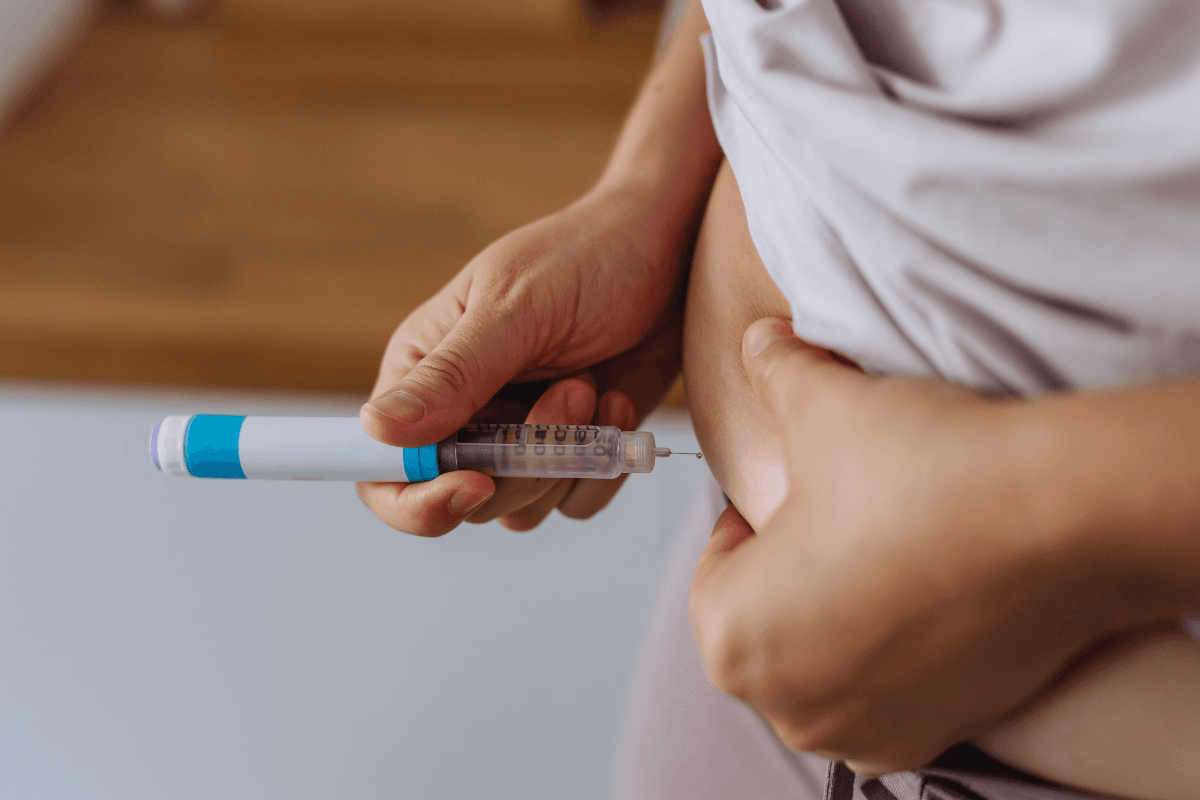
  • Trulicity Weight Loss: Dosing, Safety, and Expectations

    Trulicity Weight Loss: Dosing, Safety, and Expectations

    Trulicity weight loss can happen, but Trulicity is not approved as a weight-loss medication. It is a once-weekly dulaglutide injection used for type 2 diabetes, and weight change is usually a secondary effect related to appetite, digestion, blood sugar control, and daily habits.

    That distinction matters. If you are taking Trulicity and the scale is changing, the goal is not to chase a number. The safer goal is to understand what is expected, what needs medical review, and when a dosing conversation makes sense.

    Key Takeaways

    • Approved use: Trulicity treats type 2 diabetes, not obesity.
    • Weight response: Some people lose weight, while others do not.
    • Dose decisions: Clinicians weigh glucose trends and side effects.
    • Safety matters: Severe belly pain or vomiting needs prompt care.
    • Comparisons vary: Ozempic, Wegovy, and Mounjaro have different roles.

    Why Weight Changes Can Happen on Dulaglutide

    Dulaglutide is a GLP-1 receptor agonist, a medicine that acts like a gut hormone involved in insulin release and appetite signals. It helps the body release insulin when blood sugar is high. It also slows stomach emptying, which can make meals feel more filling for some people.

    That is why many people notice appetite changes before they notice scale changes. Smaller portions may feel easier. Evening snacking may decrease. Some people also feel full sooner, especially after higher-fat meals.

    Still, Trulicity weight loss is not automatic. Weight can stay the same if appetite effects are mild, if nausea leads to grazing, or if other medicines promote weight gain. Sleep, stress, alcohol intake, activity level, and meal patterns all shape the outcome.

    Why it matters: A stable weight does not mean the medicine is failing if glucose control is improving.

    The official Trulicity prescribing information states that the medication is indicated for type 2 diabetes care and includes boxed warnings, contraindications, and safety details. Use that label as the source of record for approved use and risk information.

    Realistic Expectations: Average Loss, Timelines, and Plateaus

    Average weight loss with Trulicity is usually modest compared with medicines specifically approved for chronic weight management. Clinical trial reports show that some adults lose weight, especially at higher dulaglutide doses, but averages do not predict your personal result.

    People often ask how much weight they can lose in a month. A cautious answer is that early weight changes may be small, uneven, or hard to interpret. Nausea, constipation, hydration shifts, and changes in carbohydrate intake can all move the scale for reasons that are not true fat loss.

    It helps to track trends rather than single weigh-ins. Use the same scale, similar clothing, and a consistent time of day. Waist fit, appetite patterns, glucose readings, and energy after meals can give useful context.

    Online Trulicity weight loss stories and before-and-after posts can feel motivating. They can also be misleading. Photos rarely show food intake, dose history, other medications, diabetes status, or side effects. Reviews may overrepresent people with unusually strong reactions, whether positive or negative.

    If your goal is to track progress without overreading day-to-day changes, a simple calculator can help you compare starting weight, current weight, and progress toward a goal. It estimates general progress only and does not replace clinical guidance.

    [weight-loss-progress-calculator]

    Why Plateaus Happen

    A plateau does not always mean the medication stopped working. Appetite may settle after the first weeks. Your body may adapt to a lower intake. Constipation can add temporary scale weight. Less movement from fatigue or nausea can also offset an appetite decrease.

    When progress slows, review the basics before assuming the dose is wrong. Missed injections, irregular meal timing, frequent liquid calories, and snack-based eating can all blur the picture. A registered dietitian can help if nausea, cravings, or glucose swings make planning difficult.

    Dosing Basics and When Dose Discussions Usually Come Up

    Trulicity is taken once weekly, and dose changes should be clinician-directed. The usual conversation is not simply about losing more weight. It is about whether blood sugar goals are being met, whether side effects are tolerable, and whether the current dose has had enough time to be assessed.

    Many adults start at a lower strength. A clinician may later consider step-ups if glucose readings or A1C remain above target and the current dose is tolerated. The strengths commonly discussed include 0.75 mg, 1.5 mg, 3 mg, and 4.5 mg once weekly, but the right plan depends on the person and the product label in their region.

    People searching for a Trulicity weight loss dose should be careful with that phrase. Trulicity does not have an FDA-approved weight-loss dose. Dosing is based on diabetes treatment goals and safety, not a guaranteed weight-loss target.

    For a deeper review of schedule basics, missed-dose discussions, and how clinicians may think through titration, see this Trulicity Dosage Guide. Use it as preparation for a medical visit, not as a reason to adjust dosing on your own.

    What Higher Strengths Mean

    The Trulicity 3 mg dose and 4.5 mg dose are higher-strength options used in selected adults when more glucose lowering is needed and the medicine is tolerated. Higher does not always mean better. It can also mean more nausea, reflux, constipation, or reduced appetite that becomes hard to manage.

    The strongest marketed dose in many settings is 4.5 mg once weekly. That fact should not be treated as a target. Clinicians usually look for the lowest effective and tolerable dose for the treatment goal.

    Use in People Without Diabetes and Off-Label Questions

    Trulicity for weight loss in non diabetics is an off-label topic. Off-label prescribing means a clinician uses an approved medicine for a purpose not listed in the official label. It can be appropriate in some situations, but it requires careful screening and clear expectations.

    A clinician may ask about pancreatitis, gallbladder disease, severe stomach-emptying problems, kidney concerns, pregnancy plans, and personal or family history of certain thyroid cancers. They may also review medications that raise hypoglycemia risk, especially insulin or sulfonylureas.

    If weight management is the primary goal, medicines approved specifically for that purpose may be part of the discussion. The right fit depends on medical history, eligibility, tolerability, and monitoring needs. For broader context, the Weight Management collection can help you compare educational topics without treating one medication as a universal answer.

    BorderFreeHealth connects U.S. patients with licensed Canadian partner pharmacies for eligible prescription options. When prescription verification is required, pharmacy partners confirm details with the prescriber before dispensing.

    Side Effects, Red Flags, and Safer Follow-Up

    Digestive side effects are common with GLP-1 medicines. Nausea, fullness, reflux, constipation, diarrhea, and reduced appetite can occur, especially after starting or increasing a dose. These effects often shape how people eat, hydrate, and tolerate treatment.

    Practical adjustments may help some people feel more comfortable. Smaller meals, slower eating, lower-fat choices, and steady fluids may reduce symptoms. If symptoms are persistent or disruptive, medical review is important. Do not keep pushing through severe symptoms just because weight is changing.

    Seek prompt medical care for severe or worsening abdominal pain, repeated vomiting, signs of dehydration, yellowing of the skin or eyes, or symptoms of low blood sugar. Low blood sugar is more likely when Trulicity is used with insulin or a sulfonylurea, especially if food intake drops.

    For meal-planning ideas and common trigger foods to discuss with your care team, see Foods To Avoid With Trulicity. For comfort strategies around nausea, constipation, and timing concerns, this resource on Trulicity Side Effects may also help.

    How It Compares With Other GLP-1 Options

    Ozempic vs Trulicity weight loss is a common comparison because both medicines are GLP-1 receptor agonists. Ozempic contains semaglutide, while Trulicity contains dulaglutide. Both are used in type 2 diabetes care, but they are not identical in dosing, titration, tolerability, or expected weight effects.

    Some semaglutide products are used differently from Trulicity. Wegovy, for example, is a semaglutide product approved for chronic weight management in eligible patients. Ozempic is used for type 2 diabetes. The distinction matters when comparing goals, labels, and insurance or cash-pay access discussions.

    Weight loss is only one decision factor. Side effects, glucose response, cardiovascular history, kidney considerations, other medicines, and personal preferences all matter. Availability and access rules can also change over time.

    If you are comparing dulaglutide and semaglutide, Trulicity Vs Ozempic gives a more focused comparison. For another incretin-based option sometimes discussed in type 2 diabetes care, Mounjaro Vs Trulicity reviews key differences in a practical format.

    Metformin, Combination Therapy, and Diabetes Priorities

    Metformin and Trulicity are often discussed together because many adults with type 2 diabetes use metformin as a foundation therapy. Metformin mainly reduces liver glucose production and may be weight-neutral or modestly weight-lowering for some people.

    When both medicines are used, the usual goal is better glucose control through different mechanisms. Weight change may happen, but it is not the only measure of success. A1C, fasting glucose, post-meal readings, medication tolerance, kidney function, and hypoglycemia risk all help guide care.

    Stomach side effects can overlap. Metformin may cause diarrhea or nausea, while Trulicity may cause nausea, fullness, or constipation. A clinician may review meal timing, formulations, or titration pace if symptoms make it hard to eat normally.

    For a broader view of treatment categories and product navigation, the Type 2 Diabetes hub can help you browse related options. Keep medical decisions anchored in your prescriber’s plan, especially if multiple medicines affect glucose.

    Questions to Bring to Your Clinician

    A clear visit plan can make Trulicity weight loss conversations more useful. Bring facts rather than guesses. A short log of injections, symptoms, weight trends, and glucose readings gives your clinician a better picture.

    • Current goal: Ask whether glucose, weight, or both are priorities.
    • Dose timing: Review missed doses or schedule changes.
    • Side effects: Describe severity, frequency, and food triggers.
    • Glucose patterns: Share fasting and after-meal readings if tracked.
    • Other medicines: Mention insulin, sulfonylureas, and supplements.
    • Weight trend: Bring weekly averages instead of daily swings.
    • Next step: Ask what would justify a dose change or switch.

    Quick tip: Write down your top two concerns before the appointment.

    If access is part of the discussion, some patients compare cash-pay cross-border prescription options without insurance, subject to eligibility and local rules. Keep that separate from clinical decision-making, which should remain with your prescriber.

    Authoritative Sources

    For official indication, dosing, warnings, and contraindication details, review the FDA-approved Trulicity label.

    For regulator-maintained product approval information, the FDA label document provides current prescribing details in PDF form.

    For general diabetes standards and patient-centered treatment context, the American Diabetes Association medication overview explains common diabetes medication categories.

    Recap

    Trulicity can affect appetite and weight, but it remains a diabetes medication rather than a dedicated weight-loss drug. Some people lose weight, some plateau, and some see little change. Dose increases should be based on medical goals, glucose data, and tolerability.

    The safest next step is to bring your trends and side effects to a clinician. That conversation can clarify whether to stay the course, adjust the plan, or compare other options.

    This content is for informational purposes only and is not a substitute for professional medical advice.
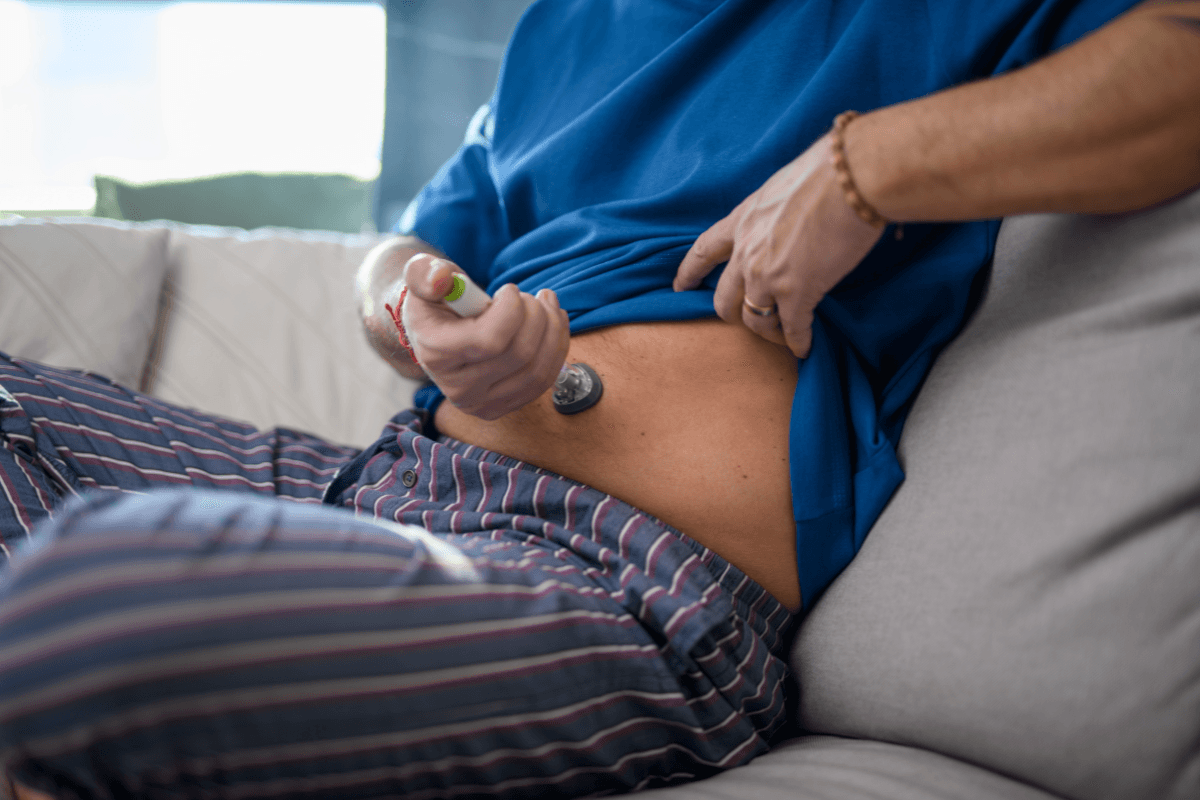
  • Mounjaro vs Ozempic Compared for Weight Loss Goals

    Mounjaro vs Ozempic Compared for Weight Loss Goals

    Key Takeaways

    • Different approvals: One is primarily for type 2 diabetes, and weight-loss labeling differs by product.
    • Different biology: Tirzepatide targets two gut hormones; semaglutide targets one.
    • Similar routine: Both are once-weekly injections with dose increases over time.
    • Similar side effects: Stomach symptoms are common, and safety monitoring matters.
    • Switching takes planning: A clinician usually adjusts timing and dose slowly.

    Choosing between weekly injection options can feel overwhelming. You may be balancing weight goals, blood sugar, side effects, and insurance rules. You may also be sorting through strong opinions online.

    This article compares Mounjaro vs Ozempic in practical, everyday terms. You’ll learn how they work, what differences matter most, and what questions to bring to a clinician.

    Why this matters: the “best” choice often depends on your health history. The right plan can also reduce unnecessary side effects and frustration.

    Mounjaro vs Ozempic: Key Differences That Matter

    These medicines can look similar at first glance. Both are weekly injections used in metabolic care, and both can support weight change for some people. But they are not interchangeable in how they are approved and how they act in the body.

    Mounjaro is tirzepatide, and Ozempic is semaglutide. In the U.S., each has specific FDA-approved uses and labeling. For the most current indications and warnings, it helps to review the official prescribing information for Ozempic labeling in context, and the official prescribing information for semaglutide products as a class. You can also confirm details in the FDA label for FDA-approved indications.

    It also helps to separate brand names from the “medicine family.” Both belong to incretin-based therapies, which influence appetite, digestion, and insulin signaling. If you are comparing options beyond these two, browsing Weight Management Options can help you see what types of treatments exist, from injectables to oral medicines.

    What you’re comparing Tirzepatide (Mounjaro) Semaglutide (Ozempic)
    Drug type Dual incretin (GIP/GLP-1) receptor agonist GLP-1 receptor agonist
    Primary U.S. labeled use Type 2 diabetes treatment (label-dependent) Type 2 diabetes treatment (label-dependent)
    Typical routine Once-weekly injection with stepwise dose increases Once-weekly injection with stepwise dose increases
    Common trade-offs GI symptoms, appetite changes, monitoring needs GI symptoms, appetite changes, monitoring needs

    How Tirzepatide and Semaglutide Affect Appetite and Blood Sugar

    The simplest way to think about these medicines is “gut hormones that message the brain and pancreas.” Both can reduce appetite, slow stomach emptying, and help the body release insulin when glucose is high. That combination may improve A1C (a three-month average blood sugar test) and may support weight loss.

    A key difference is the hormone targets. Semaglutide works through the GLP-1 pathway. Tirzepatide works through GLP-1 and GIP (two incretin hormones). This is the core idea behind the mounjaro vs ozempic mechanism of action conversation you may see online.

    Why it matters: different hormone targets can feel different day to day. Some people notice appetite suppression sooner, while others mainly notice digestion changes. Many factors shape that experience, including meal pattern, dose level, and how sensitive your stomach is to slower emptying.

    Weight Loss and Blood Sugar Goals: Setting Realistic Expectations

    It’s normal to want a clear winner. But your “best fit” often depends on your main goal and your health priorities. For someone focused on type 2 diabetes, the plan may center on A1C, time-in-range on a CGM, or cardiovascular risk factors. For someone focused on weight management, the focus may be hunger control, steady routines, and preserving muscle.

    Labeling also shapes the conversation. Some people use semaglutide specifically for weight management under a different brand and dosing range. Others may discuss tirzepatide under different brand names, depending on local approvals and coverage. If you want a clearer picture of diabetes-focused options, the category page for Type 2 Diabetes Options can help you compare medication classes without guessing.

    Tip: Ask your clinician what “success” means for you. It may include labs, energy, sleep apnea symptoms, or fewer cravings. A good plan is usually measurable and flexible, not perfection-based.

    Dosing Schedules, Pens, and Follow-Up Support

    Both medicines are usually taken once weekly, on the same day each week. Many people start at a lower dose and increase slowly. That stepwise approach is meant to improve tolerability, especially nausea and reflux.

    People often look for an ozempic vs mounjaro dosage comparison when they are switching or when side effects show up. Still, “dose equivalence” is not straightforward across different molecules. A clinician usually decides changes based on response, side effects, kidney function, other diabetes medicines, and your risk of low blood sugar.

    Practical details can make the routine easier. Injection technique, site rotation, and needle comfort matter. If injections feel stressful, it can help to review basics like needle length and fit; see Pen Needle Sizes for an overview of common pen-needle formats and what to ask a pharmacist.

    Side Effects and Safety: What’s Common vs What Needs Care

    Most people hear about nausea first, but stomach effects can include fullness, constipation, diarrhea, burping, or heartburn. For many, these symptoms are dose-related and improve with slower eating, smaller meals, and avoiding very fatty foods. Hydration and steady protein can also help when appetite drops sharply.

    When people compare mounjaro vs ozempic side effects, the differences often come down to intensity and timing. One person may tolerate one medicine easily and struggle with the other. That does not mean anything is “wrong” with them. It usually reflects individual digestion, dose changes, and other medicines in the mix.

    There are also less common but important risks that should be discussed with a clinician. GLP-1–based medicines carry warnings about pancreatitis symptoms, gallbladder problems, and dehydration-related kidney stress. They also have labeling cautions related to a personal or family history of certain thyroid tumors. For the most accurate, up-to-date safety details, check the official prescribing information for prescribing information and ask how it applies to your history.

    Note: Seek urgent care for severe, persistent abdominal pain, signs of dehydration, or vomiting that will not stop. Those symptoms can have many causes, and it’s safer to get assessed promptly.

    Considering a Switch: Timing, Monitoring, and Comfort

    Switches happen for many reasons. Side effects may be hard to manage. Blood sugar goals may not be met. Coverage rules may change. Some people also switch after reading switching from ozempic to mounjaro experiences online, but personal stories do not predict your outcome.

    If a switch is on the table, planning matters. A clinician may recommend a gap between injections, a re-start at a lower dose, or a slower increase schedule. People sometimes ask for an “Ozempic to Mounjaro conversion chart,” but conversion is not a simple math problem. It is usually based on tolerability, glucose trends, and what else you take for diabetes.

    What to do next: ask about monitoring during the transition. If you use insulin or a sulfonylurea, the low blood sugar risk may change when appetite drops. If you want a clearer picture of common titration patterns clinicians use, reading Tirzepatide Dosage can help you understand what “start low, go slow” typically means.

    Where Wegovy Fits When You’re Comparing Semaglutide Options

    Many people end up comparing semaglutide products because the names are easy to mix up. Wegovy is a semaglutide product that is labeled for chronic weight management, while Ozempic is labeled for type 2 diabetes. That distinction is why wegovy vs ozempic discussions often focus on labeling, dose ranges, and insurance coverage.

    Another common point of confusion is “off-label use.” Off-label means a medicine is prescribed for a purpose not specifically listed in its FDA approval. Some clinicians prescribe semaglutide for weight loss under diabetes labeling when they believe it is appropriate, but coverage and documentation can be complex. If you want a balanced explanation of that issue, read Off Label Ozempic Use for context about risks, benefits, and why documentation matters.

    If dosing details are part of your decision, it also helps to understand the step-up approach used in weight-management labeling. For practical expectations around titration and missed doses, Semaglutide Weight-Loss Dosing summarizes common patterns to discuss with a clinician.

    Looking Beyond Two Brands: Tirzepatide, Semaglutide, and Alternatives

    Sometimes the real question is not “A versus B.” It’s which medicine family best matches your needs and access. For example, some people do well with a GLP-1 approach but need a different brand due to availability. Others may need a non-injectable option, or a medicine that targets cravings through a different pathway.

    Comparisons like mounjaro vs wegovy come up often because both can be used in weight-management care under appropriate labeling. The differences are not only about the molecule. They include how quickly doses are increased, side-effect patterns, and your other medical conditions. If you are also comparing tirzepatide brand names for different indications, the article Tirzepatide Brand Differences can clarify naming, labeling, and what to ask at your next visit.

    Why this matters: you deserve a plan that is sustainable. That can include nutrition support, resistance training to protect muscle, and follow-up that adjusts the plan without blame. Medication can be one tool, not the whole story.

    Recap

    Both tirzepatide and semaglutide can play a role in diabetes and weight-management care. The best comparison looks at your goal, your side-effect tolerance, and your medical history. It also accounts for practical realities like follow-up access and coverage rules.

    If you’re unsure what to prioritize, bring a short list of questions to your clinician: what outcome matters most, what risks apply to you, and how monitoring will work. A thoughtful plan should feel supportive and adaptable, not rigid.

    This content is for informational purposes only and is not a substitute for professional medical advice for your personal situation.

  • Zepbound vs Mounjaro: What’s Different and How Dosing Works

    Zepbound vs Mounjaro: What’s Different and How Dosing Works

    Key Takeaways

    • Same active drug: Both contain tirzepatide, but labels differ.
    • Different FDA uses: One targets diabetes, one weight management.
    • Similar effects: Side effects often depend on dose and titration speed.
    • Coverage varies: Insurance rules commonly drive the real-world choice.
    • Switching needs planning: Talk through timing, monitoring, and goals.

    Trying to compare two similar medicines can feel surprisingly confusing. The names, pens, and insurance rules may all look different.

    Zepbound vs Mounjaro comes up most when people want clarity on use, dosing patterns, and what to expect day to day. The details matter, especially if you’re balancing health goals with coverage limits.

    Below, you’ll find the practical differences, what’s truly the same, and how clinicians often frame the decision. Use it to support a calmer, more informed conversation with your prescriber and pharmacist.

    Zepbound vs Mounjaro: What’s Actually Different

    Zepbound and Mounjaro share the same active ingredient: tirzepatide. Tirzepatide is a dual incretin medicine, meaning it acts on GIP and GLP-1 receptors (gut-hormone pathways that influence appetite and glucose). In everyday terms, the “engine” is the same.

    The meaningful differences are in the FDA-approved indication, the official labeling language, and how payers treat each prescription. Those factors can shape prior authorizations, refill timing, and which clinic documentation you may be asked to provide.

    Both brands are made by Eli Lilly and Company. The injection devices and packaging can also differ by market, which may affect training and comfort. When in doubt, the safest reference is the official labeling your pharmacy dispenses.

    Feature Zepbound Mounjaro
    Active ingredient Tirzepatide Tirzepatide
    Main FDA-approved use Chronic weight management (with criteria) Type 2 diabetes
    How it’s dosed Once-weekly injection Once-weekly injection
    What often drives choice Coverage for weight management, access Diabetes coverage rules, access
    What to double-check Pen instructions, storage, dose strength Pen instructions, storage, dose strength

    Indications and Goals: Diabetes Care vs Chronic Weight Management

    The biggest real-world divider is the “why” documented on the prescription. Mounjaro vs Zepbound decisions often hinge on whether treatment is centered on type 2 diabetes management, chronic weight management, or both.

    Mounjaro is FDA-approved to improve blood sugar control in adults with type 2 diabetes, alongside diet and exercise. Zepbound is FDA-approved for chronic weight management in adults who meet specific criteria, which may include a BMI threshold and certain weight-related conditions. These criteria and documentation needs can vary by insurer, even when the medicine is clinically appropriate.

    If you’re trying to zoom out and understand broader weight management approaches, the Weight Management collection can help, for related nutrition and medication education posts there. It can also be useful to compare common diabetes medication categories in one place, such as Type 2 Diabetes options, to compare common prescription options for diabetes care.

    Why this matters: Coverage is usually tied to the labeled indication. That can affect whether a pharmacy claim goes through, or whether additional forms are required. Clinically, your care team may still focus on the outcomes that matter most to you, like glucose trends, cardiometabolic risk (heart and metabolism risk), and quality of life.

    Dose Forms and Titration Patterns With Tirzepatide

    People often assume dosing differs a lot between brands. In practice, Mounjaro vs Zepbound dosing is usually similar because both contain tirzepatide and are taken once weekly. What tends to feel “different” is the pen design, the labeled indication on the box, and how quickly someone’s dose is increased (titrated).

    Most clinicians aim for a gradual titration to reduce gastrointestinal symptoms like nausea or reflux. Dose changes are typically spaced out over time, and the “right” pace is individualized. Your prescriber may also weigh other medicines you take, especially insulin or sulfonylureas, because combining these with tirzepatide can raise the risk of low blood sugar.

    If you want to review how dose steps are described in plain language, Mounjaro Dosage is a helpful reference, for a label-based overview of titration steps. For the weight-management brand, Zepbound Dosage Guidelines adds extra context, for pen strengths and weekly schedule details.

    Missed doses, travel, and “week-to-week” consistency

    Many people worry that one late injection “ruins” progress. It usually doesn’t, but it can change how you feel for a few days. FDA labeling describes a limited time window for taking a missed weekly dose, and it also gives spacing rules so doses are not taken too close together. Because these rules depend on timing, schedule, and other diabetes medicines, a pharmacist can help you interpret them safely.

    Travel adds another layer. You may need to plan around refrigeration, time zones, and carry-on storage. If your routine is already working, the simplest goal is consistency: same day each week, with clear reminders and a backup plan if a dose is delayed.

    What Side Effects Feel Like and When to Check In

    When people search Zepbound vs Mounjaro side effects, they’re often looking for reassurance. The most common effects tend to be gastrointestinal, such as nausea, diarrhea, constipation, heartburn, or reduced appetite. Many people notice these most after starting or after a dose increase.

    Because the active medicine is the same, side effects are broadly similar across brands. Differences are more often explained by dose level, titration speed, meal size, hydration, alcohol intake, and individual sensitivity. For many, smaller meals and slower eating can help, but persistent symptoms deserve a check-in.

    Some symptoms should prompt faster contact with a clinician. These include severe or persistent abdominal pain, repeated vomiting with dehydration, signs of an allergic reaction, or symptoms of low blood sugar if you use insulin or certain diabetes pills. The most reliable details are in the official labels, such as the Zepbound prescribing information, which summarizes key warnings and precautions. You can also review parallel sections in the Mounjaro prescribing information, for the diabetes-approved product labeling language.

    Tip: If side effects spike after an increase, note timing, foods, and hydration. Those details help your clinician tailor the plan without guesswork.

    Cost, Coverage, and Availability: Why People See Big Swings

    Zepbound vs Mounjaro cost comparisons can be frustrating, because the “price” you hear online may not match your insurance rules. Coverage often depends on the diagnosis tied to the prescription, whether prior authorization is required, and which pharmacy benefit manager (PBM) manages your plan. Even when two products share an ingredient, payers may treat them very differently.

    Weight-management coverage is especially variable. Some plans cover anti-obesity medicines broadly, while others exclude them or require step therapy. Diabetes coverage can also change year to year. A practical step is to ask your insurer which diagnosis codes and documentation are needed, then confirm what your prescriber can provide.

    Availability can also shift, based on publicly available databases at the time of writing. If you’re hearing about delays, the FDA drug shortages database offers official updates and dates for many products. Your pharmacist can also tell you if a specific dose strength is hard to obtain locally.

    For people comparing the broader landscape, Weight Management Products can organize medication types by category, to browse medication types by injection or oral form. If you prefer an editorial overview of injectables, Best Weight Loss Injections is useful context, for a practical comparison of current injectables.

    Switching Between Zepbound and Mounjaro: Practical Conversation Starters

    Switching brands can sound simple because the active ingredient is the same. Still, switching from Mounjaro to Zepbound (or the other direction) deserves a careful plan, especially if you also manage blood sugar with other medicines. The goal is a smooth transition with clear monitoring, not a rushed swap.

    Common reasons to discuss switching include coverage changes, a change in primary treatment goal, supply issues with a specific dose, or tolerability concerns. Helpful questions for your visit include: What is the safest timing for the first dose of the new brand? Should anything change about glucose monitoring? What symptoms should trigger a call? And do you need updated labs, like A1C, kidney function, or lipids?

    If you’re comparing other medicines in the same general category, Top GLP 1 Drugs can clarify class-level differences, for class-level differences across GLP-1 medicines. For readers tracking what may come next in obesity treatment, Retatrutide vs Tirzepatide adds research context, for emerging research context beyond tirzepatide.

    Note: If you’ve had long gaps between doses, your clinician may reassess tolerability and monitoring. That’s not a setback. It’s a safety step.

    How Tirzepatide Compares With Ozempic, Wegovy, and Others

    It’s common to compare tirzepatide with semaglutide brands, especially when coverage or side effects drive a change. Zepbound vs Wegovy comparisons are usually about mechanism, labeled use, and tolerability, not just “which one works.” Wegovy (semaglutide) is approved for chronic weight management, while Ozempic (semaglutide) is approved for type 2 diabetes, with some off-label use in weight care.

    Tirzepatide activates both GIP and GLP-1 pathways, while semaglutide is a GLP-1 receptor agonist. In plain terms, they act on overlapping appetite and glucose signals, but they are not the same medicine. Side effects often overlap too, especially nausea and bowel changes, and both are typically titrated to improve tolerability.

    If you’re weighing semaglutide against tirzepatide because of nausea, refill timing, or insurance rules, it can help to read a focused comparison like Best Choice For Weight Loss, for a deeper semaglutide comparison discussion. For another weight-management comparison that emphasizes practical decision points, Which Weight Loss Drug Works can be a useful next read, for decision factors like nausea and dosing.

    Whatever the brand, follow-up matters. A plan that includes nutrition support, movement that feels sustainable, and monitoring for side effects often improves the overall experience. If you’re living with diabetes, keeping an eye on glucose patterns and hypoglycemia risk remains essential.

    Recap: Putting the Differences Into a Safer, Clearer Choice

    Zepbound and Mounjaro can look like two separate drugs, but they share tirzepatide. The most important differences are the FDA-approved indication, the label language, and how insurance handles coverage. For many people, those system factors shape what’s realistically accessible.

    Side effects and dosing patterns are usually similar, but your experience can still vary. Dose strength, titration pace, and other medicines in your regimen can change how you feel. If switching is on the table, it’s worth slowing down and planning for monitoring, especially if you manage diabetes alongside weight goals.

    Bring your priorities to the visit: symptom control, weight-related health concerns, glucose goals, and affordability. A clinician can help match those priorities to the safest option and a follow-up plan.

    This content is for informational purposes only and is not a substitute for professional medical advice for your personal situation.