Category: Dermatology

Dermatology issues can affect comfort, sleep, and social confidence daily. This category helps patients and caregivers review common skin, hair, and nail concerns. It also supports US delivery from Canada for eligible prescription refills. Use the links to learn terms, track symptoms, and plan next steps.

Topics range from acne treatment and eczema care to psoriasis management. Some posts cover screening basics, like mole checks and melanoma awareness. Others explain tests such as patch testing (allergy checks for contact triggers). Dispensing is handled by licensed Canadian partner pharmacies, when medication is supplied.

Dermatology Resources and Navigation

Start with the educational posts if a diagnosis feels unclear. Many guides explain how clinicians describe rashes, plaques, and flares. For autoimmune patterns, see the Everything To Know Autoimmune Diseases overview.

Use the product listings when a prescription name is already known. Each page summarizes form, label directions, and typical documentation needs. Condition campaigns can also help families talk about long-term skin care. Browse World Psoriasis Day 2025 for community context and support planning.

What You’ll Find in This Category

This hub gathers practical guides on common skin conditions and evaluations. Readers will see plain-language explanations alongside clinical terms used in clinics. Common topics include rosacea, dermatitis evaluation, and hives and urticaria (itchy welts).

Dermatology content here also connects to related prescription options below. Browse the Skin Health Product Category to compare available listings. Some entries discuss therapies often used for psoriasis, including Otezla and Apremilast. Related reading includes Otezla Uses and Apremilast Mechanism Of Action. For biologic options, see Cosentyx and the Exploring Cosentyx Uses guide.

  • Acne, blackheads, and scarring concerns
  • Eczema and atopic dermatitis flare patterns
  • Psoriasis types, triggers, and long-term planning
  • Rosacea redness, bumps, and eye irritation questions
  • Rash diagnosis basics, including contact triggers and exposures
  • Warts, including common options for wart removal
  • Hair and nail disorders, including alopecia (hair loss) topics
  • Nail fungus treatment basics and fungal skin infections
  • Phototherapy overviews and what to ask a clinic
  • Skin cancer screening terms, including melanoma screening
  • Mole check guidance and what changes clinicians track
  • Actinic keratosis (rough, sun-damaged spot) explanations

How to Choose

Choosing a topic path can feel overwhelming, especially during flares. Dermatology care can look different for children, adults, and older relatives. Start by separating symptom questions from treatment or access questions. Awareness posts, like Psoriasis Awareness Month, can support shared language.

Quick tip: Keep a dated photo log for rashes, nails, or scalp changes.

Use a simple comparison checklist

Use this checklist to narrow what to read next. It also helps caregivers share clearer details with clinicians.

  • Where symptoms appear and whether they move or spread
  • How long symptoms last and how often they return
  • Main sensation, like itch, pain, burning, or tightness
  • Visible pattern, like ring-shaped, scaly, or blistering spots
  • Recent exposures, including new soaps, metals, plants, or pets
  • New medicines or supplements started before symptoms appeared
  • Age group, including infant, child, teen, or older adult needs
  • Other health issues, especially immune conditions and diabetes
  • Prior treatments tried and what happened afterward
  • Preference limits, like scent-free products or injection concerns
  • Testing needs, such as patch testing or lab monitoring
  • Visit format, including in-person exams or teledermatology follow-ups

Know when a specialist evaluation adds value

A primary care visit can address many common skin problems. A skin specialist can help when the diagnosis stays uncertain. They may also help with persistent scalp, nail, or genital involvement. Families often benefit from written plans that reduce confusion at home.

Safety and Use Notes

Safety matters because skin findings sometimes signal broader health issues. Dermatology information can help frame questions for a clinician visit. Some symptoms need prompt evaluation, such as fast-spreading rashes or fever. For skin self-check basics, review the AAD Skin Self-Check Guide.

Many skin medicines can irritate, thin, or lighten skin with misuse. Topical steroids, retinoids, and antifungals all carry label precautions. Phototherapy can cause burns without careful dosing and follow-up. When required, prescriptions are verified directly with the prescriber. For a plain-language psoriasis overview, see the MedlinePlus Psoriasis Overview.

  • Share allergy history, including reactions to adhesives or topical antibiotics
  • Avoid sharing prescriptions, even with similar-looking rashes
  • Ask about interactions if using multiple creams on the same area
  • Note pregnancy, breastfeeding, or fertility plans before starting new medicines
  • Report new infection signs when using immune-modifying treatments
  • Track lesion changes, including size, color, bleeding, or crusting
  • Use sun protection discussions to support long-term skin cancer prevention
  • Keep label instructions handy to reduce missed or doubled doses

Access and Prescription Requirements

Some pages in this hub link to prescription product details and related education. Many medications require a valid prescription from a licensed prescriber. The process may involve confirming prescriber contact information and current directions. This helps reduce avoidable delays and incorrect dispensing.

Cash-pay options can help, including for people without insurance. For some items, refills depend on prescriber authorization and local rules. Keep names, birthdates, and addresses consistent across documents. Use your account tools to store needed details for future requests.

Why it matters: Clear paperwork can reduce back-and-forth when prescriptions must be confirmed.

  • Have prescriber details available for verification when an Rx is required
  • Check that directions and quantity match what the prescriber intended
  • Plan ahead for items that need refrigeration or special handling
  • Review return limits for prescriptions, since many are not returnable
  • Keep a current medication list to support safe pharmacy review
  • Ask the prescriber about monitoring needs tied to the prescribed therapy

This content is for informational purposes only and is not a substitute for professional medical advice.
  • Cosmetic Camouflage for Hyperpigmentation: Safe Coverage Steps

    Cosmetic Camouflage for Hyperpigmentation: Safe Coverage Steps

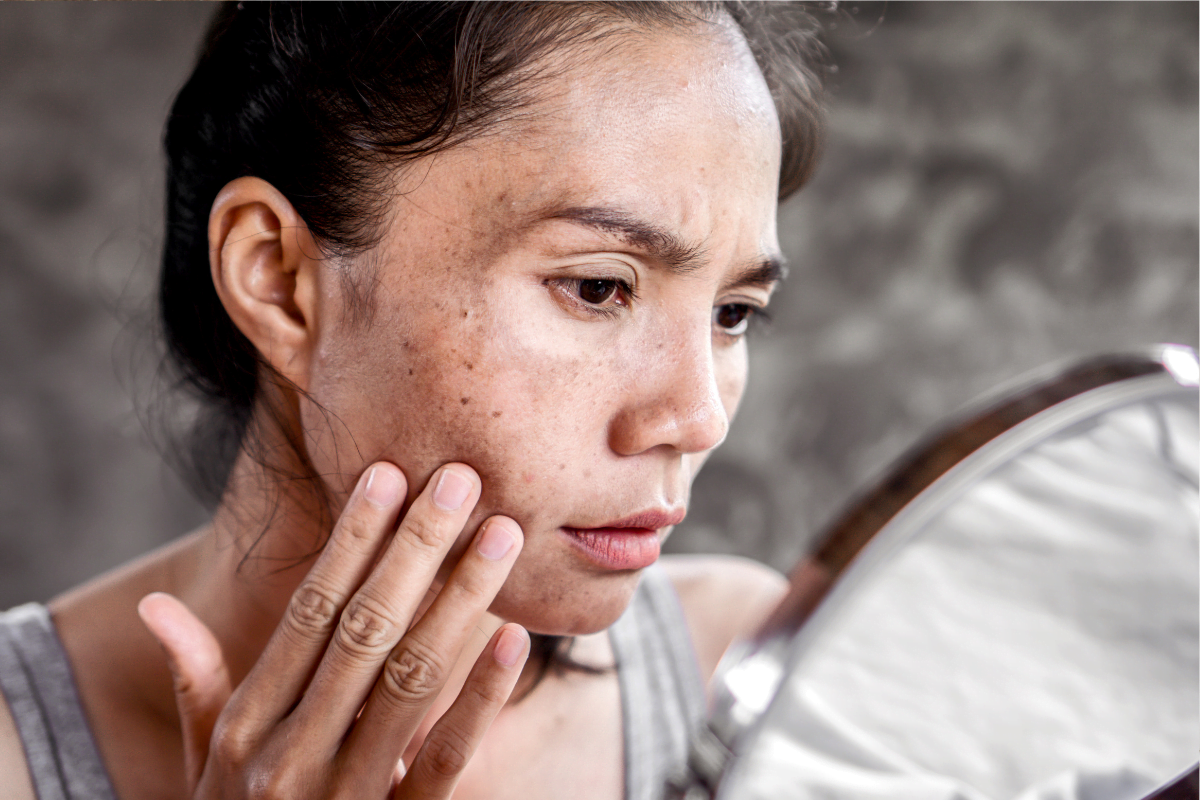
    Cosmetic camouflage for hyperpigmentation uses makeup and sun protection to make dark patches look less noticeable for the day. It does not treat excess pigment, but it can reduce contrast from melasma, post-inflammatory marks, scars, and uneven tone when products are chosen and removed carefully.

    Why it matters: Coverage should support confidence without delaying care for changing or unexplained skin spots.

    Key Takeaways

    • Sunscreen comes first, especially for melasma-prone skin.
    • Color corrector can reduce contrast before concealer.
    • Thin layers usually look more natural than heavy coverage.
    • Patch testing helps lower irritation and clogged-pore risk.
    • New, painful, bleeding, or changing spots need clinical assessment.

    How Cosmetic Camouflage for Hyperpigmentation Works

    Cosmetic camouflage is the careful use of skin-safe makeup to temporarily conceal visible color differences. A routine may include sunscreen, primer, color corrector, concealer, foundation, setting powder, or setting spray. Some clinicians use the term skin camouflage therapy when products are selected for medical-looking coverage and taught as a technique.

    Hyperpigmentation means an area of skin looks darker because of extra melanin, the pigment that gives skin color. It can follow acne, eczema, injury, burns, rashes, or inflammation. It can also appear as melasma, which often causes brown or gray-brown facial patches.

    Coverage is not the same as treatment. A concealer for dark spots can reduce contrast for several hours, but it does not remove pigment or address the cause. Treatment decisions depend on the type of discoloration, skin sensitivity, medical history, and the risk of irritation.

    For broader skin-health reading, the Dermatology collection groups related skin education. The browseable Dermatology Products category can also help readers distinguish skin-care items, medicines, and prescription-related options.

    Who May Find Camouflage Useful

    Camouflage may help people who want temporary control over how uneven tone appears in daily life. This can include people with post-inflammatory hyperpigmentation after acne, melasma, sun-related dark spots, scars, or mixed discoloration. Some people use coverage daily. Others reserve it for work, photos, events, or days when their skin feels more noticeable.

    Post-inflammatory hyperpigmentation often follows inflamed breakouts. If acne is still active, heavy layers may feel uncomfortable or contribute to clogged pores, depending on the formula and your skin. A lighter routine may work better than a thick one. If acne is part of your pattern, What Is Acne offers broader context on causes and care concepts.

    Visible skin changes can also affect self-image. That does not mean anyone has to cover their skin. The choice should remain personal. Advocacy starts with respecting both choices: using makeup when it helps, or not using it when it feels unnecessary.

    Some pigment changes come from less common medical conditions. For example, photosensitivity and skin fragility can occur in certain disorders. Porphyria Cutanea Tarda Treatment explains one condition where sun sensitivity and skin findings need medical guidance. The key point is simple: camouflage can support confidence, but it should not replace evaluation when skin changes are unusual.

    Build a Routine Without Overloading Skin

    A good routine starts with comfort, not maximum coverage. If the skin barrier is irritated, makeup can sting, settle unevenly, or emphasize texture. Gentle cleansing, moisturizer, and sun protection create a smoother base. Then targeted color correction can reduce the need for heavy foundation.

    Start with a small area and apply each layer thinly. Wait briefly before adding the next product. This helps you see whether the mark still needs coverage or whether the previous layer already softened the contrast. More product is not always better. It can crease, transfer, or make texture more visible.

    A practical layering order

    1. Cleanse gently and avoid scrubbing dark patches.
    2. Apply moisturizer suited to your skin type.
    3. Use sunscreen you can wear consistently.
    4. Tap color corrector only on the darker area.
    5. Add concealer or foundation in thin layers.
    6. Set lightly where transfer is likely.
    7. Remove makeup fully at the end of the day.

    For melasma and stubborn facial pigment, sun protection matters because ultraviolet light and visible light may worsen discoloration in some people. Tinted sunscreen for hyperpigmentation often contains iron oxides, which are pigments that can help reduce some visible-light exposure. This does not replace clinical care, but it can support a practical daily routine.

    If your routine also includes prescription or non-prescription skin treatments, keep camouflage simple around irritated areas. Retinoid-related care can be drying for some users. For background reading, see Differin and Wrinkles and Renova Cream. These pages are not camouflage instructions, but they explain why tolerance matters when active products are involved.

    BorderFreeHealth connects U.S. patients with licensed Canadian partner pharmacies when medication access is relevant and permitted.

    Choosing Correctors, Concealers, and Foundations

    Color correction works by softening the undertone of a dark area before skin-toned makeup goes on top. The right color corrector for hyperpigmentation depends on your skin depth and the undertone of the mark. Peach may help some brown marks on lighter skin. Orange, red-orange, rust, or terracotta may look more natural on deeper skin tones. Yellow or olive-toned correctors may help some red-brown areas.

    Use the smallest amount that changes the look of the spot. If the corrector is too bright, the final result can look orange. If it is too pale, the area may look gray or ashy. At this stage, the goal is not to erase the mark. It is to reduce contrast so the next layer can blend.

    Pigment Look Corrector Direction Coverage Note
    Brown or gray-brown patches Peach, apricot, orange, or warm tan Use tiny amounts and blend only at the edge.
    Red-brown post-acne marks Muted green, yellow, or warm neutral Check in daylight to avoid a chalky cast.
    Blue-gray or ashy marks Orange, rust, or terracotta Deeper skin tones often need deeper correctors.
    Mixed melasma patches Sheer peach plus a matching base Thin layers usually look more natural than one thick coat.

    Shade matching matters as much as correction. Match the surrounding skin, not the dark spot itself. Test near the jaw, cheek, or area you plan to cover. If your face and neck are different shades, choose the match that looks most balanced in daylight.

    Quick tip: Test a base shade in daylight before relying on it for an event.

    Foundation for hyperpigmentation does not always need to be full coverage. Many people get better results from medium coverage plus targeted concealer. Others prefer long-wear or water-resistant formulas for heat, masks, or long days. If your skin is acne-prone, non-comedogenic labeling may be helpful, but it is not a guarantee for every person.

    Ingredient awareness can also help. Products marketed for glow, resurfacing, or anti-aging may contain acids, retinoids, or other active ingredients. These are not automatically harmful, but layering several active products under makeup can increase dryness or irritation. For a label-reading perspective, Peptides Skin Care Basics explains how to think about claims and routines.

    Different Pigment Concerns Need Different Techniques

    Melasma often covers broader facial areas, so a mask-like base can look obvious. A sheer corrector, tinted sunscreen, and flexible foundation may feel more wearable. Makeup to cover melasma usually works best when it blends into nearby skin rather than trying to create a completely blank surface.

    Post-inflammatory marks after acne are often smaller. Spot concealing can preserve natural skin texture while reducing contrast where it matters. Covering post-inflammatory hyperpigmentation may require less foundation than expected if the corrector and concealer match well.

    Scars may involve both color and texture. Makeup can soften discoloration, but it cannot flatten a raised scar or fully fill a depressed one. A smoothing primer may help some texture look softer, though results vary. Avoid aggressive rubbing when applying or removing product over scars.

    Vitiligo involves lighter areas rather than darker areas. Cosmetic camouflage for vitiligo usually focuses on matching surrounding skin or creating a balanced overall tone. That approach differs from cosmetic camouflage for hyperpigmentation, where warm correctors often matter more. People with widespread pigment changes may benefit from professional shade matching, especially for visible areas such as the face, hands, or neck.

    Safety Steps Before Daily Wear

    Safe makeup for hyperpigmentation starts with avoiding irritation. Irritation can inflame skin and may worsen post-inflammatory discoloration in some people. Fragrance, harsh exfoliants, drying alcohols, and aggressive scrubbing can be troublesome for sensitive skin. That does not mean every scented or long-wear product is unsafe. It means your skin’s response matters.

    Patch testing is a simple safety step. Apply a small amount of product to a discreet area, such as the jawline or behind the ear. Watch for stinging, rash, swelling, itching, or new bumps. If you have eczema, frequent allergic reactions, or very reactive skin, ask a clinician before testing several products.

    Remove camouflage gently. Oil-based removers, micellar water, or balm cleansers may help dissolve long-wear formulas without scrubbing. Follow with a mild cleanser if needed. Leaving heavy makeup on overnight can irritate skin or clog pores, especially around acne-prone areas.

    Ask a clinician about dark spots that are new, changing quickly, bleeding, painful, crusting, or uneven in shape. Also seek care for discoloration that appears after a new medication, illness, burn, or severe rash. Makeup can cover many things, but it cannot tell you whether a spot is harmless.

    When prescriptions are involved, partner pharmacies may verify required prescription details with the prescriber before dispensing.

    Permanent Camouflage and Tattooing Require Caution

    Permanent makeup and skin-tone tattooing are different from daily cosmetic camouflage. These procedures place pigment into the skin. They may be difficult to reverse, and colors can shift over time. They may also be unsuitable for active inflammation, changing pigment, keloid-prone skin, or uncertain diagnoses.

    If you are considering tattoo camouflage for scars or discoloration, speak with a qualified medical professional first. Ask whether the area is stable, whether the cause is known, and whether the procedure could make future evaluation harder. Also ask the practitioner about training, infection-control practices, pigment selection, and aftercare.

    Daily makeup has one major advantage: it is adjustable. You can change color, coverage, finish, and formula as your skin changes. That flexibility matters for melasma, acne marks, scars, and seasonal skin-tone shifts.

    Common Mistakes That Make Coverage Less Natural

    • Skipping sunscreen: Light exposure can make some pigment concerns harder to manage.
    • Using excess corrector: Bright peach or orange can show through foundation.
    • Matching the spot: Choose the surrounding skin tone instead.
    • Scrubbing removal: Friction can irritate already reactive skin.
    • Ignoring texture: Scars need different techniques than flat marks.
    • Covering new changes: Unexplained spots should be checked first.

    These mistakes are common because hyperpigmentation camouflage makeup can look different in bathroom lighting, daylight, and photos. If a routine looks heavy, reduce one layer at a time. Often, a better shade match or a smaller corrector area improves the result more than adding coverage.

    Authoritative Sources

    Practical Next Steps

    Cosmetic camouflage for hyperpigmentation works best when it supports your life rather than controls it. Start with sunscreen, use gentle products, correct undertones lightly, and keep the final finish close to your real skin. If pigment is changing or unexplained, put evaluation before concealment.

    Use this page as a starting point for makeup conversations, dermatologist visits, or product label checks. A small, consistent routine often looks better than a complicated one. It is also easier to adjust when skin tone, texture, or sensitivity changes.

    This content is for informational purposes only and is not a substitute for professional medical advice.
  • Porphyria Cutanea Tarda Treatment and Long-Term Management

    Porphyria Cutanea Tarda Treatment and Long-Term Management

    Porphyria cutanea tarda treatment usually focuses on lowering excess porphyrins, reducing iron burden when it contributes, and removing triggers that keep the condition active. The main medical options are therapeutic phlebotomy or carefully supervised low-dose hydroxychloroquine or chloroquine. Skin protection, liver evaluation, and follow-up are also part of care because PCT can recur if its drivers are not controlled.

    This matters because PCT can keep causing fragile skin, blisters, slow healing, scarring, and pigment changes on sun-exposed areas. Treatment is most effective when the plan addresses both the skin findings and the liver-related process behind them.

    Key Takeaways

    • Main goal: Lower porphyrins and reduce triggers that keep PCT active.
    • Common options: Therapeutic phlebotomy or low-dose hydroxychloroquine or chloroquine.
    • Decision factors: Iron studies, hemoglobin, liver health, medications, and recurrence history.
    • Daily care: Sun protection and gentle wound care help prevent new skin injury.
    • Follow-up: Remission is common, but recurrence can happen.

    What PCT Is and Why Treatment Works

    Porphyria cutanea tarda, often shortened to PCT, is the most common porphyria that mainly affects the skin. It occurs when uroporphyrinogen decarboxylase, an enzyme involved in heme production, does not work well enough. Porphyrins then build up, mostly in the liver, and make the skin unusually sensitive to sunlight.

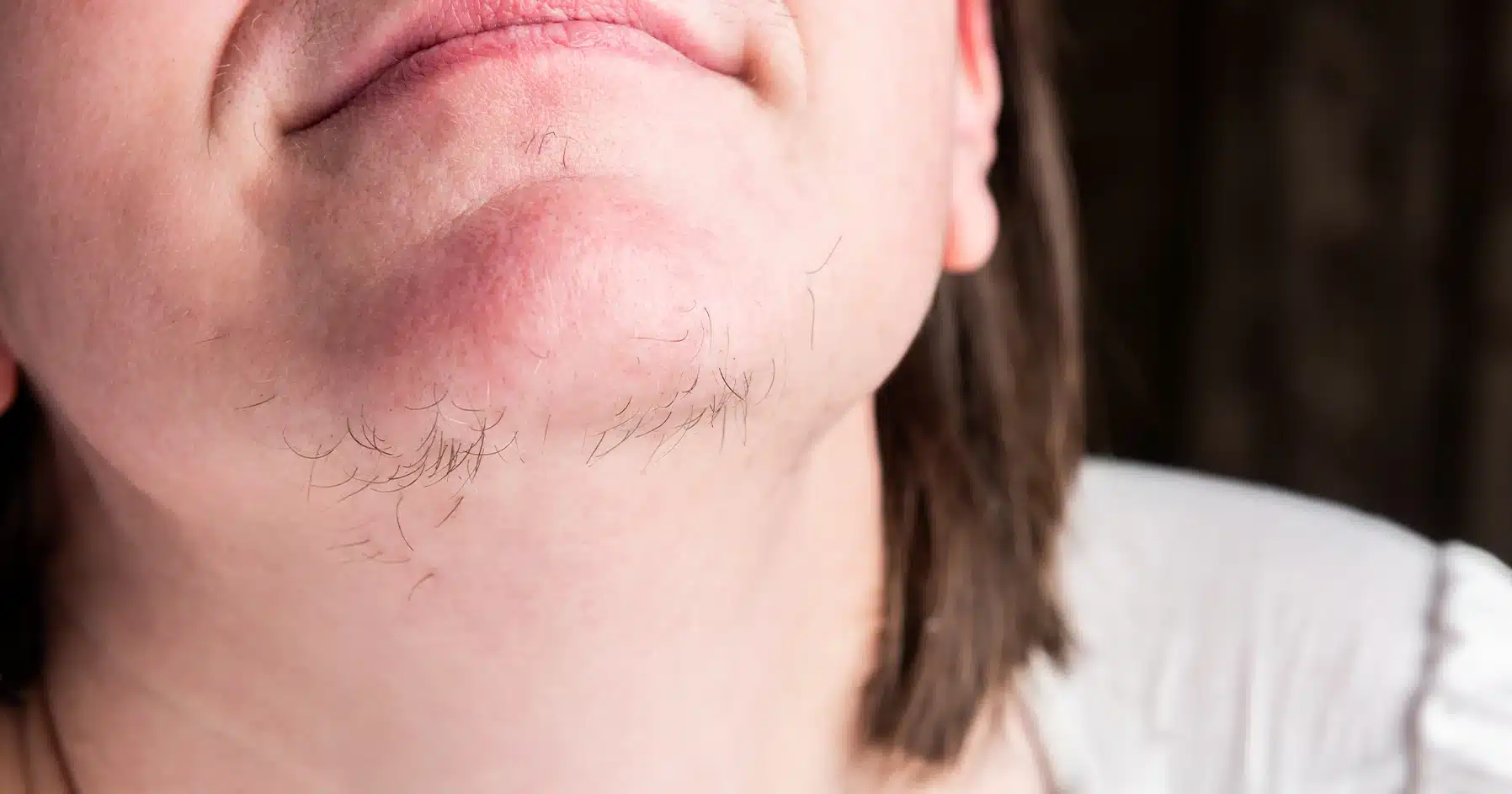
    People often notice fragile skin on the backs of the hands, blisters after sun exposure, slow-healing erosions, crusting, milia, darker or lighter patches, or increased facial hair. PCT often appears in adulthood, even when a person also has a genetic tendency in the background. The skin changes are visible, but the process driving them is biochemical and often tied to iron and liver stress.

    Porphyria cutanea tarda treatment works because the condition often quiets when the main drivers are addressed. Removing excess iron can reduce pressure on the blocked pathway. Low-dose antimalarial medicines may help the body clear stored porphyrins. Trigger control lowers the chance that the cycle continues.

    Because these symptoms can overlap with other blistering disorders, treatment should follow proper testing rather than guesswork. Diagnosis often involves urine or plasma porphyrin studies, iron tests such as ferritin, liver tests, and a review of risk factors. For broader skin-condition context, the Dermatology collection can help you compare related topics. The Dermatology Products collection is better for browsing medication categories.

    Why it matters: Skin healing usually follows after porphyrin levels begin to fall.

    How Porphyria Cutanea Tarda Treatment Is Chosen

    The best plan depends on the full clinical picture, not one symptom or one lab result. Clinicians usually look at confirmed porphyrin testing, ferritin and other iron studies, hemoglobin, liver status, alcohol use, estrogen exposure, smoking, viral hepatitis risk, and whether repeat blood removal is practical and safe.

    That review helps clarify the main management paths. If excess iron appears to be part of the problem and blood counts allow it, therapeutic phlebotomy is often considered. If phlebotomy is not a good fit, some people may be considered for carefully supervised low-dose hydroxychloroquine or chloroquine. Medication review matters because liver disease, other drugs, and individual tolerance can change the plan.

    Before starting treatment, the care team may also look at how active the blistering is, whether this is a first episode or recurrence, and whether there are reasons to avoid blood removal. Practical details count too. Venous access, transportation, work schedule, and the ability to return for repeat labs can all shape what is realistic.

    A durable plan is medically appropriate and possible to follow. That is one reason management of porphyria cutanea tarda is more personal than a one-size-fits-all checklist.

    Approach When it may be considered Main aim What is monitored
    Therapeutic phlebotomy When iron overload appears contributory and blood counts support blood removal Lower iron stores that can drive porphyrin buildup Hemoglobin, ferritin, symptoms, and skin response
    Low-dose hydroxychloroquine or chloroquine When phlebotomy is not ideal or a medication approach fits better Help mobilize stored porphyrins so the body can clear them Liver status, other medicines, tolerance, and response
    Trigger control and sun protection For nearly everyone with PCT Reduce ongoing skin injury and lower reactivation risk Alcohol, estrogen exposure, smoking, liver issues, and healing

    The Two Main Treatment Paths

    The established treatment paths are not competing trends. They are two different ways to reduce the biochemical burden that drives the skin findings. One removes blood to reduce iron stores. The other uses a low-dose antimalarial medicine to help clear excess porphyrins.

    Therapeutic phlebotomy

    Therapeutic phlebotomy is planned blood removal done for medical reasons. In PCT, the goal is to bring down iron stores because excess iron can worsen the enzyme block behind the condition. Ferritin is often followed over time because it gives a useful signal about iron burden, though targets and pacing are individualized.

    Improvement is usually gradual rather than immediate. New blistering may settle before older skin changes fully fade. This is also not the same as routine blood donation, even if the procedure can look similar. The schedule is shaped by labs, symptoms, and tolerance, not by a fixed public donation pattern.

    Phlebotomy is not right for everyone. Anemia risk, poor venous access, frailty, and other health issues can change the balance. Some people also find repeated in-person visits hard to sustain. The decision belongs in a clinician-guided plan rather than a generic online rule.

    Low-dose antimalarial medicines

    Hydroxychloroquine and chloroquine are older antimalarial drugs, but in PCT they may be used for a different reason. At carefully selected low doses, they can help move excess porphyrins out of the liver so they can be cleared. Because that effect can be strong, PCT regimens are typically more cautious than the way these medicines are used for some other conditions.

    This option may be considered when repeated phlebotomy is hard to tolerate or not practical. It also needs thoughtful review. Liver disease, other medicines, eye-related history, and individual risk factors can all matter. In some cases, the medication route may look simpler on paper but still requires lab monitoring and follow-up.

    If hydroxychloroquine is part of the conversation, neutral product pages such as Plaquenil and HCQS 200mg can show the kind of medicine involved. They do not replace clinician guidance on fit, monitoring, or dosing. BorderFreeHealth connects U.S. patients with licensed Canadian partner pharmacies, and prescription details are checked when required before dispensing.

    Whichever path is used, the goal is the same: stop new blistering, let the skin recover, and reduce the risk that active disease keeps damaging the skin and liver. Some people respond well to one strategy after another has been ruled out. Others need the plan adjusted as labs, tolerance, and trigger control change.

    Triggers, Liver Health, and Skin Protection

    Even effective porphyria cutanea tarda treatment can stall if the main triggers stay active. Alcohol use, estrogen exposure, smoking, excess iron, hepatitis C, and other liver stressors are common themes in PCT care. Some people also have inherited tendencies that affect iron handling.

    Sun protection matters from day one. PCT skin is fragile, and light exposure can worsen blistering on areas such as the backs of the hands and forearms. Protective clothing, shade, and careful daily skin protection can reduce fresh damage while the underlying disease is being treated. This is often where people start to feel more in control.

    Skin care in PCT is practical, not cosmetic. Lightweight sleeves or gloves for driving and outdoor chores may help protect fragile areas. Gentle cleansing, non-adhesive dressings when needed, and avoiding friction or picking can lower the chance of scarring and infection while healing is underway.

    Because porphyrin buildup is closely tied to the liver, many treatment plans include liver-focused follow-up. That may involve reviewing alcohol intake, checking liver tests, evaluating hepatitis risk when relevant, and discussing whether iron supplements or hormone exposures need a closer look. These are not side issues. They are part of the main treatment logic.

    PCT is also a reminder that blistering skin problems are not all treated the same way. If pigment changes remain after active blistering settles, Cosmetic Camouflage may offer general context on covering hyperpigmentation while skin continues to recover.

    Quick tip: Photograph new blisters before they heal so follow-up visits have a clearer baseline.

    Testing, Remission, and Recurrence

    Follow-up shows whether treatment is addressing the cause, not just calming the skin. Clinicians may track blistering frequency, skin fragility, ferritin or other iron measures, porphyrin trends, liver tests, and whether major triggers have been reduced.

    Many people can reach remission, meaning new blistering settles and porphyrin levels come down. PCT is often one of the more manageable porphyrias because the disease process can quiet when its drivers are addressed. Older pigment changes, milia, or scarring may improve more slowly than the active disease itself.

    Recurrence is still possible. PCT can reactivate if iron burden rises again or if triggers such as alcohol, estrogen exposure, smoking, hepatitis C, or other liver disease return to the forefront. That does not always mean treatment failed. It often means the underlying drivers need to be reviewed again.

    If you are preparing for a visit about management of porphyria cutanea tarda, these questions can help organize the discussion:

    • Diagnosis: Which porphyrin tests confirmed PCT?
    • Iron status: Is ferritin part of my treatment target?
    • Liver review: Which liver risks need evaluation?
    • Treatment fit: Why phlebotomy, medicine, or both?
    • Monitoring: Which symptoms need earlier review?

    Practical issues count too. People without insurance may need to ask about cash-pay options, transportation for repeat visits, and whether clinic-based phlebotomy or medicine-based management is easier to sustain. Those concerns do not replace medical decision-making, but they can shape follow-up in real life.

    When to Seek Prompt Medical Review

    PCT itself is usually managed over weeks to months, but some situations need earlier attention. Contact a clinician promptly if blistering spreads quickly, wounds show signs of infection, pain is worsening, or new symptoms appear after starting a medicine. Seek urgent care for severe allergic symptoms, breathing trouble, fainting, or rapidly worsening illness.

    People with known liver disease, hepatitis C, significant anemia, pregnancy, or complex medication lists should be especially cautious about self-directing care. These factors can affect both treatment choice and monitoring. Do not start, stop, or change prescription medicines for PCT without professional guidance.

    If you take hydroxychloroquine for another condition, timing and consistency may already be part of your routine. For general medication-taking context, Best Time to Take Plaquenil discusses practical considerations, but PCT-specific dosing and monitoring should come from your clinician.

    Authoritative Sources

    Good porphyria cutanea tarda treatment does not end when a blister dries up. It includes confirming the diagnosis, tracking the labs that match the cause, protecting the skin while healing happens, and reducing the drivers that could bring the condition back.

    This content is for informational purposes only and is not a substitute for professional medical advice.
  • Herpes Treatment: Managing HSV Symptoms and Safer Care

    Herpes Treatment: Managing HSV Symptoms and Safer Care

    Herpes Treatment focuses on controlling symptoms, shortening outbreaks when possible, and lowering the chance of transmission. There is no cure for herpes simplex virus (HSV) today, but prescription antiviral medicines and practical skin care can make outbreaks more manageable. A clear plan also helps you act early, protect partners, and know when symptoms need urgent medical attention.

    Key Takeaways

    • Antivirals help manage outbreaks and recurrences.
    • Early care may reduce sore duration.
    • HSV can spread without visible sores.
    • Daily suppression may reduce shedding for some people.
    • Eye symptoms, pregnancy, or weak immunity need prompt care.

    If you were recently diagnosed, feeling unsettled is normal. HSV is common, and many people learn to manage it with a combination of medicines, safer-sex planning, trigger awareness, and supportive care. The goal is not just fewer sores. It is also less worry, clearer communication, and a plan that fits your health needs.

    What Herpes Treatment Can and Cannot Do

    Herpes Treatment can reduce symptoms and help prevent future outbreaks, but it does not remove HSV from the body. After infection, HSV stays dormant in nerve cells. It may reactivate later, sometimes after stress, illness, friction, sun exposure, or no clear trigger.

    Clinicians usually consider two main approaches. Episodic treatment means antiviral medicine is started when symptoms begin, often during tingling, burning, or early soreness. Suppressive treatment means daily antiviral medicine is used to reduce recurrences and viral shedding. The best approach depends on outbreak frequency, symptom burden, partner risk, pregnancy status, immune health, and personal preferences.

    Common prescription antivirals include acyclovir, valacyclovir, and famciclovir. These medicines do not work like antibiotics. Antibiotics treat bacterial infections, while HSV is a virus. For medication-specific reading, see Acyclovir, Valtrex, and Famciclovir as background to discuss with a licensed clinician.

    Why it matters: Knowing the limits of treatment prevents false hope and supports realistic planning.

    Recognizing HSV Symptoms and Stages

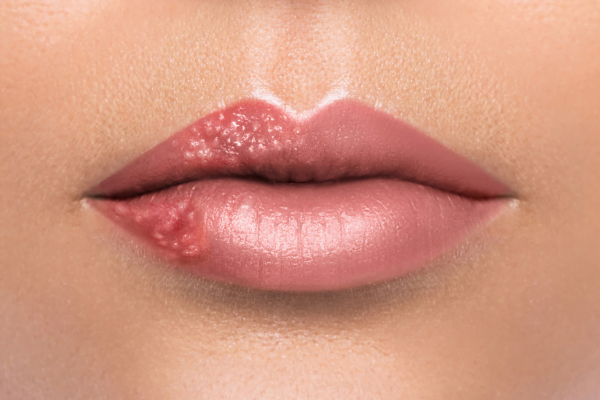
    HSV symptoms often follow a recognizable pattern, but not every outbreak looks the same. Some people have painful blisters. Others notice tiny cracks, redness, itching, burning, or soreness that they may mistake for irritation.

    A typical outbreak may start with prodrome, which means early warning symptoms before visible sores. Tingling, nerve-like pain, itching, or burning can appear hours or days before blisters. Blisters may then open into ulcers, followed by crusting and healing. First episodes can be more intense and may include fever, swollen glands, body aches, or painful urination. Recurrent outbreaks are often shorter and milder.

    Many readers search for herpes photos in different stages because they want reassurance about what they are seeing. Images can help with education, but they cannot confirm HSV. Yeast infections, ingrown hairs, canker sores, shingles, bacterial skin infections, and allergic reactions may look similar. Testing from a fresh sore is often more useful than visual comparison alone.

    For a closer look at cold sore patterns, prodrome, and mouth symptoms, read Herpes Symptoms. If sores or pain affect the anal area, Anal Herpes Symptoms explains common signs and when to seek care.

    How HSV Spreads, Including Between Outbreaks

    HSV spreads through direct skin-to-skin or mucosal contact with an area shedding virus. This can happen during oral, genital, or anal contact. HSV-1 often causes oral herpes, and HSV-2 often causes genital herpes, but either type can affect either location.

    Transmission is more likely when sores are present, but HSV can also spread when skin looks normal. This is called asymptomatic shedding. It helps explain why some people acquire HSV from a partner who had no visible symptoms at the time. Condoms and dental dams reduce risk, but they do not cover all exposed skin.

    Non-sexual transmission is less common but possible in specific situations, especially with direct contact to active cold sores. Sharing utensils or towels is not considered a major route compared with direct contact, but avoiding contact with sores is still wise. Caregivers should be especially careful around newborns, because neonatal HSV can be serious.

    Partner communication works best when it is specific. Discuss where outbreaks occur, what prodrome feels like, when to avoid contact, and whether suppressive therapy makes sense. You can also use broader sexual health education from Understanding STDs to frame safer conversations without blame.

    How to Care for Sores and Reduce Discomfort

    Early action is the most useful home-care principle. If you have a prescribed episodic plan, ask your clinician how soon to start it after prodrome begins. Do not change dosing or start leftover medicine without medical guidance.

    Gentle wound care can reduce irritation while the skin heals. Wash the area with lukewarm water and mild cleanser if needed. Pat dry instead of rubbing. Wear loose, breathable clothing when genital or anal sores are present. Avoid picking, scratching, fragranced products, harsh antiseptics, and sexual contact with active lesions.

    For pain, some people use cool compresses or non-prescription pain relievers when those are safe for them. A clinician can advise if pain is severe, urination is difficult, sores are widespread, or symptoms are new. If sores become increasingly red, warm, swollen, or pus-like, a secondary bacterial infection may need evaluation.

    People often ask how to heal herpes sores faster. Antiviral treatment started early may shorten an outbreak for some people. Rest, hydration, reduced friction, and avoiding known triggers may also support recovery. These measures help comfort and healing, but they are not a guaranteed way to stop an outbreak immediately.

    Quick tip: Keep an outbreak note with symptoms, triggers, and questions for your next visit.

    Oral, Genital, Anal, and Eye Herpes Need Different Priorities

    The site of HSV symptoms affects your care plan. Oral herpes usually causes cold sores on or around the lips, though sores can occur inside the mouth. Genital herpes may affect the vulva, penis, scrotum, buttocks, thighs, cervix, or rectal area. Anal herpes may cause pain, discharge, bleeding, or sores that are hard to see.

    Herpes on lips treatment often includes avoiding direct contact during sores, protecting lips from sun exposure, and discussing antiviral options for frequent or severe cold sores. Some people ask whether oral herpes is curable. It is not curable, but outbreaks can often be managed with a plan.

    Eye symptoms need a different level of urgency. HSV near the eye can involve the cornea and may threaten vision. Eye pain, light sensitivity, blurred vision, redness, or discharge during a facial outbreak should prompt urgent medical evaluation. Do not put steroid creams, hydrocortisone, or other topical products near the eye unless a clinician specifically instructs you.

    Hydrocortisone cream for herpes is not a standard HSV treatment. Steroids can sometimes worsen infections if used incorrectly. Antiviral cream for herpes may be used in some situations, but topical products generally have limits compared with oral antivirals. If you are comparing topical prescription information, Zovirax Ointment 5% may help you prepare questions for a prescriber.

    Daily Suppression, Triggers, and Long-Term Planning

    Daily antiviral medication for herpes may be considered when outbreaks are frequent, severe, emotionally distressing, or when reducing transmission risk is a major goal. This decision should be individualized. A clinician may review kidney health, other medicines, pregnancy plans, immune status, and how often symptoms occur.

    Trigger tracking can make long-term care more practical. Common triggers include fever, another infection, major stress, poor sleep, menstrual changes, skin friction, and ultraviolet exposure. Not everyone has clear triggers. Still, a simple journal can help you notice patterns and discuss prevention strategies.

    Mental health also matters. HSV stigma can cause shame that feels larger than the medical condition itself. Accurate information often helps. HSV is common, manageable for many people, and not a measure of character or cleanliness. If anxiety affects intimacy, sleep, or daily life, consider speaking with a clinician or counselor who understands sexual health.

    For broader condition navigation, the Sexual Health collection may help with related prevention and communication topics. The Infectious Disease collection covers other infection-focused education.

    Can Herpes Go Away, Become Dangerous, or Be Fatal?

    Herpes sores can go away, but the virus remains in the body. After an outbreak heals, HSV becomes dormant. It may reactivate later, which is why recurrences can happen months or years after the first episode.

    For most otherwise healthy adults, HSV is not life-threatening. However, context matters. HSV can be dangerous for newborns, people with weakened immune systems, and people with eye or nervous system involvement. Rare complications, such as encephalitis (brain inflammation), require emergency care.

    Questions like can herpes kill you or how fast can herpes kill you often come from fear after a new diagnosis. In healthy adults, death from common oral or genital herpes is very uncommon. The situations that need urgent attention include newborn exposure, severe headache with confusion, neck stiffness, seizures, widespread rash, dehydration, eye symptoms, pregnancy with new genital sores, or severe disease in someone immunocompromised.

    Leaving herpes untreated for years does not always cause severe harm, especially if outbreaks are rare. But untreated symptoms can still affect comfort, sexual health, and transmission risk. A medical visit can confirm the diagnosis, rule out other infections, and help you decide whether episodic or suppressive therapy is useful.

    Similar Conditions and Myths That Cause Confusion

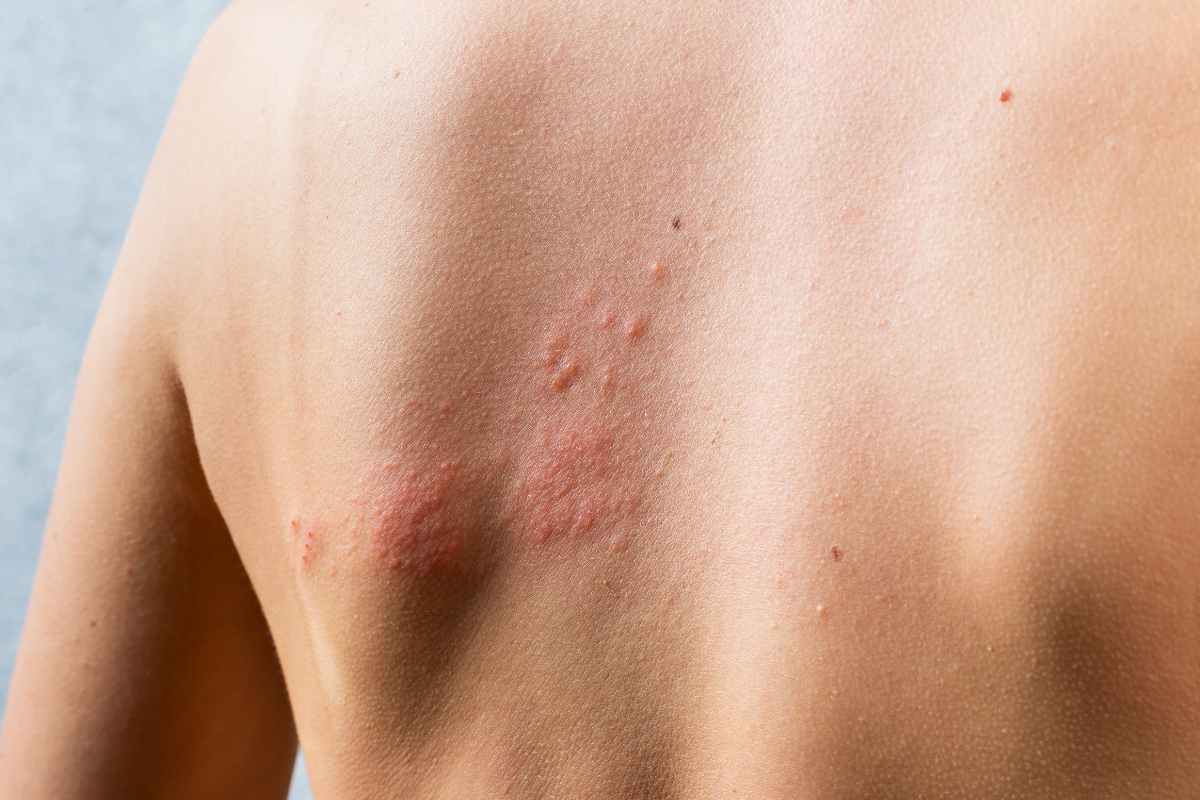
    HSV is often confused with other viral skin conditions. Shingles, caused by varicella-zoster virus, can also produce painful blisters, but it behaves differently and often follows a nerve distribution on one side of the body. For a comparison, see Chickenpox vs. Shingles.

    Another common myth is that there must be a cure hidden somewhere. Current Herpes Treatment can manage outbreaks and reduce transmission risk, but no approved therapy eradicates HSV from nerve cells. Research continues, including vaccine and cure-related strategies. For a cautious look at the science, read Cure For Herpes.

    Over-the-counter products also create confusion. The best over the counter herpes medication depends on what you mean by “best.” Some non-prescription options may ease discomfort, but they do not cure HSV. Prescription antivirals remain the main evidence-based medicines for controlling HSV outbreaks. Ask a clinician before combining creams, especially near mucous membranes, broken skin, or the eyes.

    Preparing for a Clinician Visit

    A focused visit can turn uncertainty into a plan. Bring a timeline of symptoms, outbreak locations, possible exposures, pregnancy status if relevant, and any past test results. If sores are present, ask whether swab testing is appropriate. Blood tests may help in some cases, but they have limits and should be interpreted carefully.

    Useful questions include whether your symptoms fit HSV-1, HSV-2, or another condition; whether episodic or suppressive therapy is reasonable; how to reduce partner risk; and what symptoms require urgent care. If medication access is part of your planning, BorderFreeHealth connects U.S. patients with licensed Canadian partner pharmacies, and prescription details are verified with prescribers when required before pharmacy dispensing.

    Herpes Treatment works best when it is practical. The right plan is one you understand, can follow, and can revisit when your relationships, symptoms, or health status change.

    Authoritative Sources

    For clinical treatment recommendations, review the CDC sexually transmitted infection treatment guidelines.

    For public health context and global HSV estimates, see the WHO herpes simplex virus fact sheet.

    For patient-facing diagnosis and treatment background, consult the Mayo Clinic genital herpes resource.

    This content is for informational purposes only and is not a substitute for professional medical advice.
  • Clobetasol Propionate Side Effects and Safer Use

    Clobetasol Propionate Side Effects and Safer Use

    Clobetasol is a very strong topical corticosteroid (steroid that calms inflammation), so clobetasol propionate side effects can range from brief burning or dryness to more serious problems like skin thinning when it is used too often, too long, or on delicate areas. Most reactions stay local to the treated skin, but the drug’s strength is exactly why careful use matters.

    That matters because the same medicine that can settle stubborn eczema, psoriasis, or scalp inflammation may also irritate thin skin, hide infection, or create extra risk around the eyes and face. Knowing what is expected, what is not, and where not to apply it helps you use the medication more safely and know when to check in with a clinician.

    Key Takeaways

    • Clobetasol is a very high-potency topical steroid.
    • Mild burning, stinging, dryness, and redness can happen early.
    • Risk rises on the face, groin, armpits, eyelids, and broken skin.
    • Longer or heavier use may lead to skin thinning and color changes.
    • New infection, allergy signs, eye symptoms, or worsening rash deserve prompt medical review.

    Clobetasol Propionate Side Effects to Watch For

    Most side effects happen where the medicine is applied. Early reactions often include burning, stinging, itching, dryness, redness, peeling, or a tight feeling in the skin. These can be brief when treatment starts, especially on already inflamed skin. In other cases, they signal that the product is too irritating for that body area or that the diagnosis needs a second look.

    Some people also notice acne-like bumps, inflamed hair follicles, or changes in skin color. On the scalp, tenderness, dryness, or soreness can happen, especially if the skin is cracked from scratching. People searching for clobetasol cream side effects, clobetasol ointment side effects, or clobetasol shampoo side effects are usually seeing this same local pattern first. The active drug is similar across forms, even though the base or vehicle can change how it feels.

    Form Common local reactions What to keep in mind
    Cream or ointment Burning, dryness, redness, peeling Ointments can feel heavier and may trap moisture on irritated skin.
    Lotion or scalp solution Stinging, dryness, tenderness Liquid forms may feel sharper on cracked or scratched areas.
    Shampoo Scalp irritation, soreness, dryness Keep it away from the eyes and follow the body-area instructions closely.

    If you are comparing products such as Clonate Ointment 0.05 and Clonate Scalp Lotion, remember that the formulation changes the feel, not the need for caution. A scalp product is not automatically safer on other areas, and an ointment is not automatically the right choice for thin skin. The safest fit depends on the diagnosis, the body site, and how long the treatment was meant to last.

    Why This Topical Steroid Can Cause Side Effects

    Clobetasol is considered a very potent topical steroid. It works by quieting inflammatory signals in the skin, which can reduce redness, swelling, itching, and scaling. That same anti-inflammatory effect can also lower the skin’s normal repair and defense response. When use becomes too aggressive, the medicine may calm the rash while also making the skin more fragile.

    Several factors change the risk. Thin skin absorbs more medicine than thicker skin. Skin folds hold moisture and friction, which can increase absorption. Large treatment areas raise exposure. Tight dressings and some diapers can act like occlusion, meaning they trap the medicine against the skin and push more of it inward. Broken or infected skin can also behave differently. Children may be more vulnerable because of their body size and skin surface area.

    The form matters too, but only up to a point. Creams, ointments, lotions, foams, and shampoos may feel different and suit different body areas, yet they still carry the same broad steroid warnings. If you are sorting through skin-care options in Dermatology or browsing the Dermatology Treatments hub, it helps to separate moisturizers, antifungals, and strong steroids rather than treating them as interchangeable. The same caution applies when reading the product details for Clobetasol.

    Why it matters: Potent steroids can calm severe inflammation quickly, but delicate skin can absorb more medicine.

    BorderFreeHealth works with licensed Canadian partner pharmacies for eligible U.S. patients.

    When Side Effects Are More Concerning

    More serious clobetasol side effects are less common, but they are the problems people most want to avoid. These issues are more likely after repeated courses, long-term daily use, treatment over large areas, or application to the face, eyelids, genitals, or skin folds. Mild burning may show up quickly. Structural skin changes usually develop more gradually.

    Skin thinning and visible changes

    One of the main long-term concerns is atrophy (skin thinning). The skin may start to look shiny, paper-like, or easier to bruise. Some people develop striae (stretch marks) or telangiectasia (tiny visible blood vessels). Color changes can also happen. The skin may become lighter, darker, or patchy after inflammation settles. These changes can be slow to reverse, and some may persist even after the medicine is stopped.

    This risk matters most on thin or sensitive areas. The face, around the eyes, under the breasts, the groin, and the armpits are less forgiving than elbows, knees, palms, or thick scalp plaques. Using a strong steroid on the wrong site can make a short-term irritation problem turn into a longer-term skin quality problem.

    Infections, allergy, and eye-area risks

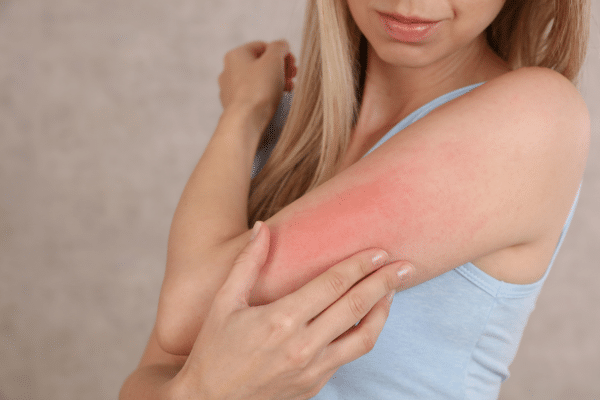
    Topical steroids can make infection harder to spot because they reduce redness and itching. That may delay care while a bacterial, fungal, or viral process continues underneath. Warning signs include increasing warmth, swelling, pus, pain, crusting, or a rash that spreads instead of settles. A true allergy to the product is less common, but it can happen. If the treated area becomes much redder, itchier, swollen, or blistered, the medicine itself may be part of the problem.

    Clobetasol should also be kept away from the eyes unless a specialist specifically directed otherwise. Potent steroids used on the eyelids or too close to the eyes may raise the risk of eye complications, including glaucoma or cataracts. Eye pain, blurred vision, halos, or new irritation after facial use are not symptoms to ignore.

    Whole-body exposure is uncommon, but possible

    Systemic absorption (medicine entering the bloodstream) is not the usual outcome, but it can happen when a high-potency steroid is used over large areas, under occlusion, for long periods, or in children. A clinician may become concerned about broader steroid exposure if use has been heavy or prolonged. This is one reason strong topical steroids are usually prescribed with limits on body site and duration, not as open-ended daily maintenance.

    Where Not to Use It and How to Lower Risk

    In general, clobetasol should not be used on delicate or damaged skin unless a clinician specifically told you to do so. That includes the face, eyelids, around the eyes, the groin, genitals, armpits, and other skin folds. It is also usually avoided on untreated infected skin, open wounds, or inside the mouth, nose, or other mucous membranes. Daily use is not usually meant to continue indefinitely. When daily application is prescribed, it is typically for a short, defined plan rather than ongoing routine use.

    • Thin layer only: apply just where it was prescribed.
    • Body site matters: do not move it to new areas on your own.
    • Watch the calendar: old leftover tubes can create new problems.
    • Avoid tight covering: do not seal it under dressings unless directed.
    • Keep it simple: limit extra topicals on the same spot when a reaction appears.
    • Check for warning signs: bruising, thinning, eye symptoms, or worsening rash need review.

    The best way to lower clobetasol propionate side effects is to use the smallest amount on the smallest area for the shortest period your treatment plan intended. If you are unsure whether a patch of skin still needs the medicine, or whether it is safe to keep applying it every day, that uncertainty is a good reason to pause and confirm the plan instead of guessing. Potent steroids work best when the instructions are specific.

    If a rash improves at first and then flares again, resist the urge to keep restarting strong steroid treatment without reassessing the cause. A condition that looks inflamed may actually be infected, irritated by another product, or be a facial disorder that reacts badly to potent steroids.

    If a prescription is required, the dispensing pharmacy may confirm it with the original prescriber.

    When Diagnosis Changes the Safety Picture

    Diagnosis matters because a medicine that helps one inflamed rash can aggravate another. Thick psoriasis plaques on elbows or the scalp are not the same as eczema in skin folds, and neither looks like every facial rash. If you are reading about blistering or itchy hand and foot rashes, these resources on Dyshidrotic Eczema and Stress And Dyshidrotic Eczema show why pattern, triggers, and body site matter before you assume a strong steroid is the answer.

    The same idea applies to psoriasis and scalp disease. Broader context from World Psoriasis Day 2025 can help frame why chronic inflammatory skin disease often needs a plan beyond one tube of medicine. Some scalp conditions may call for non-steroid treatment approaches, with products such as Ketoderm, while some facial redness conditions are approached very differently, with products such as Noritate Cream. That context helps explain why clobetasol propionate side effects are not just about the drug itself; they are also about whether the diagnosis and body site fit the treatment.

    What to Do If a Reaction Starts

    If you think the medicine is irritating your skin, the safest next step is to pause and assess the pattern rather than adding more products on top of it. Note when the reaction started, what form you used, how often you were applying it, and exactly where it went on the body. New redness after the first few uses is different from gradual thinning after weeks of frequent use, and both are different from swelling or blistering that suggests allergy.

    Quick tip: Take a clear photo of the area before washing it off so you can track changes.

    Get prompt medical advice if you develop severe burning, rapid swelling, hives, blistering, pus, fever, eye pain, vision changes, or a rash that spreads beyond the treated site. Seek urgent care for trouble breathing or swelling of the lips, tongue, or throat. Even when the reaction seems mild, it helps to bring the product name, the container, and a list of any other creams or shampoos used on the same area. That makes it easier to sort out irritation, overuse, allergy, or infection.

    Cash-pay cross-border prescription options depend on eligibility and local jurisdiction.

    Authoritative Sources

    Clobetasol can be very useful for short-term control of severe skin inflammation, but its strength is what makes body site, duration, and follow-up so important. The goal is not to fear the medicine. It is to use it with enough respect that common irritation stays manageable and more serious complications stay uncommon.

    This content is for informational purposes only and is not a substitute for professional medical advice.
  • Male Pattern Baldness: Genetics, Stages, and Treatment

    Male Pattern Baldness: Genetics, Stages, and Treatment

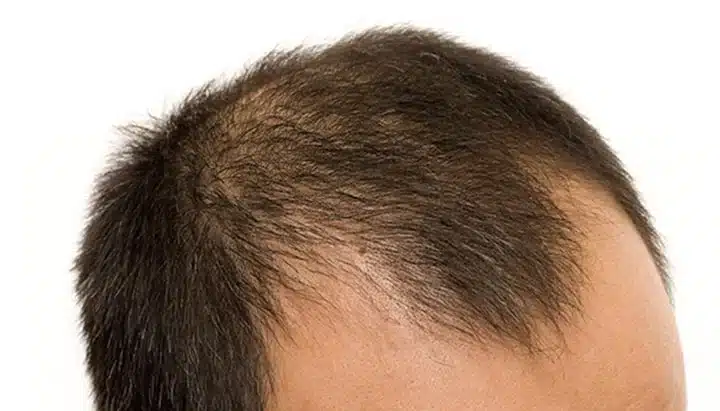
    Male pattern baldness is hereditary, hormone-linked hair thinning that usually starts at the temples, crown, or both. It can begin any time after puberty, often progresses slowly, and may respond better when addressed early. The key is to confirm the pattern, rule out other causes, and choose a realistic plan you can maintain.

    Hair loss can feel deeply personal. It can affect confidence, identity, dating, work, and how comfortable you feel in photos. Understanding what is happening gives you more control, even when the condition cannot be fully reversed.

    Key Takeaways

    • Genes and hormones drive most cases.
    • Early signs often appear at the temples or crown.
    • Treatment may slow loss or improve density.
    • Natural steps support hair health but rarely replace therapy.
    • Sudden, painful, or patchy loss needs medical review.

    What Male Pattern Baldness Means

    Male pattern baldness is the common name for androgenetic alopecia, a hereditary form of patterned hair loss. In men, it often causes a receding hairline, thinning at the crown, or a larger area where both changes meet.

    The process happens inside the follicle. Follicles in certain scalp areas become sensitive to androgens, especially dihydrotestosterone, usually called DHT. Over time, susceptible follicles spend less time in the growth phase. New hairs become shorter, finer, and less visible. This is called miniaturization.

    That distinction matters. A person may still have follicles in a thinning area, but the hairs may be too fine to create coverage. This is one reason treatment aims to slow miniaturization, support active growth, or preserve remaining density rather than simply “wake up” completely inactive follicles.

    Male pattern baldness is common, but it is not the only explanation for hair loss. Thyroid disease, iron deficiency, certain medicines, severe stress, scalp inflammation, autoimmune alopecia, and infections can also cause shedding or thinning. Pattern, speed, symptoms, and scalp appearance help clinicians decide what is most likely.

    Why it matters: A typical pattern can often be managed differently than sudden shedding or scarring hair loss.

    Early Signs, Stages, and How to Track Change

    Early male pattern baldness usually shows as temple recession, crown thinning, or a hairline that looks less dense in bright light. Some men first notice more scalp after a haircut, wet hair, or overhead lighting.

    Shedding can be confusing. Everyone sheds hairs daily, and short-term shedding does not always mean permanent loss. What matters more is a consistent pattern over months. Look for repeated changes in the same areas rather than one stressful week of extra hair in the shower.

    Clinicians often describe male pattern baldness stages with the Norwood scale. It is a visual staging system, not a perfect prediction tool. Stage 2 often reflects a more mature hairline. Stage 3 usually shows deeper recession at the temples. Crown thinning may appear separately or alongside frontal loss. More advanced stages involve larger connected areas of thinning.

    You do not need to memorize every stage to take useful action. A simple tracking routine can help you prepare for a dermatology visit or compare changes over time.

    • Same lighting: Use bright, consistent light.
    • Same angles: Capture hairline, temples, crown, and part line.
    • Dry hair: Wet hair can exaggerate scalp show.
    • Monthly timing: Avoid checking daily.
    • Symptom notes: Record itching, scaling, pain, or sudden shedding.

    People searching for signs of balding at 20 or losing hair at 25 male often worry that any recession means rapid future loss. Age can influence concern, but it does not predict the exact course. Some men progress quickly. Others plateau for years. Family history, stage, scalp health, and treatment consistency all influence the picture.

    Seek medical evaluation sooner if hair loss is patchy, painful, sudden, associated with redness or scale, or follows a major illness or medication change. These patterns may point away from androgenetic alopecia and toward conditions that need different care.

    Genetics, DHT, and the Mother-or-Father Question

    Male pattern baldness genetics involve many genes from both sides of the family. The common idea that baldness comes only from the mother’s side is too simple.

    Some inherited risk is linked to androgen receptor biology, which is why people ask whether male pattern baldness is X linked. The X chromosome can contribute, but it is not the whole story. Many genetic regions appear to influence risk, timing, and pattern. Both parents can pass on variants that matter.

    DHT also plays a central role. Testosterone can be converted into DHT by an enzyme called 5-alpha-reductase. In genetically susceptible follicles, DHT signaling can shorten the growth phase and increase miniaturization. This does not mean testosterone levels are necessarily “too high.” Often, follicle sensitivity matters more than hormone level alone.

    Family history still helps. If several close relatives developed early crown thinning or a receding hairline, your risk may be higher. But family history is not destiny. Two brothers can have different patterns. A father with a full head of hair does not guarantee the same outcome for a son.

    Other factors can make thinning look worse or speed visible change. These include scalp inflammation, smoking, crash dieting, low protein intake, iron deficiency, major stress, and harsh hair practices. Addressing these factors may improve overall hair quality, but it usually does not remove the inherited driver.

    Treatment Options and Decision Factors

    Male pattern baldness treatment usually focuses on slowing progression, improving visible density, or supporting hair that remains. The best option depends on the stage, goals, medical history, tolerance for side effects, and whether the plan is realistic long term.

    Topical minoxidil

    Topical minoxidil is a widely used non-prescription treatment for hereditary hair loss. It may help prolong the growth phase and support thicker-looking hair over time. It does not address DHT directly, so some people use it as part of a broader plan after discussing options with a clinician.

    Application consistency matters. Stopping a helpful treatment can lead to loss of maintained gains. Scalp irritation can happen for some users, especially with certain formulations. If irritation, rash, dizziness, or unexpected symptoms occur, seek medical guidance.

    For readers comparing topical formats, Rogaine Solution provides product-specific context for a minoxidil option. Some readers also look at preparation ingredients; Minoxidil Powder Micronized is relevant when researching compounding-related materials rather than ready-to-use routines.

    Prescription 5-alpha-reductase inhibitors

    Finasteride is a prescription 5-alpha-reductase inhibitor. It lowers DHT activity and may help some men slow patterned hair loss. It is not appropriate for everyone, and it has important safety considerations, including sexual side effects in some users and pregnancy-related handling precautions for certain forms.

    If you are researching male pattern baldness medication, review prescription options with a qualified clinician. Ask about your pattern, expected monitoring, side effects, fertility concerns if relevant, and what to do if symptoms occur. Do not start, stop, or change prescription medicine based only on general reading.

    For product-specific navigation, Finasteride, Propecia, and Finpecia 1mg can help readers compare labeled product pages and terminology. Where prescription access is involved, BorderFreeHealth connects U.S. patients with licensed Canadian partner pharmacies, and prescription details may be verified with the prescriber when required before dispensing.

    Procedures and devices

    Low-level light devices, platelet-rich plasma, and hair transplant surgery may be considered in selected cases. These options vary in cost, evidence strength, access, and maintenance needs. A transplant can move hair into thinning areas, but it does not stop ongoing genetic hair loss in untreated follicles.

    Procedures require realistic planning. Ask whether your donor area is strong enough, whether medication might help preserve native hair, and how future thinning could affect the result. A conservative clinician should discuss limitations as clearly as benefits.

    Can Male Pattern Baldness Be Stopped or Reversed?

    Male pattern baldness can sometimes be slowed, and some people see improved thickness with treatment. Complete reversal is less predictable, especially when follicles have been miniaturized for a long time.

    The phrase “reverse balding naturally” is popular, but it can set unrealistic expectations. Natural measures may support scalp and hair fiber health. They generally do not block the inherited DHT-sensitive pathway strongly enough to replace evidence-based treatment in established androgenetic alopecia.

    Still, the basics matter. A practical routine can reduce breakage, improve scalp comfort, and make thinning easier to monitor.

    • Gentle cleansing: Treat oil and flakes without harsh scrubbing.
    • Protein adequacy: Support normal hair production when intake is low.
    • Iron and zinc: Correct deficiencies only with appropriate testing.
    • Sleep consistency: Reduce stress-related shedding triggers.
    • Heat limits: Avoid frequent high-heat styling.
    • Scalp symptoms: Address itching, scale, or inflammation early.

    Supplements deserve caution. More is not always better, and excess intake of some nutrients can cause harm. Botanicals such as saw palmetto are marketed for hair, but evidence is mixed and interactions are possible. Discuss supplements if you take medicines, have liver disease, or are planning surgery.

    Quick tip: Use photos, not daily mirror checks, to judge gradual change.

    How It Compares With Other Hair Loss Conditions

    Patterned hair loss usually develops gradually and follows a recognizable distribution. Other conditions can look different and may require faster medical attention.

    Alopecia areata often causes round or oval patches. Telogen effluvium usually causes diffuse shedding after a trigger such as illness, major stress, childbirth, or a medication change. Scarring alopecias may cause burning, tenderness, scale, pustules, or shiny areas where follicles are lost. These need prompt evaluation because some can cause permanent loss.

    Central centrifugal cicatricial alopecia, often shortened to CCCA, is a scarring form of hair loss that has a different pattern and treatment approach. For a related research discussion, see CCCA Hair Loss Research. It is not the same condition as male pattern baldness, but the contrast shows why accurate diagnosis matters.

    Hair changes can also overlap with hormone-related conditions in other populations. For example, What Is Hirsutism explains excess hair growth in a different clinical context. Hair loss and hair growth concerns may both involve hormones, but they are evaluated differently.

    If you want broader browsing by topic, the Dermatology category groups skin and hair education, while Men’s Health includes related wellness topics. Product category pages such as Dermatology Products can help with navigation, but they should not replace medical evaluation.

    What to Discuss With a Clinician

    A focused visit can clarify whether the pattern fits androgenetic alopecia and whether testing is needed. Bring photos if possible. Mention family history, timing, scalp symptoms, major stressors, medications, supplements, and recent illnesses.

    Useful questions include what diagnosis is most likely, whether the scalp shows inflammation, and which treatments fit your goals. Ask what side effects should prompt a call, how progress will be judged, and what expectations are realistic for your stage.

    A clinician may examine the scalp, perform a pull test, use magnification, or order labs if the story suggests another cause. Tests are not always needed for classic male pattern baldness, but they can be useful when shedding is diffuse, sudden, or accompanied by fatigue, weight changes, or other symptoms.

    Emotional support also counts. Hair loss can affect mood and social confidence. If distress feels persistent, therapy, peer support, or a trusted barber or stylist can help you adapt while medical decisions unfold. Choosing a shorter style, changing product use, or using cosmetic fibers may improve appearance without changing the underlying biology.

    Authoritative Sources

    For a plain-language medical encyclopedia summary, see the MedlinePlus male pattern baldness entry. It explains the typical pattern, genetic links, and general treatment categories.

    For hereditary and genetic context, review the MedlinePlus Genetics androgenetic alopecia page. It describes why inheritance is more complex than one parent’s side.

    For broader hair loss symptoms and causes, the Mayo Clinic hair loss overview outlines common patterns and when other causes may be involved.

    Recap

    Male pattern baldness is common, genetic, and often gradual. It usually reflects follicle sensitivity to androgen signaling rather than poor hygiene or a personal failing. Early recognition can help you compare options before more density is lost.

    Treatment choices range from topical products and prescription medication to devices or procedures. Natural habits can support scalp health, but they rarely reverse the inherited process on their own. If the pattern is sudden, patchy, painful, scaly, or emotionally overwhelming, seek professional care.

    This content is for informational purposes only and is not a substitute for professional medical advice.
  • Hair Loss Treatment: Causes, Medications, and Next Steps

    Hair Loss Treatment: Causes, Medications, and Next Steps

    Hair loss treatment works best when it matches the cause of shedding, thinning, or patchy loss. Some people need scalp care and time. Others may benefit from medication, lab testing, or a dermatologist’s exam. The first step is not choosing the “strongest” product. It is figuring out why the hair is changing, because pattern hair loss, stress shedding, autoimmune alopecia, thyroid disease, low iron, and styling damage need different plans.

    Thinning hair can affect confidence, identity, and mood. That emotional weight is real. A practical plan can still feel manageable when it starts with clear observation, a focused medical review, and realistic expectations about the hair growth cycle.

    Key Takeaways

    • Start with the cause: diagnosis guides safer choices.
    • Act early when possible: long-standing thinning can be harder to reverse.
    • Expect gradual change: hair cycles move slowly.
    • Combine approaches carefully: scalp care, nutrition, and medication may overlap.
    • Seek help for red flags: patchy, painful, sudden, or scarring loss needs review.

    Why Hair Loss Happens

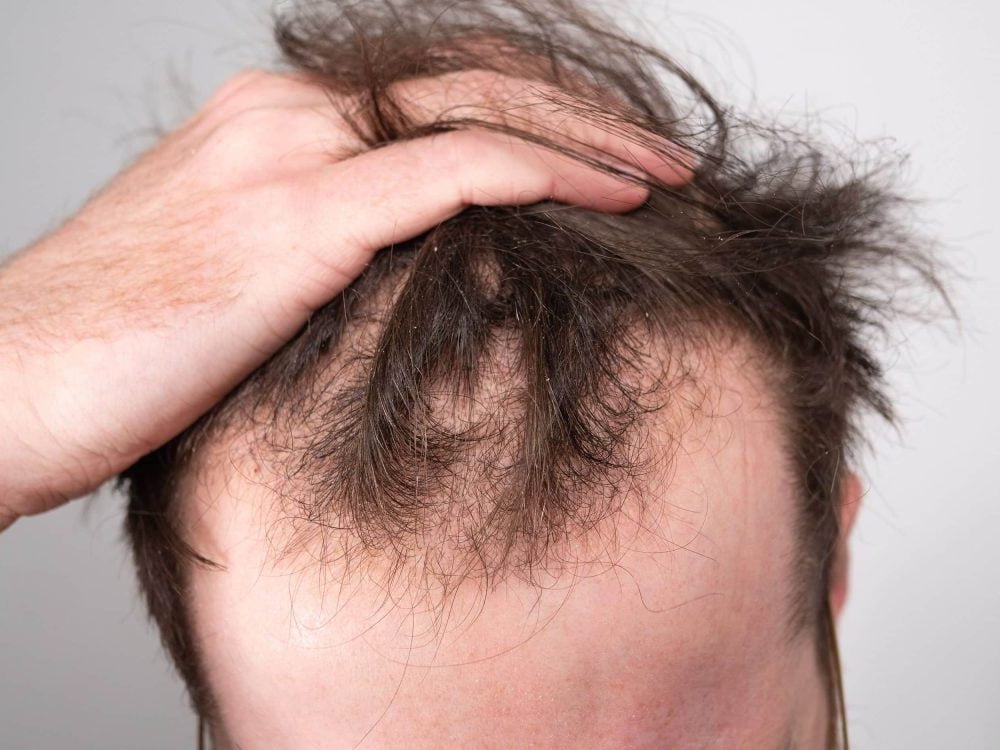
    Hair loss usually reflects a change in the follicle, the scalp, the hair shaft, or the body’s internal signals. Androgenetic alopecia (hereditary pattern thinning) is common in adults. It often causes a widening part, crown thinning, or a receding hairline. Telogen effluvium (stress-related shedding) can happen after illness, surgery, childbirth, major weight change, or emotional strain. Alopecia areata is an autoimmune condition that can cause smooth patches of hair loss.

    Other contributors include low iron, thyroid imbalance, scalp inflammation, some medicines, tight hairstyles, and breakage from heat or chemical processing. These causes can overlap. For example, a person may have inherited thinning and then notice heavier shedding after a major illness.

    Why it matters: Treating the wrong cause can waste months and increase frustration.

    You can start by noting where hair is changing. Diffuse shedding from the whole scalp often suggests a different process than a slowly widening part. Round patches, scalp scaling, redness, pain, or loss of eyebrows or eyelashes should prompt medical review. If you want more context on inherited male-pattern changes, see Male Pattern Baldness.

    How Clinicians Evaluate Thinning Hair

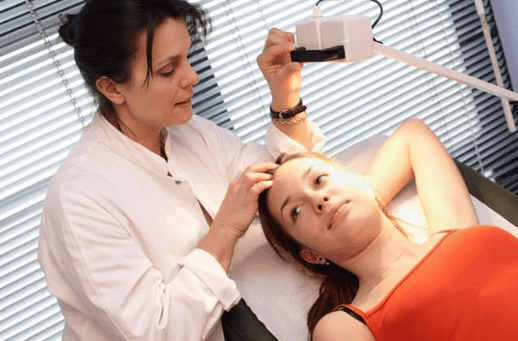
    A good evaluation asks three questions: what pattern is visible, what changed recently, and whether the scalp looks healthy. Your clinician may ask about family history, pregnancy, menstrual changes, weight change, recent infection, new medications, diet, and hair practices. They may examine the scalp closely and gently test how easily hairs shed.

    Photos can help. Take pictures in the same lighting, with the same part line, every four to six weeks. Daily mirror checks can make normal variation feel alarming, but consistent photos reveal broader trends.

    Lab testing is not always needed, but it can help when the story suggests a medical contributor. Common checks may include iron status, thyroid markers, or other tests based on symptoms. A clinician may also consider scalp conditions such as psoriasis, seborrheic dermatitis, or scarring alopecia. Scarring forms can permanently damage follicles, so early assessment matters.

    Young adults sometimes assume hair loss is too early to be “real.” It can still happen. Shifts in stress, hormones, medications, nutrition, and genetics may all play a role. For a broader look at age trends, read Hair Loss in Young Adults.

    Hair Loss Treatment Options That May Be Discussed

    The most effective hair loss treatment depends on the diagnosis, the stage of loss, and personal safety factors. No single option is best for everyone. Many plans use layers: gentle hair care, treatment of scalp inflammation, correction of deficiencies when present, and medication when appropriate.

    Topical and oral medicines

    Minoxidil is a common nonprescription option used for certain forms of pattern thinning. It may help support hair cycling and reduce ongoing thinning for some people. It needs consistent use, and early shedding can occur in some users as follicles shift phases. People with heart conditions, scalp irritation, pregnancy considerations, or complex medication histories should discuss use with a clinician.

    Some readers compare product forms before speaking with a clinician. For neutral product-page context, see Minoxidil, Rogaine Foam, or Rogaine Solution. These links are for navigation and product identification, not proof that one option fits your situation.

    Finasteride is a prescription medicine sometimes used for male pattern hair loss in selected adults. It affects the conversion of testosterone to dihydrotestosterone, often called DHT. DHT can shrink susceptible follicles in androgenetic alopecia. Finasteride is not appropriate for everyone, and pregnancy-related exposure precautions are important. Discuss benefits, risks, sexual side effects, mood concerns, fertility questions, and monitoring with a healthcare professional.

    When prescription access is relevant, BorderFreeHealth connects U.S. patients with licensed Canadian partner pharmacies, and prescription details are verified with the prescriber when required before dispensing. Product pages such as Finasteride and Propecia can help readers identify medication names, but treatment decisions should stay with a qualified clinician.

    Procedures and devices

    Dermatology clinics may discuss platelet-rich plasma, microneedling, low-level light devices, or hair transplantation for selected people. These options depend on diagnosis, donor hair, budget, medical history, and expectations. They are not simple substitutes for diagnosis. Procedures may work best when the underlying condition is stable and the scalp is healthy.

    Ask who performs the procedure, how candidacy is assessed, what complications can occur, and whether ongoing maintenance is expected. Be cautious with claims that promise fast regrowth or permanent correction for every type of hair loss.

    Hair Loss Treatment for Women

    Hair loss treatment for women often starts with pattern recognition and safety questions. Female pattern hair loss may appear as a wider part, reduced ponytail thickness, or diffuse thinning over the top of the scalp. Shedding after childbirth, iron deficiency, thyroid disease, polycystic ovary syndrome, and perimenopause can also contribute.

    Hormones matter, but there is rarely one single hormone responsible for every case. Androgens can affect follicles in people who are genetically sensitive. Thyroid hormones also influence hair cycling. Estrogen shifts after childbirth or during menopause can change shedding patterns. If cycles are irregular, acne has changed, facial hair has increased, or weight has shifted unexpectedly, a clinician may consider endocrine causes. For related background, see PCOS Symptoms or Hypothyroidism Symptoms.

    Pregnancy plans, breastfeeding, contraception, and menopause status affect which options are reasonable. Some medicines are not suitable during pregnancy or when pregnancy is possible. This is one reason self-treating with leftover prescriptions or online advice can be risky.

    At-home support still matters. Gentle detangling, lower heat, looser hairstyles, and avoiding traction can reduce breakage. Protein intake and iron-rich foods may help if intake is low, but supplements should be guided by testing when deficiency is possible. More is not always better, and excess supplementation can cause harm.

    Hair Loss Treatment for Men

    Hair loss treatment for men often focuses on androgenetic alopecia, but not every receding hairline or thinning crown has the same cause. Stress shedding, scalp disease, medication effects, and alopecia areata can also affect men. The pattern, speed, and scalp symptoms help separate these possibilities.

    Men may discuss topical minoxidil, prescription finasteride, or procedural options with a clinician. The right approach depends on goals, side effect concerns, age, reproductive questions, and how advanced the thinning is. Some people prefer a low-intervention plan with styling changes and monitoring. Others want to discuss medication early to preserve existing density where possible.

    For men who choose to explore medication, follow-up matters. Ask when to reassess, what side effects should be reported, and how progress will be judged. A clear baseline photo set is often more useful than judging by daily shedding alone.

    What You Can Do at Home Without Chasing Myths

    Hair loss treatment at home should focus on protecting hair, supporting the scalp, and avoiding harmful shortcuts. Claims such as “regrow hair naturally in 3 weeks” or “stop hair fall immediately” are usually unrealistic. Hair grows in cycles, and visible density changes take time. Sudden shedding may slow once the trigger resolves, but that is different from instant regrowth.

    Use a mild shampoo that suits your scalp. Condition the lengths of the hair to reduce friction. Detangle from the ends upward. Limit tight ponytails, heavy extensions, harsh brushing, and repeated high heat. If flakes, itching, burning, or redness are present, scalp inflammation may need medical treatment rather than oils alone.

    Nutrition supports hair production, but no single food stops shedding immediately. Hair follicles need enough protein, energy, iron, zinc, and other nutrients. Restrictive dieting can worsen shedding in some people. If you have heavy periods, a limited diet, gastrointestinal disease, or fatigue, ask whether testing is appropriate before starting supplements.

    Quick tip: Track shedding triggers with a simple calendar, not daily panic counts.

    Cosmetic tools can also help while treatment is being evaluated. Hair fibers, root sprays, part changes, shorter cuts, and toppers can reduce visible contrast. These choices are not “giving up.” They are practical supports while the medical side is sorted out.

    When to See a Dermatologist for Hair Loss

    A dermatologist for hair loss can help when the diagnosis is unclear, shedding is sudden, or the scalp shows warning signs. Seek medical evaluation sooner if hair loss is patchy, painful, scaly, red, or associated with sores. Also get help if you notice rapid loss, eyebrow or eyelash changes, or symptoms such as fatigue, weight change, menstrual disruption, or new skin changes.

    Bring a medication list, supplement list, recent lab results, and photos. Include recent illnesses, surgery, childbirth, weight changes, stressors, and hair treatments. This information can shorten the path to a useful plan.

    During the visit, ask direct questions. What type of hair loss is most likely? Are follicles still active? Are labs needed? Which options fit pregnancy plans or other health conditions? What side effects should be reported? When should progress be reassessed? Clear answers reduce trial-and-error and help you avoid chasing every new product claim.

    How to Compare Options Safely

    Comparing options is easier when you separate evidence, fit, and tolerance. A treatment may have good evidence for one diagnosis but little value for another. It may also be unsuitable because of pregnancy, other medications, skin sensitivity, cost, or personal preference.

    • Confirm the pattern: diffuse, patchy, scarring, or patterned.
    • Check the trigger history: illness, childbirth, stress, diet, or medicine changes.
    • Review safety issues: pregnancy, heart history, mood, sexual side effects, allergies.
    • Set a checkpoint: use photos and planned follow-up.
    • Avoid stacking products: irritation can worsen adherence.
    • Protect the scalp: treat inflammation when present.

    Be careful with “best hair loss treatment” lists that rank products without diagnosis. The better question is, “Best for which cause, for which person, and with what safety limits?” That framing keeps the decision grounded.

    Some people also need emotional support. Hair changes can affect dating, work confidence, cultural identity, and self-image. A therapist, support group, trusted stylist, or dermatologist who listens can make the process less isolating.

    Authoritative Sources

    For a broad medical summary of diagnosis and care, review the Mayo Clinic hair loss treatment overview.

    For public guidance on causes and when to seek help, see the NHS hair loss symptom resource.

    For autoimmune patchy hair loss, the NIH alopecia areata information page explains the condition in patient-friendly terms.

    Recap

    Hair loss can come from genetics, stress, hormones, nutrition, inflammation, autoimmune disease, medication effects, or hair practices. The most useful next step is to identify the pattern and likely cause before choosing treatment. Home care can protect fragile strands, but persistent, sudden, patchy, painful, or scarring loss deserves medical review.

    If medication is considered, discuss risks, reproductive considerations, expected monitoring, and realistic goals. If procedures are discussed, ask about candidacy, maintenance, and complications. You deserve a plan that respects both the science and the emotional impact of hair loss.

    This content is for informational purposes only and is not a substitute for professional medical advice.

  • What Is Hirsutism? Causes, Symptoms, and Treatment Options

    What Is Hirsutism? Causes, Symptoms, and Treatment Options

    Hirsutism is coarse, dark hair growth in areas where androgen-sensitive hair commonly appears, such as the upper lip, chin, chest, abdomen, back, or inner thighs. It is different from having more fine body hair overall. Understanding what is hirsutism matters because the pattern can point to hormone changes, medication effects, genetics, or conditions such as polycystic ovary syndrome.

    The hair itself is not dangerous. The bigger issue is what may be driving it, how quickly it appeared, and how it affects your comfort, skin, and self-image. Many people manage hirsutism with a mix of hair-removal methods, skin care, and medical treatment when appropriate.

    Key Takeaways

    • Pattern matters: Hirsutism means coarse, terminal hair in androgen-sensitive areas.
    • Hormones often contribute: Androgens can increase follicle activity or hair thickness.
    • PCOS is common: It is a frequent cause, but not the only one.
    • Rapid changes need care: Sudden growth or virilizing signs deserve prompt evaluation.
    • Treatment is layered: Hair removal, topical options, and hormonal strategies may be combined.

    What Is Hirsutism in Everyday Terms?

    What is hirsutism in plain language? It is unwanted coarse hair that grows in a pattern more often associated with higher androgen activity. Androgens are hormones, including testosterone, that everyone has in different amounts. Hair follicles in certain areas respond more strongly to them.

    Clinicians usually separate hirsutism from hypertrichosis, which means increased hair growth that does not follow a typical androgen-sensitive pattern. This distinction helps guide testing. Coarse chin hair plus irregular periods suggests a different evaluation than soft, fine hair on the arms or back.

    Hirsutism in women is the most commonly discussed form because new facial or body hair may signal ovarian or adrenal hormone changes. Still, unwanted dense hair can affect people of many genders. Trans and nonbinary people may also seek hair reduction for gender-affirming reasons, and care should be respectful and goal-centered.

    Hirsutism pronunciation is usually “HER-soo-tiz-um” or “HUR-soot-iz-um.” Either pronunciation is commonly understood in clinical settings.

    What It Looks Like and When to Seek Evaluation

    Hirsutism usually looks like terminal hair, meaning darker, thicker, longer hair rather than soft peach fuzz. Common sites include the upper lip, chin, jawline, chest, lower abdomen, back, buttocks, and inner thighs.

    Mild hirsutism may involve a few persistent chin hairs or a small patch on the upper lip. More noticeable patterns may include daily shaving needs, chest or abdominal hair, or hair growth that expands over months. Skin irritation, ingrown hairs, acne, and dark marks after hair removal can add to the burden.

    Seek medical evaluation sooner if hair growth is sudden, rapidly worsening, or accompanied by new symptoms. Warning signs include deepening of the voice, increased muscle bulk, clitoral enlargement, severe acne, scalp hair thinning, or major menstrual changes. These signs can suggest higher androgen levels and need clinician review.

    Why it matters: The speed of change often matters as much as the amount of hair.

    Bring a simple log to appointments if you can. Note when the hair started, where it appears, whether periods changed, and which hair-removal methods irritate your skin. Photos can help show progression, especially when shaving or waxing makes the pattern hard to see during a visit.

    Common Causes: Hormones, Genetics, and Medical Triggers

    The main cause of hirsutism is usually androgen effect at the hair follicle. That can happen because androgen levels are higher, because follicles are more sensitive, or because both factors overlap.

    Polycystic ovary syndrome, often called PCOS, is one of the most common causes. PCOS can involve irregular ovulation, acne, scalp hair thinning, insulin resistance, and higher androgen activity. If this pattern sounds familiar, the deeper overview on PCOS Symptoms explains related reproductive and metabolic features.

    Not every person with facial hair has PCOS. Some people have idiopathic hirsutism, which means persistent male-pattern hair growth with regular cycles and no clear abnormal lab result. Family background, ethnicity, and inherited follicle sensitivity can also shape hair patterns. This is why the question “I don’t have PCOS but I have facial hair” is medically valid.

    Other possible causes include adrenal gland conditions, ovarian disorders, thyroid or prolactin-related menstrual disruption, and some medicines. Medication-related hair changes can occur with certain hormone therapies, anabolic steroids, or drugs that affect hair growth. Your clinician may ask about supplements too, because some products can contain undisclosed hormone-like ingredients.

    People often ask which hormone causes facial hair growth in females. The most important group is androgens, especially testosterone and dihydrotestosterone (DHT). Insulin can also influence androgen activity in some people, particularly in PCOS. That connection is one reason metabolic care may be part of the plan. For more context on metabolic treatment discussions in PCOS, see GLP-1s and Metformin in PCOS.

    How Clinicians Diagnose Hirsutism

    Diagnosis starts with the story, not just a lab result. A clinician may ask about age at onset, menstrual cycle pattern, acne, scalp hair loss, weight changes, pregnancy plans, medications, and family hair patterns.

    A physical exam may use a scoring tool that grades hair growth in several body areas. This can make the pattern easier to track over time, but it is not perfect. Hair-removal habits, skin tone, hair color, and cultural norms can affect how distressing or visible the growth feels.

    Lab testing depends on the situation. Common tests may include total testosterone, free testosterone, DHEA-S, and sometimes 17-hydroxyprogesterone, which can help screen for certain adrenal enzyme conditions. Thyroid-stimulating hormone and prolactin may be considered when periods are irregular or symptoms point in that direction.

    Imaging is not routine for every person. It may be considered when androgen levels are very high, symptoms progress quickly, or an ovarian or adrenal source needs to be ruled out. Your clinician should explain why each test is being ordered and how results may change the plan.

    Treatment Options That May Reduce Growth or Improve Control

    Hirsutism treatment usually combines cosmetic control with care for any underlying driver. Hair that has already become coarse does not disappear overnight, so treatment goals often focus on slowing new growth, reducing thickness, and protecting the skin barrier.

    Hair-removal methods

    Shaving, trimming, threading, waxing, sugaring, epilating, and depilatory creams can remove visible hair. Each method has trade-offs. Shaving is fast but may irritate bumps. Waxing and threading last longer but can trigger inflammation. Depilatories can burn sensitive skin if left on too long.

    Laser hair reduction and intense pulsed light can reduce hair density over time. Results vary by hair color, skin tone, device, settings, and operator skill. Darker hair tends to respond better than light blond, gray, or red hair. People with darker skin tones should ask about devices and settings designed to reduce pigment-related side effects.

    Prescription and hormonal approaches

    Medical options may include hormonal contraceptives, anti-androgen medications, or a topical facial hair growth inhibitor. These choices depend on menstrual history, pregnancy potential, blood pressure, clotting risk, other medications, and personal priorities. Some options are not appropriate during pregnancy or when pregnancy is possible without reliable contraception.

    Some combined hormonal contraceptives are used in broader androgen-related care discussions. Product pages such as Yaz, Yasmin, and Nextstellis can help readers recognize examples, but treatment choice should come from a clinician’s assessment. BorderFreeHealth connects U.S. patients with licensed Canadian partner pharmacies for eligible prescription options; where required, prescription details are verified before dispensing.

    Hirsutism medication can help reduce new hair growth, but it does not instantly remove existing terminal hair. Many people still use shaving, laser, or other removal methods while medical treatment addresses the hormonal signal. Ask what benefit is realistic, what monitoring is needed, and what symptoms should prompt follow-up.

    Natural and At-Home Strategies: What They Can and Cannot Do

    Natural approaches may support overall hormone and skin health, but they cannot reliably and permanently stop androgen-driven facial hair for everyone. Be cautious with claims about how to stop facial hair growth in females naturally permanently, especially when they promise a cure.

    At-home care can still make a real difference. Gentle cleansing, fragrance-free moisturizer, clean razors, and sunscreen may reduce irritation and post-inflammatory hyperpigmentation. Avoid picking ingrown hairs, which can worsen scarring and dark marks. Patch test new waxes, depilatories, acids, or retinoids before using them on the face.

    Nutrition and movement may help some people, especially when insulin resistance or PCOS is part of the picture. A balanced eating pattern, adequate protein, fiber-rich carbohydrates, sleep consistency, and resistance exercise can support metabolic health. These habits are not a stand-alone cure for hirsutism, but they can complement medical care.

    Supplements for hirsutism deserve caution. Some studies have explored spearmint tea, inositol, vitamin D, and other options in specific groups, but evidence is mixed and product quality varies. Supplements can also interact with medicines or affect pregnancy safety. Review them with a clinician, especially if you take hormonal therapy, anticoagulants, or diabetes medications.

    Quick tip: Track hair removal, skin reactions, cycles, acne, and supplements in one short note.

    Living With Hirsutism Without Shame

    Hirsutism can affect time, confidence, intimacy, and daily planning. The emotional load is real, even when lab results look “normal.” You deserve care that treats distress as valid, not cosmetic or trivial.

    It may help to define your own goal before visits. Some people want fewer ingrown hairs. Others want less facial shadow, less shaving, clearer skin, or reassurance that nothing serious is being missed. Clear goals make shared decisions easier.

    Skin care is part of hirsutism self-care. Use sharp, clean blades if shaving. Shave with a lubricating gel, avoid dry shaving, and moisturize afterward. If waxing or threading causes dark marks, ask about lower-irritation methods or a referral to a dermatology professional. The Dermatology collection may help you explore related skin topics.

    If reproductive hormones, contraception, perimenopause, or gynecologic symptoms are also part of your story, broader reading in Women’s Health may be useful. Hormonal changes later in life can also shift hair patterns; the overview on Menopause and Reproductive Health gives additional context.

    Questions to Bring to a Care Visit

    A focused question list can make appointments more productive. It also helps if you have felt dismissed before.

    • Pattern and timing: Does my hair pattern suggest hormone testing?
    • Cycle clues: Do my periods, acne, or scalp changes point toward PCOS?
    • Medication review: Could any prescription, supplement, or hormone product contribute?
    • Skin strategy: Which removal methods fit my skin tone and irritation risk?
    • Treatment fit: What benefits, risks, and monitoring apply to prescription options?
    • Escalation signs: Which symptoms should prompt urgent follow-up?

    If thyroid symptoms overlap, such as fatigue, cold intolerance, constipation, or cycle changes, ask whether thyroid testing makes sense. The article on Hypothyroidism Symptoms explains one related endocrine condition, though thyroid disease is not the usual main driver of hirsutism.

    Authoritative Sources

    For a patient-friendly clinical overview, see the Mayo Clinic hirsutism summary.

    For reproductive-health context on PCOS and excess hair, review the ASRM patient fact sheet.

    For evidence-based evaluation and treatment recommendations, see the Endocrine Society clinical guideline.

    Recap

    What is hirsutism? It is coarse, androgen-pattern hair growth that may reflect hormone levels, follicle sensitivity, genetics, medication effects, or conditions such as PCOS. The pattern, onset, and associated symptoms help determine whether testing is needed.

    Management is personal. Some people focus on skin-friendly hair removal. Others add topical or hormonal treatment under clinician guidance. Rapid changes, virilizing symptoms, or major cycle changes deserve timely medical evaluation.

    This content is for informational purposes only and is not a substitute for professional medical advice.
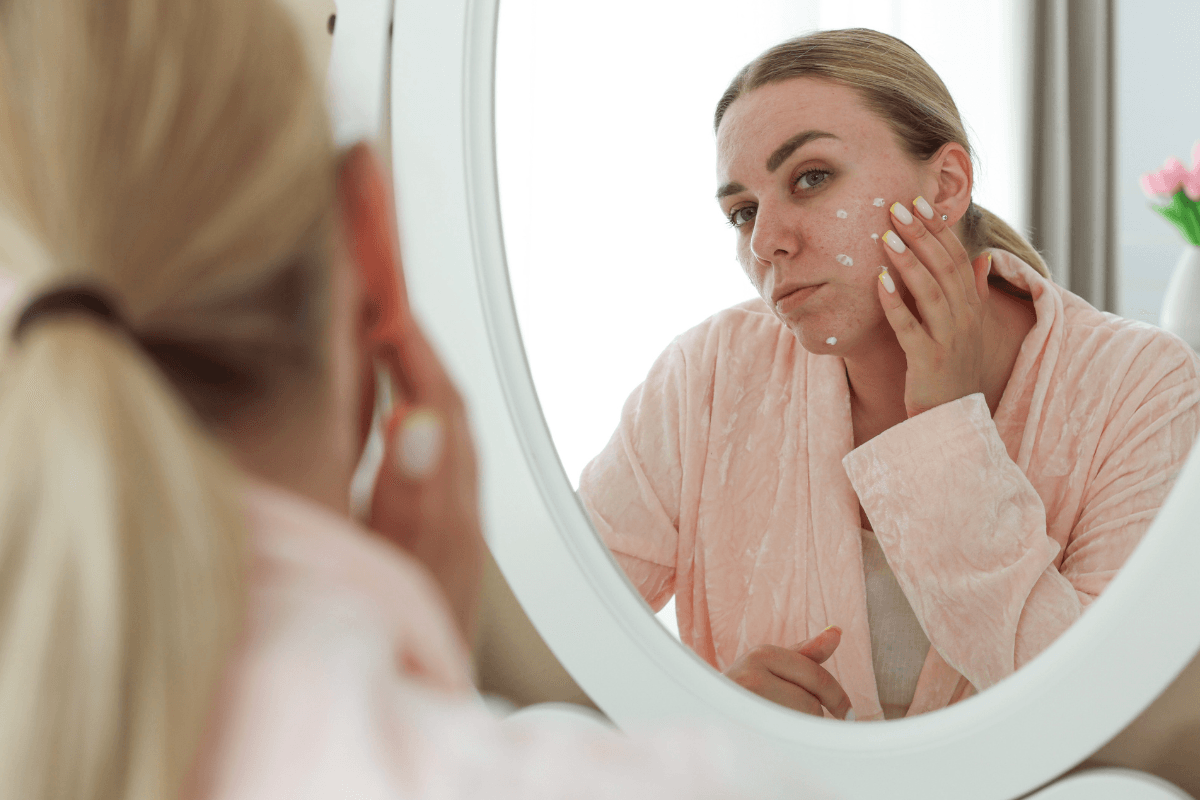
  • Skin HIV Symptoms: Early Rashes, Lesions, and Care

    Skin HIV Symptoms: Early Rashes, Lesions, and Care

    Skin HIV symptoms can include a pink-red or purple rash, mouth changes, inflamed hair follicles, shingles-like blisters, fungal infections, or unusual bumps and plaques. These signs do not diagnose HIV on their own. Many common conditions can look similar. What matters most is the timing, pattern, other symptoms, and whether there was a possible exposure.

    Skin changes can feel frightening, especially when you are searching for answers alone. A rash after a potential exposure is a reason to arrange HIV testing and medical review, not a reason to assume the worst. Clear documentation, timely screening, and compassionate care can reduce uncertainty quickly.

    Key Takeaways

    • Early pattern: A symmetrical trunk rash can occur with fever, sore throat, and swollen glands.
    • Context matters: Allergies, viral illnesses, medicines, and skin products can mimic HIV-related rashes.
    • Lesion clues: Shingles, molluscum, thrush, and Kaposi sarcoma need clinical assessment when persistent or widespread.
    • Testing clarifies: Modern HIV tests are the only reliable way to confirm or rule out infection.
    • Treatment helps: Effective HIV care often reduces recurrent skin infections and inflammatory flares.

    What Skin HIV Symptoms Can Look Like

    HIV-related skin changes range from mild irritation to more specific infections or lesions. Clinicians may describe a maculopapular rash (flat and raised spots), folliculitis (inflamed hair follicles), seborrheic dermatitis (oily scaling), candidiasis (yeast infection), or vesicles (small fluid-filled blisters). In everyday terms, this may look like a measles-like rash, acne-like bumps, stubborn dandruff, white mouth patches, or grouped blisters.

    Early skin HIV symptoms often appear with whole-body symptoms. Fever, fatigue, sore throat, swollen lymph nodes, night sweats, and muscle aches can occur during acute HIV infection. The rash is often described as pink-red, reddish-brown, or purple depending on skin tone. It may involve the chest, back, face, arms, or upper body.

    Still, appearance alone is unreliable. A medication reaction, mono-like illness, COVID-19, syphilis, herpes, eczema, psoriasis, heat rash, or contact dermatitis can overlap. This is why rash photos online often mislead. Skin tone, lighting, camera quality, and stage of healing can change how a rash looks.

    Why it matters: A rash can guide the next step, but testing provides the answer.

    If you want broader symptom context, see HIV AIDS Symptoms. For differences between HIV infection and later-stage disease, HIV vs AIDS explains the terms in plain language.

    Early HIV Rash: Timing, Location, and Feel

    An early HIV rash can appear during acute infection, often within the first several weeks after exposure. This period is sometimes called seroconversion, when the immune system starts responding to the virus. Clinicians may use the term HIV seroconversion rash, but the rash itself is non-specific.

    The classic description is a symmetrical rash on the trunk and upper limbs. It may be flat, slightly raised, or both. Some people report mild itch or tenderness. Others notice little discomfort. On darker skin, redness may be less obvious, and changes may look purple, brown, grayish, or slightly darker than surrounding skin.

    People often ask whether an HIV rash is itchy. It can be, but itch is not the key feature. Allergic hives usually move around within hours and form raised welts. Contact dermatitis often follows the exact area where a product touched the skin. A viral exanthem, including a possible acute HIV rash, tends to stay more fixed and may come with systemic symptoms.

    Symptoms That Raise Suspicion After a Possible Exposure

    • Fever pattern: Fever with rash and swollen glands deserves testing.
    • Throat symptoms: Sore throat may occur during acute viral illness.
    • Node swelling: Neck, armpit, or groin nodes may feel enlarged.
    • Mouth changes: Ulcers or white patches need closer review.
    • Exposure timing: Rash after condomless sex or needle exposure needs screening.

    Testing should not wait for a rash to become severe. A fourth-generation laboratory HIV test can detect infection earlier than older antibody-only tests, though repeat testing may be advised depending on timing. For sex-specific symptom patterns, you can also review HIV Symptoms in Men and HIV Symptoms in Women.

    HIV Skin Lesions and Infections That Need Review

    HIV skin lesions are localized bumps, sores, plaques, or blisters that occur in someone with HIV or suspected immune changes. Some are caused by common infections that become more frequent, persistent, or widespread when immunity is weakened. Others are inflammatory conditions that flare more easily.

    Molluscum contagiosum can cause small, smooth, pearly bumps with a central dimple. In people with reduced immune function, lesions may be numerous, larger, or harder to clear. Shingles can cause painful grouped blisters in a band on one side of the body. Recurrent or severe shingles may prompt clinicians to consider immune status, including HIV testing when appropriate.

    Kaposi sarcoma is less common than many rashes, but it is important. It can appear as purple, red-brown, or dark patches, plaques, or nodules. These may look bruise-like but do not fade like a typical bruise. Any unexplained vascular-looking lesion, especially one that persists or grows, should be examined in person.

    Fungal and yeast-related changes are also common. Seborrheic dermatitis can cause redness, flaking, and greasy scale on the scalp, eyebrows, sides of the nose, beard area, chest, or ears. Oral thrush can create white patches that may scrape off and leave a sore surface. For ingredient-focused background used in some fungal scalp care, see Ketoconazole. For yeast-related medication context to discuss with a prescriber, see Fluconazole.

    Product pages are not a substitute for diagnosis. They can help you understand ingredient names, forms, and safety discussion points before a clinician visit.

    HIV Rash vs Allergic Rash, Eczema, and Other Mimics

    An HIV rash is usually considered alongside other causes, not in isolation. Allergic reactions, irritant dermatitis, eczema, psoriasis, drug eruptions, scabies, herpes, syphilis, and other viral infections can all cause visible skin changes. A clinician looks at the rash pattern and the full story.

    Hives are often intensely itchy, raised, and temporary. Individual welts may appear and disappear within hours. Contact dermatitis usually follows exposure to a new soap, detergent, fragrance, sunscreen, lubricant, latex product, or topical medicine. It often maps to the area of contact, such as the hands, face, genitals, or waistband.

    Eczema tends to involve dry, itchy, inflamed patches that may crack or weep. Psoriasis often forms thicker plaques with scale, commonly on elbows, knees, scalp, or lower back. These conditions can happen in anyone, including people living with HIV. They may also flare when the skin barrier is irritated by scratching, heat, stress, or harsh products.

    Some sexually transmitted infections can cause rashes or sores that overlap with HIV concerns. Herpes often causes painful blisters or ulcers, while syphilis may cause a rash that can involve the palms and soles. If blisters, genital sores, or mouth ulcers are present, testing for multiple infections may be appropriate. For a related symptom comparison, see Herpes Symptoms.

    What to Record Before Your Appointment

    • Start date: Note when the rash first appeared.
    • Spread pattern: Track where it began and moved.
    • Symptoms: Record fever, sore throat, mouth pain, or swollen nodes.
    • Exposures: Include sexual, needle, travel, outdoor, or household exposures.
    • New products: List soaps, detergents, medicines, and supplements.
    • Photos: Use consistent lighting and include close-up and distance views.

    Quick tip: Avoid harsh scrubs while documenting the rash, since irritation can blur the pattern.

    Mouth, Scalp, and Later-Stage Skin Changes

    Mouth and scalp changes can offer useful clues because mucosal surfaces and oil-rich skin areas often react to immune shifts. HIV mouth sores may refer to painful ulcers, angular cracks at the lip corners, herpes-related sores, or thrush-associated discomfort. Oral thrush often appears as white, creamy patches on the tongue, cheeks, or palate.

    Not every mouth sore suggests HIV. Canker sores, dental irritation, burns from hot food, dry mouth, tobacco use, and other infections are common. Seek prompt care if mouth lesions are severe, recurrent, spreading, associated with fever, or making it hard to swallow or drink.

    Scalp symptoms may include dandruff-like scale, redness, itching, and greasy flakes. Seborrheic dermatitis can be more persistent in people living with HIV, but it also affects many people without HIV. Gentle cleansing, avoiding fragrance-heavy products, and discussing antifungal or anti-inflammatory options with a clinician can help prevent repeated irritation.

    Advanced immune suppression can make certain skin problems more likely. These may be described as AIDS skin symptoms in clinical settings. Examples include extensive fungal infections, severe shingles, widespread molluscum, chronic ulcers, and Kaposi sarcoma lesions. These findings call for medical evaluation, especially when they are new, spreading, painful, or not healing.

    For broader browsing on skin conditions, visit the Dermatology collection. For infection-focused health topics, the Infectious Disease collection may also be useful.

    Testing, Treatment Context, and Skin Care While You Wait

    HIV testing after rash concerns is the most reliable next step when there has been a possible exposure. A rash cannot confirm HIV, and the absence of rash cannot rule it out. Modern testing strategies may include antigen-antibody tests, antibody tests, or nucleic acid tests depending on timing and clinical context.

    If HIV is diagnosed, antiretroviral therapy helps protect immune function. Over time, effective treatment can reduce the frequency of many HIV-related skin infections and inflammatory flares. Medication choice is individualized, based on viral resistance, other health conditions, pregnancy considerations, drug interactions, kidney or liver factors, and personal preferences.

    Some medicines used for HIV prevention or treatment may also be relevant to discussions with a clinician. For product-level context only, see Descovy or Apretude. These pages should support informed questions, not self-selection or treatment changes.

    While waiting for care, keep skin care simple. Use lukewarm water, fragrance-free cleanser, and a bland moisturizer. Avoid picking, shaving over inflamed areas, or applying multiple new products at once. If the rash is blistering, draining, rapidly spreading, very painful, near the eyes, or accompanied by breathing trouble, confusion, high fever, or facial swelling, seek urgent medical care.

    BorderFreeHealth may provide neutral medication-access information for eligible patients, including cash-pay prescription options for patients without insurance where permitted. Prescription details, when required, are verified with the prescriber before pharmacy dispensing.

    What You Can and Cannot Tell From Skin Changes

    Skin changes can suggest a need for testing, but they cannot show whether someone has HIV, how long they have had it, or whether they can transmit it. Those questions require laboratory testing and clinical review. This distinction protects you from both false reassurance and unnecessary fear.

    You also cannot tell someone’s HIV status by looking at their skin. Many people with HIV have no visible skin symptoms. Many people without HIV have rashes, mouth ulcers, folliculitis, fungal infections, or eczema. Stigma often grows when normal skin conditions are treated as proof of infection.

    Skin HIV symptoms also do not explain every emotional or neurologic concern. Stress, poor sleep, substance use, mental health conditions, medications, and medical illnesses can affect mood. HIV can involve the nervous system in some circumstances, but anger or personality changes are not a specific skin-related sign. A healthcare professional can help sort physical, mental health, and infection-related causes without judgment.

    Eye symptoms are a separate concern. HIV can affect the eyes at different stages, especially when immune function is very low or opportunistic infections occur. New vision changes, eye pain, light sensitivity, floaters, or redness with reduced vision deserve prompt medical attention.

    Authoritative Sources

    For a plain-language federal overview, review the NIH HIVinfo page on symptoms of HIV.

    For immune-related infections in HIV, see the NIH HIVinfo summary of opportunistic infections.

    For broader HIV prevention, testing, and treatment information, the CDC provides public guidance on HIV basics and prevention.

    Recap

    Skin HIV symptoms may include an early trunk rash, mouth sores, thrush, folliculitis, seborrheic dermatitis, shingles, molluscum, or unusual persistent lesions. These findings can be important, but they are not diagnostic by appearance alone.

    The practical next step is to connect the rash pattern with timing, exposure history, and other symptoms. Document changes, arrange appropriate testing, and seek care sooner for severe pain, eye involvement, spreading blisters, non-healing ulcers, high fever, or trouble swallowing. You deserve clear answers and care that respects your privacy.

    This content is for informational purposes only and is not a substitute for professional medical advice.

  • Anal Herpes Symptoms: Signs, Testing, and Supportive Care

    Anal Herpes Symptoms: Signs, Testing, and Supportive Care

    Anal herpes symptoms often begin with tingling, burning, itching, or pain around the anus, then may progress to small blisters, shallow sores, or raw tender skin. Some people also notice pain with bowel movements, swollen groin glands, fever, or body aches, especially during a first outbreak. This pattern matters because hemorrhoids, fissures, rashes, shaving irritation, and other infections can look similar early on. A clinician can often narrow the cause with an exam and may confirm herpes with a swab from a fresh blister or sore.

    Key Takeaways

    • Early warning signs may appear before sores are visible.
    • Blisters can open into shallow ulcers that sting or burn.
    • A first outbreak may cause fever, aches, or swollen glands.
    • Hemorrhoids and fissures are common look-alikes.
    • Testing works best when a lesion is new and active.

    What Anal Herpes Symptoms Can Feel Like

    Anal herpes is a herpes simplex virus infection that affects the skin around the anus and, sometimes, the lining just inside the anal canal. The most recognizable sign is a cluster of painful blisters or sores near the anus. Still, many people do not see that classic pattern right away.

    Before sores appear, the area may feel tingly, itchy, hot, or unusually sensitive. Some people describe a deep nerve-like ache in the buttocks, upper thighs, or pelvic area. Sitting, walking, wiping, or exercise may make the discomfort more noticeable. At this stage, the skin may look normal or only mildly irritated.

    Early warning signs

    The early phase is often called a prodrome, which means symptoms that come before the main outbreak. Common warning signs include burning, tingling, itching, tenderness, or a crawling sensation. These symptoms may last hours or days before bumps or blisters appear.

    People often mistake the first signs for sweat rash, chafing, a hemorrhoid, or a small tear from constipation. That confusion is understandable. The anus has sensitive skin, frequent friction, and many possible causes of pain or irritation.

    After sores form

    When visible lesions develop, they may start as red bumps or small fluid-filled blisters. These can break open and leave shallow ulcers that feel raw, sharp, or stinging. Lesions may crust as they heal, though the area can stay tender for several days.

    Pain can worsen during bowel movements because the skin stretches and stool or wiping creates friction. If sores are just inside the anal opening, a person may notice rectal pressure, mucus, discharge, or an urgent feeling to pass stool. This can happen with proctitis, meaning inflammation inside the rectum.

    Not everyone gets multiple sores. Some people have one small ulcer, a patch of burning skin, or symptoms mainly on the buttocks. Others have internal symptoms and may not see much on the outside. That is one reason online images can mislead. They often show more dramatic cases than many real outbreaks.

    Why it matters: A fresh sore is usually easier to test than a healing one.

    First Outbreaks, Recurrences, and Buttock Symptoms

    A first anal herpes outbreak is often more intense than later episodes, though severity varies. The immune system has not yet built the same response, so the first episode may involve more swelling, more sores, or more widespread tenderness. Fever, fatigue, headache, body aches, and swollen groin lymph nodes can also occur.

    Later recurrences are often shorter and more localized. They may return in a similar nerve distribution, which means symptoms can appear near the anus, on one buttock, or along the upper thigh. This does not always mean the infection has newly spread. Herpes simplex virus stays in nearby nerves and can reactivate along those pathways.

    The first signs of herpes on the buttocks can be subtle. A person may notice tingling, burning, or a sore patch before any blister appears. The skin may then develop small grouped bumps, blisters, or scabbed areas. Buttock lesions may be confused with folliculitis, acne-like bumps, insect bites, or friction sores.

    People searching for anal herpes symptoms often expect obvious blisters. In reality, symptoms can be mild, internal, or easy to dismiss. A recurrence may feel like a familiar tingle or ache before the skin changes. Illness, stress, friction, sexual activity, or other body stressors may be linked for some people, but patterns differ widely.

    If you already have a history of genital or anal herpes, write down how each episode starts, where symptoms appear, and how long they last. That record can help a clinician decide whether the pattern fits recurrence, another skin condition, or a separate anal problem.

    What Causes Anal Herpes and How It Spreads

    Anal herpes is caused by herpes simplex virus, usually HSV-2 but sometimes HSV-1. HSV-1 is often linked with oral herpes, but it can affect the anal or genital area through oral-genital or oral-anal contact. HSV-2 more commonly affects genital and anal skin, but either type can cause symptoms in this area.

    The virus spreads through direct skin-to-skin contact when virus is present on skin or mucous membranes. This can happen during anal sex, genital contact, oral-anal contact, or contact with nearby infected skin. Transmission is more likely when sores are present, but it can also occur during asymptomatic shedding. That means the virus is active even when no sores are visible.

    Herpes is not typically spread through everyday casual contact, such as toilet seats. It also does not mean someone was careless or dishonest. Many people do not know they carry HSV because symptoms can be mild, delayed, or mistaken for something else.

    Understanding spread helps reduce shame and supports safer decisions. Avoiding sexual contact during sores or prodrome symptoms lowers risk. Barrier methods can also reduce risk, although they do not cover every area where virus may shed.

    For broader context on related infections and sexual health screening, you can review the Sexual Health collection or the deeper overview of Herpes Symptoms.

    Anal Herpes vs Hemorrhoids, Fissures, and Rashes

    Anal herpes is more likely to cause tingling, burning, grouped blisters, or shallow sores, while hemorrhoids more often cause swelling, pressure, itching, or bright red bleeding. Anal fissures usually cause a sharp tearing pain during or after bowel movements. The overlap is real, so symptoms alone may not confirm the cause.

    Feature Anal herpes Hemorrhoids or fissure
    How it starts Tingling, burning, itching, or tenderness may come first Pressure, constipation, straining, or a sharp tear is more typical
    Skin changes Small grouped blisters, shallow sores, ulcers, or crusts Swollen lump, skin tag, bleeding vein, or single tear
    Pain pattern Stinging, rawness, nerve-like pain, or pain with wiping Pressure with hemorrhoids; tearing pain with fissure
    Whole-body symptoms Fever, aches, or swollen glands can occur, especially first outbreak Not typical
    Recurrence pattern May recur in a similar nerve area Often linked to bowel habits, irritation, or chronic vein changes

    If you are wondering how to tell if it is a hemorrhoid or herpes, the symptom order may help. Herpes can cause warning sensations before the sore is visible. Hemorrhoids often relate more clearly to straining, constipation, pregnancy, heavy lifting, or prolonged sitting.

    Still, sores near the anus are not automatically herpes. Contact dermatitis, fungal rash, bacterial infection, folliculitis, psoriasis, eczema, shaving bumps, anal fissures, and other sexually transmitted infections can all cause pain or visible changes. Some of these need different treatment, so guessing from photos can delay the right care.

    Skin tone can also change how lesions look. Redness may appear pink, purple, brown, gray, or less obvious depending on the person’s skin. Internal lesions may cause pain, discharge, or pressure without clear external blisters.

    For skin-related look-alikes, the Dermatology collection can help you explore irritation, rashes, and related topics. For infection-focused reading, see the Infectious Disease collection.

    How Anal Herpes Diagnosis Usually Works

    Anal herpes diagnosis usually starts with a symptom history and a careful exam. A clinician may ask when the pain started, whether tingling came before the skin change, whether sores are external or internal, and whether there were fever-like symptoms. They may also ask about new partners, oral sex, anal sex, friction, constipation, soaps, wipes, shaving, or recent illness.

    If a blister or sore is present, the clinician may swab it for a PCR test. PCR testing can detect herpes simplex virus directly from the lesion and may identify HSV-1 or HSV-2. Testing is usually most useful when the sore is new, moist, or open. A crusted or healed lesion may be harder to confirm.

    Blood tests can show past exposure to HSV-1 or HSV-2, but they have limits. A blood test does not prove that today’s anal sore is caused by herpes. It also cannot confirm the exact body site where the virus is active. Results can be useful in some situations, but they need interpretation in context.

    During the exam, a clinician may also consider hemorrhoids, fissures, dermatitis, fungal infection, bacterial infection, syphilis, mpox, or other causes depending on symptoms and local risk factors. If pain seems deep inside the rectum, they may assess for proctitis or recommend additional STI testing.

    Quick tip: Note the start date, symptom order, and exact sore location before your visit.

    • Symptom timeline: when discomfort first started.
    • Warning signs: tingling, burning, or itching before sores.
    • Visible changes: bumps, blisters, ulcers, crusting, or bleeding.
    • Body symptoms: fever, aches, swollen glands, or fatigue.
    • Exposure context: new partners, known HSV exposure, or recent STI testing.
    • Products used: creams, wipes, soaps, or home remedies.

    Avoid applying leftover steroid, antibiotic, antifungal, or hemorrhoid creams before an exam unless a clinician advised it. These products may irritate damaged skin or change how lesions appear. If pain is severe, do not wait for a perfect testing window before seeking care.

    Treatment, Supportive Care, and Prevention

    Anal herpes treatment usually combines prescription antiviral medicine with skin-protective self-care. Common antiviral medicines for herpes include acyclovir, valacyclovir, and famciclovir. A clinician decides whether episodic treatment for outbreaks or longer-term suppressive therapy fits the person’s pattern, medical history, and transmission concerns.

    Episodic treatment is taken around an outbreak. Suppressive therapy is taken more regularly for people with frequent, severe, or disruptive recurrences, or when lowering transmission risk is part of shared decision-making. The right plan depends on diagnosis, symptom severity, other health conditions, pregnancy status, immune status, and medication safety factors.

    Supportive care focuses on reducing friction, moisture, and irritation while skin heals. Gentle cleansing with lukewarm water may be more comfortable than scented wipes. Patting dry is usually better than rubbing. Loose, breathable clothing can reduce heat and friction around painful skin.

    • Clean gently: use lukewarm water and mild products.
    • Dry carefully: pat rather than scrub.
    • Reduce friction: choose loose, breathable clothing.
    • Avoid picking: let scabs and sores heal.
    • Pause shaving: avoid irritating broken skin.
    • Avoid sex: wait during sores or warning symptoms.

    If bowel movements are painful, a clinician may suggest ways to reduce straining and protect irritated skin. Do not insert products into the rectum or use numbing creams unless a healthcare professional says they are appropriate for your situation.

    Prevention is not perfect, but several steps can lower risk. Avoid sexual contact when sores, tingling, burning, or other prodrome symptoms are present. Condoms and barriers can reduce exposure, although they may not cover all affected skin. Partner communication, STI screening, and understanding HSV type can also help people make informed choices.

    For treatment background, see Herpes Treatment. If you are reading more broadly about long-term research, Cure for Herpes explains why current care focuses on management rather than a confirmed cure.

    When Symptoms Need Prompt Medical Attention

    Prompt medical attention is important when anal pain, sores, or swelling are severe, fast-changing, or affecting basic functions. Anal herpes symptoms can be painful, but other conditions can also cause urgent problems. A clinician can assess whether antiviral treatment, pain control, drainage, STI testing, or another form of care is needed.

    Seek timely medical care if you have severe rectal or anal pain, trouble urinating, trouble passing stool, fever, heavy or unusual bleeding, rapidly spreading sores, or significant swelling. Evaluation is also important during pregnancy, with a weakened immune system, or if this may be a first outbreak with intense symptoms.

    Eye symptoms need urgent attention because herpes can affect the eye and threaten vision. Deep rectal pain, discharge, diarrhea, or a strong urge to pass stool may suggest rectal inflammation and should not be ignored. If symptoms do not heal as expected, change pattern, or recur often, a fresh evaluation can help rule out other causes.

    Many people feel embarrassed about anal symptoms. Clinicians see these concerns often. Clear information, early testing when lesions are fresh, and nonjudgmental care can make the next step less stressful.

    For STI education beyond herpes, Understanding STDs offers a broader starting point. If HIV testing is part of your wider screening plan, Types of HIV Tests explains common test categories.

    Authoritative Sources

    Anal symptoms can feel isolating, but they are common enough for clinicians to evaluate clearly. The most useful next step is to notice the pattern, avoid relying on pictures alone, and seek care when a fresh sore, marked pain, or systemic symptom appears.

    This content is for informational purposes only and is not a substitute for professional medical advice.

  • What Helps With Acne Scars? Treatments and Timelines

    What Helps With Acne Scars? Treatments and Timelines

    What helps with acne scars depends first on whether you have flat discoloration or a true texture change. Dark or red marks often fade with time, daily sunscreen, acne control, and steady topical care. Pitted or raised scars usually need procedures, such as microneedling, laser resurfacing, chemical peels, subcision, fillers, or steroid injections. Fast fading is limited because pigment and collagen change slowly. Treating active acne first often prevents new marks while older scars are being assessed.

    Why it matters: Acne marks and acne scars can look similar, but they respond to different treatments.

    Key Takeaways

    • Flat marks are not always scars.
    • Texture changes often need procedures.
    • Active acne control comes first.
    • Results usually build over months.
    • Sunscreen and aftercare affect healing.

    What Helps With Acne Scars Depends on the Mark

    The first step is separating post-acne discoloration from true scarring. Post-inflammatory hyperpigmentation means flat brown, gray, or dark marks after inflammation. Post-inflammatory erythema means flat pink, red, or purple marks. These marks can be frustrating, but the skin surface usually remains level.

    True acne scars change the skin’s texture. Atrophic scars are depressed or sunken. Ice pick scars are narrow and deep. Boxcar scars are wider depressions with sharper borders. Rolling scars create wave-like dips because tissue beneath the skin pulls downward. Hypertrophic scars are raised, firm areas of excess scar tissue.

    Type What It Looks Like What May Help
    Dark or brown marks Flat discoloration after acne Sunscreen, acne control, retinoids, pigment-focused skin care, time
    Red or purple marks Flat redness after inflammation Sun protection, gentle care, time, sometimes clinician-selected vascular treatments
    Ice pick scars Narrow, deeper pits Procedure-based care, sometimes targeted techniques rather than creams alone
    Boxcar scars Wider dents with defined edges Microneedling, resurfacing, peels, fillers in selected cases
    Rolling scars Broad, wave-like indentations Subcision, microneedling, fillers, combination procedures
    Hypertrophic scars Raised, thick, firm scars Steroid injections and other clinician-directed flattening treatments

    This acne scars vs dark spots distinction explains why one person improves with sunscreen and topical care, while another needs a dermatologist’s procedure plan. If the main issue is pigment, daily care and patience may help. If the main issue is a pit, tether, or raised scar, creams rarely erase the structural change.

    Skin tone also matters. Some resurfacing treatments can increase the chance of temporary or lasting pigment change, especially when skin is easily irritated. That does not rule out treatment. It means the method, intensity, and aftercare should be chosen carefully.

    At-Home Care That Can Help, and Its Limits

    At-home care helps most when the goal is fading discoloration, preventing new acne, and supporting the skin barrier. When people ask what helps with acne scars at home, the safest answer is usually steady care rather than harsher exfoliation. Irritation can make post-acne marks look darker or redder, especially in sensitive skin.

    Retinoids and Acne Control

    Topical retinoids, including adapalene, can support acne control and increase skin-cell turnover. Over time, they may help some mild uneven tone and surface roughness. They are not a stand-alone fix for deep ice pick scars, tethered rolling scars, or raised scars. Dryness, peeling, and irritation are common early problems, so many people need a slower, gentler routine.

    Acne control is part of scar treatment because new inflamed spots can create new marks. Avoid squeezing, picking, or repeatedly checking bumps in the mirror. These habits can prolong inflammation and increase the chance of discoloration or scarring.

    Sunscreen, Moisturizer, and Barrier Support

    Sunscreen does not remove a scar, but it can reduce the contrast between post-acne marks and surrounding skin. It also helps protect healing skin after peels, microneedling, or laser treatment. A plain moisturizer can make acne treatment easier to tolerate, which helps consistency.

    Ingredients such as azelaic acid, niacinamide, vitamin C, or prescription pigment treatments may be used for discoloration in some routines. The right choice depends on skin type, irritation risk, pregnancy status, current medications, and the type of mark. Peptides may support hydration or barrier comfort, but they should not be viewed as a main treatment for established acne scars.

    • Cleanse gently once or twice daily.
    • Use moisturizer before irritation builds.
    • Apply sunscreen every morning.
    • Introduce active products slowly.
    • Keep breakouts under better control.
    • Avoid picking healing lesions.

    Dermatologist Procedures for Texture and Raised Scars

    Procedures are often the strongest option for true texture changes. Treatments that actually work for acne scars usually do one of four things: resurface uneven skin, stimulate collagen remodeling, release tethered scar bands, or flatten raised tissue. Many people need a combination plan because acne scars often include more than one pattern.

    Depressed Scars: Remodel, Release, or Lift

    Microneedling uses tiny needles to create controlled skin injury. This can encourage collagen remodeling and may help rolling scars or shallower boxcar scars. Results are usually gradual and often require a series of sessions rather than one visit.

    Laser treatment for acne scars can target texture, pigment, or deeper remodeling, depending on the device and settings. Ablative lasers remove outer layers of skin and usually involve more downtime. Non-ablative lasers work below the surface with less visible injury, but results may also be more gradual. Chemical peels can help selected surface changes and discoloration, and deeper peels require more careful risk review.

    Subcision releases scar bands under the skin and is often considered for rolling scars. Fillers may temporarily lift selected depressed scars or improve contour in specific areas. Some narrow or sharply edged scars may need targeted surgical techniques, such as punch procedures, when resurfacing alone is unlikely to reach the base of the scar.

    Raised Scars: Flatten Excess Tissue

    Hypertrophic acne scars and keloid-like scars need a different approach. The goal is usually to flatten and soften excess scar tissue, not to stimulate more remodeling in the same way used for pitted scars. Steroid injections are one common clinician-directed option. Other treatments may be considered when scars are persistent, itchy, painful, or expanding.

    People who form raised scars after piercings, cuts, or previous procedures should tell the treating clinician before choosing acne scar treatments. That history can change the risk-benefit discussion.

    Acne Scar Treatment Timeline: What to Expect

    Acne scar treatment usually works slowly because pigment fading and collagen remodeling take time. Flat dark or red marks may improve over weeks to months when acne is controlled and sunscreen is used consistently. True pitted or raised scars often change over several months and may need repeated sessions or combined procedures.

    No safe treatment removes established acne scars in one week. A temporary reduction in redness or swelling can make skin look better quickly, but structural scars need time. That is why the acne scar treatment timeline matters when deciding what helps with acne scars. A realistic plan should separate early healing, gradual remodeling, and final assessment.

    Many clinicians prefer to start targeted scar procedures after active acne is better controlled. New breakouts can create new marks and make results harder to judge. This does not mean doing nothing. It means using the waiting period to protect the skin, reduce inflammation, and prevent avoidable damage.

    After microneedling, peels, or laser resurfacing, skin may look red, tight, dry, swollen, or flaky for a period of time. Follow the clinician’s aftercare instructions. Gentle cleansing, moisturizer, and strict sun protection are common basics. Avoid picking peeling skin or adding strong new products too soon.

    Quick tip: Take progress photos in the same lighting every few weeks, not every day.

    Choosing the Best Treatment for Your Skin

    The best answer to what helps with acne scars is usually not one product or one device. It is a matched plan based on scar type, skin tone, active acne, downtime, and healing history. A dermatologist can also tell whether the main problem is pigment, redness, volume loss, tethering, or raised tissue.

    Before choosing treatment, ask practical questions. Is the mark flat or textured? Is acne still active? How much redness, peeling, or downtime can you manage? Do you develop dark marks or raised scars after minor skin injury? Are you using products that increase irritation or sun sensitivity?

    There is no single worst age for acne scars. Acne is common during the teen years because hormones and oil production change, but scarring risk depends more on acne severity, inflammation, picking, genetics, and treatment delay. A 14-year-old with painful cystic acne deserves early medical attention, while an adult with persistent breakouts may also need a scar-prevention plan.

    People with mostly flat post-acne marks may start with consistent sun protection, acne prevention, and a gentle topical plan. People with pitted, tethered, or raised scars usually benefit from an in-person exam because scar patterns are easy to misread at home.

    For broader skin-health reading, the Dermatology Topics hub collects educational dermatology content. The Dermatology Products hub is a browseable list of skin-focused items. If a prescription skin treatment is involved, pharmacies may verify details with the prescriber before dispensing.

    Authoritative Sources

    Acne scar care works best when the treatment matches the mark. Flat discoloration may fade with daily care and sun protection, while true scars often improve more with targeted procedures, careful timing, and consistent aftercare.

    This content is for informational purposes only and is not a substitute for professional medical advice.