
Category: Gastrointestinal

Digestive symptoms can interrupt work, meals, and family routines. This page gathers Gastroenterology information for patients and caregivers in one place. It supports browsing while arranging US delivery from Canada for prescriptions. The focus stays practical, clear, and grounded in common care pathways.

This hub covers everyday concerns like bloating and gas, constipation relief, diarrhea causes, and nausea and vomiting. It also includes higher-risk topics like gastrointestinal bleeding and unexplained weight loss. Readers can compare GI disorders, learn basic terms, and find related condition hubs. Some pages discuss medicines and tests, but they do not replace clinical guidance.

Gastroenterology information: A Plain-Language Orientation

Gastroenterology focuses on the digestive tract and related organs. That includes the esophagus, stomach, intestines, liver, and pancreas. Many symptoms overlap across different conditions, so labels can feel confusing. Using both clinical terms and everyday language can make conversations easier.

Common terms show up across many GI visits and test results. Dyspepsia (indigestion) describes upper belly discomfort after meals. The gut microbiome (gut bacteria ecosystem) can influence digestion and inflammation. SIBO (small intestinal bacterial overgrowth) may cause bloating and diarrhea. Endoscopy (a camera exam of the upper digestive tract) and colonoscopy (a camera exam of the colon) help evaluate persistent symptoms.

  • Acid reflux and GERD can cause burning chest pain and regurgitation.
  • Irritable bowel syndrome can involve cramps with constipation or diarrhea.
  • Inflammatory bowel disease includes Crohn’s disease and ulcerative colitis.
  • Peptic ulcer disease and gastritis symptoms may relate to irritation or sores.
  • Celiac disease, lactose intolerance, and gluten sensitivity can affect meals.
  • H. pylori testing may be used for ulcer-related evaluations.

What You’ll Find in This Category

This category centers on Gastroenterology information that supports browsing and planning. It includes educational posts, links to condition hubs, and pathways to relevant medication pages. The goal is to reduce guesswork when symptoms feel unpredictable. Content aims to match real questions from patients and caregivers.

For medication browsing by digestive topic, explore GI Products. For condition-focused navigation, see GI Infection and GI Stromal Tumor. Some people also need diabetes medicines that can affect digestion. As one example, Invokamet has a dedicated page for basics and requirements.

Dispensing is handled by licensed Canadian partner pharmacies.

  • Symptom explainers, including abdominal pain causes and heartburn remedies.
  • Condition overviews for chronic and flare-based gastrointestinal conditions.
  • Test primers, including colonoscopy preparation and endoscopy overview.
  • Practical reading for caregivers tracking symptoms, triggers, and appointments.

How to Choose

Use this section to match the right page to the right question. Gastroenterology information is most helpful when the goal is clear. Some readers want symptom triage language for a clinic visit. Others want terminology help after a new diagnosis.

Start with the main concern

  • Pick a symptom pathway when no diagnosis exists yet.
  • Pick a condition pathway when a clinician named a disorder.
  • Note whether symptoms are upper GI or lower GI patterns.
  • Track timing around meals, stress, travel, or new medications.

Check what the page helps with

  • Look for definitions that translate clinical terms into plain language.
  • Use test pages to understand typical steps and common paperwork.
  • Use medication pages for requirements, not for self-directed changes.
  • Watch for overlaps across reflux, IBS, and IBD symptom patterns.
  • Consider food-related conditions like celiac disease or lactose intolerance.
  • Use notes on indigestion dyspepsia to guide better questions.
  • Save pages that explain bloating and gas without blaming one cause.
  • Flag topics like gastrointestinal bleeding for urgent review and context.

Some posts connect digestion with broader metabolic health. For background reading, see Dapagliflozin And CKD In Diabetes and Dapagliflozin Metformin Visceral Abdominal Fat. These topics can matter when abdominal symptoms and chronic disease happen together.

Safety and Use Notes

Digestive symptoms can feel routine, but some patterns need faster attention. Use this Gastroenterology information as a planning tool, not a diagnosis. Many GI disorders share symptoms, so context matters. A clinician can connect symptoms with exam findings and test results.

Why it matters: Warning signs can look subtle until problems become urgent.

Seek urgent care for severe or worsening pain, fainting, or confusion. Also get prompt evaluation for black, tarry stools or vomiting blood. Persistent vomiting can lead to dehydration and electrolyte problems. Trouble swallowing, chest pain, or unexplained weight loss also deserve timely review. For a reputable overview of digestive diseases, see this neutral resource from NIDDK.

Medications can also affect the gut in different ways. Some can cause constipation, while others cause diarrhea. Antibiotics may disrupt the microbiome and trigger diarrhea. Acid reducers may change symptoms without addressing causes. For plain-language reflux topics, see this overview from the American College of Gastroenterology.

Access and Prescription Requirements

Access rules depend on the medicine and local requirements. Use this Gastroenterology information hub to find the right page first. Then review whether a prescription is required for that item. Some products also require extra clinical details to dispense safely.

Prescriptions are confirmed with the prescriber before medications are dispensed.

When a prescription is needed, keep key details consistent across documents. That includes the prescriber name, medication name, and directions on the prescription. A current medication list helps reduce avoidable delays and mix-ups. Cash-pay options are available, including for people without insurance, depending on the medication and documentation.

Quick tip: Keep a current medication list saved as a single file.

  • Check whether the product page states an Rx requirement.
  • Use condition hubs to compare related options and reading.
  • Confirm allergies and prior reactions in the intake details.
  • Plan ahead for renewals when refills are running low.

This content is for informational purposes only and is not a substitute for professional medical advice.
  • Asacol vs Pentasa Comparison: Release, Use, and Switching

    Asacol vs Pentasa Comparison: Release, Use, and Switching

    Asacol and Pentasa are both mesalamine medicines, but they do not work in exactly the same way. An Asacol vs Pentasa comparison is mainly about delivery: where the drug releases in the gut, when it may fit ulcerative colitis or Crohn’s disease discussions, how dosing schedules are written, and why switching is not a simple mg-for-mg swap. That matters because the same active ingredient can behave differently once the formulation changes.

    For most patients, the practical questions are straightforward. Is one more colon-focused? Does one reach more of the small intestine? Will the pill burden or schedule change? And if symptoms are not controlled, does the problem call for a different mesalamine product, a rectal treatment, or a different drug class entirely? This review walks through those points in plain language.

    Key Takeaways

    • Same drug, different delivery systems.
    • Asacol-type products release later in the bowel; Pentasa releases more gradually.
    • Pentasa is not automatically better than Asacol.
    • Switching products needs a formulation review, not a homemade conversion.
    • Side effects overlap, but worsening symptoms or kidney concerns need prompt attention.

    Asacol vs Pentasa Comparison at a Glance

    The short answer is simple: both products contain mesalamine, also called mesalazine, a 5-aminosalicylic acid (5-ASA) anti-inflammatory used to calm inflammation in the bowel lining. The biggest difference is not the drug itself. It is the release system that decides where the medicine becomes available as it moves through the gut.

    Feature Asacol Pentasa Why It Matters
    Active ingredient Mesalamine Mesalamine The class is the same, but delivery differs.
    Release design pH-dependent delayed release Time-dependent extended release Release timing affects where the drug is most available.
    Usual treatment logic Often discussed for colon-focused inflammation Often discussed when small-bowel reach is part of the conversation Disease location can shape the choice.
    Switching Not automatically interchangeable Not automatically interchangeable Total milligrams alone do not tell the full story.

    That is why comparisons between mesalamine brands can feel confusing. Two products may sound similar, yet they can behave differently after you swallow them. If you want a product-specific explainer, our Pentasa Overview gives more background on that formulation.

    BorderFreeHealth works with licensed Canadian partner pharmacies for eligible U.S. patients.

    How Release Design Changes Where the Drug Works

    Release design is the biggest clinical difference between them. Mesalamine works mainly where it touches the intestinal lining, so the coating or capsule system matters almost as much as the ingredient name on the box.

    Asacol-type delayed release

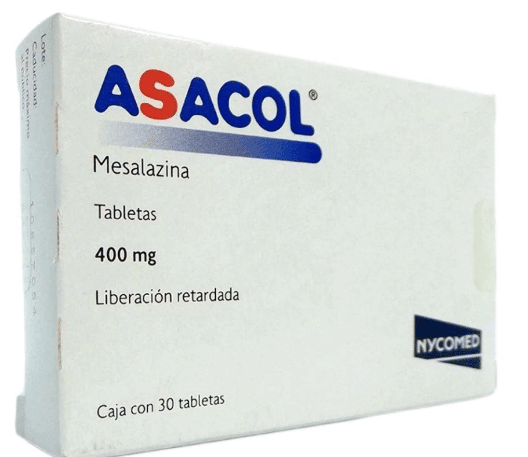
    Asacol is known for a pH-dependent delayed-release coating. In plain language, the tablet is designed to stay intact until it reaches a less acidic part of the gut. That means more of the medicine is aimed later in the digestive tract, especially around the terminal ileum and colon. This later release is one reason Asacol-type products are often discussed in colon-predominant inflammatory bowel disease care.

    That delayed-release family includes other products that patients often compare side by side. If your real question is whether one delayed-release option may be more similar to another, the differences discussed in Delzicol Vs Asacol and Asacol Vs Lialda can help frame the conversation.

    Pentasa time-release system

    Pentasa uses a different idea. Instead of waiting for a specific pH trigger, it releases mesalamine gradually as the contents move through more of the small intestine and colon. That broader release pattern is why Pentasa often comes up in discussions about disease location. It is less about one product being stronger and more about one product spreading the drug through a different section of the bowel.

    This is also where people can get tripped up. They hear that both drugs are mesalamine and assume the effect should be identical. In real practice, the delivery system can change symptom control, convenience, and the logic behind switching. It can even change whether a clinician thinks oral therapy alone makes sense.

    When Each One May Fit Better

    Neither drug is universally better. The better fit depends on where inflammation sits, how severe it is, and what has or has not worked before.

    For ulcerative colitis, which affects the colon, colon-focused mesalamine often makes intuitive sense in mild disease. That does not mean Pentasa has no role. It means the release pattern becomes part of the decision. For some patients, the discussion centers on colon delivery. For others, pill schedule, past response, or tolerance matters just as much.

    Crohn’s disease makes the comparison more complicated. Pentasa may enter the conversation because its release pattern extends through more of the small intestine. Even so, mesalamine has a limited and debated role in Crohn’s disease overall, and many patients with Crohn’s need other treatment approaches depending on disease location and severity. So the answer to Is Pentasa better than Asacol is usually no, not across the board. The better question is which formulation best matches the treatment plan, if mesalamine is appropriate at all.

    Oral tablets are not the only mesalamine option either. If inflammation is mainly in the rectum or lower colon, clinicians may think beyond oral therapy alone and discuss local treatments such as Pentasa Suppositories, Salofalk Suspension, or Uceris Rectal Foam. That does not make oral drugs irrelevant. It shows why disease location matters so much.

    Why it matters: The same active drug can act very differently when the release system changes.

    Dosing, Adherence, and Why Switching Needs a Plan

    Dosing is where many comparisons go wrong. There is no universal mesalamine conversion chart that safely replaces a review of the actual product, schedule, and reason for treatment.

    This is why an Asacol vs Pentasa comparison should not end with total daily milligrams. Two regimens can list similar milligram amounts and still behave differently in the bowel. The formulation, tablet or capsule design, dosing frequency, and the part of the intestine being targeted all matter. Even small differences in schedule can affect adherence if a regimen feels hard to remember or hard to tolerate.

    Brand names and regional labeling can add another layer of confusion. Some products share the same active ingredient but not the same release mechanics. Before a refill, substitution, or switch, verify the exact product name rather than relying on memory. If you are reviewing a formulation change, compare it with the details listed for Pentasa Details and the prescribing instructions you were given, not just the mesalamine number printed on the label.

    There are also practical issues that rarely show up in short comparison charts. Can the tablet be crushed? Usually not, because doing so may disrupt the release pattern. Does the pill size or number of daily doses affect whether someone actually takes it consistently? Often, yes. If a person misses doses often, the best drug on paper may not be the best real-world fit.

    If a switch is being discussed, these questions usually matter most:

    • Exact product name and formulation.
    • Reason for the switch.
    • Total daily amount and schedule.
    • How the medicine releases.
    • Whether tablets must stay whole.
    • What symptoms to watch after switching.
    • What follow-up or lab monitoring is planned.

    Quick tip: Write down the exact product name and release type before any refill or switch.

    When required, prescription details are checked with the prescriber before dispensing.

    Side Effects and Safety Questions to Raise

    Because both products deliver mesalamine, many side effects overlap. The formulation can influence how the medicine feels for a given person, but the core safety profile comes from the same active drug class.

    Common side effects may include headache, nausea, belly pain, cramping, diarrhea, or indigestion. Some people feel better after the first adjustment period. Others notice that the medicine does not agree with them, even if a related product once did. That can happen because excipients, pill burden, or release pattern differ.

    More serious problems are less common, but they matter. Mesalamine products can occasionally worsen colitis-like symptoms, irritate the pancreas, affect the kidneys, or trigger allergic-type reactions. Chest pain, shortness of breath, a significant rash, severe abdominal pain, reduced urination, or a clear worsening of bloody diarrhea should not be brushed off as routine side effects. Those symptoms need medical review.

    Kidney safety deserves special mention. Mesalamine is not known mainly as a kidney drug, yet clinicians often check renal function before and during treatment because rare kidney injury has been reported across the class. That is one reason medication reviews should include over-the-counter pain relievers and other medicines that may also stress the kidneys.

    If symptoms are not improving, the issue may not be which mesalamine brand is best. The bigger question may be whether mesalamine is still the right tool. Some patients move on to short steroid courses or other therapies when inflammation is more active. That is a separate conversation with a different risk profile, and our Prednisone Explained article outlines why steroids are handled differently from maintenance mesalamine therapy.

    How It Compares With Other Mesalamine and IBD Options

    A good Asacol vs Pentasa comparison also puts both drugs in the wider 5-ASA and inflammatory bowel disease landscape. They are two formulations in a larger group, not the only choices a patient may hear about.

    Within mesalamine itself, the first comparison point is release profile. Some products are delayed-release and more colon-focused. Others are extended-release or designed for once-daily convenience. Some are oral, while others are rectal. That is why the words better, stronger, or equivalent can be misleading. A formulation may fit better because it targets a different bowel segment or because a patient can realistically stay on the schedule.

    Beyond mesalamine, treatment choices widen quickly. Mild ulcerative colitis may still be managed with a 5-ASA approach, sometimes combining oral and rectal therapy. More active disease can bring steroids, immunomodulators, or biologics into the picture. For Crohn’s disease, the conversation often shifts sooner toward therapies outside the mesalamine family. In other words, Asacol and Pentasa sit in one part of the care pathway, not the whole pathway.

    If you want broader context, browse our Gastrointestinal Articles for condition-focused reading or the Gastrointestinal Medications hub to see how digestive treatments are grouped.

    Cash-pay cross-border prescription options may fit some patients without insurance, subject to eligibility and jurisdiction.

    Authoritative Sources

    In the end, Asacol and Pentasa are best understood as different delivery systems for the same anti-inflammatory drug. The useful comparison is not which name sounds stronger. It is which formulation matches the part of the bowel being treated, how realistic the schedule is, and whether mesalamine still fits the bigger treatment plan. Further reading should focus on release type, switching questions, and where each option sits in overall IBD care.

    This content is for informational purposes only and is not a substitute for professional medical advice.

  • Delzicol vs Asacol: Formulation and Switching Choices

    Delzicol vs Asacol: Formulation and Switching Choices

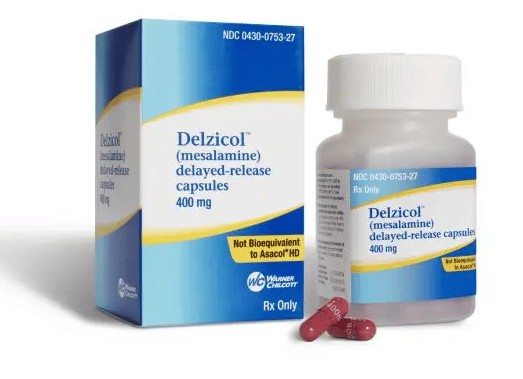
    Delzicol vs Asacol is mainly a comparison of mesalamine formulations, not two unrelated drug classes. Both belong to the 5-ASA group used in ulcerative colitis care. The practical question is which dosage form, release pattern, strength, and access path fits the treatment plan your clinician has chosen. That distinction matters because older Asacol 400 mg tablets, Asacol HD, and Delzicol capsules are not simply interchangeable labels.

    Key Takeaways

    • Same core medicine: both are mesalamine-based 5-ASA therapies.
    • Formulation matters: release design can affect daily routines.
    • Status can change: older brand lines may be discontinued or replaced.
    • Switching needs review: milligrams alone do not tell the whole story.
    • Safety is similar: monitoring and symptom changes still matter.

    Delzicol vs Asacol: What Actually Differs

    Delzicol and Asacol both center on mesalamine, also called 5-aminosalicylic acid or 5-ASA. Mesalamine is a topical anti-inflammatory, meaning it acts mainly on the bowel lining it reaches. In ulcerative colitis, that local action can help reduce inflammation in the colon as part of a clinician-directed plan.

    The confusion usually comes from product history. The original Asacol 400 mg tablet left the U.S. market, while Asacol HD has been marketed as a separate delayed-release tablet product. Delzicol was introduced as a delayed-release capsule format. In everyday conversation, people may use Asacol to mean the older tablet, Asacol HD, or even mesalamine delayed-release products in general. That loose language can make switching conversations harder.

    Why it matters: A familiar brand name can hide a meaningful change in dosage form.

    Comparison Point Practical Meaning
    Active ingredient Both are mesalamine-based, so they sit in the same broad 5-ASA class.
    Dosage form Capsules and tablets can differ in swallowing, pill count, and handling instructions.
    Release design Delayed-release coatings aim to protect mesalamine until it reaches the lower intestine.
    Product status Older brand versions may be discontinued, while related products remain listed in some markets.
    Switching approach Clinicians consider disease location, prior response, tolerance, and adherence, not only total milligrams.

    For many readers, Delzicol vs Asacol is less about which name sounds better and more about whether the formulation still matches the target area of inflammation. A person with disease limited to the rectum may need a different strategy than someone with more extensive colitis. That is why the medication name should be paired with a discussion of disease extent and treatment goals.

    Release Design: Why Formulation Can Change the Routine

    Oral mesalamine products are engineered to protect the drug until it reaches a chosen part of the intestine. Many delayed-release products use coatings that dissolve at certain pH levels. pH is a measure of acidity. This design helps explain why two mesalamine products can share the same active drug but still feel different in daily use.

    Release site is not a minor detail. Some products aim for the terminal ileum, the last part of the small intestine, and the colon. Others focus more heavily on colonic delivery. The label, not the brand memory, should guide how the product is swallowed, whether it can be opened or split, and whether food instructions apply. If swallowing, timing, or pill burden is a problem, tell the care team before changing the product on your own.

    In an oral mesalamine comparison, once-daily convenience may help one person, while smaller units or different release behavior may suit another. For adjacent mesalamine comparisons, see Asacol vs Lialda and Asacol vs Pentasa. For a product-level backgrounder on another 5-ASA formulation, Pentasa Medication explains how delivery design shapes use.

    Switching and Conversion Are Clinical Decisions

    A mesalamine conversion is not just arithmetic. Total daily milligrams matter, but they do not fully predict how much medication reaches a specific bowel segment. Release pattern, dosing frequency, disease extent, and adherence can all affect the real-world result.

    This is why searches for a Lialda-to-Delzicol conversion or a mesalamine conversion chart can be helpful but incomplete. A chart may help you compare labels and strengths. It cannot account for whether you have proctitis, left-sided colitis, or pancolitis, which means inflammation throughout the colon. It also cannot know whether your current product controlled symptoms, caused side effects, or was difficult to take consistently.

    In a Delzicol vs Asacol switch, your clinician may ask what phase of treatment you are in. Induction therapy aims to calm active inflammation. Maintenance therapy aims to help keep symptoms controlled after improvement. Those goals can lead to different schedules and combinations, especially if rectal therapy is added for disease near the rectum.

    Quick tip: Record timing, meals, missed doses, and symptoms after a clinician-approved switch.

    Bring the actual bottle, capsule, or tablet name to appointments when possible. Brand names, generic labels, and delayed-release abbreviations can look similar. A pharmacist can also help confirm whether two products are truly the same formulation or only share the same active ingredient.

    Side Effects, Monitoring, and Red Flags

    Most oral 5-ASA products have broadly similar safety patterns, but they are not side-effect free. Commonly reported issues can include headache, nausea, abdominal discomfort, indigestion, and diarrhea. These symptoms can overlap with ulcerative colitis itself, which makes timing and symptom logs useful.

    Kidney monitoring is an important part of mesalamine safety conversations. Some people may need kidney function tests before or during treatment, especially if they have kidney disease or take other medicines that may affect the kidneys. Bring a full medication list, including over-the-counter pain relievers and supplements, so your clinician can check for cautions and interactions.

    Side effects attributed to Delzicol, Asacol HD, or other mesalamine products should be discussed rather than ignored. Seek urgent medical help for trouble breathing, facial swelling, chest pain, fainting, or severe allergic symptoms. Contact your care team promptly for worsening bloody diarrhea, high fever, severe abdominal pain, rash, or a marked drop in urination.

    There is no single safest drug for ulcerative colitis for every person. Safety depends on disease severity, other conditions, pregnancy considerations, prior reactions, and the risks of undertreated inflammation. Asacol and Delzicol are not steroids. They are aminosalicylates, while corticosteroids and biologics have different roles, benefits, and risks.

    How Related 5-ASA Options Fit In

    Other 5-ASA options differ mainly by delivery design, activation method, and route. Pentasa, Lialda, Apriso, balsalazide, sulfasalazine, suppositories, and enemas all sit in the broader conversation, but they are not interchangeable for every patient. The best fit depends on where inflammation is located and what the person can take consistently.

    Mesalamine vs balsalazide is a common comparison. Balsalazide is a prodrug, which means gut bacteria help convert it into active 5-ASA in the colon. That design can be useful in some situations, but it does not make balsalazide universally better or safer. Side effects, allergies, pill burden, and prior response still matter.

    People also ask whether Pentasa is better than Asacol. A more useful question is where each product is designed to release medication and how that matches the disease pattern. For some people, a different release pattern may be useful. For others, it may not solve the main problem. These decisions are best made with a gastroenterology clinician who knows the extent of disease and past treatment history.

    Access, Availability, and Treatment Location

    Availability can be confusing because market status changes. If you see a notice that Delzicol was discontinued, confirm what that means in your region and at your pharmacy. A product discontinuation does not automatically mean mesalamine was found unsafe. It may reflect manufacturing, market, formulation, or business decisions. The same idea applies to the older Asacol 400 mg product, which is different from assuming all Asacol-related products vanished.

    Cost and coverage can also drive switching. Formularies may prefer one delayed-release mesalamine product over another. Some plans require prior authorization. Others may favor a generic version or a specific dosage form. If affordability is the main barrier, ask the care team whether disease location allows rectal therapy, a different oral formulation, or another class.

    BorderFreeHealth connects U.S. patients with licensed Canadian partner pharmacies for eligible prescriptions. When required, prescription details are verified with the prescriber before dispensing. Cash-pay options may matter for people without insurance, but eligibility and local rules still apply.

    For broad navigation, the Gastrointestinal Medications hub lists medication pages, while the Gastrointestinal Library groups related educational pages. Specific mesalamine examples such as Mesalamine 400 mg Novo 5-ASA and Mesacol OD 1200 mg show why strength, release design, and label instructions should be reviewed before comparing products.

    Treatment location matters as much as brand name. Suppositories generally target the rectum. Enemas can reach farther into the left side of the colon. Oral and rectal 5-ASA therapy may be combined in some clinician-directed plans, especially for distal disease. If inflammation remains active despite 5-ASA therapy, clinicians may consider corticosteroids or other escalation strategies. Uceris Rectal Foam is one example of a rectal corticosteroid product used in a different treatment class.

    Authoritative Sources

    Recap

    The simplest Delzicol vs Asacol takeaway is that the active drug is similar, but the product details are not identical. Formulation, release design, current availability, pill burden, and disease location can all change the practical choice. If a switch is being considered, focus the discussion on goals, prior response, side effects, and how the schedule fits daily life.

    Product names and market status can change. Confirm current labeling, availability, and substitution rules with your clinician or pharmacist before making any medication change.

    This content is for informational purposes only and is not a substitute for professional medical advice.

  • Asacol vs Lialda: Key Differences in UC Care

    Asacol vs Lialda: Key Differences in UC Care

    Asacol vs Lialda mainly comes down to how each mesalamine product releases medicine in the bowel and how often it fits into your day. Both are 5-ASA medications for ulcerative colitis, but their coatings, tablet design, dosing routines, and product status differ. That matters because convenience, tolerability, and symptom location can influence adherence and follow-up decisions.

    This comparison is not a substitute for your clinician’s plan. It can help you ask clearer questions about oral mesalamine, switching, side effects, generics, and when rectal or steroid options may enter the conversation.

    Key Takeaways

    • Same active class: Both use mesalamine, a 5-ASA anti-inflammatory.
    • Main difference: Release design affects tablet routine and delivery pattern.
    • Dosing is label-specific: Do not convert milligrams one-to-one.
    • Monitoring matters: Kidney, liver, and serious reaction checks may be needed.
    • Alternatives exist: Other mesalamine brands, rectal therapy, or steroids may fit some flares.

    Asacol vs Lialda: The Differences That Matter First

    The simplest difference is formulation. Asacol products use delayed-release coating technology, while Lialda uses a delayed-release multi-matrix system designed for once-daily use in many treatment plans. Both aim to deliver mesalamine to the colon, where ulcerative colitis inflammation occurs.

    Why this matters: two tablets can contain the same active ingredient but behave differently in the digestive tract. Coatings and matrices influence where release begins, how long delivery continues, and how many tablets or doses a person may need. That is why a switch should be guided by the prescriber, not by matching total daily milligrams alone.

    Factor Asacol or Asacol HD lineage Lialda
    Active ingredient Mesalamine, also called 5-ASA Mesalamine, also called 5-ASA
    Drug class Aminosalicylate gut anti-inflammatory Aminosalicylate gut anti-inflammatory
    Release approach Delayed-release coating Delayed-release multi-matrix design
    Routine impact Often involves more than one daily dose, depending on product and plan Often used once daily when prescribed that way
    Tablet handling Swallow intact unless the product label says otherwise Swallow intact; do not crush or chew
    Clinical use Used in ulcerative colitis care through specific product versions Used for induction and maintenance of remission in ulcerative colitis

    People also ask about the difference between Asacol and mesalamine. Mesalamine is the active drug. Asacol is a brand lineage that used mesalamine in a specific delayed-release formulation. Lialda, Delzicol, Pentasa, Apriso, and some generics also contain or deliver mesalamine in different ways.

    For a closer comparison with another delayed-release mesalamine option, see Delzicol vs Asacol. If you are comparing release patterns across the class, Asacol vs Pentasa adds helpful context.

    How Mesalamine Fits Into Ulcerative Colitis Treatment

    Mesalamine for ulcerative colitis is usually considered for mild to moderate disease, depending on the person’s history, disease extent, and current symptoms. It works locally in the bowel lining to reduce inflammatory activity. It is not a corticosteroid and is not usually described as a systemic immunosuppressant.

    Ulcerative colitis affects the colon and rectum. Oral mesalamine can help reach colonic inflammation, but rectal symptoms may need rectal treatment for better local coverage. Persistent urgency, bleeding, or rectal pain should not be dismissed as a routine inconvenience.

    There is no single “safest drug for ulcerative colitis” for everyone. Safety depends on disease severity, other medical conditions, pregnancy status, kidney and liver function, past reactions, and which medicines have already failed or caused problems. For some people, 5-ASA therapy is a reasonable foundation. For others, clinicians may need steroids, immunomodulators, biologics, or other advanced therapies.

    Why it matters: The best medication is the one that fits the diagnosis, disease extent, risk profile, and monitoring plan.

    If oral mesalamine options are being reviewed, product pages such as Mesalamine 400 mg and Mesacol OD 1200 mg can help you recognize formulation differences to discuss with a clinician or pharmacist. Product pages should not replace label review or medical advice.

    Dosing Routines, Timing, and Switching Questions

    Asacol vs Lialda dosage questions should start with the exact product label and the reason it was prescribed. Asacol HD dosing, older Asacol dosing, Delzicol dosing, and Lialda dosing are not automatically interchangeable. Strength, release system, and indication all matter.

    Lialda is commonly associated with a once-daily routine when prescribed that way. That can help people who struggle with midday or evening doses. Asacol HD and related delayed-release products may involve different schedules. A more frequent schedule is not automatically worse, but it can be harder to maintain during work, travel, or school.

    Do not split, crush, or chew delayed-release tablets unless a healthcare professional confirms the specific product allows it. Damaging the coating can change where the drug releases. That may reduce the intended colonic delivery or increase stomach irritation.

    When a Once-Daily Routine Helps

    A once-daily plan may support adherence if you already anchor medications to breakfast or another reliable habit. Some labels specify taking the medicine with food. Others differ. Check your current label and ask your pharmacist if the instructions are unclear.

    Missed doses are common during chronic treatment. If that happens repeatedly, tell your care team. They may suggest reminders, blister packaging, a different release product, or a simpler routine. Do not stop mesalamine during maintenance without discussing the relapse risk and your alternatives.

    Why Conversion Is Not One-to-One

    Mesalamine medication comparison is more complicated than total milligrams. Different products release in different parts of the gut and over different timeframes. A clinician may consider symptom pattern, colonoscopy findings, prior response, kidney function, tablet burden, and insurance or cash-pay access before recommending a change.

    If you switch, keep a short symptom log for two to four weeks. Note stool frequency, urgency, bleeding, pain, missed doses, food changes, and any new symptoms. This record can make follow-up more precise without encouraging self-directed dose changes.

    Side Effects, Warnings, and Monitoring

    Asacol vs Lialda side effects overlap because both contain mesalamine. Commonly reported issues may include headache, nausea, abdominal discomfort, gas, diarrhea, or indigestion. These symptoms can also overlap with ulcerative colitis itself, so timing and pattern matter.

    Less common but more serious concerns include kidney problems, pancreatitis (inflammation of the pancreas), liver issues, heart inflammation such as myocarditis or pericarditis, and allergic-type reactions. Seek urgent medical help for chest pain, trouble breathing, facial swelling, severe abdominal pain, fainting, or a widespread rash. Report dark urine, unusual fatigue, reduced urination, fever, or worsening bloody diarrhea promptly.

    Kidney monitoring is especially important with mesalamine side effects because kidney injury can be silent at first. Clinicians may check kidney function before treatment and periodically during use. People with known kidney disease, liver disease, or previous reactions to salicylates need a more careful risk discussion.

    Some people ask whether Asacol side effects or Lialda side effects are “safer” overall. The more practical question is which product fits your body, bowel pattern, and monitoring plan. A past reaction to one mesalamine product does not always predict the same experience with another, but it must be discussed before switching.

    Quick tip: Bring your full medication and supplement list to every ulcerative colitis visit.

    Interactions and tolerance concerns can involve nonsteroidal anti-inflammatory drugs, kidney-affecting medicines, azathioprine or 6-mercaptopurine, and other therapies. Your clinician or pharmacist can check whether your current regimen increases risk.

    Food, Formulation, and Daily-Life Fit

    Food instructions depend on the product. Some mesalamine labels advise taking tablets with a meal, while others provide different directions. If nausea occurs, meal timing may help, but label guidance and clinician advice should lead.

    There is no universal list of foods to avoid with mesalamine. During a flare, high-fat meals, alcohol, spicy foods, caffeine, or high-fiber foods may worsen symptoms for some people. Others tolerate them without a clear pattern. A short food and symptom diary can help identify personal triggers without over-restricting your diet.

    Tablet size also matters. Lialda tablets may feel large for some people. Multi-tablet schedules can feel burdensome for others. These practical details are not trivial. Chronic treatment works best when the plan is realistic enough to follow.

    Inactive ingredients can also influence tolerance. If you notice a new reaction after a manufacturer change, ask the pharmacist whether the formulation changed. Do not assume all generic or branded versions will feel identical, even when they contain the same active medicine.

    Alternatives: Other 5-ASA Options and Add-On Treatments

    Alternatives to Asacol and Lialda often stay within the same 5-ASA family before moving to other drug classes. Pentasa, Delzicol, Apriso, balsalazide, sulfasalazine, and rectal mesalamine may be discussed depending on disease location, tolerance, and prior response. No option is universally better.

    Pentasa vs Asacol often centers on release characteristics and which parts of the bowel need coverage. Lialda vs Apriso raises similar questions about formulation, schedule, and maintenance fit. Balsalazide vs mesalamine comparisons usually involve pill burden, tolerance, and how the drug is activated in the colon.

    For more background on one mesalamine formulation, Pentasa Medication explains how release design affects use. People browsing digestive-health treatment categories can also review the Gastrointestinal Articles collection for related education.

    Rectal symptoms can require local therapy. Rectal foam or enemas may be considered when inflammation involves the rectum or lower colon. Examples include Uceris Rectal Foam or Entocort Enema, depending on the clinician’s plan and the inflamed segment.

    When disease is moderate to severe, keeps relapsing, or does not respond to 5-ASA therapy, clinicians may discuss advanced treatments. Biologic and targeted options are a different category than mesalamine. For context on advanced therapy naming and access issues, see the Humira Biosimilar List.

    Why Asacol Was Discontinued and What It Means

    People often search why was Asacol discontinued because they remember doing well on an older product. In the United States, the original Asacol product was discontinued after formulation and market changes. Later mesalamine products used updated delivery systems or different coatings.

    This does not mean mesalamine disappeared from ulcerative colitis care. It means the brand landscape changed. Many people were transitioned to related products such as Asacol HD, Delzicol, Lialda, or generic mesalamine options. The right substitute depends on the specific product, dose plan, and clinical reason for treatment.

    If you took Asacol years ago, tell your clinician which version it was, how you responded, and why it was stopped. Old pharmacy records, bottle photos, or insurance medication histories can help. Small details, such as tablet strength and dosing schedule, may clarify which current option is closest.

    Cost, Generics, and Access Conversations

    Cost varies widely across mesalamine products because release technology, generic status, insurance rules, and pharmacy sourcing differ. Lialda generic options may reduce out-of-pocket costs for some people, but coverage and availability change. Asacol HD and Delzicol alternatives may sit on different insurance tiers.

    When affordability becomes a barrier, the safest next step is a structured conversation. Ask whether the medication is clinically interchangeable, whether a generic is acceptable, whether prior authorization is needed, and what monitoring would remain the same after a switch. Stopping maintenance therapy because of cost can raise flare risk, so involve your care team early.

    BorderFreeHealth connects U.S. patients with licensed Canadian partner pharmacies for eligible prescription options. Where required, prescription details are verified with the prescriber before dispensing by the pharmacy. This access context may be relevant for people comparing cash-pay options without insurance, but it does not replace clinical review.

    You can also browse the Gastrointestinal Products category to understand which digestive-health products are listed for navigation. Use product listings as a discussion aid, not as proof that a medication suits your diagnosis.

    Questions to Bring to Your Clinician

    A focused list can make an appointment more useful. Bring your current medication bottle, recent lab results if available, and a short symptom log. Then ask questions that connect the medicine to your actual disease pattern.

    • Release fit: Which colon areas need medication coverage?
    • Dosing routine: Would once daily improve adherence?
    • Safety checks: How often should kidney function be monitored?
    • Switching plan: Is this a true equivalent or a formulation change?
    • Rectal symptoms: Would local therapy help urgency or bleeding?
    • Cost barrier: Are generic or alternative formulations reasonable?

    Example: someone with busy workdays may miss afternoon tablets, even with good intentions. A simpler schedule might help, if clinically appropriate. Another person may prefer smaller tablets more often because large tablets are hard to swallow. Both concerns deserve attention.

    Authoritative Sources

    For official label details on Lialda, review the DailyMed Lialda prescribing information. It lists approved uses, administration instructions, warnings, and adverse reactions.

    For official label details on Asacol HD, see the DailyMed Asacol HD prescribing information. Product-specific labels are important because mesalamine formulations are not identical.

    For a plain-language medication safety summary, MedlinePlus provides mesalamine information for patients, including precautions and side effect guidance.

    Bottom Line

    Asacol vs Lialda is less about one product being universally better and more about fit. Both are mesalamine-based 5-ASA medicines used in ulcerative colitis care. Their release systems, routines, tablet factors, and access pathways can differ enough to affect daily use.

    If you are considering a switch, ask about formulation, symptom location, monitoring, missed doses, and cost before changing anything. A careful plan can protect continuity while addressing the real-world problems that often disrupt long-term treatment.

    This content is for informational purposes only and is not a substitute for professional medical advice.

  • Understanding Dexilant Side Effects and Longer-Term Risks

    Understanding Dexilant Side Effects and Longer-Term Risks

    Dexilant side effects are usually mild and stomach-related, but they are not all equal. Dexilant, the brand name for dexlansoprazole, is a proton pump inhibitor, or PPI, used to lower stomach acid. Common problems can include diarrhea, nausea, gas, stomach pain, vomiting, and headache. A smaller number of people can develop more serious reactions, such as severe diarrhea, allergic swelling, blistering rashes, kidney inflammation, or low magnesium. That matters because PPIs are often taken for weeks or longer, so it helps to know what is common, what is uncommon, and what deserves prompt medical attention.

    Why it matters: Some symptoms settle as the body adjusts, while others can signal a problem that should not wait.

    Key Takeaways

    • Most reactions are mild and involve the stomach or bowels.
    • Diarrhea is among the most commonly reported problems.
    • Seek urgent help for facial swelling, trouble breathing, or blistering rash.
    • Longer use may raise concerns about low magnesium, vitamin B12, kidney issues, fractures, or infection.
    • No single vitamin is right for everyone taking this medicine.

    What This Medicine Does and Why Reactions Vary

    Dexilant lowers acid by blocking proton pumps in the stomach lining. That lower-acid environment can ease reflux symptoms and help acid-related irritation heal. It can also change how the digestive tract feels and how the body handles some nutrients and medicines. That is one reason dexlansoprazole side effects often center on the stomach, bowels, or head rather than one single body system.

    Not every new symptom is caused by the drug itself. Viral illness, food poisoning, reflux flares, stress, and other prescriptions can mimic a medication reaction. Timing helps sort that out. If a symptom begins soon after you start or restart treatment, it may deserve a closer look. If it began before treatment or clearly follows another trigger, the medicine may be only one part of the picture. For broader digestive-health reading, you can browse our Gastrointestinal hub.

    Individual risk also varies. Older adults, people with kidney disease, people who take several medicines, and those using a PPI for a longer period may need more review than someone taking a short course. Side effects can also overlap with interactions. A second medicine may worsen diarrhea, change mineral levels, or make a side effect harder to spot.

    Common Dexilant Side Effects

    Most common Dexilant side effects tend to be digestive. Diarrhea is among the most commonly reported problems. Nausea, vomiting, stomach pain, gas, bloating, and headache can also occur. These symptoms are often mild, especially early on, but they still matter if they become intense, repetitive, or disruptive.

    Common effect What it can feel like When to follow up
    Diarrhea Loose stools, urgency, mild cramping If it is severe, lasts several days, or comes with fever or blood
    Nausea or vomiting Upset stomach, poor appetite, queasiness If you cannot keep fluids down or it keeps returning
    Stomach pain Cramping, upper belly discomfort, pressure If the pain is severe, new, or steadily worsening
    Gas and bloating Fullness, burping, pressure, abdominal swelling If it persists and comes with pain, weight loss, or ongoing nausea
    Headache Dull, pressure-like, or diffuse pain If it is severe, frequent, or paired with neurologic symptoms
    Cold-like symptoms Stuffy nose, sore throat, mild upper-respiratory discomfort If symptoms linger or clearly worsen

    A pattern helps more than memory. If loose stools or nausea happen once or twice, they may pass quickly. If they keep returning, wake you at night, or lead to dehydration, they deserve more attention. The same goes for stomach pain that seems out of proportion to a typical upset stomach.

    Some people also worry about fatigue or weight gain. Those symptoms can happen while someone is taking a PPI, but they are not the clearest or most specific signals of a direct drug effect. Poor sleep from reflux, eating changes, stress, anemia, thyroid problems, or another medicine can all affect energy and weight. Persistent changes are worth reviewing rather than guessing about.

    BorderFreeHealth works with licensed Canadian partner pharmacies for eligible U.S. patients.

    Serious Reactions and When to Get Help

    Serious reactions are much less common, but they are the reason every patient should know the warning signs. This medicine has been linked in official labeling and clinical references to rare but important problems involving allergic reactions, the skin, the kidneys, mineral balance, and the bowel. These issues do not always look dramatic at first, which is why worsening or unusual symptoms should not be brushed off.

    Get urgent help right away for

    • Trouble breathing or swallowing
    • Swelling of the face, lips, tongue, or throat
    • A widespread rash with blistering, peeling, or sores in the mouth
    • Severe dizziness, fainting, or seizure-like activity
    • Rapid decline with repeated vomiting or severe diarrhea

    These can point to an allergic reaction or a severe skin reaction. Serious skin reactions reported with dexlansoprazole include Stevens-Johnson syndrome and toxic epidermal necrolysis, which are dangerous blistering skin reactions, and acute generalized exanthematous pustulosis, which causes a sudden widespread pustular rash. These events are rare, but they require urgent evaluation rather than watchful waiting at home.

    Call a clinician promptly for

    • Watery diarrhea that is severe, persistent, or comes with fever
    • New muscle cramps, tremor, palpitations, or unusual weakness
    • Reduced urination, flank pain, dark urine, or blood in urine
    • A new rash with joint pain or a rash that worsens in sunlight
    • Symptoms that keep escalating instead of easing

    Severe ongoing diarrhea can raise concern for Clostridioides difficile, a serious colon infection sometimes linked to acid-lowering medicines. Muscle cramps, tremor, palpitations, and seizures can be clues to low magnesium, especially after longer use or when other medicines also affect magnesium. Kidney inflammation, called acute interstitial nephritis, can show up with fatigue, fever, rash, or changes in urination. A rash paired with joint pain or sun sensitivity can raise concern for a lupus-like reaction. None of these symptoms proves one diagnosis, but each deserves a timely review.

    One useful rule is this: common does not mean harmless forever. If a mild symptom becomes frequent, severe, or layered with new red flags, it has moved into a different category.

    Longer-Term Safety Questions

    Longer use changes the conversation. Early on, the focus is usually on stomach upset or headache. Over time, the more important questions shift to nutrient balance, infection risk, bone health, and kidney health. This does not mean long-term treatment is always unsafe. It means the benefits and risks should be reviewed from time to time rather than assumed to stay the same.

    When people search for Dexilant long-term side effects, the concerns most often discussed are low magnesium, vitamin B12 deficiency, bone fracture risk, and intestinal infection. Drug labels and clinical references also mention kidney problems and stomach polyps, including fundic gland polyps, with prolonged PPI use. Risk is not equal for every person. Age, kidney history, bone history, duration of use, and the rest of the medication list all matter.

    Do you need a vitamin with this medicine?

    There is no single vitamin that everyone taking this medicine should automatically add. Vitamin B12 is one nutrient clinicians may think about during longer-term PPI treatment, especially if there is anemia, numbness, tingling, memory trouble, or older age. Magnesium matters too, even though it is a mineral rather than a vitamin. If you are asking what vitamin should you take with Dexilant, the safer answer is not to guess. The better next step is to ask whether testing, diet review, or a tailored supplement plan makes sense for your situation.

    What about fatigue or weight changes?

    Fatigue and weight gain are common reasons people question a medicine, but they are not very specific. Reflux can change appetite and sleep. So can stress, infection, thyroid disease, anemia, depression, and many other medicines. If you notice weight changes or low energy after starting treatment, treat that as a signal to review the whole picture, not proof that this medicine is the only cause.

    The same balanced view applies to bones and infection risk. A PPI may be one piece of the story, especially with long use, but it is rarely the whole story by itself. The goal is not alarm. It is periodic review, especially when treatment stretches from weeks into months or longer.

    Questions That Often Cause Confusion

    How long do side effects last?

    Mild stomach upset, gas, loose stools, or headache may ease within days to a couple of weeks as the body adjusts. That timeline does not apply to everything. A serious bowel infection, low magnesium, or kidney problem may start later and is less likely to fade on its own. If a symptom lasts beyond the early adjustment period, keeps returning, or gets stronger instead of weaker, it deserves evaluation. A short symptom log can make that review much clearer.

    Was it taken off the market?

    People often ask this when a pharmacy stops stocking a brand, an insurer changes coverage, or they hear about generic substitution. Those issues are not the same as a formal market withdrawal for a broad safety reason. Product availability can change for several reasons, including local stock, formulary preferences, and manufacturing decisions. If you want the most current status, check official labeling and medication-guide sources rather than online rumors.

    How it compares with other PPIs

    Dexlansoprazole side effects are broadly similar to those seen with other PPIs because the class works in the same basic way. Diarrhea, nausea, headache, infection concerns, low magnesium, and longer-term nutrient questions are not unique to this one medicine. The difference is that one person may tolerate one PPI better than another because of formulation, timing, or their other medicines. If Dexilant interactions and side effects are a concern, bring a full list of prescriptions, supplements, and over-the-counter products to the review. That is especially important with diuretics, digoxin, methotrexate, and medicines that depend on stomach acid for absorption.

    Some prescriptions are verified with the prescriber before a pharmacy dispenses them.

    Taking It Safely: A Practical Checklist

    Taking Dexilant safely is less about memorizing every warning and more about watching for patterns. A few basic habits can make side effects easier to spot and easier to explain.

    • Write down the start date and any treatment changes.
    • Track bowel changes, nausea, headaches, and skin symptoms.
    • Keep a current list of prescriptions, supplements, and antacids.
    • Mention kidney issues, low magnesium, fracture history, or severe past diarrhea.
    • Do not assume a vitamin or mineral is needed without review.
    • Revisit the need for treatment if use becomes long term.
    • Seek urgent help for breathing trouble, swelling, or blistering rash.

    Quick tip: Bring a complete medication list, including over-the-counter heartburn products and supplements.

    If you are comparing digestive-health medication categories, the Gastrointestinal Products hub can help you organize questions for a pharmacist or prescriber.

    Authoritative Sources

    Most Dexilant side effects are mild, but a small number point to problems that should not wait. Knowing the difference between common stomach symptoms and red-flag reactions can help you speak up sooner and have a more focused medication review.

    This content is for informational purposes only and is not a substitute for professional medical advice.