
Category: Type 1 Diabetes

Living with Type 1 Diabetes can feel relentless, even on steady days.

This hub supports patients and caregivers who want clear, practical information. It also supports US delivery from Canada for eligible prescription items.

Use these pages to compare care options and learn key terms. For broader context, browse the Diabetes category for related topics.

Type 1 Diabetes: Navigating Care and Information

This category organizes common questions around autoimmune diabetes and daily routines. It also helps with navigation when a diagnosis feels new. Many people want clarity on symptoms, testing, and next steps.

Some visitors also compare type 1 with other forms of diabetes. For that lens, explore Type 2 Diabetes or the Type 2 Diabetes condition hub. LADA (latent autoimmune diabetes in adults) can add extra uncertainty.

Some prescriptions are dispensed through licensed Canadian partner pharmacies serving U.S. patients.

What You’ll Find in This Category

This medical-condition hub for Type 1 Diabetes brings together relevant products and related educational content. The goal is easier browsing, not replacing care planning. Pages highlight common tools for insulin use, glucose tracking, and emergency readiness.

Browsing often starts with category-level filters for comparing options. Use Diabetes Care and Diabetes Supplies to see groups of items. Product pages list key details, like device formats and prescription needs.

  • Insulin formats and compatibility notes, where listed on product pages.
  • Monitoring basics, including CGM (continuous glucose monitoring) and meter supplies.
  • Practical planning topics, like travel prep and school documentation.
  • Safety basics for low blood sugar and ketone concerns.
  • Related diabetes education, including insulin resistance context when relevant.

Some visitors also review specific insulin items, like NovoRapid Cartridge or Awiqli Flextouch Pen. Availability and requirements can vary by item and jurisdiction.

How to Choose

Start by clarifying the care goal and the device setup. For a product-focused view, use the Type 1 Diabetes Hub to browse in one place. Then compare formats using labels and clinician guidance.

Match tools to daily routines

  • Insulin plan type, such as basal-bolus (background plus mealtime) insulin.
  • Delivery method, like pen, cartridge, vial, or pump-compatible options.
  • Monitoring approach, including CGM systems versus fingerstick meters.
  • Supplies needed for each method, including needles, infusion sets, or sensors.
  • Settings where care happens, like school, work, sports, or travel days.

Use labels to compare like-for-like

  • Product name and exact formulation, since look-alikes can differ.
  • Package format and included components, especially for devices.
  • Storage needs, such as refrigeration requirements and in-use limits.
  • Prescription status, since many items require clinician authorization.
  • Refill cadence, so gaps do not disrupt insulin continuity.

Some people also track math-based dosing concepts for discussions with clinicians. Common terms include insulin-to-carb ratio and correction factor (extra insulin for highs). A carbohydrate counting guide can help organize meals and logs.

Safety and Use Notes

Type 1 Diabetes management often includes insulin plus active monitoring. That combination can raise safety planning needs. Many teams discuss time in range goals and A1C targets as shared benchmarks.

  • Hypoglycemia (low blood sugar) risk can increase with insulin changes.
  • Severe lows may require rescue medication, like a glucagon emergency kit.
  • Diabetic ketoacidosis, called DKA (acid buildup from insulin lack), can become urgent.
  • Ketone testing at home may be part of sick day rules diabetes planning.
  • Exercise with type 1 diabetes can change insulin needs and glucose patterns.
  • Pregnancy and type 1 diabetes often needs specialized, frequent follow-up.

Why it matters: Clear emergency plans reduce delays when symptoms escalate quickly.

For widely used care frameworks, see this neutral overview from the American Diabetes Association Standards of Care. For plain-language background, review the CDC Type 1 Diabetes basics page.

When a prescription is required, details are confirmed with the listed prescriber before dispensing.

Access and Prescription Requirements

Many Type 1 Diabetes medications and devices require a valid prescription. Product pages usually note when a prescription is required. Some supplies may be available without a prescription, depending on the item.

BorderFreeHealth supports cross-border access using a cash-pay model, including options for people without insurance. Documentation needs can include an active prescription and basic patient details. If anything is missing, processing may pause until records match.

Quick tip: Keep prescription and prescriber contact details ready for checkout.

Shipping policies vary by medication type and handling needs. Some patients choose this option for Ships from Canada to US access pathways, where permitted by rules and product constraints.

Cash-pay access can support patients who do not use insurance benefits.

If a clinician is exploring other diagnoses, related reading can help organize questions. See Treat Insulin Resistance for terminology that often comes up in lab reviews.

This content is for informational purposes only and is not a substitute for professional medical advice.


  • Insulin for Dogs: Safe Home Care and Warning Signs

    Insulin for Dogs: Safe Home Care and Warning Signs

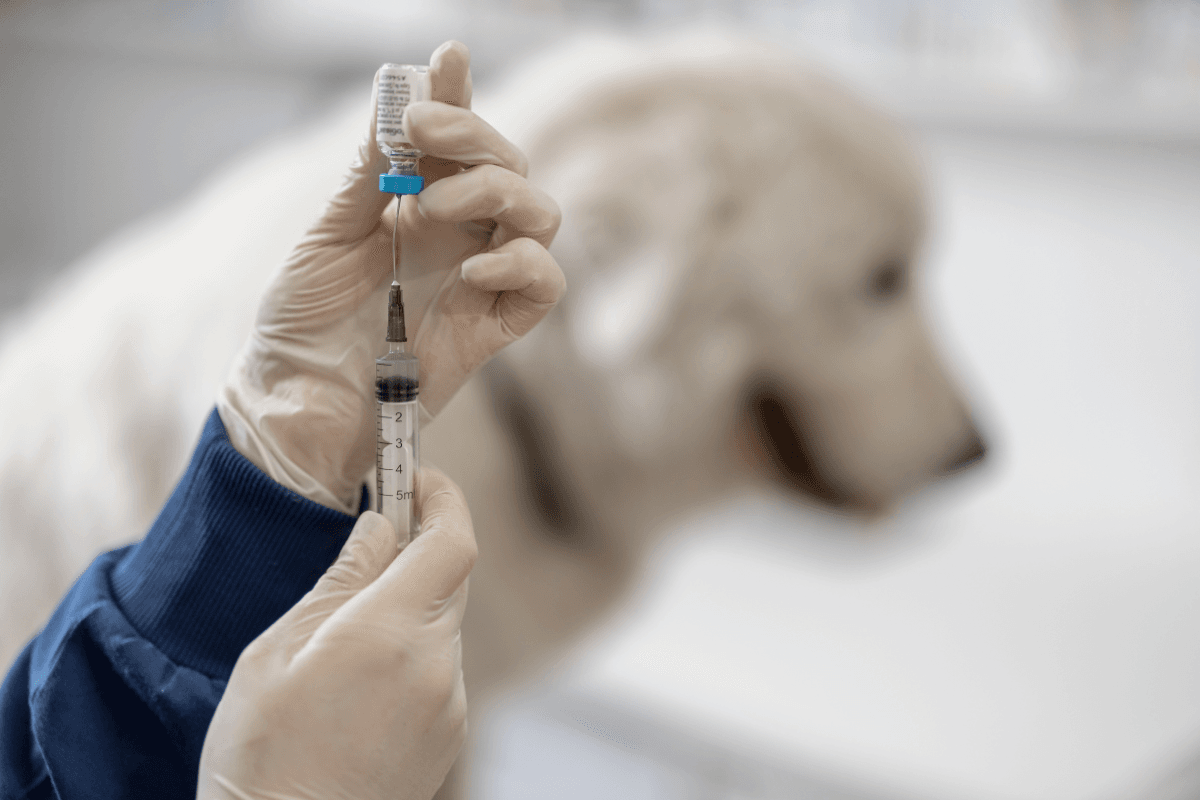
    Insulin for dogs is a vet-directed treatment used to help control diabetes mellitus, a condition where glucose builds up in the bloodstream. Safe home use means giving the correct insulin with the correct syringe, following the routine your veterinarian sets, and watching for signs of low blood sugar or illness.

    That can feel like a lot at first. Many families learn the routine step by step. The goal is not perfect caregiving. The goal is a steady plan, clear records, and fast action when something seems off.

    Key Takeaways

    • Vet direction matters: Dogs need a diagnosis, an insulin plan, and follow-up monitoring.
    • Food affects safety: Meals, appetite, and insulin timing are closely connected.
    • Low sugar is urgent: Weakness, shaking, seizures, or collapse need immediate veterinary help.
    • Syringes must match: U-40 and U-100 products are not interchangeable without veterinary instructions.
    • Records help adjustment: Appetite, thirst, urination, weight, and glucose data guide care.

    How Insulin for Dogs Fits Into Diabetes Care

    Most diabetic dogs need insulin because their bodies cannot make or use enough insulin to keep blood glucose in a safer range. Insulin helps move glucose from the bloodstream into cells, where the body can use it for energy. Without adequate treatment, a dog may become dehydrated, lose weight, develop ketones, or become seriously ill.

    Canine diabetes is not managed exactly like human diabetes, even though some terms sound familiar. Your veterinarian considers your dog’s weight, appetite, other illnesses, glucose patterns, and daily routine before choosing a plan. For broader background on how insulin categories differ, see this human-focused resource on Types Of Insulin. Veterinary choices still need separate guidance.

    A diabetic dog usually cannot live safely without ongoing treatment unless a veterinarian identifies a rare, temporary circumstance. Stopping insulin or changing the dose without advice can lead to severe hyperglycemia, which means high blood sugar. It can also raise the risk of diabetic ketoacidosis, a dangerous complication that needs urgent care.

    Why it matters: A clear routine lowers the chance of avoidable dosing and feeding mistakes.

    Building a Safer Daily Routine

    A safer routine connects meals, injections, activity, and observation. Many dogs do best when their days look similar from one day to the next. Regularity helps your veterinary team interpret glucose readings and decide whether a plan is working.

    Insulin for dogs should be treated as a whole routine, not just a shot. Before each dose, confirm the insulin name, the syringe type, the amount your veterinarian prescribed, and whether your dog ate as expected. If anything does not match the plan, pause and contact your veterinary team rather than guessing.

    Common routine points include:

    • Meal consistency: Feed the diet and portions your veterinarian recommends.
    • Injection timing: Follow the schedule written for your dog.
    • Site rotation: Use the areas your veterinary team demonstrates.
    • Supply check: Keep syringes, insulin, and records organized.
    • Daily notes: Track appetite, thirst, urination, weight, and energy.

    If injections feel stressful, ask for another demonstration. Many caregivers benefit from practicing with an empty syringe, a towel, or a training model before giving injections at home. Reward-based handling can also help a nervous dog stay calmer.

    When Meals, Missed Doses, or Low Sugar Interrupt the Plan

    Appetite changes are one of the most important safety issues in diabetic dog care. Insulin lowers blood glucose, so a dog that eats much less than usual may face a higher risk of hypoglycemia, which means low blood sugar. Your veterinarian should give you a written plan for poor appetite, vomiting, skipped meals, or unusual activity.

    Do not double the next dose after a missed insulin injection unless your veterinarian specifically instructs you. Doubling can push glucose too low. A missed dose may cause higher readings for a period, but low blood sugar can become dangerous quickly.

    Use this table as a discussion aid, not as a dosing plan:

    Situation At Home Why It Matters Safer Next Step
    Dog refuses food Insulin without food may increase low sugar risk. Call your veterinarian for the written sick-day plan.
    Dose was missed Extra insulin can cause hypoglycemia. Do not double up unless your veterinarian says so.
    Dog seems weak or shaky These can be low blood sugar signs. Seek urgent veterinary advice or emergency care.
    Vomiting or diarrhea occurs Illness can disrupt glucose control and hydration. Contact your veterinary team promptly.
    Water intake rises suddenly High blood sugar or illness may be present. Record changes and arrange veterinary follow-up.

    Signs of low blood sugar can include sudden weakness, wobbliness, trembling, unusual hunger, confusion, extreme sleepiness, seizures, or collapse. If severe signs occur, treat it as an emergency. Ask your veterinarian in advance whether you should keep a sugar source at home and exactly when to use it.

    Insulin Types, Syringe Matching, and Storage

    The best dog diabetes insulin is the one your veterinarian selects for your dog’s diagnosis, response, schedule, and monitoring results. There is no single best insulin for every diabetic dog. Some dogs use veterinary-labeled insulin, while others may receive a human insulin product under veterinary direction.

    Duration language can be confusing. Some insulins act more quickly, while others last longer. If your veterinarian mentions action profiles, this plain-language page on Intermediate-Acting Insulin can help explain the terminology in human care. Your dog’s prescription and monitoring plan still come from the veterinarian.

    Storage and syringe matching are safety issues with insulin for dogs. Insulin can be affected by heat, freezing, sunlight, rough shaking, and contamination. Store it exactly as the label and veterinary team instruct. Some insulin suspensions need gentle rolling before use, while others should not be mixed the same way. If the product looks clumped, discolored, or different than expected, ask before using it.

    Syringe concentration matters. A U-40 insulin should be paired with a U-40 syringe unless your veterinarian gives a specific conversion plan. A U-100 insulin should be paired with the correct U-100 device. Using the wrong syringe can cause a major dosing error. Product pages such as BD Ultrafine II Syringes may help you identify supply details to compare, but your veterinarian must confirm the correct type for your dog.

    Food, Exercise, and Glucose Monitoring at Home

    Diet supports diabetic dog care by making glucose patterns more predictable. Your veterinarian may recommend a specific food, feeding schedule, calorie target, or weight plan. Avoid sudden diet changes unless your veterinary team approves them, because changes in calories, carbohydrates, fiber, or fat can alter glucose control.

    There is no universal list of foods that every diabetic dog must avoid. Still, many veterinary teams advise avoiding sugary treats, table scraps, and high-fat foods. These can disrupt the routine and may worsen other health risks in some dogs. If your dog has pancreatitis, kidney disease, food allergies, or a history of poor appetite, diet advice needs to be more individualized.

    Exercise also matters. A sudden long run, skipped walk, or unusually active day can affect blood sugar. Keep activity as consistent as possible, and tell your veterinarian about major changes. If your dog is starting a new walking routine, losing weight, or acting tired after activity, record those changes.

    Home monitoring may include appetite logs, water intake notes, urine changes, body weight, blood glucose readings, or a blood glucose curve. A glucose curve tracks readings across a set period, usually under veterinary guidance. For general human background on testing concepts, see How To Test For Diabetes. Dogs need pet-specific interpretation.

    Quick tip: Keep one notebook or phone note for meals, injections, symptoms, and readings.

    Prescriptions, Supplies, and Questions to Ask

    Access rules for insulin for dogs vary by product, location, and pharmacy requirements. Some insulin products may require a veterinary prescription, and even where rules differ, a diabetic dog still needs veterinary diagnosis and monitoring. Do not choose an insulin based only on convenience, cost, or what another pet uses.

    For prescription items, dispensing may require prescriber verification before a pharmacy releases medication. That safeguard matters because insulin selection, syringe type, and dose instructions must match the animal’s plan.

    Before leaving the veterinary clinic, ask clear questions:

    • Insulin name: Which exact product should be used?
    • Syringe type: Is it U-40, U-100, pen-based, or another device?
    • Feeding plan: What should happen if appetite is poor?
    • Missed dose plan: Who should you call, and when?
    • Low sugar plan: Which signs require emergency care?
    • Monitoring plan: When are rechecks, curves, or lab tests needed?

    If your veterinarian discusses high blood sugar patterns, this human-focused page on Signs And Symptoms Of Hyperglycemia may help with vocabulary. It should not replace veterinary interpretation of your dog’s signs.

    Emergency Signs and Veterinary Follow-Up

    Diabetic dog emergency signs include seizures, collapse, severe weakness, repeated vomiting, refusal to eat, rapid breathing, dehydration, or a sudden major behavior change. These signs can relate to low blood sugar, high blood sugar, ketones, infection, pancreatitis, or another illness. Prompt veterinary care is the safer path.

    Diabetic ketoacidosis can occur when the body lacks enough usable insulin and starts producing ketones. It is a medical emergency. For general background on the concept in people, see Diabetic Ketoacidosis. Dogs with suspected ketones, vomiting, or marked lethargy need veterinary evaluation.

    Follow-up visits are not a sign that you failed. They are how the plan gets safer. Your veterinary team may adjust the insulin plan after reviewing weight, symptoms, glucose curves, appetite, concurrent disease, and lab results. Cataracts, urinary tract infections, skin infections, dental disease, and other problems can also affect diabetic dog care.

    If you want broader human diabetes education for context, you can browse the Diabetes Hub. Keep pet decisions separate, because dogs have different treatment needs and safety thresholds.

    Authoritative Sources

    Using insulin for dogs at home can become less intimidating with written instructions, steady routines, and early calls when something changes. Keep your veterinary team’s emergency number handy, review the plan before stressful days, and ask for re-training whenever the steps feel unclear.

    This content is for informational purposes only and is not a substitute for professional medical advice.

  • Types of Insulin: Timing, Uses, and Examples

    Types of Insulin: Timing, Uses, and Examples

    The main types of insulin are grouped by how fast they start working, when they peak, and how long they last. Most plans use insulin for one of two jobs: covering meals or providing background coverage between meals and overnight. Understanding these timing patterns helps you ask clearer questions, recognize insulin names, and use your prescribed plan more safely.

    Insulin choices are personal. Your clinician considers your diabetes type, glucose patterns, meals, activity, hypoglycemia risk, devices, and other medicines before recommending a plan.

    Key Takeaways

    • Two main roles: Basal insulin covers background needs, while bolus insulin covers meals or corrections.
    • Five common groups: Rapid-acting, short-acting, intermediate-acting, long-acting or ultra-long, and premixed insulin are the usual categories.
    • Timing terms matter: Onset, peak, and duration explain when insulin starts, works hardest, and wears off.
    • Names can confuse: Generic names, brand names, and device names may describe the same insulin category.
    • Plans need review: Repeated highs, lows, missed meals, illness, or schedule changes should prompt a care-team discussion.

    Types of Insulin by Timing and Daily Role

    Types of insulin are usually classified by action profile, which means how insulin behaves after it enters the body. The most common groups are rapid-acting, short-acting, intermediate-acting, long-acting or ultra-long-acting, and premixed insulin. Some people ask about three groups because many education materials simplify insulin into fast-acting, intermediate-acting, and long-acting categories.

    The five-group approach gives more detail. It separates rapid-acting analogs from regular human insulin, and it includes premixed products because they combine more than one action pattern. This helps explain why two insulins can both be used near meals but still require different timing.

    Another useful split is basal insulin versus bolus insulin. Basal insulin provides background coverage when you are not eating. Bolus insulin is used around meals or for high readings when a clinician has given a correction plan. A basal-bolus plan uses both approaches, but not every person needs that structure.

    Human insulin and insulin analogs can appear in the same discussion. Human insulin has the same basic structure as insulin made by the body. Insulin analogs are modified versions designed to change timing, such as faster mealtime action or steadier background coverage. Your care team weighs those differences against safety, routine, cost, and access.

    For related diabetes education by topic, you can browse the Diabetes Topics collection. If you are specifically comparing insulin product categories for type 1 diabetes, the Type 1 Diabetes Options page can help you see common therapy categories in one place.

    Insulin Onset, Peak, and Duration in Plain Language

    Onset, peak, and duration describe the basic timing map for insulin. Onset is when glucose-lowering effects begin. Peak is when the effect is strongest. Duration is how long the effect may continue.

    A types of insulin chart can make these ideas easier to compare, but it cannot predict your exact response. Insulin timing can shift with dose, injection site, skin temperature, activity, illness, stress, and storage. The same insulin may also feel different on a workday than on a rest day.

    Category Common role Typical onset Typical peak Typical duration
    Rapid-acting insulin Meals and corrections Minutes About 1 to 2 hours Several hours
    Short-acting regular insulin Meals in some plans About 30 to 60 minutes About 2 to 4 hours Often longer than rapid-acting
    Intermediate-acting insulin Background coverage with a peak Hours Noticeable middle peak Roughly half to full day
    Long-acting or ultra-long insulin Basal background coverage Hours Minimal or flatter peak About one day or longer
    Premixed insulin Combined meal and background coverage Varies by mix Often more than one peak Varies by mix

    Why it matters: Timing helps reduce mismatches between insulin action, meals, and activity.

    Product labels give more specific ranges for each insulin. If your timing seems off, do not assume the insulin is wrong. Technique, storage, routine changes, or changing insulin needs may be involved.

    Mealtime Insulin: Rapid-Acting and Short-Acting Options

    Mealtime insulin is intended to match the glucose rise that follows food. Rapid-acting insulin usually starts faster than regular human insulin, which is why it is commonly used close to meals in many plans. Common rapid-acting insulin names include insulin lispro, insulin aspart, and insulin glulisine.

    Rapid-acting options may also be used for correction doses when a clinician has provided instructions. A correction dose is extra insulin meant to lower an out-of-range glucose reading. It should fit the full plan, because overlapping doses can raise the risk of later hypoglycemia.

    Short-acting insulin usually refers to regular human insulin. It tends to start more slowly and peak later than rapid-acting insulin. That difference can affect meal timing and low-glucose risk later after eating.

    If you want a deeper comparison of fast mealtime action, read Rapid Acting Insulin. For regular human insulin timing and examples, see Short Acting Insulin. People comparing insulin lispro timing can also review Lispro Insulin Peak for focused context.

    Examples can make the distinction clearer. A person using rapid-acting insulin may need to think about the meal they are about to eat and the glucose trend they see. A person using regular insulin may need a different timing routine because the peak tends to arrive later. These are planning concepts, not dosing instructions.

    Background Insulin: Intermediate, Long-Acting, and Ultra-Long

    Background insulin supports glucose control between meals and overnight. This basal role may be filled by intermediate-acting insulin, long-acting insulin, or ultra-long-acting insulin, depending on the plan.

    NPH insulin is a common intermediate-acting example. It is often cloudy because it is a suspension, and that appearance is expected for this insulin type. Intermediate-acting insulin usually has a more noticeable peak than many long-acting options, which can help in some routines and create challenges in others.

    Long-acting insulin is designed to provide steadier basal coverage. Common long-acting insulin names include insulin glargine and insulin detemir. Ultra-long-acting insulin, such as insulin degludec, may last longer for many people. Your clinician may consider predictability, schedule, overnight readings, and hypoglycemia history when comparing choices.

    For more on NPH and similar action profiles, the Intermediate Acting Insulin resource explains the category in practical terms. If you are learning how insulin devices differ, Types Of Insulin Pen can help you compare pen formats without focusing only on brand names.

    Some readers also encounter brand examples while reviewing prescriptions. Lantus is a brand name for insulin glargine, while Humulin N is a brand name for NPH insulin. Product pages such as Lantus Vial or Humulin N Vial can make the naming more concrete, but your care plan should come from your prescriber.

    Premixed Insulin and Sliding Scale Language

    Premixed insulin combines two insulin components in one product. Many premixed products include an intermediate component plus a faster component. This can reduce injection steps for some people, but it may also reduce flexibility around meals and timing.

    Premixed insulin types are sometimes written as ratios, such as 30/70 or 70/30, depending on the product naming system. Those numbers describe the mixture components, not a personal dose. A page such as Novolin GE 30/70 Vial can help you recognize how one premixed product is labeled.

    Sliding scale insulin is different. A sliding scale usually means taking a set amount of insulin based on the current glucose reading. It is often written as a table. Some people receive sliding scale instructions during illness, after hospital care, or as part of a short-term plan.

    Many clinicians prefer structured insulin plans that consider meals, insulin sensitivity, and background needs. Sliding scale instructions can still be used in some situations, but they should be clear. Ask how a scale fits with food, exercise, basal insulin, and correction doses.

    Quick tip: Bring your written insulin instructions and glucose logs to appointments.

    Insulin Injections, Pens, Vials, and Technique Questions

    Insulin can be delivered by vial and syringe, injection pen, or pump. The best device is not just a convenience question. It can affect dose confidence, portability, grip, vision needs, and how easily you follow the plan.

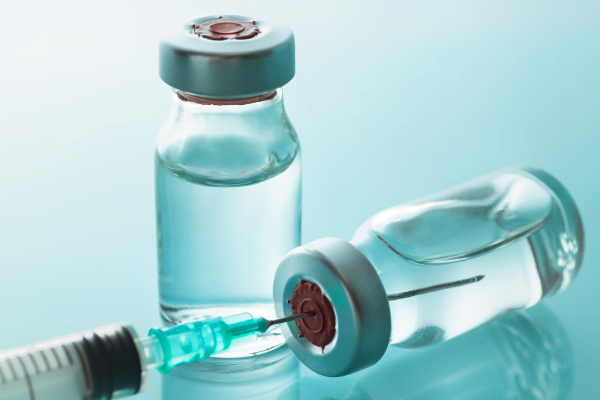
    Insulin pens are common because they are portable and use dialed doses. Some pens are disposable, while others use cartridges. Vials and syringes remain important for many products and routines. Pumps deliver rapid-acting insulin through an infusion set and require separate training.

    Needle length and injection technique also matter. Many people use short, fine pen needles, but fit depends on body type, comfort, and training. Rotating injection sites can help reduce lipohypertrophy, which means thickened or lumpy tissue under the skin from repeated injections. That tissue can interfere with consistent absorption.

    Never share insulin pens, needles, or syringes, even with family members. Sharing injection equipment can transmit infections. If you have repeated bruising, leaking, pain, or unexplained glucose swings, ask your care team to watch your technique and review your storage habits.

    People using cash-pay, cross-border prescription options without insurance may also need to compare device formats carefully, because pens, cartridges, and vials are not interchangeable. BorderFreeHealth connects U.S. patients with licensed Canadian partner pharmacies, and prescription details may be verified with the prescriber when required before dispensing by the pharmacy.

    How to Read Insulin Names Without Getting Lost

    Insulin names usually include a generic name, a brand name, and sometimes a device name. This creates confusion because one prescription may look like three separate things. Learning the pattern can reduce refill mistakes and appointment stress.

    The generic name often signals the insulin molecule. Examples include insulin lispro, insulin aspart, insulin glargine, insulin detemir, insulin degludec, regular insulin, and NPH insulin. The brand name identifies a manufacturer’s product. The device name may describe the pen or delivery format.

    Here is a simple way to sort the label:

    • Generic name: Identifies the insulin type or molecule.
    • Brand name: Identifies a specific marketed product.
    • Device wording: Describes pen, cartridge, or vial format.
    • Concentration: Shows units per milliliter, such as U-100.
    • Instructions: Explain your prescribed timing and use.

    Do not switch between concentrations, devices, or brands without prescriber and pharmacist guidance. Even when two products sound similar, the delivery device, concentration, or action profile may differ.

    When to Ask for a Plan Review

    A plan review is important when your real-life routine no longer matches your insulin instructions. Changes in meal timing, weight, kidney function, activity, steroid use, illness, pregnancy, or work schedule can alter glucose patterns.

    Contact your care team promptly if you have frequent low glucose, severe lows, unexplained highs, vomiting, dehydration, ketones, or symptoms of diabetic ketoacidosis such as nausea, abdominal pain, rapid breathing, or confusion. People using insulin should also know when their clinic wants urgent contact for very high readings.

    It helps to prepare specific notes before visits. Bring the insulin name, device, concentration, usual timing, missed-dose patterns, glucose meter or CGM summaries, and any recent lifestyle changes. If carbohydrate targets or meal planning feel unclear, a registered dietitian or certified diabetes care and education specialist may help.

    For broader condition-specific browsing, the Type 1 Diabetes and Type 2 Diabetes collections can help you find related educational topics.

    Authoritative Sources

    The CDC explains insulin types and use with patient-friendly timing context.

    The American Diabetes Association covers insulin basics, including concentration and delivery concepts.

    The ADA Standards of Care provide current clinical guidance for individualized diabetes management.

    Recap

    Types of insulin differ mainly by timing and purpose. Rapid-acting and short-acting insulin are commonly linked to meals or corrections. Intermediate, long-acting, and ultra-long options are often used for background needs. Premixed insulin combines action patterns in one product.

    The safest next step is not memorizing every brand name. It is understanding your own insulin’s role, timing, device, and instructions well enough to ask clear questions when something changes.

    This content is for informational purposes only and is not a substitute for professional medical advice.
  • Lantus Insulin: Safety, Dosing Questions, and Daily Use

    Lantus Insulin: Safety, Dosing Questions, and Daily Use

    Lantus insulin is a long-acting basal insulin used to help control blood glucose in people with diabetes. It works in the background between meals and overnight, so it is different from rapid-acting insulin taken with food.

    That distinction matters. Basal insulin can support steadier glucose patterns, but it also requires consistent timing, careful injection technique, and a clear plan for low blood sugar. This article explains how it fits into care, what to ask about dosing, and which side effects need attention.

    Key Takeaways

    • Basal coverage: It helps cover background insulin needs.
    • Timing matters: Consistent routines can reduce dosing confusion.
    • Low glucose risk: Hypoglycemia is the key safety concern.
    • Technique helps: Rotation and priming can prevent common problems.
    • Storage counts: Heat and freezing may affect insulin reliability.

    What Type of Insulin Lantus Is

    Lantus is the brand name for insulin glargine, a long-acting insulin analog. Clinicians use it as basal insulin, meaning it provides background insulin activity rather than covering a specific meal.

    People with type 1 diabetes usually need basal insulin plus mealtime insulin. Some people with type 2 diabetes may use basal insulin with non-insulin medicines, or with rapid-acting insulin if their plan requires it. The exact regimen depends on glucose patterns, A1C, other conditions, and the risk of hypoglycemia (low blood sugar).

    Lantus insulin is not used to treat diabetic ketoacidosis, a serious emergency linked to insulin shortage and high ketones. It also does not replace fast-acting insulin when a clinician has prescribed separate mealtime coverage. For a broader look at insulin categories, see Different Types Of Insulin.

    Why it matters: Knowing the insulin type helps you avoid using the wrong product for the wrong situation.

    How It Works Across the Day

    Insulin glargine is designed to release slowly after injection. Many people experience relatively steady background action over about 24 hours, without the sharp peak seen with some shorter-acting insulins.

    People often ask how quickly Lantus lowers blood sugar. It does not act like a correction or meal insulin. It begins working after injection, but its role is gradual basal coverage, not rapid glucose reduction after meals or during an urgent high reading. If your glucose is very high, follow the plan your clinician gave you for sick days, ketone checks, or urgent care.

    Some people take basal insulin in the evening because it may help overnight and fasting readings. Others use a different time based on their routine and prescriber instructions. The important point is consistency. Large timing shifts can make patterns harder to interpret.

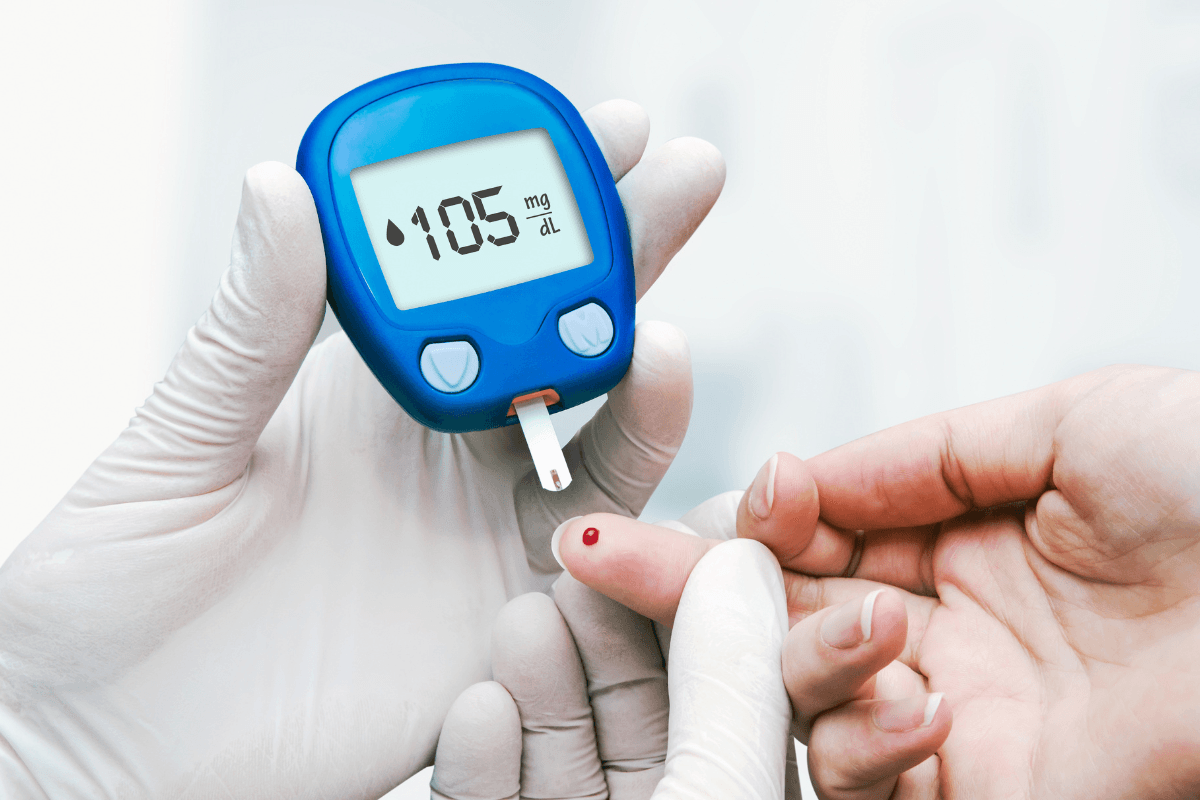
    Daily glucose records can help your clinician see whether the basal dose is matching your needs. If you use reports in different units, this converter can help compare mg/dL and mmol/L values for general record review. It does not provide dosing advice.

    [glucose-converter]

    If you use continuous glucose monitoring, time in range, overnight trends, and repeated lows can be more useful than one isolated number. If you use fingersticks, a few days of fasting and bedtime readings can still tell a useful story.

    Dosing Conversations Without Guesswork

    Lantus insulin dosing is individualized. Your prescriber may consider your diabetes type, current medicines, kidney function, weight changes, meal pattern, activity, recent illness, and hypoglycemia history.

    Online dose examples can be misleading because basal insulin is adjusted to patterns, not to a single search result. A dose that is appropriate for one person may be unsafe for someone else. Do not change your dose, timing, or insulin type without guidance from your diabetes clinician.

    What to bring to an appointment

    Good records can make dose discussions safer. Bring your meter or CGM data, a medication list, and notes about missed or late doses. Also mention new exercise routines, steroid medicines, alcohol use, appetite changes, or illness.

    • Fasting readings: Show overnight basal patterns.
    • Low episodes: Include time, symptoms, and possible triggers.
    • Meal changes: Note skipped meals or lower intake.
    • Other insulins: List names and timing clearly.
    • Injection sites: Mention lumps, bruising, or irritation.

    For condition-specific context, you can browse the Type 1 Diabetes collection or the Type 2 Diabetes collection. These sections can help you find related topics, but personal medication decisions still belong with your care team.

    Pen, Vial, and Cartridge Basics

    Lantus is available in different delivery formats, including prefilled pens, vials, and cartridges in some markets. The best fit depends on your dexterity, vision, dose needs, routine, supplies, and training.

    The Lantus SoloStar pen is a prefilled device used with disposable pen needles. A typical U-100, 3 mL pen contains 300 units of insulin, though the number of days it lasts depends on the prescribed dose and any priming steps. A vial requires a syringe and careful dose measurement. Cartridges require a compatible reusable pen device.

    If you want to compare device formats, Types Of Insulin Pen explains common pen designs and practical differences. For product-specific navigation, BorderFreeHealth connects U.S. patients with licensed Canadian partner pharmacies, and prescription details may be verified before dispensing when required.

    Format Daily Use Consideration Question to Ask
    Prefilled pen Portable and dose-dialed How should I prime it?
    Vial Uses syringe measurement Which syringe size is appropriate?
    Cartridge Needs a compatible pen Which device fits this cartridge?

    Some readers compare specific formats while preparing for pharmacy discussions. Examples include Lantus SoloStar, Lantus Vial, and Lantus Cartridge. Use these pages for format details, not as a substitute for injection training or prescribing advice.

    Injection Technique That Supports Consistency

    Correct injection technique helps insulin absorb more predictably. It can also reduce bruising, leakage, stinging, and skin thickening from repeated injections in one spot.

    Lantus insulin is injected under the skin, usually into fatty tissue. Common areas include the abdomen, thigh, or upper arm, depending on your clinician’s instructions and your ability to inject safely. Avoid injecting into scars, bruises, hard lumps, or irritated skin.

    Site rotation matters. Reusing the same small area can cause lipohypertrophy, which means fatty tissue thickening under the skin. Insulin may absorb unevenly from those areas, which can make glucose patterns harder to explain.

    Pen technique points to review

    Most pen instructions include attaching a new needle, priming to confirm insulin flow, dialing the prescribed dose, injecting fully, and holding the needle in place briefly before removal. Never share insulin pens, even if the needle is changed, because bloodborne infection risk can remain.

    Quick tip: Ask a pharmacist or diabetes educator to watch your technique with a demo device.

    Side Effects, Low Blood Sugar, and Warning Signs

    The most important side effect risk with any insulin is hypoglycemia. It can happen when insulin action exceeds the glucose available in the blood, especially after missed meals, unusual activity, alcohol use, illness, or dosing errors.

    Common low blood sugar symptoms can include shakiness, sweating, hunger, headache, fast heartbeat, anxiety, blurred vision, or confusion. Some people have fewer warning symptoms, especially after repeated lows or long-standing diabetes. Severe hypoglycemia may cause seizures, loss of consciousness, or inability to swallow safely.

    Other possible side effects include injection-site redness, itching, swelling, skin changes, allergic reactions, and weight changes. Swelling in the hands or feet can occur with insulin therapy in some people. Serious allergic reactions are uncommon but need urgent help, especially with trouble breathing, widespread rash, or facial swelling.

    If lows are recurring, do not simply accept them as normal. Contact your clinician, especially if symptoms happen overnight, during driving, at work, or after a recent medication change. If someone cannot safely take sugar by mouth, follow the emergency plan provided by their care team.

    People who use insulin should also understand high glucose escalation. Missed insulin, dehydration, infection, vomiting, or ketones can become dangerous. The Type 1 Diabetes Treatment resource offers broader context on insulin’s role in type 1 diabetes care.

    Storage, Travel, and Access Questions

    Insulin can become unreliable if it freezes, overheats, or stays outside recommended conditions too long. Always check the product packaging and official prescribing information for exact storage limits.

    In general, unopened insulin is often kept refrigerated, while in-use pens or vials may have separate room-temperature instructions. Do not store insulin in a car glove box, direct sunlight, or checked luggage. During travel, keep it with you and protect it from direct contact with ice packs.

    Before injecting, inspect the product as directed. Ask a pharmacist if insulin has been frozen, exposed to extreme heat, or looks unusual. Lantus is normally a clear solution, so cloudiness or particles should be checked before use.

    Access questions are also common. Some people compare insulin glargine products or other basal insulins because of coverage, device preference, or prescriber recommendations. If you are reviewing options without insurance, keep the discussion focused on your prescription, eligibility, and safe dispensing requirements rather than switching products on your own.

    Similar Basal Insulins and When Comparisons Help

    Basal insulins can share a purpose but differ in concentration, device, timing flexibility, and how they fit an individual plan. These differences are clinically important, so substitutions should be directed by a prescriber or pharmacist.

    Insulin glargine appears in more than one branded product. Other long-acting insulins may use different active ingredients. If you are comparing basal options, Levemir Vs Lantus discusses practical differences people often ask about. Some readers also compare insulin with non-insulin diabetes medicines; Ozempic Vs Insulin explains why these therapies play different roles.

    Device comparisons can also be useful. For example, people may look at Basaglar KwikPen or Toujeo DoubleStar when discussing basal insulin products with their care team. These pages should not be used to decide a switch without medical guidance.

    Authoritative Sources

    For official product labeling, review the FDA prescribing information for Lantus. It includes indications, limitations, warnings, adverse reactions, and storage instructions.

    The National Library of Medicine also provides label information through DailyMed drug labeling for Lantus SoloStar. This can be useful when checking official wording or patient instructions.

    For general diabetes education, the American Diabetes Association insulin overview explains how insulin is used across diabetes care.

    Recap

    Lantus is a long-acting basal insulin used to support background glucose control. It is not a rapid correction insulin, and it should be used only as prescribed.

    The safest next step is usually practical: keep clear glucose records, review injection technique, store insulin correctly, and report repeated lows or unusual patterns promptly. Those details help your clinician adjust your plan with less guesswork.

    This content is for informational purposes only and is not a substitute for professional medical advice.

  • Fiasp Insulin: Rapid Mealtime Control and Safe Use

    Fiasp Insulin: Rapid Mealtime Control and Safe Use

    Fiasp insulin is a rapid-acting insulin aspart product used around meals to help manage blood glucose in people with diabetes. Its faster early absorption can make timing, glucose monitoring, and device technique especially important.

    If you use this insulin, the practical questions often matter most: when it is taken, how long it may keep working, which pen or cartridge fits your routine, and what to do if supply becomes uncertain. This article explains those points in plain language, while keeping dosing decisions with your diabetes care team.

    Key Takeaways

    • Rapid mealtime role: It helps cover food-related glucose rises.
    • Timing matters: Meal size, digestion, and activity can change response.
    • Devices differ: Vials, prefilled pens, and cartridges suit different routines.
    • Safety is active: Watch for hypoglycemia, delivery problems, and site changes.
    • Plan access early: Shortage or refill issues need calm backup steps.

    What Fiasp Is and How It Fits Into Diabetes Care

    Fiasp is a faster-acting formulation of insulin aspart, a man-made version of human insulin. It belongs to the rapid-acting, or bolus, insulin group. Bolus insulin is usually used to help manage glucose rises from meals and sometimes to correct high readings, depending on a person’s prescribed plan.

    Its formulation includes ingredients that support quicker early absorption compared with standard insulin aspart. That does not make it a long-acting insulin, and it does not replace background insulin when a basal insulin is part of the regimen. It also is not the same kind of treatment as Ozempic, which is a GLP-1 receptor agonist rather than insulin.

    Why this matters: faster early action may help some people match insulin action more closely to meals. It can also increase the importance of careful monitoring, because food timing, activity, illness, and missed meals may affect low blood sugar risk.

    For a broader refresher on mealtime insulin categories, see Rapid Acting Insulin. If you want context on basal and bolus roles, Different Types Of Insulin explains how insulin classes fit together.

    Meal Timing, Duration, and Glucose Checks

    Fiasp insulin is generally used close to meals, but the safest timing depends on the prescribed instructions and the person’s glucose pattern. A meal with fast-acting carbohydrates may behave differently from a higher-fat meal that raises glucose later. Exercise, alcohol, stress, and illness can also change insulin needs.

    People often focus on onset, but duration also matters. Rapid-acting insulin can keep lowering glucose after the meal is over. If a correction dose is taken while earlier insulin is still active, insulin can “stack,” which may raise the risk of hypoglycemia (low blood sugar). This is one reason clinicians often review glucose logs before making changes.

    Fingerstick meters and continuous glucose monitors (CGMs) can both help identify patterns. A single high or low reading may not explain much. Repeated lows after lunch, overnight drops, or stubborn post-breakfast spikes are more useful details to share with a clinician.

    The glucose unit converter below can help when comparing readings in mg/dL and mmol/L. It is only a conversion tool and does not interpret whether a number is safe for you.

    [glucose-converter]

    Quick tip: When readings surprise you, note the meal, timing, activity, illness, and alcohol use.

    Pen, Cartridge, and Vial Options

    Fiasp insulin may be supplied in different formats, including vial, prefilled pen, and cartridge options. The right device is usually the one that matches your prescription, dexterity, vision, routine, and comfort with setup steps.

    Prefilled pen use

    A Fiasp insulin pen can be convenient for work, travel, school, or meals away from home. Prefilled pens avoid drawing insulin from a vial, but technique still matters. People are commonly taught to attach a new needle, prime as instructed, inject at the recommended site, and hold the pen in place long enough for the dose to deliver.

    The Fiasp Flextouch pen is one prefilled option. Needle fit, needle length, and injection technique can affect comfort. If injections sting, leak, or seem inconsistent, a pharmacist or diabetes educator can often review technique and needle selection. For background on pen styles, Types Of Insulin Pen offers a device-focused overview.

    Reusable pen cartridges

    Fiasp Penfill is a cartridge format used with compatible reusable pens. Some people prefer cartridges because the pen body feels sturdier or offers familiar handling. Others prefer disposable prefilled pens because setup is simpler.

    Cartridge systems need a few checks. The cartridge should be inserted correctly, the insulin should appear as expected for that product, and the pen should prime before use. If no insulin appears during priming, the needle may be blocked, the cartridge may not be seated, or the pen mechanism may need review.

    Vials may suit people who use syringes or certain pump routines, when prescribed that way. Device choice should not be changed casually, because dose delivery, training, and supplies can differ. Product pages such as Fiasp Vial, Fiasp Flextouch, and Fiasp Cartridge can help you recognize common formats without replacing professional device training.

    How It Compares With NovoLog, NovoRapid, and Other Rapid Insulins

    Fiasp and NovoLog are closely related because both contain insulin aspart, but they are not automatically interchangeable in every care plan. Fiasp is formulated for faster early absorption, while standard insulin aspart products may have different timing instructions. NovoRapid is another insulin aspart brand used in some markets.

    That difference can matter if you use an insulin pump, have frequent lows, eat unpredictable meals, or rely on correction dosing. Pump settings, insulin-to-carbohydrate ratios, correction factors, and active insulin time should be reviewed by a prescriber before switching.

    Other rapid-acting insulins, such as insulin lispro or insulin glulisine, can also be used in diabetes care. They are not identical products. If you are comparing rapid options, Humalog Vs Novolog may help frame questions about related mealtime insulins.

    Why it matters: A similar insulin name does not guarantee the same timing, device, or dosing plan.

    Safety Signals and When to Seek Help

    The most important safety concern with any insulin is hypoglycemia. Symptoms can include shakiness, sweating, fast heartbeat, hunger, confusion, blurred vision, dizziness, or unusual fatigue. Severe low blood sugar can cause loss of consciousness or seizures and needs urgent help.

    High blood sugar can also happen if insulin is missed, spoiled, under-delivered, or interrupted in a pump. Illness may raise glucose even when eating less. People using insulin should have a sick-day plan from their clinician, including when to check ketones if that applies to their diabetes type and care plan.

    Injection-site reactions can include redness, itching, swelling, or discomfort. Repeated injections in the same area may cause lipohypertrophy, which means thickened fatty tissue under the skin. This can make insulin absorption less predictable, so site rotation is often part of diabetes education.

    Seek urgent medical help for severe low blood sugar, trouble breathing, signs of a serious allergic reaction, persistent vomiting, confusion, symptoms of diabetic ketoacidosis, or high readings that do not respond according to your prescribed plan. Do not stop or change insulin doses without medical guidance unless your emergency plan specifically tells you what to do.

    Storage, Travel, and Shortage Planning

    Insulin is sensitive to temperature. Heat, freezing, and direct sunlight may reduce effectiveness, sometimes without visible changes. Unopened insulin is usually stored in the refrigerator according to the label, while in-use products have specific room-temperature limits. Always follow the instructions for the exact pen, cartridge, or vial you have.

    Travel adds practical risks. Keep insulin away from hot cars, direct sun, and checked luggage temperature extremes. Carry extra supplies when possible, including needles, meter or CGM supplies, and a written medication list. If insulin was frozen, overheated, or seems linked to unexplained high readings, ask a pharmacist or clinician whether it should be replaced.

    A Fiasp insulin shortage can feel frightening, especially for people with type 1 diabetes or pump routines. Shortages may affect certain package types, regions, or pharmacy channels. Helpful steps include refilling before you run out, keeping prescriptions current, asking your clinician about acceptable alternatives, and confirming what to do if your preferred device is unavailable.

    BorderFreeHealth connects U.S. patients with licensed Canadian partner pharmacies, and prescription details may be verified with the prescriber when required before dispensing. For people comparing access routes, the site can support cash-pay cross-border prescription options for patients without insurance when eligibility and jurisdiction allow.

    For broader education and navigation, the Diabetes collection includes related topics. Condition browsing pages for Type 1 Diabetes and Type 2 Diabetes can also help you review relevant product categories.

    Questions to Bring to Your Clinician or Pharmacist

    Good insulin conversations are easier when you bring specifics. Instead of saying, “This insulin is not working,” bring patterns such as time of day, meal type, activity, and whether a low or high happened repeatedly. This gives your care team a safer basis for reviewing timing, device technique, and settings.

    • Meal timing: Ask when to take it for typical meals.
    • Late rises: Discuss high-fat meals or delayed digestion.
    • Low patterns: Review repeated drops or nighttime symptoms.
    • Device fit: Confirm pen, cartridge, vial, or pump instructions.
    • Backup plan: Ask what to use during supply disruption.
    • Travel needs: Review storage and extra-supply planning.

    If you use pump therapy, ask specifically about active insulin time, infusion set problems, and what injection backup plan to follow if pump delivery stops. If you are pregnant, have kidney disease, gastroparesis, an eating disorder history, or frequent severe lows, insulin planning needs closer professional review.

    Authoritative Sources

    For label-backed details, review the FDA prescribing information for Fiasp. It outlines indications, administration routes, warnings, and storage information.

    The American Diabetes Association insulin information explains insulin’s role in diabetes management and common safety considerations.

    For current U.S. supply updates, the FDA Drug Shortages database is a regulator-maintained source for shortage status.

    Recap

    Fiasp insulin is a rapid-acting insulin aspart formulation used for mealtime glucose management. Its faster early action can be helpful for some routines, but it also makes timing, monitoring, and technique important. Pens, cartridges, and vials each have practical tradeoffs, so device choice should match the prescription and the person’s abilities.

    If you are comparing it with NovoLog, NovoRapid, Humalog, or another rapid insulin, focus on timing instructions, device compatibility, glucose patterns, and safety history. Bring those details to your clinician before any switch or dose change.

    This content is for informational purposes only and is not a substitute for professional medical advice.
  • Humulin N Insulin for Dogs: Safety and Monitoring

    Humulin N Insulin for Dogs: Safety and Monitoring

    Humulin N insulin for dogs is a human NPH insulin that some veterinarians use for canine diabetes when it matches a dog’s needs. It should never be started, substituted, split, or adjusted without veterinary direction. Safe use depends on a confirmed diagnosis, the exact insulin product, matching supplies, steady meals, and a clear plan for monitoring low blood sugar.

    Why this matters: insulin can change blood glucose quickly. A missed meal, wrong syringe, brand mix-up, or dose change can put a diabetic dog at risk. This page explains where NPH insulin fits, how it differs from veterinary insulin options, and what owners should ask before giving injections at home.

    Key Takeaways

    • Veterinary supervision is essential: Dogs need diagnosis, prescription instructions, and follow-up checks.
    • NPH is intermediate acting: It works over a middle time window, not instantly.
    • Insulins are not simple swaps: Product names, concentrations, and supplies may differ.
    • Low blood sugar is urgent: Weakness, wobbling, seizures, or collapse need immediate help.
    • Routine improves safety: Consistent meals, injections, records, and monitoring reduce avoidable risk.

    Where Humulin N Fits in Canine Diabetes Care

    Humulin N is a human NPH insulin, also called neutral protamine Hagedorn insulin. NPH is an Intermediate Acting Insulin, which means it is designed to lower blood sugar over a longer period than rapid or short-acting insulin. In dogs, a veterinarian may consider it when the action profile, access, handling, and monitoring plan fit the case.

    Canine diabetes mellitus is a condition where the body cannot use glucose normally. Many dogs with diabetes need insulin as part of long-term care. Feeding consistency, weight management, exercise patterns, and follow-up testing also matter. The goal is not perfect numbers every hour. The goal is safer glucose control, fewer symptoms, and lower risk of dangerous highs or lows.

    Humulin N insulin for dogs is not a do-it-yourself substitute for a veterinary-labeled product. A veterinarian should decide whether NPH makes sense after reviewing symptoms, blood and urine testing, appetite, body weight, and other health problems. Dogs with vomiting, poor appetite, infection, pancreatitis, steroid use, or suspected ketoacidosis may need a different immediate plan.

    For a broader background on insulin categories, see Types Of Insulin. Human diabetes education can help owners understand terms, but pet treatment still requires a veterinary plan because dogs have different metabolism, eating patterns, and monitoring needs.

    Why it matters: The insulin name, concentration, syringe, and timing must match the veterinary plan.

    How Veterinarians Choose an Insulin Plan

    Veterinarians choose insulin by matching the dog’s diagnosis, glucose patterns, appetite, and caregiver routine. There is no single best insulin for every diabetic dog. Some dogs start with a veterinary-labeled insulin. Others may use a human insulin, such as NPH, when the veterinarian considers it appropriate.

    A typical workup starts with signs and testing. Common signs include increased thirst, frequent urination, weight loss, and increased hunger. Your veterinarian may also look for urinary tract infection, pancreatitis, Cushing’s disease, dental disease, or other problems that can make diabetes harder to regulate.

    Decision factors often include:

    • Diagnosis clarity: Testing supports diabetes and rules out mimics.
    • Meal reliability: The dog usually eats around injection times.
    • Caregiver comfort: Someone can give injections safely and consistently.
    • Monitoring access: Clinic curves or home checks can guide changes.
    • Other conditions: Illness, steroids, pregnancy, or appetite changes can alter needs.

    Owners often ask what insulin is used for diabetic dogs. Common options may include veterinary lente insulin, human NPH insulin, and selected longer-acting insulins in certain cases. Your veterinarian should explain why one option fits your dog better than another, how monitoring will work, and which warning signs should trigger a call.

    It is also reasonable to ask how the plan should change if your dog refuses food, vomits, loses weight, gains weight, or has repeated high readings. Those situations do not always mean the insulin is wrong. They do mean the plan needs professional review. A written sick-day or missed-meal plan can prevent rushed decisions during stressful moments.

    Human and Veterinary Insulins Are Not Interchangeable

    Human insulin and dog-labeled insulin can both appear in canine diabetes care, but they are not the same product. Their concentration, formulation, syringe needs, and expected action can differ. A direct switch without veterinary instructions can cause serious underdosing or overdosing.

    Vetsulin or Caninsulin is a veterinary lente insulin used in dogs and cats. Humulin N is a human NPH insulin. Novolin N, including some regional naming such as Novolin GE NPH, is another human NPH insulin name. These products may sound related, but the same broad class does not mean automatic substitution.

    Humulin N insulin for dogs also requires the exact supplies your veterinarian specifies. A U-100 insulin syringe is not the same as a U-40 syringe. Pen devices add another layer of handling steps, including priming and needle attachment. If supplies change, ask the clinic to confirm that the dose markings still match the prescription.

    Readers comparing human insulin names may find the Humulin N Vial and Novolin GE NPH Vial pages useful for identifying product names. Product pages are not a substitute for veterinary prescribing, and pet use belongs under a veterinarian’s direction.

    If similar-sounding names are causing confusion, Humulin And Humalog explains why insulin products can act differently. That distinction matters because faster insulins are not routine substitutes for an intermediate-acting plan in a stable dog at home.

    Safe Handling and Injections at Home

    Safe use depends on repeatable habits, not guesswork. Ask your veterinary team to watch you prepare and give the first injections. If you use a pen device, ask them to confirm priming, needle placement, and disposal steps before you leave the clinic.

    Before each injection, check these basics:

    • Confirm the label: Use the exact insulin your veterinarian prescribed.
    • Match the supplies: Use only the syringe or pen needle specified.
    • Inspect the insulin: Do not use it if it looks clumped, frozen, or unusual.
    • Mix as directed: NPH usually needs gentle rolling or inverting.
    • Record the routine: Note appetite, time, symptoms, and unusual events.
    • Dispose safely: Place used needles in an approved sharps container.

    Most dog insulin injections are given under the skin. Your veterinarian may show you how to lift a small skin fold and place the needle at the correct angle. Common areas include loose skin near the shoulders or flank, but your clinic’s instructions should come first. Rotating sites can help reduce irritation.

    Storage also matters. Insulin can lose reliability if it freezes, overheats, or sits in direct sunlight. Keep it as directed on the product label and by your veterinary team. If a vial or pen was dropped, left out, or exposed to heat, call before using it again.

    Quick tip: Keep a simple diabetes log near the food and insulin supplies.

    Missed doses are common, especially early in treatment. Do not double the next injection to make up for one unless your veterinarian tells you to do so. Call your clinic for instructions, especially if your dog did not eat, vomited, or seems unwell. If affordability or access affects consistency, discuss options with the veterinarian before supplies run low. BorderFreeHealth provides access to licensed Canadian partner pharmacy options for eligible cash-pay patients without insurance, but veterinary direction remains essential for pet insulin decisions.

    Monitoring Blood Sugar and Daily Patterns

    Monitoring helps your veterinarian see trends rather than react to one isolated number. Your clinic may recommend blood glucose curves, fructosamine testing, urine checks, weight checks, or selected home monitoring. Each tool answers a different question about glucose control.

    A glucose curve measures blood sugar at several points across the day. It can show whether insulin appears to last long enough and whether the lowest reading is too low. Fructosamine gives a broader view of recent control. Urine checks may help screen for glucose or ketones, but they do not replace veterinary interpretation.

    Some owners track home glucose readings. Others rely mostly on clinic visits. Either approach can be appropriate when the veterinarian has a clear monitoring plan. If your dog becomes stressed during testing, tell the clinic. Stress, appetite changes, and exercise can all affect results.

    Use this general converter only for unit conversion when readings are reported in different glucose units. It does not interpret results or replace your veterinarian’s target range.

    [glucose-converter]

    A practical log can include meal amount, injection time, insulin product, activity changes, water intake, urination, body weight, and symptoms. Bring that log to rechecks. Small notes often explain patterns that a single blood result cannot.

    Side Effects and Warning Signs to Watch

    The main immediate danger with any dog insulin is hypoglycemia, which means blood sugar has fallen too low. This can happen if a dog receives too much insulin, eats less than expected, vomits after eating, exercises more than usual, or develops another medical problem.

    Possible signs of low blood sugar in dogs include:

    • Sudden weakness: The dog seems shaky, tired, or unusually quiet.
    • Wobbling: Walking looks unsteady or poorly coordinated.
    • Disorientation: The dog seems confused or acts strangely.
    • Trembling: Muscles shake without an obvious reason.
    • Seizures or collapse: This is an emergency.

    If your dog has severe weakness, seizures, collapse, or cannot swallow normally, seek urgent veterinary care. Follow the low-blood-sugar plan your veterinarian gave you. If you were not given one, ask for written instructions, including after-hours contact steps.

    High blood sugar can also cause problems. Increased thirst, frequent urination, weight loss, hunger, cloudy eyes, vomiting, or lethargy may mean diabetes is not controlled or another illness is present. Repeated vomiting, refusal to eat, deep weakness, or suspected ketones needs prompt veterinary advice because diabetic ketoacidosis can become life-threatening.

    Other issues can include injection-site irritation, trouble giving injections, or changes in behavior around meal time. Do not assume these are minor problems. They can affect whether Humulin N insulin for dogs is practical and safe for the household routine.

    Food, Routine, and Follow-Up Shape Control

    Insulin works best when the rest of the day is predictable. Meals, treats, exercise, and injections all affect blood sugar. Your veterinarian may recommend a diet plan based on weight, other diseases, and your dog’s willingness to eat. Do not make major diet changes without asking first, because carbohydrate and calorie changes can alter insulin needs.

    Many clinics aim for consistent meals given around insulin times. The exact schedule depends on the dog and the prescribed insulin plan. If your dog grazes, skips meals, steals food, or has variable appetite, tell the veterinary team. The plan may need to account for that behavior rather than assuming perfect routine.

    Follow-up visits are part of treatment, not a sign that something went wrong. Your clinic may adjust the plan based on glucose curves, fructosamine, body weight, symptoms, and your home log. Do not change the dose because of one reading unless your veterinarian has specifically instructed you how to respond.

    Dogs can change over time. Dental disease, infection, steroids, pancreatitis, kidney disease, or activity changes can affect diabetes control. If thirst, urination, appetite, weight, or energy changes, contact your veterinarian before changing insulin yourself.

    For broader pet health context, the Pet Health collection can help you find related education. You can also review Pet Diabetes Symptoms for a wider look at signs, causes, and care conversations.

    Questions to Ask Before Starting or Switching

    A clear plan lowers stress for both you and your dog. Before starting Humulin N insulin for dogs, or switching from another insulin, ask your veterinary team to write down the product name, concentration, dose timing, feeding instructions, and emergency steps. Repeat the instructions back so everyone catches misunderstandings early.

    Helpful questions include:

    • Product confirmation: Which exact insulin and supplies should I use?
    • Meal plan: What should I do if my dog will not eat?
    • Missed dose plan: Who should I call and when?
    • Monitoring schedule: Which tests will guide changes?
    • Emergency signs: Which symptoms need urgent care?
    • Travel or storage: How should insulin be handled away from home?

    If your veterinarian recommends comparing dog diabetes insulin options, ask what trade-offs matter most for your dog. The answer may involve appetite, injection timing, monitoring access, caregiver confidence, and other medical conditions. For a deeper pet-specific overview, see Insulin For Dogs.

    Authoritative Sources

    The sources below support the veterinary safety points in this article. They should not replace advice from your dog’s veterinarian.

    When Humulin N insulin for dogs is part of a diabetes plan, the safest path is steady veterinary partnership. Confirm the product, supplies, feeding routine, monitoring plan, and emergency steps before problems arise.

    This content is for informational purposes only and is not a substitute for professional medical advice.
  • Diabetic Ketoacidosis: How It Starts and Treatment Steps

    Diabetic Ketoacidosis: How It Starts and Treatment Steps

    Key Takeaways

    • DKA is a medical emergency that needs urgent care.
    • It often starts with too little insulin and dehydration.
    • Early warning signs include nausea, thirst, and fast breathing.
    • Hospital care focuses on fluids, insulin, and electrolytes.
    • A sick-day plan can lower the chance of recurrence.

    Diabetic ketoacidosis (DKA) can feel confusing and frightening. Many people read about it after a scary symptom, a lab result, or a hospital visit. You deserve clear, calm information that helps you act early.

    Below, you’ll learn what’s going on inside the body, what tends to trigger DKA, and which warning signs matter most. You’ll also see how clinicians confirm it and what treatment usually involves. The goal is understanding and preparation, not blame.

    If you want a quick refresher on high glucose patterns, you can also read Signs And Symptoms Of Hyperglycemia for early pattern-spotting and safer next steps.

    Diabetic Ketoacidosis: What’s Happening in the Body

    DKA happens when the body cannot use glucose for energy because insulin is very low. Without enough insulin, the liver makes ketones (acids made when fat is broken down). Ketones build up in the blood, and the blood becomes more acidic. Clinicians call this metabolic acidosis (too much acid in the blood).

    At the same time, glucose often rises and pulls fluid into the urine. That can cause dehydration and a loss of key salts like potassium. The mix of dehydration, high glucose, and acidosis can stress the heart, kidneys, and brain. That is why DKA is treated as an emergency, even if symptoms start out subtle.

    Note: Nutritional ketosis from fasting or low-carb eating is not the same as DKA. DKA involves significant insulin deficiency and dangerous acid buildup, not just “being in ketosis.”

    DKA is most common in people with type 1 diabetes because they rely on insulin replacement. Still, it can happen in people with type 2 diabetes, especially during severe illness or when insulin needs suddenly rise. Some diabetes medicines can also raise risk in specific situations, which is worth discussing with a clinician.

    When people ask, “Can you die from DKA?” the honest answer is yes, it can be life-threatening without prompt care. It is also very treatable when recognized early and managed in a hospital setting.

    Common DKA Causes and Who Is at Risk

    Most episodes start with a clear stressor that raises insulin needs or reduces insulin delivery. Common dka causes include missed insulin doses, insulin pump problems, stomach illness with vomiting, pneumonia, urinary infections, and other acute infections. Major stress events, like surgery or heart attacks, can also push the body into a crisis.

    Access and routine barriers matter too. People may stretch supplies, misunderstand dosing changes, or have trouble keeping food and fluids down. None of those situations reflect “failure.” They are real-world challenges that deserve practical support and safer systems.

    Certain patterns raise concern for higher risk. These include repeated vomiting, inability to keep fluids down, very high glucose readings, or rising ketones during illness. Pregnancy is another situation where clinicians often watch more closely, because metabolic changes can shift quickly.

    Some medications used for type 2 diabetes, such as SGLT2 inhibitors, have been associated with “euglycemic DKA,” where glucose may not be extremely high. That risk varies by person and context. Reviewing your medication list with a clinician is a good way to clarify when ketone checks matter most. For a neutral overview of medication classes, read Diabetes Drugs List to help frame questions for your next appointment.

    If you’re sorting out whether DKA relates more to type 1 or type 2 diabetes, it helps to understand how insulin needs differ. Type 1 Vs Type 2 Diabetes explains the core differences for day-to-day care planning.

    Warning Signs to Take Seriously, Including DKA Symptoms

    Symptoms often begin with dehydration and rising ketones. Many people first notice dka symptoms during an infection or after missed insulin. Early signs can look like “a bad stomach bug,” which is why ketone checks can be so helpful when you feel unwell.

    Common warning signs include intense thirst, frequent urination, dry mouth, and fatigue. Nausea, vomiting, and stomach pain are also common. Some people notice fruity-smelling breath, fast breathing, or shortness of breath. Confusion, severe sleepiness, or fainting are late signs that need emergency care.

    • Thirst: fluids feel hard to “catch up.”
    • Nausea: vomiting may worsen dehydration quickly.
    • Breathing: deep, rapid breaths can appear.
    • Thinking: confusion signals urgent brain stress.
    • Ketones: moderate to high readings are concerning.

    DKA can overlap with hyperglycemia (high blood sugar), but they are not identical. Someone may have very high glucose without acidosis, while another person may have significant ketones with less dramatic glucose. If you’re unsure what “high” looks like for your readings, reviewing patterns and symptoms together can help.

    In general, seek urgent medical evaluation if you have diabetes plus repeated vomiting, trouble breathing, confusion, or moderate to high ketones. When symptoms escalate quickly or you cannot keep liquids down, emergency services may be the safest option.

    How Clinicians Confirm DKA in the Hospital

    Diagnosis relies on a mix of symptoms, vital signs, and lab testing. Clinicians look for high ketones and metabolic acidosis, plus evidence of dehydration and electrolyte shifts. Several dka diagnosis criteria are used together, rather than one single number.

    Tests usually include a basic metabolic panel (electrolytes and kidney function) and blood glucose. Ketones may be measured in blood, often as beta-hydroxybutyrate, or checked in urine. A blood gas may be used to assess acidity (pH) and bicarbonate levels. Teams often calculate the “anion gap,” a lab estimate that rises when acids build up.

    Clinicians also look for the trigger. That may include infection testing, an EKG, or a pregnancy test when relevant. Medication history matters, too, especially if symptoms do not match very high glucose readings.

    Because DKA can progress, monitoring is repeated over hours. Labs are checked again and again to confirm the gap is closing, ketones are falling, and electrolytes are safe. This careful pacing is a big reason hospital care is recommended for suspected DKA.

    For a high-level reference on how hyperglycemic crises are approached, the American Diabetes Association journal publishes consensus and standards updates clinicians use in practice. Guidance changes over time, so clinicians also follow local protocols.

    What Hospital Teams Do First for DKA Treatment

    In the emergency department or hospital, dka treatment usually starts right away. The first steps aim to restore fluid balance, lower ketones safely, and correct electrolyte problems. You may see several interventions happen in parallel, because each one supports the others.

    Most people receive IV (intravenous) fluids to treat dehydration. Insulin is given, often through an IV, to stop ketone production and help glucose move into cells. Electrolytes are watched closely, especially potassium, because insulin and fluids can shift potassium into cells. If potassium drops too low, it can affect heart rhythm, so clinicians correct it carefully.

    Monitoring, targets, and the “why” behind each step

    During treatment, the care team watches more than glucose alone. They trend ketones, bicarbonate, and the anion gap to confirm the acidosis is resolving. Glucose may fall before ketones fully clear, so dextrose (glucose) may be added to IV fluids later to allow insulin to continue safely. That can feel surprising if you came in with high readings, but it is a common step in many hospital protocols. Clinicians also monitor blood pressure, urine output, and mental status, because these reflect hydration and organ stress.

    Antibiotics or other treatments may be added if infection is suspected. If a pump failure or missed doses triggered the episode, teams focus on safe transition back to your usual insulin plan. That transition often includes education, but it should also include problem-solving around real barriers.

    If you’re trying to understand different insulin types that may be mentioned during transitions, Types of Insulin can clarify the difference between rapid, short, and long-acting options.

    For an accessible overview of DKA basics and why emergency care matters, MedlinePlus overview summarizes key signs, causes, and standard hospital approaches.

    Possible DKA Complications and What Recovery Can Look Like

    Most people improve with prompt hospital care, but monitoring remains important. Even with treatment, dka complications can include low potassium, low blood sugar during insulin therapy, or fluid overload in people with heart or kidney disease. Rarely, brain swelling can occur, more often in children, which is one reason clinicians correct labs in a controlled way.

    Recovery varies based on the trigger, severity, and how quickly treatment started. Many people feel wiped out for days after discharge, even when labs normalize. Sleep disruption, muscle weakness, and stomach upset can linger. It is also common to feel emotionally shaken, especially after an ICU stay.

    Eating after DKA is usually about gentle rehydration and steady carbohydrates, unless a clinician gives different instructions for another condition. Small, familiar meals can be easier than large servings at first. If nausea is ongoing, it may help to discuss anti-nausea options and hydration strategies with your care team.

    Because dehydration and high glucose can strain the kidneys, follow-up labs may be recommended. If you want context on kidney-related monitoring, Diabetic Kidney Disease explains why kidney function is watched over time.

    Building a Prevention Plan That Fits Real Life

    After an episode, many people want a clear plan for “what to do next time.” A good prevention plan is personal, but it usually includes a sick-day checklist, ketone testing guidance, and backup options if devices fail. The most helpful plans are simple enough to follow when you feel awful.

    Tip: Ask for a written sick-day plan with thresholds and contacts. Having it on paper reduces decision fatigue during illness.

    Common elements may include checking glucose more often, drinking fluids regularly, and testing ketones when you are sick or when glucose is persistently high. People using insulin pumps often benefit from a clear “pump failure” backup plan. That might include spare infusion sets, extra insulin, and a way to confirm dosing instructions from your clinician.

    Home monitoring tools can reduce guesswork, especially during infections. If you’re reviewing meter options for consistent readings, Contour Next Meter is one example people compare for sick-day monitoring consistency.

    Education matters, but so does access to the right supplies. If you use insulin daily and want to understand the basics of replacement therapy, Type 1 Diabetes Insulin covers core concepts and common routines. For non-insulin medicines, it helps to ask whether any drug you take changes ketone risk during fasting, low appetite, or dehydration.

    If you’re supporting someone with type 1 diabetes, you may also want a single place to browse common supplies and therapies. Type 1 Diabetes Options is a category page that can help you compare what’s typically used alongside insulin care.

    Finally, support systems reduce recurrence. That can mean reviewing alarm settings, planning for travel, updating school or workplace plans, and discussing mental health after a hospitalization. If cost, food insecurity, or unstable housing makes diabetes management harder, bringing that up is medically relevant. It helps clinicians tailor safer, more realistic options.

    For broader learning topics and day-to-day strategies, Diabetes Articles is a browseable collection that can support ongoing self-management skills.

    Recap

    DKA is a serious but treatable emergency. It usually starts when insulin is too low, often during illness or interrupted insulin delivery. Knowing early warning signs, testing ketones when appropriate, and having a sick-day plan can make a meaningful difference. If you’ve had DKA before, follow-up is a reasonable time to ask for clearer written instructions and practical backup plans.

    This content is for informational purposes only and is not a substitute for professional medical advice for your personal situation.

  • Types of Diabetes: Symptoms, Causes, and Key Differences

    Types of Diabetes: Symptoms, Causes, and Key Differences

    The main types of diabetes are type 1, type 2, gestational diabetes, and prediabetes, with several less common forms that need different testing and care. The label matters because it helps clinicians choose safer monitoring, decide whether insulin or other medicines may be needed, and plan follow-up over time.

    Diabetes mellitus is a group of conditions where blood glucose runs higher than expected. Glucose is the body’s main fuel. Insulin helps move glucose from the bloodstream into cells. When insulin is missing, not working well, or both, glucose can build up in the blood.

    Key Takeaways

    • Main categories differ by cause, timing, and treatment needs.
    • Type 1 often involves autoimmune loss of insulin-producing cells.
    • Type 2 often develops from insulin resistance and gradual beta-cell strain.
    • Gestational diabetes starts during pregnancy and needs postpartum follow-up.
    • Diabetes insipidus is a water-balance disorder, not blood sugar diabetes.

    Hearing new terms can feel overwhelming. It helps to know that diabetes labels are tools, not judgments. They explain why two people with high glucose may need different tests, different medicines, and different safety plans.

    For broader browsing by topic, the Diabetes Posts collection can help you find related educational reading.

    How Many Types of Diabetes Are There?

    Most clinicians start with three common categories: type 1 diabetes, type 2 diabetes, and gestational diabetes. Prediabetes is often discussed with them because it signals a higher-risk stage before diabetes-range glucose.

    There are also rare types of diabetes. These include monogenic diabetes, maturity-onset diabetes of the young (MODY), latent autoimmune diabetes in adults (LADA), and diabetes related to pancreatic disease, hormone disorders, or medicines such as long-term steroids. This is why you may see different answers to questions like “what are the 3 types,” “4 types,” or “7 types” of diabetes.

    The practical answer is this: the main everyday categories are type 1, type 2, gestational diabetes, and prediabetes, while rare forms are considered when the story does not fit. A strong family pattern, diagnosis at a young age, unexpected weight loss, pregnancy history, pancreatic disease, or unusual lab results can all shift the evaluation.

    Why it matters: A more accurate category can change monitoring, medication choices, and follow-up.

    Type 1 Diabetes: Autoimmune Loss of Insulin Production

    Type 1 diabetes usually happens when the immune system attacks beta cells, the insulin-producing cells in the pancreas. As those cells stop working, the body cannot make enough insulin to keep glucose in range.

    Symptoms can appear quickly, especially in children or younger adults, but type 1 can occur at many ages. Common warning signs include frequent urination, strong thirst, unintended weight loss, hunger, fatigue, and blurred vision. Some people also have nausea or belly pain when ketones build up.

    Ketones are acids made when the body breaks down fat for fuel. In type 1 diabetes, ketones can rise to dangerous levels if insulin is very low. Vomiting, deep or rapid breathing, confusion, severe sleepiness, or fruity-smelling breath can signal diabetic ketoacidosis, which needs urgent medical care.

    Testing may include blood glucose, A1C, urine or blood ketones, diabetes autoantibodies, and C-peptide. C-peptide helps estimate how much insulin the pancreas is still making. If you want a focused symptom review, see Type 1 Diabetes Symptoms.

    Treatment often includes insulin, glucose monitoring, education on low blood sugar, and sick-day planning. The exact plan is individualized. People using insulin should know what symptoms should prompt urgent help and how their care team wants them to handle ketones.

    Type 2 Diabetes: Insulin Resistance and Gradual Change

    Type 2 diabetes usually develops when the body becomes resistant to insulin and the pancreas cannot keep up over time. Early on, the pancreas may make extra insulin. Later, insulin production may decline.

    This is the most common form of diabetes mellitus. It can run in families and is influenced by age, genetics, sleep, activity patterns, weight changes, certain medicines, and other health conditions. It is not a simple willpower problem.

    Type 2 diabetes symptoms can be subtle. Some people feel well and only learn about it through routine labs. Others notice increased thirst, frequent urination, fatigue, blurry vision, slow-healing cuts, recurrent infections, or numbness and tingling in the feet. For more detail, read Type 2 Diabetes Symptoms.

    Type 2 diabetes treatment often combines nutrition support, sustainable movement, sleep and stress work, and medication when needed. Medication choices may consider kidney function, heart health, weight-related goals, cost, side effects, pregnancy plans, and low blood sugar risk. A clinician may also recommend blood pressure, cholesterol, kidney, eye, and foot checks.

    If you are comparing type 1 and type 2, the difference is not only age or body size. Type 1 centers on severe insulin deficiency from autoimmune beta-cell loss. Type 2 centers on insulin resistance and gradual beta-cell strain, though some people eventually need insulin. A side-by-side review is available at Type 1 vs Type 2 Diabetes.

    Prediabetes: A Warning Stage Before Diabetes-Range Glucose

    Prediabetes means glucose is higher than normal but not high enough for a diabetes diagnosis. It is a risk signal, not a personal failure.

    This stage often reflects insulin resistance plus genetic and lifestyle factors. Many people have no symptoms. Others may notice vague fatigue, more thirst than usual, or lab changes found during routine screening. Because symptoms are often absent, testing matters.

    Care teams may discuss nutrition patterns, movement that fits your body, sleep, stress, and sometimes medication based on overall risk. The goal is to lower future risk and catch changes early. If you want to compare early clues, Prediabetes Symptoms and Signs explains patterns worth raising at a checkup.

    Quick tip: Ask which test was used and whether repeat testing is planned.

    Gestational Diabetes: High Blood Sugar During Pregnancy

    Gestational diabetes is high blood sugar first recognized during pregnancy. Placental hormones can make the body more insulin resistant, especially later in pregnancy.

    Many people do not feel symptoms, so routine pregnancy screening is important. Management may include nutrition counseling, home glucose checks, physical activity when appropriate, and medication if glucose remains above the target range set by the pregnancy care team.

    Follow-up after delivery matters. Blood glucose often improves after birth, but future risk of type 2 diabetes can remain higher. Postpartum testing helps show whether glucose has returned to normal, stayed in the prediabetes range, or reached the diabetes range. For a deeper pregnancy-focused overview, see What Is Gestational Diabetes.

    Anyone with prior gestational diabetes should tell future clinicians. Earlier screening may be recommended in later pregnancies, depending on personal history.

    Rare Types: LADA, MODY, Monogenic Diabetes, and Secondary Causes

    Some people do not fit neatly into type 1 or type 2 diabetes. In those cases, clinicians may look for rare types of diabetes or diabetes caused by another condition.

    LADA, or latent autoimmune diabetes in adults, is a slower autoimmune form. It can look like type 2 diabetes at first because it appears in adulthood and may not require insulin right away. Antibody testing can suggest an autoimmune pattern, and C-peptide can help show insulin production over time.

    MODY diabetes is one type of monogenic diabetes, meaning it is linked to a change in a single gene. It may appear at younger ages and can run strongly through several generations. Genetic testing may be considered when the pattern suggests it, but testing decisions belong with a qualified clinician or genetics professional.

    Secondary diabetes can occur when another issue affects glucose regulation. Examples include pancreatic disease, some hormone disorders, and certain medicines. This category is important because treating the underlying condition, when possible, may affect glucose management.

    If your diagnosis feels unclear, it is reasonable to ask what evidence supports the label. Useful clues can include age at diagnosis, body weight changes, family history, pregnancy history, antibody results, C-peptide, medication response, and whether ketones have occurred.

    Diabetes Insipidus vs Mellitus: Similar Name, Different Problem

    Diabetes insipidus is not type 1 or type 2 diabetes. It is a water-balance disorder that can cause intense thirst and large amounts of dilute urine.

    Diabetes mellitus involves blood glucose. Diabetes insipidus involves vasopressin, also called antidiuretic hormone, or the kidney’s response to that hormone. Vasopressin helps the kidneys conserve water. When the signal is too low, or the kidneys do not respond to it, the body may lose too much water through urine.

    Central diabetes insipidus usually involves too little vasopressin. Nephrogenic diabetes insipidus means the kidneys do not respond properly to vasopressin. Other forms can relate to pregnancy or excess fluid intake patterns. Testing and treatment differ from glucose-related diabetes.

    Symptoms of diabetes insipidus can overlap with diabetes mellitus because both may cause thirst and frequent urination. The difference is the cause. Clinicians may use urine concentration tests, blood sodium and osmolality, fluid history, medication review, and supervised testing when needed. Do not try to restrict fluids without medical guidance, especially if symptoms are severe.

    Symptoms That Deserve Attention

    Diabetes symptoms vary by type, speed of onset, and glucose level. Some signs develop slowly, while others can become urgent.

    • Frequent urination: Glucose or water-balance issues can increase urine output.
    • Strong thirst: Fluid loss can make thirst feel hard to satisfy.
    • Unplanned weight loss: This can occur when insulin is very low.
    • Fatigue: Cells may not be using fuel efficiently.
    • Blurred vision: Changing glucose can affect eye fluid balance.
    • Slow healing: High glucose can affect tissue repair and infection risk.

    Some early signs of diabetes in women may include recurrent yeast infections, urinary symptoms, fatigue, or changes noticed during pregnancy screening. These signs are not specific to diabetes, so testing is needed before drawing conclusions.

    Seek urgent medical care for vomiting, confusion, severe weakness, deep or rapid breathing, fainting, signs of dehydration, or very high glucose with ketones if you have been told to check them. People who are pregnant, children with symptoms, and anyone using insulin should be especially cautious about rapid changes.

    Testing and Monitoring Across Diabetes Types

    Clinicians diagnose and classify diabetes by combining symptoms, lab results, history, and sometimes specialized tests. One number rarely tells the whole story.

    Common tests include A1C, fasting plasma glucose, random plasma glucose when symptoms are present, and an oral glucose tolerance test. A1C reflects average glucose over about three months. Fasting glucose shows the level after not eating for a set period. The oral glucose tolerance test shows how the body handles a measured glucose drink.

    Some situations need additional testing. Autoantibodies can help identify autoimmune diabetes. C-peptide can help estimate insulin production. Pregnancy screening uses specific glucose challenge or tolerance testing. Suspected monogenic diabetes may involve genetic evaluation.

    The calculator below can help convert A1C and estimated average glucose for general discussion. It does not diagnose diabetes or replace clinical interpretation.

    [hba1c-calculator]

    Day-to-day monitoring depends on the diabetes type and treatment plan. Some people use fingerstick checks. Others use a continuous glucose monitor. Care teams may also track blood pressure, cholesterol, kidney function, urine albumin, eye health, and foot sensation because diabetes can affect more than glucose.

    BorderFreeHealth may list diabetes-related medicines through licensed Canadian partner pharmacy options for eligible U.S. patients, but treatment choices should come from your prescriber. For condition-based browsing, you can view the Type 2 Diabetes collection or the Type 1 Diabetes collection.

    Questions to Bring to a Diabetes Appointment

    A short question list can make appointments easier. It also helps you understand whether the current label is firm or still being refined.

    • Diagnosis evidence: Which results support this diabetes type?
    • Repeat testing: Should any labs be confirmed later?
    • Ketone plan: Do I need ketone testing during illness?
    • Medication risks: Which treatments can cause low blood sugar?
    • Pregnancy history: Does past gestational diabetes change screening?
    • Follow-up checks: Which eye, kidney, foot, or heart tests apply?

    If you track symptoms between visits, write down timing, meals, activity, stress, sleep, new medicines, and glucose readings if you have them. Patterns often matter more than one isolated value.

    Authoritative Sources

    For public health definitions and broad category information, see the CDC diabetes basics page.

    For diagnostic criteria and testing context, review the American Diabetes Association diagnosis information.

    For symptoms and causes across diabetes categories, the NIDDK symptoms and causes resource offers a careful medical overview.

    Putting the Pieces Together

    The types of diabetes are best understood as patterns that guide care. Type 1 usually involves autoimmune insulin loss. Type 2 usually involves insulin resistance and gradual pancreatic strain. Gestational diabetes begins during pregnancy, and prediabetes signals increased future risk.

    Rare forms matter when the usual explanation does not fit. Diabetes insipidus also matters because it shares a name but affects water balance rather than blood glucose. If your diagnosis feels uncertain, ask what tests support it, what symptoms should prompt help, and what follow-up is planned.

    This content is for informational purposes only and is not a substitute for professional medical advice.
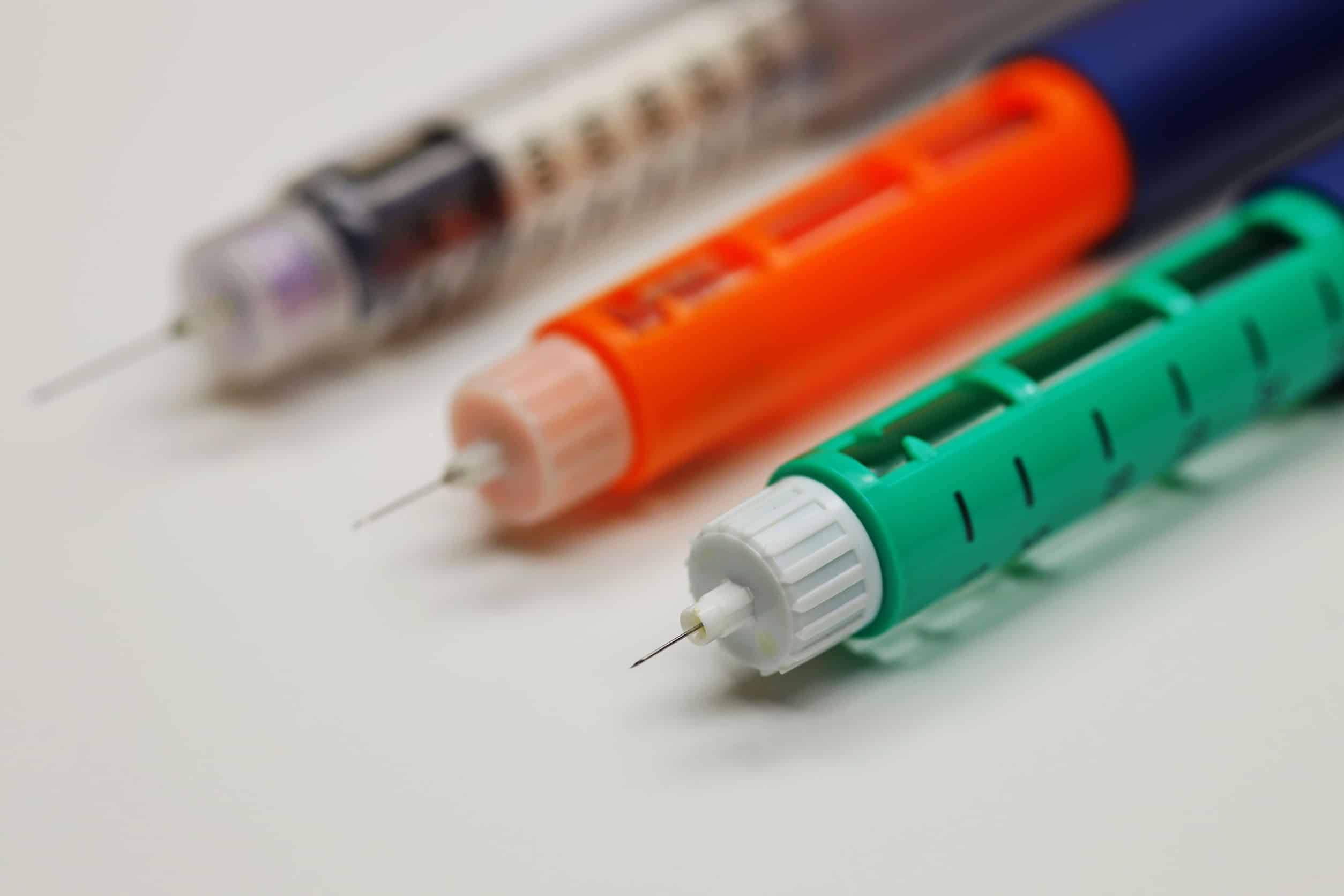
  • Vial of Humalog: Practical Guide to Size, Storage, and Safety

    Vial of Humalog: Practical Guide to Size, Storage, and Safety

    Vial of Humalog: Practical Guide to Size, Storage, and Safety starts with a simple rule: insulin works best when the vial is the right product, stored within label limits, and handled cleanly every time. Humalog is insulin lispro, a rapid-acting insulin used under a prescriber’s direction to help manage blood glucose around meals or corrections. The vial format can be practical, but it asks you to track temperature, first-use dates, syringes, and warning signs.

    Why this matters: a vial can look routine, yet small handling mistakes may affect safety. If you are new to insulin, broader context from Type 1 Diabetes Treatment can help you prepare better questions for your care team.

    Key Takeaways

    • Check the label: Confirm Humalog, insulin lispro, and U-100 before each use.
    • Respect temperature limits: Refrigerate unopened vials and avoid heat, light, and freezing.
    • Mark first use: Humalog storage after opening depends on the labeled in-use limit.
    • Inspect the solution: It should look clear, colorless, and free of particles.
    • Know urgent signals: Low blood sugar, severe allergy, and ketoacidosis symptoms need prompt attention.

    Humalog Vial Size, Storage, and Safety Basics

    A Humalog vial is a multiple-dose container of insulin lispro, and the practical size question starts with concentration. Humalog vials are commonly labeled U-100, meaning 100 units of insulin per mL. That concentration is not a dosing instruction. It tells you which insulin syringes and safety checks must match the product.

    Official instructions have listed 3 mL and 10 mL multiple-dose vial presentations in some materials. Available presentations can vary by market, supply source, and dispensing pathway. Your carton, vial label, and pharmacy label are the source for the vial you actually received. If any label detail conflicts, pause and ask a pharmacist before using it.

    The Humalog Insulin Vial listing can help you identify the format, but it does not replace your prescription label. BorderFreeHealth connects eligible patients with licensed Canadian partner pharmacies.

    Humalog is not the same as a long-acting insulin. It is part of a mealtime or correction plan when prescribed. A long-acting insulin may be used differently, so keep rapid-acting and basal insulin containers visually separated. If you are sorting out diabetes categories, Type 1 vs Type 2 Diabetes gives useful background without focusing on one product.

    Storage Rules Before and After Opening

    Humalog vial storage has two phases: unopened storage and in-use storage after the first puncture. Unopened vials are generally stored in a refrigerator at 36°F to 46°F, or 2°C to 8°C, until the labeled expiration date. Do not freeze insulin. Do not use a vial that has been frozen, even if it later thaws.

    After first use, the Humalog vial label allows storage refrigerated or at room temperature below 86°F, or 30°C, with disposal after 28 days. Different insulins can have different limits, so avoid applying one product’s rule to another insulin vial.

    Why it matters: Heat, freezing, and direct light can make insulin less dependable before the vial looks different.

    Situation Storage approach Safety check
    Unopened vial Refrigerate at 36°F to 46°F, or 2°C to 8°C. Use only before the printed expiration date if stored correctly.
    Opened Humalog vial Keep refrigerated or below 86°F, or 30°C, at room temperature. Discard 28 days after first use, even if insulin remains.
    Travel or workday Use an insulated plan that avoids freezing and overheating. Keep insulin away from car heat, checked luggage, and direct sun.

    Humalog unopened vial storage is usually the easiest part: keep it cold, not frozen, and protected from light. Humalog storage after opening needs more active tracking. Write the first-use date on the carton or a paper log. That simple habit helps prevent guessing later.

    If a vial is accidentally left in a hot car, placed against ice, or exposed to freezing temperatures, ask a pharmacist what to do. The vial may not show visible damage. When in doubt, do not rely on appearance alone.

    Safe Handling When Drawing Insulin From a Vial

    Safe vial use is a repeatable clean routine, not a one-time lesson. Wash your hands, inspect the vial, use the syringe type your prescriber or pharmacist instructed, and avoid rushing. Humalog should appear clear and colorless. Do not use it if it looks cloudy, thickened, discolored, or contains particles.

    Clean the rubber stopper as instructed before drawing insulin. Use a new needle and syringe each time. Never share needles or syringes. Sharing injection equipment can spread infections, even when people are in the same household.

    Draw only the amount prescribed for you. If your plan includes more than one insulin, do not mix products in a syringe unless your clinician has specifically taught you how. Some insulin combinations have special rules, and others should not be mixed.

    Injection-site care

    Repeated injections into the same small area can cause skin and fat-tissue changes. These changes may include lipodystrophy, which means thickened or thinned tissue under the skin. The label also warns about localized cutaneous amyloidosis, a firm lump-like skin change linked with repeated injections in one area. Ask your care team how to rotate sites in a way that fits your treatment plan.

    Used needles and syringes should go into an approved sharps container, not loose household trash. Local rules differ, so your pharmacy or municipality can explain safe disposal options.

    Side Effects and Safety Signals to Take Seriously

    The safety issue most people need to recognize quickly is hypoglycemia, or low blood sugar. It can cause shaking, sweating, hunger, fast heartbeat, anxiety, dizziness, blurred vision, confusion, or weakness. Severe low blood sugar can lead to seizure, loss of consciousness, or injury.

    Because symptoms can feel different from person to person, it helps to review a written plan. The plan may include when to check glucose, when to use fast-acting carbohydrate, and when another person should call for help. For a plain-language symptom review, see Low Blood Sugar Symptoms.

    High blood sugar can also become dangerous, especially if insulin is missed, ineffective, expired, or spoiled by heat. Warning signs may include increased thirst, frequent urination, fatigue, blurry vision, nausea, or unexpected weight change. The article on Signs and Symptoms of Hyperglycemia explains this pattern in more detail.

    Diabetic ketoacidosis is an emergency linked with too little effective insulin. Symptoms can include vomiting, abdominal pain, deep or rapid breathing, fruity-smelling breath, confusion, or severe dehydration. Learn the warning pattern in Diabetic Ketoacidosis, and seek urgent care if those symptoms appear.

    Other possible risks include injection-site reactions, rash, swelling, itching, and allergic reactions. Severe allergy may cause trouble breathing, swelling of the face or throat, or widespread hives. Insulin can also lower potassium levels in some settings, especially when used under intensive medical supervision. Ask your clinician how your other medicines, kidney or liver changes, illness, pregnancy, or activity shifts may affect your plan.

    Vials, Pens, and Other Insulin Options

    A vial is one delivery format, while a pen is another. Vials may suit people who are comfortable drawing insulin with syringes. Pens can be more portable for some users, but they have their own handling, priming, needle, and storage instructions. If your care team is comparing formats, the Humalog KwikPen page can provide format context.

    Other rapid-acting insulin products also come in vial formats. For example, NovoRapid Vial and Fiasp Vial are separate products with their own labels and instructions. Do not substitute one insulin for another unless your prescriber specifically changes your treatment plan.

    Basal insulin works differently from rapid-acting insulin. A product such as Lantus Vial is typically used for longer background coverage when prescribed. This difference matters because storage, timing, and correction decisions are not interchangeable across insulin types.

    For broader browsing, the Diabetes category collects education on symptoms, monitoring, complications, and treatment discussions. Use those resources to prepare for conversations, not to self-adjust insulin.

    Travel, Work, and Daily-Life Planning

    Travel storage is about avoiding extremes. Keep insulin with you, not in checked luggage, because cargo areas and delays can expose medicines to unsafe temperatures. In daily life, avoid leaving a vial in a parked car, near a heater, on a windowsill, or directly against an ice pack.

    An insulated bag can help, but it is not a guarantee. The goal is controlled protection, not freezing. If you use cooling packs, keep a barrier between the pack and the vial. Check the vial before each use, and keep the carton or label available so others can identify the medicine in an emergency.

    Quick tip: Store a written backup plan with your glucose supplies, travel documents, and prescriber contact information.

    Monitoring tools can also affect how confident you feel during travel, illness, or schedule changes. Some people use fingerstick meters, while others use continuous glucose monitoring when prescribed or recommended. If you are comparing device formats, the Dexcom G7 Sensor page offers product context, but your clinician should guide monitoring targets and response plans.

    Questions to Ask Before Your Next Refill or Review

    Practical insulin safety often improves when you bring specific questions to the pharmacy or appointment. You do not need to memorize every label detail. You do need to know where to check it and who to call when something seems wrong.

    • Product match: Is this Humalog insulin lispro U-100?
    • Vial size: What mL size was dispensed this time?
    • Opening date: Where should I write the first-use date?
    • Storage concern: What should I do after heat or freezing exposure?
    • Injection supplies: Which syringe type matches this vial?
    • Low glucose plan: What symptoms should trigger urgent help?
    • Sick-day plan: Who should I contact if eating, vomiting, or glucose levels change?

    When required, pharmacy teams verify prescription details with the prescriber before dispensing. That step helps align the medicine, directions, and documentation before a patient receives therapy.

    If affordability or access is part of your planning, keep the discussion factual. Ask which product was prescribed, whether a substitution is allowed, and what documentation is required. Cash-pay cross-border prescription options may exist without insurance, subject to eligibility and local rules.

    Authoritative Sources

    Bringing the Vial Routine Together

    A safe vial routine is simple, but it is not casual. Confirm the product, protect the temperature range, mark the opening date, inspect the solution, use clean supplies, and act quickly on warning signs. Vial of Humalog: Practical Guide to Size, Storage, and Safety can help you organize those steps before your next pharmacy or clinician conversation.

    This content is for informational purposes only and is not a substitute for professional medical advice.
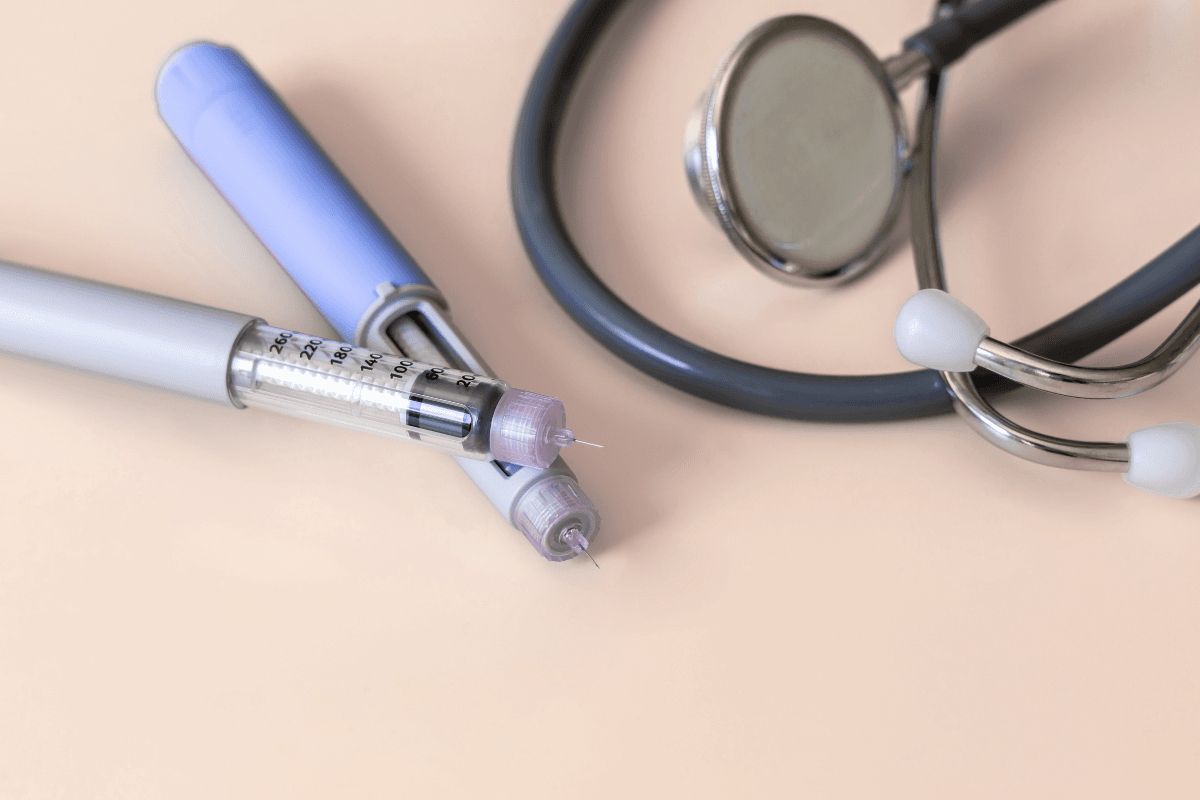
  • Levemir vs Tresiba: Differences That Matter for Basal Insulin

    Levemir vs Tresiba: Differences That Matter for Basal Insulin

    Levemir vs Tresiba comes down mainly to duration, dosing flexibility, and how safely a switch can be managed. Both are long-acting basal insulins used as background insulin, but they are not the same product. Levemir contains insulin detemir and may be used once or twice daily. Tresiba contains insulin degludec and is designed for once-daily use with an ultra-long, steady action profile. Why this matters: basal insulin changes can affect overnight lows, fasting glucose, and the timing of your daily routine.

    Key Takeaways

    • Different insulins: Levemir is insulin detemir; Tresiba is insulin degludec.
    • Duration differs: Tresiba generally lasts longer and has a flatter profile.
    • Dosing differs: Levemir may require split dosing for some people.
    • Conversions need supervision: calculators are educational tools, not prescriptions.
    • Safety comes first: late, missed, or double doses require closer glucose monitoring.

    How Levemir vs Tresiba Differs in Daily Use

    Both medicines provide basal insulin, meaning they help cover background insulin needs between meals and overnight. They are not rapid-acting mealtime insulins. The practical difference is how long the glucose-lowering effect lasts and how predictable that effect feels from day to day.

    Levemir may not last a full 24 hours for every adult. Some people use it once daily, while others use it twice daily to smooth fasting or overnight patterns. Tresiba has an ultra-long duration and a more even action curve, which can support once-daily dosing for many adults. This difference often drives the discussion when people compare Levemir vs Tresiba for shift work, variable schedules, or repeated fasting highs.

    There is no universal “better” basal insulin. A person with frequent overnight lows may need a different approach than someone with morning highs. Kidney function, meal timing, exercise, alcohol intake, pregnancy status, and use of rapid-acting insulin can all change the risk picture. Your own glucose data usually matters more than a general comparison chart.

    For broader context on basal and bolus insulin roles, see Different Types Of Insulin. If you use pens and want to understand device formats, Types Of Insulin Pen explains common pen categories in plain language.

    Are They the Same, and Why Do People Switch?

    Tresiba and Levemir are not the same insulin. They are both basal insulin analogs, but their active ingredients, time-action profiles, and dosing patterns differ. That means a switch is not just a brand substitution.

    People may switch basal insulin for several reasons. Some need longer coverage. Others want fewer injections, different pen features, or a regimen that fits changing work hours. Some switches also happen because of formulary changes, availability, or clinician preference based on glucose patterns.

    Recent access questions around Levemir have made switching discussions more common. If a product becomes harder to access in your area, your prescriber may consider other basal options such as insulin degludec, insulin glargine products, or another regimen. The best replacement depends on the reason for insulin use, current dose pattern, hypoglycemia history, and whether you use mealtime insulin.

    Why it matters: A basal insulin switch can create gaps or overlap if timing is not planned.

    If your care team is comparing basal alternatives, Levemir Vs Lantus can help frame how another common long-acting option differs. For insulin glargine background, Lantus Insulin Uses gives a label-oriented overview.

    Dosing, Titration, and Conversion Basics

    Basal insulin dosing should be individualized. Clinicians usually review fasting glucose trends, hypoglycemia episodes, the current total daily insulin dose, meal patterns, and activity level before adjusting or converting therapy. A single high or low reading rarely tells the whole story.

    A tresiba dosage chart or insulin conversion calculator can help you understand the general framework. It should not be used to set your dose alone. Online tools may not account for recent lows, kidney disease, missed meals, alcohol, weight change, steroid use, or changes in mealtime insulin. Those details can change the safest starting point.

    When clinicians discuss Tresiba vs Levemir conversion, they often focus on timing and monitoring during the first several days. Tresiba’s long action means the full effect of a change may take time to become clear. Levemir’s shorter profile may show timing-related gaps more quickly. This is why careful logs are useful before and after a switch.

    What to track before a dose discussion

    • Injection time: record the actual time used.
    • Basal dose: note units and pen strength.
    • Fasting glucose: track several mornings in a row.
    • Night symptoms: include sweats, shaking, or waking hungry.
    • Unusual factors: illness, travel, alcohol, or intense exercise.

    Unit conversion can also be confusing when labs or devices use different glucose units. This converter can help you compare glucose readings in mg/dL and mmol/L. It does not recommend insulin doses or replace clinical guidance.

    [glucose-converter]

    BorderFreeHealth may list product pages for navigation and access context, but dosing choices still belong with your prescriber. For device-specific background, see Insulin Tresiba Flextouch or Insulin Levemir Penfill when discussing formats with a pharmacy team.

    How Much Is a Lot? Understanding Higher Basal Doses

    Questions such as “is 50 units of Tresiba a lot” or “is 100 units of Tresiba a lot” are common. The honest answer is that “a lot” depends on the individual. Body size, insulin resistance, type of diabetes, kidney function, diet pattern, other medicines, and glucose targets all affect insulin needs.

    A dose that is high for one person may be appropriate for another if it is prescribed, monitored, and not causing frequent hypoglycemia. The safer question is not only the number of units. It is whether fasting readings, overnight symptoms, and low-glucose episodes suggest the dose is working safely.

    Pen strength and device limits can also affect how a dose is delivered. Some concentrated insulin pens allow a larger number of units per injection than standard concentration pens. Do not assume that two pens deliver the same maximum amount, even if the brand name looks familiar. Always confirm the label, strength, and instructions with your care team.

    Quick tip: Take a clear photo of your current pen label before appointments.

    For people comparing other long-acting options, Insulin Lantus Solostar and Toujeo Doublestar Pen may be useful product-format references. Use these pages for identification and discussion, not as dosing instructions.

    Missed, Late, or Double Doses

    A missed or late basal dose can raise glucose, while an extra dose can increase hypoglycemia risk. The safest response depends on the insulin used, the time since the scheduled dose, your glucose reading, and your prescriber’s plan.

    Tresiba may allow more timing flexibility than some basal insulins, but that does not make timing irrelevant. Because it lasts a long time, stacking doses too close together can matter. Levemir timing can also matter, especially for people who rely on two daily doses to cover day and night needs.

    If you are worried about what happens if you take a double dose of Tresiba, treat it as a safety issue. Extra basal insulin can cause low blood sugar for an extended period. Check glucose more often if you have been instructed to do so, keep fast-acting carbohydrate available, and contact your clinician, pharmacist, poison control, or urgent care service for situation-specific advice. Seek emergency help for severe confusion, seizure, loss of consciousness, or inability to safely take carbohydrates.

    Common hypoglycemia symptoms include shaking, sweating, hunger, fast heartbeat, headache, weakness, blurred vision, or confusion. Some people have fewer warning symptoms, especially after repeated lows. That makes planned monitoring important during any basal insulin change.

    Comparing Tresiba With Lantus, Toujeo, and Other Basal Options

    Levemir vs Tresiba is only one basal insulin comparison. Clinicians may also discuss Lantus, Basaglar, Toujeo, or other insulin glargine products. These medicines differ in formulation, concentration, device features, duration, and how they fit a person’s routine.

    Lantus and Basaglar contain insulin glargine U-100. Toujeo contains a more concentrated insulin glargine formulation. Tresiba contains insulin degludec and is available in more than one strength in some markets. These differences can affect injection volume, pen handling, and timing conversations, but they do not replace individualized dose planning.

    Searches such as Tresiba vs Lantus, Toujeo vs Tresiba, or Tresiba vs Lantus dosing often reflect the same core concern: which basal insulin gives steady coverage with fewer lows and less burden. The answer depends on your glucose record, current regimen, and access factors. Weight change, fluid shifts, and appetite patterns should be reviewed with a clinician rather than attributed to one insulin without context.

    For people using background insulin as part of a broader type 1 regimen, Type 1 Diabetes Treatment explains how basal insulin fits with mealtime coverage. For condition-based browsing, the Diabetes category gathers related educational content.

    Access, Cost, and Practical Planning

    Cost and access can shape insulin choices, even when the clinical comparison is clear. Formularies, product availability, pen preferences, and cash-pay options may affect what is realistic. These practical constraints should be discussed openly because missed insulin can be dangerous.

    BorderFreeHealth connects U.S. patients with licensed Canadian partner pharmacies, and prescription details may be verified with the prescriber when required before dispensing. This access context can help people compare product formats, but it does not change the need for clinician-guided dosing.

    If you are preparing for a switch, bring a concise list to your appointment. Include your current basal insulin name, concentration, dose timing, recent fasting readings, low-glucose episodes, and any recent medicine changes. Also mention if you work nights, fast for procedures, travel across time zones, or have trouble recognizing hypoglycemia.

    People without insurance may also ask about cash-pay, cross-border prescription options. Eligibility and jurisdiction can affect access, so product navigation should stay separate from medical decisions. For condition-based browsing, you can review the Type 2 Diabetes collection, which lists relevant products and categories.

    Authoritative Sources

    Official product labels provide the most reliable details on insulin indications, warnings, dosing instructions, and device limits. For insulin degludec, review the Tresiba prescribing information from Novo Nordisk.

    For current clinical standards on diabetes management, hypoglycemia, and medication safety, see the ADA Standards of Care in Diabetes.

    For medication safety communications and patient drug information, the FDA drug information resource is a useful regulatory starting point.

    Recap

    Levemir vs Tresiba is a practical comparison, not a simple swap. Levemir may offer split-dose flexibility for some people, while Tresiba may support a longer and steadier once-daily basal pattern. Conversion tools and dosage charts can help you prepare questions, but they cannot account for your full medical picture. Track your readings, avoid unsupervised dose changes, and ask your care team how to handle missed, late, or extra doses before they happen.

    This content is for informational purposes only and is not a substitute for professional medical advice.

  • Levemir vs Lantus: Differences That Affect Daily Use

    Levemir vs Lantus: Differences That Affect Daily Use

    Levemir vs Lantus comes down to the same basic job with different practical details. Both are long-acting basal insulins used to provide background insulin, but Lantus often lasts closer to a full day while Levemir can wear off sooner and may be used once or twice daily. That difference can affect fasting glucose, overnight lows, injection timing, and how a clinician plans a safe switch.

    This article can help you prepare better questions for your prescriber. It does not replace individualized dosing advice, especially if you use mealtime insulin, have frequent hypoglycemia, are pregnant, have kidney disease, or are changing from another insulin type.

    Key Takeaways

    • Same role: Both medicines are basal insulin analogs for background glucose control.
    • Different duration: Glargine often provides steadier 24-hour coverage; detemir may be shorter.
    • Dosing may differ: Lantus is commonly once daily, while Levemir may be once or twice daily.
    • Switching needs oversight: Conversion plans should consider glucose logs, hypoglycemia risk, and other insulin use.
    • Access can change: Glargine follow-ons and ultra-long options may be discussed when Levemir access is limited.

    How These Basal Insulins Compare

    Levemir and Lantus are not identical, even though both cover basal insulin needs. Lantus is insulin glargine U-100. Levemir is insulin detemir U-100. They are designed to reduce the sharp peaks seen with older insulins and help keep glucose more stable between meals and overnight.

    The main clinical difference is how long the effect lasts in day-to-day use. Many adults use glargine once daily. Detemir may last up to 24 hours at some doses, but its duration is more dose-dependent. In practice, many people need split dosing with detemir to avoid late-day or overnight gaps.

    Feature Lantus Levemir
    Generic name Insulin glargine U-100 Insulin detemir U-100
    Main role Basal background insulin Basal background insulin
    Usual onset About 1 to 2 hours About 1 to 2 hours
    Peak pattern No pronounced peak No pronounced peak
    Duration pattern Often close to 24 hours About 12 to 24 hours, dose-dependent
    Common schedule Often once daily Once or twice daily

    For a broader explanation of basal, bolus, and premixed insulin, see Types of Insulin. If your current plan includes glargine, Lantus Insulin Uses provides more brand-specific context.

    Why it matters: A longer or shorter basal effect can change fasting readings without changing meals.

    Dosing Patterns and Safe Conversion Questions

    Levemir vs Lantus dosing is usually about timing, total daily basal insulin, and safety monitoring. Many clinicians start by reviewing recent fasting readings, overnight lows, A1C, meal patterns, kidney function, and other glucose-lowering medicines. That review matters because two people on the same number of units can respond very differently.

    Some switching plans use a similar total daily basal dose as a starting reference, but that is not a universal rule. A clinician may lower the starting dose if hypoglycemia risk is high, if glucose readings have been trending low, or if other medications increase insulin sensitivity. They may also adjust timing when moving from twice-daily detemir to once-daily glargine.

    People often search for an insulin conversion calculator because they want a clean number. A calculator can support basic math, but it cannot judge clinical risk. It does not know whether you skipped meals, had recent lows, changed activity, started steroids, or developed kidney changes. Use any calculation only as a discussion aid with your care team.

    If you track glucose in different units, this converter can help you compare readings in mg/dL and mmol/L. It is a unit-conversion tool only, not a dosing tool.

    [glucose-converter]

    Common conversion questions include moving from Levemir to Lantus, glargine to a follow-on glargine, or basal insulin to a premixed product. Premixed insulin is especially different because it combines basal and meal-related coverage. It should not be treated as a direct one-for-one basal substitute without clinician guidance.

    Questions to ask before switching

    • Starting dose: Ask how the first dose was chosen.
    • Timing plan: Clarify morning, evening, or split timing.
    • Low-glucose plan: Review when to treat and when to call.
    • Follow-up window: Ask when to share logs.
    • Other medicines: Confirm if mealtime insulin or tablets change.

    People also ask whether they can take Levemir and Lantus together. In routine care, two long-acting basal insulins are not usually combined because their actions overlap. If both appear on a medication list, confirm whether one is being stopped, replaced, or used during a supervised transition.

    Duration, Fasting Glucose, and Daily Timing

    Levemir vs Lantus duration of action can explain why glucose patterns change after a switch. If basal insulin fades before the next dose, fasting or late-day readings may rise. If basal insulin coverage is too strong overnight, morning lows may occur. These patterns are more useful than one isolated reading.

    Glargine U-100 is often described as having a relatively flat profile over about 24 hours. Detemir also has a flatter basal profile than older intermediate-acting insulin, but its duration can vary more by dose and person. Lower detemir doses may not last as long, which is one reason twice-daily dosing is common in some adults.

    Timing consistency matters with both medicines. A dose taken at very different times each day can make readings harder to interpret. Illness, alcohol, missed meals, unusual exercise, and changes in weight can also shift insulin needs. If you use a continuous glucose monitor, overnight trend arrows and time-in-range can help your clinician see whether a timing issue is present.

    Quick tip: Keep seven days of fasting, bedtime, and low-glucose notes after any planned basal change.

    If you are comparing pen devices as part of timing and routine, Types of Insulin Pen explains common handling differences. Device comfort cannot replace clinical fit, but it can affect consistency.

    Side Effects, Weight, and Hypoglycemia Risk

    Lantus vs Levemir side effects overlap because both are insulin products. The most important risk is hypoglycemia, or low blood glucose. Symptoms may include shakiness, sweating, confusion, hunger, fast heartbeat, or weakness. Severe low glucose can be dangerous and needs urgent help if a person cannot swallow safely, has a seizure, or loses consciousness.

    Injection-site reactions can also occur. These may include redness, itching, swelling, or small lumps under the skin. Rotating injection sites helps reduce lipodystrophy, a change in fatty tissue that can make insulin absorption less predictable. Avoid injecting into hardened or pitted areas unless your clinician gives specific guidance.

    Weight change is another common concern. Some studies and reviews have suggested detemir may be associated with slightly less weight gain than glargine in certain groups, though results vary. Weight changes also depend on glucose improvement, calories, activity, hypoglycemia treatment, and other medicines. A registered dietitian can help if insulin changes lead to repeated lows, compensatory snacking, or unwanted weight shifts.

    Seek medical advice promptly for repeated unexplained lows, allergic symptoms, severe injection-site reactions, or major changes in glucose after a switch. Do not stop basal insulin suddenly unless a clinician tells you to, because very high glucose and ketoacidosis can occur, especially in type 1 diabetes.

    Interchangeability, Access, and Related Options

    Levemir and Lantus are different molecules, so they are not automatically interchangeable in the way that term is used for certain biosimilars. A pharmacist generally needs prescriber direction to change from detemir to glargine or to another basal insulin. Even when the switch is clinically common, the plan should include dosing, timing, and monitoring details.

    Access has become a bigger issue for many people who used detemir. If Levemir is unavailable or no longer preferred by a plan, clinicians may consider glargine products, biosimilar or follow-on glargine options, or ultra-long basal insulin. The right alternative depends on the person’s diagnosis, glucose pattern, prior lows, device needs, coverage, and prescriber judgment.

    Basaglar is a glargine product, so its action profile is generally closer to Lantus than to detemir. If you are comparing glargine formats, the Lantus SoloStar page and Basaglar Cartridge page can help you review device formats. Use product pages for identification and handling context, not as dosing instructions.

    Ultra-long insulin may also come up during access discussions. Degludec has a longer duration than detemir or glargine U-100, which can affect timing flexibility and conversion planning. For a focused comparison, see Levemir vs Tresiba.

    BorderFreeHealth connects U.S. patients with licensed Canadian partner pharmacies. Where required, prescription details are verified with the prescriber before the pharmacy dispenses. For people without insurance, cash-pay cross-border prescription options may be available, subject to eligibility and jurisdiction.

    When Other Insulin Types Enter the Conversation

    Other insulin types are not direct substitutes for basal insulin. Intermediate-acting insulin, such as NPH, has a more noticeable peak and a shorter duration than many basal analogs. That peak can be useful in some plans, but it can also change hypoglycemia risk and meal timing needs.

    If NPH is being discussed because of access or cost, ask how its peak should be managed. You may need a different monitoring schedule than with glargine or detemir. For background on this older insulin category, see Intermediate-Acting Insulin.

    Premixed insulin, such as 70/30 products, is another separate category. It combines an intermediate component with a shorter-acting component. That means it can cover both background needs and meal-related glucose in a fixed ratio. Because the ratio is fixed, it offers less flexibility than separate basal and bolus dosing for some people.

    People searching for a Lantus to 70/30 conversion calculator or an NPH to Lantus conversion calculator should be cautious. These switches change more than the number of units. They can change meal timing, low-glucose risk, and how corrections are handled. A clinician should write the conversion plan and explain what readings to report.

    Practical Monitoring After a Basal Insulin Change

    The first week after a planned basal switch is about pattern recognition, not chasing every single reading. Your care team may ask for fasting values, bedtime readings, overnight lows, and notes about unusual meals or activity. If you use mealtime insulin, they may also want pre-meal readings.

    Example: A person moving from twice-daily detemir to once-daily glargine may notice better late-day coverage, but also a different overnight pattern. Another person may feel the morning dose timing no longer fits work or meal schedules. These situations do not mean the switch failed. They mean the plan may need careful adjustment.

    Do not change doses on your own based only on one high or low value unless your clinician has given a written adjustment plan. Instead, document the pattern and share it. Include missed doses, alcohol, illness, steroids, exercise, menstrual-cycle changes, and changes in appetite. These details can explain readings that look random.

    For condition-level browsing, the Diabetes collection groups related educational topics. You can also browse condition pages for Type 1 Diabetes and Type 2 Diabetes to see related medication categories and navigation options.

    Authoritative Sources

    For label-backed details on glargine indications, warnings, and administration, review DailyMed information for Lantus.

    For detemir labeling, including dosing and safety information, see DailyMed information for Levemir.

    For broader diabetes medication standards and insulin safety context, consult the American Diabetes Association Standards of Care.

    Levemir vs Lantus is best understood as a practical comparison of duration, dosing schedule, safety monitoring, and access. Bring glucose logs and a clear medication list to your next visit, especially if a formulary change or supply issue is forcing a switch.

    This content is for informational purposes only and is not a substitute for professional medical advice.