
Category: Rheumatology

Living with joint pain can feel isolating and exhausting. This Rheumatology hub supports patients and caregivers who need clear, practical information. Many symptoms overlap across inflammatory arthritis and autoimmune conditions. Some people also manage skin, eye, or bowel symptoms alongside joint issues. If you are comparing options for care, this page can help you browse confidently.

Ships from Canada to US access can matter when local supply feels uncertain. Here, you will find educational posts and selected prescription medications. Use this category to understand common terms, typical evaluation steps, and safety basics. You can also review condition-focused reading before a rheumatology clinic visit.

Rheumatology Overview

Rheumatology focuses on immune and inflammatory conditions affecting joints and tissues. It also covers some musculoskeletal disorders beyond simple overuse injuries. A rheumatologist may evaluate swelling, morning stiffness, rashes, fevers, or fatigue. They also help interpret labs, imaging, and long-term monitoring needs.

For a plain-language definition of the specialty, see the American College of Rheumatology site. People often compare rheumatology to orthopedics or pain care. Rheumatology more often addresses immune-driven inflammation and systemic disease. This category is designed for browsing, not diagnosis or treatment decisions.

Medications are dispensed by licensed Canadian partner pharmacies.

  • Inflammatory arthritis includes rheumatoid arthritis, psoriatic arthritis, and ankylosing spondylitis.
  • Connective tissue disease can include lupus treatment and scleroderma.
  • Vasculitis (blood vessel inflammation) may affect skin, nerves, or organs.
  • Sjogren’s syndrome can cause dry eyes and dry mouth.
  • Gout management addresses sudden inflammatory flares from urate crystals.

What You’ll Find in This Category

This category brings together related learning and navigation in one place. It includes posts that explain common symptoms, testing, and medication categories. It also includes select product listings that may be used in autoimmune disease care. Content is written to support informed conversations with a clinician.

In addition to education, Rheumatology browsing can help you compare terms and care pathways. For pain basics that combine lifestyle and medication context, review Arthritis Pain Options. For medication class overviews used in inflammatory arthritis, see Medication Types For RA. If gout is part of the picture, start with Colchicine Side Effects.

Medication category How it is usually described Common monitoring topics
NSAIDs Pain and inflammation relievers Stomach, kidney, and blood pressure considerations
DMARDs (disease-modifying anti-rheumatic drugs) Medicines aimed at slowing inflammatory damage Labs, infection screening, and follow-up planning
Biologic therapy (targeted immune medicine) Injectable or IV options for specific pathways Infection risk discussion and vaccine timing review
Infusion therapy (medication given through an IV) Clinic-based administration for selected treatments Observation needs and scheduling coordination

When product pages are relevant, they are listed with clear prescribing requirements. For examples used in psoriatic arthritis care, browse Otezla Product Page and Taltz Product Page. These pages describe key administrative details and documentation needs.

How to Choose

Choosing what to read or browse first can reduce stress. Start with the condition or symptom that most affects daily function. Then compare medication categories and monitoring needs, not just brand names. Many people also weigh convenience, side effects, and required follow-ups.

Rheumatology decisions are usually shared between patients and clinicians. This hub can help you arrive prepared for that conversation. Use it to build a short list of questions for your next visit. Keep the focus on what is most relevant to your diagnosis.

A practical checklist for comparing options

  • Clarify the working diagnosis, including inflammatory versus degenerative patterns.
  • Note symptom timing, triggers, and which joints are involved.
  • List prior therapies tried, including non-drug strategies and responses.
  • Check whether lab monitoring is expected and how often it occurs.
  • Ask about infection screening before immune-modifying medicines.
  • Consider route and schedule, including tablets, injections, or infusions.
  • Review other conditions that affect choices, like kidney or liver disease.
  • Include pregnancy and breastfeeding planning in clinician discussions when relevant.
  • For teens, ask about pediatric rheumatology and transition planning.

Quick tip: Keep one updated medication list to share across appointments.

If you are reading about NSAIDs, timelines and dosing schedules can be confusing. For context, see Celebrex Time To Work and When To Take Celebrex. For another common NSAID overview, read Meloxicam 15 mg Overview.

Safety and Use Notes

Medication safety depends on the condition, the medicine class, and personal risks. Side effects can range from mild stomach upset to serious infection. Some treatments require baseline labs and periodic monitoring. Others can interact with blood thinners, blood pressure medicines, or alcohol use.

Prescriptions are checked with the prescriber before any medication is dispensed.

Rheumatology medicines may require extra planning before surgery or dental work. Vaccines may be timed around immune-modifying therapy. Do not stop or start a prescription based on general information alone. Use this hub to identify questions for your clinical team.

Common safety themes to watch for

  • New fever, shortness of breath, or severe rash needs urgent evaluation.
  • Persistent stomach pain or black stools can signal GI bleeding.
  • Easy bruising can occur with some anti-inflammatory medicines.
  • Kidney and liver issues can change what options are appropriate.
  • Screening for infections may be needed before biologics or JAK inhibitors.

Why it matters: Early reporting of side effects can prevent avoidable complications.

If you are tracking side effects, it helps to compare common misconceptions. For example, see Celebrex And Weight Loss and Celebrex And Arthritis. These explainers support informed discussions without replacing medical guidance.

Access and Prescription Requirements

This hub also covers administrative steps that affect access. Some items require a valid prescription and clinician follow-up. Others may involve prior infection screening or documented diagnosis, depending on the medication class. Telehealth rheumatology may be an option for follow-ups, based on local rules.

Cash-pay options may help when coverage is limited or without insurance.

Rheumatology access on this site relies on cross-border fulfillment partnerships. We connect U.S. patients with Canadian partner pharmacies for eligible prescriptions. If a prescription is required, the pharmacy verifies it with the prescriber. This helps ensure the medication is dispensed appropriately and legally.

  • Be ready to provide your prescription and prescriber contact details.
  • Confirm your shipping address and any delivery restrictions in your area.
  • Review refill timing and remaining refills shown on your prescription.
  • Check storage needs, especially for temperature-sensitive biologics.
  • Keep a list of allergies and current medicines for verification questions.

This content is for informational purposes only and is not a substitute for professional medical advice.
  • Colchicine Dosage and Timing: Limits, Food, and Safety

    Colchicine Dosage and Timing: Limits, Food, and Safety

    Colchicine dosage is safest when it follows the exact schedule on the label or from your prescriber, not a self-adjusted plan. That matters because colchicine has a narrow therapeutic index, meaning the gap between a helpful amount and a harmful amount can be small. In adult gout care, the schedule often differs for an active flare versus flare prevention. Food is optional, grapefruit is usually not, and kidney or liver problems can make the same amount less safe. This page explains timing, maximum limits, food warnings, and the practical checks that help prevent avoidable toxicity.

    Colchicine works by calming the inflammatory response triggered by needle-like uric acid crystals. It is used for more than one condition, but the questions below focus on common adult gout-related use. For broader reading, the Rheumatology and Pain And Inflammation hubs offer related context.

    Many people search for one safe amount, but colchicine is a good example of why context matters. The reason for use, the spacing between doses, and the interaction list all matter as much as the tablet strength itself.

    Key Takeaways

    • Flare treatment and prevention use different schedules.
    • The labeled flare limit should never be exceeded.
    • Food may help nausea, but grapefruit should be avoided.
    • Kidney, liver, and drug interactions can raise toxicity risk.
    • Missed doses should not be doubled.

    How Colchicine Dosage Is Usually Planned

    A colchicine plan is based first on why the medicine is being used. A short course for a gout flare is not the same as a lower, ongoing schedule used to help prevent future flares. The timing also changes if a person has reduced kidney or liver function, takes other interacting medicines, or has had side effects before.

    That is why colchicine dosage cannot be borrowed from a friend, reused from an old flare, or guessed from general pain medicine habits. Unlike many over-the-counter drugs, colchicine has a narrow safety margin. Small changes in dose spacing, repeated redosing, or strong interactions can push drug levels too high.

    Searches about adult dosing or daily amounts sound simple, but the answer is rarely one number. A healthy adult treating a new flare may get a very different plan from an adult taking colchicine to help prevent flares while another gout medicine is being started. That is also why instructions about how long to use it can vary so much.

    It also works differently from NSAIDs and steroids. Colchicine targets the inflammatory cascade around urate crystals instead of acting like a standard pain reliever. This article stays at the educational level: it can help you understand why a plan looks the way it does, but it should not be used to set a personal dose.

    Why it matters: A schedule that seems only slightly higher can carry a much larger safety risk with colchicine.

    BorderFreeHealth works with licensed Canadian partner pharmacies.

    Safe Timing Between Doses

    Timing matters because colchicine toxicity is more likely when doses are taken too close together or repeated sooner than directed. If the medicine is being used daily for prevention, taking it at the same time each day can help with consistency. If it is being used for a flare, follow the specific interval on the label or from the prescriber rather than creating a custom schedule.

    For daily use, consistency is more useful than choosing a perfect morning or night time. Pick a routine you can remember and that fits meals or other medicines if that reduces missed doses. What matters most is not moving doses closer together just because a dose was forgotten earlier or symptoms feel intense.

    If you use a pillbox or phone reminder, set it around the exact interval rather than a rough part of the day. During a painful flare, people sometimes reach for another dose too soon because the first dose has not fully helped yet. That is an easy way to cross a safety line.

    People often ask how long to take colchicine for gout. The answer depends on the goal. Flare treatment is usually short-term, while prevention can continue longer as part of a broader gout plan. The safest rule is simple: do not keep using flare instructions once the flare plan ends, and do not turn a prevention schedule into flare dosing on your own.

    If a dose is missed, most product labeling advises taking it when remembered unless it is nearly time for the next scheduled dose. The next step is not to double up. If a dose causes vomiting or severe stomach upset, do not automatically repeat it unless your instructions clearly address that situation. When a schedule is complicated or the purpose of the prescription is unclear, a pharmacist or prescriber should clarify which directions apply.

    Timing questions come up with other anti-inflammatory medicines too. If you are comparing schedules across drugs, pages such as When To Take Celebrex and Celebrex Dosage can help show why one drug’s routine should not be copied to another.

    Maximum Limits and Why More Is Not Better

    The labeled maximum for treating a gout flare is there to prevent toxicity, not to limit relief unnecessarily. U.S. prescribing information for oral colchicine sets a maximum total dose of 1.8 mg over 1 hour for a flare treatment course. Going above that does not reliably add benefit, but it can sharply increase harm.

    This shift toward lower-dose treatment reflects what clinicians learned from older, higher-dose approaches. The main result of too much colchicine was often more nausea, vomiting, diarrhea, and abdominal pain, not better control. Severe overdose or drug accumulation can be much more serious and may affect muscles, nerves, blood counts, or multiple organs.

    Another reason limits confuse people is that instructions may be written differently across products and countries. Some directions describe the cap for an acute flare, while ongoing prevention schedules have their own separate rules. The safest reference is the label or pharmacist instructions attached to the product you actually received, not a number copied from a generic internet summary.

    A colchicine dosage that causes intense stomach symptoms should not be brushed off as routine. Diarrhea and vomiting are common early warning signs that the medicine may be too much for the body, especially when kidney function is reduced or another interacting drug is on board. Seek urgent medical help for severe or rapidly worsening symptoms, major weakness, numbness, trouble breathing, or signs of infection.

    All dose ceilings serve the same basic purpose: keep benefit and safety in balance. If you are comparing how different anti-inflammatory drugs handle dose limits, related reading on Meloxicam Dose Basics, Celebrex Side Effects, and Meloxicam Vs Ibuprofen shows how safety rules vary by medicine.

    Food, Grapefruit, and Alcohol Warnings

    Colchicine can usually be taken with or without food. Food does not make the drug work better, but it may reduce nausea or stomach upset in some people. If colchicine bothers your stomach on an empty stomach, taking it with a light meal may feel easier, as long as that matches the labeling or pharmacist instructions.

    Should it be taken on an empty stomach? Usually that is not required. The better question is whether taking it with food makes the schedule easier to tolerate. If nausea appears only on an empty stomach, that detail is worth raising before someone decides the medicine is not working or stops it abruptly.

    Grapefruit is the clearest food warning. Grapefruit and grapefruit juice can interfere with CYP3A4, a liver enzyme that helps break down colchicine. They may also affect P-glycoprotein, a transport protein that helps move the drug through the body. When that happens, colchicine levels can rise and the risk of toxicity may increase.

    Alcohol is different. It is not the classic food interaction that grapefruit is, but it can still complicate gout care. Alcohol may trigger or worsen flares in some people, increase dehydration, and add to stomach irritation. If alcohol seems to make symptoms or stomach side effects worse, that pattern is worth discussing during a medication review.

    Quick tip: Keep grapefruit on your medication warning list, not just your grocery list.

    For broader inflammation-related reading, you can also browse the Pain And Inflammation Products category as a list, not as a substitute for individualized dosing advice.

    When Dosing Needs Extra Caution

    Kidney disease, liver disease, and drug interactions are the biggest reasons a usual colchicine dosage may no longer be a safe one. The medicine is cleared through pathways that can be affected by organ impairment and by drugs that block CYP3A4 or P-glycoprotein. That is why the same tablet strength can behave very differently from one person to another.

    Particular caution is needed with some macrolide antibiotics, azole antifungals, certain antivirals, and a few heart medicines. Some cholesterol-lowering medicines may also increase the risk of muscle injury when used with colchicine. Older adults may be more vulnerable to accumulation and side effects, especially if several interacting drugs are involved at once.

    A medication review should include prescription drugs, over-the-counter products, and supplements. Interaction problems are easy to miss when the new medicine was started for an unrelated reason, such as an infection or a heart issue. If anything changed since the last gout flare, the old colchicine instructions may no longer fit.

    Situation Why it matters What to review
    Kidney disease Colchicine can accumulate more easily. Ask whether dose reduction or avoidance is needed.
    Liver disease Drug metabolism may be less predictable. Review the full medication list before starting.
    Strong interacting drugs Blood levels may rise quickly. Check for antibiotic, antifungal, antiviral, and heart-drug interactions.
    Daily prevention use Repeated dosing adds exposure over time. Confirm the schedule and when it should be reassessed.
    Past severe GI side effects Tolerance may already be limited. Report previous nausea, vomiting, or diarrhea early.

    This is also the moment to separate colchicine from other pain medicines in your head. NSAIDs, topical anti-inflammatory products, and corticosteroids each have their own risks and timing rules. Reading a comparison like Celebrex Vs Ibuprofen or an overview such as Celebrex And Arthritis can help frame better questions, but it should not replace a colchicine-specific interaction check.

    When required, the pharmacy confirms prescription details with the prescriber before dispensing.

    Questions to Review Before Following a Colchicine Schedule

    A colchicine dosage checklist can prevent many avoidable problems. Before starting or reusing the medicine, make sure these basics are clear:

    • Reason for use – flare treatment or flare prevention.
    • Exact timing – what interval belongs between doses.
    • Maximum limit – what total amount should never be exceeded.
    • Missed dose plan – what to do and what not to do.
    • Food issues – whether taking it with food helps your stomach.
    • Interaction list – prescriptions, supplements, alcohol, and grapefruit use.
    • Red flags – which symptoms mean urgent medical review.

    It also helps to keep the container or a photo of the label. Colchicine directions often pack important timing rules into a small space, and those details are easy to misremember during a painful flare.

    If any of those points are vague, the safest next step is clarification before the first dose or before another flare is treated. That is especially important if the prescription is old, if another medicine was added recently, or if kidney or liver health has changed since the last time colchicine was used.

    How Colchicine Fits With Other Pain and Inflammation Medicines

    Colchicine is not a general painkiller, and it is not interchangeable with NSAIDs, topical anti-inflammatory gels, or corticosteroids. In gout care, these options may sometimes be discussed together because each can reduce inflammation in a different way. The right choice depends on the flare pattern, kidney and stomach issues, other medicines, and the broader gout plan.

    This distinction matters because gout care often overlaps with arthritis and general pain care. A person may already have an NSAID at home, a topical gel in the cabinet, or an old steroid prescription from another episode. Those products may sound interchangeable in a rush, but colchicine decisions still need their own interaction and timing review.

    NSAIDs such as meloxicam or celecoxib bring their own stomach, kidney, and cardiovascular questions. Steroids bring another set of considerations. Topical products may help some pain problems, but they do not replace gout-specific treatment. That is why people with kidney disease or many interacting drugs often need individualized discussion rather than simple substitution.

    Reading broadly can still help. The goal is not to swap one drug’s instructions onto another, but to see whether you are really comparing inflammation control, pain relief, or dosing convenience. Once that is clear, it is easier to ask focused questions about timing, side effects, and what changed since the last prescription.

    Some cash-pay prescription options may be available for eligible patients without insurance.

    Authoritative Sources

    Colchicine is safest when the schedule, the labeled maximum, and the interaction check all match the same treatment goal. If timing, food tolerance, or another medicine has changed since the prescription was written, a quick review before the next dose can prevent serious problems. Further reading across related rheumatology and pain topics can help you prepare better questions for a pharmacist or prescriber.

    This content is for informational purposes only and is not a substitute for professional medical advice.
  • Celebrex and Arthritis: Safer Use, Risks, and Relief

    Celebrex and Arthritis: Safer Use, Risks, and Relief

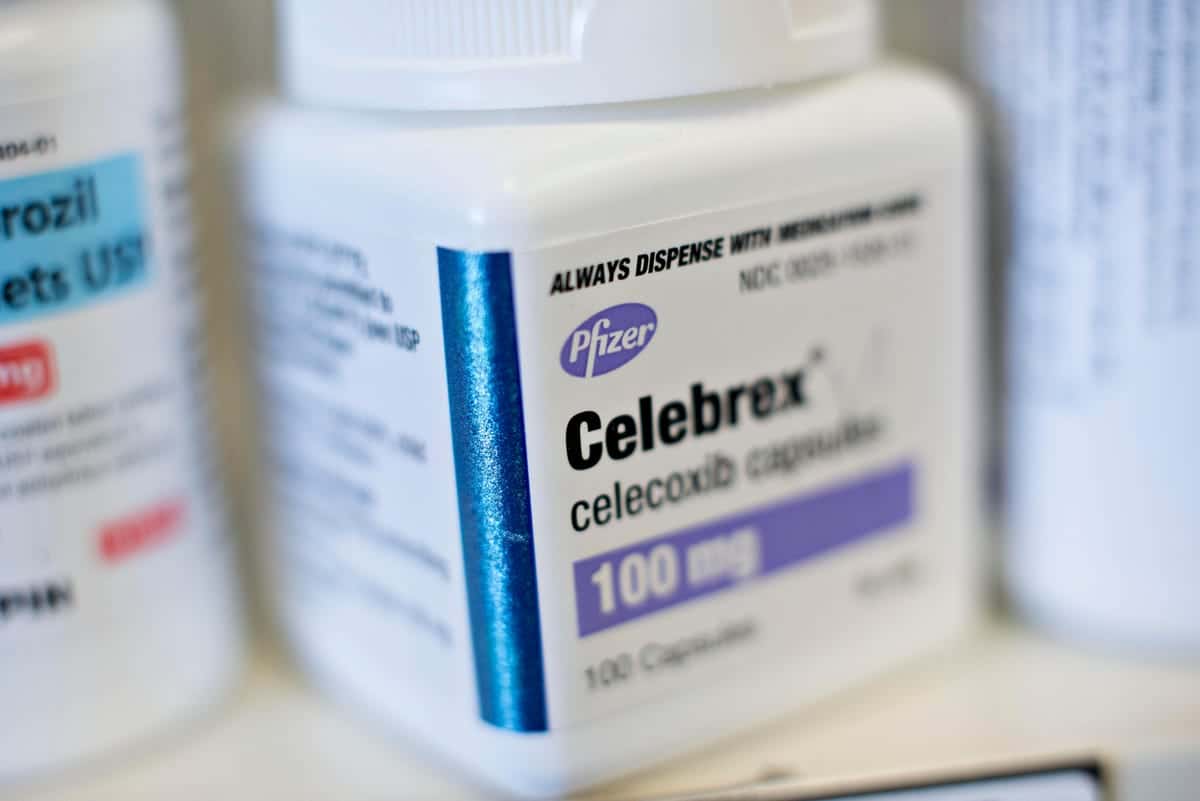
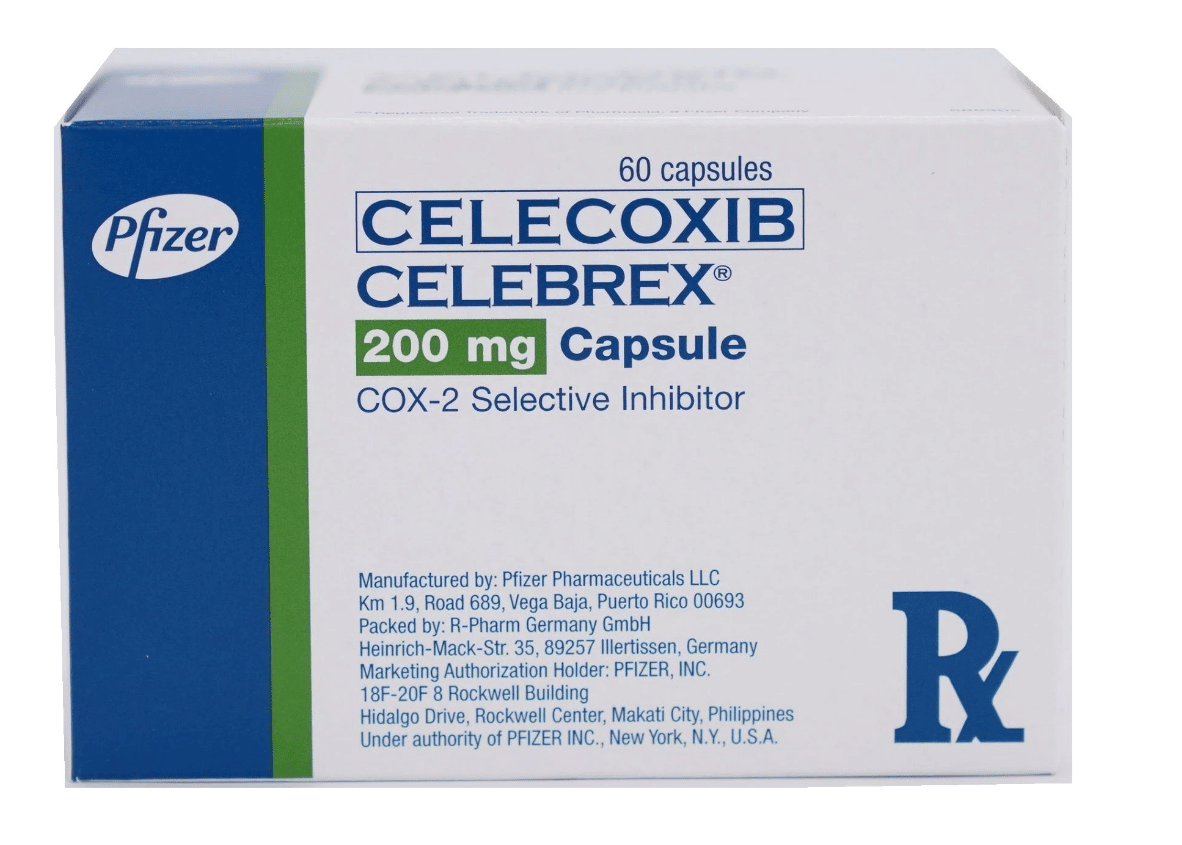
    Celebrex and arthritis treatment often come together when joint pain, swelling, or stiffness needs prescription anti-inflammatory support. Celebrex is the brand name for celecoxib, a nonsteroidal anti-inflammatory drug (NSAID) that targets inflammation through COX-2 inhibition. It may help symptoms in osteoarthritis, rheumatoid arthritis, and ankylosing spondylitis, but it does not cure arthritis or replace disease-modifying care when that is needed.

    The practical question is not only whether it can reduce pain. It is whether celecoxib fits your heart, kidney, stomach, blood pressure, bleeding, pregnancy, and medication-interaction profile. That safety match matters as much as symptom relief.

    Key Takeaways

    • Targeted NSAID: Celecoxib blocks COX-2 to reduce inflammatory pain signals.
    • Symptom relief: It may help stiffness, swelling, and joint pain in selected arthritis types.
    • Not disease control: It does not slow rheumatoid arthritis progression.
    • Risk review: Heart, kidney, blood pressure, and stomach history matter.
    • Use carefully: Labels emphasize the lowest effective dose for the shortest needed time.

    How Celebrex and Arthritis Relief Fit Together

    Celecoxib can reduce arthritis pain by lowering prostaglandins, which are chemical messengers involved in inflammation and pain. It belongs to the NSAID family, but it is more selective for cyclooxygenase-2, often called COX-2. COX-2 tends to rise during inflammation, while COX-1 helps protect the stomach lining and supports platelet function.

    This selectivity is why celecoxib is often discussed differently from older NSAIDs such as ibuprofen, naproxen, or diclofenac. It may still irritate the stomach or raise bleeding risk, especially when combined with aspirin, anticoagulants, or certain antidepressants. The difference is a risk pattern, not a guarantee of safety.

    In arthritis care, celecoxib usually works as a symptom-control medicine. It may make movement easier, reduce morning stiffness, and support daily function during painful periods. It does not rebuild cartilage, reverse joint damage, or treat the immune process behind rheumatoid arthritis. If inflammatory arthritis is active, disease-modifying treatment remains a separate discussion with a clinician.

    For a focused look at product-level information, see Celebrex or the generic Celecoxib reference pages. Use those pages for navigation, not as a substitute for prescribing guidance.

    Who May Be Considered for Celecoxib in Arthritis Care

    People may be considered for celecoxib when arthritis symptoms are painful enough to justify an NSAID and personal risk factors allow it. This includes some adults with osteoarthritis, rheumatoid arthritis, or ankylosing spondylitis. The decision depends on the diagnosis, symptom pattern, other treatments, and safety history.

    Osteoarthritis

    In osteoarthritis, pain often comes from joint wear, mechanical load, local inflammation, and changes around cartilage and bone. Celebrex for osteoarthritis may be used when pain limits walking, sleep, work, or self-care despite non-drug measures. Movement, strengthening, pacing, assistive supports, and weight management when relevant remain important parts of care.

    Rheumatoid arthritis

    In rheumatoid arthritis, celecoxib may help pain and stiffness, but it does not control the underlying autoimmune disease. Disease-modifying antirheumatic drugs, often called DMARDs, are used to reduce disease activity and protect joints. Celebrex for rheumatoid arthritis is therefore best viewed as supportive symptom relief, not the main disease-control strategy.

    Ankylosing spondylitis and axial disease

    In ankylosing spondylitis, an inflammatory arthritis that mainly affects the spine and sacroiliac joints, NSAIDs are commonly used to reduce pain and stiffness. Celebrex for ankylosing spondylitis may be one option when a clinician judges that the benefits outweigh the risks. Exercise, posture work, and specialist follow-up often matter as much as medication choice.

    For broader reading by topic area, the Rheumatology, Bone and Joint Health, and Pain and Inflammation collections can help you explore related condition and symptom information.

    Onset, Duration, and Realistic Expectations

    Some people notice pain relief after early doses, while others need several days of consistent use before judging the response. The exact timing depends on the condition, symptom severity, dose schedule, and whether inflammation is the main driver of pain. If pain is mostly mechanical, nerve-related, or due to another condition, response may be limited.

    The Celebrex onset of action for arthritis is often discussed because people want quick relief during flares. A practical approach is to track pain, stiffness, function, and side effects in a simple log. Note what time symptoms are worst, what activities trigger pain, and whether swelling changes. This helps your prescriber interpret whether celecoxib is helping enough to continue.

    Quick tip: Bring a short symptom diary to appointments instead of relying on memory.

    How long to take Celebrex for arthritis depends on the reason it was prescribed and your risk profile. Some people use an NSAID for shorter flare periods. Others need longer symptom control, but long-term use requires more careful monitoring. Do not change frequency, combine NSAIDs, or stop prescribed medicines without discussing the plan with your clinician.

    For more detail on timing, the related page How Long Celebrex Takes explains what can influence early response. For dose-related background, see Celebrex Dosage and use it as a discussion aid, not as a self-adjustment tool.

    Safety Checks Before and During Use

    The main safety issues with celebrex and arthritis treatment involve the heart, stomach, kidneys, blood pressure, and bleeding risk. These risks can rise with higher exposure, longer duration, older age, dehydration, kidney disease, heart disease, or interacting medicines. A careful medication review can prevent avoidable harm.

    Heart and stroke risk

    All NSAIDs can increase the risk of serious cardiovascular events, including heart attack and stroke. This is especially important for people with known heart disease, prior stroke, high blood pressure, diabetes, high cholesterol, or smoking history. Celebrex cardiovascular risk in arthritis should be weighed against pain severity and other options.

    Seek urgent medical care for chest pain, shortness of breath, sudden weakness, face drooping, severe new headache, confusion, or slurred speech. These symptoms need emergency evaluation, whether or not you think they relate to medication.

    Blood pressure and fluid retention

    NSAIDs can raise blood pressure or make some blood pressure medicines work less effectively. They can also contribute to swelling or fluid retention in susceptible people. Home readings can help your care team see patterns rather than isolated clinic numbers.

    The calculator below can help average multiple home blood pressure readings for a clearer discussion. It does not diagnose hypertension or replace clinical review.

    [blood-pressure-average-calculator]

    Kidney function

    Celecoxib and other NSAIDs can reduce kidney blood flow, particularly during dehydration, illness, or use with certain blood pressure medicines. People with chronic kidney disease, heart failure, older age, or diuretic use may need closer monitoring. Ask whether kidney blood tests, such as creatinine and estimated glomerular filtration rate (eGFR), are appropriate for your situation.

    Stomach and bleeding concerns

    Celecoxib may have a different gastrointestinal risk pattern than some nonselective NSAIDs, but ulcers and bleeding can still occur. Risk rises with a history of ulcers, older age, alcohol overuse, corticosteroids, anticoagulants, aspirin, or certain antidepressants. Warning signs include black stools, vomiting blood, severe abdominal pain, fainting, or unexplained weakness.

    For a deeper side-effect review, see Celebrex Side Effects. Product and safety details can also be checked against official labeling and regulator-backed references.

    Interactions, Contraindications, and Special Situations

    Celecoxib is not appropriate for everyone, and interactions can change the risk-benefit balance. Share all prescriptions, over-the-counter medicines, supplements, and recent medication changes with your care team. This is especially important if more than one clinician prescribes your treatments.

    People are often told not to combine multiple NSAIDs unless a clinician specifically instructs them. Taking celecoxib with ibuprofen, naproxen, or similar medicines can increase side-effect risk without necessarily improving relief. If you need to compare options, Celebrex vs Ibuprofen and Celebrex vs Meloxicam explain key differences in plain language.

    Celebrex and aspirin interaction deserves careful review. Low-dose aspirin may be prescribed for cardiovascular protection, but combining it with NSAIDs can raise stomach bleeding risk. Your clinician may discuss timing, stomach protection, or alternatives based on your cardiac and gastrointestinal history.

    Other important interaction categories include anticoagulants, antiplatelet drugs, corticosteroids, selective serotonin reuptake inhibitors, serotonin-norepinephrine reuptake inhibitors, lithium, some blood pressure medicines, and diuretics. People using methotrexate for inflammatory arthritis should ask specifically about lab monitoring and combined-use safety. Do not assume that a familiar medicine is low risk just because you have taken it before.

    Pregnancy and breastfeeding also require individualized guidance. NSAIDs can pose fetal risks during parts of pregnancy, and celecoxib should only be considered when a qualified clinician judges that benefits outweigh risks. If pregnancy is possible, planned, or confirmed, raise this before starting or continuing treatment.

    Why it matters: The safest NSAID choice can change when your medicines or health conditions change.

    How It Compares With Other NSAID Options

    Celecoxib, naproxen, meloxicam, ibuprofen, and diclofenac all belong to the NSAID family, but they are not interchangeable for every person. They differ in dosing schedules, COX selectivity, gastrointestinal considerations, cardiovascular cautions, and personal response. The best fit depends on your medical history, not just pain intensity.

    Celebrex vs naproxen for arthritis is a common comparison. Naproxen is widely used and may be preferred in some situations, while celecoxib may be considered when COX-2 selectivity is relevant. Neither choice is automatically safer for everyone. Personal cardiovascular, gastrointestinal, kidney, and blood pressure factors should guide the discussion.

    Meloxicam is another prescription NSAID sometimes used for arthritis symptoms. It is not the same as celecoxib, although both are used for pain and inflammation. For product-level context, see Meloxicam or Naproxen. These pages can help you identify medication names before a clinician visit.

    When comparing options, ask practical questions. Have you had ulcers or bleeding? Do you take aspirin or anticoagulants? Is blood pressure controlled? Do you have kidney disease, heart failure, or prior stroke? Are you using an NSAID often enough that monitoring is needed? These questions usually matter more than brand preference.

    Practical Ways to Use the Conversation With Your Clinician

    A safer plan starts with a clear picture of your symptoms and risks. Before an appointment, list your pain pattern, current medicines, allergies, past NSAID reactions, stomach history, heart history, kidney results if known, and pregnancy or breastfeeding considerations. Include over-the-counter pain relievers, cold medicines, and supplements.

    • Symptom pattern: Note morning stiffness, swelling, and activity limits.
    • Medication list: Include aspirin, blood thinners, and antidepressants.
    • Risk history: Mention ulcers, kidney disease, stroke, or heart disease.
    • Monitoring plan: Ask about blood pressure and kidney checks.
    • Stop signs: Clarify which symptoms need urgent care.

    If access or continuity is part of your planning, BorderFreeHealth connects U.S. patients with licensed Canadian partner pharmacies, and prescription details are verified with the prescriber when required before dispensing. This service context does not replace clinical decision-making, but it can help patients without insurance understand cash-pay, cross-border prescription options subject to eligibility and jurisdiction.

    Authoritative Sources

    For official prescribing details, review the FDA-approved celecoxib label, which covers indications, boxed warnings, contraindications, and safety information.

    For a plain-language medication summary, see the MedlinePlus celecoxib drug information from the U.S. National Library of Medicine.

    For arthritis treatment context beyond NSAIDs, the NIAMS arthritis health topic explains major arthritis types and care approaches.

    Recap

    Celecoxib can be a useful arthritis symptom-relief option when the expected benefit outweighs personal safety risks. It may help pain, swelling, and stiffness, but it does not cure arthritis or replace disease-modifying treatment when inflammatory arthritis needs it. The safest approach uses an individualized plan, careful interaction review, and appropriate monitoring for blood pressure, kidney function, stomach symptoms, and cardiovascular risk.

    Use celebrex and arthritis discussions as a structured conversation with your clinician. Bring your medication list, symptom diary, and main concerns. That makes it easier to choose, adjust, or avoid NSAID therapy for the right reasons.

    This content is for informational purposes only and is not a substitute for professional medical advice.

  • Celebrex vs Meloxicam: Safety and Stomach Risk

    Celebrex vs Meloxicam: Safety and Stomach Risk

    Celebrex vs Meloxicam is usually a safety trade-off, not a simple winner. Both are prescription nonsteroidal anti-inflammatory drugs, or NSAIDs, used to reduce pain and inflammation. Celebrex is the brand name for celecoxib, which is more COX-2 selective. Meloxicam is also COX-2 preferential, but less selective. That difference may affect stomach risk, while both medicines can still affect the heart, kidneys, blood pressure, and bleeding risk.

    The safer choice depends on the person taking it. Ulcer history, heart disease, kidney function, age, blood pressure, aspirin use, blood thinners, and steroid medicines can all change the answer. If you are comparing arthritis and inflammation options more broadly, the Pain And Inflammation collection gives wider context.

    Why it matters: Small NSAID differences can become meaningful when treatment is daily or long term.

    Key Takeaways

    • Both are prescription NSAIDs and neither is risk-free.
    • Celecoxib may be easier on the upper stomach for some people.
    • Both can raise concerns for heart, kidney, and blood pressure safety.
    • Neither drug is universally stronger for every pain condition.
    • They should not usually be combined with each other or other NSAIDs.

    BorderFreeHealth connects U.S. patients with licensed Canadian partner pharmacies when eligible prescriptions are used through the service.

    Celebrex vs Meloxicam at a Glance

    The main difference is how selectively each drug blocks cyclooxygenase enzymes. These enzymes help form prostaglandins, chemical messengers involved in pain, inflammation, stomach protection, kidney blood flow, and platelet function. Celecoxib blocks COX-2 more selectively. Meloxicam has some COX-2 preference, but it can affect COX-1 more, especially as exposure increases.

    That does not make one medicine automatically better. COX-2 selectivity can reduce some upper gastrointestinal risk, but it does not erase stomach, heart, kidney, or blood pressure concerns. The best comparison starts with your risk profile, not with the drug name alone.

    Comparison Point Celecoxib Meloxicam
    Drug class Prescription NSAID with stronger COX-2 selectivity Prescription NSAID with partial COX-2 preference
    Common use context Often considered when upper-stomach risk is important Often used as a familiar oral NSAID option
    Stomach considerations May cause fewer upper-GI problems in some people Can still be tolerated, but GI risk remains
    Heart and kidney issues Can raise cardiovascular, kidney, and blood pressure concerns Can raise cardiovascular, kidney, and blood pressure concerns
    How to view strength Response varies by condition and person Response varies by condition and person

    People often search for a fixed dose match, such as comparing one common meloxicam dose with one common celecoxib dose. That framing can mislead. Equivalent relief depends on the condition, the dosing plan chosen by the prescriber, how the person responds, and what side effects appear. A medicine that works well for one person may be a poor fit for another.

    If you want product-level context, the site lists Celebrex Details, Meloxicam Details, and Celecoxib Details. Product pages can help with names and general context, but they do not decide which NSAID is safer for an individual history.

    Which Is Easier on the Stomach?

    Celecoxib is often the more stomach-focused option in Celebrex vs Meloxicam discussions. Its stronger COX-2 selectivity may reduce upper gastrointestinal irritation, ulcers, or bleeding for some people compared with less selective NSAIDs. This is one reason clinicians may consider celecoxib when a person has prior indigestion or ulcer concerns.

    Still, easier on the stomach does not mean safe for everyone. Both medicines can cause dyspepsia, which means indigestion or upper abdominal discomfort. Both can also contribute to ulcers, gastrointestinal bleeding, or perforation. These risks rise with older age, prior ulcer or bleeding history, heavy alcohol use, corticosteroids, blood thinners, and low-dose aspirin.

    Symptoms do not always look dramatic at first. Burning pain, nausea, new reflux, loss of appetite, unexplained tiredness, or anemia may suggest poor NSAID tolerance. More urgent warning signs include black stools, vomiting blood, fainting, or sharp ongoing abdominal pain.

    Meloxicam is not a fully COX-1-focused drug, so the comparison is not a cliff. It is more like a spectrum. Celecoxib sits further toward COX-2 selectivity, while meloxicam sits in the middle. That difference may matter most when stomach protection is a leading concern.

    Heart, Kidney, and Blood Pressure Risks

    Neither option is automatically safer for the heart or kidneys. Celebrex vs Meloxicam safety depends on the whole cardiovascular and kidney picture, including high blood pressure, heart disease, diabetes, smoking history, fluid retention, and chronic kidney disease.

    All non-aspirin NSAIDs can increase the risk of heart attack and stroke. The risk may be higher in people who already have cardiovascular disease or risk factors. NSAIDs can also worsen blood pressure control or contribute to swelling. Celecoxib should not be viewed as heart-safe simply because it may be more stomach-sparing for some people.

    Kidney effects deserve equal attention. NSAIDs can reduce blood flow through the kidneys, especially during dehydration, heart failure, chronic kidney disease, or use of certain blood pressure medicines and diuretics. New swelling, sudden weight gain, much less urination, or a notable rise in blood pressure should prompt medical review.

    The phrase safest anti-inflammatory is often too broad. One person may need the lowest stomach risk. Another may need to avoid fluid retention, kidney strain, or blood pressure changes. The safer drug is the one that matches the person, the goal, and the shortest necessary duration.

    Why Long-Term Use Needs Monitoring

    Long-term NSAID use is usually about accumulating risk, not one predictable event. Clinicians may reassess whether the medicine is still needed, whether the lowest effective plan is being used, and whether blood pressure or kidney blood tests have changed. Follow-up needs vary by age, medical history, and medication burden.

    When prescription details require confirmation, the dispensing pharmacy may verify them with the original prescriber before dispensing.

    Effectiveness for Arthritis, Back Pain, and Inflammation

    Neither drug is universally stronger for arthritis, back pain, or inflammation. Celebrex vs Meloxicam effectiveness depends on the pain source, the degree of inflammation, other treatments, and individual response. Some people notice better relief with one option. Others see little difference or stop because of side effects.

    For osteoarthritis and rheumatoid arthritis, both medicines are common comparison points. They can reduce pain and inflammation, but they do not replace disease-modifying treatment when inflammatory arthritis requires it. If your comparison centers on joint disease, the Rheumatology collection can help frame the broader care picture.

    Back pain needs a more careful lens. If pain is mainly inflammatory, an NSAID may help. If pain is mostly mechanical, muscular, or nerve-related, an NSAID may help only part of the problem. In that situation, asking which drug is stronger may miss the more important question: what is driving the pain?

    For localized pain, an oral NSAID may not be the only path. Some people discuss topical options, such as Vimovo Details for stomach-protection context or other anti-inflammatory approaches, depending on the clinical situation. The right comparison should include risk exposure, symptom pattern, and treatment goals.

    When One May Fit Better Than the Other

    Celecoxib may fit better when upper-stomach risk is central, but that is not automatic. A history of ulcer bleeding, aspirin use, anticoagulants, steroid medicines, or severe reflux can all change the discussion. Some people may need stomach protection strategies, a different pain plan, or avoidance of oral NSAIDs altogether.

    Meloxicam may fit better when a person has already used it successfully, tolerated it well, and has no clear reason to switch. Familiar response matters. So does the rest of the medication list. A drug that looks reasonable alone can become riskier when combined with diuretics, blood pressure medicines, blood thinners, corticosteroids, or certain antidepressants.

    Some people wonder why doctors do not prescribe Celebrex more often. The answer is usually not that celecoxib does not work. Clinicians may avoid it because of cardiovascular history, allergy concerns, other medicines, prior response, formulary issues, or a preference for a different treatment strategy. Celecoxib contains a sulfonamide structure, so allergy history may be part of the conversation.

    Others wonder why doctors do not prescribe meloxicam. Reasons may include kidney disease, uncontrolled blood pressure, swelling, ulcer history, aspirin or blood thinner use, or prior side effects. Sometimes the best answer is not a different NSAID, but a different pain strategy.

    Quick tip: Bring a complete medication list, including over-the-counter pain relievers, to any NSAID review.

    What to Avoid Before Starting or Switching

    Do not take celecoxib and meloxicam together unless a clinician specifically tells you to. Combining NSAIDs usually stacks side effects more than benefits. The same caution applies to adding ibuprofen, naproxen, or other over-the-counter NSAIDs on top of either prescription medicine.

    Low-dose aspirin needs separate review. It may be important for heart or stroke prevention in some people, but it can also increase bleeding risk when combined with NSAIDs. Blood thinners, corticosteroids, some antidepressants, ACE inhibitors, ARBs, and diuretics can also change the safety picture.

    Before starting or switching, it helps to prepare a short decision list:

    • Ulcer history: include bleeding, ulcers, or severe heartburn.
    • Heart risk: note blood pressure, swelling, and cardiac history.
    • Kidney concerns: mention kidney disease or dehydration episodes.
    • Other medicines: list aspirin, blood thinners, steroids, and diuretics.
    • Pain pattern: describe joint, back, injury, or nerve symptoms.
    • Function goals: explain which daily activities matter most.

    Seek urgent care for chest pain, sudden shortness of breath, one-sided weakness, black stools, vomiting blood, fainting, severe allergic symptoms, or major swelling with much less urine. These symptoms are not common, but NSAID complications can be serious when they occur.

    Related Comparisons and Broader Options

    If neither oral NSAID seems like an easy fit, the next step is often a broader comparison. Some people compare celecoxib with ibuprofen, while others compare meloxicam with ibuprofen. These are still NSAID conversations, so the same stomach, heart, kidney, and bleeding themes matter.

    For related reading, see Celebrex vs Ibuprofen or Meloxicam vs Ibuprofen. If your main concern is side effects, Celebrex Side Effects and Meloxicam Side Effects In Elderly may help you prepare better questions.

    The Pain And Inflammation Products category can also be used as a browseable list for related options. It is not a substitute for individualized medical review, especially when multiple risk factors are present. Some cash-pay cross-border prescription options may be available for eligible patients without insurance, depending on jurisdiction and prescription requirements.

    Authoritative Sources

    In short, a good celecoxib vs meloxicam decision starts with the person, not the label alone. Celecoxib may be easier on the stomach for some people, while both medicines can affect cardiovascular, kidney, and blood pressure safety. The best next conversation focuses on your risk factors, your other medicines, and the specific pain problem being treated.

    This content is for informational purposes only and is not a substitute for professional medical advice.

  • Uloric Side Effects: Safety, Warnings, and Dosing Decisions

    Uloric Side Effects: Safety, Warnings, and Dosing Decisions

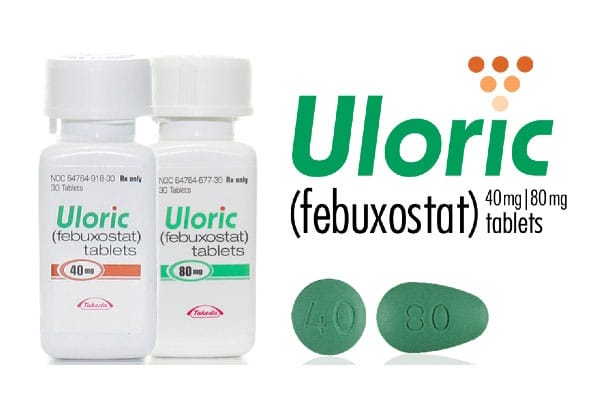
    Uloric side effects can include nausea, rash, joint pain, gout flares, and liver test changes. Rare but serious risks include heart-related events, severe allergic reactions, serious skin reactions, and liver injury. Uloric is the brand name for febuxostat, a prescription xanthine oxidase inhibitor used to lower uric acid in certain adults with gout. It is not a fast pain reliever for a sudden gout flare.

    The main decision is whether febuxostat fits your gout history, cardiovascular history, other medicines, and monitoring plan. That matters because urate-lowering treatment is usually a long-term strategy, not a quick fix. Starting treatment can also trigger flares at first, which can feel discouraging if expectations are not clear.

    Key Takeaways

    • Long-term role — Febuxostat lowers uric acid in some adults with gout.
    • Not flare rescue — It does not quickly treat sudden gout pain.
    • Common reactions — Nausea, rash, joint pain, and liver test changes may occur.
    • Serious warnings — Chest pain, stroke symptoms, severe rash, or facial swelling need urgent care.
    • Dosing decisions — It is usually taken once daily, with lab monitoring directed by the prescriber.

    Where Febuxostat Fits in Gout Care

    Febuxostat is used to manage hyperuricemia, meaning too much uric acid in the blood, in adults with gout. High uric acid can form sharp urate crystals in joints and tissues. Those crystals can lead to painful flares, tophi, and joint damage over time. For a broader background on this lab finding, see What Is Hyperuricemia.

    Febuxostat blocks xanthine oxidase, an enzyme involved in uric acid production. This helps lower uric acid over time. It does not numb pain, reduce inflammation quickly, or end an active flare by itself. Short-term flare medicines, such as colchicine or anti-inflammatory medicines, may be discussed separately by a clinician.

    In U.S. labeling, febuxostat is generally reserved for adults with gout who have not responded well to allopurinol, cannot tolerate allopurinol, or should not use it. It is not recommended for asymptomatic hyperuricemia, which means a high uric acid result without gout symptoms or related complications.

    People often ask what Uloric 40 mg is used for. In U.S. labeling, 40 mg once daily is the usual adult starting dose when febuxostat is selected. The goal is steady uric acid lowering, not immediate pain relief. If you are comparing medicine options, the site’s Febuxostat listing can provide product-page context, while your prescriber remains the source for clinical suitability.

    Why it matters: A medicine can help long-term uric acid control and still require careful safety review.

    Understanding Uloric Side Effects and Red Flags

    Understanding Uloric side effects starts with separating expected, reportable reactions from emergency warning signs. Common reactions listed with febuxostat include liver function test abnormalities, nausea, joint pain, and rash. Some people also notice more gout activity after starting urate-lowering therapy, because changing uric acid levels can disturb existing crystals.

    People often ask for the most common side effect of febuxostat. Official labeling lists several common reactions, including liver test abnormalities, nausea, joint pain, and rash. Lab changes can appear before you feel sick, so follow-up blood work may matter even when symptoms feel mild.

    Common effects to report at follow-up

    • Stomach upset — Nausea may affect meals or daily routines.
    • Skin changes — Rash or itching should be documented and discussed.
    • Joint symptoms — Gout activity and treatment startup can overlap.
    • Liver test changes — Blood work may shift before symptoms appear.
    • Early flares — Crystal movement can trigger attacks after treatment begins.

    Can Uloric make gout worse? It can seem that way early on. Urate-lowering therapy may trigger flares when uric acid levels begin changing. This does not always mean the medicine is failing, but it does mean the flare pattern should be reported. Your clinician may review flare-prevention plans, other medicines, and uric acid targets.

    Warning signs that need prompt care

    Febuxostat has an important cardiovascular warning. A large safety trial in people with gout and established cardiovascular disease found a higher rate of cardiovascular death with febuxostat than with allopurinol. This does not mean every person taking febuxostat will have a heart event. It does mean heart history should be part of the decision before and during treatment.

    • Chest pressure — Seek urgent evaluation, especially with sweating or shortness of breath.
    • Stroke-like symptoms — Sudden weakness, facial droop, confusion, or speech trouble is an emergency.
    • Severe rash — Blistering, peeling, mouth sores, or fever can signal serious skin injury.
    • Facial swelling — Swelling with breathing trouble may suggest a severe allergic reaction.
    • Liver injury signs — Yellow skin, dark urine, or right-sided abdominal pain needs prompt review.

    Severe hypersensitivity reactions have been reported with febuxostat, including serious skin reactions. Liver injury may also occur. If new symptoms appear after starting the medicine or after a dose change, write down the date, symptom pattern, and any other medicine changes. That timeline can help your care team assess what may be related.

    Dosing Basics, Timing, and Missed Doses

    Febuxostat is generally taken once daily, with the dose set by the prescriber. The U.S. label describes 40 mg once daily as the recommended adult starting dose, with a possible increase to 80 mg once daily based on uric acid response. Dose changes should not be made by trial and error at home.

    Dosing Point Practical Meaning
    Starting dose U.S. labeling describes 40 mg once daily for adults when febuxostat is chosen.
    Possible adjustment The prescriber may increase to 80 mg once daily based on uric acid response.
    Time of day Morning or evening can work if the schedule is consistent.
    Food It may be taken with or without food.
    Missed dose Take it when remembered unless the next dose is close; do not double doses.
    Monitoring Follow-up may include uric acid checks and liver-related blood tests.

    The best dose timing is usually the time you can remember. Pairing the tablet with a stable daily habit may reduce missed doses. Febuxostat works through steady urate control, so inconsistent use can make lab trends harder to interpret.

    How long to take febuxostat depends on the treatment goal, uric acid results, flare history, tolerability, and clinician review. Gout is often a long-term condition, so urate-lowering therapy is not usually approached like a short antibiotic course. Do not stop or restart it without discussing the plan, especially if flares, side effects, or other health changes appear.

    Even mild Uloric side effects are worth mentioning if they keep returning, interfere with meals, or make it hard to take the medicine consistently. Persistent symptoms can change the risk-benefit discussion even when they are not emergencies.

    What to Avoid or Review Before Taking Febuxostat

    The clearest medication-related concern is the combination of febuxostat with azathioprine or mercaptopurine. U.S. labeling lists these combinations as contraindicated because febuxostat can increase exposure to those drugs. A complete medication list should include prescriptions, over-the-counter pain relievers, supplements, and medicines used only once in a while.

    What to avoid while taking febuxostat is not only about food. Alcohol intake, dehydration, crash dieting, and high-purine eating patterns can affect gout control in some people, but they are not the same as a drug interaction. Ask your clinician how lifestyle factors fit your gout plan, especially if you have kidney disease, kidney stones, heart disease, or frequent flares.

    • Interaction risks — Review azathioprine, mercaptopurine, and immune medicines carefully.
    • Unplanned stopping — Sudden changes can allow uric acid to rise again.
    • Hidden products — Supplements and occasional medicines still belong on your list.
    • Heart history — Prior heart attack, stroke, heart failure, or chest symptoms need review.
    • Severe skin history — Past serious rashes can affect treatment decisions.

    Quick tip: Bring an updated medication list to every gout visit, including nonprescription products.

    How It Compares With Allopurinol and Flare Medicines

    Allopurinol is commonly considered before febuxostat for many adults with gout. Febuxostat may enter the discussion when allopurinol did not lower uric acid enough, was not tolerated, or is not considered advisable. The choice is not simply about which drug is stronger. It depends on medical history, safety risks, prior response, and monitoring needs.

    The cardiovascular warning is one of the biggest differences patients hear about. A person with established cardiovascular disease may need a more cautious review before febuxostat is chosen. Another person who had a serious problem with allopurinol may need a different conversation. Kidney and liver history, other prescriptions, flare pattern, tophi, and uric acid trends also matter.

    If you are comparing urate-lowering options, an Allopurinol product page can help identify the medicine being discussed, but it should not replace a clinical review. Product pages do not determine whether one option is safer or more appropriate for a specific person.

    Colchicine often appears in gout discussions because it may be used for flare treatment or flare prevention in some situations. It does not lower uric acid the same way febuxostat does. For a separate look at this medicine, read What Is Colchicine Used For. If tolerability is your concern, Colchicine Side Effects covers a different safety profile.

    Example: Someone whose uric acid stayed high despite taking allopurinol correctly has a different decision point than someone who stopped allopurinol because of a rash. Same gout diagnosis, different safety questions.

    A practical comparison starts with four questions: what happened with earlier treatment, what uric acid target is being followed, what safety risks are present, and what monitoring plan is realistic. Those answers help frame whether febuxostat is a reasonable option to discuss.

    Preparing for a Safer Medication Review

    A safer medication review connects symptoms, lab results, and real-life barriers. Before an appointment, write down recent flares, prior uric acid levels if you know them, tophi, kidney stone history, heart symptoms, liver problems, and side effects from past gout medicines. Include when symptoms started and whether they changed after a dose change or a new medication.

    Bring details about medicines used during flares. If colchicine is part of the plan, dosing questions should be reviewed separately because it has its own safety limits and interaction concerns. The Colchicine Dosage resource can help you organize general questions before speaking with a clinician.

    Access questions can also affect consistency. BorderFreeHealth connects U.S. patients with licensed Canadian partner pharmacies, and prescription details may be checked with the prescriber when required before pharmacy dispensing. Some patients without insurance also review cash-pay, cross-border prescription options, subject to eligibility and jurisdiction.

    For broader joint and gout topics, browse the Rheumatology collection. Background reading can help you place one medicine within the wider picture of flare prevention, monitoring, and long-term joint protection.

    Authoritative Sources

    Understanding Uloric side effects alongside uses and dosing can make gout treatment conversations clearer. The main decision points are the reason for using febuxostat, past response to allopurinol, cardiovascular history, interaction risks, and the follow-up plan you can realistically maintain.

    This content is for informational purposes only and is not a substitute for professional medical advice.

  • What Is Hyperuricemia? Symptoms, Causes, and Safer Control

    What Is Hyperuricemia? Symptoms, Causes, and Safer Control

    If you are asking what is hyperuricemia, the plain answer is this: it means your blood has more uric acid than your body can comfortably handle. Uric acid forms when the body breaks down purines, natural chemicals in your cells and in some foods. A high uric acid level may cause no symptoms, yet it can raise the chance of gout, uric acid kidney stones, or kidney strain in some people. Safer control starts with finding why the level is high, then matching diet, lifestyle, testing, and treatment decisions to your real risk.

    Key Takeaways

    • Hyperuricemia means serum uric acid is higher than expected on a blood test.
    • Many people feel well, especially before gout or kidney stones appear.
    • Common contributors include kidney function, genetics, alcohol, sugary drinks, certain foods, weight changes, and some medicines.
    • Diet can help, but it is not the whole plan for everyone.
    • Seek medical review for severe joint pain, fever, blood in urine, or intense side or back pain.

    What is hyperuricemia in plain terms?

    Hyperuricemia is a lab finding, not a symptom by itself. It means your serum uric acid level is above the range your lab or clinician considers typical. Many references describe elevated levels as above about 6 mg/dL for women and above about 7 mg/dL for men, but lab ranges vary. Your clinician should interpret the result with your age, sex, kidney function, medicines, and symptoms.

    Uric acid is not automatically harmful. Your body makes it every day as part of normal cell turnover. The kidneys remove most of it through urine, while a smaller amount leaves through the gut. Problems can develop when the body makes too much, removes too little, or both.

    When uric acid stays high, it may form sharp crystals. These crystals can settle in joints and trigger gout, a painful inflammatory arthritis. They can also contribute to uric acid kidney stones. Some people have asymptomatic hyperuricemia, meaning the blood level is high but they have no gout attacks, stones, or obvious symptoms.

    Why it matters: A single high number needs context, not panic or self-treatment.

    Why uric acid levels rise

    Uric acid rises when production and removal fall out of balance. In many adults, the kidneys are not clearing enough uric acid. This does not always mean kidney disease, but kidney function is an important part of the workup. If your high result appears with abnormal kidney tests, swelling, blood pressure changes, or urinary symptoms, a clinician may look more closely at kidney health. For broader kidney-related reading, the Nephrology Hub can help you navigate related topics.

    Several factors can increase uric acid or make it harder to clear. These include family history, chronic kidney disease, dehydration, insulin resistance, higher body weight, rapid weight loss, heavy alcohol intake, and frequent intake of high-fructose drinks. Some medicines can also affect uric acid, including certain diuretics and low-dose aspirin. Do not stop a prescribed medicine on your own. Ask the prescriber whether the result changes your risk or follow-up plan.

    Cell turnover can also raise uric acid. This may happen during some cancer treatments, with certain blood disorders, or during severe illness. These situations need medical supervision because uric acid can rise quickly and affect the kidneys.

    Food matters, but food is not the only cause. High-purine foods can add to the uric acid load, especially when several triggers stack together. Still, blaming one meal often misses the bigger picture. Kidney clearance, genetics, alcohol, sugary drinks, and medication history may matter as much as diet, or more.

    Symptoms: why high uric acid can be quiet

    High uric acid often has no early symptoms. Many people first learn about it after routine blood work, a gout attack, or a kidney stone. This is why the phrase high uric acid symptoms can be misleading. The blood level itself is silent for many people; symptoms usually come from complications.

    Gout symptoms often start suddenly. A joint may become intensely painful, swollen, warm, red, or hard to touch. The big toe is a classic site, but gout can affect ankles, knees, wrists, fingers, or elbows. Gout can resemble infection or other inflammatory joint conditions, so a hot swollen joint deserves careful review. The Rheumatology Hub offers related joint and inflammatory condition resources.

    Kidney stone symptoms can feel different. A stone may cause sharp pain in the side, back, lower belly, or groin. Some people notice blood in the urine, nausea, vomiting, frequent urination, or pain while urinating. Fever, chills, inability to pass urine, or severe uncontrolled pain may signal an urgent problem.

    Symptoms are not reliably different for women and men. However, lab reference ranges may differ, and risk patterns can change with age, menopause, kidney function, and medicines. During pregnancy, a high uric acid result should be interpreted by an obstetric clinician, especially if blood pressure is high or swelling is concerning.

    Tests and numbers: making sense of serum uric acid

    A uric acid blood test measures serum uric acid, usually reported in mg/dL. Your clinician may repeat the test because levels can fluctuate with hydration, recent meals, alcohol intake, illness, kidney function, and timing around a gout flare. A normal result during a painful joint attack does not always rule out gout, and a high result does not prove gout by itself.

    The safest interpretation asks three questions. First, is the level truly high for the lab range and your health context? Second, are there symptoms such as gout attacks, kidney stones, or urinary problems? Third, are there underlying contributors that can be modified or treated?

    Additional testing may include kidney function blood tests, urine testing, imaging for stones, or joint fluid testing if gout is uncertain. Joint fluid analysis can identify urate crystals, but not everyone needs this test. The right workup depends on symptoms, exam findings, and history.

    People often ask about a safe uric acid range. There is no single safe number for every person. Many labs flag results above about 6 mg/dL in women or 7 mg/dL in men, while people treated for gout may have a lower target chosen by their clinician. A target used for gout management should not be applied to every person with one mildly high result.

    Safer control starts with the cause, not just a food list

    Hyperuricemia treatment depends on risk. Someone with one mildly elevated result and no symptoms may need repeat testing and risk review. Someone with repeated gout attacks, uric acid stones, kidney disease, or very high levels may need a more active plan. Your clinician may consider diet changes, medicine review, kidney evaluation, or urate-lowering therapy depending on the full picture.

    Diet changes can support control, especially when they are realistic. A low purine diet for uric acid usually limits organ meats, some game meats, certain seafood, and heavy meat-based portions. Beer and liquor can raise risk for some people. Sugary drinks, especially those with high-fructose sweeteners, can also increase uric acid production. Water, balanced meals, and steady routines are more useful than crash diets.

    Rather than memorizing a universal list of 10 foods that trigger uric acid, look for patterns. Common trigger groups include organ meats, large red meat portions, anchovies, sardines, mussels, scallops, some gravies, beer, liquor, and sweetened beverages. Individual response varies. Food logs can help, but they should not become restrictive or stressful.

    Weight management may help some people, but rapid weight loss can temporarily raise uric acid. A gradual, sustainable plan is safer than fasting or extreme carbohydrate restriction. If you live with several chronic conditions, general lifestyle planning may feel easier when it focuses on patterns rather than perfection. BorderFreeHealth readers can also review Chronic Illness Lifestyle for broader diet and movement context.

    Quick tip: Bring your medication list and recent lab results to appointments.

    Blood pressure, kidney function, diabetes risk, and body weight can overlap with uric acid concerns. Some blood pressure medicines affect uric acid, while others may be more neutral for some patients. This does not mean a medicine is wrong for you. It means your prescriber should see the whole medication list before making changes. People balancing these issues may find Managing High Blood Pressure useful for related questions.

    Where medicines fit into care

    Medication decisions depend on symptoms, risk, and medical history. Urate-lowering medicines can reduce uric acid production or help the body remove more uric acid. They are often considered for people with recurrent gout, certain kidney stone patterns, or other higher-risk situations. They are not automatically prescribed for every person with asymptomatic hyperuricemia.

    Gout flare treatment is a different issue from long-term uric acid control. Anti-inflammatory medicines may be used for acute flares when appropriate, while urate-lowering therapy aims to reduce future crystal formation. Starting, stopping, or changing these medicines can affect flare risk and safety. This is one reason medication decisions should be supervised.

    Some people need extra caution. Kidney disease, liver disease, pregnancy, drug allergies, heart disease, and complex medication lists can change the safest option. If prescription medicine becomes part of your care, access also depends on eligibility, prescriber review, and local rules. BorderFreeHealth works with licensed Canadian pharmacy partners for eligible prescriptions.

    Do not use supplements or over-the-counter products as a substitute for evaluation. Some products can interact with medicines or affect the kidneys. If you use herbal products, vitamins, or protein supplements, include them on your medication list.

    Hyperuricemia, gout, and kidney stones: how they connect

    Hyperuricemia and gout are closely linked, but they are not the same thing. High uric acid increases the chance that urate crystals can form. Gout happens when those crystals trigger inflammation in a joint or nearby tissue. Many people with high uric acid never have gout, while some people with gout may have a normal uric acid level during a flare.

    Kidney stones are another possible complication. Uric acid stones can form when urine is too acidic and uric acid is concentrated. Not all kidney stones are uric acid stones, so stone analysis and urine testing may help guide prevention. Hydration, urine chemistry, diet, and underlying conditions all matter.

    There is also ongoing research into links between high uric acid and metabolic or cardiovascular conditions. These links do not prove that uric acid is always the cause. Still, they remind clinicians to look beyond a single lab number. Older adults reviewing broader cardiovascular risk may also benefit from Heart Health After 60.

    Questions to discuss with your clinician

    A focused conversation can prevent both overreaction and delay. Ask what your number was, what range the lab uses, and whether repeat testing is needed. Ask whether kidney function, urine tests, or stone history changes the interpretation. If you have joint pain, ask whether gout, infection, injury, or another inflammatory condition needs consideration.

    • Lab context: What was the uric acid level and reference range?
    • Symptom pattern: Are joint or urinary symptoms present?
    • Kidney review: Are creatinine, eGFR, or urine tests abnormal?
    • Medicine check: Could any current drug affect uric acid?
    • Food pattern: Are alcohol, sweet drinks, or high-purine foods frequent?
    • Treatment threshold: Is monitoring enough, or is therapy being considered?

    If you have sudden severe joint pain with fever, seek urgent care. The same applies to severe flank pain, vomiting, blood in urine, inability to urinate, or signs of dehydration. These symptoms need prompt assessment because infection, obstruction, or other serious conditions can overlap with uric acid problems.

    Authoritative Sources

    Hyperuricemia is manageable for many people, but the safest path is personal. Treat the lab result as a signal to review symptoms, kidney health, medicines, food patterns, and long-term risk with a qualified professional.

    This content is for informational purposes only and is not a substitute for professional medical advice.