
Category: Pet Health

Caring for animals can feel stressful when symptoms change fast. This Pet Health category supports practical learning and better planning. It focuses on Pet wellness topics that matter to daily life. Expect plain-language guides plus careful medical terms when they help.

Many families juggle schedules, costs, and different care teams. Some also use platforms that Ships from Canada to US for prescriptions. This hub stays focused on education, tracking, and safe next steps. It is built for patients and caregivers who also care for pets.

Dispensing is handled through licensed Canadian partner pharmacies for applicable prescriptions.

Pet wellness Overview

Pet wellness covers prevention, early detection, and supportive home routines. It often includes nutrition, dental hygiene, vaccines, and parasite control. It can also include behavior changes and stress signals. The goal is clearer conversations with a veterinarian, not self-treatment.

This category is a browsing hub for posts and practical checklists. Use it to compare topics by age, lifestyle, and symptom patterns. Keep notes as questions arise during routine care. Share those notes during veterinary visits or telehealth for pets appointments.

What You’ll Find in This Category

This hub brings together everyday care topics and warning-sign education. It covers puppy care, kitten care, and senior pet care needs. It also discusses pet nutrition, weight management, and pet dental care basics. Pet wellness content here is meant to reduce confusion during busy weeks.

It also helps when a pet seems “off” without a clear cause. You will see common pet symptoms explained with plain terms. Some posts use clinical labels like gastroenteritis (stomach and intestinal irritation). Others describe routine steps like grooming and hygiene checks.

  • Prevention planning, including parasite prevention for pets and vaccines
  • Home observations that support pet checkups and better histories
  • Condition basics, including skin and coat changes and allergy patterns
  • Household safety, including storage and poisoning prevention reminders
  • Related site hubs like General Health and Mental Health for caregiver support

Why it matters: Parasites can affect comfort and sometimes spread within households.

Some visitors also manage human prescriptions while caring for pets. For that broader context, browse the Mental Health Products page. For medication background reading, see Zoloft Side Effects Guide or Effexor XR For Anxiety. These pages address people, not veterinary care.

How to Choose

Start by matching the topic to the pet’s life stage and risks. Pet wellness planning looks different for indoor cats and outdoor dogs. It also differs for small animal care, like rabbits or guinea pigs. Use the checklist below to narrow what to read first.

Key criteria to scan before diving in

  • Species and breed size, since risks vary by anatomy and metabolism
  • Life stage, including puppy care, adult routines, and senior needs
  • Lifestyle exposures, like dog parks, boarding, wildlife, or raw diets
  • Known conditions, such as allergies, otitis externa (outer ear inflammation), or arthritis
  • Current preventives, including flea and tick prevention and heartworm prevention timing
  • Household factors, including children, immunocompromised family members, or other pets
  • Behavior changes, including sleep shifts, appetite loss, or new hiding patterns
  • Administration limits, like pill refusal, vomiting, or grooming sensitivity

Common browsing pitfalls to avoid

Try not to rely on a single symptom in isolation. Vomiting can reflect stress, diet change, or illness. “Limping” can mean pain, nail injury, or joint disease. Look for posts that discuss patterns across days, not moments. Then bring a short, dated summary to the clinic.

Safety and Use Notes

Health information helps most when it stays within safe boundaries. Avoid giving pets leftover human medications without veterinary guidance. Many drugs have species-specific toxicity risks and dosing differences. Even common items can harm cats, birds, or small mammals.

When a post mentions a drug class, treat it as background context. Examples include antiparasitic (parasite-killing) products and antibiotics (infection-treaters). Labels, weight ranges, and species approvals matter for safety. For vaccine standards, see this neutral reference: AAHA canine vaccination guidance for shared decision-making.

Seek prompt veterinary help for these red flags

  • Breathing trouble, blue gums, or repeated collapse episodes
  • Uncontrolled bleeding, severe trauma, or suspected poisoning exposure
  • Seizures, severe disorientation, or sudden paralysis
  • Bloated abdomen with retching, especially in large-breed dogs
  • Not eating or drinking with lethargy, especially in kittens or seniors

Prescription details should come from the veterinarian and official labeling. For medication safety reminders, see this neutral source: FDA animal and veterinary information for consumers.

When needed, prescriptions are confirmed with prescribers before dispensing.

Access and Prescription Requirements

This category may reference products that require a prescription. In veterinary care, that can include some antibiotics and preventives. Requirements vary by jurisdiction and product labeling. Keep a copy of the prescription and the clinic contact details.

If this site links to prescription products for people, they are not for pets. For example, Seroquel XR and Carbamazepine are human medications on this platform. They can support caregiver education about medication names and classes. They should not be used as substitutes for veterinary prescriptions.

Pet wellness planning also intersects with household logistics and affordability. Some patients use cash-pay checkout, including options without insurance. Cross-border access is offered through partner pharmacies when prescriptions apply. Documentation needs depend on the medication and applicable rules.

Quick tip: Save vet records, vaccine dates, and weights in one folder.

This content is for informational purposes only and is not a substitute for professional medical advice.
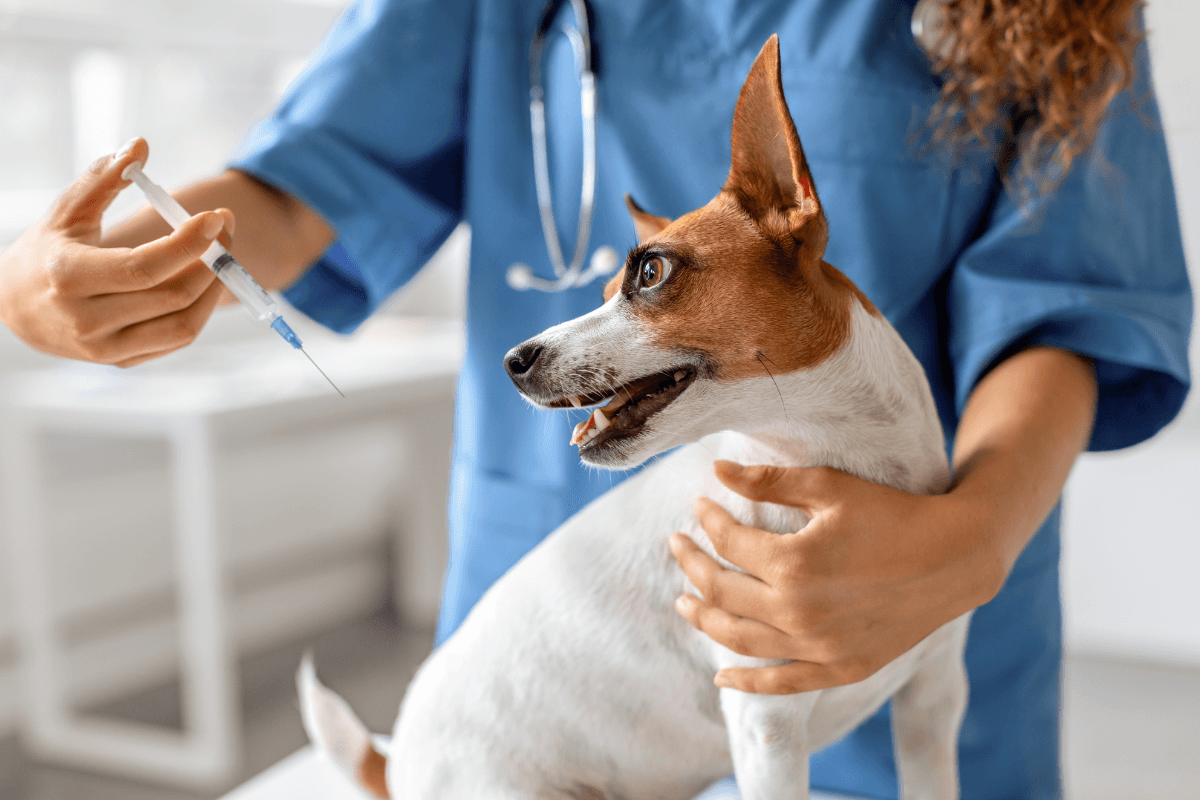
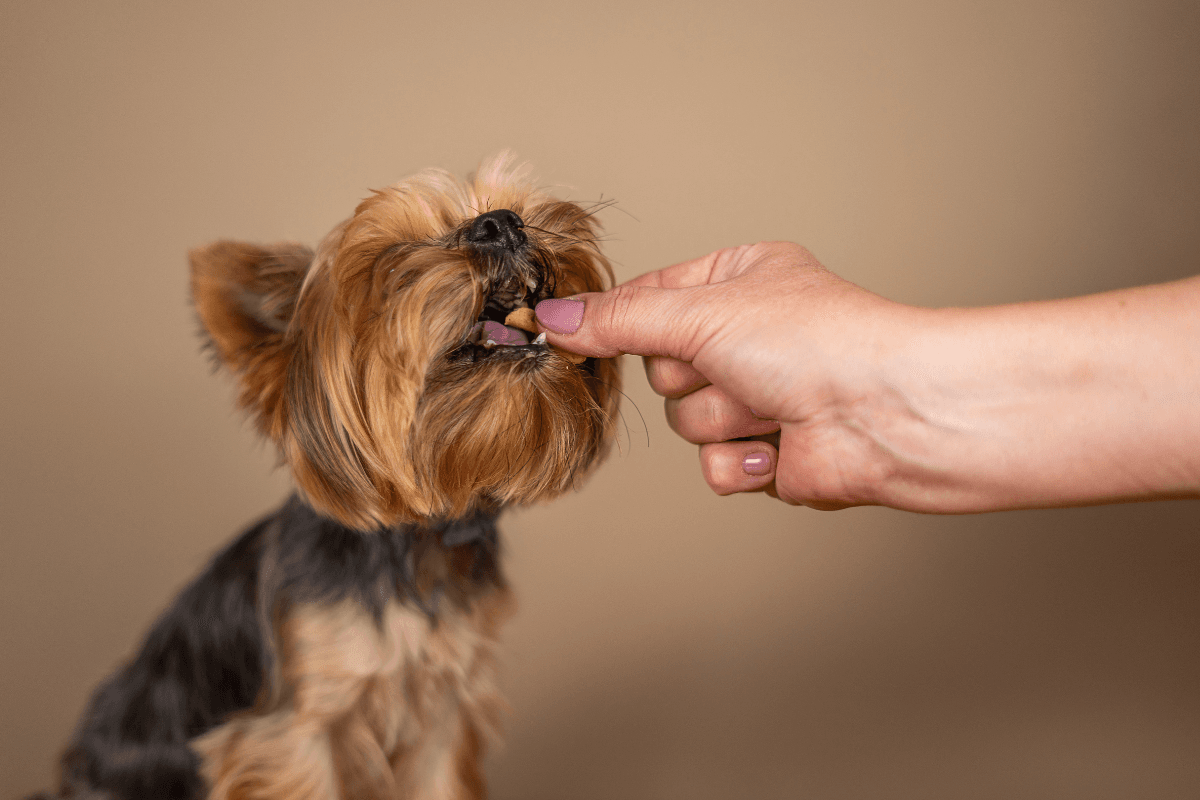
  • Best Flea Treatment for Dogs: Safety and Itch Relief

    Best Flea Treatment for Dogs: Safety and Itch Relief

    The best flea treatment for dogs is the one that fits your dog’s age, weight, health history, parasite risk, and household. That may be an oral chew or tablet, a topical spot-on, a collar, or a veterinarian-directed plan. The aim is bigger than killing visible fleas. Good flea control prevents new bites, lowers skin irritation, and helps stop eggs and immature fleas from restarting the problem at home.

    If your dog is already scratching, first look for signs of fleas, then choose a product labeled for dogs in your pet’s exact weight and age range. Puppies, senior dogs, pregnant or nursing dogs, dogs with seizures, and dogs with open sores need veterinary guidance before treatment.

    Key Takeaways

    • No universal winner: The safest option depends on your dog and home.
    • Use the label: Match species, weight band, age, and warnings.
    • Itch can linger: Flea allergy dermatitis may inflame skin after fleas die.
    • Treat the environment: Bedding, carpets, and untreated pets can restart fleas.
    • Call the vet early: Seek help for puppies, sores, reactions, or heavy infestations.

    How to Choose the Best Flea Treatment for Dogs

    Choosing the best flea treatment for dogs starts with risk, not brand loyalty. A dog that hikes in tall grass may need broader flea and tick prevention than a mostly indoor dog. A dog with sensitive skin may not tolerate the same topical product as another dog. A small puppy also needs a different safety review than a healthy adult dog.

    Veterinarians usually consider weight, age, pregnancy or nursing status, seizure history, allergies, other medications, local parasites, and whether cats live in the home. In many regions, year-round flea prevention makes sense because fleas can survive indoors and remain active during mild weather.

    Many owners ask about over the counter flea treatment for dogs. Some non-prescription products can help when used correctly. Still, they may be a poor fit for puppies, dogs with skin disease, homes with repeated infestations, or households with cats. Dog-only ingredients can be dangerous to cats, especially when products are applied incorrectly or pets groom each other.

    • Confirm the pest: Check for live fleas, flea dirt, or bite patterns.
    • Read the label: Match the product to your dog’s size and age.
    • Review health risks: Ask about seizures, pregnancy, or skin disease.
    • Include every pet: Untreated animals can keep the cycle active.
    • Plan home care: Vacuuming and bedding care support pet treatment.

    Why it matters: A flea plan often fails when one untreated pet keeps feeding the infestation.

    Oral, Topical, Collar, Shampoo, or Spray: What Fits Best?

    Flea products work in different ways, so the right method depends on your dog and your routine. Some products kill adult fleas after they bite. Others target fleas on contact or help interrupt parts of the flea life cycle. Some also cover ticks, mites, or other parasites, but coverage varies by label.

    Option Where It May Fit Key Cautions
    Oral flea medication Dogs that tolerate tablets or chews and need body-wide protection. Some require a prescription. Discuss seizure history or past neurologic reactions with a veterinarian.
    Topical spot-on Dogs whose owners can apply liquid directly to the skin. Bathing, swimming, children, and household cats may affect product choice.
    Flea collar Dogs needing longer-wear protection when the collar fits safely. Fit, chewing risk, irritation, and product quality matter.
    Flea shampoo Short-term removal of visible fleas during a bath. It rarely provides lasting prevention and may dry irritated skin.
    Flea spray Targeted pet or home use when the label clearly allows it. Ventilation, species limits, and correct application are essential.
    Home treatment Bedding, carpets, cracks, and areas where pets rest. Never apply home-only insecticides to pets unless the label says so.

    Rapid-kill products may help when adult fleas are visible, but they do not always replace ongoing prevention. For background on a short-acting oral option, see Capstar Flea Treatment. Use product information to prepare questions, not to replace veterinary advice.

    Oral products

    Oral flea treatment for dogs can be practical when a dog swims, gets frequent baths, or lives with children who may touch topical residue. Some oral flea and tick medicines belong to a class that regulators have linked with possible neurologic adverse events in some animals. That does not mean every dog will have a problem. It means dogs with seizures, tremors, or neurologic disease need a careful review before use.

    Topical products

    Topical flea treatment for dogs can work well when applied to the correct skin area and allowed to dry. It may be less convenient for dogs that swim often or need frequent bathing. Mixed-pet homes need extra caution because some dog flea products can seriously harm cats.

    Never split doses between dogs or guess based on size. Weight bands exist for safety. A small dog can be harmed by a large-dog product, even when the amount seems small.

    Collars, shampoos, and sprays

    Flea collars for dogs may help when they fit securely and come from a reliable source. A collar should not be loose enough for chewing or tight enough to irritate the skin. Replace it according to label directions, not guesswork.

    Flea shampoo for dogs and flea spray for dogs are usually support tools, not full prevention plans. They may remove or kill fleas present at that moment. They may not protect your dog from new fleas emerging from carpets, bedding, or outdoor resting areas.

    Natural flea treatment for dogs needs caution. Natural does not automatically mean safer. Essential oils, concentrated plant extracts, garlic, and homemade chemical mixtures can irritate skin or cause poisoning. If you prefer a lower-chemical approach, ask a veterinarian about grooming, environmental control, and labeled products with the best safety fit.

    Why Dogs Still Itch After Flea Treatment

    A dog may still itch after flea treatment because the skin remains inflamed, new fleas are emerging, or another skin problem is present. Flea allergy dermatitis is an allergic reaction to flea saliva. In sensitive dogs, a few bites can cause intense scratching, chewing, redness, scabs, or hair loss.

    Flea control stops new bites, but irritated skin may need time and separate care. Scratching and licking can break the skin and lead to hot spots, odor, discharge, or secondary infection. If your dog has bleeding sores, pus, swelling, fever, weakness, pale gums, or severe discomfort, contact a veterinarian promptly.

    Gentle steps can help while you arrange care. Use a flea comb to check the coat. Wash bedding in hot water when fabric allows. Avoid repeated harsh bathing, because dry skin can worsen itching. Do not combine flea products unless a veterinarian specifically tells you to do so.

    If your veterinarian discusses itch-control medication, Apoquel can provide product context for follow-up questions. Itch relief is separate from flea control, so the underlying flea problem still needs prevention and environmental management.

    Home and Yard Control Prevents Repeat Bites

    Home flea treatment for dogs works best when the dog and environment are managed together. Adult fleas on your dog are only the visible part of the problem. Eggs, larvae, and pupae can hide in bedding, carpets, floor cracks, upholstery, and shaded outdoor areas where pets rest.

    This is why a dog may seem better, then start scratching again. New adult fleas can emerge after the first wave dies. The timing depends on temperature, humidity, cleaning, product choice, and how many immature fleas were already present.

    • Vacuum often: Focus on rugs, baseboards, and resting areas.
    • Wash bedding: Clean pet blankets and washable covers regularly.
    • Treat all pets: Use species-appropriate products for each animal.
    • Reduce wildlife access: Rodents and stray animals can carry fleas.
    • Empty vacuum contents: Dispose of debris away from pet areas.

    Most regular laundry detergent helps remove debris from washable fabrics, but it is not a complete tick or flea control plan. Heat, washing, drying, and environmental cleaning matter more than choosing a special detergent. Use pest-control products only as labeled, and keep pets away from treated areas until directions say it is safe.

    Multi-pet homes require extra attention. Cats should never receive dog flea products unless the product label specifically says the product is safe for cats. If your household includes cats, NexGard Combo for Cats can help you keep species differences clear.

    You can also browse the Pet Health collection for related pet medication and wellness topics.

    Special Safety Checks for Puppies and Sensitive Dogs

    The safest flea treatment for dogs is the correctly labeled product used on the right dog at the right time. Read the full label every time, even if you have used a similar product before. Look for species, age, weight range, active ingredient, application route, frequency, warnings, and reaction instructions.

    Flea treatment for puppies needs special care because many products have minimum age or weight limits. Very small dogs can be more vulnerable to dosing mistakes. Dogs with sensitive skin may react to topical carriers, collars, shampoos, or repeated bathing. Pregnant, nursing, elderly, underweight, or chronically ill dogs should be assessed by a veterinarian before flea medication decisions.

    Some warning signs need urgent help. Contact a veterinarian or emergency clinic if your dog develops tremors, seizures, severe lethargy, trouble breathing, repeated vomiting, collapse, facial swelling, or severe skin burns after a flea product. Bring the package or a clear photo of the label when you seek care.

    Quick tip: Store flea products away from children, pets, food, and grooming supplies.

    For very young pets, product selection is narrower. If your veterinarian mentions a puppy-safe prescription option, Revolution for Puppies and Kittens can help you review basic product context before asking follow-up questions. Always rely on the official label and your veterinarian for whether any product fits your pet.

    Over-the-Counter or Prescription: How Access Fits

    The most effective flea treatment without a vet prescription is the safest labeled option that matches the dog and the situation. For a healthy adult dog with mild exposure, a carefully chosen over-the-counter product may be reasonable. For heavy infestations, ongoing itching, tick exposure, puppies, medication reactions, or dogs with health conditions, veterinary guidance is safer.

    Prescription products may be appropriate when a dog needs a specific parasite spectrum, has repeated flea problems, or has risk factors that require closer review. A veterinarian can explain what the product covers, what it does not cover, and what monitoring makes sense.

    Finding the best flea treatment for dogs is easier when you separate three goals: kill current fleas, prevent new bites, and reduce household reinfestation. If a prescription product is filled through a pharmacy pathway, prescription details may need verification with the prescriber before dispensing. Cash-pay access without insurance may be possible when eligibility and local rules allow, but it does not replace veterinary evaluation.

    Be cautious with online rankings that call one option universally strongest or safest. The better question is whether a product is safe and appropriate for your dog. Your dog’s medical history, local parasite patterns, and household pets matter more than a generic list.

    Authoritative Sources

    Veterinary and regulatory guidance changes as products and safety information evolve. These references support the general label-use, parasite-control, and safety principles discussed above:

    This content is for informational purposes only and is not a substitute for professional medical advice.

  • Insulin for Dogs: Safe Home Care and Warning Signs

    Insulin for Dogs: Safe Home Care and Warning Signs

    Insulin for dogs is a vet-directed treatment used to help control diabetes mellitus, a condition where glucose builds up in the bloodstream. Safe home use means giving the correct insulin with the correct syringe, following the routine your veterinarian sets, and watching for signs of low blood sugar or illness.

    That can feel like a lot at first. Many families learn the routine step by step. The goal is not perfect caregiving. The goal is a steady plan, clear records, and fast action when something seems off.

    Key Takeaways

    • Vet direction matters: Dogs need a diagnosis, an insulin plan, and follow-up monitoring.
    • Food affects safety: Meals, appetite, and insulin timing are closely connected.
    • Low sugar is urgent: Weakness, shaking, seizures, or collapse need immediate veterinary help.
    • Syringes must match: U-40 and U-100 products are not interchangeable without veterinary instructions.
    • Records help adjustment: Appetite, thirst, urination, weight, and glucose data guide care.

    How Insulin for Dogs Fits Into Diabetes Care

    Most diabetic dogs need insulin because their bodies cannot make or use enough insulin to keep blood glucose in a safer range. Insulin helps move glucose from the bloodstream into cells, where the body can use it for energy. Without adequate treatment, a dog may become dehydrated, lose weight, develop ketones, or become seriously ill.

    Canine diabetes is not managed exactly like human diabetes, even though some terms sound familiar. Your veterinarian considers your dog’s weight, appetite, other illnesses, glucose patterns, and daily routine before choosing a plan. For broader background on how insulin categories differ, see this human-focused resource on Types Of Insulin. Veterinary choices still need separate guidance.

    A diabetic dog usually cannot live safely without ongoing treatment unless a veterinarian identifies a rare, temporary circumstance. Stopping insulin or changing the dose without advice can lead to severe hyperglycemia, which means high blood sugar. It can also raise the risk of diabetic ketoacidosis, a dangerous complication that needs urgent care.

    Why it matters: A clear routine lowers the chance of avoidable dosing and feeding mistakes.

    Building a Safer Daily Routine

    A safer routine connects meals, injections, activity, and observation. Many dogs do best when their days look similar from one day to the next. Regularity helps your veterinary team interpret glucose readings and decide whether a plan is working.

    Insulin for dogs should be treated as a whole routine, not just a shot. Before each dose, confirm the insulin name, the syringe type, the amount your veterinarian prescribed, and whether your dog ate as expected. If anything does not match the plan, pause and contact your veterinary team rather than guessing.

    Common routine points include:

    • Meal consistency: Feed the diet and portions your veterinarian recommends.
    • Injection timing: Follow the schedule written for your dog.
    • Site rotation: Use the areas your veterinary team demonstrates.
    • Supply check: Keep syringes, insulin, and records organized.
    • Daily notes: Track appetite, thirst, urination, weight, and energy.

    If injections feel stressful, ask for another demonstration. Many caregivers benefit from practicing with an empty syringe, a towel, or a training model before giving injections at home. Reward-based handling can also help a nervous dog stay calmer.

    When Meals, Missed Doses, or Low Sugar Interrupt the Plan

    Appetite changes are one of the most important safety issues in diabetic dog care. Insulin lowers blood glucose, so a dog that eats much less than usual may face a higher risk of hypoglycemia, which means low blood sugar. Your veterinarian should give you a written plan for poor appetite, vomiting, skipped meals, or unusual activity.

    Do not double the next dose after a missed insulin injection unless your veterinarian specifically instructs you. Doubling can push glucose too low. A missed dose may cause higher readings for a period, but low blood sugar can become dangerous quickly.

    Use this table as a discussion aid, not as a dosing plan:

    Situation At Home Why It Matters Safer Next Step
    Dog refuses food Insulin without food may increase low sugar risk. Call your veterinarian for the written sick-day plan.
    Dose was missed Extra insulin can cause hypoglycemia. Do not double up unless your veterinarian says so.
    Dog seems weak or shaky These can be low blood sugar signs. Seek urgent veterinary advice or emergency care.
    Vomiting or diarrhea occurs Illness can disrupt glucose control and hydration. Contact your veterinary team promptly.
    Water intake rises suddenly High blood sugar or illness may be present. Record changes and arrange veterinary follow-up.

    Signs of low blood sugar can include sudden weakness, wobbliness, trembling, unusual hunger, confusion, extreme sleepiness, seizures, or collapse. If severe signs occur, treat it as an emergency. Ask your veterinarian in advance whether you should keep a sugar source at home and exactly when to use it.

    Insulin Types, Syringe Matching, and Storage

    The best dog diabetes insulin is the one your veterinarian selects for your dog’s diagnosis, response, schedule, and monitoring results. There is no single best insulin for every diabetic dog. Some dogs use veterinary-labeled insulin, while others may receive a human insulin product under veterinary direction.

    Duration language can be confusing. Some insulins act more quickly, while others last longer. If your veterinarian mentions action profiles, this plain-language page on Intermediate-Acting Insulin can help explain the terminology in human care. Your dog’s prescription and monitoring plan still come from the veterinarian.

    Storage and syringe matching are safety issues with insulin for dogs. Insulin can be affected by heat, freezing, sunlight, rough shaking, and contamination. Store it exactly as the label and veterinary team instruct. Some insulin suspensions need gentle rolling before use, while others should not be mixed the same way. If the product looks clumped, discolored, or different than expected, ask before using it.

    Syringe concentration matters. A U-40 insulin should be paired with a U-40 syringe unless your veterinarian gives a specific conversion plan. A U-100 insulin should be paired with the correct U-100 device. Using the wrong syringe can cause a major dosing error. Product pages such as BD Ultrafine II Syringes may help you identify supply details to compare, but your veterinarian must confirm the correct type for your dog.

    Food, Exercise, and Glucose Monitoring at Home

    Diet supports diabetic dog care by making glucose patterns more predictable. Your veterinarian may recommend a specific food, feeding schedule, calorie target, or weight plan. Avoid sudden diet changes unless your veterinary team approves them, because changes in calories, carbohydrates, fiber, or fat can alter glucose control.

    There is no universal list of foods that every diabetic dog must avoid. Still, many veterinary teams advise avoiding sugary treats, table scraps, and high-fat foods. These can disrupt the routine and may worsen other health risks in some dogs. If your dog has pancreatitis, kidney disease, food allergies, or a history of poor appetite, diet advice needs to be more individualized.

    Exercise also matters. A sudden long run, skipped walk, or unusually active day can affect blood sugar. Keep activity as consistent as possible, and tell your veterinarian about major changes. If your dog is starting a new walking routine, losing weight, or acting tired after activity, record those changes.

    Home monitoring may include appetite logs, water intake notes, urine changes, body weight, blood glucose readings, or a blood glucose curve. A glucose curve tracks readings across a set period, usually under veterinary guidance. For general human background on testing concepts, see How To Test For Diabetes. Dogs need pet-specific interpretation.

    Quick tip: Keep one notebook or phone note for meals, injections, symptoms, and readings.

    Prescriptions, Supplies, and Questions to Ask

    Access rules for insulin for dogs vary by product, location, and pharmacy requirements. Some insulin products may require a veterinary prescription, and even where rules differ, a diabetic dog still needs veterinary diagnosis and monitoring. Do not choose an insulin based only on convenience, cost, or what another pet uses.

    For prescription items, dispensing may require prescriber verification before a pharmacy releases medication. That safeguard matters because insulin selection, syringe type, and dose instructions must match the animal’s plan.

    Before leaving the veterinary clinic, ask clear questions:

    • Insulin name: Which exact product should be used?
    • Syringe type: Is it U-40, U-100, pen-based, or another device?
    • Feeding plan: What should happen if appetite is poor?
    • Missed dose plan: Who should you call, and when?
    • Low sugar plan: Which signs require emergency care?
    • Monitoring plan: When are rechecks, curves, or lab tests needed?

    If your veterinarian discusses high blood sugar patterns, this human-focused page on Signs And Symptoms Of Hyperglycemia may help with vocabulary. It should not replace veterinary interpretation of your dog’s signs.

    Emergency Signs and Veterinary Follow-Up

    Diabetic dog emergency signs include seizures, collapse, severe weakness, repeated vomiting, refusal to eat, rapid breathing, dehydration, or a sudden major behavior change. These signs can relate to low blood sugar, high blood sugar, ketones, infection, pancreatitis, or another illness. Prompt veterinary care is the safer path.

    Diabetic ketoacidosis can occur when the body lacks enough usable insulin and starts producing ketones. It is a medical emergency. For general background on the concept in people, see Diabetic Ketoacidosis. Dogs with suspected ketones, vomiting, or marked lethargy need veterinary evaluation.

    Follow-up visits are not a sign that you failed. They are how the plan gets safer. Your veterinary team may adjust the insulin plan after reviewing weight, symptoms, glucose curves, appetite, concurrent disease, and lab results. Cataracts, urinary tract infections, skin infections, dental disease, and other problems can also affect diabetic dog care.

    If you want broader human diabetes education for context, you can browse the Diabetes Hub. Keep pet decisions separate, because dogs have different treatment needs and safety thresholds.

    Authoritative Sources

    Using insulin for dogs at home can become less intimidating with written instructions, steady routines, and early calls when something changes. Keep your veterinary team’s emergency number handy, review the plan before stressful days, and ask for re-training whenever the steps feel unclear.

    This content is for informational purposes only and is not a substitute for professional medical advice.
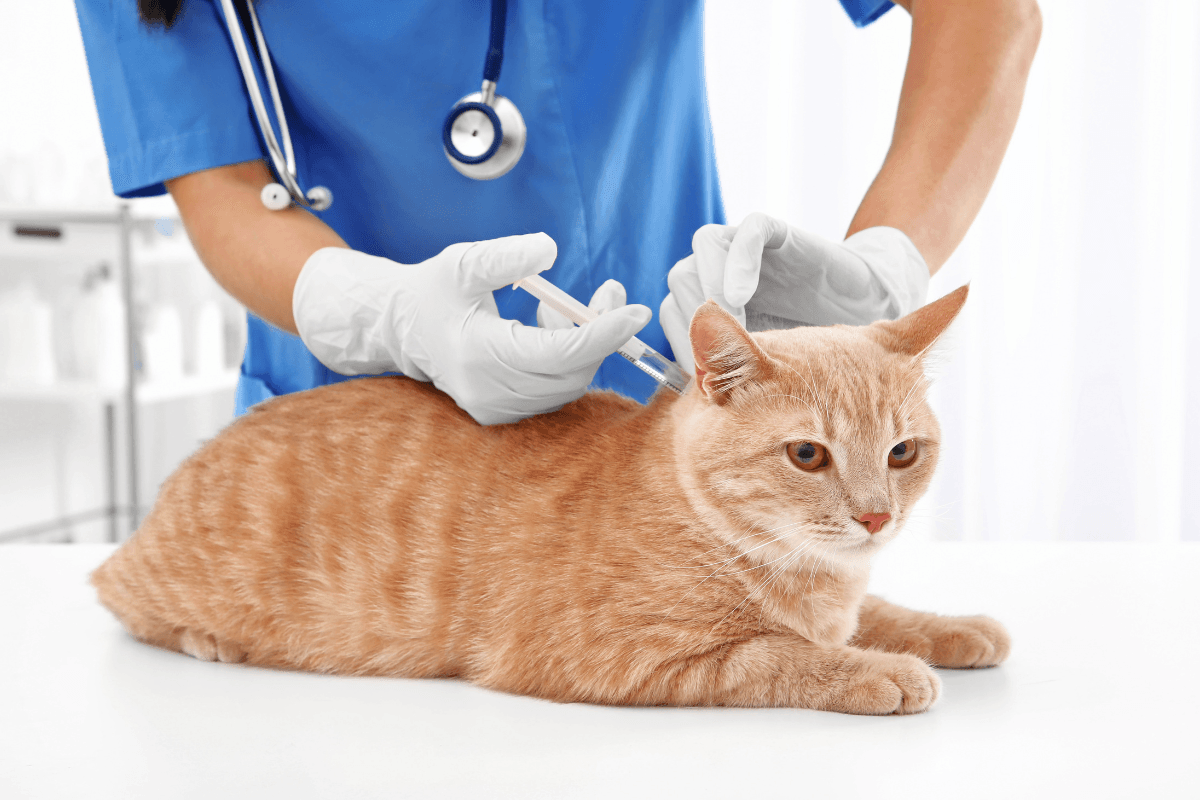
  • Drontal for Dogs: Safety, Dosing, and What to Expect

    Drontal for Dogs: Safety, Dosing, and What to Expect

    Drontal for dogs is a deworming medicine veterinarians may use to treat common intestinal worms, including tapeworms, roundworms, hookworms, and, in some formulations, whipworms. The right product and dose depend on your dog’s weight, age, health history, and the parasite being treated.

    Seeing worms in stool, noticing scooting, or getting a positive fecal test can feel alarming. It is also common, even in well-cared-for pets. A clear plan helps you treat the right parasite, watch for side effects, and reduce the chance of reinfection.

    Key Takeaways

    • Coverage varies: Drontal products do not all treat the same worms.
    • Weight matters: dosing is based on the exact product and current body weight.
    • Side effects are usually mild: vomiting, soft stool, or appetite changes can occur.
    • Testing helps: fecal exams can confirm which parasite is present.
    • Prevention continues: stool pickup and flea control reduce repeat exposure.

    What Drontal Treats and Why Product Version Matters

    Drontal products are anthelmintics, which means medicines used against parasitic worms. In dogs, these medicines are used for intestinal parasites that live in the gut and shed eggs or segments in stool.

    Many Drontal products contain praziquantel, which targets tapeworms, and pyrantel pamoate, which targets roundworms and hookworms. Drontal Plus for dogs commonly adds febantel, an ingredient used for whipworm coverage. Exact ingredients, strengths, and labeled directions can vary by country and product.

    That difference matters because worms are not all treated the same way. Tapeworms often relate to flea exposure or eating infected wildlife. Roundworms and hookworms may come from contaminated soil, stool, or, in puppies, early-life exposure. Whipworms can be harder to control in some environments because eggs may persist outdoors.

    Drontal for dogs does not replace flea prevention, heartworm prevention, or routine fecal testing. It also does not treat every cause of diarrhea, weight loss, or poor coat quality. Those signs can overlap with many digestive, dietary, and medical problems.

    If your veterinarian has recommended a specific dog dewormer, compare the exact product name and active ingredients. The Drontal Tablets page can help you review product-specific labeling context, while Drontal Plus provides a separate reference point for the Plus formulation.

    Why it matters: Matching the product to the parasite helps avoid repeat treatment that misses the target.

    How Dosing Is Usually Decided

    Drontal for dogs dosage is usually based on body weight and the exact tablet formulation. A dosing chart from one product should not be applied to another product unless the label and active ingredients match.

    This is where mistakes happen. A small dog may fall near a tablet cutoff. A large dog may need more than one tablet. A puppy may gain weight quickly enough that last week’s weight is no longer useful. For that reason, a current scale weight is more reliable than a guess.

    Many people search for a Drontal for dogs dosage chart, but charts are only safe when they match the specific package. Product labels may differ by tablet size, region, and formulation. If the label is unclear, a veterinary clinic can help confirm the correct interpretation.

    Before giving any dewormer, gather a few details:

    • Current weight: use a recent scale reading.
    • Exact product: confirm Drontal versus Drontal Plus.
    • Tablet strength: match the label before dosing.
    • Health status: mention vomiting, pregnancy, nursing, or illness.
    • Other medicines: include preventives, supplements, and recent dewormers.
    • Test results: bring fecal findings if available.

    Do not give extra tablets because worms are visible, and do not repeat a dose early unless a veterinarian tells you to. More medication does not always mean better parasite control, and it can increase the chance of adverse effects.

    Some dogs may need a different dewormer class. For example, fenbendazole products are sometimes used for other parasite-control plans. If your veterinarian discusses alternatives, Panacur Granules can be a useful product-reference page for understanding how labels differ across dewormers.

    What to Expect After Giving a Dewormer

    After a dose, some dogs act completely normal. Others may have brief digestive upset, especially if they already had intestinal irritation from parasites.

    You may notice worms or worm segments in stool. Sometimes owners see nothing at all, even when the medicine is working. Not seeing worms does not prove the treatment failed, because parasites may be digested or passed in less obvious ways.

    Mild signs can include soft stool, short-lived diarrhea, drooling, vomiting, reduced appetite, or tiredness. These signs are among the more commonly discussed Drontal for dogs side effects, but they should be limited and improving. A dog who becomes progressively weaker, cannot keep water down, or seems painful needs veterinary attention.

    If vomiting occurs soon after dosing, call your veterinary team before giving another tablet. They may ask when the vomiting happened, whether the tablet was visible, and how your dog is acting now. Those details help them decide whether enough medicine was likely absorbed.

    Plan the next few days around hygiene. Pick up stool promptly, wash hands after cleanup, and reduce access to shared defecation areas when possible. If tapeworms are suspected, flea control is often part of the prevention plan because fleas can carry tapeworm larvae.

    For tapeworm-specific medication context, Droncit may help you compare how praziquantel-only products differ from broader dewormers. This is product education, not a substitute for a parasite diagnosis.

    Safety Cautions, Side Effects, and When to Call a Vet

    Most dogs tolerate labeled dewormer use well, but side effects and safety cautions still matter. Your dog’s age, size, pregnancy status, liver or digestive disease, and medication history can change the risk discussion.

    Commonly reported digestive effects may include vomiting, diarrhea, drooling, or reduced appetite. Some dogs seem sleepy for a short period. These signs may relate to the medicine, the underlying parasite burden, or another problem that appears around the same time.

    More serious reactions are uncommon, but they need prompt care. Seek urgent veterinary help if you notice facial swelling, trouble breathing, collapse, repeated vomiting, bloody or black stool, seizures, severe weakness, or extreme lethargy. These are not expected “normal deworming” signs.

    Puppies need extra care because weight changes quickly and intestinal parasites can affect growth and hydration. A Drontal dewormer for puppies may be appropriate only when the product label, age, weight, and veterinary plan fit. Very young puppies, underweight puppies, and puppies with diarrhea should not be treated casually at home without guidance.

    Small dogs also need careful dose matching. Even a one-pound weight difference can matter near a dosing cutoff. Large dogs may need multiple tablets, which raises the chance that a piece is dropped or spit out. Give tablets one at a time if needed, then check the floor and your dog’s mouth.

    Quick tip: If you find a tablet later, call the clinic before repeating the dose.

    How Often Dogs Need Deworming

    How often a dog takes Drontal depends on risk, test results, and the parasite involved. There is no single schedule that fits every dog.

    Some dogs need treatment only after a positive fecal test. Others have higher exposure because they visit dog parks, attend daycare, hunt, scavenge, eat wildlife feces, or live where parasites are common. Puppies and newly adopted dogs may also need closer parasite screening.

    Fecal testing helps prevent guesswork. It can identify eggs from roundworms, hookworms, or whipworms, though tapeworms are sometimes diagnosed from visible segments or exposure history. Testing also helps avoid repeating a product that does not match the parasite.

    Reinfection is common when the environment remains contaminated. Eggs and larvae may persist in soil, and dogs can re-expose themselves by sniffing, licking, grooming, or eating contaminated material. That is why parasite control often includes household and yard habits, not just tablets.

    Practical prevention steps include same-day stool pickup, flea control, discouraging scavenging, and keeping shared outdoor spaces clean. If a dog repeatedly gets tapeworms, ask whether flea exposure or wildlife contact could be the missing link.

    If your home includes cats, do not use dog products interchangeably. Cats need species-specific dosing and labels. For cat-focused context, Drontal For Cats explains why parasite control differs across species. For broader feline parasite prevention, NexGard Combo For Cats covers a separate cat product category.

    Using Tablets Without Turning It Into a Struggle

    How to use Drontal for dogs often comes down to technique, timing, and confirming the full dose was swallowed. Follow the product label and veterinary instructions for whether it should be given with food.

    Some dogs accept tablets in a small treat or pill pocket. Others chew once, detect the tablet, and spit it out later. Watch for cheek-pouching, floor-dropping, or hiding medication in bedding. A treat “chaser” can help some dogs swallow fully.

    If your dog resists tablets, ask your veterinary team about safe handling options. Do not crush, split, or mix tablets unless the label or veterinarian says that is acceptable. Some scored tablets are designed for splitting, while others may not divide evenly.

    After dosing, keep the routine calm. Offer water, watch appetite, and note stool changes. If multiple pets live together, prevent one pet from taking another pet’s medication. This is especially important when cats and dogs share spaces.

    For another common canine deworming medicine used under veterinary direction, Strongid P can help you compare ingredient and label differences. The best choice still depends on the parasite and your dog’s situation.

    Prescription, Access, and Safe Sourcing Questions

    Whether Drontal for dogs requires a prescription depends on the country, formulation, and local rules. Some Drontal Plus products are prescription-only in certain markets, while other parasite products may have different access rules.

    Rather than assuming, check the exact product label and your local requirements. A veterinarian can also confirm whether fecal testing is recommended before treatment. This is especially helpful when symptoms are vague, recurring, or severe.

    Safe sourcing matters with any pet medication. Use products with clear labeling, intact packaging, and directions that match your dog’s species and weight. Avoid using leftover medication from another pet unless your veterinarian confirms it is appropriate.

    BorderFreeHealth connects U.S. patients with licensed Canadian partner pharmacies, and prescription details are verified with the prescriber when required before pharmacy dispensing. For pet medications, that kind of documentation check can be relevant when a product is prescription-only in the dispensing jurisdiction.

    Do not use “without vet prescription” searches as a shortcut around care when your dog is sick. Diarrhea, weight loss, poor appetite, vomiting, or blood in stool can have causes beyond intestinal worms. Treating blindly may delay the right diagnosis.

    Preventing Reinfection at Home

    Medication can remove susceptible worms, but the environment can bring them back. Reinfection prevention starts with daily habits that reduce exposure to eggs, larvae, and fleas.

    Pick up stool as soon as practical, especially in shared yards. Keep dogs away from known defecation areas at parks. Wash hands after cleanup, and teach children to wash after outdoor play. Cover sandboxes, clean accidents promptly, and discourage dogs from eating feces or wildlife remains.

    Flea control deserves special attention when tapeworms are involved. Dogs can ingest infected fleas during grooming. If fleas remain in the home, tapeworms can return even after successful deworming.

    Some dogs need behavior support to reduce scavenging. A basket muzzle can be useful for high-risk walks when introduced with positive training, but it should allow panting and drinking. Ask a qualified trainer or veterinarian if scavenging is frequent or dangerous.

    Households with immune-compromised people, young children, or pregnant people may want stricter hygiene routines. Some dog parasites can affect people, so practical prevention protects the whole household.

    Authoritative Sources

    For label-backed information on Drontal Plus ingredients, indications, and warnings, review the DailyMed Drontal Plus label.

    For parasite screening and prevention principles, the Companion Animal Parasite Council guidelines summarize expert recommendations for dogs and cats.

    For checking U.S. animal drug approval and labeling records, use the Animal Drugs at FDA database alongside veterinary guidance.

    Recap

    Drontal for dogs can be part of a parasite-control plan when the product matches the worm, the dose matches the dog’s weight, and safety cautions are considered. The most useful next step is often simple: confirm the exact product, current weight, and likely parasite before giving medication.

    Call a veterinarian if your dog is very young, pregnant, nursing, chronically ill, taking other medications, or showing severe digestive signs. Also ask for help if worms keep returning despite treatment. Repeated infections often mean the exposure source needs attention.

    This content is for informational purposes only and is not a substitute for professional medical advice.

  • Drontal Tablets for Cats & Kittens: Deworming Basics

    Drontal Tablets for Cats & Kittens: Deworming Basics

    Key Takeaways

    • Targets key intestinal worms: often includes roundworms, hookworms, and tapeworms.
    • Dosing is weight-based: use your vet’s plan and the product label.
    • Expect stool changes: mild, short-lived effects can happen.
    • Fleas matter for tapeworms: prevention helps reduce reinfection risk.

    Seeing worms or “rice-like” segments can feel unsettling. You are not alone in wanting quick, calm answers. Drontal tablets for cats & kittens are a common veterinary dewormer for certain intestinal parasites.

    This article explains what it may treat, what to expect after dosing, and when to check in with a veterinarian. It also covers safer ways to think about repeat treatment and reinfection.

    If you’d like broader cat wellness context, the Pet Health section is a helpful starting point for common care topics.

    Drontal tablets for cats & kittens: What It Treats

    Drontal is a brand-name dewormer that combines praziquantel and pyrantel pamoate. These ingredients target specific intestinal parasites, not every parasite your cat could encounter. That’s why matching the medicine to the worm matters.

    Many caregivers ask, what worms does drontal treat in cats, especially after spotting worms in the litter box. Depending on the labeled formulation and your region, it may cover common roundworms, hookworms, and tapeworms. Product labeling is the safest reference for exactly which species are included, and it can vary by market. For confirmation of approved uses, see the Animal Drugs@FDA database with neutral product details.

    It can also help to know what Drontal does not address. Some intestinal parasites (like coccidia) need different medications. Heartworm prevention is separate, too. A fecal test (stool exam) can clarify what’s present, even when you never see worms.

    How Drontal Works in Cats, and Why Reinfection Happens

    Praziquantel affects tapeworms by disrupting their protective outer surface. Pyrantel pamoate works differently and targets certain roundworms and hookworms in the intestine. Because each ingredient has a specific job, the combination can be useful when more than one worm type is possible.

    Even when treatment works well, reinfection can occur. Cats may swallow infective eggs from contaminated soil or litter. Hunting rodents can reintroduce parasites, especially for outdoor cats. Tapeworms are closely tied to fleas, since cats can ingest a flea while grooming.

    Note: If tapeworms are suspected, flea control is often part of the plan. If you’re comparing broader parasite coverage options, reading about Flea, Tick, and Worm Coverage can help you understand what “combo” preventives are designed to address.

    When people look for a “one-and-done” solution, it helps to reset expectations. Dewormers treat the worms present at the time. They do not disinfect the environment or stop future exposure. That’s why many vets pair treatment with prevention steps and follow-up.

    Weight-Based Dosing: What to Know Before You Use Drontal

    Questions about drontal for cats dosage are very common, and for good reason. Dewormer dosing is tied to body weight, and small differences matter most in kittens and smaller cats. The right plan also depends on your cat’s age, health history, and the parasite risk in your area.

    Packaging often includes a dosing table, and clinics may provide a handout or label instructions. Still, it’s easy to make mistakes if your cat’s weight is outdated or estimated. If you’re unsure, asking your veterinary team to confirm the current weight range can prevent underdosing or overdosing.

    How to use labels and dosing charts safely

    Most dewormers rely on a “bands” approach rather than a custom calculation. In other words, a chart may list a tablet amount for a weight range. That can look simple, but real life gets messy. A cat that is between ranges, recently gained weight, or is underweight from illness may need extra care. Also, different Drontal products in different countries can have different strengths. When in doubt, treat the label as the baseline and your veterinarian as the decision-maker.

    What to check Why it matters
    Current weight from a scale Reduces dosing errors, especially in kittens
    Exact product name and strength Some regions have different formulations
    Other medications or supplements Helps avoid interactions or overlapping ingredients
    Reason for treatment Symptoms vs routine screening can change next steps

    If you’re also managing other medicines, it can help to review general medication-safety principles. The article Antibiotic Safety Basics explains practical tips that apply to many pet prescriptions, like timing, monitoring, and when to call.

    Giving Drontal: Small Practical Steps That Reduce Stress

    Even when the plan is clear, administration can be the hardest part. The official drontal for cats instructions may focus on the “what,” but caregivers often need the “how.” For many cats, the goal is a calm routine that protects trust.

    Try to set up the space first. Close doors so your cat cannot bolt and hide. Have a small treat ready for afterward, if your cat is allowed treats. If pilling is difficult, your clinic may suggest a pill pocket or a small amount of food, depending on the label directions and your cat’s needs.

    Tip: If your cat becomes fearful quickly, pause and reset. Short, calm attempts tend to work better than long struggles. If you’re worried your cat is uncomfortable afterward, the signs list in Cat Pain Signs can help you describe changes clearly to a clinician.

    Some people ask about a “liquid Drontal” option for cats. Availability depends on the country and product line, and some liquids are intended for other species or age groups. A veterinarian can confirm which formulations are appropriate and how they should be given.

    What to Expect After Deworming and When Follow-Up Matters

    It’s normal to watch the litter box closely after treatment. People often search how long does drontal take to work in cats because they want reassurance that something is happening. In many cases, dewormers start acting quickly, but you may not see obvious evidence right away. Some cats pass worms or segments in stool over the next several days.

    Stool may look softer than usual for a short time. Appetite can vary, especially if your cat was already nauseated from worms. If vomiting, diarrhea, or lethargy is more than mild or does not improve, it’s reasonable to contact a veterinary clinic for guidance.

    Follow-up is not only about comfort. It can also confirm that the parasite is truly gone. Many clinics recommend a fecal recheck for cats with ongoing exposure risk. The Companion Animal Parasite Council’s CAPC guidelines provide a helpful overview of why testing and prevention often go together.

    If tapeworms were part of the picture, treating fleas helps prevent repeat cycles. For context on rapid flea knockdown versus longer prevention, reading Fast Flea Relief can clarify what different approaches are meant to do.

    Possible Side Effects and When to Call a Veterinarian

    Most cats tolerate dewormers well, but monitoring is still important. Searches for drontal for cats side effects often come from caregivers who want to distinguish “expected” from “concerning.” Mild digestive upset can happen, including soft stool, brief vomiting, or drooling. These effects may be related to the medication, the worms being expelled, or stress from administration.

    More serious reactions are less common, but they deserve prompt attention. Contact a veterinarian if you see repeated vomiting, marked lethargy, trouble breathing, collapse, severe diarrhea, or swelling of the face. Also call if your cat cannot keep water down, since dehydration can develop quickly.

    It also helps to consider what else is going on. A cat with heavy worm burden can feel unwell even before treatment. Kittens, seniors, and cats with chronic disease may have less “reserve” if they get dehydrated. If your cat has a complex medical history, a clinic can help weigh risks and benefits safely.

    For a plain-language overview of intestinal parasite effects on the body, the Merck Vet Manual is a solid reference with veterinary-reviewed detail.

    Comparing Options: Drontal, Drontal Plus, and Other Dewormers

    It’s easy to assume similar names mean similar coverage. But drontal for cats vs drontal plus comparisons can be confusing because products and approvals differ by species and country. Drontal for cats is commonly discussed for intestinal worms, while “Plus” formulations are often positioned differently and may be labeled for dogs in some markets. The label and your veterinarian are the best sources for what is appropriate for your cat’s species and life stage.

    Other dewormers may be recommended depending on which parasite is suspected. Some products are tapeworm-focused, while others have broader intestinal coverage or come in topical form. If pilling is a major barrier, a vet may discuss alternatives that fit your cat’s temperament and the suspected worm type.

    If you’re trying to understand brand versus generic options, it helps to focus on active ingredients and strength, not just the name. “Generic” versions may exist in some regions, but quality control and equivalence can vary. A veterinary team can confirm whether a substitute is truly comparable for your cat’s situation.

    For readers who want to review official product details, the Drontal page can be used as a reference for formulation basics. If you’re specifically comparing a topical option for certain worm types, the Profender page can help you review the delivery method and labeled use.

    Kittens, Pregnancy, Nursing, and Multi-Cat Homes

    Kittens face different risks than adult cats. They can pick up roundworms early in life and may need repeat deworming as they grow. Because weight changes quickly, accurate weighing is especially important. If you’re fostering or caring for a litter, a veterinarian may suggest a schedule and a fecal-testing plan that fits your environment.

    Another frequent question is can pregnant cats take drontal. The safest answer is that pregnancy and nursing require extra caution, and the correct choice depends on the exact product and label directions. Some deworming ingredients are used during pregnancy under veterinary supervision, but timing and dose need professional oversight. If pregnancy is possible, involve a veterinarian before giving any dewormer.

    In multi-cat households, it helps to think in “systems.” One cat’s worms can become another cat’s exposure through shared litter boxes and grooming. Litter hygiene, prompt stool cleanup, and flea prevention can reduce re-exposure. If more than one cat has signs, a clinic can advise whether testing or coordinated treatment makes sense.

    If you also have a dog at home, parasite control plans can overlap but are not identical. The article Dog Deworming Safety can help you understand why products and dosing rules differ across species.

    Recap

    Drontal is one option veterinarians use for common intestinal worms. The key is matching the product to the parasite, and the dose to current weight. When results are unclear, fecal testing can add useful certainty.

    Most cats do fine with treatment, but it’s still smart to monitor stool, appetite, and energy. Reach out to a veterinarian if symptoms are severe, persistent, or worrying. If you’re weighing sourcing and safety questions, Safe Medication Sourcing outlines practical checks that can reduce risk.

    This content is for informational purposes only and is not a substitute for professional medical advice for your personal situation.

  • NexGard Combo Cats: Flea, Tick, And Worm Treatment Tips

    NexGard Combo Cats: Flea, Tick, And Worm Treatment Tips

    Key Takeaways

    • One product, broad coverage: Treats several common external and internal parasites.
    • Topical use matters: Correct placement helps reduce licking and mess.
    • Plan for routine care: Monthly timing and household flea control work together.
    • Know what’s normal: Mild reactions can happen; severe signs need help.

    Parasites can be frustrating, even for indoor cats. Fleas, ticks, and worms may still find a way in. NexGard Combo cats is often considered when people want one monthly topical that covers multiple parasite types.

    Below, you’ll learn what it targets, how application works, and what to watch for. You’ll also see practical tips for licking, bathing, and storage. For personal recommendations, a veterinarian can match prevention to your cat’s age, weight, and health history.

    NexGard Combo cats: Coverage and How It Works

    NexGard Combo is a prescription topical medication for cats in many regions. It combines three actives that work in different ways. Esafoxolaner (an isoxazoline antiparasitic) targets certain external parasites like fleas and ticks. Eprinomectin (a macrocyclic lactone) is used for select internal parasites. Praziquantel (a cestocide, meaning a tapeworm medicine) targets tapeworm infections.

    That “combo” approach can matter when risks overlap. Fleas can trigger allergic dermatitis (skin inflammation) and may be linked with tapeworm exposure. Some cats also need prevention that addresses internal worms and heartworm larvae. Because approved uses can vary by country, it helps to confirm the exact labeled indications where you live. For the most current U.S. status, check Animal Drugs @FDA for labeled indications and safety updates.

    NexGard Combo is designed for monthly use, with product selection based on weight. It is not a “set it and forget it” solution, though. Your home environment, other pets, and local parasite patterns still influence outcomes. The goal is steady protection, with fewer gaps that let parasites complete their life cycles.

    Topical Application Basics: Getting the Dose Where It Belongs

    Topical parasite medicines work best when they reach the skin, not the fur. The usual approach is to part the hair and apply directly to the skin at the base of the skull. That location helps reduce access for licking and grooming. It also reduces the chance of the medication spreading onto bedding before it dries.

    Many readers look up how to apply NexGard Combo for cats because the “how” affects both safety and results. Try to apply it when your cat is calm and still. If you have multiple cats, separate them until the site is dry. That reduces mutual grooming and accidental exposure.

    Simple steps that reduce stress and waste

    Start by reading the package directions from start to finish. Then prepare your space before bringing your cat over. Have the tube open and ready, and choose a quiet room with good light. Part the hair until you see skin, then apply in the recommended spot. Avoid rubbing the product in, unless the label specifically says to. Afterward, wash your hands and keep children from touching the site until dry.

    Tip: If your cat bolts when handled, ask the clinic about calmer application strategies.

    It’s also worth checking for skin problems at the application site. A cat with active sores or significant dermatitis may need a veterinarian’s input first. That doesn’t mean topical treatments are “off limits.” It just means the plan should fit what the skin can tolerate.

    NexGard Combo Dosing: Weight-Based Selection and Timing

    NexGard Combo for cats dosage is determined by weight ranges, not by age alone. That’s why accurate weighing matters, especially for growing kittens and senior cats who may lose weight. Using the wrong size can lead to underdosing or higher exposure than intended. If your cat is near a cutoff, a veterinarian can help decide which pack is appropriate.

    Most topical parasite preventives are intended for consistent monthly use. A steady schedule helps reduce gaps in protection. If you miss a month, don’t panic, but do get guidance on how to restart safely. Your veterinarian may consider local parasite pressure, your cat’s lifestyle, and whether any testing is needed first.

    Timing can also be seasonal. Some areas have year-round flea activity indoors. Others have heavier tick seasons outdoors. Guidance from organizations like CAPC recommendations can help explain regional parasite patterns and prevention principles.

    Kittens and Small Cats: Age Minimums and Early Prevention

    NexGard Combo for kittens minimum age can differ based on the product label in your country. That detail matters because kittens process medications differently than adults. They are also more prone to heavy parasite burdens, which can affect growth and comfort. If you adopted a young kitten, a veterinarian can confirm which preventives are appropriate right now.

    Weight minimums matter too, not just birthdays. A kitten may meet an age threshold but still be under a weight cutoff. In that case, a clinician may recommend an alternative product until the kitten grows. This is also a good time to discuss deworming history, stool testing, and flea control in the home.

    If you’re comparing options for intestinal worms, it can help to read Effective Deworming Treatment for context on common dewormer approaches. It’s an educational overview, not a substitute for a tailored plan.

    What to Expect: NexGard Combo Side Effects and Safety Signals

    NexGard Combo for cats side effects are usually mild when they occur, but it’s still smart to know what “mild” can look like. Some cats have temporary skin irritation, itchiness, or a small patch of hair change at the application site. Others may have short-lived stomach upset, like drooling or vomiting. Tiredness for a day can also happen in some cats.

    More serious reactions are uncommon, but they deserve prompt attention. Watch for repeated vomiting, trouble breathing, severe weakness, collapse, or swelling of the face. Neurologic signs like tremors or unsteady walking also warrant a call. Isoxazoline-class parasite medicines have known neurologic warnings in some animals, so it’s reasonable to mention any seizure history to the prescribing veterinarian. For label-based precautions, consult region-specific product information such as EMA product information alongside local prescribing guidance.

    If your cat takes other medications, bring a complete list to appointments. Drug interactions are not always obvious from a label alone. A clinician can also help interpret whether a new symptom is likely medication-related or a separate illness that needs evaluation.

    Grooming, Licking, and Bath Time After Application

    What if my cat licks NexGard Combo is a common worry, and it’s a fair one. Brief licking right after application can cause drooling, foaming, or gagging because many topicals taste bitter. That reaction is often short-lived. The priority is preventing continued licking and monitoring your cat’s behavior.

    If you notice repeated licking, separate your cat from housemates and distract with play or a meal. Avoid putting anything over the site unless a veterinarian approves it, since coverings can trap product or irritate skin. If your cat seems unwell, or drooling does not settle, contact a veterinarian or a pet poison helpline for guidance.

    Bathing is another practical concern. In general, waiting until the application site is fully dry reduces product transfer and mess. Some labels provide specific timing guidance about bathing or swimming, and those instructions should lead. If your cat needs a bath because of diarrhea, fleas, or a spill, a vet team can suggest the safest sequence.

    Note: For indoor cats, prevention may still matter if other pets go outdoors.

    Comparing Monthly Topicals: Ingredients and Coverage Differences

    NexGard Combo vs Revolution Plus for cats comparisons usually come down to parasite coverage, your cat’s age/weight, and household risk. Both are topical monthly products in many regions. They use different active ingredients, so the specific parasites targeted can differ. That can matter if ticks are common where you live, or if intestinal worms are a concern.

    It helps to compare based on your real-life needs. For example, a cat who hunts rodents may have different worm risks than a cat in a high-rise apartment. Multi-cat homes may prioritize products that dry quickly and reduce grooming transfer. If you’re weighing ingredients and labeled indications, you can review Revolution Plus for a clear label-style summary, then discuss the best fit with a veterinarian.

    Decision point Why it matters
    Parasites in your area Tick exposure and worm prevalence vary by region.
    Cat lifestyle Outdoor access increases flea, tick, and worm risk.
    Household pets Shared grooming can spread wet product to others.
    Past reactions Skin sensitivity or neurologic history may shape choices.

    If you’re also comparing product formats, NexGard Combo details can help you confirm packaging and directions before you talk with your clinic.

    Fleas in the Home: Why One Dose May Not End It

    Even an excellent preventive can’t erase a home infestation overnight. That’s because flea eggs, larvae, and pupae live in carpets, cracks, and pet bedding. Adult fleas are only one part of the cycle. You may see “new” fleas for a while as immature stages hatch and jump onto your cat.

    Good household steps are simple and steady. Vacuum high-traffic areas often, wash pet bedding in hot water when possible, and consider environmental control recommended by your veterinarian. If you’re trying to understand short-acting flea options that may be used in specific situations, Fast Flea Relief explains how rapid knockdown products differ from monthly preventives.

    If itching stays intense, ask a veterinarian about flea allergy dermatitis. A cat with flea allergy may react to very few bites. In those cases, comfort care and strict household control often go together. That approach is about relief, not blame.

    NexGard Combo Storage Instructions and Safe Handling

    NexGard Combo storage instructions usually focus on keeping the product dry, at controlled room temperature, and in its original packaging. Heat and humidity can damage many medications over time. Storing tubes in a bathroom cabinet may not be ideal because of steam. Keeping them in a locked drawer can also protect children and curious pets.

    When traveling, use a small insulated pouch if you expect temperature extremes. Avoid leaving medications in a parked car, where temperatures can spike. If a tube leaks or looks damaged, don’t apply it “just in case.” A pharmacist or veterinarian can advise on replacement and safe disposal based on local rules.

    Also check expiration dates before each use. Expired products may not perform as expected, and the packaging may degrade. If you have multiple pets, label the boxes with each pet’s name and weight range to reduce mix-ups.

    When to Call a Veterinarian: Symptoms That Shouldn’t Wait

    Call a veterinarian promptly if your cat has trouble breathing, severe weakness, repeated vomiting, or facial swelling after a topical medication. Those signs may point to a significant reaction or another urgent issue. Tremors, disorientation, or sudden wobbliness also deserve immediate guidance. If your clinic is closed, an emergency hospital can help triage next steps.

    It’s also reasonable to call if itching gets worse after fleas are treated. Sometimes the skin is inflamed and needs support while it heals. If your cat seems painful, hides, stops eating, or won’t be handled, Cat Pain Signs can help you recognize concerning changes before you speak with a clinician.

    Scratching can occasionally lead to secondary skin infections. Antibiotics are not always needed, but they can be in specific cases. For a plain-language overview of one commonly discussed antibiotic, Clavamox Uses offers background on what vets may treat and why.

    Recap

    NexGard Combo can be a practical option when a cat needs broad parasite coverage. The best results usually come from correct application and a steady schedule. It also helps to pair prevention with basic home flea control, especially during an infestation.

    If you’re looking to keep learning, the Pet Health category collects educational topics that support everyday care decisions. Bring questions about side effects, timing, and alternatives to a veterinarian who knows your cat.

    This content is for informational purposes only and is not a substitute for professional medical advice for your personal situation.

  • Cardalis for Dogs: Uses, Risks, and Monitoring

    Cardalis for Dogs: Uses, Risks, and Monitoring

    Cardalis for dogs is a prescription heart medication that combines spironolactone and benazepril. Veterinarians may use it as part of treatment for dogs with congestive heart failure (CHF) linked to atrioventricular valvular insufficiency (AVVI, or leaking heart valves), often alongside other medicines. That matters because Cardalis is not a general heart supplement or a cure on its own. It fits a specific diagnosis, and safe use usually depends on monitoring symptoms, kidney function, hydration, blood pressure, and electrolyte levels.

    Key Takeaways

    • Cardalis combines spironolactone and benazepril in one veterinary prescription.
    • It is used as part of heart-failure care in certain dogs with valve-related disease.
    • It is not the same as Vetmedin, and the two medicines have different roles.
    • Side effects and risks often center on stomach upset, kidney values, blood pressure, and potassium.
    • Worsening breathing, collapse, fainting, or marked weakness need prompt veterinary attention.

    When Cardalis for Dogs May Be Used

    In the U.S., Cardalis is FDA-approved for managing clinical signs of CHF in dogs due to AVVI when used with concurrent therapy, meaning it is typically one part of a larger plan rather than the only medicine. AVVI often develops when a heart valve, commonly the mitral valve, no longer closes tightly and blood leaks backward. Over time, that can strain the heart and lead to coughing, faster breathing, exercise intolerance, or fluid buildup.

    Not every dog with a heart murmur needs the same treatment. Some dogs have early valve disease without heart failure. Others have clear signs that fluid is affecting breathing and comfort. That is why veterinarians look at the whole picture: exam findings, chest imaging, bloodwork, current medicines, and the dog’s day-to-day symptoms.

    Why it matters: A heart murmur, valve disease, and congestive heart failure are related, but they are not the same diagnosis.

    If you are looking for broader medication explainers, the Pet Health hub can help you compare different veterinary topics and terms.

    How the Ingredients Support Heart Care

    Cardalis combines two ingredients with different roles. Spironolactone is an aldosterone antagonist, which means it blocks a hormone that can promote salt retention and ongoing heart strain. Benazepril is an ACE inhibitor (angiotensin-converting enzyme inhibitor), a class often used to reduce activation of the body’s blood pressure and fluid-retention pathways.

    Together, these effects aim to lower some of the hormonal stress that keeps heart failure going. That is different from what a diuretic does. A diuretic is mainly used to remove excess fluid, while Cardalis works more on the signaling pathways that can worsen heart disease over time. This is also why owners sometimes hear it discussed alongside, not instead of, other heart medications.

    For eligible U.S. customers, BorderFreeHealth works with licensed Canadian partner pharmacies.

    Side Effects, Warnings, and Monitoring

    Cardalis for dogs can cause side effects, and some risks come from the medication while others come from the dog’s underlying heart disease. Mild stomach upset may occur. Owners may notice reduced appetite, vomiting, diarrhea, or lower energy. Those signs are not unique to this drug, which is why context matters. A dog with worsening CHF can also seem tired, weak, or reluctant to eat.

    More important concerns often involve kidney function, hydration, blood pressure, and potassium. Because benazepril affects blood-flow regulation and spironolactone influences potassium and fluid balance, veterinarians may want blood tests after starting treatment or after changes to the overall heart plan. Dogs that are dehydrated, have certain kidney problems, low blood pressure, or existing electrolyte abnormalities may need closer review before and during treatment.

    Interactions matter too. Your veterinarian should know about every prescription, supplement, and over-the-counter product your dog receives. Drugs that affect the kidneys, blood pressure, or potassium balance can change the safety picture. That includes some anti-inflammatory pain medicines and some other heart medications.

    • Common concerns: stomach upset or reduced appetite.
    • Monitoring focus: kidney values, potassium, hydration, blood pressure.
    • Call promptly for: collapse, fainting, labored breathing, or marked weakness.
    • Ask about interactions: other heart drugs, pain medicines, and supplements.

    Cardalis safety is really about fit. A medication can be appropriate for one dog and risky for another if the diagnosis, lab values, or companion drugs differ. That is also why owners should not swap, split, or combine heart medicines without direct veterinary guidance.

    Cardalis and Vetmedin: Different Jobs in One Plan

    Cardalis for dogs and Vetmedin are often mentioned together because both can appear in heart-failure treatment, but they are not the same drug and they do not do the same job. Vetmedin is the brand name for pimobendan, a medication that can help the heart pump more effectively and can widen blood vessels. Cardalis works through aldosterone and ACE pathways instead.

    In plain language, Vetmedin is often thought of as a medicine that helps heart function, while Cardalis is more about controlling harmful hormone signaling and supporting the broader treatment strategy. Many dogs may be prescribed both as part of a veterinarian’s plan, especially when CHF is already present. The key point is that they are not interchangeable, and the right combination depends on stage of disease, bloodwork, blood pressure, and response to treatment.

    Medication Main role in care What owners should clarify
    Cardalis Targets aldosterone and ACE pathways with spironolactone plus benazepril. Why it was added, what lab checks are needed, and which side effects matter most.
    Vetmedin Uses pimobendan to support heart pumping and circulation. Whether it is being used alone or with other CHF medicines.

    One useful question for the vet is simple: what specific problem is each medicine addressing in my dog? That answer often clears up the confusion around Cardalis vs Vetmedin faster than brand names alone.

    When a prescription is required, the pharmacy may confirm details with the prescriber before dispensing.

    What to Expect After Starting Treatment

    There is no single clock for how fast improvement happens. Some dogs show relief once the full heart-failure plan is working and excess fluid is controlled. Others improve more gradually, and some need medication adjustments before symptoms settle. The most useful measure is not an exact number of hours or days. It is whether breathing, coughing, stamina, appetite, sleep, and comfort are moving in the right direction.

    At home, owners usually watch for patterns rather than one isolated moment. A dog that still pants at rest, coughs more at night, seems unusually weak, or faints needs prompt veterinary input. Follow-up visits may include an exam, blood pressure checks, or lab work, especially after recent medication changes.

    Quick tip: Bring a short log of breathing changes, appetite, and any vomiting or cough.

    • Track breathing at rest.
    • Note cough frequency.
    • Record appetite and water intake.
    • Watch for vomiting or diarrhea.
    • Write down weakness or fainting.
    • Bring all medication names to rechecks.

    For some owners, the practical challenge is organization. Heart medications may be given with other prescriptions, special diets, and recheck visits. Using a daily chart can help prevent missed doses or duplicated medicines.

    Questions to Bring to the Vet

    If your dog has recently been diagnosed with valve disease or CHF, the best next step is not to memorize every drug detail. It is to ask focused questions that make the treatment plan clearer and safer. That can reduce confusion when several medicines are started close together.

    • What diagnosis is Cardalis treating in my dog?
    • Is it being used with a diuretic, Vetmedin, or both?
    • Which side effects are common, and which are urgent?
    • What bloodwork or blood pressure checks are planned?
    • Are any current pain medicines or supplements a concern?
    • What changes in breathing or activity should I log at home?

    Because every veterinary drug has a different purpose, it helps to compare labels and precautions carefully. That is true for heart medicines and for unrelated prescriptions alike, whether you are reading about Clavamox For Cats And Dogs, parasite treatment such as Drontal For Dogs, or preventives like Revolution For Puppies Kittens. Different conditions call for different monitoring, and one pet medication should never stand in for another.

    Some cash-pay cross-border options exist, but eligibility and jurisdiction still apply.

    Authoritative Sources

    Cardalis can play an important role in canine heart-failure care when it matches the diagnosis and the rest of the treatment plan. The practical goal is not to decide whether the drug is universally good or bad. It is to understand what it does, what it does not do, and what kind of monitoring keeps treatment safer.

    This content is for informational purposes only and is not a substitute for professional medical advice.

  • Capstar Flea Treatment: Safety, Side Effects, and Flea Control

    Capstar Flea Treatment: Safety, Side Effects, and Flea Control

    Capstar flea treatment is a fast-acting oral flea medicine used to kill adult fleas on dogs, puppies, cats, and kittens that meet label requirements. It can help when you see live fleas and need quick knockdown, but it does not replace longer-term flea prevention or home cleanup.

    That distinction matters. Fleas can continue developing in bedding, carpets, and outdoor areas after the adults on your pet die. A safer plan starts with the right species, current weight, age, and a clear idea of what the tablet can and cannot cover.

    Key Takeaways

    • Fast adult flea kill: It targets adult fleas already on the pet.
    • Short coverage window: It does not provide month-long protection.
    • Label limits matter: Species, age, and weight must match the product.
    • Side effects can occur: Watch for vomiting, restlessness, or severe signs.
    • Prevention still matters: Treat pets and the home environment together.

    How Capstar Flea Treatment Works

    Capstar contains nitenpyram, an oral insecticide that affects adult fleas after they feed. It is used for flea infestations on dogs and cats, including puppies and kittens that meet the product label’s minimum age and weight requirements.

    The key word is adult. Capstar flea treatment does not kill flea eggs, larvae, or pupae hiding in the home. It also does not repel fleas before they jump onto your pet. This is why fleas may seem to return soon after a dose, even when the medicine worked on the fleas present at the time.

    Many pet parents use it during a visible flea problem, before a veterinary visit, or while restarting a longer-acting preventive. If you are comparing fast relief with broader prevention choices, Best Flea Treatment For Dogs can help you think through duration, coverage, and practical planning.

    Why it matters: A fast tablet can reduce live fleas, but the flea life cycle continues unless you address the source.

    How Long It Lasts and What to Expect

    Capstar is designed for short-term adult flea knockdown, not ongoing protection. According to the product label information, it begins killing adult fleas quickly after dosing, but its role is different from monthly preventives.

    After a dose, some pets scratch, bite, or move around more for a short period. This can happen as fleas become affected and more active before they die. That behavior can look alarming, but it is not always a medication reaction.

    Still, you should monitor your pet closely. Mild restlessness is different from collapse, breathing trouble, repeated vomiting, or uncontrolled shaking. Severe signs deserve urgent veterinary help, even if you are unsure whether the medicine caused them.

    Owners often ask how often the medicine can be repeated. The safest answer is to follow the current label and your veterinarian’s instructions. Frequency can depend on the product, your pet’s health, and whether another flea medicine is being used.

    Dogs, Cats, and Kittens: Matching the Product to the Pet

    Capstar for dogs may fit situations where live fleas are clearly present and fast adult flea reduction is the immediate goal. It can be especially useful when a dog has been exposed at boarding, grooming, a park, or a multi-pet household.

    Capstar for cats has the same basic purpose, but cats need extra caution with flea products overall. Some dog-labeled flea medicines contain ingredients that can be dangerous for cats. Never assume a dog product is safe for a cat because the packaging looks familiar.

    Small dogs, puppies, kittens, older pets, pregnant or nursing animals, and pets with chronic illness deserve a more careful review. Current body weight matters because many flea medicines are divided by weight range. Age matters because young animals may process medicines differently.

    Questions about Capstar for kittens are common because tiny kittens can become uncomfortable quickly. The product label should guide minimum age and weight use. If a kitten is under the labeled threshold, weak, pale-gummed, cold, or unusually sleepy, contact a veterinary clinic promptly rather than guessing at a dose.

    If you are reviewing options for young animals, Revolution For Puppies Kittens is an example of a product page where age, species, and parasite coverage details should be checked carefully against veterinary guidance.

    Side Effects, Safety Signals, and When to Call a Vet

    Most pets tolerate nitenpyram, but side effects are possible with any medication. Capstar flea treatment side effects may include vomiting, drooling, decreased appetite, restlessness, or temporary tiredness. Some symptoms may also reflect flea irritation, stress, or another illness.

    Serious reactions are less common, but they need fast attention. Seek urgent veterinary care if your pet has trouble breathing, collapse, severe weakness, repeated vomiting, facial swelling, uncontrolled tremors, seizures, or extreme lethargy. These warning signs matter regardless of the suspected trigger.

    Online searches such as “Capstar killed my dog” or “can Capstar kill cats” can be frightening. Personal posts may describe real distress, but they often lack details about weight, dose, other products, underlying illness, dehydration, anemia, or whether a species-specific product was used. Use those stories as prompts for better questions, not as a diagnosis.

    If your pet has a seizure history, heart disease, severe skin disease, or has recently received another flea medicine, ask a veterinarian before combining products. This is especially important in cats, small dogs, and fragile pets.

    Quick tip: Keep the package, lot information, and timing details if you need to call a clinic.

    Pairing Fast Relief With Longer Flea Control

    Capstar and topical flea treatment are often discussed together because they do different jobs. A short-acting oral tablet may reduce adult fleas already on the animal, while a longer-acting topical or oral preventive may help stop new fleas from continuing the cycle.

    That does not mean every combination is safe for every pet. Active ingredients, timing, age, weight, pregnancy status, and medical history all matter. A veterinarian can help avoid ingredient overlap and reduce the risk of side effects.

    For dogs, some families compare short-term knockdown with monthly preventives such as Simparica or Revolution For Dog. For cats, broader parasite plans may include products such as NexGard Combo For Cats. These pages can support product research, but they do not replace a pet-specific veterinary plan.

    When sourcing pet medications, authenticity and label matching matter. BorderFreeHealth connects U.S. patients with licensed Canadian partner pharmacies, and prescription details are verified with the prescriber when required before pharmacy dispensing. For nonprescription products, the same safety mindset still applies: check species, weight range, ingredients, and packaging carefully.

    Home Steps That Help Prevent the Next Wave

    Flea control works best when the pet and environment are managed together. Adult fleas live on animals, but immature stages can develop in carpets, bedding, furniture, cracks in flooring, and shaded outdoor areas.

    Start with the places your pet uses most. Wash bedding in hot water when fabric allows. Vacuum floors, rugs, couches, and baseboards regularly during an infestation. Empty the vacuum canister or bag in a sealed trash bag after cleaning.

    Multi-pet homes need coordinated care. Fleas move between dogs, cats, and sometimes wildlife around the home. Treating only one itchy pet may leave another animal as a source of re-infestation.

    Be cautious with sprays, foggers, and household insecticides around cats, birds, fish, children, and people with breathing conditions. Follow label directions exactly, ventilate as directed, and ask a veterinarian about pet-safe environmental steps if you are unsure.

    Reading Reviews Without Getting Overwhelmed

    Capstar flea treatment reviews can be helpful when they describe what an owner saw, how quickly fleas changed, and whether a veterinarian was involved. They are less reliable when they assume cause without details.

    A useful review usually includes the pet’s species, age, weight, health status, other medications, and whether the product matched the label. It also separates flea-related discomfort from possible medication effects. A weak review may leave out dose, timing, other flea products, or the pet’s condition before treatment.

    If reviews make you anxious, turn them into a short question list for your veterinarian. Ask what side effects are expected, which warning signs are urgent, whether your pet is old enough and heavy enough, and how to coordinate prevention for every animal in the home.

    You can also browse broader educational topics in Pet Health when building a home care plan. Use educational reading to prepare better questions, not to replace an exam when a pet seems ill.

    Authoritative Sources

    For official label-backed details, review the DailyMed Capstar label information, which describes labeled species, minimum weight and age language, and adult flea use.

    For broader flea control and prevention context, the American Veterinary Medical Association flea and tick resource explains why parasite control often needs pet and environmental planning.

    For reporting medication concerns, the FDA animal drug reporting page outlines how adverse events and product problems can be submitted.

    Recap

    Capstar flea treatment can be a useful short-term tool when adult fleas are visible and quick relief is needed. Its limits are just as important: it does not treat the home environment, immature flea stages, or long-term prevention by itself.

    The safest approach is practical and calm. Confirm the label fits your pet’s species, age, and current weight. Watch for side effects. Ask a veterinarian before combining flea products or treating very young, small, pregnant, elderly, or medically fragile pets.

    This content is for informational purposes only and is not a substitute for professional medical advice.
  • How to Tell if Your Cat Is in Pain: Signs and Next Steps

    How to Tell if Your Cat Is in Pain: Signs and Next Steps

    You can often tell a cat may be in pain by noticing changes from their normal routine: hiding, eating less, avoiding jumps, grooming differently, acting irritable, or using the litter box in unusual ways. Cats rarely show pain dramatically, so small shifts matter. Learning how to tell if your cat is in pain helps you spot trouble earlier and share useful details with your veterinarian.

    The goal is not to diagnose the cause at home. Pain can come from dental disease, arthritis, injury, urinary problems, infection, abdominal illness, or many other conditions. Your job is to observe patterns, keep your cat safe, and know when veterinary care should not wait.

    Key Takeaways

    • Compare to baseline: A quiet change can be more meaningful than one loud symptom.
    • Watch movement: Hesitating before jumps, stiffness, or a tucked posture can signal discomfort.
    • Check routines: Appetite, grooming, social habits, and litter box use often change early.
    • Document patterns: Short videos and simple notes help the vet assess pain.
    • Avoid human medicines: Many common pain relievers are unsafe for cats.

    How to Tell if Your Cat Is in Pain at Home

    The clearest home clue is a change in behavior that lasts, repeats, or appears with other symptoms. Some cats become withdrawn. Others become clingy, restless, defensive, or unusually vocal. A cat who stops doing normal activities may be protecting a painful area.

    Start with a calm scan when your cat is relaxed. Look at their posture, face, movement, appetite, grooming, and litter box habits. Compare today with their usual personality. A shy cat and a social cat may show pain differently, but both will often shift away from their own normal pattern.

    Common warning signs include:

    • Less jumping: Avoiding counters, beds, stairs, or window ledges.
    • More hiding: Spending long periods under furniture or in closets.
    • Appetite changes: Eating less, dropping food, or chewing on one side.
    • Grooming shifts: Matted fur, dandruff, overlicking, or bald patches.
    • Handling sensitivity: Flinching, growling, biting, or resisting being picked up.
    • Litter changes: Straining, accidents, frequent trips, or crying in the box.
    • Sleep disruption: Pacing at night or repeatedly changing resting spots.

    Quick tip: Record a 10 to 20 second video of walking, jumping, resting, and any unusual behavior.

    If you want related cat-care topics in one place, the Pet Health collection can help you browse broader wellness and medication-safety reading.

    Body Language: Posture, Face, and Movement Clues

    Body language often shows pain before a cat cries or limps. A painful cat may sit hunched, hold the head lower, tuck the legs tightly, or keep the tail still. Some cats look tense in the shoulders or abdomen. Others shift weight away from a sore limb.

    A classic cat in pain posture can look like a compact “meatloaf” position that lasts longer than usual. The back may look rounded. The eyes may be partly closed. The ears may angle sideways, and the whiskers may pull back. These signs are not a diagnosis, but they are worth tracking.

    Movement changes can be subtle. Your cat may still jump, but choose lower surfaces. They may pause before stepping down, use furniture as intermediate steps, or avoid stairs. Stiffness after sleep can point toward joint discomfort, especially in older cats. A messy coat over the hips or lower back can also mean grooming has become uncomfortable.

    Watch for micro-avoidance. This means your cat still moves, but changes the route or method. They may stop using a tall scratching post because stretching hurts. They may enter the litter box more slowly or miss the edge because lifting the legs is harder.

    For joint-related context, Onsior Cat Medicine discusses mobility and comfort topics that veterinarians may consider when assessing feline pain. It should not replace an exam, but it can help you prepare questions.

    Daily Habits That Can Reveal Quiet Pain

    Many cats show suffering through routine changes rather than dramatic distress. A cat in pain may stop greeting you, skip play, sleep in a new place, or avoid other pets. Some cats become short-tempered because normal touch or movement feels uncomfortable.

    Eating changes deserve attention. Dental pain may cause drooling, pawing at the mouth, bad breath, dropping kibble, or chewing only on one side. Nausea or abdominal discomfort can lead to lip-licking, swallowing, sniffing food without eating, or repeated visits to the bowl.

    Litter box behavior is especially important. Straining, crying, frequent attempts, or producing little urine can signal urgent problems. Constipation can also cause repeated box trips, restlessness, and a tense belly. Because urinary and digestive signs can look similar at home, prompt veterinary input is safer than guessing.

    Grooming changes matter too. Overgrooming one area may point to local pain, itch, or irritation. Undergrooming may cause mats, flakes, or a dull coat. If your cat usually enjoys brushing but suddenly resists it, note where and when the reaction happens.

    Why it matters: A pattern across appetite, litter habits, and movement is more useful than one isolated sign.

    Vocalizing, Purring, and the Myth of the Crying Cat

    A cat does not need to cry to be in pain. Some cats meow, yowl, growl, or hiss more than usual. Others become unusually quiet. Pain can also make a cat purr at unexpected times, because purring may occur during stress as well as comfort.

    If you are asking how to tell if your cat is in pain but your cat is not crying, focus on function. Are they eating normally? Can they jump, climb, groom, and use the litter box? Do they still seek contact in their usual way? These practical measures often reveal more than vocal sound alone.

    Nighttime changes can be confusing. A painful cat may pace, change sleeping spots, or seem unable to settle. Older cats may vocalize at night for several reasons, including sensory decline, cognitive changes, thyroid disease, high blood pressure, pain, or stress. Track timing, triggers, and any related litter box trips.

    Sudden yowling, collapse, labored breathing, or crying while straining in the litter box should be treated as urgent. Do not wait to see if it passes, especially if your cat produces little or no urine.

    Injuries, Abdominal Pain, and Other Signs That Need Care

    Injuries are not always obvious in cats. A cat can slip, land awkwardly, fight with another animal, or develop soreness after a fall. They may still walk while hiding pain. Protective behavior is often the clue: guarding a leg, avoiding being lifted, or growling when approached.

    Avoid pressing, stretching, or bending a suspected painful area. That can worsen discomfort and make your cat more fearful. Instead, restrict activity in a quiet room, keep essentials nearby, and use a sturdy carrier if transport is needed.

    Abdominal pain can look like a tight body, poor appetite, vomiting, diarrhea, constipation, or a sudden dislike of being held. Some cats sit tucked for long periods. Others stretch out more than usual, as if trying to relieve pressure. Belly discomfort can overlap with urinary problems, so details matter.

    Call a veterinarian promptly if your cat has any of these signs:

    • No appetite: Refusing food or eating far less than normal.
    • Urinary strain: Repeated box trips, crying, or little urine.
    • Breathing trouble: Open-mouth breathing or visible effort.
    • Sudden weakness: Collapse, severe limping, or inability to rise.
    • Possible trauma: Fall, bite wound, vehicle contact, or crushing injury.
    • Pale gums: White, gray, blue, or very tacky gums.

    If infection is part of the veterinary discussion, you may want background on common antimicrobial topics. Clavamox Uses, Doxycycline Safety, and Baytril For Dogs And Cats can help you understand questions to ask. Antibiotics do not treat pain directly, and only a veterinarian can decide when they are appropriate.

    Comfort Steps While You Arrange Veterinary Advice

    Safe comfort starts with reducing stress and movement demands. Place food, water, and a litter box within easy reach. Choose a warm, quiet room with soft bedding and dim light. Keep children and other pets away if your cat seems guarded.

    Let your cat choose the amount of contact. Some cats want gentle head petting. Others prefer distance. Avoid lifting, squeezing, or long grooming sessions if touch causes flinching or tension.

    Small home adjustments can help while you arrange care. Use a low-entry litter box. Add a step to a favorite couch. Place a non-slip mat near food bowls. Offer familiar food, but do not force-feed unless a veterinarian gives specific instructions.

    Do not give acetaminophen, ibuprofen, aspirin, leftover pet prescriptions, or supplements for pain unless your veterinarian specifically directs you. Cats process many drugs differently from people and dogs. Even small mistakes can be dangerous.

    If your veterinarian discusses prescription pain relief, ask about the reason for the medication, monitoring, side effects, and what to do if vomiting, diarrhea, appetite loss, or lethargy appears. For general drug-class reading, Cephalexin For Dogs And Cats may also help you frame medication-safety questions, though it is an antibiotic topic rather than a pain medicine topic.

    Older Cats and Slow-Build Pain

    Chronic pain can look like normal aging, but age alone should not explain every change. Older cats may jump less, sleep more, groom less, or seem grumpy because movement hurts. Arthritis, also called degenerative joint disease, is common in senior cats and can develop gradually.

    Look for daily-life clues. Your cat may hesitate before stairs, miss the litter box edge, avoid high sleeping places, or stop playing with toys that require twisting. They may still purr and eat, which can make pain easy to dismiss.

    Weight changes can complicate the picture. Extra weight can strain joints, while weight loss may signal illness or poor intake. A veterinarian can assess body condition, dental health, joint range of motion, and whether bloodwork or imaging is needed before medication is considered.

    The “3-3-3 rule” is sometimes used for newly adopted pets as a rough adjustment framework: three days to decompress, three weeks to learn routines, and three months to feel more settled. It is not a pain scale. If a new cat hides, eats poorly, limps, strains, or seems distressed, do not assume the behavior is only adjustment stress.

    What to Bring to the Vet Visit

    Good observations help the veterinary team narrow the possibilities. Bring a short timeline, not a long memory test. Note when the change began, whether it is improving or worsening, and what makes it more noticeable.

    Useful details include appetite, water intake, vomiting, stool changes, urine output, sleep, grooming, recent falls, outdoor access, fights, new foods, and new medications. Videos of walking, jumping, resting posture, and litter box behavior can be especially helpful.

    Ask practical questions during the visit. What signs should improve first? Which symptoms mean urgent recheck? Are there medicines or supplements to avoid? Is follow-up needed for dental disease, joint pain, abdominal signs, or urinary concerns?

    Some pain plans may include environmental changes, weight support, dental care, diagnostic testing, or prescription medicines. For cats with kidney, liver, stomach, or heart concerns, monitoring may be especially important. Never adjust medication on your own if signs change.

    Authoritative Sources

    The AAHA cat pain resource explains why behavior changes are important clues in feline pain recognition.

    The AAHA pain management guidelines provide broader veterinary context on pain assessment and species-specific treatment planning.

    Recap

    Knowing how to tell if your cat is in pain starts with noticing what is different for your cat. Watch movement, posture, face, grooming, appetite, social habits, sleep, and litter box use together. One small sign may be unclear, but a pattern deserves attention.

    Keep your cat calm, make essentials easy to reach, and avoid human pain medicines. If signs persist, worsen, follow trauma, or involve breathing trouble, urinary straining, severe weakness, or refusal to eat, contact a veterinarian promptly.

    This content is for informational purposes only and is not a substitute for professional medical advice.

  • Gabapentin for Dogs: Safety, Side Effects, and Dosing Questions

    Gabapentin for Dogs: Safety, Side Effects, and Dosing Questions

    Gabapentin for dogs is a veterinary-prescribed medicine that may help with nerve-related pain, seizure support, or short-term calming, but it must be dosed for the individual dog. Weight matters, yet weight is only one part of the decision. Age, kidney function, other medicines, and the reason for use can change both benefit and risk.

    If your dog seems unusually sleepy, wobbly, confused, or hard to wake after taking gabapentin, contact a veterinarian promptly. Those signs can happen with excessive sedation, accidental double-dosing, or drug combinations that are too strong for that dog.

    Key Takeaways

    • Common role: Vets may use gabapentin for nerve pain, seizure support, or calming.
    • No universal dose: Safe plans depend on weight, diagnosis, kidney health, and other drugs.
    • Sedation is common: Sleepiness and wobbliness often appear early or after dose changes.
    • Urgent signs matter: Collapse, severe sedation, breathing changes, or seizures need fast guidance.
    • Tapering may help: Regular use should not be stopped suddenly unless a vet instructs it.

    Where Gabapentin Fits in a Dog’s Care Plan

    Gabapentin is an anticonvulsant (anti-seizure medicine) that also affects nerve signaling. In dogs, veterinarians often use it as an extra-label medication, meaning the vet prescribes it based on clinical judgment when it is appropriate for that animal. This is common in veterinary medicine, but it makes professional oversight important.

    In plain terms, gabapentin can “turn down” some nerve messages. That effect may help certain dogs with neuropathic pain, which is pain linked to irritated or damaged nerves. Examples may include spinal disease, chronic back pain, or pain that does not respond well to inflammation-focused treatments alone.

    Some veterinarians also use Gabapentin for dogs as part of a plan for stressful events. That can include veterinary visits, grooming, car travel, or recovery periods where rest is important. It may also be used with other seizure medicines in some dogs, depending on the diagnosis.

    It has limits. Gabapentin does not treat every cause of pain, and it does not directly reduce inflammation the way some anti-inflammatory medicines can. If arthritis, soft-tissue injury, or post-surgical swelling is the main concern, a veterinarian may consider other therapies alongside it. For general pet medication education, the Pet Health collection can help you compare monitoring topics without replacing veterinary advice.

    Why it matters: Knowing the treatment goal helps you track the right changes at home.

    How It Works, How Fast It Feels Noticeable, and How Long It Lasts

    Gabapentin can make some dogs feel calmer or sleepier because it changes nervous-system signaling. That calming effect may be expected in some situations, but too much sleepiness is not the goal for everyday comfort. A dog should generally remain responsive, able to walk safely, and interested in normal surroundings.

    Many owners ask how quickly it works because they see changes after the first dose. The noticeable timing can vary by dog, dose schedule, and whether gabapentin is used for pain, anxiety, or seizure support. Some dogs look relaxed and steady. Others become groggy, uncoordinated, or less motivated to eat.

    How long does gabapentin last in dogs also varies. Age, kidney function, body condition, and other sedating medicines can affect how long the visible effects persist. Older dogs and dogs with kidney disease may be more sensitive, because gabapentin is largely cleared through the kidneys.

    Track patterns rather than judging one moment alone. Write down the dose time, activity level, walking steadiness, appetite, drinking, urination, and sleep. Bring that record to the clinic, especially if the dog seems worse after a change.

    What a dog may feel like on gabapentin

    A dog on gabapentin may appear more relaxed, less reactive, or sleepier than usual. Mild wobbliness, also called ataxia (uncoordinated movement), can happen. The concern rises when a dog cannot stand, repeatedly falls, seems confused, or is difficult to wake.

    Behavior changes can also come from pain, stress, illness, or another medication. That is why a simple home log is useful. It helps the veterinarian separate medication effects from the underlying condition.

    Dosing Questions: Why Weight Charts Are Only a Starting Point

    Gabapentin dosing for dogs should come from a veterinarian, not from an online chart alone. A gabapentin for dogs dosage chart by weight can look precise, but it cannot judge kidney function, frailty, drug interactions, or the reason your dog is taking it.

    Weight-based dosing is still important. Clinics often ask for a current weight in kilograms or pounds before finalizing a plan. Even so, a small senior dog with kidney disease may need a very different approach than a young, otherwise healthy dog of the same weight.

    Searches for a gabapentin 100mg for dogs dosage calculator are common because many capsules are labeled in human-friendly strengths. The capsule number does not tell you whether that medicine is right for your dog. It also does not account for whether the goal is daily pain support, pre-visit calming, or another use.

    Liquid forms need extra care. Some human liquid medicines contain sweeteners that are unsafe for dogs, including xylitol. Compounded liquids may be helpful for dogs that cannot take capsules, but the exact formula should be confirmed by your veterinarian or pharmacist.

    Details your vet needs before choosing a plan

    • Current weight: Recent weight helps reduce dosing errors.
    • Treatment goal: Pain, calming, and seizure support may differ.
    • Kidney history: Reduced clearance can increase sedation.
    • Other medicines: Sedating combinations can raise fall risk.
    • Daily routine: Stairs, slick floors, and mobility issues matter.
    • Past reactions: Previous grogginess can guide safer monitoring.

    If inflammation is also part of your dog’s pain picture, your veterinarian may discuss non-steroidal anti-inflammatory drugs when appropriate. Product pages such as Rimadyl, Deramaxx, or Metacam Oral Suspension for Dogs can provide neutral form-factor context for a vet-led conversation. They should not be used to self-select a medication.

    Common Side Effects and What to Monitor at Home

    Gabapentin for dogs side effects most often involve the nervous system. Sleepiness is common, especially when a dog first starts therapy or after the dose changes. Mild wobbliness may also appear, and it can be more noticeable on stairs, tile, hardwood, or during nighttime bathroom trips.

    Digestive signs can occur too. Some dogs have reduced appetite, mild nausea, softer stools, or vomiting. If vomiting is persistent, severe, or paired with weakness, call the clinic. If nausea is a repeated issue, your veterinarian may discuss options and monitoring steps; this overview of Cerenia For Dogs explains one commonly discussed anti-nausea medicine.

    Urination changes can be harder to interpret. Some owners report more drinking, more frequent urination, or accidents while a dog is sedated. These signs can also reflect pain, stress, urinary disease, diabetes, kidney disease, or other medications. Dramatic or persistent changes deserve veterinary review.

    Long-term side effects can be subtle. Watch for ongoing dullness, reduced coordination, lower activity, appetite changes, or new falls. These do not always mean gabapentin is wrong for the dog, but they do mean the plan should be reassessed.

    Quick tip: Use rugs, gates, and good lighting if your dog seems unsteady.

    When Sleepiness Becomes a Safety Concern

    Severe sedation is not a normal side effect to simply watch at home. Contact a veterinarian promptly if your dog is hard to wake, cannot stand, collapses, has breathing changes, vomits repeatedly, or has a seizure. These signs are especially concerning after accidental extra doses or access to a medication bottle.

    The phrase signs of gabapentin overdose in dogs usually refers to profound nervous-system effects. A dog may become extremely weak, markedly uncoordinated, disoriented, or unable to walk. Unusual eye movements, severe lethargy, or collapse can also raise concern.

    Can gabapentin kill a dog? Serious harm is possible when any medication is taken in the wrong amount, combined with risky drugs, or given to a medically fragile animal. Gabapentin is commonly used by veterinarians, but that does not make unsupervised dosing safe. If you suspect a large ingestion, call your veterinarian, an emergency clinic, or an animal poison-control service right away.

    Risk can increase when gabapentin is combined with other sedating medicines. Tell your vet about all prescriptions, supplements, flea and tick products, and calming aids. This includes medicines prescribed for other conditions, such as heart drugs; for background on cardiac medication monitoring, see Enalapril For Dogs.

    Missing Doses, Stopping, and Tapering Safely

    Regular gabapentin use should usually be changed with veterinary guidance. Abrupt stopping may lead to rebound pain, restlessness, sleep disruption, or worsening anxiety-like behavior. In dogs taking it for seizure support, sudden changes may be more serious.

    If you miss a dose, do not double the next dose unless your clinic has specifically told you to do that. The safest next step depends on the schedule, your dog’s condition, and how close it is to the next planned dose. Ask your veterinarian for written missed-dose instructions if your dog takes several medicines.

    Side effects of stopping gabapentin in dogs can look like the original problem returning. A dog may seem more painful, restless, vocal, or uncomfortable. Share the timeline with your vet, including when the last dose was given and what changed afterward.

    Taper plans are individualized. The goal is to reduce risk while still watching for pain, seizures, or distress. If the medicine was started for a short event, the stopping plan may be different than for long-term daily use.

    How to Work With Your Vet on a Safer Pain or Calming Plan

    A safer plan starts with a clear reason for using Gabapentin for dogs. Ask what problem the medicine is meant to help, what improvement would look like, and which side effects should trigger a call. Those answers make home monitoring more useful.

    For chronic pain, gabapentin may be one part of a wider plan. Weight management, controlled exercise, physical rehabilitation, joint support, anti-inflammatory medicines, or surgery may be discussed depending on the diagnosis. Other veterinary medicines, including Previcox or Onsior Dog, may come up only when a veterinarian decides they fit the dog’s health profile.

    Keep a single medication list. Include prescription drugs, over-the-counter products, supplements, and any “as needed” calming aids. Bring the list to every visit, especially before anesthesia, dental work, imaging, grooming sedation, or travel medication planning.

    Also ask about realistic monitoring. A clinic may want updates after a new start, after a dose change, or if your dog has kidney disease, liver concerns, heart disease, or a history of falls. If antibiotics are also prescribed for another condition, resources like Cephalexin For Dogs and Cats can help you prepare general safety questions for the clinic.

    Authoritative Sources

    Veterinary medication decisions should be based on your dog’s exam, diagnosis, and medical history. These references provide general context on gabapentin use and veterinary prescribing principles.

    Recap

    Gabapentin can be useful for some dogs when a veterinarian prescribes and monitors it. It may support nerve-pain control, seizure plans, or short-term calming, but its effects vary from dog to dog.

    The biggest home-monitoring points are sedation, walking steadiness, appetite, urination changes, and signs of overdose. If your dog cannot walk, is hard to wake, collapses, or has breathing changes, seek urgent veterinary guidance.

    For routine questions, bring your vet a clear log of dose times and symptoms. That information often helps the clinic adjust the plan more safely than guesswork.

    This content is for informational purposes only and is not a substitute for professional medical advice.
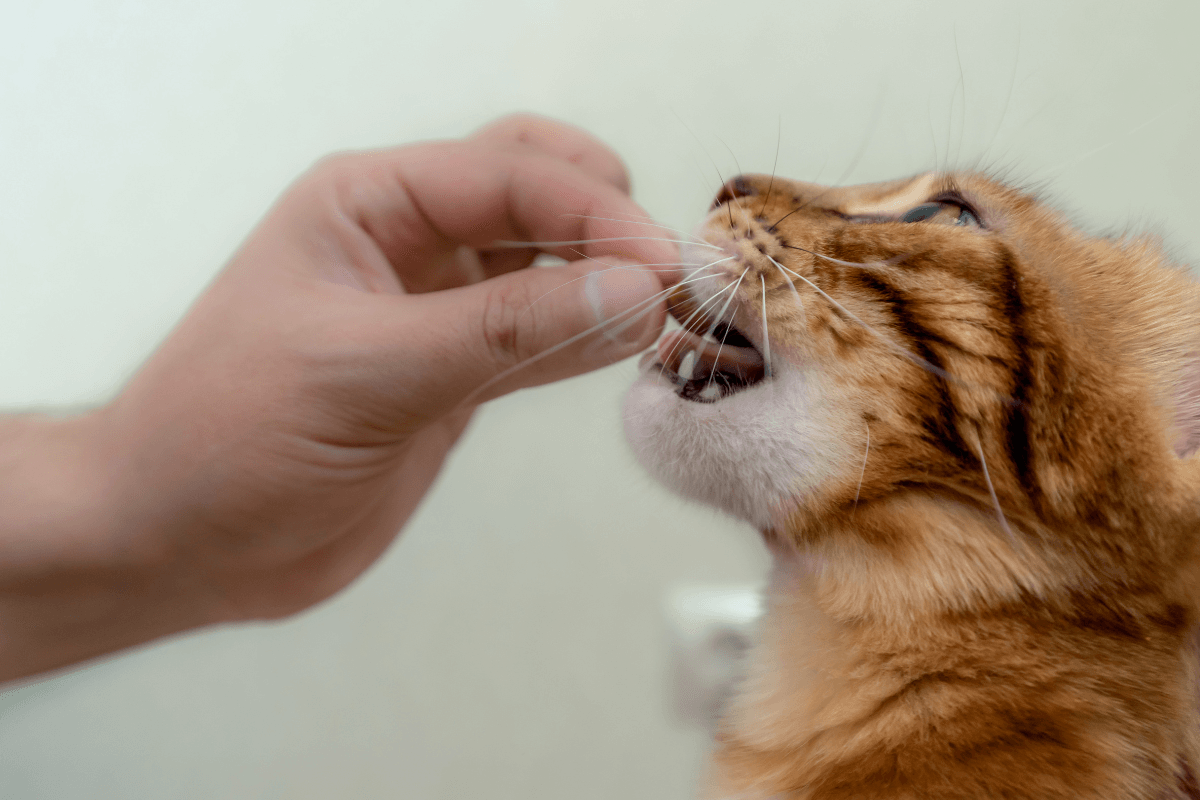
  • Onsior for Cats: Mobility, Comfort, and Safety Tips

    Onsior for Cats: Mobility, Comfort, and Safety Tips

    Key Takeaways

    • Fast-acting NSAID: Robenacoxib can reduce pain and inflammation.
    • Short courses are common: Many cats use it after surgery.
    • Stomach upset can happen: Vomiting or appetite changes should be watched.
    • Kidney and liver health matters: Some cats need closer monitoring.
    • Follow the plan: Dosing and duration should match your veterinarian’s directions.

    When a cat slows down, hides, or stops jumping, it can be hard. Many people start searching because they want their cat comfortable again. Onsior for cats often comes up when pain and inflammation are part of the picture.

    This article walks through what the medicine is, what it may help with, and what to watch for. You’ll also find practical tips for giving it safely, plus questions to ask your veterinarian.

    Robenacoxib Basics for Cat Pain and Inflammation

    Onsior is the brand name for robenacoxib, a veterinary NSAID (nonsteroidal anti-inflammatory drug). NSAIDs reduce inflammation and can ease pain by blocking cyclooxygenase (COX) enzymes involved in inflammatory signaling. In plain terms, that can mean less soreness and better movement for some cats.

    For many households, the main goal is quality of life. Better comfort may show up as easier walking, improved grooming, or more willingness to climb stairs. If you’re unsure whether a behavior change is pain-related, it can help to review common clues in Cat In Pain Signs for a quick at-home checklist.

    Robenacoxib is formulated specifically for cats and dogs, but indications differ by species and country. In the U.S., labeled use for cats focuses on short-term pain and inflammation tied to surgery, based on the product’s approved labeling and studies. For the most current details, see FDA labeling in the official animal drug database.

    Note: Pain control is often a “package,” not a single pill. Your veterinarian may also recommend rest, incision care, and follow-up checks.

    Onsior for cats: Uses, Timing, and What to Expect

    The most common labeled use in many settings is controlling post-operative pain and inflammation. That can include recovery after orthopedic or soft-tissue procedures, where swelling and tenderness are expected. Some veterinarians may also consider it for other painful inflammatory conditions, depending on local regulations and a cat’s overall health.

    It helps to set realistic expectations. This medicine may reduce pain signals and inflammation, but it won’t fix the underlying cause by itself. If a cat’s mobility problems are from arthritis (degenerative joint disease), weight management, joint-friendly activity, and home adjustments can matter just as much. For broader context on joint comfort, Arthritis Awareness Month reviews simple ways to support daily movement.

    Also keep the “why” clear: Onsior is not an antibiotic and does not treat infections directly. If urinary signs like straining, frequent trips to the litter box, or blood in urine appear, those symptoms deserve prompt veterinary attention for proper testing.

    Dosing Choices Your Veterinarian Makes

    Because cats vary widely in size and medical history, dosing decisions are individualized by a veterinarian. The labeled instructions are weight-based and time-limited, and they can differ between tablets and injectable forms. Your veterinarian may weigh several factors before recommending any NSAID, including age, hydration status, and other medications.

    People often search for an Onsior for cats dosage, but it’s safer to think in terms of a plan rather than a number. The plan includes the dose strength, how often it’s given, and how long it’s used. It may also include follow-up, especially for cats with chronic conditions or those who need pain control more than a few days.

    In many clinics, monitoring is part of good NSAID stewardship. Baseline bloodwork may be recommended for some cats, particularly older cats or those with known kidney or liver concerns. That way, the care team can look for risk factors before and during treatment.

    Decision Point Why It Matters What You Can Share
    Body weight Helps select the correct tablet strength Recent weight from a clinic visit
    Hydration and appetite Dehydration can raise NSAID risk Eating/drinking changes, vomiting, diarrhea
    Kidney and liver history These organs help process and clear drugs Past lab results or diagnoses
    Other medicines Some combinations increase side-effect risk Prescription, OTC, and supplements list

    Timing: When It Starts and When It Wears Off

    It’s normal to wonder how quickly a cat might feel better, especially after surgery. Many cats show comfort changes within hours, but behavior can be subtle. A quieter cat may rest more as anesthesia wears off, even when pain control is adequate.

    Another common question is how long does Onsior last in cats. Duration can depend on the formulation, the cat’s health, and the specific condition being treated. Instead of watching the clock, it can help to track function: posture, interest in food, grooming, and willingness to move. If pain behaviors break through between doses, that is a reason to call the clinic rather than “double up” at home.

    Tip: Write down two daily observations (activity and appetite). Patterns are often more informative than single moments.

    Giving Onsior at Home: Tablets, Food, and Handling

    Clinic instructions should always come first, but day-to-day technique can make a big difference. Onsior may be given as a tablet, and some cats take it more easily with a small treat or a pill pocket. Others do best with a gentle “pill popper” device recommended by a veterinary team.

    If you’re searching for Onsior for cats how to give, focus on calm, consistent routines. Choose a quiet room, use a confident but gentle hold, and follow with a small reward if your cat can eat. If your cat is recovering from surgery, ask the clinic which treats are safe and how to avoid tugging near incision sites.

    If you want to compare available formulations before you talk with your veterinarian, you can see the labeled form and strengths on Onsior Cat for quick reference on what a tablet product looks like. For some cats who cannot take tablets, veterinarians may consider other approaches or routes, depending on the situation.

    Can Onsior Be Crushed or Split? What to Ask First

    Many cat parents ask can Onsior for cats be crushed when pilling is a struggle. The safest next step is to ask your veterinarian or pharmacist before changing how a medicine is given. Crushing or splitting can affect dosing accuracy, taste, and how the drug is absorbed.

    Even when a tablet has a score line, that does not always mean it should be divided for cats. Small dose changes can matter more in smaller bodies. If pilling is not working, clinics can sometimes suggest technique changes, different treat strategies, or a different medication plan that fits your cat’s needs.

    It’s also worth asking about timing with meals and other medicines. Some cats tolerate NSAIDs better with food, while others have specific instructions. If nausea or food refusal is already present, your veterinarian may want to reassess the approach rather than pushing through.

    Possible Side Effects and When to Call the Vet

    Like all NSAIDs, Onsior can cause side effects, and most are related to the digestive tract. Vomiting, softer stool, diarrhea, or reduced appetite are among the more commonly discussed concerns. When people search Onsior for cats side effects, they often want to know what is “normal” after surgery versus what needs medical attention.

    Call your veterinarian promptly if vomiting is repeated, if diarrhea is persistent, or if your cat stops eating. Also reach out if you see black, tarry stool, blood in vomit or stool, extreme lethargy, collapse, or signs of dehydration. Those are not issues to monitor at home without guidance.

    Some cats seem sleepier while recovering, and it can be hard to tease apart medication effects from healing, anesthesia after-effects, or pain itself. If sedation feels out of proportion, or your cat is difficult to rouse, it’s reasonable to check in. For general support in tracking and describing reactions, Side Effects Management offers a structured way to document symptoms and timelines for a clinician.

    Serious reactions are less common, but they are the reason clinics emphasize close observation. The best safety step is early communication, not waiting until a cat is clearly unwell.

    Interactions and Higher-Risk Situations (Kidney, Liver, Dehydration)

    NSAID safety depends heavily on the whole health picture. Cats with kidney disease, dehydration, low blood pressure, or liver problems may have higher risk from NSAIDs, because these drugs can affect blood flow to the kidneys and irritate the gastrointestinal tract. Your veterinarian may recommend lab work or an alternative pain plan if risk factors are present.

    Medication interactions matter too. Combining NSAIDs with corticosteroids (like prednisone) can raise gastrointestinal risk, and combining NSAIDs together is generally avoided. Some cats are also taking antibiotics or other medicines after surgery; the clinic can confirm which combinations are appropriate. If your cat is prescribed an antibiotic and you want a neutral overview of what questions to ask about overlap, Doxycycline Uses And Safety outlines common monitoring topics to discuss.

    Chronic conditions can change the plan. For example, diabetes can increase vulnerability to dehydration during illness, which can complicate NSAID use. If your cat has multiple diagnoses, Understanding Pet Diabetes can help you organize the health history you share with the clinic.

    For additional regulatory details outside the U.S., some readers review EMA product information alongside local veterinary guidance. Labeling can vary by country, so local instructions should lead.

    Alternatives and Comparisons: Other NSAIDs and Supportive Care

    If a cat cannot use robenacoxib, veterinarians may discuss other pain-control options. Another veterinary NSAID sometimes used in cats is meloxicam, which comes in oral forms in some regions. The right choice depends on the indication, the cat’s age and kidney status, and the clinician’s assessment of risks and benefits.

    If you’re comparing options because pilling is difficult, you may hear about liquid formulations. For example, Metacam Oral Suspension is a product listing that can help you recognize a liquid NSAID format when discussing routes and handling with your veterinarian. This is not a substitute for medical guidance, but it can make conversations clearer.

    Non-drug support can also change outcomes. Softer bedding, low-entry litter boxes, ramps to favorite spots, and short play sessions can reduce flare-ups. Weight management can be especially important for arthritis, because each jump carries extra load. When you need broader context across conditions and comfort strategies, browsing Pet Health can help you compare topics and terminology before your next visit.

    Finally, trust your observations. If mobility improves on medication but declines soon after stopping, that is useful information for the clinician. It may point to ongoing pain that needs a longer-term plan, which could include different medicines, physical rehabilitation, or diagnostics.

    Recap

    Robenacoxib is an NSAID used to manage pain and inflammation in cats, commonly after surgery. The safest use comes from matching the dose and duration to a veterinarian’s plan, then watching closely for appetite changes, vomiting, diarrhea, or unusual tiredness. Extra care is often needed for cats with kidney or liver concerns, dehydration risk, or complex medication lists.

    This content is for informational purposes only and is not a substitute for professional medical advice for your personal situation.