
Category: Endocrine & Thyroid

This Endocrine & Thyroid hub supports patients and caregivers navigating hormone-related concerns.

It also explains care basics for US delivery from Canada in plain language.

Endocrine disorders involve glands that make hormones, which act like body messengers.

Thyroid disorders can affect energy, weight changes, temperature tolerance, and heart rate.

This page helps with browsing, terminology, and next-step questions to ask clinicians.

It does not replace individualized evaluation, diagnosis, or treatment planning.

Endocrine & Thyroid Overview

The endocrine system includes the thyroid, pancreas, adrenal glands, and pituitary gland.

Each gland can contribute to hormone imbalance that affects many body systems.

Common topics include hypothyroidism, hyperthyroidism, thyroid nodules, and goiter.

Other areas include PCOS management, metabolic disorders, and diabetes and endocrine care.

Many care plans start with thyroid function tests, such as a TSH test and free T4.

Some evaluations also include imaging like a thyroid ultrasound for structure changes.

Dispensing is handled by licensed Canadian partner pharmacies.

For a plain-language test primer, see the American Thyroid Association.

What You’ll Find in This Category

This hub groups educational pages that explain endocrinology terms and common pathways.

It also connects to related browsing pages for medications and condition hubs.

To explore medication groupings, browse the Endocrine Thyroid Category for comparable options.

Some pages focus on symptoms that overlap across endocrine disorders and thyroid disorders.

For example, unwanted hair growth can relate to androgen excess and PCOS patterns.

See What Is Hirsutism for clear definitions and context.

If cycle changes or insulin resistance questions come up, review PCOS Symptoms What Is PCOS for an overview.

This category may also reference specific medications used in endocrine care.

One example is Spironolactone Medication, which may be prescribed for several indications.

Some visitors also browse less common condition hubs to understand care pathways.

The Pancreatic Neuroendocrine Tumor hub organizes related options and supporting information.

For discussions that bridge weight care and hormones, see Wegovy And Hormonal Health for background reading.

How to Choose

Use this Endocrine & Thyroid hub to match the right page to the question.

Start with whether the need is symptom context, test definitions, or medication navigation.

Start with the main concern

  • Focus on symptoms versus a confirmed diagnosis.
  • Note recent lab changes, even if results seem minor.
  • Track time course, like sudden onset versus gradual change.
  • List related conditions, including diabetes, PCOS, or thyroid cancer history.
  • Check if pregnancy or fertility planning is relevant.

Why it matters: The same symptom can point to different endocrine pathways.

Use test and imaging terms as a map

  • TSH reflects pituitary signaling to the thyroid.
  • Free T4 reflects circulating thyroid hormone levels.
  • Ultrasound describes structure, not hormone output.
  • Repeat testing timing can change how results are interpreted.

When choices feel unclear, bring questions to an endocrine specialist or primary clinician.

Clinicians can connect symptoms, labs, and medication goals in a safe plan.

Safety and Use Notes

Endocrine & Thyroid topics often involve long-term monitoring and follow-up.

Safety depends on the condition, the medication, and the person’s full history.

Medication safety basics

Share a full medication list, including supplements and over-the-counter products.

Hormone-active medications can interact with blood pressure, potassium, or glucose control.

  • Report allergies and past serious reactions before any dispensing step.
  • Discuss pregnancy and breastfeeding status with the prescribing clinician.
  • Ask about monitoring plans for labs, blood pressure, or symptoms.
  • Do not change doses based on online information alone.
  • Confirm what to do if a dose is missed.

Pharmacies verify prescriptions with prescribers before dispensing, when required.

Interpreting results and symptom changes

Single test results can be misleading without timing and clinical context.

For example, illness, new medications, and lab variation can shift thyroid values.

Seek urgent care for severe symptoms, then follow clinician guidance afterward.

Access and Prescription Requirements

Many items in the Endocrine & Thyroid area require a valid prescription.

Some pages describe general thyroid treatment options without recommending a specific drug.

This platform supports cross-border access using Canadian dispensing partners and required checks.

  • Have prescriber details available for verification when needed.
  • Use consistent contact information to avoid processing delays.
  • Keep current allergy and medication lists ready for review.
  • Check that the prescription is current and legible.
  • Review refill timing with the prescribing clinician.

Quick tip: Save lab dates and results to reference during appointments.

Cash-pay options can help, including for people without insurance.

This content is for informational purposes only and is not a substitute for professional medical advice.


  • Side Effects of Synthroid: Safety, Symptoms, and Dose Clues

    Side Effects of Synthroid: Safety, Symptoms, and Dose Clues

    The side effects of synthroid often feel like symptoms of too much thyroid hormone, especially after a dose change or a shift in timing. Common reactions can include a fast heartbeat, shakiness, sweating, anxiety, sleep trouble, headache, appetite changes, or loose stools. These symptoms matter because they may point to over-replacement, absorption changes, interactions, or an underlying thyroid imbalance that still needs attention.

    Synthroid is a brand of levothyroxine, a synthetic form of thyroxine, also called T4. It replaces thyroid hormone when the body does not make enough. Most people tolerate it well when the dose is well matched, but small changes can feel big. Your pattern of symptoms, lab results, and medication routine all help your clinician understand what is happening.

    Key Takeaways

    • Common patterns: Jitteriness, palpitations, sweating, and insomnia often suggest too much hormone effect.
    • Dose context matters: A dose is not “high” without considering age, weight, heart history, pregnancy, and lab goals.
    • Timing changes absorption: Calcium, iron, coffee, fiber, and some antacids can affect how levothyroxine is absorbed.
    • Serious symptoms need care: Chest pain, fainting, severe shortness of breath, or facial swelling should not wait.
    • Monitoring helps: TSH and free T4 trends usually guide safer adjustments better than symptoms alone.

    How Synthroid Side Effects Usually Happen

    Most side effects of synthroid happen when thyroid hormone exposure is higher than your body needs, or when levels swing because absorption changes. Levothyroxine has a narrow therapeutic range, meaning small dose or routine differences can matter. That does not mean the medicine is unsafe. It means consistency is important.

    When thyroid hormone runs high, the body can feel sped up. Your pulse may rise. You may feel shaky, warm, restless, or wired at night. Some people notice more bowel movements, increased appetite, or weight changes. Hair shedding can also occur during thyroid shifts, though hair changes may come from the thyroid condition itself rather than the tablet.

    When thyroid hormone remains too low, the picture can look different. Fatigue, constipation, cold sensitivity, dry skin, low mood, and brain fog may suggest undertreatment. This overlap is frustrating. People sometimes say levothyroxine makes them feel awful when the real issue is dose, timing, another medication, or the underlying condition still settling.

    Why it matters: Symptoms alone can mislead, but symptoms plus lab trends are much more useful.

    Common Reactions Versus Warning Signs

    The most common side effects of synthroid often resemble mild hyperthyroid symptoms, which means symptoms of too much thyroid hormone. People commonly report a racing heartbeat, jitteriness, sweating, nervousness, headache, heat intolerance, or trouble sleeping. These are more likely after a dose increase, a brand or generic switch, or a new routine that improves absorption.

    Some reactions are uncomfortable but not usually emergencies. Others need prompt medical attention. Use this table as a safety sorting tool, not as a diagnosis.

    Symptom Pattern What It May Suggest What To Do Next
    Fast pulse, tremor, sweating, insomnia Possible over-replacement or improved absorption Record timing and contact your clinician for guidance.
    Fatigue, constipation, cold sensitivity, brain fog Possible undertreatment or non-thyroid cause Ask whether labs and timing should be reviewed.
    Headache, appetite shifts, loose stools Possible adjustment effect or dose sensitivity Track when symptoms occur and what changed recently.
    Chest pain, fainting, severe shortness of breath Potential cardiac warning sign Seek urgent medical care.
    Swelling of lips, tongue, throat, or hives Possible allergic reaction or angioedema Seek urgent care, especially with breathing symptoms.

    Serious levothyroxine side effects are uncommon, but they deserve attention. The official product label lists adverse reactions linked to excess thyroid hormone, including palpitations, rapid heartbeat, nervousness, sweating, weight loss, and menstrual changes. It also warns that thyroid hormone should not be used for weight loss in people with normal thyroid function.

    If you are trying to understand brand-specific information, the Synthroid Side Effects resource can help you prepare questions for your next appointment. For broader product context, Synthroid Uses And Dosage explains where levothyroxine fits in hypothyroidism care.

    Is 50 mcg or 100 mcg a High Dose?

    A levothyroxine dose is only “high” in context. A 50 mcg dose may be modest for one adult and too much for another person with lower needs, older age, low body weight, heart disease, or partial thyroid function. A 100 mcg dose can be appropriate for some people and excessive for others. Lab targets, symptoms, body size, pregnancy status, and medical history all matter.

    Clinicians often adjust levothyroxine gradually, then recheck thyroid-stimulating hormone, or TSH, after enough time has passed for levels to stabilize. Free T4 may also help in selected situations. Older adults and people with coronary artery disease often need more cautious titration because excess thyroid hormone can strain the heart.

    What is considered a high dose of Synthroid also depends on why it is being used. Replacement after thyroid removal may differ from treatment for mild hypothyroidism. Pregnancy can increase thyroid hormone requirements. Some gastrointestinal conditions or interacting medicines may make a dose look high on paper while blood levels remain low.

    Quick tip: Write down the dose, timing, meals, supplements, and symptoms before each thyroid lab visit.

    Why Timing, Food, and Supplements Can Change How You Feel

    Levothyroxine absorption can change if you take it with certain foods, drinks, or supplements. Many people are told to take it with water on an empty stomach and wait before eating. The exact routine should follow your prescriber’s instructions, but the goal is the same: keep absorption steady from day to day.

    Calcium and iron supplements can bind levothyroxine and reduce absorption. Some antacids, bile acid binders, fiber supplements, soy-containing foods, and coffee taken too close to the dose may also affect levels. Biotin is different. It may interfere with some thyroid lab tests, making results harder to interpret, so clinicians may recommend pausing it before testing.

    These details help explain why side effects of synthroid may appear after a routine change. If you move your dose from breakfast to early morning, stop a calcium supplement, or change coffee timing, your body may absorb more medicine than before. The dose did not change, but exposure may have.

    For practical spacing examples, see How To Take Synthroid. If diet timing is the main challenge, Foods To Avoid With Synthroid offers a useful checklist for discussing your routine.

    Side Effects in Women, Men, and Older Adults

    Women may notice thyroid hormone changes through menstrual cycle shifts, heat intolerance, anxiety, sleep disruption, or hair shedding. These symptoms can also come from pregnancy, perimenopause, anemia, stress, or the thyroid condition itself. That makes lab follow-up especially important when symptoms change.

    During pregnancy, thyroid hormone needs can change, and untreated hypothyroidism can carry risks. People who are pregnant, trying to conceive, or recently postpartum should not adjust thyroid medicine on their own. They should ask their clinician how often thyroid labs should be checked and what target range applies.

    Men may report palpitations, exercise intolerance, sweating, nervousness, or sleep problems when thyroid hormone exposure is too high. Some also notice fatigue or low mood if levels remain too low. These symptoms are not specific to thyroid treatment, so clinicians may consider heart rhythm, sleep, mood, and other causes too.

    Synthroid side effects in elderly adults deserve extra caution. Over-replacement may increase the risk of atrial fibrillation, an irregular heart rhythm, and may contribute to bone loss over time. Older adults may also feel symptoms less dramatically than younger adults, so routine labs and pulse changes can be important clues.

    Long-Term Effects of Too Much Thyroid Medication

    Long-term effects of too much thyroid medication are mainly linked to sustained over-replacement. The biggest concerns are heart rhythm problems and reduced bone mineral density, especially in older adults and postmenopausal women. This is why clinicians usually aim for a lab range that fits the person’s condition and risk profile.

    Long-term side effects of Synthroid are not expected when the dose is well matched and monitored. The risk rises when TSH stays suppressed below the intended target, or when symptoms of excess thyroid hormone are ignored. Over time, excessive thyroid hormone can make the heart work harder and may speed bone turnover.

    Undertreatment also has consequences. Persistently low thyroid hormone can worsen fatigue, constipation, cold sensitivity, menstrual changes, and cholesterol levels. The practical goal is not the smallest dose or the largest dose. It is the dose that keeps thyroid levels in the intended range while accounting for how you feel.

    If formulation consistency is part of your concern, Synthroid Vs Levothyroxine explains brand and generic considerations in plain language. For readers comparing thyroid-related options, the Endocrine Thyroid collection groups related educational topics.

    When Side Effects Feel Unacceptable

    Unacceptable side effects of levothyroxine are symptoms that feel severe, persistent, unsafe, or disruptive enough to stop normal life. Examples include ongoing palpitations, severe insomnia, marked anxiety, chest discomfort, fainting, significant diarrhea, or symptoms that escalate after a dose change. Allergic-type symptoms, such as swelling or breathing difficulty, require urgent care.

    Do not stop or lower your dose without medical guidance unless a clinician has already told you how to handle that situation. Stopping levothyroxine can allow hypothyroid symptoms to return, sometimes gradually. Fatigue, cold intolerance, constipation, mood changes, and mental fog may appear as hormone levels fall.

    If side effects feel intolerable, ask your care team what information would help them decide next steps. Useful details include the exact tablet strength, manufacturer if known, time of day taken, missed doses, supplements, coffee timing, recent weight changes, new medicines, and the date of your last TSH and free T4 tests.

    Practical Ways to Prepare for a Safer Dose Review

    A short symptom log can make thyroid follow-up more productive. It helps separate medication timing problems from unrelated daily stress, illness, caffeine, or sleep disruption. Keep it simple enough that you can actually use it.

    • Record dose timing: Note the time and whether you ate soon after.
    • List supplements: Include calcium, iron, multivitamins, antacids, and biotin.
    • Track pulse: Resting heart rate can help contextualize palpitations.
    • Mark sleep changes: Note insomnia, early waking, or unusual fatigue.
    • Capture bowel changes: Constipation or frequent stools can be thyroid clues.
    • Note product switches: Record brand, generic, or manufacturer changes.

    Some people also ask about access and product continuity. If you review product information, keep the conversation clinical rather than commercial. BorderFreeHealth connects U.S. patients with licensed Canadian partner pharmacies, and prescription details may be verified with the prescriber where required before pharmacy dispensing. The Synthroid product page can help you identify the medicine being discussed, while your clinician remains the right source for dose decisions.

    Authoritative Sources

    For official label-backed safety information, review the DailyMed Synthroid label. It lists adverse reactions, cautions, and important use limitations.

    For patient-friendly medication basics, MedlinePlus provides a neutral summary of levothyroxine drug information, including side effects and interaction reminders.

    For broader clinical context on hypothyroidism testing and treatment, the American Thyroid Association explains hypothyroidism symptoms and treatment in patient-focused language.

    Recap

    Most side effects of synthroid are manageable once you and your clinician identify the pattern. Symptoms may reflect too much thyroid hormone, too little hormone, inconsistent absorption, an interaction, or a separate health issue. The safest next step is usually not guessing. It is bringing clear information to a dose review.

    Seek urgent care for chest pain, fainting, severe shortness of breath, or swelling of the lips, tongue, throat, or face. For less urgent but persistent symptoms, prepare a two-week log and ask whether timing, labs, product consistency, or interacting medicines should be reviewed.

    This content is for informational purposes only and is not a substitute for professional medical advice.
  • GLP 1 and Metformin in PCOS: Differences That Matter

    GLP 1 and Metformin in PCOS: Differences That Matter

    GLP 1 and metformin can both fit into PCOS care, but they do different jobs. Metformin mainly targets insulin resistance, while GLP-1 receptor agonists mainly reduce appetite and support weight loss. For people with polycystic ovary syndrome (PCOS), that difference matters because symptoms can involve weight changes, irregular cycles, androgen excess, fertility goals, and long-term metabolic risk.

    Key Takeaways

    • Different core actions: Metformin improves insulin sensitivity; GLP-1 medicines affect appetite, fullness, and post-meal glucose.
    • PCOS goals vary: Weight, cycles, A1C, fasting insulin, cholesterol, fertility plans, and side effects all influence the decision.
    • Combination therapy can fit: Some people use both under medical supervision, especially when one medicine does not meet metabolic goals.
    • Side effects overlap: Nausea, diarrhea, constipation, and abdominal discomfort can occur, so slow titration and monitoring matter.
    • Pregnancy planning needs care: Medication choices should be coordinated with a clinician before conception or fertility treatment.

    Where GLP-1 and Metformin Fit in PCOS Care

    PCOS care usually starts with the person’s main goal, not with a single “best” medication. Some people want more predictable cycles. Others are focused on insulin resistance, weight changes, acne, excess hair growth, fertility planning, or diabetes prevention. GLP 1 and metformin may help different parts of that picture, but neither replaces a full plan.

    Metformin has a long history in insulin resistance and type 2 diabetes care. In PCOS, clinicians may consider it when insulin resistance, prediabetes, or metabolic risk is a major concern. It can also support cycle regularity in some people, although responses vary. If you need a broader refresher on symptoms and diagnosis, start with PCOS Symptoms for context.

    GLP-1 receptor agonists are a different class. They include medicines such as semaglutide and liraglutide, among others. These drugs are not approved specifically for PCOS, but they may be considered when weight management and cardiometabolic risk are central issues. Weight reduction can sometimes improve ovulation patterns and metabolic markers, but it is not a guaranteed fertility treatment.

    Why it matters: The right comparison is not “stronger versus weaker.” It is whether the medicine matches your PCOS pattern, risks, and goals.

    How They Work: Insulin, Appetite, and Hormone Signals

    Metformin works mainly by lowering liver glucose production and improving how the body responds to insulin. Insulin resistance means cells respond less effectively to insulin, so the body may produce more of it. In PCOS, higher insulin levels can worsen androgen signaling in some people, which may affect cycles, acne, and hair growth.

    GLP-1 medicines mimic glucagon-like peptide-1, a gut hormone involved in insulin release, glucagon regulation, stomach emptying, and appetite signals. In plain terms, many people feel full sooner and stay full longer. That can reduce calorie intake and improve post-meal glucose patterns. For a detailed scientific overview, this review explains the physiology of GLP-1 receptor signaling.

    Metformin may also influence naturally occurring GLP-1 levels, but it is not a GLP-1 receptor agonist. This distinction helps explain why the medicines can be paired in some treatment plans. They work through partly separate pathways, so clinicians may consider both when insulin resistance and appetite-driven weight gain are both important.

    Metformin’s Main PCOS-Relevant Effects

    Metformin is often discussed in PCOS because insulin resistance is common. It may help fasting glucose, A1C, and insulin patterns. Some people also notice more regular menstrual bleeding after sustained metabolic improvement. However, weight loss with metformin is usually modest, and many people do not lose a large amount from the medicine alone.

    Common early effects include diarrhea, nausea, gas, and abdominal discomfort. Extended-release formulations and taking doses with food may improve tolerability for some people. Long-term use can lower vitamin B12 levels, so periodic testing may be appropriate. If hair or androgen symptoms are part of your PCOS picture, this related discussion of Metformin and Hair Loss Research may be useful background, although it is not specific to all PCOS hair concerns.

    GLP-1 Medicines and PCOS-Relevant Effects

    GLP-1 medicines are usually considered when weight-related health risk, appetite regulation, or glucose control is a priority. The phrase glp-1 for weight loss often refers to prescription medications, not over-the-counter supplements. Products marketed as a “GLP-1 supplement” do not work like prescription GLP-1 receptor agonists and should not be treated as interchangeable.

    Common GLP-1 side effects include nausea, constipation, diarrhea, vomiting, reflux, and reduced appetite. Serious but less common concerns can include pancreatitis, gallbladder problems, dehydration from severe vomiting, and worsening kidney function in vulnerable people. Anyone with severe abdominal pain, persistent vomiting, signs of dehydration, or allergic symptoms should seek medical care promptly.

    How It Compares for Weight, Cycles, and Metabolic Goals

    GLP 1 and metformin are often compared because both can affect weight and blood sugar, but the average weight effect is usually larger with GLP-1 receptor agonists. Metformin may still be the more practical first option for some people, especially when insulin resistance or prediabetes is the leading issue and appetite is not the main barrier.

    For weight, GLP-1 medicines generally act through satiety and appetite pathways. Metformin tends to act through glucose and insulin pathways, with smaller weight effects. This is why someone asking “ozempic or metformin for weight loss” is really asking about two different mechanisms. A clinician may also consider diagnosis, body mass index, blood pressure, lipids, eating patterns, pregnancy plans, medication history, and cost.

    For cycles, neither option is a direct cycle-regulating hormone treatment. Improving insulin resistance or reducing weight may help ovulation in some people. Others still need separate therapies for cycle protection, androgen symptoms, or fertility induction. If fertility preservation is part of your planning, this research-focused piece on Metformin and Egg Cells may help frame questions for a reproductive specialist.

    For metabolic tracking, labs often matter more than scale changes alone. A1C, fasting glucose, fasting insulin, lipids, liver enzymes, blood pressure, waist measures, and menstrual patterns can all help show whether a plan is working. The calculator below can estimate HOMA-IR from fasting glucose and fasting insulin, which some clinicians use as one insulin resistance marker. It does not diagnose PCOS or replace clinical interpretation.

    [homa-ir-calculator]

    Can You Take Metformin While on a GLP-1?

    Some people can take metformin while using a GLP-1 medication, but the decision should be clinician-led. The combination is common in type 2 diabetes care and may be considered in some PCOS-related metabolic scenarios. The main reason is that the medicines target different pathways: metformin supports insulin sensitivity, while GLP-1 therapy affects appetite, satiety, and glucose-dependent insulin release.

    What happens if you take semaglutide and metformin together depends on your health status and dose plan. Some people have improved glucose or weight-related markers. Others experience more gastrointestinal side effects, especially during the first weeks of titration. Nausea from a GLP-1 drug plus diarrhea from metformin can make adherence difficult if the plan moves too fast.

    People often ask about metformin GLP-1 combination weight loss. It is better to think in terms of health outcomes rather than a promised number. Weight response varies widely. Sleep, stress, nutrition, activity, insulin resistance severity, other medications, thyroid status, and eating disorder history can all change the picture.

    Quick tip: Bring a medication list, symptom log, and recent labs to appointments so side-effect patterns are easier to review.

    Side Effects, Warnings, and Monitoring

    The most common issue with both drug classes is gastrointestinal discomfort. Metformin often causes diarrhea, gas, or cramping early on. GLP-1 medicines more often cause nausea, fullness, constipation, reflux, or vomiting. These effects are not just inconvenient; they can affect nutrition, hydration, and whether a person can continue treatment.

    For GLP-1 therapy, clinicians usually screen for risk factors and review the medication label. Important cautions may include a history of pancreatitis, gallbladder disease, certain endocrine tumor syndromes, severe gastrointestinal disease, kidney problems related to dehydration, and pregnancy plans. Label details differ by medicine, so the specific product matters.

    For metformin, kidney function is a major safety checkpoint. Clinicians may also monitor vitamin B12, especially with long-term use or symptoms such as numbness, fatigue, or anemia. Rarely, metformin can contribute to lactic acidosis, a serious condition more likely in people with significant kidney, liver, heart, or severe acute illness risks.

    Ozempic side effects are often discussed online because semaglutide is widely known. However, Ozempic is one brand within the GLP-1 class and is labeled for type 2 diabetes, not PCOS itself. If you want a practical side-effect primer, see Managing Ozempic Side Effects for symptom-management questions to discuss with a clinician.

    Decision Factors to Discuss With Your Clinician

    The best choice depends on which PCOS problems are most active and which risks need monitoring. A person with prediabetes, high fasting insulin, and modest appetite concerns may have a different plan than someone with significant obesity-related risk and strong hunger signals. Cost, insurance status, access, pregnancy timing, and medication tolerance also matter.

    • Primary goal: Clarify whether the priority is glucose, weight, cycles, fertility, androgen symptoms, or prevention.
    • Baseline labs: Review A1C, fasting glucose, fasting insulin, lipids, kidney function, liver enzymes, and B12 when relevant.
    • GI history: Mention reflux, gastroparesis, chronic diarrhea, constipation, gallbladder disease, or pancreatitis history.
    • Pregnancy plans: Ask how long before conception a medication should be stopped, if applicable.
    • Current medications: Review diabetes drugs, contraceptives, fertility medicines, psychiatric medicines, and supplements.
    • Monitoring plan: Decide what to track and when labs or follow-up visits should occur.

    Access questions should stay separate from clinical eligibility. BorderFreeHealth connects U.S. patients with licensed Canadian partner pharmacies, and prescription details may be verified with the prescriber when required before dispensing. For people reviewing broader medication pathways without insurance, eligibility and jurisdiction still shape what options are appropriate.

    You can also browse related condition topics through Women’s Health or metabolic topics through Endocrine and Thyroid. These sections can help you prepare better questions, but treatment decisions should remain individualized.

    Timeline and Expectations: What Progress Can Look Like

    Progress with GLP 1 and metformin is usually gradual and uneven. Early weeks often focus on tolerability. Later follow-up looks at weight trends, appetite, menstrual patterns, glucose markers, lipid changes, and quality of life. A short-term scale change can be encouraging, but it is not the only meaningful outcome.

    Questions such as “how long to lose 20 lbs on metformin” are understandable, but they can be misleading. Metformin is not primarily a weight-loss drug, and many people will not lose that amount from metformin alone. GLP-1 medicines may produce more weight loss on average, but individual response still varies and depends on adherence, nutrition, activity, side effects, dose tolerance, and underlying conditions.

    For PCOS, it also helps to track non-scale signs. Are cycles changing? Are cravings or energy more manageable? Are A1C, fasting insulin, or triglycerides improving? Are side effects interfering with meals, hydration, or work? These details help your clinician decide whether to continue, adjust, pause, or reconsider a plan.

    If pregnancy is a near-term goal, do not wait until a positive test to raise medication questions. Some medicines require advance planning before conception. A reproductive endocrinologist or obstetric clinician can help coordinate PCOS treatment, ovulation planning, and medication safety.

    Authoritative Sources

    The international PCOS guideline summary emphasizes lifestyle foundations, weight-inclusive care, and individualized pharmacologic decisions. It supports shared decision-making rather than a single medication pathway for everyone with PCOS.

    The American Diabetes Association publishes annual Standards of Care in Diabetes, which provide broader context on glucose monitoring, cardiometabolic risk, and medication safety considerations. These standards are not PCOS-specific, but they inform diabetes and prediabetes care.

    For medicine-specific warnings, contraindications, and pregnancy language, use the current official prescribing information for the exact product your clinician is considering. Labels can differ across GLP-1 drugs, even within the same general class.

    Pulling the Comparison Together

    Metformin and GLP-1 medicines can both be relevant in PCOS, but they answer different clinical questions. Metformin is usually framed around insulin resistance and glucose metabolism. GLP-1 therapy is usually framed around appetite regulation, weight-related risk, and glucose effects. Some people may use both, but side effects, monitoring, pregnancy plans, and personal goals should guide the discussion.

    Before your next visit, write down your top two goals and your biggest concern. That small step can make a complicated medication conversation more focused and less overwhelming.

    This content is for informational purposes only and is not a substitute for professional medical advice.
  • What Is Hypothyroidism? Symptoms, Causes, and Treatment

    What Is Hypothyroidism? Symptoms, Causes, and Treatment

    What is hypothyroidism? It is a condition where your thyroid gland does not make enough thyroid hormone for your body’s needs. This matters because thyroid hormones help regulate energy use, body temperature, heart function, cholesterol, digestion, mood, and menstrual cycles. When levels run low, many body systems can slow down.

    Hypothyroidism is common and usually manageable with proper testing, follow-up, and consistent treatment. The challenge is that early symptoms can look like stress, aging, low sleep, depression, or other health changes. Clear information can help you notice patterns, prepare better questions, and work with your clinician on next steps.

    Key Takeaways

    • Core definition: An underactive thyroid makes too little hormone.
    • Common signs: Fatigue, cold sensitivity, constipation, dry skin, and weight changes.
    • Main cause: Hashimoto’s thyroiditis is common in iodine-sufficient regions.
    • Testing approach: TSH and free T4 usually guide diagnosis.
    • Treatment focus: Levothyroxine often replaces missing thyroid hormone.

    How an Underactive Thyroid Affects the Body

    Hypothyroidism slows many body processes because thyroid hormone helps set the pace of metabolism. The thyroid is a small gland in the front of the neck. It makes thyroxine (T4) and triiodothyronine (T3), hormones that influence how cells use energy.

    Your brain and pituitary gland help regulate this system. The pituitary releases thyroid-stimulating hormone, or TSH, which signals the thyroid to make more hormone. In primary hypothyroidism, the thyroid gland itself underperforms. In central hypothyroidism, the pituitary or hypothalamus does not send the right signal.

    Most people hear about primary hypothyroidism first because it is more common. A typical pattern is high TSH with low free T4. The pituitary is “asking” for more thyroid hormone, but the thyroid cannot keep up. In milder or earlier cases, TSH may be high while free T4 remains within the lab reference range.

    Why it matters: Lab patterns help separate thyroid disease from other causes of fatigue.

    Hypothyroidism is not the same as hyperthyroidism. Hypothyroidism means too little thyroid hormone. Hyperthyroidism means too much. The symptoms can overlap in confusing ways, but they often move in opposite directions. For example, hypothyroidism may cause cold intolerance and constipation, while hyperthyroidism may cause heat intolerance and frequent stools.

    Early Signs and Symptoms to Watch

    Hypothyroidism symptoms often develop slowly, which makes them easy to dismiss. Many people first notice lower energy, colder hands or feet, slower thinking, or a heavier feeling in the body. Others notice changes in skin, hair, digestion, or menstrual cycles before they feel clearly unwell.

    Common symptoms of hypothyroidism can include:

    • Low energy: Fatigue that does not match your routine.
    • Cold sensitivity: Feeling chilled when others feel comfortable.
    • Dry skin: Rough, itchy, or flaky skin.
    • Hair changes: Thinning hair or coarse texture.
    • Digestive slowing: Constipation or bloating.
    • Weight changes: Gradual gain or difficulty losing weight.
    • Brain fog: Slower recall, focus, or motivation.
    • Muscle symptoms: Aches, cramps, stiffness, or weakness.

    Some people also develop a puffy face, hoarse voice, slowed heart rate, high LDL cholesterol, or low mood. These findings do not prove hypothyroidism by themselves. They do, however, give your clinician useful clues when paired with blood tests.

    Symptoms in women and people assigned female at birth

    Thyroid problems in women can affect menstrual cycles, fertility planning, pregnancy, and postpartum recovery. Periods may become heavier, longer, or irregular. Some people notice worsening cramps, lower libido, or difficulty conceiving. During pregnancy, thyroid hormone supports fetal development, so testing and treatment targets require careful clinical follow-up.

    Postpartum thyroiditis can also occur after delivery. It may start with a temporary overactive phase, then shift into an underactive phase. Symptoms can be mistaken for normal postpartum exhaustion, so persistent palpitations, major fatigue, mood changes, or weight changes deserve medical discussion.

    Symptoms in children and older adults

    Children may show slowed growth, delayed puberty, constipation, fatigue, or school concentration problems. Older adults may have fewer classic symptoms. Sometimes the main clues are memory changes, low mood, constipation, muscle weakness, or unexpectedly high cholesterol.

    Itching can happen when thyroid-related dryness affects the skin. People may notice itchiness on the shins, forearms, scalp, or other dry areas. Tingling in the hands can also occur with long-standing disease, though many other conditions can cause it. A symptom timeline helps your clinician decide what to test first.

    Common Causes and Risk Factors

    The most common cause of hypothyroidism in many iodine-sufficient areas is Hashimoto’s thyroiditis. This autoimmune condition occurs when the immune system gradually attacks thyroid tissue. Over time, the gland may make less hormone.

    Other causes of hypothyroidism include thyroid surgery, radioactive iodine treatment, radiation to the neck, certain medicines, congenital thyroid differences, pituitary disease, and iodine imbalance. Some medicines, including amiodarone and lithium, can affect thyroid function in some people. Do not stop prescribed medication on your own; ask your clinician whether monitoring is needed.

    Worldwide, iodine deficiency remains an important cause of thyroid disease. Iodine is needed to make thyroid hormone, but more is not always better. Excess iodine can worsen thyroid problems in some people, especially when autoimmune thyroid disease is present.

    Risk may be higher if you have a family history of thyroid disease, another autoimmune condition, prior thyroid treatment, pregnancy or recent childbirth, or a history of neck radiation. Age can also matter. Hypothyroidism becomes more common with age, and it is diagnosed more often in women.

    If you are reading about causes while comparing medication topics, the Endocrine Thyroid collection can help you browse related thyroid education. Use it for context, not as a substitute for lab interpretation.

    How Clinicians Diagnose Hypothyroidism

    A hypothyroidism diagnosis usually starts with symptoms, health history, an exam, and blood tests. The two most common thyroid tests are TSH and free T4. TSH shows how strongly the pituitary is signaling the thyroid. Free T4 reflects the amount of available thyroxine in the blood.

    In overt primary hypothyroidism, TSH is usually high and free T4 is low. In subclinical hypothyroidism, TSH is high while free T4 is still within range. Your clinician may repeat testing before making long-term decisions, especially if results are borderline or symptoms are mild.

    A hypothyroidism test panel may also include thyroid peroxidase antibodies, often called TPO antibodies. These can support a diagnosis of Hashimoto’s thyroiditis. Other tests may check cholesterol, anemia, sodium, kidney function, pregnancy status, or other conditions that can mimic thyroid symptoms.

    Biotin supplements can interfere with some thyroid lab tests. Iron, calcium, and some antacids can also affect thyroid medication absorption if taken too close to a dose. Bring a full list of prescriptions, supplements, vitamins, and over-the-counter products to your appointment.

    Quick tip: Write down symptom timing, medication timing, and supplement use before testing.

    Testing is especially important during pregnancy planning, pregnancy, and the postpartum period. Thyroid hormone needs can change during pregnancy, and untreated thyroid dysfunction may carry risks for the pregnant person and developing baby. Your care team can explain the right monitoring schedule for your situation.

    Treatment and Medication Safety

    Hypothyroidism treatment usually involves replacing the hormone the thyroid is not making in adequate amounts. Levothyroxine, a synthetic form of T4, is the standard medication for many people. Clinicians adjust it using lab results, symptoms, age, pregnancy status, heart history, other conditions, and interacting medicines.

    Consistency matters. Taking thyroid medication at different times, switching formulations without monitoring, or taking it too close to calcium, iron, high-fiber meals, soy, or certain antacids can affect absorption. Your clinician or pharmacist can help you create a routine that fits your schedule.

    Some people ask whether brand-name and generic levothyroxine are the same. Many people do well on either, but consistency and follow-up testing are important after changes. For a deeper comparison of formulation questions, see Synthroid vs. Levothyroxine.

    Medication pages can help you prepare questions about names and formulations. Examples include Synthroid, Apo Levothyroxine, Eltroxin, and Thyronorm. These should not replace your clinician’s dosing instructions or lab-based follow-up.

    Some products labeled as thyroid tablets may contain thyroid hormone preparations that differ from levothyroxine-only products. If you want to understand broader product categories, you can review Endocrine Thyroid Products as a navigation resource. Ask your clinician what type of thyroid hormone, if any, is appropriate for you.

    Never change your dose, skip doses intentionally, or switch products without medical guidance. Too little replacement may leave symptoms unresolved. Too much may contribute to palpitations, anxiety, bone loss, or heart rhythm concerns, especially in older adults or people with heart disease.

    Can Hypothyroidism Be Cured?

    Hypothyroidism can often be treated effectively, but whether it can be “cured” depends on the cause. Hashimoto’s thyroiditis usually causes long-term thyroid underactivity, so many people need ongoing hormone replacement. If hypothyroidism is caused by a temporary thyroiditis, medication effect, or iodine imbalance, thyroid function may improve after the trigger resolves.

    This is why the cause matters. A person who had thyroid surgery may need lifelong replacement because the gland cannot make enough hormone. Someone with postpartum thyroiditis may need temporary monitoring, temporary treatment, or longer-term care depending on how thyroid function changes.

    Do not assume symptoms disappearing means the condition is gone. Lab monitoring helps confirm whether hormone levels are stable. It also helps your clinician decide whether treatment should continue, change, or be reassessed.

    Food, Exercise, and Daily Habits

    A hypothyroidism diet is not a cure, but nutrition can support energy, heart health, digestion, and weight management. Most people benefit from regular meals with lean proteins, vegetables, fruits, whole grains, and healthy fats. If you have high cholesterol, blood sugar concerns, kidney disease, pregnancy, or an eating disorder history, ask for individualized guidance.

    Iodine, selenium, and zinc help support normal thyroid function, but supplements can be harmful when used in excess. Many people get enough iodine from iodized salt, dairy, seafood, eggs, and other common foods. A clinician can help decide whether testing or supplementation is appropriate.

    Some people worry about “thyroid foods to avoid,” especially cruciferous vegetables such as broccoli, cabbage, kale, and cauliflower. These foods are nutritious for most people. Very large amounts of raw crucifers may affect iodine use, but cooking reduces this effect. Moderate portions are usually not a problem unless your clinician gives different advice.

    Fiber supports digestion and cholesterol management, but high-fiber meals can interfere with medication absorption if timing is too close. Calcium and iron supplements also need spacing from thyroid medication. Your pharmacist can help you check timing for antacids, acid reducers, multivitamins, and other medicines.

    Exercise can help mood, strength, cardiovascular health, and weight maintenance. Start with a pace that respects fatigue, joint pain, or deconditioning. Many people do well with walking, cycling, swimming, or gentle strength training. If you have chest pain, severe shortness of breath, fainting, or uncontrolled heart disease, seek medical guidance before increasing activity.

    When Hypothyroidism Needs Prompt Attention

    Hypothyroidism is usually not an emergency, but untreated or severe disease can become serious. Contact a healthcare professional if you have persistent fatigue, unexplained weight changes, constipation, menstrual changes, depression symptoms, cold intolerance, or swelling that does not improve.

    Seek urgent medical care for severe confusion, extreme sleepiness, very low body temperature, fainting, chest pain, major shortness of breath, or a very slow heart rate with weakness. These symptoms can have many causes, but they should not wait for routine follow-up.

    Pregnancy is another situation where timing matters. If you are pregnant, planning pregnancy, or recently postpartum and thyroid symptoms appear, ask your clinician about testing. Thyroid medication needs and lab targets can differ during pregnancy.

    Practical Questions to Bring to Your Appointment

    Good questions help turn vague symptoms into a focused visit. You do not need to diagnose yourself before seeking care. You only need to describe what changed, when it started, and how it affects daily life.

    • Testing question: Should I check TSH and free T4?
    • Cause question: Should I be tested for thyroid antibodies?
    • Medication question: Could my medicines affect thyroid function?
    • Timing question: How should I take thyroid medication?
    • Follow-up question: When should labs be repeated?
    • Pregnancy question: Do my targets change if I am pregnant?

    If medication access is part of your planning, BorderFreeHealth connects U.S. patients with licensed Canadian partner pharmacies for eligible prescriptions. Where required, prescription details are verified with the prescriber before dispensing by the pharmacy. This can be relevant for people comparing cash-pay options without insurance, but clinical decisions should still come from your care team.

    Authoritative Sources

    For a clear federal overview of symptoms, causes, testing, and treatment, see the NIDDK hypothyroidism resource.

    For patient education from a thyroid-focused medical organization, review the American Thyroid Association hypothyroidism page.

    For broad medical reference information on Hashimoto’s disease and underactive thyroid, visit MedlinePlus hypothyroidism information.

    Recap

    Hypothyroidism means the thyroid is not making enough hormone for the body’s needs. It can cause fatigue, cold sensitivity, constipation, dry skin, hair changes, menstrual changes, mood symptoms, and cholesterol changes. Blood tests, especially TSH and free T4, help confirm the diagnosis and guide treatment.

    Most people manage hypothyroidism through consistent medication, follow-up labs, and practical habits that support absorption, nutrition, movement, and symptom tracking. If symptoms persist or change, bring your notes to a healthcare professional rather than adjusting treatment on your own.

    This content is for informational purposes only and is not a substitute for professional medical advice.

  • What Is Hirsutism? Causes, Symptoms, and Treatment Options

    What Is Hirsutism? Causes, Symptoms, and Treatment Options

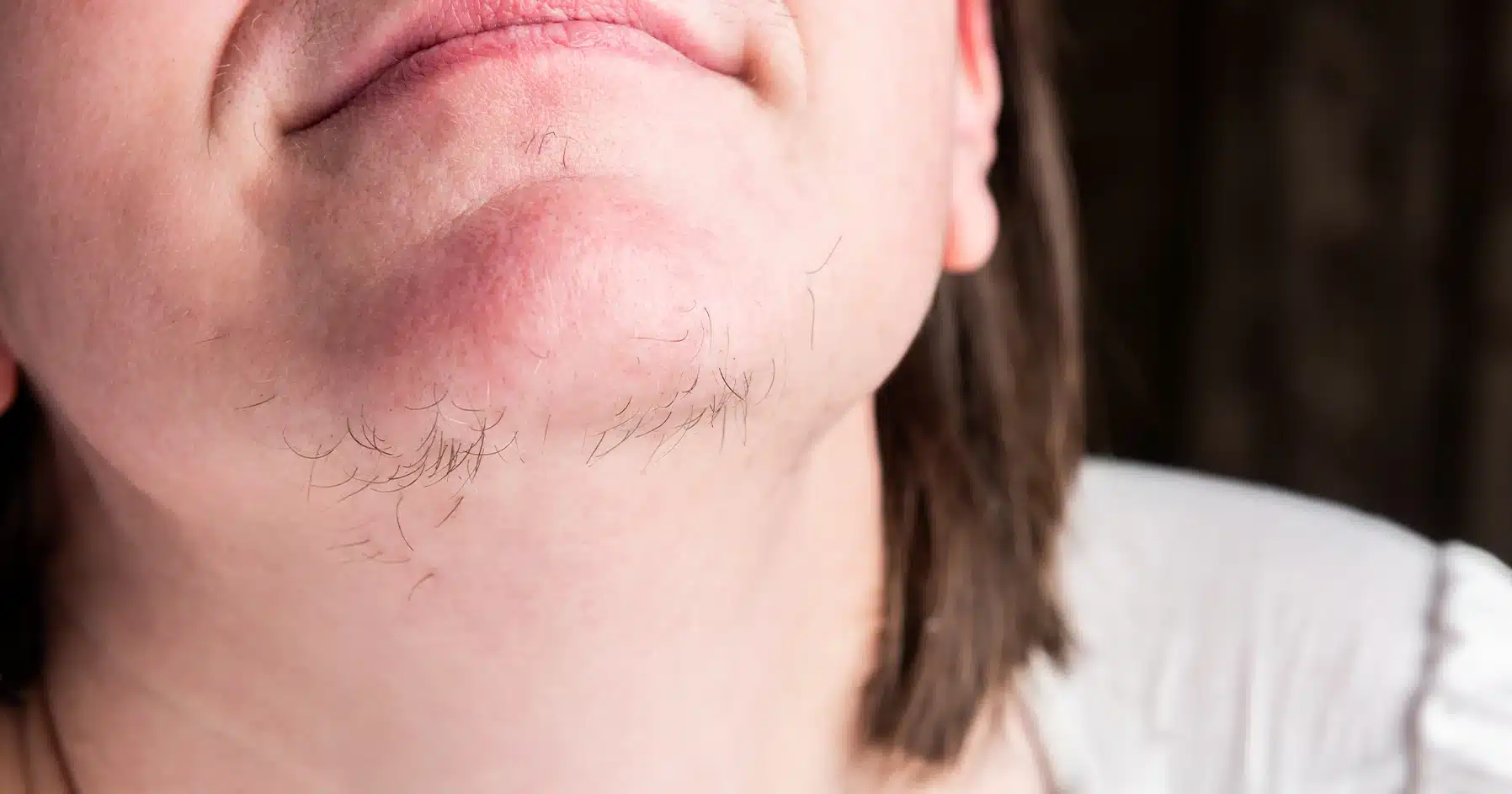
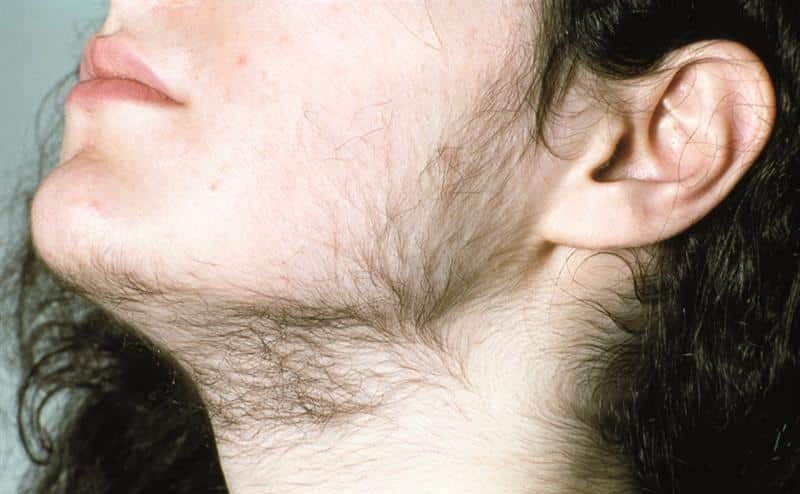
    Hirsutism is coarse, dark hair growth in areas where androgen-sensitive hair commonly appears, such as the upper lip, chin, chest, abdomen, back, or inner thighs. It is different from having more fine body hair overall. Understanding what is hirsutism matters because the pattern can point to hormone changes, medication effects, genetics, or conditions such as polycystic ovary syndrome.

    The hair itself is not dangerous. The bigger issue is what may be driving it, how quickly it appeared, and how it affects your comfort, skin, and self-image. Many people manage hirsutism with a mix of hair-removal methods, skin care, and medical treatment when appropriate.

    Key Takeaways

    • Pattern matters: Hirsutism means coarse, terminal hair in androgen-sensitive areas.
    • Hormones often contribute: Androgens can increase follicle activity or hair thickness.
    • PCOS is common: It is a frequent cause, but not the only one.
    • Rapid changes need care: Sudden growth or virilizing signs deserve prompt evaluation.
    • Treatment is layered: Hair removal, topical options, and hormonal strategies may be combined.

    What Is Hirsutism in Everyday Terms?

    What is hirsutism in plain language? It is unwanted coarse hair that grows in a pattern more often associated with higher androgen activity. Androgens are hormones, including testosterone, that everyone has in different amounts. Hair follicles in certain areas respond more strongly to them.

    Clinicians usually separate hirsutism from hypertrichosis, which means increased hair growth that does not follow a typical androgen-sensitive pattern. This distinction helps guide testing. Coarse chin hair plus irregular periods suggests a different evaluation than soft, fine hair on the arms or back.

    Hirsutism in women is the most commonly discussed form because new facial or body hair may signal ovarian or adrenal hormone changes. Still, unwanted dense hair can affect people of many genders. Trans and nonbinary people may also seek hair reduction for gender-affirming reasons, and care should be respectful and goal-centered.

    Hirsutism pronunciation is usually “HER-soo-tiz-um” or “HUR-soot-iz-um.” Either pronunciation is commonly understood in clinical settings.

    What It Looks Like and When to Seek Evaluation

    Hirsutism usually looks like terminal hair, meaning darker, thicker, longer hair rather than soft peach fuzz. Common sites include the upper lip, chin, jawline, chest, lower abdomen, back, buttocks, and inner thighs.

    Mild hirsutism may involve a few persistent chin hairs or a small patch on the upper lip. More noticeable patterns may include daily shaving needs, chest or abdominal hair, or hair growth that expands over months. Skin irritation, ingrown hairs, acne, and dark marks after hair removal can add to the burden.

    Seek medical evaluation sooner if hair growth is sudden, rapidly worsening, or accompanied by new symptoms. Warning signs include deepening of the voice, increased muscle bulk, clitoral enlargement, severe acne, scalp hair thinning, or major menstrual changes. These signs can suggest higher androgen levels and need clinician review.

    Why it matters: The speed of change often matters as much as the amount of hair.

    Bring a simple log to appointments if you can. Note when the hair started, where it appears, whether periods changed, and which hair-removal methods irritate your skin. Photos can help show progression, especially when shaving or waxing makes the pattern hard to see during a visit.

    Common Causes: Hormones, Genetics, and Medical Triggers

    The main cause of hirsutism is usually androgen effect at the hair follicle. That can happen because androgen levels are higher, because follicles are more sensitive, or because both factors overlap.

    Polycystic ovary syndrome, often called PCOS, is one of the most common causes. PCOS can involve irregular ovulation, acne, scalp hair thinning, insulin resistance, and higher androgen activity. If this pattern sounds familiar, the deeper overview on PCOS Symptoms explains related reproductive and metabolic features.

    Not every person with facial hair has PCOS. Some people have idiopathic hirsutism, which means persistent male-pattern hair growth with regular cycles and no clear abnormal lab result. Family background, ethnicity, and inherited follicle sensitivity can also shape hair patterns. This is why the question “I don’t have PCOS but I have facial hair” is medically valid.

    Other possible causes include adrenal gland conditions, ovarian disorders, thyroid or prolactin-related menstrual disruption, and some medicines. Medication-related hair changes can occur with certain hormone therapies, anabolic steroids, or drugs that affect hair growth. Your clinician may ask about supplements too, because some products can contain undisclosed hormone-like ingredients.

    People often ask which hormone causes facial hair growth in females. The most important group is androgens, especially testosterone and dihydrotestosterone (DHT). Insulin can also influence androgen activity in some people, particularly in PCOS. That connection is one reason metabolic care may be part of the plan. For more context on metabolic treatment discussions in PCOS, see GLP-1s and Metformin in PCOS.

    How Clinicians Diagnose Hirsutism

    Diagnosis starts with the story, not just a lab result. A clinician may ask about age at onset, menstrual cycle pattern, acne, scalp hair loss, weight changes, pregnancy plans, medications, and family hair patterns.

    A physical exam may use a scoring tool that grades hair growth in several body areas. This can make the pattern easier to track over time, but it is not perfect. Hair-removal habits, skin tone, hair color, and cultural norms can affect how distressing or visible the growth feels.

    Lab testing depends on the situation. Common tests may include total testosterone, free testosterone, DHEA-S, and sometimes 17-hydroxyprogesterone, which can help screen for certain adrenal enzyme conditions. Thyroid-stimulating hormone and prolactin may be considered when periods are irregular or symptoms point in that direction.

    Imaging is not routine for every person. It may be considered when androgen levels are very high, symptoms progress quickly, or an ovarian or adrenal source needs to be ruled out. Your clinician should explain why each test is being ordered and how results may change the plan.

    Treatment Options That May Reduce Growth or Improve Control

    Hirsutism treatment usually combines cosmetic control with care for any underlying driver. Hair that has already become coarse does not disappear overnight, so treatment goals often focus on slowing new growth, reducing thickness, and protecting the skin barrier.

    Hair-removal methods

    Shaving, trimming, threading, waxing, sugaring, epilating, and depilatory creams can remove visible hair. Each method has trade-offs. Shaving is fast but may irritate bumps. Waxing and threading last longer but can trigger inflammation. Depilatories can burn sensitive skin if left on too long.

    Laser hair reduction and intense pulsed light can reduce hair density over time. Results vary by hair color, skin tone, device, settings, and operator skill. Darker hair tends to respond better than light blond, gray, or red hair. People with darker skin tones should ask about devices and settings designed to reduce pigment-related side effects.

    Prescription and hormonal approaches

    Medical options may include hormonal contraceptives, anti-androgen medications, or a topical facial hair growth inhibitor. These choices depend on menstrual history, pregnancy potential, blood pressure, clotting risk, other medications, and personal priorities. Some options are not appropriate during pregnancy or when pregnancy is possible without reliable contraception.

    Some combined hormonal contraceptives are used in broader androgen-related care discussions. Product pages such as Yaz, Yasmin, and Nextstellis can help readers recognize examples, but treatment choice should come from a clinician’s assessment. BorderFreeHealth connects U.S. patients with licensed Canadian partner pharmacies for eligible prescription options; where required, prescription details are verified before dispensing.

    Hirsutism medication can help reduce new hair growth, but it does not instantly remove existing terminal hair. Many people still use shaving, laser, or other removal methods while medical treatment addresses the hormonal signal. Ask what benefit is realistic, what monitoring is needed, and what symptoms should prompt follow-up.

    Natural and At-Home Strategies: What They Can and Cannot Do

    Natural approaches may support overall hormone and skin health, but they cannot reliably and permanently stop androgen-driven facial hair for everyone. Be cautious with claims about how to stop facial hair growth in females naturally permanently, especially when they promise a cure.

    At-home care can still make a real difference. Gentle cleansing, fragrance-free moisturizer, clean razors, and sunscreen may reduce irritation and post-inflammatory hyperpigmentation. Avoid picking ingrown hairs, which can worsen scarring and dark marks. Patch test new waxes, depilatories, acids, or retinoids before using them on the face.

    Nutrition and movement may help some people, especially when insulin resistance or PCOS is part of the picture. A balanced eating pattern, adequate protein, fiber-rich carbohydrates, sleep consistency, and resistance exercise can support metabolic health. These habits are not a stand-alone cure for hirsutism, but they can complement medical care.

    Supplements for hirsutism deserve caution. Some studies have explored spearmint tea, inositol, vitamin D, and other options in specific groups, but evidence is mixed and product quality varies. Supplements can also interact with medicines or affect pregnancy safety. Review them with a clinician, especially if you take hormonal therapy, anticoagulants, or diabetes medications.

    Quick tip: Track hair removal, skin reactions, cycles, acne, and supplements in one short note.

    Living With Hirsutism Without Shame

    Hirsutism can affect time, confidence, intimacy, and daily planning. The emotional load is real, even when lab results look “normal.” You deserve care that treats distress as valid, not cosmetic or trivial.

    It may help to define your own goal before visits. Some people want fewer ingrown hairs. Others want less facial shadow, less shaving, clearer skin, or reassurance that nothing serious is being missed. Clear goals make shared decisions easier.

    Skin care is part of hirsutism self-care. Use sharp, clean blades if shaving. Shave with a lubricating gel, avoid dry shaving, and moisturize afterward. If waxing or threading causes dark marks, ask about lower-irritation methods or a referral to a dermatology professional. The Dermatology collection may help you explore related skin topics.

    If reproductive hormones, contraception, perimenopause, or gynecologic symptoms are also part of your story, broader reading in Women’s Health may be useful. Hormonal changes later in life can also shift hair patterns; the overview on Menopause and Reproductive Health gives additional context.

    Questions to Bring to a Care Visit

    A focused question list can make appointments more productive. It also helps if you have felt dismissed before.

    • Pattern and timing: Does my hair pattern suggest hormone testing?
    • Cycle clues: Do my periods, acne, or scalp changes point toward PCOS?
    • Medication review: Could any prescription, supplement, or hormone product contribute?
    • Skin strategy: Which removal methods fit my skin tone and irritation risk?
    • Treatment fit: What benefits, risks, and monitoring apply to prescription options?
    • Escalation signs: Which symptoms should prompt urgent follow-up?

    If thyroid symptoms overlap, such as fatigue, cold intolerance, constipation, or cycle changes, ask whether thyroid testing makes sense. The article on Hypothyroidism Symptoms explains one related endocrine condition, though thyroid disease is not the usual main driver of hirsutism.

    Authoritative Sources

    For a patient-friendly clinical overview, see the Mayo Clinic hirsutism summary.

    For reproductive-health context on PCOS and excess hair, review the ASRM patient fact sheet.

    For evidence-based evaluation and treatment recommendations, see the Endocrine Society clinical guideline.

    Recap

    What is hirsutism? It is coarse, androgen-pattern hair growth that may reflect hormone levels, follicle sensitivity, genetics, medication effects, or conditions such as PCOS. The pattern, onset, and associated symptoms help determine whether testing is needed.

    Management is personal. Some people focus on skin-friendly hair removal. Others add topical or hormonal treatment under clinician guidance. Rapid changes, virilizing symptoms, or major cycle changes deserve timely medical evaluation.

    This content is for informational purposes only and is not a substitute for professional medical advice.

  • PCOS Symptoms: Signs, Causes, Diagnosis, and Care

    PCOS Symptoms: Signs, Causes, Diagnosis, and Care

    PCOS symptoms often include irregular periods, acne, unwanted facial or body hair, scalp hair thinning, and changes in weight or energy. These signs matter because polycystic ovary syndrome can affect ovulation, skin, fertility, insulin sensitivity, and long-term metabolic health. Symptoms vary widely, so a clear pattern over time matters more than any single symptom.

    You are not alone if cycle changes, acne, or hair growth feel confusing or distressing. PCOS is common, and it is manageable with the right evaluation and care plan. This article explains what PCOS means, what to watch for, how diagnosis works, and which care options may help you prepare for a productive clinician visit.

    Key Takeaways

    • Common signs: irregular cycles, acne, hirsutism, and scalp hair thinning.
    • Main drivers: genetics, insulin resistance, and androgen signaling.
    • Diagnosis: symptoms, labs, history, and sometimes ultrasound.
    • Care options: lifestyle support, cycle regulation, skin treatment, and fertility planning.
    • Seek care: sudden severe pain or heavy bleeding needs prompt assessment.

    What PCOS Means in Plain Language

    PCOS is a hormonal and metabolic condition that can disrupt ovulation and raise androgen effects. Androgens are hormones often called “male-type” hormones, though everyone has them. When androgen activity is higher than expected, skin, hair growth, and menstrual patterns can change.

    The full name is polycystic ovary syndrome. The word “polycystic” can be misleading. Some people have many small follicles seen on ultrasound, but not everyone with PCOS has visible cyst-like follicles. Also, having ovarian follicles on imaging does not automatically mean you have PCOS.

    In many languages, searches for PCOS meaning, including Hindi or Urdu phrases, point to the same core idea: a pattern involving ovulation, androgen-related symptoms, and metabolic features. The exact words may differ, but the medical concern is similar. Your clinician’s role is to confirm the pattern and rule out other causes.

    For broader background on menstrual and hormone-related topics, the Women’s Health collection can help you explore related issues in one place.

    Common PCOS Symptoms and How They Feel

    PCOS symptoms can feel different from person to person, but several patterns are especially common. Some people mainly notice missed periods. Others first seek help for acne, hair growth, or difficulty conceiving.

    Cycle and ovulation changes

    Irregular periods are one of the most common clues. Cycles may be longer than expected, unpredictable, very light, or absent for months. Some people also have heavy bleeding when a period finally arrives. These changes can happen because ovulation is infrequent or absent.

    Why this matters: infrequent ovulation can affect fertility and may leave the uterine lining exposed to ongoing hormone signals. Regular follow-up helps your clinician decide whether cycle protection or further testing is needed.

    Skin, hair, and androgen-related signs

    Higher androgen activity can contribute to persistent acne, oily skin, excess facial or body hair, and scalp hair thinning. Excess hair growth is called hirsutism. It often appears on the chin, upper lip, chest, abdomen, or inner thighs. If this is one of your main concerns, our plain-language resource on What Is Hirsutism explains why it happens and how clinicians assess it.

    Acne related to PCOS may affect the jawline, cheeks, chest, or back. It may persist beyond the teen years or flare around cycle changes. For skin-specific background, see What Is Acne, which explains common acne drivers and care considerations.

    Energy, weight, and mood changes

    Some people notice weight gain, stronger hunger cues, fatigue, sleep changes, or mood symptoms. These issues are not “willpower problems.” They may relate to insulin resistance, sleep quality, stress hormones, or the emotional burden of living with visible symptoms.

    PCOS can affect people across body sizes. Weight can influence symptoms for some, but it is not the sole cause. A respectful clinician should assess your symptoms, labs, goals, and history without reducing your care to weight alone.

    What Causes PCOS and What Can Trigger Flares?

    PCOS causes are usually multifactorial, meaning several influences work together. Genetics can play a role, especially when close relatives have irregular periods, type 2 diabetes, infertility, or androgen-related symptoms. Insulin resistance is also common and can increase ovarian androgen production.

    Insulin resistance means the body needs more insulin to move glucose from the blood into cells. Higher insulin levels may amplify androgen signaling. This loop can worsen irregular ovulation, acne, hair growth, and weight-related changes in some people.

    People often describe “PCOS flare-ups” when symptoms intensify. A flare may follow sleep disruption, stress, weight changes, dietary changes, illness, medication shifts, or a period of less movement. These triggers do not cause PCOS by themselves, but they may make underlying hormone and glucose patterns more noticeable.

    Quick tip: Track cycle dates, acne flares, hair changes, sleep, stress, and major routine shifts for two to three months.

    Early signs of PCOS can include persistent acne, cycles that remain irregular beyond the first few years after menarche, unwanted hair growth, or darkened velvety skin folds. Darkened folds, called acanthosis nigricans, may suggest insulin resistance. If these signs appear, a clinician can help decide which tests are appropriate.

    How Clinicians Diagnose PCOS

    A PCOS diagnosis is based on patterns, not one single test. Clinicians usually review your menstrual history, androgen-related symptoms, medical history, family history, medications, and pregnancy goals. They may also assess blood pressure, weight-related trends, skin findings, and signs of excess hair growth.

    Blood tests often evaluate androgen levels and look for other conditions that can mimic PCOS. These may include thyroid disease, elevated prolactin, adrenal conditions, pregnancy, or other hormone disorders. Ultrasound may help in some adults, but it is not always required.

    Adolescents and young adults need careful interpretation because irregular cycles and acne can be common during puberty. That does not mean symptoms should be dismissed. It means clinicians may use age-specific criteria and follow symptoms over time before confirming a diagnosis.

    Bring clear notes to your appointment. Include the age your periods started, your usual cycle length, missed periods, bleeding heaviness, acne pattern, hair growth areas, medications, supplements, and family history. If fertility is a concern, note how long you have been trying to conceive and whether you detect ovulation signs.

    Pain, Bleeding, and When to Seek Care

    PCOS can be associated with period discomfort, but severe or sudden pain is not typical and should be assessed. Lower abdominal pain may come from many causes, including ovarian cyst complications, infections, endometriosis, gastrointestinal issues, urinary problems, or pregnancy-related concerns.

    Seek urgent medical care for sudden severe pelvic pain, fainting, fever, shoulder-tip pain, heavy bleeding, or a positive pregnancy test with pain or bleeding. These symptoms need timely evaluation because they may reflect conditions that require urgent treatment.

    Heavy bleeding also deserves attention. This includes soaking pads or tampons very quickly, passing large clots, feeling dizzy, or bleeding that lasts longer than usual for you. If periods are absent for long stretches, ask your clinician how to protect the uterine lining.

    Mood symptoms matter too. PCOS can overlap with anxiety, low mood, body image distress, and eating concerns. Emotional support is not optional “extra” care. It can be part of a safer, more sustainable plan.

    PCOS Treatment and Self-Care Options

    PCOS treatment depends on your main goal. Some people want more predictable periods. Others focus on acne, excess hair growth, fertility, metabolic health, or distress. A good care plan starts with your priorities and checks for safety concerns.

    Lifestyle support without blame

    PCOS self-care often focuses on steady routines that support insulin sensitivity. Balanced meals with protein, fibre, and unsaturated fats may help energy and glucose patterns. Regular movement can also support mood, sleep, and metabolic health. These habits can help even when weight does not change.

    A PCOS treatment diet should not be extreme. Many people do better with consistent meals, higher-fibre carbohydrates, enough protein, and fewer large swings in added sugar. If you have diabetes, kidney disease, pregnancy, a history of disordered eating, or medication-related low blood sugar, ask for tailored nutrition guidance from a qualified clinician or registered dietitian.

    If weight tracking is part of your clinician-supported plan, a calculator can help estimate general progress toward a goal. It does not diagnose PCOS or replace medical guidance.

    [weight-loss-progress-calculator]

    Medications and symptom-focused care

    Medications may help regulate bleeding, reduce androgen effects, support insulin sensitivity, or induce ovulation when pregnancy is desired. Combined hormonal contraceptives are sometimes used for cycle control and acne or hair symptoms. Anti-androgen medicines may be considered for hirsutism, but pregnancy prevention is important with some options.

    Metformin may be discussed when insulin resistance, prediabetes, or metabolic features are part of the picture. GLP-1 receptor agonists may be considered for selected patients with weight or metabolic concerns, depending on clinical context. For a deeper discussion of these medication classes in PCOS care, see GLP-1 Agonists and Metformin.

    Some people review hormonal contraception options with their clinician. Product pages such as Yaz, Yasmin, Nextstellis, and Mirena can provide product-specific context, but the right option depends on your health history and contraindications.

    PCOS, Fertility, and Pregnancy Planning

    PCOS can affect fertility because ovulation may happen less often. It does not mean pregnancy is impossible. Many people with PCOS conceive with lifestyle support, ovulation tracking, medication-assisted ovulation, or reproductive specialist care when needed.

    If pregnancy is a goal, your clinician may review cycle frequency, ovulation signs, metabolic labs, thyroid function, medications, and prenatal health factors. They may also discuss partner testing or referral timing if conception has not occurred after an appropriate interval.

    Ovulation calculators can estimate fertile windows for people with fairly predictable cycles. With PCOS, cycles may be irregular, so estimates can be less reliable. Use them as a general planning tool, not proof that ovulation occurred.

    [ovulation-calculator]

    Some fertility treatments use medicines that help induce ovulation. Human chorionic gonadotropin may be part of certain monitored fertility plans. For background on one such medication, see Pregnyl Uses and Side Effects. Decisions about fertility medicines should always happen with clinician supervision.

    Egg freezing and fertility preservation can also come up in planning conversations. If you are exploring that topic, Metformin and Egg Cells reviews emerging research context without replacing individualized fertility advice.

    Can PCOS Be Prevented or Cured Permanently?

    There is no guaranteed way to prevent PCOS, and “cure permanently” claims should be treated cautiously. PCOS is usually managed over time, with goals changing by life stage. Symptoms can improve, recur, or shift depending on sleep, stress, weight changes, medications, pregnancy plans, and metabolic health.

    What you can influence is still meaningful. Routine screening can detect blood sugar, cholesterol, blood pressure, and mood concerns earlier. Sustainable movement, sleep routines, balanced nutrition, and stress support may reduce symptom intensity for some people.

    PCOD and PCOS are sometimes used interchangeably online. In many settings, PCOS is the more formal clinical term. If someone uses PCOD, ask what they mean and which diagnostic criteria they are applying. Clear language helps avoid confusion, especially when comparing advice from different regions.

    PCOS is not usually dangerous in an immediate sense, but it can raise long-term risks if unmonitored. Possible complications include prediabetes, type 2 diabetes, cholesterol changes, high blood pressure, sleep apnea, infertility, and endometrial hyperplasia. Regular follow-up helps reduce risk and supports earlier intervention.

    Questions to Bring to Your Clinician

    A focused question list can make your visit more useful. It also helps you advocate for care that fits your goals, culture, and comfort level.

    • Diagnosis criteria: Which findings support PCOS in my case?
    • Rule-out tests: What else should be checked?
    • Cycle protection: Do I need help regulating bleeding?
    • Skin and hair: Which options fit my priorities?
    • Metabolic health: Which labs need repeat monitoring?
    • Fertility goals: Should I track ovulation or seek referral?
    • Mood support: What resources are appropriate for me?

    If prescription access becomes part of your broader care planning, BorderFreeHealth connects U.S. patients with licensed Canadian partner pharmacies, with prescription details verified when required before pharmacy dispensing. This service context does not replace a clinical diagnosis or individualized treatment discussion.

    Authoritative Sources

    For a concise medical overview, the NIH PCOS health topic explains symptoms, causes, diagnosis, and long-term considerations.

    For patient-centered gynecology guidance, ACOG’s PCOS patient FAQ outlines common symptoms and treatment approaches.

    For global public health context, the WHO fact sheet on PCOS summarizes clinical features and health impacts.

    Recap

    PCOS symptoms can involve periods, skin, hair growth, fertility, energy, mood, and metabolic health. The condition is common, but it deserves careful assessment rather than guesswork. Track your patterns, ask about rule-out testing, and discuss care options that match your goals.

    With the right plan, many people improve symptoms and reduce long-term risks. Your next step is not to solve everything at once. Start with a clear symptom timeline, a focused appointment, and questions that make your priorities visible.

    This content is for informational purposes only and is not a substitute for professional medical advice.