
Category: Weight Management

Weight changes can affect energy, mood, and daily routines. This Weight Management hub supports informed browsing for patients and caregivers. It brings together medication navigation and plain-language education in one place. Some people start with nutrition counseling and activity changes. Others explore medical weight management options with a prescriber. Ships from Canada to US is available for select prescriptions.

Use this page to compare approaches and learn key terms. Browse related topics like Overweight when weight is part of a bigger health picture. Many guides also discuss metabolic health, including blood sugar and cholesterol basics. Dispensing is handled by licensed Canadian partner pharmacies.

Information here is general and non-prescriptive. It helps organize questions for a clinical visit. It also helps with practical pharmacy steps and documentation.

Weight Management Overview

Weight is not only about willpower. It can relate to hormones, sleep, stress, and some medicines. Clinicians may describe this as obesity management or metabolic health support. Body mass index (BMI) is one screening tool, not a diagnosis. For BMI screening basics, see CDC adult BMI guidance.

Modern care can combine lifestyle medicine, behavioral health, and medications. Some options aim to support appetite management and blood sugar regulation. GLP-1 receptor agonist (appetite and blood sugar signaling medicine) is one class discussed often. Education helps set realistic expectations and reduce stigma.

Why it matters: Clear, shared goals can reduce frustration and improve follow-through.

What You’ll Find in This Category

This hub is a browsing and learning center. It includes links to product groupings and condition-aligned pages. It also connects to reading that explains terms and safety topics. Start by browsing the Weight Management collection for grouped listings and filters. Then review educational content to understand common pathways.

People often compare non-surgical weight loss approaches side by side. That might include nutrition patterns, behavioral weight management tools, and prescription options. Some guides discuss GLP-1 weight management and related medications by class. The goal is clarity, not one-size-fits-all recommendations.

How to Choose

A Weight Management plan works best when it matches health needs. Choices depend on goals, medical history, and current medications. Administrative details also matter, including refill cadence and monitoring plans. This checklist can support a structured discussion with a clinician.

Match the approach to health needs

Some people need weight loss support focused on habits and routines. Others need a combined approach that includes prescription therapy. Prior weight cycling, sleep issues, or mood symptoms can shape the plan. Some medicines can contribute to weight gain or appetite changes.

  • Primary goal, such as metabolic health, mobility, or energy.
  • Current conditions that may affect care, including diabetes or sleep apnea.
  • Medication list, including over-the-counter products and supplements.
  • Comfort with injections versus oral options, if applicable.
  • Ability to attend follow-ups for monitoring and lab review.

Compare support services, not only medications

Programs vary in how they provide nutrition counseling and behavior change tools. Some include a dietitian for weight loss or coaching support. Others focus mainly on prescriptions and check-ins. Consider what improves adherence and reduces overwhelm.

  • Nutrition education style, including meal planning versus flexible frameworks.
  • Behavioral tools, such as tracking, cue awareness, and stress skills.
  • Clear plan for side effect monitoring and when to seek care.
  • Realistic expectations about plateaus and long-term maintenance.
  • Access needs, including telehealth weight management when appropriate.

Safety and Use Notes

Weight Management medications can have meaningful risks and limitations. Safety depends on the specific drug, health history, and other medicines. Side effects may be mild, serious, or delayed. Labels and clinician guidance should set the safety framework.

Some therapies affect appetite, digestion, or blood sugar signaling. Common issues can include nausea, constipation, or diarrhea. Serious warnings may apply for certain conditions and life stages. A useful reference is Ozempic Safety Checklist, which outlines questions to raise clinically.

  • Review contraindications and warnings from official labeling.
  • Track new symptoms and report urgent red flags promptly.
  • Discuss pregnancy planning and breastfeeding status with a prescriber.
  • Ask about interactions, especially with diabetes or blood pressure drugs.
  • Consider mental health support when weight affects mood and self-image.

When a prescription is required, it is verified with the prescriber.

For broader context on obesity as a chronic condition, see NIDDK overview of adult overweight and obesity.

Access and Prescription Requirements

Some Weight Management items require a valid prescription, while others may not. Requirements vary by product type and local rules. Administrative readiness can prevent delays and reduce back-and-forth. Use this section for planning steps, not clinical decisions.

  1. Confirm whether the selected item requires a prescription on its page.
  2. Ensure prescriber details and contact information are current.
  3. Be ready to share an updated medication list and allergies.
  4. Watch for requests to clarify directions or confirm recent changes.
  5. Plan ahead for continuity, especially during travel or schedule shifts.

Cross-border access is offered using cash pay for those without insurance. Some people use this option when coverage is limited or complex. When relevant, the platform routes dispensing through Canadian partners that are licensed. For pet caregivers managing diabetes supplies, Caninsulin Vial is also available as a separate category item.

Quick tip: Keep documents and refill notes together in one account record.

This service connects U.S. patients to Canadian partner pharmacies for dispensing.

This content is for informational purposes only and is not a substitute for professional medical advice.

  • Cymbalta and Weight Gain: Causes, Risks, and Monitoring

    Cymbalta and Weight Gain: Causes, Risks, and Monitoring

    Cymbalta and weight gain can be connected, but the pattern is not the same for everyone. Some people gain weight, some lose weight early, and many notice little change. The most useful next step is to track trends, symptoms, appetite, sleep, and activity before assuming the medicine is the only cause.

    Duloxetine, the generic name for Cymbalta, is a serotonin-norepinephrine reuptake inhibitor (SNRI). It may be used for depression, anxiety, nerve pain, fibromyalgia, and other approved uses. Weight changes matter because they can affect comfort, confidence, medication adherence, and long-term health conversations with your clinician.

    Key Takeaways

    • Weight change varies: duloxetine may cause gain, loss, or no clear shift.
    • Early loss can happen: nausea, lower appetite, or early fullness may reduce intake.
    • Later gain is possible: appetite recovery, fatigue, sleep changes, and activity shifts can contribute.
    • Trends matter most: steady changes over several weeks tell more than one scale reading.
    • Do not stop suddenly: medication changes should be planned with your prescriber.

    What the Evidence Suggests About Cymbalta and Weight Gain

    Cymbalta and weight gain is usually described as a possible, variable effect rather than a guaranteed outcome. Research and product information suggest short-term treatment may be more often linked with small weight loss, while longer use can be associated with modest weight gain in some people. Individual experiences can still feel larger than averages.

    Why this matters: a population average can hide real personal changes. One person may lose appetite during the first month. Another may feel less pain, sleep more, move less, and regain weight that was previously lost during illness. A third person may see no pattern at all.

    Forum stories and personal reviews often focus on dramatic changes. They can validate that people feel frustrated, but they cannot prove cause and effect. Weight also responds to mood, pain, menopause, thyroid disease, sleep disruption, alcohol use, and other medicines. A careful review works better than guessing.

    If you want broader medication context, the site’s Cymbalta Side Effects resource covers common tolerability issues. For basic use and dosing context, Cymbalta Basics may help you prepare better questions for a prescriber.

    Why Weight Can Go Up on Duloxetine

    Weight gain can happen when appetite, energy use, sleep, and daily routines shift. Duloxetine affects serotonin and norepinephrine, chemical messengers involved in mood, pain signaling, alertness, and appetite regulation. That does not mean the medicine directly slows metabolism in every person.

    Several overlapping factors may explain why does Cymbalta cause weight gain for some people:

    • Appetite recovery: depression or pain may have reduced eating before treatment.
    • Fatigue: lower energy can reduce steps and exercise.
    • Sleep changes: poor sleep can increase hunger and cravings.
    • Pain relief: routines may change as symptoms improve or rest increases.
    • Constipation: bowel changes can raise scale weight temporarily.
    • Other medications: antihistamines, some antipsychotics, and steroids may add risk.

    Metabolism is only one part of the story. Many people notice weight changes because their day looks different after symptoms shift. Less pain may allow more activity, which can help weight stability. But if fatigue dominates, activity may fall without you noticing.

    Some people ask about cymbalta 30 mg weight gain specifically. Dose can affect tolerability, but weight patterns do not follow one simple dose rule. A lower dose may still coincide with weight gain if appetite rises or activity falls. A higher dose may be weight neutral for someone else. Your clinician can help interpret this in the context of your diagnosis and treatment goals.

    Why Weight Can Go Down Instead

    Weight loss can occur on duloxetine, especially early in treatment. Nausea, dry mouth, reduced appetite, diarrhea, or feeling full sooner can reduce food intake. For some people, mood improvement also reduces emotional eating and brings more structure to meals.

    Cymbalta and weight loss can be confusing because it may happen at the same time others report gain. The direction often depends on your starting symptoms, appetite before treatment, other conditions, and side effects. A person with anxiety-related low appetite may lose more weight if nausea appears. A person who was under-eating during depression may gain weight as appetite returns.

    Rapid weight loss on Cymbalta deserves attention, especially if it is unplanned. Contact a clinician if weight loss is significant for you, persistent, or paired with vomiting, severe diarrhea, dehydration, fainting, worsening mood, or trouble eating. These symptoms need medical review rather than self-management alone.

    If you are comparing antidepressant effects on weight, our Prozac and Weight Gain page offers a related medication perspective. It should not be used to choose or switch treatment without medical guidance.

    Fatigue, Sleep, Pain, and Daily Movement

    Fatigue can be a major link between duloxetine and weight gain. If daytime tiredness lowers your usual movement, weight can slowly rise even when meals stay the same. Small changes in steps, chores, and exercise can add up over weeks.

    People often ask, does Cymbalta cause fatigue. It can for some people, while others feel more alert or balanced after symptoms improve. Timing also matters. A side effect that appears during the first few weeks may fade, but persistent fatigue should be discussed.

    Sleep quality cuts both ways. Better sleep can support appetite regulation and energy. Poor sleep may increase cravings, late-night snacking, and low motivation. Pain conditions add another layer because flares can reduce movement and increase comfort eating.

    Fibromyalgia is a good example. Some people move more when pain improves. Others rest more during medication adjustment or symptom flares. If you are using duloxetine as part of pain care, Cymbalta Basics gives general context on how duloxetine fits into treatment discussions.

    Quick tip: Track sleep, steps, appetite, and weight together for two weeks.

    How to Monitor Weight Changes Without Guessing

    Monitoring helps you separate a short-term fluctuation from a real trend. Daily scale readings can bounce because of salt, hydration, menstrual cycles, constipation, and meal timing. Weekly averages often tell a clearer story.

    Use the same scale, similar clothing, and a consistent time of day. Add waist measurements if they feel emotionally safe for you. Also note appetite, nausea, sleep, constipation, pain, mood, alcohol intake, and major schedule changes. This gives your clinician better information than weight alone.

    This calculator can help you summarize general weight-change progress. It does not replace clinical judgment, but it can make trends easier to discuss.

    [weight-loss-progress-calculator]

    A simple note format can work well:

    • Weight trend: weekly average, not single readings.
    • Appetite pattern: lower, higher, or unchanged.
    • Energy level: fatigue, alertness, or sleepiness.
    • Activity baseline: steps, walks, or usual chores.
    • Digestive changes: nausea, constipation, or diarrhea.

    Try not to judge the first week too harshly. Early side effects can distort weight and appetite. A steady pattern over four to eight weeks is more useful for a medication review.

    Practical Ways to Reduce Unwanted Weight Gain

    You may be able to limit weight gain without changing medication. The goal is not a strict diet. It is to reduce avoidable weight drift while protecting mood, pain control, sleep, and daily function.

    Start with meal structure. Protein at breakfast, fiber-rich foods, and regular meals may reduce grazing. If nausea is present, smaller meals may feel easier. Hydration also matters, especially if dry mouth or constipation appears.

    Movement should match your current capacity. A 10-minute walk after one meal can be more realistic than a demanding exercise plan. Strength training, when safe, may help preserve muscle and support metabolism. People with pain conditions may benefit from gentle pacing or physical therapy guidance.

    Here are practical steps to discuss or try safely:

    • Build breakfast: include protein and fiber most mornings.
    • Plan snacks: choose filling options before cravings hit.
    • Add short walks: use gentle movement after meals.
    • Protect sleep: keep a steady sleep and wake window.
    • Review medicines: ask about other drugs that affect weight.
    • Watch drinks: alcohol and sweet drinks can add calories quickly.

    If weight keeps rising despite consistent changes, schedule a medication review. Ask whether dose timing, side effects, other prescriptions, or the treated condition might be contributing. Do not adjust duloxetine on your own, because stopping suddenly can cause withdrawal-like symptoms and mood changes.

    For broader lifestyle tools, the Weight Management collection can help you explore related educational topics. For mental health context, the Mental Health collection covers conditions and treatments that often overlap with sleep, energy, appetite, and weight.

    When to Talk With a Clinician Promptly

    Some weight changes should be reviewed sooner. Reach out if weight gain is rapid, swelling appears in your legs or face, shortness of breath develops, or you have chest pain. These symptoms may have causes unrelated to duloxetine and need timely assessment.

    Also seek help if appetite loss is severe, you cannot keep fluids down, or weight loss is rapid and unplanned. Mood symptoms matter too. Contact a health professional promptly if depression worsens, anxiety feels unmanageable, or you notice thoughts of self-harm.

    Before your appointment, bring your tracking notes and a full medication list. Include supplements, cannabis products, alcohol use, and over-the-counter sleep or allergy medicines. This helps your prescriber see the full picture.

    For medication-specific reference, the Duloxetine page can be used as a general product information starting point. BorderFreeHealth also connects U.S. patients with licensed Canadian partner pharmacies, and prescription details are verified with the prescriber when required before dispensing.

    Medication Strategy: Stay, Adjust, or Switch?

    The right strategy depends on benefits, side effects, and your health priorities. If duloxetine helps mood or pain and weight change is small, your clinician may suggest monitoring and lifestyle supports. If weight change is substantial or distressing, a medication review may be reasonable.

    Possible discussion points include timing of the dose, whether fatigue is improving, whether other medicines add weight risk, and whether symptoms are fully treated. Sometimes a side effect can be managed. Other times, a different treatment may fit better.

    Switching antidepressants or pain medicines can bring new risks. It can also affect mood stability, pain control, sleep, and withdrawal symptoms. A planned taper or transition should be supervised by a prescriber.

    If anxiety is part of your treatment plan, Cymbalta for Anxiety may help frame expectations. For dose-related questions, Cymbalta Dosage offers additional background for clinician conversations.

    Authoritative Sources

    For official prescribing information, see the FDA duloxetine label. It outlines approved uses, warnings, adverse reactions, and safety information.

    For patient-friendly medication details, review MedlinePlus information on duloxetine. It explains precautions, side effects, and when to seek medical help.

    For clinical weight data, a published review in the National Library of Medicine summarizes duloxetine body-weight findings across studies.

    Recap

    Cymbalta and weight gain is a real concern for some people, but it is not inevitable. Duloxetine may also be linked with early weight loss, appetite changes, fatigue, digestive symptoms, and routine changes that affect weight indirectly.

    The best next step is structured observation. Track your weight trend, appetite, sleep, energy, activity, and digestive symptoms. Then review the pattern with your prescriber, especially if changes are rapid, persistent, or affecting your willingness to continue treatment.

    Your treatment plan should support both symptom control and quality of life. Weight concerns deserve to be taken seriously, without shame or assumptions.

    This content is for informational purposes only and is not a substitute for professional medical advice.
  • Wegovy Dosage: Dosing Schedule, Titration, and Safe Use

    Wegovy Dosage: Dosing Schedule, Titration, and Safe Use

    Key Takeaways

    • Start low, go slow: dose increases aim to improve tolerability.
    • Weekly timing matters; build a routine that fits your life.
    • Pausing or holding a dose may reduce side effects.
    • Use food, hydration, and support to stay on track.

    Wegovy Dosage Basics and Who It’s For

    Understanding Wegovy Dosage can help you feel more confident and prepared. Wegovy (semaglutide) is a GLP-1 receptor agonist that supports chronic weight management. Clinicians prescribe it for adults meeting medical criteria, alongside nutrition, movement, and sleep plans. You deserve clear, stigma-free information that respects your goals and health history.

    In the U.S., this medicine is indicated for chronic weight management under defined conditions; details are outlined in the official prescribing information (FDA label). Many people also engage community and educational resources to sustain habits. For program structure and related education, see our Weight Management category, and pair medication with the meal strategies in Wegovy Diet Plan 2025 for a practical lifestyle framework.

    Note: Everyone’s health context is unique. Medical conditions, other medications, and personal preferences shape decisions about initiation and dose changes. That’s why clinicians individualize the plan, and why your feedback about benefits and side effects truly matters.

    The Weekly Pen: Strengths, Clicks, and Safe Handling

    Wegovy is supplied in single-use pens across multiple strengths. Each pen is designed for one weekly injection, so dose preparation stays simple. Pens differ by color bands and labeled milligram strength, helping you verify what you have in hand. If you need device specifics or packaging details, the Wegovy product page provides formats and strengths to compare device options.

    Many people like a visual reference or Wegovy dosing chart to see the week-by-week progression. The schedule builds gradually to help the gut adapt. Pick a consistent injection day and set reminders to protect your routine. Refrigerate per label instructions, and let the pen warm toward room temperature before use to improve comfort.

    Week(s) Typical Dose Notes
    Start 0.25 mg Introductory dose; assess tolerability
    Early 0.5 mg Gradual step-up reduces GI effects
    Mid 1.0 mg Continue weekly; monitor symptoms
    Late ramp 1.7 mg Hold if side effects persist
    Maintenance 2.4 mg Target in many adults if tolerated

    Tip: Keep a simple log of injection day, site, and any symptoms. That record helps your clinician adjust the plan and supports safer, steady progress.

    Titration and Escalation: How Clinicians Adjust

    The goal of dose escalation is to balance benefits with tolerability. Clinicians typically step up in small increments and may extend a phase if nausea or fullness is troublesome. This approach respects your body’s pace and reduces early dropouts. Discuss the Wegovy titration schedule in advance so you know what to expect and when to check in.

    Many teams plan follow-ups before each increase to review appetite, GI symptoms, and lifestyle updates. If you’re exploring alternatives with similar weekly schedules, comparing ramp-up details in our Zepbound Dosage Guide can clarify similarities and differences across GLP-1/GIP or GLP-1 therapies. Your plan may also evolve with new lab results, a change in other medications, or life events that affect eating patterns, sleep, or activity.

    Side Effects and Nausea Management

    Gastrointestinal effects—nausea, early fullness, reflux, or constipation—are the most common concerns. Eating smaller portions, choosing lower-fat meals, and pausing after a few bites can help. Ginger tea, electrolyte hydration, and a slower escalation schedule may also ease discomfort. Discuss When to increase Wegovy dose after side effects settle, rather than on a rigid calendar.

    Some people tolerate one phase but struggle at the next. In those cases, clinicians sometimes hold, extend, or down-step a dose to regain stability. For broader context about GI tolerability, see this overview on GLP-1/GIP differences in Why Tirzepatide Outperforms, which explains mechanisms linked to stomach-related effects. Compassionate dose pacing supports real-world adherence and steadier progress.

    Missed, Delayed, or Early Doses: Practical Scenarios

    Life happens. If a weekly shot slips your mind, check the time until your next scheduled dose. The medication guide outlines timing steps for late injections; review the official prescribing information for specifics. If you miss several injections in a row, clinicians may restart you at a lower level to reduce side effects upon re-exposure.

    People often search “Wegovy missed dose what to do” after a busy week. Build gentle safeguards, like calendar alerts and pairing shot day with a routine task. For a broader view of medication options if schedules are challenging, skim Top GLP-1 Drugs to understand other weekly or daily approaches you can discuss with your care team.

    Maintenance, Plateaus, and How Long to Continue

    After gradual escalation, many adults remain at the Wegovy maintenance dose 2.4 mg if it is well tolerated and helpful. Others maintain at a lower level due to side effects, supply, or personal preference. Both paths can be valid when benefits and risks are reviewed with your clinician. Ongoing lifestyle work remains essential for durable results.

    Plateaus are normal as your body adapts. Consider nutrition tweaks, strength training, and sleep routines to support energy and lean mass. For practical strategies, see Weight Loss Plateaus, which covers tracking and gentle re-sets, and learn about rest strategies in Wegovy and Fatigue. Hormonal context also matters for many people; you can explore connections in Wegovy and Hormonal Health to inform conversations with your provider.

    Comparing Doses and Alternatives

    Within-labeled ranges, clinicians individualize dosing to fit your health picture. People often ask how different Doses of Wegovy compare. Higher tiers may offer more appetite suppression for some, but side effects can rise too. The best dose is the one you tolerate while making sustainable habit changes—food, movement, stress care, and sleep.

    If you’re weighing other options, compare mechanisms and dose ramps. See Saxenda vs. Wegovy for daily versus weekly considerations, and Zepbound vs. Wegovy for dual-agonist differences. For a broader market view, review Best Weight Loss Injections and our landscape summary, Top GLP-1 Drugs, to spark informed discussions with your clinician.

    Injection Technique and Routine

    A steady routine improves comfort and consistency. Rotate sites—abdomen, thigh, or upper arm—to lower irritation risk. Clean the skin, let alcohol dry, and inject at the angle recommended for your device. Keep used pens out of reach of children and dispose of them in a sharps container, following local regulations.

    Some people reflect on how a routine fits work, travel, or caregiving. Choose a weekly time you can realistically sustain. If schedules change, shift your next dose thoughtfully and note it in your log. For additional comparisons that can guide preferences about pens and schedules in related therapies, see Mounjaro vs. Ozempic to understand device and weekly cadence differences.

    Escalation Timelines: Practical Examples to Discuss

    Your care team may outline a gradual plan and build in decision points. For example, a person might remain at a phase longer while travel or stress makes eating unpredictable. Another may hold steady because early fullness affects hydration and fiber intake. These individualized choices are common and may prevent unnecessary discomfort.

    In most programs, clinicians revisit appetite, side effects, and lab trends regularly. That conversation shapes whether to step up, hold, or down-step. If you are curious about early phases, remember that Wegovy starting dose 0.25 mg is often used to ease the body into treatment. The best course is the one you can maintain safely, with room for adjustments over time.

    Medical disclaimer: For authoritative instructions and safety warnings, consult the official prescribing information and your licensed clinician. This content is educational and not a substitute for personalized advice.

    This content is for informational purposes only and is not a substitute for professional medical advice.

  • Wegovy Side Effects: Practical Guide to Risks, Timing, and Relief

    Wegovy Side Effects: Practical Guide to Risks, Timing, and Relief

    Understanding Wegovy Side Effects helps you plan, stay on track, and know when to ask for help. This guide explains why symptoms happen, when they usually start, and how long they may last. You will also learn practical strategies to reduce discomfort and how to recognize rare but serious risks. The goal is to help you balance benefits with safety throughout your treatment journey.

    Key Takeaways

    • Early symptoms: Nausea, bloating, and fatigue are common in the first weeks.
    • Timing matters: Gradual dose increases may lower side effect intensity.
    • Know the clock: when do wegovy side effects start varies, but early weeks are typical.
    • Serious signals: New severe abdominal pain requires urgent medical attention.
    • Recovery tools: Hydration, small meals, and rest often reduce discomfort.

    Why Side Effects Happen and How Wegovy Works

    Wegovy (semaglutide) is a glucagon-like peptide-1 receptor agonist (GLP-1 RA), a class that slows gastric emptying, reduces appetite, and helps regulate blood sugar. These same mechanisms can trigger gastrointestinal (GI) symptoms like nausea, vomiting, and constipation. As your body adapts, many symptoms ease, especially with careful titration and thoughtful food choices. However, side effects vary significantly by person, health history, and dose stage.

    For authoritative safety details and the boxed warning, review the FDA prescribing information, which summarizes clinical data and contraindications (FDA prescribing information). If you are exploring the broader medication class and alternatives, see this overview to compare mechanisms and typical tolerability, which can help frame your expectations across options in the same family (Top GLP-1 Drugs).

    Wegovy Side Effects: Onset, Duration, and Severity

    Most people feel something during the first dose steps, when the GI system slows and appetite changes. Symptoms can vary from mild queasiness to more uncomfortable bloating or cramping. Early effects often cluster around dose increases, then settle as the body adapts. Some people experience only brief symptoms, while others notice recurring waves that correlate with meals, hydration, or sleep patterns.

    Duration varies. Single episodes of queasiness may fade within hours, while constipation can linger without intervention. Fatigue often improves after sleep and better hydration. If symptoms escalate or feel unusual for you, talk to your clinician promptly. To support daily routines during this period, a structured eating plan can reduce extremes. For meal timing and food choices that can ease digestion, see this practical resource with sample days and grocery tips (Wegovy Diet Plan Guide).

    Common Gastrointestinal Symptoms and Practical Relief

    Nausea is the most reported symptom, often worse with large or high-fat meals. Small, frequent meals may help, focusing on protein and easily digested carbohydrates. Ginger tea, peppermint, or cold foods can feel gentler than hot, aromatic dishes. Hydration is essential; try room-temperature water or electrolyte solutions sipped steadily throughout the day.

    If you notice wegovy nausea during dose increases, try eating more slowly and pausing between bites. Avoid lying flat after meals, and sit upright to reduce reflux. For diarrhea, clear fluids and bland foods may stabilize your gut, while fiber-rich options and stool softeners (if advised) can ease constipation. Vomiting is a red flag if it persists, leads to dehydration, or includes blood; call your clinician in these cases.

    Bloating and early fullness may be uncomfortable but usually improve with pacing and portion control. Consider splitting pills or vitamins to reduce gastric load. If spicy, fried, or greasy foods reliably worsen symptoms, limit them for a few weeks. People comparing GLP-1 versus GLP-1/GIP therapies often weigh GI patterns; for a tolerability perspective that may guide expectations, see this explainer on tirzepatide’s clinical profile (Why Tirzepatide Outperforms) and this overview of GIP/GLP-1 effects across real-world use (Zepbound For Weight Loss).

    Less Common but Serious Risks: What to Watch For

    Be alert for severe abdominal pain, especially pain radiating to the back, which could signal pancreatitis. New upper-right abdominal pain, fever, jaundice, or clay-colored stools may suggest gallbladder issues. Sudden drops in urine output, swelling, or confusion may indicate kidney stress. These symptoms require urgent evaluation, especially if they are severe or persistent.

    Semaglutide carries a boxed warning regarding thyroid C-cell tumors based on rodent findings; its relevance to humans remains uncertain. The medication is contraindicated for people with a personal or family history of medullary thyroid carcinoma (MTC) or MEN2. Discuss your individual cancer history and surveillance needs with your clinician. For the boxed warning details and monitoring language, consult the current federal label (FDA prescribing information). For background on gallstones and related complications that can mimic medication effects, see this clinical overview (gallstones overview).

    People sometimes search for the wegovy thyroid cancer warning and broader cancer concerns. Evidence so far has not established a causal link to thyroid cancer in humans, but clinical vigilance matters. Report neck masses, persistent hoarseness, or trouble swallowing promptly. If you also experience rapid, unexplained changes in blood sugar or calcium levels, seek medical attention.

    Considerations for Women, Alcohol, and Daily Life

    Hormonal shifts, menstrual cycle changes, and iron status can influence how women experience GI and fatigue symptoms. Nausea and constipation may intensify around menses, while sleep disruption can worsen headaches. If you use oral contraceptives, vomiting or severe diarrhea can impair absorption; discuss back-up methods if you are ill. Planning, rest, and nutrition adjustments often help smooth out these fluctuations.

    Alcohol can irritate the stomach and may compound medication-related queasiness. It also raises pancreatitis risk, particularly with heavy intake. If you choose to drink, consider lower-alcohol options and add food to slow absorption. For ongoing education across behavioral and medical strategies, browse our curated library of evidence-informed guides (Weight Management Articles). People specifically evaluating sex-specific patterns often search for wegovy side effects in females; discuss any cycle-related symptom changes with your clinician to tailor support.

    Dosing, Titration, and the Early Weeks

    Side effects often cluster around dose steps, when gastric slowing and appetite suppression intensify. A steady routine—regular meals, hydration, and sleep—may reduce swings. If you feel off-balance after an increase, pause heavy exercise for one to two days and prioritize fluids and plain foods. Keep a brief log of meals, timing, symptoms, and sleep; patterns will emerge and guide adjustments.

    People commonly ask how long does nausea last with wegovy, and experiences vary. Some improve within days; others need a few weeks, especially during early titration. If you struggle with persistent queasiness, discuss supportive options like antiemetics, fiber strategies for constipation, or adjusting meal timing. For a snapshot of how dose schedules differ across medications and what that can mean for tolerability, explore this round-up with comparative summaries (Best Weight-Loss Injections).

    Tracking Symptoms and Knowing When to Seek Care

    Keep notes on what you ate, how you felt, and any triggers. Mark patterns like morning nausea versus evening reflux, or symptoms that follow high-fat meals. This record helps your clinician determine whether hydration, diet changes, or separate medical issues are at play. Rapid weight changes, dehydration, or uncontrolled vomiting require prompt evaluation to prevent complications.

    Recognize red-flag signs and stop to seek help if they appear. New severe abdominal pain, persistent vomiting, or signs of dehydration need urgent care. Sudden back pain plus nausea can mimic wegovy pancreatitis symptoms, which require immediate attention. If you need practical tools like scales, hydration bottles, and pill organizers to support daily routines, see our curated selection for program adherence and tracking ideas (Weight Management Products).

    Comparing Options and Related Resources

    If your symptoms feel hard to manage, discuss alternatives with your clinician. People often wonder, do the side effects of wegovy go away, and many do as the body adapts. But some individuals do better with different molecules or schedules. Understanding trade-offs helps you make informed choices that match your goals and tolerance.

    For a head-to-head overview of dosing, effects, and safety notes, see this balanced comparison of related GLP-1 options (Saxenda vs Wegovy) and this deeper comparison focusing on dual-agonist therapy (Zepbound vs Wegovy). If you prefer a broader landscape review before your next appointment, this guide highlights pros, cons, and key questions to ask (Top GLP-1 Drugs).

    Recap

    Most side effects relate to slowed digestion and typically lessen with time, meal adjustments, and hydration. Stay alert for serious signs like severe abdominal pain, jaundice, or persistent vomiting. Use your symptom log, prepare questions, and partner with your clinician to personalize support and reduce risk over time.

    Tip: If symptoms worsen after a dose change, scale back activities, hydrate, and simplify meals for several days while you reassess patterns.

    Note: For label updates and rare risk information, always check the latest federal resources and speak with your healthcare professional.

    This content is for informational purposes only and is not a substitute for professional medical advice.
  • Celebrex and Weight Loss: Risks, Side Effects, and Safety

    Celebrex and Weight Loss: Risks, Side Effects, and Safety

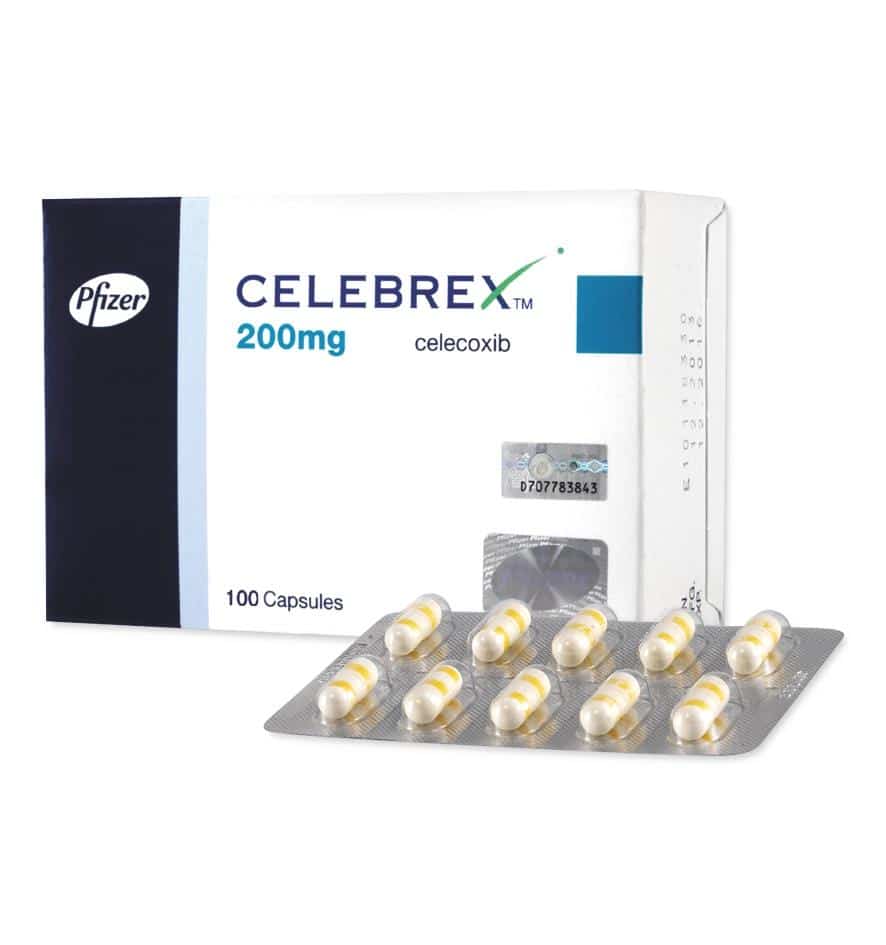
    Celebrex is not a weight-loss medicine. If you are searching for Celebrex and Weight Loss: Evidence, Safety, Practical Guidance, the short answer is that celecoxib is meant to treat pain and inflammation, not reduce body fat. Weight loss is not a typical intended effect. That matters because rapid weight change during NSAID (nonsteroidal anti-inflammatory drug) use can sometimes point to fluid retention or another safety issue. Some people may notice a change on the scale while taking it, but that can reflect swelling from extra fluid, stomach side effects, pain relief changing activity, other medicines, or another health issue rather than a direct weight-loss effect from the drug itself.

    Key Takeaways

    • Celebrex is not designed or approved for weight loss.
    • Weight loss is not a usual expected effect of celecoxib.
    • Rapid weight gain with swelling matters more than small day-to-day shifts.
    • Celecoxib carries boxed NSAID warnings for heart and serious stomach risks.
    • If weight control is the goal, compare treatments made for that purpose.

    Celecoxib and Weight Changes: What the Evidence Shows

    No strong evidence shows celecoxib helps people lose weight. In practice, most discussion around Celebrex and weight loss comes from timing and confusion: a pain medicine may change how you feel, eat, or move, but that is not the same as a proven fat-loss effect. Label-backed safety information focuses much more on swelling, blood pressure, kidney effects, stomach problems, and cardiovascular risk than on intentional weight reduction.

    That distinction matters. When joint pain improves, some people become more active and may slowly lose weight over time. Others eat less because of nausea or stomach upset. A few gain weight because fluid is building up or because they are less active during a painful flare. None of those patterns means celecoxib works as a weight-loss therapy. If your main question is whether a medicine can support obesity treatment, it is more useful to start with an overview of Weight Loss Treatments than to assume an anti-inflammatory drug plays that role.

    Why the scale may move anyway

    People often search this topic because the scale changed after they started the drug. Timing can make a medicine look responsible even when several factors are moving at once. Pain may limit walking, sleep may worsen appetite, and other medicines such as steroids can affect fluid balance or body weight. Celecoxib can sit in the middle of that picture without being the true cause.

    Celecoxib also does not work like weight-loss medicines that change appetite, fullness, or calorie absorption. It is not in the same treatment class, and it is not prescribed as a metabolic therapy. That is why even real weight loss during treatment should be treated as an observation to explain, not as proof that the drug helps with obesity.

    BorderFreeHealth works with licensed Canadian partner pharmacies for eligible U.S. patients.

    Why Some People Notice Weight Gain Instead

    Weight gain is a more useful safety question than weight loss with celecoxib. That is because some people develop edema, meaning swelling caused by extra fluid. Fluid retention can show up as puffier ankles, tighter shoes, rings that suddenly feel snug, or a rapid jump on the scale over a few days. That kind of change is different from slow body-fat gain and deserves more attention.

    Not every increase means danger. A gradual shift can still come from lower activity, improved appetite once pain is controlled, menopause, stress, or another medicine. Still, when readers ask about Celebrex weight gain or celecoxib weight gain, the first step is to separate water weight, true fat gain, and unrelated illness rather than assuming one simple explanation.

    Pattern What it may suggest Why it matters
    Small day-to-day fluctuation Normal hydration changes Often not drug-specific on its own
    Gradual gain over weeks Activity, appetite, or another medicine May be indirect rather than a celecoxib effect
    Rapid gain with ankle swelling Fluid retention Needs prompt review, especially with breathing symptoms
    Unexpected weight loss Less intake, stomach upset, or another illness Not a standard weight-loss effect of Celebrex

    Why it matters: Rapid weight gain with swelling can reflect fluid retention, not true fat gain.

    Swelling can also overlap with heart or kidney problems. That is why sudden weight change, new shortness of breath, or less urine output should not be brushed off as a cosmetic issue. The number on the scale is only useful when you connect it to the rest of the picture.

    Safety Issues That Matter More Than the Scale

    The biggest celecoxib safety concerns are not about losing or gaining weight. They are the same major NSAID concerns clinicians weigh every day: cardiovascular events, serious gastrointestinal problems, kidney injury, fluid retention, and blood pressure effects. Celecoxib is a COX-2 selective NSAID, meaning it targets one inflammation enzyme more than some older NSAIDs, but that does not make it risk-free.

    Cardiovascular and fluid concerns

    Celebrex has a boxed warning, sometimes called a black box warning, about increased risk of serious cardiovascular events such as heart attack and stroke. Risk is not identical in every person. Age, prior heart disease, stroke history, smoking, high blood pressure, kidney disease, and total NSAID exposure can all matter. This is one reason a sudden change in weight plus swelling or shortness of breath is more important than the question of whether the drug causes fat loss.

    Fluid retention can also raise blood pressure or worsen underlying heart failure. Even if symptoms seem mild at first, edema should be viewed as a safety signal rather than a normal part of treatment. This is especially true if the change is fast or paired with fatigue, breathlessness, or tightness in the lower legs.

    Stomach and kidney concerns

    Celecoxib may be easier on the stomach than some older NSAIDs for certain patients, but it can still contribute to ulcers, bleeding, or perforation in the stomach or intestines. The risk can rise with older age, previous ulcer disease, heavy alcohol use, corticosteroids, blood thinners, or using more than one NSAID at the same time. Dark stools, vomiting blood, severe stomach pain, or fainting are red flags.

    Kidney effects also matter. NSAIDs can reduce blood flow to the kidneys in some situations, especially in people who are dehydrated or who already have kidney or heart disease. When celecoxib side effects include swelling, reduced urination, or sudden fatigue, weight change becomes a clue to look at safety first.

    Compared with some nonselective NSAIDs, celecoxib may offer a gastrointestinal advantage for some people, but the tradeoff is never simple. A lower chance of some stomach problems does not erase cardiovascular, kidney, or fluid concerns.

    With celecoxib long-term use, the same core questions stay in view: whether the medicine is still needed, whether swelling or blood pressure has changed, and whether stomach or kidney symptoms have appeared.

    When required, prescription details are confirmed with the prescriber before dispensing.

    What Is the Controversy With Celebrex?

    The controversy around Celebrex is mostly about safety history, not weight loss. Years ago, concern grew around COX-2 inhibitors as a class after cardiovascular risks became a major issue and some related drugs were withdrawn. Celecoxib remained available, but the scrutiny changed how clinicians think about who should use it, for how long, and with what monitoring.

    That also helps answer why some doctors do not prescribe Celebrex for everyone. It can be a reasonable option for some people, especially when stomach risk is a concern, yet it may be a poor fit for others with heart disease, prior stroke, uncontrolled hypertension, kidney problems, a history of ulcers, or medicines that raise bleeding risk. The question is usually not whether celecoxib is a good or bad drug in the abstract. It is whether it fits a person’s total risk profile.

    A clinician may also choose something else when pain is occasional, when non-drug measures are enough, or when another NSAID strategy appears safer or simpler. So the reason some doctors do not prescribe Celebrex is usually clinical fit, not because the drug is mysterious or uniquely controversial in every case.

    • Heart history matters because NSAID risk is not evenly shared.
    • Kidney status matters because fluid balance can change quickly.
    • Bleeding history matters even with a more selective NSAID.
    • Other medicines matter because interactions can raise harm.
    • Reason for use matters because not every pain problem needs an NSAID.

    So if you are asking what is the controversy with Celebrex, the short version is this: the debate is about balancing benefits in pain relief against known cardiovascular, gastrointestinal, and kidney risks, not about any reliable weight-loss benefit.

    If Your Goal Is Weight Loss, Look at Treatments Designed for That Job

    Celecoxib does not belong in the same category as chronic weight-management therapy. If the real question behind Celebrex and weight loss is whether there are medicines intended to support obesity care, browse the Weight Management Hub or compare listings in Weight Management Products. Those resources focus on therapies that are actually used in weight-management care rather than pain control.

    For orientation, you can review Semaglutide Basics, compare newer GLP-1 Drugs, or scan a broader summary of Weight Loss Injections. Those pages help separate anti-obesity treatment from unrelated medicines that may only seem connected because of scale changes.

    Side effects are different too. For example, resources on Ozempic Safety Checklist, Wegovy Side Effects, and Saxenda Side Effects discuss gastrointestinal effects, appetite changes, and treatment-specific concerns that belong to weight-loss drugs, not celecoxib. Keeping those categories separate can prevent a lot of confusion.

    Real weight-management care also goes beyond medication alone. Nutrition, sleep, mobility, Insulin Resistance Treatment, and the emotional side of eating all influence progress. A pain reliever does not replace that broader plan, even if feeling better briefly changes the scale.

    Cash-pay cross-border options may exist for some patients without insurance, depending on eligibility.

    What to Track if You Notice a Weight Change

    If the scale moves after starting celecoxib, context is what makes that information useful. A single number matters much less than the pattern, the timing, and the symptoms around it. Writing down what changed can make the next conversation with a clinician clearer and more accurate.

    • Start date and timeline of the weight change.
    • Swelling in ankles, feet, hands, or around the eyes.
    • Breathing changes, chest discomfort, or unusual fatigue.
    • Stomach pain, black stools, nausea, or poor appetite.
    • Reduced urination or signs of dehydration.
    • Other new medicines or recent illness.

    Prompt review matters when weight gain is fast or when it appears with swelling, shortness of breath, chest pain, very little urine, black stools, fainting, or severe stomach pain. Unexplained weight loss matters too, especially if it keeps going or comes with low appetite and fatigue.

    Quick tip: Note whether the change feels like swelling, appetite loss, or a true body-weight trend.

    Unexpected weight loss deserves attention too. It is not a standard benefit of celecoxib, and it may reflect stomach irritation, poor intake, depression, another illness, or a change in daily function. If weight changes are causing distress, the emotional side of the issue can matter as much as the medical side. Broader context from Emotional Dimensions Of Obesity may help frame why numbers on the scale can carry so much anxiety and confusion.

    In short, celecoxib can affect how you feel, but it is not a shortcut to fat loss. The more important questions are whether a weight change might actually be fluid retention, whether other side effects are appearing, and whether the medicine still fits the reason it was chosen.

    Authoritative Sources

    Further reading should focus on the reason the medicine was prescribed, the side effects you notice, and whether weight change may point to a separate issue rather than a treatment benefit.

    This content is for informational purposes only and is not a substitute for professional medical advice.

  • Wegovy vs Ozempic: A Balanced Guide to Dosing and Results

    Wegovy vs Ozempic: A Balanced Guide to Dosing and Results

    Choosing between modern GLP-1 medicines can feel overwhelming. Your goals, health history, and tolerance matter more than brand hype. This guide compares semaglutide options clearly, so you can have a better conversation with your care team. It focuses on evidence, safety signals, and practical next steps.

    Key Takeaways

    • Indications differ: one is diabetes-first, the other weight-first.
    • Dosing and titration steps are similar but not identical.
    • Side effects overlap; risk signals warrant informed monitoring.
    • Switching brands should be supervised and individualized.
    • New options, like tirzepatide, may change the calculus.

    If you’re weighing wegovy vs ozempic, start by clarifying your primary goal. Some people prioritize weight management, while others need stronger glucose-lowering effects. Both options use semaglutide, a GLP-1 receptor agonist (hormone-mimicking drug) that slows gastric emptying and reduces appetite. Still, their approvals, dosing ceilings, and coverage pathways are different, which matters for long-term planning.

    wegovy vs ozempic: How They Compare

    Both medicines contain semaglutide, a GLP-1 receptor agonist (incretin-mimetic). They help the pancreas release insulin after meals and signal satiety in the brain. While their active ingredient is identical, the labeled indication and dosing targets differ. Wegovy is approved for chronic weight management in adults with obesity or overweight plus a related condition. Ozempic is approved to improve glycemic control in adults with type 2 diabetes.

    For clarity, these are label-based distinctions, not value judgments. According to the FDA prescribing information, Wegovy targets a higher maintenance dose to support weight management, while Ozempic emphasizes glycemic control with cardiovascular risk reduction evidence in diabetes populations. You can review the Wegovy prescribing information for official details (FDA label) and the Ozempic medication guide for its approved use and dosing (prescribing information).

    Coverage and access can also diverge. Some insurance plans recognize chronic weight management benefits differently than diabetes control. Understanding your plan’s rules early helps you avoid gaps. For related metabolic impacts, see an overview of Wegovy and Hormonal Health for context on endocrine signals and appetite regulation.

    Dosing and Titration Differences

    Both medicines increase gradually to improve tolerability. The schedules overlap but are not the same, especially at the maintenance phase. For label-based clarity on the Ozempic vs Wegovy dosing schedule, review the step-up approach below. Use it to frame discussions with your prescriber, not to self-adjust doses.

    Medicine Typical Start Titration Steps Common Maintenance
    Wegovy (semaglutide) 0.25 mg weekly Increase every 4 weeks (0.25→0.5→1.0→1.7 mg) 2.4 mg weekly if tolerated
    Ozempic (semaglutide) 0.25 mg weekly Increase to 0.5 mg; consider 1 mg or 2 mg 0.5–2.0 mg weekly for diabetes

    Real-life titration may vary. Some people remain at intermediate doses for longer to manage nausea or reflux. Others never reach the top dose and still find meaningful benefit. For product specifics and pen formats that may affect usability, see Ozempic for formulation details and Wegovy for dose options; the product pages help contextualize device and strength differences.

    Managing Tolerance During Uptitration

    Early weeks often bring gastrointestinal symptoms. People report queasiness, fullness, or constipation as the body adapts. Small meals, protein-forward choices, and slower titration can help. If symptoms become disruptive, clinicians may pause or down-titrate until the stomach settles. This approach aligns with the general guidance in official labeling. Over time, many patients report improved tolerance as they find a sustainable, individualized dose.

    Expected Results and Real-World Patterns

    Individual results vary widely. Some people see faster changes in appetite, while others need longer to notice. Trial data and clinical experience suggest a dose-response effect, tempered by lifestyle, concurrent medicines, and genetics. When discussing Wegovy vs Ozempic results, frame expectations around gradual change and maintenance rather than a fixed timeline.

    Weight trends often correlate with consistent weekly dosing and meal patterns. In diabetes, clinicians also track HbA1c, fasting glucose, and time-in-range to judge benefit. People with significant heart or kidney comorbidities may prioritize cardiometabolic markers even when weight loss is modest. For additional diabetes-focused context, see Jardiance and Weight Loss, which explores how SGLT2 inhibitors fit into broader metabolic care plans.

    Side Effects and Safety Profiles

    These medicines share class effects. Nausea, vomiting, diarrhea, constipation, and abdominal discomfort are the most common experiences. Dehydration can follow if vomiting is prolonged. Gallbladder issues and pancreatitis have been reported, so persistent severe abdominal pain deserves prompt evaluation. A boxed warning notes a risk of thyroid C-cell tumors in rodent studies; people with a personal or family history of medullary thyroid carcinoma should avoid this class.

    When evaluating Wegovy vs Ozempic side effects, consider your history of reflux, gallstones, pancreatitis, or thyroid disease. Clinicians also watch kidney function during significant gastrointestinal losses. For label-based warnings and precautions, refer to the Wegovy prescribing information and the Ozempic FDA label. To understand broader cardiometabolic ties, see GLP-1 and Sleep Apnea Overview for a primer on weight, airway risk, and treatment pathways.

    Switching Between Brands Safely

    People sometimes switch for coverage, availability, or tolerability. The goal is a smooth transition without losing progress or triggering severe nausea. Discuss timing, starting strength, and interim gaps before making changes. If your priority is Switching from Ozempic to Wegovy dosage equivalence, your prescriber may translate your current weekly dose cautiously and adjust after observing tolerance.

    Manufacturers design pens and strengths differently, which can complicate conversions. Plan monitoring for appetite, blood glucose, and adverse effects during the first 4–8 weeks after a switch. For practical device and strength context before a transition, review Wegovy to understand its available titration steps. Tip: Keep a symptom log and hydration plan; concrete notes help your clinician tailor the next dose step.

    Comparing With Mounjaro (tirzepatide)

    Tirzepatide acts at two receptors (GIP and GLP-1), which may influence appetite and glucose differently. Some patients describe distinct satiety patterns compared with semaglutide. In conversations about Wegovy vs Mounjaro for weight loss, clinicians weigh prior responses, access, and comorbidities. Official prescribing information outlines its indications and titration; you can review the FDA resource for clarity (tirzepatide label).

    If you’re comparing GLP-1 and dual-incretin strategies, it helps to understand how each affects blood sugar and appetite. For a deeper dive on the diabetes side of the equation, see the Mounjaro vs. Ozempic Guide, which explains differences in receptors, outcomes, and real-world considerations. Your personal response, not group averages, should guide long-term decisions.

    Zepbound and Other Alternatives

    Zepbound is tirzepatide approved specifically for chronic weight management. It shares the same molecule as Mounjaro but targets weight indications. If you’re weighing Wegovy vs Ozempic vs Zepbound, consider label indications, dose ceilings, and your tolerance history. Differences in insurance recognition can also shape access and adherence.

    Patients sometimes transition among these options as circumstances change. It’s reasonable to revisit goals every few months and reassess the fit. For an overview of what sets Zepbound apart in the weight space, see Zepbound for Weight Loss for a concise breakdown of mechanisms and program considerations.

    Access and Coverage Basics

    Coverage varies by insurer and plan type, and policies change. Employers may alter formularies midyear, and prior authorizations can expire. If you’re exploring whether Wegovy cost covered by insurance policies applies to your situation, ask for your plan’s obesity-treatment policy and documentation requirements. Keep notes on prerequisite programs, nutrition counseling, or medical-necessity letters.

    Pharmacy access can fluctuate with supply cycles. Having a backup plan reduces gaps if your strength is out of stock. For device formats and strengths to discuss with your clinician and pharmacist, review Ozempic and Wegovy product information; it helps set realistic timelines and refill expectations.

    Recap

    Both medicines use semaglutide but serve different labeled purposes. Start with your primary goal, health history, and tolerance. Use label-based dosing and careful uptitration to manage side effects. Consider alternatives—like tirzepatide—if your needs evolve or access shifts. With informed, steady steps, you can build a plan that respects both safety and sustainability.

    This content is for informational purposes only and is not a substitute for professional medical advice.

  • Ozempic for Weight Loss: Safety, Results, and Expectations

    Ozempic for Weight Loss: Safety, Results, and Expectations

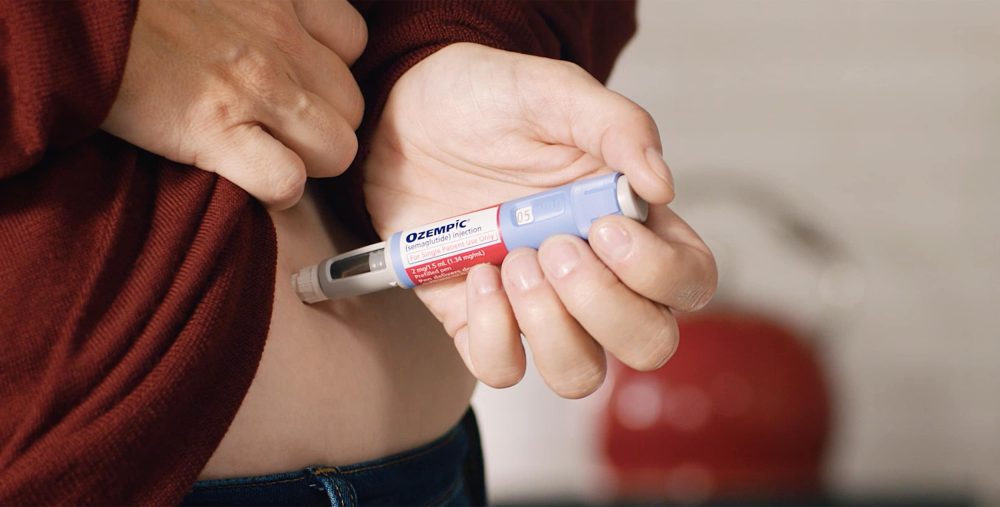
    Ozempic for weight loss may help some adults reduce appetite and support weight management, but it is not approved by the FDA as a weight-loss medicine. It contains semaglutide, a GLP-1 receptor agonist (a medicine that mimics a gut hormone). For people with type 2 diabetes, weight change can occur while treating blood sugar. For others, use for weight loss is an off-label decision that needs careful clinician review.

    That distinction matters. A safer plan starts with eligibility, side-effect planning, realistic expectations, and follow-up. It should not start with celebrity photos, rapid-loss promises, or self-directed dosing.

    Key Takeaways

    • Approved use: Ozempic treats type 2 diabetes, not obesity alone.
    • Weight effects: Appetite often decreases, but results vary.
    • Safety planning: Nausea is common; severe symptoms need care.
    • Habits still matter: Protein, fiber, movement, and sleep support outcomes.
    • Alternatives exist: Wegovy and other options may fit different goals.

    How Semaglutide Supports Weight Change

    Semaglutide can reduce hunger and increase fullness by activating GLP-1 receptors involved in appetite and glucose regulation. It may also slow gastric emptying, meaning food leaves the stomach more slowly. Many people describe less “food noise,” smaller portions, or fewer urges to snack.

    These effects do not replace nutrition or activity. They can make a structured routine easier to follow. A practical plan often includes regular meals, enough protein, hydration, gentle activity, and symptom tracking. If you are already using this medicine, our Ozempic Diet resource can help you think through simple meal patterns that may feel more comfortable.

    Ozempic for weight loss also raises an important access question. Because the medication’s approved indication is type 2 diabetes, a prescriber should decide whether it fits your medical history, current medicines, and treatment goals. BorderFreeHealth connects U.S. patients with licensed Canadian partner pharmacies, and prescription details are verified with the prescriber where required before dispensing by the pharmacy.

    Who Might Be Considered, and Who Needs Extra Caution

    A clinician may consider semaglutide-based care when the possible benefits outweigh the risks. That review usually includes weight history, blood sugar status, digestive symptoms, kidney function, gallbladder history, pregnancy plans, and current medications. People using insulin or sulfonylureas may need closer glucose monitoring because blood sugar patterns can shift.

    Some people should avoid Ozempic or need specialist input. The prescribing information includes a boxed warning about thyroid C-cell tumors seen in rodents. People with a personal or family history of medullary thyroid carcinoma, or multiple endocrine neoplasia syndrome type 2, should discuss this warning carefully. Anyone with past pancreatitis, severe gastrointestinal disease, or active gallbladder problems should also raise those details early.

    Why it matters: The safest plan is the one matched to your risks, not someone else’s results.

    If you are trying to understand the prescription conversation, see Prescribed Ozempic Safely for a step-by-step look at what clinicians commonly review. This does not replace an appointment, but it can help you prepare better questions.

    Results: What to Expect Without Chasing Fast Loss

    Weight loss with semaglutide is usually gradual, and early weeks may focus more on tolerability than visible change. Some people notice appetite changes within weeks. Others need more time, especially if side effects limit meals or activity. Plateaus can happen even when the medicine is working.

    Many searches focus on “1 month,” “6 week,” or “3 months” results. Those timelines can be useful for check-ins, but they are poor tools for judging personal success. Dose changes, food intake, sleep, stress, alcohol use, other medicines, and medical conditions all influence progress. A clinician can help decide whether a plateau is expected, whether side effects are interfering, or whether the treatment plan needs review.

    Ozempic for weight loss also does not target belly fat specifically. When body weight changes, fat loss can occur across different areas. Genetics, hormones, age, and muscle mass influence where changes appear first. Be cautious with “before and after” pictures, especially celebrity posts. Lighting, posing, editing, and unclear timelines can distort expectations.

    Use a simple tracker instead of relying only on scale weight. Record appetite, digestion, waist measurement, energy, sleep, and strength. The calculator below can help estimate percent weight change and progress toward a general goal. It does not predict your response or replace clinical guidance.

    [weight-loss-progress-calculator]

    Side Effects and Warning Signs

    Ozempic side effects are often gastrointestinal. Nausea, vomiting, diarrhea, constipation, abdominal discomfort, burping, and reduced appetite can occur, especially after starting or changing a dose. Many symptoms improve with time, but they still deserve attention if they affect hydration, eating, or daily function.

    Serious reactions are less common but important. Seek urgent medical care for severe or persistent abdominal pain, pain that spreads to the back, repeated vomiting, signs of dehydration, yellowing skin or eyes, or symptoms of a severe allergic reaction. New neck swelling, trouble swallowing, or persistent hoarseness should be assessed because of the thyroid tumor warning in labeling.

    Common Effects to Track

    • Nausea pattern: Note timing, meals, and triggers.
    • Bowel changes: Track constipation or diarrhea frequency.
    • Hydration issues: Watch dizziness, dark urine, or weakness.
    • Meal tolerance: Record foods that worsen fullness.
    • Glucose changes: Monitor if you use diabetes medicines.

    Some readers search for ozempic side effects in females. Most known side effects are not limited to one sex, but pregnancy, breastfeeding, menstrual changes, contraception, and fertility planning can change the safety conversation. Tell your prescriber if pregnancy is possible or planned. Do not start, stop, or adjust medication without medical guidance.

    For a deeper discussion of symptom patterns and when to call a clinician, visit Managing Ozempic Side Effects. Use that type of resource as preparation for care, not as a substitute for care.

    Food Choices That May Improve Comfort

    Food choices can reduce discomfort while appetite is lower. Many people tolerate smaller meals better than large portions. Lean protein, cooked vegetables, soups, yogurt, eggs, beans, fish, poultry, and whole grains may be easier to plan around than greasy or very heavy meals. Individual tolerance varies.

    People often ask about ozempic foods to avoid. There is no universal banned-food list, but fried foods, large high-fat meals, alcohol, sugary drinks, and very spicy meals may worsen nausea or reflux for some users. Carbonated drinks can also feel uncomfortable when fullness lingers. If a food repeatedly triggers symptoms, reduce the portion or discuss alternatives with a dietitian.

    Quick tip: Eat slowly, pause halfway, and stop before fullness becomes uncomfortable.

    Protein and resistance activity matter because weight loss can include muscle loss. Your clinician or registered dietitian can help set protein targets if you have kidney disease, diabetes complications, eating disorder history, or complex medical needs. For a focused list of common triggers, see Ozempic Foods to Avoid.

    Long-Term Questions: Skin, Face Changes, and Maintenance

    Long-term use requires follow-up, not autopilot. Your care team may monitor glucose, kidney function, digestive tolerance, blood pressure, weight trend, and other medicines. If weight changes meaningfully, some medications for diabetes, blood pressure, or lipids may need reassessment by the prescriber.

    “Ozempic face” is a popular term for facial hollowing or skin laxity noticed after weight loss. It is not a formal diagnosis. Any significant fat loss can make facial changes more visible, especially with age, genetics, sun exposure, or lower muscle mass. Slower weight change, adequate protein, hydration, and resistance training may support overall body composition, though they cannot prevent every skin change.

    Maintenance is another key issue. Stopping a weight-management medicine may lead to increased appetite in some people. That does not mean the treatment “failed.” It means long-term planning matters. Discuss what success looks like, how often you should follow up, and what lifestyle supports you can keep even if medication changes.

    How It Compares With Other Injections

    Ozempic and Wegovy both contain semaglutide, but they are not the same product for regulatory purposes. Ozempic is approved for type 2 diabetes. Wegovy is approved for chronic weight management in specific eligible groups. Their labeling, dose schedules, and clinical use differ, so comparisons should happen with a licensed clinician.

    Other medicines may also come up, including liraglutide-based or tirzepatide-based options. The “best injection” depends on medical history, side-effect tolerance, treatment goals, pregnancy plans, other medicines, access, and clinician judgment. No single choice fits everyone.

    If you are comparing semaglutide products, Wegovy vs Ozempic explains key differences in a patient-friendly way. You can also browse the Weight Management collection for related educational topics. Product pages such as Wegovy or Ozempic may provide medication context, but treatment decisions still belong with your prescriber.

    Practical Questions to Bring to Your Clinician

    Good preparation makes the appointment safer and more useful. Bring a current medication list, supplement list, weight history, relevant lab results, prior gallbladder or pancreas issues, and details about pregnancy plans. Also share any history of disordered eating, severe reflux, gastroparesis (delayed stomach emptying), or repeated dehydration.

    • Eligibility: Ask whether semaglutide fits your health profile.
    • Approved use: Clarify on-label versus off-label treatment.
    • Monitoring: Ask which symptoms or labs need follow-up.
    • Interactions: Review diabetes, blood pressure, and stomach medicines.
    • Nutrition support: Ask whether a dietitian would help.
    • Side-effect plan: Confirm when to call or seek urgent care.

    People without insurance may ask about cash-pay options or cross-border prescription pathways. Those details depend on eligibility, jurisdiction, and the prescription process. Keep the access conversation separate from the medical decision so safety remains the priority.

    Authoritative Sources

    For approved indications, boxed warnings, contraindications, and adverse reactions, review the FDA drug approval details for Ozempic. The official record is the best starting point for label-based safety information.

    For semaglutide weight-management labeling, compare the FDA drug approval details for Wegovy. This helps explain why two semaglutide products can have different approved uses.

    For plain-language medicine education, the MedlinePlus semaglutide drug information page summarizes key warnings and patient counseling points.

    Recap

    Ozempic for weight loss is best understood as a semaglutide-related weight effect within diabetes care, or as an off-label option that requires careful medical review. It may reduce appetite and support weight change, but it can also cause side effects and is not suitable for everyone.

    Focus on safety first: confirm eligibility, track symptoms, set realistic milestones, and avoid comparing your body with online images. A steady plan with clinician follow-up gives you a better chance of protecting your health while assessing whether treatment still fits your goals.

    This content is for informational purposes only and is not a substitute for professional medical advice.

  • Antidepressants That Cause Weight Loss: Evidence and Safety

    Antidepressants That Cause Weight Loss: Evidence and Safety

    Some antidepressants that cause weight loss may do so by lowering appetite, increasing activation, or improving symptoms that affect eating and movement. Bupropion has the most consistent association with modest weight loss for some people. Fluoxetine may reduce weight early in treatment, but weight often trends back toward baseline over time. No antidepressant should be chosen for weight alone.

    Key Takeaways

    • Bupropion stands out: It is often linked with less weight gain and sometimes modest loss.
    • Early loss can fade: Fluoxetine may reduce appetite at first, then weight may stabilize.
    • Response varies widely: Sleep, appetite, anxiety, activity, and dose all matter.
    • Mood comes first: Depression or anxiety remission can support healthier routines.
    • Changes need review: Rapid weight shifts or new side effects deserve medical input.

    Weight change can affect confidence, health goals, and whether a person stays with treatment. That makes the question valid, not vain. The safer goal is to find a medication plan that supports mood while limiting unwanted metabolic effects. This article explains the evidence, the trade-offs, and the practical questions to bring to your prescriber.

    Which Antidepressants Are Most Linked With Weight Loss?

    Bupropion is the antidepressant most often associated with weight loss or weight neutrality. It works differently from selective serotonin reuptake inhibitors, often called SSRIs. Instead of primarily affecting serotonin, it influences norepinephrine and dopamine, which can affect energy, motivation, and appetite.

    Fluoxetine, an SSRI, may also be linked with short-term weight loss in some people. This can happen when early nausea, lower appetite, or mild activation reduces food intake. The effect is not guaranteed. Over longer periods, weight may return toward baseline or increase in some people as appetite and mood normalize.

    Sertraline, escitalopram, and venlafaxine are often described as closer to weight-neutral for many patients, though individual results vary. Some people report sertraline weight loss, while others notice appetite changes or weight gain. The same medication can feel activating for one person and tiring for another.

    Why it matters: The best fit is the option that treats symptoms without creating side effects you cannot tolerate.

    People also search for antidepressants that don’t cause weight gain. That phrase is useful, but it can oversimplify the choice. A medication with a lower average risk may still affect your appetite, sleep, or energy. Your history with anxiety, insomnia, binge eating, migraine, pain, seizures, or other medicines can change the risk-benefit picture.

    Bupropion, Fluoxetine, and Sertraline: How They Compare

    Bupropion, fluoxetine, and sertraline are commonly discussed because they sit in different places on the weight and tolerability spectrum. None is universally “best.” The right choice depends on the symptom pattern and safety considerations.

    Bupropion: Often Weight-Neutral or Modestly Reducing

    Bupropion may be a practical option when low energy, low motivation, and concentration problems are prominent. Some people feel more activated on it, which may support daily movement. It can also worsen anxiety, restlessness, or insomnia in sensitive people. It is not appropriate for everyone, including some people with seizure risk or certain eating disorder histories.

    For readers who want a deeper look at weight and energy patterns, see Wellbutrin Weight Loss. If side effects are part of the decision, Bupropion Side Effects explains common reactions and monitoring points.

    Fluoxetine: Early Appetite Effects Can Change

    Fluoxetine may cause early appetite reduction in some people. That is why searches such as prozac weight loss are common. Still, early weight loss does not predict a long-term outcome. As depression improves, appetite can return. Some people later notice weight gain, especially when activity, cravings, sleep, or other medicines shift.

    If fluoxetine is part of your discussion, Prozac Weight Gain reviews how weight effects can differ by timeline. The key point is not whether fluoxetine “causes” one result for everyone. It is whether your symptoms, side effects, and weight trend remain acceptable after starting.

    Sertraline: Usually Mixed, Not Predictable

    Sertraline is often used for depression and anxiety disorders. Weight effects are mixed. Some people lose weight early because of nausea or appetite reduction. Others gain weight later as appetite improves or fatigue reduces activity. This is why “Zoloft or Wellbutrin for weight loss” has no single answer.

    Bupropion may have a stronger weight-loss signal, but sertraline may be more suitable for some anxiety patterns. Fluoxetine and sertraline are both SSRIs, yet they differ in half-life, activation, tolerability, and individual response. Your prescriber can weigh those factors against prior medication history.

    Why Antidepressants Change Weight

    Antidepressants can change weight because mood, appetite, sleep, and movement share overlapping biology. Neurotransmitters are chemical messengers that affect both mood symptoms and body signals. Serotonin can influence fullness, cravings, and gastrointestinal symptoms. Norepinephrine can affect alertness and activity. Dopamine can influence reward, motivation, and food-seeking behavior.

    Receptor effects also matter. Some medicines affect histamine H1 receptors, which can increase appetite and sedation. Others have anticholinergic effects, meaning they block acetylcholine-related signals and may contribute to dry mouth, constipation, or tiredness. These effects can indirectly alter eating patterns.

    Symptoms before treatment matter as much as the pill. Depression can reduce appetite in one person and increase emotional eating in another. Anxiety can cause nausea, grazing, or skipped meals. When treatment begins to work, eating may normalize. That can look like weight gain for someone who had lost weight during depression, or weight loss for someone whose mood symptoms drove overeating.

    Other common contributors include sleep disruption, alcohol use, thyroid disease, menopause, insulin resistance, pain, reduced activity, and other medications. Antipsychotic augmenters, mood stabilizers, steroids, and some diabetes medicines can also affect weight. This is why tracking context helps more than blaming one factor too quickly.

    Which Antidepressants Cause the Most Weight Gain?

    Mirtazapine and paroxetine are commonly associated with a higher chance of weight gain than bupropion. Tricyclic antidepressants can also contribute to weight gain for some people. The reasons often include increased appetite, cravings, sedation, and reduced daily movement.

    Mirtazapine may be useful for some people with depression, poor sleep, and low appetite, but that same profile can be difficult for people already concerned about weight. Paroxetine may be effective for anxiety or depression, yet it is often viewed as less weight-friendly than several other SSRIs. These are tendencies, not certainties.

    If you are comparing antidepressants that cause weight loss with medicines more linked to gain, avoid reducing the decision to one side effect. A medication that helps sleep and severe depression may indirectly improve metabolic habits. A medication that looks weight-neutral on paper may still cause fatigue or cravings in a specific person.

    For a broader mental health reading path, the Mental Health category collects related education. If weight goals are a major part of care, the Weight Management category may help you prepare better questions for your clinician.

    Choosing for Anxiety, Depression, Energy, and Weight

    The best antidepressant for anxiety and depression without weight gain depends on the person, not only the drug list. Anxiety severity, panic symptoms, insomnia, sexual side effects, pain, fatigue, substance use, and past medication response all shape the decision.

    If anxiety is the main concern, an activating medicine may feel uncomfortable at first. If fatigue and low motivation are dominant, a more activating option may be worth discussing. If insomnia is already severe, sedating effects may be helpful or harmful depending on appetite and next-day function.

    People often ask about the best antidepressant for energy and motivation. Bupropion is frequently discussed in that context, but it is not the only factor. Energy may improve when depression lifts, sleep becomes consistent, anemia or thyroid problems are addressed, and daily structure returns. Medication can support those changes, but it rarely replaces them.

    Newer antidepressants may offer different tolerability profiles, but “new” does not automatically mean more effective or more weight-neutral. Official indications, interactions, pregnancy considerations, side effects, and cost or access issues still matter. If access is part of your planning, BorderFreeHealth connects U.S. patients with licensed Canadian partner pharmacies, and prescription details are verified where required before pharmacy dispensing.

    What To Track Before Asking About a Switch

    Tracking helps separate medication effects from normal weight fluctuation. It also gives your clinician a clearer picture before changing treatment. Do not stop an antidepressant suddenly because of weight concerns unless a clinician tells you to do so. Abrupt changes can cause withdrawal-like symptoms or mood relapse.

    • Weight trend: Record weekly, not hourly.
    • Appetite pattern: Note cravings, nausea, or early fullness.
    • Sleep quality: Track bedtime, waking, and restfulness.
    • Activity level: Count steps or planned movement.
    • Mood symptoms: Rate anxiety, interest, and motivation.
    • Medication changes: Include dose timing and new prescriptions.
    • Body signals: Note constipation, sweating, tremor, or fatigue.

    Simple trend tools can help you describe changes more clearly. This calculator can estimate percentage weight change and progress toward a general goal, but it cannot judge whether a medication is right for you.

    [weight-loss-progress-calculator]

    Quick tip: Bring a two- to four-week log instead of relying on memory during appointments.

    If weight gain persists after mood improves, your prescriber may discuss options. These can include watchful waiting, dose timing adjustments, switching medicines, addressing sleep or appetite, or adding weight-management care. Some people also ask how to lose weight on antidepressants. The safest answer starts with treating the mood disorder well, then building repeatable habits around protein, fiber, sleep, and movement.

    Prescription weight-management medicines may be considered for some people, but they require individualized review. Mental health history, nausea, gastrointestinal disease, diabetes medicines, pregnancy plans, and other factors can affect suitability. Medication for weight should not be added casually to offset antidepressant side effects without a full risk-benefit discussion.

    Rapid Weight Loss, Stopping Medicines, and Warning Signs

    Rapid weight loss after antidepressants should be reviewed, especially when it is unexpected. It may reflect nausea, poor intake, anxiety relapse, gastrointestinal illness, thyroid disease, substance use, medication interactions, or another medical issue. It is not automatically a healthy sign.

    Some people report rapid weight loss after stopping Zoloft or another SSRI. During a taper or switch, appetite, sleep, mood, and digestion can all shift. Discontinuation symptoms may include dizziness, irritability, flu-like feelings, insomnia, or sensory disturbances. These symptoms can make eating patterns erratic.

    Seek urgent care for thoughts of self-harm, severe agitation, chest pain, fainting, allergic swelling, confusion, signs of serotonin syndrome, or inability to keep fluids down. Contact a clinician promptly for unplanned weight loss, worsening depression, severe insomnia, new manic symptoms, or eating disorder warning signs.

    If you cannot lose weight on antidepressants despite consistent habits, it may not be a willpower problem. Appetite biology, sedation, sleep debt, insulin resistance, and medication combinations can all work against you. A clinician can help decide whether labs, therapy changes, nutrition support, or a medication review is appropriate.

    Access and Medication Navigation

    Some readers reach this topic while comparing named medicines. Internal product pages can help you identify forms and related medication names, but they should not replace clinical advice. For medication-specific navigation, you can review Bupropion XL, Bupropion SR, or Fluoxetine as starting points for terminology.

    When a prescription is required, eligibility, documentation, and jurisdictional rules still apply. Cash-pay cross-border options may be relevant for some patients without insurance, but the clinical decision should remain between you and your prescriber. Bring the same questions either way: why this medicine, what side effects to watch, and when to follow up.

    Authoritative Sources

    The NIMH overview of mental health medications explains common antidepressant uses, benefits, and side effects in patient-friendly terms.

    The FDA antidepressant medication safety information provides regulator-backed context on antidepressant warnings and patient safety issues.

    The NCBI Bookshelf review on depression treatment summarizes treatment approaches and the importance of individualized care.

    Recap

    Antidepressants that cause weight loss are usually better described as medicines that may be weight-neutral or modestly weight-reducing for some people. Bupropion has the clearest signal. Fluoxetine may reduce weight early, but the effect may not last. Sertraline and several other options can vary widely.

    The safest plan balances mood relief, side effects, medical history, and weight goals. Ask about likely appetite effects, sleep changes, alternatives, and how long to monitor before changing course. Your own trend data can make that conversation more useful.

    This content is for informational purposes only and is not a substitute for professional medical advice.